
When Spectacle Had Almost No Limits
History’s idea of entertainment could get seriously strange. People once paid good money to see human beings, ancient remains, premature babies, performing animals, and even unidentified bodies put on public display. Some turned the attention into successful careers. Others had almost no control over becoming part of the show.
Joice Heth Became Barnum's First Sensation
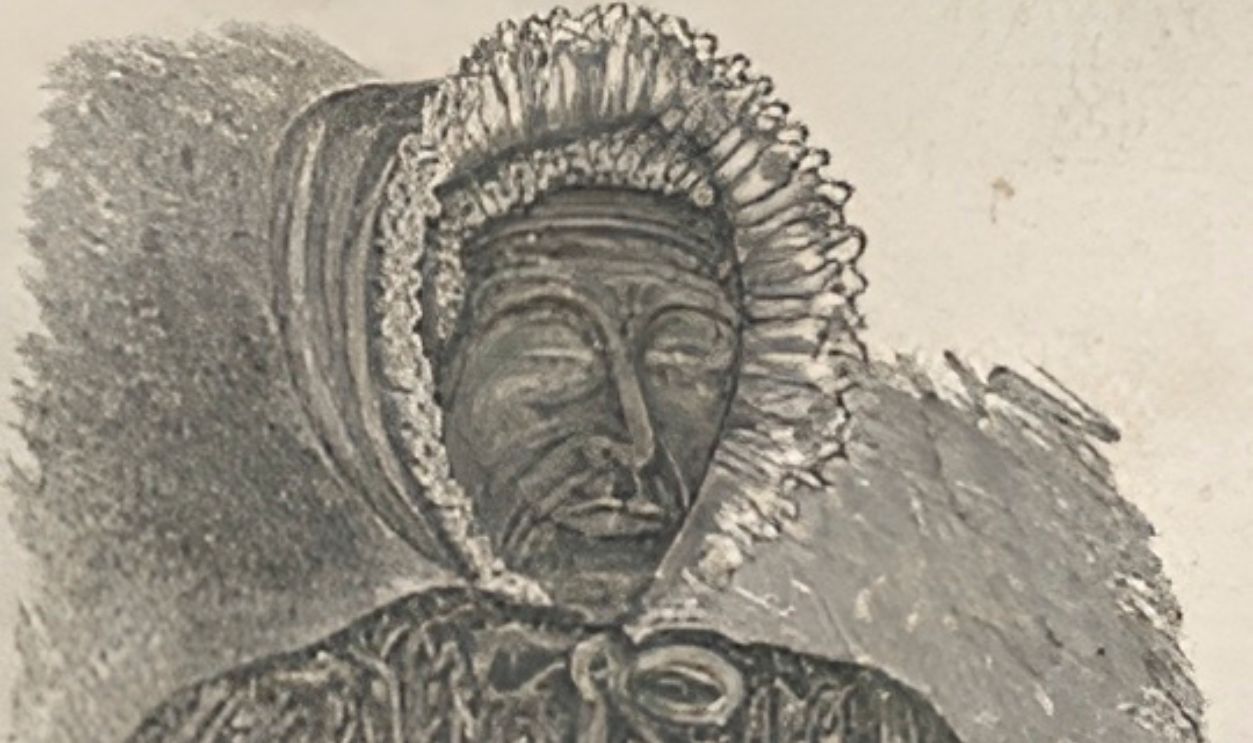
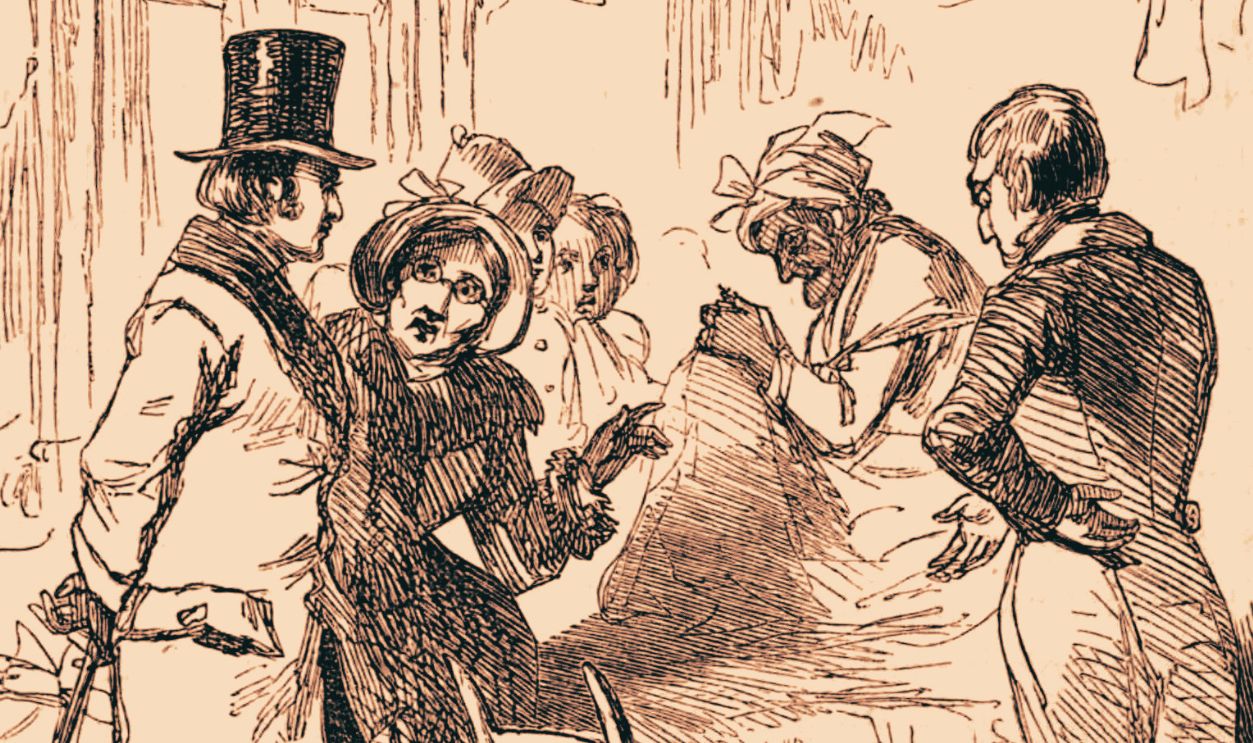
Before P.T. Barnum became America's most famous showman, he toured with Joice Heth, an elderly Black woman he claimed was 161 years old. Barnum advertised her as a former nurse to George Washington, even though the story was false. Crowds paid to see Heth as an astonishing living link to the country's founding.
 J. Booth & Son, 147 Fulton St NY, Wikimedia Commons, Enhanced
Even Her Death Became A Ticketed Show
Heth was nearly blind and partly paralyzed, yet she was exhibited for long hours while Barnum promoted increasingly outrageous stories about her. When she died in 1836, the spectacle did not end. Roughly 1,500 paying spectators attended a public autopsy that revealed she was probably around 80 years old.
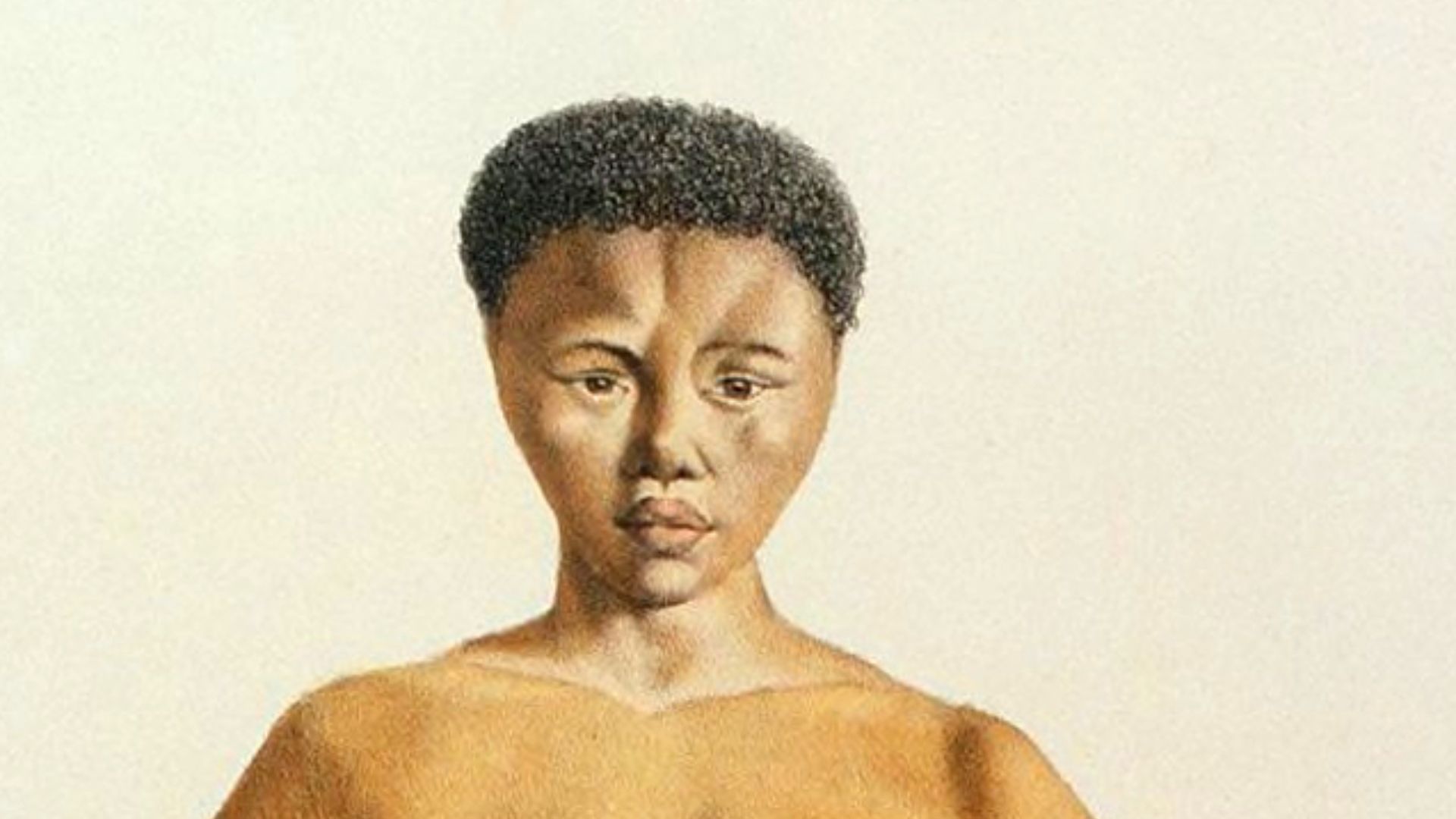
Sarah Baartman Was Put On Display
Sarah Baartman, a Khoikhoi woman from southern Africa, was taken to Britain in 1810 and publicly exhibited because of her body shape. Promoters marketed her under an offensive stage name and turned her appearance into entertainment. She was later exhibited in France, where scientists also studied her body.

History's most fascinating stories and darkest secrets, delivered to your inbox daily.
The Exhibition Followed Her Beyond Death
Baartman died in Paris in 1815, but even death did not end the fascination with her body. Anatomist Georges Cuvier dissected her, while a cast, her skeleton, and preserved remains entered French collections. France finally returned her remains to South Africa in 2002, nearly two centuries after she had been taken to Europe.
 François-André Vincent, Wikimedia Commons
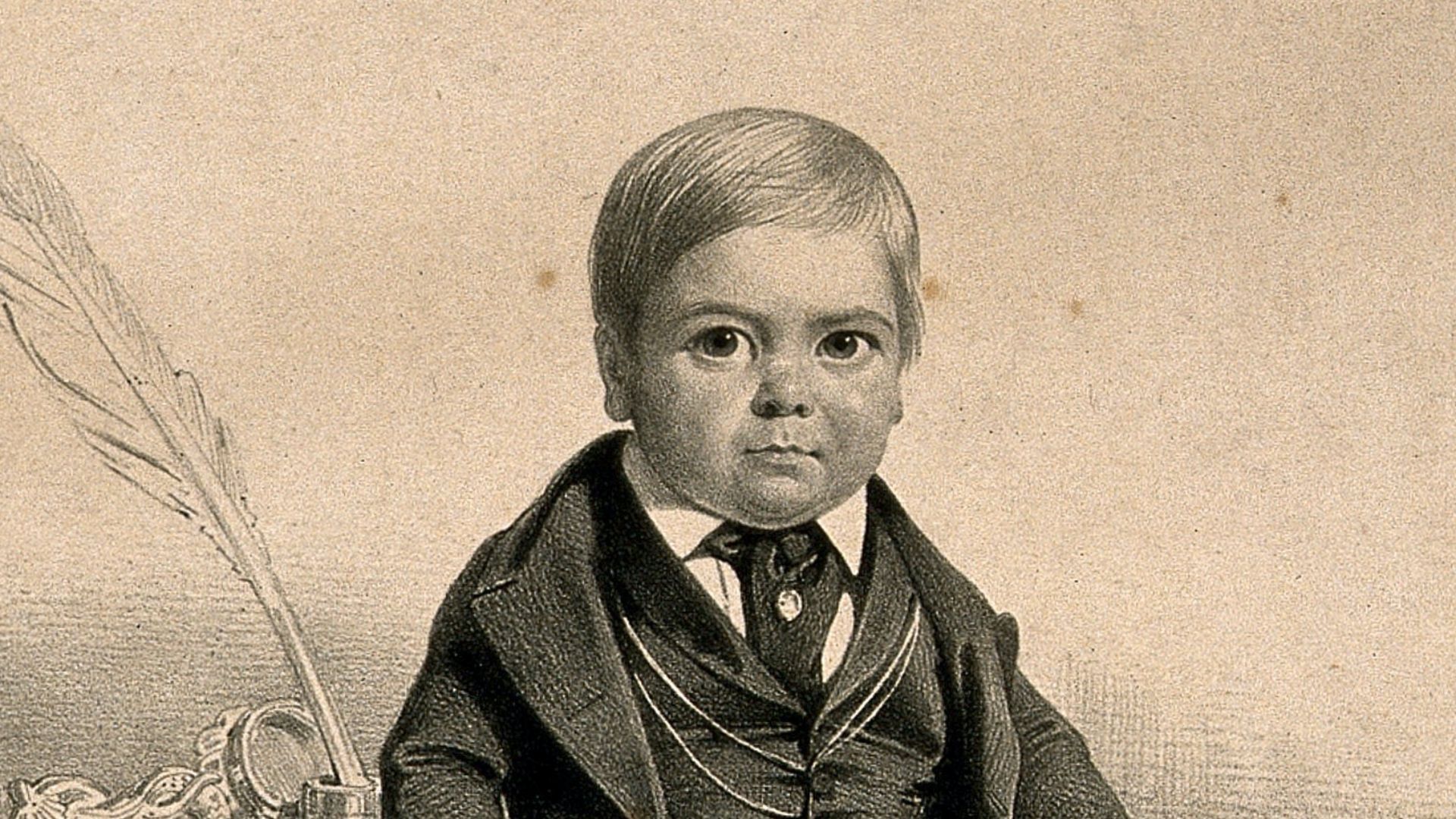
General Tom Thumb Became A Global Celebrity
Charles Stratton was only a small child when Barnum began exhibiting him under the name General Tom Thumb. Stratton sang, danced, acted, performed comic impersonations, and eventually became one of the era's biggest entertainers. Unlike many people displayed as curiosities, he achieved considerable fame and wealth through his performances.
His Wedding Became Its Own Attraction
Stratton's private life became almost as marketable as his stage act. His 1863 marriage to fellow performer Lavinia Warren received enormous newspaper attention, and about 10,000 people attended their reception at New York's Metropolitan Hotel. Even a wedding could become part of the entertainment when the public was fascinated enough by the people involved.
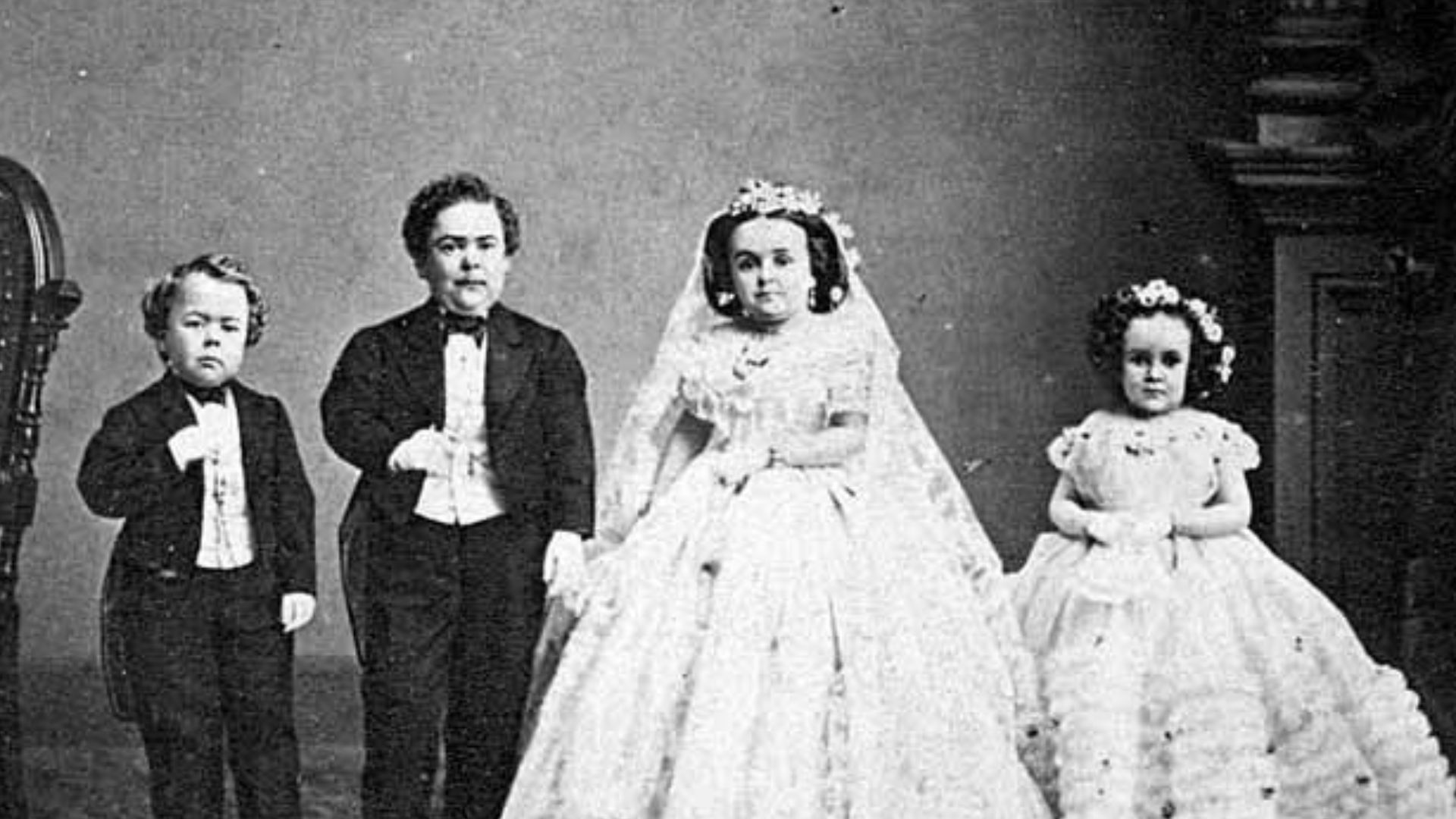 Brady, Mathew B., 1823 (ca.), Wikimedia Commons
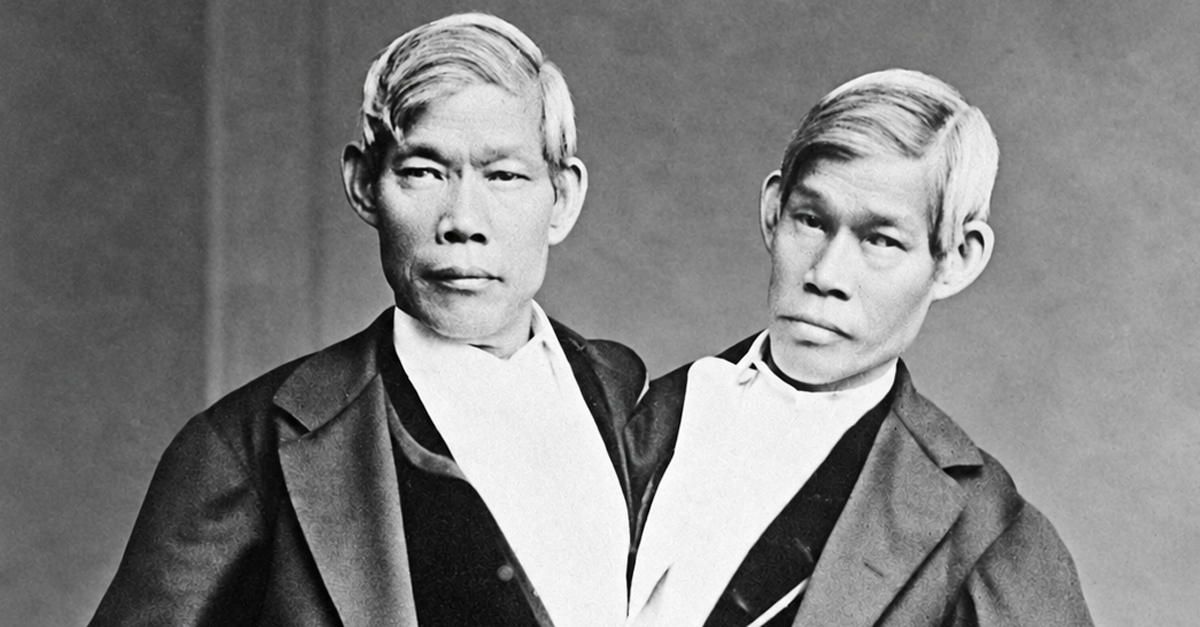
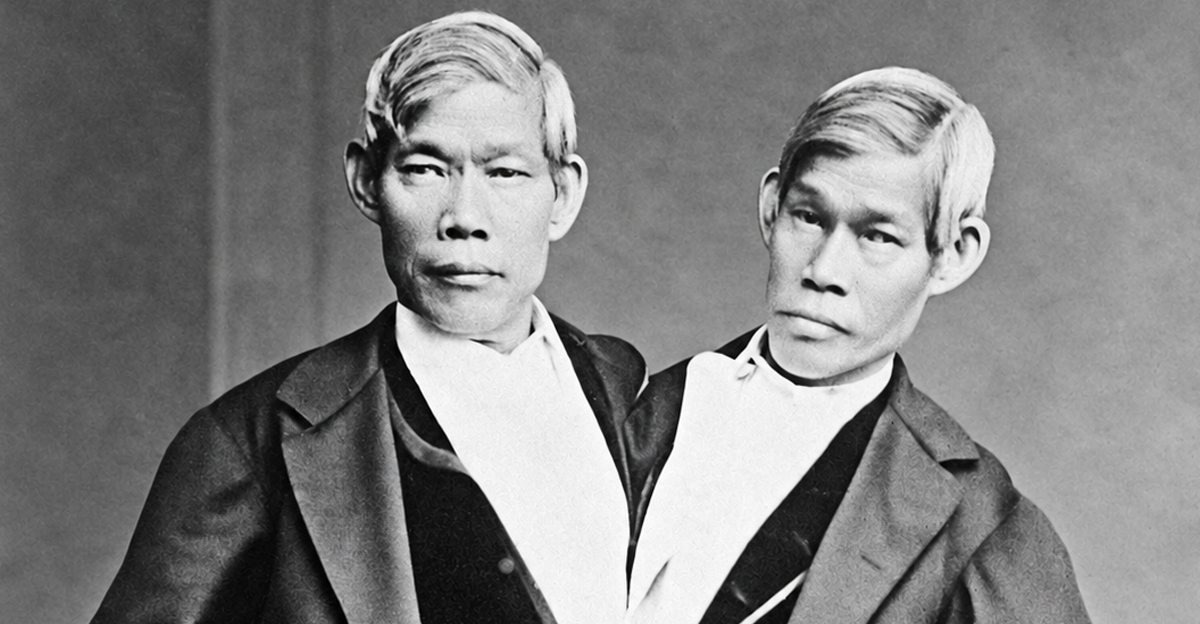
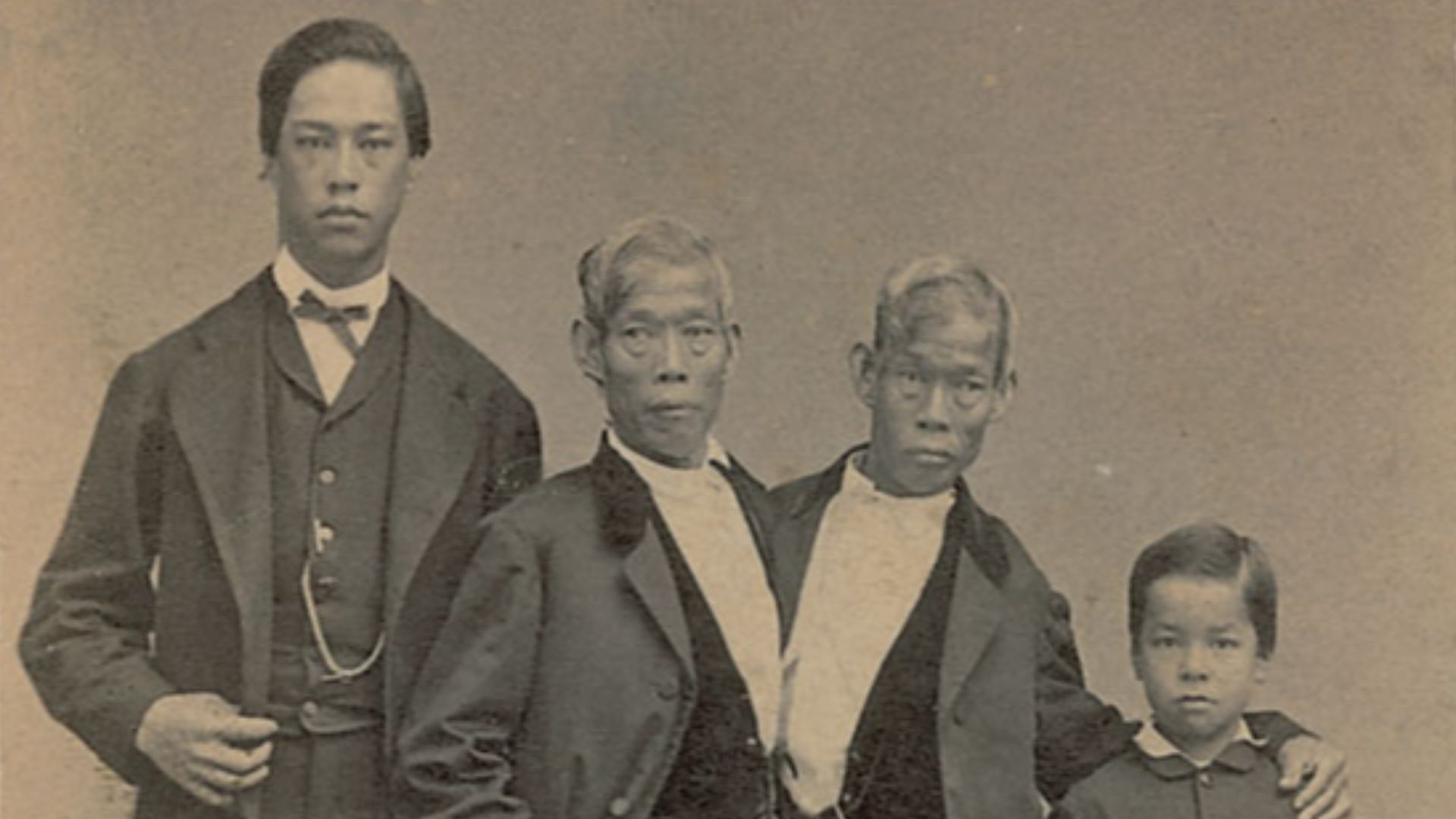
Chang And Eng Turned Curiosity Into A Career
Chang and Eng Bunker were born joined at the chest in Siam, now Thailand, in 1811. Beginning in 1829, they toured the United States and Europe as the famous "Siamese Twins," a term that ultimately came from their celebrity. They eventually gained greater control of their careers and became experienced businessmen rather than remaining simply someone else's attraction.
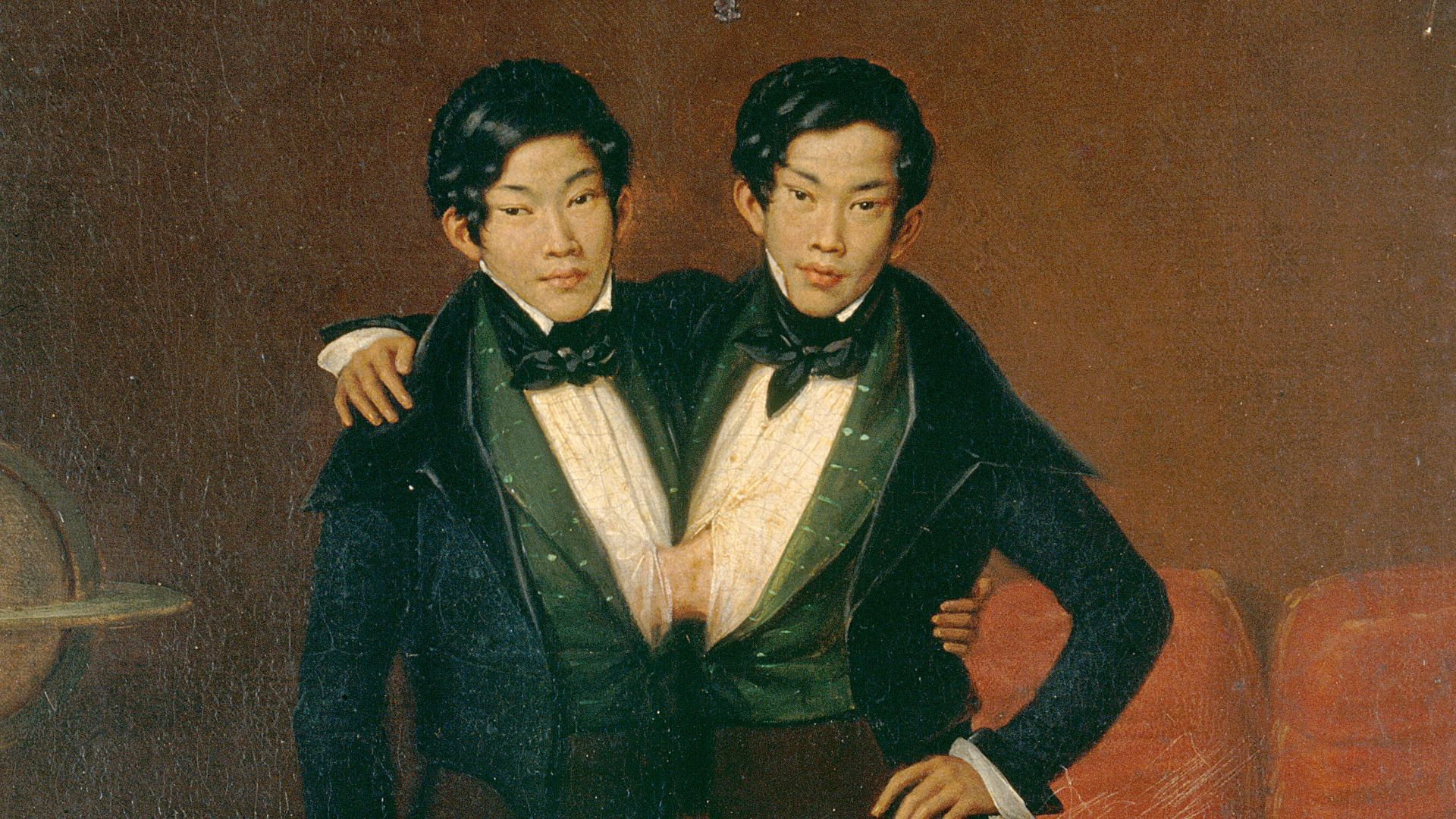 Édouard Pingret, Wikimedia Commons
Their Story Was Far More Complicated
Chang and Eng later settled in North Carolina, married sisters, and fathered 21 children between them. They accumulated property and wealth, and they also became enslavers, making their place in American history much more complicated than a simple story of exploitation. Even after their deaths in 1874, physicians conducted a detailed autopsy to study the connection between their bodies.
Joseph Merrick Chose The Stage
Joseph Merrick struggled to find work because of severe physical differences that became more pronounced as he aged. In 1884, after years that included time in a workhouse, he contacted a showman and agreed to appear publicly as the "Elephant Man." Exhibition offered Merrick something other Victorian institutions often had not: a way to earn money and gain some independence.
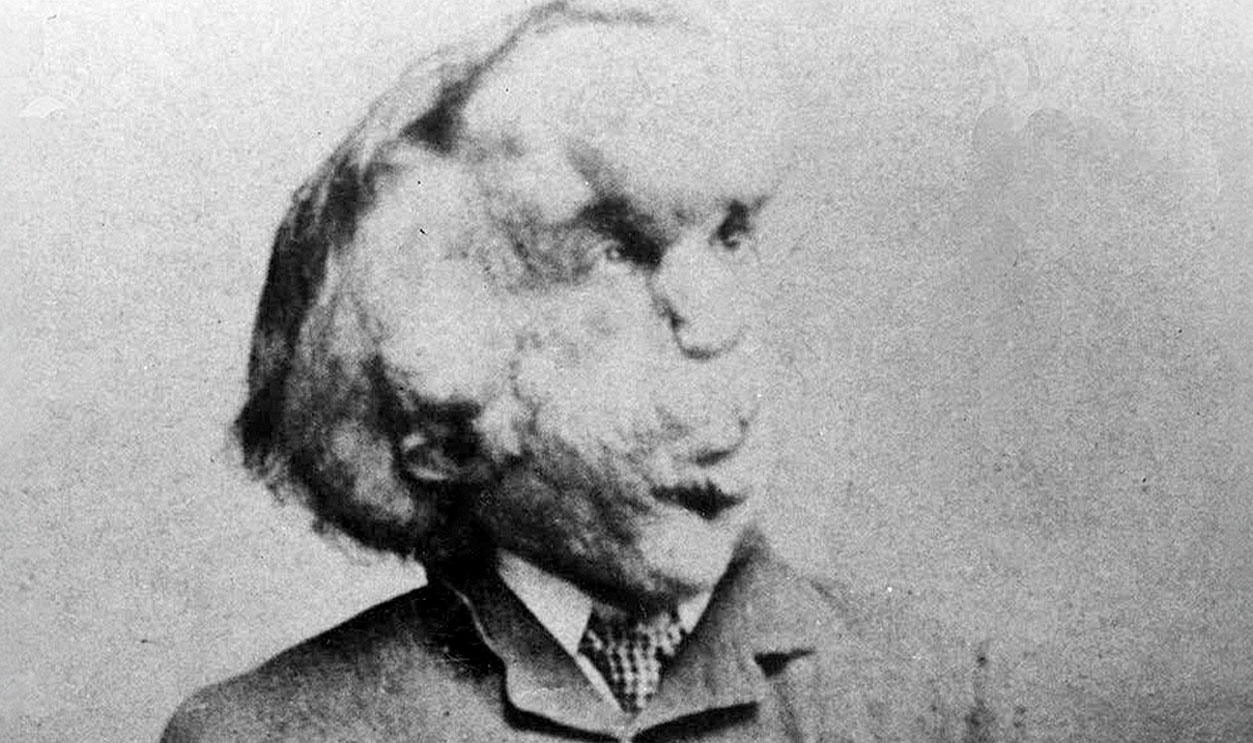 Unknown Author, Wikimedia Commons
History's most fascinating stories and darkest secrets, delivered to your inbox daily.
The Staring Did Not Stop At The Hospital
Merrick's London exhibition was eventually shut down, and after a disastrous European tour he returned to London and lived at the London Hospital. There he received better care, but he still attracted curious visitors, including members of high society. After his death in 1890, his skeleton became part of a medical collection, extending the public and scientific fascination with his body.
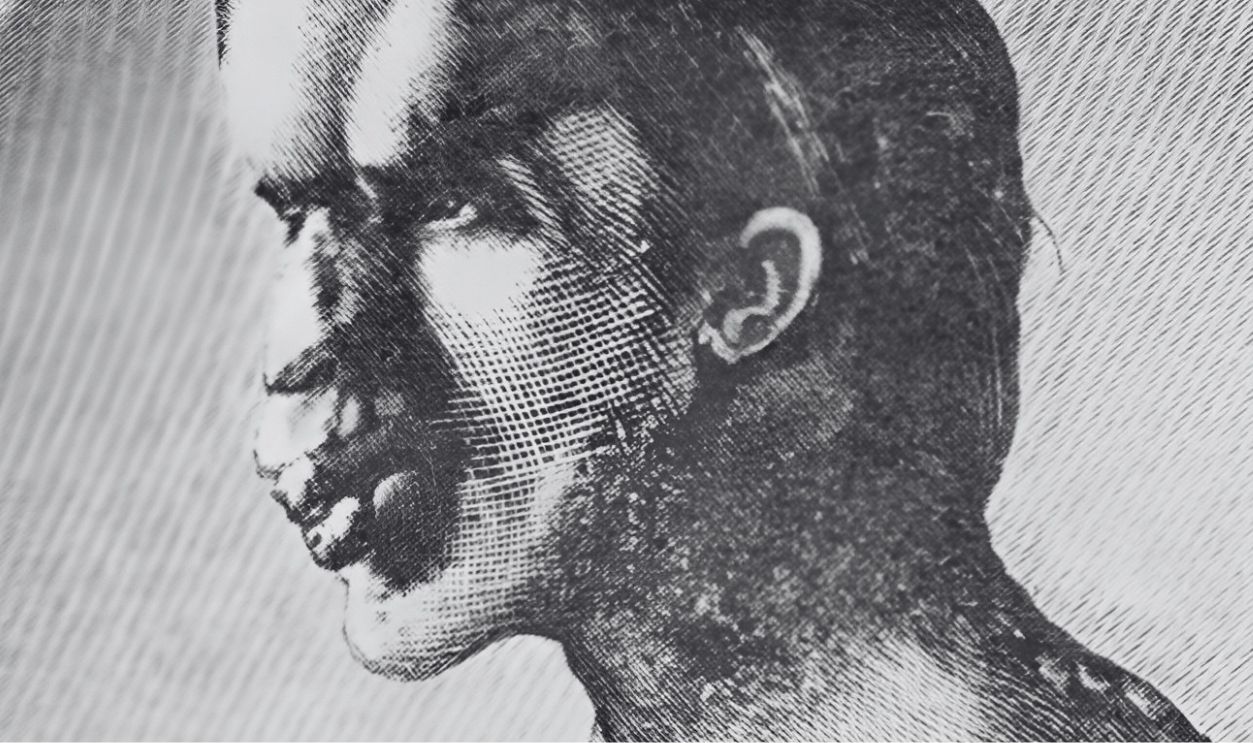
Julia Pastrana Was Marketed As A "Wonder"
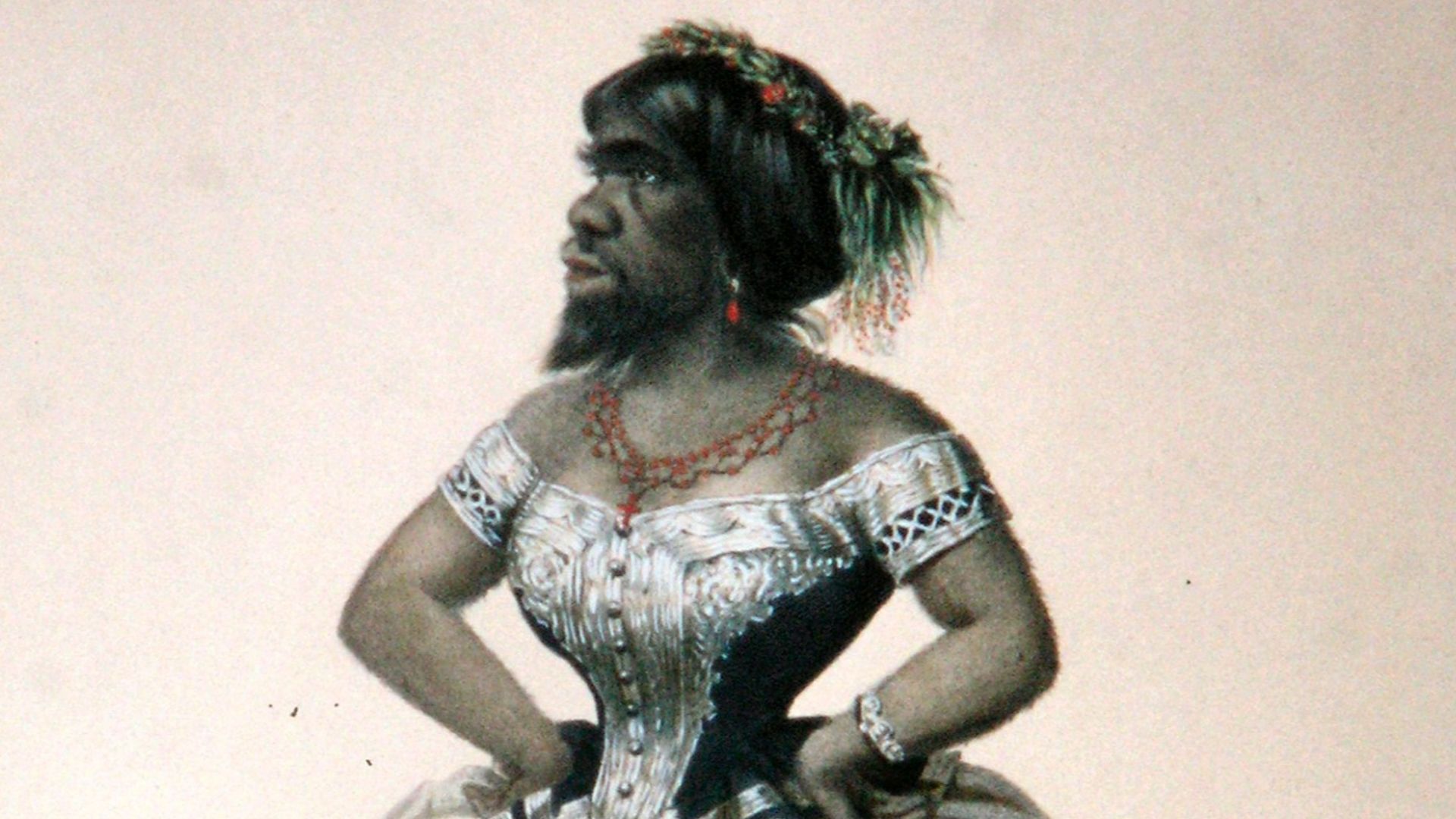
Julia Pastrana was a Mexican performer with hypertrichosis and gingival hyperplasia, conditions that affected her hair growth and facial appearance. She could sing and dance, yet promoters centered advertising on her body and promoted her with dehumanizing descriptions. She toured internationally during the 1850s before dying in Moscow in 1860.
 Vinzenz Katzler (+ vor 1900), Wikimedia Commons
Her Body Remained Part Of The Show
Pastrana's exploitation continued long after her death because her embalmed body itself became an exhibit. Surviving advertisements document public displays of her remains in London, and her body eventually entered a Norwegian collection. In 2013, Norway returned her remains to Mexico for burial after an ethics committee concluded that her treatment had been deeply unacceptable.
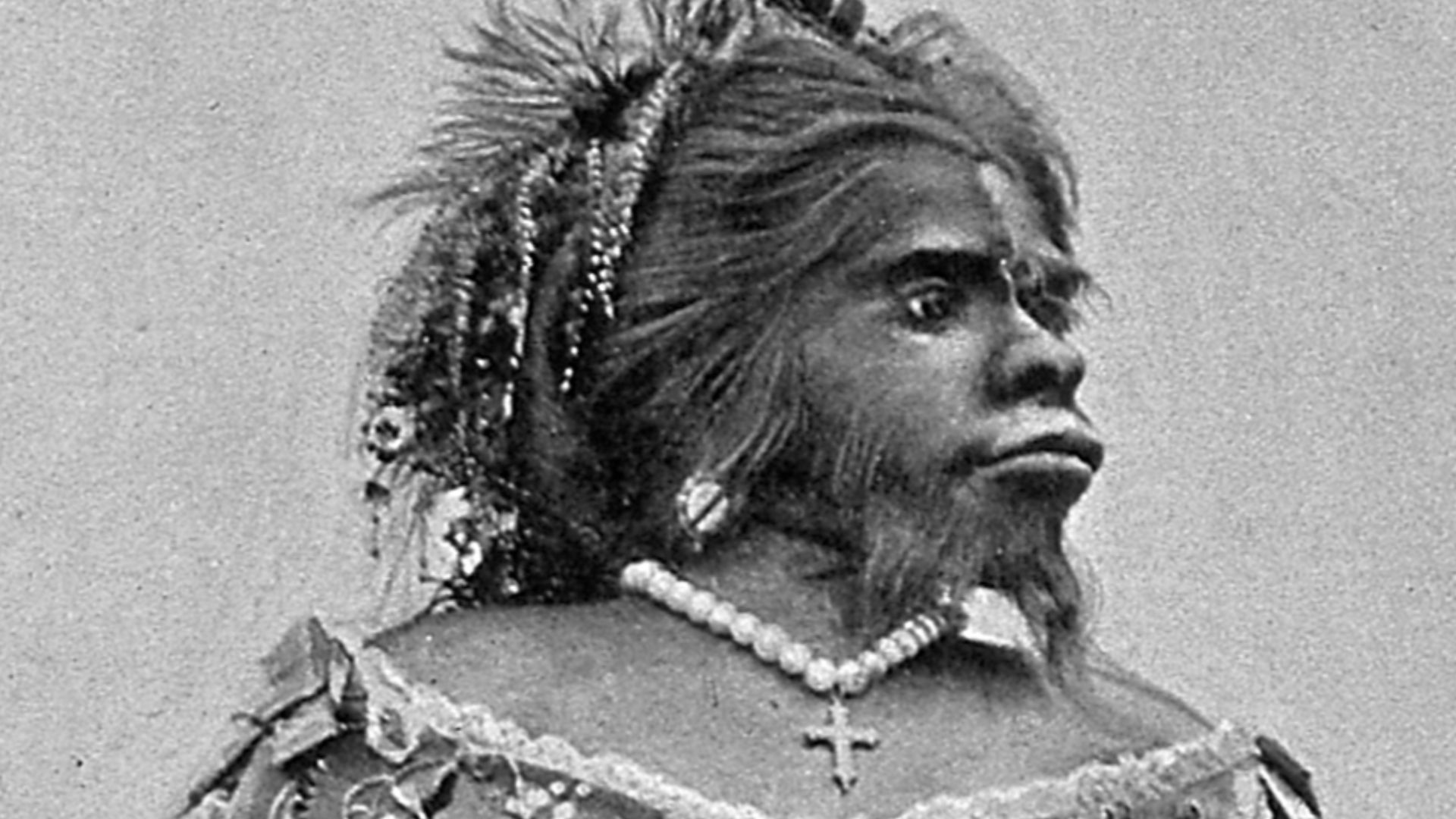 George Wick, Wikimedia Commons
Ota Benga Was Exhibited At The Bronx Zoo
Ota Benga was a Congolese man brought to the United States and displayed at the 1904 St. Louis World's Fair. Two years later, he ended up at New York's Bronx Zoo, where officials placed his hammock inside the Monkey House and turned his presence there into an attraction. Visitors arrived in huge numbers to see him.
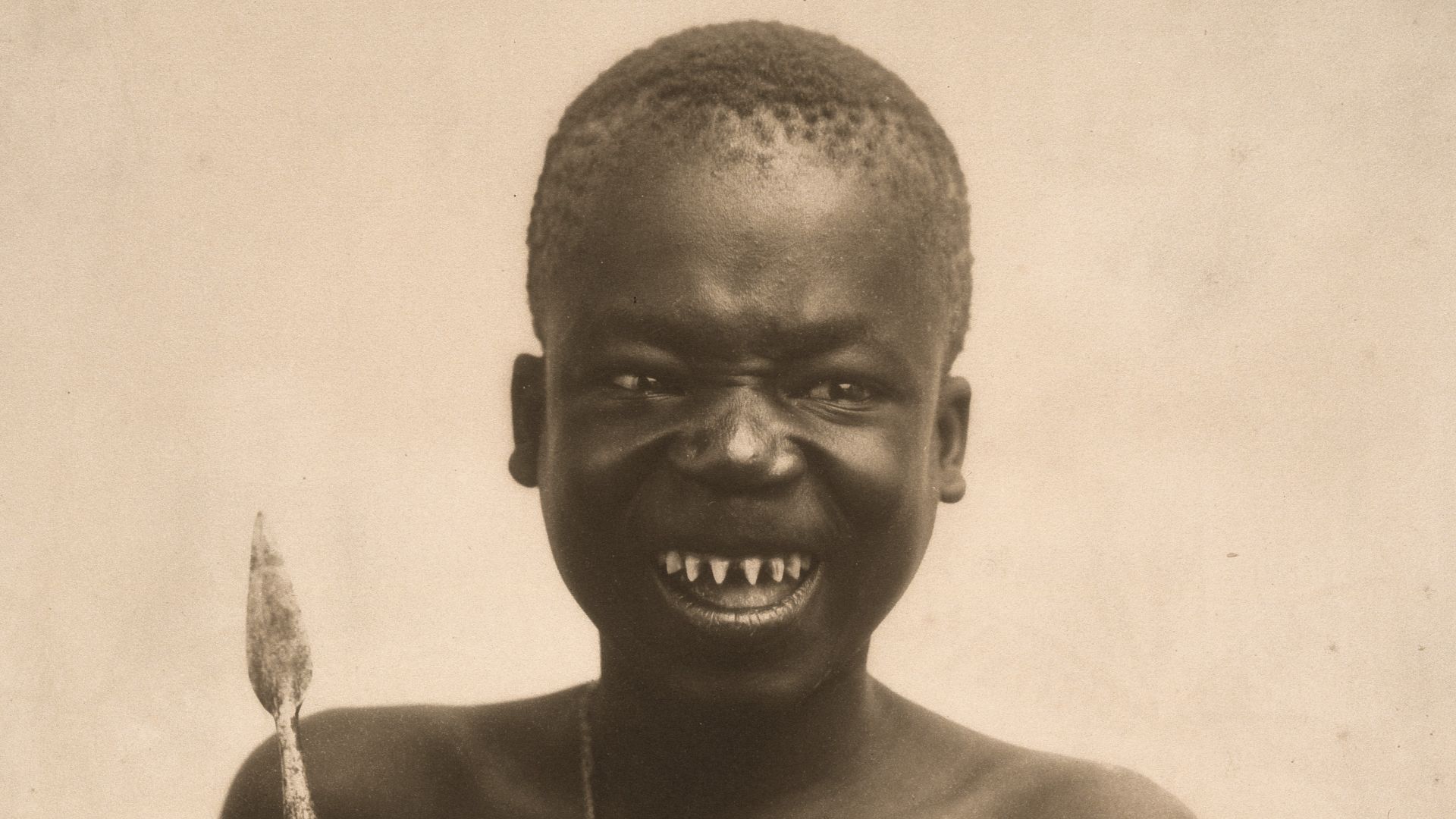 Gerhard Sisters, Wikimedia Commons
The Display Sparked A Public Fight
The Bronx Zoo exhibition immediately drew opposition, particularly from Black ministers who protested the degrading treatment of Benga. The formal Monkey House display ended, although visitors continued following and harassing him around the zoo grounds. Benga eventually left New York, but his story became one of the most notorious examples of the human exhibitions once treated as public entertainment.
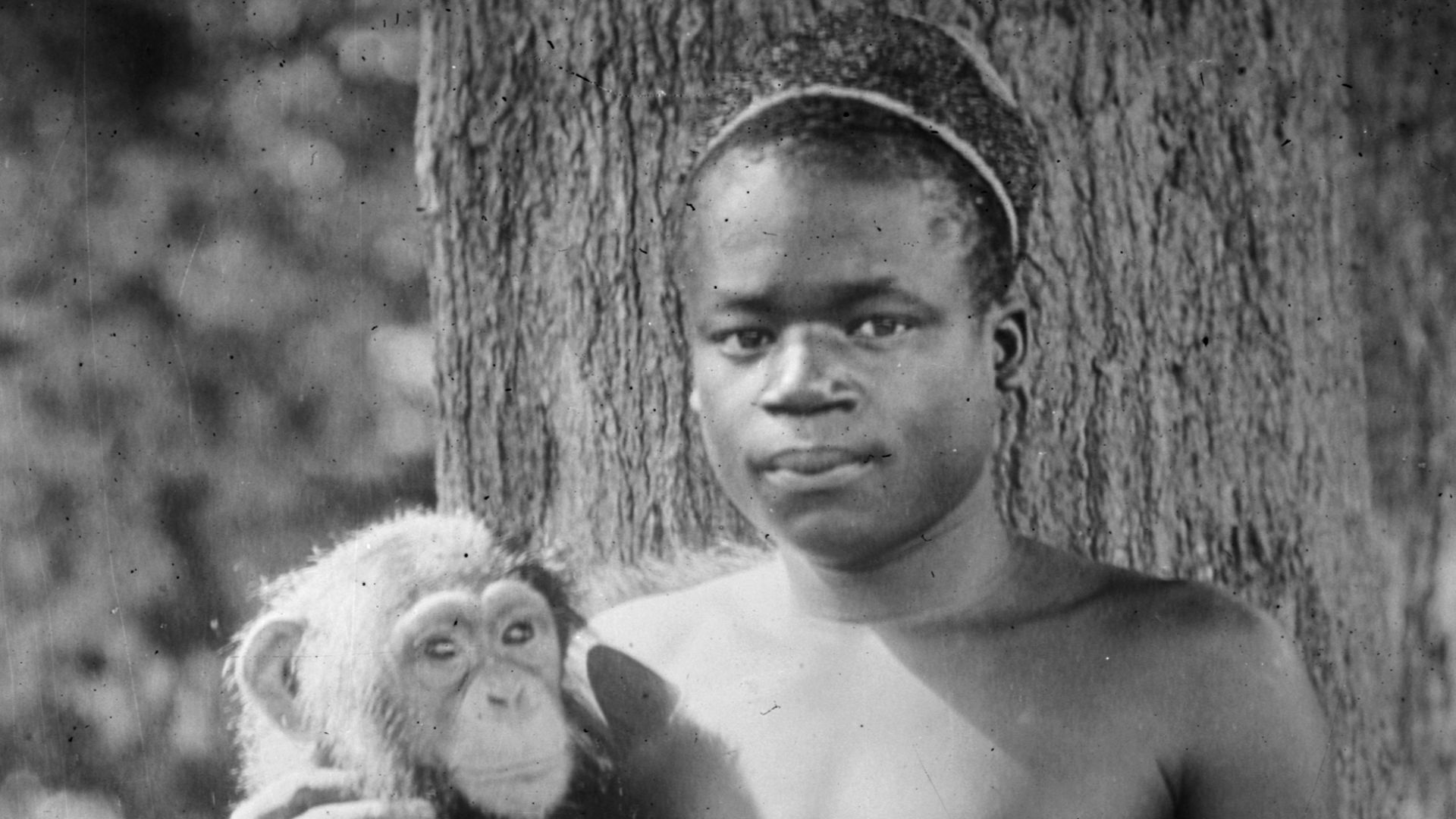 Unknown authorUnknown author, Wikimedia Commons
The World's Fair Put Filipinos On Display
Ota Benga was hardly the only person turned into an attraction at the 1904 St. Louis World's Fair. More than 1,000 Filipinos traveled to the enormous Philippine Exposition, where Indigenous communities were presented to American visitors in recreated villages. Photographs and promotional material openly treated Igorot people as exhibits for fairgoers to observe.
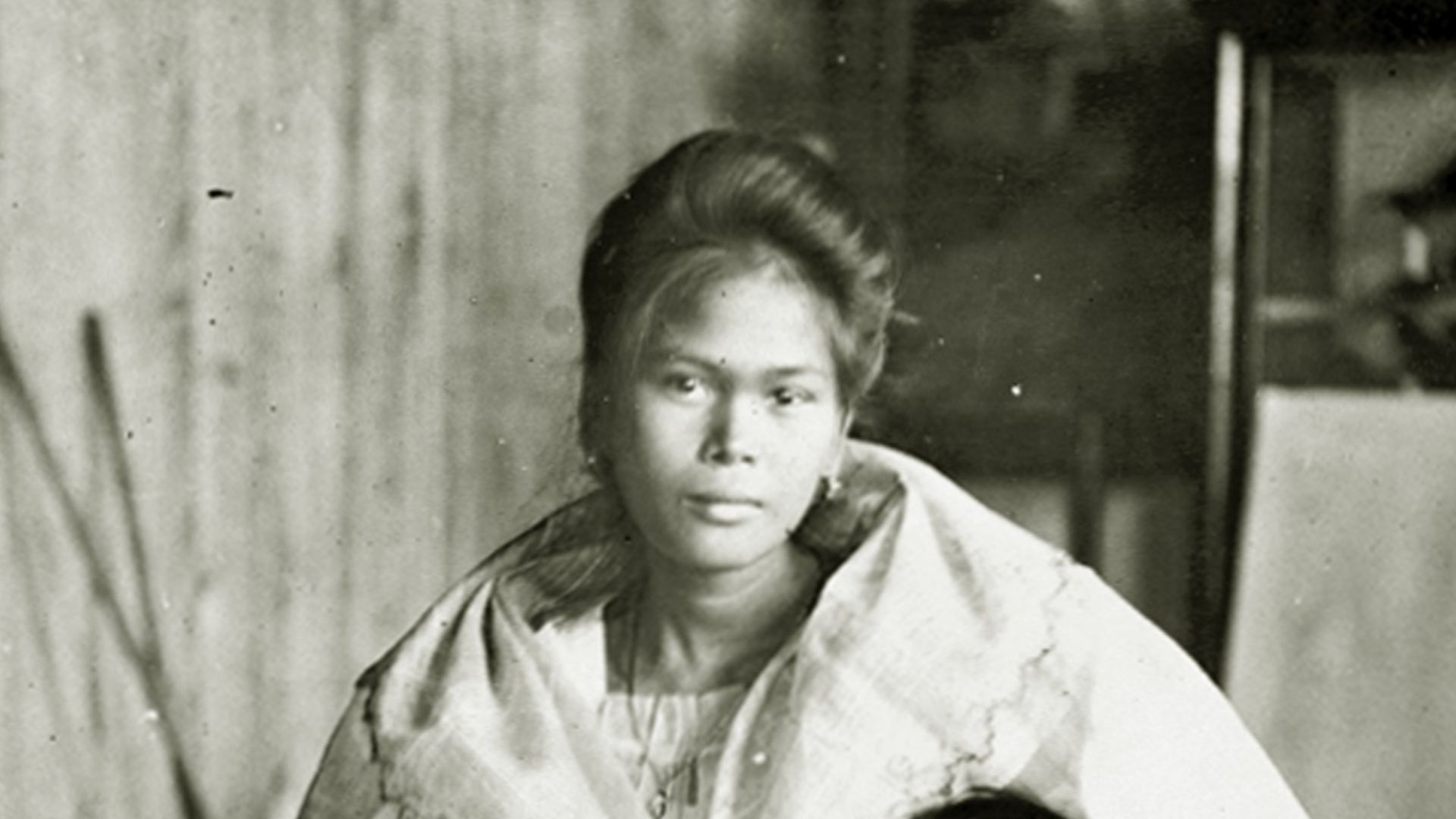
History's most fascinating stories and darkest secrets, delivered to your inbox daily.
Ordinary Life Became Part Of The Attraction
Inside the Philippine villages, activities such as dancing, cooking, crafts, and everyday routines became entertainment. Organizers emphasized customs that could make the people on display appear exotic or supposedly "primitive," reinforcing colonial ideas about the Philippines. The exhibit drew enormous attention while the United States was governing the islands as a colonial possession.
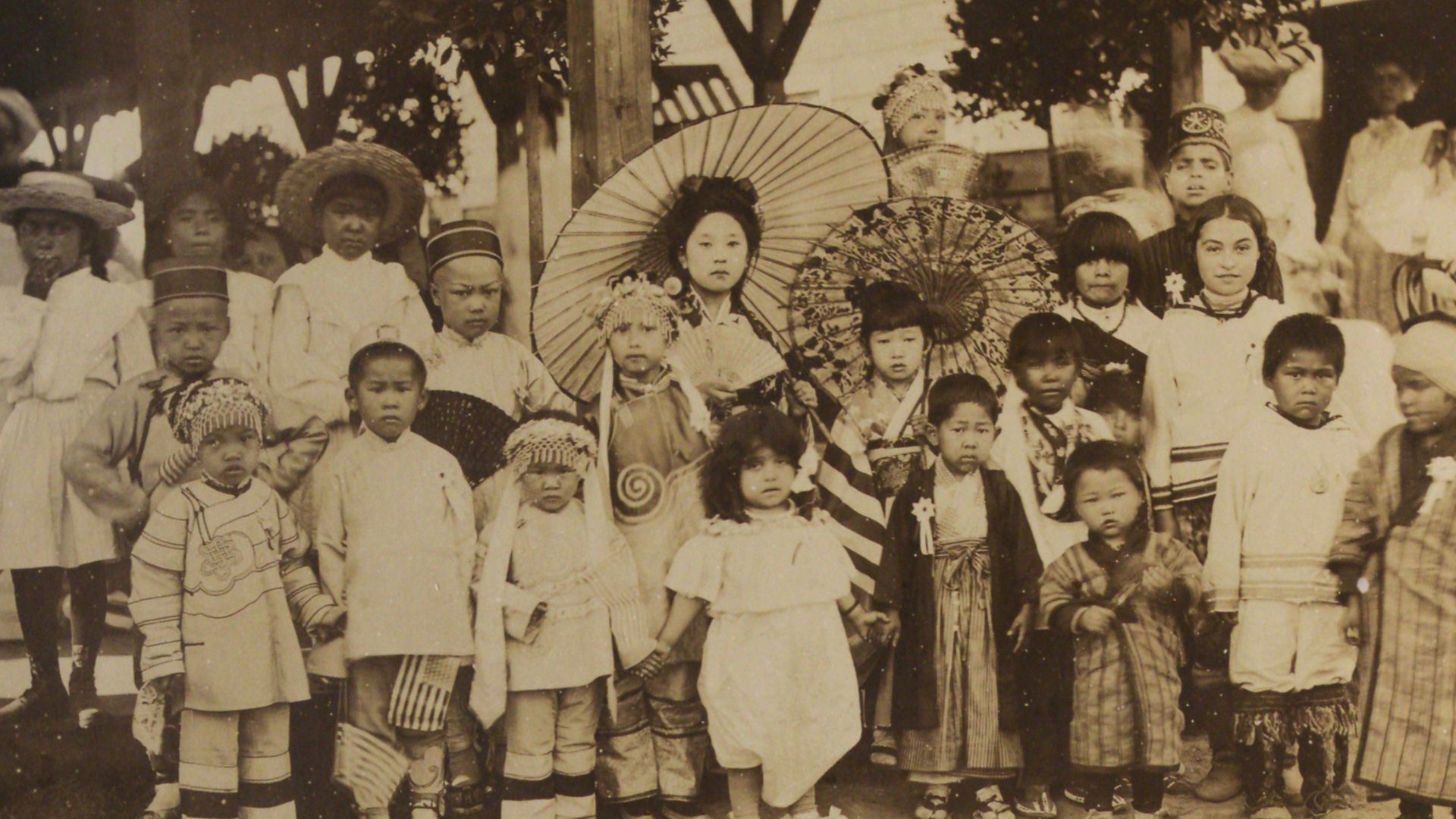 Louisiana Purchase Exposition Co. (Saint Louis, Mo.), Wikimedia Commons
Dreamland Built A Tiny City Around Little People
Coney Island's Dreamland amusement park created an attraction known as Lilliputia, historically advertised as “Midget City,” and populated by hundreds of little people. Buildings were constructed at reduced scale, and the community included a theater, fire department, railway, and even a miniature beach. Visitors were essentially invited to walk through a working town whose residents themselves were the attraction.
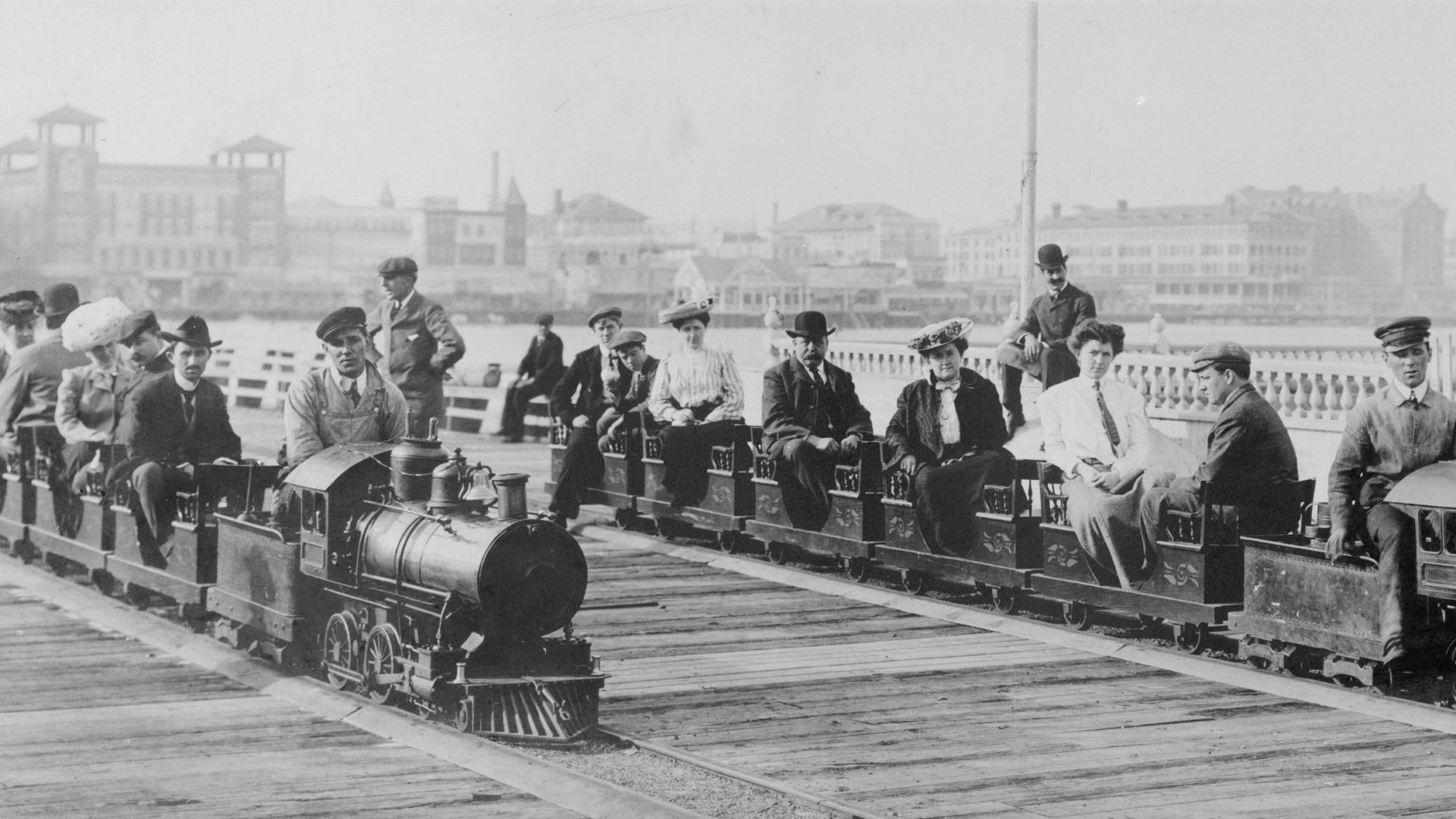 Miscellaneous Items in High Demand, PPOC, Library of Congress, Wikimedia Commons
Premature Babies Became A Boardwalk Attraction
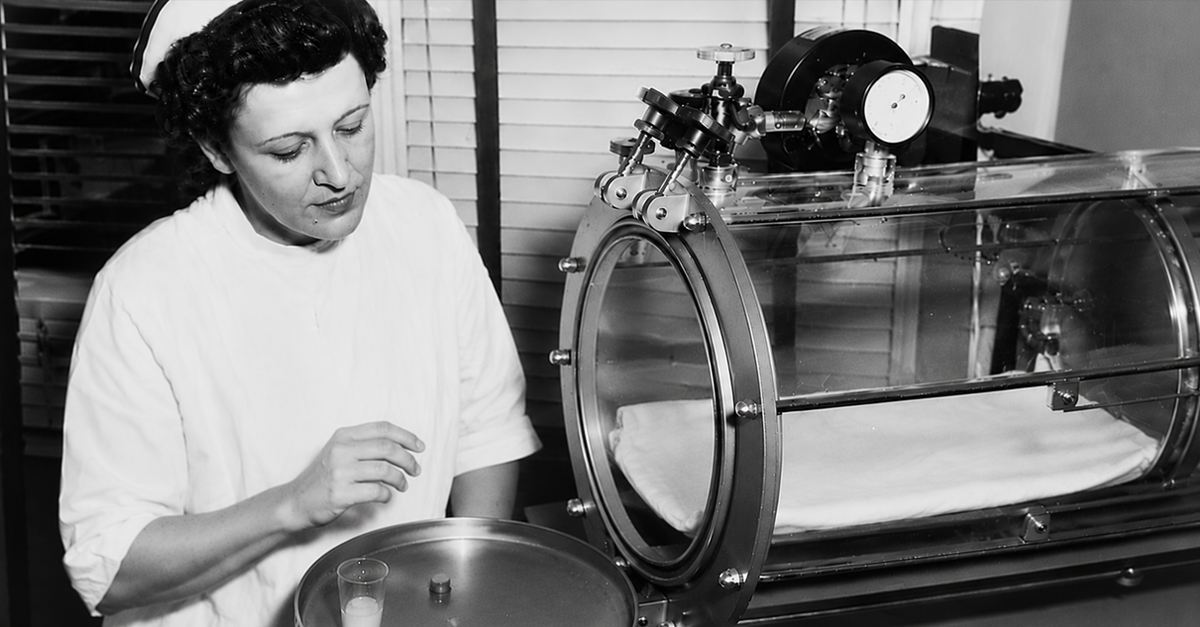
Starting in 1903, visitors to Coney Island could pay admission to see premature infants inside incubators. Martin Couney operated exhibits at Luna Park and Dreamland, complete with nurses and carnival barkers attracting customers. It sounds remarkably uncomfortable today, but the story has an unexpected twist.
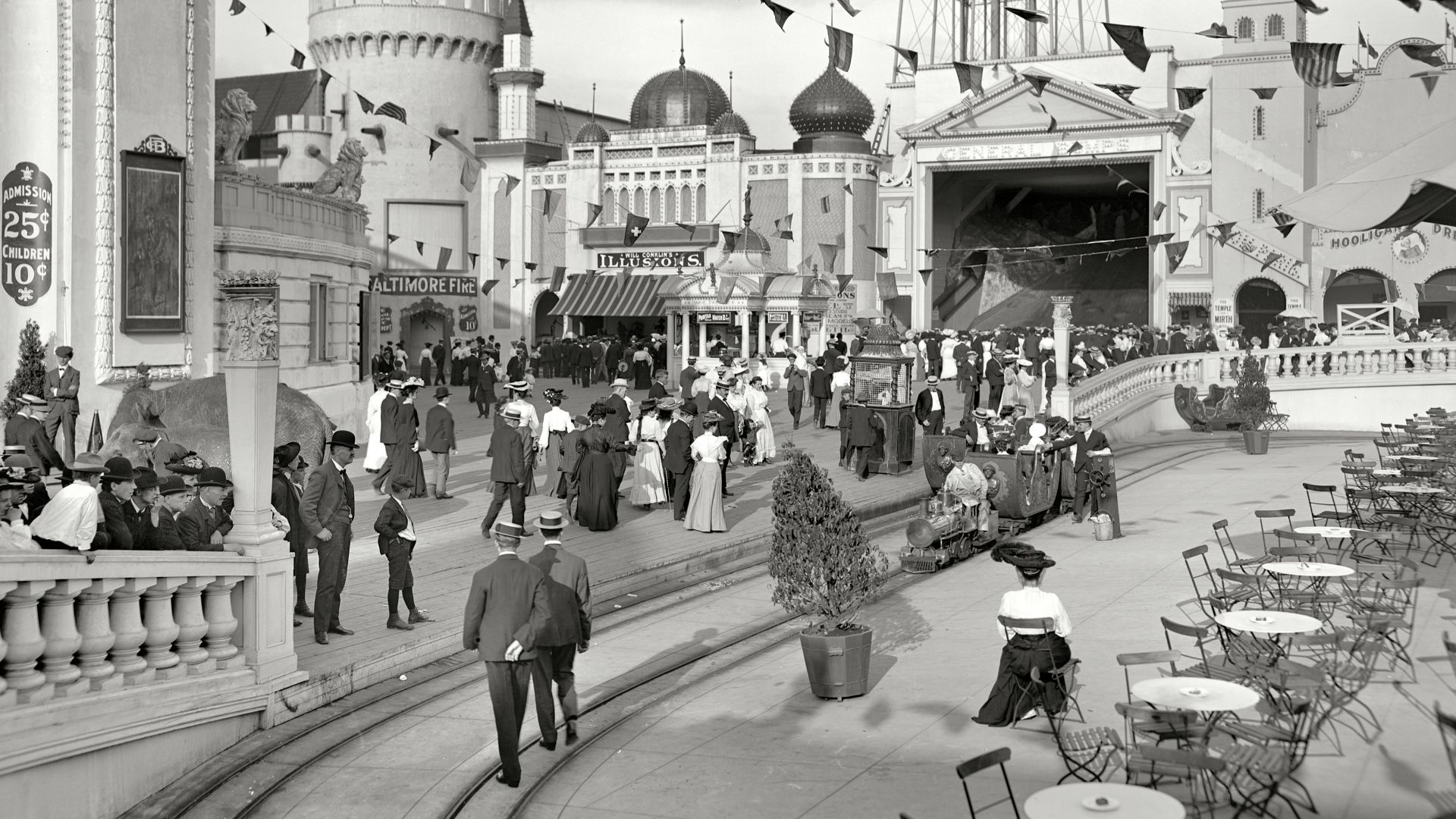 8x10 inch dry plate glass negative, Detroit Publishing Company., Wikimedia Commons
The Sideshow Was Also Saving Lives
Ticket revenue helped pay for specialized care, while families were not charged for the treatment Couney provided. Hospitals were still slow to embrace incubator technology, so the amusement-park exhibits gave premature infants care they might otherwise have struggled to receive. Thousands of babies passed through Couney's exhibitions before hospital neonatal care finally caught up.
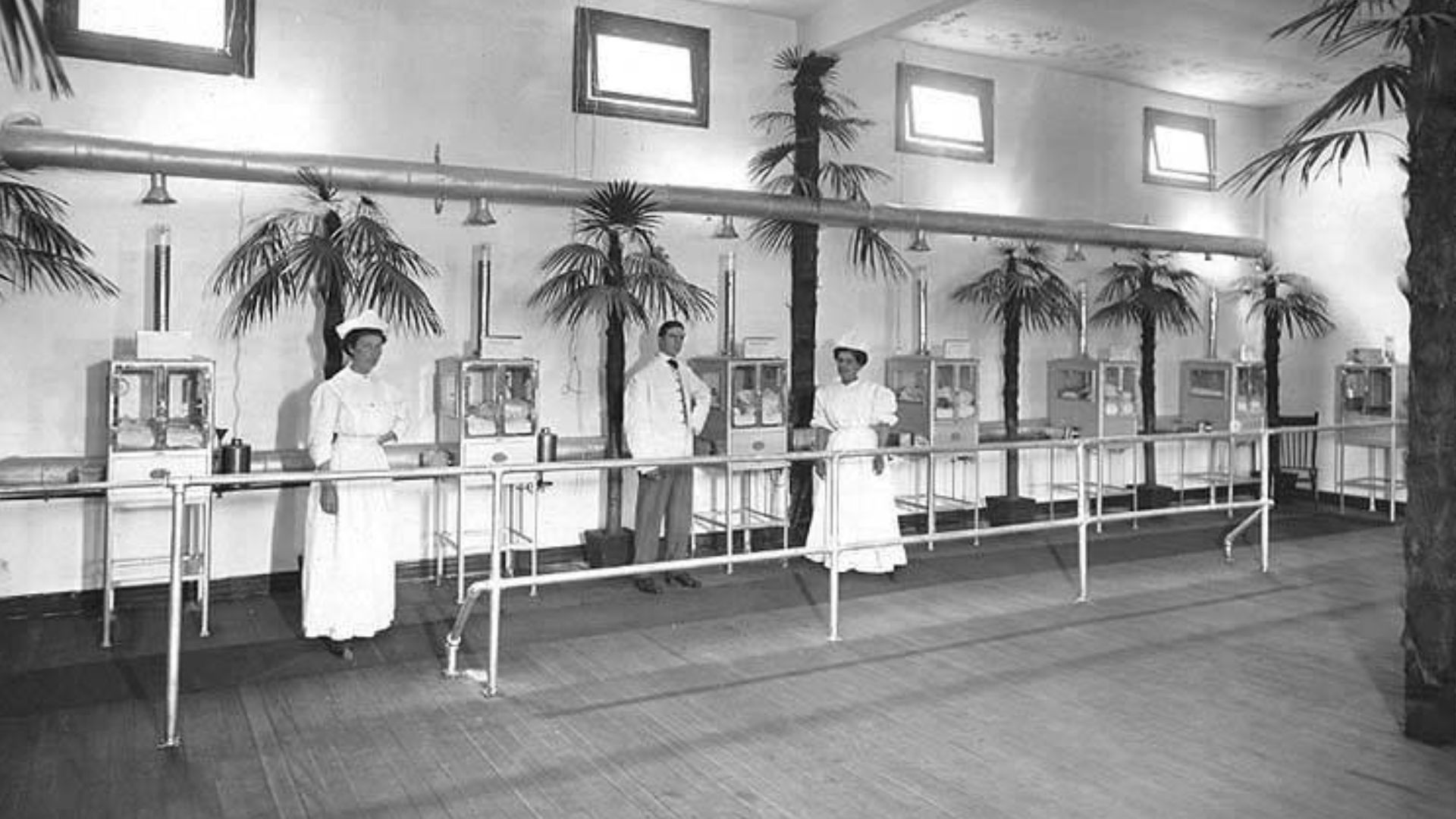 Unknown authorUnknown author, Wikimedia Commons
Victorians Unwrapped Mummies For An Audience
Nineteenth-century fascination with ancient Egypt sometimes went far beyond museum visits. Wealthy Victorians held mummy-unwrapping gatherings, while surgeon Thomas Pettigrew staged well-attended demonstrations for scholars and members of high society. Human remains that had been carefully prepared for burial thousands of years earlier became both scientific material and evening entertainment.
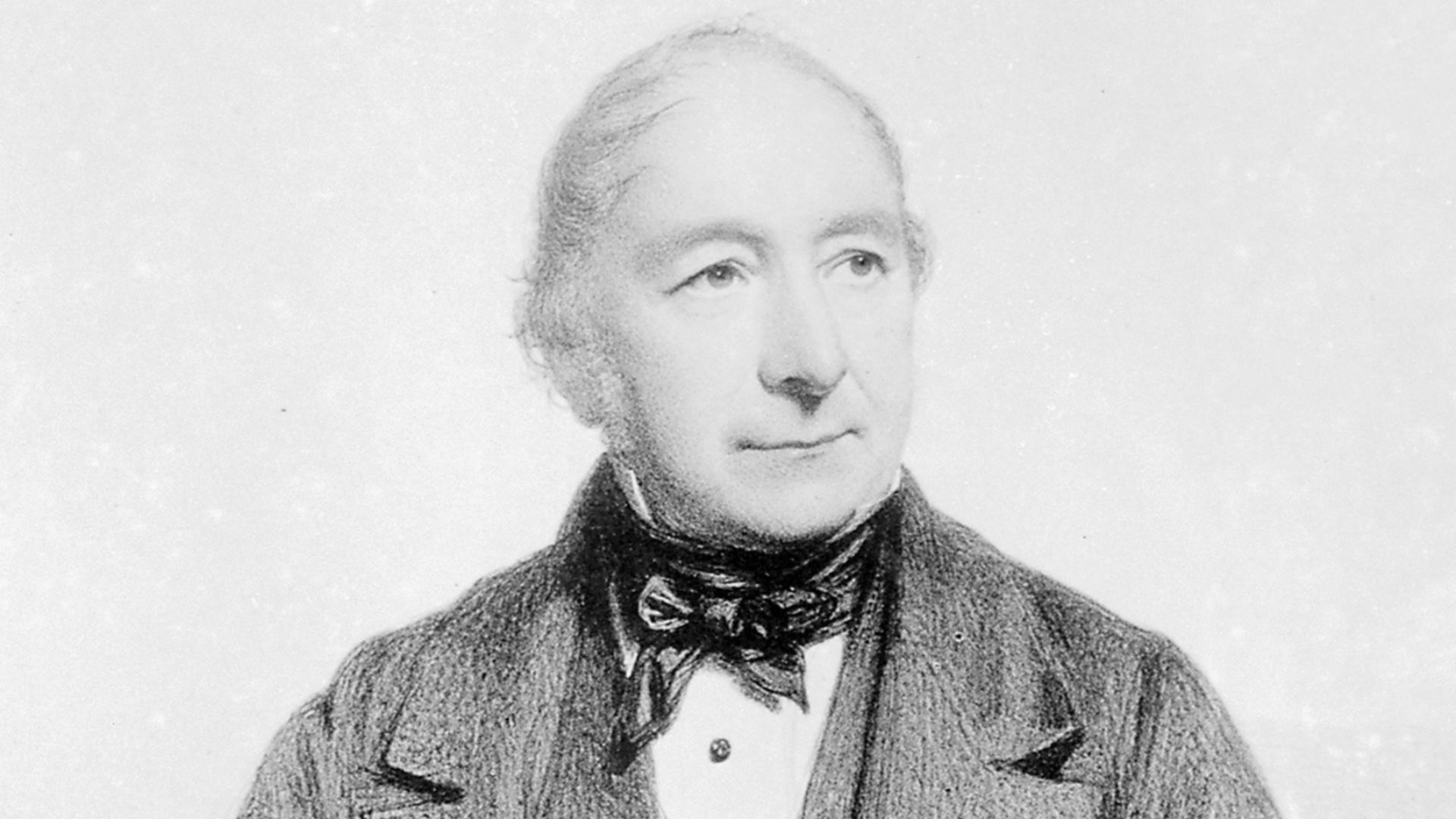 Unknown authorUnknown author, Wikimedia Commons
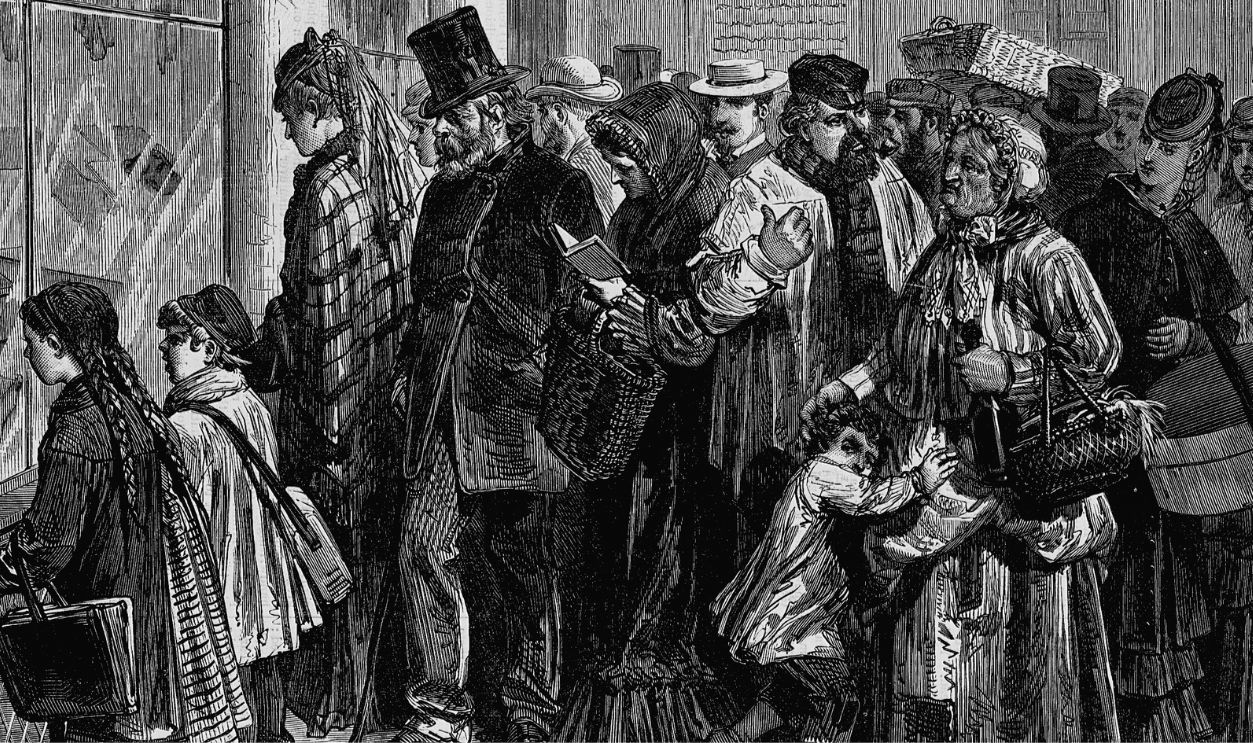
Paris Turned Its Morgue Into A Tourist Attraction
For decades, the Paris Morgue publicly displayed unidentified bodies so visitors might recognize them. The practical system soon became an attraction in its own right, with large crowds arriving simply to look through the glass. Guidebooks mentioned the morgue, vendors sold food nearby, and families sometimes brought children before authorities finally closed public viewing in 1907.
History's most fascinating stories and darkest secrets, delivered to your inbox daily.
Horses Dove From Towers For Applause
At Atlantic City's Steel Pier, one of the biggest attractions involved horses plunging from elevated platforms into pools of water. The diving-horse act became a famous feature of the Boardwalk after arriving at the pier in the late 1920s. Riders climbed onto the horses before spectacular dives that would be difficult to imagine surviving modern animal-welfare scrutiny.
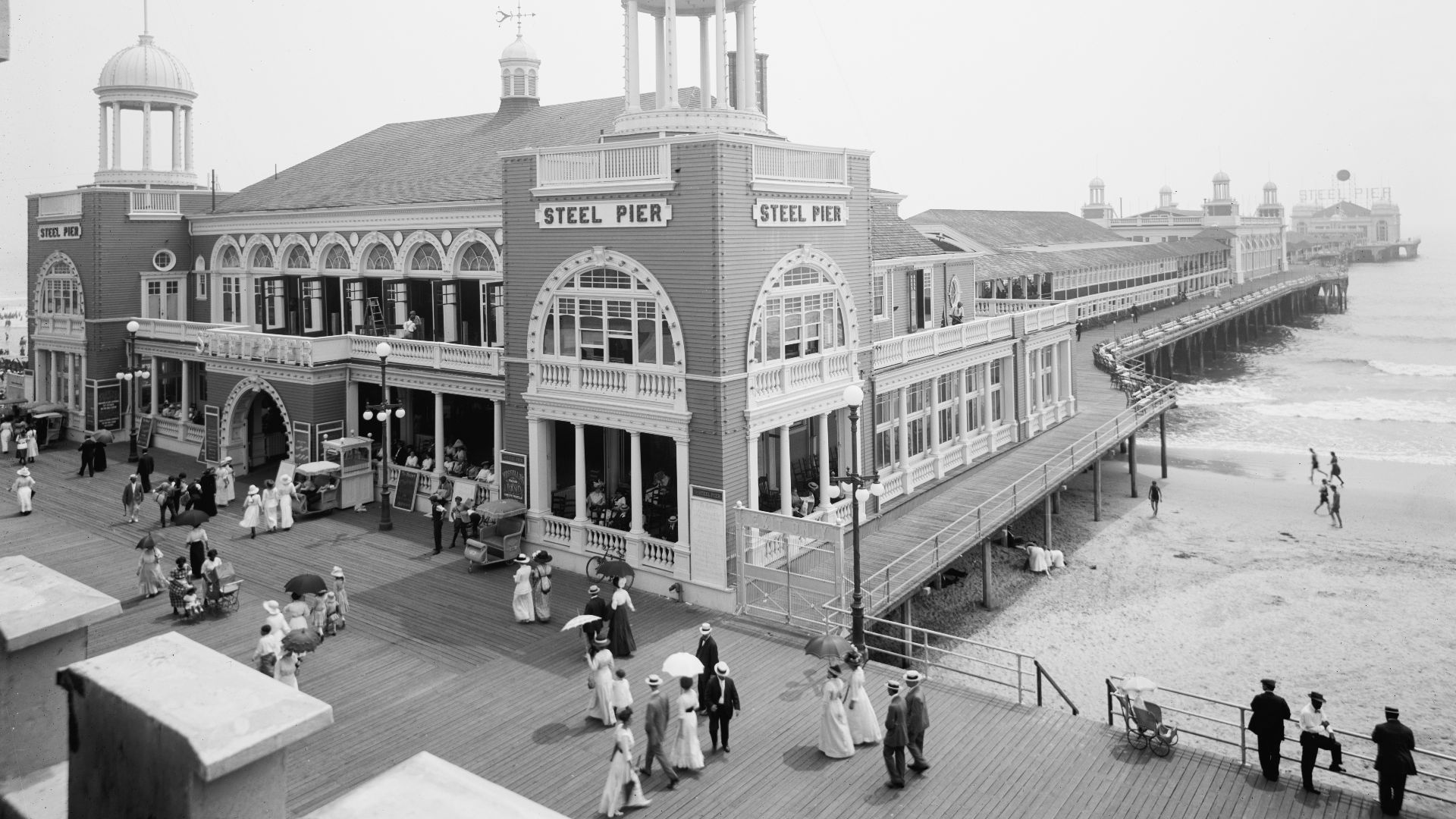 Detroit Publishing Company, Wikimedia Commons
One Rider Lost Her Sight And Kept Performing
Sonora Webster Carver became one of the act's best-known riders. In 1931, a bad landing during a dive left her blind, yet she later returned to the performance. The diving horses remained a Steel Pier attraction until 1978, with a brief revival in 1993.
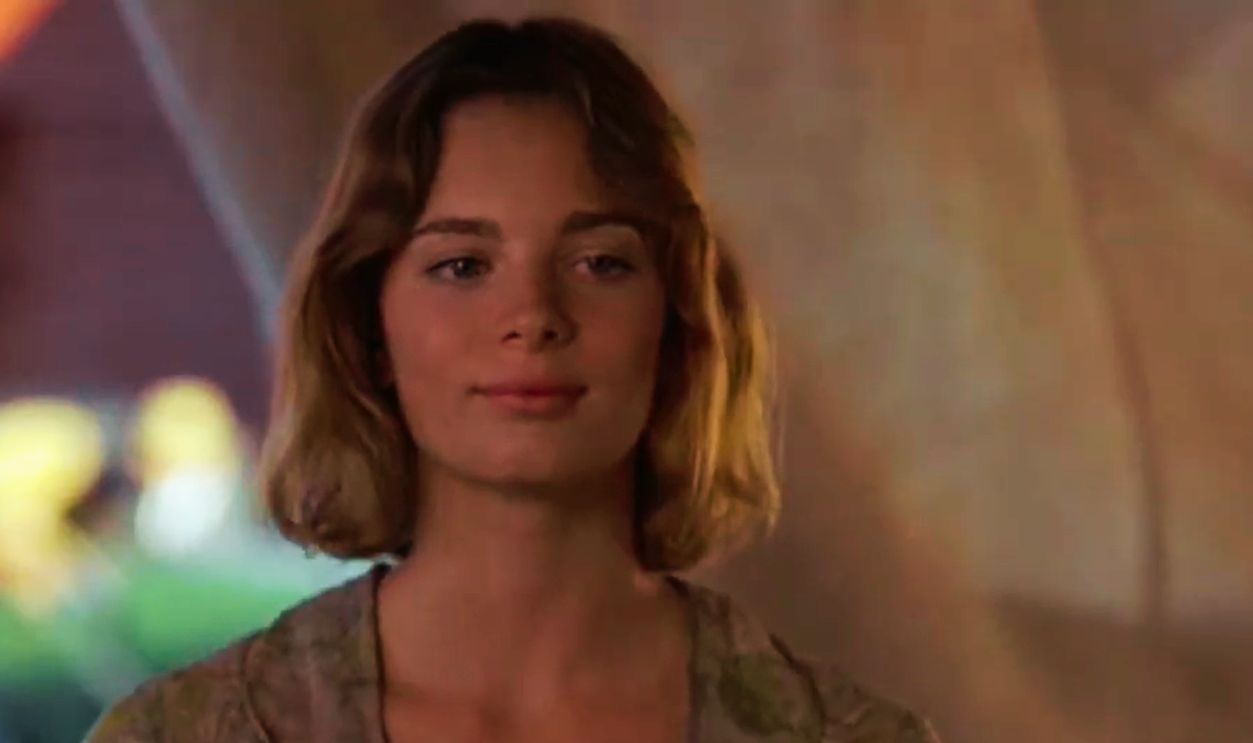 Screenshot from Wild Hearts Can't Be Broken, Buena Vista Pictures (1991)
Topsy's Death Became A Public Spectacle
In January 1903, Topsy the elephant was killed at Coney Island after years as a captive performing animal. Luna Park's owners had initially proposed publicly hanging her before animal-welfare objections forced them to change the plan. Topsy was ultimately poisoned, restrained, and electrocuted while spectators and members of the press watched.
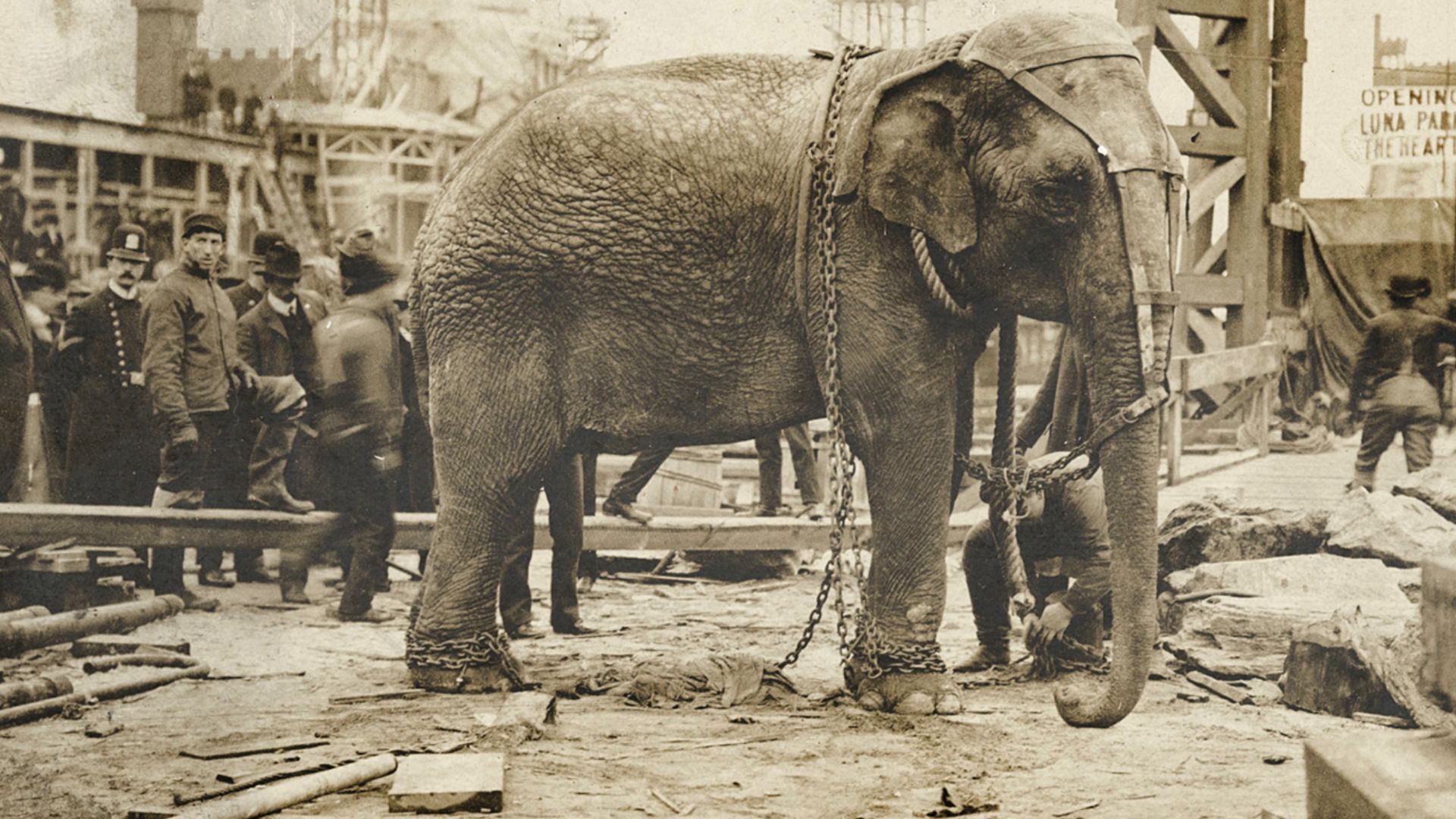 Unknown authorUnknown author, Wikimedia Commons
A Film Made The Killing Last
An Edison film crew recorded Topsy's electrocution, preserving the event long after the spectators went home. Contrary to a popular story, historians have found little support for the claim that Thomas Edison personally arranged her death to attack alternating current, since the famous electricity battle had largely ended years earlier. The surviving footage instead shows how easily a grim event could be converted into another piece of mass entertainment.
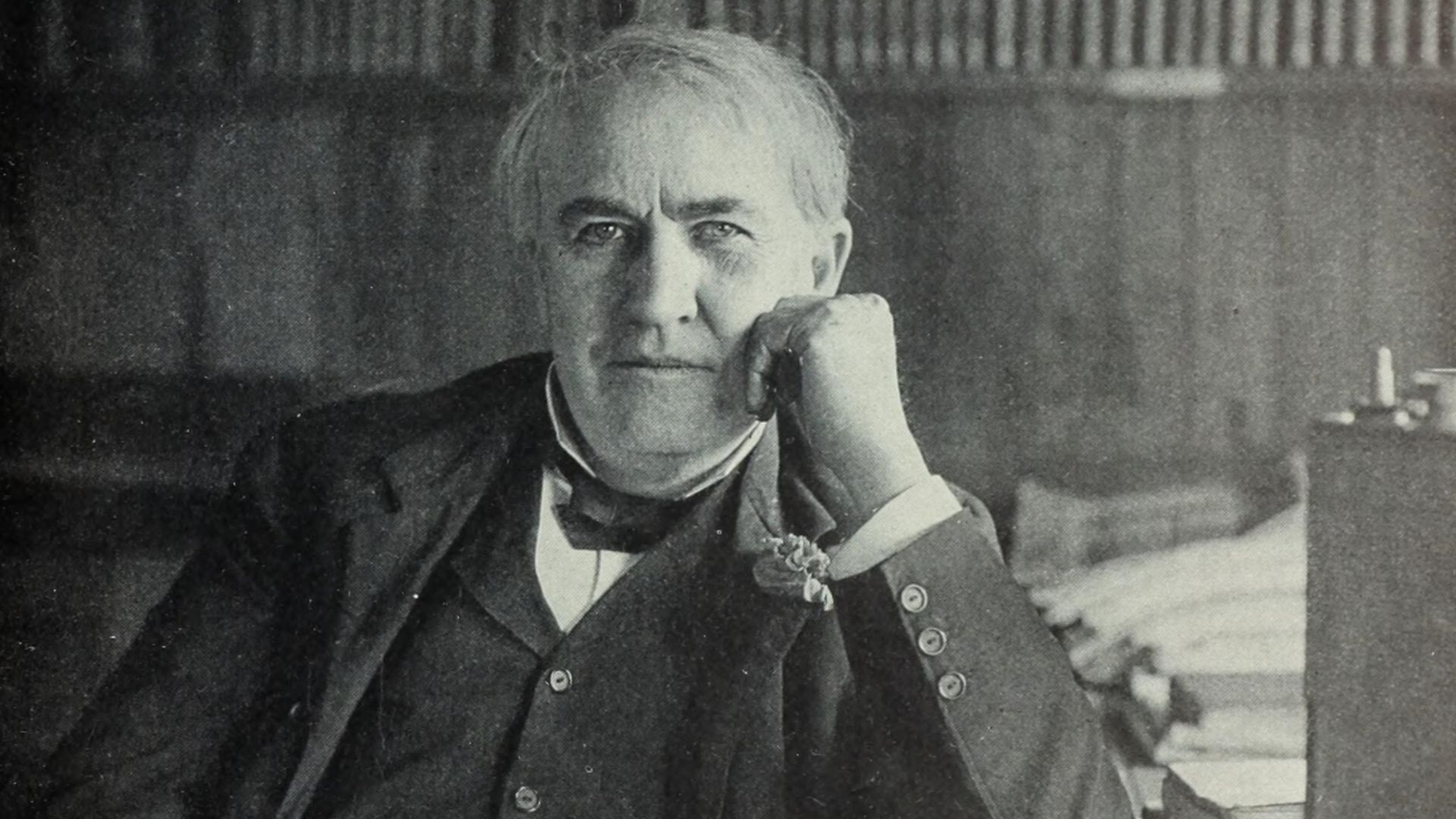 Arthur Radclyffe Dugmore, Wikimedia Commons
The Public Mood Slowly Changed
These attractions did not suddenly disappear because everyone reached the same moral conclusion at once. By the late Victorian period, however, public displays of disabled people were increasingly criticized as exploitative, and authorities sometimes shut them down. Changing ideas about disability, colonialism, medical ethics, human remains, and animal welfare gradually made many once-popular spectacles far harder to defend.
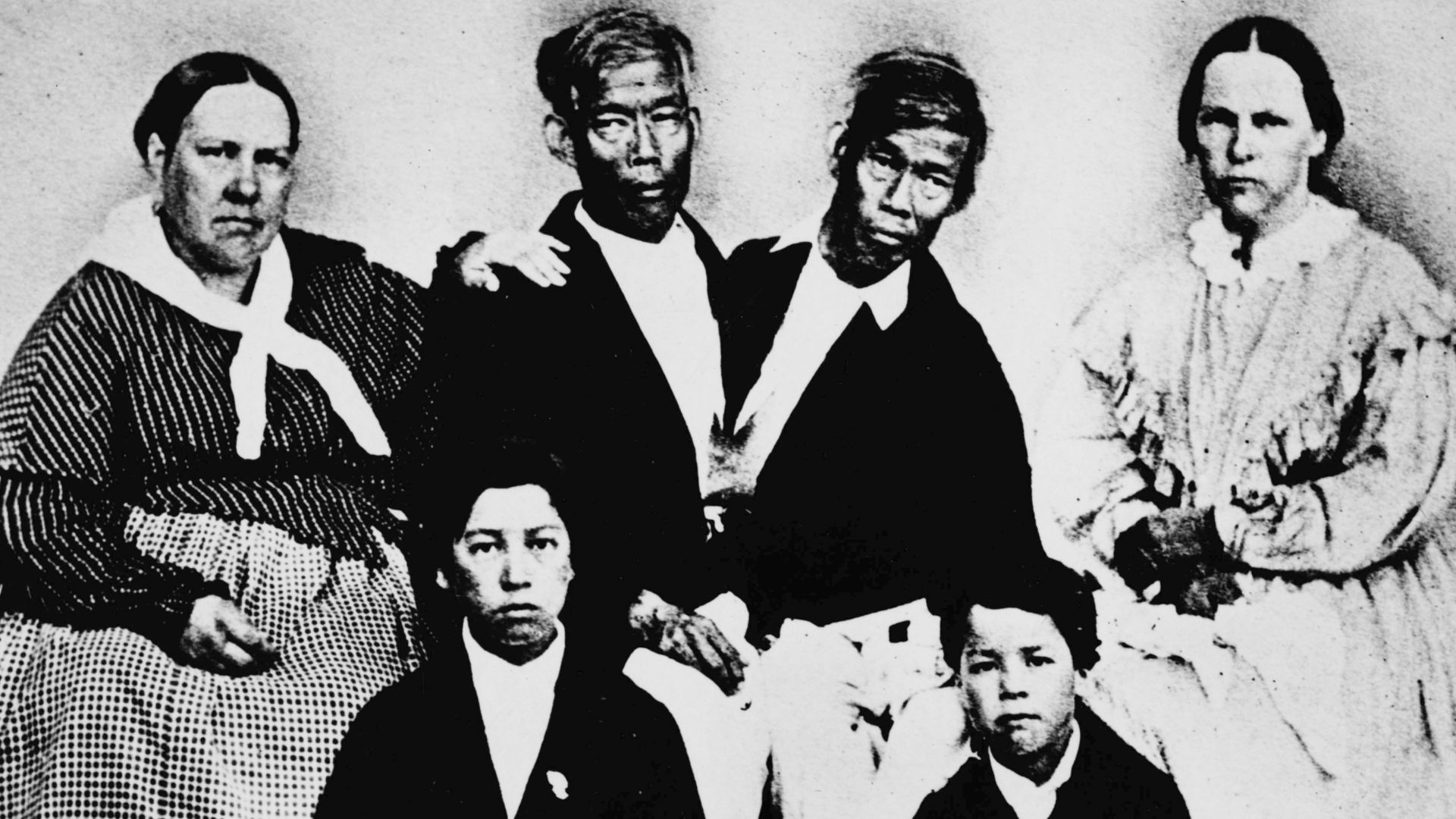 Materialscientist, Wikimedia Commons
The Crowd Is Part Of The Story
The strangest part of these attractions may not be what was displayed, but how ordinary the crowds considered it. Some performers found fame and financial independence, while others were coerced, racialized, exploited, or denied dignity even after death. Looking back at the people buying the tickets reveals just how dramatically the boundaries of acceptable entertainment can change.
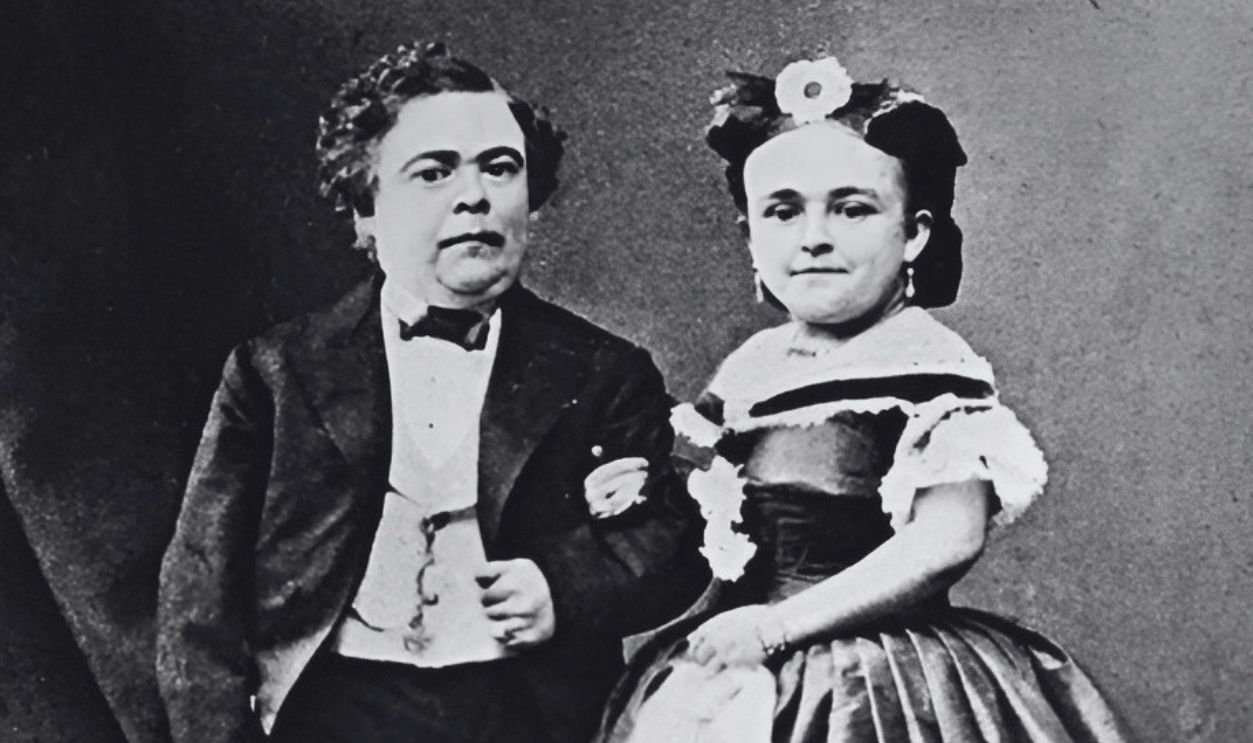 See page for author, CC BY 4.0, Wikimedia Commons, Enhanced
You May Also Like:
Historical Figures Who Successfully Built Public Images On Stories That Later Completely Fell Apart
The Forgotten Sideshow Stars Who Were Far More Complicated Than Their Stage Names










![[1], Wikimedia Commons](https://commons.wikimedia.org/wiki/File:Joice_Heth_Exhibition,_Boston%27s_Concert_Hall,_1835.jpg%20)


_(1838-18_Wellcome_V0029566.jpg%20)