Safety Came Later
Some dangerous products were once sold as technological breakthroughs, household conveniences, medicines, toys, or even health aids. Sometimes the warning signs appeared quickly. Other times, decades passed before illnesses accumulated and regulators acted. These 26 products show just how dramatically yesterday's reassuring assumptions can change.
 Factinate Ltd; Virginie Boutin, Shutterstock
Lead Paint
Lead made paint durable, colorful, and resistant to moisture, so manufacturers used it extensively in homes. Children were especially vulnerable when deteriorating paint produced chips and dust. The United States didn't ban lead-containing consumer paints until 1978, decades after childhood lead poisoning had become a recognized danger.

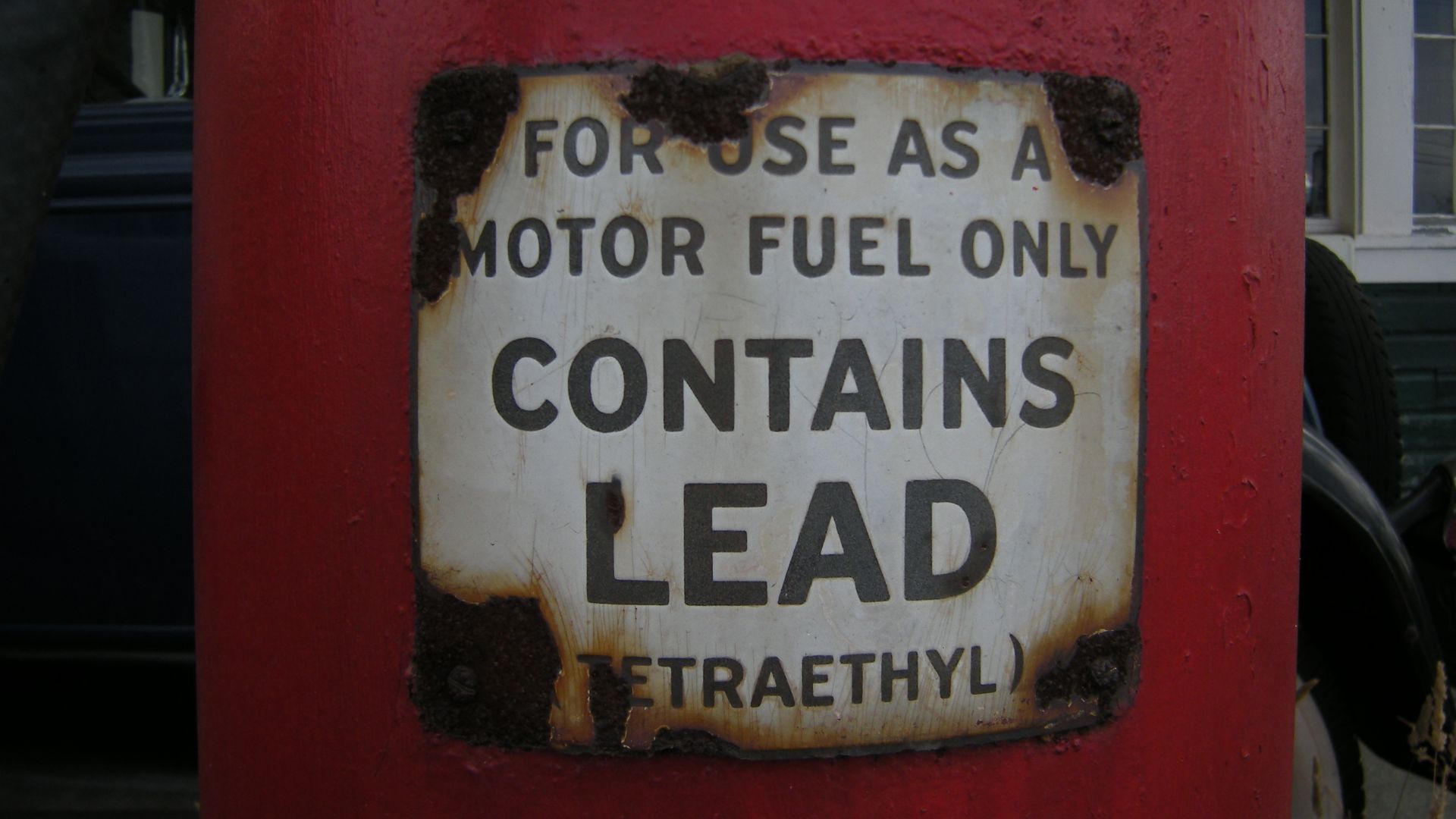
Leaded Gasoline
Tetraethyl lead helped engines resist knocking, but workers manufacturing leaded gasoline suffered poisonings almost immediately. Fifteen production workers lost their lives to the toxic substance during the 1920s, while others experienced severe neurological symptoms. Scientists later demonstrated that dispersing lead through automobile exhaust was contaminating the environment and exposing entire populations.
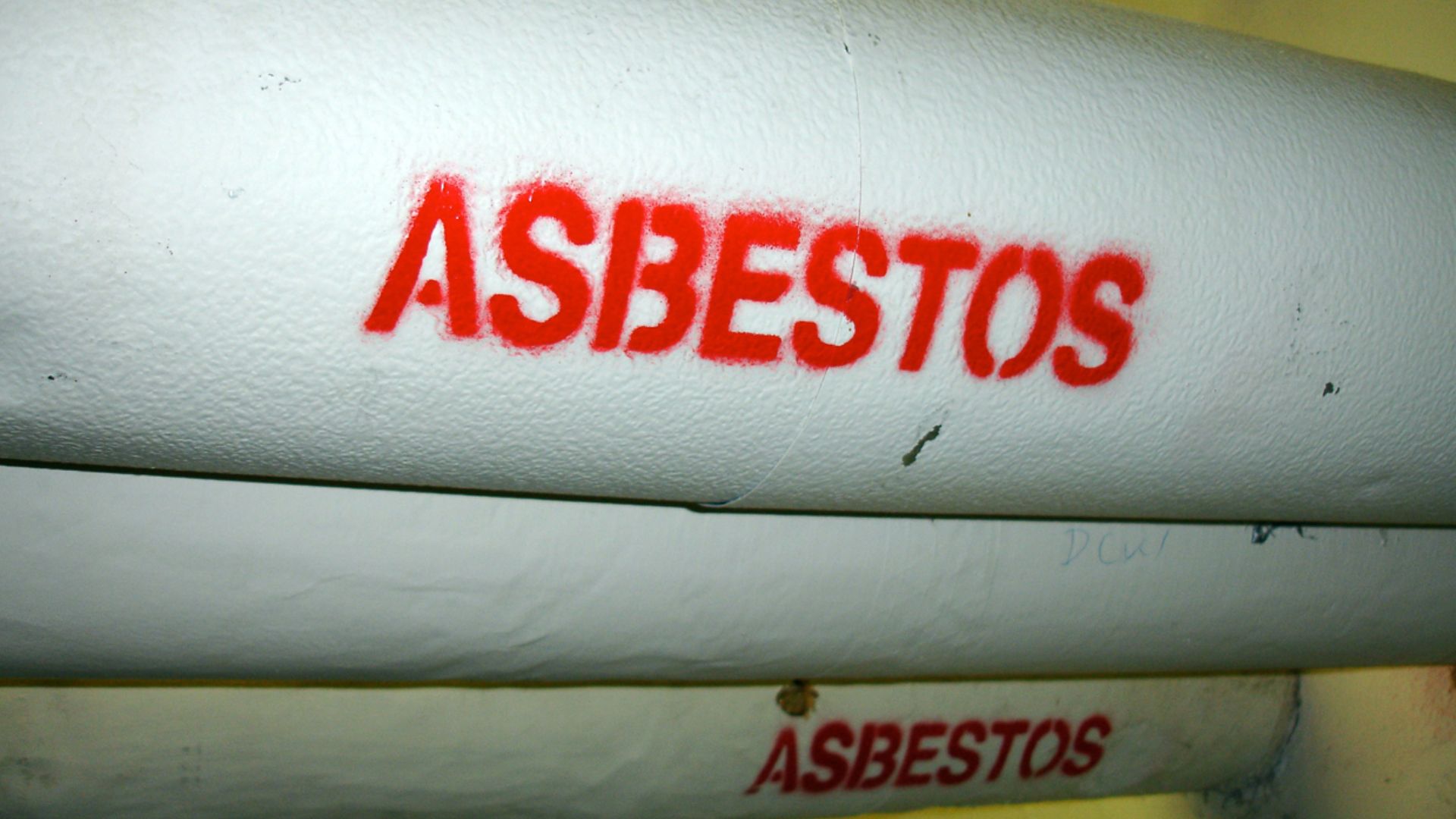
Asbestos Insulation
Asbestos seemed almost miraculous because its fibers resisted heat and fire, leading to widespread use in insulation, cement, tiles, roofing, plaster, and other construction products. Inhaled fibers can lodge in the lungs, however, causing asbestosis, lung cancer, and mesothelioma, sometimes decades after the original exposure.
 daryl_mitchell from Saskatoon, Saskatchewan, Canada, Wikimedia Commons
Radium Consumer Products
After radium's discovery, manufacturers incorporated radioactive materials into an astonishing assortment of products, while luminous radium paint became particularly valuable for watch and instrument dials. Workers who pointed brushes with their lips swallowed radioactive material, and illnesses among the “Radium Girls” exposed the terrible consequences of internal radium exposure.
 Unknown authorUnknown author, Wikimedia Commons
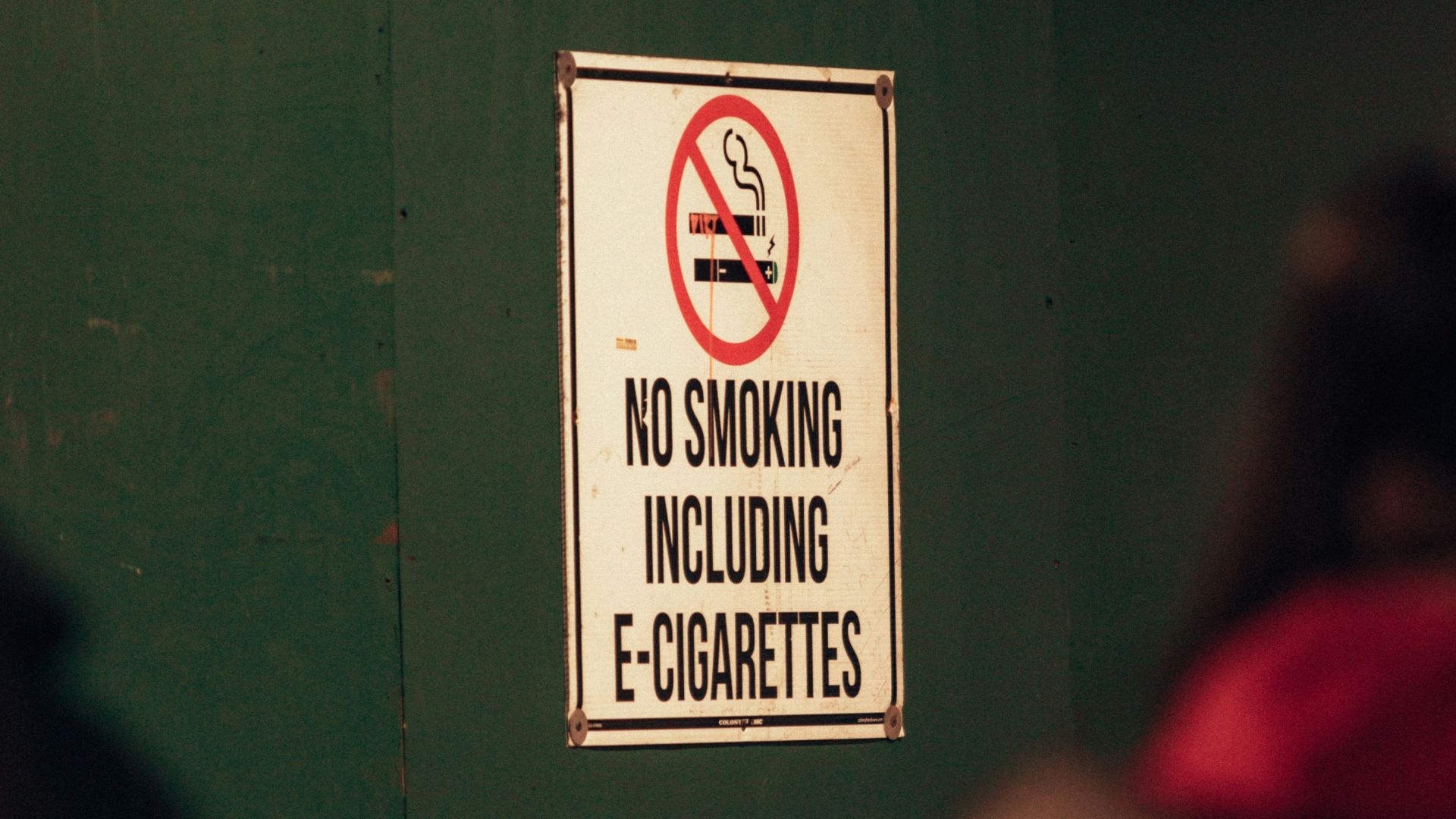
Cigarettes
Cigarettes became mass-market consumer products long before their health consequences were widely accepted by the public. Research eventually established overwhelming connections with lung cancer, heart disease, and other illnesses. Tobacco smoke even contains radioactive polonium-210 and lead-210, which can accumulate in smokers' lungs over decades.
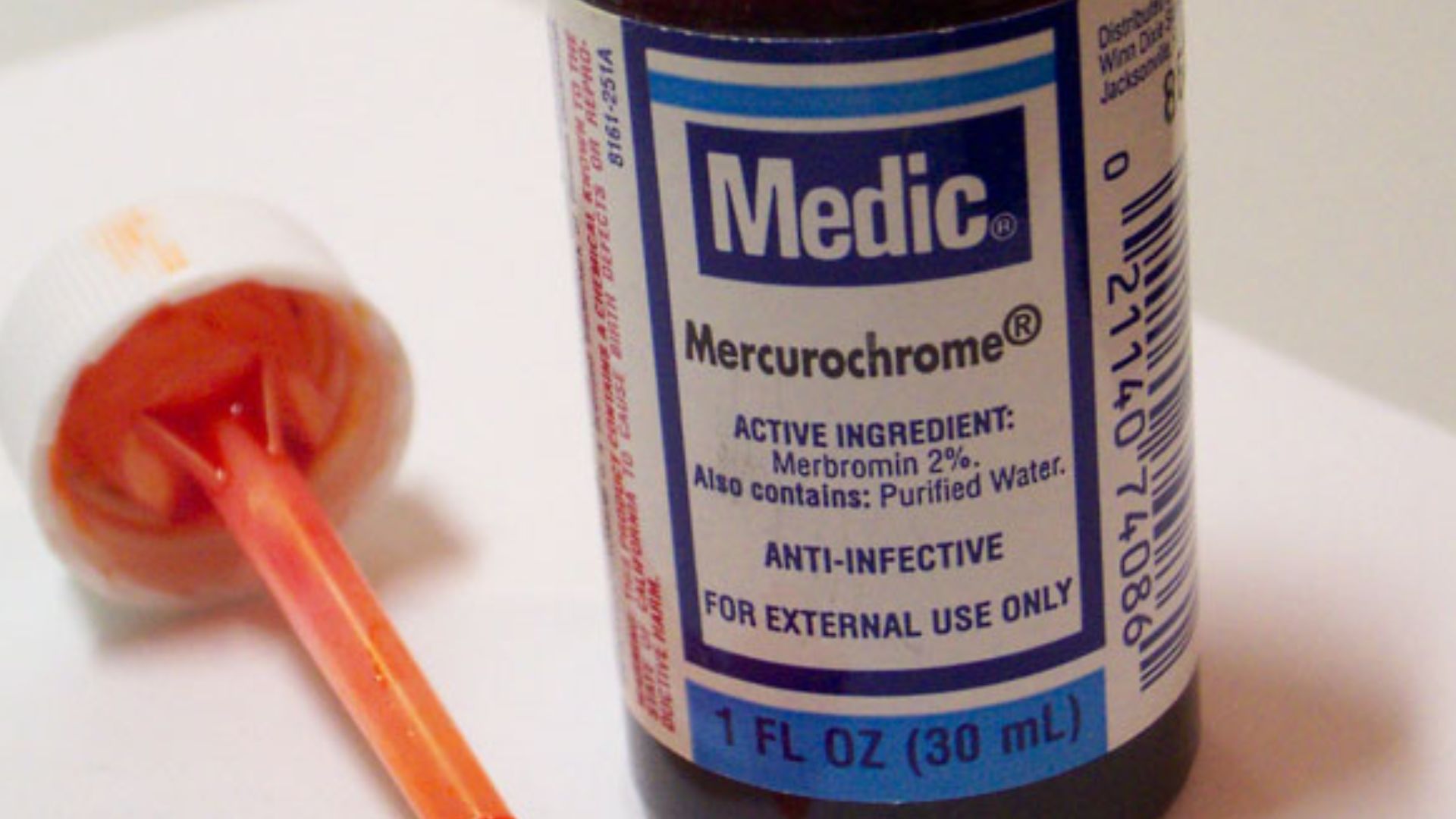
Mercurochrome
For generations, scraped knees were routinely painted bright red with Mercurochrome. Introduced in 1919, its active ingredient, merbromin, was an organic mercury compound used as a germicide. FDA eventually removed merbromin from the generally recognized as safe and effective category for over-the-counter antiseptic products.
 X1987x~commonswiki, Wikimedia Commons
Thalidomide
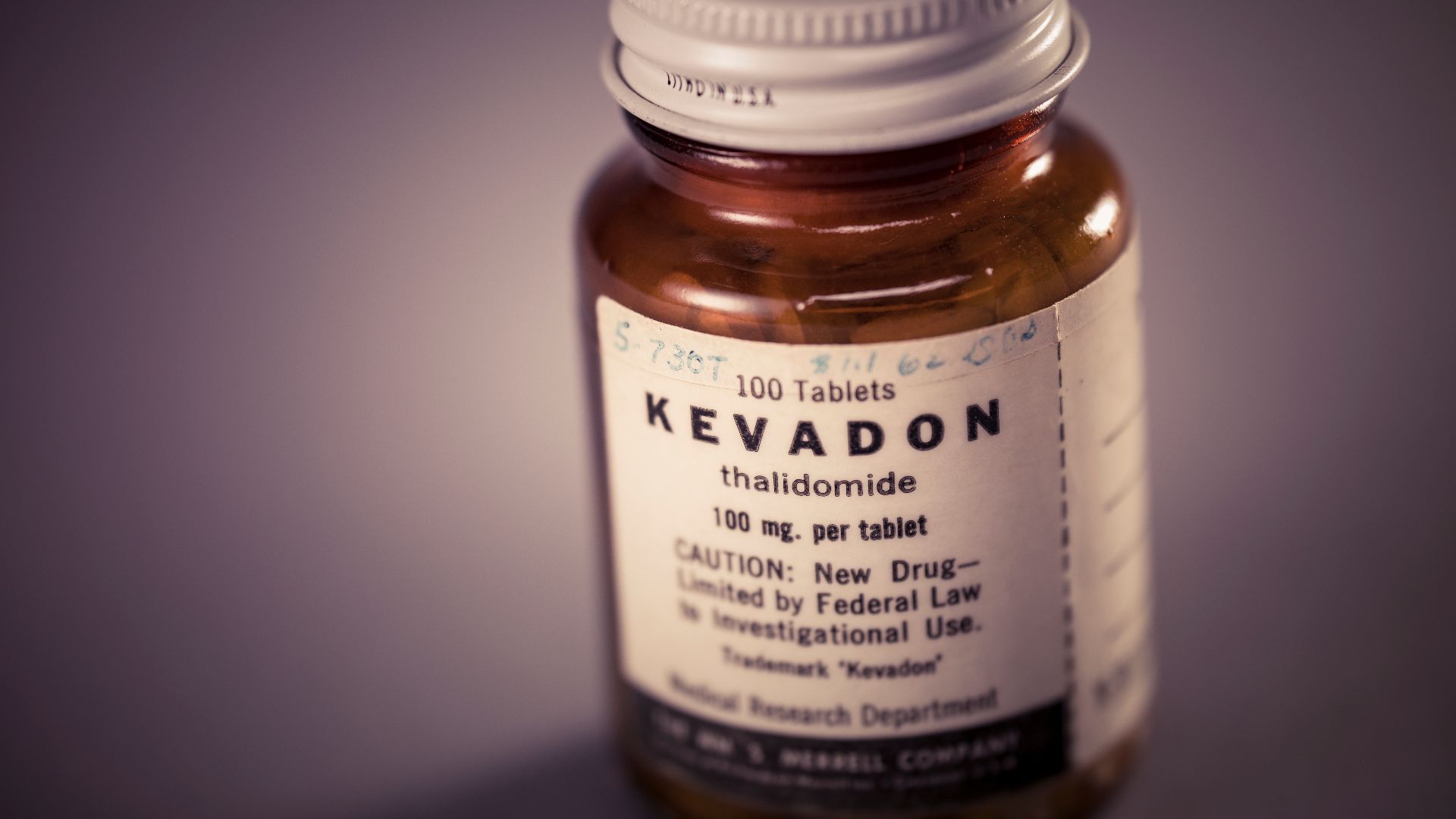
Thalidomide was introduced in Europe in the late 1950s as a sedative and was initially regarded as remarkably safe. Pregnant women also took it for morning sickness. By 1961, physicians had connected prenatal exposure with distinctive, devastating birth defects, particularly severe malformations of infants' limbs.
 The U.S. Food and Drug Administration, Wikimedia Commons
Diethylstilbestrol
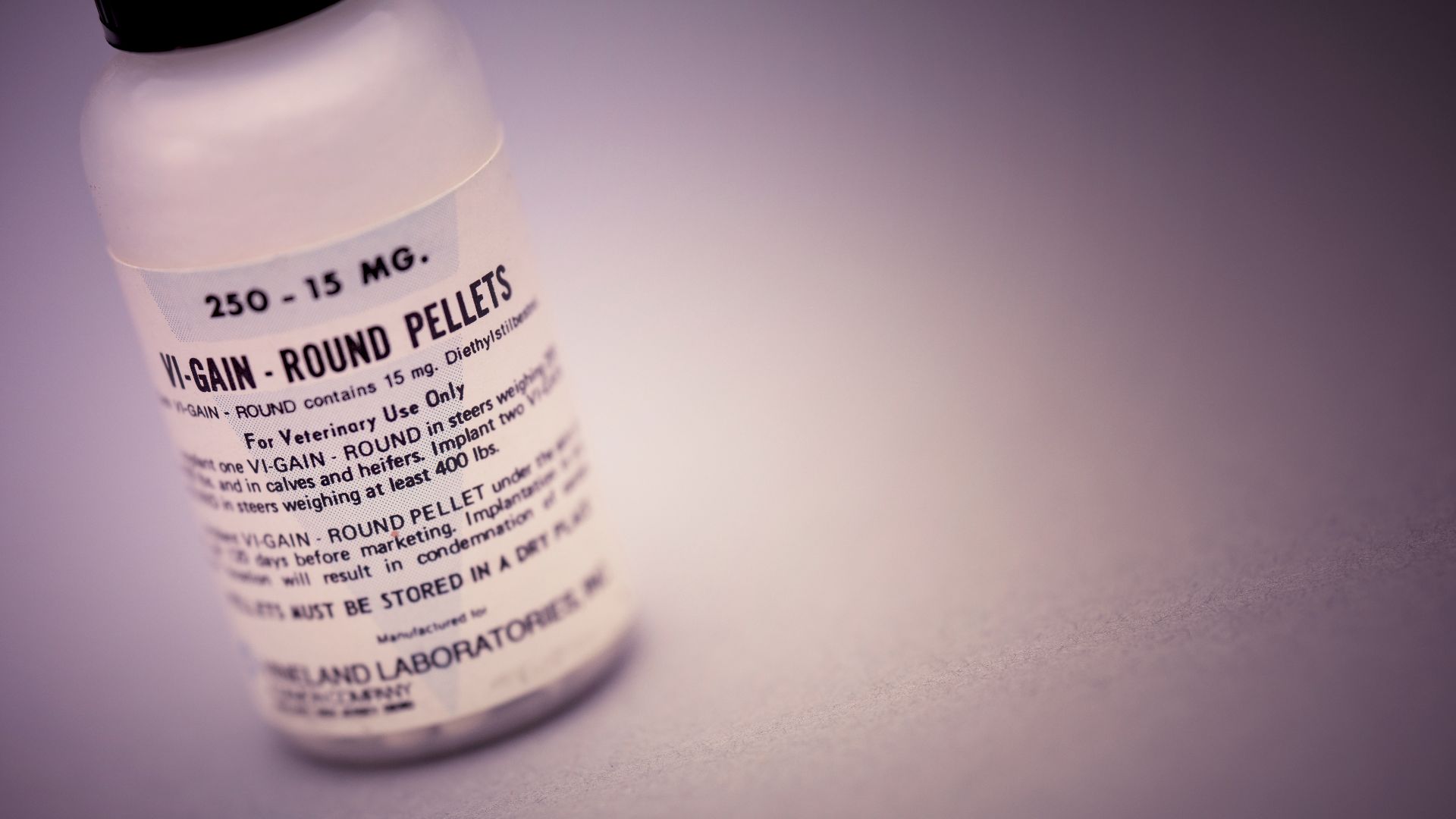
Doctors prescribed the synthetic estrogen DES to pregnant women in hopes of preventing miscarriage and other complications. Then young women exposed before birth began developing an extraordinarily rare vaginal cancer. A landmark 1971 study found prenatal DES exposure in seven of eight affected patients whose histories were examined.
 The U.S. Food and Drug Administration, Wikimedia Commons

History's most fascinating stories and darkest secrets, delivered to your inbox daily.
DDT
DDT looked like a wonder chemical in the 1940s, successfully fighting mosquitoes, typhus, malaria, and agricultural pests. But it persisted in the environment, accumulated in fatty tissue, harmed wildlife, and raised toxicological concerns. Mounting evidence ultimately led the EPA to cancel most American uses in 1972.
PCB Electrical Equipment
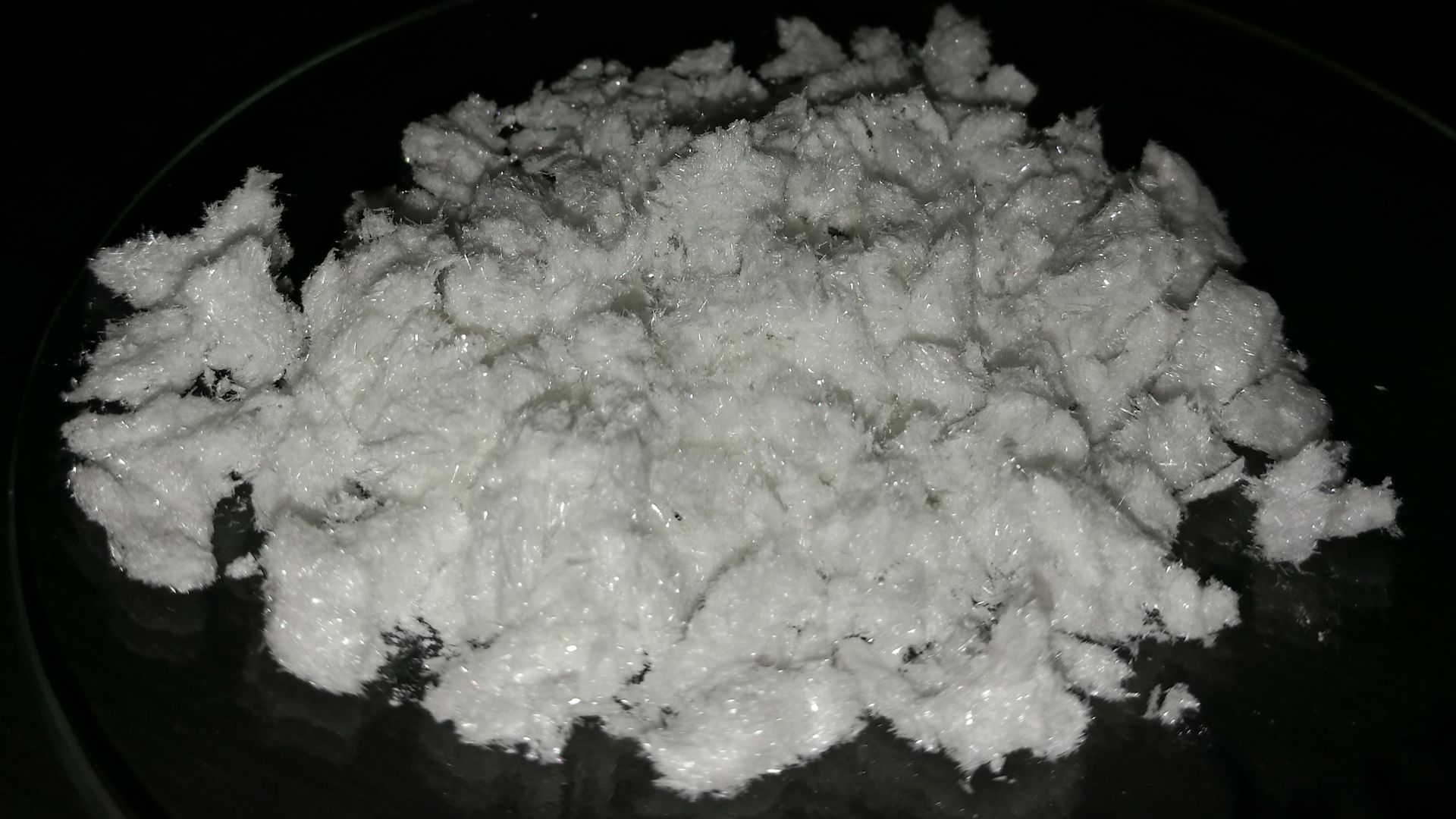
Polychlorinated biphenyls were prized for chemical stability, nonflammability, and insulating properties, making them useful in transformers and electrical equipment. Unfortunately, that same persistence allowed PCBs to remain in the environment and accumulate in living organisms. Research links exposure with cancer and neurological, reproductive, immune, and endocrine effects.
 Raimond Spekking, Wikimedia Commons
Mercury Thermometers
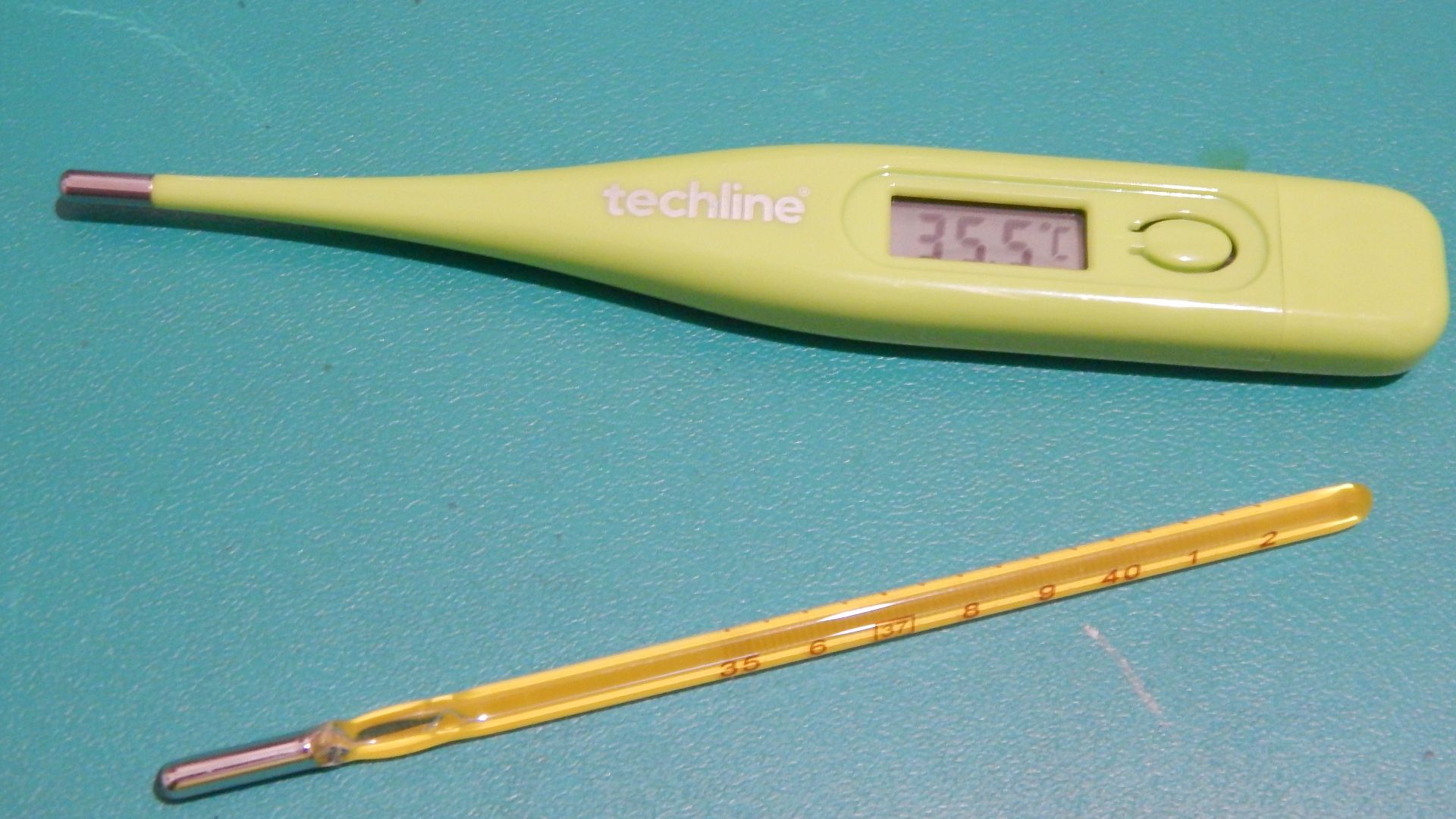
For generations, mercury thermometers were standard equipment in medicine cabinets, hospitals, and schools. They measured temperature beautifully, but broken glass could release elemental mercury into indoor spaces. Mercury exposure can damage the nervous system, and safer electronic alternatives eventually made household mercury thermometers increasingly difficult to justify.
 Edvaldo LL Souza, Wikimedia Commons
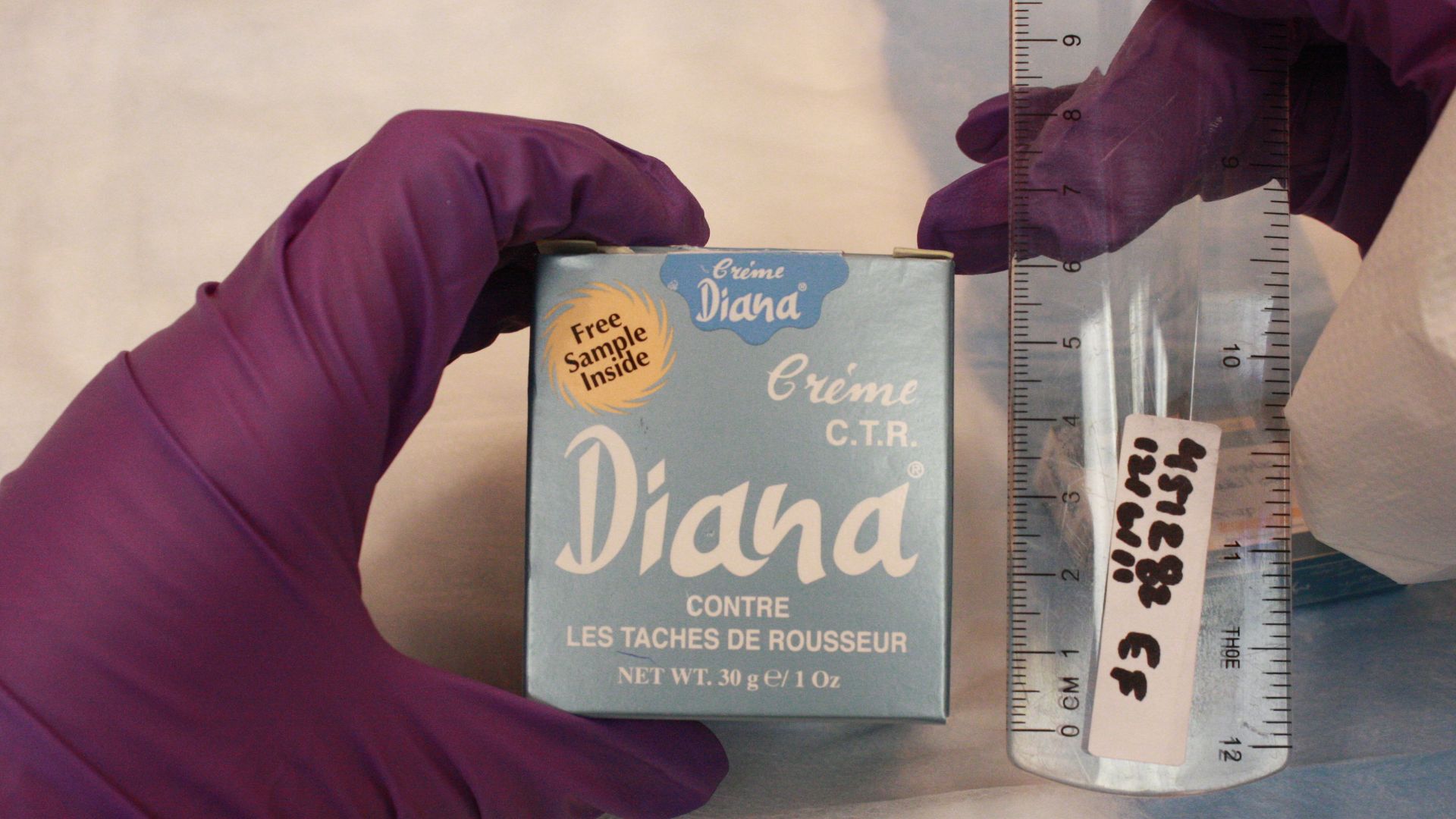
Mercury Skin Creams
Mercury compounds appeared in some cosmetics and skin-lightening preparations because they can suppress melanin production. The problem is absorption: mercury applied to skin can enter the body and accumulate. FDA regulations now severely restrict mercury compounds in cosmetics because of potential neurotoxicity, irritation, and allergic reactions.
 The U.S. Food and Drug Administration, Wikimedia Commons
Arsenic Pesticides
Before modern synthetic pesticides, compounds containing lead and arsenic were routinely applied to agricultural crops and orchards. Lead arsenate became particularly widespread against insects. These persistent toxic metals did not simply disappear when farmers stopped spraying, leaving contaminated soils at some former orchard and agricultural sites decades afterward.
 John Messina, Wikimedia Commons
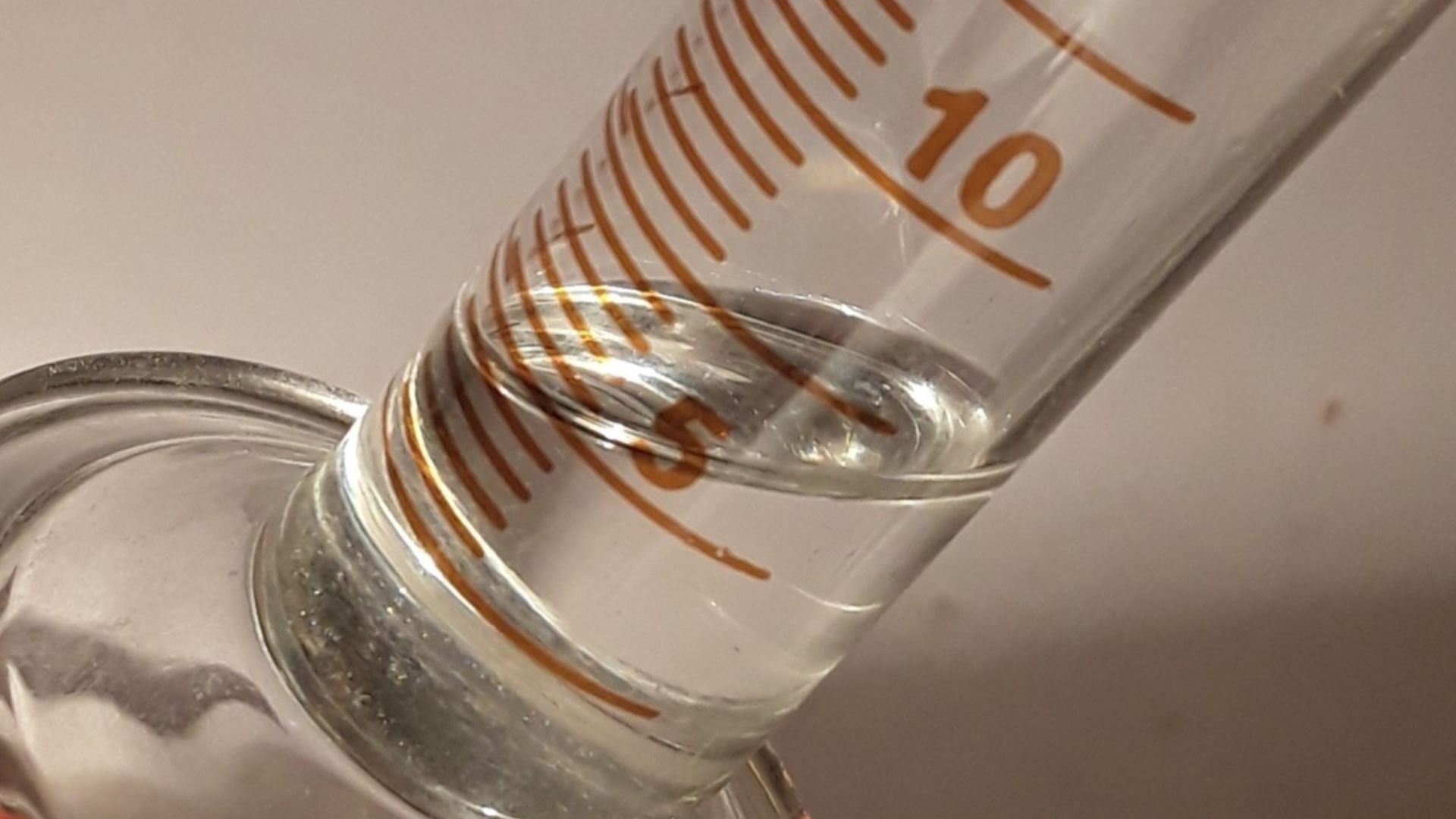
Benzene Solvents
Benzene's ability to dissolve other substances made it valuable in industry and consumer formulations, including historical uses in solvents and related products. Repeated exposure eventually revealed a much darker property: benzene damages bone marrow and is a known human carcinogen strongly associated with leukemia and other blood disorders.
 Saint concrete, Wikimedia Commons
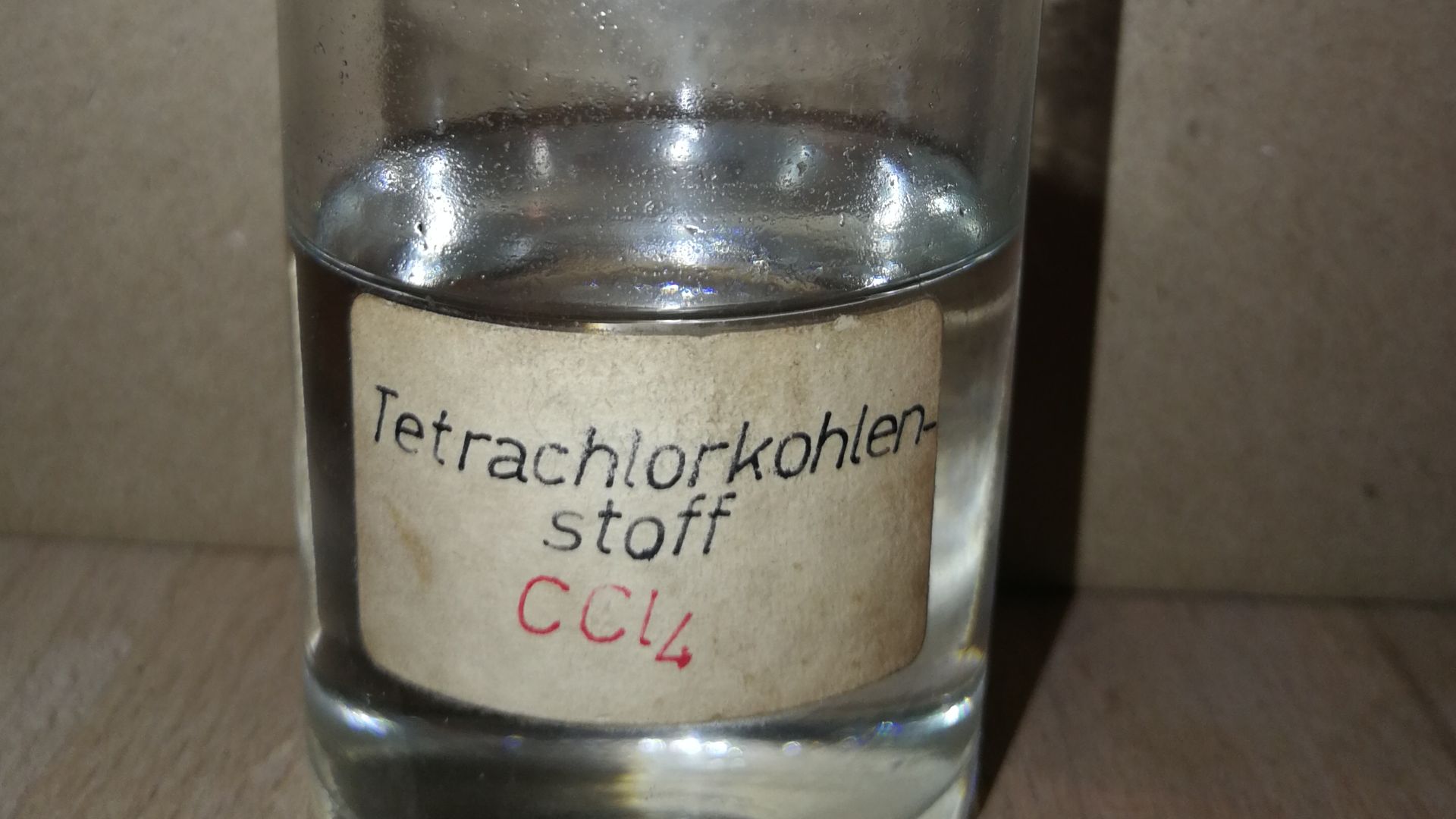
Carbon Tetrachloride
Carbon tetrachloride once appeared in household cleaning fluids, spot removers, and fire extinguishers because it was nonflammable and an effective solvent. Unfortunately, inhaling or swallowing substantial amounts can seriously damage the liver and kidneys. Consumer uses largely disappeared as its toxicity became increasingly apparent.
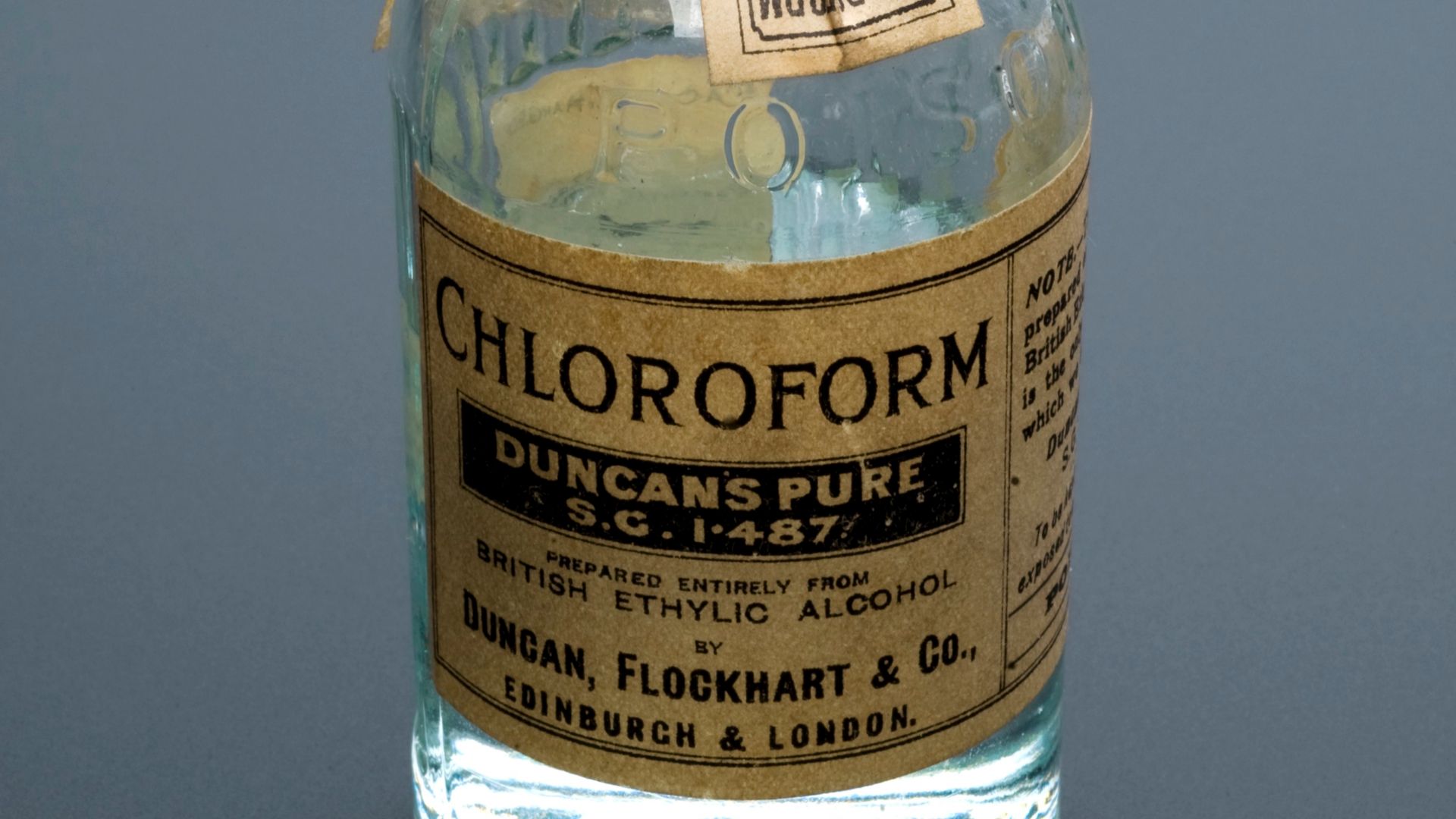
Chloroform Consumer Products
Chloroform is remembered as an early anesthetic, but it also found its way into medicines and consumer formulations. Evidence eventually demonstrated serious toxicity, including liver damage and carcinogenic concerns. FDA regulations now prohibit chloroform as an ingredient in cosmetic products, apart from unavoidable trace amounts created during manufacturing.
Hexachlorophene Cleansers
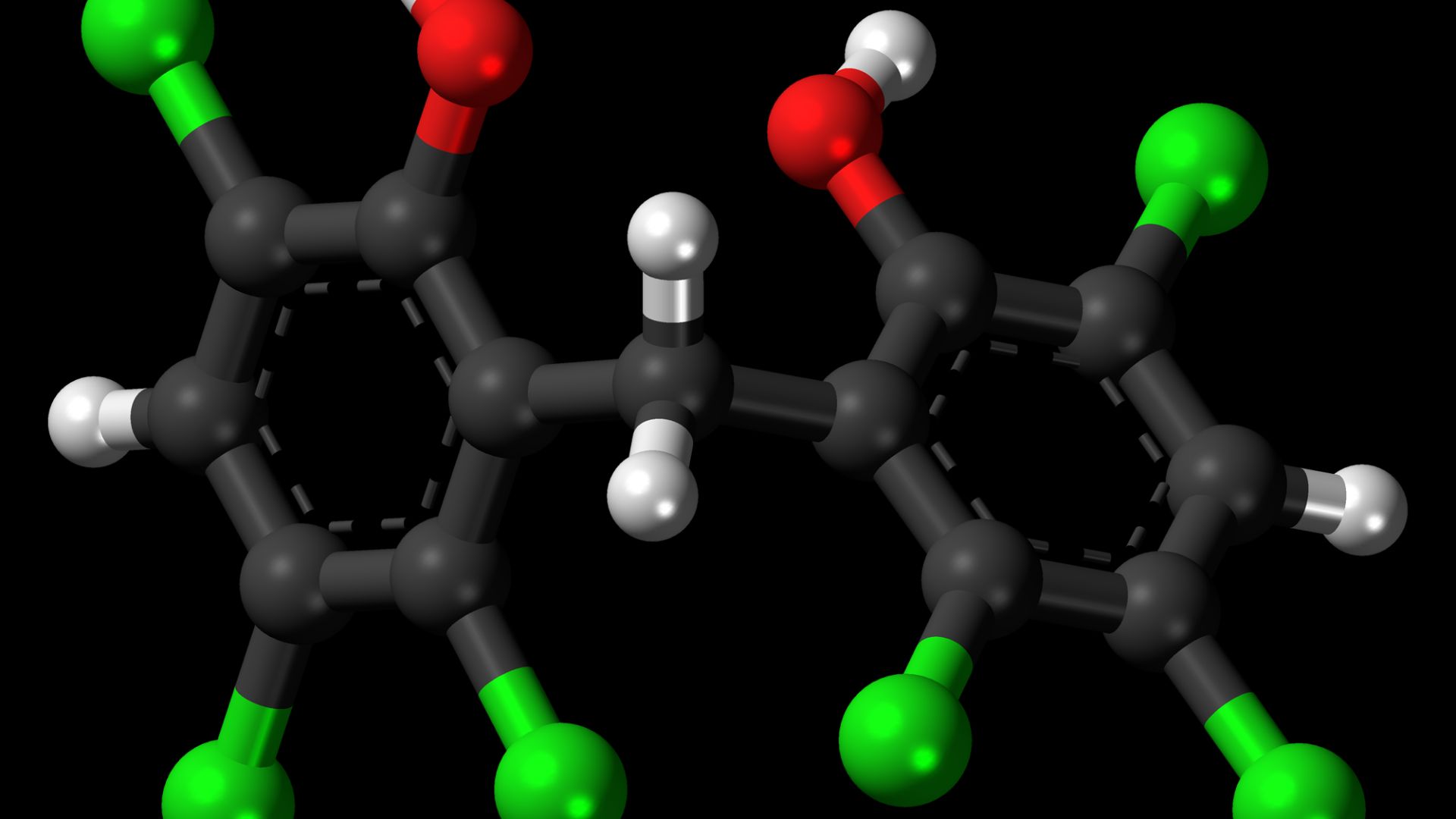
Hexachlorophene became a popular antibacterial ingredient used in soaps, cleansers, and other personal-care products. Evidence that it could penetrate human skin and produce toxic effects changed that reputation dramatically. FDA regulations eventually restricted cosmetic concentrations to 0.1 percent and prohibited its use on mucous membranes.
 Jynto (talk), Wikimedia Commons
Aerosol CFCs
Chlorofluorocarbons seemed ideal for aerosol sprays and refrigeration because they were stable, nonflammable, and relatively nontoxic near ground level. Their stability became the problem. CFCs could survive long enough to reach the stratosphere, where chlorine released from them destroyed ozone molecules that shield Earth from ultraviolet radiation.
 Joe Sohm/Visions of America, Getty Images
Formaldehyde Insulation
Urea-formaldehyde foam insulation was promoted during the 1970s as an energy-saving way to insulate difficult spaces in homes. Problems emerged when the material released formaldehyde gas indoors. Exposure can irritate the eyes, nose, throat, and respiratory system, while formaldehyde is classified as a human carcinogen.

Lawn Darts
Heavy lawn darts were marketed as an outdoor game, but their weighted tips could turn a backyard toss into a catastrophic injury. By 1988, three children were known to have died in lawn-dart incidents, while roughly 670 injuries annually were reaching American emergency rooms. Federal regulators banned them.
 DavidSpencer.ca, Wikimedia Commons
Partially Hydrogenated Oils
Partial hydrogenation gave vegetable oils longer shelf lives and useful textures, helping artificial trans fats become common in processed foods. Research showed that trans fat raises LDL cholesterol and increases heart-disease risk. In 2015, FDA determined that partially hydrogenated oils were no longer generally recognized as safe.

Methyl Methacrylate Nails
Liquid methyl methacrylate helped create hard artificial nails, but consumers began reporting painful injuries. FDA investigated complaints during the early 1970s and concluded that the monomer was a poisonous and deleterious substance that should not be used in fingernail preparations, fundamentally changing its place in American nail products.

Phenacetin Painkillers
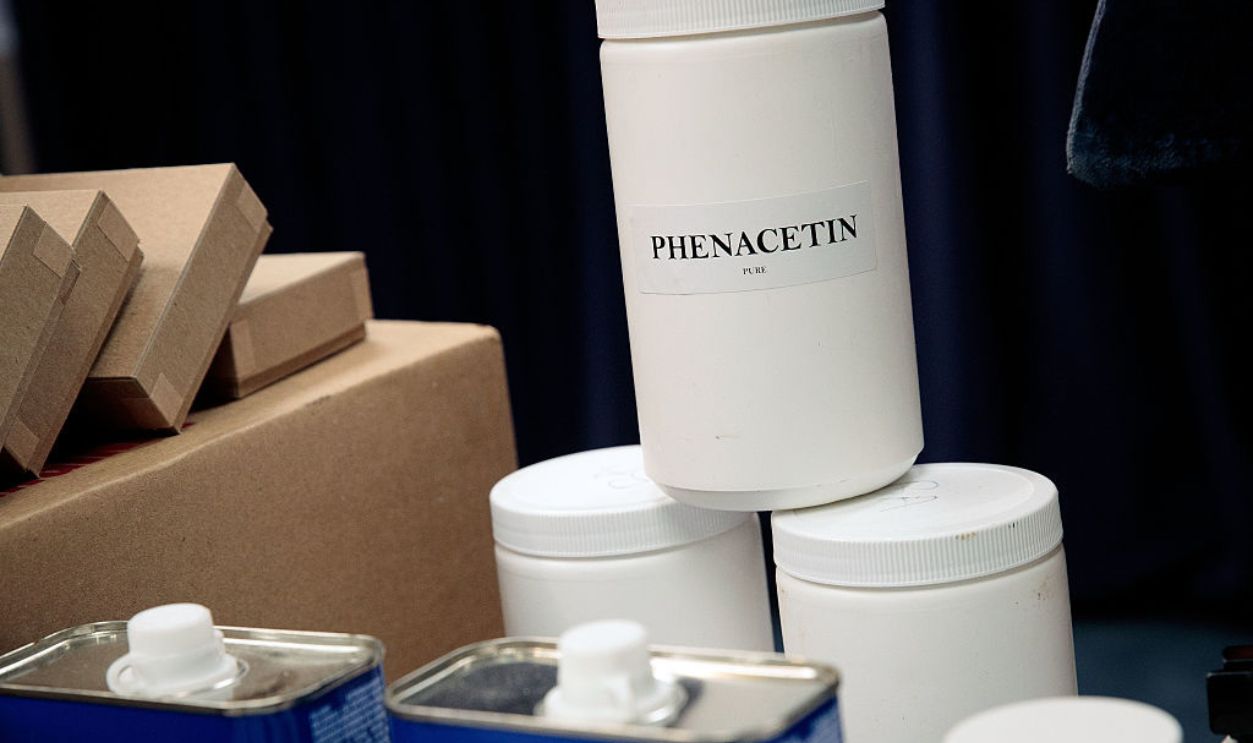
Phenacetin was once a common ingredient in pain-relieving medicines and was consumed for decades before its long-term hazards became clear. Heavy use became associated with serious kidney damage and cancers of the urinary tract. Regulators ultimately removed phenacetin-containing medicines from markets, while safer analgesics replaced it.
Ephedra Supplements
Ephedra-containing dietary supplements became popular for weight loss and athletic performance during the 1990s. Reports accumulated of serious cardiovascular effects, including hypertension, heart attacks, strokes, and dangerous heart rhythms. After reviewing the evidence, FDA prohibited dietary supplements containing ephedrine alkaloids in 2004 because they presented unreasonable health risks.
Brominated Vegetable Oil
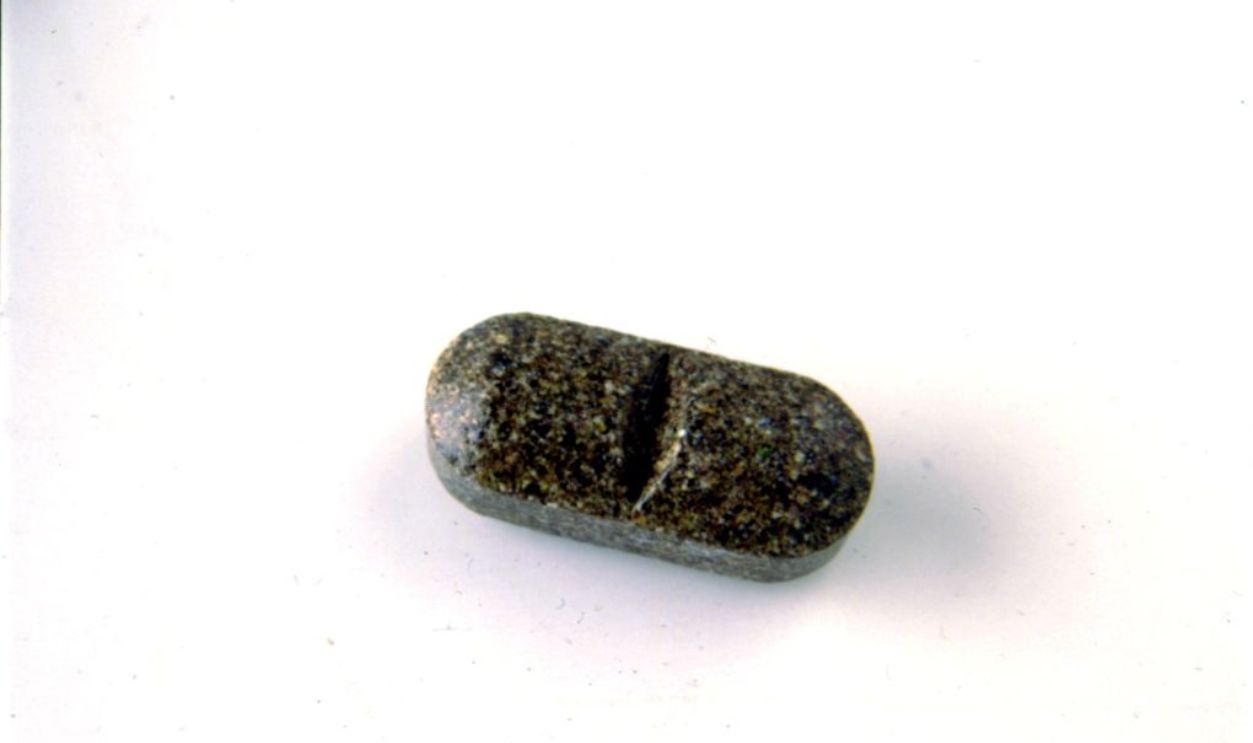
Brominated vegetable oil helped keep citrus flavoring evenly distributed in certain beverages for decades. Concerns grew because bromine can accumulate in the body, while animal studies identified potential adverse effects. After reviewing newer toxicology data, FDA revoked the regulation authorizing BVO's use in food in 2024.

PFAS Consumer Coatings
PFAS chemicals proved extraordinarily useful because they resist grease, water, stains, and heat, encouraging applications ranging from nonstick surfaces to stain-resistant materials and food packaging. Their persistence earned them the nickname “forever chemicals.” Certain PFAS exposures are now associated with immune, developmental, reproductive, and other health effects.

You May Also Like:
Ordinary Household Objects With Surprisingly Dark Origins
Game Changing Facts About Everyday Things
Everyday Objects With Unexpectedly Complicated Histories
Sources: 1, 2, 3, 4, 5, 6, 7, 8, 9, 10, 11, 12, 13, 14, 15, 16, 17, 18, 19, 20, 21, 22