

Sometimes The Wrong Idea Finds The Right Job
Some of the world's most familiar products became successful only after someone realized they were useful for something completely different. A wallpaper cleaner became a children's toy, a surgical antiseptic became a bathroom staple, and technology developed for aircraft seating eventually found its way into bedrooms. These stories show that a product's original purpose does not always determine where it ends up. Sometimes customers and unexpected discoveries write the second half of the story.

Play-Doh Was Supposed To Clean Walls
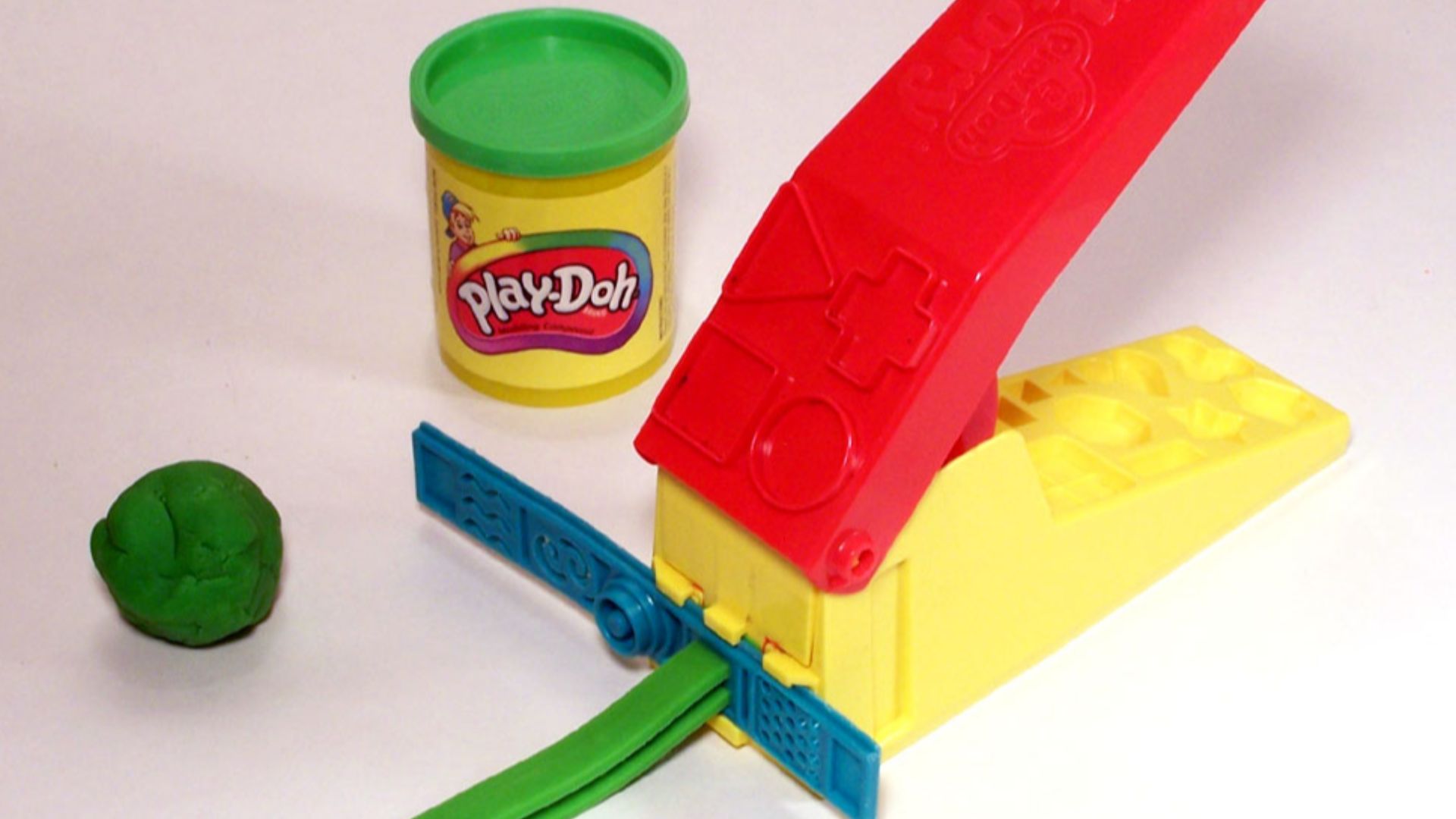
Long before children started squeezing Play-Doh through plastic molds, a similar compound was sold by Cincinnati-based Kutol Products as wallpaper cleaner. Households could roll the soft material over wallpaper to remove soot deposited by coal-burning furnaces. As cleaner heating systems became common, however, demand for the product declined. The company suddenly had a useful substance with a shrinking reason to exist.
 Larry D. Moore, Wikimedia Commons
A Teacher Saw Something Completely Different
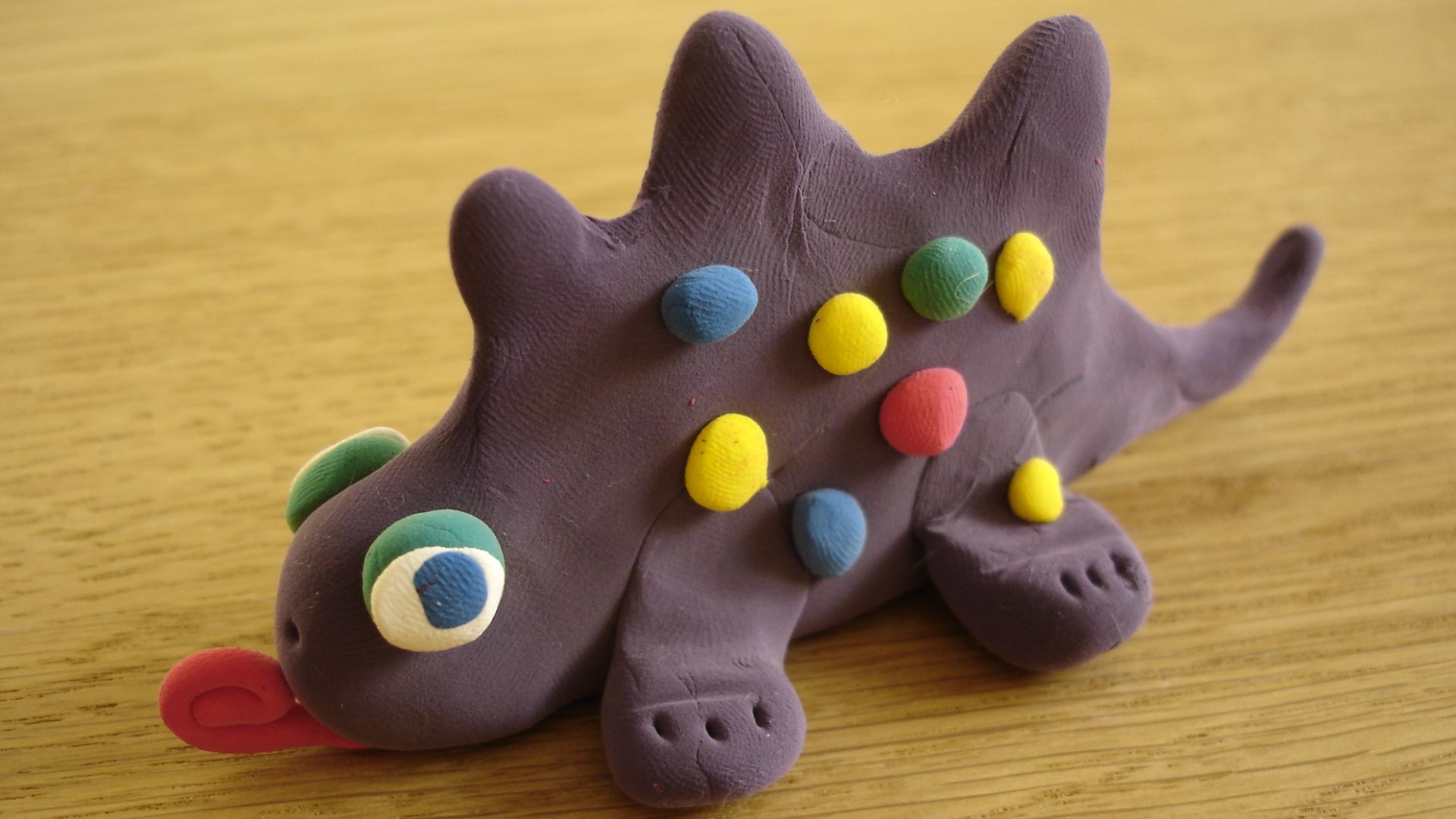
Kay Zufall, a nursery school teacher and sister-in-law of company executive Joseph McVicker, learned that wallpaper cleaner could be used for modeling projects. She tried the material with children and found that they enjoyed shaping it. Instead of cleaning walls, the compound suddenly had potential as a creative toy. Zufall and her husband also helped come up with the name Play-Doh.
 Nevit Dilmen, Wikimedia Commons
The Cleaner Became A Childhood Institution
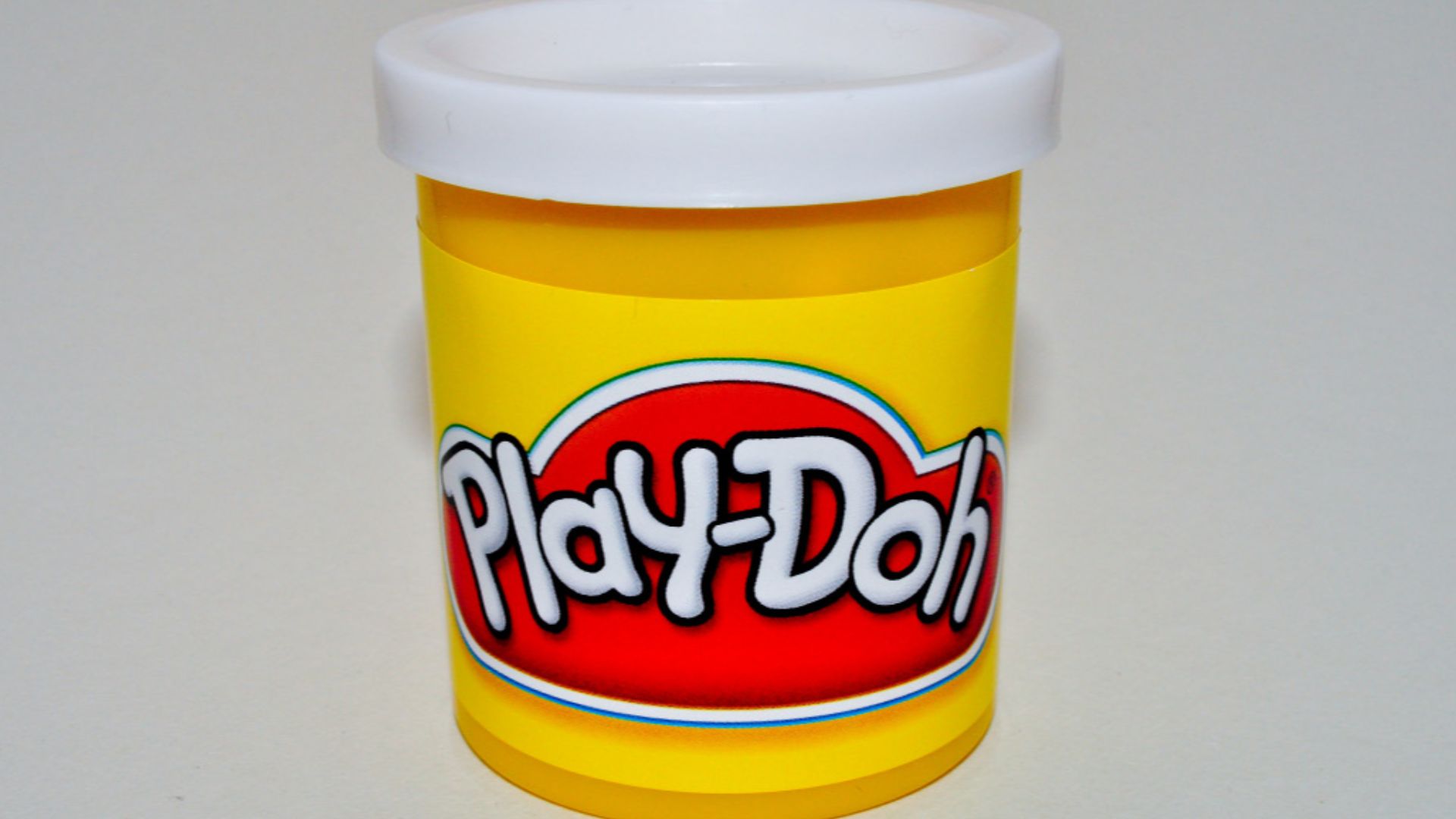
Play-Doh was introduced as a children's product in 1956, initially in white before additional colors appeared. Television exposure on children's programs helped the reinvented product gain attention. Smithsonian reports that more than three billion cans had been sold by the time of its 2019 account. A product threatened by cleaner household heating had found a far bigger market in children's imaginations.
 Nolan Williamson from Atlanta, GA, United States of America, Wikimedia Commons
Bubble Wrap Was Meant For Your Walls
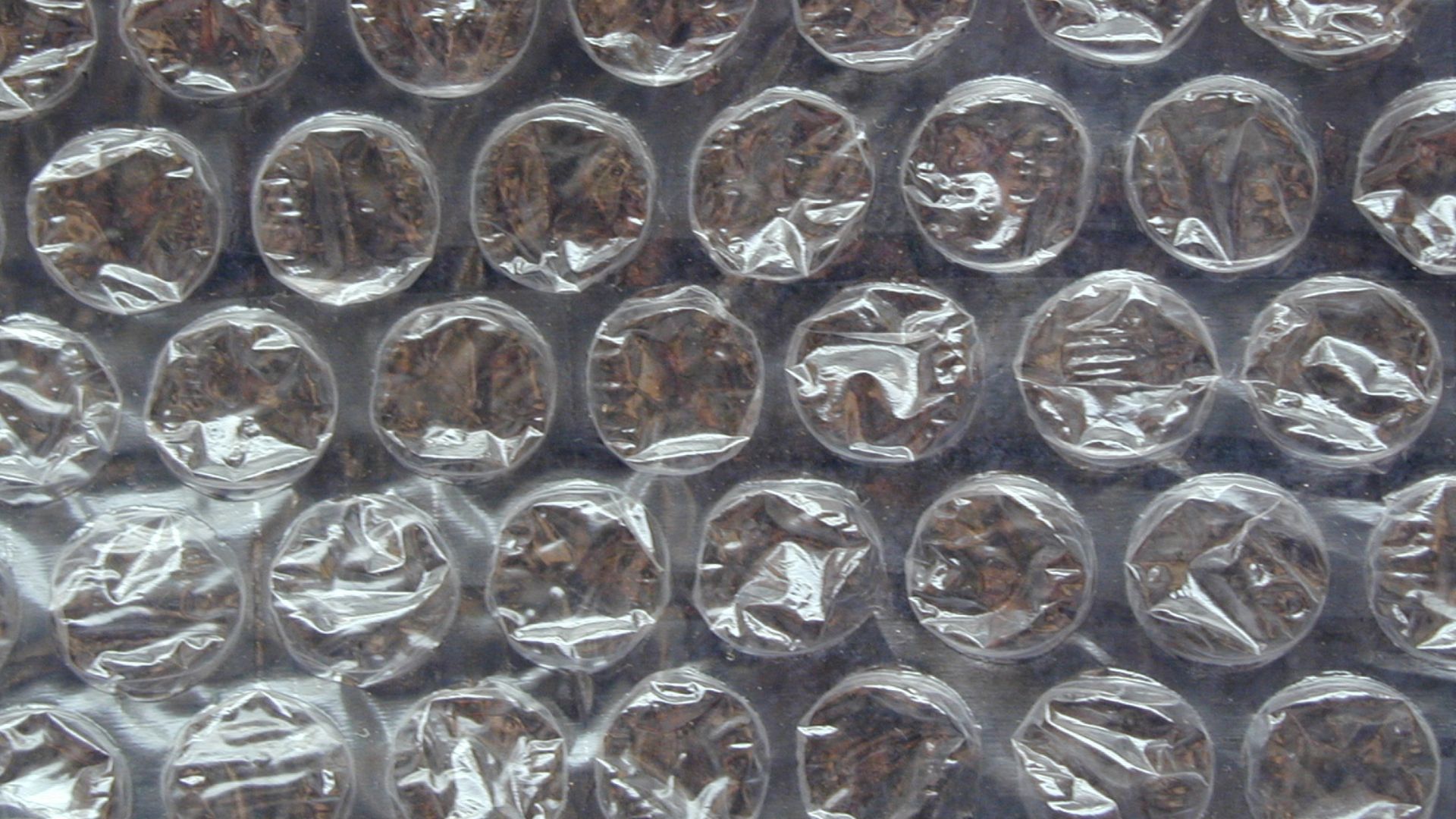
In 1957, Alfred Fielding and Marc Chavannes were trying to make textured wallpaper. They ran pieces of plastic shower curtain through heat-sealing equipment and produced a sheet filled with trapped air bubbles. The result did not become the fashionable wall covering they had envisioned. Instead, it left the inventors searching for another purpose for their unusual material.
 User Consequencefree on en.wikipedia, Wikimedia Commons
Greenhouses Did Not Save It Either
Fielding and Chavannes did not immediately jump from wallpaper to shipping boxes. They considered hundreds of possible applications, and greenhouse insulation became one of their early attempts. Smithsonian reports that the material was actually tested in greenhouses but proved ineffective. Bubble Wrap had now struggled at two jobs before finding the one that would make it famous.

Computers Finally Gave The Bubbles A Purpose
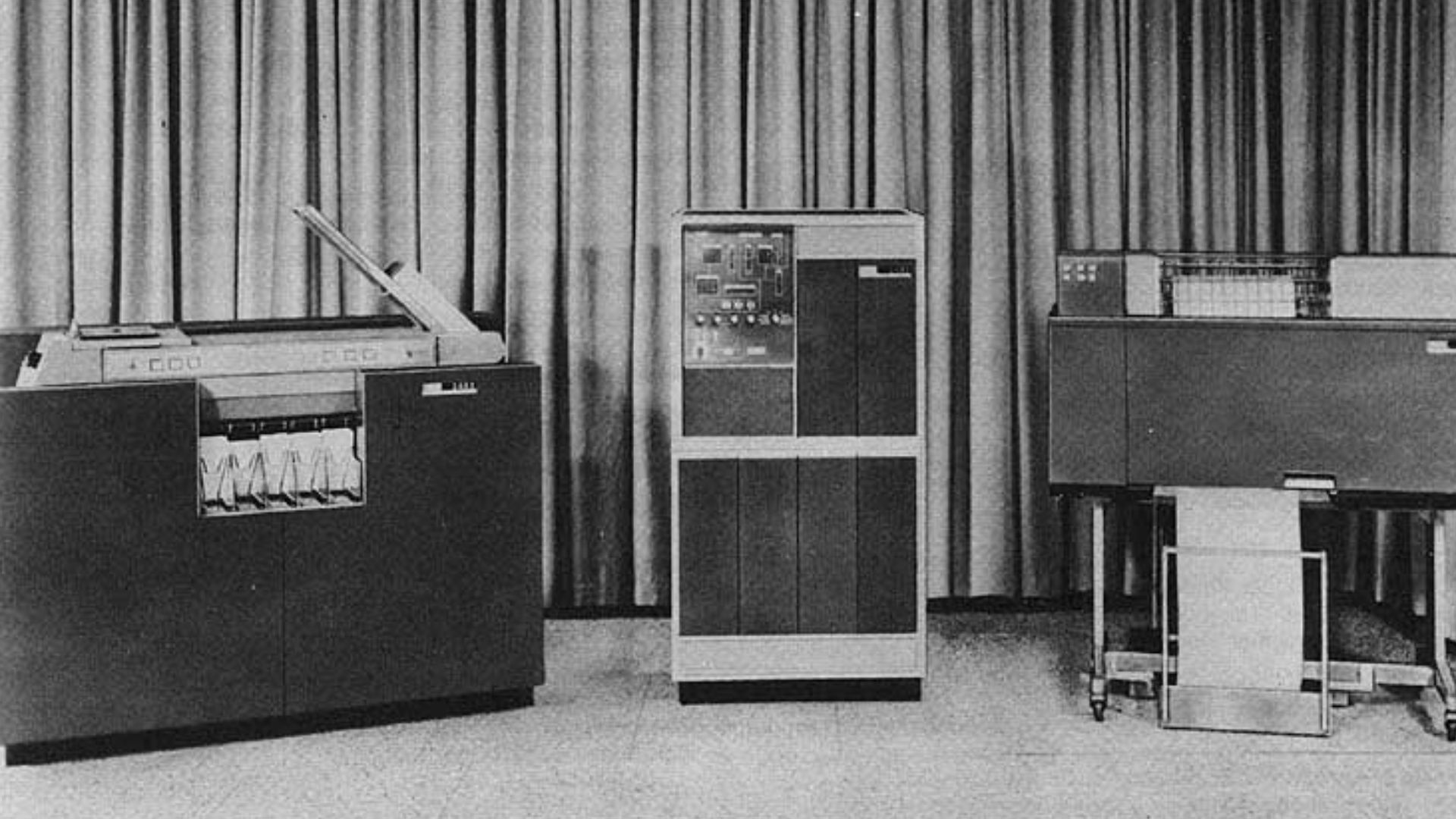
Fielding and Chavannes founded Sealed Air in 1960 and soon recognized that their material could cushion fragile goods. IBM adopted it to protect its 1401 computer during shipping, providing the breakthrough application the inventors needed. Packaging companies followed, and Bubble Wrap developed into a major protective shipping material. Its most successful job had almost nothing to do with decorating walls.
 Gobierno de los Estados Unidos, Wikimedia Commons
WD-40 Started With Rockets, Not Squeaky Hinges
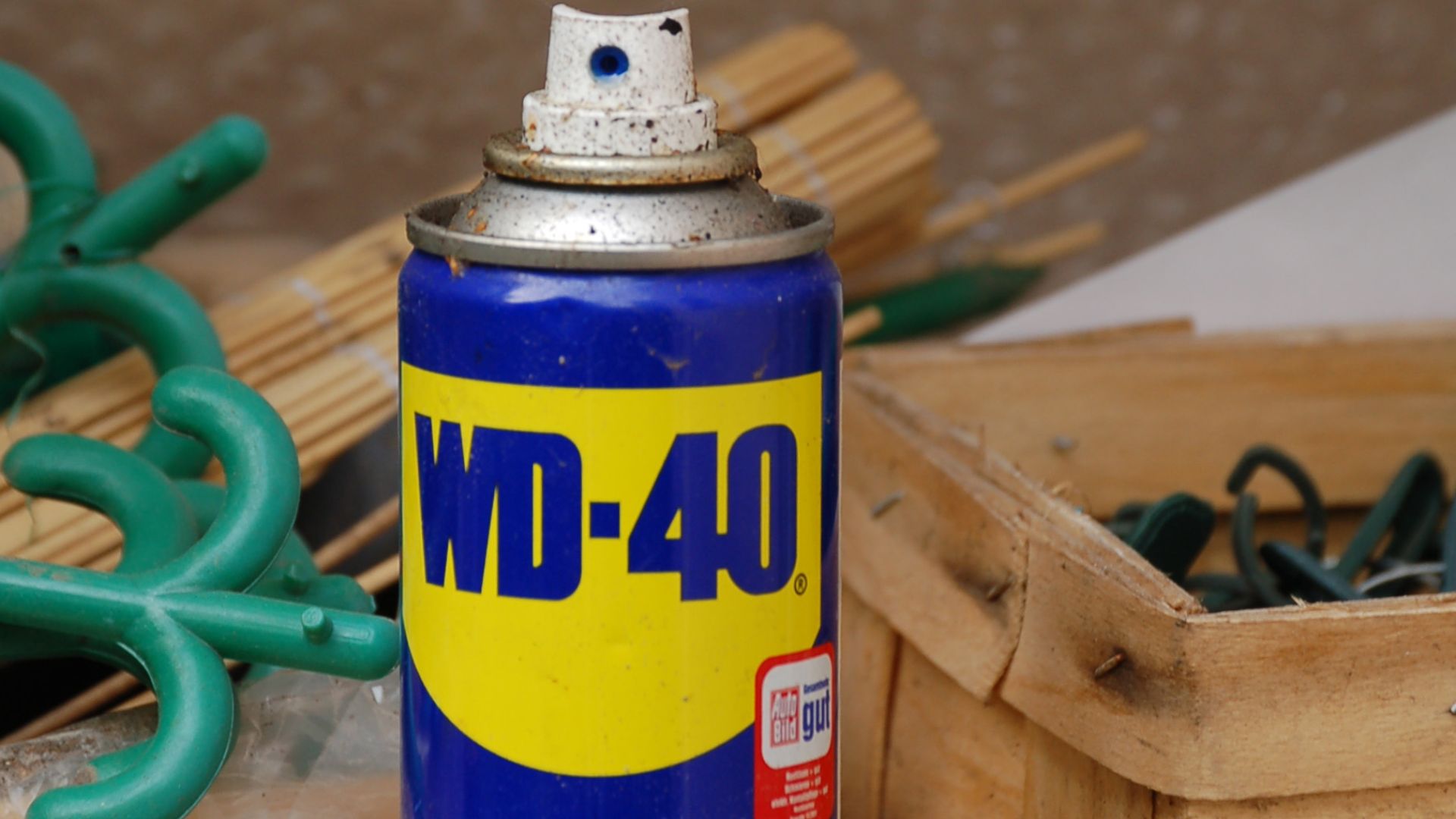
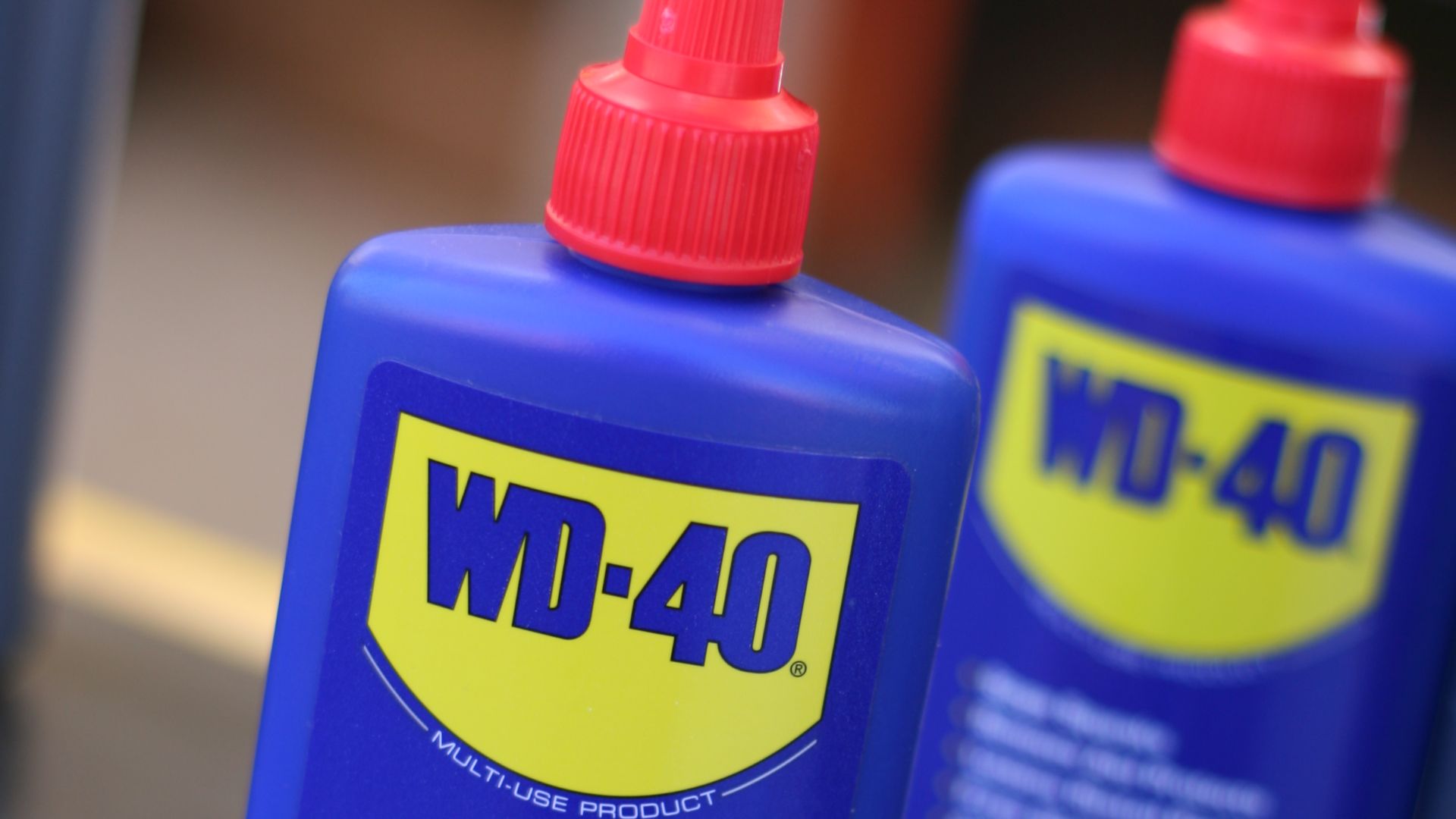
Rocket Chemical Company began developing WD-40 in 1953 as part of a line of rust-prevention solvents and degreasers for the aerospace industry. The company says its team needed 40 attempts to perfect the water-displacing formula, which explains the product's name. Aerospace contractor Convair initially used it to protect the Atlas missile from rust and corrosion. Fixing irritating household squeaks was nowhere near the original assignment.
Workers Took The Space-Age Solution Home
According to WD-40's company history, Convair employees began taking cans home because they discovered that the formula was useful beyond the aerospace plant. Founder Norm Larsen subsequently experimented with aerosol packaging for consumers. WD-40 reached San Diego store shelves in 1958. The missile-protection formula was on its way to becoming a familiar household multipurpose product.
 Richard Masoner / Cyclelicious, Wikimedia Commons

History's most fascinating stories and darkest secrets, delivered to your inbox daily.
Listerine Began In A Very Different Setting
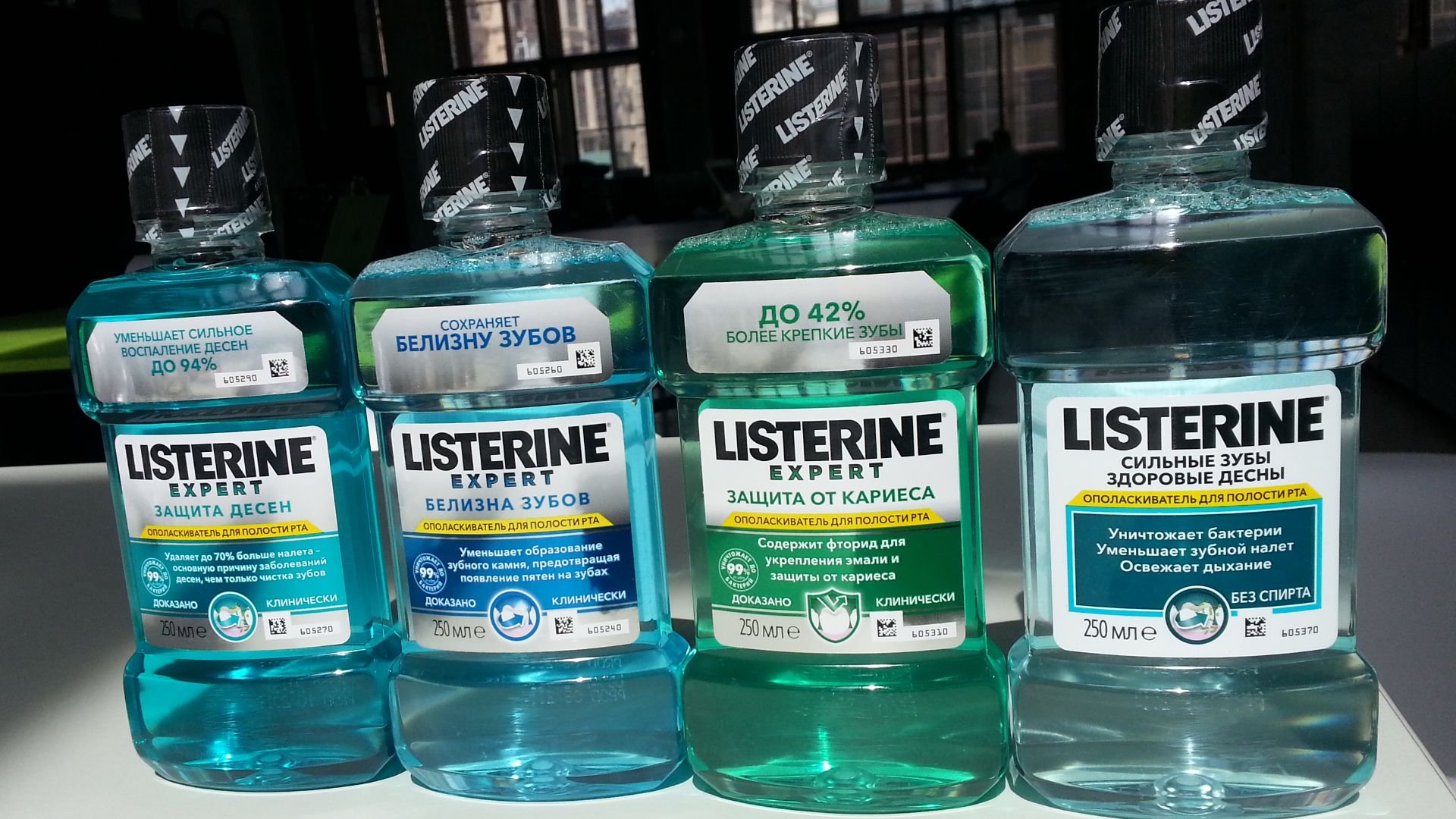
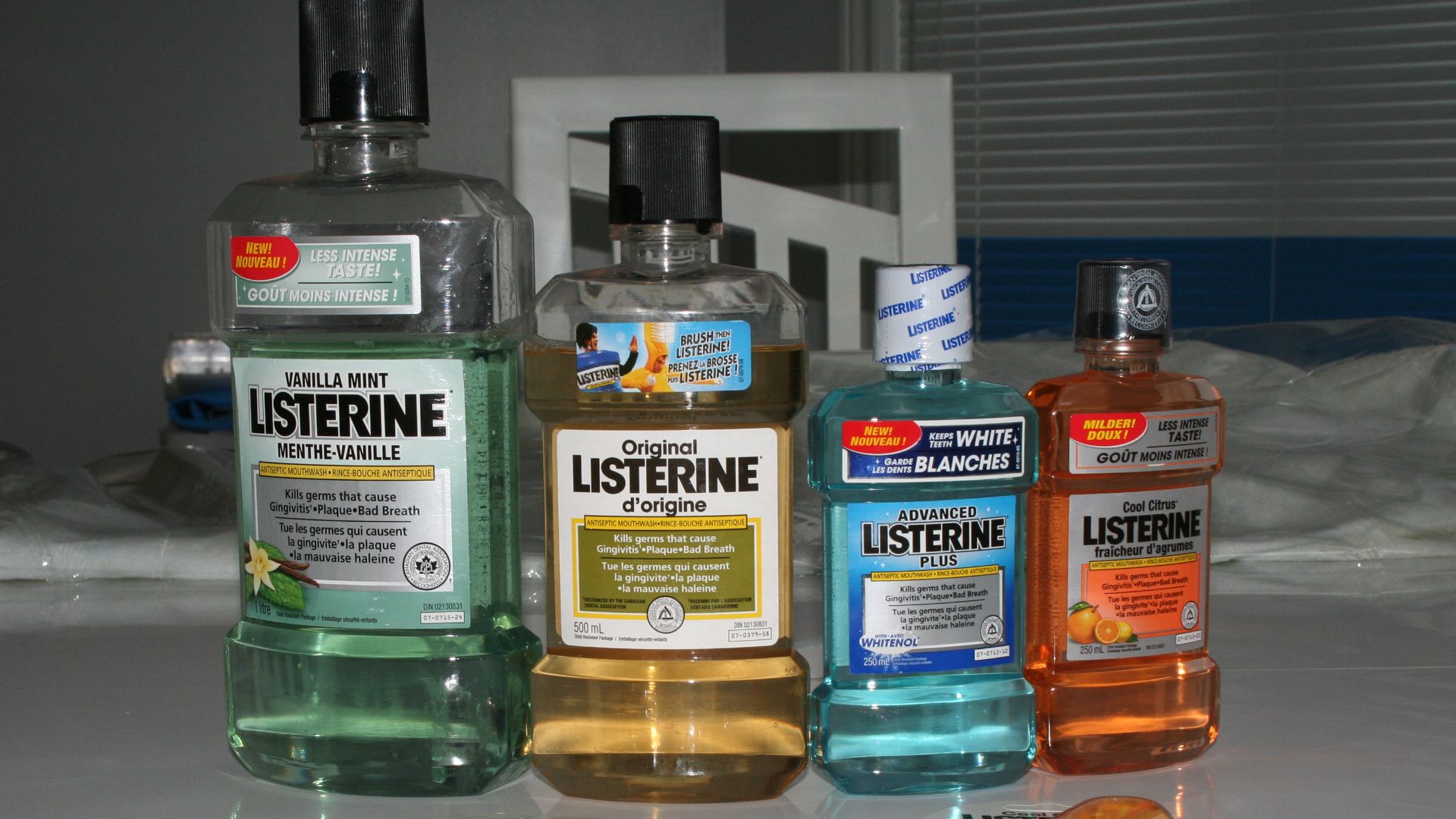
Listerine was formulated in St. Louis in 1879 by Joseph Lawrence and Jordan Wheat Lambert. Rather than beginning as the familiar mouthwash sitting beside a toothbrush, it was introduced as a surgical antiseptic. The product was named for Joseph Lister, whose work helped establish antiseptic surgical practices. Its eventual association with fresh breath came later.
Listerine Tried Almost Everything
Before mouthwash became its defining identity, Listerine was promoted for a remarkable range of purposes. Smithsonian records describe uses including surgical disinfection, dandruff treatment, deodorizing, hair care, and even cleaning floors. It was eventually promoted heavily as a solution for bad breath, with advertising built around the clinical-sounding term "halitosis." The oral-care use proved far more enduring than many of the product's earlier jobs.
Kleenex Was Made For Removing Cold Cream
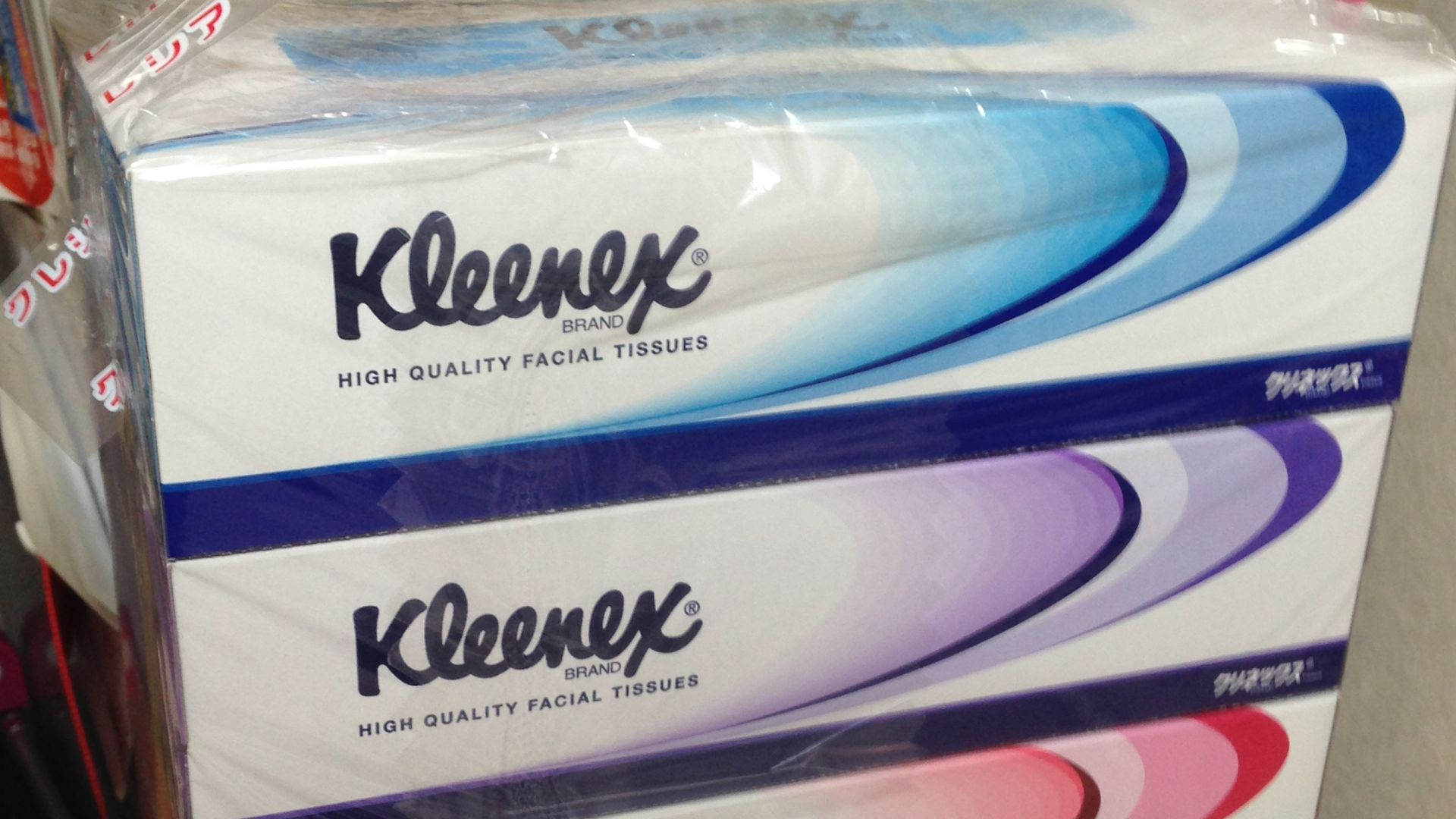
When Kleenex appeared in 1924, Kimberly-Clark did not initially position it as the disposable handkerchief people know today. The thin Cellucotton sheets were marketed to the growing cosmetics market as a sanitary way to remove cold cream. Early advertising emphasized beauty and makeup removal. Consumers soon discovered another use that would completely redefine the brand.
Customers Put Kleenex To Their Noses
Consumers began telling Kimberly-Clark that Kleenex worked well as a replacement for cloth handkerchiefs. The company investigated how people were actually using the tissues and shifted its marketing toward the disposable-handkerchief idea. That change turned nose blowing into the use most strongly associated with the product. In this case, customers effectively helped tell the manufacturer what it had created.
Kotex Came From A Wartime Bandage Material
Kimberly-Clark developed an absorbent wood-cellulose material called Cellucotton that was used for surgical dressings during World War I. It was supplied for medical purposes when cotton was scarce, and a thinner form was also used in gas-mask filters. The material was therefore designed around wartime and medical needs. What happened next came from the people using it.
 cellucotton products company, Wikimedia Commons
Nurses Found A Completely Different Use
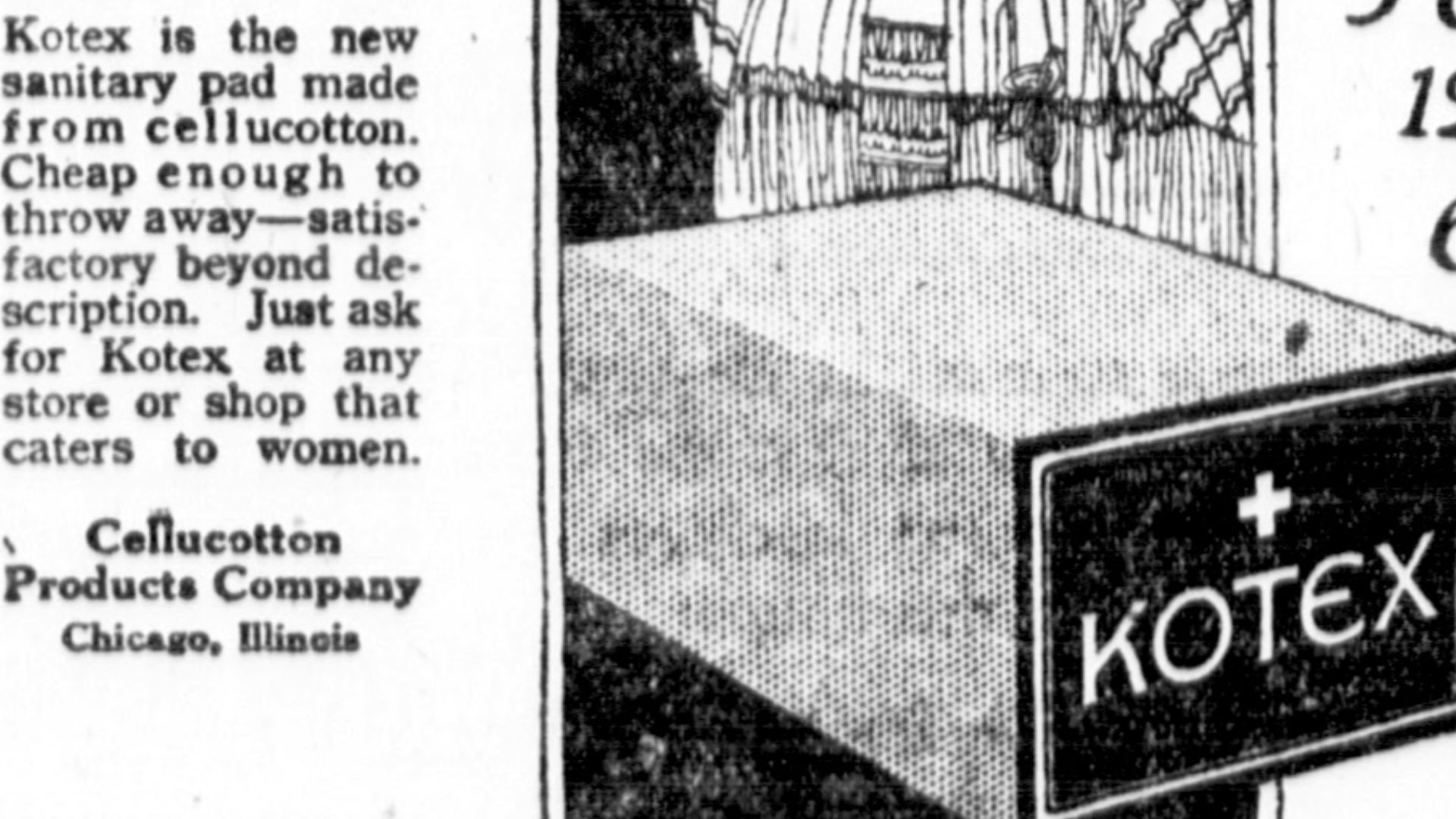
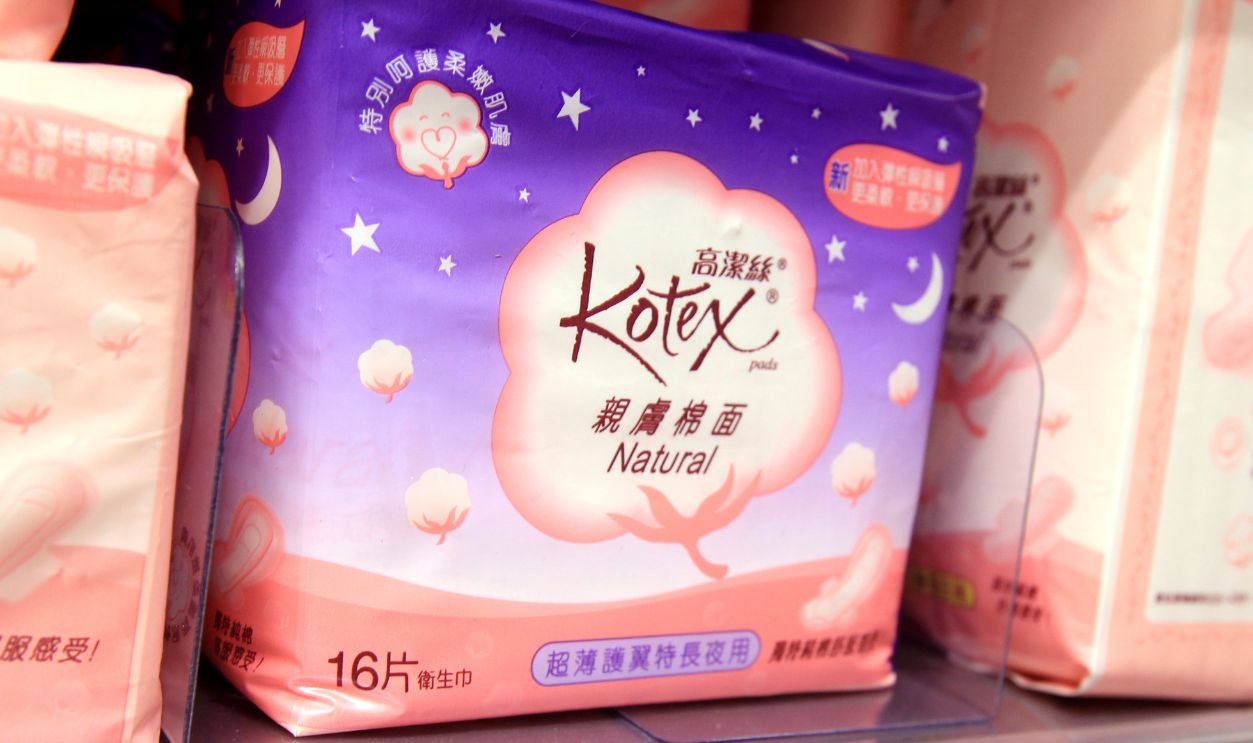
Accounts reaching Kimberly-Clark described nurses using the highly absorbent Cellucotton for menstrual hygiene. After the war, the company needed civilian markets for the material and pursued the idea commercially. Kotex sanitary napkins reached the market in 1920. A material created for medical and wartime applications had helped launch a major category of disposable consumer hygiene products.
 South China Morning Post, Getty Images
Botox Was Medicine Before It Was Cosmetic
Botulinum toxin was being used medically long before cosmetic injections became a cultural phenomenon. The FDA first approved botulinum toxin for conditions including strabismus and blepharospasm in 1989. These treatments relied on the toxin's ability to weaken targeted muscles. Smoothing facial lines was not the original reason patients were receiving the injections.
Doctors Noticed The Wrinkles Changing
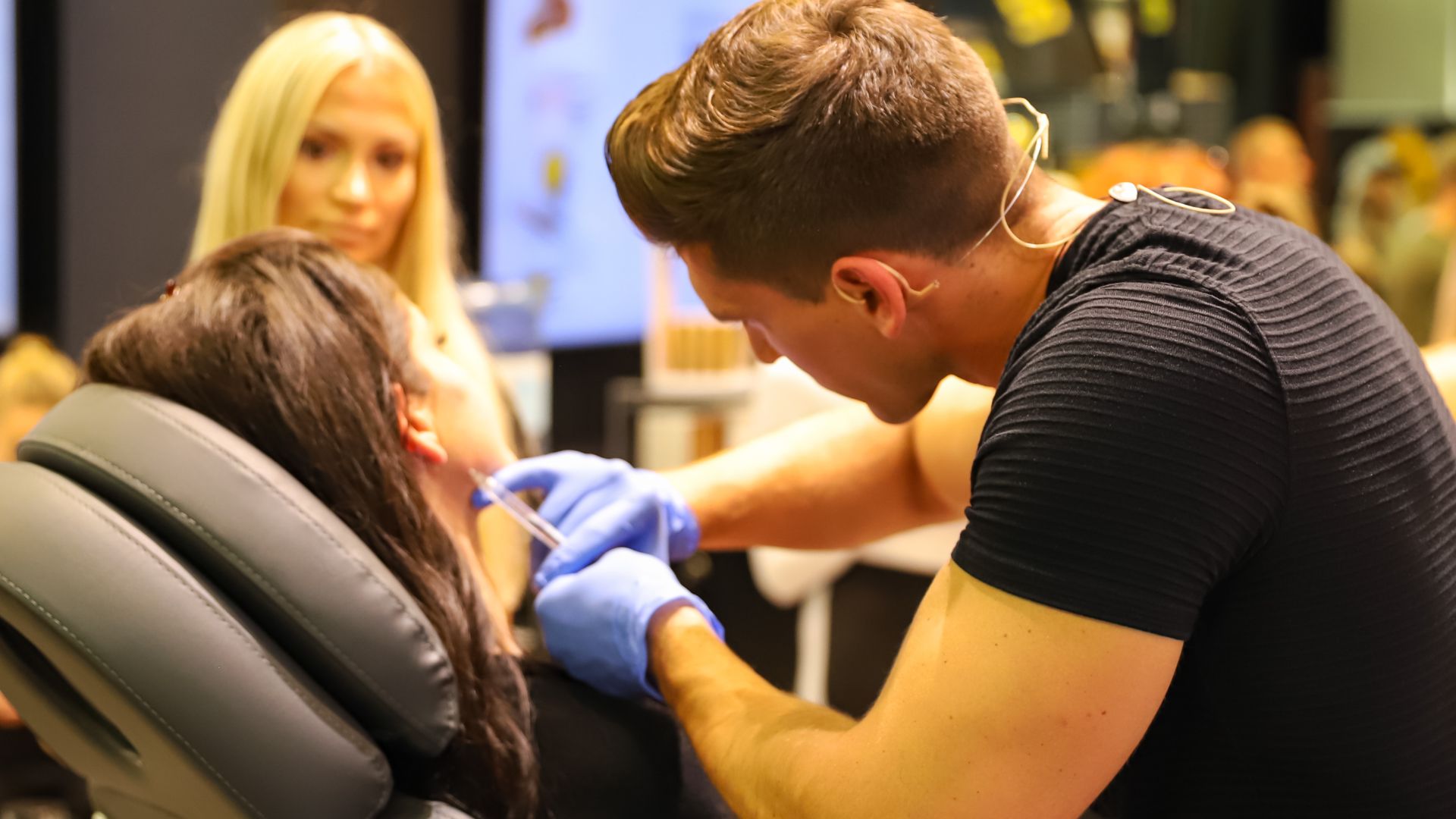
Physicians eventually observed cosmetic effects in patients receiving botulinum toxin treatments around the face and eyes. Researchers subsequently studied its ability to reduce the appearance of facial lines. In 2002, the FDA approved botulinum toxin type A for the temporary improvement of moderate to severe glabellar lines. The medical treatment had acquired a second identity that would become enormously visible in popular culture.
 D. Schwarzburg, Wikimedia Commons
Memory Foam Was Built For Safer Seats
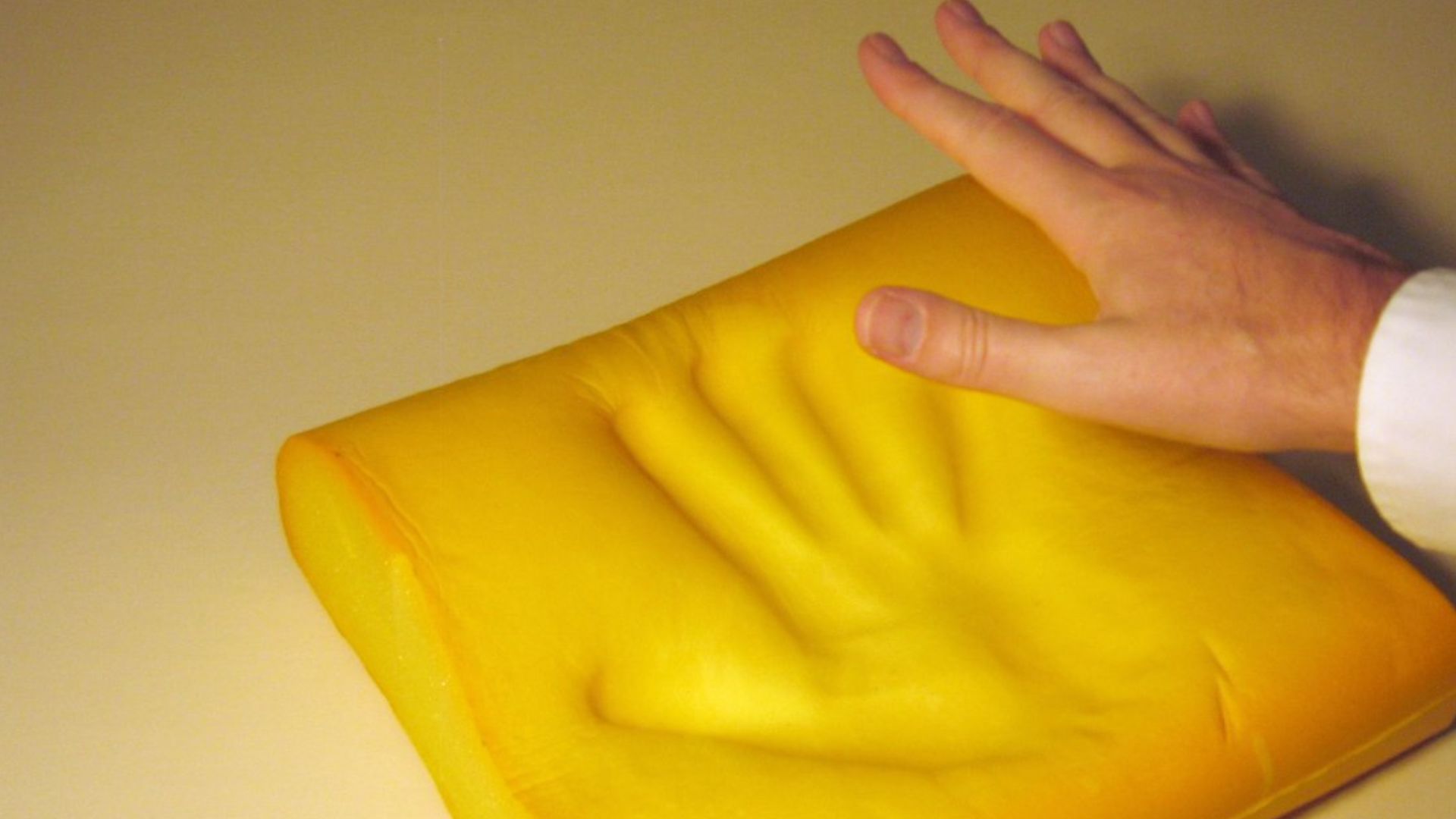
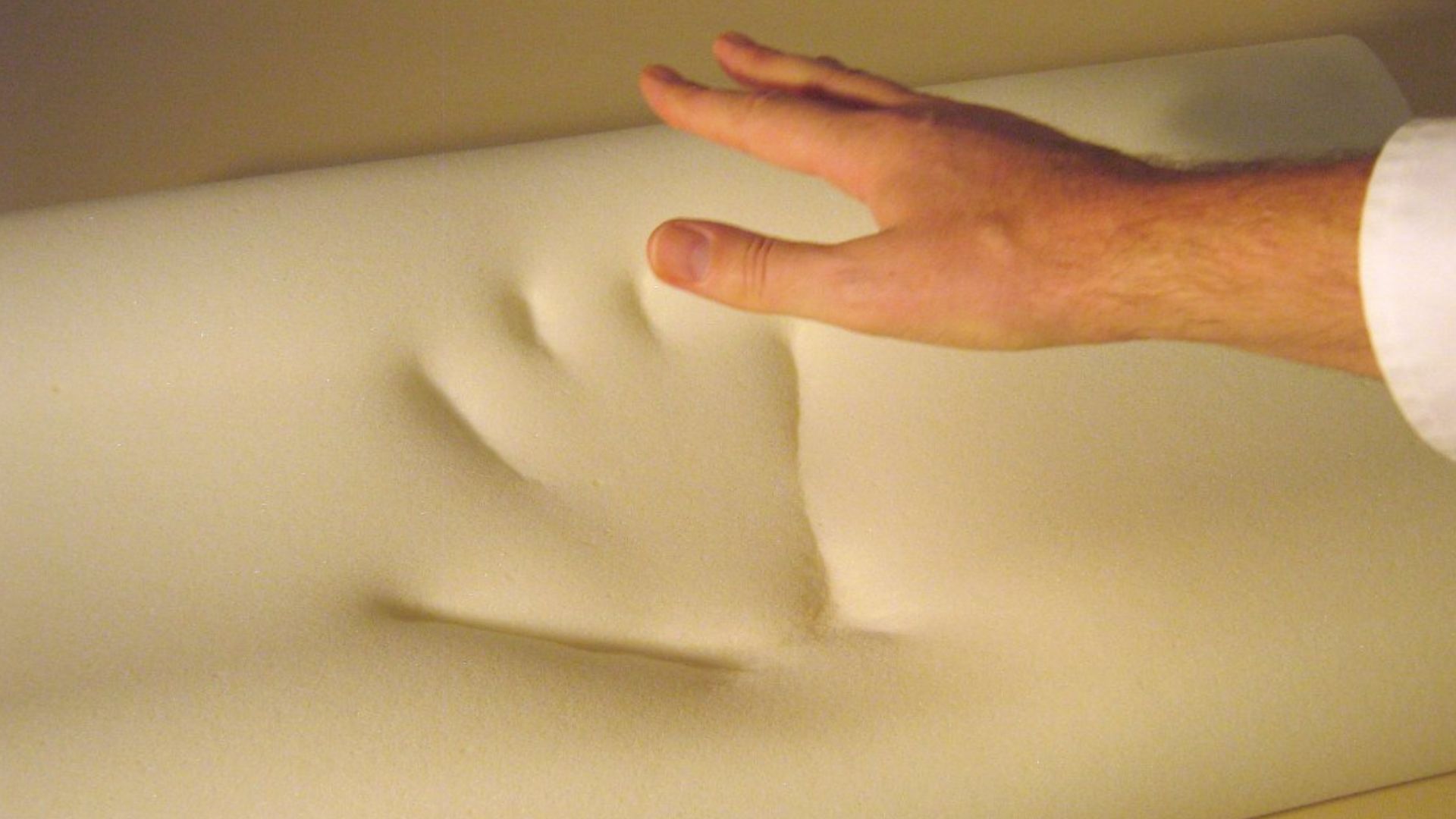
Memory foam traces its origins to NASA work in the 1960s aimed at improving aircraft passenger safety. Researchers needed cushioning that could absorb significant impact while remaining comfortable. The resulting "temper foam" conformed to the body under pressure and then returned toward its original shape. Mattresses were not the project that prompted its development.
Bedrooms Became Memory Foam's New Home
The technology eventually spread far beyond aircraft seating. NASA documents later applications ranging from medical cushions and protective equipment to shoes and mattresses. The foam's ability to distribute pressure and conform to a person's body made it especially attractive for comfort products. Today, sleeping on memory foam is a much more ordinary encounter with the technology than surviving an aircraft impact.
Super Glue Was Too Sticky For Its First Job
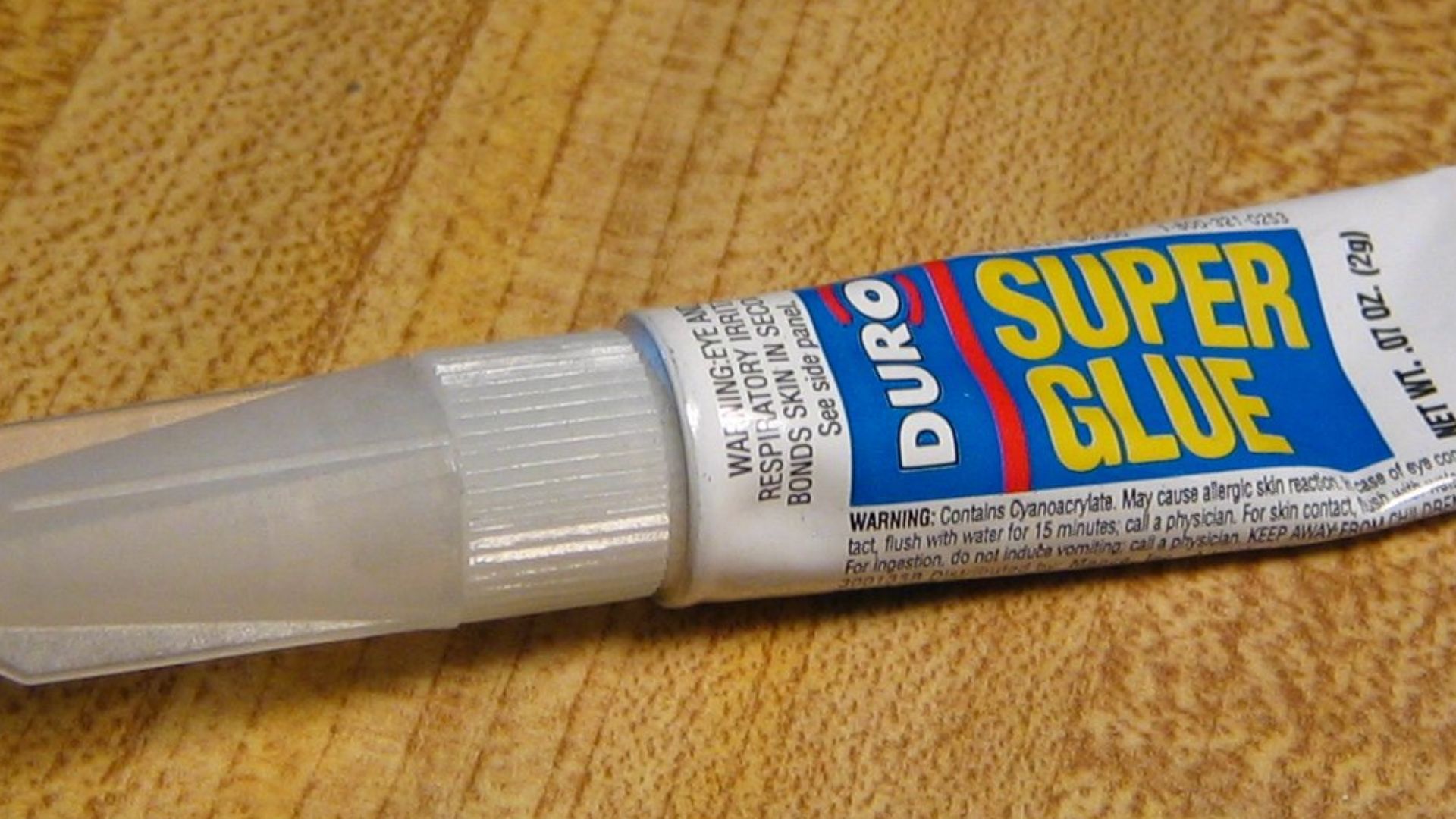
Cyanoacrylate, the chemical family behind Super Glue, was discovered in 1942 during research aimed at producing clear plastic gun sights for the wartime effort. The material stuck aggressively to surfaces, which made it unsuitable for that original project. Researchers therefore initially regarded its stickiness as a problem rather than its greatest advantage. The supposedly troublesome characteristic eventually became the entire selling point.
Researchers Rediscovered The Problem As A Solution
Harry Coover and Fred Joyner encountered cyanoacrylate again while working at Eastman Kodak in the early 1950s. This time, its remarkable bonding ability was recognized as commercially valuable. The adhesive reached the market in 1958. A material rejected because it stuck to everything became famous precisely because it could stick things together so effectively.
Post-it Notes Began With The Wrong Kind Of Glue
In 1968, 3M scientist Spencer Silver was working on new, stronger adhesives. Instead, he produced adhesive microspheres that were weak enough to separate without tearing the surfaces they held together. The adhesive could also be reused and removed without leaving the kind of permanent bond Silver had originally been seeking. For years, the unusual glue lacked an obvious commercial purpose.

A Falling Bookmark Changed Everything
Several years later, fellow 3M researcher Art Fry wanted a bookmark that would remain in his church hymnal without damaging the pages. He realized Silver's removable adhesive could solve the problem. The concept evolved from bookmarks into self-attaching notes that could be moved and removed easily. Post-it Notes launched nationally in the United States in 1980, giving the supposedly weak adhesive exactly the kind of job it was suited to perform.

The Best Use Is Not Always The First Use
These products succeeded for different reasons, but their stories share a revealing pattern. Play-Doh and Bubble Wrap escaped unsuccessful original markets, while Viagra and Botox gained major new purposes after unexpected effects were recognized. Kleenex and WD-40 show how consumers and workers can uncover uses that product developers did not initially emphasize. Sometimes innovation is less about inventing something new than recognizing what an existing thing is unexpectedly good at doing.
 Nevit Dilmen, Wikimedia Commons
You May Also Like:
Famous Products That Everyone Said Were Ridiculous Gimmicks, Now They're Normal
Everyday Items From The Past That We Should Bring Back
Resilient Facts About Ellen Burstyn, The Actor Who Worked With The Devil









