Your Name Might Be Cool Again
Remember when these names were everywhere? Then, somewhere along the way, they became “old people’s names.” Well, apparently they’re cool again. Younger parents are giving their babies names the older generation probably remembers from school. Do any of these sound familiar?
Bonnie
Bonnie ranked 87th among girls during the 60s, but eventually slipped outside America’s top 1,000. Now it’s back with a convincing climb: from 865th in 2015 to 396th in 2025. Apparently, a name that sounds like someone who insists you take leftovers home also works perfectly well on a baby.

Dean
Dean was a top-100 boys’ name in the 60s, and its return has been building for years. It climbed from 286th in 2010 to 125th in 2025, while the number of babies receiving it more than doubled. Short, familiar, and difficult to misspell. Parents could certainly do worse.

Robin
Robin ranked 34th among girls in the 60s and 67th in the 70s. After falling outside the top 1,000, it reached 704th in 2025. Annual use rose from 158 girls in 2010 to 400 in 2025. This familiar nature name is getting a proper second chance.
Elaine
Elaine ranked 141st among girls across the 60s, long before “Seinfeld” gave it a particularly memorable association. After falling to 797th in 2010, it climbed to 305th in 2025. A new generation of Elaines is arriving, although we’ll have to wait a while to judge their dancing.
Henry
Henry was an older classic even in the 60s, when it ranked 95th among boys. After sitting at 126th in 2000, it climbed all the way to fifth in 2025. Henry is back near the front of the classroom, and he probably has company.
Dorothy
Dorothy remained a top-200 girls’ name in the 60s before falling much further out of fashion. It was outside the top 1,000 in 2010, but reached 421st in 2025. Dorothy, Dot, or Dottie: parents get a few options with this one. None of them require a trip to Kansas.
Wesley
Wesley ranked 121st among boys during the 70s and became more popular afterward. Its current rise follows a quieter stretch: from 171st in 2000 to 52nd in 2025. Whether parents prefer Wesley or shorten it to Wes, this familiar name is getting considerably more attention again.
Frances
Frances ranked 151st among girls during the 60s, then gradually became a much rarer choice. Its revival took it from 769th in 2010 to 318th in 2025. Parents also get Fran, Franny, and Frankie, which can make the formal version feel a little more relaxed. Quite a selection from seven letters.

History's most fascinating stories and darkest secrets, delivered to your inbox daily.
Arthur
Arthur was a top-100 boys’ name in the 60s, but had fallen to 388th by 2010. In 2025, it reached 87th, with more than five times as many babies receiving the name as in 2010. Arthur, Art, or Artie: whichever version you like, this comeback has some substance behind it.
Calvin
Calvin was a top-200 boys’ name in both decades. After ranking 215th in 2010, it climbed to 132nd in 2025, with annual use increasing from 1,662 babies to 2,710. That’s a steady revival with actual growth behind it. Whether these Calvins get a stuffed tiger remains to be seen.
Sylvia
Sylvia ranked 137th among girls in the 60s and later lost much of that popularity. It climbed from 557th in 2010 to 300th in 2025, with annual use nearly doubling. It’s familiar without being everywhere, which gives parents a recognizable choice that still leaves room for their child to stand out.
Warren
Warren made the boys’ top 200 in the 60s, but slipped to 484th in 2010. By 2025, it had reached 240th, with nearly three times as many babies receiving it. You might picture a Warren discussing mortgage rates rather than demanding a bottle. These Warrens have time to get there.
Melody
Melody made the girls’ top 200 in the 60s, then spent years further down the rankings. Its modern revival has taken it beyond that earlier showing: from 399th in 2000 to 79th in 2025. Apparently, parents still appreciate a name with some musical appeal. This one is finding a bigger audience.

Walter
Walter ranked 82nd among boys during the 60s, but fell to 372nd in 2010. By 2025, it had climbed to 252nd, with annual use increasing from 784 babies to 1,381. It’s a slower revival than Arthur’s, but a real one. Every Walter has to start somewhere, including in diapers.
Rose
Rose ranked 130th among girls during the 60s before becoming less common as a first name. It climbed from 334th in 2010 to 114th in 2025, with annual use more than doubling. Short, familiar, and easy to spell. Sometimes parents don’t need to make naming a baby any more complicated.
Loretta
Loretta was a top-200 girls’ name in the 60s, and country music fans certainly won’t need an introduction. By 2010, just 97 baby girls received it. In 2025, that number was 485, putting it at 606th nationally. It remains unusual, but five times as many babies is a comeback worth mentioning.
 Helena Jankovičová Kováčová, Pexels
Leon
Leon ranked 194th among boys across the 60s before becoming less common. Its revival took it from 418th in 2010 to 138th in 2025, with annual use nearly quadrupling. It’s short and familiar without feeling like a nickname. Apparently, plenty of parents have decided that four letters are enough.
Alice
Alice ranked 144th among girls during the 60s, then slipped much further down the list. Its revival took it from 422nd in 2000 to 65th in 2025. Apparently, plenty of parents have decided Alice belongs in a modern classroom. Wonderland can wait until she’s old enough to read.
Jane
Jane was a top-100 girls’ name in the 60s, but ranked 385th in 2010. By 2025, it had reached 221st, with annual use rising from 833 babies to 1,380. People have spent years calling things “plain Jane.” Apparently, a growing number of parents don’t see anything wrong with Jane at all.
Ruth
Ruth remained among the girls’ top 200 in both decades, although its biggest years came earlier. Its modern revival took it from 345th in 2010 to 173rd in 2025, with annual use nearly doubling. It might still sound old-fashioned to some people. That clearly isn’t putting everyone off.
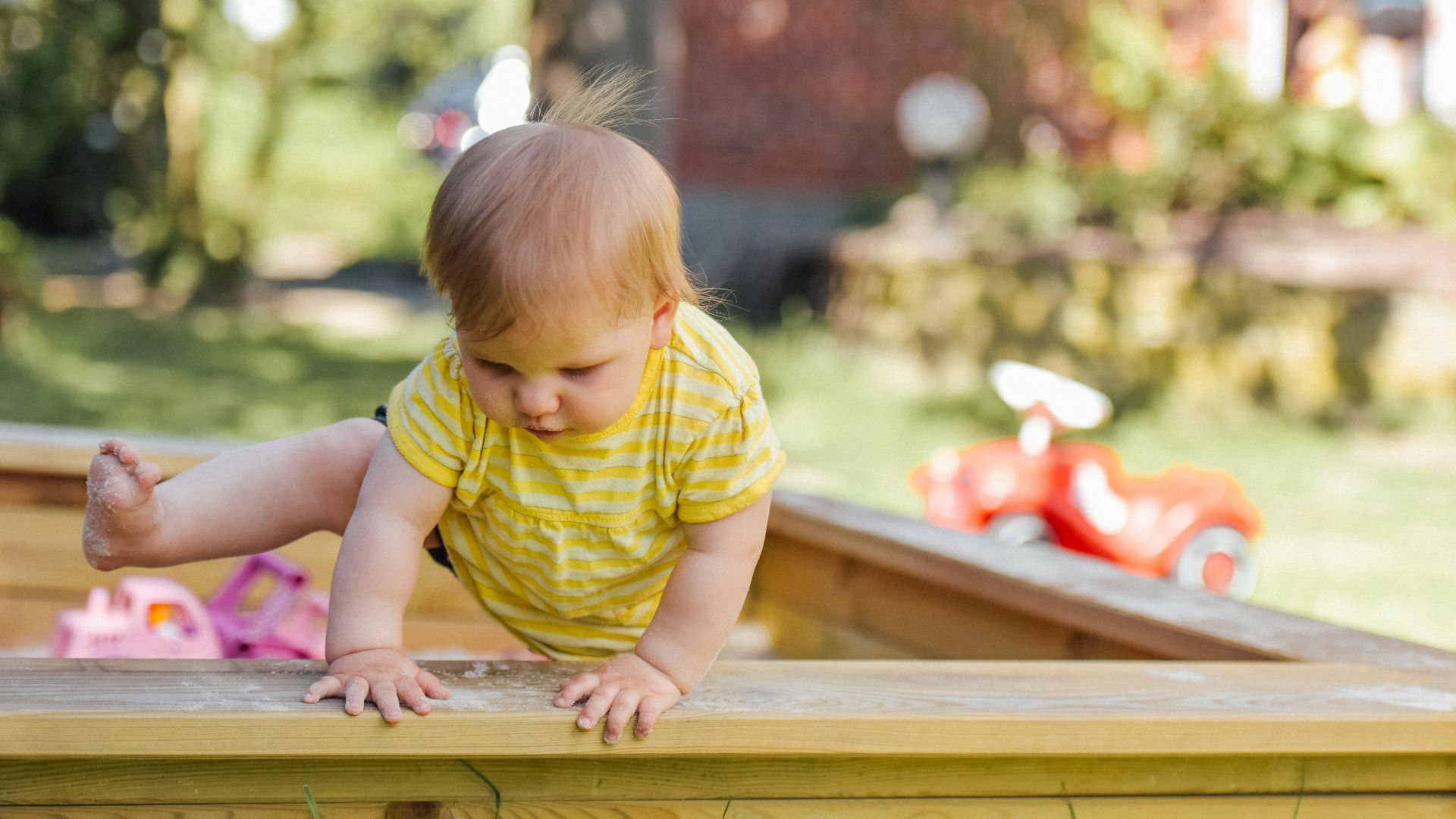
Charlotte
Charlotte ranked 160th among girls across the 60s and had fallen to 289th by 2000. In 2025, it was second, with more than twelve times as many babies receiving it as in 2000. This revival has been building for decades. Charlotte certainly isn’t the unusual choice anymore.
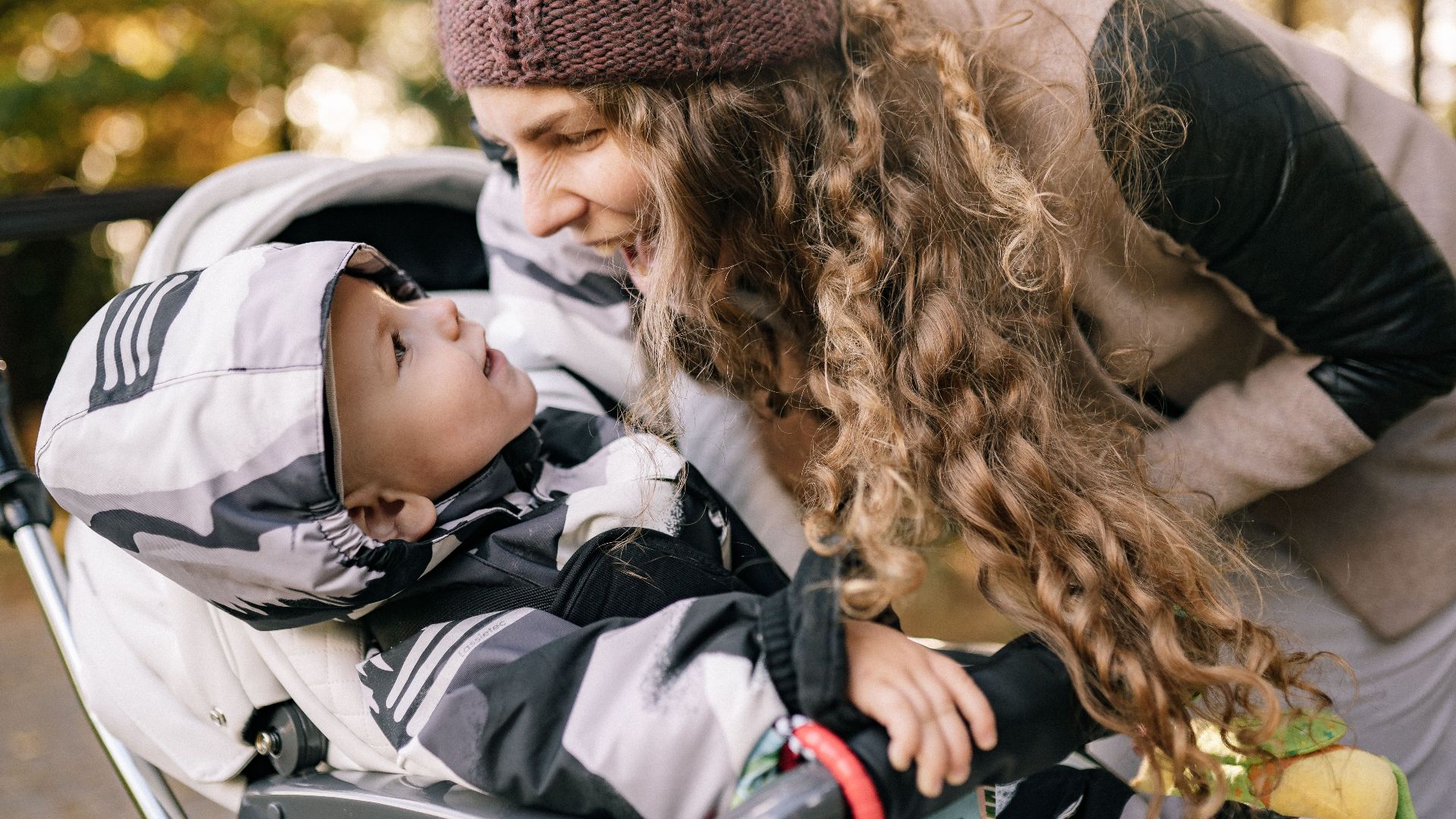
Evelyn
Evelyn was already an older favorite in the 60s, when it ranked 168th among girls. After ranking 150th in 2000, it reached eighth in 2025, with annual use more than quadrupling. A name some people might associate with an older relative now belongs to thousands of little girls, too.
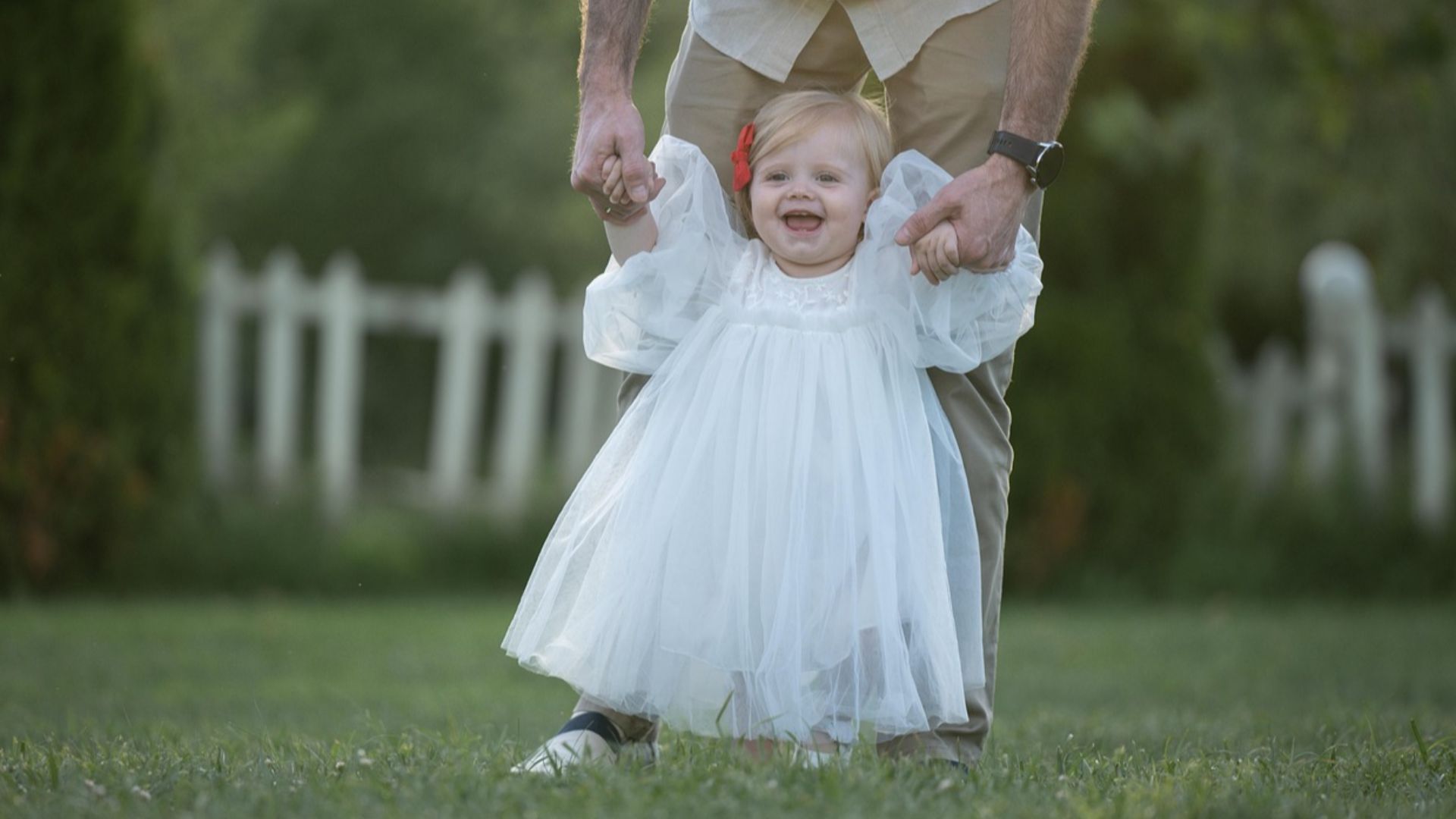
Theodore
Theodore made the boys’ top 200 in both decades, but ranked just 259th in 2010. By 2025, it was fourth, with roughly ten times as many babies receiving the name. Theo, Ted, or Teddy: whichever version parents prefer, this comeback is getting difficult to miss.

You Might Also Like:
Forgotten Moral Panics That Took Over Newspapers, Schools, And Living Rooms
Common English Words That Once Had Totally Different Meanings