Words Never Stand Still
The English language constantly evolves, and many familiar words once meant something completely different from what they do today. Some gradually shifted through everyday use, while others changed dramatically over centuries, leaving their original meanings almost entirely forgotten by modern speakers.
Nice
Today, nice usually describes someone who is pleasant, kind, or agreeable. Originally, however, the word meant "ignorant" or "foolish," coming from the Latin nescius, meaning someone who did not know. Over centuries, its meaning passed through several stages before becoming complimentary.

Awful
Today, awful means something extremely bad or unpleasant. When it first entered English, it meant "worthy of awe" or "inspiring wonder and reverence." Magnificent cathedrals, powerful rulers, and even God could once be described as awful in an entirely positive sense.

Silly
Today, silly refers to someone acting foolish or lacking good judgment. In Old English, the word originally meant "happy," "fortunate," or "blessed." Only gradually did it shift toward innocence, then simplicity, and finally the playful foolishness associated with it today.

Terrific
Today, terrific usually means outstanding or excellent. Originally, it described something terrifying or capable of inspiring great fear. The modern positive meaning emerged only after people increasingly used the word to describe experiences that were astonishing rather than frightening.

Villain
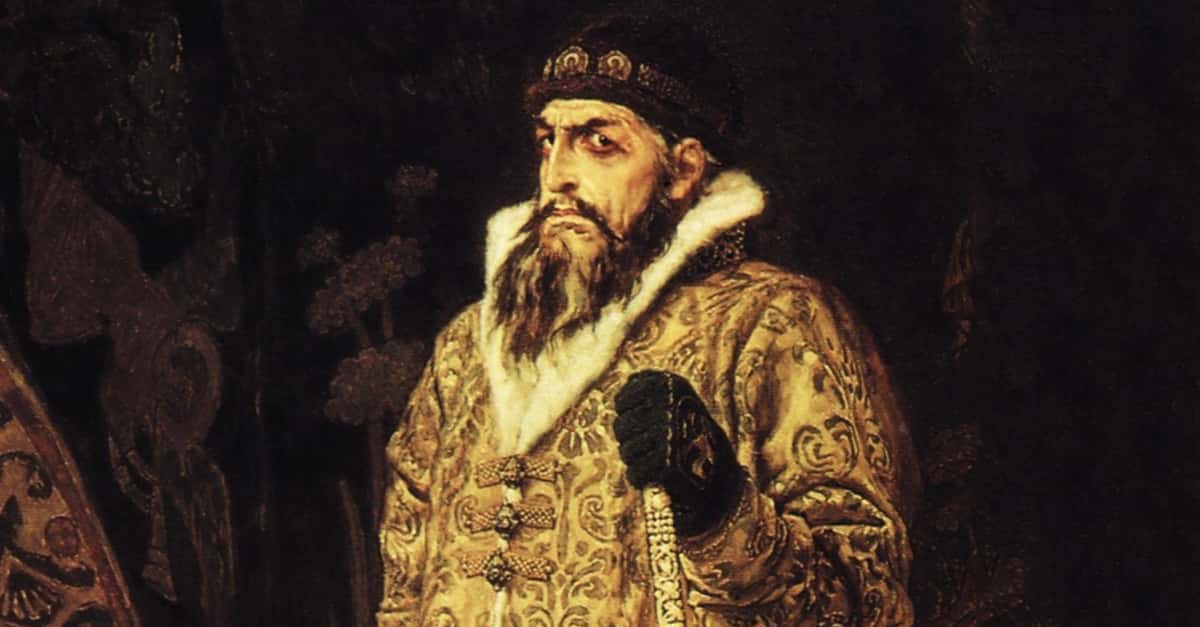
Today, a villain is the evil character in a story or someone behaving maliciously. The original meaning referred simply to a farm laborer or peasant living on a rural estate. Negative stereotypes about peasants eventually transformed the word into its modern sense.
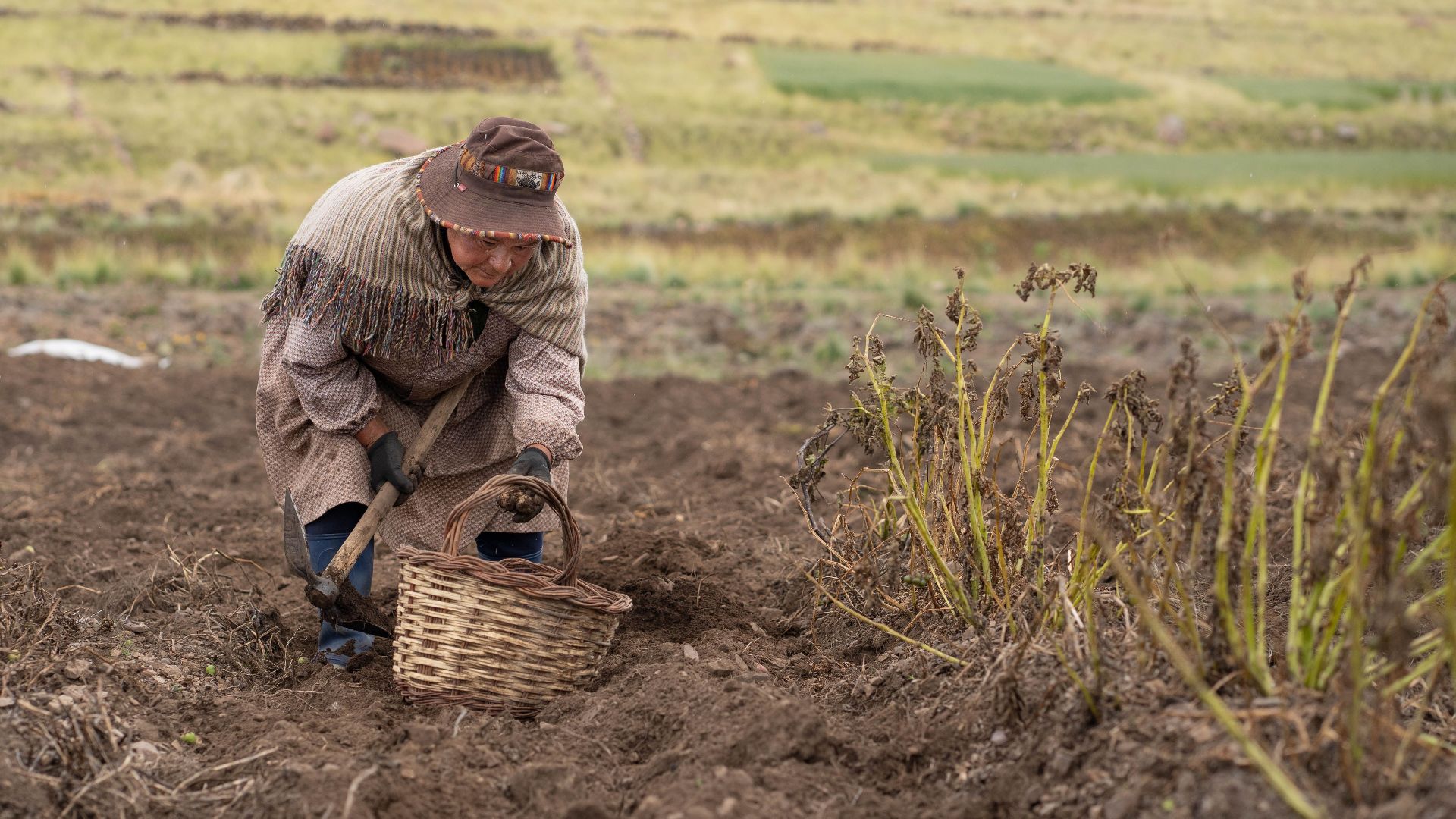 Roly Celier Cota Lapaca, Pexels
Artificial
Today, artificial generally describes something man-made rather than natural. Originally, the word carried a much more favorable meaning, referring to someone who was skillful, artistic, or accomplished through learned ability. Only later did it become associated with imitation instead of craftsmanship.

Naughty
Today, naughty usually describes mildly disobedient children or improper behavior. In Middle English, it originally meant "having nothing" or "poor." It later evolved into meaning wicked or morally corrupt before softening into the comparatively gentle modern usage.

Egregious
Today, egregious means shockingly bad or outrageously offensive. Originally, it meant exactly the opposite. Derived from Latin, it described someone or something remarkably distinguished or exceptionally excellent before eventually taking on an ironic negative sense.


History's most fascinating stories and darkest secrets, delivered to your inbox daily.
Pretty
Today, pretty generally means attractive or pleasing in appearance. Originally, it meant clever, crafty, or skillful. Over time, those ideas softened into something neat or pleasing before eventually becoming one of English's most common compliments regarding physical beauty.

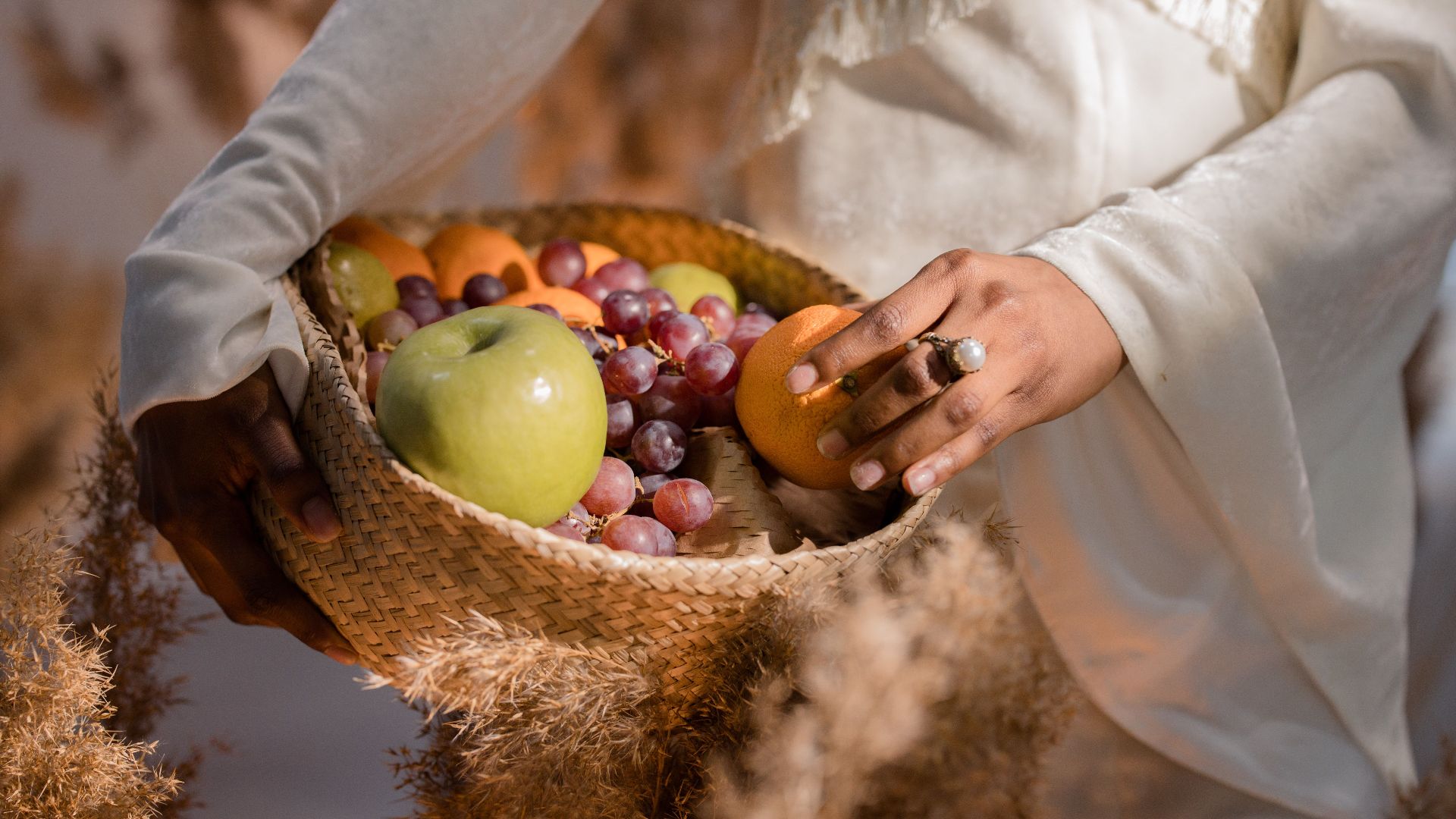
Meat
Today, meat specifically refers to animal flesh eaten as food. In Old English, the word referred to food of every kind, regardless of whether it came from plants or animals. Only later did its meaning narrow to its modern definition.
Girl
Today, girl refers specifically to a young female. During the Middle Ages, the word could refer to any young child regardless of gender. Separate words eventually emerged for boys and girls, leaving "girl" with its modern, gender-specific meaning.

Wife
Today, wife means a married woman. In Old English, the word simply meant "woman," regardless of marital status. Other words eventually became preferred for unmarried women, while wife narrowed into its modern meaning centered on marriage.

Hussy
Today, hussy is an insulting term suggesting an immoral or improper woman. Originally, it was simply a shortened form of "housewife" and described a woman responsible for managing a household. Social attitudes gradually transformed the once respectable word into an insult.

Spinster
Today, spinster traditionally refers to an unmarried older woman. Originally, it was simply an occupational title describing a woman who spun thread or yarn. Because many unmarried women worked in textile production, the occupation gradually became associated with marital status.

Broadcast
Today, broadcast means transmitting information through television, radio, or digital media. Originally, farmers used the word to describe scattering seeds widely across a field by hand. The idea of spreading something broadly later transferred naturally to mass communication.

Manufacture
Today, manufacture usually means producing goods in factories using machinery. The original meaning was far more literal. It described making something entirely by hand, reflecting its Latin roots meaning "made by the hand."
Clue
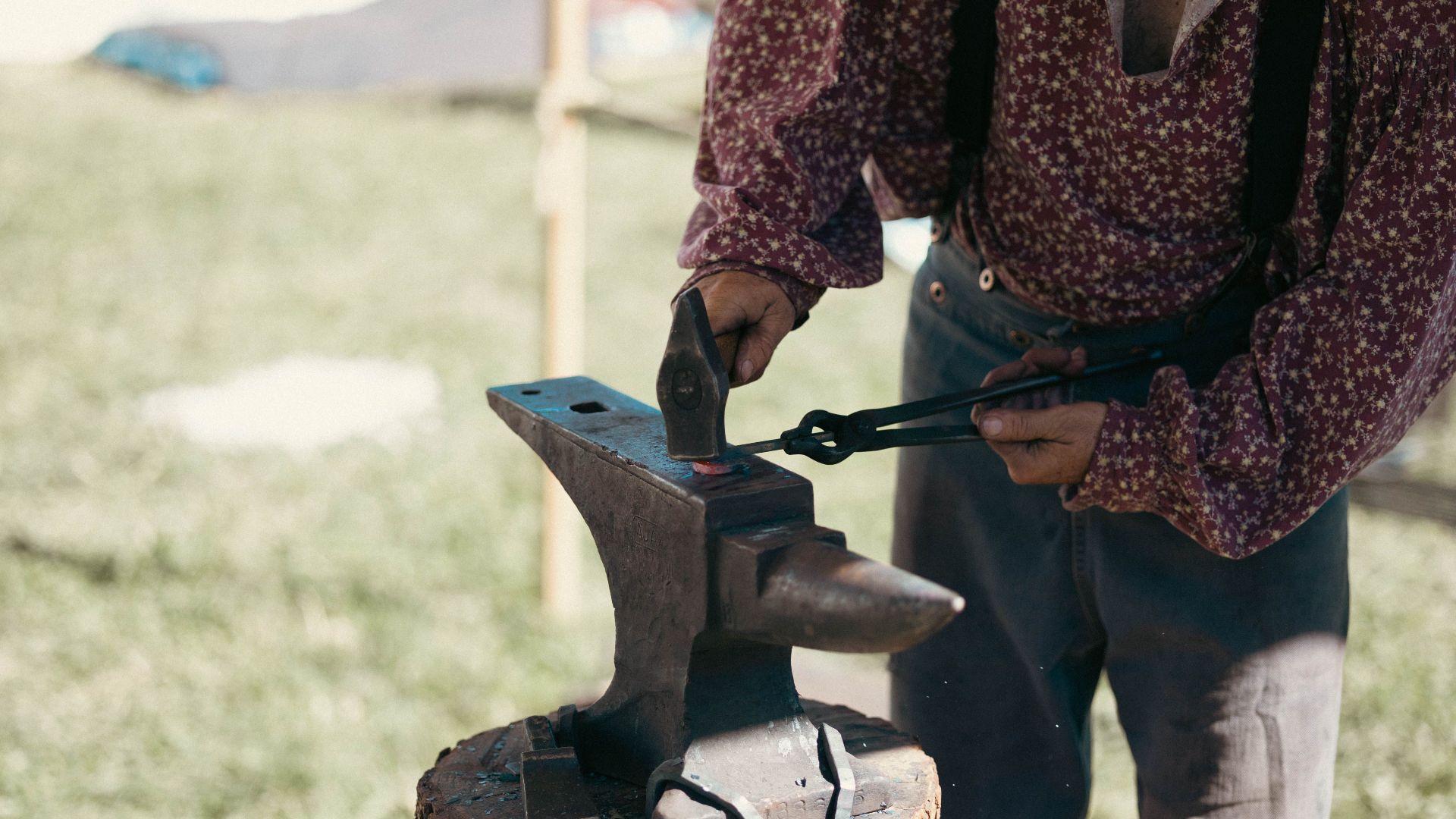
Today, a clue is information that helps solve a mystery or problem. Originally, the word referred to a ball of thread or yarn. The metaphor came from the Greek myth of Theseus, who followed a thread through the Labyrinth.
 https://kaboompics.com/, Pexels
Gossip
Today, gossip means casual talk about other people's lives, often involving rumors. Originally, the word referred to a close friend or godparent. Because such companions frequently chatted together, the meaning gradually shifted from the people themselves to their conversations.
Fizzle
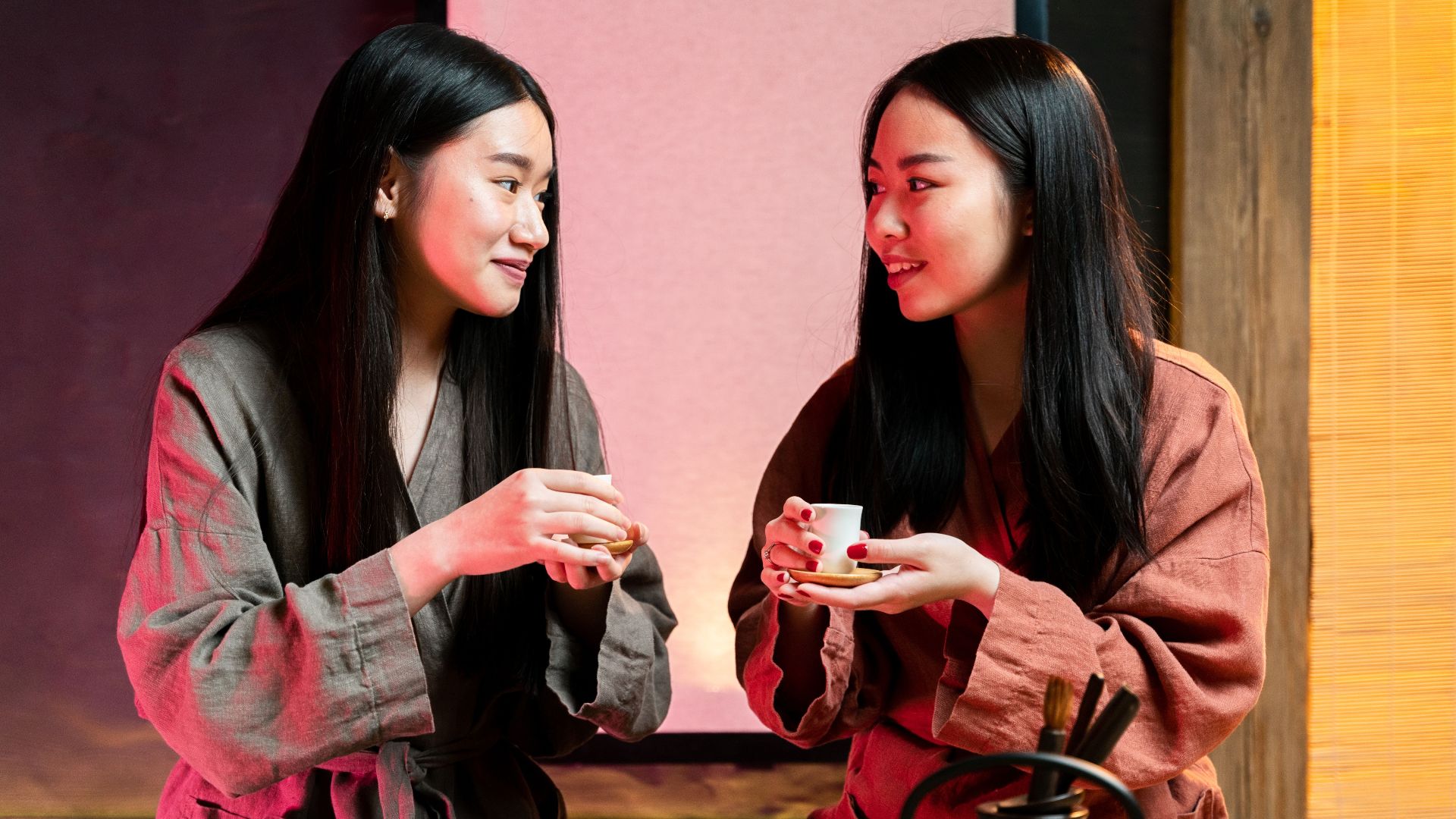
Today, fizzle means ending weakly or failing to achieve success. The word originally described the hissing sound made by escaping gas or fizzing liquids. The figurative meaning developed later as people compared disappointing endings to sounds that simply faded away.
Cunning
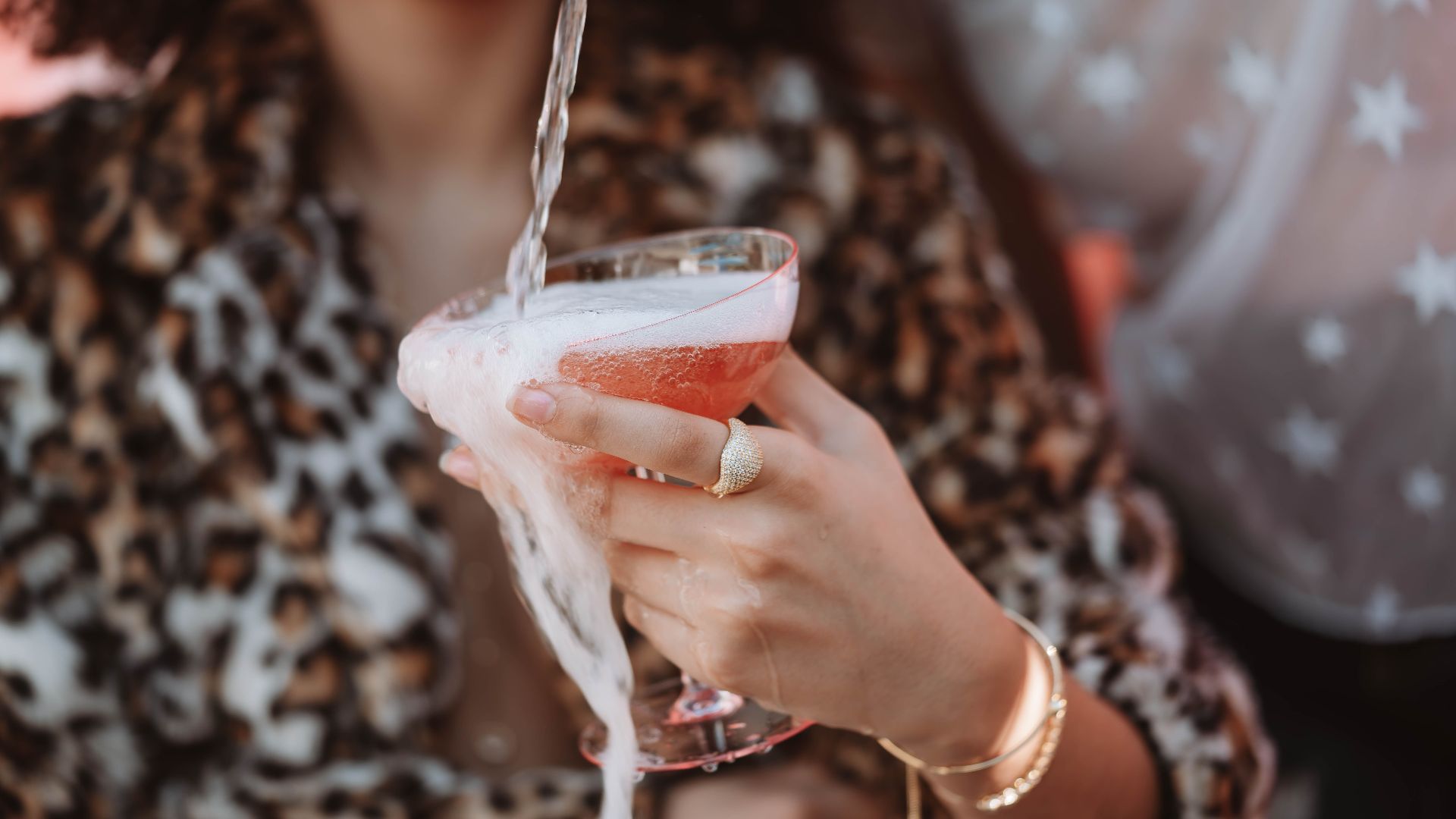
Today, cunning often suggests cleverness achieved through deception or trickery. Originally, it simply meant knowledgeable or highly skilled. Only later did suspicion toward unusually clever people gradually give the word its more negative modern associations.

Guy
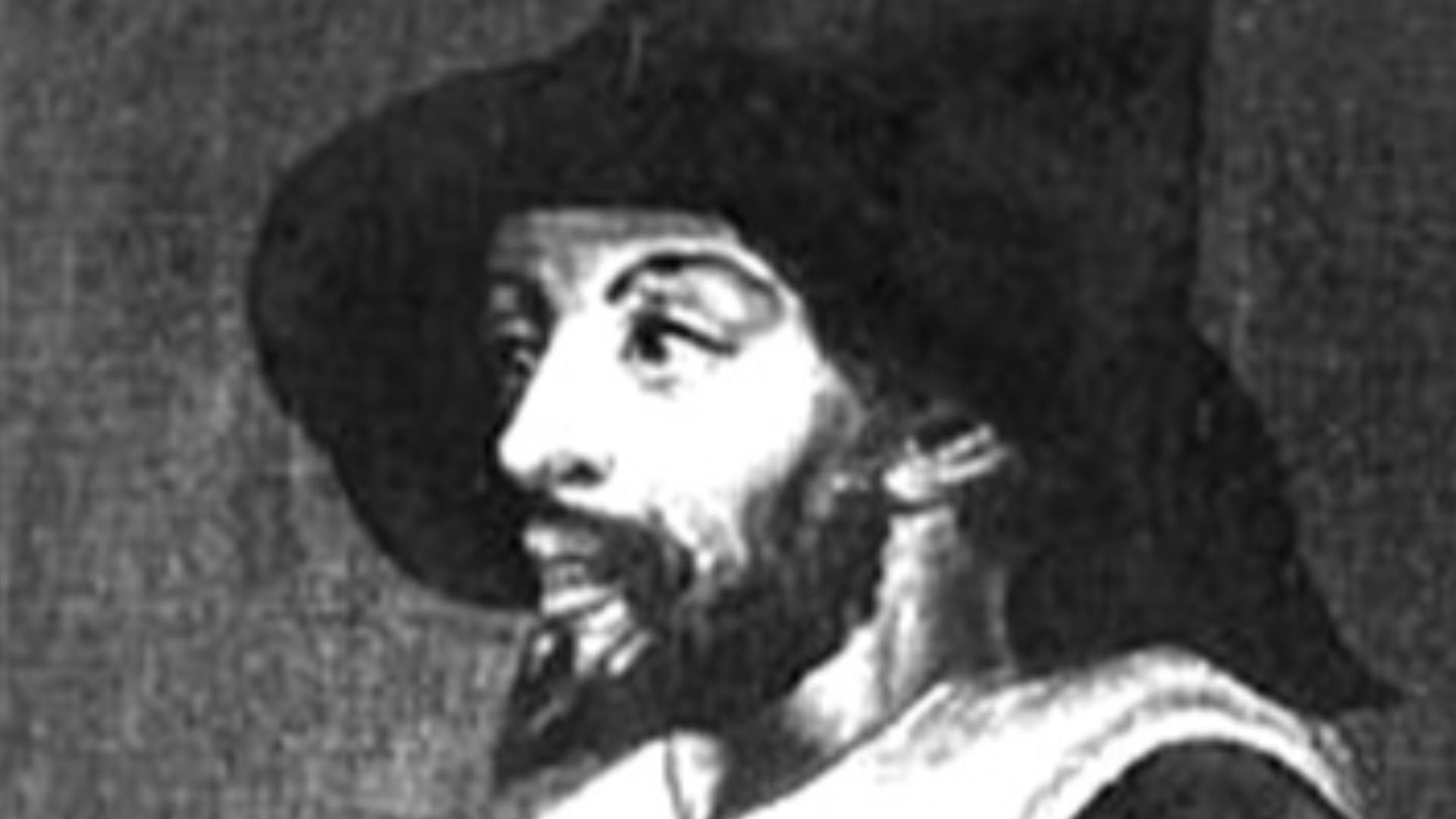
Today, guy usually refers to any man and sometimes to people in general. The word originally referred specifically to Guy Fawkes, whose effigies were carried during annual celebrations before the name broadened into a common term for men.
 Unknown authorUnknown author, Wikimedia Commons
Bully
Today, a bully is someone who intimidates or mistreats others. Surprisingly, the word originally meant "sweetheart" or "good friend." Over time, the affectionate meaning disappeared as the word became associated with boastful and aggressive behavior.

Candidate
Today, a candidate is someone seeking election or applying for a position. The word comes from ancient Rome, where office seekers wore bright white togas called toga candida. Their distinctive clothing gave rise to the modern political term.
 User:sailko, Wikimedia Commons
Husband
Today, husband refers to a married man. Originally, it meant the master or manager of a household, regardless of marital status. The emphasis was on stewardship and responsibility before eventually becoming tied specifically to marriage.

Brat
Today, brat describes an annoying or badly behaved child. Originally, the word referred simply to a child's cloak or rough outer garment. Over time, the clothing became closely associated with the children wearing it, changing the meaning entirely.

Disease
Today, disease refers to illness or sickness. Originally, the word literally meant "lack of ease" or discomfort. Only gradually did it become associated specifically with medical conditions rather than any form of physical or emotional uneasiness.
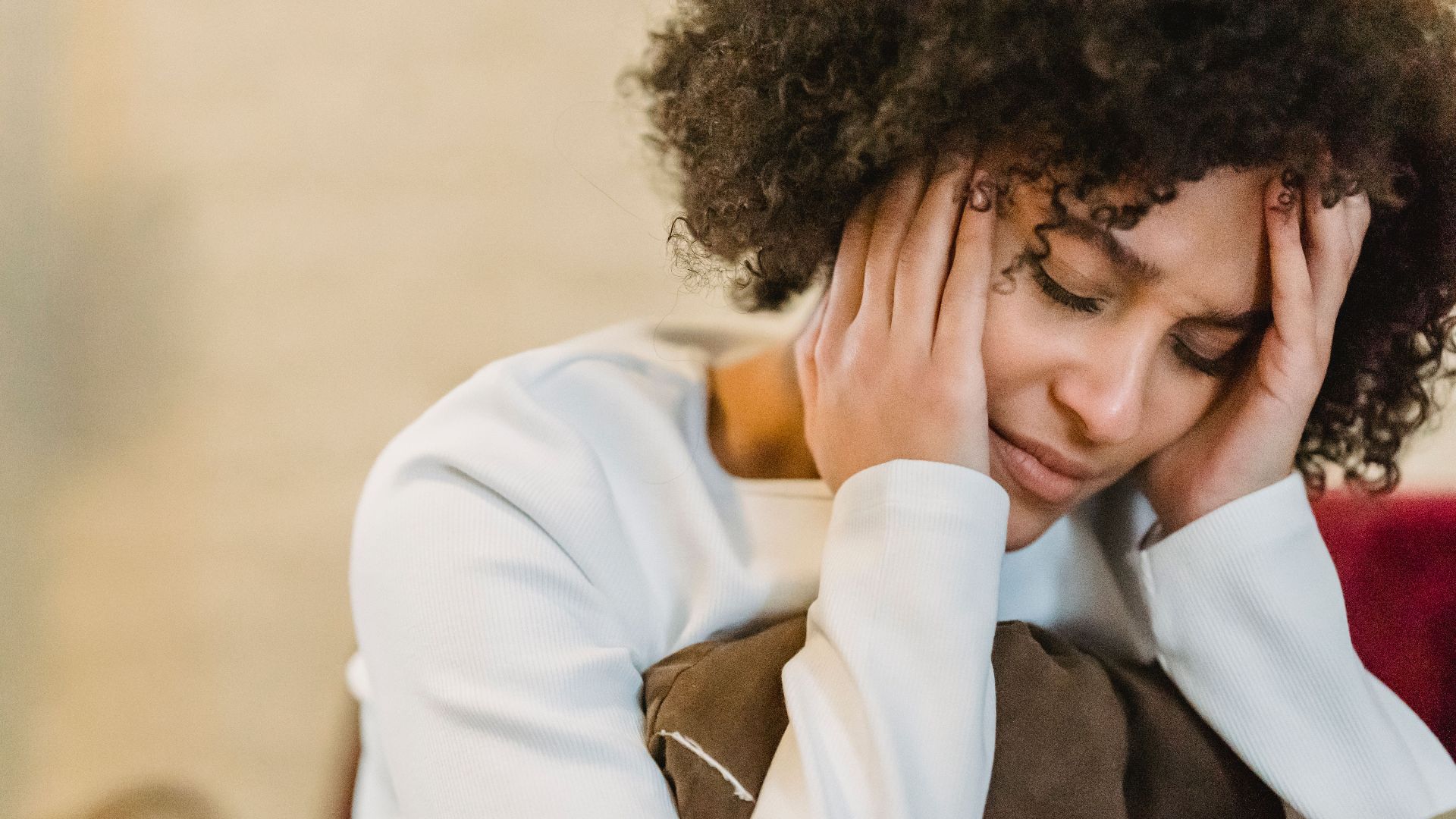
Success
Today, success almost always carries a positive meaning involving achievement or accomplishment. Originally, it simply referred to any outcome or result, whether favorable or disastrous. Positive results eventually became so common that the favorable meaning completely replaced the neutral one.

Brave
Today, brave means courageous in the face of danger. Earlier uses often emphasized appearance, describing someone as splendid, elegant, or finely dressed. Only later did admiration for impressive individuals shift the meaning toward personal courage.
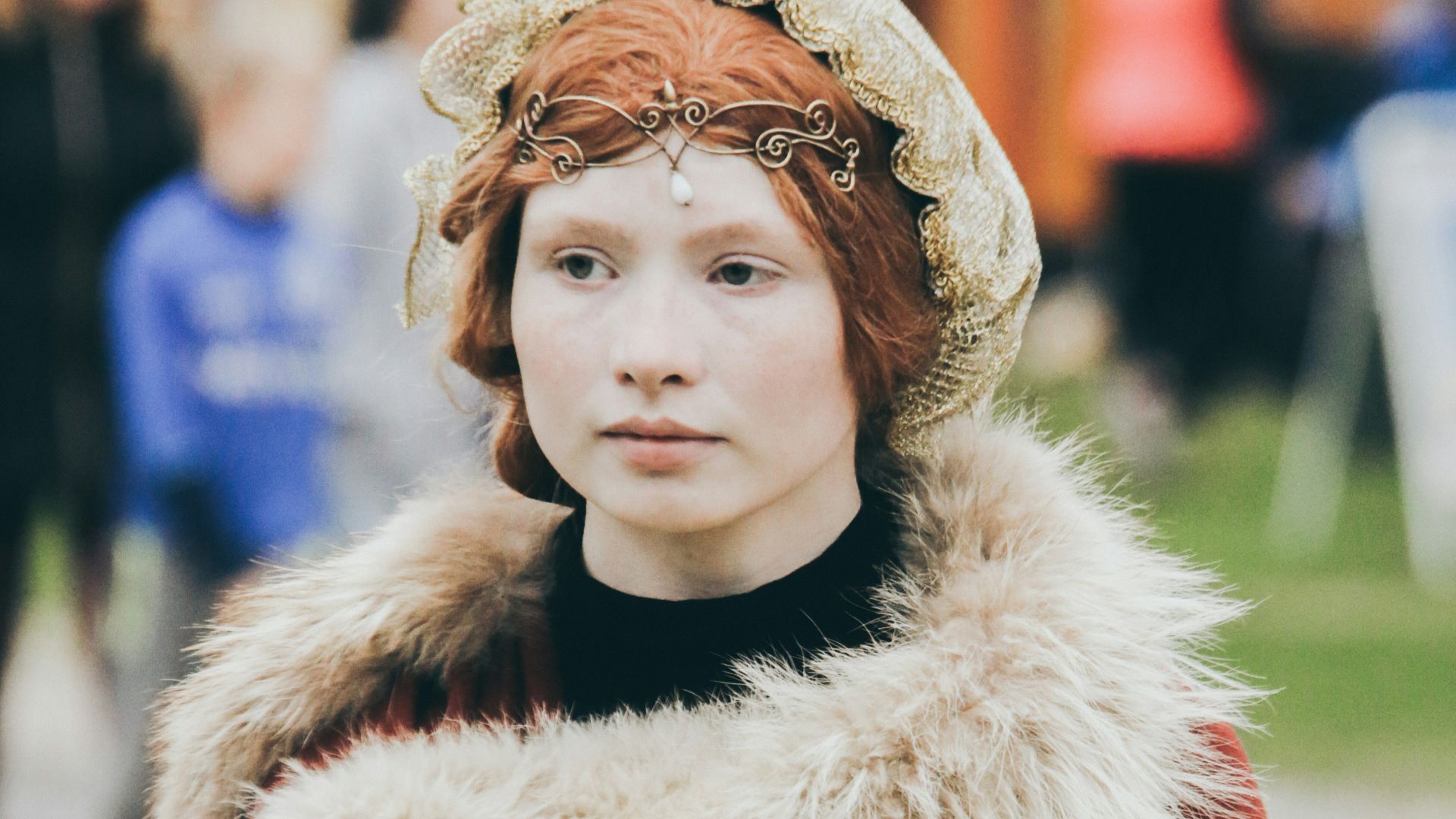
Fad
Today, a fad describes a temporary craze or passing fashion. Originally, the word referred to a hobby or favorite pastime without necessarily implying that it would disappear quickly. The temporary aspect developed gradually through repeated usage.
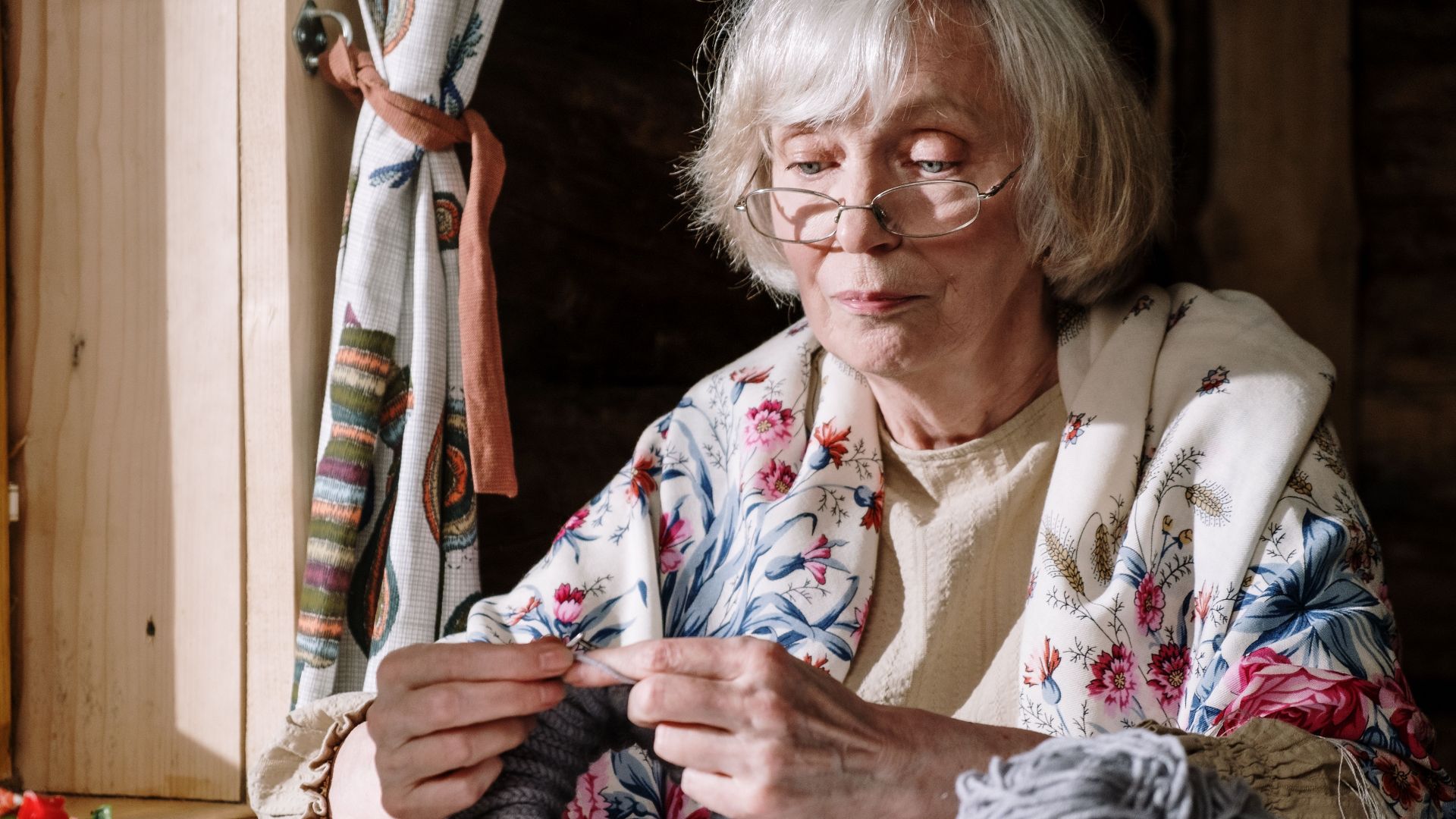
Luxury
Today, luxury suggests expensive comfort, elegance, or indulgence. Earlier meanings often carried moral disapproval, implying excess, sinful indulgence, or lust. Over time, the word lost much of its moral judgment and became associated primarily with wealth and comfort.
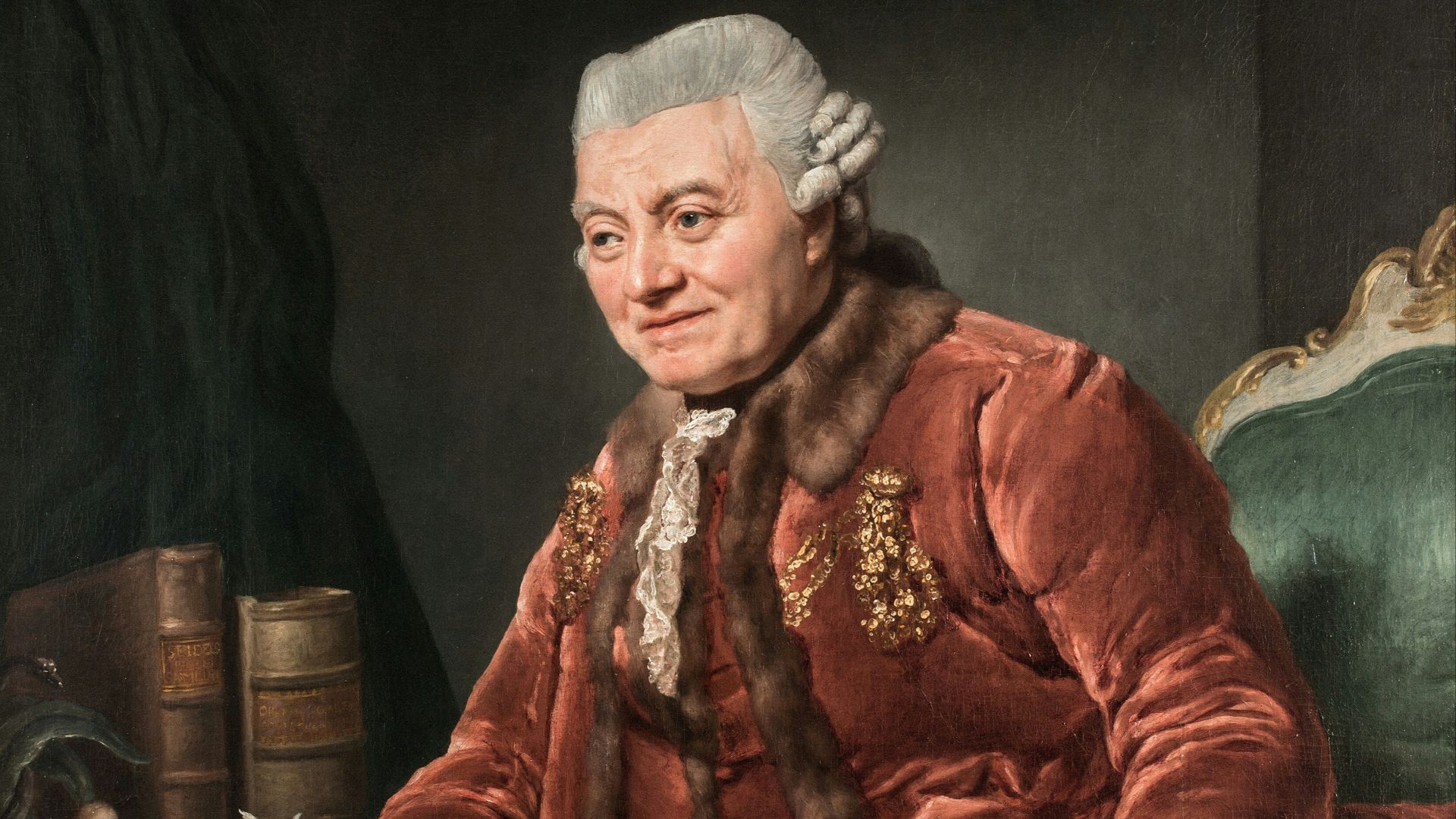
Decimate
Today, decimate usually means destroying a large portion of something. Historically, it referred to a specific Roman military punishment in which one soldier out of every ten was executed. The broader sense of widespread destruction developed much later.
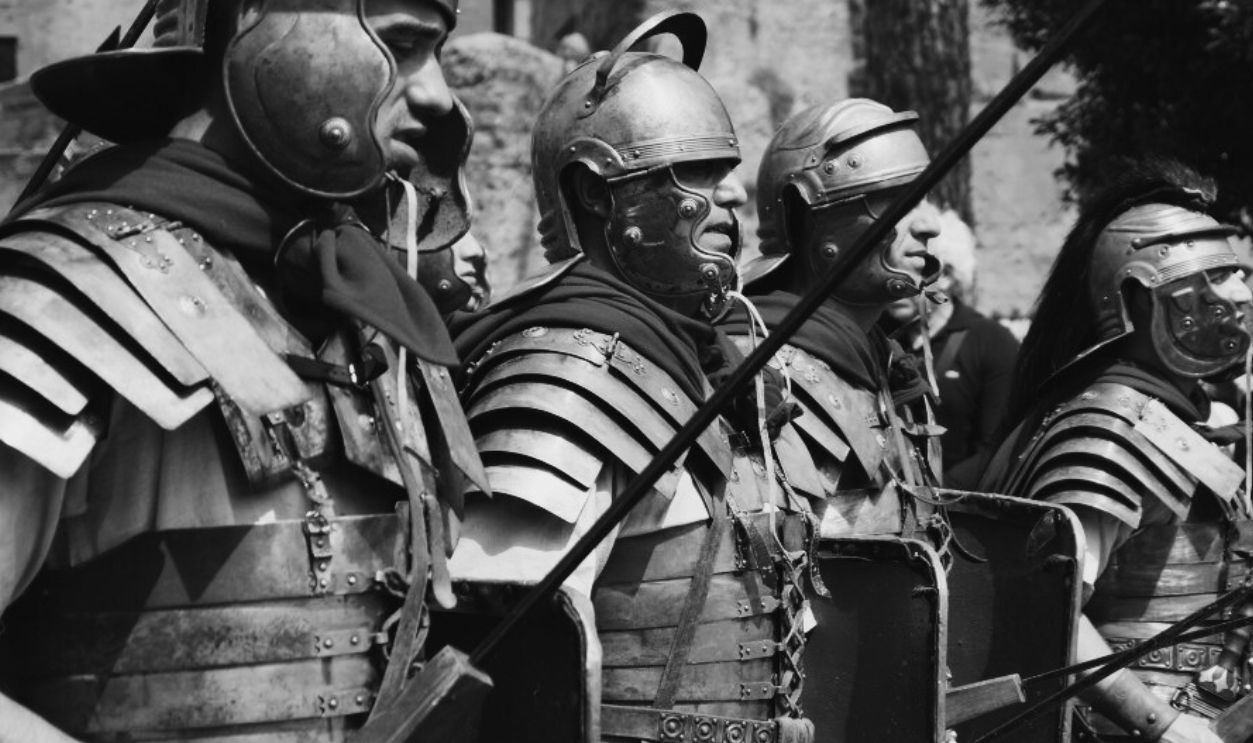 Modern portrayal of Roman soldiers (legionaries), Wikimedia Commons
Corn
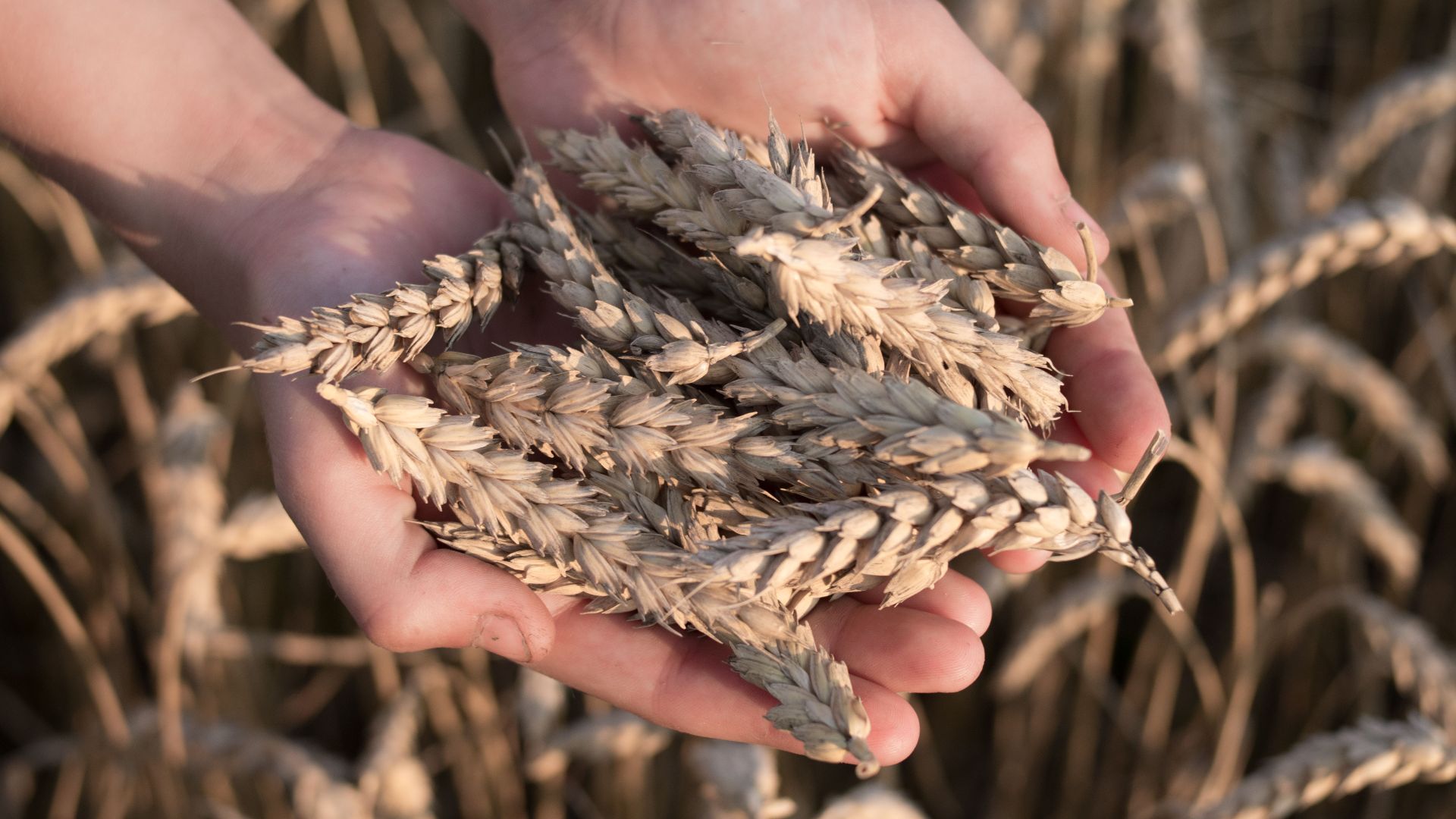
Today, corn usually refers specifically to maize in North America. Originally, however, the word simply meant the principal grain grown in a particular region, whether wheat, barley, rye, or oats. That explains why the King James Bible describes Pharaoh dreaming about ears of corn in Egypt, even though maize would not reach the Old World from the Americas until thousands of years later.
Language Keeps Evolving
The history of English reminds us that words are never fixed forever. Meanings shift as cultures change, technologies develop, and generations adopt new ways of speaking. Today's familiar definitions may someday seem just as surprising as the forgotten meanings that came before.

You May Also Like:
Everyday Words That Came From People Whose Names Most Of Us Have Forgotten
Everyday Expressions From The Middle Ages That People Still Say Today