The Packaging We Should Have Kept
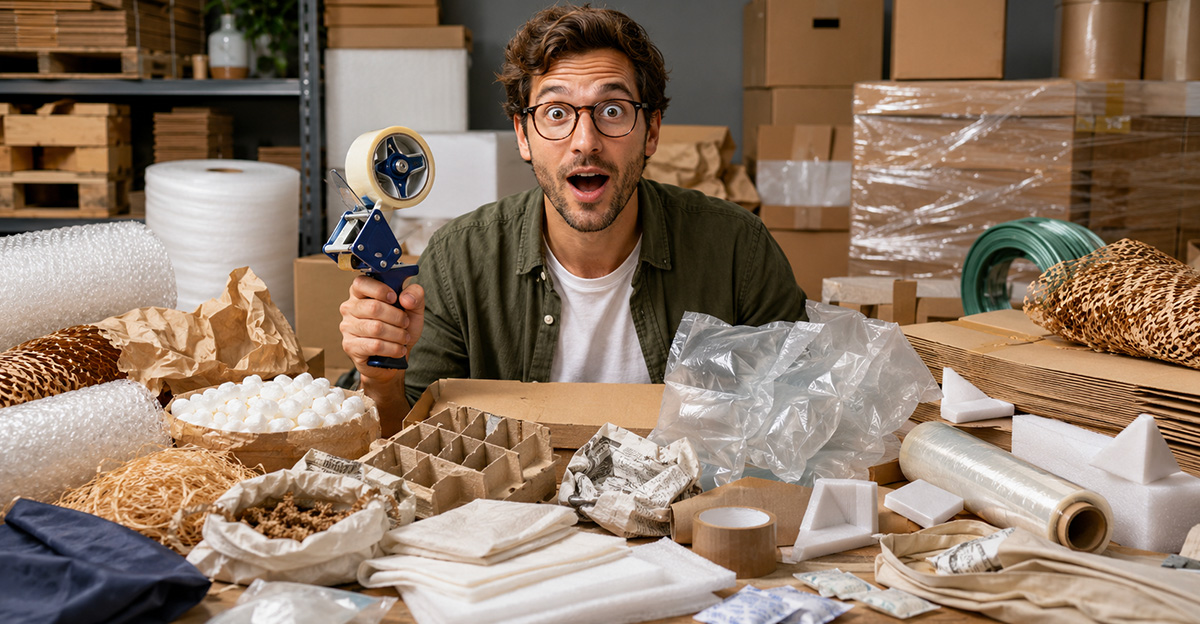
For years, opening a package meant keeping the product and immediately throwing everything else away. But some of that supposedly useless wrapping, padding, and filler was surprisingly handy. From protecting household items to organizing garages, these humble packaging materials proved they deserved a second look.
Bubble Wrap
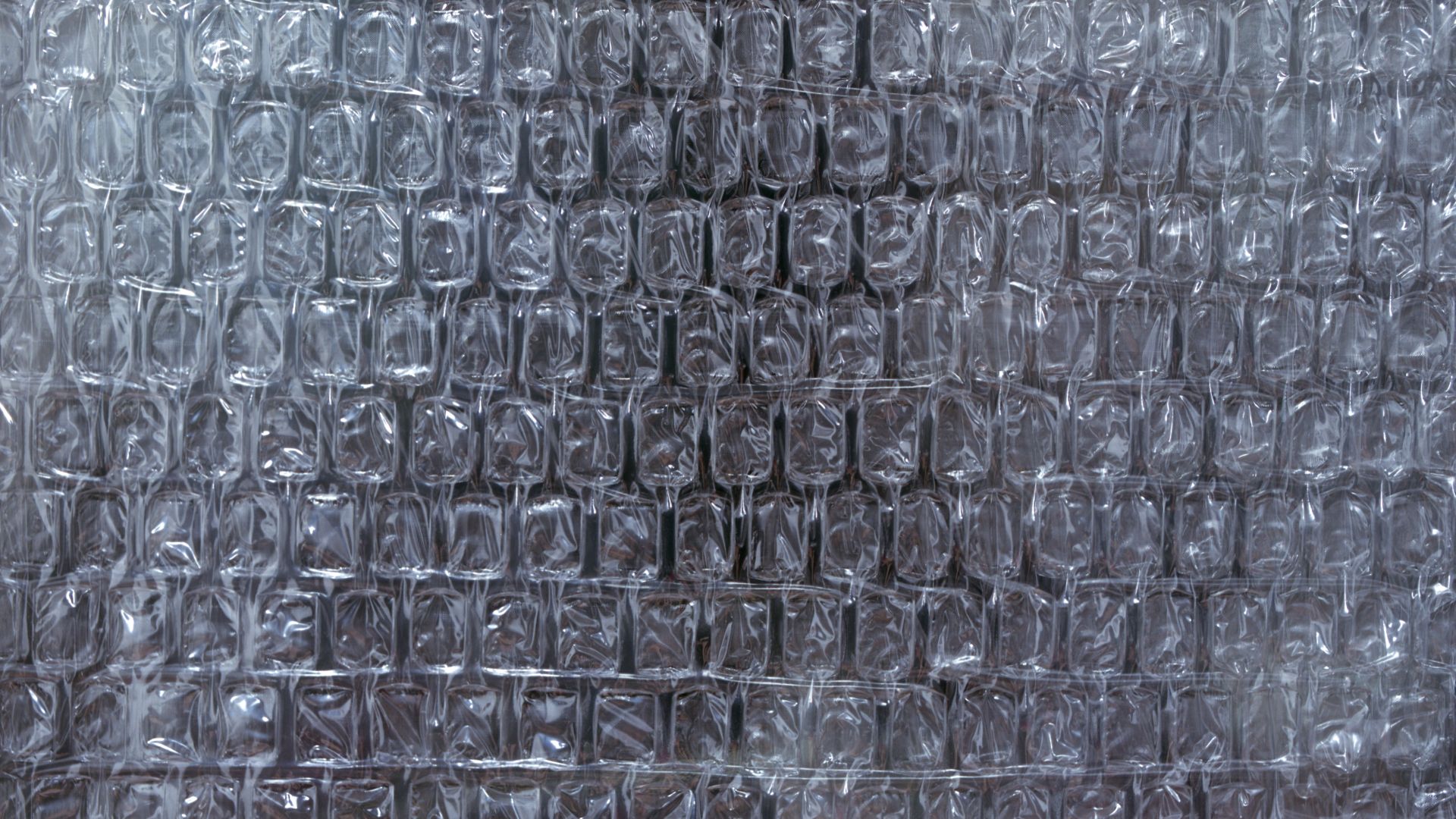
Bubble wrap may be packaging’s greatest distraction. People once treated it as disposable plastic with the bonus feature of being extremely fun to pop. Eventually, its real usefulness became obvious. It can protect dishes during moves, insulate delicate objects, cushion storage bins, and keep fragile decorations safe between holidays.
Corrugated Cardboard
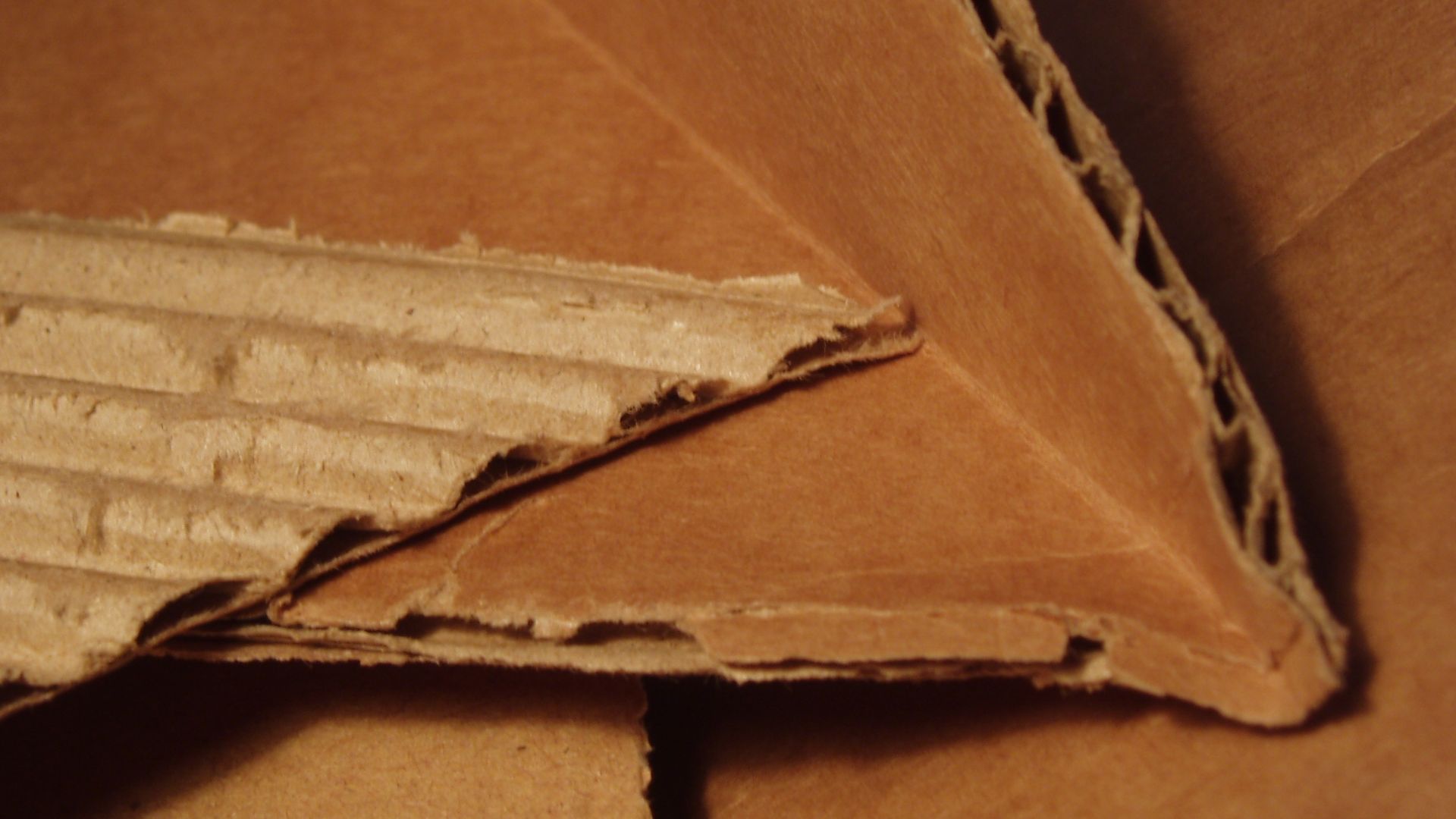
The cardboard shipping box rarely gets much respect once the delivery arrives. That is a shame, because corrugated cardboard is incredibly versatile. Flattened sheets can protect floors during painting, separate stored items, become temporary signs, help organize drawers, or provide surprisingly effective insulation for countless DIY projects.
 Richard Wheeler (Zephyris), Wikimedia Commons
Packing Peanuts
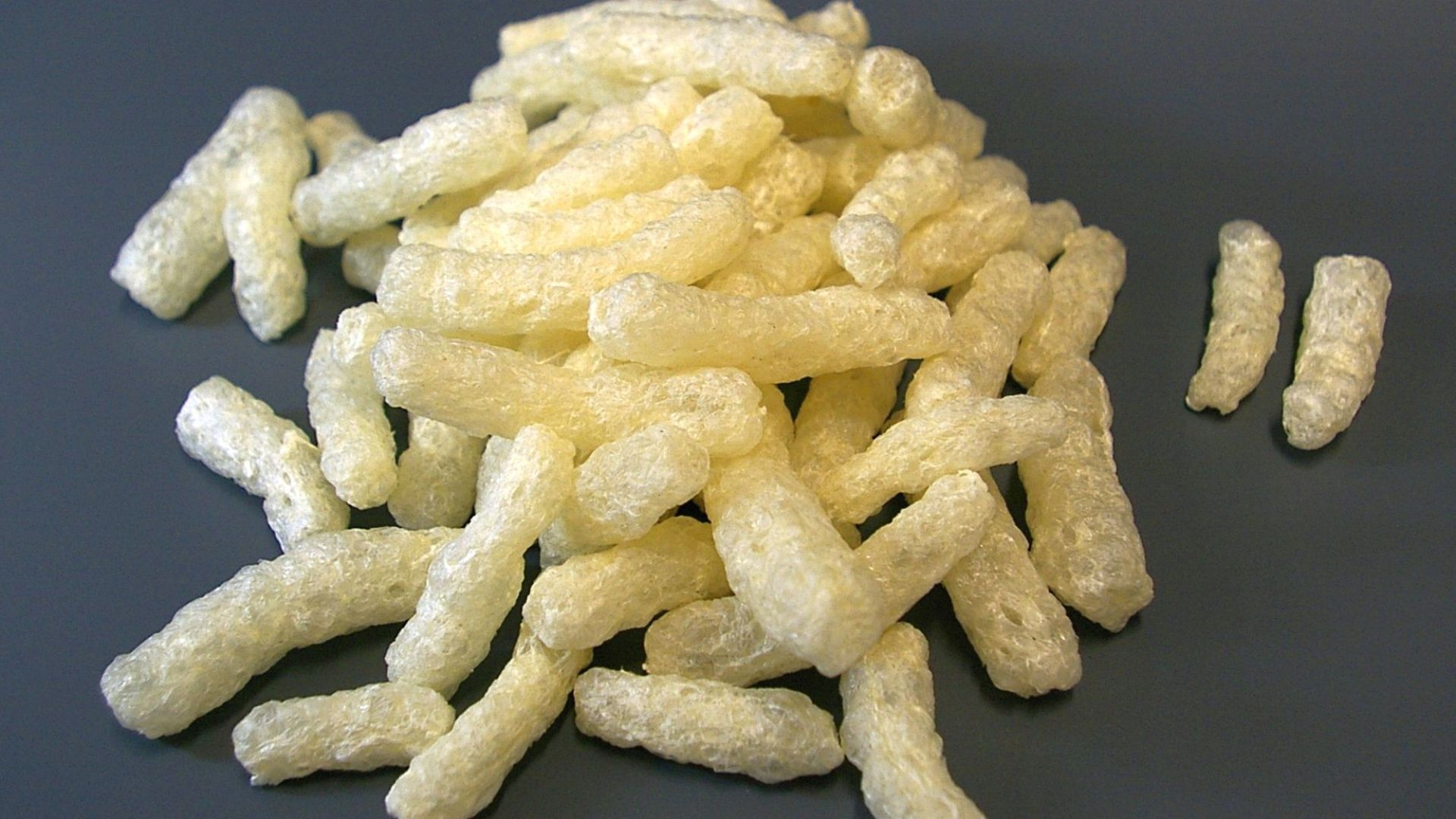
Packing peanuts have spent years escaping boxes and clinging mysteriously to socks. Annoying? Absolutely. Completely useless? Not quite. Clean peanuts can be reused when shipping fragile objects, filling empty spaces inside storage containers, protecting decorations, or supporting lightweight craft projects without adding much extra weight.
 Christian Gahle, nova-Institut GmbH, Wikimedia Commons
Kraft Paper
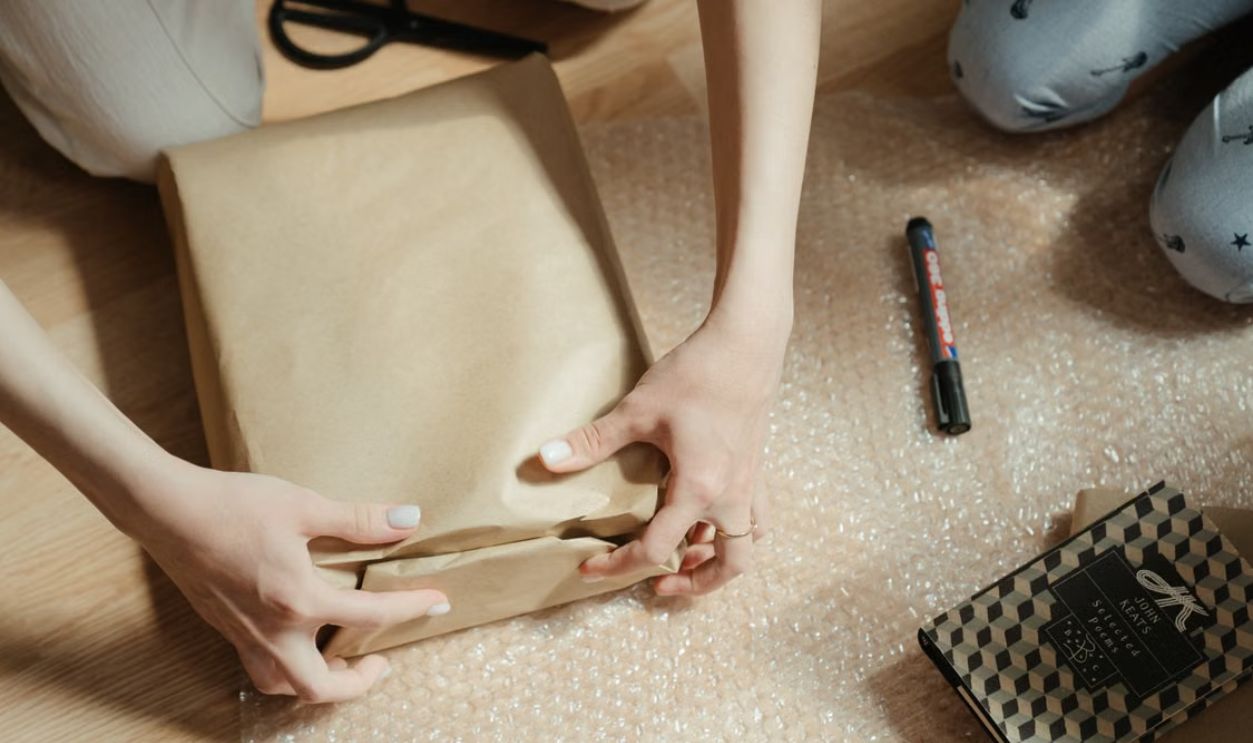
That crumpled brown paper stuffed inside packages looks remarkably boring. Yet kraft paper is one of the easiest packing materials to reuse. Smooth it out and it becomes wrapping paper, craft paper, drawer liner, surface protection, shipping filler, or even something to cover a table during a particularly messy project.
Air Pillows
Those little inflated plastic pillows inside delivery boxes sometimes seem excessive, especially when the item is tiny. However, intact air pillows are useful for filling gaps in future shipments. They are extremely light, take up little space once deflated, and can protect delicate items without dramatically increasing package weight.
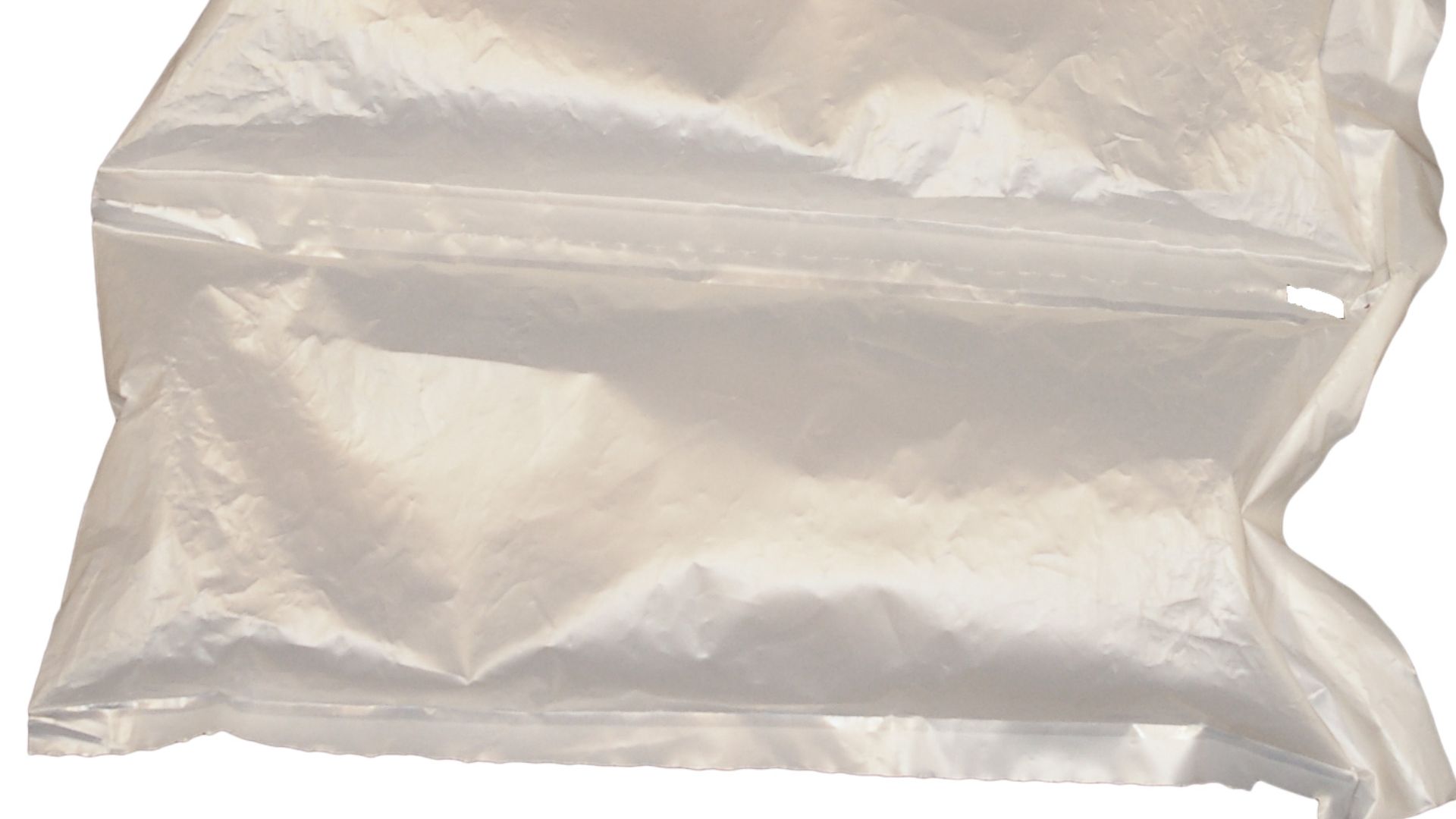 F. Kesselring, FKuR Willich, Wikimedia Commons
Honeycomb Paper Wrap
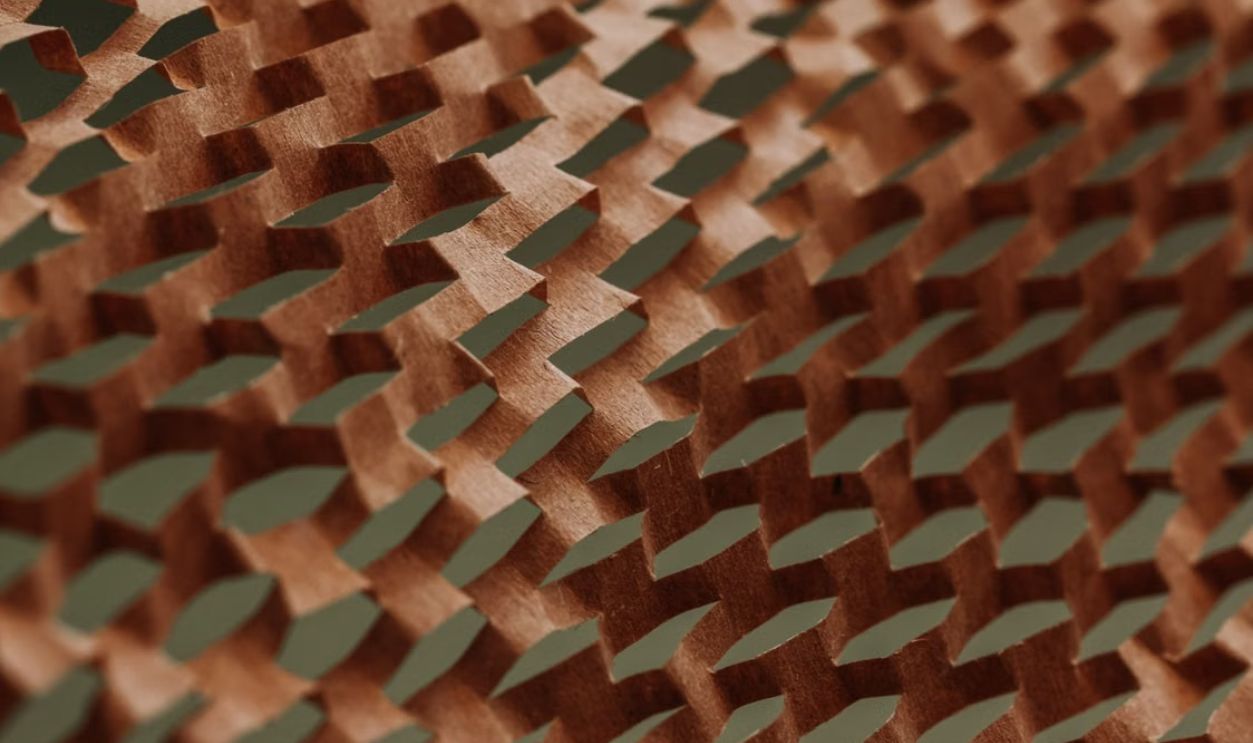
Honeycomb paper wrap does not look impressive until it is stretched. Then the flat sheet transforms into a flexible protective mesh. It can wrap glasses, bottles, ornaments, ceramics, and other oddly shaped objects. Better yet, its interesting texture has also made it popular for crafts and decorative wrapping.
Molded Pulp Packaging
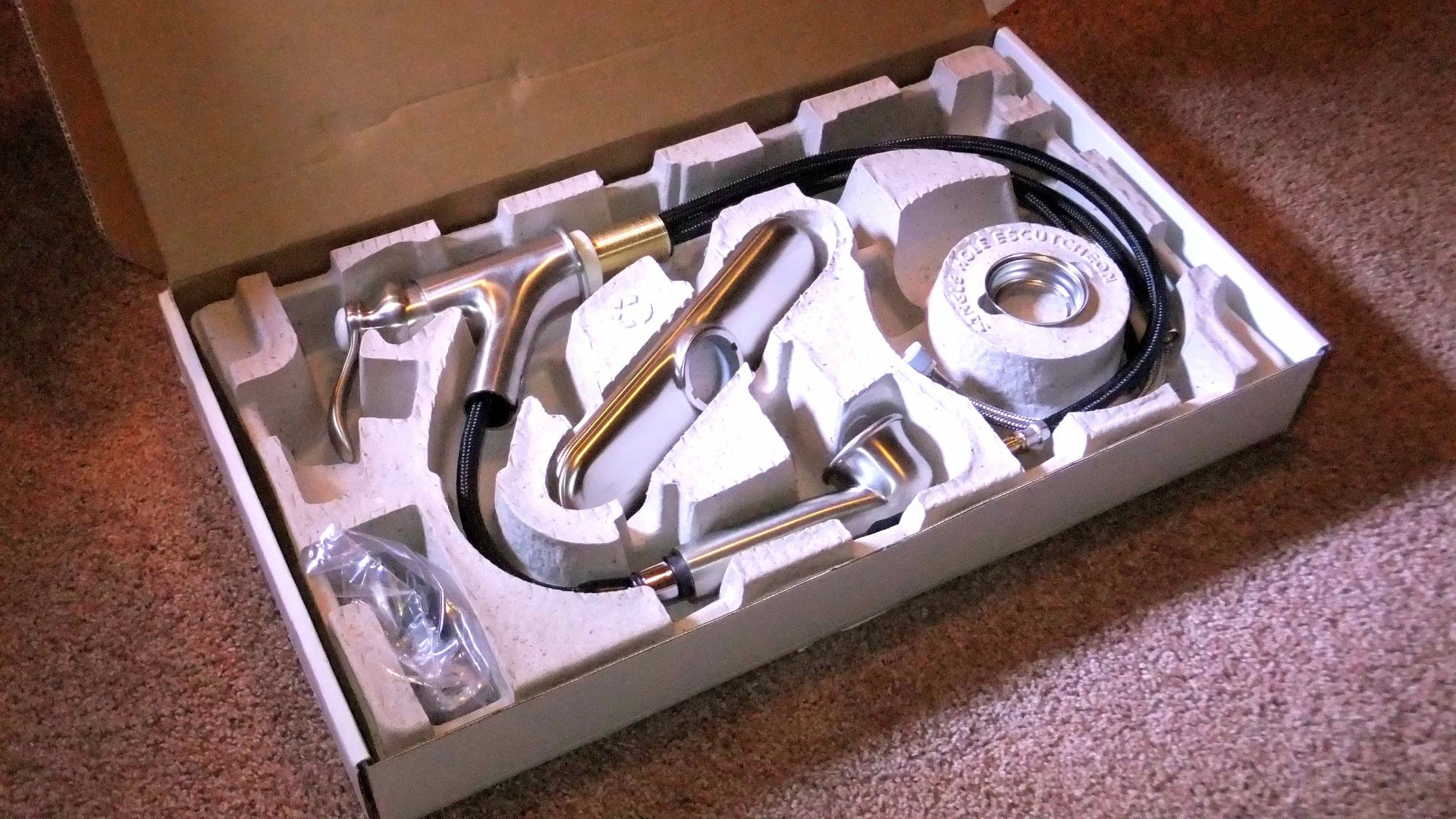
Molded pulp used to feel like the awkward cardboard cousin of plastic foam. Today, its sturdy shape is one of its biggest strengths. Pieces can be reused as drawer organizers, paint trays, seed-starting containers, craft molds, or protective holders for small objects that otherwise roll around everywhere.
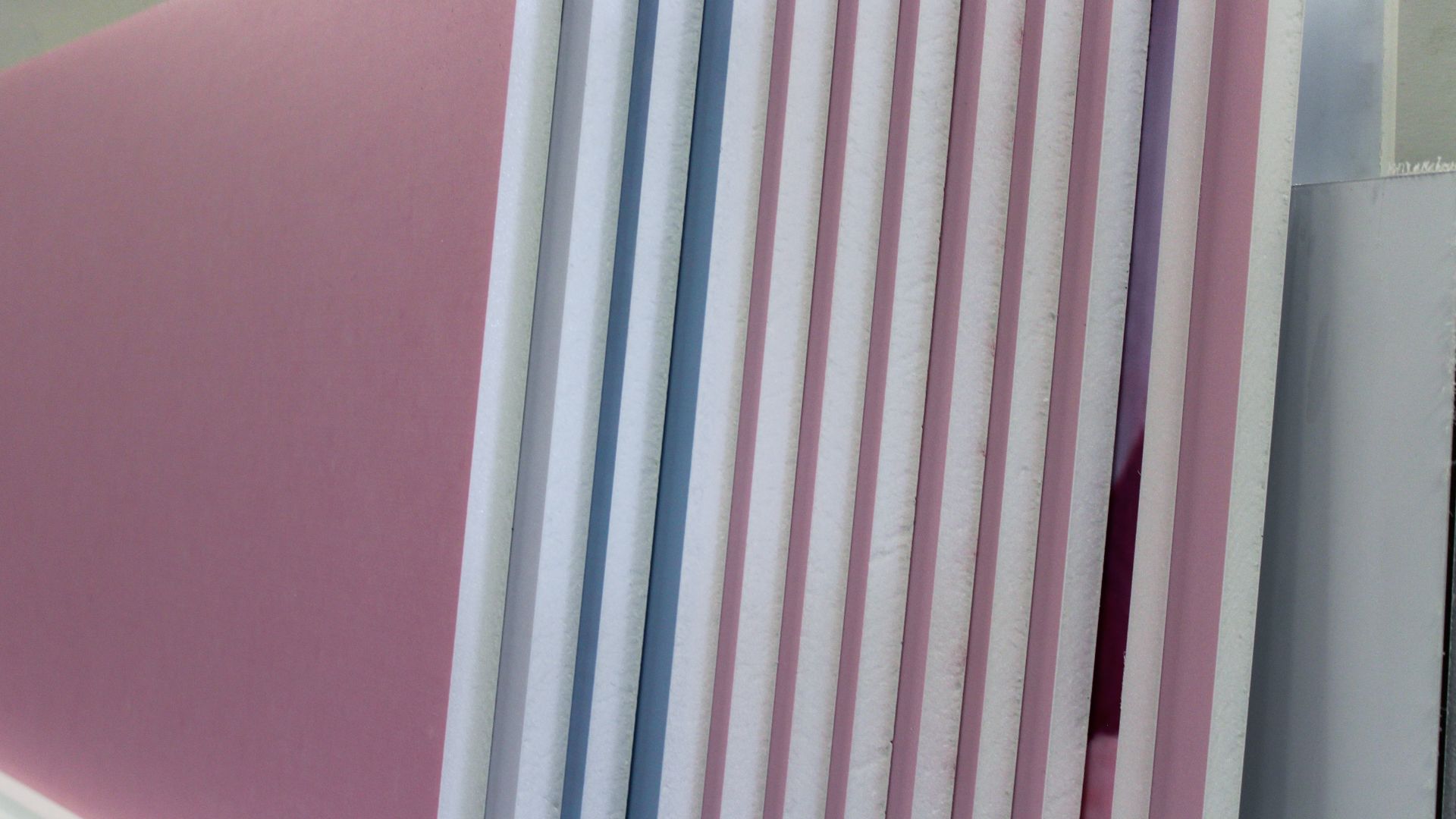
Foam Sheets
Thin foam sheets are easy to overlook because they often appear wrapped around electronics or furniture parts. Save a few, though, and they become excellent separators. They can prevent scratches between plates, protect framed pictures, cushion tools, safeguard collectibles, or add padding wherever two hard surfaces might rub together.
 Helene.3160, Wikimedia Commons

History's most fascinating stories and darkest secrets, delivered to your inbox daily.
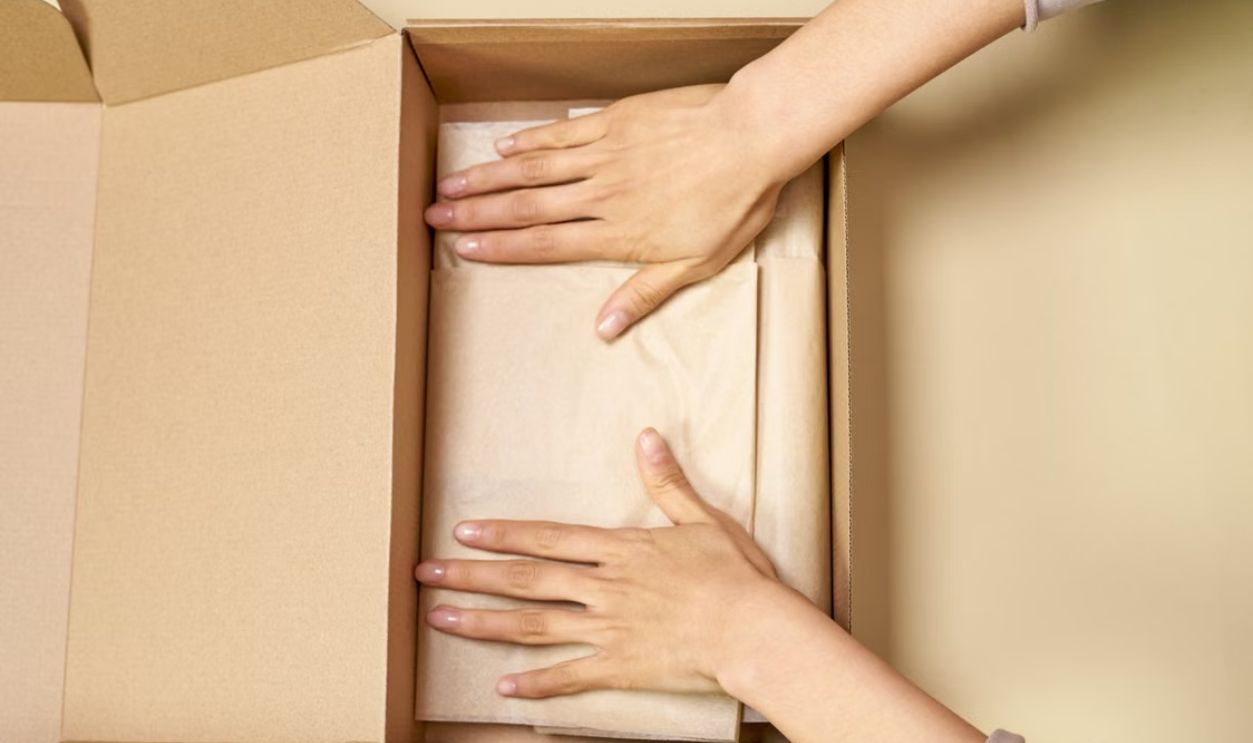
Tissue Paper
Packaging tissue often gets crumpled into a ball seconds after opening a gift or shopping bag. Yet clean sheets can live several more lives. They are useful for wrapping fragile decorations, stuffing shoes and handbags for storage, protecting delicate clothing, crafting, and making ordinary gifts look considerably more thoughtful.
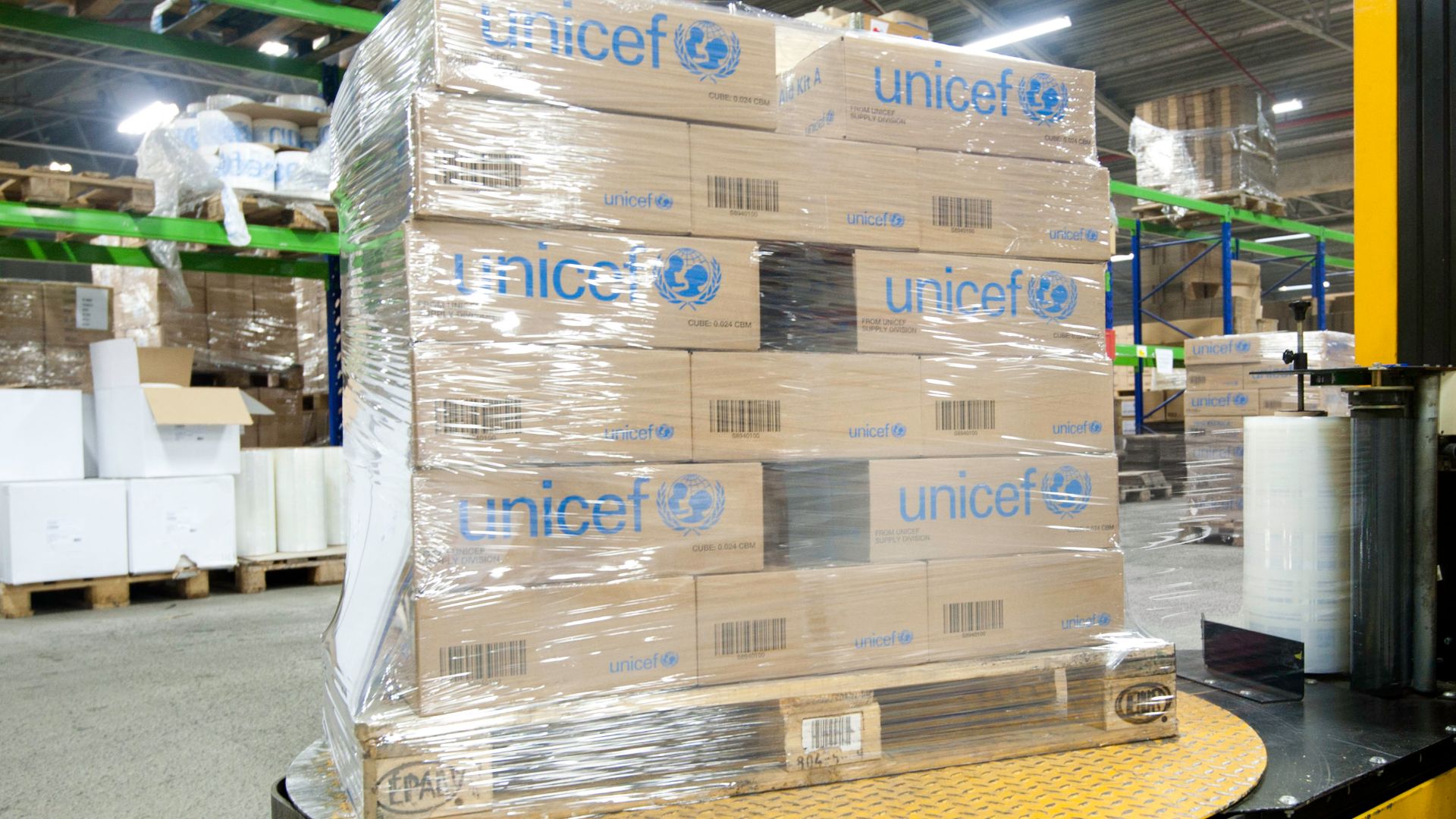
Stretch Wrap
Stretch wrap has an impressive talent for holding awkward things together. Movers and warehouses rely on it for a reason. Leftover rolls can secure drawers during a move, bundle long objects, protect furniture surfaces, contain loose cords, and keep stacks of boxes or containers from shifting unexpectedly.
 heb@Wikimedia Commons (mail), Wikimedia Commons
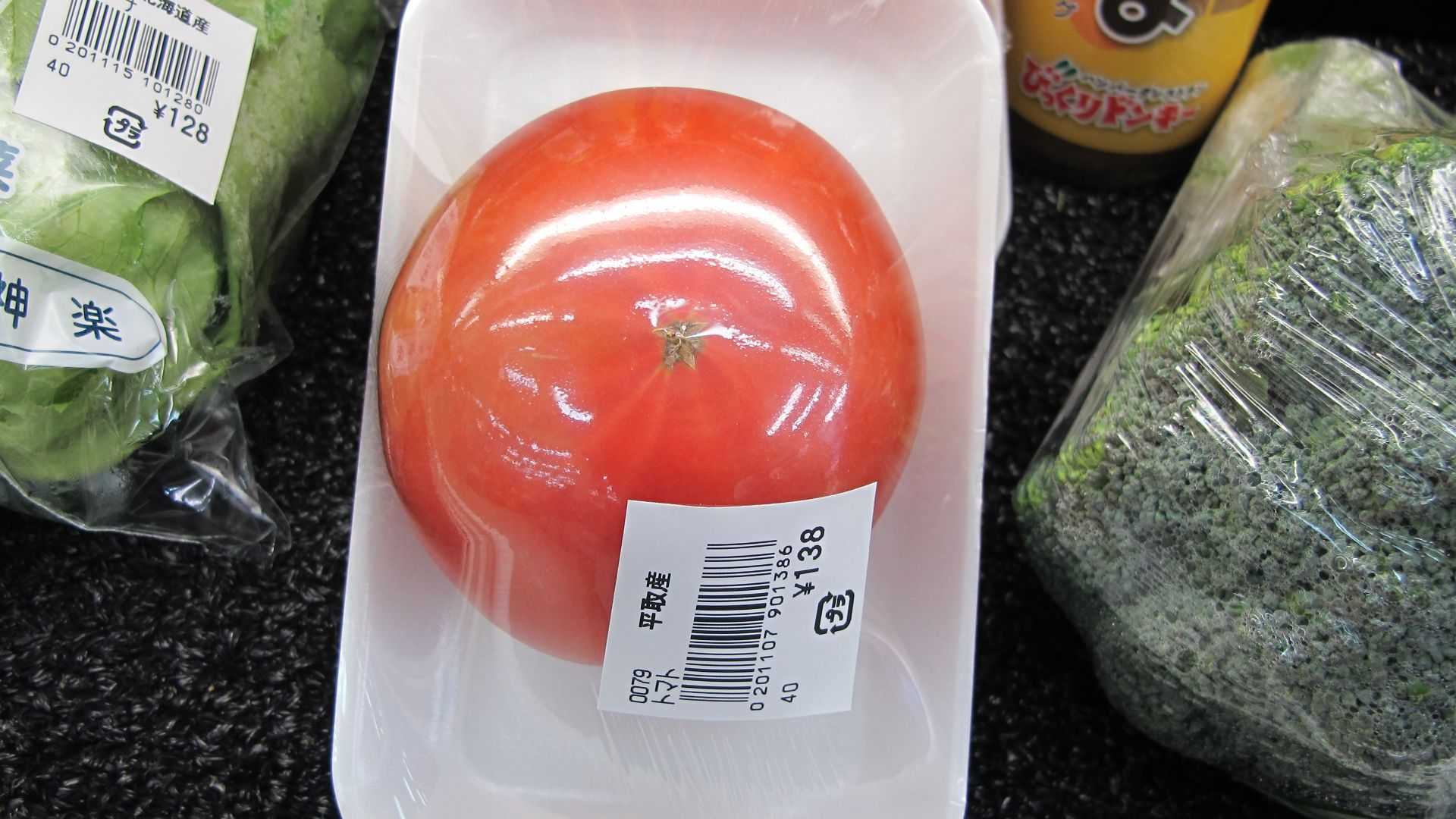
Shrink Wrap
Shrink wrap is usually associated with products we cannot wait to unwrap. Still, the material’s tight seal makes it useful. Larger reusable pieces can help protect stored objects from dust and moisture, while unused shrink-wrap products are handy for organizing bundles and giving homemade gift baskets a polished finish.
Cardboard Dividers
Those cardboard grids separating bottles, jars, or glasses seem designed for one trip. They are actually ready-made organizers. Placed inside drawers or storage boxes, they can separate ornaments, tools, cables, craft supplies, small toys, glassware, and other collections that somehow become chaotic the moment nobody is watching.
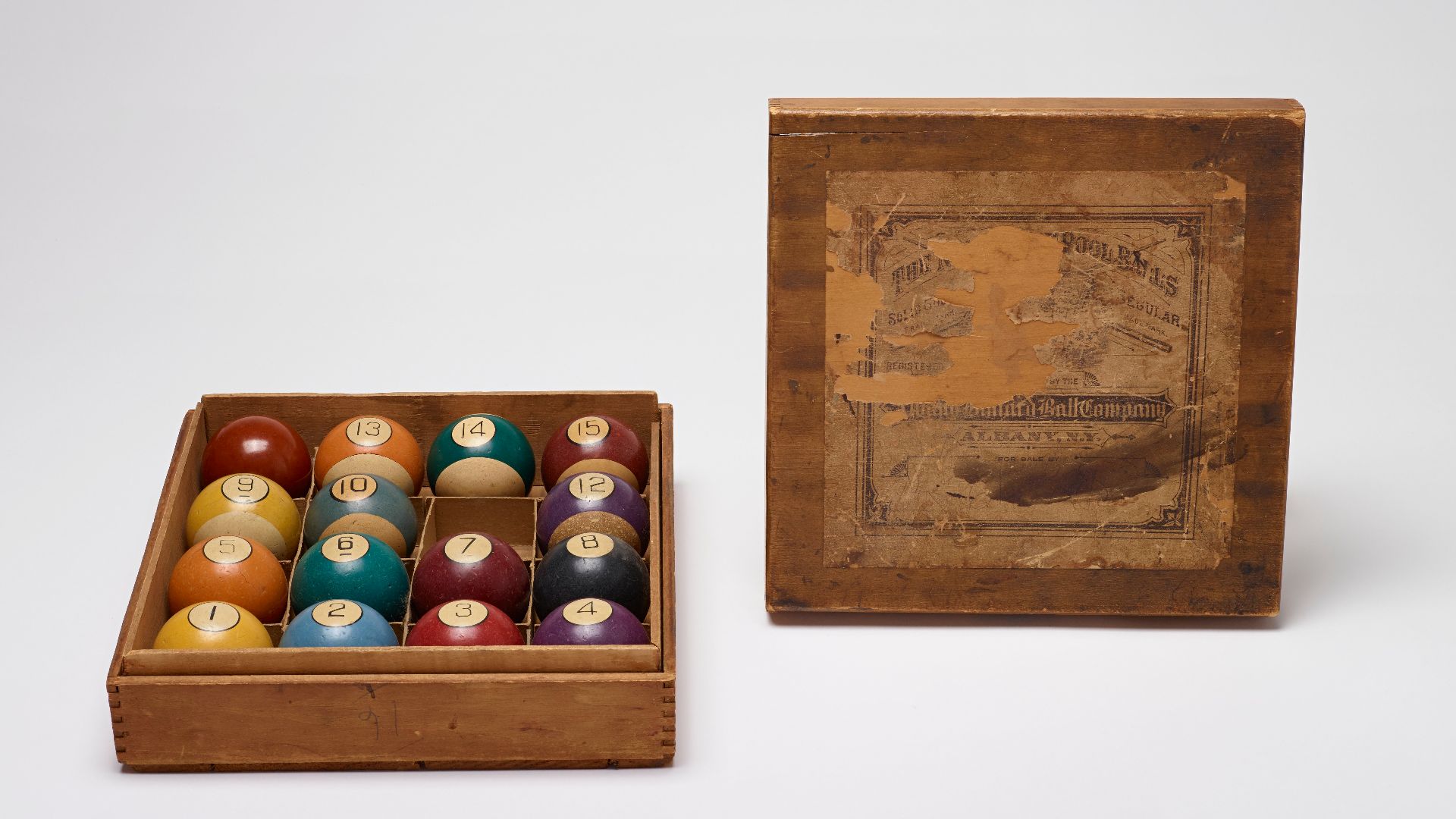
Edge Protectors
Cardboard and plastic edge protectors are among the least glamorous objects in packaging. Their job, however, is remarkably useful. Save them and they can protect the corners of picture frames, furniture, mirrors, tabletops, and stored artwork. They are especially handy when moving things through narrow hallways.
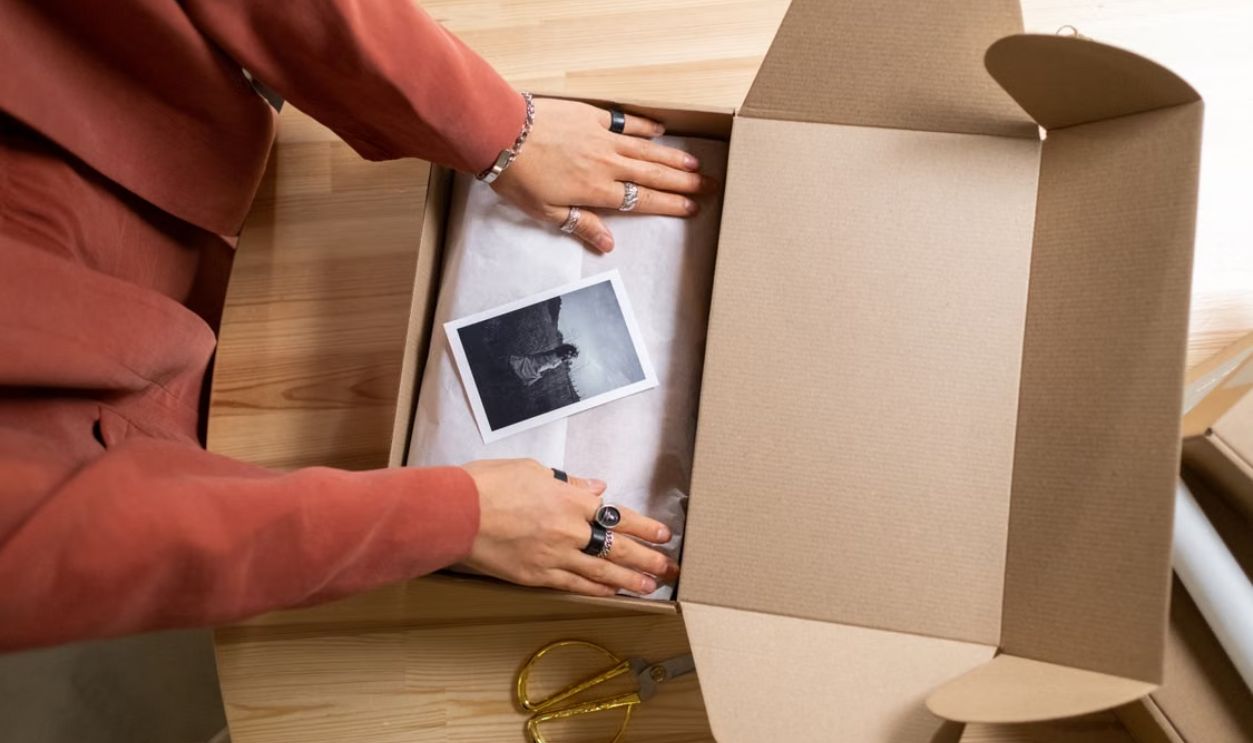
Crinkle Paper
Crinkle paper seems mostly decorative, which is probably why people toss it so quickly. But those shredded paper strips are excellent reusable filler. They can cushion small gifts, fill baskets, protect ornaments, support fragile items inside boxes, and become material for crafts or holiday displays instead of heading straight to the trash.
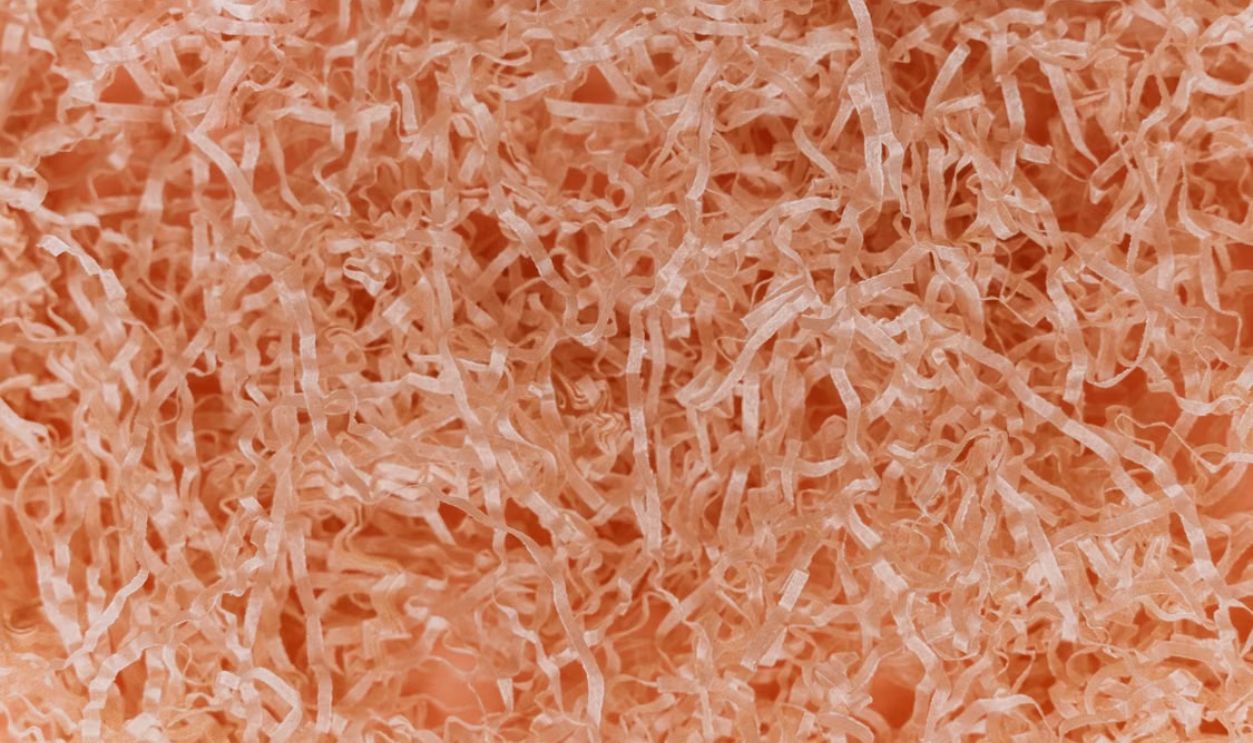
Newspaper Packing Paper
Before specialized shipping supplies became everywhere, old newspapers were packing champions. They still work. Sheets can cushion dishes, fill empty box space, protect work surfaces, absorb small messes, or wrap objects for storage. Just be cautious with delicate surfaces, since newspaper ink can sometimes transfer when rubbed.
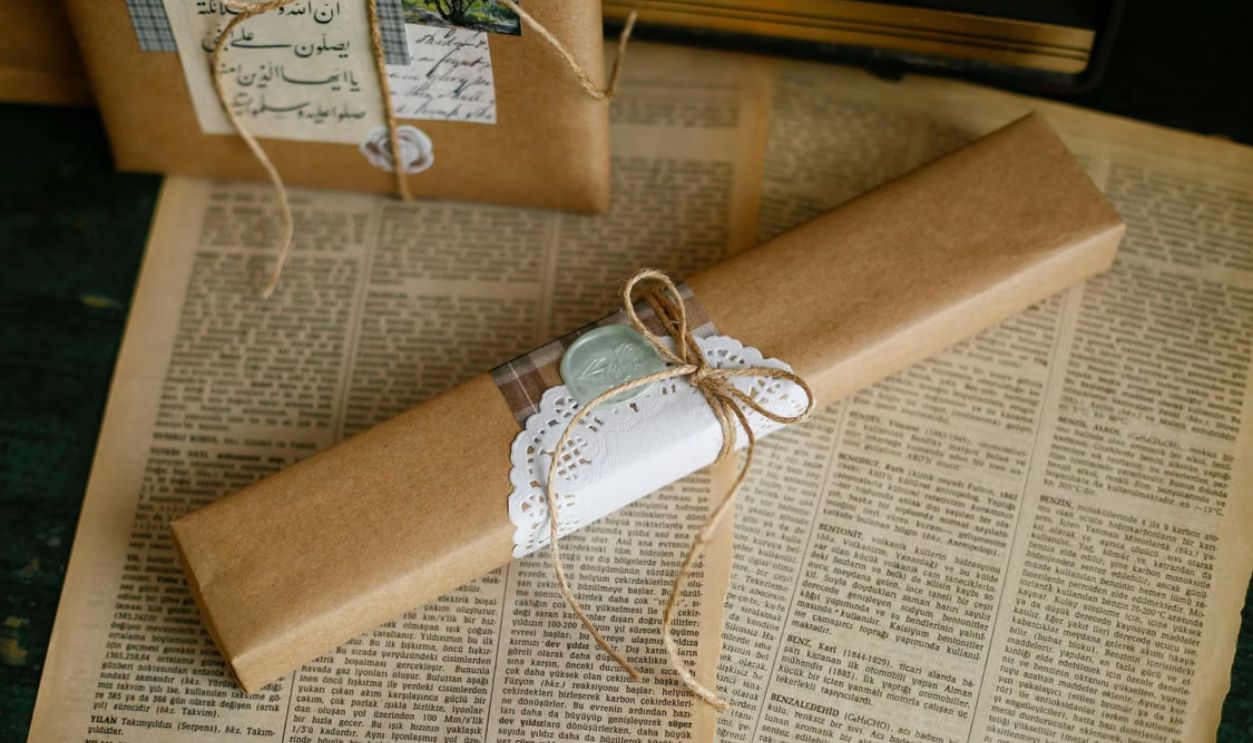
Paperboard Tubes
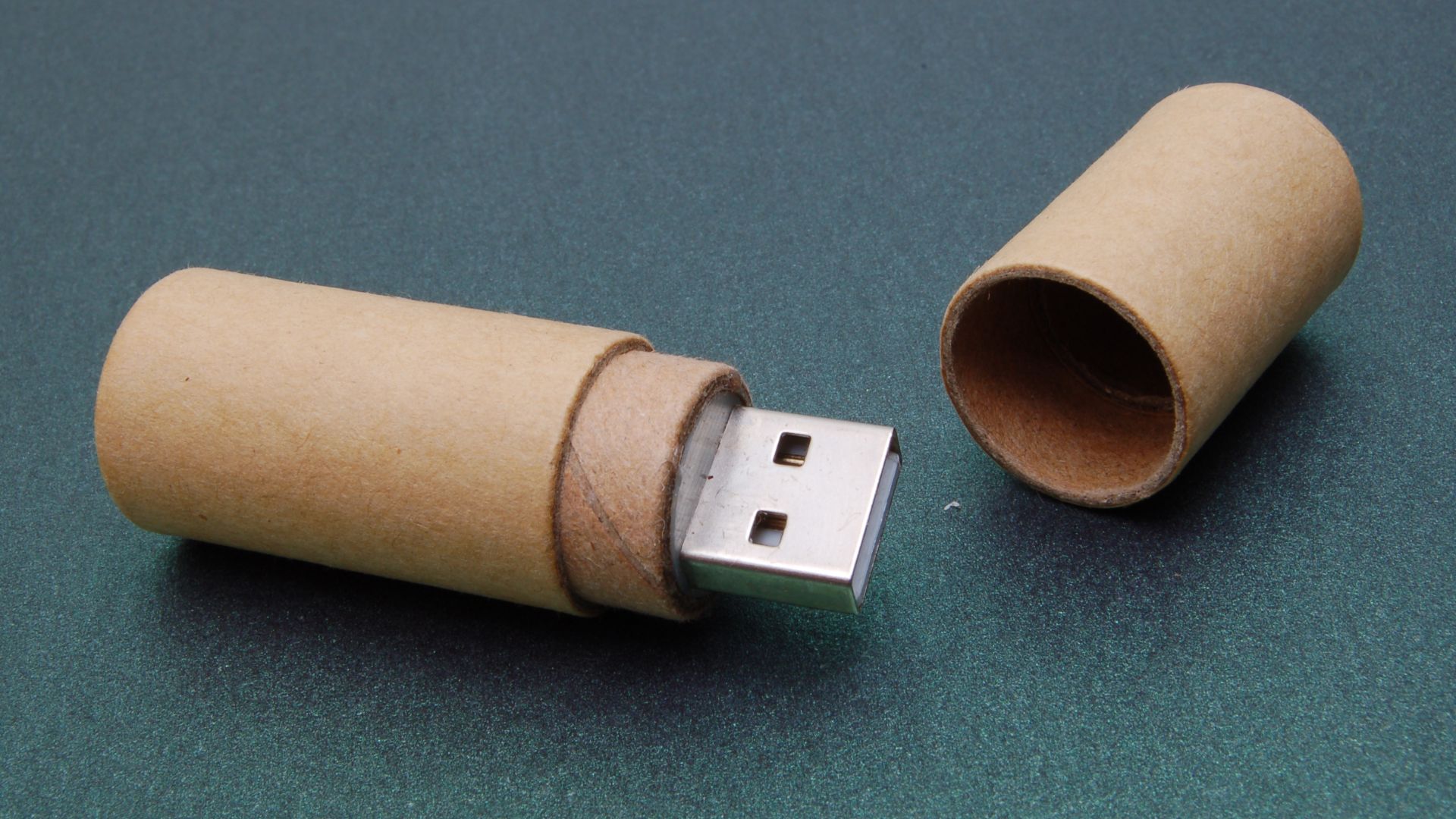
The sturdy tubes found inside posters, wrapping materials, or specialty shipments deserve more attention. They can store documents, organize cables, protect long tools, hold rolled artwork, or become craft supplies. Cut into smaller sections, they also make simple drawer dividers for pens, brushes, hardware, and other tiny objects.
Wood Wool
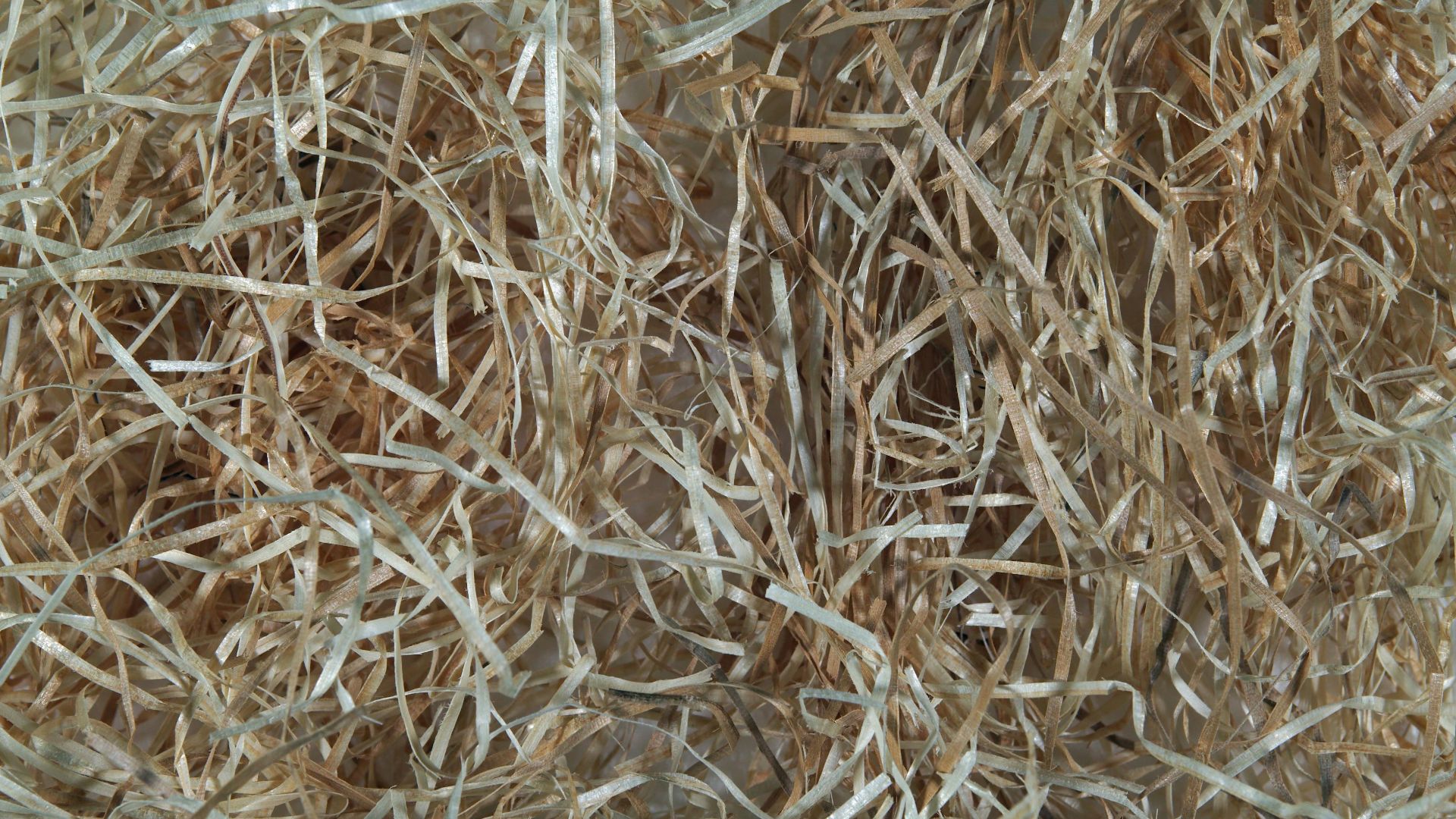
Wood wool, sometimes called excelsior, looks like someone attacked a piece of timber with a giant pencil sharpener. It is more useful than it appears. The lightweight strands cushion bottles and gifts, fill baskets, support delicate decorations, and add a rustic touch to displays without requiring much material.
 Kris Roderburg, Wikimedia Commons
Cellophane
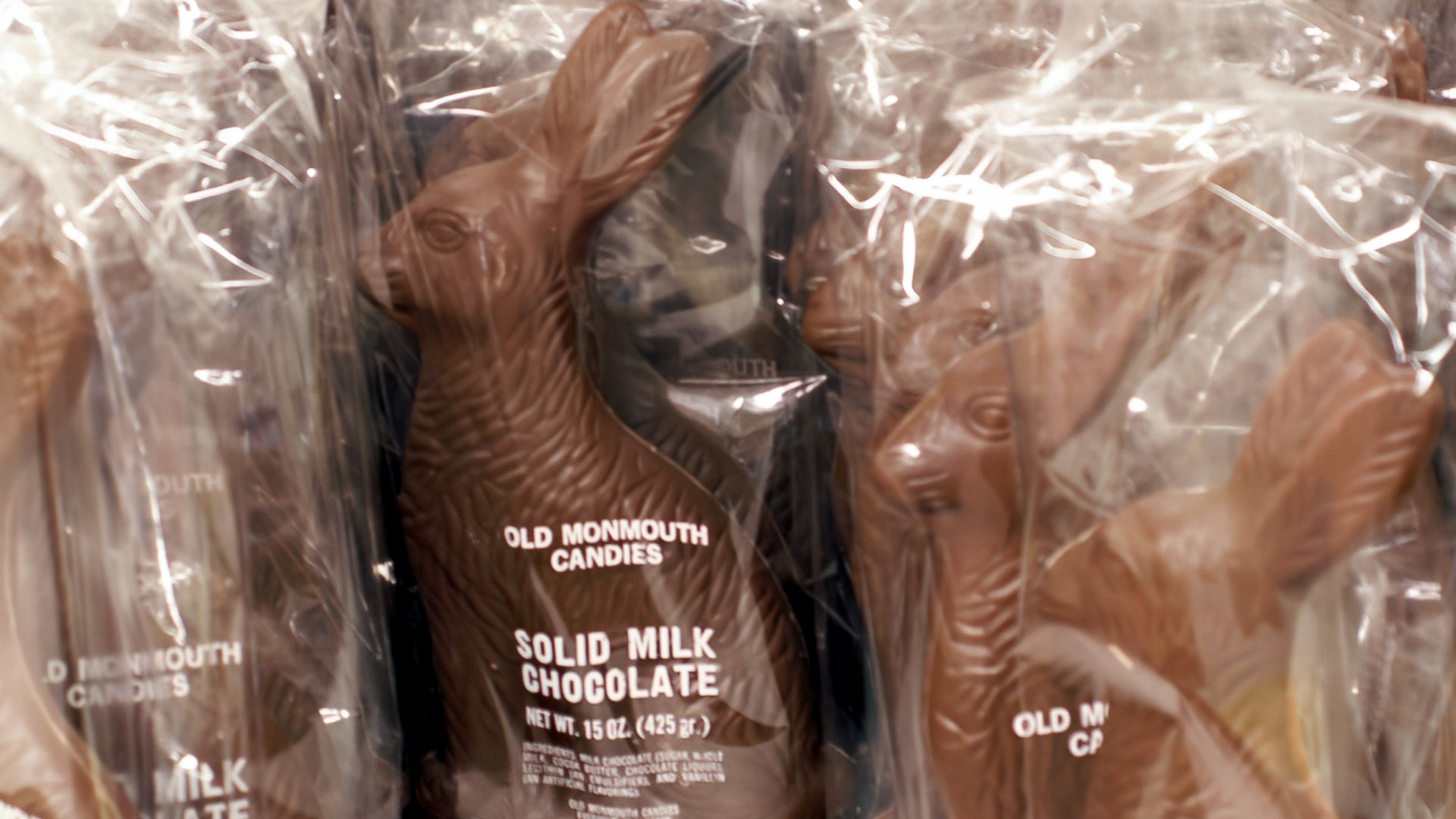
Cellophane has long been dismissed as the noisy transparent wrapping around gift baskets and food products. Yet clean sheets can be reused for crafts, decorative wrapping, protecting labels, covering small displays, and creating moisture-resistant layers around nonperishable items. Its transparency is especially useful when presentation matters.
Reusable Fabric Wraps
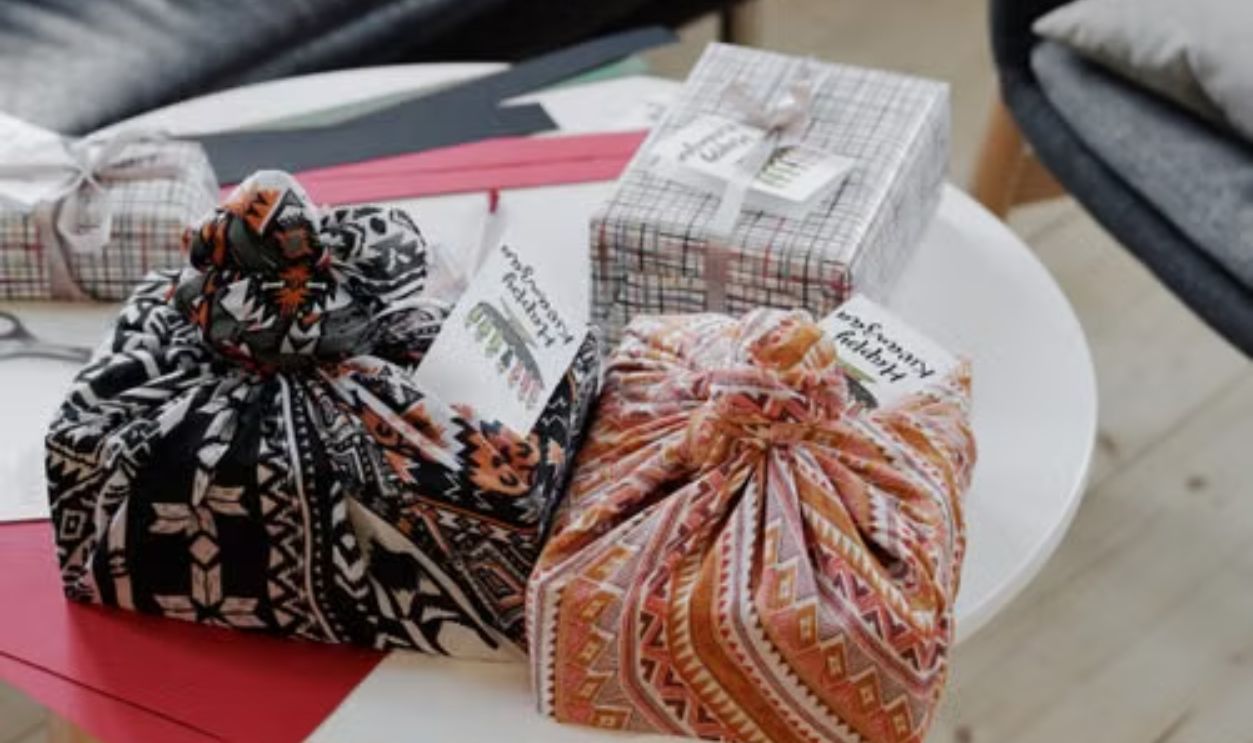
Fabric bags and cloth wraps were sometimes treated as unnecessarily fancy packaging. Then people realized they could simply keep using them. They work as travel organizers, shoe bags, gift wrapping, produce holders, storage pouches, and protective covers for delicate items. Good packaging suddenly becomes part of the product.
Silica Gel Packets
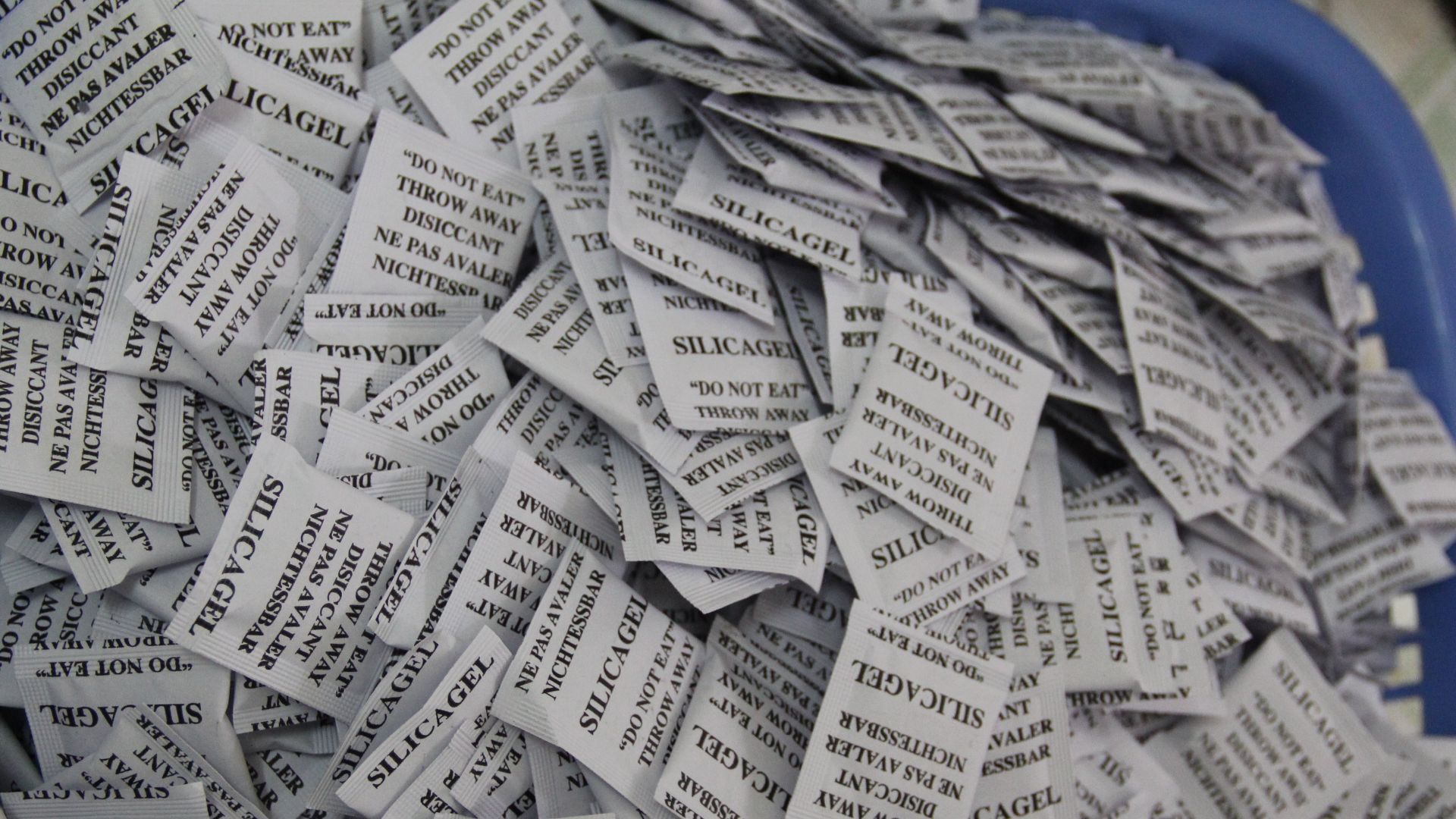
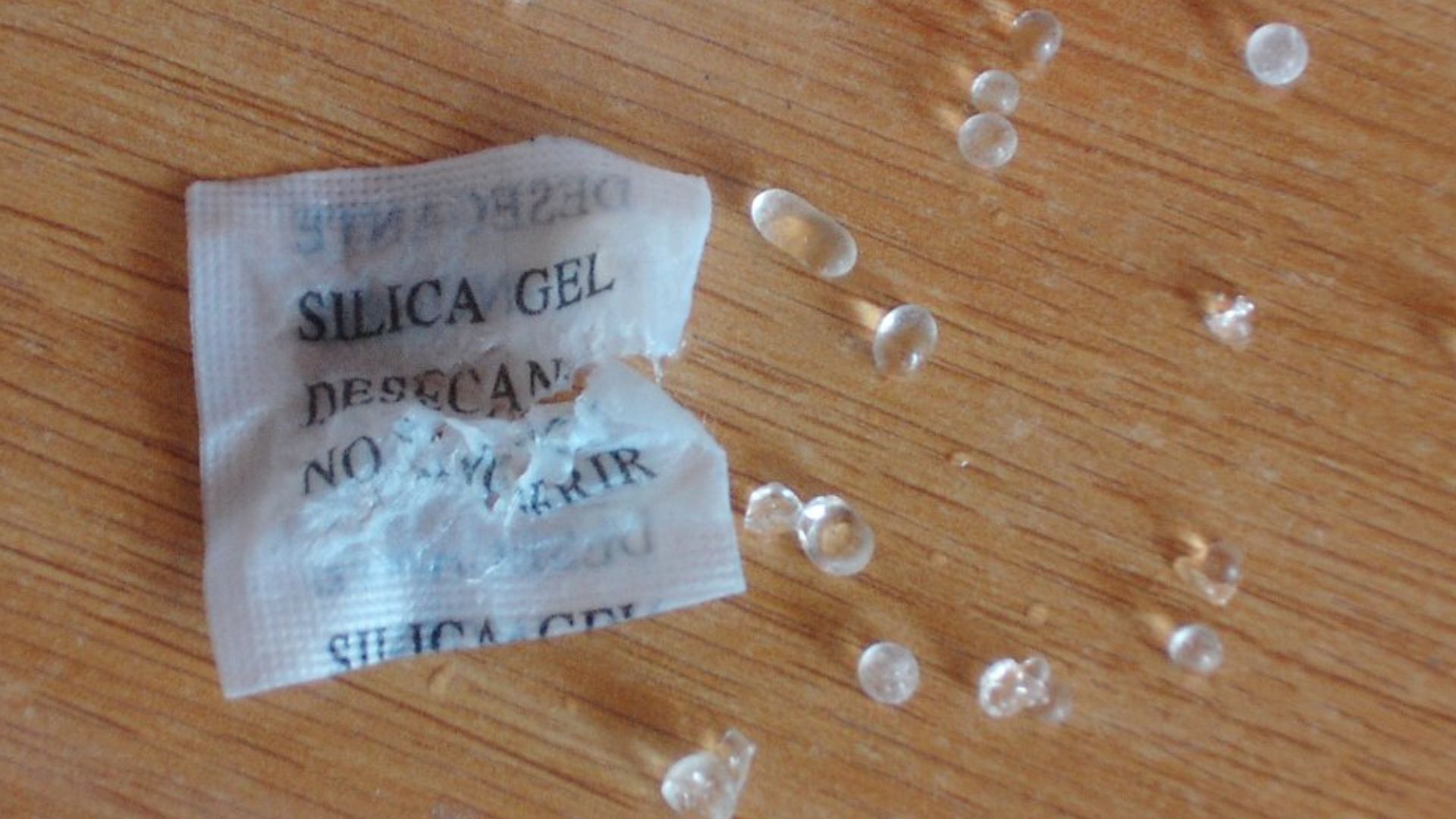
Those tiny packets marked “Do Not Eat” are easy to throw away, but they are miniature moisture fighters. Kept intact, silica gel packets can help protect stored electronics, camera equipment, tools, documents, photographs, and other moisture-sensitive belongings. Suddenly, that mysterious little packet starts looking remarkably practical.
 Hanoprovietnam, Wikimedia Commons
Desiccant Clay Packets
Silica gel is not the only moisture absorber hiding inside packages. Clay desiccant packets often appear with electronics, machinery, clothing, and other goods. Saved in good condition, they can help reduce humidity inside toolboxes, document containers, storage bins, or other enclosed spaces where dampness is unwelcome.
Wooden Pallets
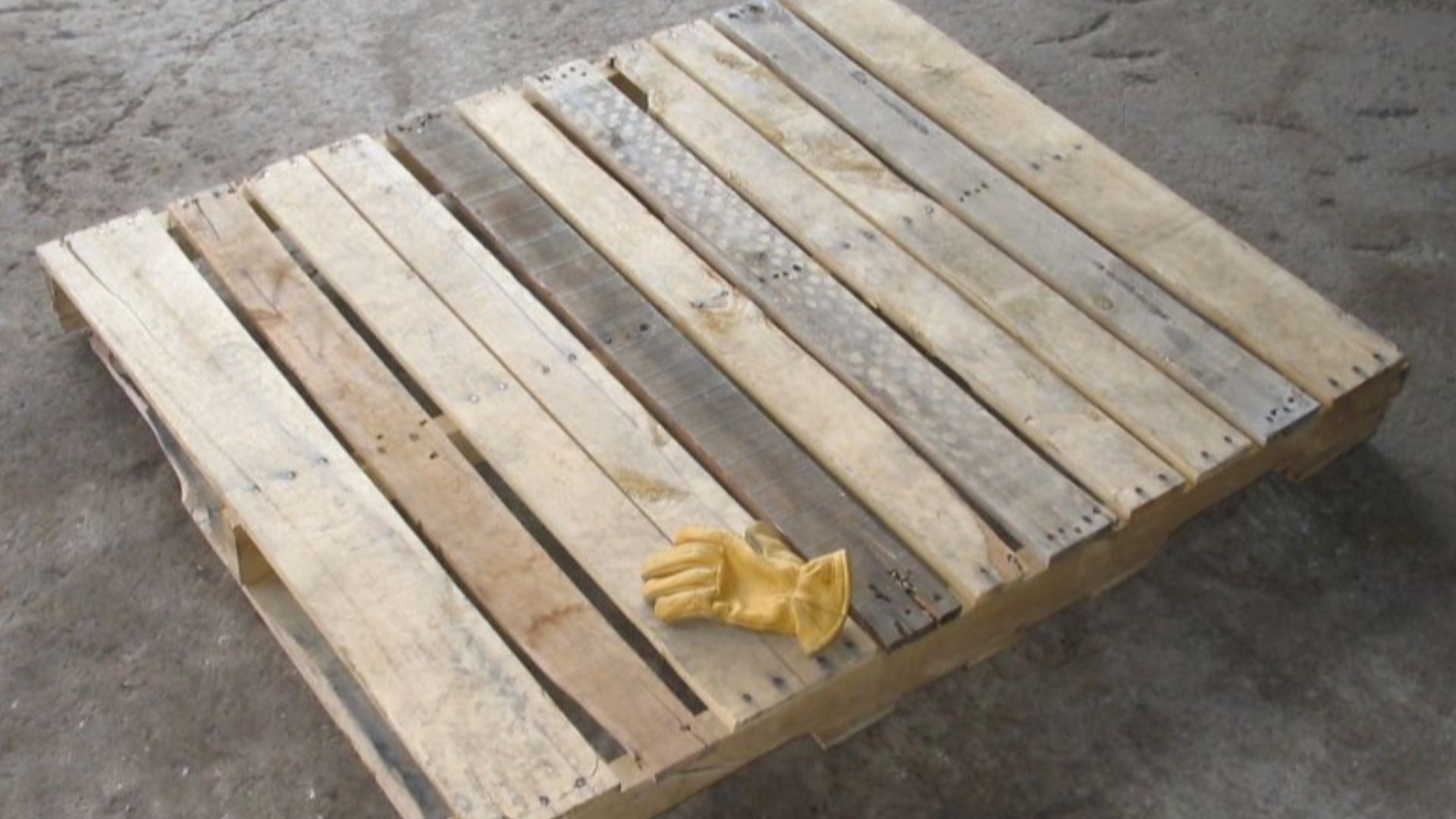
Wooden pallets once seemed useful only to warehouses and forklifts. Then DIY enthusiasts noticed they were basically piles of lumber already assembled into useful shapes. With proper inspection and suitable pallets, they have been repurposed into shelving, planters, tables, storage racks, garden structures, and countless weekend projects.
Plastic Strapping
Plastic strapping looks like nothing more than a stubborn band preventing you from opening a large package. However, unused or safely removed lengths can help bundle lightweight materials, organize long objects, secure storage items, or reinforce certain DIY projects. Just watch the sharp cut edges—they can be surprisingly unfriendly.

Paper Packing Tape
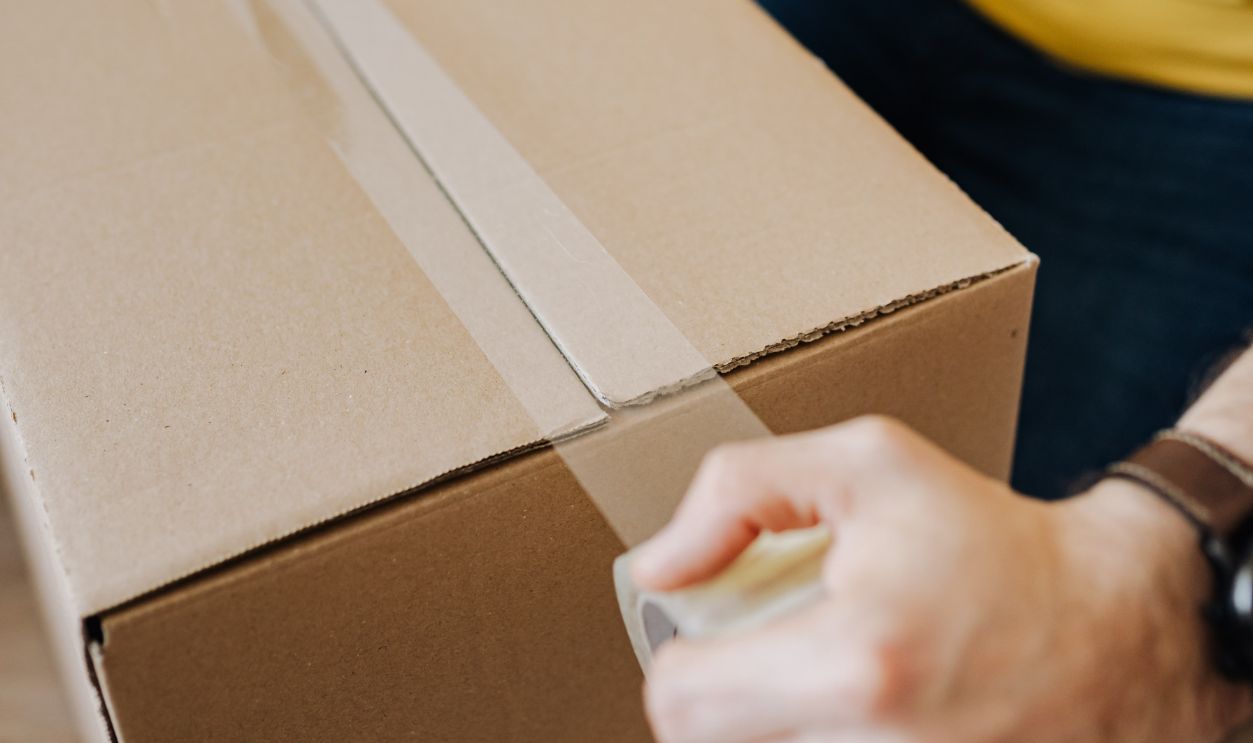
Paper packing tape seems less exciting than almost anything inside the box, yet spare rolls can become household workhorses. It can label storage containers, temporarily secure lightweight objects, bundle paper goods, mark moving boxes, and handle small craft jobs. Writable tape is particularly handy when organizing closets or garages.
Foam Corner Protectors
Those chunky foam corners protecting televisions, furniture, and appliances look destined for the garbage. Saved carefully, however, they are perfect for future moves. They can cushion frames, mirrors, tables, electronics, artwork, and other vulnerable corners—the exact places that somehow find every doorway while being carried.

Maybe Don’t Throw Everything Away
Packaging will probably never be the most exciting thing delivered to your door. Still, plenty of materials hiding around the actual product can have surprisingly useful second lives. Before crushing the box and filling the recycling bin, it might be worth asking one question: could this thing save me trouble later?
You May Also Like:
Elmer McCurdy’s life ended in 1911—but his body kept performing for another 65 years.