The Show Wasn’t Over
In December 1976, a crew filming The Six Million Dollar Man inside a fading California amusement park needed to move a battered dummy. Then its arm broke off.
What appeared beneath the layers of wax and paint brought police rushing to the scene—and began unraveling a secret that had been traveling across America for 65 years.
Elmer’s Troubles Started Early
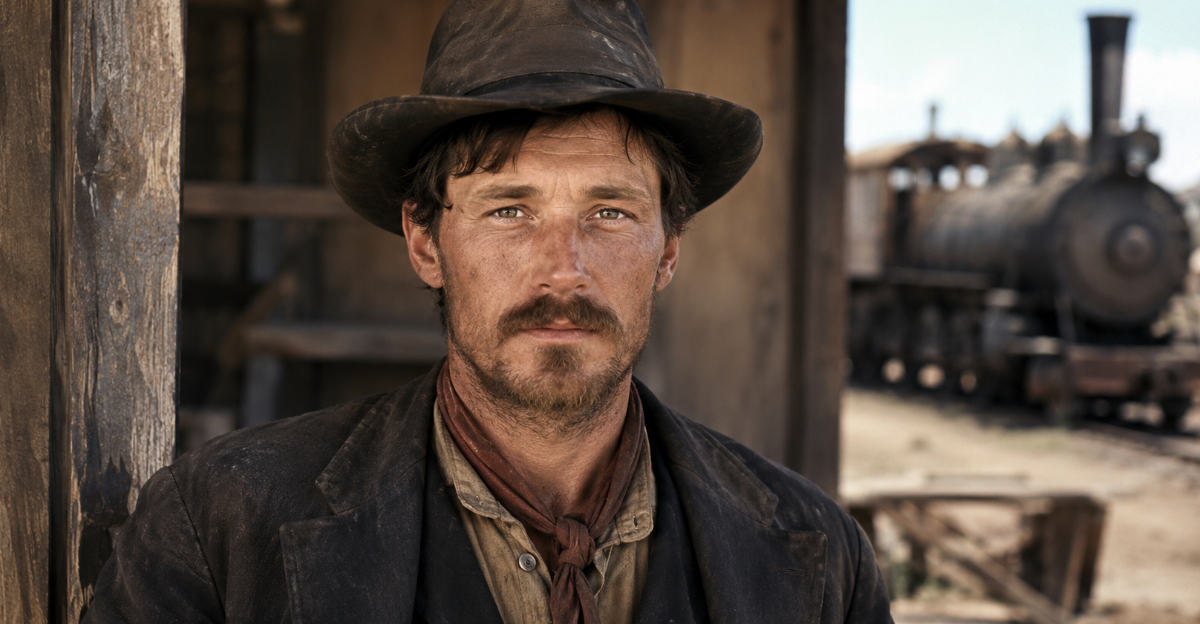
Elmer McCurdy was born in Maine in 1880 to an unmarried 17-year-old mother. To avoid scandal, he was raised believing his aunt and uncle were his parents. He eventually learned the truth, and later biographers connected the revelation to his troubled teenage years—although exactly how deeply it affected him is impossible to know.
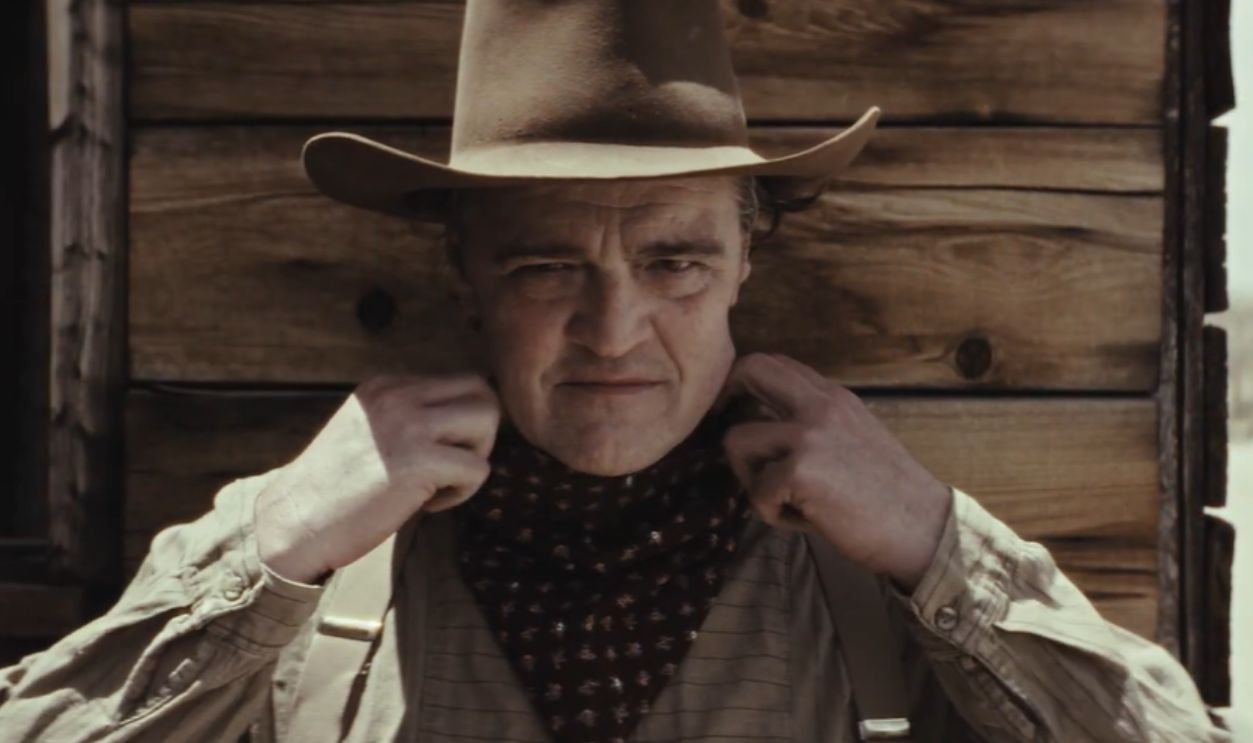 Screenshot from Elmer, Ogma Films (2024)
Then His World Fell Apart
McCurdy became a skilled apprentice plumber, but an economic downturn left him unemployed. In 1900, his mother and grandfather died within roughly two months of each other. He left Maine soon afterward, drifting between mining and plumbing jobs while his drinking increasingly took over his life.
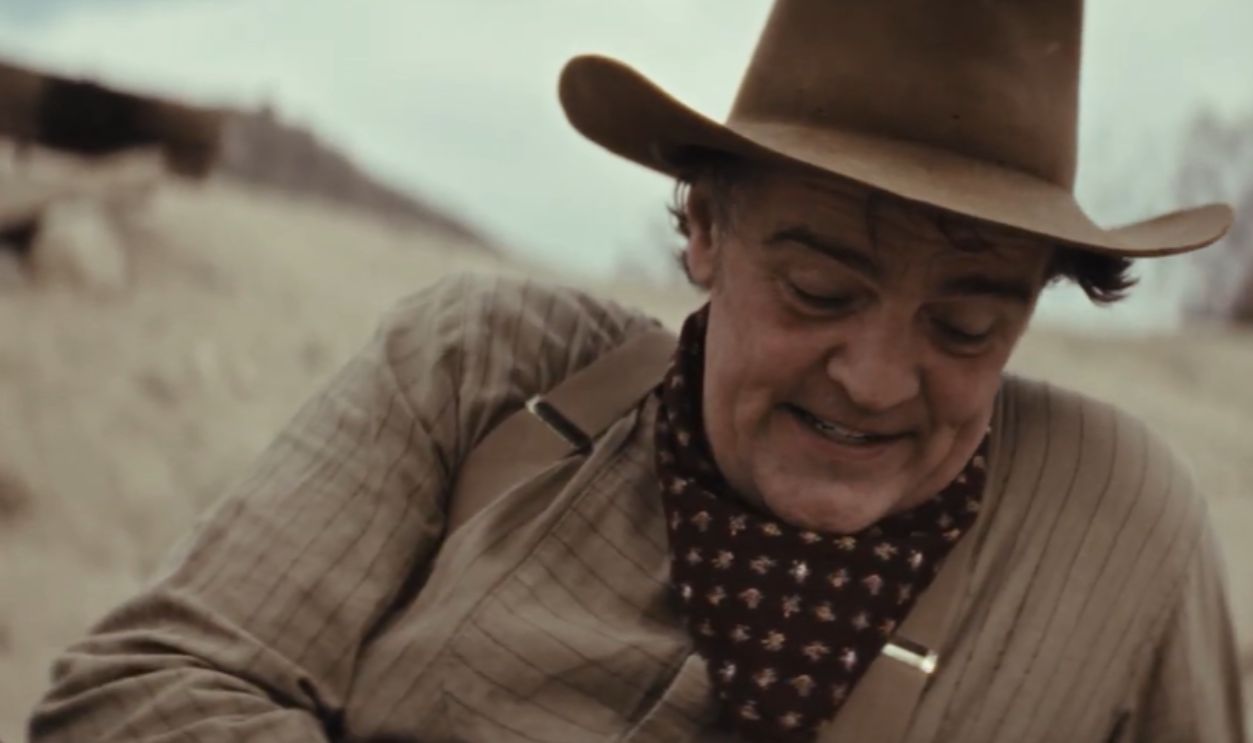 Screenshot from Elmer, Ogma Films (2024)
The Army Taught Him Just Enough
In 1907, McCurdy joined the US Army and was stationed at Fort Leavenworth. There he operated a machine gun and received at least some training in demolitions and nitroglycerin. Unfortunately for everyone who later shared a bank or train with him, “some training” did not make him an expert.
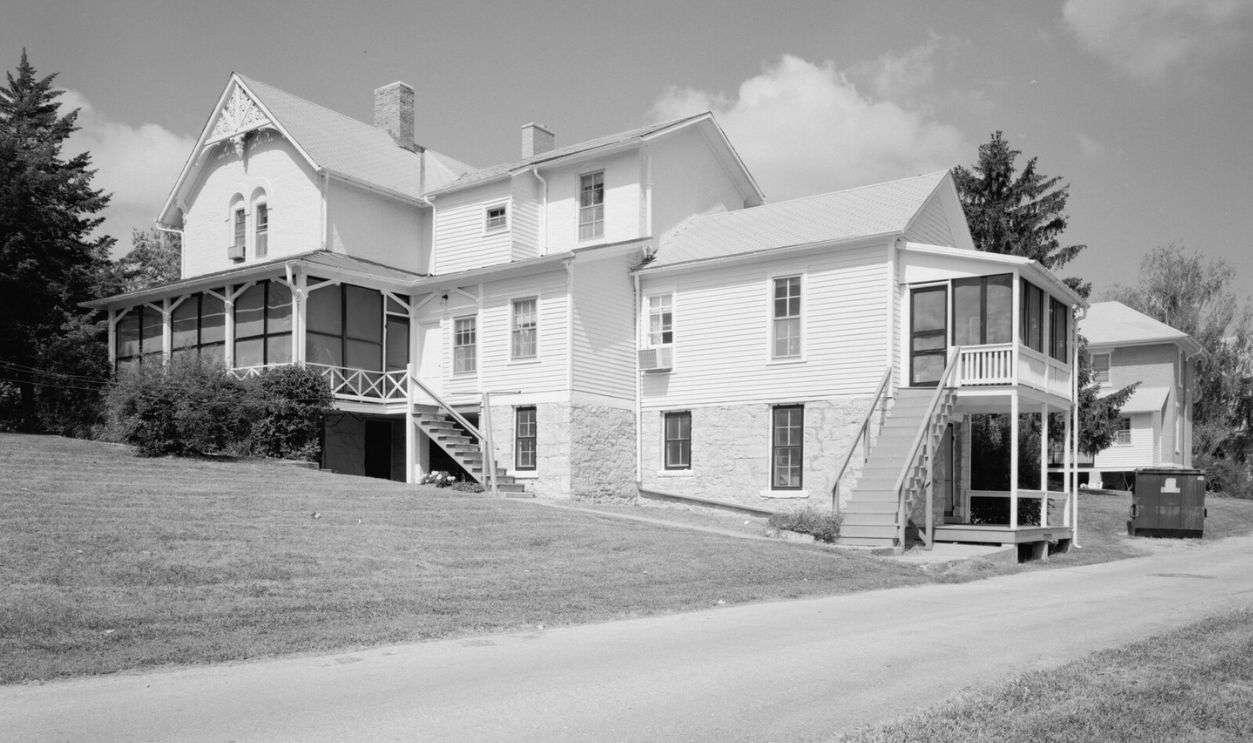 Historic American Buildings Survey (HABS), Wikimedia Commons
His Explanation Somehow Worked
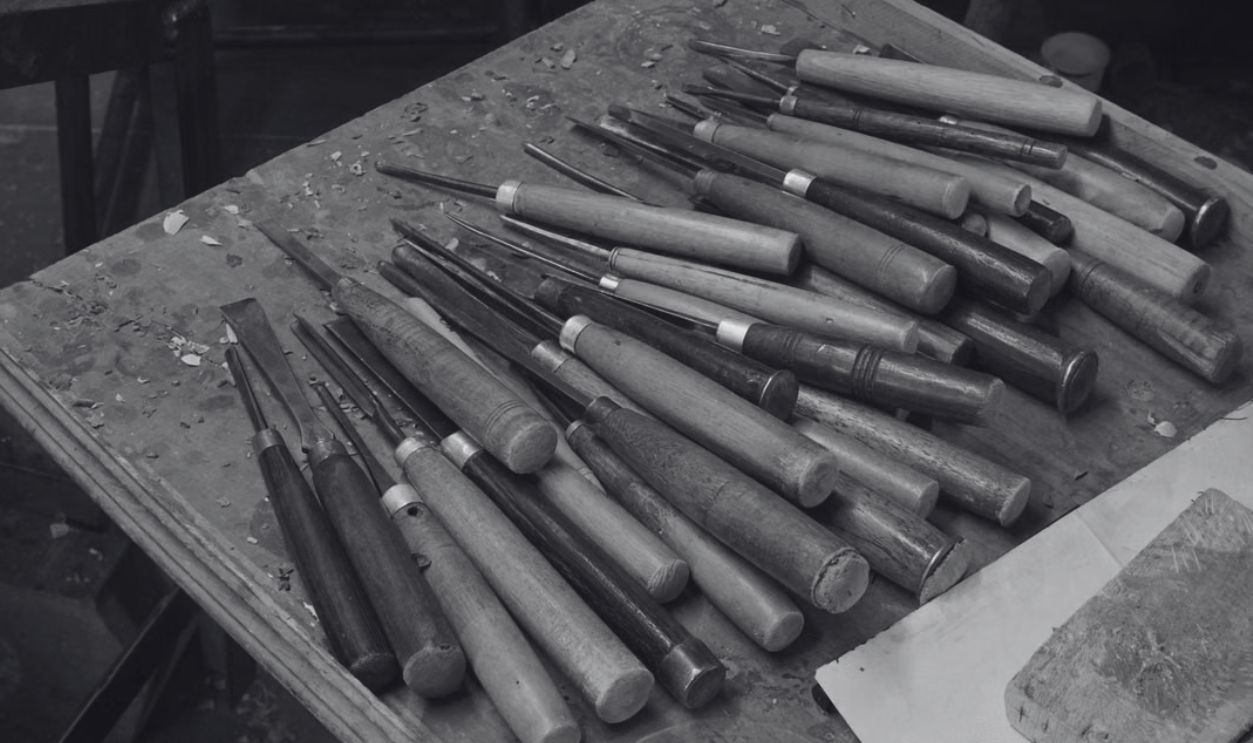
Shortly after leaving the Army, McCurdy and another man were arrested with chisels, hacksaws, gunpowder, money sacks and equipment associated with nitroglycerin. They reportedly claimed they needed everything to build a foot-operated machine gun. Incredibly, a jury acquitted them in January 1911.
His First Big Score Exploded
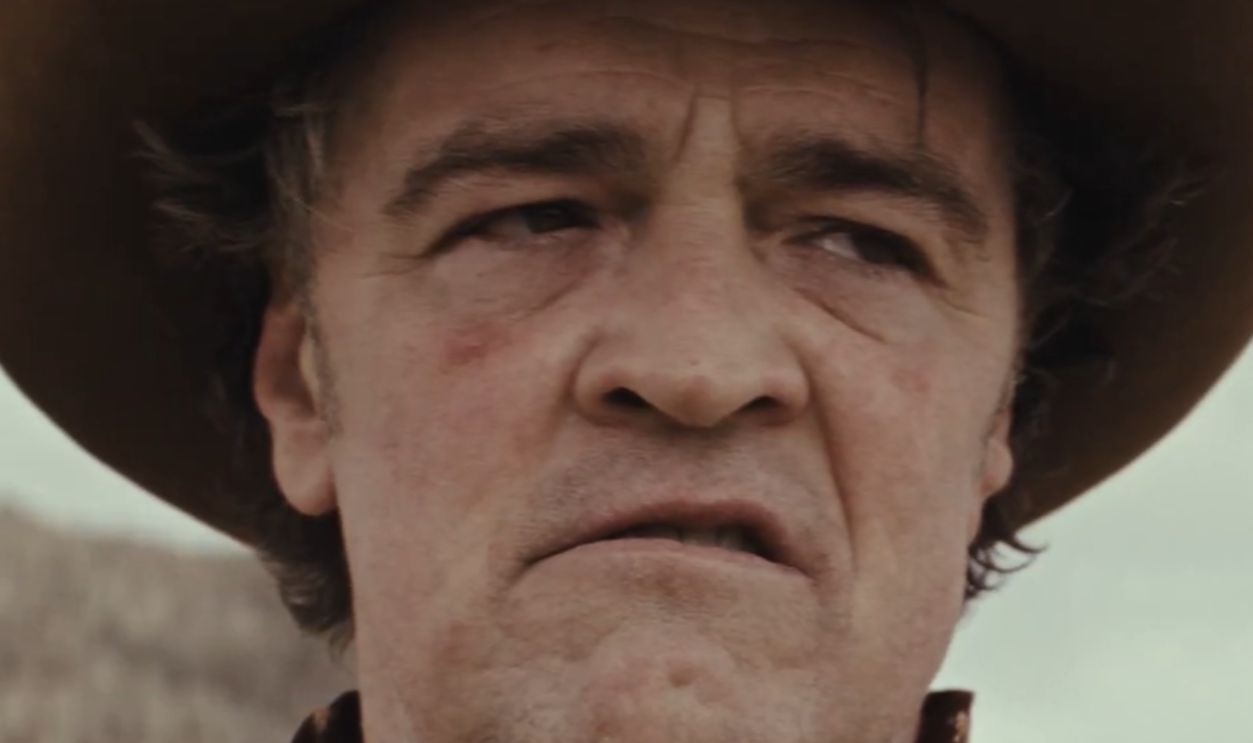
McCurdy soon joined three men planning to rob a train carrying a safe containing approximately $4,000. He used far too much nitroglycerin, destroying the safe, obliterating the paper money and melting silver coins into its frame. The gang escaped with only a fraction of the expected haul.
 Screenshot from Elmer, Ogma Films (2024)
The Bank Went Better—For The Safe
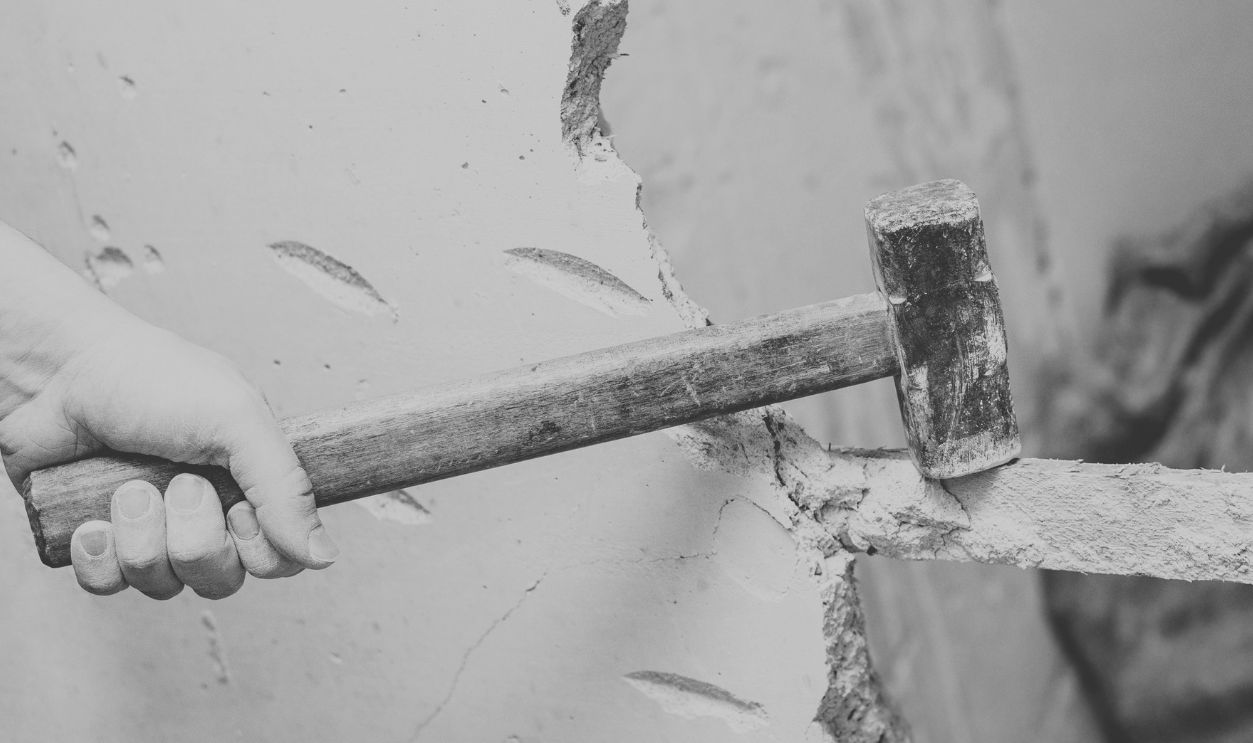
At a Kansas bank, McCurdy and his partners spent roughly two hours hammering through a wall. His explosive charge blasted the outer vault door across the building and wrecked the interior. The actual safe remained closed. They fled with around $150 found sitting outside it.
He Finally Heard About A Fortune
In October 1911, McCurdy and two accomplices reportedly targeted a train they believed was carrying $400,000 intended as a payment to the Osage Nation. This could have been the score that transformed three struggling thieves into legends. Instead, they stopped the wrong train.
![Suburban station, Petoskey, Mich.
Medium: 1 negative : glass ; 8 x 10 in.
Reproduction Number: LC-D4-19011 (b&w glass neg.)
Call Number: LC-D4-19011 <P&P> [P&P]
Repository: Library of Congress Prints and Photographs Division Washington, D.C. 20540 USA
Not](https://www.factinate.com/storage/app/media/factinate/2026/8/3/1785760352fc607debeee2521059fc40966a30571729fa2553.jpg) Detroit Publishing Co. , publisher, Wikimedia Commons
Detroit Publishing Co. , publisher, Wikimedia Commons
The Great Haul Was $46 And Some Whiskey
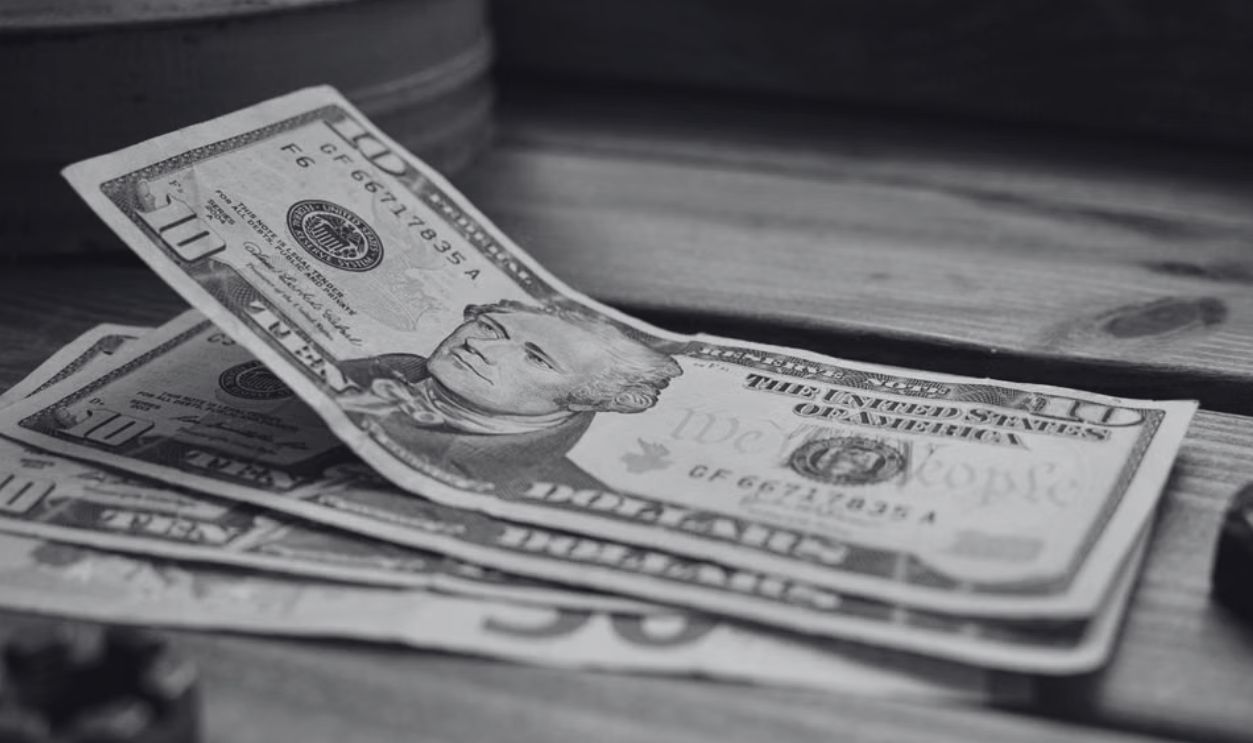
The men escaped with $46 from a mail clerk, two containers of whiskey, a coat, a revolver and the conductor’s watch. A newspaper described it as one of the smallest hauls in train-robbery history. McCurdy returned to a ranch hideout and started drinking the stolen whiskey.

History's most fascinating stories and darkest secrets, delivered to your inbox daily.
His Criminal Career Was Over
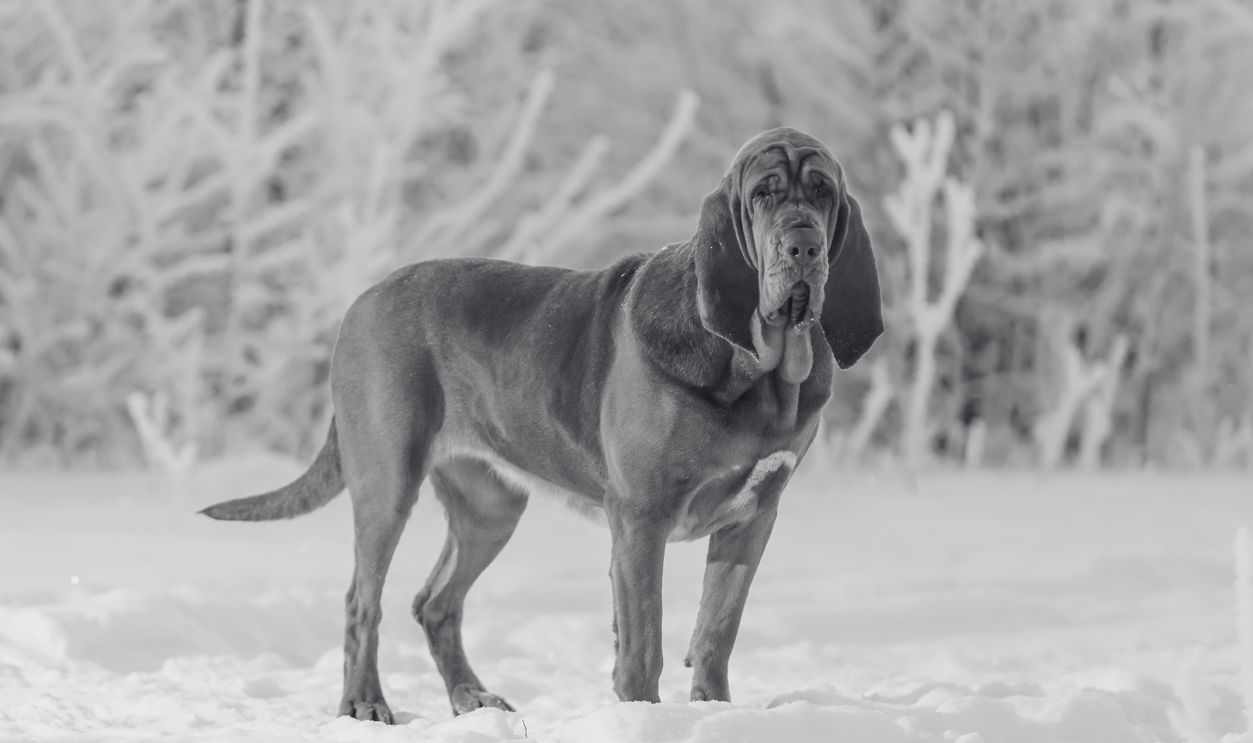
Three days after the robbery, deputies used bloodhounds to track McCurdy to a hay shed. A confrontation reportedly lasted around an hour before he was fatally wounded in the chest. He was 31 years old—and still almost completely unknown beyond the places where his short, spectacularly unsuccessful criminal career had unfolded.
Nobody Came For Him
McCurdy’s remains were taken to undertaker Joseph L. Johnson in Pawhuska, Oklahoma. With no relative arriving to claim him, Johnson embalmed him using an arsenic-based preservative commonly used when a body might remain unclaimed for some time. Then he waited for someone to pay the bill. Nobody did.
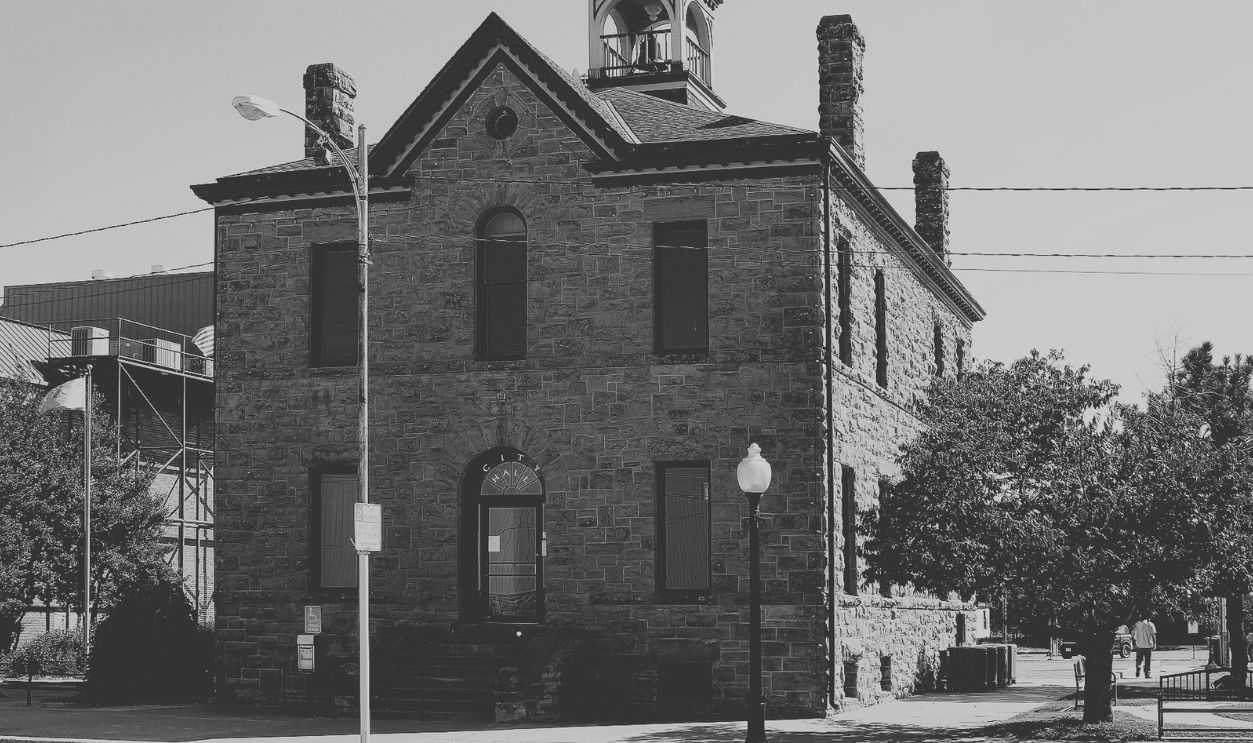 Larry D. Moore, Wikimedia Commons
The Undertaker Had Another Idea
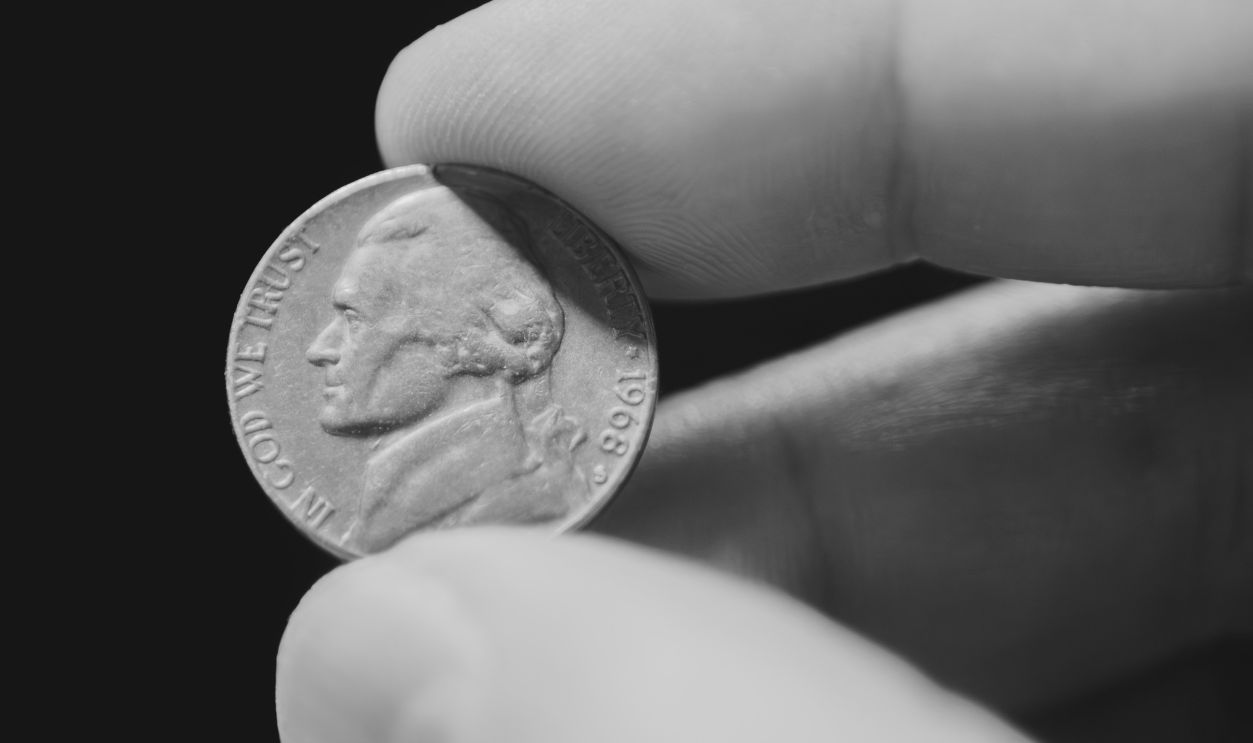
Rather than bury McCurdy at his own expense, Johnson dressed him, placed him upright and turned him into an attraction. Visitors could reportedly pay five cents to see “The Bandit Who Wouldn’t Give Up.” Some accounts claim customers placed their coins directly into McCurdy’s mouth.
His Career Finally Took Off
McCurdy had been a struggling plumber, an unsuccessful drifter and a spectacularly bad outlaw. As a preserved attraction, however, he was a hit. People willingly lined up and paid to stare at him—giving McCurdy more commercial success after his life ended than he had ever experienced before.
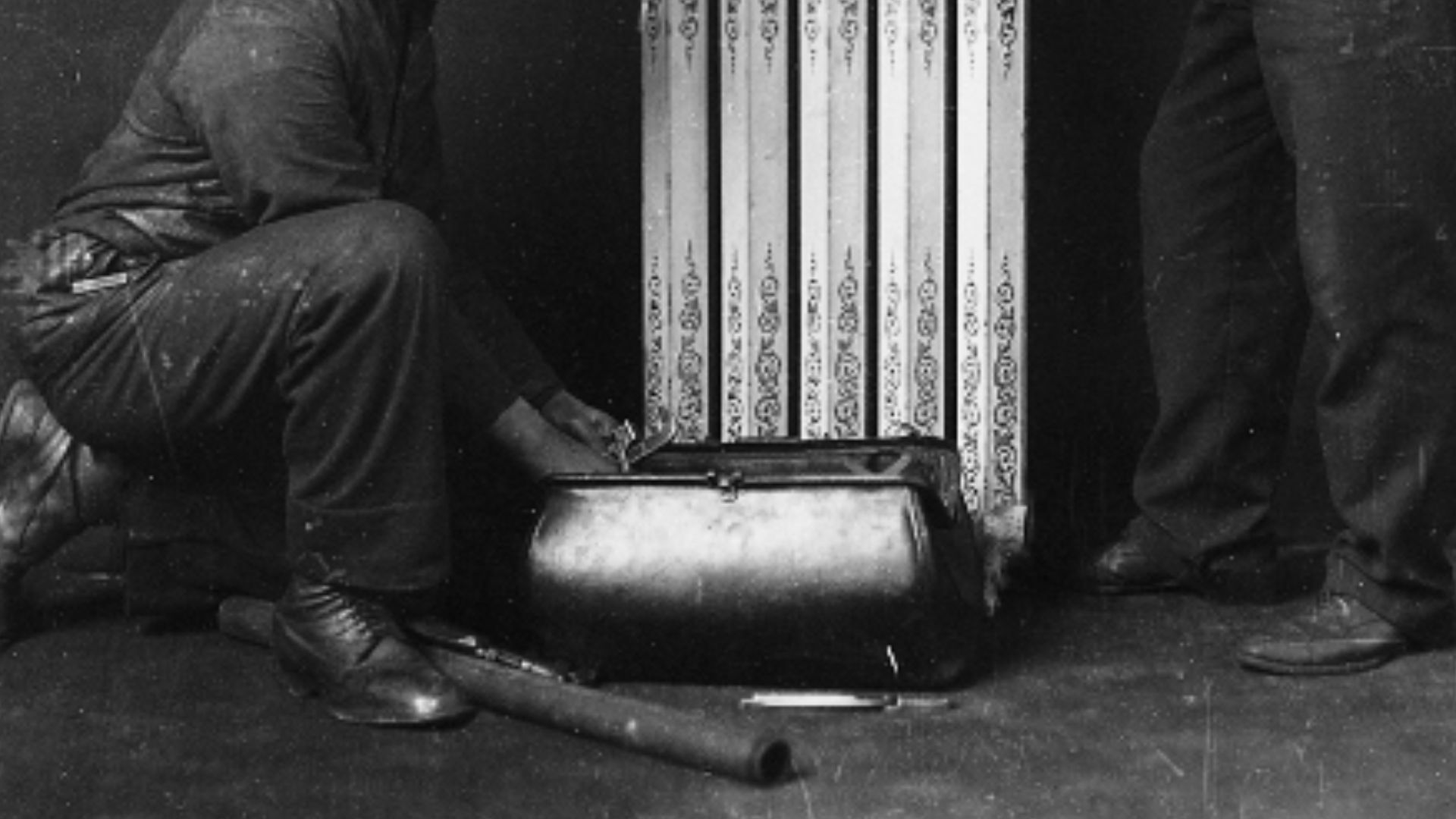 Wm. Notman & Son, Wikimedia Commons
His “Brothers” Suddenly Appeared
In 1916, two men arrived claiming to be McCurdy’s long-lost brothers. They said they were taking Elmer to San Francisco for a proper burial. Instead, James and Charles Patterson shipped him to Kansas and added him to the Great Patterson Carnival Shows.
The Outlaw Joined The Carnival
The Pattersons exhibited McCurdy as “The Outlaw Who Would Never Be Captured Alive.” Audiences were encouraged to believe they were seeing a legendary Western desperado rather than a man whose final robbery barely covered a decent shopping trip. The exaggerated version of Elmer proved far more profitable.
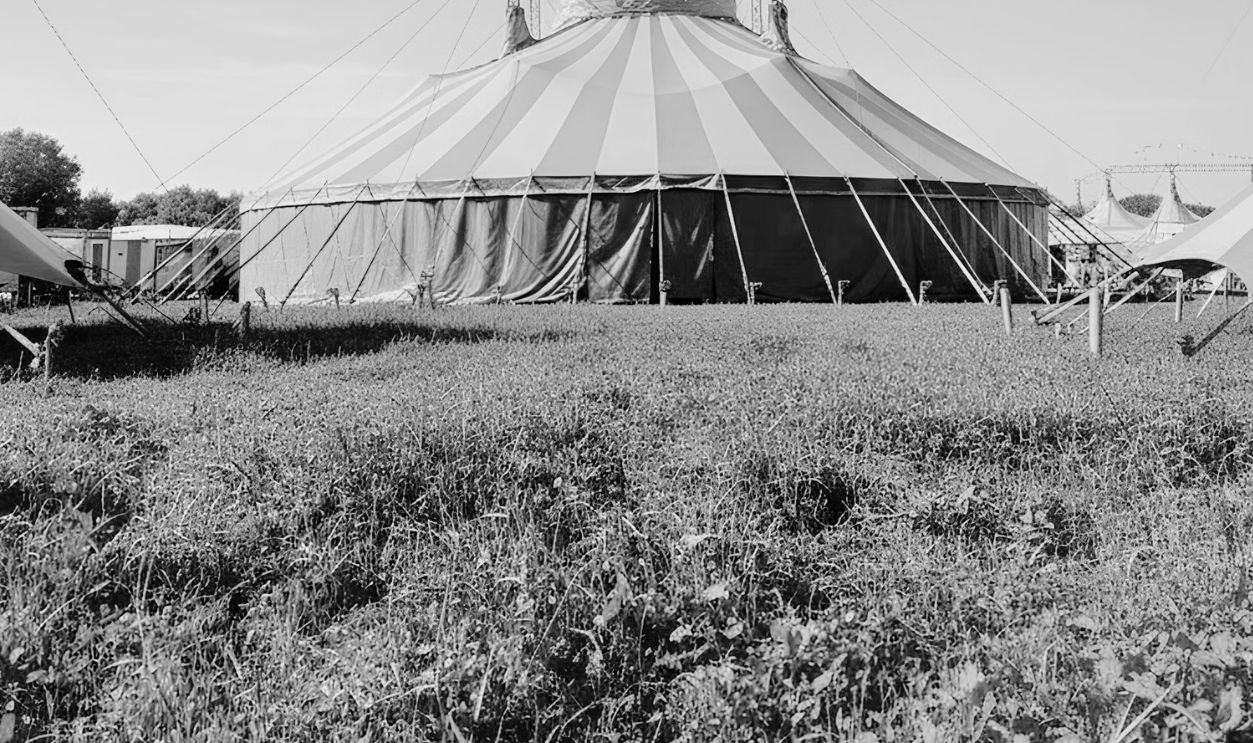
He Entered The Museum Of Crime
In 1922, McCurdy passed into the hands of showman Louis Sonney. He became part of Sonney’s traveling Museum of Crime, displayed alongside wax figures representing considerably more successful outlaws, including Jesse James and Bill Doolin. Elmer was real—but almost everything audiences were told about him was flexible.
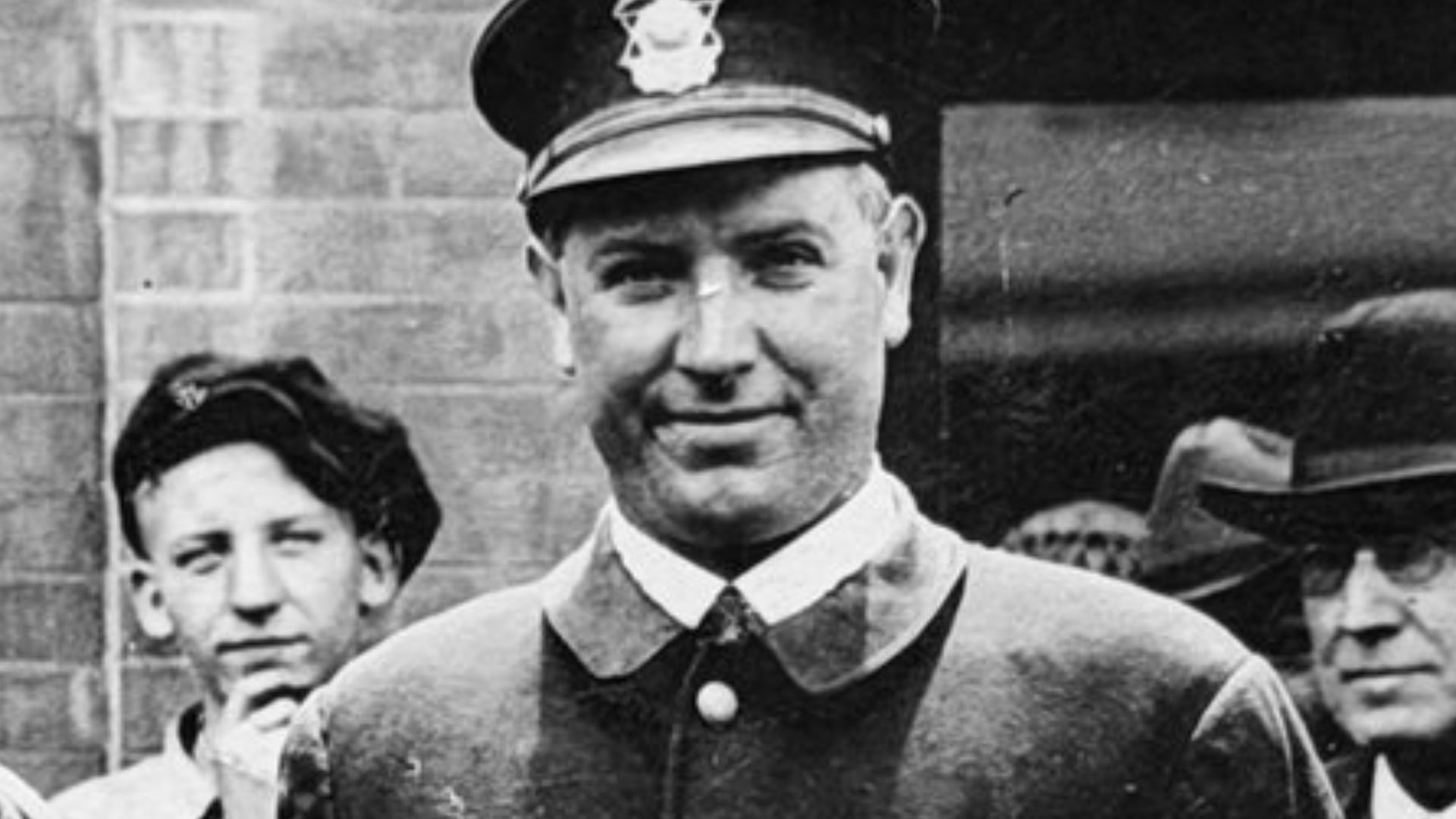 Unknown authorUnknown author, Wikimedia Commons
He Even Toured With A Footrace
In 1928, McCurdy appeared in the sideshow accompanying the Trans-American Footrace, an enormous coast-to-coast running event stretching from Los Angeles to New York. While living competitors crossed the country on foot, Elmer continued his own American journey without taking a single step.
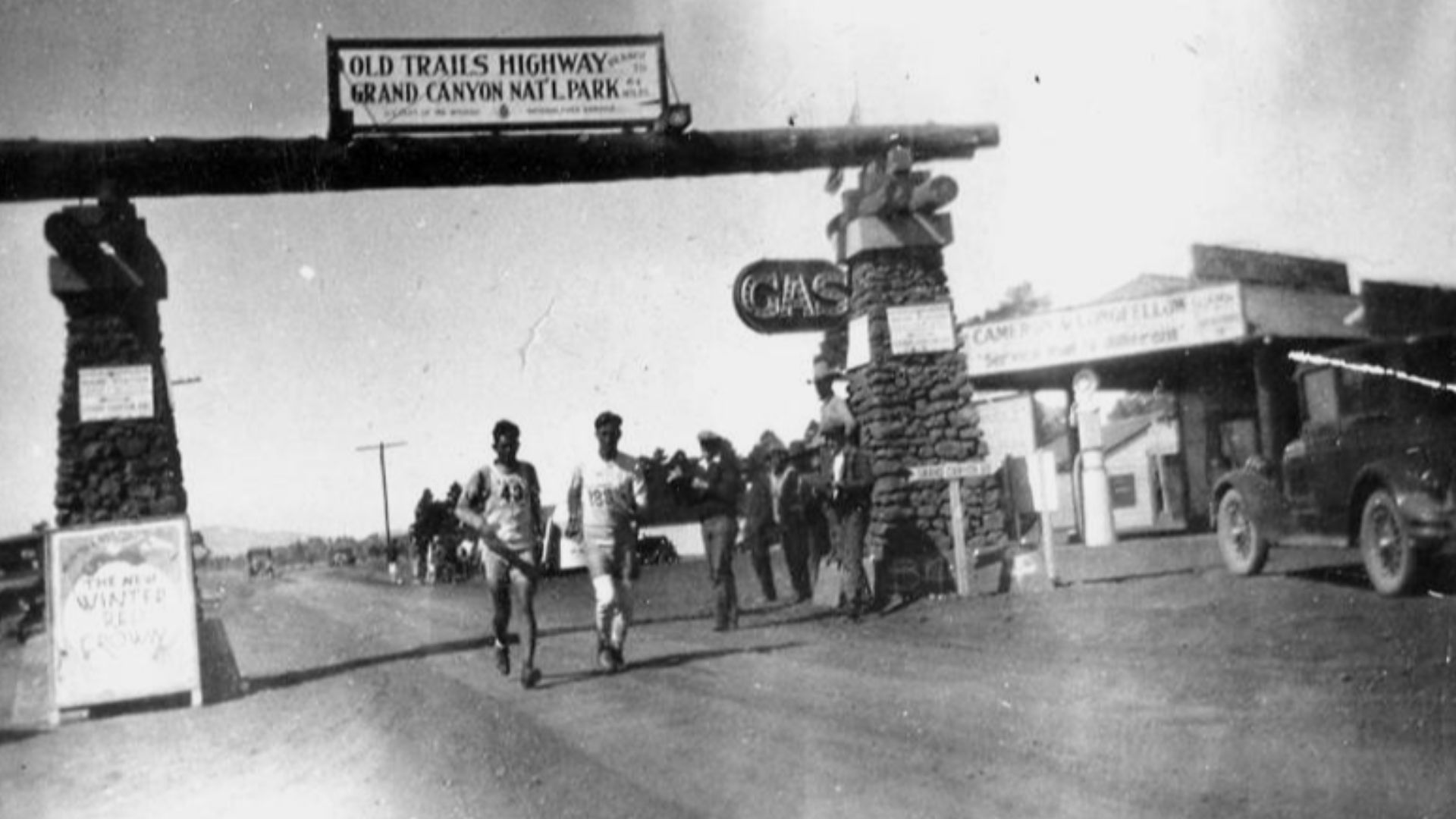 Kaibab National Forest, Wikimedia Commons
Hollywood Gave Him A New Identity
Filmmaker Dwain Esper later used McCurdy to promote the 1933 exploitation film Narcotic. Instead of presenting him as an outlaw, Esper displayed the body in theater lobbies and invented a cautionary story about addiction. Even decades after his life ended, promoters kept rewriting Elmer whenever ticket sales required it.
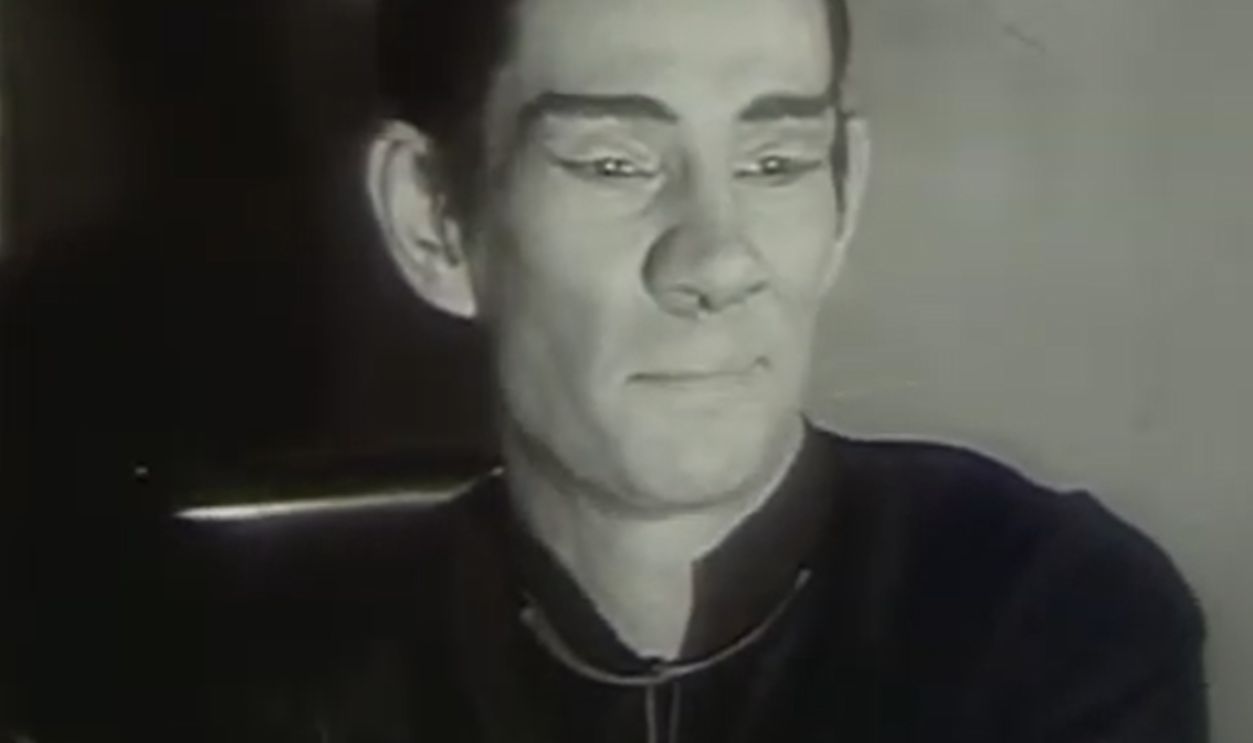 Screenshot from Narcotic, Dwain Esper Productions (1933)
Then He Disappeared Into Storage
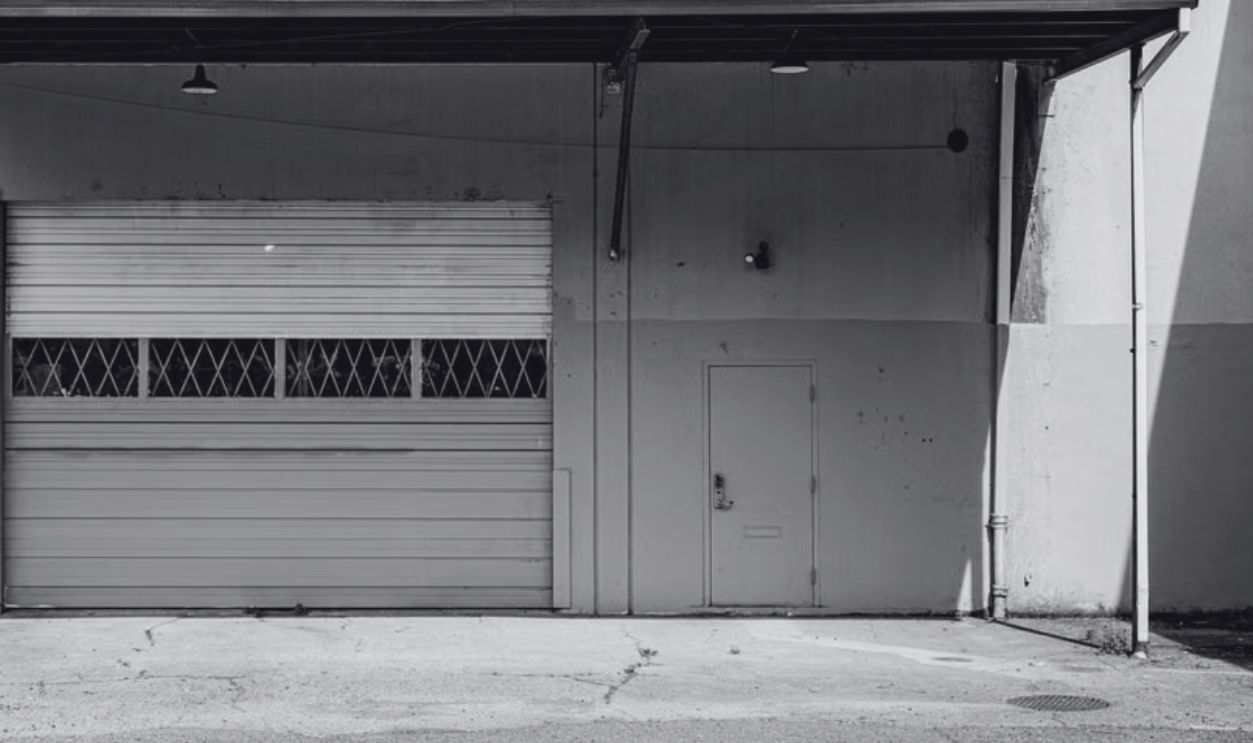
After Louis Sonney died in 1949, McCurdy spent years inside a Los Angeles warehouse. The carnival world that had kept him traveling was changing, and for a while the body that had once drawn crowds simply sat forgotten among old props, wax figures and exhibition equipment.
He Became A Movie Prop
In 1964, Sonney’s son Dan lent McCurdy’s remains to filmmaker David F. Friedman, who reportedly used the body as a prop in the 1967 carnival film She Freak. Elmer had now added movie performer to a posthumous résumé that was already much more successful than his original one.
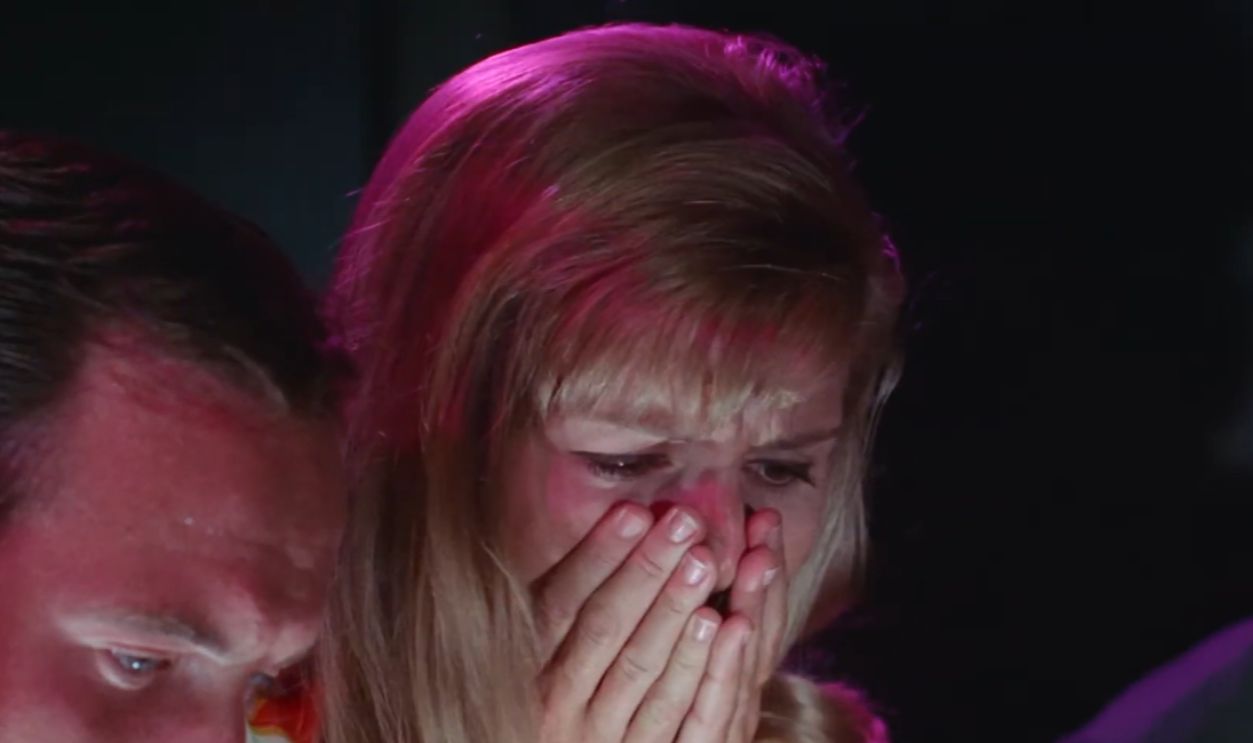 Screenshot from She Freak, Producers Releasing Corporation (1967)
A Wax Museum Rejected Him
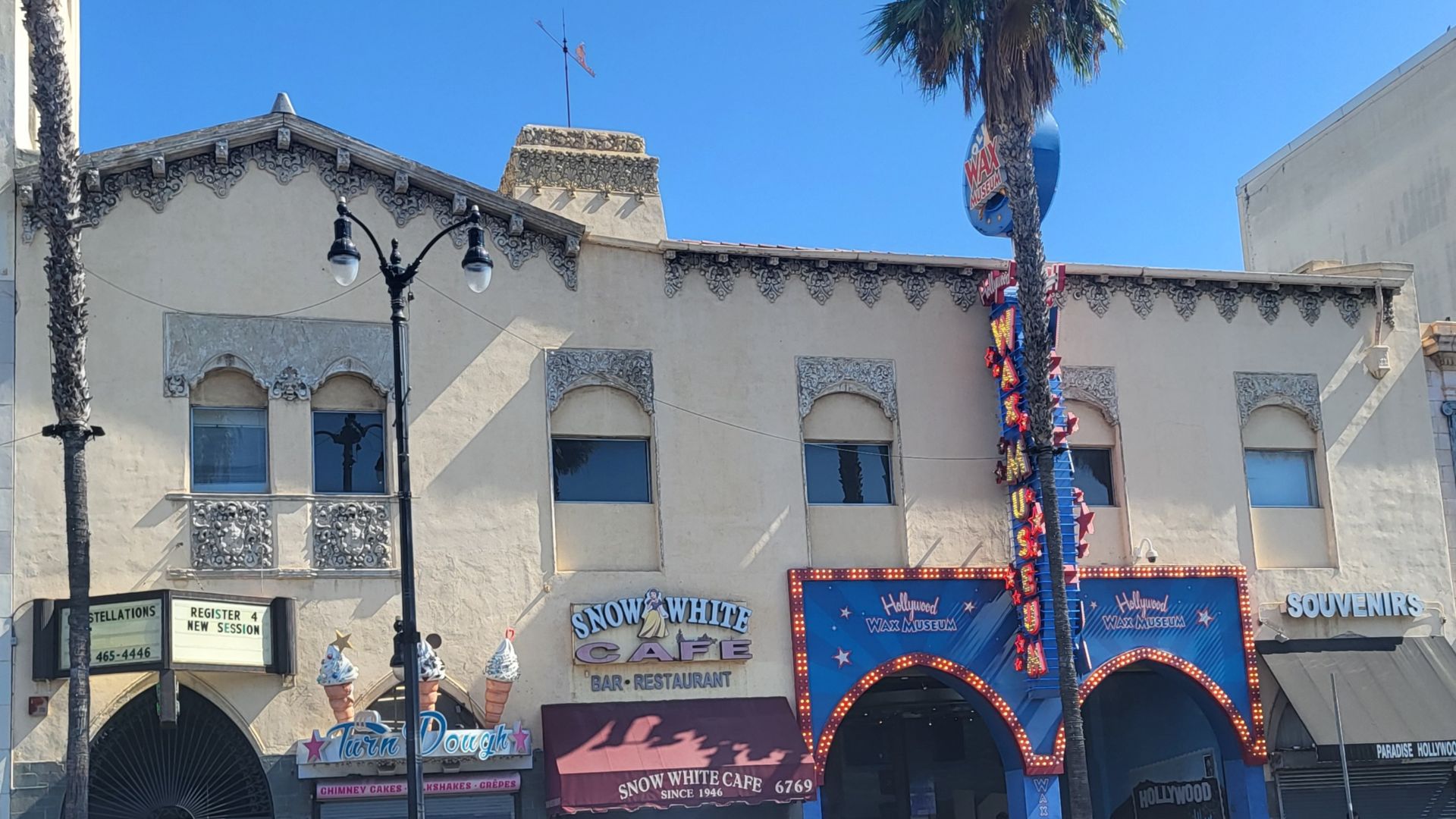
In 1968, McCurdy was sold with a collection of wax figures connected to the Hollywood Wax Museum. He was sent to an exhibition near Mount Rushmore, where a windstorm reportedly damaged his ears, fingers and toes. Returned to California, he was judged too gruesome and unrealistic for a wax museum.
The Real Body Became A Fake Body
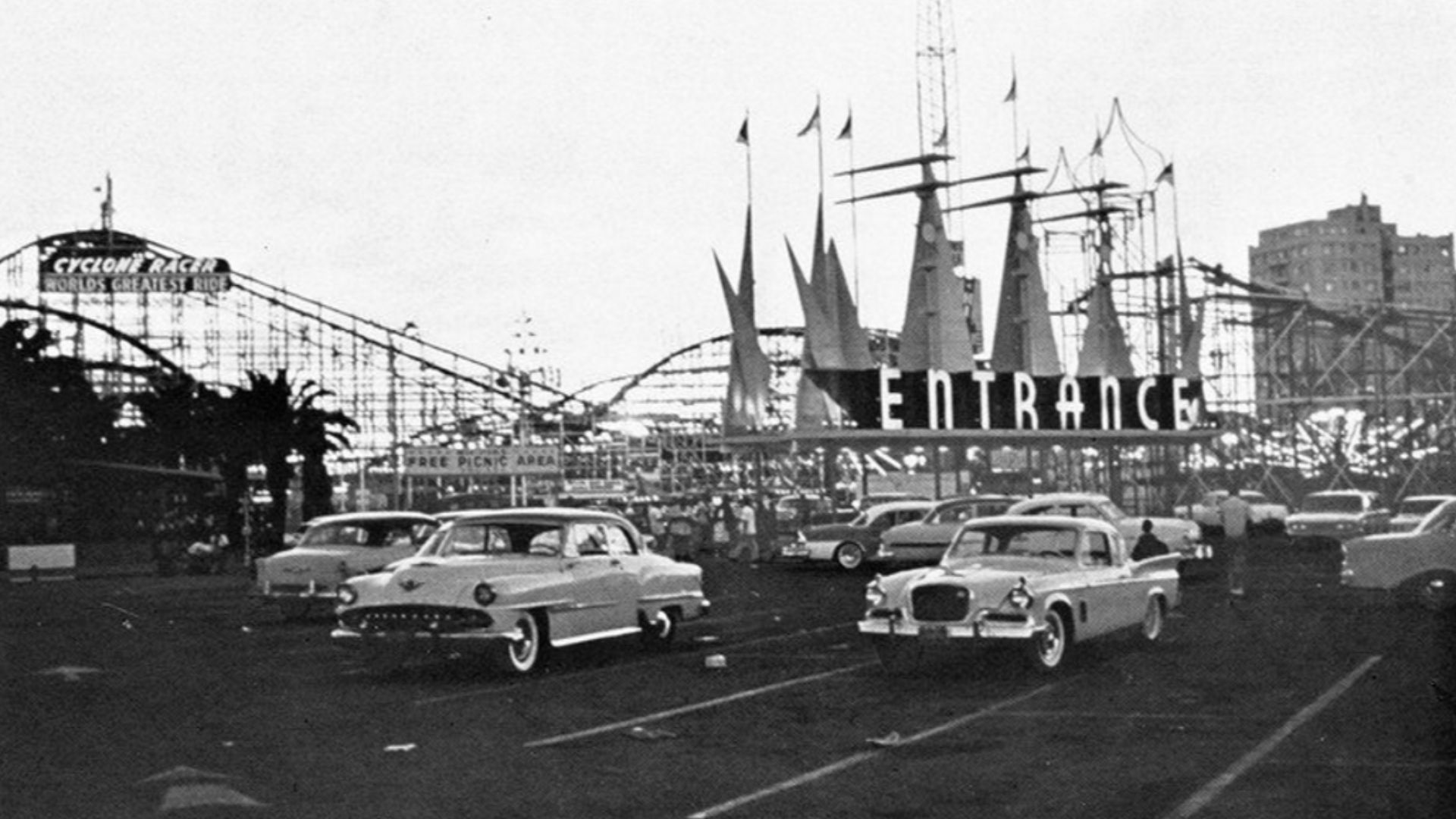
McCurdy was sold again, this time to an owner connected with The Pike amusement zone in Long Beach. Coated in wax and layers of brightly colored paint, he was installed inside the Laff in the Dark funhouse. By then, employees apparently assumed he was simply another battered mannequin.
Television Came Calling
In December 1976, a crew from The Six Million Dollar Man arrived at The Pike to film scenes for an episode called “Carnival of Spies.” McCurdy had been hanging from a mock gallows inside the funhouse, surrounded by props that looked every bit as fake as he did.
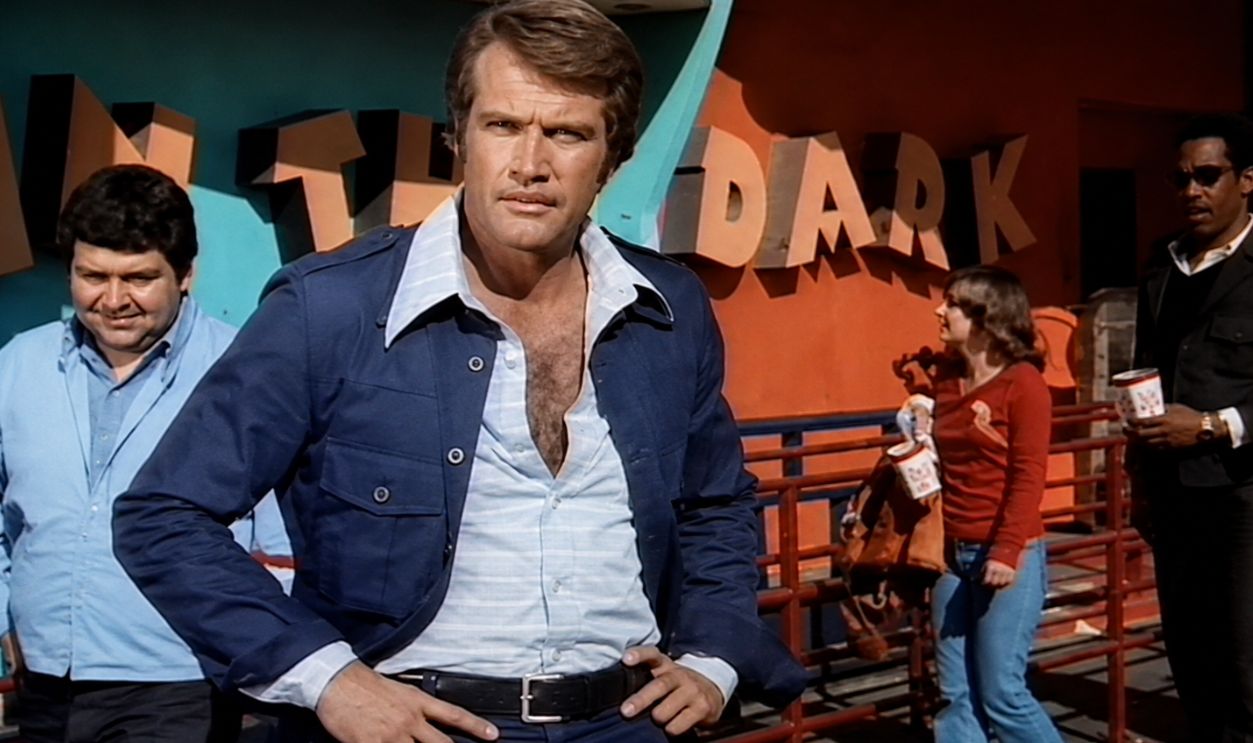 Screenshot from The Six Million Dollar Man, NBCUniversal (1973-1978), enhanced
Then The Arm Broke
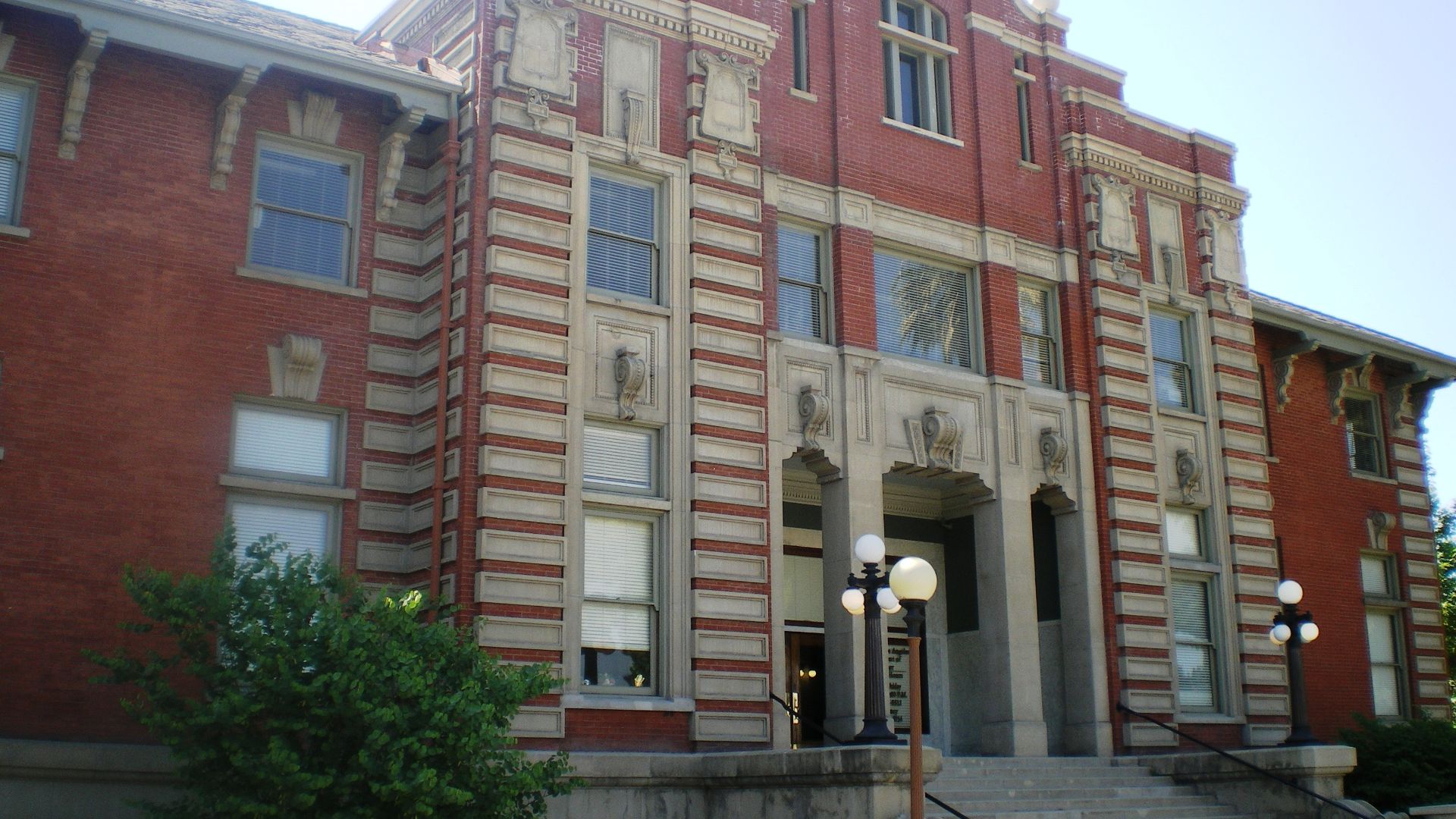
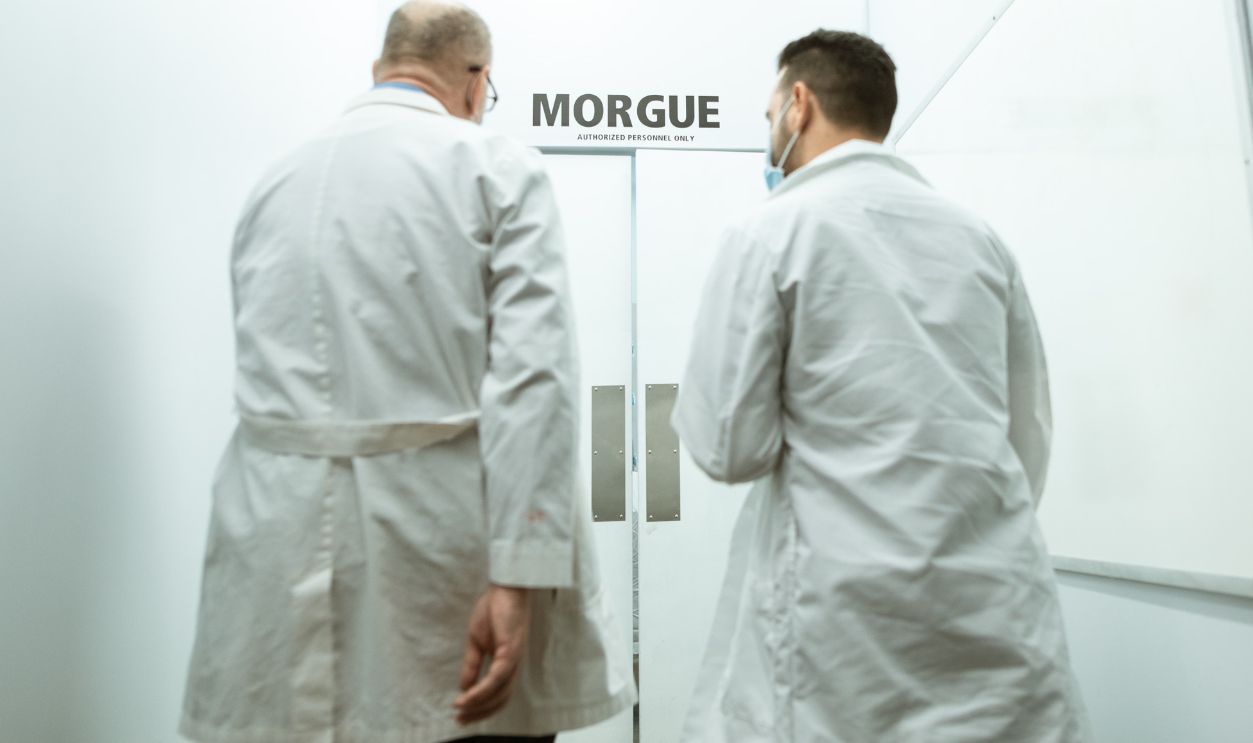
When a crew member tried to reposition what everyone believed was a mannequin, part of its arm broke away. Beneath the layers of wax and paint was recognizable bone and preserved tissue. Police were called, and the remains were transported to the Los Angeles County coroner’s office.
 Cbl62 (talk), Wikimedia Commons
The “Mannequin” Weighed 50 Pounds
An examination confirmed that the figure was a real human body. It stood approximately 63 inches tall and weighed around 50 pounds. Investigators found wax, phosphorus paint, evidence of old embalming work and a chest wound—along with missing fingers, toes and portions of the ears.

The Best Clues Were In His Mouth
Inside the mouth, investigators discovered a 1924 penny and ticket stubs from Louis Sonney’s Museum of Crime. Those clues led them back through the body’s carnival history. Dan Sonney confirmed that the mysterious figure had once been known as Elmer McCurdy, the embalmed Oklahoma outlaw.
His Face Finally Gave Him Back His Name
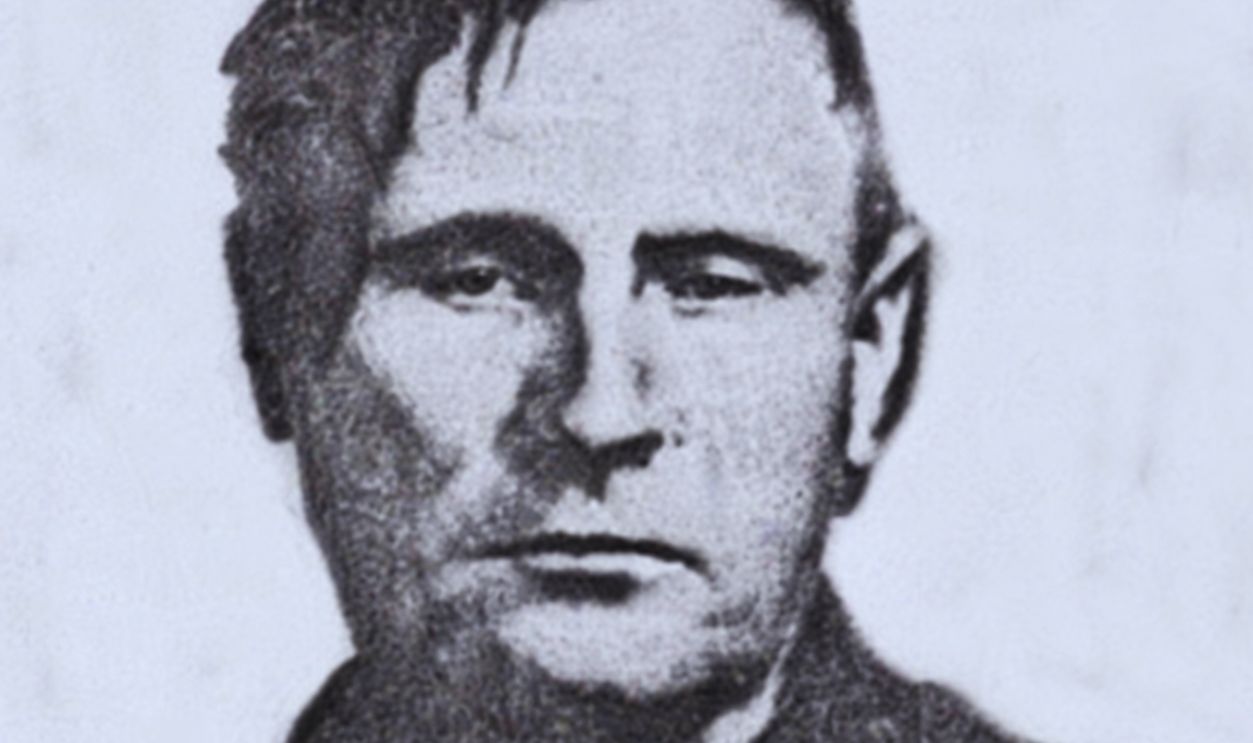
Forensic anthropologist Clyde Snow compared X-rays of the skull with photographs taken of McCurdy after his 1911 death. Using photographic superimposition, Snow concluded that the features matched. After 65 years of false identities, exaggerated histories and anonymous performances, investigators finally restored Elmer’s name.
 Unknown author, Wikimedia Commons, enhanced
Elmer Became A Sensation Again
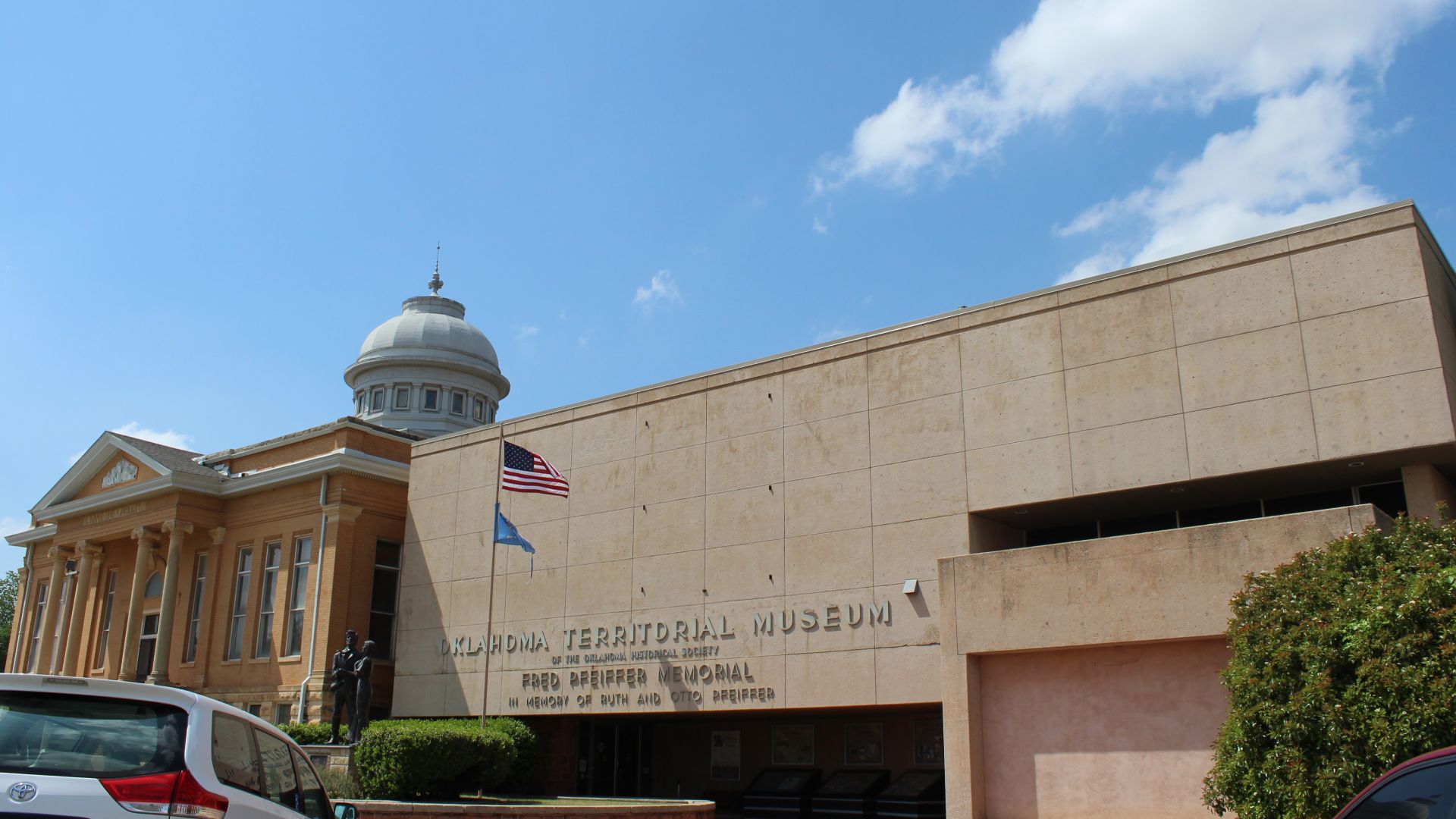
News of the discovery spread rapidly, and several funeral homes offered to bury McCurdy without charge. Authorities initially waited to see whether any living relatives would come forward. Eventually, an Oklahoma group secured permission to bring him back to the state where his strange journey had begun.
The Outlaw Finally Went Home
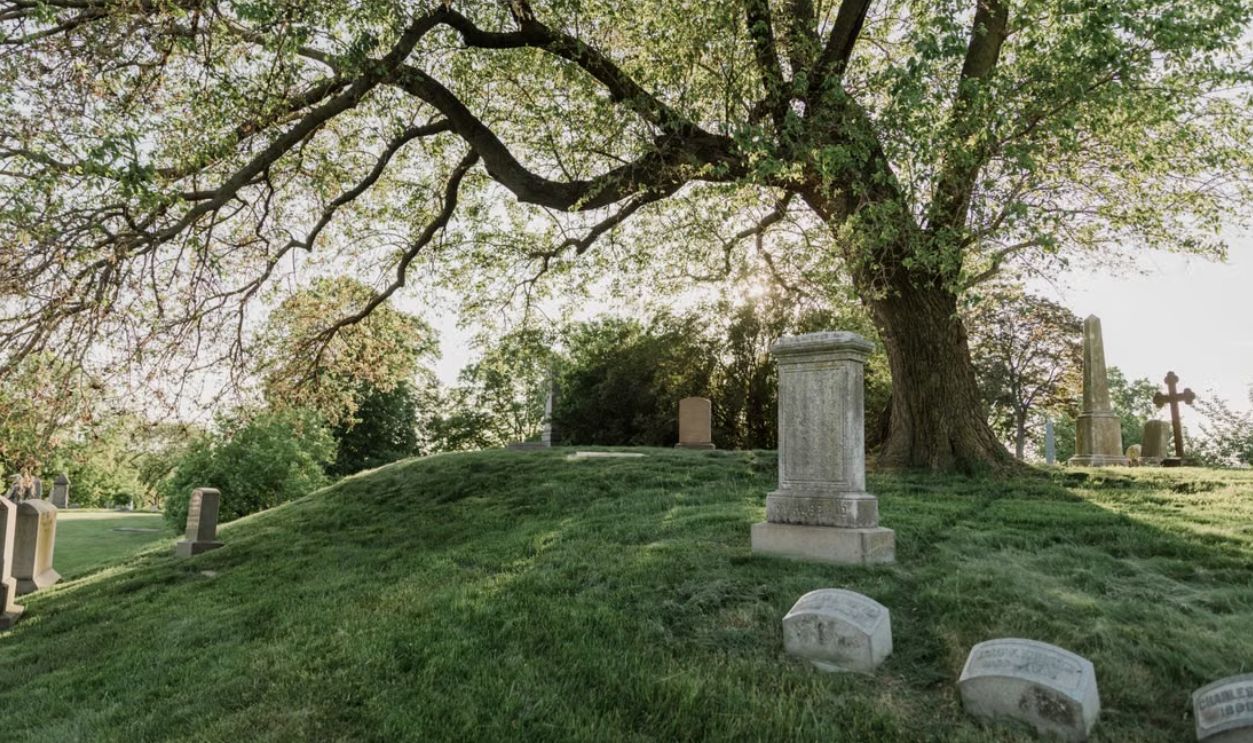
On April 22, 1977, McCurdy was buried in the Boot Hill section of Summit View Cemetery in Guthrie, Oklahoma. Approximately 300 people reportedly attended the service. His grave was placed beside Bill Doolin—the real outlaw whose wax likeness had once shared exhibition space with him.
This Time They Made Sure He Stayed
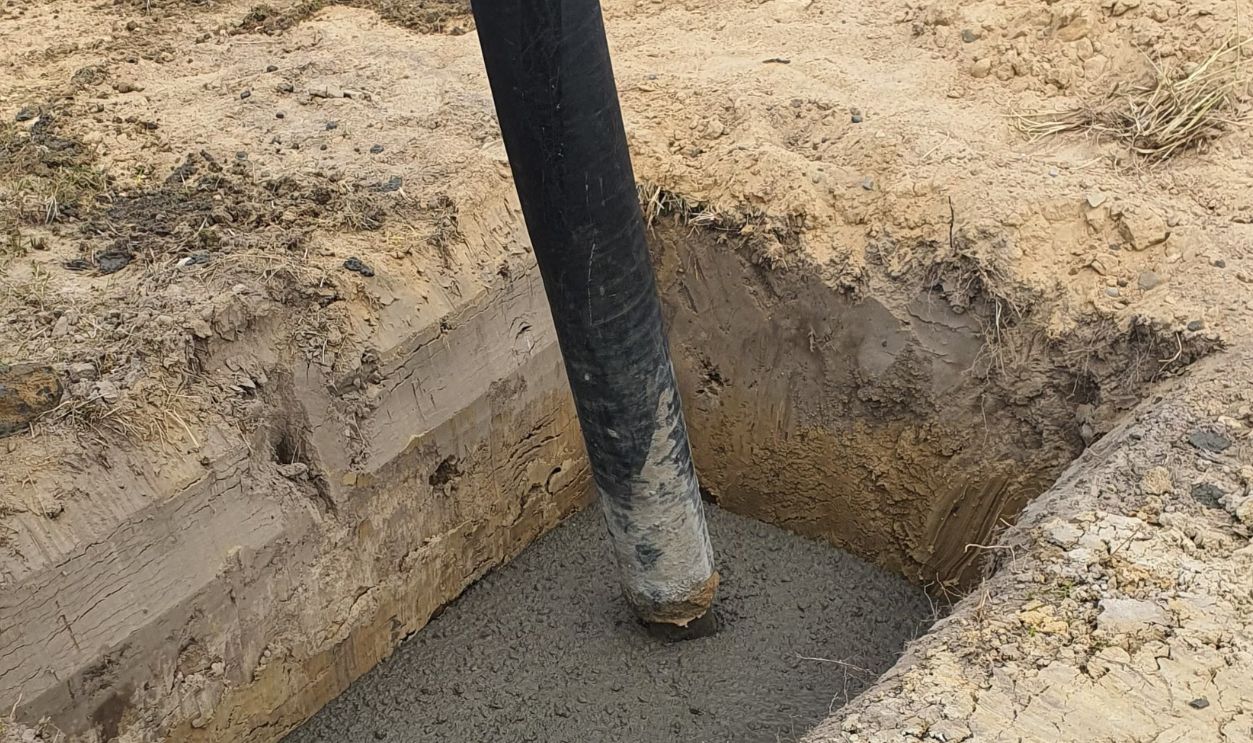
McCurdy’s coffin was covered with roughly two feet of concrete to stop anyone from stealing or exhibiting him again. After 65 years of funeral homes, carnival tents, theater lobbies, warehouses, movie sets and funhouses, the world’s most unwilling traveling performer had finally been given the one thing nobody previously allowed him: an ending.
You Might Also Like:
Bizarre Facts About Aimee Semple McPherson, The Disappearing Evangelist