Computer Analysis Is Revealing Who Wrote Parts Of The Bible—And The Results Are Complicating An Ancient Mystery
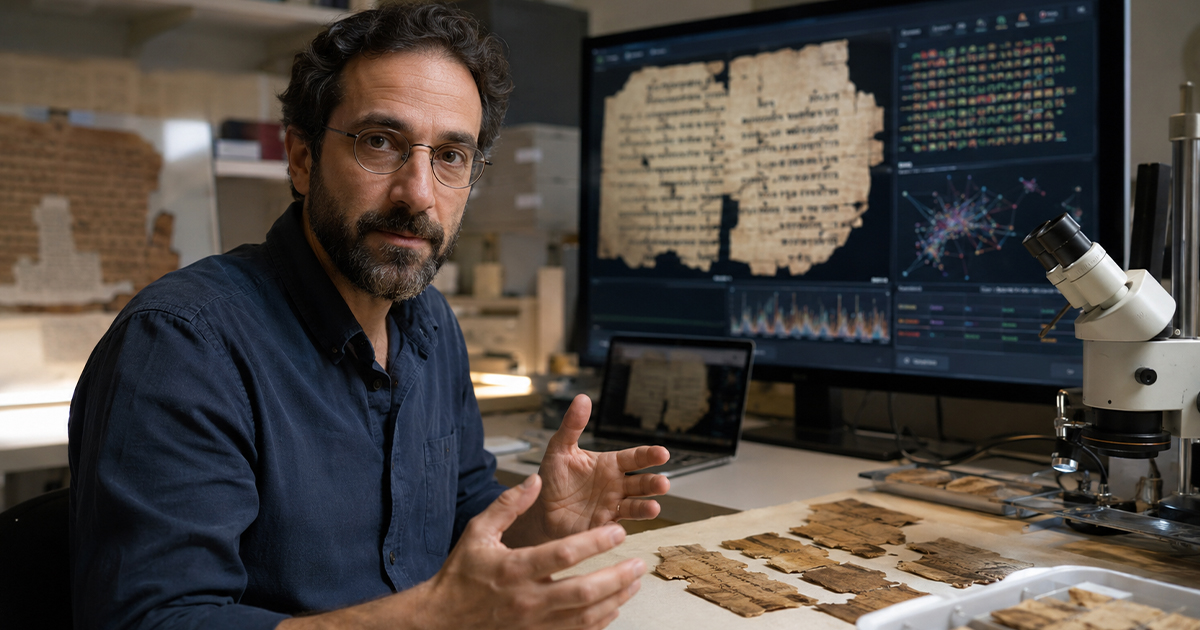
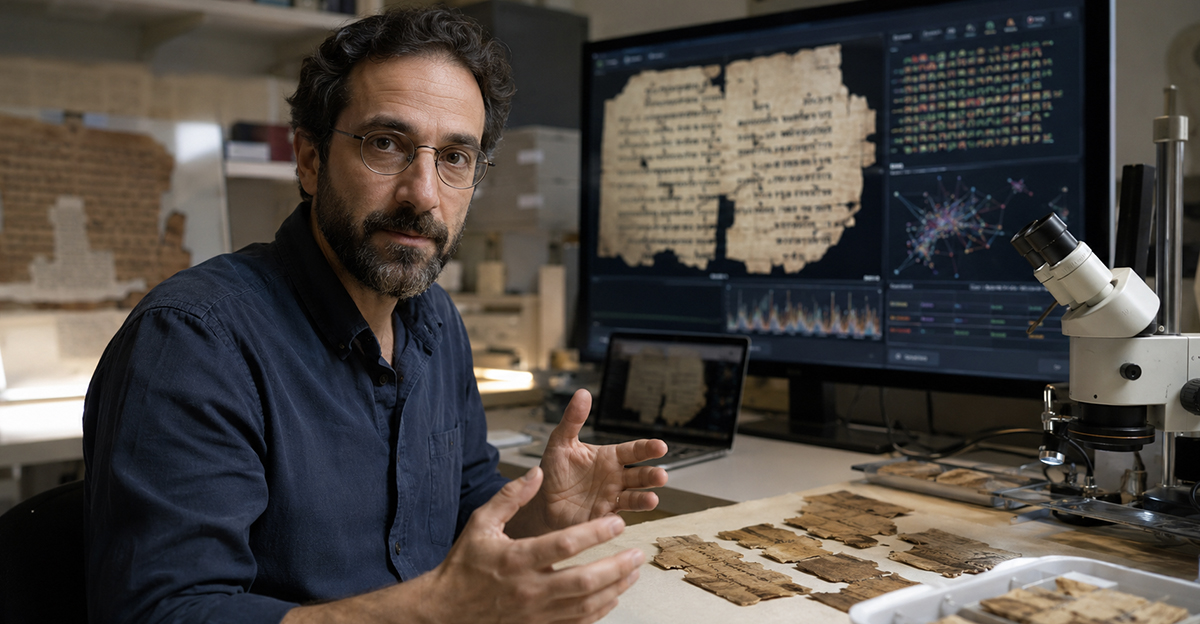
People have argued about who wrote the Bible for centuries, usually with plenty of confidence and not nearly enough surviving paperwork. Now, researchers are bringing statistics and computer analysis into the debate. A study published in June 2025 found measurable writing patterns across some of the Hebrew Bible’s earliest books, offering fresh evidence that different scribal groups helped shape the text.
A Study Published In June 2025
The findings appeared in the peer-reviewed journal PLOS ONE on June 3, 2025. The international team included mathematicians, archaeologists, physicists, computer scientists, and biblical scholars. That is a fairly crowded room, but it was exactly the mix needed to examine ancient writing with modern statistical tools.
 Osama Shukir Muhammed Amin FRCP(Glasg), Wikimedia Commons
They Were Not Searching For One Famous Author
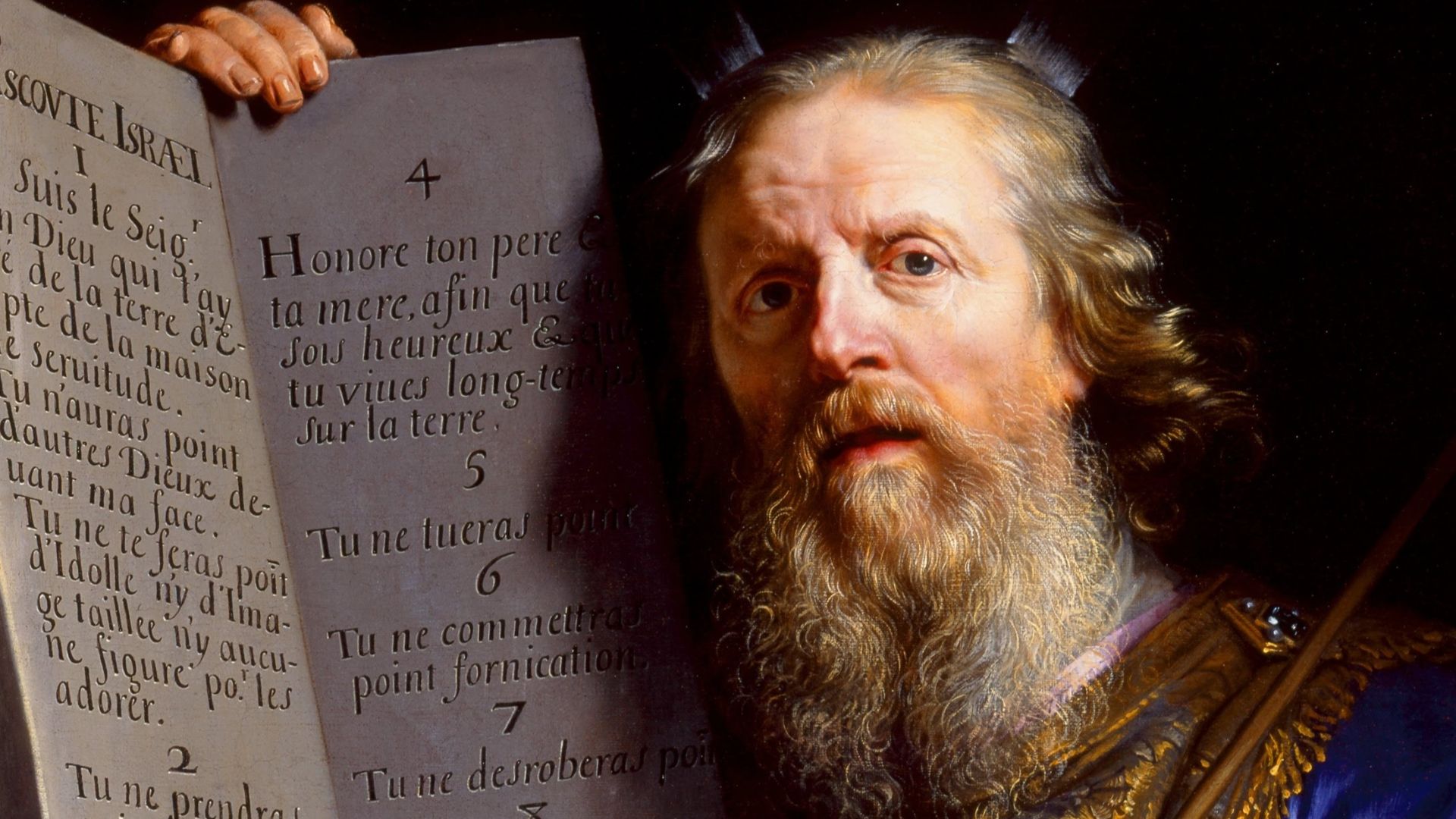
The researchers were not trying to prove that Moses, Samuel, or another named biblical figure personally wrote a particular passage. Their goal was more cautious. They wanted to determine whether groups of texts contained distinct linguistic fingerprints that could point to different authors, editors, or scribal traditions.
 Philippe de Champaigne, Wikimedia Commons
The Team Behind The Research
The study was written by Shira Faigenbaum-Golovin, Alon Kipnis, Axel Bühler, Eli Piasetzky, Thomas Römer, and Israel Finkelstein. Their institutions included Duke University, Reichman University, Tel Aviv University, the Collège de France, the Protestant Faculty of Theology of Paris, and the University of Haifa.

An Old Question Meets New Technology
Scholars have long noticed changes in vocabulary, repetition, theology, and storytelling across the Bible. Those differences helped produce theories about multiple sources and later editors. The new study did not invent that debate. Instead, it offered a way to test parts of it using numbers rather than scholarly instinct alone.
 Valentin de Boulogne, Wikimedia Commons
The Bible Was Built Over Centuries
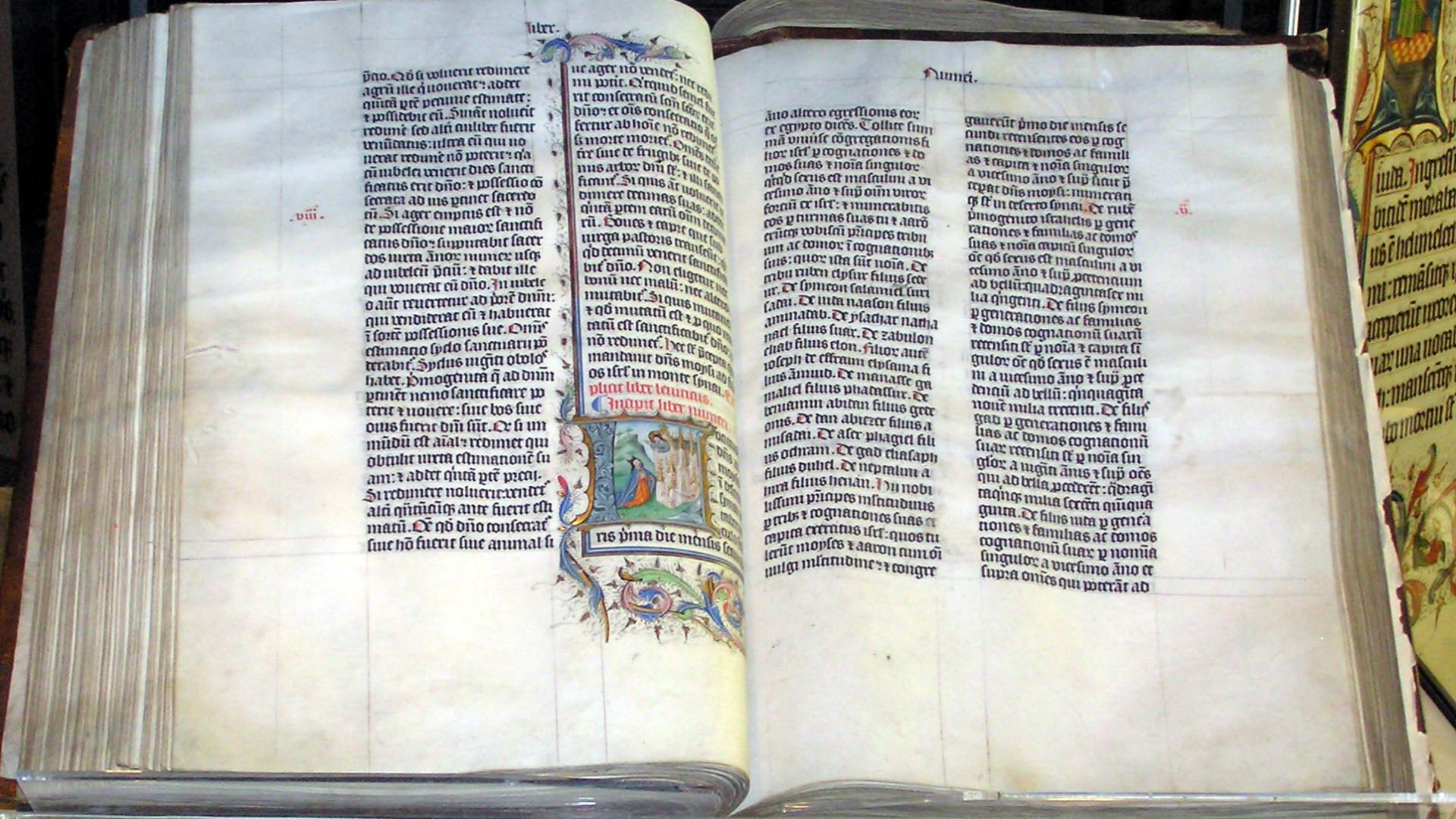
The study begins with an important point: the Hebrew Bible did not appear as one finished book on one quiet afternoon. Its texts developed through oral transmission, writing, copying, revision, and editing over centuries. Earlier material could be expanded, rearranged, or combined with newer traditions.
![The Gutenberg Bible
[Bible, Latin Vulgate. Ca. 1455]. Biblia Latina. [Mainz: Johann Gutenberg, ca. 1455].
Rare Books Division. From the Lenox Library
The first substantial printed book is this royal-folio two-volume Bible, comprising nearly 1,300 pages](https://www.factinate.com/storage/app/media/factinate/2026/7/30/17854079984edb48b71ee1cc06ee4d254f4a53cab678f61a00.jpg) NYC Wanderer (Kevin Eng), Wikimedia Commons
NYC Wanderer (Kevin Eng), Wikimedia Commons
“Authors” Is A Complicated Word Here
Thomas Römer warned that biblical authorship should not be imagined in the modern sense. “There are no authors of the Bible in the modern sense,” he told The Times of Israel. Ancient scrolls were repeatedly reworked by editors who could add, alter, combine, or remove material.
The First Nine Books Went Under The Microscope
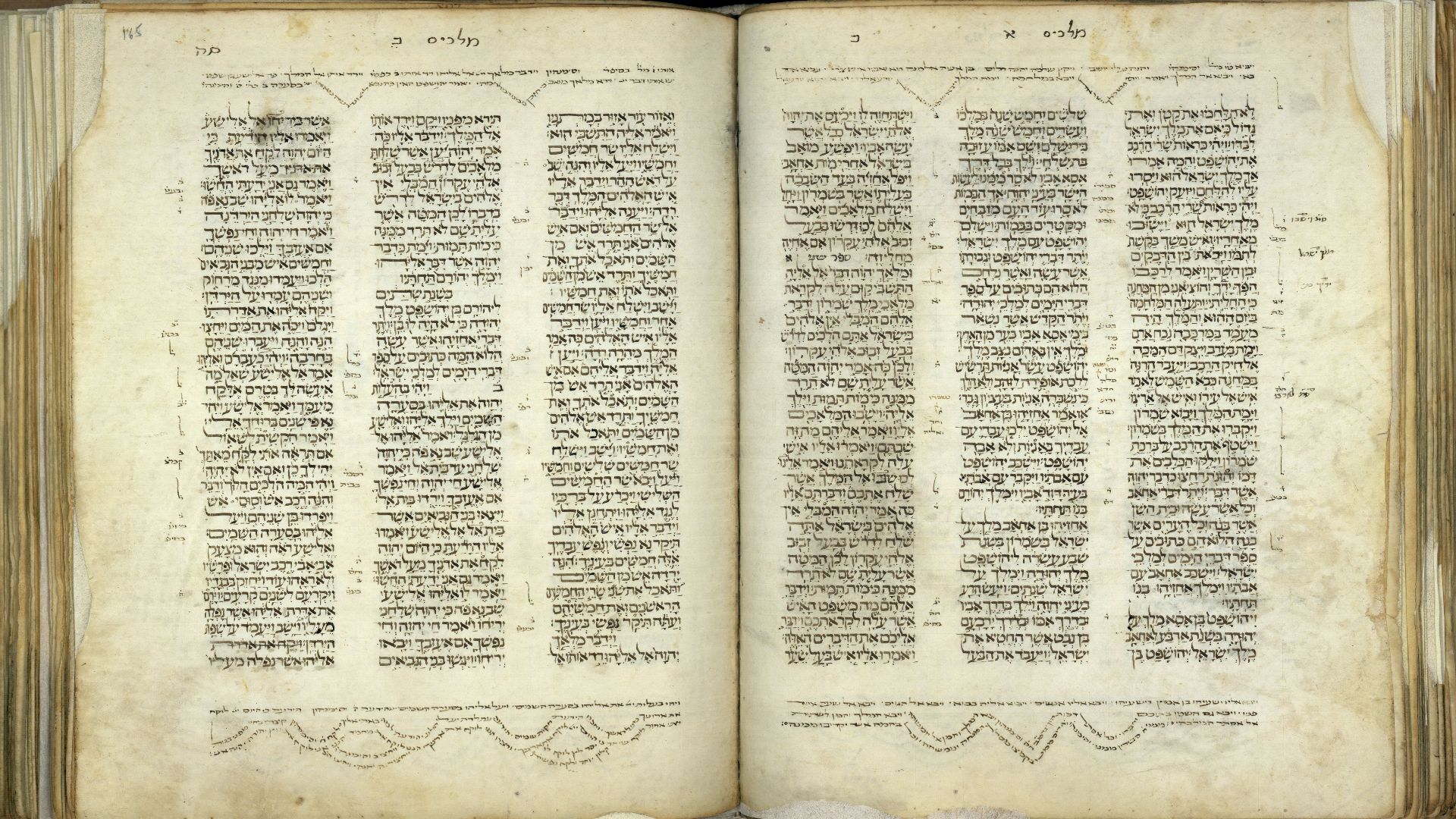
The researchers concentrated on the Enneateuch, a scholarly term covering the biblical story from Genesis through Kings. They selected 50 chapters that experts believed contained relatively consistent examples of three major traditions. Those chapters became reference groups against which other passages could be compared.
 National Library of Israel, Wikimedia Commons
Three Scribal Traditions Took Center Stage
The team examined the older core of Deuteronomy, usually called D; the Deuteronomistic History, or DtrH, spanning Joshua through Kings; and the Priestly writings, called P, found mainly in parts of Genesis, Exodus, and Leviticus. Scholars have debated the boundaries and dates of these traditions for generations.
 Unknown authorUnknown author, Wikimedia Commons

History's most fascinating stories and darkest secrets, delivered to your inbox daily.
The Computer Looked At Ordinary Words
The method did not depend only on dramatic religious terms like “covenant,” “sacrifice,” or “temple.” It also studied the frequency of simple words and phrases. Römer said the groups differed even in their use of common words such as “no,” “which,” and “king.” Apparently, even ancient editors had verbal habits.
 Nicolas Kovarik / European Union, 2023 / EC - Audiovisual Service, Wikimedia Commons
Word Roots Helped Reveal The Patterns
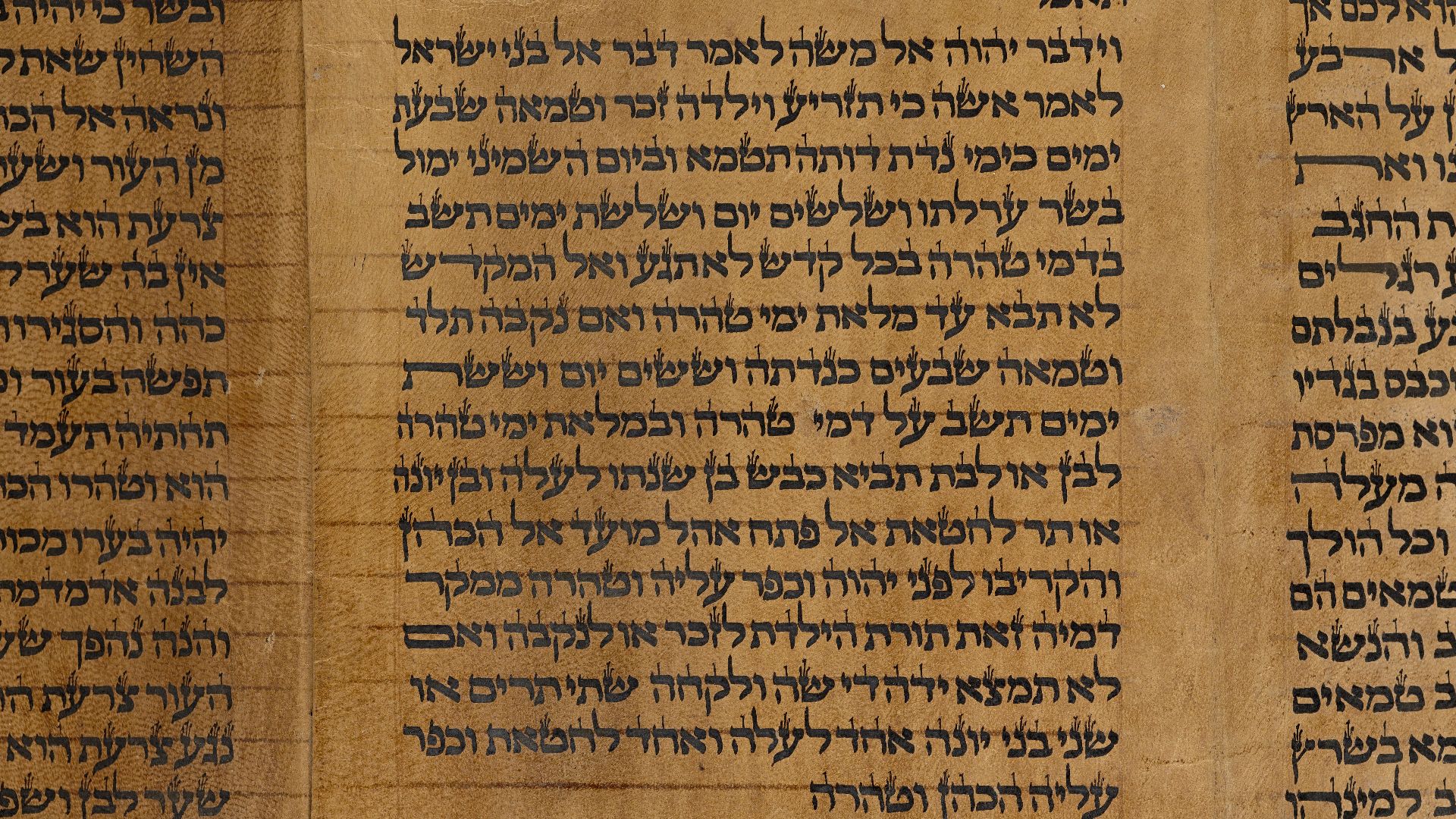
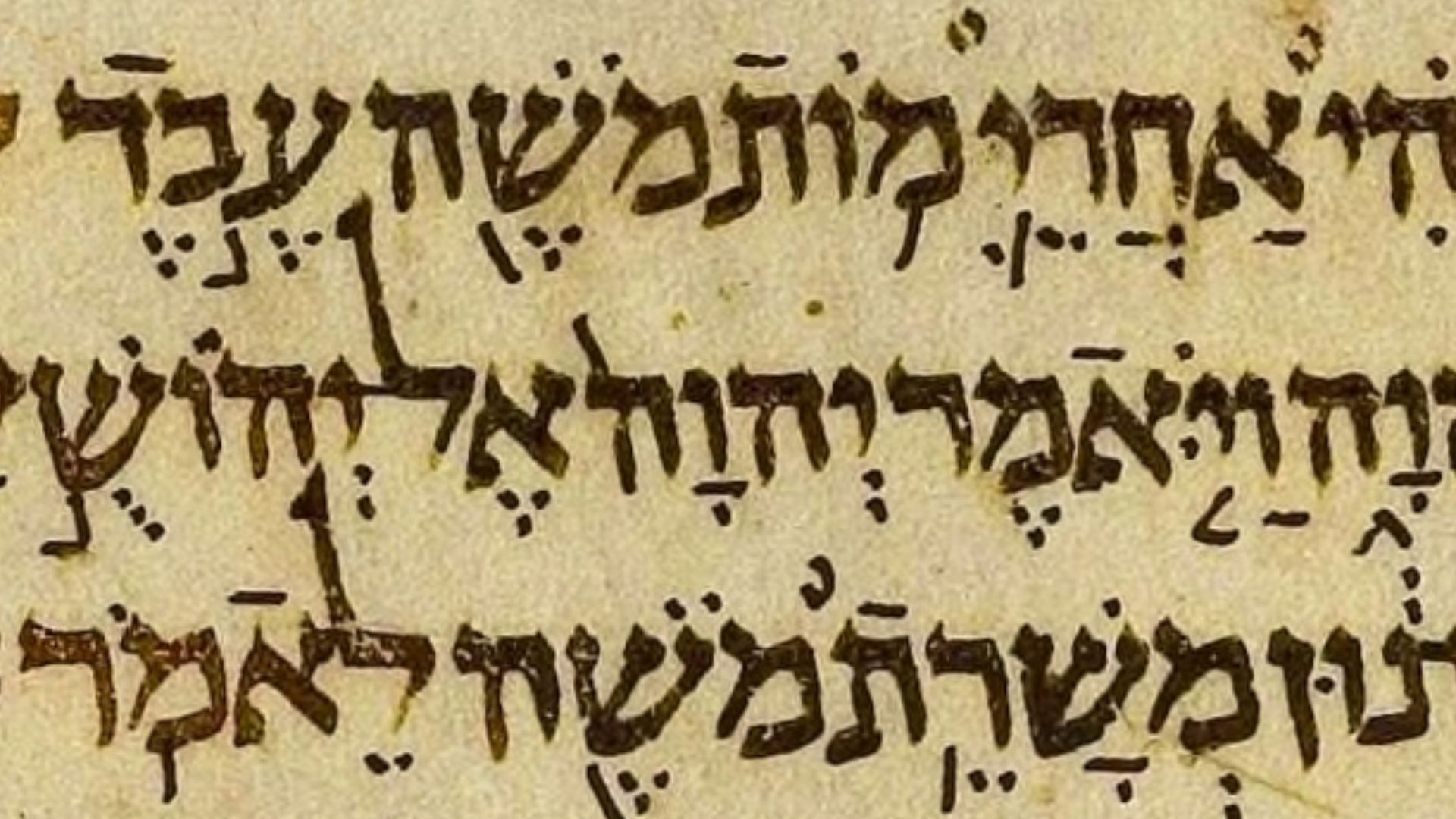
Because biblical Hebrew changes words through prefixes, suffixes, and grammatical forms, the researchers reduced words to basic roots or lemmas. They then counted how often those lemmas, names, and short word combinations appeared. This allowed texts with similar underlying vocabulary habits to be compared more fairly.
The Model Was Designed To Explain Itself
One strength of the system was that it did not simply announce a result and expect everyone to trust the mysterious machine. It could identify which words or phrases pushed a passage toward one tradition or another. Alon Kipnis called that explanatory ability one of the method’s main advantages.

The Researchers Needed Reliable Reference Texts
Computer analysis works best when it has trustworthy examples to learn from. The team therefore chose chapters that biblical scholars already considered strong representatives of D, DtrH, or P. They avoided chapters thought to contain heavy mixtures of different authors and later additions whenever possible.

Short Biblical Passages Created A Problem
Many disputed sections are only a few verses long. Standard machine-learning systems usually want enormous amounts of clean data, which the Bible does not politely provide. The researchers therefore developed a statistical method capable of detecting subtle word-frequency differences even in relatively short texts.
 John Snyder, Wikimedia Commons
They Worried The Results Might Be “Garbage”
Shira Faigenbaum-Golovin admitted the team spent a long time checking whether the patterns were meaningful. “We spent a lot of time convincing ourselves that the results we were getting weren’t just garbage,” she said. Ancient Hebrew plus limited data is not exactly the easiest assignment a computer has ever received.
 see en:Aleppo Codex; scanned by http://www.aleppocodex.org, Wikimedia Commons
Deuteronomy And The Historical Books Looked Related
The model found that the older material in Deuteronomy was linguistically much closer to the Deuteronomistic History than either group was to the Priestly writings. That result matches a long-standing scholarly view that the editors of Joshua through Kings were deeply influenced by Deuteronomy’s language and theology.
 Osama Shukir Muhammed Amin FRCP(Glasg), Wikimedia Commons
The Priestly Material Stood Apart
Priestly texts displayed a more distinct linguistic profile. These passages often focus on creation, genealogies, ritual rules, sacred spaces, purity, and the duties of priests. The computer’s ability to separate them statistically provided independent support for something biblical scholars had already recognized through close reading.
Then The Team Tested Disputed Passages
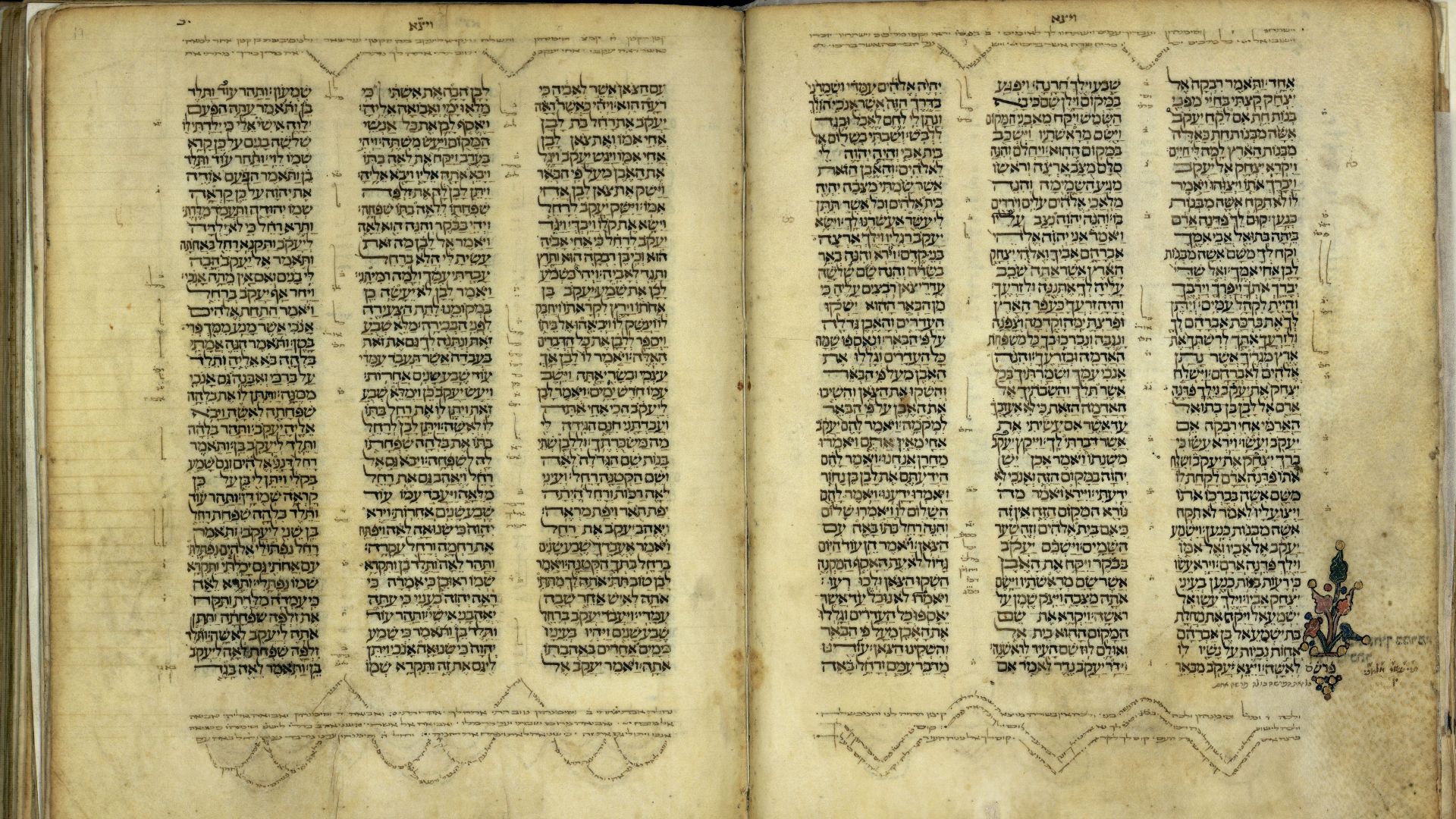
After confirming that the model could distinguish the three reference traditions, the researchers turned to harder cases. They examined debated material involving Abraham and Jacob in Genesis, the Ark Narrative in Samuel, and passages from Judges, Chronicles, Esther, and Proverbs.
 Jan Victors, Wikimedia Commons
The Ark Narrative Produced A Surprise
The Ark Narrative tells how the Ark of the Covenant was captured by the Philistines, caused trouble wherever it went, and eventually returned to Israelite territory. Some scholars have treated sections in 1 Samuel and 2 Samuel as parts of one connected literary tradition. The computer found a more complicated picture.
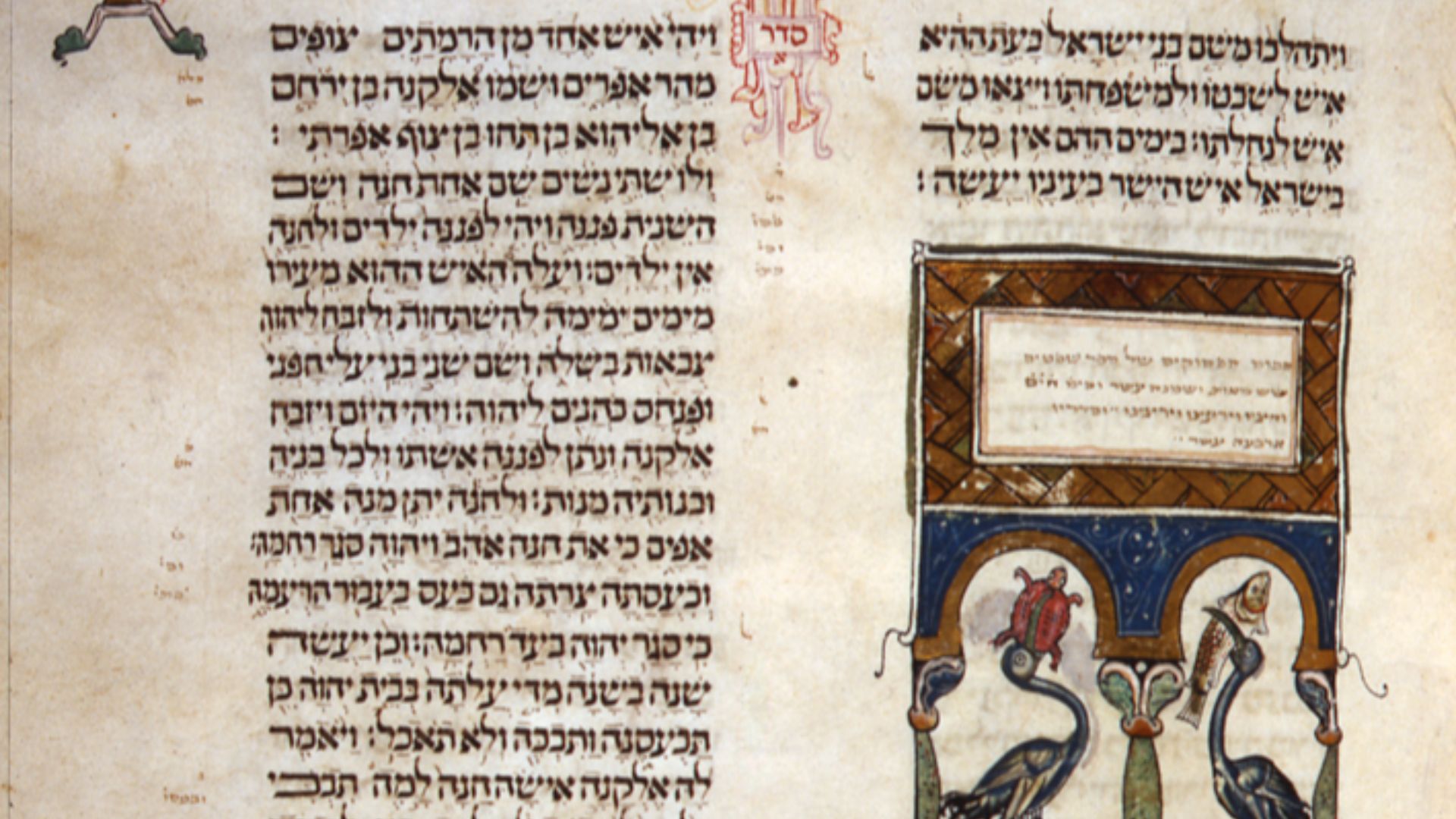
First Samuel Did Not Fit Neatly
The Ark material in 1 Samuel did not align convincingly with any of the three reference traditions. That suggests it may preserve language from another source or scribal school not represented in the model. In other words, the computer did not force an answer simply because three boxes were available.
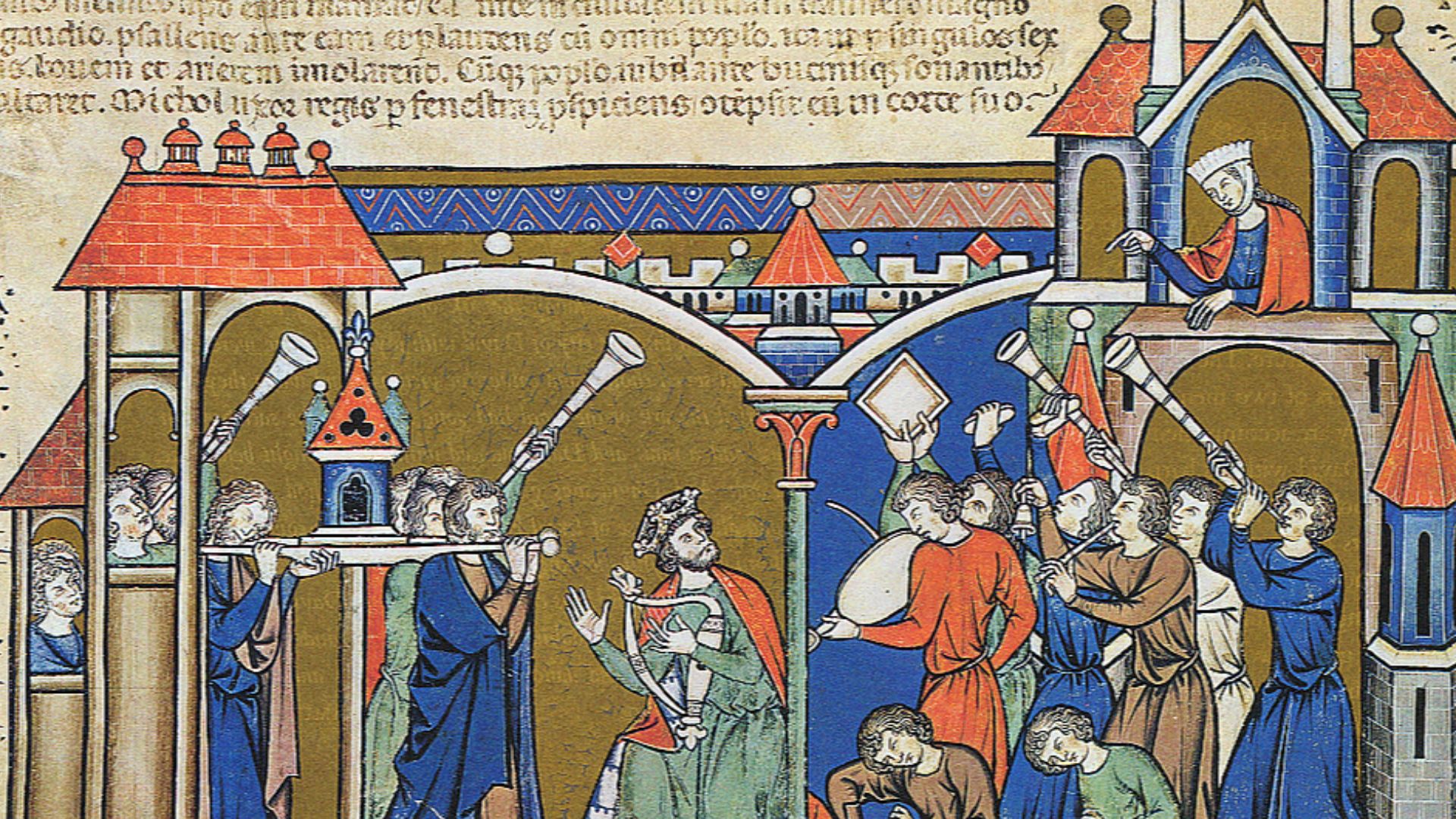 AnonymousUnknown author, Wikimedia Commons
Second Samuel Looked Different
The related Ark passage in 2 Samuel showed a stronger affinity with the Deuteronomistic History. That finding suggests the two sections may have reached their present forms through different editorial paths, even though they feature the same sacred object and appear within the same broader biblical storyline.
![Emperor Menelik I Bringing the Zion Tabot [ Ark of the covenant ] to Axum.](https://www.factinate.com/storage/app/media/factinate/2026/7/30/178541512101252e1ceccd9ac12fb7e71902e11af00ac313b2.jpg) Afrohistory, Wikimedia Commons
Afrohistory, Wikimedia Commons
Genesis Also Revealed Layers
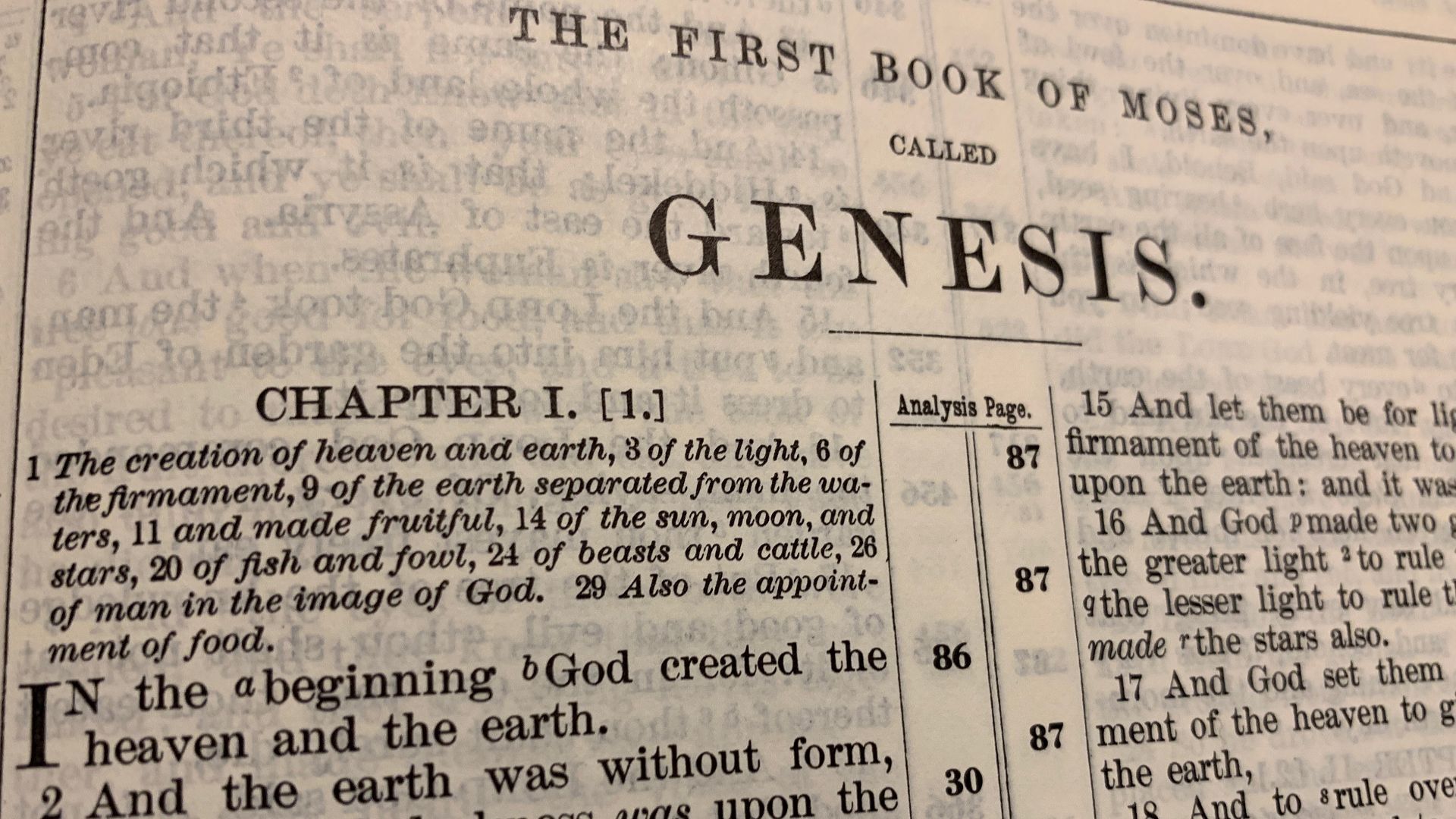
The researchers examined later Abraham material and portions of the early Jacob story. Their analysis suggested that some passages traditionally grouped together may not share the same linguistic background. This does not settle every debate about Genesis, but it gives scholars another measurable clue when comparing competing theories.
 John Snyder, Wikimedia Commons
Esther Entered The Experiment Too
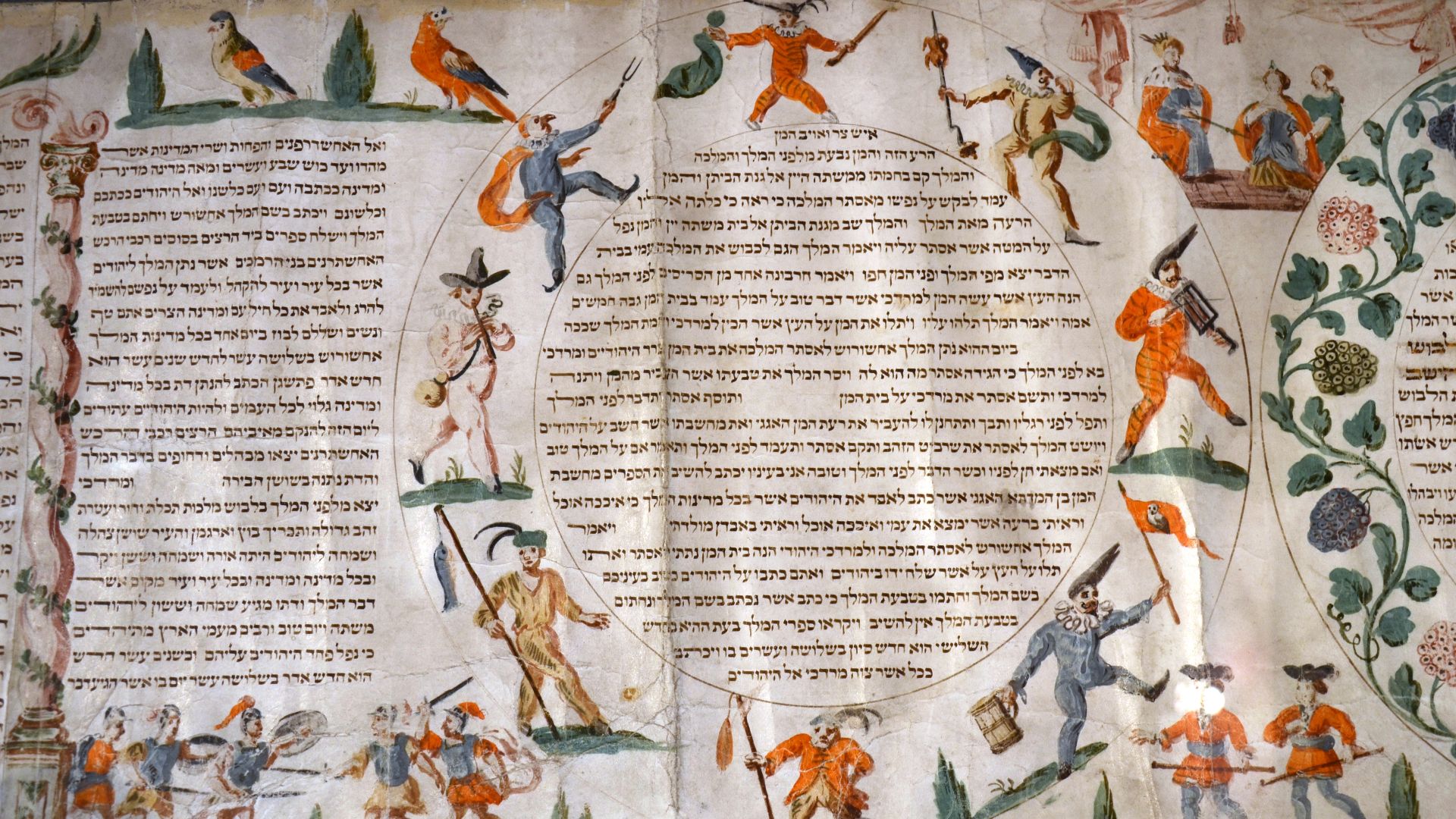
The Book of Esther was among the texts tested because scholars have long debated its language, history, and development. The method examined how its word-use patterns compared with the established reference traditions. The results demonstrated that the tool could test books beyond the Torah and the historical narratives.
This Does Not Produce A List Of Names
The model cannot tell us that a passage was written by “Scribe Benjamin at 3:15 on a Tuesday.” It identifies similarities between texts and scribal traditions, not personal identities. Ancient writers rarely signed their work, and centuries of editing make individual attribution even harder.
 Unknown authorUnknown author, Wikimedia Commons
It Also Does Not Prove One Theory Forever
Statistical evidence is only one part of biblical scholarship. Historians still need archaeology, manuscript evidence, grammar, geography, theology, and literary context. A passage might resemble one tradition linguistically while containing later additions or deliberately imitating an older style.
 Anonymous (photo by Adrian Pingstone), Wikimedia Commons
The Findings Support A Collaborative Bible
The study strengthens the view that the Hebrew Bible emerged from communities of writers and editors rather than one uninterrupted line of individual authors. Different schools preserved older traditions, reshaped them for new audiences, and connected separate stories into a larger national and religious history.
 National Library of Israel, Wikimedia Commons
King Josiah’s Era Remains Important
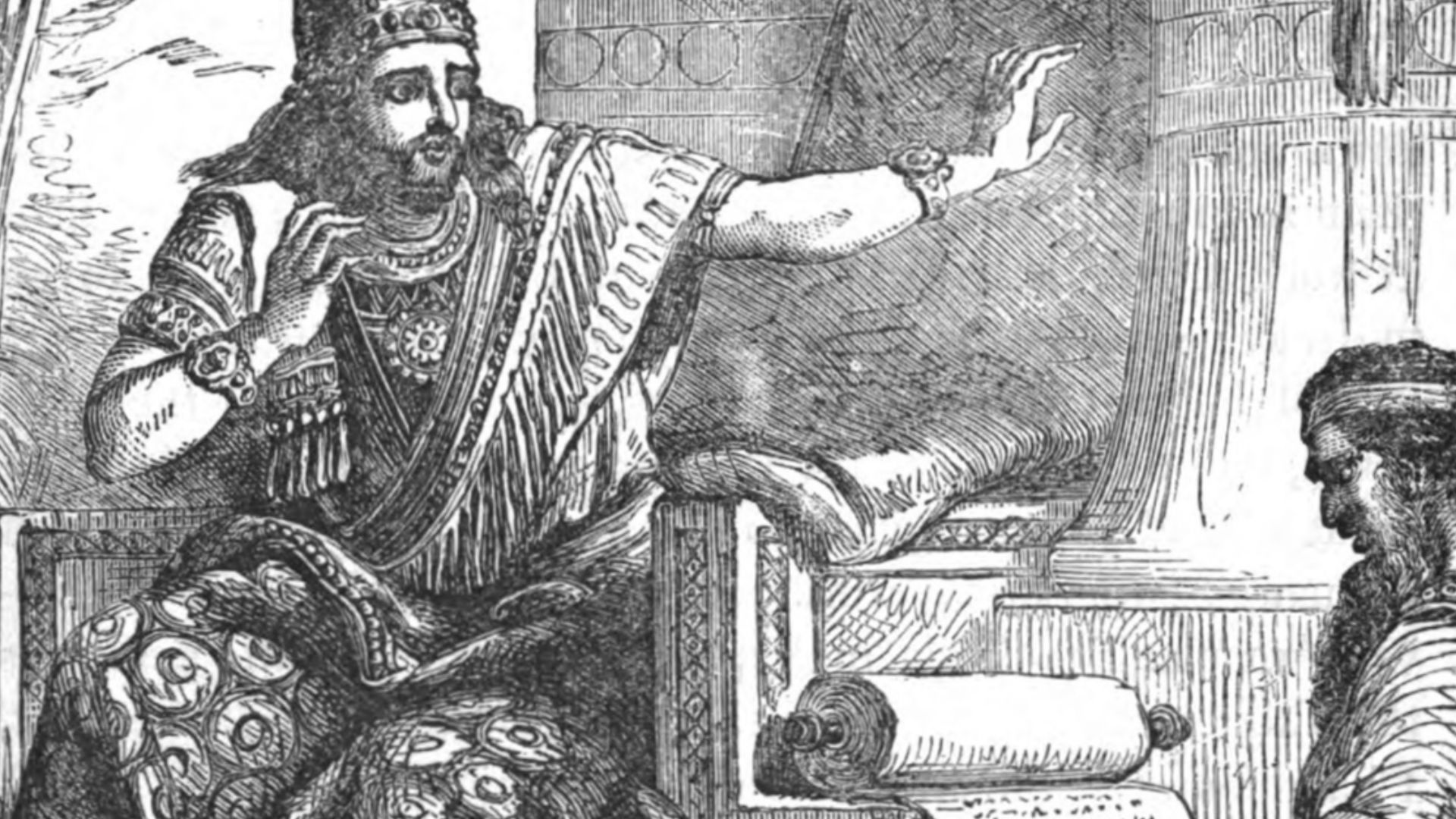
Israel Finkelstein noted that the production of biblical literature intensified in Judah during the seventh century BCE, especially around the reign of King Josiah. That period is often linked to the growth of Deuteronomy and early forms of the Deuteronomistic History, though their later editing continued after Jerusalem’s destruction.
 Unknown authorUnknown author, Wikimedia Commons
Jerusalem’s Fall Changed The Texts
The Babylonian conquest of Jerusalem in 586 BCE created an enormous political and religious crisis. Later editors tried to explain how Judah had lost its kingdom and temple. In Deuteronomistic texts, the disaster is frequently connected to kings and communities failing to follow divine law.
 Internet Archive Book Images, Wikimedia Commons
Priestly Writers Offered Another Vision
Priestly traditions helped organize Israel’s identity around creation, ancestry, ritual, sacred time, and worship. These writings became especially important when political institutions were damaged or lost. The statistical distance between P and the Deuteronomistic groups may reflect genuinely different intellectual and religious circles.
 Jusepe de Ribera, Wikimedia Commons
The Research Began With Ancient Pottery
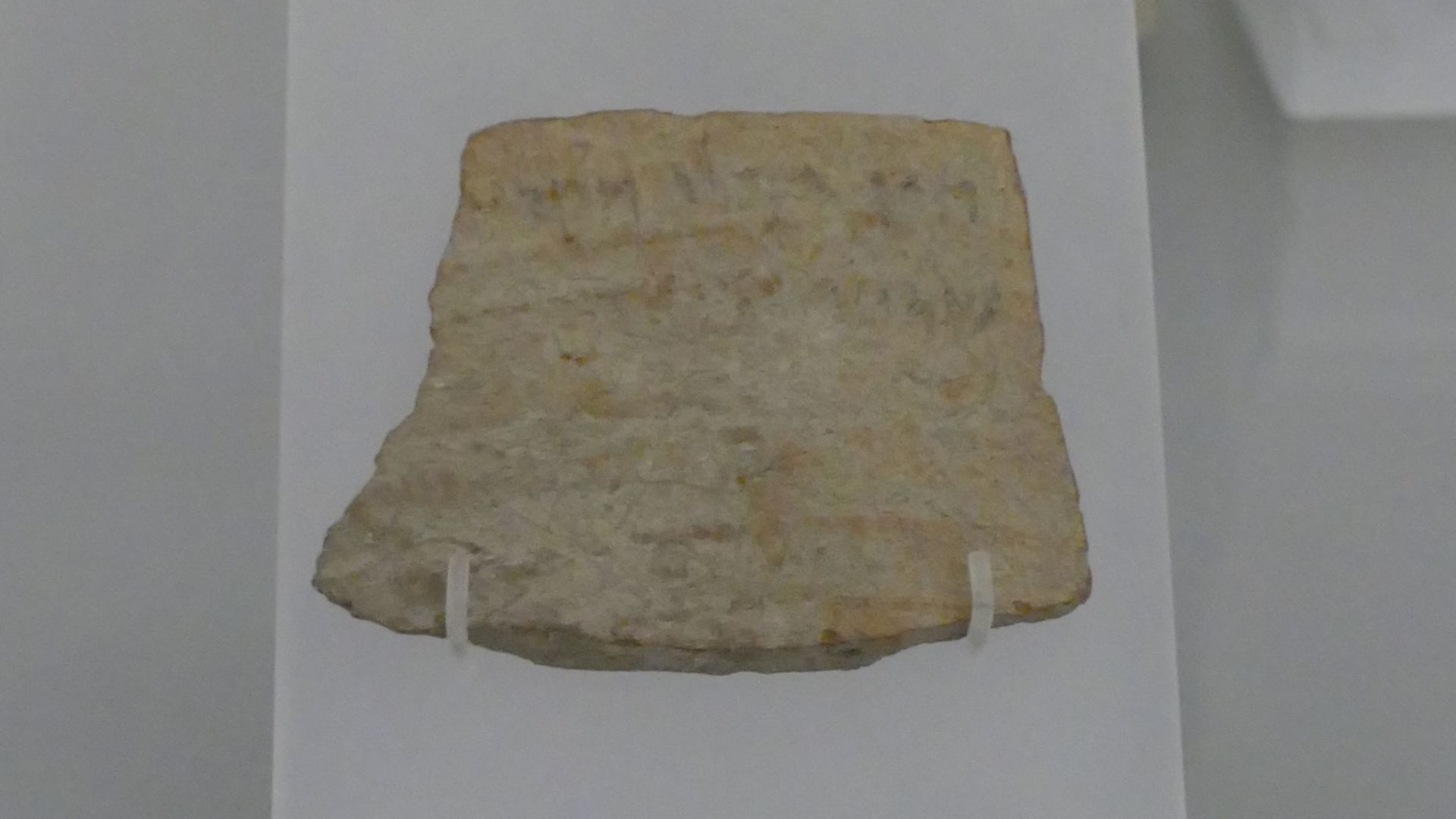
Faigenbaum-Golovin and Finkelstein had previously used mathematical tools to study handwriting on pottery fragments dating to around 600 BCE. That work raised questions about literacy and writing in ancient Judah. The team eventually realized similar quantitative methods could be applied to the biblical text itself.
Computers Are Joining Biblical Scholarship
This research does not replace scholars hunched over Hebrew texts, although their backs may appreciate the assistance. Instead, it adds a repeatable method that can test whether linguistic impressions hold up statistically. That gives researchers a new way to challenge assumptions—including their own.
The Model Can Be Used Beyond The Bible
Faigenbaum-Golovin said the same general approach could be applied to other disputed historical writings. A researcher testing whether a document was written by Abraham Lincoln, for example, could compare its language with verified texts. The method may prove useful wherever authorship is uncertain and evidence is limited.
 Archives New Zealand from New Zealand, Wikimedia Commons
The Team Is Looking At Other Ancient Texts
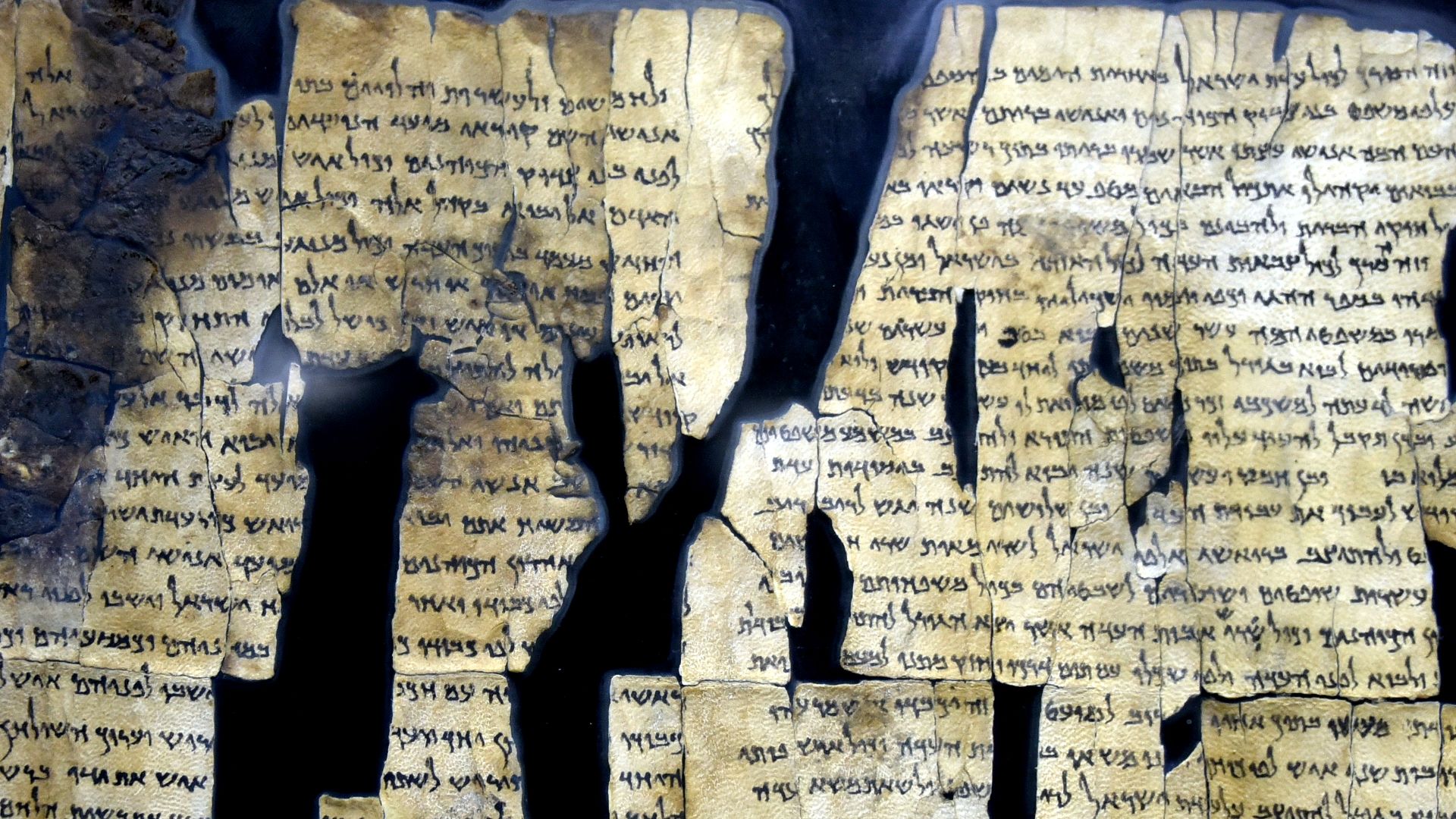
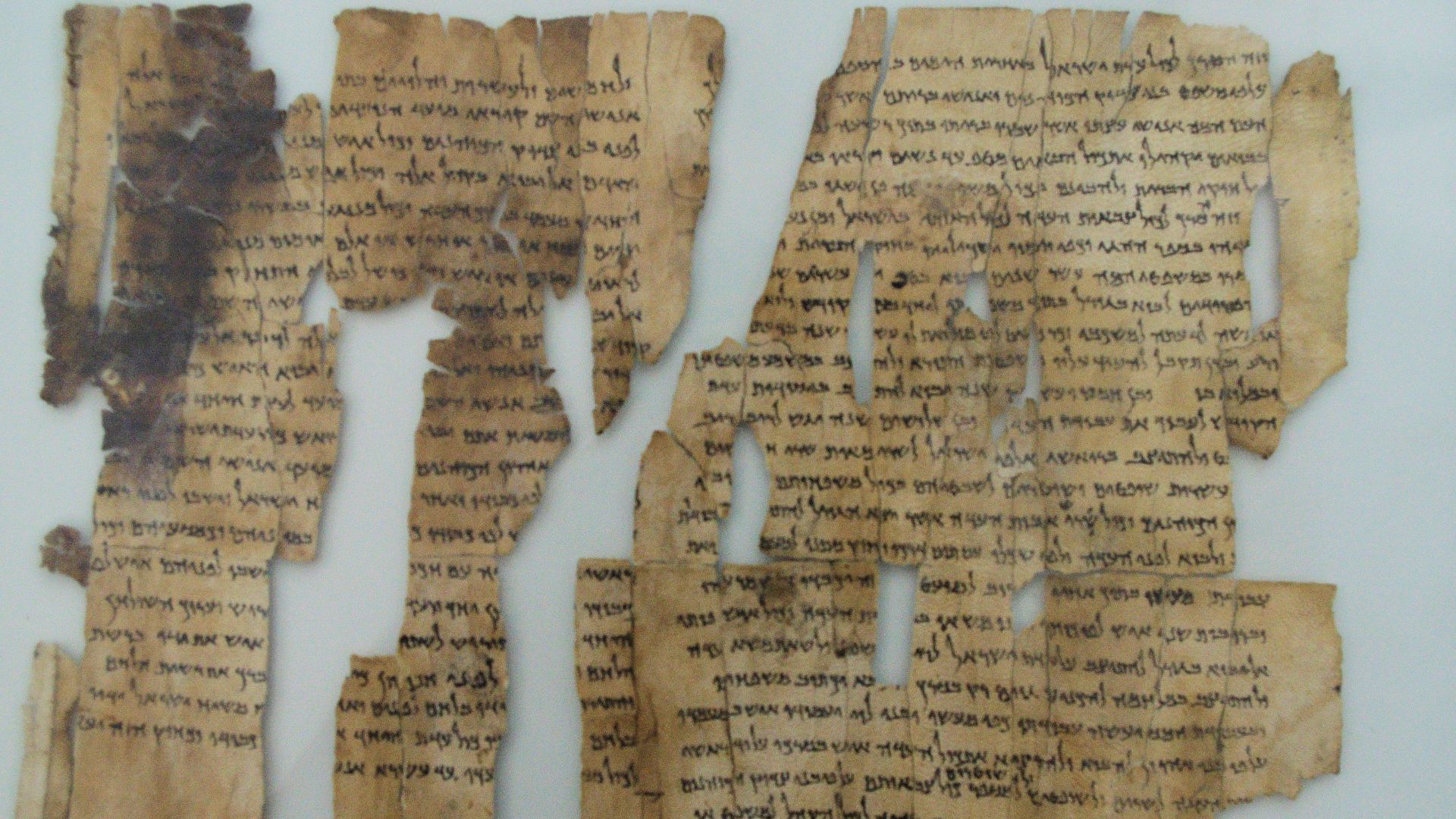
Researchers have discussed applying similar techniques to additional manuscripts, including the Dead Sea Scrolls. Those texts preserve many writing styles, copying traditions, and editorial histories. A method capable of handling short fragments could be especially valuable when only a small portion of a work survives.
 Ken and Nyetta, Wikimedia Commons
What The Study Really Changes
The biggest contribution is not a dramatic claim that a computer has finally “solved” the Bible. It is the demonstration that ancient scribal traditions left measurable patterns behind. Those patterns survived copying, editing, and thousands of years—quietly waiting for someone to count them.
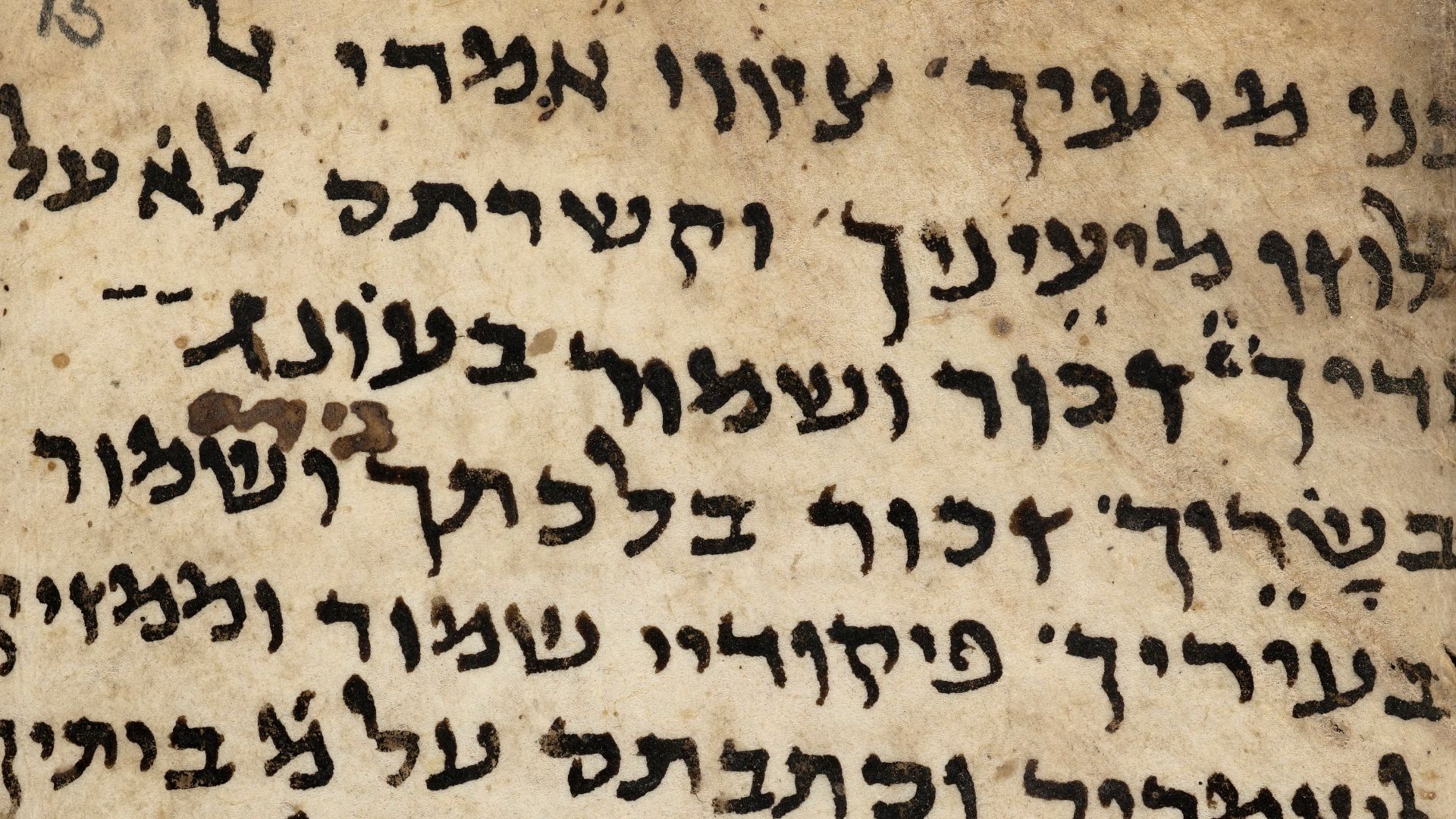
The Mystery Is Becoming More Detailed
Computer analysis will not end arguments over biblical authorship. Realistically, it may create several new ones before lunch. But it gives scholars a clearer way to test disputed passages and better understand how generations of writers turned separate traditions into one of history’s most influential collections of texts.
 Medieval copy of a book by Gautier de Metz,
You May Also Like: