
Dreams Bigger Than Reality
Throughout history, architects, governments, and developers have imagined buildings so enormous they promised to reshape skylines and redefine engineering. Yet not every bold vision survives economic crashes, wars, political upheaval, or technical challenges. These abandoned projects remain fascinating reminders that even the grandest architectural ambitions can come to a sudden stop.
 Abdus Samad Mahkri , Pexels.com
Palace Of The Soviets (Moscow, Russia)
Perhaps the most famous unfinished building project ever conceived, the Palace of the Soviets was designed to become the tallest building in the world, crowned by a colossal statue of Vladimir Lenin. Construction began after Moscow's Cathedral of Christ the Saviour was demolished, but WWII halted work in 1941, and the massive steel frame was later dismantled for wartime use. The project was officially abandoned, and the cathedral eventually returned to the site.
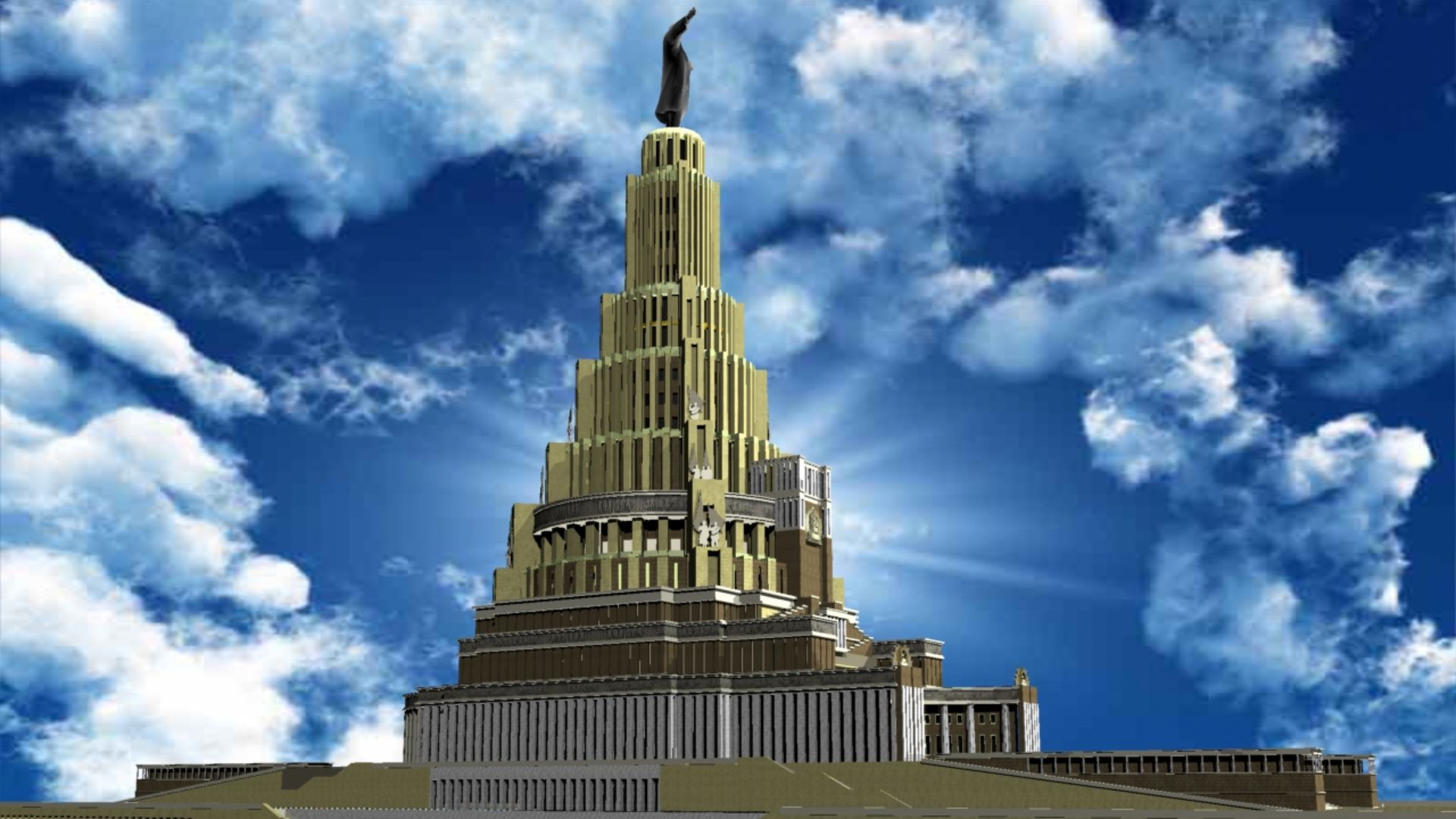 Ilya Ilusenko, Wikimedia Commons
Chicago Spire (Chicago, Illinois)
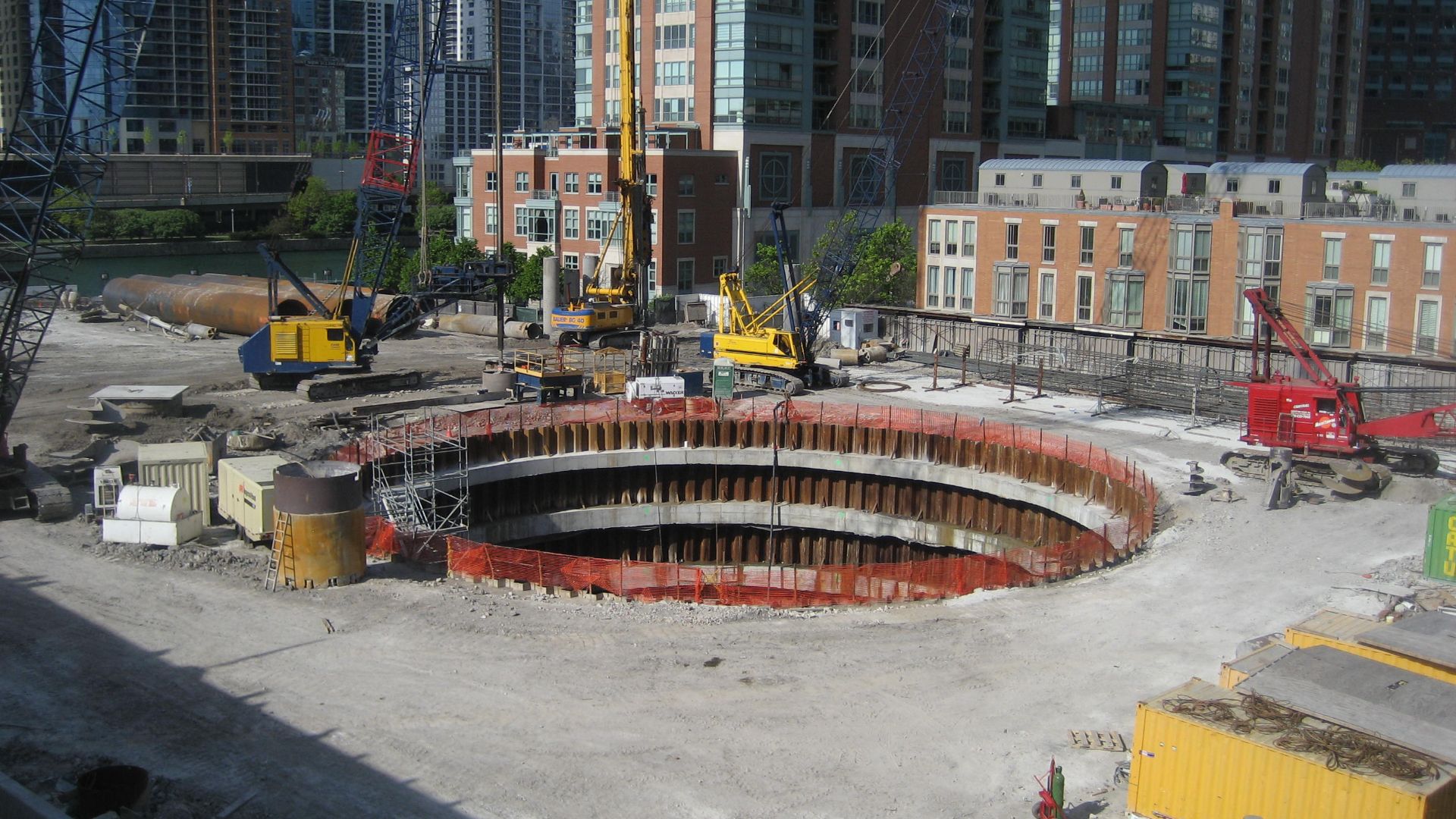
Designed by renowned architect Santiago Calatrava, the Chicago Spire was planned to rise 2,000 feet above Lake Michigan as the tallest building in the Western Hemisphere. Construction began in 2007, and the foundation was completed before the global financial crisis stopped work. The project never resumed, leaving only a giant circular excavation for years before the site was redeveloped.
Nakheel Tower (Dubai, United Arab Emirates)
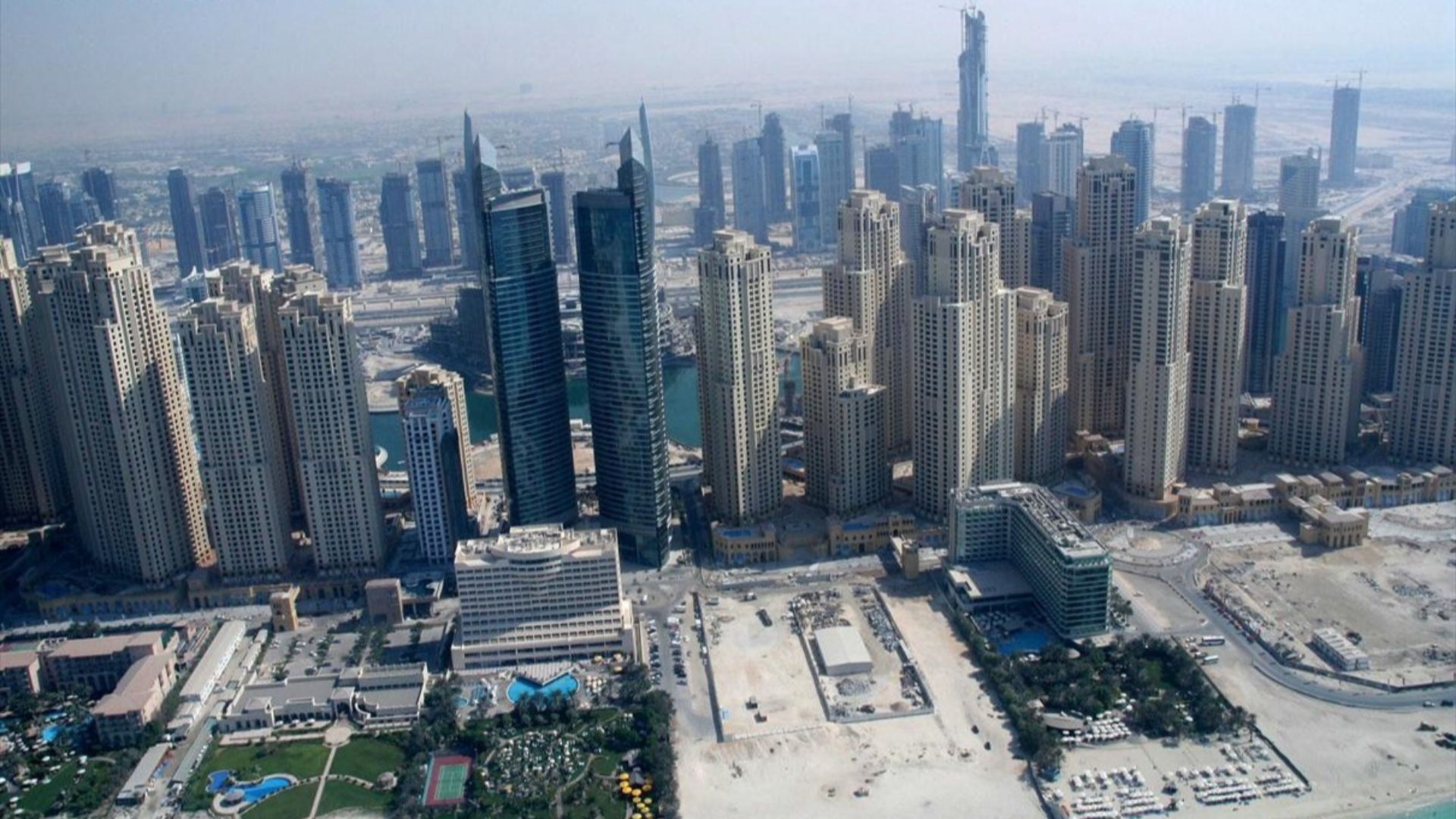
Nakheel Tower was intended to soar more than one kilometer into the sky, surpassing every skyscraper ever built. Construction began with extensive foundation work, but Dubai's property market collapsed during the 2008 financial crisis. The developer indefinitely suspended the project, and the ambitious tower was never completed.
Palace Of The Republic (Berlin, Germany)
East Germany's Palace of the Republic served as both a parliament building and public gathering place, but it became one of Europe's most controversial structures after German reunification. Extensive asbestos contamination forced its closure, and instead of being renovated, the building was demolished to make way for the reconstruction of Berlin Palace. Its replacement meant the original vision effectively disappeared forever.
![03.05.1986 DDR 1000 [10178] Berlin-Mitte, Marx-Engels-Platz: Palast der Republik (GMP: 52.517683,13.402373): 1973-1976 nach Entwürfen der Kollektive H. Graffunder, W. Eisentraut, Ch. Schulz, K.-E. Swora, M. Prasser und H. Aust. Gebäudekomplex von 8](https://www.factinate.com/storage/app/media/factinate/2026/7/22/1784711813b784972ea66d6cea1b18bdcc2e23e19d5d6ef664.jpg) Jorg Blobelt, Wikimedia Commons
Jorg Blobelt, Wikimedia Commons
Russia Tower (Moscow, Russia)
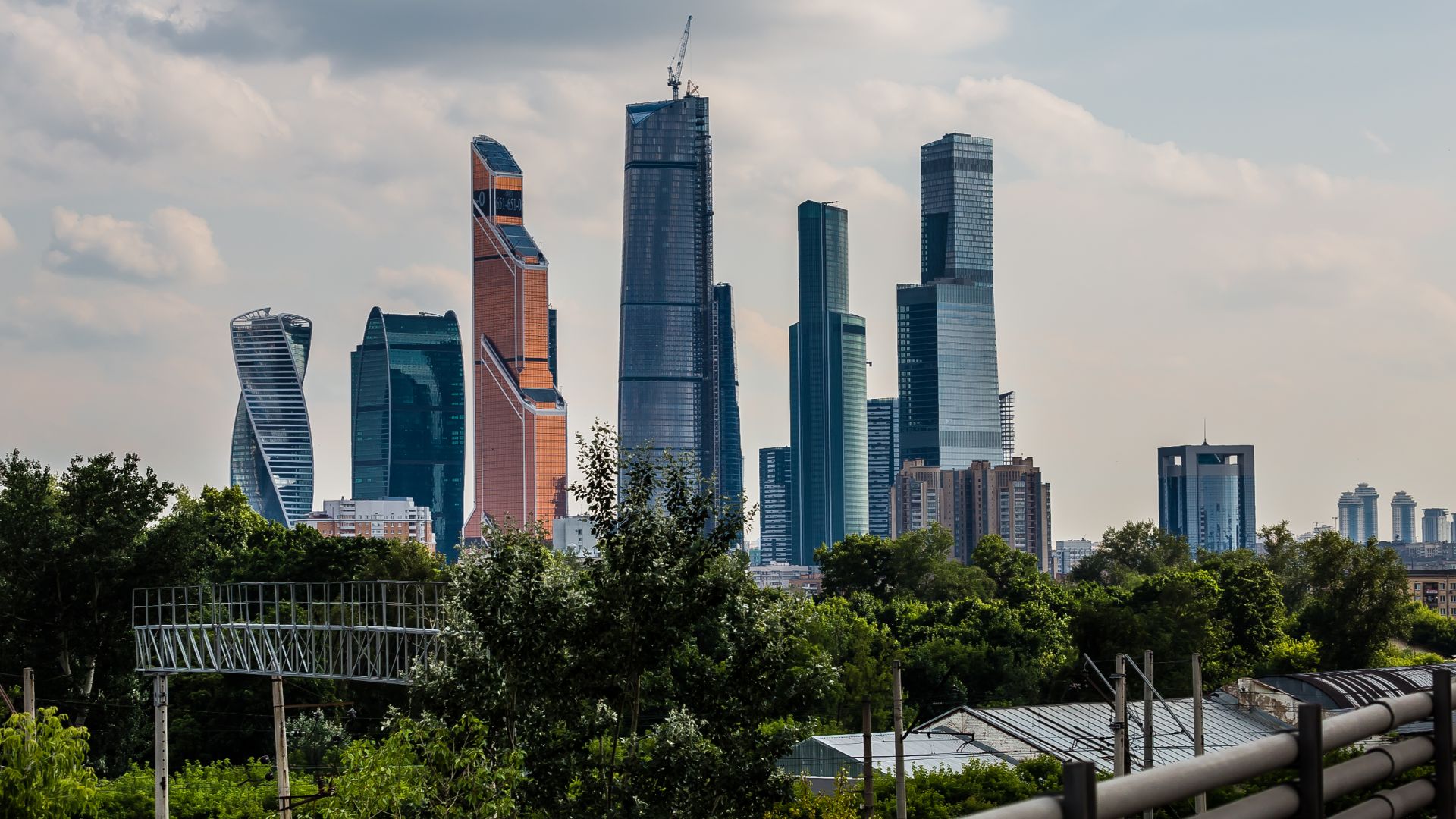
Russia Tower was planned as the centerpiece of Moscow's International Business Center and would have stood about 612 meters tall. Construction preparations were underway before the 2008 global financial crisis caused investors to withdraw. The project was officially canceled before the skyscraper could rise above its foundations.
Illinois Tower (Chicago, Illinois)
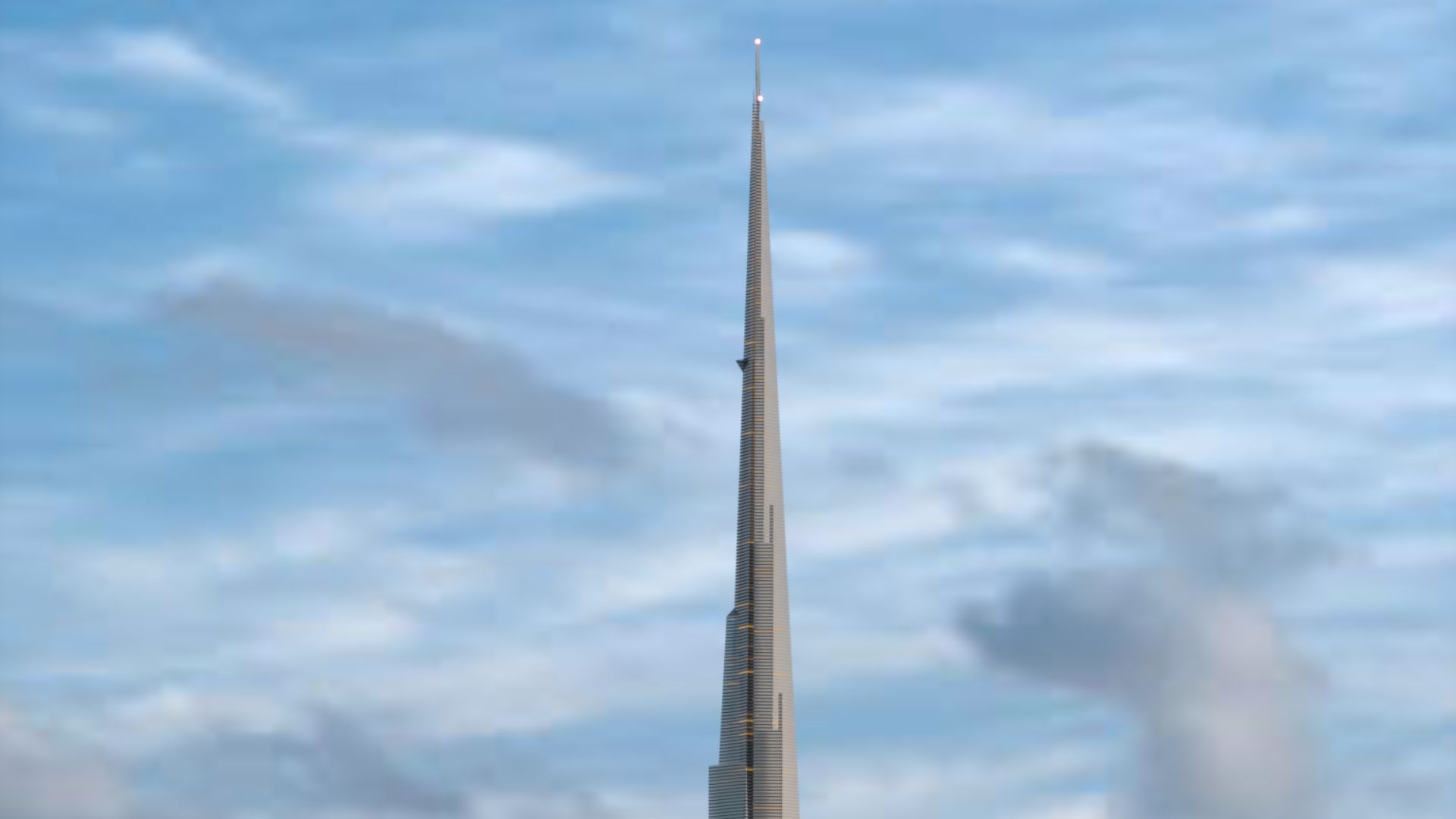
Frank Lloyd Wright unveiled the Illinois Tower concept in 1956 as a mile-high skyscraper capable of housing tens of thousands of people. The revolutionary design featured advanced elevators and engineering concepts that far exceeded the technology of its era. Despite its influence on future skyscraper design, the tower was never built.
Volkshalle (Berlin, Germany)
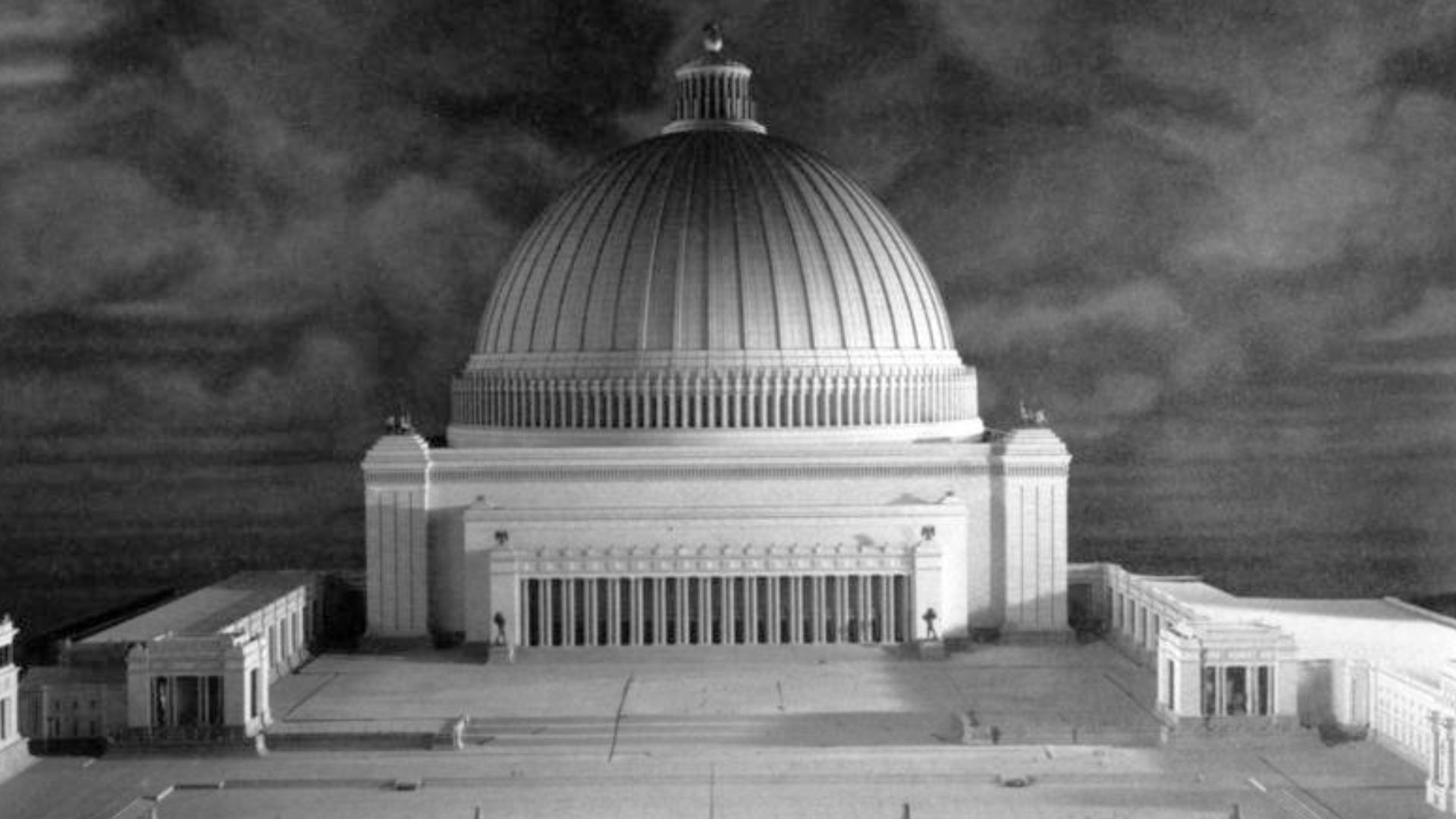
The infamous Adolf and architect Albert Speer envisioned the Volkshalle, or People's Hall, as the centerpiece of a rebuilt Berlin. The enormous domed structure would have dwarfed nearly every existing building on Earth, but WWII ended the regime before construction could begin. The plans remain one of history's most infamous examples of monumental architecture.
 Unknown authorUnknown author, Wikimedia Commons
Tatlin's Tower (Saint Petersburg, Russia)
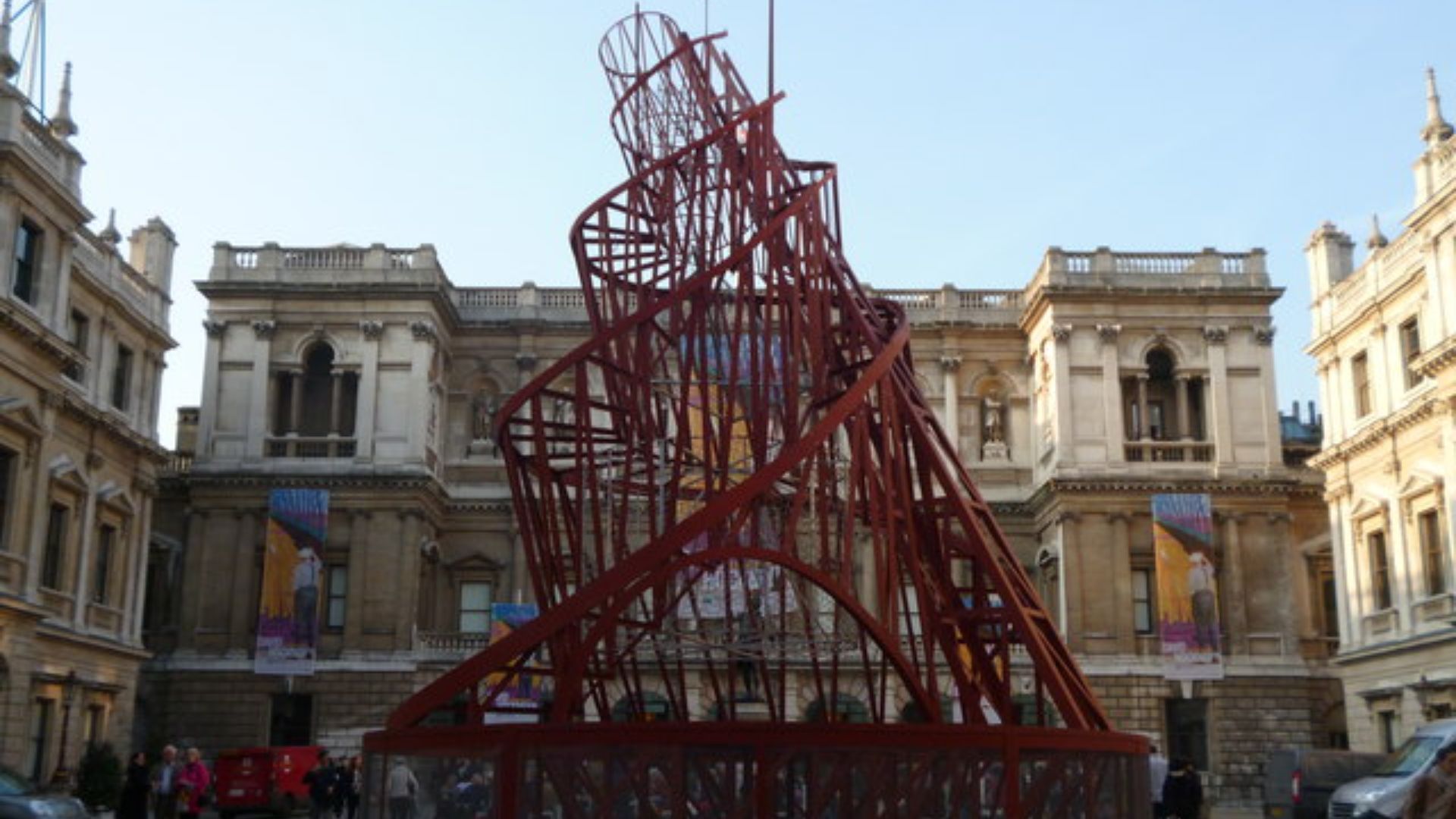
Officially called the Monument to the Third International, Vladimir Tatlin's spiraling tower represented one of the boldest ideas of early Soviet architecture. Planned to exceed the height of the Eiffel Tower, it featured rotating geometric sections that would house government offices. Financial hardship and engineering limitations prevented construction from moving forward.
 Robin Sones , Wikimedia Commons

History's most fascinating stories and darkest secrets, delivered to your inbox daily.
The Shimizu Mega-City Pyramid (Tokyo Bay, Japan)
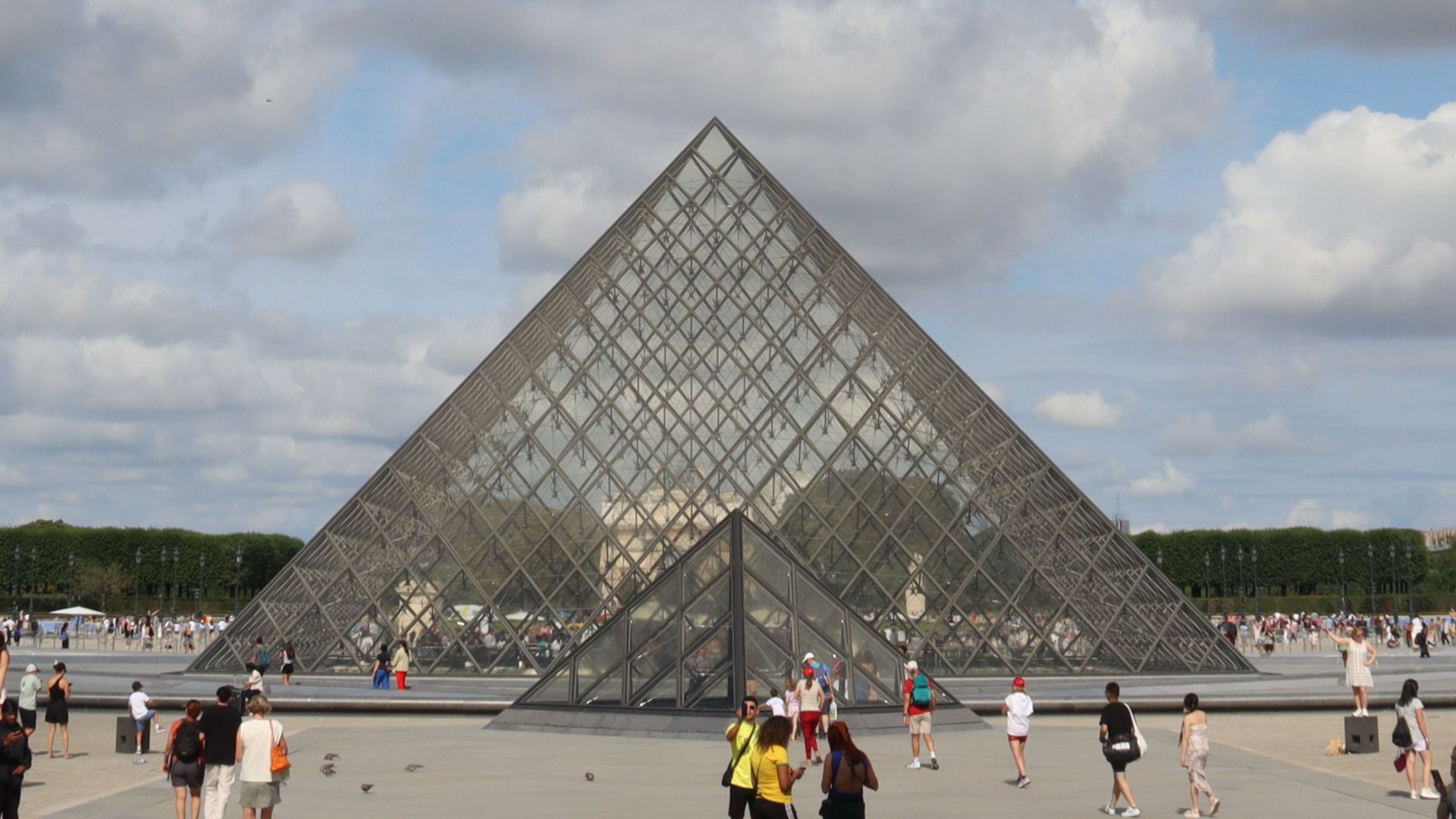
Japanese construction firm Shimizu Corporation proposed a massive pyramid spanning Tokyo Bay that would house hundreds of thousands of people. The concept relied on futuristic materials that still do not exist at the required scale, making construction impossible with current technology. Although extensively studied, the project never advanced beyond the conceptual stage.
X-Seed 4000 (Tokyo, Japan)
The X-Seed 4000 concept envisioned a mountain-sized skyscraper reaching approximately 4,000 meters into the sky. Designed to accommodate hundreds of thousands of residents, it would have been vastly taller than any existing structure. Engineers recognized that the technological and financial demands made the proposal impractical, and it remained purely conceptual.
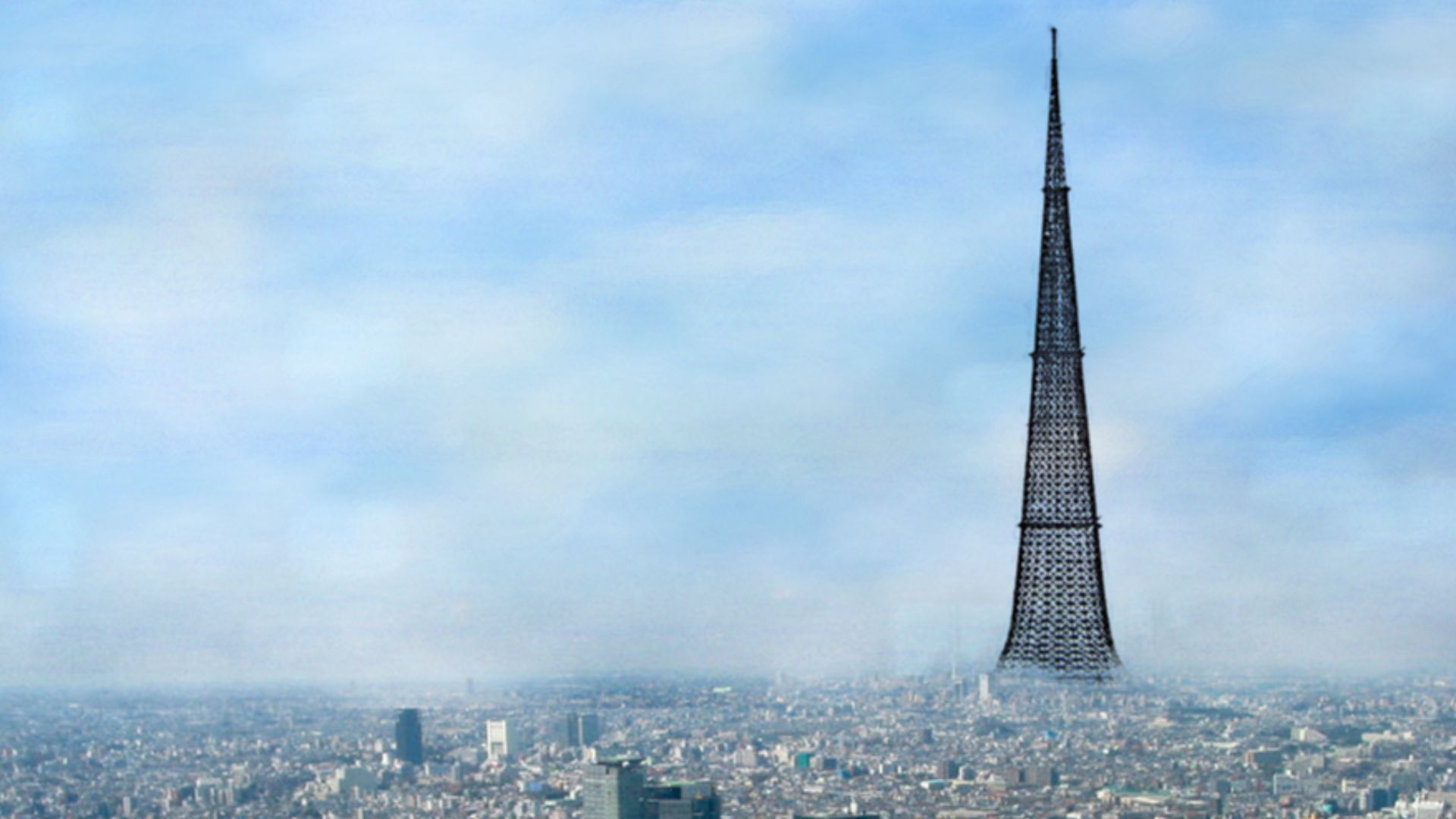
Sky City (Changsha, China)
Sky City was intended to become the world's tallest building in just months using modular construction techniques. Preparatory work began, but regulators raised environmental and planning concerns before full construction could proceed. The record-breaking skyscraper was ultimately abandoned.
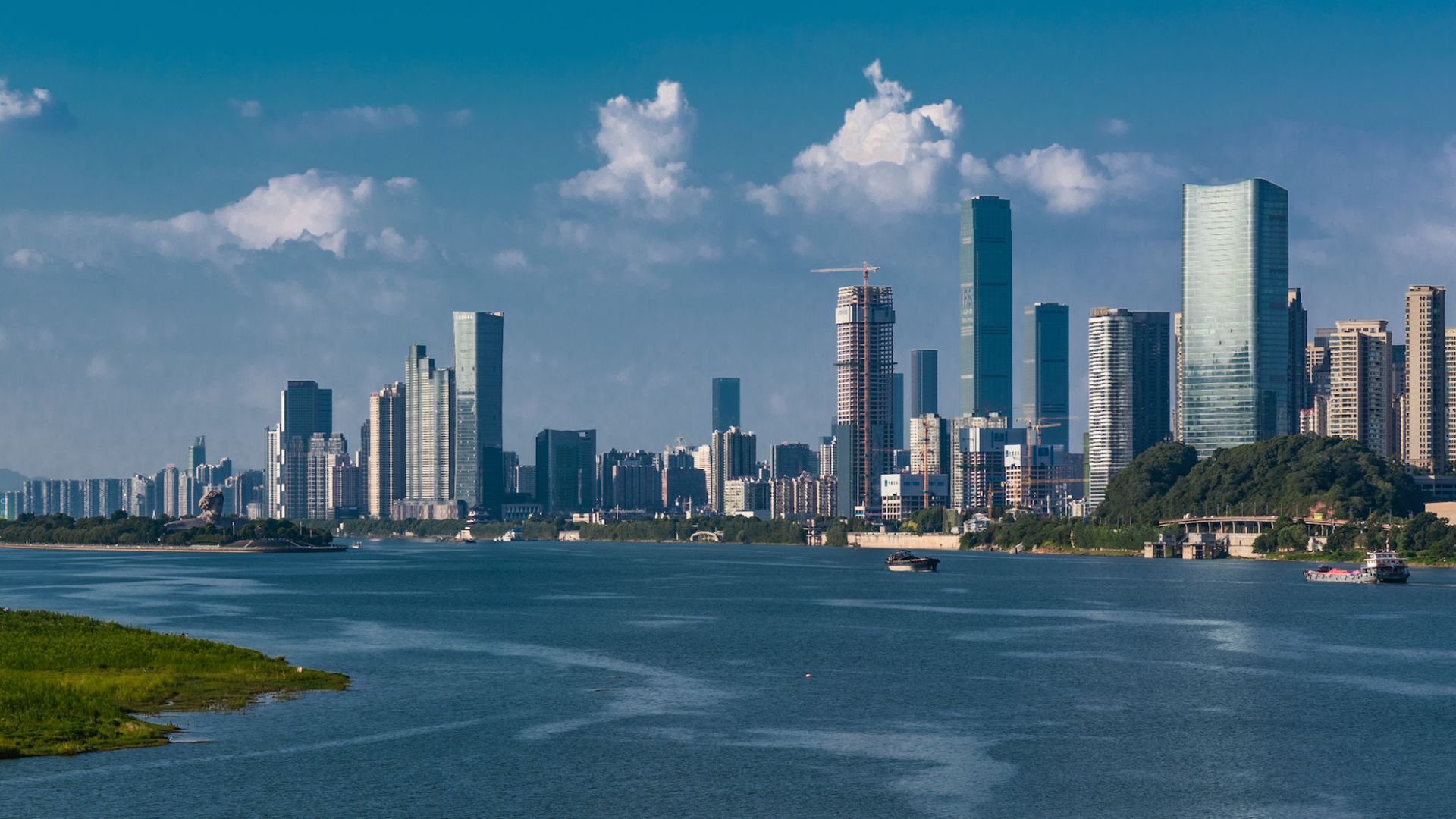
India Tower (Mumbai, India)
India Tower was designed to become one of the tallest residential skyscrapers in the world at more than 700 meters. Construction started in 2010, but disputes involving approvals and changing building regulations halted progress. Developers eventually abandoned the unfinished structure.
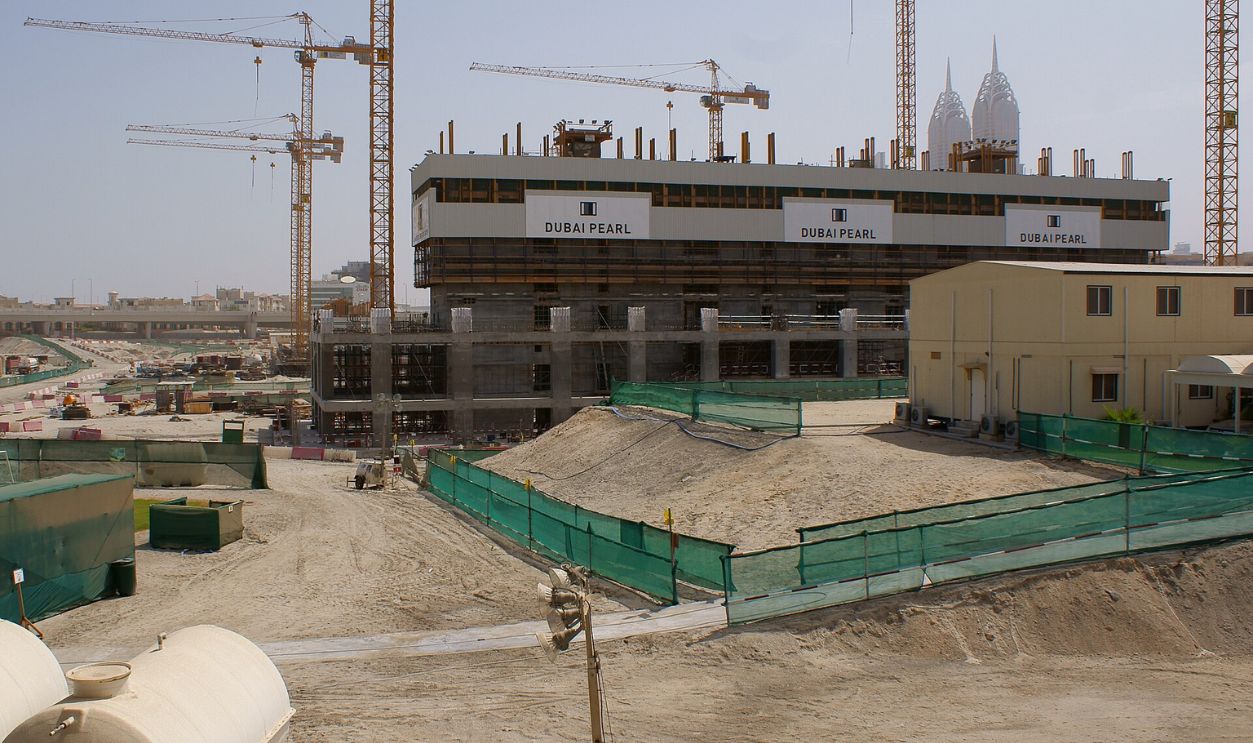
Dubai Pearl (Dubai, United Arab Emirates)
Dubai Pearl promised four interconnected towers containing luxury residences, hotels, and entertainment venues. Construction advanced significantly before financing difficulties stalled the development during Dubai's real estate downturn. Years later, the incomplete complex was demolished instead of being finished.
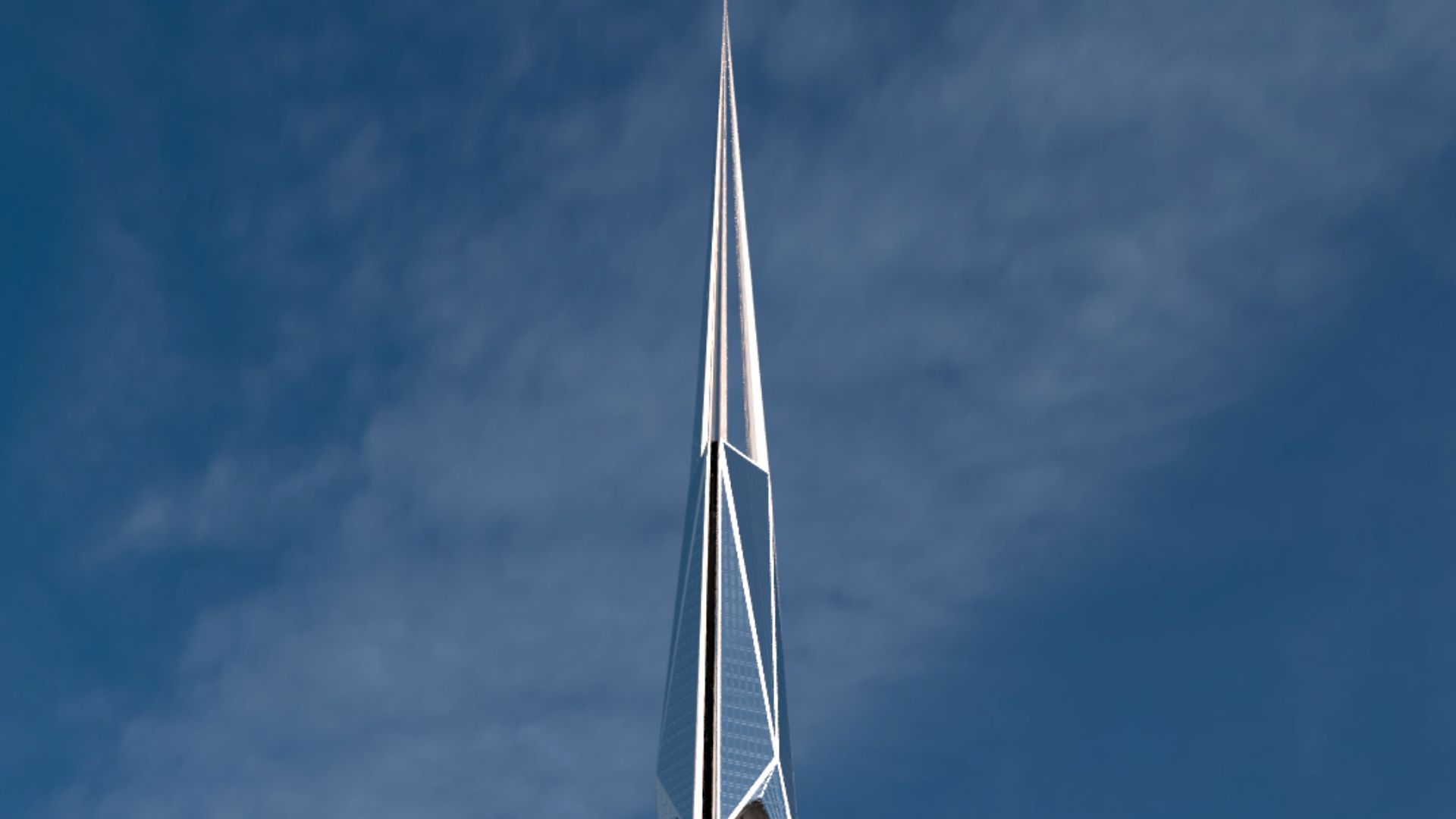
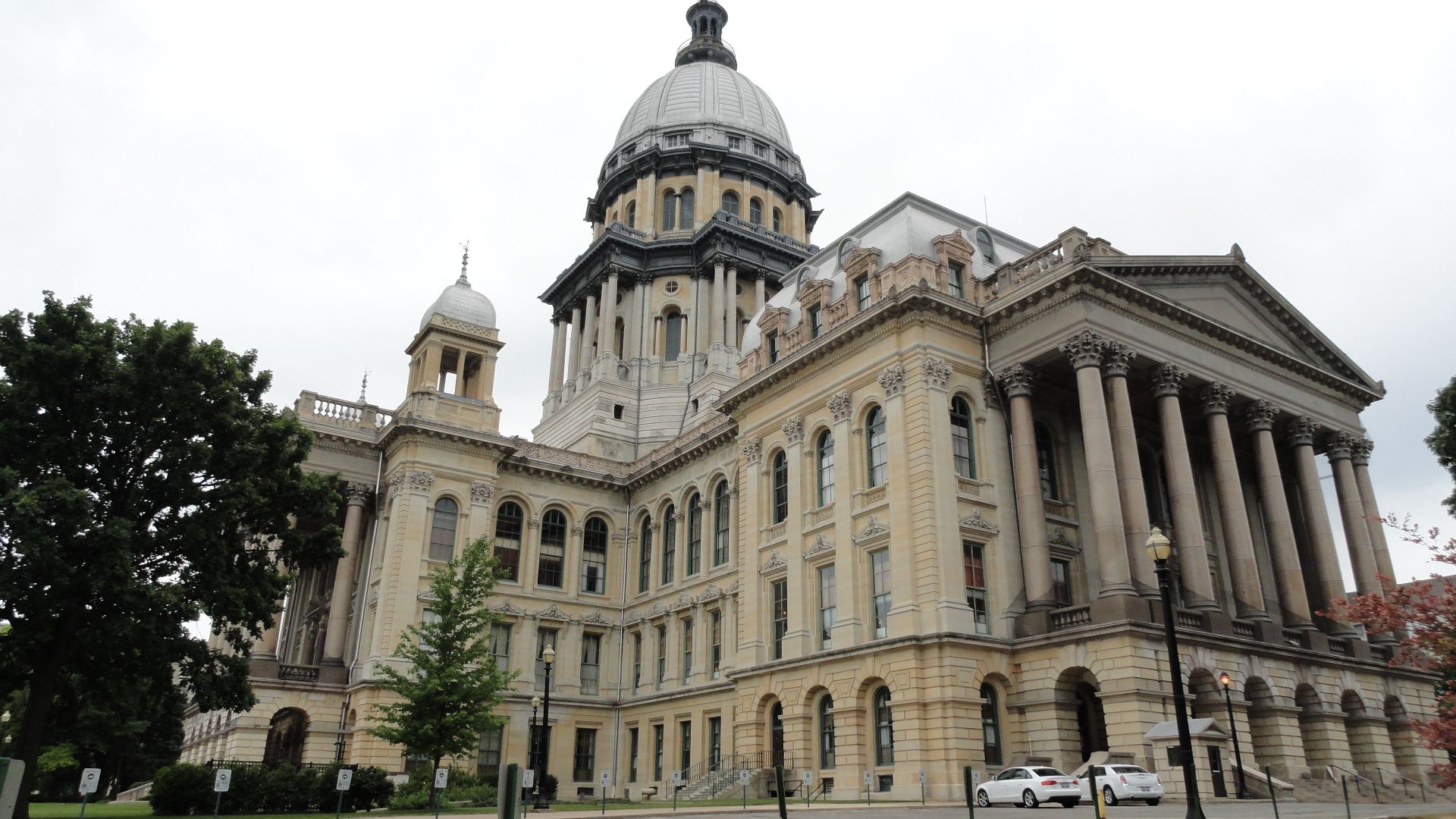
The Illinois State Capitol Expansion (Springfield, Illinois)
Multiple proposals during the twentieth century envisioned dramatically expanding Illinois' Capitol Complex with modern government buildings. Political disagreements, funding concerns, and changing priorities repeatedly halted these ambitious plans before they could be fully realized. Only portions of the broader vision were ever completed.
 Meagan Davis, Wikimedia Commons
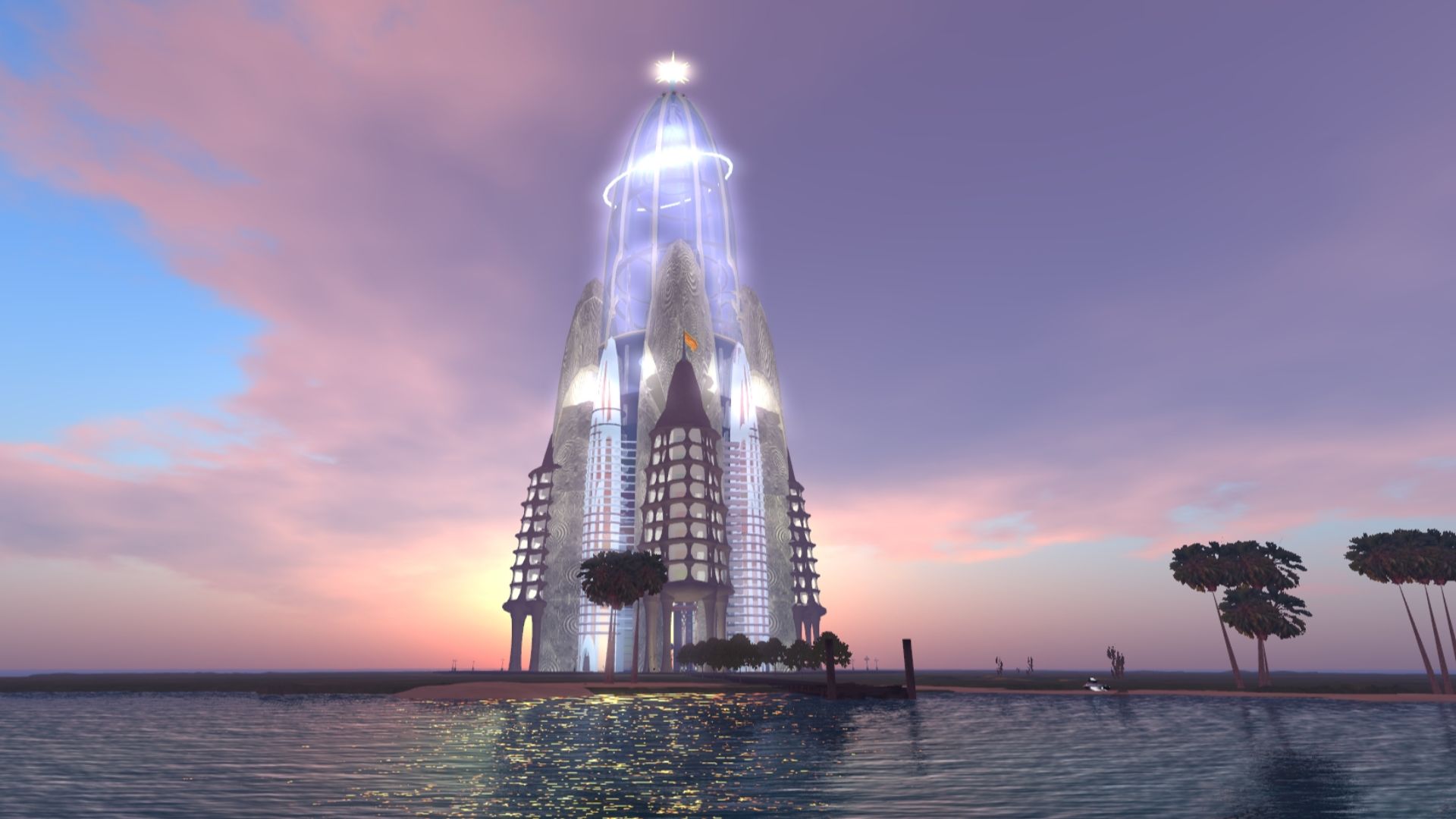
Hotel Attraction (New York City)
Spanish architect Antoni Gaudí reportedly proposed the futuristic Hotel Attraction for Manhattan in the early twentieth century. The extraordinary design featured soaring organic forms unlike anything built at the time. Although historians debate some details surrounding the proposal, the project never progressed beyond concept drawings.
 Markolino1972, Wikimedia Commons
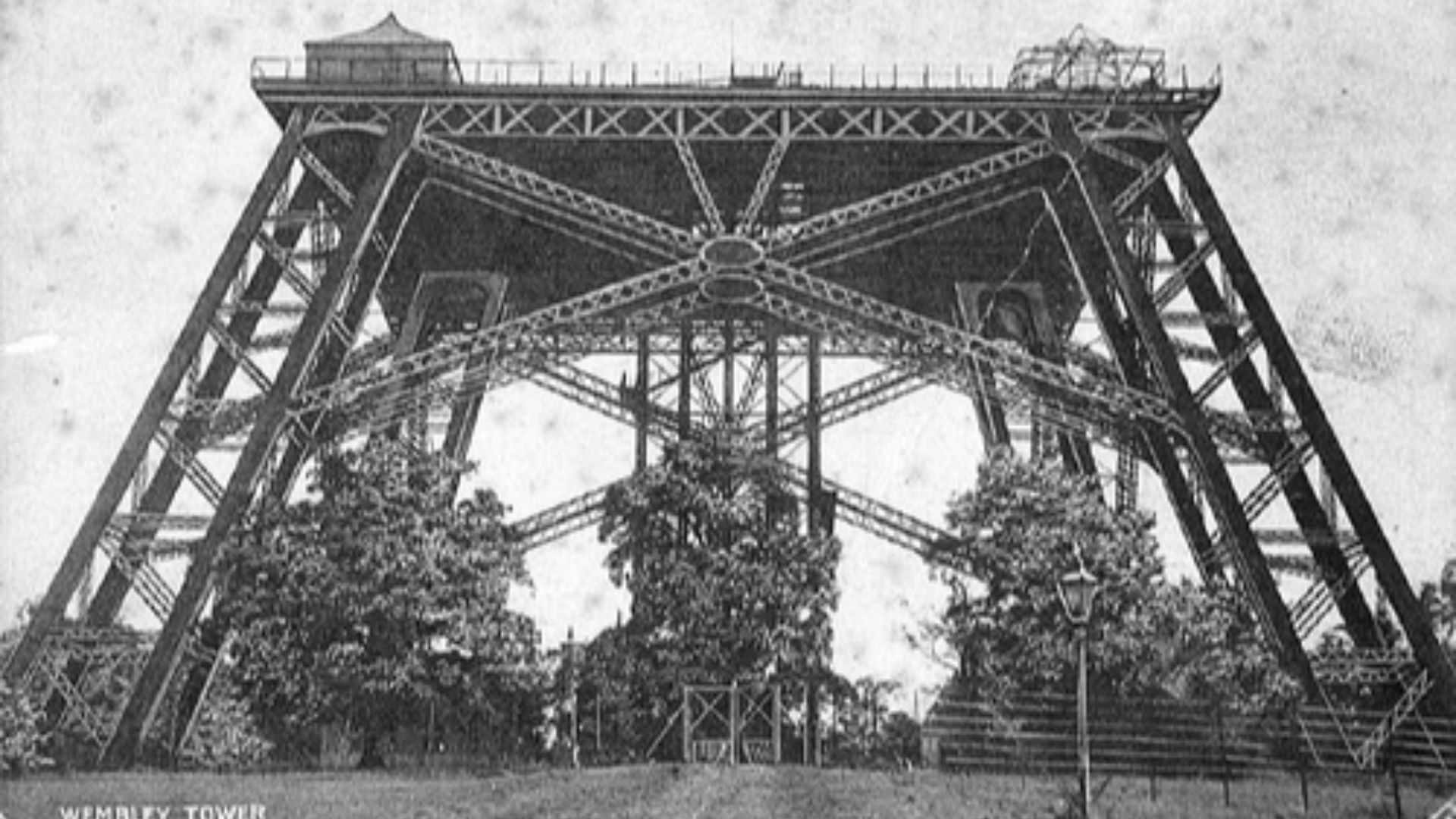
The Great Tower Of London (Victorian Proposal)
During the Victorian era, architects proposed several monumental towers that would have rivaled the Eiffel Tower's scale. One particularly ambitious London observation tower project attracted considerable attention before financial realities and engineering concerns doomed the plan. None of the grand proposals reached construction.
 Unknown photographer, Wikimedia Commons
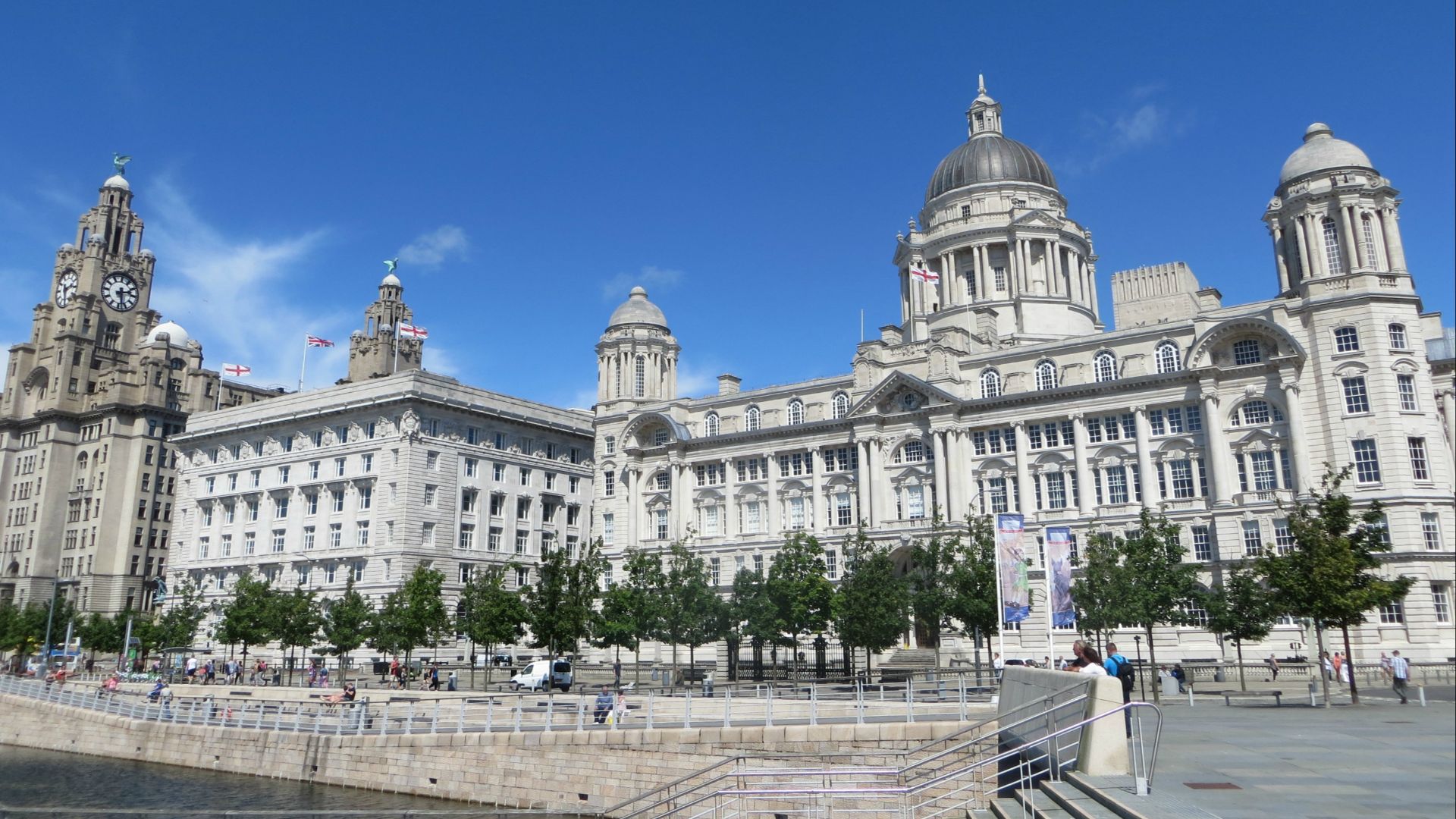
The Fourth Grace (Liverpool, England)
Liverpool's waterfront nearly gained a dramatic addition known as the Fourth Grace, designed by architect Will Alsop. The bold modern building was intended to complement the city's famous Three Graces but quickly encountered rising costs and public criticism. Officials canceled the project before construction began.
 Colin Hepburn, Wikimedia Commons
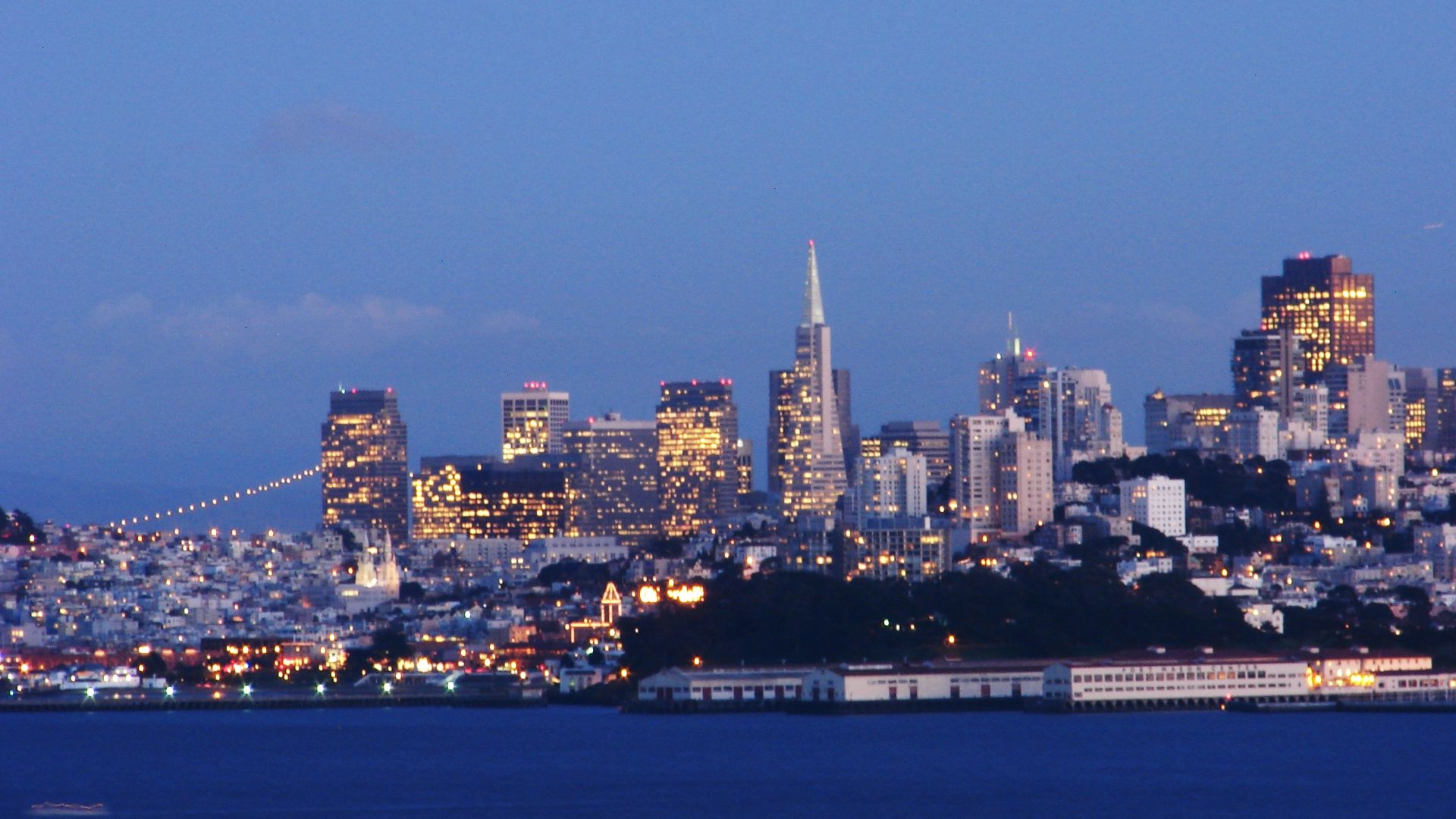
Ultima Tower (San Francisco, California)
Architect Eugene Tsui envisioned the Ultima Tower as a two-mile-high sustainable megastructure capable of housing a million residents. The organic design emphasized energy efficiency and earthquake resistance while pushing engineering beyond existing capabilities. Despite widespread publicity, it remained a visionary proposal.
 Hector Sanchez, Wikimedia Commons
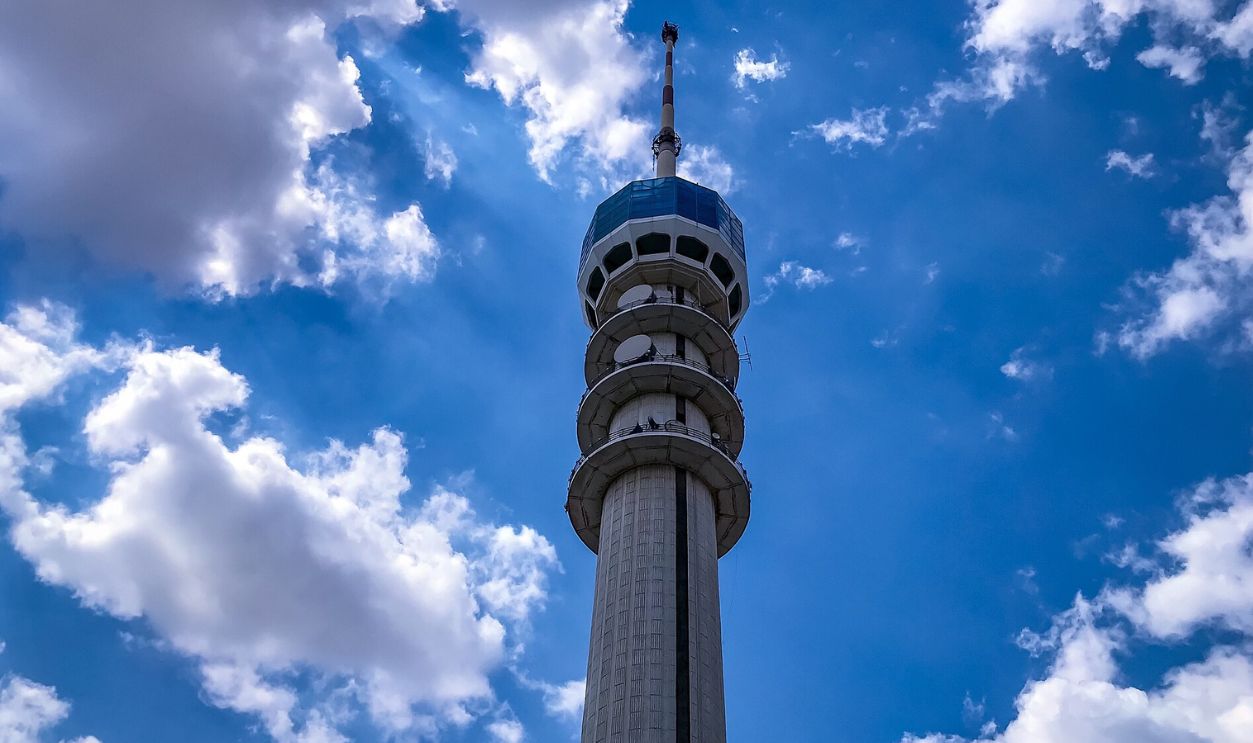
Television Tower Of Baghdad (Iraq)
Baghdad's television tower project aimed to become one of the Middle East's tallest communications structures. Construction was interrupted by conflict and political instability, preventing completion of the original vision. Later telecommunications projects replaced much of its intended role.
 Hussein Almumaiaz, Wikimedia Commons
A Lasting Legacy Of Unfinished Ambition
Many abandoned architectural projects never became physical landmarks, yet they still shaped engineering, design, and urban planning. Some inspired future buildings, while others stand as reminders that political change, economic collapse, and technological limits can halt even the boldest dreams. Their blueprints continue to fascinate because they reveal just how far human imagination has always been willing to reach.

You May Also Like:
The Forgotten Industries That Once Employed Millions Of Americans
Restaurant Chains That Once Dominated America But Disappeared