When The Tables Turned
America has never been shy about embracing restaurant chains. One decade, a chain is on every highway exit and in every suburban shopping center. The next, it has vanished so completely that younger diners have never even heard of it. These restaurants once served millions of customers, pioneered new dining concepts, and shaped American food culture. Then changing tastes, fierce competition, financial troubles, or management mistakes pushed them into history. Here are 21 restaurant chains that once dominated the American dining landscape before disappearing.
Howard Johnson's
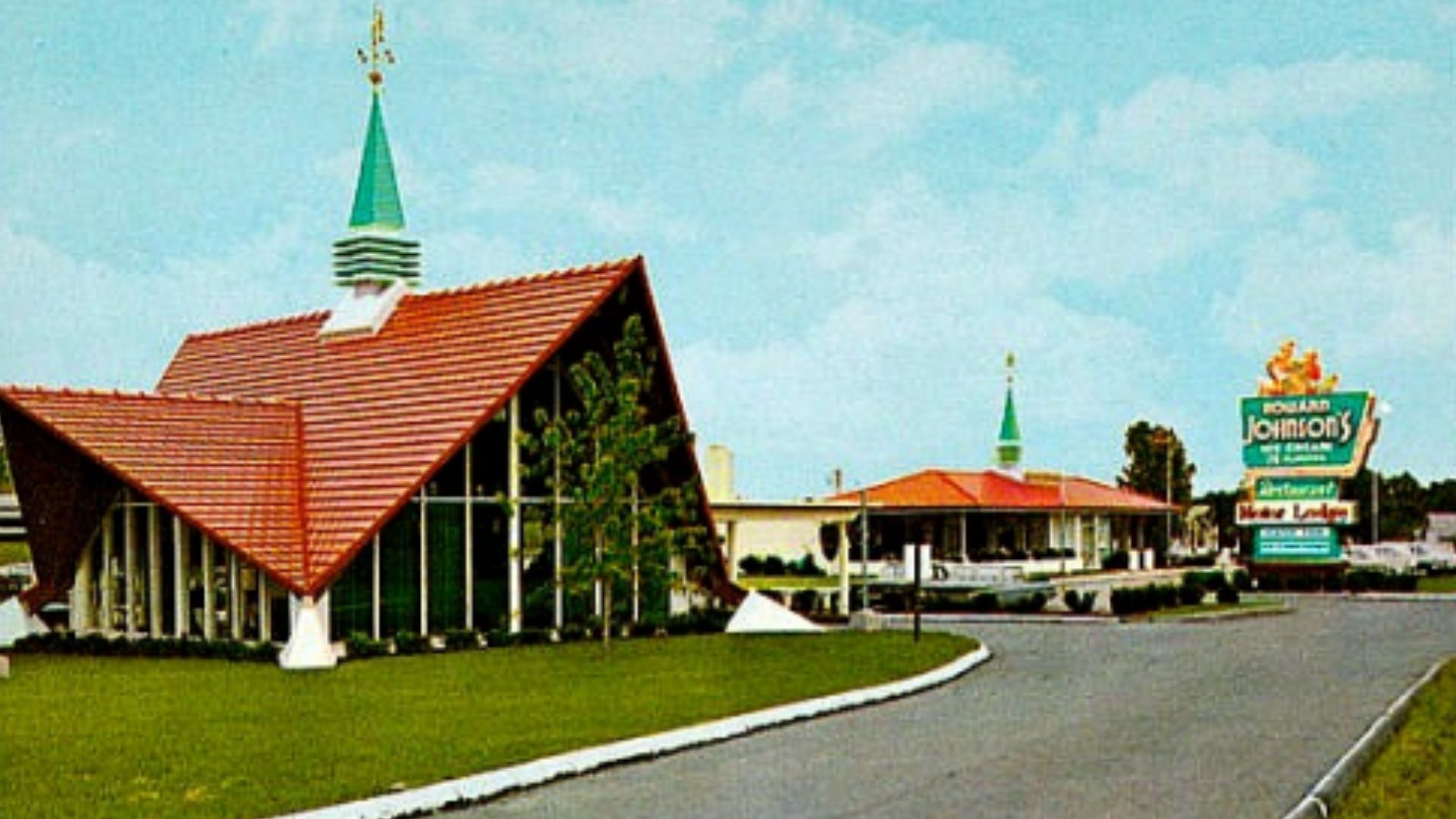
For decades, Howard Johnson's was practically synonymous with the American road trip. Its bright orange roofs and famous ice cream made it one of the country's most recognizable restaurant brands. At its peak, the chain operated more than 1,000 locations, but competition from newer restaurant and hotel brands gradually eroded its market share. The final Howard Johnson's restaurant closed in 2022.
 tichnor bros. lusterchrome, Wikimedia Commons
Chi-Chi's
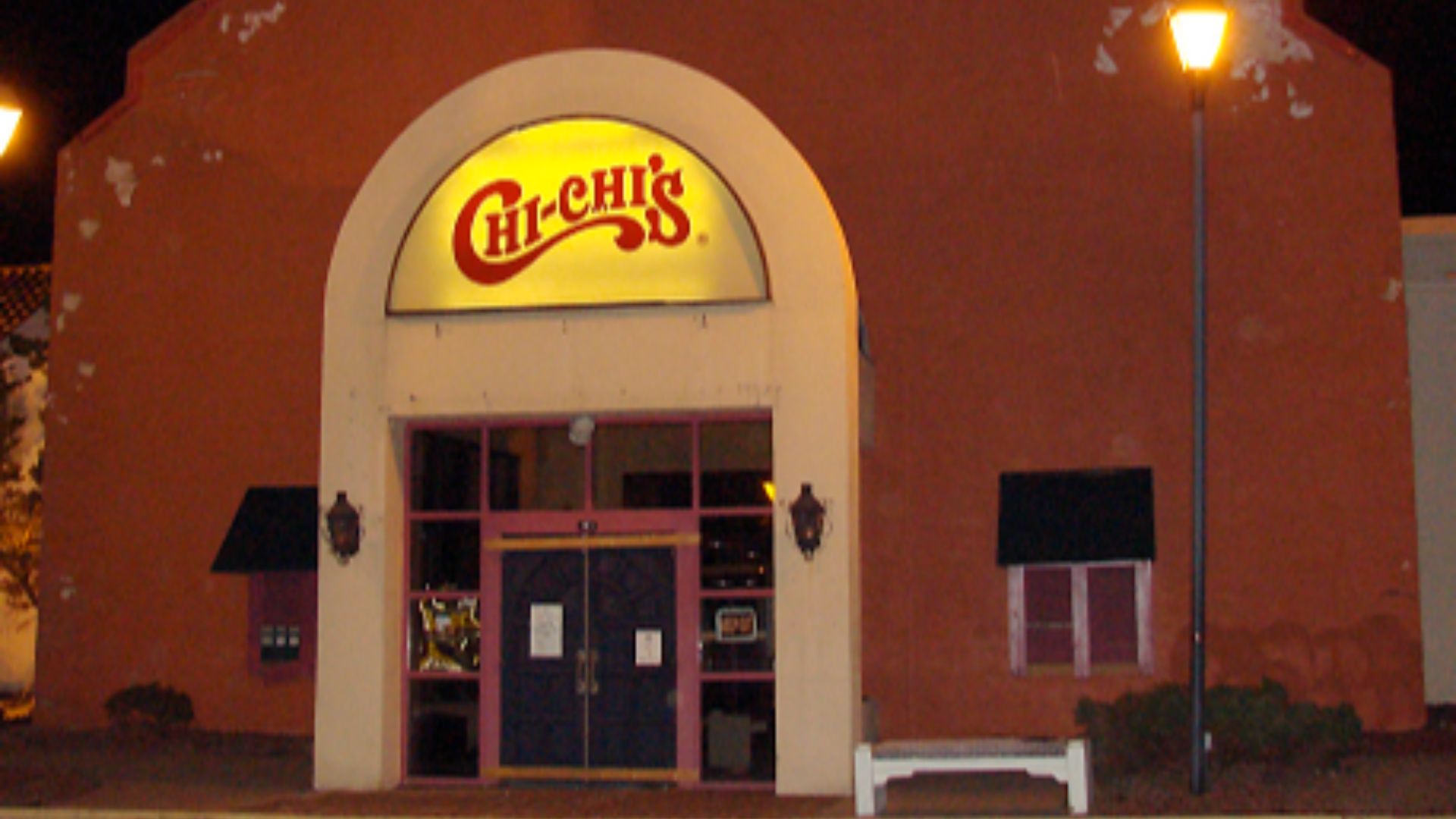
When many Americans first experienced Tex-Mex dining, there was a good chance it happened at Chi-Chi's. Founded in Minnesota in 1975, the chain grew to more than 200 locations and became famous for fried ice cream and festive dining rooms. Financial struggles and a devastating hepatitis A outbreak contributed to bankruptcy, and the chain's U.S. restaurants disappeared by 2004.
 Nostaljack at English Wikipedia, Wikimedia Commons
Burger Chef
Before McDonald's completely dominated the fast-food landscape, Burger Chef was a legitimate rival. The chain peaked at more than 1,000 locations during the early 1970s and introduced innovations like the Fun Meal, an early version of the kids' meal. Hardee's eventually acquired the chain, and the brand gradually disappeared.
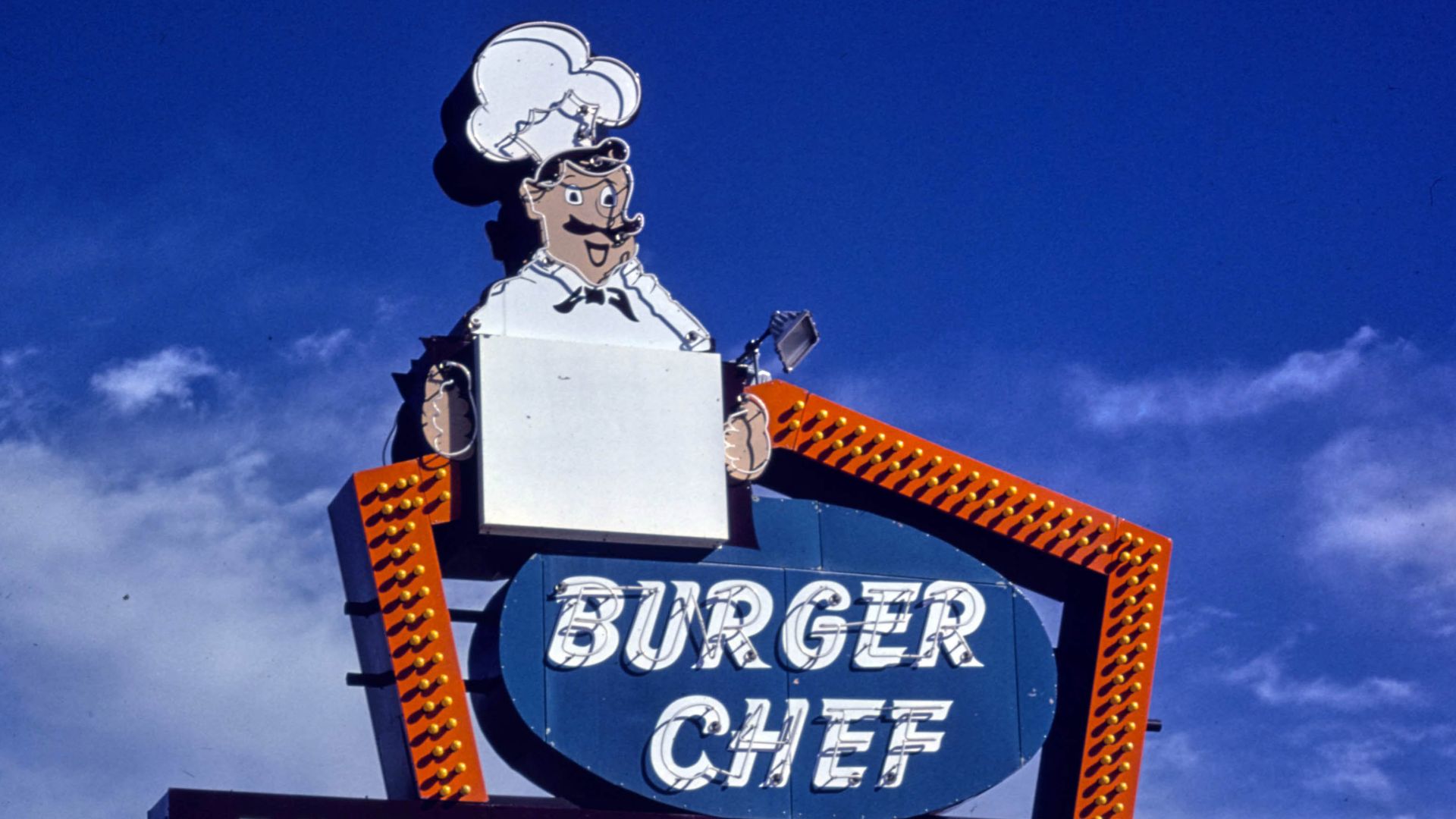 John Margolies, Wikimedia Commons
Lum's
Lum's built its reputation around hot dogs and a casual family-friendly atmosphere. Starting from a small Miami Beach hot dog stand in 1956, the chain expanded to roughly 400 locations by the early 1970s. Rapid expansion and ownership issues eventually led to bankruptcy and the collapse of the brand.
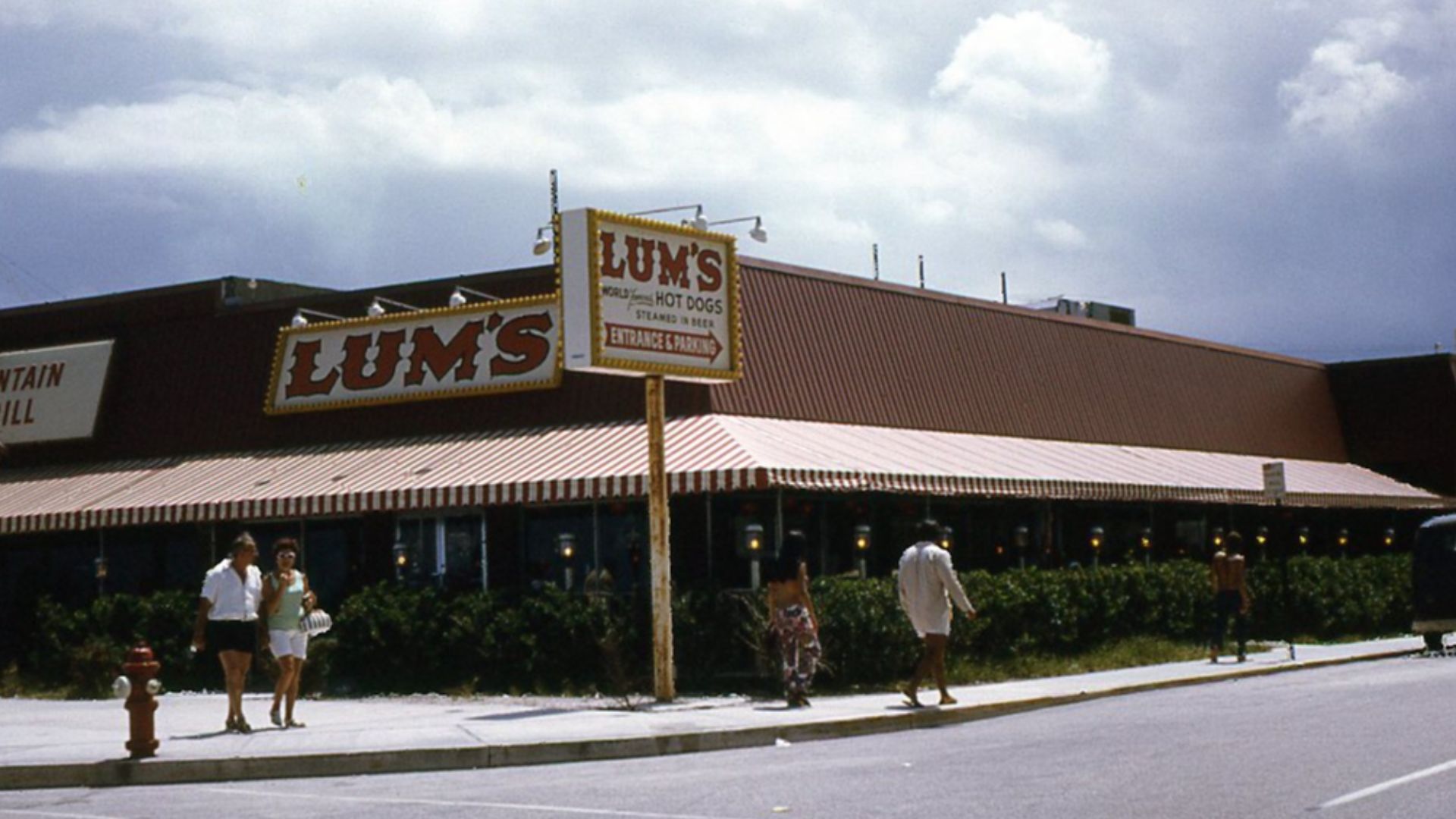 Phillip Pessar, Wikimedia Commons
Sambo's
Sambo's was once one of the fastest-growing restaurant chains in America. By the late 1970s, it operated more than 1,000 locations nationwide. Public criticism over the chain's controversial name and branding, combined with financial troubles, led to a dramatic decline and eventual disappearance.
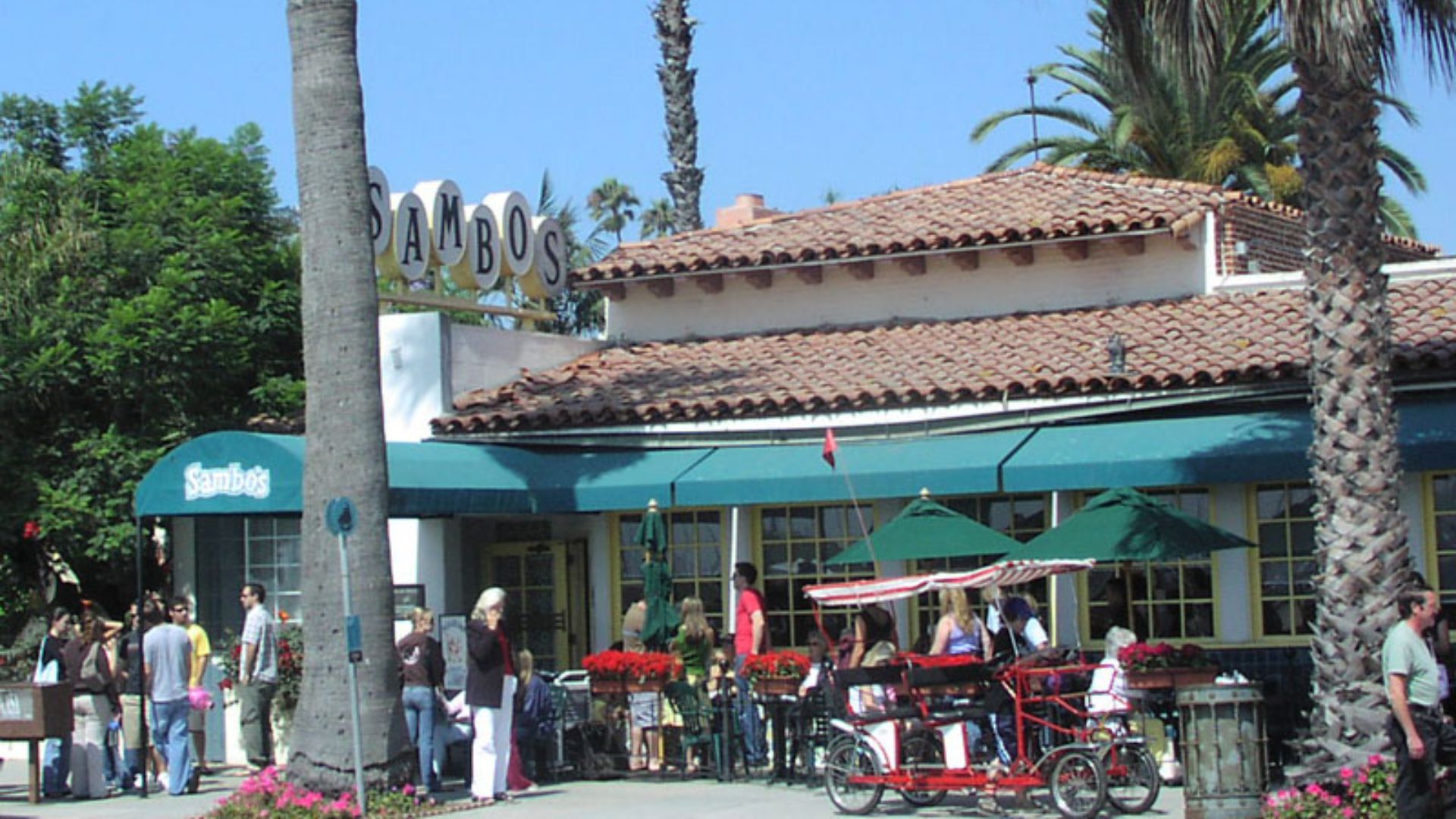 Taken by Antandrus, Wikimedia Commons
Steak and Ale
Steak and Ale helped pioneer the casual dining concept long before it became standard across America. Founded in 1966, it offered affordable steaks, salad bars, and a distinctive Tudor-style atmosphere. Changing consumer preferences and corporate restructuring eventually led to the closure of all locations.
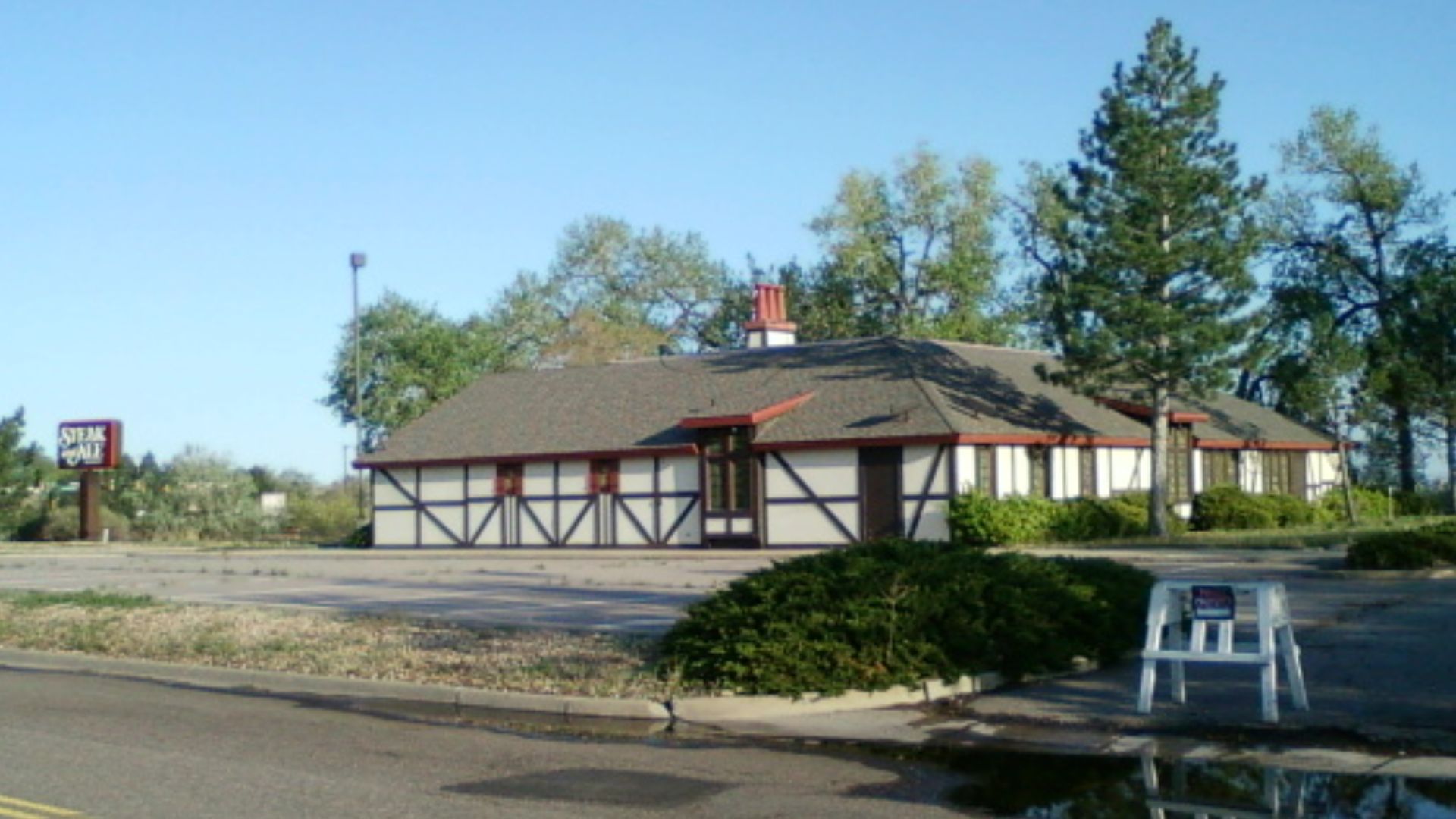
Bennigan's
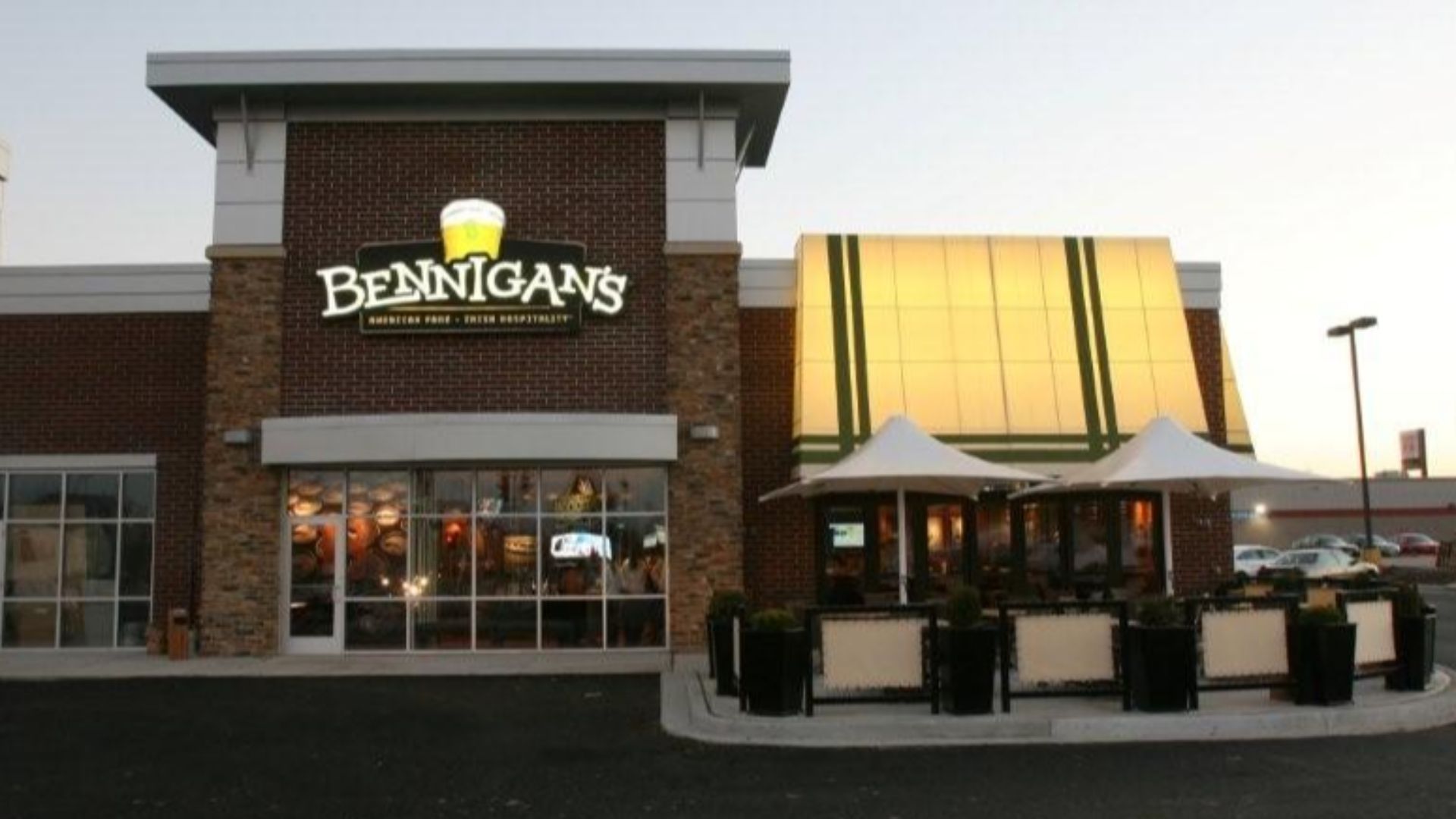
Throughout the 1980s and 1990s, Bennigan's was one of America's most popular casual dining chains. Customers flocked there for oversized sandwiches, appetizers, and its famous Monte Cristo sandwich. A bankruptcy filing in 2008 resulted in the closure of most company-owned locations, effectively ending its national presence.
Beefsteak Charlie's
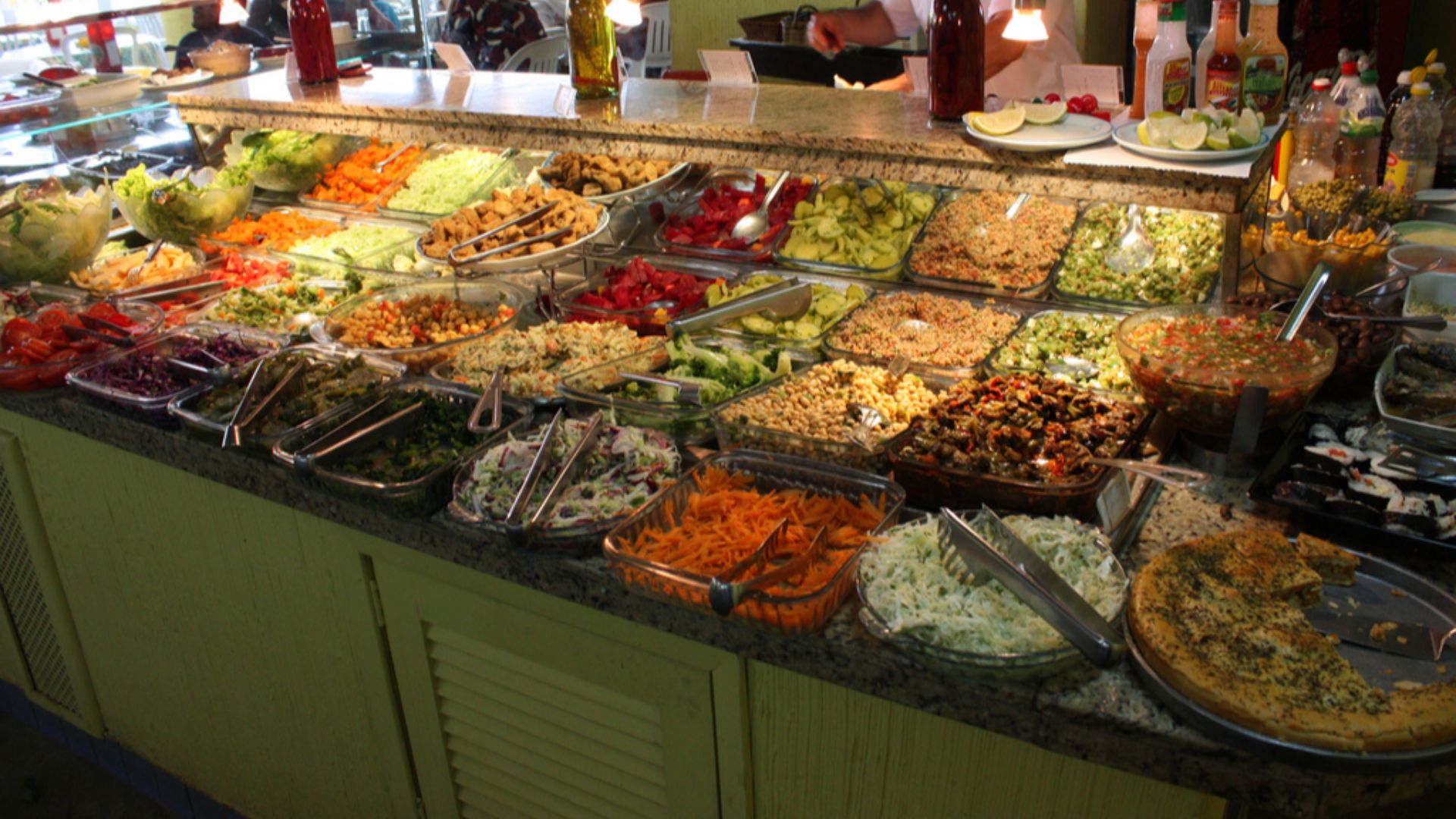
Beefsteak Charlie's became famous for generous promotions that included unlimited salad bars, drinks, and sangria. The chain grew rapidly across the Northeast during the 1970s and 1980s. Rising costs and changing dining habits eventually made the business model unsustainable.
 Helder Ribeiro from Campinas, Brazil, Wikimedia Commons

History's most fascinating stories and darkest secrets, delivered to your inbox daily.
Ponderosa Steakhouse
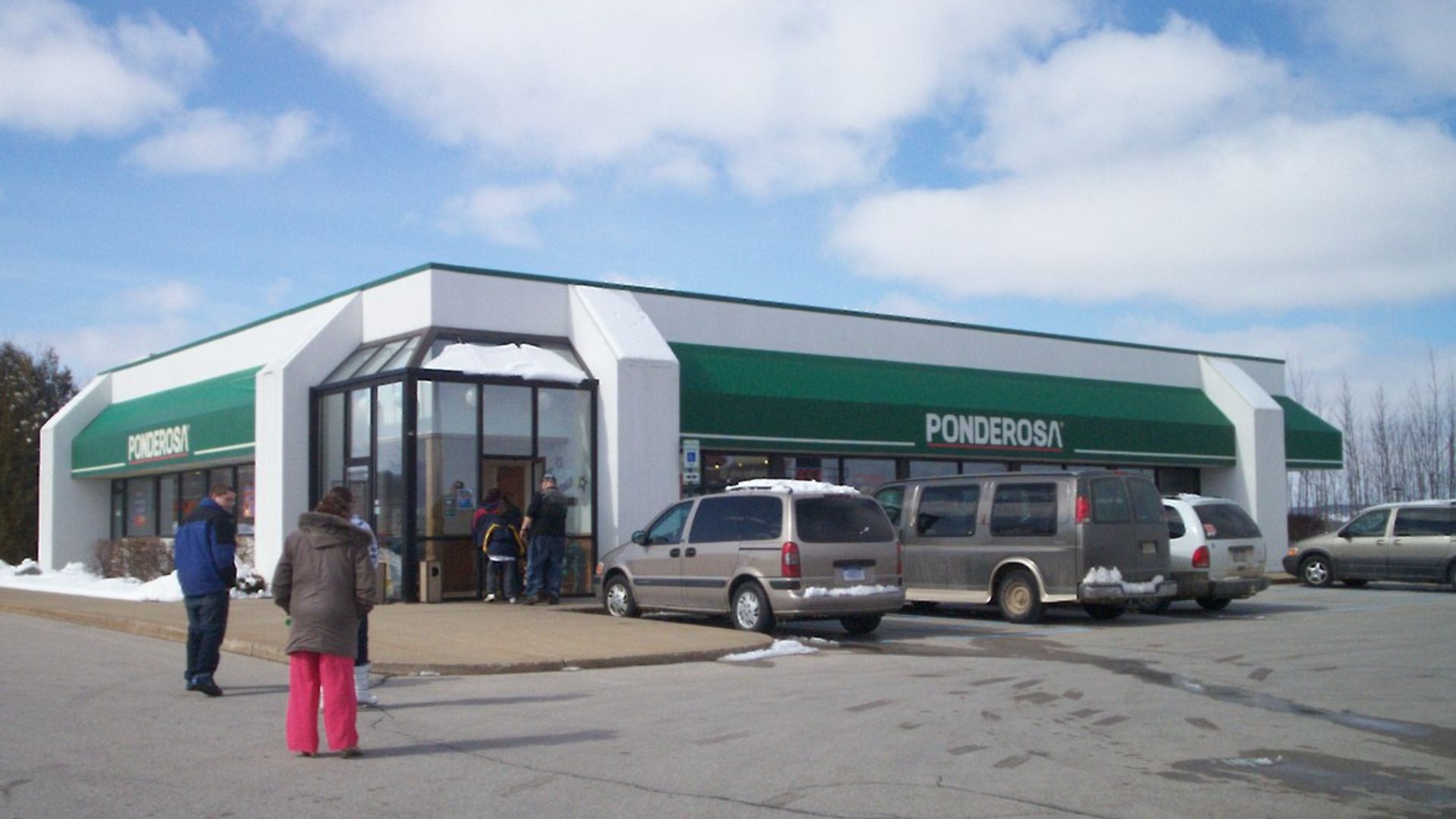
For many families, Ponderosa was the place to enjoy an affordable steak dinner and a massive buffet. The chain expanded aggressively across the United States and became a fixture of suburban dining. Financial difficulties and increased competition gradually reduced its footprint until most locations disappeared.
 TenPoundHammer, Wikimedia Commons
Bonanza Steakhouse
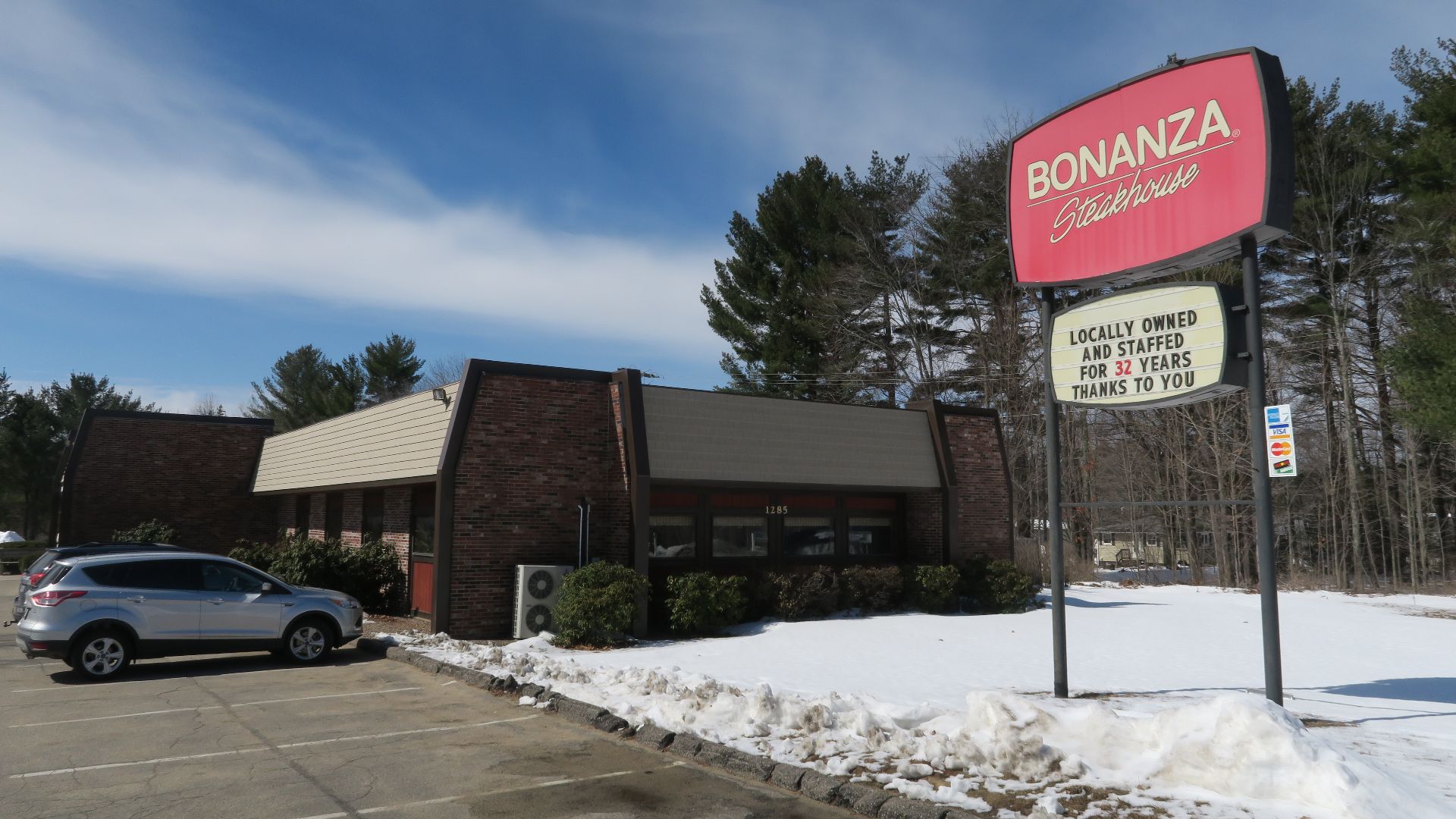
Bonanza was founded by television star Dan Blocker of Bonanza fame and quickly became one of America's best-known steakhouse chains. It eventually merged with Ponderosa, creating a large combined operation. Over time, shifting dining trends and franchise closures led to its decline.
 John Phelan, Wikimedia Commons
Red Barn
Red Barn restaurants stood out thanks to buildings shaped like giant red barns. The fast-food chain expanded rapidly during the 1960s and early 1970s, operating hundreds of locations across the country. After multiple ownership changes, the brand was phased out and disappeared.
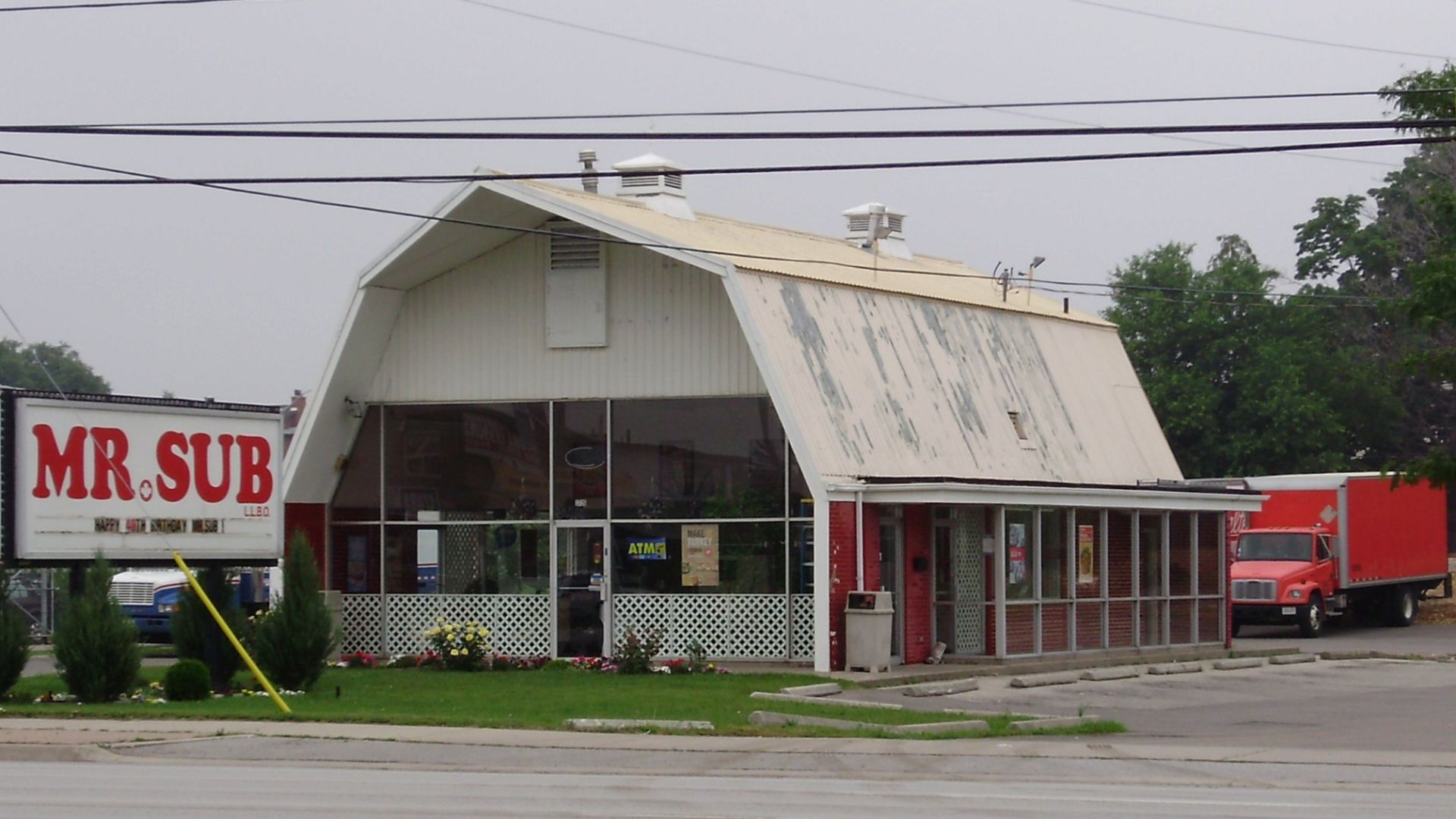 GTD Aquitaine, Wikimedia Commons
Gino's Hamburgers
Founded by NFL Hall of Famer Gino Marchetti, Gino's became a major fast-food player throughout the Mid-Atlantic region. The chain gained popularity with its burgers, fried chicken, and sports-themed marketing. Marriott acquired the company in the 1980s and eventually converted most locations to Roy Rogers.
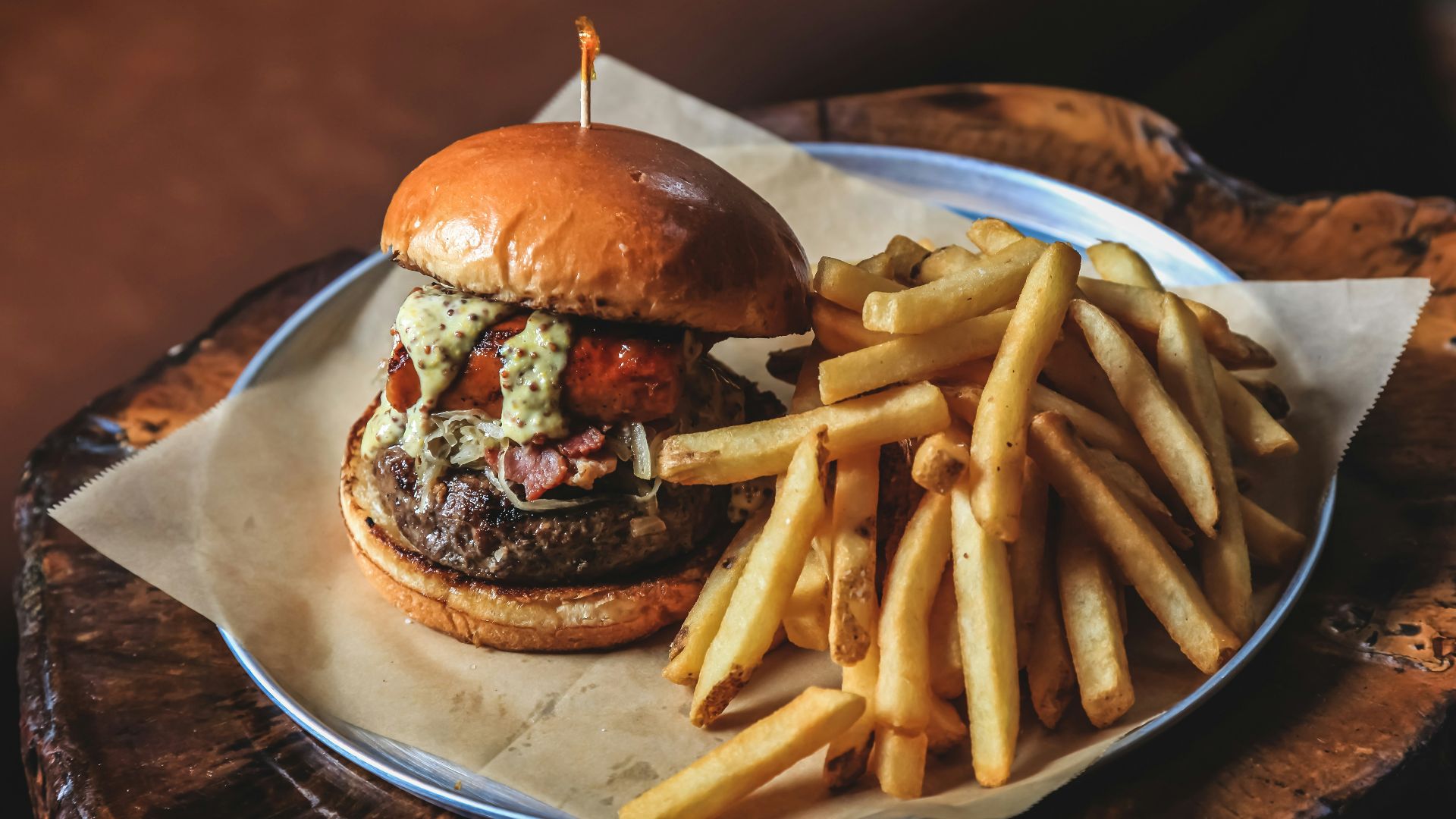
Wag's
Wag's served as Walgreens' attempt to compete with restaurant giants like Denny's and IHOP. The chain grew to more than 100 locations and offered 24-hour family dining. Walgreens eventually sold the business, and the restaurants gradually disappeared.
 Anthony92931, Wikimedia Commons
Kenny Rogers Roasters
Backed by country music superstar Kenny Rogers, this wood-fired chicken chain became a sensation during the 1990s. It expanded rapidly and even gained pop-culture fame through a memorable Seinfeld episode. Financial struggles forced the chain into bankruptcy, and its U.S. locations vanished.
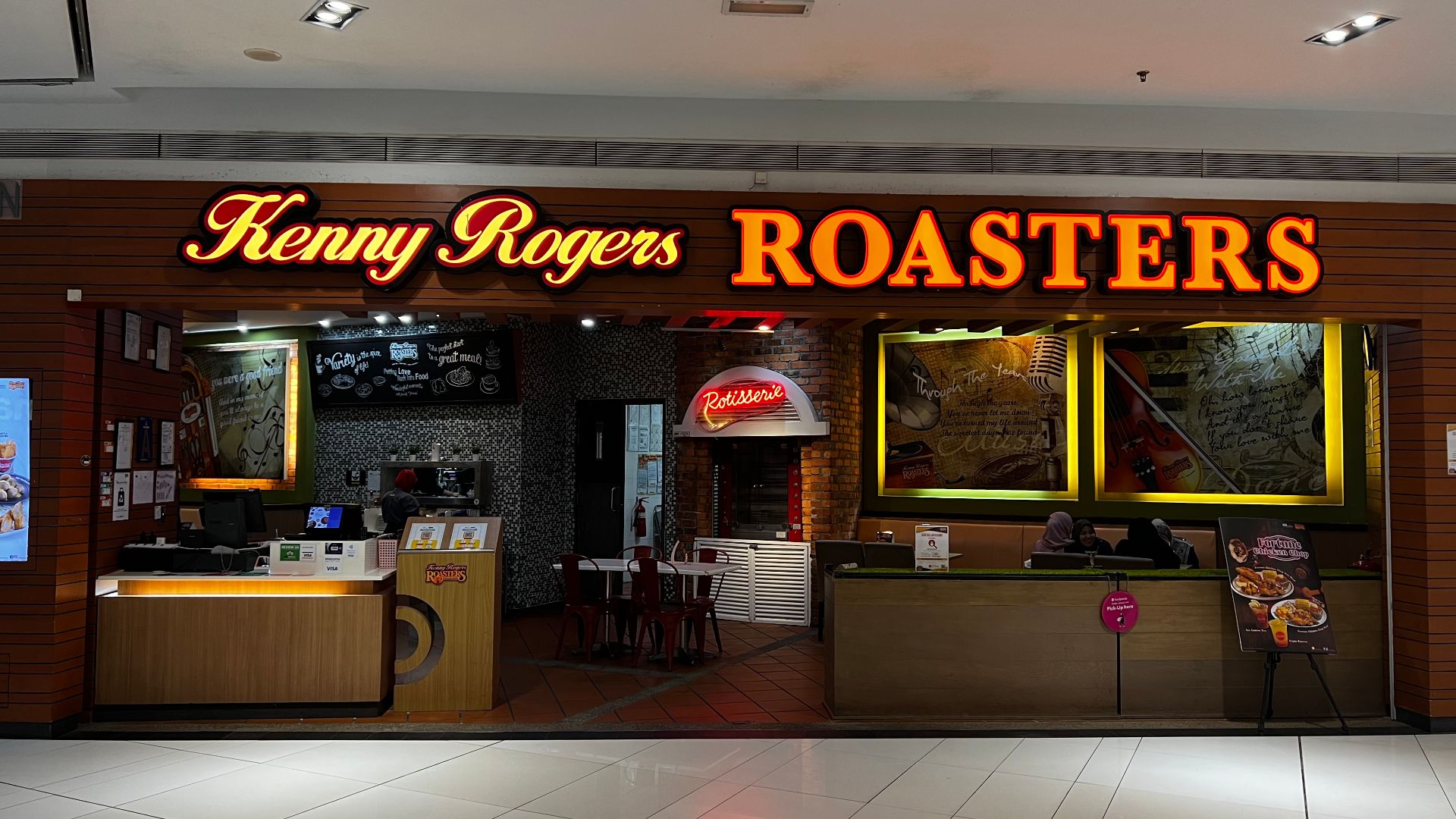 Larsdominic, Wikimedia Commons
Ground Round
Ground Round attracted families with affordable meals and kid-friendly promotions. At its peak, the chain operated hundreds of restaurants nationwide and became known for a fun, casual atmosphere. Bankruptcy and changing consumer expectations led to the closure of most locations.
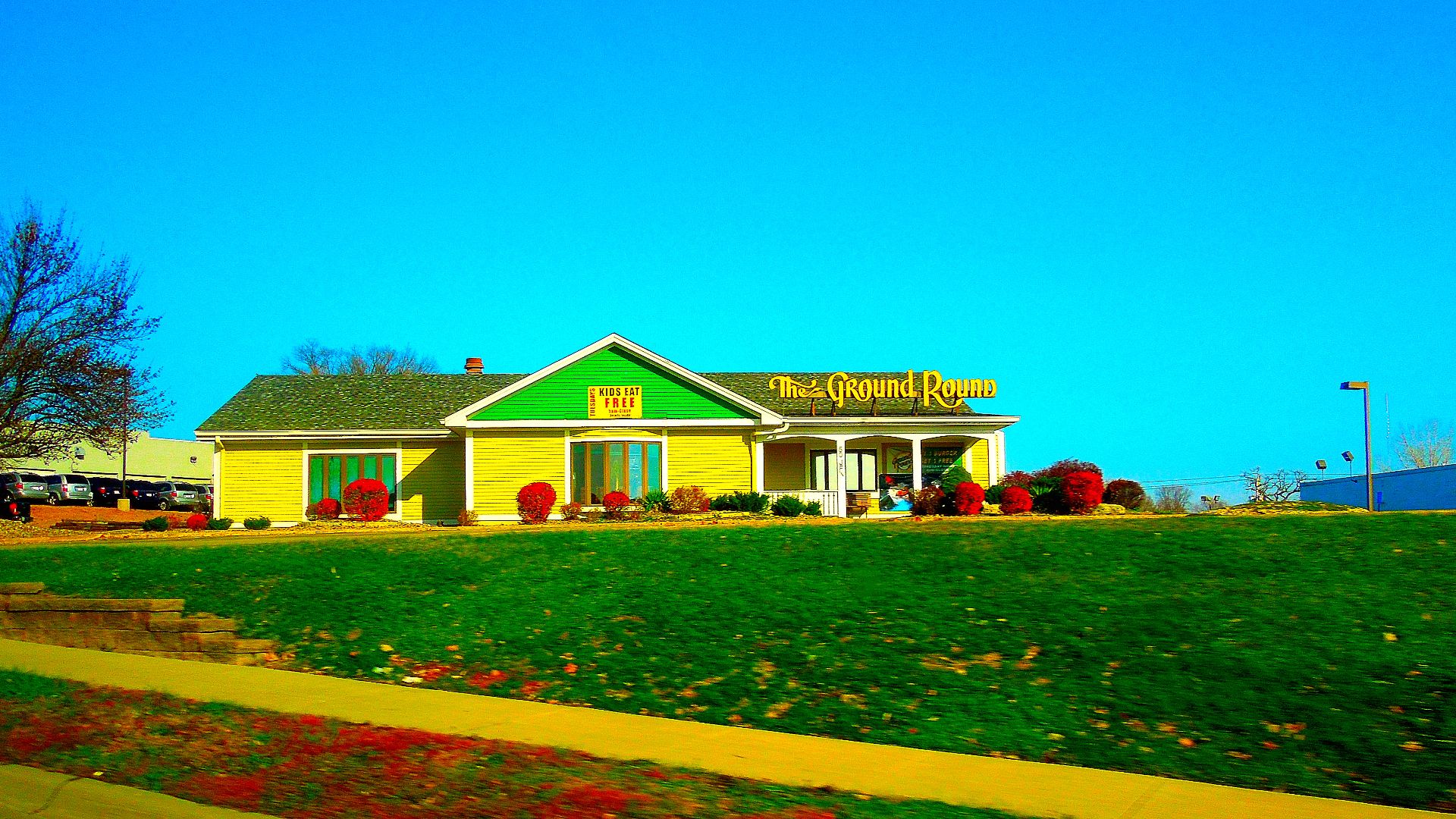 Corey Coyle, Wikimedia Commons
York Steak House
York Steak House brought cafeteria-style steak dinners to shopping malls across America. During the mall boom of the 1970s and 1980s, the chain became a familiar sight for shoppers looking for a quick meal. As malls declined and food courts evolved, York Steak House largely disappeared.
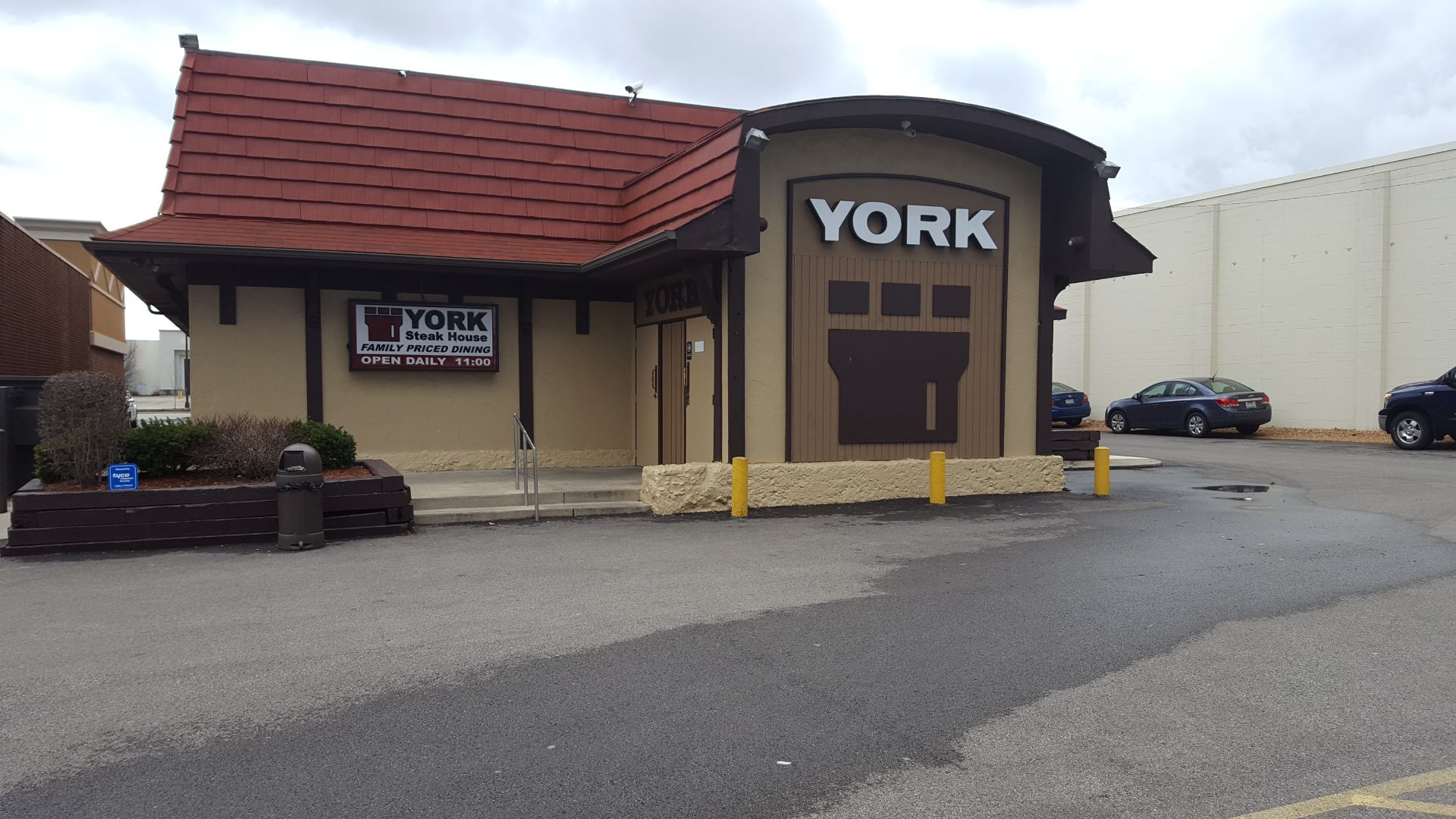 Mike Kalasnik, Wikimedia Commons
VIP's
VIP's was a major family dining chain throughout the western United States. Known for hearty breakfasts and affordable comfort food, it became a regional favorite during the 1960s and 1970s. Denny's eventually acquired many locations, effectively ending the brand.
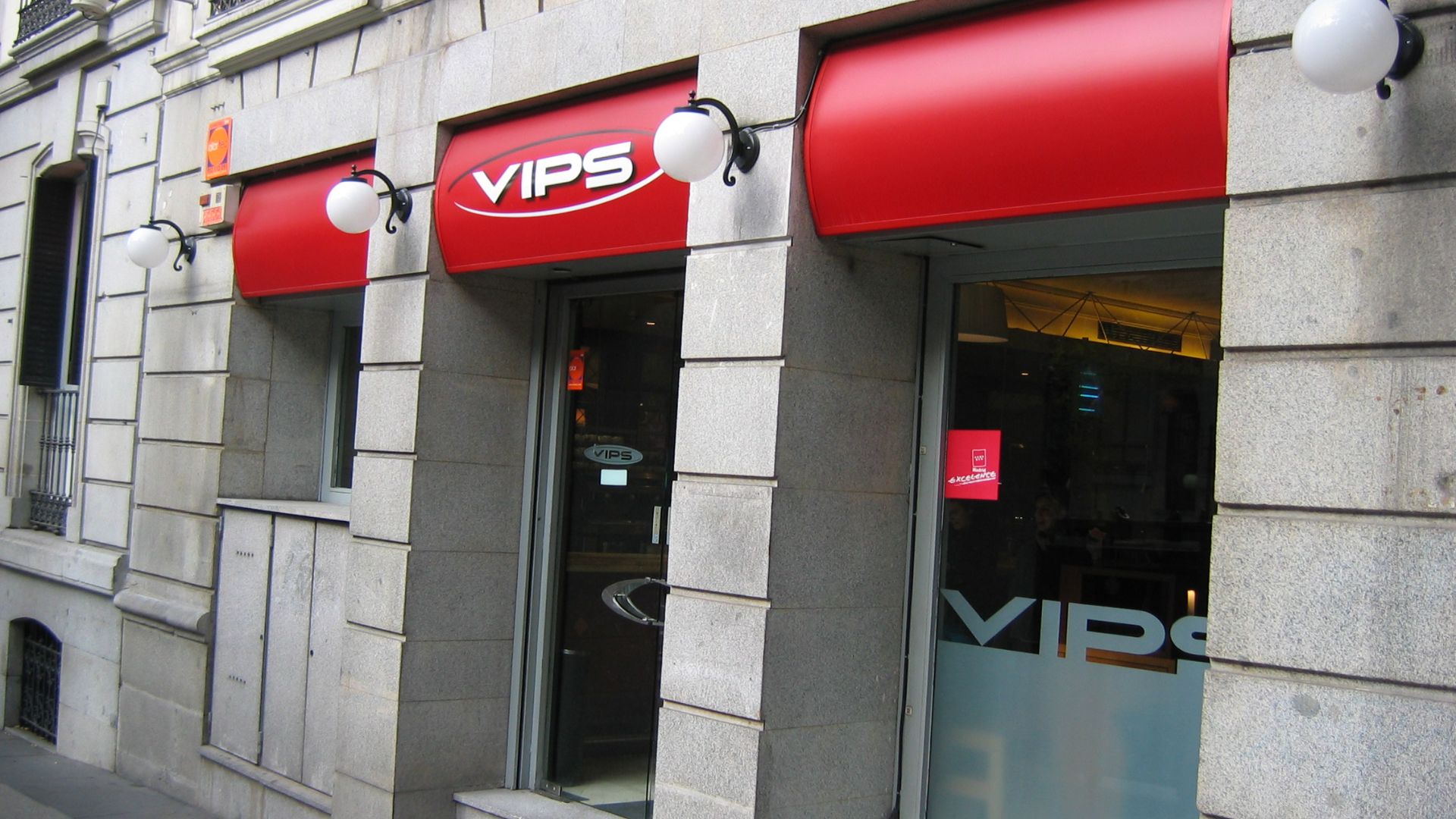 Jose Maria Mateos from Montreal, Canada, Wikimedia Commons
White Tower
White Tower emerged as a major competitor to White Castle during the early years of fast food. The chain operated hundreds of restaurants and became known for inexpensive hamburgers. Over time, competition and changing business conditions reduced the chain until it disappeared entirely.
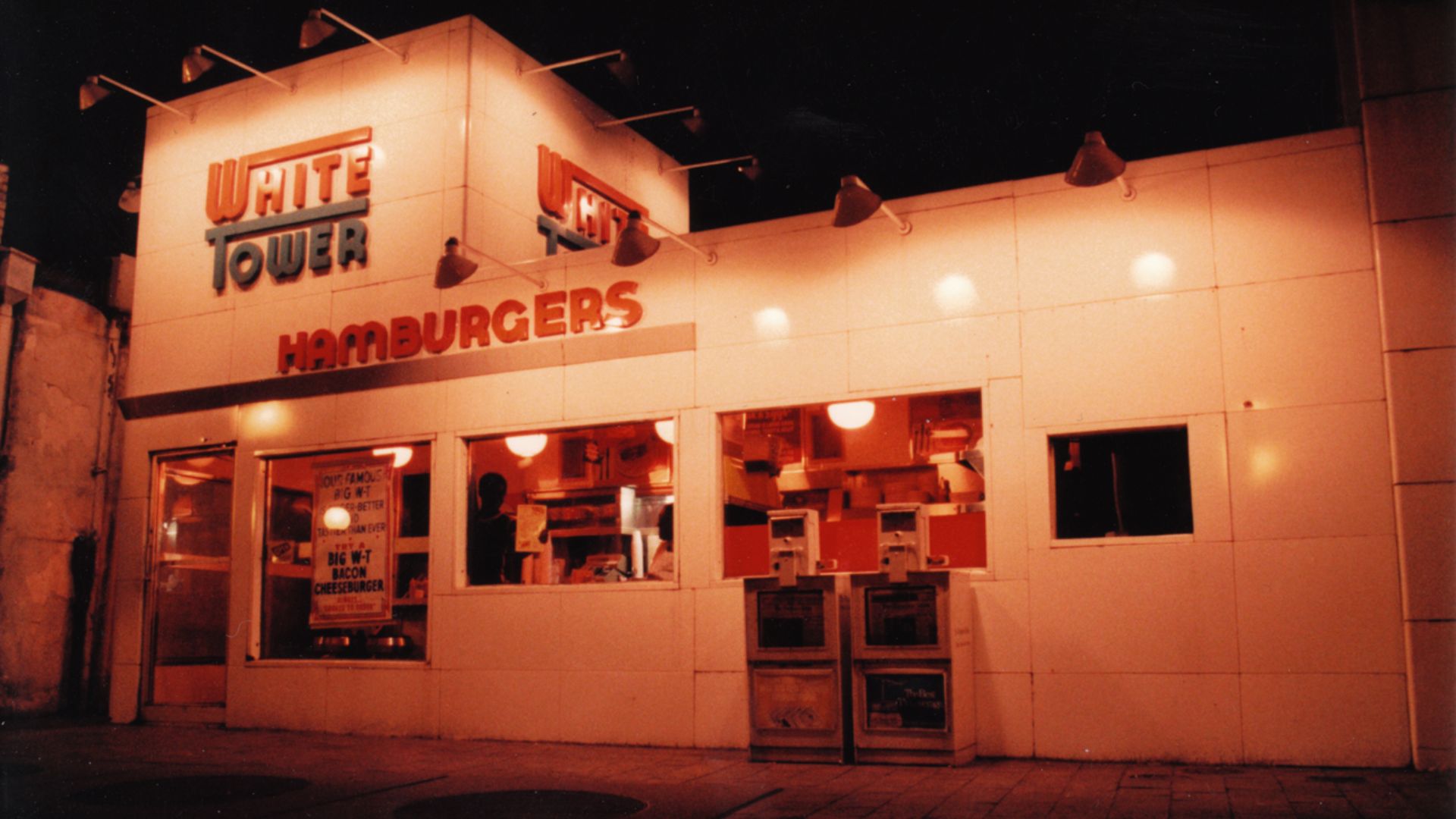
Farrell's Ice Cream Parlour
Farrell's transformed dessert into an event. Employees often celebrated giant ice cream orders with sirens, drums, and enthusiastic fanfare. The chain became a favorite destination for birthday parties and family outings before most locations closed during the late twentieth century.
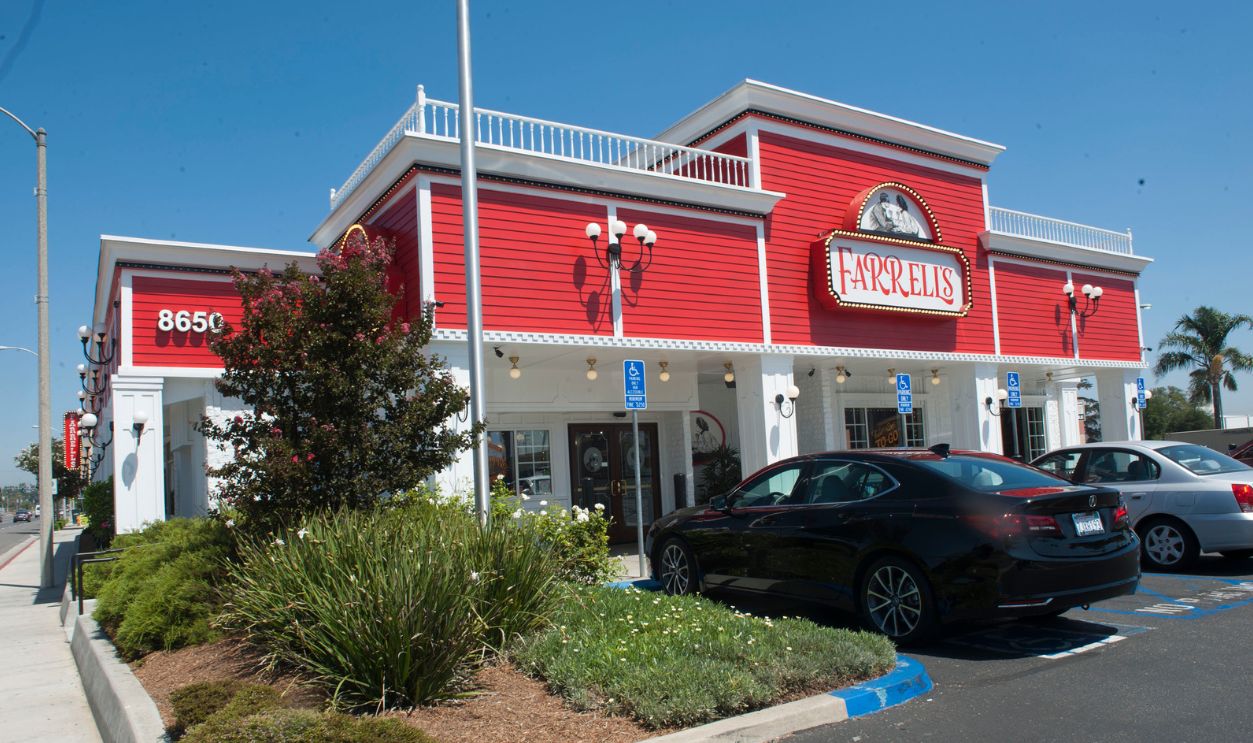 MediaNews Group/Orange County Register, Getty Images
Horn & Hardart Automat
The Automat was once one of America's most innovative dining concepts. Customers purchased food from coin-operated vending compartments, creating a futuristic dining experience decades before self-service kiosks became common. Changing consumer habits and the rise of fast food eventually rendered the concept obsolete.
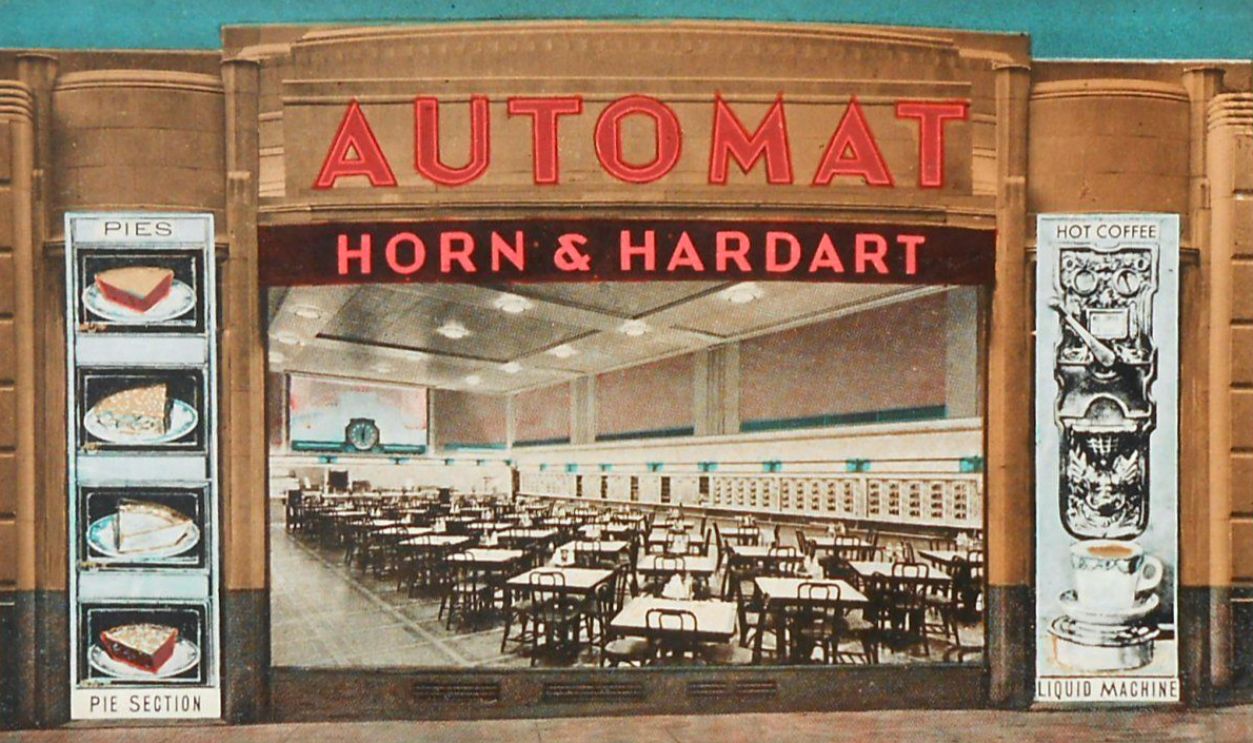 Horn & Hardart/Lumitone Photography, Wikimedia Commons
Victoria Station
Victoria Station combined steakhouse dining with railroad-themed décor that often included actual train cars. The chain became a major success during the 1970s and expanded internationally. Economic pressures and shifting restaurant trends eventually derailed the once-popular concept.
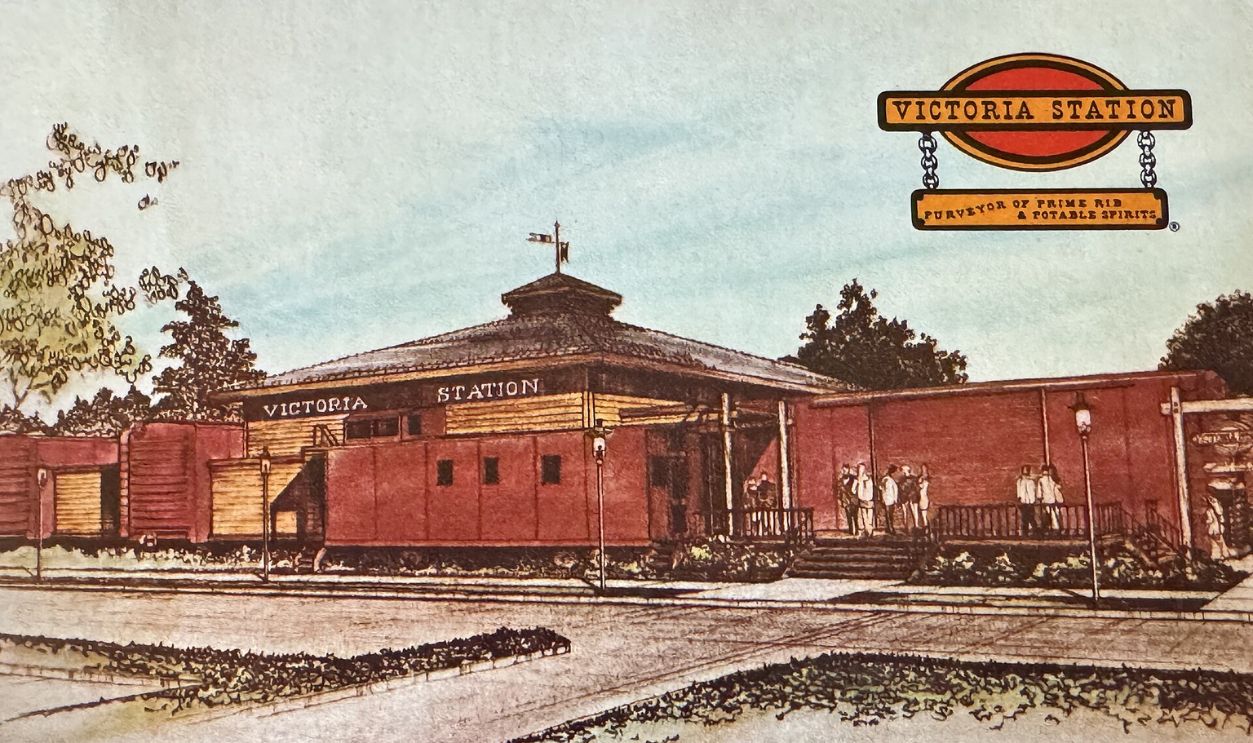 ChesterPlumfield, Wikimedia Commons
You May Also Like:
Boomer-Era Trends That Disappeared Almost Overnight—And They Want Them Back
Common Things Americans Used To Do In Public That Would Shock People Today