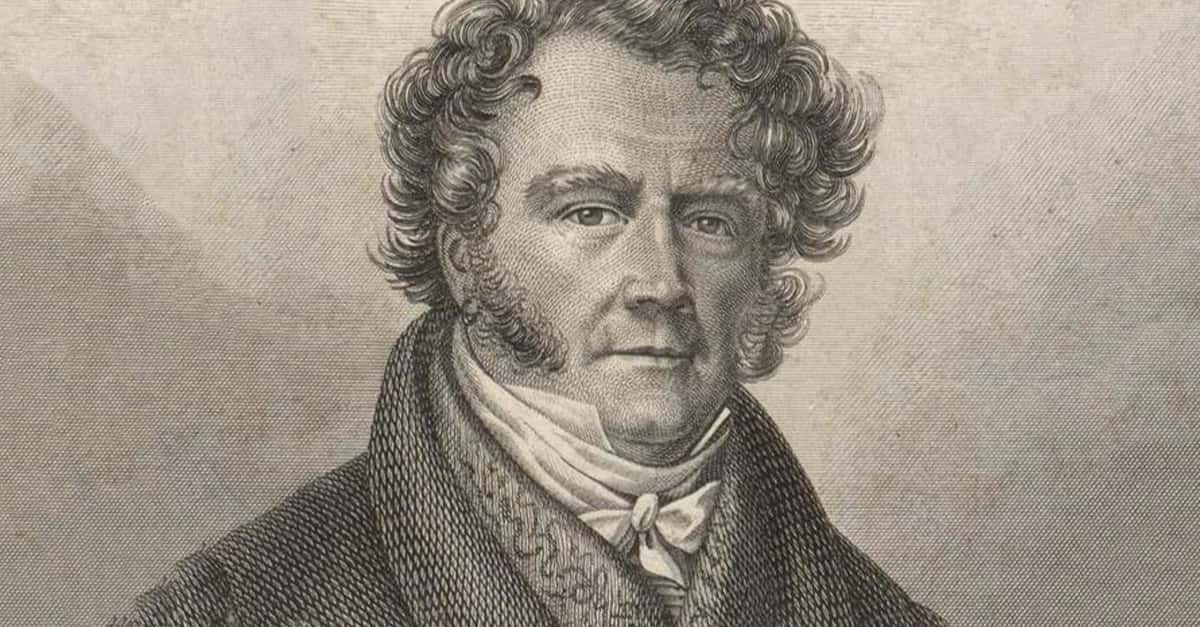
The Truth Machine?
Few investigative tools are as controversial as the polygraph. Popular culture often portrays it as a scientific lie detector, yet courts generally reject its results as evidence. Despite those limitations, law enforcement, intelligence agencies, and employers have continued using polygraphs for decades.

Early Detection Efforts
The idea behind the polygraph came about from attempts to measure physical reactions associated with deception. Researchers believed that lying could trigger measurable changes in breathing, blood pressure, pulse rate, and perspiration, potentially providing clues about a person's truthfulness.
 Ed Westcott, Wikimedia Commons
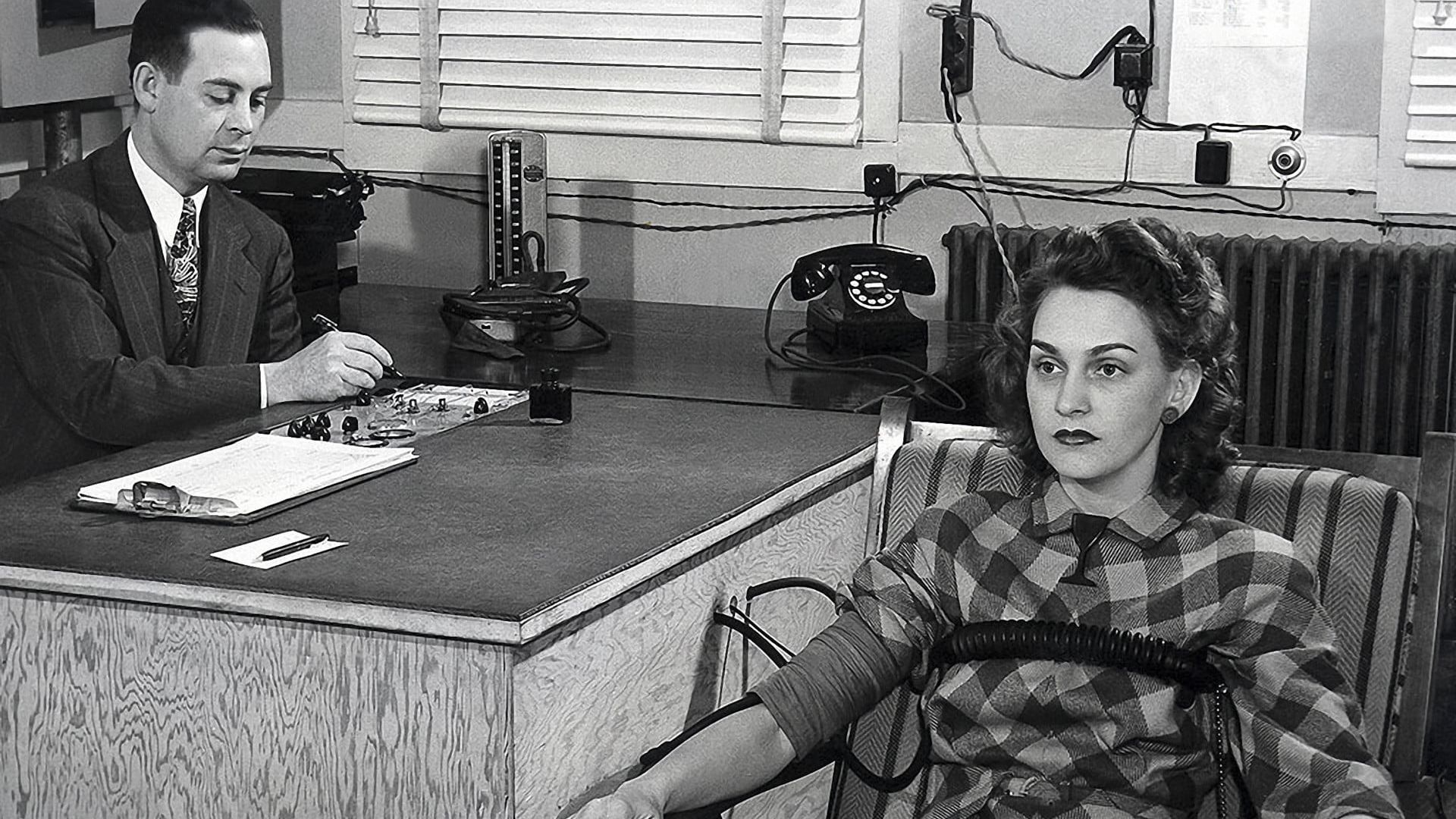
What A Polygraph Measures
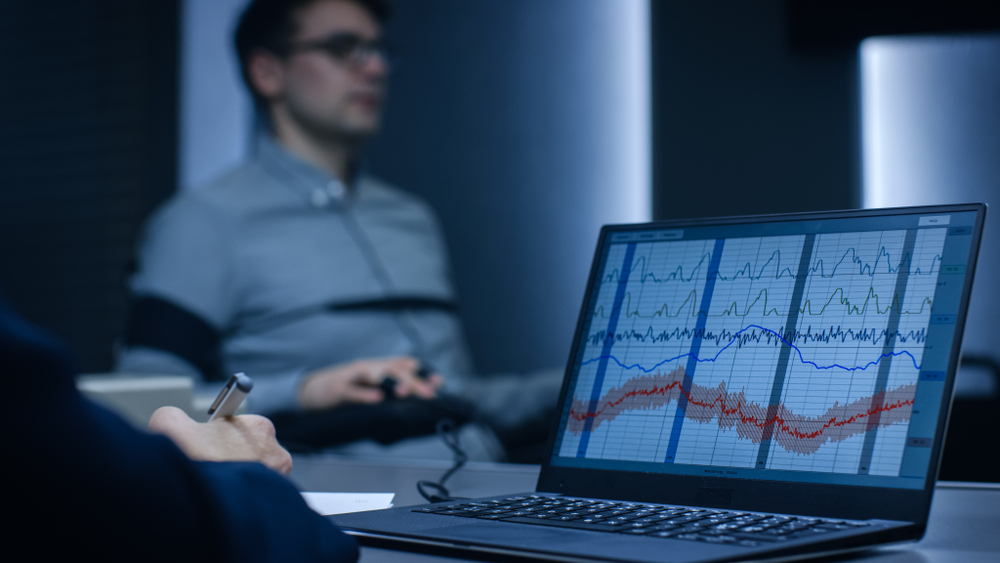
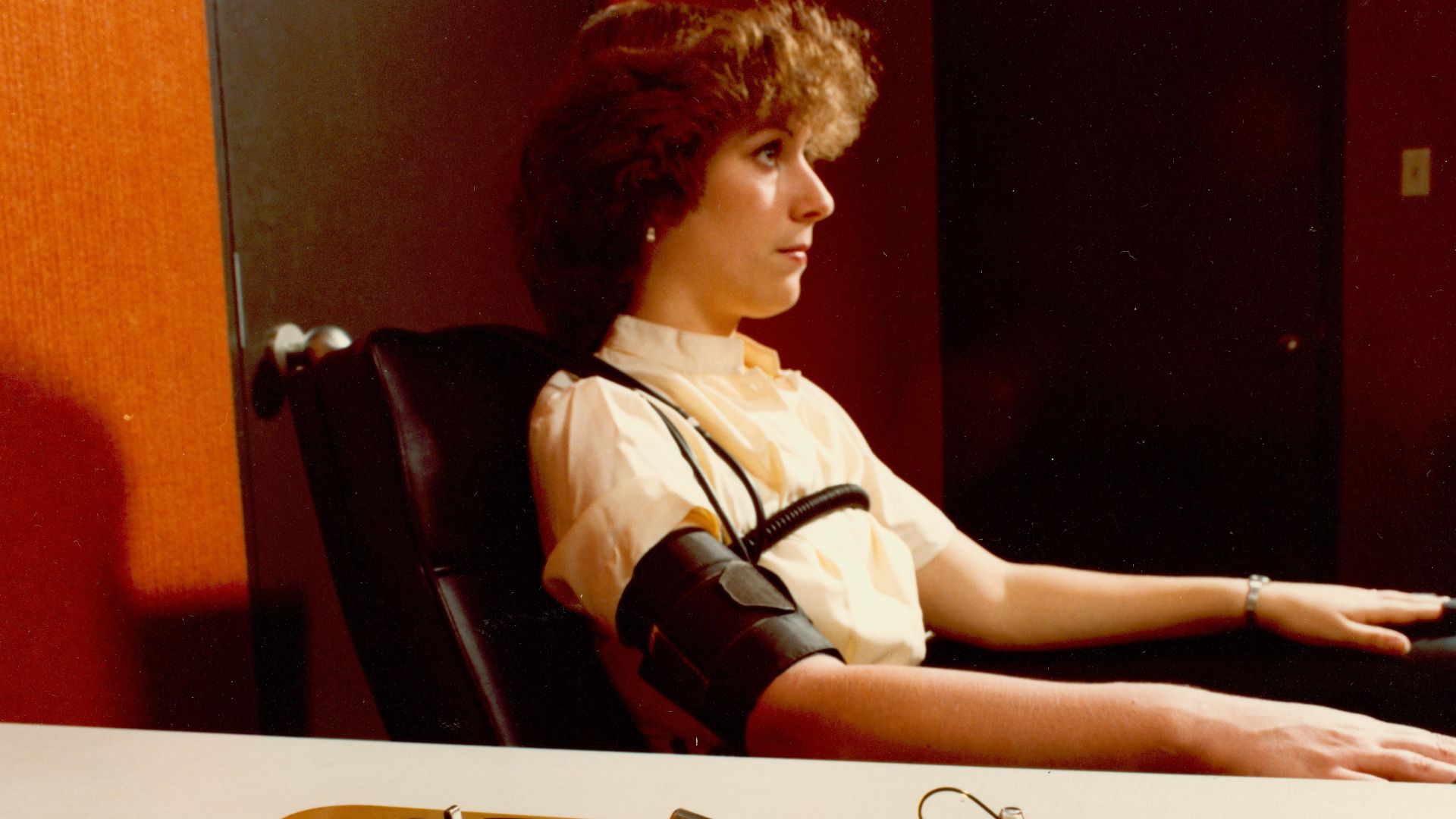
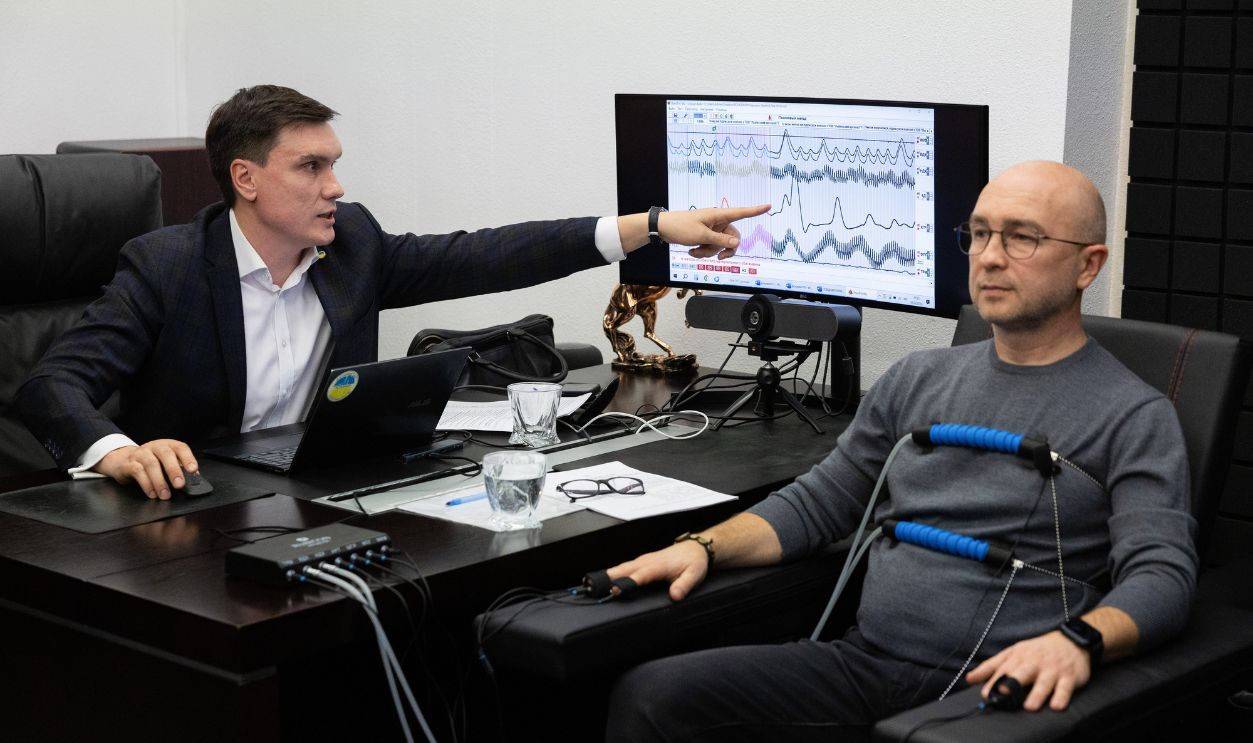
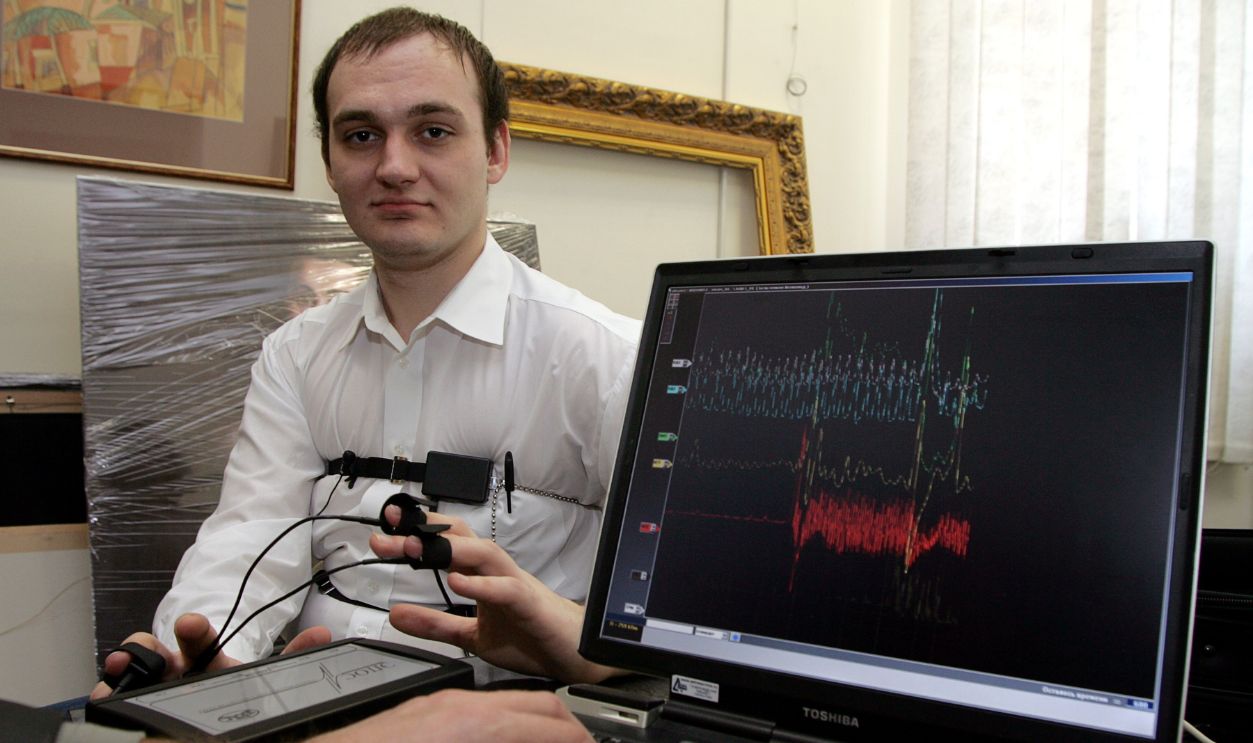
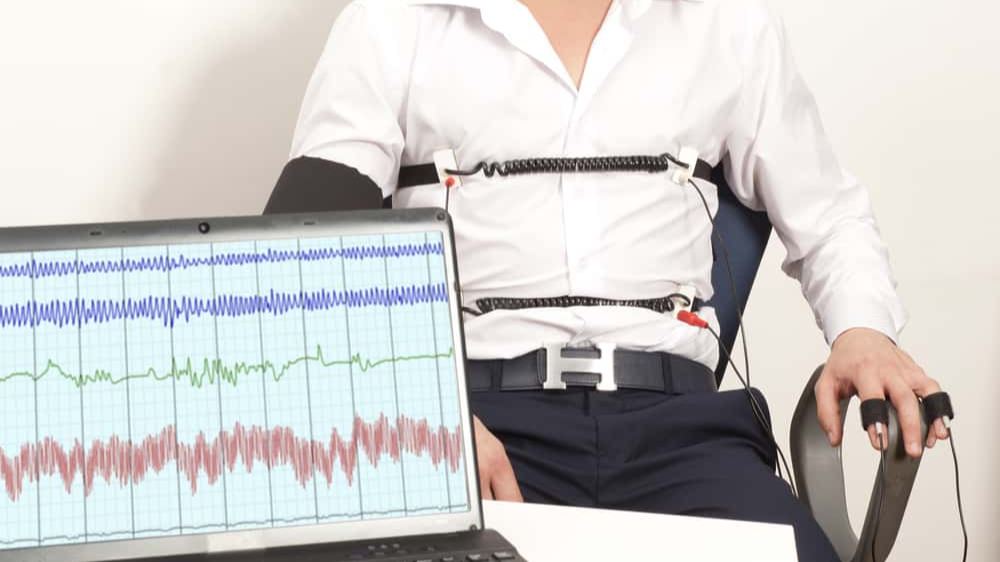
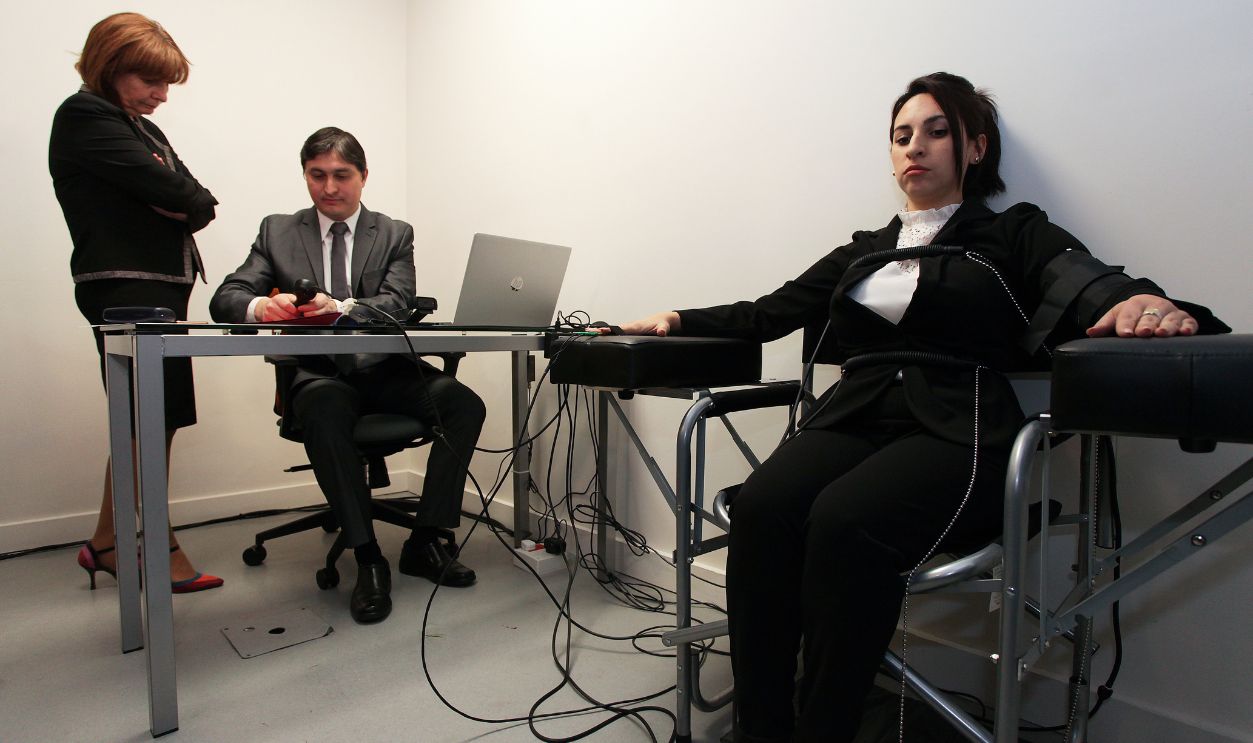
A polygraph does not actually detect lies. Instead, it records physiological responses such as respiration, cardiovascular activity, and galvanic skin response (electrical conductance). Examiners then interpret those measurements to determine whether certain answers appear to cause unusual stress or anxiety.
Leonarde Keeler
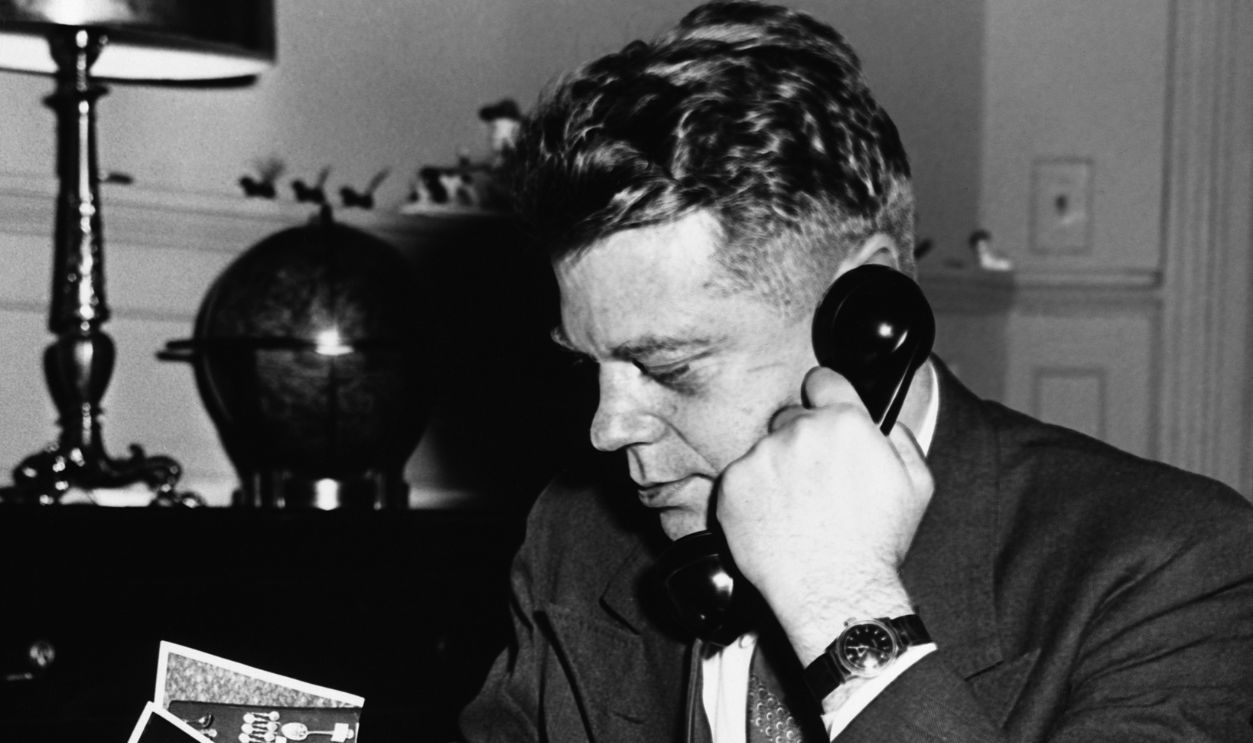
Leonarde Keeler became the individual most closely associated with bringing the polygraph into mainstream investigative work. His efforts to develop a working lie-detector machine transformed earlier experimental concepts into a practical tool used by police departments and government agencies throughout the United States.
Keeler's Early Life
Leonarde Keeler was born in Berkeley, California, on October 30, 1903. As a young man, he became interested in criminology and scientific investigation, interests that eventually led him toward developing more sophisticated methods for detecting deception.
 Agence de presse Meurisse, Wikimedia Commons
Working With Larson
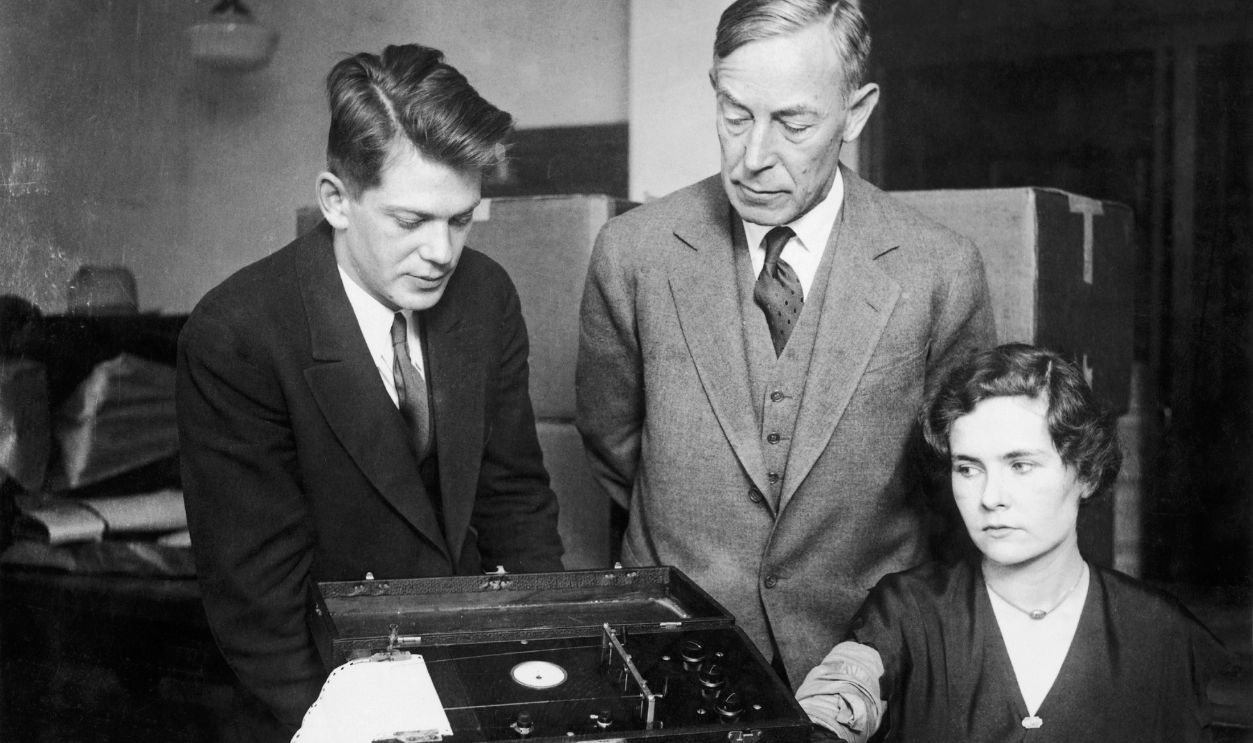
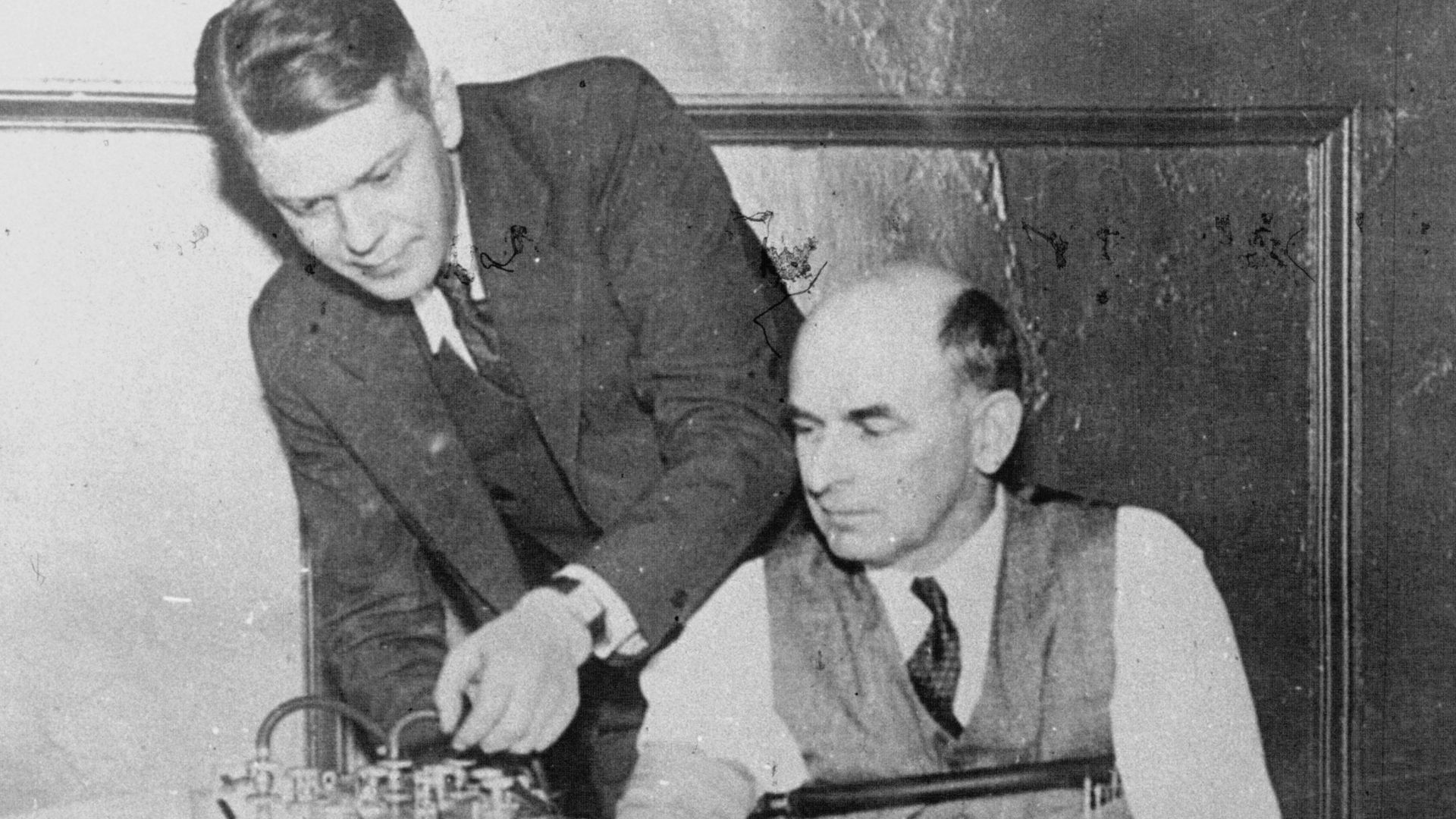
Keeler worked with another budding inventor, John Augustus Larson, who had developed an earlier polygraph design. While Larson established important foundations, Keeler focused on improving the technology and making it more practical for routine use in criminal investigations.
 Federal Bureau of Investigation, Wikimedia Commons
Improving The Device
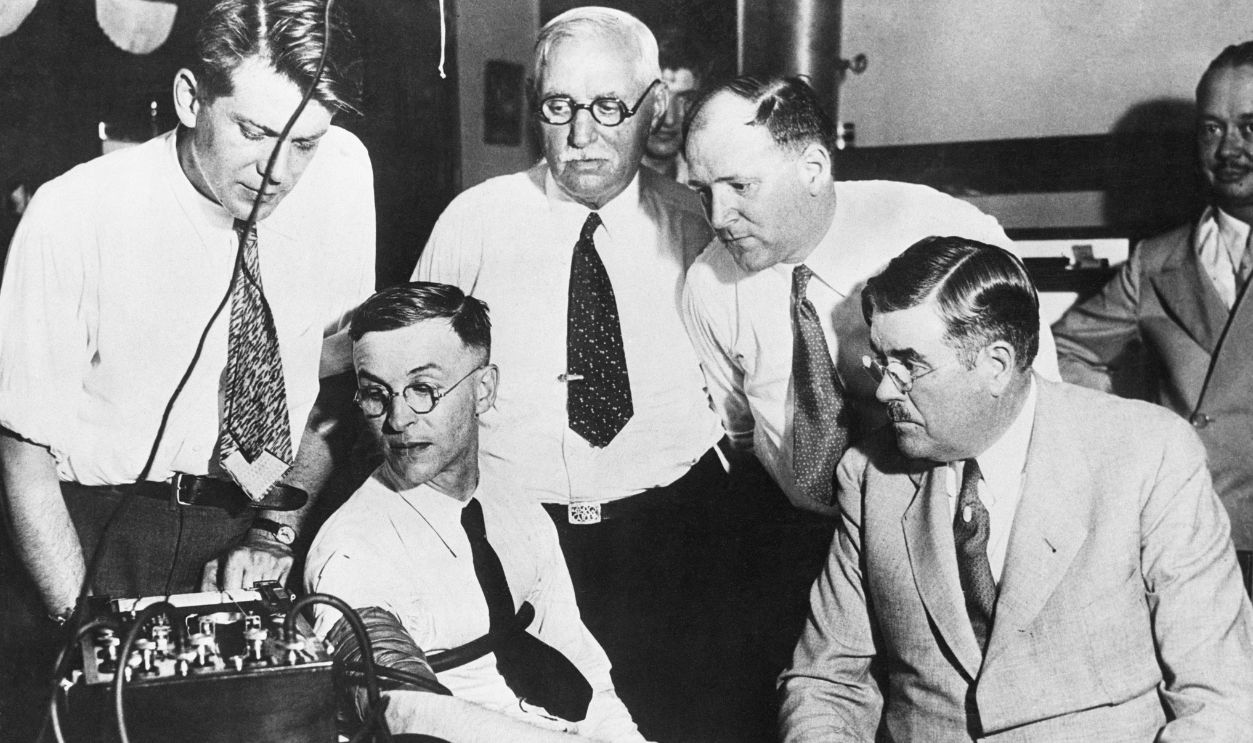
Keeler improved on earlier instruments by making them more portable and easier to operate. He also added new measurements, including galvanic skin response. These improvements helped move the polygraph from a laboratory experiment toward a tool investigators could use regularly.
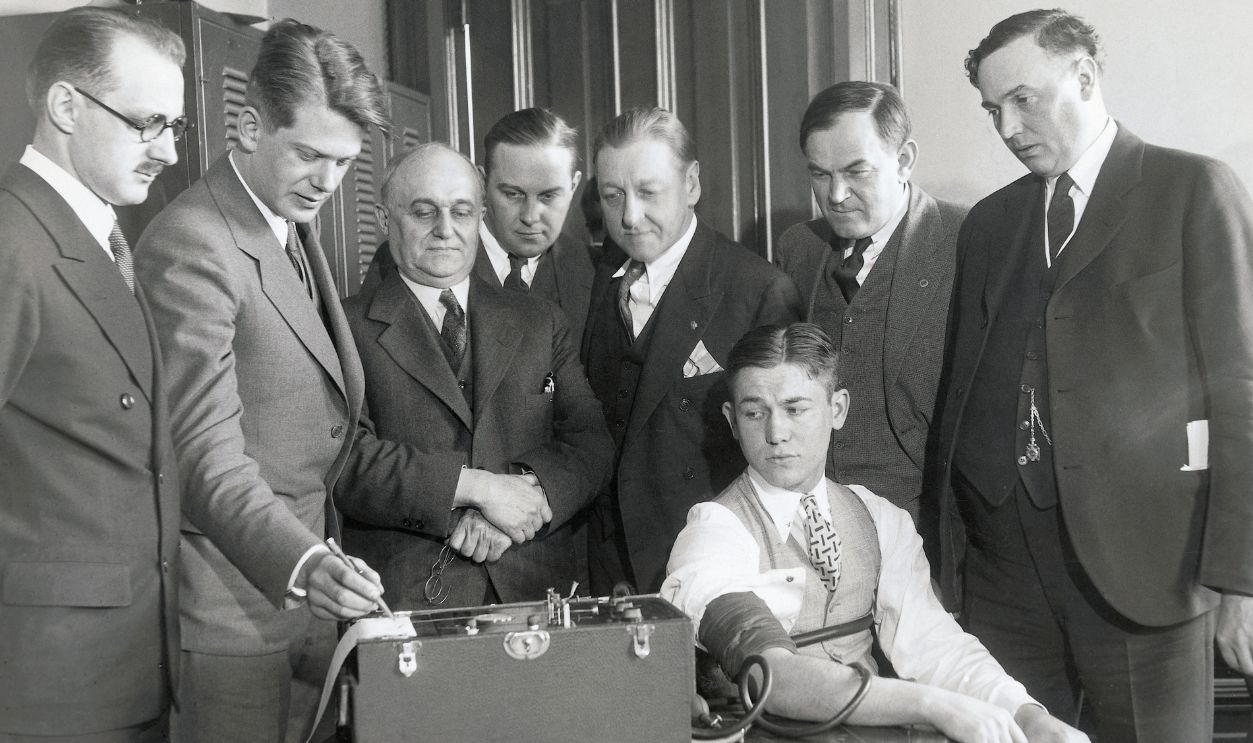
Chicago Crime Laboratory
Keeler's work gained visibility through the Chicago Crime Detection Laboratory. The laboratory became an influential center for scientific criminal investigation, and the polygraph's use there helped establish its reputation among law enforcement agencies during the twentieth century.
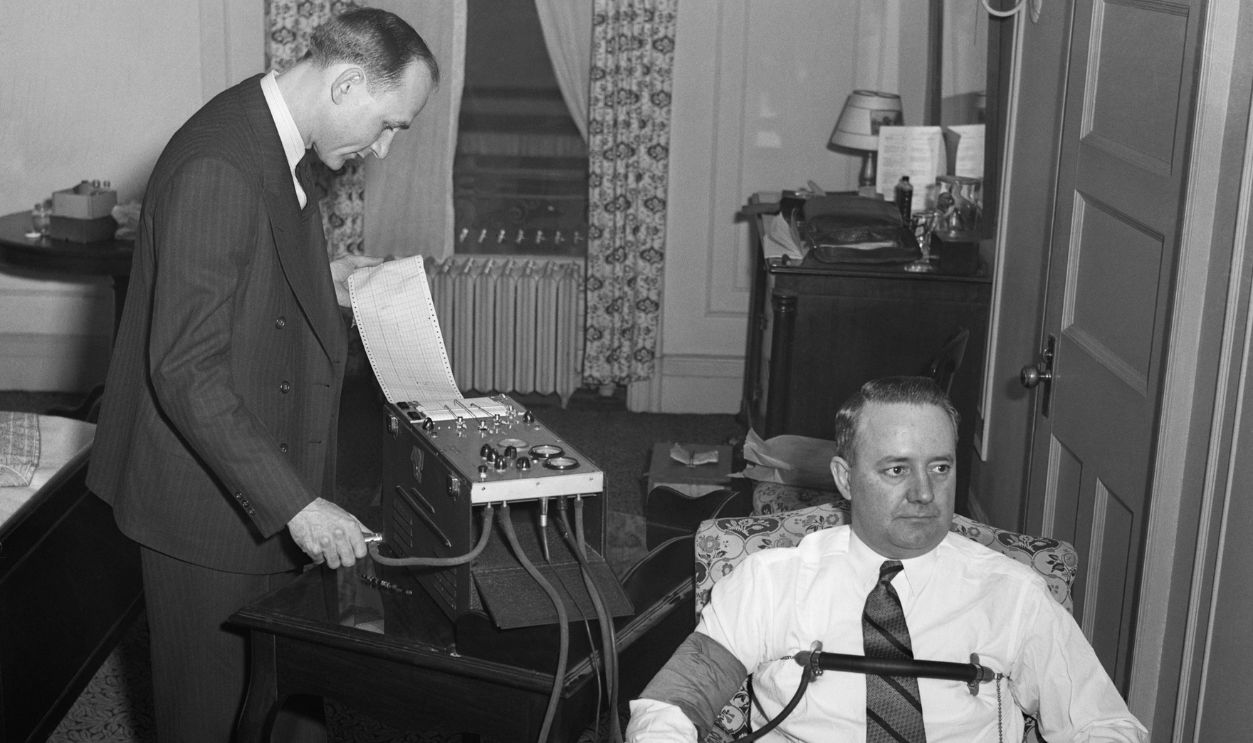
Bringing Polygraphs Mainstream
According to accounts of Keeler's career, he traveled extensively demonstrating the polygraph and training examiners. His promotional efforts played a major role in spreading acceptance of the device among police departments that were already sitting up and taking a keen interest in scientific investigative techniques.

History's most fascinating stories and darkest secrets, delivered to your inbox daily.
The Frye Case
The most important legal challenge to the admissibility of lie-detector results arrived with Frye v. United States in 1923. The case involved an early lie-detection test that defense attorneys wanted admitted as evidence. The court's decision would shape polygraph admissibility for generations.
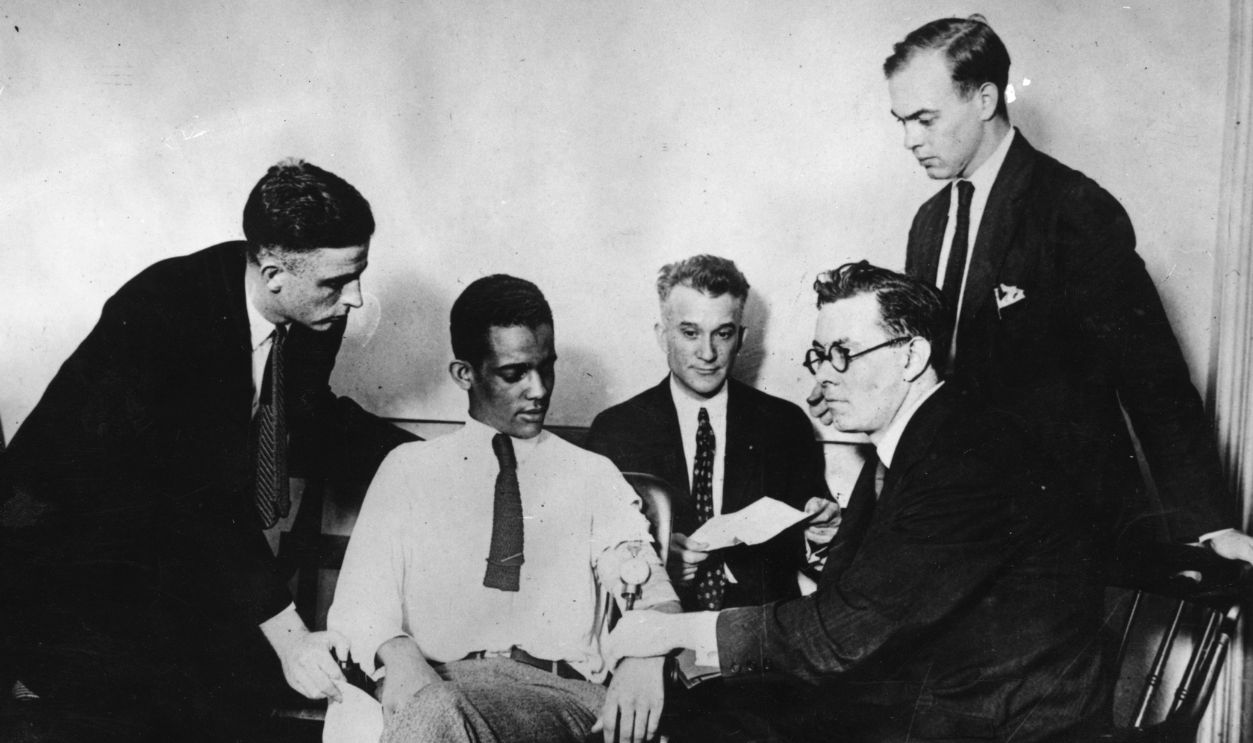 Topical Press Agency, Getty Images
Frye's Lasting Impact
The Frye ruling established the 'general acceptance' standard for scientific evidence. The court concluded that deception testing had not yet gained sufficient scientific acceptance. As a result, polygraph evidence was excluded from the trial and many others afterward.
Courtroom Resistance
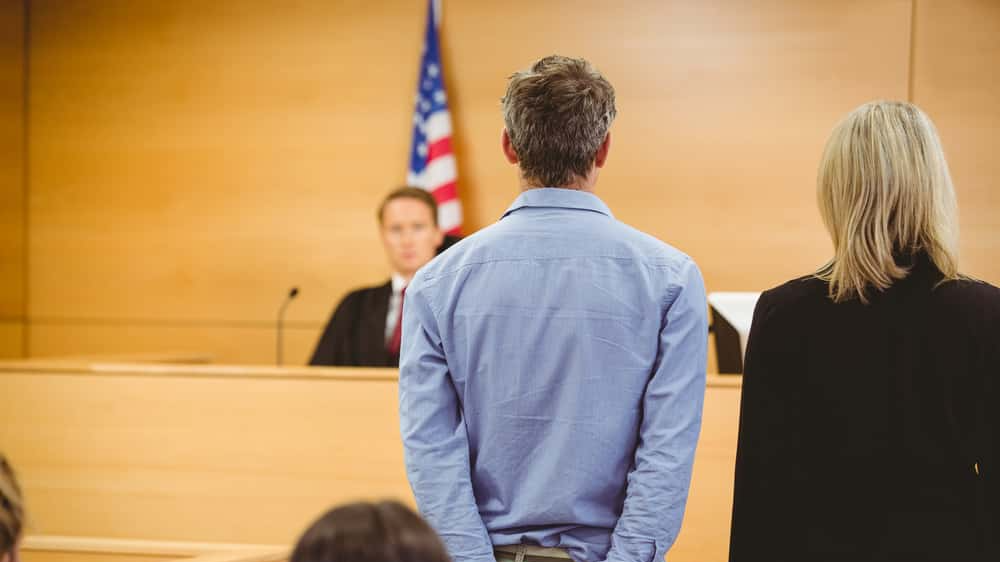
Many courts remained skeptical because polygraph results depend heavily on examiner interpretation. Concerns about reliability, consistency, and scientific validity made judges reluctant to allow juries to consider polygraph findings as evidence of guilt or innocence.
Scientific Debate Continues
Researchers have long debated the accuracy of polygraph testing. Critics argue that nervousness, fear, confusion, or medical conditions may affect results. Supporters contend that properly administered examinations can provide useful investigative information despite their limitations.
Why Investigators Persist
If courts generally reject polygraph evidence, why do investigators still use it? One reason is that examinations can encourage subjects to provide additional information, make admissions, or reveal inconsistencies that investigators might not otherwise discover.
An Investigative Tool
Many agencies view the polygraph less as a truth machine and more as an investigative aid. The examination process itself often generates leads, prompts follow-up questions, and helps investigators focus attention on areas requiring additional scrutiny.

Screening Government Employees
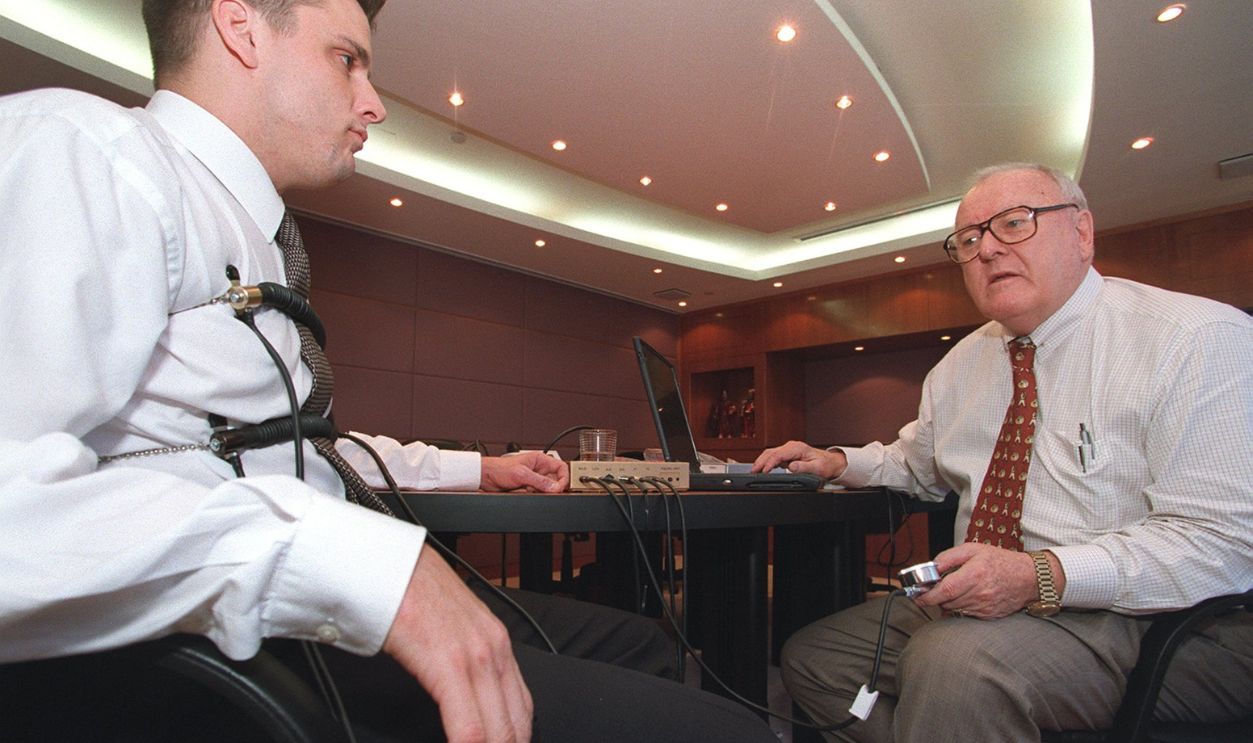
Polygraphs became especially common in national security settings. Intelligence agencies and certain government organizations have used them for applicant screening, security clearances, and investigations involving classified information, even though courts generally reject the results as evidence.
 South China Morning Post, Getty Images
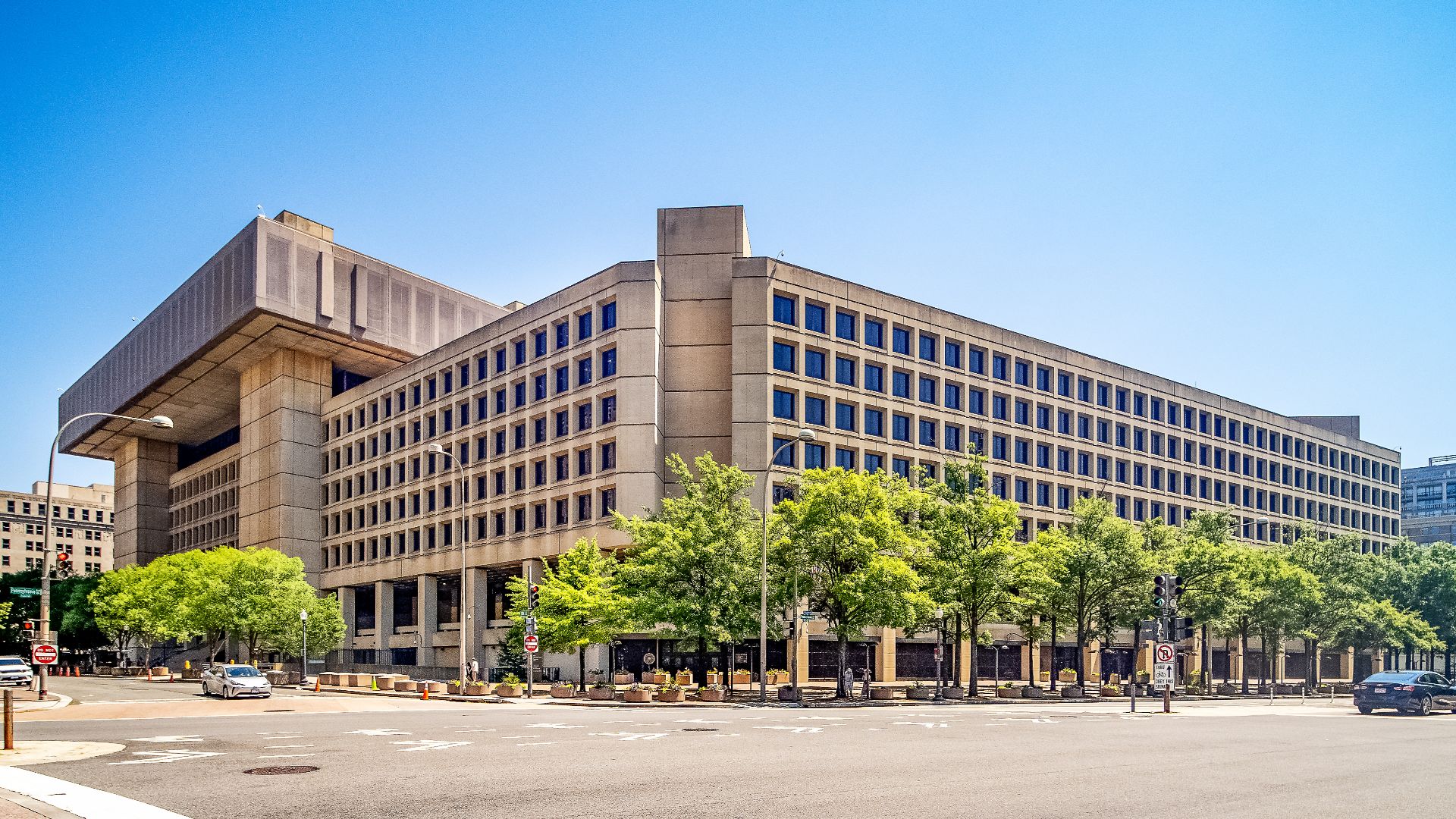
The FBI Example
A 2025 NPR report highlighted continued FBI reliance on polygraph examinations during investigations into leaks from government agencies to the press. The bureau still considers polygraphs a useful part of security inquiries, reflecting the government's ongoing confidence in their investigative value.
Confessions Matter
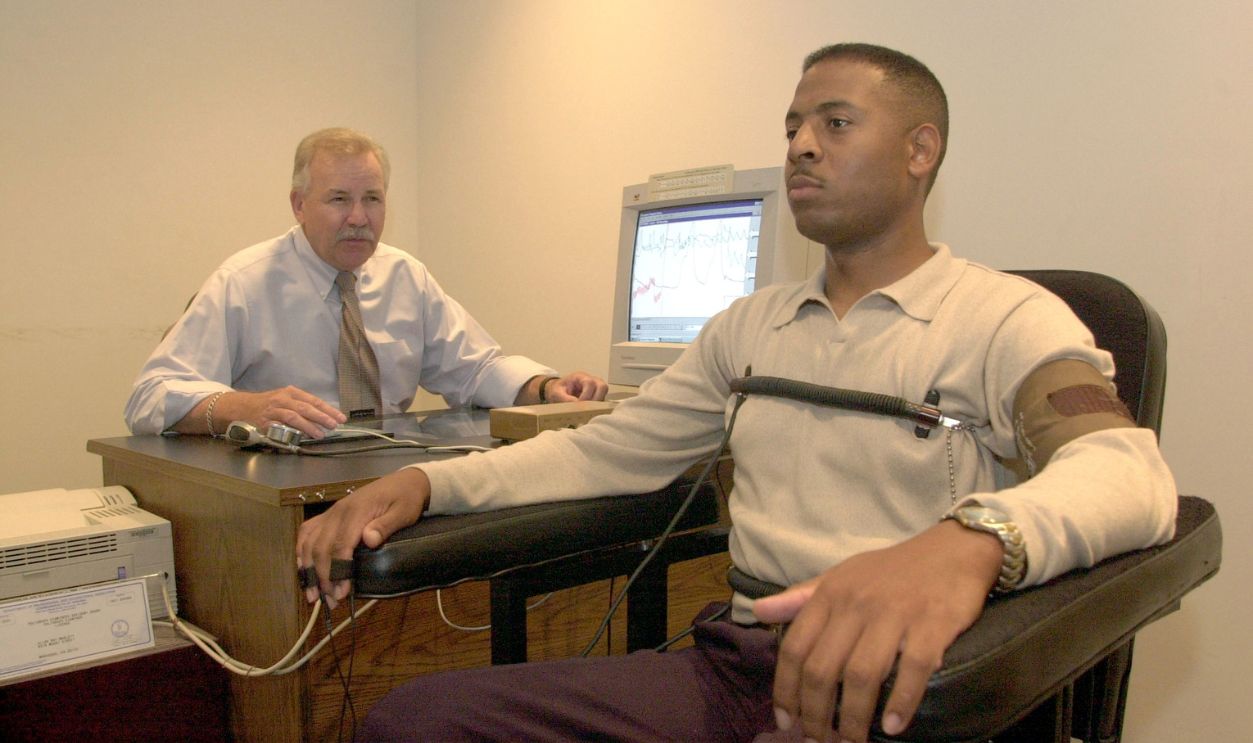
One reason agencies continue administering polygraphs is that confessions obtained during or after examinations may be admissible even when the polygraph results themselves are not. Investigators often regard those admissions as more valuable than the charts produced by the machine.
 Sandy Schaeffer/Mai, Getty Images
The Psychology Factor
Polygraph examinations can exert psychological pressure. Subjects often believe the machine can detect deception accurately. That perception alone may influence behavior, encouraging greater cooperation or prompting individuals to disclose information they previously withheld.
Limits Of Reliability
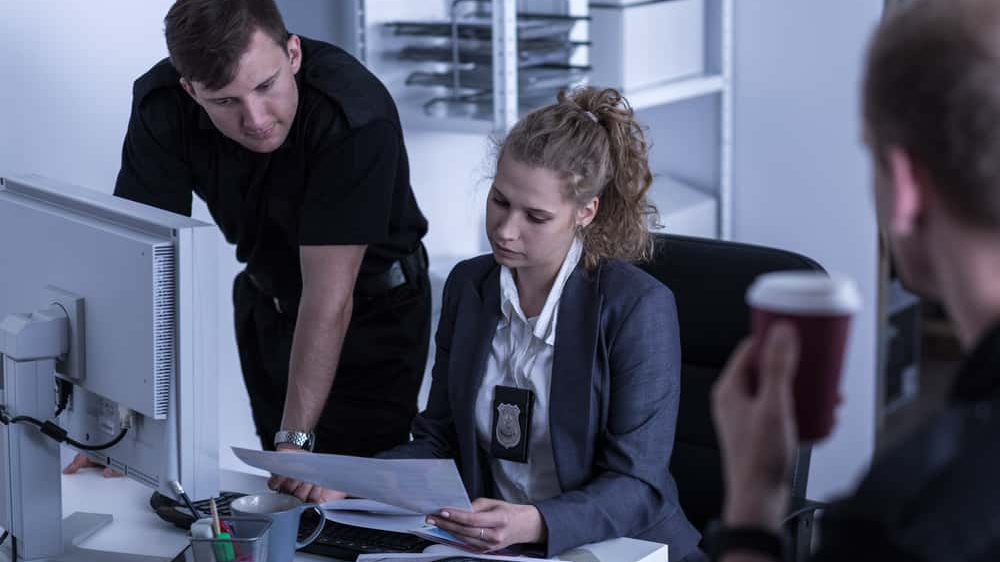
Even supporters acknowledge limitations. Polygraph outcomes can be affected by examiner skill, testing conditions, question formulation, and individual physiological differences. These variables contribute to the continuing controversy surrounding the technology's reliability and scientific standing.
Famous False Negatives
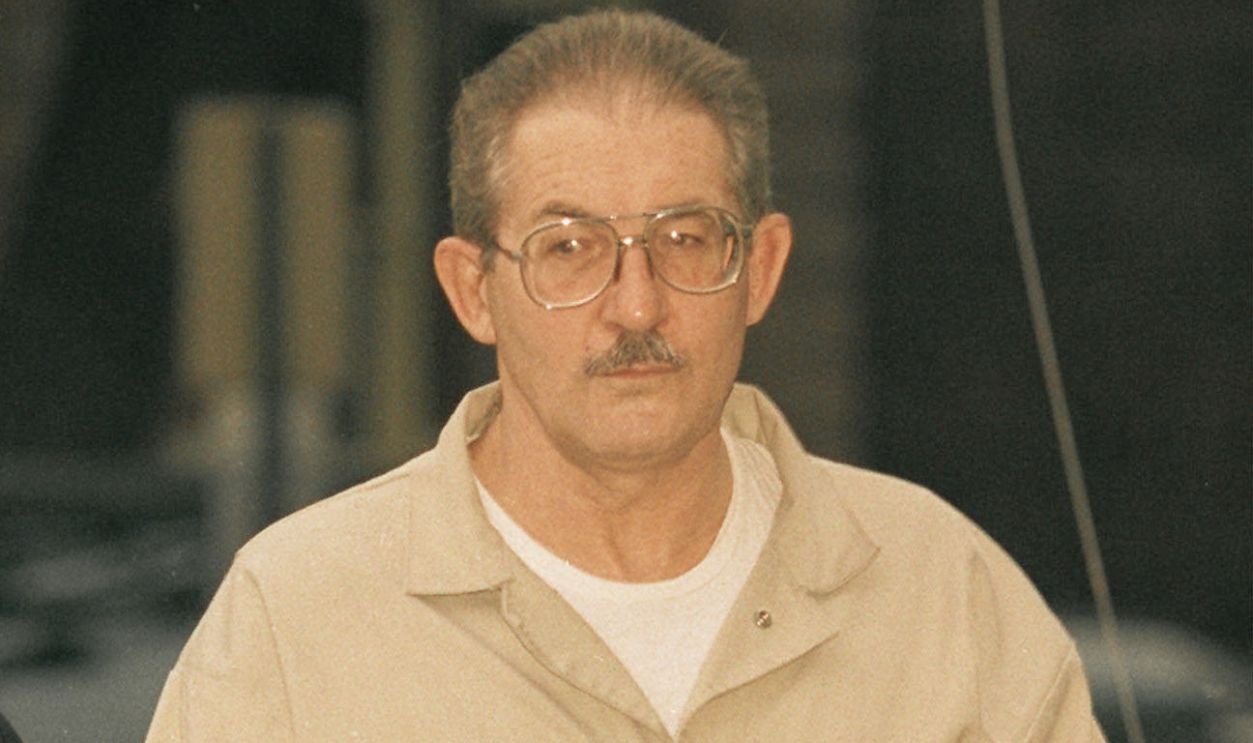
Critics often point to cases where major criminals passed polygraph examinations. Serial killer Gary Ridgway, later identified as the Green River Killer, reportedly passed a polygraph during the investigation. CIA spy Aldrich Ames also passed polygraph tests while secretly spying for the Soviet Union. These cases became famous examples used by skeptics who argue that some deceptive individuals can successfully defeat polygraph examinations.
Not Universally Banned
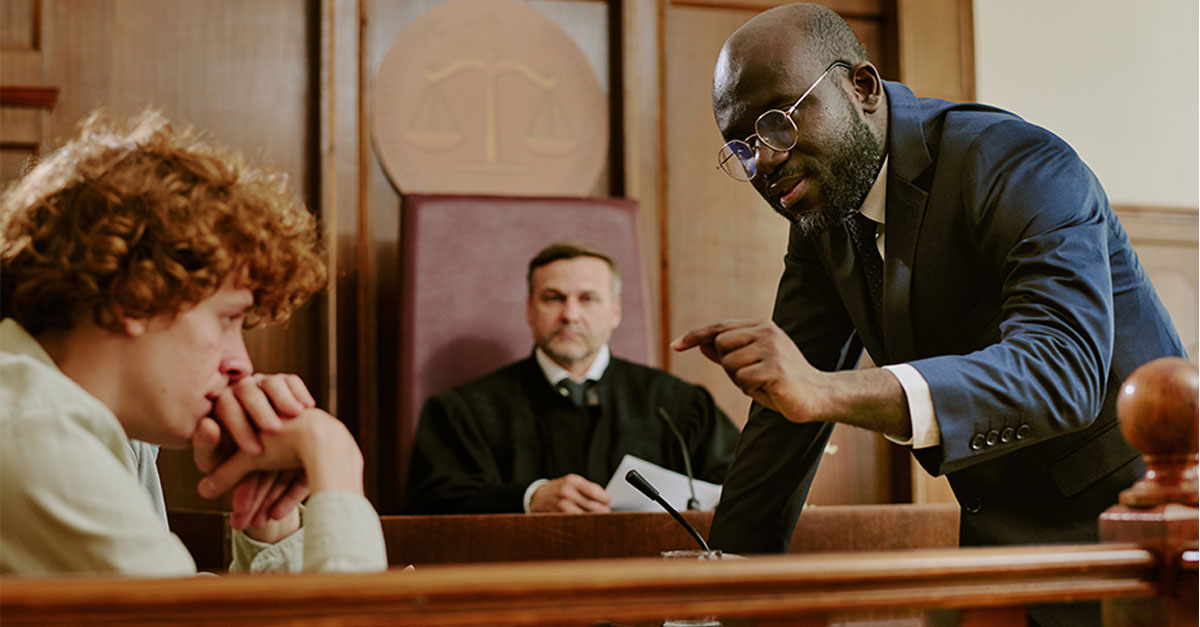
Although many criminal courts exclude polygraph evidence, legal treatment varies across jurisdictions. Some courts permit results under limited circumstances, particularly when both sides agree beforehand, though such situations are still uncommon.
Modern Alternatives
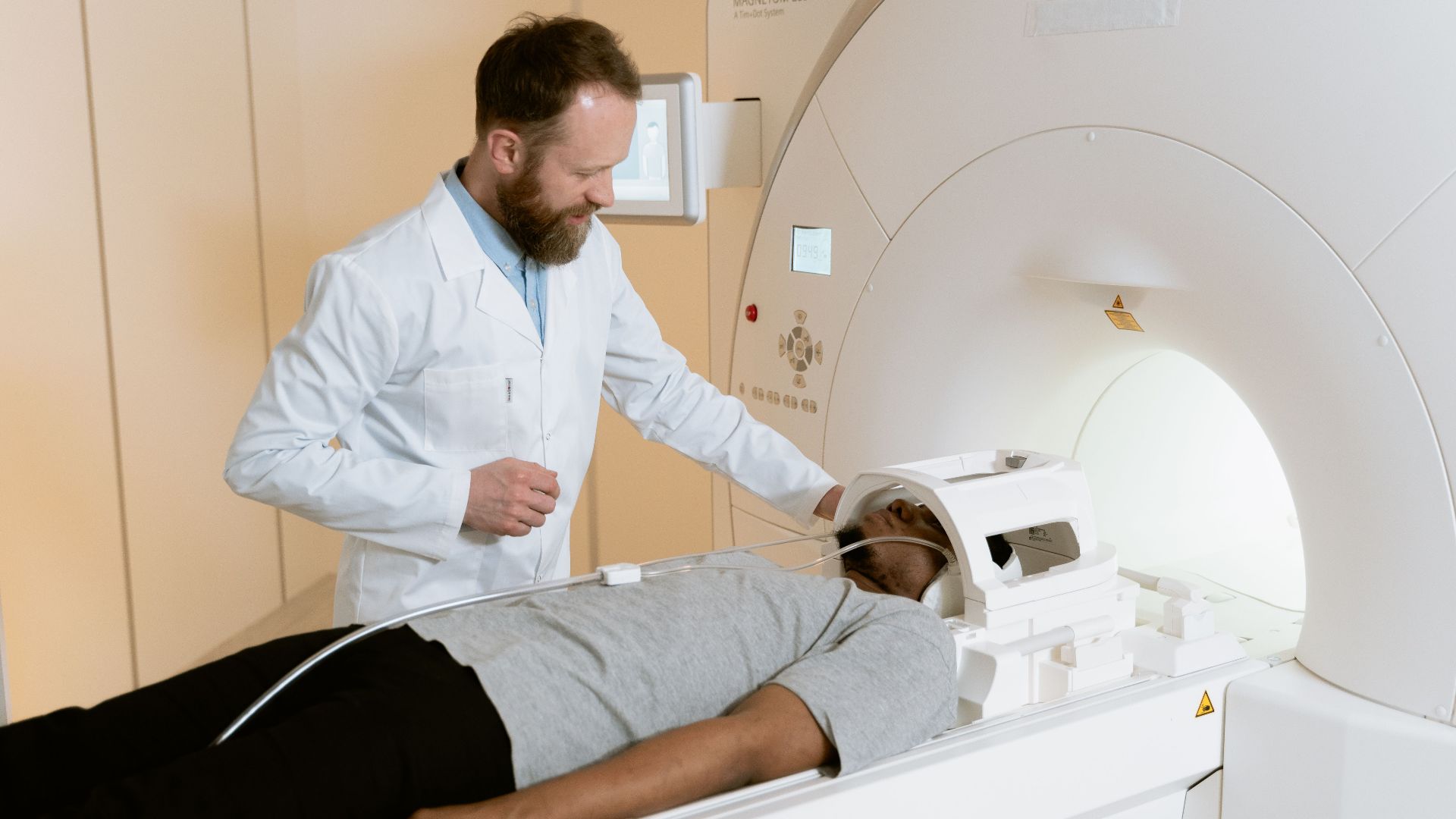
Researchers are always exploring other methods of deception detection, including brain imaging and behavioral analysis. Despite technological advances, no attempted replacement has completely displaced the polygraph, which is still to this day one of the most recognizable investigative tools ever created.
Popular Culture Influence
Movies, television programs, and crime novels helped cement the polygraph's reputation in the public imagination. These portrayals tend to exaggerate its capabilities, reinforcing the widespread belief that the machine can definitively determine whether someone is lying.

Keeler's Legacy
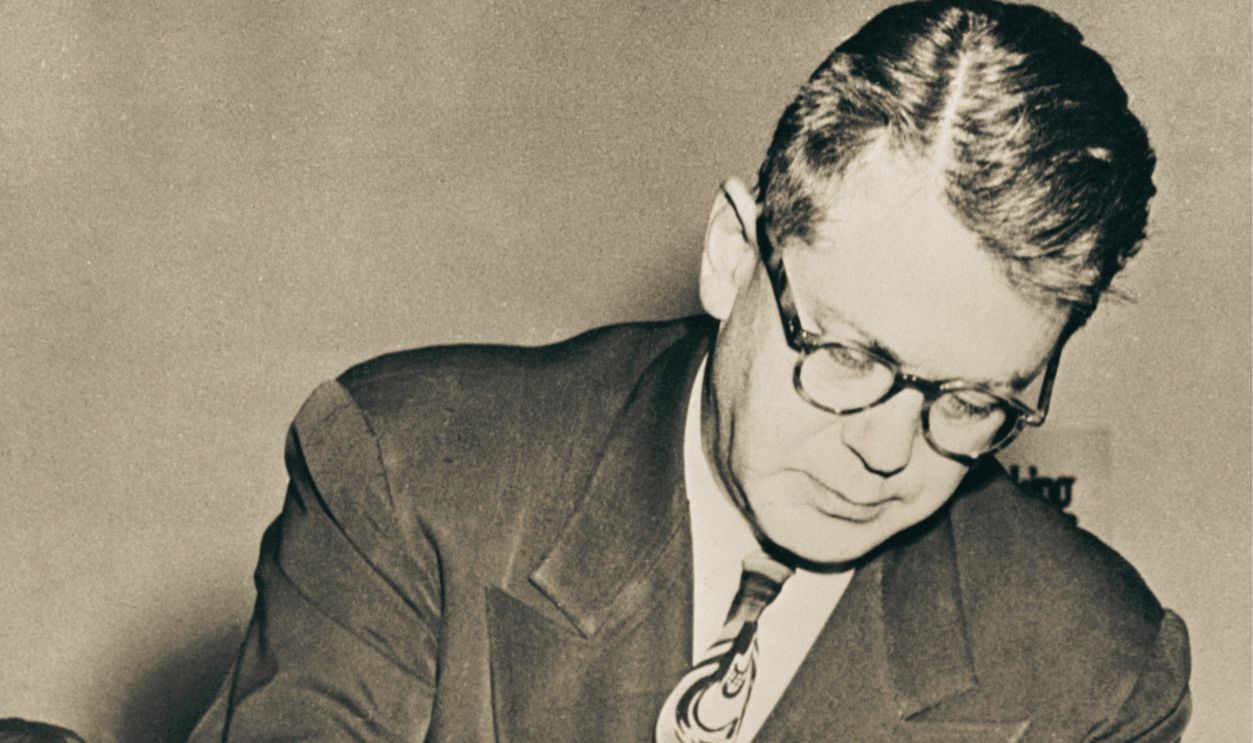
Leonarde Keeler died in 1949, but his influence was significant. The instrument he helped refine became one of the most widely recognized tools in criminal investigation, even as scientists, lawyers, and judges continued debating its true effectiveness.
A Tool, Not Proof
The polygraph occupies an unusual position in modern investigations. Courts generally refuse to treat its results as proof, yet investigators still use it because it can generate leads, encourage confessions, and support broader inquiries. Its value remains investigative rather than evidentiary.
You May Also Like:
43 Contentious Facts About the Supreme Court of the United States