A King's Final Disaster
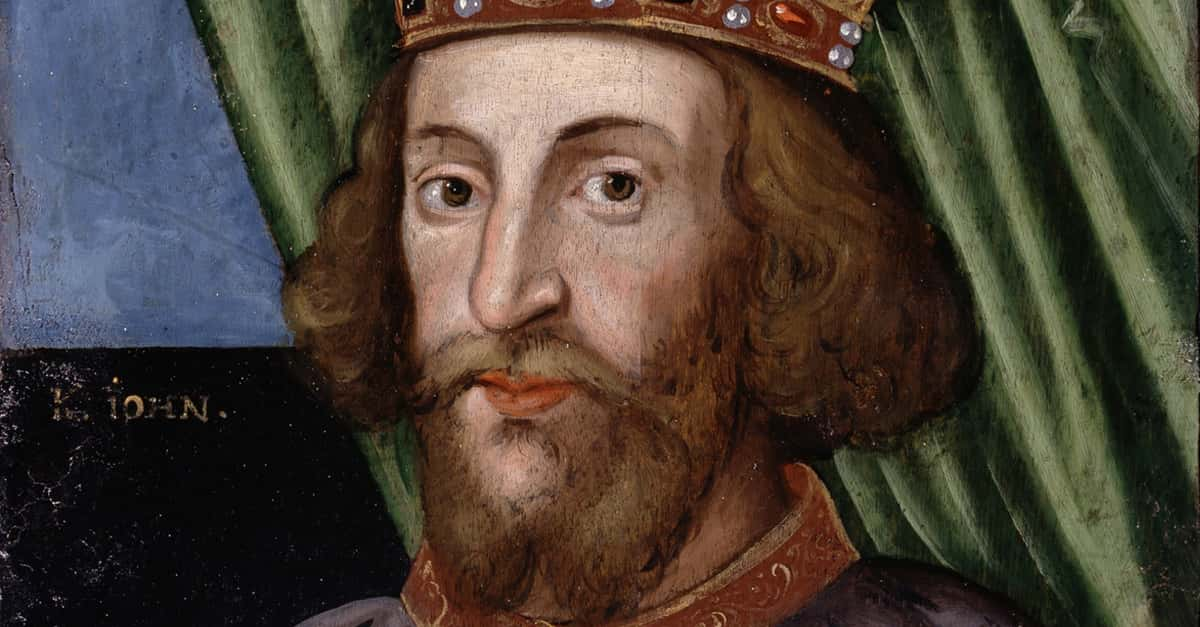
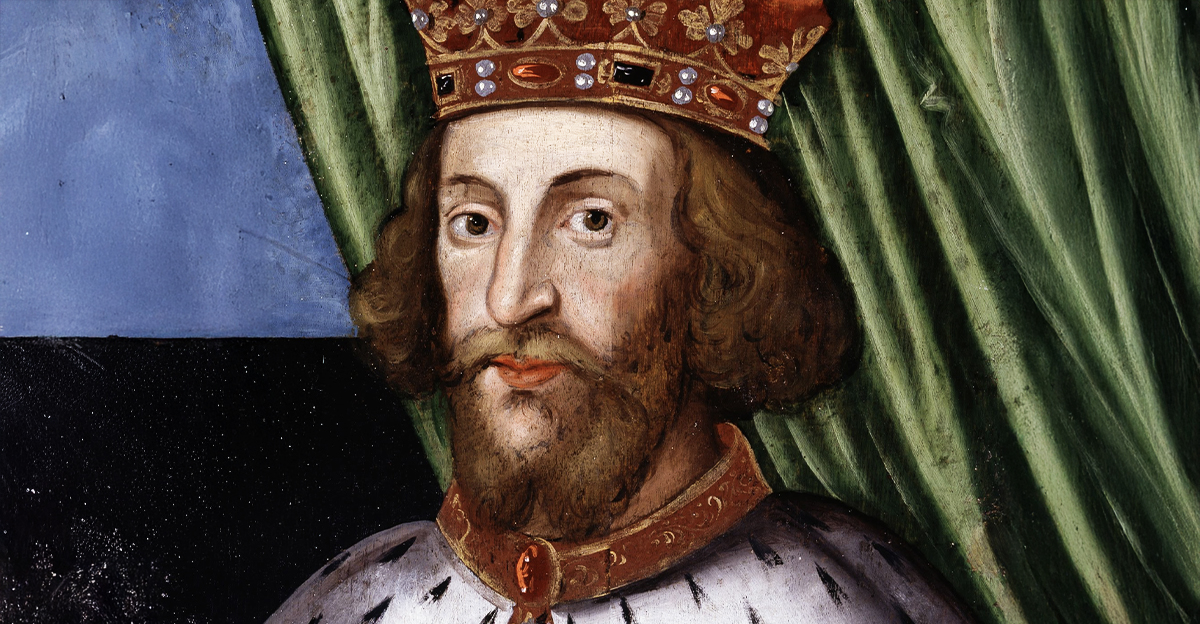
In October 1216, England's King John suffered one of the most humiliating disasters in royal history. A convoy carrying his possessions vanished into the treacherous tidal waters of the Wash, reportedly taking precious treasure with it. Just seven days later, the king was dead. But what exactly disappeared beneath the mud, and could a medieval fortune still be waiting to be discovered?
England Was Falling Apart
John had ruled England since 1199, but by 1216 his kingdom was in chaos. His disastrous conflicts with France, heavy taxation, and bitter disputes with the English nobility had made him deeply unpopular. In June 1215, rebellious barons forced him to accept Magna Carta, limiting certain royal powers. John soon repudiated the agreement, plunging England into civil war. By 1216, the rebels had invited Prince Louis of France to claim the English throne. John was fighting desperately to preserve his crown.
He Was Constantly Moving
Unlike modern monarchs, medieval kings rarely stayed in one residence for long. John traveled throughout his kingdom with an enormous entourage of soldiers, servants, officials, horses, and baggage wagons. The royal household carried everything needed to maintain the king's authority, including clothing, furnishings, religious objects, and valuables. His baggage train could stretch for miles. In October 1216, John was campaigning through eastern England, moving northward as his enemies threatened his remaining territories.
He Chose A Dangerous Route
On October 11, John left King's Lynn in Norfolk, heading toward Lincolnshire. The journey posed a serious obstacle: the Wash, a vast tidal estuary separating Norfolk from Lincolnshire. At low tide, parts of its muddy shoreline could be crossed, offering travelers a considerable shortcut. However, the area was notorious for shifting sands, dangerous channels, and rapidly rising water. John apparently took a safer inland route through Wisbech, while his baggage convoy attempted the more direct crossing toward Long Sutton.
 Charles Buchel, Wikimedia Commons
The Tide Turned Against Them
On October 12, 1216, the royal baggage train attempted to cross the tidal flats, probably near the area now known as Sutton Bridge. The wagons were heavy, the ground unstable, and the available crossing time dangerously short. According to medieval accounts, carts and packhorses became trapped as the tide advanced. Men struggled to free the vehicles, but the rising water overwhelmed the convoy. Horses, wagons, supplies, and valuable possessions disappeared into the mud and water. Some attendants reportedly drowned in the catastrophe.
His Crown May Have Vanished
What made the disaster legendary was the treasure supposedly carried in those wagons. Chronicler Roger of Wendover described the loss of money, precious vessels, and possessions particularly valued by the king. Another chronicler, Ralph of Coggeshall, mentioned John's traveling chapel and sacred relics. Later accounts claimed that the royal crown and other coronation regalia had disappeared, but historians can’t establish precisely which valuables were lost. The familiar story that England's Crown Jewels sank into the Wash may contain considerable exaggeration.
 Roger Gittins, Wikimedia Commons
His Health Suddenly Collapsed
John reached Swineshead Abbey in Lincolnshire, but his health was deteriorating rapidly. Medieval chroniclers offered competing explanations for his illness. Some blamed his distress over the lost treasure, while others described a fever aggravated by excessive eating and drinking. Later legends even suggested that a monk had poisoned him. Modern historians generally consider dysentery a more plausible explanation, and some evidence suggests he was already ill before the baggage mishap. Whatever the cause, John was becoming dangerously weak.
He Never Recovered
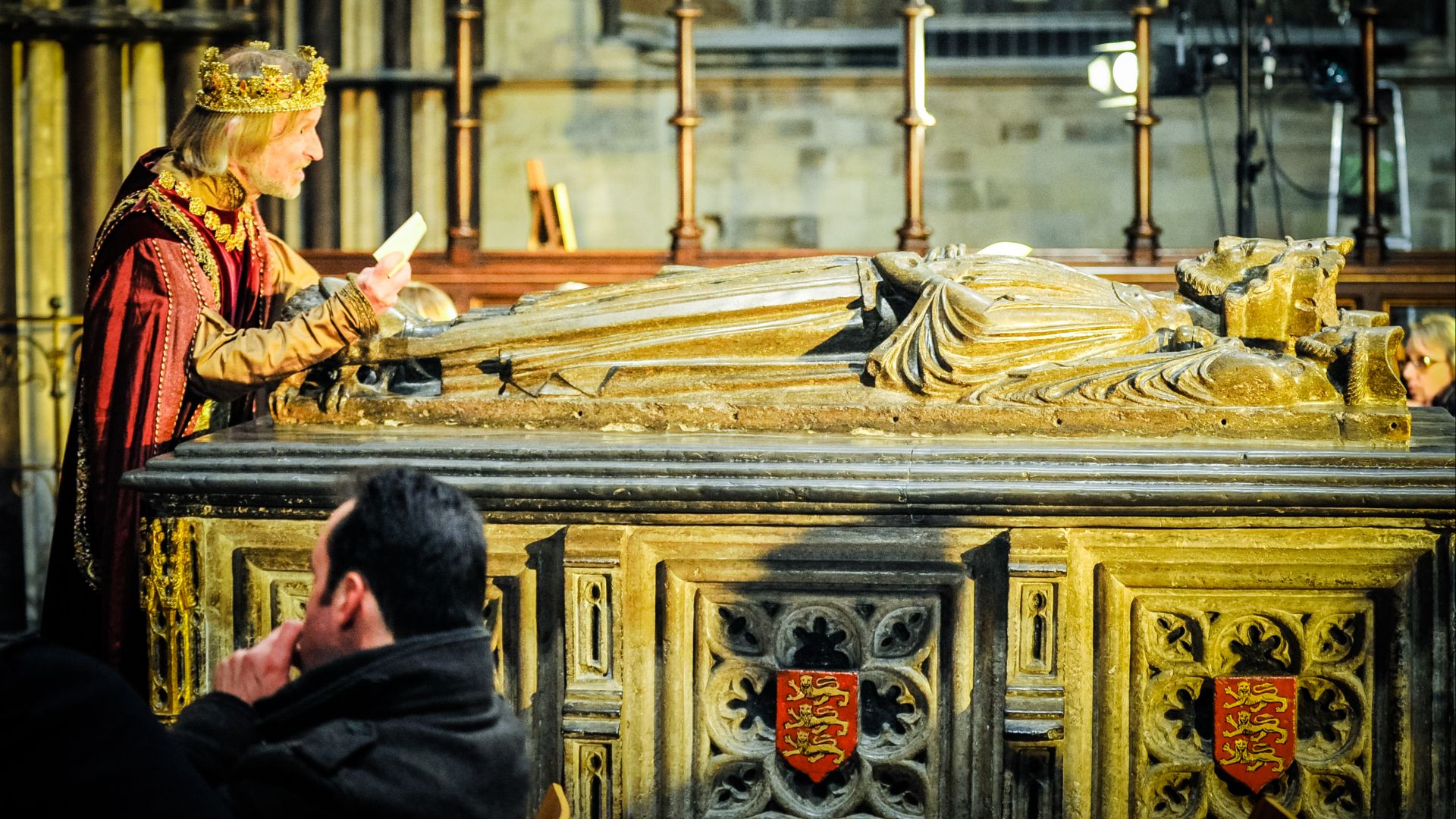
Despite his worsening condition, John continued toward Newark Castle in Nottinghamshire. By the time he arrived, he was gravely ill. On October 19, 1216, just seven days after the disaster in the Wash, the 49-year-old king died. His body was then transported to Worcester Cathedral for burial. His nine-year-old son succeeded him as Henry III and was crowned at Gloucester on October 28. The ceremony used a simple golden circlet, helping fuel speculation that John's proper royal crown had disappeared with his treasure.
 WorcesterRep, Wikimedia Commons
The Treasure Became A Legend
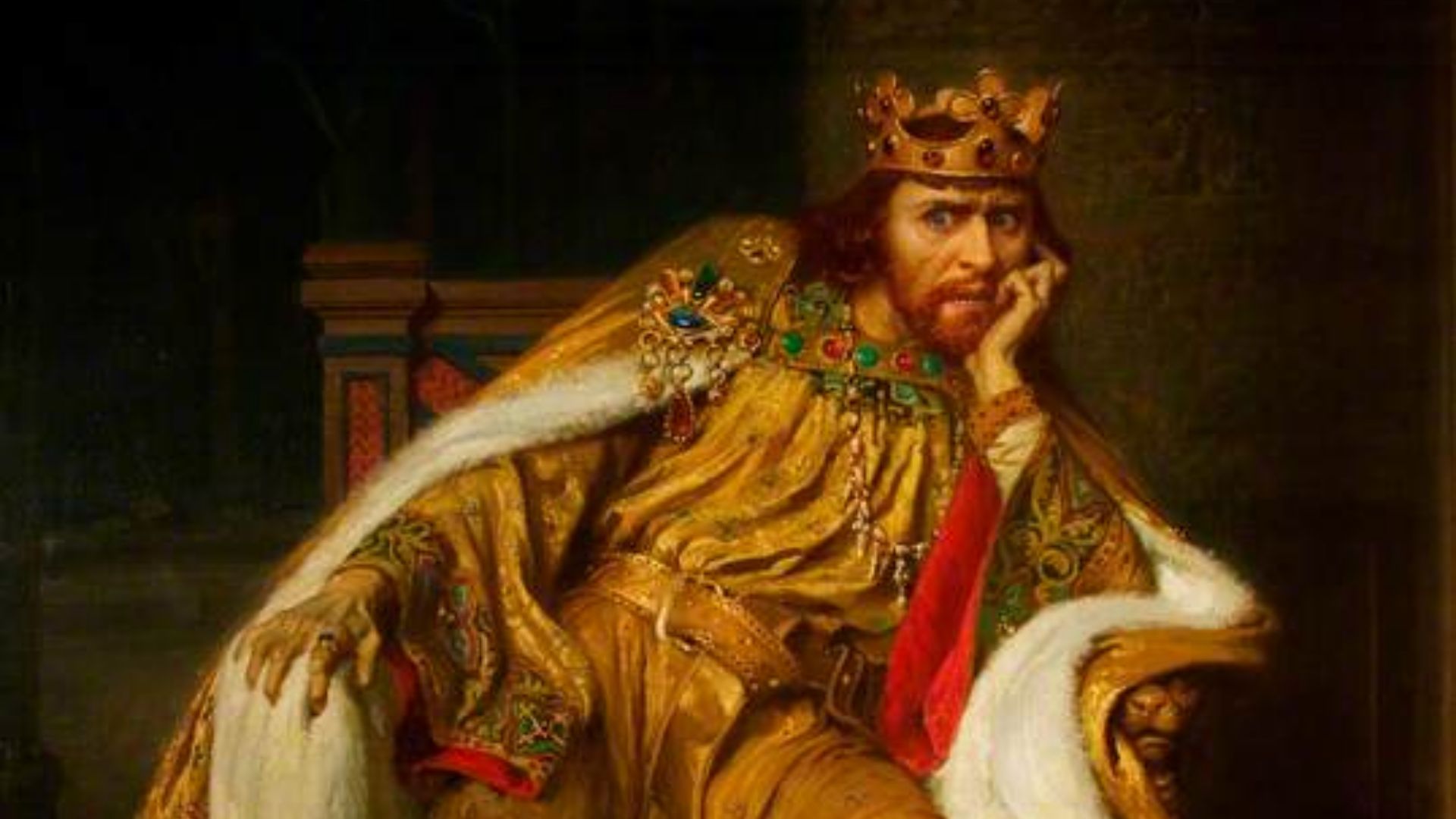
The disaster entered English folklore, and the story even appeared in William Shakespeare's play King John, where a character describes soldiers being swallowed by the tidal flats. The play's final scenes were adapted into a pioneering silent film, King John (1899), starring Herbert Beerbohm Tree. A BBC television adaptation followed in 1984, starring Leonard Rossiter. The specific treasure mystery received documentary treatment in The Last Journey of the Magna Carta King (2015), in which historian Ben Robinson investigated John's final days and the possibility that his crown jewels had vanished into the Wash.
Is The Treasure Still There?
More than 800 years later, no substantial hoard has been conclusively identified as King John's lost treasure. Centuries of land reclamation, drainage, and changes to the coastline have transformed the landscape, making the original crossing difficult to pinpoint. Fragments of gold and silver reportedly discovered during drilling in 1963 prompted speculation, but they couldn’t be reliably dated or connected to the king. Some of the lost valuables may remain buried beneath former tidal flats, while others could have been scattered, recovered, or carried away by water. The truth is that nobody knows exactly what happened to John's treasure, or even whether his crown was among the missing possessions. One of medieval England's greatest mysteries remains unsolved.
You May Also Like:
Corrupt Facts About King John, The Most Hated King Of England
Berengaria of Navarre: England’s Distant Queen
Unbelievable Facts About Richard The Lionheart, The Crusader King