Well, That Looks Ridiculous
Some products arrive and everyone immediately sees the future. These were not those products. People mocked them, dismissed them as pointless, called them lazy, strange or simply impossible to sell. Then something funny happened. We started using them everywhere—and no one was laughing anymore.

Shoppers Wanted Nothing To Do With Shopping Carts
When Sylvan Goldman introduced his shopping cart in Oklahoma City in 1937, customers resisted it. Men thought pushing one looked emasculating, while women thought it felt too much like pushing another baby carriage. Goldman had solved a problem his customers apparently didn’t think they had.

So Goldman Hired Fake Shoppers
Rather than give up, Goldman hired male and female models to walk around his stores confidently pushing carts. Once real shoppers saw other people using them, attitudes changed remarkably quickly. Within weeks, carts were being used throughout his stores. Today, a supermarket without them would seem ridiculous.

People Didn’t Want To Pay For Toilet Paper
Joseph Gayetty began selling commercially produced toilet paper in 1857. The problem was convincing Americans to pay for something they were already getting for free. Newspapers, catalogs and other scraps of paper were commonly used, so special bathroom paper looked like a completely unnecessary expense.


History's most fascinating stories and darkest secrets, delivered to your inbox daily.
Eventually, Free Newspaper Wasn’t Good Enough
Gayetty sold flat sheets, but later manufacturers improved the idea with perforated rolls. Indoor plumbing also helped because newspapers and catalog pages weren’t particularly friendly to flush toilets. The product people once saw little reason to buy eventually became something households make sure never runs out.

Bakers Were Skeptical Of Pre-Sliced Bread
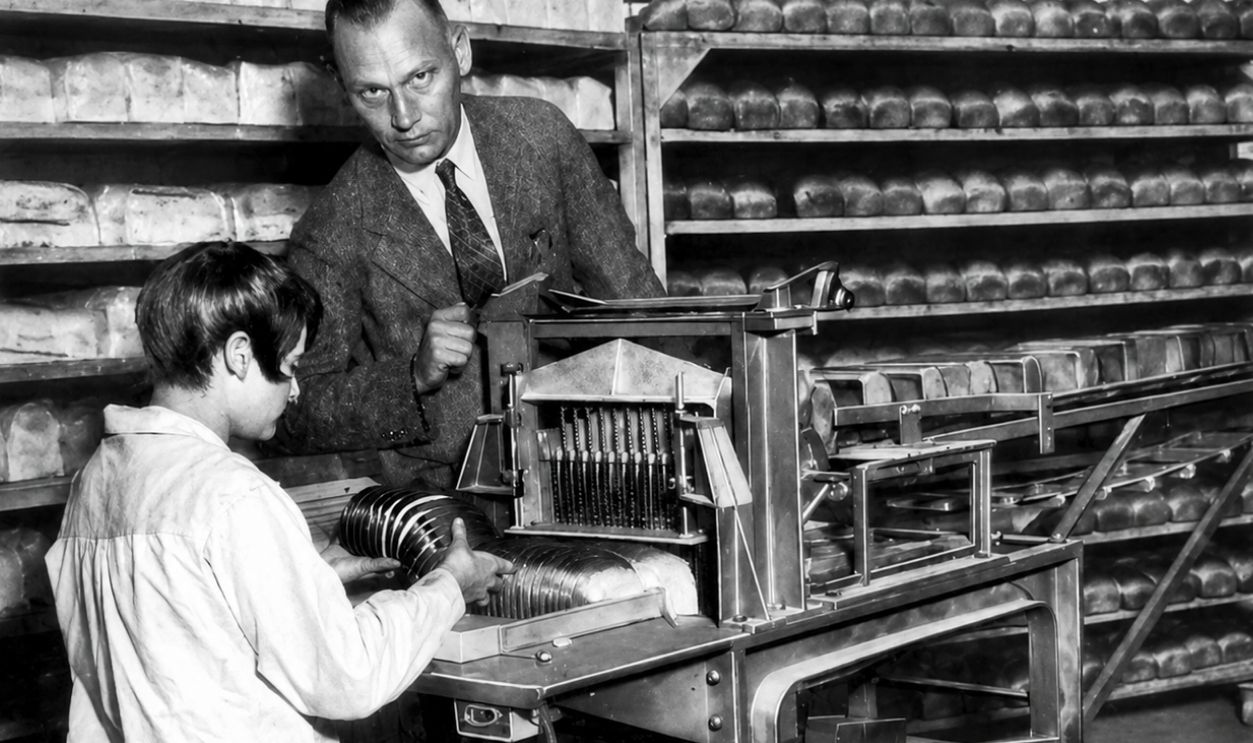
Otto Rohwedder began developing a machine that could slice entire loaves automatically, but bakers were skeptical. Their concern wasn’t completely foolish: cutting bread exposed more of it to air, meaning it could dry out faster. Why buy an expensive machine that might make your bread worse?
 Unknown author, Wikimedia Commons, enhanced
Then Sliced Bread Became The Comparison For Everything
Rohwedder solved much of the problem by combining slicing with wrapping. His machine entered commercial use in Chillicothe, Missouri, in 1928, and sliced bread spread rapidly afterward. Eventually the product became so famously convenient that “the best thing since sliced bread” entered the language.
 Nicoleta Ionescu, Shutterstock
Men Thought Wristwatches Looked Feminine
In the late 1800s, fashionable women were among the earliest wristwatch wearers. Men mostly stuck with pocket watches and regarded watches worn on the wrist as feminine jewelry. Even some watchmakers reportedly considered the new fashion rather silly and hoped it would disappear.

Then Soldiers Changed The Wristwatch Forever
The usefulness of checking the time with one quick glance became extremely obvious to soldiers in the early 20th century. Wristwatches became widespread among military personnel, and manufacturers later worked hard to shake the product’s feminine image. Eventually, the pocket watch became the old-fashioned choice.
 Krakenimages.com, Shutterstock
Post-It Notes Began With “Bad” Glue
In 1968, 3M scientist Spencer Silver was trying to develop adhesives when he created something peculiar: glue that stuck lightly but could easily be removed. For years, Silver promoted his discovery inside 3M while people struggled with a fairly important question. What exactly was it good for?
 https://kaboompics.com/, Pexels
History's most fascinating stories and darkest secrets, delivered to your inbox daily.
Even The First Store Test Wasn’t Great
Art Fry eventually turned Silver’s adhesive into removable notes, but 3M’s 1977 test launch under the name Press ’n Peel produced mixed results. Then came the Boise Blitz, where consumers received samples. About 90% of the people who tried them said they would buy them.

Making Ice Sounded Almost Blasphemous
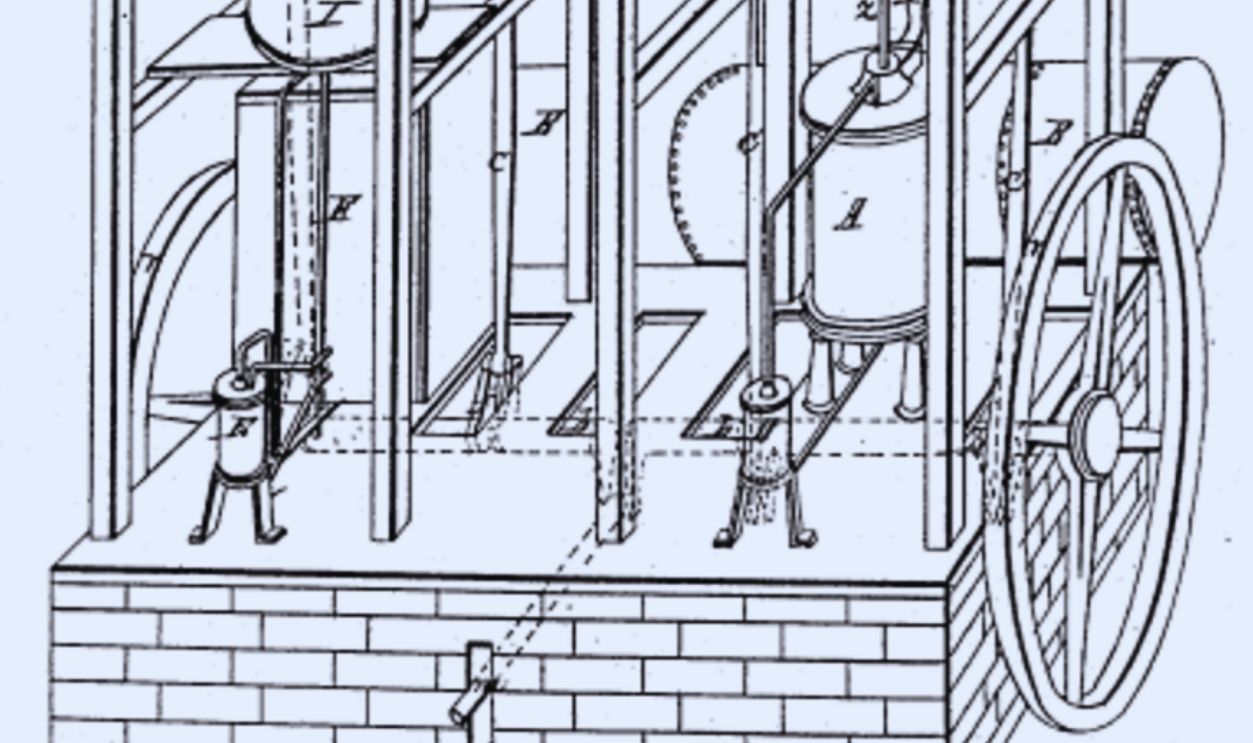
In the 1840s, Florida doctor John Gorrie developed a machine capable of producing ice. The idea sounded so absurd that he was ridiculed in newspapers. One New York writer mocked the “crank” in Florida who thought his machine could make ice as well as nature could.
 Magnus Manske, Wikimedia Commons
The “Crank” Was Just Early
Gorrie struggled financially and never saw his invention achieve the future he imagined. Mechanical refrigeration, however, kept advancing. Eventually it transformed food storage, grocery stores, restaurants and ordinary kitchens. The notion of artificially creating cold went from newspaper punchline to one of the foundations of modern life.

Disposable Diapers Were Literally Laughed At
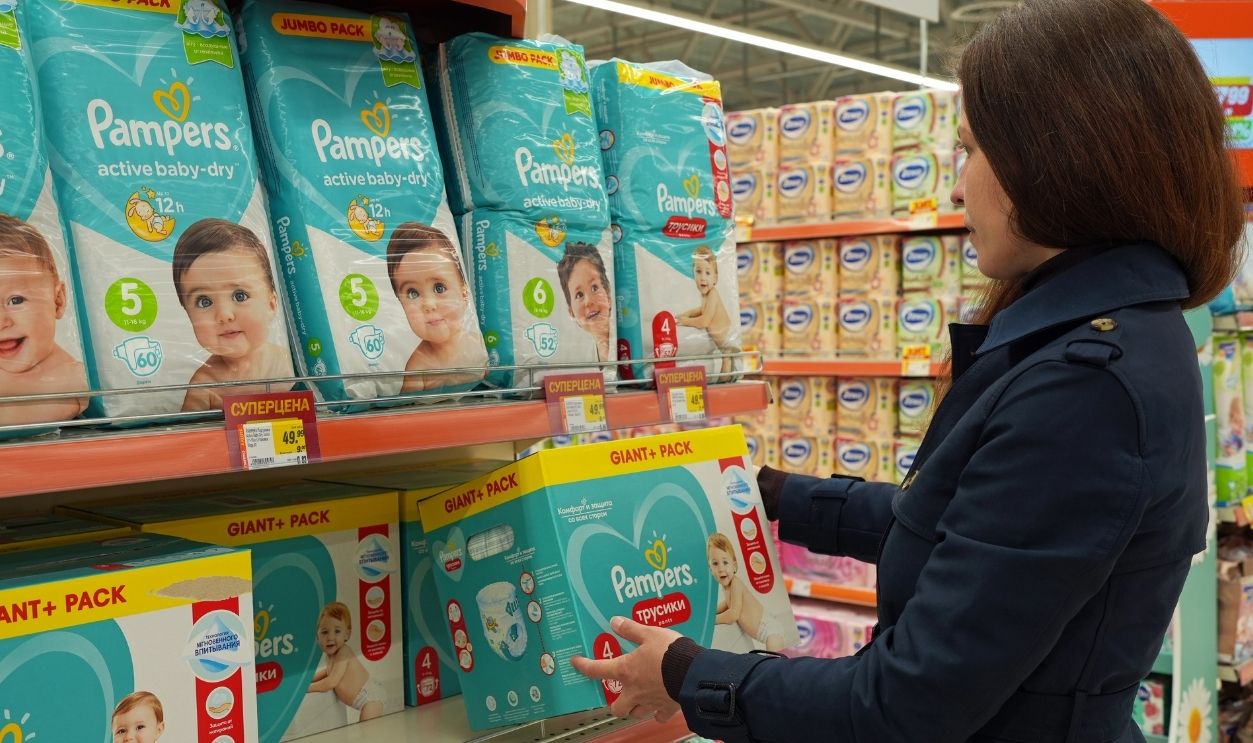
Marion Donovan developed a waterproof diaper cover before turning her attention to an even bigger idea: a disposable diaper using absorbent paper. She approached major American paper companies with the concept. According to MIT’s Lemelson program, executives roundly laughed at her supposedly unnecessary and impractical idea.

Apparently Parents Did Want Them
The paper companies were wrong. About a decade later, Victor Mills helped create Pampers, and mass-produced disposable diapers became increasingly common. Donovan never became nearly as famous as the product category she anticipated, but something manufacturers considered unnecessary ultimately transformed everyday life for parents around the world.
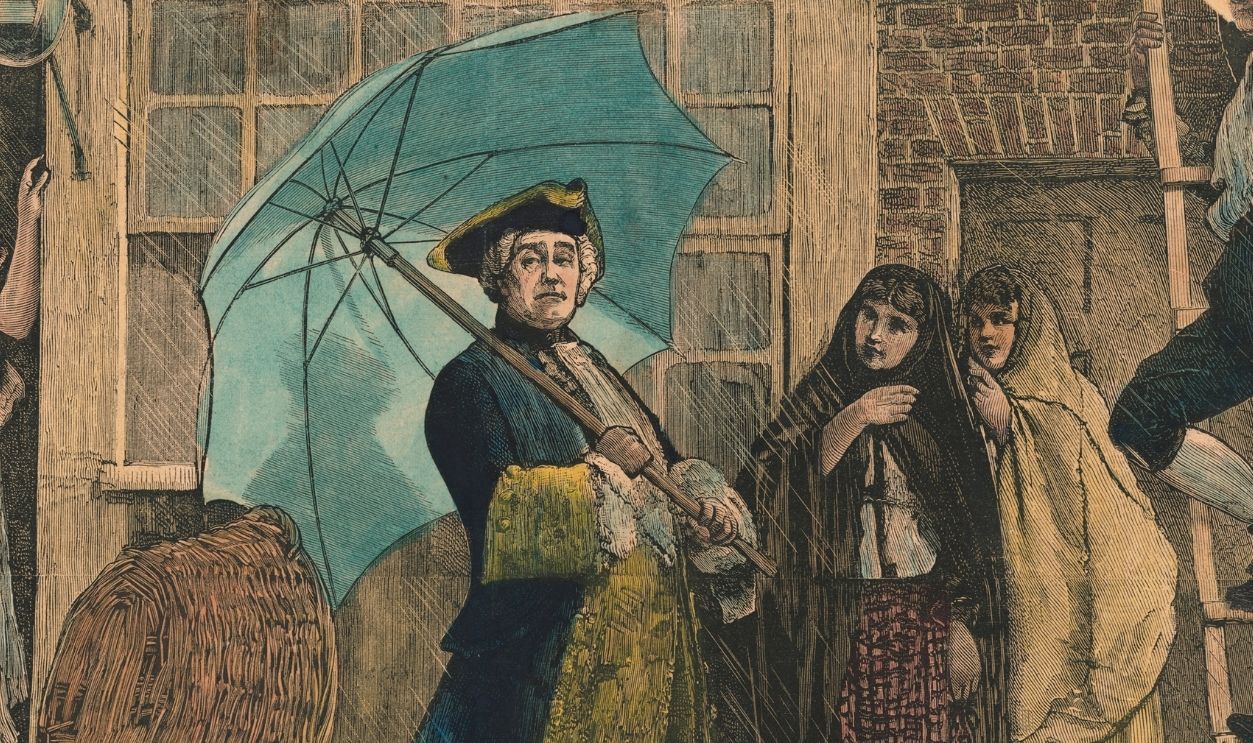
The Umbrella Was Apparently Unmanly
When Jonas Hanway began carrying an umbrella around London in the 1750s, people didn’t simply stare. They jeered him. Umbrellas were strongly associated with women and foreign fashions, and a man carrying one could be mocked as weak or effeminate. Coach drivers reportedly disliked them too.
History's most fascinating stories and darkest secrets, delivered to your inbox daily.
Frozen Food Had A Reputation Problem
Before Clarence Birdseye, commercially frozen food was often genuinely terrible. Slow freezing produced large ice crystals that damaged food, leaving it mushy after thawing. Even after Birdseye developed much better quick-freezing methods, consumers remained skeptical about quality and safety, while grocers questioned whether freezers were worth the investment.
Birdseye Had To Sell The Future Himself
Birdseye supplied some stores with freezers, placed frozen products on consignment and used demonstrators to persuade skeptical shoppers. Gradually, the reputation changed. What once looked like inferior food became an enormous grocery category, filling entire aisles with vegetables, dinners, desserts and practically everything in between.

People Didn’t See Much Future In Velcro
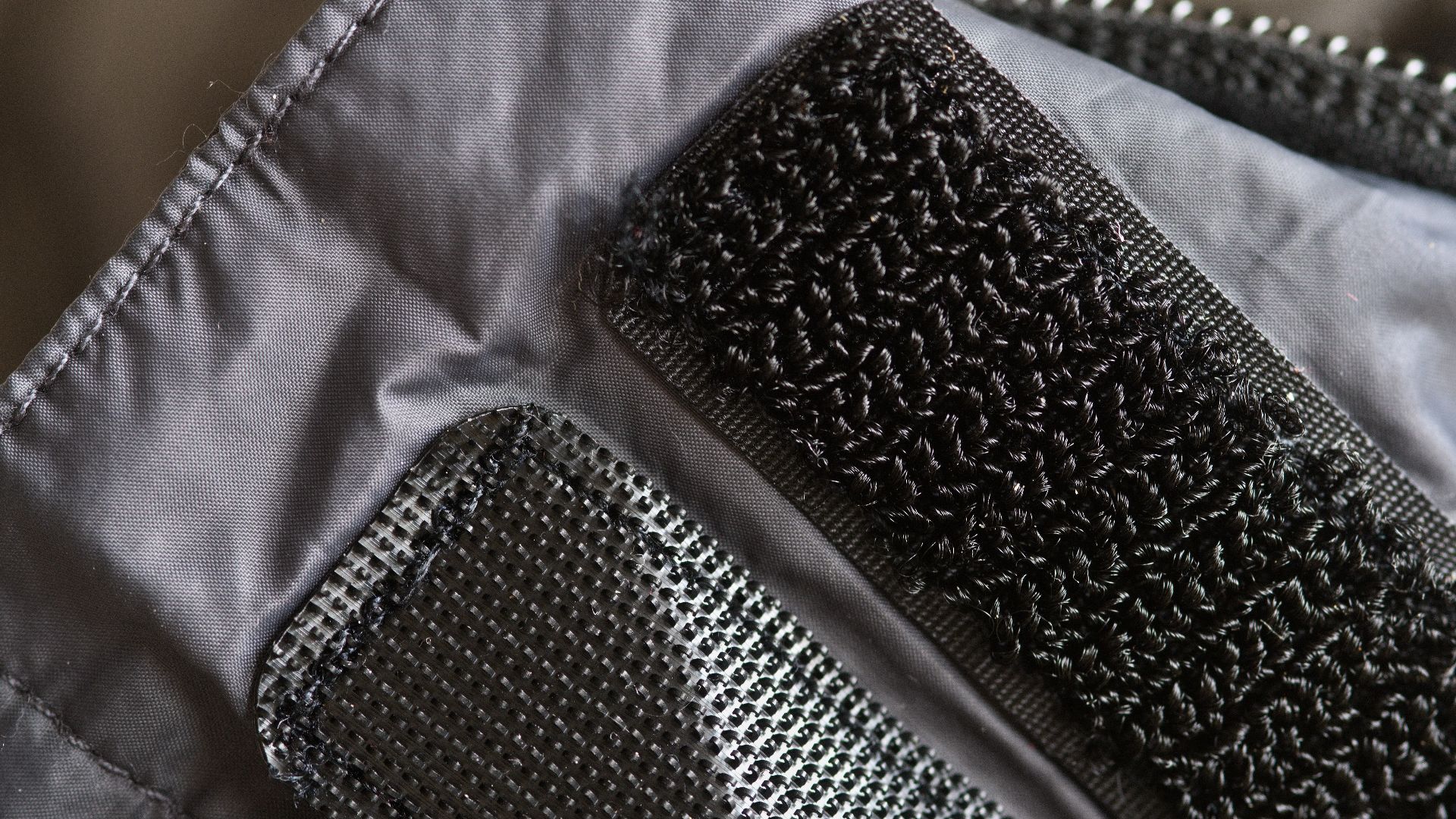
George de Mestral created his hook-and-loop fastener after studying burrs that stuck to clothing and animal fur. But convincing others was difficult. WIPO notes that many people initially doubted the fastener could succeed, while fashion companies considered it insufficiently attractive for stylish clothing.
 Topi Pigula, Wikimedia Commons
Going To Space Certainly Helped
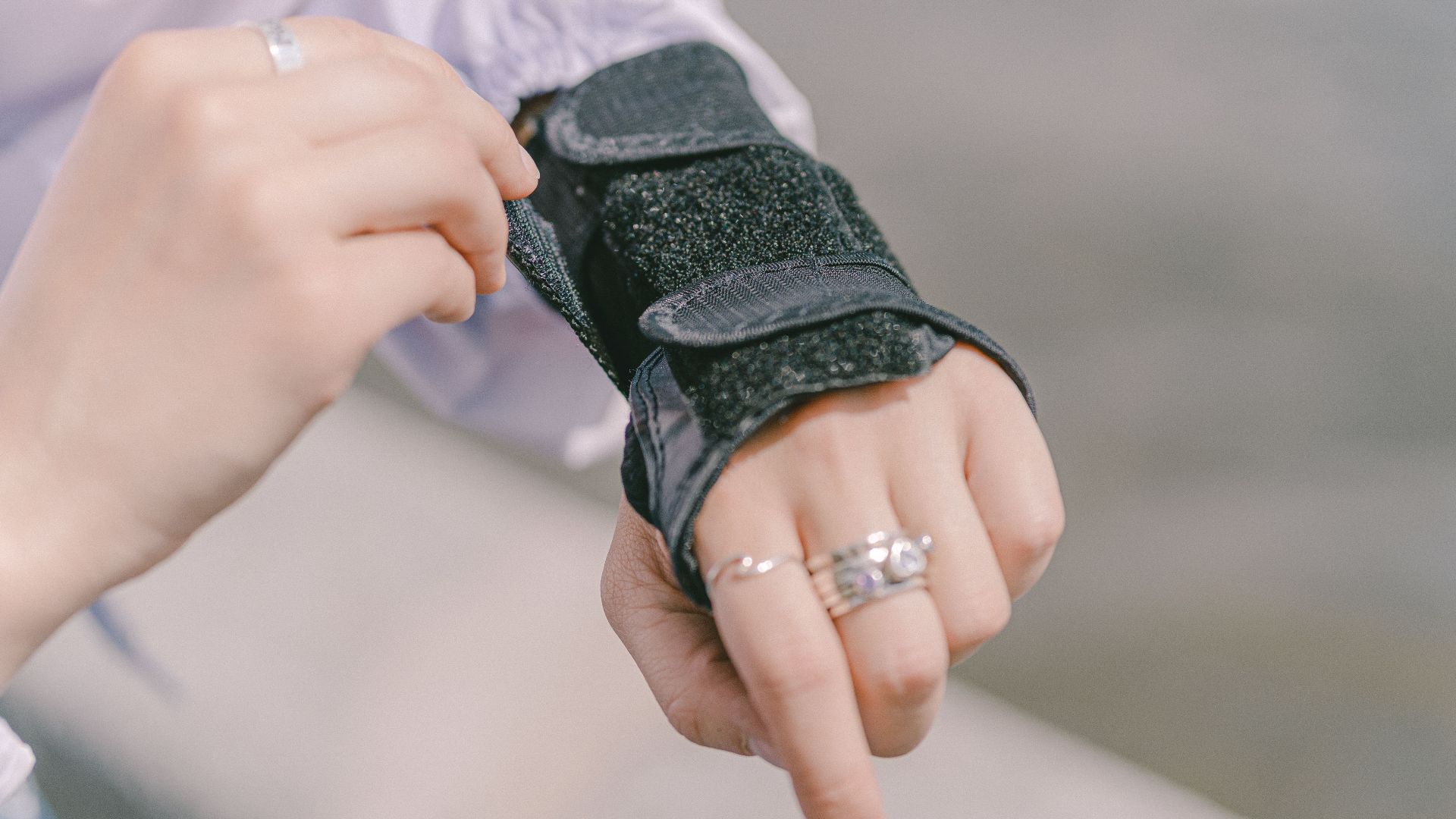
VELCRO-brand fasteners received an enormous publicity boost when NASA used them during the Apollo program. They later spread into athletic equipment, footwear, children’s clothing and countless other products. The strange fastener that fashion designers found unattractive became so familiar its brand name is routinely used generically.
The First Microwave Was Almost Six Feet Tall
Raytheon began marketing commercial Radarange microwave ovens in 1947. The original version stood almost six feet tall, weighed close to 750 pounds and cost as much as $3,000. Even the first model designed for homes cost $1,295 and was too bulky for most kitchens.
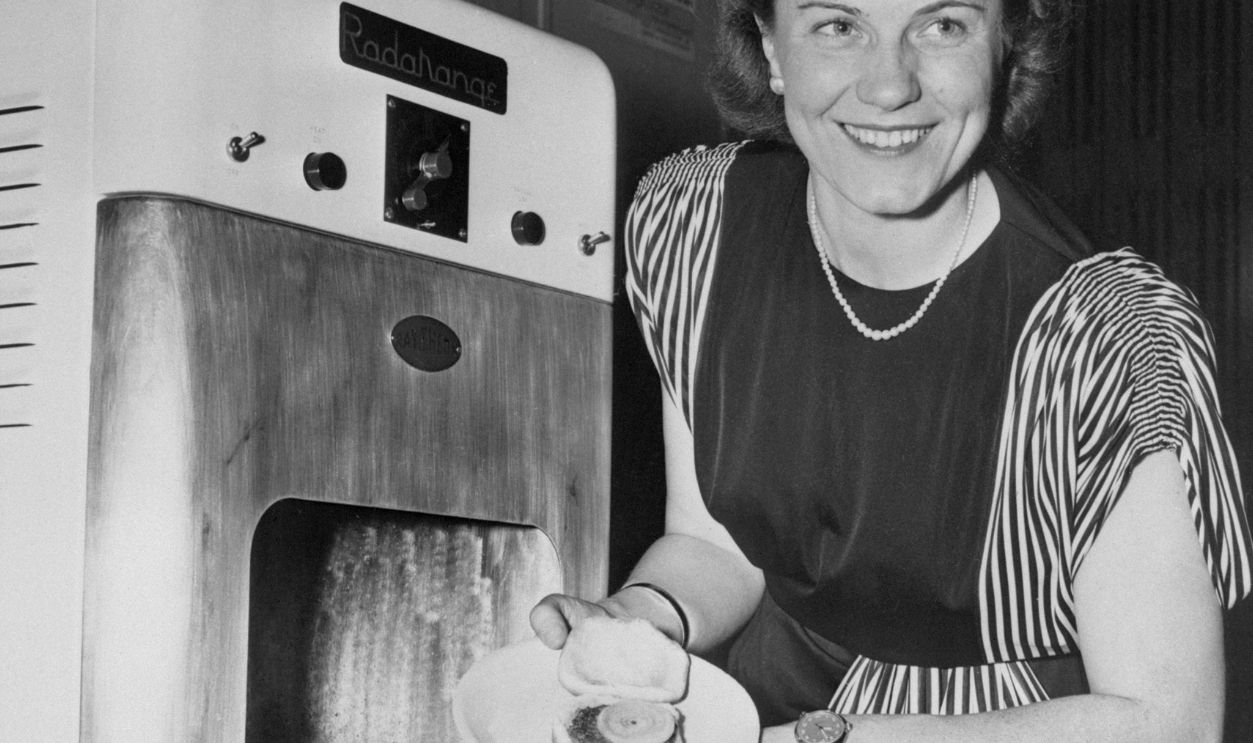
Then Somebody Made It Fit In The Kitchen
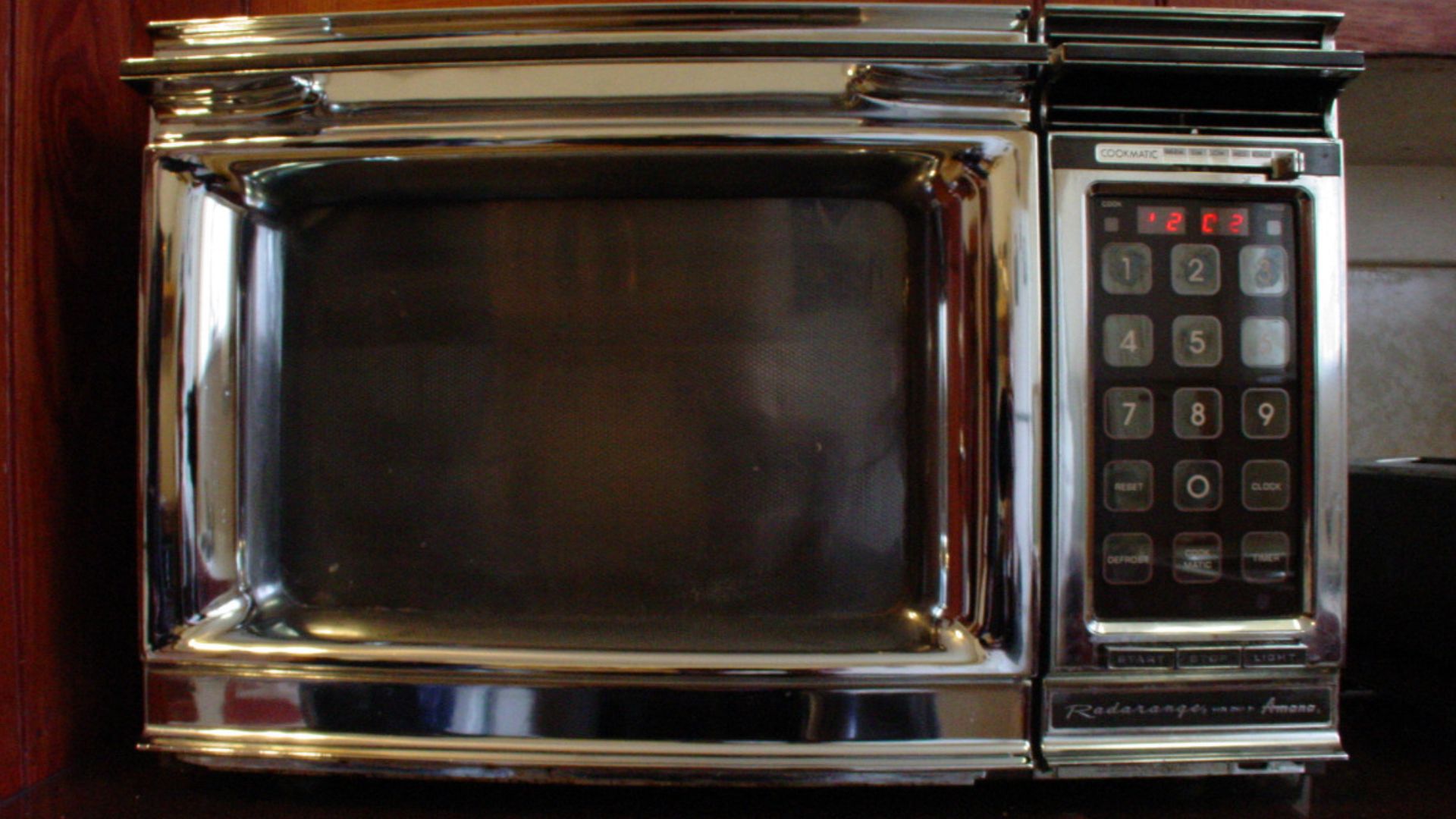
Smaller magnetrons eventually made microwave ovens cheaper and considerably more practical. By 1967, Amana could offer a compact countertop model for $495. It still took years for the idea to become completely ordinary, but reheating leftovers without one now feels almost unnecessarily difficult.
History's most fascinating stories and darkest secrets, delivered to your inbox daily.
Wheeled Luggage Looked Too Wimpy
Bernard Sadow developed a commercially successful rolling suitcase around 1970 after struggling with heavy luggage at an airport. Getting stores interested was surprisingly difficult. Sadow recalled a “macho feeling” in the industry: men carried luggage, while rolling it behind them supposedly didn’t look masculine enough.

Now Try Finding A Suitcase Without Wheels
Sadow’s four-wheel design eventually found buyers, but the modern breakthrough came when airline pilot Robert Plath developed the upright Rollaboard in 1987. Flight crews started using it, travelers noticed, and the design spread. Today, dragging a heavy suitcase through an airport without wheels looks like the strange choice.

Experts Said Gillette’s Blade Couldn’t Be Made
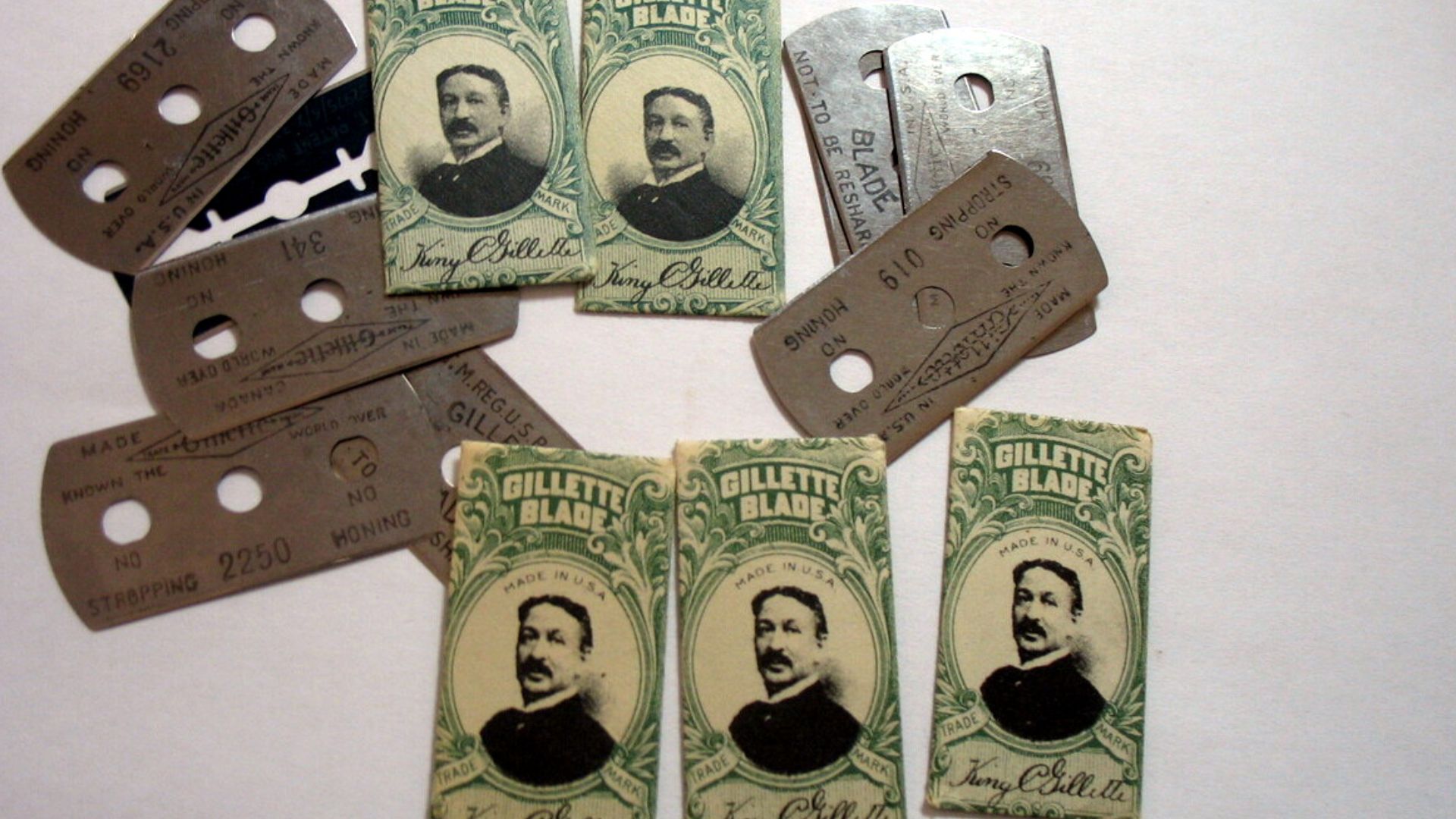
King C. Gillette imagined a razor using extremely thin, inexpensive blades that could simply be replaced when they became dull. There was one rather large problem: experts doubted that steel could be manufactured that thin, hard and sharp cheaply enough to make his idea practical.
 Helsinki City Museum
, Wikimedia Commons
Helsinki City Museum
, Wikimedia Commons
His First-Year Sales Were Almost Comical
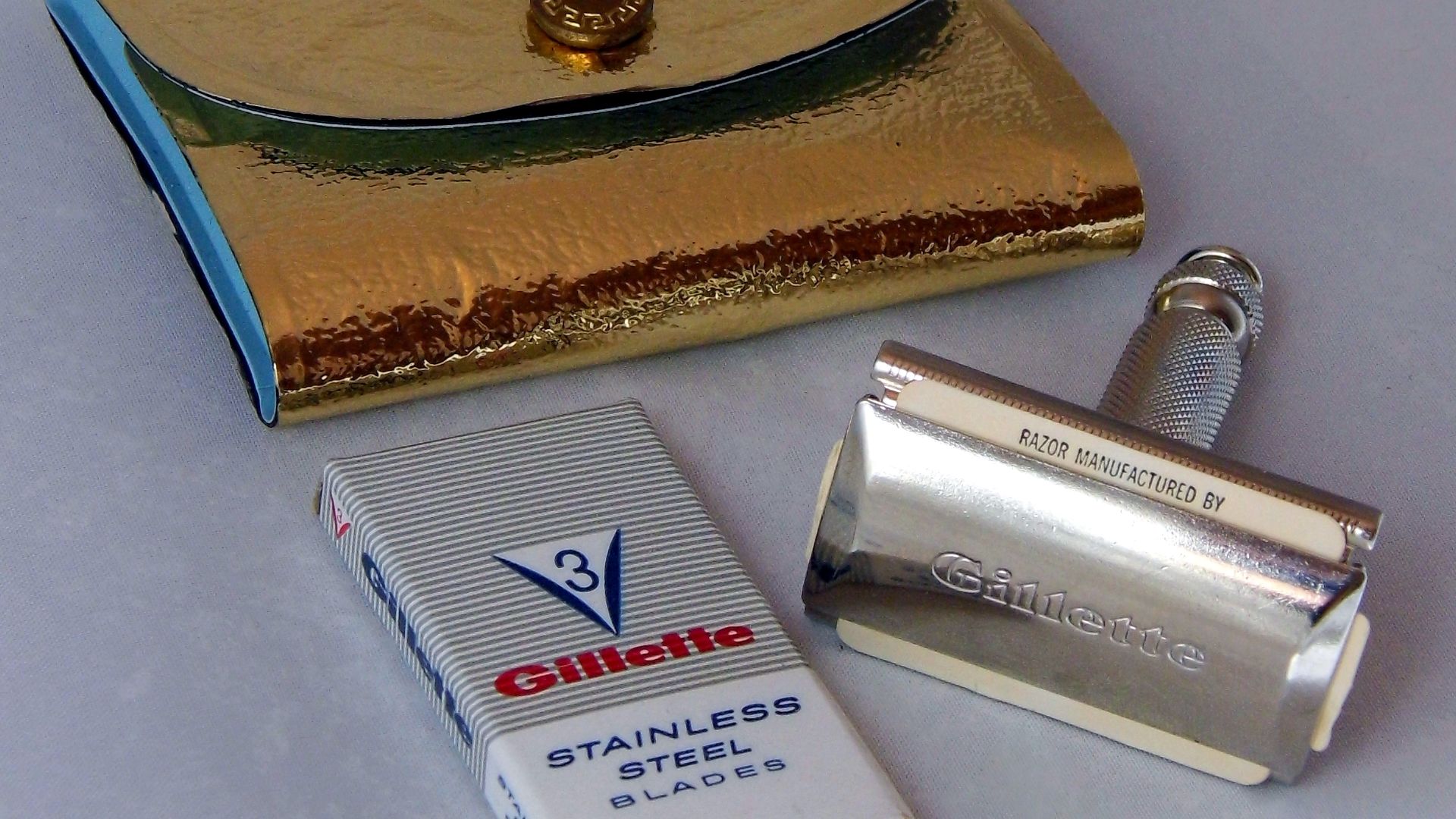
Gillette sold only 51 razor sets and 168 blades in 1903. One year later, sales jumped to roughly 90,000 razors and two million blades. The replaceable-blade razor became enormously successful and helped popularize a business model companies still dream about: sell the device, then keep selling the refills.
 Joe Haupt from USA, Wikimedia Commons
The Zipper Got A Lukewarm Reception
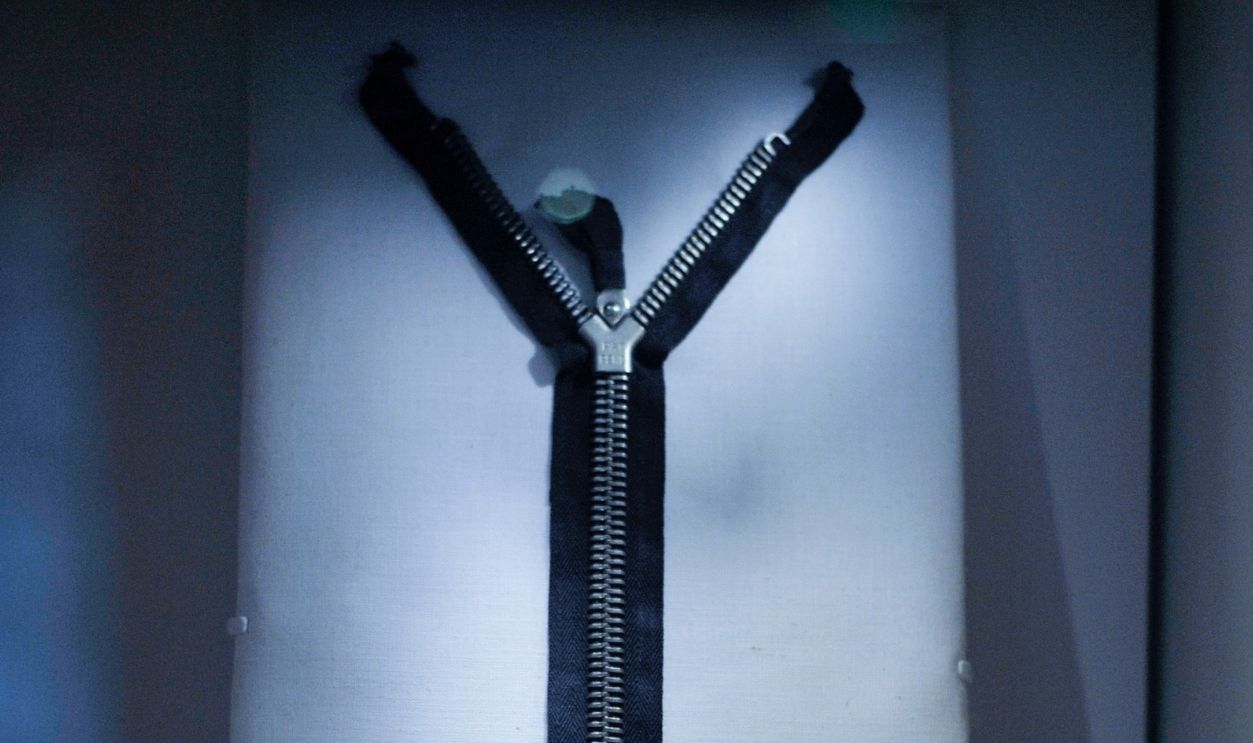
Gideon Sundback’s improved zipper design arrived in the 1910s, but buttons and clasps were deeply established and earlier fasteners had been unreliable. The National Inventors Hall of Fame describes the reception to Sundback’s 1914 design as lukewarm. It took years before clothing manufacturers really embraced it.
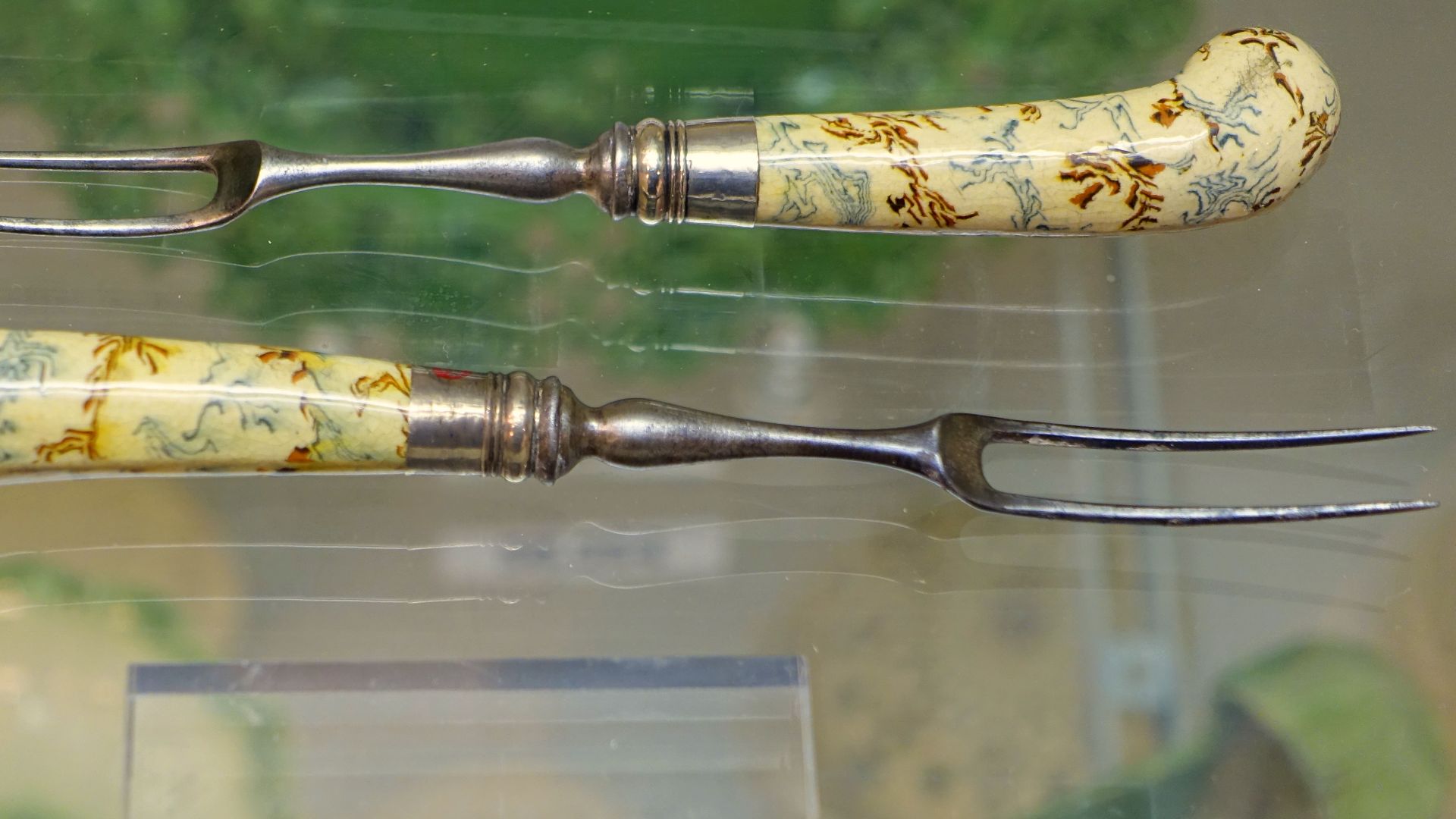
Even The Fork Was Mocked
When the table fork began spreading through Europe, plenty of diners considered it an absurd affectation. In England, forks were viewed as unnecessary and effeminate, and traveler Thomas Coryat was ridiculed after adopting the Italian habit. Apparently fingers had worked perfectly well up to that point.
History's most fascinating stories and darkest secrets, delivered to your inbox daily.
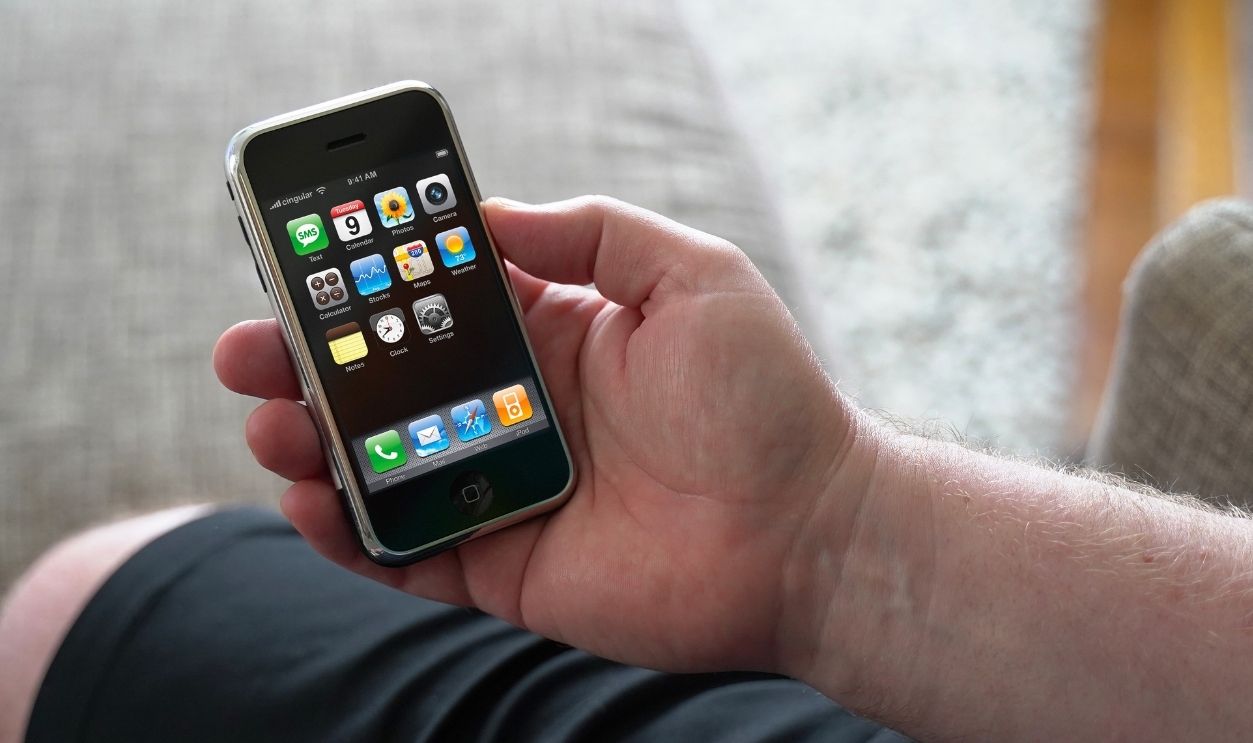
Steve Ballmer Literally Laughed At The iPhone
When Microsoft CEO Steve Ballmer was asked about Apple’s new iPhone in 2007, he laughed at its $500 price and argued that business users wouldn’t want a phone without a physical keyboard. The criticism made sense to plenty of people at the time. Touchscreens had other plans.
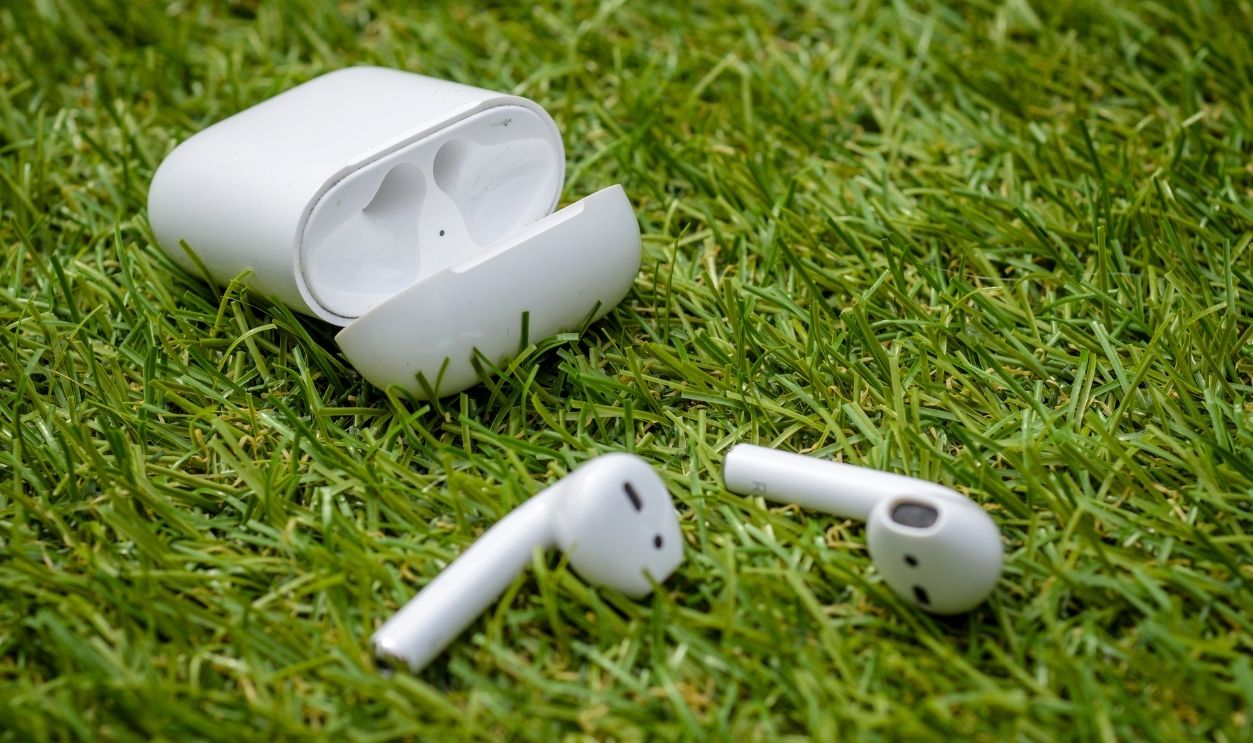
And Then People Laughed At AirPods
When Apple unveiled AirPods in 2016, ridicule arrived almost instantly. People joked that the tiny wireless earbuds would constantly get lost and compared their appearance to electric toothbrush heads and miniature hair dryers. Within a few years, the mocked design had become completely normal. Funny how that keeps happening.
 Lenscap Photography, Shutterstock
You Might Also Like:
The Bizarre Inventions People Thought Would Change The World