Virality Before the Feed
Long before likes, shares, or group chats, people still chased whatever everyone else was doing. Trends raced through cities and crossed oceans using newspapers, gossip, shop windows, performances, cheap prints, and the most powerful network of all: people copying other people.
 Harris & Ewing, photographer, Public domain, via Wikimedia Commons
Tulip Mania Bloomed Overnight
In 1630s Holland, rare tulip bulbs became hot speculative goods. Deals unfolded in taverns, prices traveled through gossip and notes, and satirical pamphlets amplified the frenzy. The market was narrower than legend claims, but its reputation spread spectacularly.
![500px provided description: Late tulip fields of the Netherlands... [#yellow ,#field ,#flowers ,#sunset ,#windmill ,#tulips ,#dutch ,#turbine ,#the netherlands ,#Holland]](https://www.factinate.com/storage/app/media/factinate/2026/7/23/1784796999ed854cca292aaccaa3b73df2219eab9b03611112.jpeg)
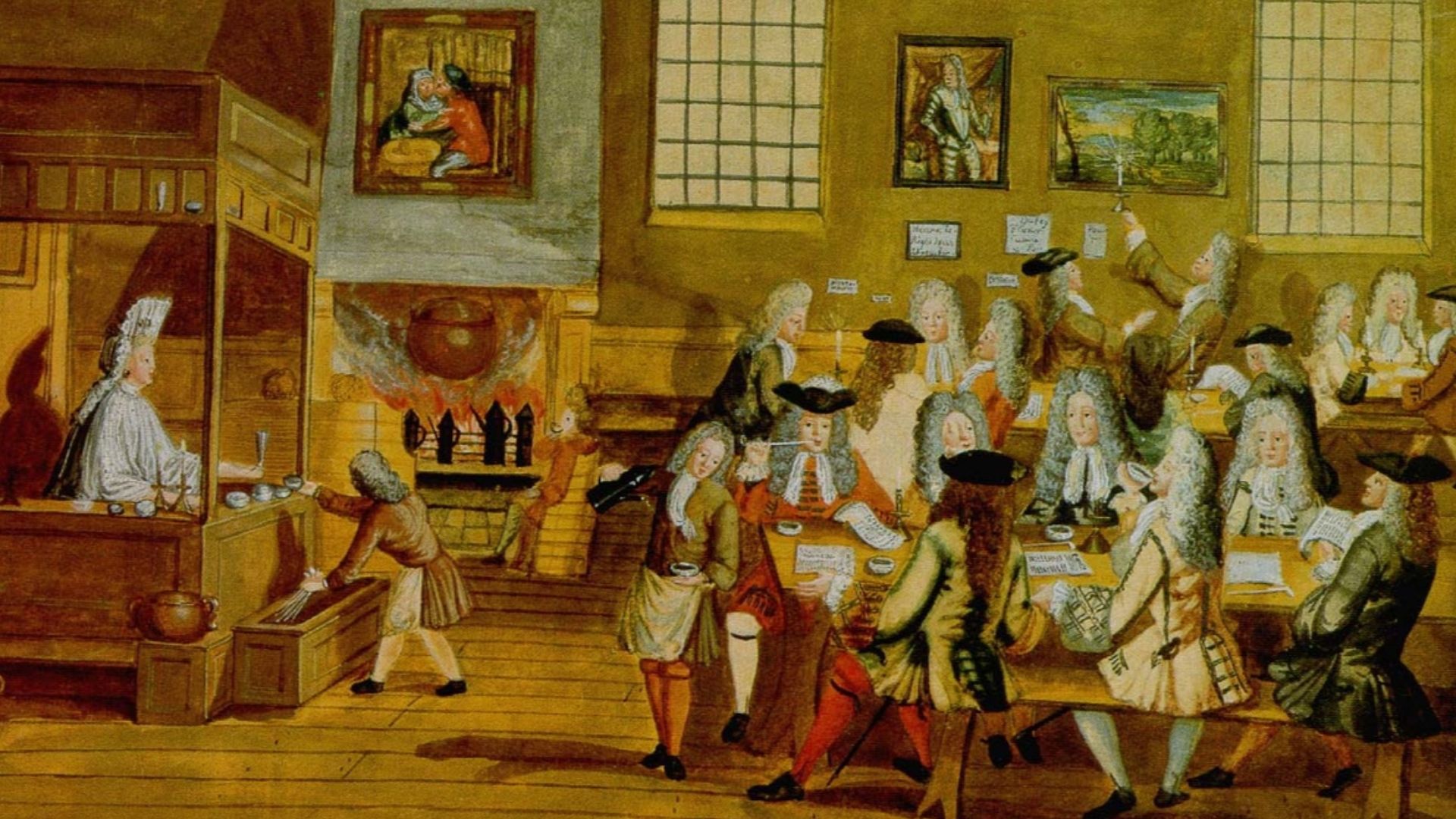
Coffeehouses Became Human Newsfeeds
Seventeenth-century coffeehouses offered more than caffeine. Customers read pamphlets and news sheets, argued over politics, traded business tips, and carried stories elsewhere. With merchants, writers, and gossips packed together, one room functioned like a very noisy social network.
 AnonymousUnknown author, Wikimedia Commons
The Macaronis Dressed to Be Mocked
Young British men returning from the Grand Tour brought home extravagant clothes, towering hair, and continental manners. London printmakers turned these “macaronis” into recognizable caricatures. The jokes carried the look beyond elite circles, proving ridicule can advertise fashion almost as effectively as admiration.
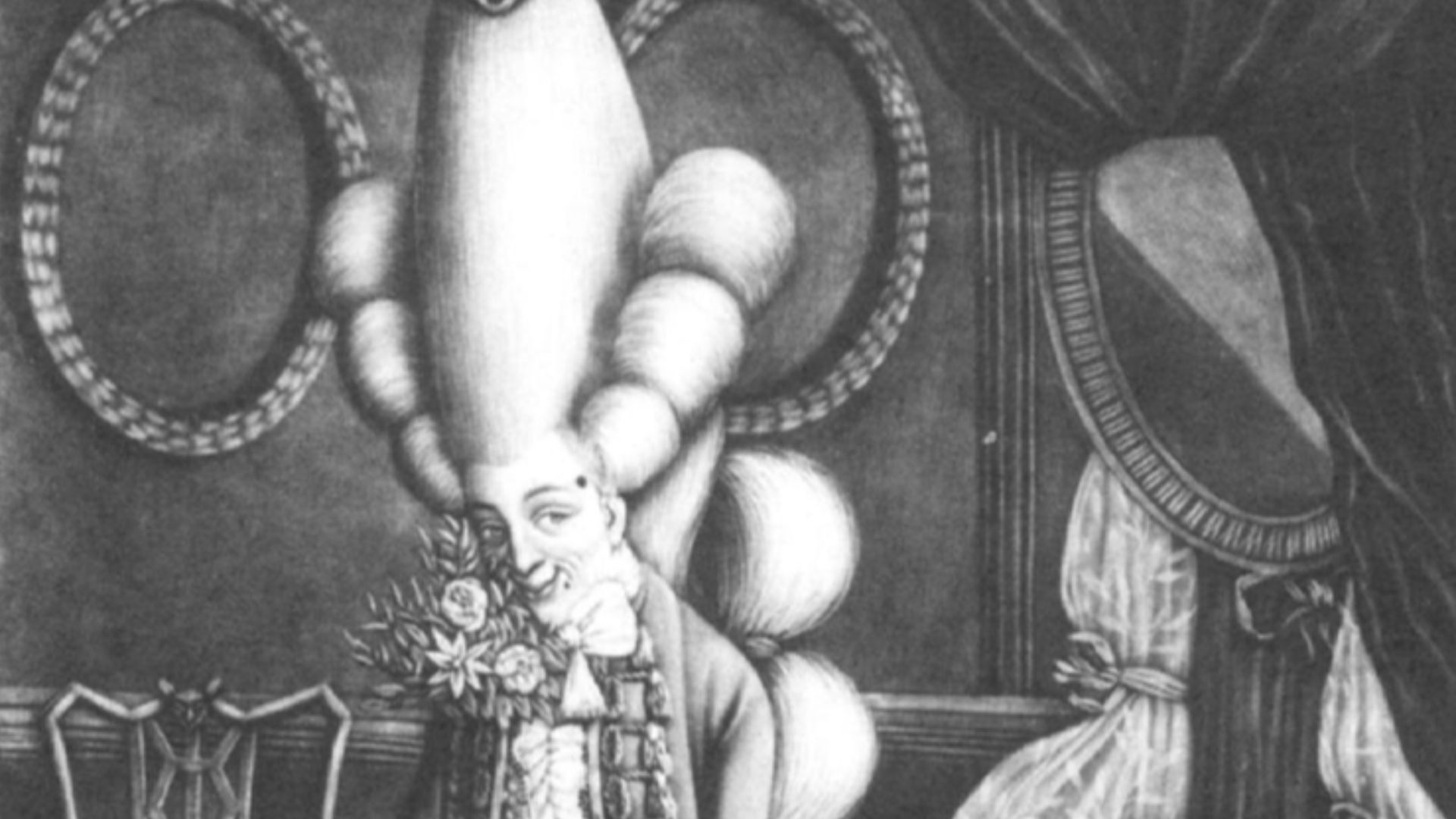 Philip Dawe, Wikimedia Commons
Werther Fever Turned Fiction Into Fashion
Goethe’s 1774 novel The Sorrows of Young Werther became a European sensation. Admirers copied Werther’s blue coat and yellow trousers, while merchants produced related goods. Translations, lending libraries, reviews, and nervous attempts to ban the book only gave it more oxygen.
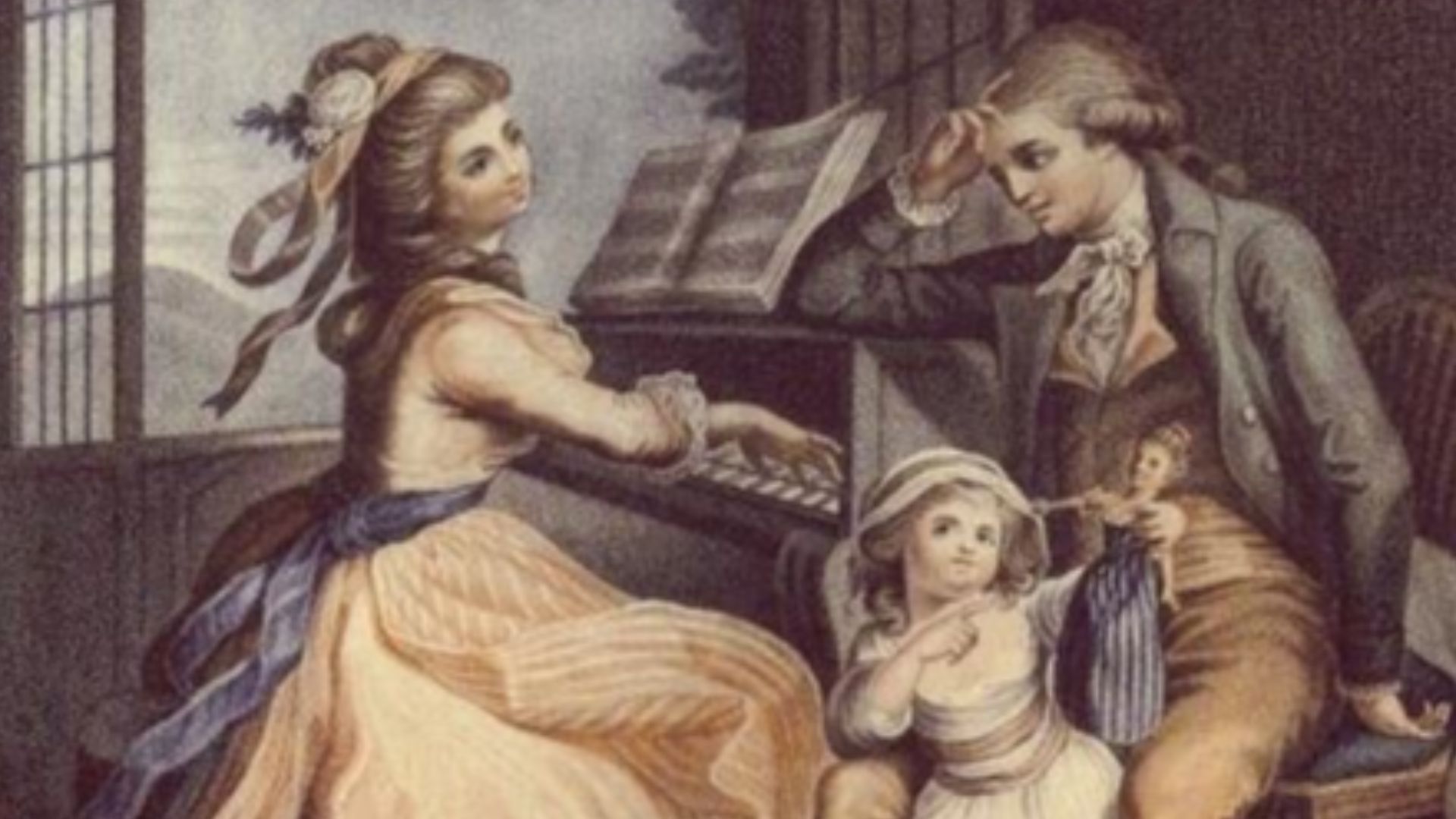 Jacopo Werther, Wikimedia Commons
Balloon Mania Lifted Off
When celebrated balloon flights rose over France in 1783, enormous crowds looked up—and manufacturers got busy. Journals, poems, pamphlets, engravings, ceramics, fans, and balloon-inspired clothes carried the craze to people who never saw a launch. Flight became fashionable before it became practical.
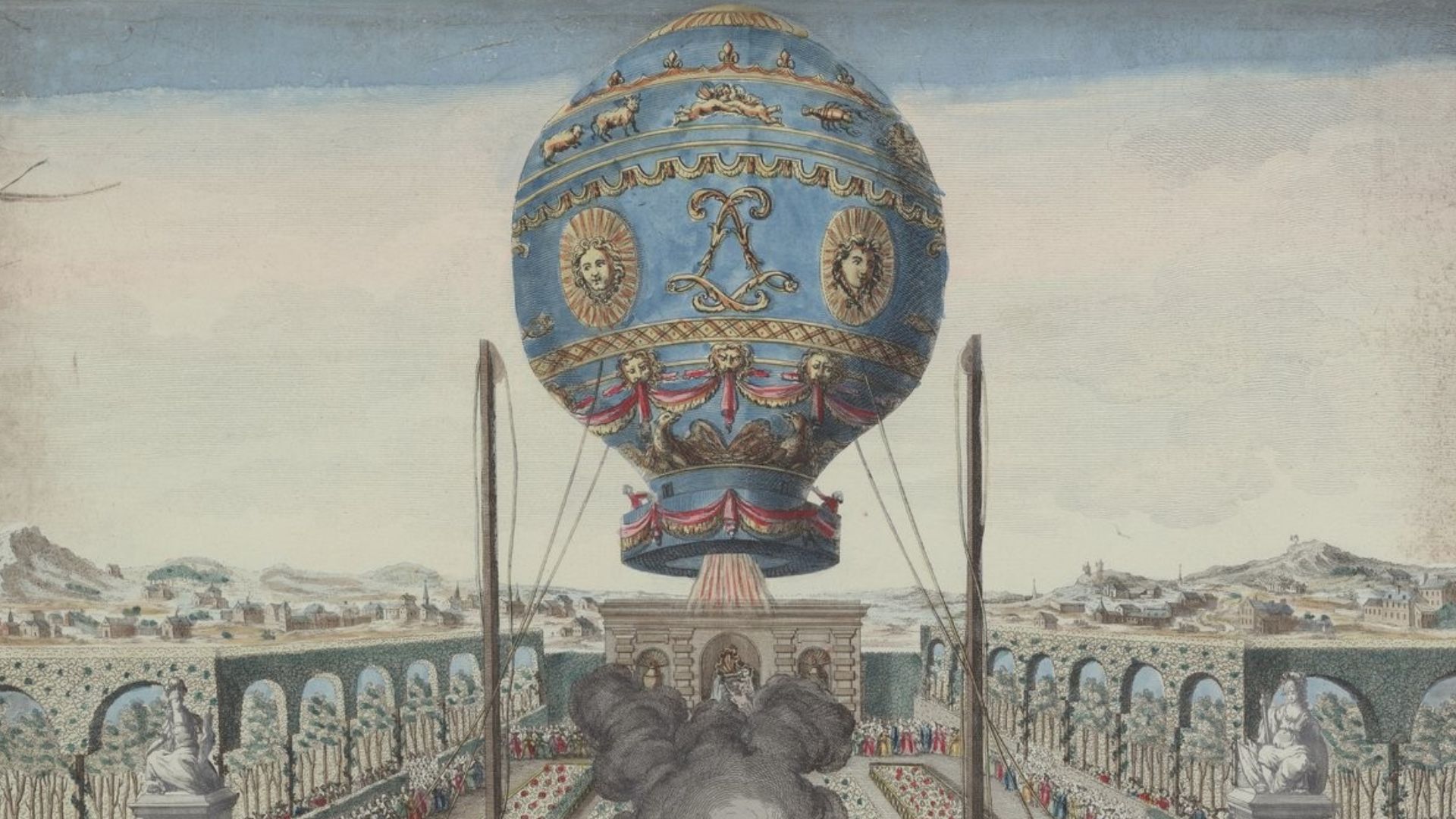 Claude Louis Desrais, Wikimedia Commons
The Waltz Spun Through Europe
The waltz shocked respectable society because partners held each other closely while turning at speed. That outrage was excellent publicity. Dance halls demonstrated the steps, instructors taught them, and publishers sold music and manuals. Every moral warning made the dance sound more exciting.
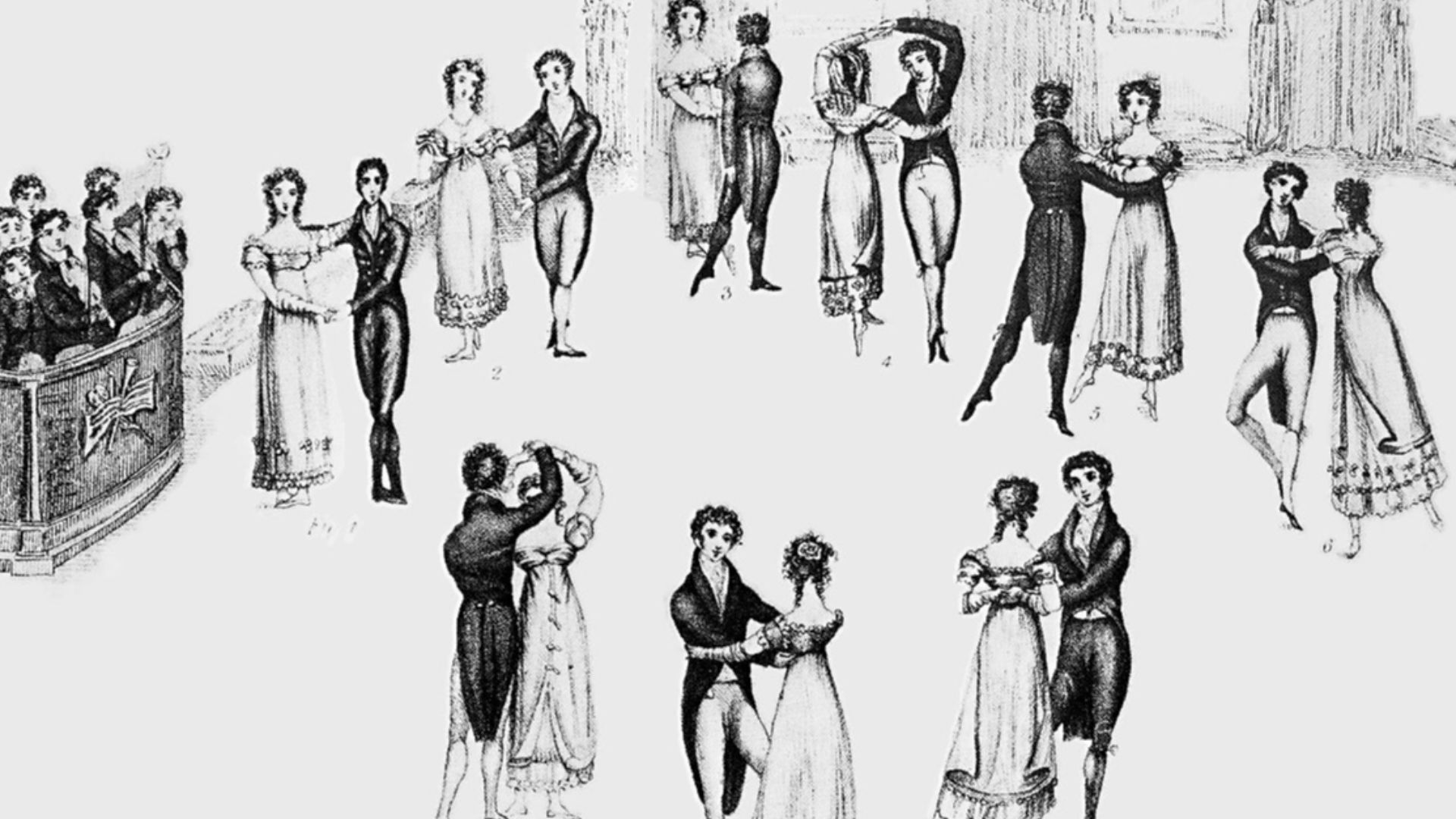 unknown engraver, Wikimedia Commons
Sea Bathing Became a Status Splash
Doctors recommended seawater for health, and coastal towns turned that advice into an industry. Bathing machines offered privacy, guidebooks promoted resorts, and fashionable visitors supplied publicity. Once railways and steamships improved access, sea bathing shifted from elite remedy to mass holiday ritual.
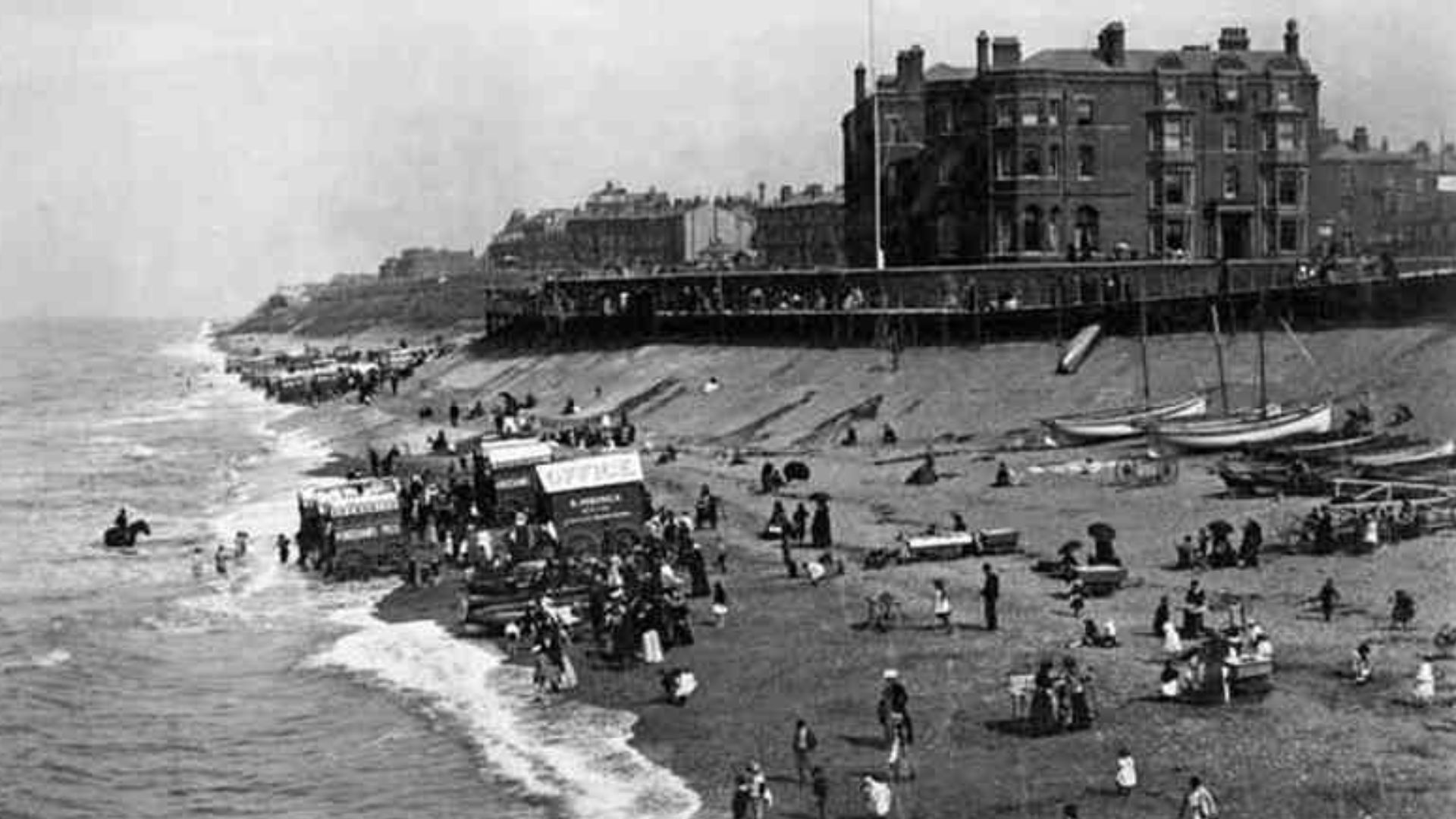 Unknown authorUnknown author, Wikimedia Commons
Egyptomania Put Pharaohs Everywhere
Napoleon’s Egyptian campaign and the illustrated Description de l’Égypte filled Europe with images of temples, sphinxes, and ancient symbols. Exhibitions, engravings, discoveries, and deciphered hieroglyphs sustained the excitement. Egyptian motifs soon appeared on buildings, furniture, jewelry, and almost anything with a surface.
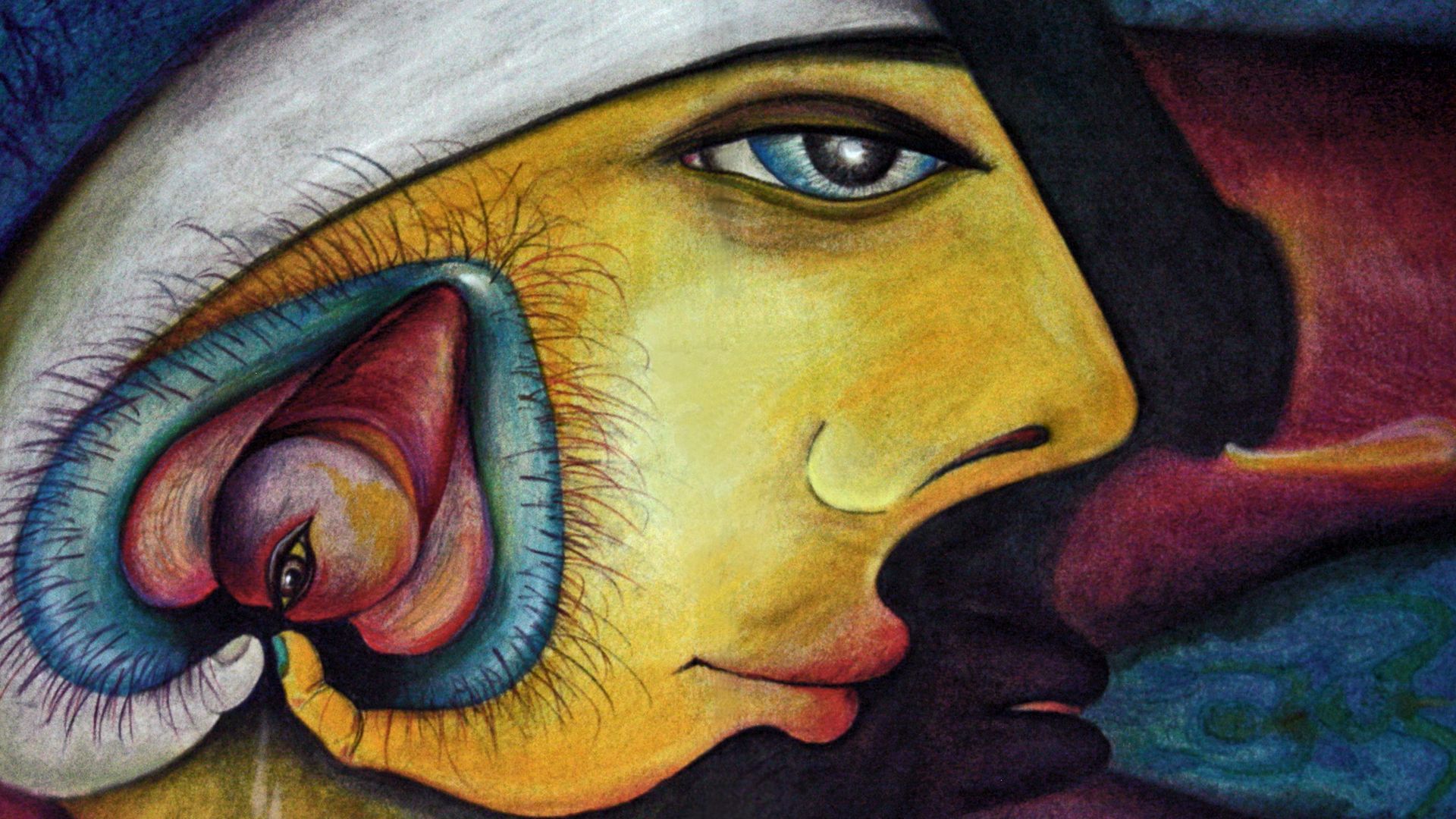 Fallbach Nic, Wikimedia Commons

History's most fascinating stories and darkest secrets, delivered to your inbox daily.
Dickens Invented the Cliffhanger Crowd
Charles Dickens published many novels in inexpensive serial installments, giving readers regular suspense. Copies circulated widely, groups heard chapters read aloud, and newspapers reprinted or adapted the stories. A dramatic ending could leave an entire reading public impatient for the next part.
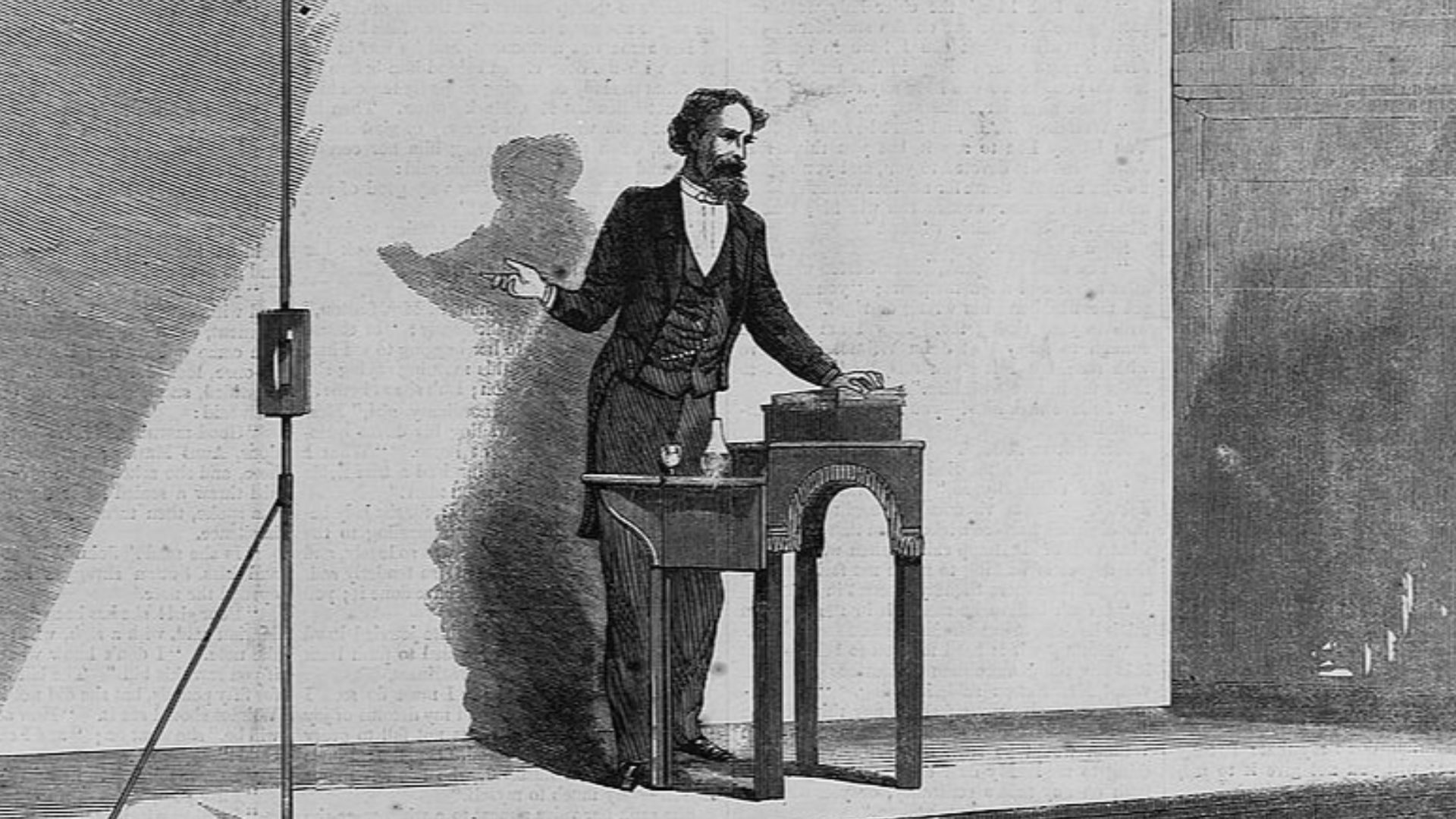 Charles A. Barry, Wikimedia Commons
Daguerreotypes Made Portraits a Craze
After photography’s public debut in 1839, daguerreotype studios appeared quickly. Traveling operators carried cameras between towns, while urban studios displayed sample portraits to passing crowds. For people accustomed to costly painted likenesses, owning a detailed image of yourself felt magical—and wonderfully showable.
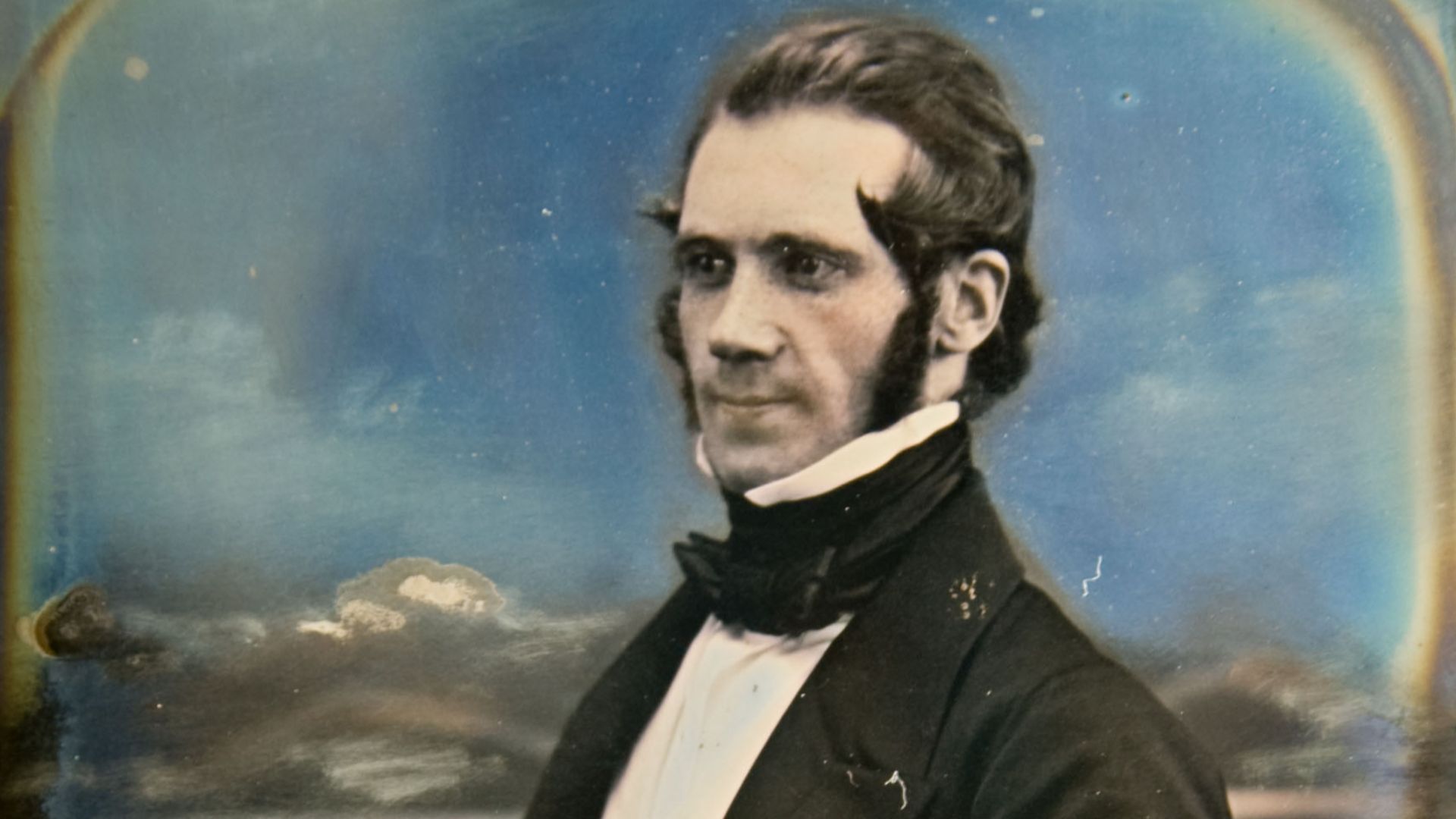 whatsthatpicture from Hanwell, London, UK, Wikimedia Commons
Spiritualism Knocked on Every Door
The Fox sisters’ mysterious “spirit rappings” attracted attention in 1848. Newspapers covered them, demonstrations drew crowds, and touring mediums recreated the excitement in halls and parlors. Spiritualism spread because almost anyone could dim the lamps, gather friends, and try it at home.
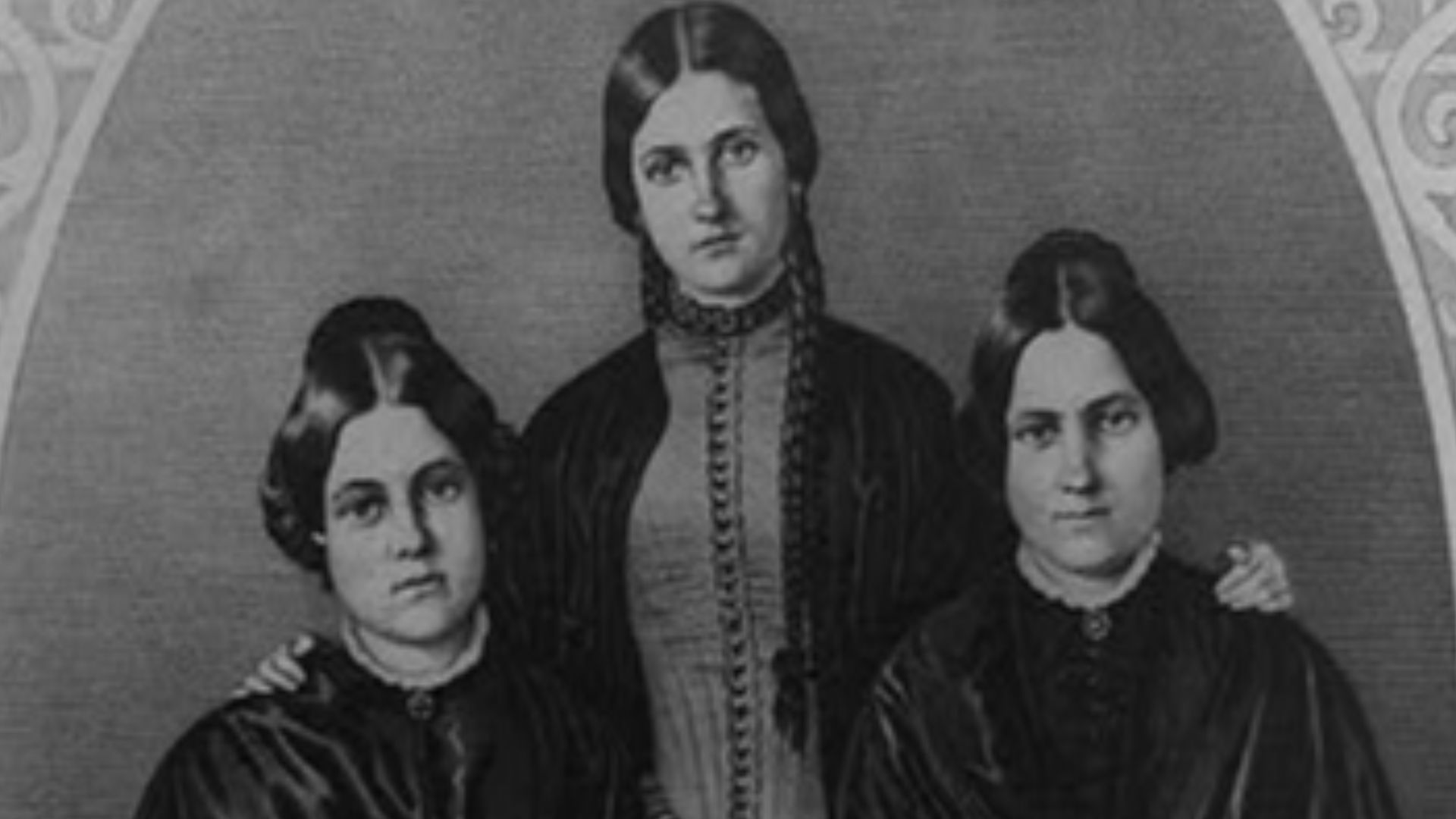 Lithograph after a daguerreotype by Appleby. Published by N. Currier, New York., Wikimedia Commons
Jenny Lind Became Famous Before Singing
P. T. Barnum made Swedish singer Jenny Lind an American superstar before most Americans heard her voice. Newspaper stories, handbills, ticket auctions, contests, and merchandise built breathless anticipation. Tens of thousands greeted her ship in New York, proving hype did not require recorded music.
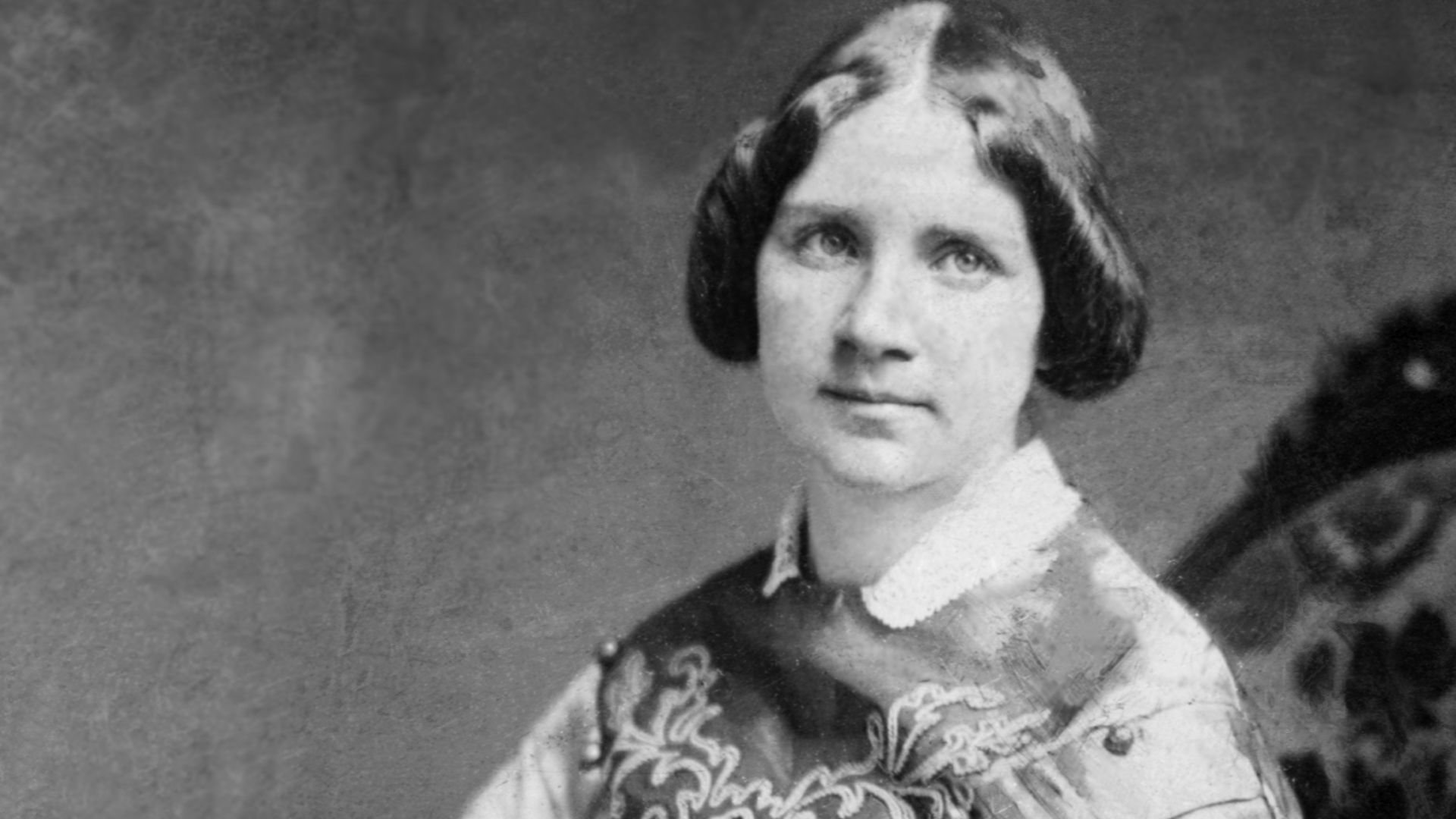
Crinolines Expanded at Industrial Speed
The cage crinoline gave mid-Victorian skirts their enormous bell shape without mountains of heavy petticoats. Fashion plates displayed the silhouette, stores and dressmakers copied it, and factories produced frames by the thousands. One manufactured object turned dramatic style into international everyday fashion.
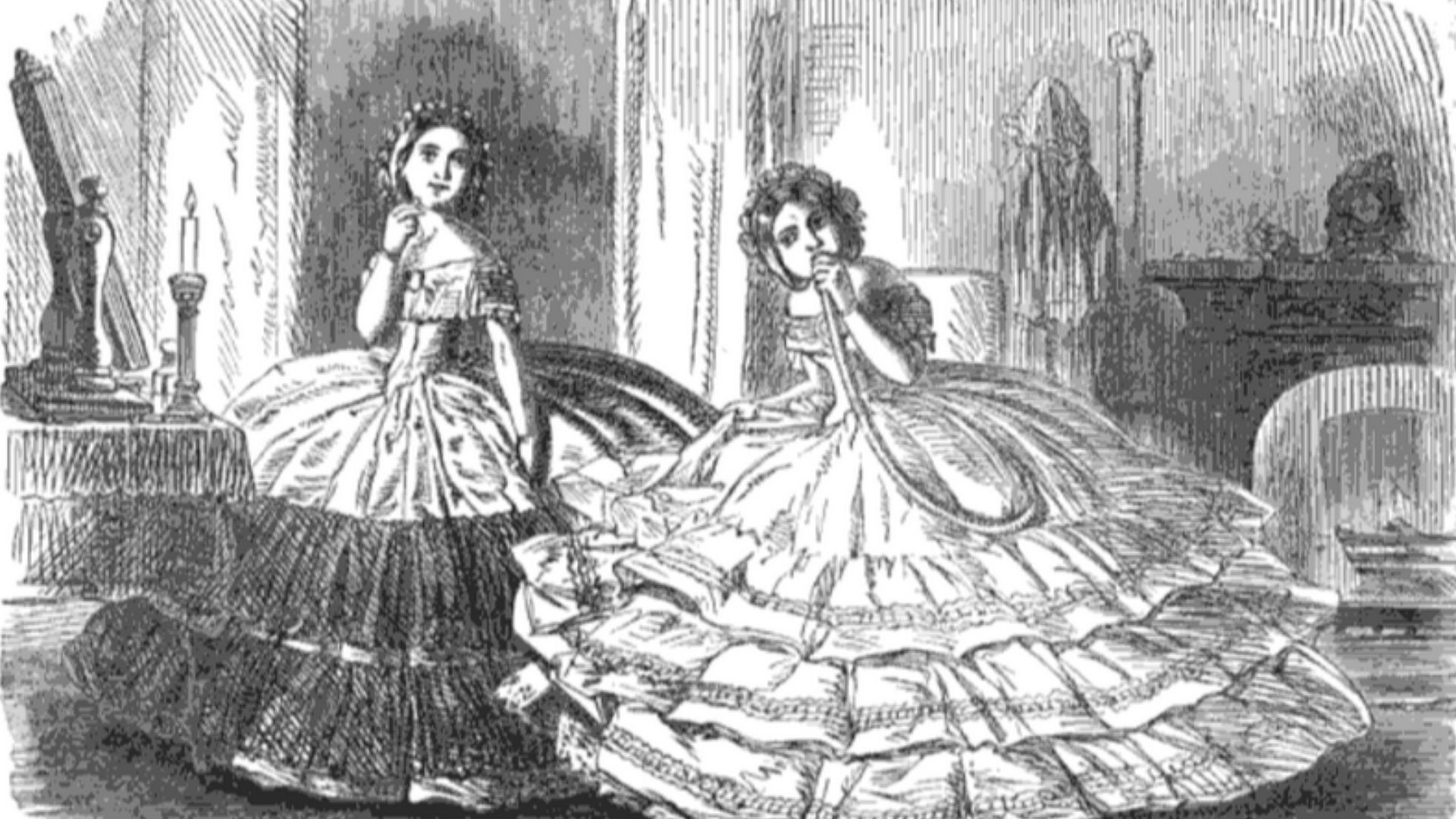 Caricature by Charles Keene, published by Punch 17 January 1857, Wikimedia Commons
Beards Marched Home From War
During the Crimean War, British soldiers often grew beards in harsh conditions. Newspaper images and returning veterans made the look seem rugged, patriotic, and healthy. Doctors and commentators kept discussing facial hair, until the clean-shaven Victorian gentleman suddenly looked rather old-fashioned.
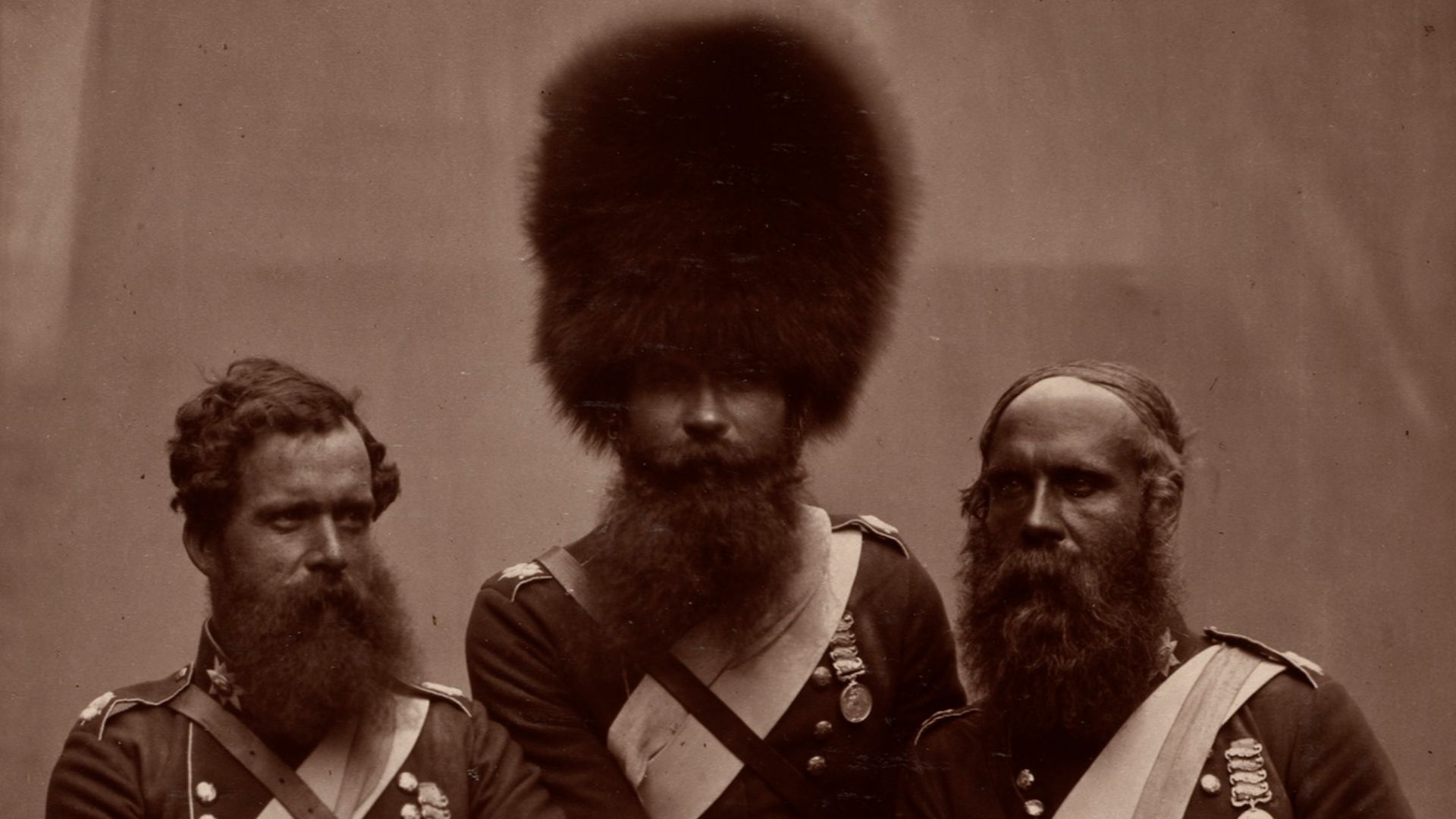 Hughes & Mullins after Cundall & Howlett[1], Wikimedia Commons
Japonisme Changed Western Taste
After Japan reopened wider trade in the 1850s, prints, ceramics, textiles, and decorative objects entered Western markets. Dealers, collectors, exhibitions, and world’s fairs displayed them widely. Artists borrowed bold composition and flat color, while shoppers embraced Japanese-inspired designs at home.
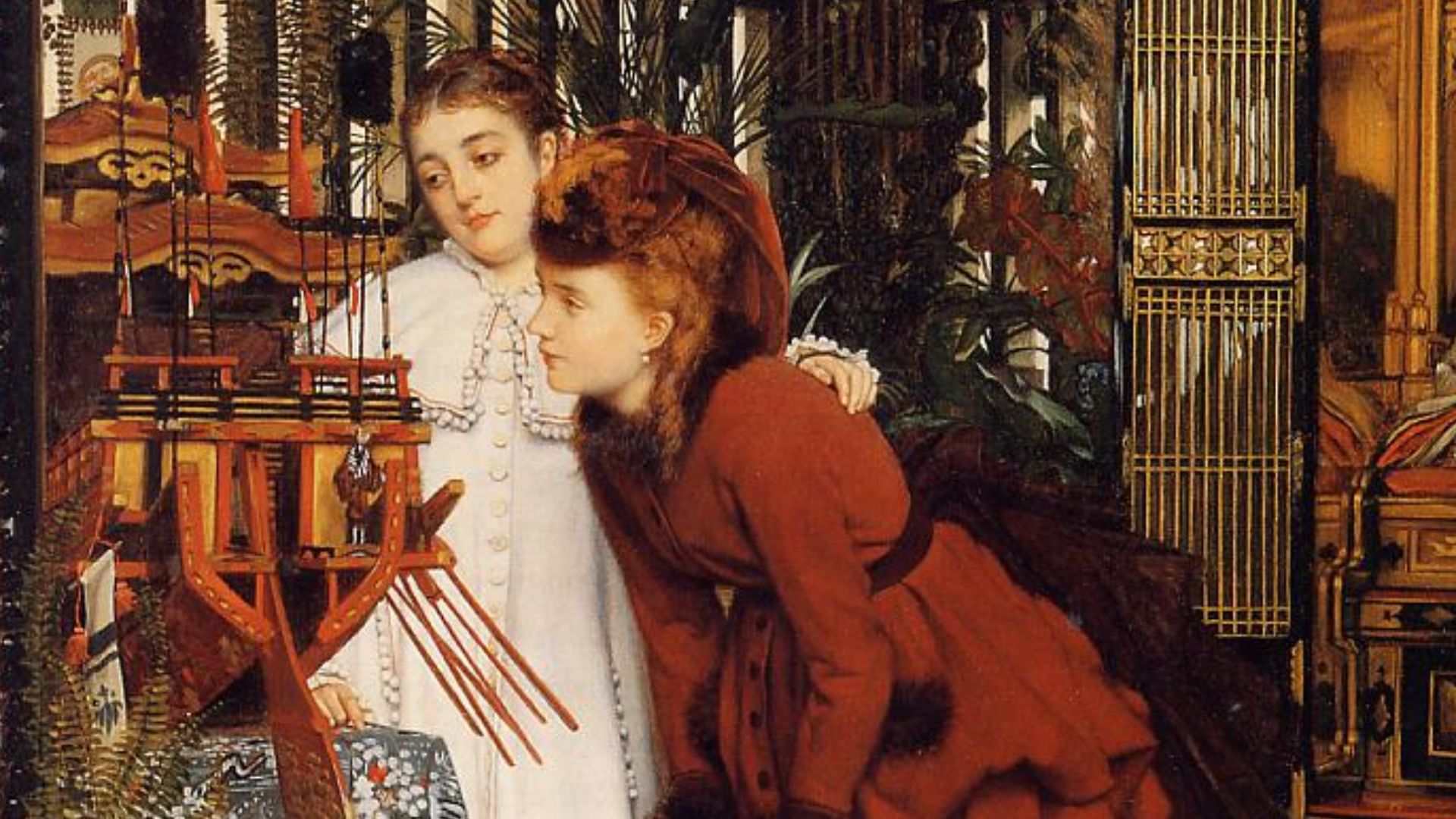 James Tissot, Wikimedia Commons
Roller Skating Took Over the Rinks
Improved turning skates helped roller skating become a late-nineteenth-century social craze. Purpose-built rinks offered music, lessons, races, and somewhere to be seen. Newspapers covered the excitement, manufacturers supplied skates, and one delighted visitor could recruit a whole circle of friends.
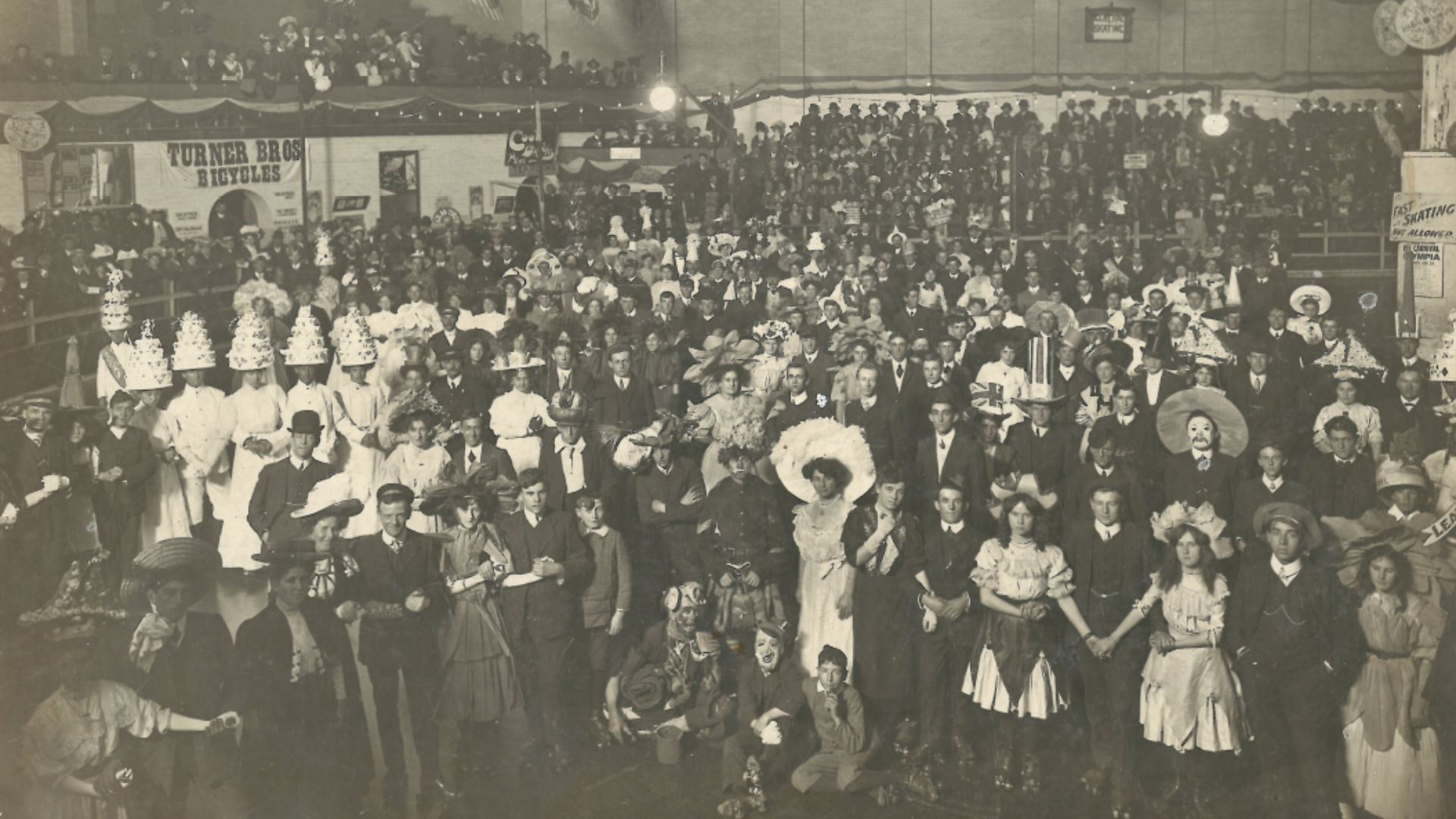
The Fifteen Puzzle Scrambled the World
Around 1880, the sliding Fifteen Puzzle became an international obsession. It was cheap, portable, simple to explain, and maddeningly hard to stop. Newspapers printed diagrams, reported the craze, and offered prizes, letting one numerical challenge leap between homes, offices, and countries.
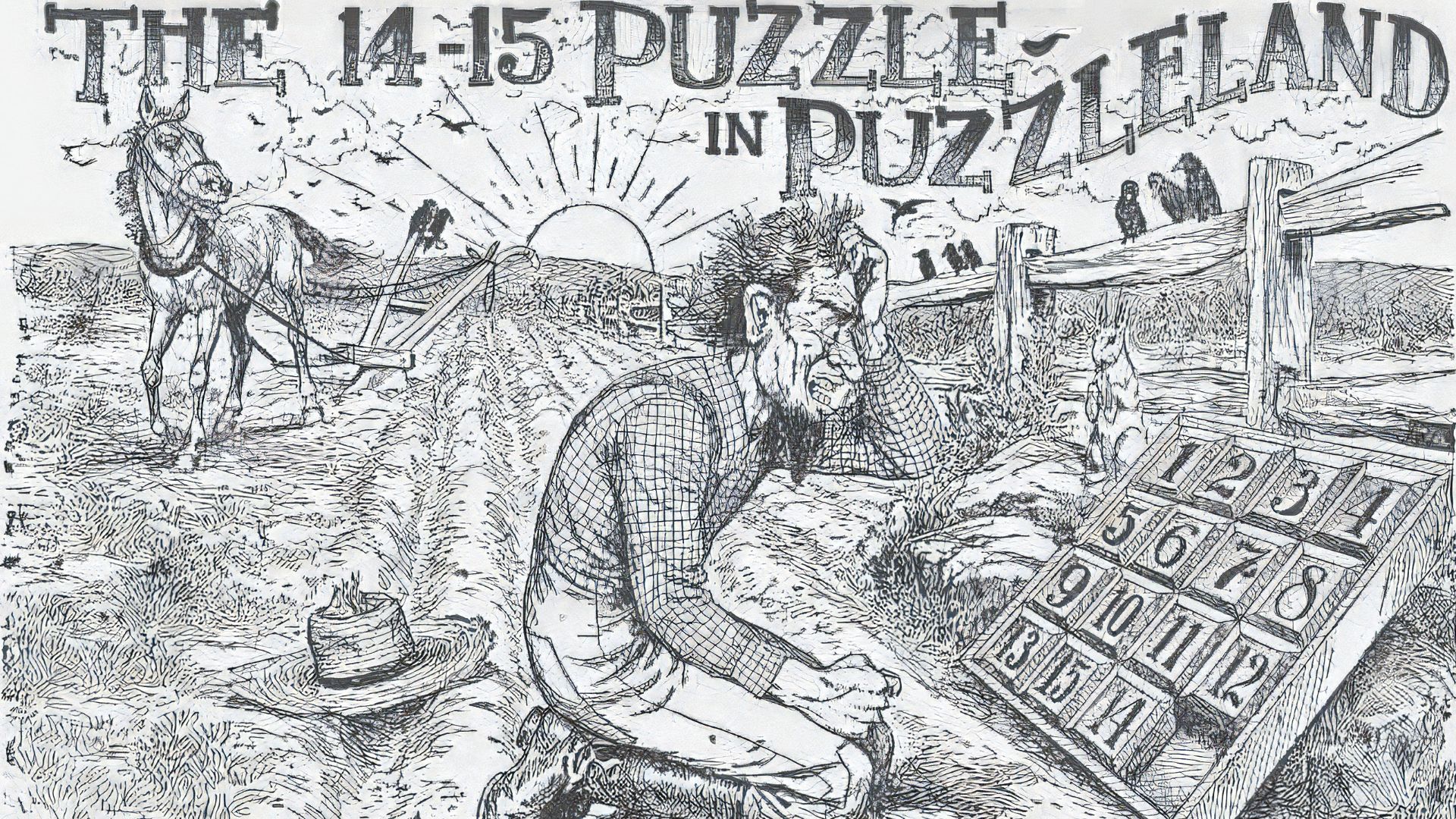 Sam Loyd, scanned by Ed Pegg Jr, 2005, Wikimedia Commons
Bicycles Put a Craze on Wheels
The practical “safety bicycle” of the 1890s offered independence, exercise, and speed. Clubs organized outings, newspapers covered races, posters glamorized riders, and mass production lowered prices. Bicycling even influenced women’s clothing and freedom, making the craze feel like a personal revolution.
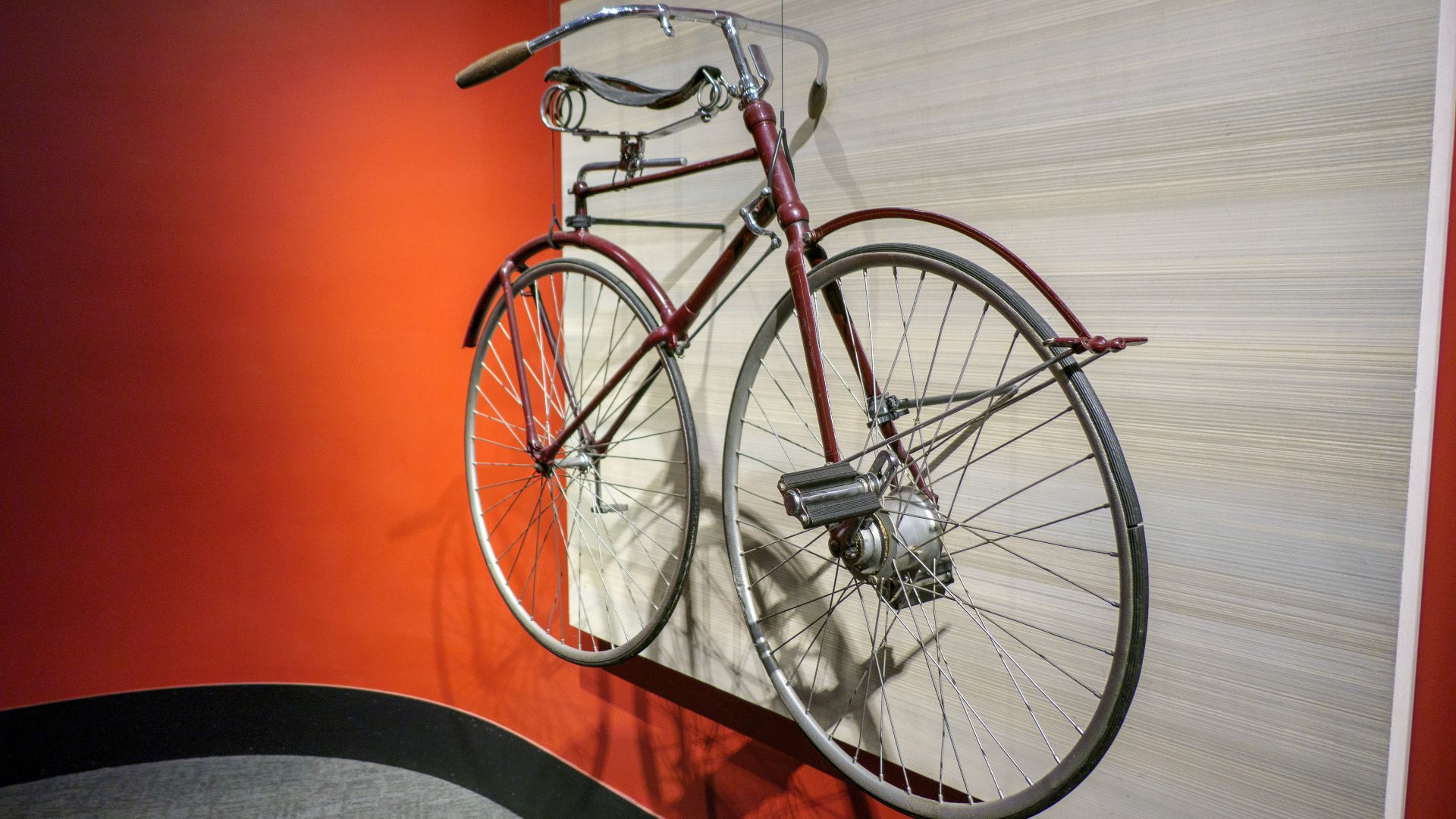 Kenneth C. Zirkel, Wikimedia Commons
Ouija Boards Talked Their Way Into Parlors
Talking boards circulated before the Ouija name was patented, with newspapers describing the novelty by the 1880s. Commercial makers packaged mystery as a parlor game. Advertisements, stores, and gossip did the rest: every spooky answer created another story worth repeating.
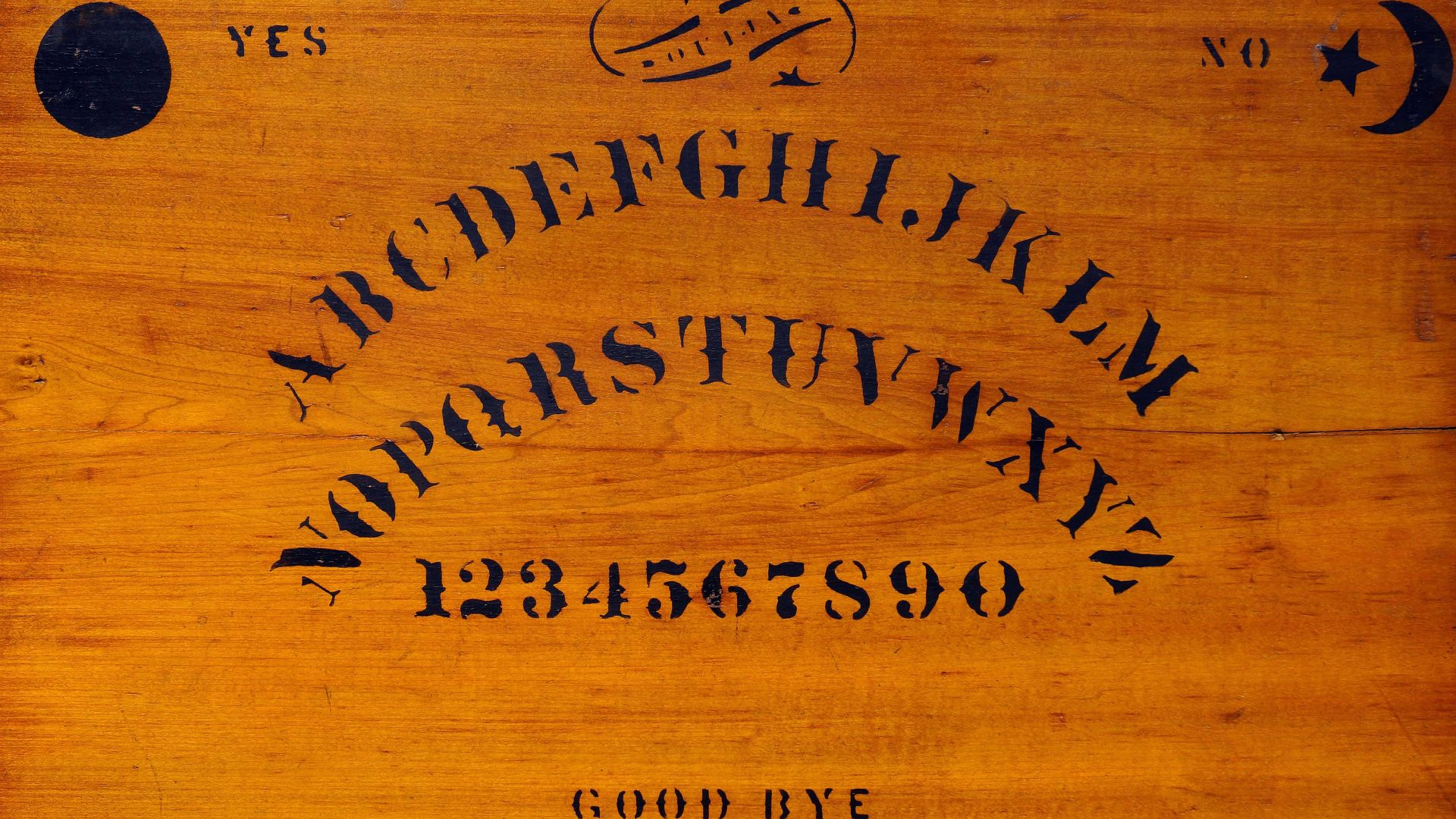 Elijah Bond (1847–1921) and Charles Kennard (1856–1925), Wikimedia Commons
Teddy Bears Conquered the Nursery
A 1902 newspaper cartoon about President Theodore Roosevelt and a bear helped inspire an American toy version. A small bear in a Brooklyn shop window drew customers immediately. Newspapers, political fame, clever naming, and factory production turned a topical joke into a childhood staple.
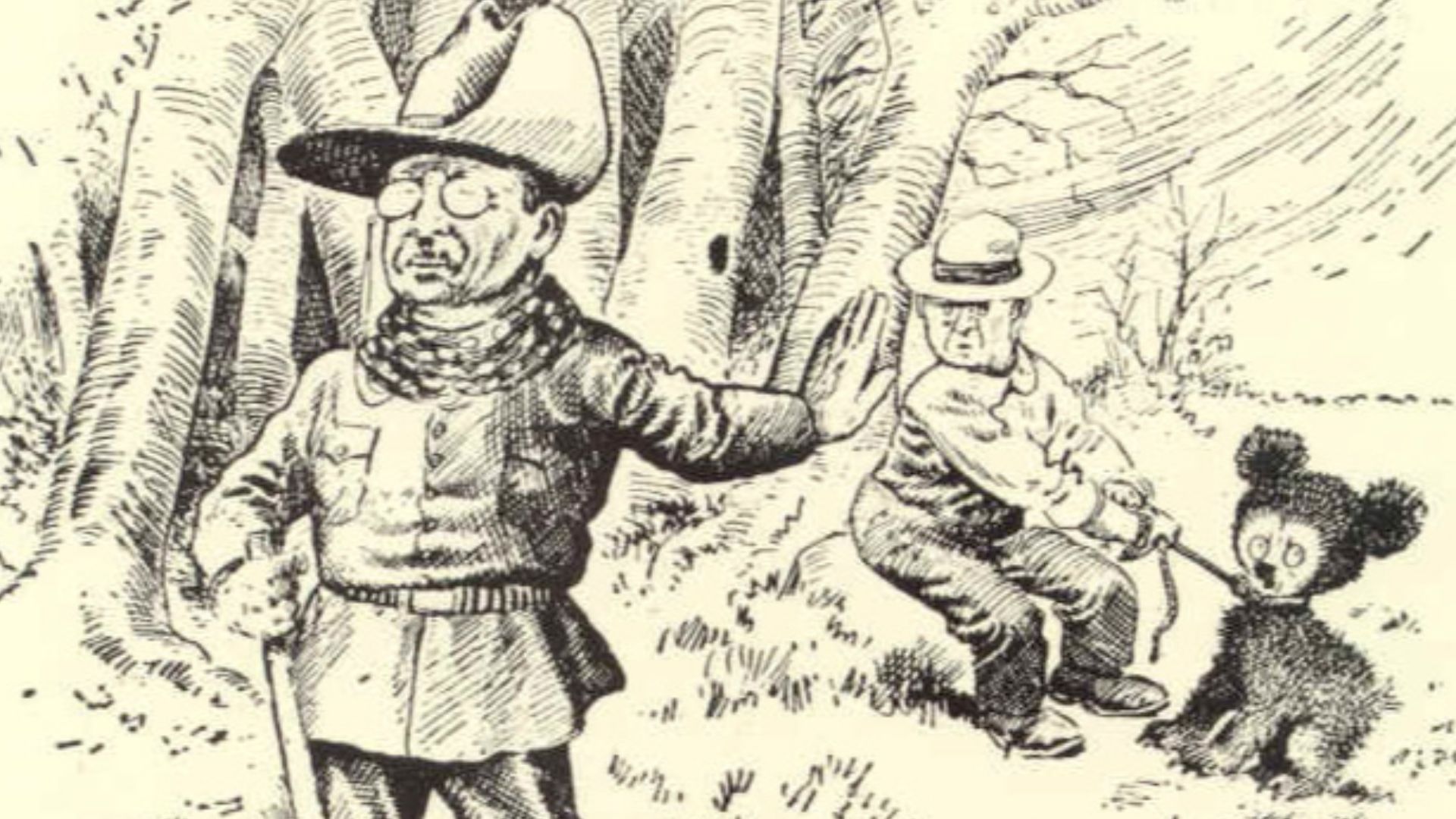 Clifford K. Berryman, Wikimedia Commons
Crosswords Became a National Obsession
The crossword commonly credited as the first modern example appeared in the New York World in 1913, then spread as rivals printed their own. Competitions, prizes, puzzle books, and commuter-friendly grids accelerated the craze. By the 1920s, headlines described a “crossword bug”—a perfect label for virality.
Mahjong Clicked Across America
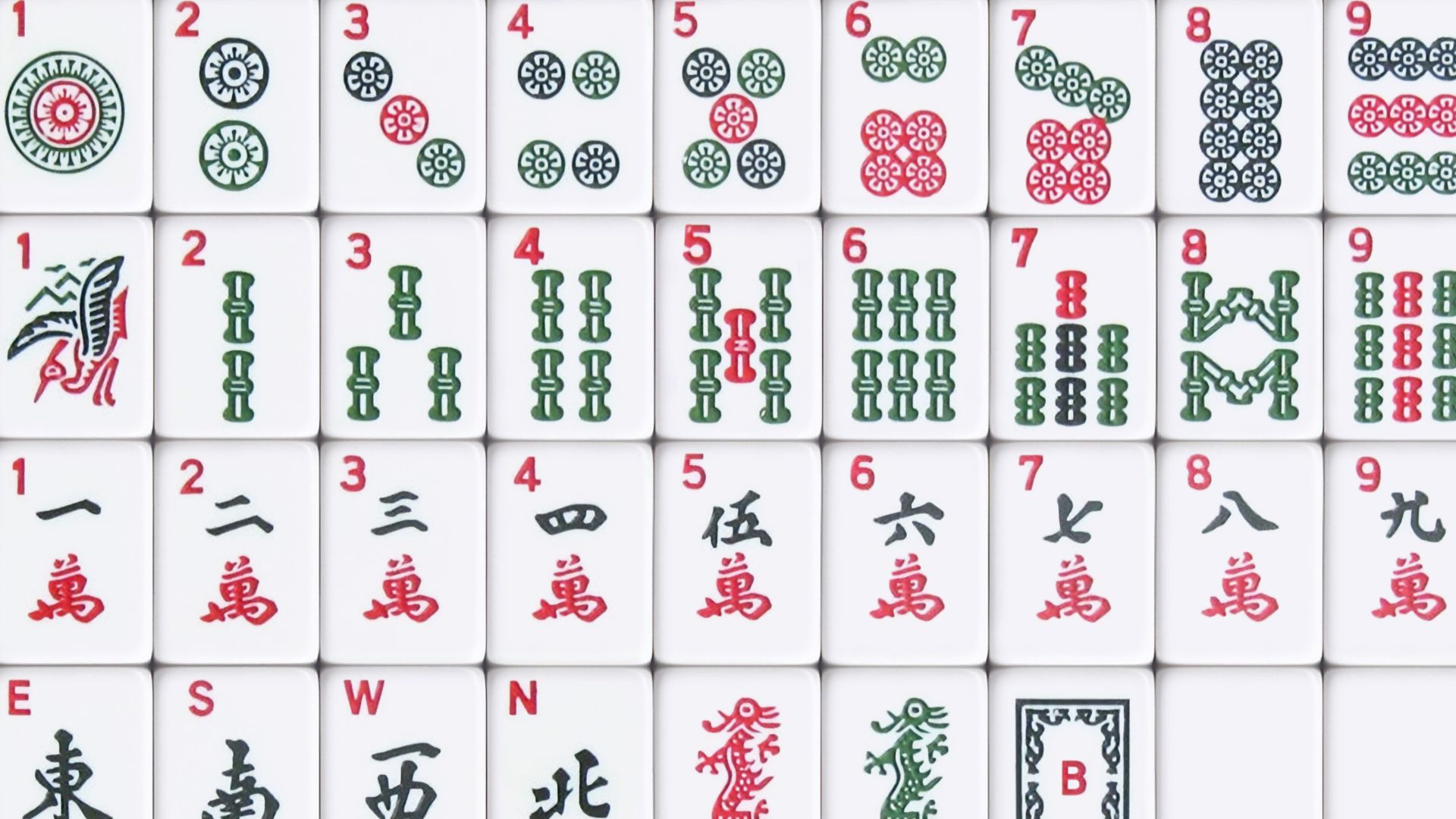
Mahjong surged through the United States in the 1920s. Importers sold boxed sets, stores staged demonstrations, magazines explained the rules, and celebrities made it fashionable. Its social play helped too: a lively mahjong table was entertainment and an advertisement to everyone nearby.
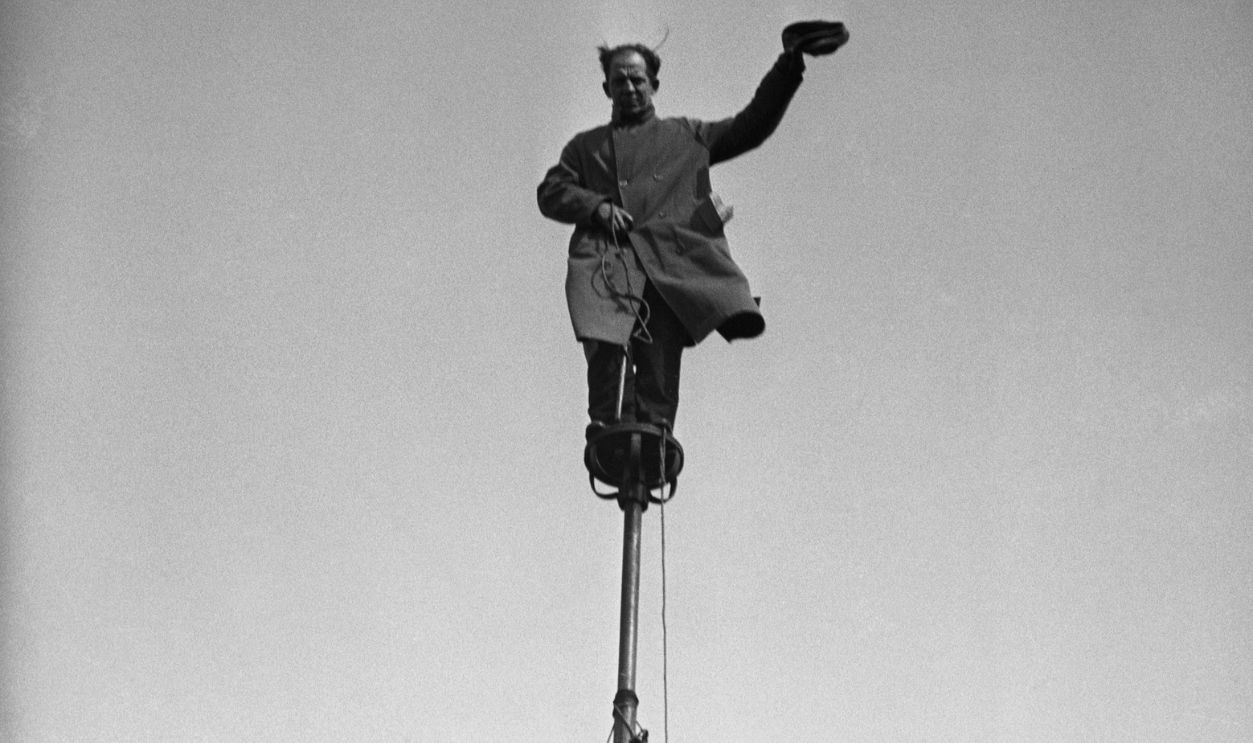
Flagpole Sitting Reached Ridiculous Heights
In the 1920s, stunt performer “Shipwreck” Kelly popularized sitting atop flagpoles for astonishing stretches. Newspapers and wire photographs turned attempts into spectacles, while imitators chased records. The fad was visible, competitive, and absurd—the perfect recipe for attention before video platforms.
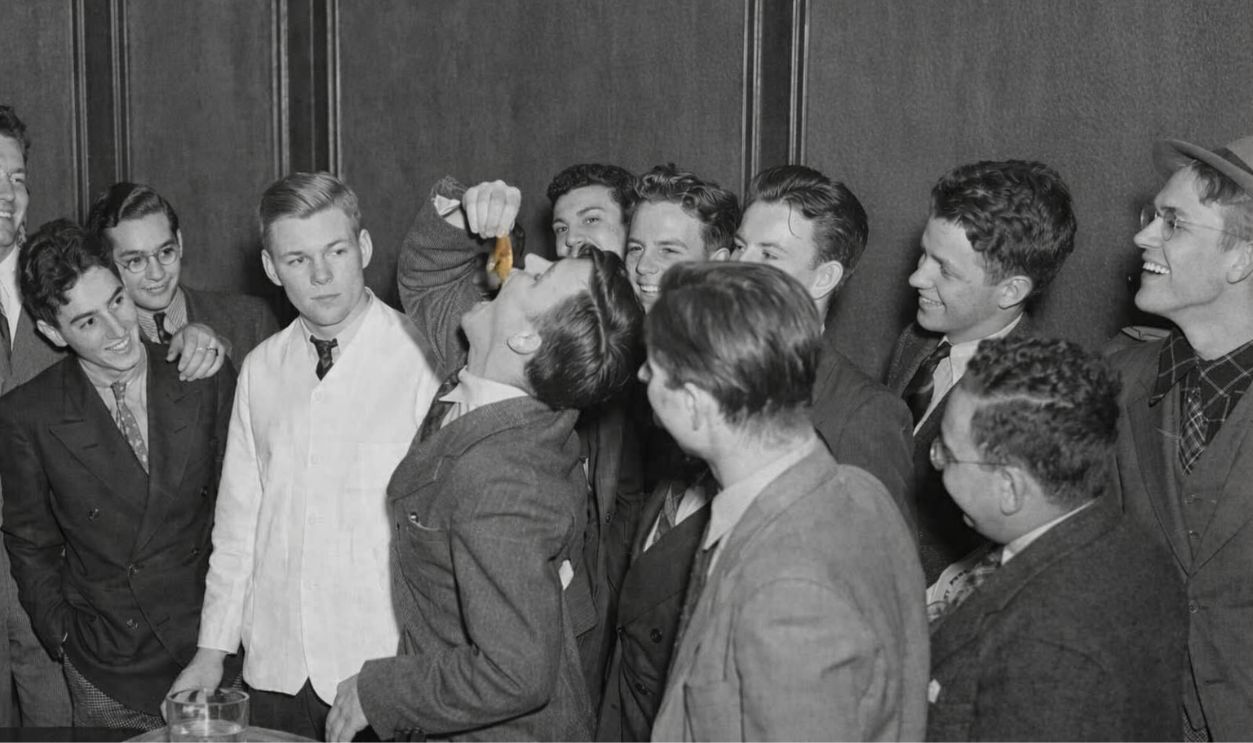
Goldfish Swallowing Hooked College Campuses
In 1939, a Harvard student swallowed a live goldfish after a bet. Reporters covered it, Life magazine amplified it, and students at other colleges tried to outdo one another. The stunt spread through rivalry and publicity: campus pride somehow became measured in unfortunate fish.
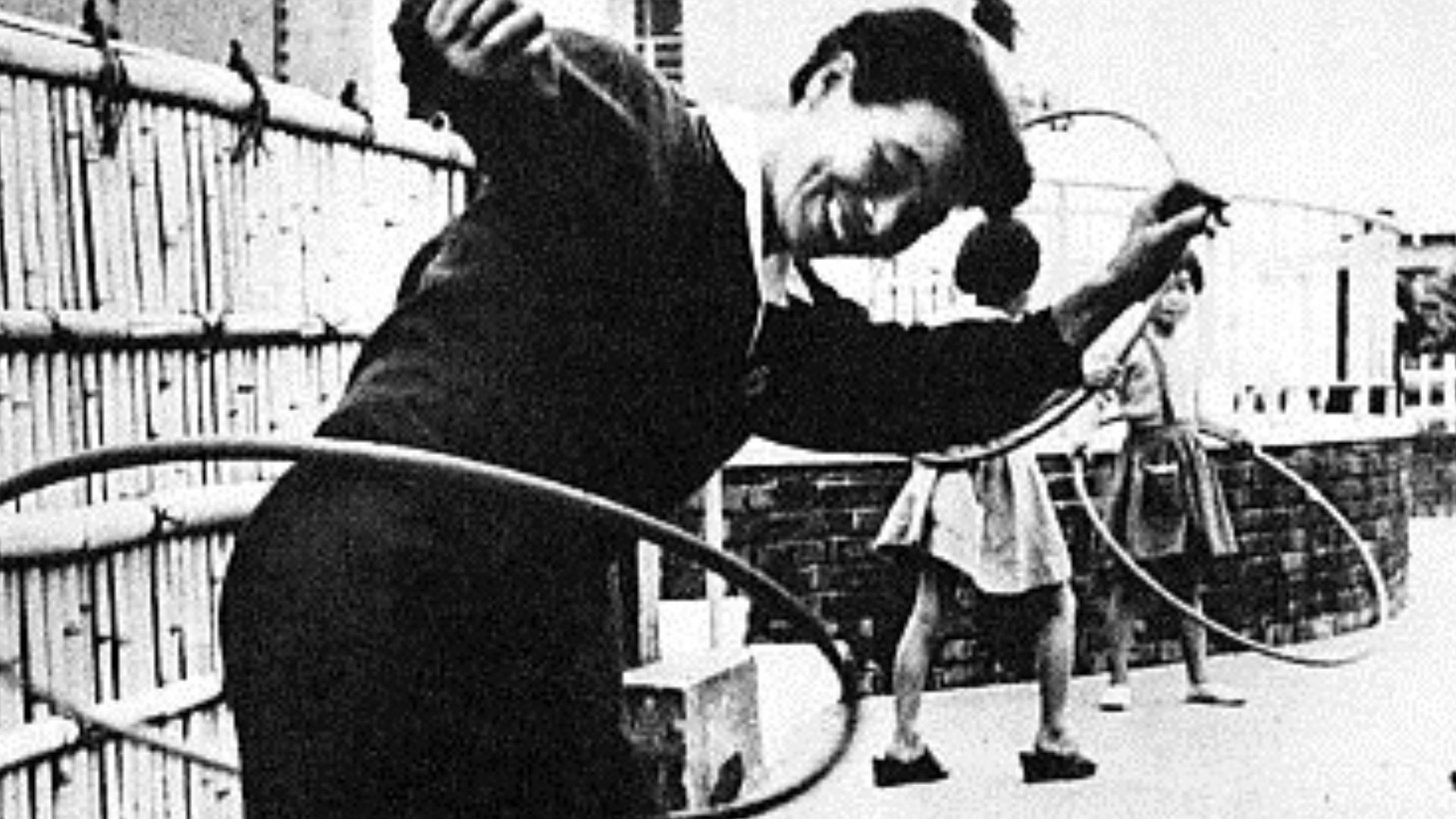
The Hula Hoop Circled the Globe
The 1958 Hula Hoop boom showed how television could turbocharge a pre-internet craze. Wham-O used park demonstrations, giveaways, schoolyard buzz, and TV advertising to teach the motion. More than 20 million sold in six months, turning sidewalks into spinning obstacle courses.
 Unknown authorUnknown author, Wikimedia Commons
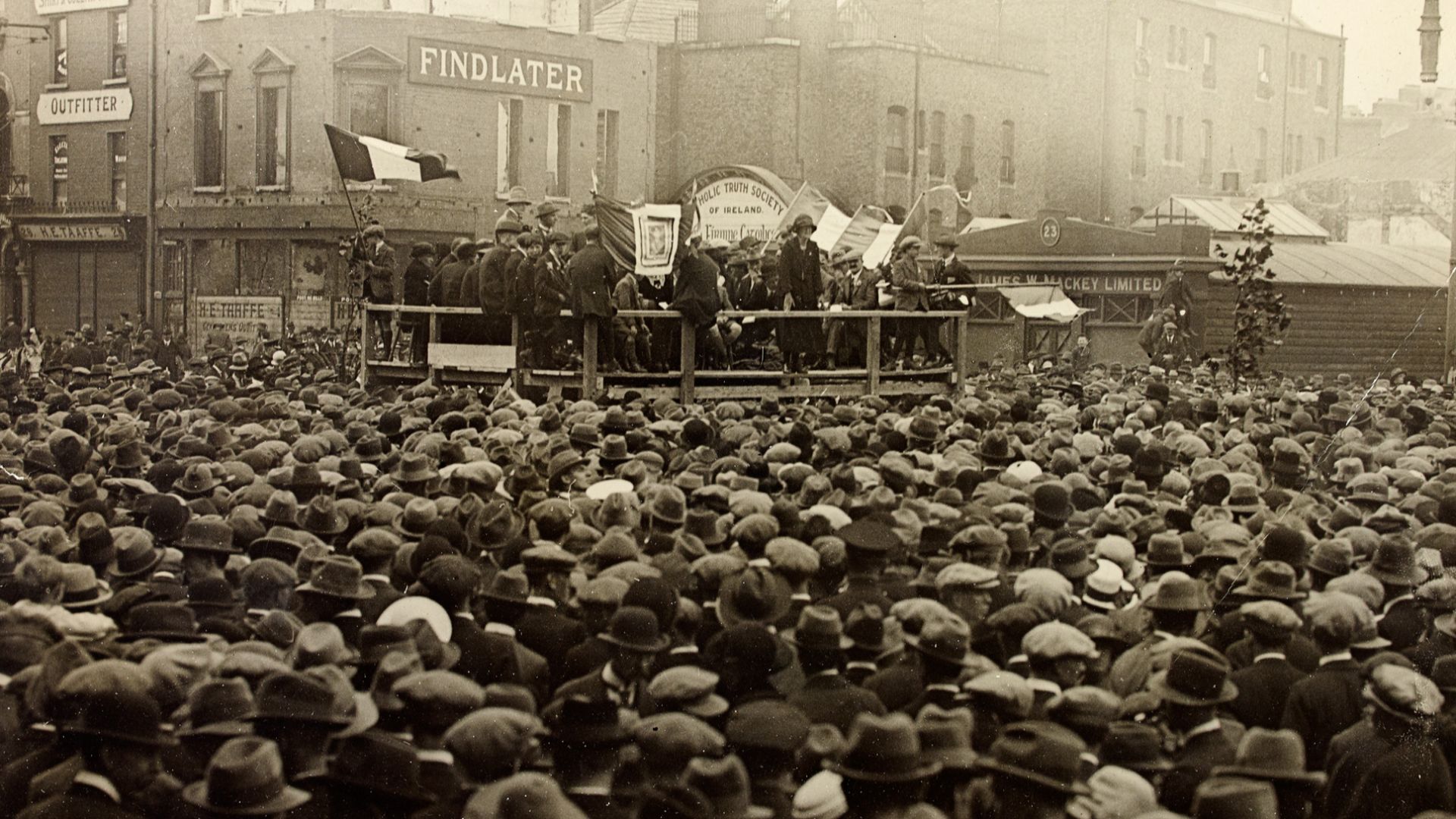
The Original Algorithm Was Us
These crazes used different tools, but the pattern feels familiar: visibility sparked curiosity, repetition created legitimacy, and easy imitation kept things moving. Newspapers, railways, celebrities, merchants, and public spaces supplied the reach. The internet accelerated virality; it did not invent our urge to join in.
 National Library of Ireland on The Commons, Wikimedia Commons
You May Also Like:
Bizarre Things That People Somehow Once Believed Were Good For Their Health
American School Rules From Past Decades That Would Shock Students Today
Miserable Facts About Elliott Smith, The Singer We Can’t Forget