Sometimes The Lie Was Just Too Good
The best scams and hoaxes don't just sell a lie. They sell something people desperately want to believe, from easy money and proof of the supernatural to lost civilizations and hidden history. Once the story hits the right nerve, skepticism can disappear fast.
The Moon Was Suddenly Full Of Life
In 1835, The New York Sun published a series claiming astronomer Sir John Herschel had discovered life on the moon. Readers were told about strange animals, lush landscapes, and winged humanoids called "man-bats." The series became known as the Great Moon Hoax.
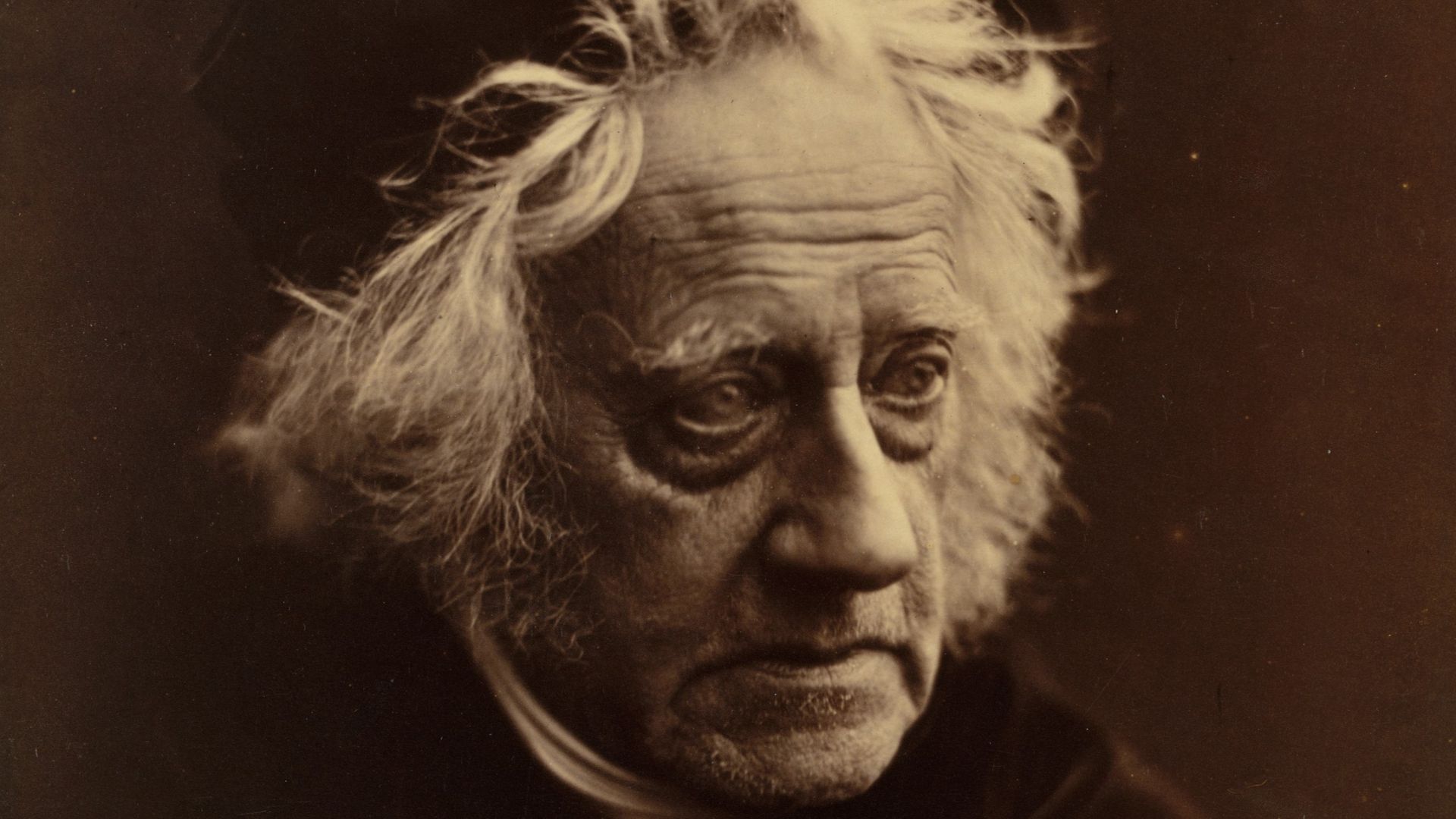 Julia Margaret Cameron, Wikimedia Commons
Readers Wanted An Incredible New World
The story arrived when the public was fascinated by science and exploration. It borrowed Herschel's real name and claimed connections to a scientific journal, making it sound credible. Readers embraced the fantasy, and newspapers abroad reprinted it.
![Sir John Frederick William Herschel, 1st Baronet KH, FRS (March 7, 1792 – May 11, 1871) [2] was an English mathematician, astronomer, chemist, and experimental photographer/inventor, who in some years also did valuable botanical work.[2] He was the son of](https://www.factinate.com/storage/app/media/factinate/2026/9/10/178908317951262dfe2050ab796f54d694a1e6fef215a525b1.jpg) Maull and co., Wikimedia Commons
Maull and co., Wikimedia Commons
Barnum Put A Mermaid On Display
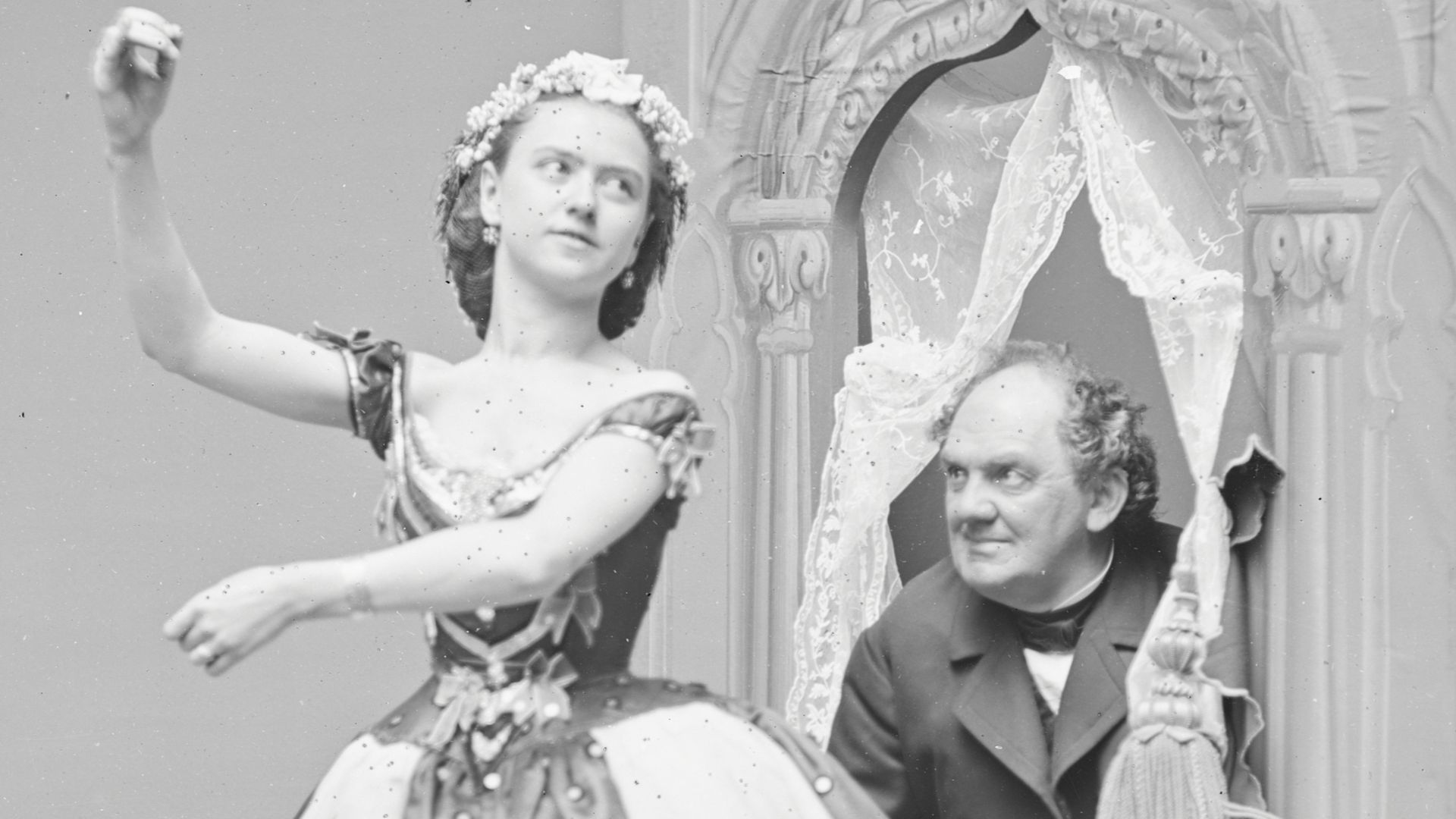
P.T. Barnum knew people would pay to see something incredible, even if they suspected a trick. His famous Feejee Mermaid was supposedly a bizarre sea creature. In reality, it was made from a monkey's upper body attached to a fish tail.
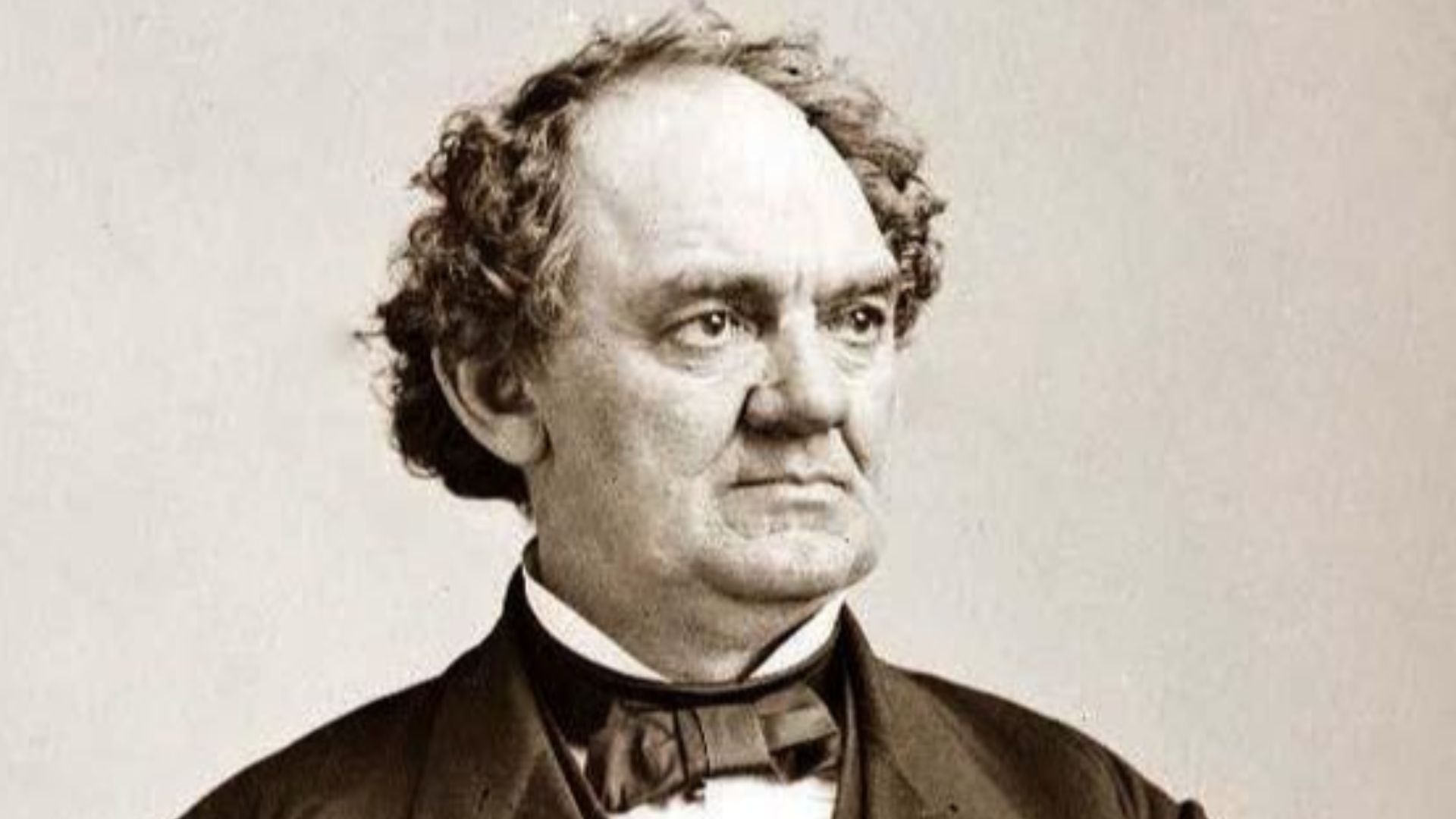 Brady-Handy Photograph Collection (Library of Congress), Wikimedia Commons
The Mystery Was Part Of The Attraction
Barnum's museum mixed real curiosities with obvious hoaxes. That made it difficult for visitors to know what was authentic. The uncertainty was part of the fun, and enormous crowds kept coming.
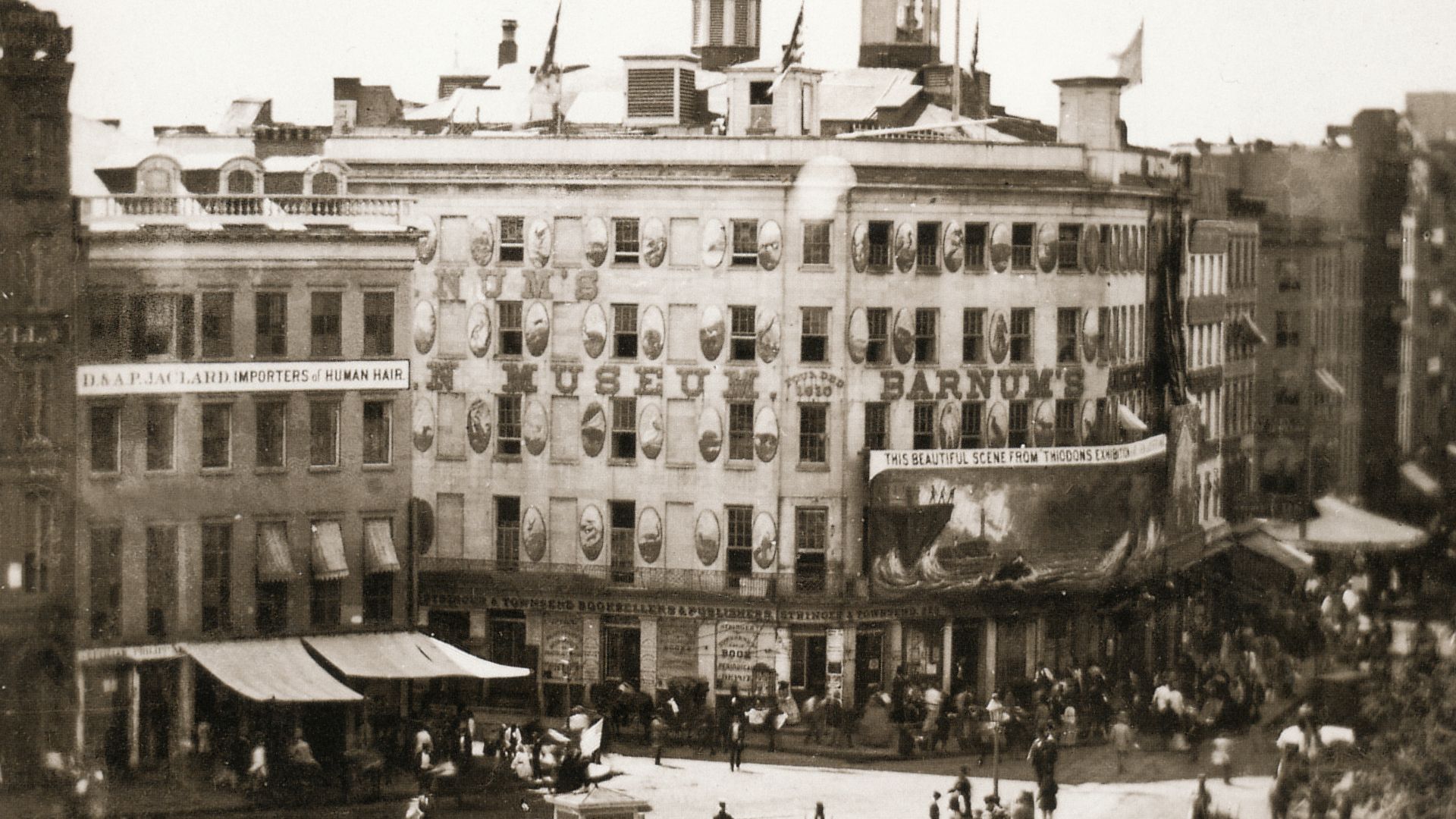 William England, Wikimedia Commons
Two Sisters Started Hearing Ghosts
In 1848, sisters Maggie and Kate Fox claimed mysterious knocking sounds were coming from their family home in New York. The raps appeared to answer questions from visitors. Their demonstrations helped ignite the modern Spiritualist movement.
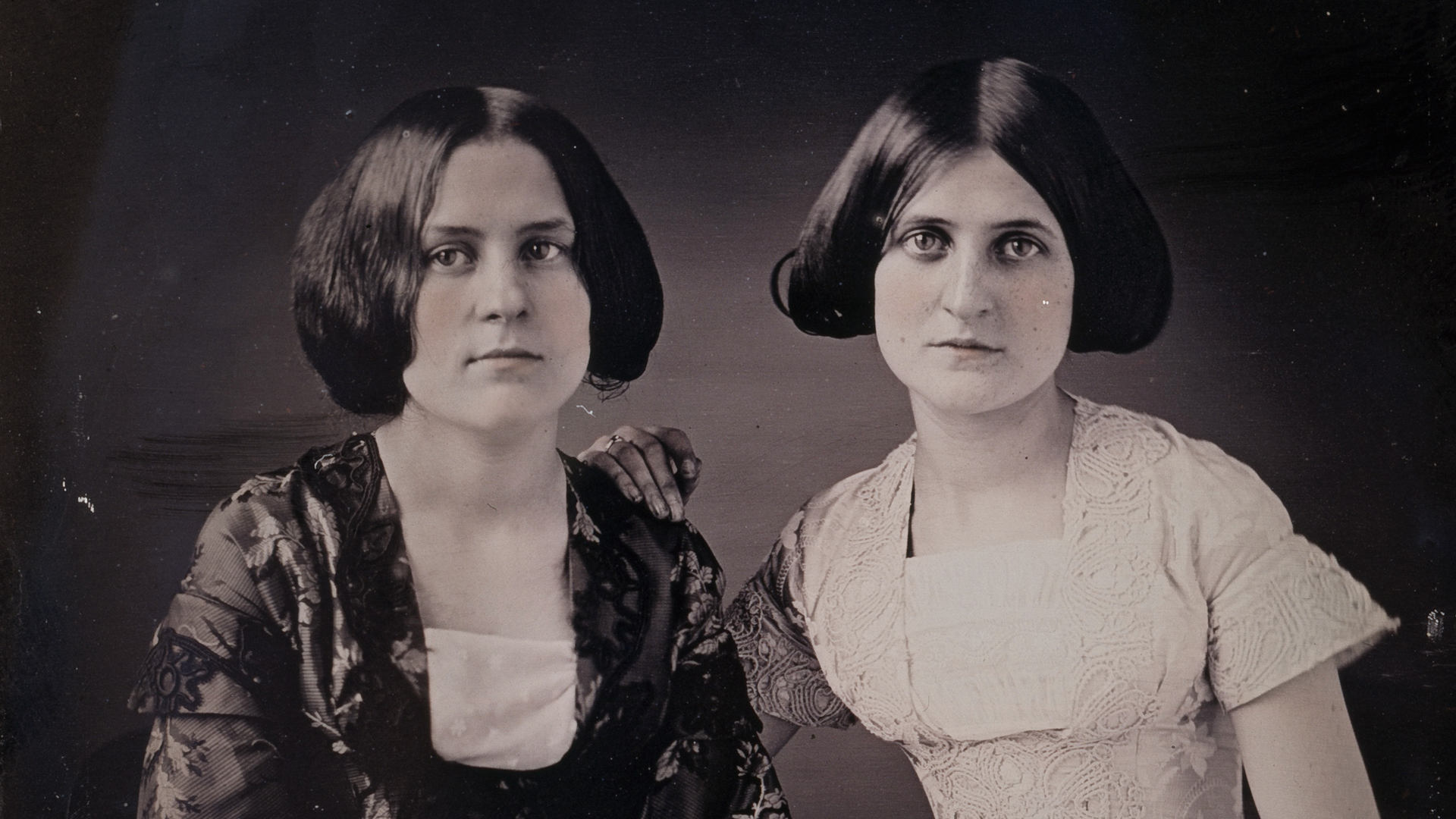 Thomas Martin Easterly, Wikimedia Commons
Grieving Families Had A Reason To Believe
Spiritualism grew rapidly as families searched for comfort after losing loved ones. Maggie later publicly demonstrated how some of the famous raps had been produced using her joints. She later recanted, but the episode revealed how strongly people wanted the messages to be real.
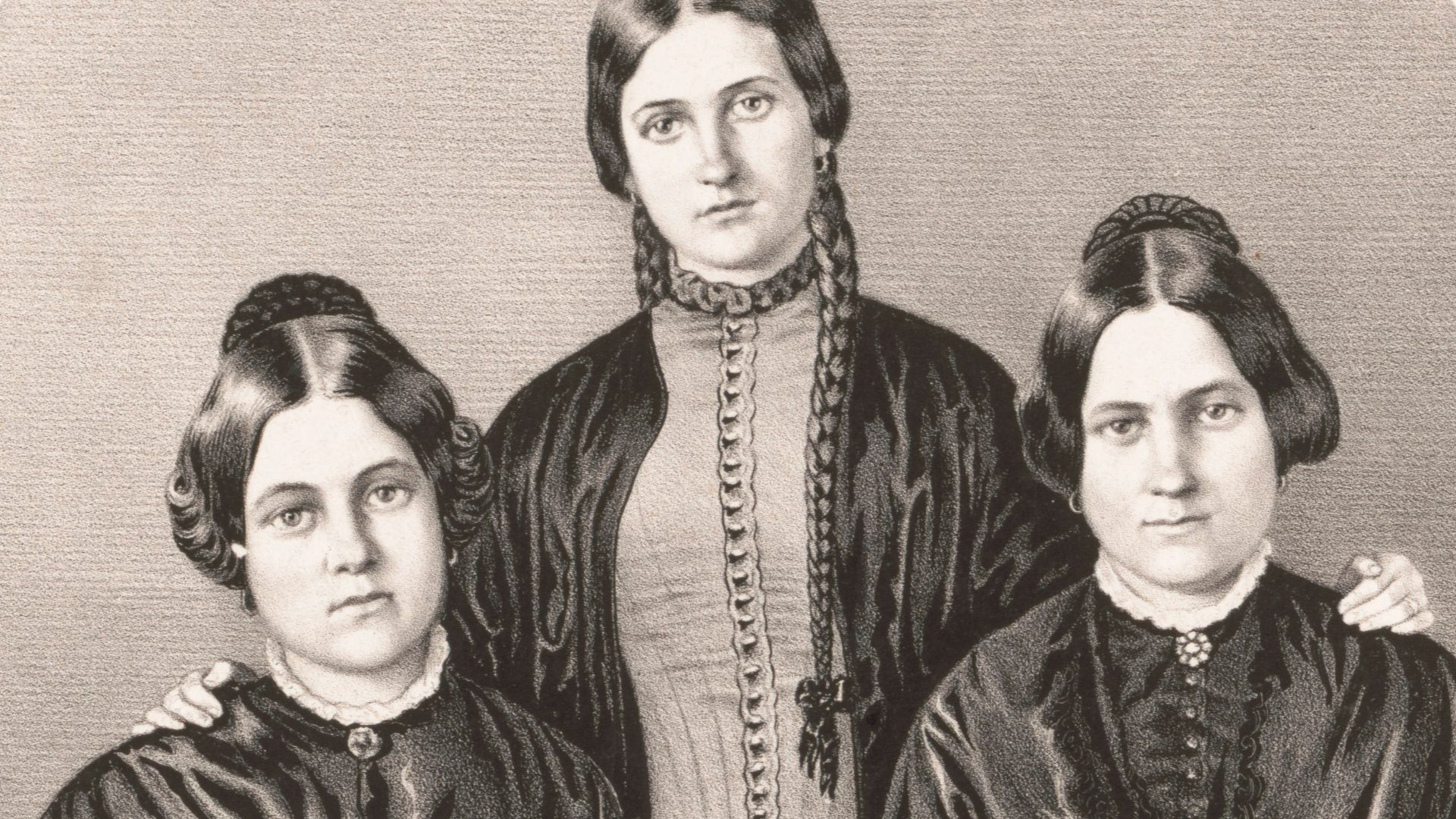 N. Currier (Firm), Wikimedia Commons
William Mumler Photographed The Dead
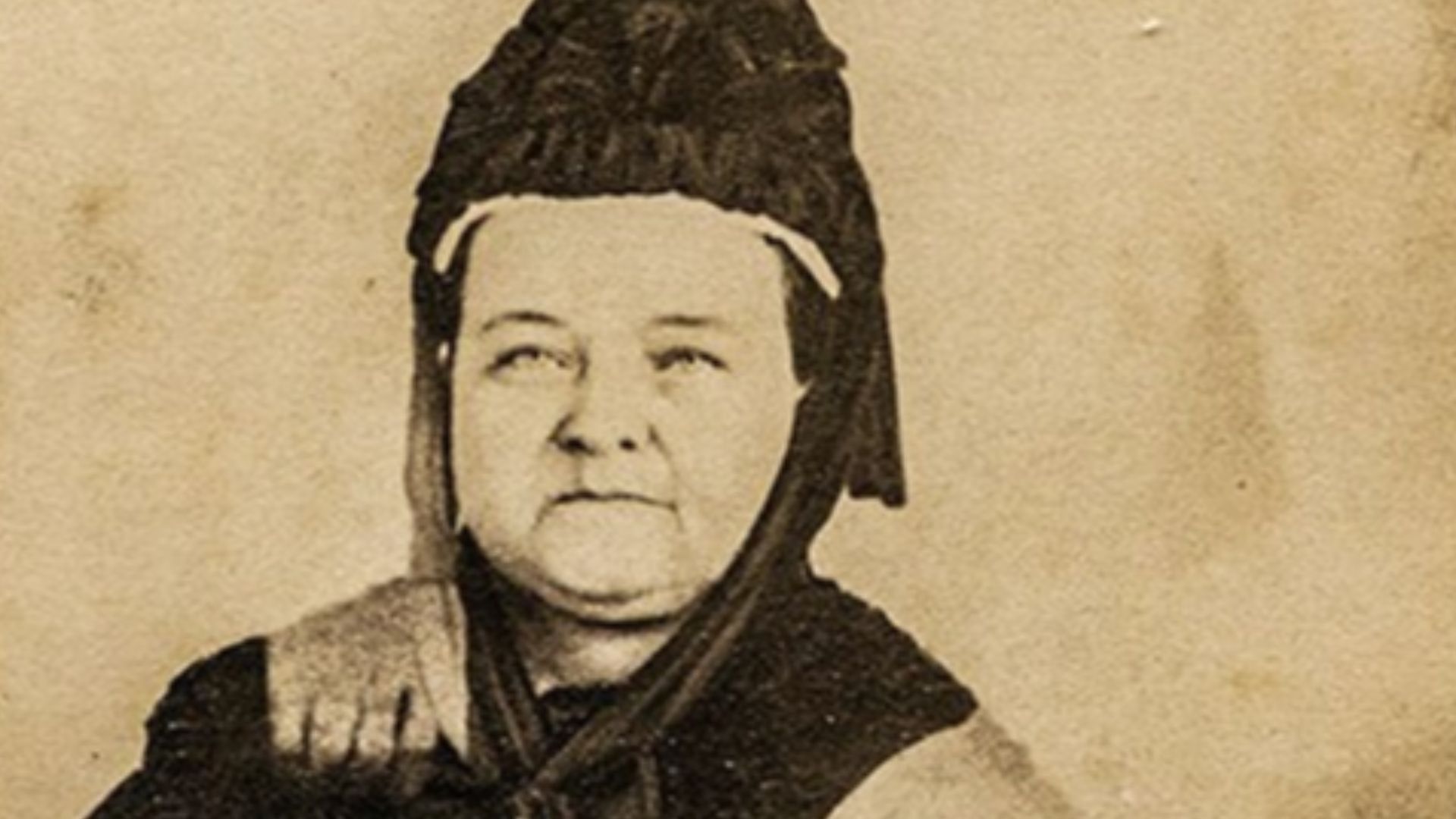
In the 1860s, photographer William Mumler began producing portraits that appeared to show ghostly figures beside living subjects. Customers sometimes recognized the shapes as deceased relatives. For believers in Spiritualism, the photographs seemed like physical proof.
 William H. Mumler, Wikimedia Commons
Grief Made The Pictures Powerful
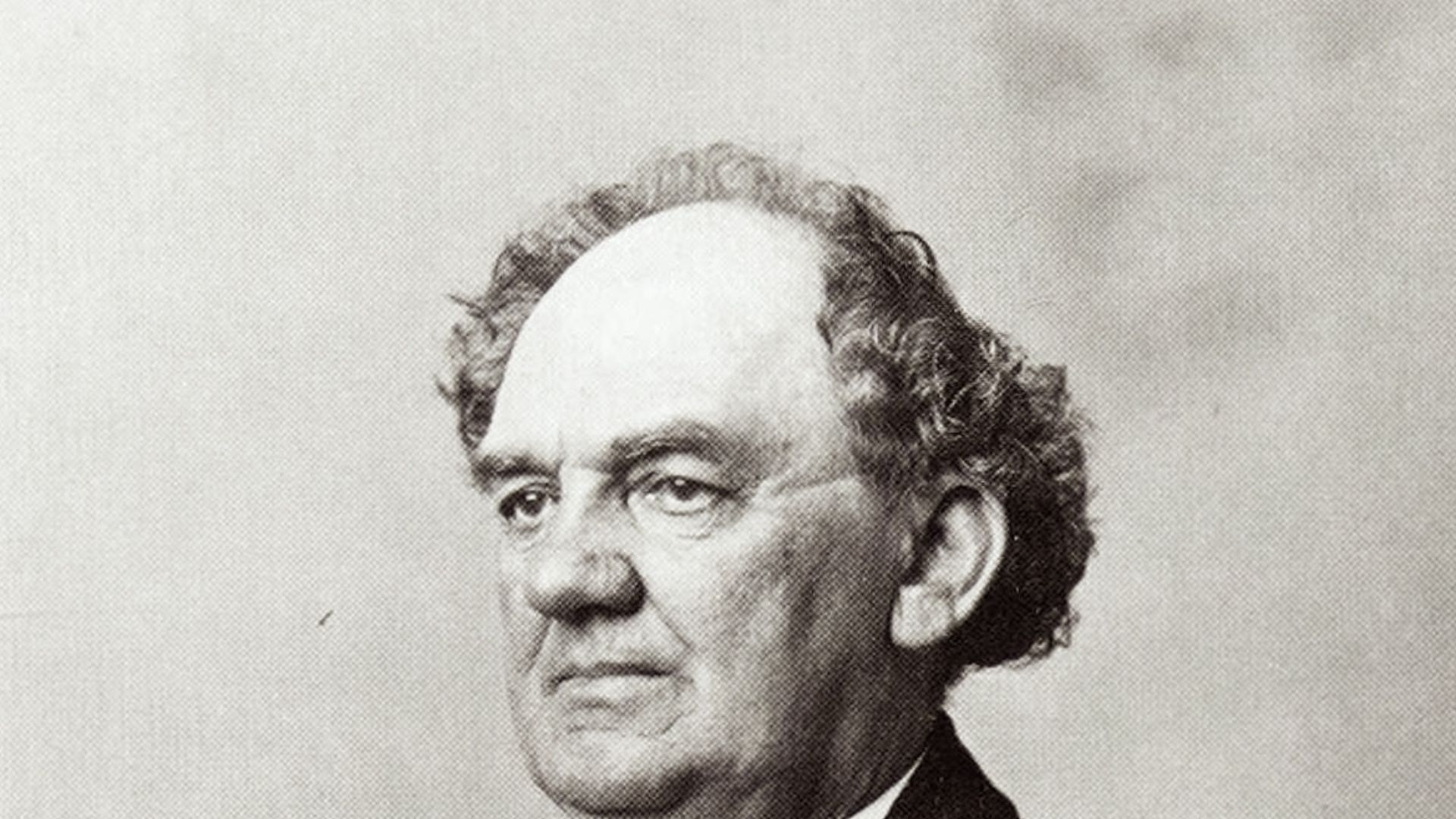
Other photographers suspected tricks such as double exposure. Mumler was charged with fraud in 1869, but prosecutors failed to prove exactly how the images were made. His most famous photograph showed Mary Todd Lincoln apparently accompanied by Abraham Lincoln's spirit.
 Abraham Bogardus, Wikimedia Commons

History's most fascinating stories and darkest secrets, delivered to your inbox daily.
America Unearthed A Giant
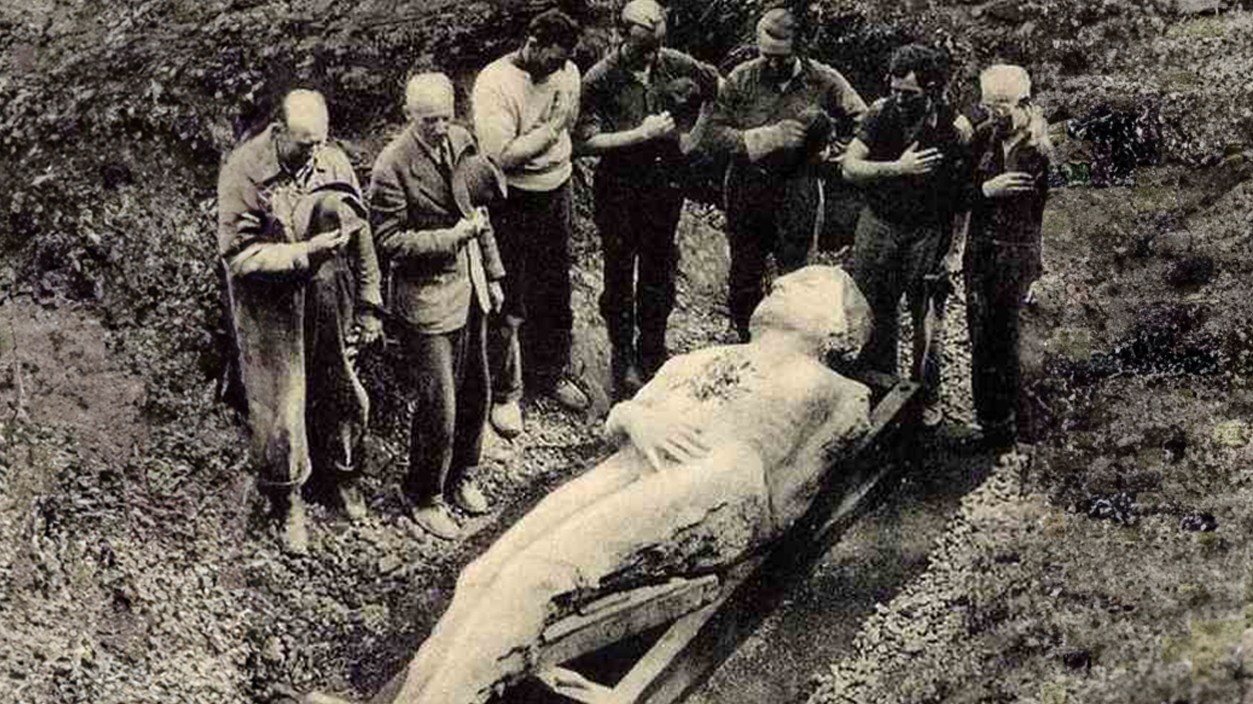
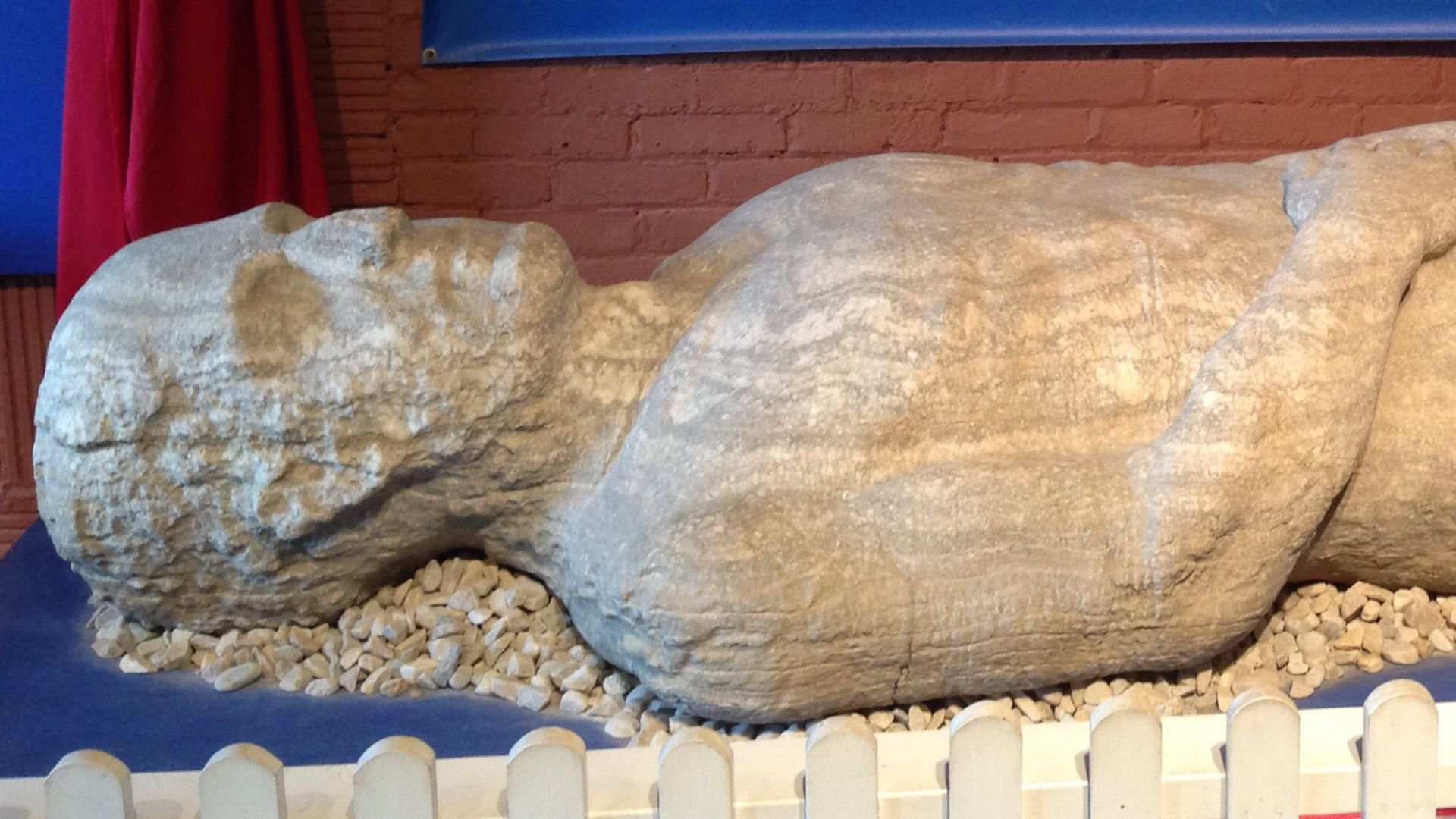
In 1869, workers near Cardiff, New York uncovered what appeared to be a 10-foot petrified man. Crowds rushed to see the supposed ancient giant. It had actually been created and secretly buried by George Hull and his cousin William Newell.
 Unknown author, Public Domain, Wikimedia Commons
It Appeared To Confirm Something Bigger
The giant appealed to people who believed biblical accounts of ancient giants were literal history. Hull reportedly devised the hoax after arguing about those passages. Even as experts questioned the figure, many visitors still wanted the discovery to be genuine.
 Martin Lewison from Forest Hills, NY, U.S.A., Wikimedia Commons
Two Prospectors Found A Fortune
In the early 1870s, Philip Arnold and John Slack claimed to have found a secret diamond field in the American West. They showed investors bags of real gems while keeping the supposed location hidden. Wealthy financiers quickly became interested.
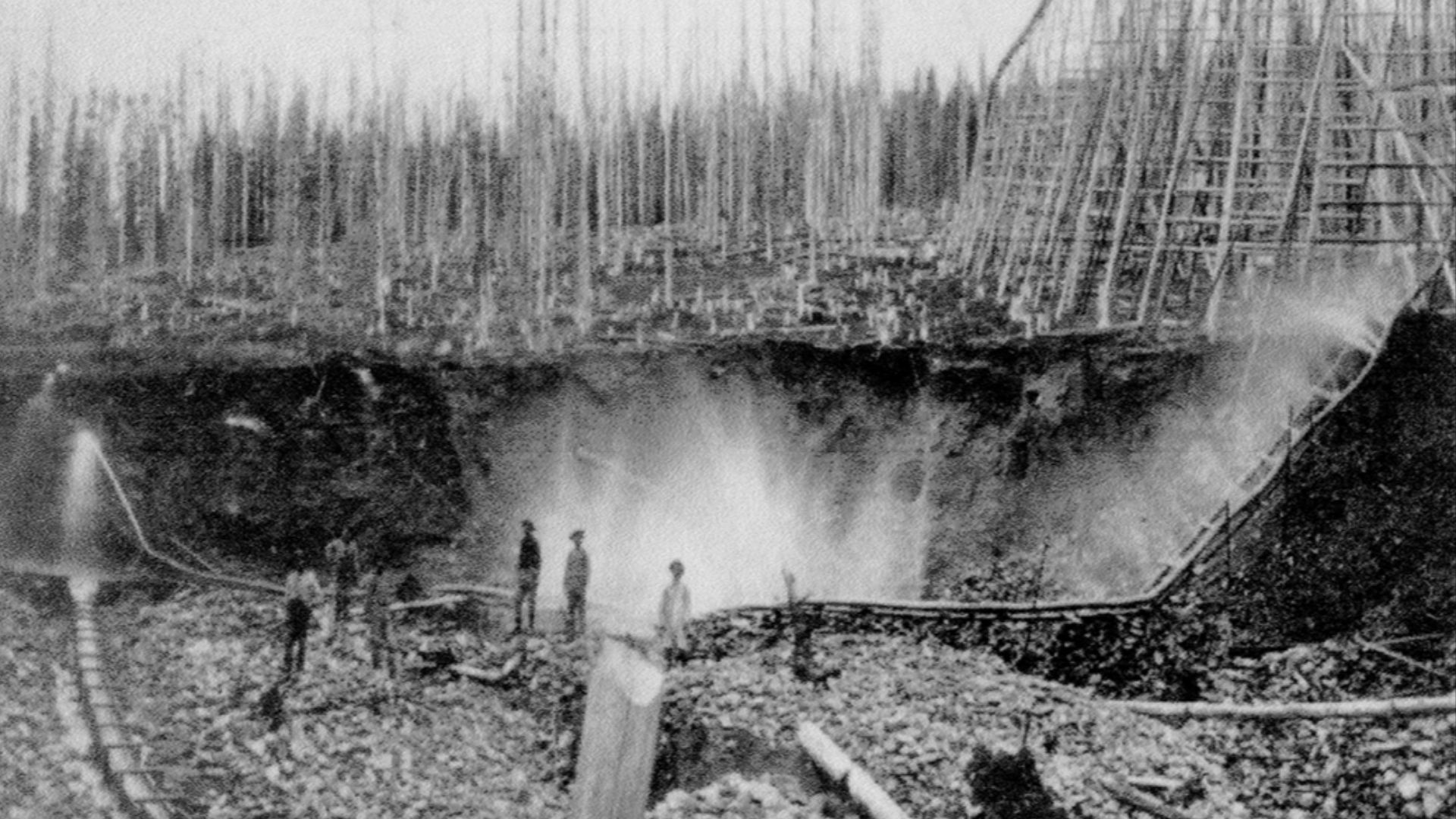 Chamberlain, William G, Wikimedia Commons
Greed Filled In The Gaps
Arnold and Slack secretly planted gemstones at the site to strengthen the illusion. Stories of western mineral wealth made the discovery seem plausible. The fear of missing a fortune encouraged investors to ignore obvious warning signs.
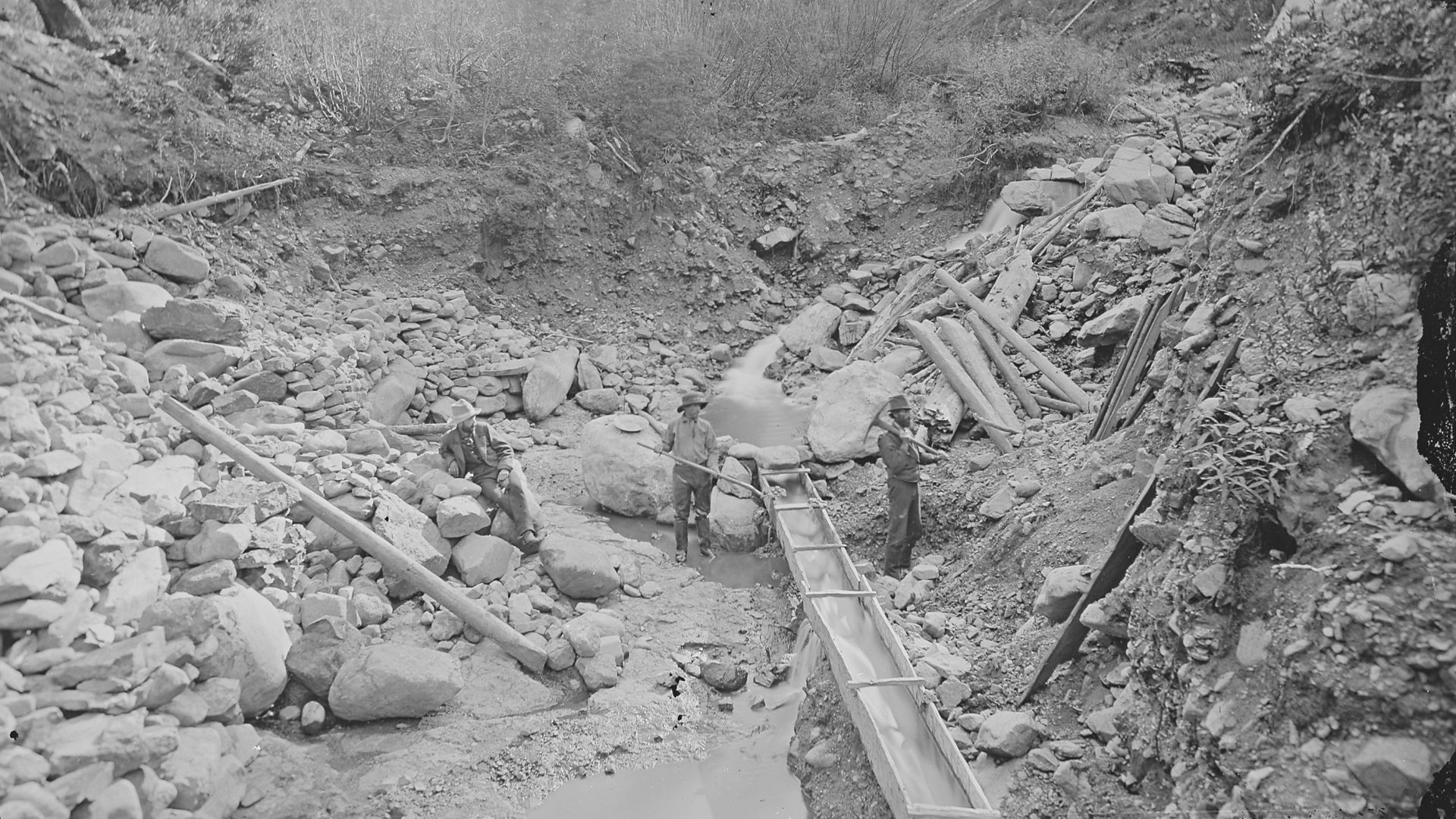 William Henry Jackson, Wikimedia Commons
Britain Found Its Missing Link
In 1912, fossil fragments known as Piltdown Man appeared to reveal an ancient human ancestor. The remains seemed to combine a human skull with an ape-like jaw. For decades, the specimen influenced discussions about human evolution.
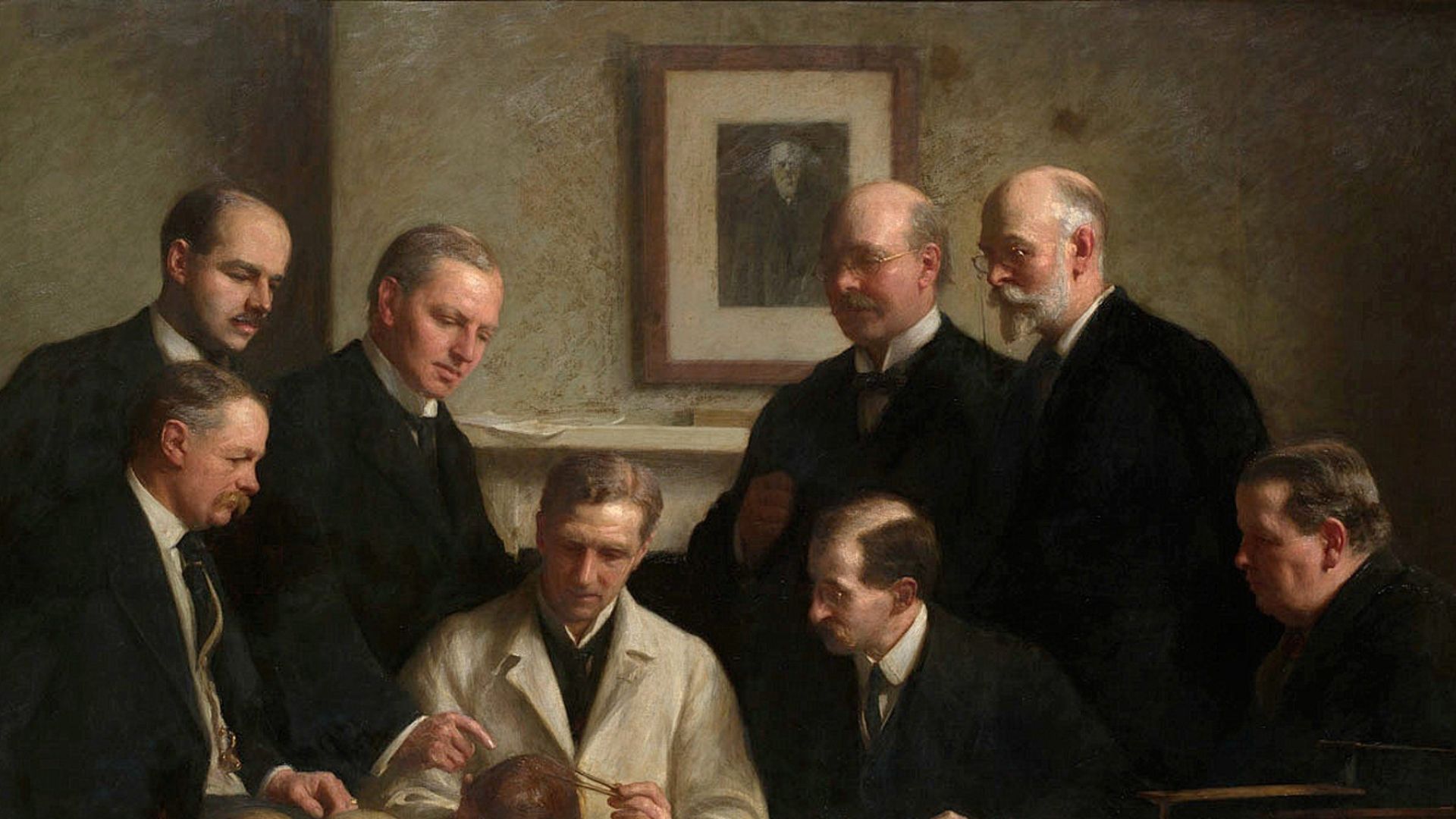
The Fossil Said What Some Expected
Piltdown supported the popular idea that a large brain evolved early in human ancestry. Later discoveries made the fossil look increasingly suspicious. Testing eventually revealed a human skull combined with an orangutan jaw and artificially altered teeth.
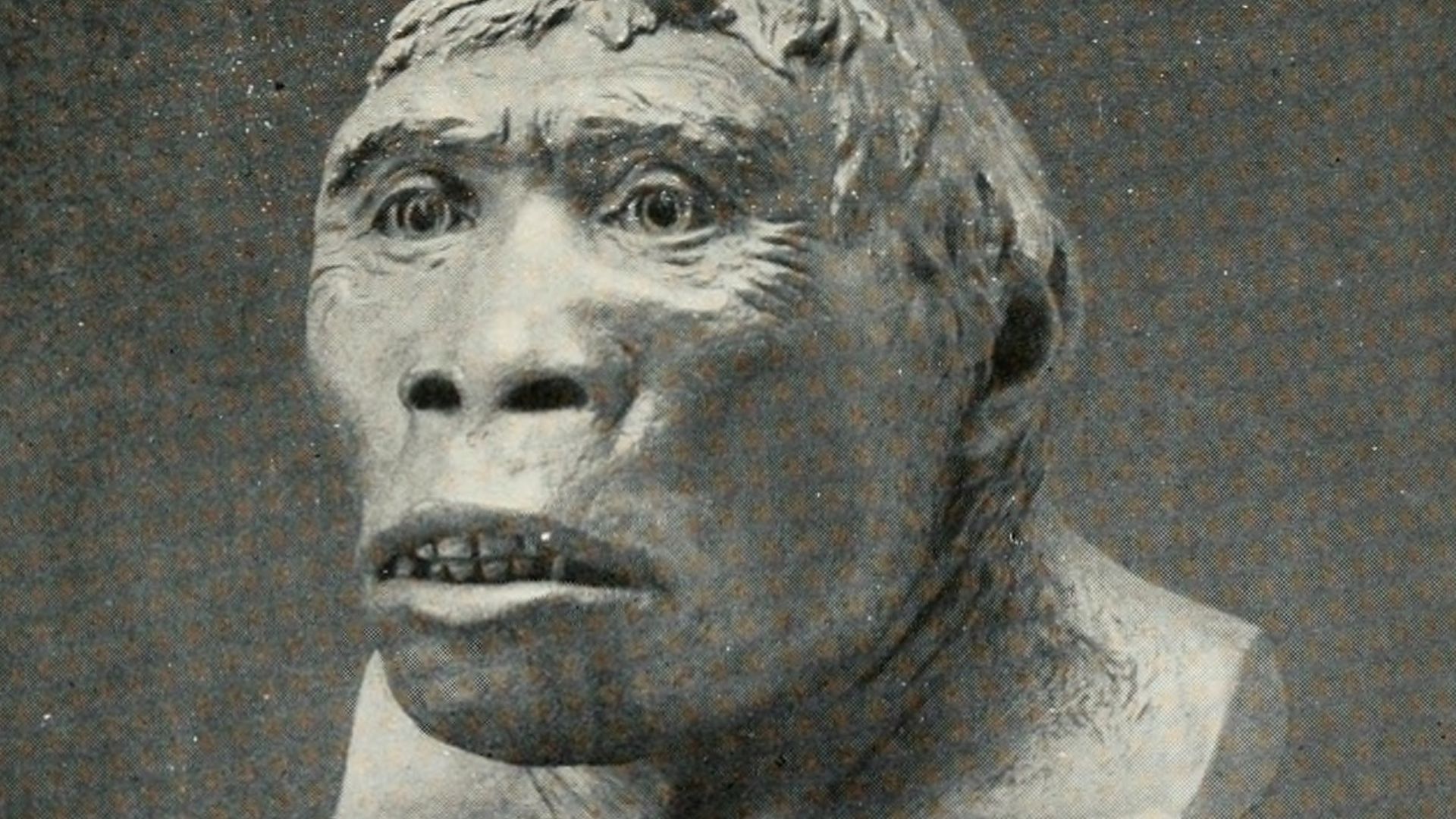 Internet Archive Book Images, Wikimedia Commons
Two Girls Photographed Fairies
In 1917, cousins Elsie Wright and Frances Griffiths took photographs that appeared to show fairies near their home in England. The images eventually reached Arthur Conan Doyle. The Sherlock Holmes creator publicly defended them as genuine.
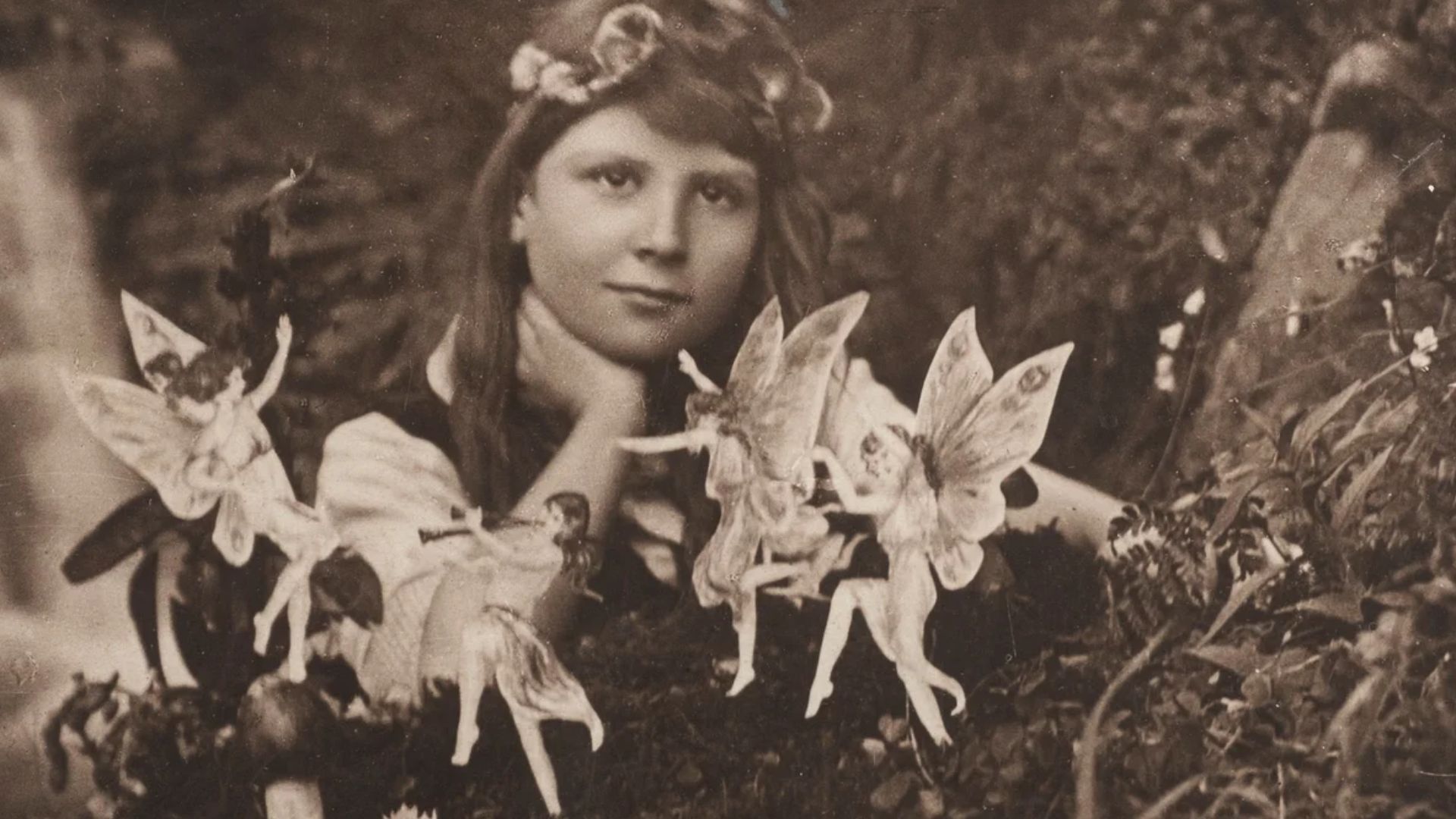 Elsie Wright, Wikimedia Commons
Even Sherlock Holmes' Creator Believed
Doyle's reputation gave the photographs remarkable credibility. Decades later, the women admitted most of the pictures had been staged. His belief showed how easily wishful thinking can overpower skepticism, even in someone famous for creating a master detective.
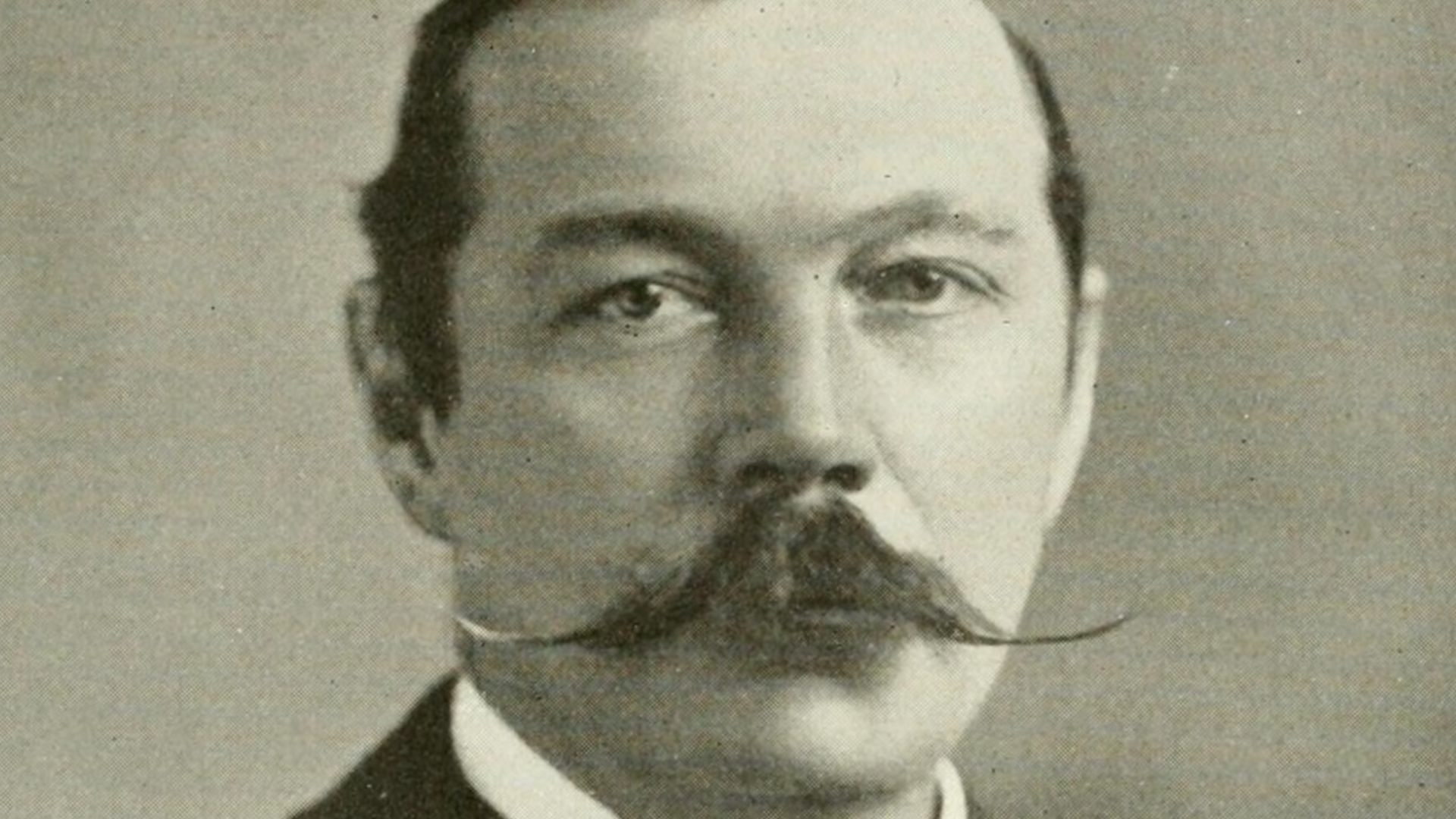 Elliott & Fry, Wikimedia Commons
Charles Ponzi Promised Incredible Returns
In 1919, Charles Ponzi promoted an investment scheme supposedly based on international postal reply coupons. He promised massive returns in very short periods. Early investors were actually being paid with money from newer investors.
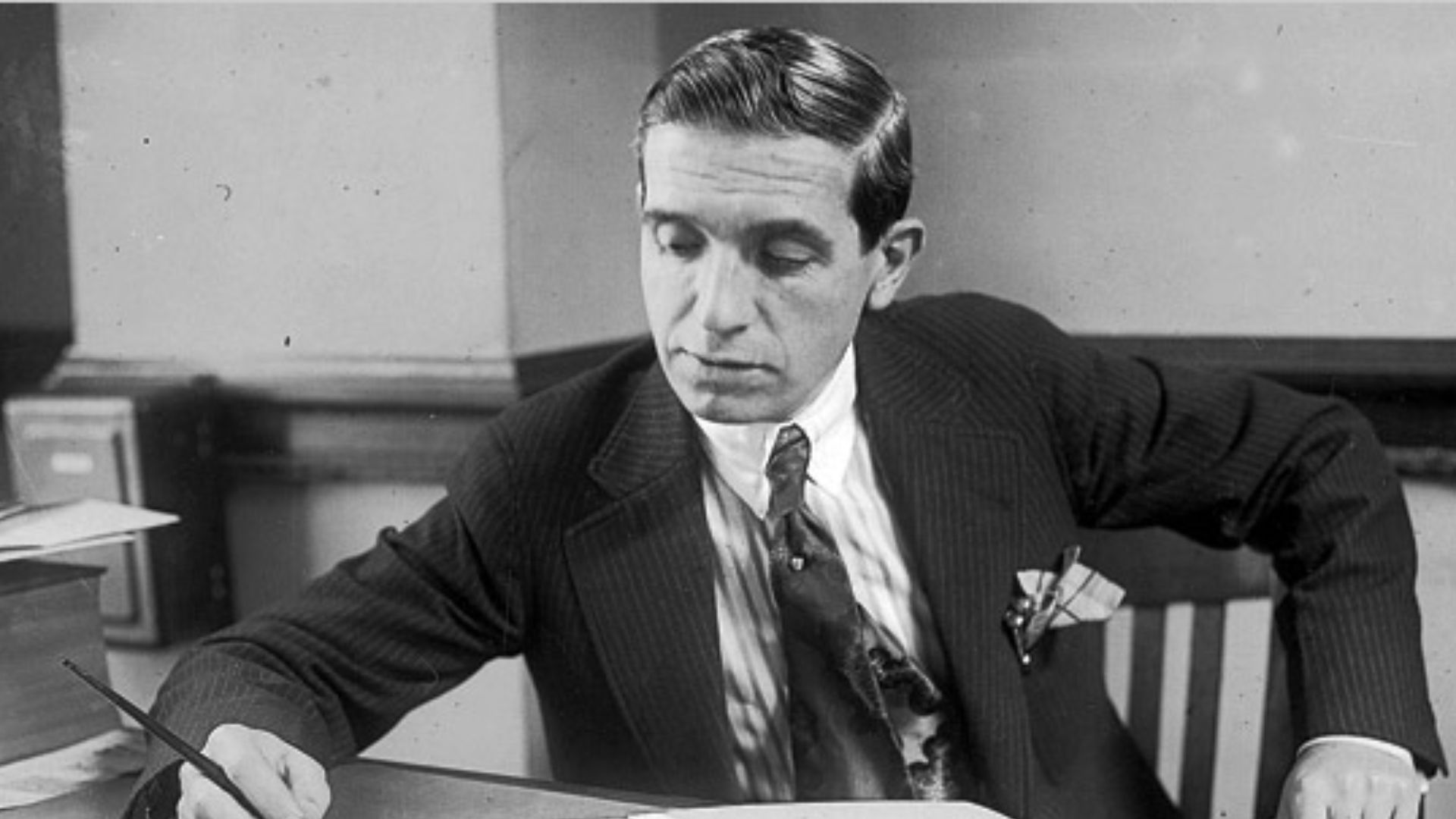 Boston Library (NYT); en.wikipedia.org, Wikimedia Commons
Success Became His Best Advertisement
As investors received impressive payouts, word spread quickly. Seeing friends make money made the opportunity feel safer and more legitimate. Ponzi's name eventually became synonymous with this entire type of fraud.
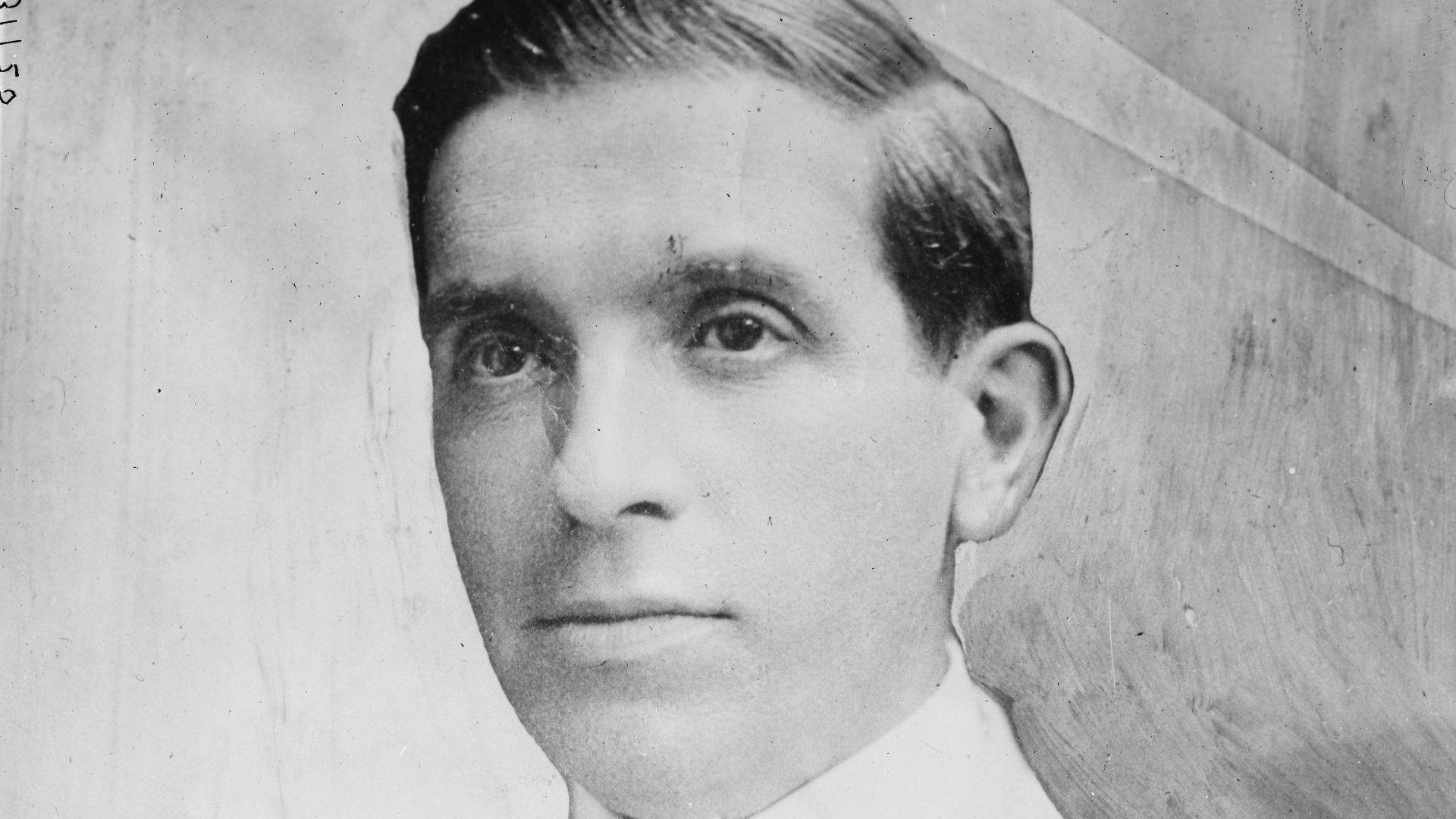 Bain News Service, publisher, Wikimedia Commons
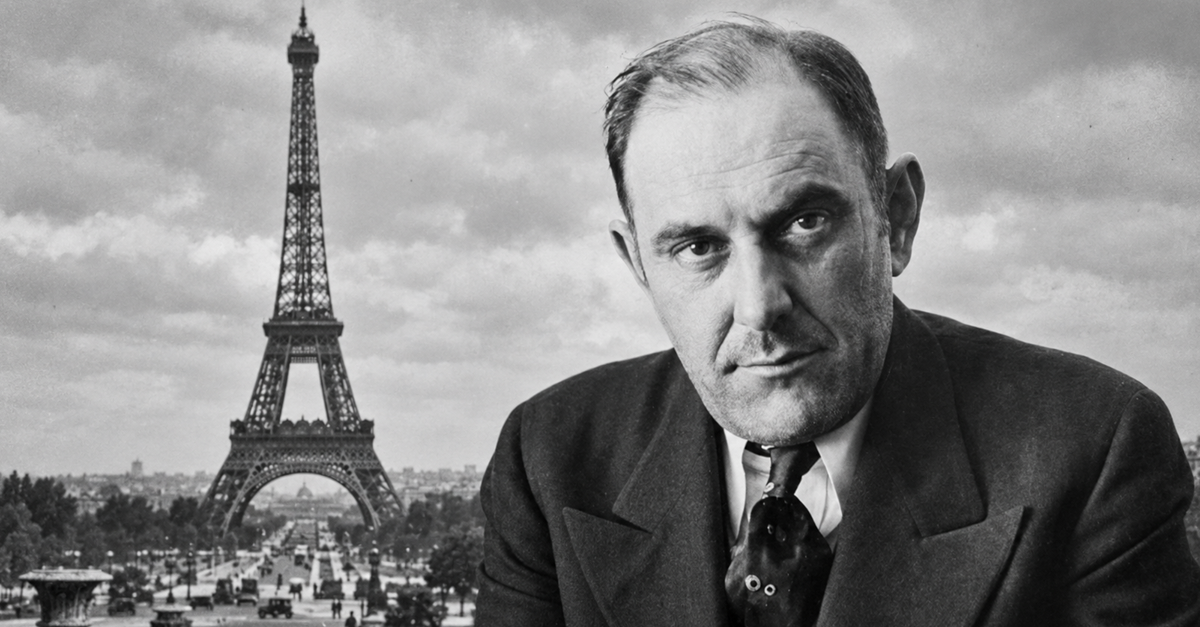
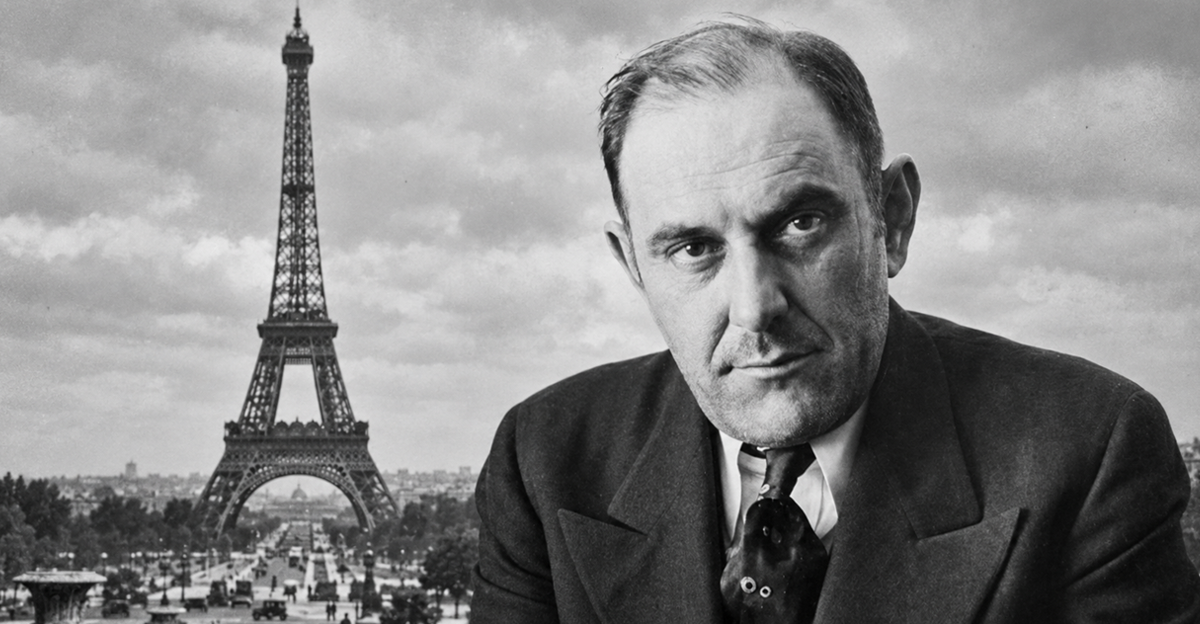
A Con Man Sold The Eiffel Tower
In 1925, Victor Lustig posed as a French government official and claimed the Eiffel Tower was going to be dismantled. He invited scrap-metal dealers to a luxury hotel and presented the deal as highly confidential. He even arranged tours to make the story look official.
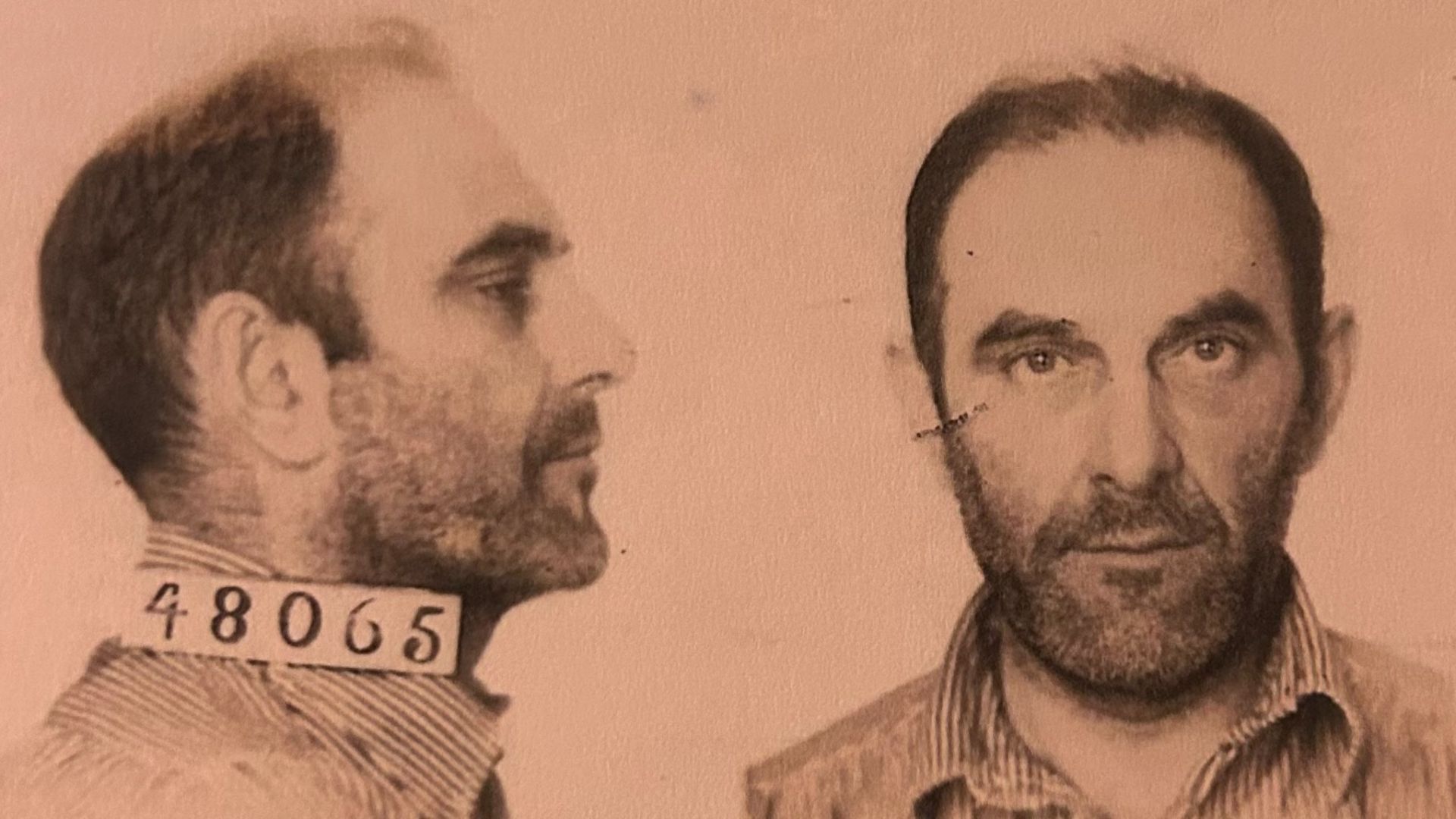
One Dealer Saw A Huge Opportunity
Lustig targeted dealer André Poisson, who hoped the contract would elevate his status. Lustig even hinted that he expected a bribe, making his fake government role seem more believable. Poisson paid and apparently stayed quiet out of embarrassment.
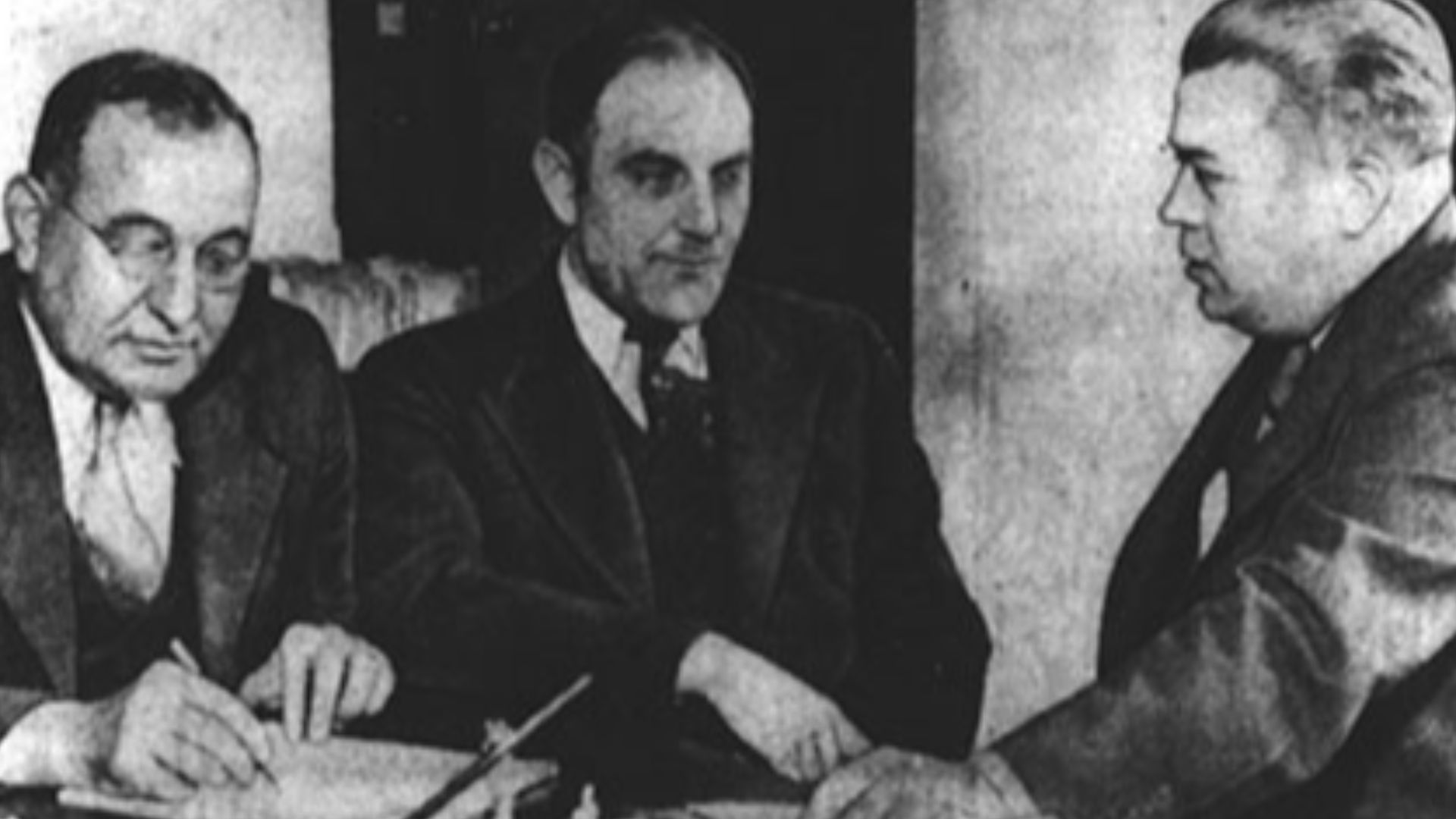 Page from a 1935 Philadelphia newspaper, Wikimedia Commons
Howard Hughes Had Written A Secret Book
In the early 1970s, author Clifford Irving claimed Howard Hughes had secretly authorized an autobiography. Irving produced forged letters and invented meetings to convince publisher McGraw-Hill. The project seemed like an extraordinary publishing exclusive.
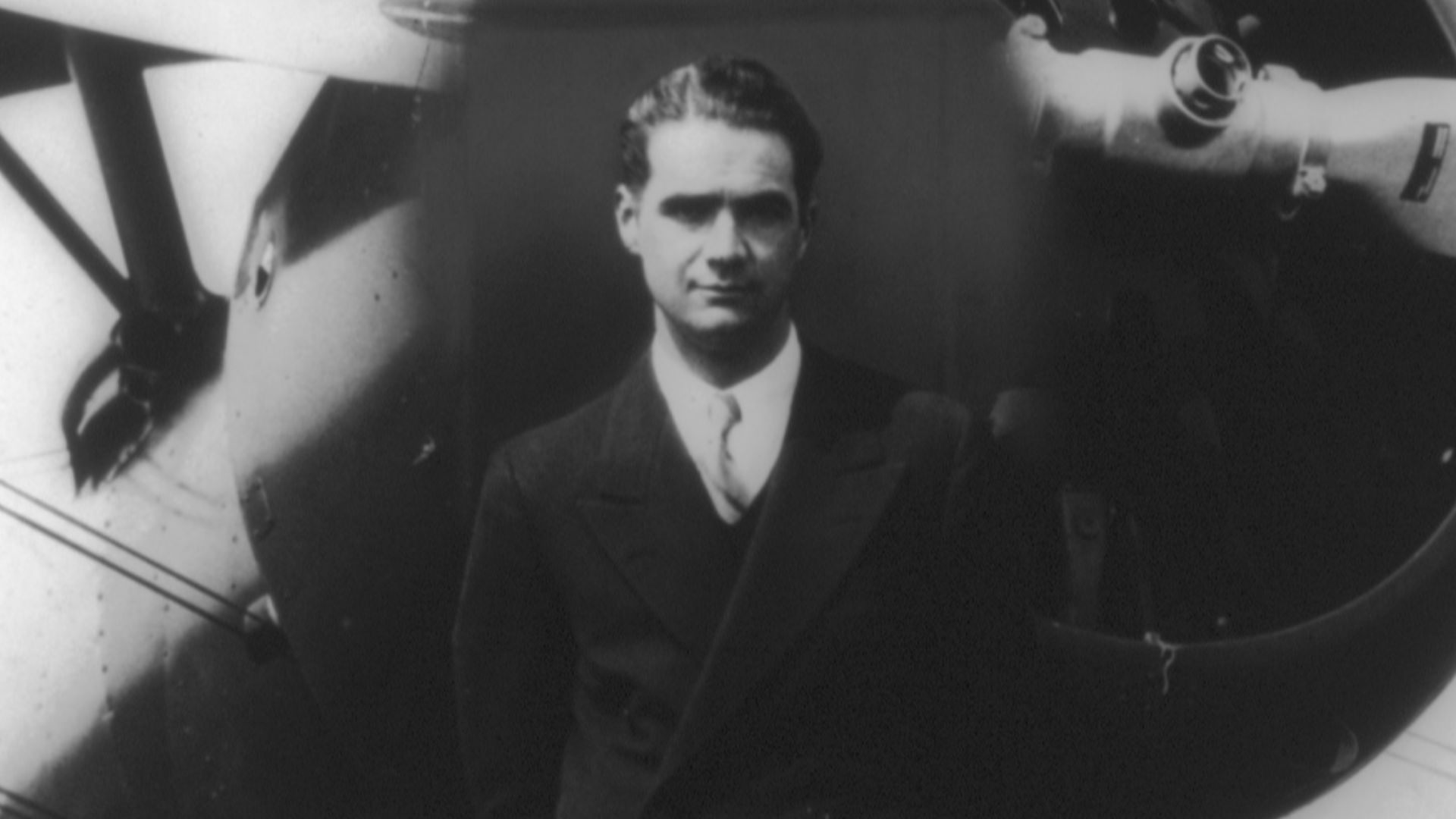
Hughes Was Supposed To Stay Silent
Irving relied on Hughes being so reclusive that he would never publicly challenge the story. Instead, Hughes joined a telephone press conference and denied ever working with him. The fraud collapsed soon afterward.
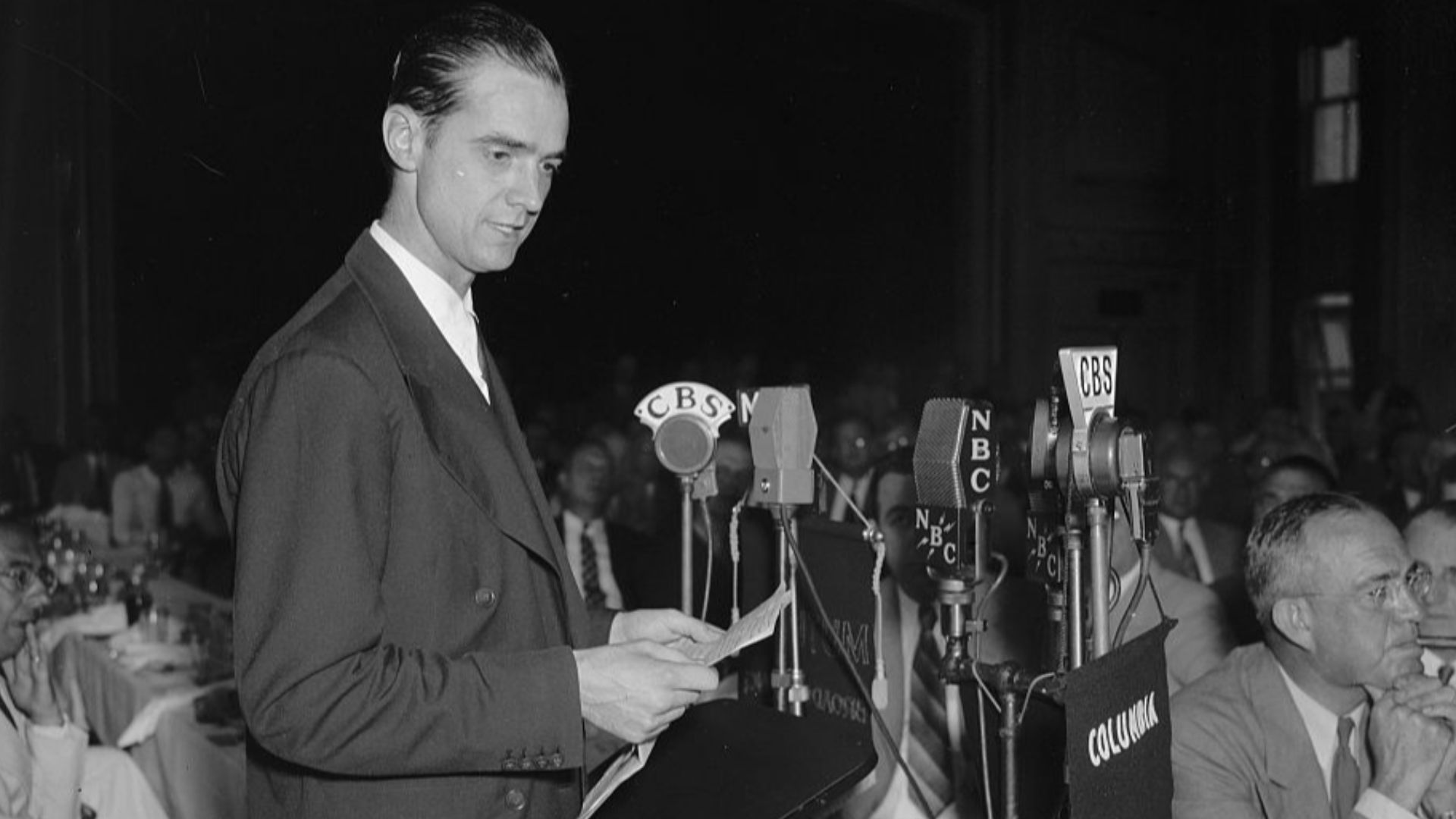 Harris & Ewing, photographer, Wikimedia Commons
Hitler's Diaries Seemed Like The Ultimate Scoop
In 1983, German magazine Stern announced the discovery of Adolf Hitler's supposed private diaries. The documents promised an unprecedented look inside one of history's most notorious figures. Publishers and journalists rushed to secure access.
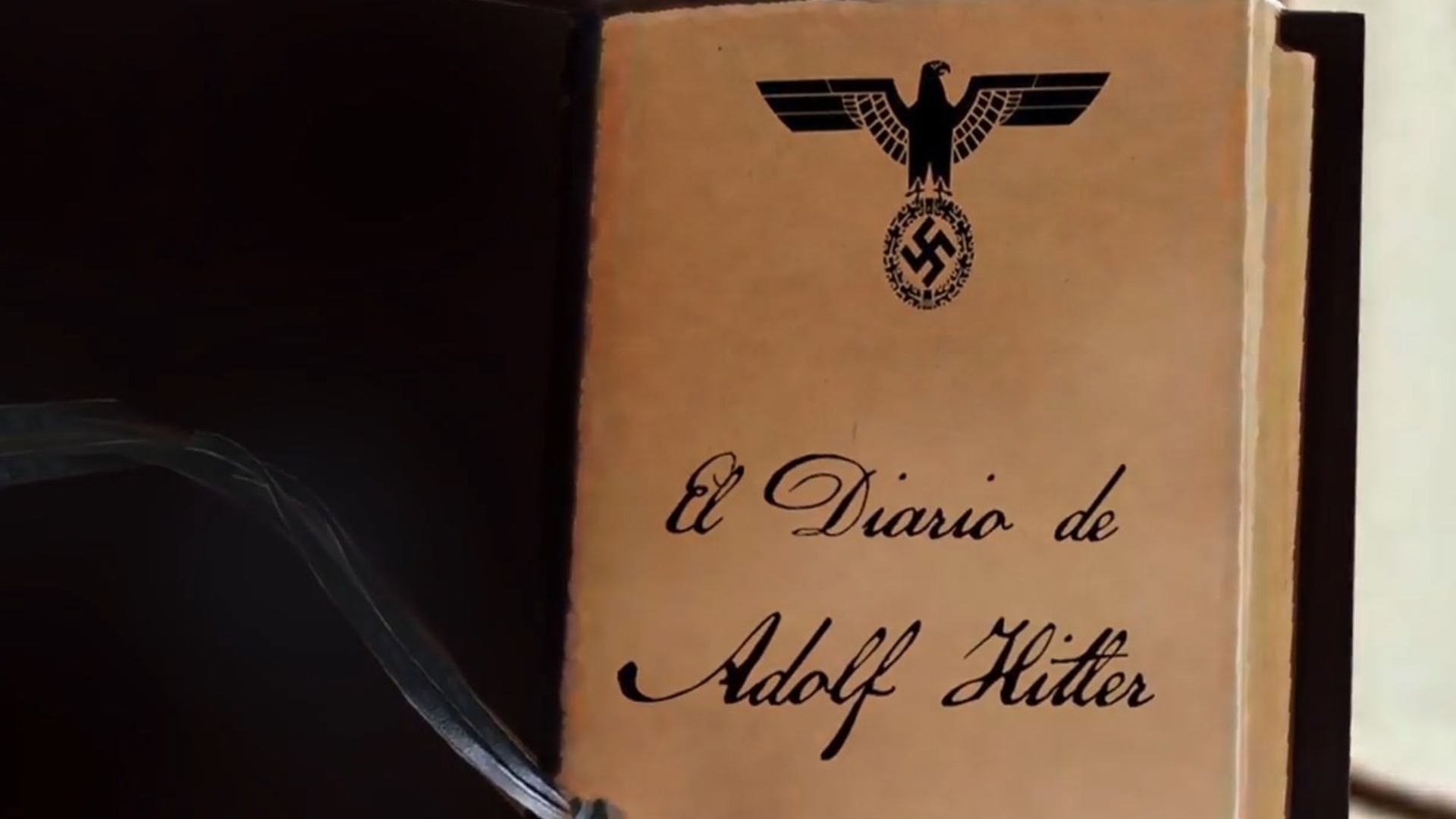 ElDiarioDeAdolf, Wikimedia Commons
The Scoop Was Too Good To Lose
The excitement of landing a historic exclusive pushed skepticism aside. Testing soon found postwar materials in the supposedly old documents. Forger Konrad Kujau eventually admitted creating them.
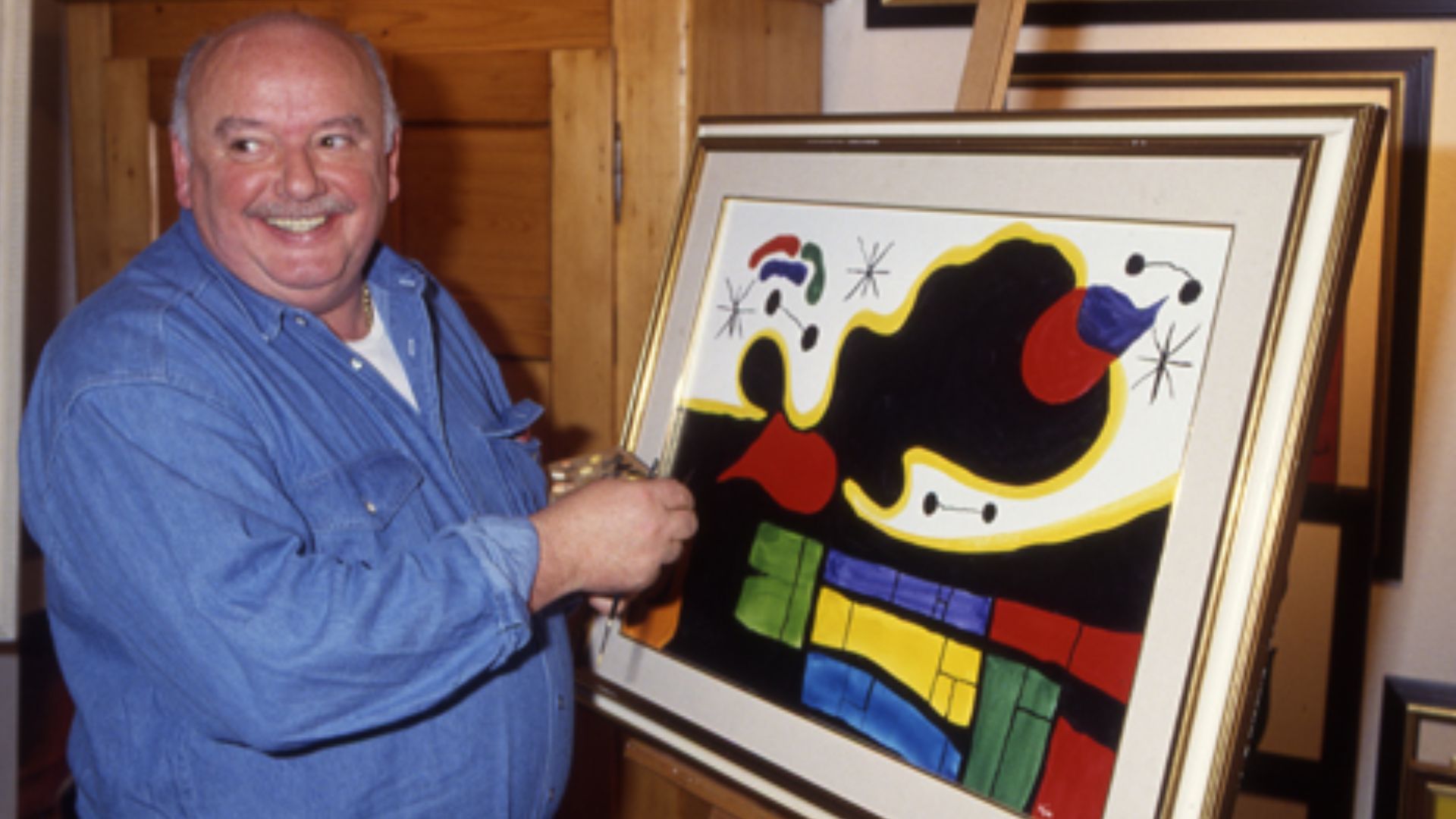
Bernie Madoff Made Wealth Look Effortless
Bernie Madoff built a reputation as a respected and well-connected Wall Street figure. His investment operation seemed to produce remarkably steady returns. Its exclusivity made getting in feel like a privilege.
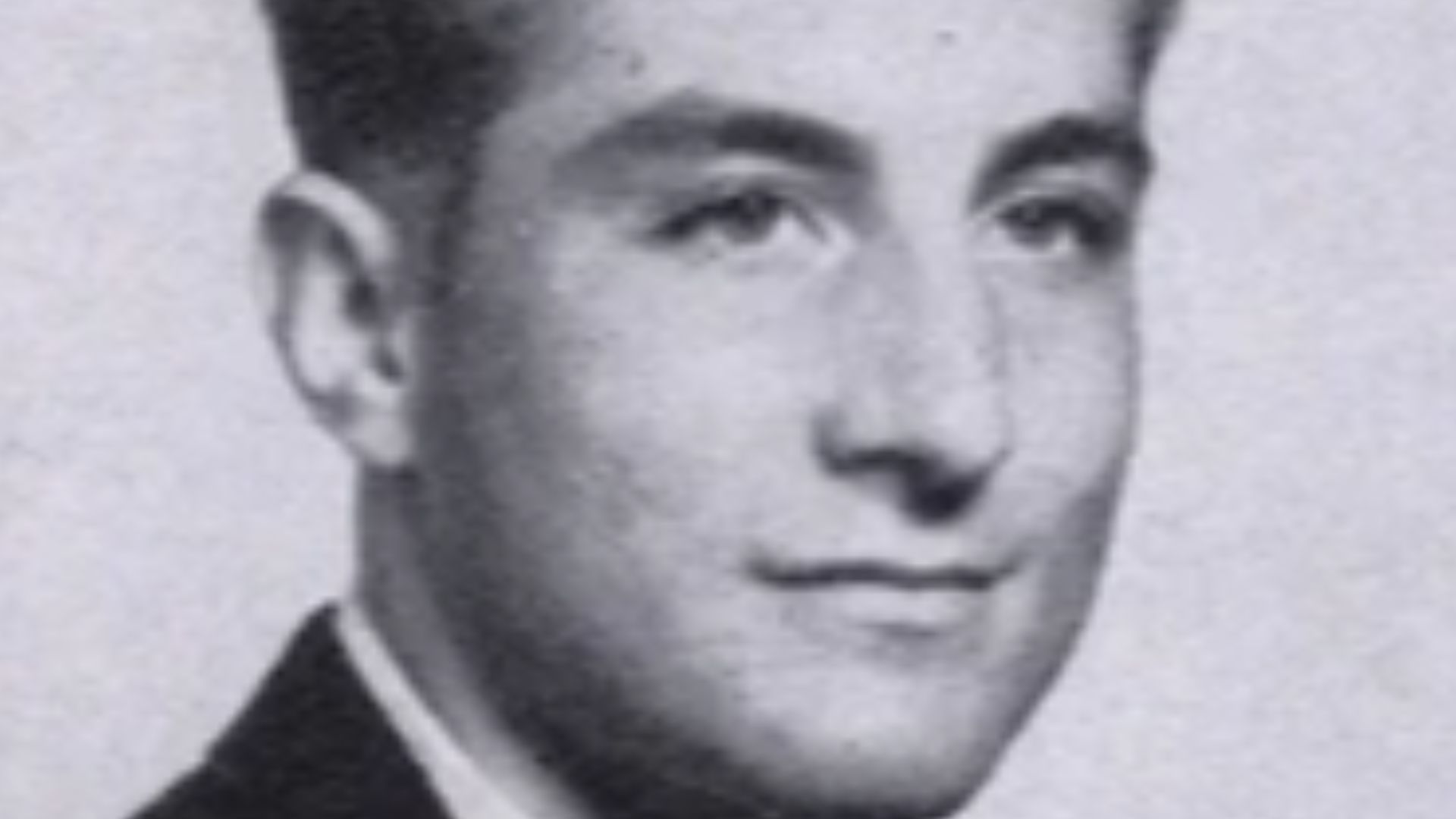 Unknown authorUnknown author, Wikimedia Commons
Prestige Made The Impossible Feel Safe
Madoff's reputation and consistent results made the operation seem trustworthy. In reality, investor money was being used to support a massive Ponzi scheme. It collapsed in 2008, and Madoff was later sentenced to 150 years in prison.
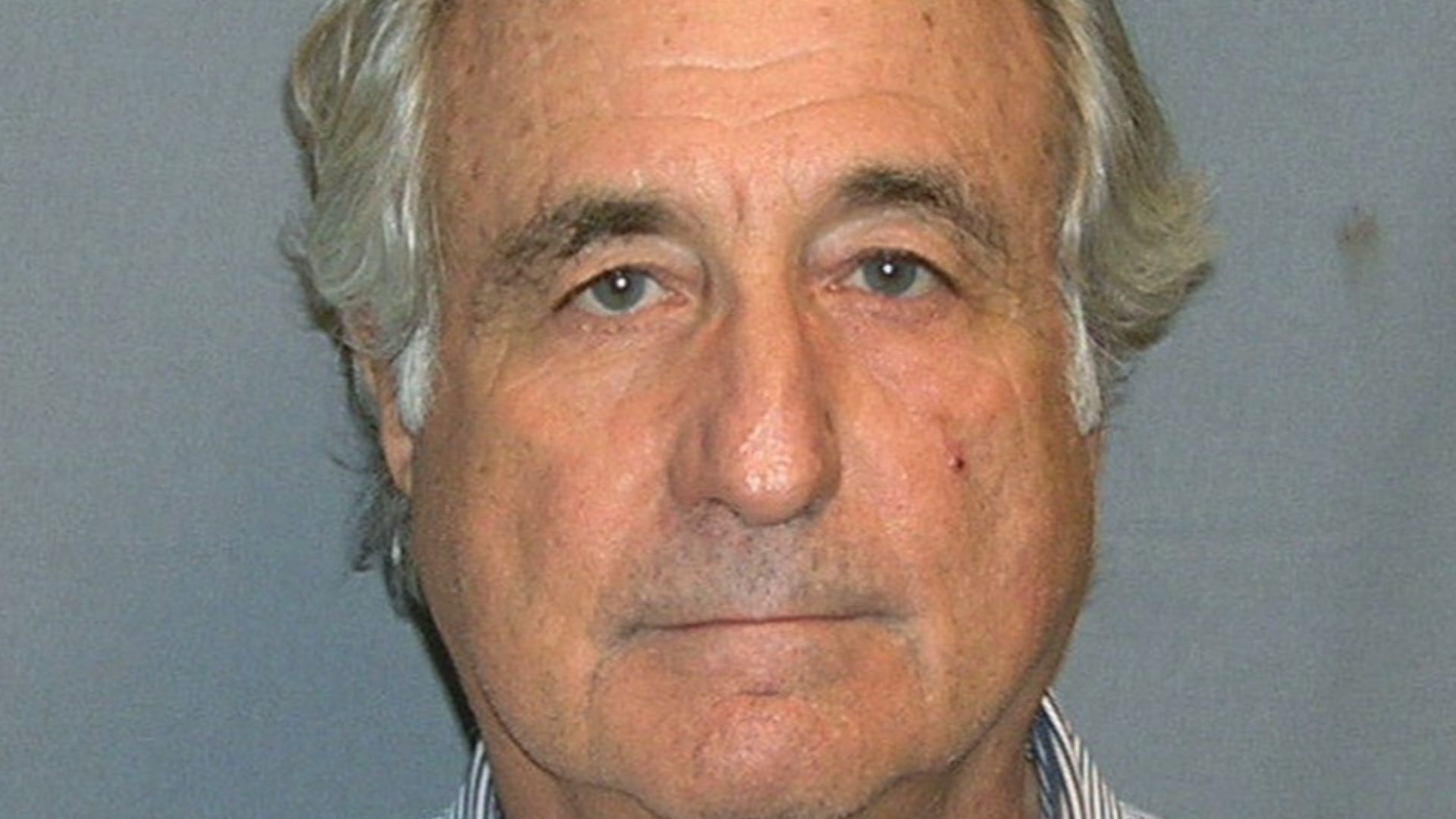 U.S. Department of Justice, Wikimedia Commons
The Best Scams Sell A Dream
These scams looked different, but they all exploited the same weakness. People wanted lost fortunes, supernatural proof, secret history, or effortless wealth badly enough to overlook warning signs. The easiest lie to sell is often the one someone already hopes is true.
 Mathew Brady Studio, Wikimedia Commons
You May Also Like:
How Sir Arthur Conan Doyle Fell For The Cottingley Fairies Hoax
How Mary Toft Convinced England’s Greatest Doctors That She Had Given Birth To Rabbits
The Fake Experts Who Fooled Some Of The World’s Smartest People