
Once Essential, Now Completely Useless
It’s wild how much effort people once put into solving problems that have basically vanished. These inventions were serious business at the time—but today, they feel oddly specific… and a little unnecessary.

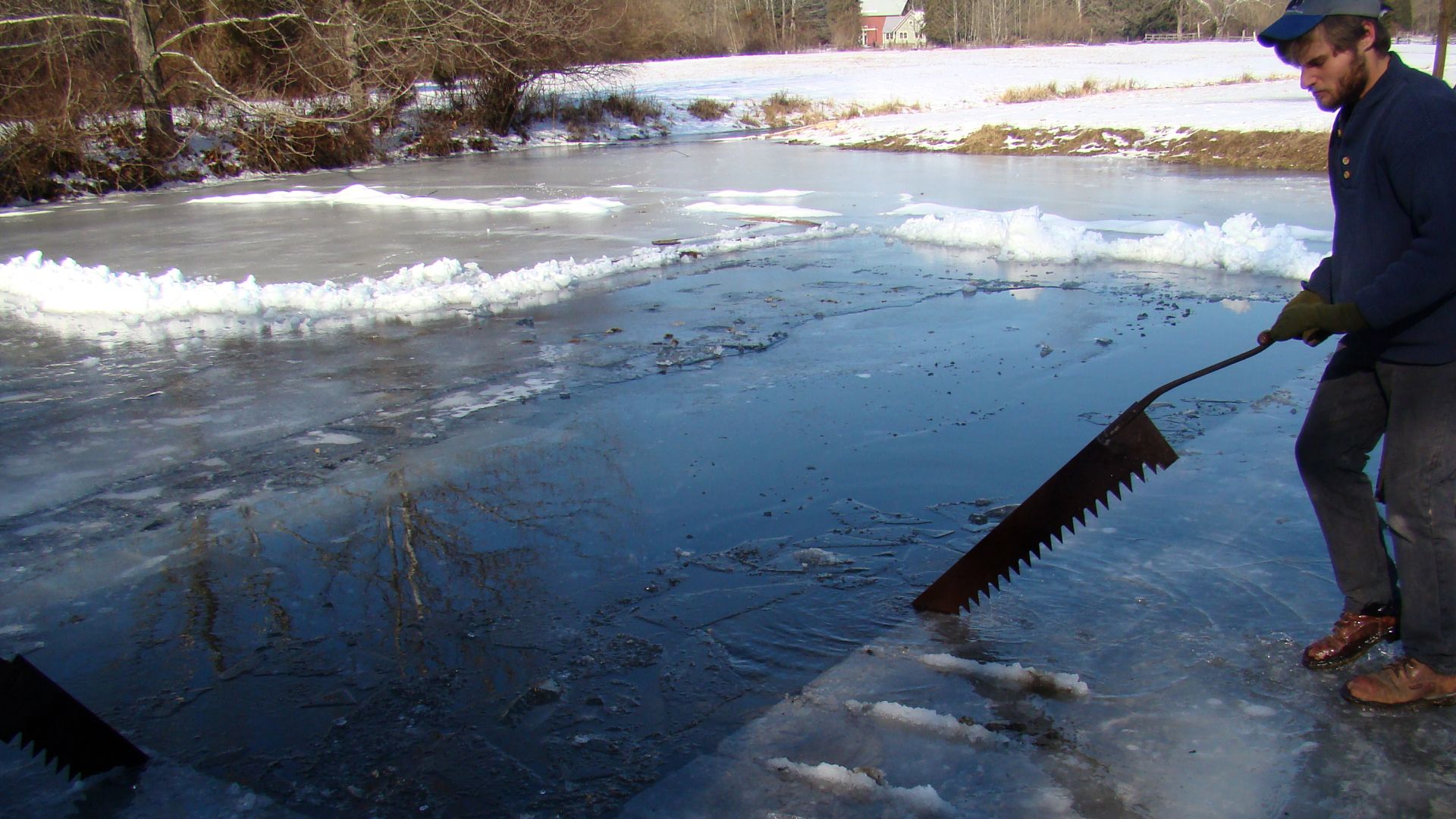
#25. Ice Cutting Saws
Before refrigerators in the 1800s, workers cut massive blocks of ice from frozen lakes using specialized saws. This ice was stored and shipped for food preservation. It was dangerous, exhausting work just to keep food from spoiling. Today, your freezer quietly handles this without anyone risking their life on a frozen lake.
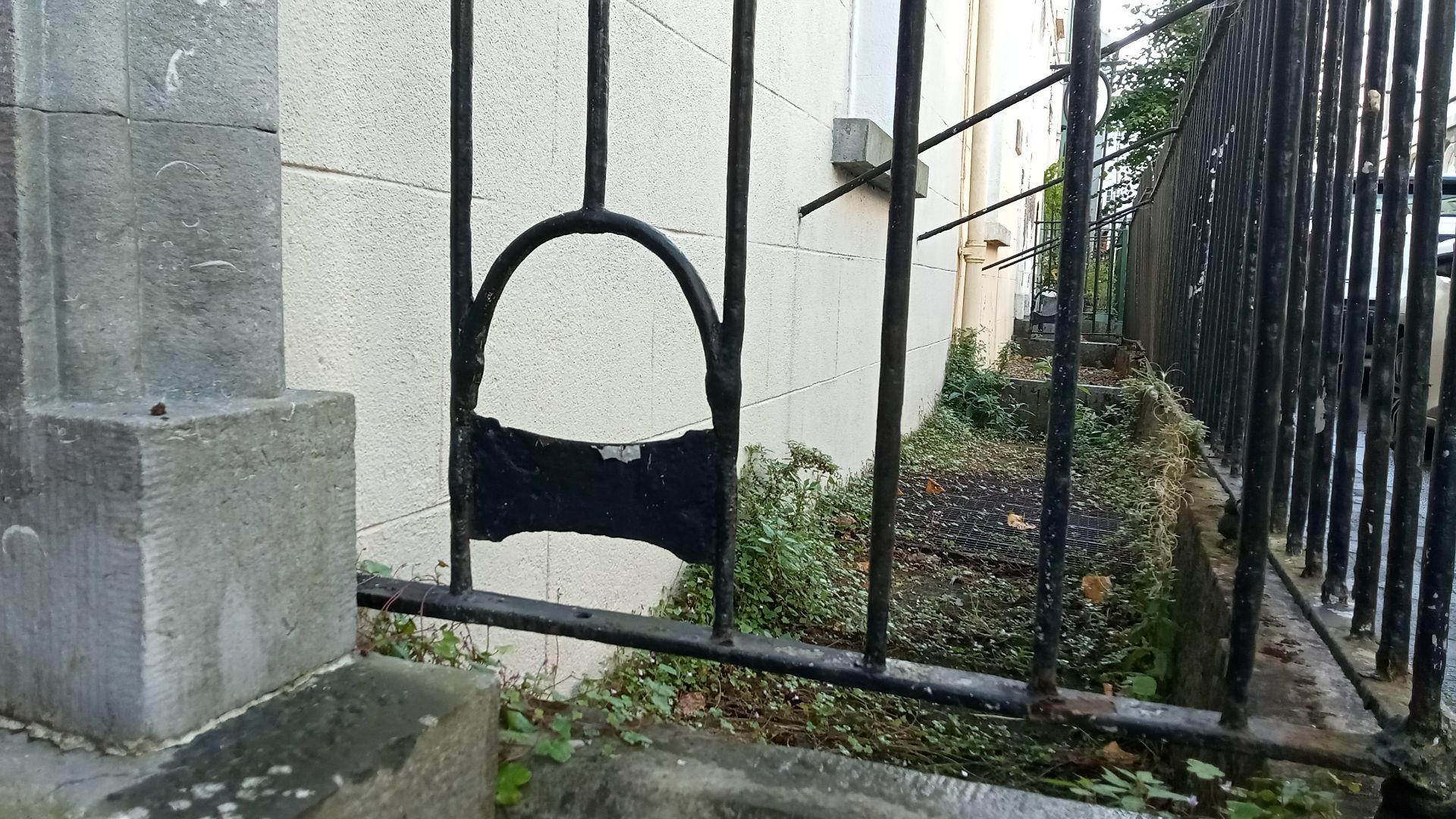
#24. Boot Scrapers
In the 1800s, streets were muddy and often filled with horse waste. Boot scrapers were installed outside homes so people could clean their shoes before entering. Without them, you’d track a mess everywhere. Today, paved streets and sidewalks have made this once-essential tool almost completely unnecessary.
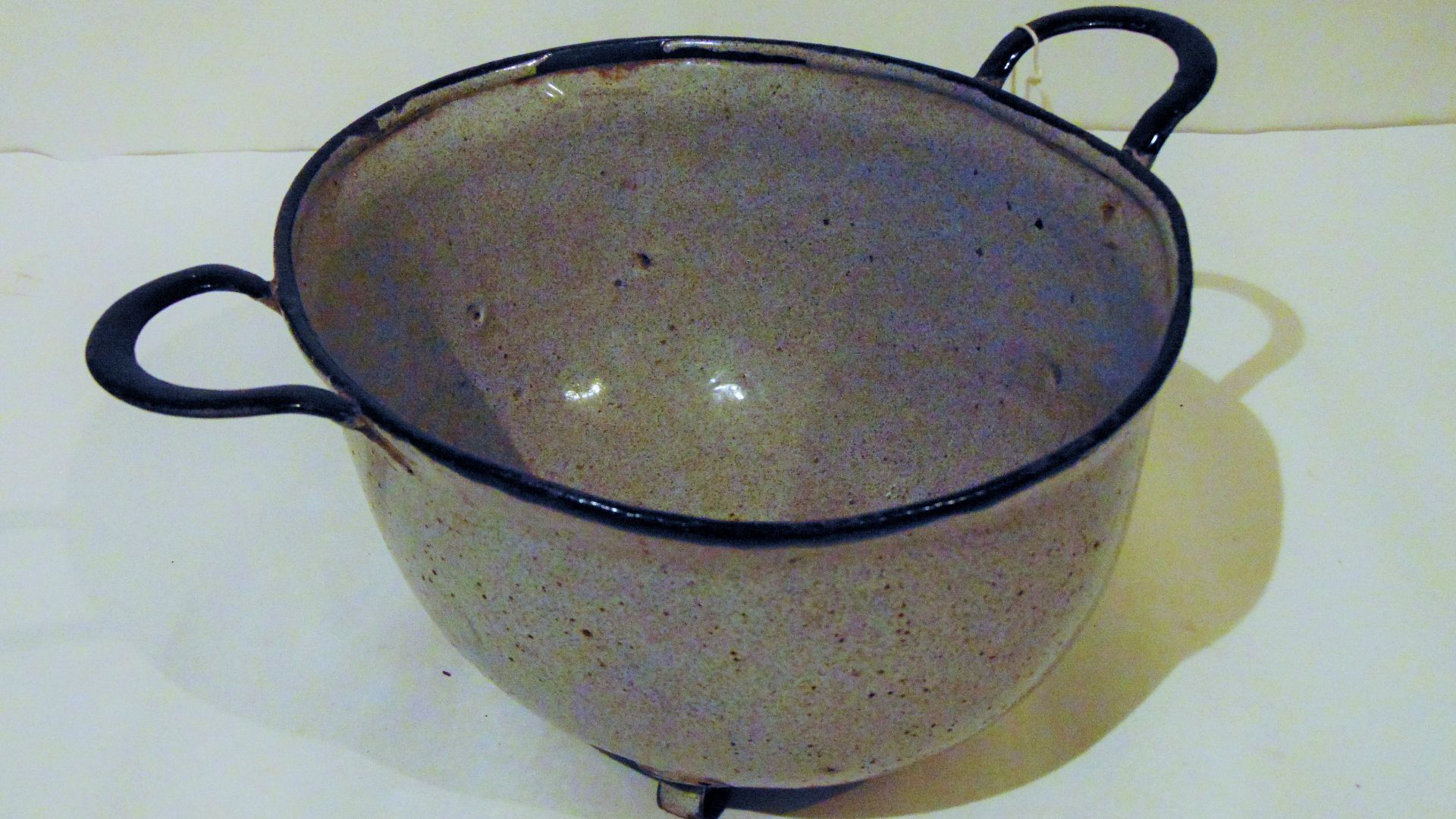
#23. Chamber Pots
Before indoor plumbing became common in the late 1800s, chamber pots were used overnight instead of stepping outside. People kept them under beds for convenience. It solved a real problem—but not pleasantly. Modern bathrooms completely eliminated the need for this very uncomfortable solution.
#22. Knocker-Uppers
In the 1800s and early 1900s, workers relied on “knocker-uppers” to wake them for shifts. These people tapped windows with long sticks or threw pebbles. Alarm clocks—and now smartphones—completely replaced this job, making it one of the strangest lost professions.
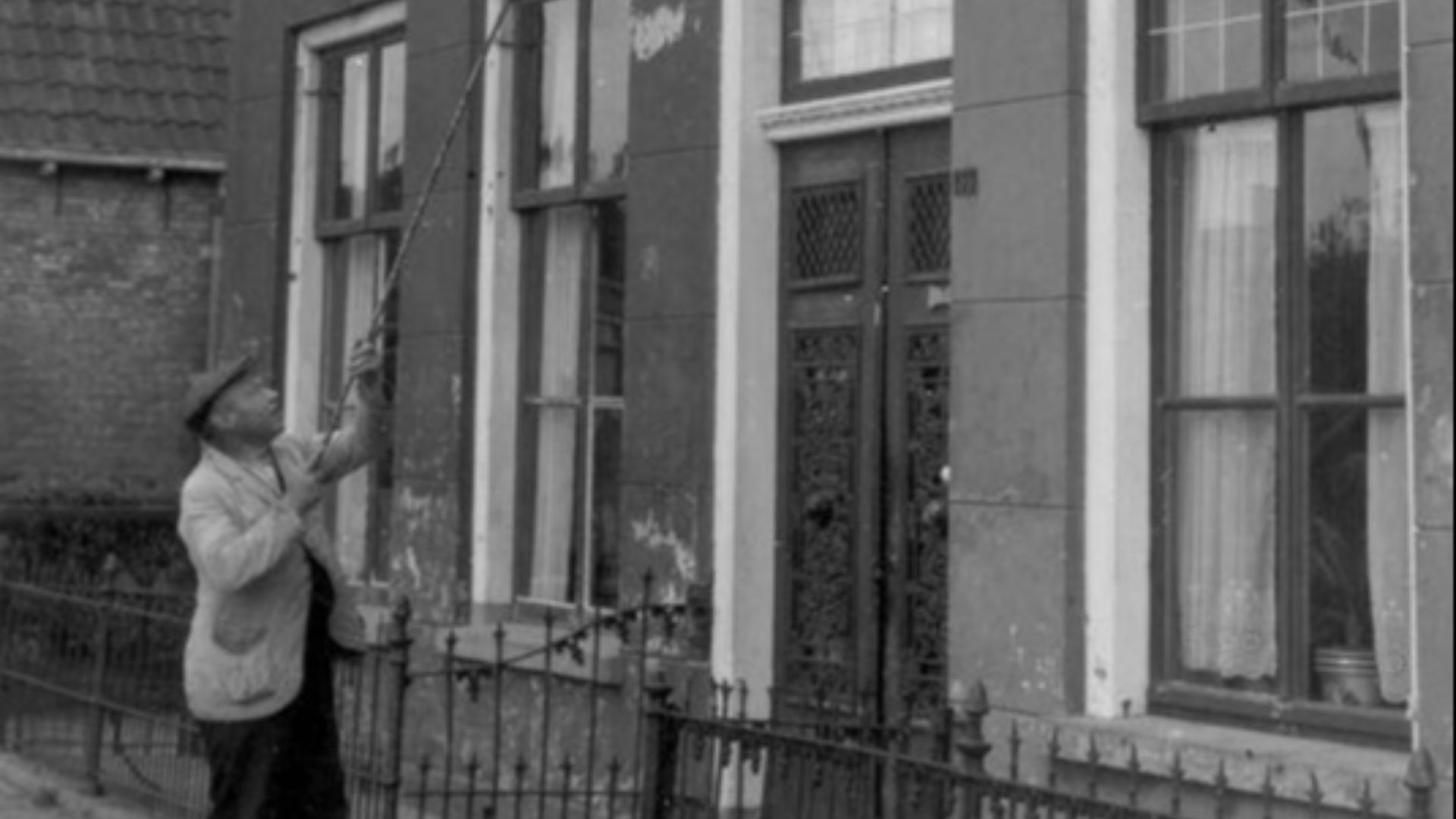 Nationaal Archief (flickr.com), Wikimedia Commons
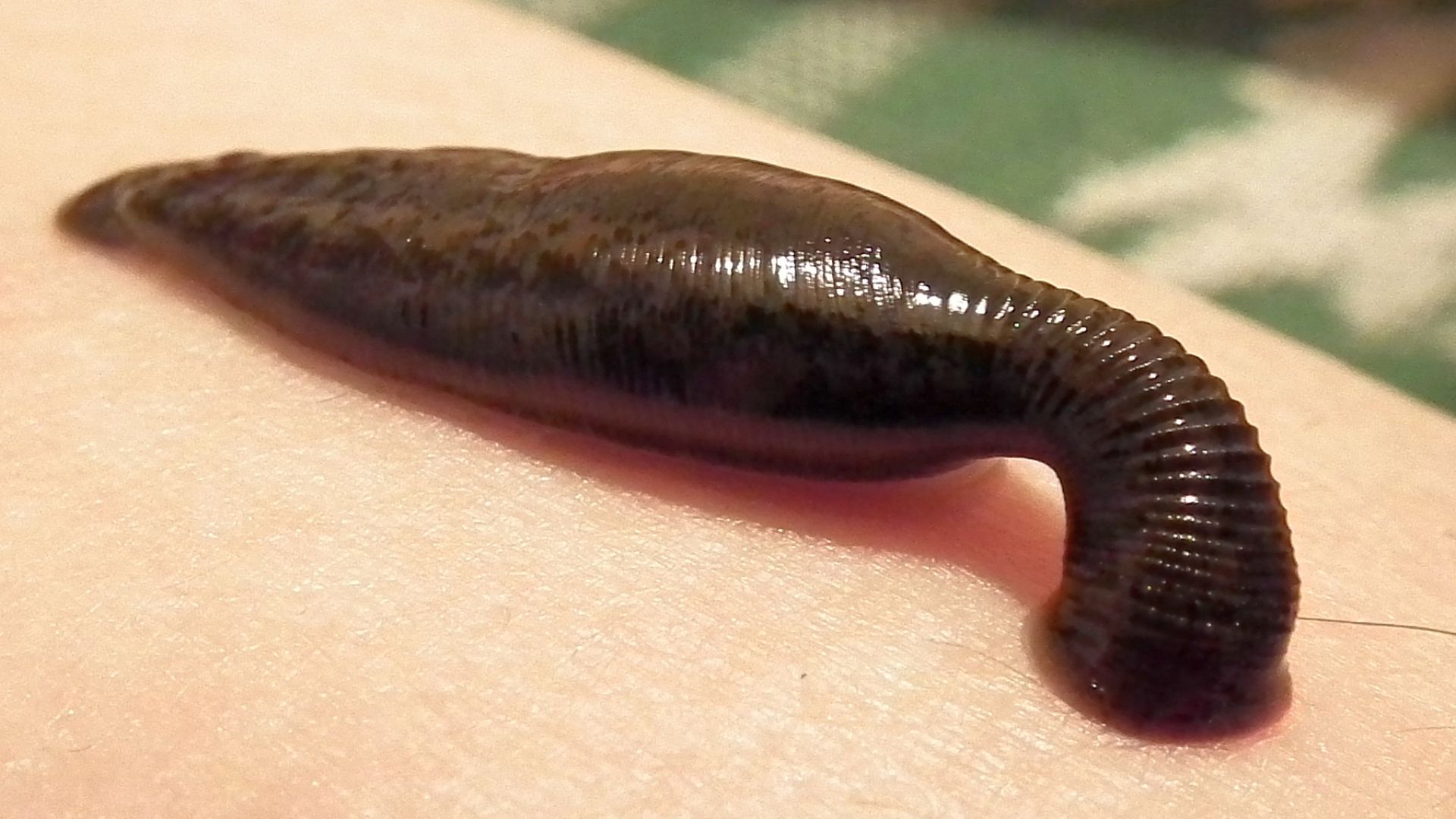
#21. Leech Therapy Kits
In the 1700s and 1800s, leeches were used to treat illnesses by removing blood. People even kept kits at home. While leeches still appear in rare medical cases today, modern medicine eliminated the everyday belief that this was necessary.
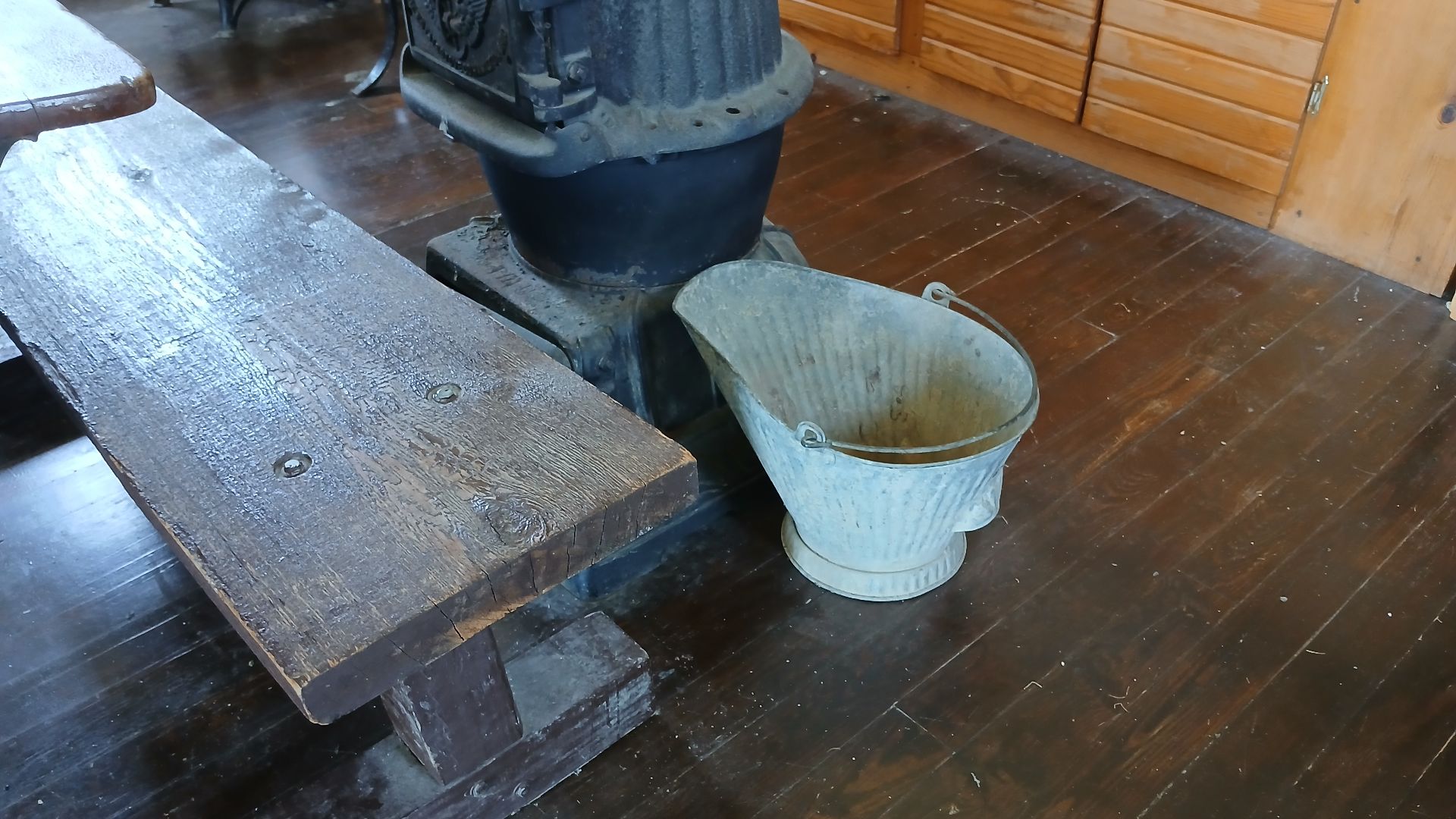
#20. Coal Scuttles
Coal scuttles were used to carry coal to fireplaces for heating homes in the 1800s. Heating required constant manual effort. Today, central heating systems have replaced this process entirely, making coal scuttles more decorative than practical.
 Ser Amantio di Nicolao, Wikimedia Commons
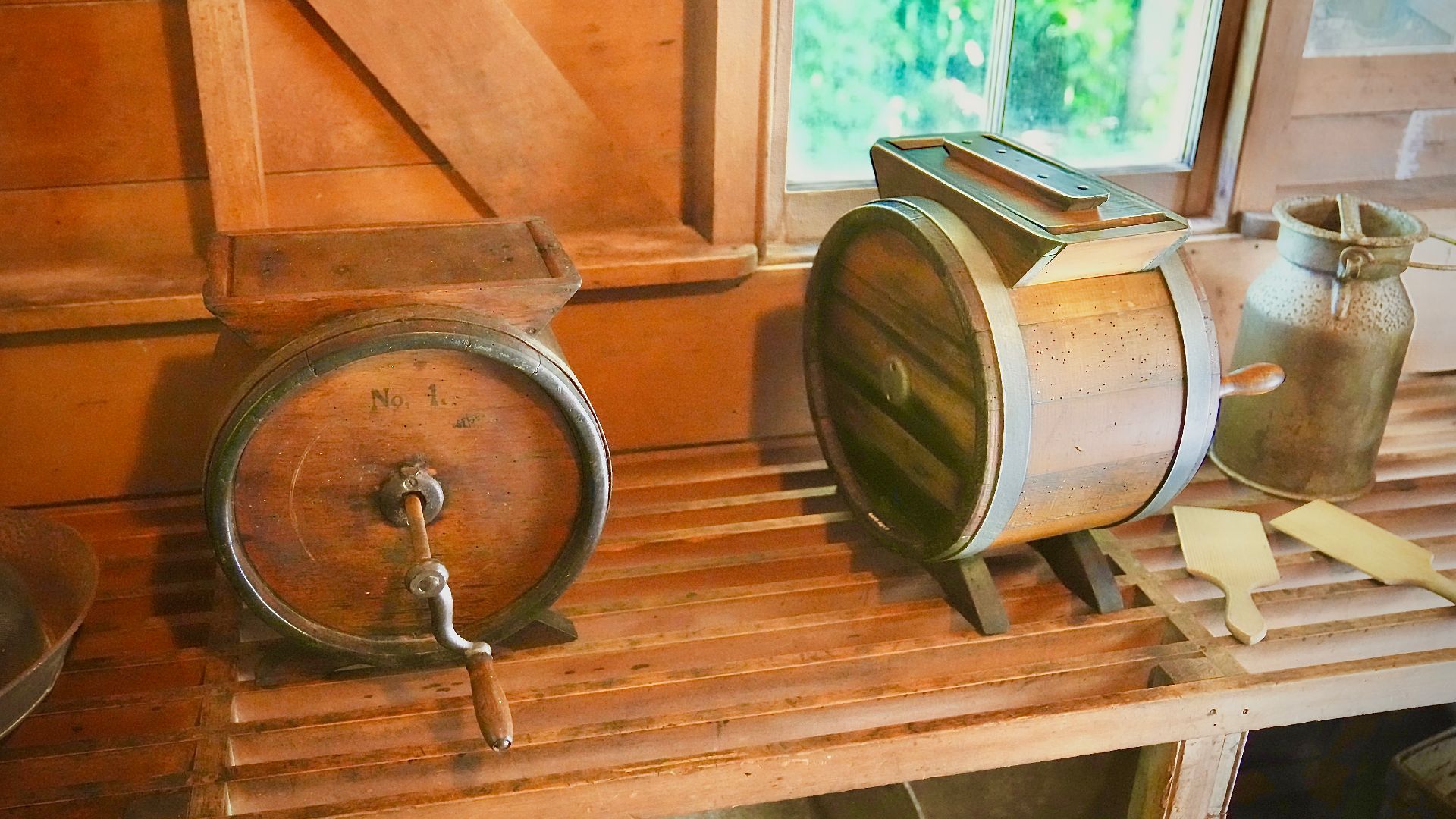
#19. Butter Churns
Making butter in the 1700s and 1800s was a time-consuming chore involving a churn and manual labor. It was something households did regularly. Today, butter is mass-produced and widely available, making the original problem—and the tool—obsolete.
 Richard N Horne, Wikimedia Commons
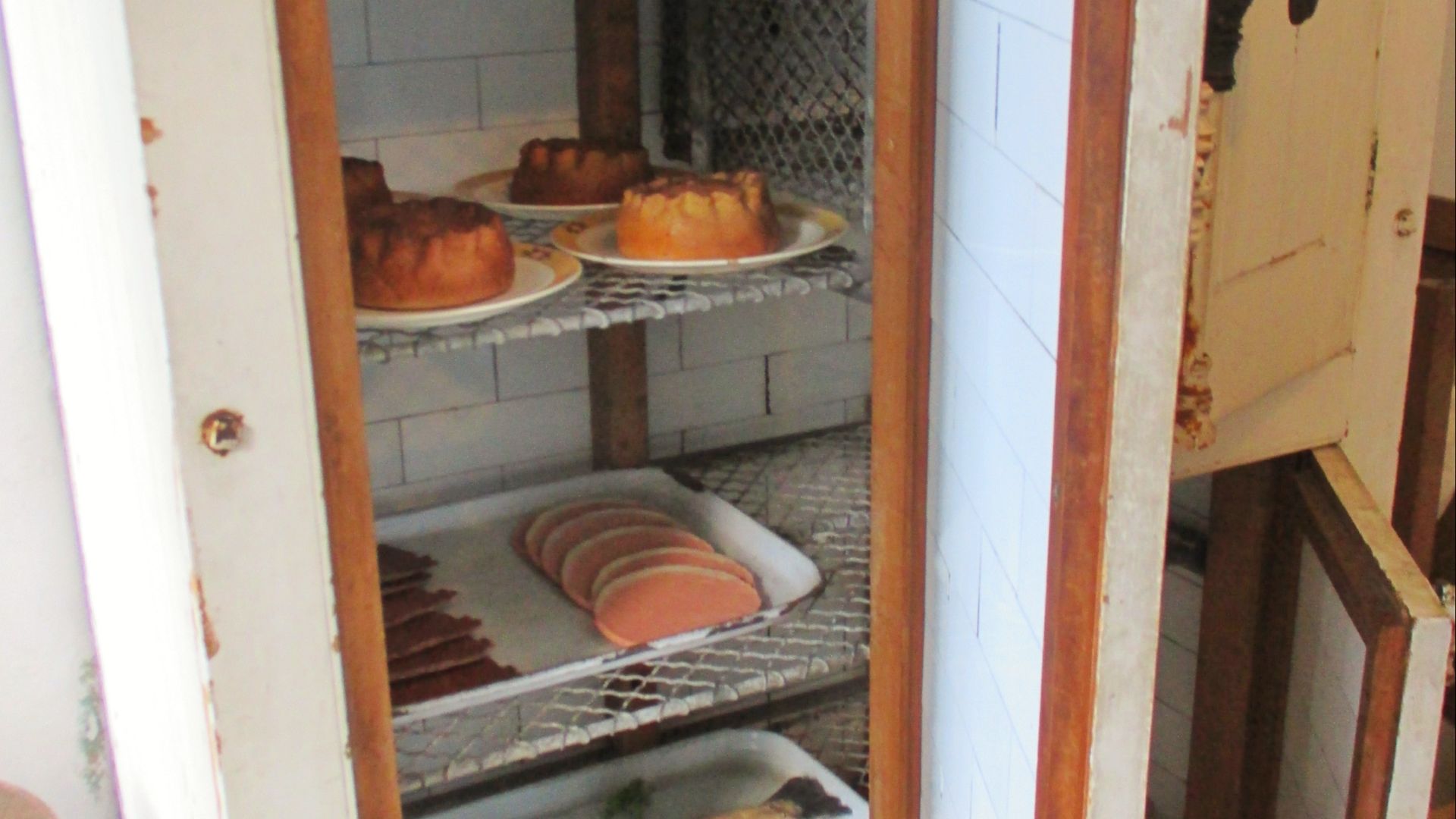
#18. Iceboxes
Before refrigerators in the early 1900s, iceboxes kept food cold using large ice blocks. These needed constant replacement and maintenance. Once electric refrigerators became affordable, iceboxes quickly disappeared from everyday use.
 Jph1066 from Worthing, England, Wikimedia Commons
#17. Calling Card Cases
In the 1800s, people used calling cards to introduce themselves or announce visits. Special cases kept them organized. Today, social interactions are handled digitally, and showing up unannounced is often considered awkward.
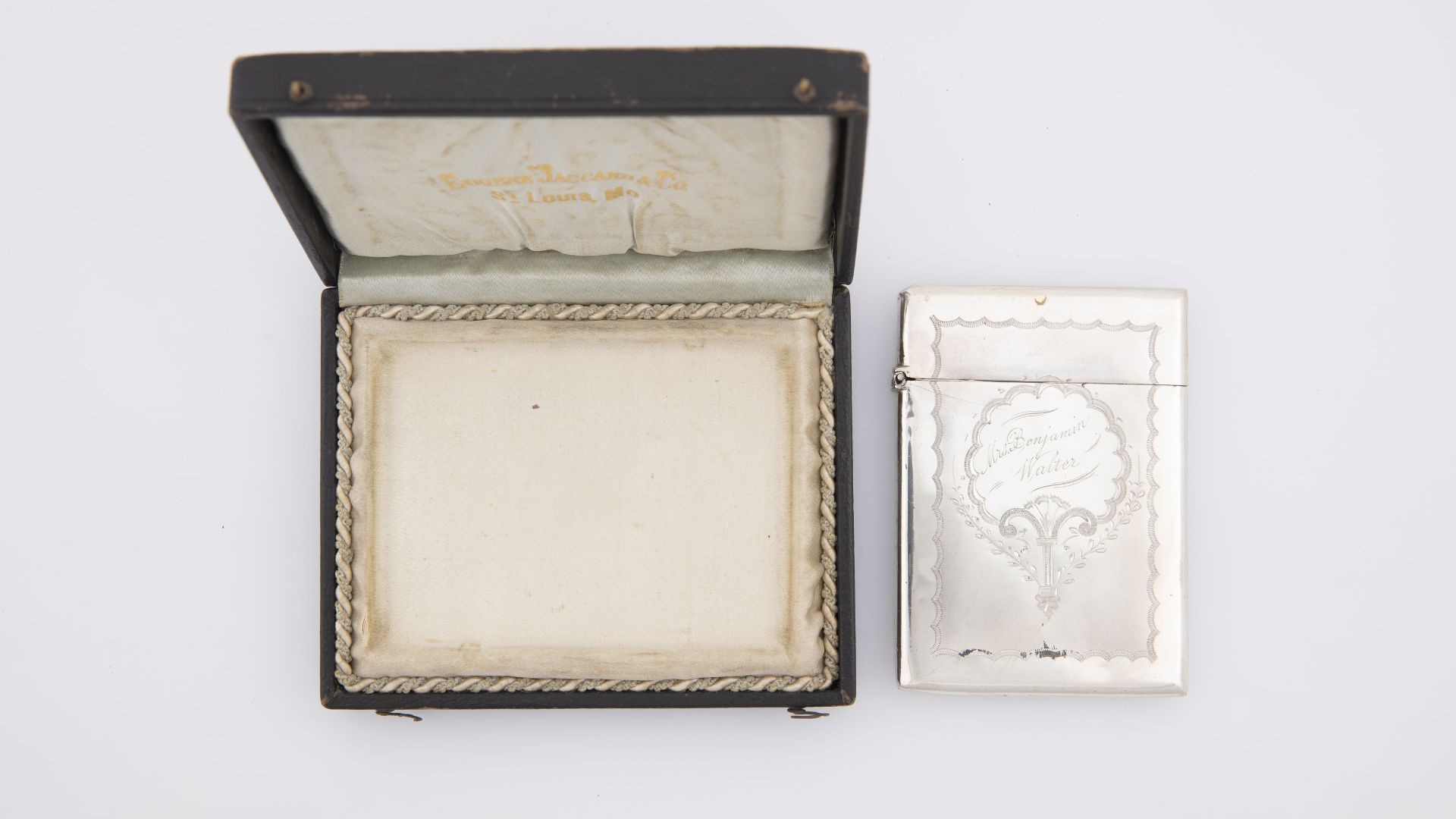 E. Jaccard and Company, Wikimedia Commons
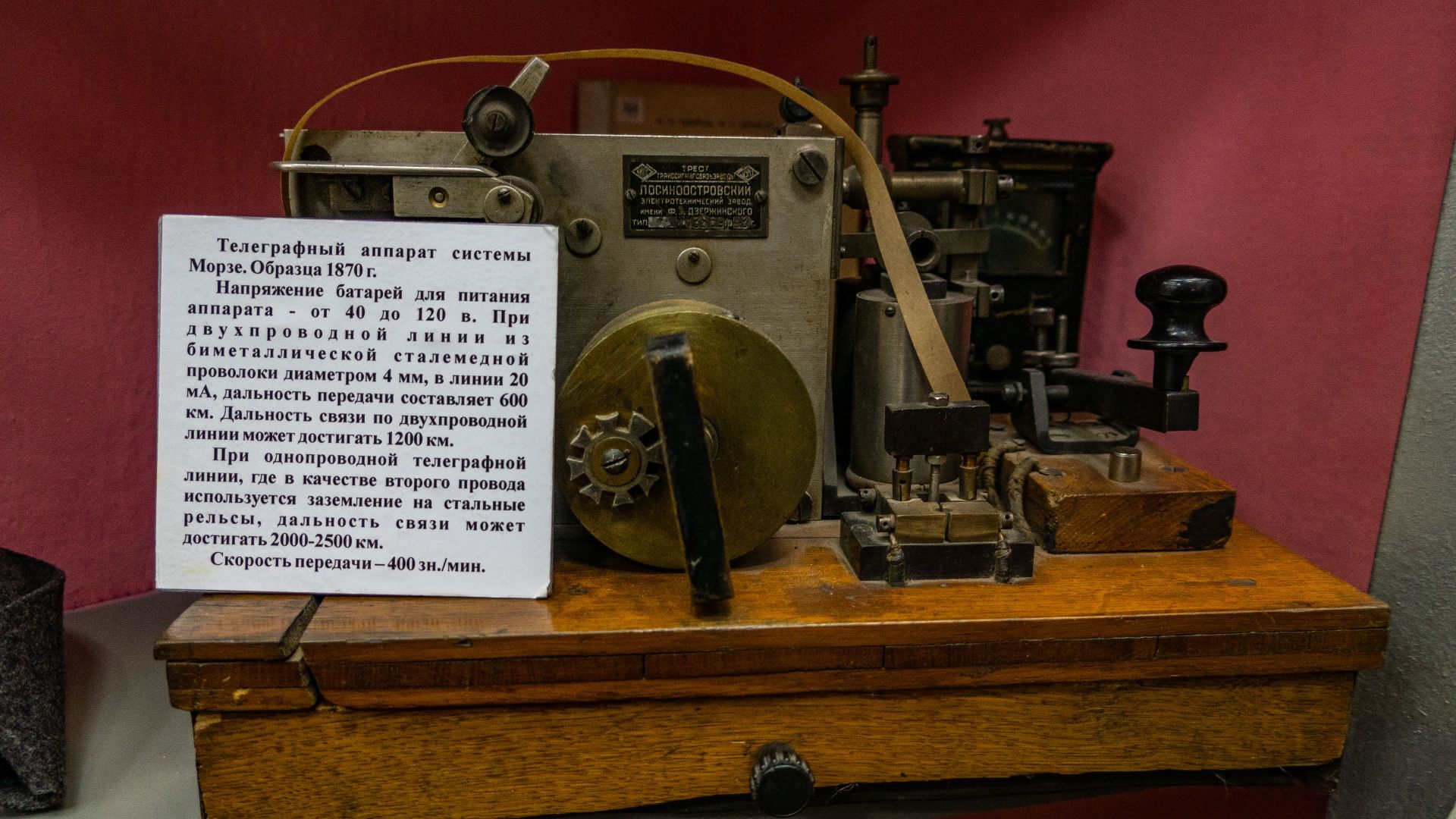
#16. Telegraph Machines
Telegraphs in the 1800s allowed long-distance communication through Morse code. It was revolutionary at the time. Today, instant messaging and smartphones have made this once-groundbreaking technology completely unnecessary.
#15. Typewriter Ribbon Rewinders
Typewriters required ink ribbons that wore out and needed rewinding. Special tools were used for this task. With computers replacing typewriters, both the problem and the solution disappeared entirely.
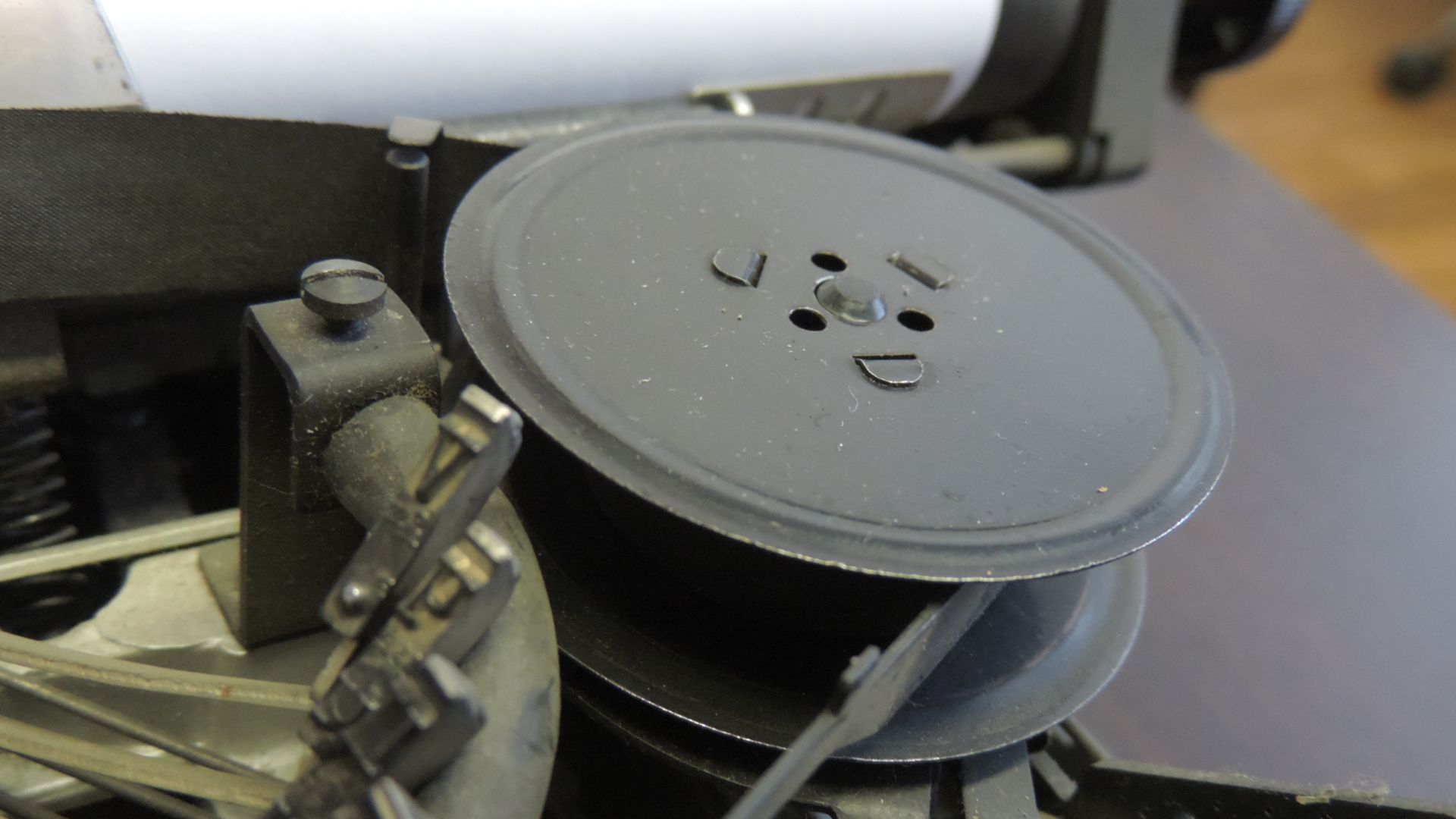 Vassia Atanassova - Spiritia, Wikimedia Commons
#14. Horse-Drawn Carriage Lamps
Before electric headlights, carriages relied on oil lamps for nighttime travel. These required constant care and maintenance. Modern vehicles and lighting systems eliminated the need for these fragile light sources.
 Jorge Barrios, Wikimedia Commons
#13. Powdered Wig Kits
In the 1700s, powdered wigs were fashionable but required maintenance kits with powders and styling tools. As fashion trends changed, the need for these kits vanished completely.
 Joseph Hickel, Wikimedia Commons
#12. Sewing Bird Clamps
In the 1800s, these small clamps helped hold fabric steady while sewing by hand. They were useful but very specific to older sewing methods. Modern sewing machines and tools have replaced their function.
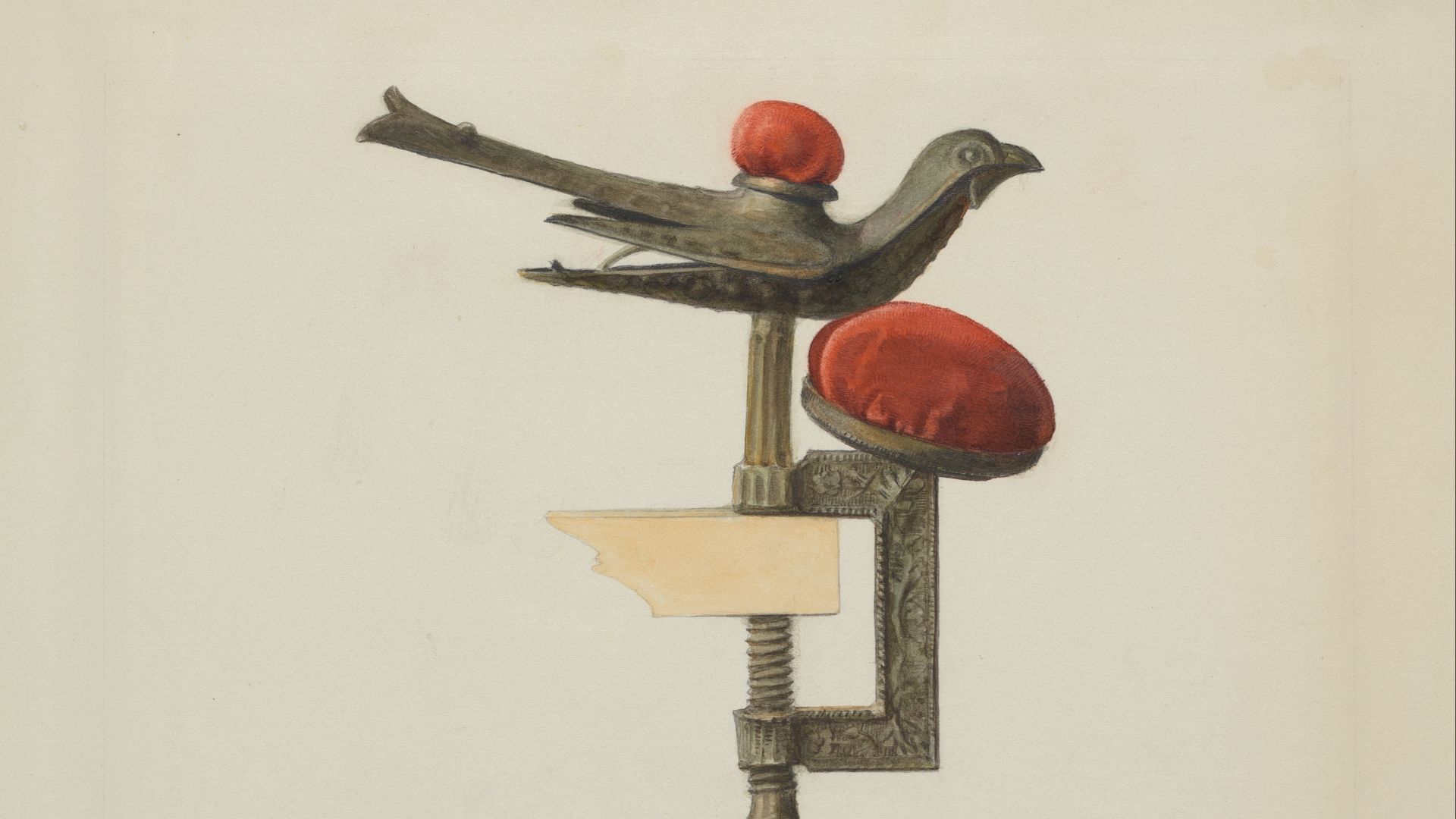 Cora Parker and Carmel Wilson, Wikimedia Commons
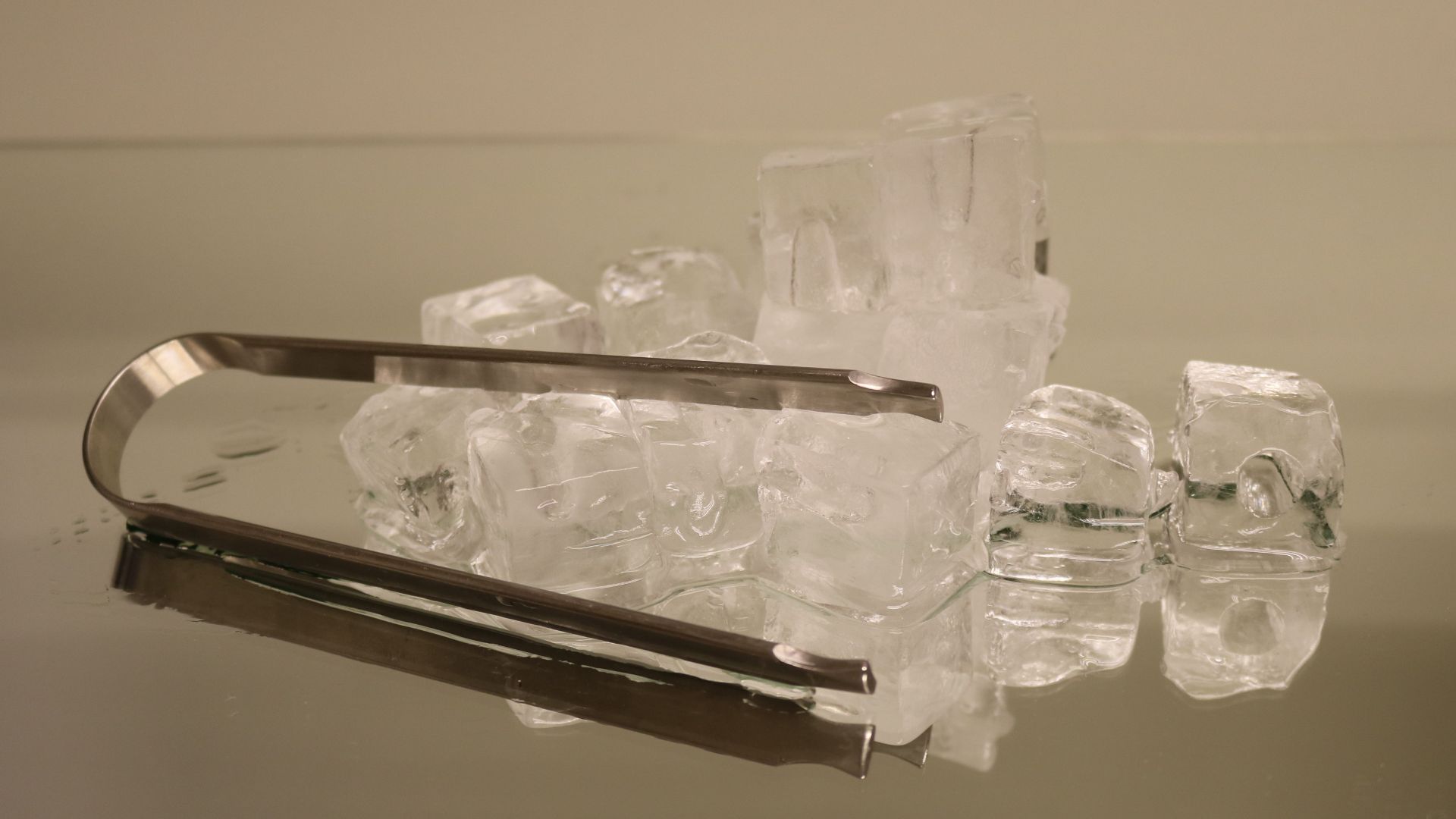
#11. Ice Tongs
Ice delivery workers in the 1800s used heavy-duty tongs to move large blocks of ice. Once refrigeration became standard, ice delivery disappeared—and so did the need for these tools.
 Achim Schleuning, Wikimedia Commons
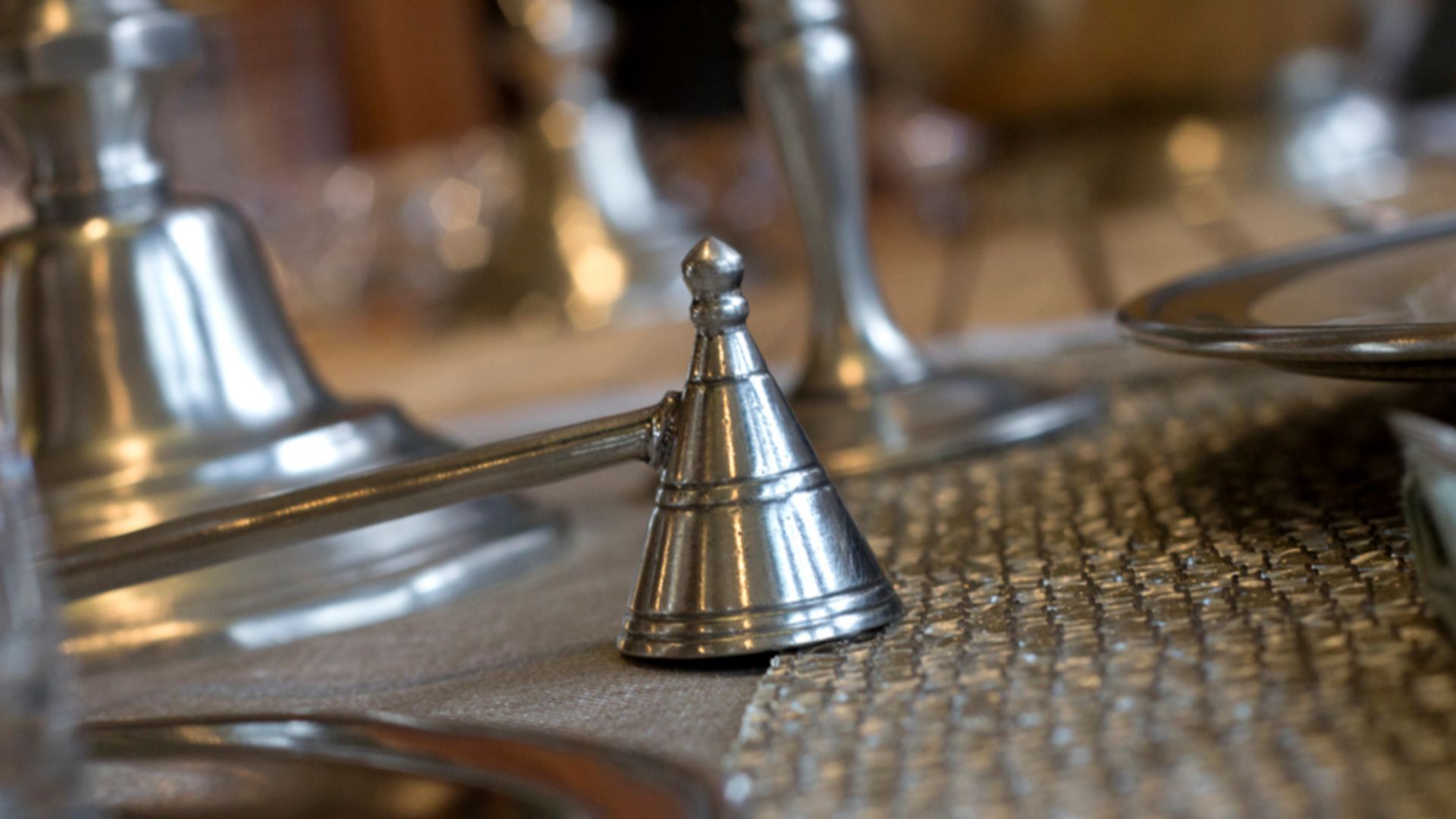
#10. Candle Snuffers
Before electricity, candle snuffers were used to extinguish flames safely without splattering wax. Today, candles are mostly decorative, and specialized tools like this are rarely needed.
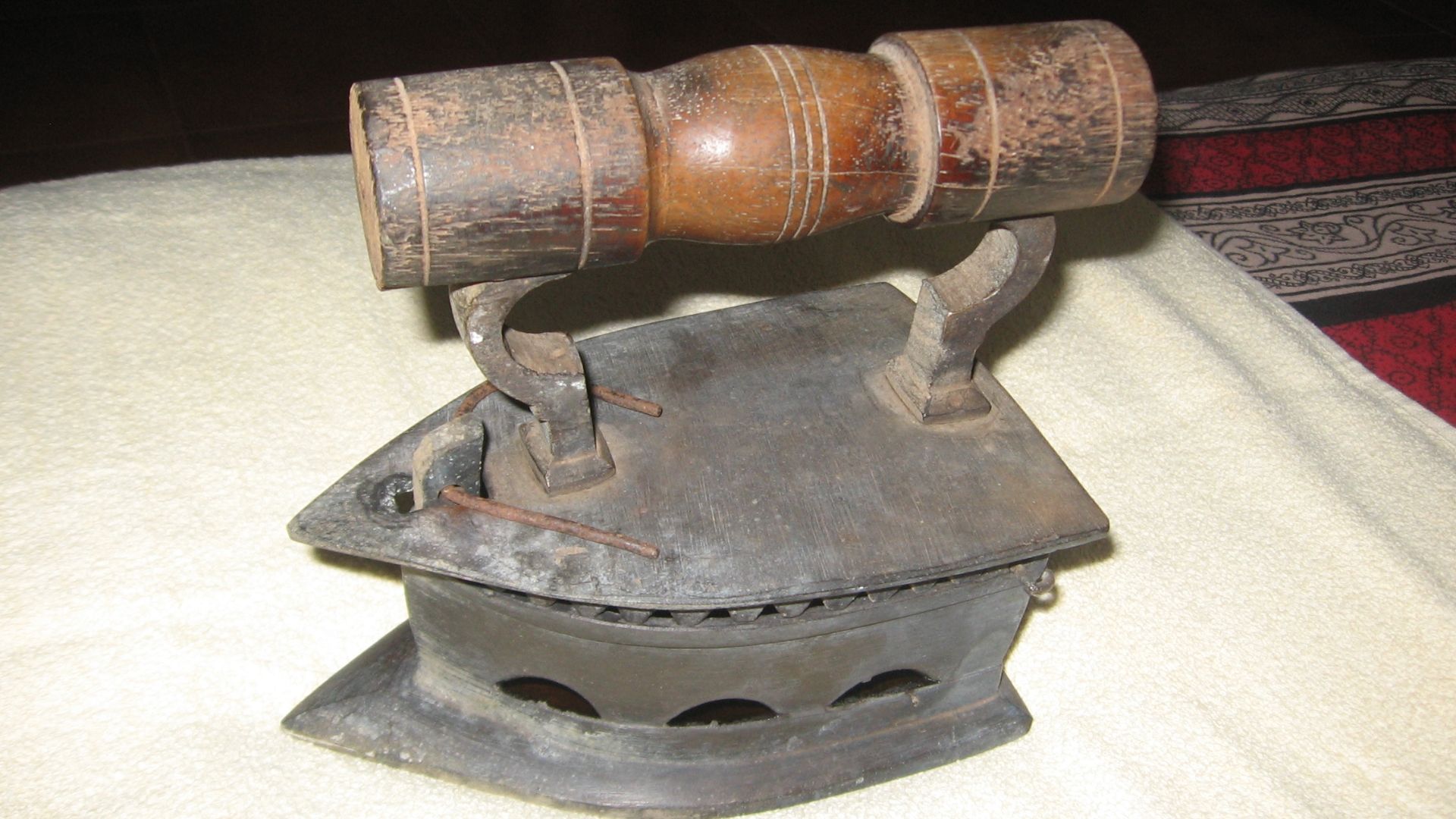
#9. Coal-Fired Flat Irons
In the 1800s, flat irons were heated with hot coals inside them. They were heavy, messy, and sometimes dangerous. Electric irons made this entire process obsolete.
 Rojypala at Malayalam Wikipedia, Wikimedia Commons
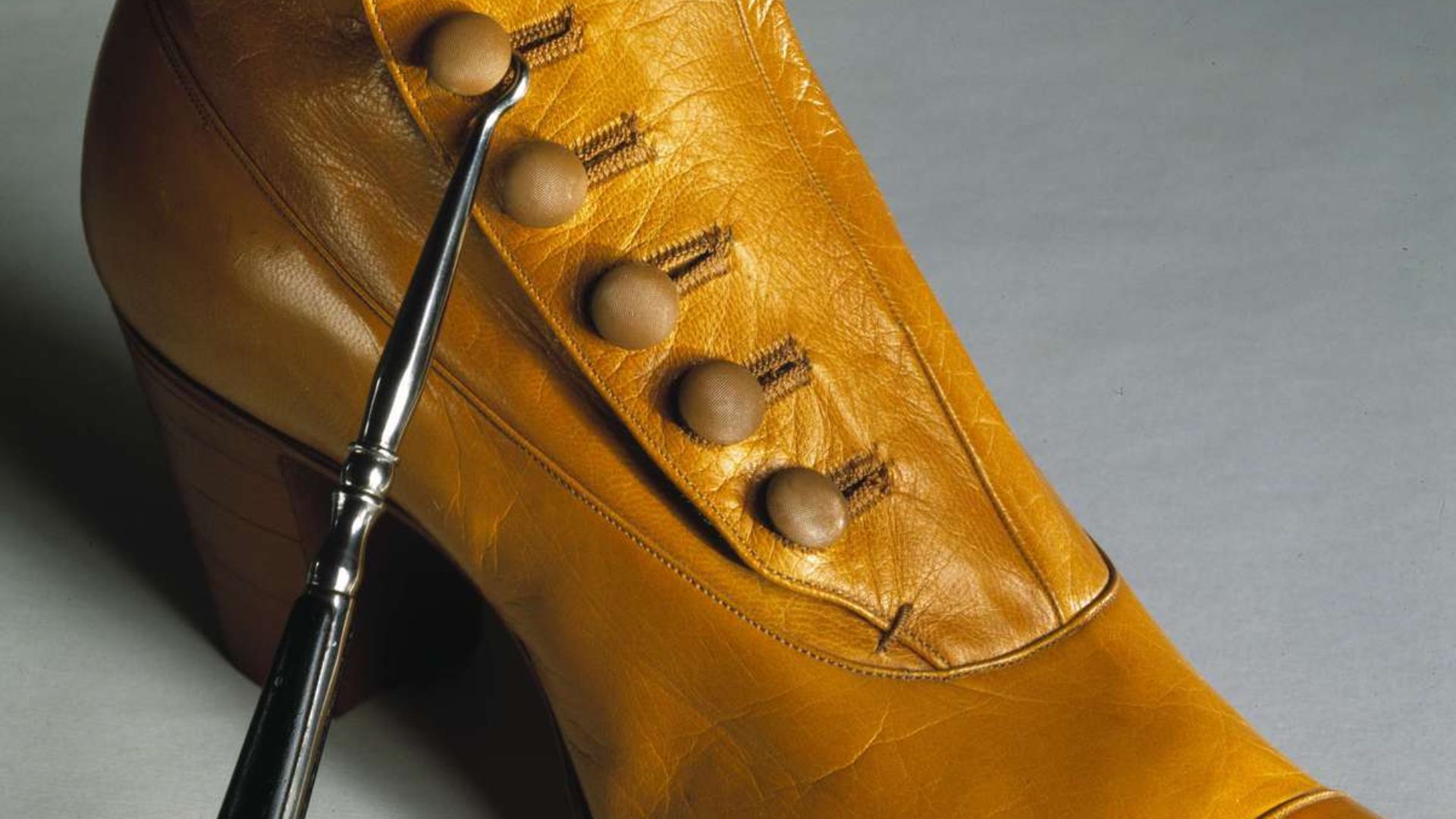
#8. Boot Button Hooks
Victorian boots had tiny buttons that were difficult to fasten by hand. Button hooks made the process easier. As footwear design evolved, this once-essential tool became unnecessary.
 NordiskaMuseetBot, Wikimedia Commons
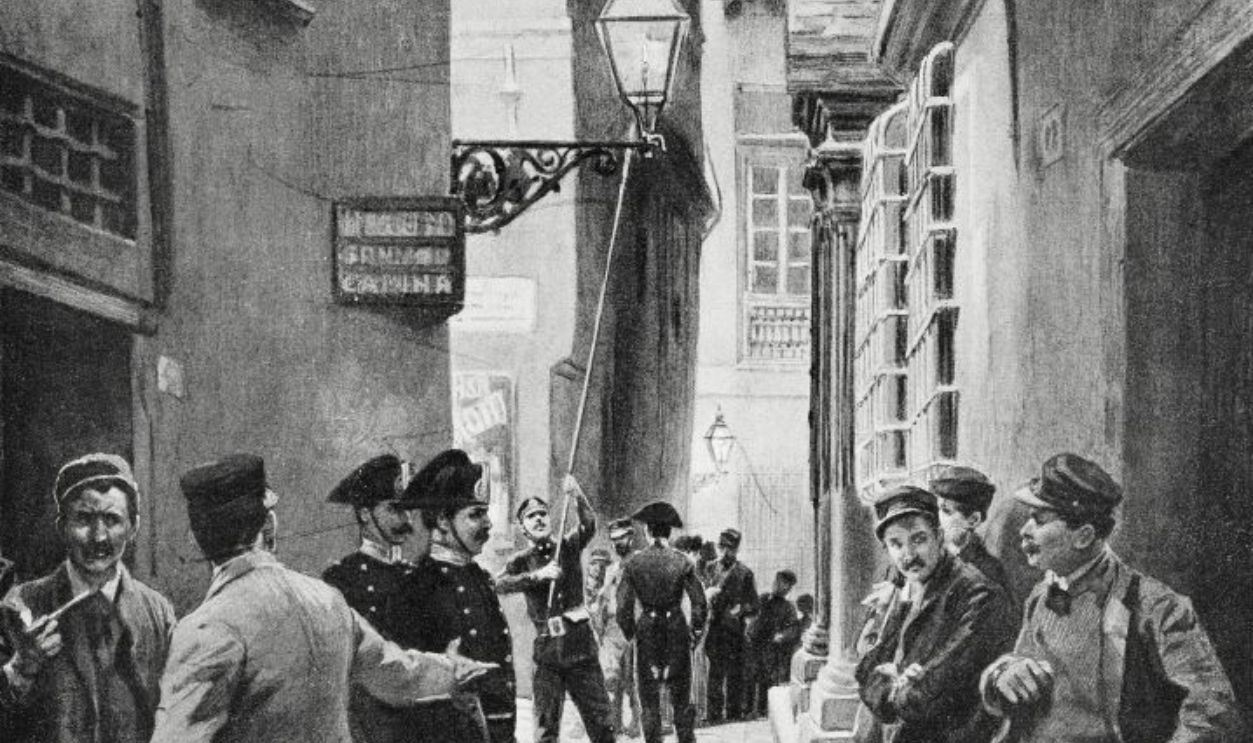
#7. Street Gas Lighters
Before electric streetlights, workers manually lit gas lamps every evening. It was a daily job in many cities. Automation and modern lighting systems eliminated the need entirely.
 DEA / BIBLIOTECA AMBROSIANA, Getty Images
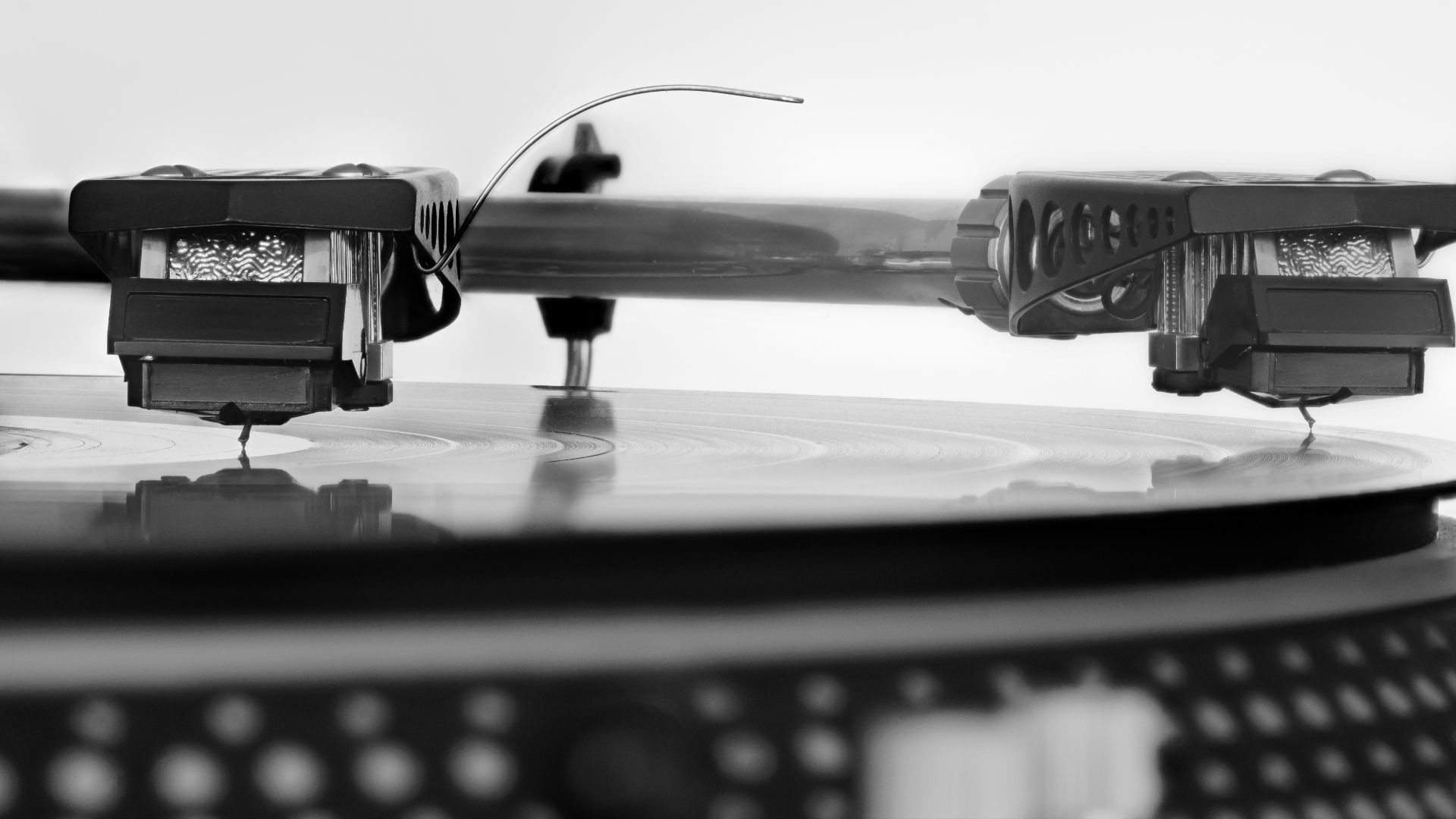
#6. Phonograph Needle Sharpeners
Early record players used needles that dulled quickly. Sharpeners extended their life. Modern audio technology removed the need for physical needles altogether.
 Franz van Duns, Wikimedia Commons
#5. Rat Catcher Tools
In crowded 1800s cities, rat infestations were a serious problem. Specialized tools were used constantly to control them. Improved sanitation and pest control methods have reduced the need for such hands-on solutions.

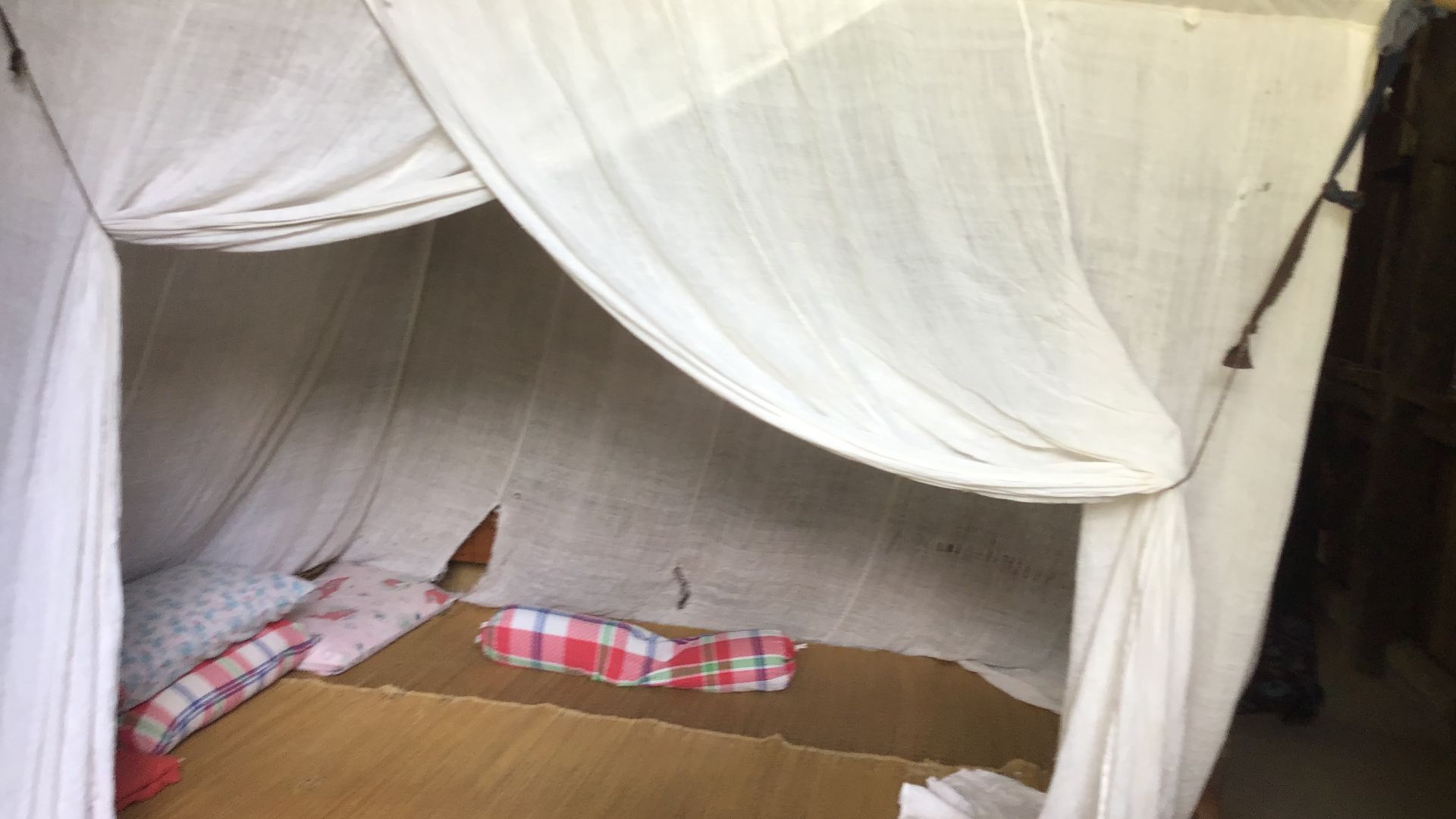
#4. Mosquito Net Bed Frames
Beds with built-in mosquito netting were common in areas without screens or climate control. They protected sleepers from insects at night. Today, screened windows, repellents, and air conditioning have largely replaced this need.
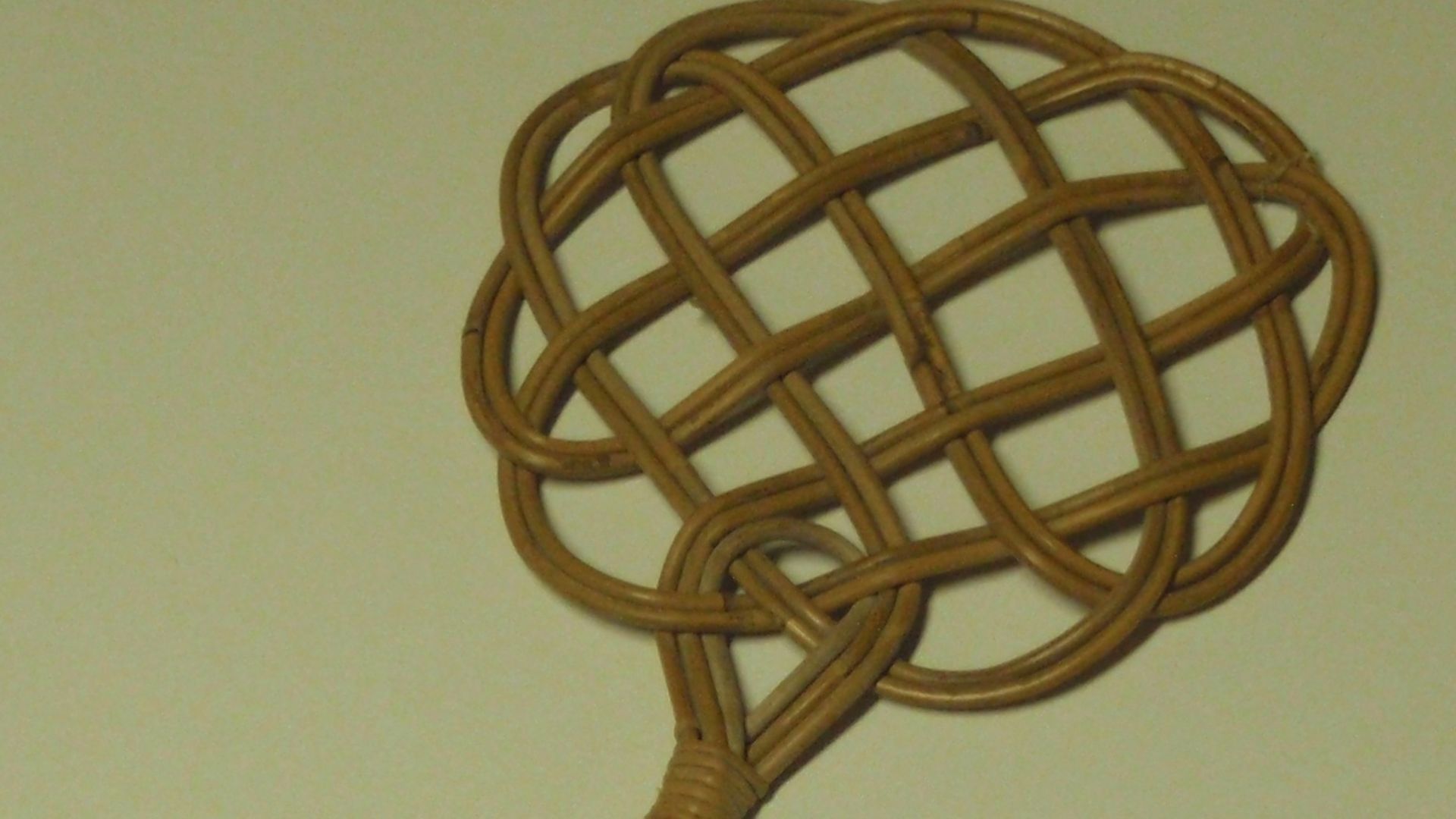
#3. Handheld Carpet Beaters
Before vacuum cleaners, rugs were cleaned by hanging them outside and beating them with special tools. It was loud and labor-intensive. Vacuum cleaners made this method obsolete almost immediately.
 Tenbergen (talk), Wikimedia Commons
#2. Shoe Shine Kits for Daily Use
In the early 1900s, polished shoes were expected daily, especially in professional settings. People carried full kits to maintain them. Today, casual footwear has reduced the need for constant polishing.
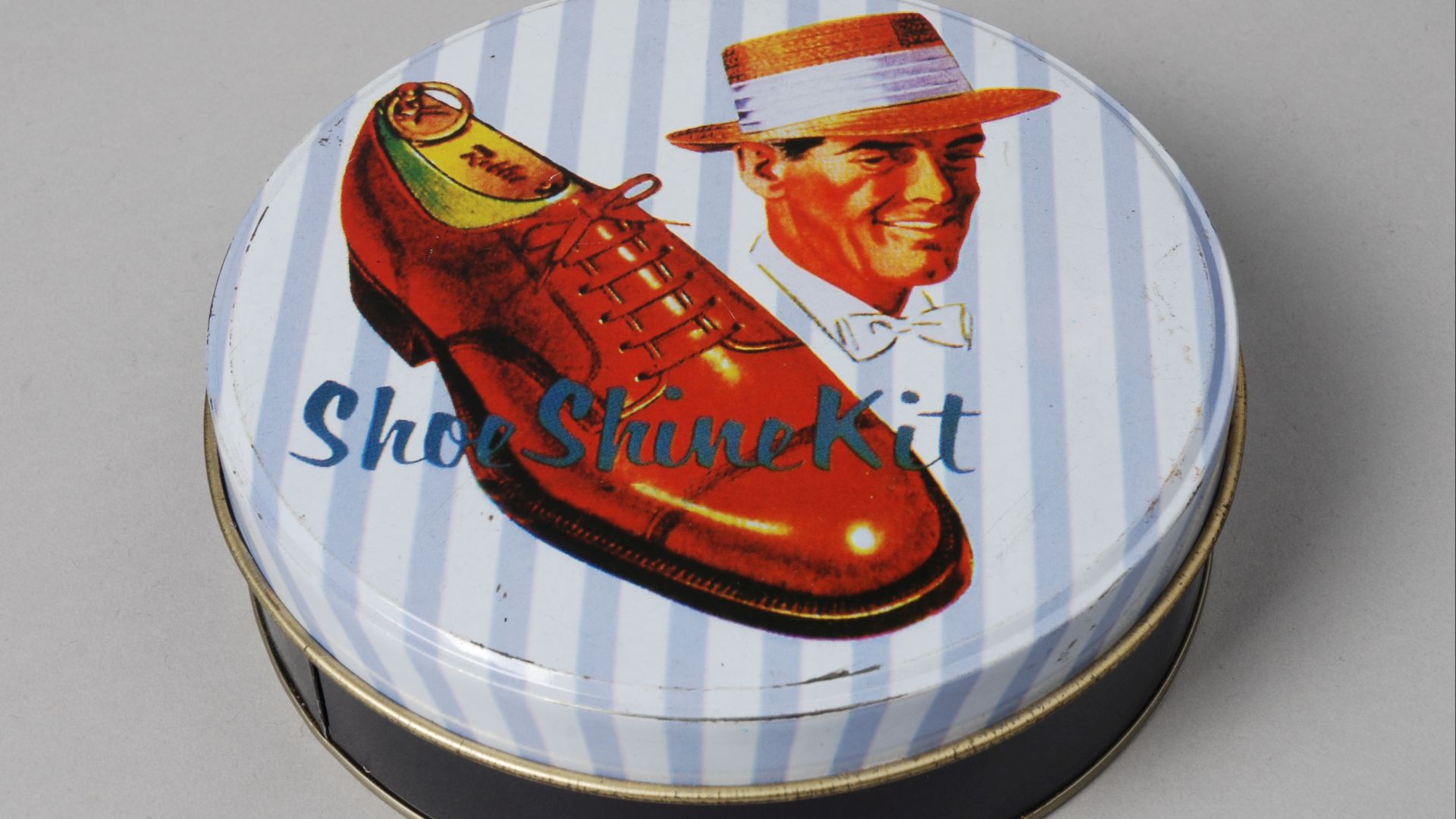 Sunday GmbH, Wikimedia Commons
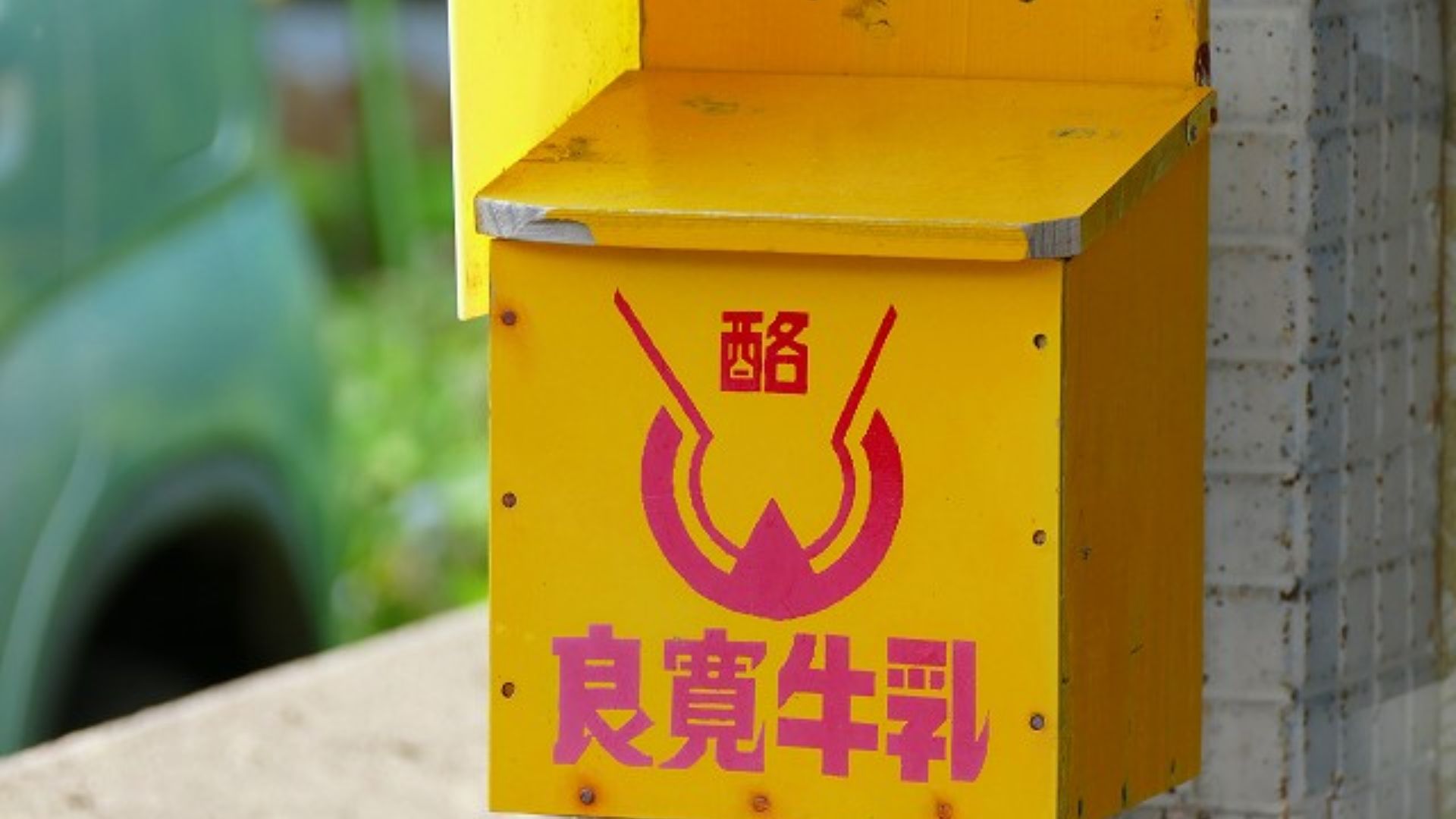
#1. Milk Delivery Boxes
Before refrigerators became common in the early 1900s, homes had insulated boxes for milk deliveries. They kept milk fresh until someone brought it inside. Modern refrigeration made this system unnecessary.
Why These Products Disappeared
Most of these inventions were tied to very specific ways of life—coal heating, horse travel, manual labor, and limited technology. As those lifestyles changed, the problems disappeared… and the solutions quietly faded with them.
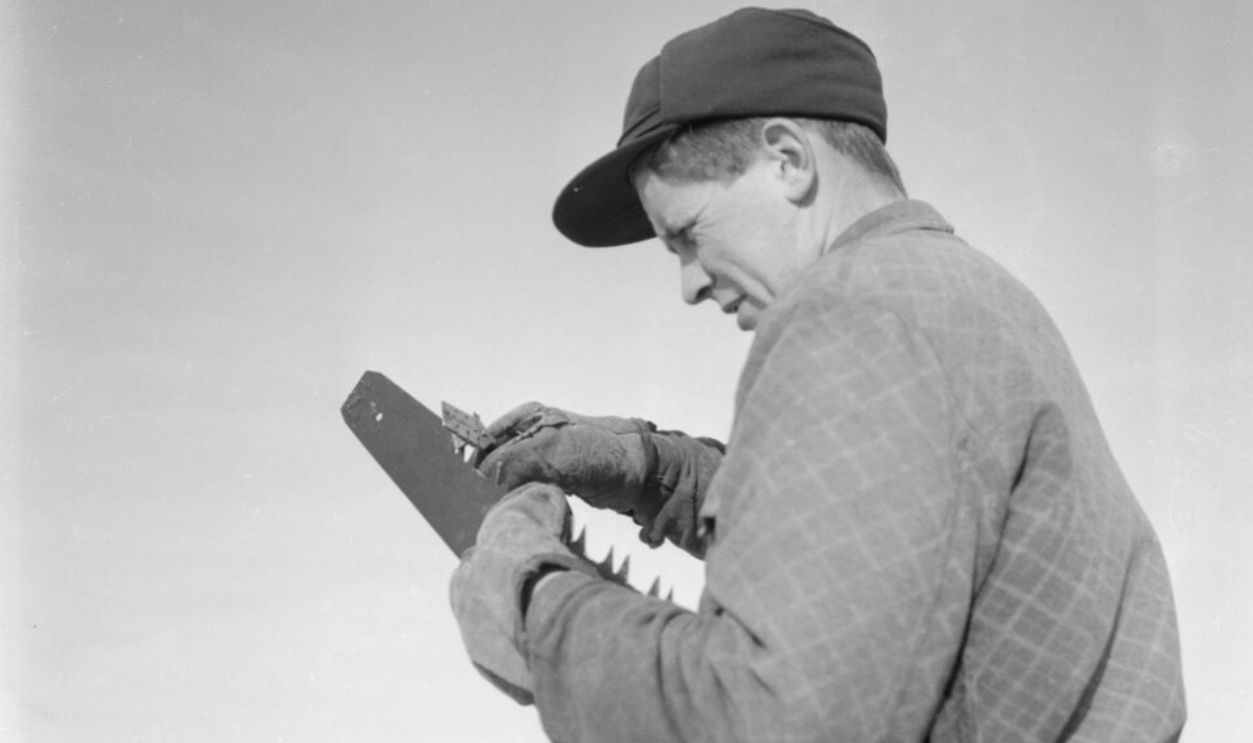 Erkki Voutilainen, CC BY 4.0, Wikimedia Commons
You May Also Like:
Products That Were Originally Marketed To Completely Different Audiences—But Consumers Had Other Ideas
Everyday Items That Were Once Considered Luxury Goods
Everyday Products That Were Quietly Taken Off The Shelves—And The Wild Reasons Why