
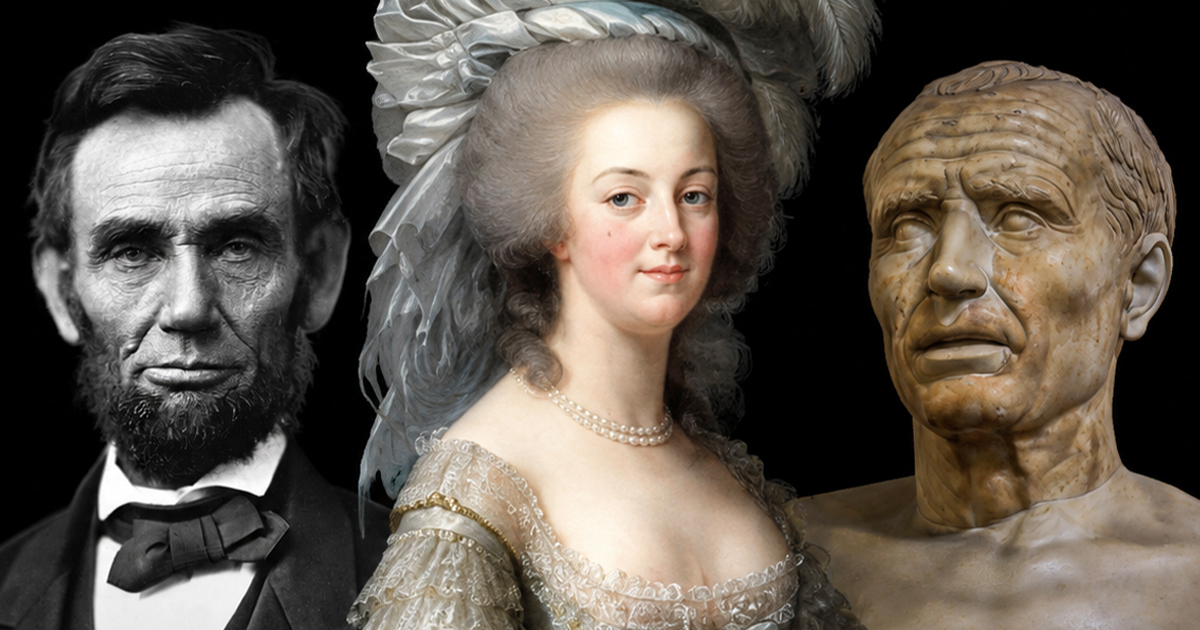
History’s Most Famous “Wait, They Never Said That?” Moments
History loves a good quote. Unfortunately, history also loves handing famous people lines they never actually said. Some are movie inventions, some are political myths, and some are just too perfect for the internet to leave alone. Basically, dead celebrities have been getting misquoted for centuries.
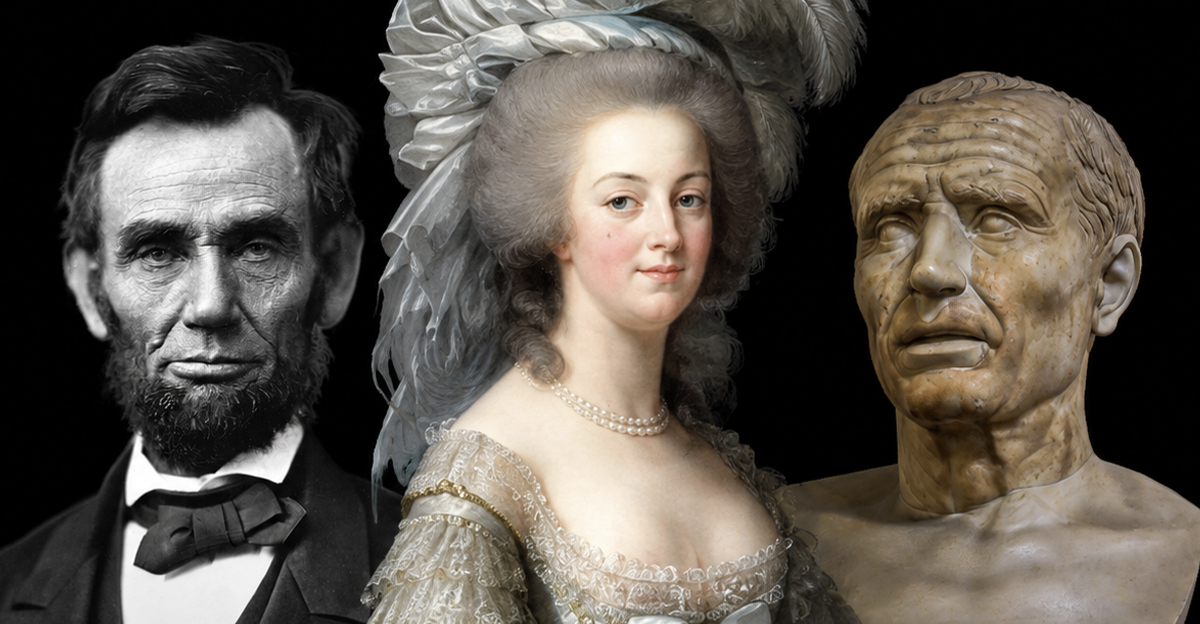 Élisabeth Louise Vigée Le Brun, Alexander Gardner, Wilfredor, CC0, via Wikimedia Commons
#25. Humphrey Bogart: “Play It Again, Sam”
Humphrey Bogart is forever tied to “Play it again, Sam,” even though nobody says that exact line in Casablanca. Ingrid Bergman says, “Play it, Sam,” and Bogart says other things. Pop culture simply improved the wording, then blamed Bogart for being catchier than the script.
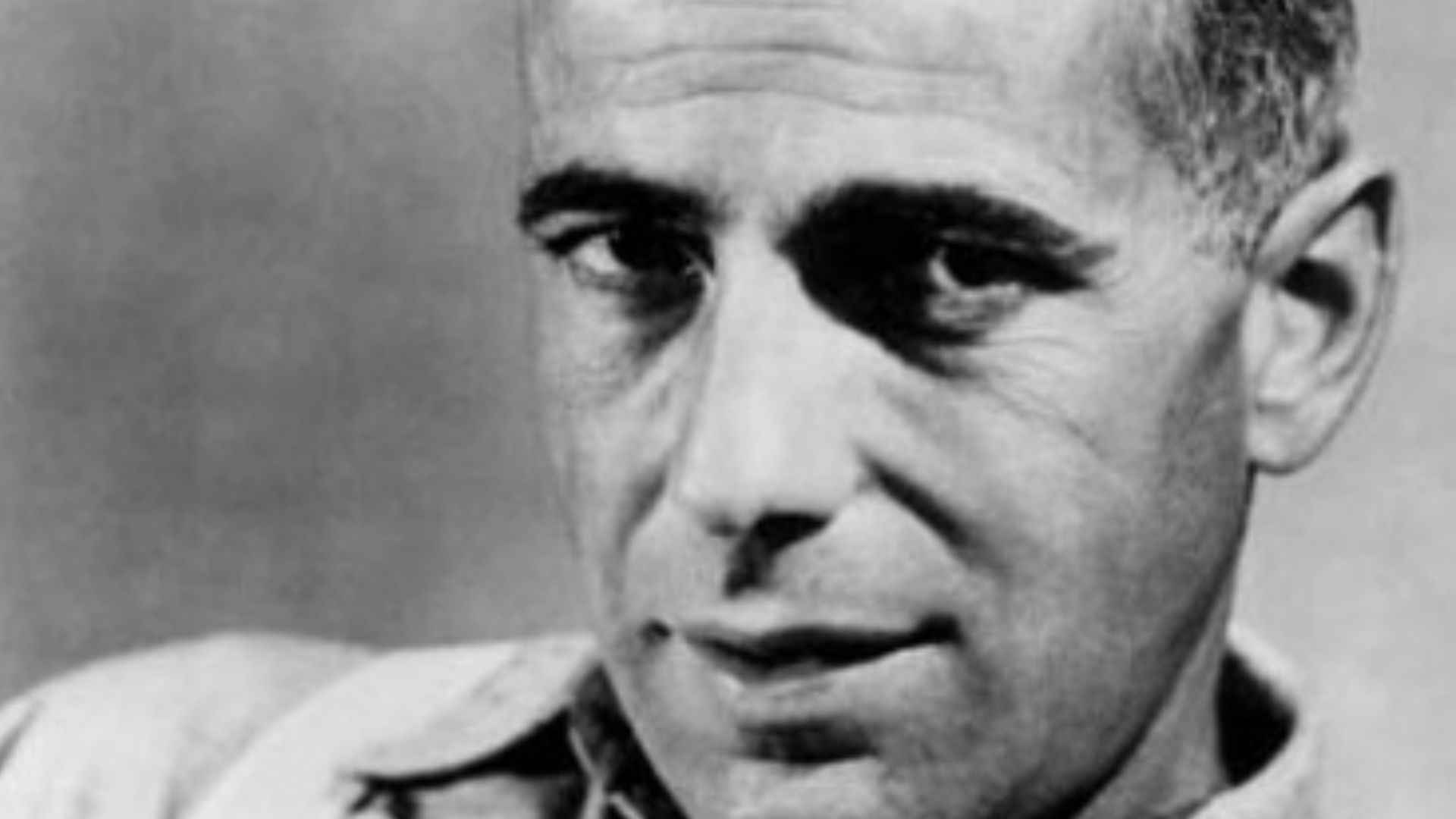 Warner Bros., Wikimedia Commons
#24. Queen Victoria: “We Are Not Amused”
Queen Victoria’s supposed icy line, “We are not amused,” has become shorthand for royal disapproval. The problem is that historians have long debated whether she ever said it. It fits the stern Victorian image perfectly, which is probably why the phrase refuses to leave.
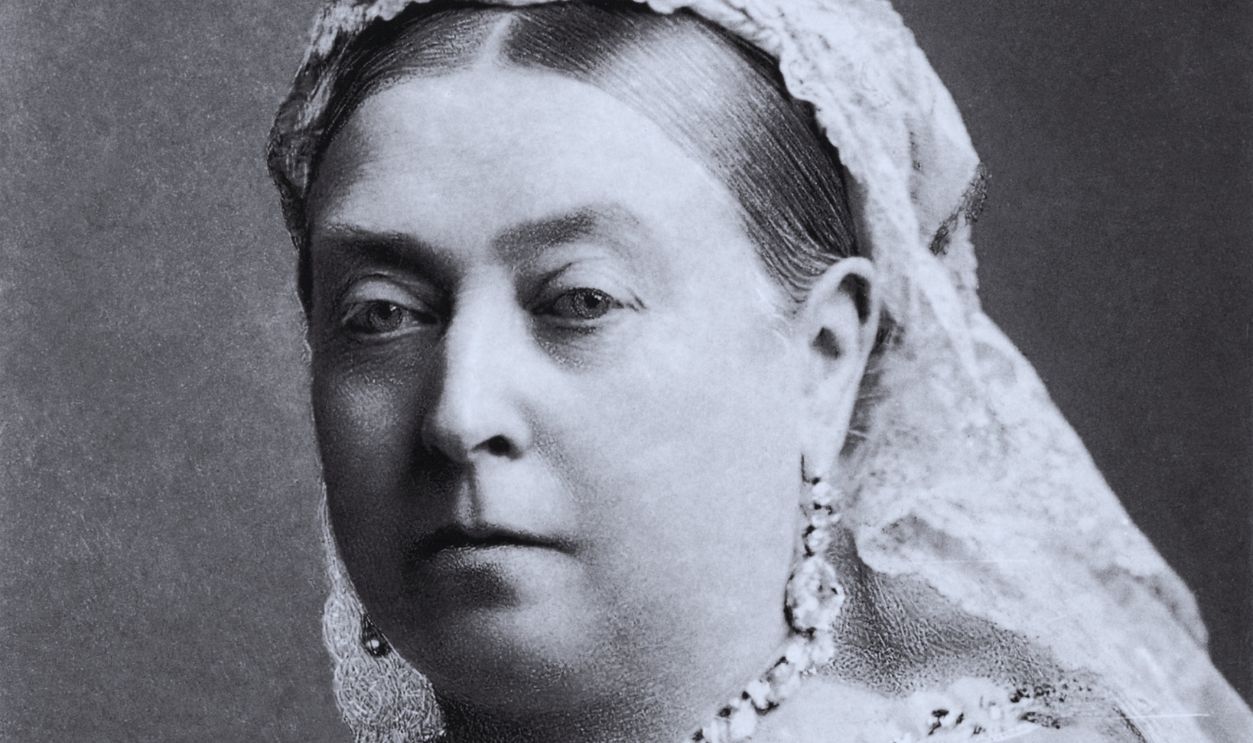 Alexander Bassano, Wikimedia Commons
#23. Sun Tzu: “Keep Your Friends Close and Your Enemies Closer”
This line gets tossed around like ancient Chinese strategy, but it is not from Sun Tzu’s The Art of War. The famous wording comes from Michael Corleone in The Godfather Part II. So yes, your “ancient wisdom” poster may actually be quoting organized crime cinema.
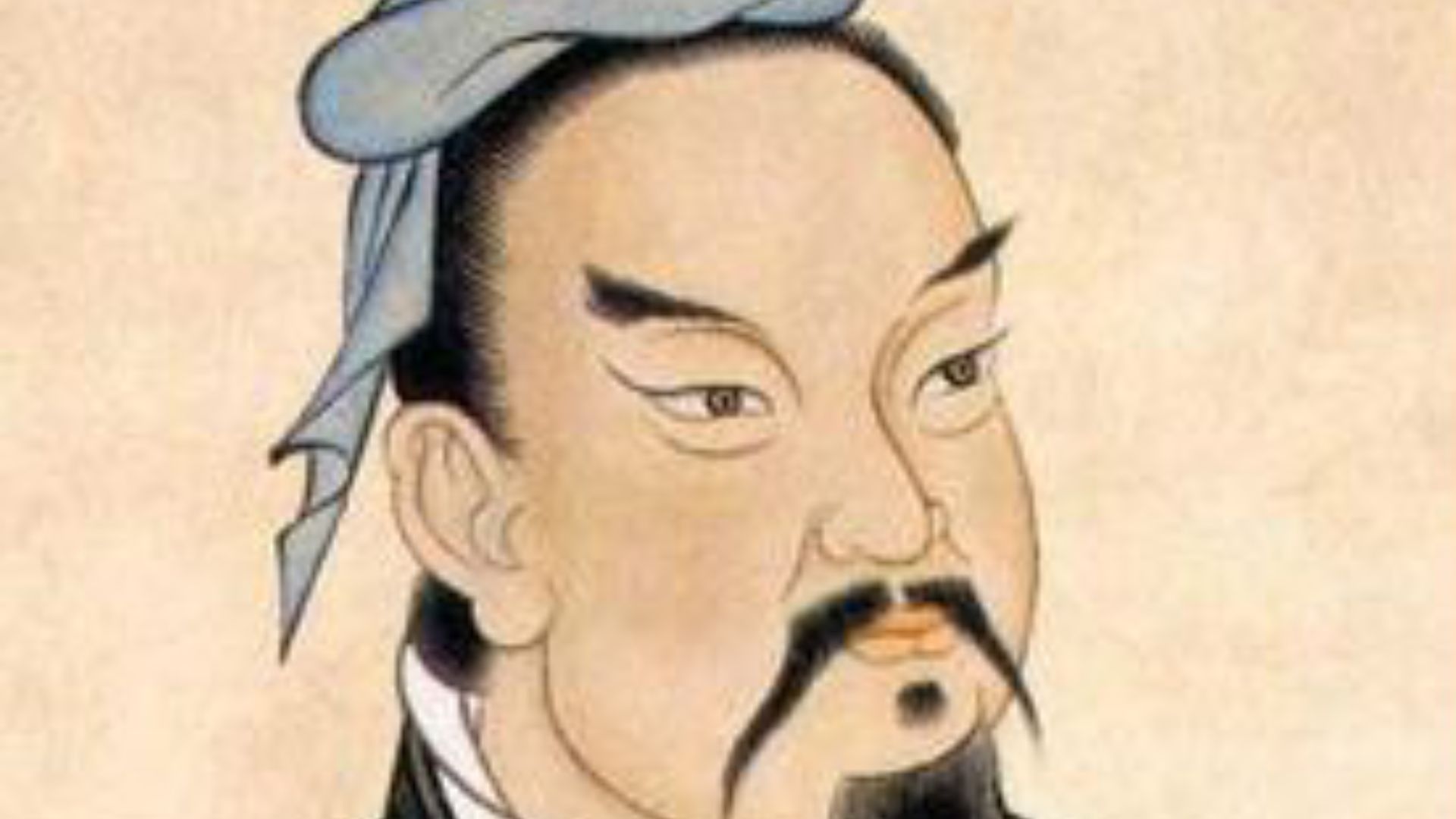 Unknown authorUnknown author, Wikimedia Commons

History's most fascinating stories and darkest secrets, delivered to your inbox daily.
#22. Niccolò Machiavelli: “The Ends Justify the Means”
Machiavelli gets stuck with this line because it sounds exactly like what people think he meant. But the exact phrase “the ends justify the means” does not appear that way in his work. Poor Machiavelli: even his fake quotes make him sound suspicious.
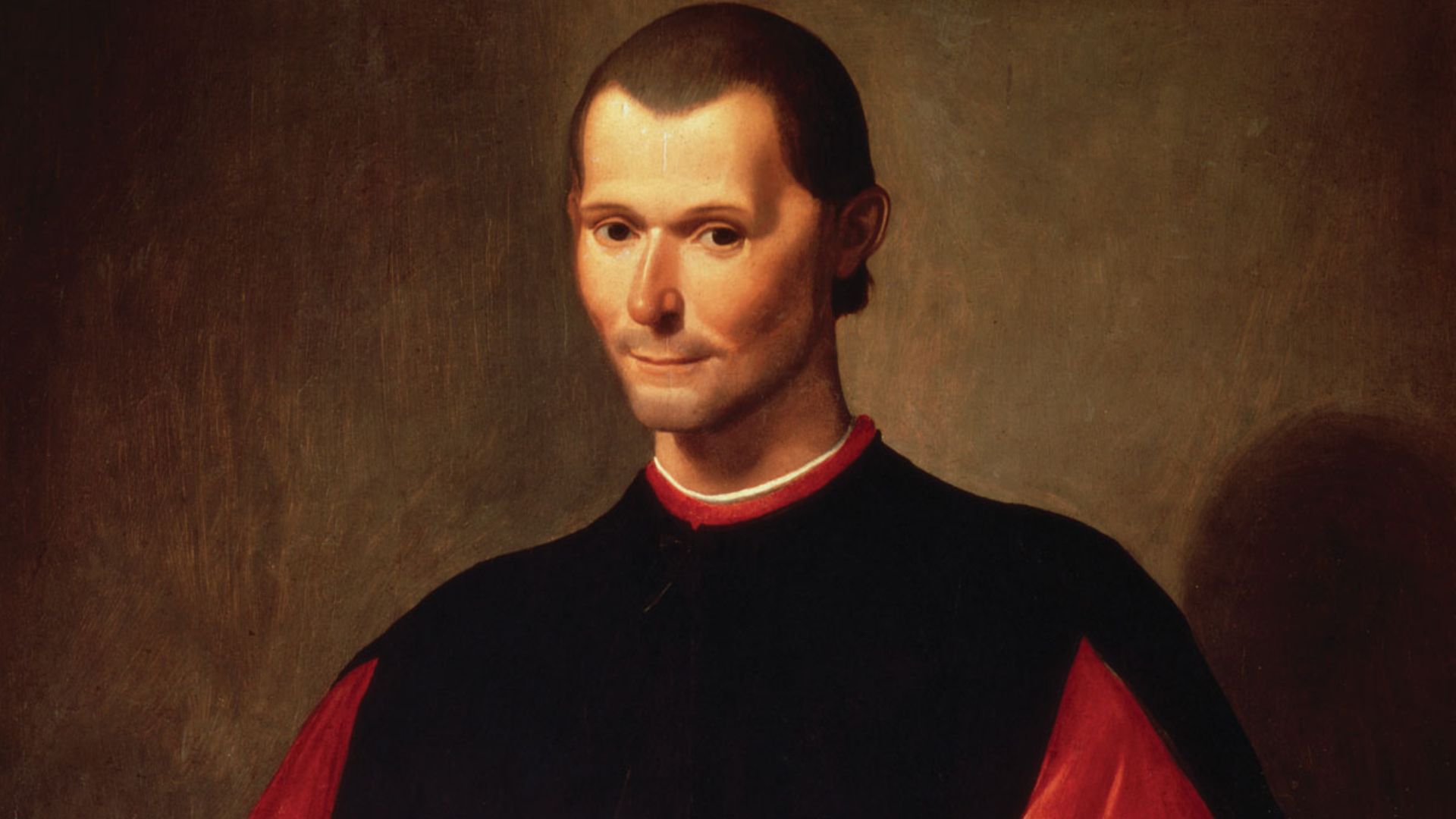 Santi di Tito, Wikimedia Commons
#21. Nelson Mandela: “Our Deepest Fear Is Not That We Are Inadequate”
This beautiful passage is often credited to Nelson Mandela, especially because it sounds grand enough for a freedom leader. But it comes from Marianne Williamson’s 1992 book A Return to Love. Mandela inspired plenty of people without needing anyone else’s inspirational wall calendar material.
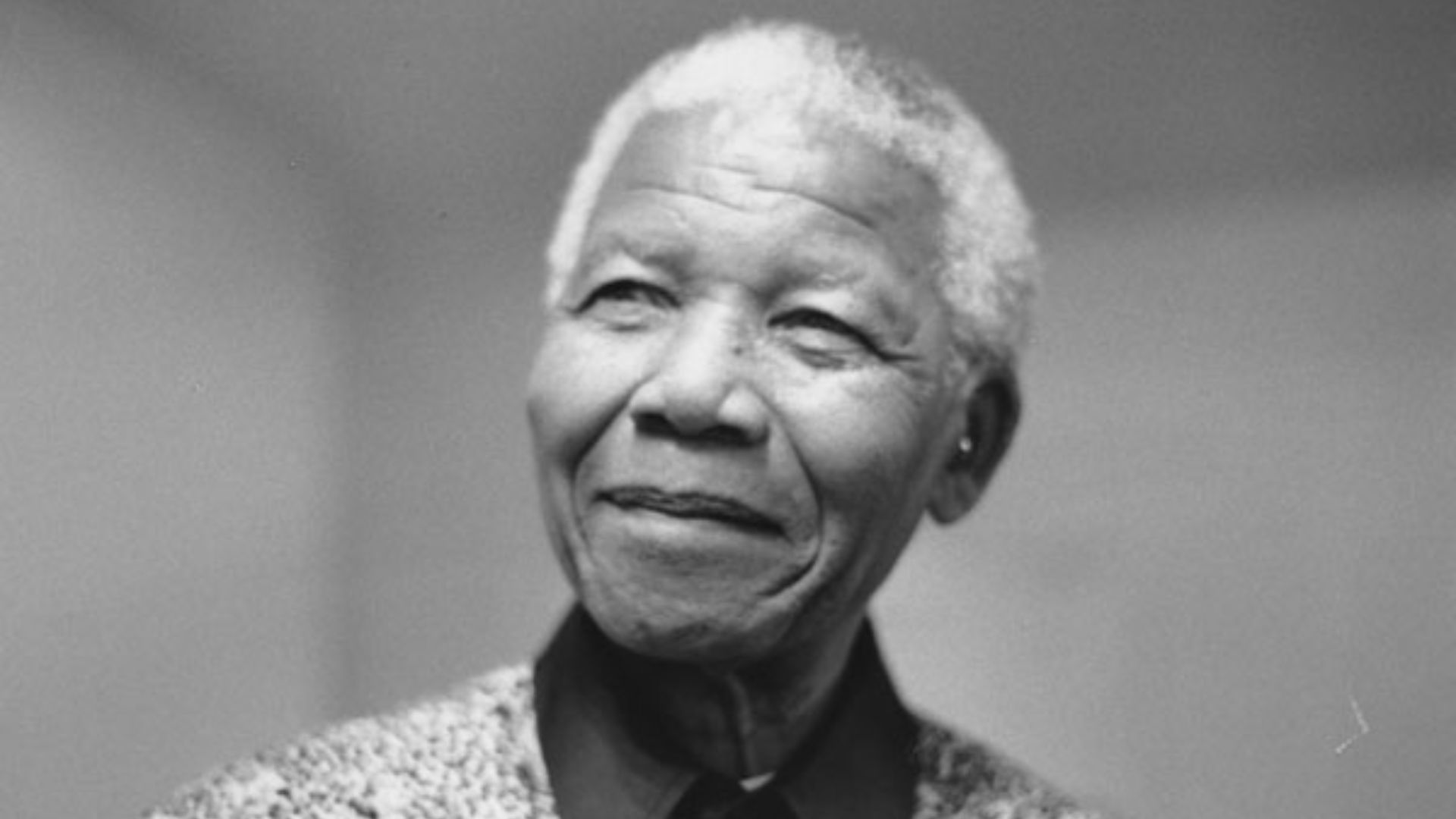 Library of the London School of Economics and Political Science, Wikimedia Commons
#20. Kurt Vonnegut: “Wear Sunscreen”
For years, people passed around a graduation speech supposedly written by Kurt Vonnegut. It was witty, wise, and told young people to wear sunscreen. The real author was Chicago columnist Mary Schmich, who wrote it in 1997. Vonnegut reportedly found the mix-up funny, which feels very Vonnegut.
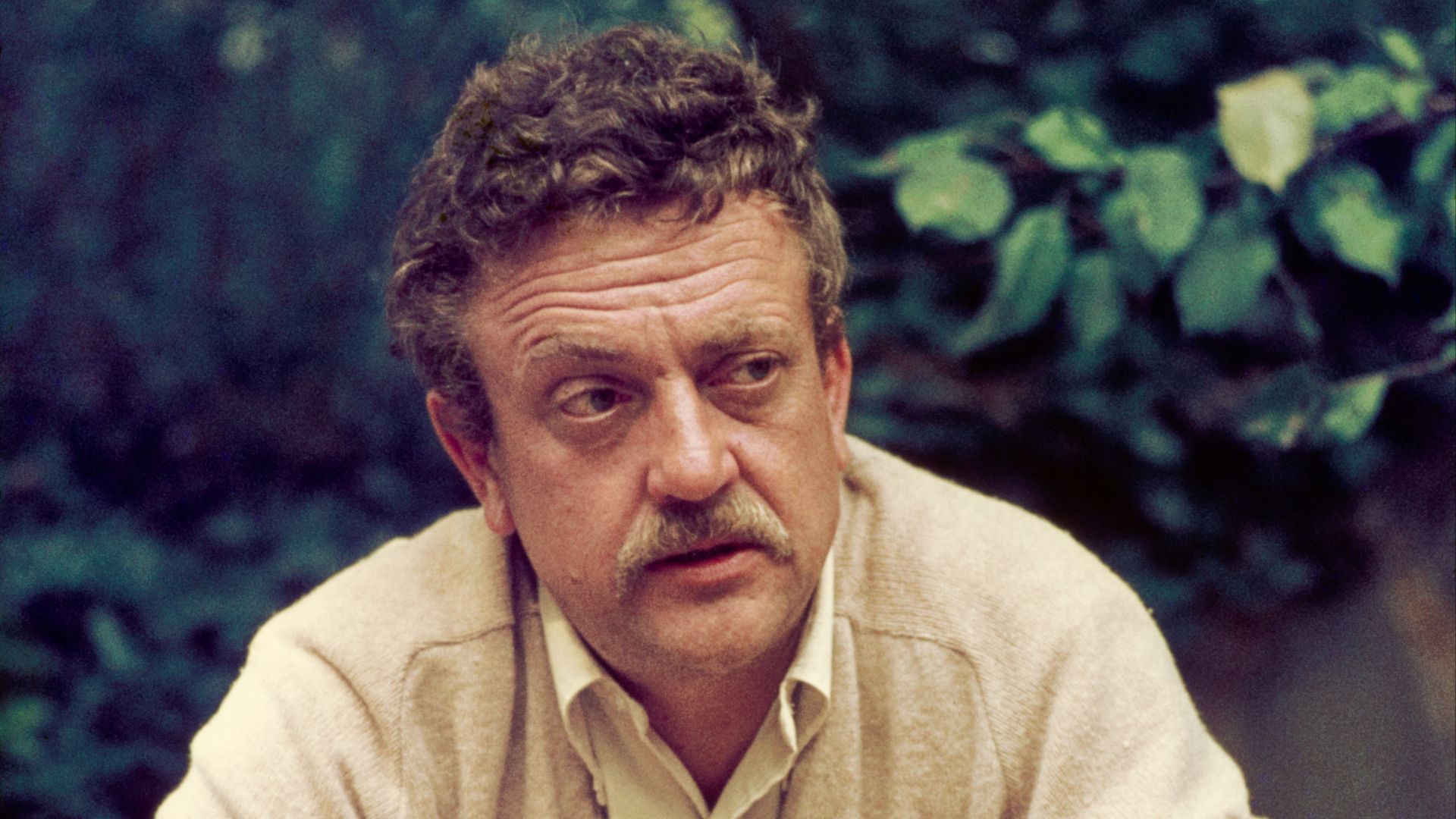 Bernard Gotfryd / Adam Cuerden, Wikimedia Commons
#19. Theodore Roosevelt: “People Don’t Care How Much You Know…”
The line “People don’t care how much you know until they know how much you care” is often attached to Theodore Roosevelt. Quote researchers have found no evidence he used it. The earliest located version comes from a 1959 nursing-school commencement speech. Teddy already had enough quotes, honestly.
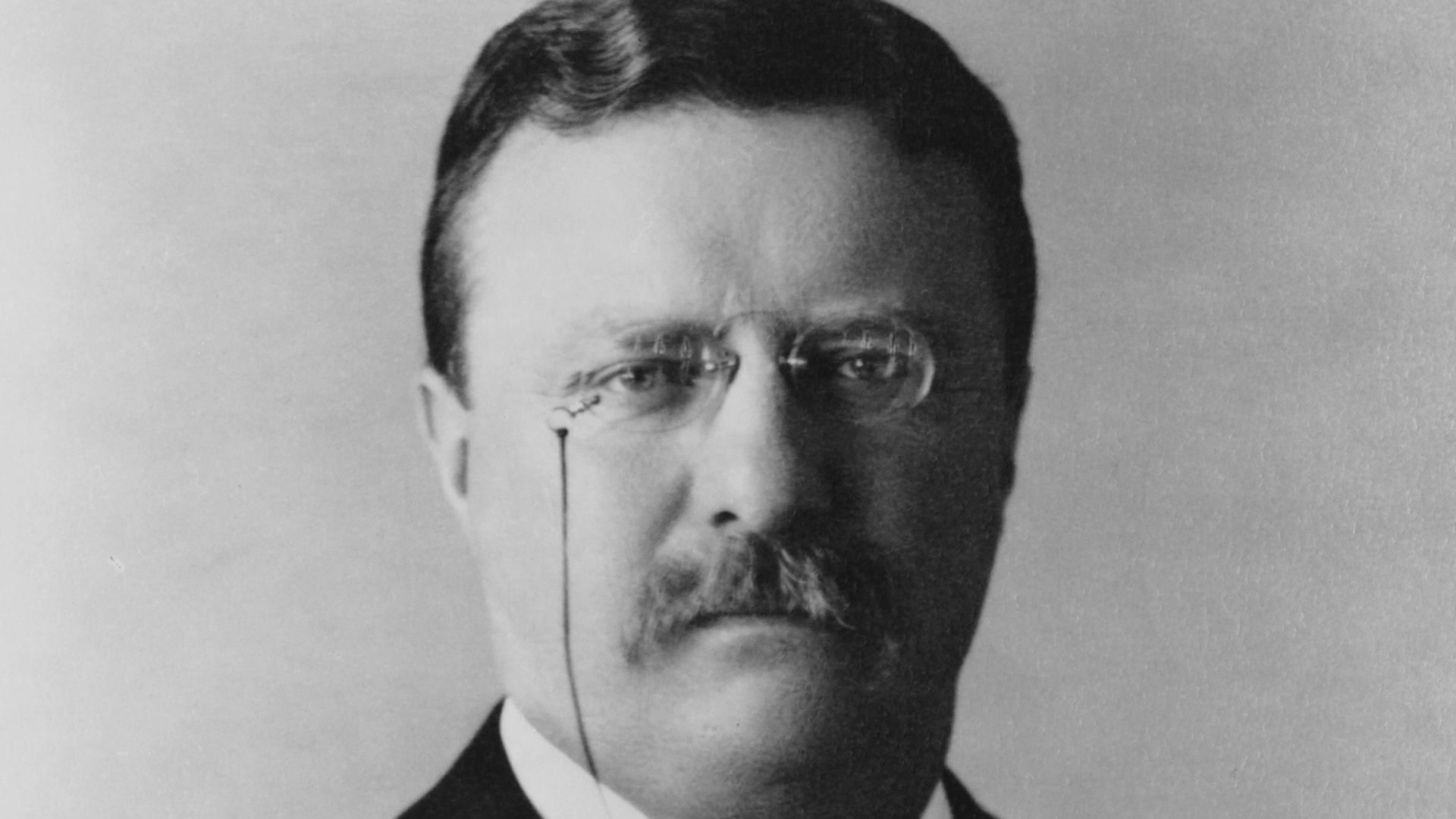 Pach Brothers, Wikimedia Commons
#18. Confucius: “Choose a Job You Love…”
“Choose a job you love, and you will never have to work a day in your life” sounds ancient, peaceful, and suspiciously useful on LinkedIn. But there is no solid evidence Confucius said it. Its modern trail looks much newer than ancient China—and much more like career-coach bait.
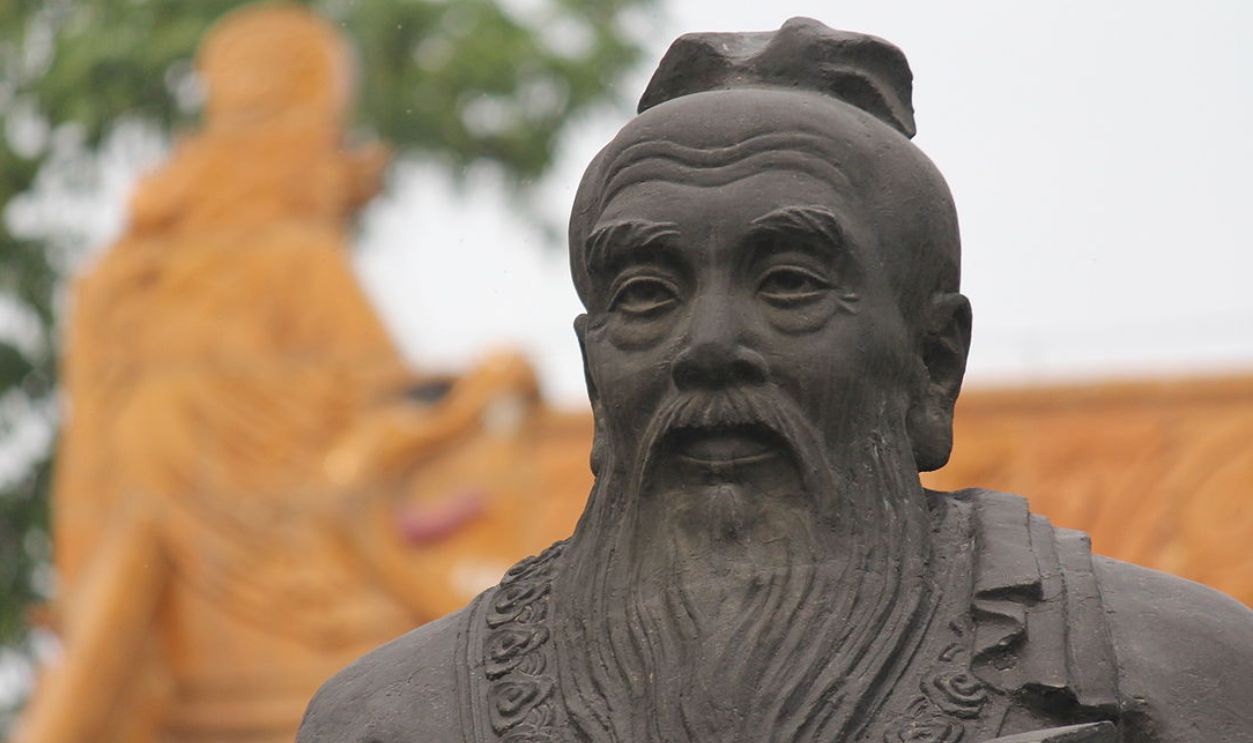 Kevinsmithnyc, CC BY-SA 3.0, Wikimedia Commons
#17. G.K. Chesterton: “When Men Stop Believing in God…”
Chesterton is often credited with saying that when people stop believing in God, they do not believe in nothing—they believe in anything. The idea reflects interpretations of his work, but quote researchers have not found those exact words in his writings. A summary became a “quote,” as summaries often do.
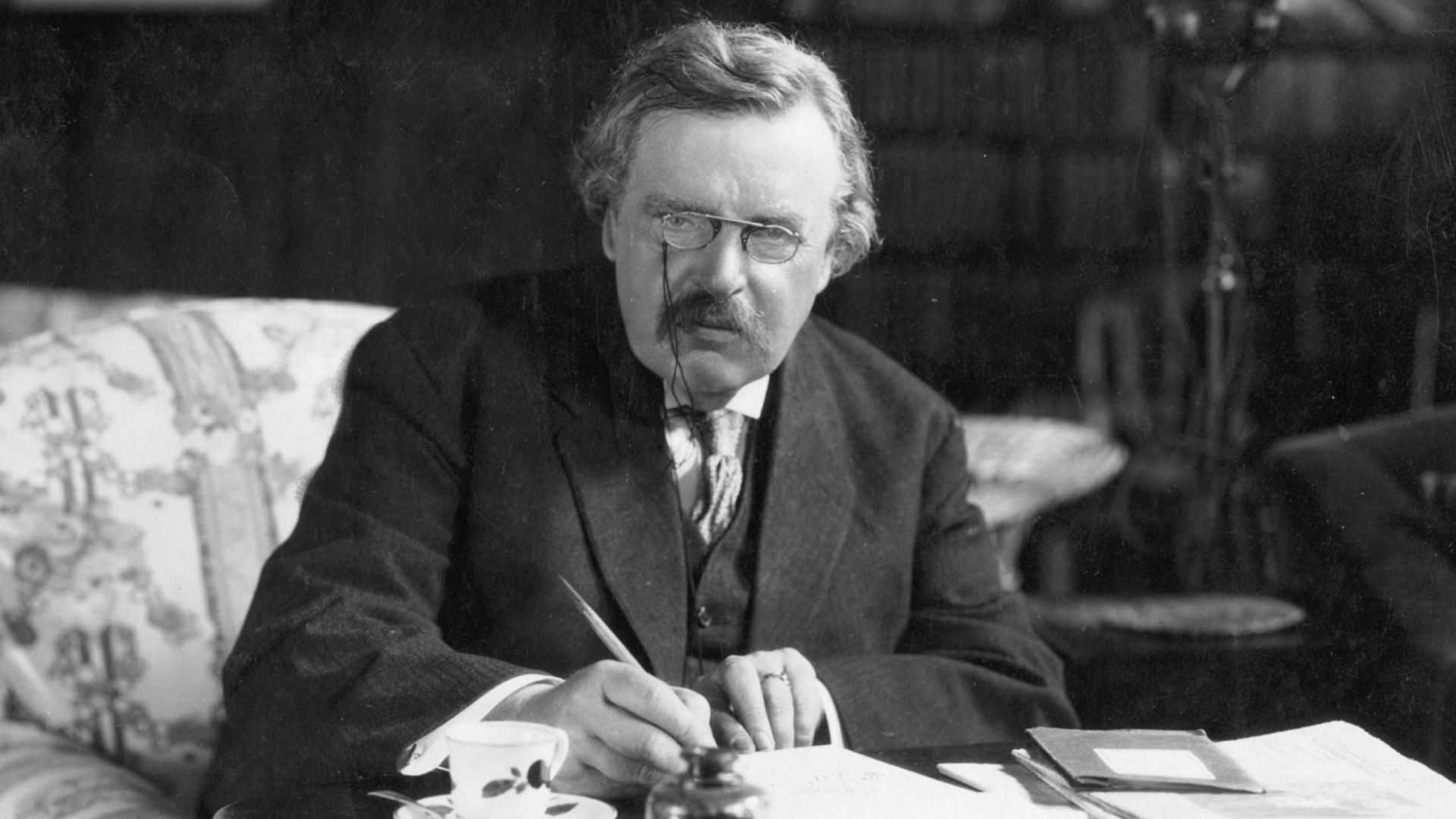 Unknown authorUnknown author, Wikimedia Commons
History's most fascinating stories and darkest secrets, delivered to your inbox daily.
#16. Mark Twain: “If You Don’t Read the Newspaper…”
The line “If you don’t read the newspaper, you’re uninformed; if you do, you’re misinformed” is constantly attributed to Mark Twain. It sounds Twain-ish, which is apparently enough for the internet. But Twain scholars list it among the many apocryphal sayings attached to him.
![A portrait of the American writer Mark Twain taken by A. F. Bradley in New York, 1907.[1][2][3]](https://www.factinate.com/storage/app/media/factinate/2026/8/6/17859876022f75a91060651e37fd777eecc74bb7102c7a2034.jpg) A.F. Bradley, New York, Wikimedia Commons
A.F. Bradley, New York, Wikimedia Commons
#15. P.T. Barnum: “There’s a Sucker Born Every Minute”
P.T. Barnum is almost permanently attached to “There’s a sucker born every minute,” which feels unfairly on-brand. But there is no proof he said it. Some accounts connect the phrase to others, including show-business rivals. Barnum may have loved publicity, but this one was probably not his.
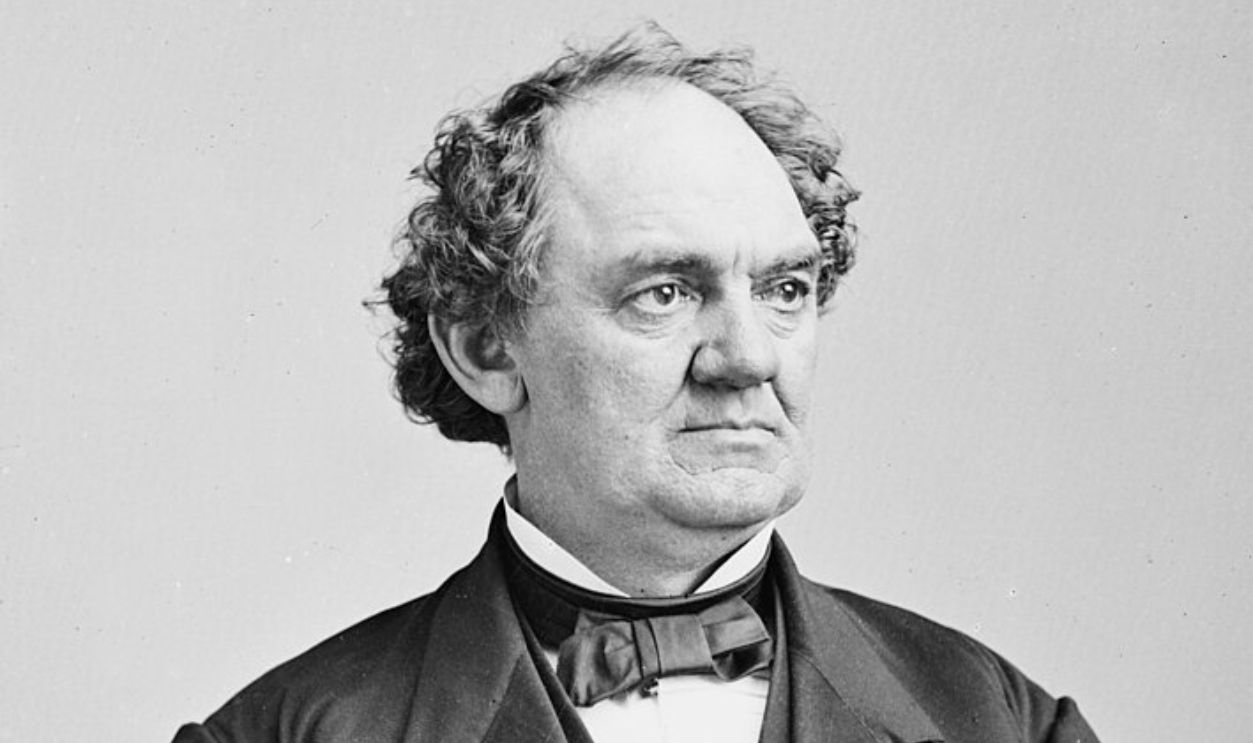 Brady-Handy Photograph Collection (Library of Congress), Wikimedia Commons
#14. Marilyn Monroe: “Well-Behaved Women Seldom Make History”
This quote is often printed beside glamorous photos of Marilyn Monroe, which is ironic because she did not say it. Historian Laurel Thatcher Ulrich wrote the sentence in a 1976 academic article. Somehow, the quote wandered from scholarship to T-shirts, then put on red lipstick.
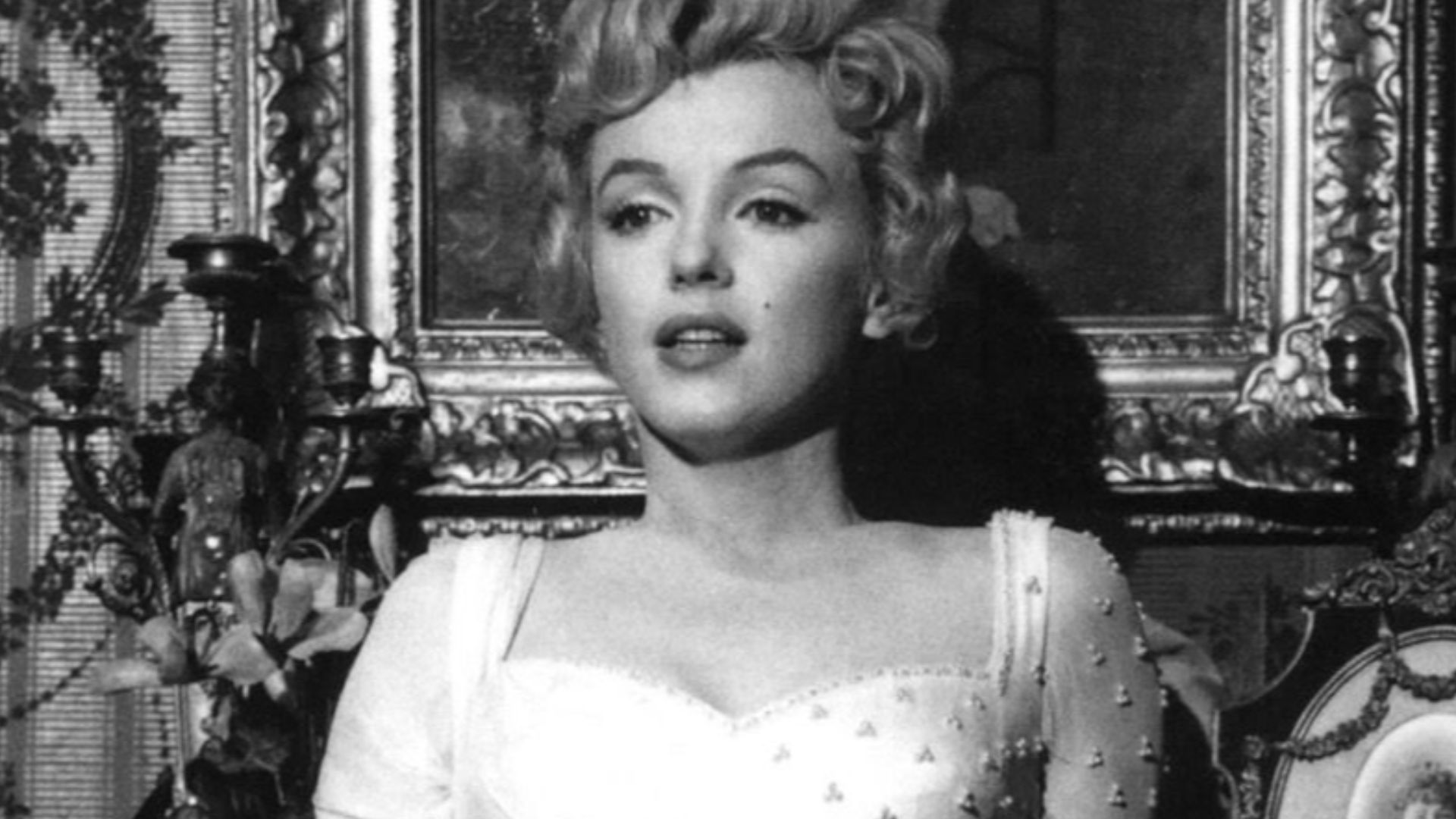 Milton H. Greene, Wikimedia Commons
#13. Oscar Wilde: “Be Yourself; Everyone Else Is Already Taken”
This line feels so perfectly Oscar Wilde that people rarely question it. Unfortunately, quote investigators have found no evidence Wilde wrote or said it. The phrase appears much later, especially online. Wilde was witty enough without needing motivational Pinterest to ghostwrite for him.
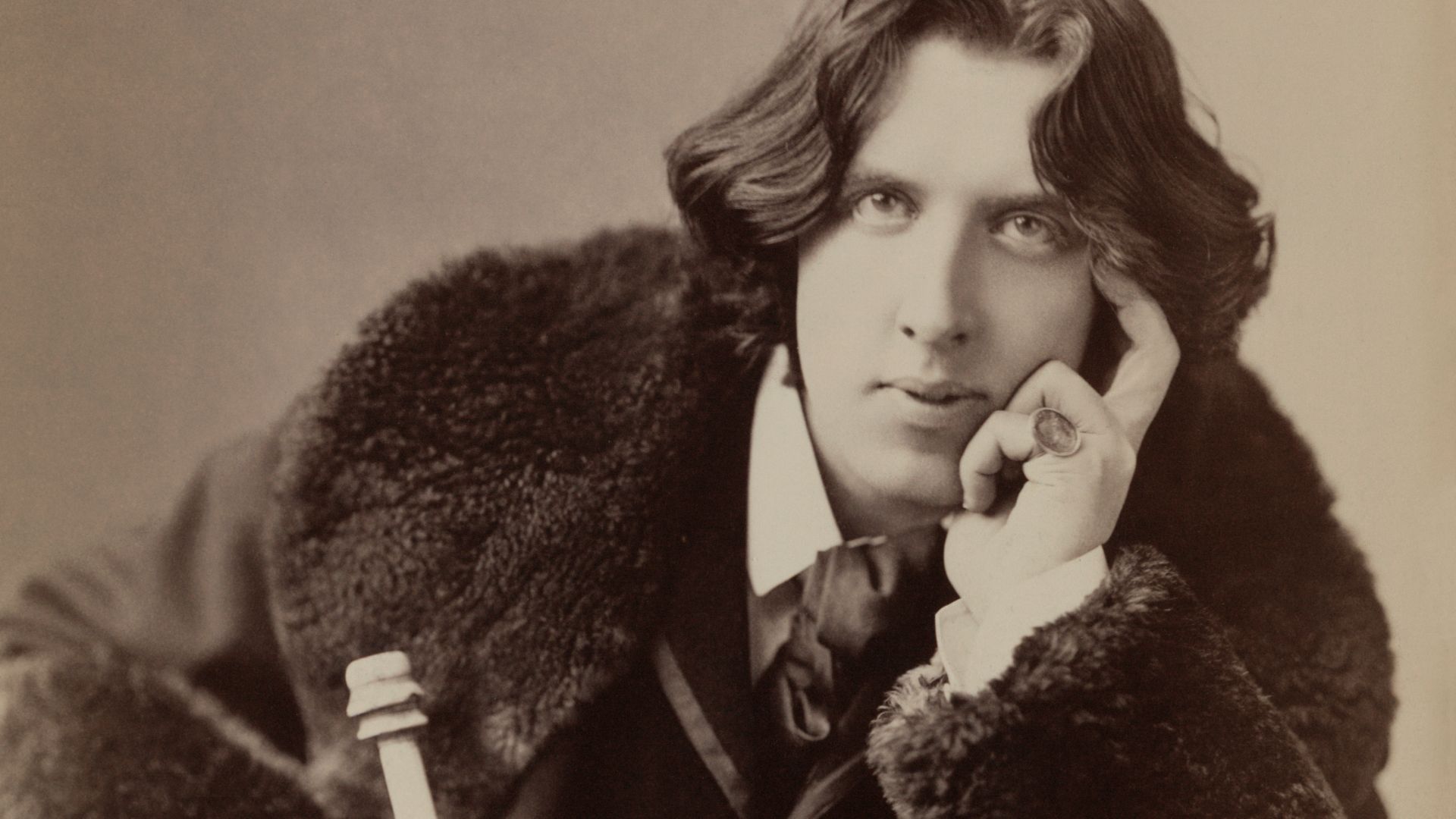 Napoleon Sarony / Adam Cuerden, Wikimedia Commons
#12. Winston Churchill: “Success Is Not Final, Failure Is Not Fatal…”
Churchill is a magnet for stirring motivational lines, including “Success is not final, failure is not fatal: it is the courage to continue that counts.” The International Churchill Society lists it among false attributions. Apparently, when a quote needs gravitas, people just slap Churchill on it and salute.
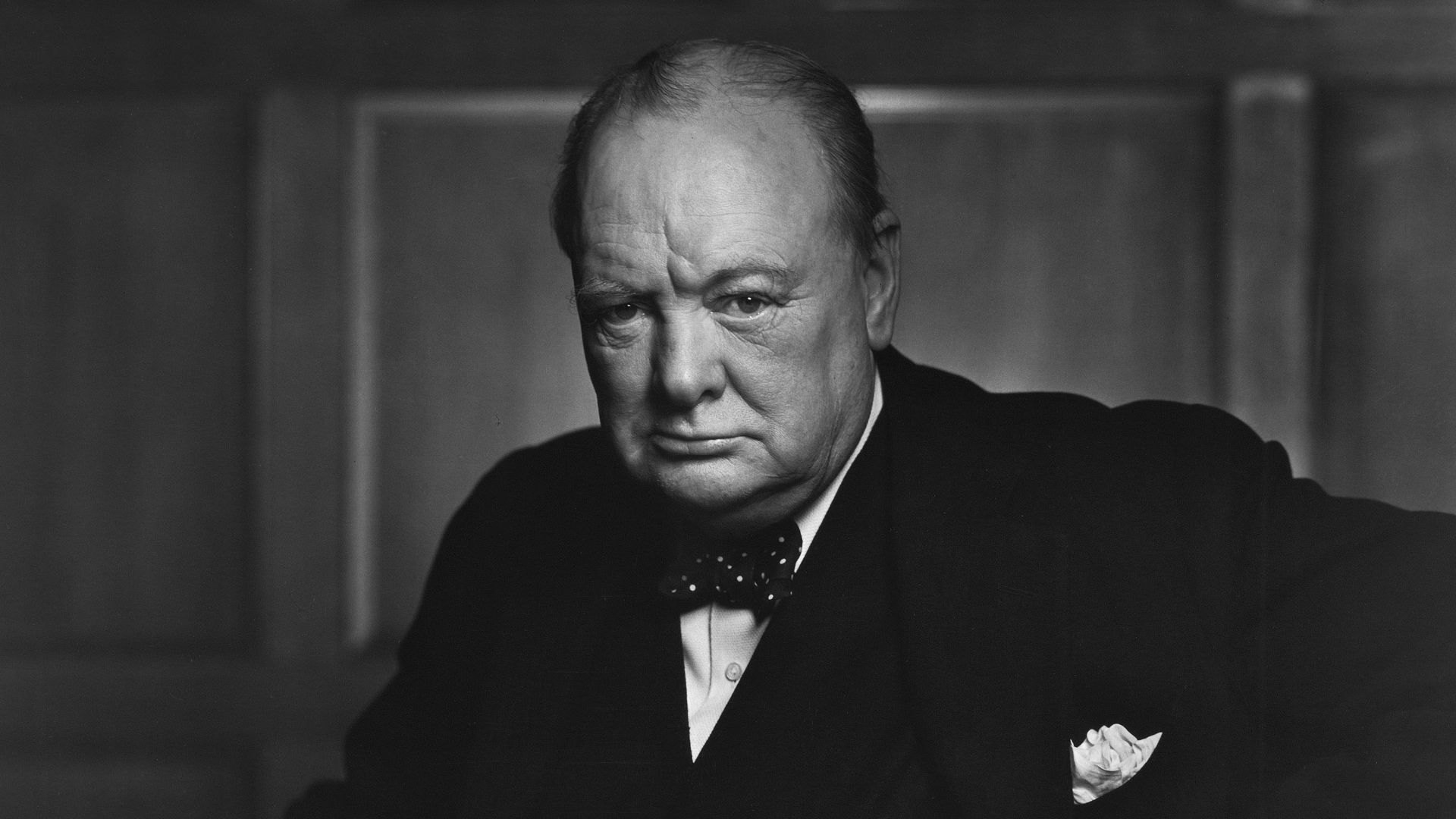 Yousuf Karsh, Wikimedia Commons
#11. Charles Darwin: “It Is Not the Strongest Species That Survives…”
This quote is everywhere in business presentations, which should already make us suspicious. Darwin did write about adaptation and natural selection, but this polished wording did not come from him. The Darwin Correspondence Project identifies it as one of the sayings that never flowed from his pen.
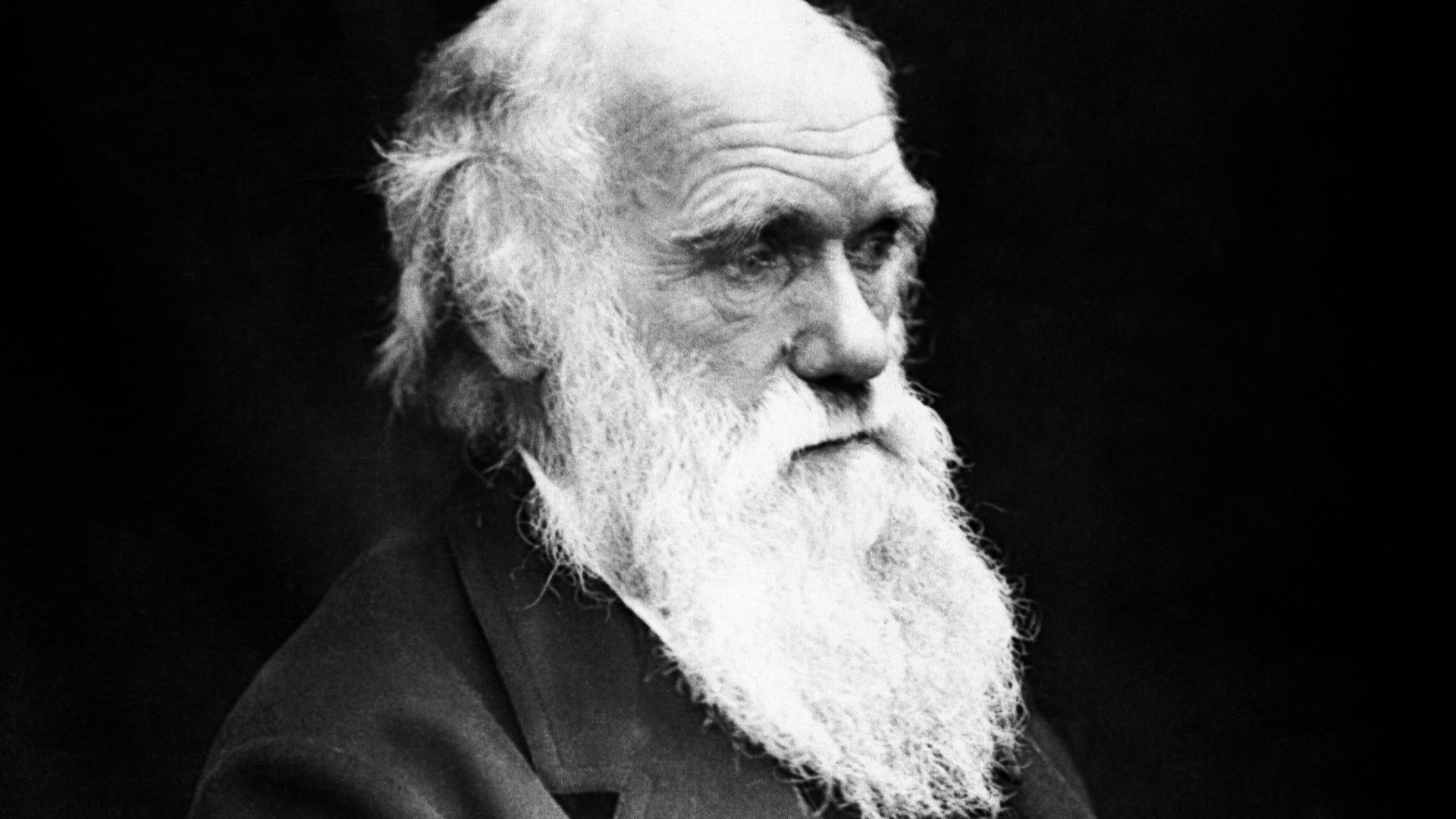 Julia Margaret Cameron, Wikimedia Commons
History's most fascinating stories and darkest secrets, delivered to your inbox daily.
#10. Mahatma Gandhi: “Be the Change You Wish to See…”
It is a lovely slogan, but Gandhi almost certainly never said it in that neat bumper-sticker form. The idea resembles parts of Gandhi’s philosophy, but the exact wording appears much later. Gandhi was profound; the internet just made him more fridge-magnet friendly.
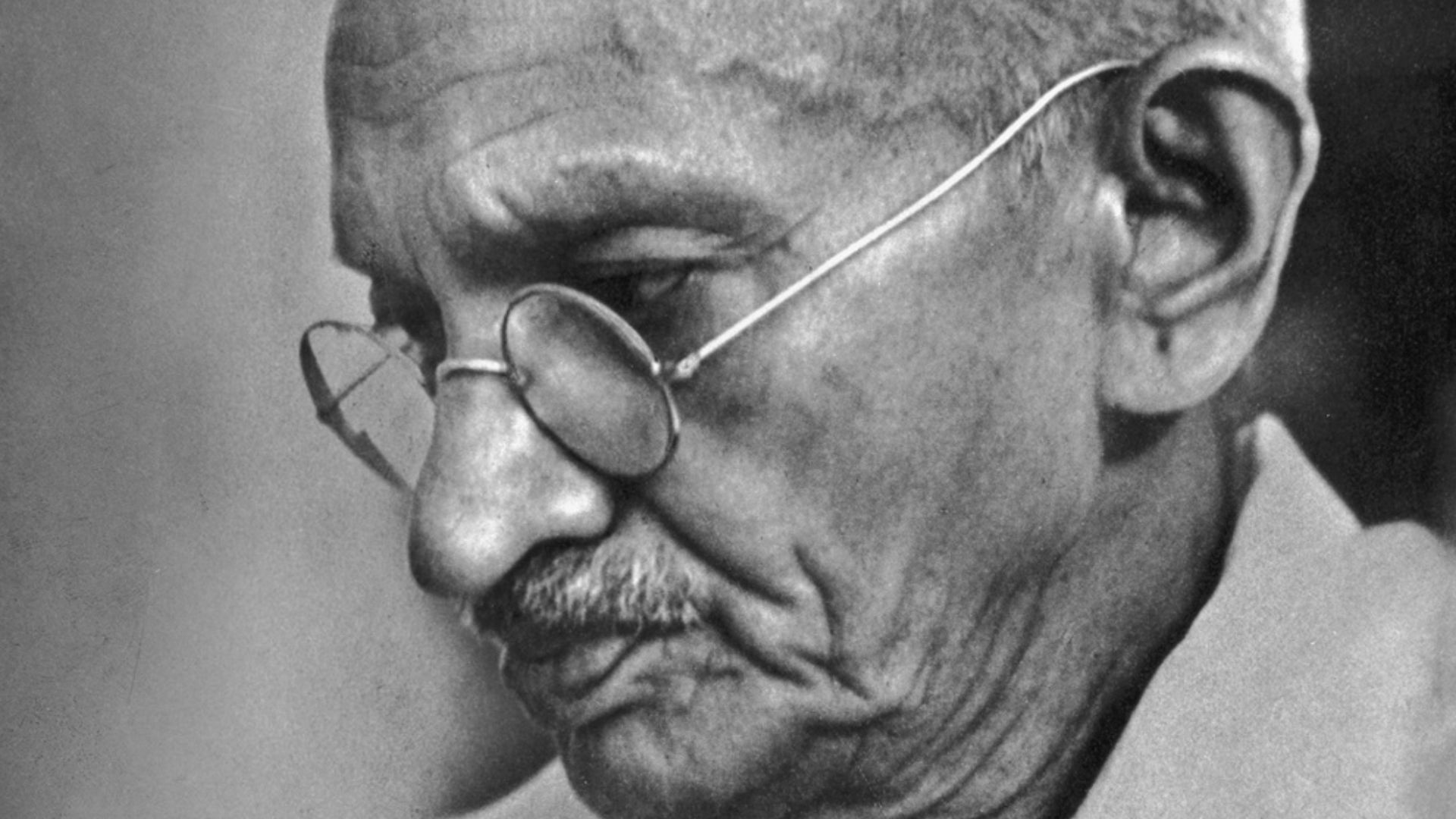 UnknownUnknown see [1], Wikimedia Commons
#9. Albert Einstein: “The Definition of Insanity…”
Einstein gets credited with “Insanity is doing the same thing over and over and expecting different results.” It is sharp, memorable, and not from Einstein. Quote researchers link similar wording to later sources, including addiction-recovery literature and Rita Mae Brown’s 1983 novel Sudden Death.
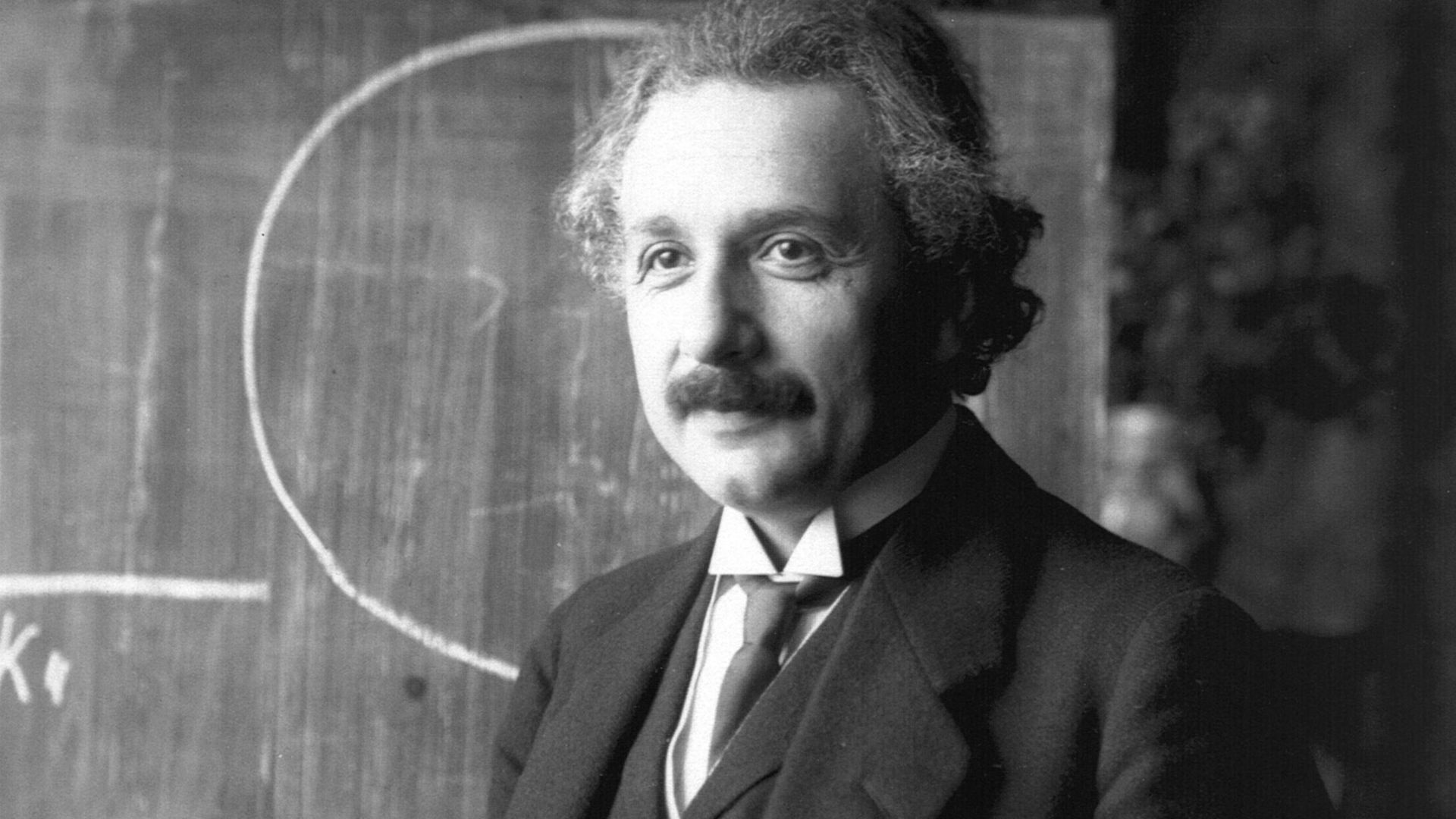 Ferdinand Schmutzer, Wikimedia Commons
#8. Socrates: “Children Now Love Luxury…”
This grumpy complaint about young people—bad manners, disrespect, chatter, and general youth-related chaos—is often blamed on Socrates. The wording actually comes from a modern summary of ancient Greek attitudes, not a direct Socratic quote. Apparently, every generation wants ancient permission to complain about teenagers.
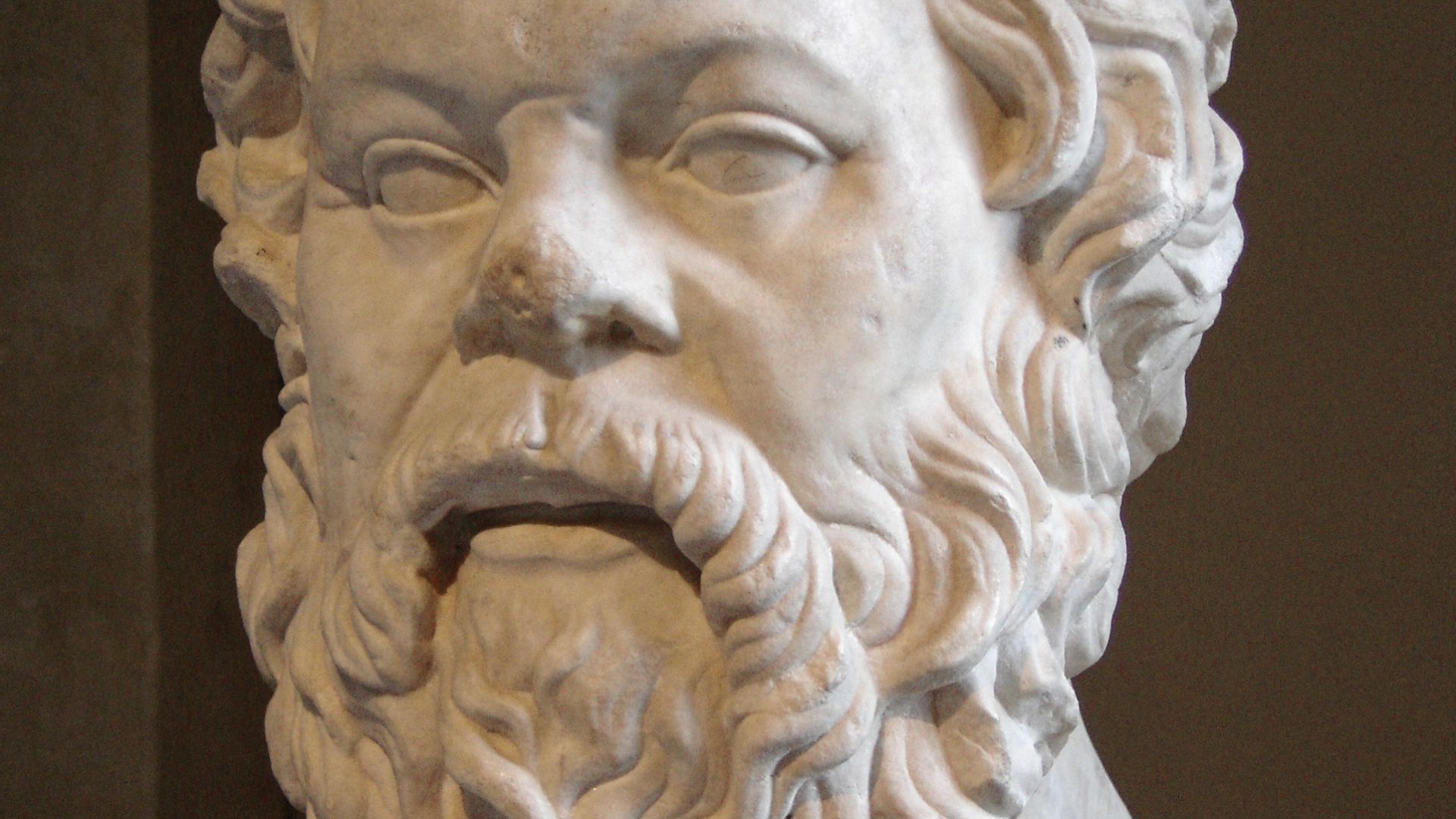 Copy of Lysippos (?), Wikimedia Commons
#7. Abraham Lincoln: “The Best Way to Predict the Future…”
Lincoln is often credited with “The best way to predict your future is to create it.” The Abraham Lincoln Presidential Library has found no record of it in Lincoln’s works or papers. It sounds inspiring, but it is not Honest Abe. Honest Abe deserves honest attribution.
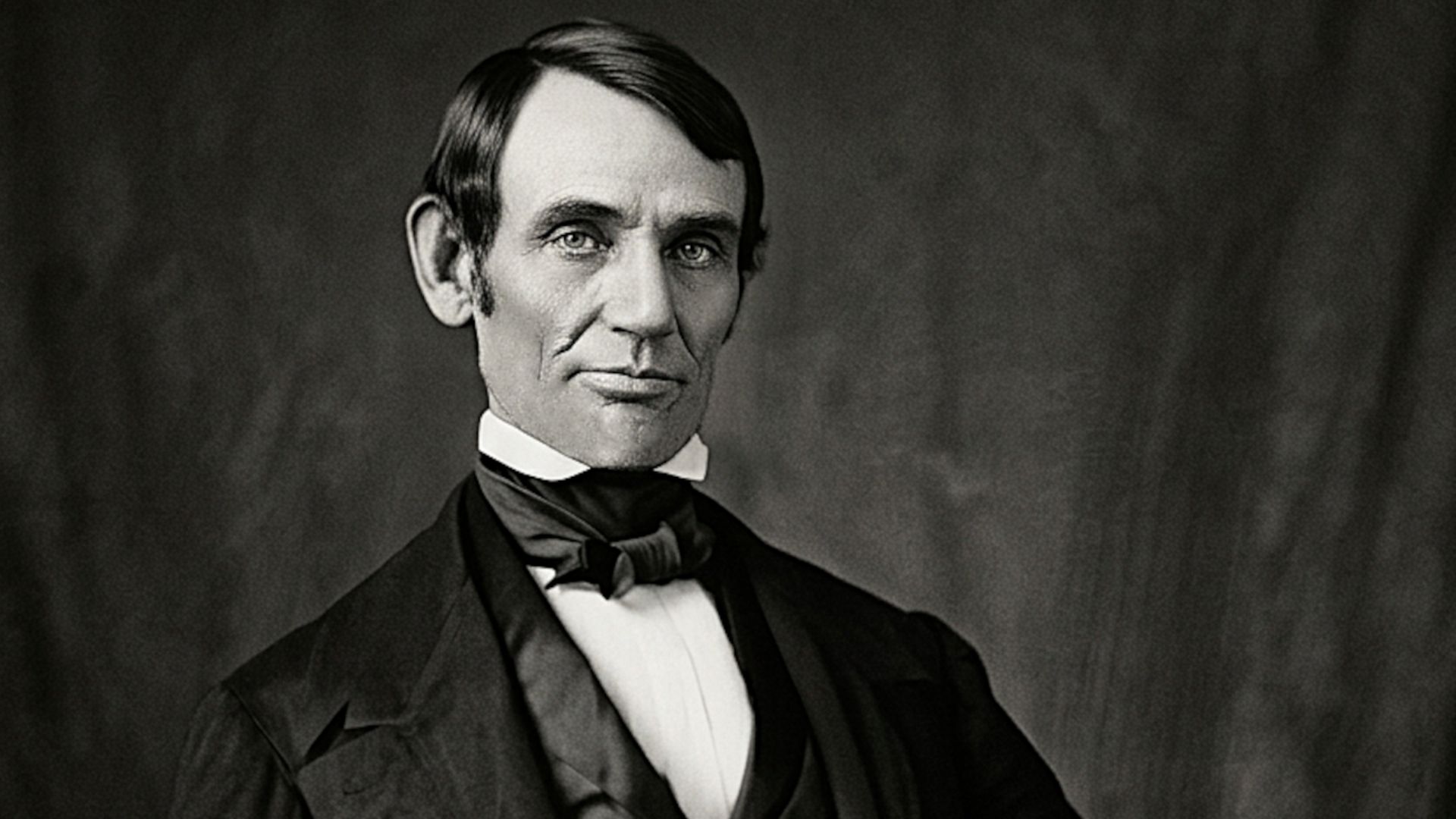
#6. Benjamin Franklin: “Beer Is Proof God Loves Us…”
Bars love this quote, and Benjamin Franklin gets the credit. But Franklin was writing about wine, not beer, in a 1779 letter. The beer version is a later twist. Franklin enjoyed many things, but apparently he did not personally bless your IPA flight.
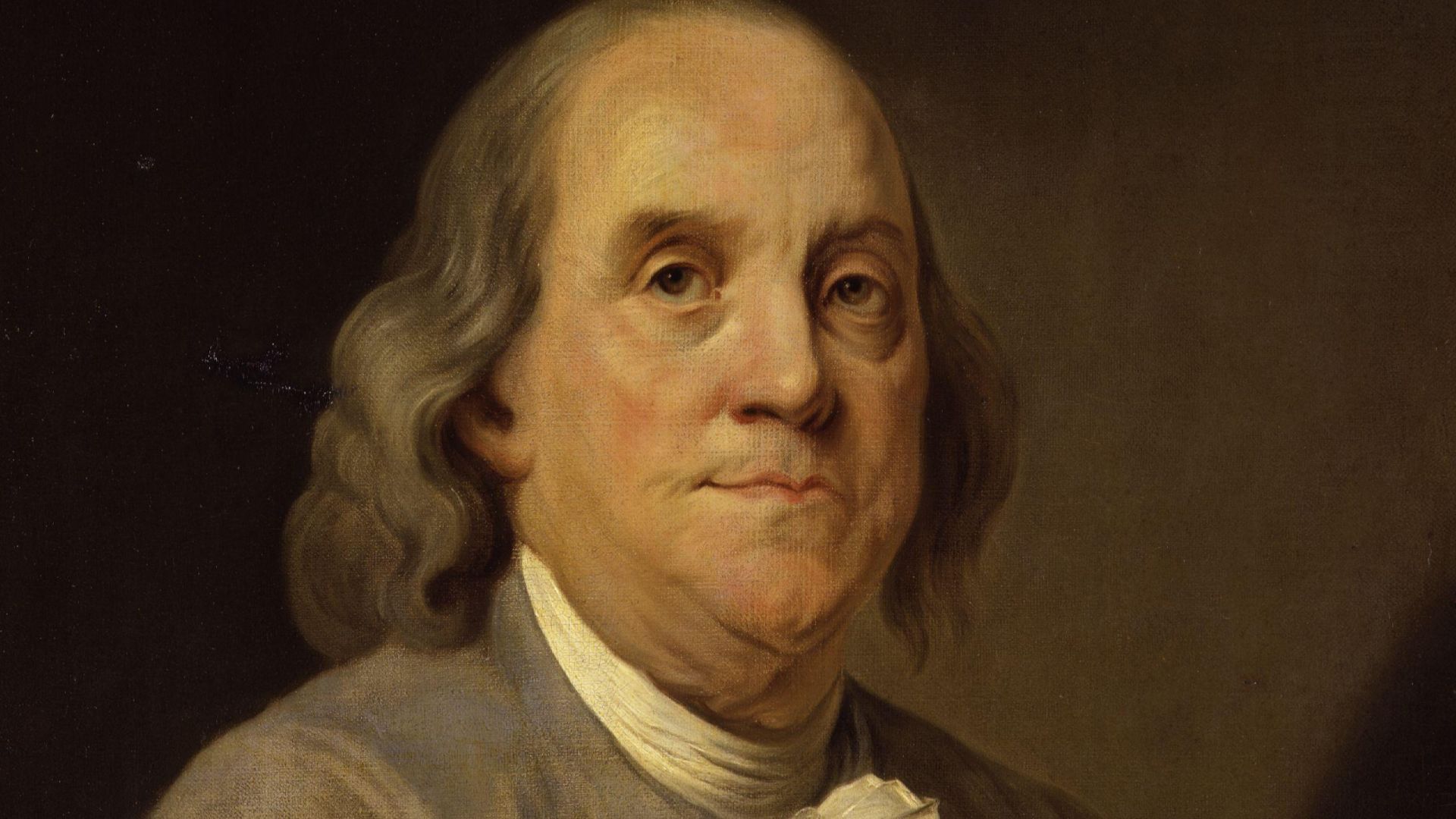 After Joseph-Siffred Duplessis, Wikimedia Commons
#5. Thomas Jefferson: “When Government Fears the People…”
“When government fears the people, there is liberty…” is one of the internet’s favorite Jefferson quotes. Monticello researchers classify it as spurious and have not found it in Jefferson’s writings. If Jefferson actually said everything attributed to him, he would still be writing today.
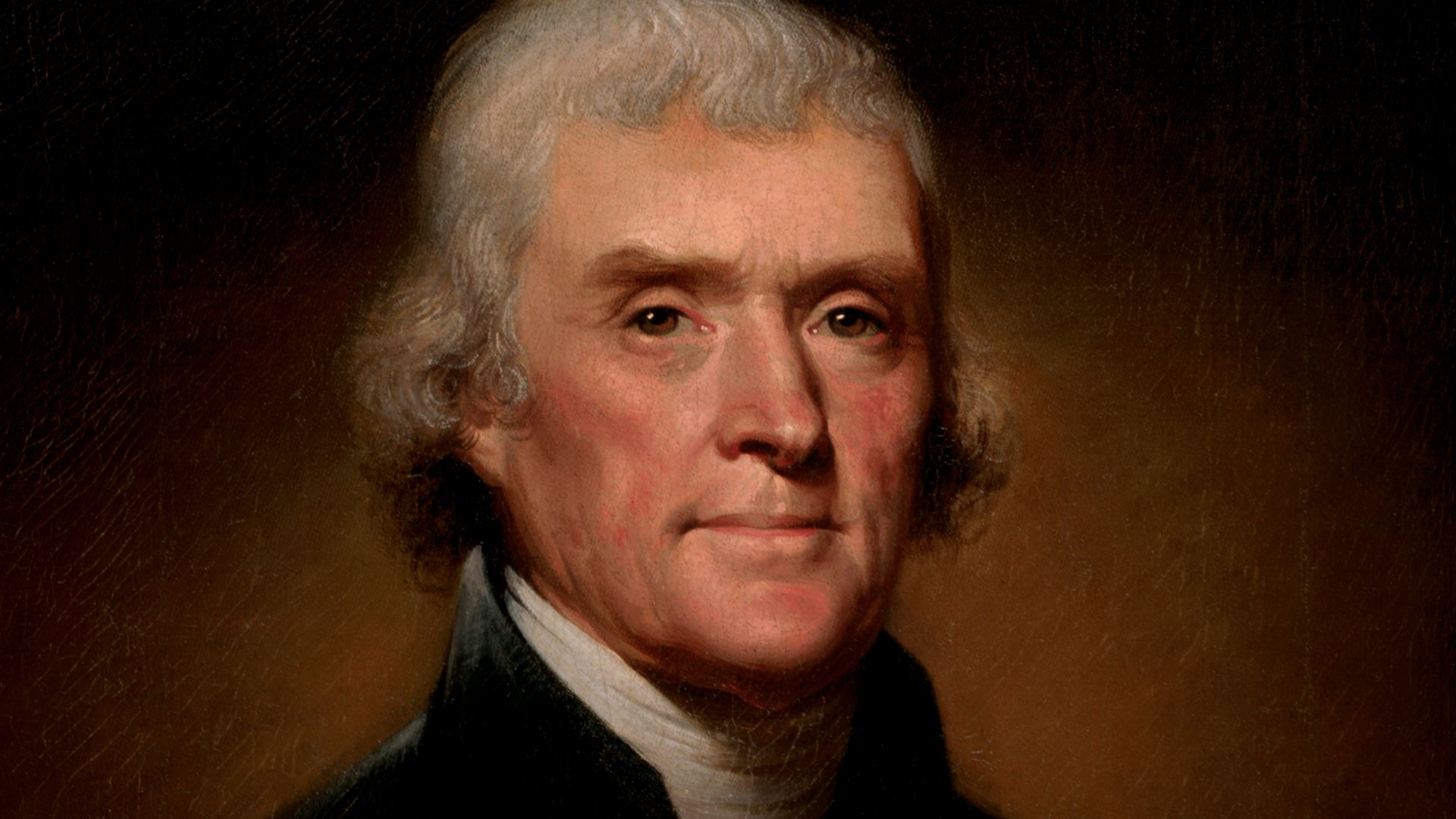 Rembrandt Peale, Wikimedia Commons
History's most fascinating stories and darkest secrets, delivered to your inbox daily.
#4. George Washington: “I Cannot Tell a Lie”
The cherry-tree confession is one of America’s most famous childhood stories, but it came from Parson Weems’s early Washington biography, not reliable evidence. Washington probably never chopped down the tree or delivered the line. The father of his country also became the father of a very successful myth.
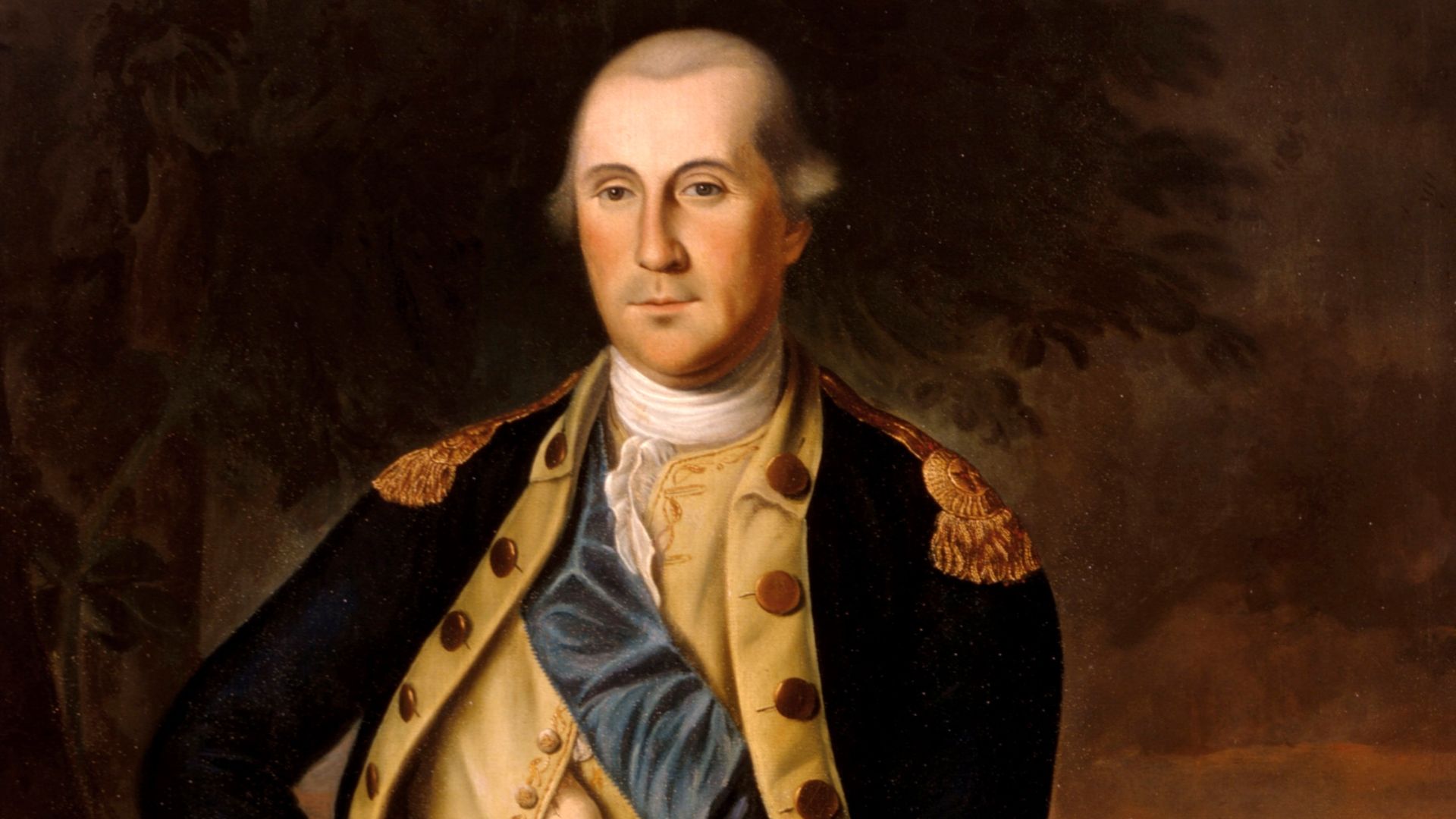 Charles Willson Peale, Wikimedia Commons
#3. Galileo Galilei: “And Yet It Moves”
After being forced to recant heliocentrism, Galileo supposedly muttered, “And yet it moves.” It is a fantastic scene, which is exactly the problem. The line appears long after the trial, and historians doubt he said it. Sometimes history writes better dialogue than witnesses do.
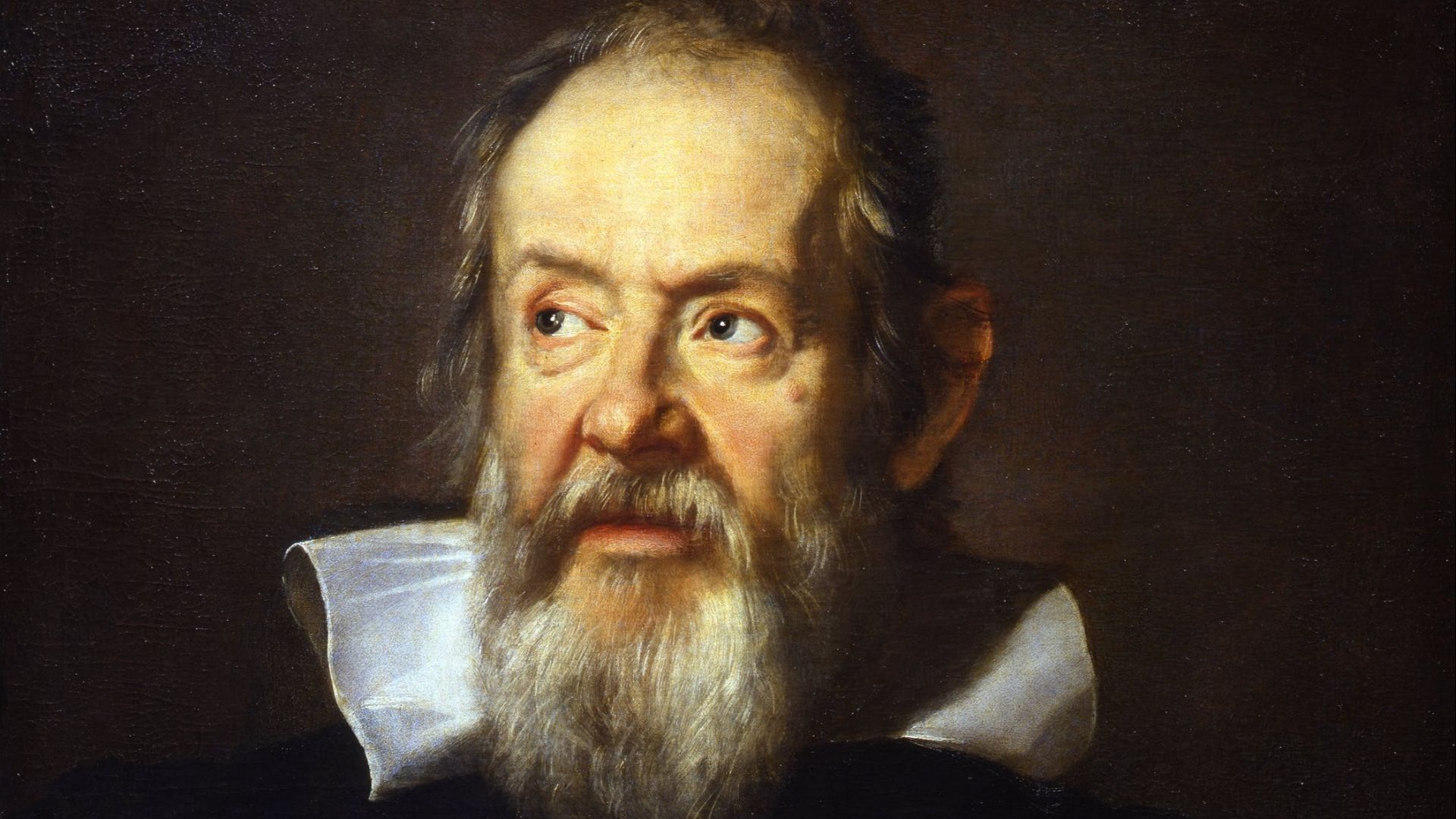 Justus Sustermans, Wikimedia Commons
#2. Julius Caesar: “Et Tu, Brute?”
Caesar’s dramatic “Et tu, Brute?” comes from Shakespeare, not a reliable ancient record of Caesar’s assassination. Ancient sources give different possibilities, including silence or a Greek phrase. Shakespeare made the stabbing scene unforgettable, then accidentally became Caesar’s unofficial PR manager.
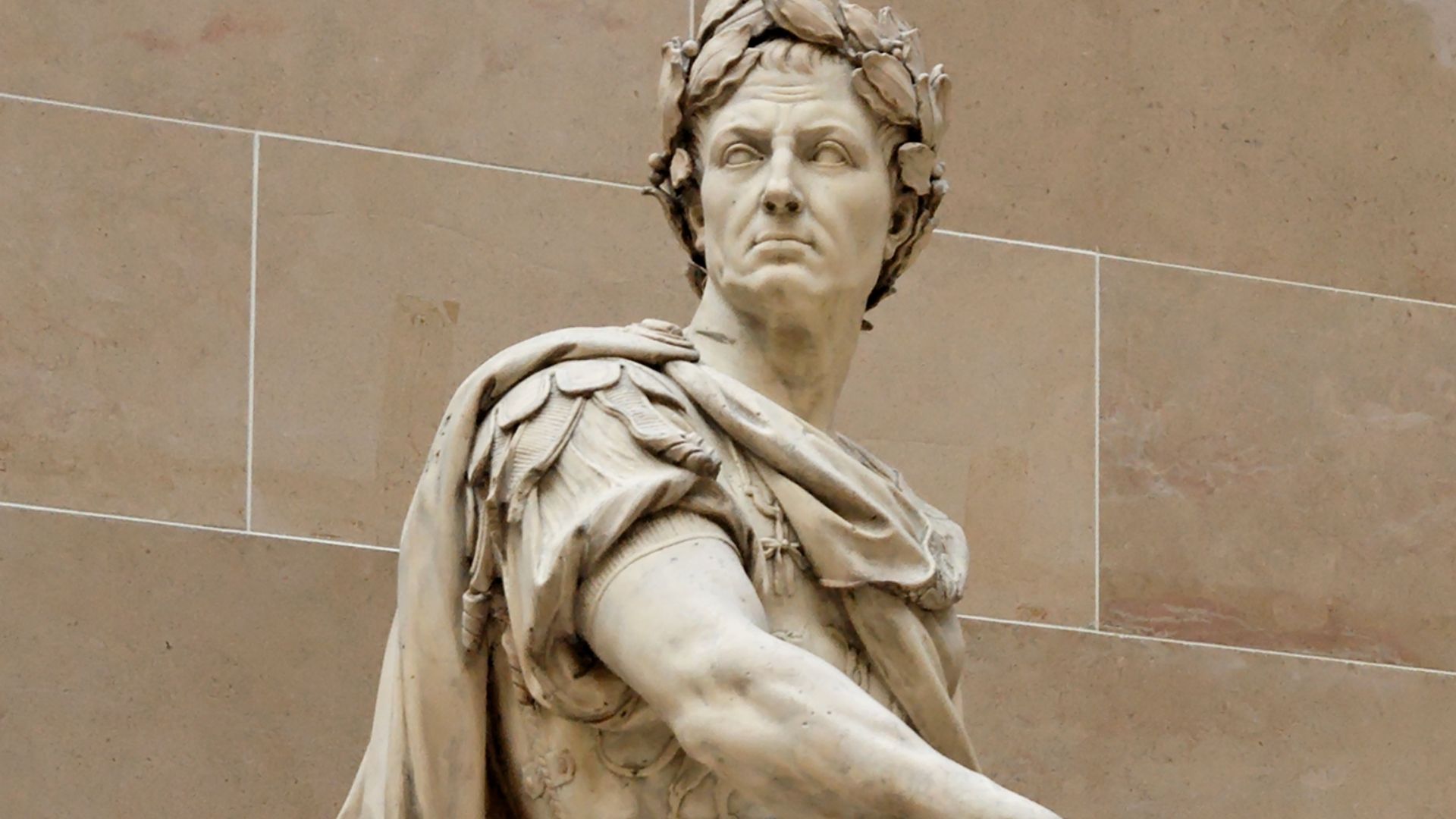 Nicolas Coustou, Wikimedia Commons
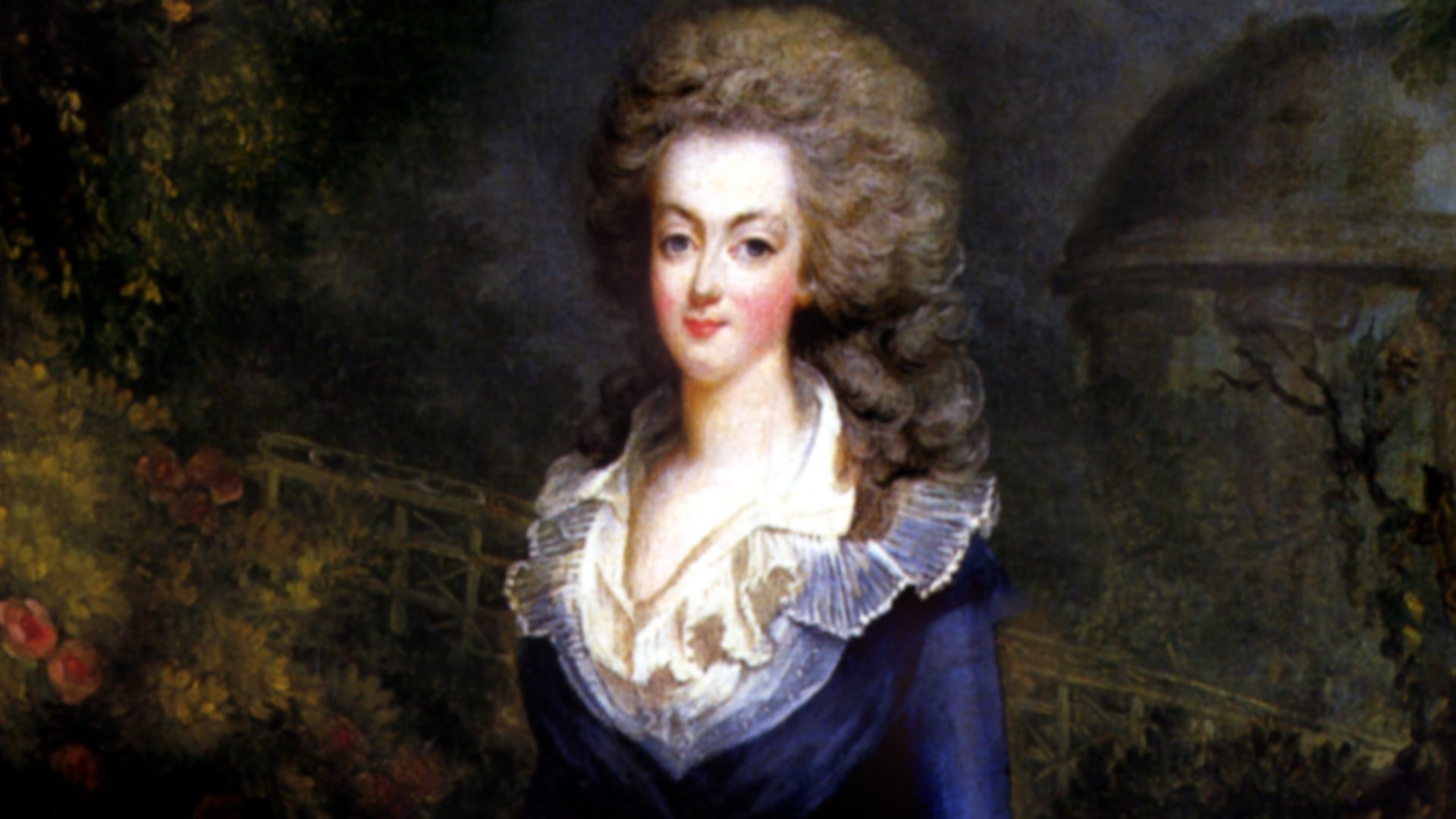
#1. Marie Antoinette: “Let Them Eat Cake”
No fake quote has done more damage to a reputation. Marie Antoinette almost certainly never said “Let them eat cake.” A similar story appeared in Rousseau’s writings before she was even queen. Still, the line stuck because it perfectly captured what people wanted to believe about royal arrogance.
You May Also Like:
Completely Normal American Habits From The 1970s That Would Seem Completely Bizarre Today—Did You Do Any Of These?
The Worst Man-Made Disasters in U.S. History
America’s Most Isolated Town










.jpg)