Hindsight Changes Everything
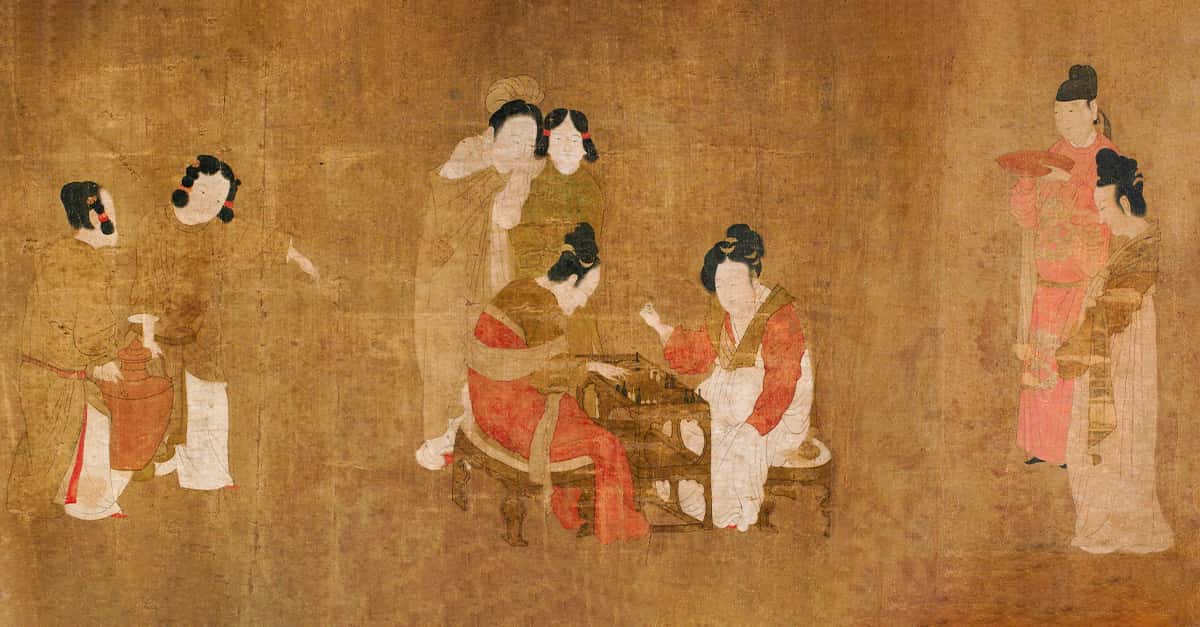
History is full of decisions that now seem incomprehensible. But the most interesting weren't necessarily made by fools. Sometimes intelligent people were working with incomplete science, limited technology, or problems that desperately needed solutions. Put yourself back in their world, and some truly terrible ideas suddenly become surprisingly understandable. (Above: Austrian psychiatrist Julius Wagner-Jauregg)
 Public domain, Wikimedia Commons (colorized)
Bleeding Sick Patients
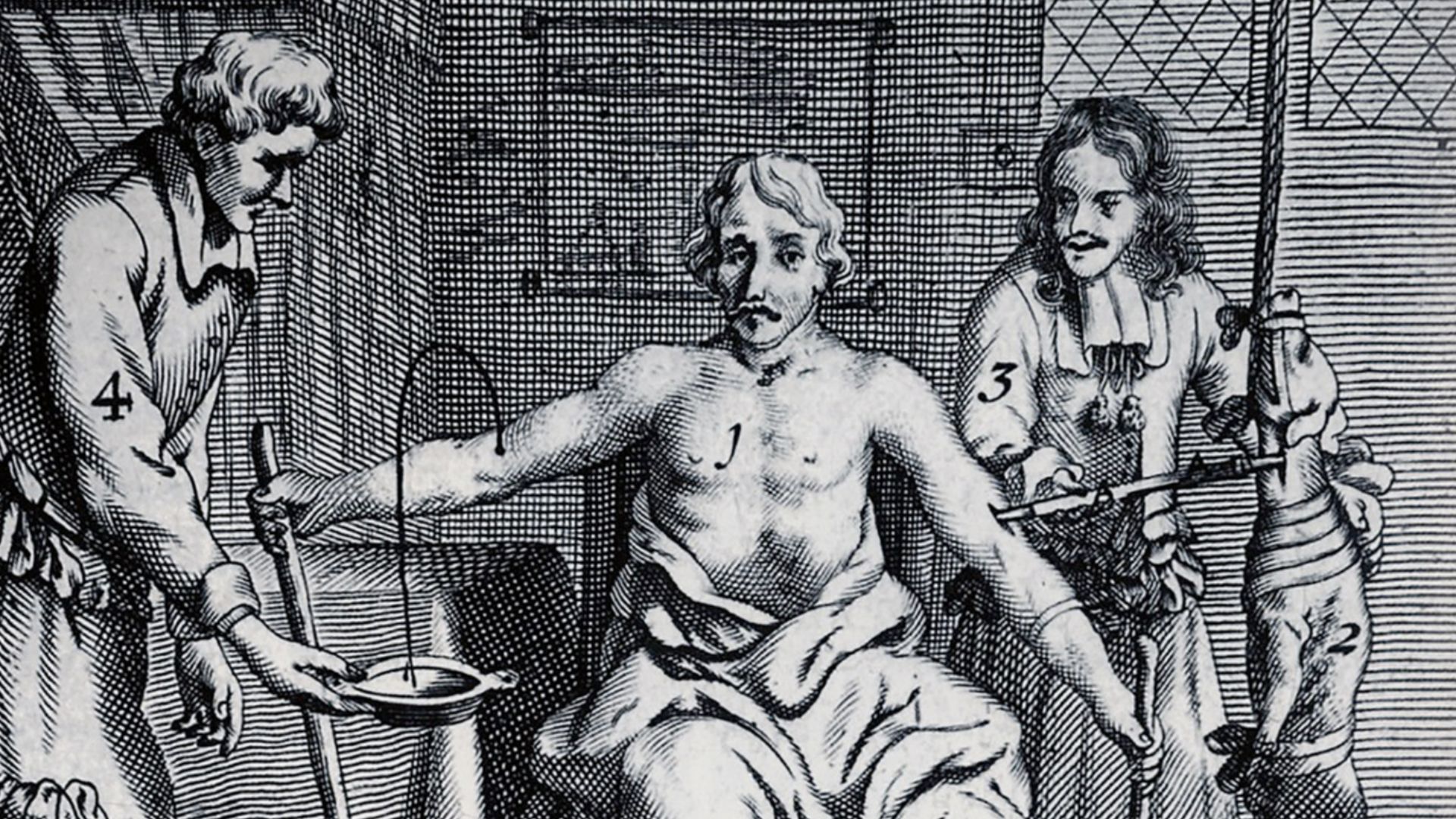
For centuries, physicians deliberately removed blood from sick patients. Under the dominant humoral theory of medicine, illness could result from an imbalance of bodily fluids, making bloodletting perfectly logical within the accepted medical framework. As experimental medicine advanced during the 19th century, routine bloodletting increasingly fell out of favor, although the practice persisted into the 20th century and remains useful today for certain specific medical conditions.
 Unknown authorUnknown author, Wikimedia Commons
Fighting Disease With Miasma
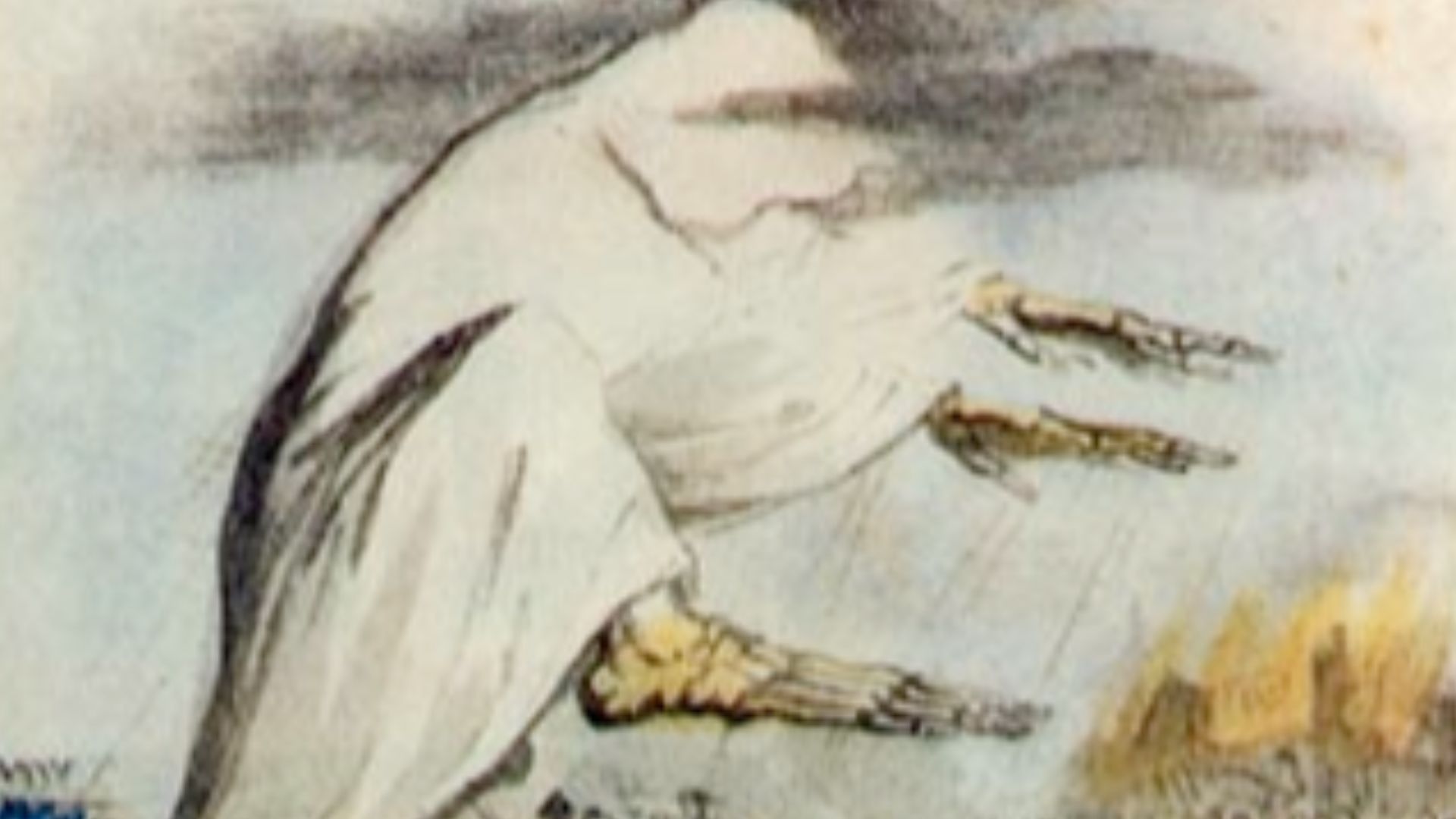
Nineteenth-century reformers often believed diseases such as cholera spread through foul-smelling "miasmas" rising from filth. Their explanation was wrong, but their response made sense: remove sewage, garbage, and rotting material. Ironically, miasma theory helped inspire sanitation improvements that genuinely reduced disease by eliminating the actual sources of contamination.
 Robert Seymour, Wikimedia Commons
Building Giant Sewers
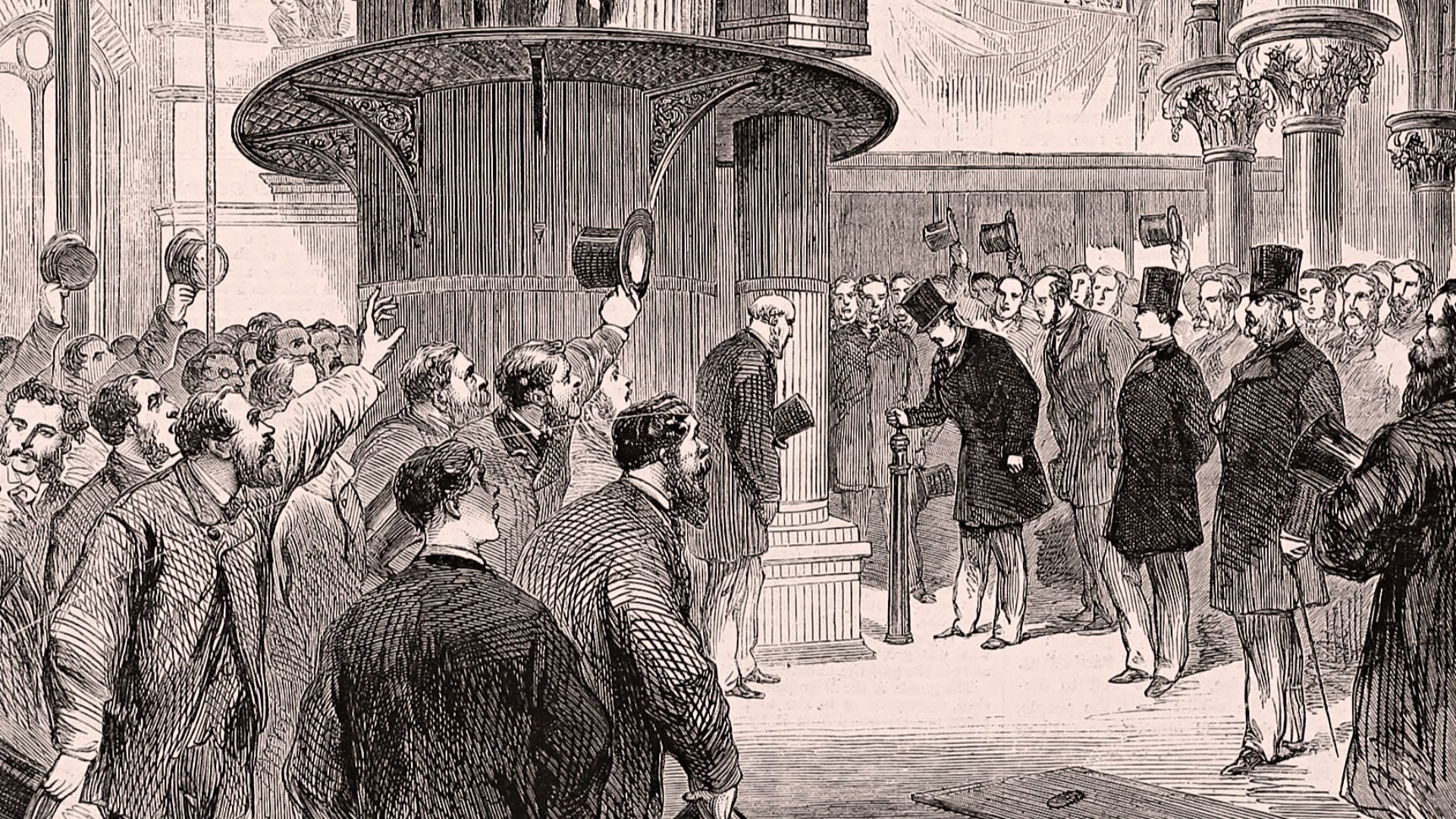
London's Great Stink of 1858 made the River Thames smell so appalling that Parliament finally backed Joseph Bazalgette's enormous sewer system. Officials were largely motivated by miasma theory (and the horrific aroma wafting through the city) rather than modern germ theory. They misunderstood why the project would improve public health, yet their supposedly misguided reasoning produced an extraordinarily valuable result.
 The Illustrated London News, Wikimedia Commons

History's most fascinating stories and darkest secrets, delivered to your inbox daily.
Infecting Patients With Malaria
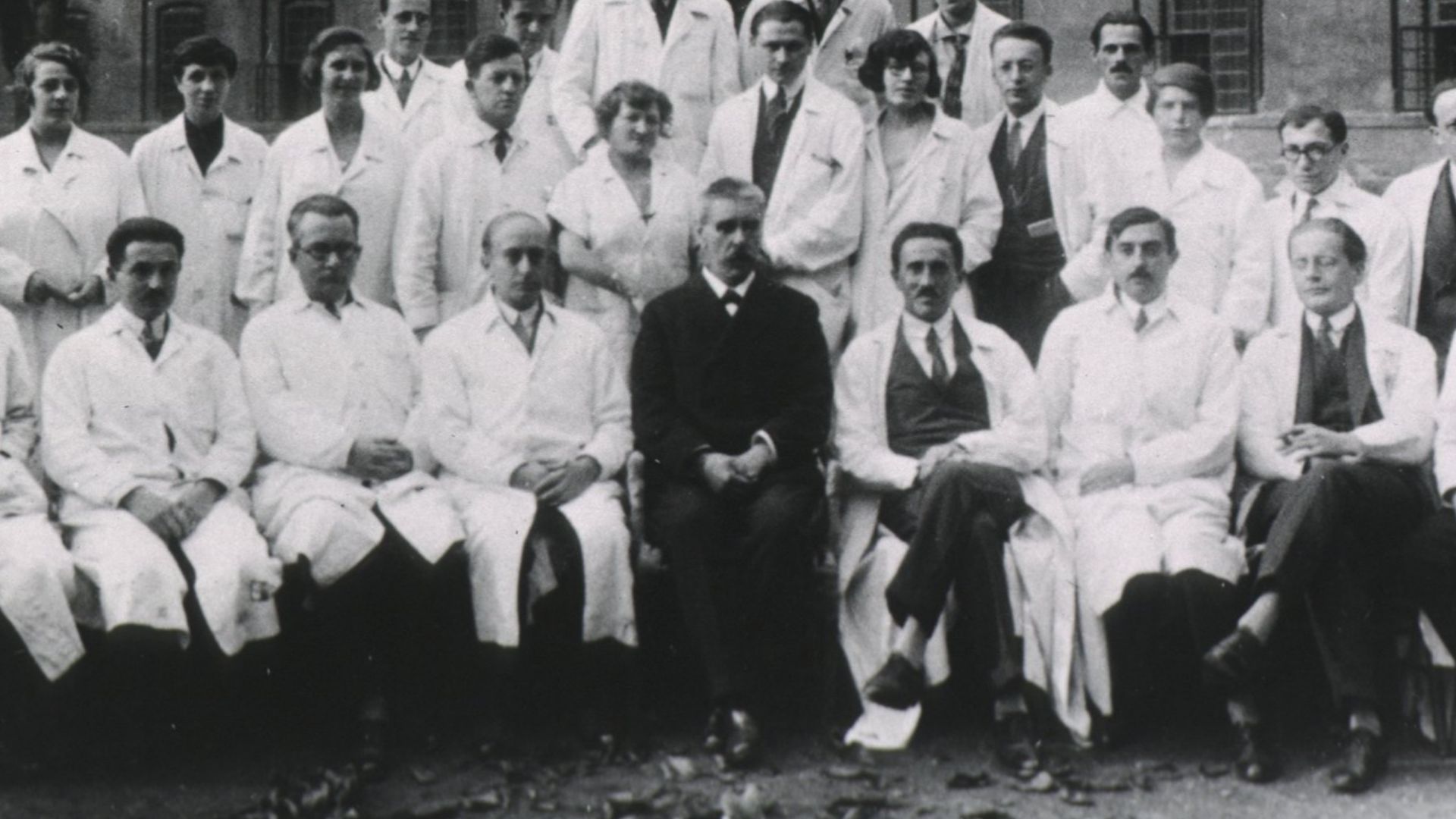
Before penicillin, neurosyphilis was frequently fatal. Austrian psychiatrist Julius Wagner-Jauregg developed a treatment that deliberately infected patients with malaria, producing high fevers believed to combat the infection responsible for neurosyphilis. Some patients appeared to improve, although the treatment was dangerous and its historical success rates remain difficult to evaluate. The malaria could then be treated with quinine. It sounds horrifying today, but malaria therapy earned Wagner-Jauregg the 1927 Nobel Prize in Medicine.
 AnonymousUnknown author, Wikimedia Commons
Putting Babies In Cages
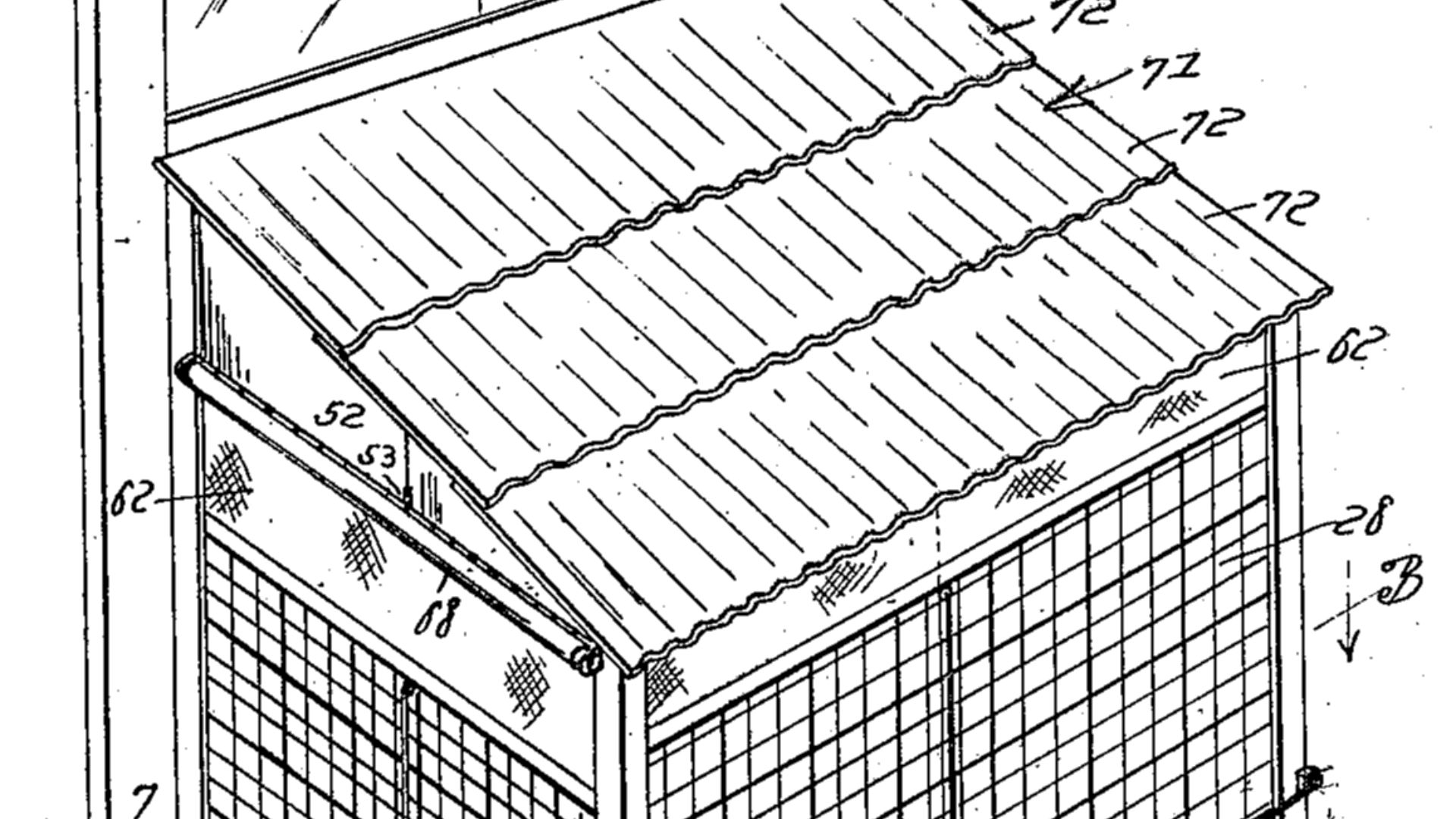
Crowded city apartments offered children little access to fresh air, which early 20th-century health reformers considered extremely important. One solution was the "baby cage," a wire enclosure attached outside an apartment window. To modern eyes it resembles terrifying child endangerment. To supporters, it provided sunshine and fresh air where gardens didn't exist.
 Inventor Emma Read, by Watson E. Coleman Attorney., Wikimedia Commons
Mailing Children
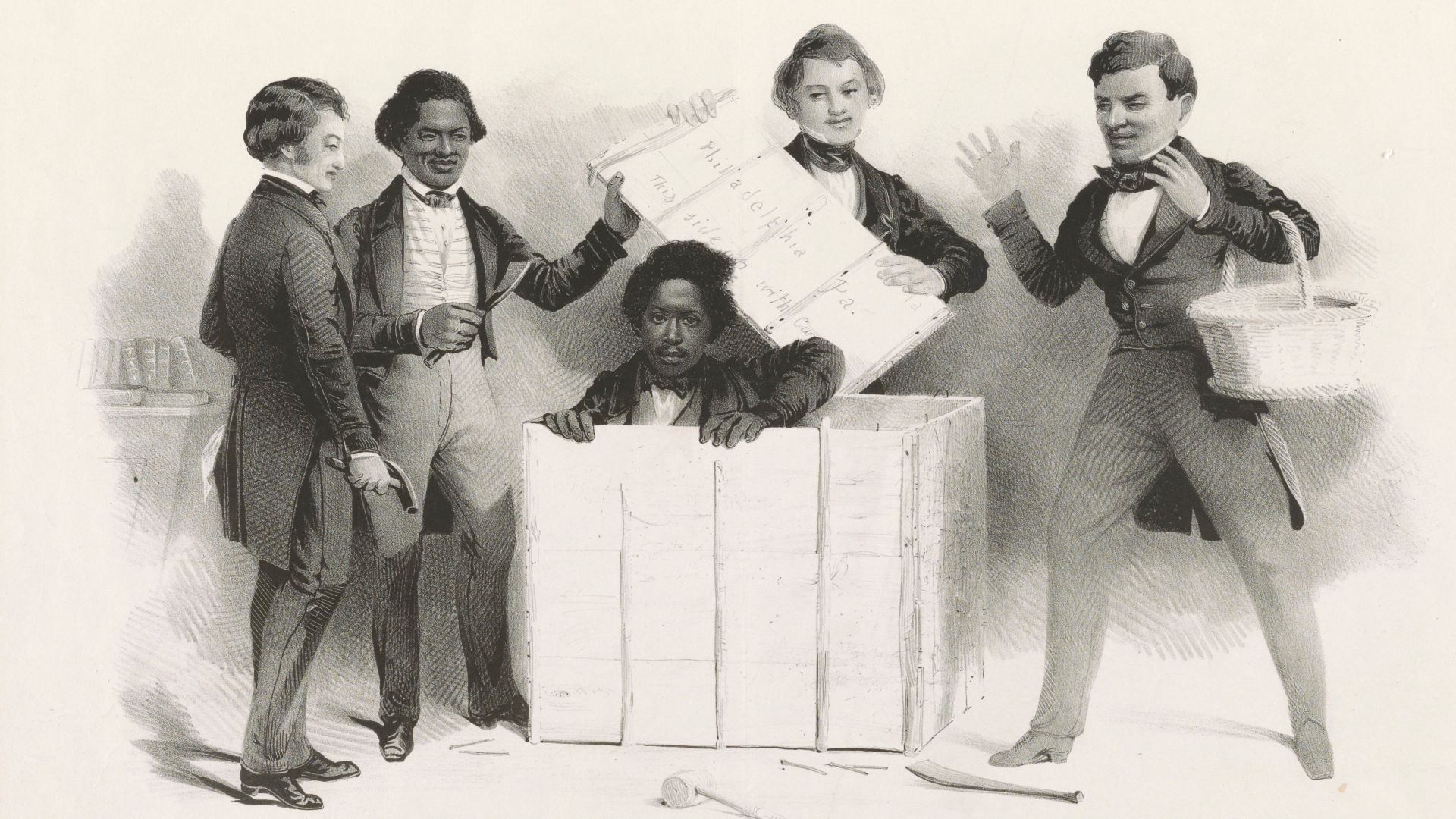
After the U.S. introduced Parcel Post in 1913, a handful of parents discovered that sending a small child through the mail could cost less than buying a train ticket. Postal workers personally accompanied the children rather than stuffing them into sacks. Officials eventually clarified that human beings were definitely not acceptable parcels.
 Samuel W. Rowse, Wikimedia Commons
Sending Orphans West
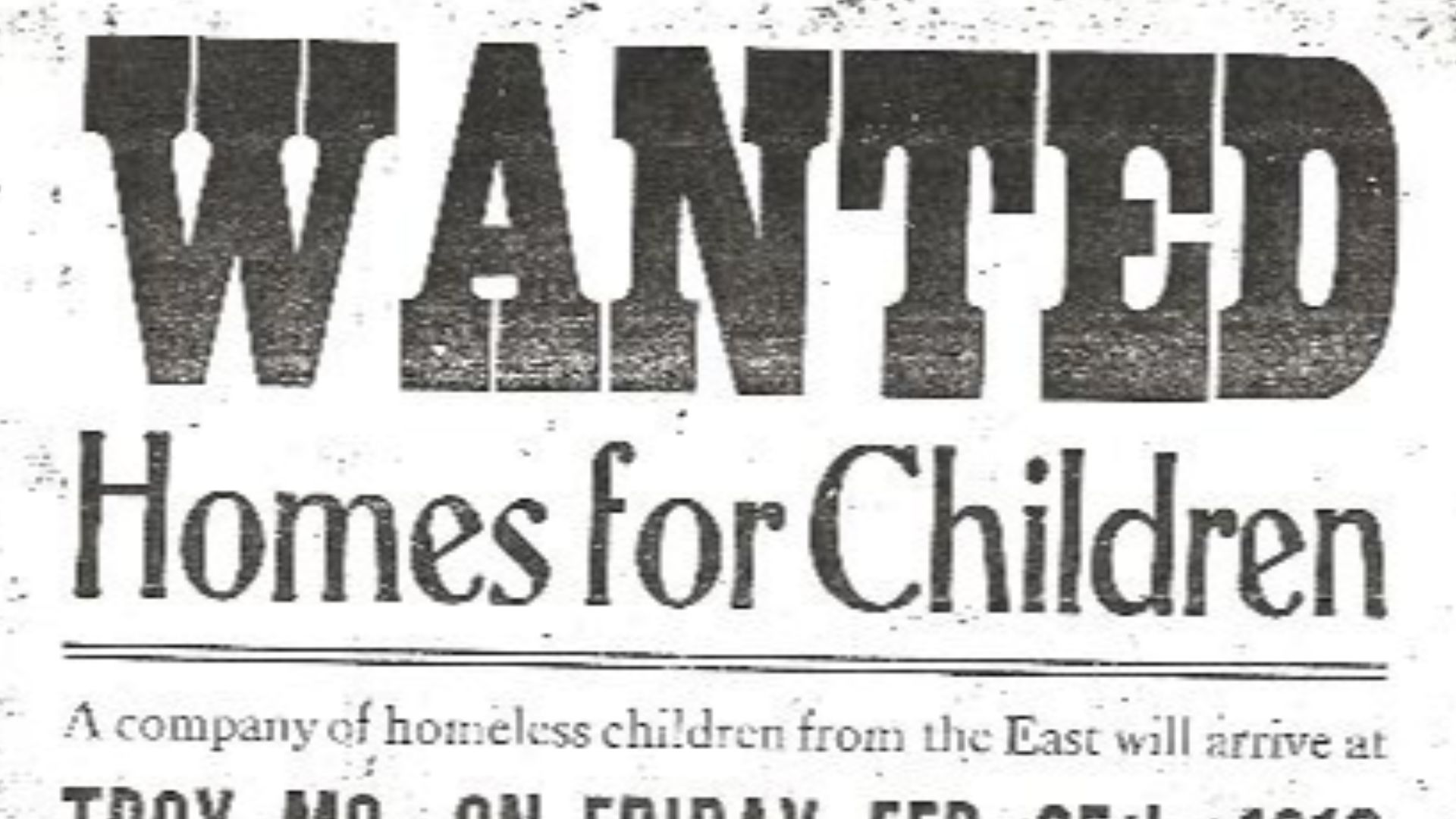
Beginning in the 1850s, charitable organizations transported tens of thousands of impoverished and orphaned children from crowded Eastern cities to families elsewhere in America. The "orphan trains" could offer children homes when today's foster-care system didn't exist. But oversight was inconsistent, and some placements subjected children to exploitation or abuse.
Radium Looked Miraculous
After radium's discovery, radiation seemed almost magical. Manufacturers put radioactive substances into products ranging from cosmetics to patent medicines, while radium became associated with health and vitality. The danger of prolonged exposure wasn't initially understood by the public. The horrifying illnesses suffered by exposed workers eventually helped change that perception.
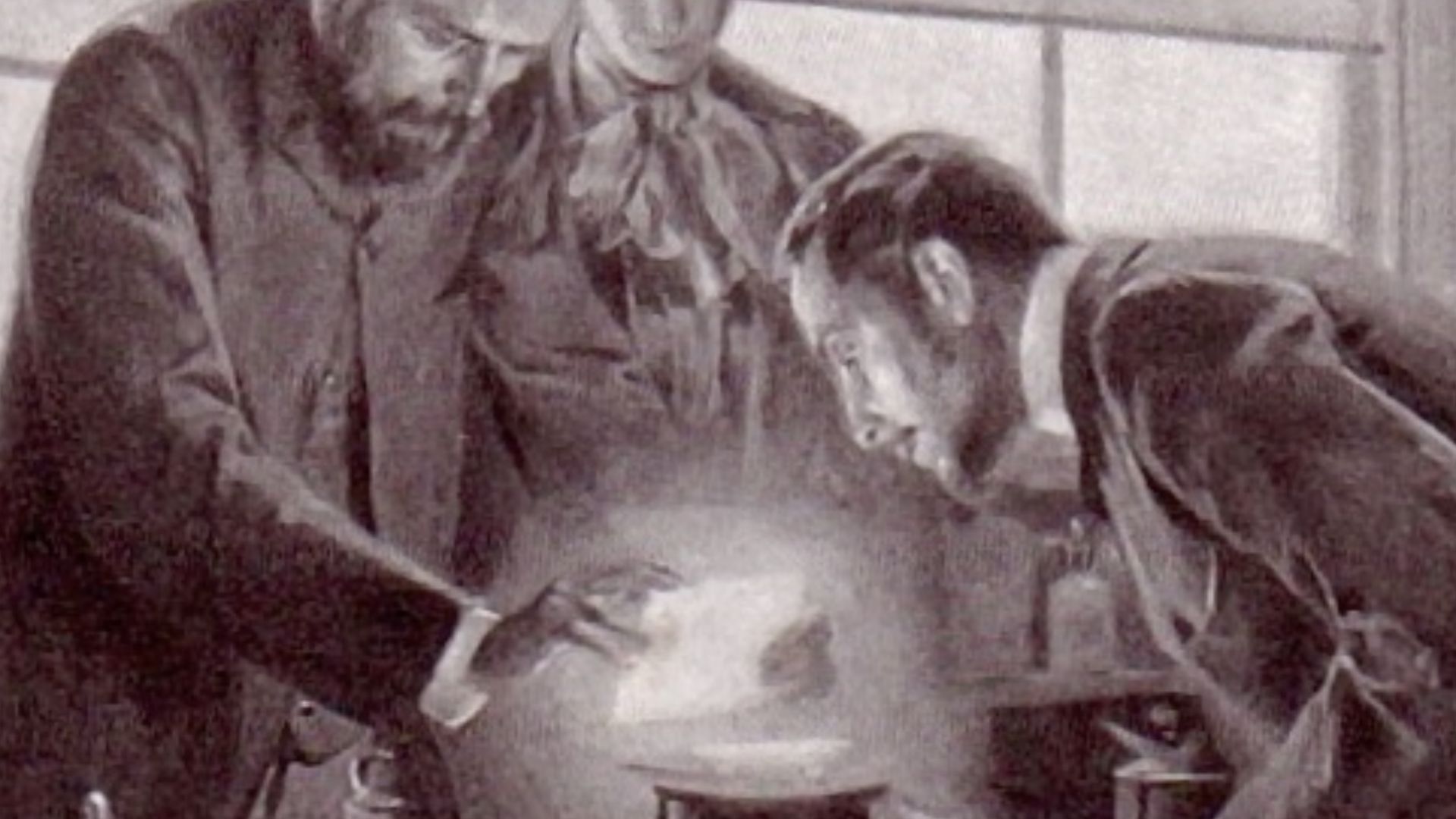 André Castaigne, Wikimedia Commons
X-Raying Your Shoes
Beginning in the 1920s, shoe stores installed fluoroscopes that let customers see X-ray images of their feet inside new shoes. The technology appeared wonderfully scientific and promised a better fit, particularly for children. Customers, parents, and employees could receive repeated radiation exposure simply to determine whether a pair of shoes fit properly.
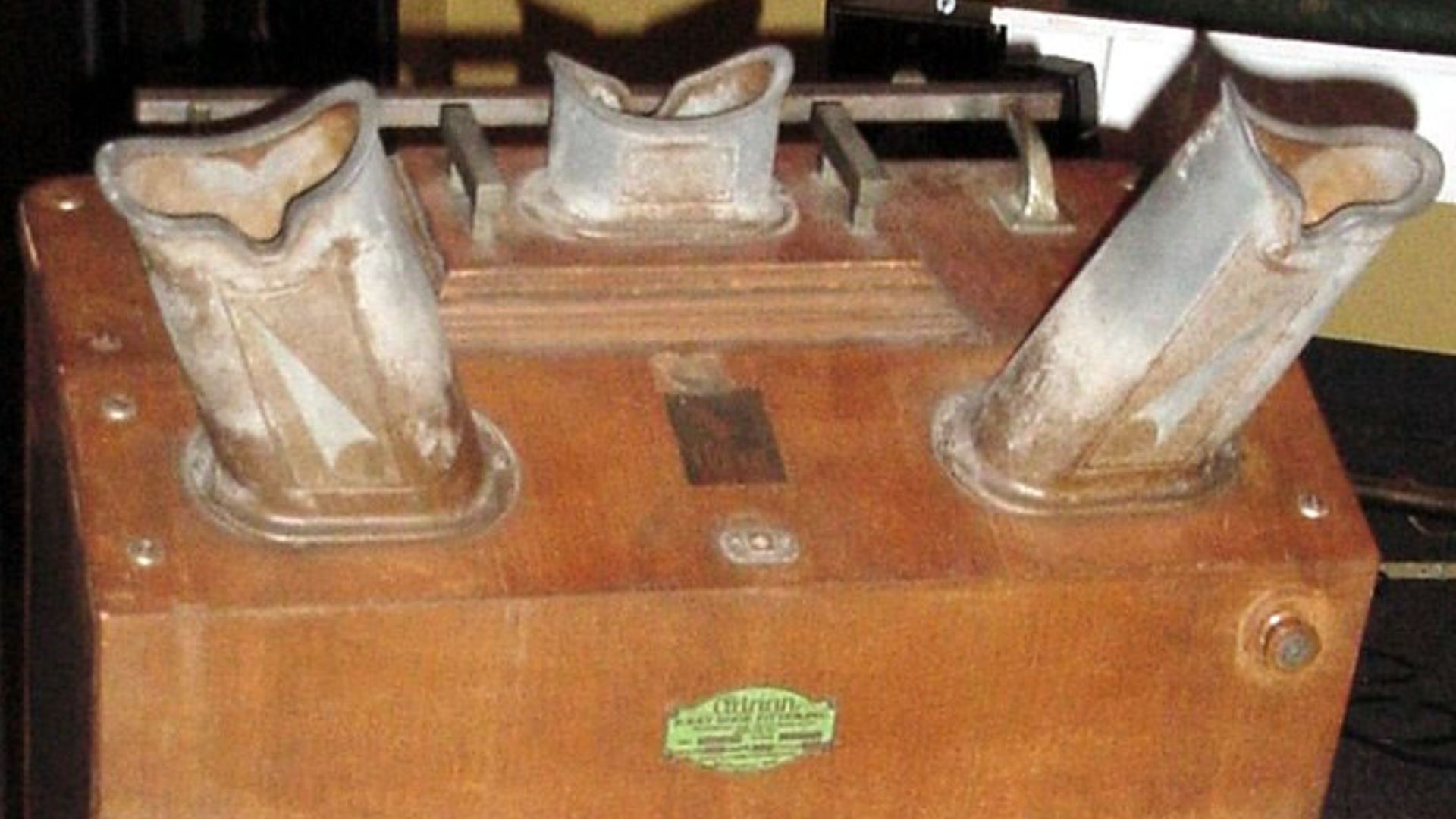 National Museum of Health and Medicine, AFIP, Wikimedia Commons
History's most fascinating stories and darkest secrets, delivered to your inbox daily.
Lobotomies Won A Nobel
Doctors confronting severe psychiatric illness once had remarkably few effective treatments. That helps explain enthusiasm for prefrontal lobotomy, which could make some extremely distressed or violent patients calmer. Portuguese neurologist António Egas Moniz shared the 1949 Nobel Prize for developing the procedure. Its devastating effects eventually made lobotomy a symbol of medical overreach.
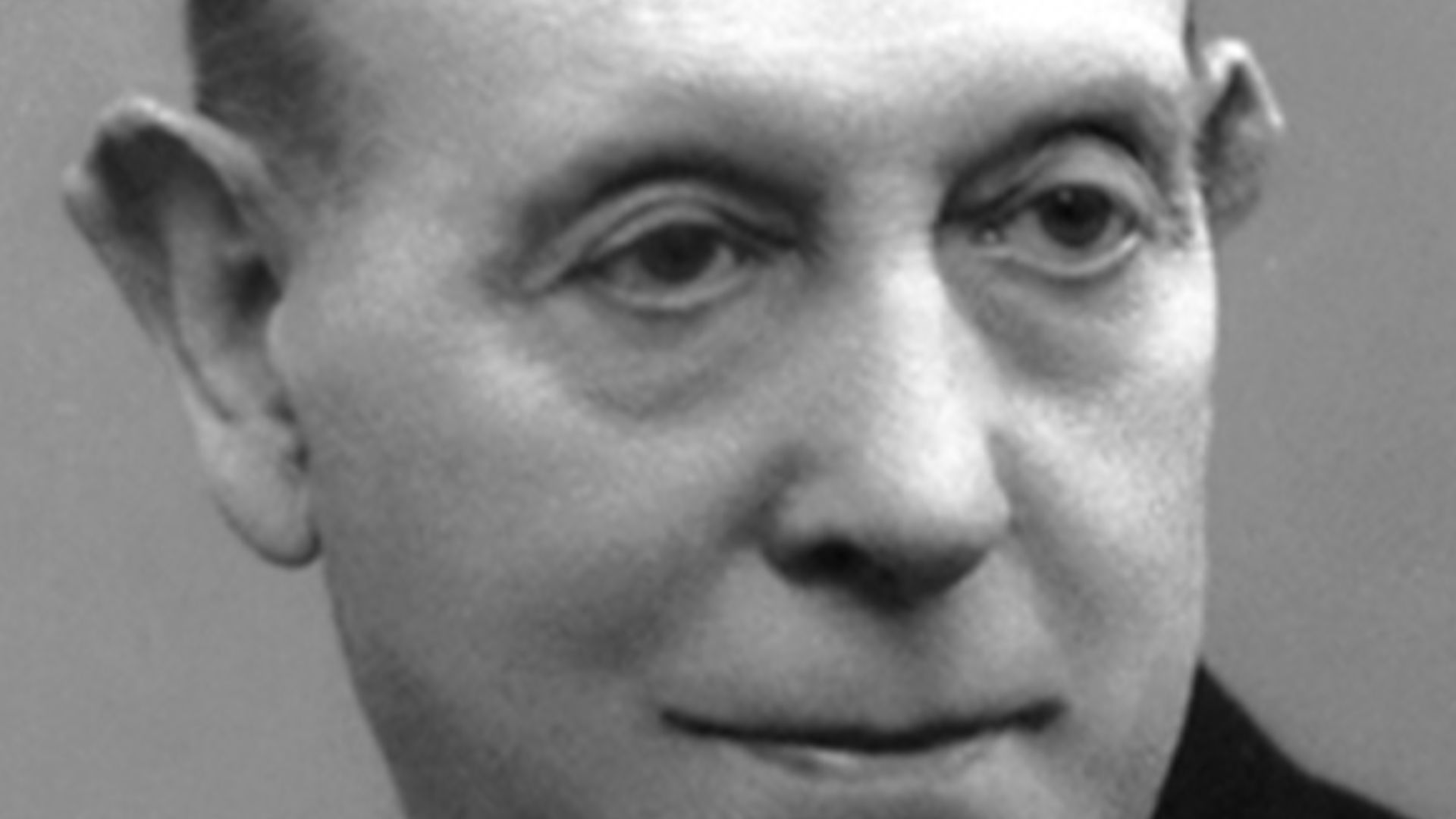 Unknown authorUnknown author, Wikimedia Commons
Inducing Comas With Insulin
Psychiatrists experimented with several ways of inducing comas or seizures during the 1930s, including enormous doses of insulin. Insulin coma therapy became widely used for schizophrenia despite its considerable risks. With few effective psychiatric medications available, dramatic interventions could appear justified when the alternative was often indefinite institutionalization.
 Unknown authorUnknown author, Wikimedia Commons
Asbestos Solved Fires
Asbestos possessed qualities industrial society desperately wanted: it resisted heat, insulated efficiently, and could be incorporated into numerous building materials. In cities haunted by catastrophic fires, that sounded enormously attractive. Its widespread adoption becomes more understandable in that context, even though asbestos exposure was ultimately linked to deadly respiratory diseases and cancers.
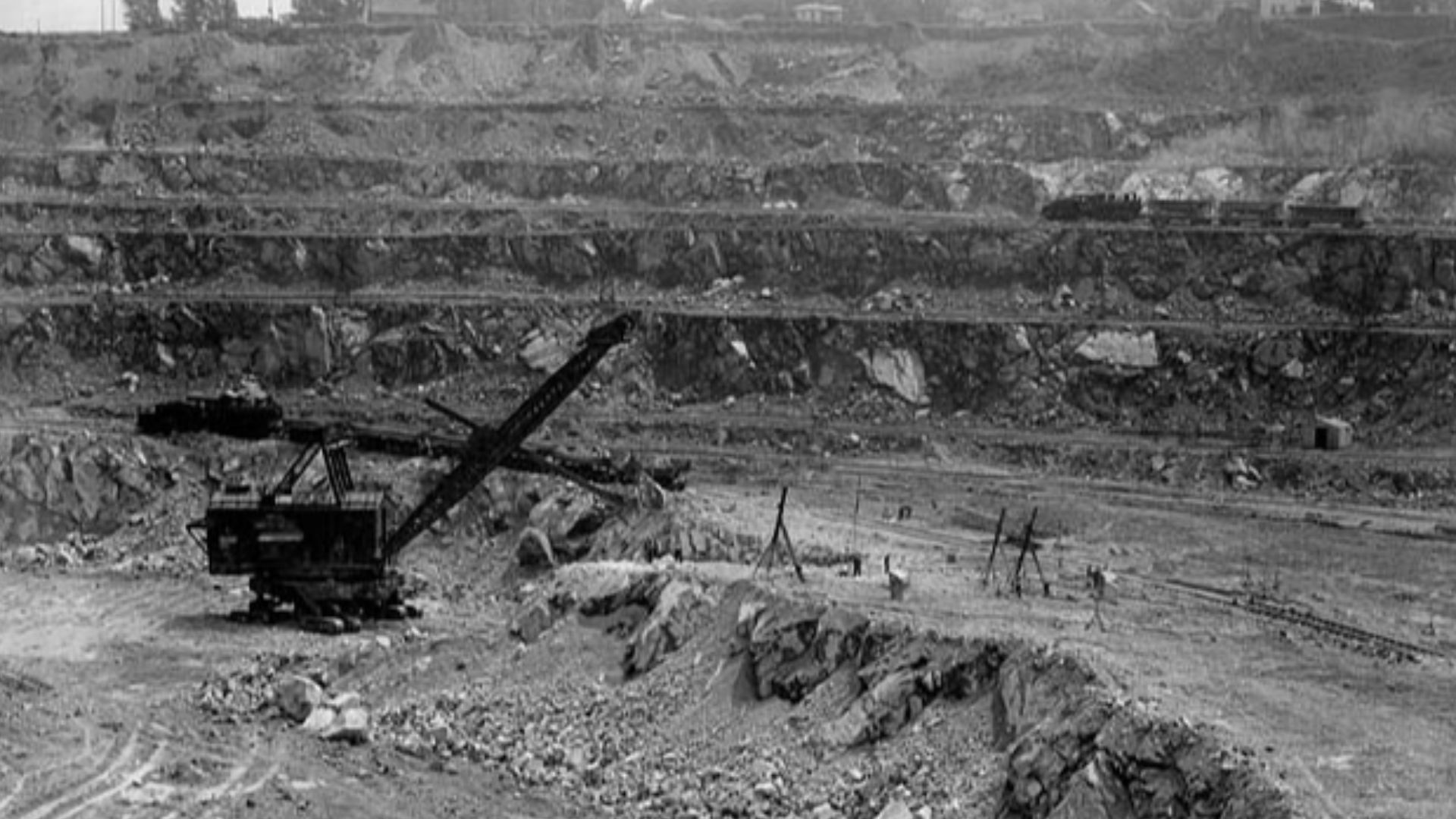 Harry Rowed, Wikimedia Commons
Refrigerators Needed CFCs
Early refrigerators could use dangerous substances including ammonia and methyl chloride. Engineers therefore celebrated chlorofluorocarbons, or CFCs, introduced commercially in the 1930s. They were stable, inexpensive, relatively nontoxic, and nonflammable. Those apparently wonderful properties helped CFCs proliferate decades before scientists established their destructive effect on Earth's protective ozone layer.
 Department of State. Agency for International Development. 1961-10/1/1979, Wikimedia Commons
DDT Seemed Like Magic
DDT was extraordinarily effective against disease-carrying insects. During and after World War II, it helped combat malaria and typhus, and American malaria eradication programs sprayed millions of homes. Its persistence initially seemed like an advantage. Only later did accumulating evidence of environmental damage transform this "wonder chemical" into an environmental cautionary tale.
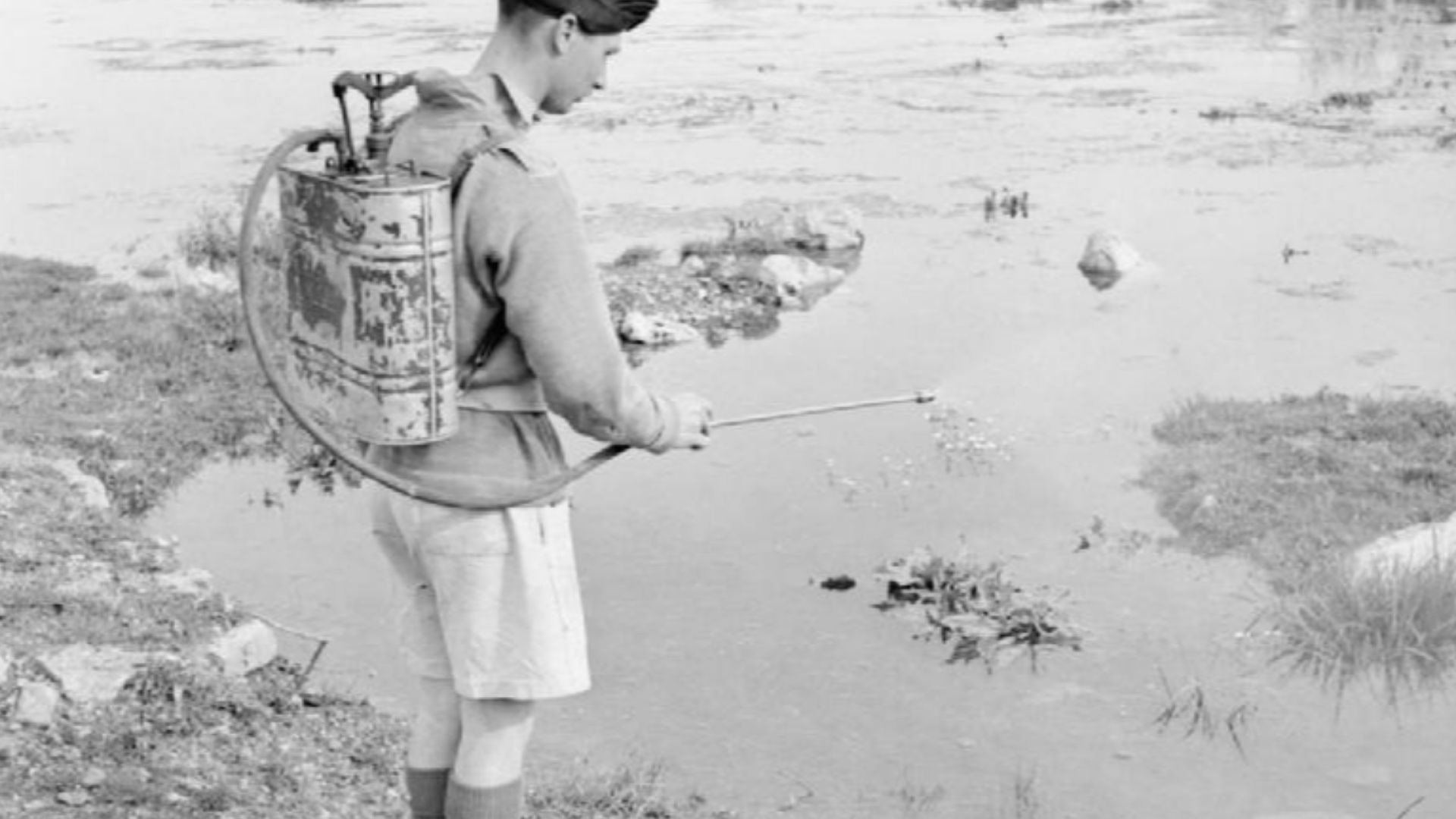
Draining The Swamps
Wetlands were long regarded as useless, unhealthy wastelands that bred mosquitoes and prevented productive farming or construction. Draining them could therefore appear to improve public health while creating valuable land. Modern ecology revealed what disappeared with them: wildlife habitat, natural water filtration, carbon storage, and crucial protection against flooding.
 Bernd Schade, Wikimedia Commons
History's most fascinating stories and darkest secrets, delivered to your inbox daily.
Straightening The Rivers
Engineers frequently straightened, dredged, leveed, and channelized rivers to improve navigation and move floodwater quickly past communities. The logic was straightforward: make water leave faster. But altering natural floodplains and channels could transfer flooding downstream, destroy habitats, accelerate erosion, and eliminate landscapes that naturally absorbed excess water.
 Ansel Adams, Wikimedia Commons
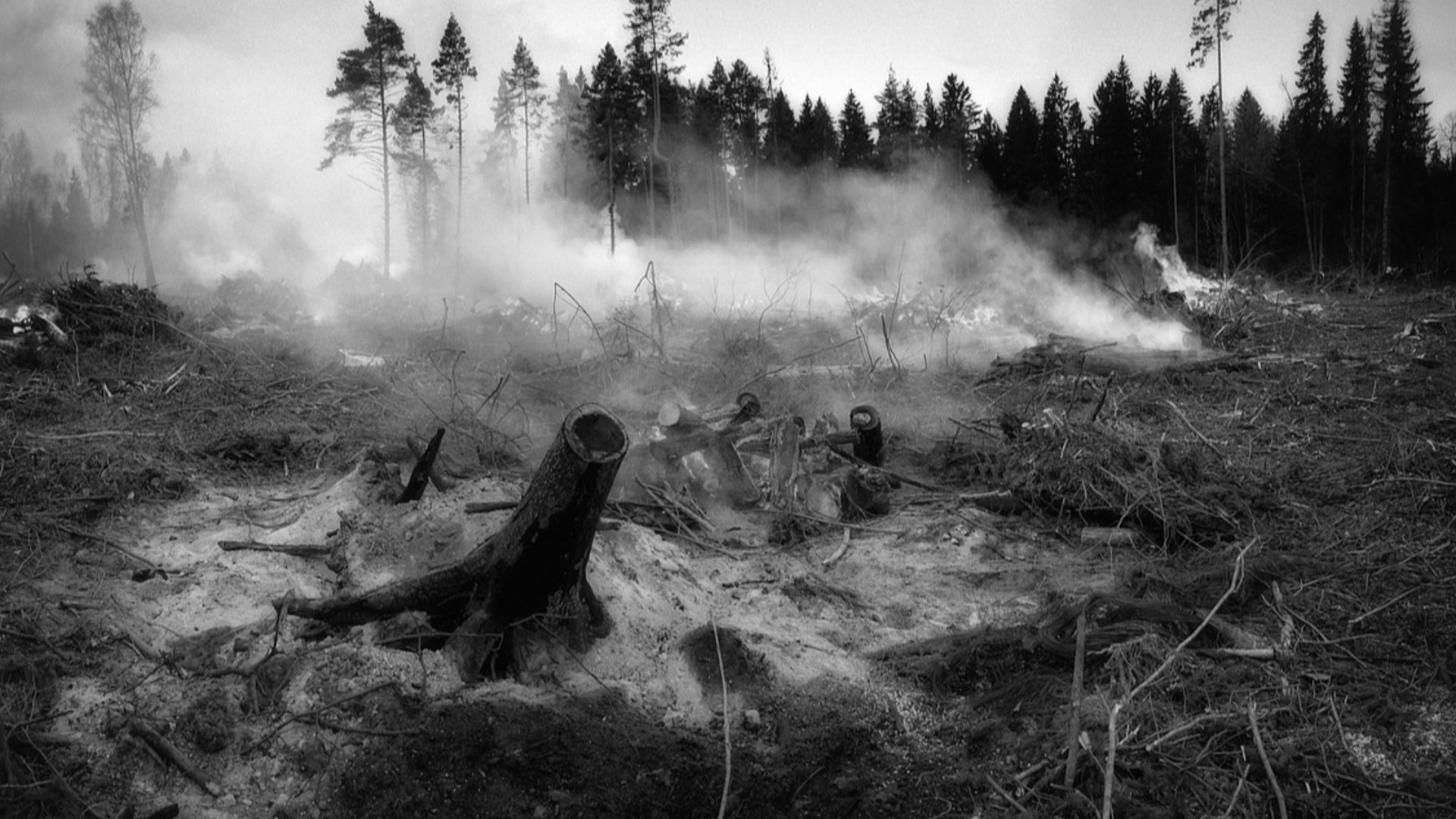
Stopping Every Forest Fire
After devastating wildfires, extinguishing every new blaze as quickly as possible sounded like responsible forest management. In 1935, the U.S. Forest Service formalized its famous "10 a.m. policy," seeking control of fires by the following morning. Scientists later recognized that excluding natural fire can allow dangerous fuels to accumulate in fire-adapted ecosystems.
Introducing Cane Toads
Australia's 1935 release of cane toads had a seemingly sensible goal: control beetles damaging Queensland's sugar cane. But this one comes with an asterisk. Officials had not adequately proven the toads would control the beetles, and some scientists soon warned they could become pests themselves. The poisonous toads instead spread spectacularly across northern Australia.
 Benjamint444, Wikimedia Commons
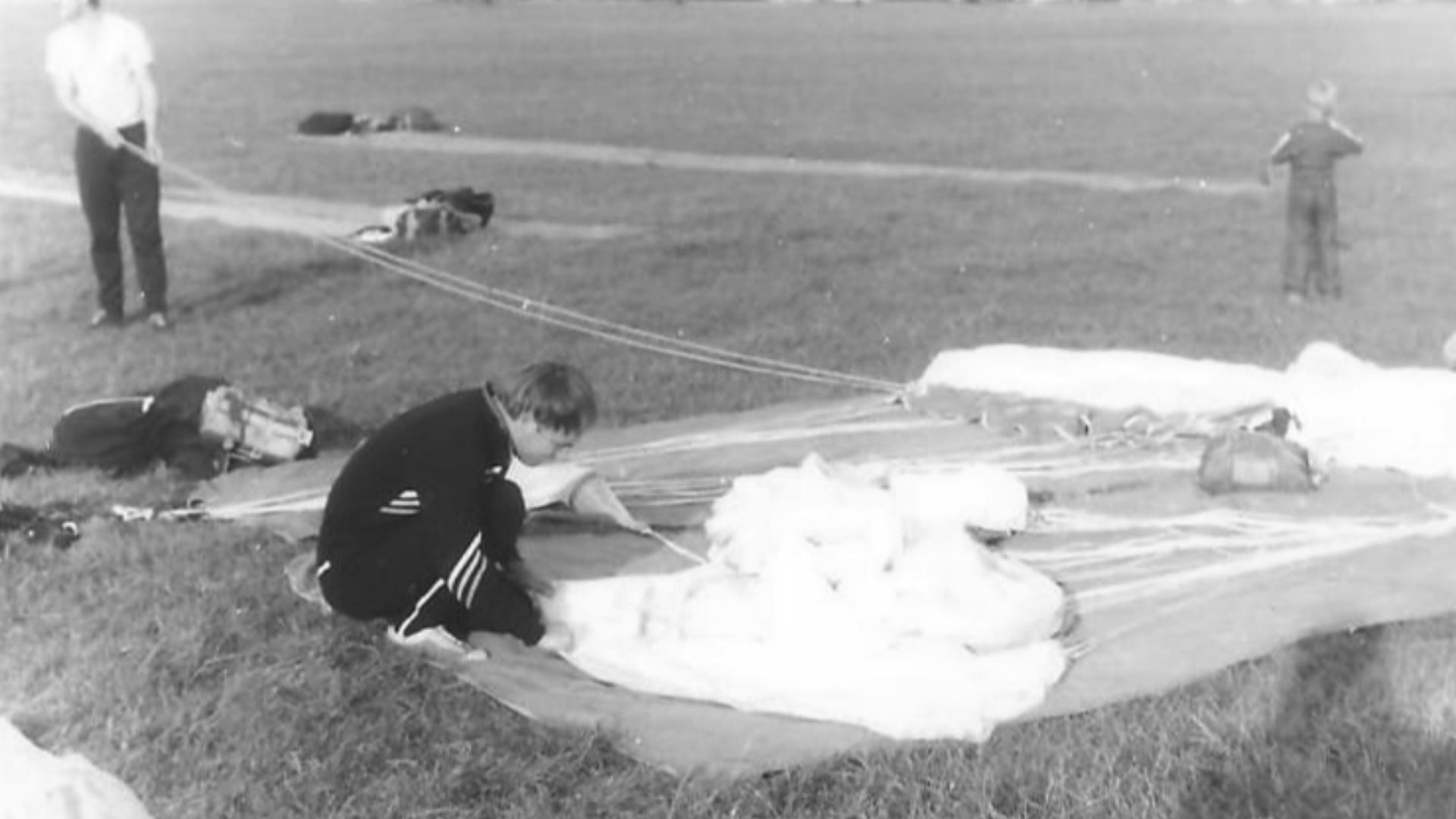
Parachuting Cats Into Borneo
In 1960, Britain's Royal Air Force really did parachute more than 20 cats into Bario in Sarawak, where rats threatened crops. Cats arriving by parachute sounds like comedy, but air-dropping supplies into isolated communities was routine. Later retellings linking the rats directly to DDT spraying are much less firmly established than the cat drop itself.
 Sekcja Spadochronowa ROW, Wikimedia Commons
Building With Single-Pane Glass
Huge expanses of glass became symbols of architectural modernity during the 20th century. Cheap energy and relatively primitive glazing technology made single-pane windows seem perfectly reasonable even in substantial buildings. Once energy costs and efficiency became bigger concerns, those glittering glass walls revealed an unfortunate second identity: enormous heat-transfer surfaces.
 Daniel Lu (User:dllu), Wikimedia Commons
Making Everything Disposable
Disposable plates, razors, diapers, bottles, bags, and packaging promised freedom from washing, repairing, and returning things. In the prosperous postwar world, convenience looked like progress. Manufacturers and consumers had little reason to imagine the immense waste stream that billions of individually sensible decisions would eventually create.

History's most fascinating stories and darkest secrets, delivered to your inbox daily.
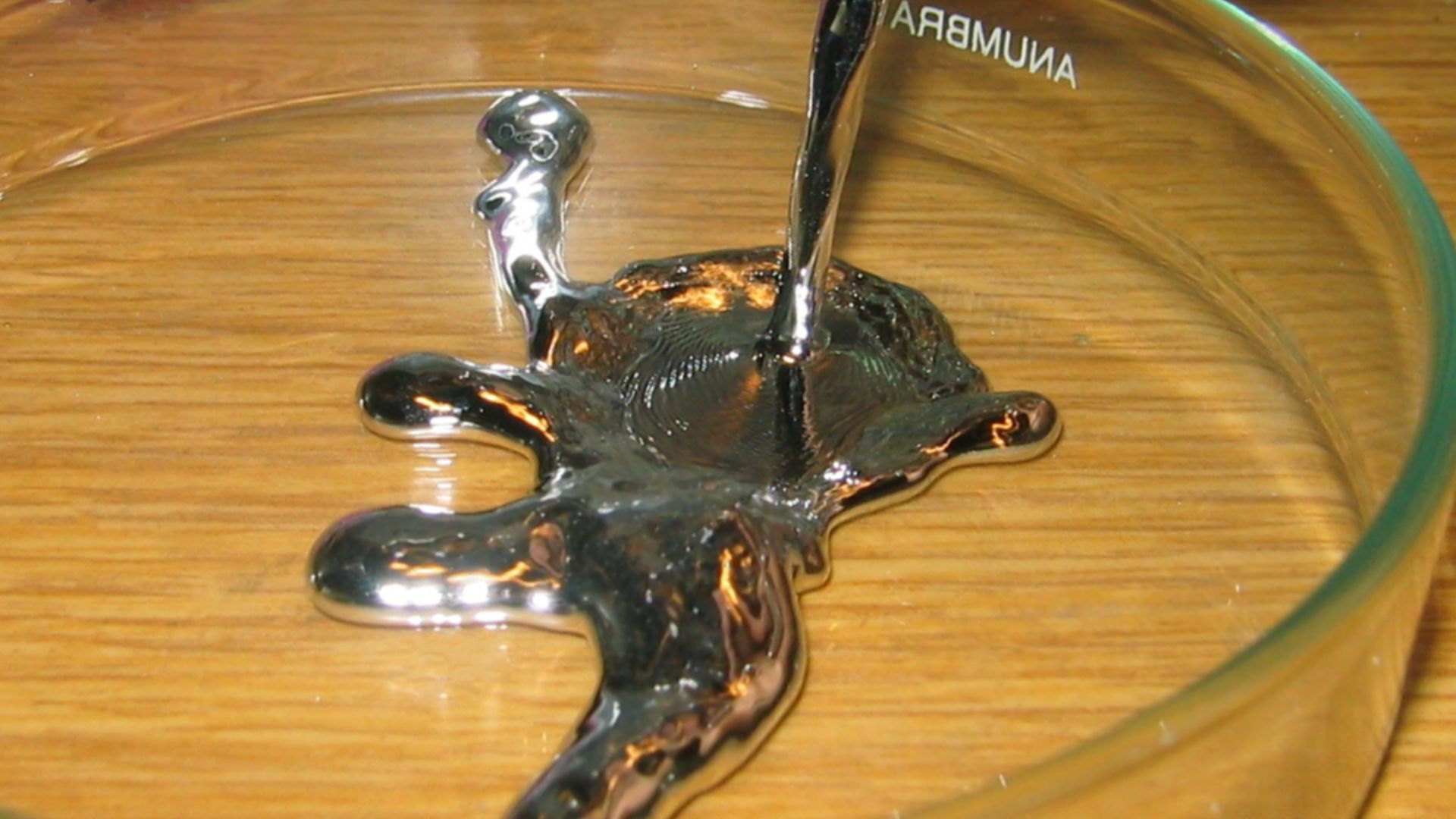
Treating Syphilis With Mercury
Before antibiotics, physicians had very few weapons against syphilis. Mercury became one of the disease's standard treatments for centuries because doctors sometimes observed apparent improvements in symptoms. Unfortunately, mercury itself is highly toxic, and patients could suffer devastating side effects from a treatment that might continue for months.
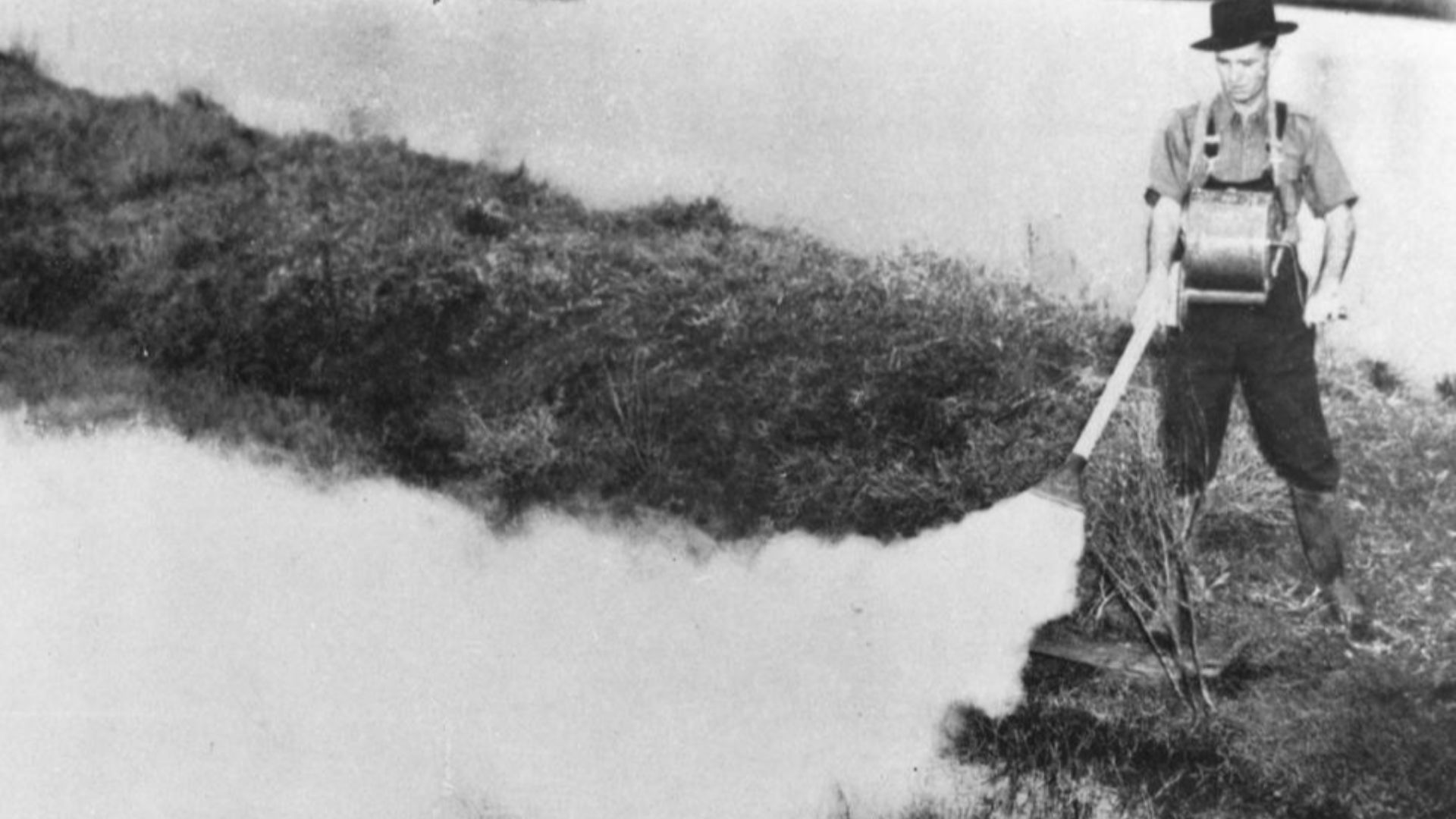
Spraying Away Mosquitoes
Mid-century mosquito-control campaigns sometimes blanketed neighborhoods with insecticide fog while children played nearby. To residents living with disease-carrying mosquitoes, aggressive spraying could look reassuring rather than alarming. Public understanding of chronic chemical exposure and ecological effects was far less developed, while spectacular victories against mosquito-borne disease encouraged confidence in pesticides.
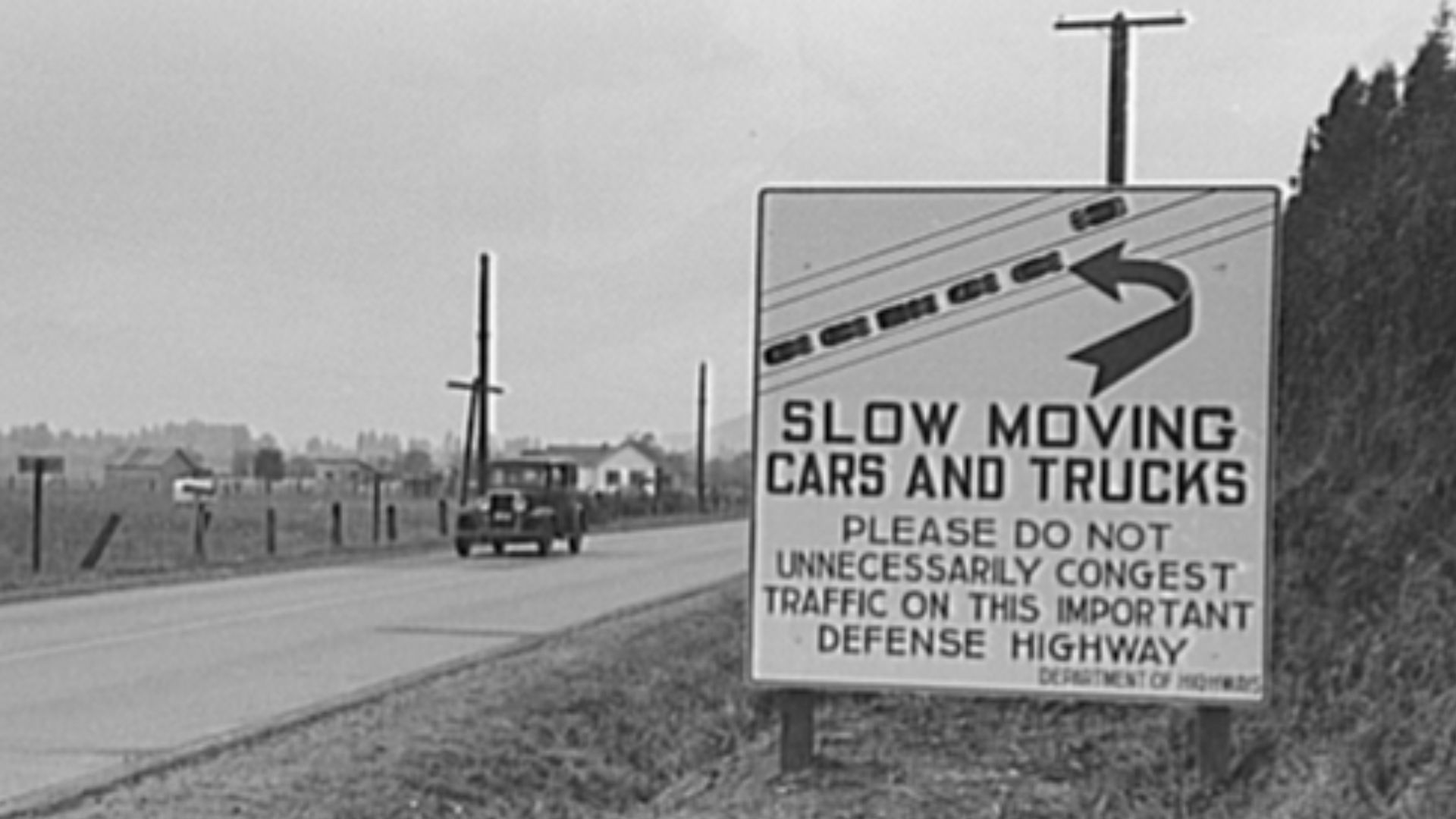
Putting Highways Everywhere
Postwar planners saw urban expressways as an answer to congestion and a way to connect rapidly expanding suburbs with downtown employment. Highways represented speed, mobility, and modernization. Only later did their enormous costs become impossible to overlook, including displaced neighborhoods, divided communities, pollution, and cities increasingly designed around automobiles rather than people.
 Russell Lee, Wikimedia Commons
Dumping Waste Into Water
For growing industrial cities, rivers and oceans appeared to provide an almost limitless way of carrying waste away. "Dilution" seemed like a practical sanitation strategy when populations and industrial output were smaller. As both exploded, communities discovered that moving pollution downstream didn't actually make sewage, chemicals, and other contaminants disappear.

The Logic Usually Existed
The strangest lesson isn't that previous generations were foolish. It's that people make decisions using the information and institutions available to them. Some ideas here were contested even then, while others represented genuine scientific consensus. History becomes much more interesting when we ask not just "How could they?" but "Why did that seem reasonable?"
 Ministry of Information Photo Division Photographer, Smith Jack?, Wikimedia Commons
You May Also Like:
History's Most Spectacular Cases Of Mistaken Identity
The Most Expensive Mistakes Ever Made By Major Corporations
Sources: 1, 2, 3, 4, 5, 6, 7, 8, 9, 10, 11, 12, 13, 14, 15, 16, 17, 18, 19, 20