When Big Business Goes Very Wrong
Even the biggest companies on Earth can trip over their own shoelaces. Sometimes it is a bad merger. Sometimes it is a product nobody wanted. Sometimes it is a safety failure that becomes a global scandal. These corporate mistakes did not just sting—they cost billions, wrecked reputations, and became business-school legends.
 Elliot Conward Jr., Shutterstock
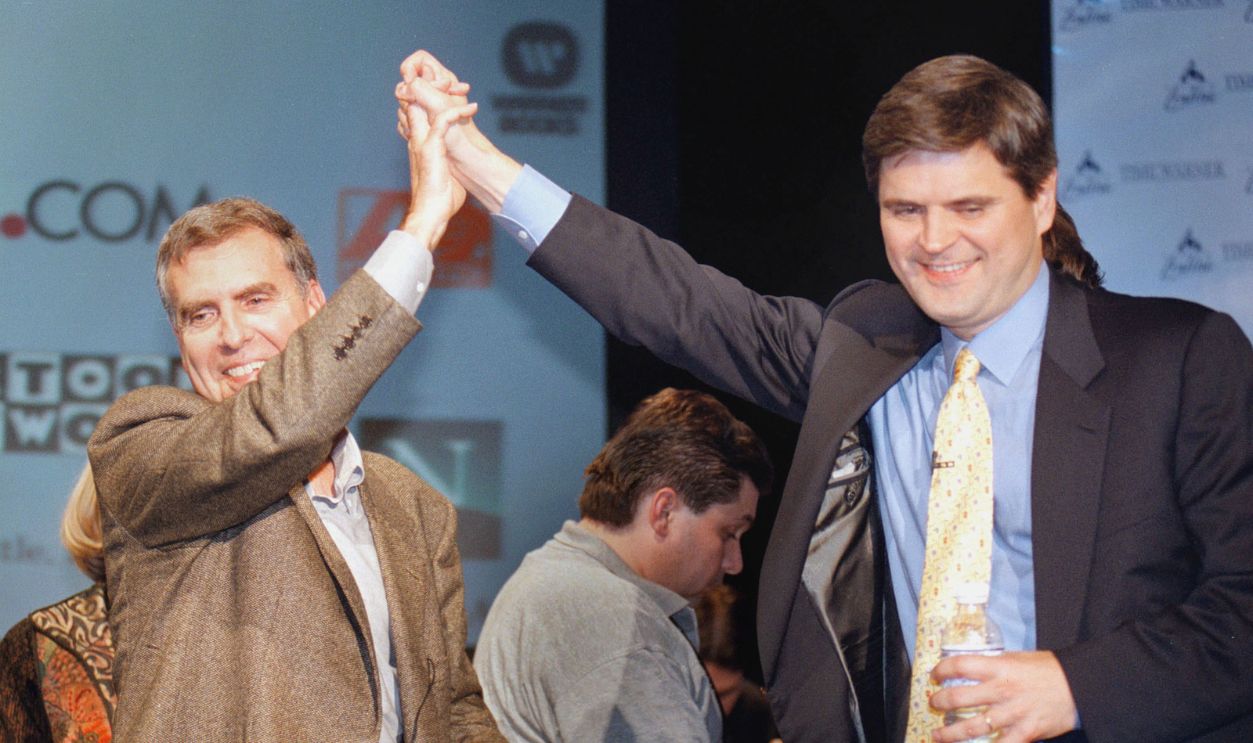
AOL And Time Warner’s Mega-Merger Meltdown
In 2000, AOL and Time Warner announced a blockbuster merger that was supposed to unite old media with the internet future. Instead, the dot-com bubble burst, egos clashed, and the “synergy” never arrived. The deal became one of the most infamous mergers ever, wiping out staggering shareholder value.
Volkswagen’s Dieselgate Disaster
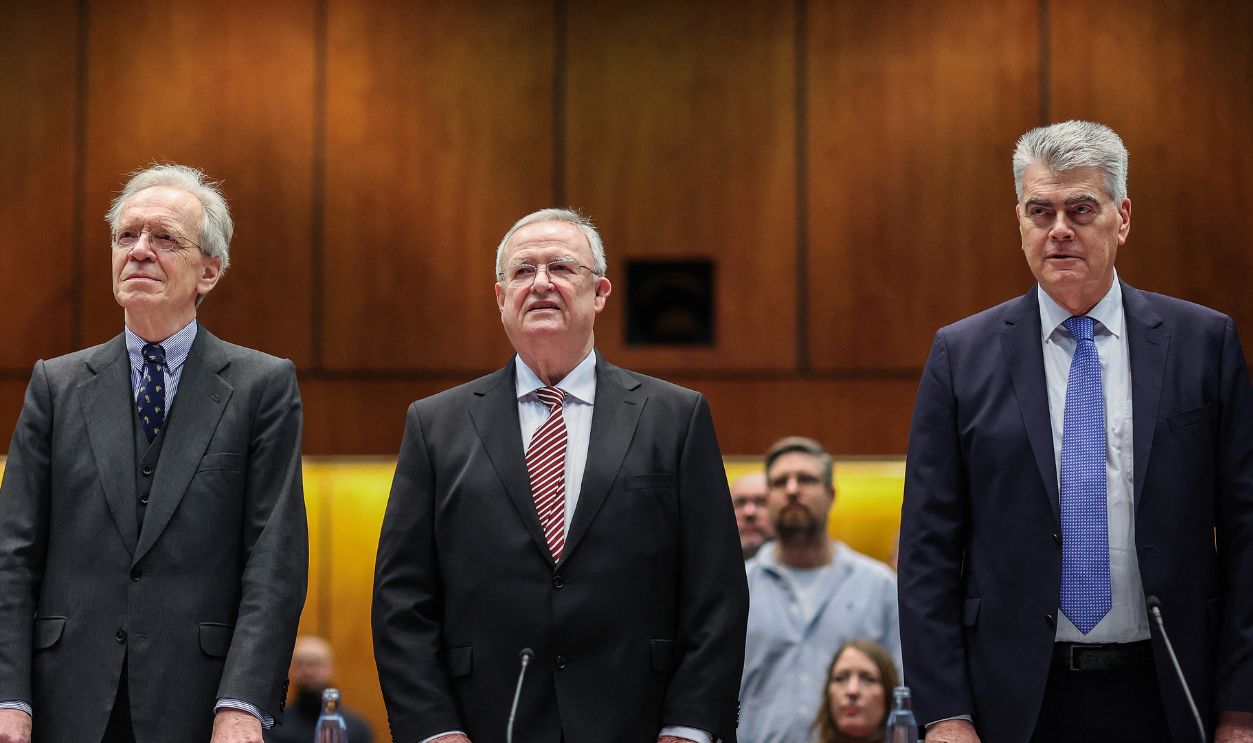
Volkswagen wanted to sell “clean diesel” cars to the world. Unfortunately, some vehicles were fitted with software designed to cheat emissions tests. When the truth came out in 2015, VW faced lawsuits, buybacks, fines, and public outrage. The scandal ultimately cost the company tens of billions.
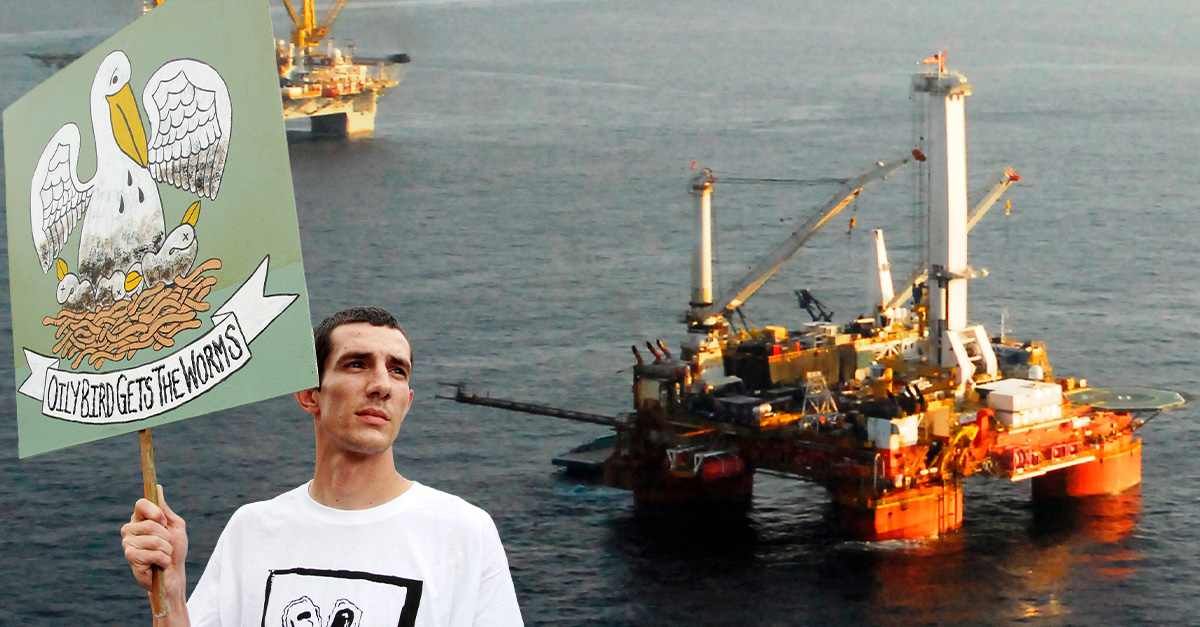
BP’s Deepwater Horizon Catastrophe
The 2010 Deepwater Horizon explosion killed 11 workers and caused one of the worst oil spills in history. For BP, the disaster became a financial, legal, and moral nightmare. Cleanup, settlements, penalties, and compensation pushed the total cost above $60 billion.
 U.S. Coast Guard photo by Petty Officer 3rd Class Patrick Kelley., Wikimedia Commons
Boeing’s 737 MAX Crisis
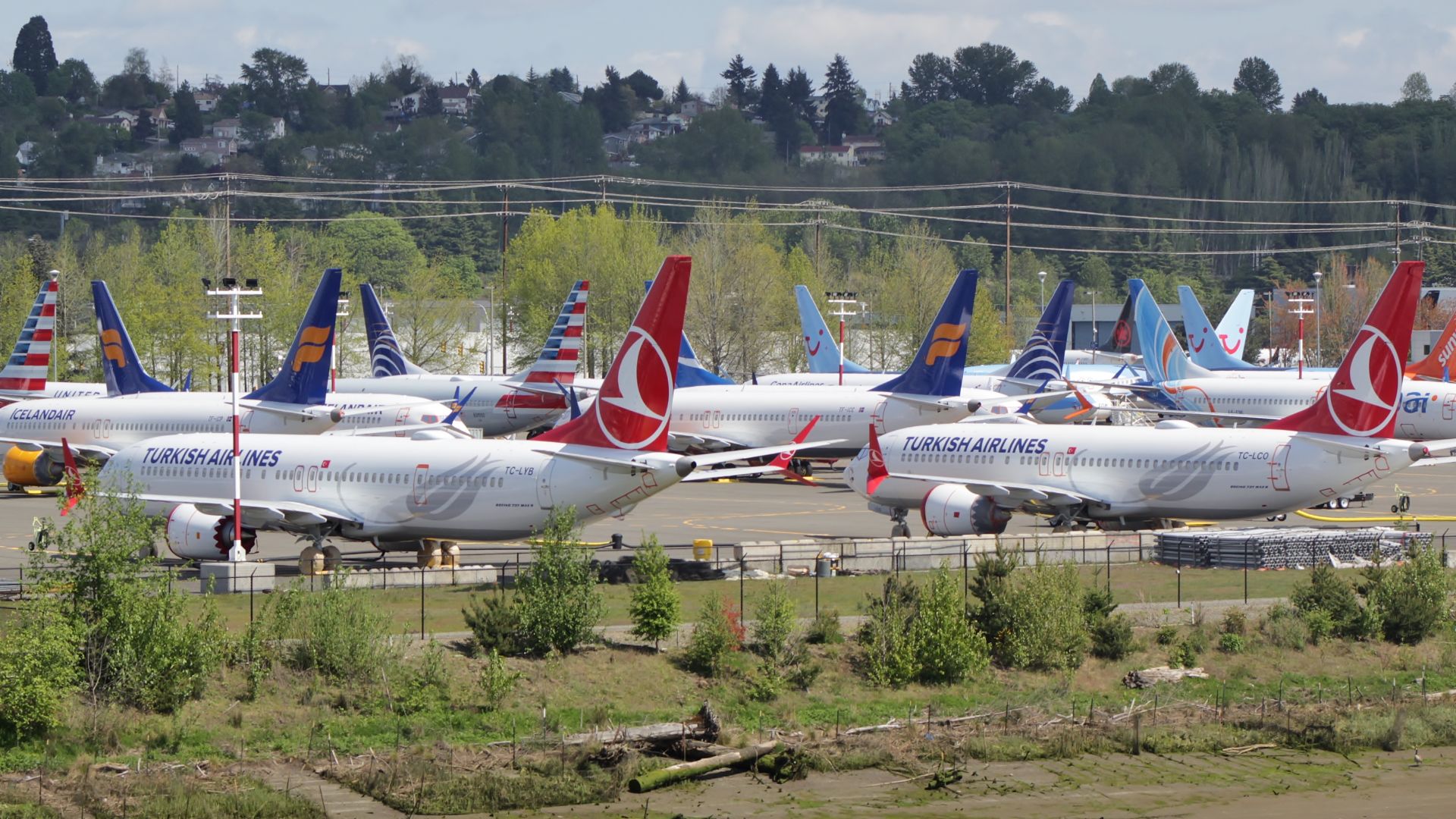
Boeing’s 737 MAX was meant to be a profit machine. Instead, two fatal crashes led to a worldwide grounding, intense investigations, compensation claims, and a historic loss of trust. The financial damage ran into the tens of billions, but the reputational damage was even harder to measure.
 SounderBruce, Wikimedia Commons
Microsoft’s Nokia Phone Gamble
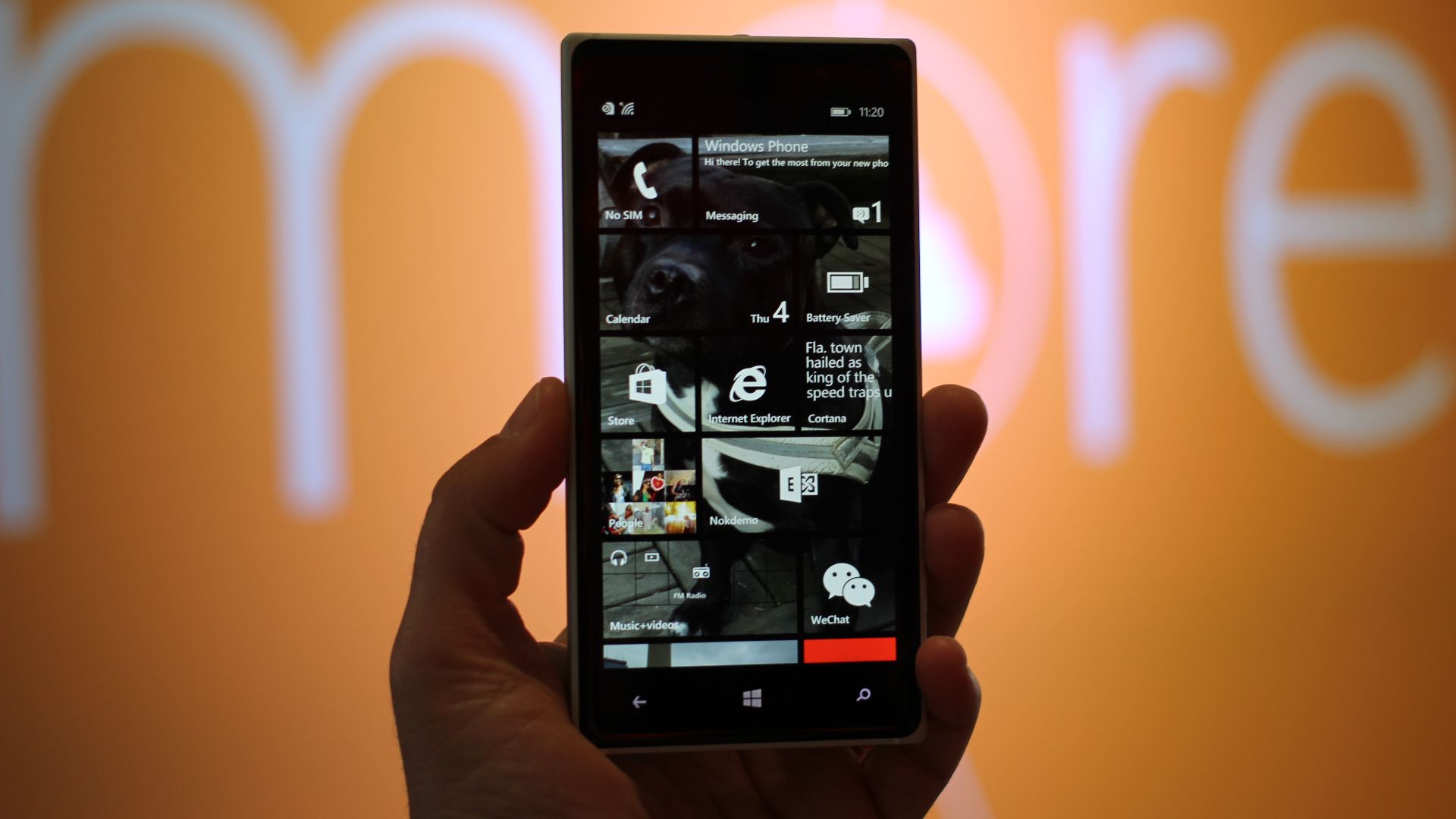
Microsoft bought Nokia’s phone business hoping to challenge Apple and Android. The dream was Windows Phones in every pocket. The reality was far uglier. Sales disappointed, customers stayed away, and Microsoft eventually wrote off about $7.6 billion connected to the deal.
 Maurizio Pesce from Milan, Italia, Wikimedia Commons
Quaker Oats Buys Snapple
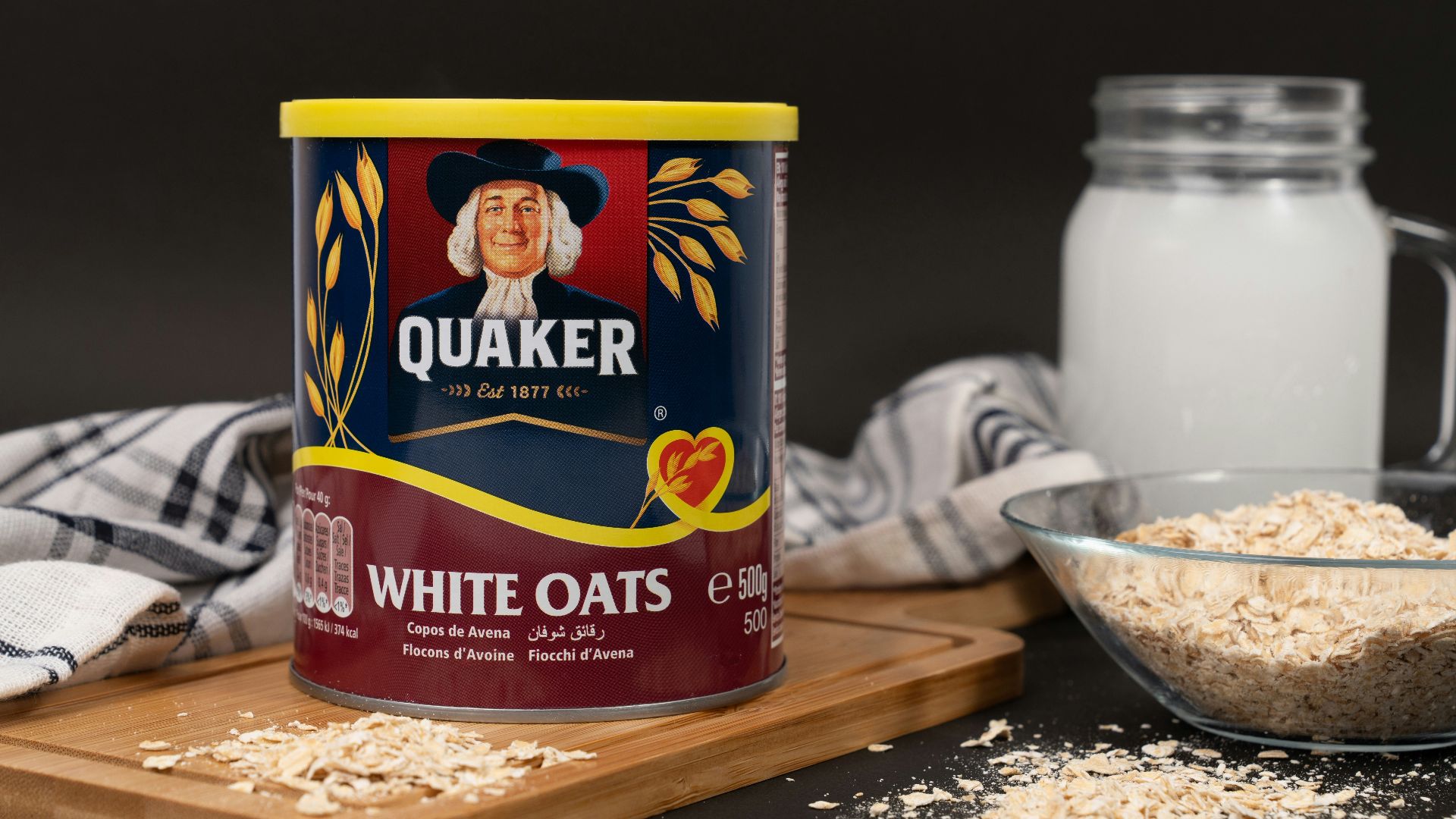
Quaker Oats bought Snapple in 1994 for $1.7 billion, thinking it had found another beverage superstar. But Snapple’s quirky brand and small-distributor magic did not fit Quaker’s corporate playbook. Just 27 months later, Quaker sold it for only $300 million.
 Abdul Raheem Kannath, Unsplash
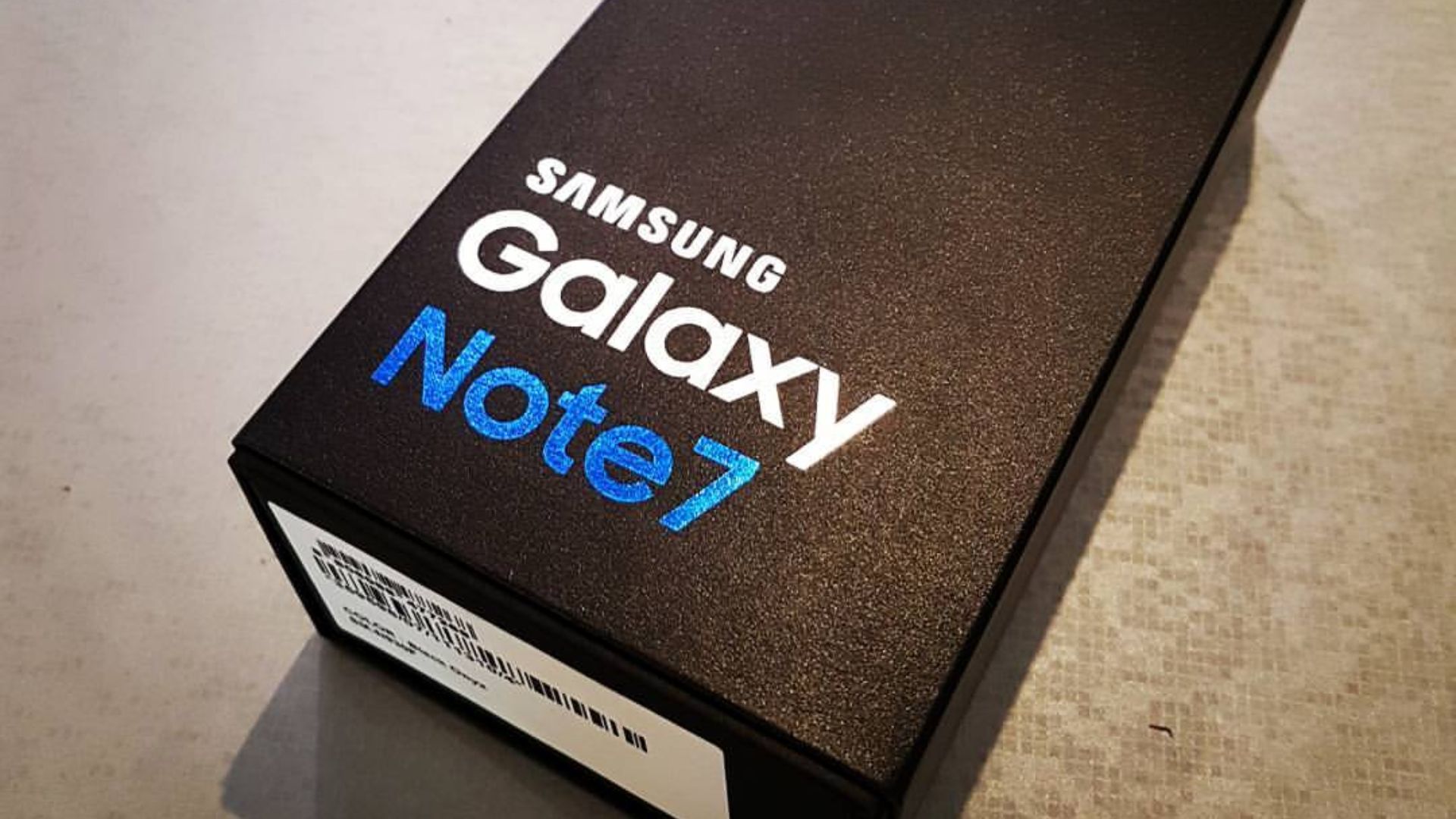
Samsung’s Galaxy Note 7 Fires
Samsung’s Galaxy Note 7 was supposed to be a sleek iPhone rival. Then reports emerged of phones overheating and catching fire. Replacement phones had problems too, turning a product launch into a public relations inferno. Samsung killed the device and absorbed billions in losses.
 Luca Viscardi from milano, italy, Wikimedia Commons
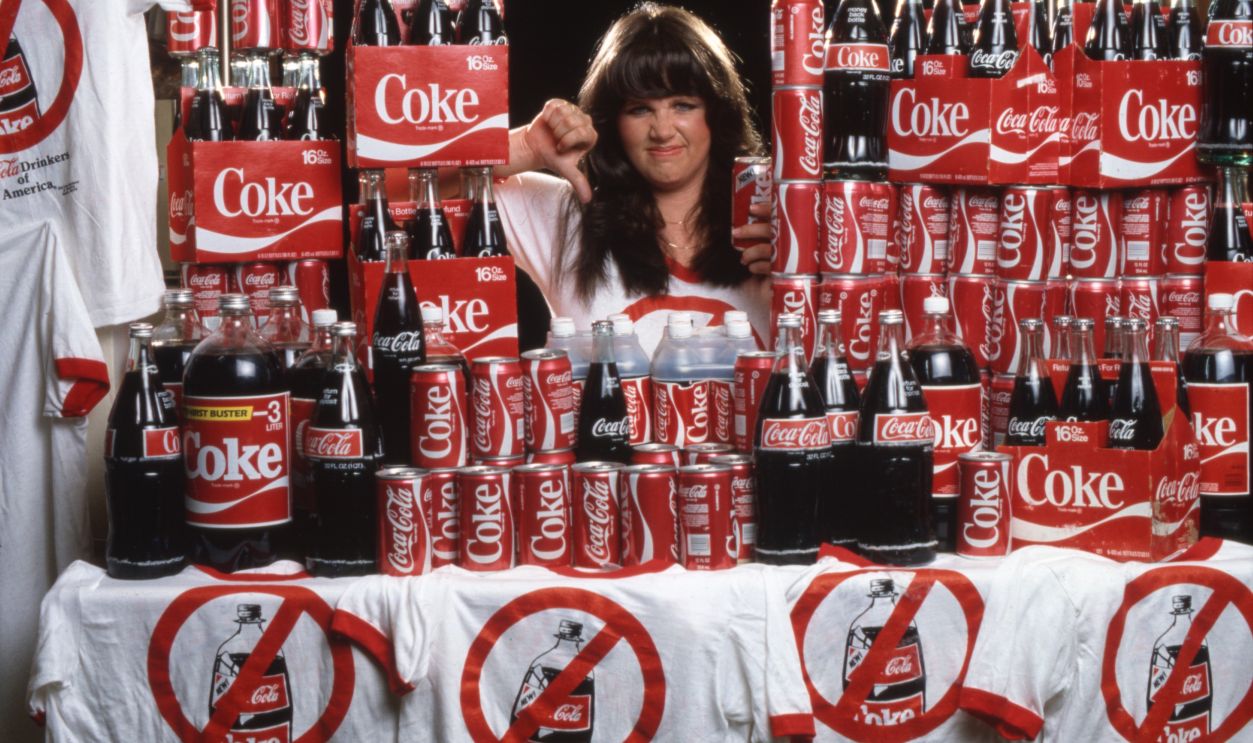
Coca-Cola Introduces New Coke
In 1985, Coca-Cola decided to improve its classic drink. That sounded reasonable—until customers revolted. New Coke became a punchline almost instantly, and the company brought back the original formula after just 79 days. The mistake proved that some brands are emotional, not just edible.
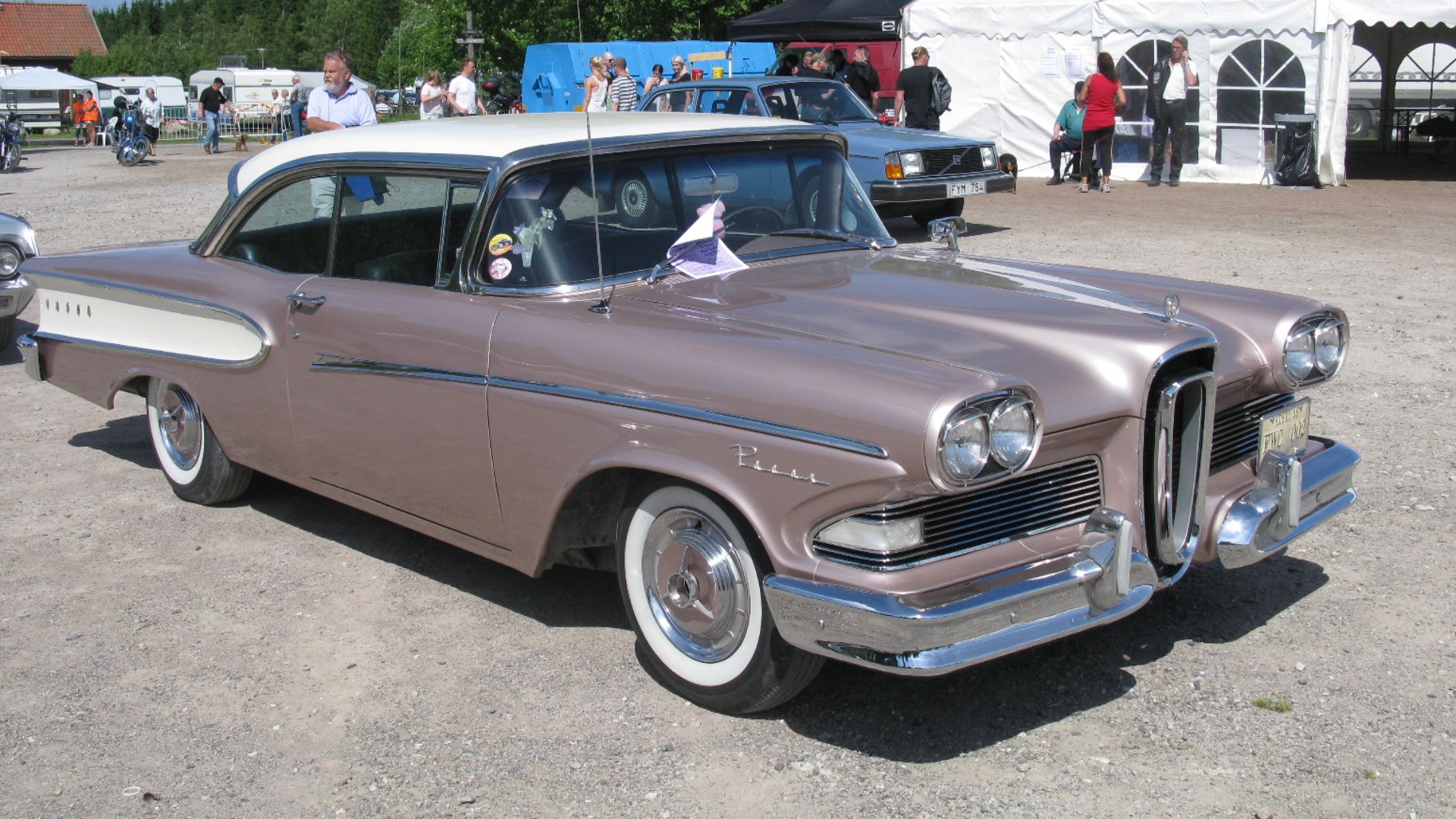
Ford’s Edsel Flop
Ford spent heavily hyping the Edsel as the car of the future. Then buyers saw it and mostly shrugged. The styling was mocked, the marketing overpromised, and the timing was terrible. By the time Ford pulled the plug, the Edsel had become shorthand for corporate failure.
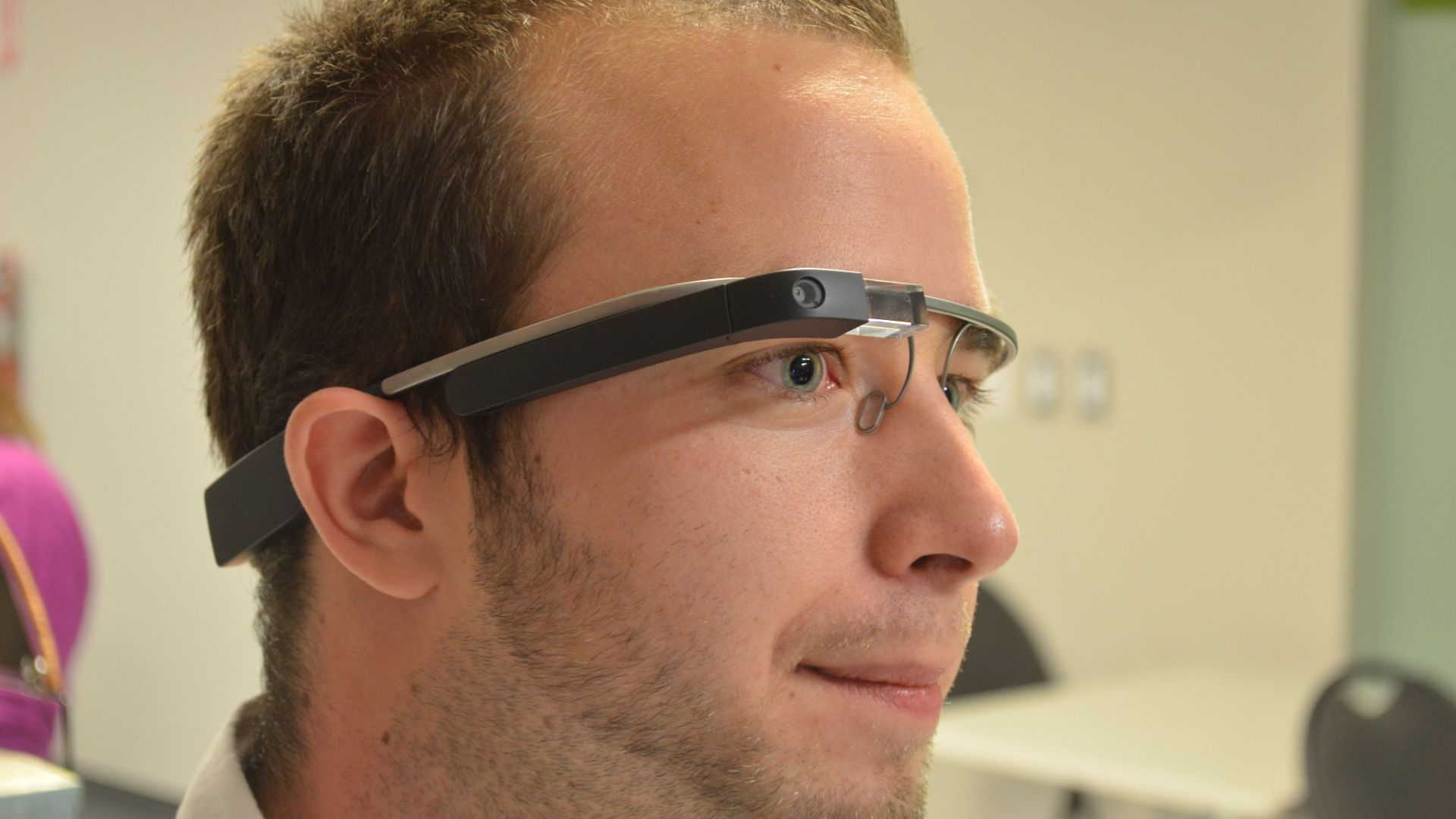
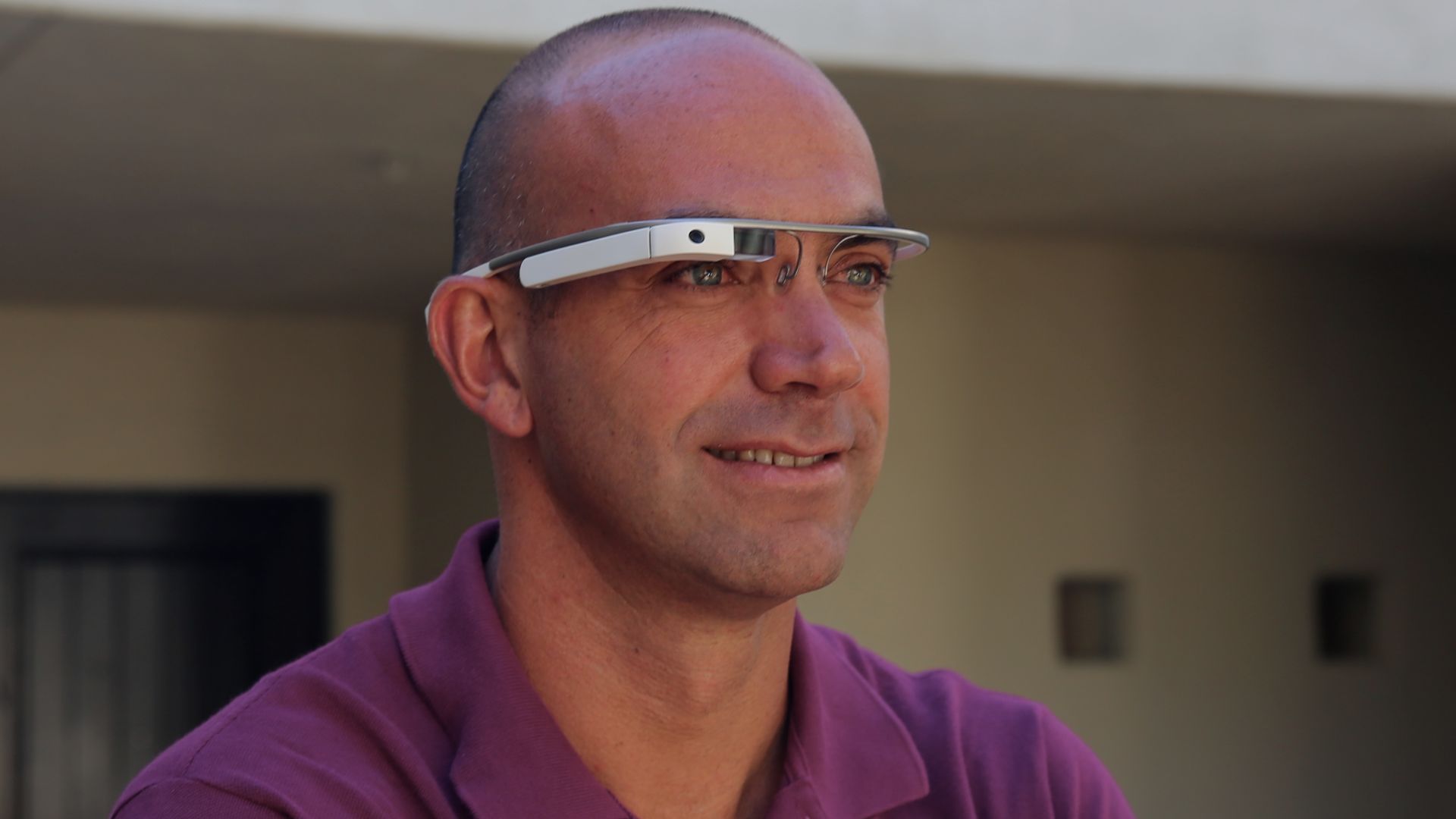
Google Glass Goes Awkward
Google Glass looked like science fiction you could wear on your face. Unfortunately, many people found it creepy, expensive, and socially awkward. Privacy worries exploded, the nickname “Glasshole” stuck, and Google quietly retreated. The technology was interesting, but the public was not ready.
 Raysonho @ Open Grid Scheduler / Grid Engine, Wikimedia Commons
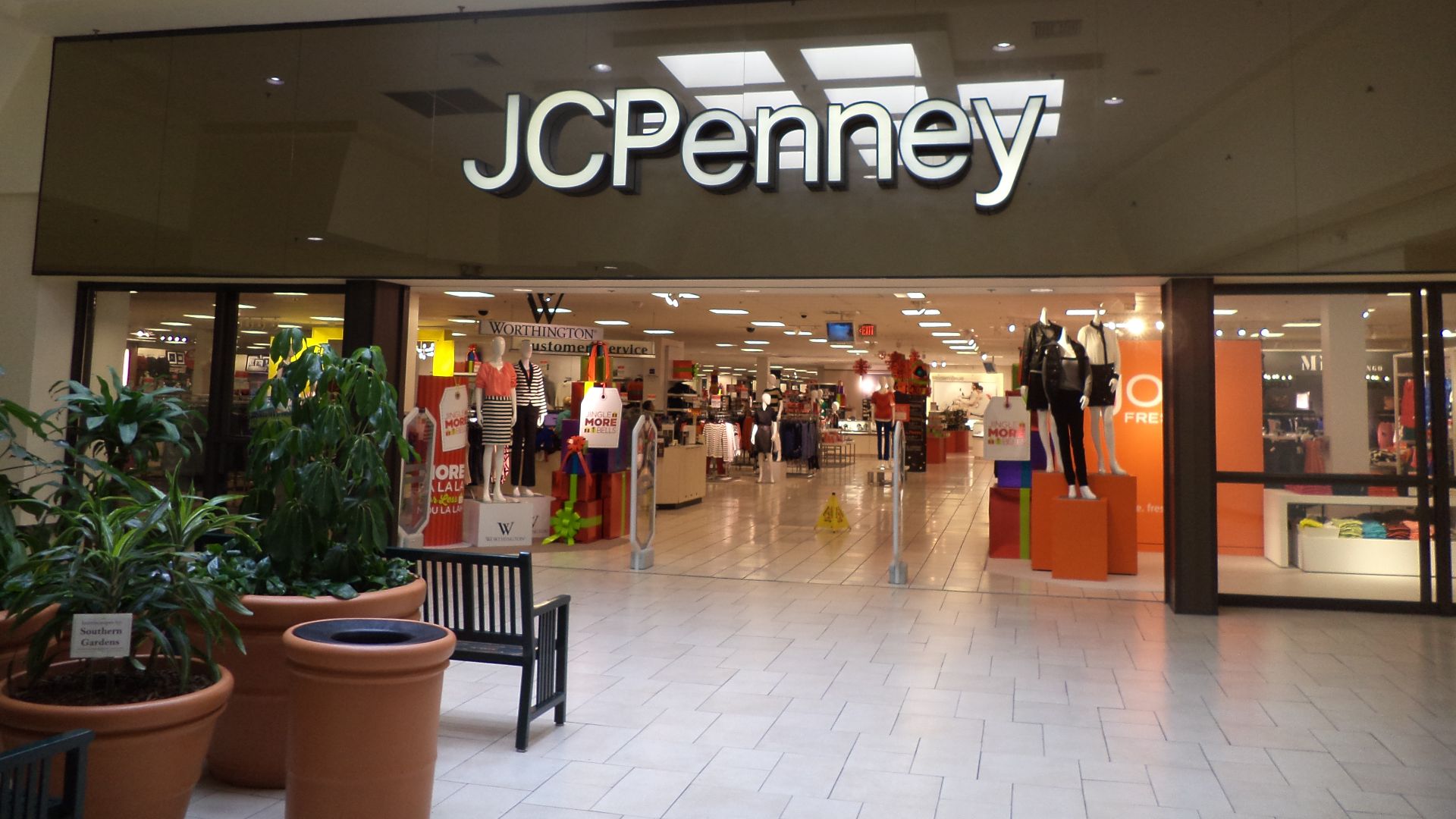
JC Penney’s Pricing Experiment
JC Penney hired former Apple executive Ron Johnson to reinvent the department store. He ditched coupons and sales in favor of simple pricing. The problem? JC Penney shoppers loved coupons and sales. Revenue plunged, customers fled, and the experiment became a retail cautionary tale.
 Michael Rivera, Wikimedia Commons
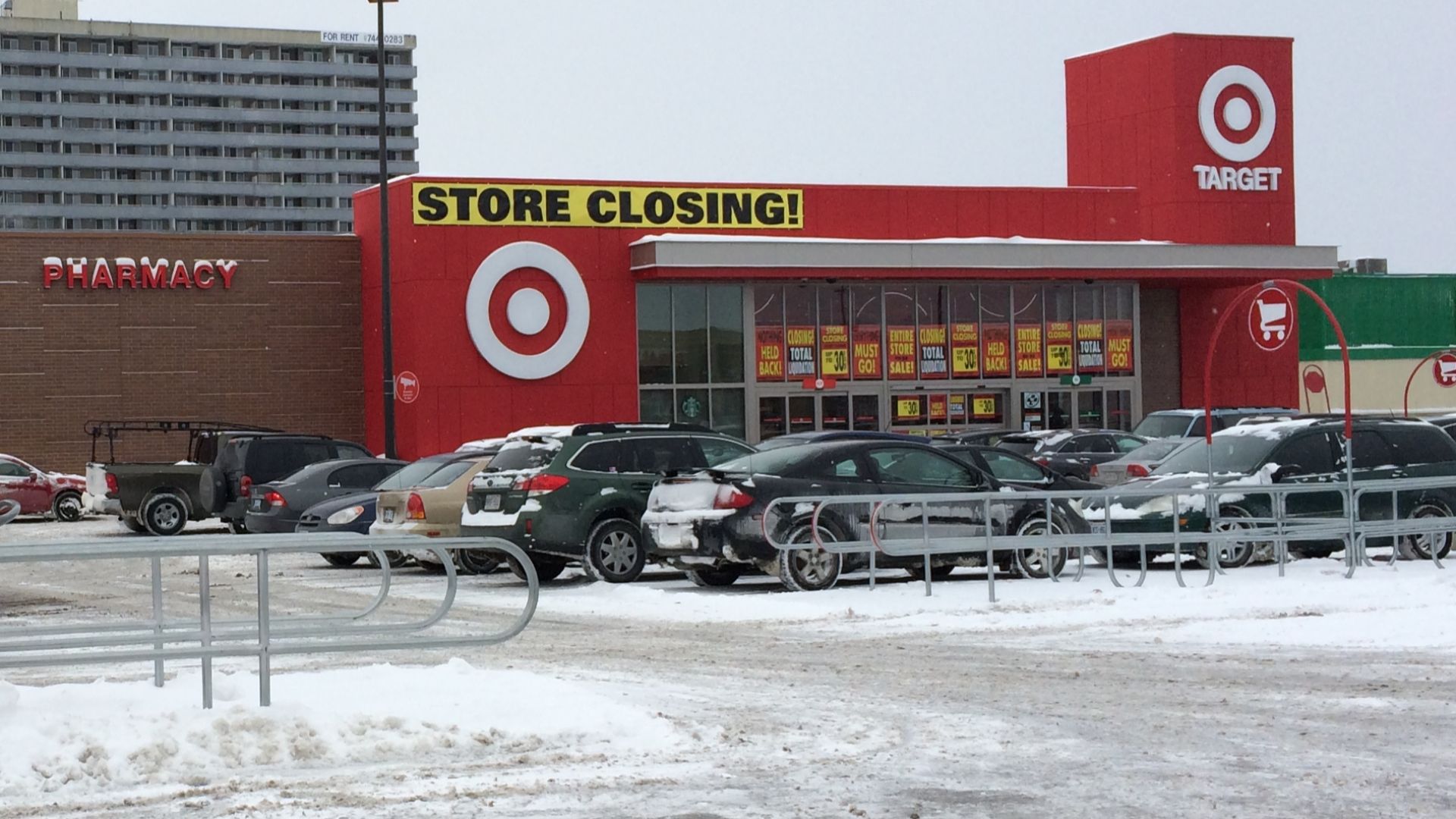
Target’s Canada Expansion
Target rushed into Canada with huge expectations and dozens of stores. But shelves were often empty, prices felt high, and the supply chain struggled badly. Canadian shoppers were unimpressed. After less than two years, Target shut the whole operation down at enormous cost.
 Mike Kalasnik from Charlotte, USA, Wikimedia Commons
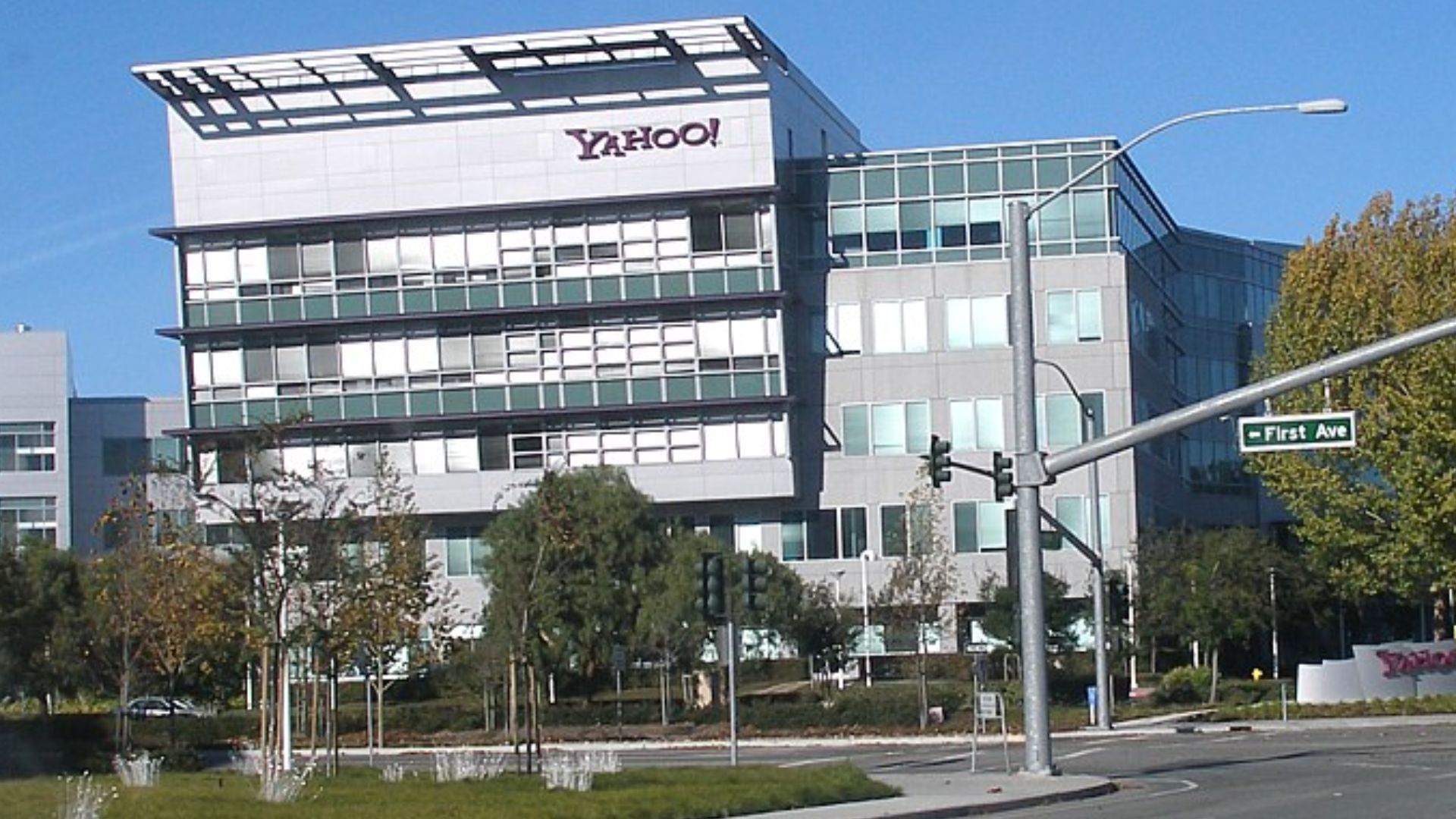
Yahoo Rejects Google
In the early 2000s, Yahoo had chances to buy or partner more deeply with Google. Instead, it underestimated the search engine’s future. Google became one of the most valuable companies in the world, while Yahoo slowly faded. Sometimes the most expensive mistake is the deal you do not make.
 photographer Coolcaesar, Wikimedia Commons
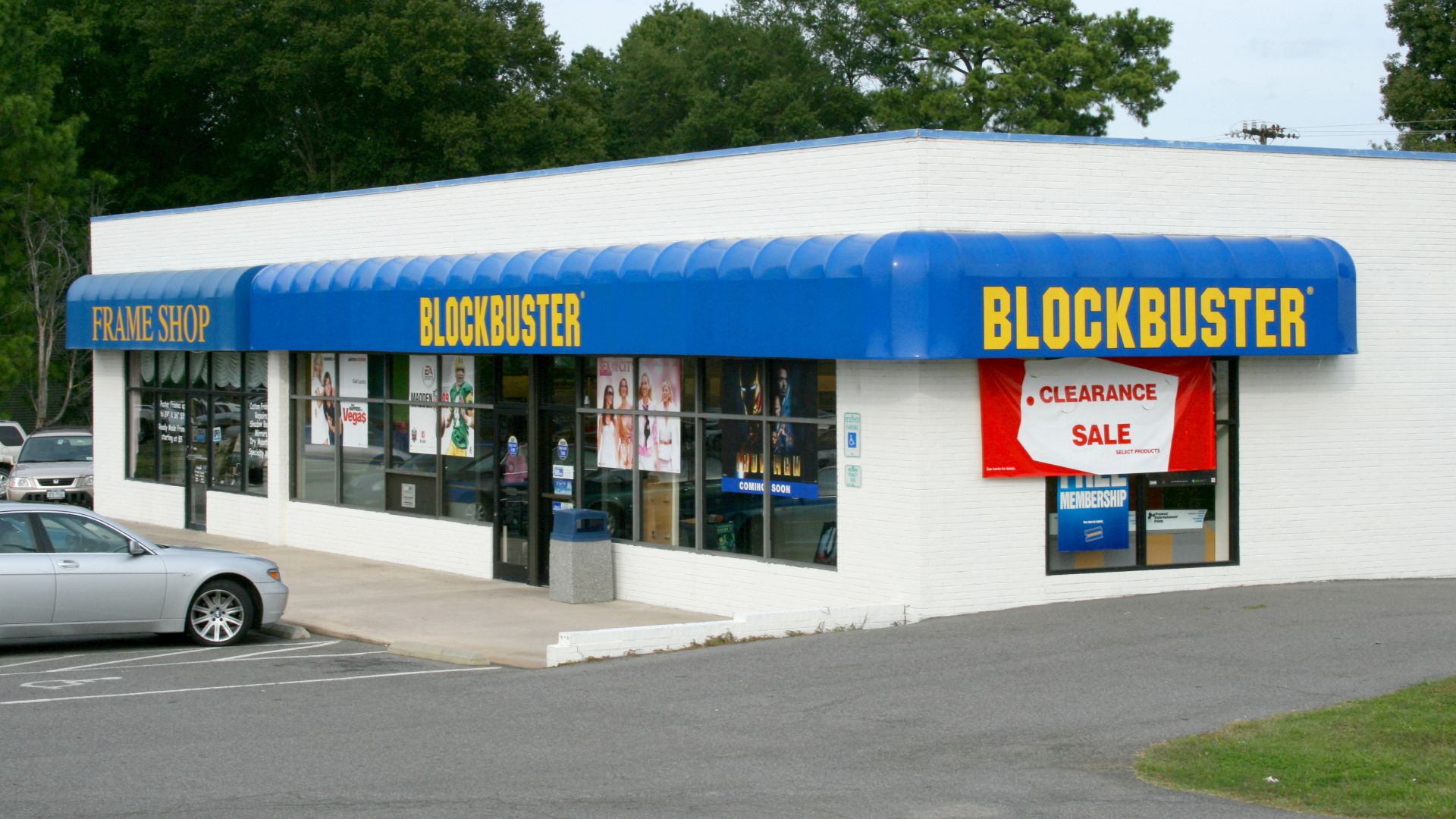
Blockbuster Laughs Off Netflix
Netflix once offered to sell itself to Blockbuster. Blockbuster said no. At the time, that may have seemed sensible: DVDs by mail looked small next to thousands of video stores. But streaming changed everything, and Blockbuster became the dusty example of missing the future.
 Ildar Sagdejev (Specious), Wikimedia Commons
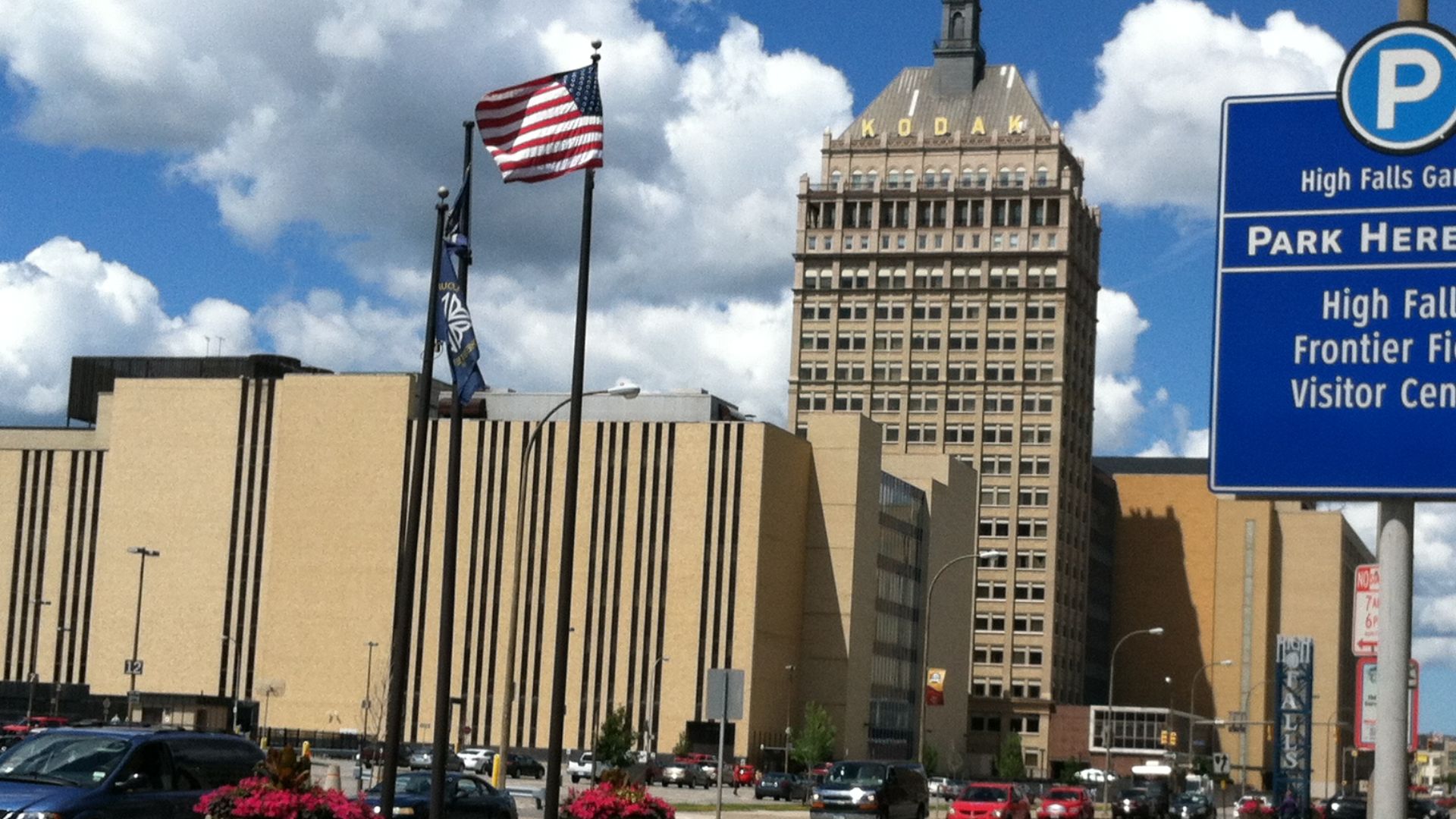
Kodak Ignores Digital Photography
Kodak helped invent the digital camera, then hesitated to fully embrace it because film was still so profitable. That delay proved disastrous. As digital photography exploded, Kodak’s old business collapsed. The company had seen the future—it just could not bring itself to chase it.
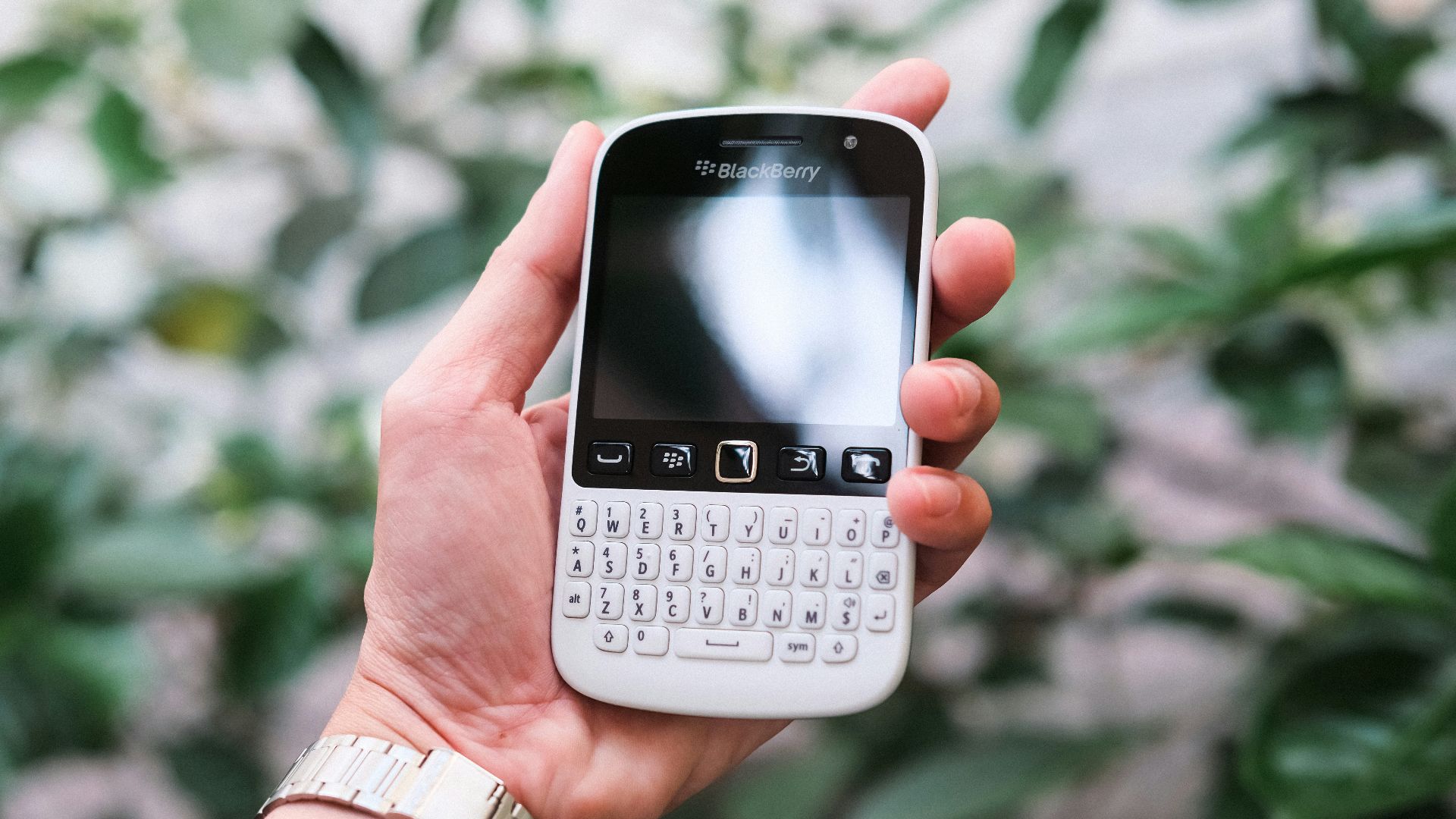
BlackBerry Misses The Touchscreen Era
BlackBerry dominated business phones with tiny keyboards and secure email. Then the iPhone arrived and changed what people expected from a mobile device. BlackBerry moved too slowly, clung too tightly to its old strengths, and watched its empire shrink with shocking speed.
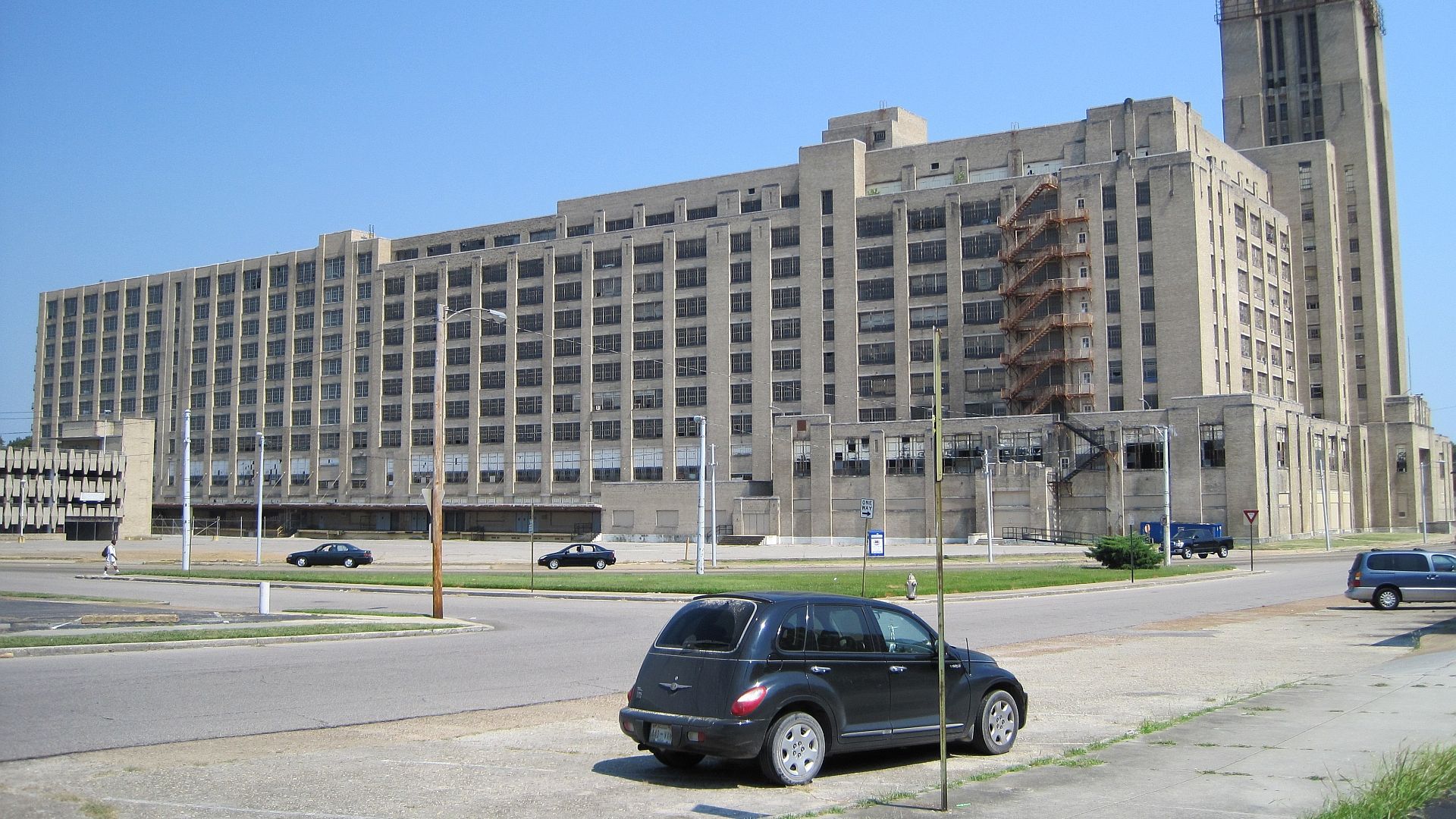
Sears Lets Retail Slip Away
Sears was once a retail giant with famous brands, catalogs, and loyal customers. But years of weak investment, confusing strategy, and fierce competition hollowed it out. While rivals modernized, Sears faded. Its slow decline showed that even household names can disappear if they stop adapting.
 Thomas R Machnitzki, Wikimedia Commons
Myspace Loses The Social Web
Before Facebook ruled social media, Myspace was the cool hangout. Then cluttered pages, spam, and technical headaches drove users away. Facebook offered a cleaner experience and ran past it. Myspace had the audience, the buzz, and the timing—but still lost the party.
HP Buys Autonomy
HP bought British software company Autonomy for more than $10 billion in 2011. Soon after, HP took a massive write-down and accused Autonomy of accounting problems. Autonomy’s former leaders denied wrongdoing, and years of legal battles followed. Either way, HP’s expensive bet became a boardroom disaster.
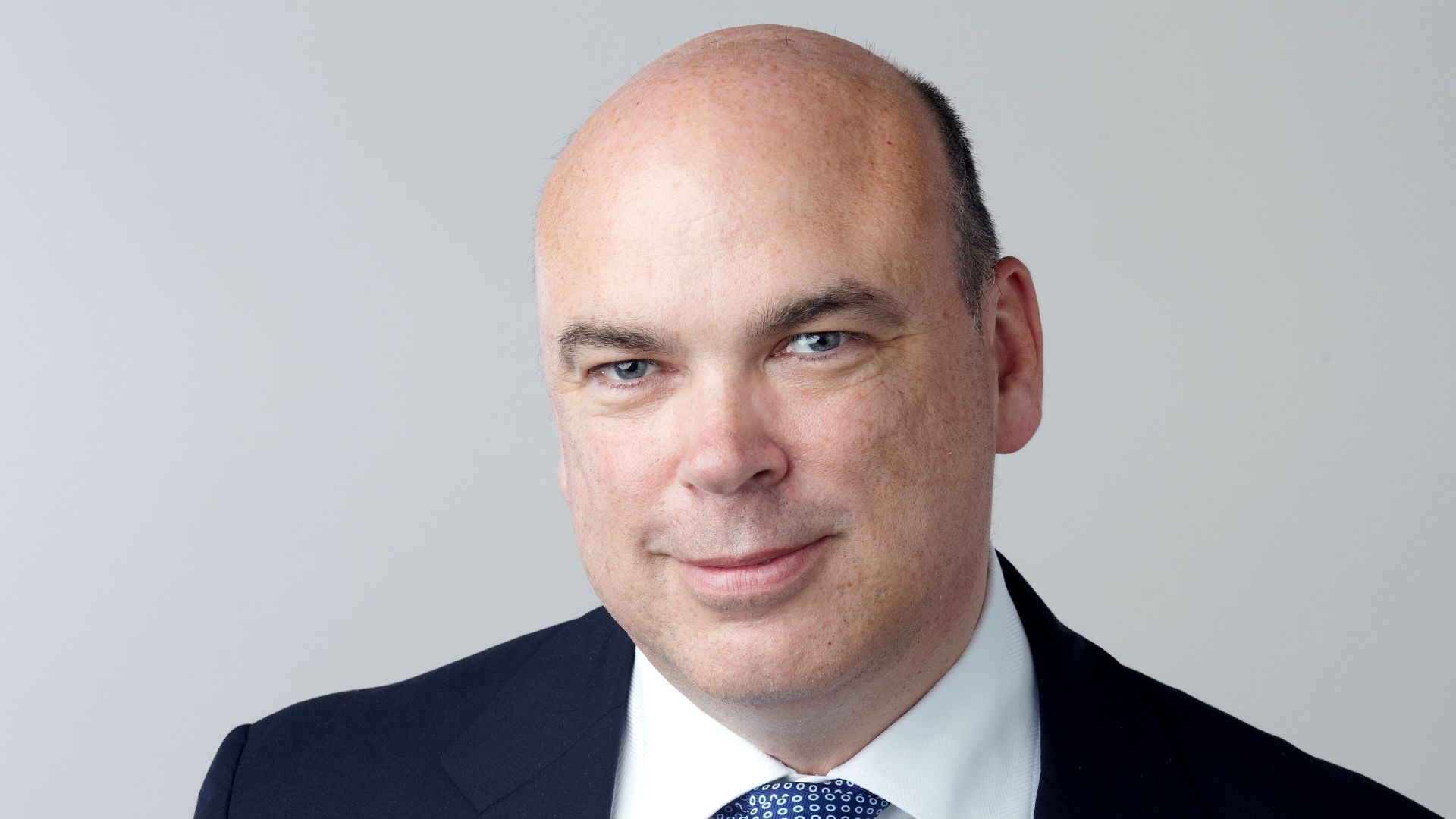 Royal Society uploader, Wikimedia Commons
Daimler And Chrysler’s Culture Clash
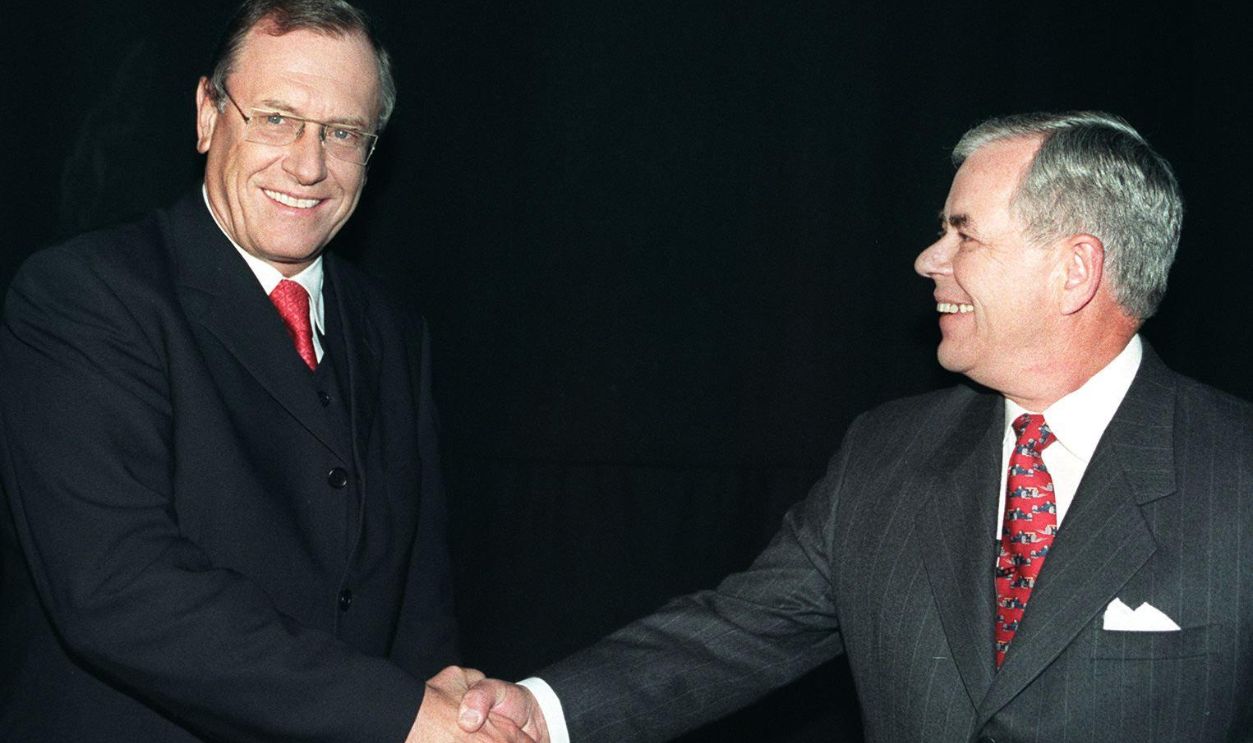
Daimler-Benz and Chrysler merged in 1998 with grand promises of a global auto powerhouse. Instead, the German and American companies struggled to blend cultures, priorities, and management styles. The “merger of equals” did not feel equal for long, and the partnership eventually unraveled.
Sprint And Nextel Drop The Call
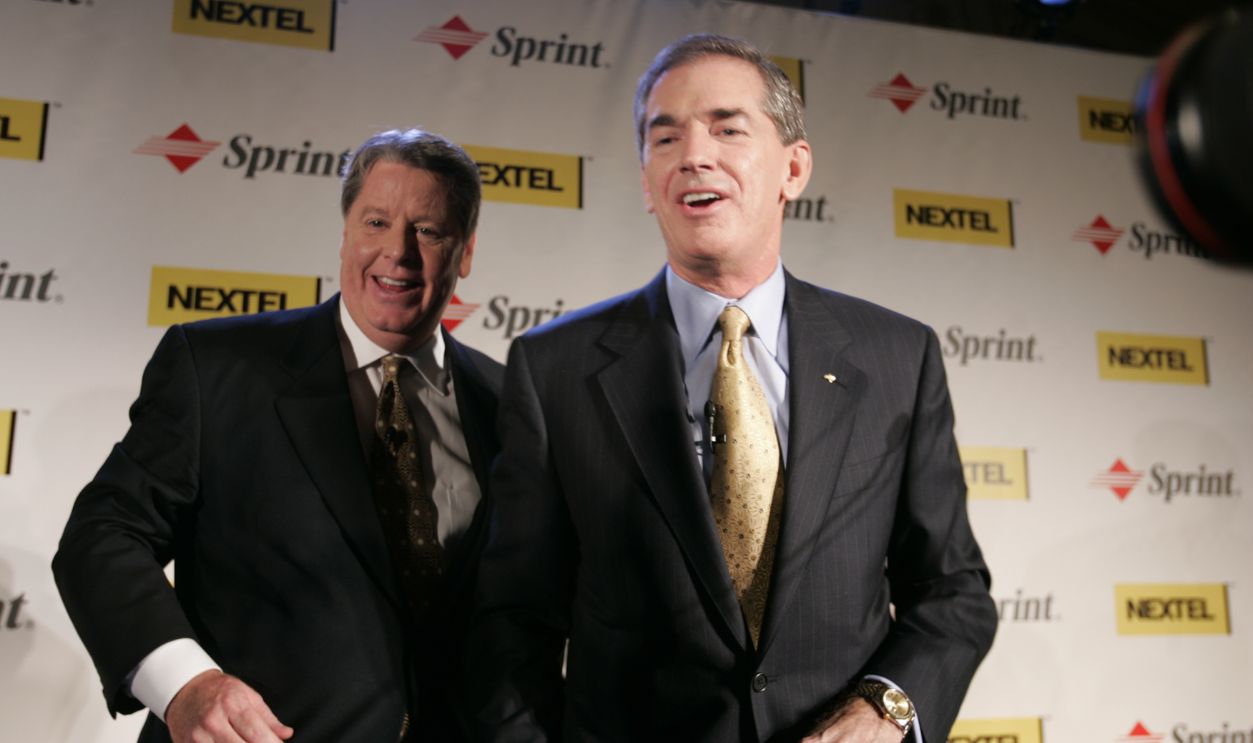
Sprint bought Nextel in 2005 hoping to build a stronger wireless giant. But the companies had incompatible networks and very different cultures. Customers grew frustrated, integration dragged on, and Sprint later took a huge write-down. The deal became a textbook example of merger math gone wrong.
eBay Buys Skype
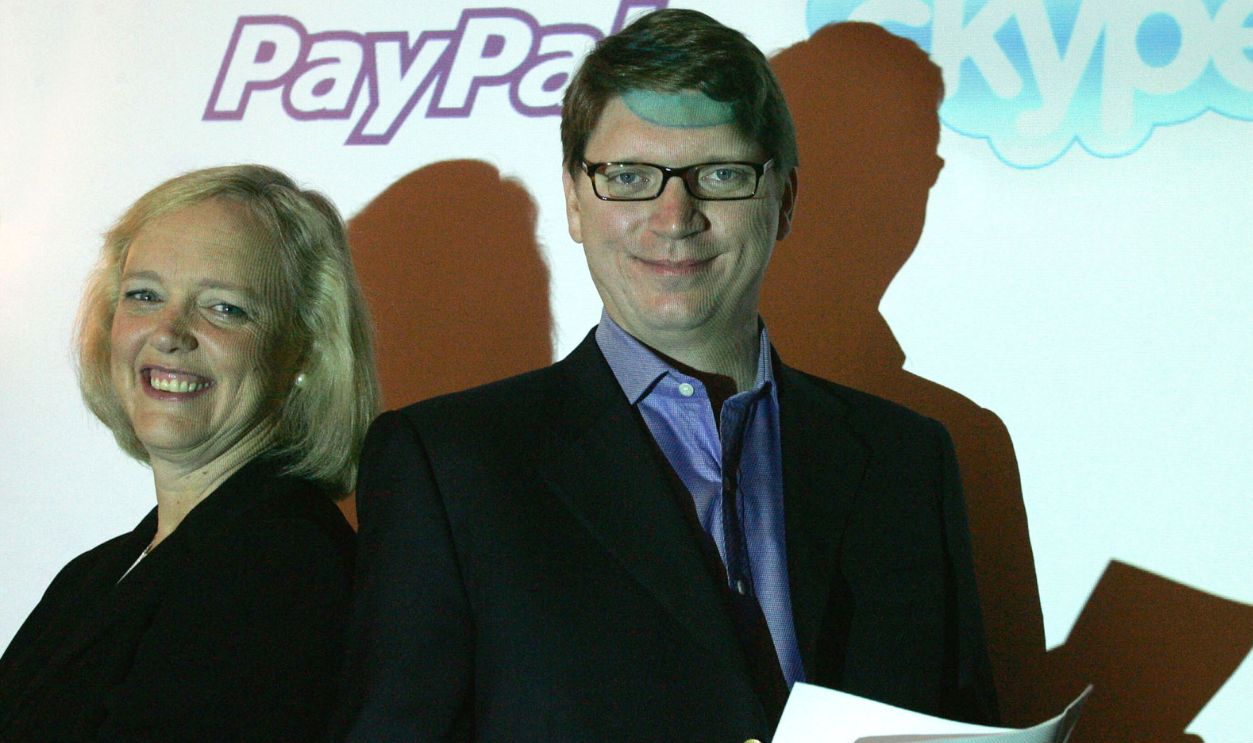
eBay bought Skype in 2005, hoping online shoppers and sellers would use it to talk through deals. That connection never really made sense. Skype was valuable, but not as part of eBay’s core business. Eventually, eBay sold most of it and admitted the strategy had missed.
News Corp Buys Myspace
News Corp paid $580 million for Myspace in 2005, catching the social-media wave at just the wrong moment. Facebook soon surged ahead, advertisers cooled, and users drifted away. By 2011, Myspace sold for a tiny fraction of the purchase price.
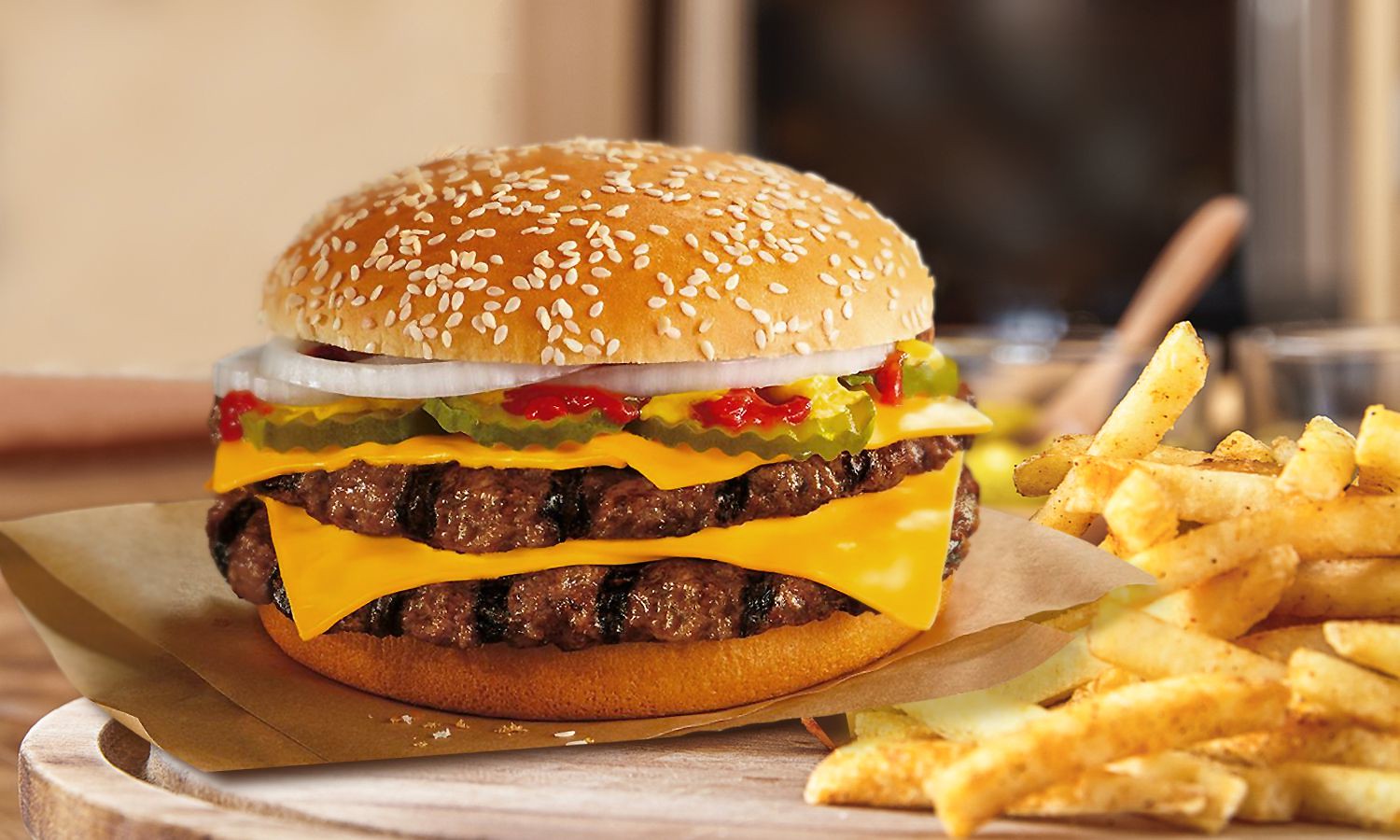
McDonald’s Arch Deluxe Misfire
McDonald’s tried to win adult customers with the Arch Deluxe, a fancy burger backed by a giant marketing campaign. But people did not go to McDonald’s looking for sophisticated mustard sauce and grown-up branding. The burger vanished, leaving behind a very expensive lesson in knowing your audience.
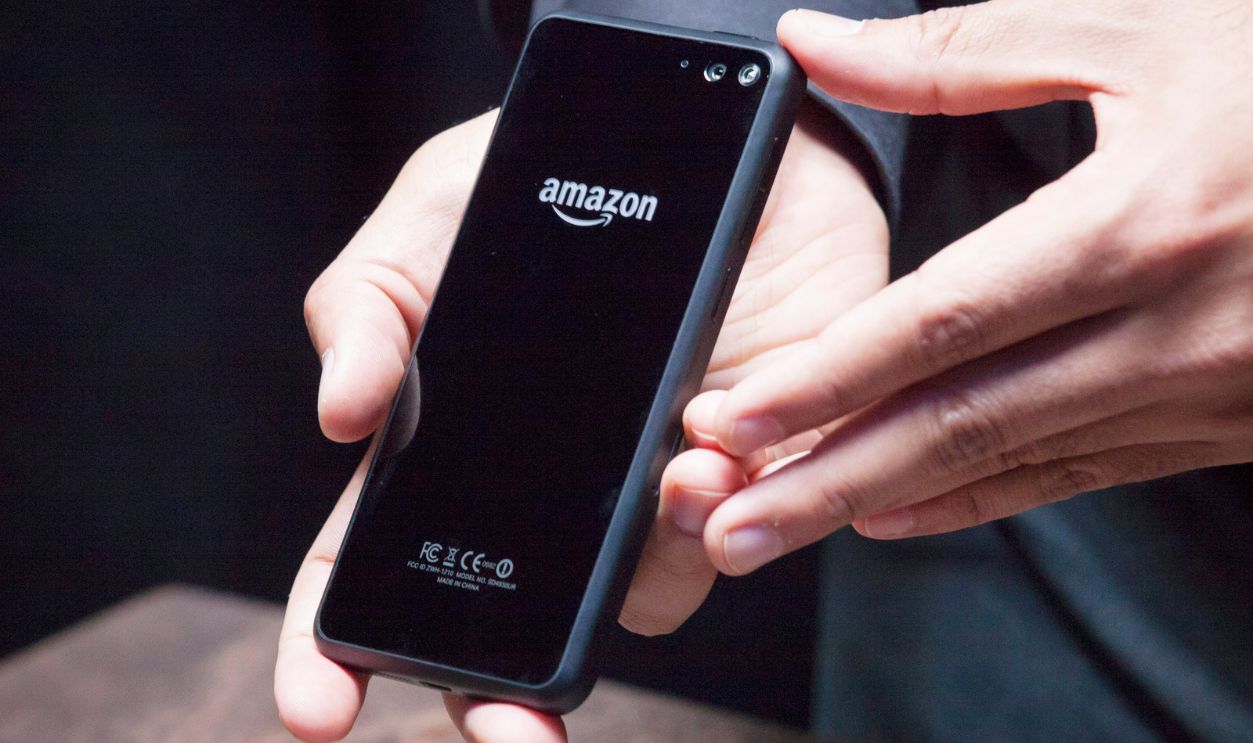
Amazon’s Fire Phone Fizzle
Amazon’s Fire Phone launched in 2014 with flashy 3D-style features and deep shopping integration. But it was pricey, limited, and late to a market already ruled by Apple and Samsung. Customers stayed away, and Amazon quickly wrote down unsold inventory.
What These Billion-Dollar Blunders Teach Us
The funniest thing about corporate disasters is that they often begin with confidence. Executives see a trend, chase a rival, or bet big on a shiny idea. But customers, culture, timing, and trust still matter. The lesson is simple: even giants can fall when they stop listening.
 Loic Le Meur from France, Wikimedia Commons
You May Also Like:
Independent Facts About Mary Fitzroy, Henry VIII's Scandalous Daughter-In-Law
Rockin’ Facts About Dick Clark, America’s Oldest Teenager