
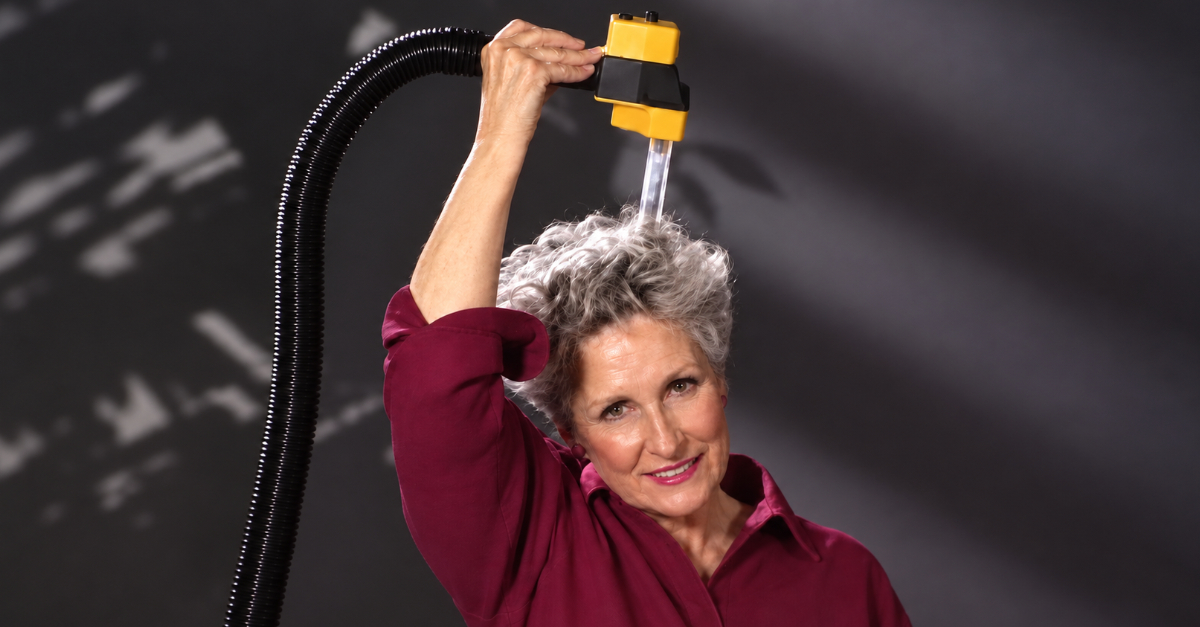
But Wait, There’s More!
You turned on the TV because you couldn’t sleep. Half an hour later, you were seriously considering buying something you hadn’t even known existed. These 80s infomercial products could make almost anything seem essential.
But how many would anyone born after 2000 even recognize?
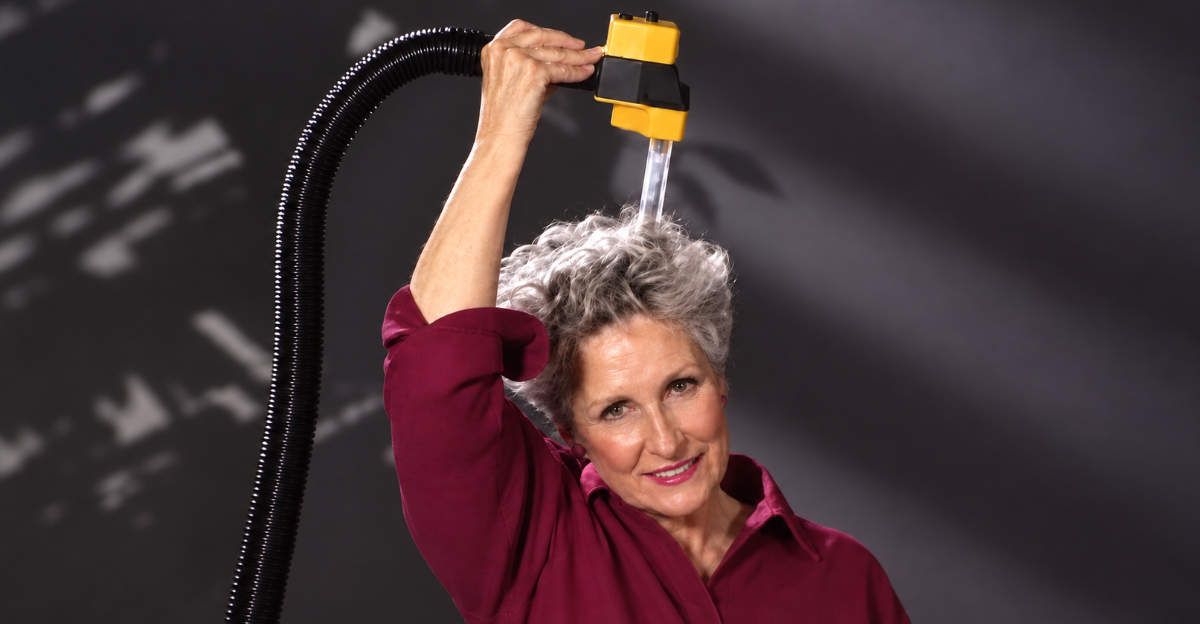
When Commercials Became Shows
In 1984, the FCC removed advertising-time limits for commercial television, helping open the door to entire programs devoted to selling something. Suddenly, a product demonstration could last half an hour. Apparently, Americans needed considerably more time to appreciate everything a household gadget could do.
Flowbee
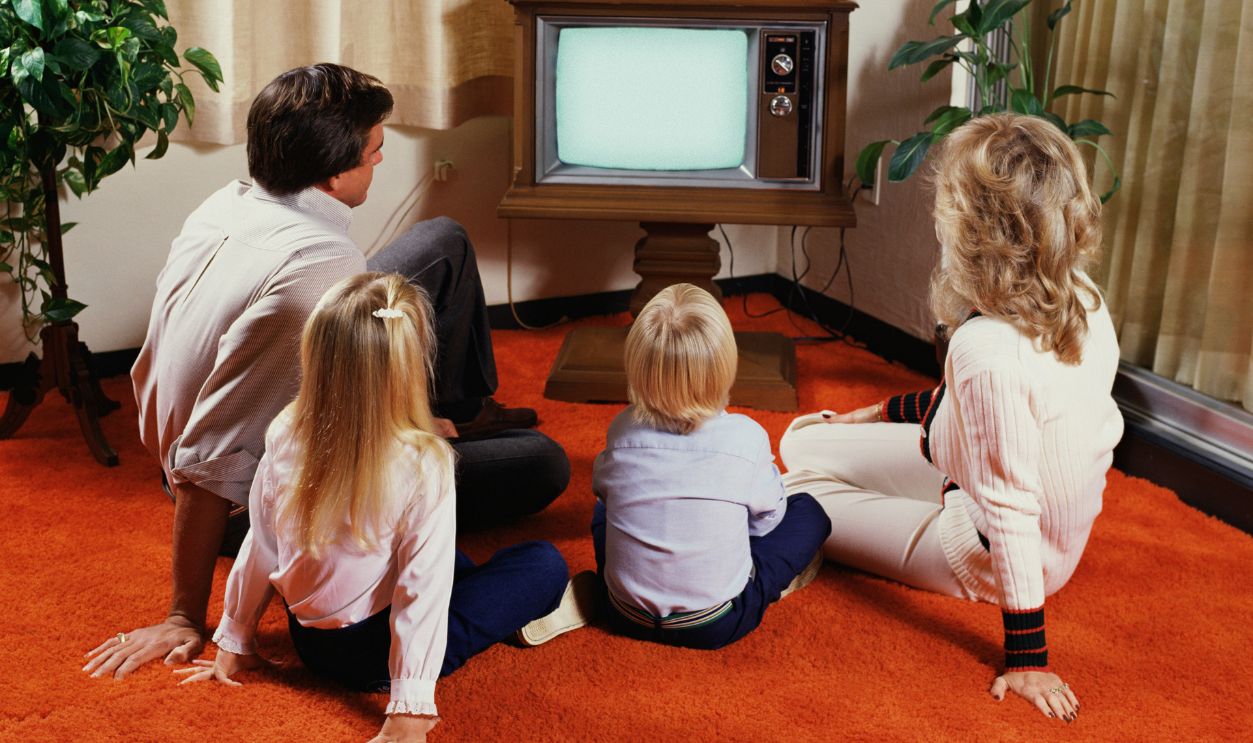
Getting a haircut with a vacuum cleaner sounds like something your husband would suggest to save money. But Flowbee made an actual business out of it. Inventor Rick Hunts landed his first infomercial in 1988, demonstrating a device that trimmed hair while sucking up the clippings.
 Victor Martinez from Fort Lauderdale, U.S.A., Wikimedia Commons
BluBlocker Sunglasses
BluBlocker sunglasses arrived in 1986, and Joe Sugarman took their amber-tinted lenses into the growing infomercial business. Demonstrations encouraged people to try them and describe the difference. Selling sunglasses through television might sound difficult, but Sugarman turned those reactions into a very successful sales pitch.

Auri Car Polish
Most people demonstrate car polish by making a car shiny. Auri’s pitch went considerably further, with a demonstration involving fire on a car hood. Its late-80s television appearances helped make car care surprisingly watchable. You might forget the polish, but that demonstration was harder to forget.
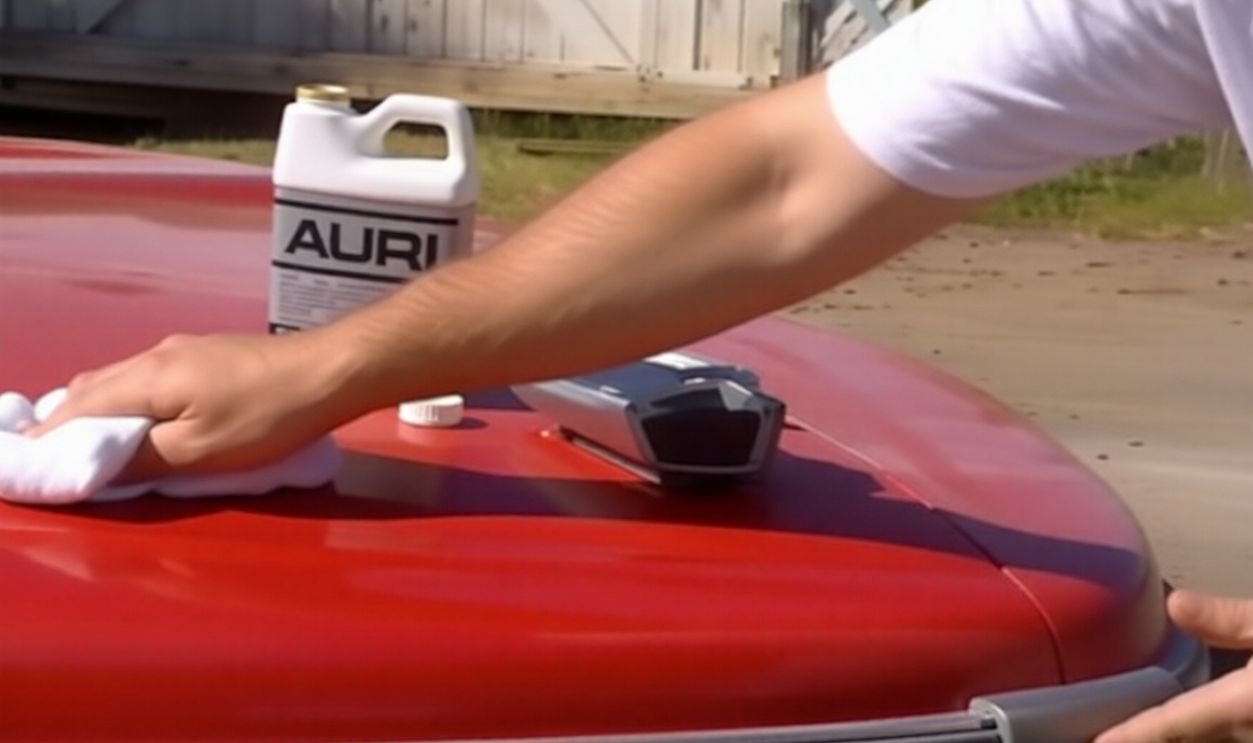 Screenshot from Auri Infomercial, USA Network (1990), Enhanced
Deal-A-Meal
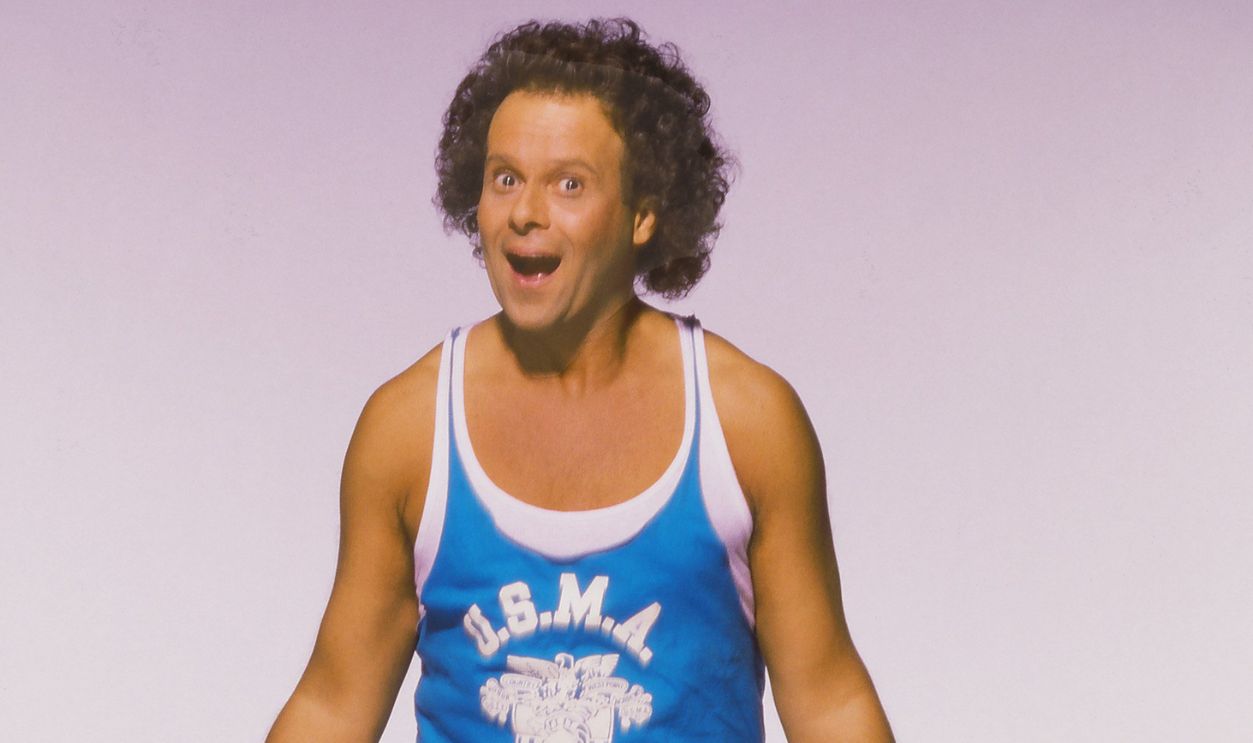
Richard Simmons made keeping track of your food look like a card game. His Deal-A-Meal system used colored cards representing food groups, which you moved between wallet compartments as you ate. Simmons said his homemade prototype involved two wallets taped together. Sometimes a business really does start that simply.
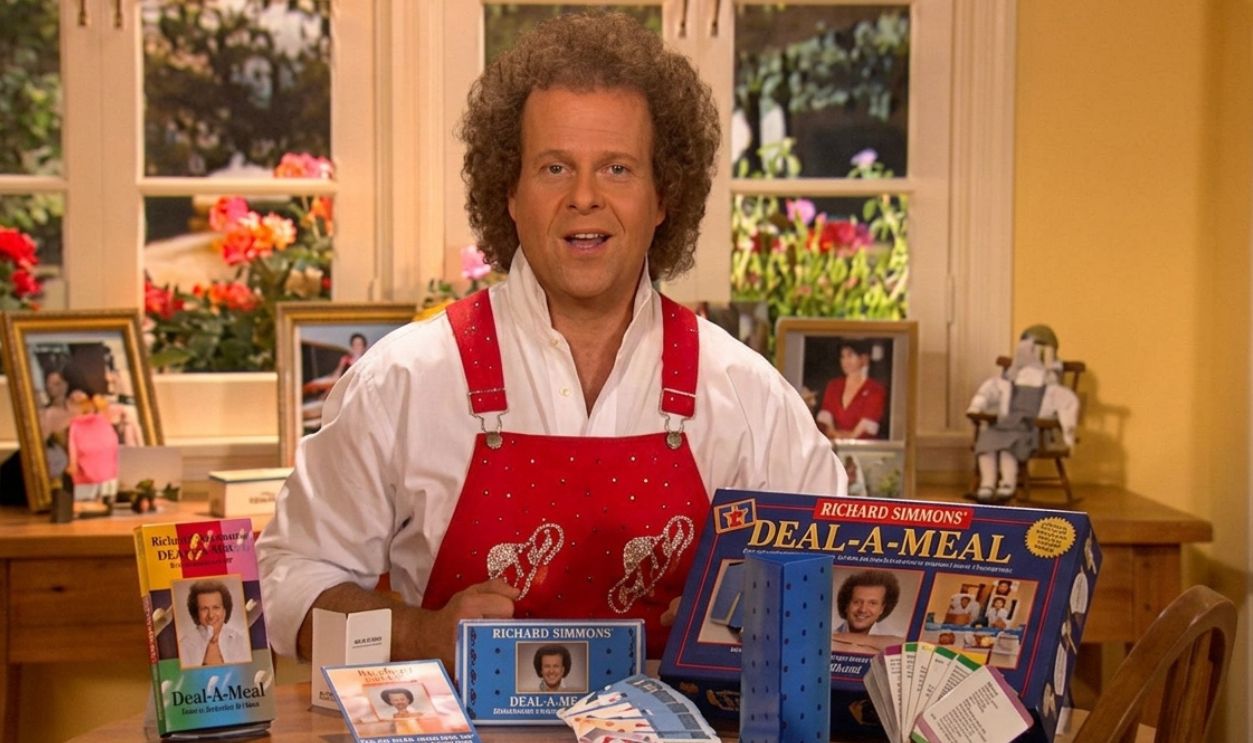 Screenshot from Deal Your Way to Health, Anchor Bay Entertainment (1993), Enhanced
The Original NordicTrack Ski Machine
The NordicTrack many Boomers remember involved wooden skis, cord-mounted handgrips, and learning to coordinate your arms and legs without going anywhere. The company expanded its television advertising and infomercials in the late 80s. Cross-country skiing had officially become something you could do beside the couch.
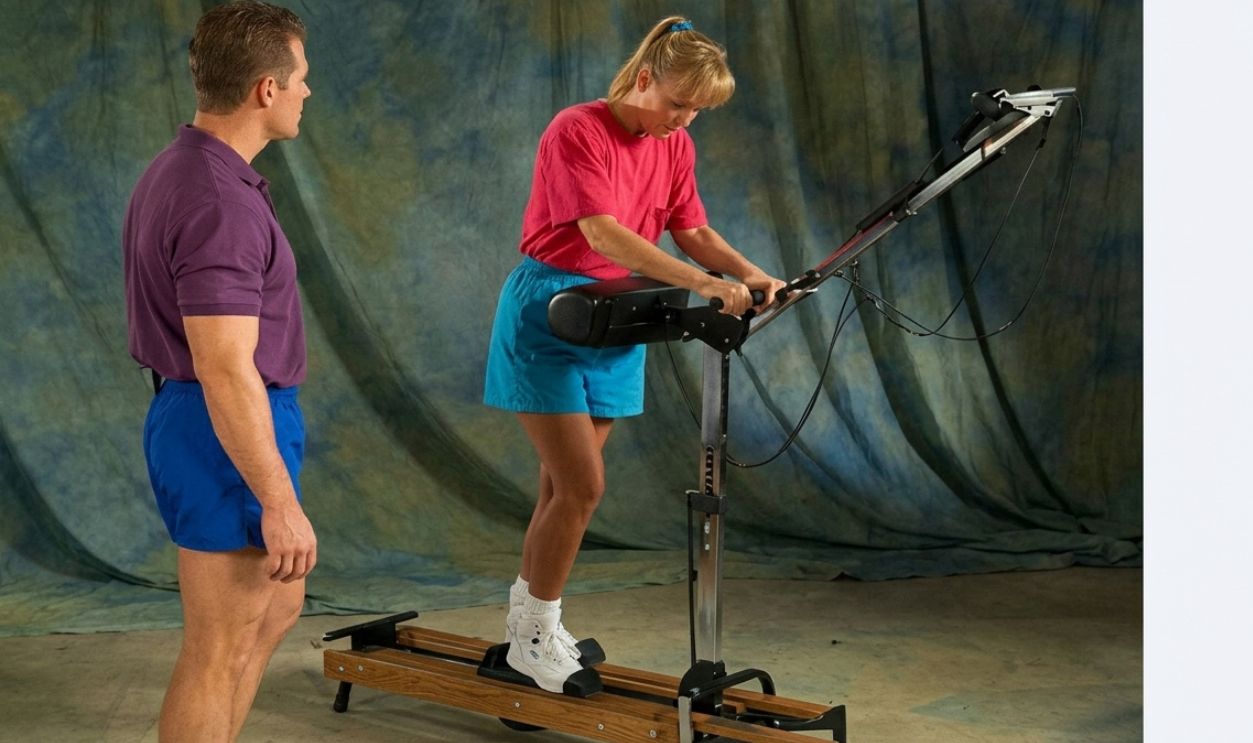 Screenshot from NordicTrack Instructional Video, NordicTrack (1993), Enhanced
Europainter
Europainter made painting walls and ceilings look almost suspiciously easy. Its flat painting pad could reach overhead, while demonstrations emphasized how little paint it supposedly dripped. Featured in the late-80s infomercial world, it could make you consider redecorating a room you’d been perfectly happy with yesterday.
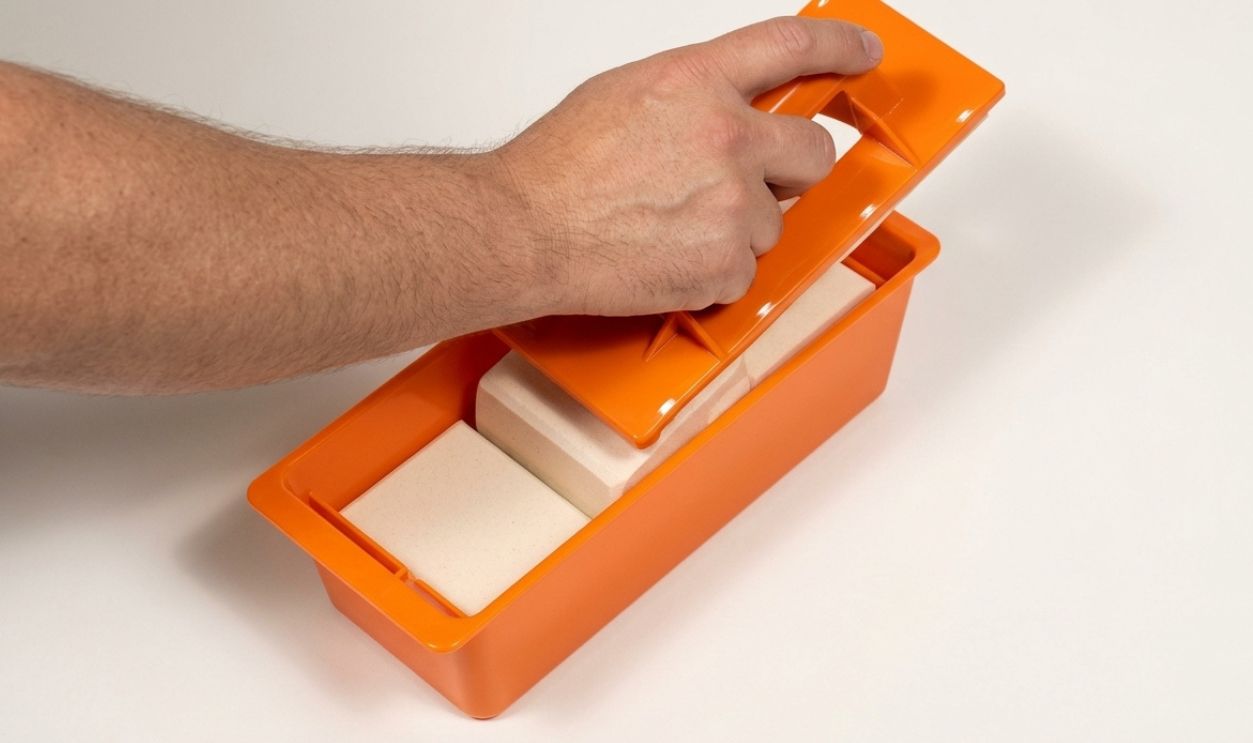 Screenshot from Europainter Infomercial, Amazing Discoveries (1989), Enhanced
HP-9000 Cleaner
HP-9000 appeared on “Amazing Discoveries” in 1989, turning stain removal into another enthusiastic demonstration. The cleaner’s pitch even claimed it was completely safe for human skin. The FTC later challenged that claim. Apparently, there were some details the television demonstration hadn’t quite cleared up.
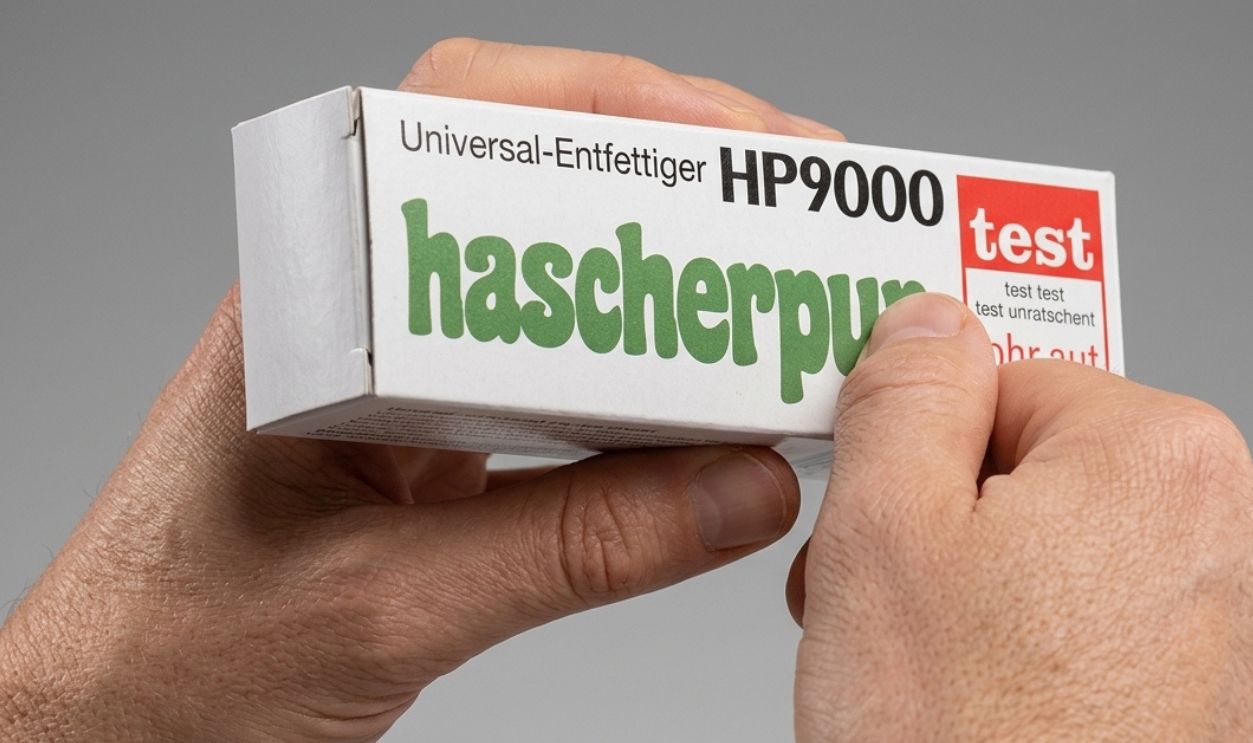 Screenshot from Amazing Discoveries, Amazing Discoveries (1989), Enhanced

History's most fascinating stories and darkest secrets, delivered to your inbox daily.
“Where There’s A Will, There’s An A”
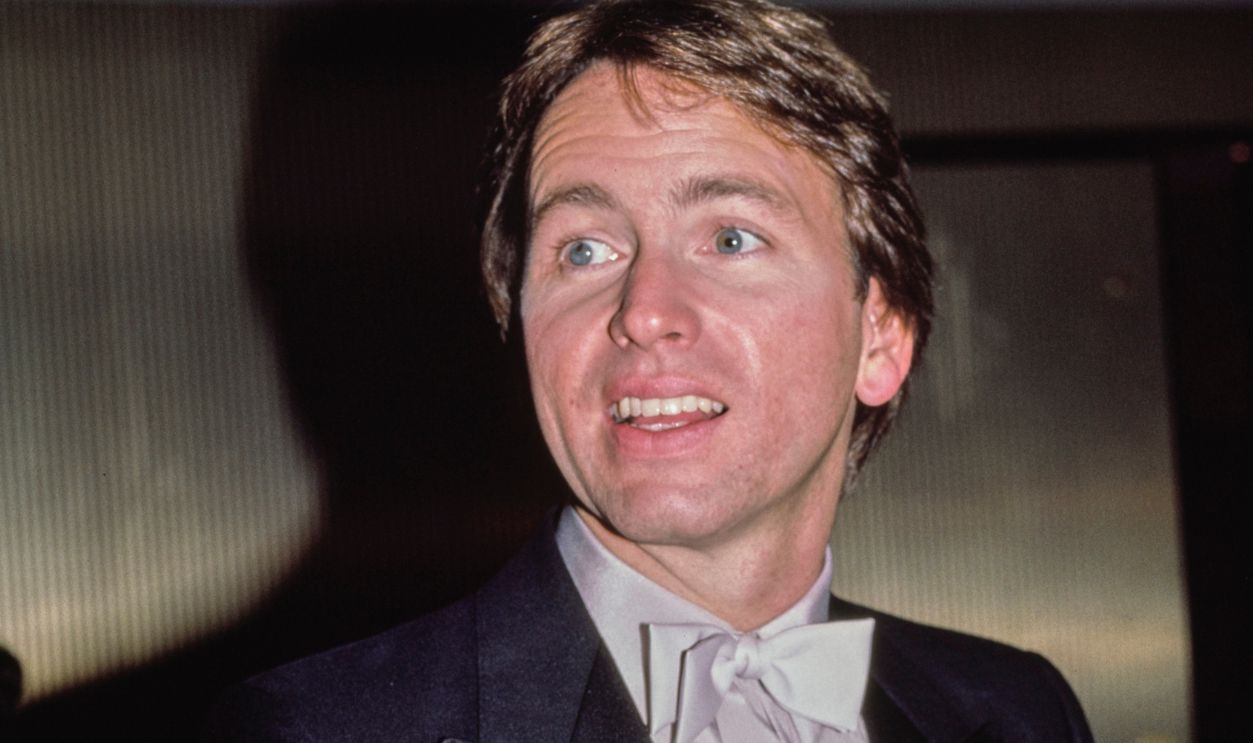
Parents worried about report cards had their own infomercial temptation. This study-skills course promised to help students improve how they learned, with John Ritter appearing in pitches already airing in 1988. Having a familiar television star explain it certainly made the homework problem feel more manageable.
Ronco Electric Food Dehydrator
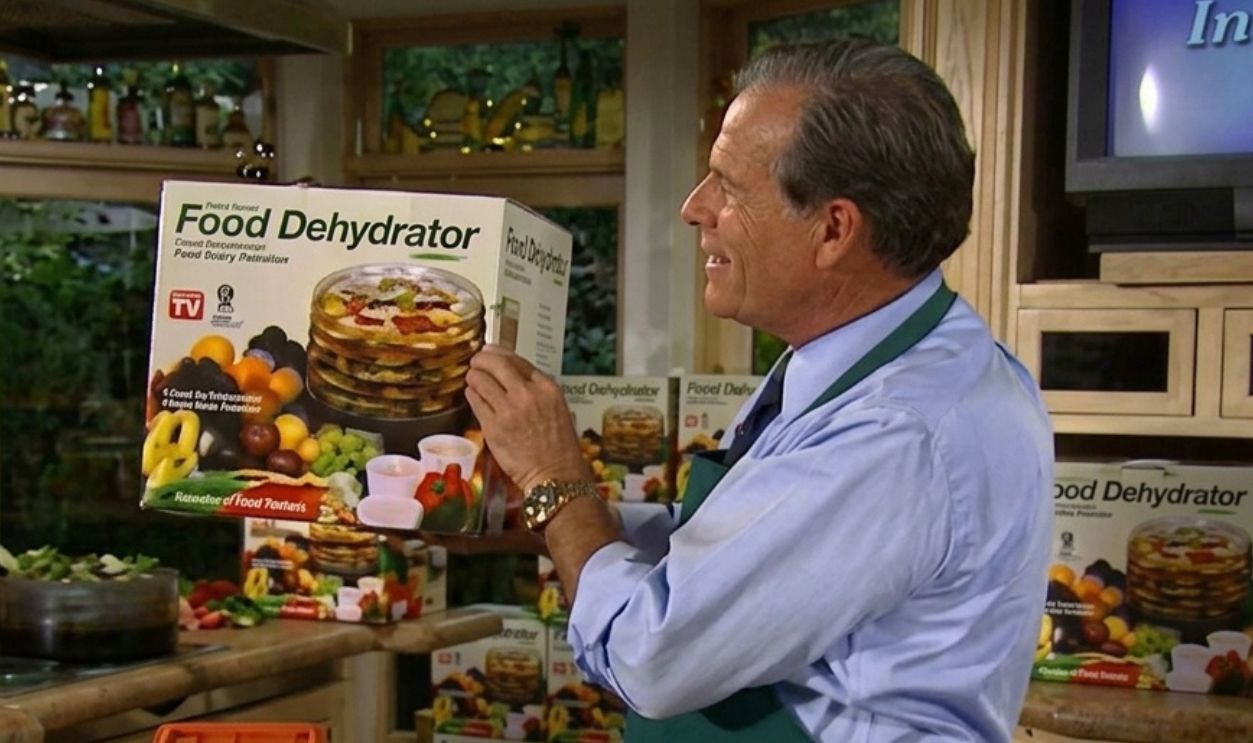
Ron Popeil returned to television in 1989 with a food dehydrator, turning drying food into another irresistible demonstration. Fruit snacks and homemade jerky became reasons to pick up the phone. After Ronco’s earlier financial troubles, this appliance helped put one of television’s greatest salesmen back in business.
 Screenshot from Ronco Electric Food Dehydrator Infomercial, Ronco (1989), Enhanced
Soloflex
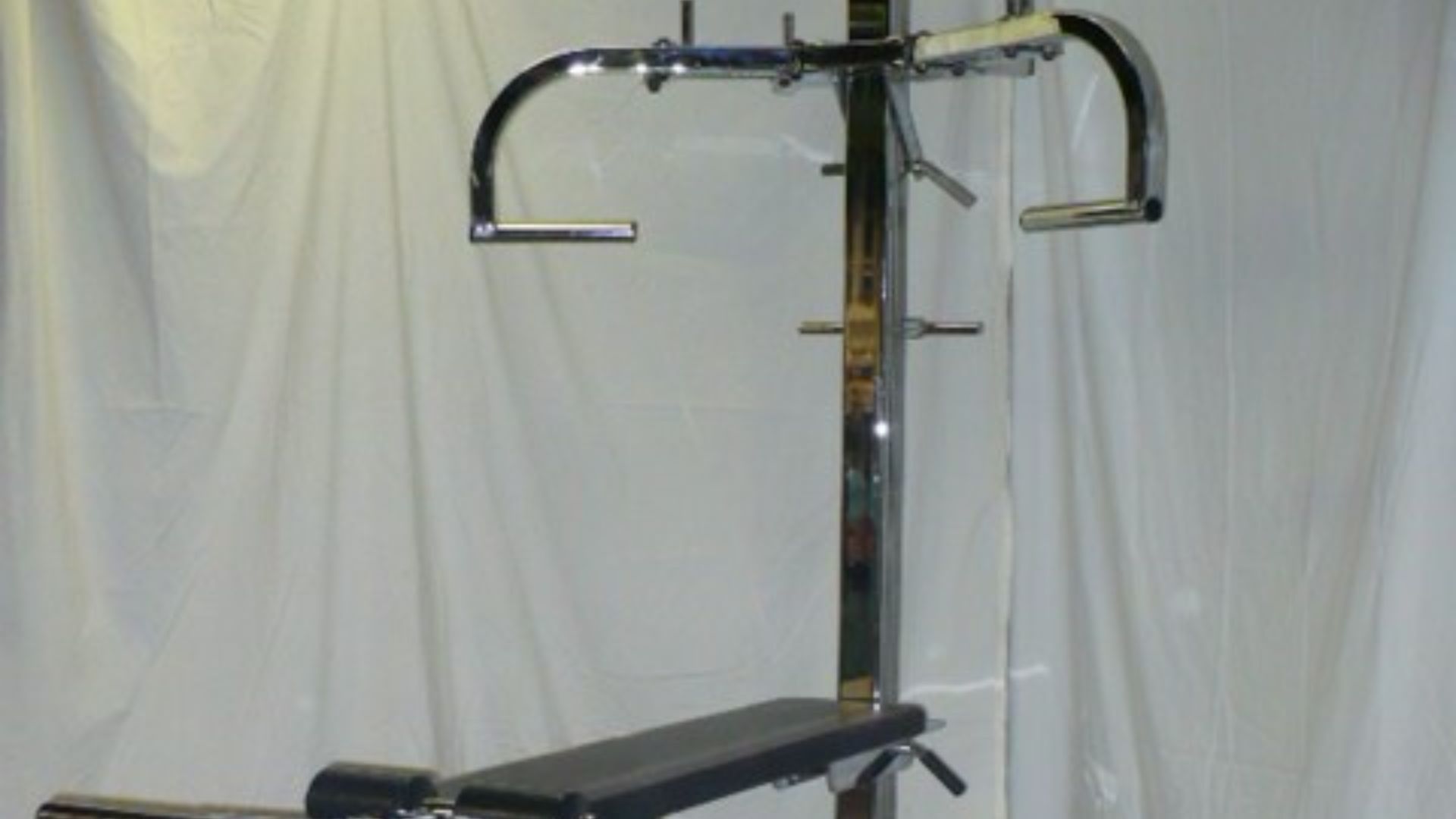
Soloflex sold the possibility of building an impressive body without leaving home. Its resistance-based exercise machine became an 80s advertising fixture, helped by model Scott Madsen. The demonstrations made everything look smooth and controlled. Finding somewhere to put the machine was your problem after ordering it.
Miracle Blade
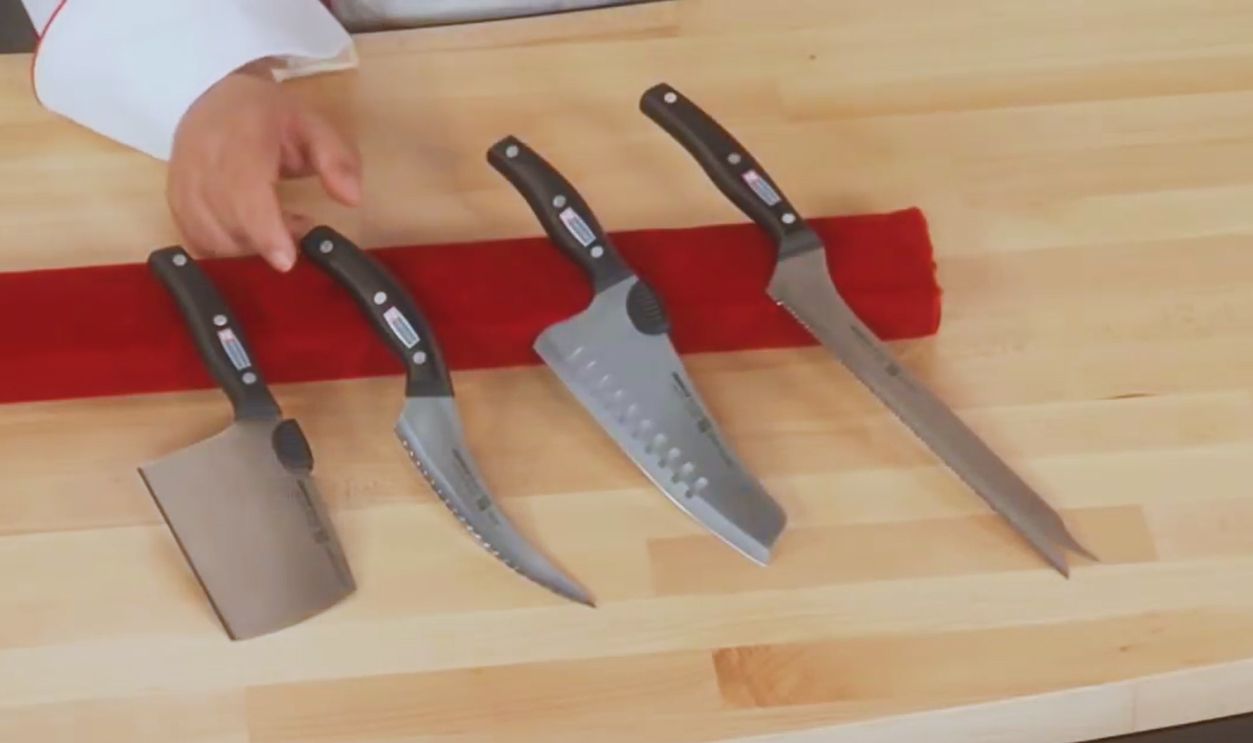
Ginsu wasn’t the only knife name television viewers learned. Miracle Blade was being sold by 1989, building its appeal around dramatic cutting demonstrations. Ordinary kitchen knives suddenly seemed terribly unimpressive. Apparently, slicing dinner ingredients wasn’t enough—you needed a knife that could put on a show first.
 Screenshot from Miracle Blade TV Infomercial, CBS (1989)
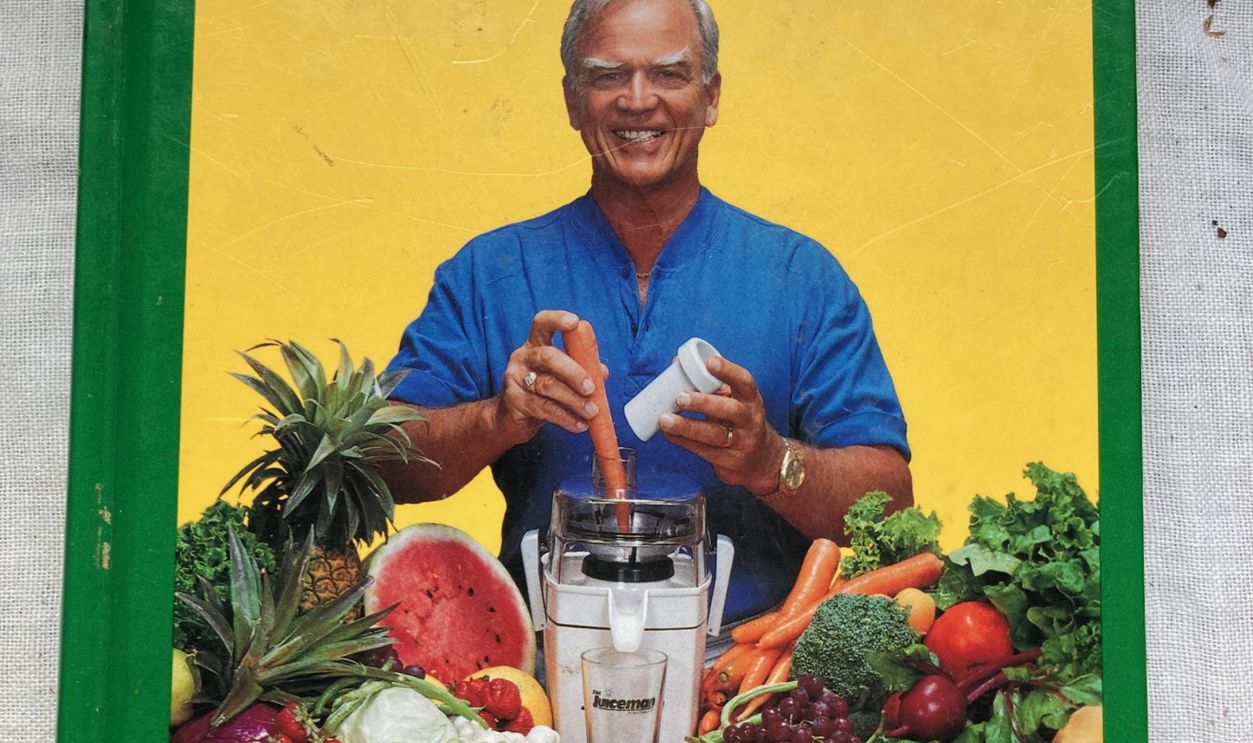
The Juiceman Juicer
Jay Kordich brought enough enthusiasm to juicing to make a bag of carrots seem exciting. His national infomercial career began in 1989, helping turn the Juiceman name into a business. Viewers were buying a machine, but Kordich’s energetic demonstrations were a big part of the attraction.
Victoria Jackson Cosmetics
Makeup artist Victoria Jackson took her cosmetics onto infomercials in 1989, demonstrating her natural-looking approach to makeup. According to Jackson, the first week brought $1 million in sales. Television could apparently sell everything needed to look like you weren’t wearing much makeup.
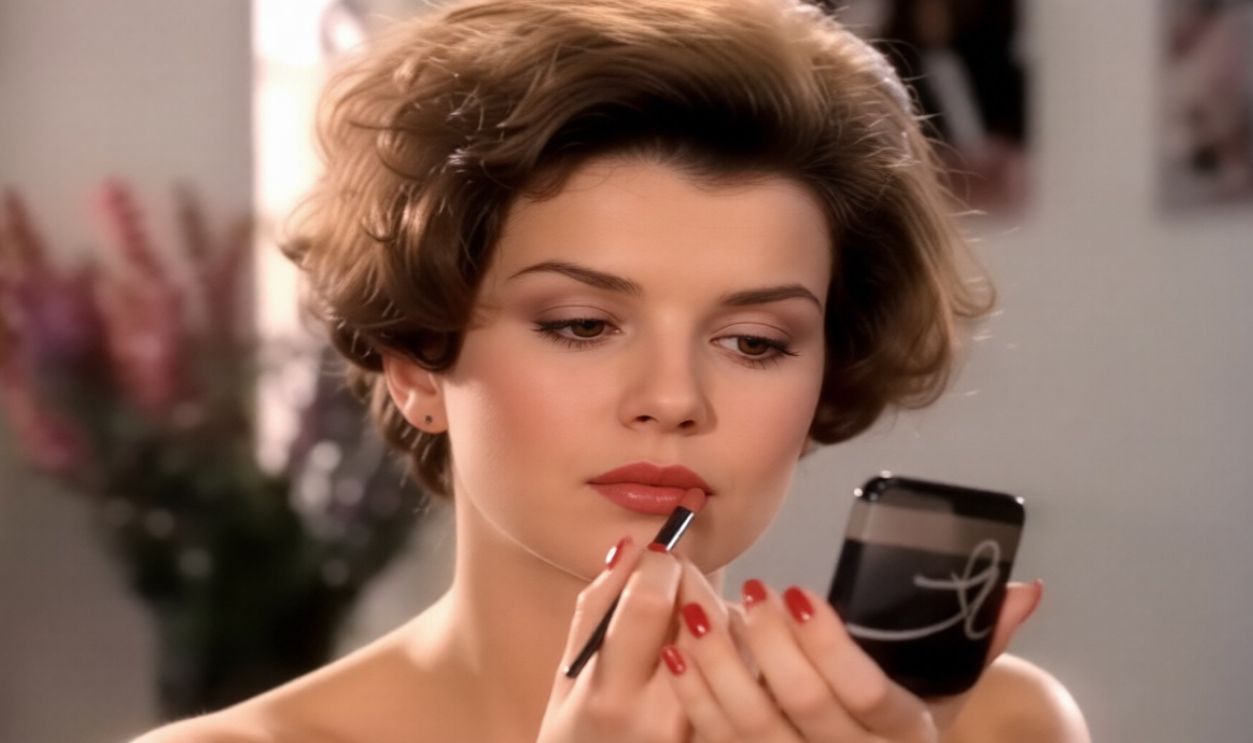 Screenshot from Victoria Jackson Cosmetics Infomercial, Syndication (1989), Enhanced
The Original FoodSaver
FoodSaver’s first infomercial aired in 1987, introducing viewers to vacuum packaging at home. Removing air from bags made storing food into something worth demonstrating on television. The brand continued beyond that era, but those early machines belong to the days when preserving leftovers could become an entire sales presentation.
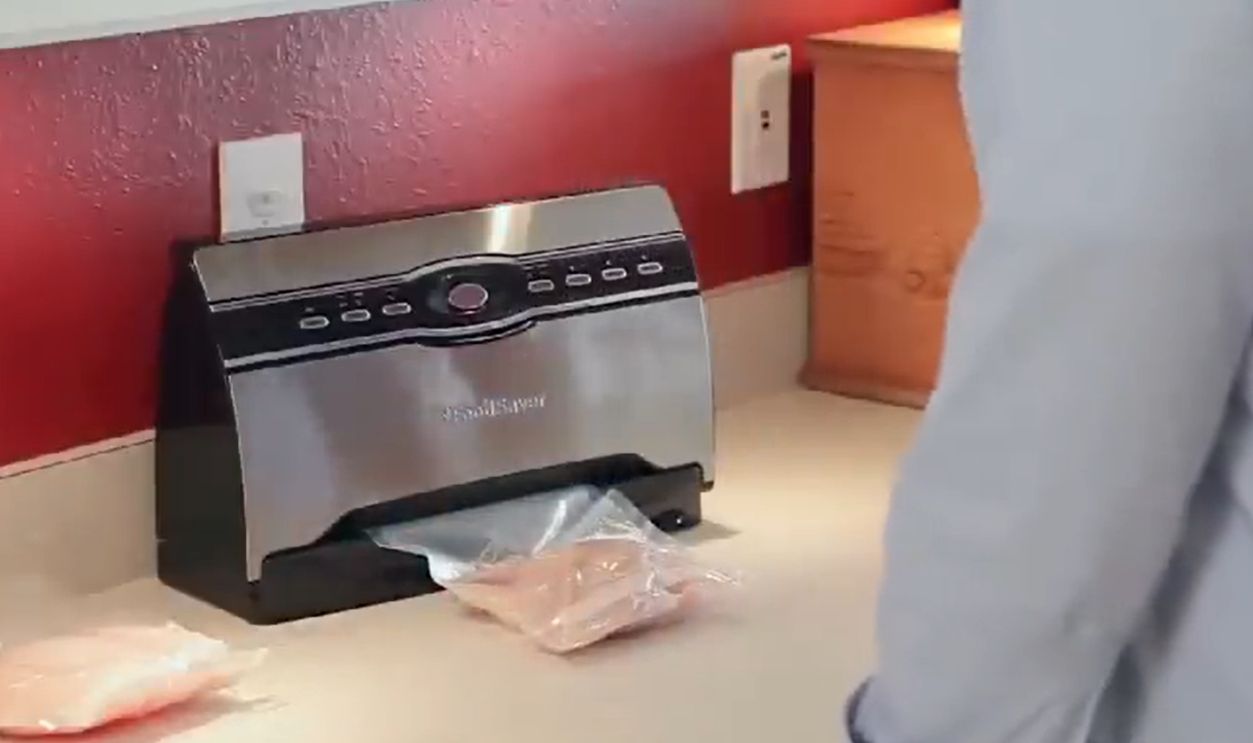 Screenshot from FoodSaver Infomercial, FoodSaver (1987)
Abdominizer
The Abdominizer was a curved plastic exercise device that became an infomercial hit after its television campaign began in 1988. The pitch invited viewers to “rock, rock, rock your way to a firmer stomach.” It looked simple enough. Of course, you still had to get on the floor and exercise.
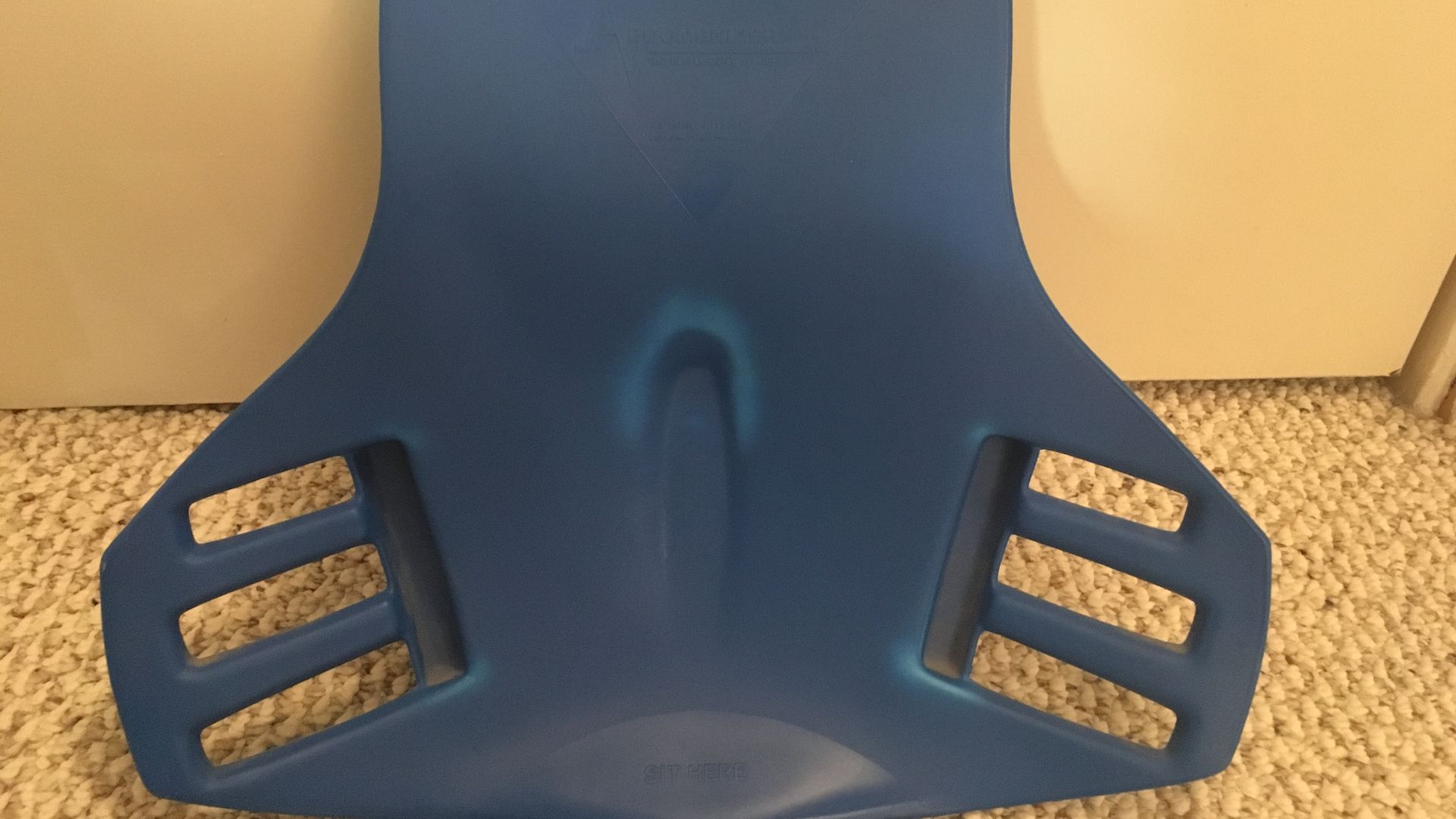 Expandinglight5, Wikimedia Commons
Tony Robbins’ “Personal Power”
Tony Robbins could make buying motivational tapes feel like the first step toward changing your entire life. Guthy-Renker produced “Personal Power” in 1988 after noticing his commanding presence in another infomercial. His enthusiasm became part of the product. Those cassettes came with considerably more excitement than an ordinary audiobook.
 Brian Solis, Wikimedia Commons
Carleton Sheets’ “No Down Payment” Course
Carleton Sheets brought his real estate lessons to a national audience after partnering with the Professional Education Institute in 1984. His home-study course promoted buying property without a down payment. You might have started the evening watching television and ended it imagining yourself as a landlord.
 Screenshot from Carleton Sheets’ No Down Payment Course Infomercial, Syndication (1984), Enhanced
“Sweatin’ To The Oldies”
Richard Simmons’ 1988 workout video paired exercise with familiar songs and people who looked more approachable than the usual fitness models. It became part of his television sales empire. Boomers could work out to music they already loved, with Simmons supplying enough encouragement to fill the living room.
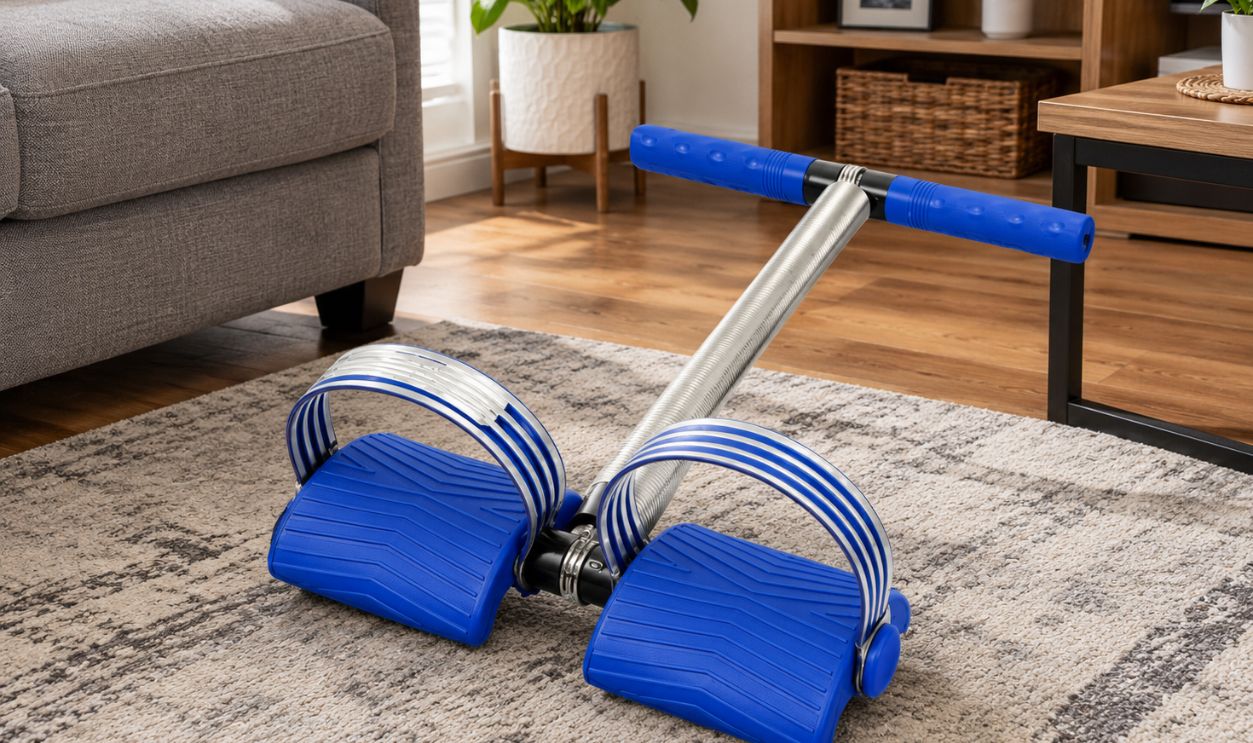
Gut Buster
The Gut Buster offered a spring-based stomach exerciser for $19.95, and around two million devices became subject to a repair program in 1988. Reports of springs breaking revealed the less cheerful side of the television gadget business. A convincing demonstration didn’t necessarily tell buyers everything they needed to know.
 Marling2000, Wikimedia Commons, Modified
“Think And Grow Rich”
Napoleon Hill’s older self-help book found a new sales channel through late-80s infomercials. A 1988 version hosted by football star Fran Tarkenton helped launch Guthy-Renker’s business. Books and recordings could apparently inspire viewers to reach for their wallets just as effectively as a remarkable kitchen appliance.
 New York World-Telegram and the Sun Newspaper staff photographer., Wikimedia Commons
Ed Beckley’s “The Millionaire Maker”
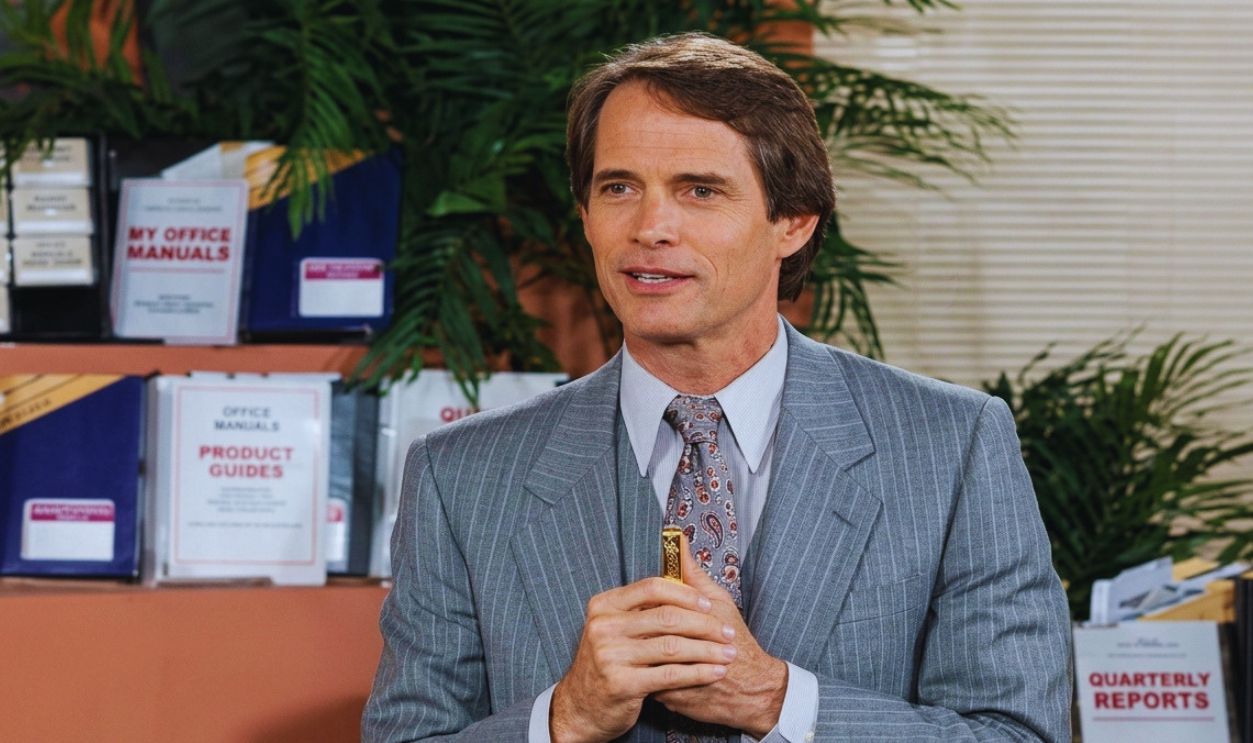
Ed Beckley’s “The Millionaire Maker: No Down Payment” began airing in December 1984, putting real estate instruction near the beginning of the modern infomercial boom. His books and cassettes sold the possibility of building wealth through property. The sales pitch was considerably bigger than anything you could fit in a cupboard.
 Screenshot from Ed Beckley’s The Millionaire Maker, Syndication (1984)
Didi Seven
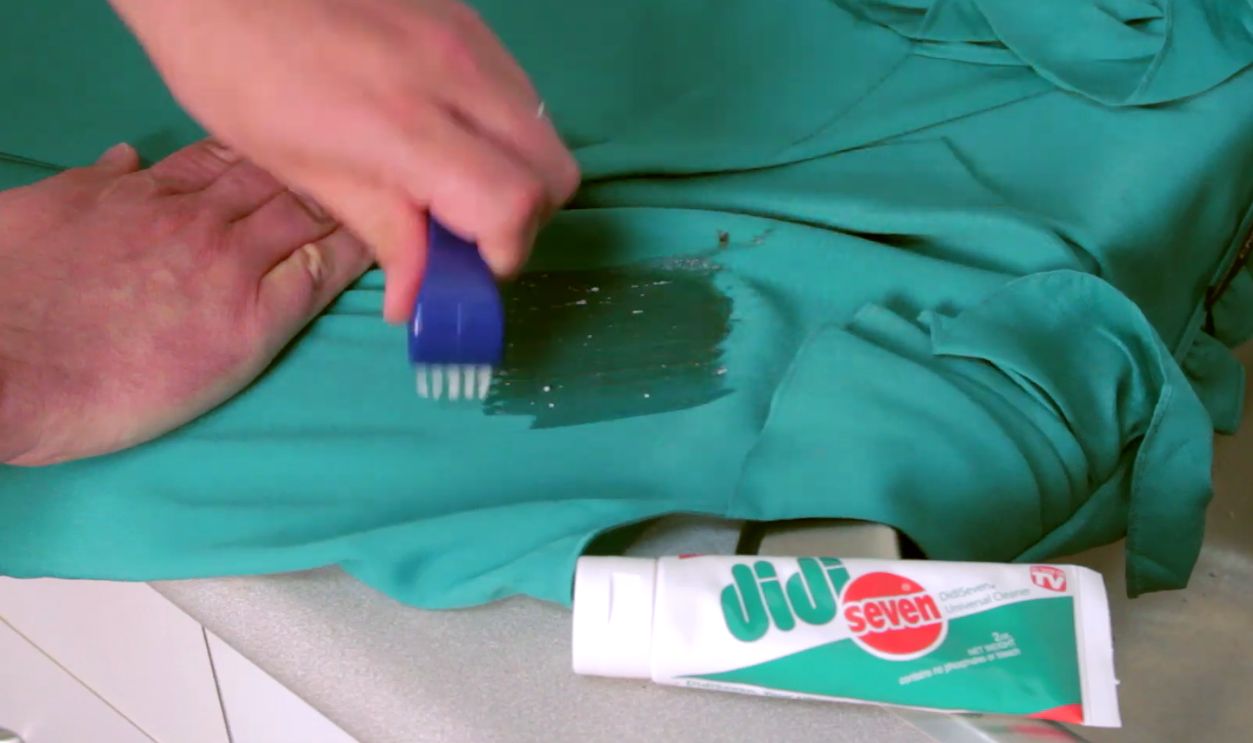
Didi Seven made stain removal into entertainment, with demonstrations that helped sell its concentrated cleaning formula. Interwood brought it to North America after discovering it in 1987. Even the unusual name had a story: inventor Walter Willmann combined a childhood friend’s nickname with his favorite number.
 Screenshot from Didi Seven Infomercial, USA Network (1987)
Did You Actually Order Any Of These?
Remembering the commercial is one thing. Admitting you picked up the phone is another. Did your household own any of these products—and did they earn their place in the cupboard? Or are we wrong, and someone born after 2000 actually knows what a Europainter is?

You Might Also Like:
Forgotten Brands That Once Sat In Almost Every American Kitchen