
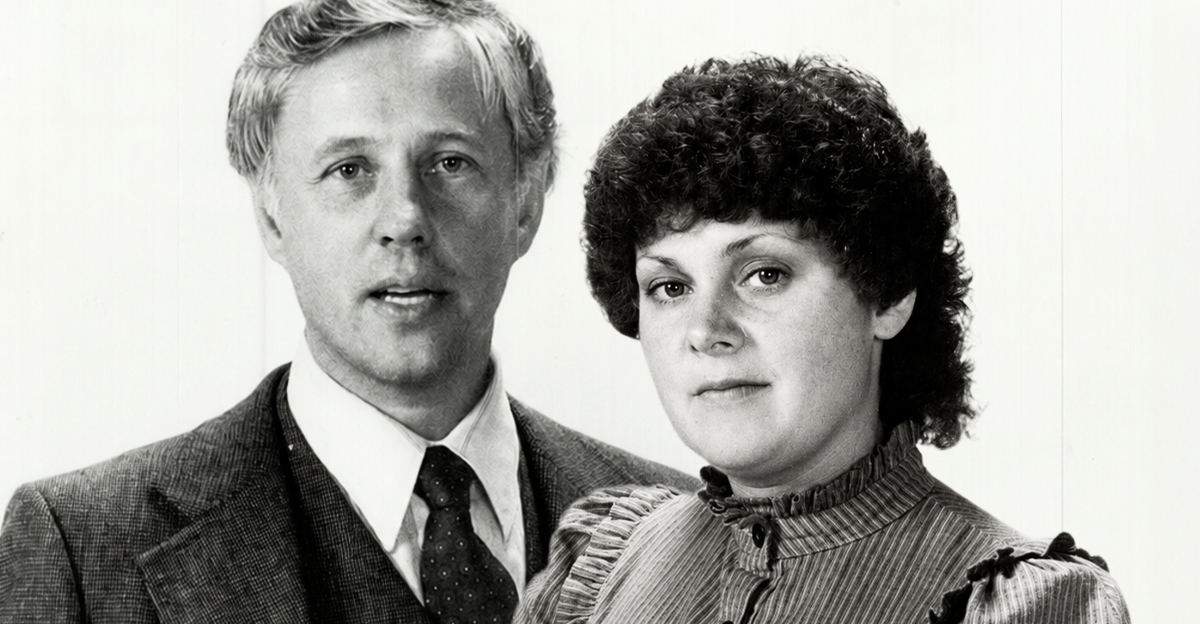
Fear Has A Long History
Long before social media, societies could become convinced that some new entertainment, technology, youth trend, or social behavior threatened civilization itself. Newspapers amplified frightening anecdotes, politicians demanded action, and worried parents tried to protect children. Many once-urgent moral panics now seem almost impossible to believe.
Novel Reading
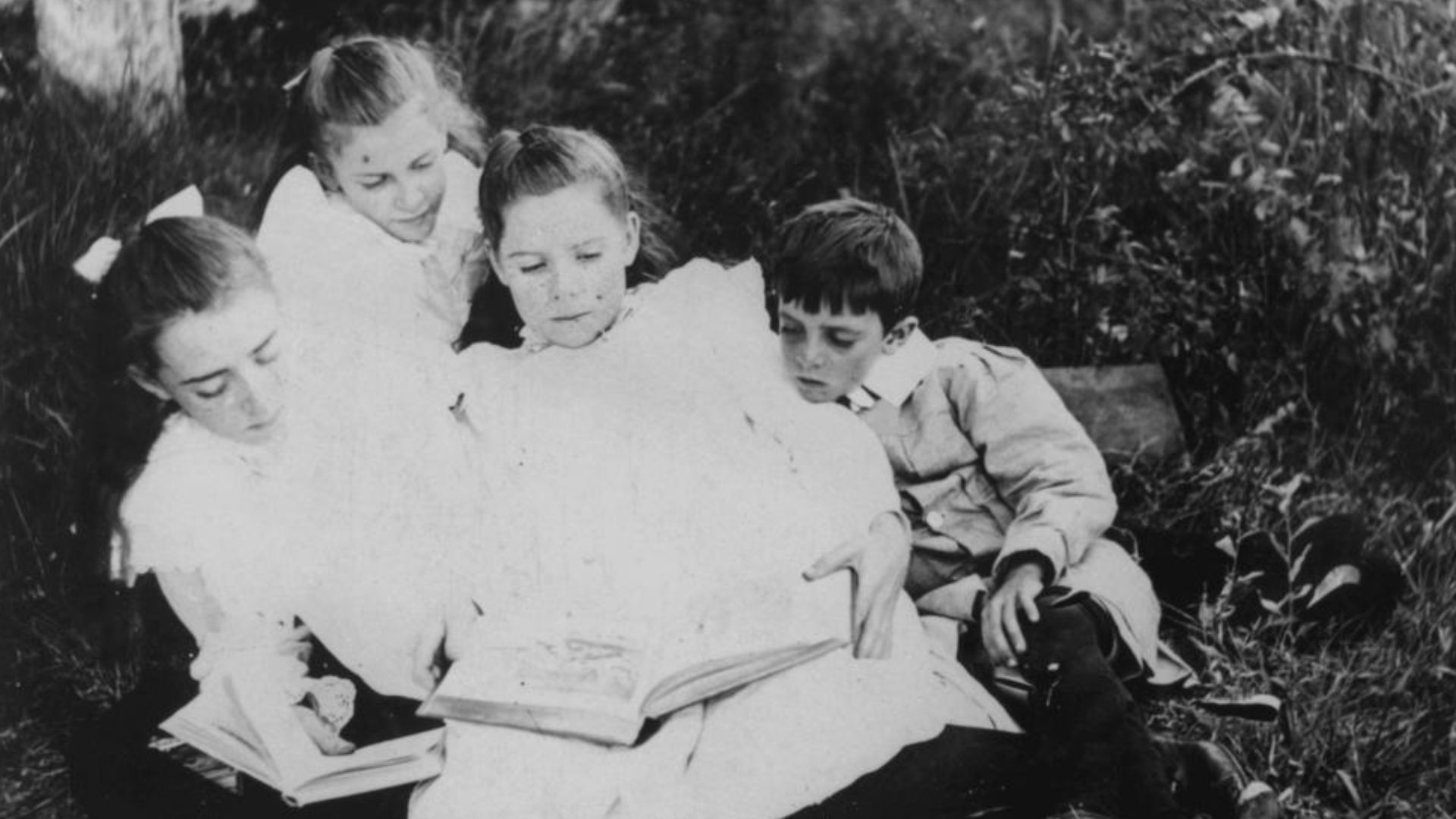
In the 18th century, even reading novels could look dangerously addictive. Critics worried that impressionable readers, particularly women, would neglect responsibilities, confuse fiction with reality, and absorb questionable ideas about romance and morality. Scholars have described the backlash against Britain's booming novel culture as an early moral media panic.
The Waltz
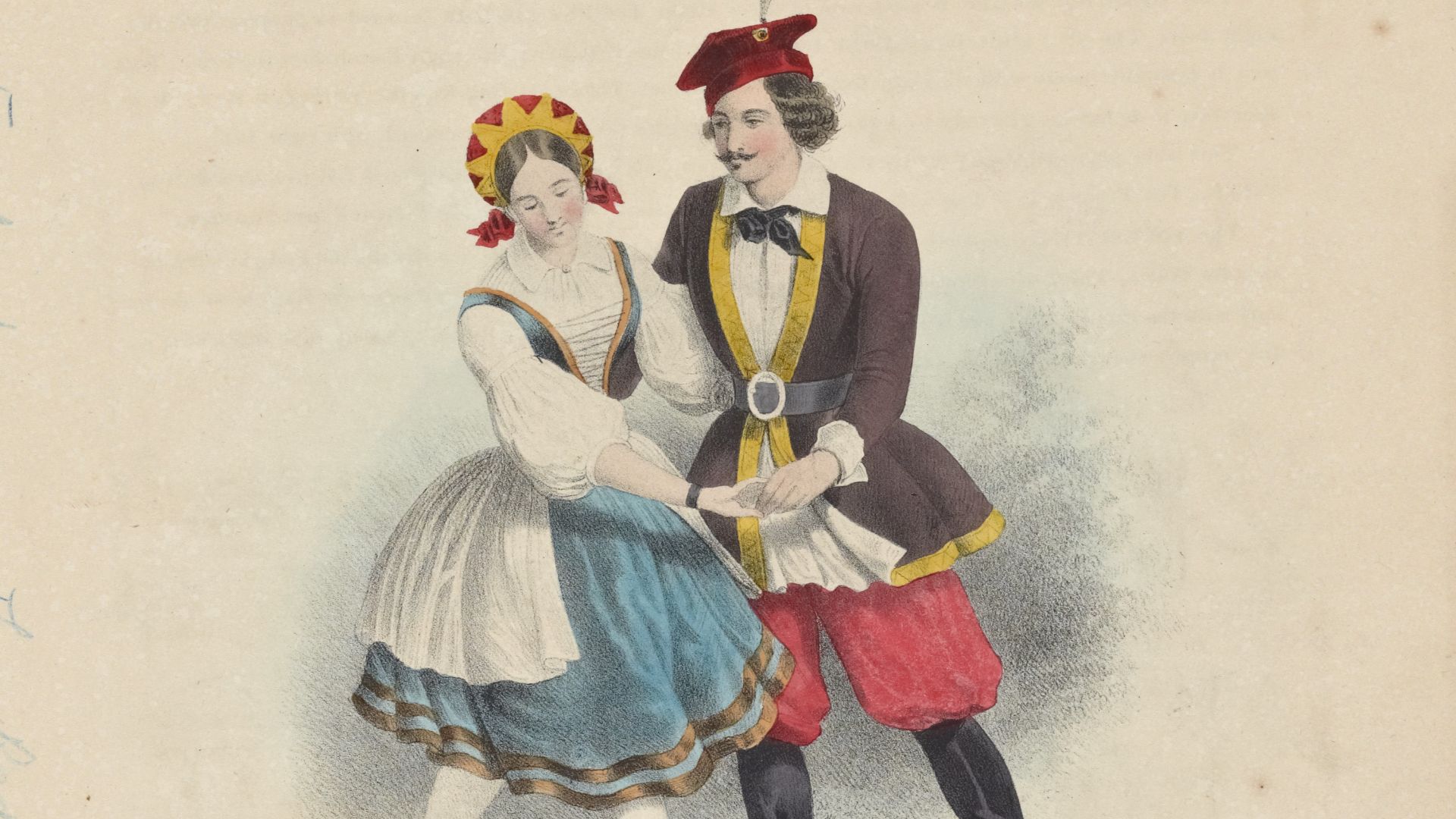
When the waltz became fashionable during the early 19th century, critics were scandalized by partners dancing in a close embrace while rotating together. Compared with more formal dances, the physical contact seemed shockingly intimate. The dance survived the controversy and eventually became almost synonymous with respectable ballroom elegance.
 Scan by NYPL, Wikimedia Commons
Ragtime And Jazz
Early jazz and ragtime alarmed guardians of respectable culture who associated the music with dancing, nightlife, loose morals, and racial integration. By the 1920s, jazz became part of a wider generational struggle over changing manners. Universities attempted to regulate student behavior while young Americans enthusiastically embraced the Jazz Age.

History's most fascinating stories and darkest secrets, delivered to your inbox daily.
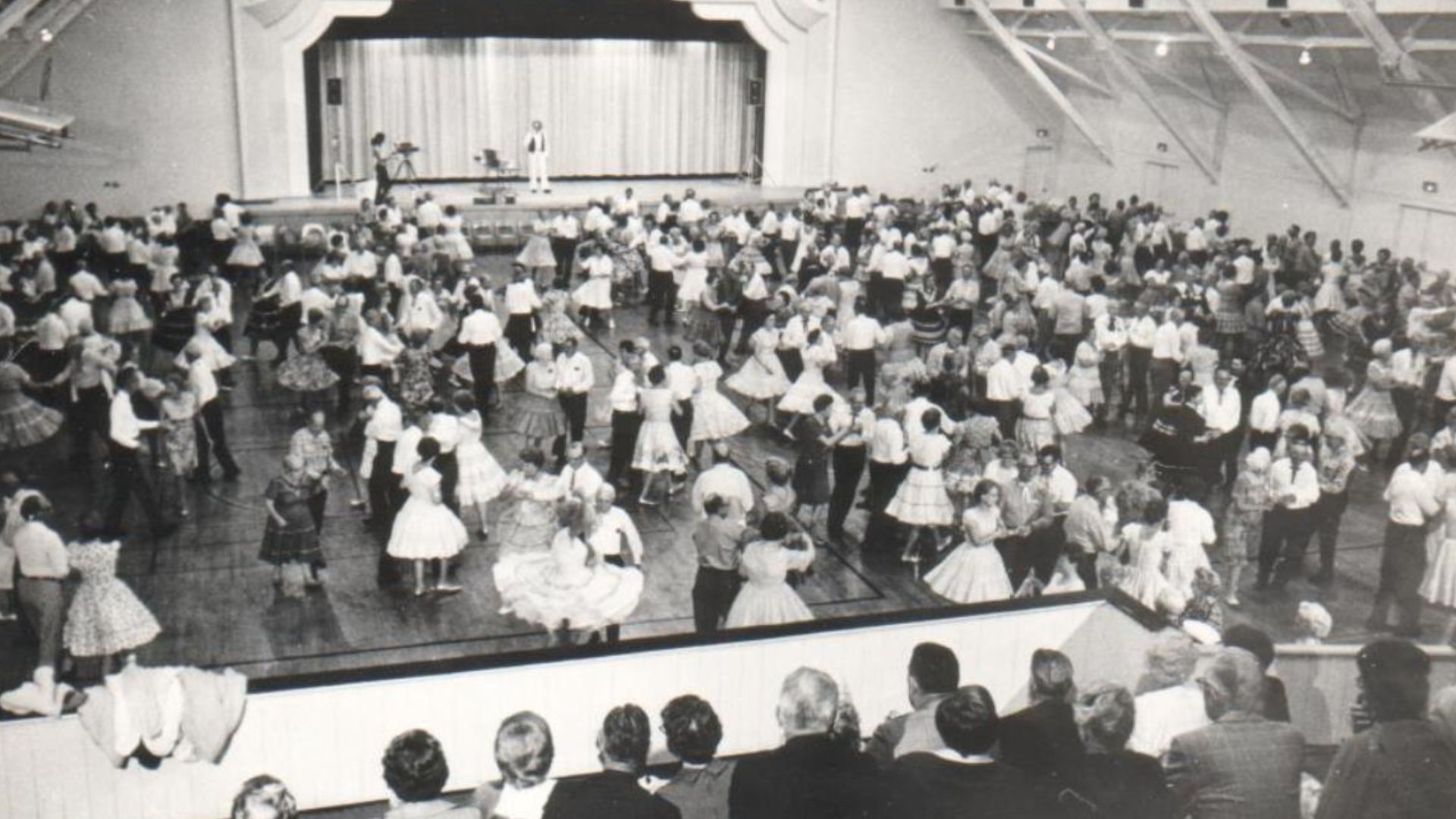
Dance Hall Dangers
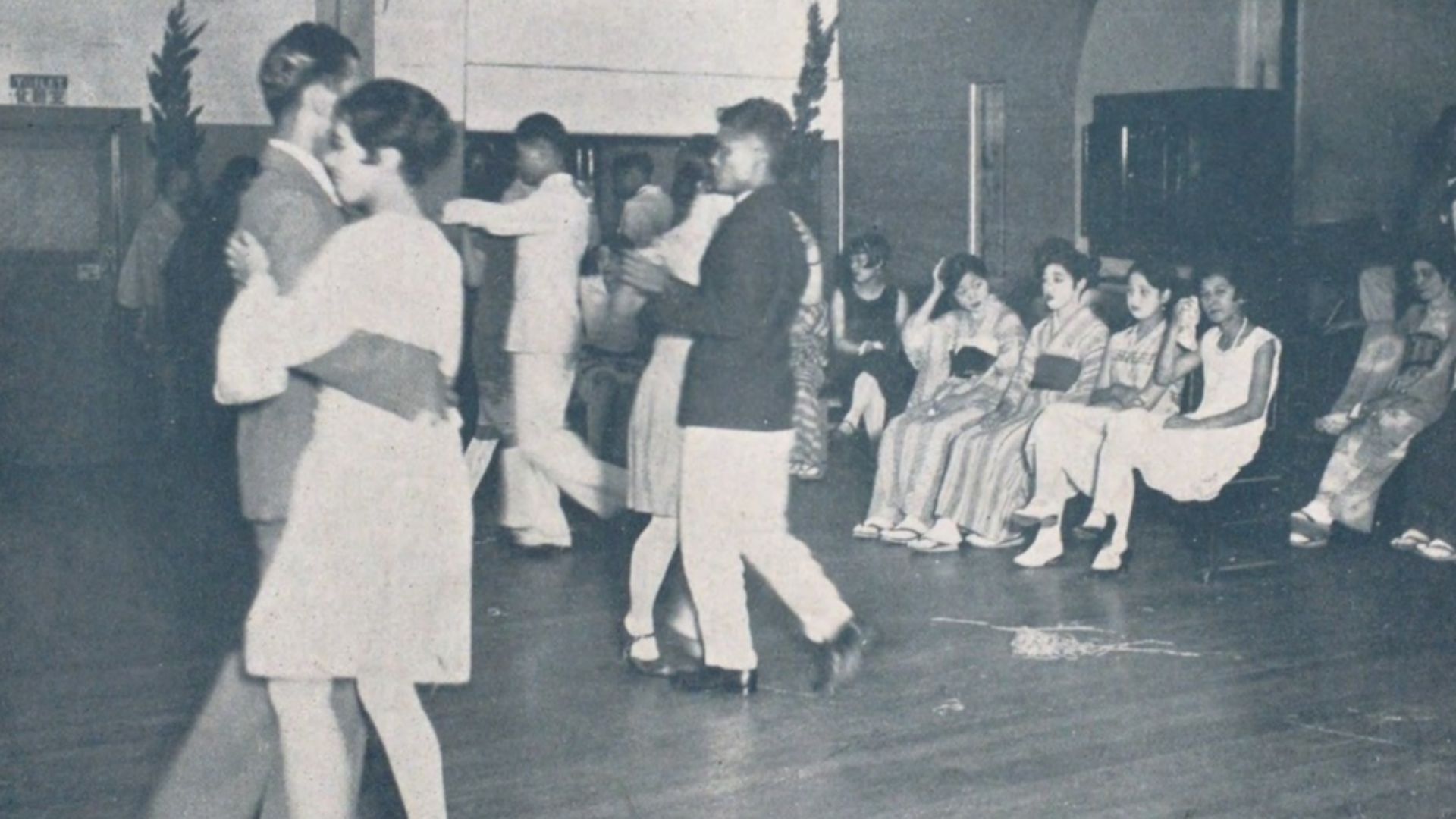
Commercial dance halls gave young people opportunities to socialize beyond the supervision of parents, churches, and traditional community institutions. Reformers consequently worried about immoral behavior, drinking, predatory men, and supposedly improper dancing. What young customers saw as recreation could look to older observers like a factory producing moral delinquency.
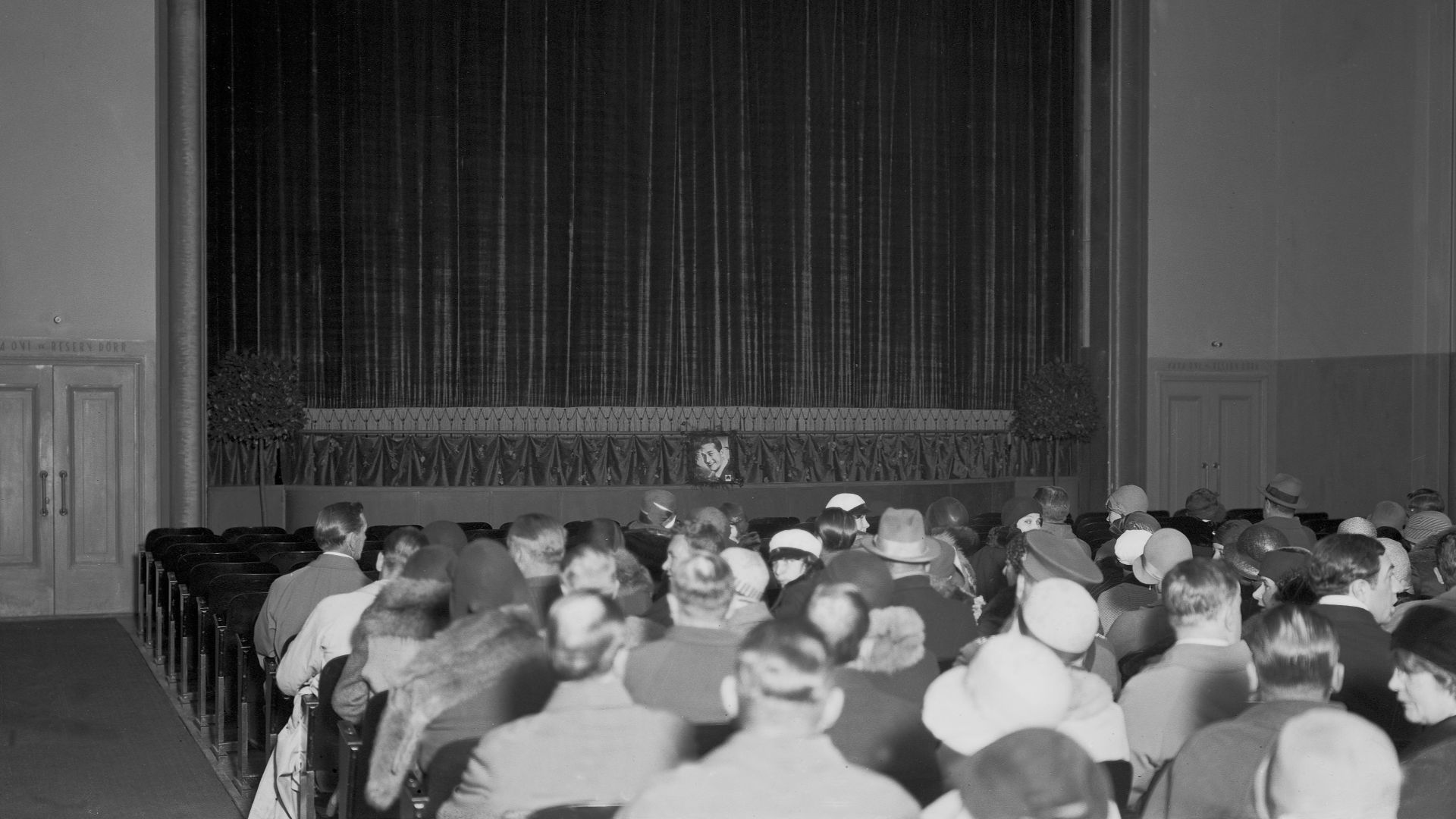
Movies Corrupt Children
As moviegoing became a mass pastime, adults wondered what all those detective pictures, romances, and glamorous stars were doing to children. The influential Payne Fund studies of the late 1920s and early 1930s examined movies' effects on young audiences, feeding an already heated national debate about Hollywood's influence.
 Olof Sundström, Wikimedia Commons
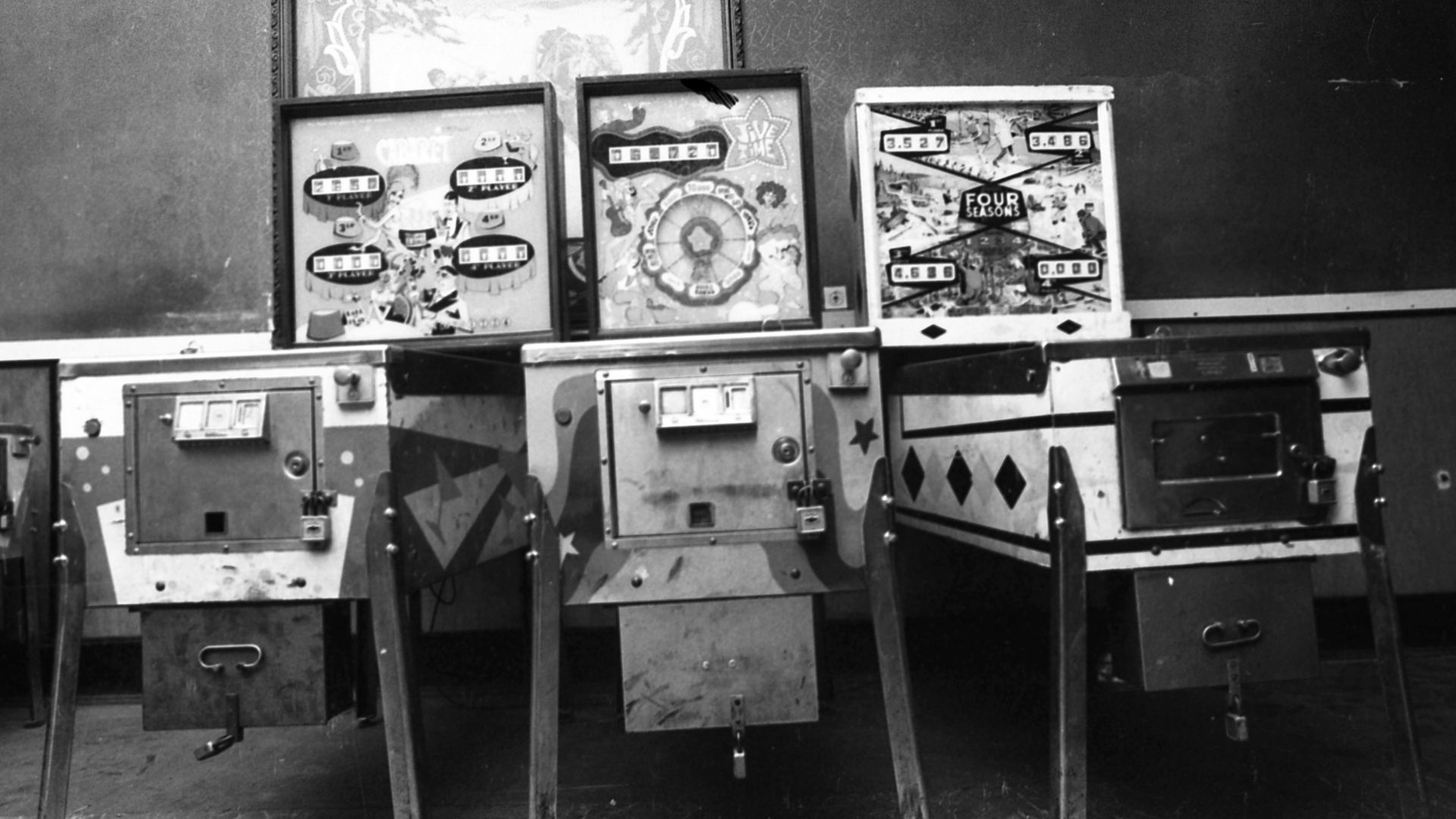
Pinball Creates Delinquents
Pinball seems extraordinarily innocent today, but authorities once associated the machines with gambling, corruption, truancy, and juvenile delinquency. New York City banned pinball in 1942 and kept the prohibition for decades. In 1976, player Roger Sharpe famously demonstrated to city officials that modern pinball involved skill.
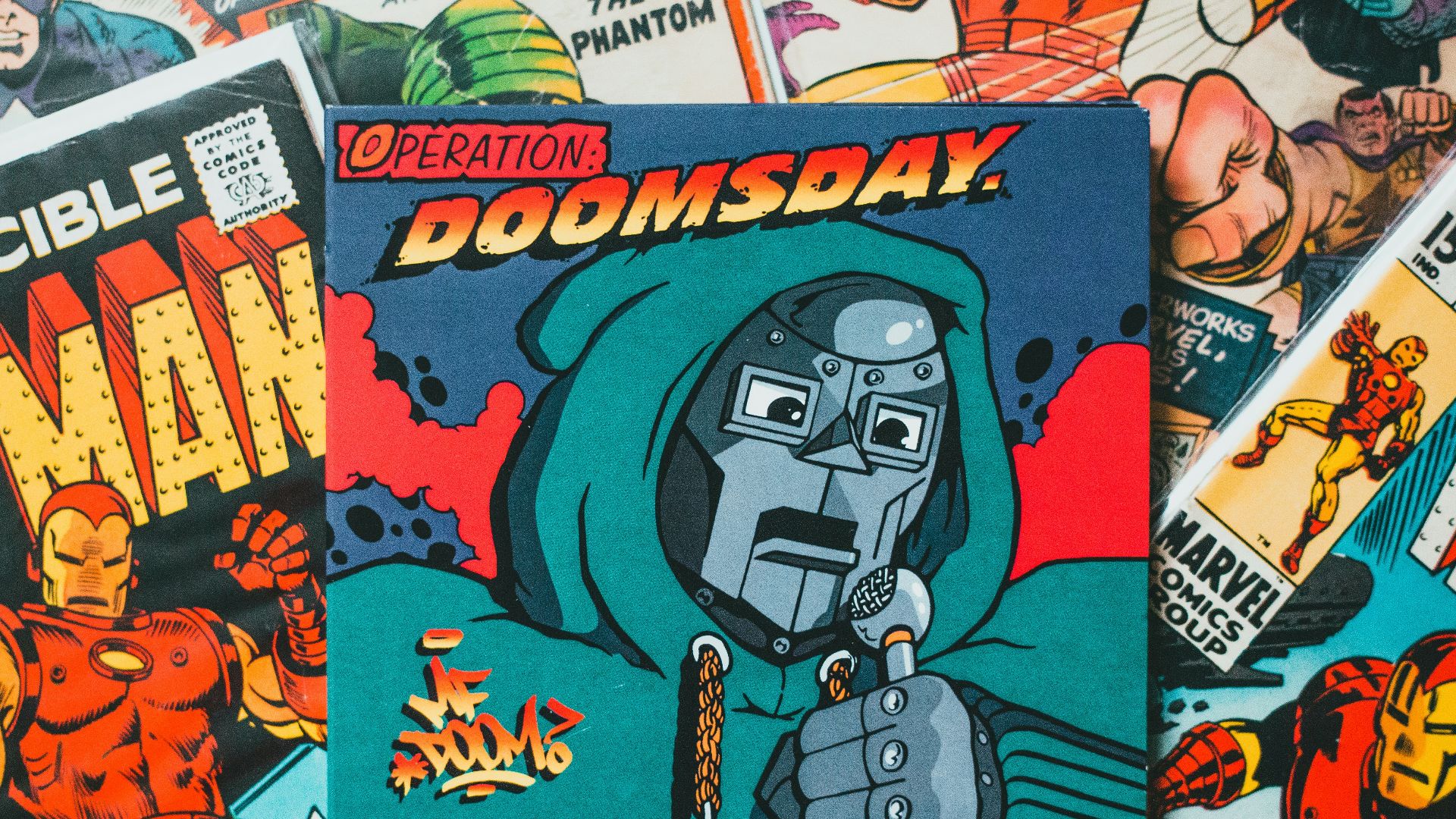
Comic Books
Horror and detective comics became America's unlikely public enemy during the 1950s. Psychiatrist Fredric Wertham argued that comics damaged young readers, while a Senate subcommittee investigated their supposed relationship with juvenile delinquency. Schools and civic organizations even held comic-book burnings before publishers adopted strict self-censorship through the Comics Code.
Juvenile Delinquents
The 1950s teenager seemed like an entirely new species to many adults. Newspapers, movies, politicians, and parents worried about young hooligans and their hot rods, leather jackets, rebellious music, and juvenile chaos. Congress conducted extensive hearings on juvenile delinquency, examining everything from comics and television to youth rehabilitation programs.
 lebanoninapicture.com, Wikimedia Commons
Rock And Roll
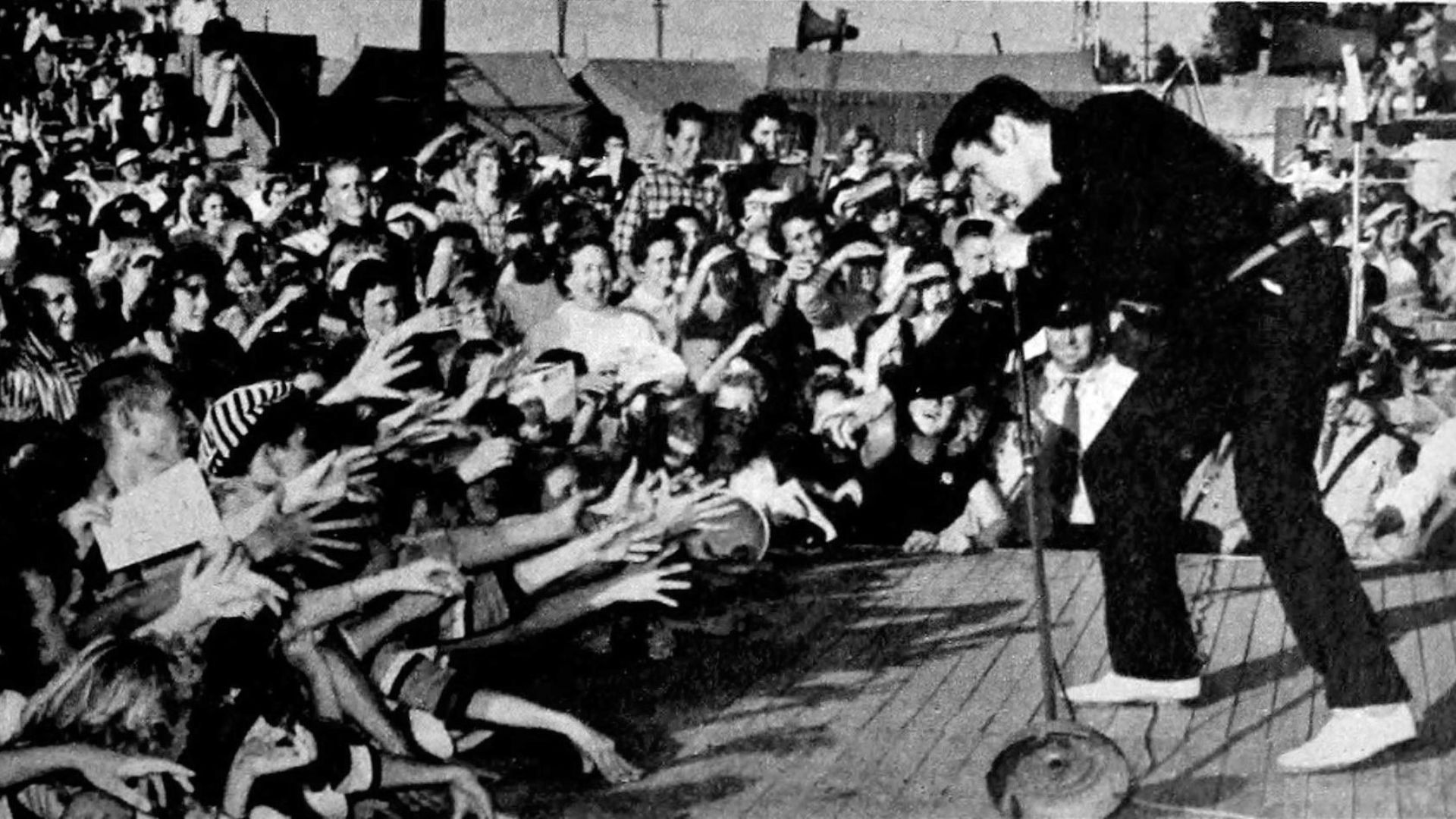
Rock and roll arrived amid warnings that the new music encouraged irresponsible behavior, juvenile rebellion, and racial mixing. Performers such as Elvis Presley became lightning rods for adult anxiety. The music that some critics regarded as a threat to American youth soon became one of America's most successful cultural exports.
History's most fascinating stories and darkest secrets, delivered to your inbox daily.
Switchblades
Switchblades became frightening symbols of teenage gang conflict during the 1950s, helped enormously by movies and sensational media reporting. Congress responded with the Federal Switchblade Act of 1958, restricting interstate commerce in the knives. The switchblade became almost a shorthand prop for the supposedly uncontrollable juvenile delinquent.

Television Mayhem
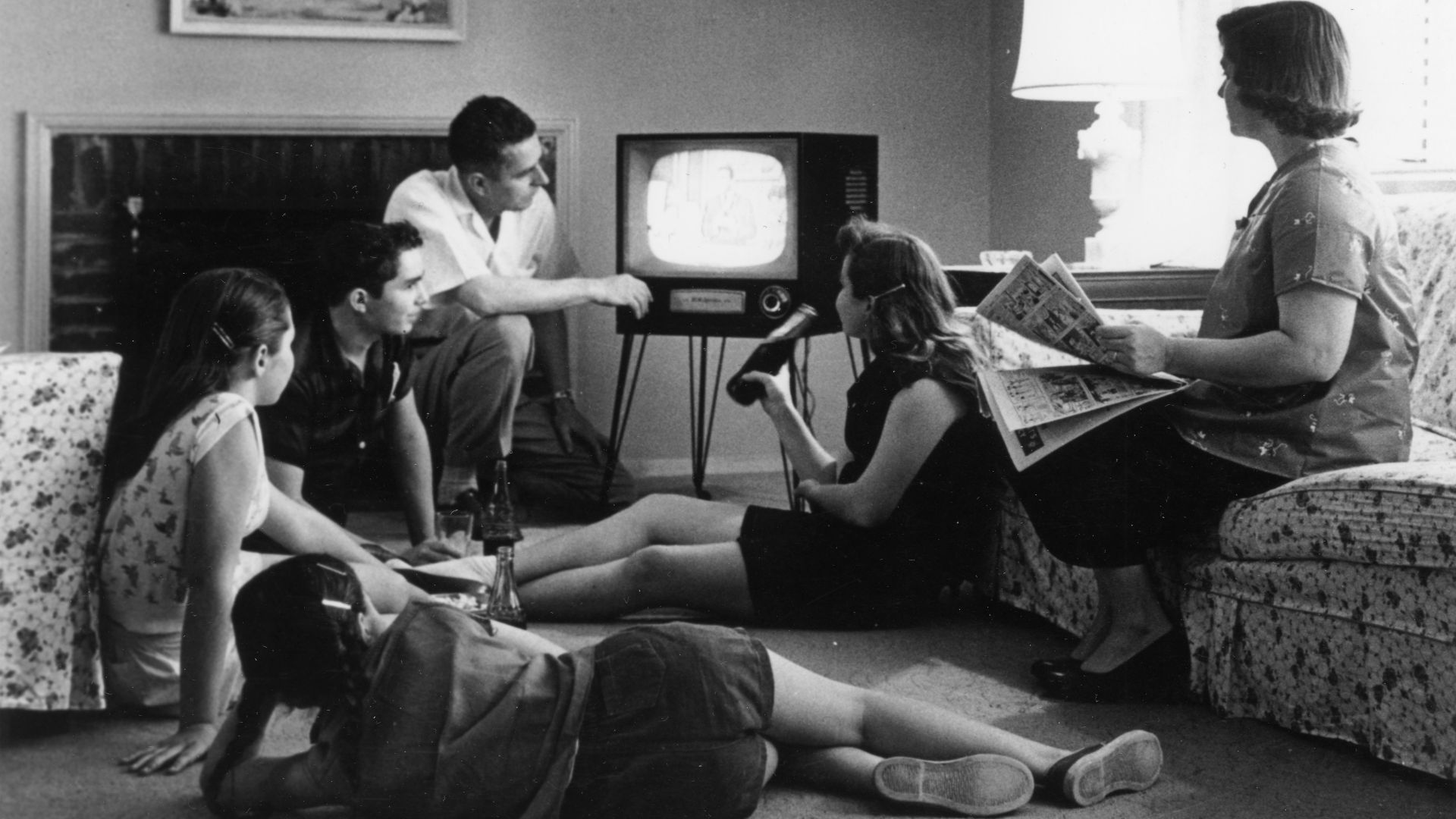
Once television entered nearly every American living room, concerns followed that children were absorbing unprecedented quantities of violence. Congressional hearings and psychological research examined the issue for decades. Television essentially inherited the role that comic books, movies, and radio had previously occupied as the new medium supposedly transforming children's behavior.
 Evert F. Baumgardner, Wikimedia Commons
Mods And Rockers
British newspapers went wild over clashes between Mods and Rockers at seaside resorts in 1964. Sociologist Stanley Cohen's later analysis of the coverage helped popularize the very concept of the "moral panic," arguing that relatively limited disorder had transformed two youth subcultures into menacing national "folk devils."
 Phil Sellens from East Sussex, Wikimedia Commons
Poisoned Halloween Candy
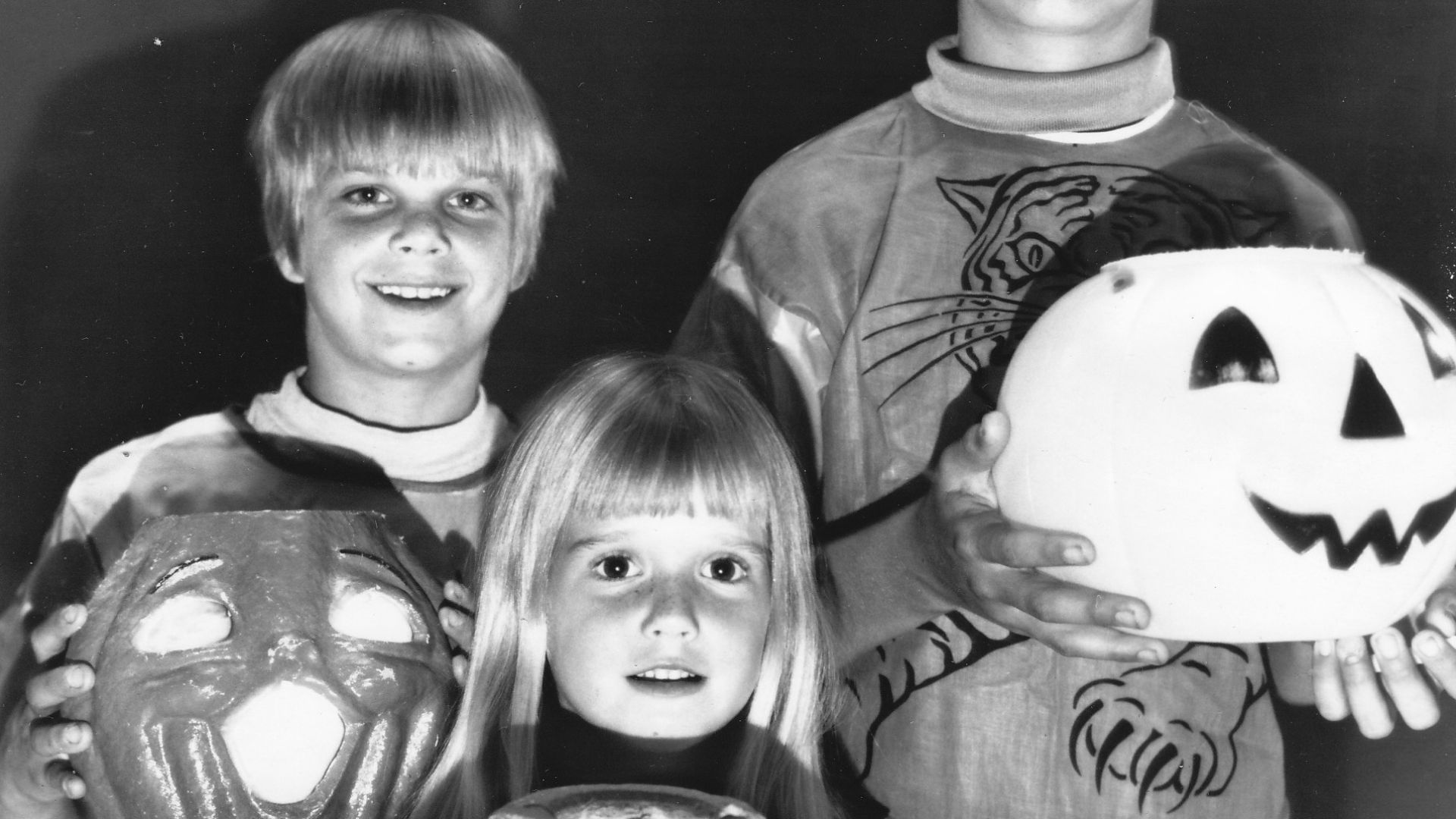
Generations of American parents learned to inspect Halloween treats for poison, razor blades, and other sinister surprises supposedly planted by strangers. Sociologist Joel Best investigated the stories for decades and found no confirmed case of a stranger murdering a child through randomly distributed poisoned Halloween candy.
 ABC television, Wikimedia Commons
Dungeons And Dragons
A fantasy role-playing game somehow became evidence of occult danger during the 1980s. Critics claimed Dungeons & Dragons encouraged witchcraft, Satanism, and other disturbing behavior. Some schools banned it, despite researchers repeatedly debunking supposed connections between the game and participants' behavior in real life. Controversy helped make D&D even more famous.

The Satanic Panic
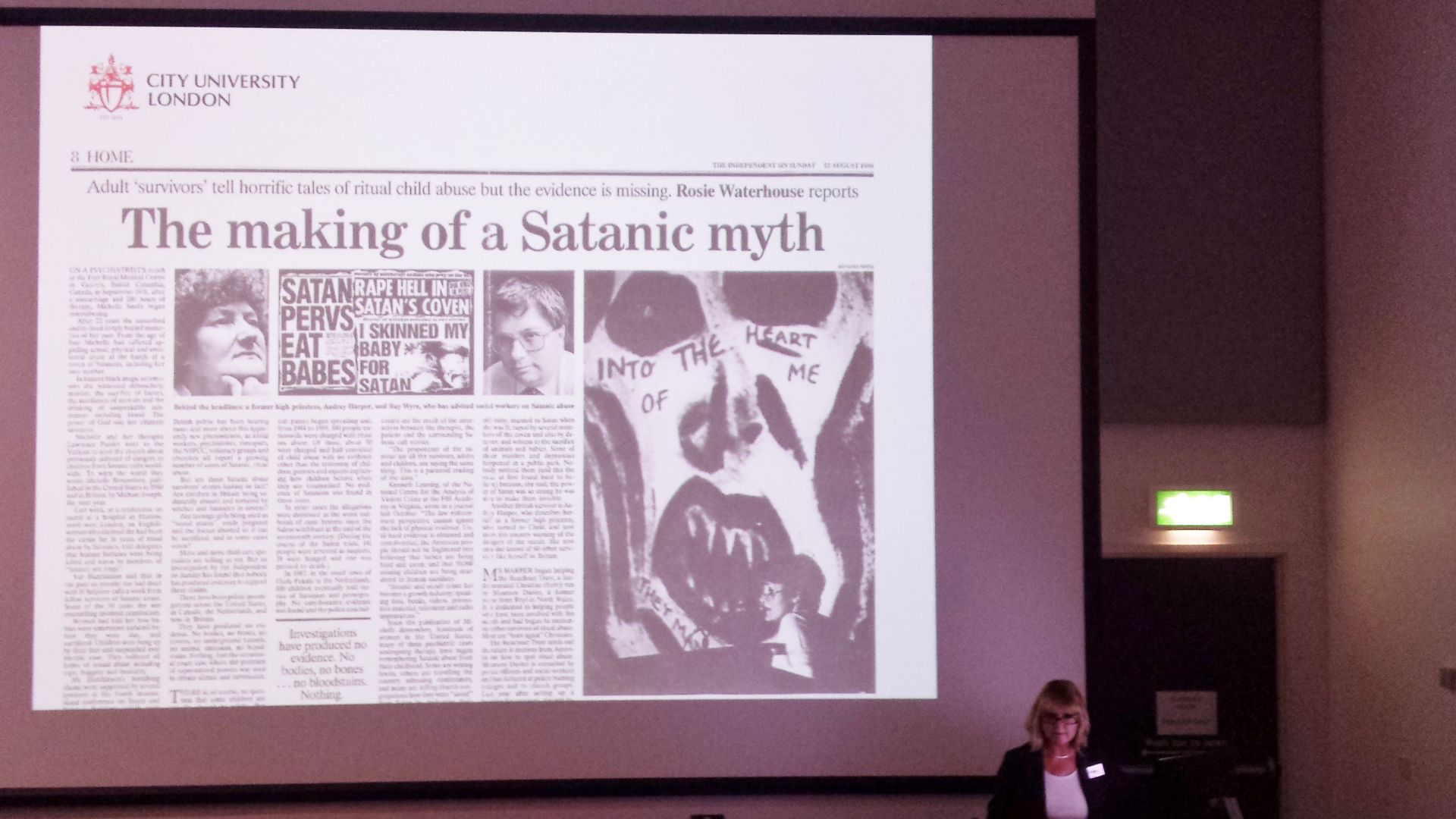
During the 1980s, Americans heard terrifying allegations that secret Satanic networks were conducting rituals across the country. Books like Michelle Remembers (see slide 1), television programs, religious groups, investigators, and recovered-memory techniques helped spread the claims. Thousands of allegations emerged, yet investigations failed to substantiate the vast underground conspiracy that frightened millions.
 Nederlandse Leeuw, Wikimedia Commons
History's most fascinating stories and darkest secrets, delivered to your inbox daily.
Day Care Rituals
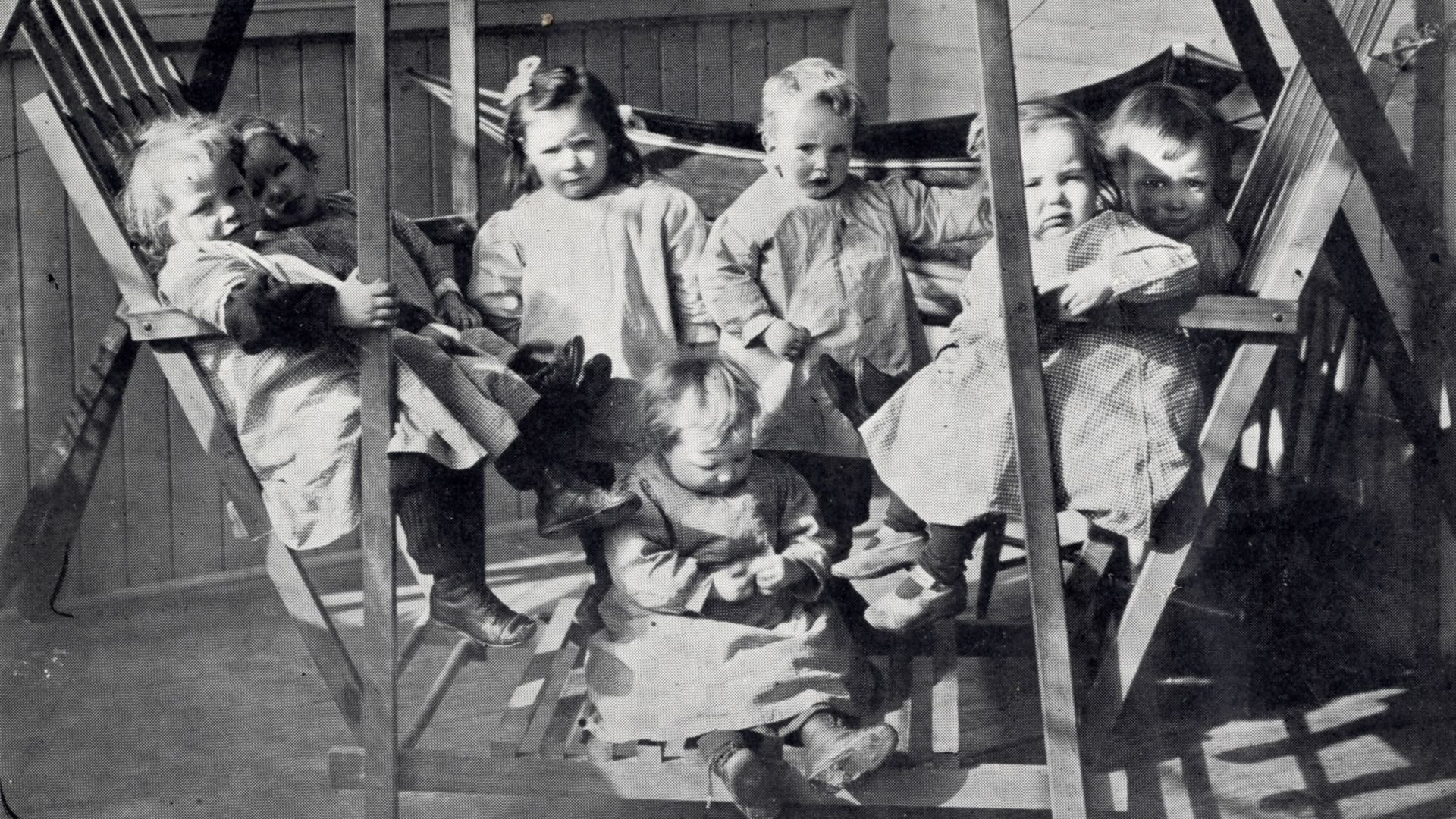
Day-care centers became a particularly devastating focus of Satanic panic. Workers were accused of elaborate occult rituals based partly on statements produced through highly questionable interviewing techniques. Hundreds of centers faced allegations, and some defendants endured extraordinary prosecutions before the broader phenomenon came to be recognized as a moral panic.
 Special Collections Toronto Public Library from Toronto, Canada, Wikimedia Commons
Backward Satanic Messages
Parents were told that heavy-metal records could contain hidden Satanic commands audible when played backward. The fear became so serious that Judas Priest faced a 1990 lawsuit alleging subliminal material had contributed to two young men's actions. A Nevada judge ultimately dismissed the case after a highly publicized trial.
 Coelho Voador, Wikimedia Commons
Dirty Rock Lyrics
In 1985, the Parents Music Resource Center pushed for greater information about explicit music, leading to famous Senate hearings featuring musicians including Frank Zappa and Dee Snider. The controversy helped produce the familiar "Parental Advisory" label and turned supposedly dangerous song lyrics into a national dinner-table debate.
 Alfred Nitsch, Wikimedia Commons
Stranger Danger
During the 1980s, highly publicized child abductions helped produce enormous fear of unknown predators. Schools taught children about "stranger danger," missing children appeared on milk cartons, and parents reconsidered freedoms once routinely granted to youngsters. The campaign sometimes obscured the reality that many dangers to children involve people they already know.
 Luis Miguel Bugallo Sánchez, Wikimedia Commons
Heavy Metal
Heavy metal became a recurring villain during the 1980s, accused of promoting Satanism, and general all-around antisocial behavior. Album artwork and theatrical imagery made convenient television visuals, while religious campaigners sometimes interpreted deliberately provocative entertainment literally. Heavy metal therefore got wrapped up together with the decade's wider Satanic panic.
 Accept-Finland, Wikimedia Commons
Teenage Superpredators
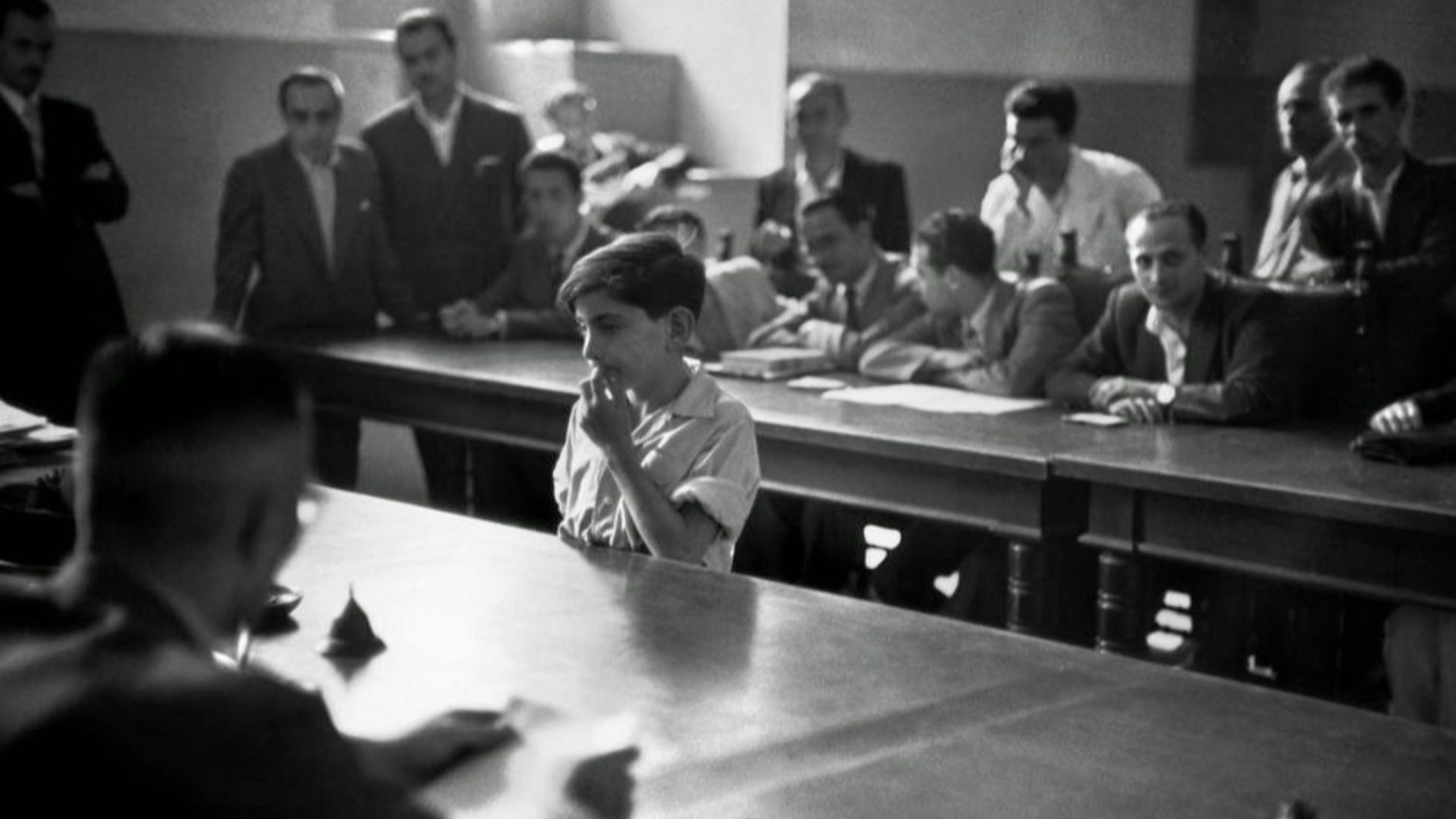
During the 1990s, Americans were warned that a new generation of remorseless juvenile "superpredators" could unleash an enormous wave of delinquency. The prediction became influential in political and judicial debates, but the anticipated explosion never materialized. Instead, American rates of juvenile offenses fell dramatically during the following years.
 David Seymour, Wikimedia Commons
History's most fascinating stories and darkest secrets, delivered to your inbox daily.
Extreme Video Games
Mortal Kombat, Doom, and other controversial games became 1990s successors to comics and heavy metal. Politicians held hearings and critics feared interactive on-screen aggression could make children more aggressive in real life. Researchers have continued debating media effects, but scholars have also explicitly examined video-game fears through the framework of moral panic.
 Mortal Kombat - YouTube, Wikimedia Commons
The Pattern Keeps Returning
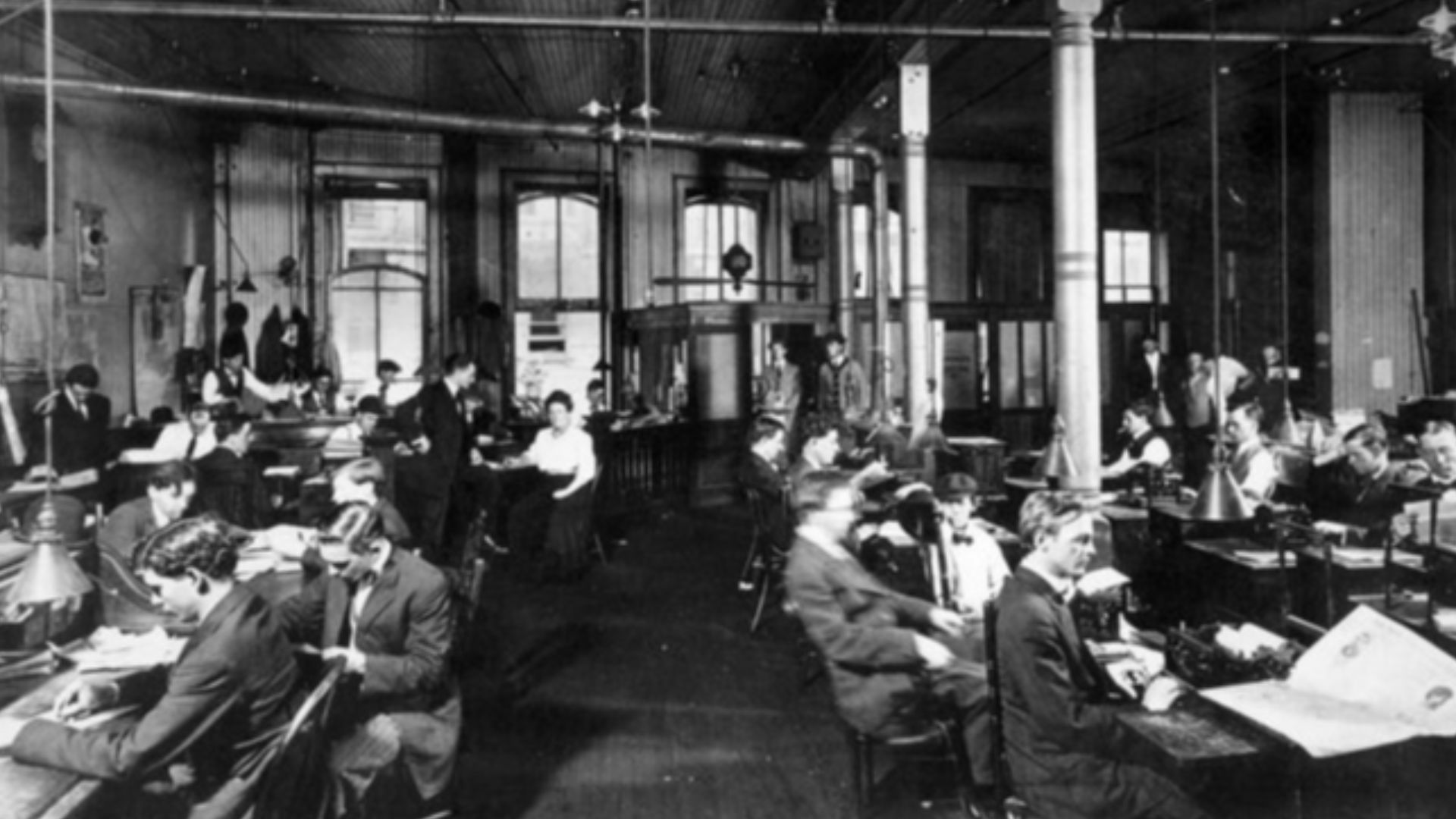
The details change remarkably little. A frightening incident receives intense coverage, a new or poorly understood group becomes the villain, anecdotes begin standing in for evidence, authorities promise action, and complicated social problems get boiled down to a simple explanation. Eighteenth-century print culture could produce the same recognizable cycle centuries before social media took hold.
 Photographer not credited, Wikimedia Commons
You May Also Like:
Chilling Facts About Witch Hunts
Horrifying Facts About The Satanic Panic
Sources: 1, 2, 3, 4, 5, 6, 7, 8, 9, 10,11, 12, 13, 14, 15, 16, 17, 18, 19, 20, 21, 22









