
The Icons Hide The Messy Part
Finished landmarks have a way of making history look inevitable. Once the cranes disappear and postcards take over, it becomes easy to forget the lawsuits, political fights, engineering scares, deaths, delays, and budget battles that came first. Some of the world's most recognizable public works spent years looking less like future icons and more like warnings about ambition gone wrong. The fascinating part is how dramatically public memory can change once a project finally works.
Great Projects Often Look Worst In The Middle
Large public works combine politics, engineering, money, land, labor, and public taste, so trouble can come from almost any direction. Problems that look obvious in hindsight often had to be solved while construction was already underway. The unfinished structure also gets judged before anyone can experience what the completed project will actually do. That gap between an alarming construction site and a beloved finished landmark appears again and again in these stories.
 Golden Gate National Recreation Area (U.S. National Park Service), Wikimedia Commons
Paris Wanted To Stop The Eiffel Tower
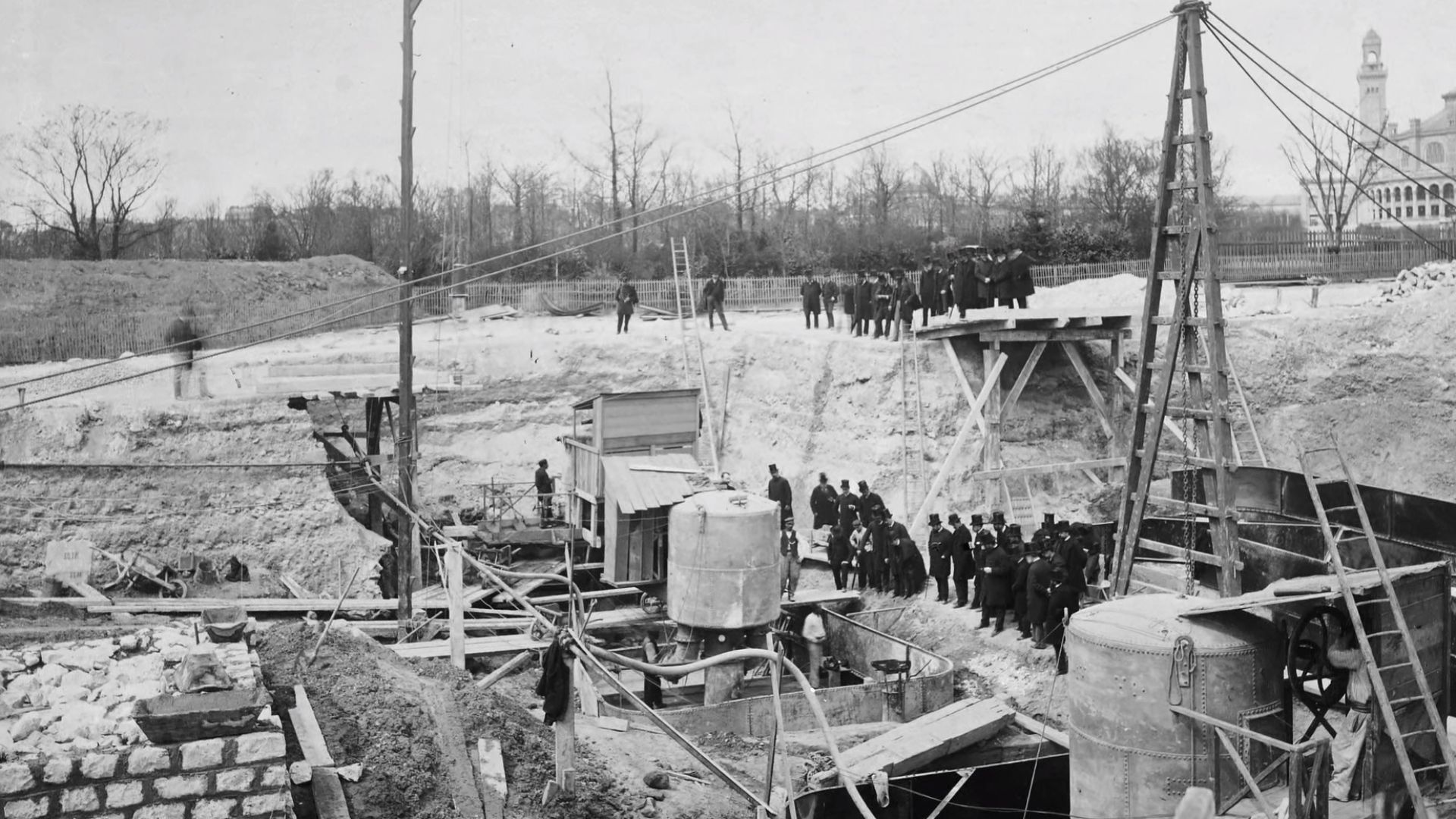
The Eiffel Tower was controversial before its ironwork had risen over Paris. In 1887, prominent writers, artists, composers, and architects signed a published protest against the project, with opponents attacking the enormous metal tower as an assault on the city's beauty. Signatories included Guy de Maupassant, Charles Gounod, and Charles Garnier, architect of the Paris Opera. The structure that now symbolizes Paris was therefore being denounced by major cultural figures before construction had properly begun.
 Unknown photographer, Wikimedia Commons
Then Paris Watched A Giant Skeleton Rise
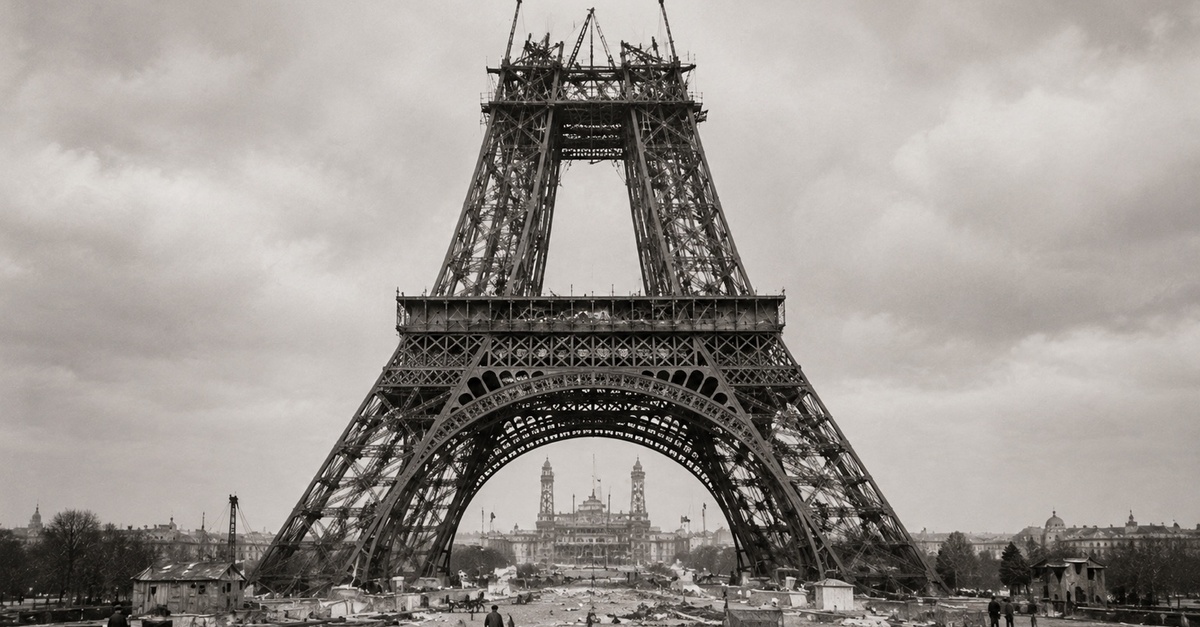
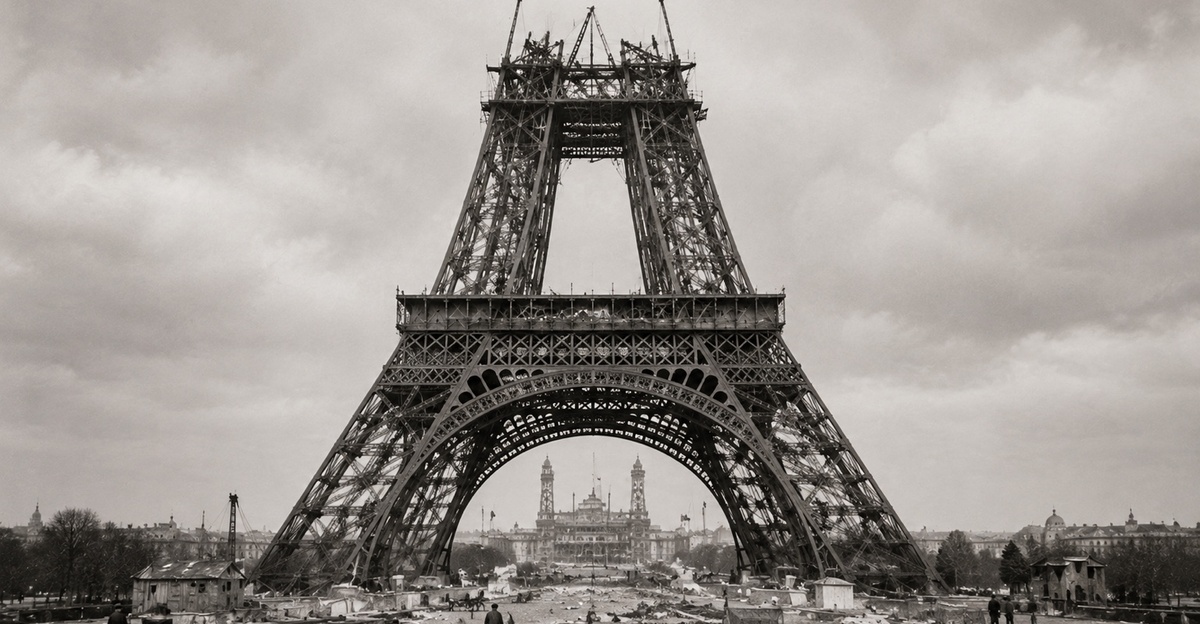
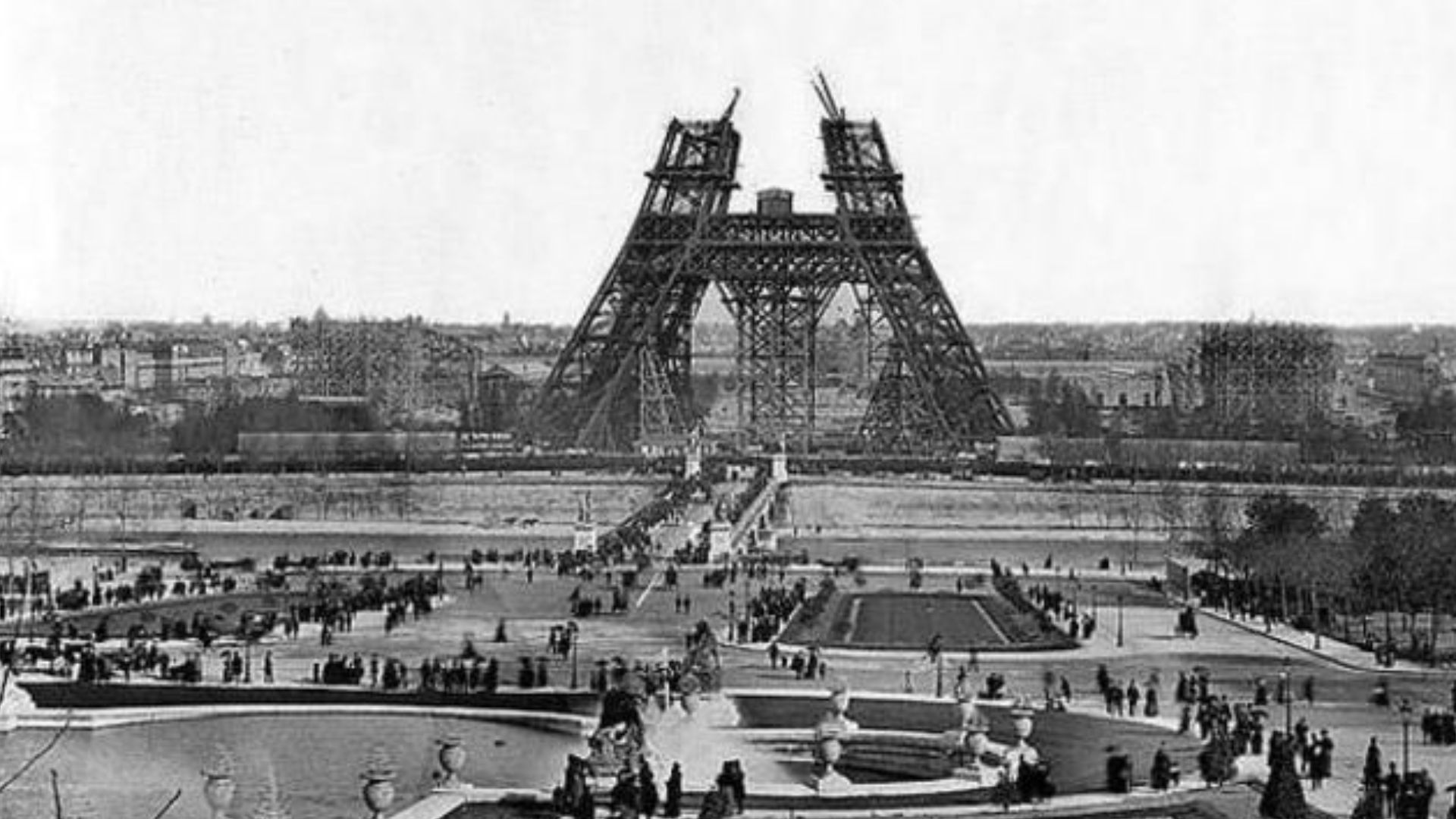
Construction began in January 1887, and the project involved more than 18,000 precisely designed metal parts and roughly 2.5 million rivets. Between 150 and 300 workers assembled the structure on site while steam cranes climbed upward with the growing tower. The exposed iron frame looked radically different from the masonry architecture surrounding it, which helped fuel the aesthetic backlash. Yet the entire main structure was completed in just two years, two months, and five days.
 Unknown author, Wikimedia Commons
The Supposed Eyesore Became The Main Attraction
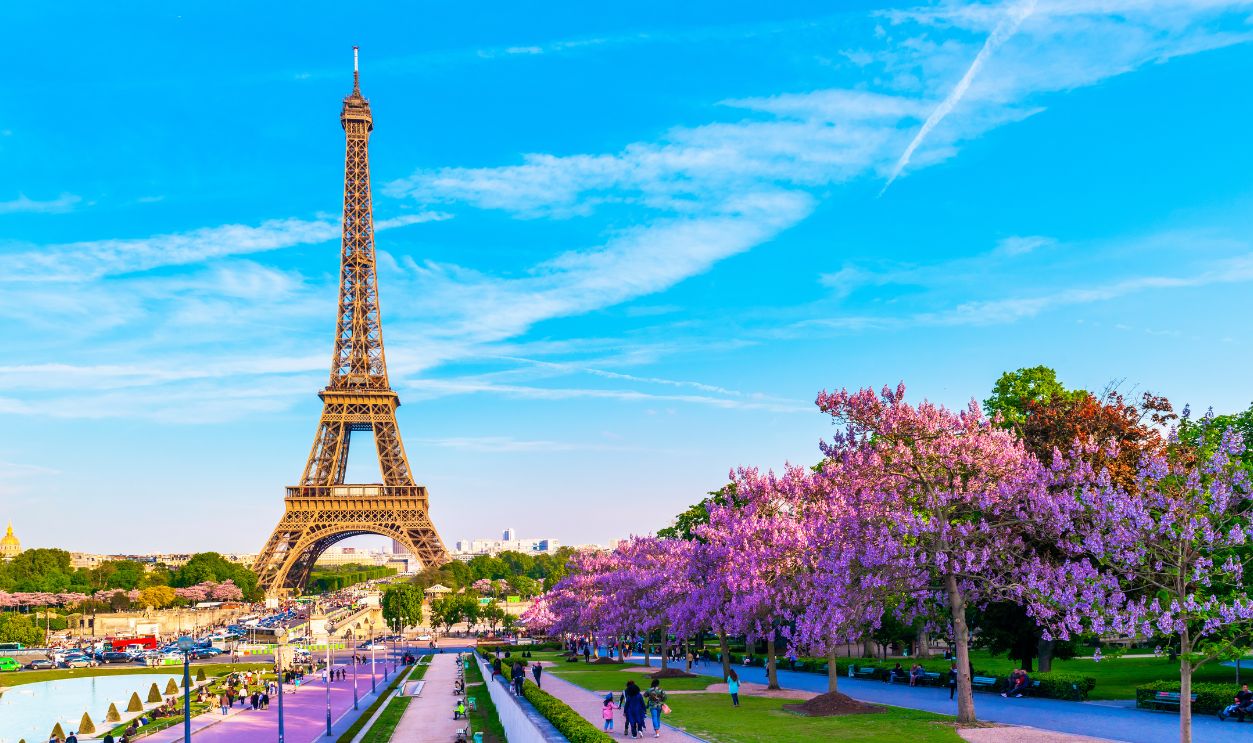
The completed tower opened to the public during the 1889 Exposition Universelle. Nearly two million people visited it during the fair, even though its elevators were not ready when the exhibition began and early visitors had to climb stairs. The temporary attraction proved so successful that it survived long after most exhibition structures disappeared. Today, the Eiffel Tower's official site reports roughly seven million visitors in a typical year, which is a remarkable fate for a structure once attacked by Parisian cultural leaders.
Sydney Started Building Before The Answers Were Settled
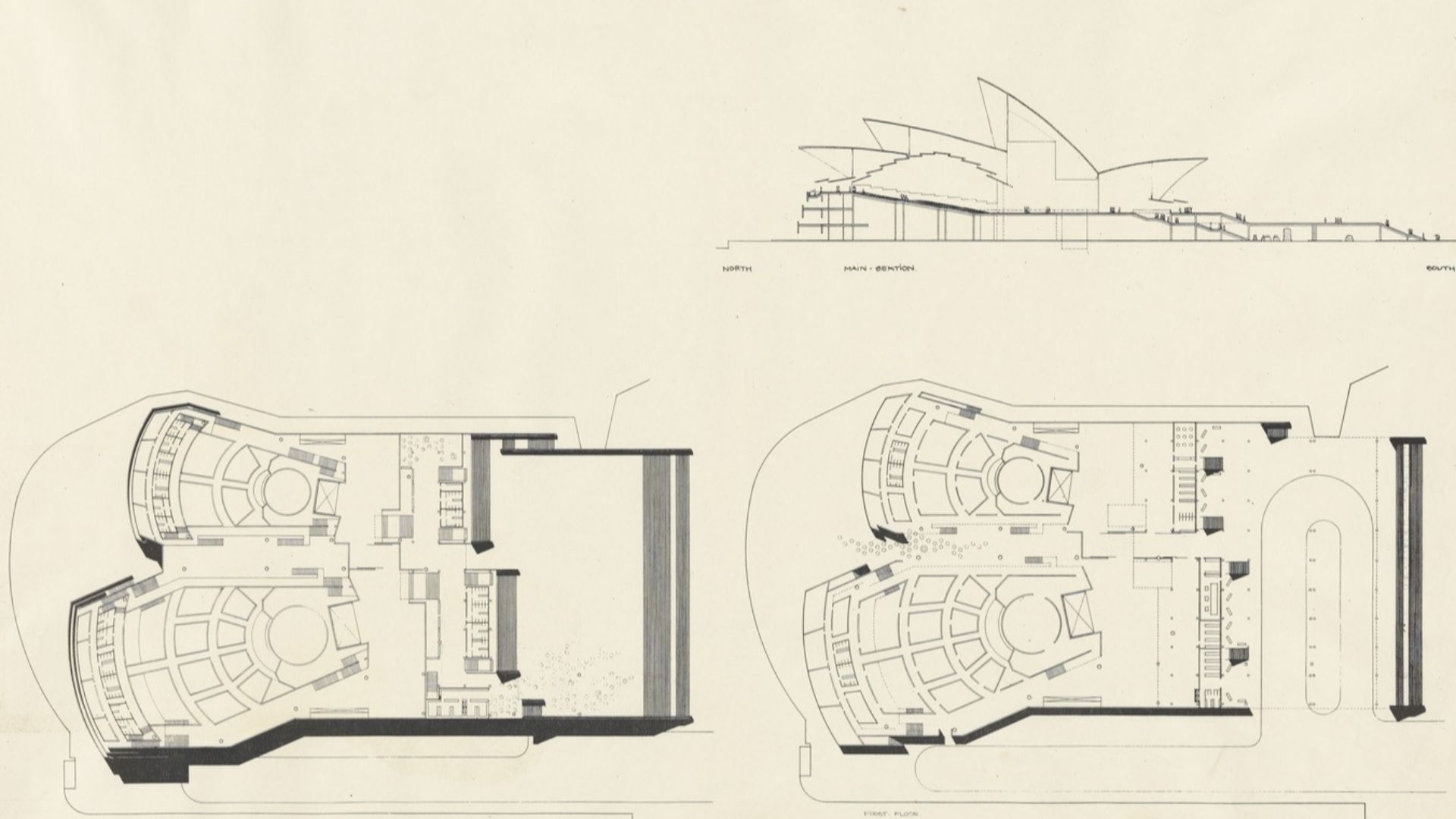
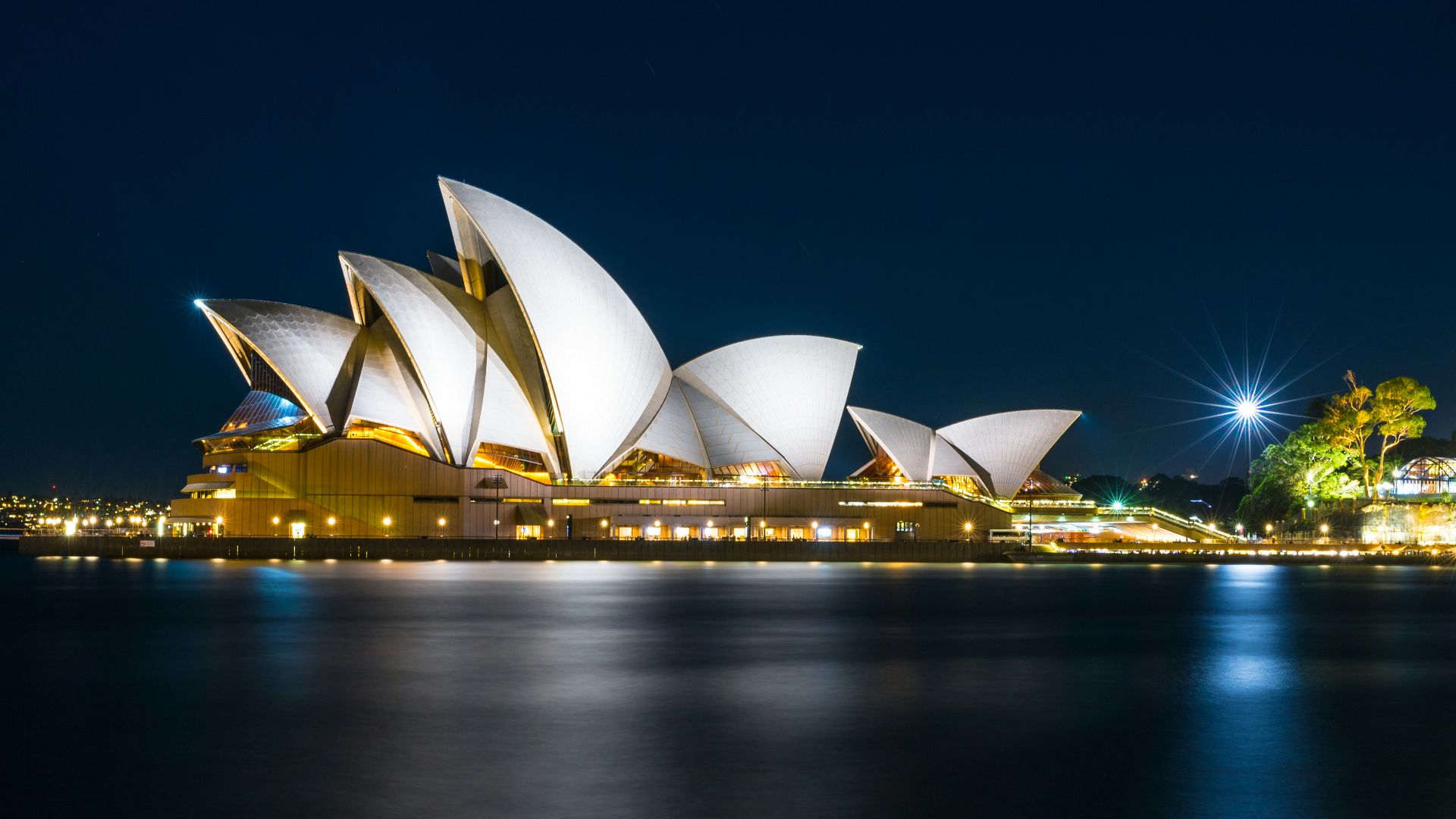
Jørn Utzon's daring design for the Sydney Opera House won an international competition in 1957. Construction began in 1959, but translating its spectacular roof forms into something engineers could actually construct became an enormous technical challenge. Utzon and engineer Ove Arup's team eventually developed the spherical solution that made standardized shell components possible. Instead of a routine civic building, Sydney had committed itself to an architectural experiment on a highly visible harbor site.
 Photographic Collection from Australia, Wikimedia Commons
The Budget Fight Drove Out The Architect
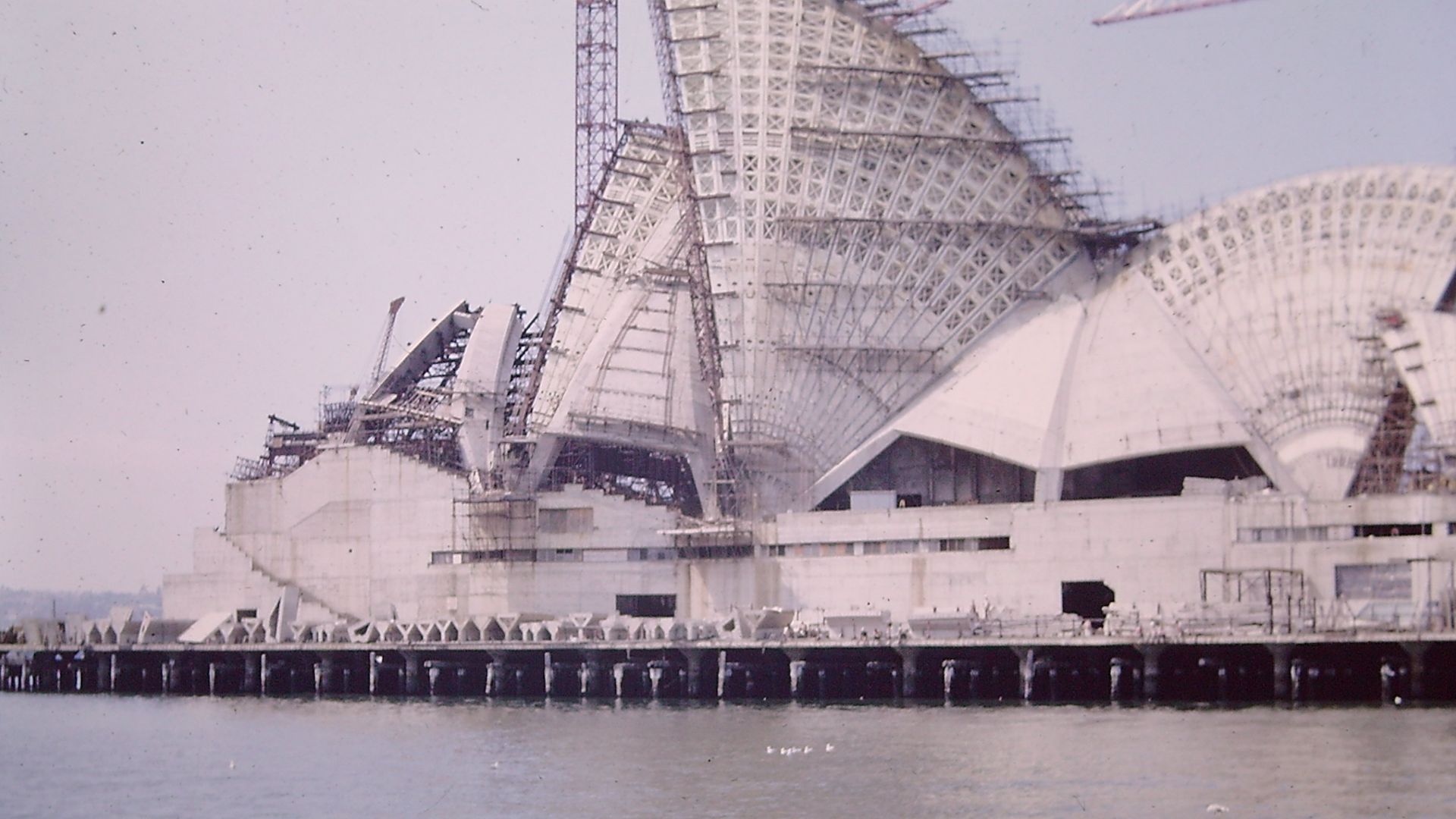
The Opera House had been estimated at £3.5 million when construction began, but the estimate had reached £13.7 million by the middle of 1962. Political pressure intensified as costs rose and disagreements developed over drawings, design control, payments, and proposed interior systems. In February 1966, Utzon left the project after a bitter confrontation with the New South Wales government, and about 1,000 protesters soon marched through Sydney demanding his reinstatement. He was never invited back to complete the building himself.
 My Grandfather, Wikimedia Commons
The Troubled Building Became Australia's Architectural Symbol
The Sydney Opera House finally opened in October 1973, more than a decade later than initially anticipated, at an estimated final cost of A$102 million. Its troubled history did not prevent the building from becoming internationally celebrated. UNESCO inscribed it on the World Heritage List in 2007 and describes it as a masterpiece of 20th-century architecture and a world-famous icon. A project once consumed by engineering uncertainty and political warfare eventually became one of Australia's defining images.
The Golden Gate Bridge Had Powerful Enemies
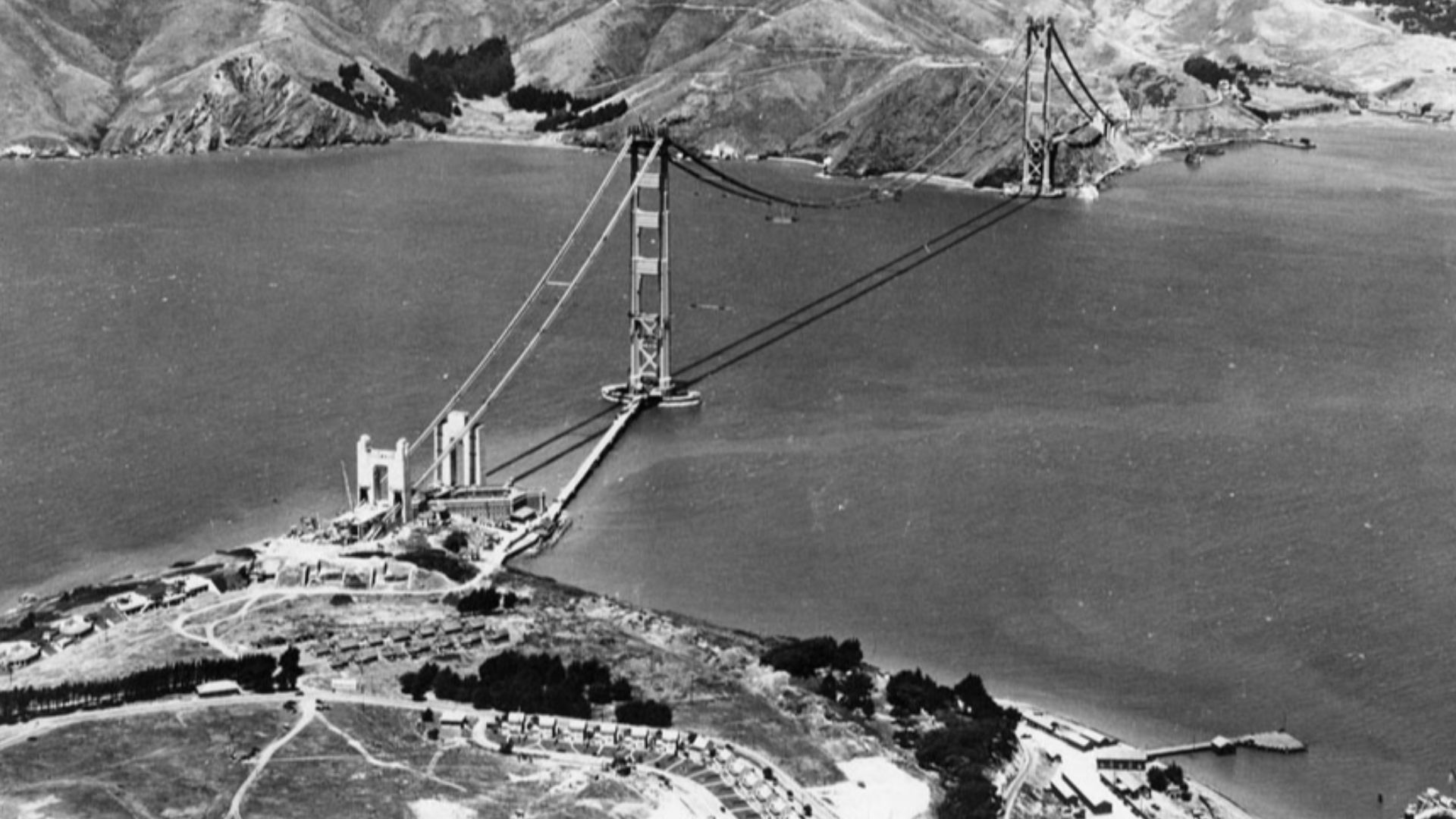
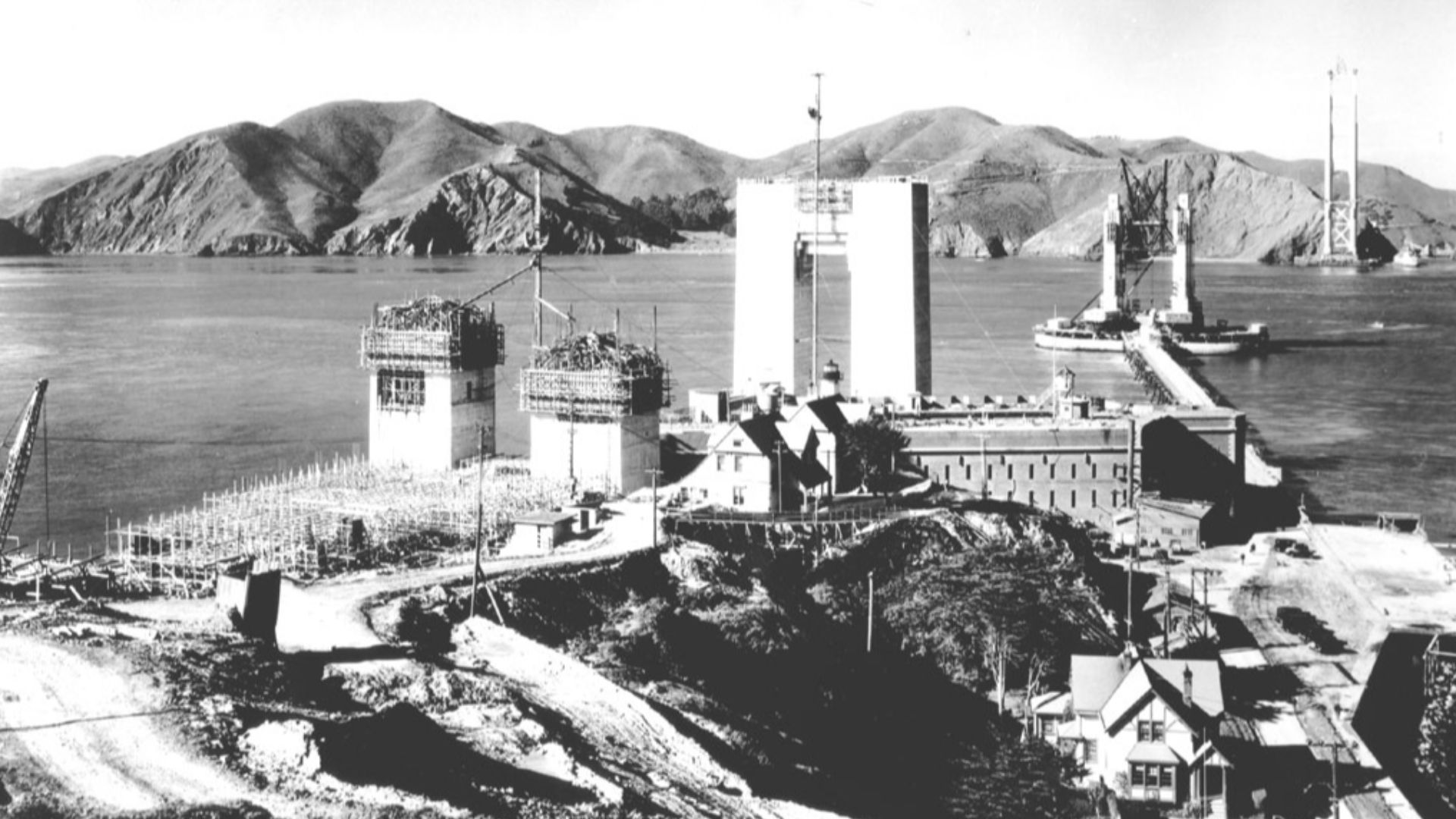
Building a bridge across the Golden Gate Strait sounded reckless to plenty of people in the early 20th century. Opponents argued that it could damage the harbor's appearance, interfere with shipping, burden taxpayers, or simply prove impossible to build. During the Great Depression, voters were even being asked to back a $35 million bond issue secured by property within the bridge district. Despite organized opposition, voters approved the bonds by a large margin in November 1930.
 US National Park Service, Wikimedia Commons

History's most fascinating stories and darkest secrets, delivered to your inbox daily.
Construction Was Safer Until One Horrific Day
Chief engineer Joseph Strauss imposed unusually strict safety rules, including hard hats, safety lines, and a large net beneath sections of the bridge. The net saved 19 falling workers, who became known as the Halfway-to-Hell Club. Even so, 11 men died during construction, with 10 of those deaths occurring on February 17, 1937, when scaffolding crashed through the safety net. The disaster struck only months before a project designed around unprecedented safety measures was due to open.
Then A Bridge Became A Celebration
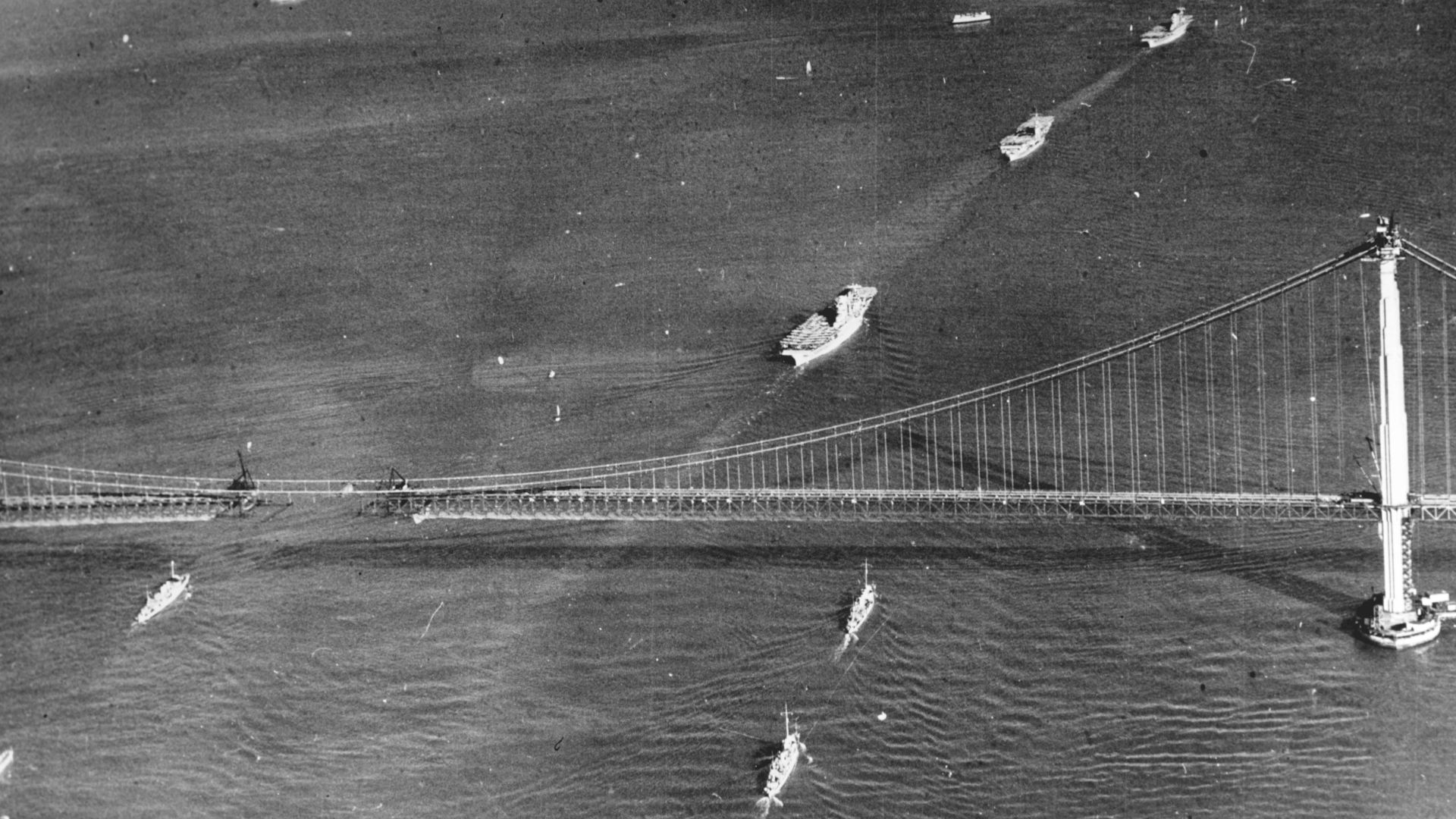
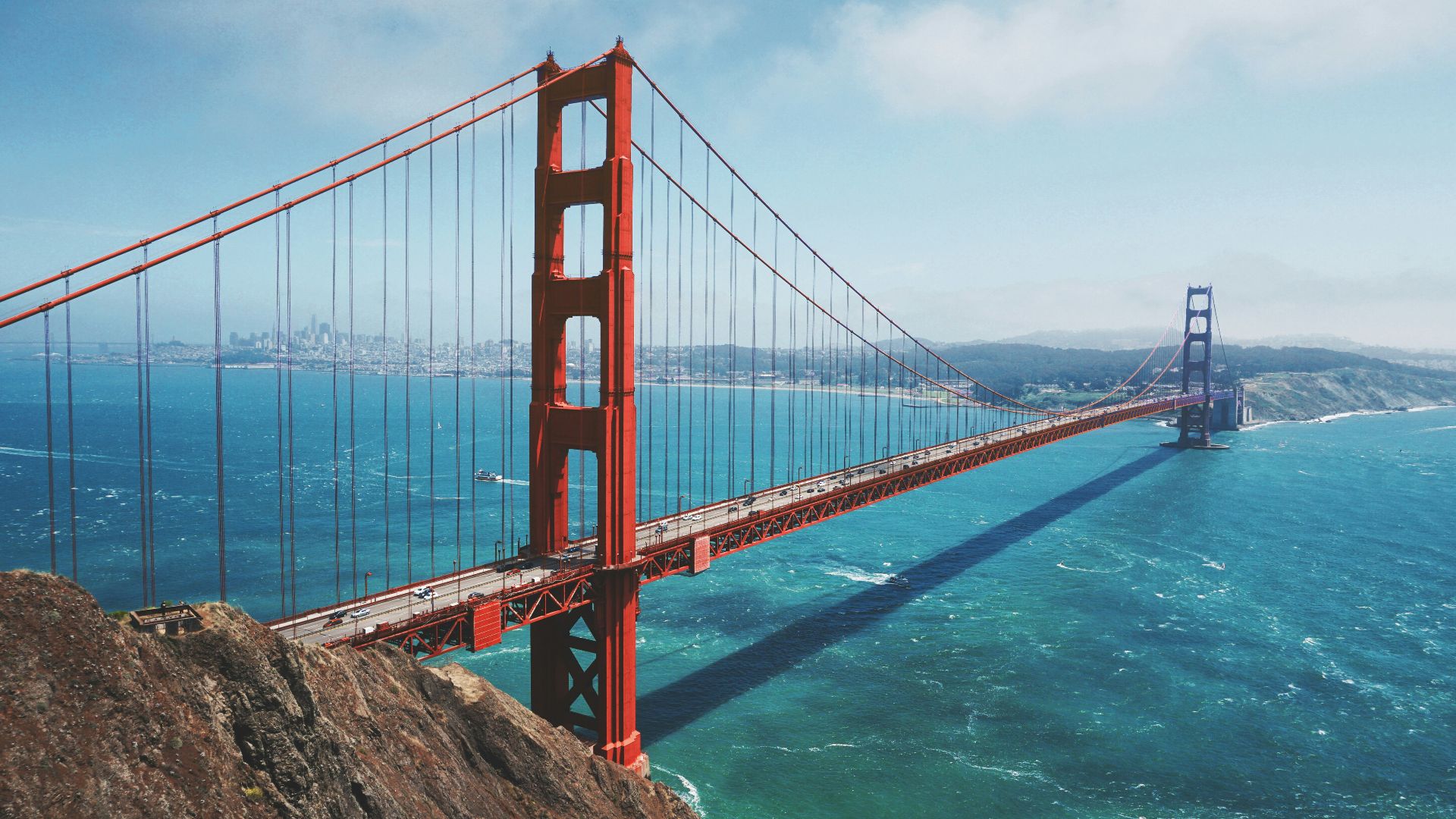
The Golden Gate Bridge opened to pedestrians on May 27, 1937, followed by vehicle traffic the next day. Its opening became a week-long civic celebration involving parades, entertainment, fireworks, and huge crowds. The bridge's 4,200-foot suspension span was the longest in the world at the time and remained so until 1964. What opponents had called impractical or damaging quickly became one of the most recognizable pieces of infrastructure in the United States.
 Maarten van den Heuvel, Unsplash
The Brooklyn Bridge Lost Its Designer Almost Immediately
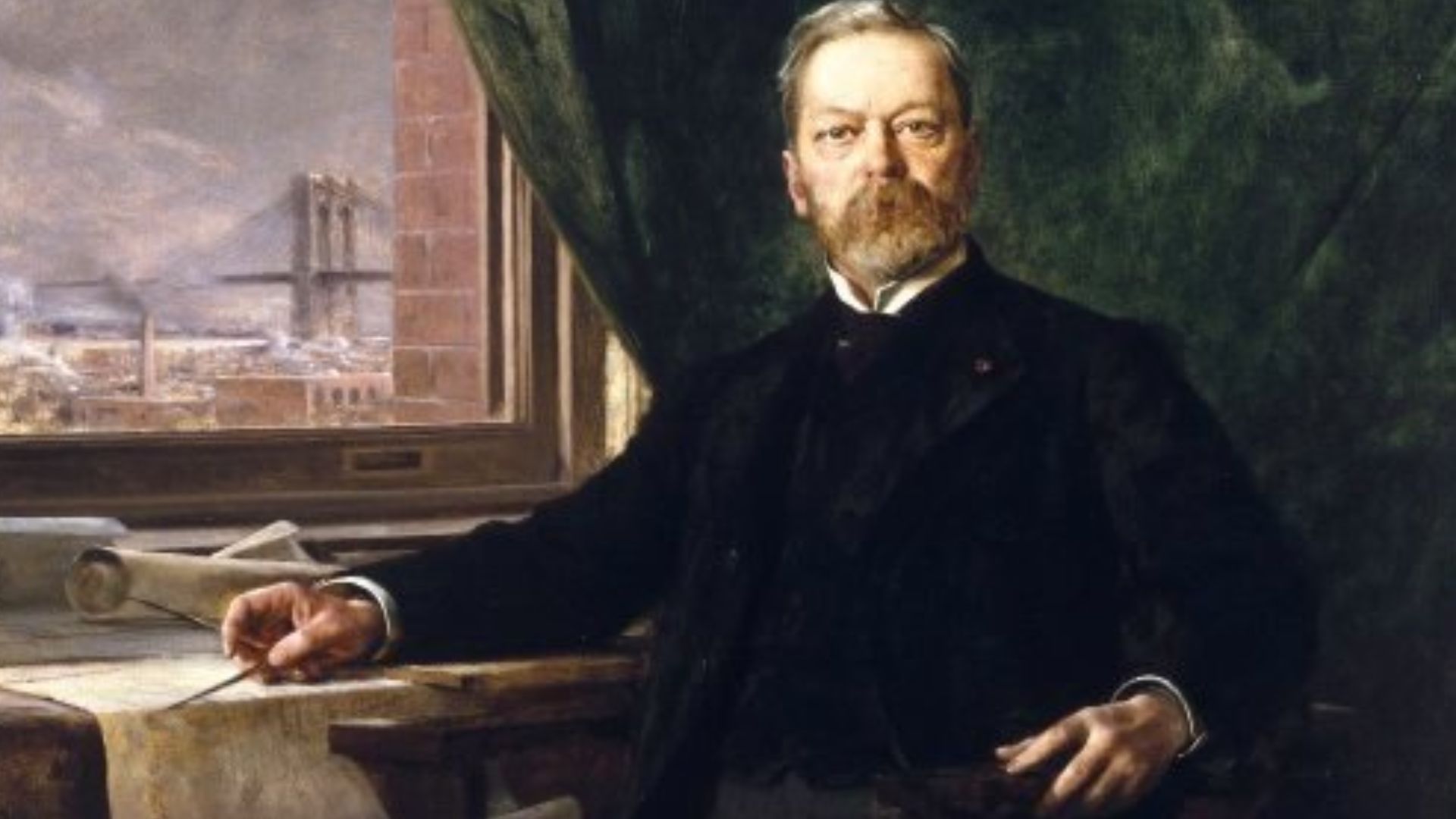
Construction of the Brooklyn Bridge began in 1869, and disaster entered the story almost at once. Designer John A. Roebling suffered a severe foot injury at the site and died of tetanus that July. His 32-year-old son, Washington Roebling, took over as chief engineer. That meant one of America's most ambitious engineering projects had lost its original leader before the hardest construction work was complete.
![The Brooklyn Bridge linked Brooklyn with Manhattan enabling Wall Street workers to have additional options for commuting. Cables being strung in 1878. Source: [1]. Picture published before 1923.](https://www.factinate.com/storage/app/media/factinate/2026/8/13/1786645715a389c14127e866931096edae6fca73c96f22906a.jpg) Unknown author, Wikimedia Commons
Unknown author, Wikimedia Commons
Then The New Chief Engineer Became Seriously Ill
Workers excavating the bridge foundations entered pressurized wooden caissons deep beneath the East River. Many developed what became known as caisson disease, now understood as decompression sickness, and Washington Roebling himself was badly disabled by it. Other problems included an explosion, a fire, contractor fraud, and numerous construction deaths. Emily Warren Roebling became an essential link between her incapacitated husband and the engineers working on the bridge.
 Theobald Chartran, Wikimedia Commons
New York Got Its Landmark After Fourteen Hard Years
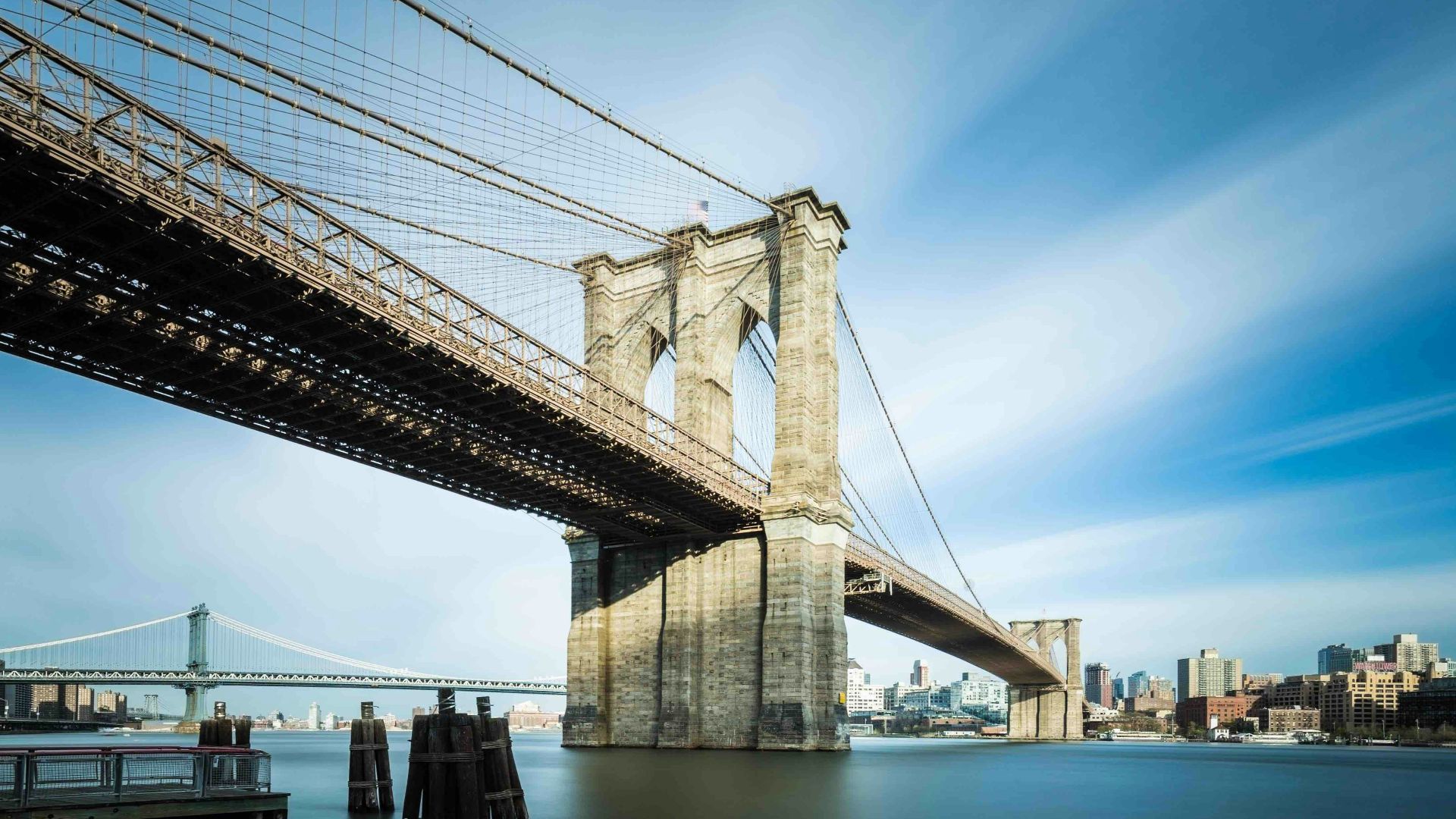
The Brooklyn Bridge opened on May 24, 1883, after roughly fourteen years of construction. When it opened, its main span was longer than that of any other suspension bridge in the world, and the event drew enormous public attention. The bridge survived its brutal construction history and adapted over time to automobiles, pedestrians, bicycles, and changing transportation needs. New York City today describes it as one of the city's most cherished landmarks and an internationally recognized symbol of New York.
Hoover Dam Began In An Unforgiving Desert
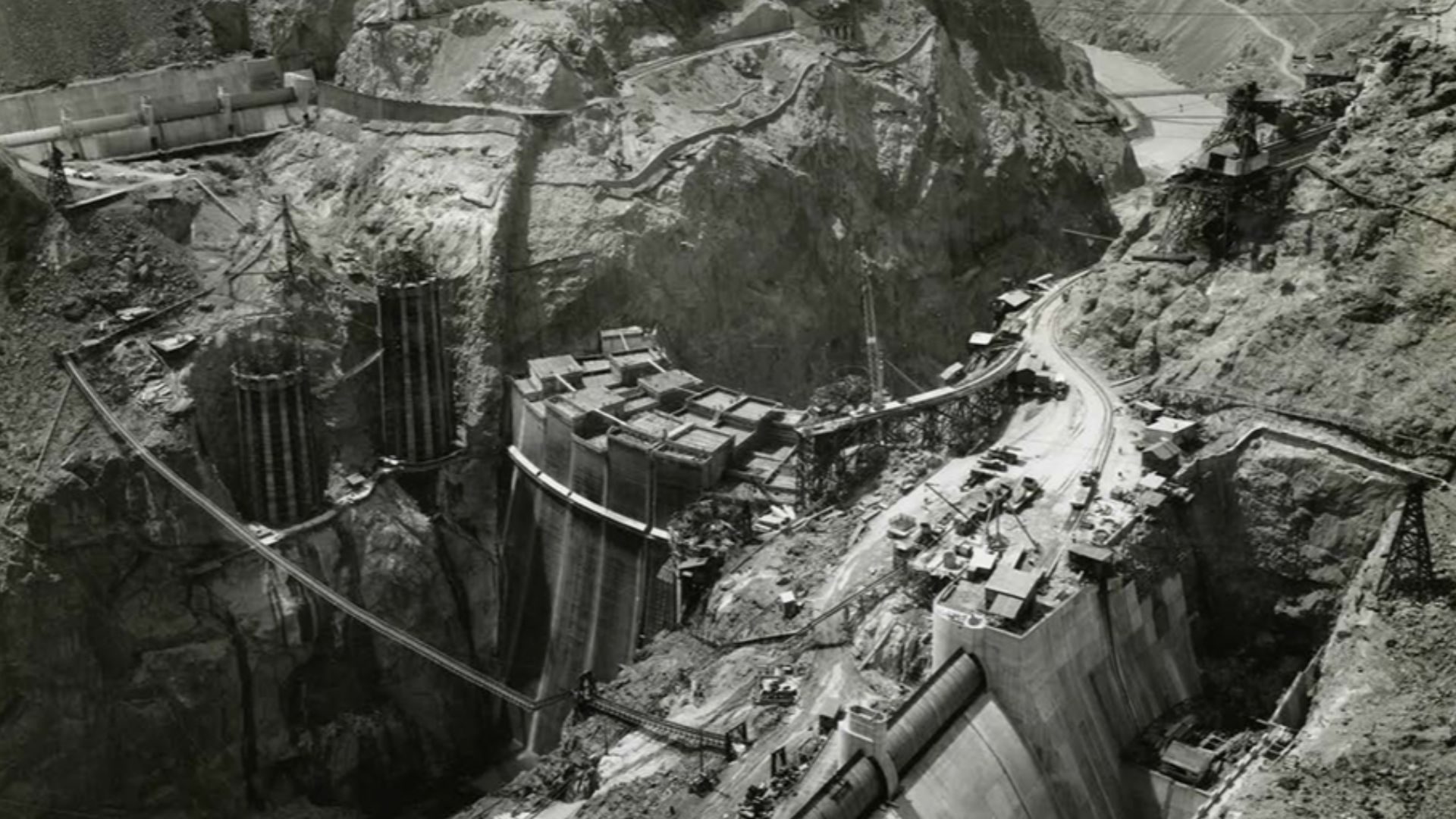
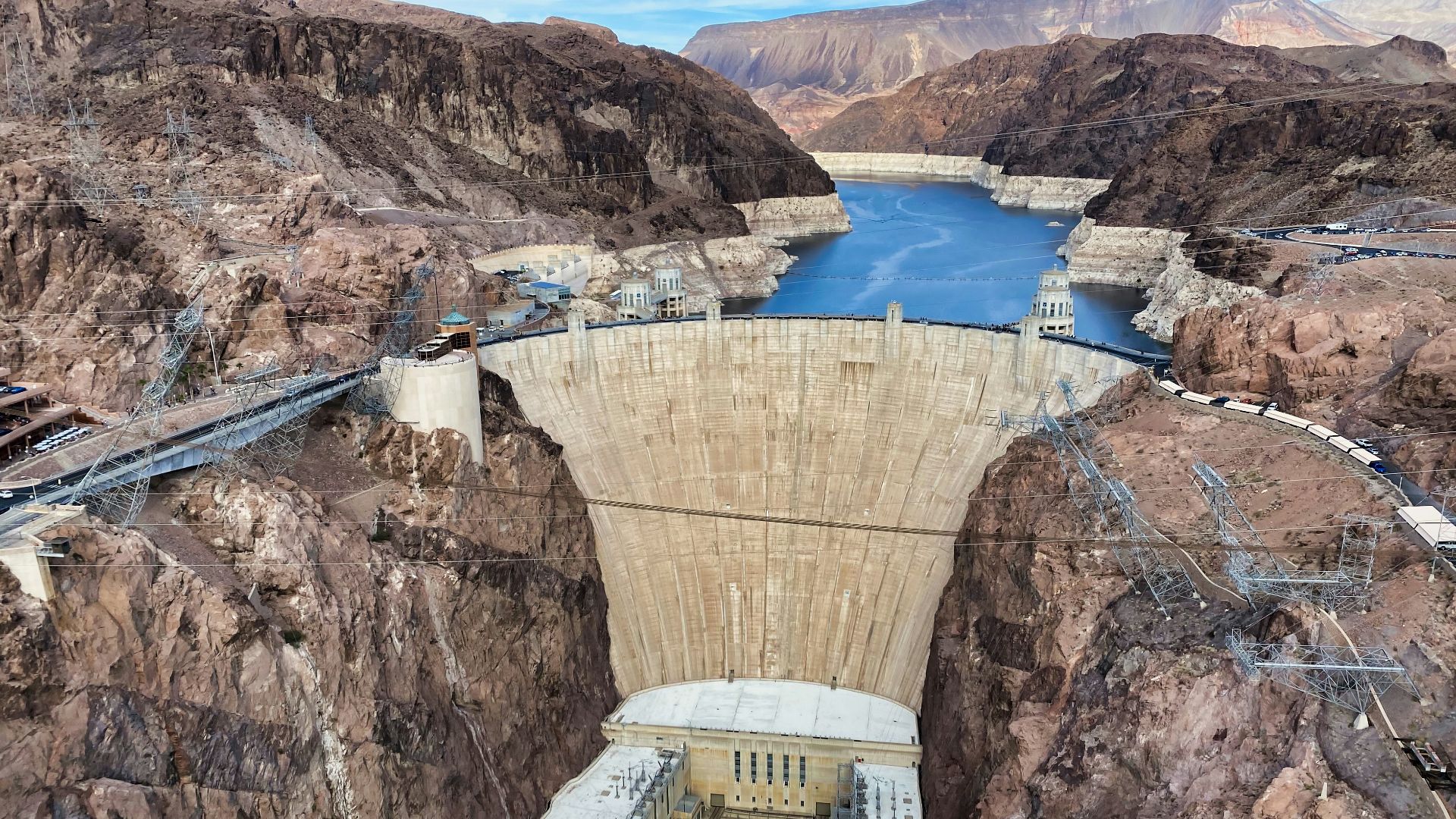
Hoover Dam required far more than pouring a gigantic wall of concrete. Workers first needed roads, rail lines, power transmission infrastructure, Boulder City, and four huge tunnels that could divert the Colorado River away from the construction site. Thousands of workers labored in a desert environment where extreme heat added another serious hazard. The enormous preparations made the project resemble an industrial city being created from scratch.
 National Archives, Herbert Hoover Presidential Library and Museum, Wikimedia Commons
The Human Cost Was Not Hidden
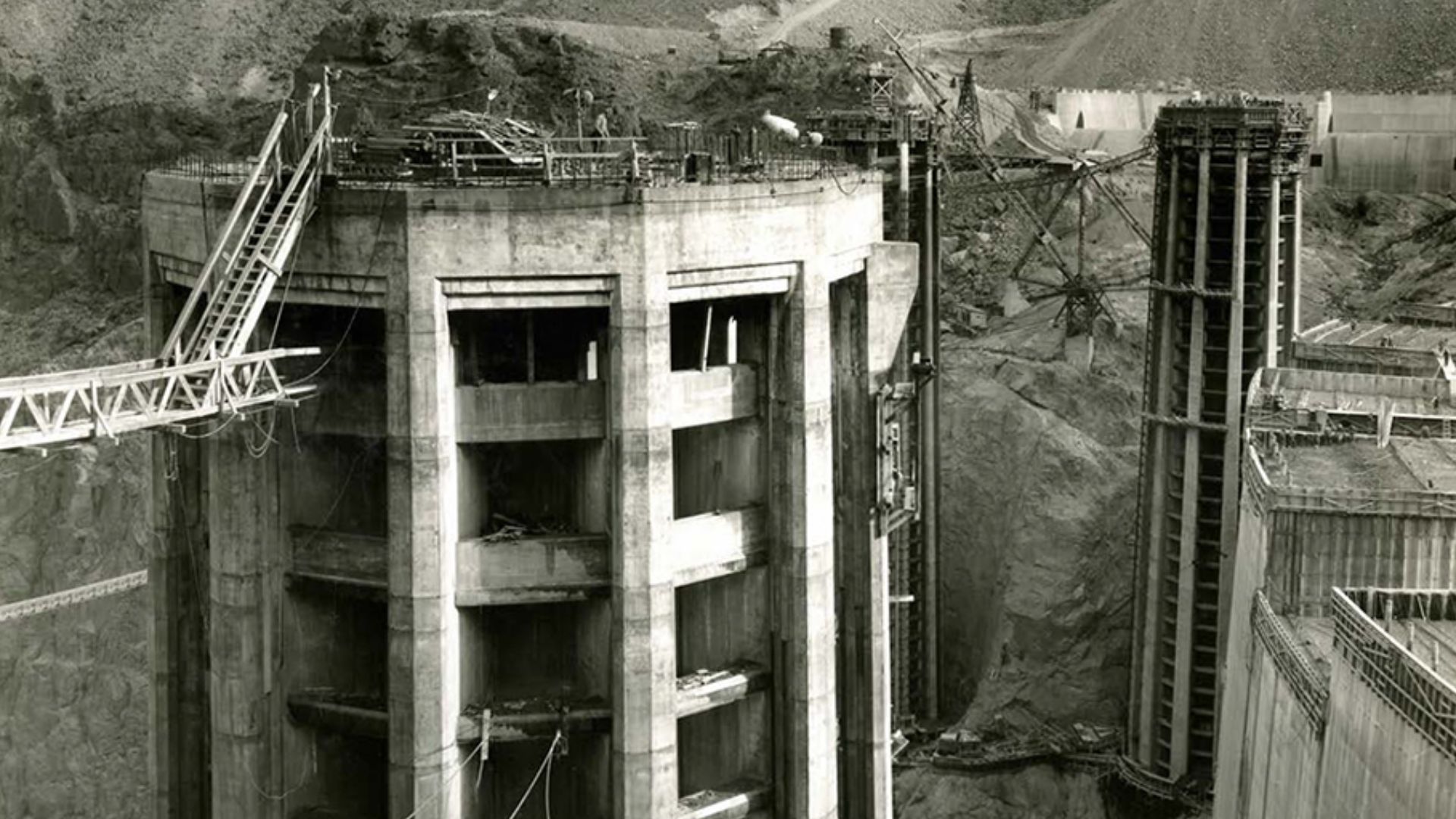
The Bureau of Reclamation records 112 deaths from accidents or illnesses associated with Hoover Dam construction activities. Heat prostration killed workers during the scorching summer of 1931, while falls, blasting accidents, falling material, machinery, and other hazards also caused deaths. Labor tensions added another problem, and a workers' strike in August 1931 forced federal authorities to increase security around the construction area. The engineering achievement came with a human cost that can disappear beneath the dam's later reputation for grandeur.
 National Archives, Herbert Hoover Presidential Library and Museum, Wikimedia Commons
The Desert Megaproject Became An Engineering Wonder
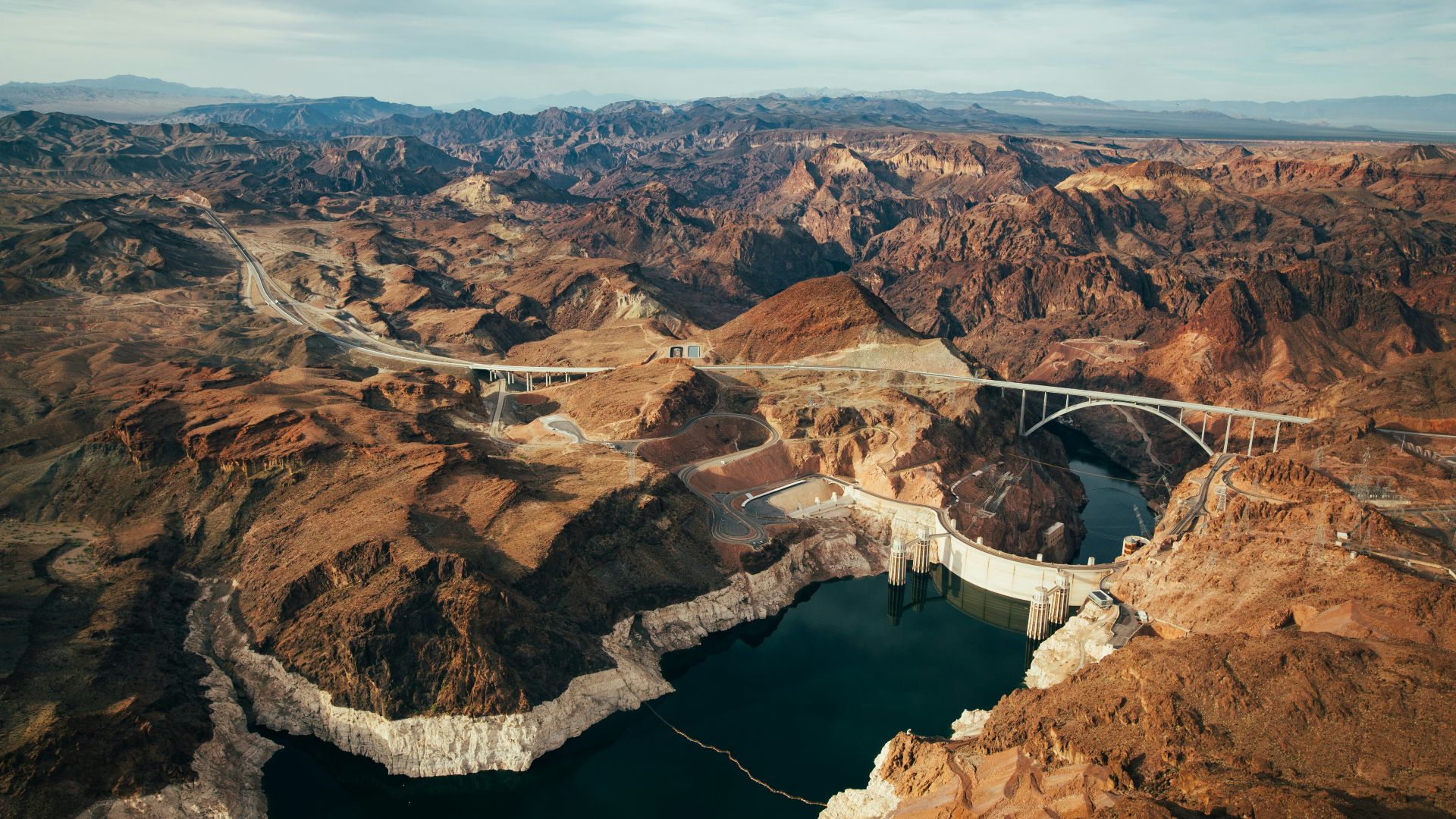
Despite the scale and hazards, contractors completed the main project faster than their allotted seven-year construction period. The dam and associated structures contain about 4.4 million cubic yards of concrete, and Hoover Dam became a landmark in the development of large concrete dams. It was designated a National Historic Landmark in 1985. The Bureau of Reclamation now describes it as an American engineering wonder that attracts nearly one million visitors annually through its guided-tour program.
France's Panama Canal Attempt Collapsed Spectacularly
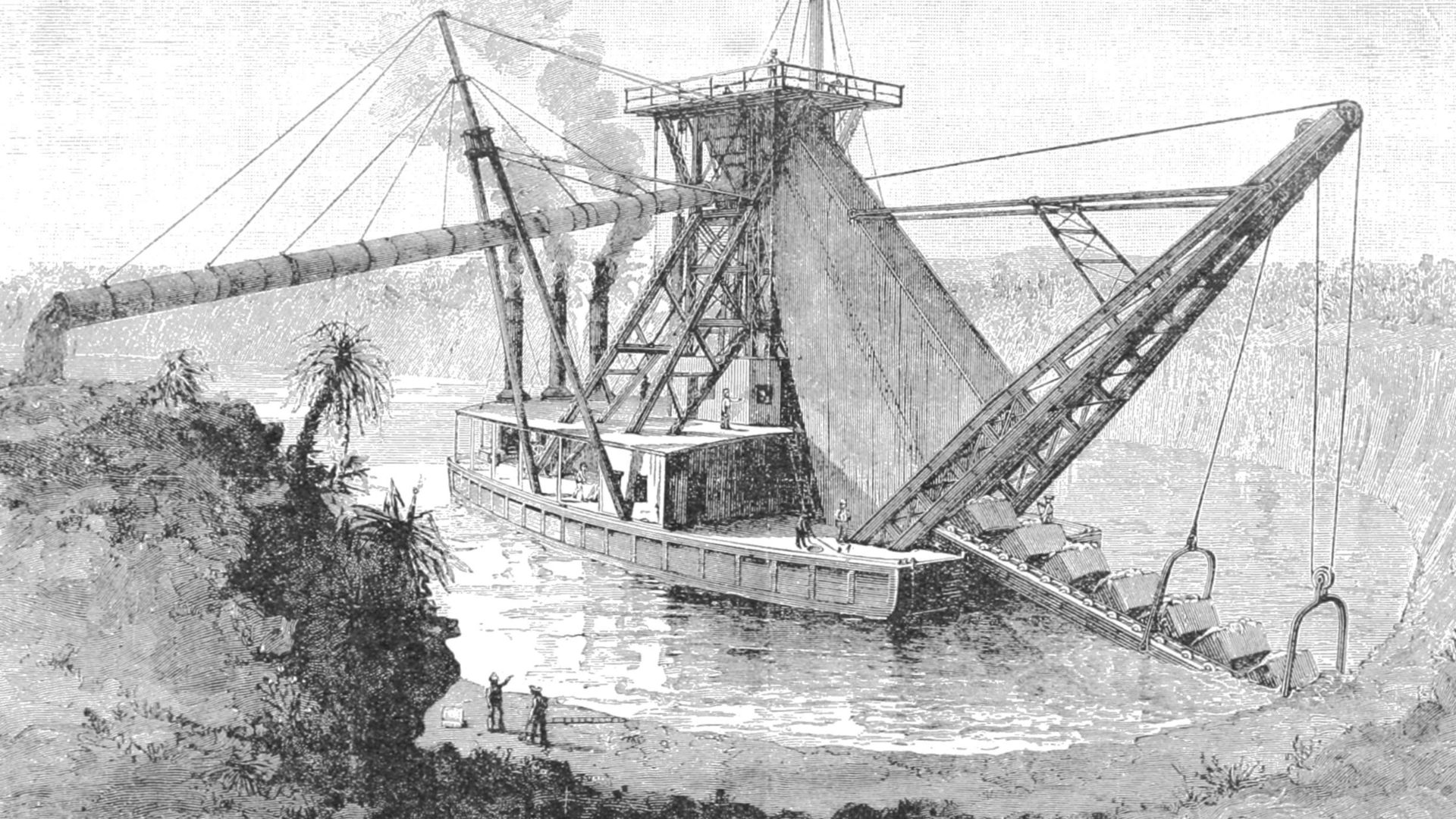
The first major French attempt to build the Panama Canal began in the 1880s with Ferdinand de Lesseps promoting a sea-level canal. Tropical disease, inadequate equipment, unstable excavation slopes, organizational problems, and relentless landslides turned the undertaking into a catastrophe. Yellow fever and malaria devastated the workforce, while material repeatedly slid back into excavated areas. By 1889, money had run out and construction under the original French company stopped.
 Unknown author, Wikimedia Commons
The Americans Had To Rebuild The Whole System
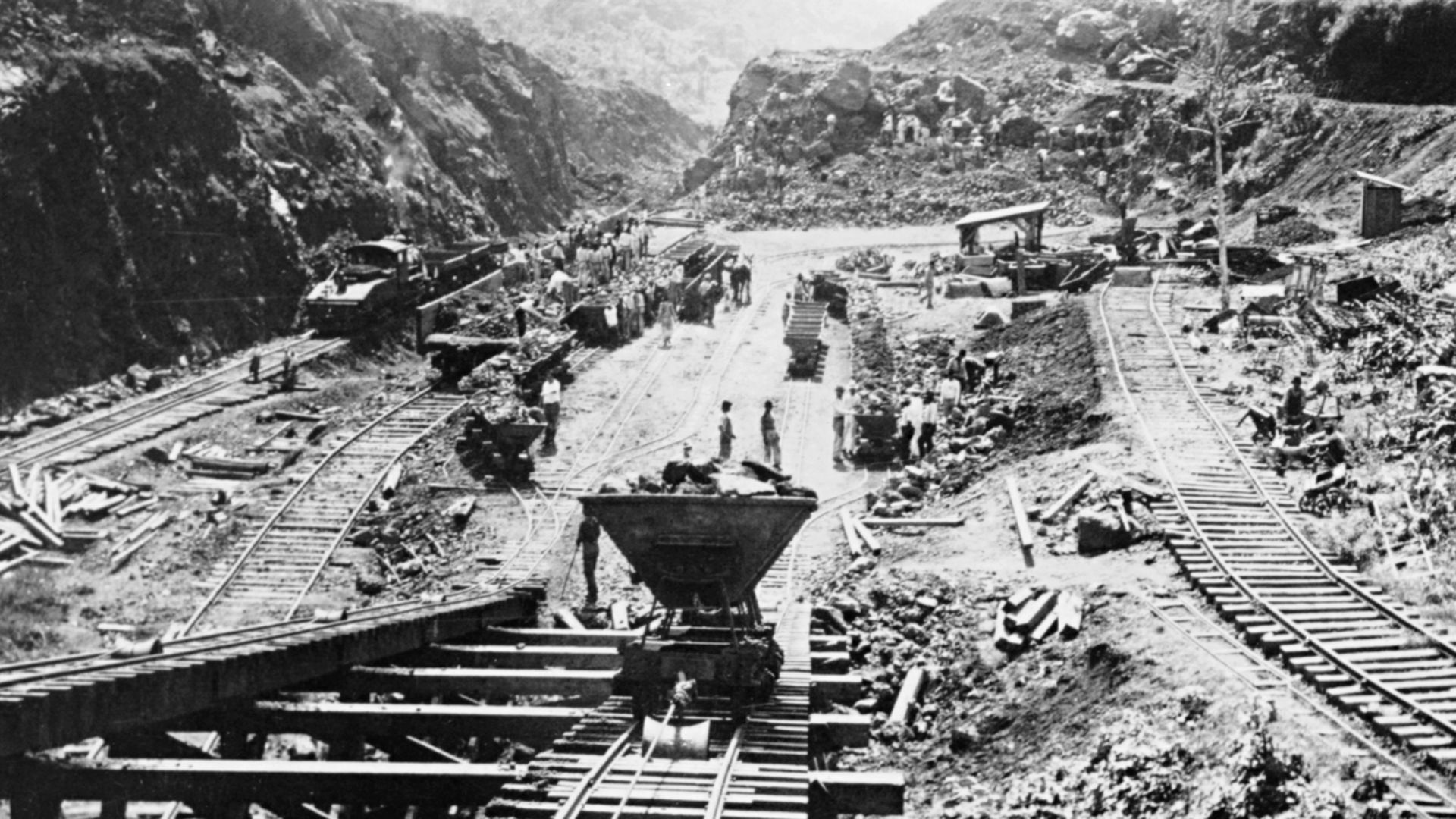
The United States took over the canal effort in 1904, but success required more than additional digging. Dr. William Gorgas's sanitation campaign attacked mosquito-borne yellow fever and malaria, while engineer John Stevens rebuilt the Panama Railroad and reorganized the system for removing excavated material. Yellow fever was eliminated from the isthmus by late 1905, and malaria death rates among employees fell dramatically over the following years. Engineers also abandoned the sea-level concept in favor of the lock-and-lake system that ultimately made the canal workable.
 H.C. White Co., Wikimedia Commons
A Failed Dream Finally Became A Working Canal
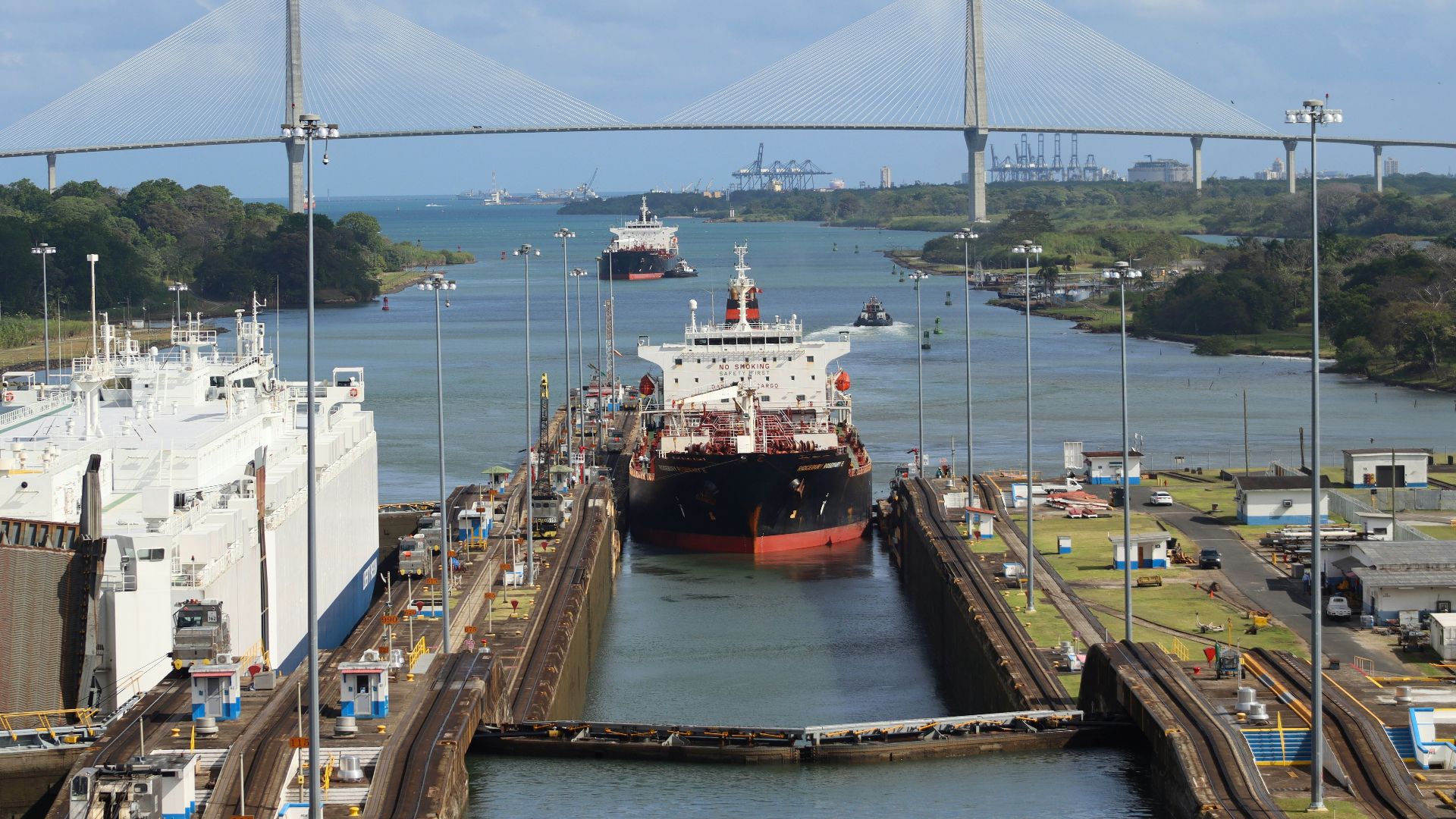
The Panama Canal opened in 1914 after decades in which the project had produced financial collapse, disease, engineering failures, and political upheaval. Its completion depended on solving problems that had defeated the earlier French effort, especially sanitation, transportation logistics, landslides, and control of the Chagres River. The result created a navigable shortcut between the Atlantic and Pacific oceans rather than forcing ships to travel around South America. Few completed infrastructure projects hide a more dramatic history of failure beneath their eventual usefulness.
Washington's Monument Turned Into An Embarrassing Stump
Construction of the Washington Monument began in 1848 using a far more elaborate design than the simple obelisk visible today. By the mid-1850s, the Washington National Monument Society had run out of money, while internal political turmoil further damaged fundraising. Construction stopped with the monument standing only about 150 feet high. The National Park Service notes that the unfinished monument remained that way for more than two decades and became an embarrassment rather than the national tribute its supporters had imagined.
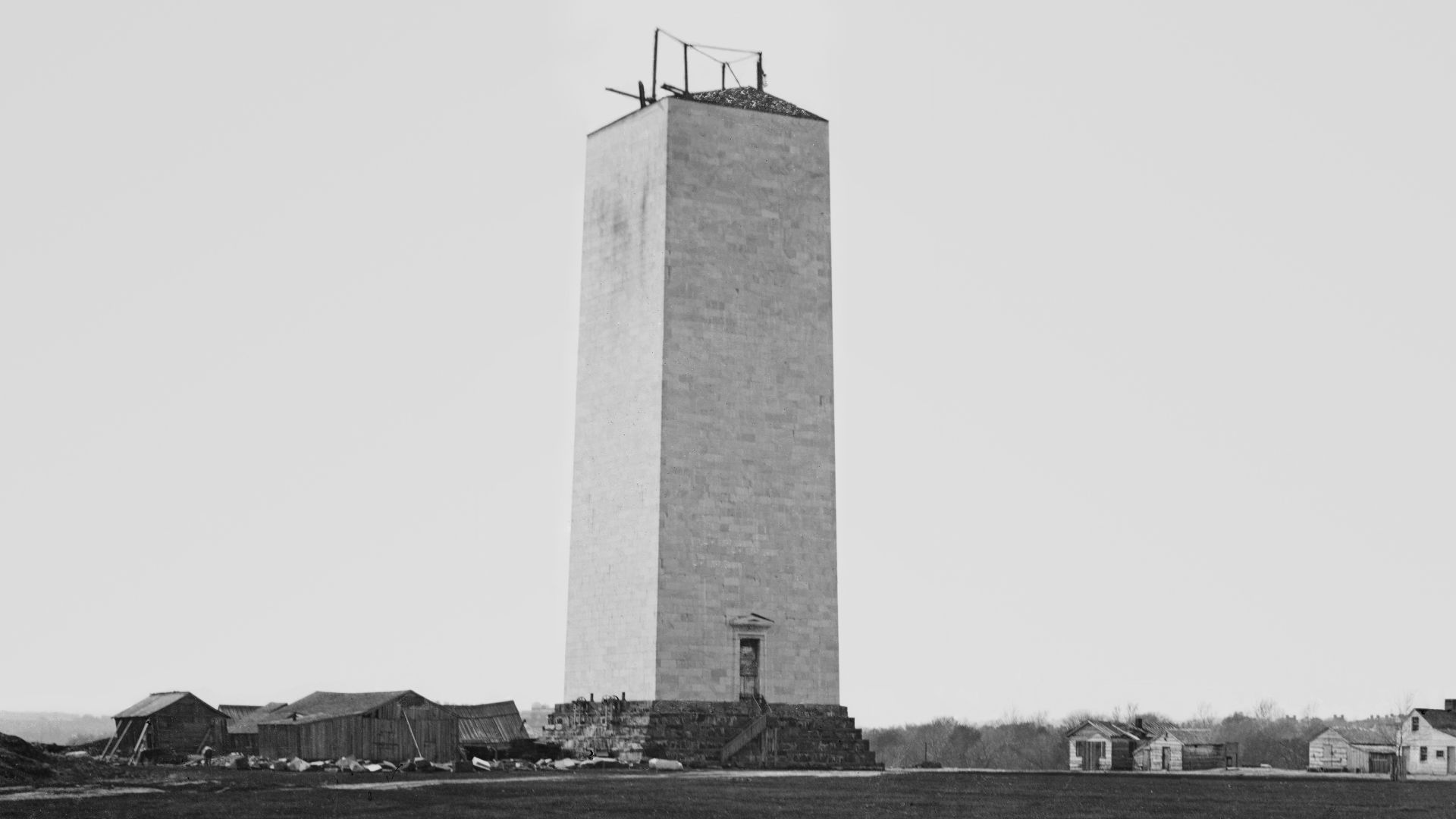 Mathew Benjamin Brady / Levin Corbin Handy, Wikimedia Commons
The Restart Created A Very Visible Problem
Congress finally provided federal money for completion in 1876, and the Army Corps of Engineers assumed responsibility for the work. Engineers first had to strengthen the foundation, then discovered that the original marble source was no longer available. Attempts to use stone from another quarry produced quality and color problems before builders switched suppliers again. The different batches weathered differently, creating the obvious horizontal color change that visitors can still see today.
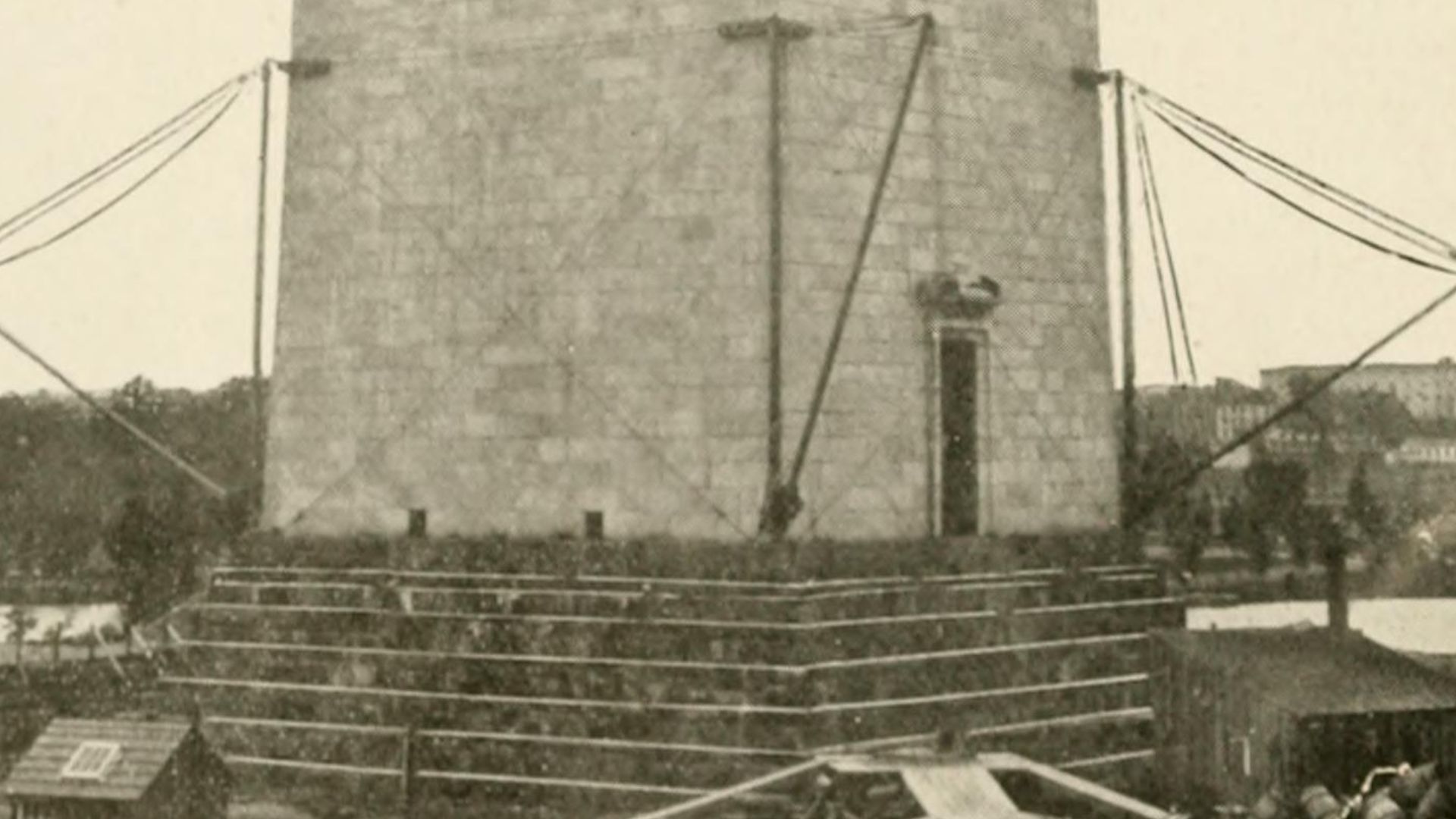 Internet Archive Book Images, Wikimedia Commons
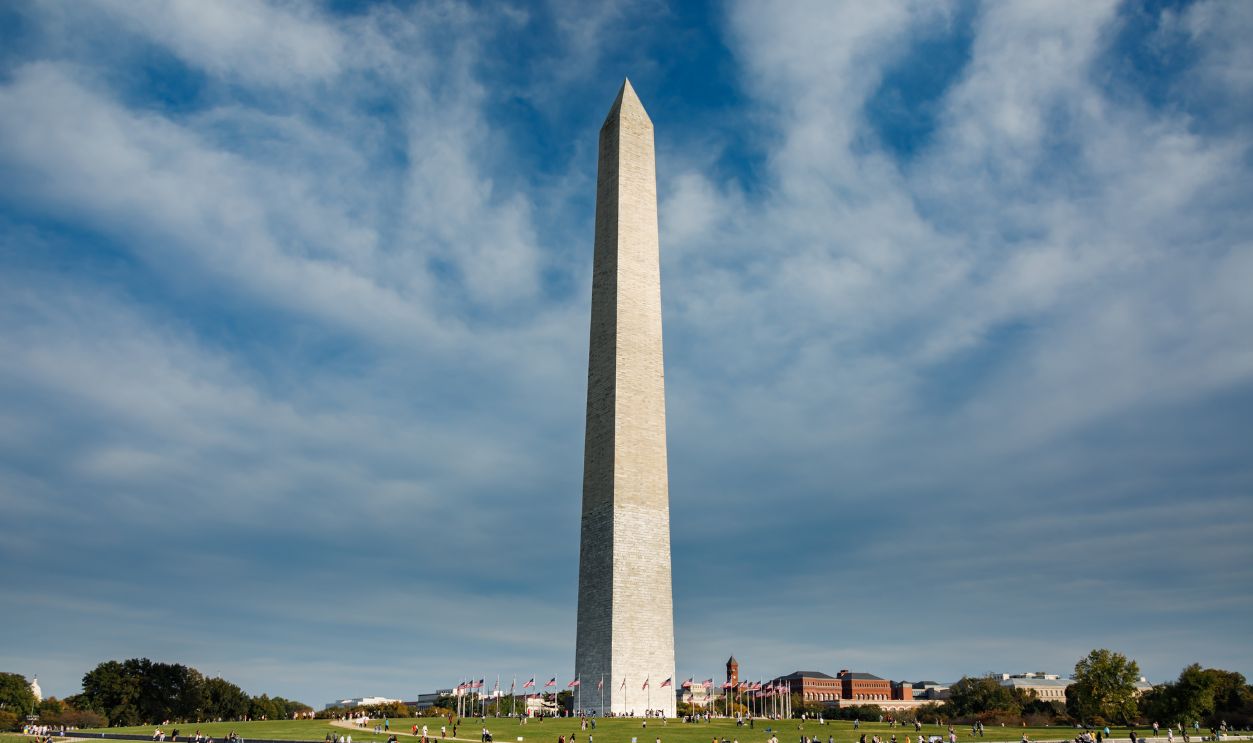
The Half-Finished Stump Became The Capital's Exclamation Point
The monument's exterior was completed in 1884 at a height of 555 feet, 5 1/8 inches, and it opened to the public in 1888. Decorative elements from Robert Mills's original plan had been abandoned in favor of the much cleaner obelisk design. Upon completion, it was the tallest building in the world. Today, the National Park Service describes the Washington Monument as a prominent landmark towering over the capital, while its mismatched stone quietly records the project's decades-long interruption.
St. Louis Cleared Forty Blocks For A Monument
The future Gateway Arch began with a sweeping redevelopment plan rather than an arch. Starting in the 1930s, the federal government acquired a large section of the St. Louis riverfront, and roughly 40 city blocks of buildings were eventually cleared for the Jefferson National Expansion Memorial. World War II then interrupted progress, leaving the site without the dramatic monument planners envisioned. Eero Saarinen's stainless-steel arch was not selected through a national design competition until 1947 and 1948.
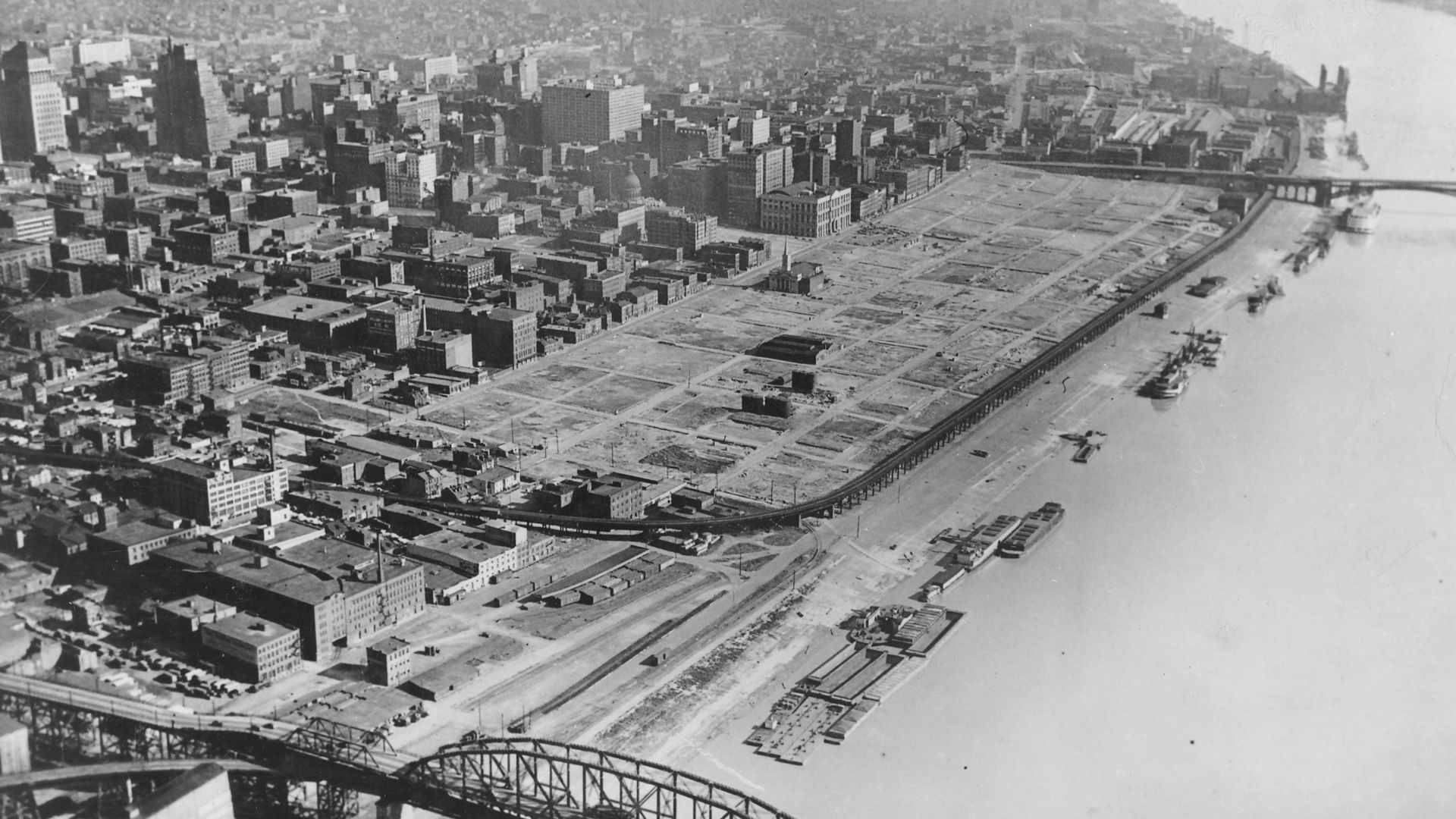 Jefferson National Expansion Memorial Archives, Wikimedia Commons
The Arch Became A Civil Rights Battleground
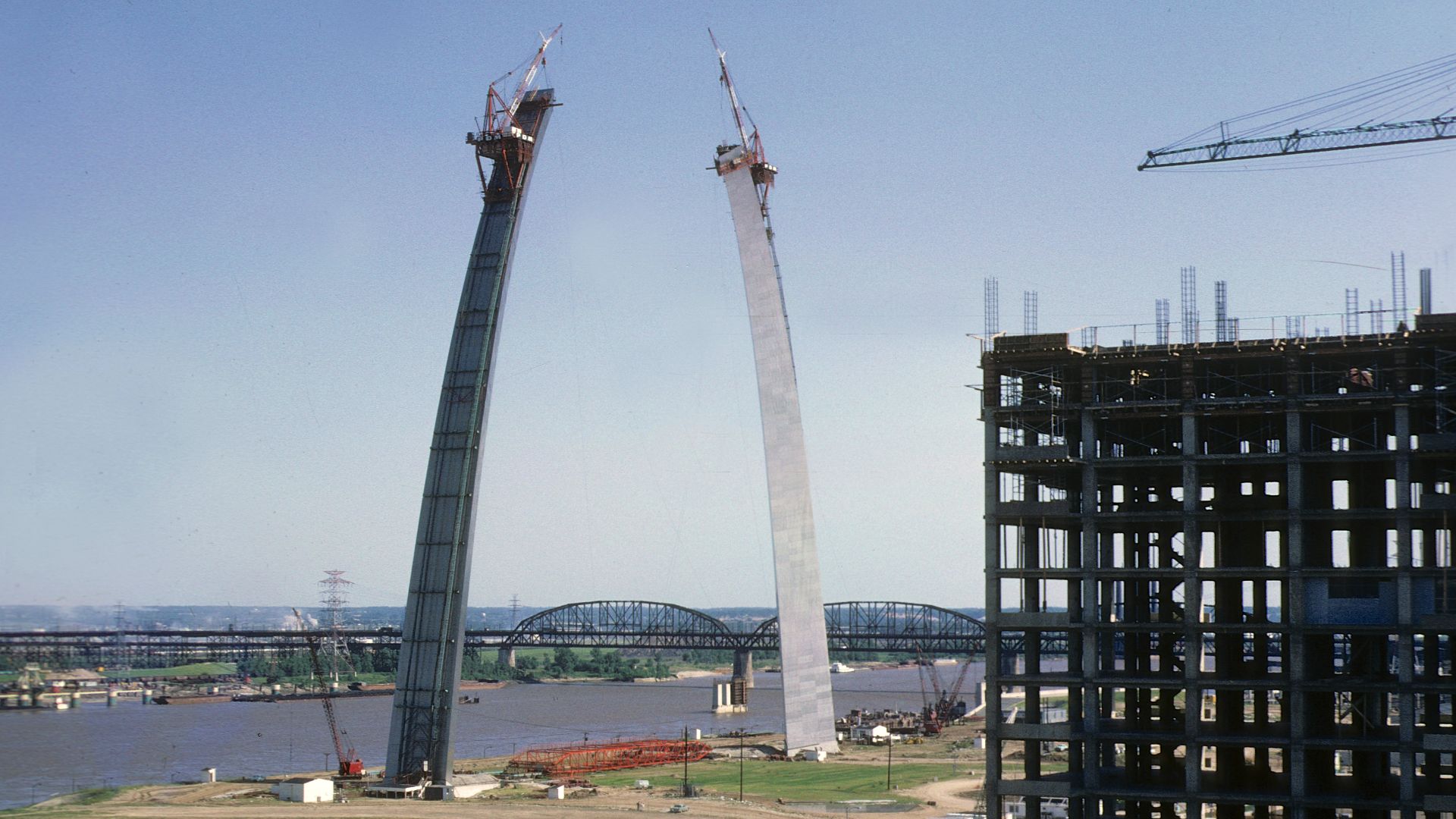
Construction of the Arch itself began in 1963, but another controversy soon moved onto the job site. The National Park Service says African Americans initially were not hired for skilled positions on the project, prompting protests over discriminatory employment practices. On July 14, 1964, activists Percy Green and Richard Daly climbed about 125 feet up the unfinished north leg and remained there for more than four hours. Their protest drew attention to racial discrimination in federally funded construction and was followed by changes in hiring practices.
 Kevin William Kelly, Wikimedia Commons
The Strange Steel Curve Became St. Louis
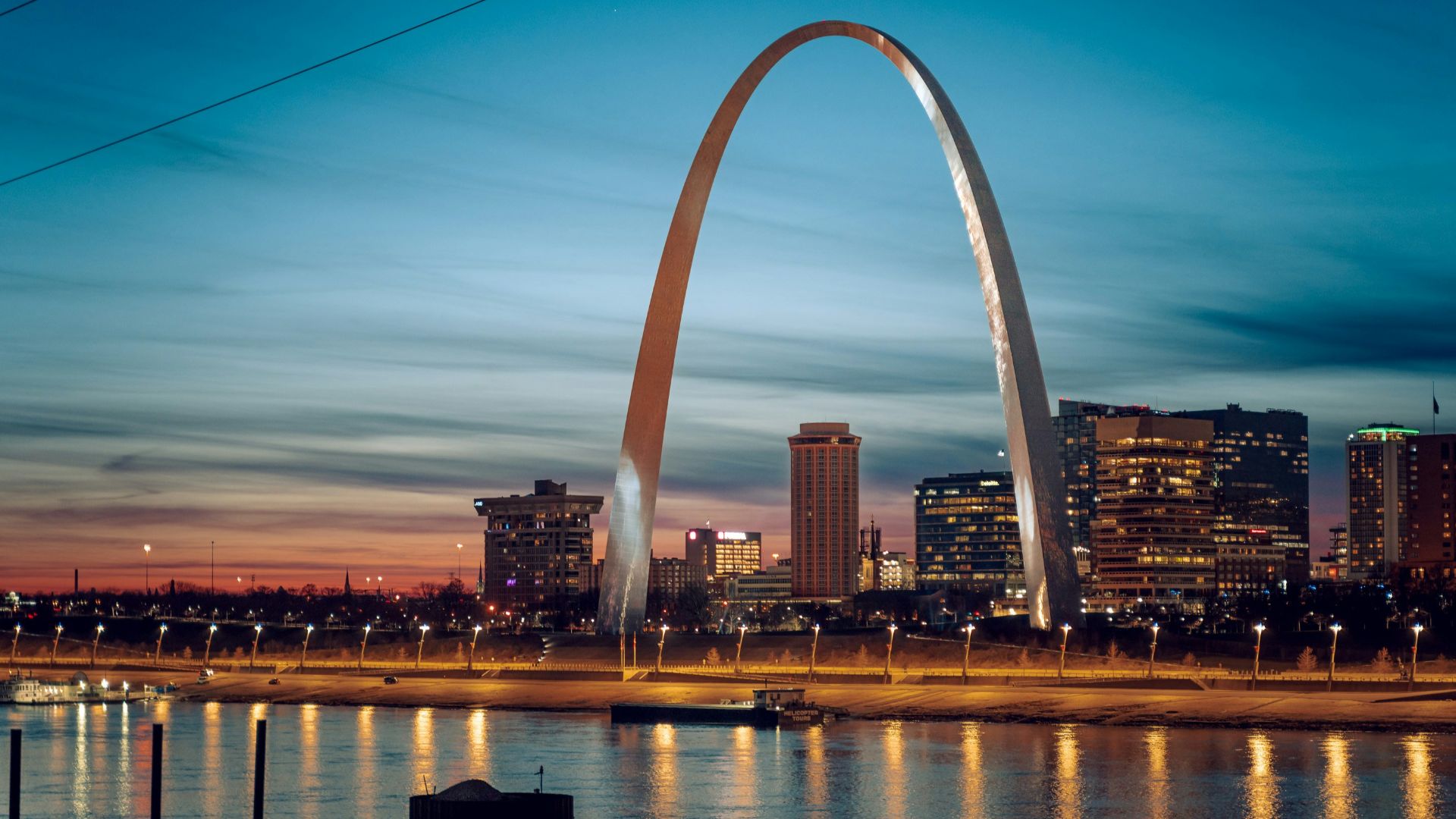
Engineers had spent years determining how Saarinen's unusual design could actually be constructed. The 630-foot stainless-steel Arch was completed on October 28, 1965, after the two legs were carefully raised toward a final connecting section at the top. The structure now stands as the tallest monument in the United States, and the National Park Service calls it an internationally recognized symbol of St. Louis. Its polished simplicity makes the complicated redevelopment, engineering, and social conflict behind it unusually easy to overlook.
Finished Landmarks Rewrite Their Own Reputations
None of these histories means every troubled megaproject will eventually become beloved. What they show is that construction-period chaos and long-term value are two different questions, and the answer to one does not automatically settle the other. An unfinished project is judged through bills, barriers, mud, noise, political arguments, and frightening photographs, while a completed one gets judged through decades of use and cultural meaning. That is why today's postcard can so easily conceal yesterday's apparent disaster.
You May Also Like:
The Weirdest Rules People Once Followed At Work
The Discovery Of A Bronze Age Blade Workshop In Southern Israel
Resilient Facts About Ellen Burstyn, The Actor Who Worked With The Devil









