

Every Great Idea Has A Catch
History celebrates inventors who changed the world, but not every breakthrough stayed a success forever. Many inventions solved urgent problems before revealing unexpected costs that nobody fully understood at the time. Sometimes those consequences reshaped society more dramatically than the original problem ever did.

Matches Sparked Fires And Deadly Poisoning
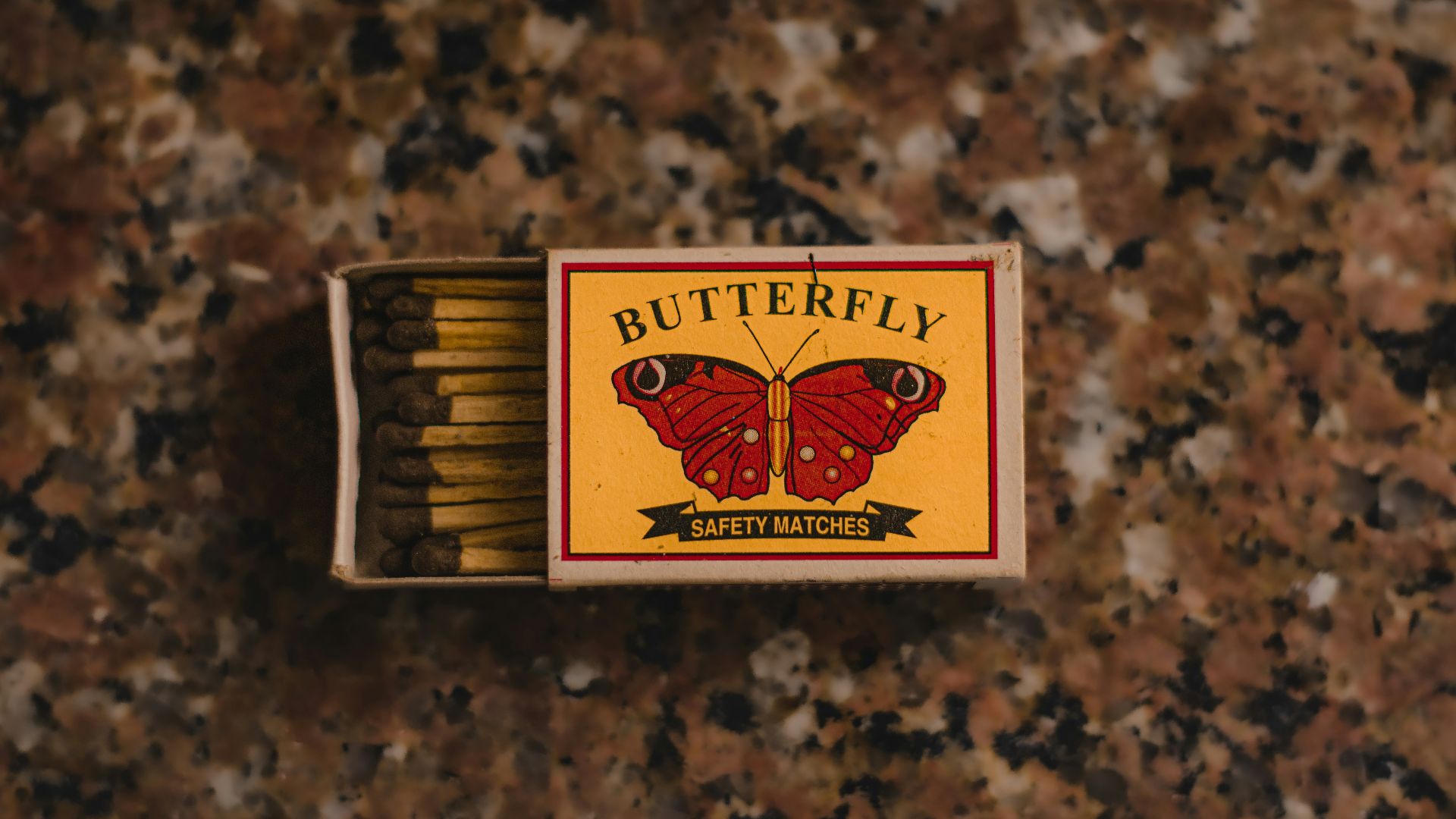
Before friction matches, starting a fire often required cumbersome tools like flint and steel. Matches made fire portable, cheap, and available to almost everyone. Unfortunately, early white phosphorus matches poisoned factory workers and even caused a painful condition known as "phossy jaw," forcing governments to regulate their production.
Miracle Insulation Became A Silent Killer
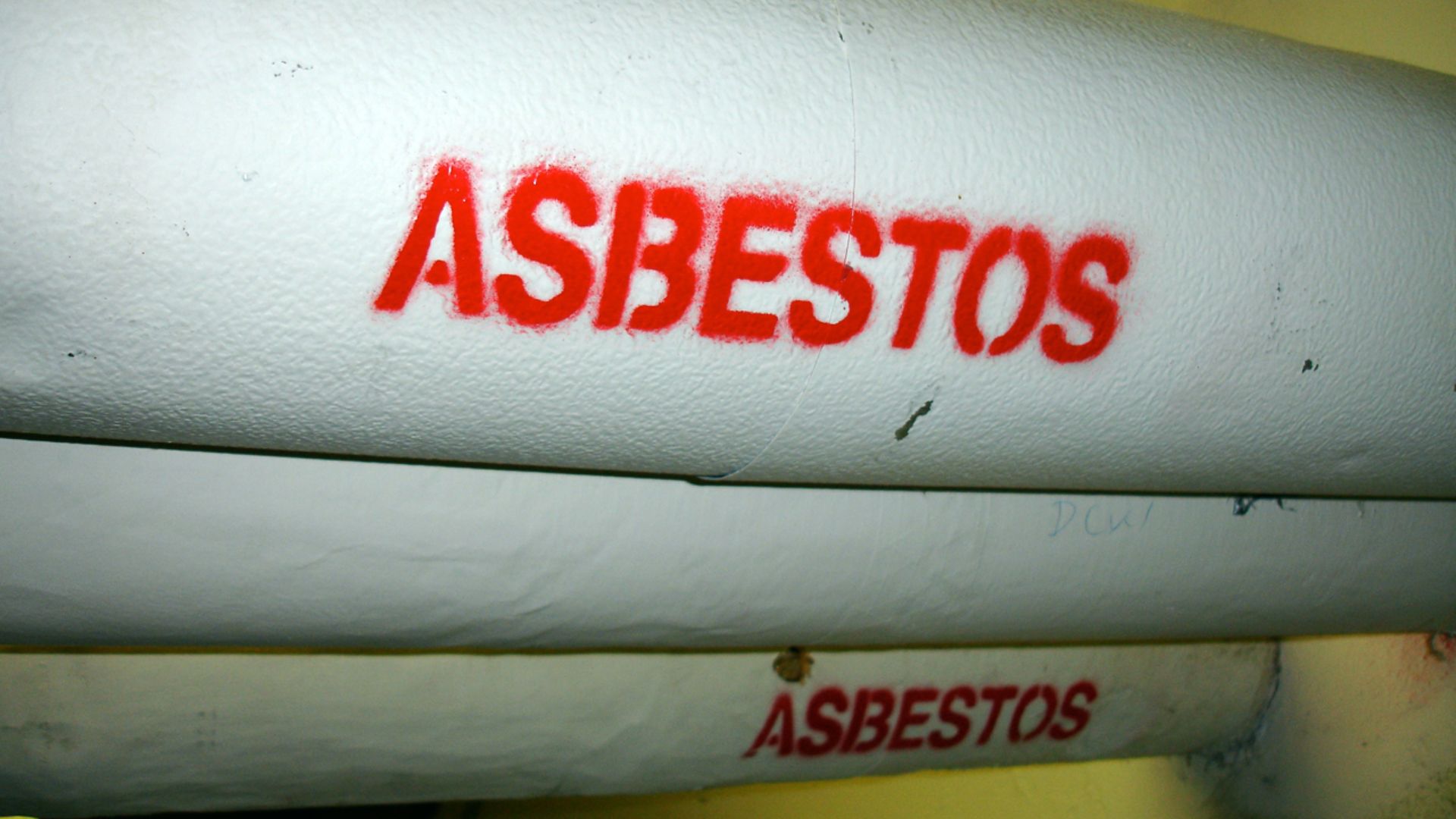
Asbestos seemed like the perfect building material because it resisted fire, heat, and chemicals. It quickly found its way into homes, schools, ships, and factories around the world. Decades later, researchers linked asbestos fibers to deadly diseases including mesothelioma, lung cancer, and asbestosis, creating one of history's largest public health disasters.
 daryl_mitchell from Saskatoon, Saskatchewan, Canada, Wikimedia Commons
Leaded Gasoline Silenced Engines But Poisoned The Planet
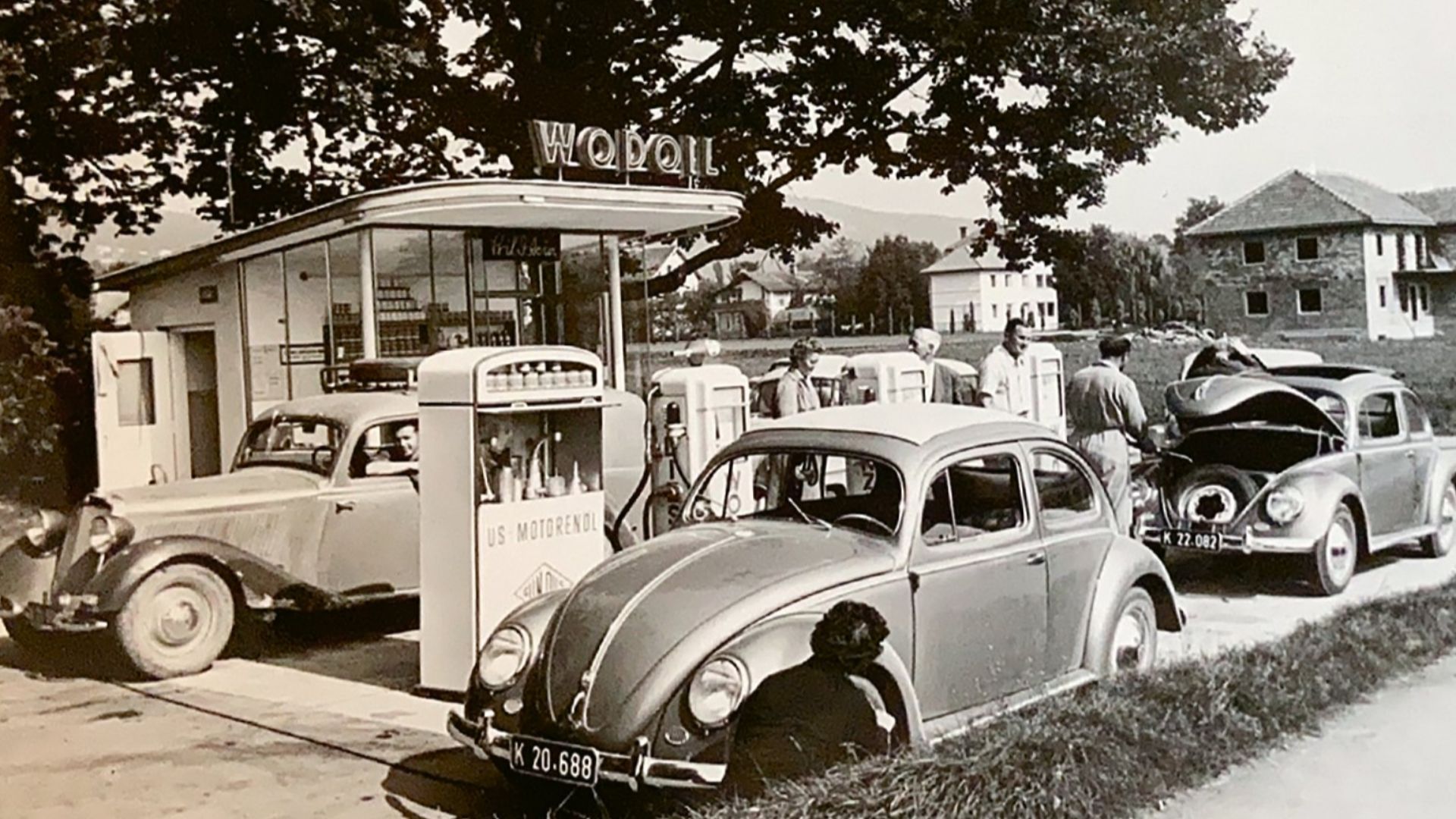
Early automobile engines often suffered from damaging engine knock. Chemist Thomas Midgley Jr. helped solve that problem by introducing tetraethyl lead into gasoline. The solution worked mechanically, but lead emissions contaminated the environment for decades and exposed millions of people to a powerful neurotoxin.
Refrigerators Opened A Hole In The Ozone Layer
Early refrigerators relied on dangerous chemicals like ammonia that could leak and become deadly. Chlorofluorocarbons, better known as CFCs or Freon, offered a much safer refrigerant for everyday use. Scientists later discovered that CFCs depleted Earth's protective ozone layer, leading to international agreements that phased them out.

Plastic Solved Convenience But Created A Global Waste Crisis
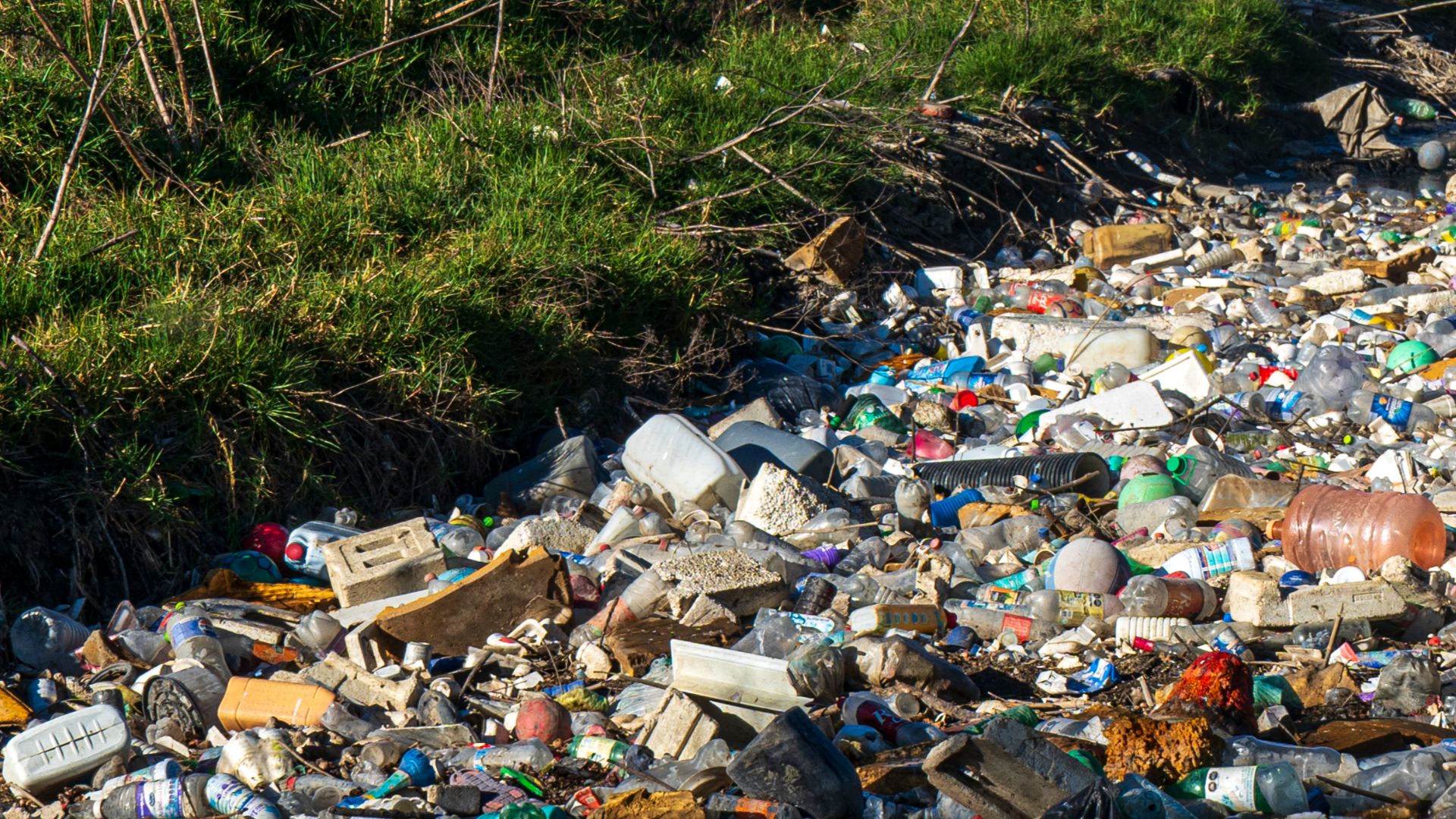
Plastic offered manufacturers a lightweight, inexpensive, and highly durable material unlike anything before it. It revolutionized packaging, medicine, transportation, and countless consumer products. Those same qualities also made plastic waste incredibly persistent, leaving oceans and ecosystems filled with debris that can remain for centuries.
 Eduardobadillol, Wikimedia Commons
DDT Defeated Insects But Devastated Wildlife
During and after World War II, DDT became a powerful weapon against mosquitoes and crop pests. It helped reduce insect-borne diseases and increased agricultural production in many regions. Over time, scientists discovered that DDT accumulated in wildlife, disrupted ecosystems, and threatened bird populations before many countries restricted its use.
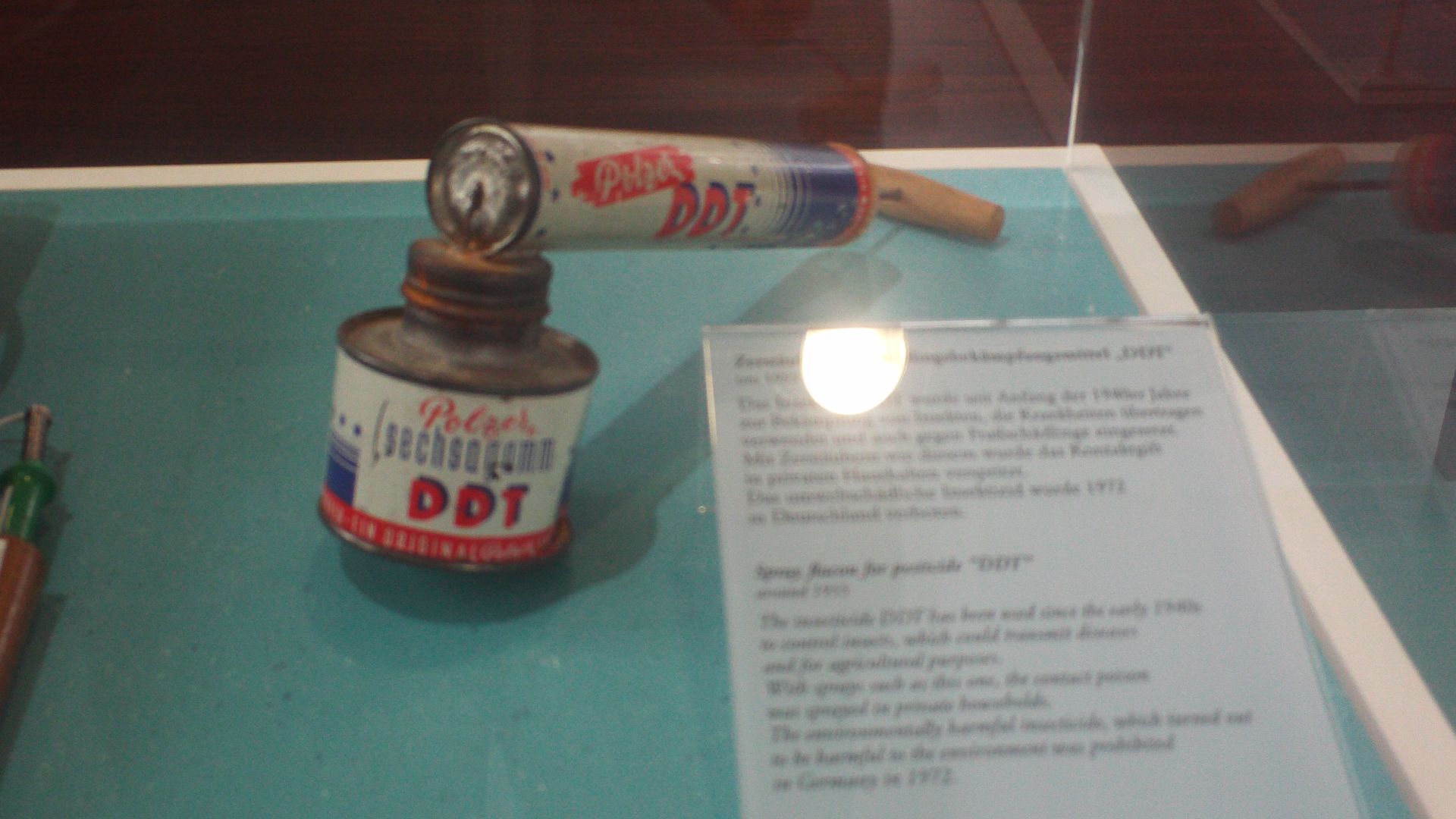 Ypsilon from Finland, Wikimedia Commons
Miracle Fabric Refused To Disappear
Nylon transformed clothing by offering a durable alternative to expensive natural fibers like silk. It also proved invaluable in products ranging from parachutes to fishing lines. Its durability, however, means discarded synthetic fibers persist in the environment and contribute to growing microplastic pollution.
 Erik Liljeroth, Wikimedia Commons
Nonstick Pans Came With Questions
Nonstick cookware made everyday cooking easier by preventing food from sticking to the pan. The technology quickly became a kitchen staple around the world. Researchers later raised concerns about certain PFAS chemicals used in manufacturing, prompting tighter regulations and new formulations.
 Sternsteiger Germany, Getty Images

History's most fascinating stories and darkest secrets, delivered to your inbox daily.
Synthetic Fertilizer Fed Billions But Polluted Rivers
The Haber-Bosch process made it possible to produce synthetic fertilizer on an enormous scale. It dramatically increased crop yields and helped feed a rapidly growing global population. Excess fertilizer runoff now contributes to polluted waterways, harmful algal blooms, and expanding oxygen-starved dead zones in coastal waters.

Antibiotics Saved Lives But Created Superbugs
The discovery and widespread use of antibiotics transformed medicine almost overnight. Infections that once killed routinely became treatable and surgeries became much safer. Decades of overuse and misuse have fueled antibiotic resistance, making some dangerous bacteria increasingly difficult to treat.

Cars Reshaped Civilization But Filled The Air With Pollution
Automobiles gave people unprecedented personal mobility and transformed commerce and daily life. Entire cities expanded around highways and suburbs because cars made longer commutes practical. Heavy dependence on automobiles also increased pollution, traffic congestion, greenhouse gas emissions, and urban sprawl.

Air Conditioning Beat The Heat But Increased Global Warming
Air conditioning made homes, hospitals, offices, and factories comfortable even during extreme heat. Entire regions experienced rapid population growth because indoor cooling became reliable. The increased demand for electricity and refrigerants has also contributed significantly to energy consumption and environmental challenges.

Cheap Packaging Filled Landfills
Disposable packaging improved sanitation, protected food, and made shipping goods far easier. It also lowered costs for businesses and consumers alike. The convenience encouraged a throwaway culture that generated enormous amounts of waste, much of which still ends up in landfills or the ocean.

Social Media Connected Billions But Spread Misinformation
Social media platforms made it easier than ever to stay connected with friends, family, and communities worldwide. They also gave ordinary people unprecedented opportunities to share information and organize around important causes. At the same time, misinformation, online harassment, and algorithm-driven polarization became significant global challenges.

Artificial Light Extended The Day But Disrupted Nature
Electric lighting allowed people to work, study, and socialize long after sunset. Cities became safer and more economically productive because darkness no longer limited activity. Modern researchers also associate excessive nighttime light exposure with light pollution and disruptions to natural sleep patterns.
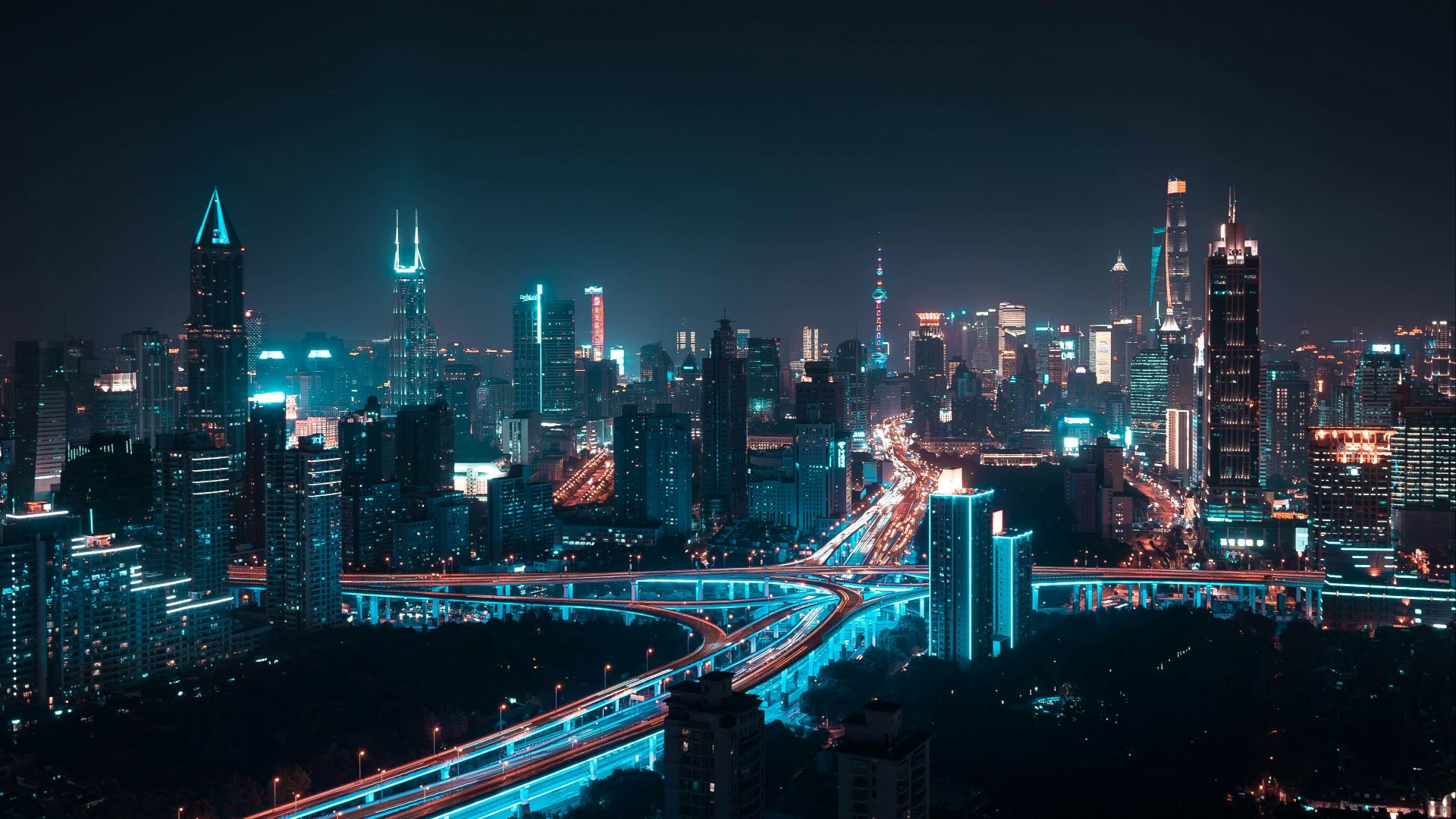
Chemical Pesticides Protected Crops But Harmed Pollinators
Modern pesticides helped farmers prevent devastating crop losses and improve food production. They reduced the damage caused by insects that had plagued agriculture for centuries. Heavy or improper use has harmed beneficial insects, encouraged resistant pests, and raised environmental concerns.
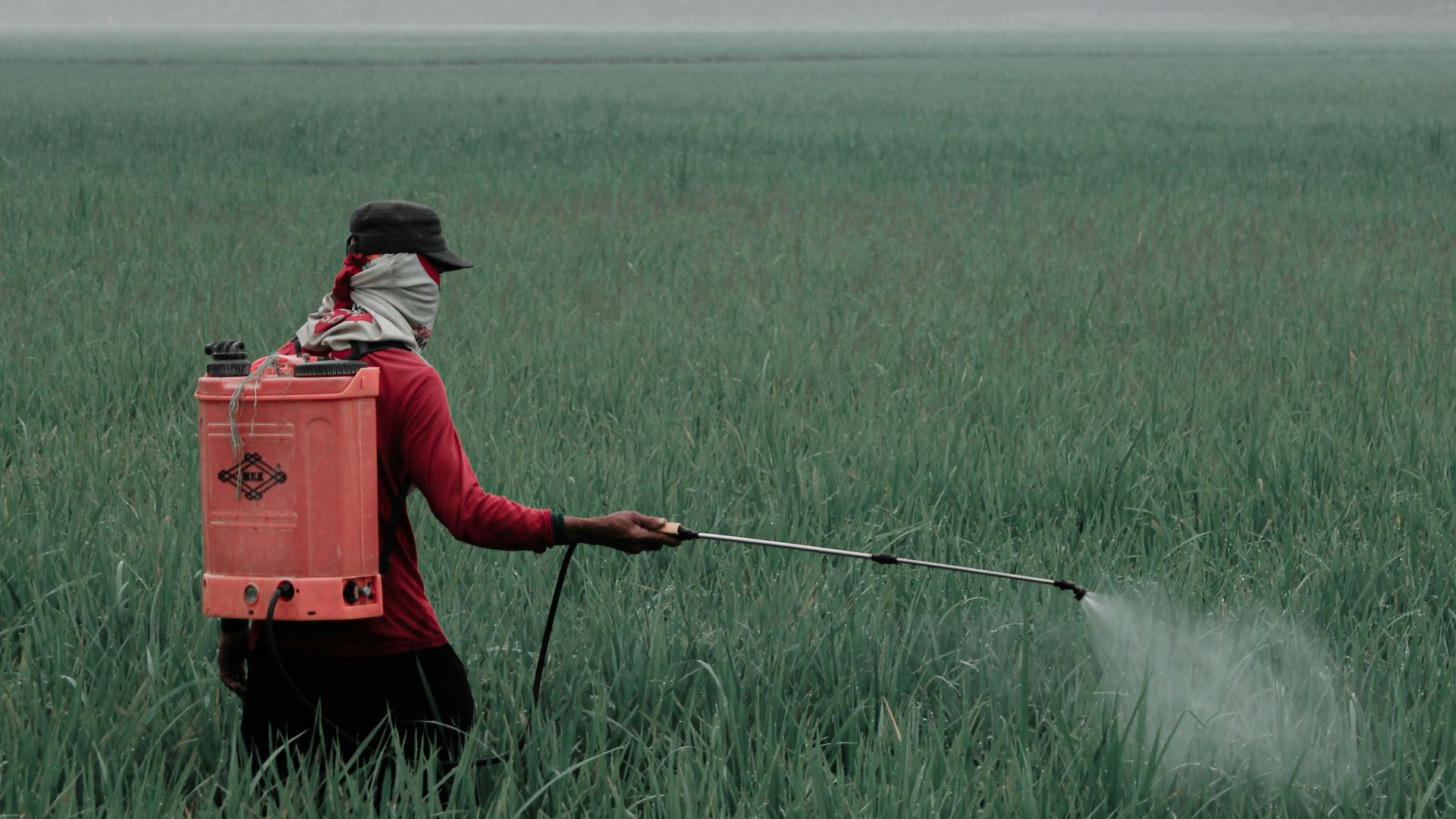
Concrete Built Cities But Fueled Climate Change
Concrete made it possible to construct skyscrapers, bridges, dams, and highways on an unprecedented scale. It became one of the most widely used construction materials in history. Cement production also generates substantial carbon dioxide emissions, making it an important contributor to global greenhouse gases.

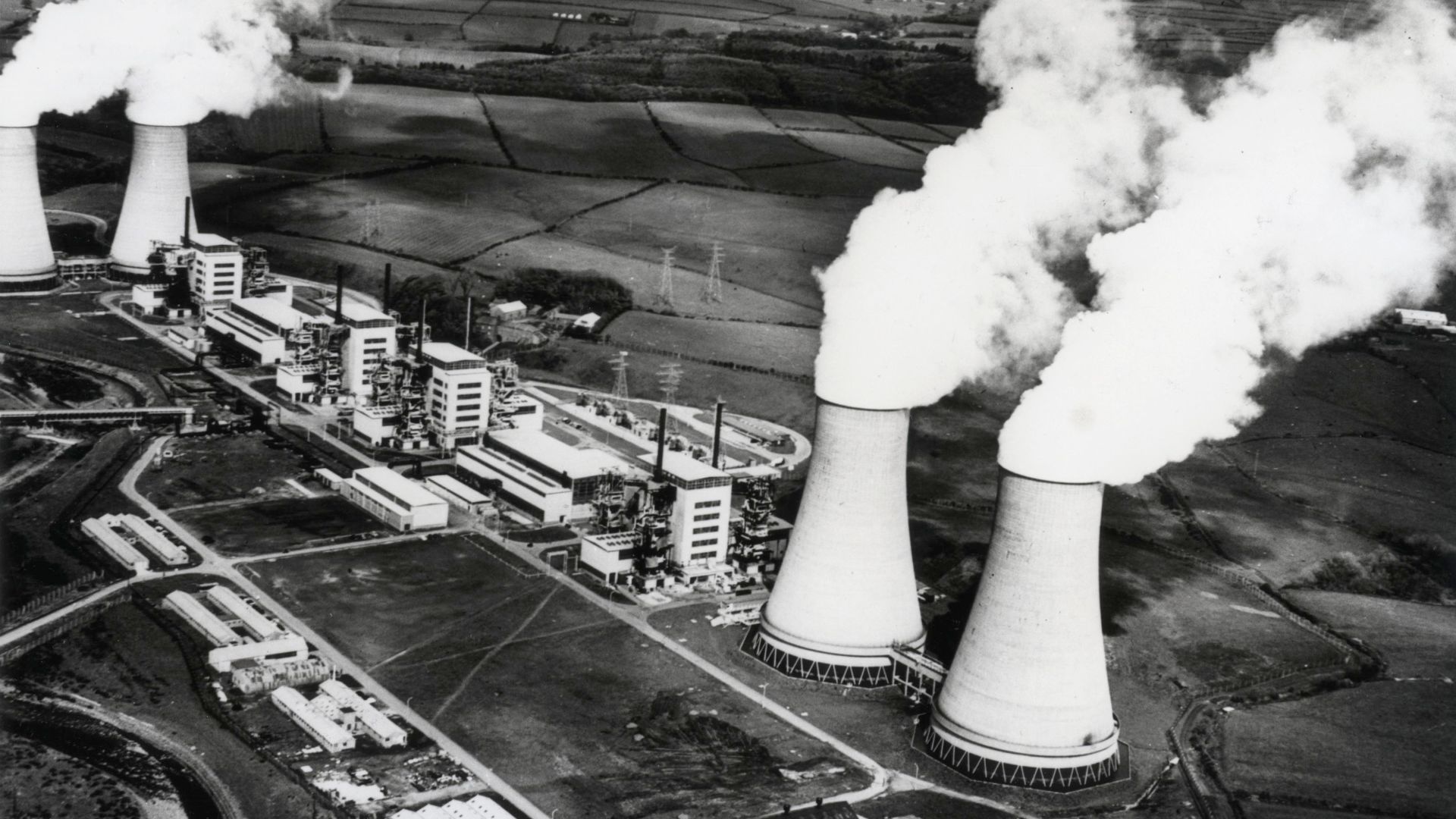
Nuclear Power Cut Emissions But Left Radioactive Waste
Nuclear reactors generate large amounts of electricity without producing carbon dioxide during operation. They have helped many countries reduce dependence on fossil fuels. High-profile accidents, radioactive waste management, and public concern have complicated nuclear energy's long-term expansion.
Dynamite Built Railroads And Strengthened Warfare
Alfred Nobel's dynamite made mining, tunneling, and railroad construction dramatically safer than using unstable nitroglycerin. It accelerated infrastructure projects that reshaped economies around the world. Military forces also adopted powerful explosives for warfare, increasing the destructive potential of armed conflict.
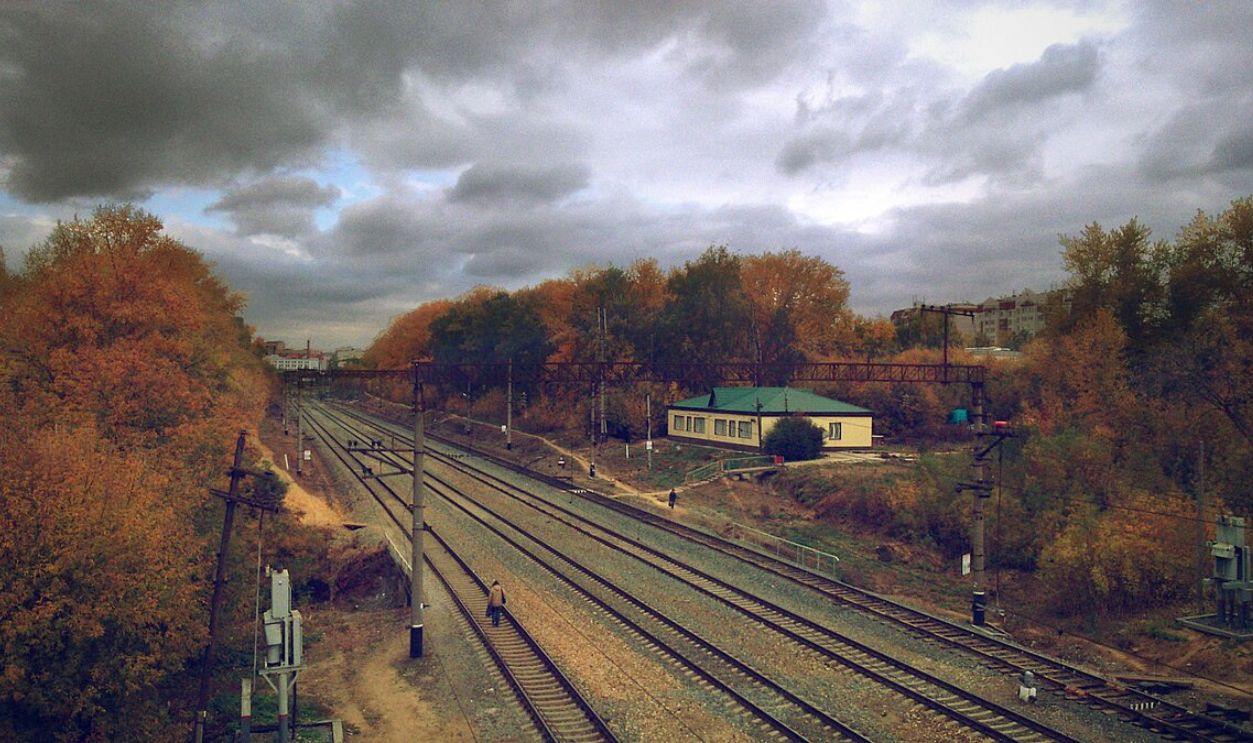 Timur Gafarov, CC BY-SA 3.0, Wikimedia Commons
Credit Cards Made Shopping Easy But Fueled Debt
Credit cards eliminated the need to carry large amounts of cash and made commerce much more convenient. They also fueled the growth of modern online shopping and international travel. Easy access to credit has contributed to rising consumer debt for millions of households.

Fast Fashion Lowered Prices But Filled Landfills
Modern manufacturing made stylish clothing affordable for people who previously had limited choices. Consumers gained access to constantly changing styles at remarkably low prices. The business model also encouraged overconsumption, textile waste, and difficult labor and environmental challenges across global supply chains.

The Internet Shared Knowledge But Empowered Cybercrime
The internet transformed education, business, entertainment, and communication on a scale few technologies have matched. Vast amounts of information became instantly available to billions of people. Cybercrime, privacy concerns, misinformation, and digital fraud emerged alongside those remarkable benefits.

Artificial Intelligence Boosted Productivity But Raised New Risks
Artificial intelligence is already improving healthcare, research, manufacturing, and countless everyday tasks. It promises enormous gains in productivity and scientific discovery. At the same time, concerns about misinformation, job displacement, copyright, bias, and responsible oversight continue to grow as the technology advances.
Innovation Always Comes With Responsibility
History rarely produces inventions that are entirely good or entirely bad. Most breakthroughs solve genuine problems while introducing new ones that only become visible years or decades later. The lesson is not to stop inventing, but to think carefully about long-term consequences before today's solutions become tomorrow's biggest challenges.

You May Also Like:
The Bizarre Inventions People Thought Would Change The World
The Most Important Inventions Of The 21st Century So Far









.jpeg)