Predictions Everyone Believed
History is filled with confident forecasts that seemed almost impossible to question. Experts, governments, investors, engineers, and entire industries sometimes become so convinced of a particular future that alternatives are barely considered. Yet reality has a habit of surprising everyone. These famous predictions all seemed certain at the time, but history had very different plans.
 Public domain, Wikimedia Commons
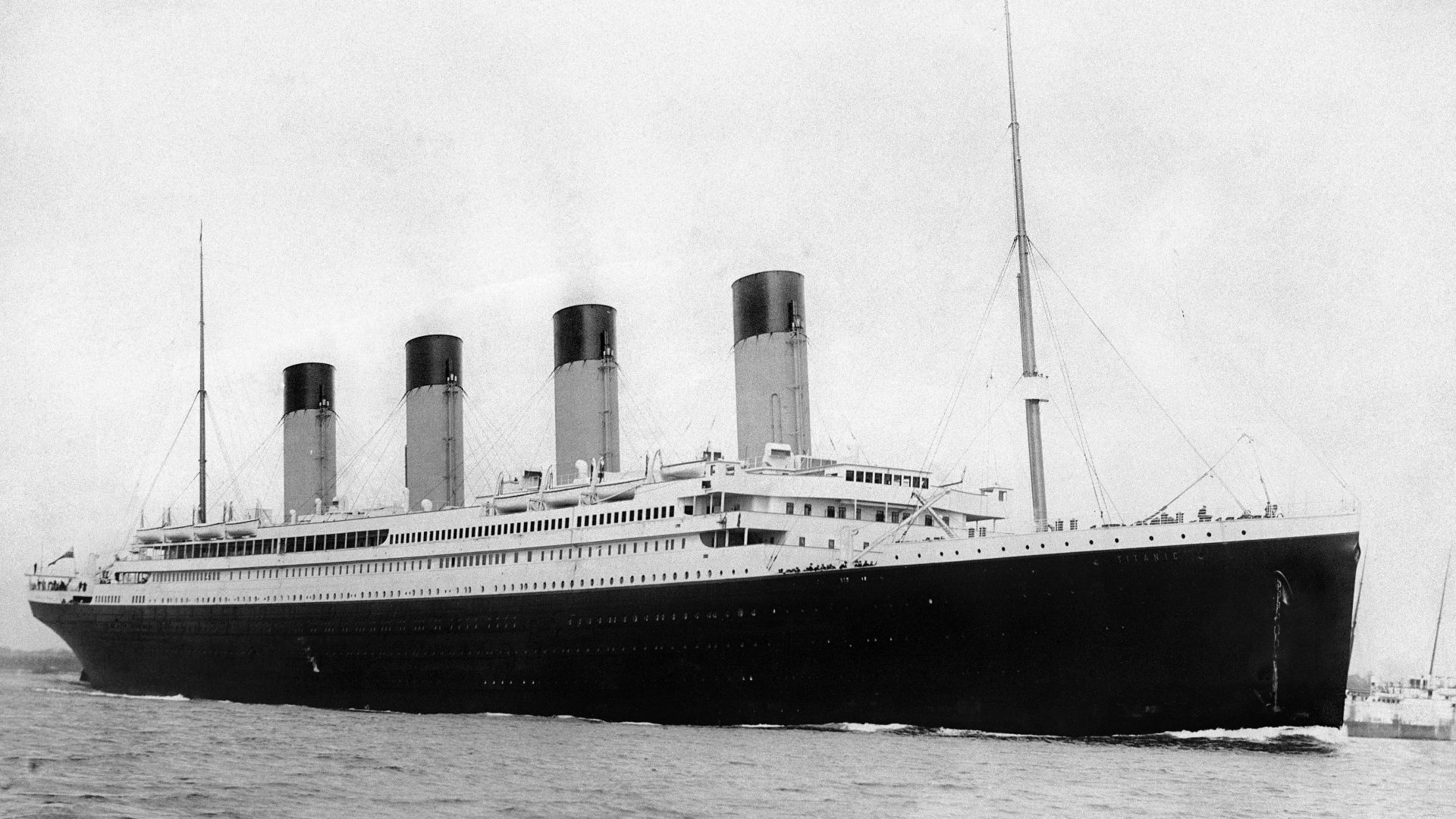
The Titanic Was Unsinkable
When the Titanic sailed in 1912, many people believed modern engineering had finally conquered the dangers of the sea. Although the famous phrase 'unsinkable' was exaggerated after the fact, enormous public confidence surrounded the ship. Its sinking on its maiden voyage shattered faith in technological invincibility.
 Francis Godolphin Osbourne Stuart, Wikimedia Commons
The Roaring Twenties Forever
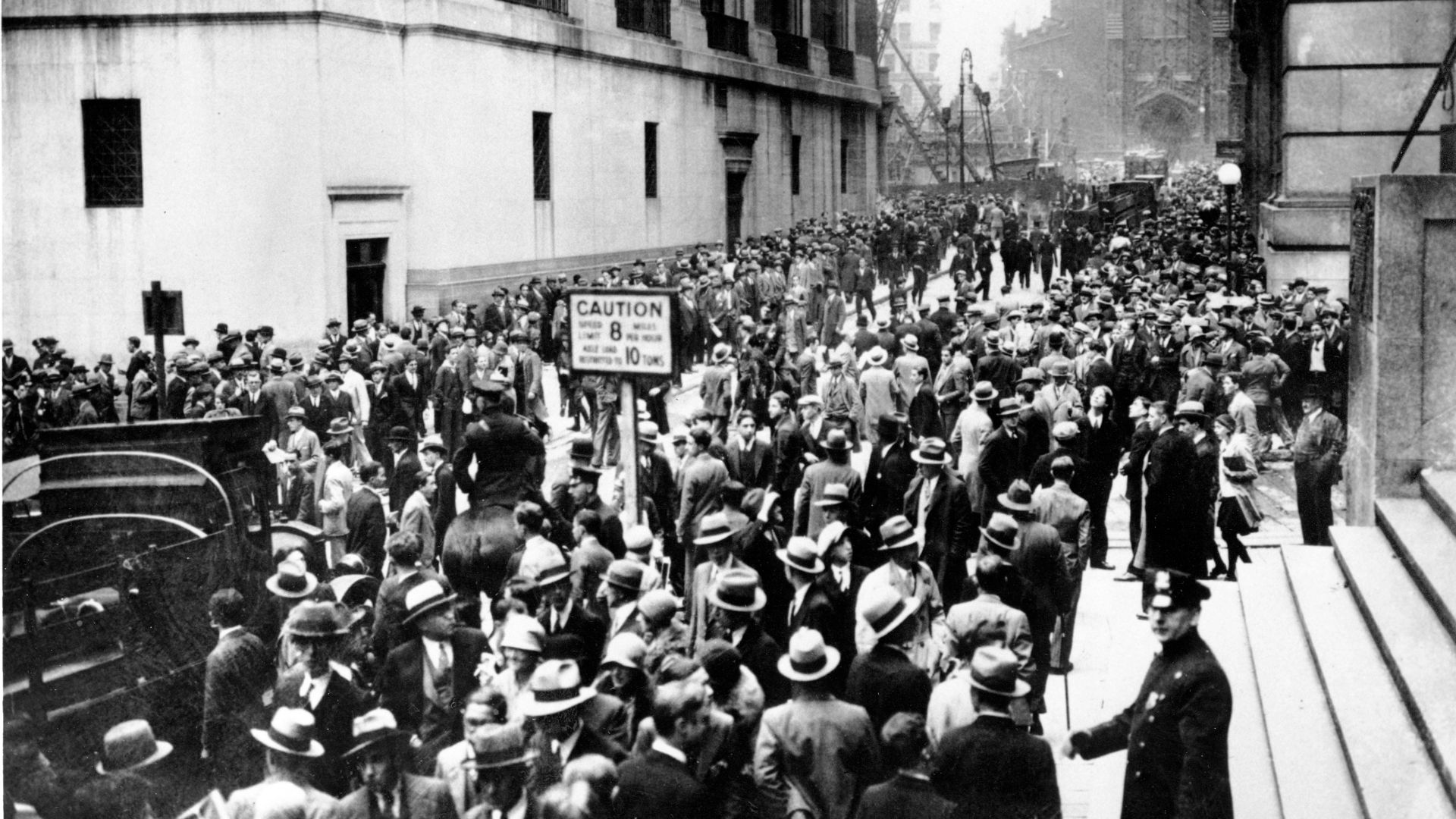
Throughout much of the 1920s, Americans increasingly believed stock prices could only continue climbing. Easy credit, booming industries, and widespread optimism convinced millions that prosperity had become permanent. The devastating stock market crash of 1929 and the Great Depression proved just how dangerous unchecked optimism could become.
 Associated Press, Wikimedia Commons
Bombers Would Decide Wars
Military strategists during the 1920s and 1930s insisted that fleets of heavy bombers would make traditional armies nearly obsolete. The famous slogan became 'the bomber will always get through.' During World War II, radar, fighter aircraft, anti-aircraft defenses, and resilient industries showed that strategic bombing alone rarely decided wars.
 Royal Air Force official photographer, Wikimedia Commons
Workdays Would Vanish
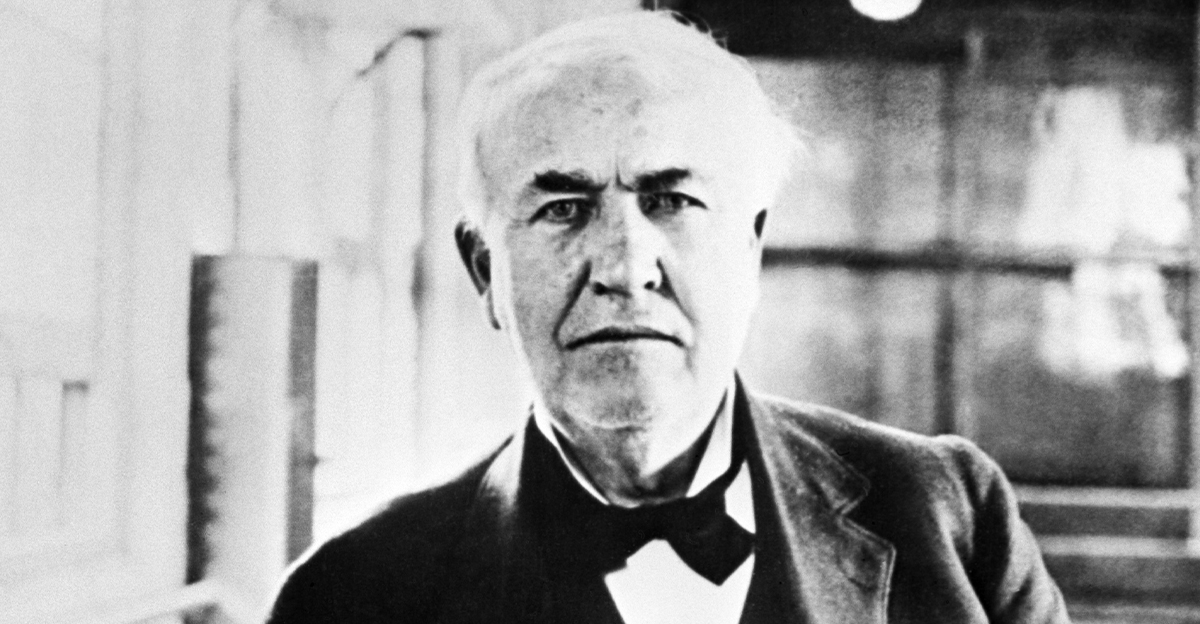
Thomas Edison echoed the growing belief that technology would dramatically reduce the amount of time people spent working. Like many other inventors, he envisioned a future where machines handled most labor, leaving people with only very short workdays. More than a century later, automation has transformed industries, but the standard full-time workweek is still very familiar, making this one of history's most optimistic technological predictions.
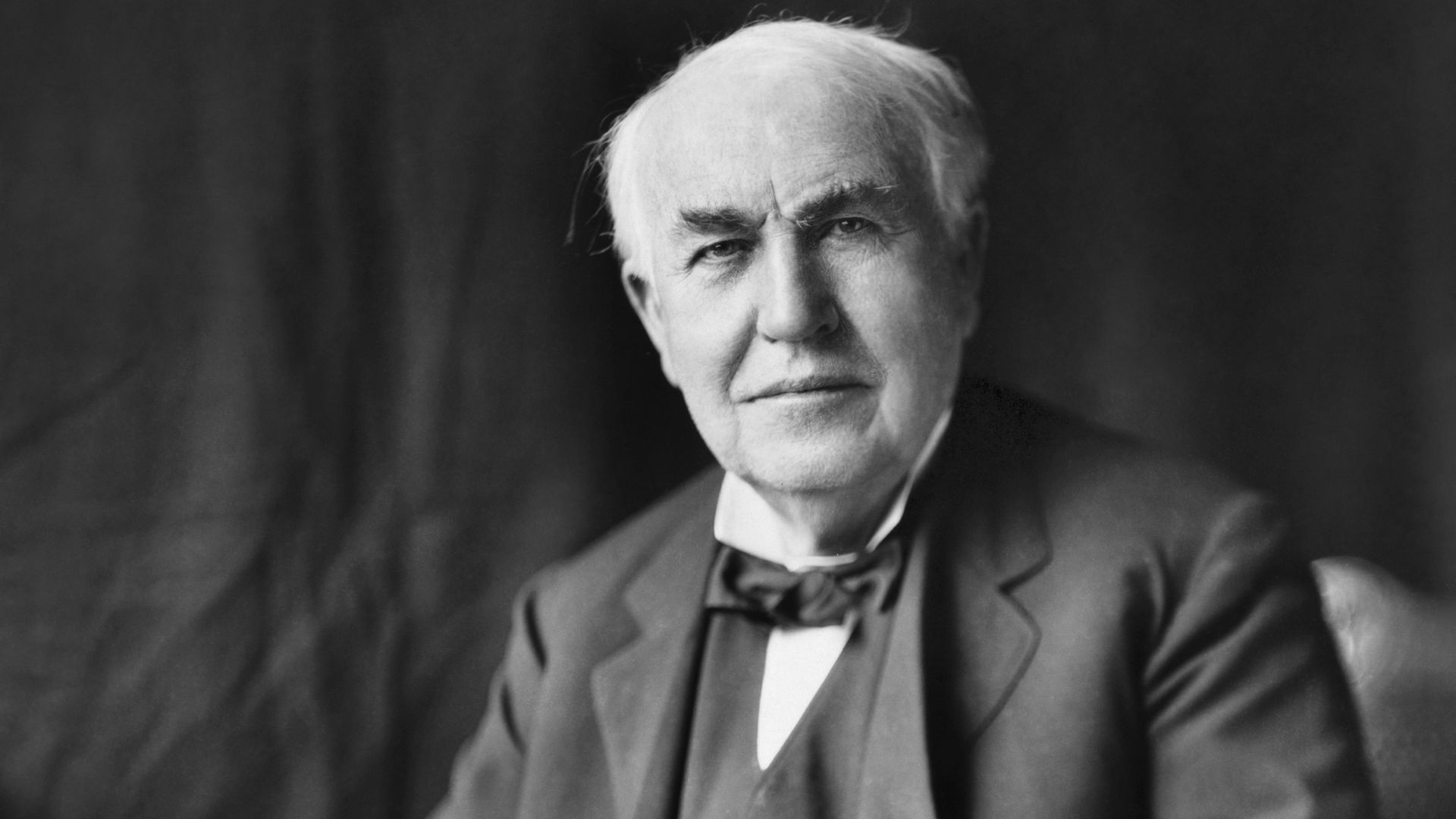 Louis Bachrach, Bachrach Studios, restored by Michel Vuijlsteke, Wikimedia Commons
The Maginot Line
France invested enormous resources constructing the Maginot Line after World War I. Many believed its massive fortifications would prevent another German invasion. In 1940, German forces simply bypassed much of the line through the Ardennes, rendering one of history's greatest defensive projects largely ineffective.
 Morten Jensen from Randers, Denmark, Wikimedia Commons
Betamax Would Win
Sony's Betamax appeared to have every advantage. It offered excellent picture quality, arrived before VHS, and came from one of the world's most respected electronics companies. Yet VHS gained broader studio support, longer recording times, and eventually dominated home video while Betamax quietly disappeared.
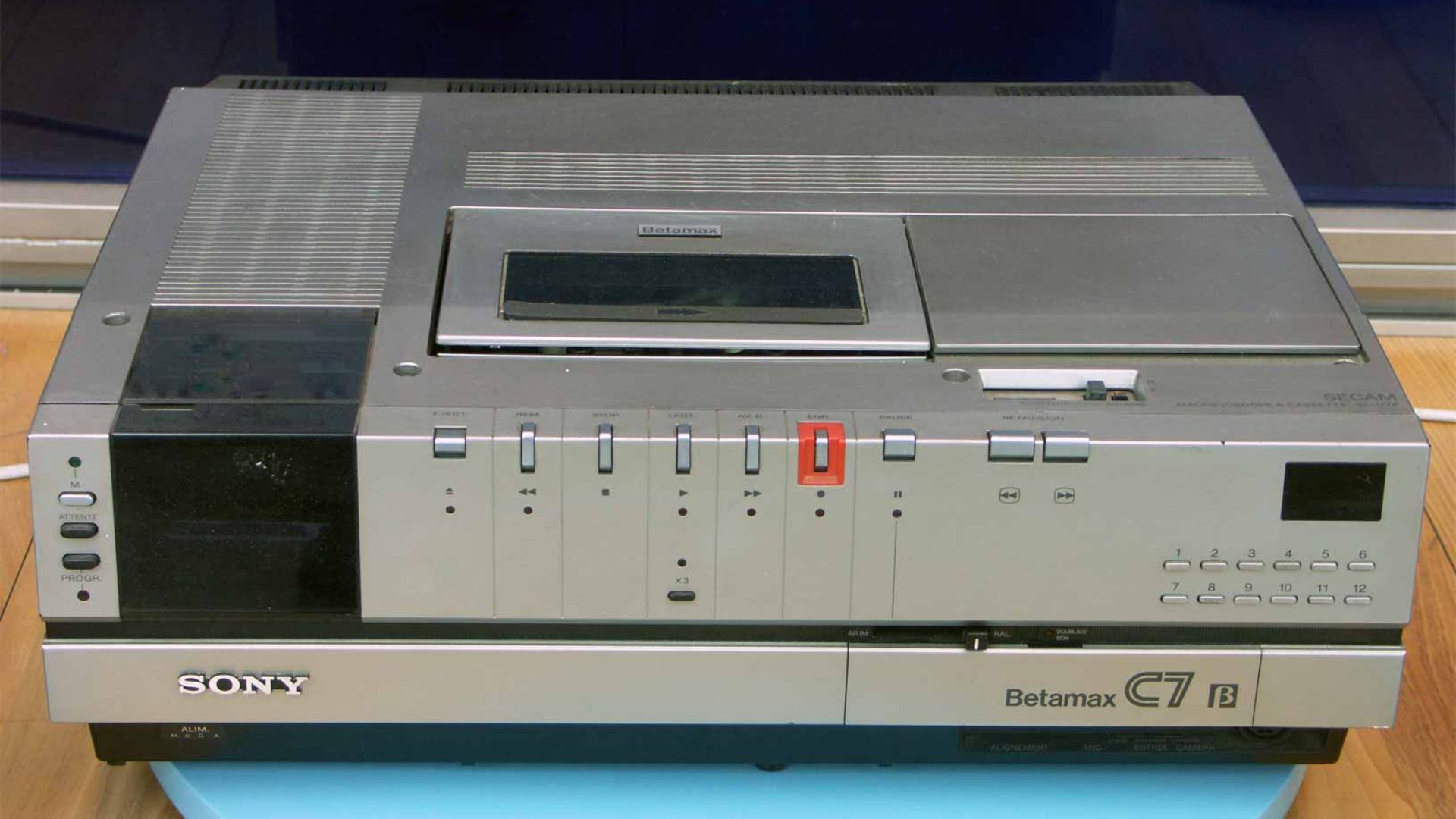 Bettenburg at de.wikipedia, Wikimedia Commons
Airships Were The Future
During the 1920s and early 1930s, enormous passenger airships seemed destined to dominate long-distance travel. They offered luxury and remarkable range. The 1937 Hindenburg disaster, combined with rapid improvements in airplanes, abruptly ended the dream of a global airship transportation network.
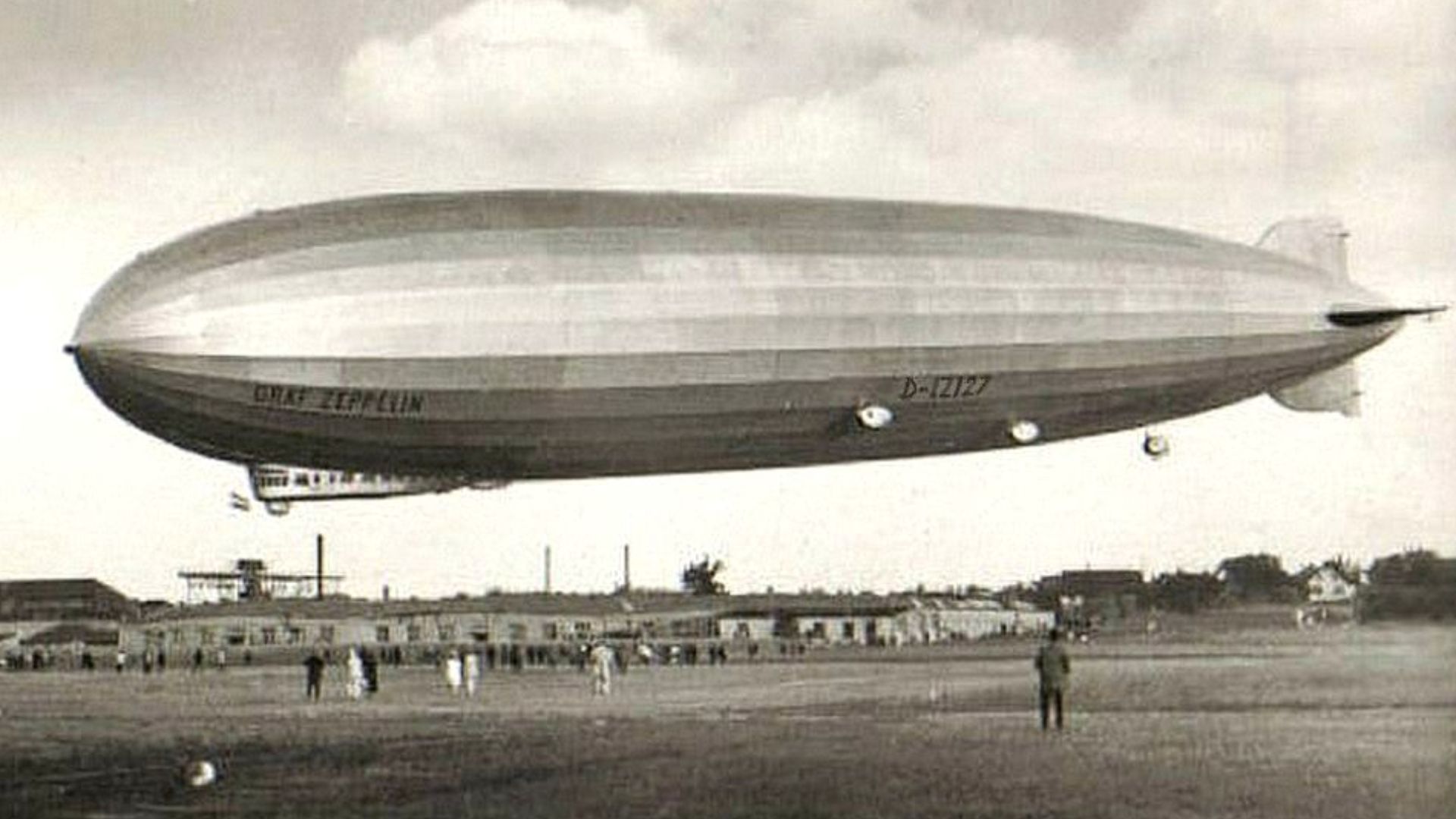 Unknown commercial photographer, Wikimedia Commons
Nuclear Power Everywhere
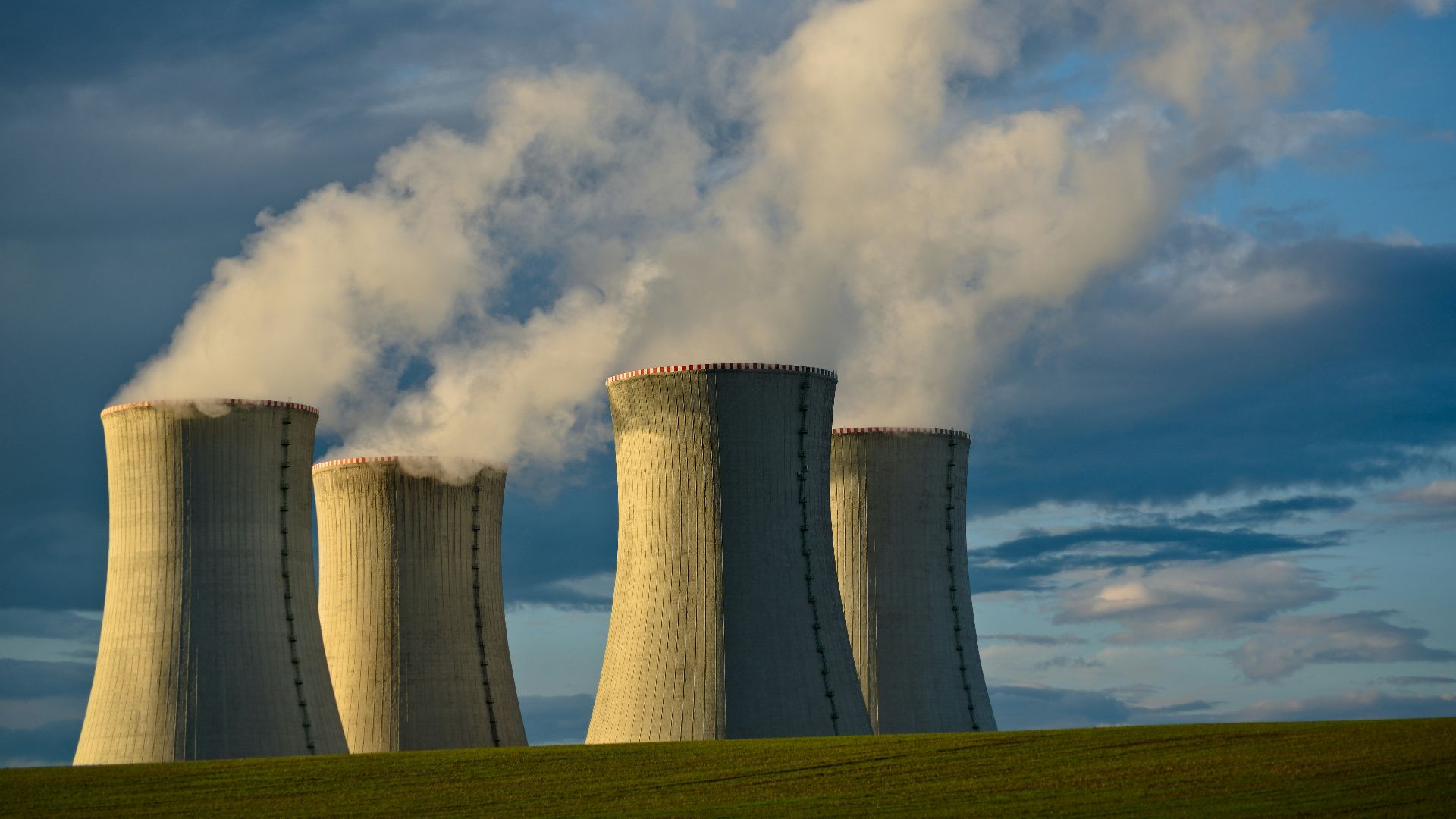
In the 1950s, many experts predicted electricity generated by nuclear reactors would become so inexpensive it would be 'too cheap to meter.' Instead, construction costs, safety concerns, regulation, waste disposal, and major accidents made nuclear power far more expensive and politically controversial than expected.

History's most fascinating stories and darkest secrets, delivered to your inbox daily.
Flying Cars By 2000
Mid-20th-century futurists confidently pictured suburbs connected by personal flying cars before the end of the twentieth century. Magazine illustrations showed commuters soaring above traffic every morning. Engineering complexity, safety regulations, noise, infrastructure costs, and economics ensured that ordinary automobiles remained dominant instead.
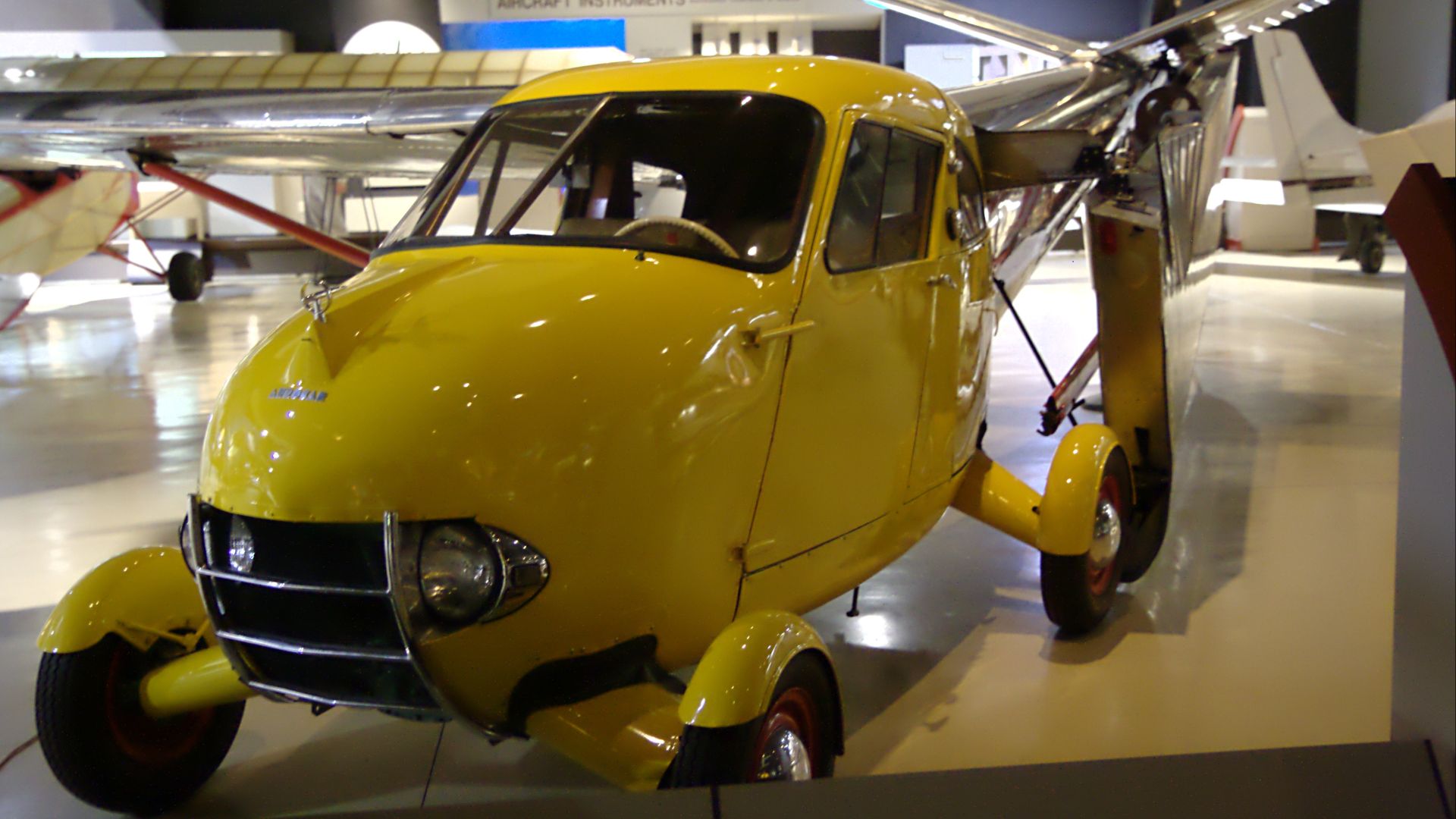 Michael Pereckas from Milwaukee, WI, USA, Wikimedia Commons
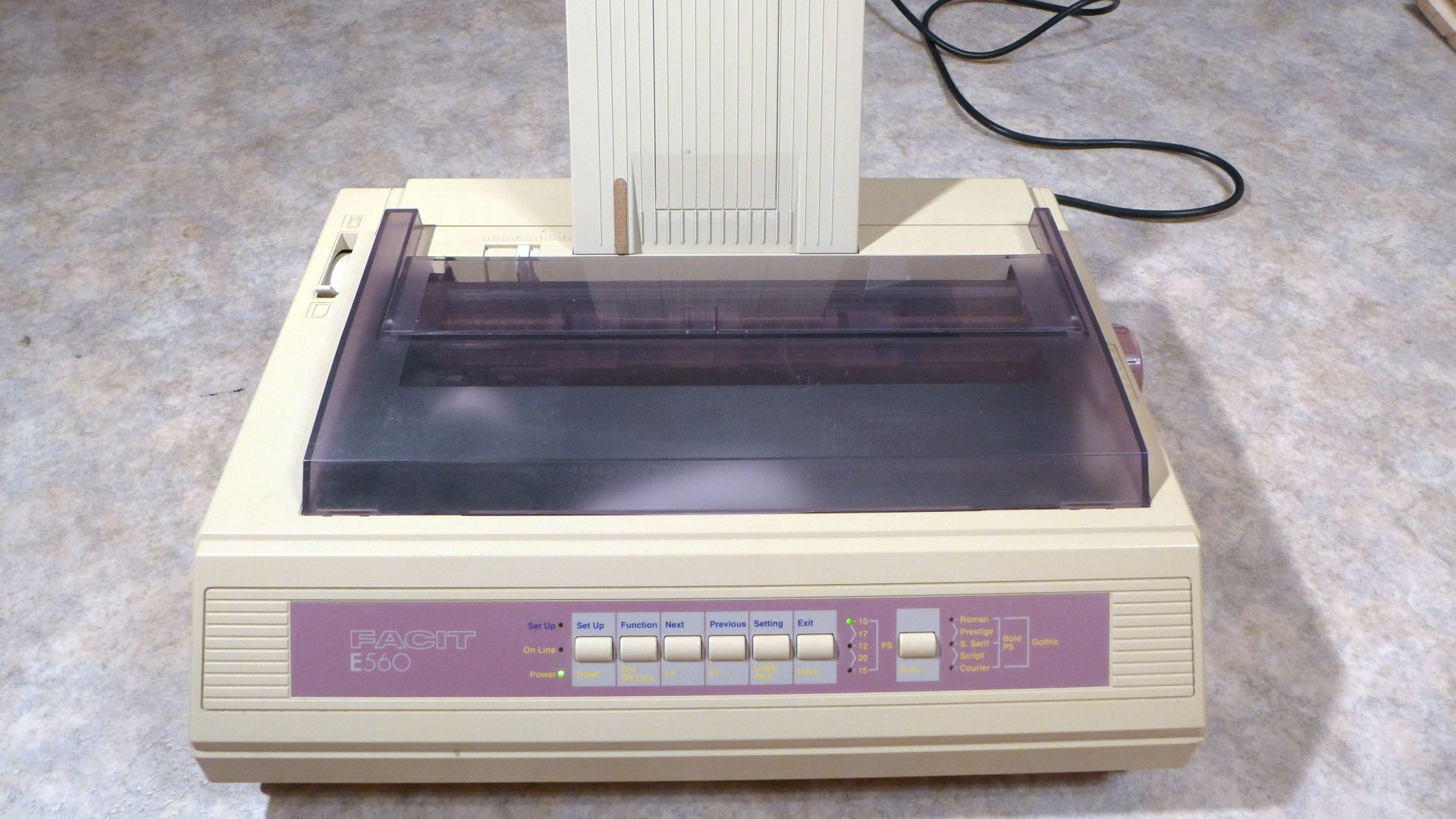
The Paperless Office
When personal computers became widespread during the 1980s, many experts believed paper documents would rapidly disappear. Ironically, printers became cheaper, businesses printed more reports than ever, and paperwork actually increased for years before digital workflows slowly gained wider acceptance.
Concorde's Bright Future
The Anglo-French Concorde represented extraordinary engineering and promised a new era of supersonic commercial travel. Many expected faster-than-sound passenger flights to become routine. High operating costs, limited routes, fuel consumption, environmental concerns, and economics prevented widespread adoption.
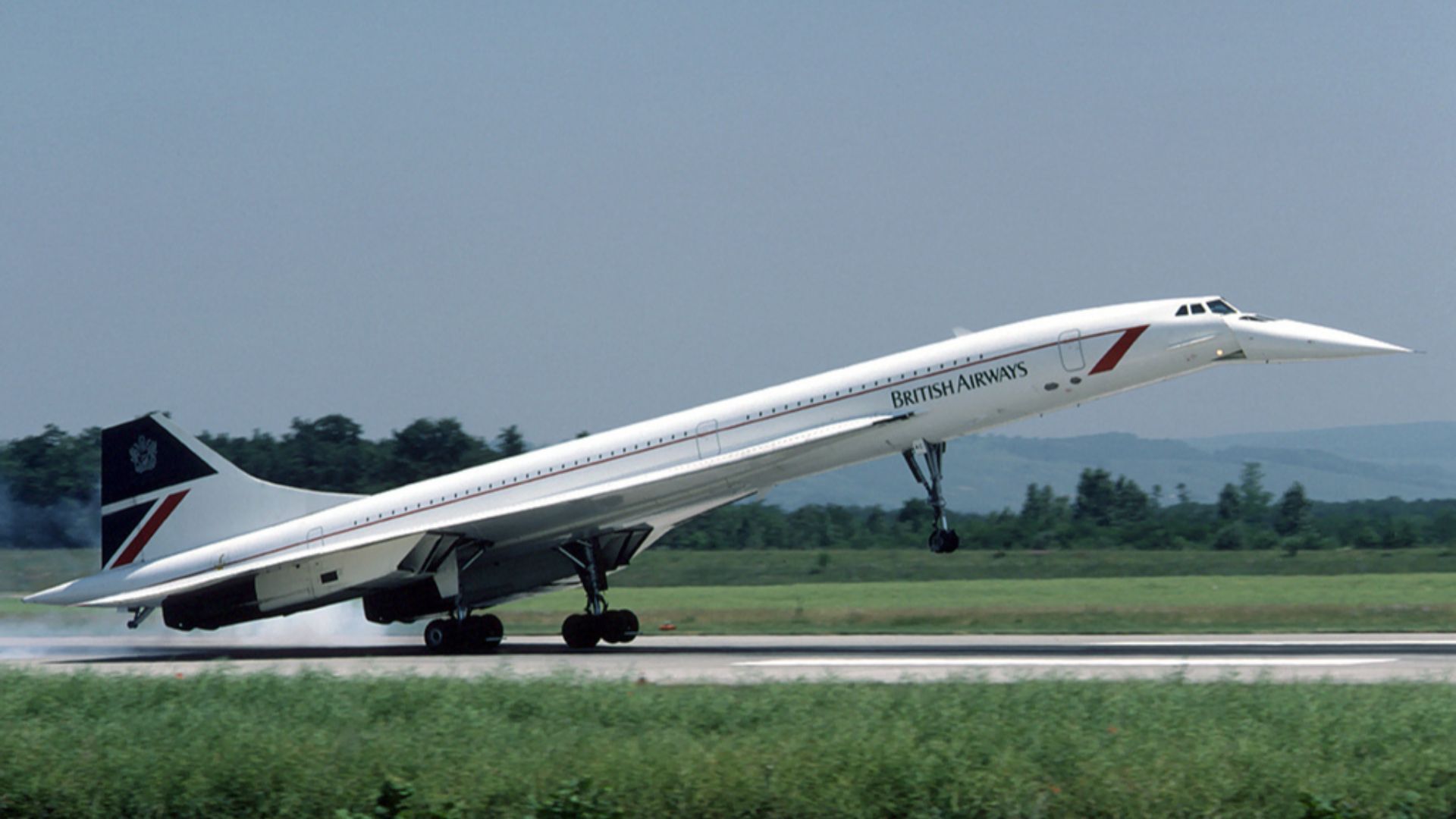 Eduard Marmet, Wikimedia Commons
The Segway Revolution
Before its 2001 launch, inventor Dean Kamen hinted that the Segway would transform cities as dramatically as the automobile. Media speculation exploded. Instead, the self-balancing scooter found only niche markets, while conventional bicycles, scooters, and later electric bikes proved far more practical.
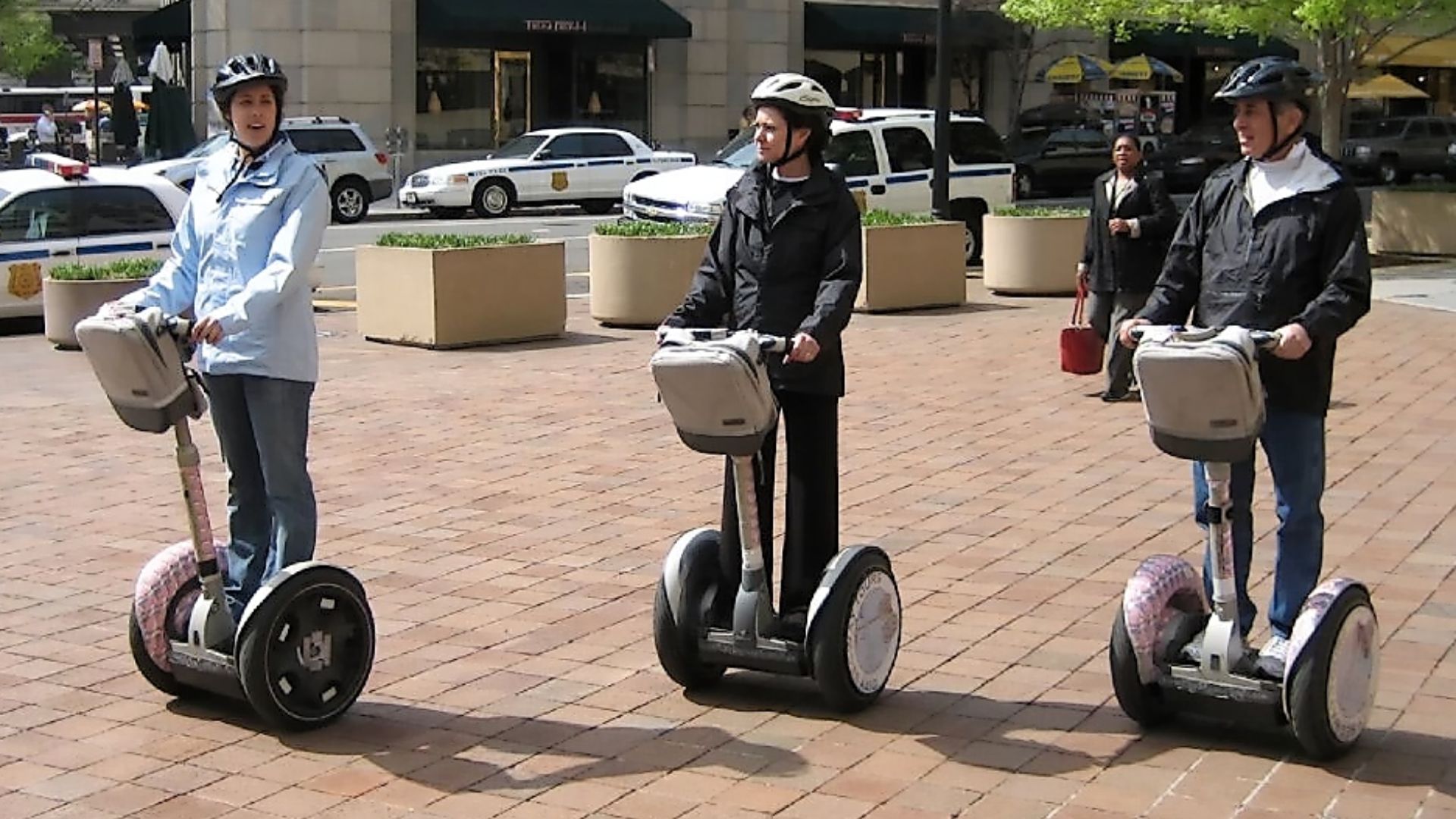 Richard from DC, US, Wikimedia Commons
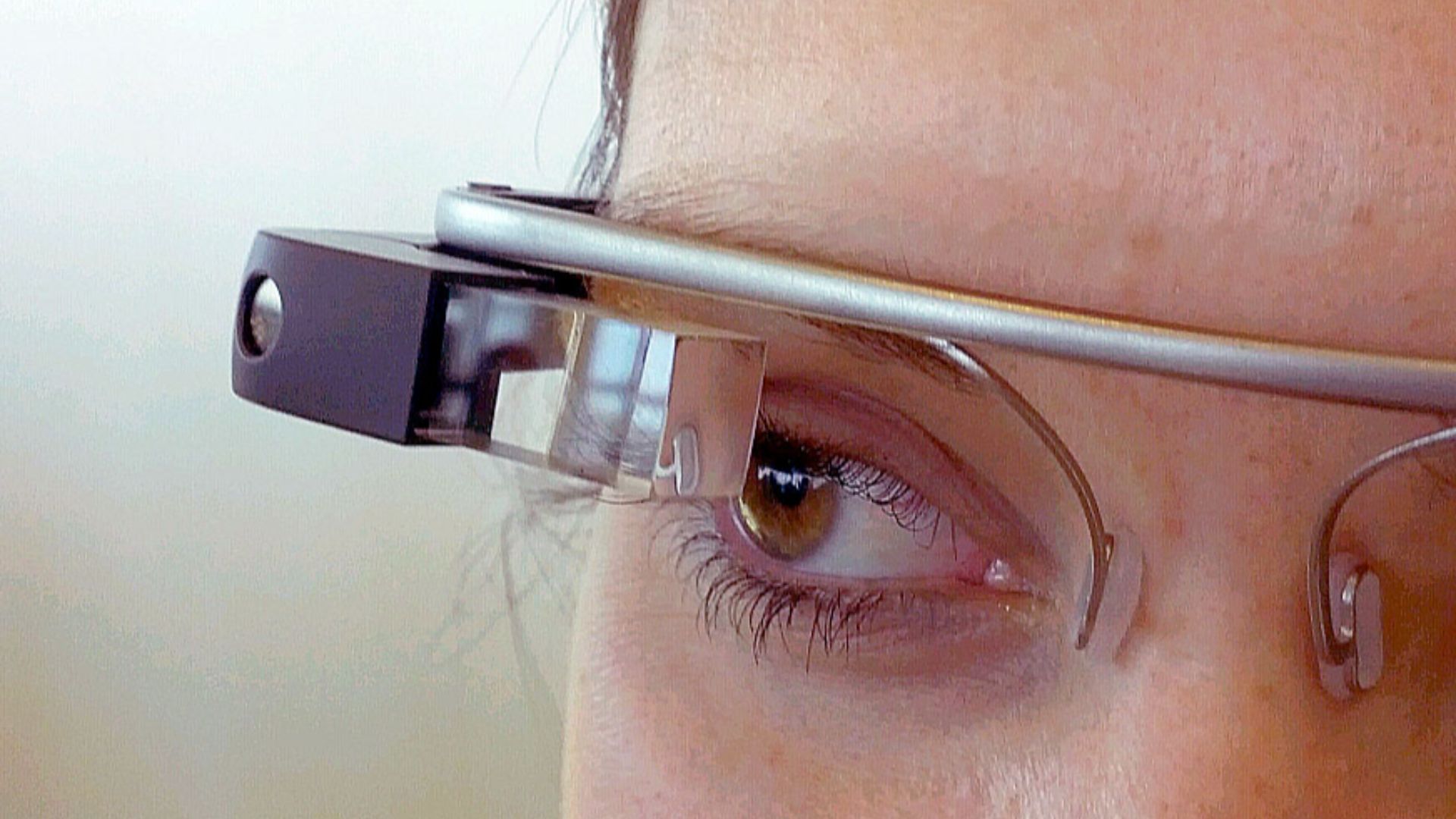
Google Glass Everywhere
When Google introduced its smart glasses in 2013, many technology observers predicted wearable computers would soon replace smartphones. Instead, privacy concerns, high prices, awkward social acceptance, and limited functionality caused consumer interest to collapse despite continuing industrial applications.
 Antonio Zugaldia, Wikimedia Commons
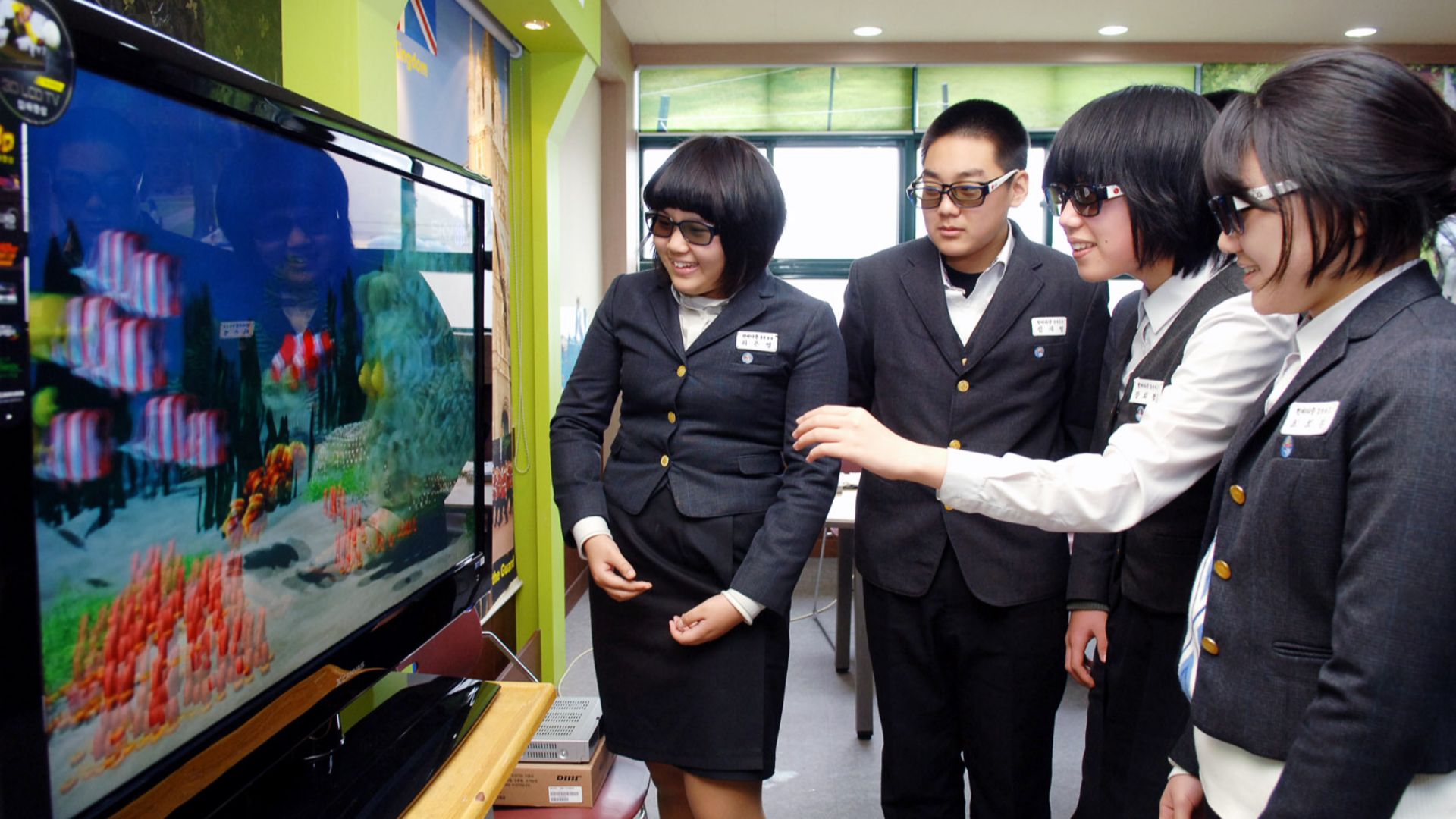
3D Television Takes Over
Television manufacturers spent billions promoting 3D televisions during the early 2010s. Industry leaders predicted they would become the next standard feature in every living room. Consumers disliked wearing special glasses, content remained limited, and the technology quickly faded from the market.
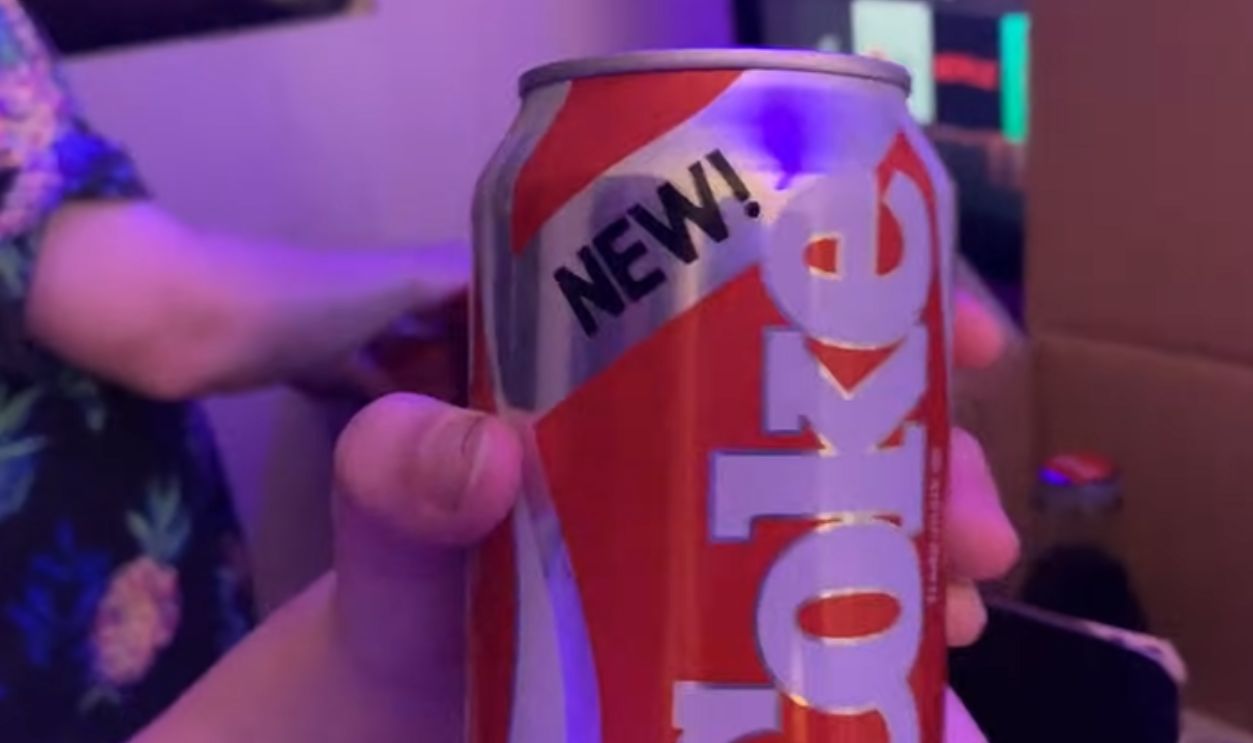
New Coke Wins Customers
In 1985, Coca-Cola reformulated its flagship soft drink after extensive consumer taste testing suggested people preferred the sweeter formula. Company executives expected a triumph. Instead, loyal customers revolted, forcing Coca-Cola to restore the original recipe within just a few months.
 Drinking Coke from 1985! Special Stranger Things edition! by Danica DeCosto
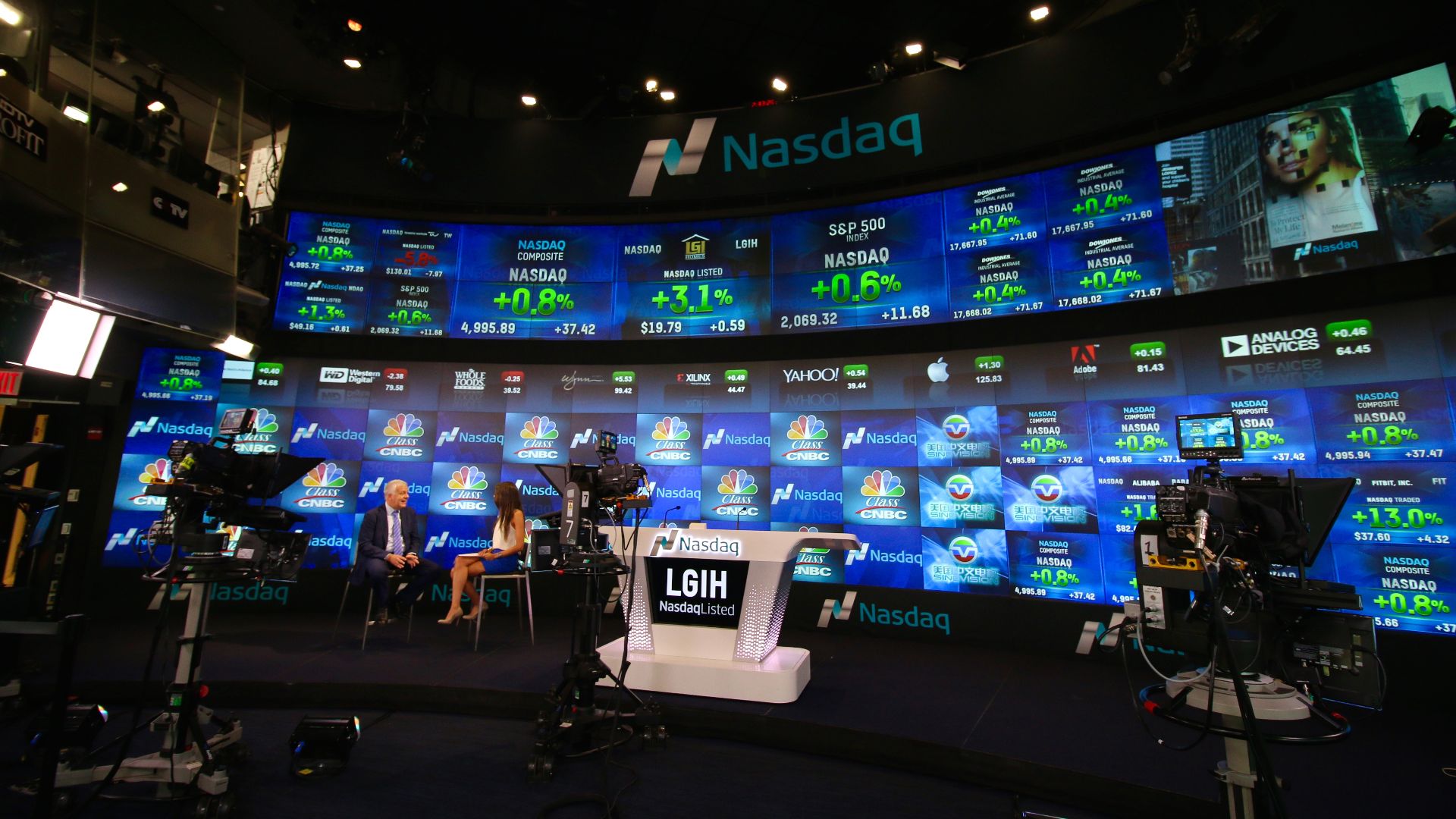
The Dot-Com Gold Rush
During the late 1990s, investors poured money into almost any internet company regardless of profits. Many believed the traditional rules of business no longer applied. When the dot-com bubble burst in 2000, countless startups vanished while investors lost hundreds of billions of dollars.
 Luca Marfe at Italia all'ONU, Wikimedia Commons
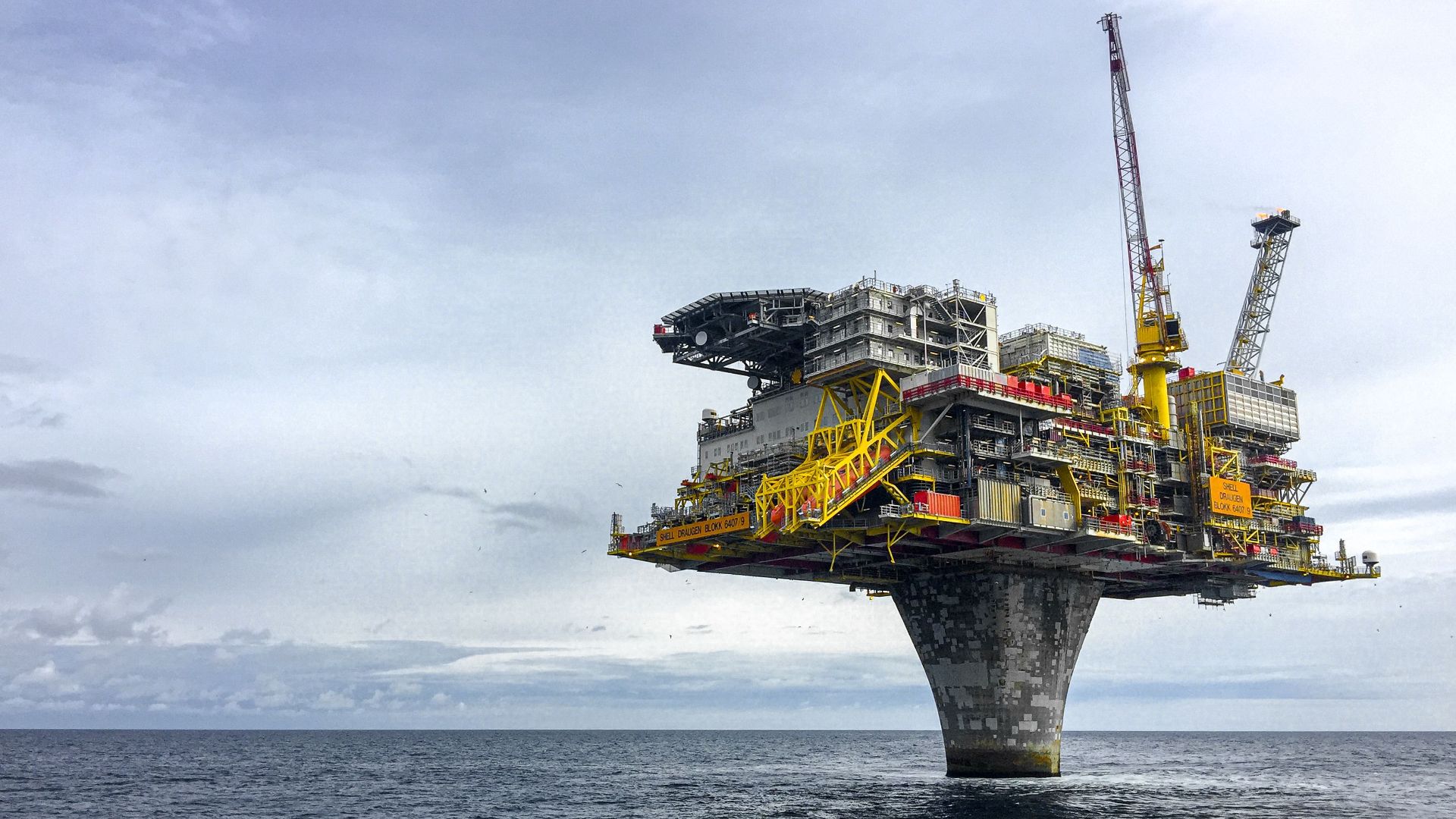
Peak Oil Fears
For decades, experts predicted global oil production would soon reach an irreversible peak, followed by permanent shortages. Instead, technological advances such as hydraulic fracturing and deep-water drilling unlocked vast new reserves, dramatically reshaping global energy markets despite continuing long-term resource concerns.
Malthus Was Wrong
In 1798, Thomas Malthus argued that population growth would inevitably outpace food production, causing widespread famine. While local famines certainly occurred, agricultural innovations, fertilizers, mechanization, and improved crop science dramatically increased global food production far beyond what many earlier observers imagined.
 John Linnell, Wikimedia Commons
The Soviet Century
During the 1950s and 1960s, numerous analysts believed the Soviet Union's centrally planned economy would eventually outperform Western capitalism. Some predicted communist economic dominance by the end of the century. Instead, economic stagnation deepened before the Soviet Union dissolved in 1991.

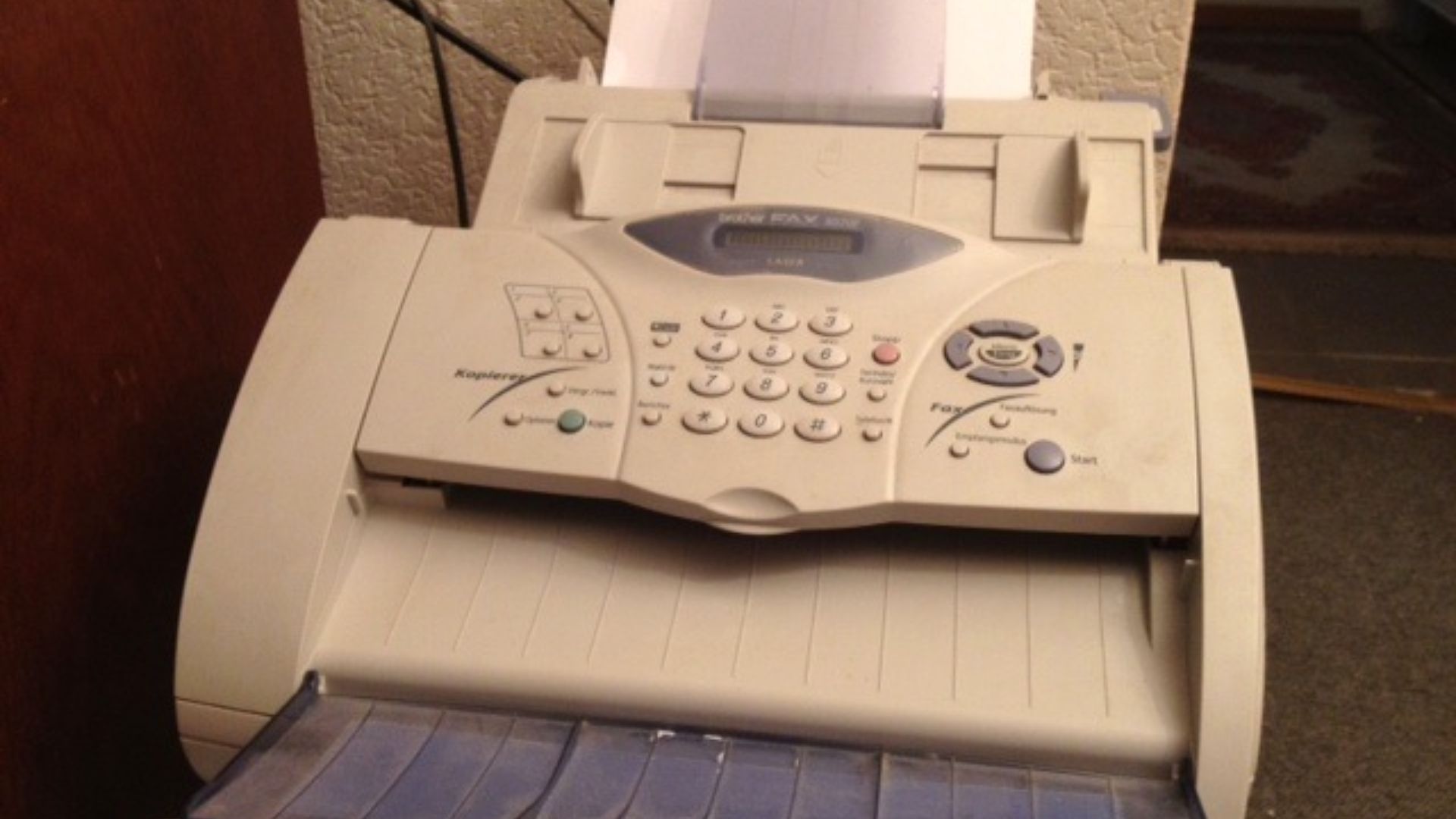
Fax Machines Forever
By the late 1980s, fax machines had become indispensable business equipment. Many expected continual improvements and decades of dominance. Instead, email, digital scanning, cloud storage, and electronic signatures rapidly reduced faxing to a specialized role in only a surprisingly short period.
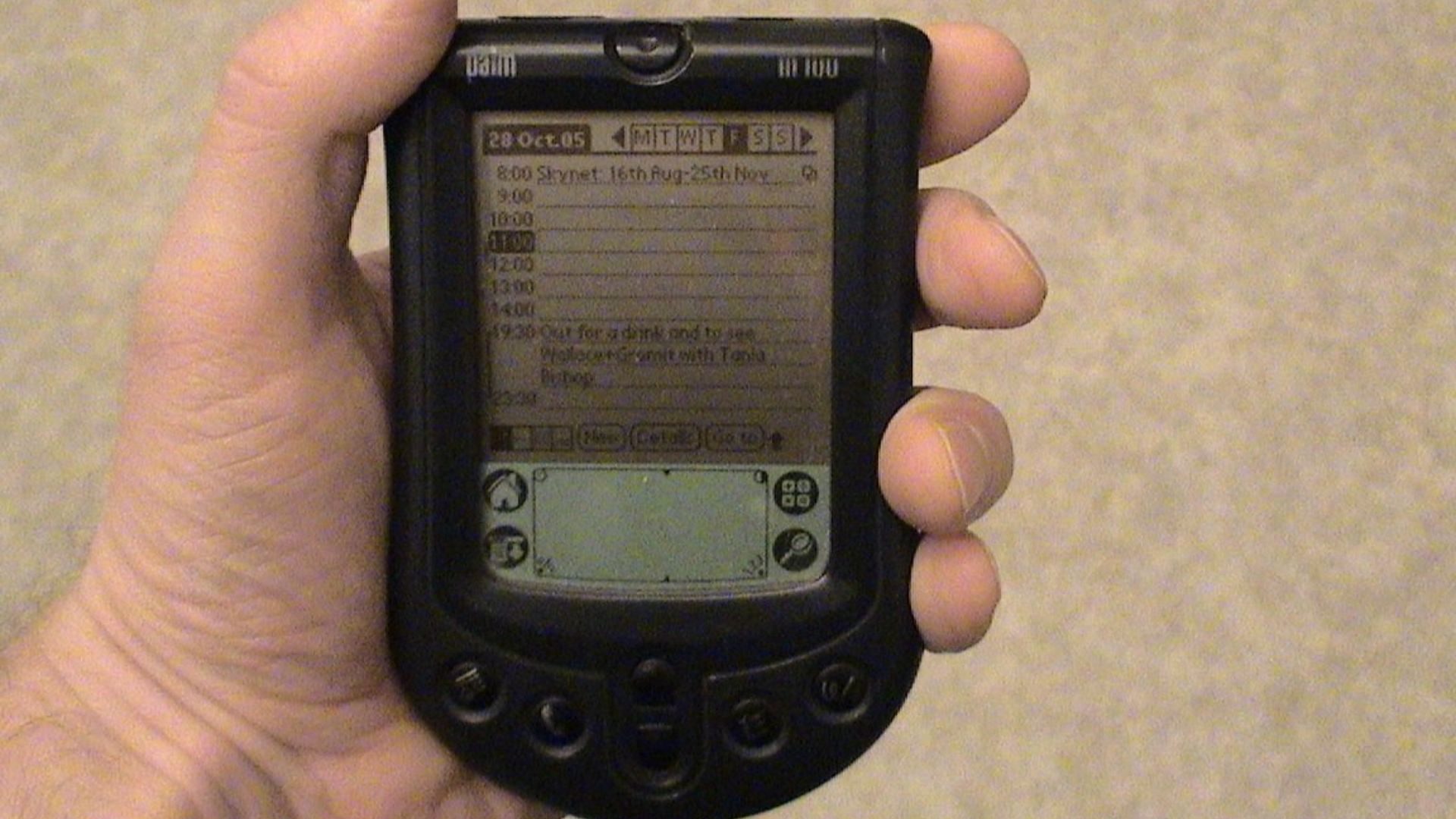
PalmPilot Rules Mobile
Before smartphones, Palm handheld organizers appeared to define the future of personal computing. They were enormously influential and widely admired. Yet advances in mobile phones eventually combined communication, internet access, cameras, and computing into one device, making dedicated personal digital assistants obsolete.
Yahoo Will Dominate
In the late 1990s, Yahoo stood at the center of the internet. It was widely viewed as the company best positioned to organize the online world indefinitely. Missed strategic opportunities and stronger competitors like Google steadily eroded that seemingly unbeatable position.
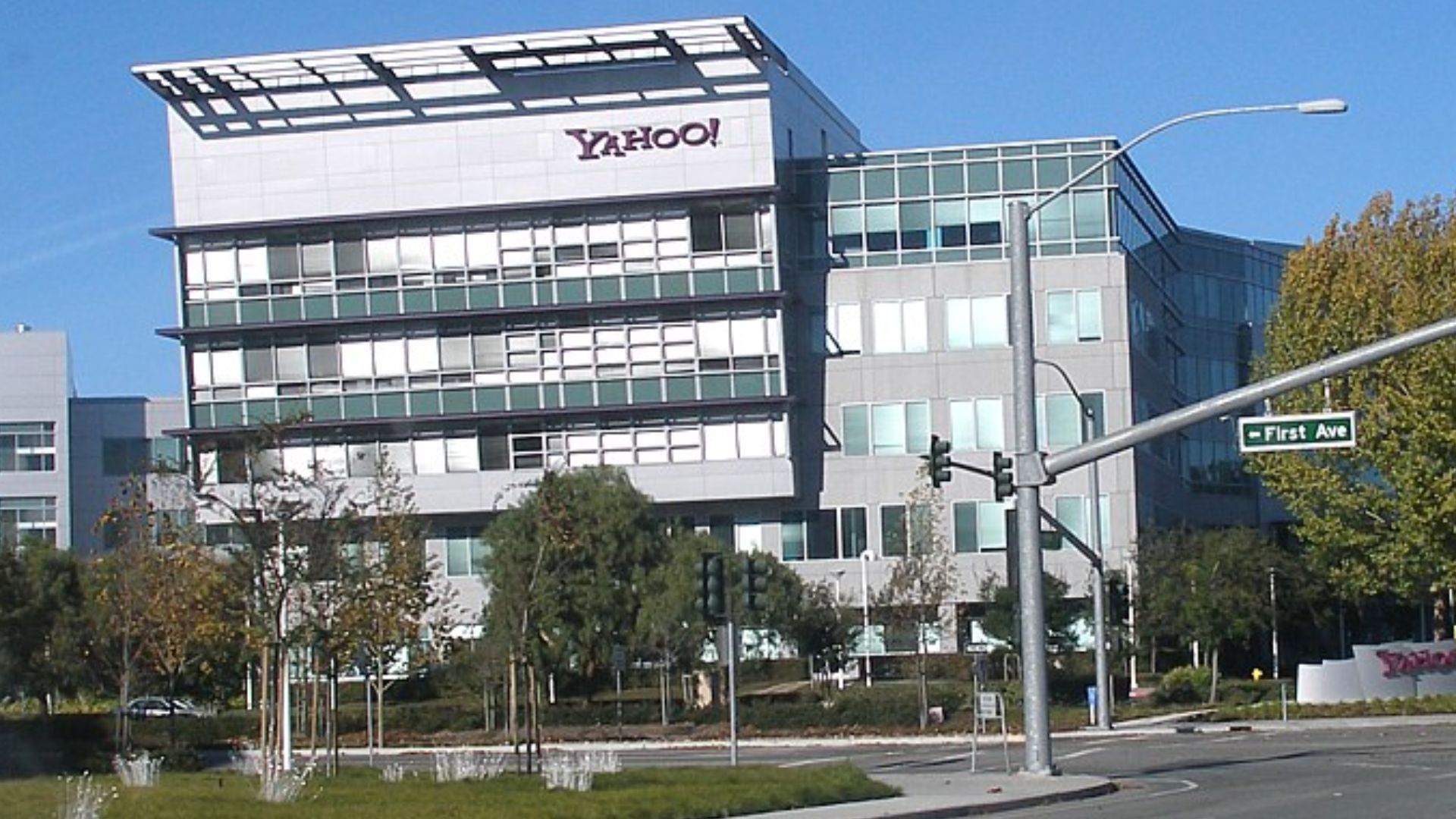 photographer Coolcaesar, Wikimedia Commons
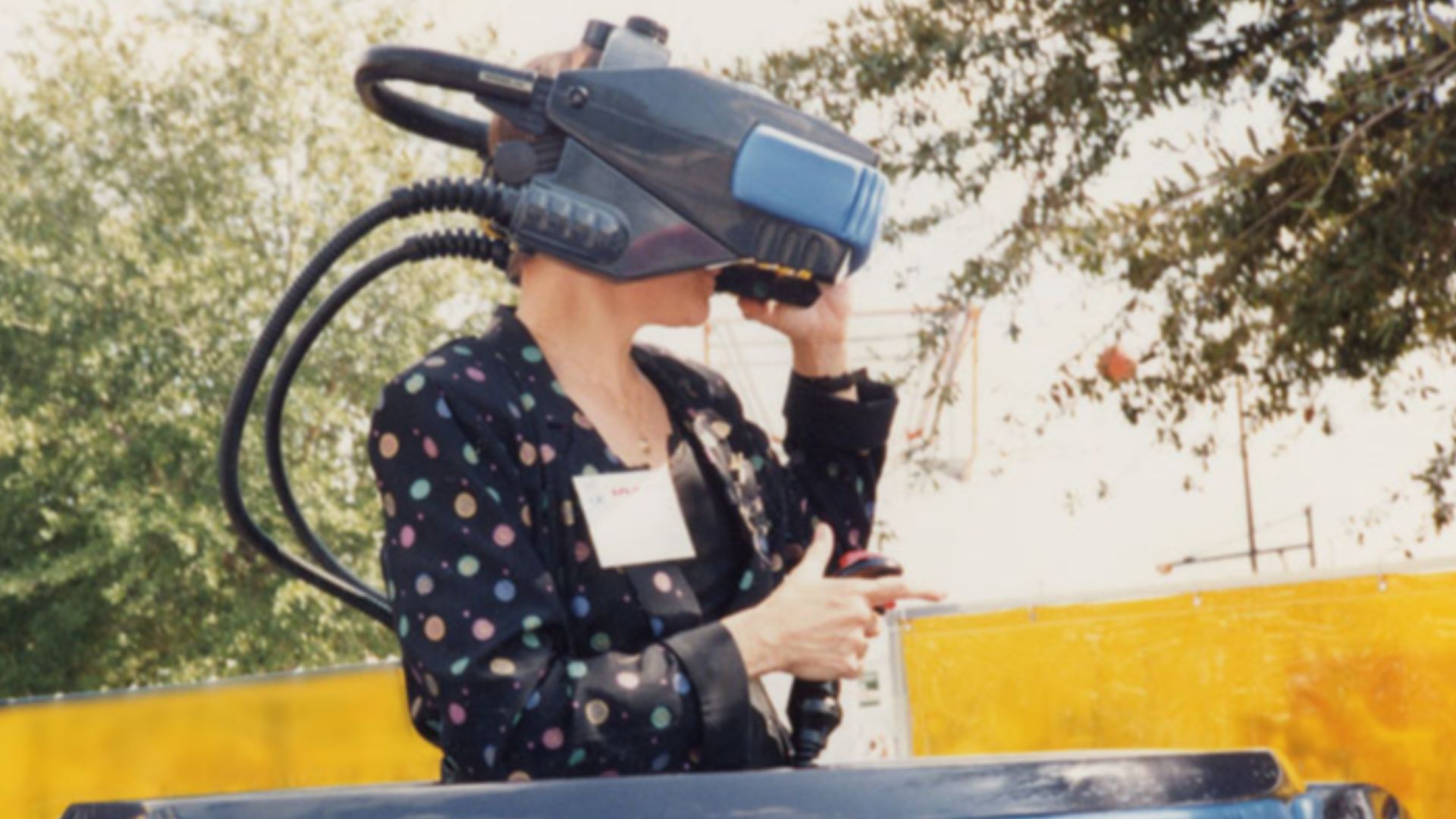
Virtual Reality's False Starts
Virtual reality generated enormous excitement during the early 1990s. Many believed immersive headsets would soon replace televisions and computer monitors. Technical limitations, expensive hardware, motion sickness, and weak software delayed widespread adoption for decades before the technology slowly matured.
The Millennium Bug Panic
As the year 2000 approached, many feared the Y2K computer bug would cripple banks, transportation systems, utilities, and governments worldwide. Massive preparation efforts prevented many potential problems, but the predicted civilization-scale breakdown never materialized, leading some to question whether the fears had been overstated.
 Bug de l'an 2000, Wikimedia Commons
Confidence Isn't Certainty
These predictions failed for different reasons, but they share one lesson. Technology changes, consumer tastes evolve, military strategy adapts, and economies rarely follow straight lines. History repeatedly reminds us that even the most confident forecasts deserve a healthy measure of skepticism.

You May Also Like:
Historical Predictions That Sounded Ridiculous At The Time—But Turned Out To Be Correct
42 Unbelievable Predictions About the Future
Innovative Facts About Thomas Edison, The Inventor Who Illuminated The World