
The Punic Wars: From Carthage To Carnage
Before there was a Roman Empire, Carthage ruled the world. A seafaring, wealthy, and opulent Phoenecian metropolis situated in modern Tunisia, its power and influence preceded it—but then the small Roman Republic began edging in on its territory.
What resulted was the so-called “Punic Wars,” which didn’t just change military history, but changed history.
1. It Began With A Whimper
It all started with a people almost no one’s heard of: the Mamertines of Messina. Stuck in a war against Hiero II of nearby Syracuse, the Mamertines asked Carthage for help. Carthage, wealthy and full of their own importance, magnanimously agreed to stick up for the little guy—only to wind up murderously offended.
2. They Betrayed Their Allies
Some time after Carthage offered their backing, the Mamertimes asked the small little trade city, Rome, for some help too. It was a history-altering decision. The great and mighty Carthage couldn’t countenance the idea that their support wasn’t enough, and besides that they’d been more than a little irritated at Rome’s nascent power.
Carthage was so insulted, in fact, that they switched sides and went over to Hiero II. Which is when this small side quest turned into the main event.
3. They Became Sworn Enemies
In 264 BCE, soon after the switcheroo, Carthage and Rome were at each other’s throats for total control of Sicily, which had previously been governed by both of them depending on the area. It kicked off what we now know as the First Punic War, the first act in a three-part tragedy—for Carthage, anyway.
But at first, it was Carthage who triumphed.
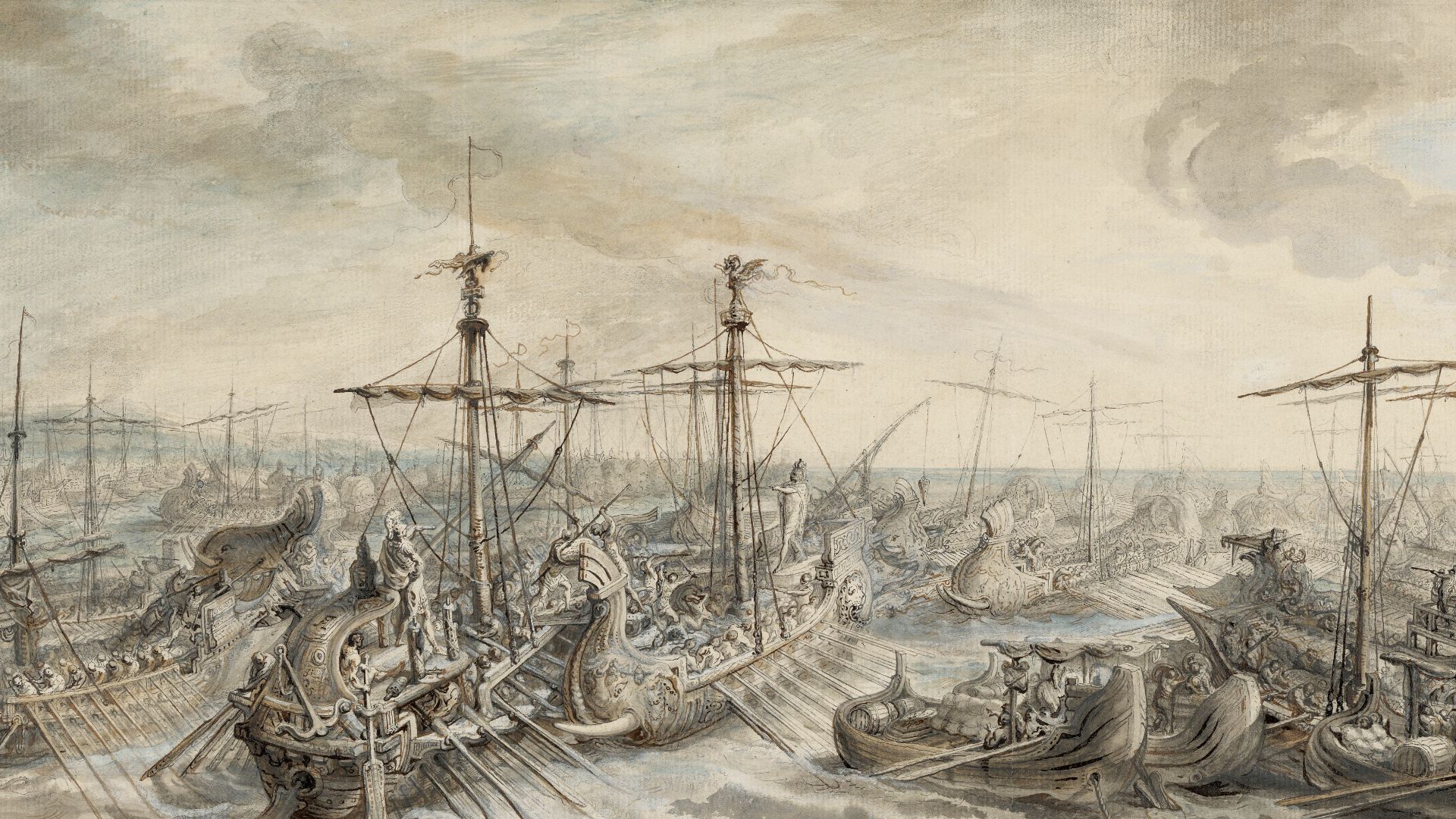 Gabriel de Saint-Aubin, Wikimedia Commons
4. Carthage Had A Brilliant General
Carthage was terrifying for many reasons at the time, but their war-time prowess was all down to one man. Hamilcar Barca, their best general, earned his last name “Barca,” meaning “lighting,” because of the stunning speed he used when attacking Roman outposts all down the coast of Italy. Then again, the Romans were also terrible at one crucial thing.
 Bildagentur-online, Getty images
5. Rome Was Inexperienced
At the time, Rome was not the battle-hardened populace it would become, and they didn’t even have a Navy—much less know anything about fighting on sea. Unfortunately, that’s exactly what they’d need to do, all while Carthaginian sea power was near legendary.
Grasping at straws, Rome quickly built 330 ships for the battles…then gave them their own spin.
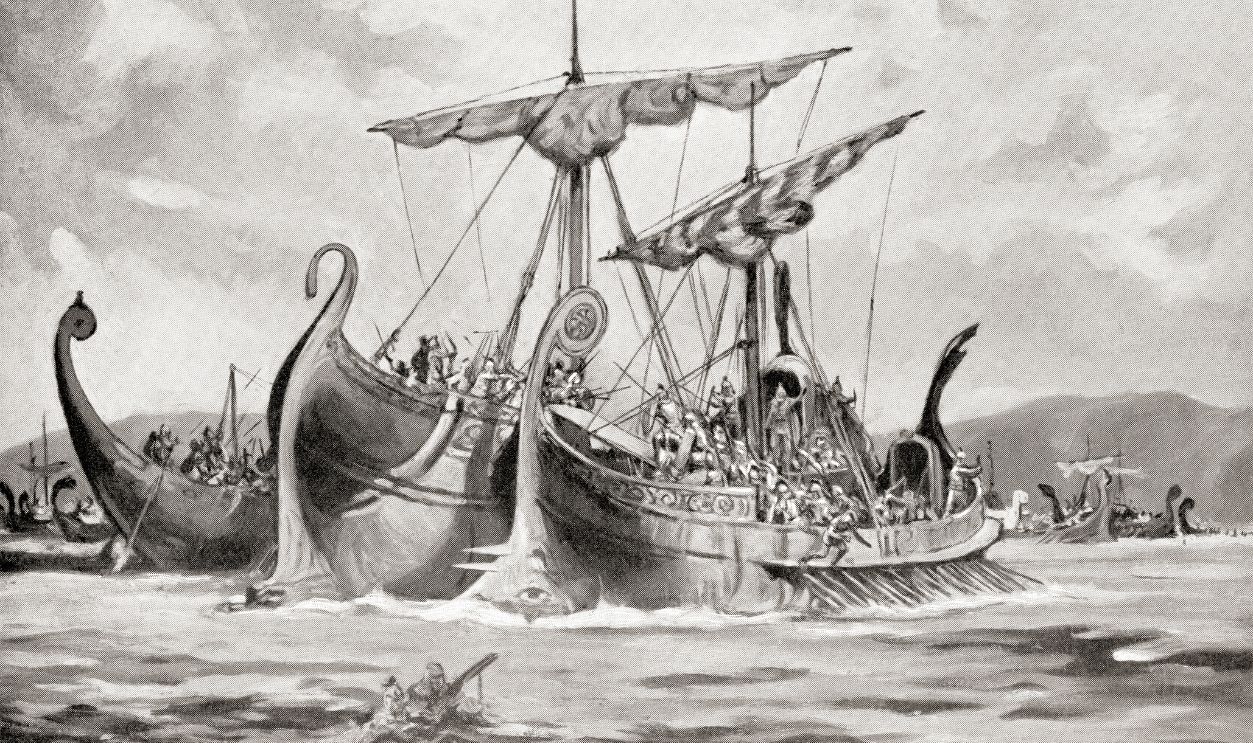 Universal History Archive, Getty images
6. They Had To Improvise
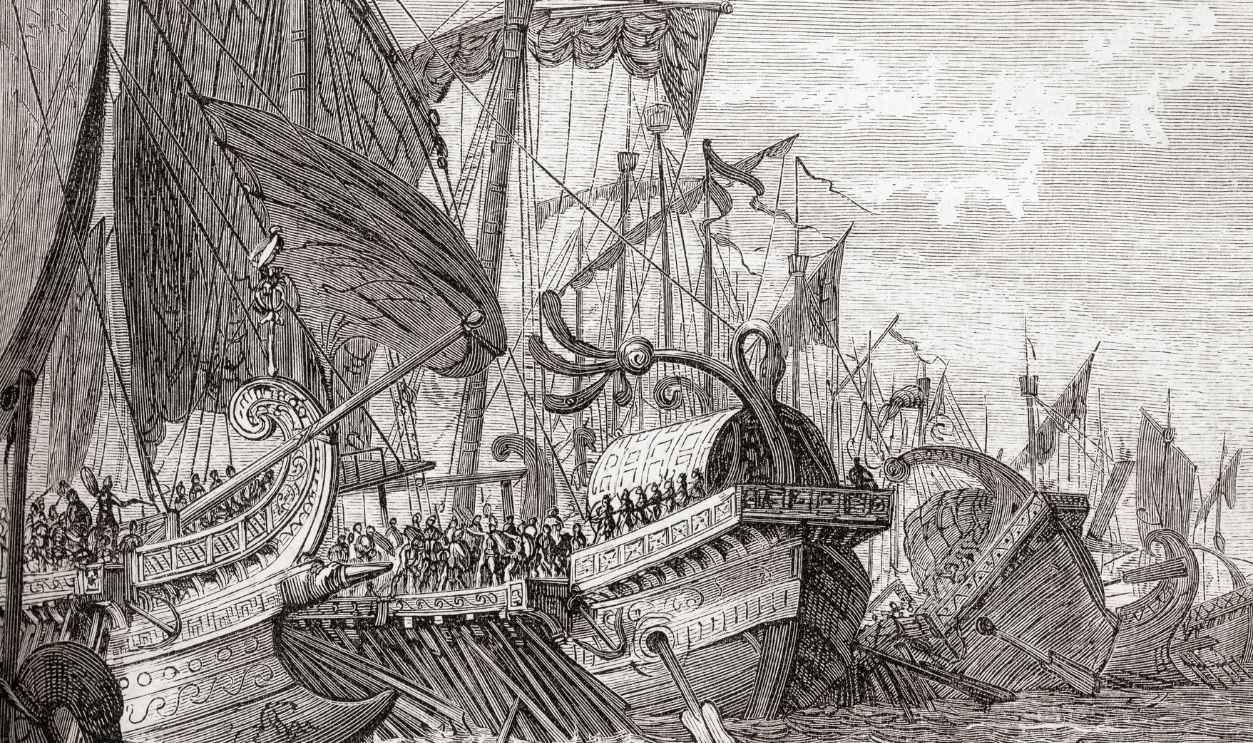
Since Roman troops were far more comfortable fighting on land, they found a way to bring the land to the sea: the corvus. A portable gangplank that invading Romans could attach onto an enemy ship and then immobilize it, the corvus allowed the Romans to use their much-preferred land strategies on the water.
Yet no matter how good the Romans got at navigating the open water, there was always Hamilcar Barca waiting to slap them down…until Carthage made a fatal error.
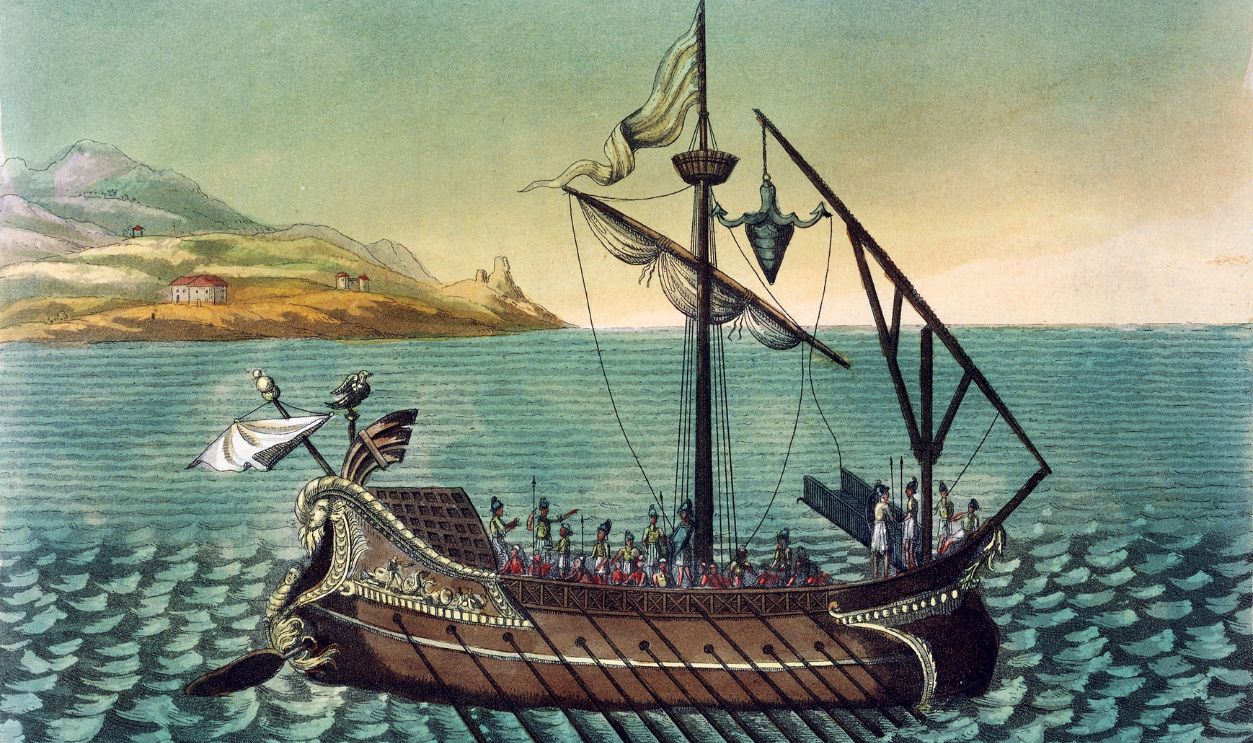 DEA PICTURE LIBRARY, Getty images
7. They Neglected Their Hero
Carthage went into the First Punic War almost certain of its victory over the pest that was Rome—and that overconfidence showed. As the battles went on, they neglected to properly supply and reinforce their commander Hamilcar Barca, instead relying on him and his group of mercenaries to solve their own problems. It led to disaster.
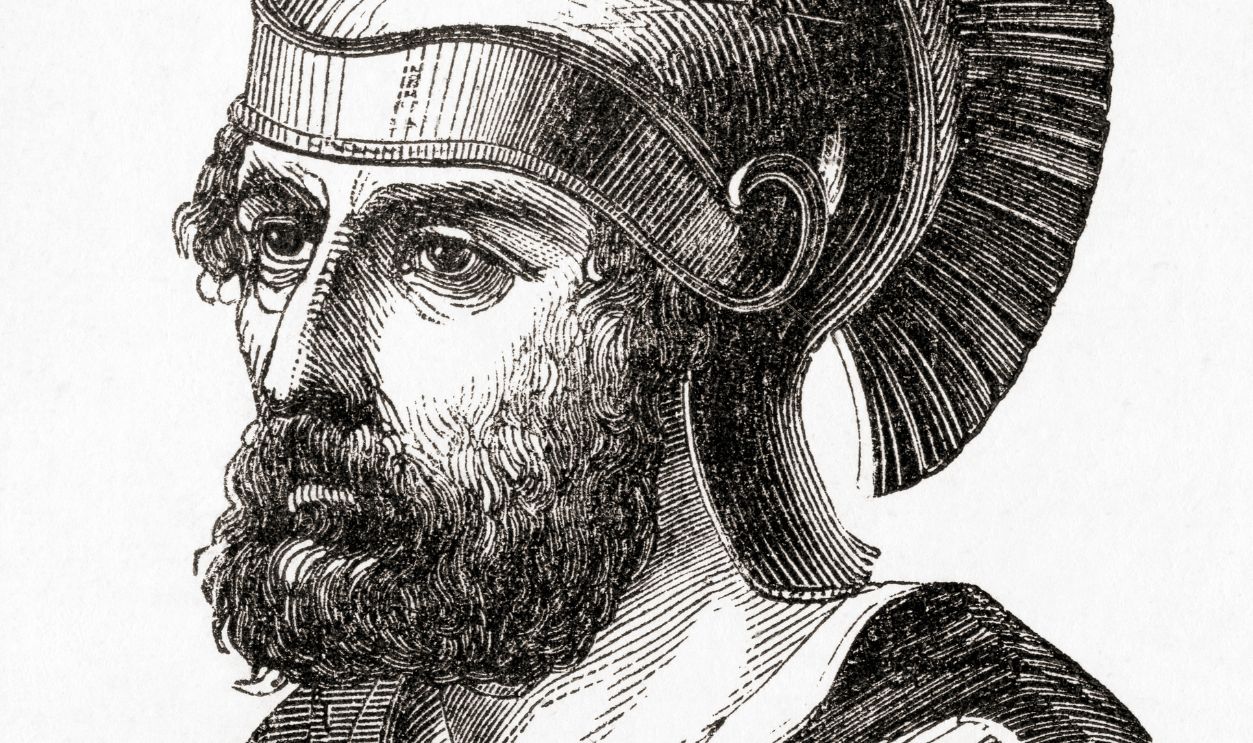 Universal History Archive, Getty images
8. It Could Have Ended Before It Began
In 249 BCE, deep into the conflict and with both sides utterly exhausted, Hamilcar Barca won a decisive victory over the Romans at Drepana—then the worst happened. Under-supplied, he was forced to withdraw afterward, losing all the momentum he had gained. Most historians believe that if Carthage had only helped Hamilcar when it counted here, they would have won almost then and there.
Instead, something much different happened.
 Design Pics Editorial, Getty images
9. They Caught Their Breath
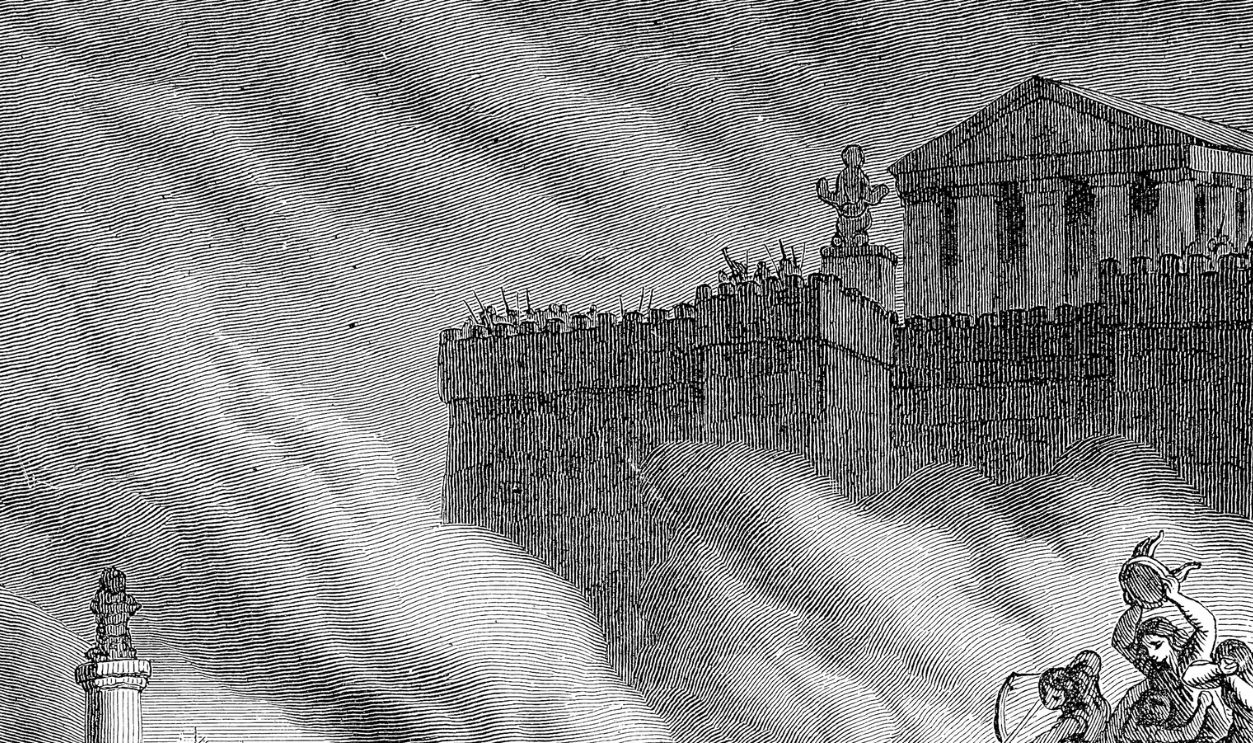
With men and supplies almost totally worn out, Carthage and Rome quieted down their fighting for nearly a decade…but they didn’t use their vacations to equal advantage. Once more, Carthage sunk into apathy, while the up-and-coming Rome spent the time building 200 men-of-war ships that could carry 60,000 troops.
When they met again, karma caught up to Carthage.
 Bildagentur-online, Getty images
10. Carthage Let Victory Slip Through Its Fingers
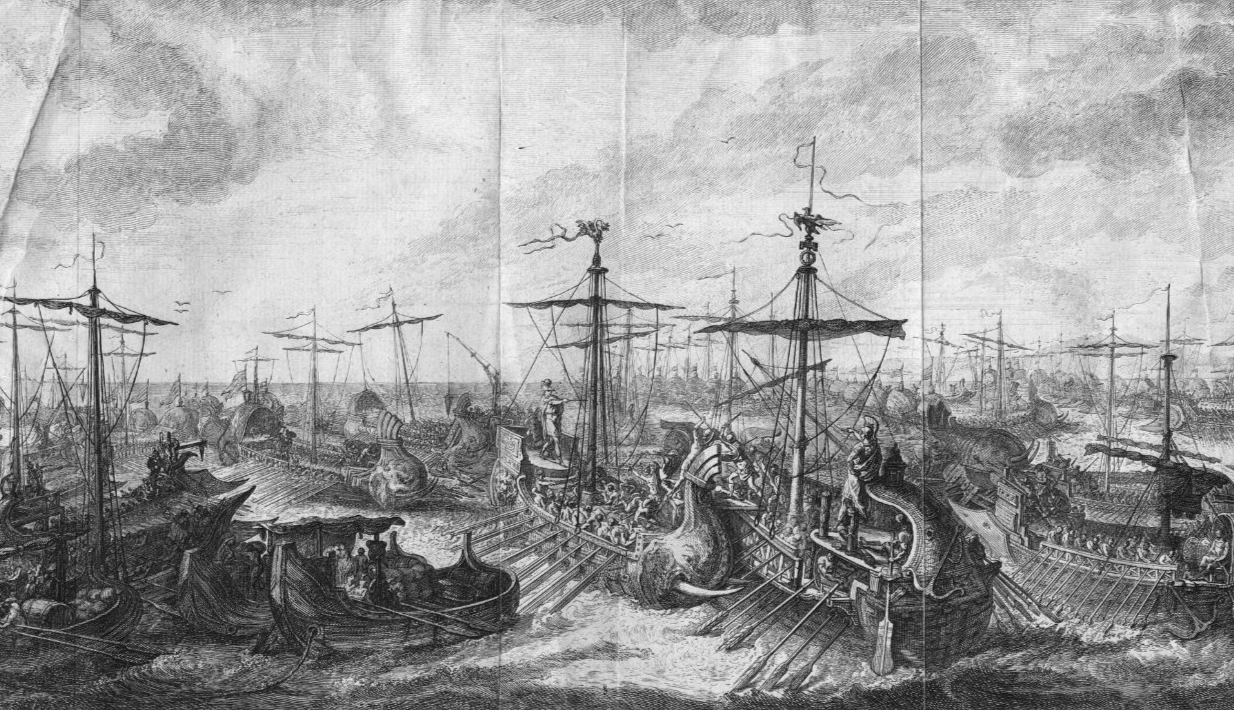
In 241 BCE, the first act of Carthage’s tragedy came to a bitter close. When fighting resumed, Rome showed their enemies just how much they’d been studying. Their now-honed sea tactics won them a series of important battles and quickly forced Carthage to come to the table for peace terms.
Then Carthage got an even bigger plot twist.
11. Their Mercenaries Rebelled
During the First Punic War, Carthage hadn’t just neglected to send reinforcements to their star general Hamilcar Barca, they also committed one of the worst military sins possible: They didn’t reliably pay their mercenaries. The result was the Mercenary War, which started just after Carthage sued for peace and continued for four years after that.
Despite the fact that Hamilcar had known and led most of the rebelling mercenaries, he dutifully tamped down the rebellion. He got betrayal handed back to him.
 Design Pics Editorial, Getty images
12. They Betrayed Their General
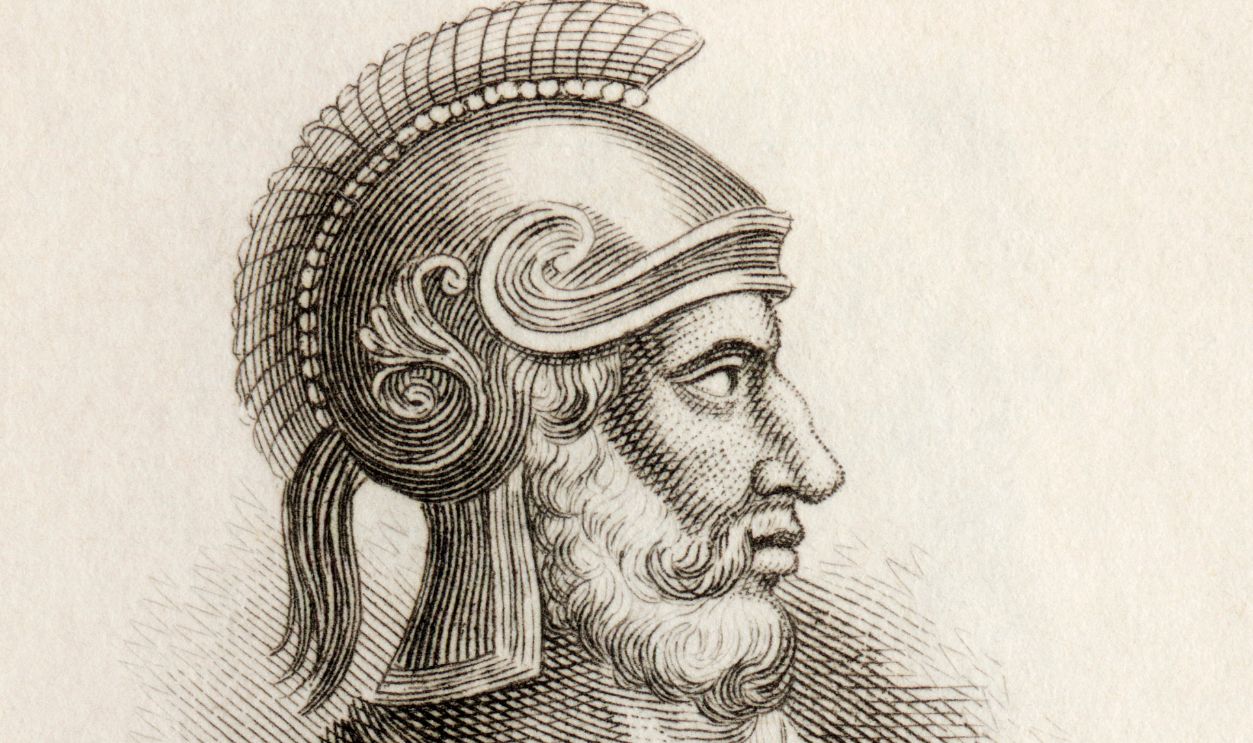
Sometime during or after the mercenary battles, Carthage turned on Hamilcar. For all their own failures, they blamed him for the Mercenary War, claiming it happened because he’d promised higher wages to his men while they were on campaign against Rome. Only Hamilcar’s popularity and his political influence saved him from standing trial. Still, the damage was done.
 UniversalImagesGroup, Getty images
13. Rome Took Advantage
The Mercenary Wars, though only having to do with Carthage, were yet another key turning point in Rome’s destiny. Because while Carthage was wrapped up in the conflict, Rome—who were beginning to identify themselves based in opposition to Carthage—slipped in and took the Carthaginian colonies of Corsica and Sardinia for themselves. It created one scandalous concession.
14. They Picked Sides
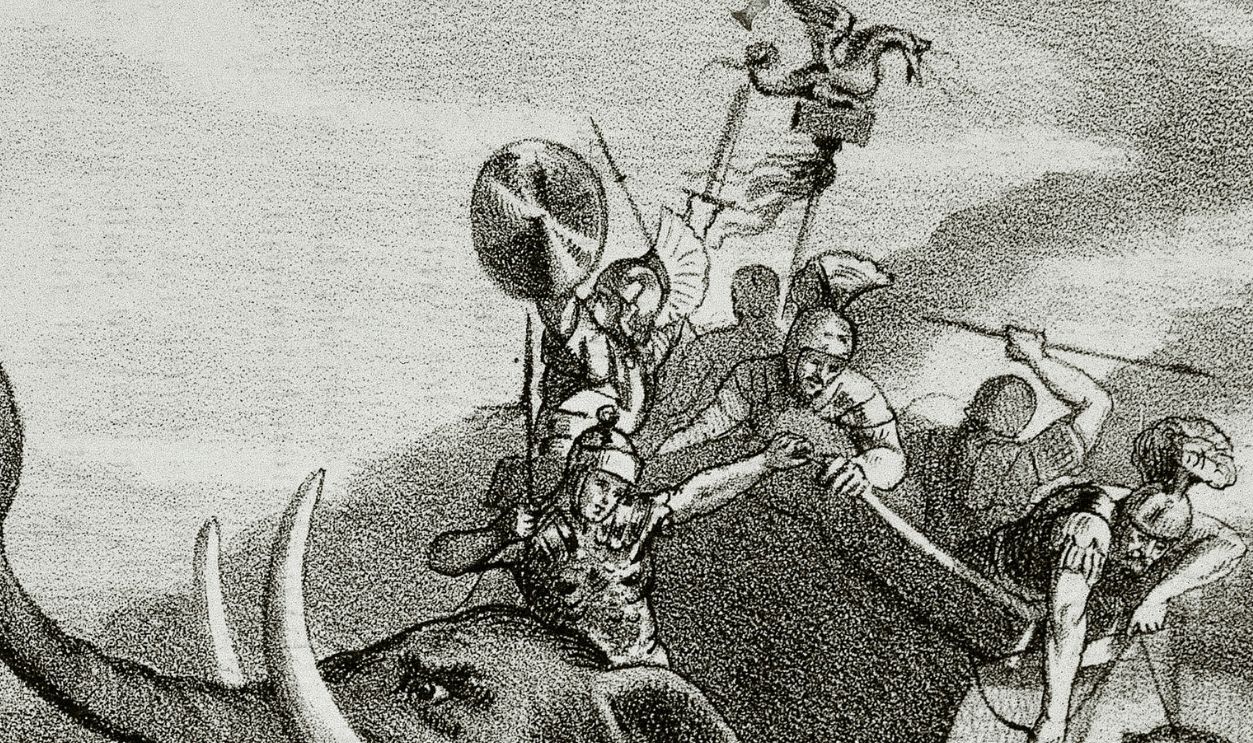
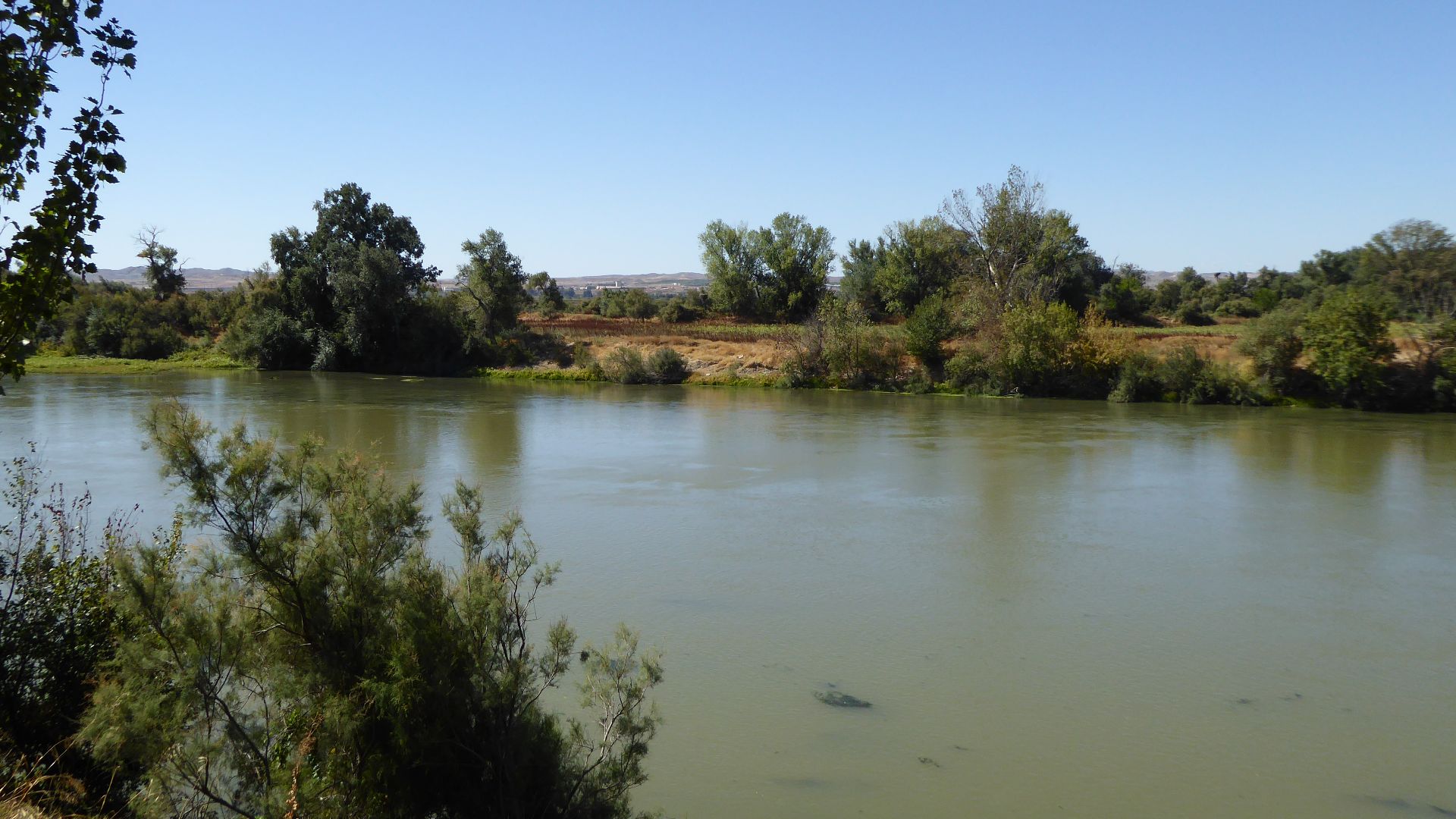
Eventually, in 226 BCE, Rome and Carthage agreed to a new treaty—one that created a line in the sand (or, as it were, the water). Rome could have the Spanish territories north of the Ebro River, but Carthage would continue to hold the area south of the river. This was their Rubicon, the boundary that could not be crossed.
But then the next great Carthaginian general came along.
15. Carthage Lost Its Savior
In 228 BCE, Hamilcar met a brutal end. There are several versions of how he died, and none of them are pretty. One version claims he drowned in a retreat across a river, another says it was in a melee of burning ox carts. Either way, Carthage’s defender was gone at the age of 47 or 48—but his successor was right in the wings.
16. A New Star Came Onto The Scene
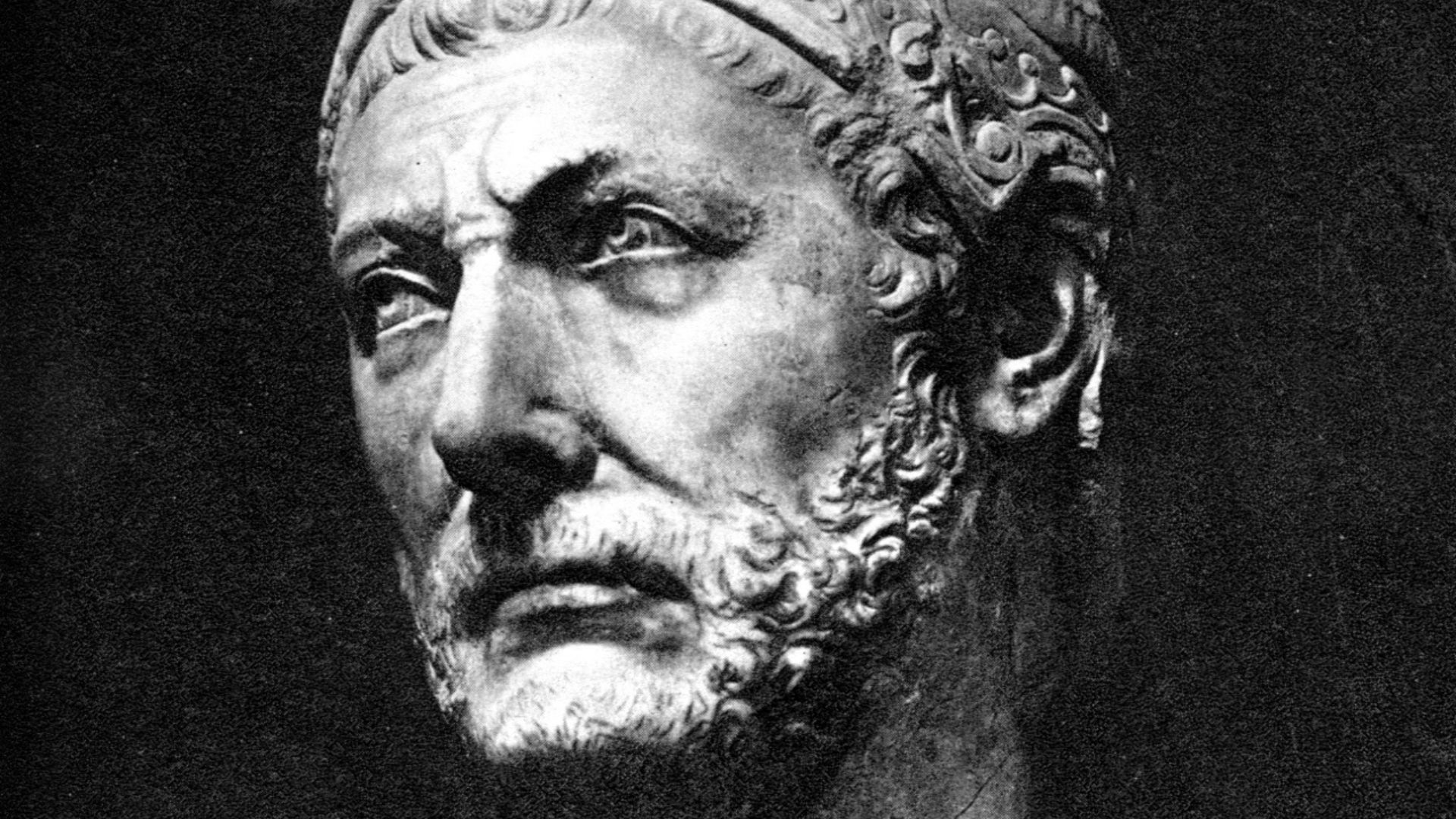
Harmilcar was initially succeeded by his peace-keeping son-in-law Hasdrubal the Fair, only for one of Hasdrubal’s rebellious servants to assassinate him a handful of years later. This let a familiar name step right in: Hamilcar’s son Hannibal Barca took over command of the Carthaginian army.
And while Hannibal’s short-lived predecessor had mostly preferred diplomatic relations, Hannibal himself was made of much crueler stuff.
 Fratelli Alinari, Wikimedia Commons
17. Rome Made A Bitter Foe
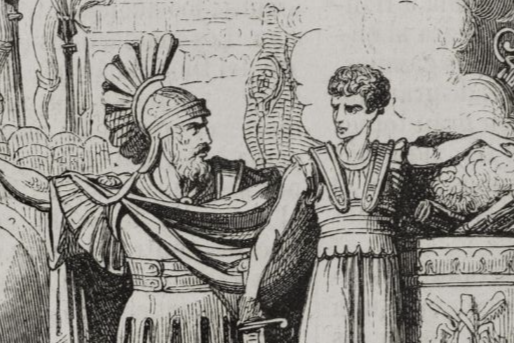
According to Hannibal’s own account, his entire young life—he was only in his mid 20s when he took control of the Carthaginian army—had been spent despising Rome. Indeed, when he was a young boy, he begged his father Hamilcar to take him with him on campaign, and Hamilcar agreed only on the condition that he would swear eternal enmity to Rome. In one version, Hamilcar even held his son over a ceremonial fire and made him swear this oath.
True to his word, Hannibal used his first months in power to make a violent statement.
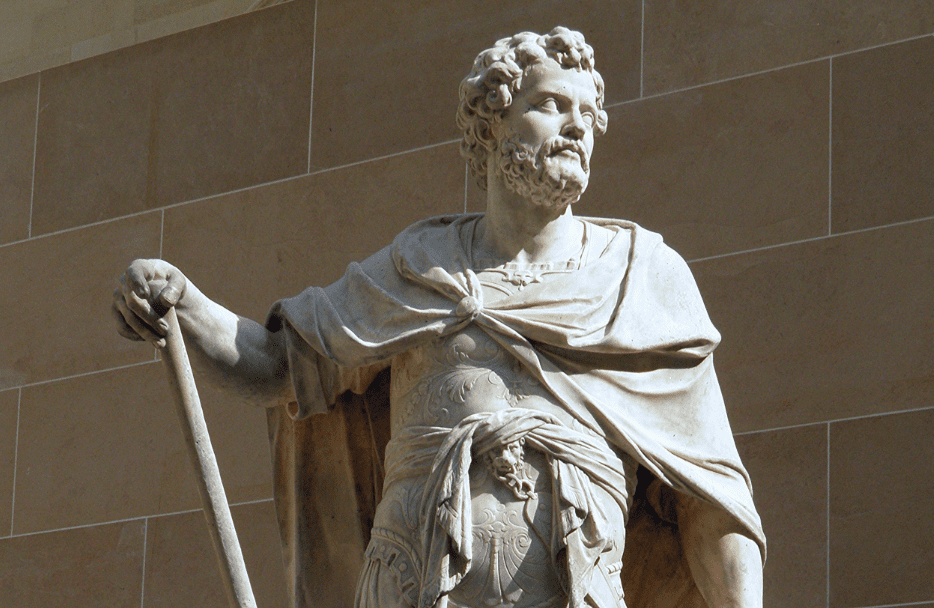 Louvre Museum, Wikimedia Commons
18. Both Sides Provoked Each Other
Sure of his own military prowess, Hannibal threw a bloody wrench into Rome and Carthage’s peace treaty. When Rome made an alliance with the city of Saguntum, which lay south of the important Ebro River boundary, Hannibal believed it was in violation of the treaty. So he smashed that treaty to smithereens, laying siege to Saguntum and taking it in 218 BCE.
The aftermath was typical of Carthage.
19. Carthage Hid Behind Its Government
Rome, furious, demanded to know if Hannibal Barca had attacked Saguntum on Carthage’s orders—but Carthage’s own response was lackadaisical. Although they refused to give up Hannibal to Rome, they also hemmed and hawed with legal arguments about what had really been ratified before the siege and what hadn’t.
Finally, Rome had enough, and pushed a bizarre ultimatum.
 Unknown authorUnknown author, Wikimedia Commons
20. Rome Demanded Answers
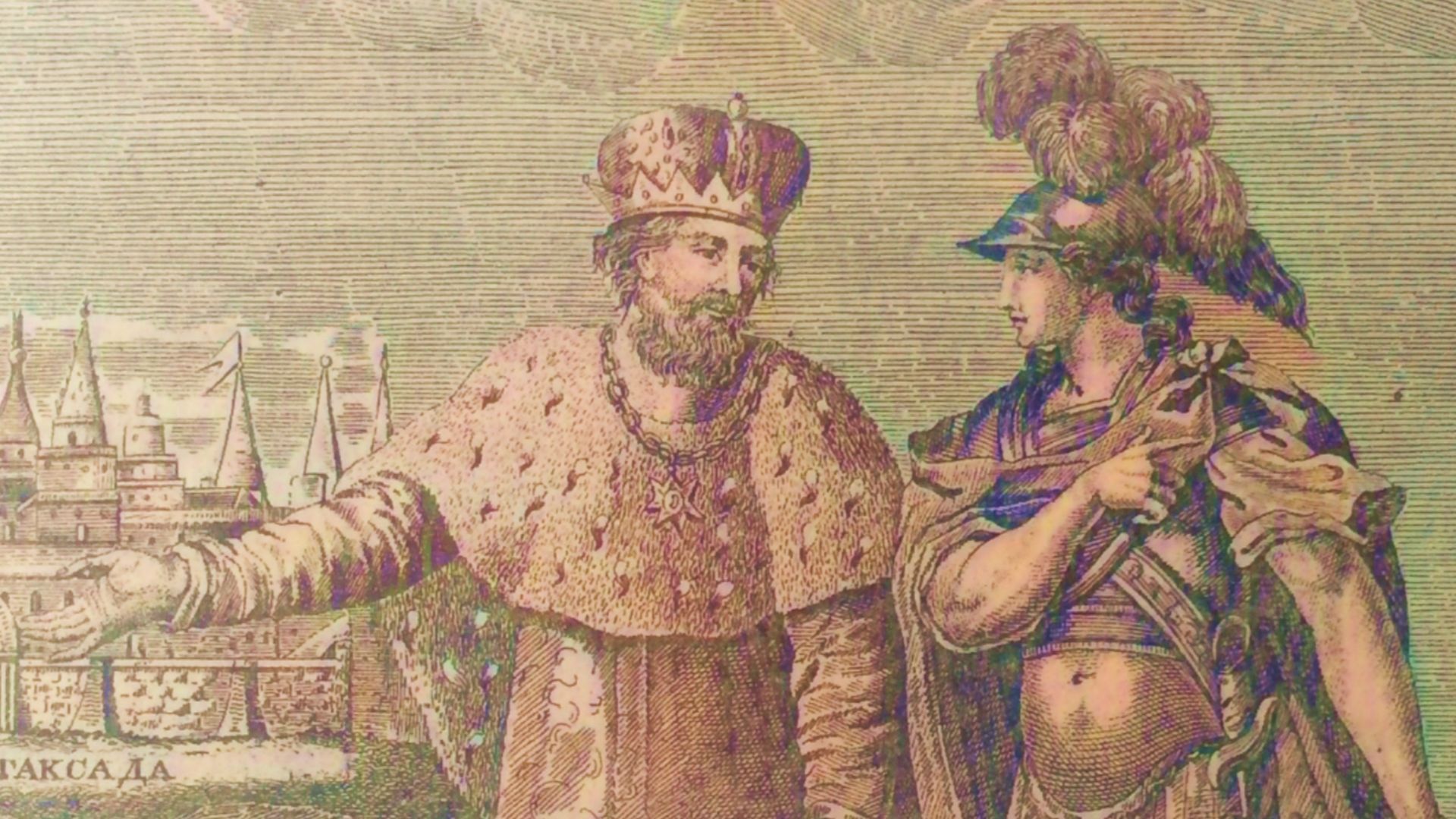
The leader of the Roman delegation was the burgeoning military mastermind Quintus Fabius, and he had just about enough of Carthage’s evasions. Eventually, he insisted that Carthage cut to the chase and choose war or peace.
Incredibly, in the most Carthage statement, instead of answering themselves, they let Fabius choose instead. And when in Rome…
 schurl50 (User:schurl50), Wikimedia Commons
21. The Second Time Wasn’t The Charm
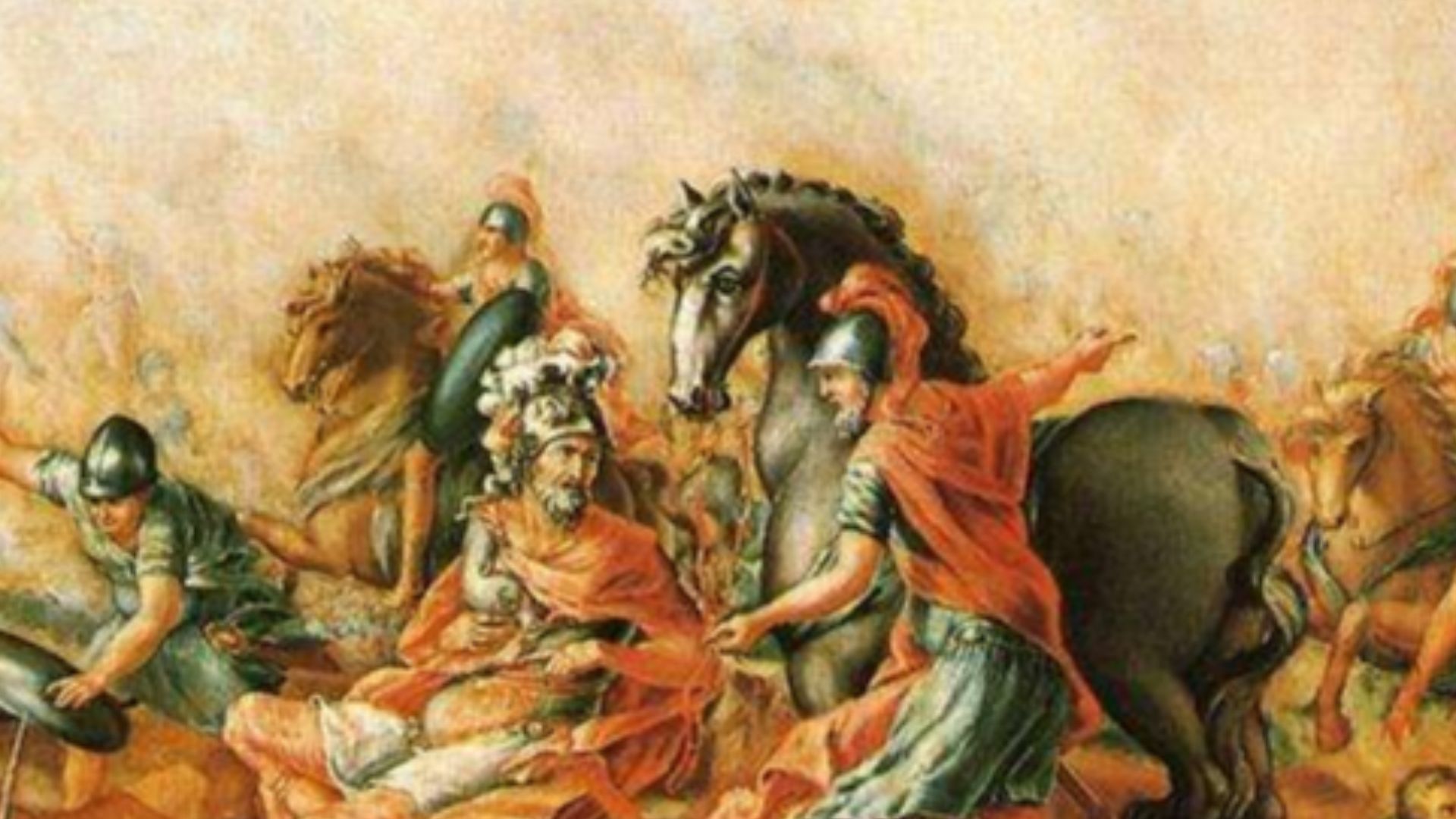
Rome was gaining in strength, confidence, and influence, and they weren’t ones to back away from a fight. So, Quintis Fabius of course chose war, and thus the Second Punic War began. Even so, it was a gamble: The Romans knew of Hamilcar’s exploits, and they must have suspected his son might follow in his footsteps. But in reality, they had no idea.
 John Trumbull, Wikimedia Commons
22. Hannibal Pulled Off An Incredible Feat
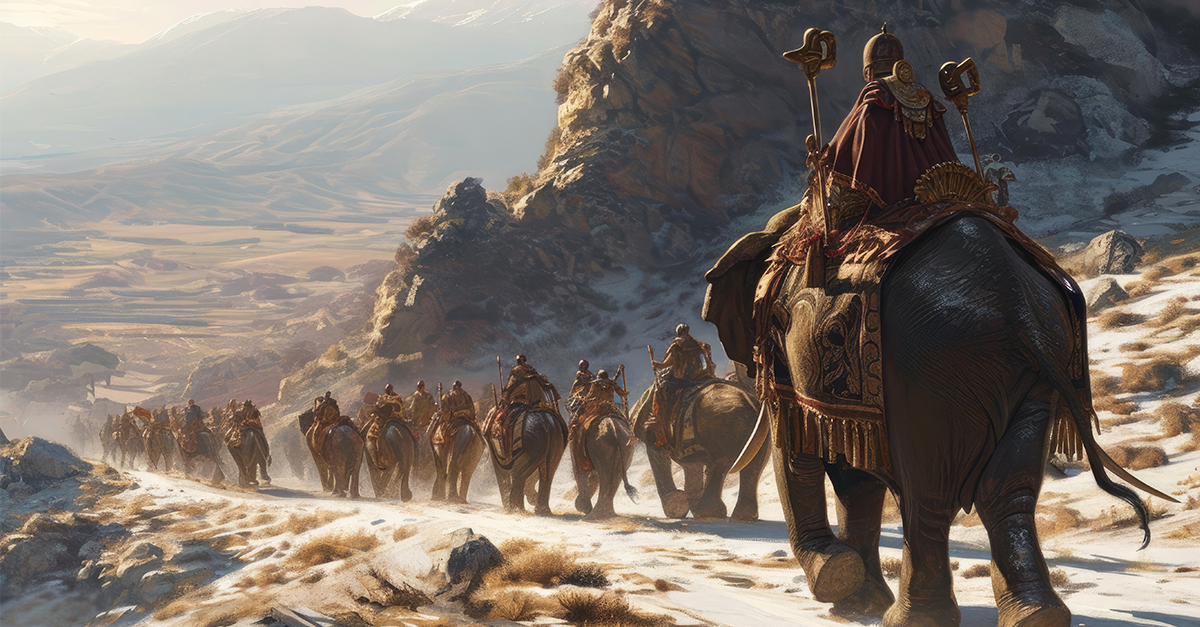
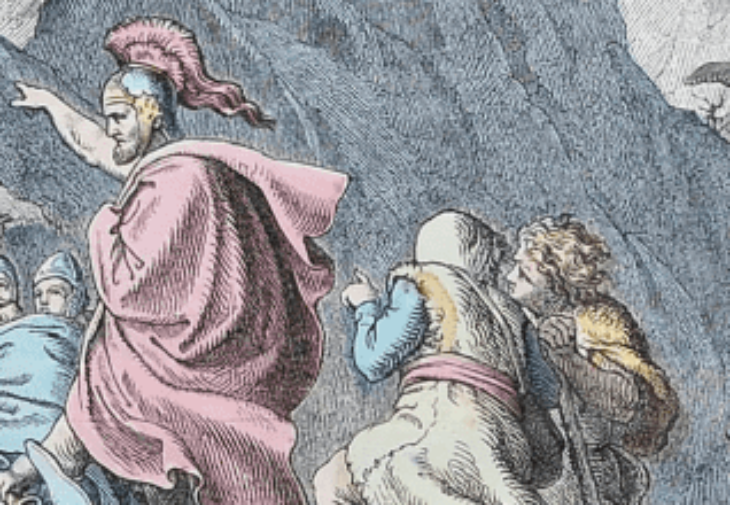
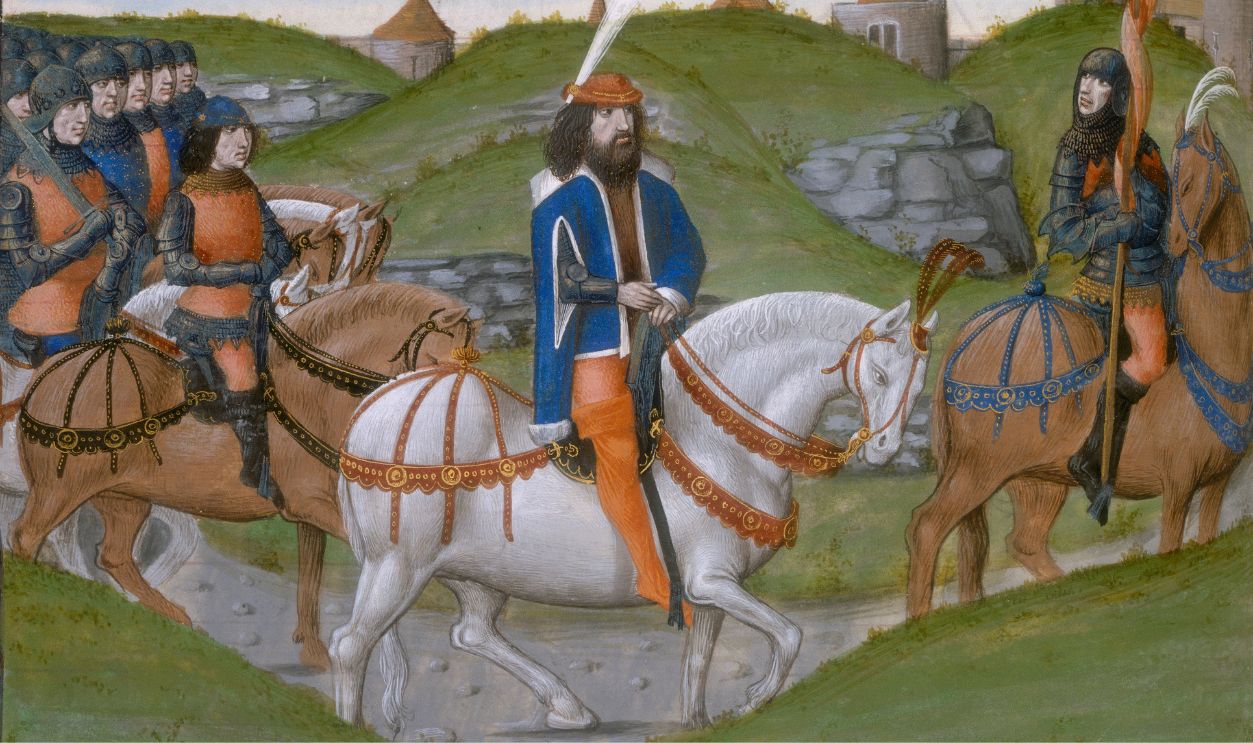
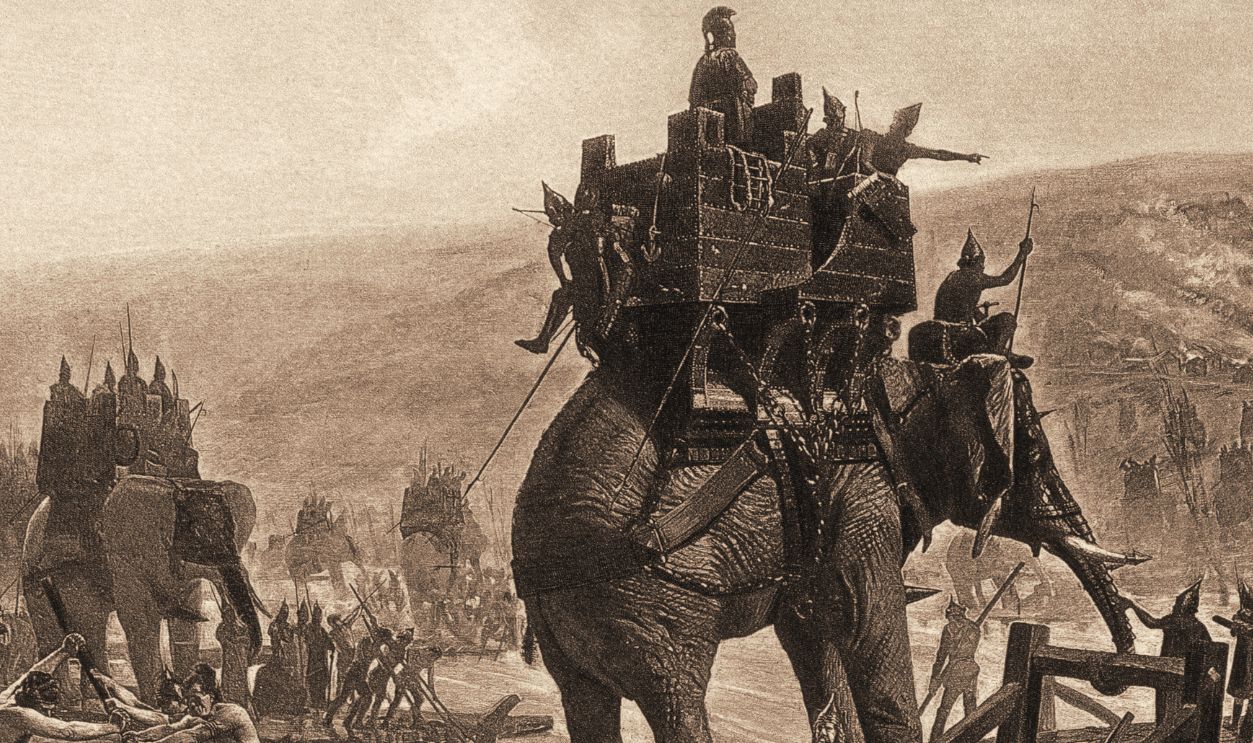
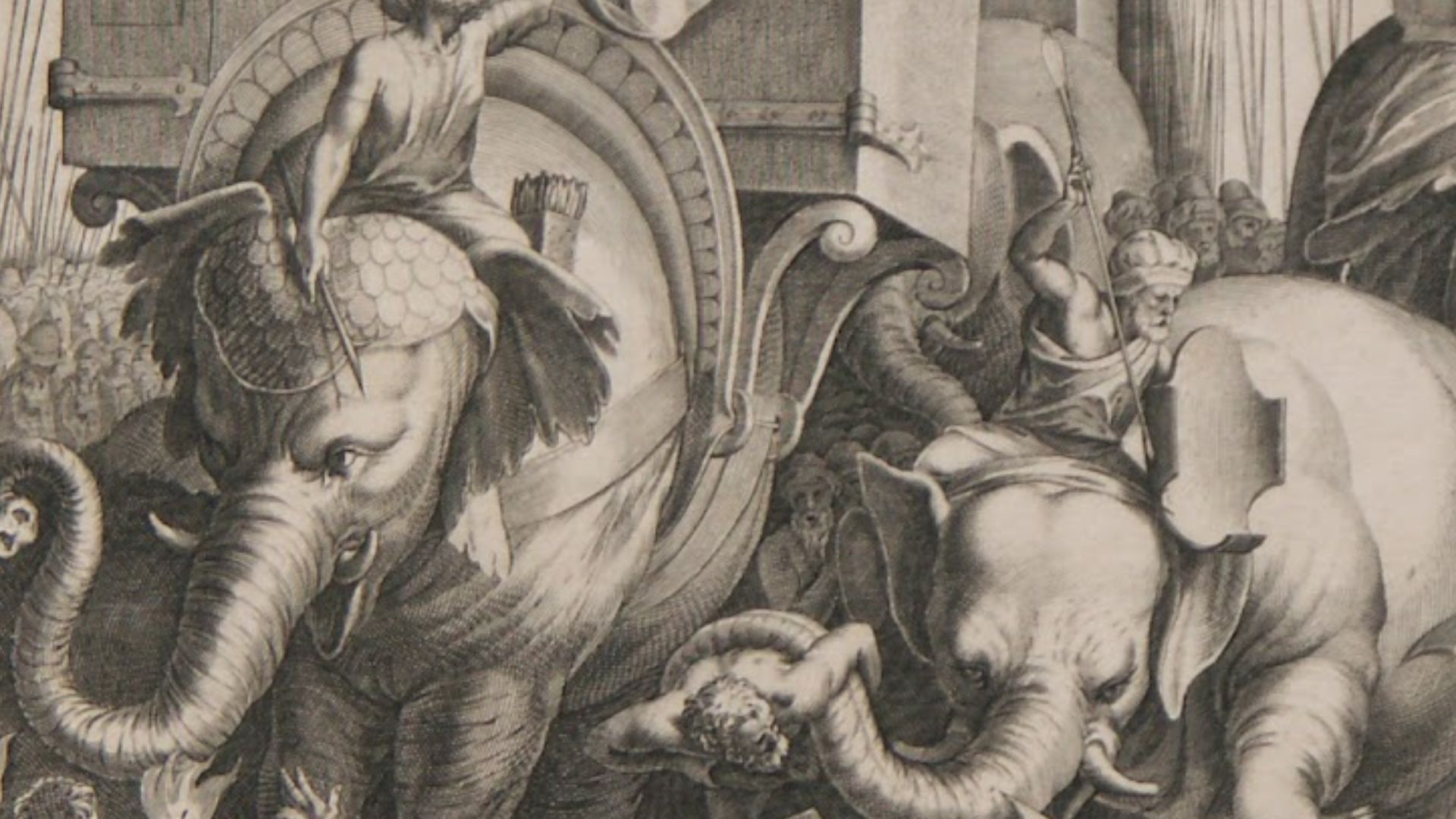
As both sides began the conflict, Hannibal received intelligence that Rome was about to move against him, as in right now. His reply has gone down in the history books. He took tens of thousands of men, thousands of horsemen, and groups of war elephants across the Alps to get to Italy by a route that no one was expecting. But it was no easy feat.
23. He Nearly Didn’t Make It
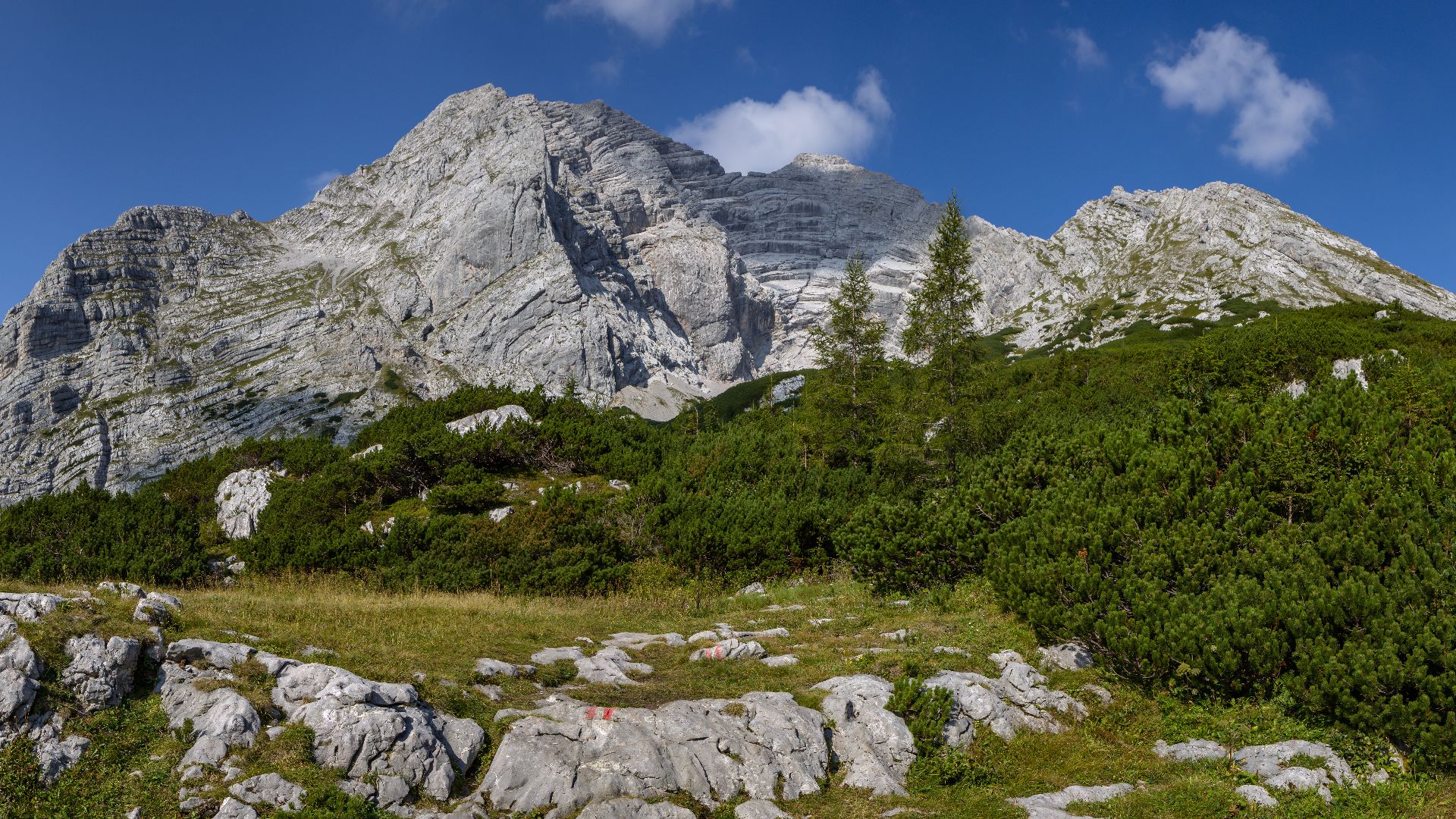
Obviously, crossing the Alps with an army is utterly insane, and there are varying theories to how Hannibal did it, none of them fully accepted. Livy claimed Hannibal used vinegar and fire to break through a rockfall, while Polybius’s account suggests that Hannibal lost scores of men—nearly half—on his journey.
But when he arrived at his destination, he threw down the gauntlet.
 Michal Klajban, Wikimedia Commons
24. He Was Brilliant
Hannibal grew up under the guidance of Greek tutors as well as the military experience of his own father, and the feat with the Alps proved the depth and breadth of his military vision. In his journey, he showed Carthage that Rome might be conquered via a northern front no one had even thought possible.
Well, Hannibal was very successful in this mission.
25. He Came Up With A New Way To Conquer
While Rome still scrambled to believe their eyes, Hannibal won every single battle that he fought against Roman troops. The way he did it was also an ingenious move: He attacked and converted various Roman-allied city states along the way rather than attacking Rome directly. With these tactics, he soon had control of most of northern Italy.
But he was about to meet his match.
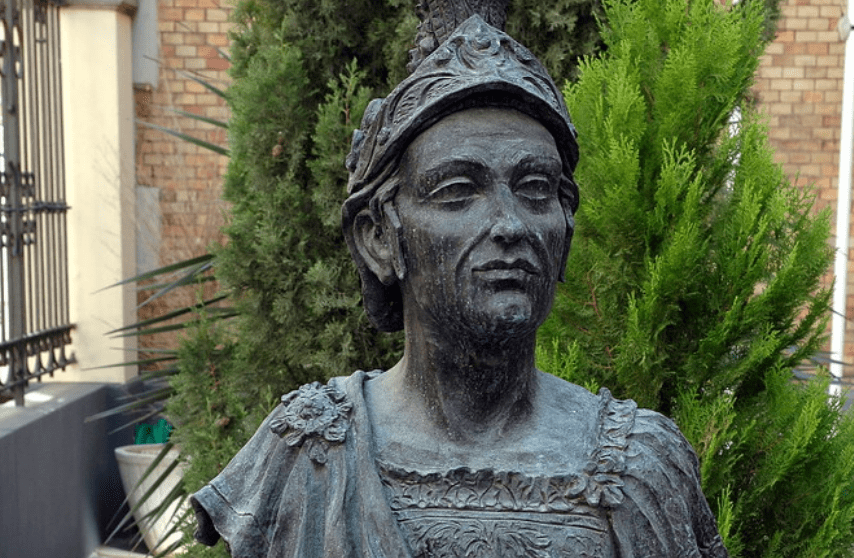
26. A Roman General Responded With Cunning
As Hannibal and his elephants marched down to southern Italy, Quintus Fabius—the man who had switched on the Second Punic War in the first place—was beginning to get his bearings for this new, wild Carthaginian general. He came up with his own brilliant plan. Instead of attacking Hannibal directly, he initiated an elaborate cat-and-mouse game that focused on cutting off Hannibal’s supplies and hitting his men in their stomachs.
It almost worked. Almost.
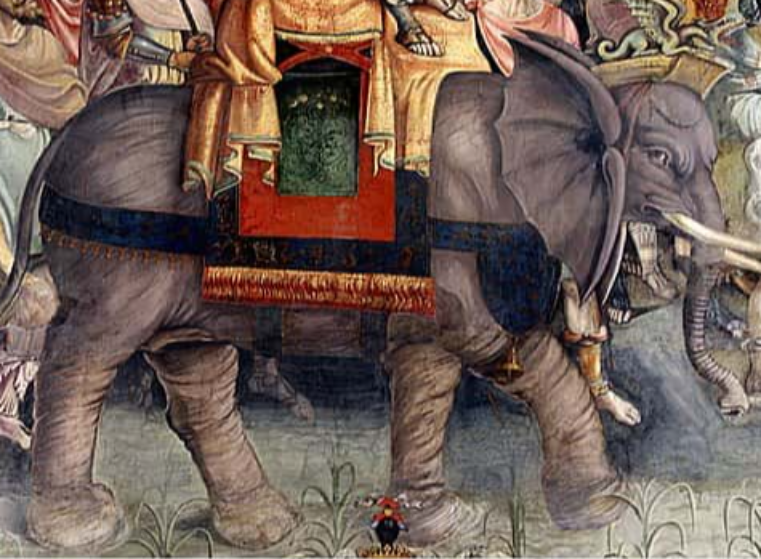
27. Hannibal Turned The Tables
Quintus Fabius was no man to underestimate, and Hannibal gave his strategic all in this prolonged, hidden fight. The Carthaginian—aware of the dire straits he could be in if the supply issues went on much longer—spread a rumor that Fabius was avoiding direct conflict because he was in Carthage’s pocket.
It got Rome to make their own fatal error.
 Herzi Pinki, Wikimedia Commons
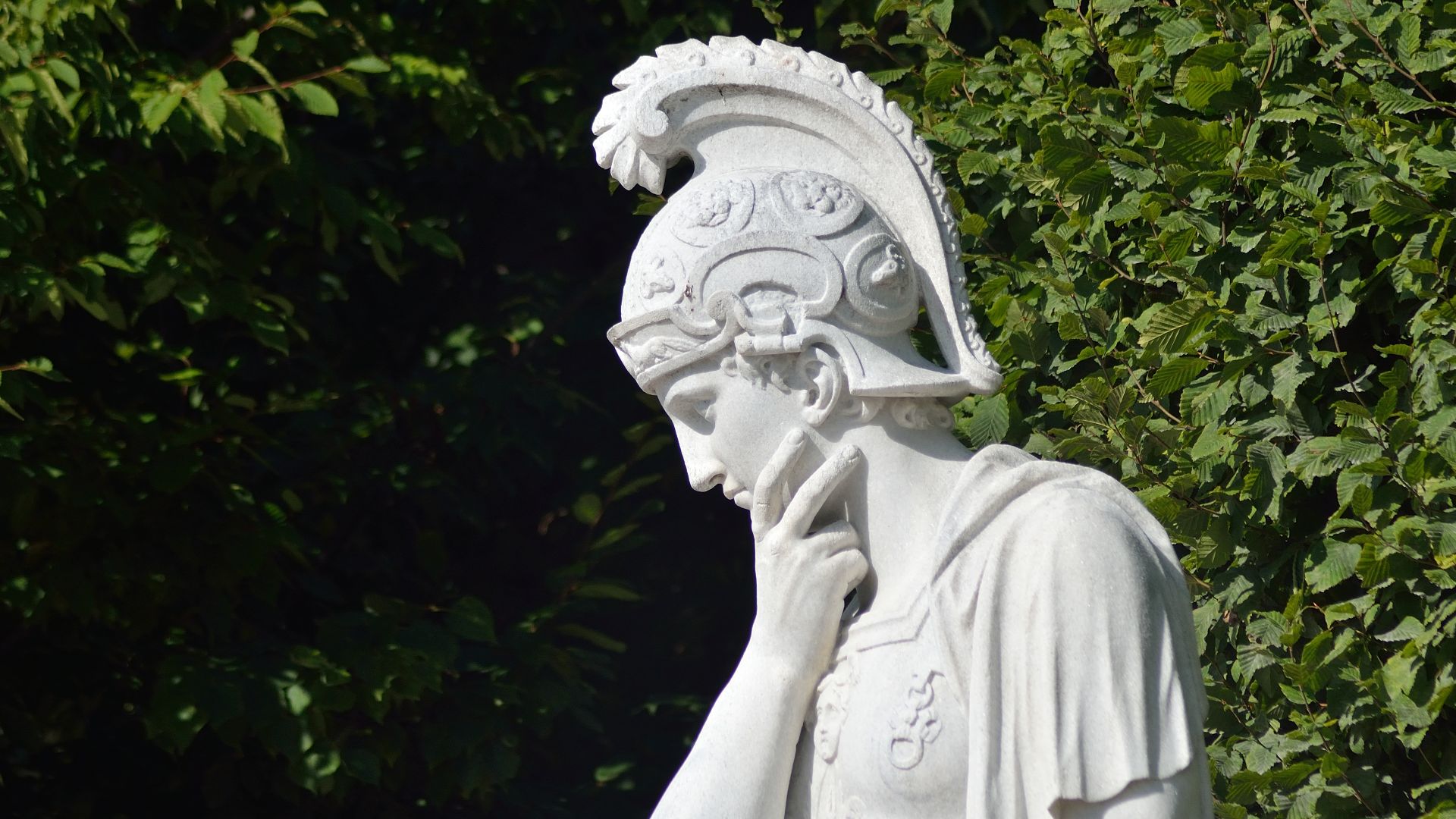
28. Rome Made Its First Mistake
Already growing impatient with Fabius’s long game, Rome was all too ready to believe the rumors about the general’s double agent duties. So, soon enough, they replaced Fabius with two new generals, who immediately led Roman men into direct battle with Hannibal. In doing so, they fell right into Hannibal’s hands.
 Giovanni Battista Tiepolo, Wikimedia Commons
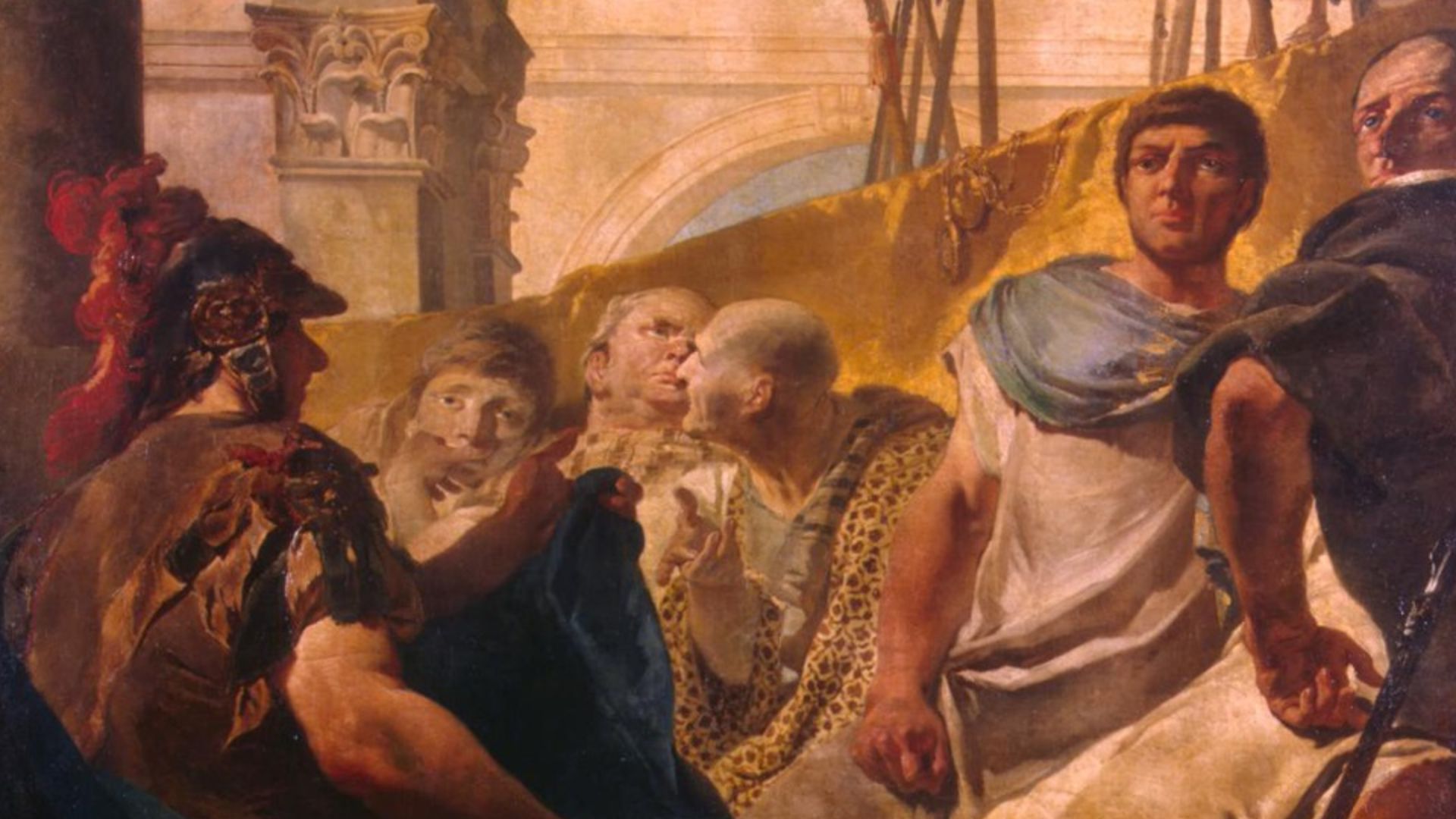
29. They Thought They Had Carthage
The new Roman commanders, chomping at the bit for blood, met Hannibal in the Battle of Cannae in 216 BCE. At first, it appeared to be everything the Romans were looking for: Hannibal had placed his Gauls, who were the weakest of his men, front-and-center, where they quickly broke before the Romans.
Battle-crazed and seemingly triumphant, the Roman forces followed the Gauls as they retreated…and then Hannibal set off his trap.
 Bildagentur-online, Getty images
30. Hannibal Won A Famous Victory
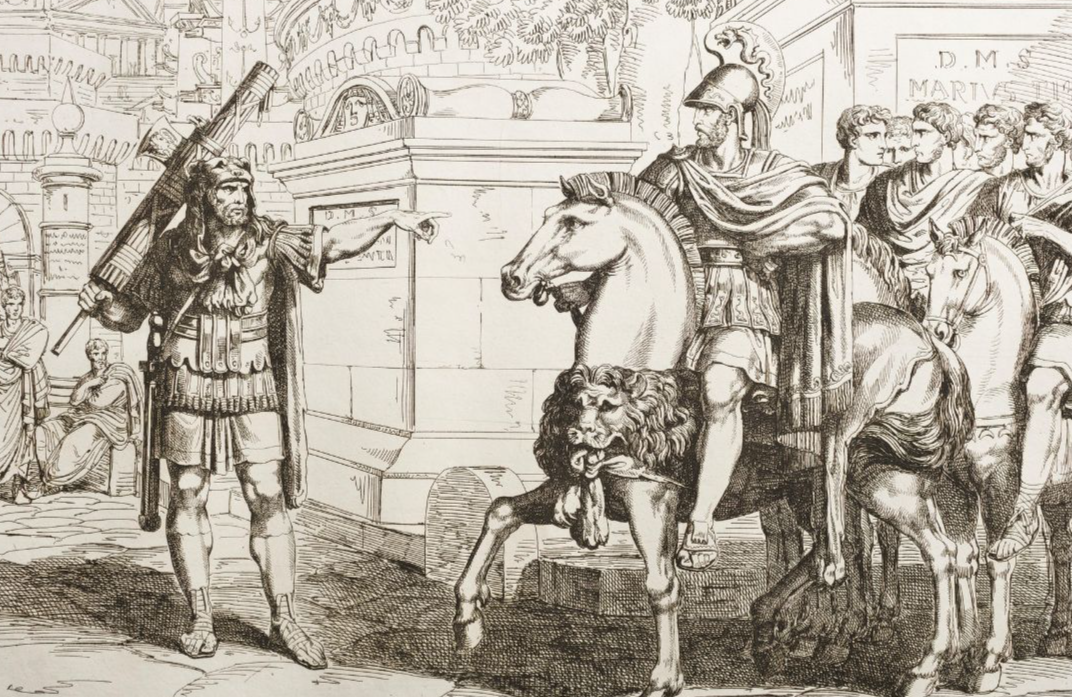
As it happened, the Romans going after the Gauls was exactly what Hannibal had wanted. His next move was legendary. Hannibal now brought his best men in from either side, flanking, enveloping, and then crushing the Roman forces in one of the most breathtaking victories in history, ancient or modern. The aftermath was equally astonishing.
31. Rome Refused To Back Down
To give just the smallest idea of Hannibal’s total victory, only 6,000 of his men perished that day at Cannae, compared to 44,000 Romans. The Romans were so incensed at the loss, they didn’t even accept the ransom deal that Hannibal offered for their prisoners, preferring to let the men go than to give any more of their dignity to Carthage.
But Hannibal did have an Achilles’ heel.
32. Carthage Ruined Everything
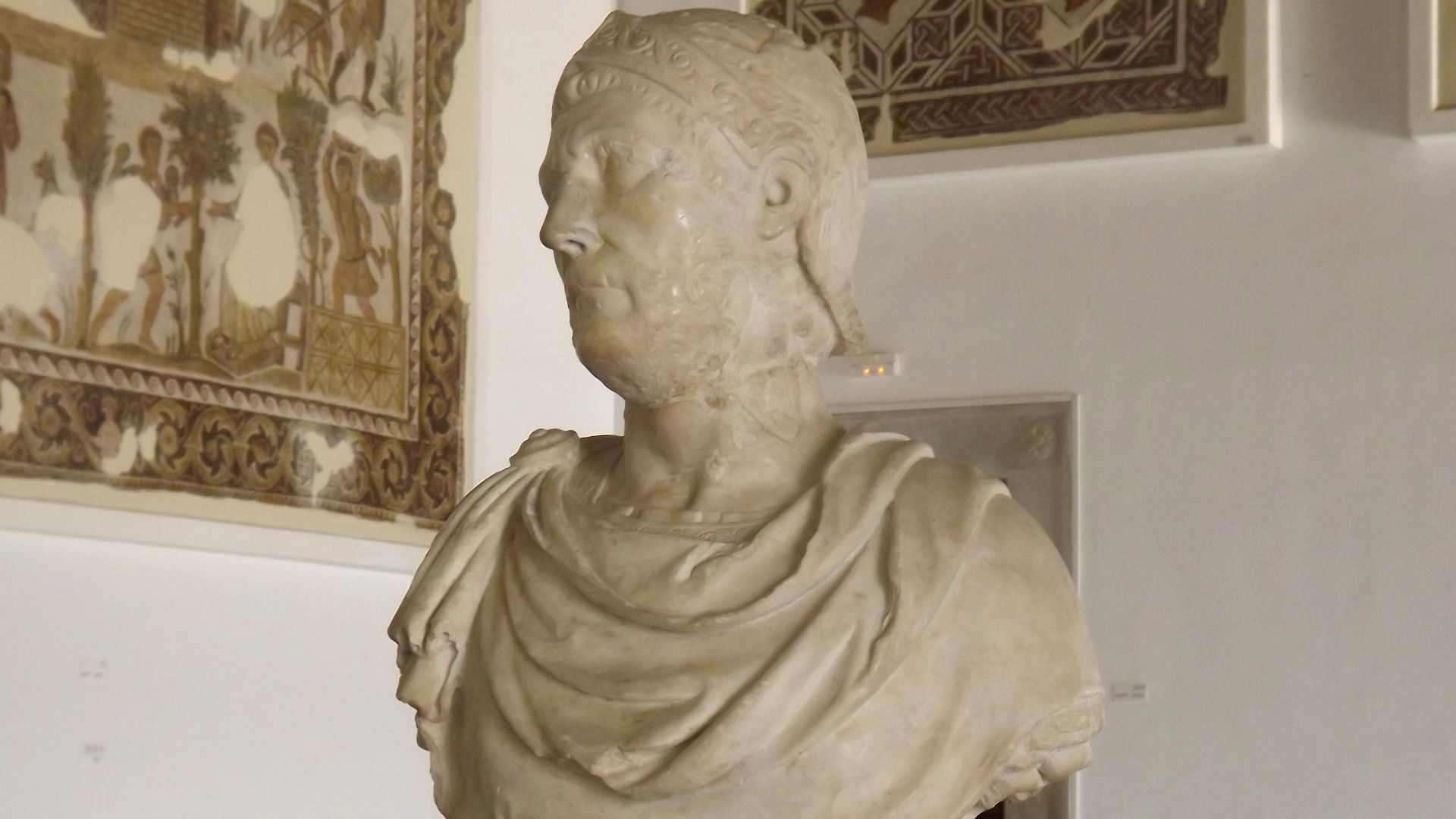
Hannibal Barca had just crossed the Alps and then pulled off one of the greatest military manoevers of all time. He should have been in a plum position to conquer Rome and assert Carthage’s dominance once and for all. Except….Carthage.
Complacent as ever, the metropolis let Hannibal down just like it had his father, failing to follow up his victory with reinforcements. As such, Hannibal’s momentum was stymied—all while something strange was happening in Rome.
 Youssefbensaad, Wikimedia Commons
33. He Turned Into A Monster
In the Roman world, Hannibal Barca was now enemy number one, a boogie man who could strike terror into the hearts of many. Their fear was so widespread that they began to use the exclamation, “Hannibal ad portas” or “Hannibal is at the gates!” to underline the seriousness of a crisis; it’s still sometimes used today.
Yet they also used this fear to hone their power.
34. Rome Loved And Feared Hannibal
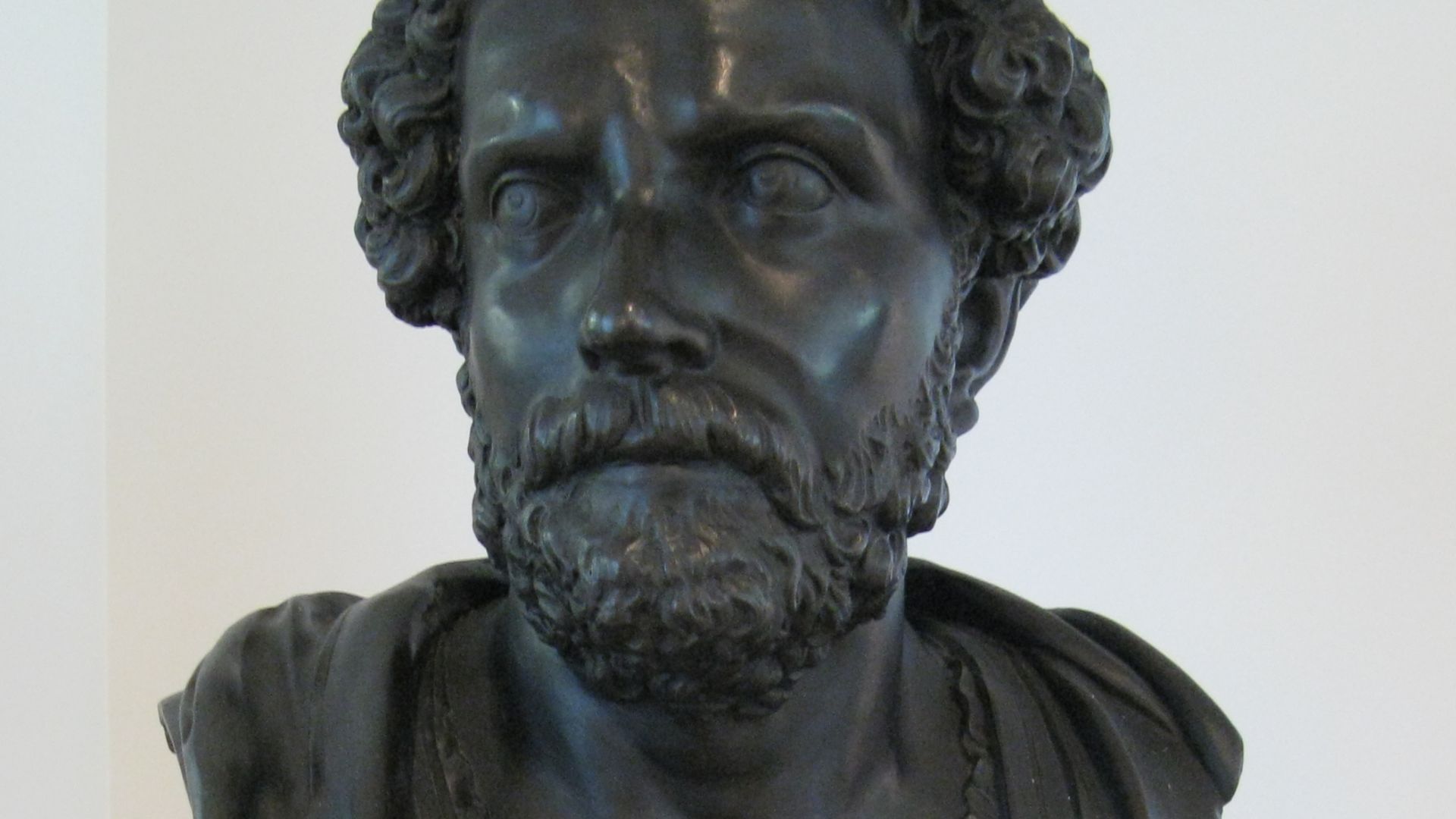
The Romans reluctantly admired Hannibal almost as much as they feared him—viewing him, and the Carthage he represented, as a worthy adversary. So even though some historians consider Hannibal the biggest single enemy Rome ever had, the Romans also used him as a benchmark to aspire to, and a way to believe in their own worthiness.
Rome as we know it was about to be forged in fire.
 Elie Jean Pécaut, Wikimedia Commons
35. Hannibal Helped Define Rome
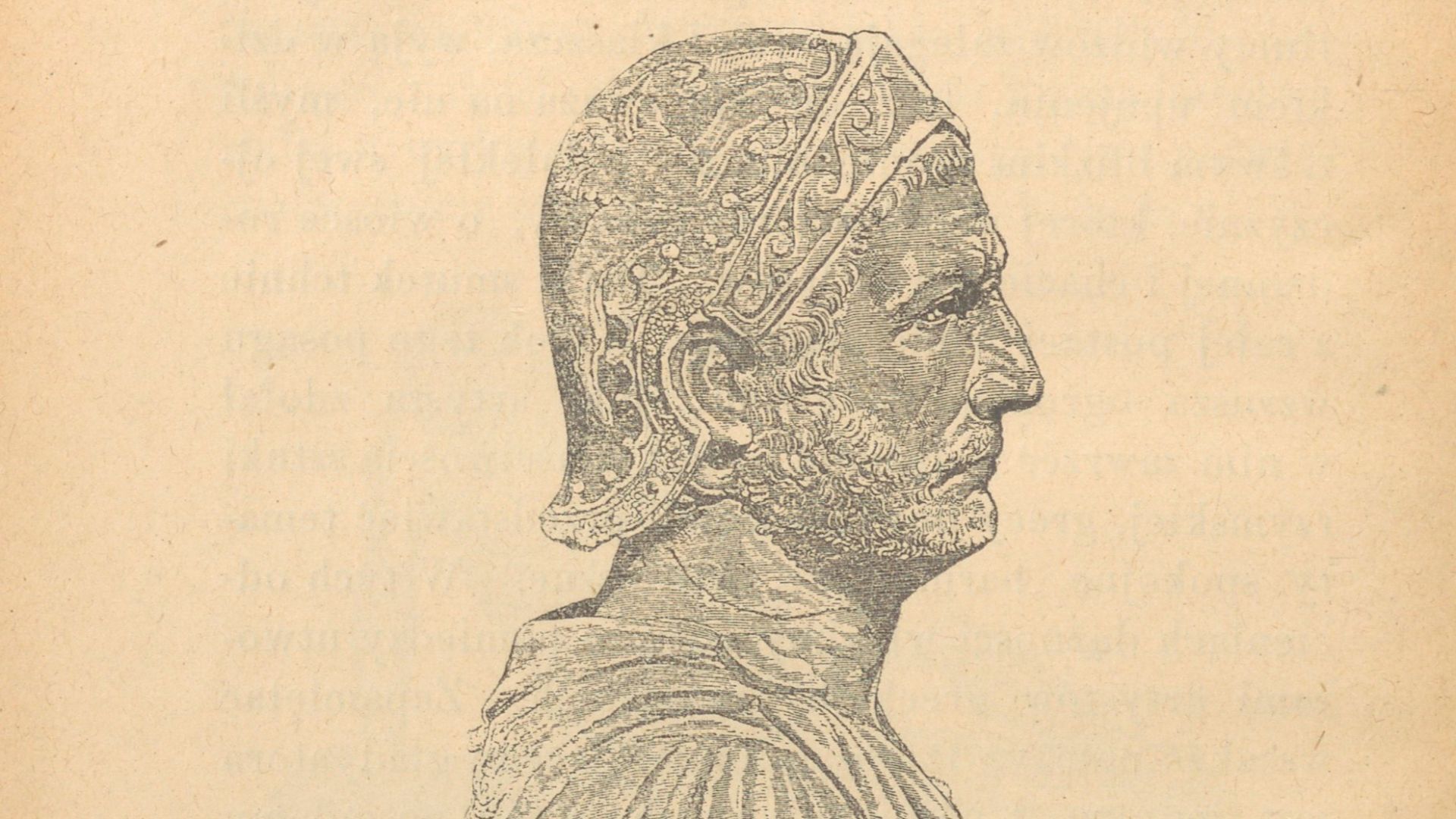
Throughout the Punic Wars, a remarkable phenomenon occured. Even during Hannibal’s reign of terror as commander, there were no known revolutions in Rome, no factions of the Senate arguing for peace, and no Romans defecting to Carthage. Instead, the Roman people clambered for the honor to defend Rome against this great general, to prove themselves his equal.
So yes, it was Hannibal’s military genius that helped define Rome as a collective identity. And when Rome had a chance for revenge, they took it.
 Cornelis Cort, Wikimedia Commons
36. Rome Punished Hannibal’s Brother
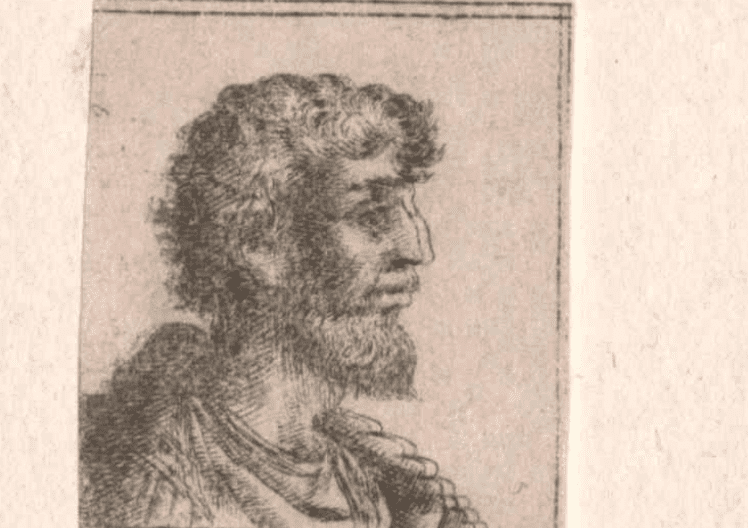
Soon after Cannae, Hannibal’s brother was busy engaging for Carthage in Spain against the Roman Scipio, the future Scipio Africanus. But when things went south—Scipio Africanus was a rising military star, after all—Hasdrubal fled to join his brother in Italy.
Tragically, Hasdrubal died on another field of battle before he reached his brother…and Hannibal found out about this in the most gruesome way possible.
37. They Gave Him A Horrific Present
Once Rome got word of Hasdrubal’s end, they knew they had an opening to hit Hannibal in a weak spot. One day, the Romans sent the Carthaginian a chilling gift. After getting a hold of Hasdrubal’s remains, they threw the man’s severed head into Hannibal’s camp, announcing the death of the general’s brother with the morbid proof.
It turned out this was the beginning of the end.
 Giovanni Battista Tiepolo, Wikimedia Commons
38. Rome Tricked Carthage
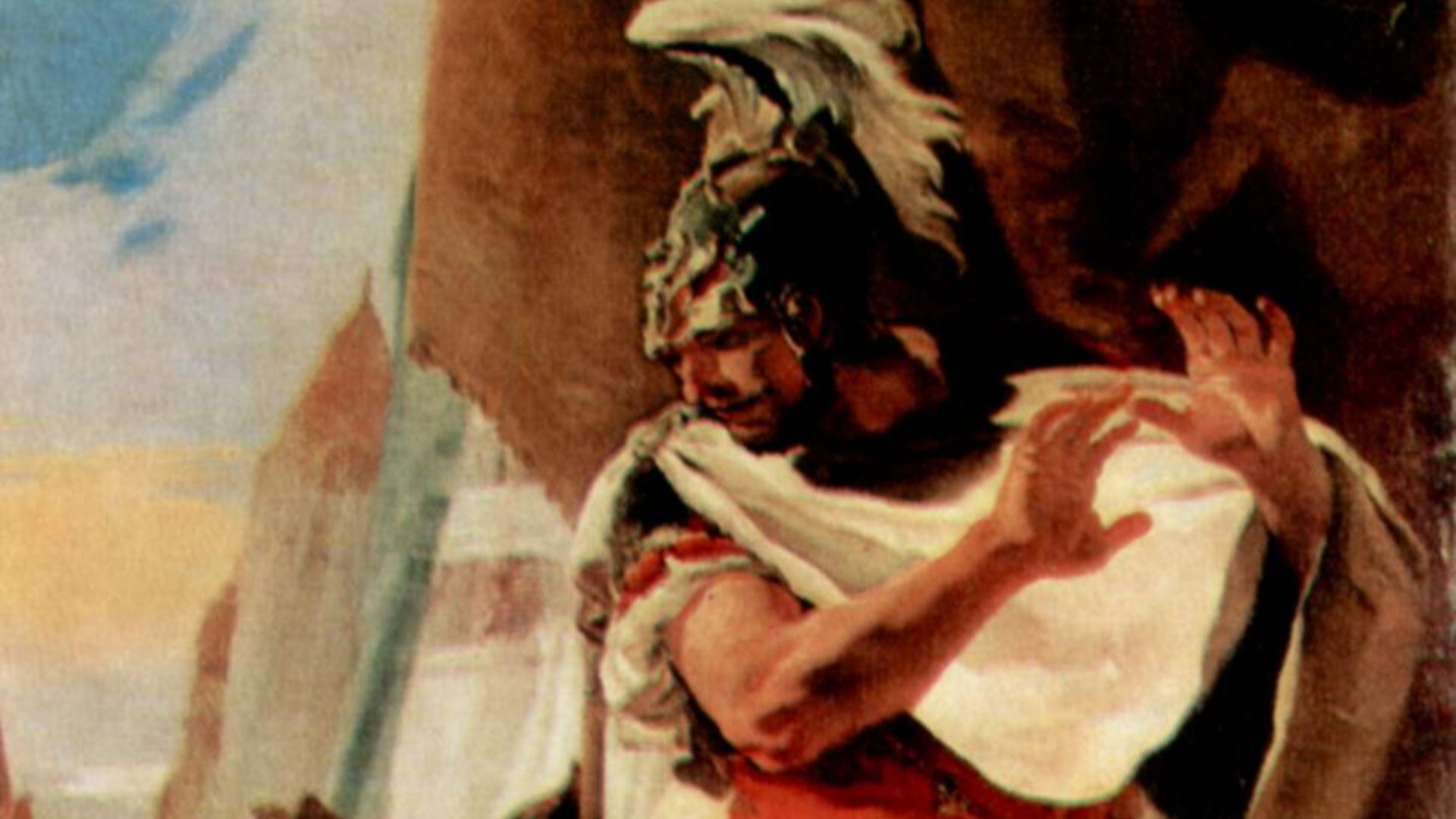
Scipio Africanus, the man who had beaten back Hannibal’s brother Hasdrubal, now took a page out of Hannibal’s book and set a trap of his own. Scipio sailed to North Africa and took the Carthaginian city of Utica, perilously close to Carthage itself.
He did so with a purpose: He was betting that Carthage would recall Hannibal back to retake the city—and he was ready for him when they did.
39. Hannibal’s Enemies Studied Up
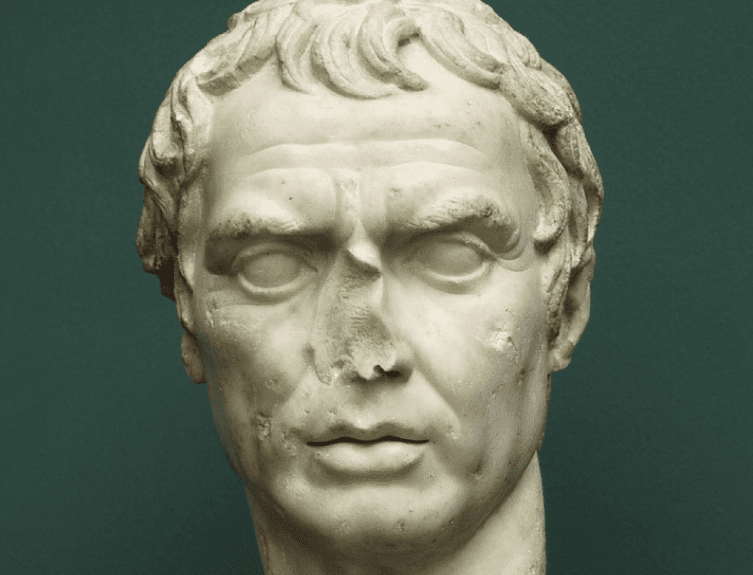
Scipio, like many Romans of his day, had a healthy respect for Hannibal, and he took “know thine enemy” to new heights. A decade younger than the legendary Carthaginian general, who was now in his 40s, Scipio had studied Hannibal’s tactics extensively.
So when Hannibal met him at the Battle of Zama in 202 BCE, Scipio unleashed everything he had.
40. They Hit Carthage’s Weak Spot
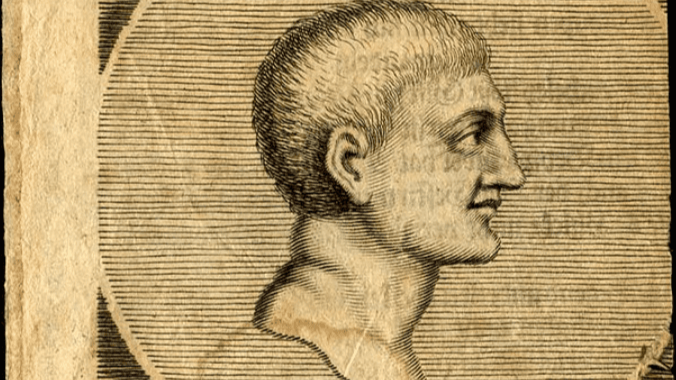
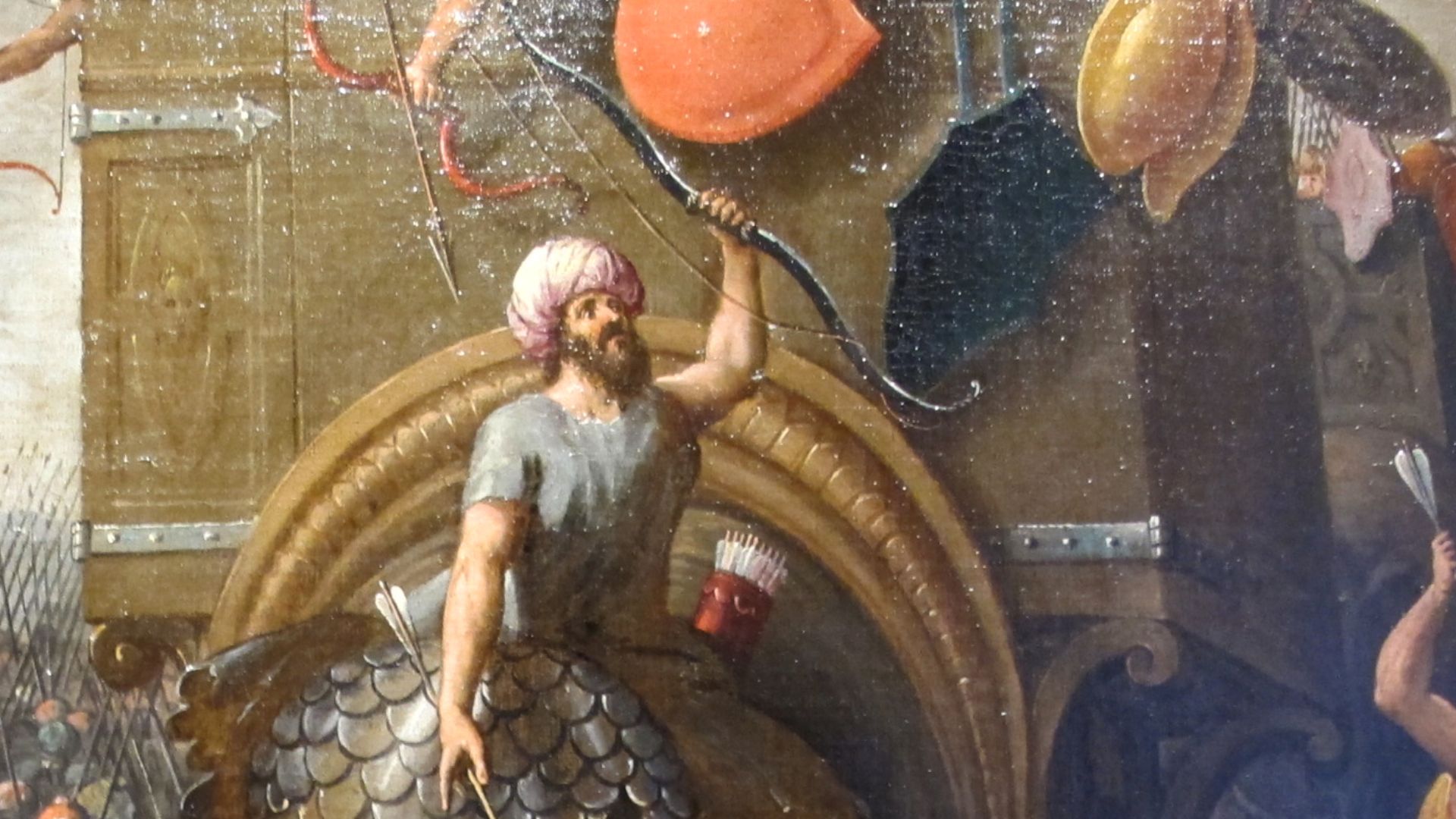
When the Carthaginians showed up to the Battle of Zama, they had the bigger numbers, and were accompanied by 80 of Hannibal’s signature combat elephants. But it was Scipio who got the upper hand: The Romans reportedly confused and frightened the Carthaginian elephants with trumpets, causing them to break formation and run into their own lines.
Then they dealt the killing blow.
41. Hannibal Met A Crushing Defeat
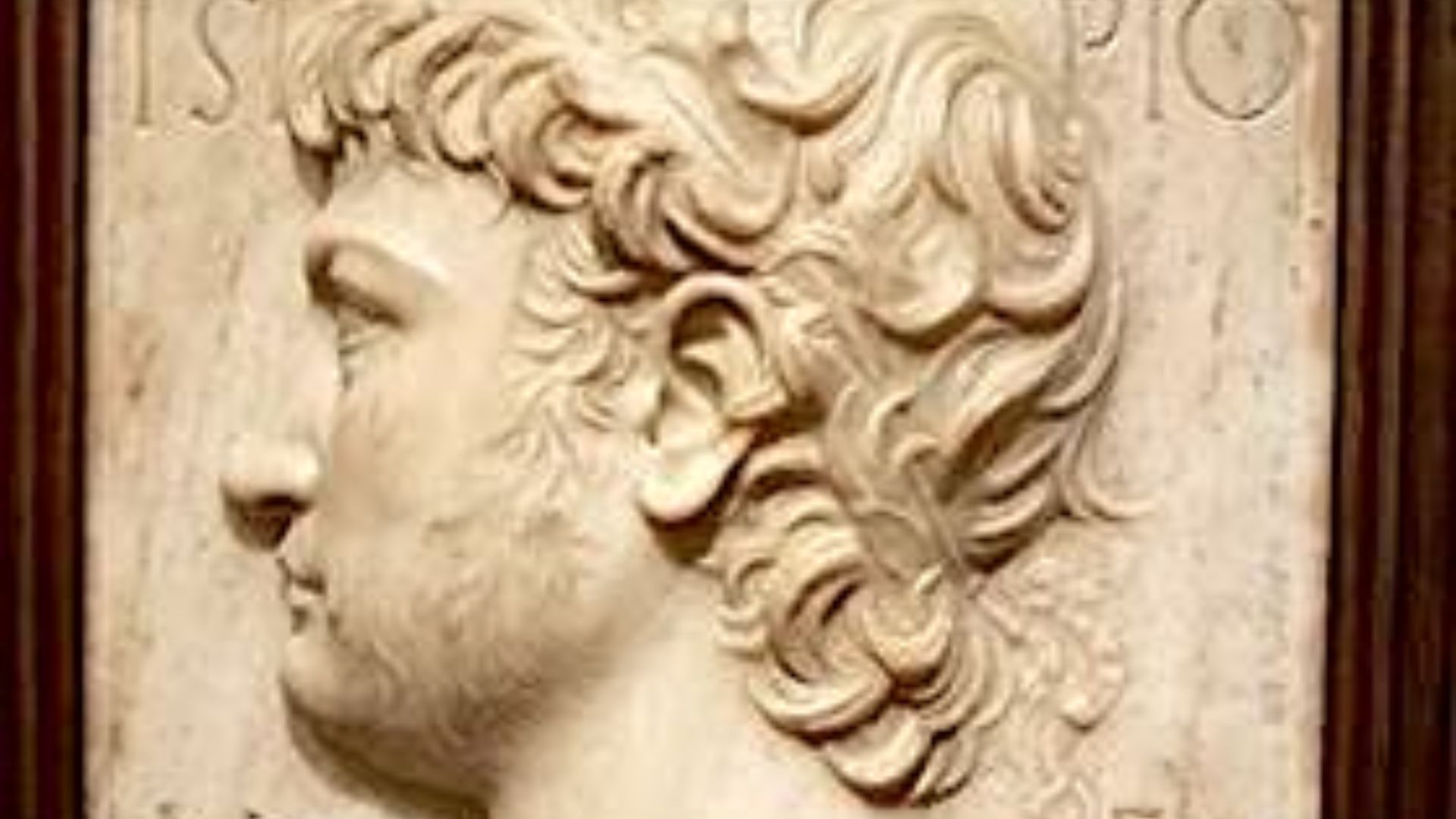
After creating chaos with the elephants, Scipio used some of Hannibal’s own medicine against him, managing to create a two-pronged attack—much like the one Hannibal used in Cannae—to flank the Carthaginians. By the end of the fight, Hannibal and his men were undeniably defeated, and Hannibal went back to Carthage and insisted on surrender.
The next events weren’t pretty.
 Francis Helminski, Wikimedia Commons
42. Rome Wanted His Head
The end of the Second Punic War had come, and Carthage was now a subdued city once more—but Hannibal was still as dangerous as ever, and his fight wasn’t over. Aware the Romans wanted him dead and were hot on his tail, Hannibal fled into voluntary exile.
Yet it was only a matter of time before Rome got its wish.
43. Hannibal Took His Own Life
According to the most repeated version of events, the Romans caught up with the general after years of Hannibal bouncing around and staging various attacks. When they found him, he made his last stand: Around 183 BCE, now well into his 60s, Hannibal took poison rather than falling into his hated enemies’ hands.
Carthage itself, though, had one last death rattle.
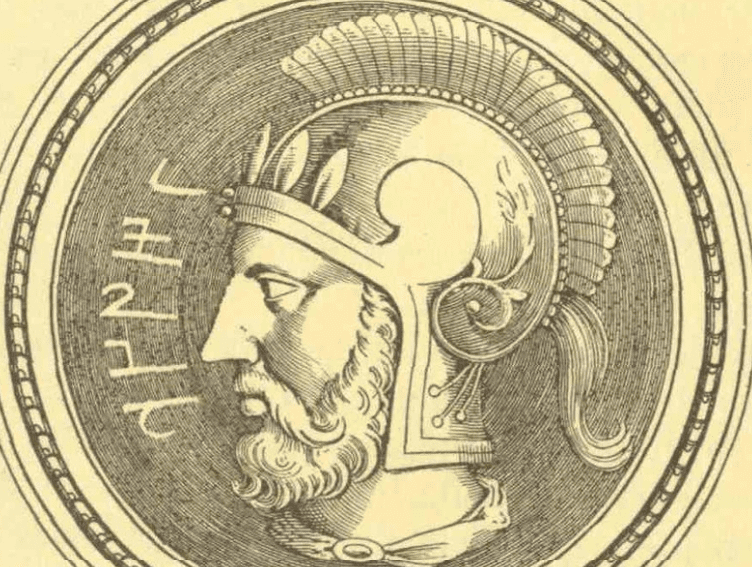
44. Carthage Somehow Managed To Survive
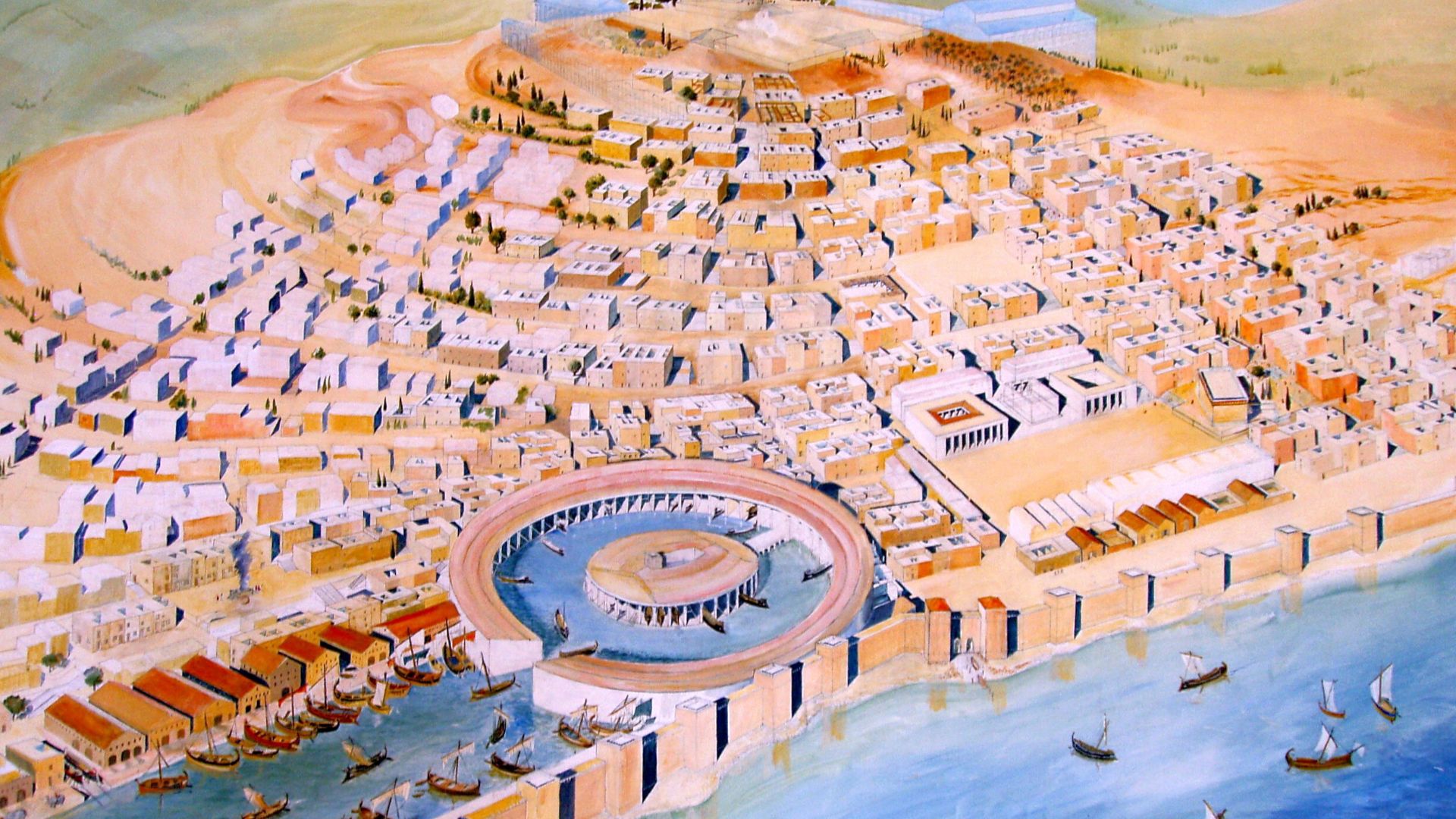
Carthage languished in debt to Rome for 50 years, held also by a peace treaty that, naturally, highly favored Rome. Even so, Carthage had nine lives: In this interim, the city managed to prosper once more—and as it did, it gained back some of its natural arrogance.
Considering conquest as its due, Carthage soon went to war against the state of Numidia. This was its last big mistake.
 damian entwistle, Wikimedia Commons
45. They Angered Rome Again
In the end, Carthage lost the conflict with Numidia, but that hardly mattered to Rome. The ever-stronger Roman Republic considered the act as a breach of their peace treaty—and even if Carthage, once a Goliath, was now something like a thorn in Rome’s side, they still took the threat very seriously.
 Edward Poynter, Wikimedia Commons
46. The Romans Were Obsessed
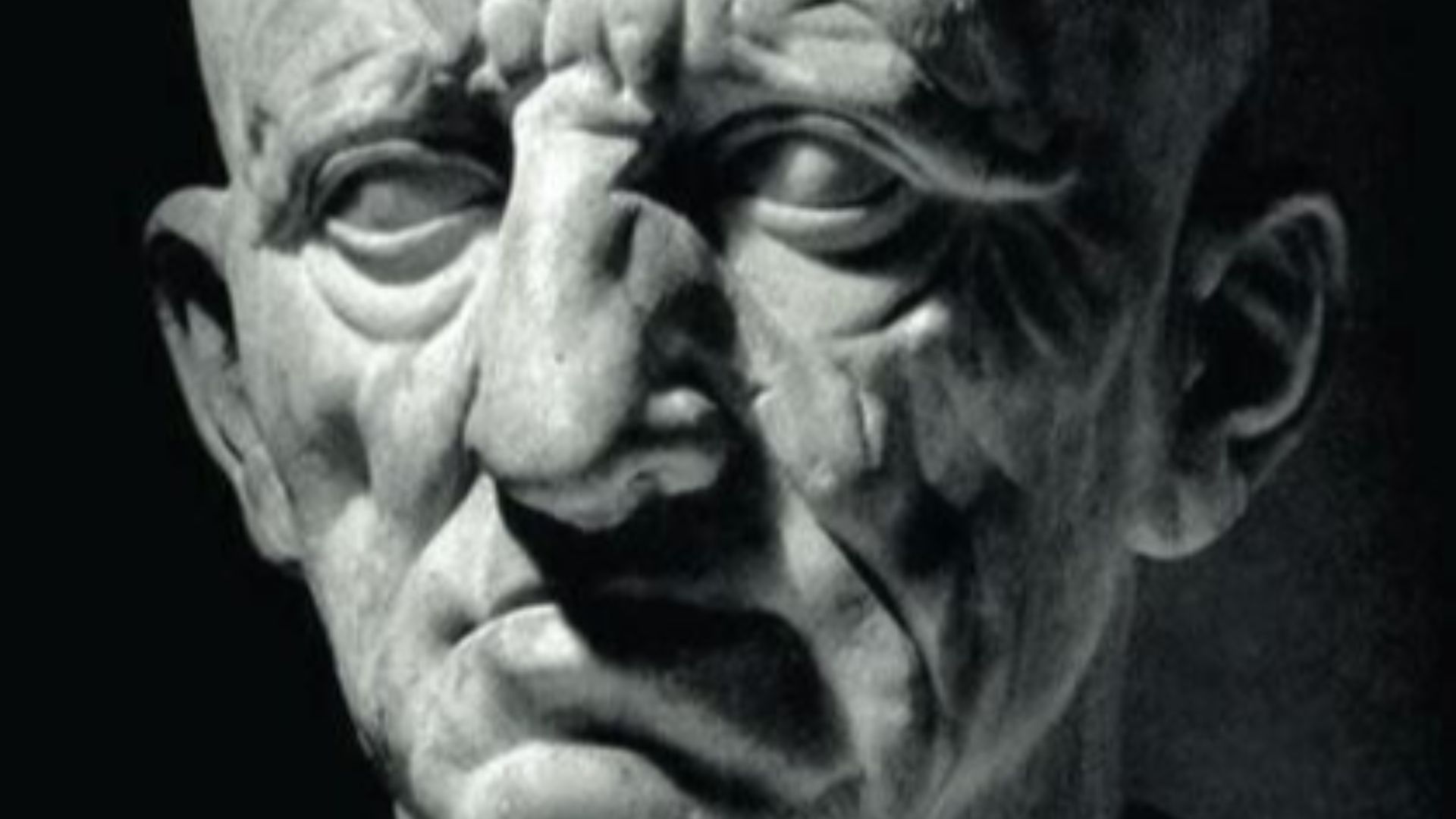
Rome defined itself against Carthage, and a final victory against the presumptuous metropolis seemed essential to Roman identity. The famed Roman senator Cato the Elder was so committed to hating Carthage that he ended all his speeches, no matter their topics, with “And further, I think that Carthage should be destroyed”.
He, too, got his wish.
 Unknown authorUnknown author, Wikimedia Commons
47. They Demanded Carthage Destroy Itself
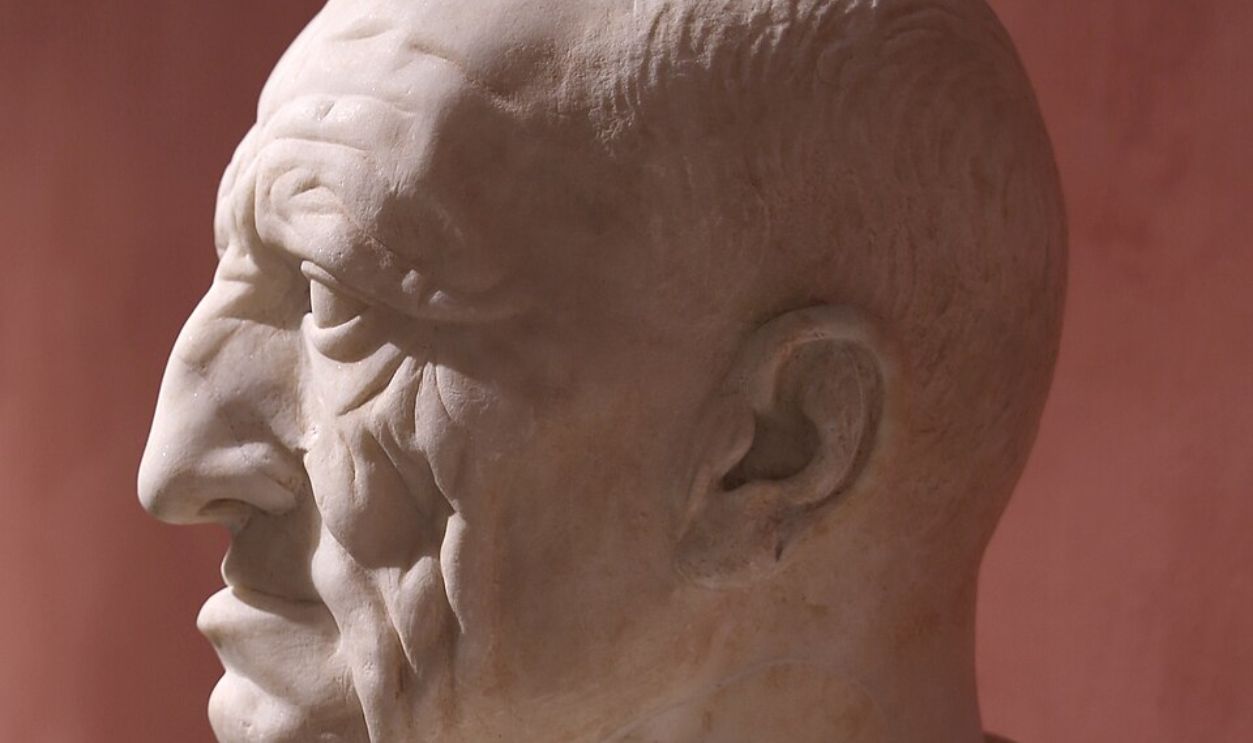
Rome took Cato the Elder at his word, and demanded that Carthage destroy itself, quite literally: In the face of the metropolis’s treaty breach, Rome demanded their enemies dismantle the entire city and move it inland, away from the strategic advantages of the coast. In the face of such a demand, they must have expected the Carthaginians’ answer.
48. Round Three Began
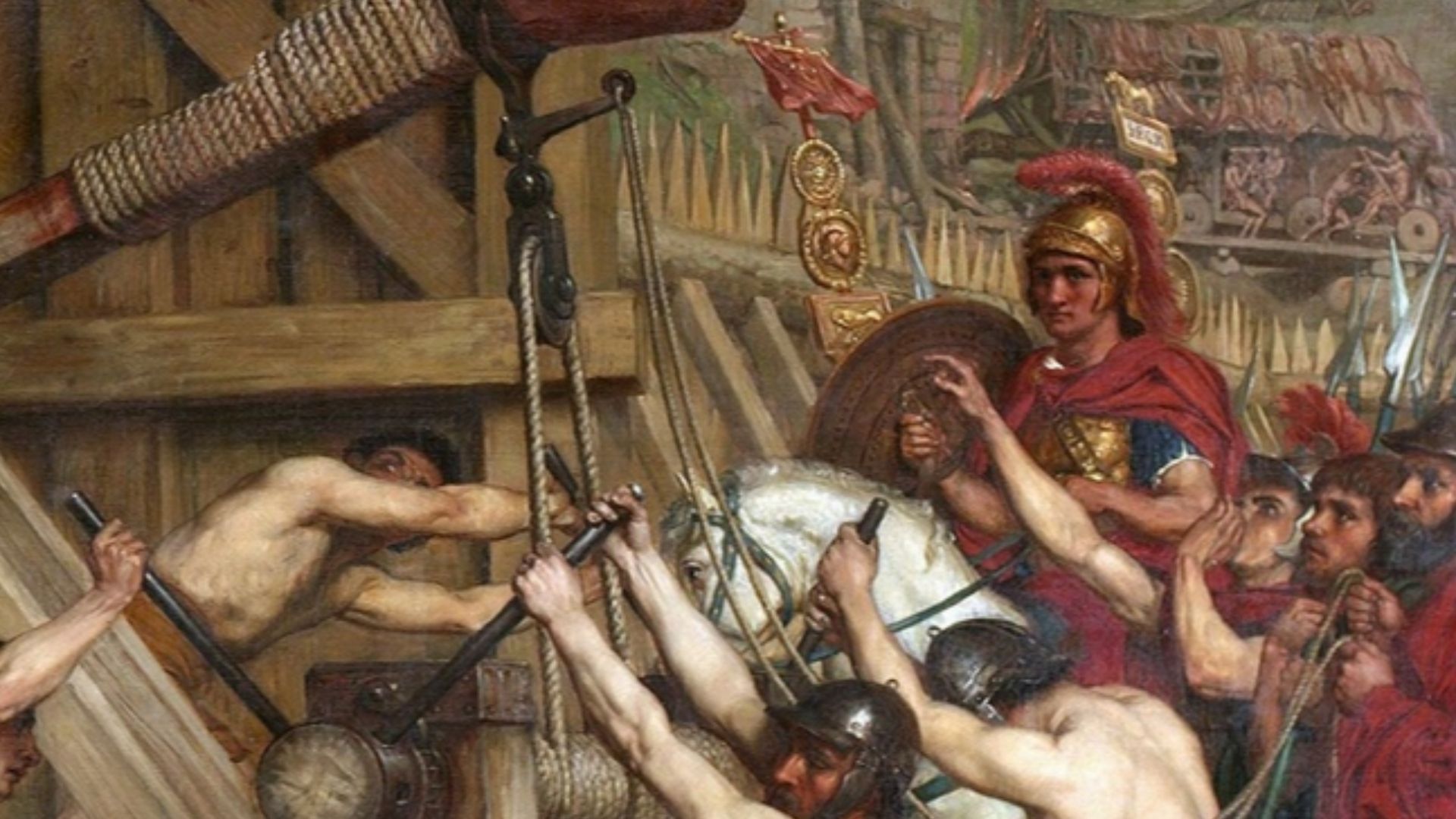
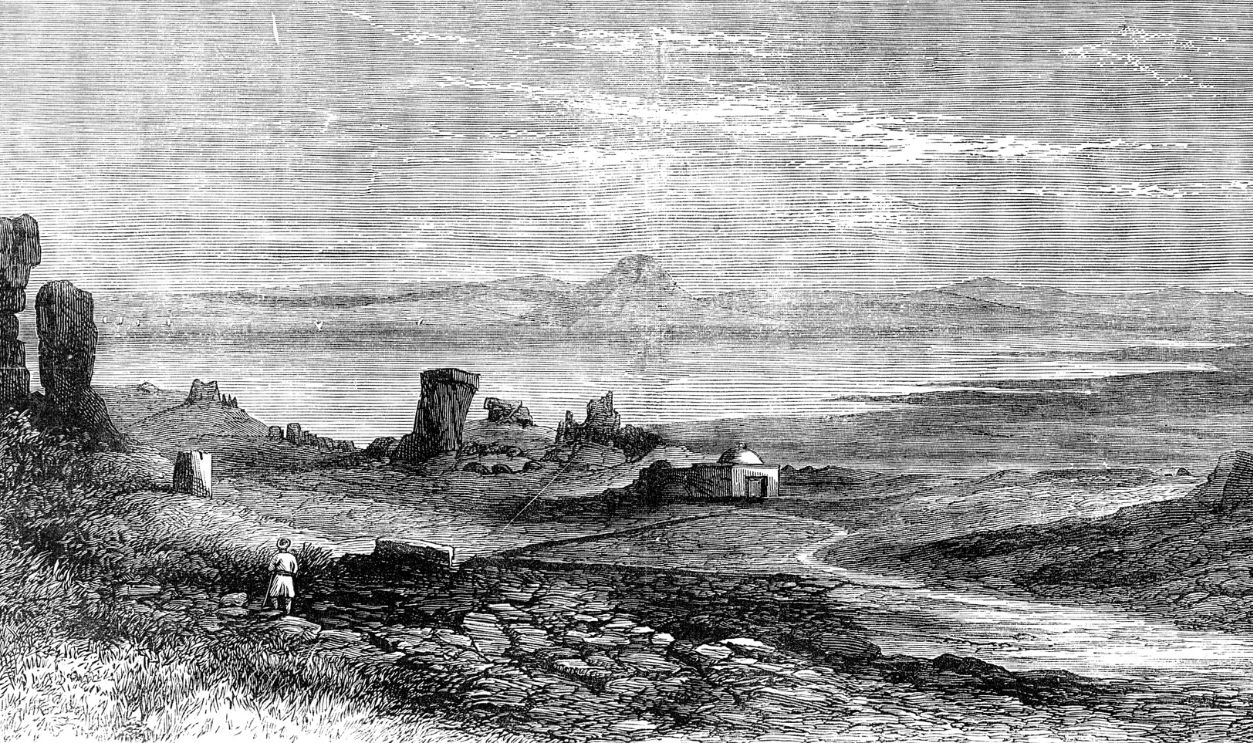
Proud Carthage told Rome “no” in no uncertain terms—and thus began the Third Punic War. It was the last act, and the end of an era. Rome sent Scipio Aemilianus (a different general from his Africanus predecessor) to attack Carthage, and this time, there was no beating around the bush: Aemilianus went directly to the still-weakened city and besieged it.
What had taken over 100 years to build up to was now over in the blink of an eye.
 Bildagentur-online, Getty images
49. The End Came Swiftly
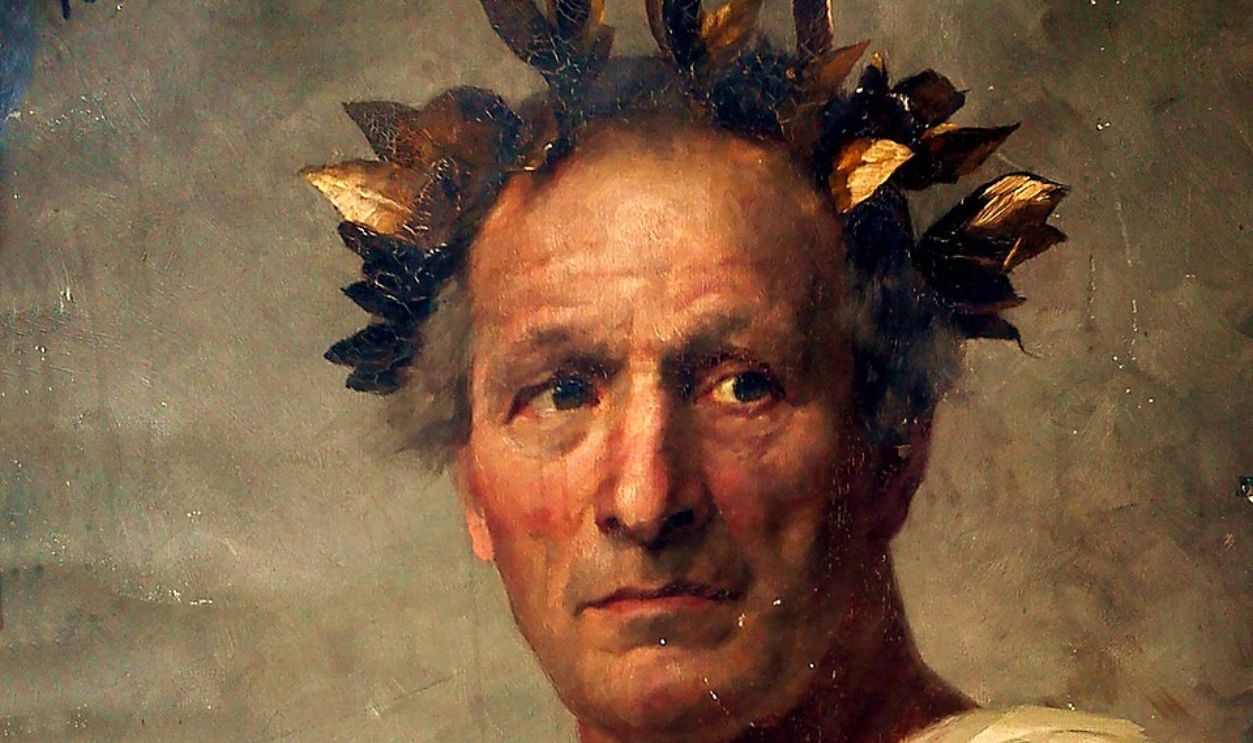
The Punic Wars began in 264 BCE, and in 146 BCE—just three years after first besieging Carthage—Aemilianius broke through its defenses, sacked it, and then razed it to the ground. There was no coming back. Carthage lay in ruins for another century before Rome rebuilt it, in its own image, after the death of Julius Caesar.
 Clara Grosch, Wikimedia Commons
50. Rome Became Ascendant
The Punic Wars weren’t just the long, slow—until it wasn’t—fall of Carthage; they were also the rise of the Roman Empire. Rome used the conflict with Carthage, once its most fearsome enemy, to sharpen its colonial teeth, and they came out of it with a veteran Navy, battle-tested tactics, and a wealth that would help them conquer the known world.
Still, if Carthage had only taken the Roman threat seriously, there might have never been a Roman Empire.
51. Hannibal Got The Last Laugh
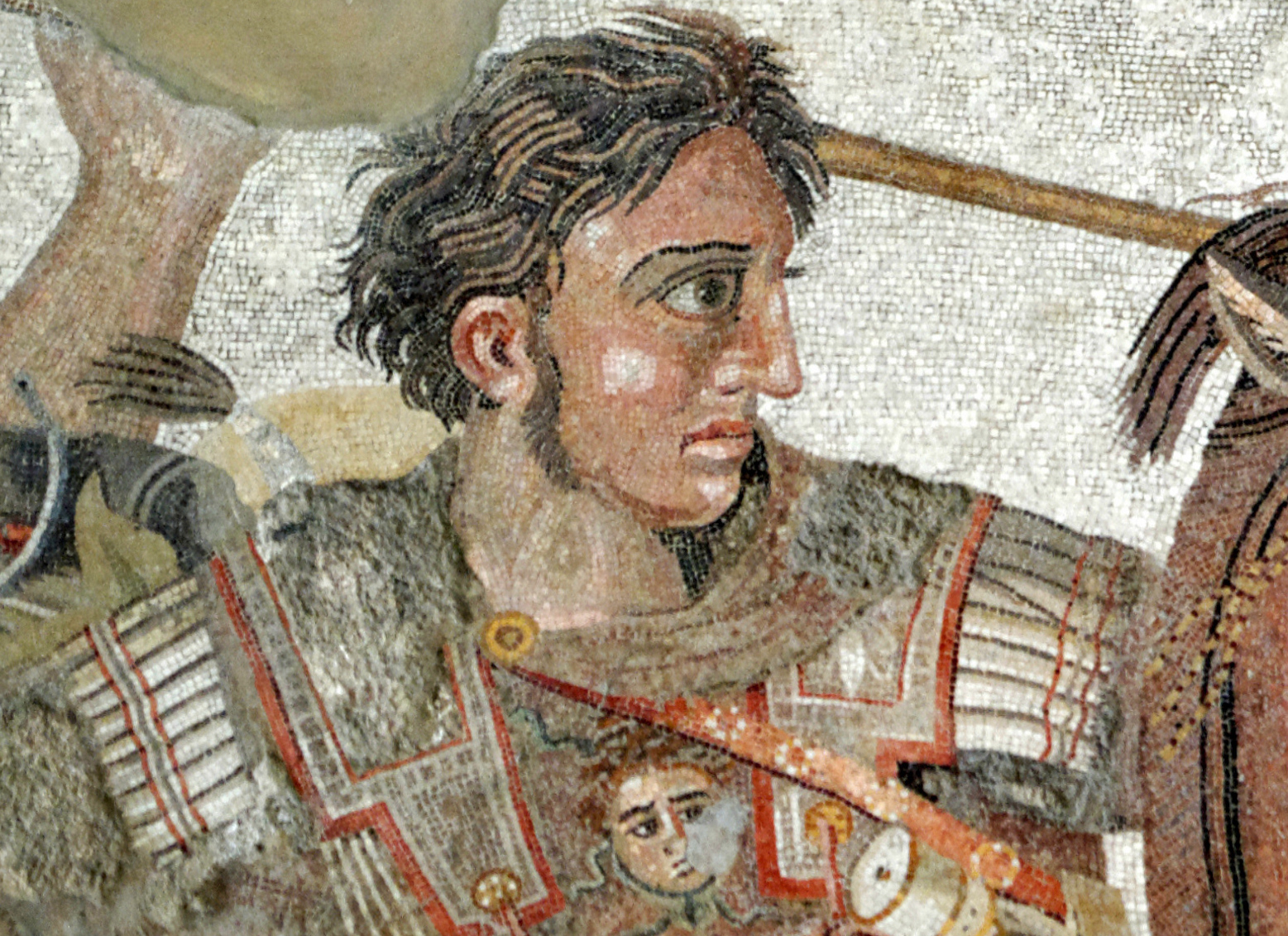
According to Livy, Hannibal Barca did manage to get one last jab in at his hated Rome after his infamous defeat at the Battle of Zama. His old enemy Scipio Africanus met him in exile, and asked Hannibal who he thought was the greatest commander in history. Hannibal’s response was pitch perfect. He named Alexander the Great, Pyrrhus…and then himself, no-so-politely snubbing Scipio in the process.
https://en.wikipedia.org/wiki/Scipio_Africanus
 Berthold Werner, Wikimedia Commons
You May Also Like:
The True Story Of The 300 Spartans
The Gladiator Who Defied An Empire









_counting_the_rings_of_the_Roman_knights_killed_at_the_Battle_of_Cannae_(216_BC),_Marble,_1704,_from_the_Gardens_of_the_Tuileries,_Louvre_Museum_(8270402664).jpg)
.jpg)
.jpg)

,_da_otricoli_(visconti),_MT533,_05.jpg)

