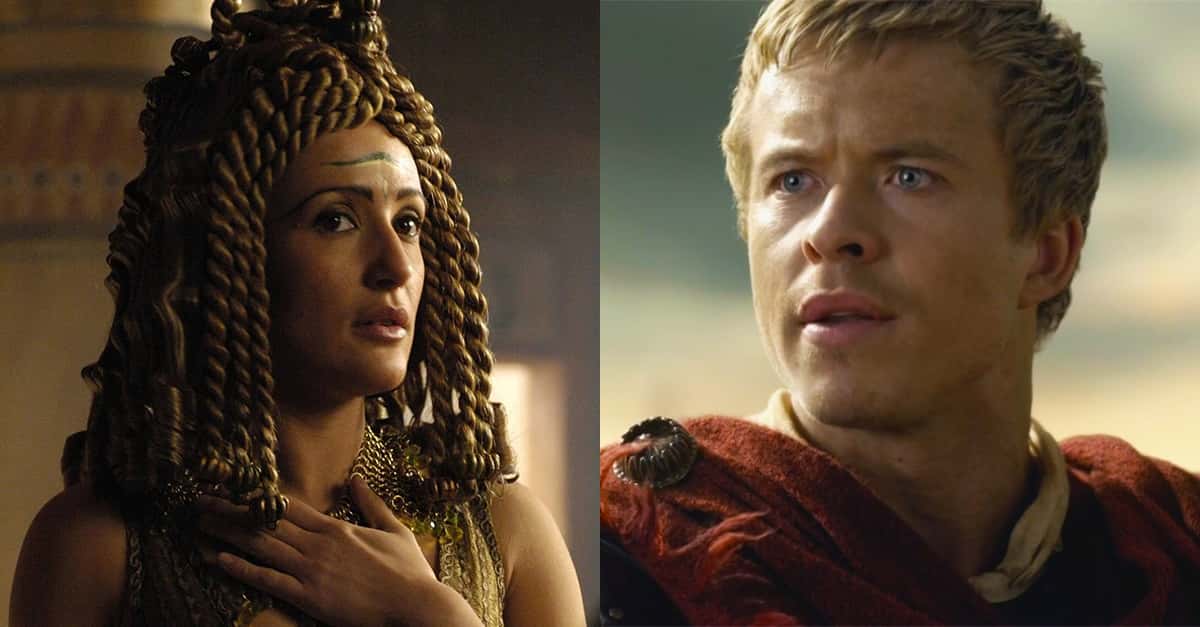
A Ruthless Climber
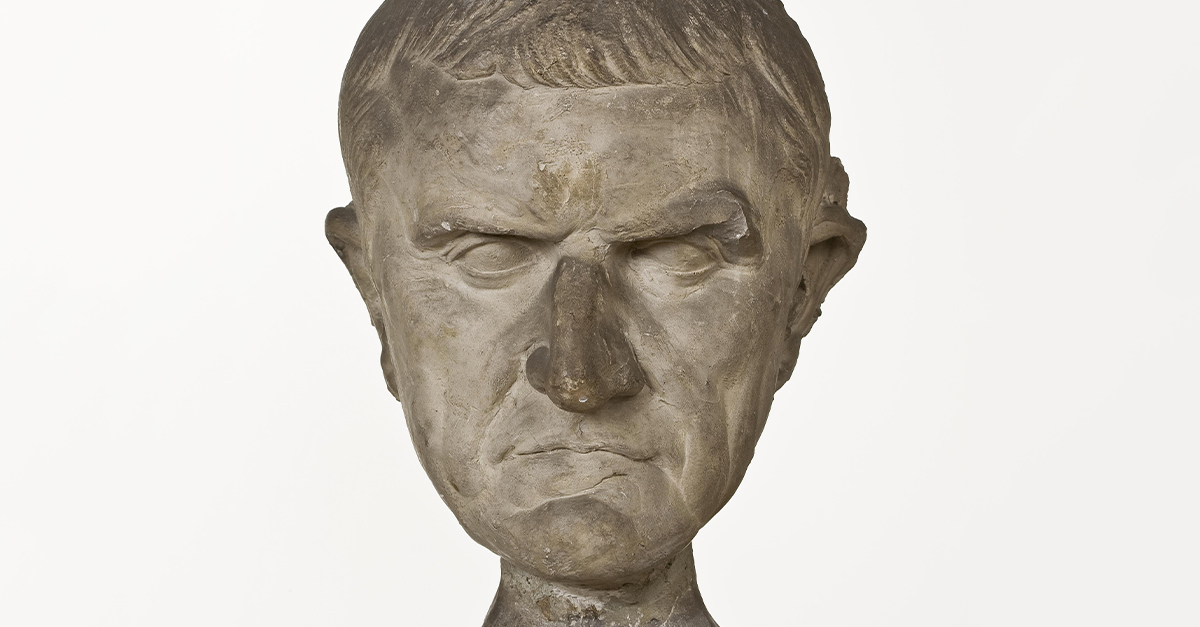
Marcus Licinius Crassus was one of the most instrumental statesmen of the Roman Republic, largely responsible for its transformation into an Empire. Coming from relatively humble origins, he amassed wealth and influence through his ruthless maneuvering and cruel tactics, becoming what many called the richest man in Rome in the process.

1. He Started From The Bottom
Marcus Licinius Crassus was born in 115 BC to the gens Licinia, a revered plebeian family. However, the plebs were commoners, meaning that—despite the respect his family held—Marcus still had a few societal rungs to climb to attain his lofty ambitions. Considering the heights he'd one day reach, his young life was far from luxurious.
2. His Childhood Was Humble
Though he would later amass unimaginable wealth, Marcus did not always live so lavishly. Indeed, his childhood would have been a modest one, financially speaking. Marcus learned the value of hard work from his father. But it was something of a competitive household.
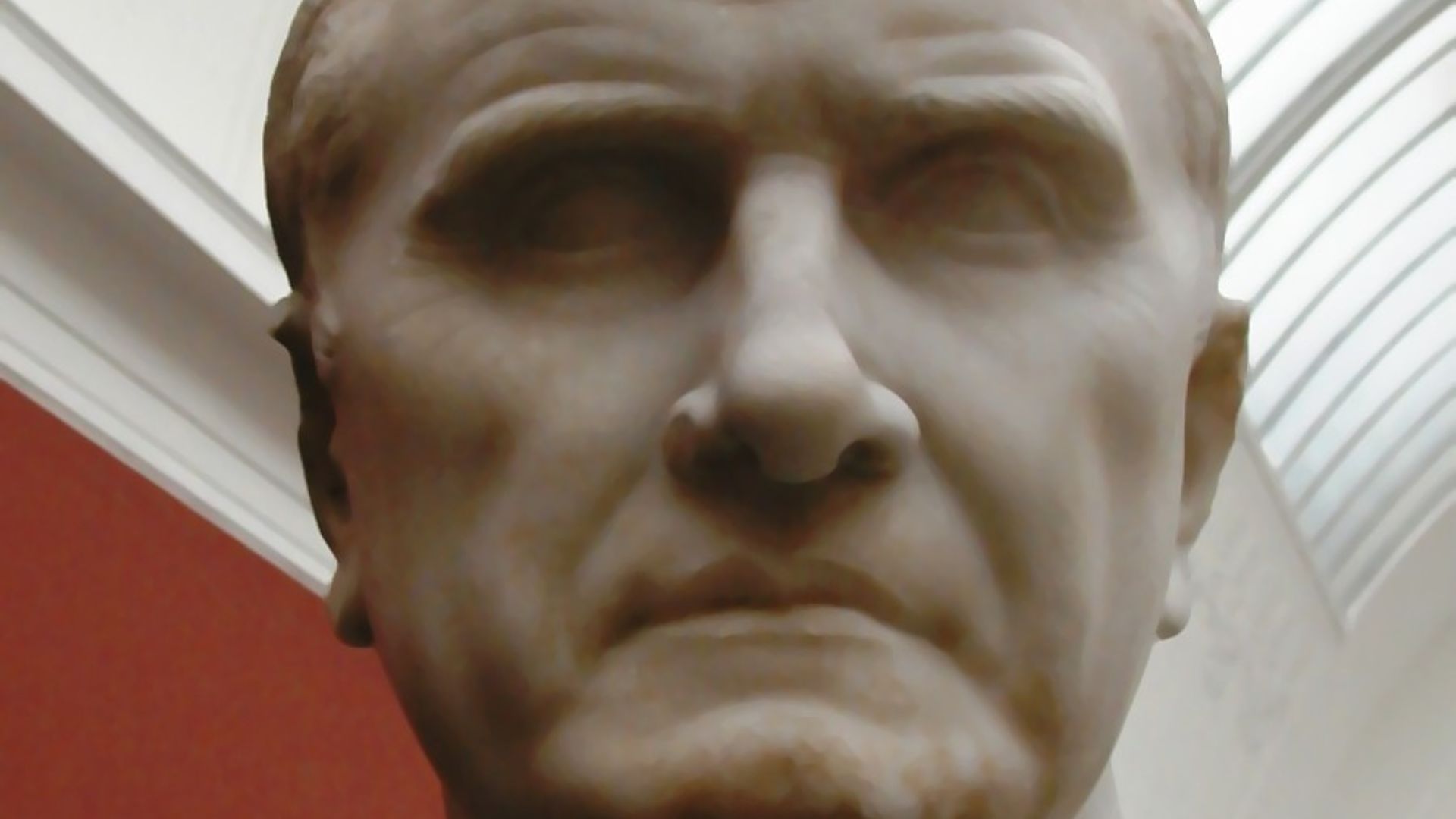 Diagram Lajard, Wikimedia Commons
3. He Came From A House Of Men
Marcus’ father was the prominent senator and decorated army commander, Publius Licinius Crassus. Marcus was the second of three sons, meaning the household was chock full of overly ambitious men. But tragedy meant Marcus did not remain the overlooked middle child for long.

4. His Family Got Wiped Out
Marcus’ older brother, named Publius for his father, was just one year older than him. However, when both boys were teenagers, the younger Publius tragically lost his life. Marcus now found himself the oldest surviving son. But fate was not finished with his family.
In the winter of 87–86 BC, his father and brother perished in Rome following their pursuit by supporters of a defeated rival. It is unclear whether the two were murdered or took their own lives. Either way, Marcus was now the only surviving Crassus male, and he needed to ensure his lineage survived.

5. He Kept His Sister-In-Law Close
Marcus Crassus was distinct among famous Roman figures in that he opted to marry his brother’s widow, an uncommon practice in Ancient Rome. After wedding Tertulla Crassus, she would go on to give birth to two sons with the ambitious Marcus. He had the family, now he needed the career.

6. He Launched His Career
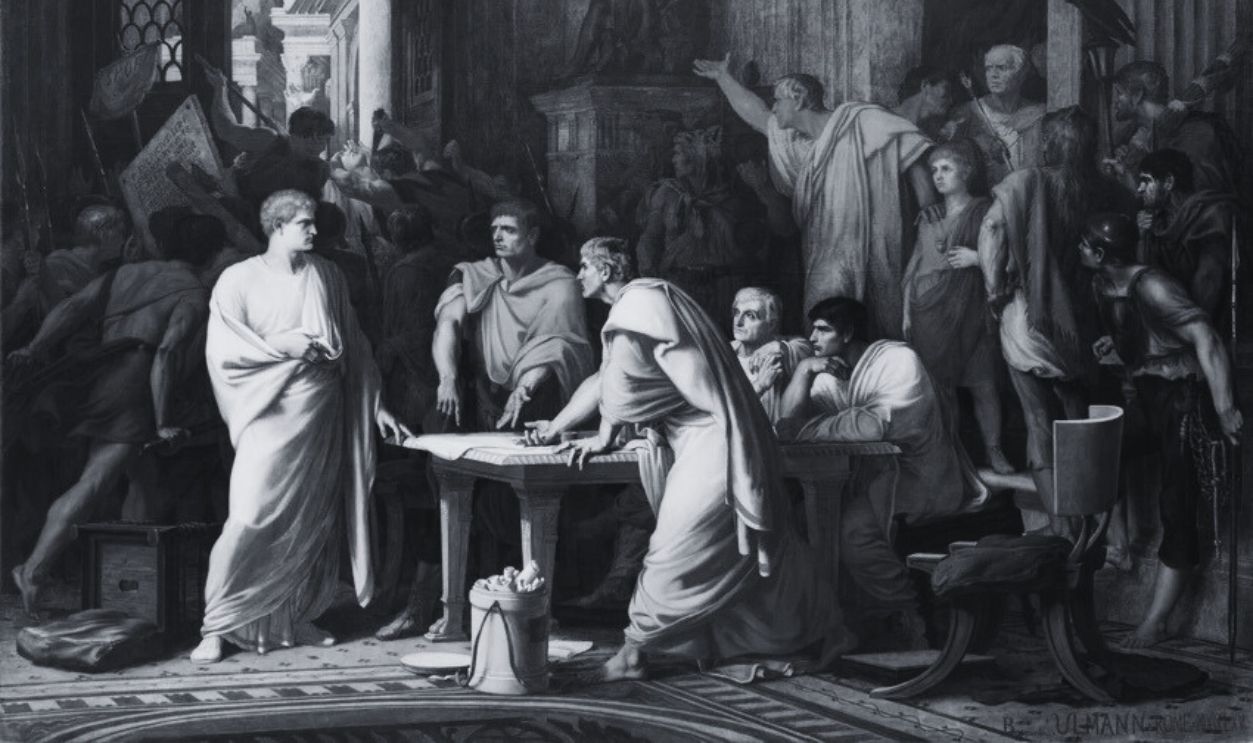
As mentioned, Marcus had grand ambitions for public service (and personal gain), and he quickly set to work on a plan to achieve his aims. Following in his father’s footsteps, he began his career as an army commander under the infamous general, Lucius Sulla. Luckily, he had skills that helped him climb the ranks quickly.
 Benjamin Ulmann, Wikimedia Commons
7. He Was A Rousing Speaker
Marcus had no trouble in command and was an inspiring presence for his men. He gained a reputation as a talented orator. Indeed, throughout his public career, Crassus was one of the most energetic figures of his time, and a notably active advocate for his beliefs. But he knew when to minimize his presence too.
8. He Fled To Safety
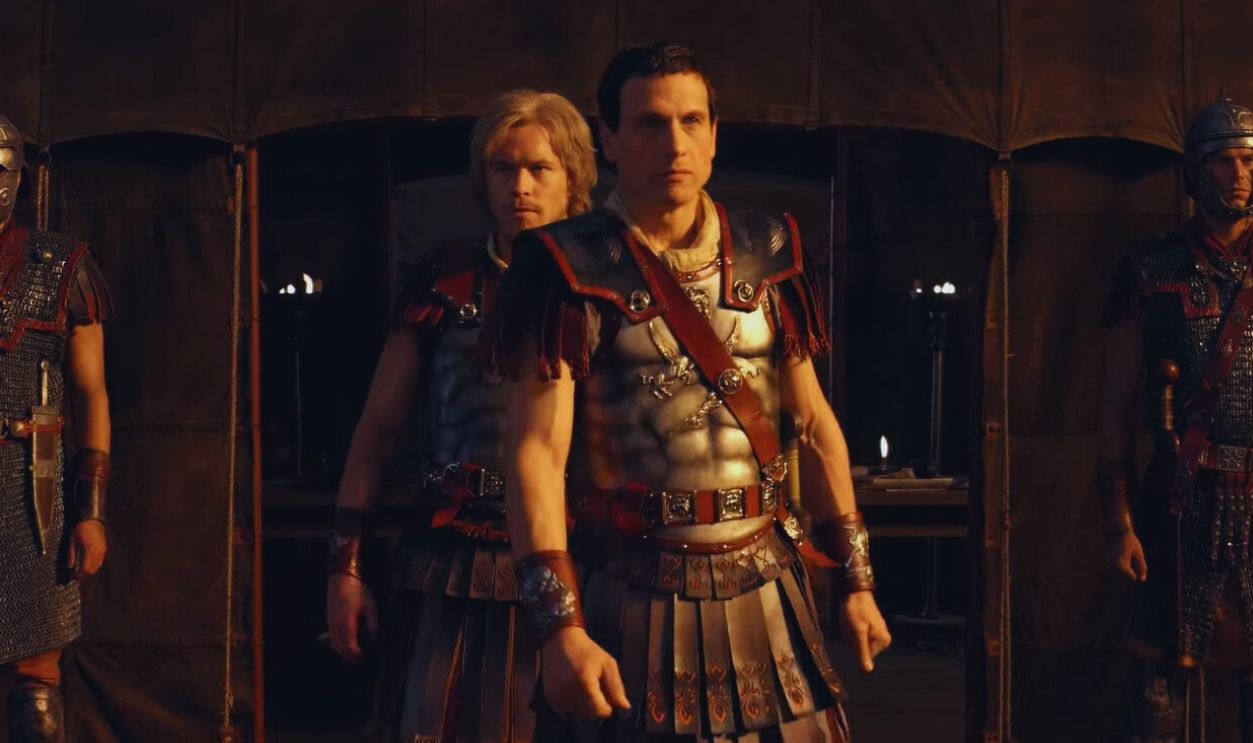
Following the purges that were responsible (directly or indirectly) for the demise of his father and brother, Marcus saw the writing on the wall and fled Rome. He ended up in Hispania (modern-day Spain), which is where he linked up with Sulla in the resulting civil conflict against his family’s aggressors. The young commander sent shockwaves through the region.

History's most fascinating stories and darkest secrets, delivered to your inbox daily.
9. He Was A Menace
During his tenure in Spain, from 87 to 84 BC, Marcus would show the first signs of his ruthless capacity for leadership and domination. Amassing an army of 2,500 men, he used this powerful force to get money in the shadiest of ways, ultimately exploiting the locals to fund his campaigns for Sulla.
One account from the time even accused him of sacking the city of Malaca. But this was only the beginning.
10. He Secured His Position
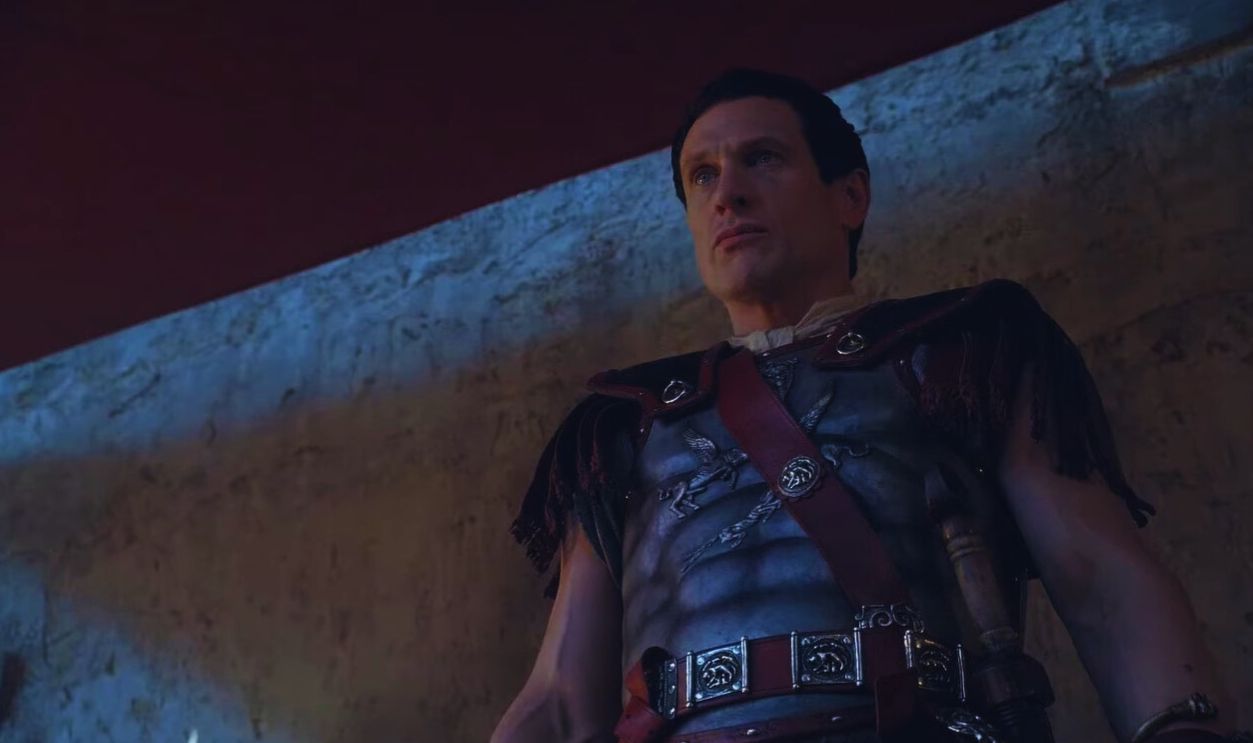
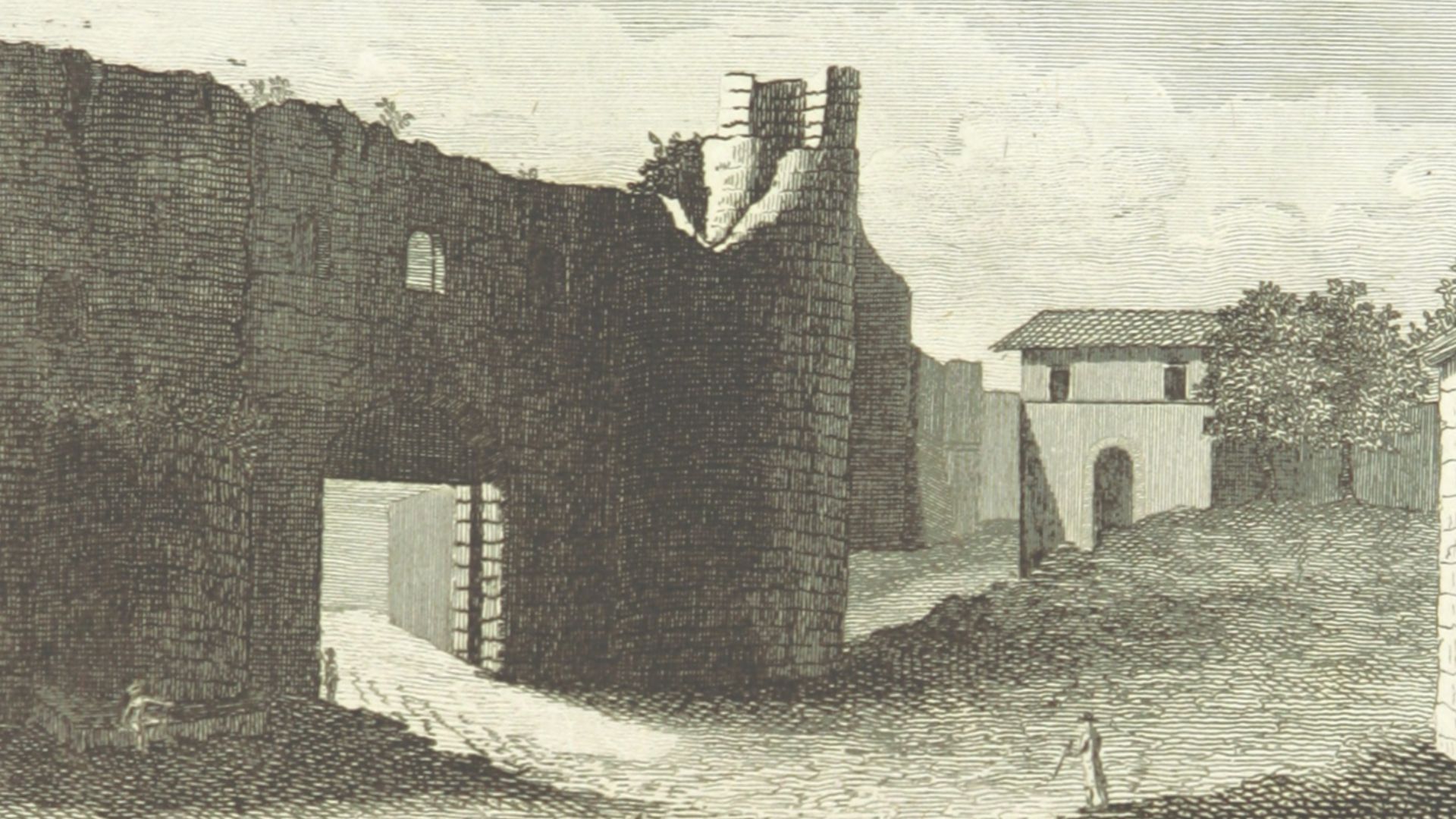
The civil conflict ended in the Battle of Colline Gate, where General Sulla’s forces found themselves on the ropes before the intervention of Marcus Crassus’ army turned the battle around completely, resulting in victory for Sulla. Now the master of Rome, the general, known as much for loyalty to his allies as he was for ruthlessness with his enemies, assigned Marcus a key position in his government, greatly improving the commander’s standing.
Marcus Crassus set phase two of his plan in motion.
 The British Library , Wikimedia Commons
11. He Began Rebuilding
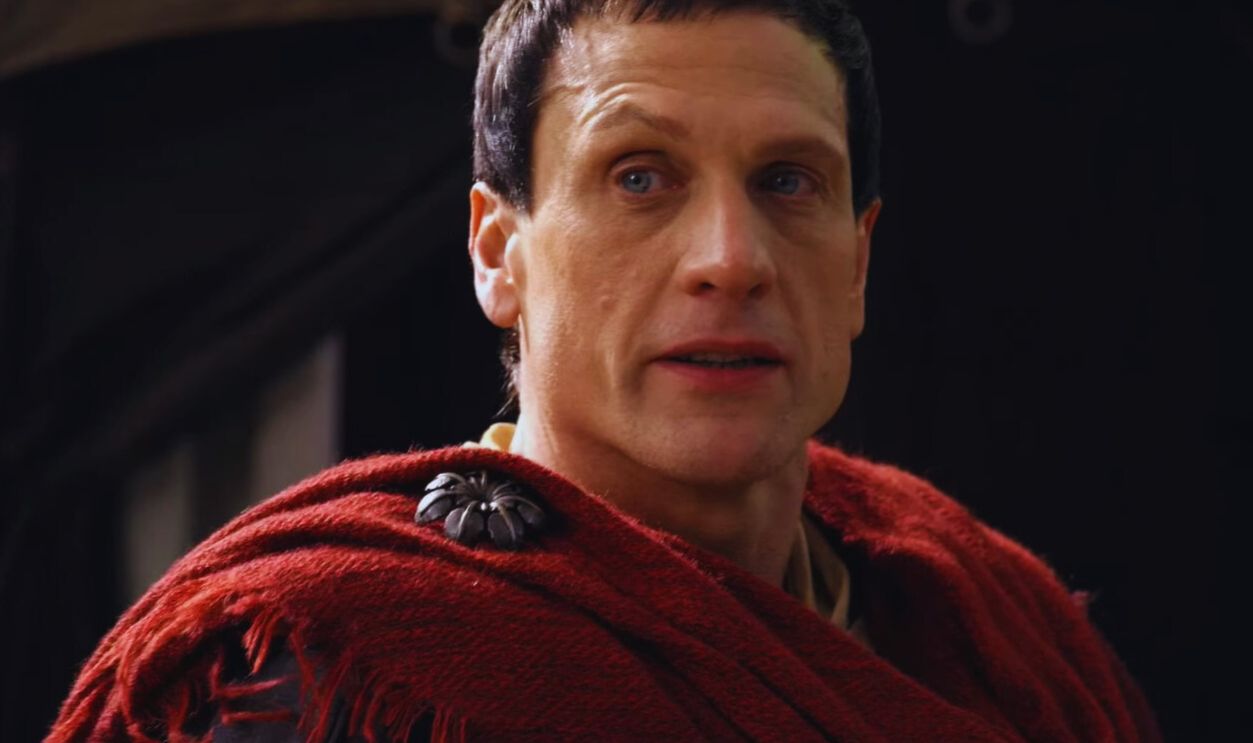
During the proscriptions that had resulted in the demise of his father and brother, Crassus’ family had also had their assets confiscated. Marcus never forgot this, and now that he found himself in an elevated position once again, he set to work rebuilding this modest fortune. He decided to use the very tool deployed against his family.
12. He Ran It Back
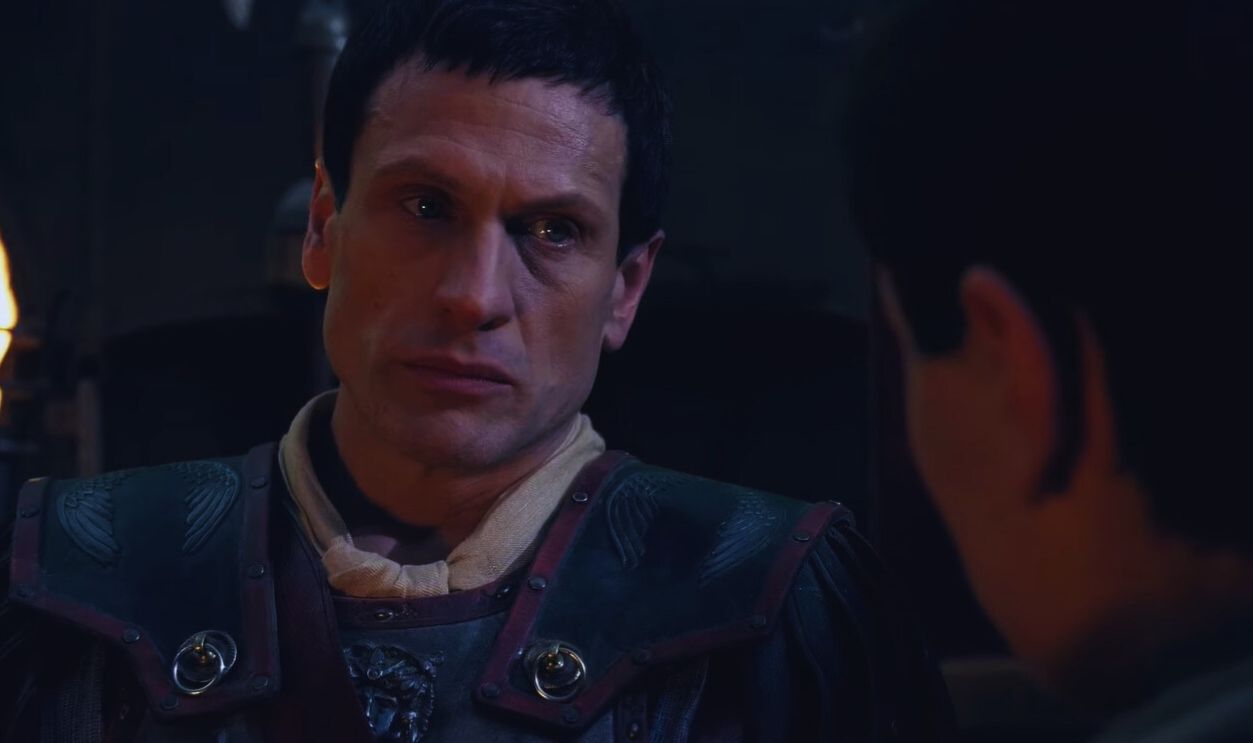
Following his victory, Sulla implemented his own proscriptions, stripping his victims of their property and auctioning them off at low prices. This was a golden opportunity for Marcus, who seized this opportunity and began purchasing as many of these cheap properties as he could. He became a regular real estate mogul—but he went about it in the most despicable way possible.
13. He Flipped Houses
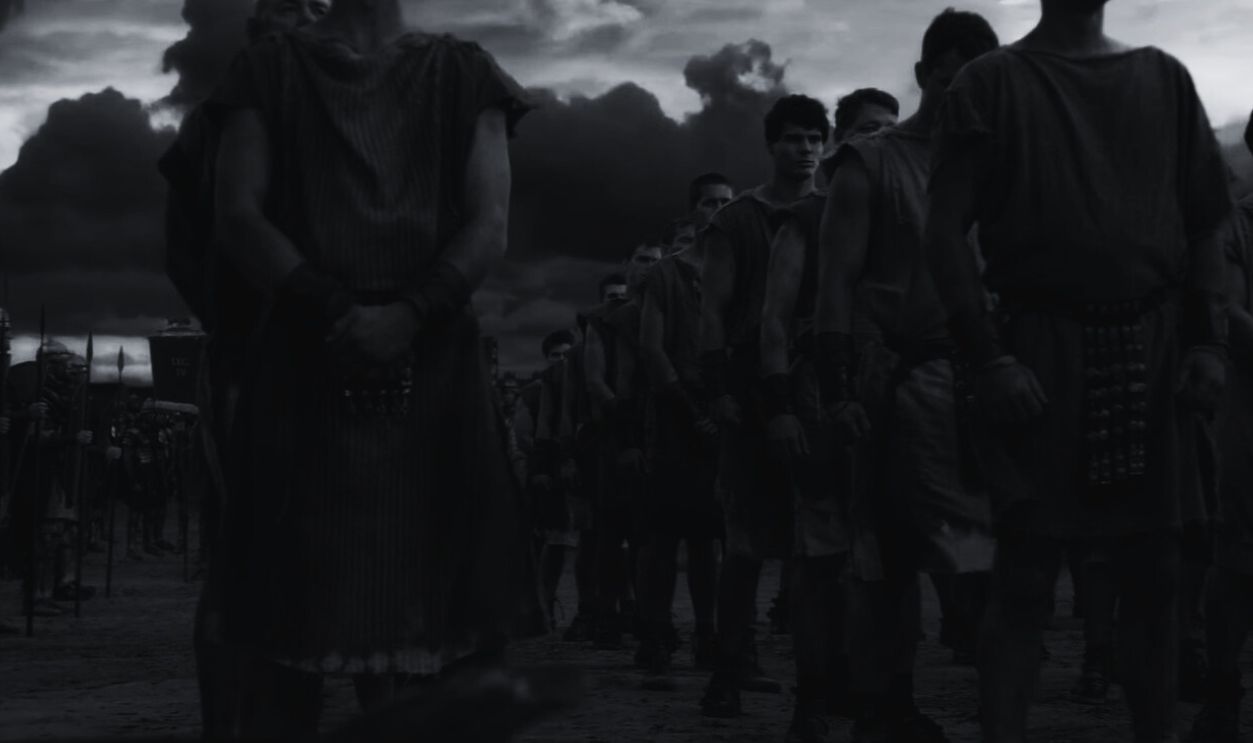
Marcus had his fingers in many pies, making money from slave trafficking, silver production, and, more than anything else, real estate speculation. He became notorious for purchasing burnt, dilapidated buildings, and then flipping them for cheap, using slaves skilled in architecture and construction. But this was only the tip of the iceberg.
14. He Invested In His City…
Marcus did not limit his endeavors to private property. Taking note of the fact that fires were a near-daily occurrence in Rome, he created the city state’s first-ever fire brigade, shoring it with 500 men. But he didn’t do it out of the kindness of his heart. Nope. His true motive was so horrible—it was unforgivable.
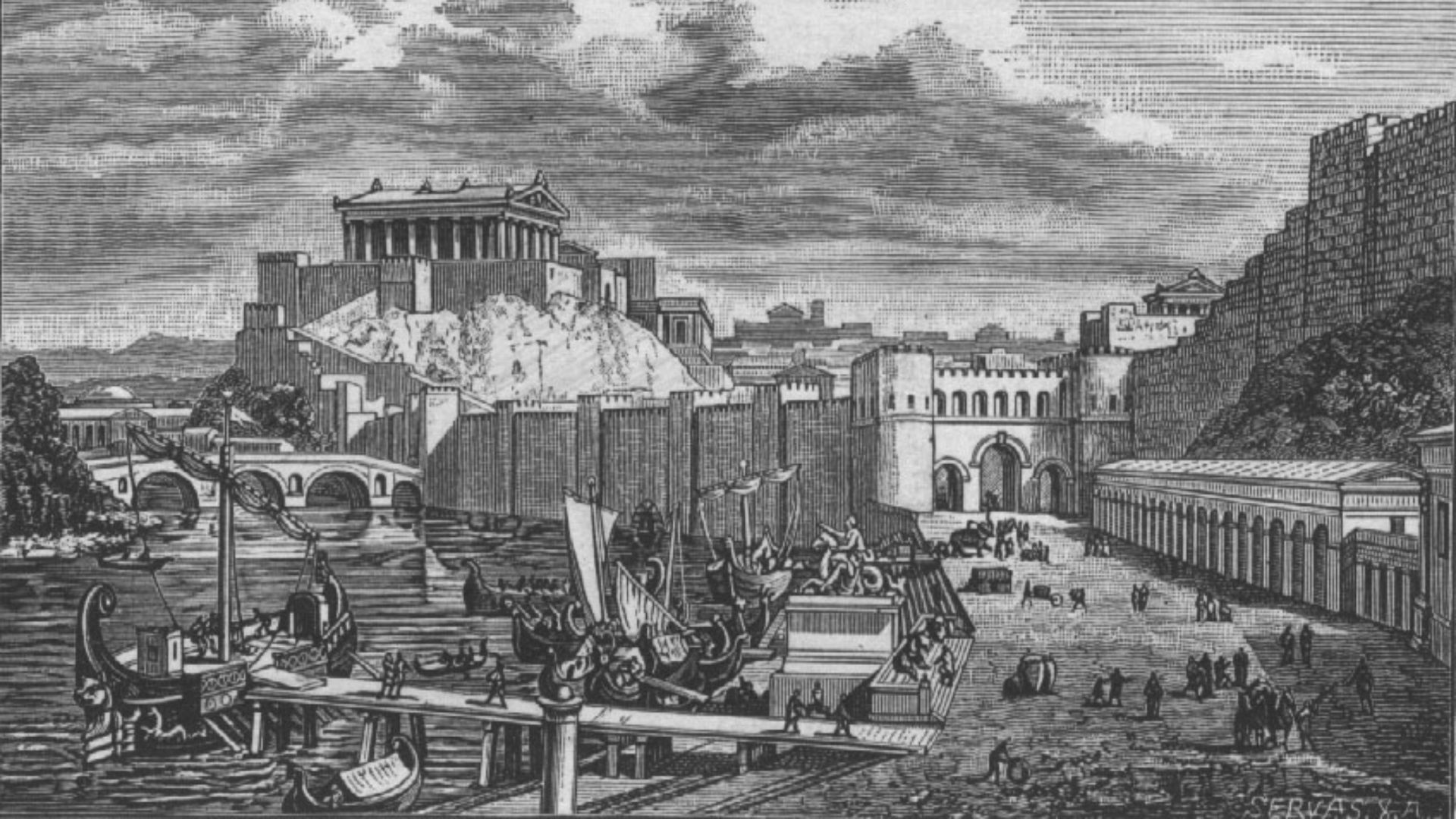 Editor at Large, Wikimedia Commons
15. …And He Extorted Its Citizens
By now, Marcus was not afraid of using corruption in his economic pursuits. His fire brigade became just another strategy for this: When his firefighters would arrive at the scene of a fire, Marcus would offer to purchase the burning building from the panicked owner at a shockingly low price.
If the owner did not agree, Marcus would give them a chilling response, simply commanding his men to let the fire rage on and consume the entire structure. This worked surprisingly often and, to add insult to injury, he would repair his newly acquired properties and then, often, lease them back to their original owners.
It was not the only horrifying way he ripped off the Roman citizenry.
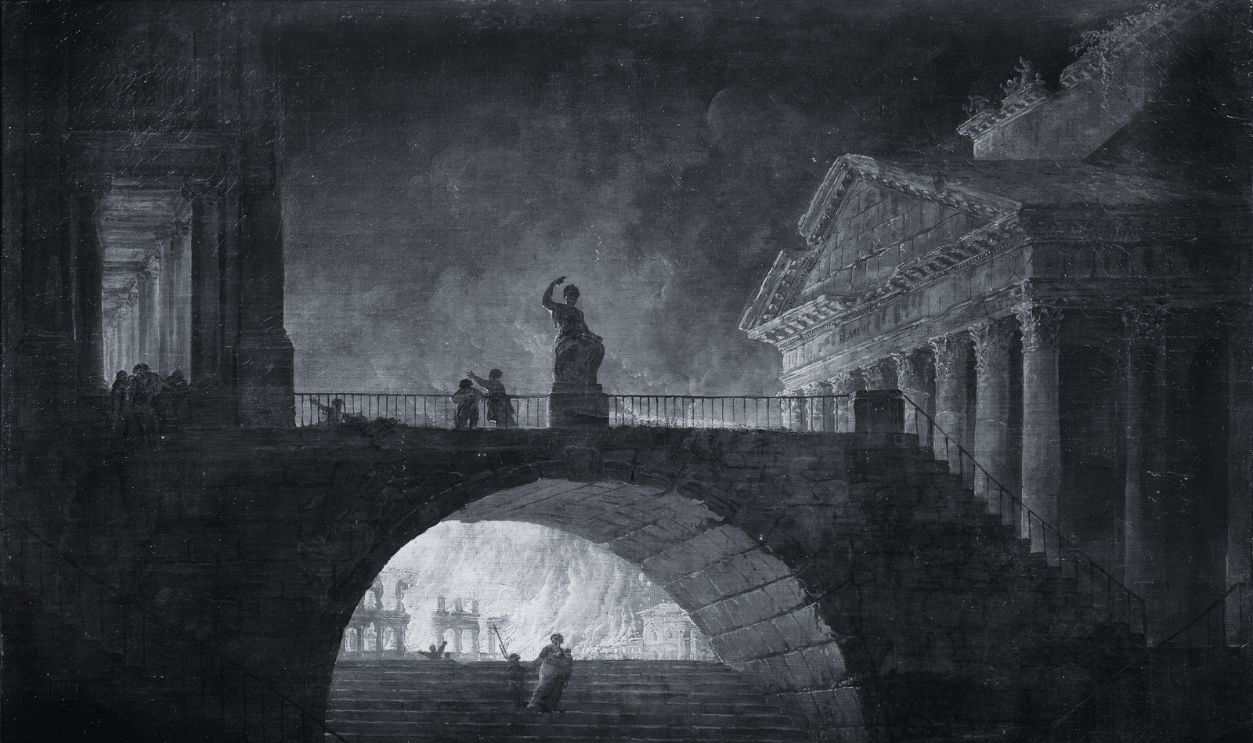 Hubert Robert, Wikimedia Commons
16. He Betrayed His Cousin
In another cunning maneuver, Marcus became close with his cousin, Licinia, who was a Vestal Virgin—a caste of Roman priestesses that took a vow of celibacy. Licinia also owned a very valuable villa, a property Marcus coveted. He attempted to seduce her, after which he accused her of breaking her vow.
Licinia was prosecuted as a result, and Marcus managed to get his wicked hands on her villa. The successes of all these evil schemes began to add up.
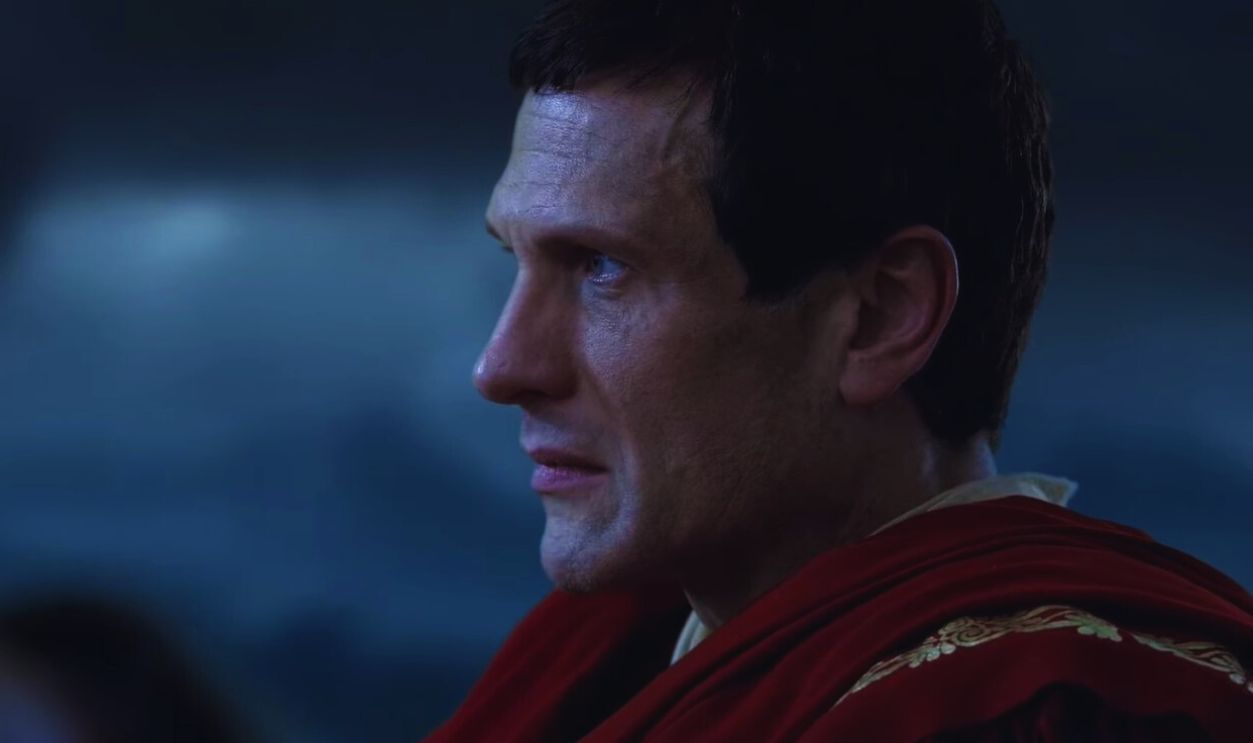
17. He Was Filthy Rich
Through property speculation, extortion, and slave driving, Marcus Crassus amassed an unimaginable fortune. And his wealth was no secret to the Roman public. Often referred to as “the richest man in Rome," his fortune is hard to comprehend even today.
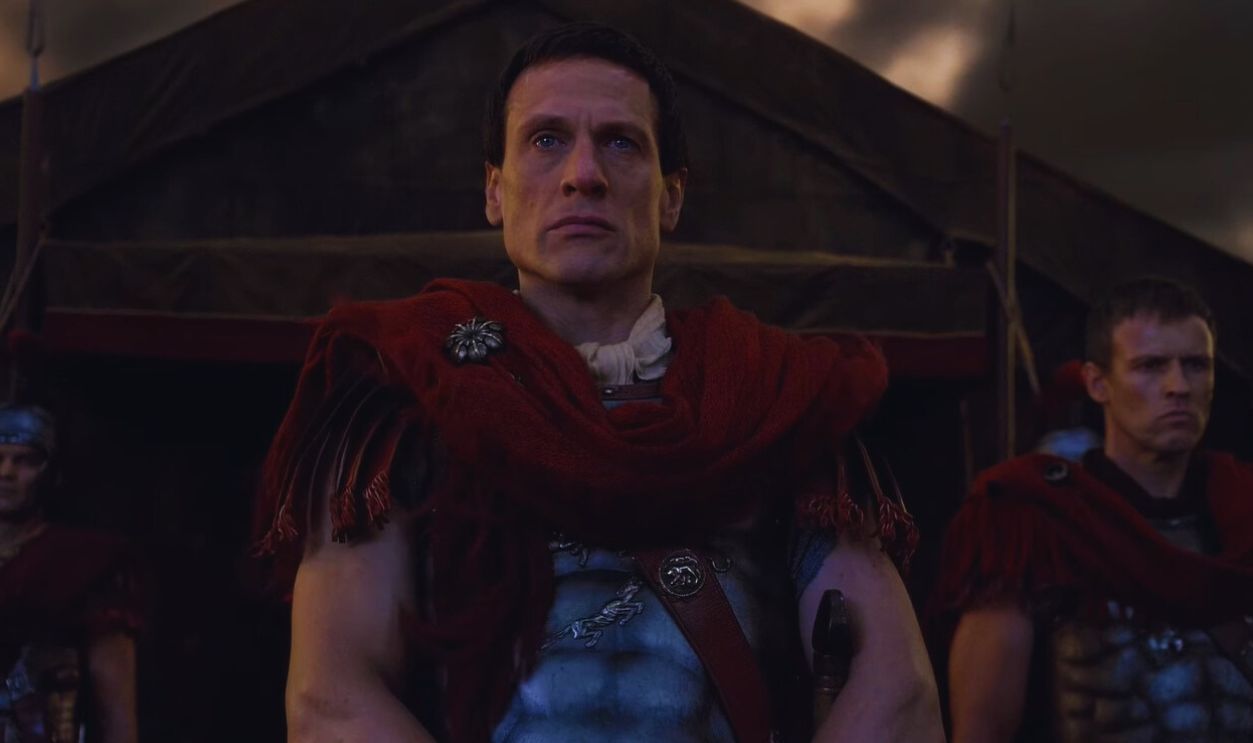
18. He Was A Millionaire…At Least
Some historians have even speculated that Marcus may have been the richest man to have ever lived (though his record was probably broken in recent years by the few modern-day folks who may one day become trillionaires). In modern value, estimates of his wealth range from $200 million to a staggering $20 billion. But you wouldn’t know it to look at him.
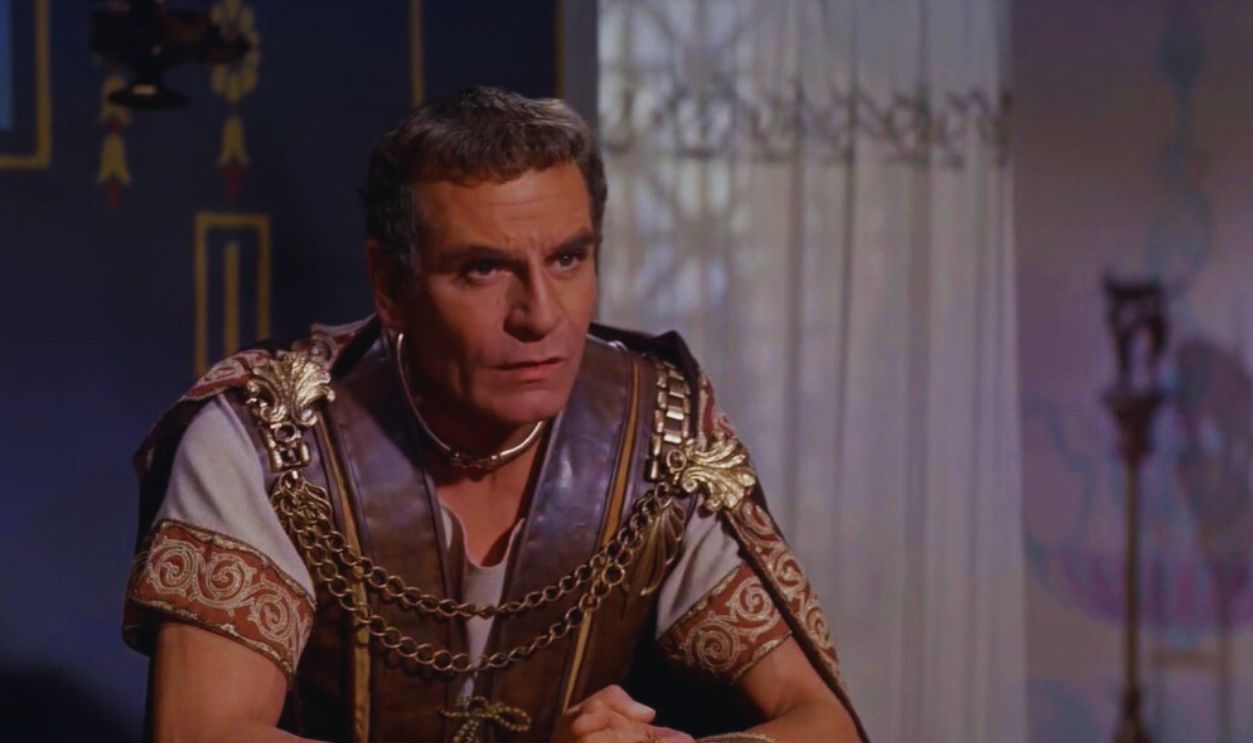 Universal Pictures, Spartacus (1960)
19. He Lived Modestly
Despite this unimaginable fortune, Marcus did not live excessively. His home life was said to be quite simple, and perhaps not as luxurious as one might presume. His family often dined on quite modest fare. And when he entertained? The events were never an over-the-top spectacle (compared to the showy pleasures of other wealthy Romans). Instead, Marcus used his money towards the thing he desired most: power.
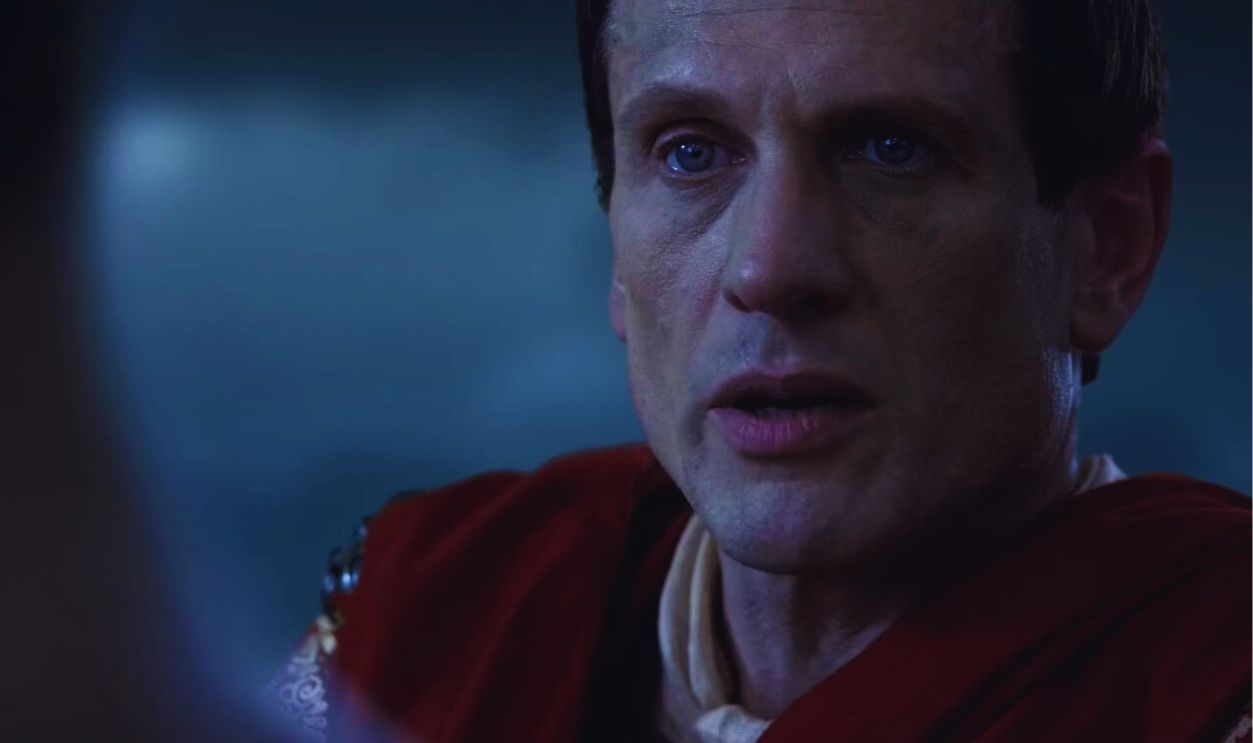
20. He Spent On Statehood
73 BC saw the beginning of Spartacus’ revolt, where hundreds of slaves rose up to overthrow their Roman masters. Marcus Crassus, recently elected praetor, offered to personally bankroll the offensive against the slaves. He paid for the equipment, training, and leadership of new men after several Roman legions suffered defeat at the hands of the Spartans. But his money proved insufficient at first.
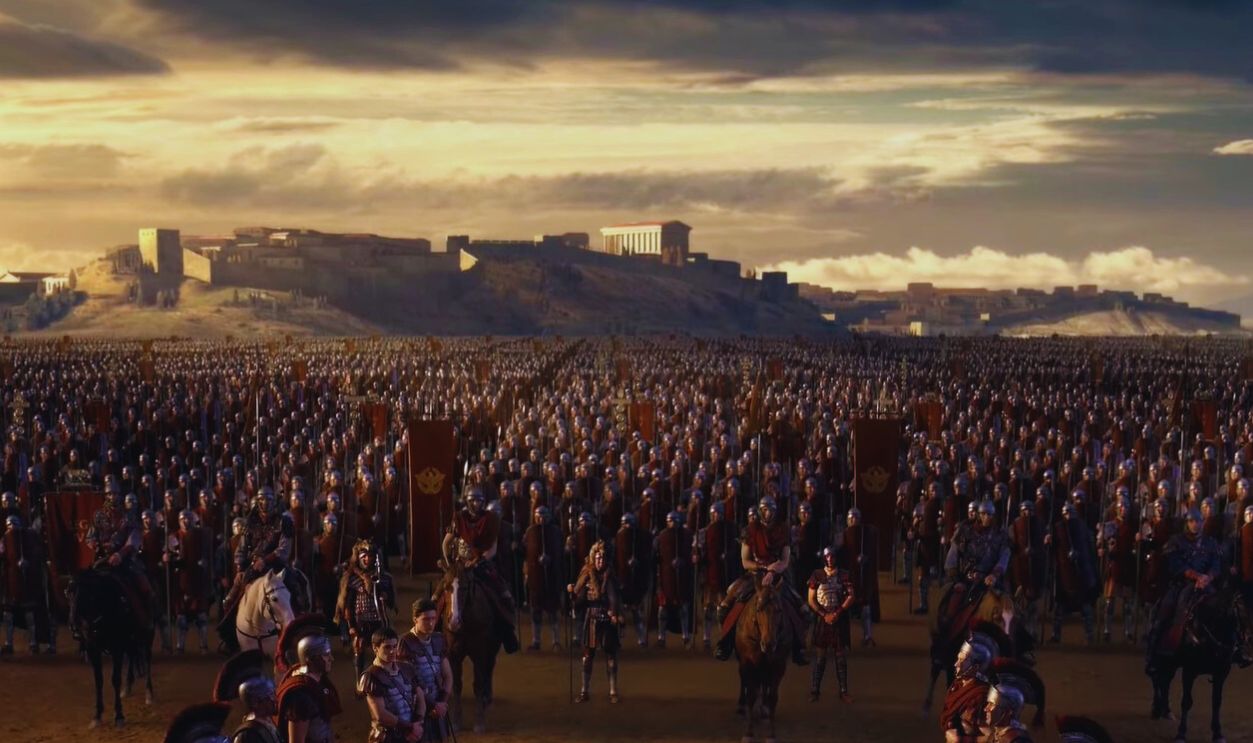
21. He Enforced Discipline
The Spartans proved fearsome fighters, and Marcus’ men were no match for them. After a brutal battle, a segment of his army laid down their arms and abandoned the group. Marcus was furious—and sought a terrible revenge.
Determined to strengthen his men’s discipline and resolve, he revived the ancient practice of decimation, which involved executing one of every ten men chosen completely at random. It proved grimly effective.
 Warner Bros. Pictures, 300 (2006)
22. His Men Feared Him
Reportedly, Marcus' infliction of punishment on his hesitant men was ruthlessly brutal, with “many things horrible and dreadful to see” inflicted on the unlucky men chosen in front of the rest of the army. Paradoxically, the men’s fighting spirit improved greatly afterwards because, as opined by one Greek historian, Marcus proved that “he was more dangerous to them than the enemy”.
But though Marcus was his own dangerous force, he also faced terrifying dangers himself.
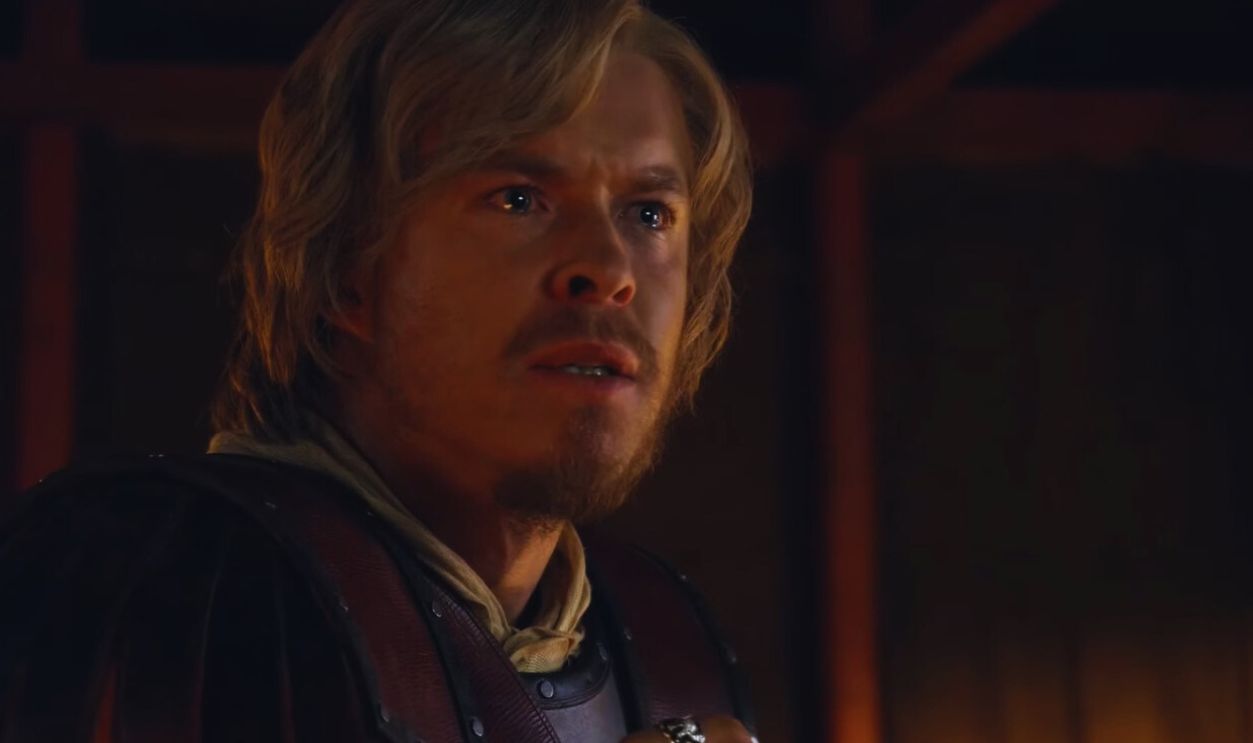
23. His Life Was At Risk
To his credit, Marcus did not shy away from battle, and his enemy knew he would be a valuable target. During the battle of the Silarius River, Spartacus himself tried to end Marcus’ life, brutally fighting his way toward him, with every intention of slaying him. However, this bloody attempt was a major failure, as Spartacus only managed to take out two of Crassus’ centurion guards. This battle would prove decisive.

24. He Sent His Enemies A Warning
The battle of the Silarius River was the final bout of the conflict, and Marcus managed to capture 6,000 slaves alive. Of course, his prisoners of war were not shown a shred of mercy. The general had all captives crucified along the Via Appia, the southern road to Rome. Even worse? He ordered that the bodies be left on display to rot—a gruesome warning to any other would-be dissenters. The rebellion was over.

25. He Quashed A Revolt
With Spartacus said to have been slain in the fighting (his body was never recovered), the Spartan revolt had come to a thunderous end—and Marcus was the man who extinguished it. His star had already been rising, but the general now boasted a reputation as one of the most respected leaders in Rome. He refused the accolades, however.
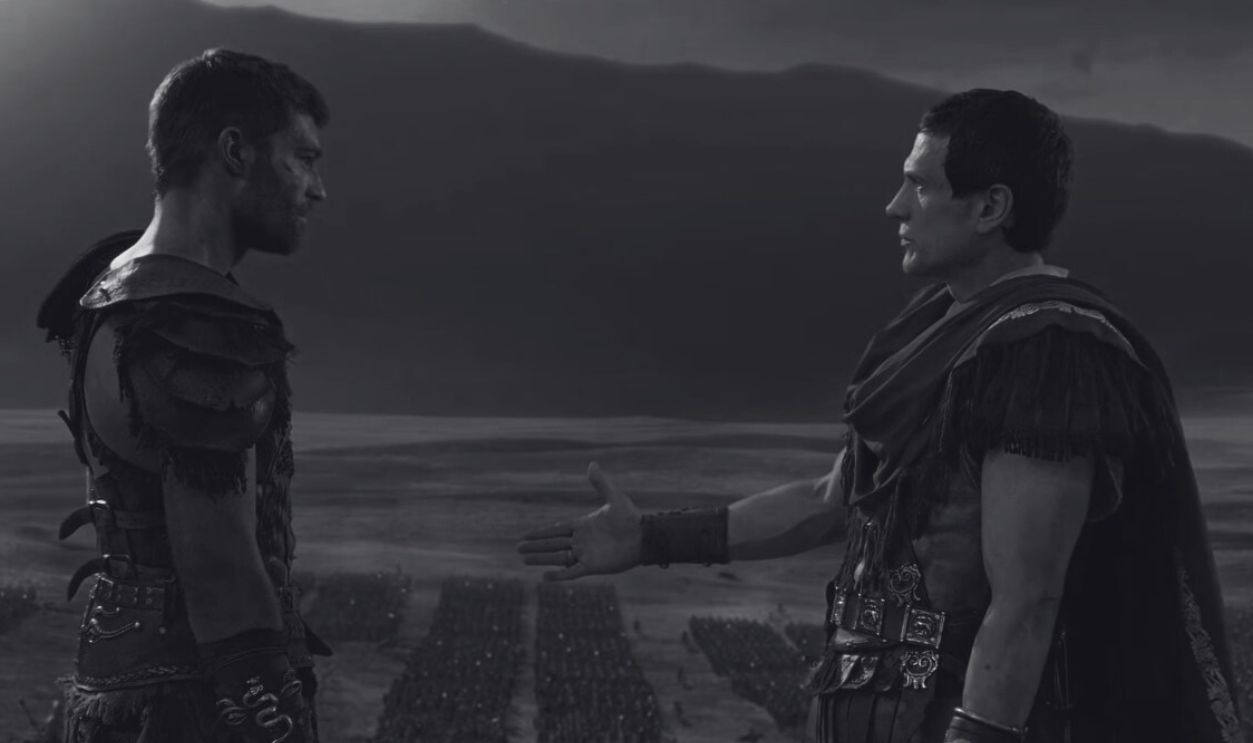 Starz, Spartacus: Blood and Sand (2010–2013)
26. He Stayed Humble
Though Marcus did seem eager to be the one to end the conflict, he did not accept recognition for doing so. He reportedly considered it “ignoble and mean” to celebrate the triumph, or to receive ovation and honor. For Marcus, once again, it was the resulting power that was the real prize.
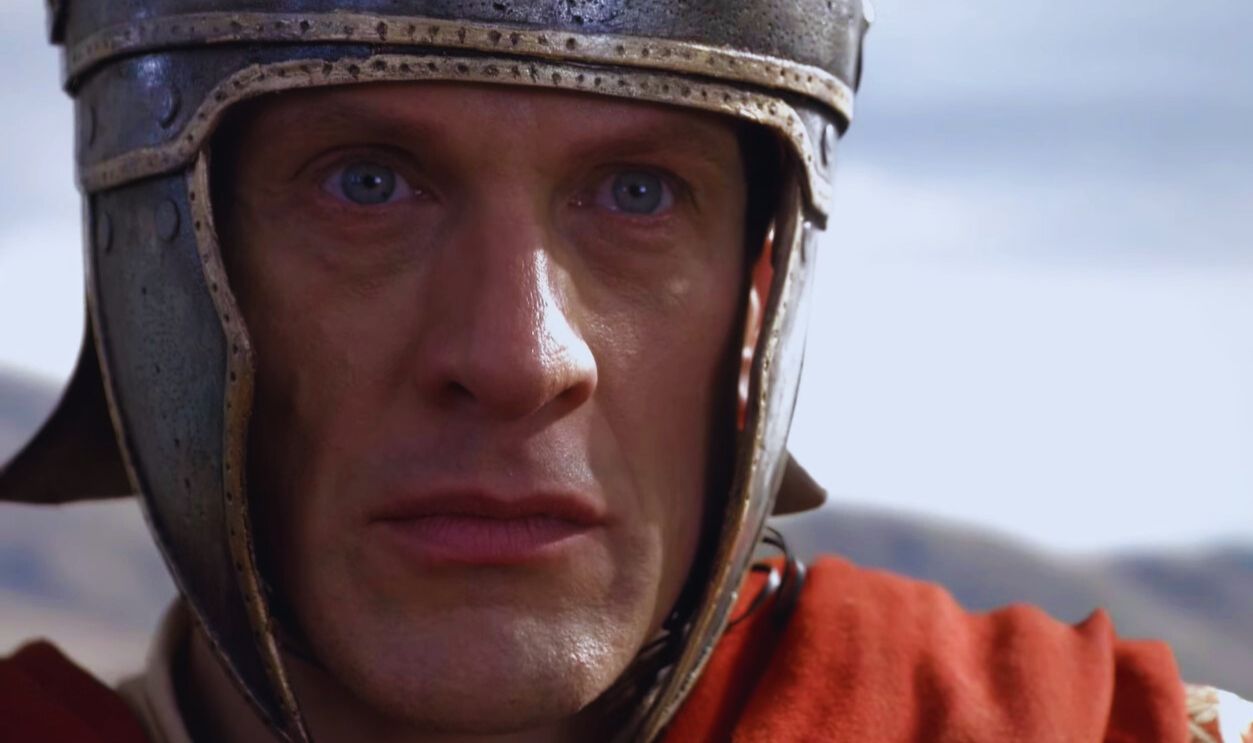 Starz, Spartacus: Blood and Sand (2010–2013)
27. He Took Office
The stage was now set perfectly for Marcus’ burgeoning political career. Allying with a fellow general from the conflict, Pompey, both men were elected to the consulship, having backed each other up during the nominating proceedings. The collaboration was a shaky one, however.
 Starz, Spartacus: Blood and Sand (2010–2013)
28. He Had A Frenemy
Marcus’ allyship with Pompey did not last long. Once they had taken office, the two men clashed often. One account described how they “differed on almost every measure, and by their contentiousness, rendered their consulship barren politically and without achievement”. Indeed, Pompey would become a lifelong rival of the accomplished general. And they competed for the support of the public.
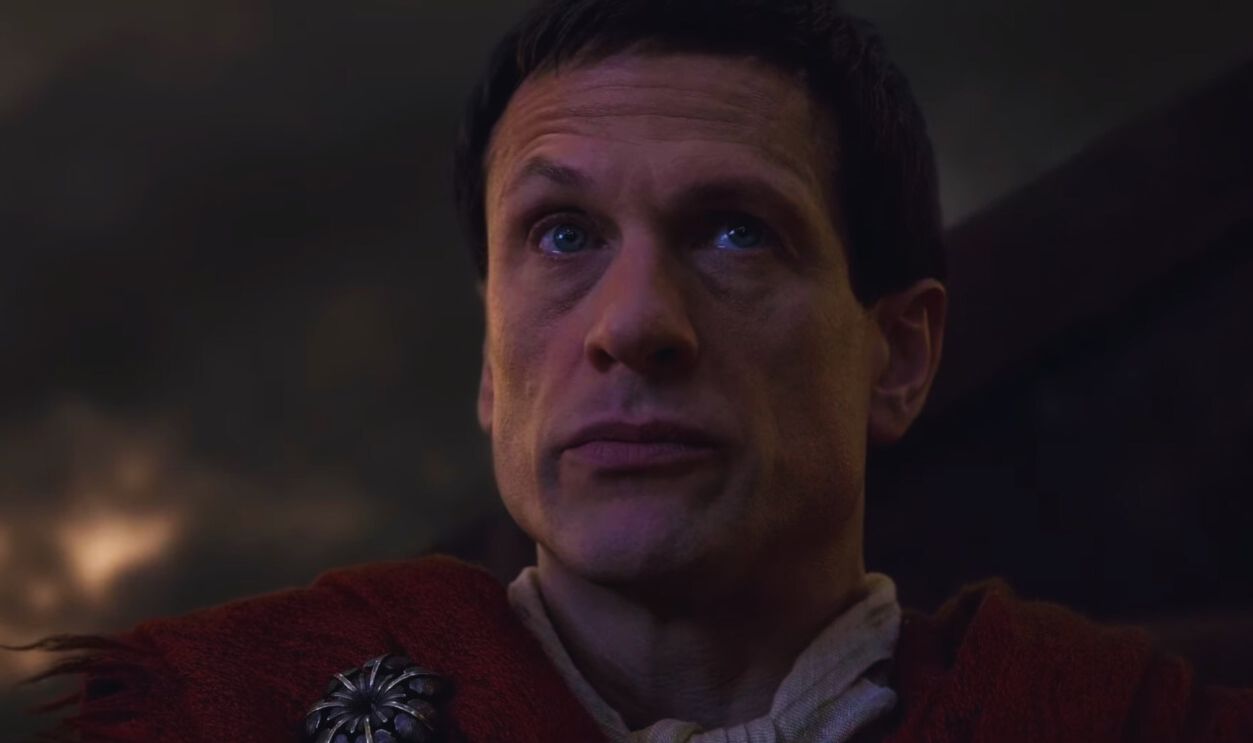 Starz, Spartacus: Blood and Sand (2010–2013)
29. He Bought Supporters
Marcus did not hesitate to direct his vast fortune towards acquiring the affection of the Roman public. He splashed out for elaborate public sacrifices to Roman Gods, set up large, 10,000-table banquets for the populace to enjoy, and even funded the distribution of grain to each family. He put just as much effort into courting powerful figures.
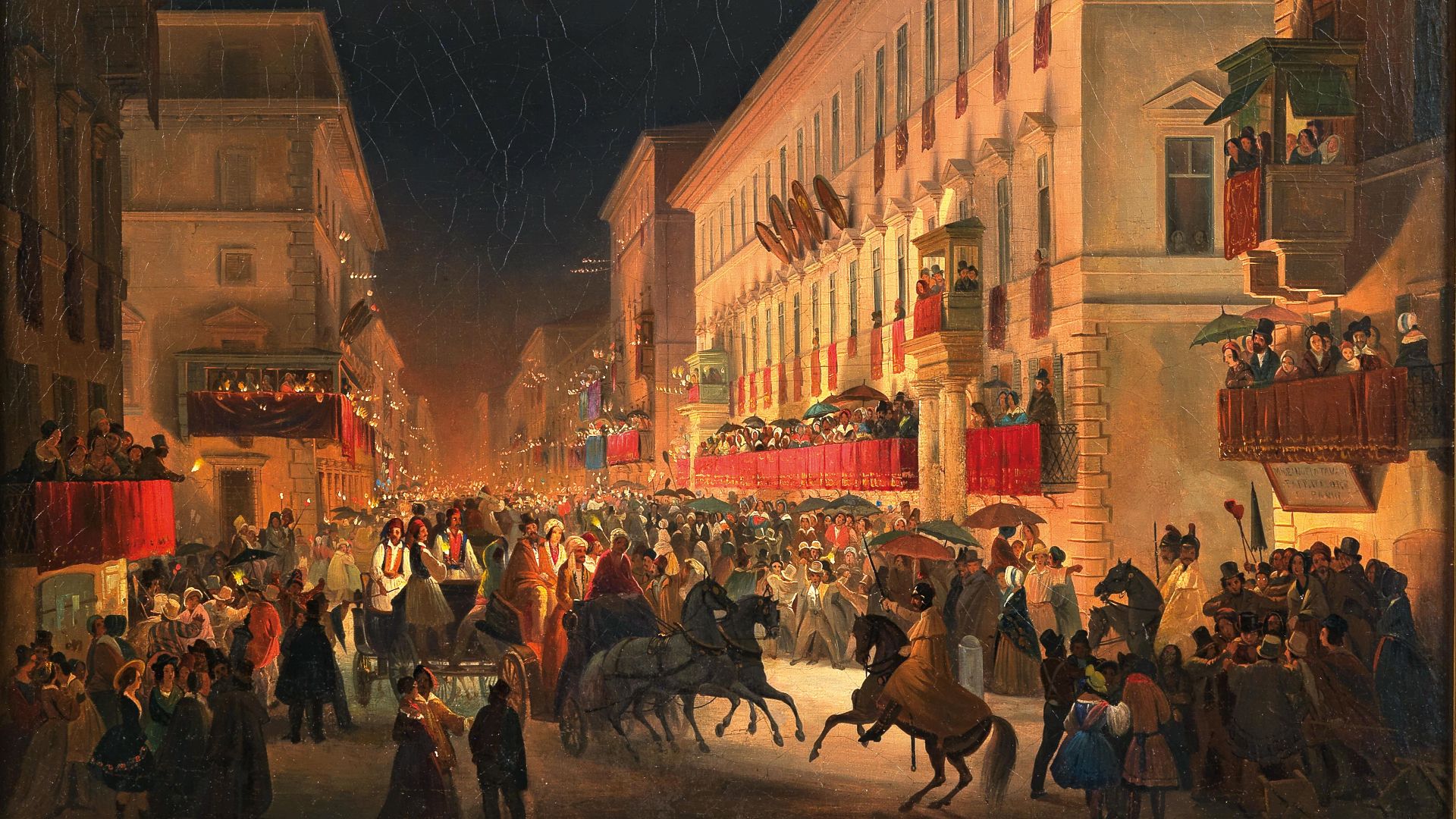 Ippolito Caffi, Wikimedia Commons
30. He Supported The Big Dog
By 65 BC, Marcus was elected censor, an event that coincided with the beginning of the rise of Julius Caesar. Seeing Caesar’s potential, Marcus, for the next decade, became a political supporter and financial patron of the rising star. Along with his rival, Pompey, the three men were ready to make waves.
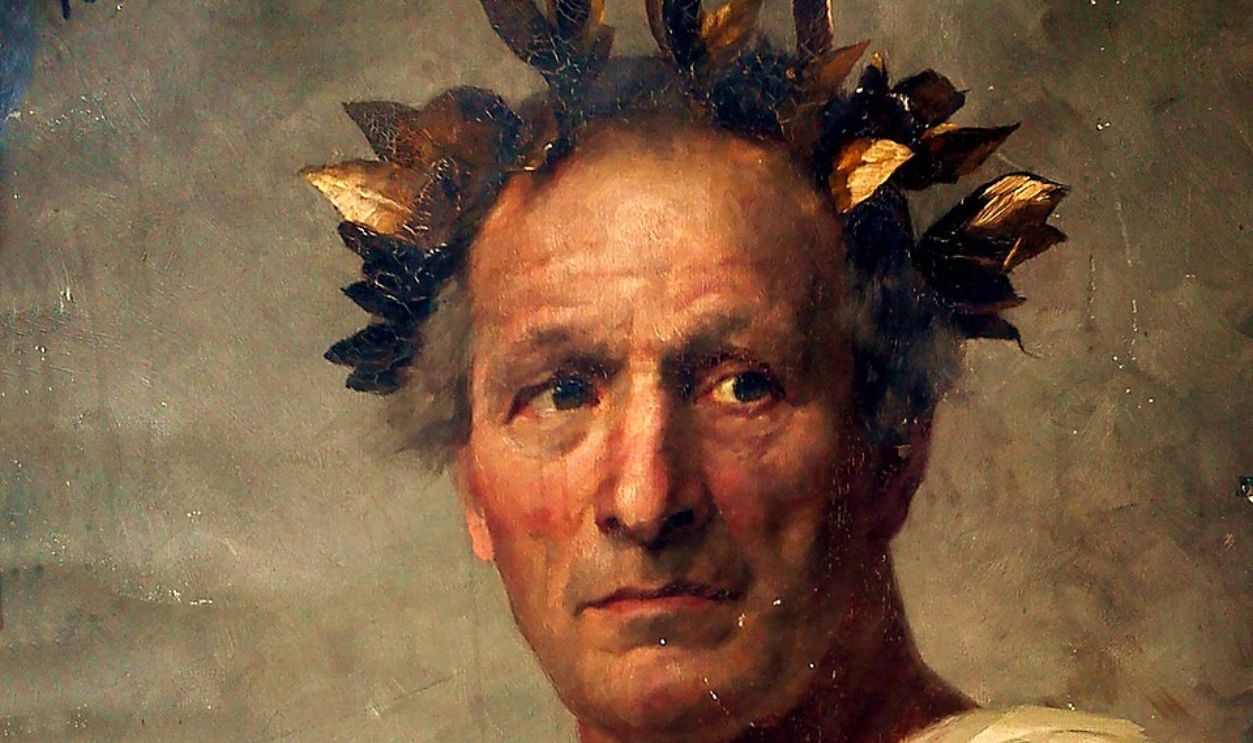 Clara Grosch, Wikimedia Commons
31. He Formed A Power Trio
The three most titanic political figures in Rome in 60 BC were Caesar, Marcus Crassus, and Pompey. The trio found themselves essentially unchallenged in their collaboration, with Caesar serving as mediator between the rivals, Marcus and Pompey. Together, they all formed the First Triumvirate, an informal political alliance with which they would exert their power. It was an uneasy coalition.
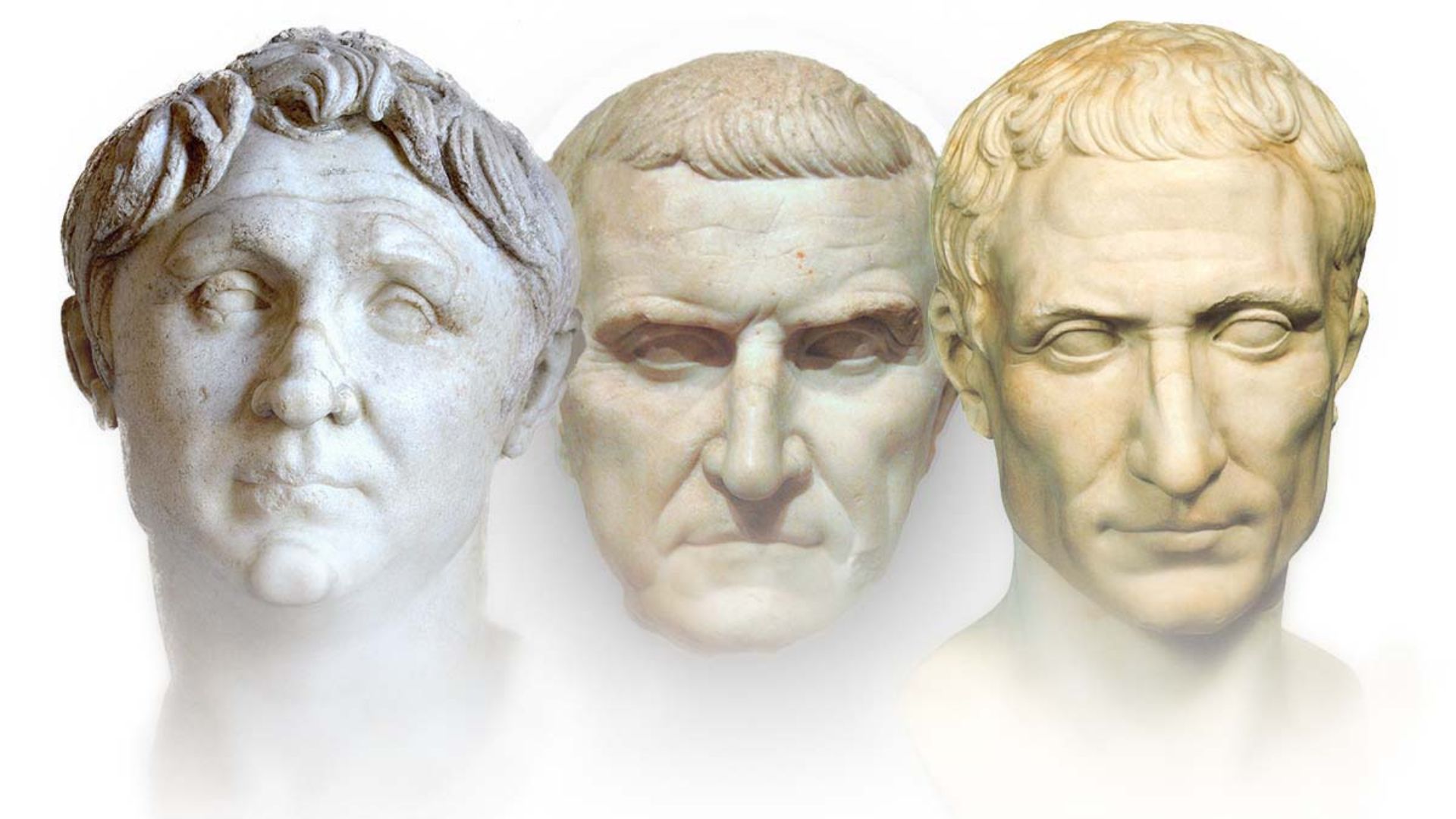 Mary Harrsch, Wikimedia Commons
32. His Ego Clashed
The First Triumvirate completely dominated the Roman political system, and though the coalition would technically exist for the remainder of Marcus’ life, it was not long before the cracks began to show. With three ambitious and power-hungry men, egos and jealousies soon began to fray the alliance. The tensions were unequally distributed.
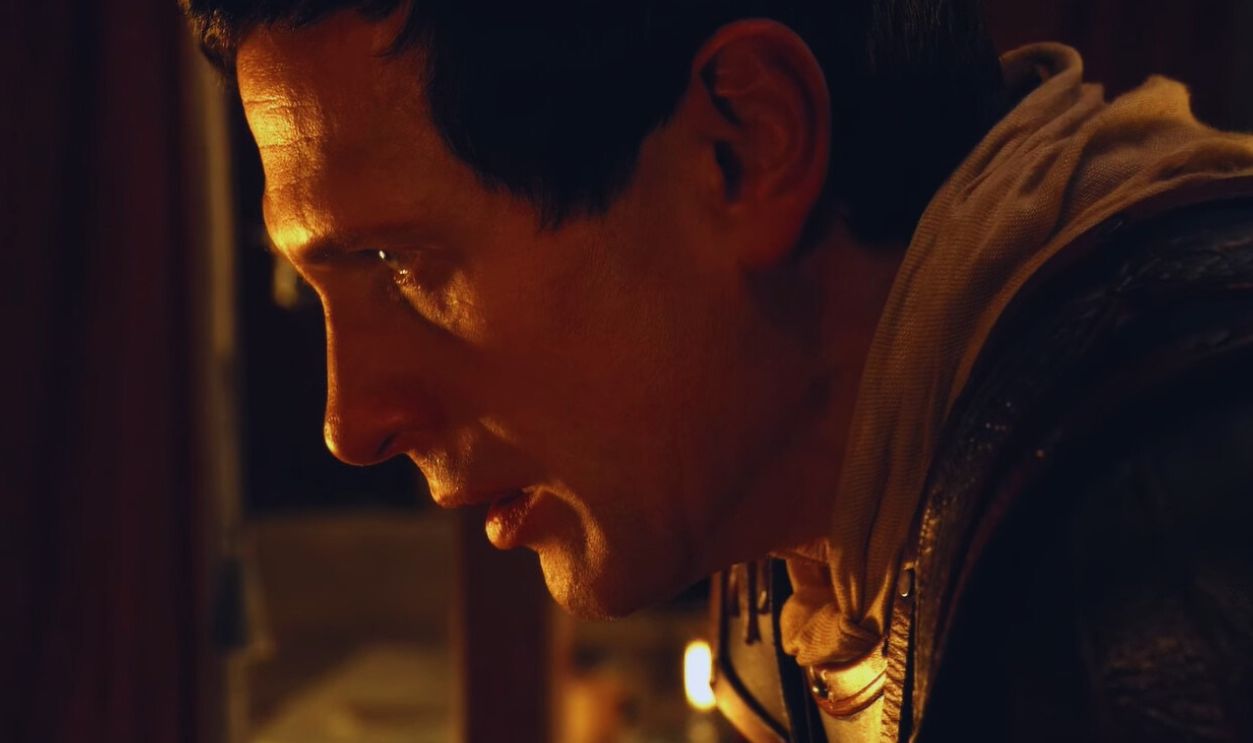
33. His Rival Irked Him
Caesar and Marcus remained lifelong allies, closely aligned on most political issues. This was not true for Pompey, however, whose rivalry with Marcus was an issue from the start. Furthermore, Pompey was also jealous of Caesar’s incredible conquering success in the Gallic Wars. Tensions reached a boiling point.
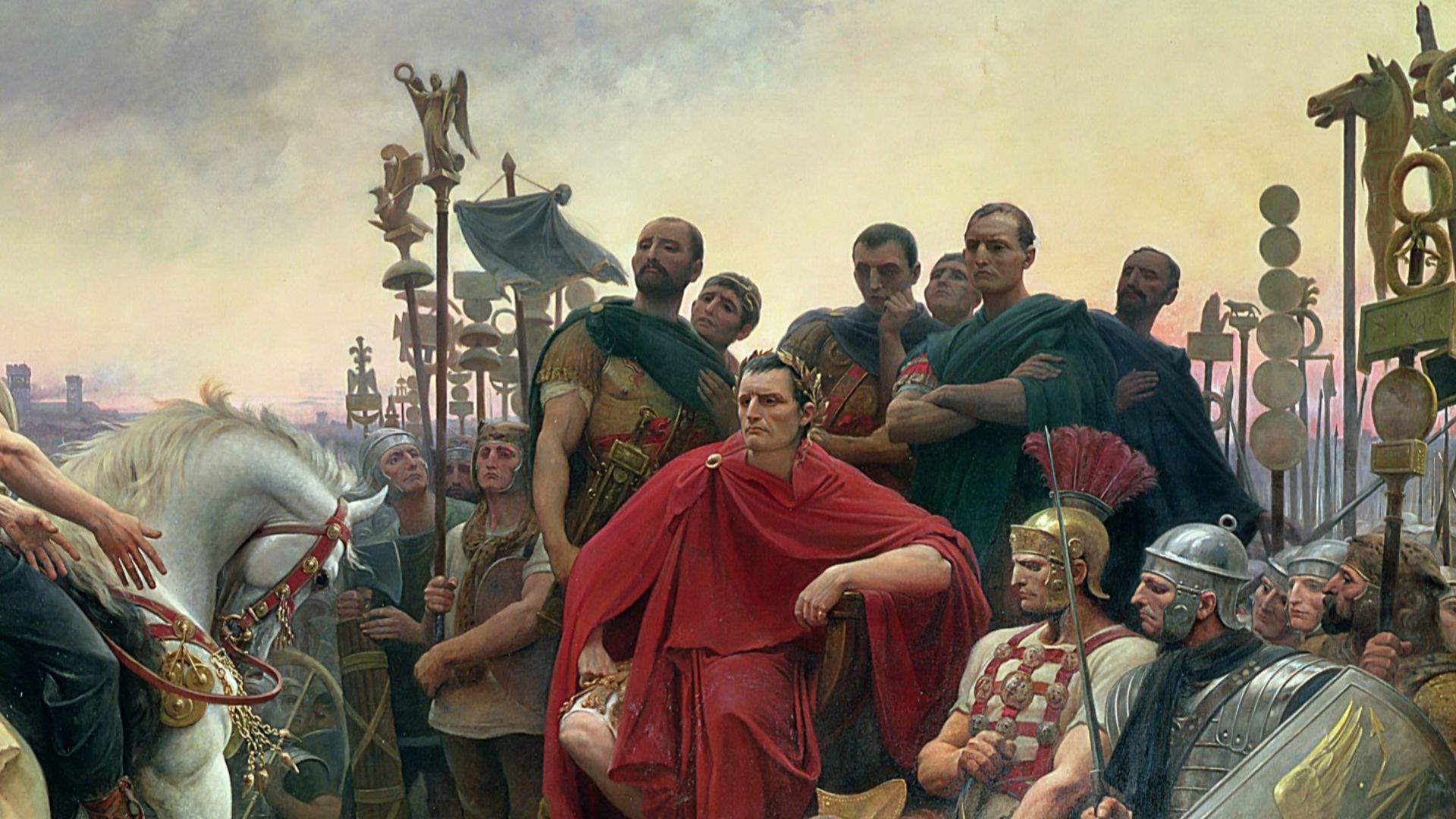 Lionel Royer, Wikimedia Commons
34. He Simmered Down
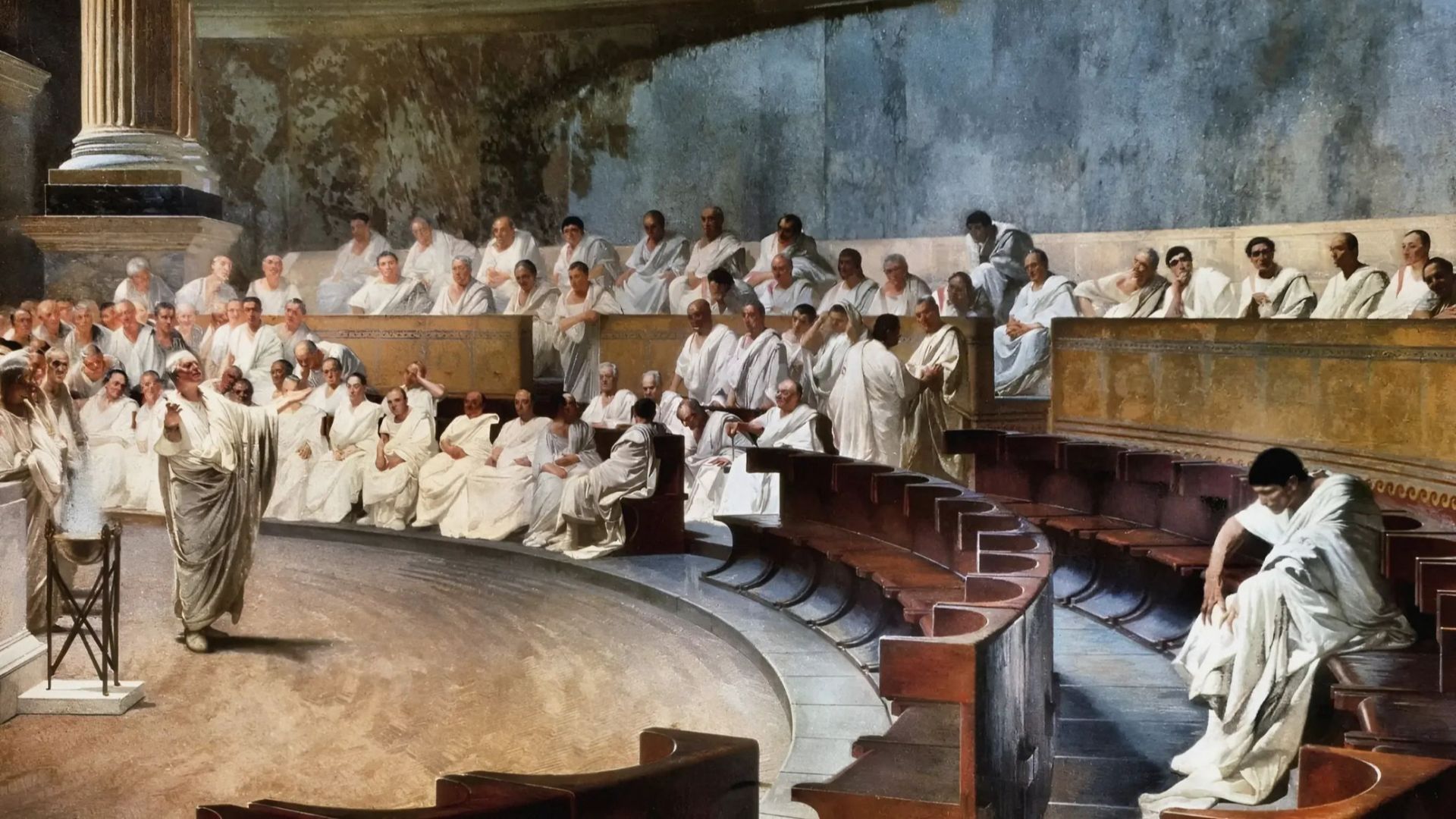
By 56 BC, the deteriorating relations between the First Triumvirate needed addressing. Mistrust had festered, Pompey was accusing Marcus of plotting against his life, and Rome was in turmoil. The three men met for the Luca Conference to repair their fragile bond, where they successfully reassured one another and stabilized their alliance. Marcus came away with a new assignment.
 Cesare Maccari, Wikimedia Commons
35. He Got A New Gig
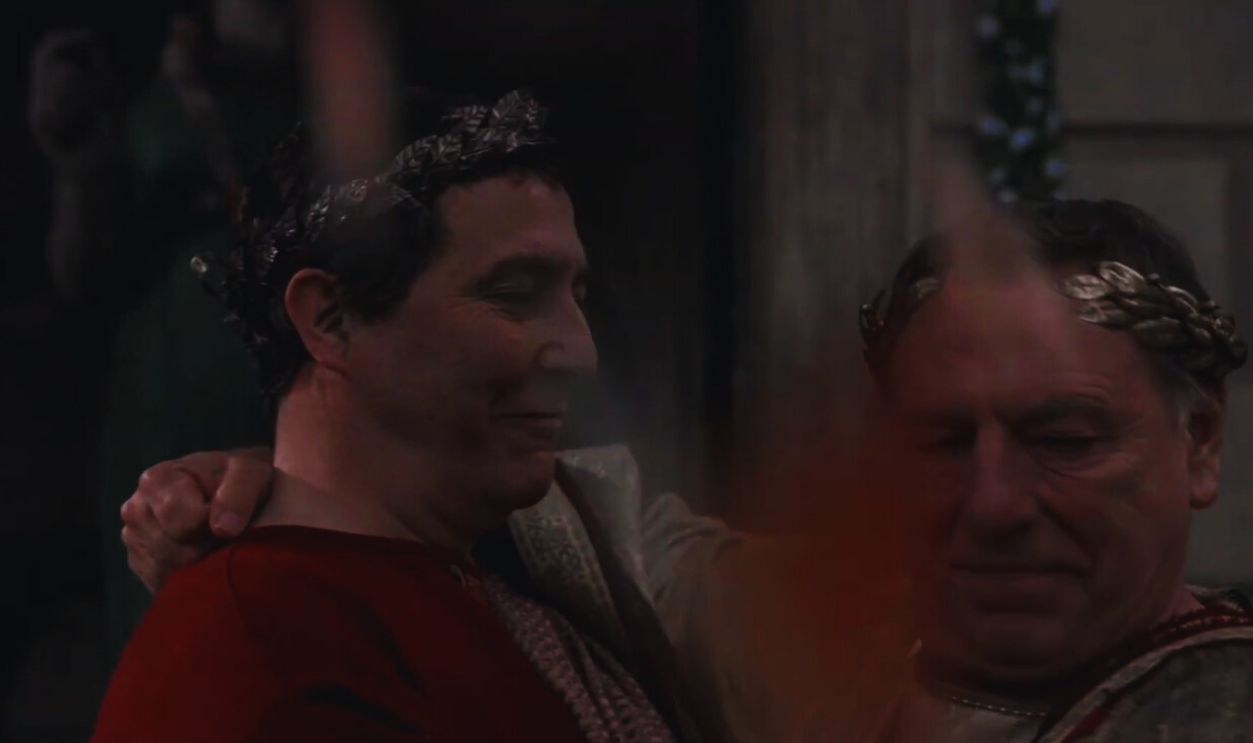
After the conference, Marcus Crassus was once again elected consul with Pompey. The First Triumvirate passed a law assigning two conquered provinces to the two men: Pompey got Hispania, while Marcus got himself appointed governor of Roman Syria. It reignited a spark in the general.
36. He Inherited More Wealth
Syria was a resource-rich region and, as if he did not have enough already, promised even more inexhaustible wealth for Marcus as its new governor. But true to character, his interests did not stop there. He was always more interested in the power that wealth brought him than the wealth itself, and this time proved no different.
 Universal Pictures, Spartacus (1960)
37. He Launched An Attack
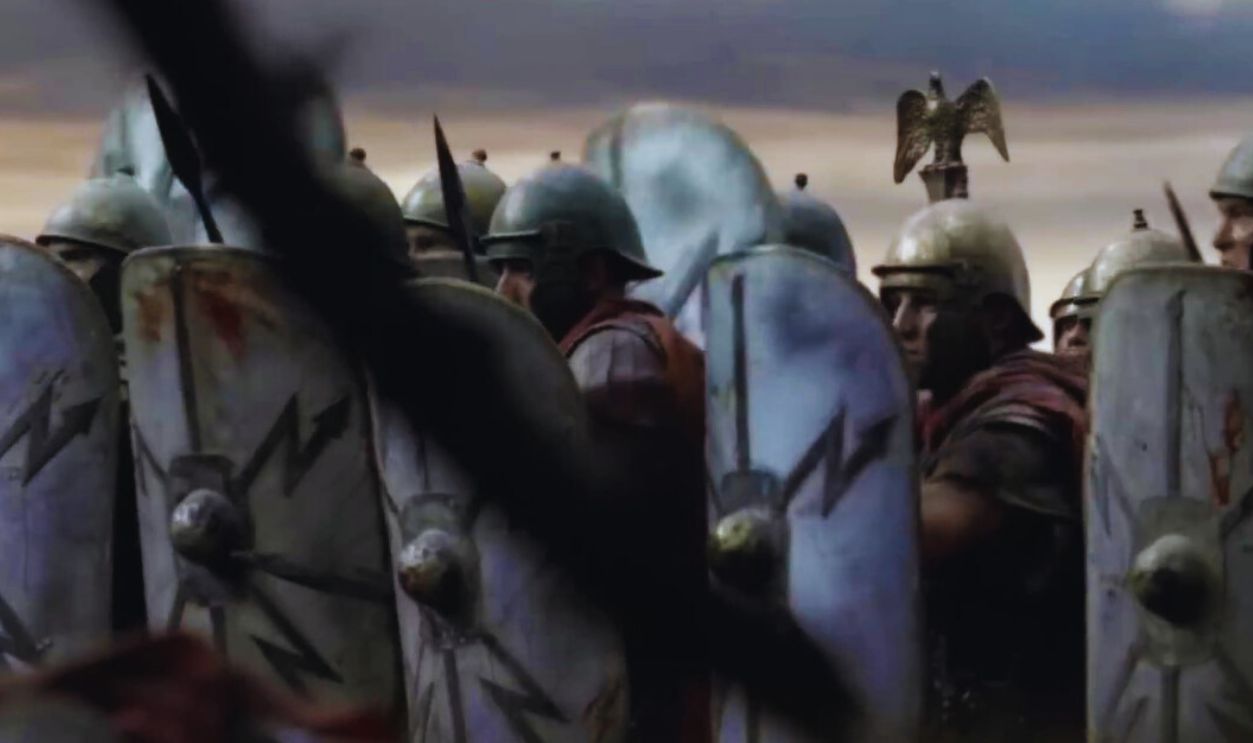
Not long after arriving in Syria, Marcus was eager to find more battle glory for himself. He decided to launch an attack, crossing of the Euphrates, with his eye beadily locked on the Parthian Empire. He wanted to conquer it for himself. But once again, his ego was leading the charge.
 Starz, Spartacus: Blood and Sand (2010–2013)
38. He Was Competitive
Parthia, like its neighboring Roman Syria, was a spectacular source of riches and resources. But this was only part of the reason Marcus Crassus decided to invade it. Even more pressing was his desire to match the recent conquering successes of his First Triumvirate buddies, Caesar and Pompey. His egotistical hubris would prove to be his downfall.
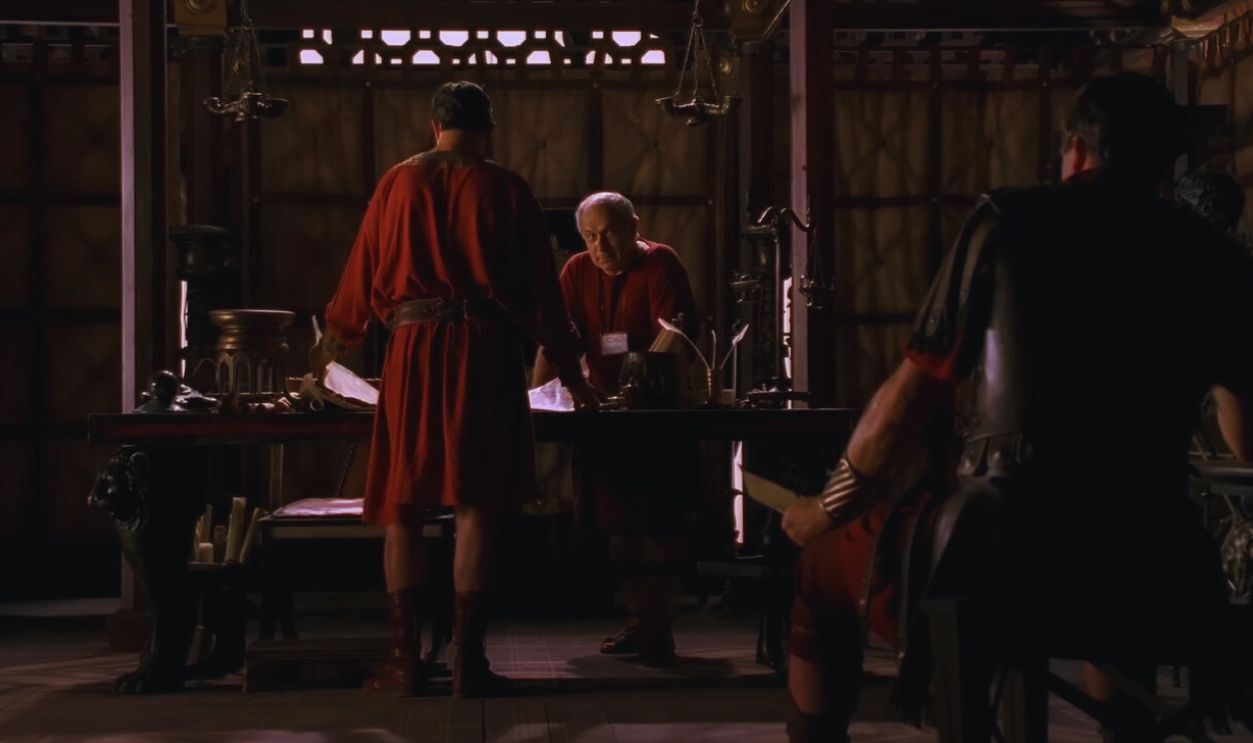
39. He Got Trounced
Marcus desperately underestimated the Parthians and their knowledge of the land. His crossing the Euphrates was a result of the refusal of tactical advice from the local King of Armenia—and he paid dearly for it. During the Battle of Carrhae in 53 BC, the Parthian army wiped the floor with Marcus’ forces despite having much lower numbers.
Marcus vowed to continue fighting, but his men were not happy.
 Starz, Spartacus: Blood and Sand (2010–2013)
40. He Lost His Touch
Marcus’ men suffered severe casualties at Carrhae, with many left behind for slaughter after the Roman retreat. Clearly showing his waning influence among his forces, his men demanded he parley a peace arrangement with the Parthians under threat of mutiny. Marcus reluctantly agreed, but this too would prove a grave error.
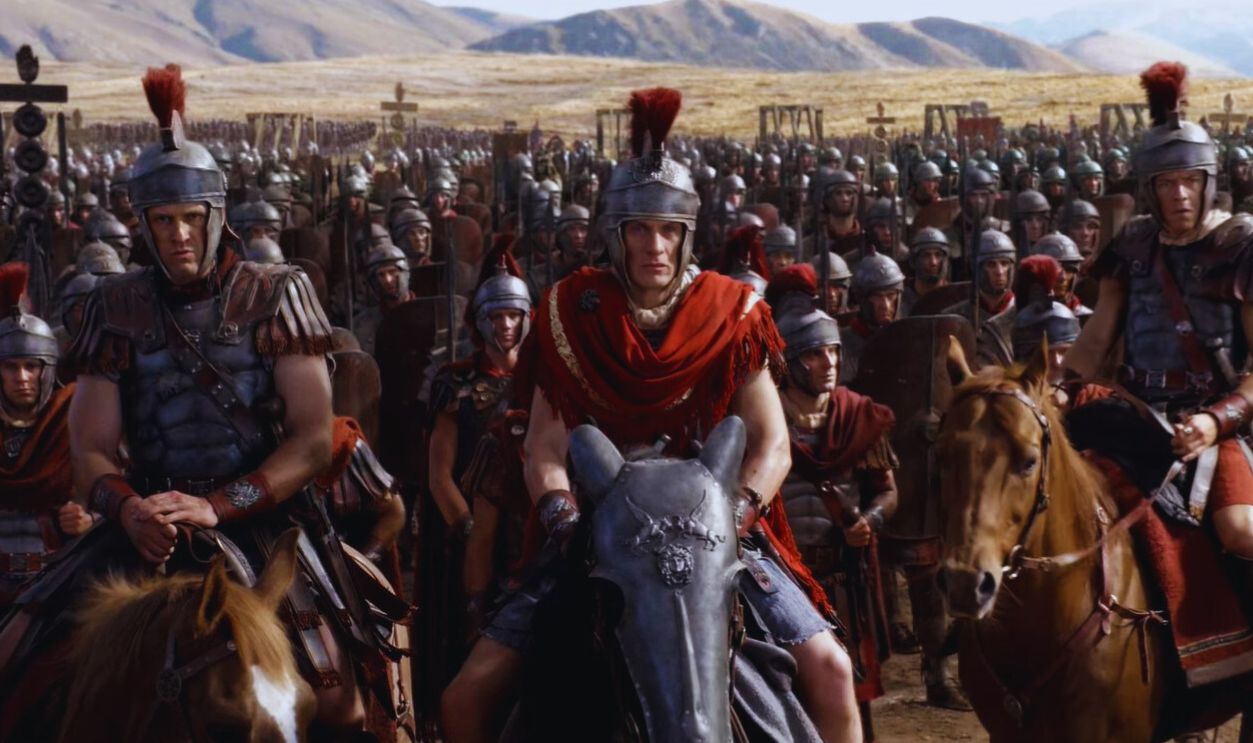
41. His Crew Were Jumpy
Marcus arranged a meeting with Surena, a Parthian general, to discuss terms for ending the conflict. Both men brought crews along with them, with Marcus backed up by his junior officer, Octavius. Octavius was a paranoid man, and upon arrival at the peace negotiations, he immediately suspected a trap. Panicking, the officer seized Crassus’ horse by the bridle to flee. It would prove to be a fatal mistake.
42. He Fell In A Skirmish
With tensions already high, the panicked move by Octavius was devastatingly misconstrued by the Parthians. A fight immediately broke out between the two negotiating parties. It did not go well for the Romans. All of them were slain, including Marcus Crassus, whose ornate life came to a sudden and unexpected end only a year or two following his 60th birthday. But the Parthians were not done with the general yet.
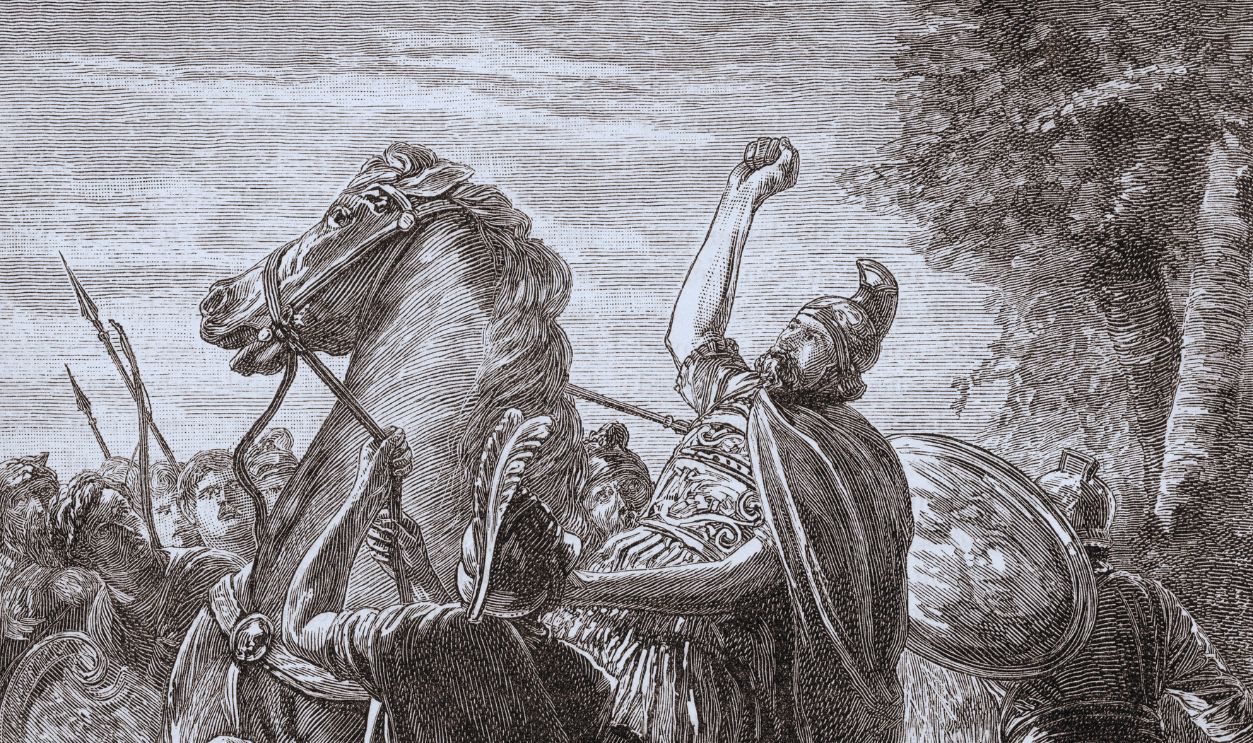 Design Pics Editorial, Getty Images
43. He Got Posthumously Mocked
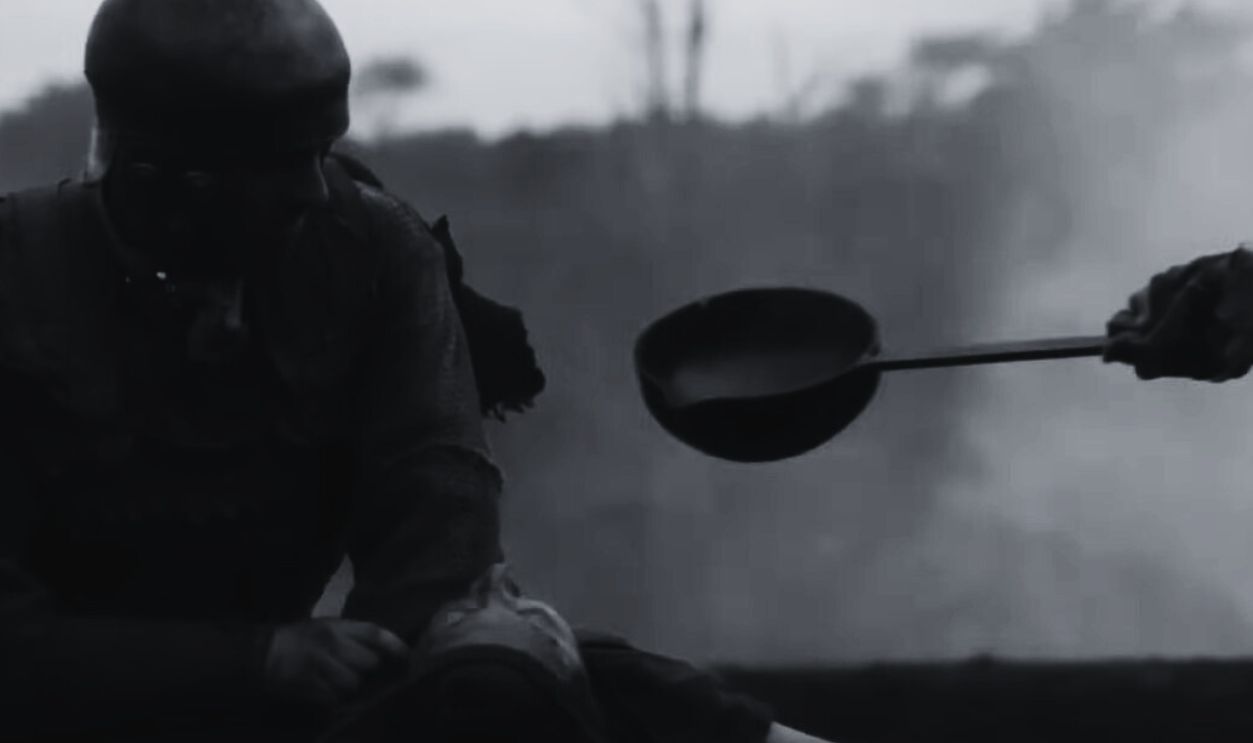
The Parthians, despite their willingness to negotiate peace, had fostered a growing contempt for Marcus. They viewed him as a greedy conqueror, a man more concerned with personal gain than the well-being of anyone else (and they weren’t wrong). After felling the Roman general, the Parthians reportedly scorned his thirst for riches by flooding his mouth with molten gold. They didn’t stop there.
 The Richest Roman Who Died Choking on Gold: The Brutal Fate of Marcus Crassus, History Quest
44. His Remains Got Desecrated
Following the incident with the molten gold, the Parthians kept the party going. They found the perfect opportunity: the Parthian king’s son and heir, Pacorus, was getting married. The Pathian crew presented Marcus Crassus’ head to the king, Orodes II, at the wedding ceremony. The slain Roman general had passed the audition.

45. He Entertained From Beyond The Grave
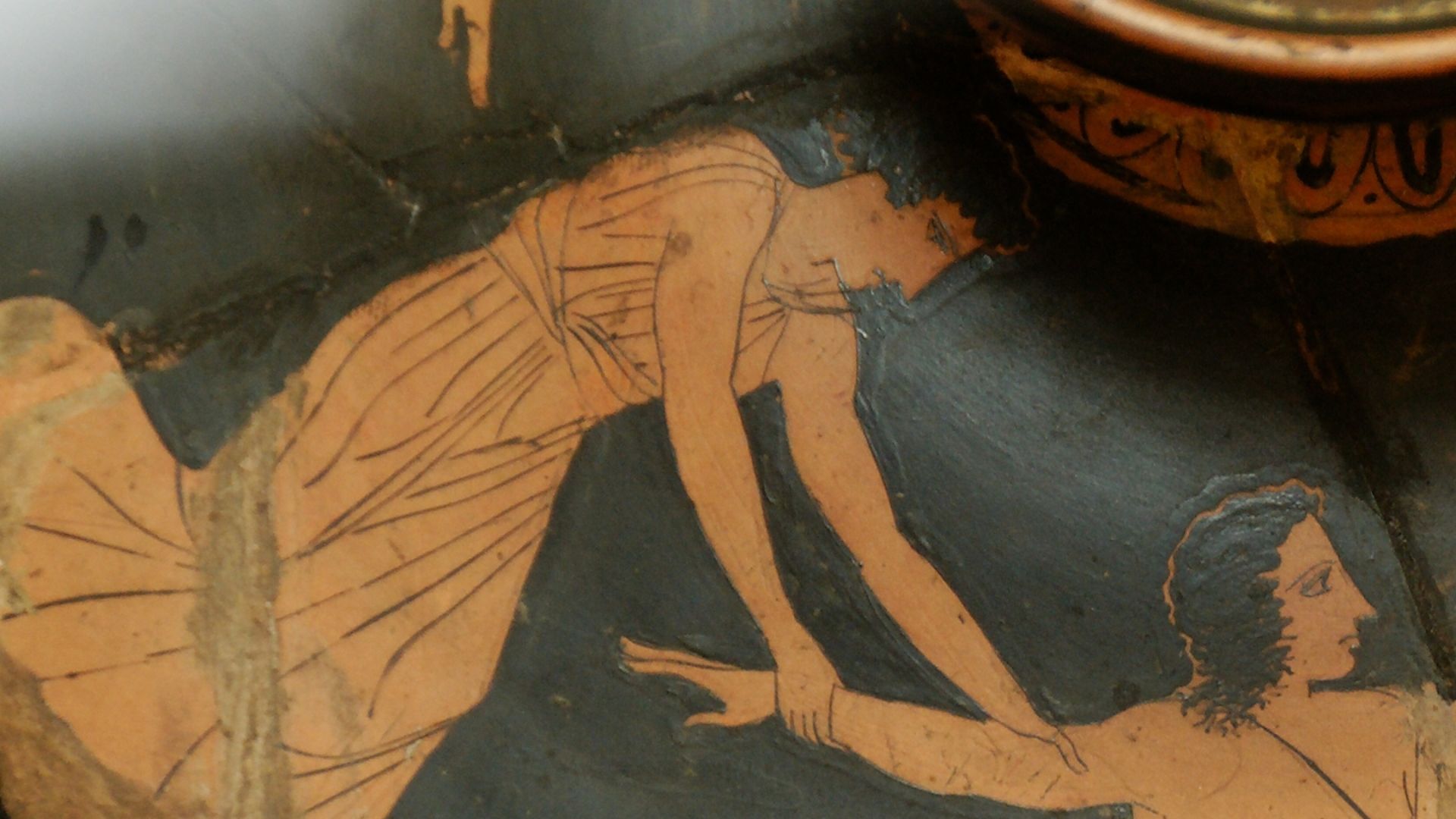
The story of the desecration of Marcus' head only gets grislier from there. According to accounts, the wedding celebrations included a performance of Euripides’ tragedy The Bacchae. Disturbingly, the actors opted to use Marcus’ head as a prop in the play, using it to “recite” verses. It was a humiliating end for the wealthy Roman, and for the First Triumvirate too.
 Unknown artistUnknown artist, Wikimedia Commons
46. He Tipped The Balance
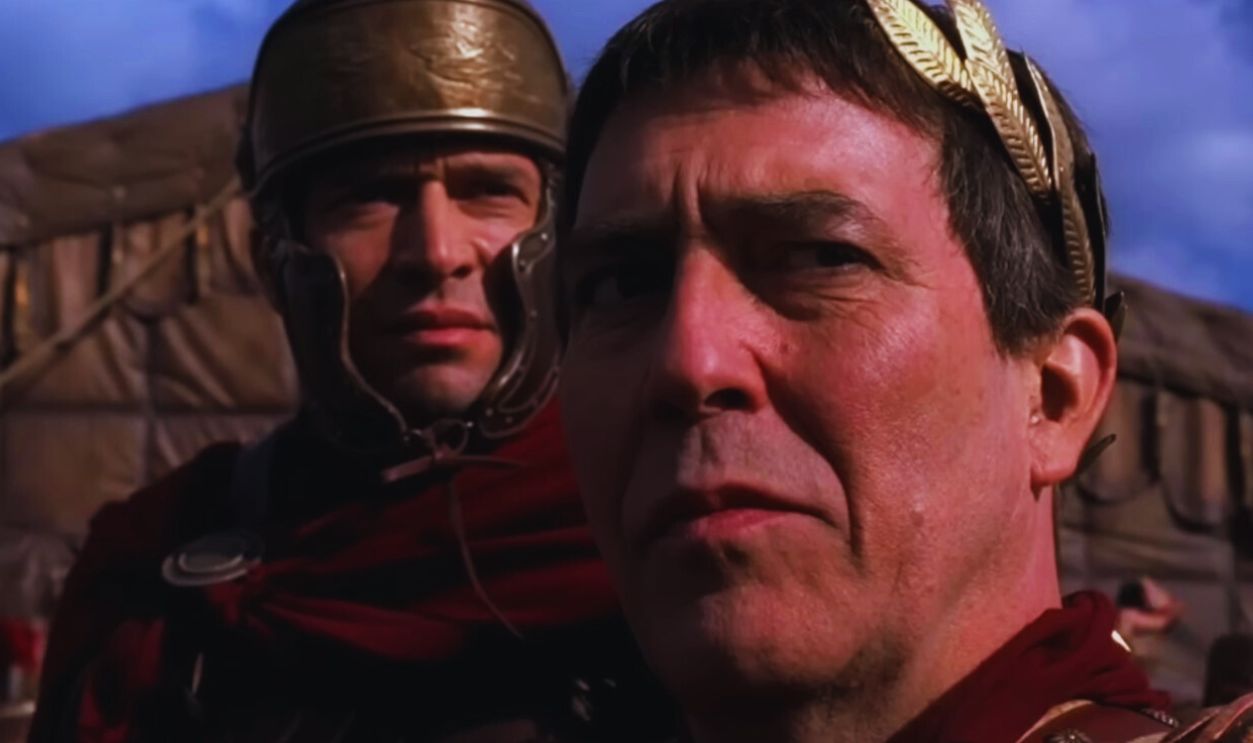
With the demise of Marcus Crassus, the alliance between Caesar and Pompey unraveled permanently. Tensions had always been a little high between them (though not as high as between Marcus and Pompey), and now that his counterbalancing influence and wealth were gone, the foundations of Rome began to quake.
47. He Sparked Civil Conflict
The butterfly effect of Marcus’ fall had earth-shattering ramifications for the Roman Republic and, indeed, human history. Within four years of his demise, tensions between Caesar and Pompey reached a boiling point. Caesar’s infamous crossing of the Rubicon kicked off a civil conflict between the two factions. The seeds Marcus had sewn took root.
48. He Was Vital In A Pivotal Change
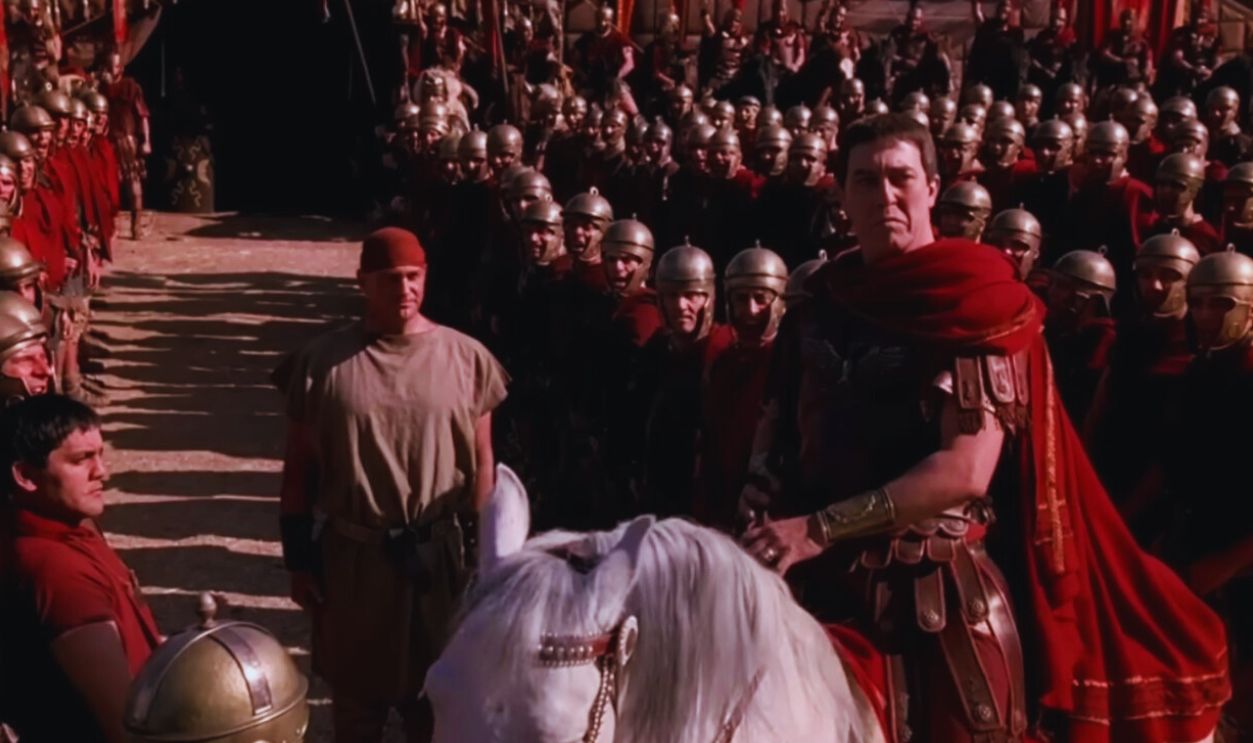
Arguably, the biggest contribution Marcus Crassus made to history was his key role in changing the nature of Rome. Historians have noted the vital part he played in the transformation of the Roman Republic into the Roman Empire. This cemented his place in history, and in pop culture too.
49. He Became A Cultural Icon
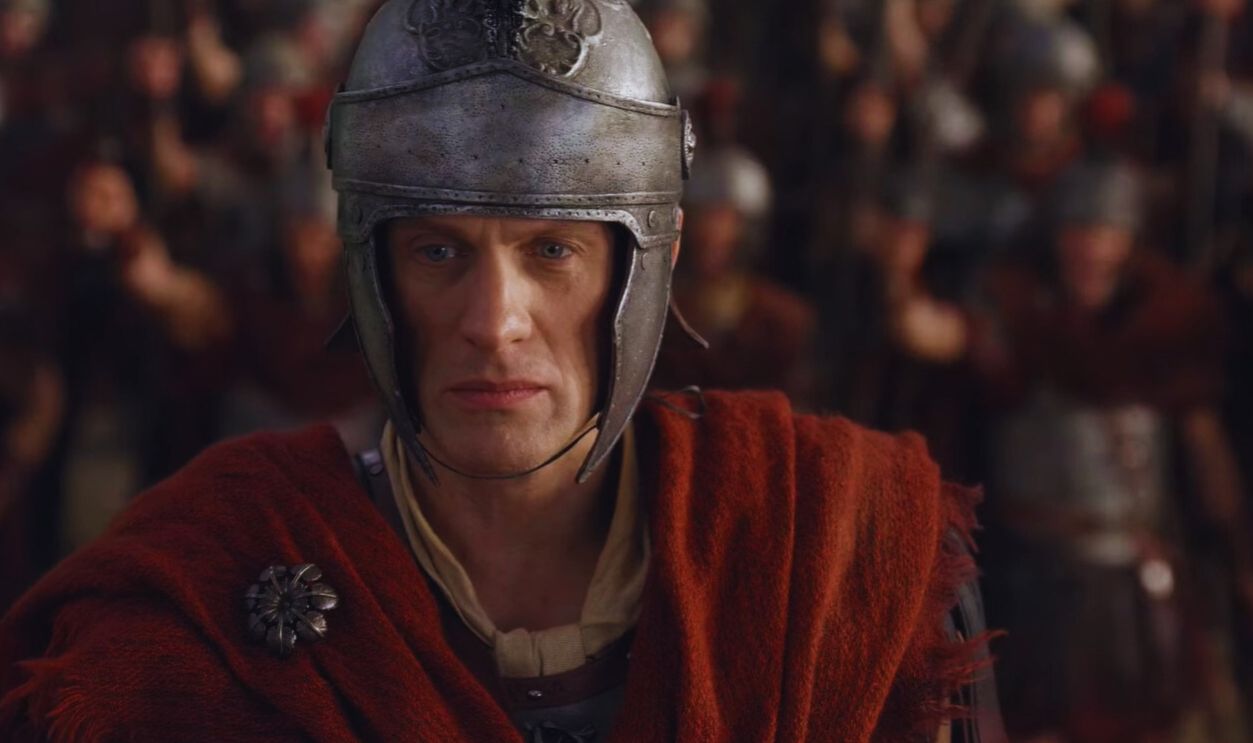
Beginning as far back as the 1300s, in Dante’s Divine Comedy, and stretching all the way to the present day, Marcus Crassus has featured as a character in countless media. From literature to ballet, music to video games and TV, the statesman has been heavily represented in art. Perhaps one portrayal stands above the rest.
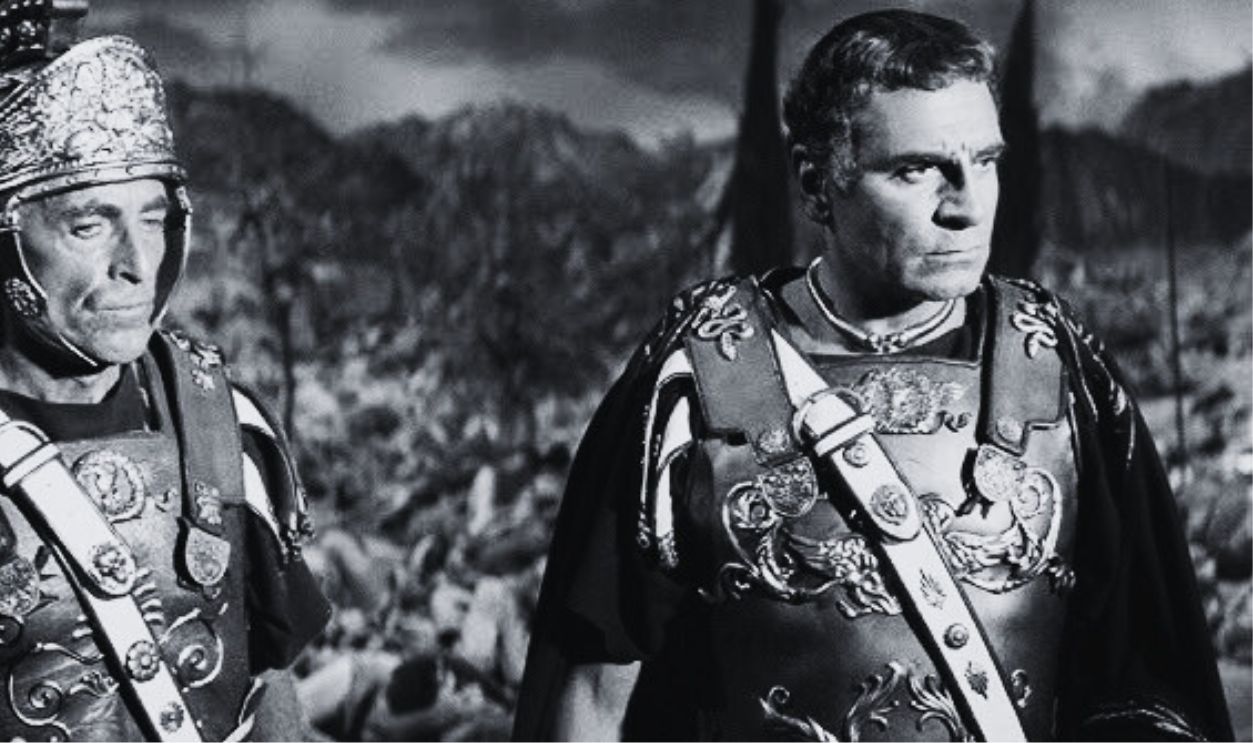 Universal Pictures, Spartacus (1960)
50. He Was The Subject Of An Iconic Movie
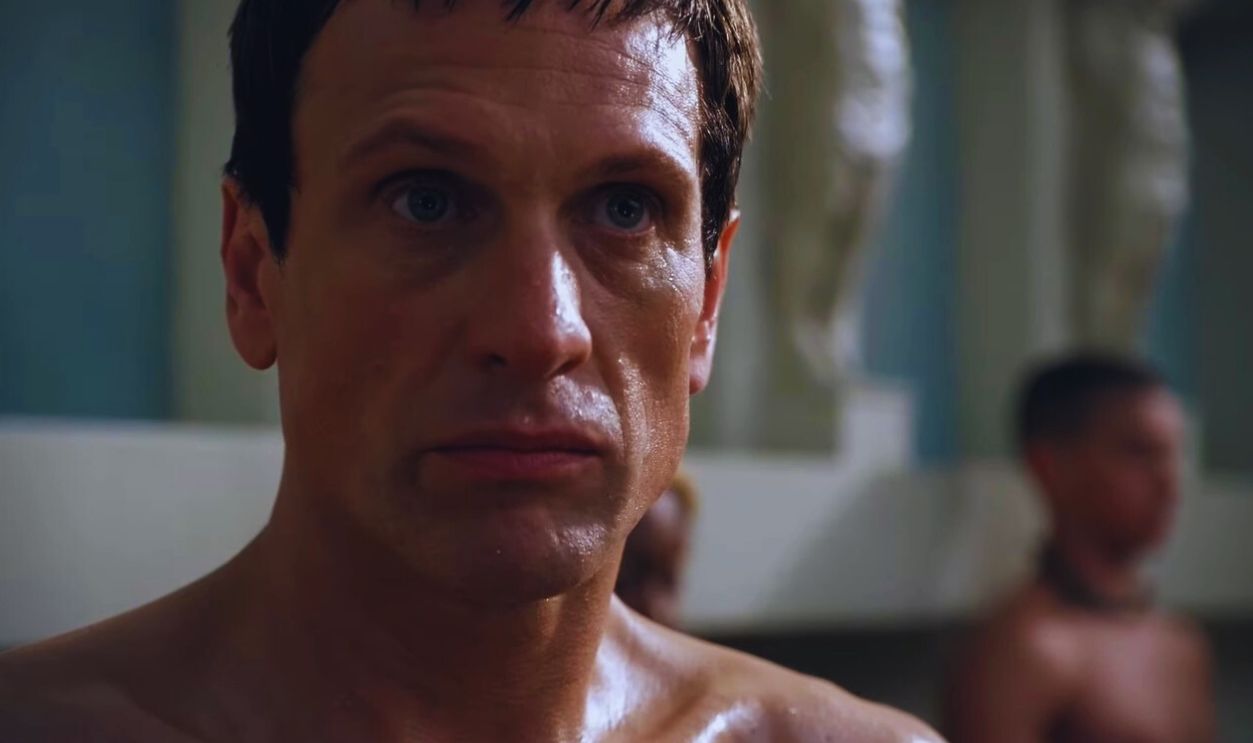
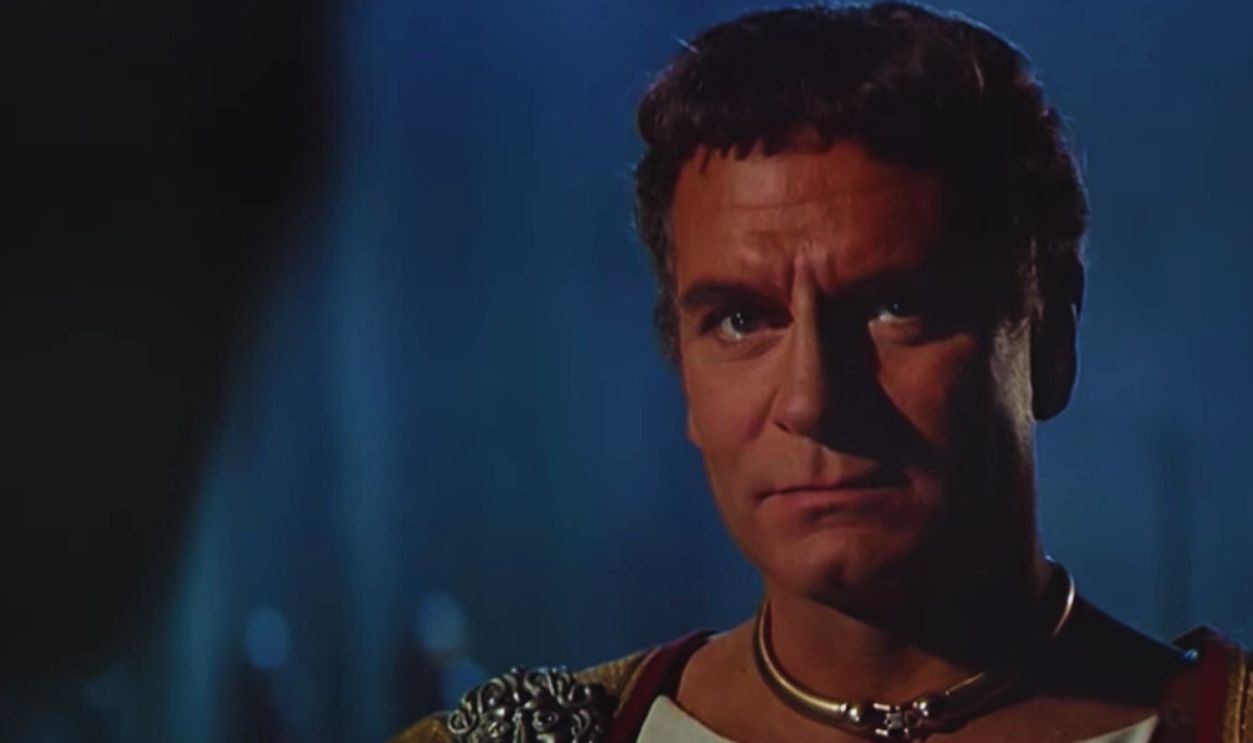
Marcus serves as a principal character in a titanic Hollywood production, portrayed by an iconic actor and a mythic director. Appropriately, Stanley Kubrick’s 1960 film Spartacus is an epic dramatization of the Third Servile Wars, where Marcus Crassus—played by Laurence Olivier—proved himself in a legacy-defining victory and etched his name into history and culture forever.
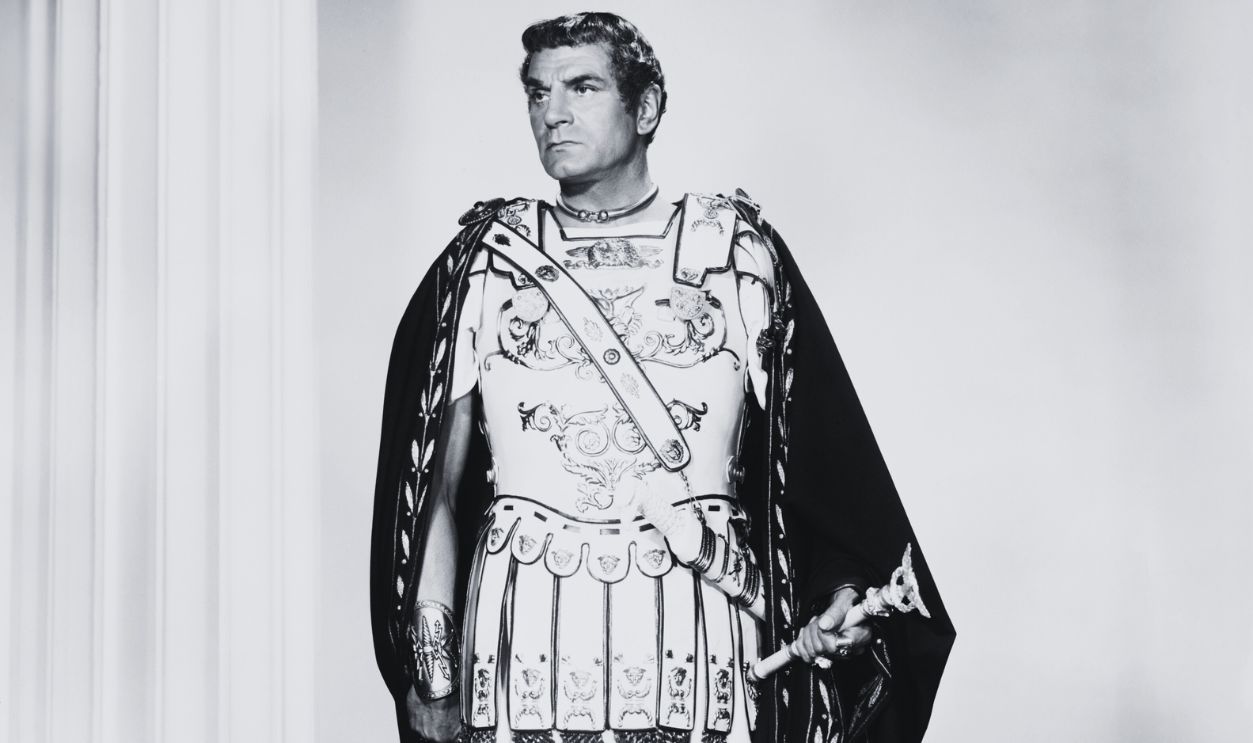 John Springer Collection, Getty Images
You May Also Like:
The Truth About Christopher Columbus