
The Secret Lives Of Everyday Objects
We use them every day without a second thought: forks, pencils, buttons, keys, mirrors, and even humble paper clips. But behind these ordinary objects are stories full of scandal, science, war, superstition, and wild human creativity. Sometimes, the simplest things have the messiest backstories.
The Fork
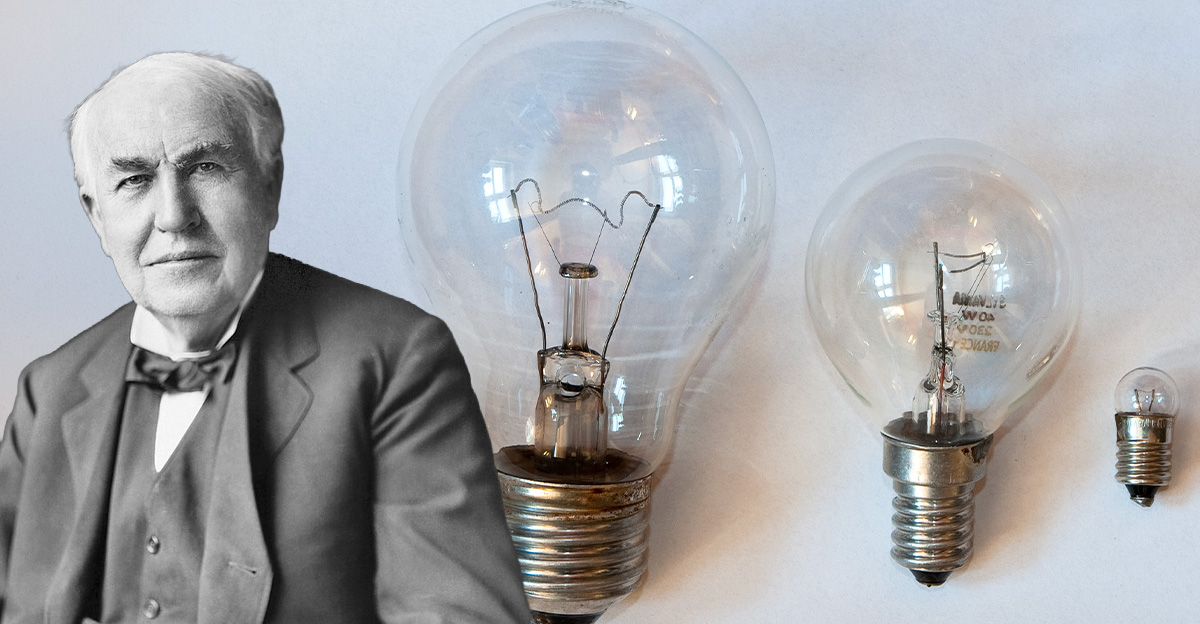
The fork seems harmless now, but it was once considered suspiciously fancy. In medieval Europe, some critics saw it as an insult to God-given fingers. It took centuries, royal trendsetters, and a lot of awkward table manners before the fork became a normal part of dinner.
The Pencil
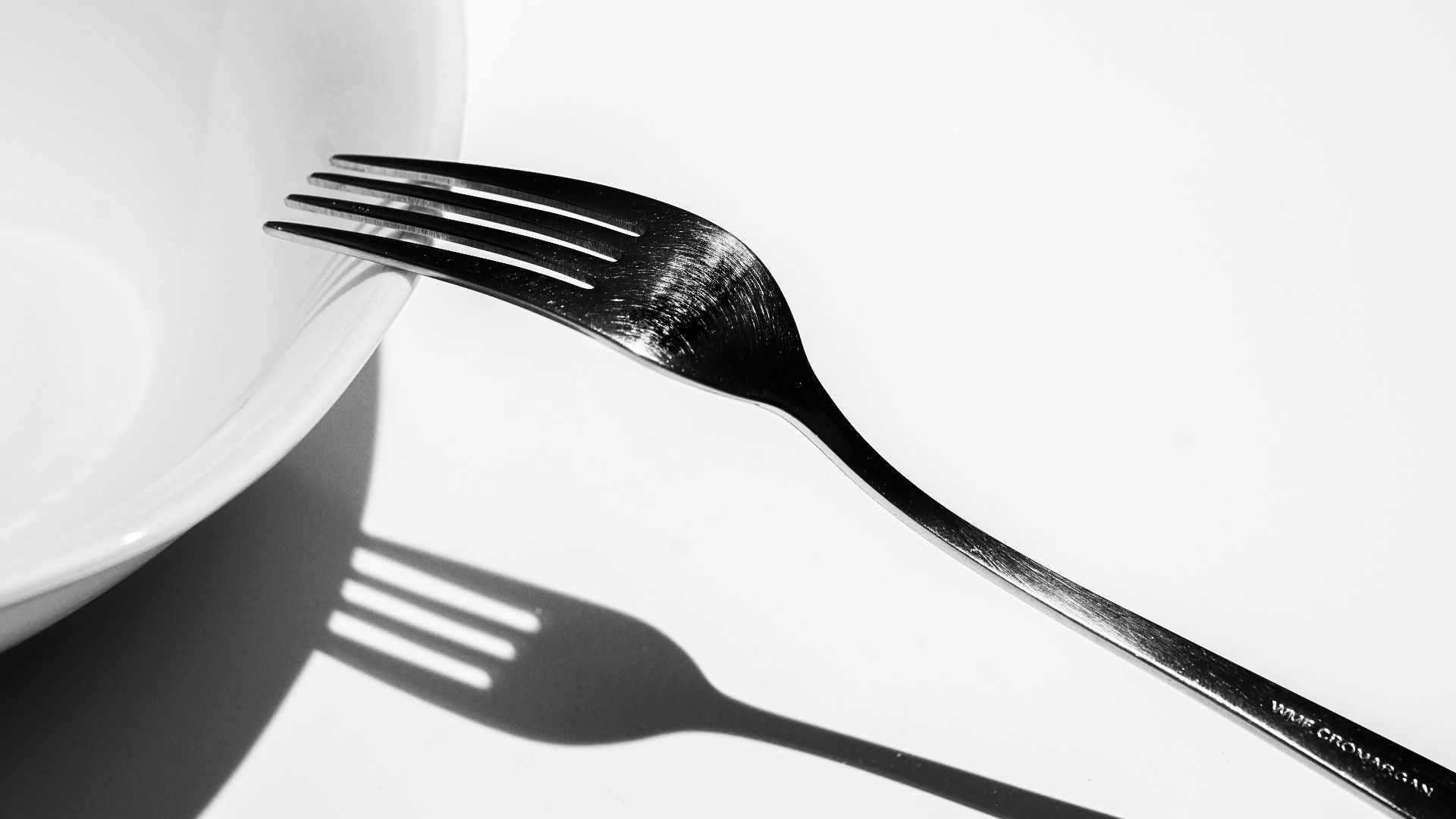
The pencil’s history begins with a strange discovery in England: a giant deposit of graphite mistaken for lead. People wrapped it in string, wood, and whatever else worked. Eventually, the pencil became the quiet hero of classrooms, artists’ studios, and unfinished crossword puzzles everywhere.
 Nguyen Dang Hoang Nhu, Unsplash
The Umbrella
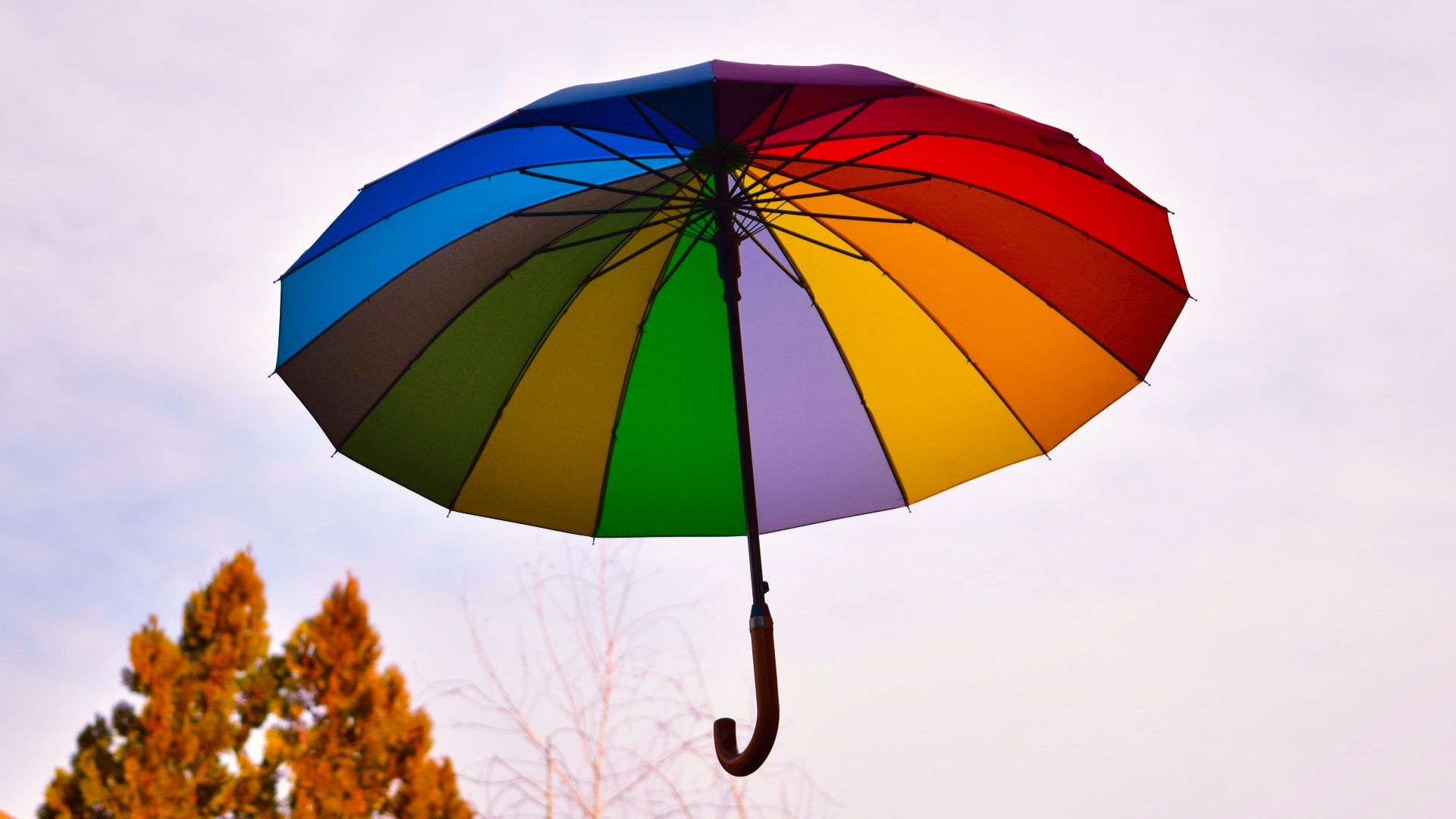
Before umbrellas protected people from rain, they were often used as sunshades and status symbols. In some cultures, only rulers or elites could carry them. Then came the brave souls who decided walking in the rain with one was practical, not ridiculous.

History's most fascinating stories and darkest secrets, delivered to your inbox daily.
The Toothbrush
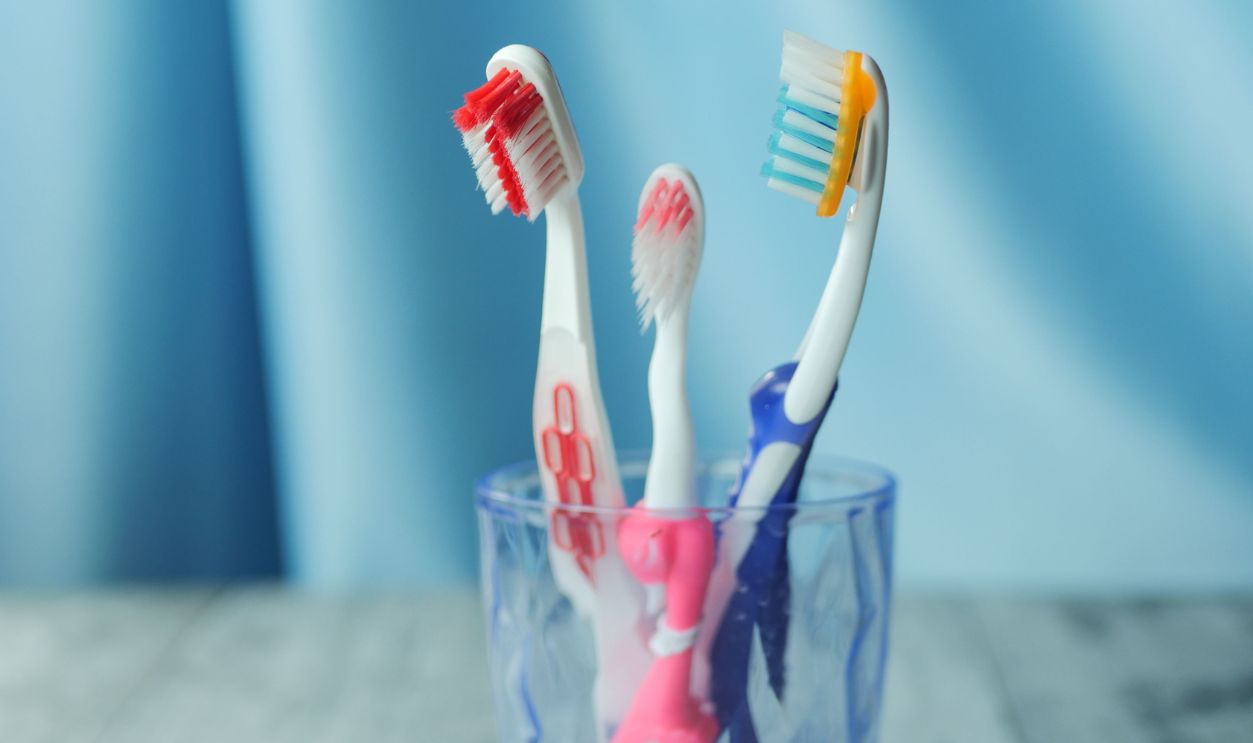
People cleaned their teeth long before modern toothbrushes existed, using twigs, feathers, bones, and rough cloth. The toothbrush as we know it took shape over centuries, helped along by trade, hygiene movements, and eventually nylon bristles. Fresh breath has never had an easy road.
The Button
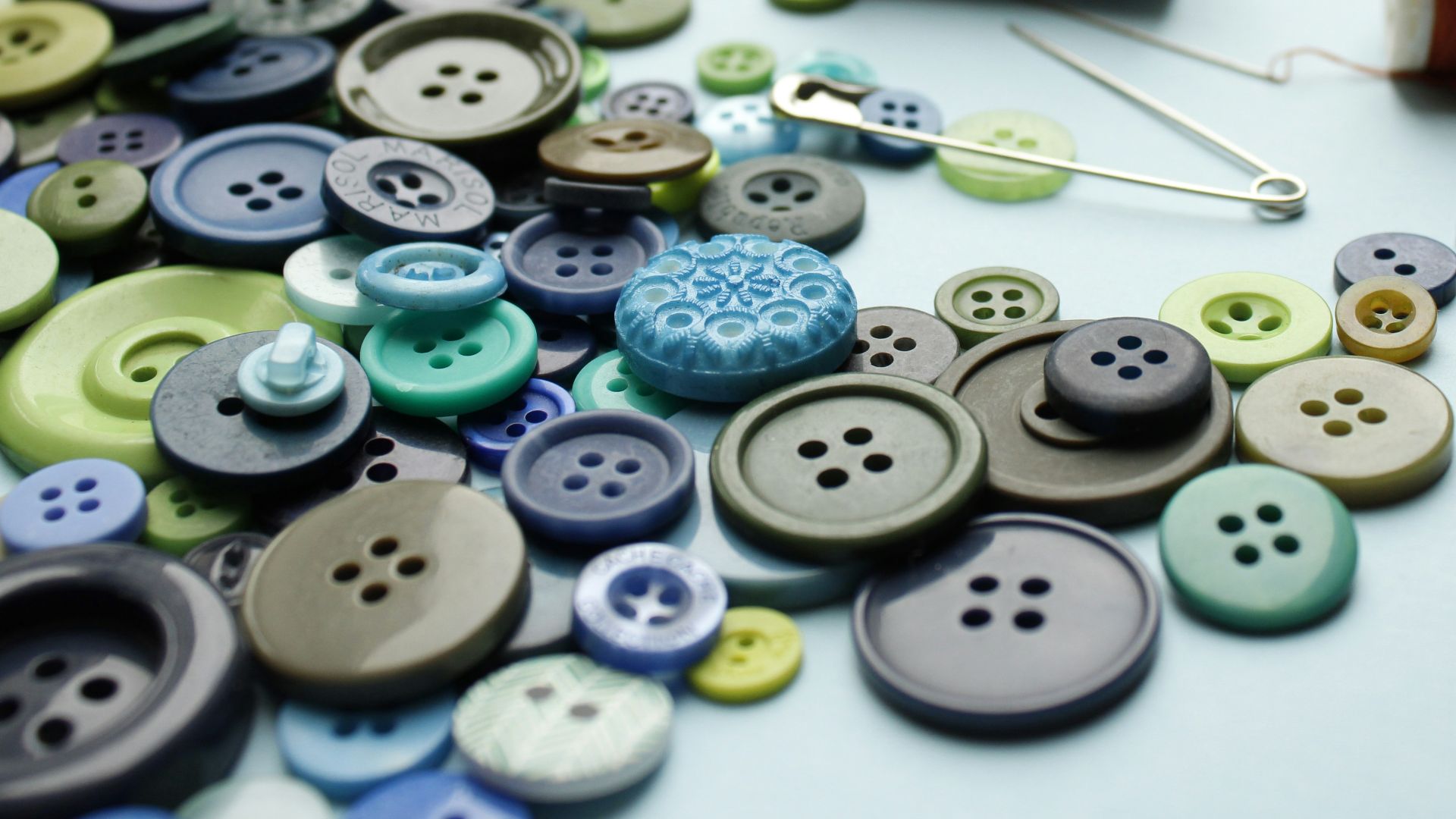
Buttons were not always practical. For a long time, they were mostly decorative signs of wealth, stitched onto clothing just to show off. Later, they helped shape fitted fashion, military uniforms, and social rules. A tiny button could say a lot about your class.
The Zipper
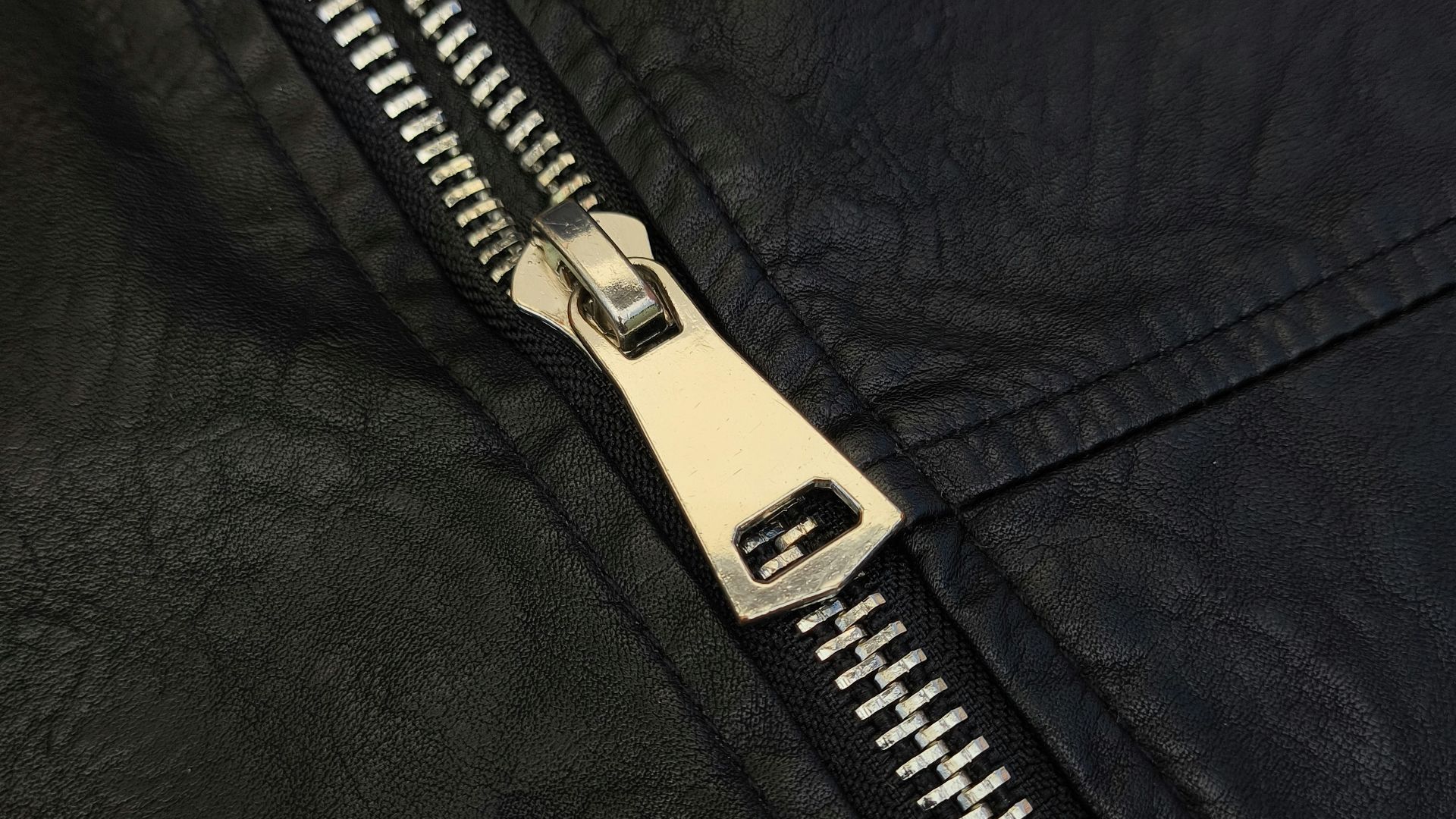
The zipper had a rocky start. Early versions were clunky, unreliable, and not especially fashionable. It took years of redesigns before zippers became trusted on boots, bags, trousers, and jackets. Now we barely notice them—unless they jam at the worst possible moment.
The Paper Clip
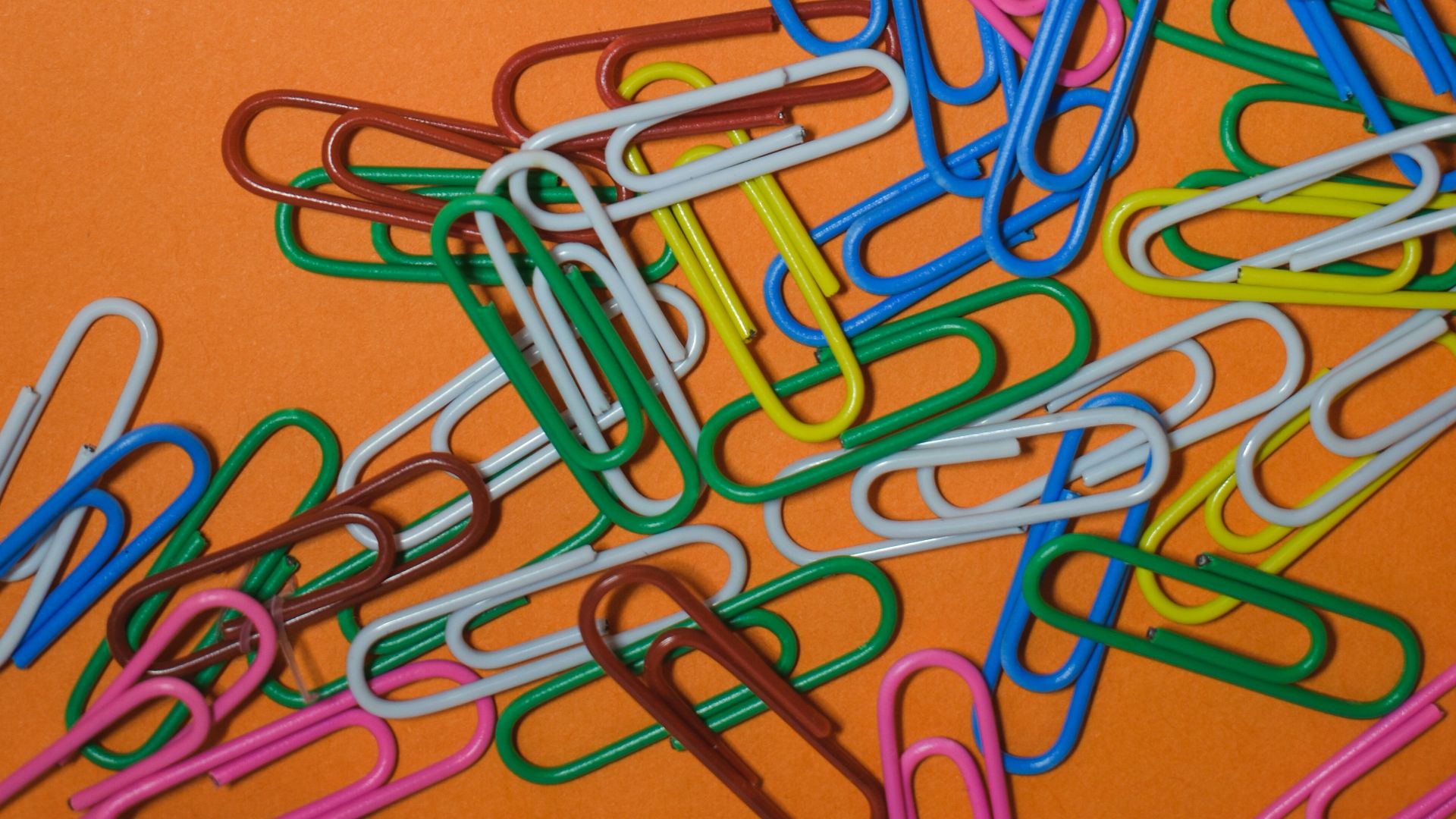
The paper clip looks like the simplest invention imaginable, but its design took surprising trial and error. Many shapes competed before the familiar looped version became popular. During World War II, it even became a quiet symbol of resistance in Norway.
The Mirror
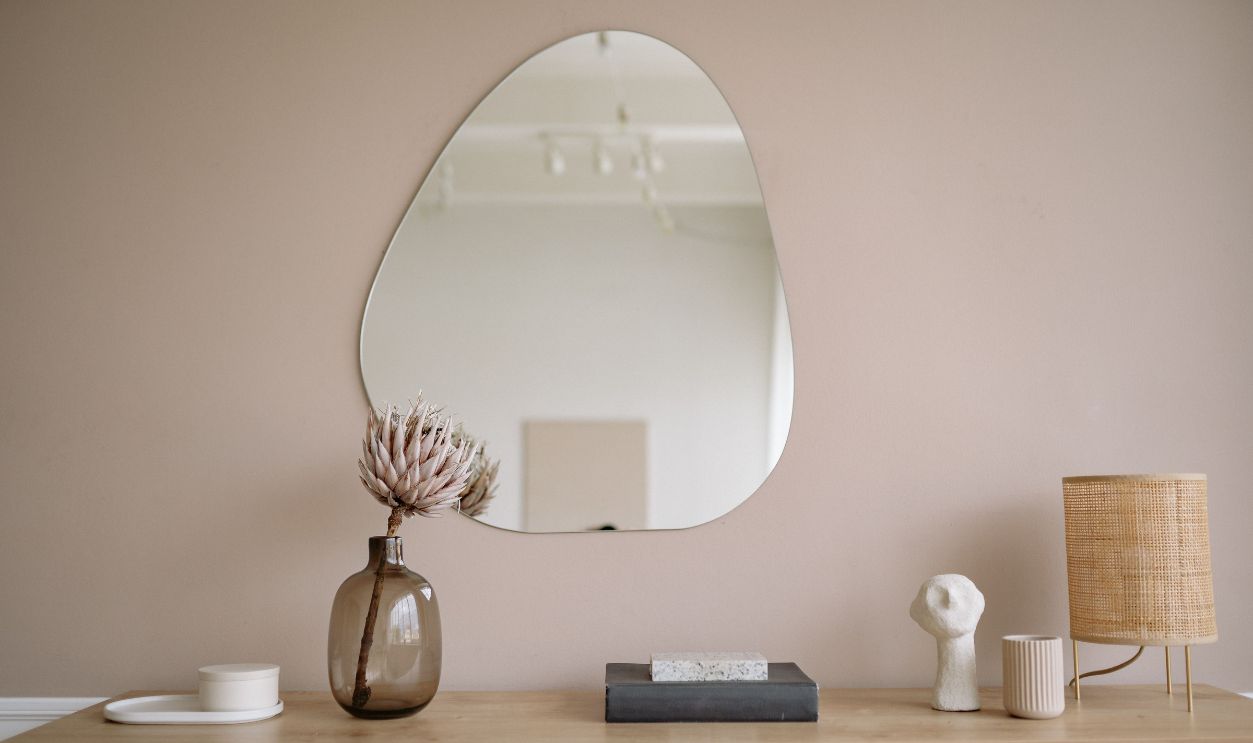
Mirrors began as polished stone, metal, and other reflective surfaces. Clear glass mirrors were once luxury objects, guarded by trade secrets and prized by the wealthy. Today, they hang in bathrooms everywhere, silently witnessing bad hair days and dramatic self-talk.
The Key
Keys go back thousands of years, from bulky wooden devices to tiny metal versions. They have always been about more than locks. Keys symbolize trust, ownership, privacy, and power. Even now, handing someone a key can feel strangely meaningful.

History's most fascinating stories and darkest secrets, delivered to your inbox daily.
The Comb
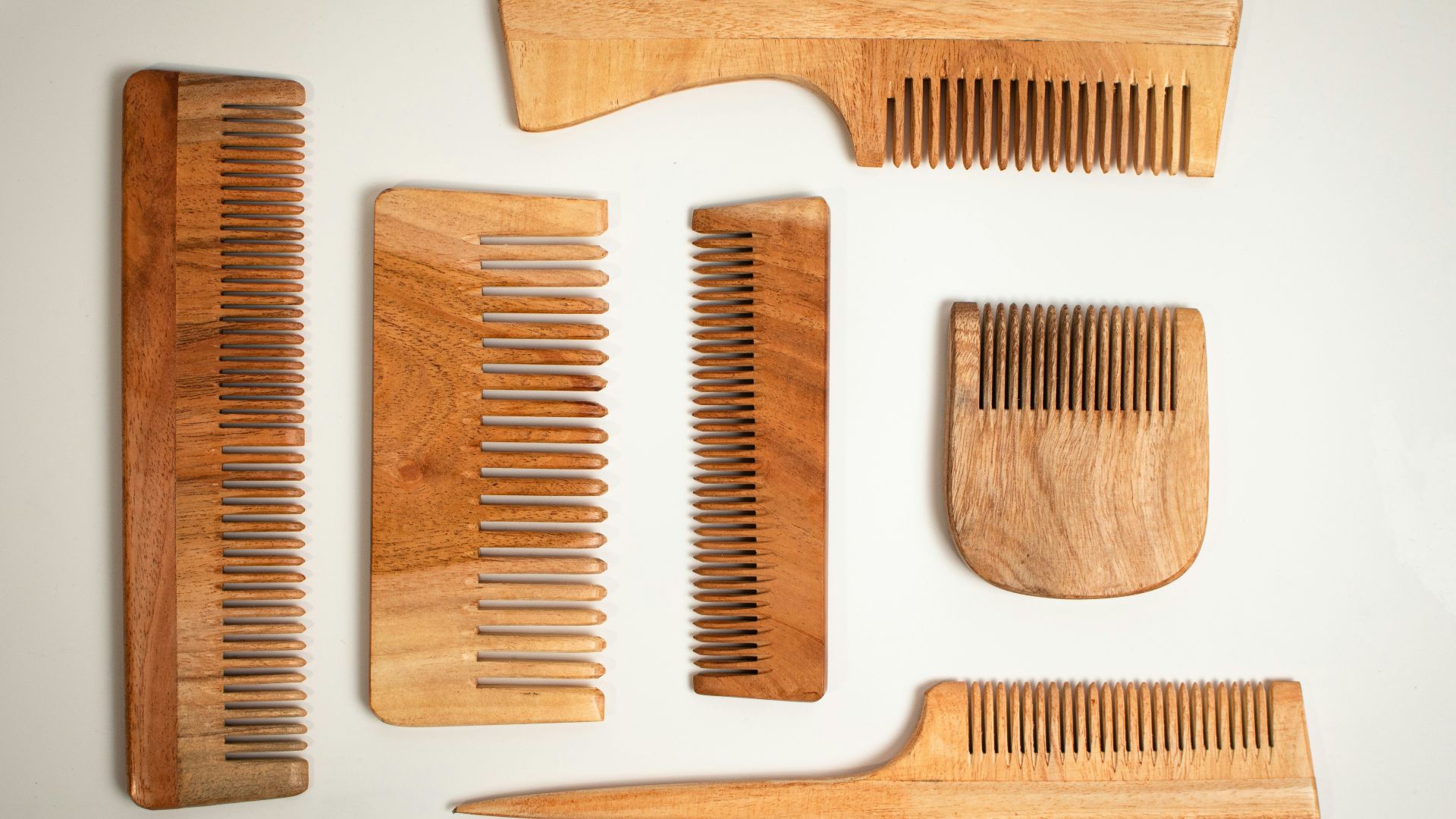
Combs are among humanity’s oldest grooming tools, found in ancient graves and settlements. They were used for beauty, hygiene, and even removing lice. Made from bone, wood, ivory, and plastic, the comb proves that people have always cared about hair drama.
 Raghavendra V. Konkathi, Unsplash
The Chair
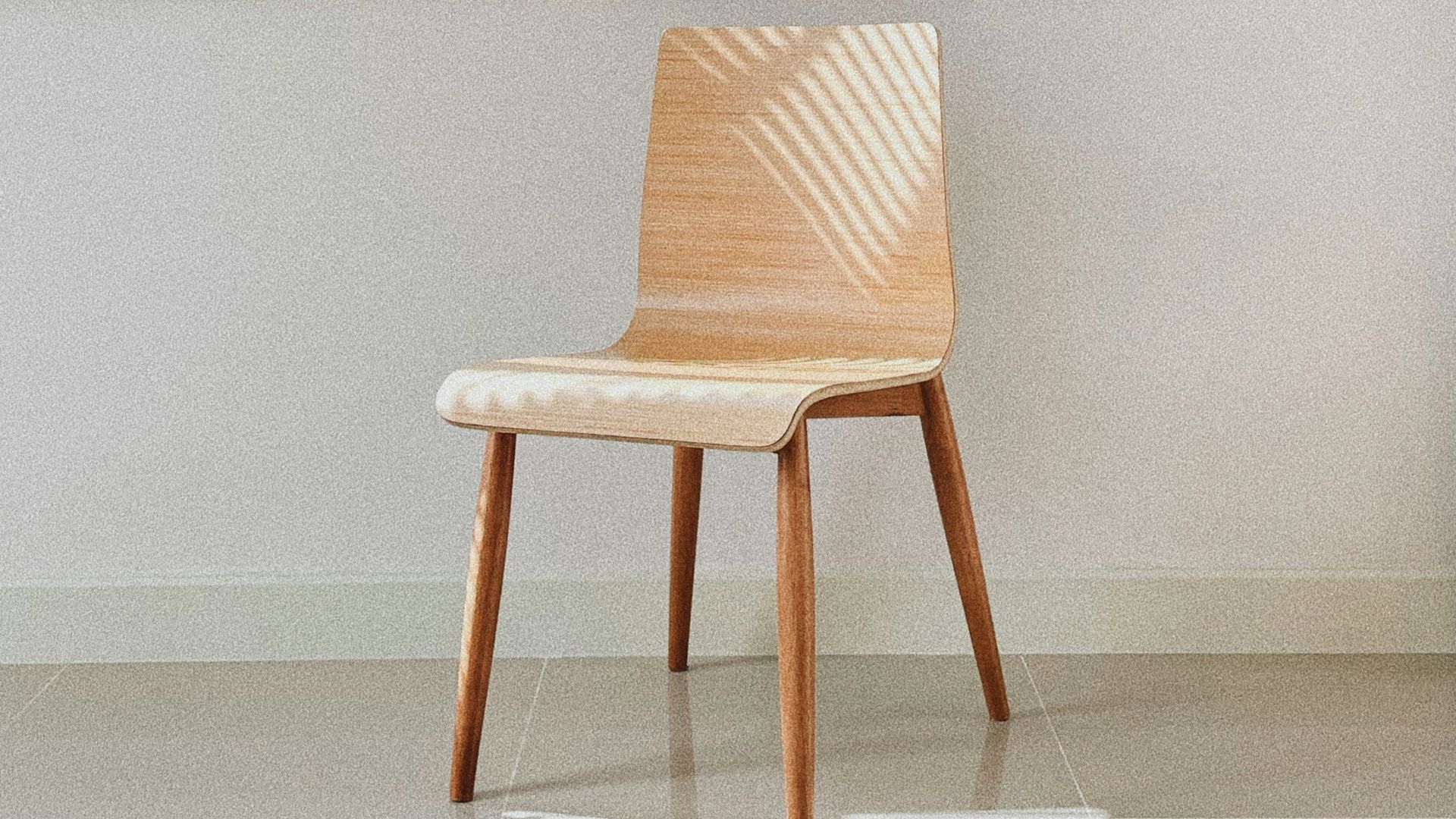
For much of history, chairs were not for everyone. Ordinary people often sat on benches, stools, or the floor, while chairs marked authority and rank. Thrones made that message obvious. Over time, the chair became democratic—and office workers everywhere began complaining about back pain.
 Ronnarit Jirathanyakorn, Unsplash
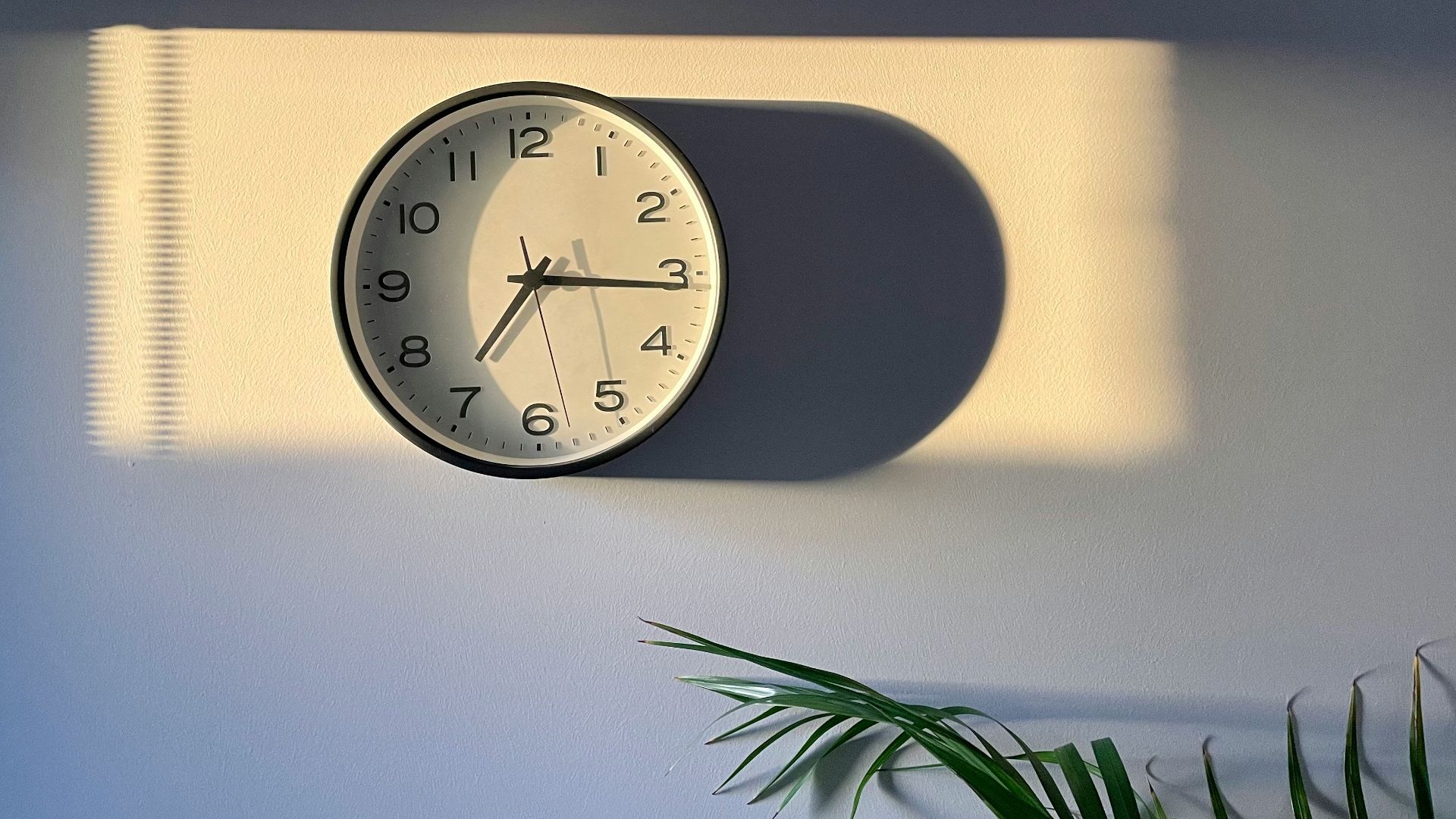
The Clock
Before mechanical clocks, people tracked time with shadows, water, candles, and stars. Then clocks changed everything: work schedules, religious routines, travel, factories, and daily life. The ordinary wall clock is really a tiny machine that helped train humans to obey minutes.
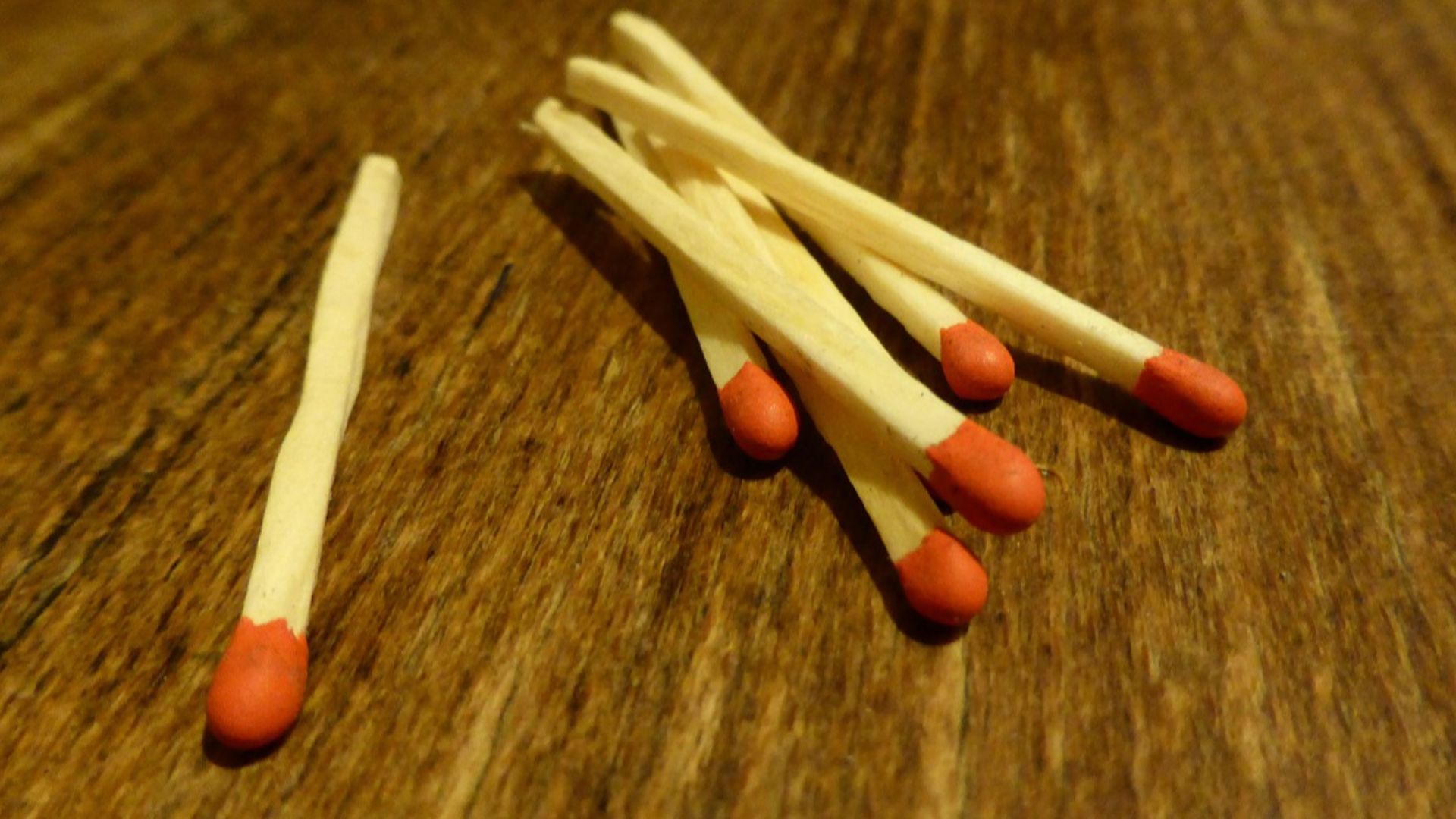
The Match
Fire was once hard work. Matches promised instant flame, but early versions were dangerous, toxic, and sometimes explosive. Workers in match factories suffered from terrible health problems caused by phosphorus. The safe little matchbook has a surprisingly dark industrial past.
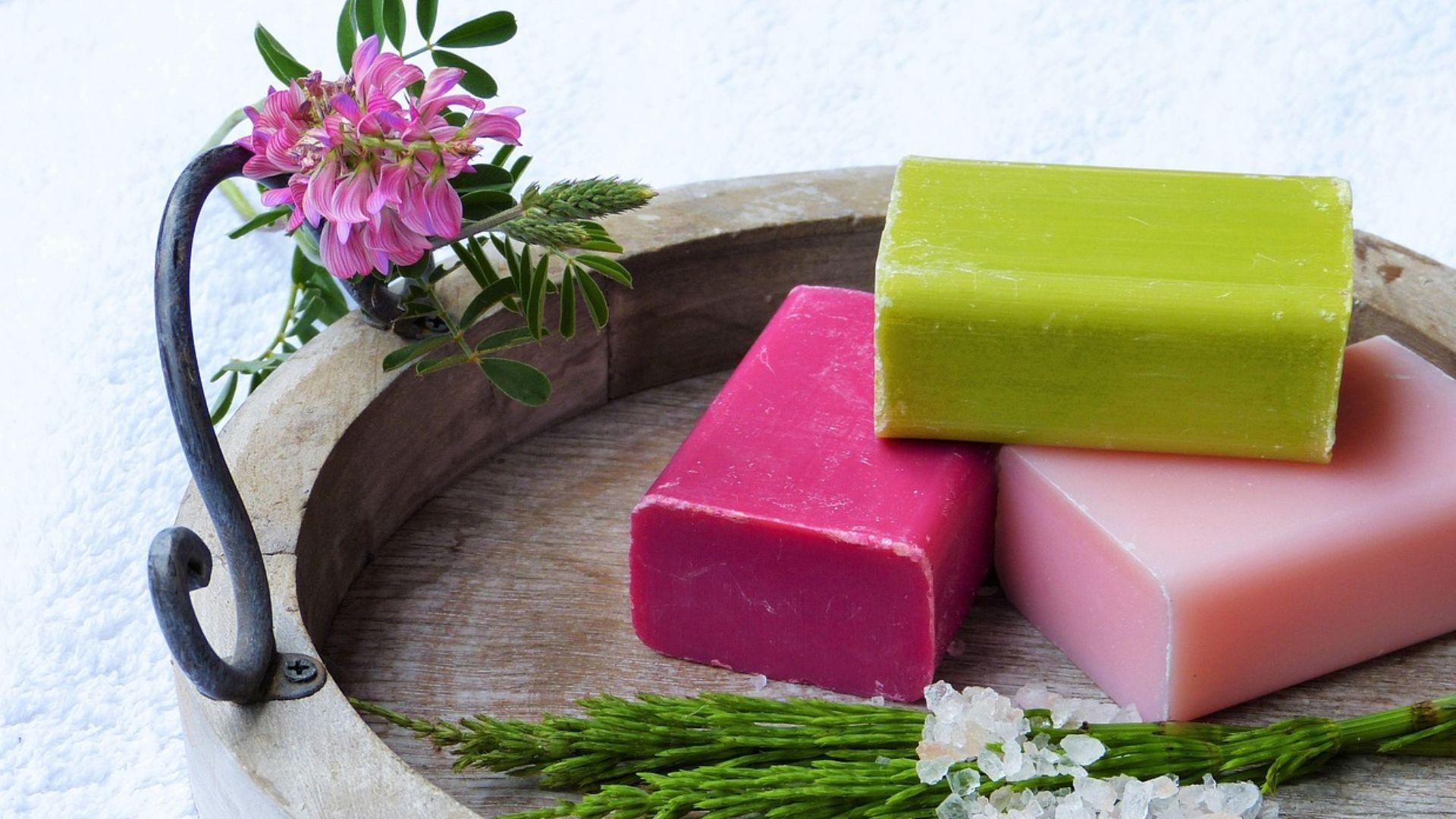
The Soap Bar
Soap has ancient roots, but it was not always the pleasant bathroom staple we know. Early soaps were made from fats, ashes, and oils. Over time, soap became tied to medicine, public health, advertising, beauty, and social respectability. Cleanliness became big business.
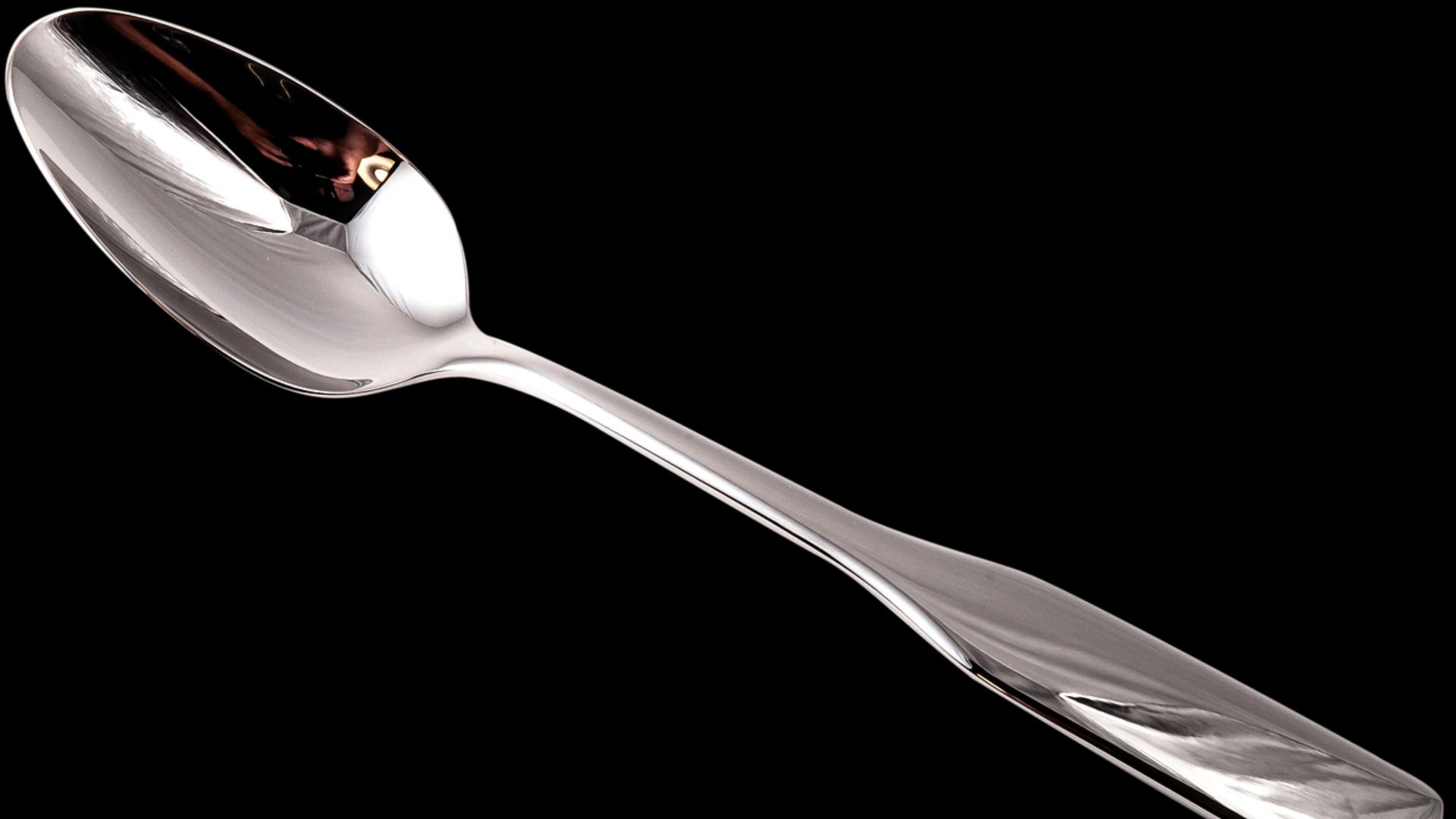
The Spoon
The spoon may be older than civilization itself, with shells, horns, and carved wood used as early scoops. Unlike the fork, the spoon had obvious practical charm. It fed babies, served stews, stirred potions, and somehow survived every redesign humans threw at it.
History's most fascinating stories and darkest secrets, delivered to your inbox daily.
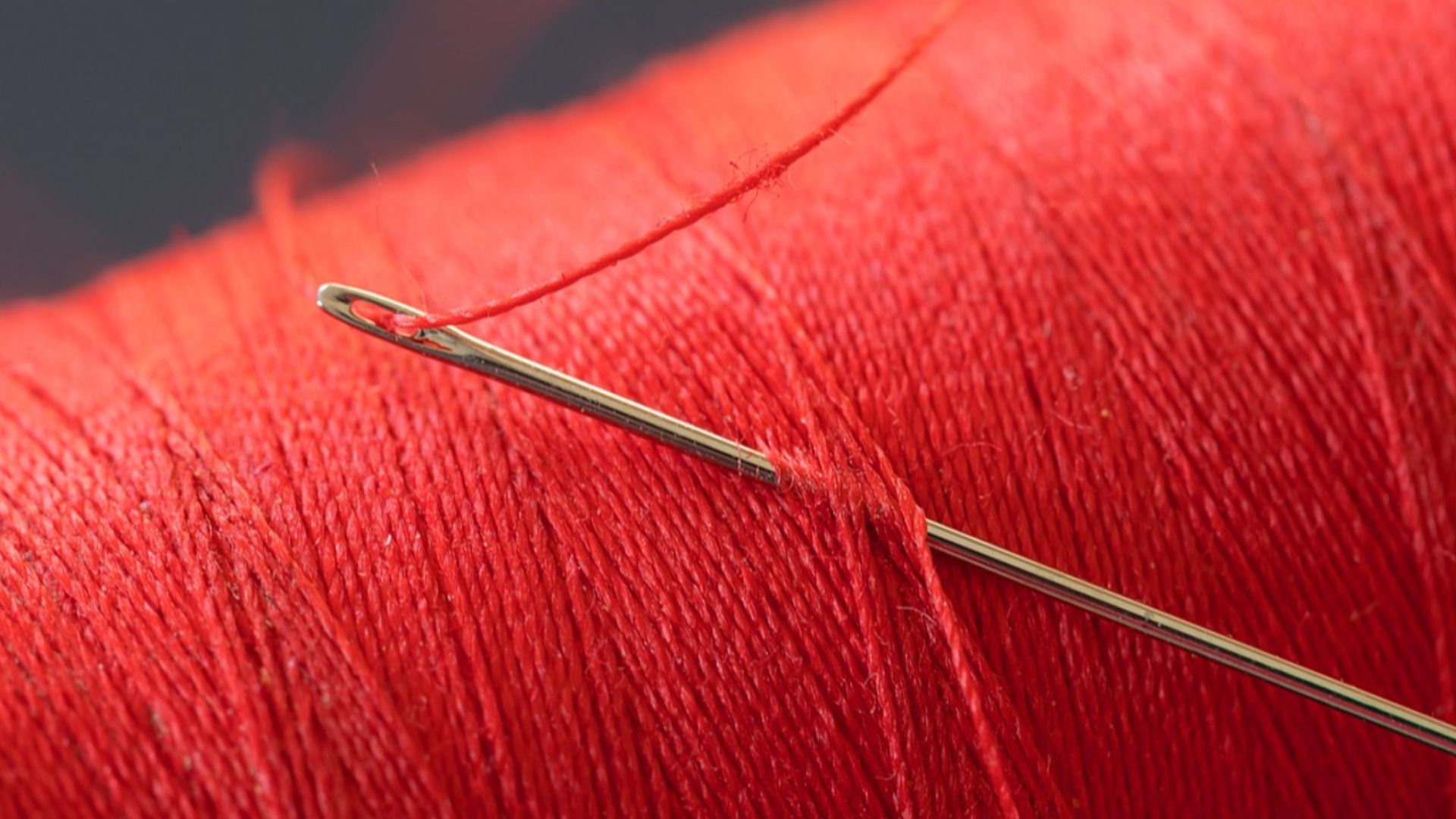
The Needle
The sewing needle changed human survival. Ancient needles made from bone helped people stitch hides into clothing, giving them protection in harsh climates. Later, metal needles transformed tailoring, trade, fashion, and industry. This tiny sharp object helped humans conquer cold weather.
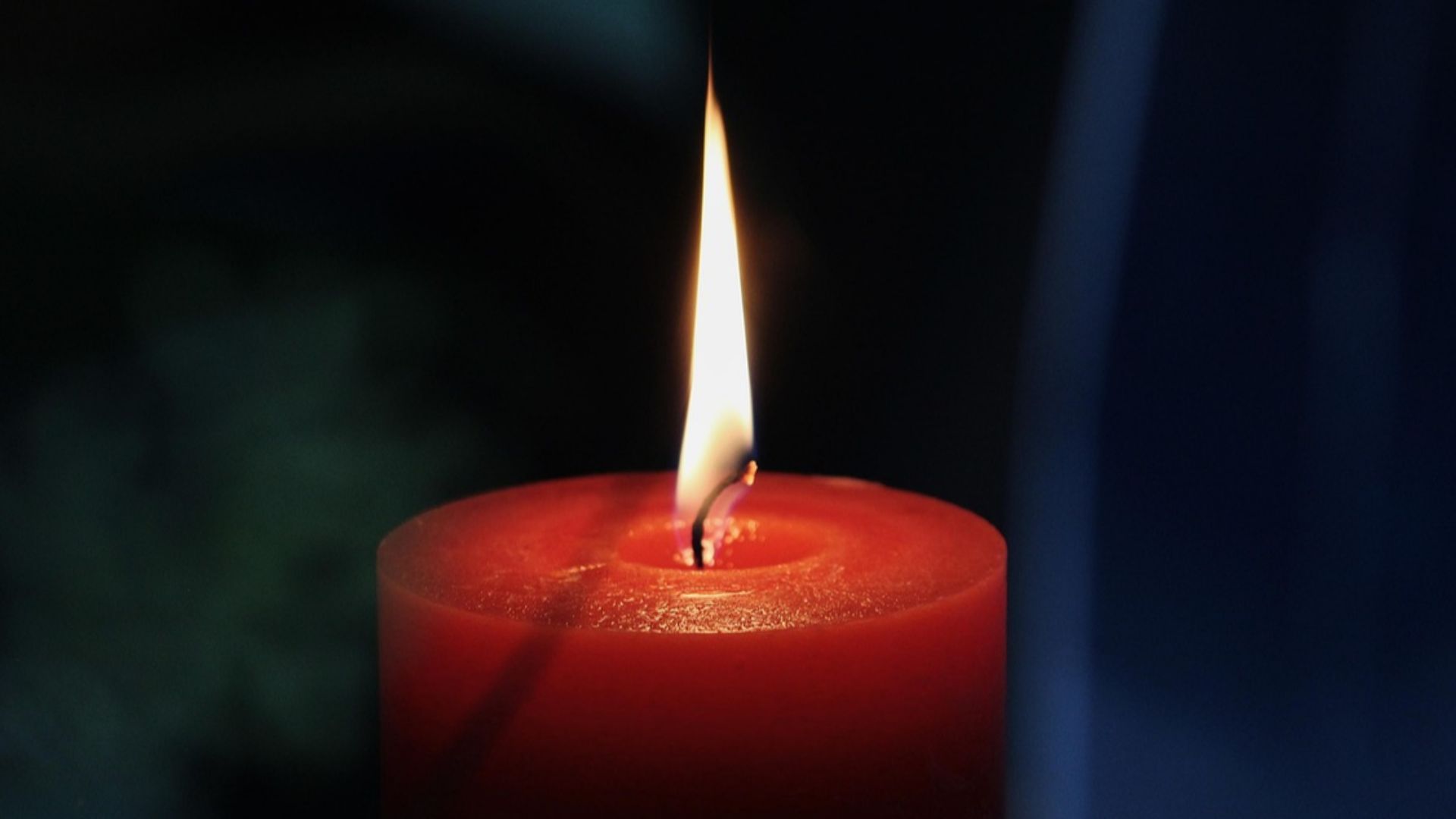
The Candle
Candles were once essential technology, not cozy decor. Made from tallow, beeswax, or whale oil, they lit homes, churches, and streets. Their quality depended on wealth, because cheap candles smelled awful. Today’s scented candle has a surprisingly smoky and smelly ancestry.
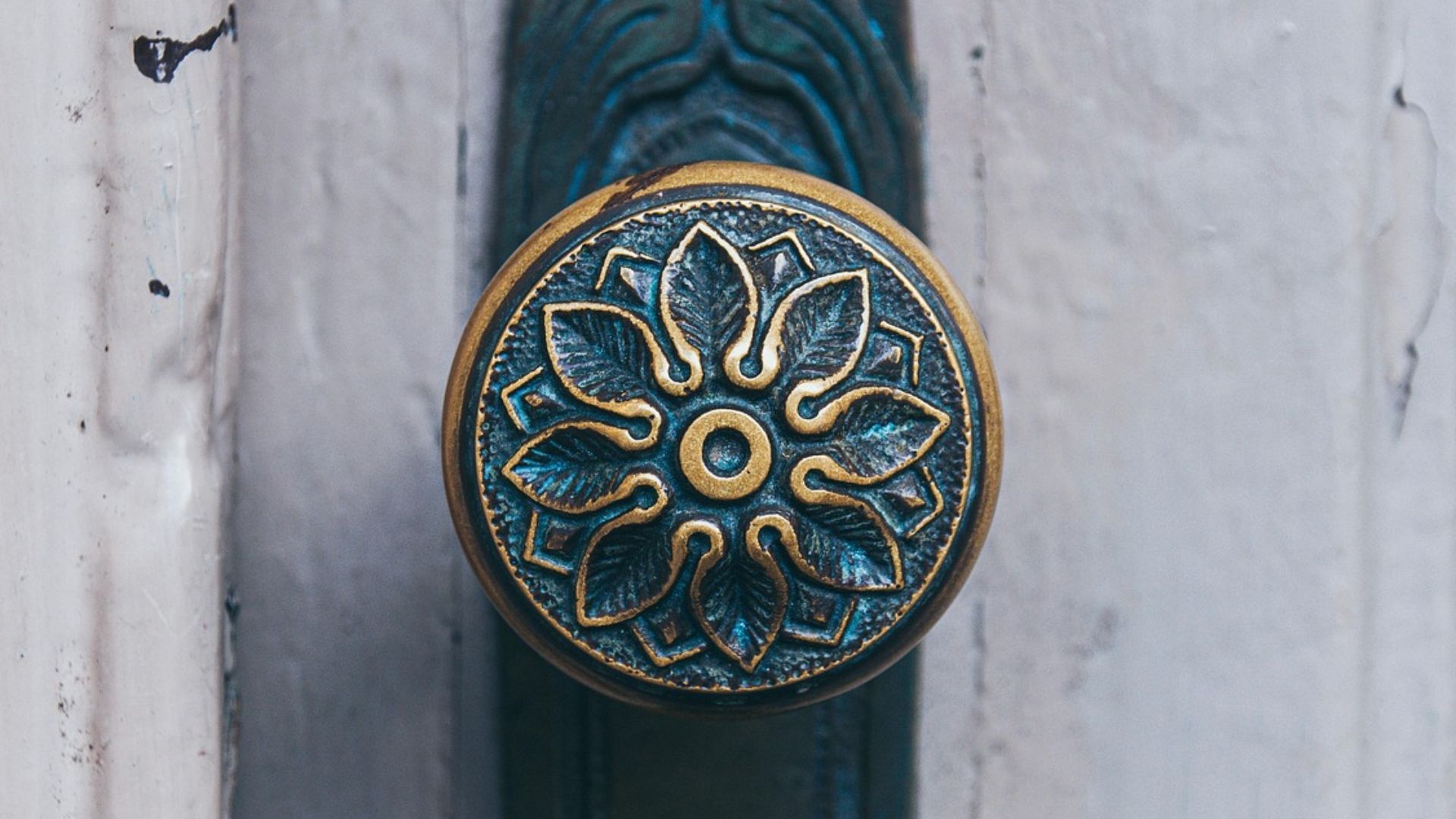
The Doorknob
The doorknob seems obvious, but for ages people used latches, bars, handles, and keys instead. Modern knobs spread with changing architecture, privacy expectations, and mass production. Every twist of a doorknob carries a little history of personal space.
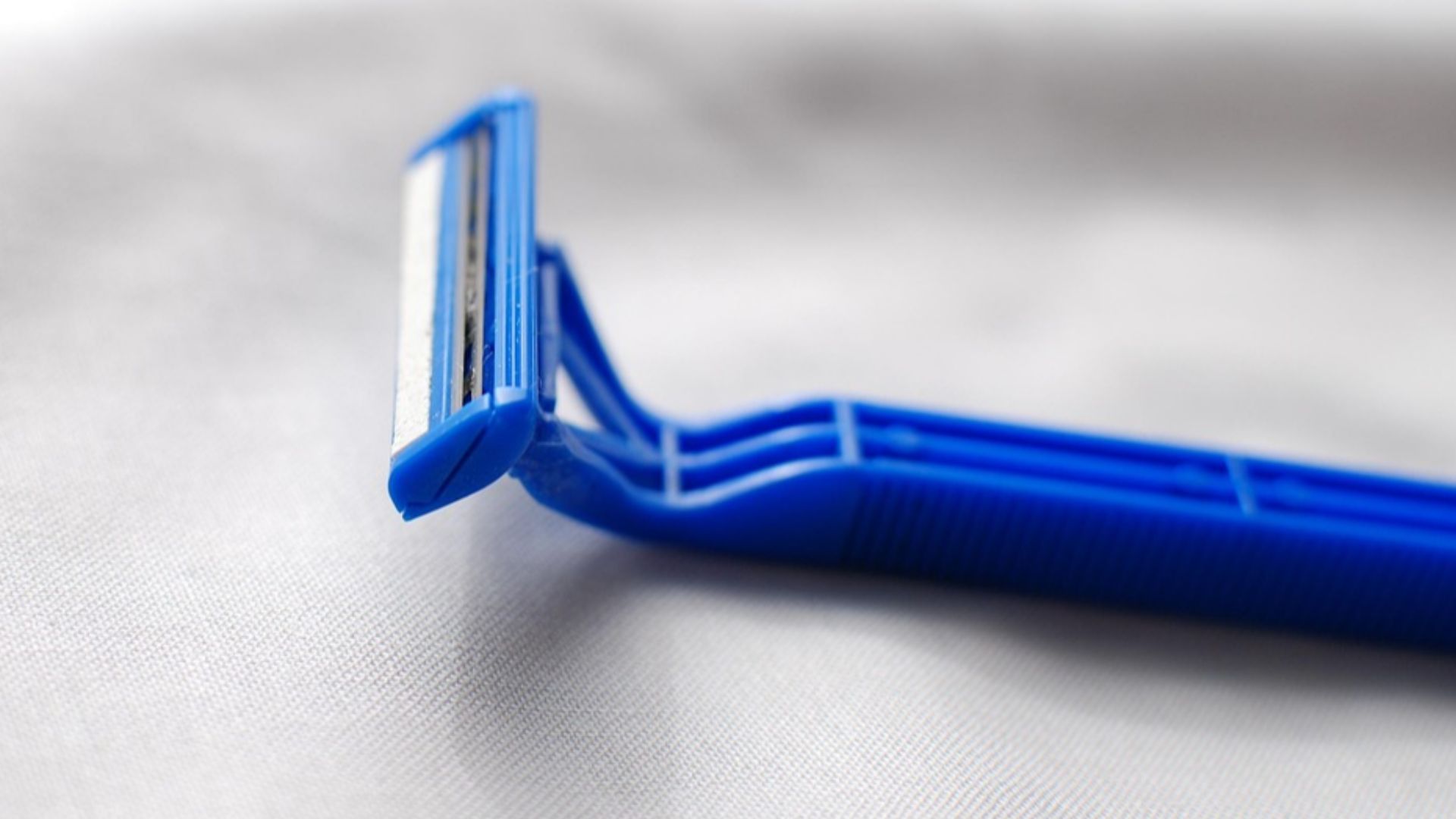
The Razor
Razors go back to ancient shells, bronze blades, and sharpened stones. Shaving has been linked to fashion, religion, military discipline, and ideas about cleanliness. Safety razors and disposable blades later turned grooming into a massive industry. Smooth skin has never been simple.
The Envelope
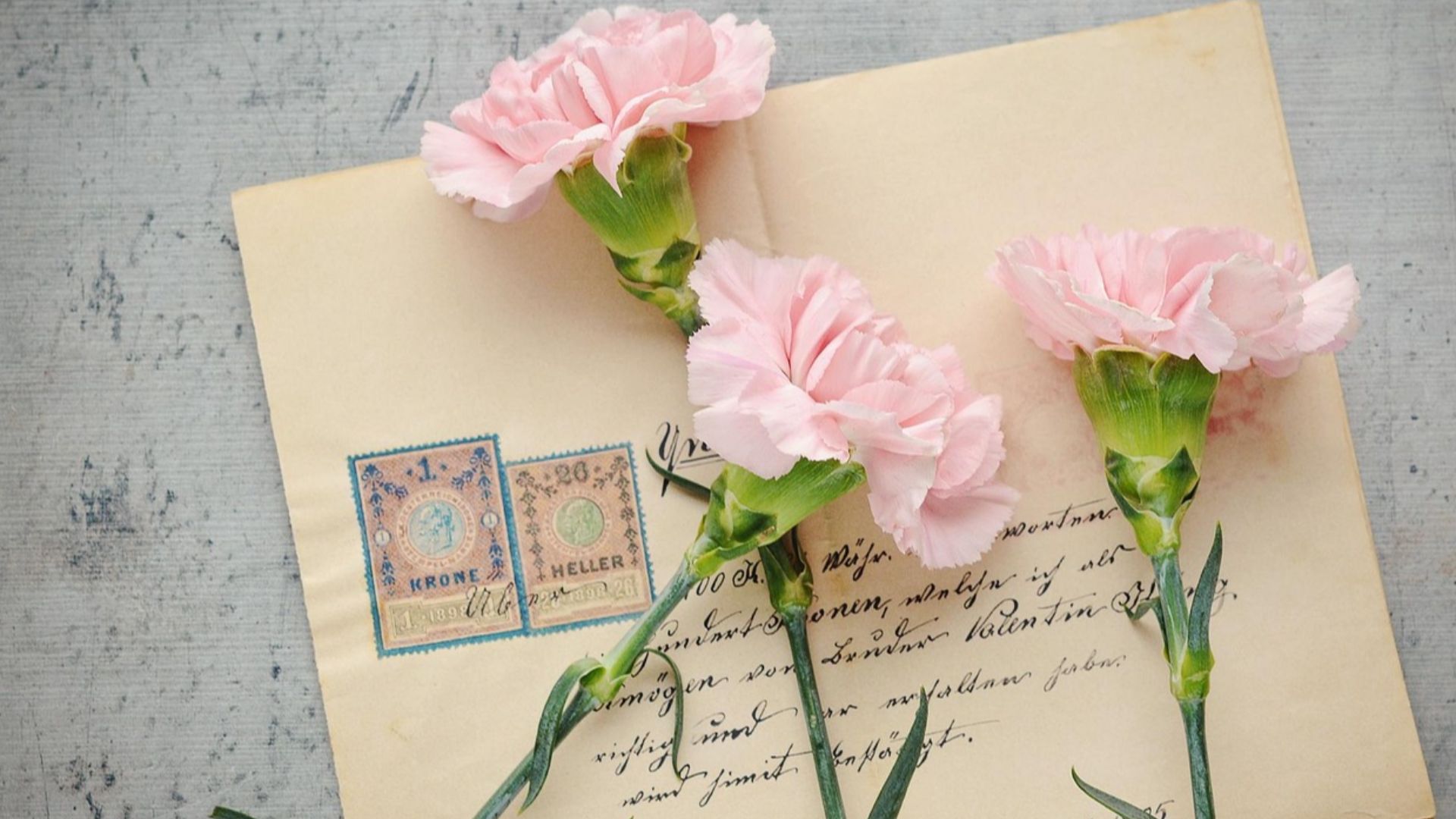
Letters existed long before envelopes. People folded, sealed, tied, and stamped messages in clever ways to protect privacy. The envelope became common with postal reforms, mass paper production, and standardized mail. Before inboxes, it was the original message container.
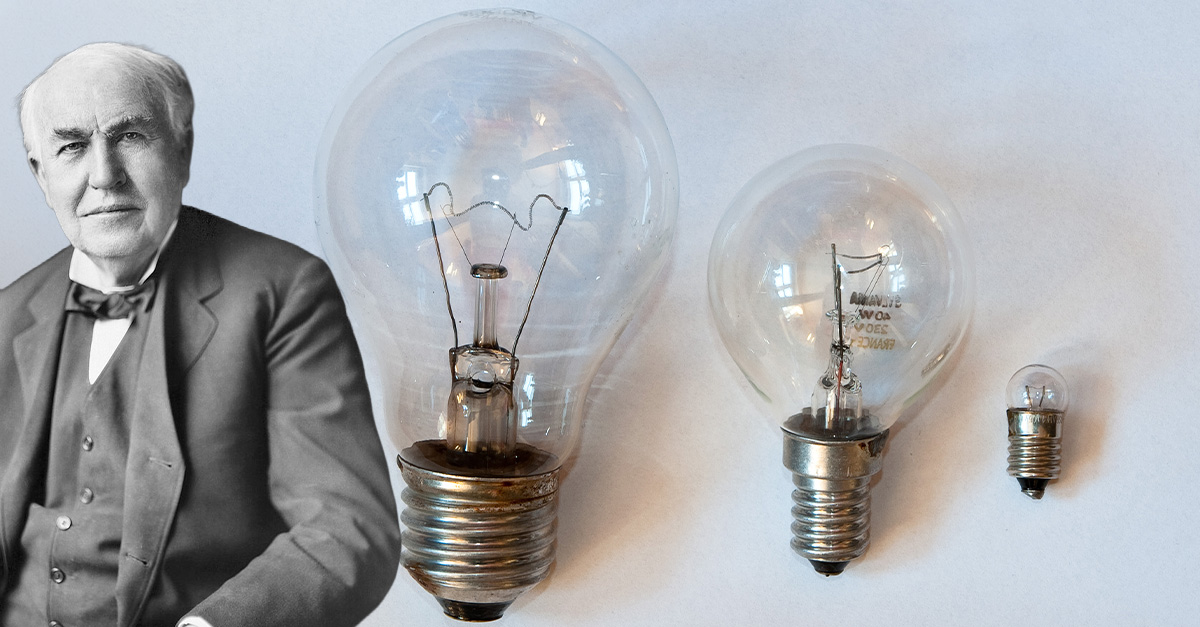
The Light Bulb
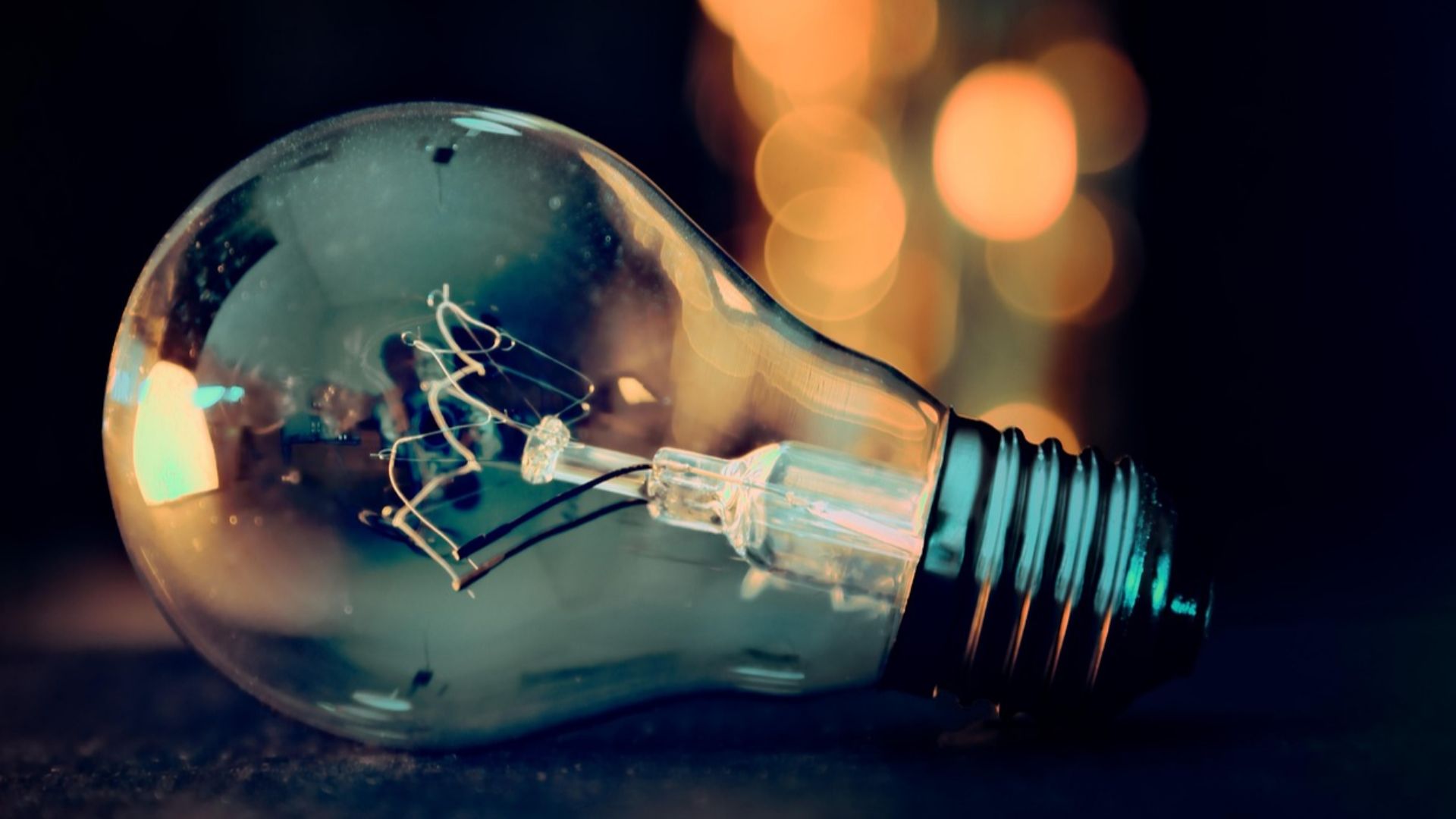
The light bulb was not created by one lone genius in a flash of inspiration. Many inventors experimented with electric light before reliable bulbs became practical. Its history is full of patents, rivalries, and engineering battles. Then suddenly, night became negotiable.
History's most fascinating stories and darkest secrets, delivered to your inbox daily.
The Pen
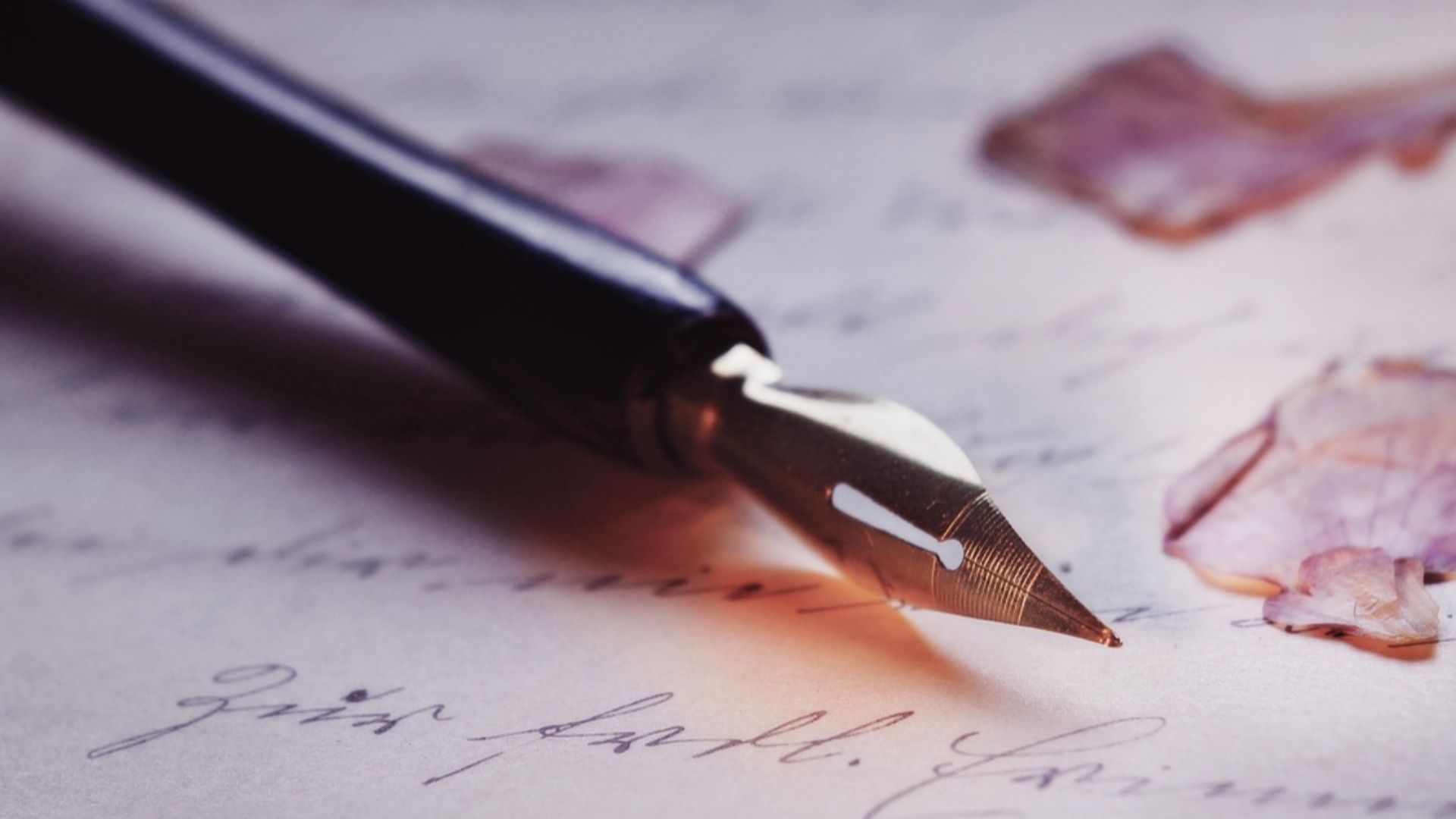
Pens began with reeds, feathers, and inkpots before fountain pens, ballpoints, and gel pens took over. Each version solved one problem and introduced another. Leaks, blobs, smudges, and elegance all shaped the pen’s long journey from ancient scribes to school desks.
The Wallet
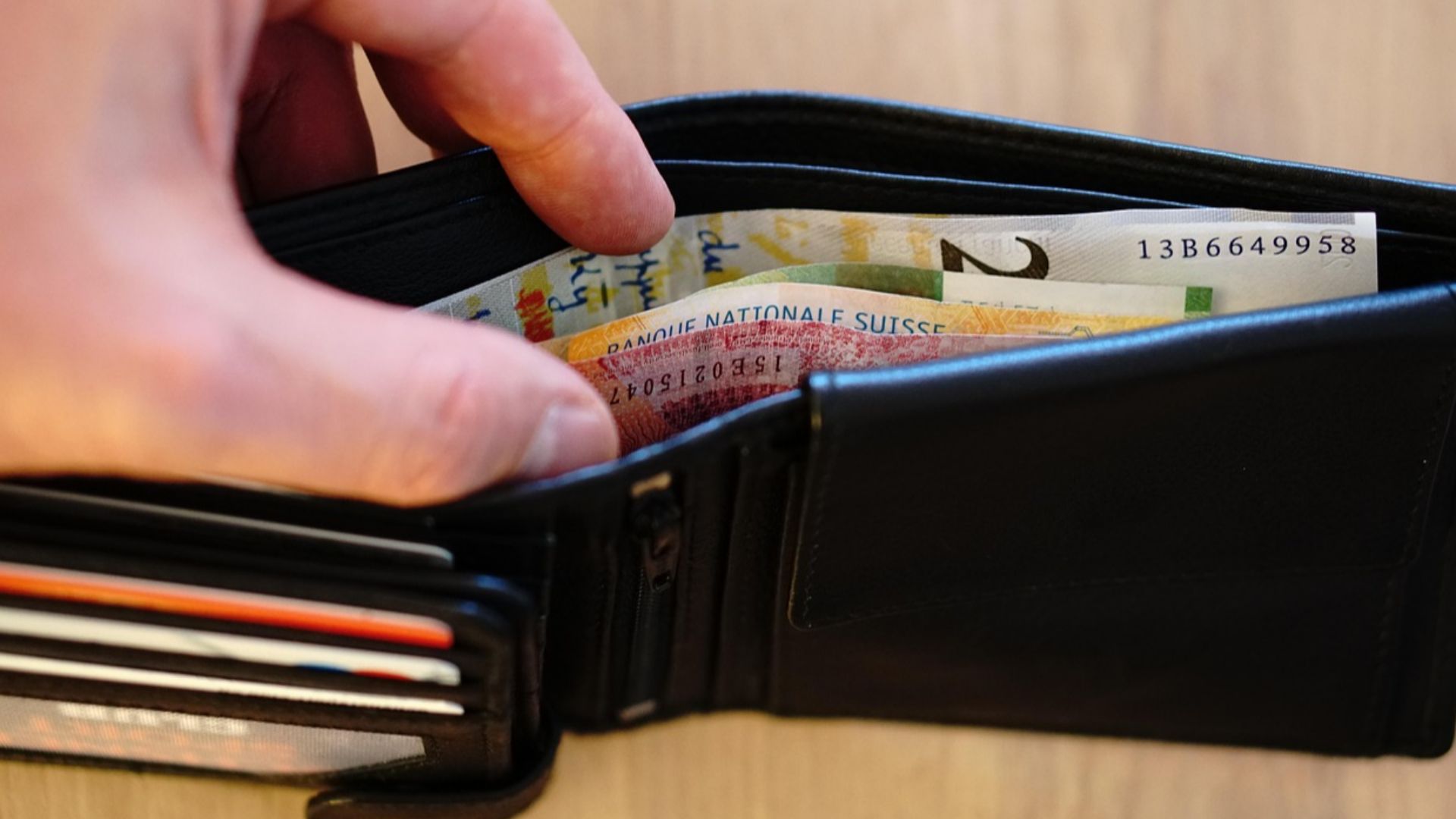
Wallets once held coins, papers, tobacco, and personal tokens long before credit cards appeared. Their design changed with banking, identity documents, and consumer culture. A wallet is really a portable archive of money, access, memory, and tiny receipts no one needs.
The Glass Bottle
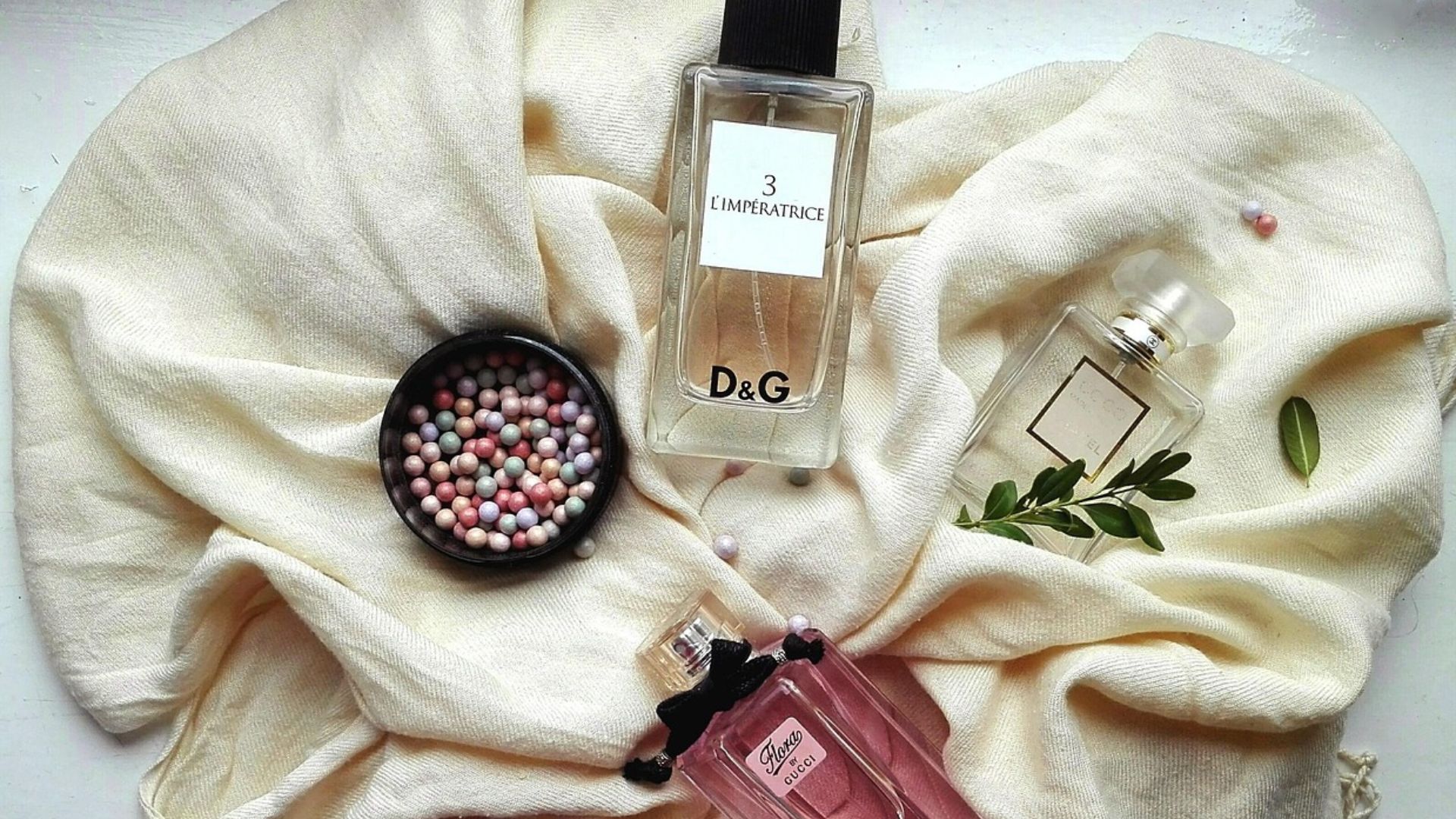
Glass bottles have carried perfume, medicine, wine, milk, poison, soda, and secret messages. Making them was once skilled, expensive work. Industrial production made bottles common, while recycling gave them a second life. One simple bottle contains chemistry, trade, branding, and environmental debate.
The Shoe
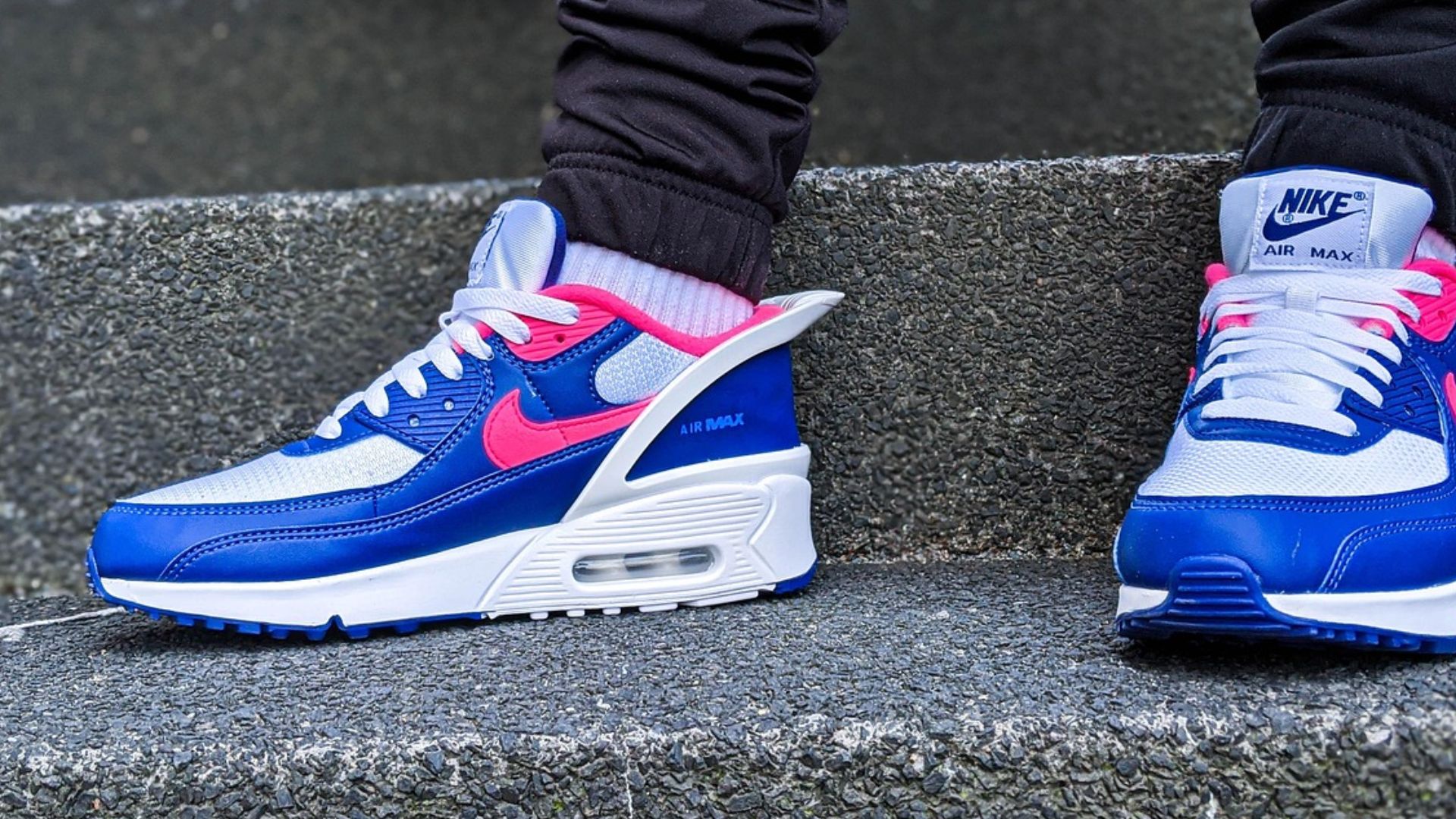
Shoes began as protection from rough ground, but quickly became symbols of status, culture, and identity. Pointed toes, high heels, sneakers, and work boots all tell different stories. Every pair of shoes carries history—plus maybe a blister or two.
Ordinary Objects, Extraordinary Backstories
Everyday objects can feel boring only because they work so well. But behind the fork, zipper, match, mirror, and pencil are centuries of invention, argument, fashion, danger, and surprise. The next time you pick up something ordinary, remember: it may have lived a very dramatic life.

You May Also Like:
Real People Whose Names Became Everyday Words
Showy Facts About Ed Sullivan, The Hollywood Starmaker
Dark Facts About Thomas Cromwell, Henry VIII’s Notorious Right-Hand Man










