Names That Outlived People
Most people assume common words have always existed, but many everyday terms actually began as surnames. Inventors, military leaders, aristocrats, and entrepreneurs left such a lasting mark on history that their names became part of everyday language. These are some of the most fascinating examples.
Sandwich
The sandwich is named after John Montagu, 4th Earl of Sandwich, an eighteenth-century English nobleman. According to popular accounts, he enjoyed eating meat tucked between slices of bread so he could continue working and gambling without interrupting his activities. The convenient meal soon spread across Britain and beyond.
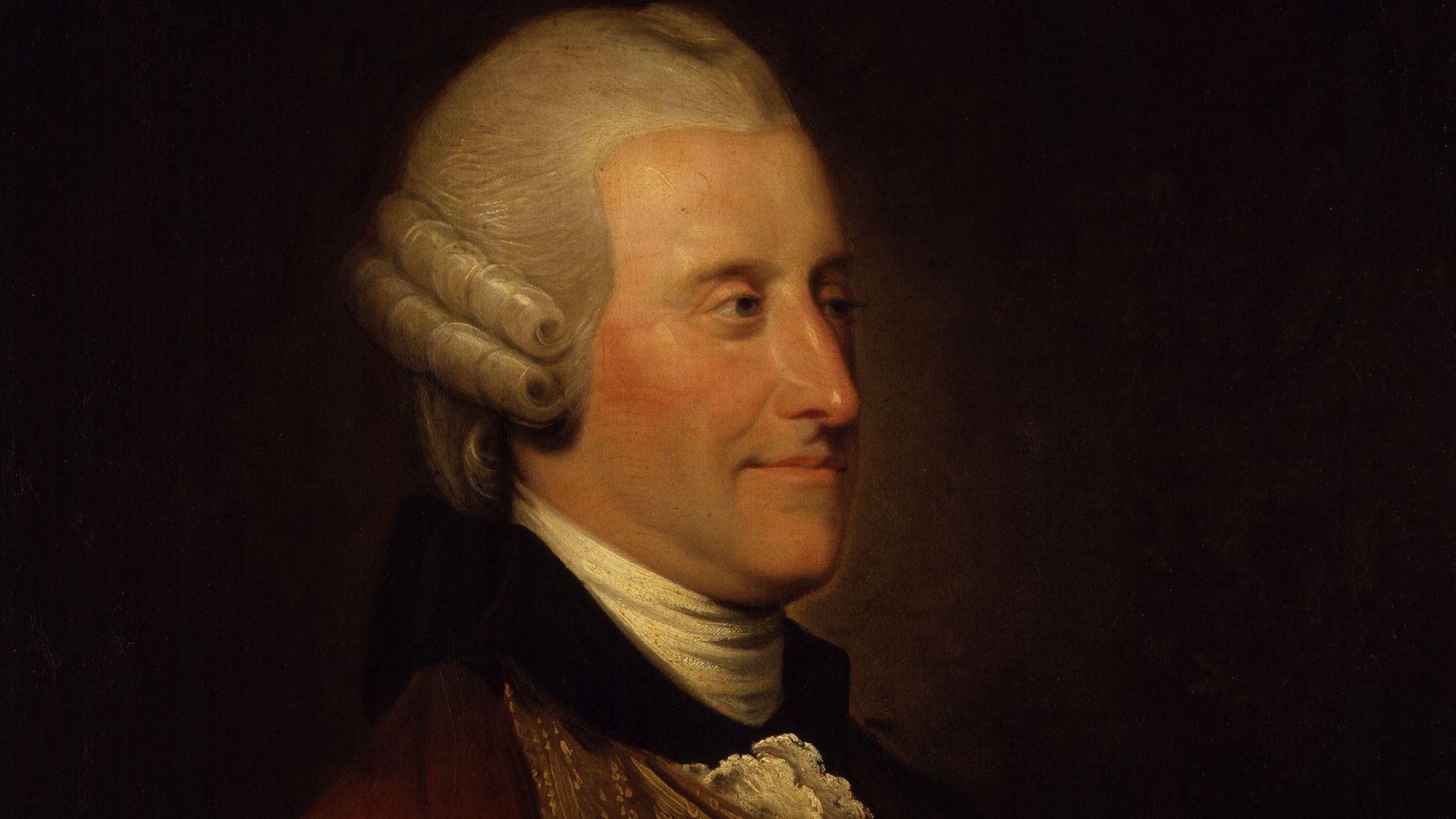 Johann Zoffany, Wikimedia Commons
Cardigan
The cardigan sweater owes its name to James Brudenell, 7th Earl of Cardigan. The British military officer reportedly popularized a knitted, open-front garment worn during the Crimean War. The style remained fashionable long after the conflict ended, turning his title into a permanent clothing term.
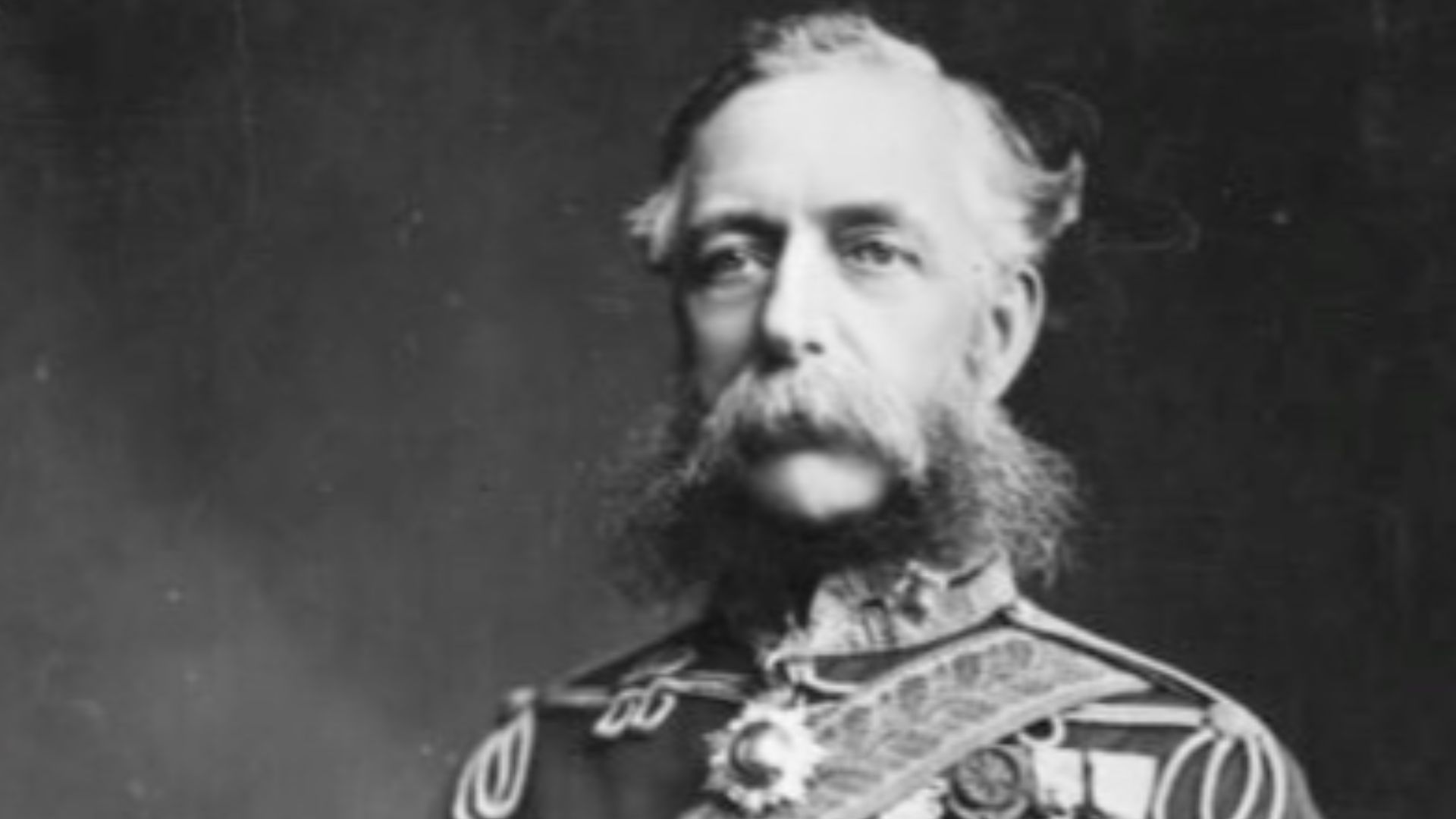 Unidentified photographer, Wikimedia Commons
Diesel
The diesel engine takes its name from Rudolf Diesel, who developed a highly efficient internal combustion engine in the 1890s. Although Diesel himself met a mysterious end in 1913, his surname became forever associated with heavy-duty engines, trucks, locomotives, and industrial machinery.
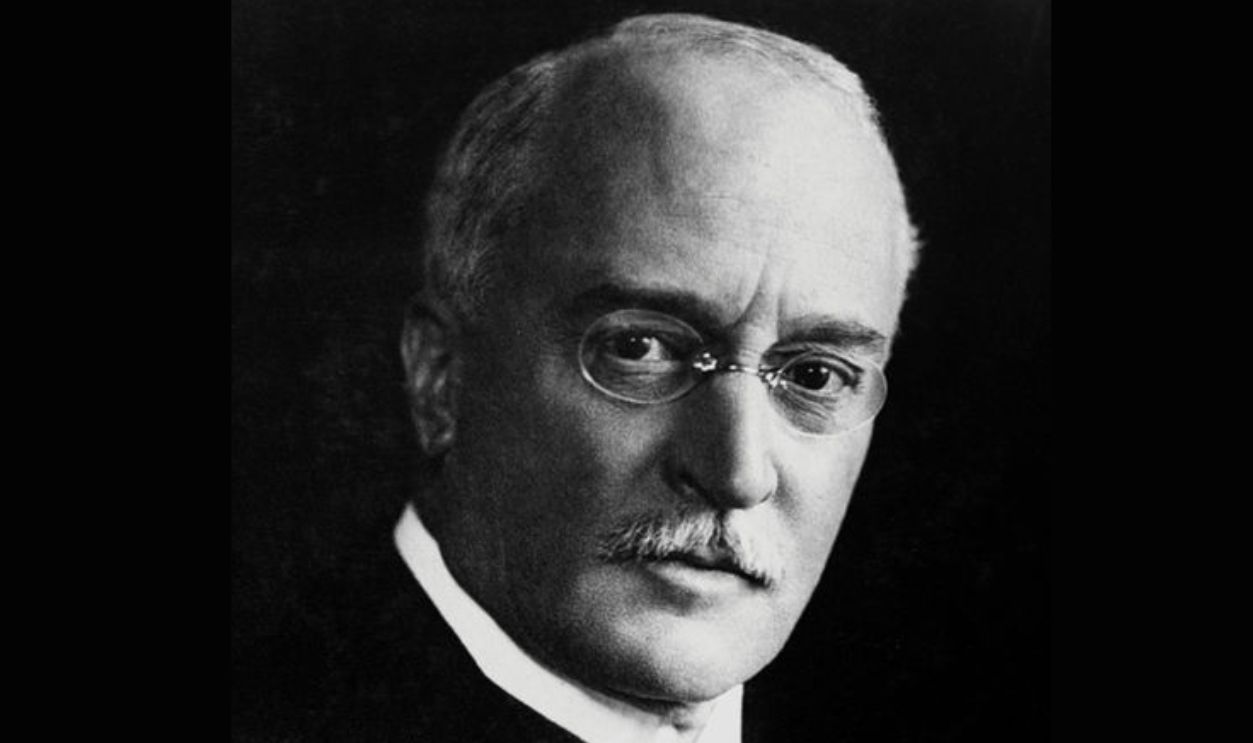 Unknown author, Wikimedia Commons
Boycott
The word boycott comes from Charles Boycott, an English land agent working in Ireland during the 1880s. Local tenants and laborers refused to work with him or conduct business with him. The strategy gained widespread attention, and his surname entered the English language.
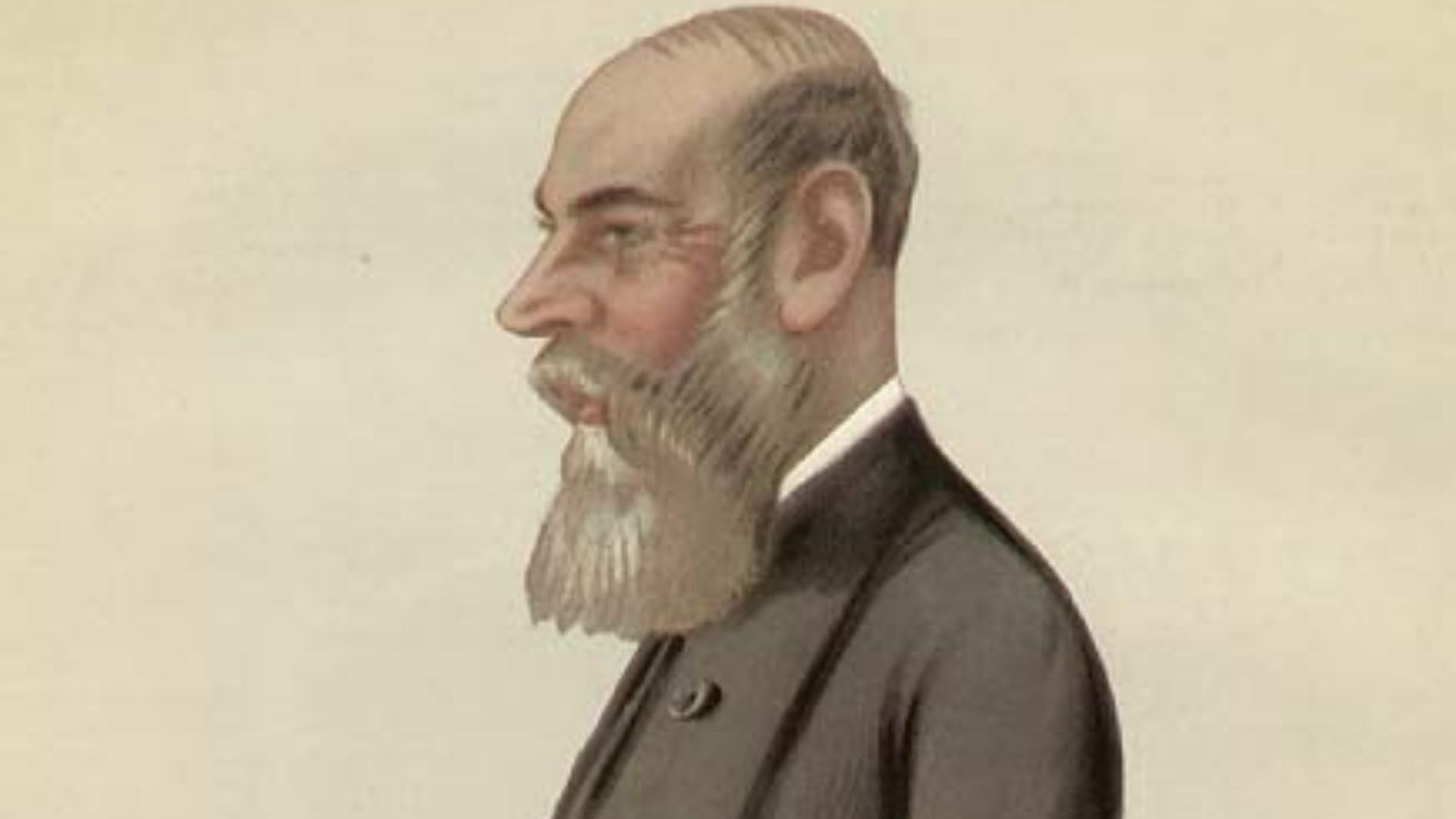 Leslie Ward, Wikimedia Commons
Saxophone
The saxophone is named after Adolphe Sax, who patented the instrument in the 1840s. Sax hoped it would bridge the gap between brass and woodwind instruments. Although initially controversial, the saxophone eventually became central to jazz, military bands, and popular music.
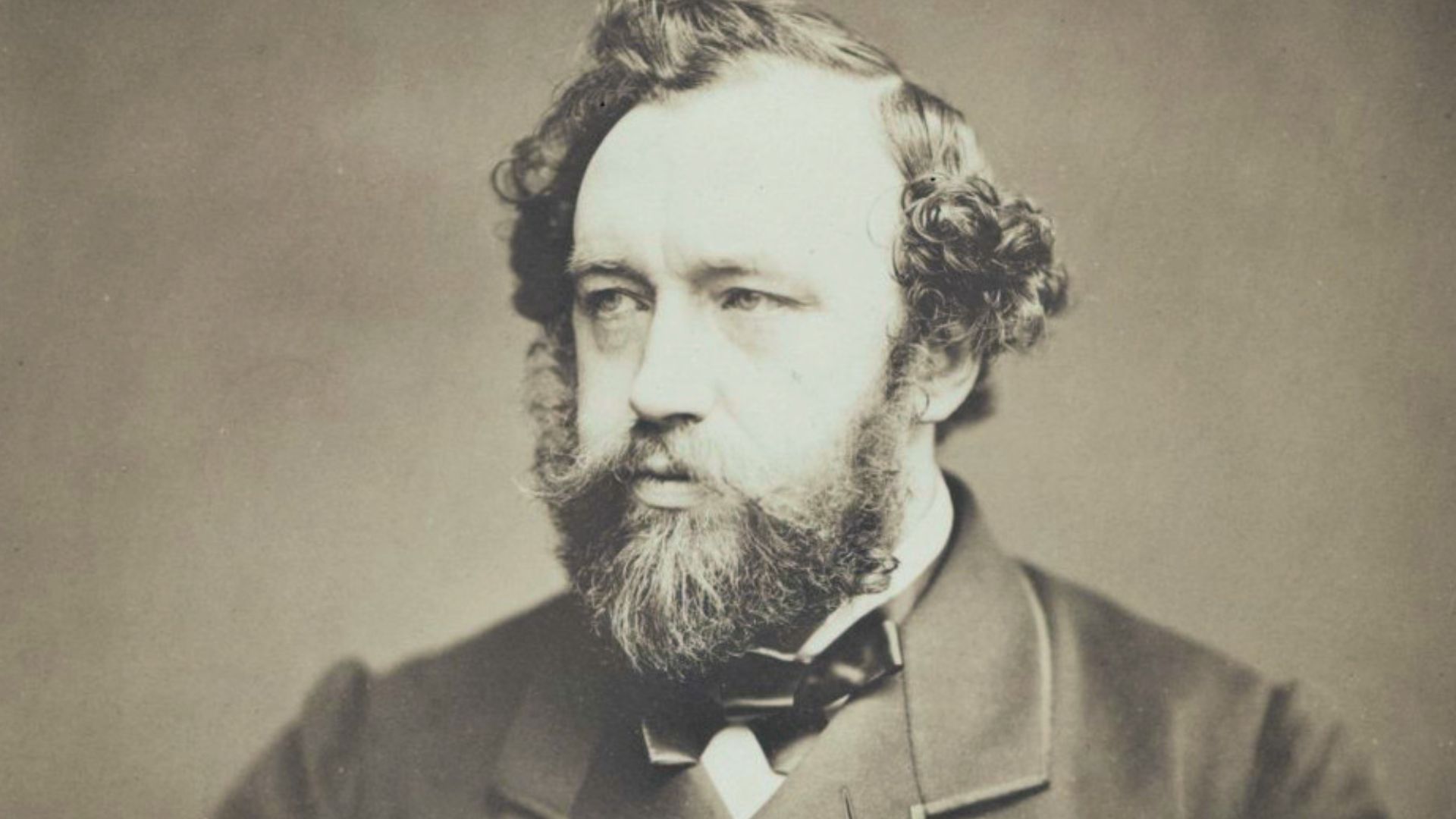 Unknown authorUnknown author, Wikimedia Commons
Braille
Braille is named after Louis Braille, who lost his sight as a child. He developed a tactile reading system using raised dots that transformed education and communication for blind people around the world. His surname became synonymous with accessible reading.
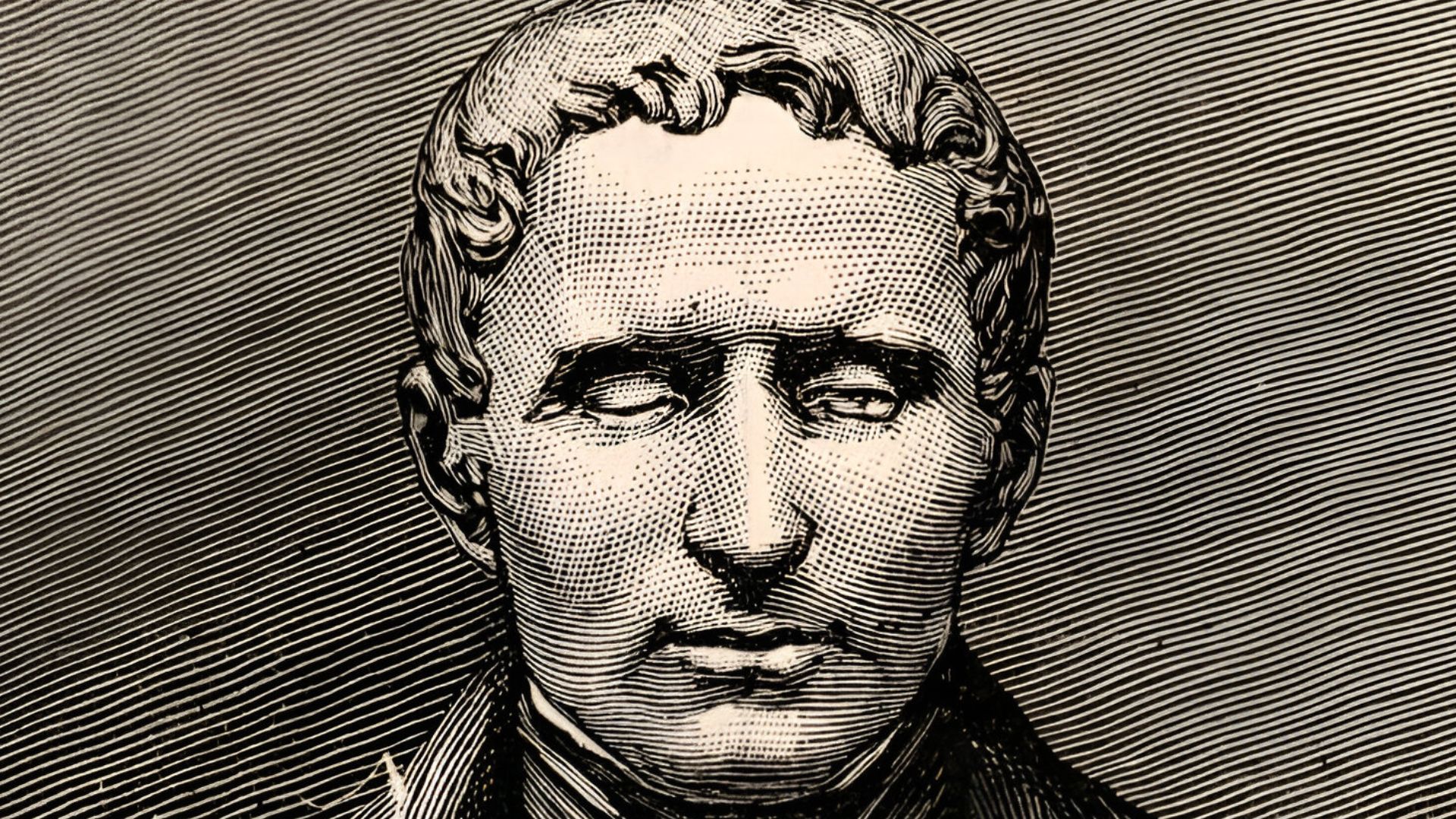 Henri Thiriat, Wikimedia Commons
Guillotine
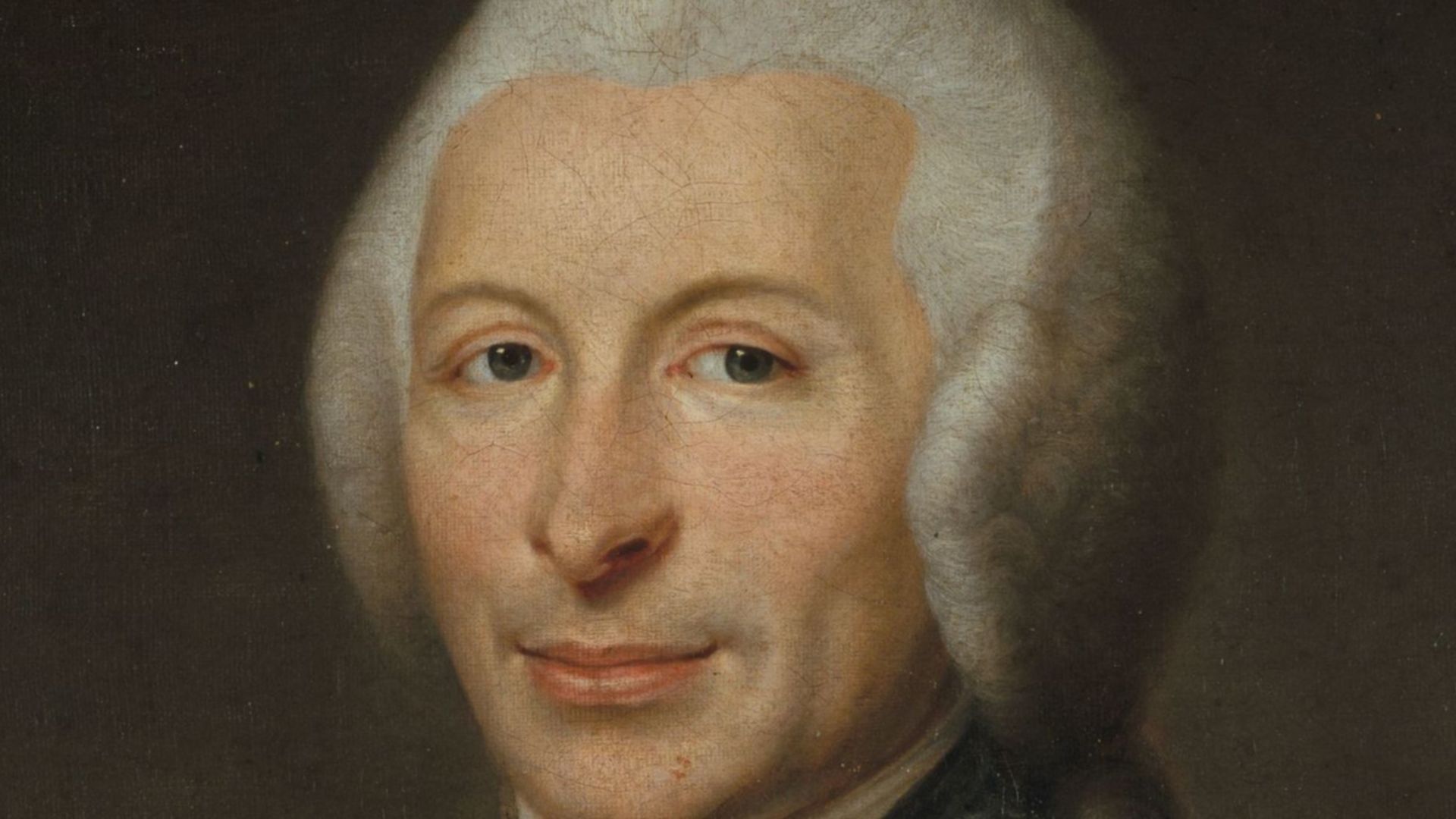
The guillotine is associated with Joseph-Ignace Guillotin. Although he did not invent the device, he advocated for a more humane and standardized execution method during the French Revolution. History attached his name to the machine, much to the discomfort of his descendants.
Leotard
The leotard is named after Jules Léotard, who gained fame performing daring trapeze acts in the nineteenth century. His close-fitting one-piece costume became strongly associated with his performances and eventually adopted his surname as its official name.
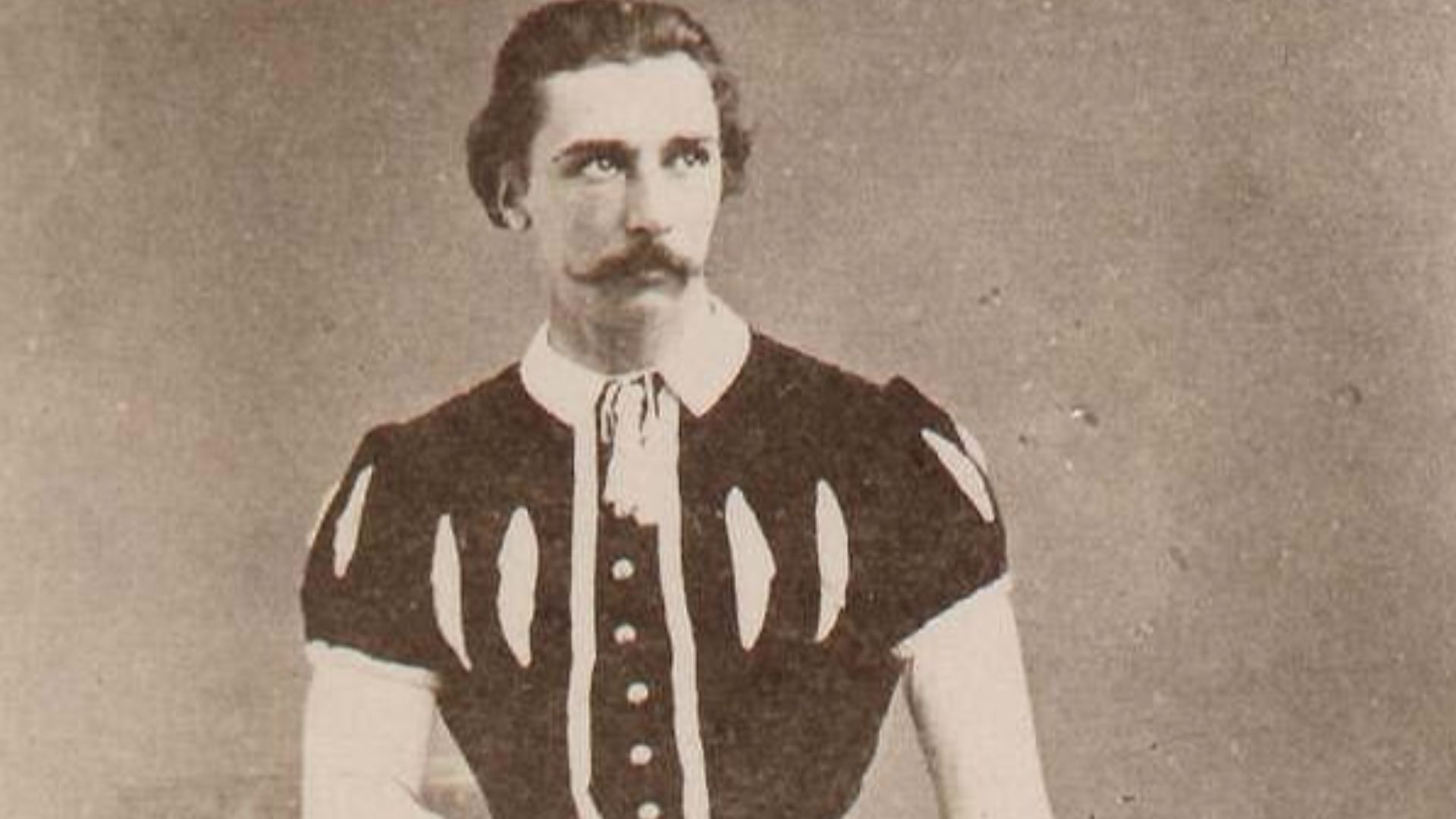 Unknown authorUnknown author, Wikimedia Commons

History's most fascinating stories and darkest secrets, delivered to your inbox daily.
Silhouette
The word silhouette comes from Étienne de Silhouette. During his tenure as French finance minister, he became known for aggressive cost-cutting measures. Cheap profile portraits were mockingly associated with his name, and the term eventually evolved into the modern artistic meaning.
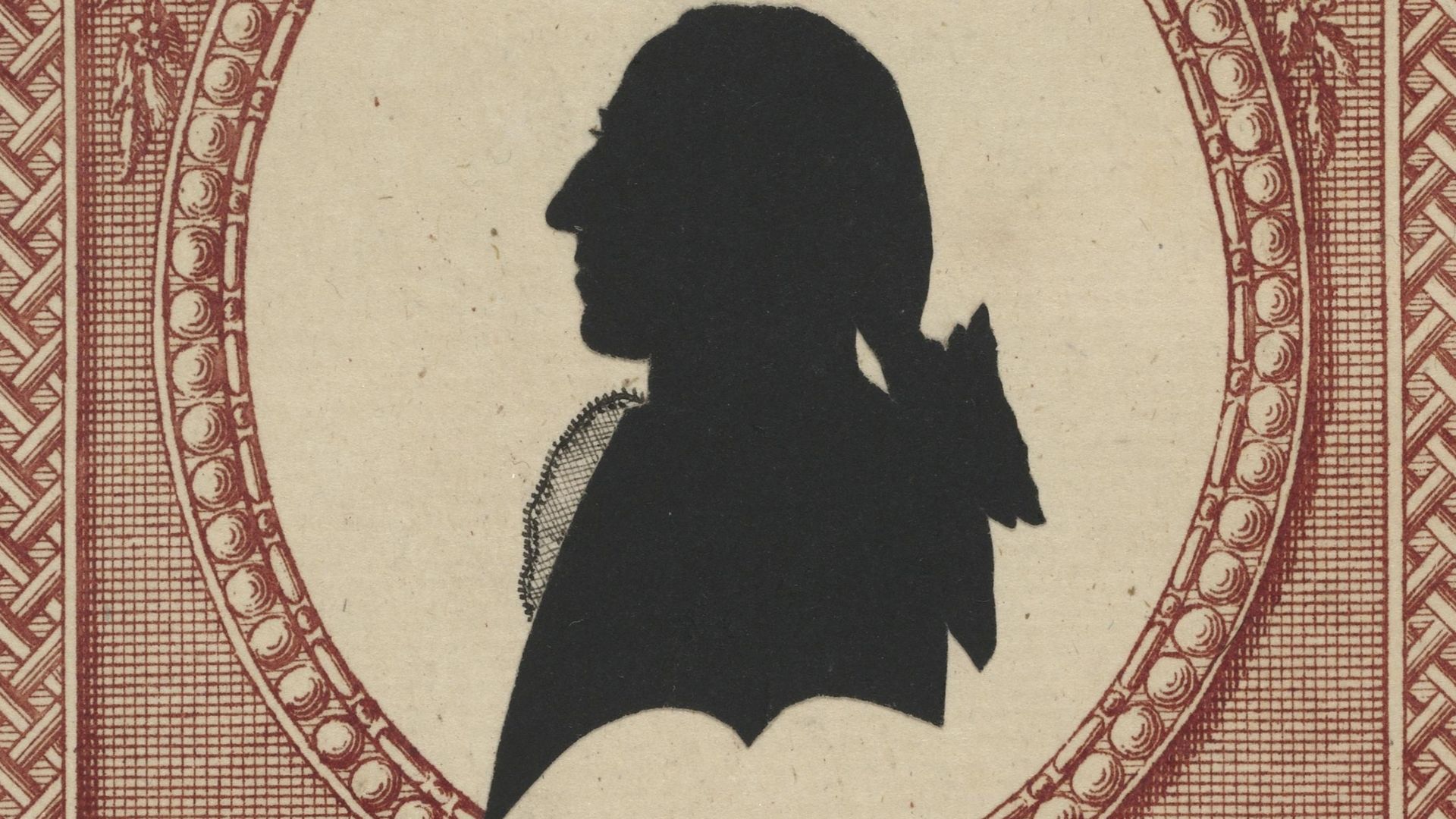 Unknown authorUnknown author, Wikimedia Commons
Mesmerize
To mesmerize derives from Franz Mesmer, who promoted a controversial theory known as animal magnetism. Although his scientific ideas were largely discredited, his ability to captivate followers left such an impression that his surname became a verb.
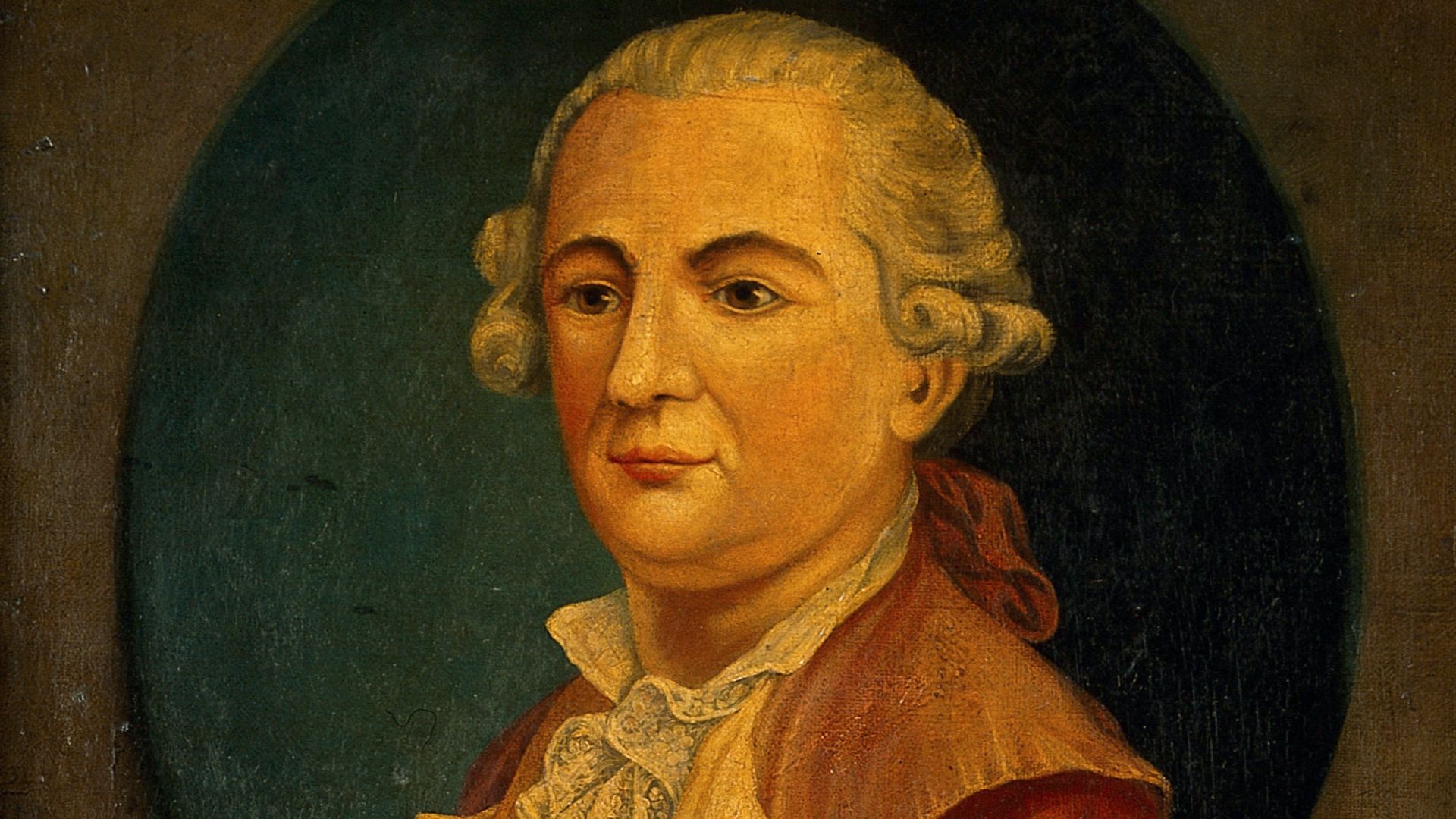
Maverick
The word maverick traces back to Samuel Maverick. Unlike other cattle owners, Maverick reportedly did not brand his livestock. Unbranded cattle became known as mavericks, and the term later expanded to describe independent thinkers who resist conventional rules.
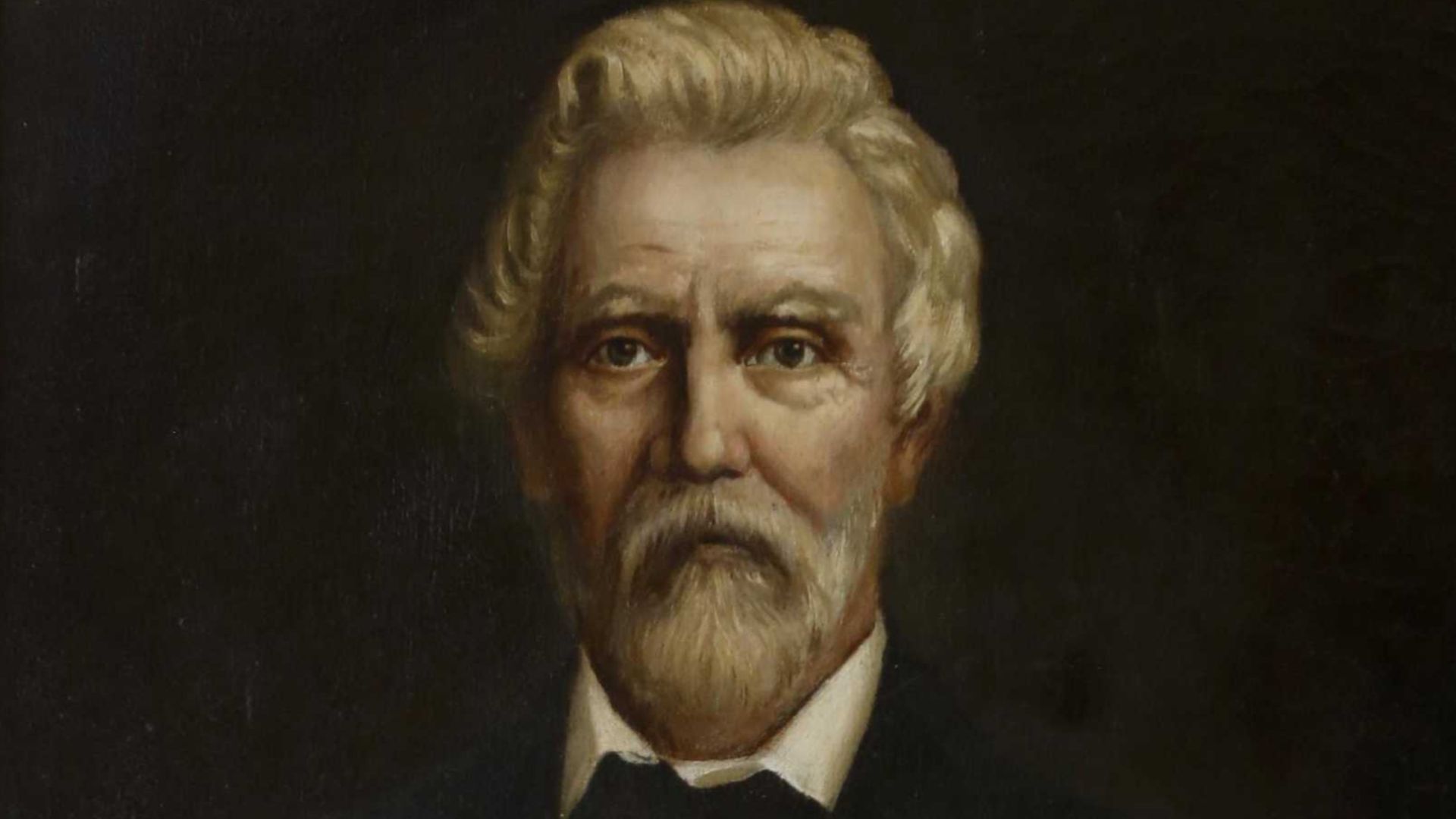 Unknown artistUnknown artist., Wikimedia Commons
Jacuzzi
The Jacuzzi is named after the Jacuzzi family. The family originally developed pumps and aviation equipment before creating a therapeutic hydrotherapy pump. Their surname eventually became synonymous with whirlpool baths and luxury hot tubs worldwide.

Volt
The electrical unit known as the volt honors Alessandro Volta. Volta pioneered electrical research and invented the electric battery. His contributions were so significant that scientists named one of the fundamental units of electrical measurement after him.
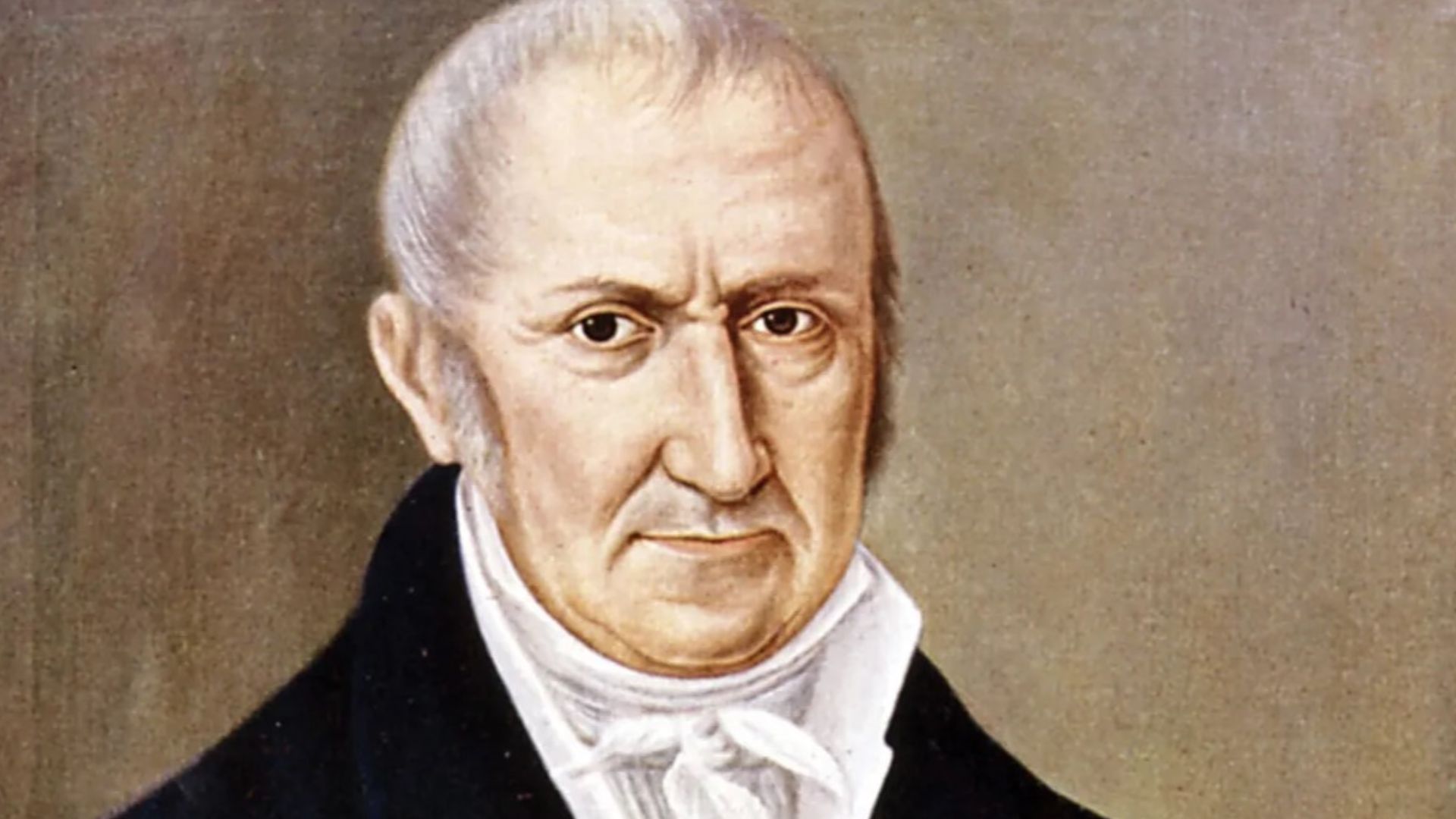 Unknown authorUnknown author, Wikimedia Commons
Watt
The watt is named after James Watt, whose improvements to steam engine technology helped fuel the Industrial Revolution. Today, every light bulb, appliance, and electrical device measured in watts serves as a reminder of his engineering achievements.
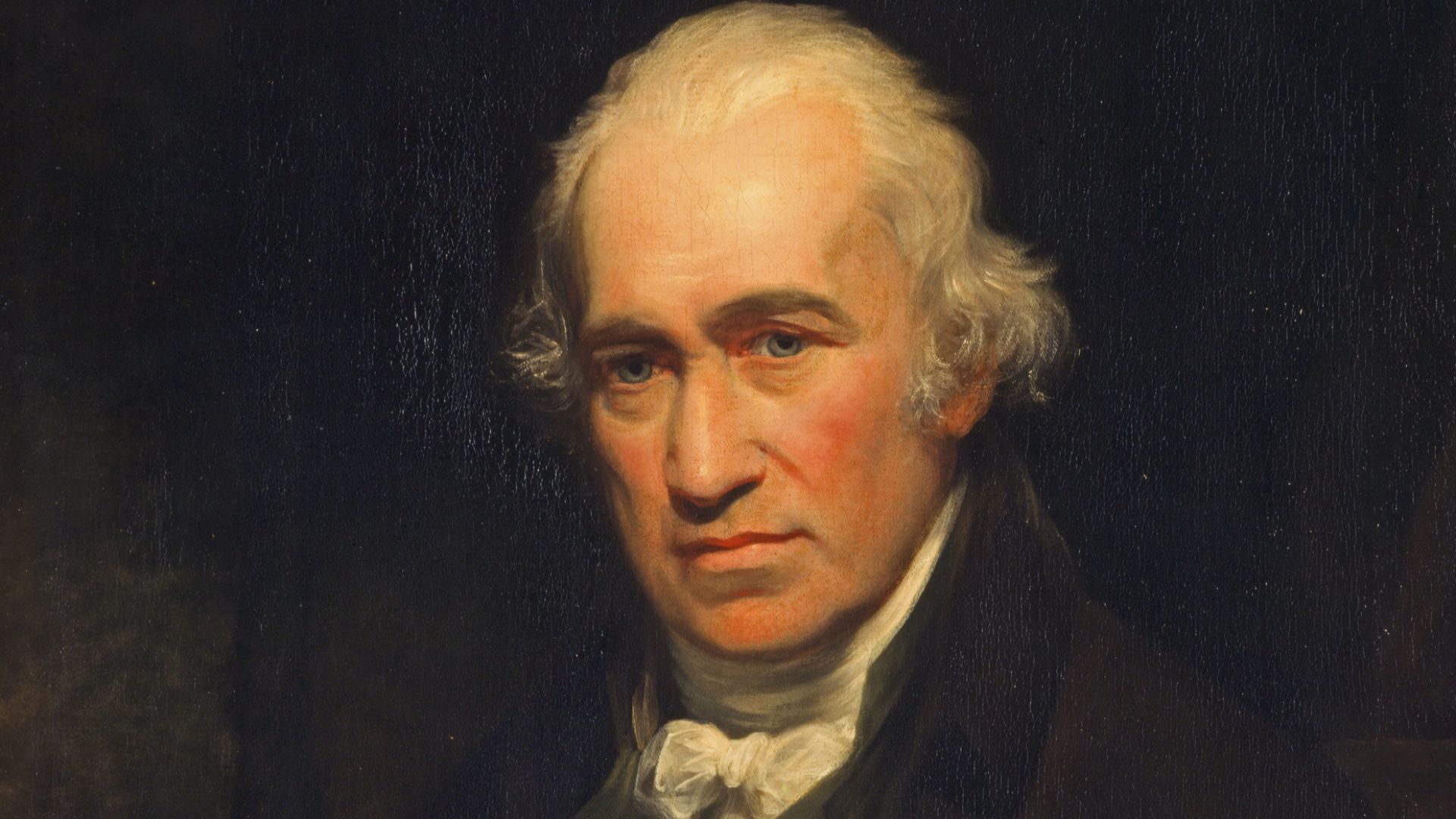 Antonia Reeve, Wikimedia Commons
Fahrenheit
The temperature scale known as Fahrenheit is named after Daniel Gabriel Fahrenheit. He developed one of the earliest reliable mercury thermometers and introduced the temperature scale that remains widely used in the United States today.
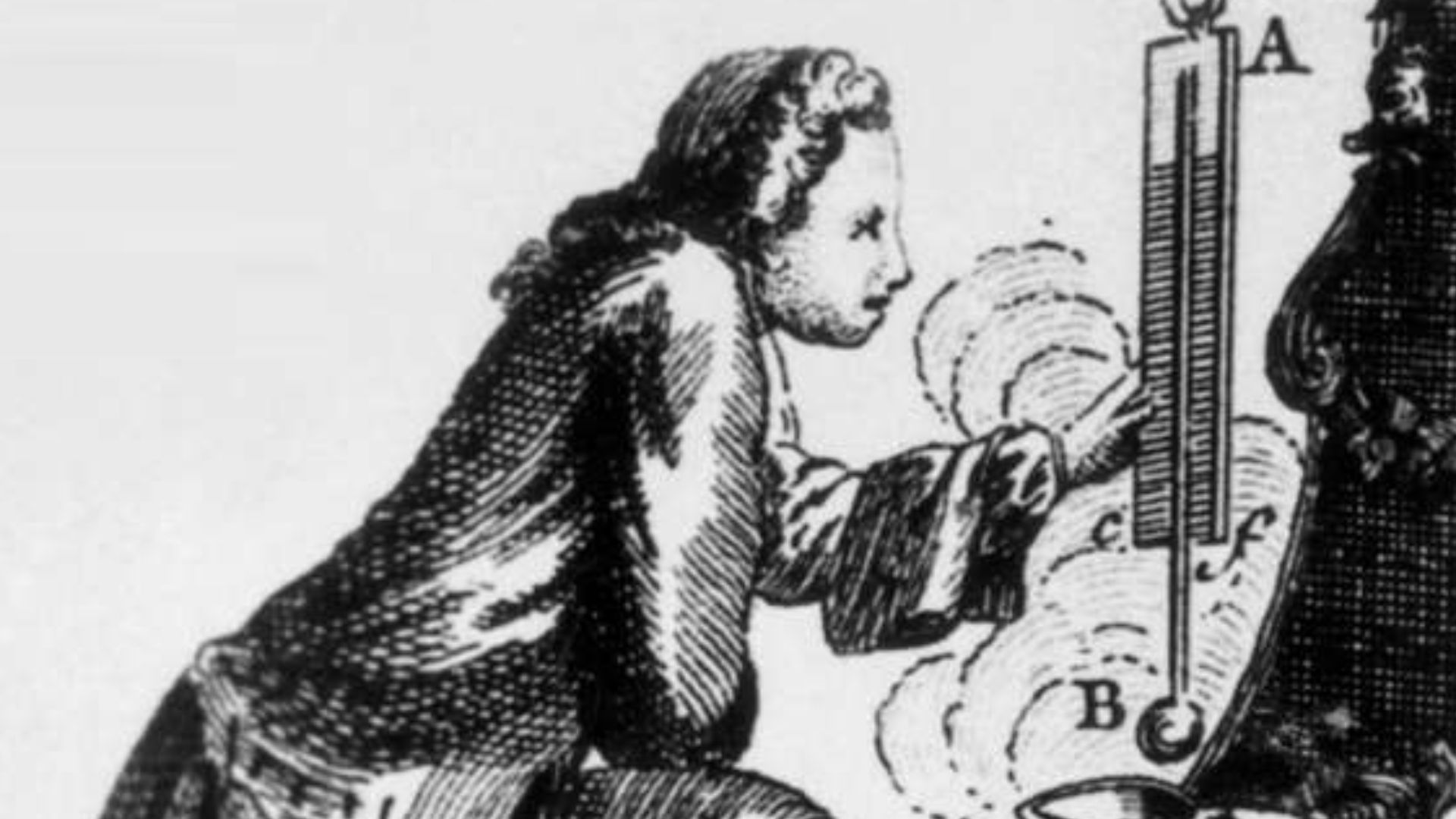 AnonymousUnknown author, Wikimedia Commons
Doberman
The Doberman dog breed takes its name from Karl Friedrich Louis Dobermann. Seeking a loyal guard dog, Dobermann bred several canine varieties together. The resulting breed became famous for intelligence, athleticism, and protective instincts.
Nachos
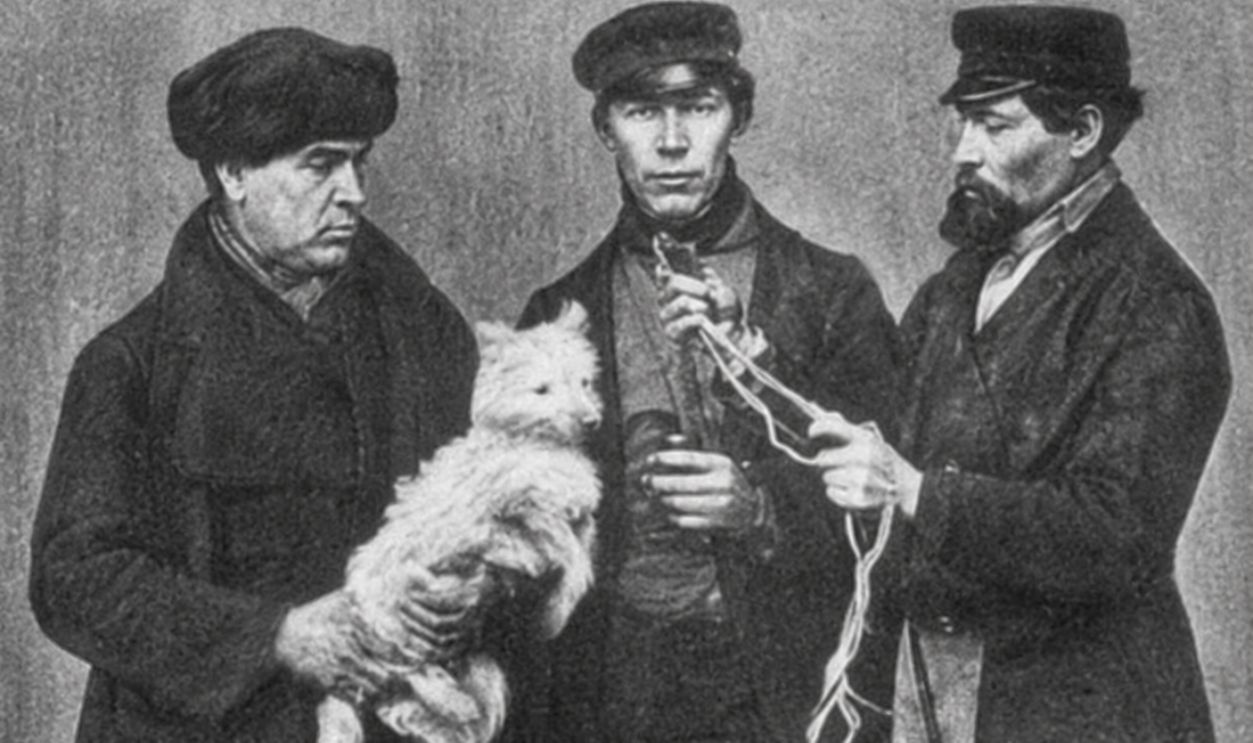
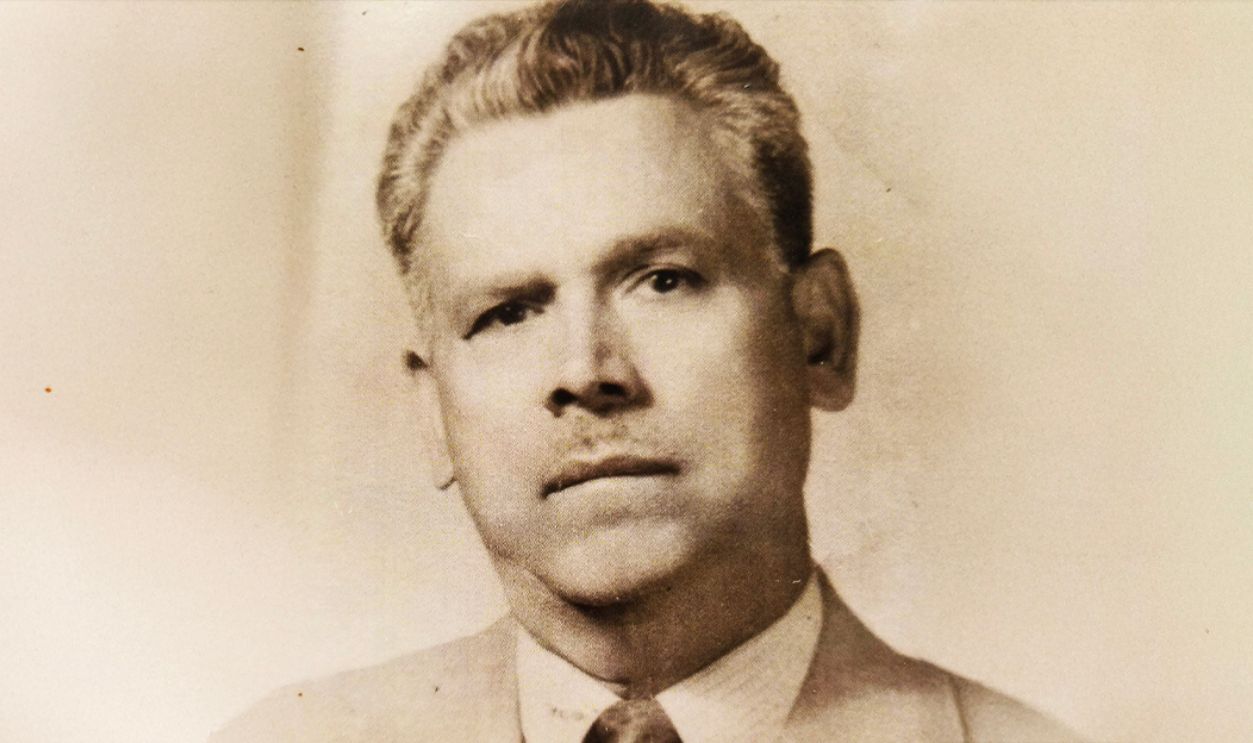
Nachos are named after Ignacio Anaya, whose nickname was "Nacho." In 1943, while working at a restaurant in Piedras Negras, Mexico, Anaya whipped together a snack for customers by topping tortilla chips with melted cheese and sliced jalapeños. The simple dish was an instant hit, and diners began asking for "Nacho's special." Over time, the name was shortened to "nachos," creating one of the world's most recognizable snack foods.
Shrapnel
The term shrapnel comes from Henry Shrapnel. He developed an artillery shell filled with small projectiles designed to disperse over a wide area. Although military technology evolved, his surname remains a common term for explosive fragments.
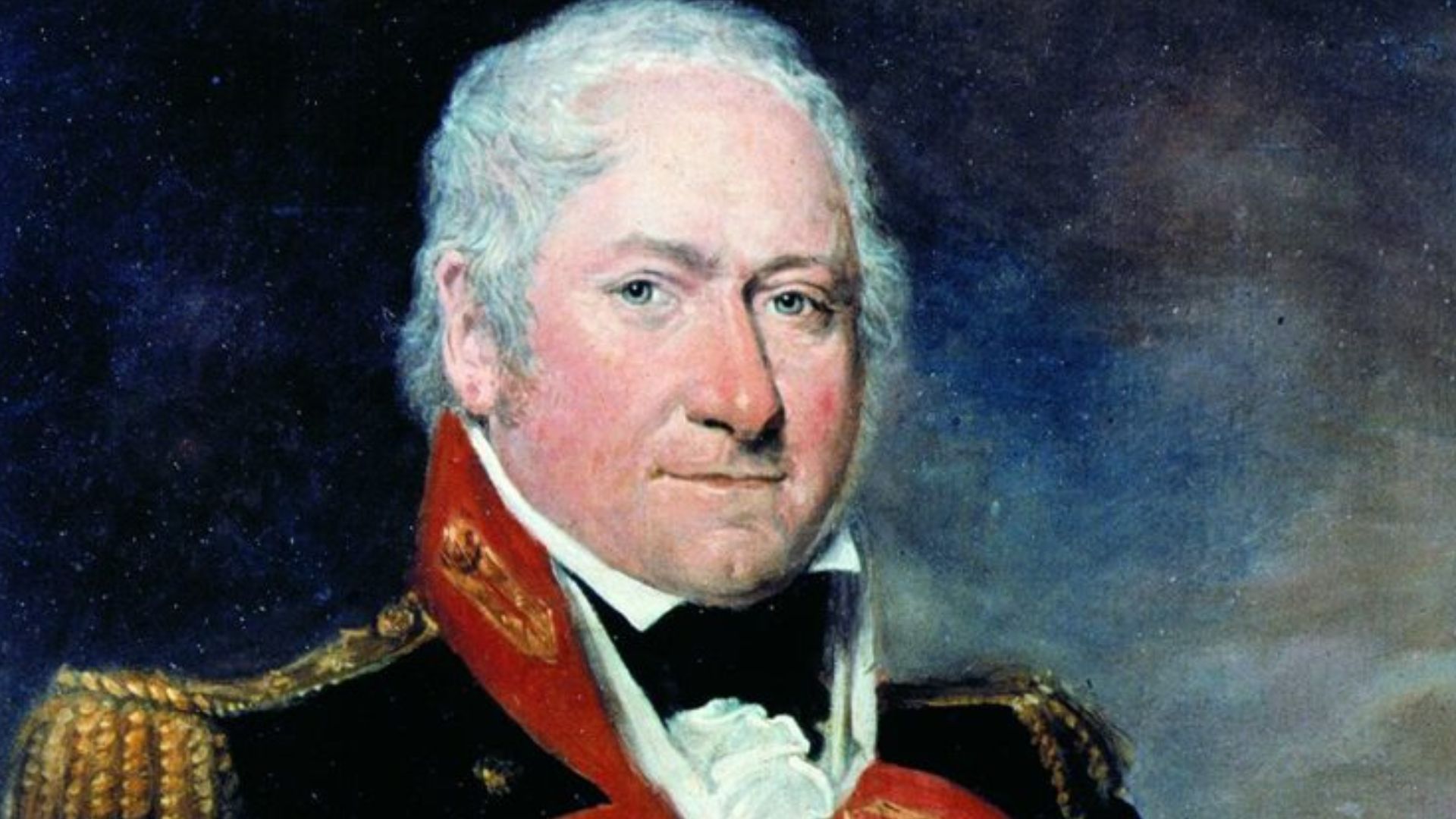 Unknown authorUnknown author, Wikimedia Commons
Graham Cracker
The Graham cracker is named after Sylvester Graham. Graham promoted a strict dietary philosophy centered on simple foods and whole grains. The cracker originally reflected his health beliefs, although modern versions are considerably sweeter than he envisioned.
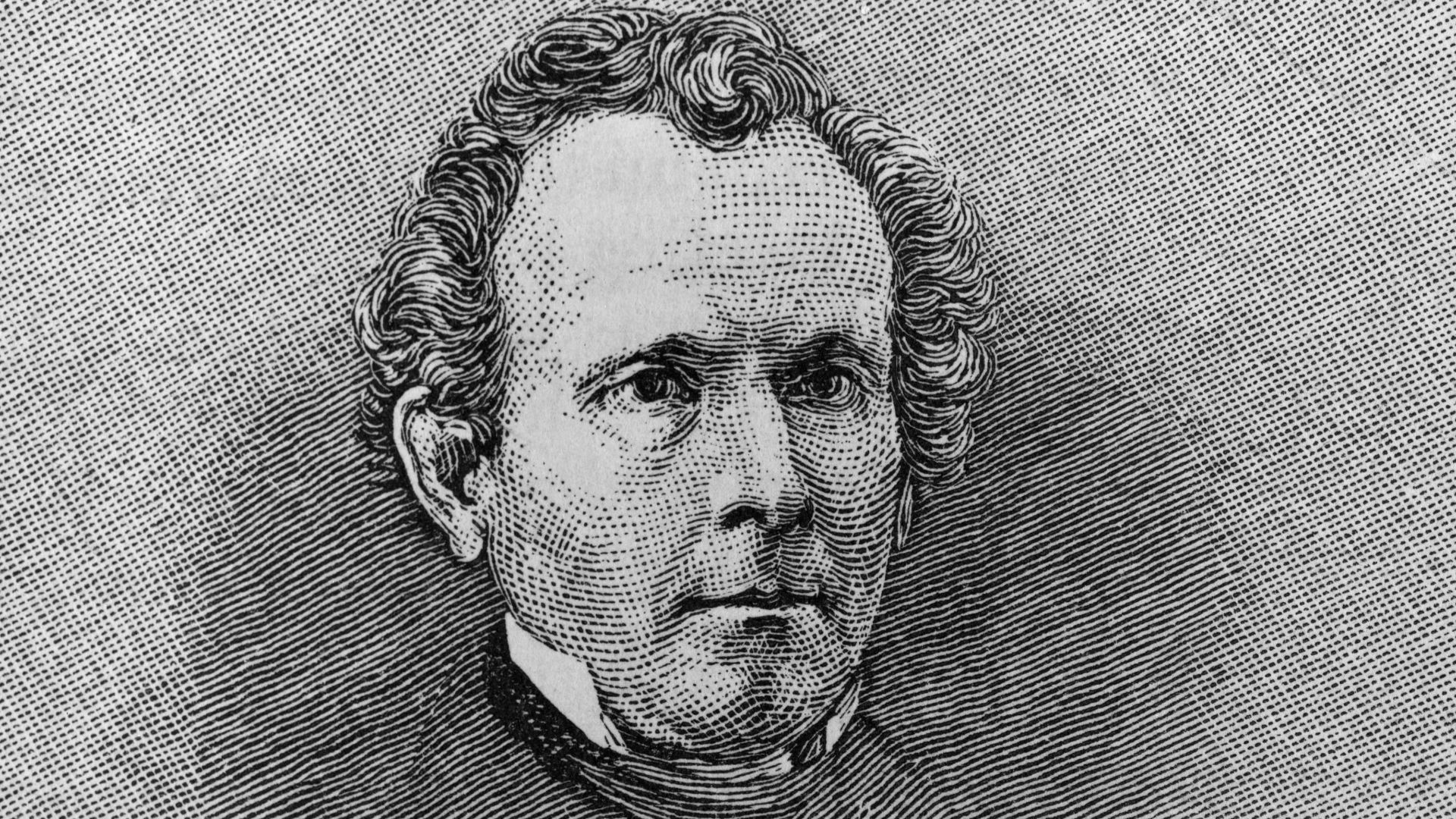 Miscellaneous Items in High Demand, PPOC, Library of Congress, Wikimedia Commons
Bunsen Burner
The Bunsen burner honors Robert Bunsen. His laboratory burner became a staple of scientific education and experimentation. Generations of chemistry students have used a device bearing the name of one of nineteenth-century Europe's leading scientists.
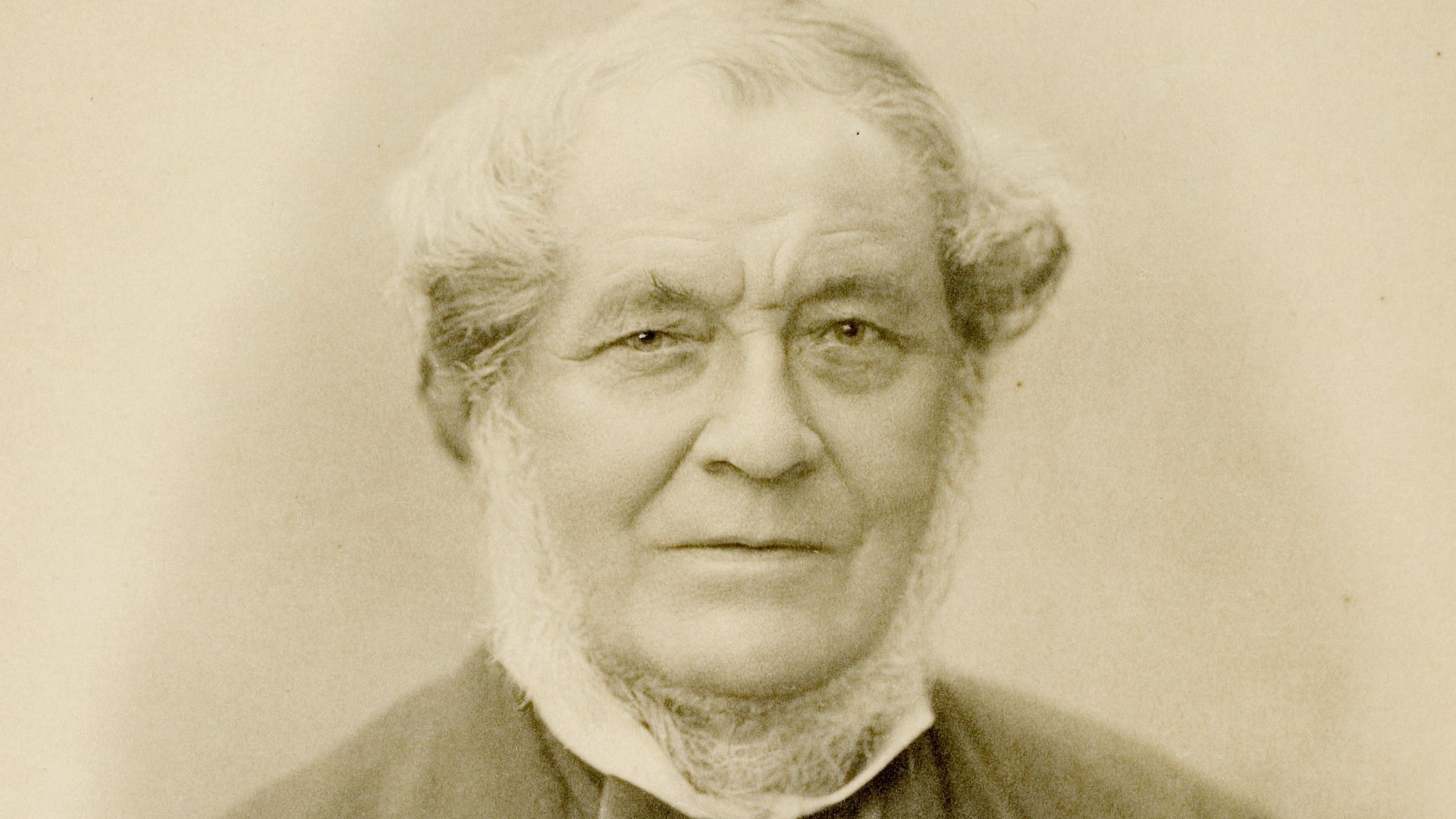 UnknownUnknown , Wikimedia Commons
Bloomers
Bloomers are named after Amelia Bloomer. Although she did not invent the garment, she strongly promoted practical clothing alternatives for women. The style became closely associated with her activism and eventually adopted her surname.
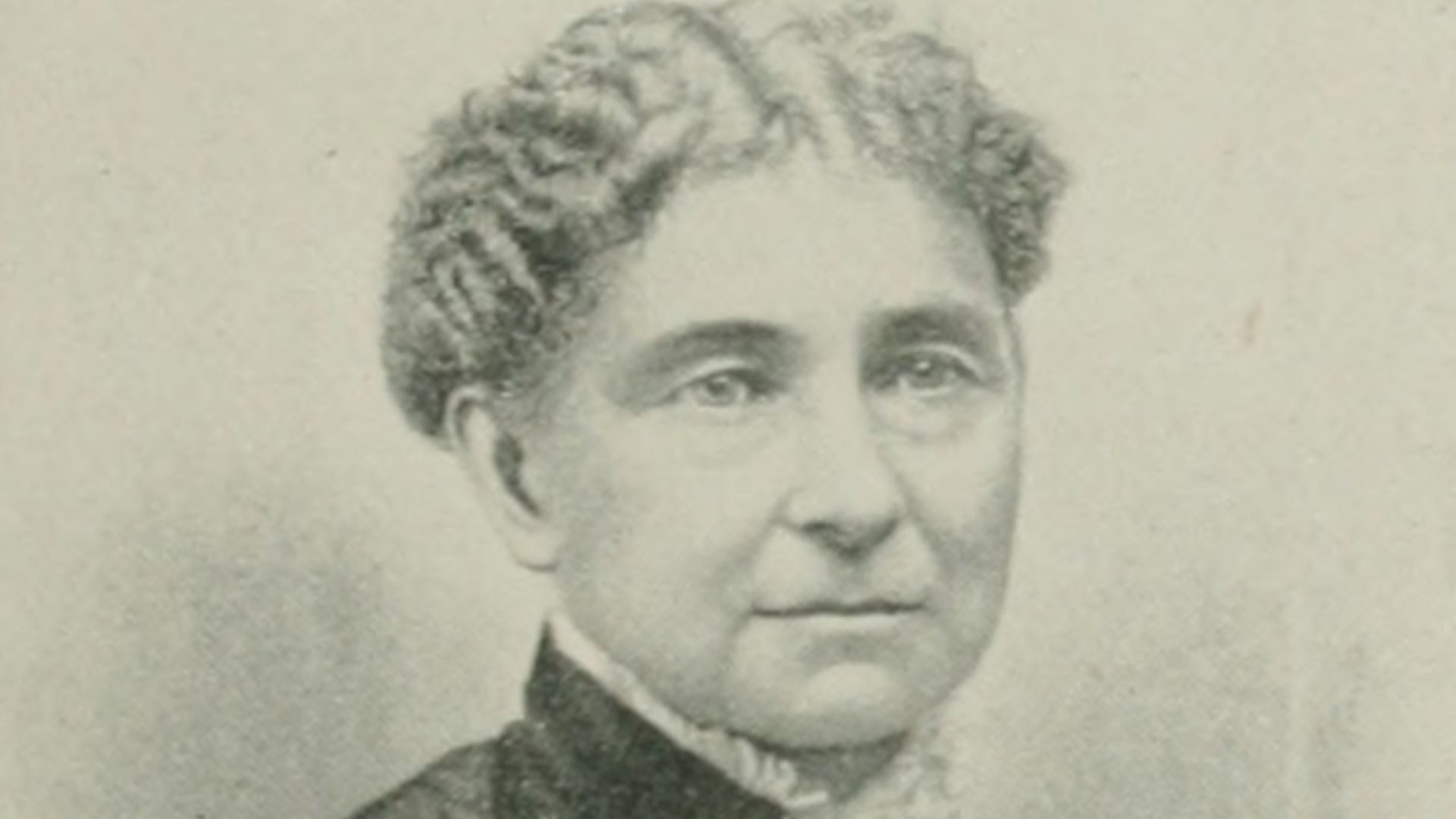 Unknown authorUnknown author, Wikimedia Commons
Ferris Wheel
The Ferris wheel is named after George Washington Gale Ferris Jr. He designed the first giant observation wheel for the 1893 World's Columbian Exposition in Chicago. The spectacular attraction was so successful that his name became the generic term.
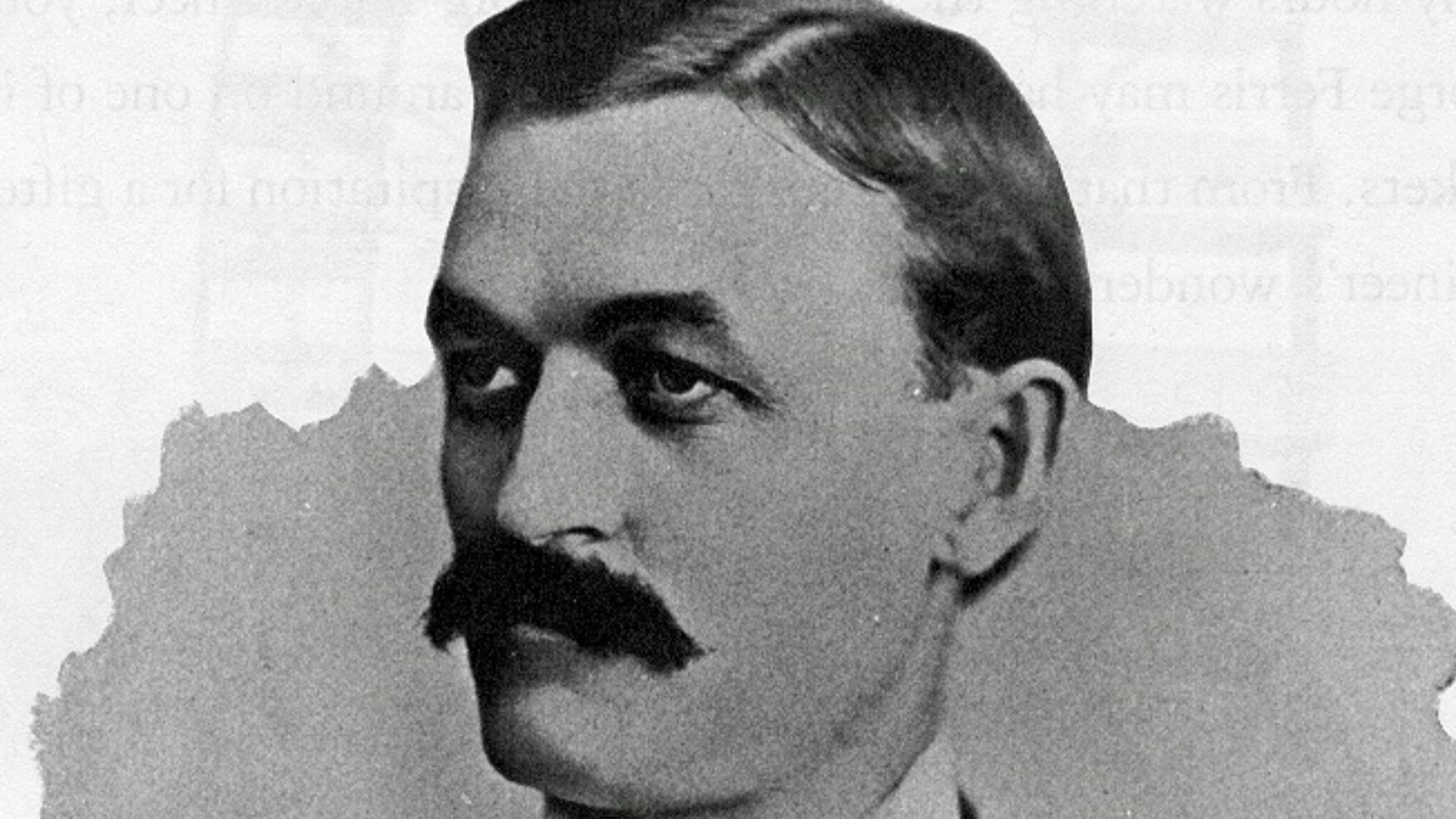 Unknown authorUnknown author, Wikimedia Commons
Stetson
The Stetson hat takes its name from John B. Stetson. His durable wide-brimmed hats became iconic symbols of the American West. Over time, the brand became so famous that many people used the surname to describe the style itself.
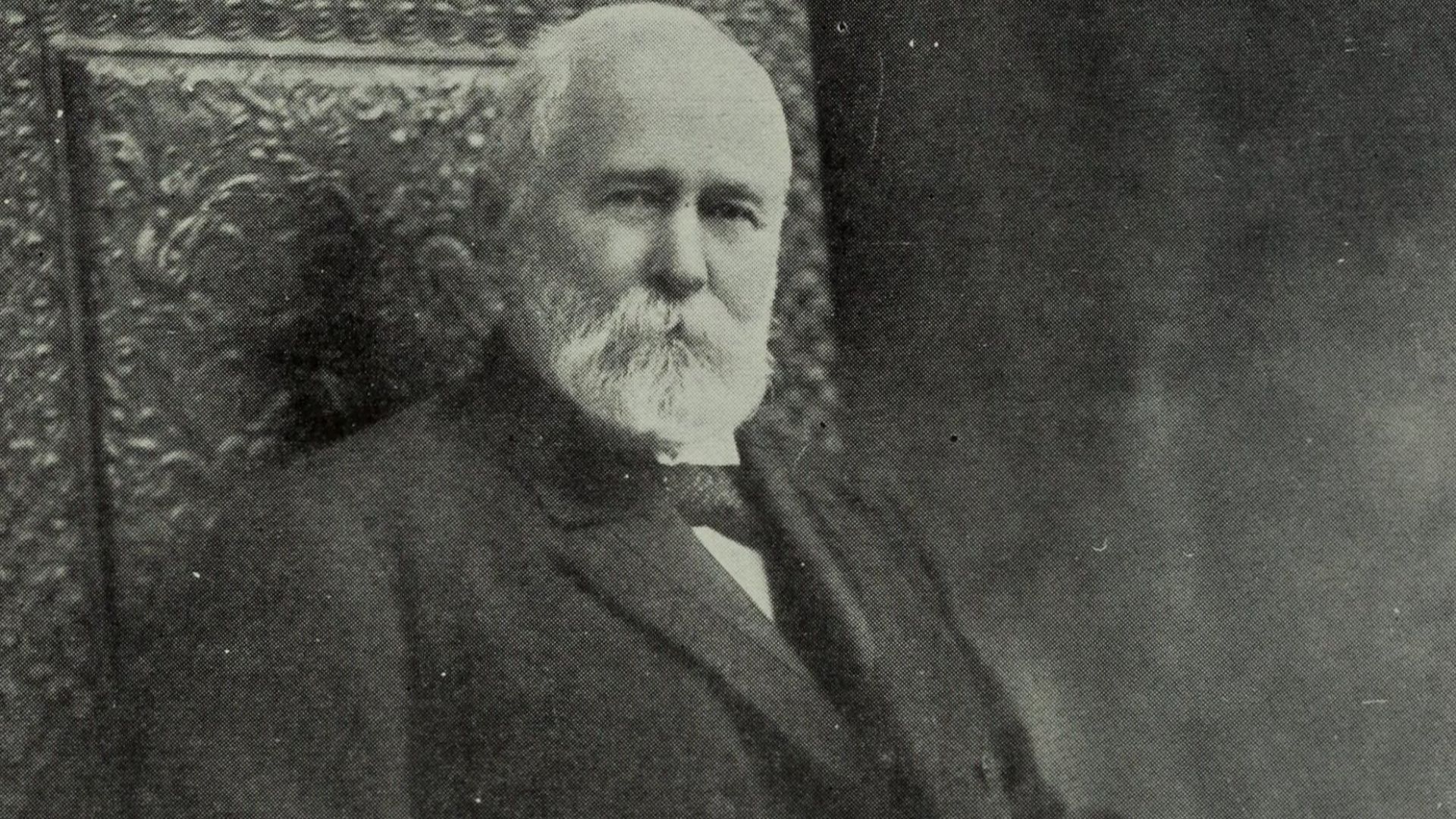 Unknown photographer, Wikimedia Commons
Wellington
Wellington boots are named after Arthur Wellesley, 1st Duke of Wellington. The British military hero popularized a practical style of waterproof boot. Today, farmers, gardeners, and festivalgoers continue wearing footwear that carries his title.
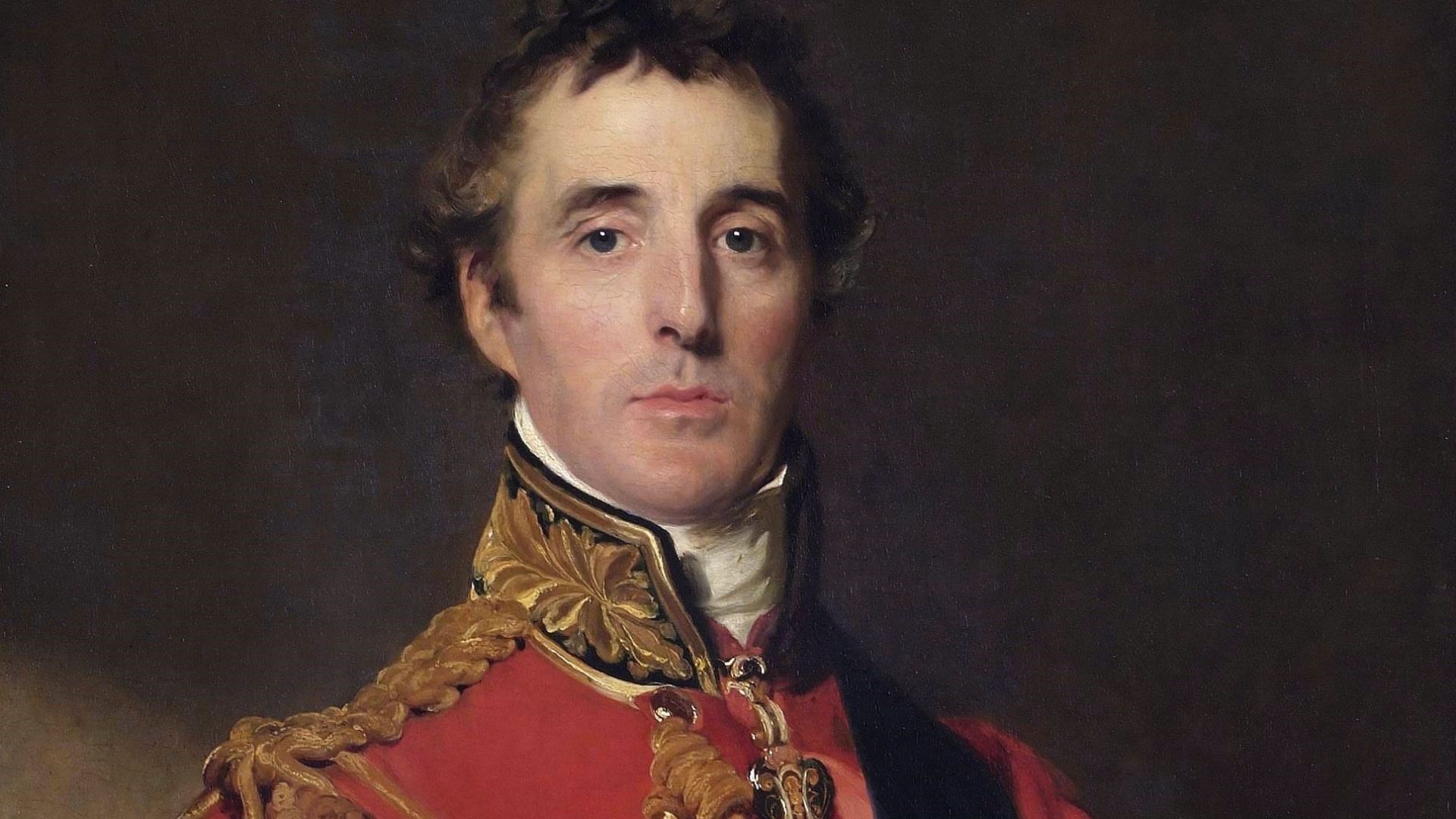 Thomas Lawrence, Wikimedia Commons
Teddy Bear
The teddy bear derives its name from Theodore Roosevelt. After Roosevelt refused to shoot a captured bear during a hunting trip, political cartoons celebrated the incident. Toy manufacturers quickly seized the opportunity, creating the beloved teddy bear.
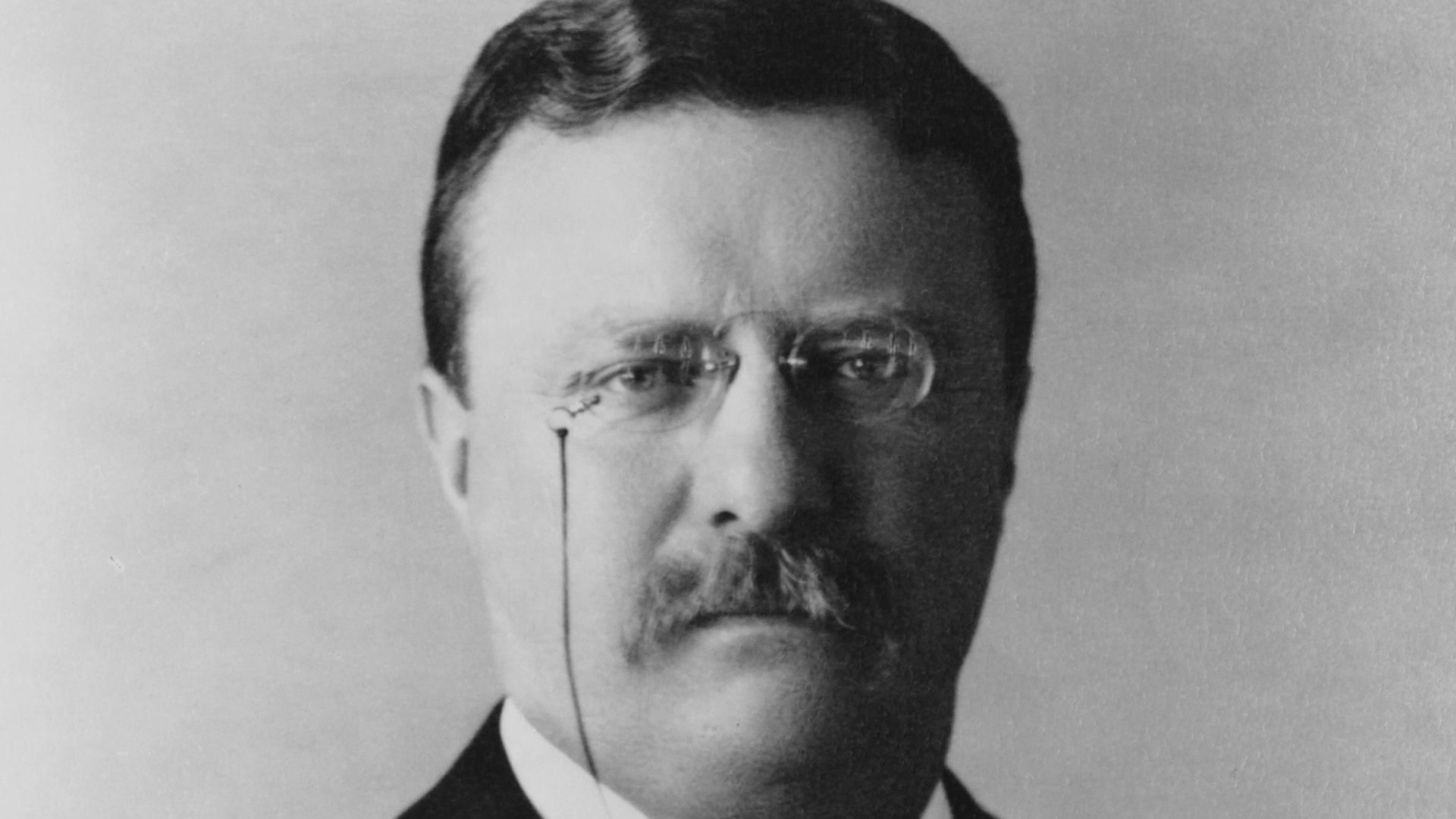 Pach Brothers, Wikimedia Commons
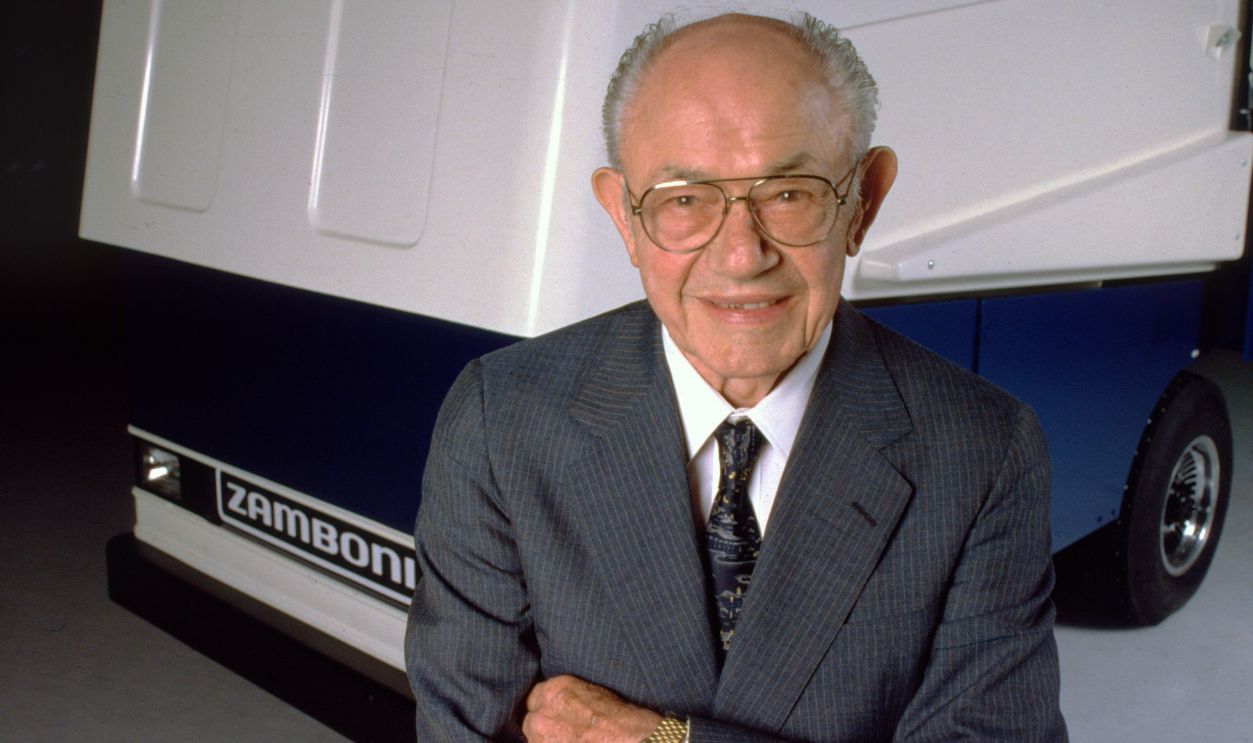
Zamboni
The Zamboni ice resurfacer is named after Frank Zamboni, who developed the first practical machine for smoothing and resurfacing ice rinks in 1949. Before his invention, maintaining ice surfaces was a slow, labor-intensive process. Today, Zamboni is often used as a generic term for ice resurfacing machines.
You May Also Like:
Innovative Facts About Thomas Edison, The Inventor Who Illuminated The World
Secrets Hidden In Plain Sight For Thousands Of Years