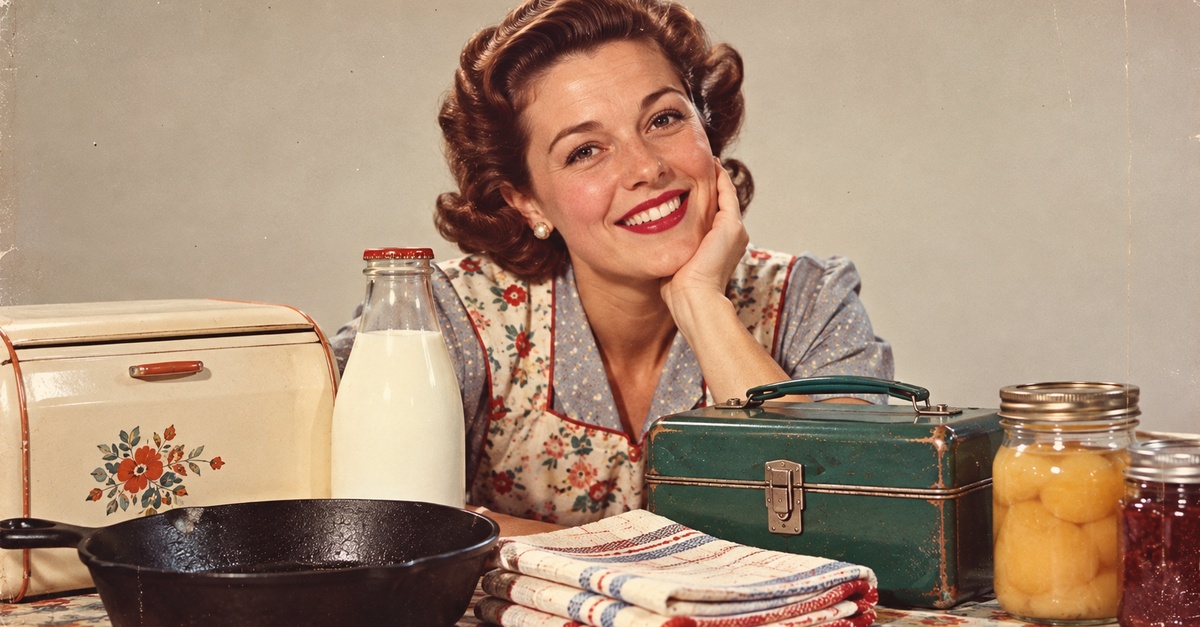
Sometimes The Old Way Was Better
Modern life has given us plenty of conveniences, but progress has not made every older household item obsolete. Many everyday objects from previous generations were durable, repairable, reusable, or refreshingly simple. The EPA still encourages consumers to maintain and repair products, choose reusable items, and consider durability when shopping, which sounds remarkably similar to how many households once operated.
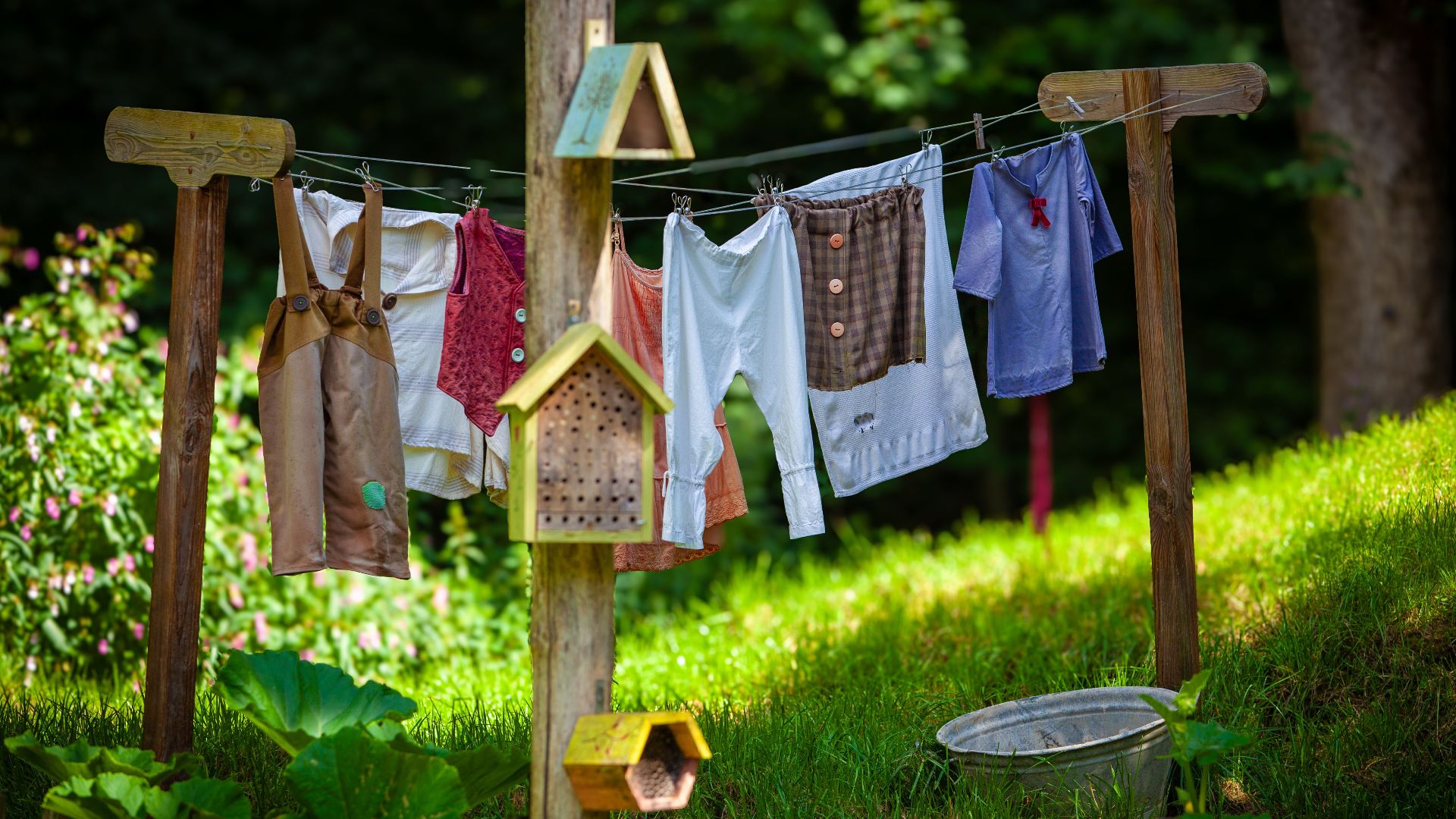
The Humble Clothesline
Before electric dryers became commonplace, a clothesline and a handful of clothespins handled an enormous amount of household laundry. The Smithsonian has preserved mid-century hardwood clothespins as examples of ordinary laundry equipment, showing just how familiar these simple tools once were. A clothesline still accomplishes its job without requiring a powered drying cycle, making this one old-fashioned habit that remains surprisingly practical.
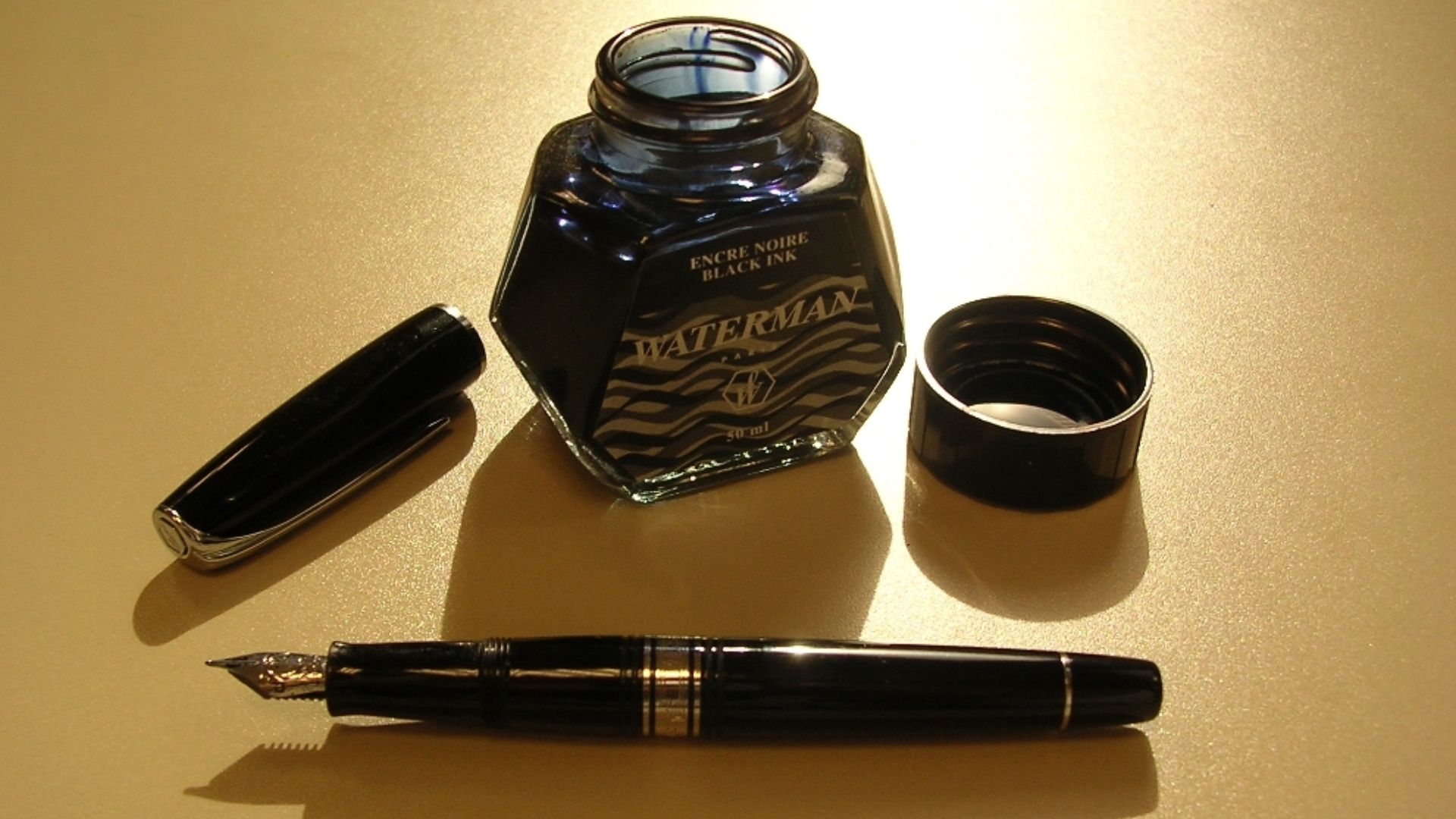
Refillable Fountain Pens
Disposable pens are easy to lose and replace, but a well-made fountain pen was designed to stick around. The Smithsonian notes that Lewis Waterman received his first pen-related patent in 1884, while Parker was producing fountain pens by the late 19th century and introduced its Challenger model in 1934. Bringing refillable pens back into everyday use would revive the satisfying idea that a writing instrument can be something you maintain rather than casually discard.
 Alberto Racatumba from Spain / Espana, Wikimedia Commons
Metal Safety Razors
A traditional safety razor looks refreshingly simple beside today's multi-blade plastic cartridges. King C. Gillette patented his influential safety razor in the early 20th century, using a permanent holder with thin replaceable steel blades. The replaceable blade was itself an early disposable product, but the substantial razor handle could remain in service for years instead of being replaced with every blade.
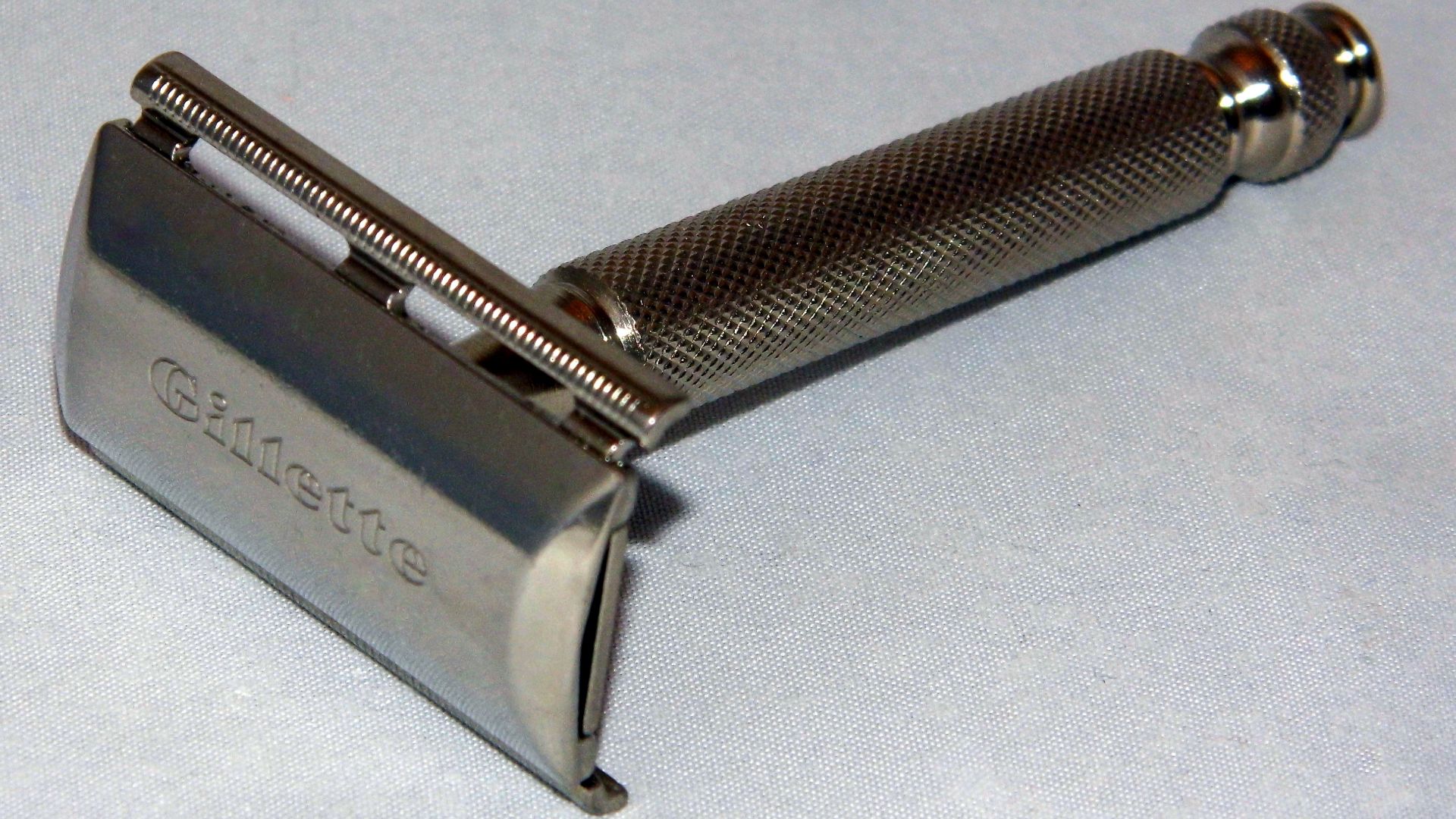 Joe Haupt from USA, Wikimedia Commons
Handkerchiefs
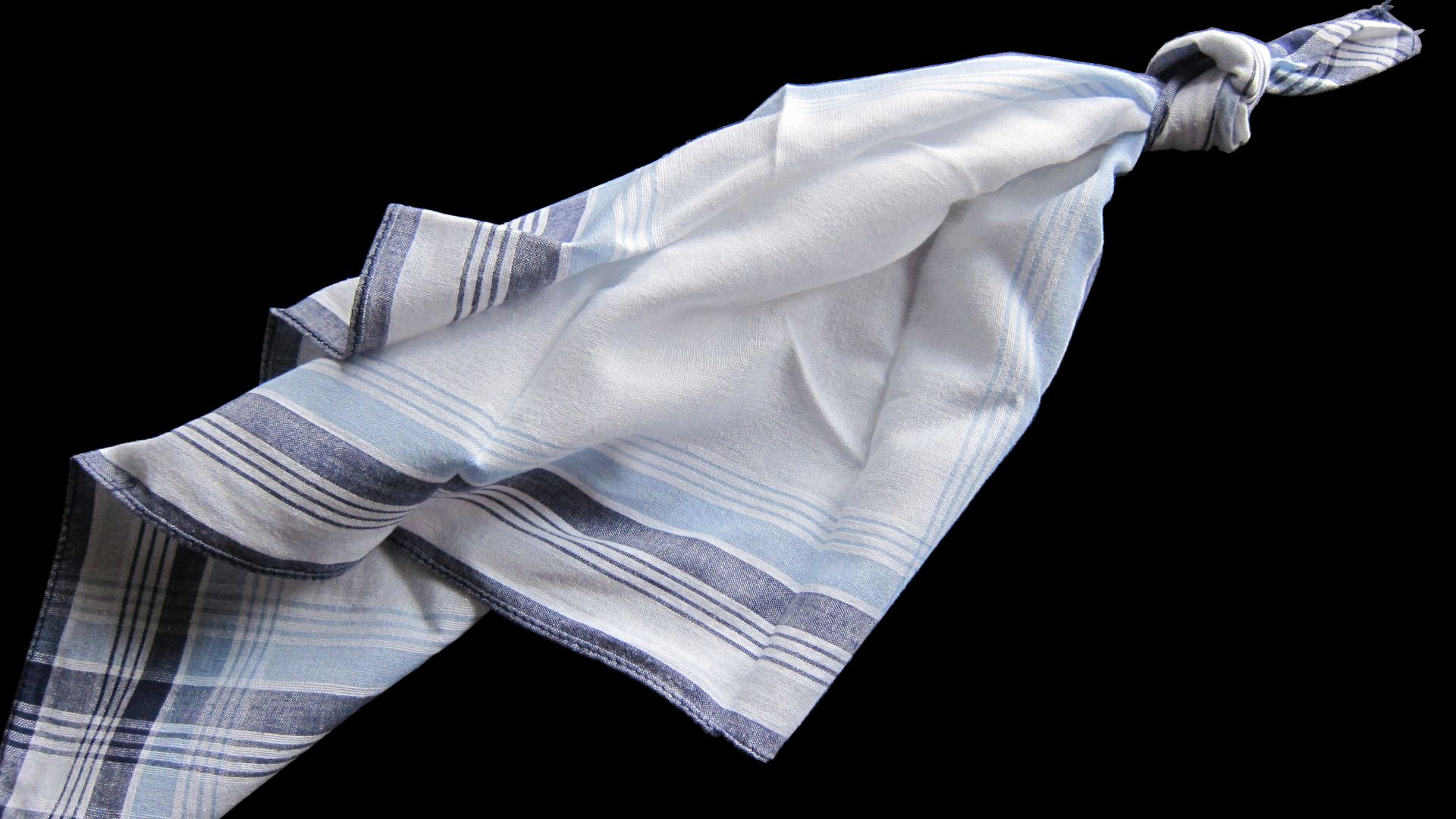
The cloth handkerchief was once both a practical accessory and, occasionally, a decorative or commemorative object. The Cooper Hewitt collection includes a printed cotton handkerchief produced for the 1876 Centennial Exhibition, illustrating how deeply the item was embedded in everyday culture. Washable handkerchiefs will not replace disposable tissues in every situation, but keeping one handy for minor spills, tears, or other clean uses still makes plenty of sense.
Glass Milk Bottles
There is something appealing about the old routine of receiving milk in a sturdy bottle instead of continually bringing home new containers. Traditional milk delivery systems used glass bottles that could be collected as new deliveries arrived, and milkmen became familiar figures in many neighborhoods. A modern return-and-refill version of that system would fit comfortably with today's renewed interest in reusable packaging.

Cast Iron Cookware
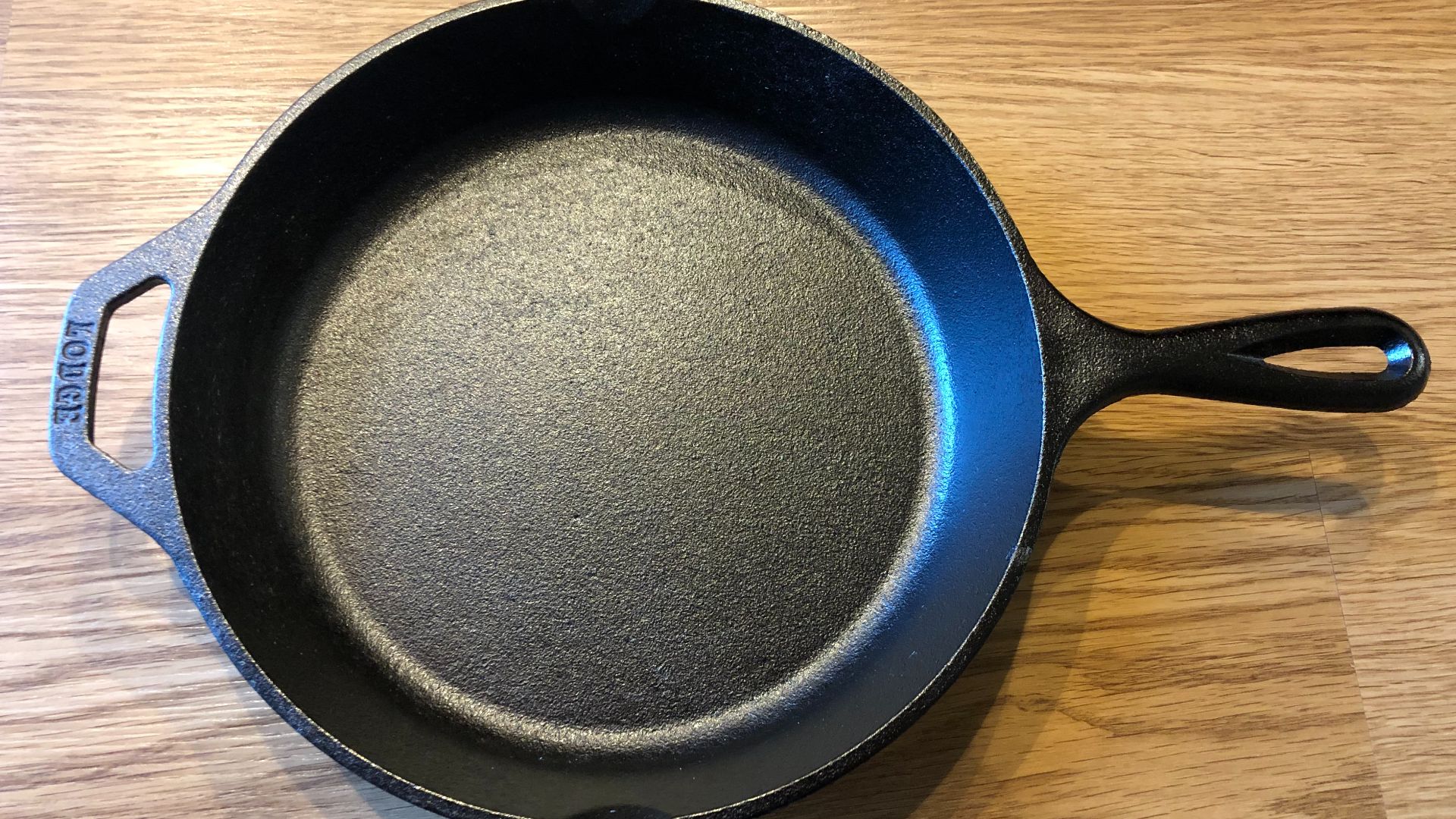
Cast iron never completely disappeared, which is probably a sign that our grandparents had this one figured out. Smithsonian Magazine has discussed cast-iron skillets that remain useful after many years, while modern cooks continue to value the material for its durability and versatility. A seasoned skillet does require some care, but it demonstrates how satisfying a kitchen tool can be when replacing it every few years is not part of the plan.
Sewing And Mending Kits
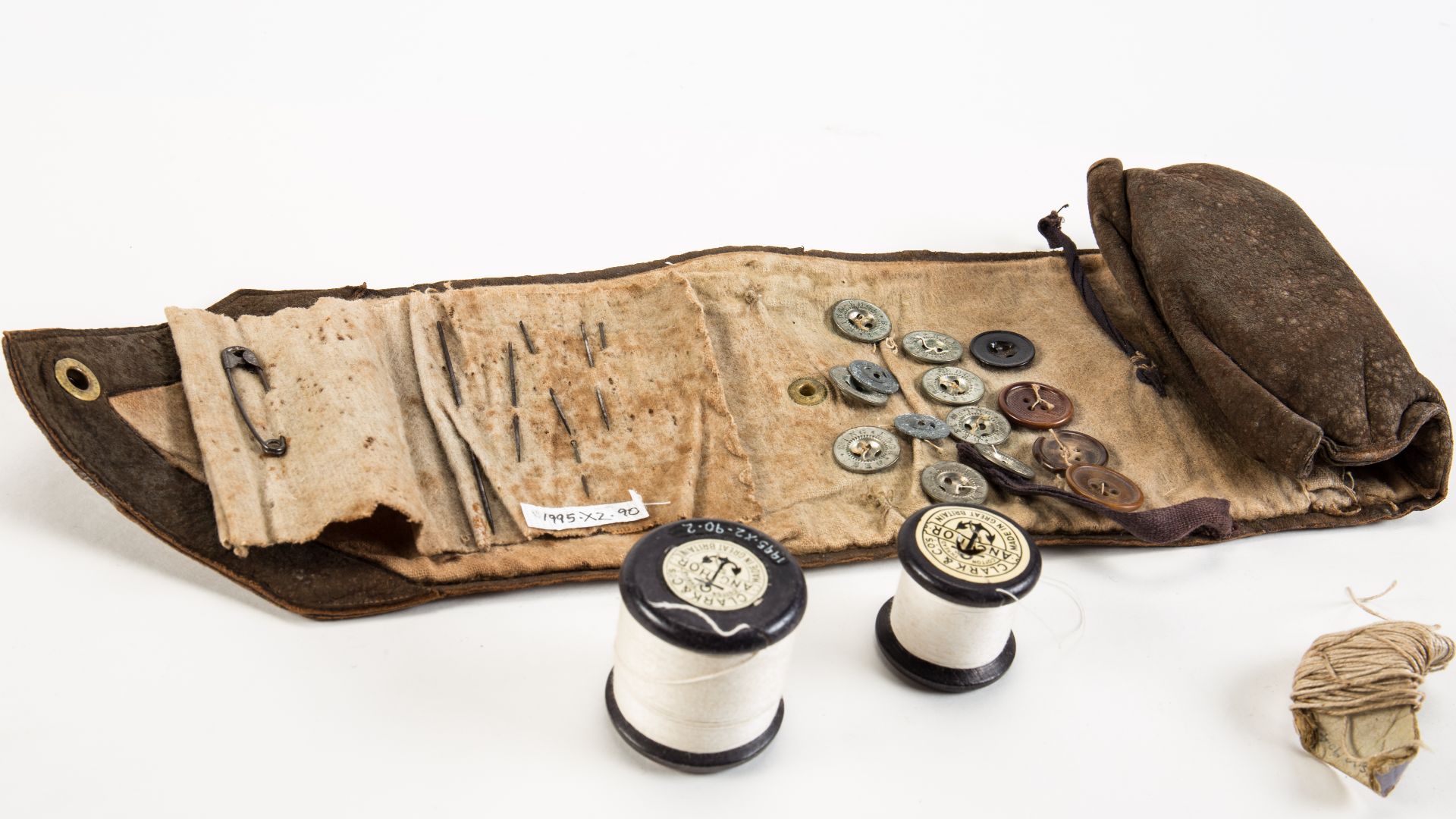
A loose button or small tear once meant reaching for a needle rather than immediately considering a replacement garment. The EPA specifically recommends maintaining and repairing clothing and other possessions so they do not need to be discarded and replaced as frequently. A compact sewing kit takes up almost no room, yet it restores a useful skill that can keep perfectly serviceable clothing in circulation longer.
 Unknown authorUnknown author, Wikimedia Commons
Proper Household Aprons
Aprons were not merely decorative symbols of an earlier domestic era. They provided a removable protective layer over everyday clothing while people cooked, cleaned, gardened, or tackled messy jobs. The Smithsonian's collection includes a linen-and-cotton household apron from 1943, part of a coordinated set of domestic textiles. Bringing aprons back as everyday workwear could help protect clothes from stains and unnecessary washing.


History's most fascinating stories and darkest secrets, delivered to your inbox daily.
Vacuum Bottles
Long before everyone carried fashionable insulated tumblers, vacuum bottles were keeping drinks hot or cold on commutes, picnics, and workdays. The Smithsonian has a half-pint Thermos from 1941 with a glass liner, cork stopper, and screw-on cup lid, along with later examples of vacuum bottles. The modern reusable bottle is essentially proof that this older idea deserved to survive.
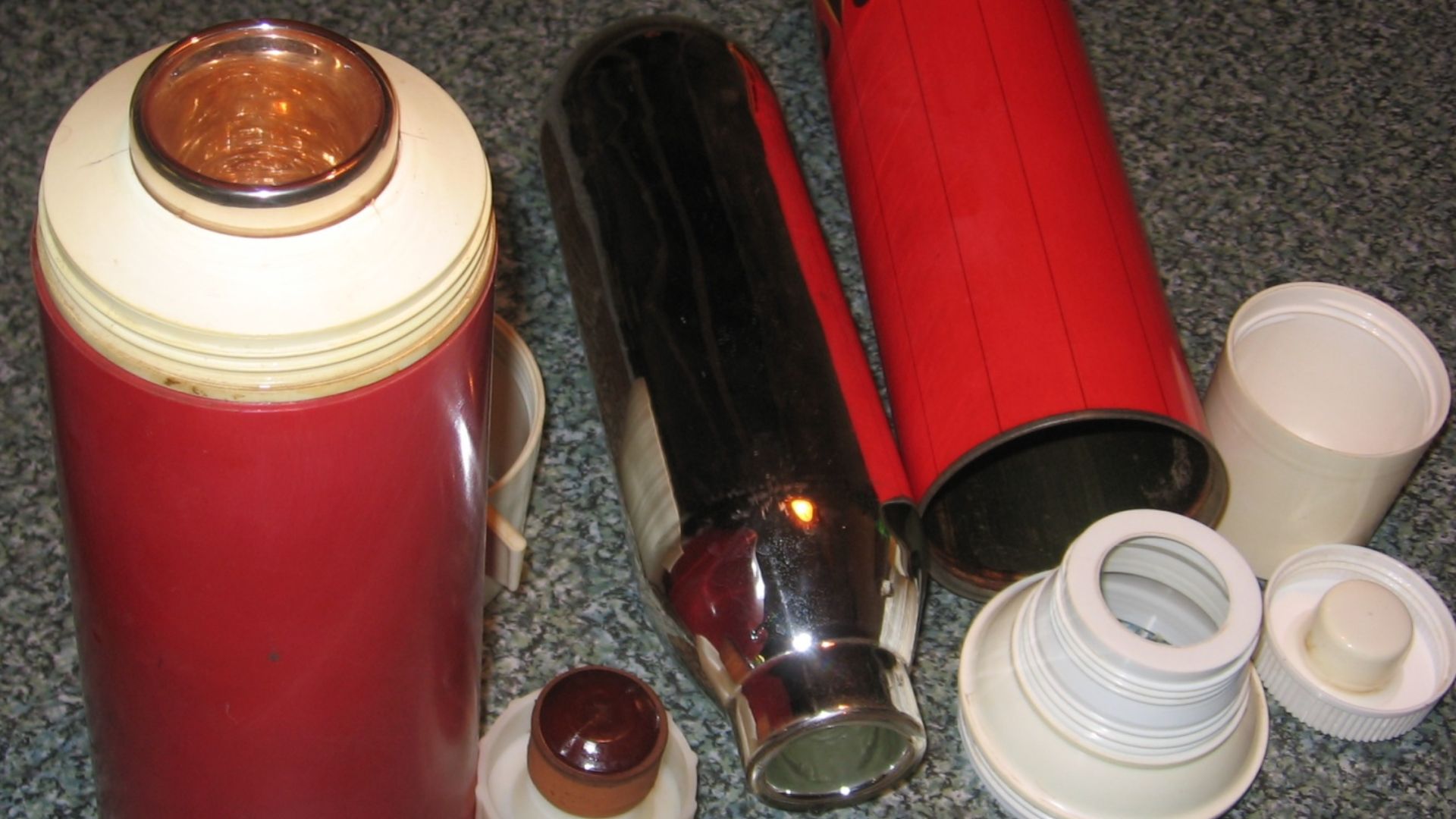 No machine-readable author provided. Julo assumed (based on copyright claims)., Wikimedia Commons
Reusable Shopping Baskets
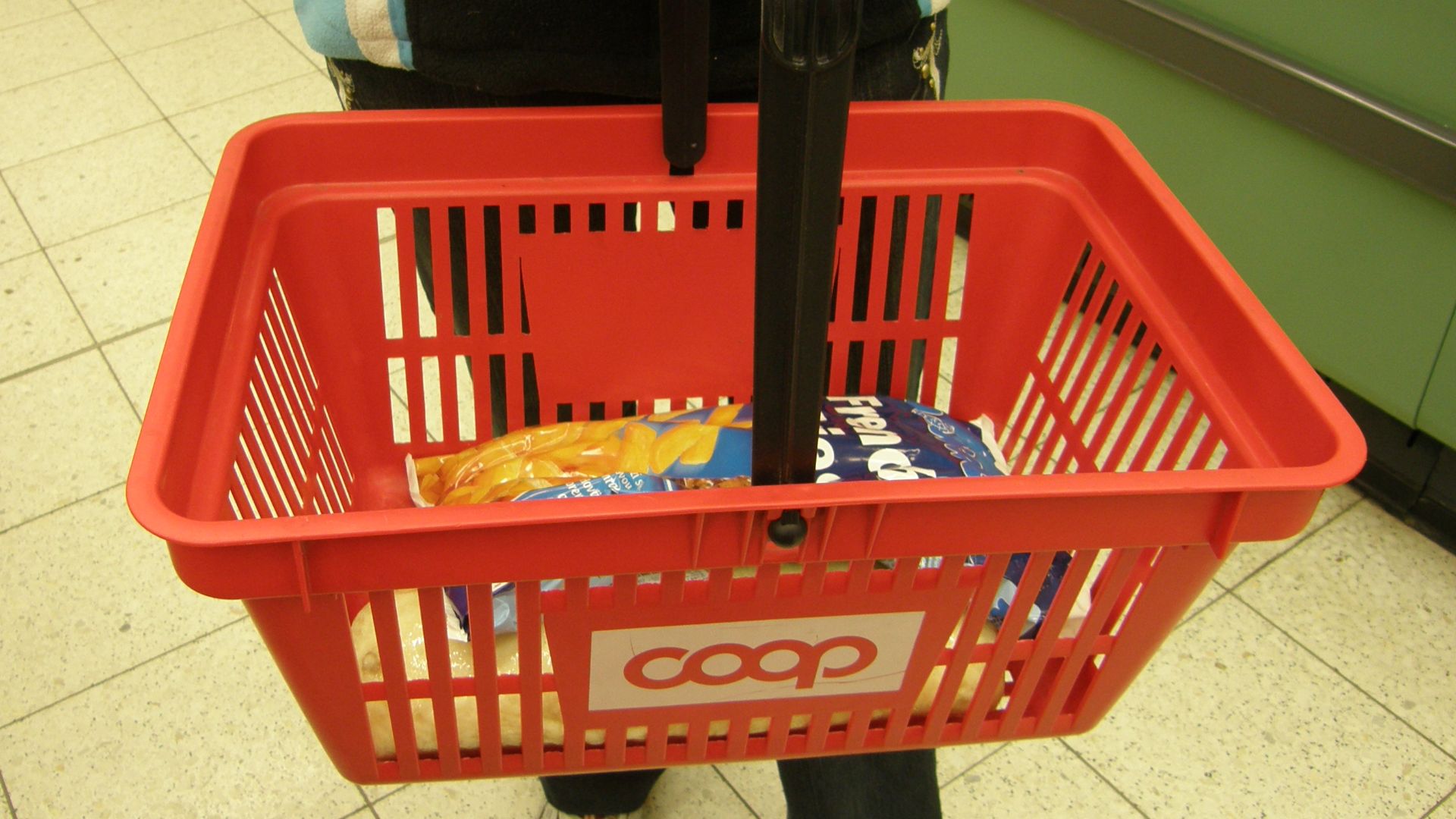
For generations, shoppers carried baskets and reusable bags because groceries did not automatically come with an endless supply of disposable carriers. That basic approach now looks remarkably current. The EPA encourages consumers to reduce single-use bags and use reusable shopping bags as a way of reducing waste. A sturdy market basket can also stand upright, protect delicate groceries, and remain useful for years.
Mechanical Alarm Clocks
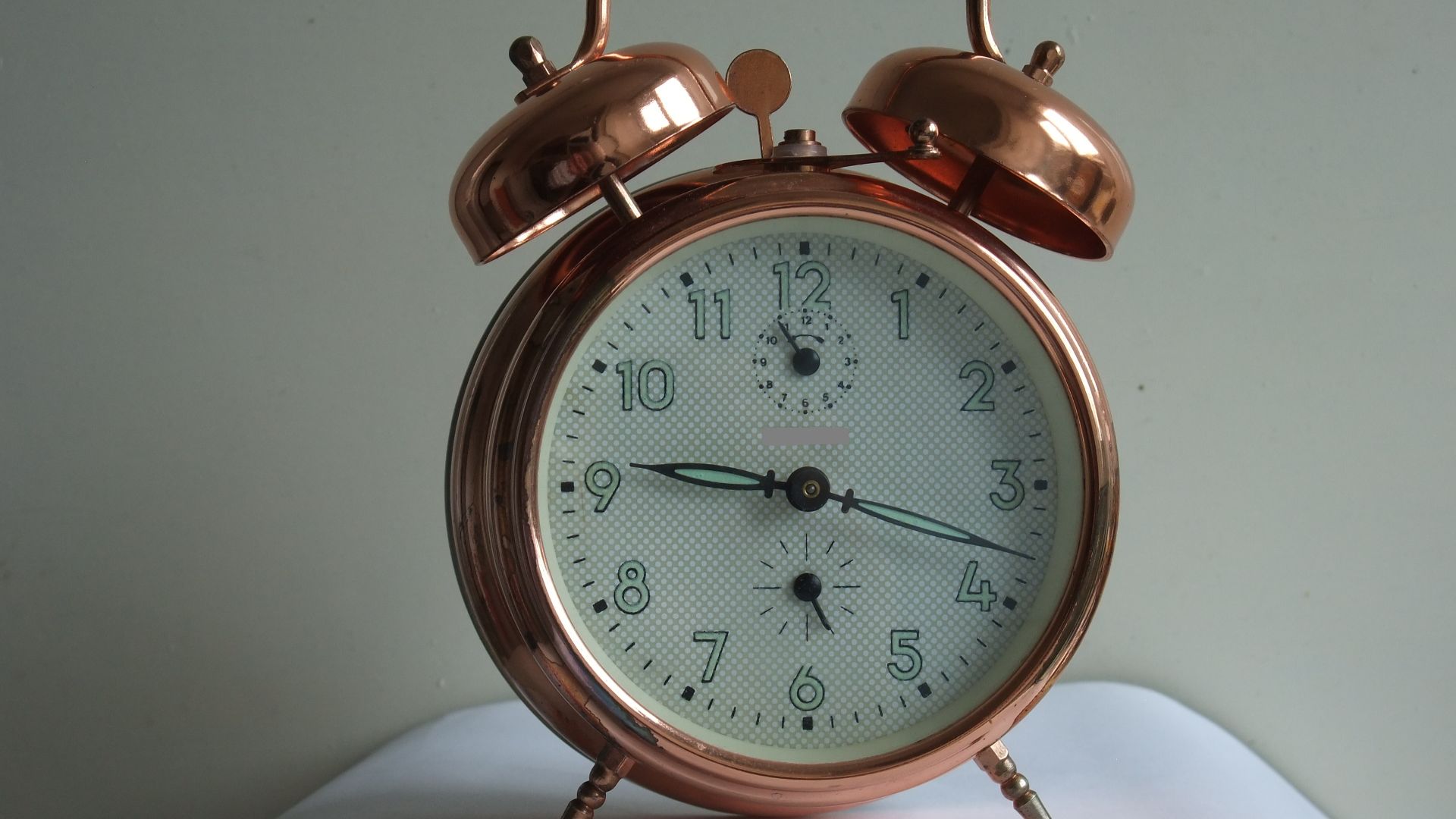
Using a smartphone as an alarm means placing a miniature entertainment center within arm's reach of the bed. Harvard Health recommends reducing exposure to phones and other electronic devices in the evening, while CDC guidance says phone light or sound should not be allowed to disturb sleep. A basic alarm clock cannot show you social media, email, or breaking news at midnight, which is precisely why it deserves another chance.
Reusable Lunch Boxes
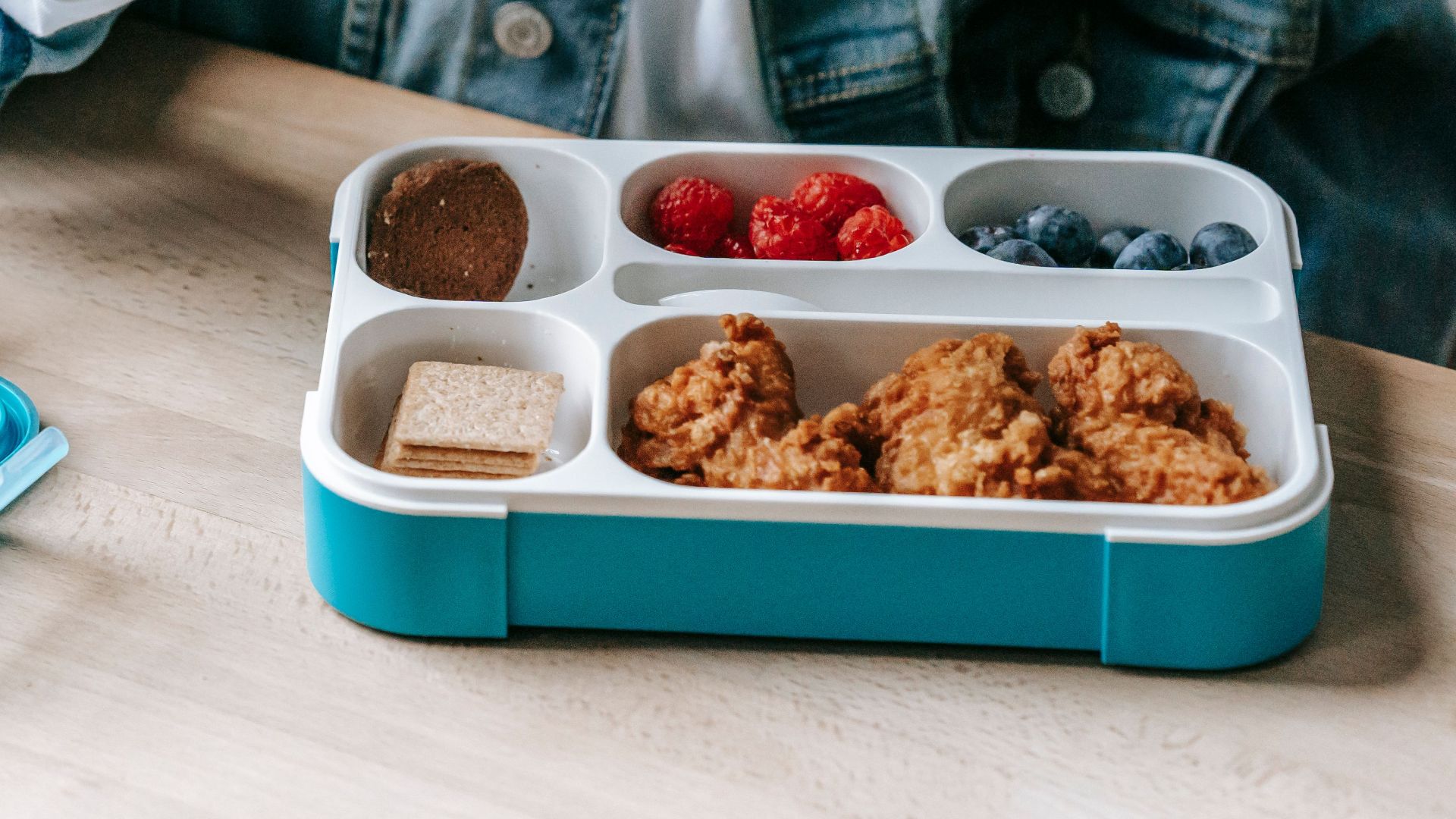
The traditional lunch box was built around the idea that the container came home again at the end of the day. That concept remains useful even if today's insulated lunch bags look different from vintage metal boxes. The EPA recommends reusable containers and reusable cups as ways to cut down on throwaway lunch packaging. Packing lunch in durable containers can make yesterday's habit feel thoroughly modern.
Cloth Napkins
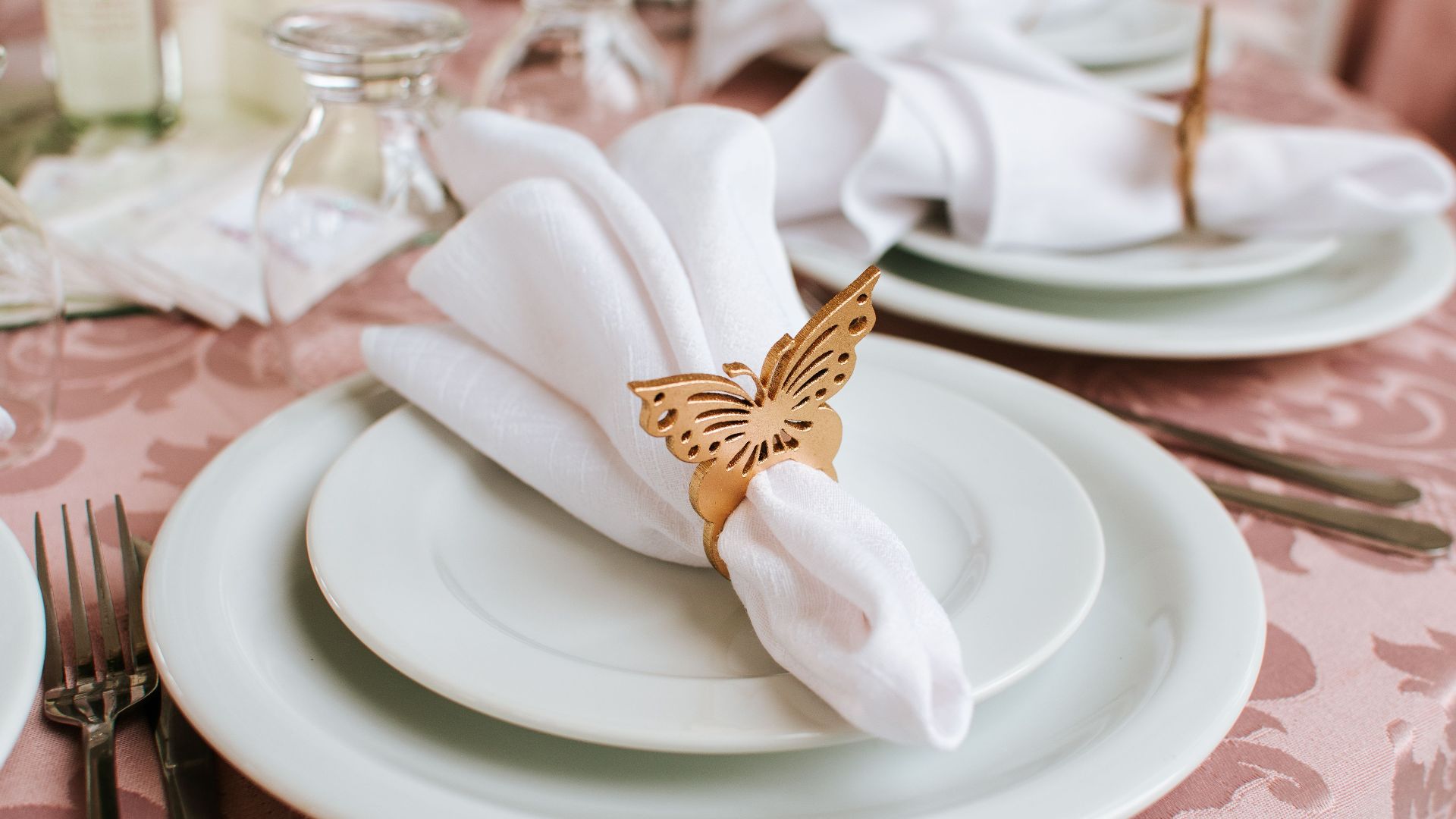
Cloth napkins should not be reserved for expensive restaurants and holiday dinners. A washable napkin can be used repeatedly, while disposable paper products have to be continually replenished. The EPA broadly recommends choosing reusable products over disposable alternatives and specifically suggests swapping disposable materials for reusable cloth where practical. Keeping an everyday stack in the kitchen is an easy way to revive that habit without making dinner feel formal.
Glass Storage Jars
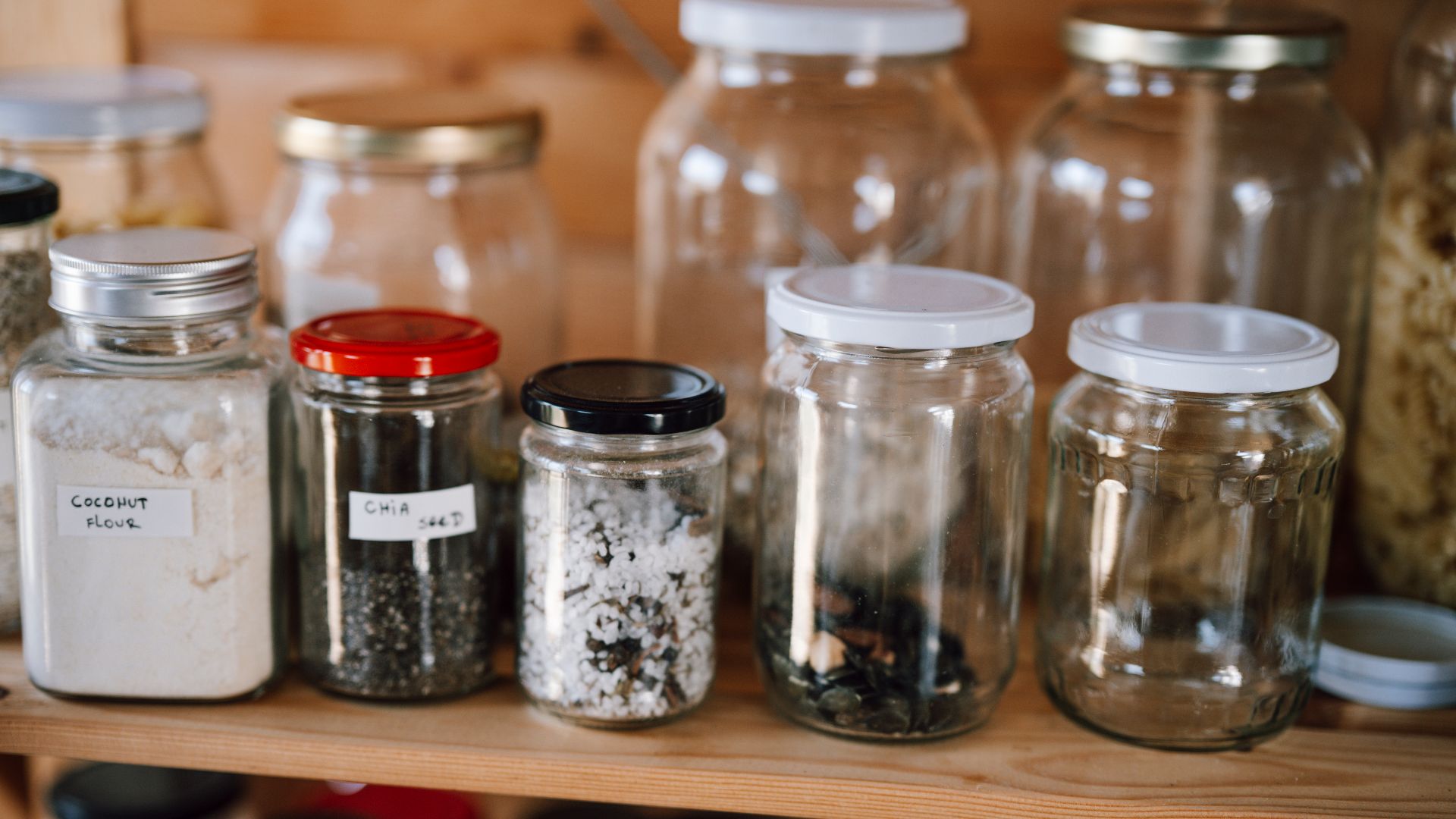
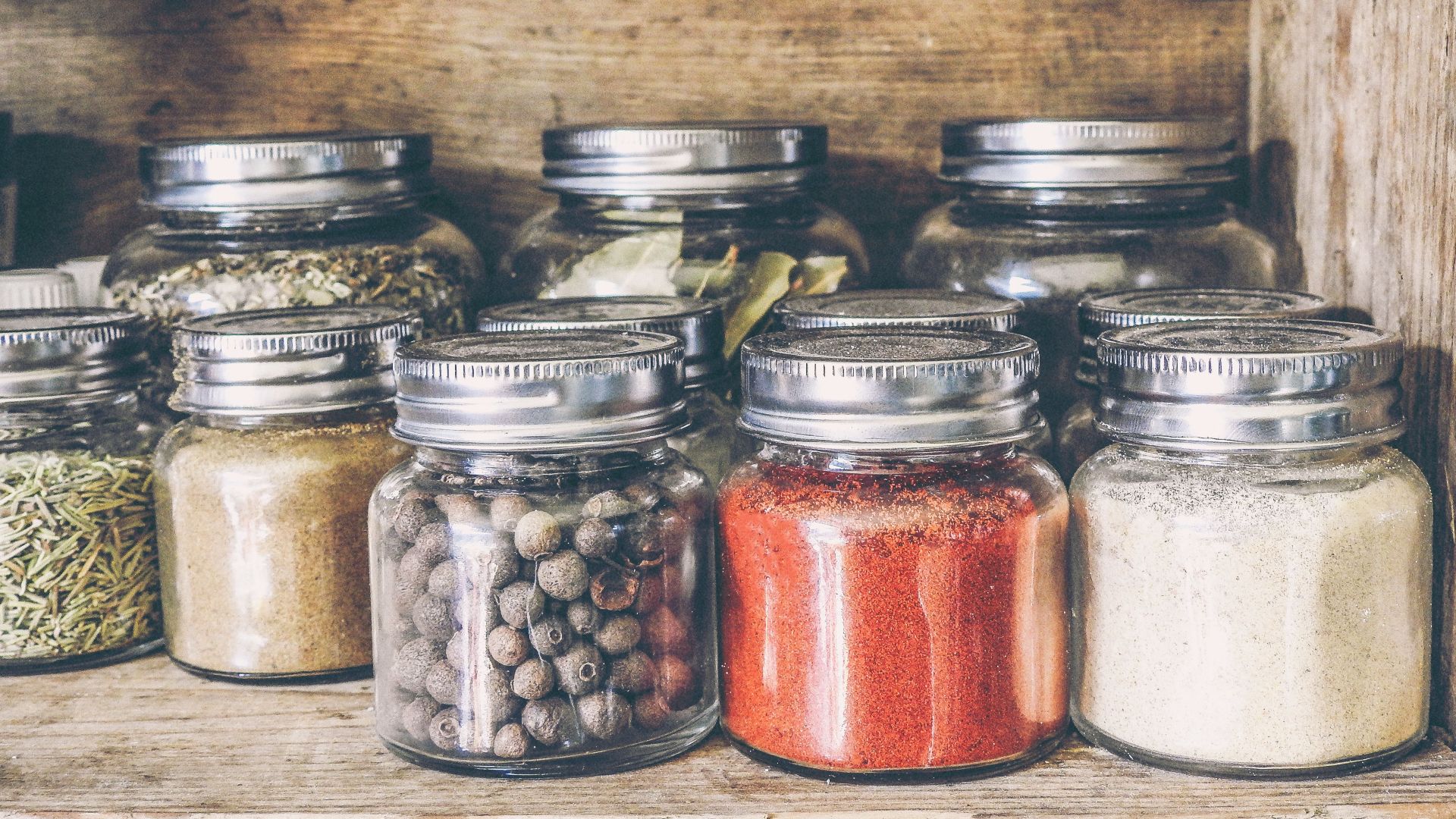
Clear glass jars made pantry organization remarkably straightforward long before matching plastic container sets appeared. They let you see what is running low and can be cleaned and reused again and again. The EPA recommends storing bulk foods in airtight, labeled containers and notes that buying appropriate quantities from bulk bins can reduce packaging and food waste. Old-fashioned jars therefore fit nicely into a very current approach to kitchen organization.
 Shixart1985, Wikimedia Commons
Home Canning Jars
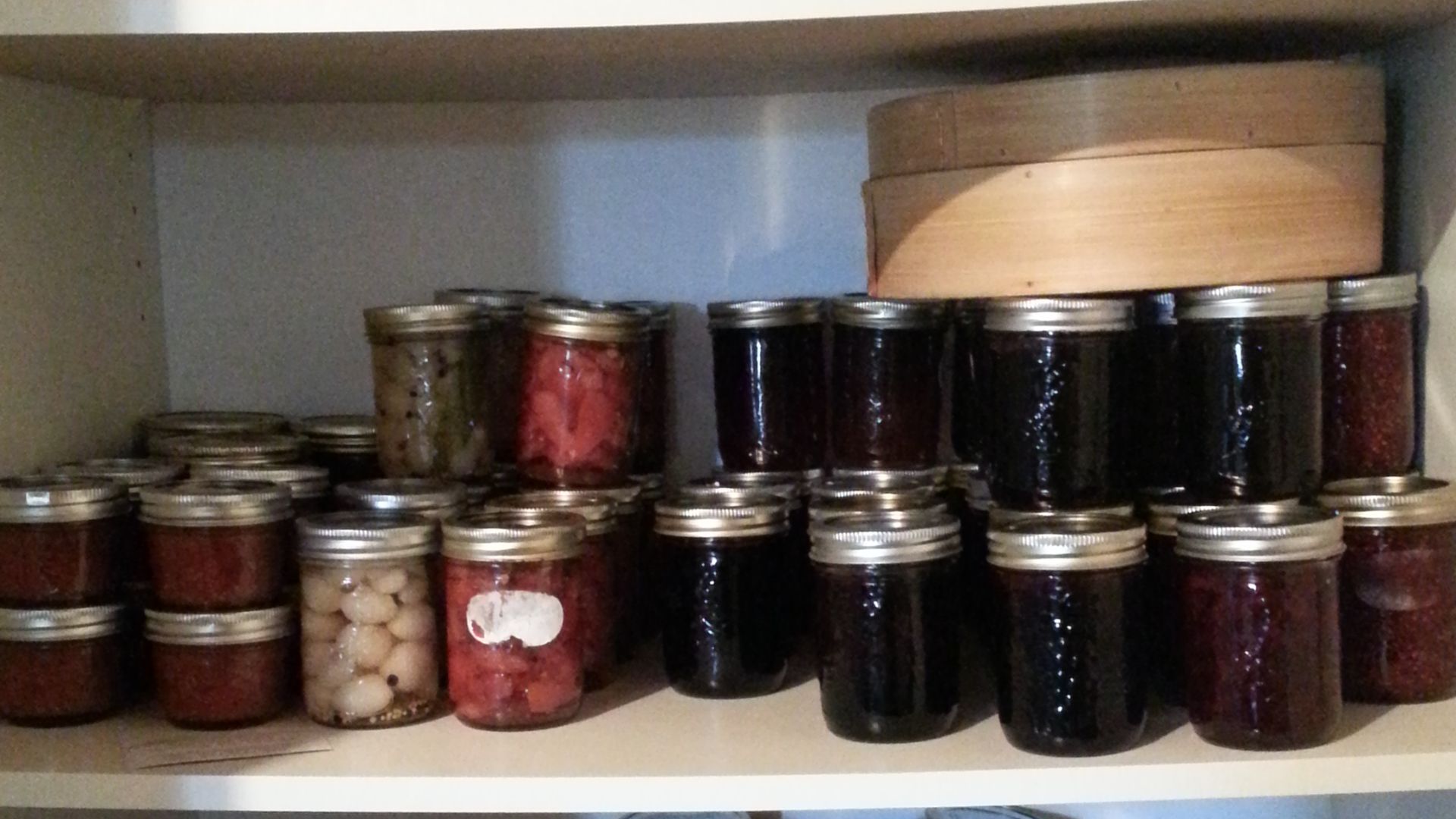
Canning jars once played an especially important role when families preserved seasonal produce for later use. The National Park Service documents the importance of home canning and food preservation during World War II, when households were encouraged to preserve garden produce. Home canning requires current, tested food-safety methods, but the broader habit of preserving surplus seasonal food still has value.
 terri_bateman, Wikimedia Commons
Bread Boxes
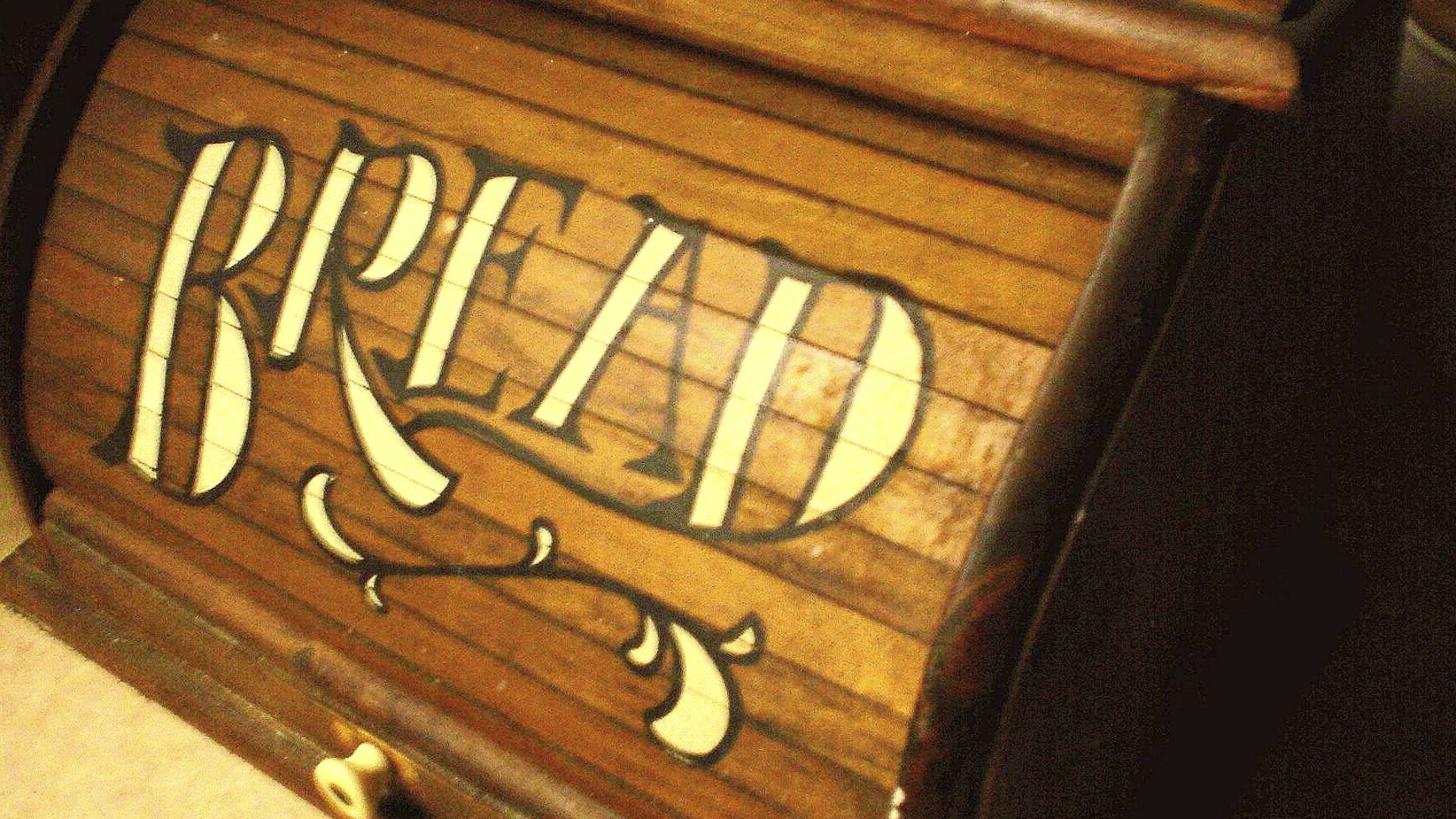
The bread box is one of those kitchen objects that largely vanished when countertops became crowded with appliances. Its purpose was wonderfully focused: give bread a dedicated storage location instead of leaving loaves scattered around the kitchen. Modern food-waste guidance from the EPA emphasizes proper storage and even recommends freezing bread that will not be eaten before it deteriorates. A bread box cannot replace proper storage practices, but bringing back designated food-storage spaces could make kitchens more organized.
 No machine-readable author provided. Owen assumed (based on copyright claims)., Wikimedia Commons
Reusable Cleaning Rags
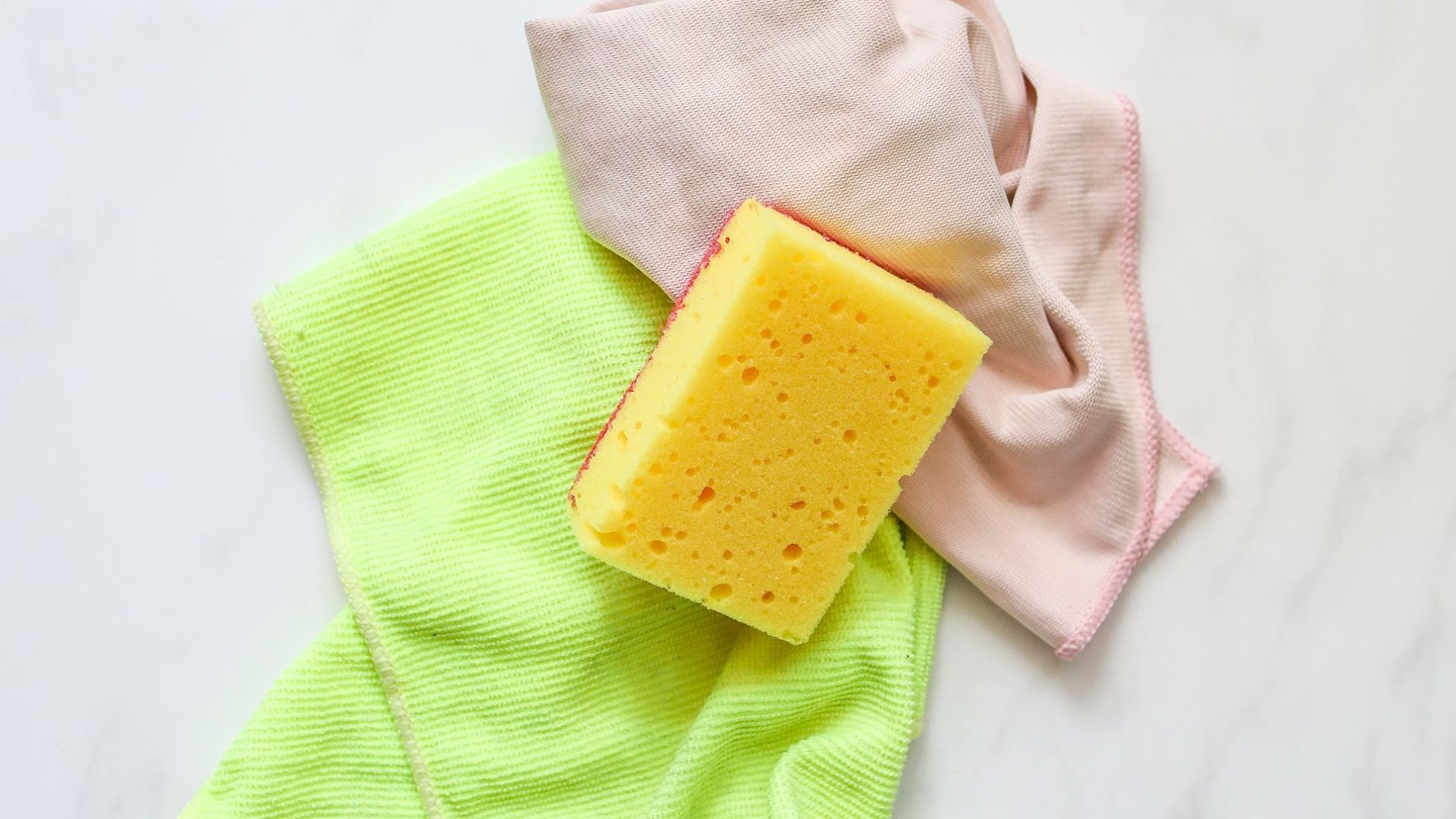
Old shirts and worn towels once had a second career as household cleaning cloths. That idea remains practical because washable rags can handle many jobs that otherwise consume disposable paper products. EPA guidance has specifically recommended reusable cloth rags rather than paper towels in appropriate cleaning situations. A basket of washable cleaning cloths is one of the easiest old household habits to restore.
Repairable Household Goods
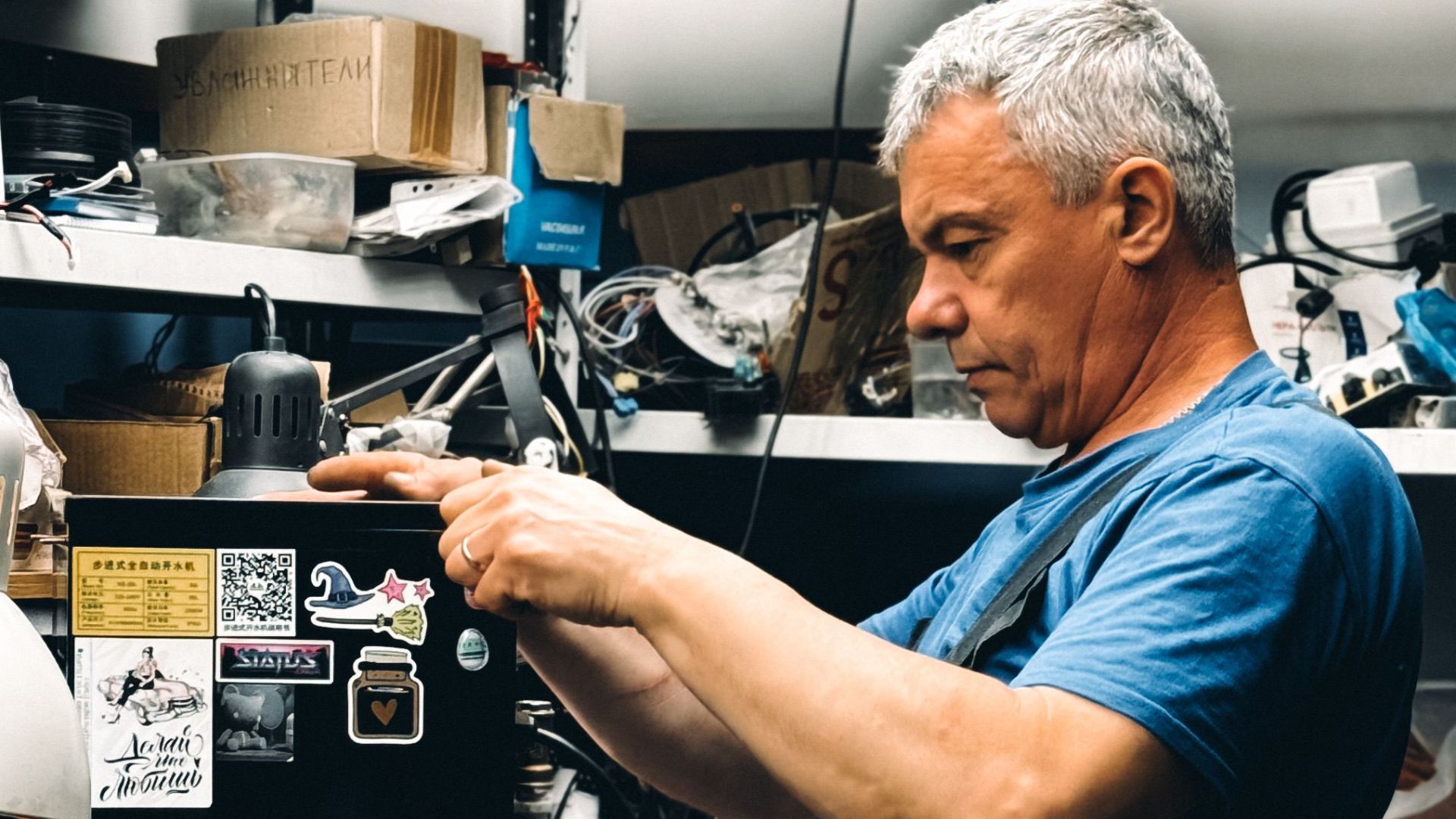
Older appliances and tools were not universally better made, but the expectation that possessions should be repairable deserves a comeback. The Federal Trade Commission has highlighted modern repair restrictions involving unavailable parts, specialized tools, adhesives, and inaccessible diagnostic software. Products designed for straightforward maintenance would give consumers more opportunity to fix something instead of replacing the entire item.
Printed Repair Manuals
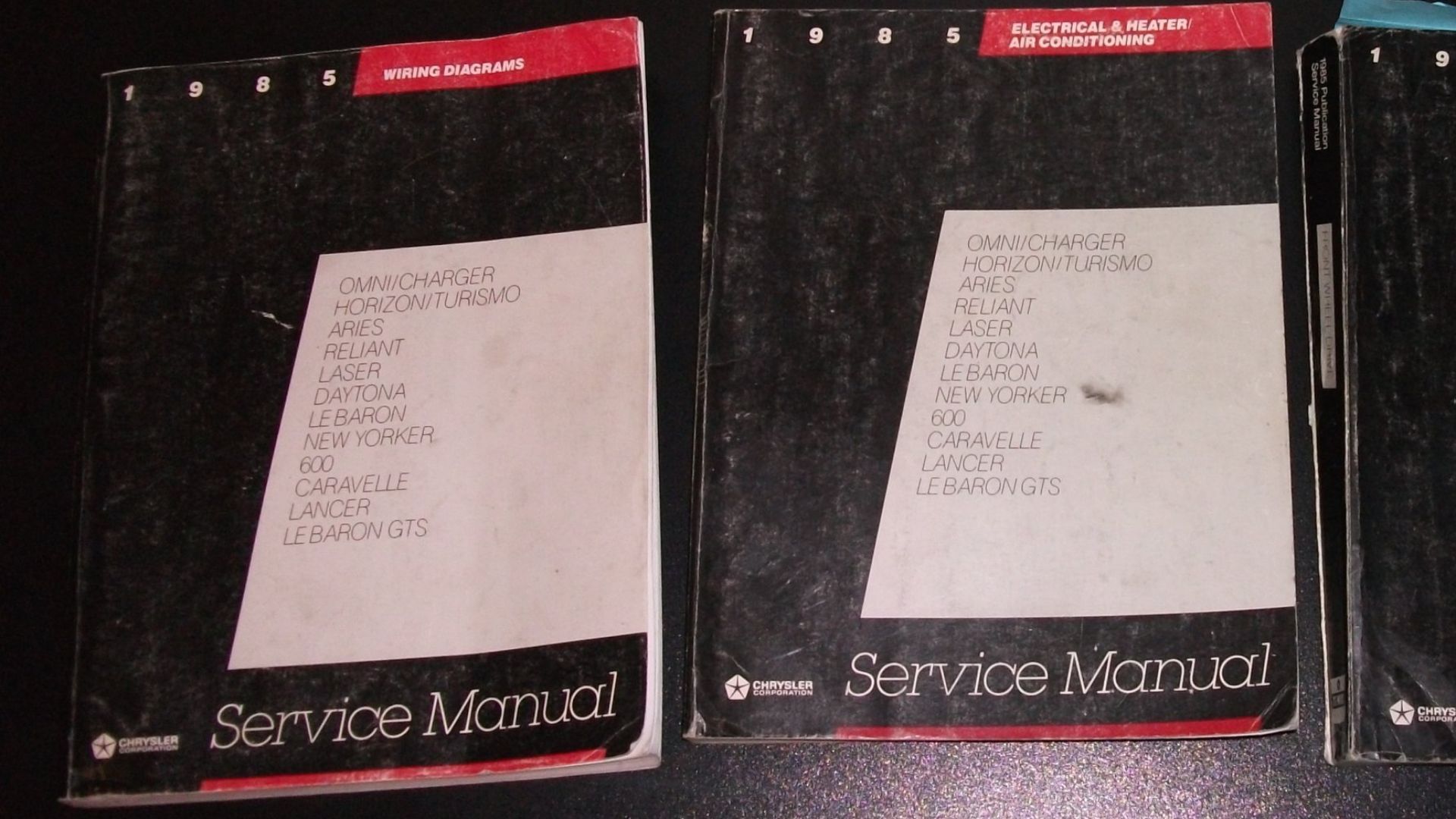
A paper manual sitting in a drawer does not require a password, subscription, internet connection, or functioning device to tell you how something works. More importantly, detailed service information can make repair considerably easier. The FTC has identified limited access to repair information, parts, tools, and diagnostic software as obstacles consumers and independent repair businesses may face. Comprehensive manuals would be a welcome companion to a renewed culture of repairable products.
 dave_7 from Lethbridge, Canada, Wikimedia Commons
Manual Kitchen Tools
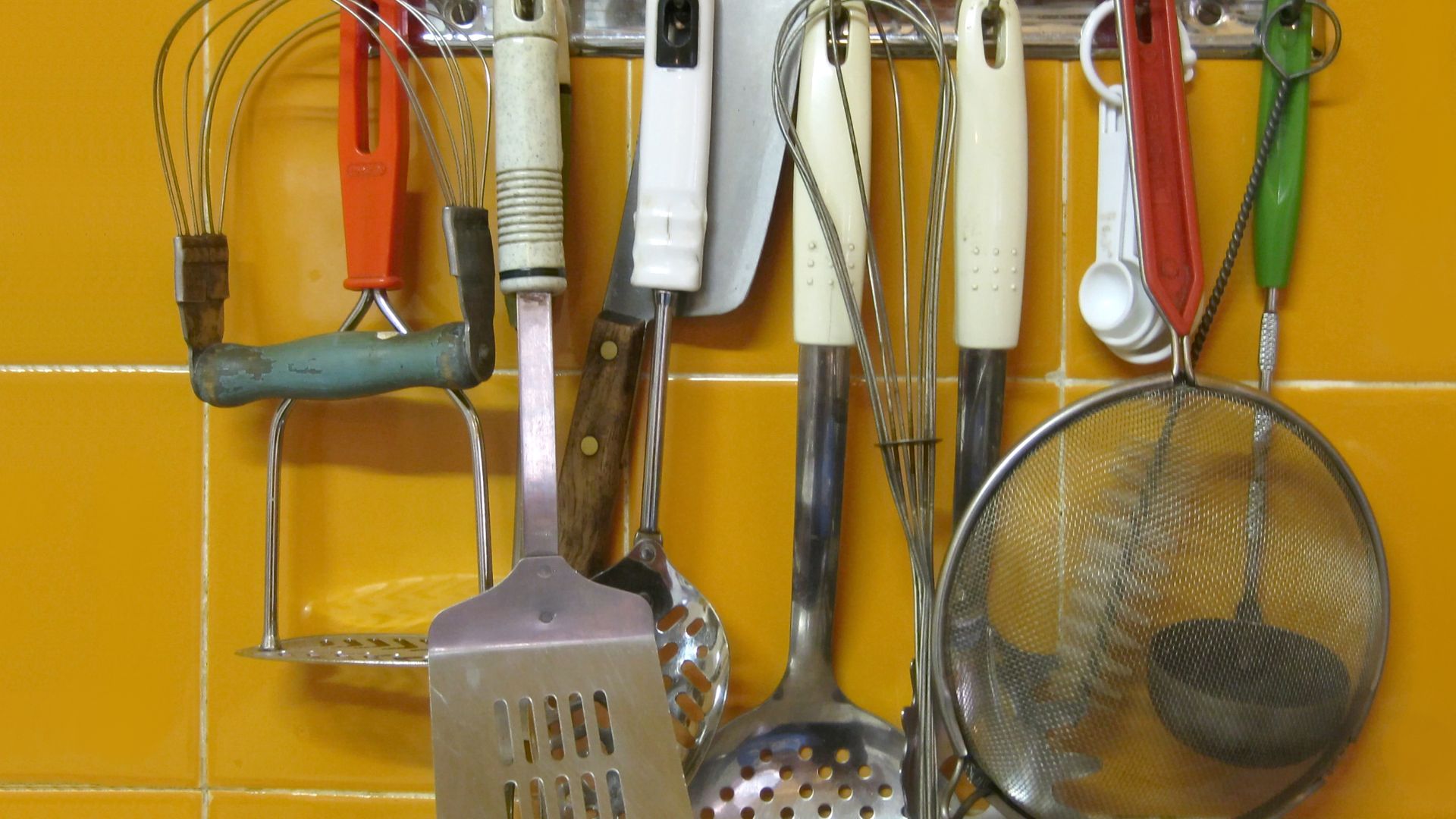
Not every kitchen job requires another motor, battery, charger, or countertop appliance. A hand-operated can opener, whisk, food mill, grinder, or citrus press can perform its narrow job without electricity and is often easy to store. Emergency-preparedness guidance has long included a manual can opener among useful supplies precisely because it continues to work when electrical conveniences are unavailable. There is something reassuring about owning tools whose usefulness does not depend on a power outlet.
Dedicated Iceboxes And Cool Storage
Nobody needs to trade a modern refrigerator for a block of ice, but the logic behind the old icebox remains interesting. The National Park Service explains that traditional iceboxes used insulated walls and a block of ice to circulate cool air around stored food before electric refrigeration. Modern homes could borrow the underlying idea by giving foods that do not require refrigeration suitable cool, dry, dark storage rather than treating the refrigerator as the answer to everything.
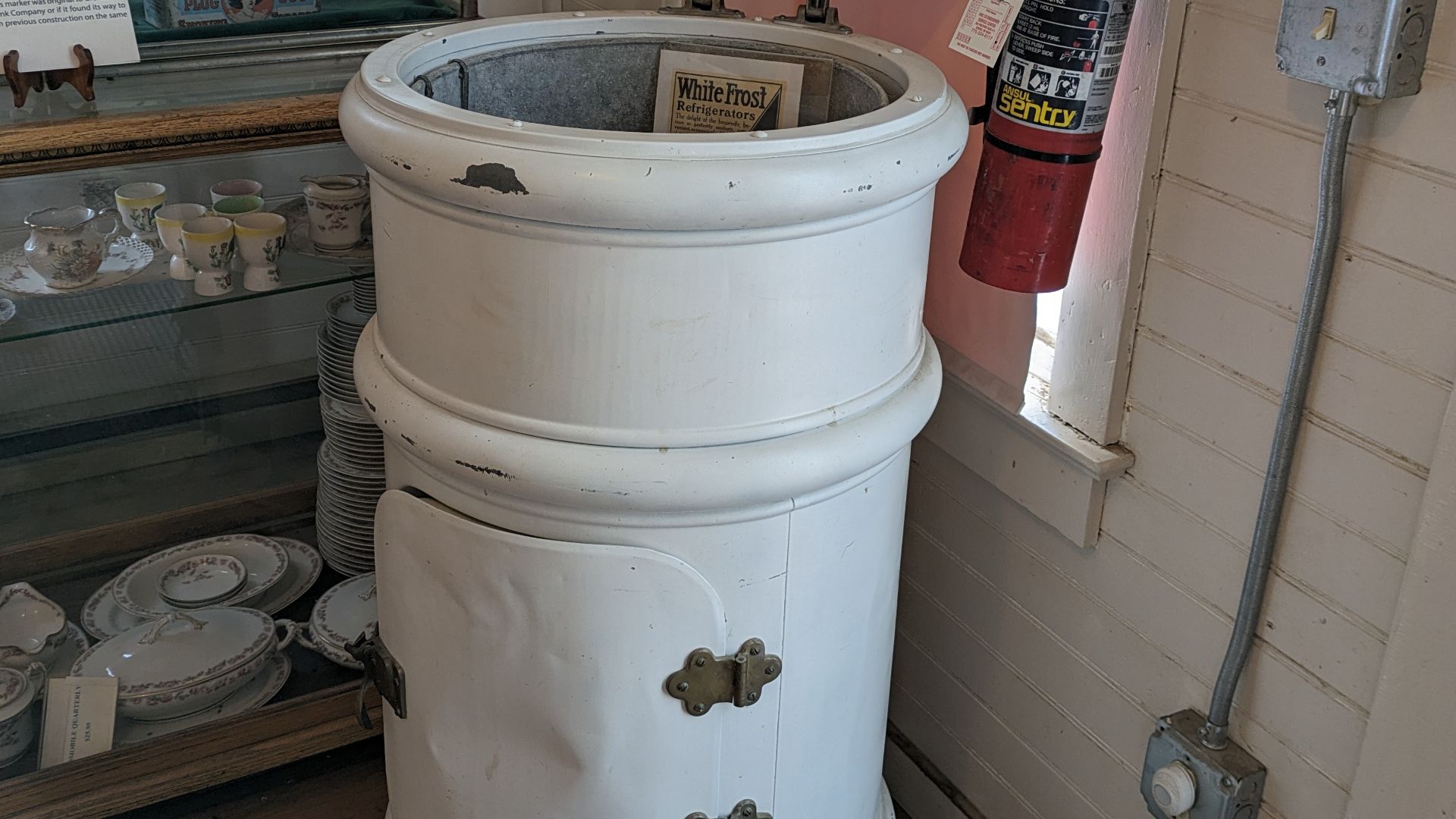 Mx. Granger, Wikimedia Commons
Old-Fashioned Pantry Organization
A traditional pantry was not just a picturesque room lined with jars. It created a visible inventory of staples and encouraged households to know what they already had before buying more. Current EPA guidance recommends checking existing food, planning meals, making shopping lists, labeling stored foods, and organizing ingredients so they are eaten before they spoil. In other words, some of the smartest modern food-waste advice looks a lot like old-fashioned pantry management.
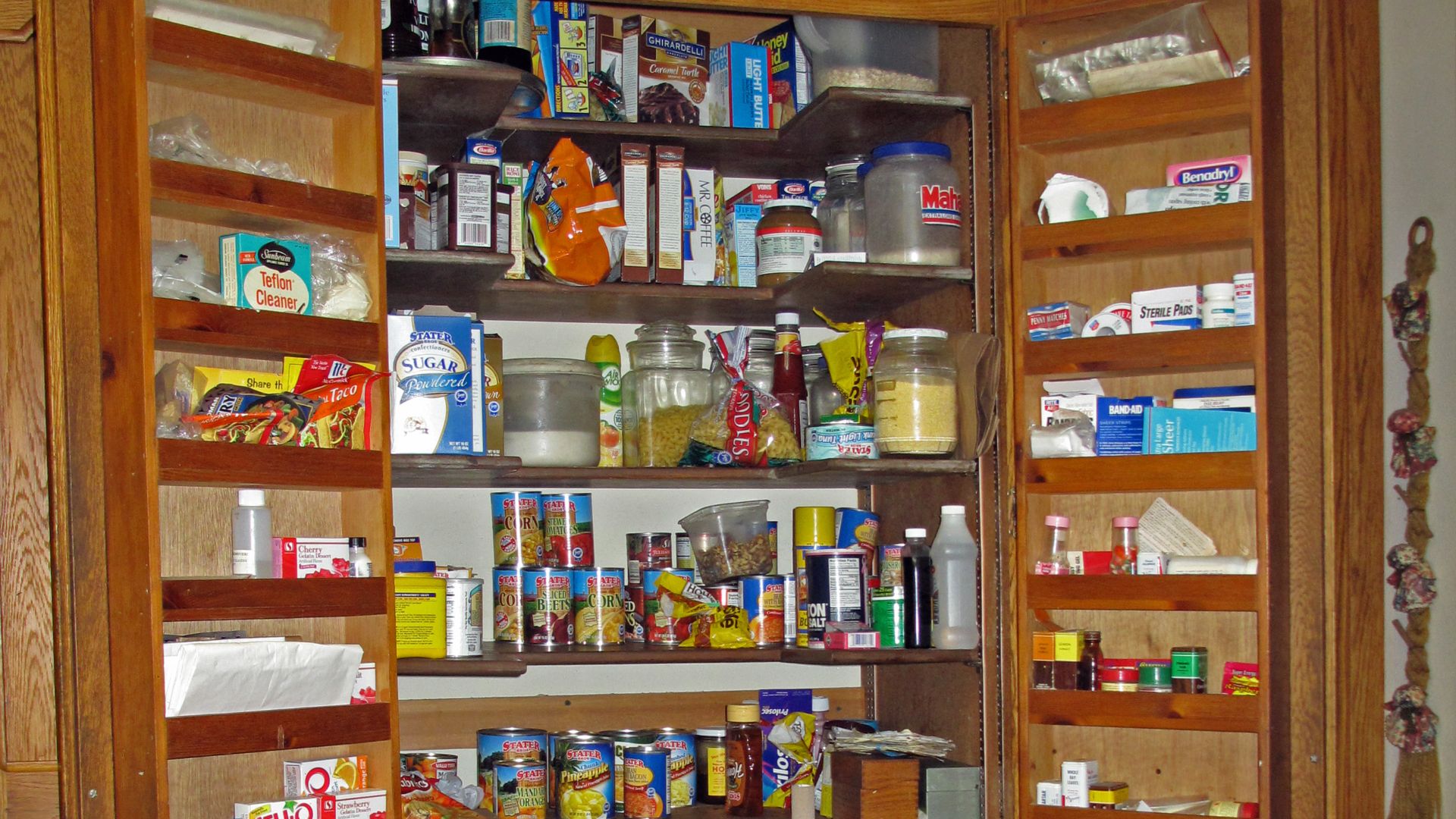 Downtowngal, Wikimedia Commons
Reusable Coffee Cups
The reusable coffee cup is another old idea that became strangely novel after disposable packaging took over. Vacuum bottles and travel containers existed decades ago, including the 1941 Thermos preserved by the Smithsonian. The EPA now recommends carrying a reusable cup or mug rather than relying on single-use drink containers, making this less a new environmental innovation than a return to an established habit.

Card Catalog Style Browsing
Nobody seriously wants to replace searchable online library databases with millions of index cards, but card catalogs encouraged a distinctive kind of browsing. The Library of Congress says information from roughly 12 million cards in its shelflist was eventually converted for inclusion in its online system, and the physical card shelflist was closed in 1999. Bringing back small physical browsing catalogs alongside digital search could offer readers another way to encounter subjects and books they were not specifically looking for.
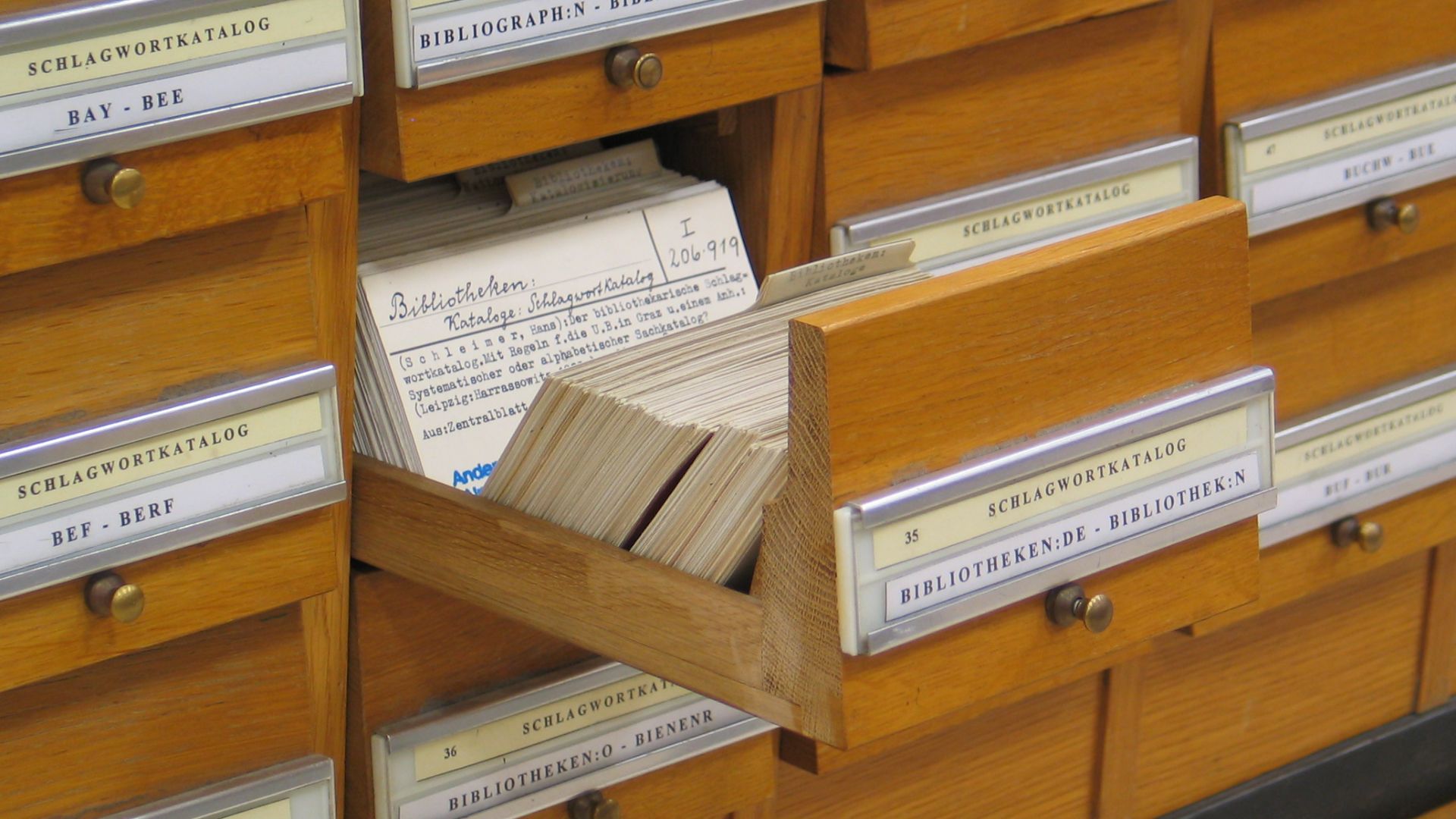 Dr. Marcus Gossler, Wikimedia Commons
Buying Things Built To Last
Perhaps the most useful thing to resurrect is not an object at all, but an expectation. Previous generations often kept ordinary household goods in service for long periods because replacement was not automatically the first response to wear. The EPA recommends considering durability when shopping and repairing existing clothing, furniture, and appliances so they do not need to be replaced as frequently. That mindset can be applied to everything from cookware to furniture.
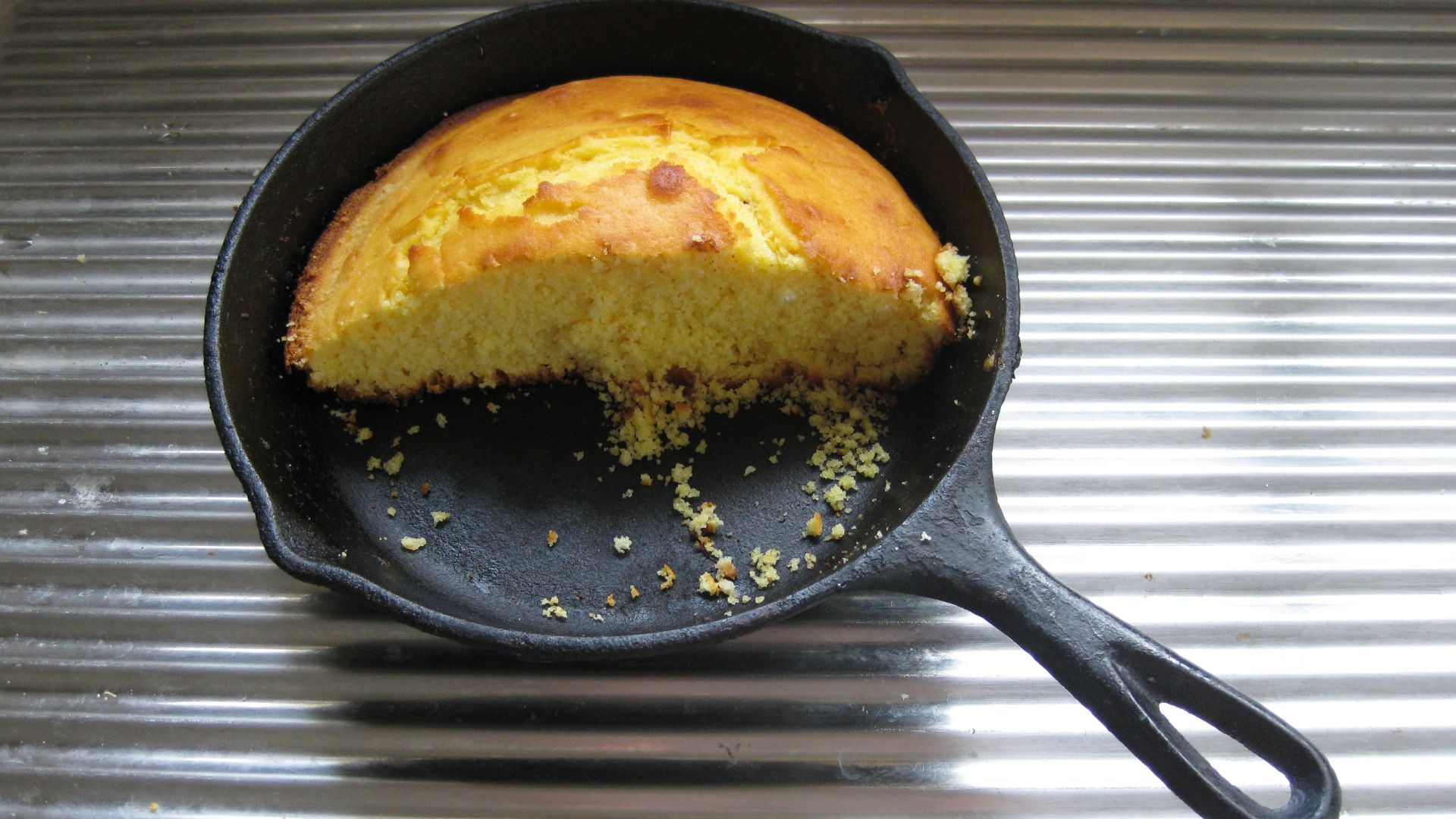 Douglas P Perkins (Douglaspperkins (talk)), Wikimedia Commons
The Habit Of Reusing Before Replacing
Plenty of old household habits developed from necessity rather than environmental awareness. Containers were reused, clothing was mended, bags came home from the store, and durable tools stayed in service because continually buying replacements cost money. Modern EPA guidance similarly encourages reuse, repair, buying used products, and choosing reusable alternatives over disposable ones. The motivations may have changed, but the practical lesson remains surprisingly relevant.
Maybe Progress Can Look Backward
Nobody needs to abandon refrigerators, washing machines, smartphones, or other genuinely useful inventions to appreciate older household ideas. The best items from the past often shared a few simple qualities: they did one job well, could be reused, and did not need constant replacement. Bringing some of them back would not mean pretending the past was better. It would mean recognizing that progress sometimes involves rediscovering an idea that already worked.

You May Also Like:
The Bizarre Inventions People Thought Would Change The World
The Discovery Of A Bronze Age Blade Workshop In Southern Israel
Resilient Facts About Ellen Burstyn, The Actor Who Worked With The Devil