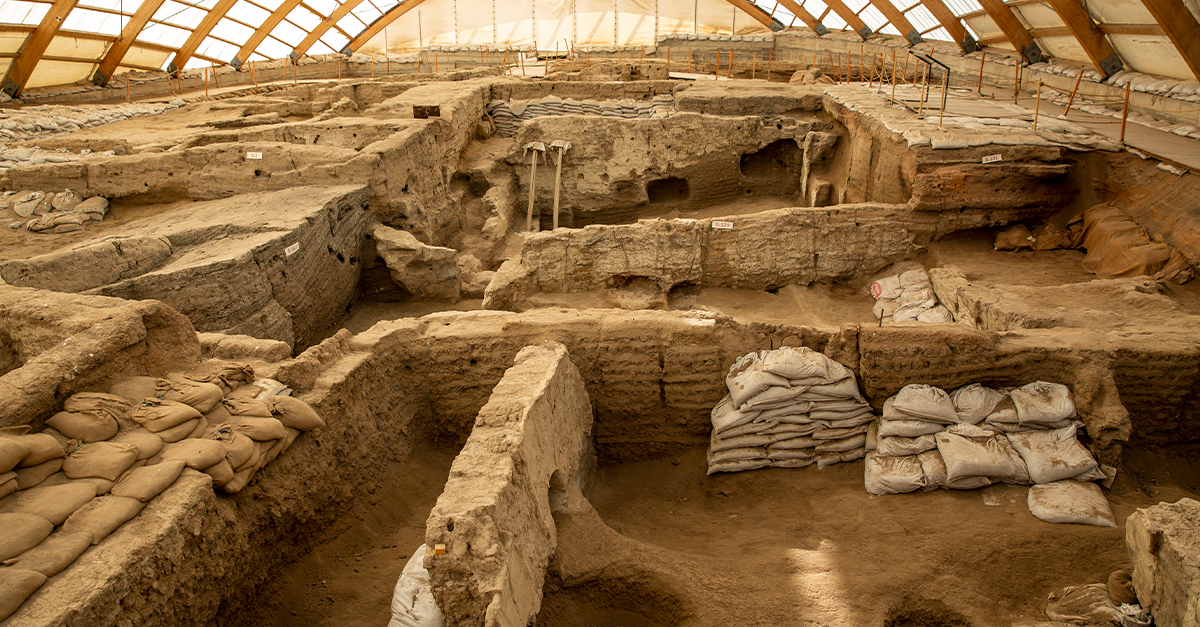
In 2025, archaeologists at the Neolithic site of Çatalhöyük in central Turkey discovered bread fragments from approximately 8,600 years ago, possibly the oldest bread ever found. These charred remains, found during careful excavation of a domestic hearth, open a new avenue for study on the diet and everyday lives of people long ago.
Çatalhöyük: A Cradle of Early Agriculture
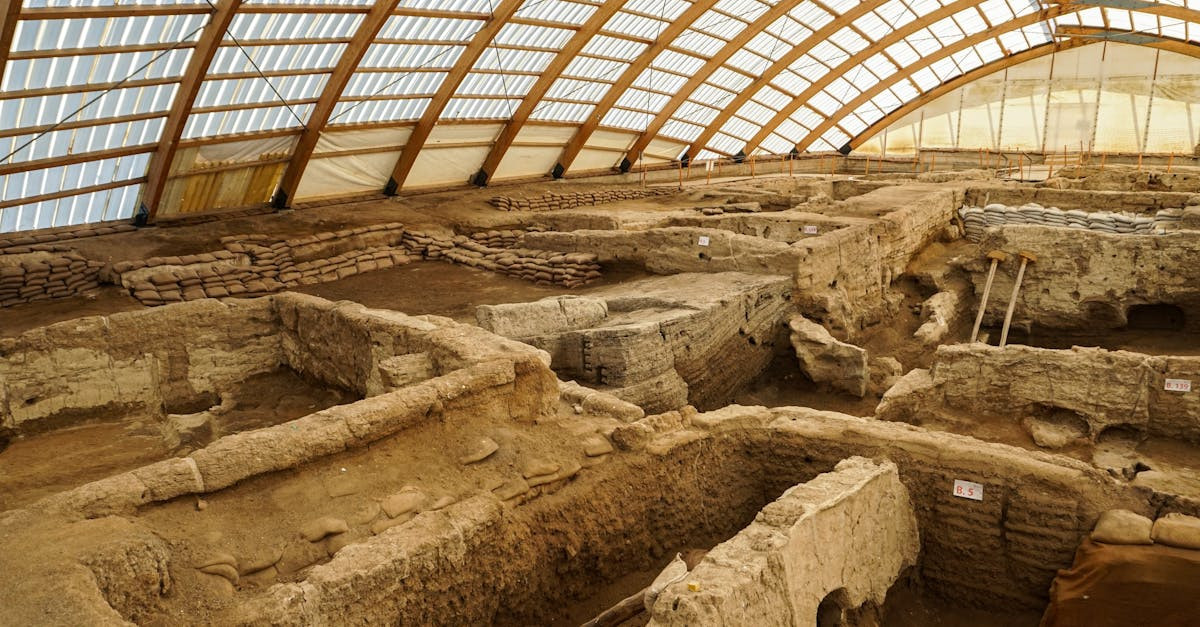
Çatalhöyük, a UNESCO World Heritage Site, was inhabited between 7,500 and 5,700 BC. As one of the earliest settled communities, it is a crucial place to explore the origins of agriculture, handicrafts, and communal living. The remnants of bread-making suggest that Neolithic people were already mastering wheat processing and food production long before the time of Ancient Egypt or Mesopotamia.
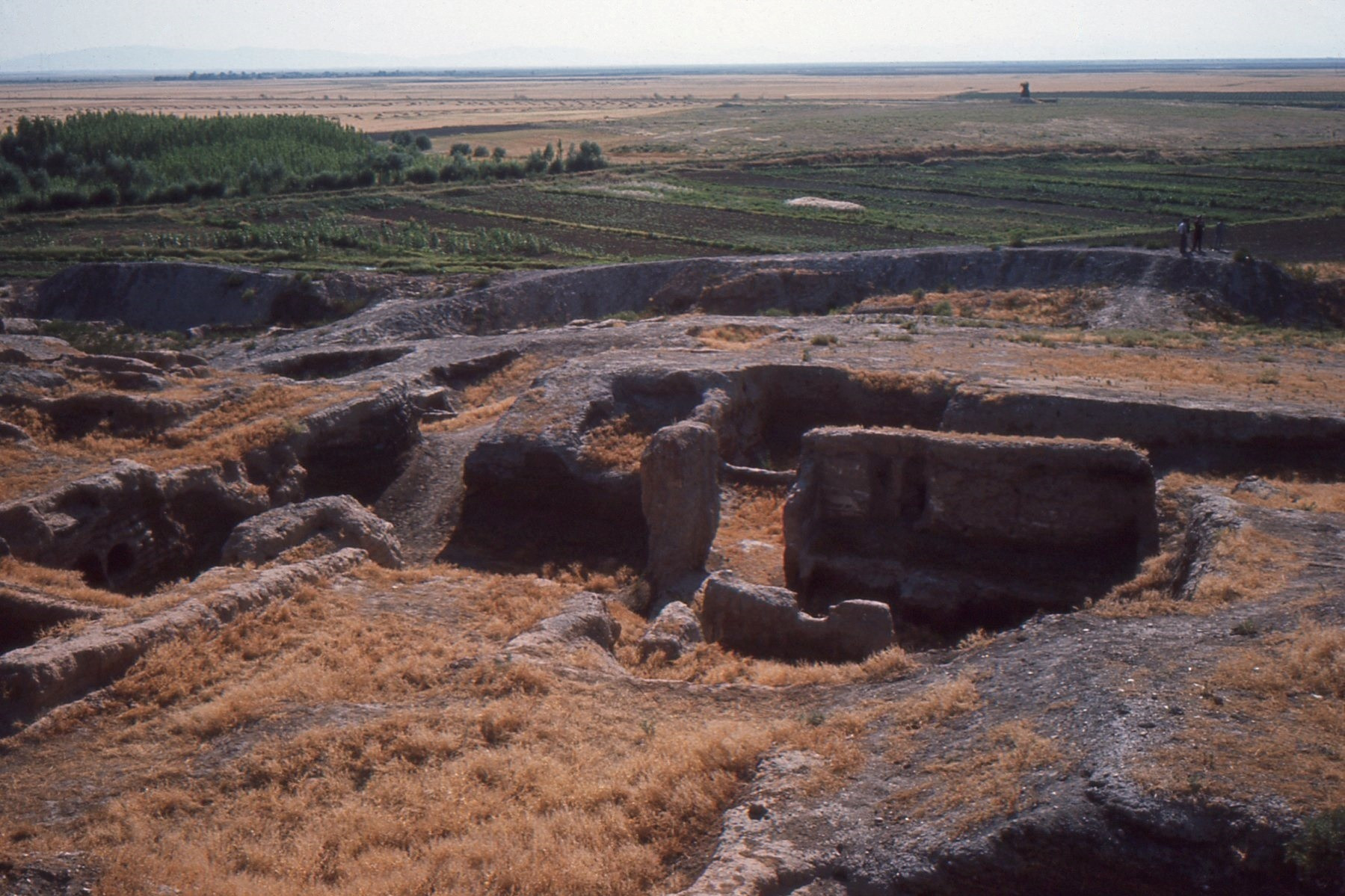 Omar hoftun, Wikimedia Commons
Digging Up Clumps From An Ancient Hearth
The discovered fragments include crumbs, dough-like paste, and burnt bits and pieces with plant particles dotted throughout. Close observation shows they were a mixture of longer and shorter cereal grains that included barley and wheat. The baking method was most likely over an open fire or on hot stone surfaces, a harbinger of bread-making traditions and modern loaf preparation.
Fermentation And Food Knowledge
Preliminary study suggests the bread was perhaps fermented, early evidence that people understood leavening, i.e., the process of making dough rise. If so, this changes our historical timeline about when fermentation was figured out, underlining the more advanced nature of Neolithic people’s food culture.
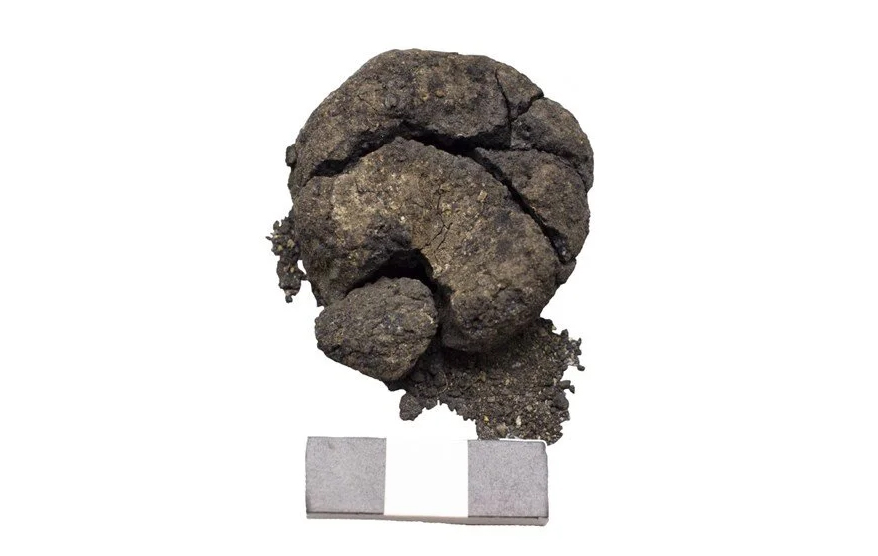 WORLD'S OLDEST BREAD has been found at ÇATALHÖYÜK - or has it?, The Prehistory Guys, YouTube
Impact On Early Diets and Technology
The discovery of bread at Çatalhöyük changes our understanding of Neolithic diets. Instead of solely eating porridge or raw grain, people were actually baking and evolving their culinary skills and repertoire. It’s also possible that symbolism and social rituals accompanied food production back in this distant era of human civilization.
Comparison To Other Ancient Civilizations
Previously, evidence of the oldest bread consisted of fragments in ancient pits in northeastern Jordan going back 14,400 years, but these were more dough-like. Çatalhöyük’s fragments are clear evidence of baked bread from a permanent agricultural settlement, altering the scale of culinary innovation.
Preservation by Fire: How Bread Survived
Bread naturally crumbles apart. These samples survived because they were charred. It seems they were baked twice, first in production and then through accidental burning afterward. This kind of preservation is rare and needs specific conditions to occur. That’s part of what makes this discovery so amazing for archaeologists.
A Human Bond Across The Gulf Of Time
Bread has always been a central part of human culture, symbolizing community, sustenance, and technological know-how. Çatalhöyük’s old loaves might not look like much now, but this bread connects us to those hardscrabble ancestors who worked hard all day, shared meals, and worked out new ways of cooking through trial and error.
You May Also Like:
Astonishing Facts About The Diary That Unlocked The Riddle Of The Pyramids