No Longer Flying Blind
The workings of the human brain have been poorly understood for most of history. A lot of our past knowledge was based on philosophical or religious explanations of behavior. Over the centuries, careful observation, experimentation, and technological advances have totally changed that. These breakthroughs forced a radical rethink of what the brain is, how it works, and how it shapes our identity as people.
Galen And The Brain As The Seat Of Thought
In the second century AD, the Roman physician Galen challenged the prevailing belief that the heart was what controlled thoughts and sensations. Through dissections of animals and injured gladiators, Galen argued that the brain governed our movements, perception, and cognition. Although some of his details were incorrect, his core conclusion totally overturned centuries of ingrained belief, establishing the brain as the central organ of the nervous system.
 Georg Paul Busch (engraver), Wikimedia Commons
Vesalius Breaks With Classical Authority
Sixteenth-century anatomist Andreas Vesalius revolutionized understanding of the brain by insisting on direct observation of what was going on rather than relying on the ancient texts. His detailed dissections brought to light many oft-repeated errors since Galen’s era. Vesalius showed that anatomy has to be based on evidence, not just tradition. This did away with the complacent idea that the brain’s structure was already fully understood.
 Jan van Calcar, Wikimedia Commons
Descartes Separates Mind And Brain
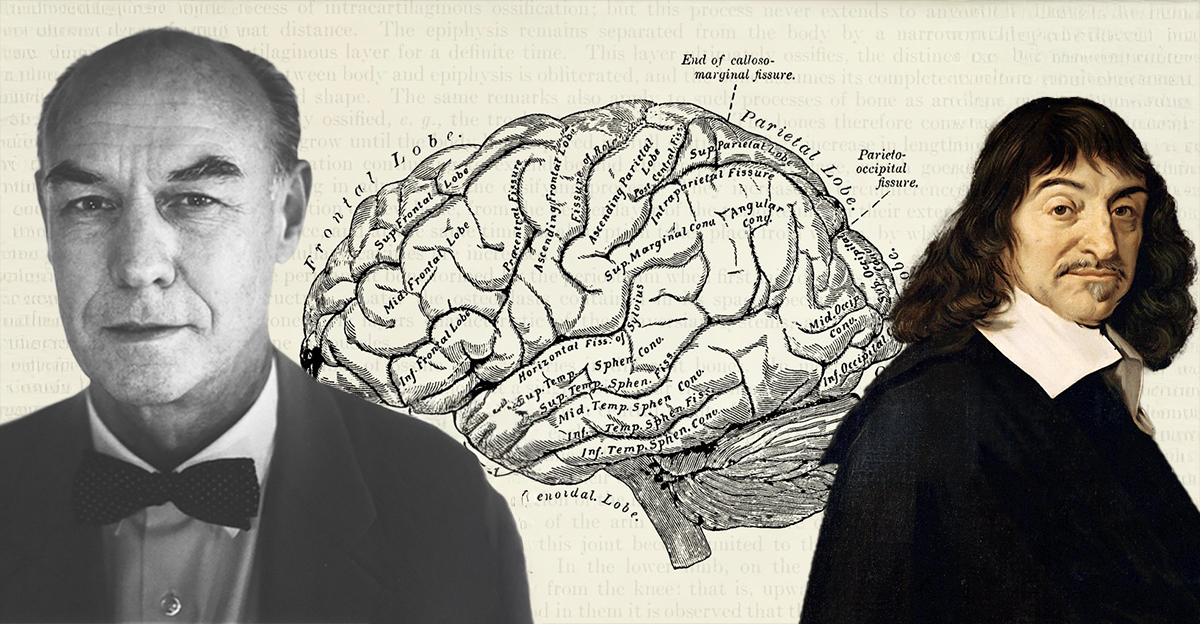
In the 17th century, René Descartes proposed that the mind and body were separate entities. But while his ideas were influential, this framework reinforced the belief that mental processes couldn’t be fully explained by biology. Later neuroscience would overturn this separation, but Descartes’ theory shaped the debate for centuries by delaying acceptance of cognition as a brain-based phenomenon.
 After Frans Hals, Wikimedia Commons
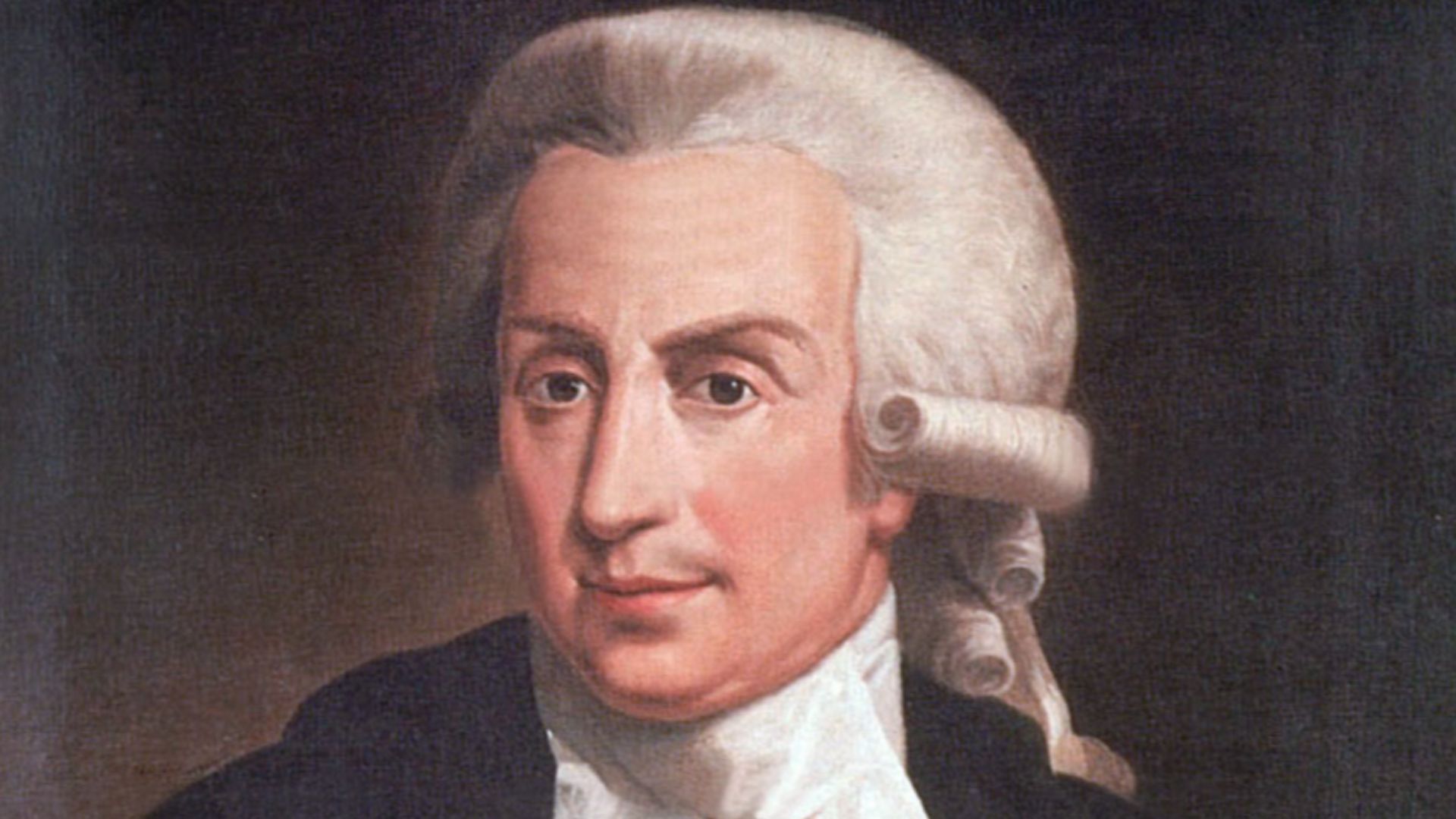
Luigi Galvani Discovers Bioelectricity
Luigi Galvani carried out experiments at the end of the 18th century that revealed that electrical signals drive nerve activity. His work overturned the belief that nerves functioned through invisible fluids or vital spirits. Galvani’s remarkable discoveries reframed the brain as an electrochemical system, laying the groundwork for later neuroscience and building the fundamentals of how scientists understood neural communication.
 Unidentified painter, Wikimedia Commons
Franz Gall And Localization Of Function
Franz Joseph Gall was the first to argue in the early 19th century that different areas of the brain control specific abilities. Though his phrenological methods were flawed by today’s standards, the central idea of localized brain function has held up to the present day. This overturned the belief that the brain worked as a single large unit. The highly original idea shaped all future research into functional specialization.
 Zephirin Felix Jean Marius Belliard (1798–), engraver Delpech (Paris), Wikimedia Commons
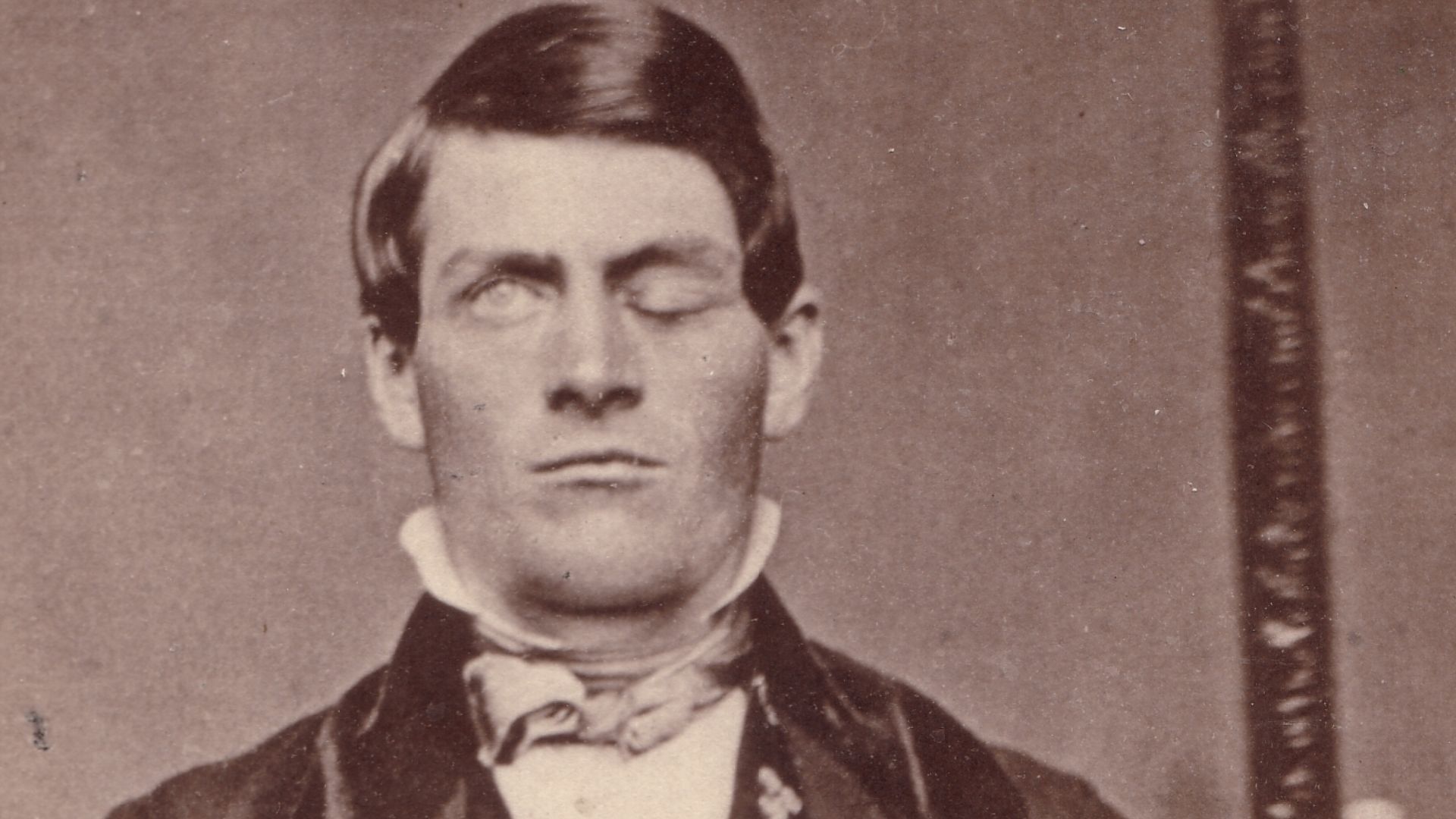
Phineas Gage And Personality Change
A brutal 1848 accident involving Phineas Gage gave dramatic evidence that brain damage could alter someone’s personality. After surviving the destruction of his frontal lobe, Gage’s behavior changed radically. The case swept away all the old assumptions about character, judgment, and morality as being fixed traits independent of biology.
 Author of underlying work unknown., Wikimedia Commons
Paul Broca And The Language Center
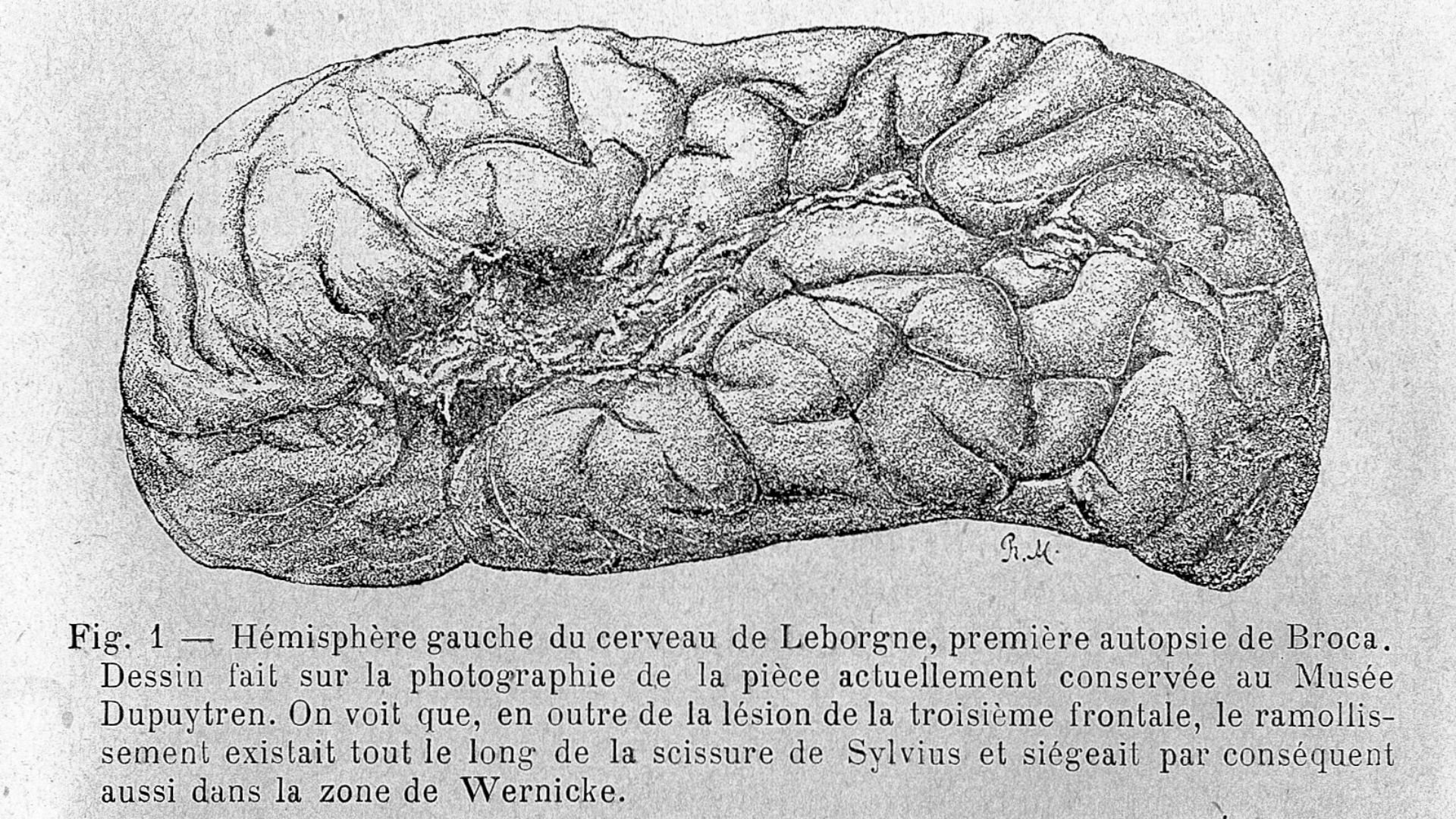
In 1861, Doctor Paul Broca demonstrated that speech production could be linked to damage in a particular brain region. His findings overturned the belief that language use was distributed evenly across the brain. Broca’s work was concrete evidence that higher cognitive functions could also be anatomically localized.
Carl Wernicke Expands Language Theory
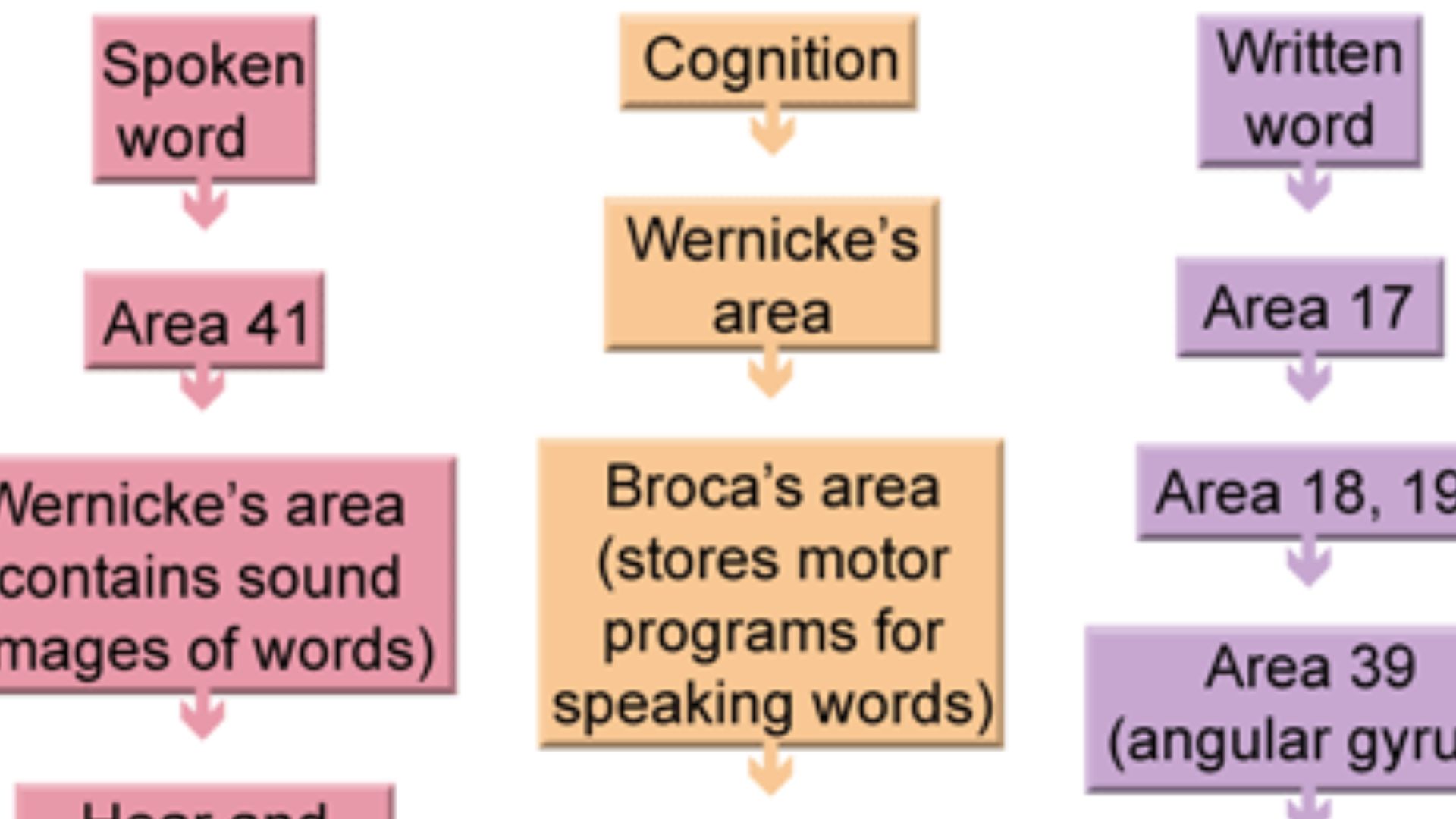
Carl Wernicke identified a separate region responsible for language comprehension. This discovery overturned simplistic models of speech processing and revealed that language depends on interconnected but specialized brain areas, reshaping neurology’s understanding of communication and cognition.
 Lova Falk (talk), Wikimedia Commons

History's most fascinating stories and darkest secrets, delivered to your inbox daily.
Santiago Ramón y Cajal And The Neuron Doctrine
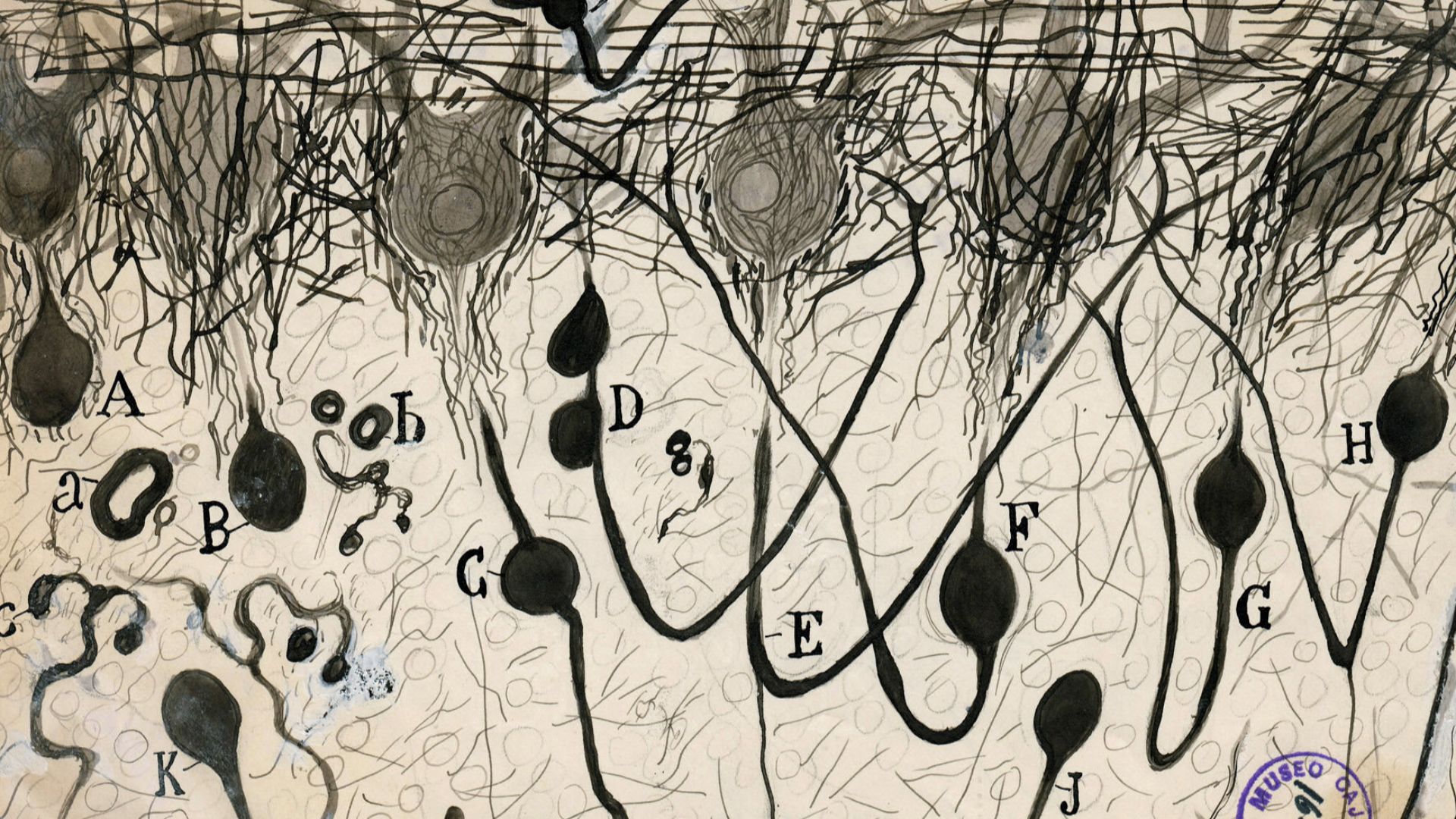
Santiago Ramón y Cajal proved that the brain consists of individual neurons (cells) rather than a continuous network of nerves. This overturned the dominant theory of his day and established the neuron doctrine, forming the foundation of modern neuroscience. He shared the Nobel Prize in Medicine or Physiology in 1906
 Santiago Ramón y Cajal, Wikimedia Commons
Charles Sherrington And Synaptic Communication
Charles Sherrington expanded on Cajal’s work by identifying synapses as the sites of communication between neurons. His findings went beyond the old idea that nerve signals flowed uninterrupted, revealing instead a complicated system of regulated transmission of nerve impulses that allowed for integration, inhibition, and coordination across the nervous system.
 Unknown authorUnknown author, Wikimedia Commons
Ivan Pavlov And Conditioned Reflexes
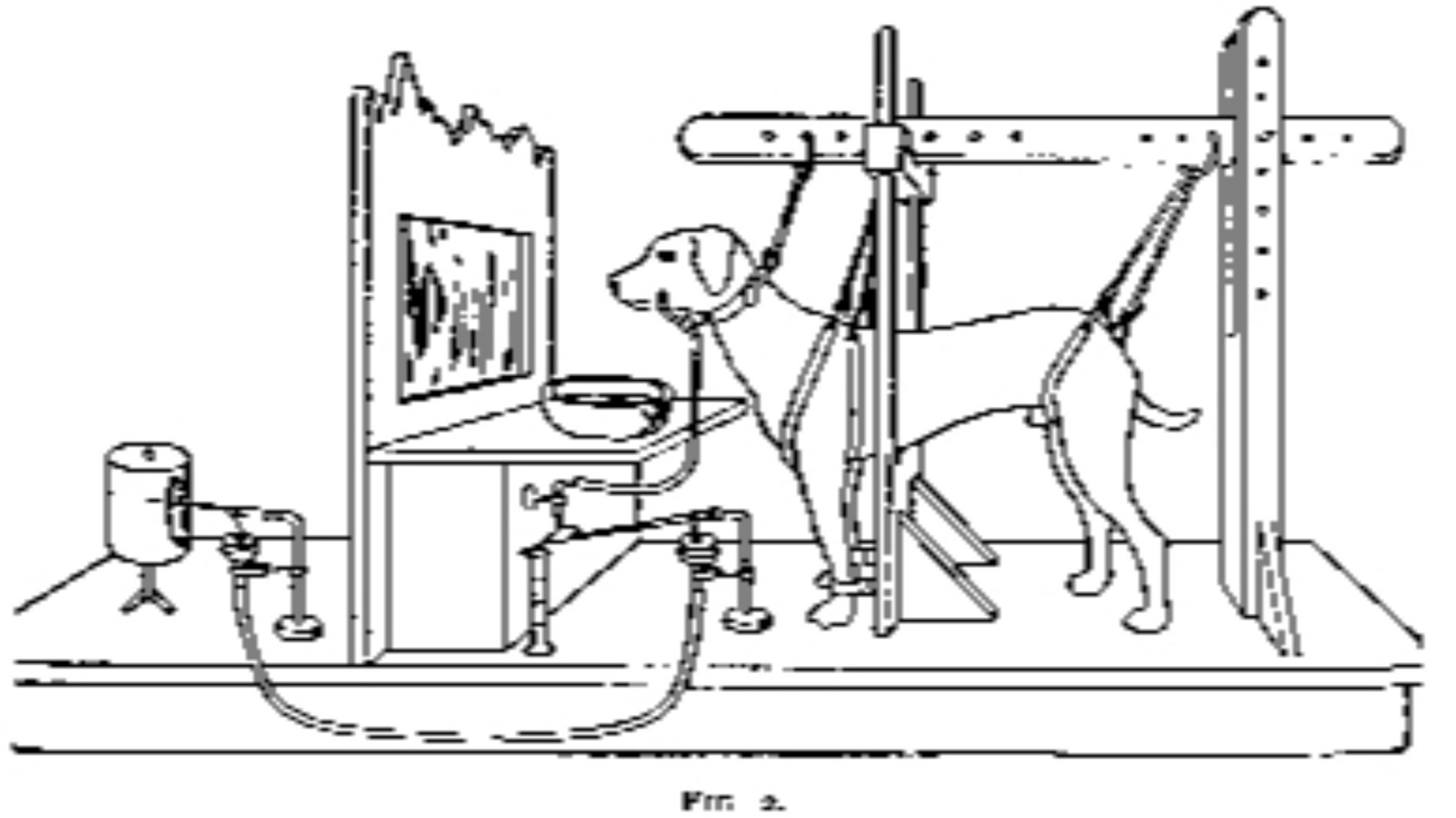
Russian physiologist Ivan Pavlov proved that reflexes could be learned through association rather than being purely physically innate. His work overturned the longstanding distinctions between instinct and learning, proving that experience physically reshapes your thinking through conditioning.
 Yerkes, R. M., & Morgulis, S., Wikimedia Commons
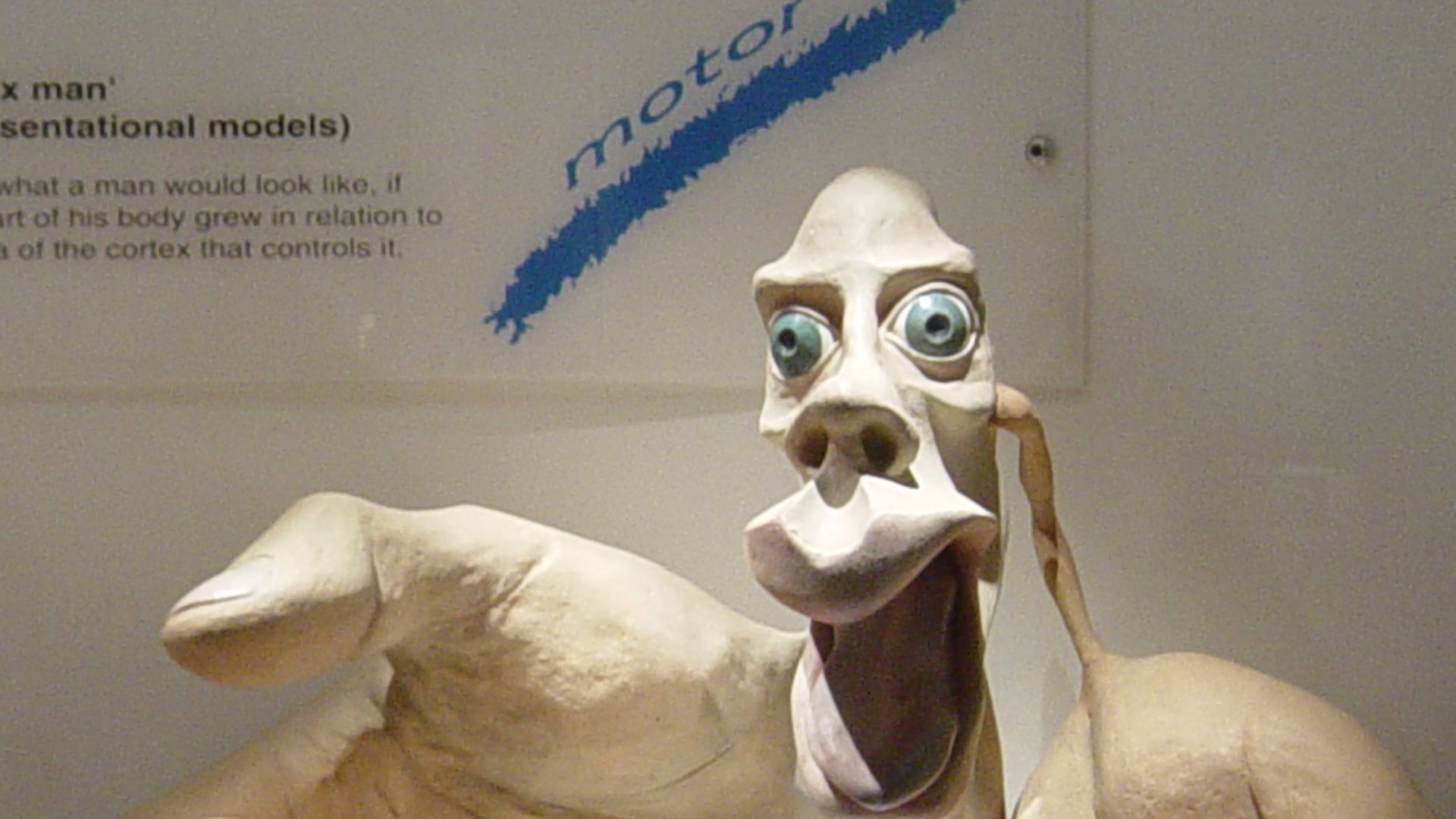
Wilder Penfield Maps The Living Brain
During brain surgeries, Wilder Penfield electrically stimulated patients’ exposed brains. This elicited sensations, memories, and movements within these patients. His work overturned the then-prevalent abstract notions of consciousness by showing that subjective experiences could be reliably triggered by physical stimulation of precise areas of the brain.
Donald Hebb And Neural Plasticity
In 1949, Donald Hebb proposed that neural connections can grow stronger through repeated activity. This overturned the previous popularly held belief that adult brains are fixed and incapable of change. Hebb’s theory introduced the concept of plasticity, which is now a big part of how we think about learning, memory, and the prospects of rehabilitation after a brain injury.
 SurajHonnur, Wikimedia Commons
Split-Brain Studies Shock Psychology
Experiments by Roger Sperry on patients with severed corpus callosums—the nerves that link the two halves of the brain. His explorations revealed that the brain’s hemispheres could act independently of one another. This overturned previous assumptions about a single unified consciousness. It also forced psychologists to reconsider how identity, awareness, and selfhood are constructed in our own minds.
 Chickensaresocute, Wikimedia Commons
Hubel And Wiesel Decode Vision
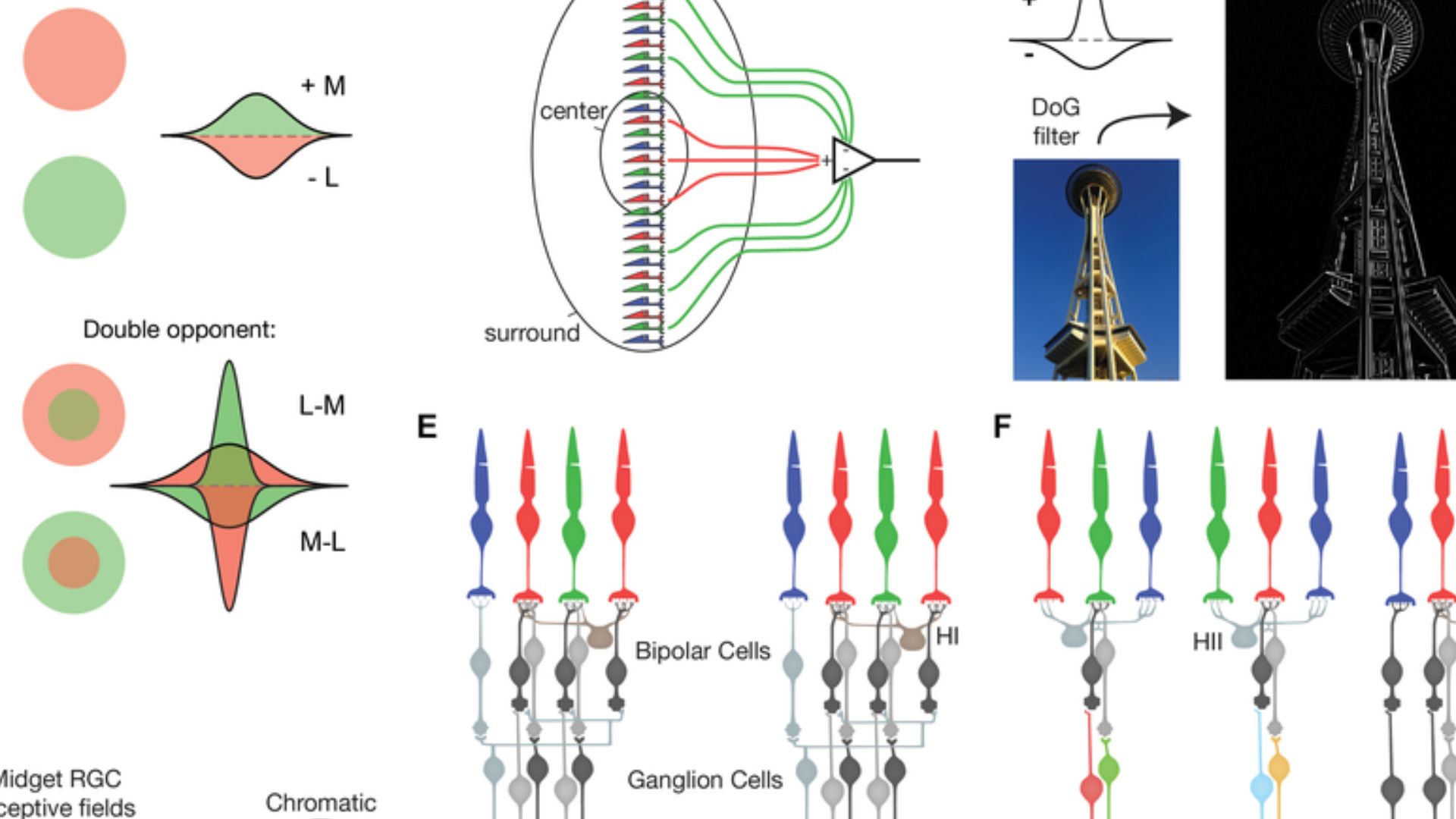
Research by David Hubel and Torsten Wiesel showed that visual processing occurs in stages through specialized cells. Their work did away with the idea that vision is passive, revealing that the visual system is an active interpretive process carried out by structured neural circuits. The two researchers captured the Nobel Prize in Physiology or Medicine in 1981.
 Patterson SS, Neitz M and Neitz J, Wikimedia Commons
The Discovery Of Neurotransmitters
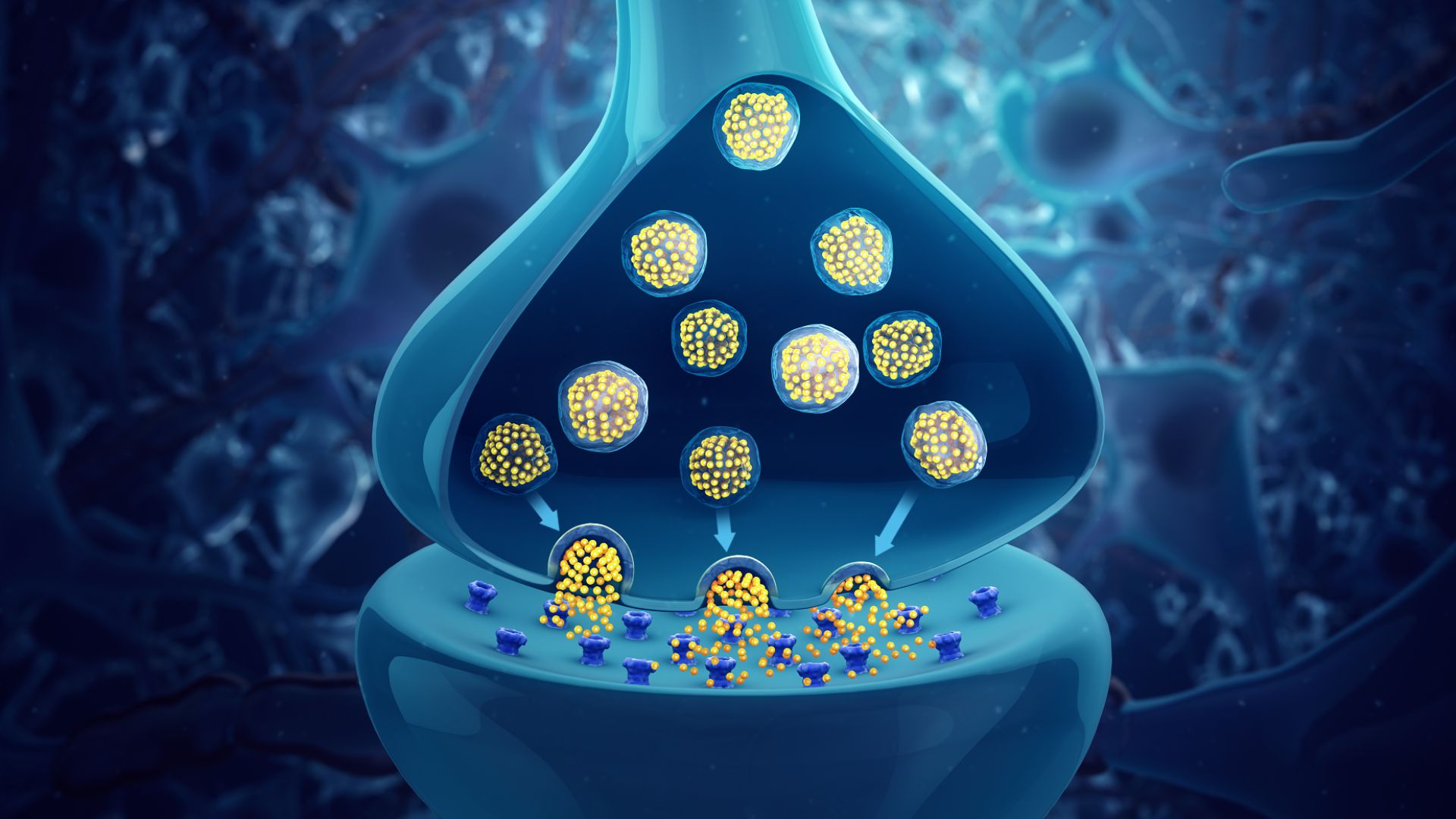
Mid-20th-century discoveries showed that neurons communicate chemically as well as through electrical impulses. These are neurotransmitters and they overturned earlier models of pure electrical signaling. This enabled further research and modern understanding of mood, motivation, and psychiatric disorders.
 https://www.scientificanimations.com/, Wikimedia Commons
Michael Gazzaniga And Divided Minds
Michael Gazzaniga’s research showed that the brain often invents explanations for actions after they occur. This overturned assumptions about the degree of conscious control or free will we have, revealing how interpretation frequently follows behavior rather than guiding it.
 Serene Zaina, Wikimedia Commons
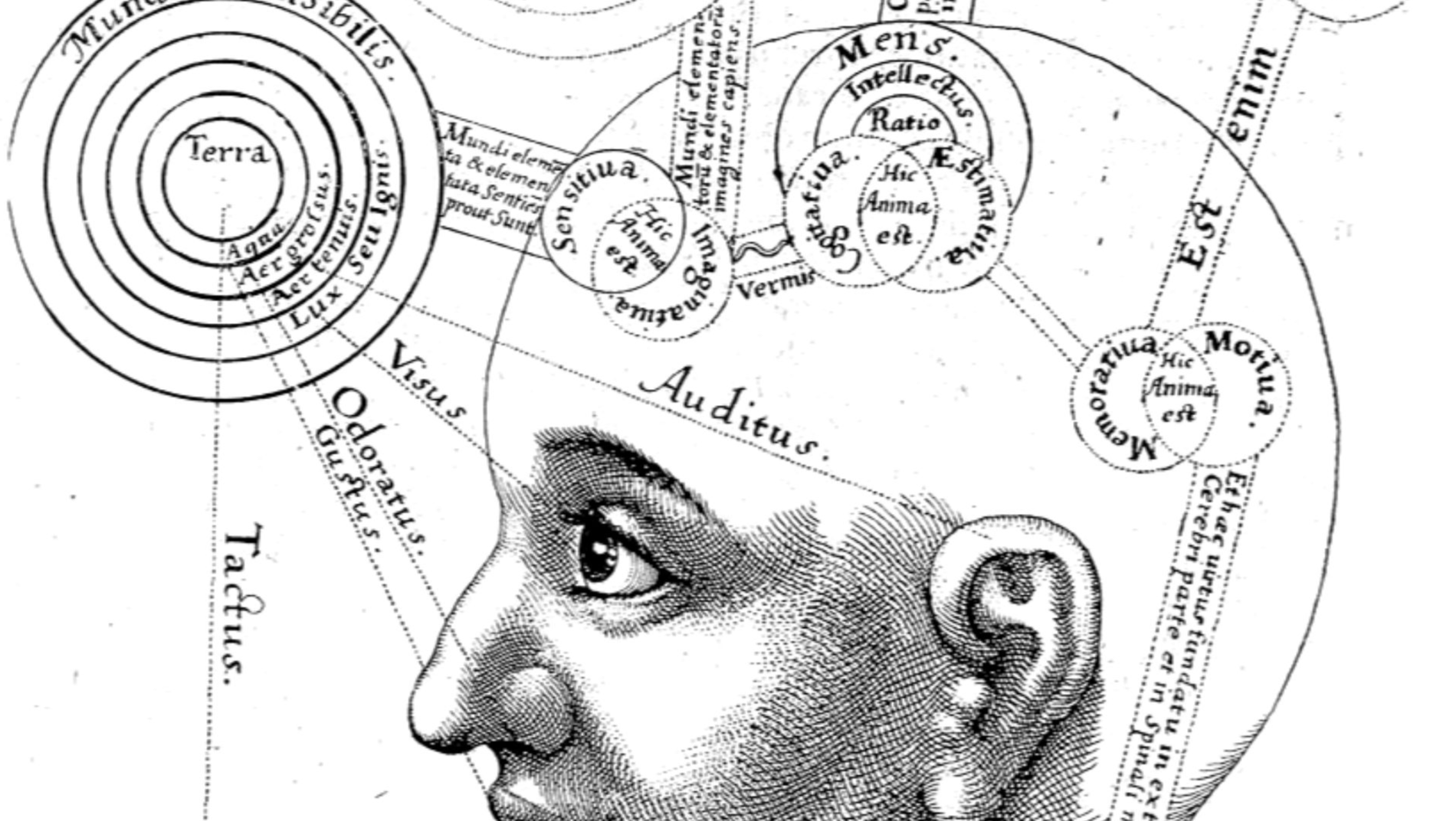
Cognitive Revolution
Late 20th-century research reframed the brain as an information-processing system. This overturned the earlier behaviorist view of every action as a response to a stimulus. It was a time of investigation into memory, attention, and reasoning as structured cognitive processes rather than just abstract concepts.
 Robert Fludd, Wikimedia Commons
Neuroimaging Changes Everything
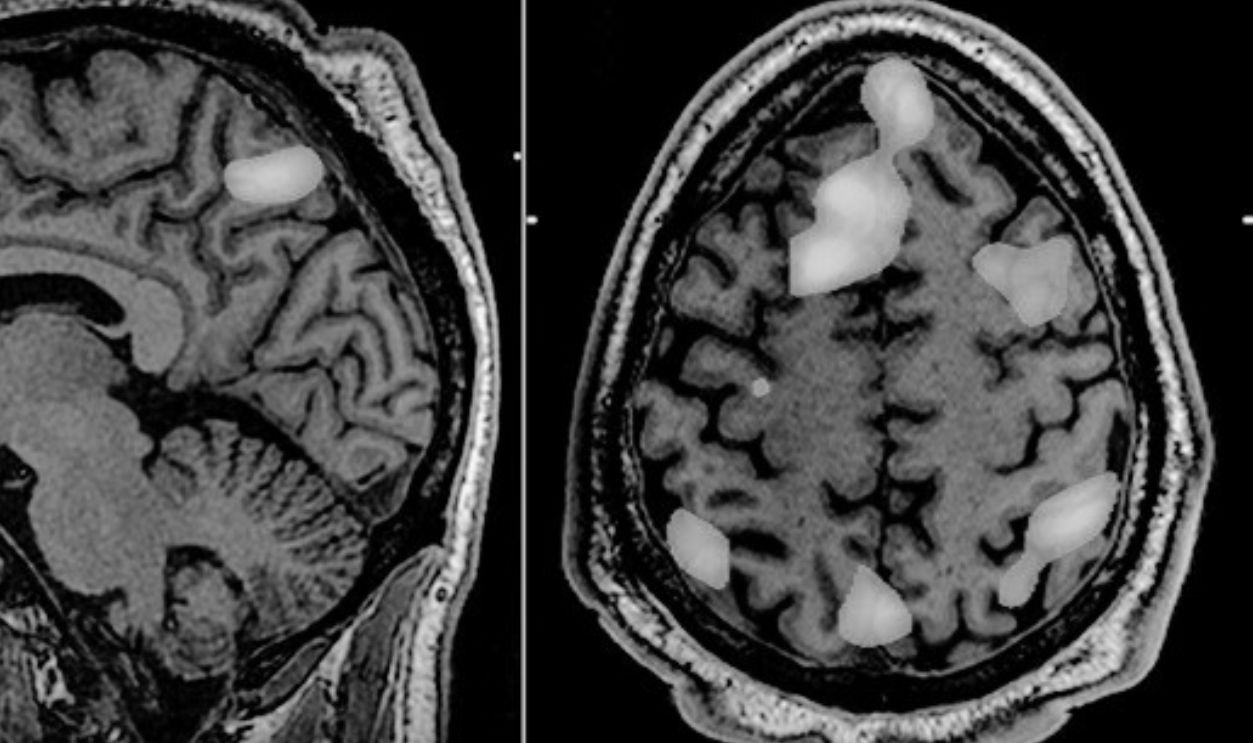
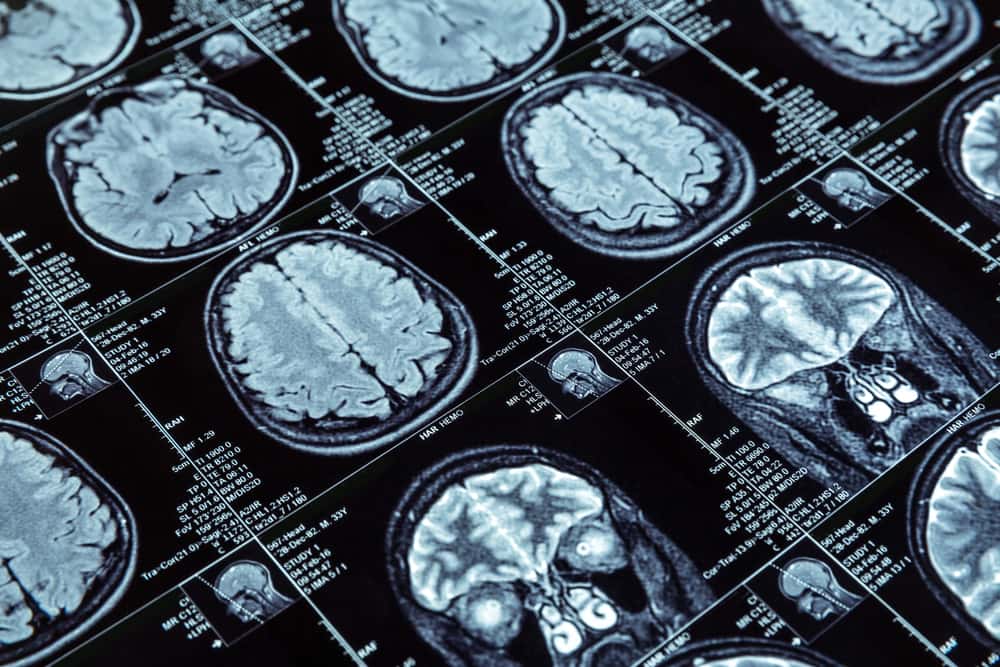
Technology for studying the brain also was moving forward with all these discoveries. The development of PET (positron emission tomography) and fMRI (functional magnetic resonance imaging) allowed researchers to observe brain activity in living humans. This was a big step forward, as it overturned decades of inference-based guesswork, enabling direct testing of how thoughts, emotions, and decisions correspond to neural activity.
Adult Neurogenesis Is Confirmed
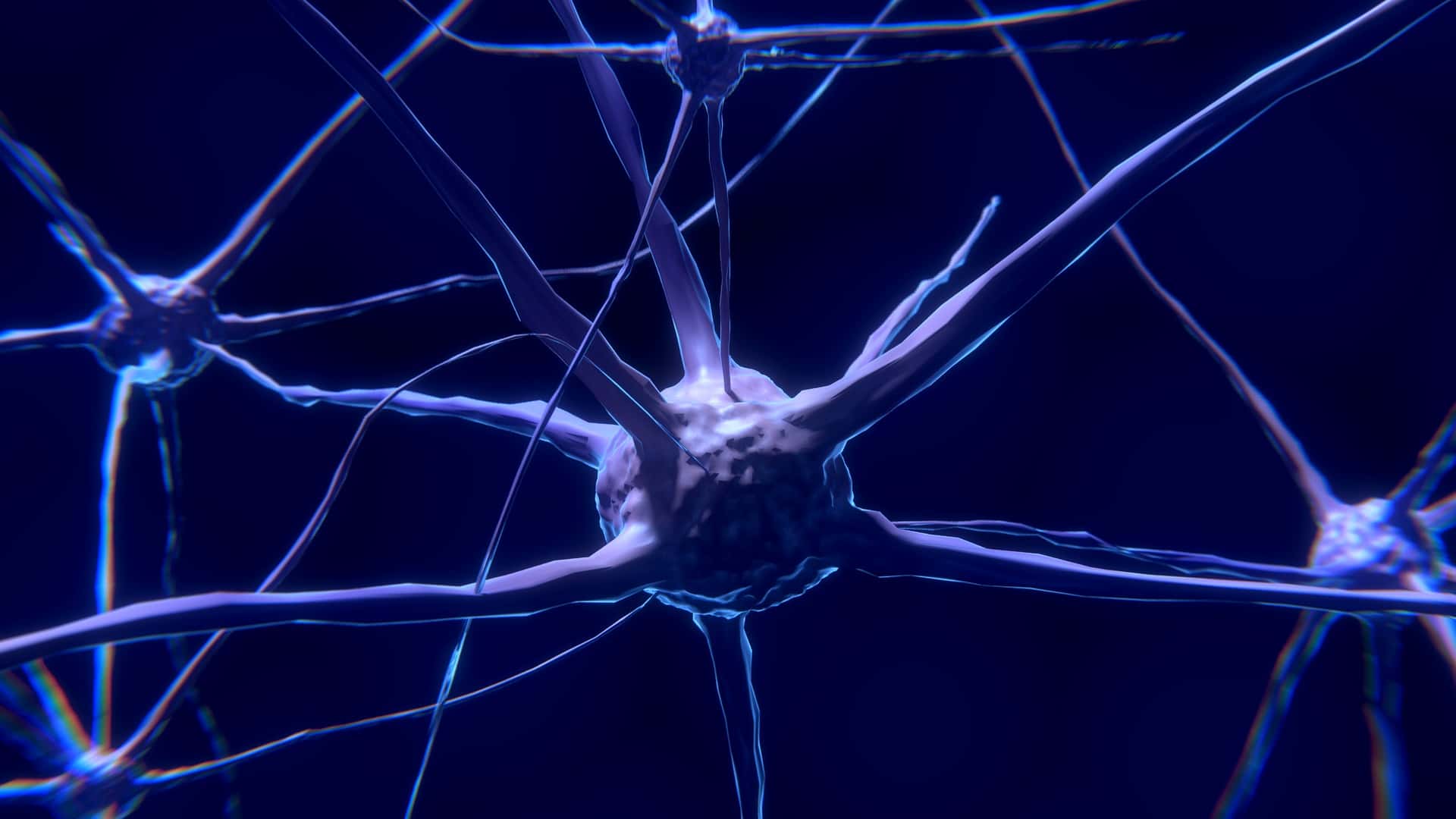
Studies in the 1990s confirmed that adult brains generate new neurons. This discovery was welcome news for all of us and overturned the belief that neuron loss was irreversible. The breakthrough reshaped understanding of learning, aging, and recovery from brain injury.
Antonio Damasio And Emotion
Antonio Damasio’s research demonstrated that emotion is essential to rational decision-making. His work overturned the old scientific belief that logic operates independently of feeling, and proved that emotion guides people’s judgment and behavioral priorities.
 Fronteiras do Pensamento, Wikimedia Commons
Mirror Neurons And Empathy
Research on mirror neurons suggested that observing a behavior by others activates the same neural circuits as doing the activity yourself. This overturned older theories of detached social perception, leading to a possible biological basis for empathy between people, imitation, and social learning.
 Psihedelisto, Wikimedia Commons
The Brain As A Prediction Machine
Modern neuroscience experts are more and more viewing the brain as actively predicting sensory input instead of passively receiving it. This overturns traditional stimulus-response models and reframes perception as an ongoing process shaped by expectation, wanting to know what happens next, and error correction.
Secrets that the Brain Still Hides
Despite centuries of discovery, neuroscience continues to revise its ideas. Each new overturned belief reveals new uncertainty, reminding researchers that we have a long way to go before we can truly comprehend the still mysterious human brain.
You May Also Like:
42 Mysterious Facts About Memory
Sleepwalking: A Mystery For Modern Science