When Food Followed Very Different Rules
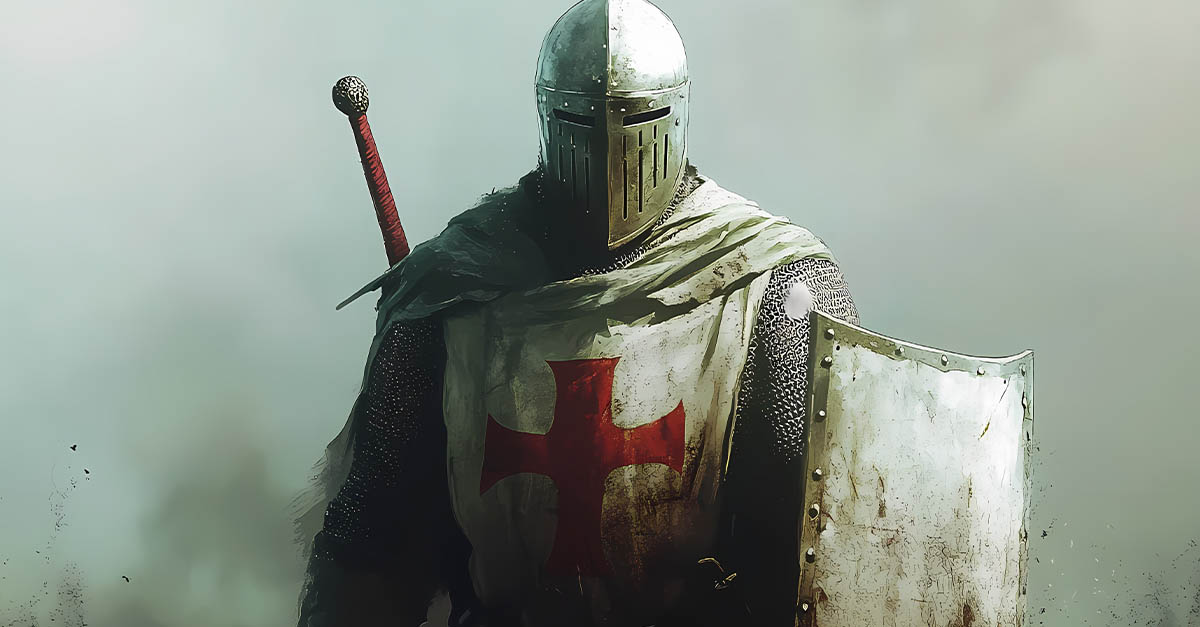
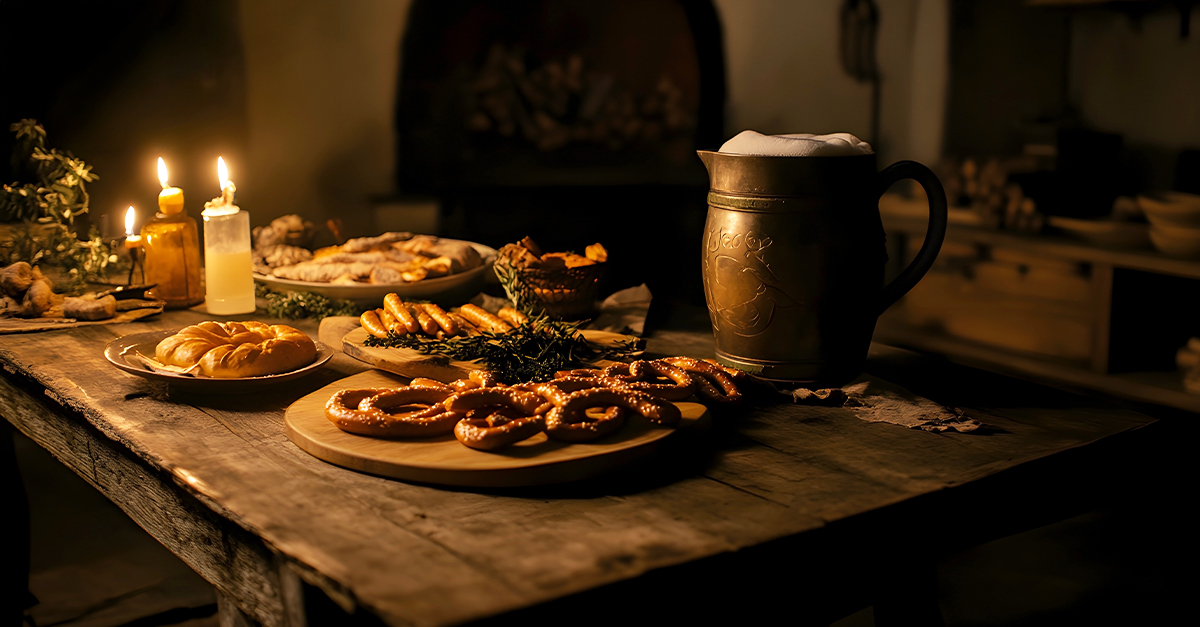
When you try to picture medieval diets, you might imagine simple bread, roasted meat, and the occasional feast. But the reality was far stranger. Food depended heavily on class, season, religion, and geography. Preservation was inconsistent, flavors were bold and unusual, and eating habits would seem bizarre by today's standards.
Food Was Defined By Social Class
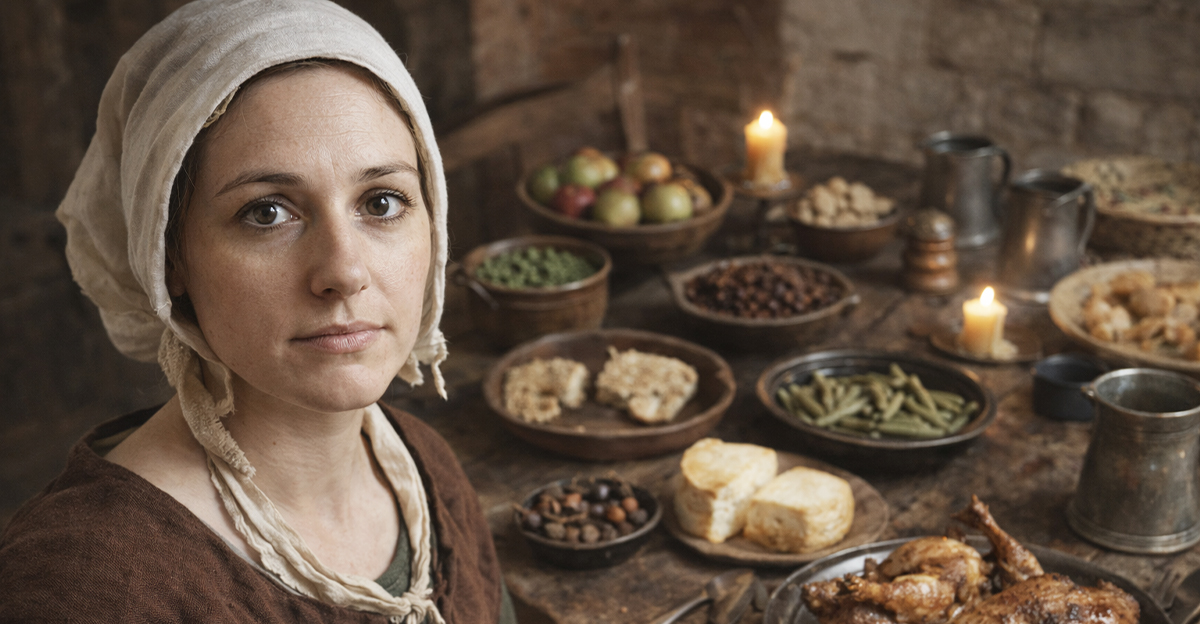
In the Middle Ages, what you ate depended almost entirely on your social rank. Peasants were dependent on basic staples, while noblemen and their families enjoyed elaborate, multi-course meals. The gap was extreme. The wealthy showed their status through rare ingredients and exotic flavors, while the poor had to concentrate on survival and filling their stomachs.
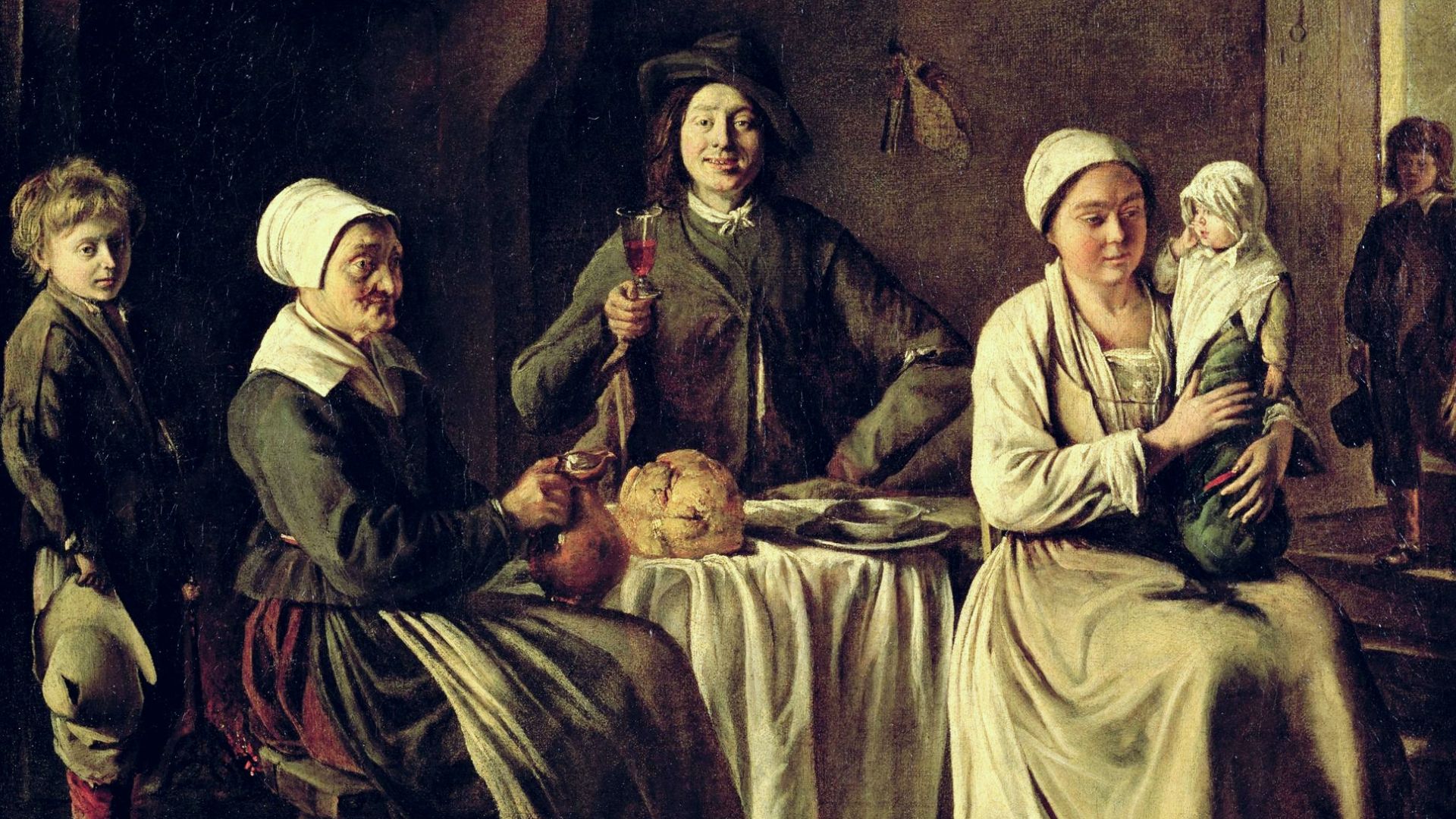 Attributed to Louis Le Nain / Antoine Le Nain, Wikimedia Commons
Peasants Lived On Pottage
For most people, daily meals revolved around pottage. This was a thick stew made from grains, vegetables, and whatever scraps were handy. It simmered constantly over a fire, with ingredients added throughout the day. The result was a constantly evolving meal that could last for days at a time.
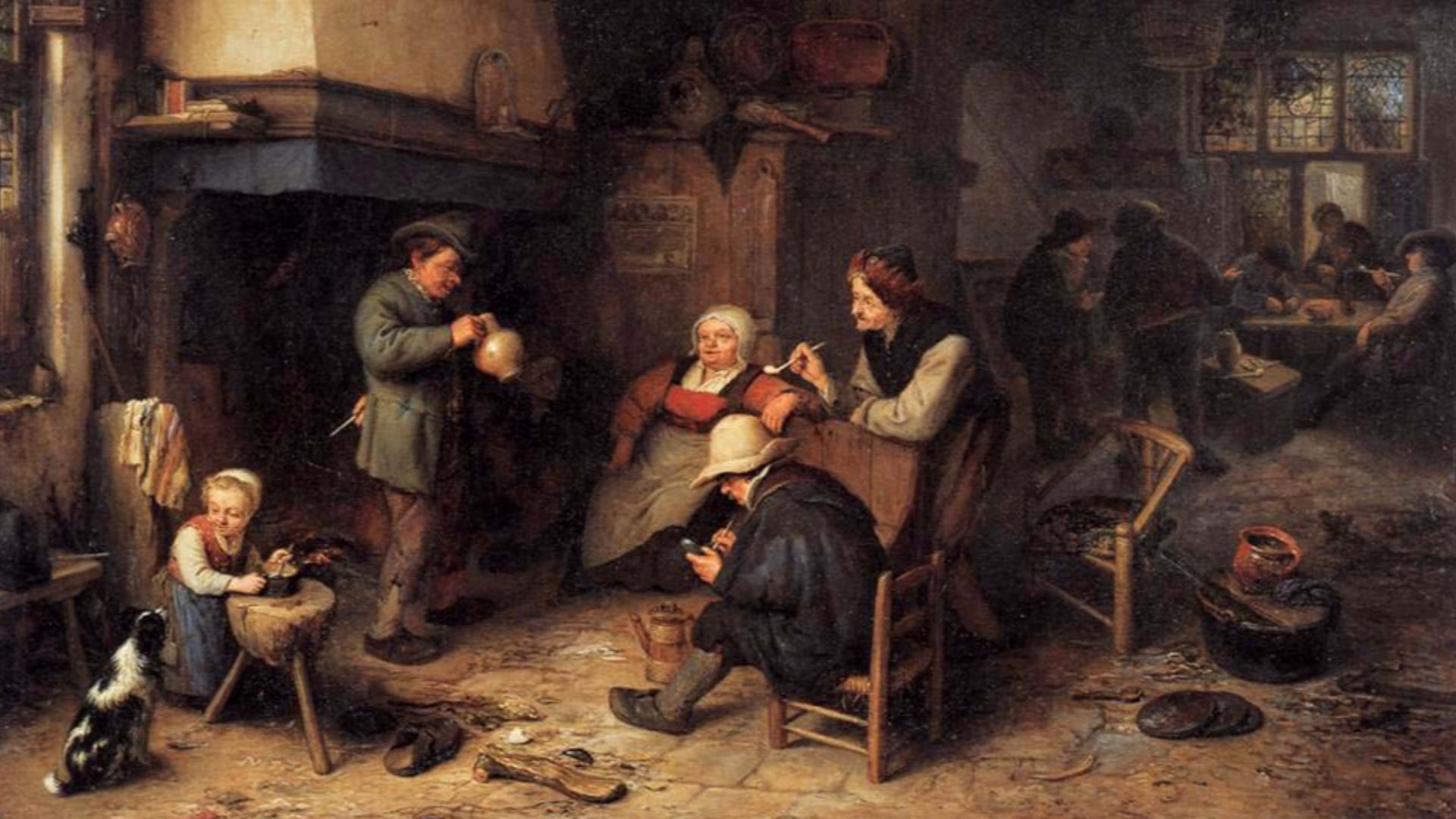 Adriaen van Ostade, Wikimedia Commons
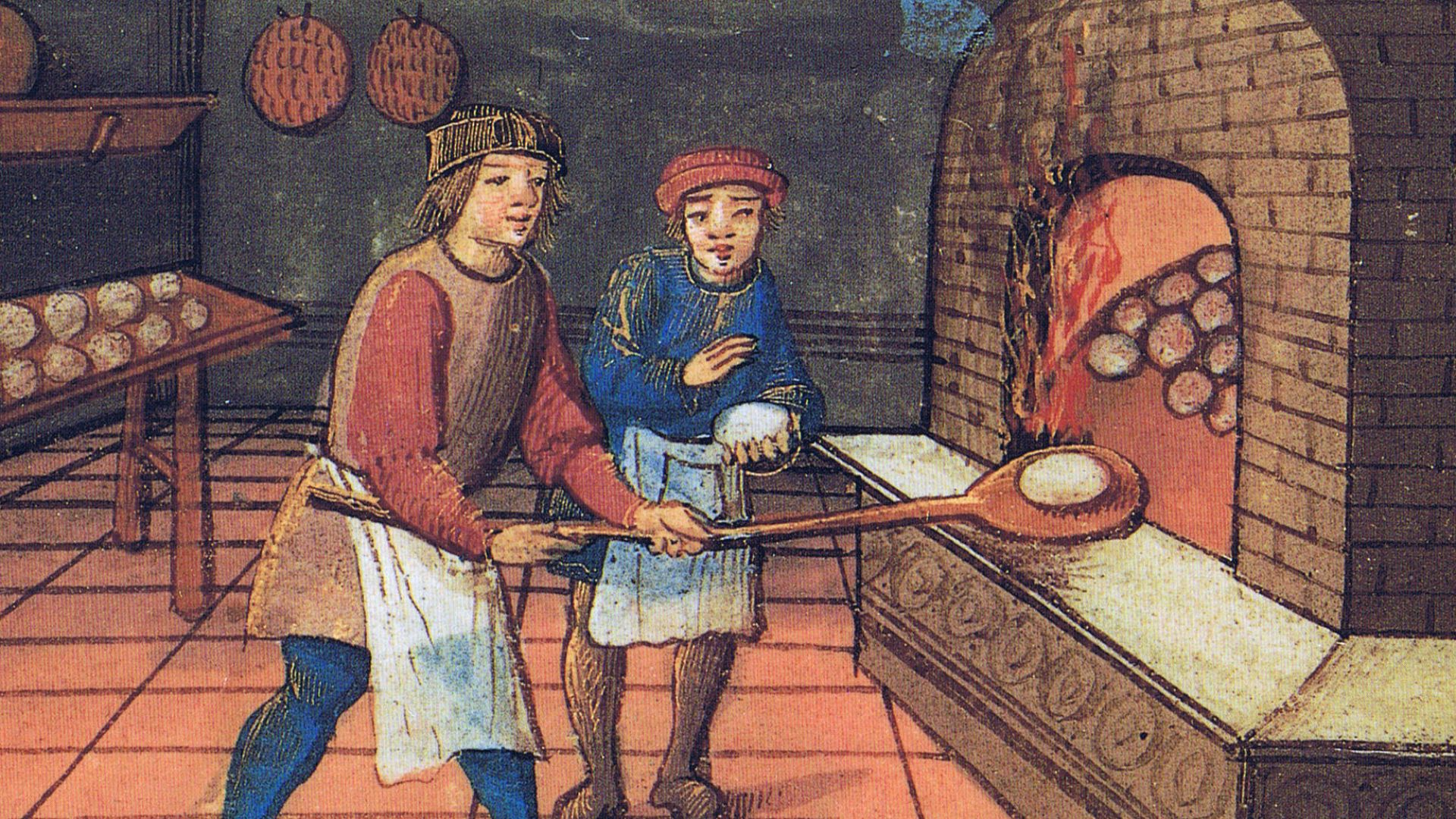
Bread Was The Center Of Everything
Bread was the cornerstone of medieval diets, but not all bread was equal. Peasants ate a coarse, dark bread made from rye or barley. Nobles ate fine white bread made from wheat. The quality of your bread was a clear marker of your place in the social hierarchy.

History's most fascinating stories and darkest secrets, delivered to your inbox daily.
Meat Was Rare For The Poor
Despite movie depictions and popular imagination, peasants rarely ate meat. Livestock was far too important for labor or production to be slaughtered casually. When meat was available, it was often salted, smoked, or stretched into stews. Protein sources like beans and legumes were a lot more common.
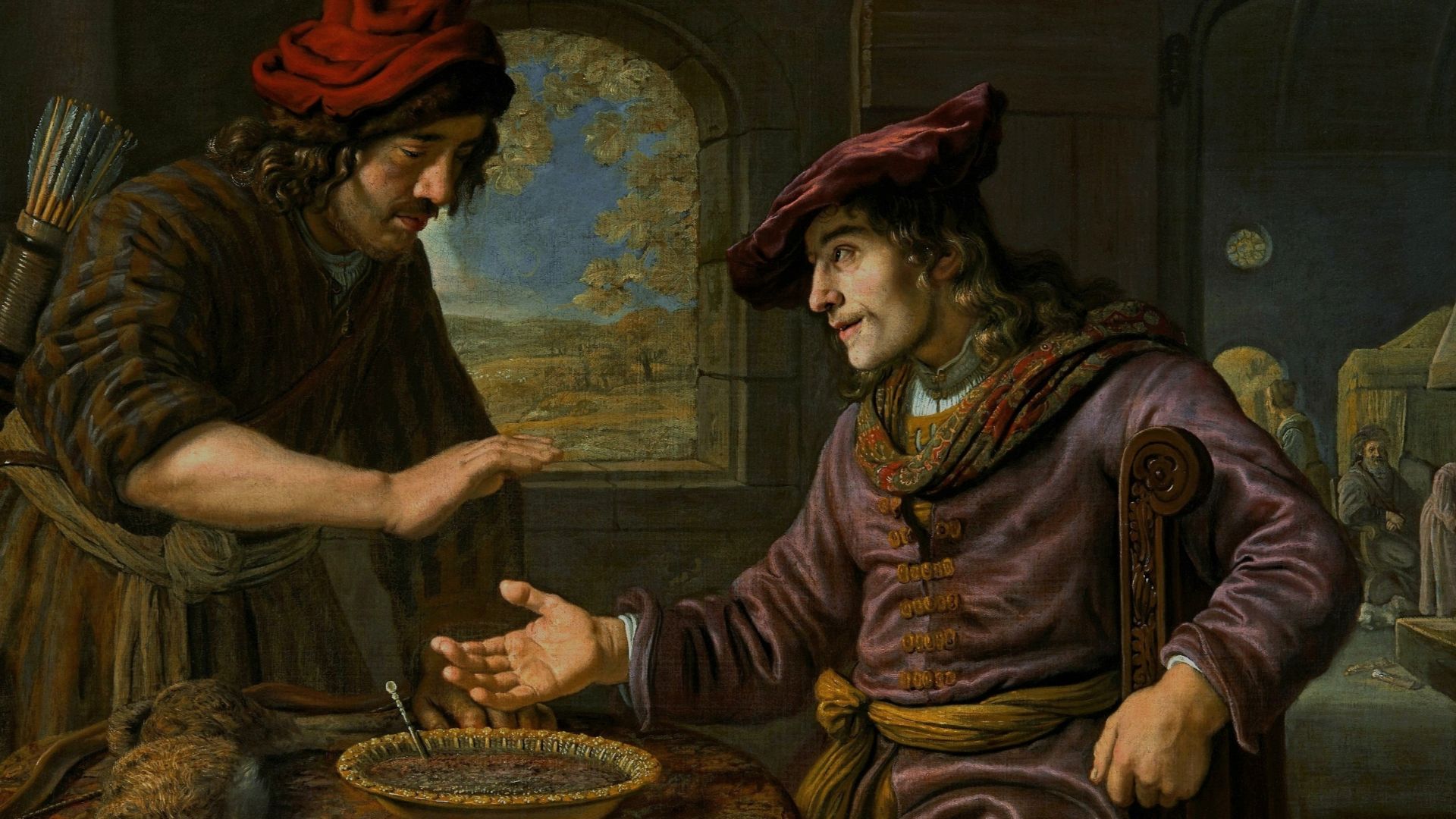 Jan Victors, Wikimedia Commons
Nobles Ate To Impress
Aristocratic meals were theatrical events designed to show off wealth and power. Multiple courses featured roasted meats, elaborate pastries, and imported spices. Presentation mattered as much as taste. Food could be shaped, colored, or decorated to create a fine visual spectacle for guests.
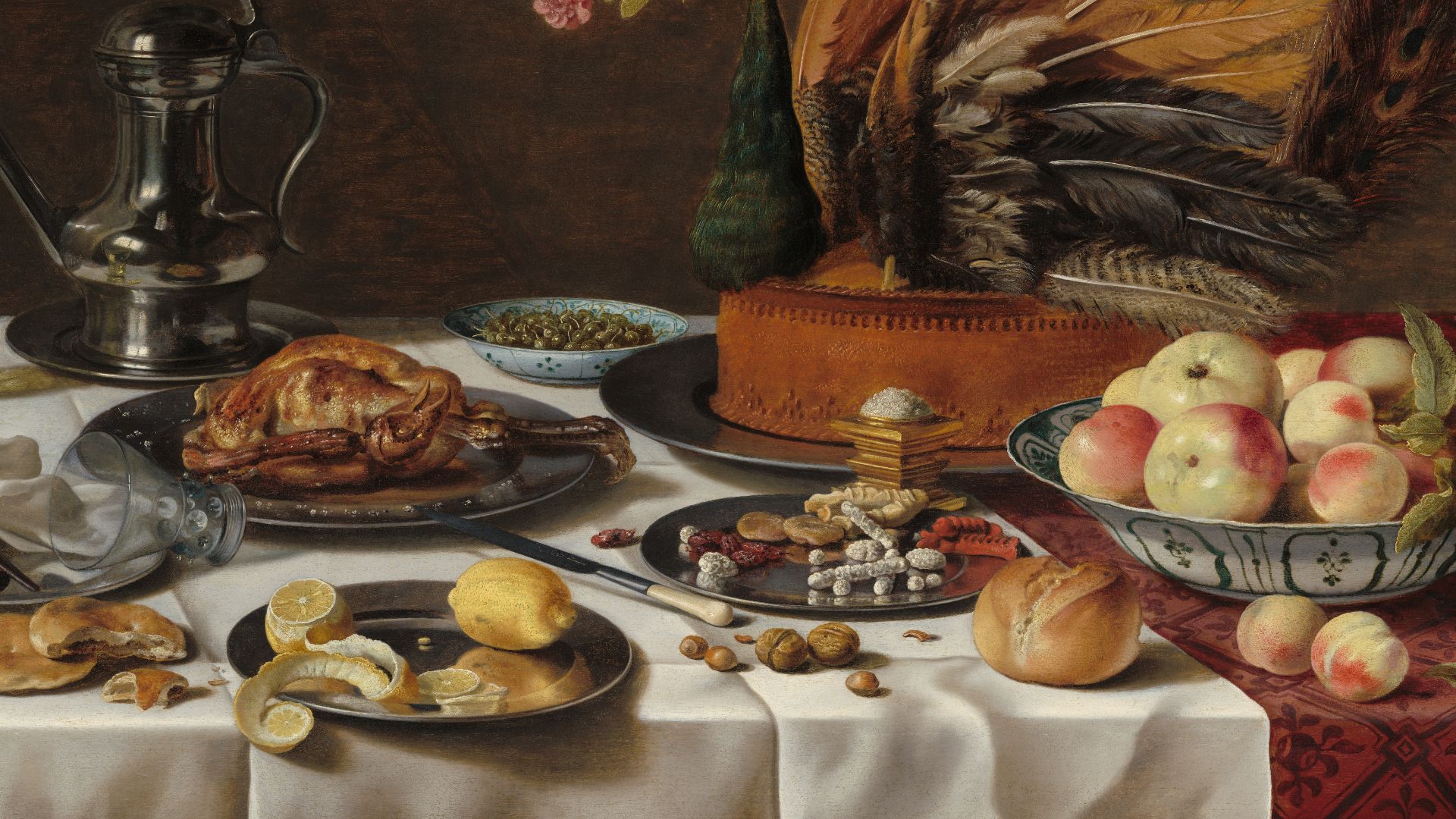 Pieter Claesz, Wikimedia Commons
Exotic Spices Signaled Status
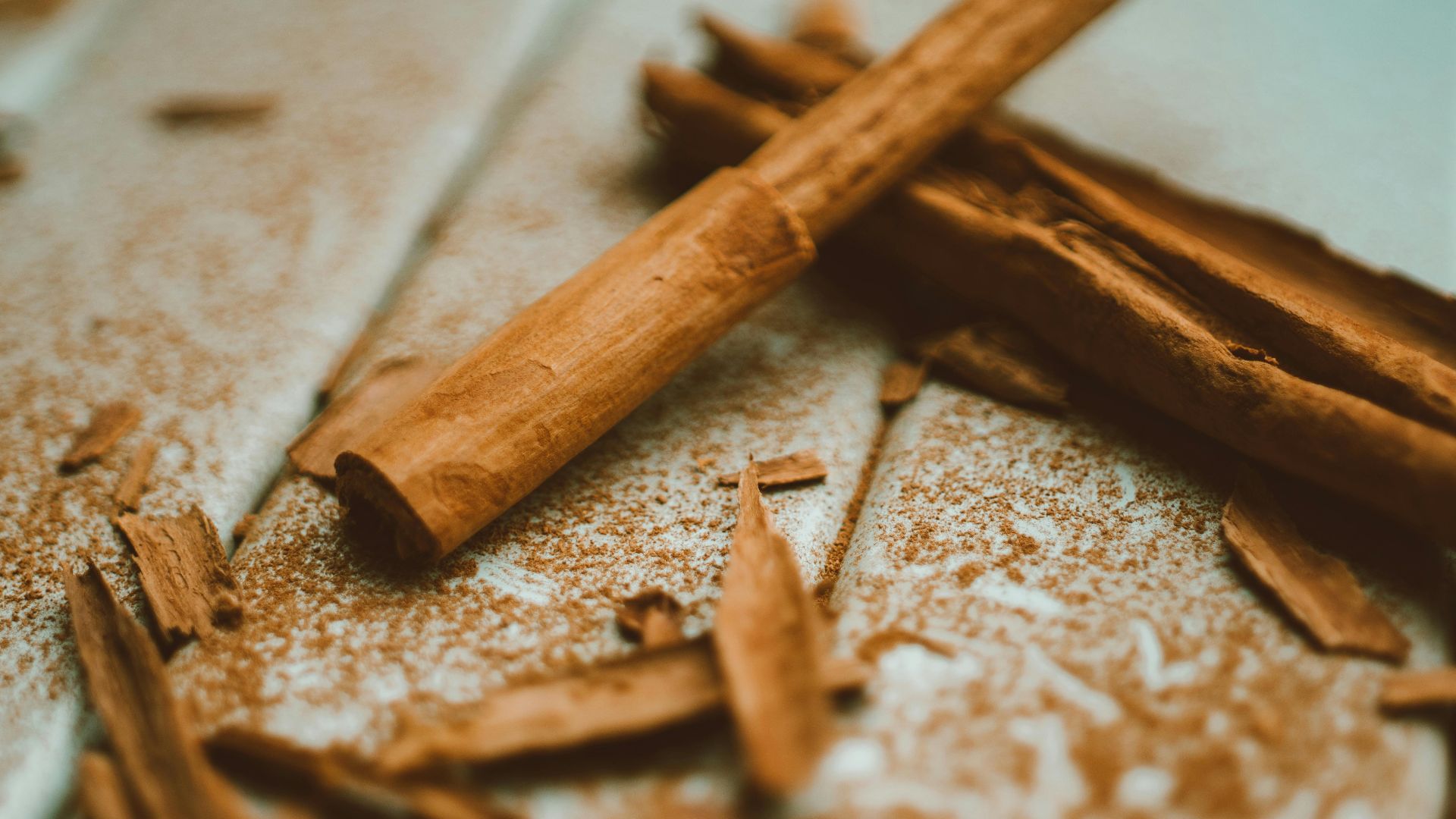
Spices like pepper, cinnamon, and cloves were highly prized and incredibly expensive. They started arriving through long trade routes, influenced by the Crusades in the Holy Land. Nobles used these spices generously, sometimes blending sweet and savory flavors in ways that feel unusual today.
Sweet And Savory Were Often Mixed
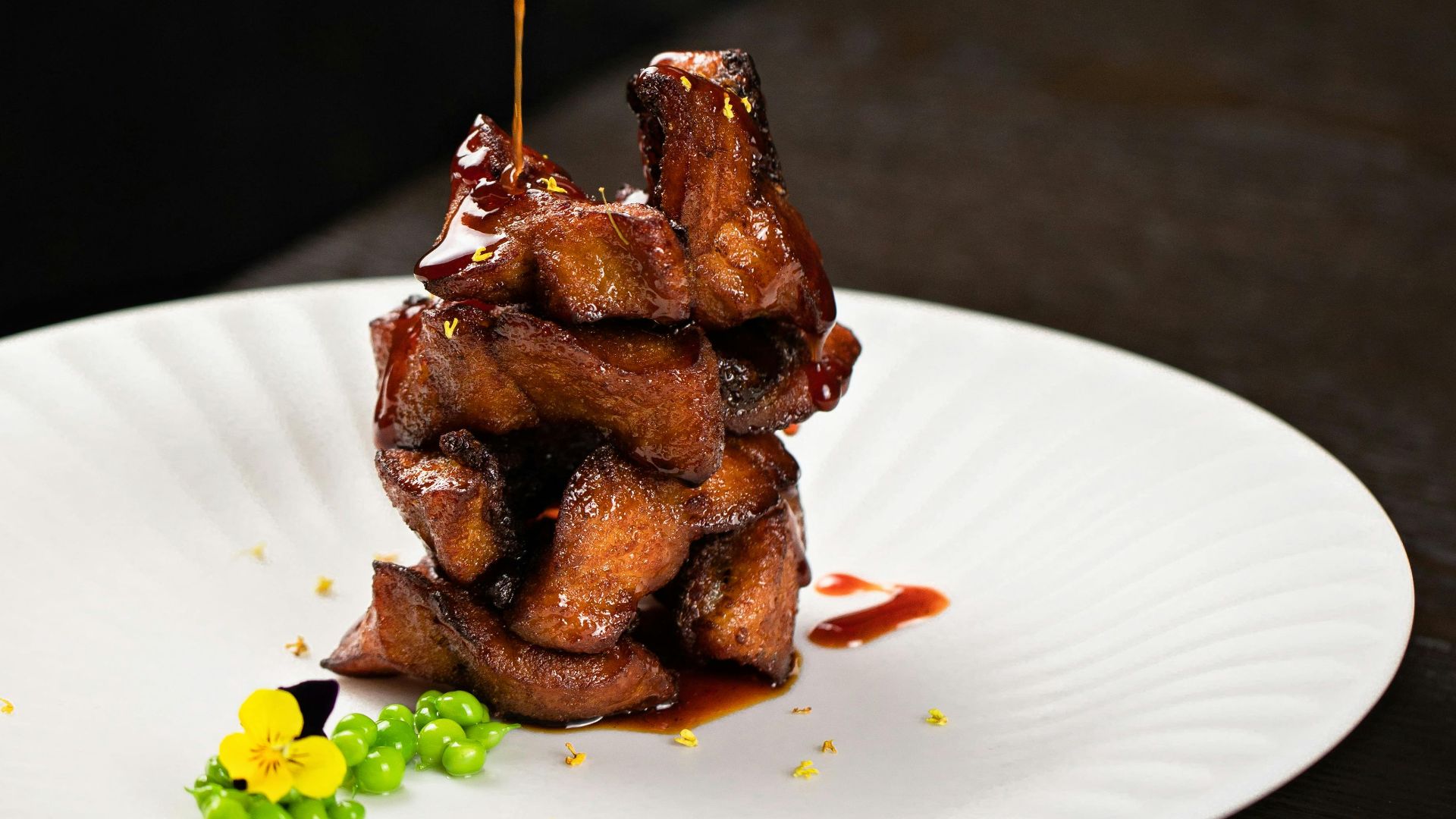
Medieval cooking did not separate sweet and savory the way modern cuisine does. Dishes often combined meat with fruit, sugar, or honey. A single meal might include flavors that seem incompatible today, creating a complex and sometimes surprising taste profile.
Food Preservation Was A Constant Challenge
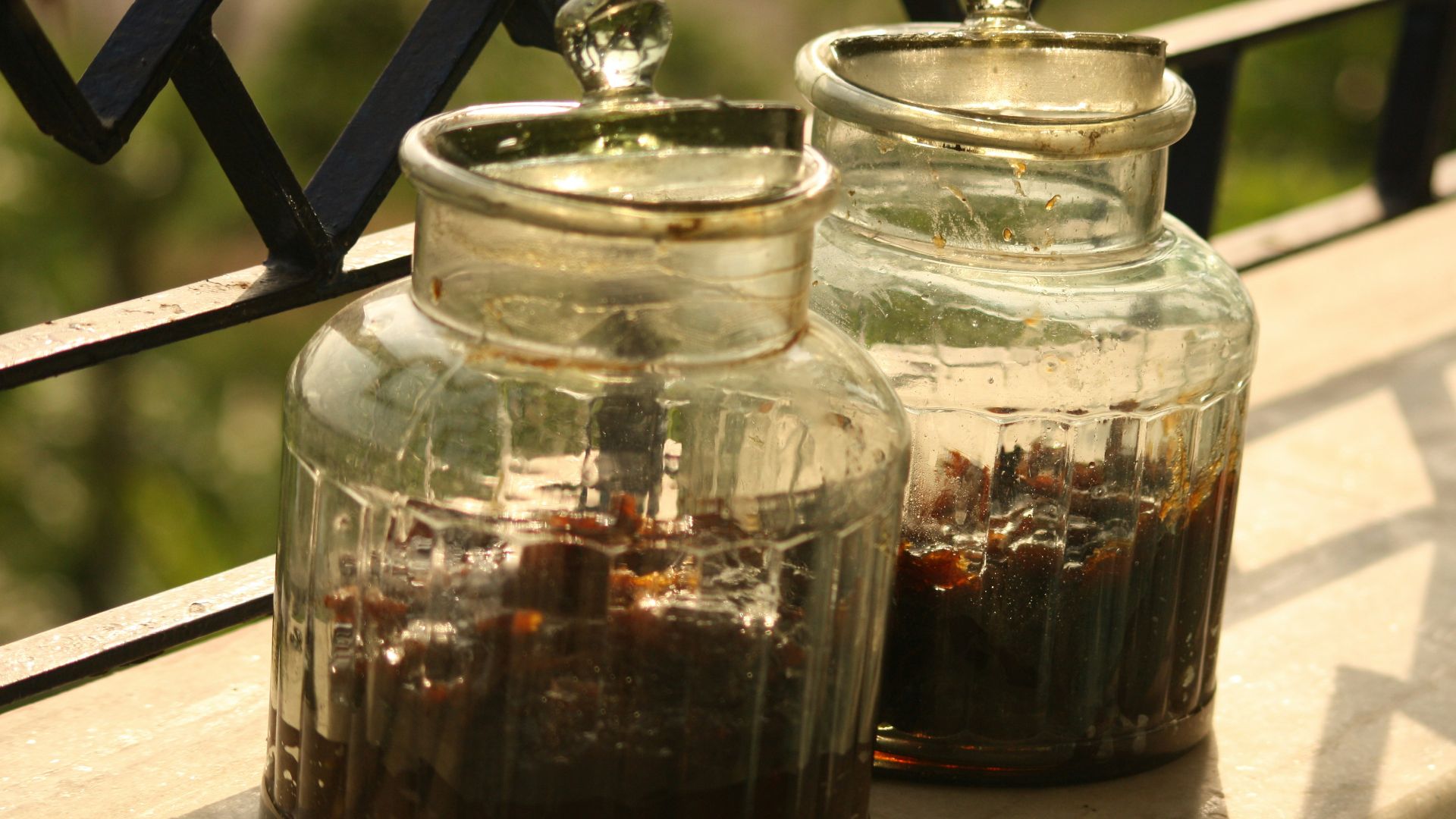
Without refrigeration, keeping food from going bad was a major daily struggle. People relied heavily on salting, smoking, drying, and pickling. Even with all that, spoilage was common. This reality shaped how food was prepared, stored, and consumed.
Spices Sometimes Masked Spoilage
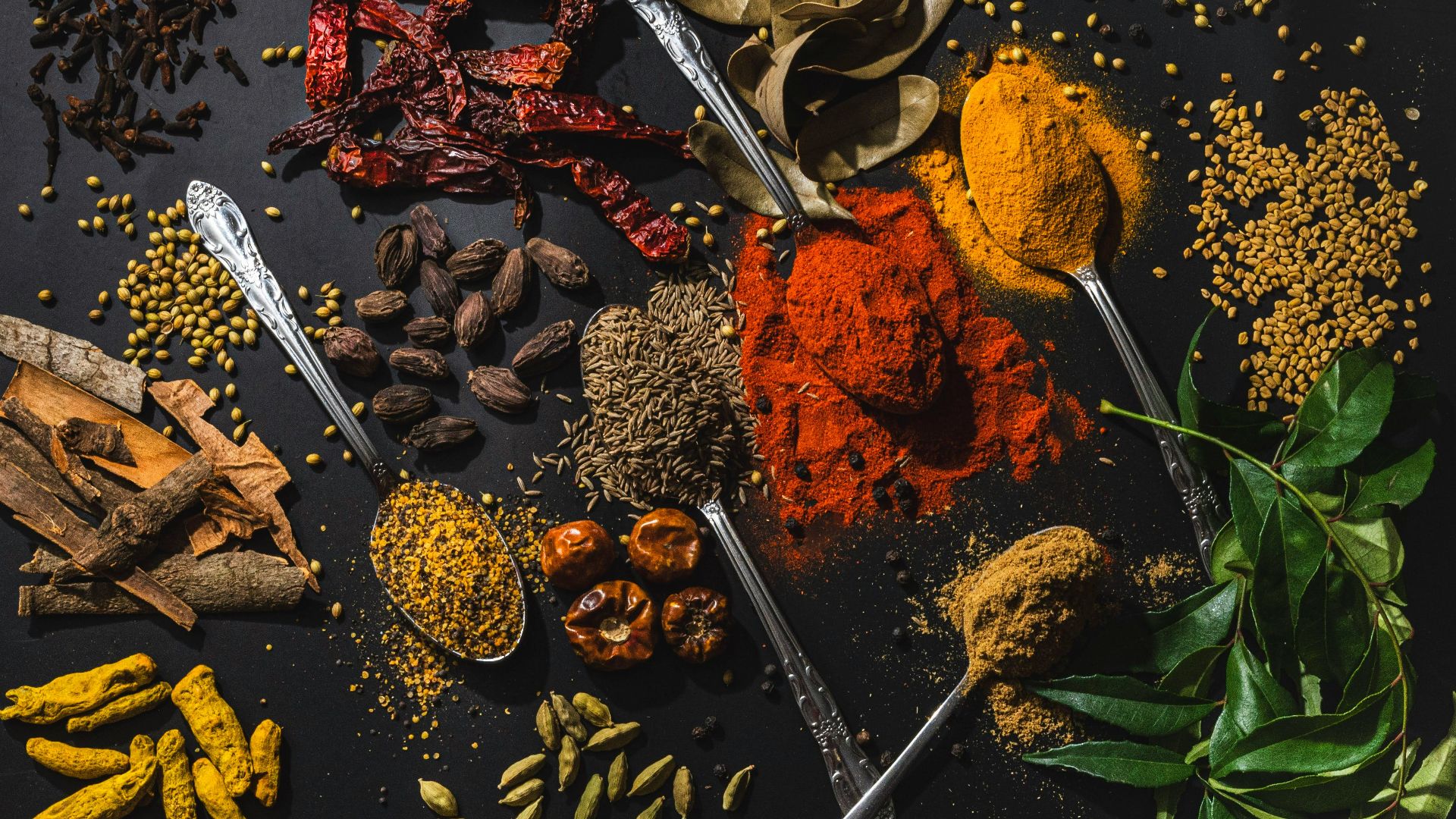
There is a persistent idea that spices were used to hide the taste of rotten meat. While that’s not entirely accurate, strong flavors could help make preserved or slightly aged food more palatable. In a world without modern storage, taste often had to make up for quality.
History's most fascinating stories and darkest secrets, delivered to your inbox daily.
Seasonal Eating Was Unavoidable
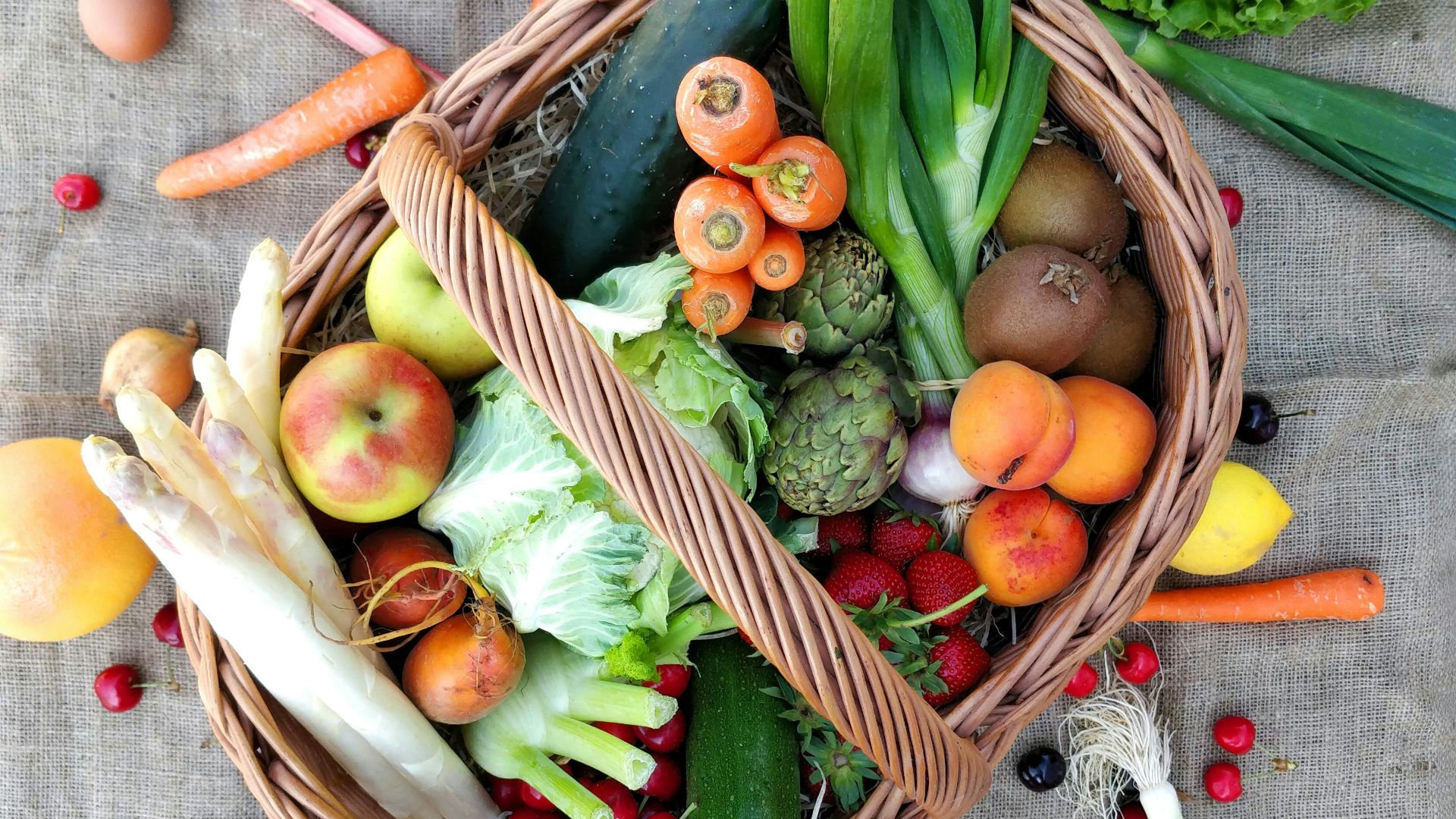
Medieval diets were deeply tied to the seasons. You could only get fresh fruits and vegetables at certain times of year. In winter, diets relied heavily on preserved foods. This created cycles of abundance and scarcity that shaped eating habits.
Fasting Days Changed Everything
Religious rules had a big impact on people’s diets. The Church mandated frequent fasting days when meat was forbidden. Fish was often a crucial substitute, even for inland populations. Some animals, like beavers, were controversially classified as fish to fit these rules.
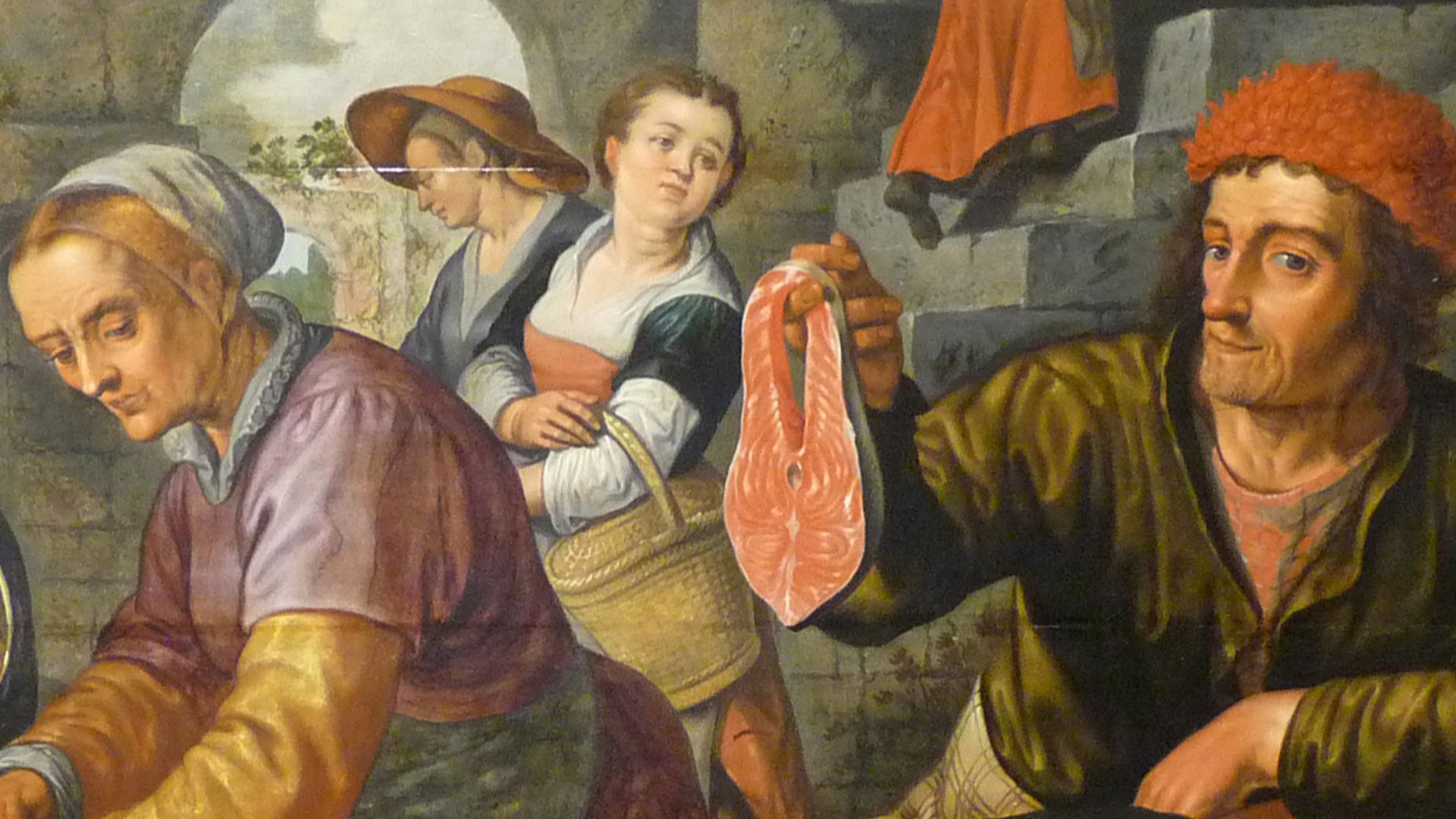 Joachim Beuckelaer, Wikimedia Commons
Fish Became A Staple
Fish was consumed in many different forms, including fresh, salted, and dried. Herring and cod were especially important. These could be transported long distances and stored for extended periods, making them valuable for both peasants and nobles.
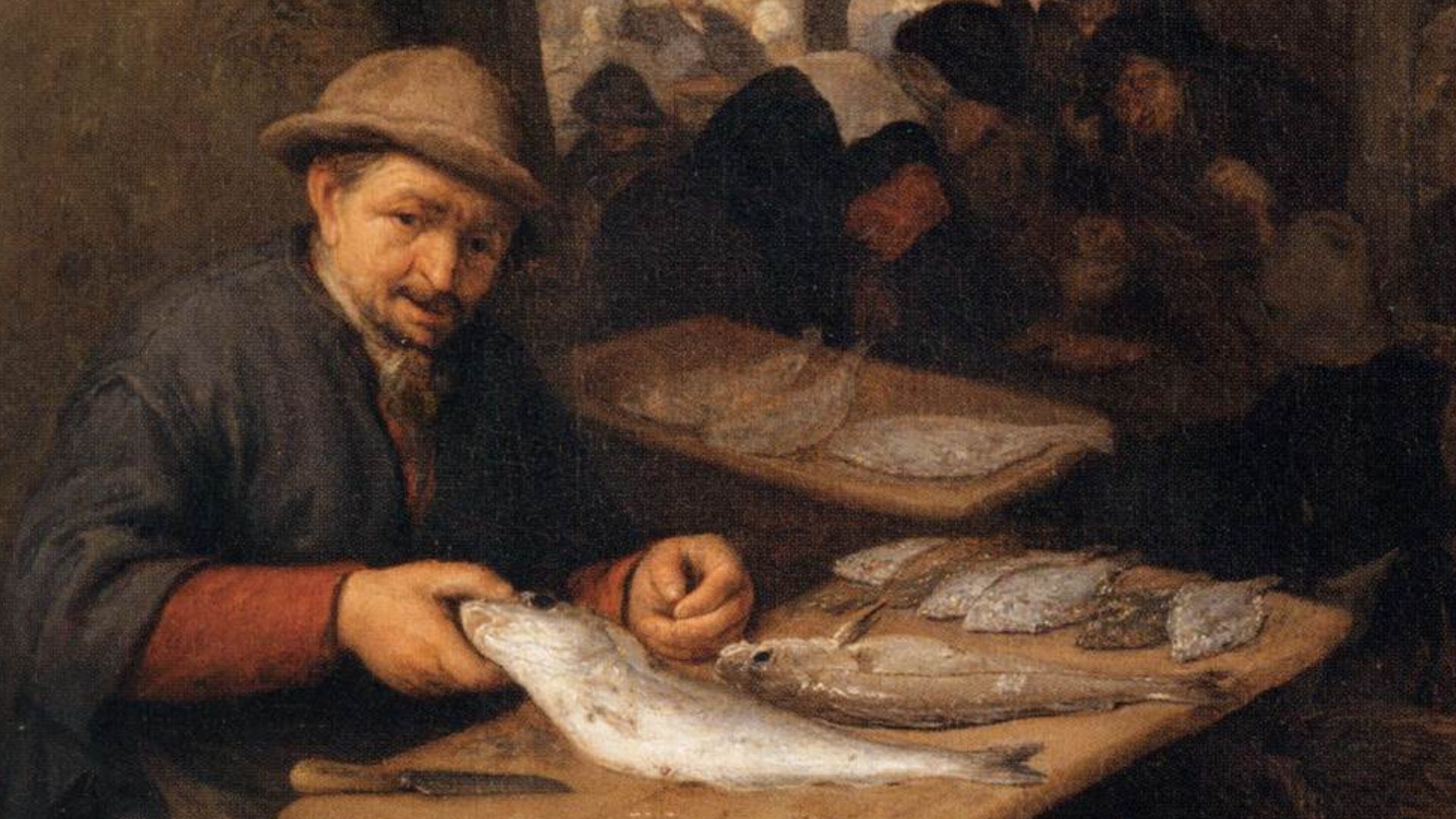 Unknown authorUnknown author, Wikimedia Commons
Ale And Beer Were Daily Necessities
Water supplies in the Middle Ages were often unsafe to drink, so people turned to ale and beer. These beverages were consumed daily by all classes, including children. They were typically low in alcohol and provided hydration and calories.
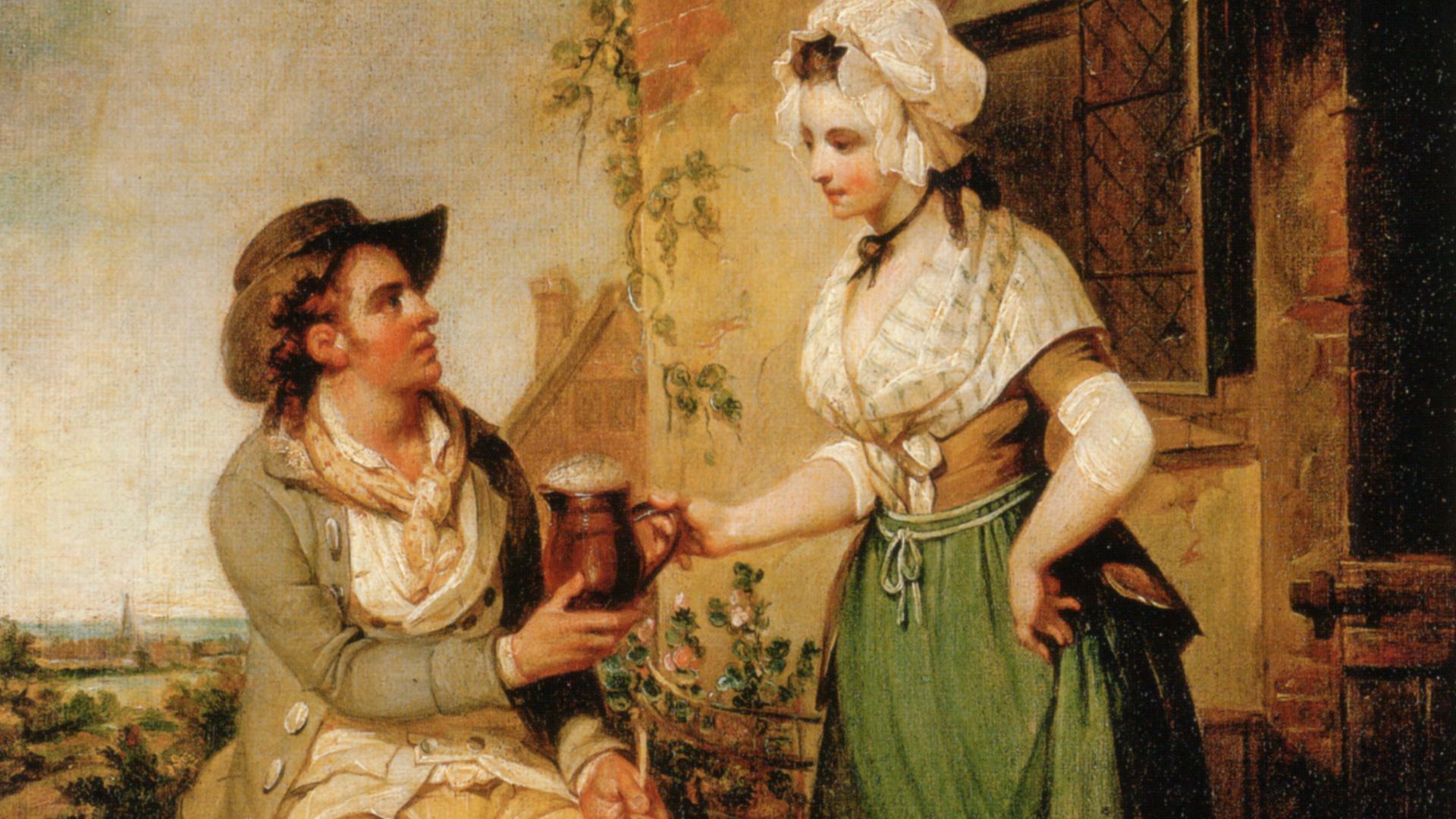 Henry Singleton, Wikimedia Commons
Wine Marked Wealth And Region
Wine was more common among the wealthy and in certain regions. It was often diluted with water and consumed throughout the day. Imported wines were especially prized, adding another layer of status to aristocratic dining.
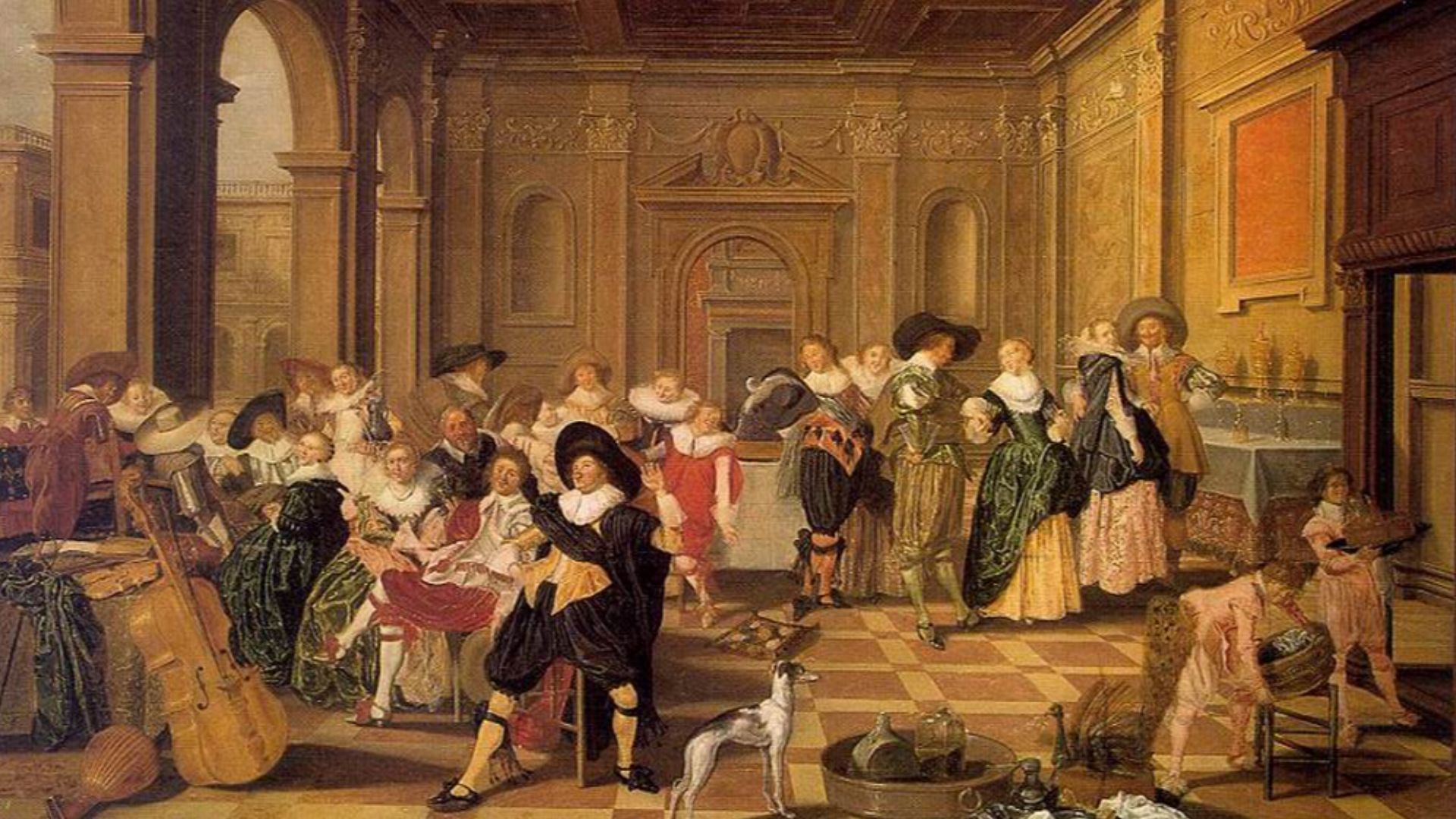
Eating Utensils Were Minimal
Most people ate with their hands or used simple knives. Forks were rare and viewed with suspicion in some areas. Bread often served as a plate, absorbing juices and sauces before being eaten or given away.
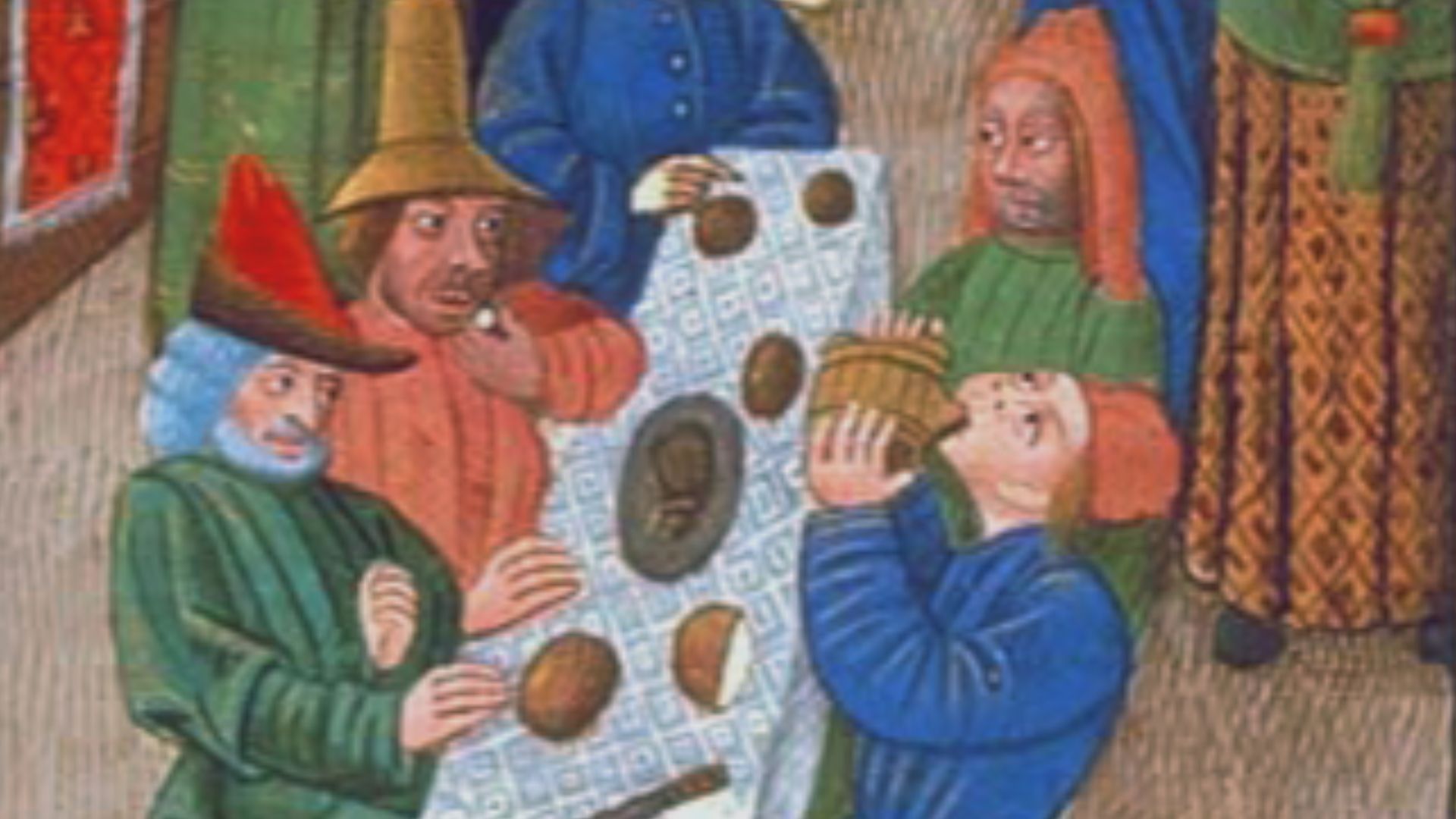 Peter Isotalo, Wikimedia Commons
History's most fascinating stories and darkest secrets, delivered to your inbox daily.
Trencher Bread Doubled As Dinnerware
Thick slices of stale bread, known as trenchers, were used as plates. Food was placed on top, allowing the bread to soak up the flavors. After the meal, the trencher could also be eaten or given to servants or the poor.
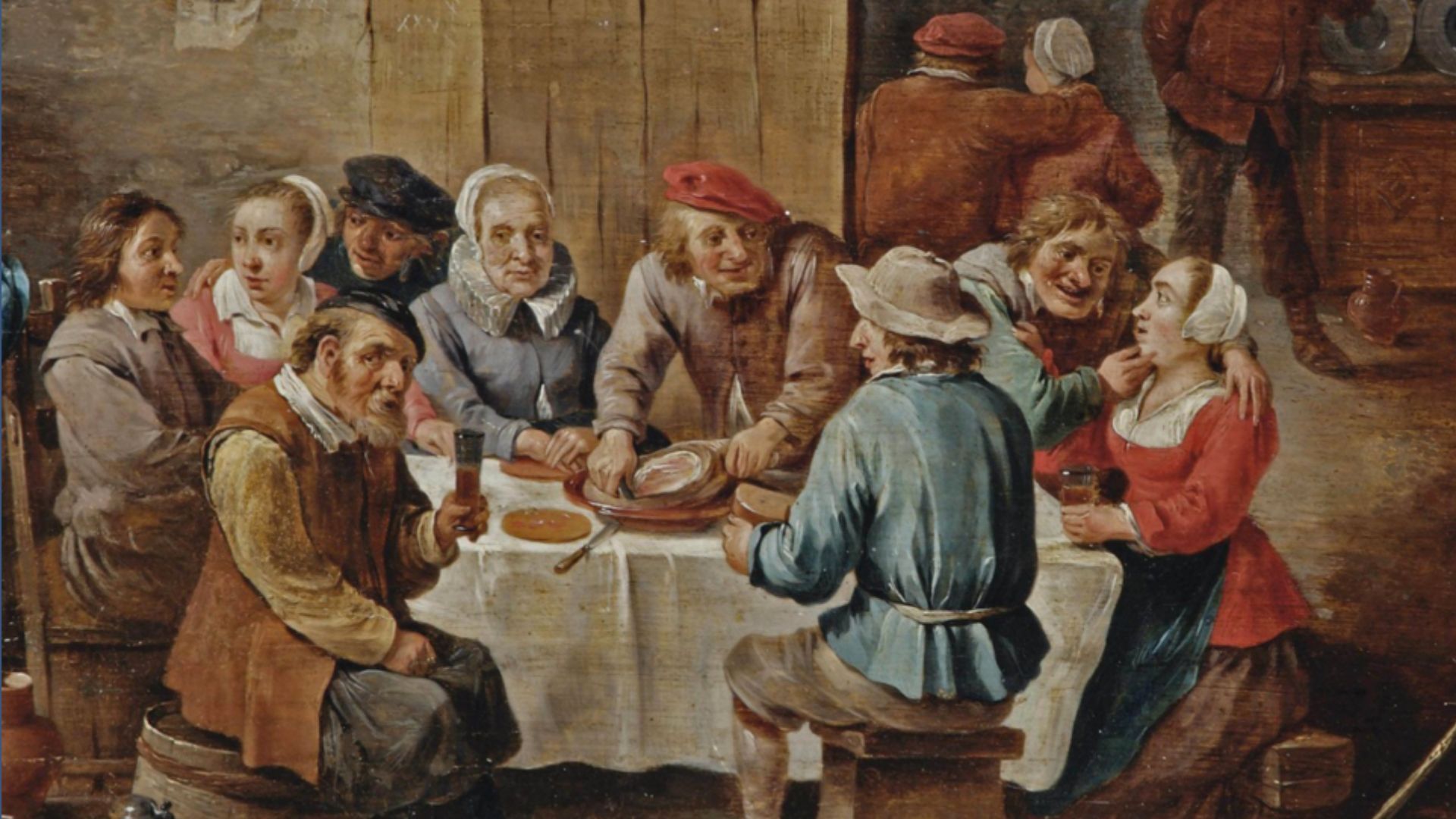 David Teniers the Younger, Wikimedia Commons
Early Forms Of Restaurants Existed
While restaurants didn’t exist in the form we recognize today, there were taverns, inns, and cookshops. Travelers and urban residents could buy prepared food. These establishments varied widely in quality and cleanliness.
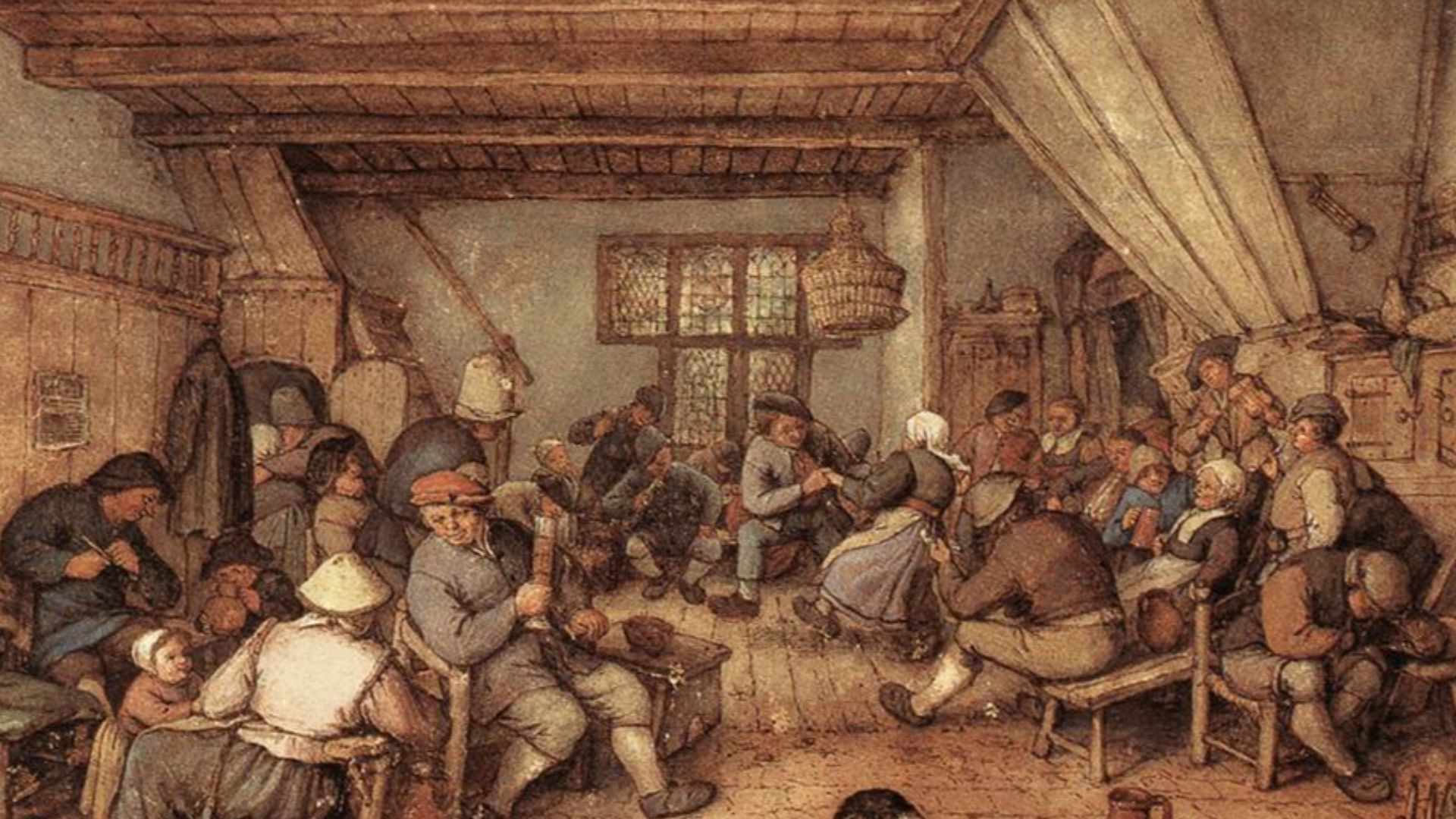 Adriaen van Ostade, Wikimedia Commons
Street Food Was Surprisingly Common
In growing towns and cities, street vendors sold ready-to-eat food. Items like pies, bread, and cooked meats were available. For many urban workers, this was a convenient alternative to cooking at home.
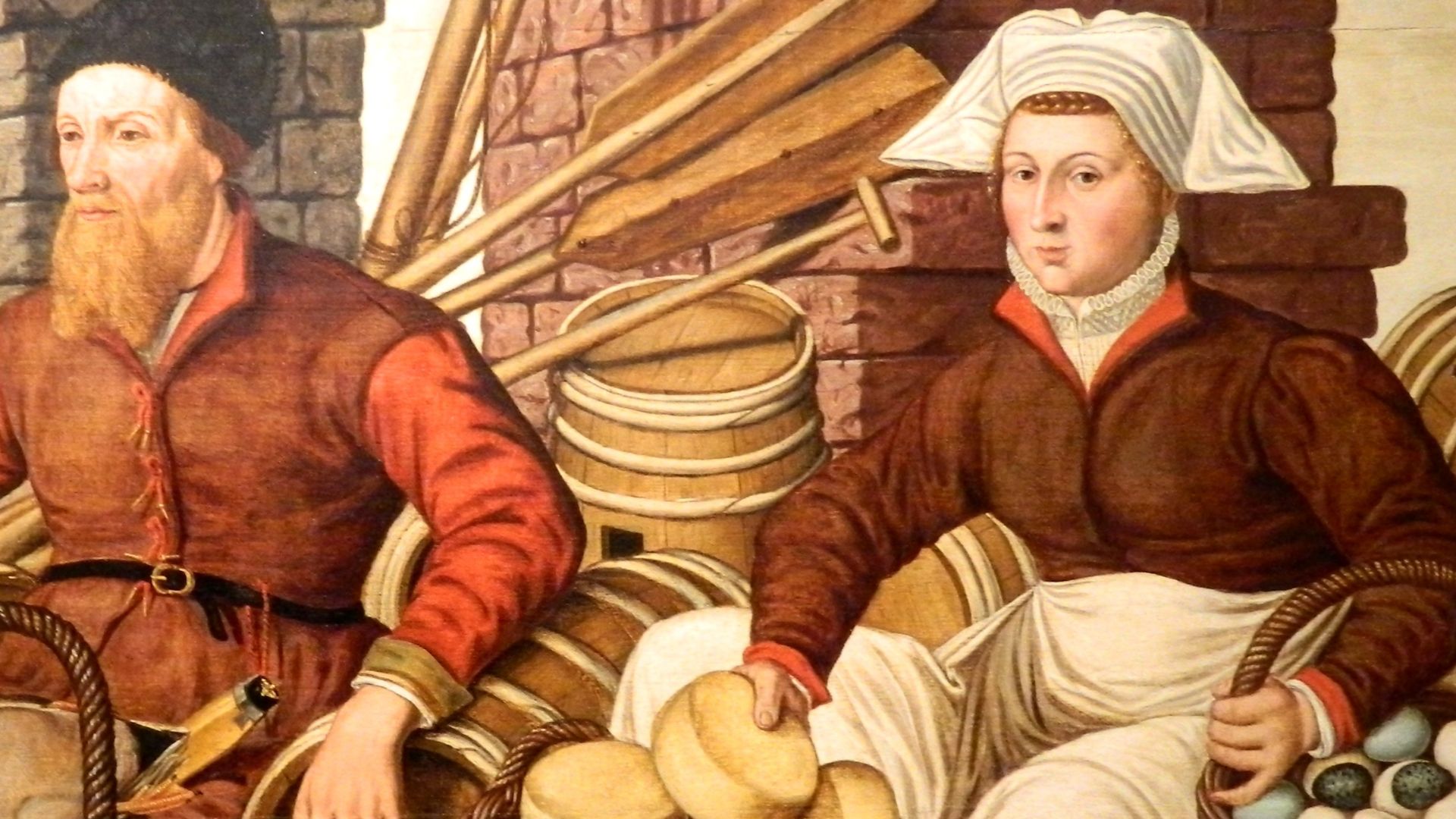
Overeating Among Nobles Was Common
Feasts among the wealthy could be excessive. Multiple courses encouraged overeating, and gluttony was both criticized and indulged in regularly. These meals were as much about display and indulgence as they were about satisfying your appetite.
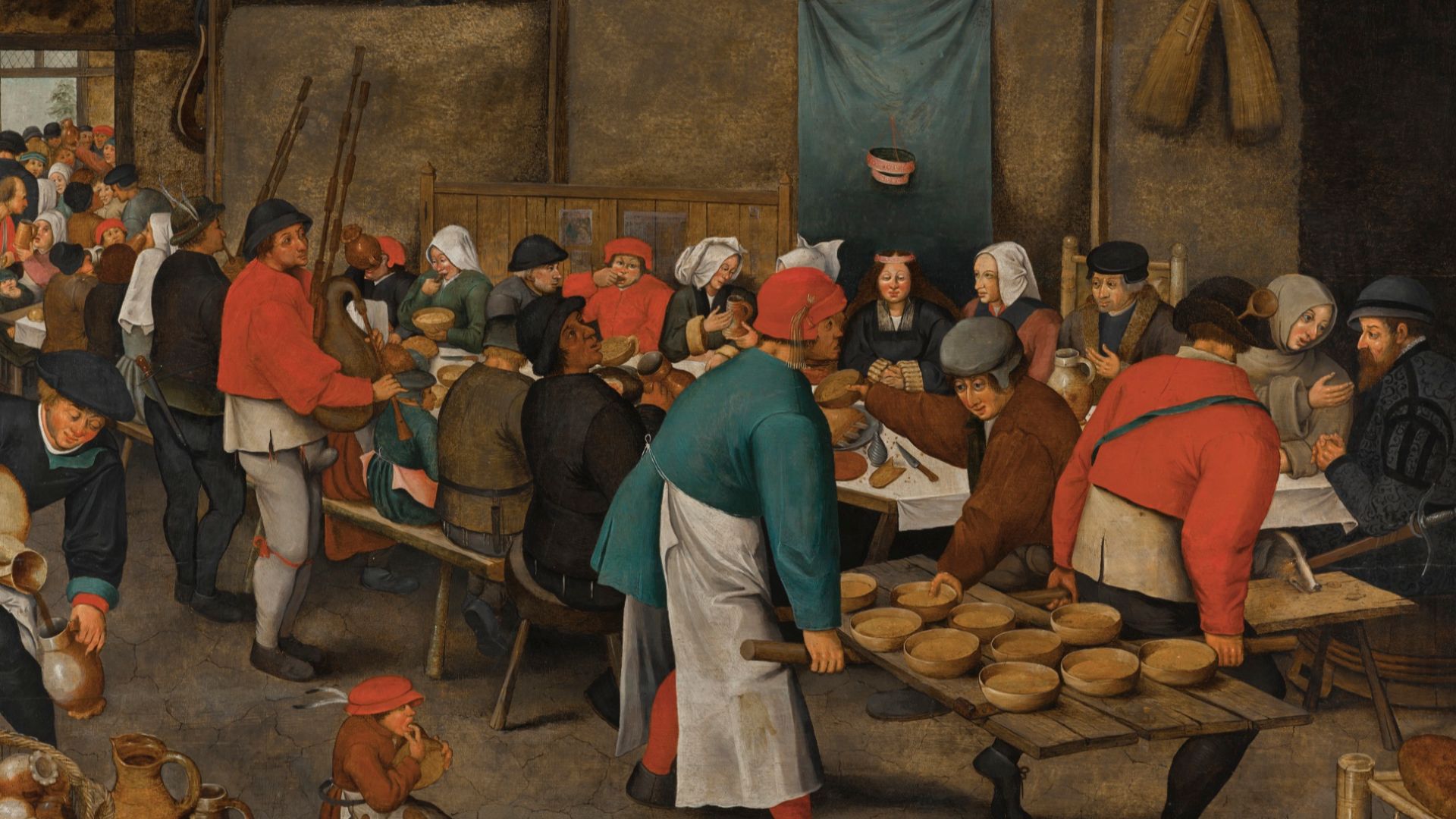 Pieter Brueghel the Younger, Wikimedia Commons
Food Could Be Symbolic
Certain foods carried symbolic meaning. Rare ingredients and elaborate dishes demonstrated power and influence. Even the order of courses and presentation could send a message about status and hospitality.
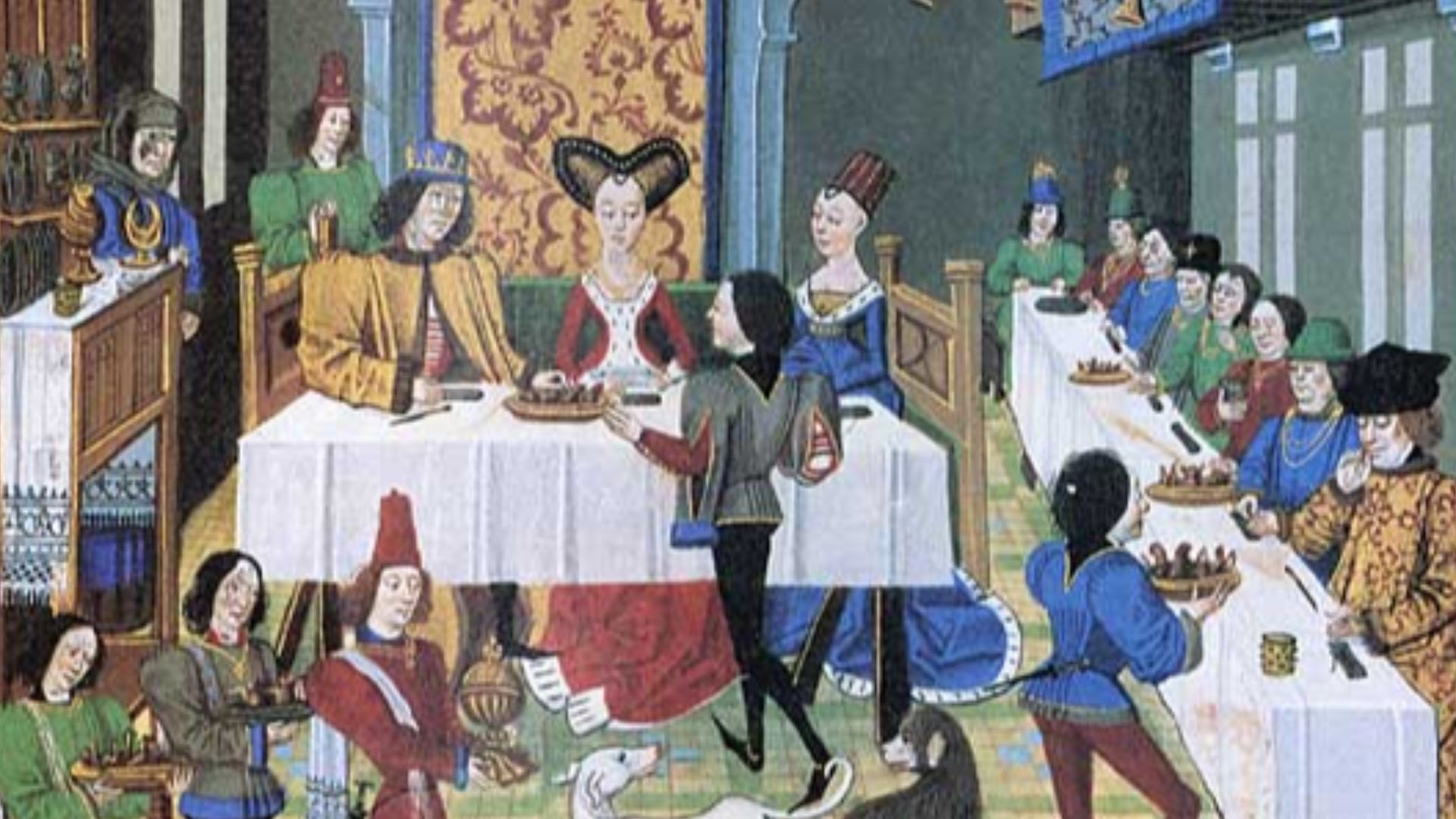 Attributed to Loyset Liedet, Wikimedia Commons
Sugar Was A Luxury Ingredient
Sugar wasn’t a basic sweetener as it is today, but a rare and expensive spice. It was used in small quantities and often combined with savory dishes. Its presence alone could signal wealth and sophistication.
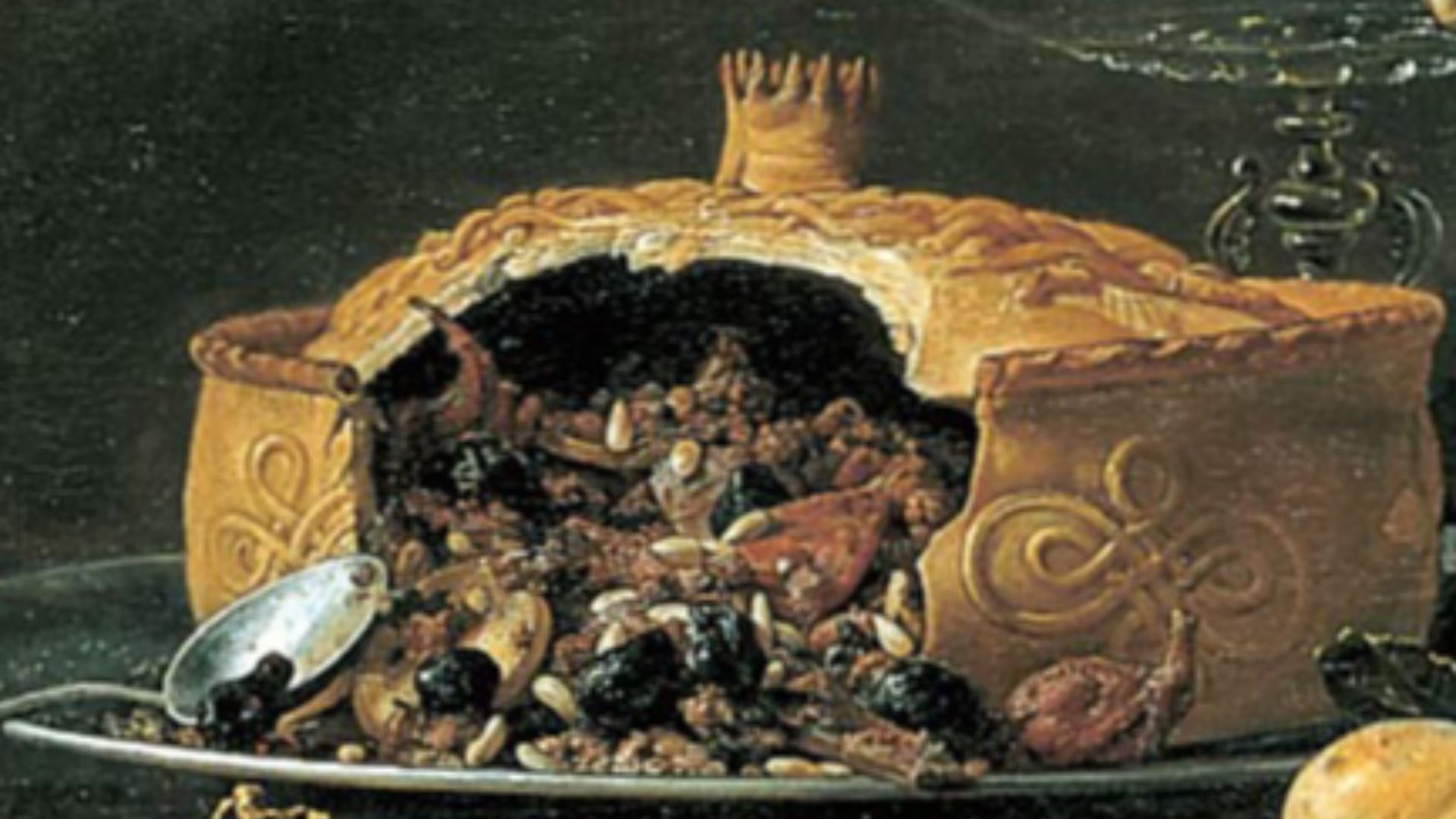 Adriaen van Utrecht, Wikimedia Commons
History's most fascinating stories and darkest secrets, delivered to your inbox daily.
Hygiene And Food Safety Varied Widely
Food safety standards were inconsistent. As modern germ theories were still hundreds of years in the future, contamination and illness were common risks. Markets and kitchens didn’t follow modern sanitation practices, making foodborne illness a frequent occurrence.
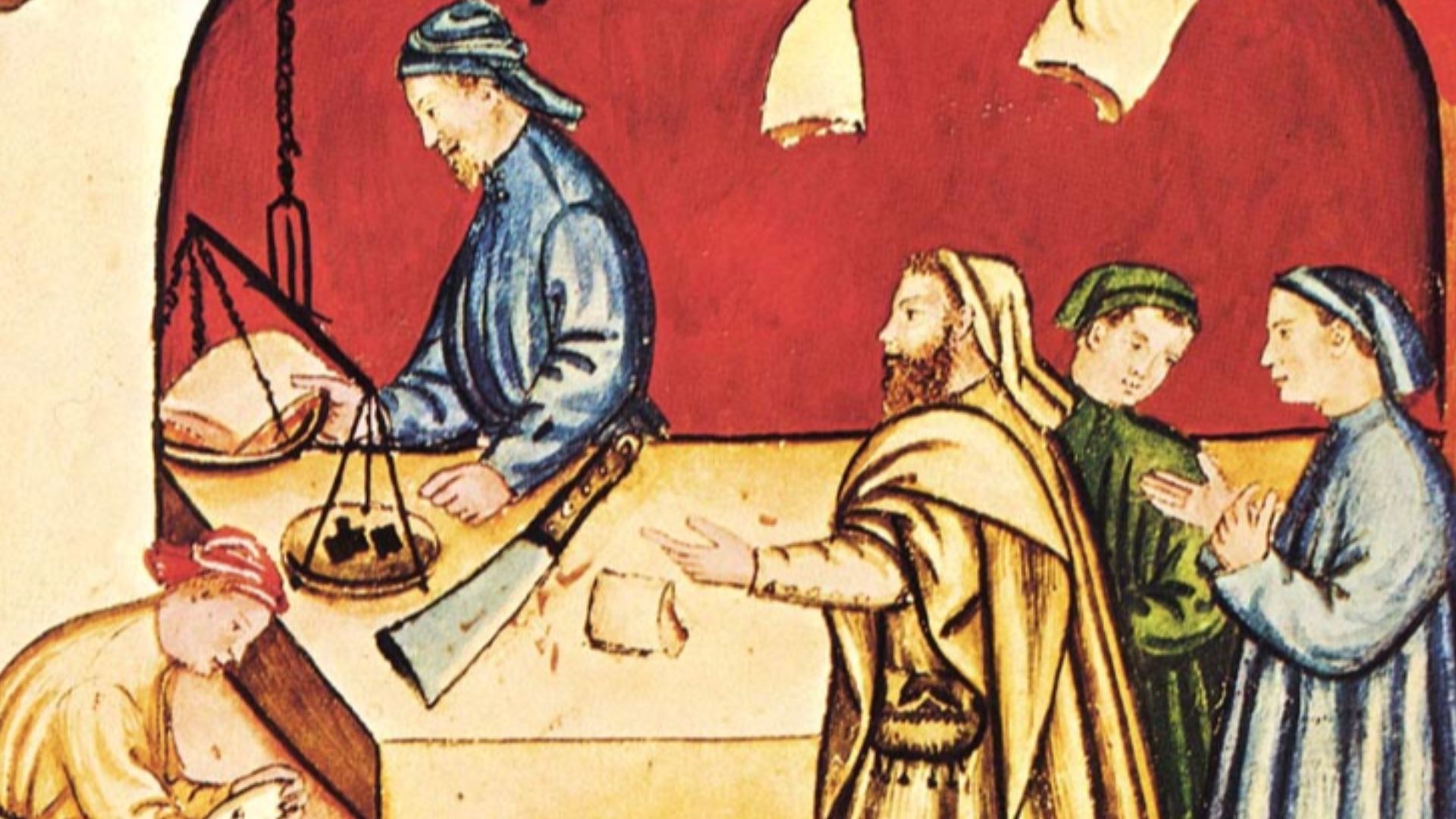 unknown master, Wikimedia Commons
Diets Were Surprisingly Calorie Heavy
Despite limited variety, a lot of medieval diets were high in calories. Physical labor in the fields and forests meat people had to consume a lot of high-energy food, and that was especially true for peasants. Bread, ale, and pottage made up the bulk of their daily caloric intake.
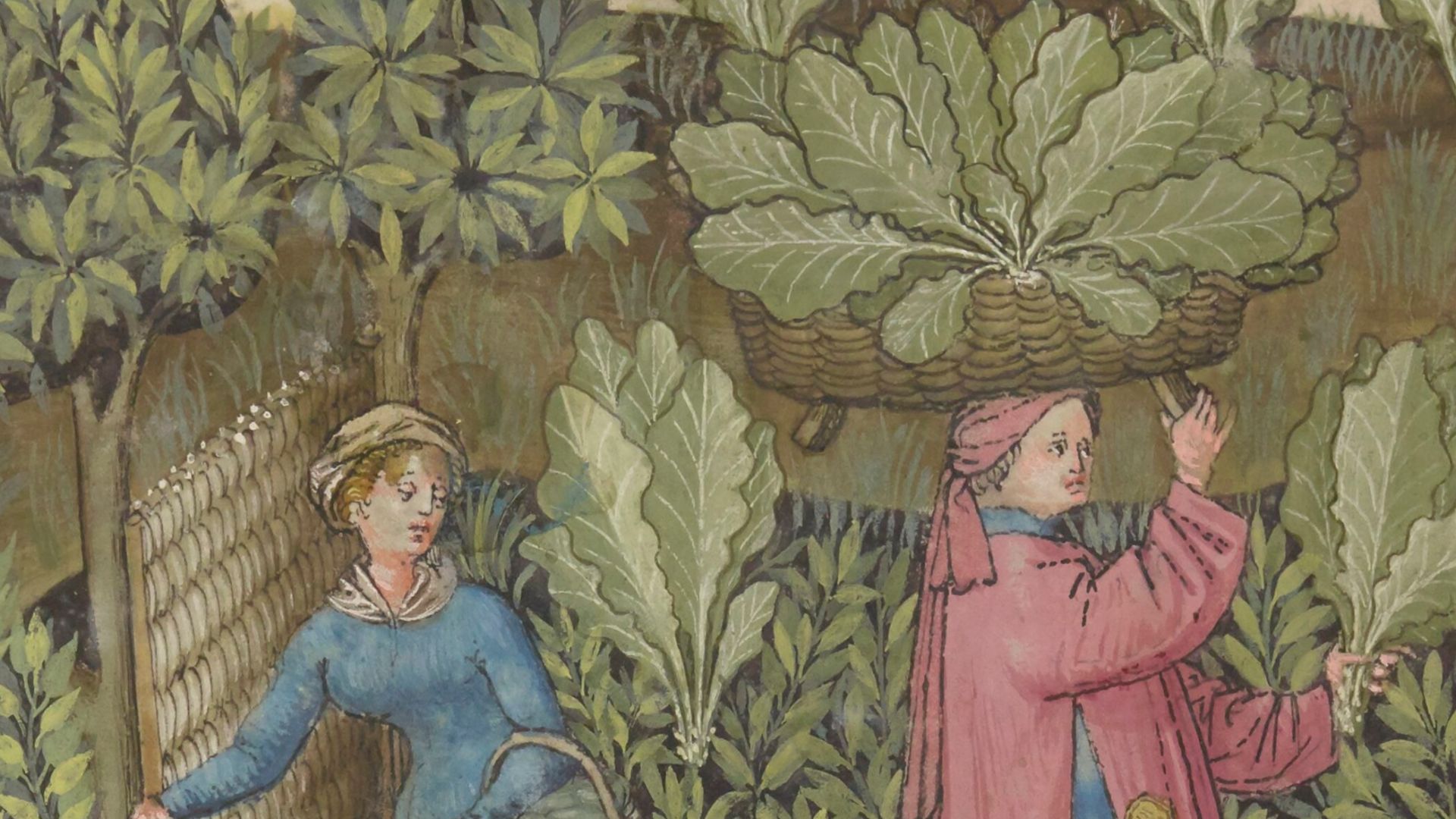 Ibn Butlan , Wikimedia Commons
The Crusades Changed European Diets
The Crusades expanded access to new ingredients and trade routes. Mediterranean and Middle Eastern spices, fruits, and cooking techniques entered European cuisine, changing how food was prepared and consumed, especially among the wealthy.
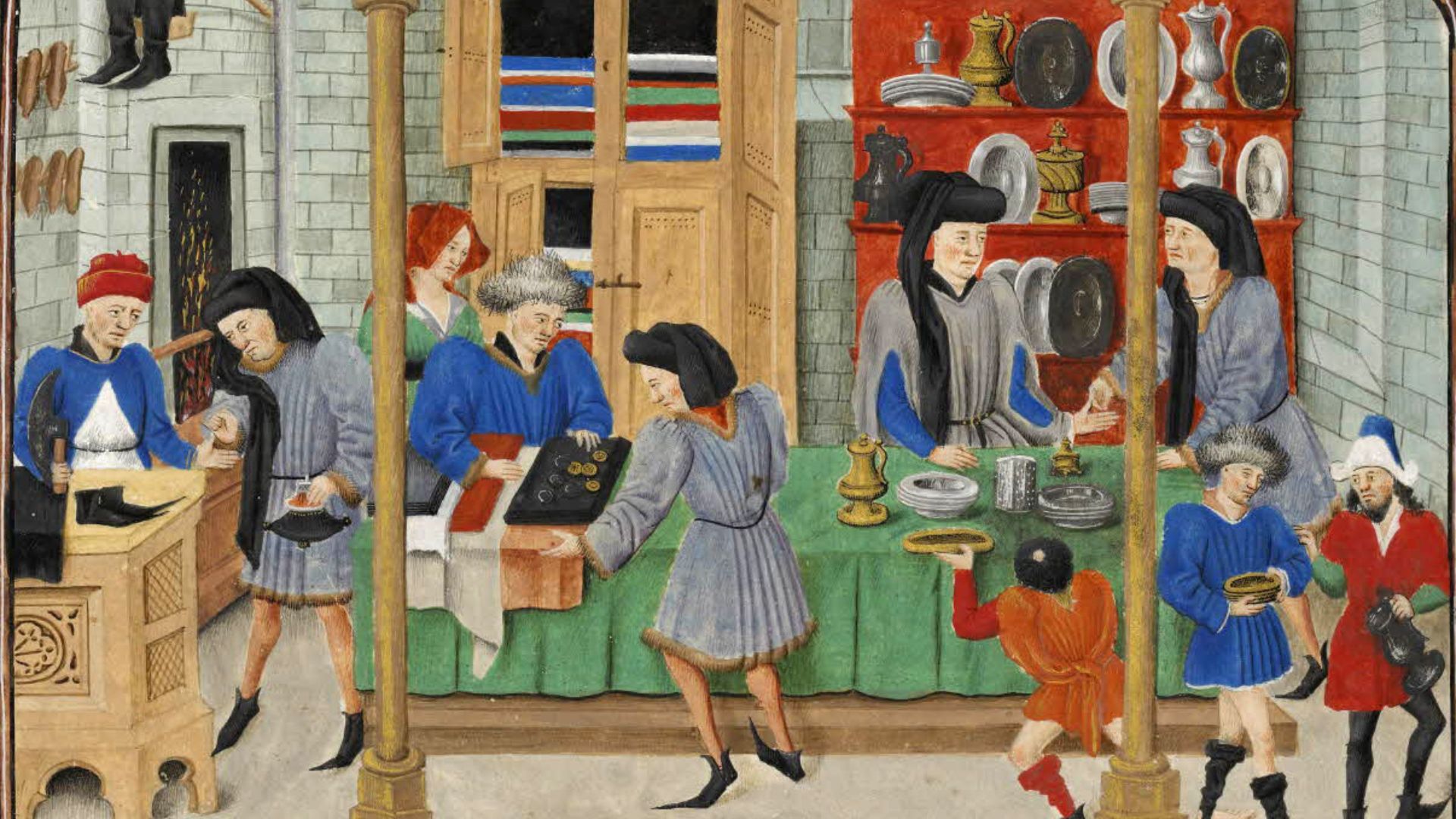
A Strange And Complex Food Culture
Medieval diets were shaped by necessity, religion, status, and limited technology. The result was a food culture that we would find more familiar than expected but deeply strange in many ways. From endless pottage to extravagant feasts, eating in the Middle Ages was far more complex than we can imagine.
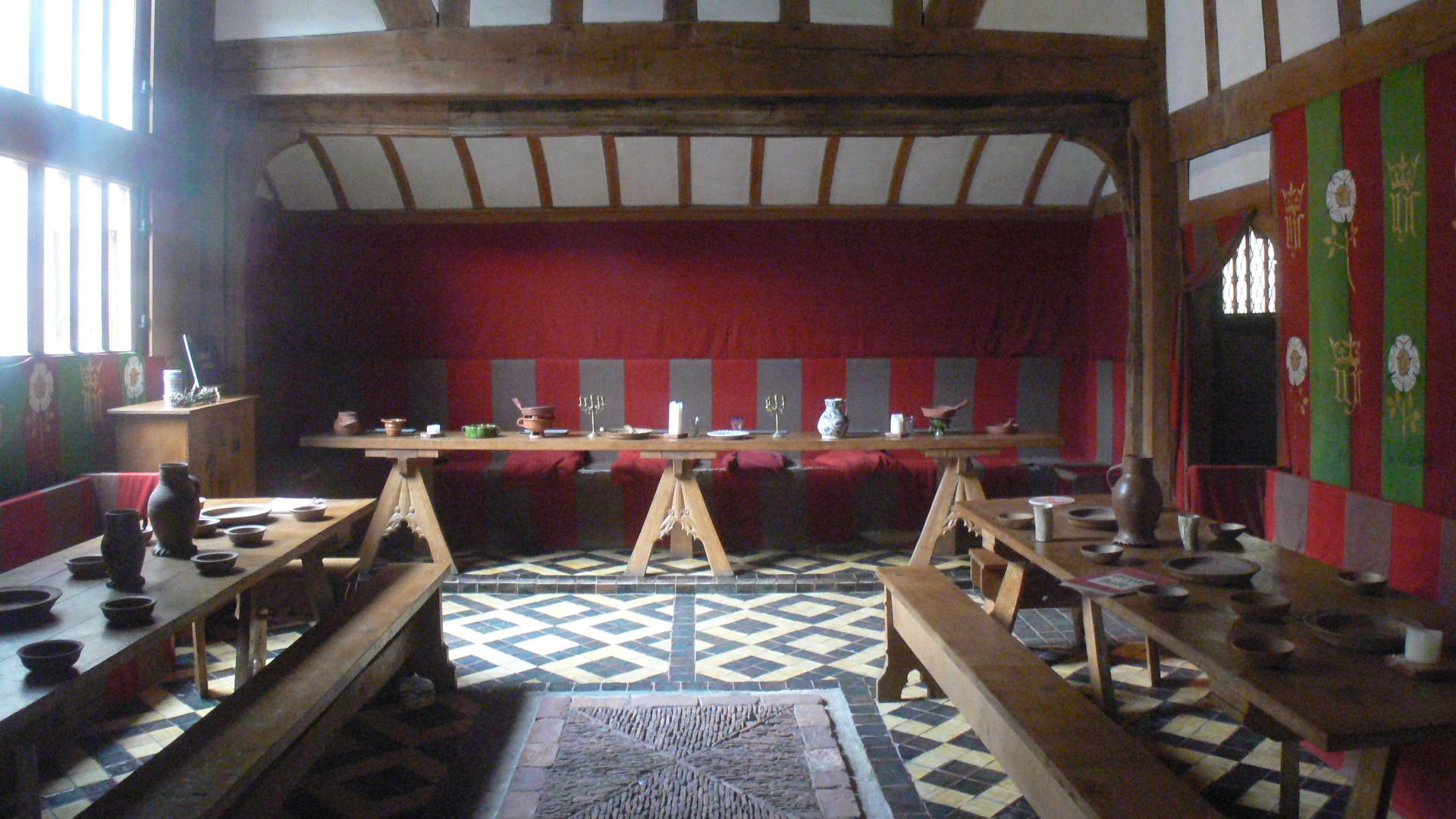 Fingalo Christian Bickel, Wikimedia Commons
You May Also Like:
Unsettling Facts About Medieval Beliefs