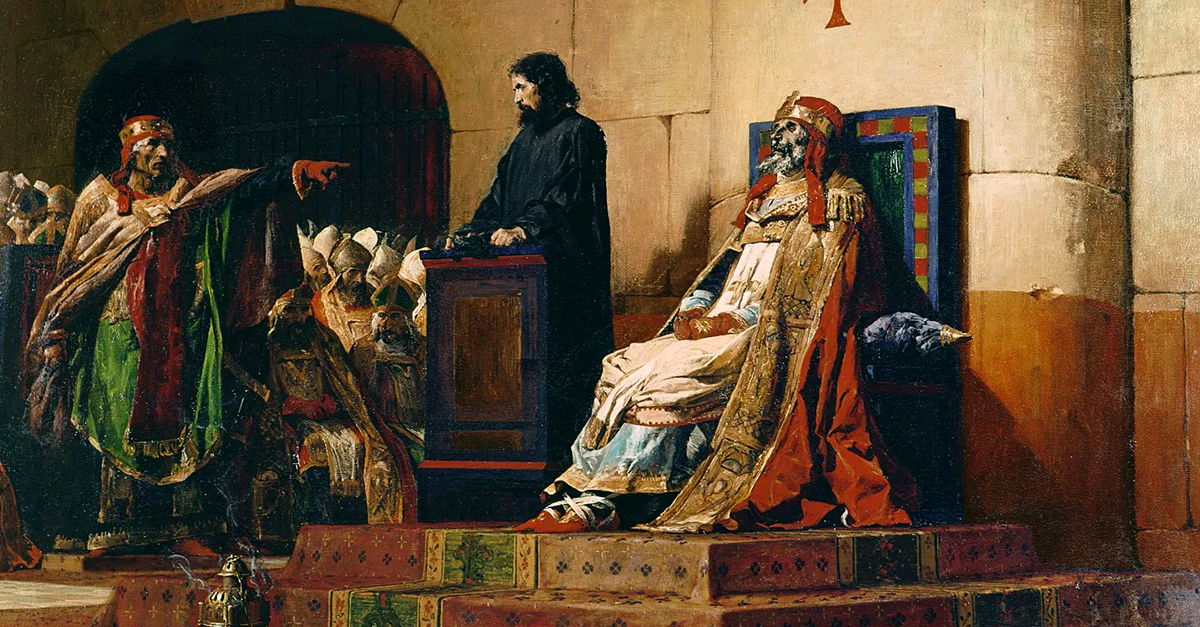
The Pope Who Put A Corpse On Trial
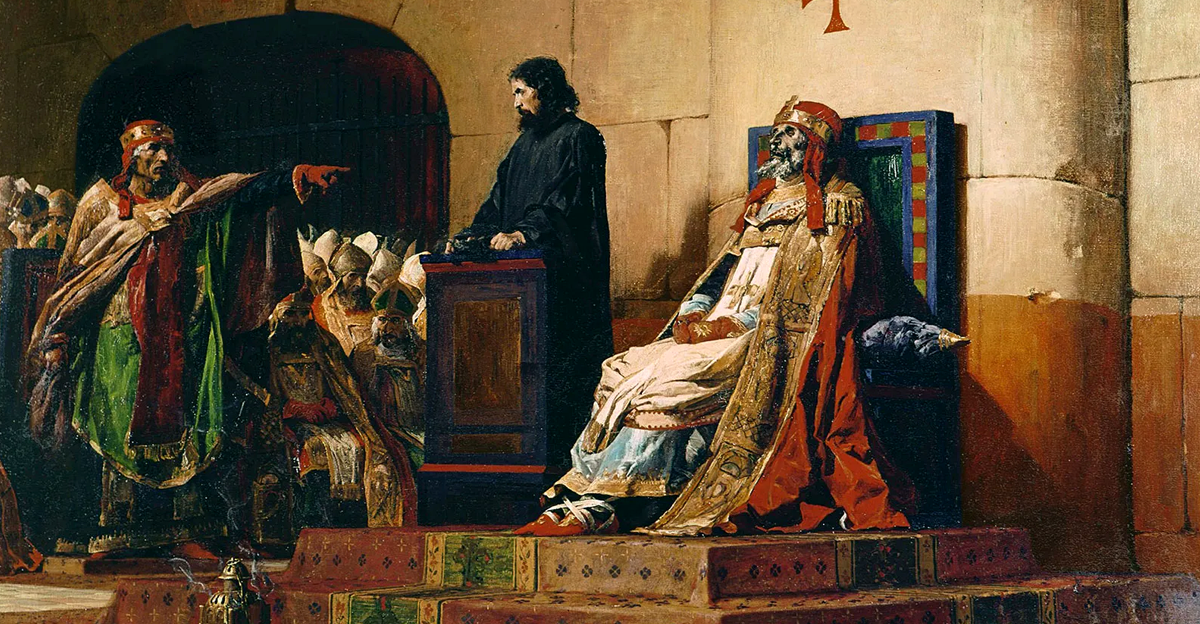
In 897 CE, Pope Stephen VI had his predecessor's body dug up, dressed in papal robes, and placed on a throne. Then he did the unthinkable: he put the corpse on trial, forcing a terrified church official to defend it. Known as the Cadaver Synod, this grotesque spectacle sparked a scandal involving mutilation, political revenge, and a shocking downfall.
How did the most powerful religious office in Europe become the scene of something so outrageous?
 Jean-Paul Laurens, Wikimedia Commons
Rome Was A Dangerous Place To Be Pope
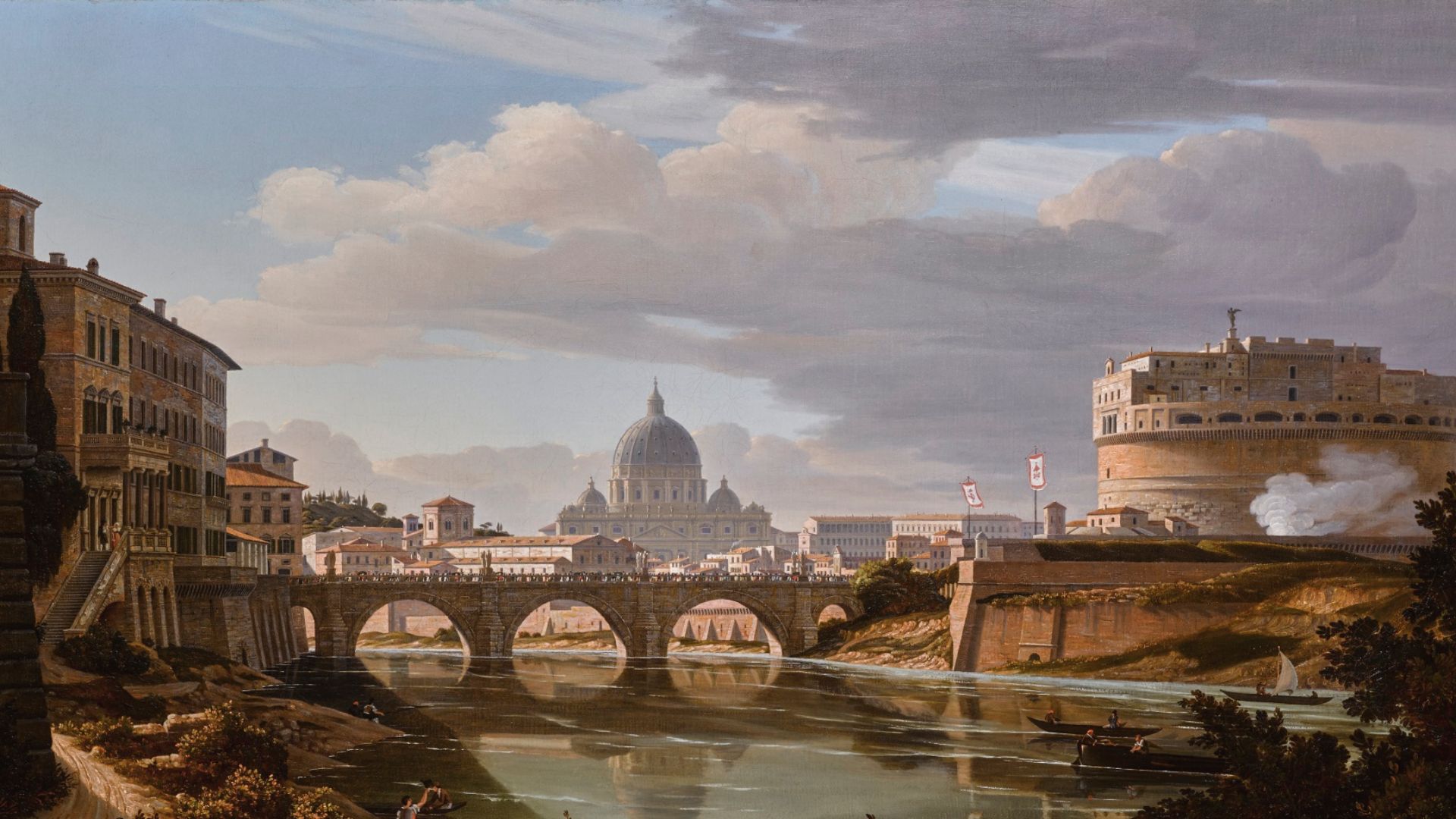
In the late ninth century, becoming pope was a surprisingly dangerous career move. Powerful Roman families fought for control of the church, while rival rulers competed for the imperial crown. Popes could find themselves threatened, deposed, or caught between competing political factions. One ambitious bishop was about to become trapped in this dangerous struggle.
 Rudolf Wiegmann, Wikimedia Commons
One Bishop Was Already Making Enemies
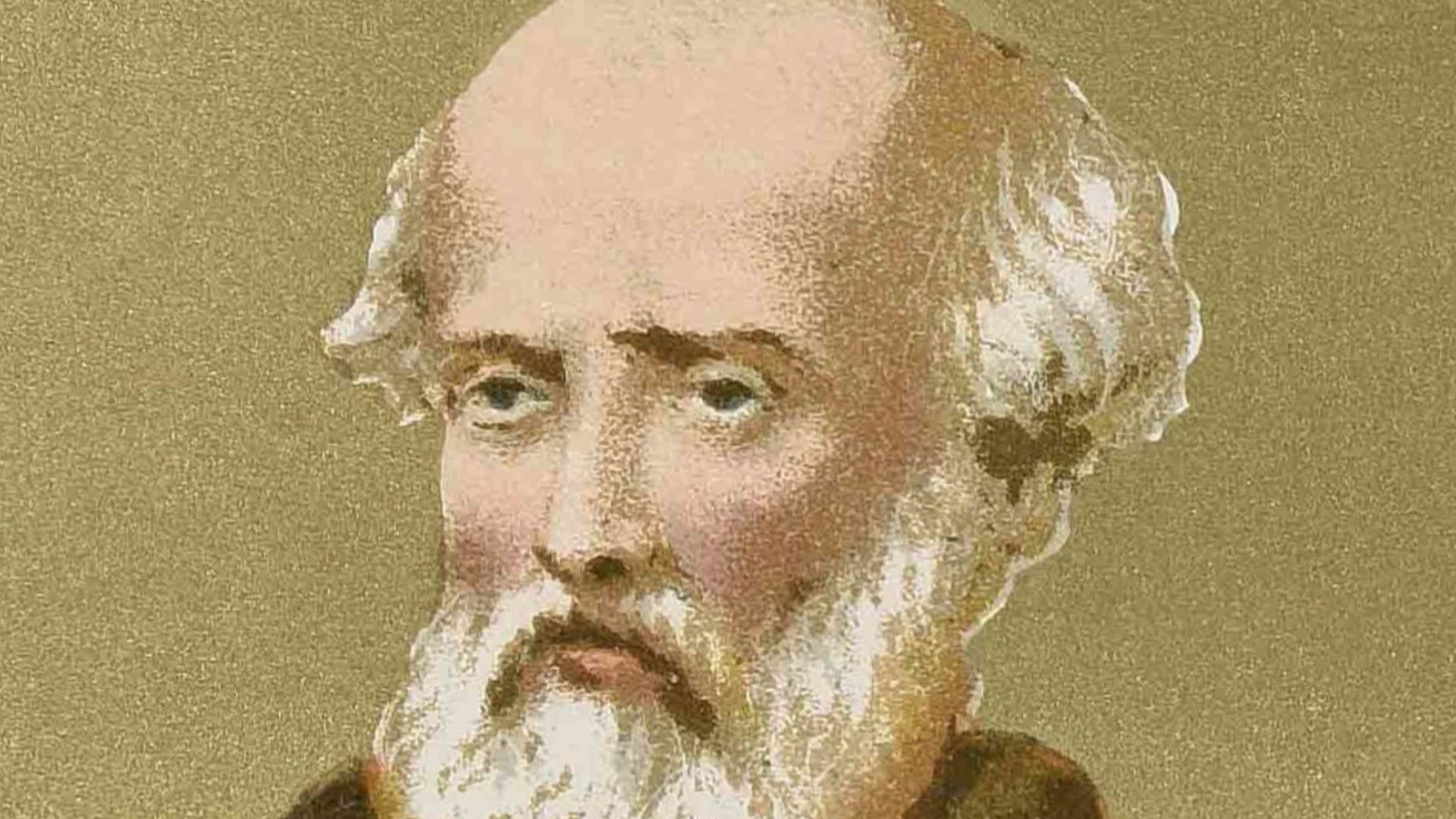
Long before the notorious trial, Formosus was an influential church official who became Bishop of Porto in 864. Sent on a religious mission to Bulgaria, he proved so successful that the country's ruler wanted him to lead the local church. However, transferring bishops between dioceses was restricted under church law. Decades later, that same restriction would become central to Formosus's extraordinary trial.
 Oleografia Panigati e Meneghini Milano, Wikimedia Commons
His Ambitions Got Him Excommunicated
Formosus eventually fell out with Pope John VIII, who accused him of political disloyalty and serious misconduct. In 876, John excommunicated him and removed him from his position. Formosus had already fled Rome, and the penalties prevented him from exercising his former religious authority. His career appeared ruined, but the struggle for control of the papacy was far from over.
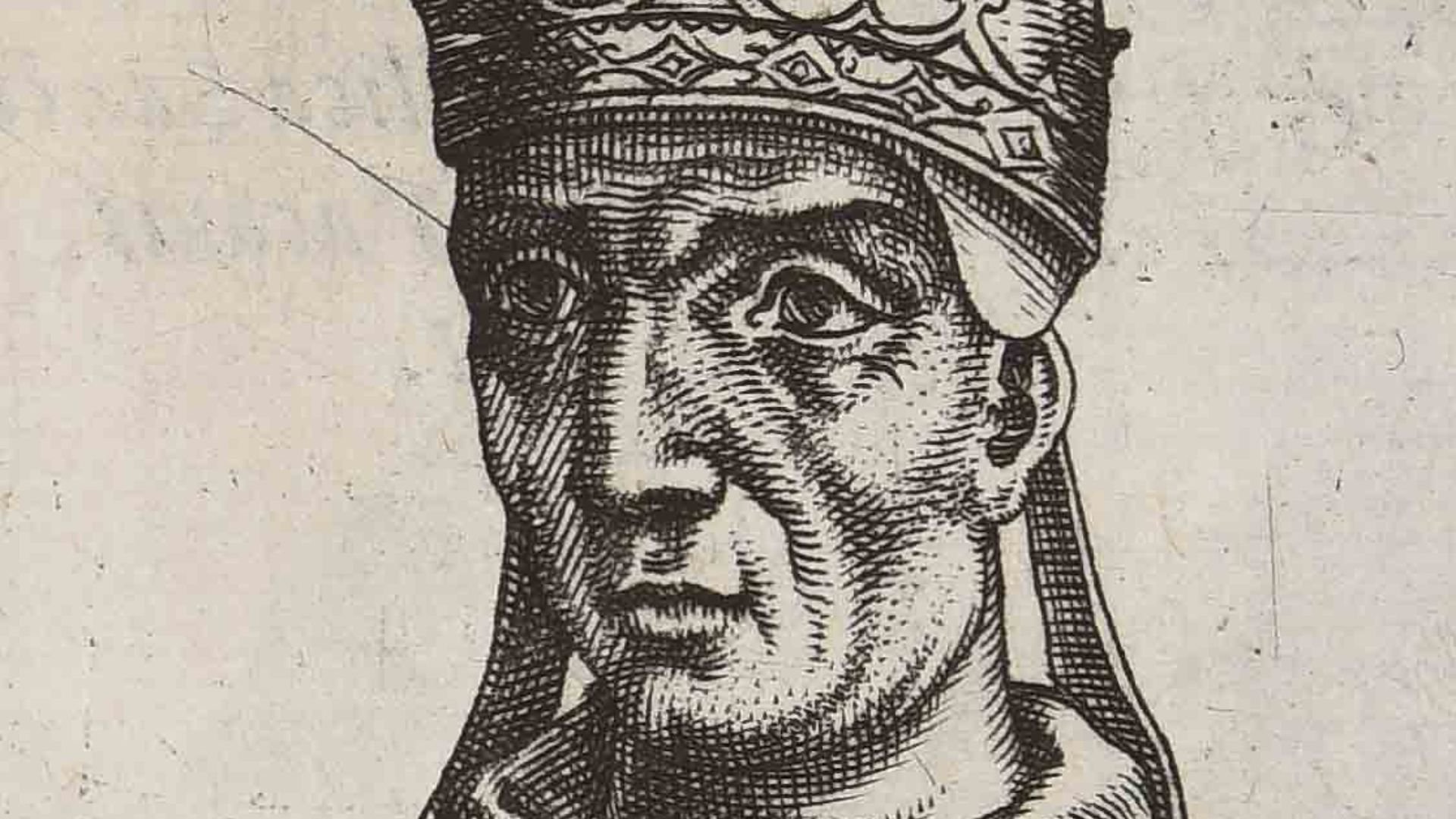 Giovanni Battista de'Cavalieri, Wikimedia Commons
He Somehow Made A Comeback
In 883, Pope Marinus I reversed Formosus's punishment and restored him as Bishop of Porto. Eight years later, Formosus achieved something that would have seemed impossible during his exile. He was elected pope in 891, becoming one of the most powerful religious figures in Europe. Unfortunately, the political divisions surrounding his earlier career had not disappeared.
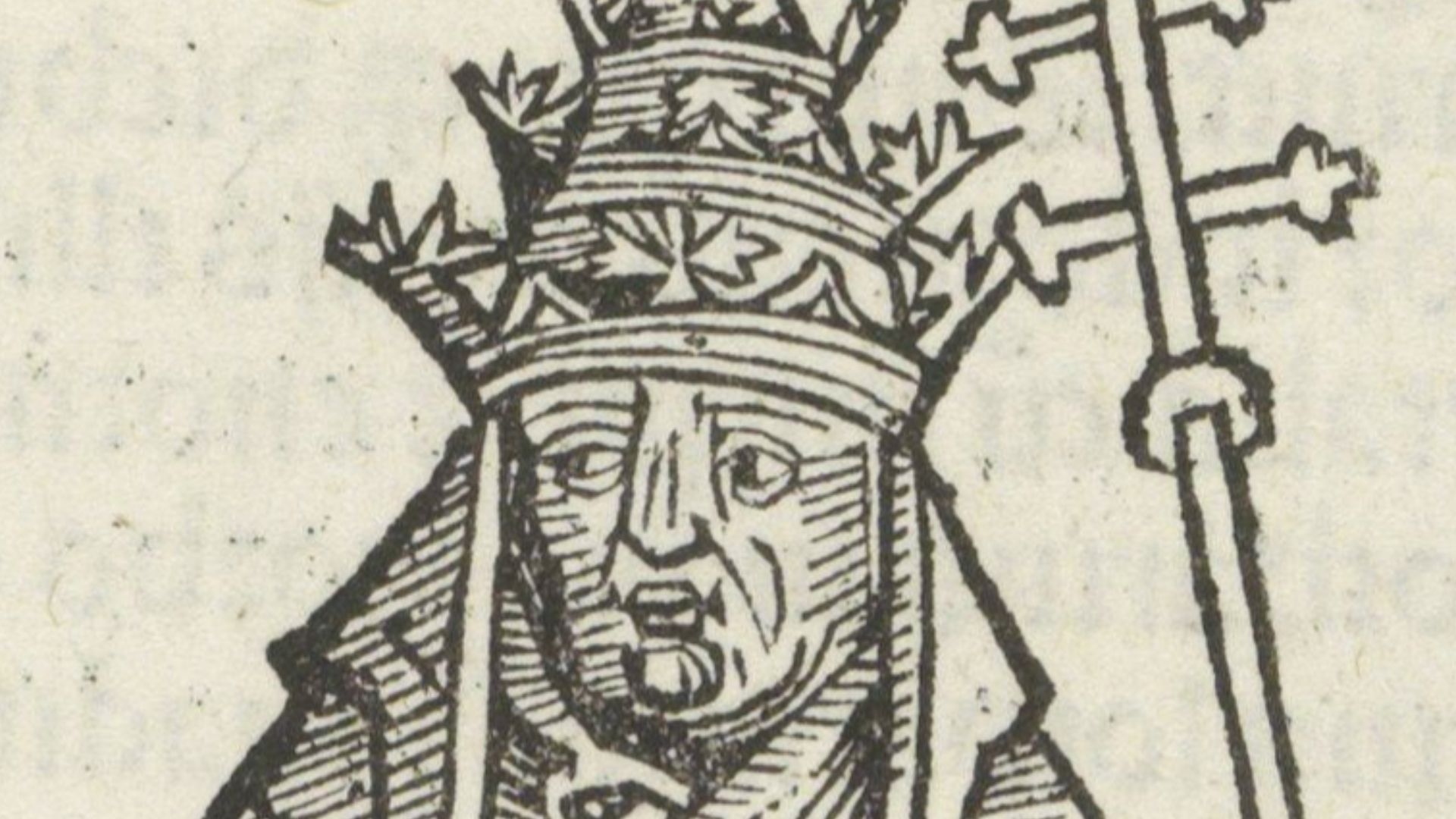 Rijksmuseum, Wikimedia Commons
Two Powerful Rivals Wanted The Crown
At the center of the conflict stood Guy III of Spoleto and Arnulf of Carinthia. Both represented competing interests in Italy and the struggle over imperial authority. Guy had secured an imperial coronation, while Arnulf was a powerful East Frankish ruler with ambitions in Italy. Formosus would eventually find himself caught between these competing interests.
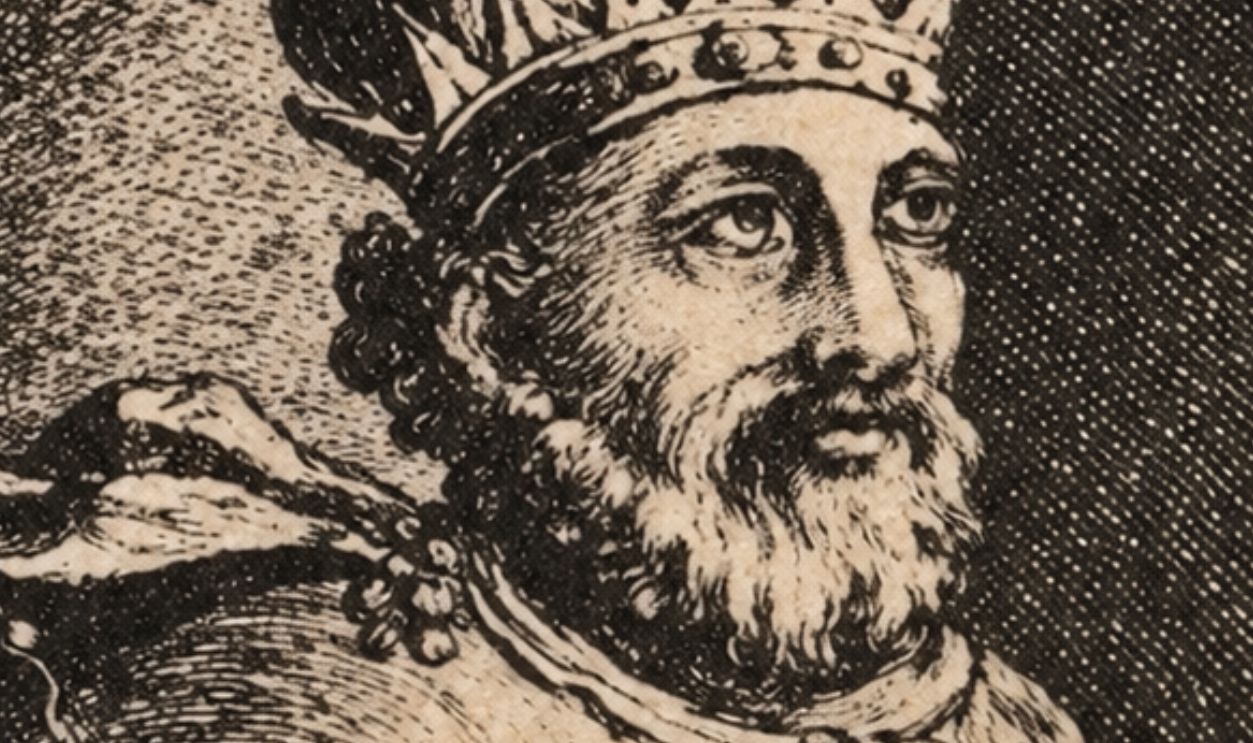 Antonio De Greyss, Wikimedia Commons, Enhanced
The Pope Made A Dangerous Choice
Although Formosus initially recognized the powerful Spoleto family, he increasingly feared its influence over Rome. He turned toward Arnulf of Carinthia, hoping the Frankish ruler could weaken the family's position. This decision put him at odds with Guy's son Lambert, who had also received an imperial coronation. The conflict was about to reach Rome itself.
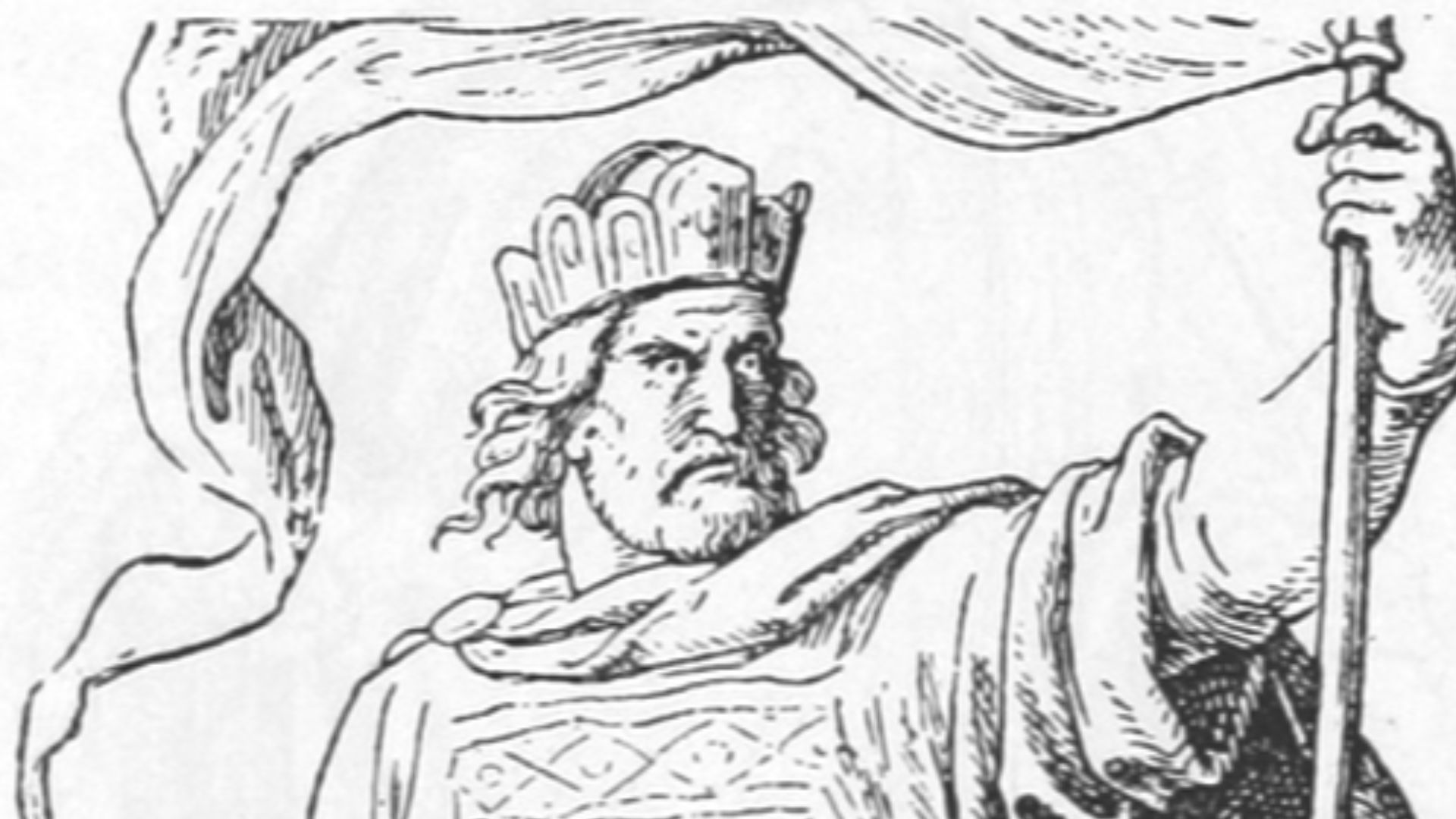 Metilsteiner, Wikimedia Commons
An Invading Army Changed Everything
Arnulf eventually marched into Italy and advanced toward Rome, where forces loyal to the opposing faction resisted him. Formosus had been placed under severe political pressure as the rival groups fought for control. Arnulf's army succeeded in taking the city, strengthening the pope's position. On February 22, 896, Formosus crowned Arnulf emperor in St. Peter's Basilica.
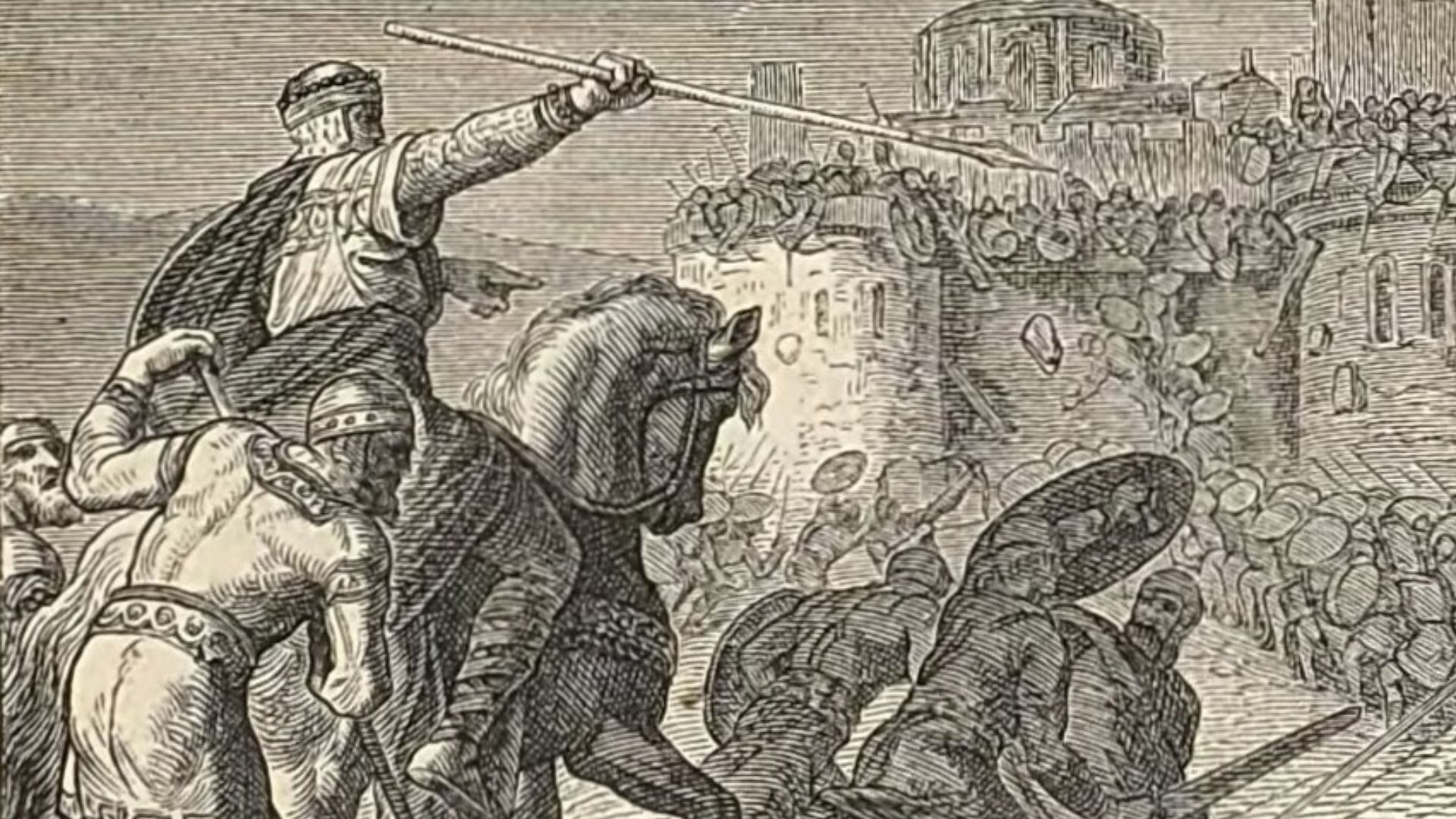 Friedrich Hottenroth, Wikimedia Commons
His Victory Barely Lasted
The coronation appeared to give Formosus the powerful protector he needed. However, Arnulf suffered a serious illness during his Italian campaign and withdrew northward, leaving his allies exposed. Formosus died on April 4, 896, only weeks after crowning him emperor. His death should have ended their political rivalry, but his enemies had other ideas.
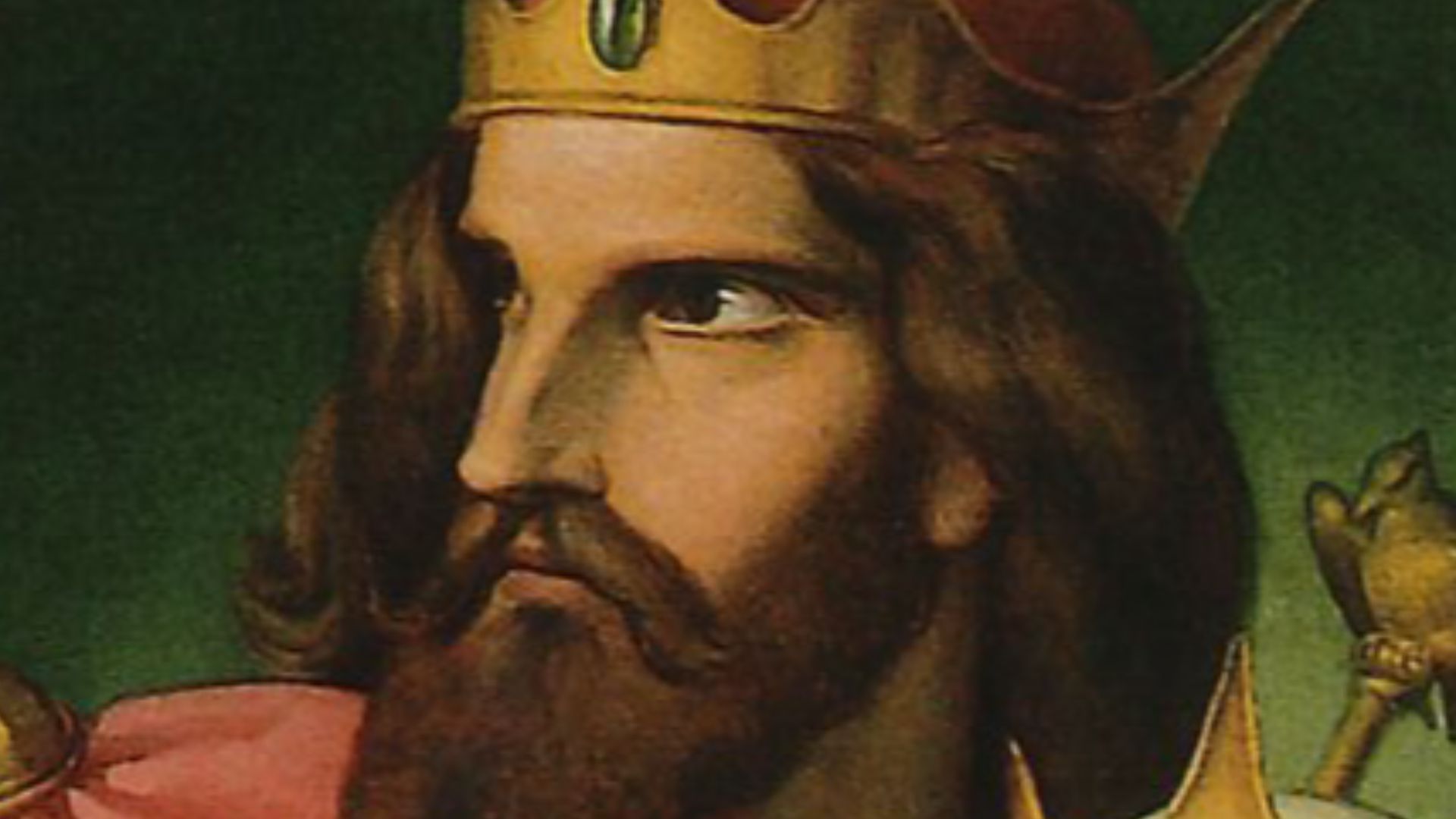 Name des Künstlers im Dateinamen in Klammern, Wikimedia Commons

History's most fascinating stories and darkest secrets, delivered to your inbox daily.
Another Pope Lasted Just Fifteen Days
Formosus was succeeded by Pope Boniface VI, whose reign lasted approximately fifteen days. After Boniface died, Stephen VI became pope, inheriting a church still divided by political conflict. Stephen had previously been consecrated Bishop of Anagni by Formosus himself. Yet he would soon become responsible for one of the strangest attacks on a predecessor in papal history.
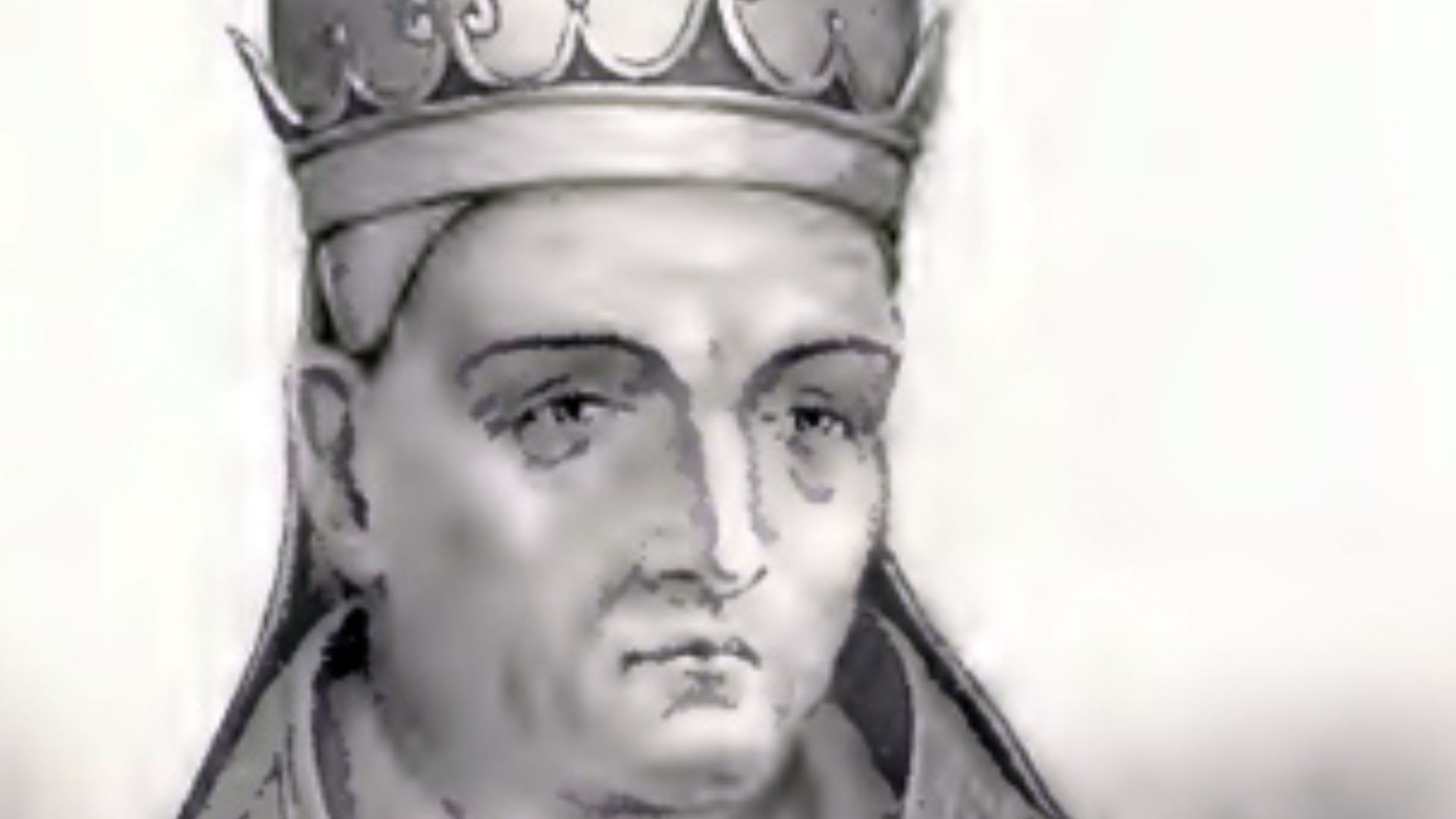 Artaud de Montor (1772–1849), Wikimedia Commons
The New Pope Wanted Revenge
With Arnulf weakened and Formosus dead, Stephen faced an unstable political situation. Traditional accounts portray the coming trial as revenge encouraged by Lambert of Spoleto and his mother, Ageltrude. However, historian William S. Monroe has challenged that interpretation, suggesting Stephen may have been trying to secure his own position while attacking Formosus's reputation. Whatever his precise motives, Stephen was preparing to condemn a man who could no longer defend himself.
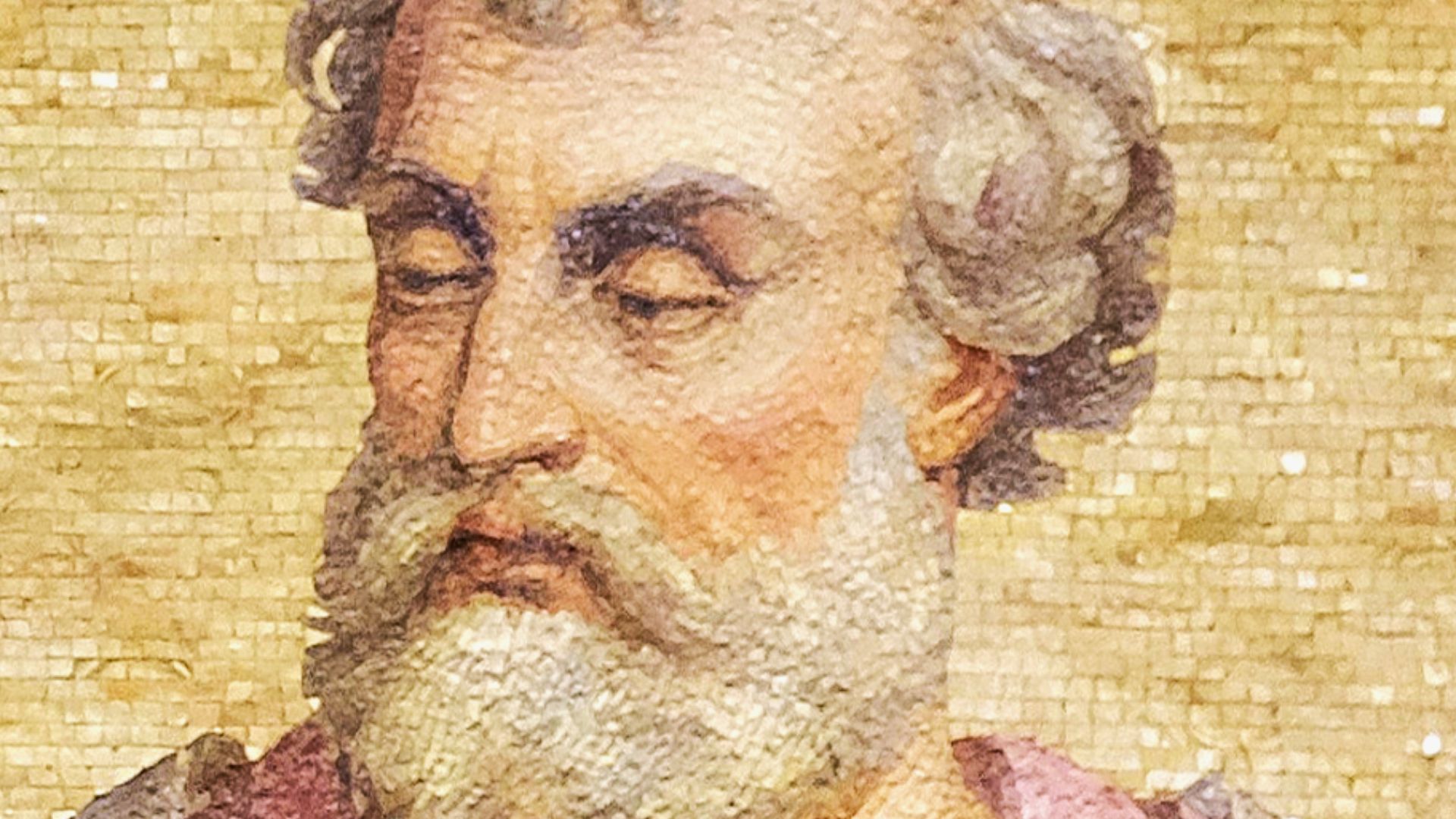 Unknown authorUnknown author, Wikimedia Commons
Then Came An Unthinkable Order
In early 897, Stephen ordered Formosus's tomb opened and his remains removed. The former pope had been buried for approximately nine months, but Stephen intended to make him answer charges before a church council. The body was brought to the Basilica of St. John Lateran in Rome. There, preparations began for an extraordinary legal spectacle.
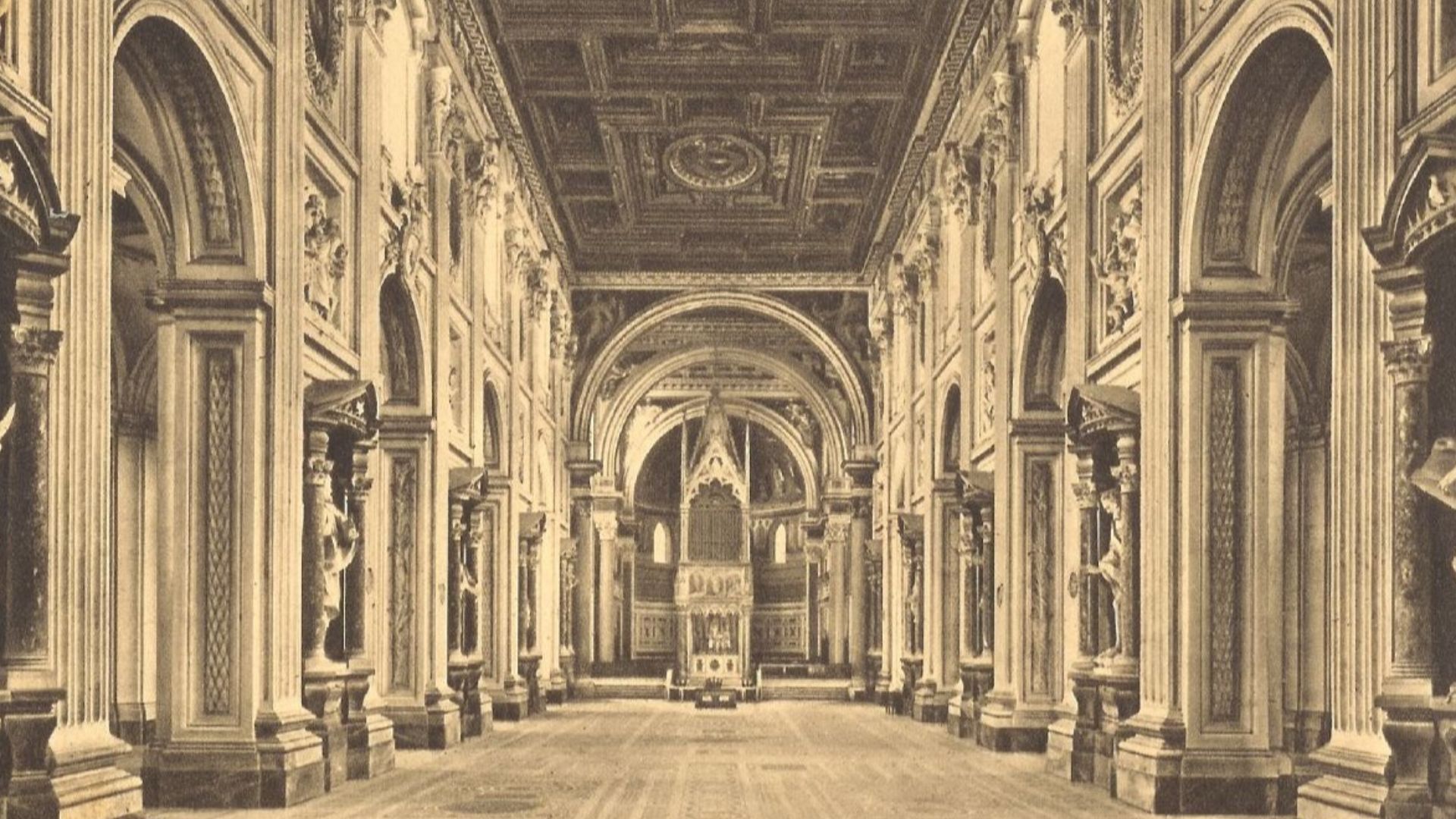 trespassers william, Wikimedia Commons
They Dressed The Corpse Like A Pope
Formosus's remains were clothed in the elaborate vestments associated with his former office. His body was then propped up on a throne before the assembled church officials. The arrangement treated the deceased pontiff as though he were physically present to answer accusations. What should have been a solemn religious gathering had become something almost impossible to imagine.
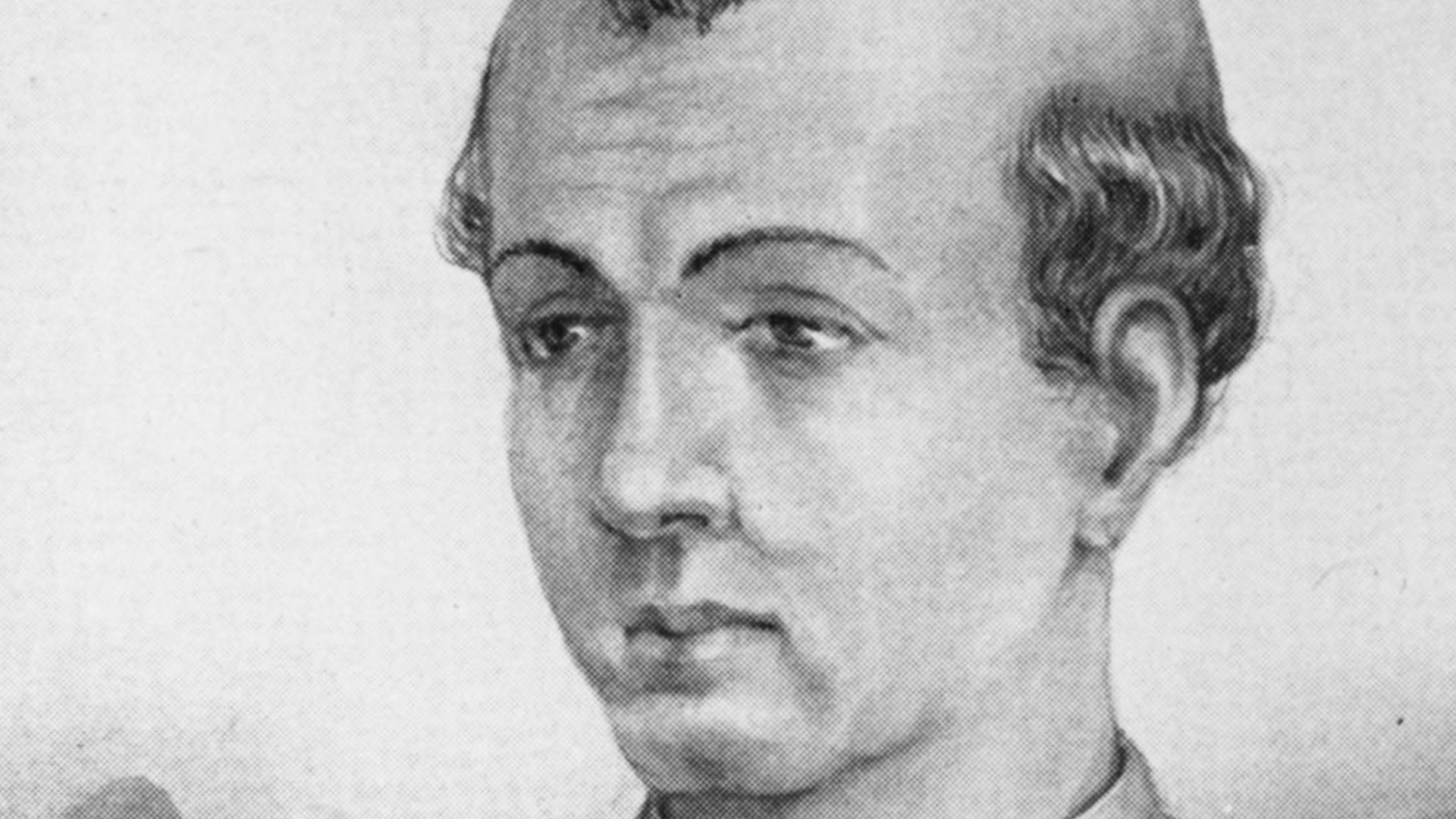 Artaud de Montor (1772–1849), Wikimedia Commons
Even The Corpse Had A Lawyer
Stephen appointed a deacon to speak on Formosus's behalf during the proceedings. The unfortunate church official was expected to answer questions directed at a man who had been buried for months. Historical accounts describe the deacon as terrified, although his exact responses have not survived. It was hardly a situation in which anyone could expect a fair defense.
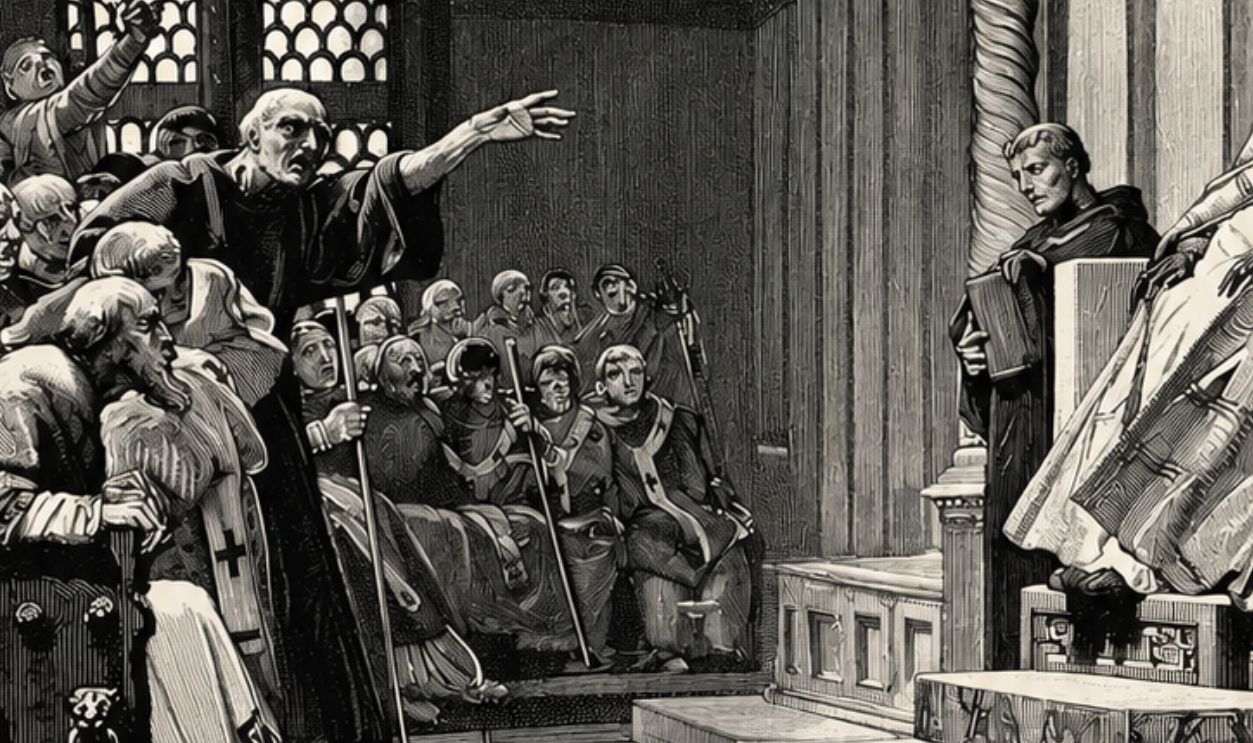 DEA / BIBLIOTECA AMBROSIANA, Getty Images
The Charges Were Surprisingly Serious
Despite the absurd circumstances, the accusations against Formosus involved genuine disputes over church law. Stephen accused him of violating religious obligations and improperly assuming the papacy. Central to the case was the fact that Formosus had previously served as Bishop of Porto. His opponents argued that moving from that bishopric to the papal throne violated restrictions on transferring bishops.
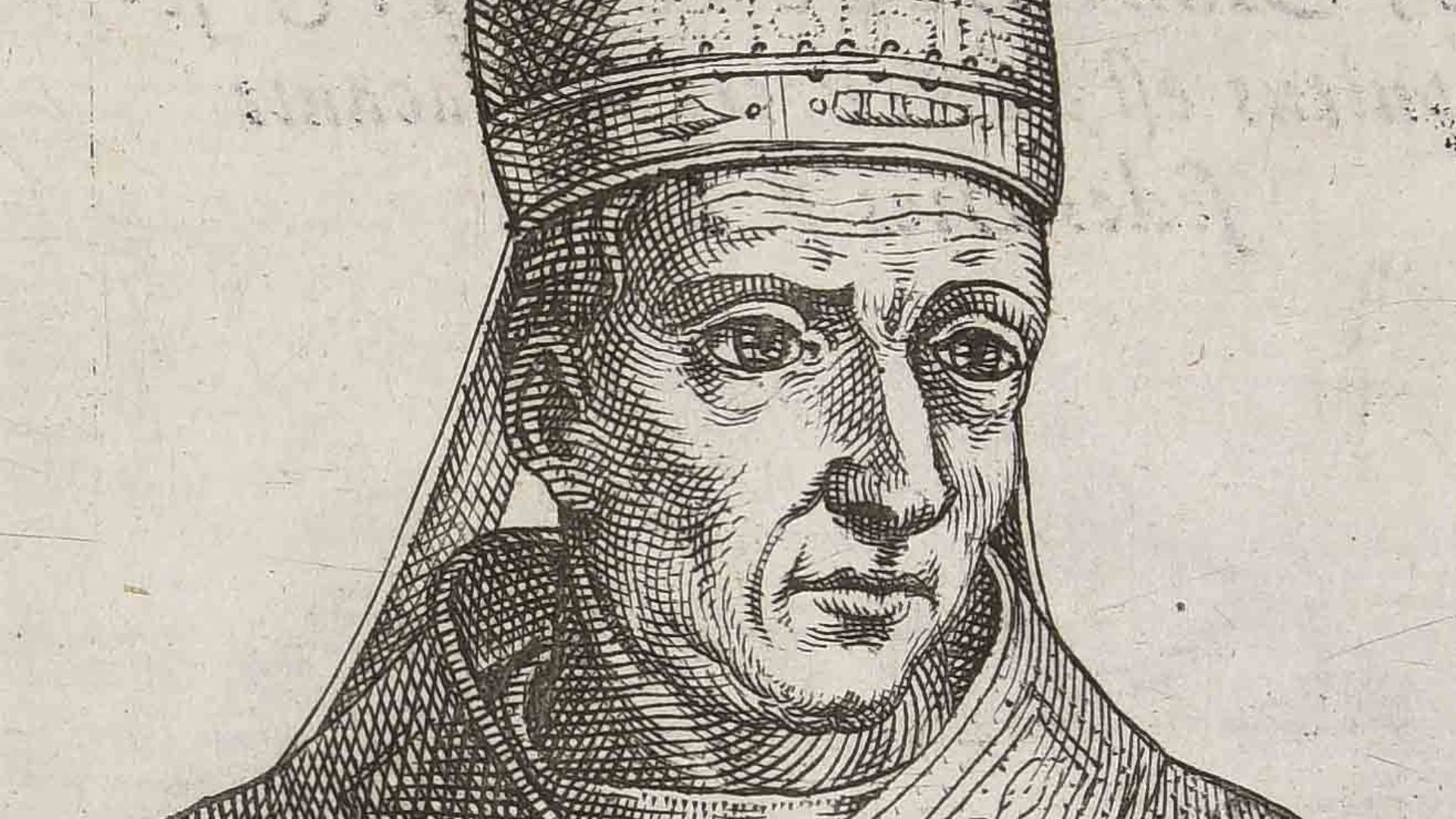 Giovanni Battista de'Cavalieri, Wikimedia Commons
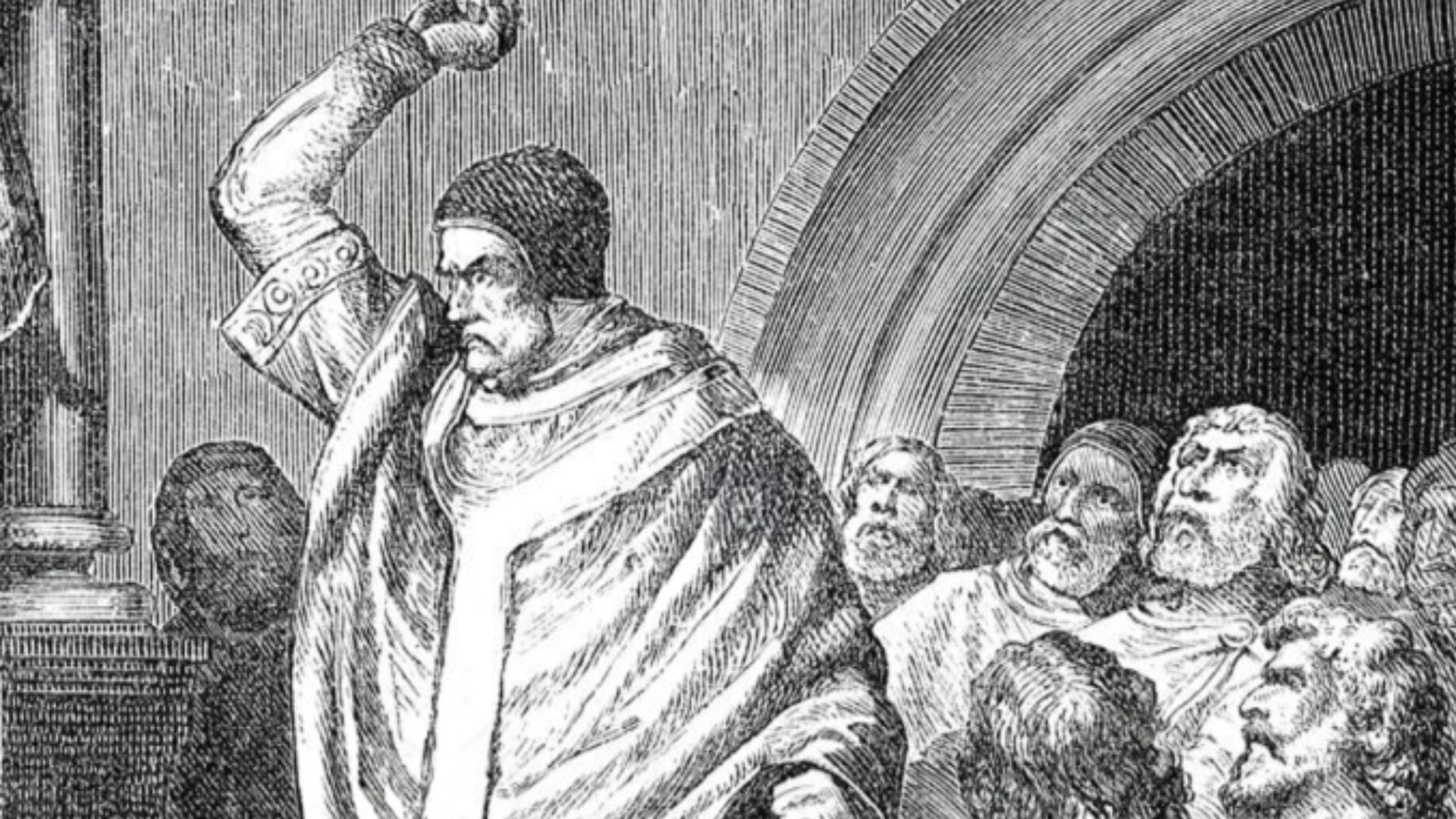
The Pope Questioned A Corpse
According to the medieval chronicler Liutprand of Cremona, Stephen demanded to know why Formosus had sought the papacy while serving as Bishop of Porto. The extraordinary question was directed at the remains sitting before him. A deacon had been appointed to respond, but no surviving transcript establishes exactly what he said. The spectacle transformed a dispute over church law into one of history's strangest trials.
 Unspecified, Wikimedia Commons
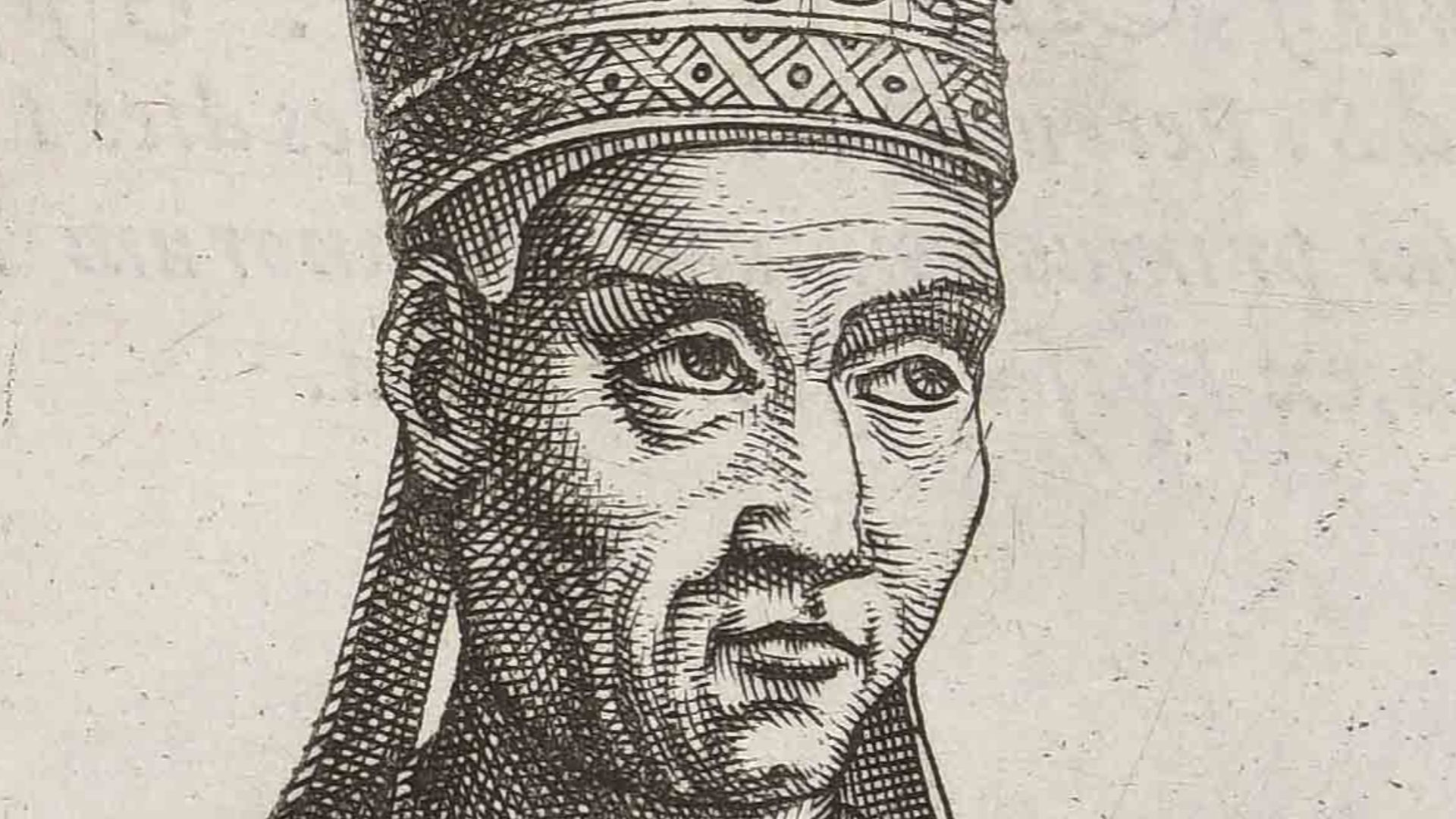
The Verdict Was Never In Doubt
The assembled council found Formosus guilty and declared that he had been unworthy of the papacy. His election was condemned, and his acts as pope were declared invalid. The decision represented an attempt to erase the legitimacy of his entire pontificate. But Stephen was not satisfied with simply delivering a verdict.
 Giovanni Battista de'Cavalieri, Wikimedia Commons
They Stripped Him Of His Robes
Following the verdict, Formosus's body was stripped of its elaborate papal vestments. The removal was more than an act of humiliation, since the clothing represented the authority he had held in life. Historical accounts describe the remains being dressed in ordinary clothing afterward. Stephen's council had attempted to strip a former pope of his dignity long after his death.
 Rijksmuseum, Wikimedia Commons
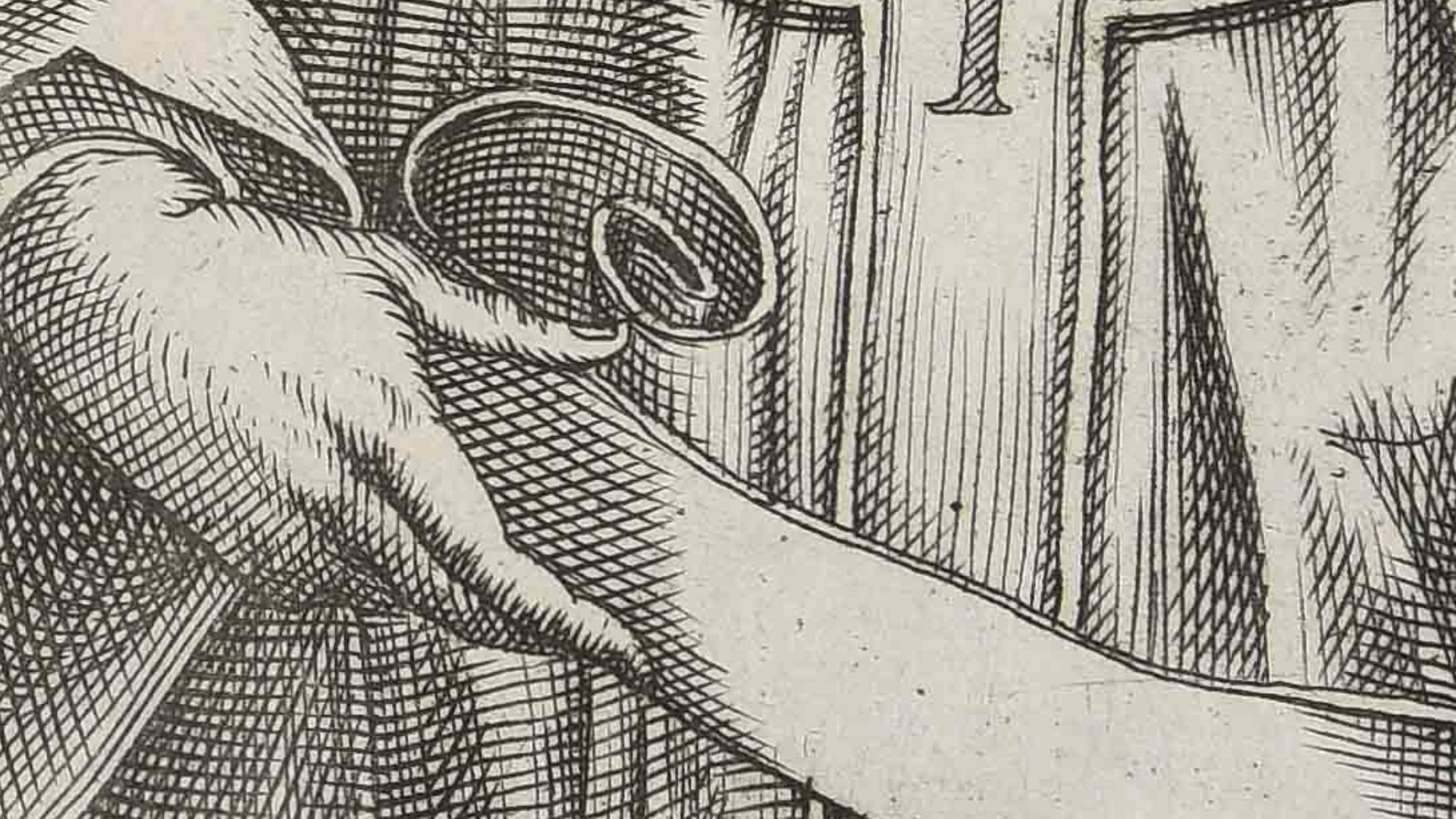
Then They Cut Off Three Fingers
The punishment became even more disturbing when three fingers were severed from Formosus's right hand. These were the fingers associated with priestly blessings and consecrations. Their removal symbolically attacked the religious authority he had exercised while alive. The grotesque act turned an already extraordinary trial into an enduring example of medieval political humiliation.
 Giovanni Battista de'Cavalieri, Wikimedia Commons
Stephen Had Just Undermined Himself
By declaring Formosus's ordinations invalid, Stephen created an extraordinary problem. Formosus had personally consecrated Stephen as Bishop of Anagni before he became pope. If those ordinations were invalid, Stephen's own consecration could also be called into question. In attempting to erase his predecessor's authority, Stephen had potentially undermined his own.
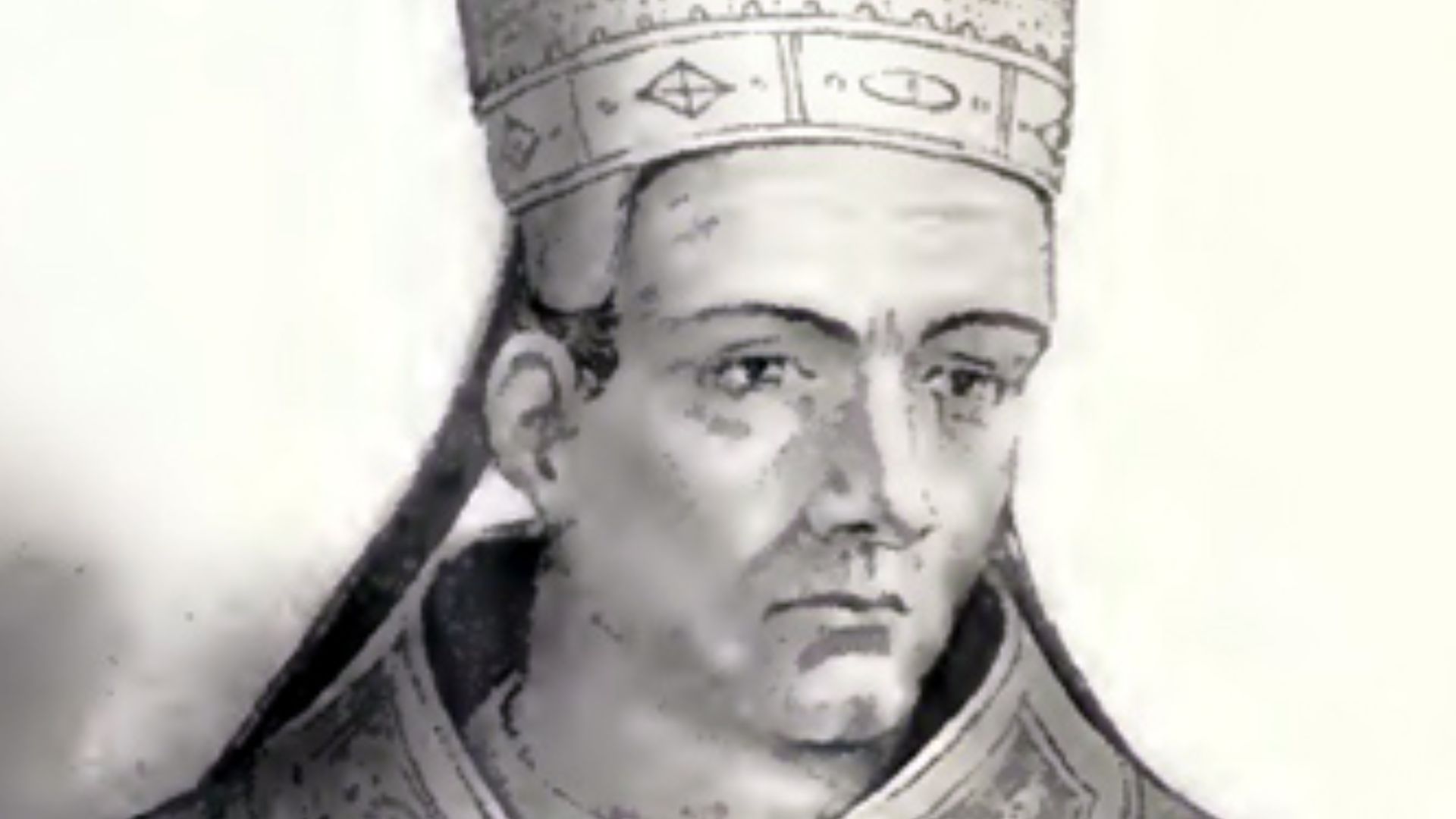 Artaud de Montor (1772–1849), Wikimedia Commons
Even His Grave Was Not Safe
After the trial, Formosus's remains were placed in a burial ground for pilgrims and strangers rather than returned to his original tomb. But even this indignity was apparently insufficient for his opponents. The body was removed again and thrown into the Tiber River, which flows through Rome. The intention appears to have been to deny Formosus both an honorable burial and a lasting place of remembrance.
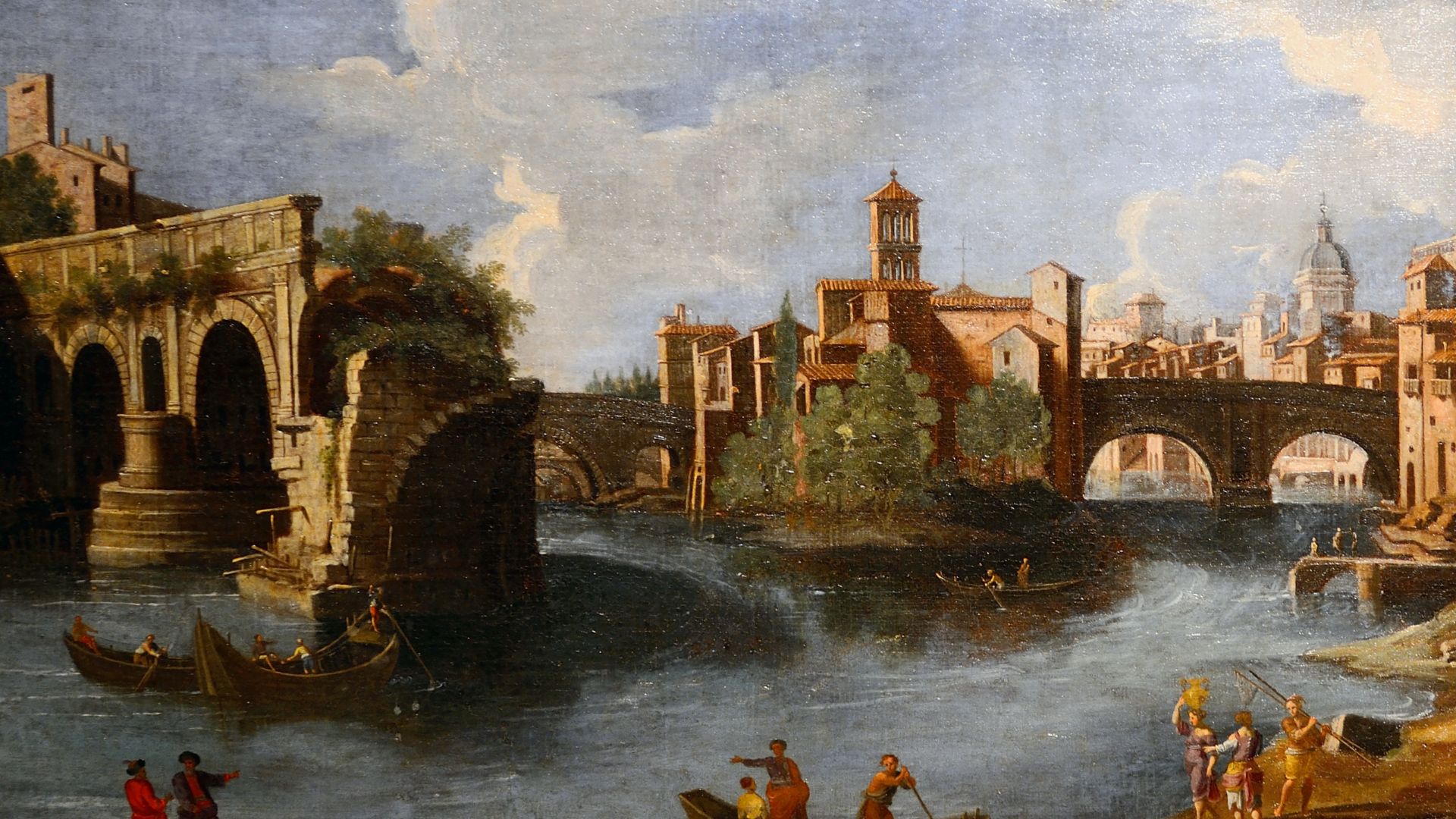 Gaspar van Wittel, Wikimedia Commons
The River Held A Dark Meaning
The disposal of Formosus's remains carried significance beyond simple humiliation. Historian William S. Monroe suggests that the treatment of his body may have been intended to destroy the possibility of honoring him as a holy figure. Without a tomb or physical remains, supporters would have had less opportunity to preserve his memory through religious devotion. Stephen's attack may therefore have been aimed at Formosus's reputation as much as his physical remains.
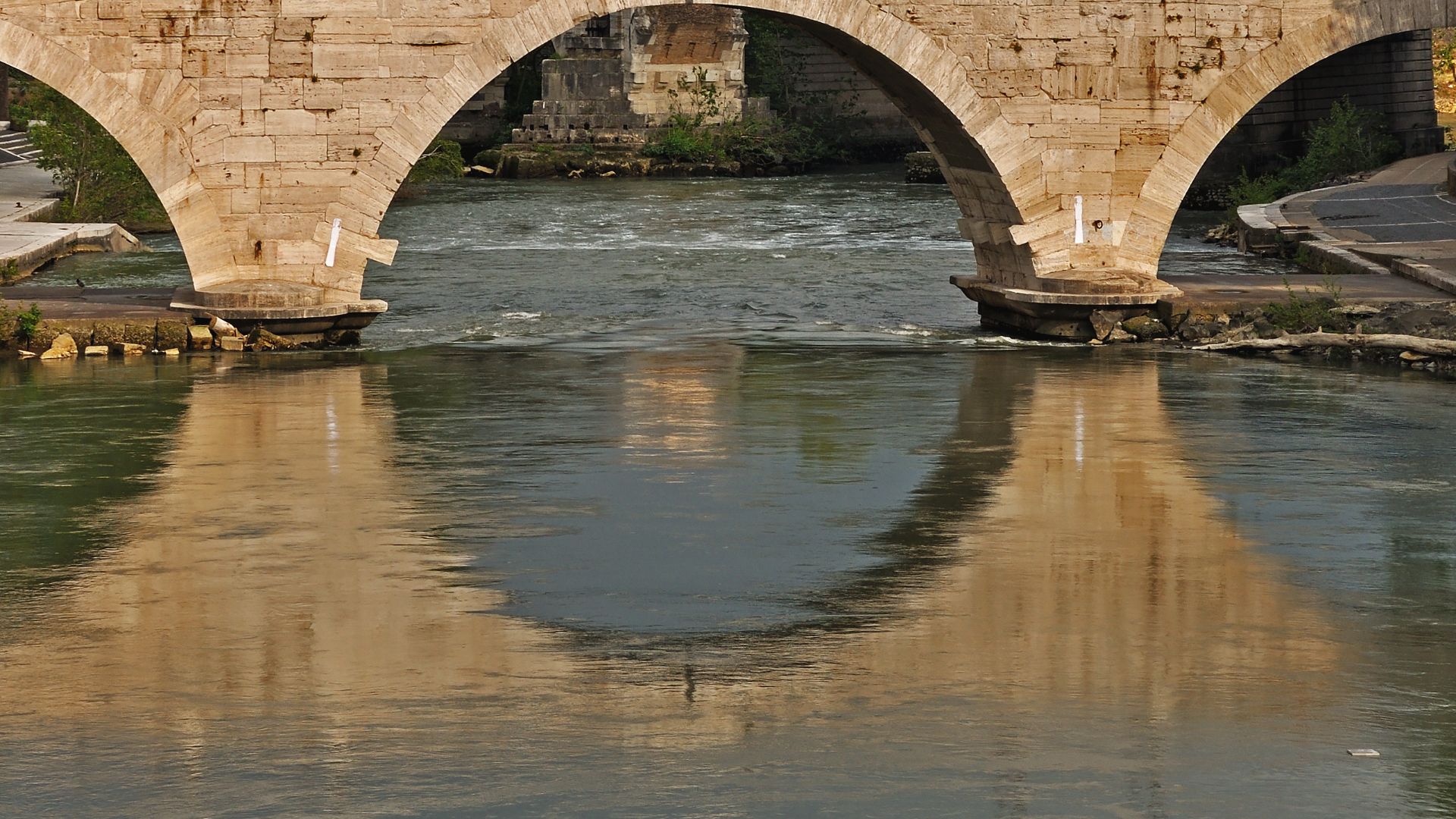
Rome Began Turning Against Stephen
The extraordinary trial did not deliver the political stability Stephen needed. Instead, the treatment of Formosus provoked outrage and contributed to growing opposition against the reigning pope. The controversy intensified existing divisions among Rome's religious and political factions. Within months, Stephen's own position had collapsed.
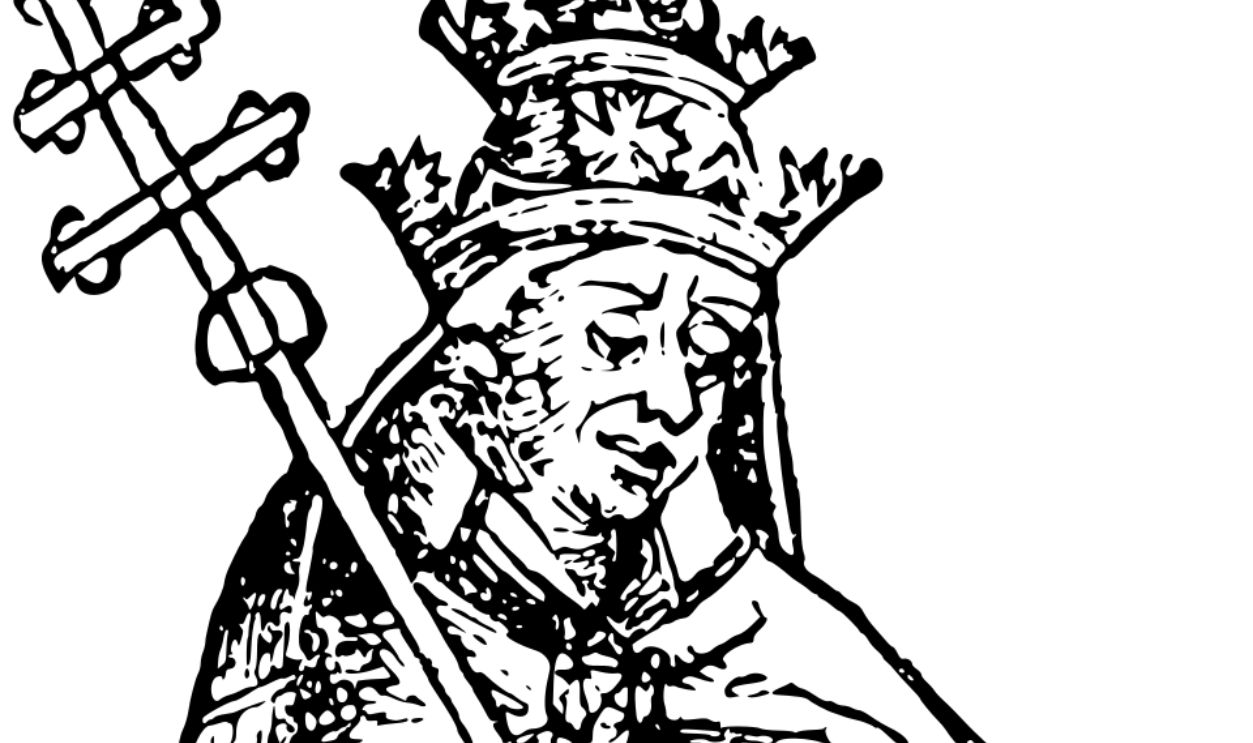 Rijksmuseum ; Eugenio Hansen, OFS, Wikimedia Commons
The Pope Became A Prisoner
Stephen VI was deposed and imprisoned in 897, the same year he had condemned Formosus. He did not survive his imprisonment and was strangled later that year. The pope who had tried to destroy his predecessor's reputation had suffered a violent downfall himself. His brief reign became inseparable from the scandal he had created.
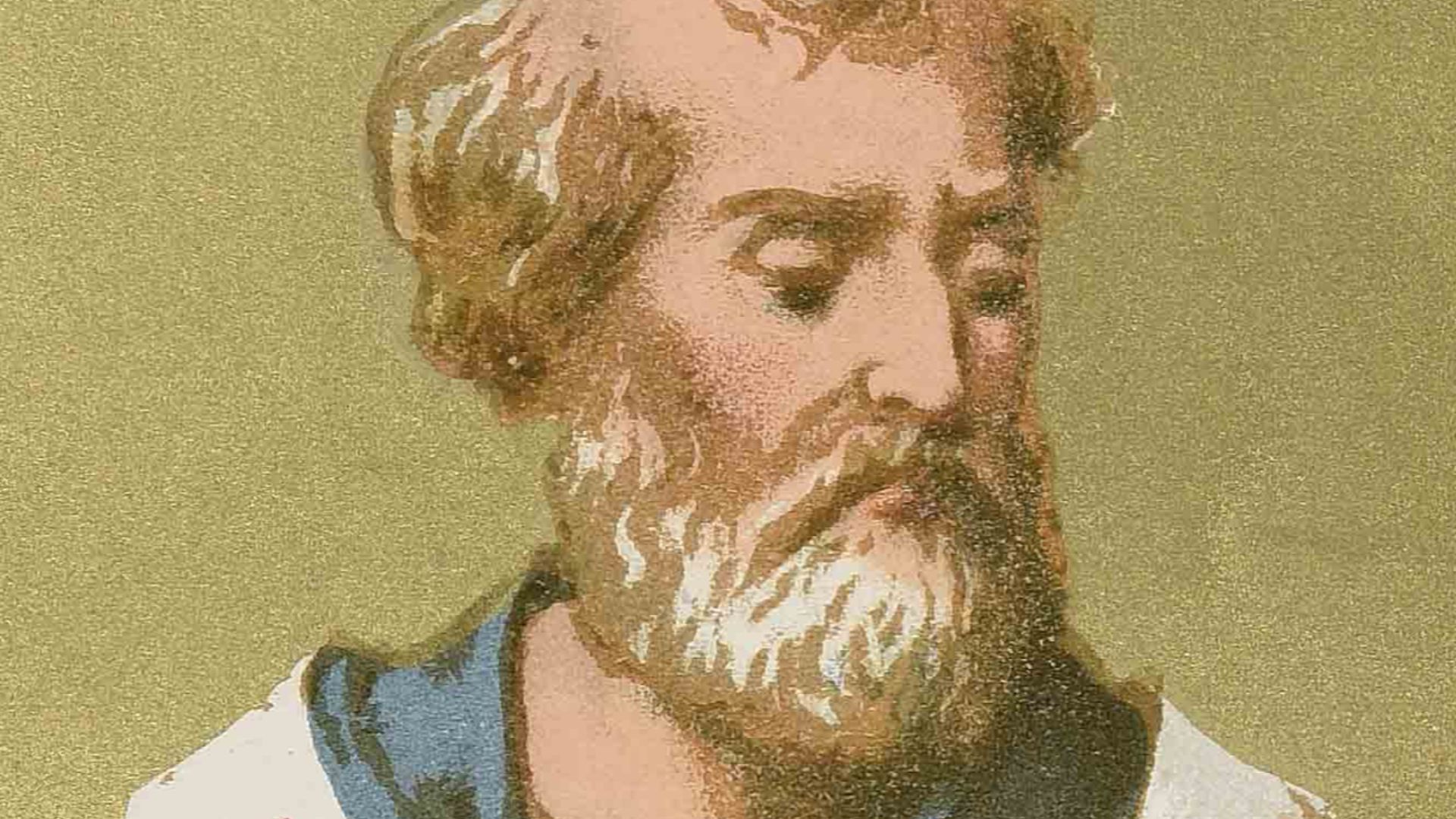 Oleografia Panigati e Meneghini Milano, Wikimedia Commons
A Fisherman Supposedly Found The Body
The story of Formosus's remains took another extraordinary turn after they were thrown into the Tiber. Medieval accounts differ over how the body was recovered, with some describing its retrieval by religious figures. Later traditions added miraculous details to the story, reflecting the reverence some supporters held for Formosus. The exact circumstances remain uncertain, but his remains eventually received a more honorable burial.
 Greg Zaal (Panorama) Rico Cilliers (Backplates), Wikimedia Commons
Another Pope Reversed The Verdict
In December 897, Pope Theodore II moved to restore Formosus's reputation. His brief pontificate included steps to reverse the Cadaver Synod's condemnation and restore the former pope's standing. Formosus's remains were returned to an honorable burial in St. Peter's Basilica. Theodore's reign was remarkably short, but the struggle over Formosus's legacy was not entirely finished.
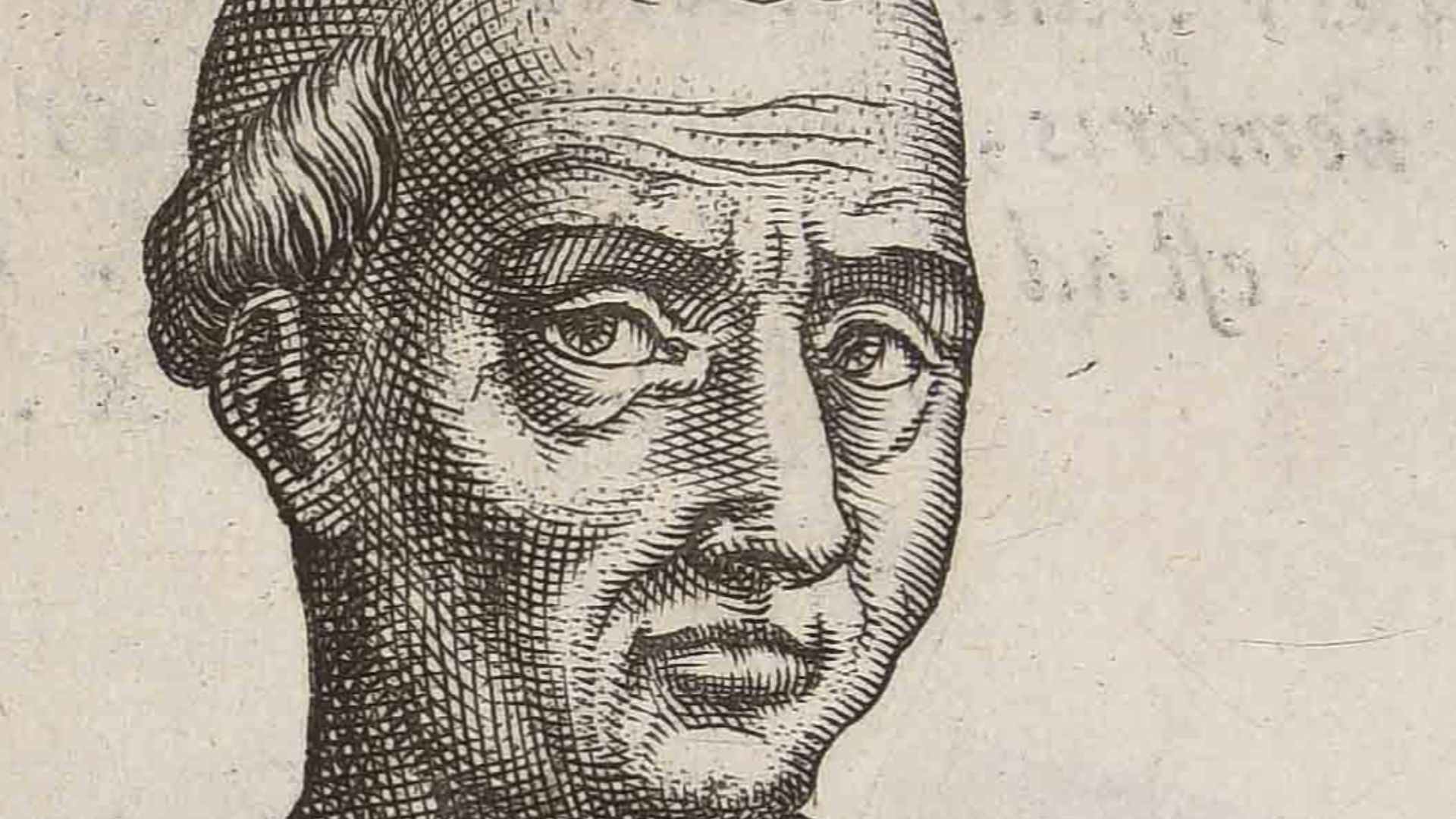 Giovanni Battista de'Cavalieri, Wikimedia Commons
The Church Tried To Prevent Another Scandal
Pope John IX continued the rehabilitation of Formosus at church councils held in 898. The Cadaver Synod's decisions were overturned, and Formosus's ordinations were recognized again. John also moved against the practice of holding posthumous trials and ordered the records of the notorious synod destroyed. The church was attempting to prevent a similar spectacle from happening again.
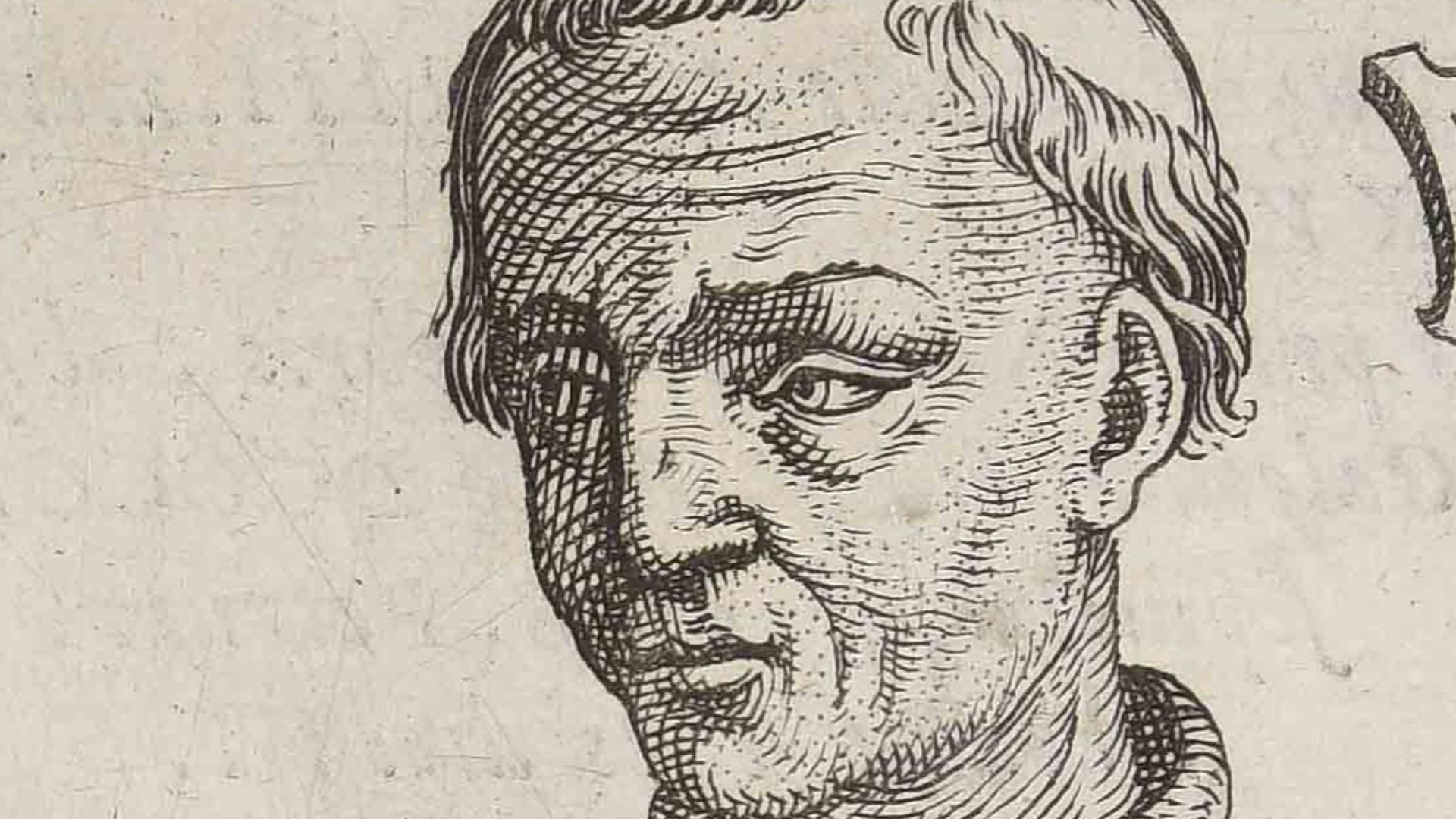 Giovanni Battista de'Cavalieri, Wikimedia Commons
Another Pope Reopened The Controversy
The rehabilitation of Formosus did not end the dispute. In 904, Sergius III became pope and revived the condemnation of his long-deceased predecessor. His position again threatened the validity of religious appointments made by Formosus. Even years after the Cadaver Synod, the church was still fighting over the legacy of a pope whose body had been put on trial.
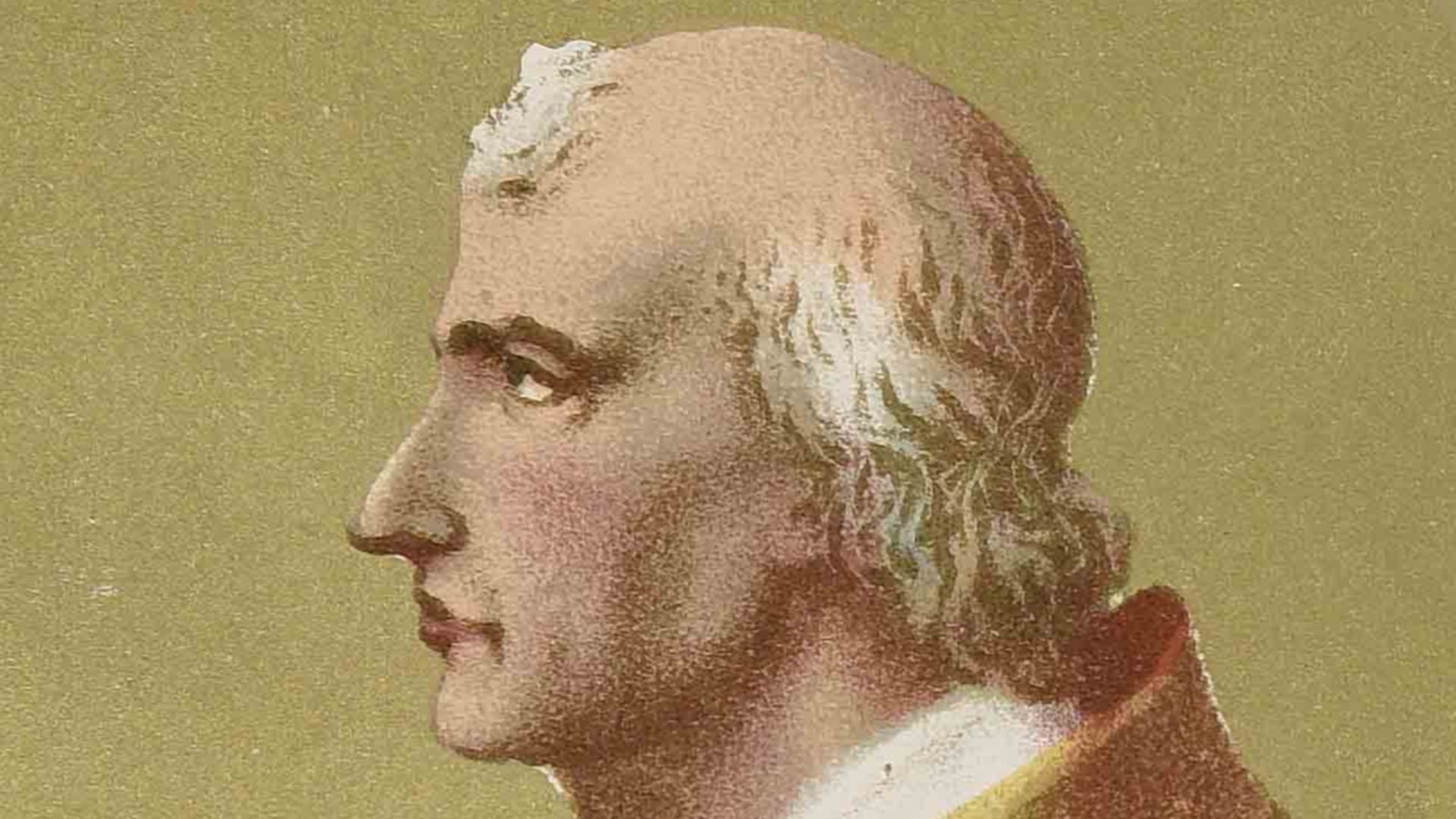 Oleografia Panigati e Meneghini Milano, Wikimedia Commons
The Scandal Became A Warning About Power
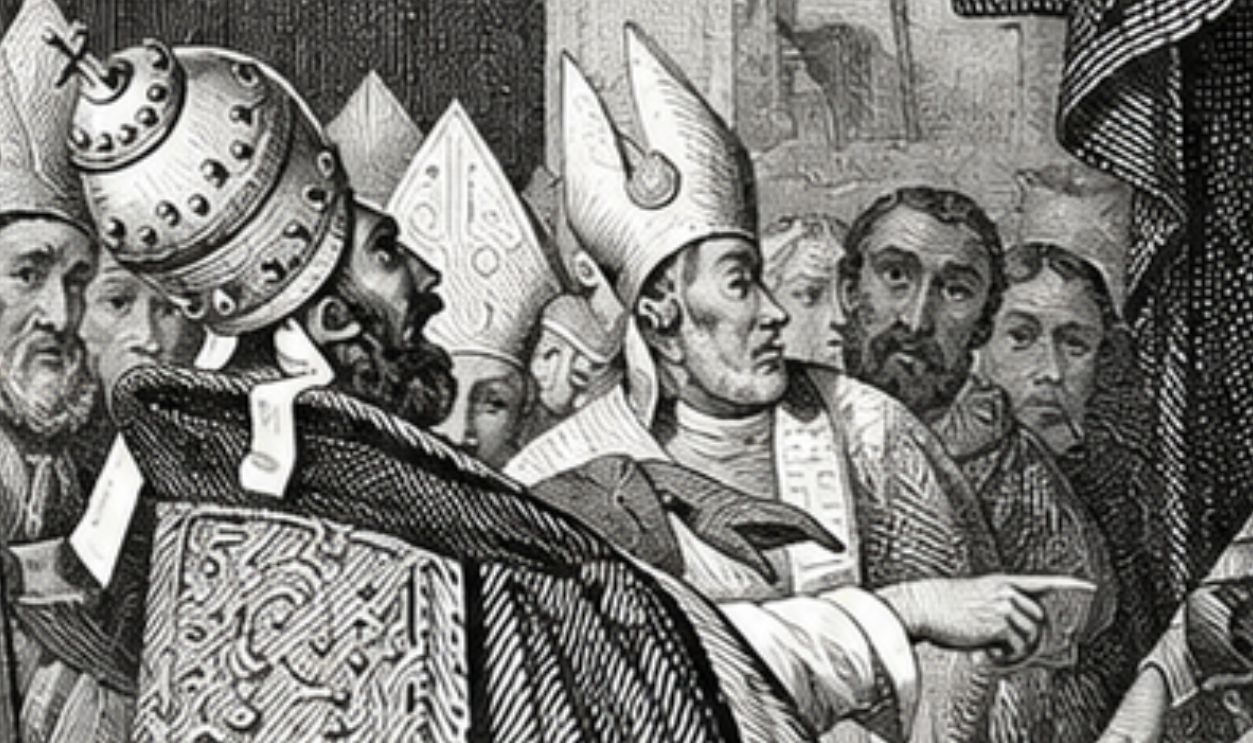
The Cadaver Synod remains one of the strangest episodes in papal history, but its significance extends beyond the spectacle of a corpse on trial. Historians still debate Stephen's precise motives, including whether political pressure, personal ambition, or an attempt to destroy Formosus's reputation played the greatest role. His extraordinary actions exposed the dangerous power struggles consuming the medieval papacy. More than 1,100 years later, the affair remains a remarkable illustration of what can happen when political power overwhelms religious authority.
 Maurice de La Chatre, Wikimedia Commons, Enhanced
You May Also Like:
What Would Make You Put The Pope On Trial? The Most Controversial Papal Trials In History
These Royal Brides Were Sent Across Europe To Marry Men They’d Never Met
In 1900, A Broadway Play Was So Scandalous That Police Shut It Down And Arrested Its Leading Lady