The Performance That Shocked America
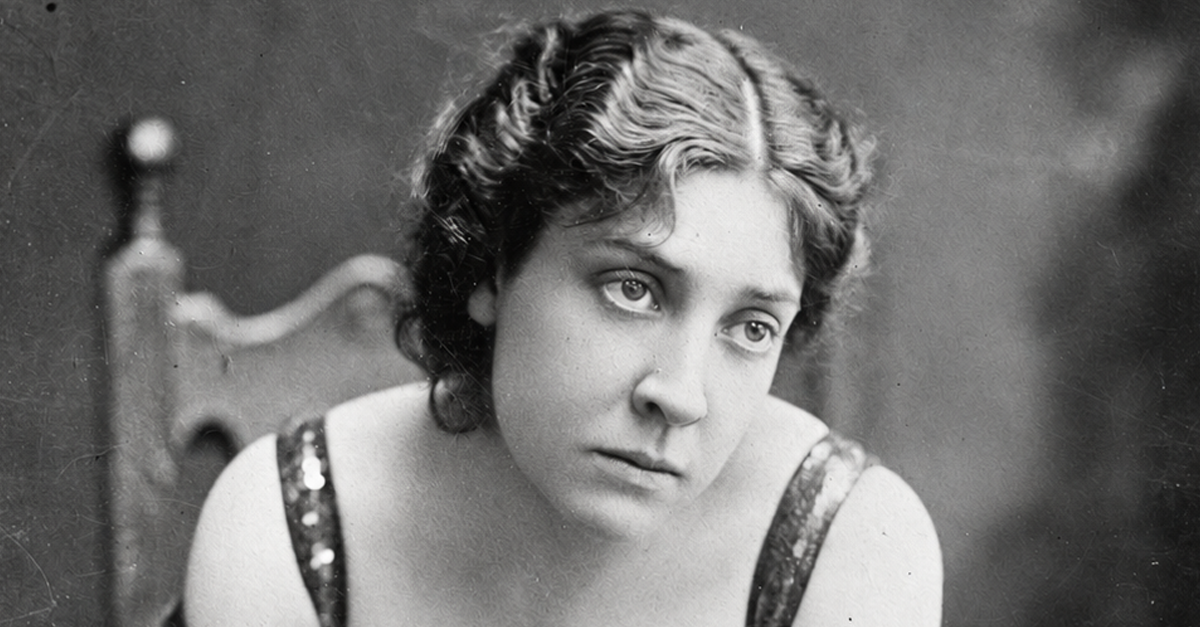
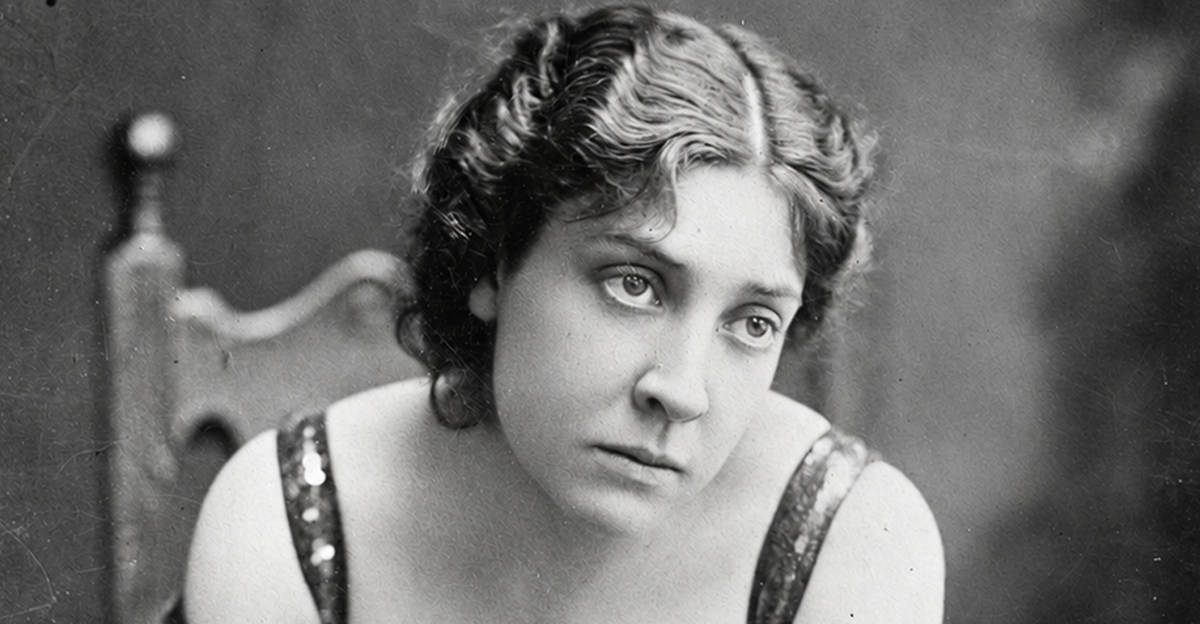
In 1900, a Broadway actress named Olga Nethersole caused a scandal so outrageous that police shut down her play and arrested her. Religious leaders were furious, newspapers called the production immoral, and the actress faced the possibility of jail. But the scene that sparked this extraordinary uproar was surprisingly innocent by modern standards.
So, what did Nethersole do that was considered so shocking?
 Bain News Service, publisher., Wikimedia Commons
She Was Already A Star
By 1900, Olga Nethersole was one of the most talked-about actresses on the English-speaking stage. Born in London, she had built a reputation for powerful performances and a willingness to tackle controversial subjects. Her American debut in 1894 introduced New York audiences to an actress who refused to play by conventional rules.
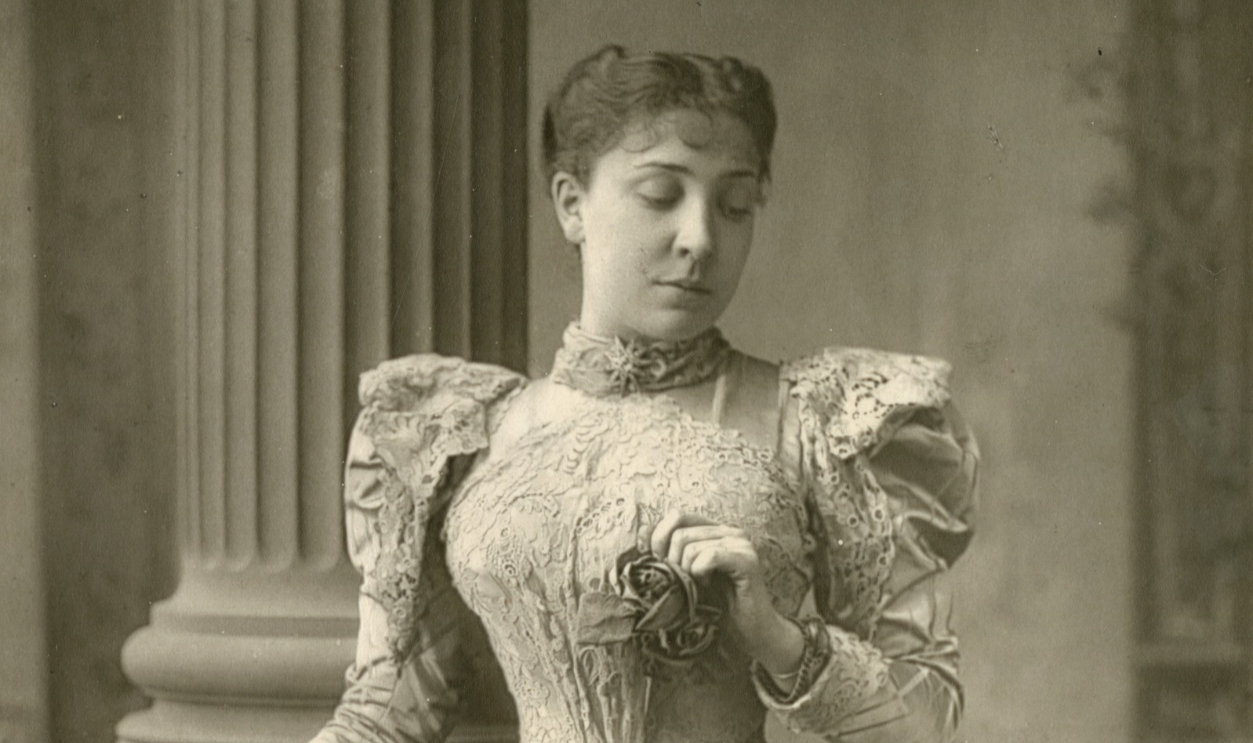 UniversalImagesGroup, Getty Images
They Called Her The English Bernhardt
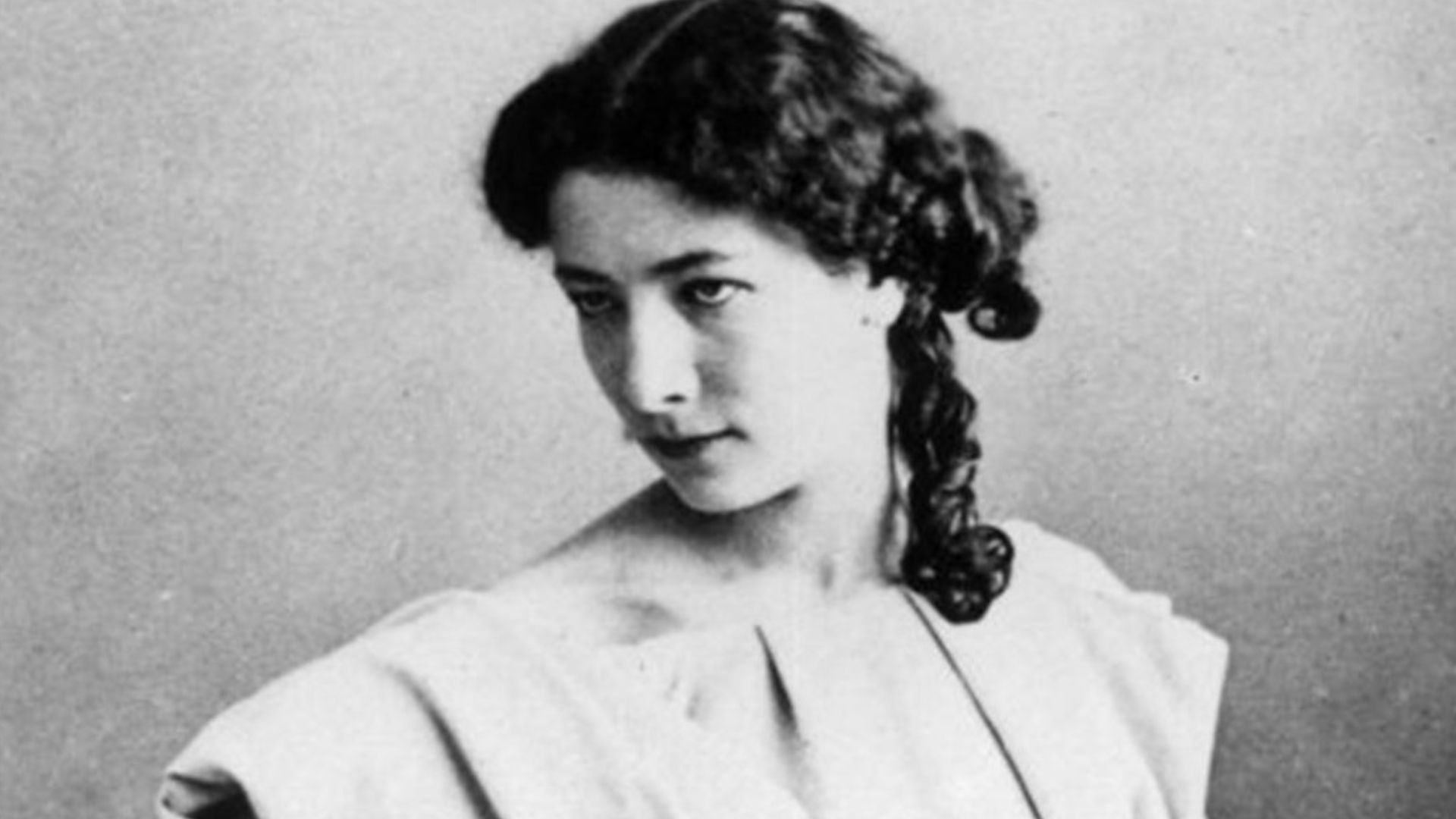
Nethersole's American publicity promoted her as the "English Bernhardt," comparing her to the legendary French actress Sarah Bernhardt. Her intense acting style could divide critics, but audiences found her difficult to ignore. She particularly excelled at portraying women caught in complicated relationships and difficult circumstances.
She Had A Taste For Controversy
Nethersole had already appeared in plays that challenged conventional attitudes toward marriage and relationships. She was drawn to serious dramas by writers such as Henrik Ibsen and George Bernard Shaw, whose work often disturbed traditional audiences. But nothing in her career would provoke as much outrage as her next major production.
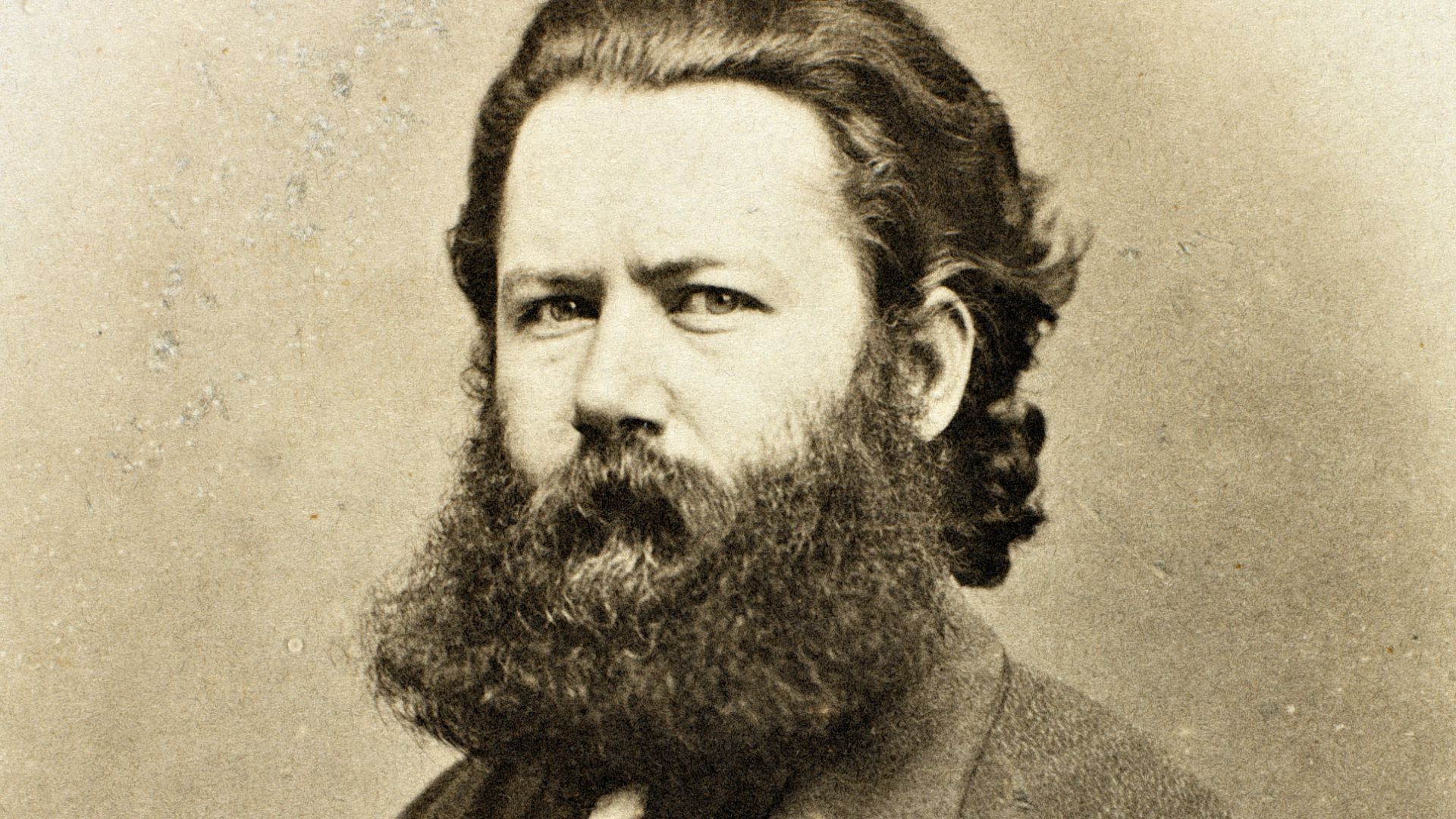 Daniel Georg Nyblin (1826–1910), Wikimedia Commons
It Started With A French Novel
In 1884, French novelist Alphonse Daudet published Sapho, a provocative story about love, reputation, and society's harsh moral judgments. The novel explored subjects that respectable Victorian society preferred to keep behind closed doors. Bringing such material to the American stage was bound to attract attention.
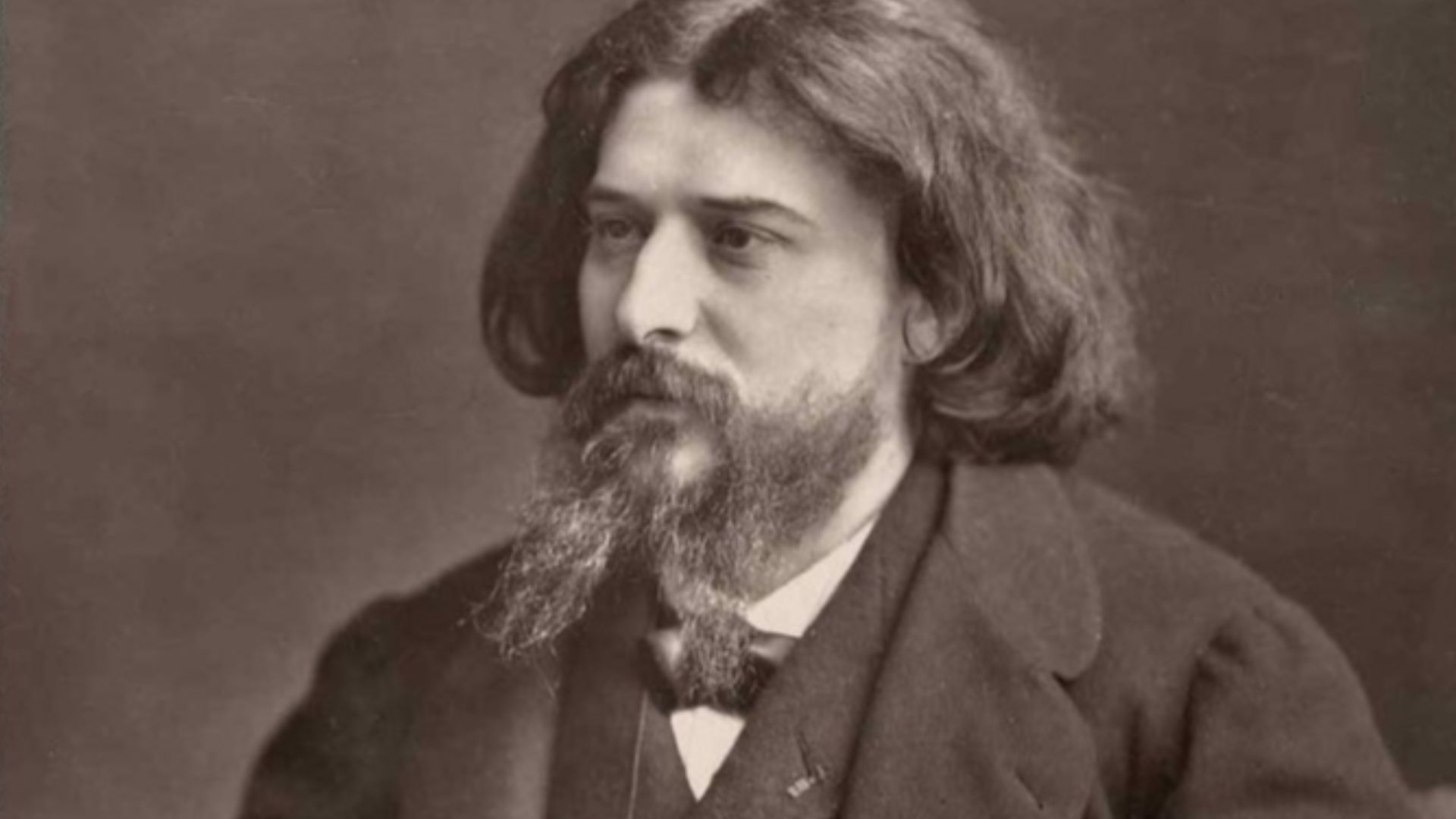 Étienne Carjat, Wikimedia Commons
Broadway Made It Even More Daring
American playwright Clyde Fitch adapted Sapho for Nethersole, drawing on Daudet's novel and an earlier French stage version. Fitch placed greater emphasis on the troubled heroine, Fanny Legrand, rather than the young man at the center of the original story. This gave Nethersole a complicated and emotionally demanding leading role.
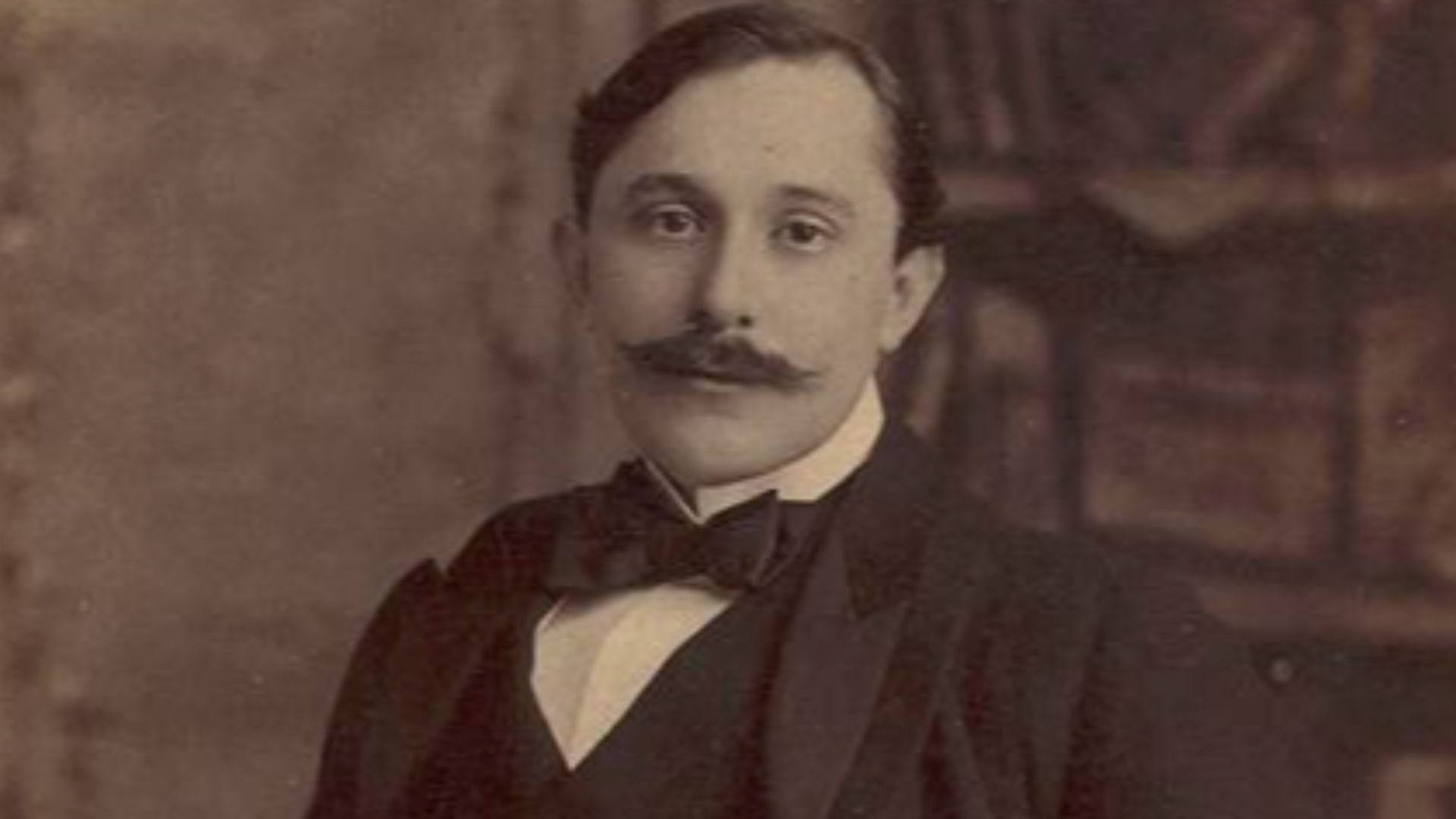
Its Heroine Had A Complicated Past
Nethersole played Fanny Legrand, a woman nicknamed Sapho who falls for a younger man named Jean Gaussin. Their relationship is passionate but increasingly troubled as Jean struggles to reconcile his feelings with society's expectations. Their story would soon provoke outrage far beyond the fictional world of the play.
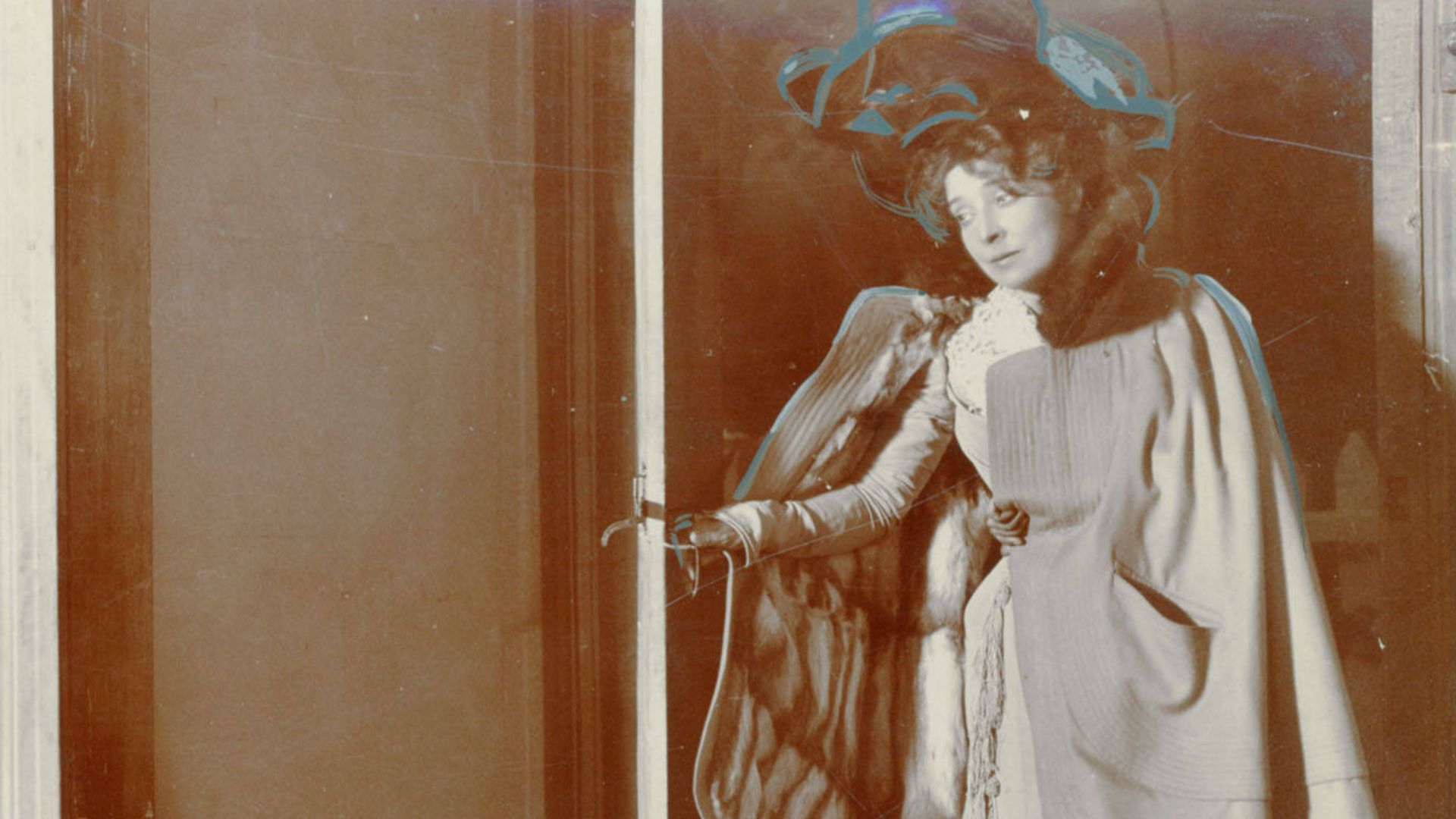 Unknown authorUnknown author, Wikimedia Commons
There Was A Surprising Twist
Fanny's past involved something more serious than disapproving society. She had a child from an earlier relationship, and her responsibilities as a mother ultimately forced her to choose between that child and Jean. Rather than abandoning her child, Fanny sacrifices the relationship, giving the supposedly immoral drama a tragic conclusion.
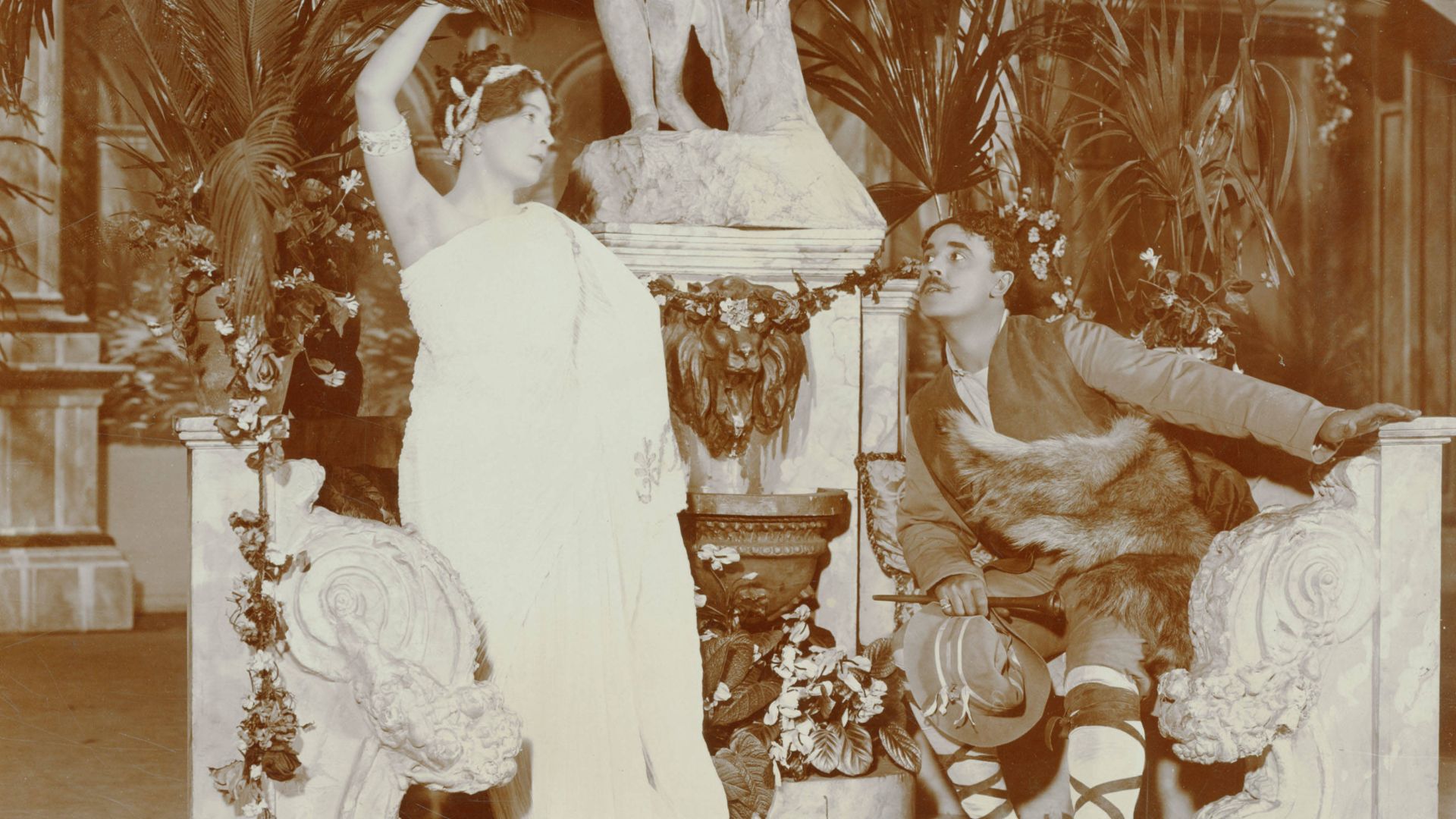 Joseph Byron, Wikimedia Commons
The Scandal Started Before Opening Night
Before reaching Broadway, Nethersole's production toured other American cities and attracted criticism for its subject matter. Newspapers described the play as offensive, helping build its reputation as forbidden entertainment. By the time New York audiences had a chance to see it, Sapho was already notorious.
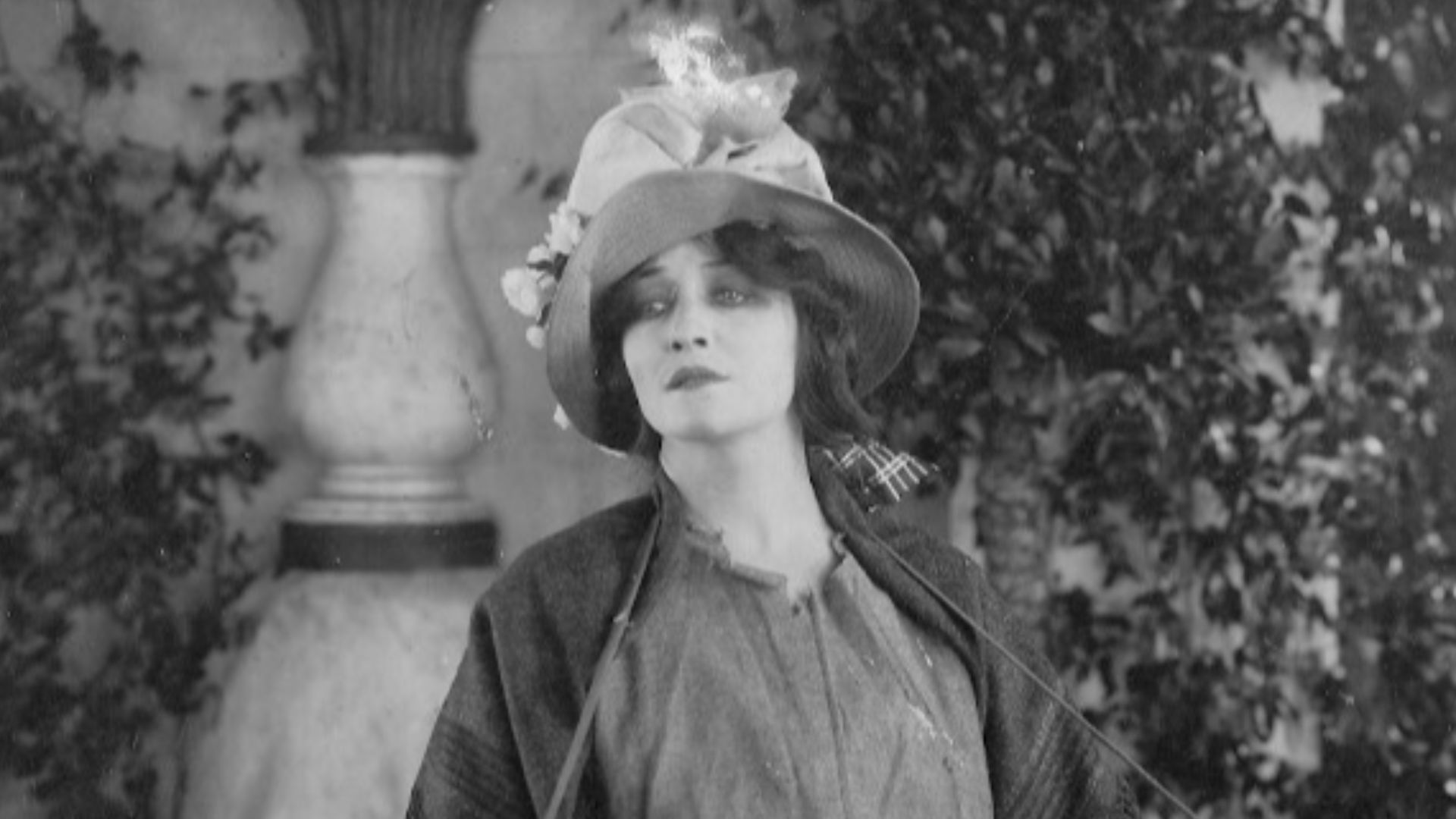 paramount pictures, Wikimedia Commons

History's most fascinating stories and darkest secrets, delivered to your inbox daily.
Someone Was Manufacturing Outrage
According to a censorship history preserved by the National Coalition Against Censorship, a publicity agent paid a clergyman to publicly condemn Sapho. The minister reportedly called it the "most immoral play of modern times." Whether audiences loved or hated the production, the publicity stunt ensured that people were talking about it.
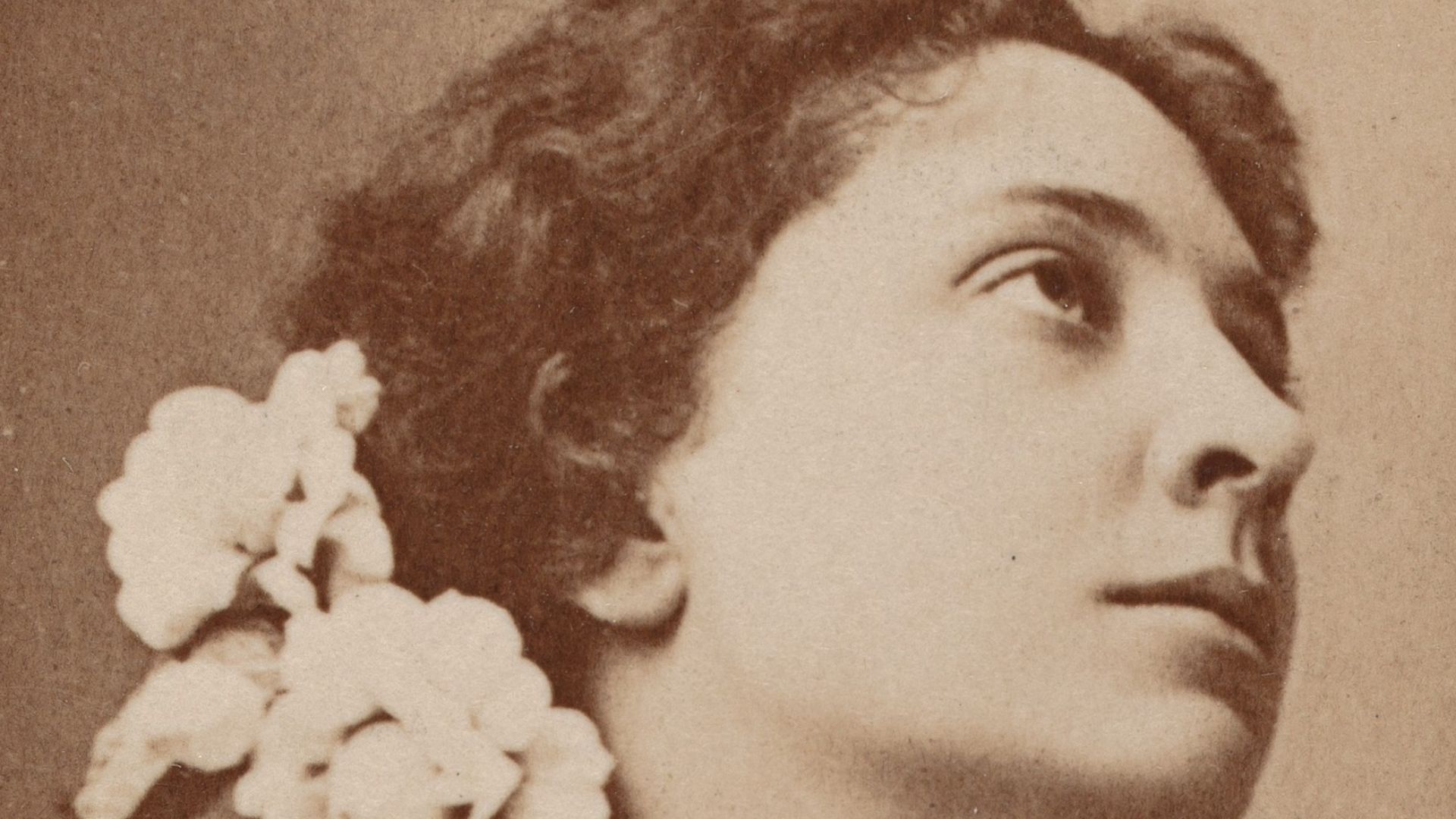 Kinney Brothers Tobacco Company, Wikimedia Commons
The Police Were Already Interested
Even before Sapho reached New York, the city's police chief announced that authorities would investigate the production. Its reputation had become so controversial that officials were watching before opening night. Nethersole was walking into a confrontation that had already begun without her.
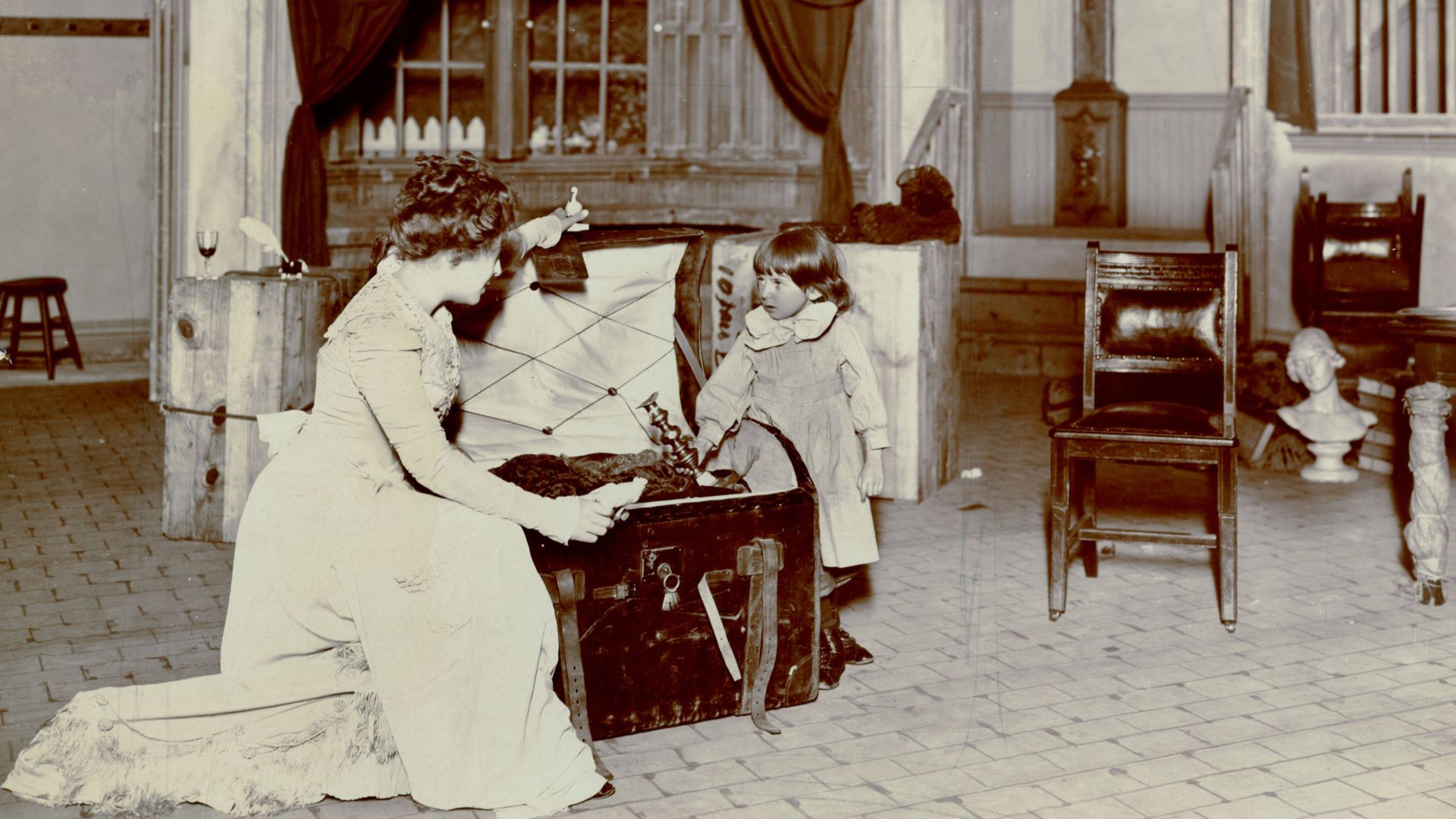 Joseph Byron, Wikimedia Commons
Broadway Finally Got Its First Look
On February 5, 1900, Sapho opened at Wallack's Theatre in New York City. Nethersole played Fanny, while Hamilton Revelle portrayed her younger lover, Jean. Audiences arrived knowing the production had already attracted accusations of indecency, but one particular scene would become the center of the storm.
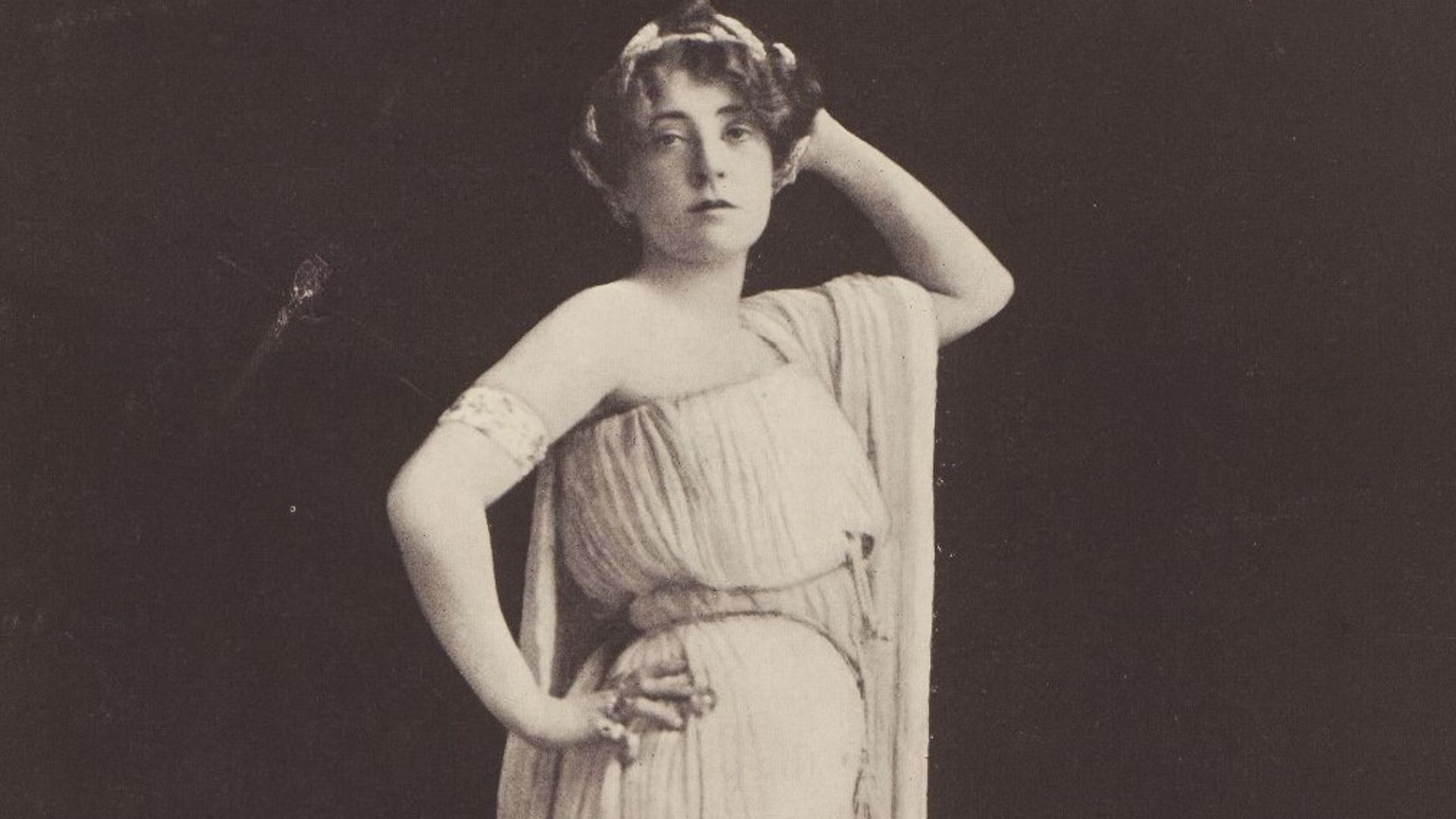 S. L. Stein, Wikimedia Commons
A Staircase Caused An Uproar
During the play, Jean carried Fanny up a staircase, clearly suggesting that they were heading toward a bedroom. The characters were unmarried, and Fanny appeared perfectly happy about where they were going. That brief theatrical moment would become one of the most controversial scenes in Broadway history.
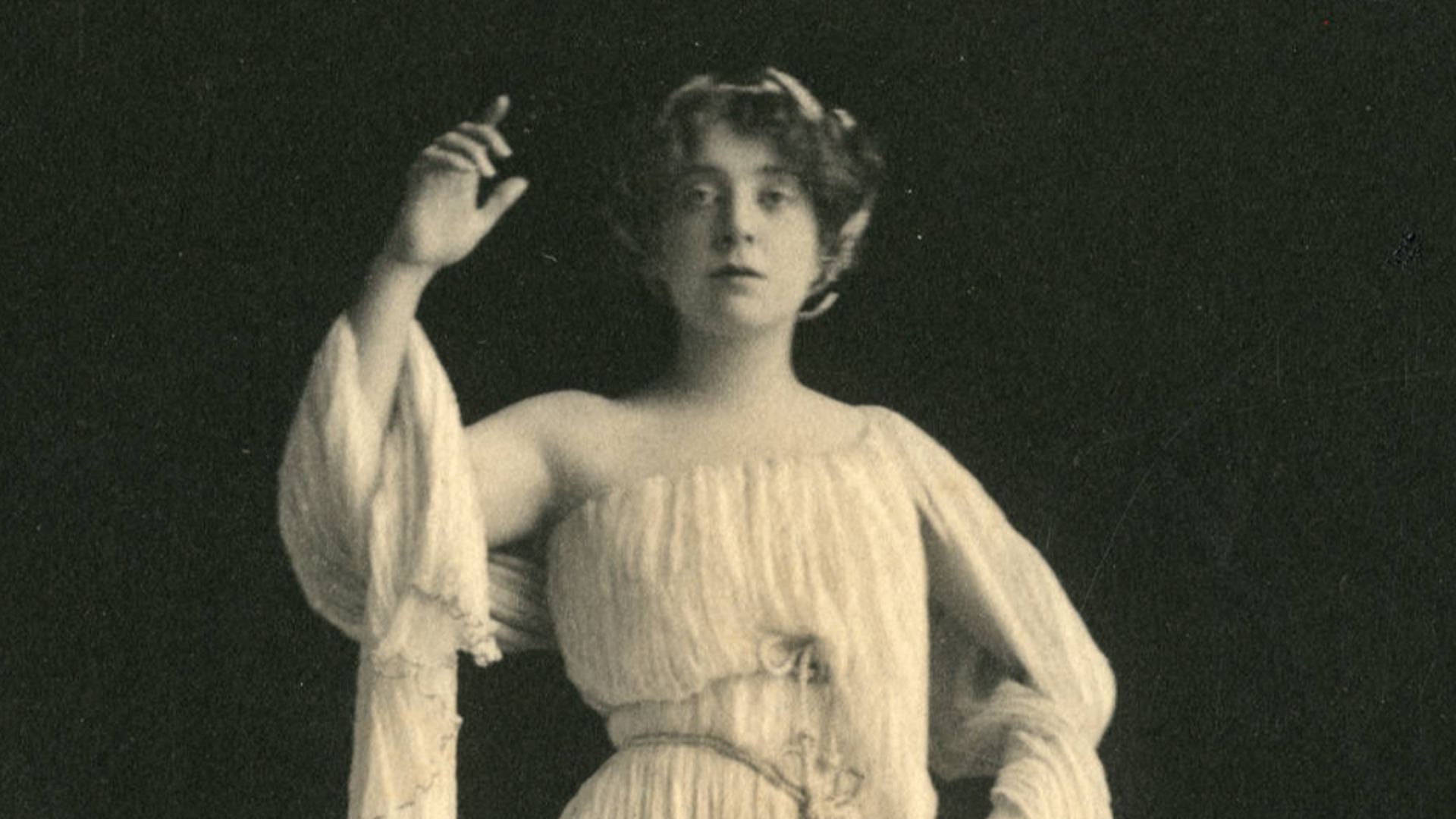 S. L. Stein, Wikimedia Commons
The Newspapers Went Wild
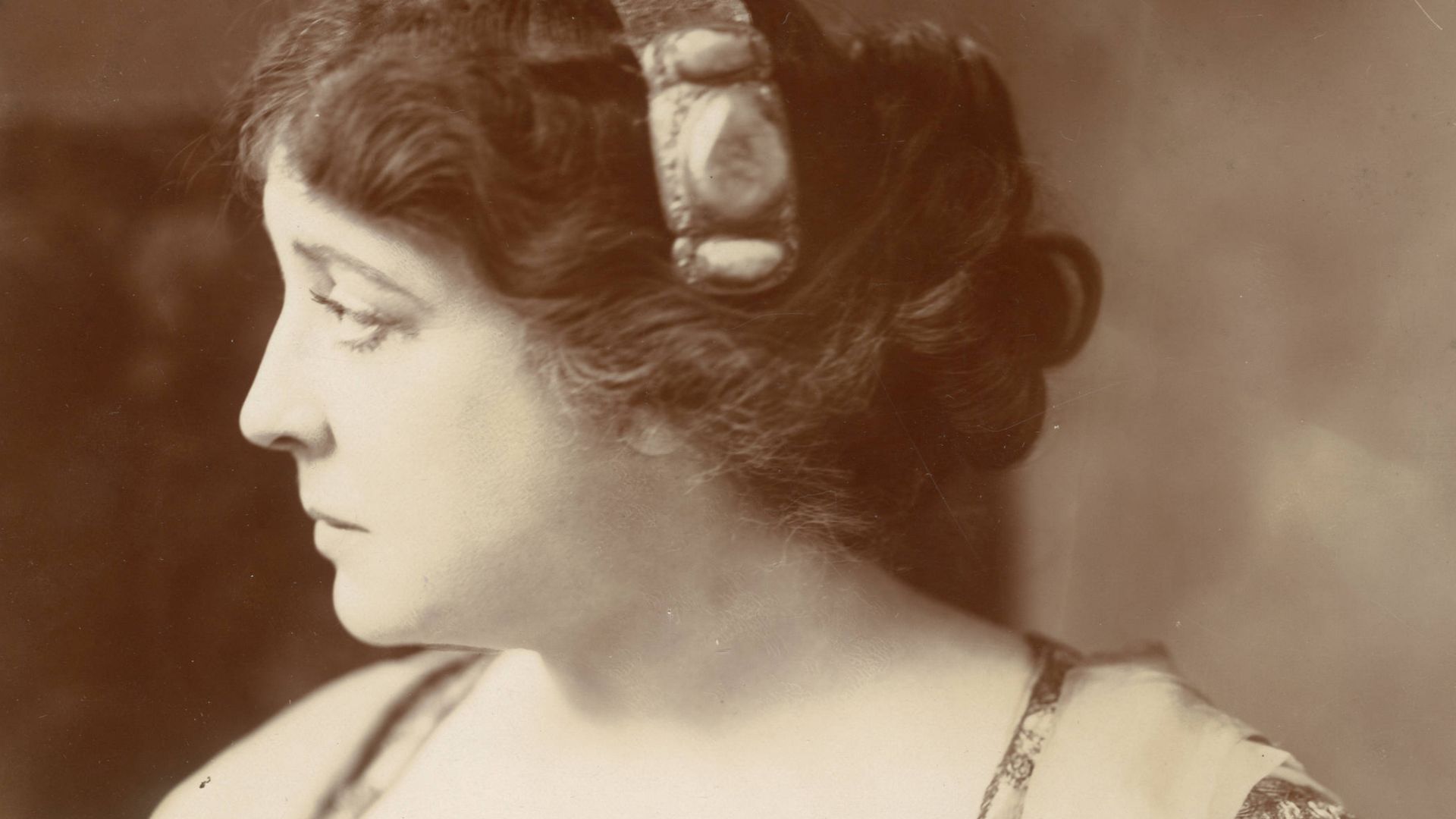
New York's sensationalist newspapers seized on the supposedly scandalous performance. One particularly vicious condemnation described Sapho as a "reeking compost of filth and folly." Instead of frightening audiences away, the attacks made the production even more tempting to curious theatergoers.
 Studio of George Moffett, Wikimedia Commons
A Powerful Moral Crusade Was Underway
The controversy attracted attention from reformers who believed Broadway was becoming dangerously immoral. Reverend Newell Dwight Hillis condemned declining theatrical standards, while Anthony Comstock's Society for the Suppression of Vice targeted objectionable entertainment. For these campaigners, Sapho represented exactly the kind of production they wanted stopped.
A Reporter Went To The Police
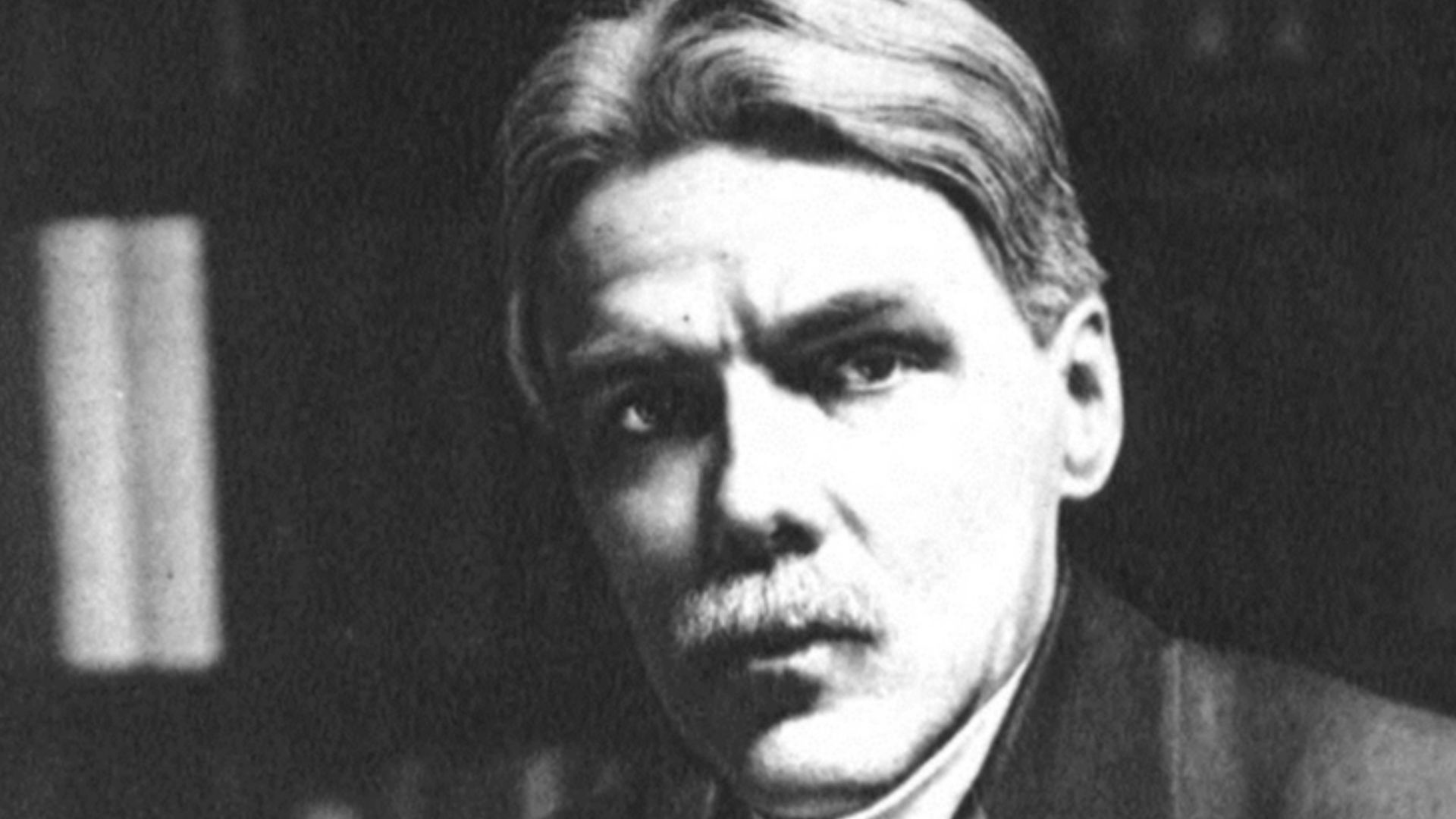
After Sapho had been playing in New York for roughly two weeks, journalist Robert Mackay of the New York World filed a formal complaint. He alleged that the production violated public decency, pushing the controversy beyond newspaper criticism. The authorities now had a complaint they could use to pursue criminal charges.
The Leading Lady Was Arrested
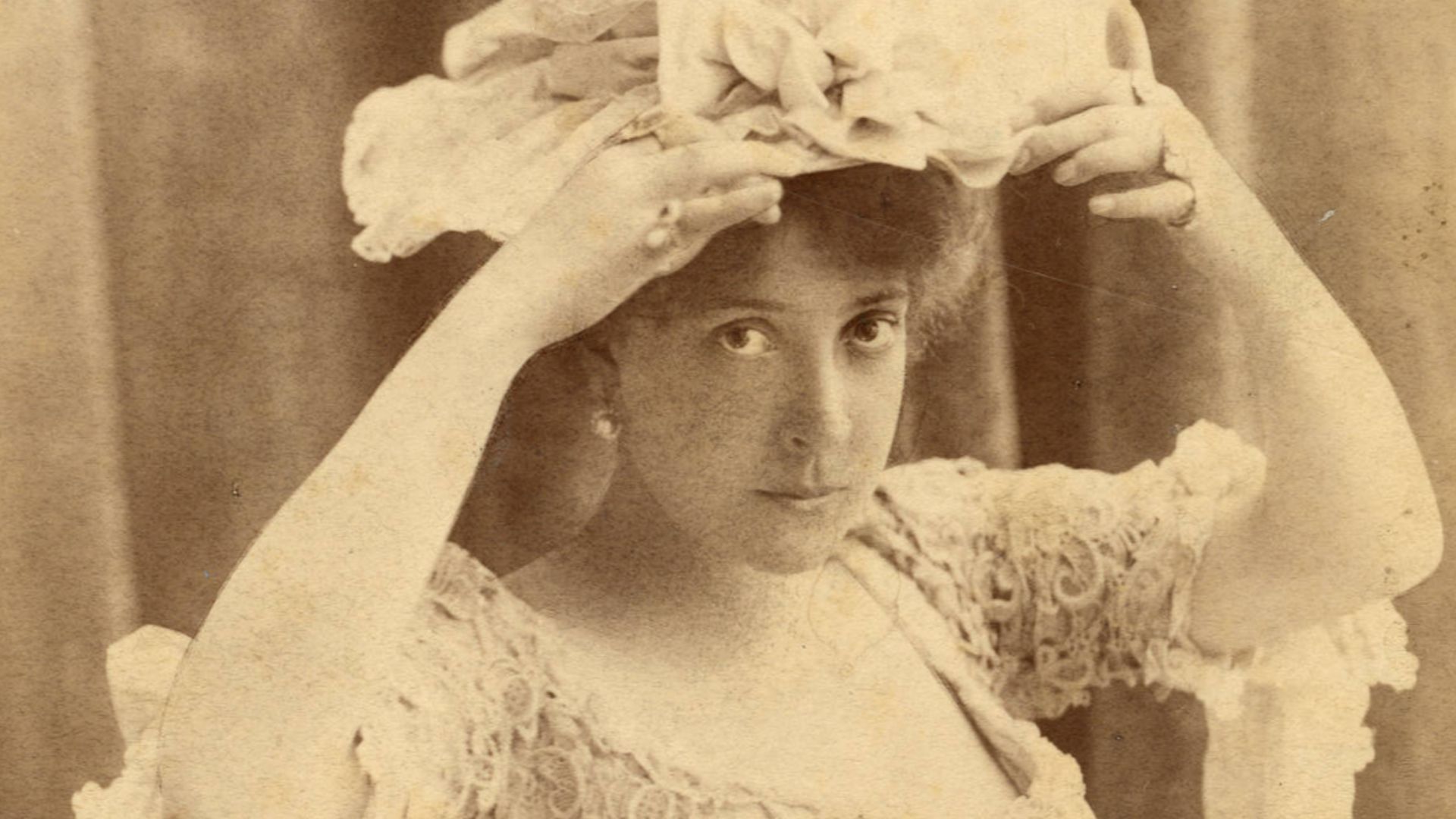
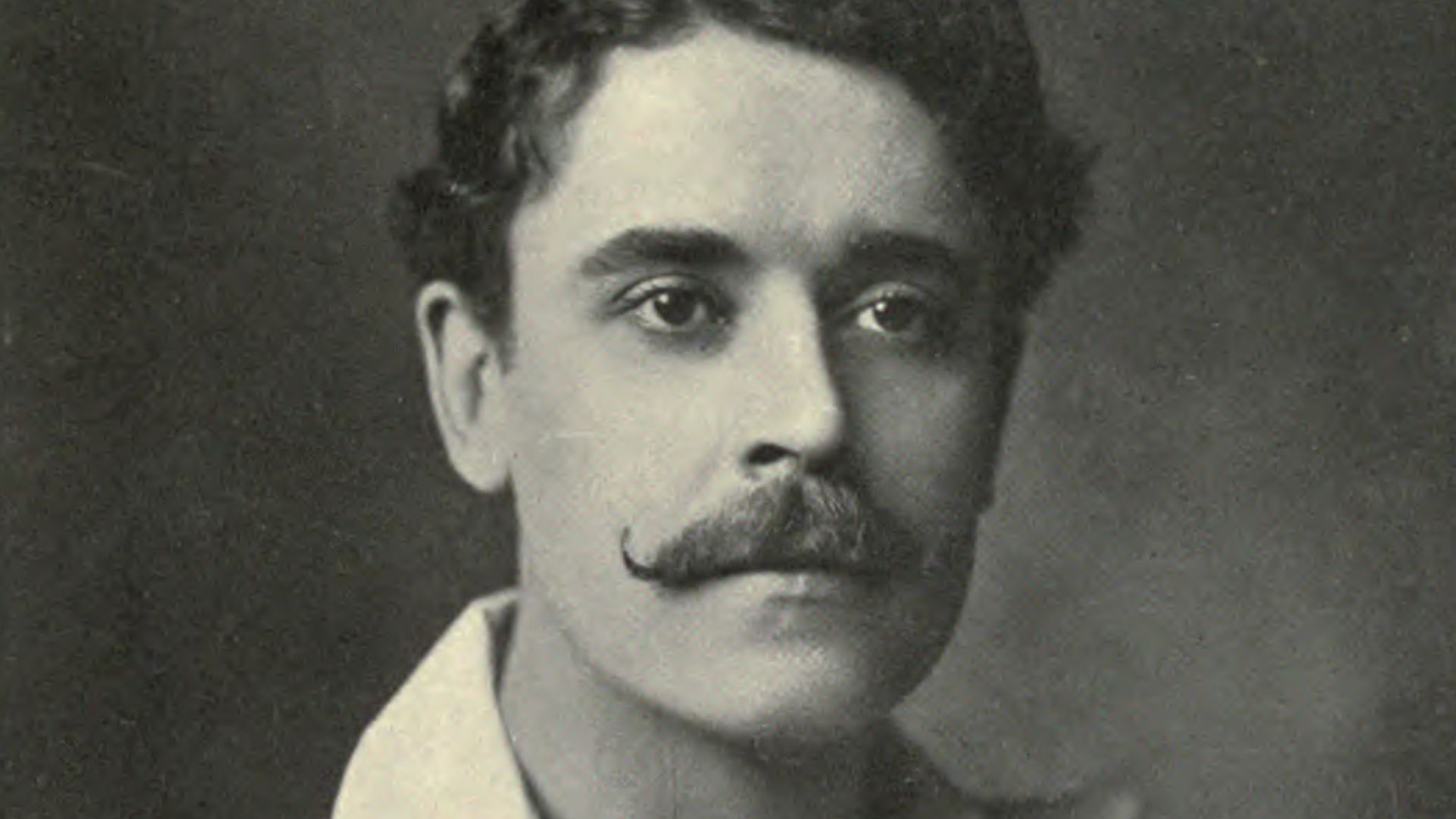
In February 1900, authorities issued arrest warrants for Nethersole and three men associated with the production. They included her co-star Hamilton Revelle, manager Marcus Mayer, and theater manager Theodore Moss. All four were accused of offending public decency, turning a Broadway performance into a criminal case.
 W. A. Sands, Wikimedia Commons
She Was Facing Jail
Nethersole was charged with violating public decency, an offense that carried the possibility of a fine and imprisonment. The accusation threatened more than her professional reputation, placing her personal freedom at risk. Yet the production continued running while the authorities pursued their case.
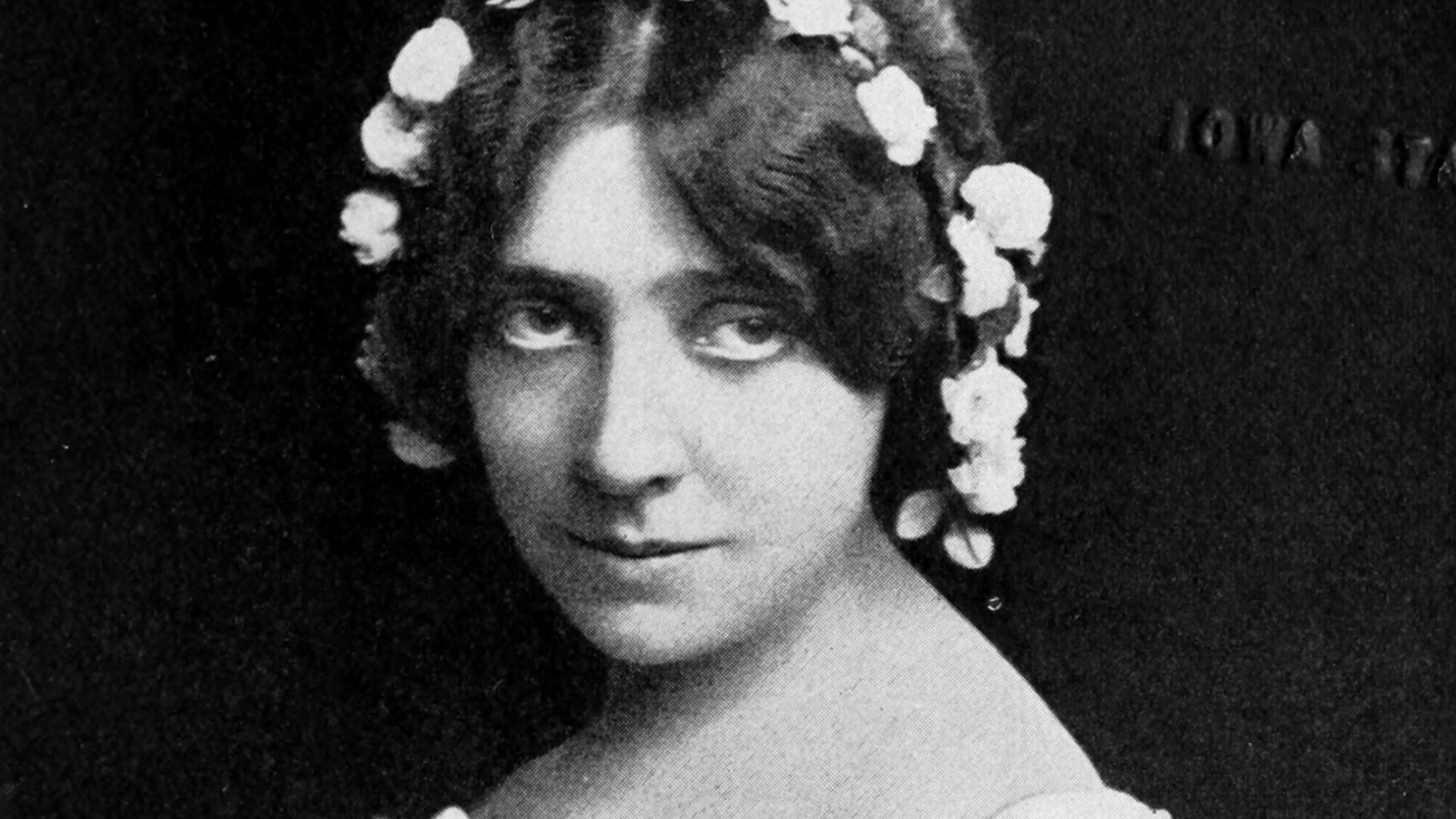 DeWolf Hopper, Wikimedia Commons
The Police Finally Shut It Down
On March 5, 1900, police ordered Sapho closed at Wallack's Theatre. The production had completed just 29 performances before authorities stopped it. A theatrical controversy that began with accusations in newspapers had now resulted in an official shutdown.
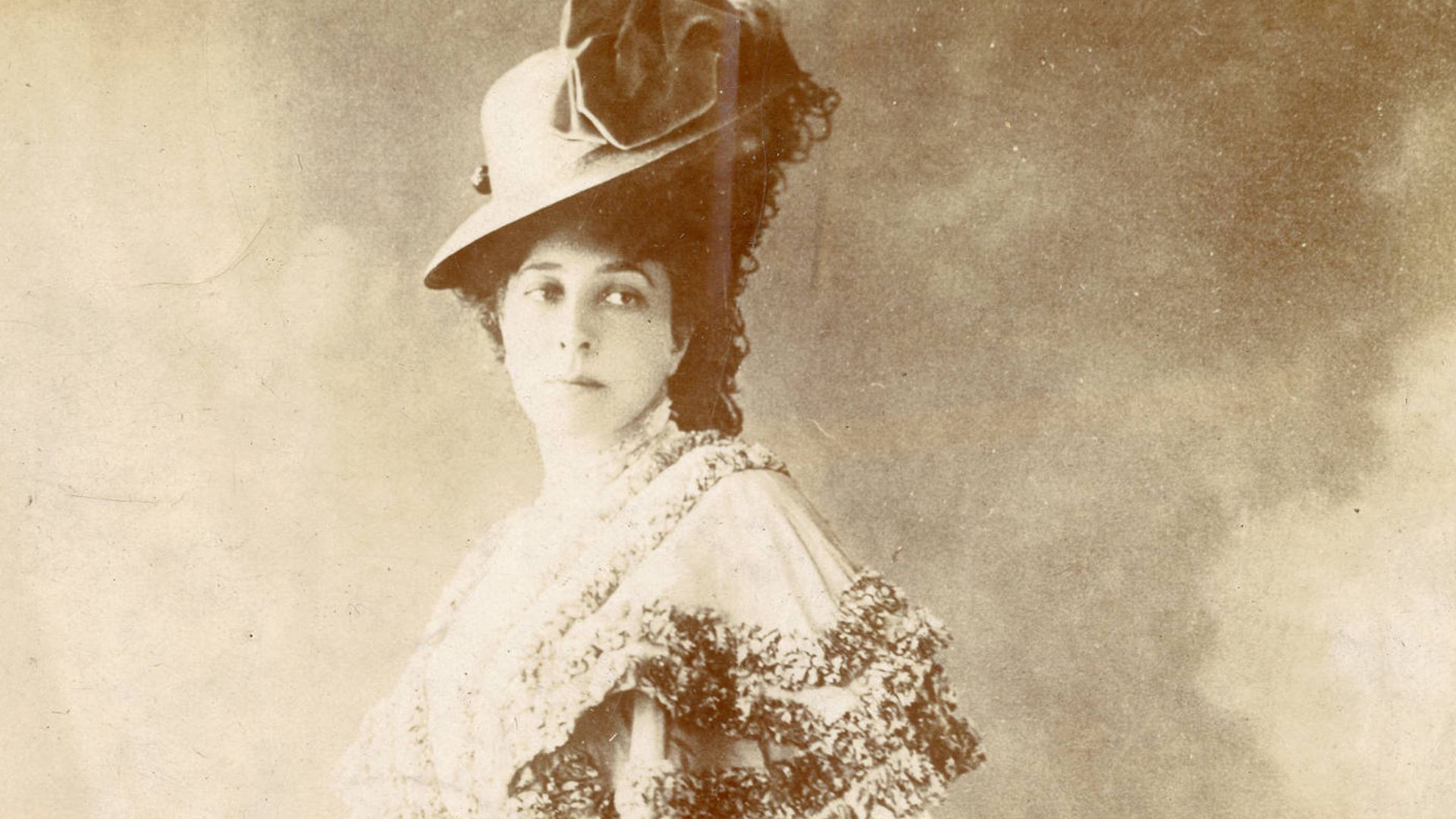
Broadway Found A Replacement
With Sapho banned, Nethersole's company turned to another controversial drama, The Second Mrs. Tanqueray. That production opened at Wallack's on March 6, followed later by The Profligate. The replacement performances kept the company active while the legal case against Sapho moved forward.
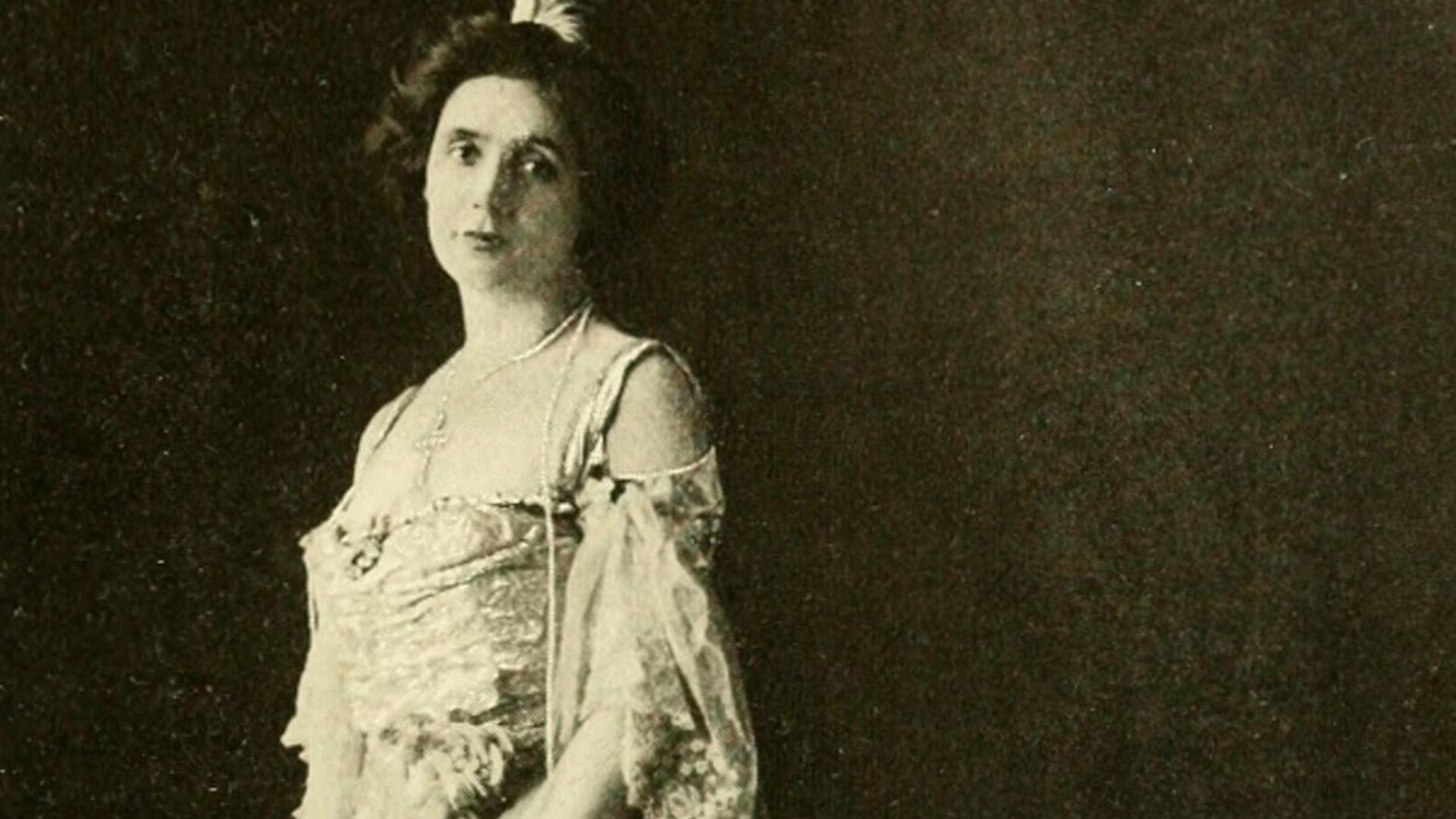 Internet Archive Book Images, Wikimedia Commons
The Scandal Reached A Grand Jury
On March 22, a grand jury indicted Nethersole and her three co-defendants over their involvement in the production. The case would now proceed to trial, with prosecutors required to establish that the play had actually violated the law. The actress had become the central figure in a courtroom battle over public morality.
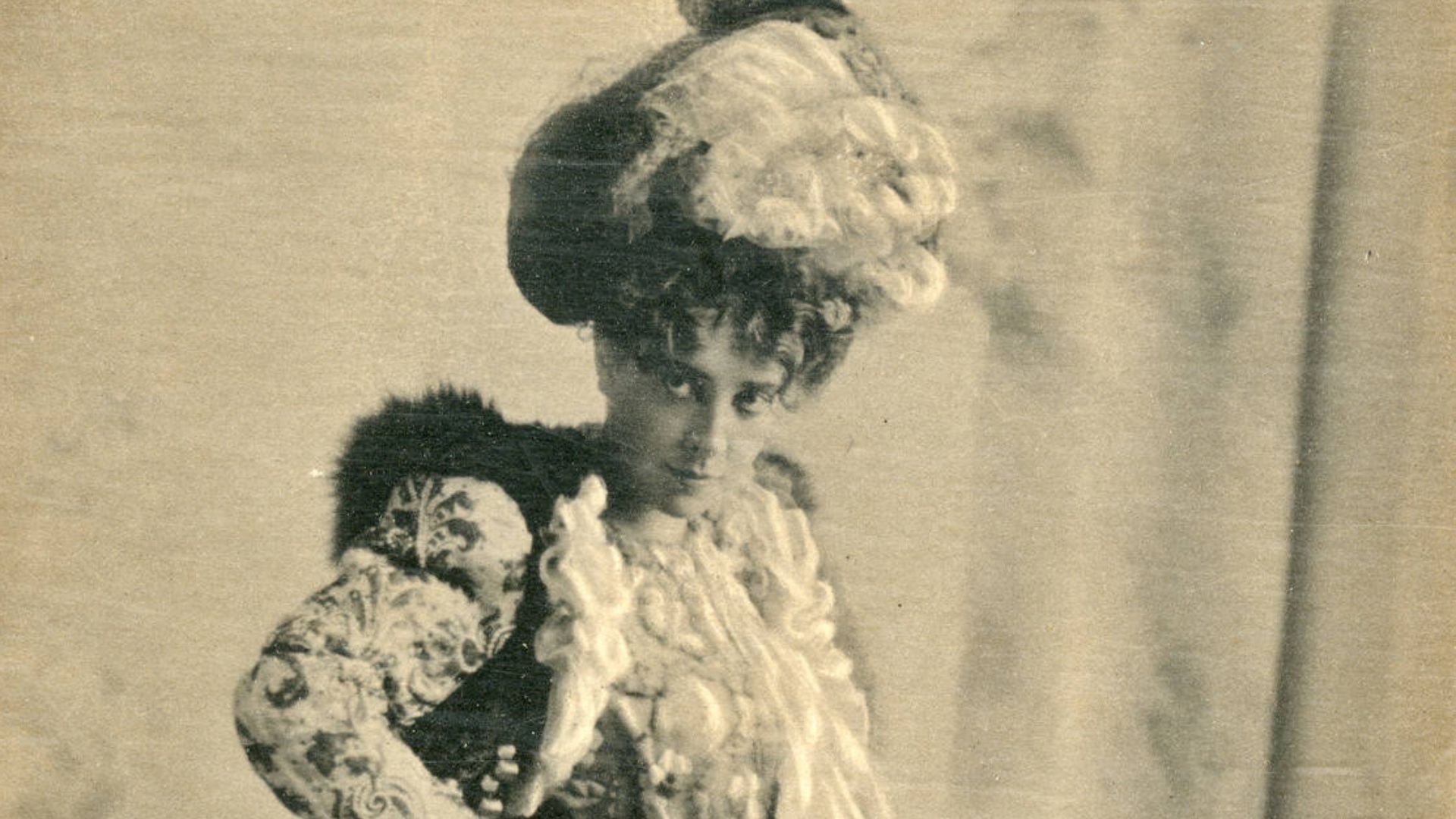 S. L. Stein, Wikimedia Commons
Even The Critics Had Doubts
The prosecution faced an awkward problem: not everyone who saw Sapho considered it offensive. According to the National Coalition Against Censorship's historical account, even the New York World's theater critic regarded the production as harmless. The paper associated with the complaint against Sapho had therefore carried a far less damning assessment of the play itself.
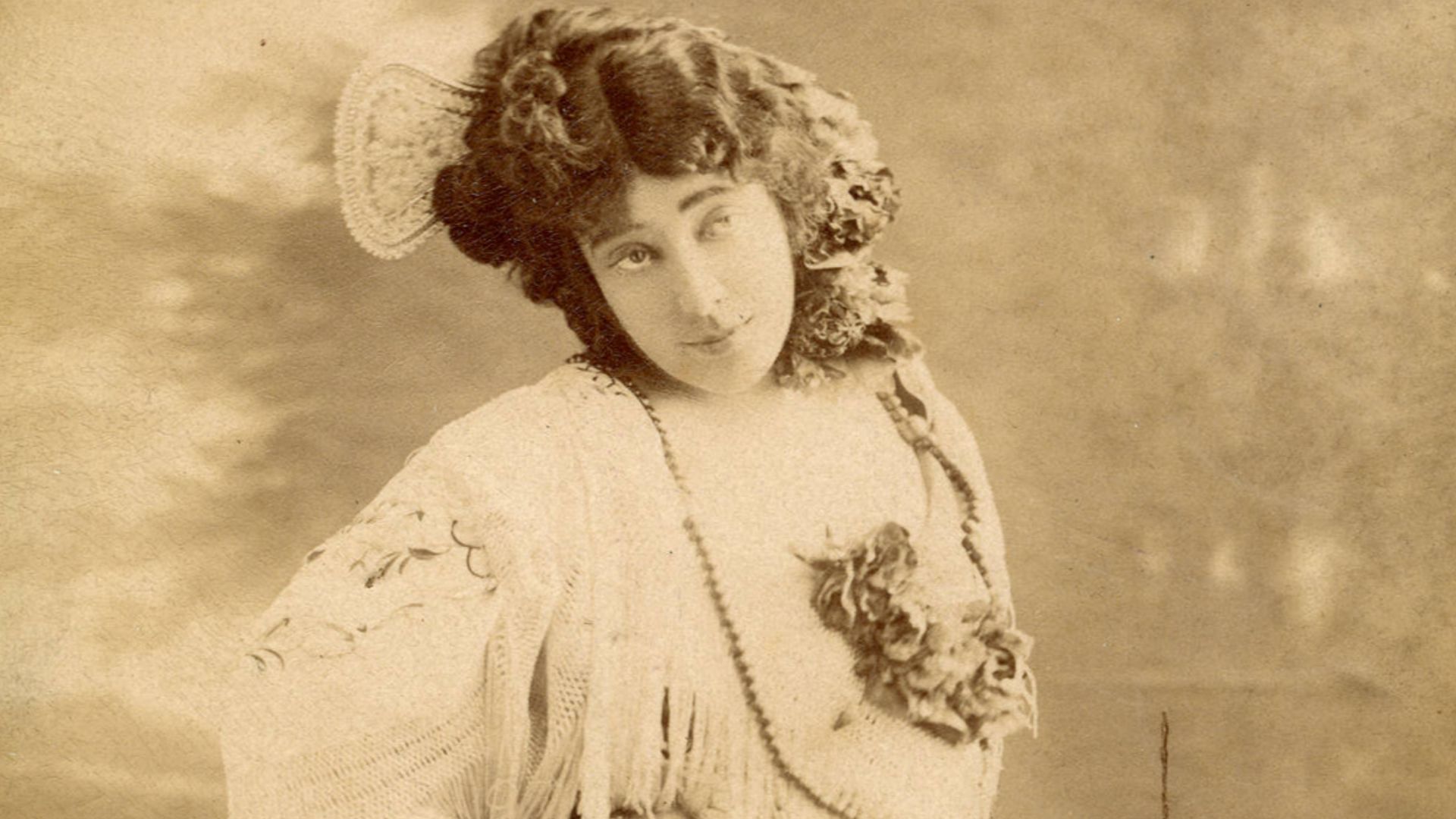
The Trial Finally Began
On April 3, 1900, Nethersole's trial began in New York. Prosecutors attempted to demonstrate that the play's content justified criminal punishment, while the defense challenged that interpretation. After weeks of sensational publicity, the court would finally decide whether the supposed scandal amounted to an actual offense.
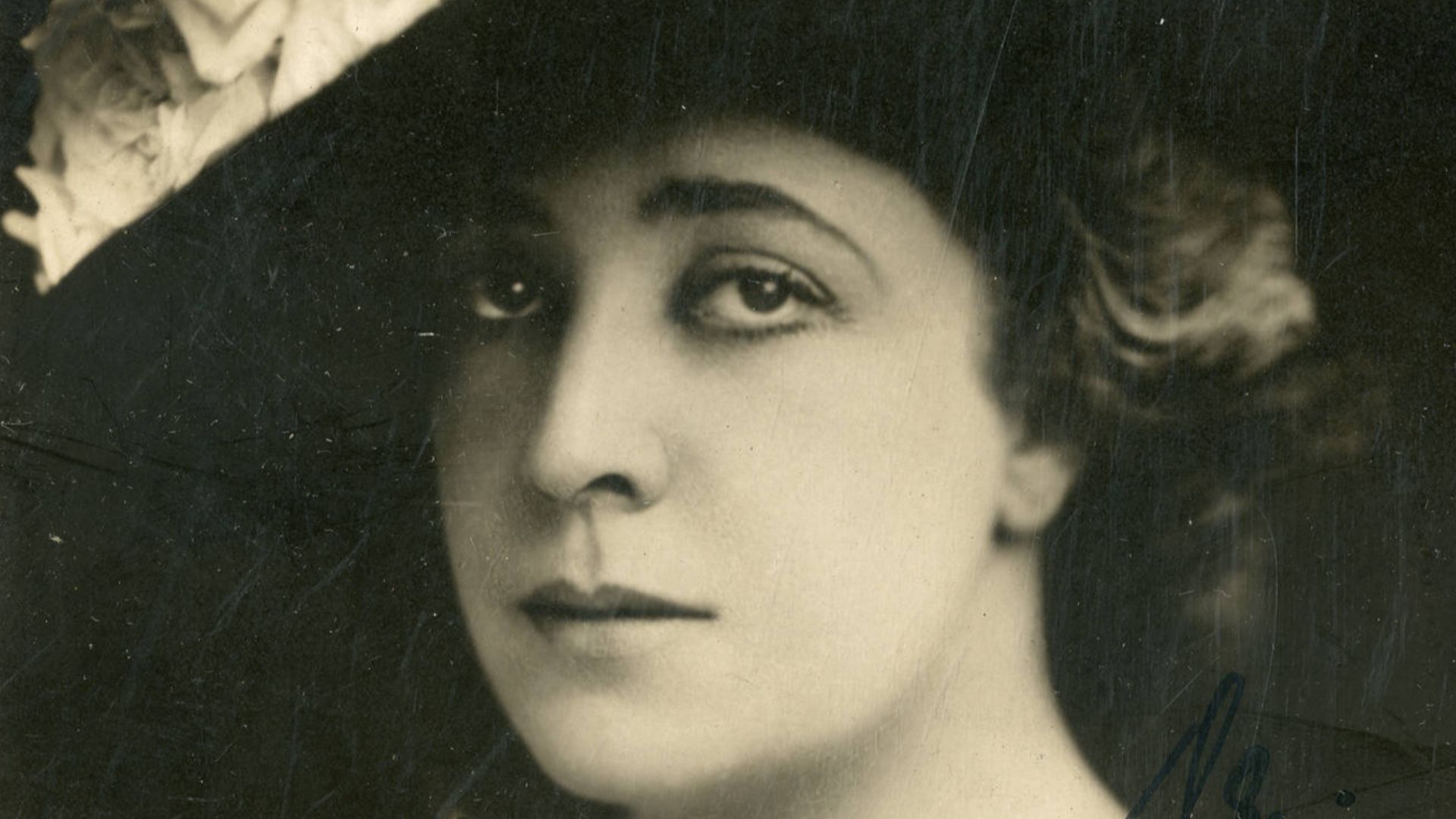 Studio of George Moffett, Wikimedia Commons
One Witness Made A Stunning Admission
Among the witnesses was a New York police inspector who had attended Sapho as part of his investigation. He testified that he had watched the play six times and did not consider it immoral. His assessment was hardly the damning evidence the prosecution needed.
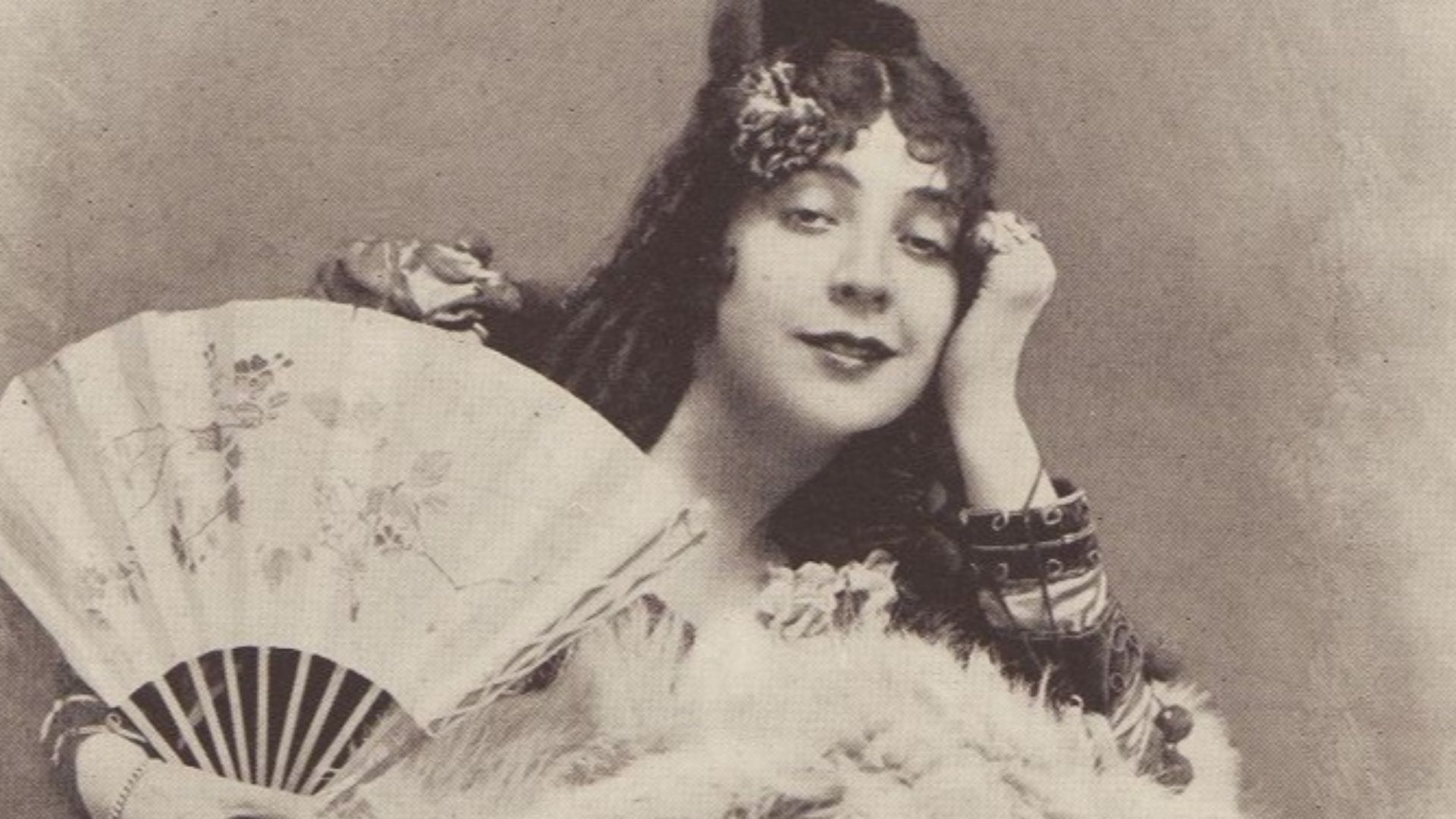 Artist unidentified, Wikimedia Commons
The Defense Took A Remarkable Gamble
Nethersole's defense was so confident that it rested without calling its own witnesses, according to the National Coalition Against Censorship's account. Rather than building an elaborate counterargument, her lawyers relied on the weakness of the accusations already presented. The prosecution's sensational claims would have to stand on their own.
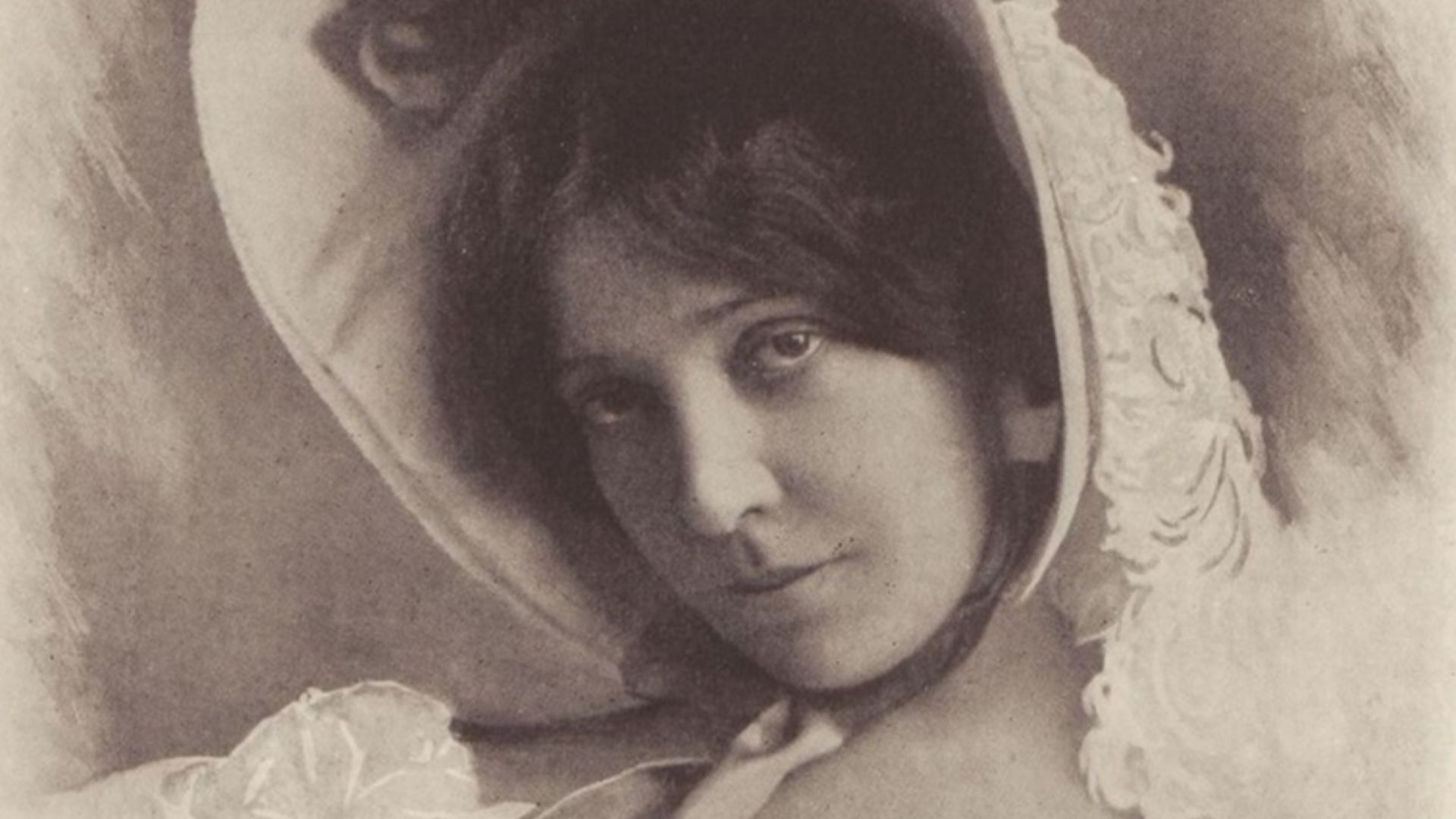 Artist unidentified, Wikimedia Commons
The Judge Had A Warning
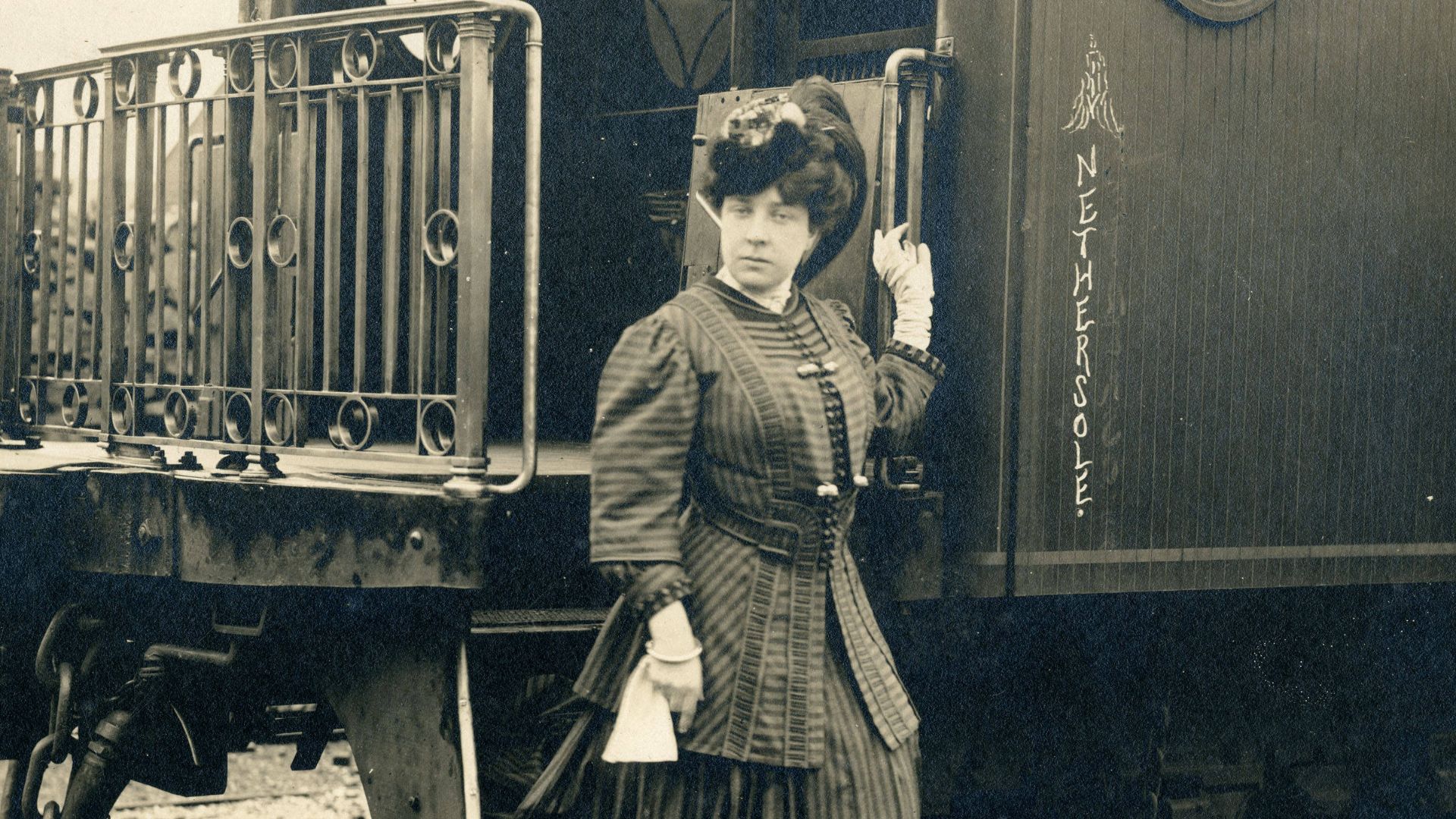
The judge instructed jurors that they were "not the guardians of the morals of this community." Their responsibility was to determine whether the defendants had broken the law, not whether the play offended their personal beliefs. It was a crucial distinction in a case driven by public outrage.
 C. Bennette Moore, Wikimedia Commons
The Jury Took Just Minutes
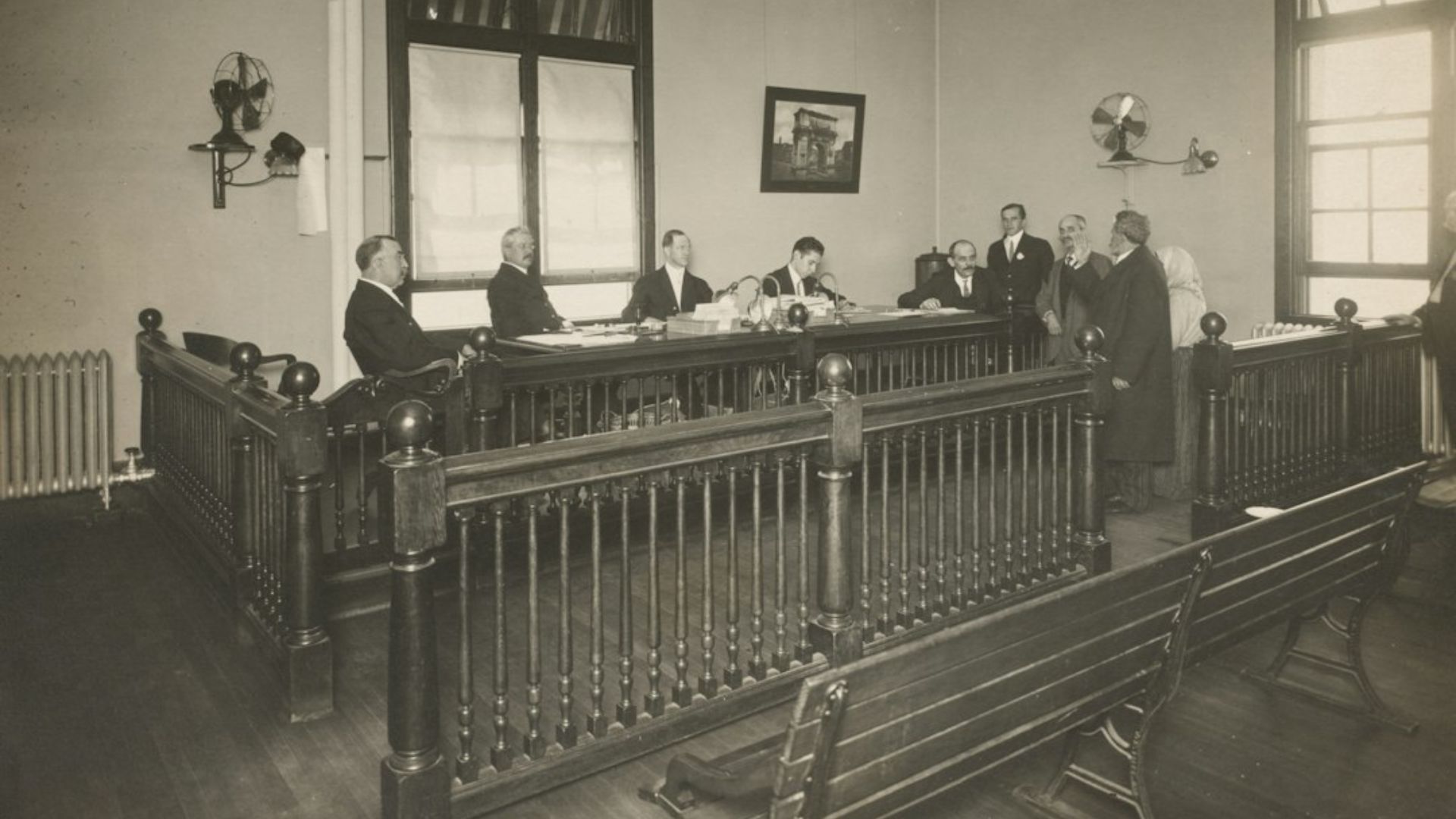
After the arguments concluded, the jury returned an acquittal in approximately 15 minutes, according to PBS. The National Coalition Against Censorship gives a slightly shorter deliberation time, but both accounts agree that the decision was remarkably quick. Nethersole and her three co-defendants were cleared, bringing the prosecution's case to a decisive end.
 The New York Public Library, Unsplash
The Scandal Had An Extraordinary Ending
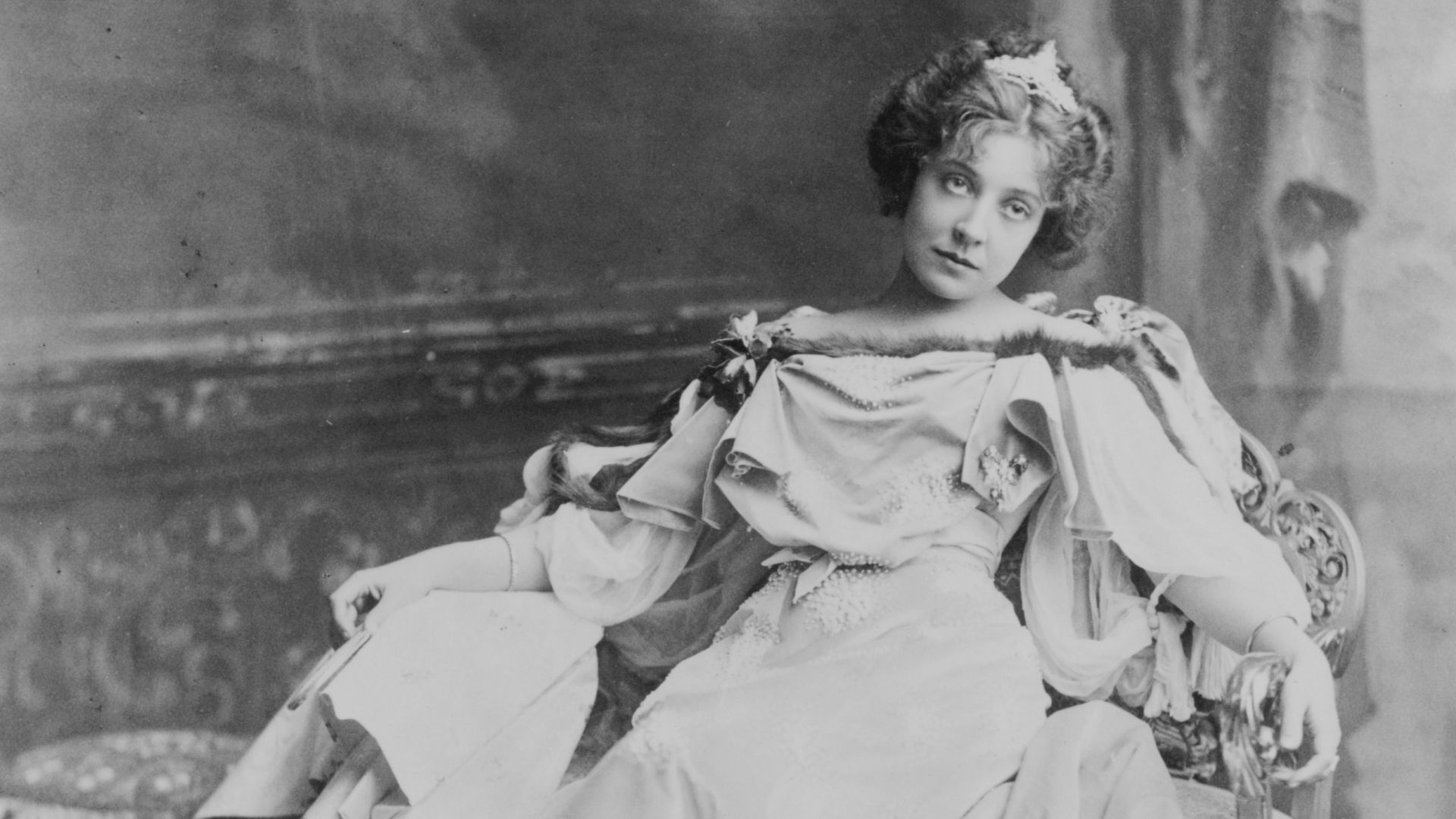
On April 7, 1900, Sapho reopened at Wallack's Theatre, barely a month after police had closed it. The returning production attracted enthusiastic crowds and continued for another 55 performances. The authorities had tried to stop New Yorkers from watching the play, but their intervention had made it even more famous.
 Miscellaneous Items in High Demand, PPOC, Library of Congress, Wikimedia Commons
They Tried To Ban It Again
The 1900 acquittal did not end the controversy surrounding Sapho. In January 1906, the mayor of Springfield, Massachusetts, prohibited a planned performance of Nethersole's production, forcing her to substitute another play. More than five years after her original Broadway scandal, the actress was still encountering officials determined to keep Sapho off the stage.
 Bain News Service, publisher, Wikimedia Commons
The Scandal Outlived Its Star
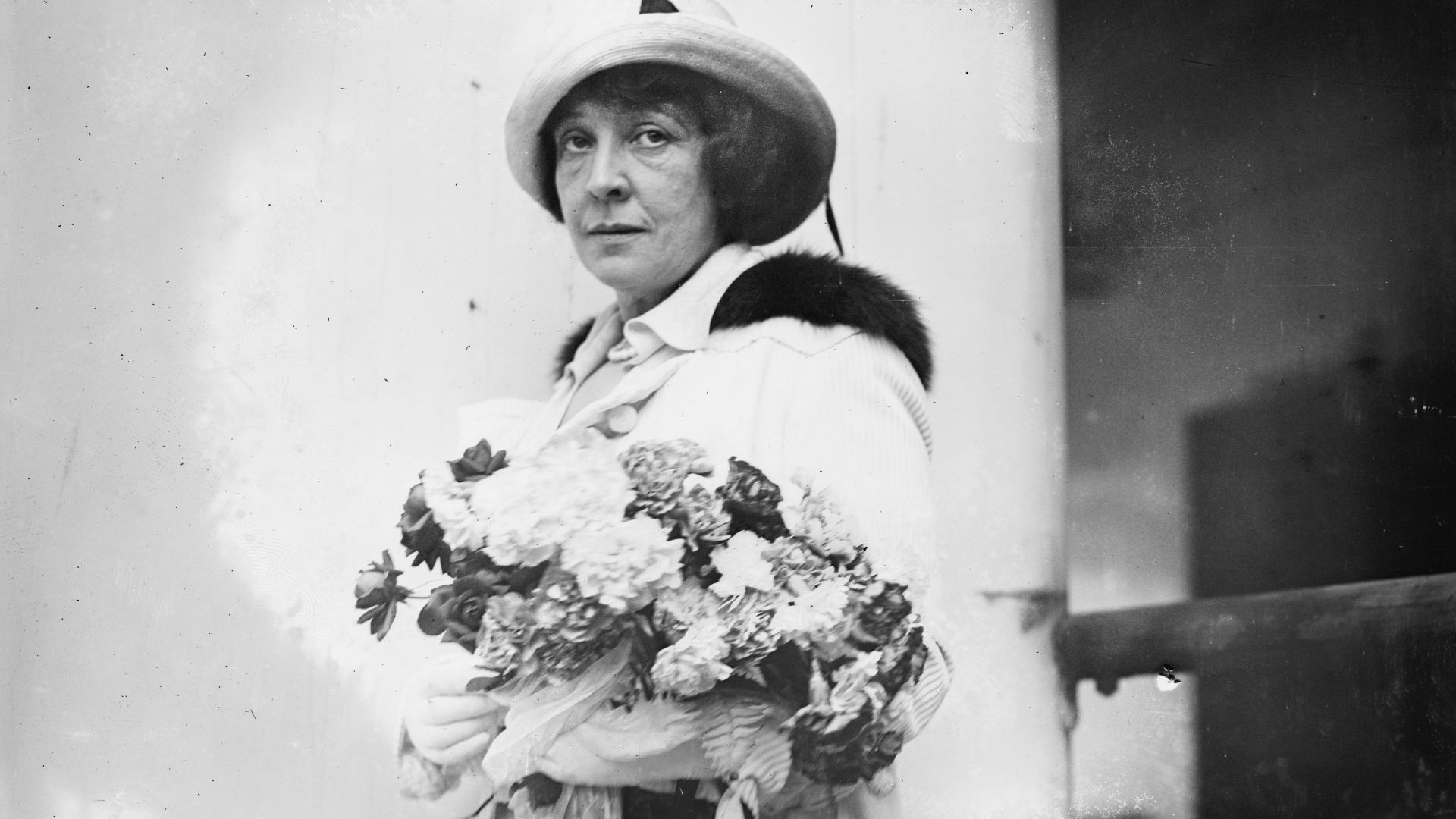
Nethersole continued performing for years before leaving the stage and devoting herself to public health work, including founding the People's League of Health in 1917. She died in 1951, but the extraordinary controversy surrounding Sapho remained part of her legacy. The police had arrested her, shut down her production, and attempted to suppress a play they considered immoral.
Instead, they helped make it unforgettable.
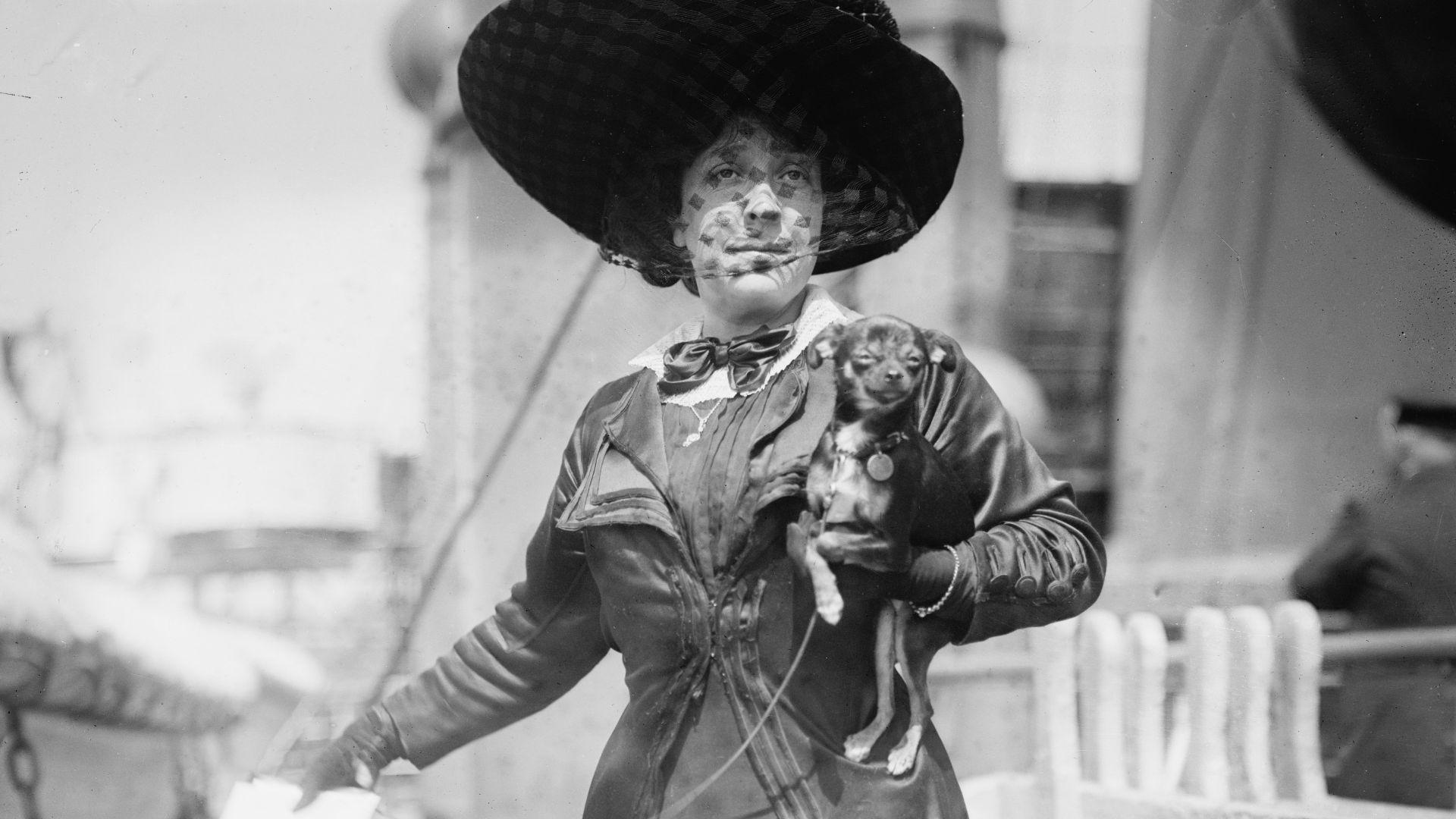 Bain News Service, publisher, Wikimedia Commons
You May Also Like:
The Silent-Film Vampire Who Walked Into Her Cabin—And Vanished Without A Trace
Peggy Hopkins Joyce Turned Marrying Rich Men Into A Career, And Newspapers Couldn’t Look Away
Fifth Avenue Heiress Dorothy Arnold Went Shopping In Midtown Manhattan—And Was Never Seen Again