When Cool Vanished Overnight
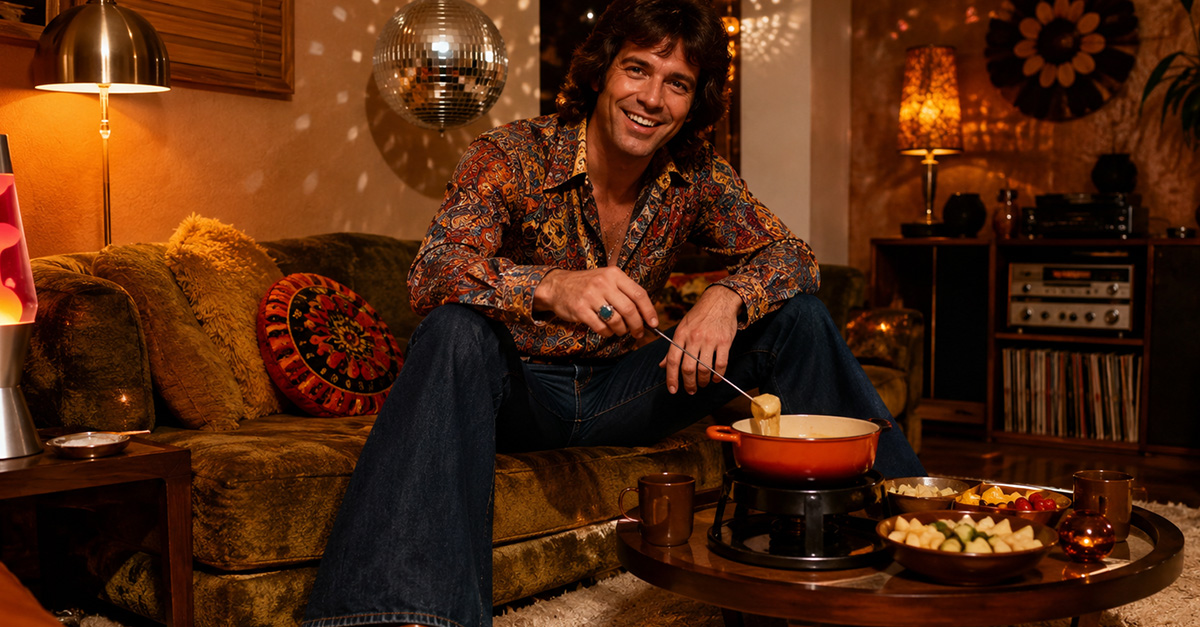
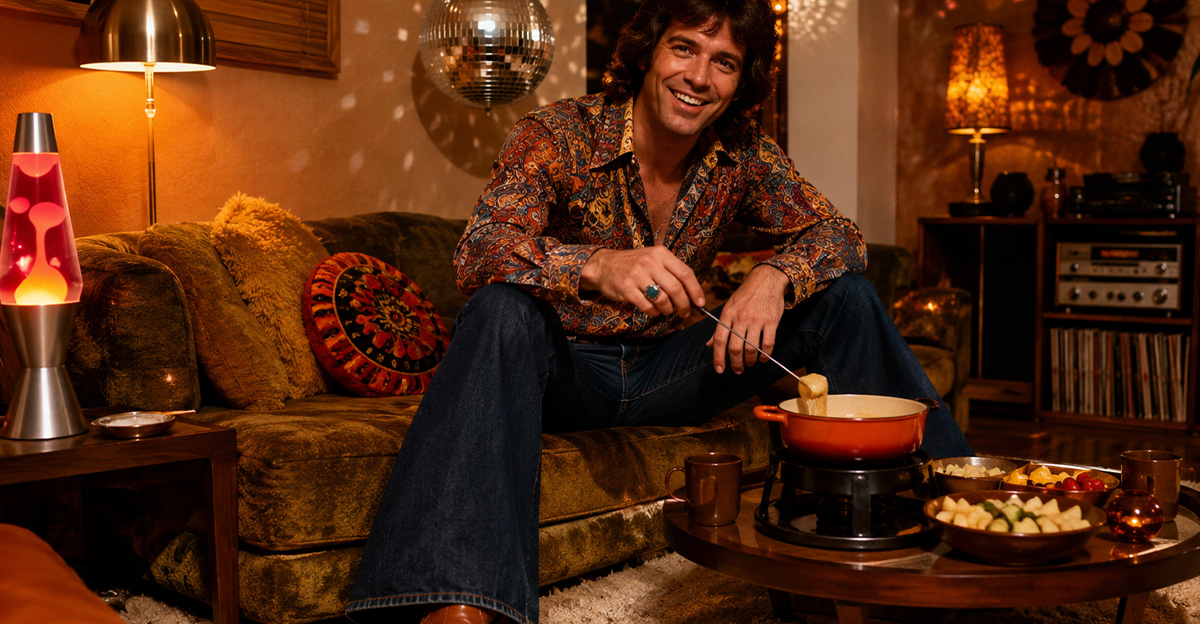
The 1960s and 1970s were decades of big hair, bigger opinions, and trends that seemed unstoppable—until they suddenly weren’t. One minute, everyone was wearing the same pants, buying the same gadgets, or copying the same dance. The next, those fads were packed away like embarrassing family photos.
Mood Rings
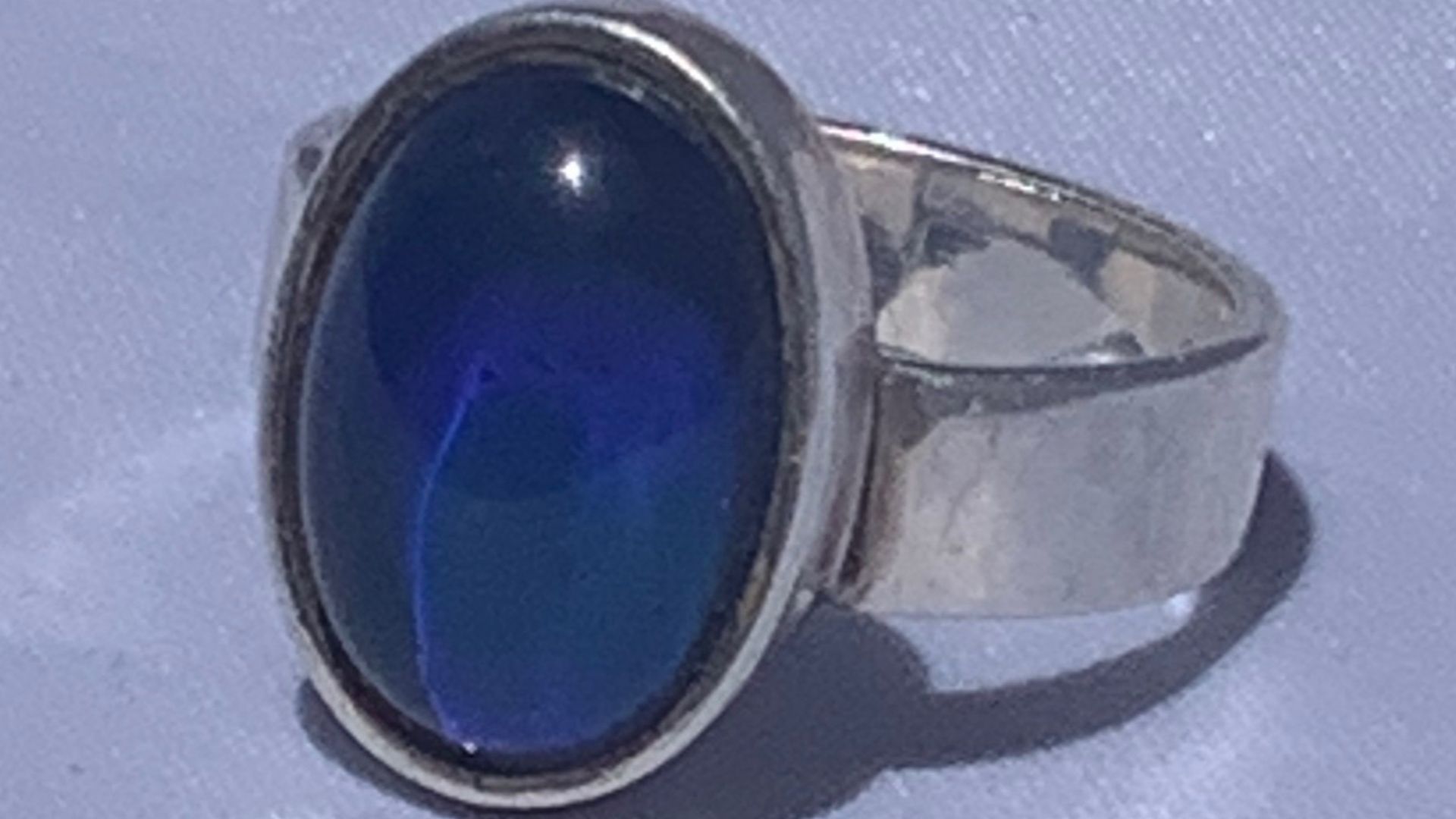
Mood rings felt almost magical in the 1970s. Supposedly, the stone changed color based on your emotions, turning jewelry into a personal lie detector. In reality, it reacted to body temperature. Once people figured that out, the magic faded—and so did the craze.
Pet Rocks
In 1975, people willingly paid money for a rock in a box. The Pet Rock came with breathing holes, straw, and a funny instruction manual. It was ridiculous, and that was the joke. But once everyone had laughed, the fad had nowhere else to go.
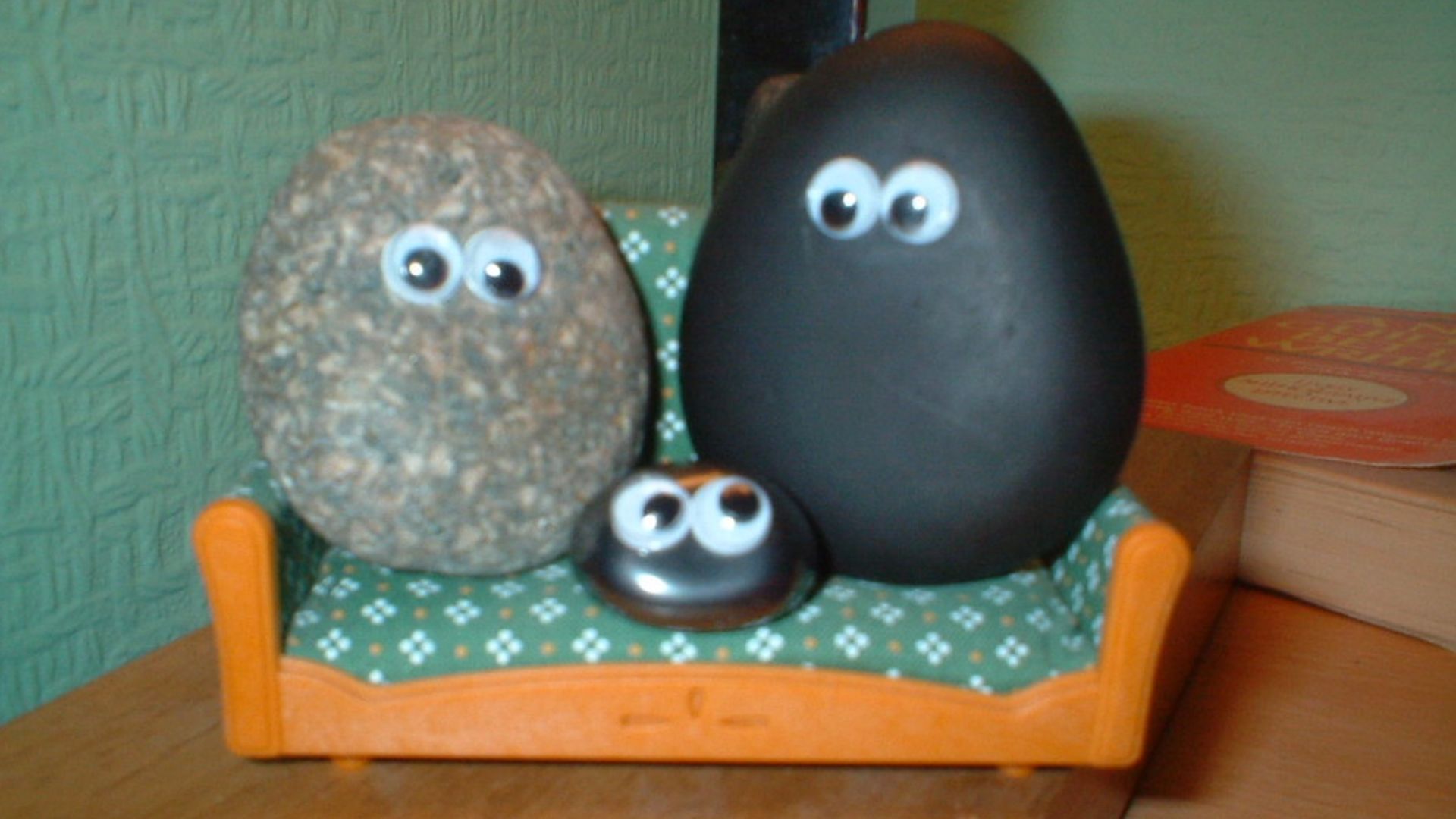 Owner of Pet Rock Net, Wikimedia Commons
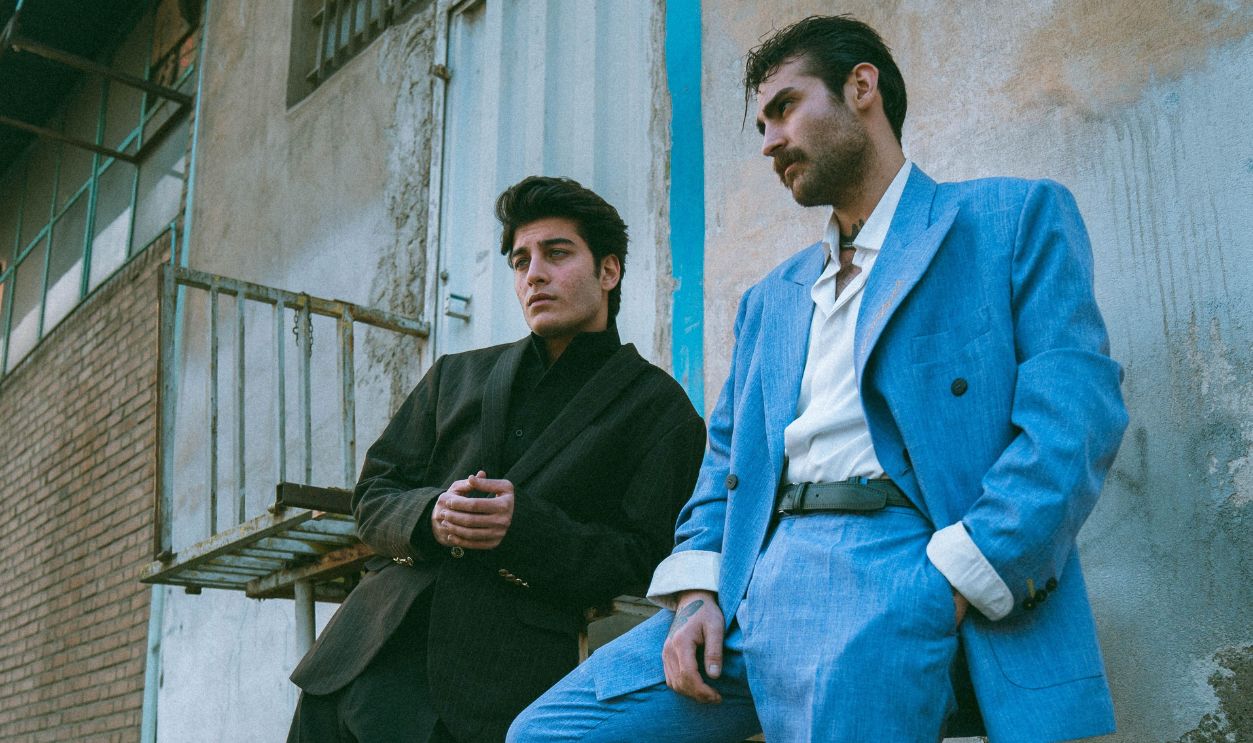
Leisure Suits
For a brief, shiny moment, leisure suits were the height of relaxed style. Made from polyester and often worn in loud colors, they promised comfort and coolness. Then disco declined, tastes changed, and suddenly the suits looked less stylish and more like couch upholstery.
Lava Lamps
Lava lamps gave bedrooms, dorm rooms, and basement hangouts a groovy glow. Their slow-moving blobs matched the psychedelic mood of the era perfectly. But as styles became sleeker in the 1980s, lava lamps went from must-have décor to dusty relics of a trippy past.
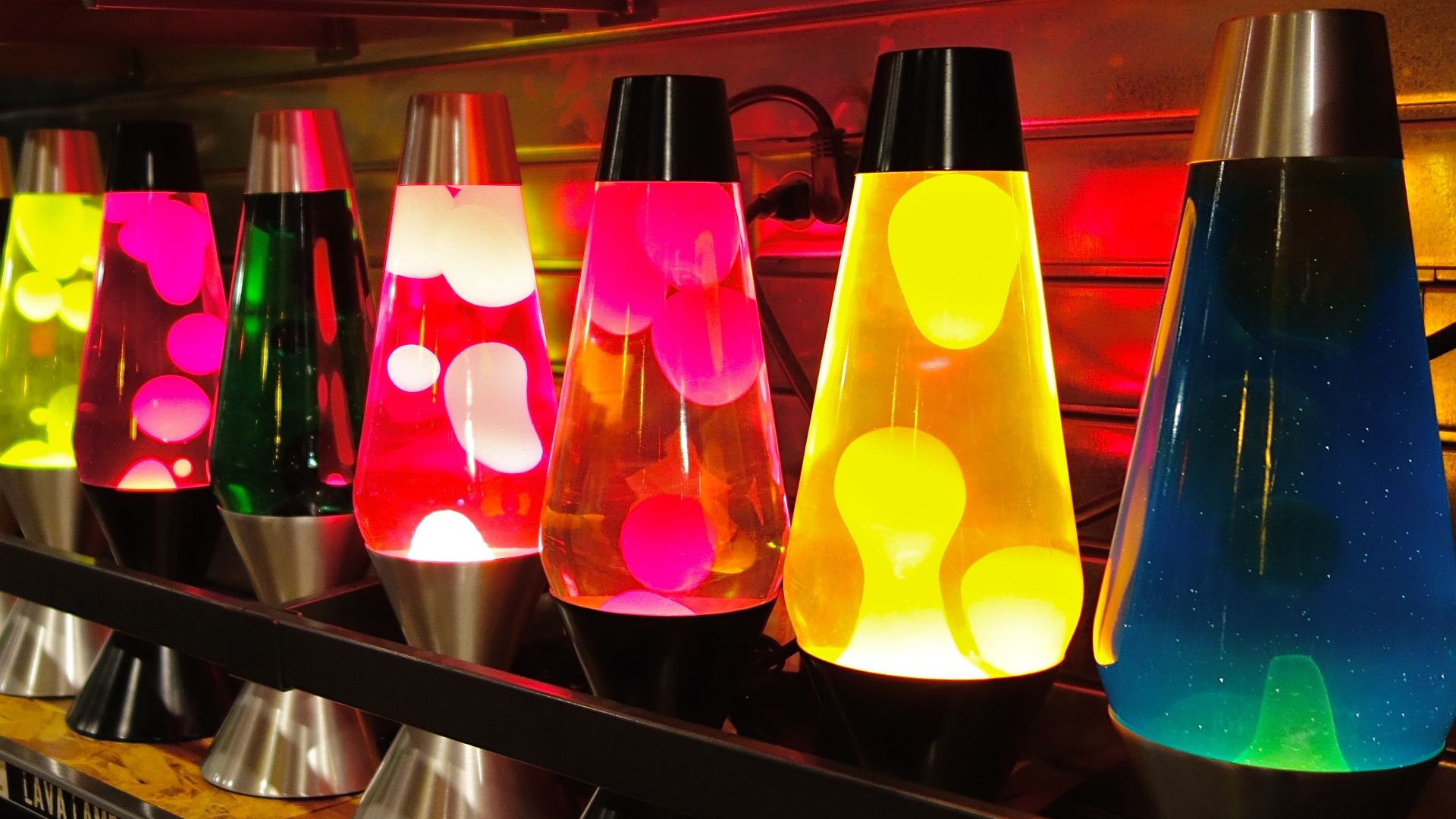 Dean Hochman from Overland Park, Kansas, U.S., Wikimedia Commons
Disco Fever
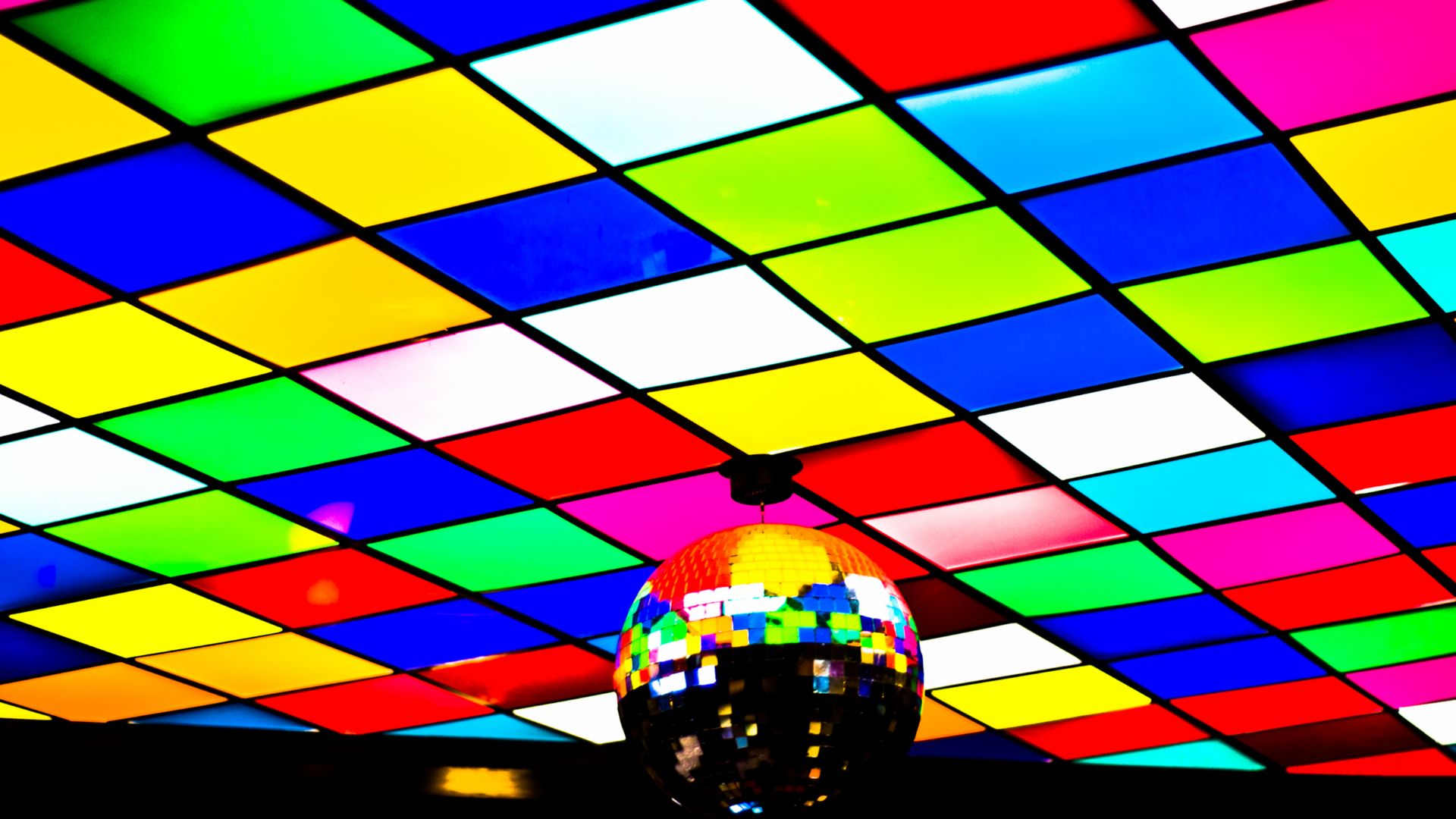
Disco ruled the late 1970s with glitter balls, platform shoes, and dance floors packed shoulder to shoulder. Then came the backlash. By the early 1980s, disco seemed uncool almost overnight, replaced by rock, pop, and new wave sounds that felt fresher.
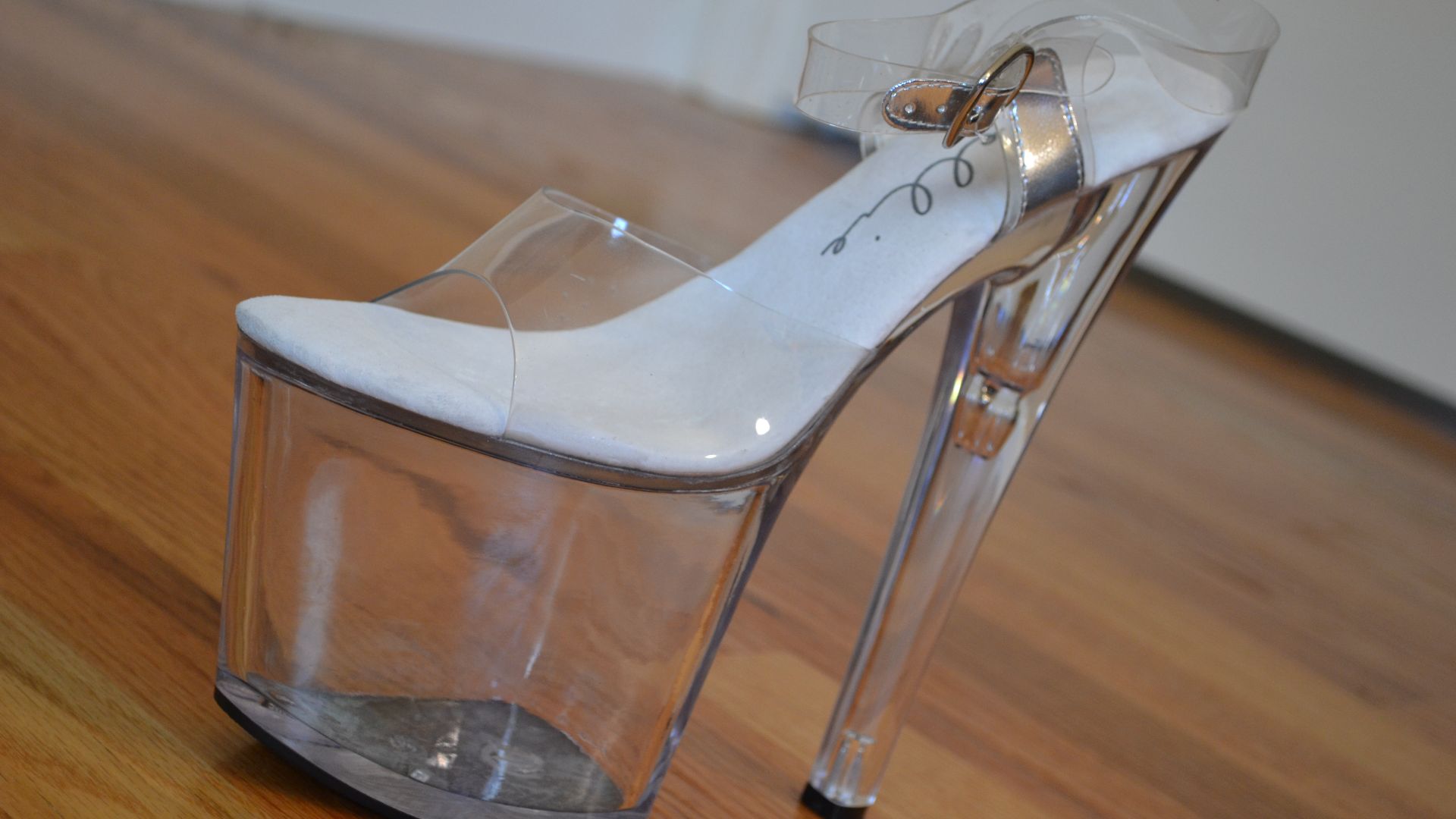
Platform Shoes
Platform shoes made people taller, louder, and a little more dangerous on staircases. They were worn by disco dancers, glam rockers, and everyday trendsetters. But once the disco look cooled off, giant shoes became harder to defend—and easier to trip over.
Bell-Bottom Jeans
Bell-bottoms were everywhere, flaring dramatically from the knee down. They fit perfectly with the free-spirited look of the late 1960s and 1970s. Then slimmer cuts took over, and suddenly those wide hems looked like they belonged in a costume closet.
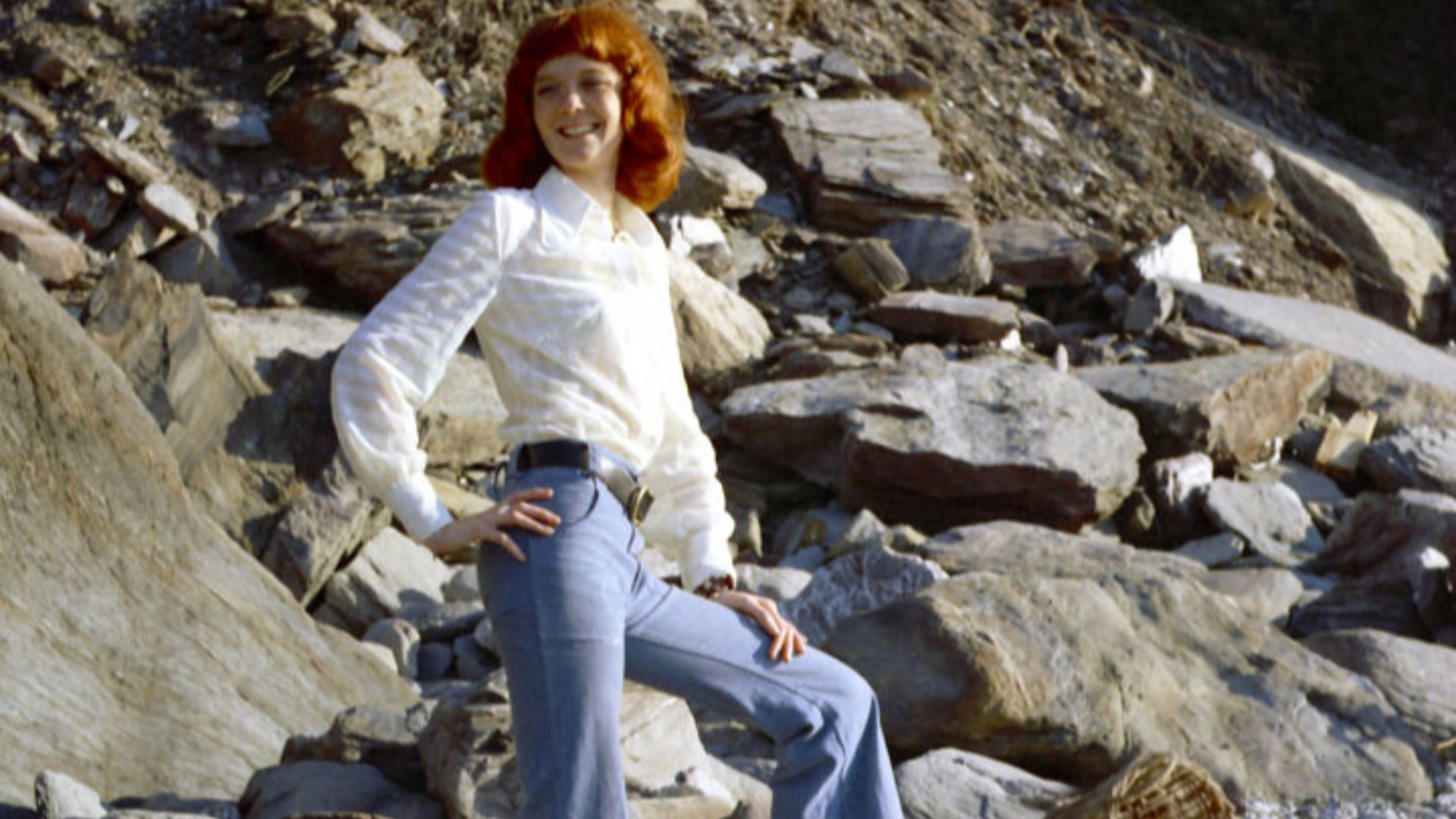 Mike Powell, Wikimedia Commons
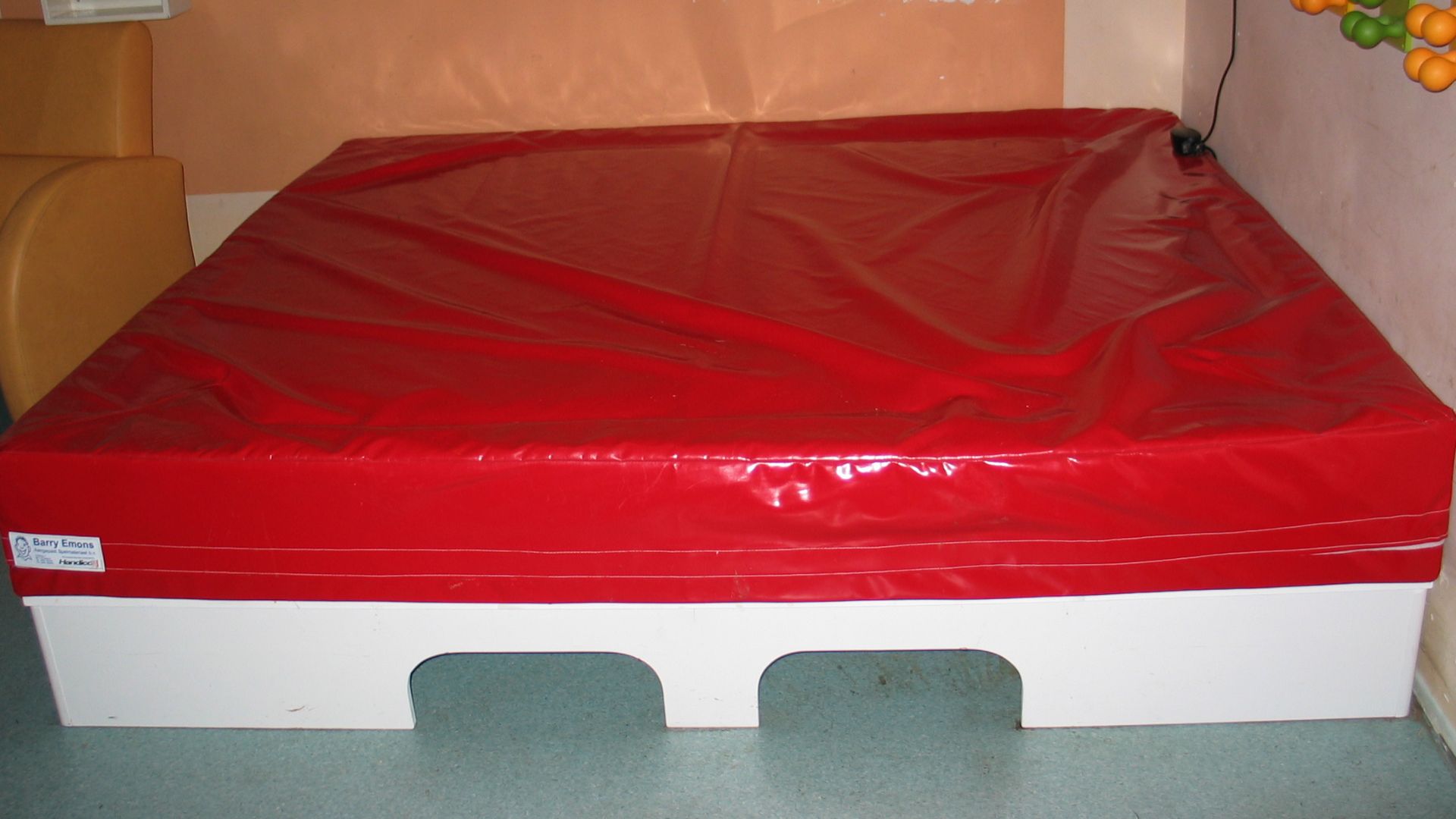
Waterbeds
Waterbeds sounded like the future of sleep. They were soft, strange, and a little scandalous, especially in the 1970s. But leaks, weight problems, heating costs, and awkward waves made them less dreamy in real life. Eventually, regular mattresses quietly won the battle.

History's most fascinating stories and darkest secrets, delivered to your inbox daily.
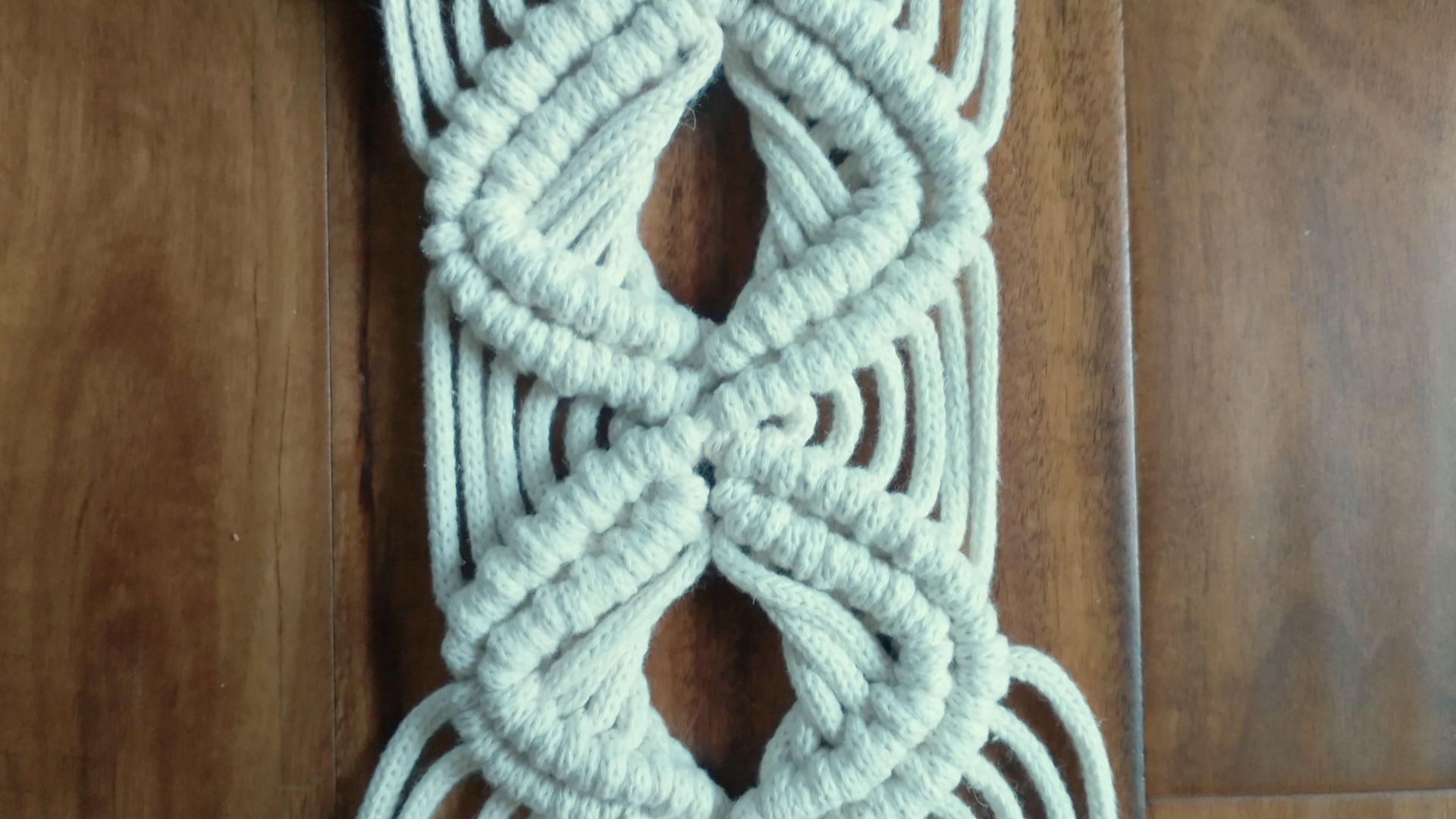
Macramé Everything
Macramé brought knots into the home in a big way. Plant hangers, wall decorations, purses, and even clothing got the handmade rope treatment. For a while, it felt earthy and artistic. Then it became a symbol of overdone 1970s décor and quickly lost its charm.
Shag Carpeting
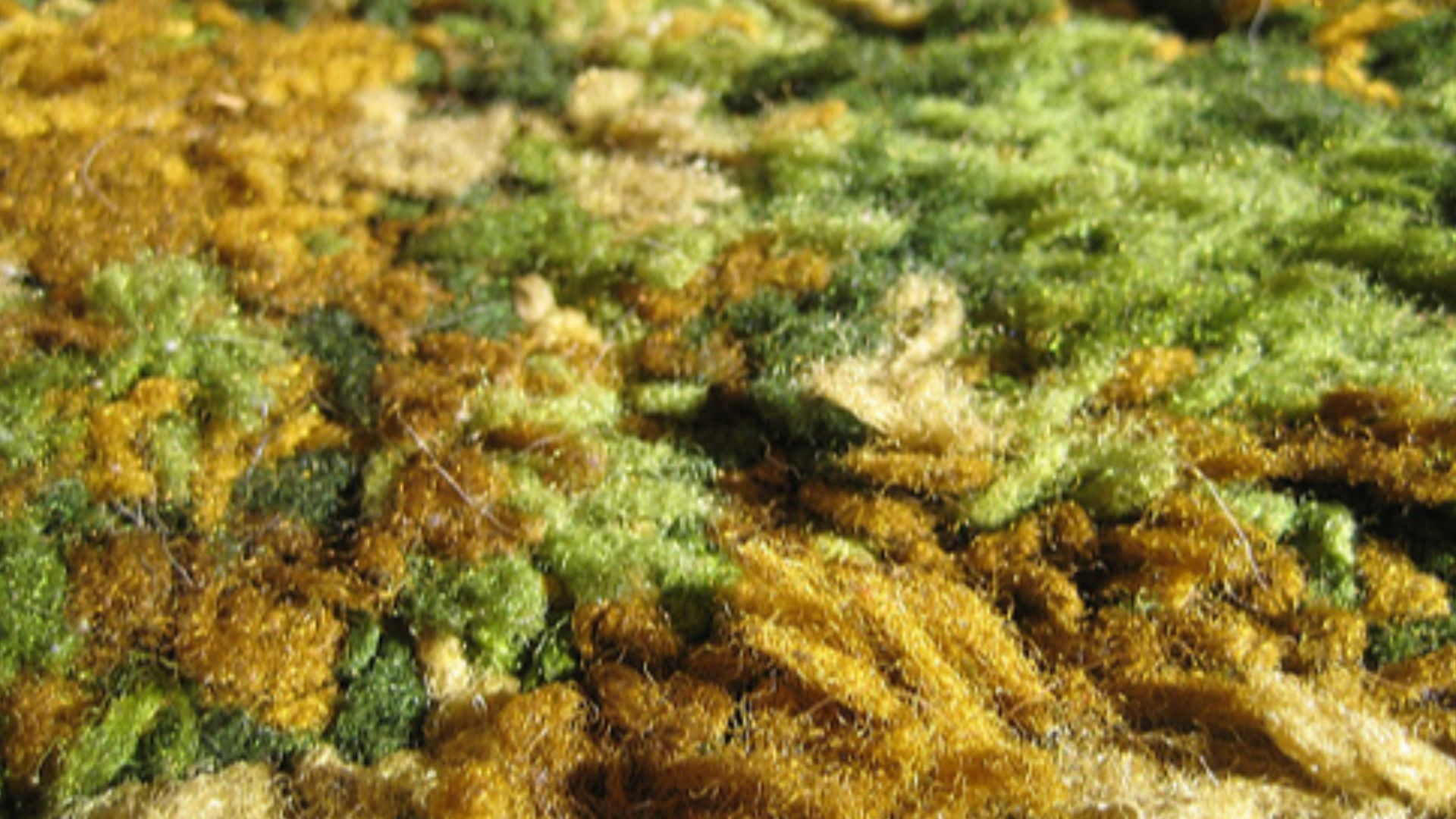
Shag carpets were thick, fuzzy, and proudly impractical. They came in bold colors like orange, avocado, and brown, covering floors like cozy indoor grass. But they trapped dirt, crumbs, and mysterious objects. Once cleaner, simpler interiors became popular, shag was shown the door.
 bradleyolin from Santa Cruz, USA, Wikimedia Commons
Avocado Green Kitchens
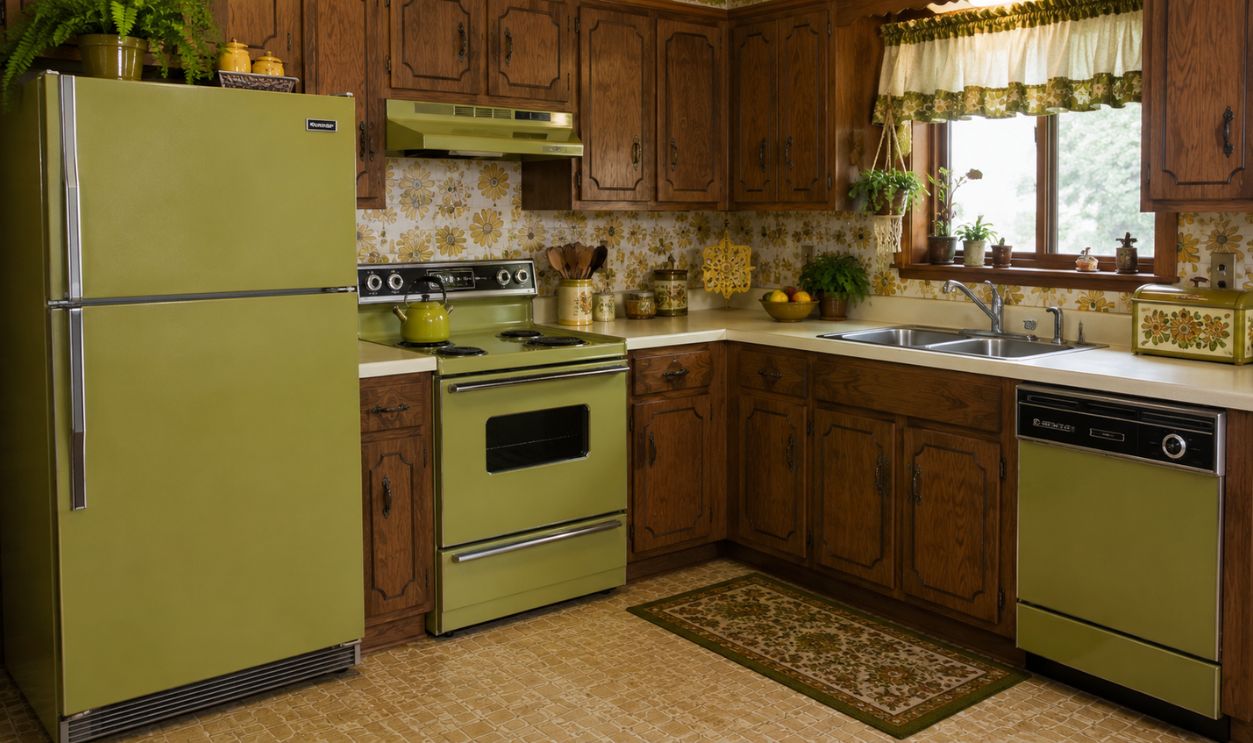
In the 1970s, avocado green appliances made kitchens look modern and trendy. Refrigerators, ovens, and dishwashers all got the green treatment. But design tastes changed quickly, and homeowners spent the next decade trying to escape a color that suddenly screamed “outdated.”
Harvest Gold Appliances
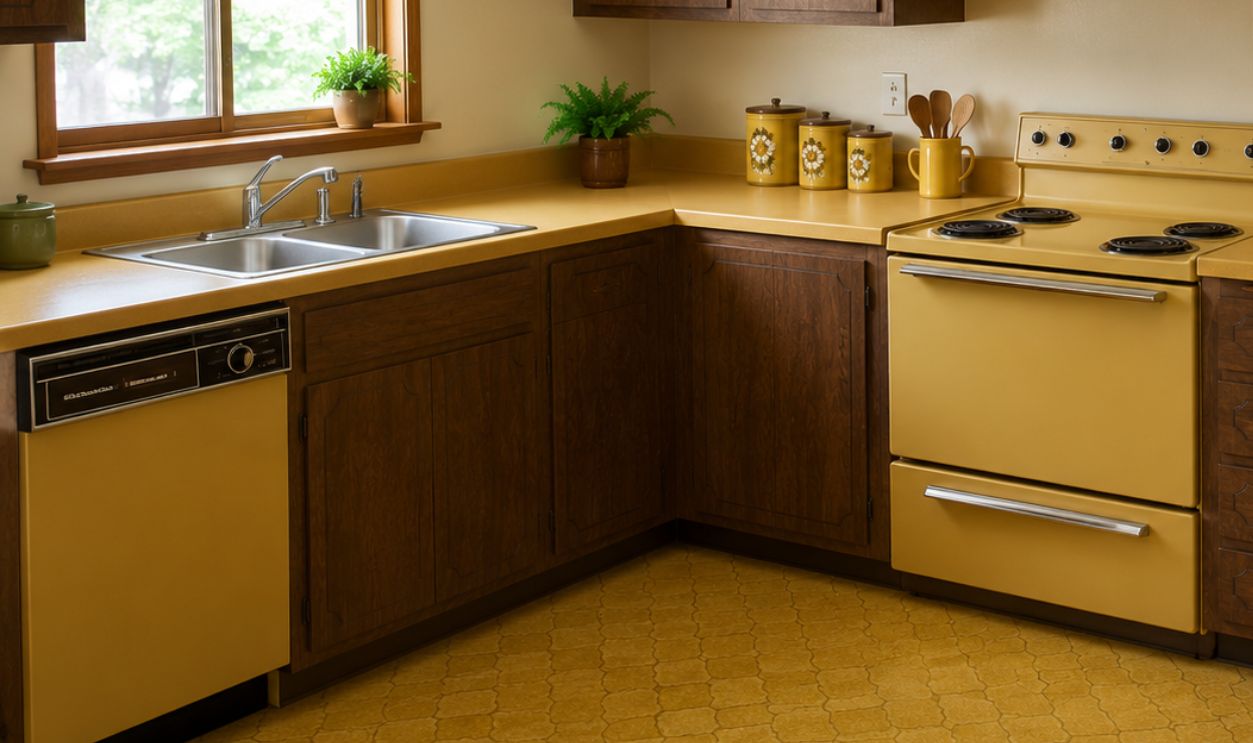
Harvest gold was avocado green’s sunny cousin. It covered appliances, countertops, and cabinets across North America. At first, it felt warm and cheerful. Later, it became one of the easiest ways to date a house instantly—and not in a flattering way.
Beanbag Chairs
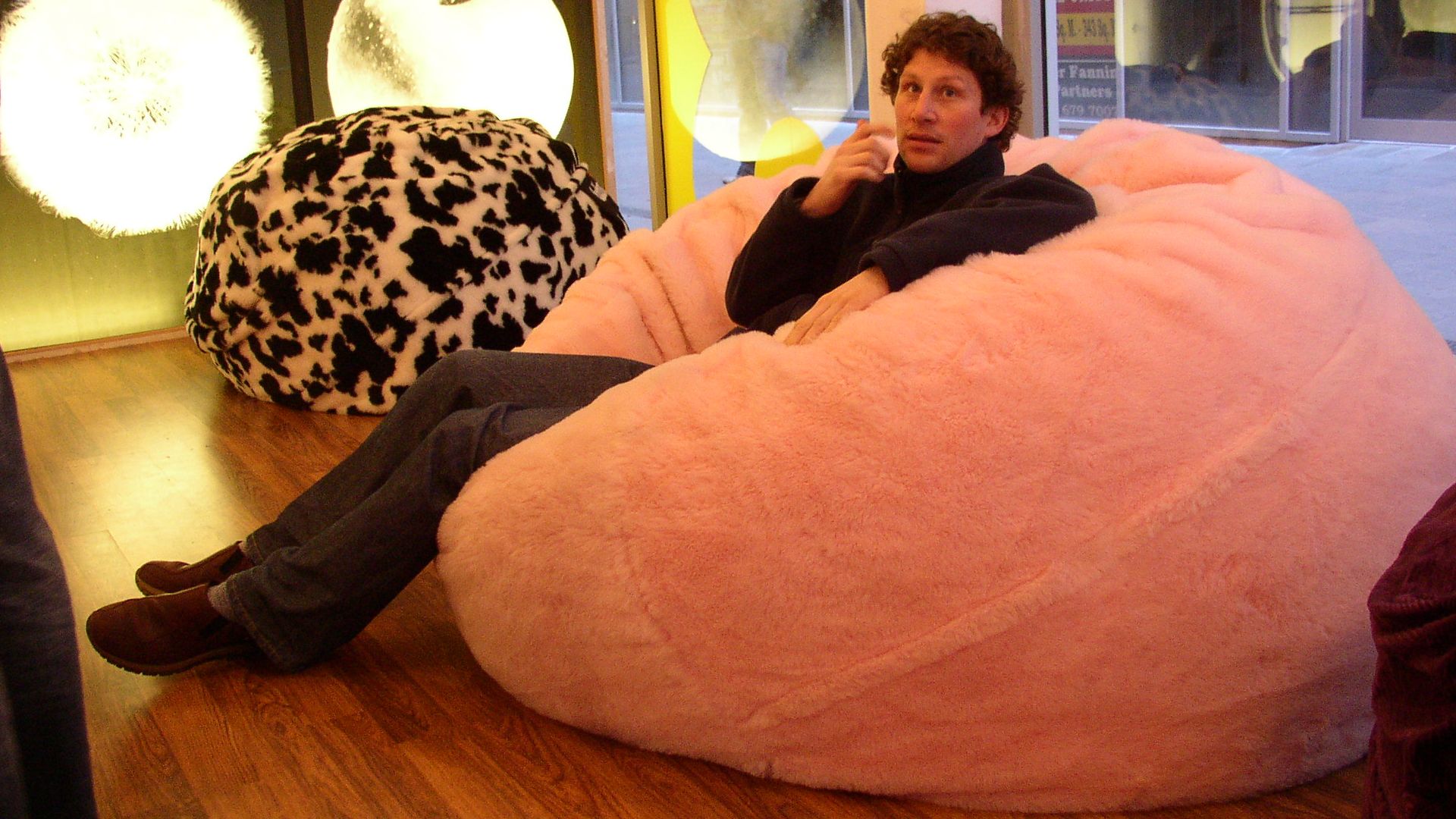
Beanbag chairs were casual, squishy, and perfect for lounging in front of the television. Kids loved them, teenagers claimed them, and adults pretended they were comfortable. But they flattened, leaked pellets, and offered zero support. The fun faded faster than the filling.
Fondue Parties
Fondue parties turned dinner into an event. Guests dipped bread, fruit, or meat into bubbling pots of cheese, chocolate, or oil. It felt social and sophisticated. Then tastes changed, cleanup became annoying, and the fondue set migrated to the back of the cupboard.
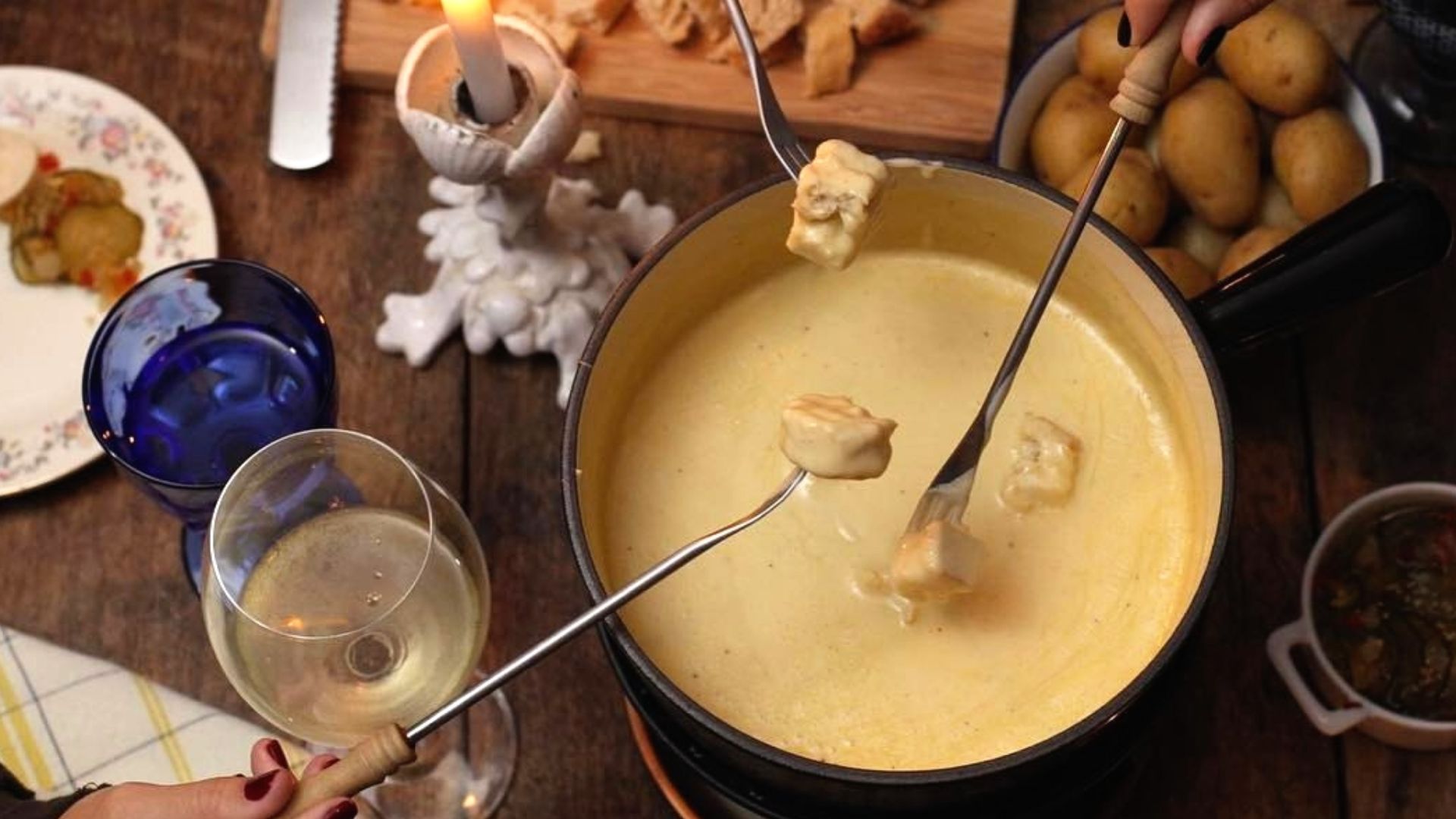 Juliano Mendes, Wikimedia Commons
Tang
Tang became famous as the powdered orange drink connected to the space age. Families loved the idea of drinking what astronauts drank. But as the novelty wore off and fresh juices gained appeal, Tang lost its futuristic sparkle and became just another sweet drink mix.
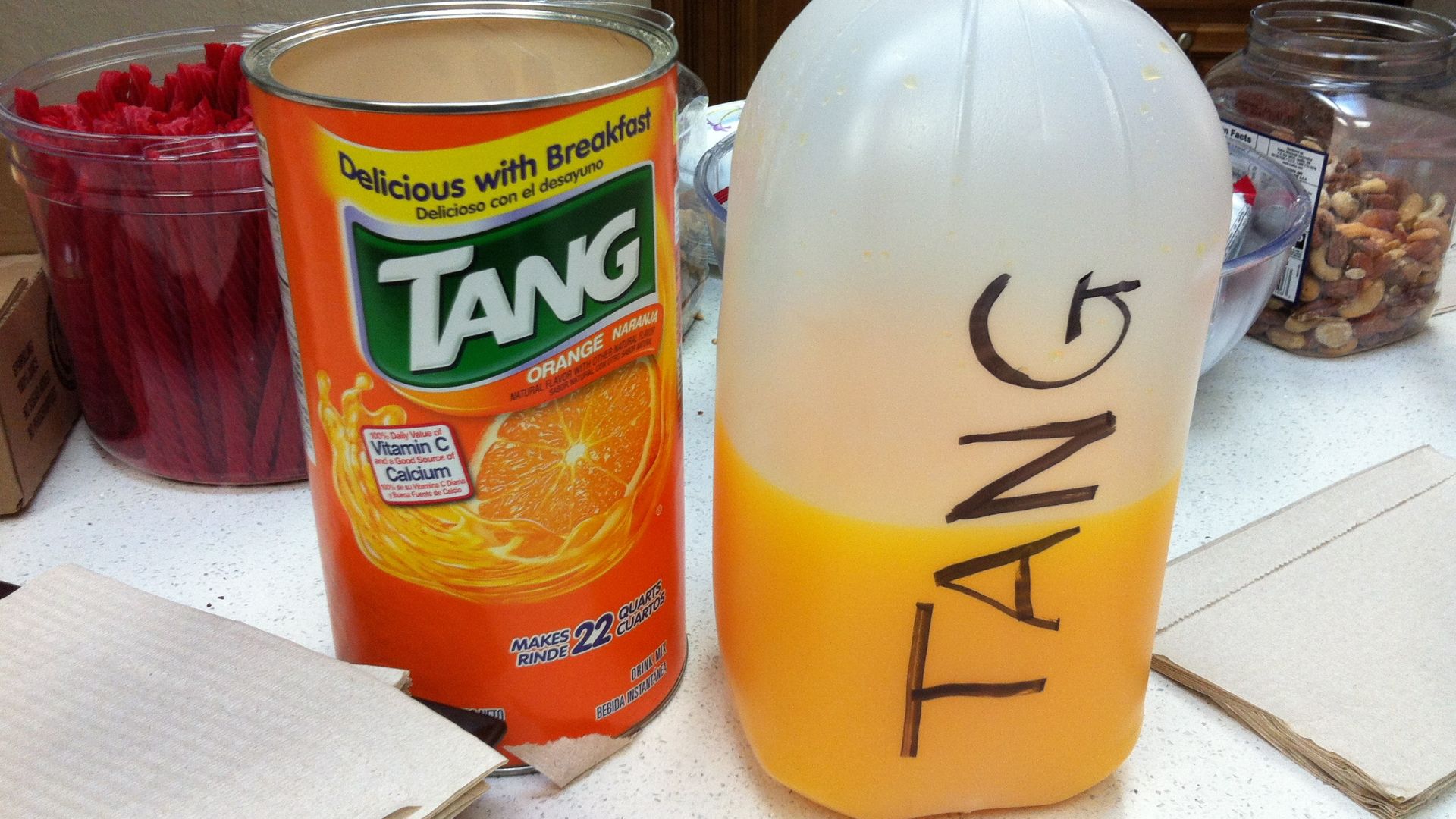 Chris Radcliff from San Diego, CA, USA, Wikimedia Commons
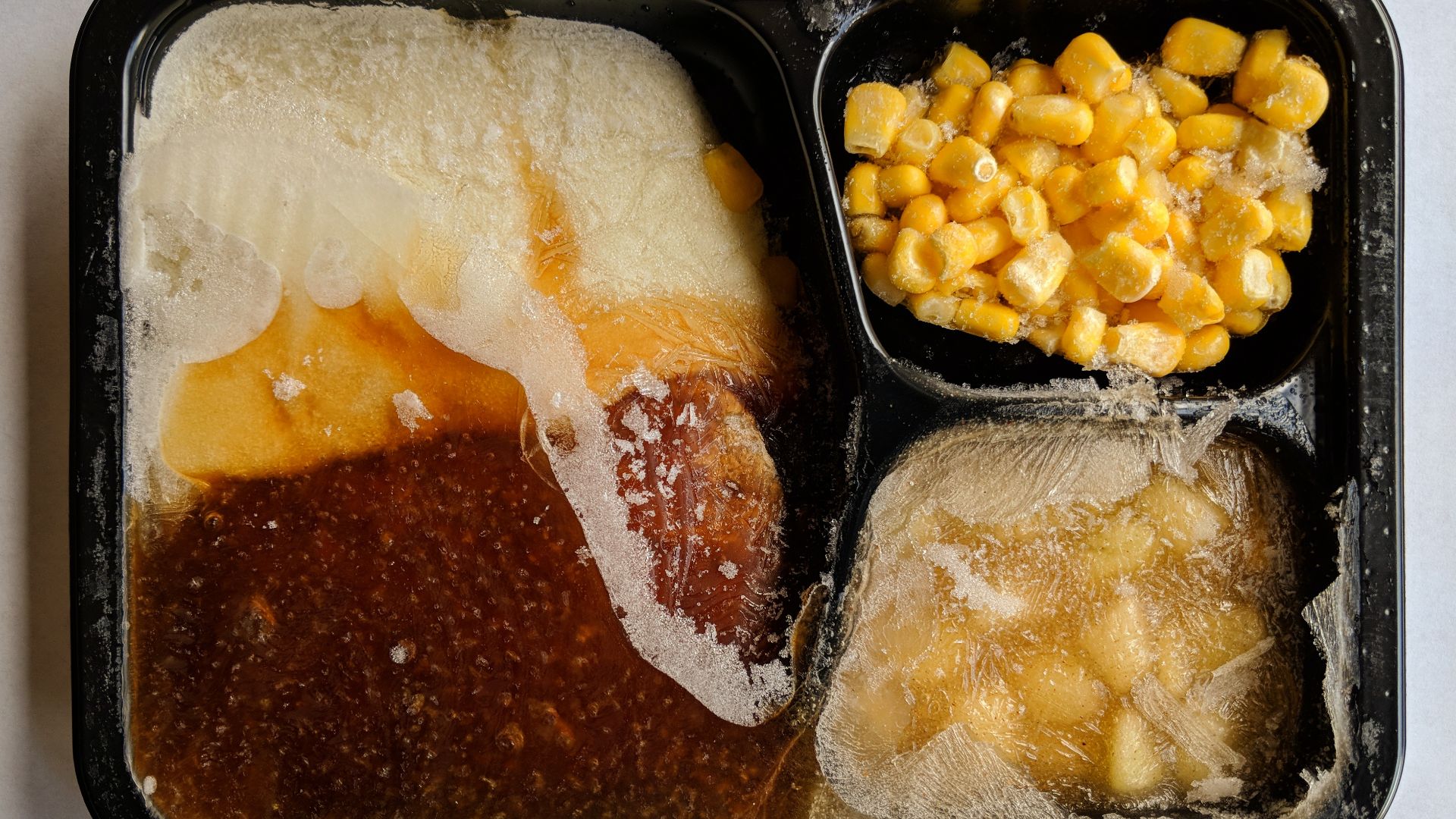
TV Dinners
Frozen TV dinners were once a symbol of convenience and modern living. Families could eat meat, potatoes, vegetables, and dessert from one tray while watching television. But as food culture changed, those compartmentalized meals began to seem less exciting and more like cardboard nostalgia.
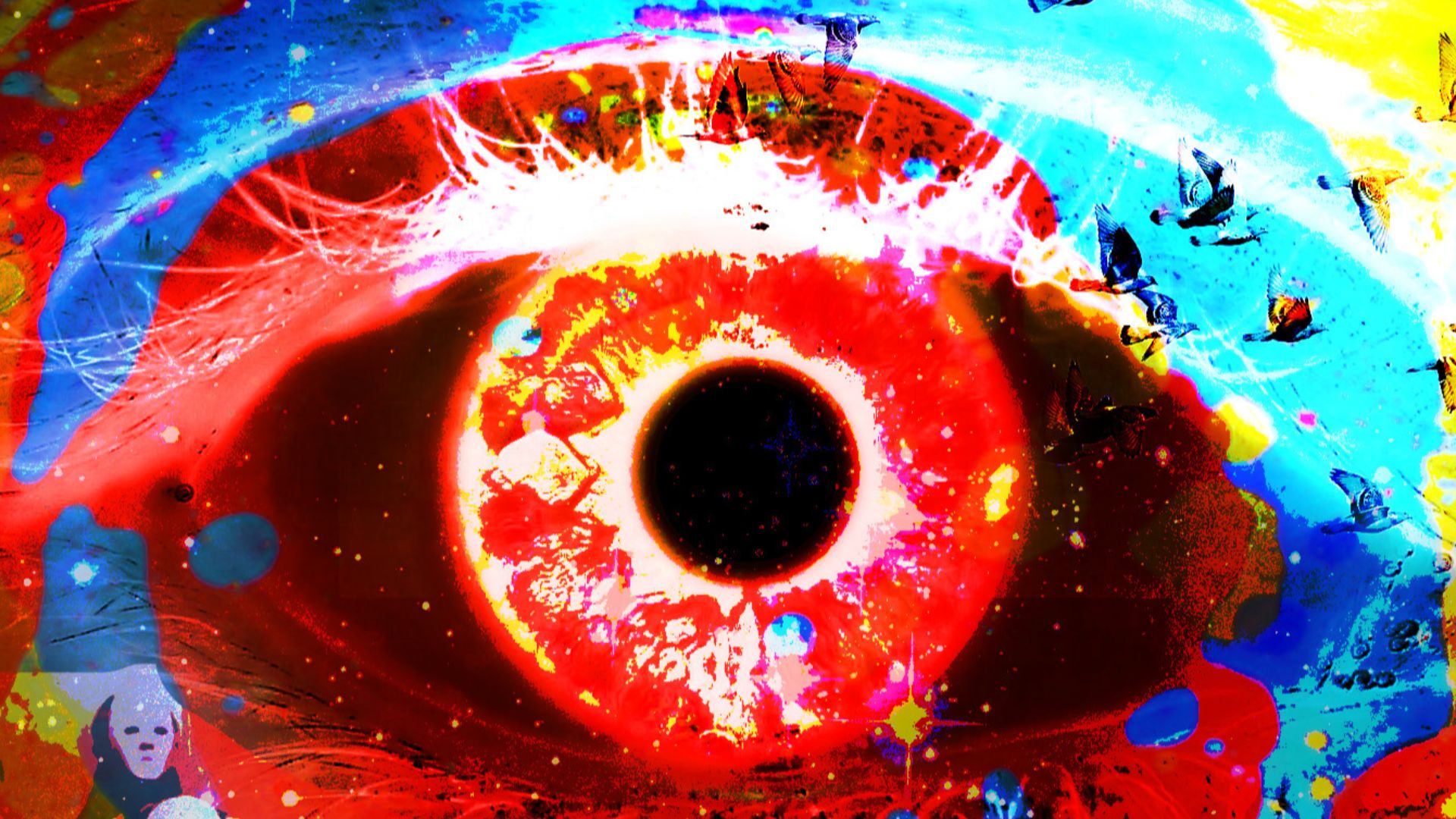
Psychedelic Posters
Psychedelic posters filled bedrooms and concert venues with swirling colors, warped lettering, and mind-bending designs. They captured the wild energy of the 1960s counterculture. But when the mood shifted in the 1970s, their intense look quickly felt tied to a fading scene.
Go-Go Boots
White go-go boots marched straight into 1960s fashion history. They looked futuristic, playful, and perfect with miniskirts. For a few years, they were everywhere. Then fashion moved on, hemlines changed, and go-go boots became more costume piece than everyday statement.
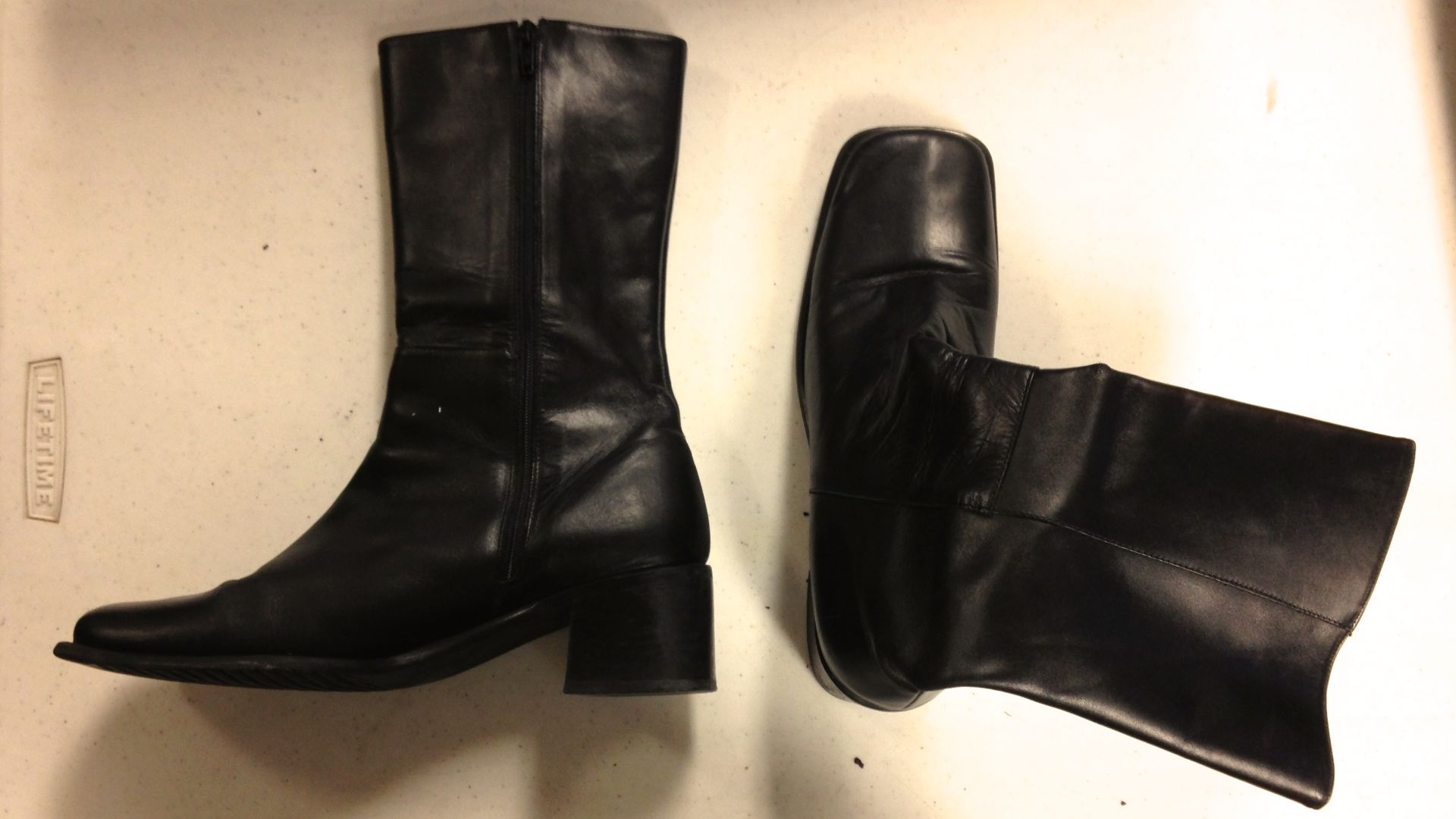 ArtistsCry13, Wikimedia Commons
Nehru Jackets
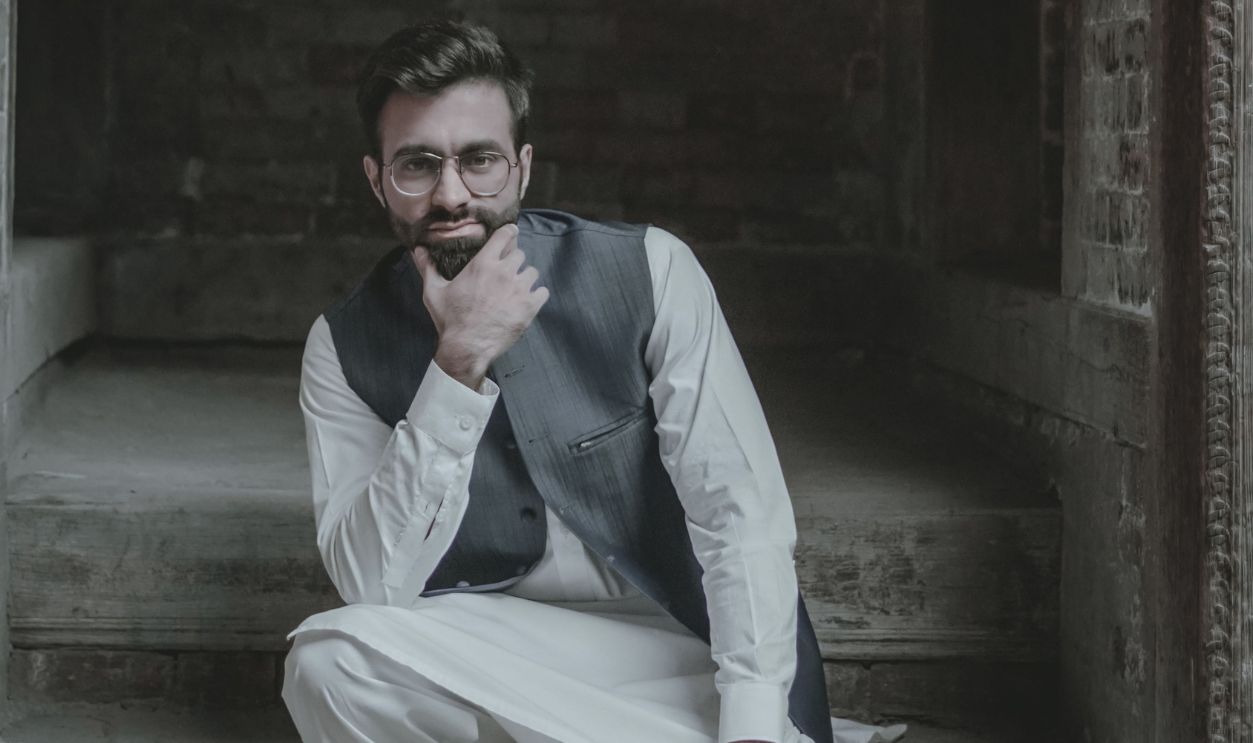
Nehru jackets had a short but memorable moment in Western fashion during the late 1960s. With their mandarin collars and sleek lines, they looked worldly and sophisticated. Then the trend became overexposed, and what once seemed bold suddenly felt like trying too hard.
Paper Dresses
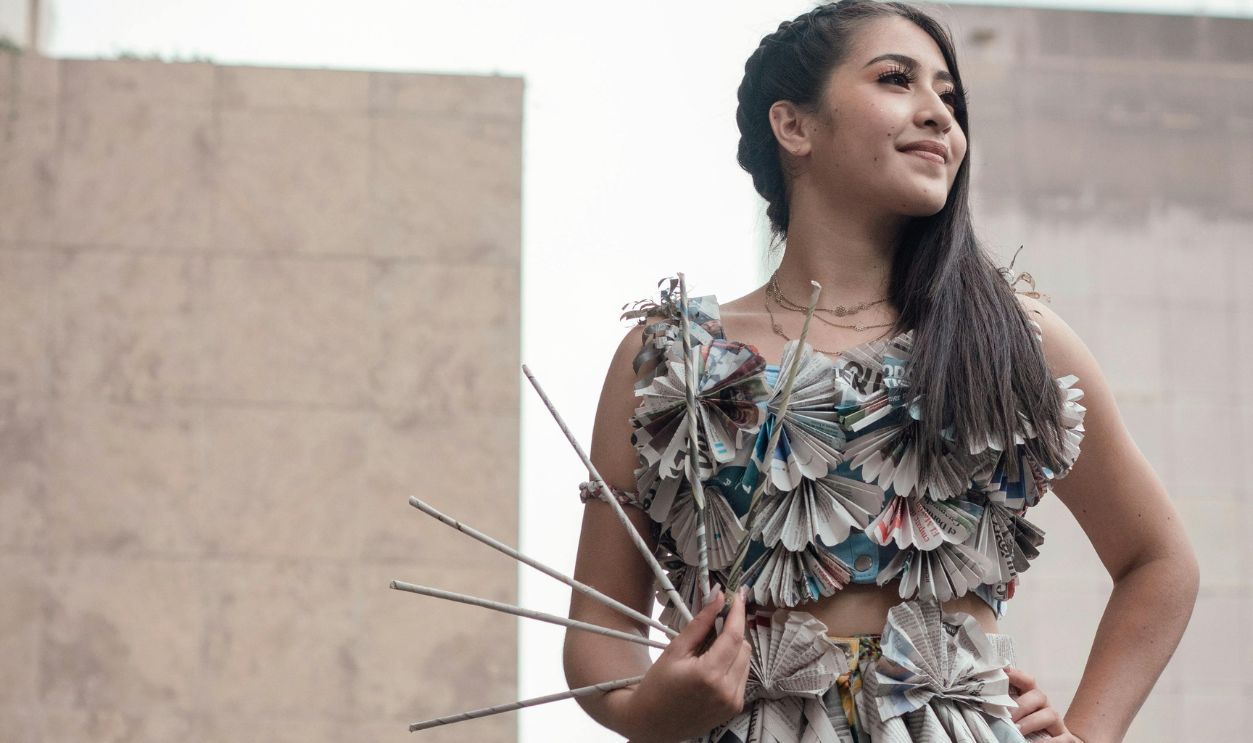
Paper dresses were a strange 1960s novelty that promised cheap, disposable fashion. They came in bright patterns and even advertising designs. The idea sounded clever, but paper clothing was not exactly built for comfort, weather, or dignity. Unsurprisingly, the fad tore itself apart.
Love Beads
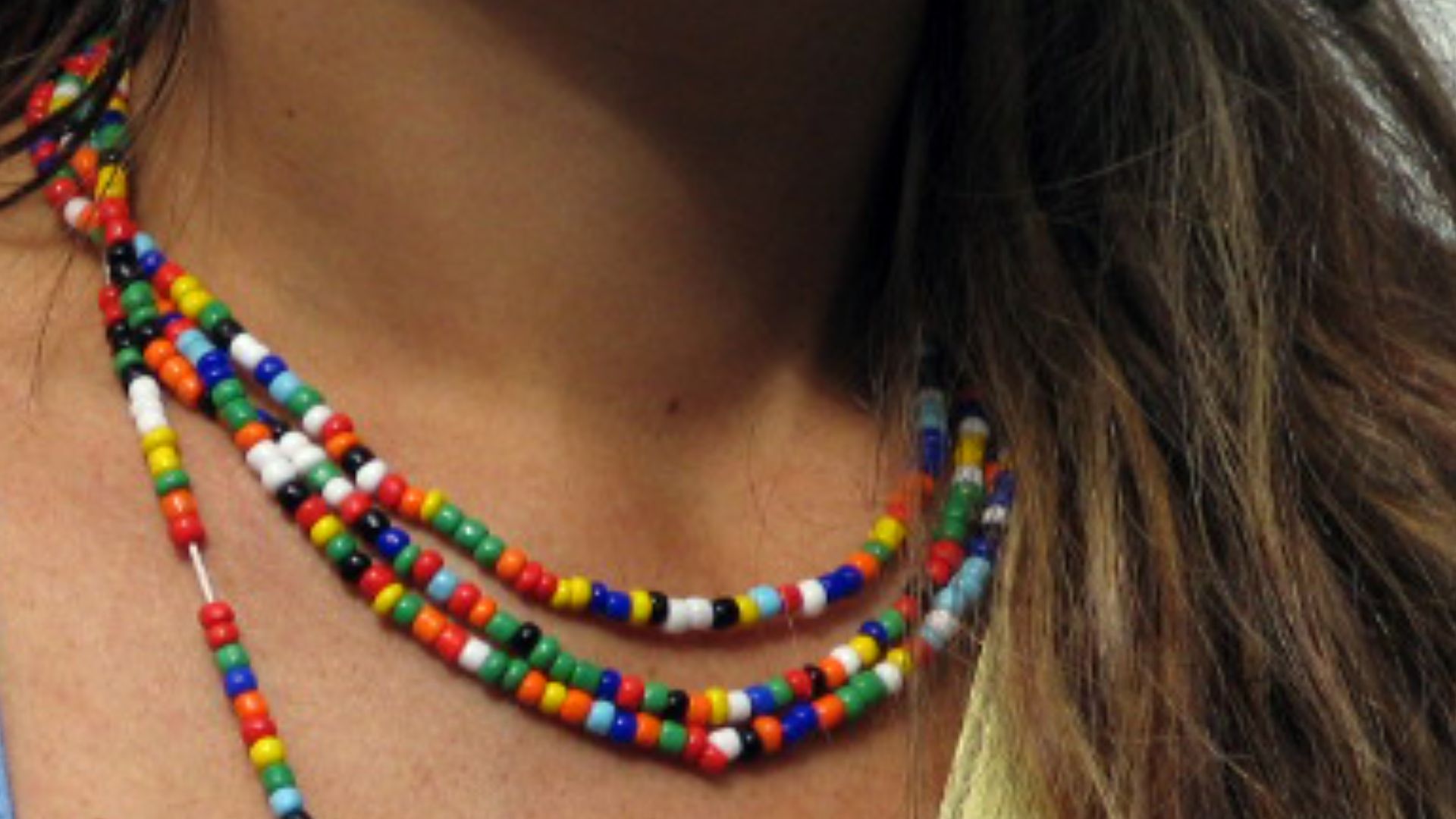
Love beads were worn as symbols of peace, individuality, and counterculture style. Long strands of colorful beads paired perfectly with flowing shirts and bell-bottoms. But as hippie fashion became commercialized, love beads lost their meaning and became just another accessory in the drawer.
The Farrah Fawcett Flip
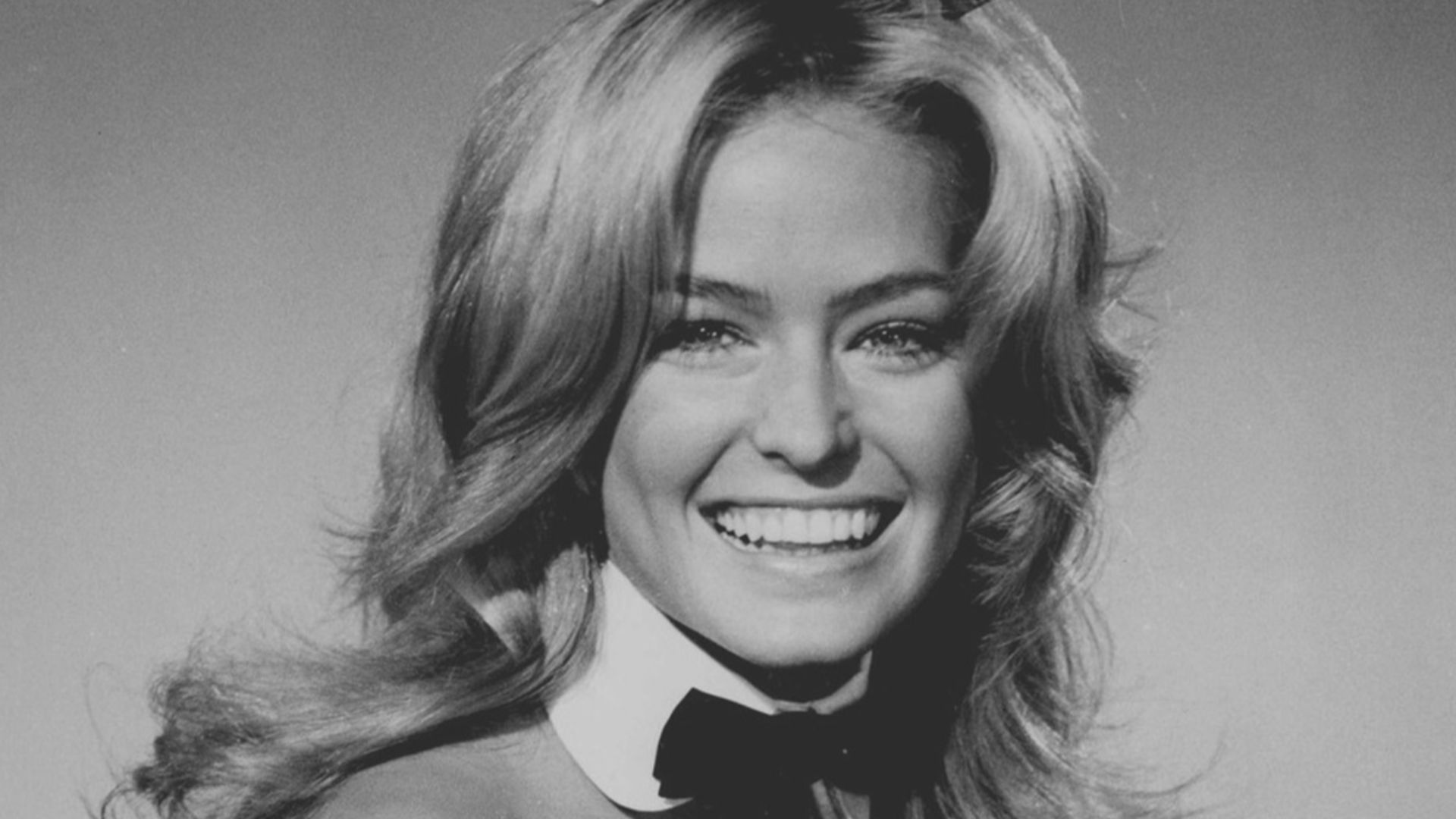
Farrah Fawcett’s feathered hairstyle became one of the most copied looks of the 1970s. Women brought magazine photos to salons hoping for those famous layers. But hair trends are ruthless. By the 1980s, bigger, teased styles pushed the feathered flip aside.
Eight-Track Tapes
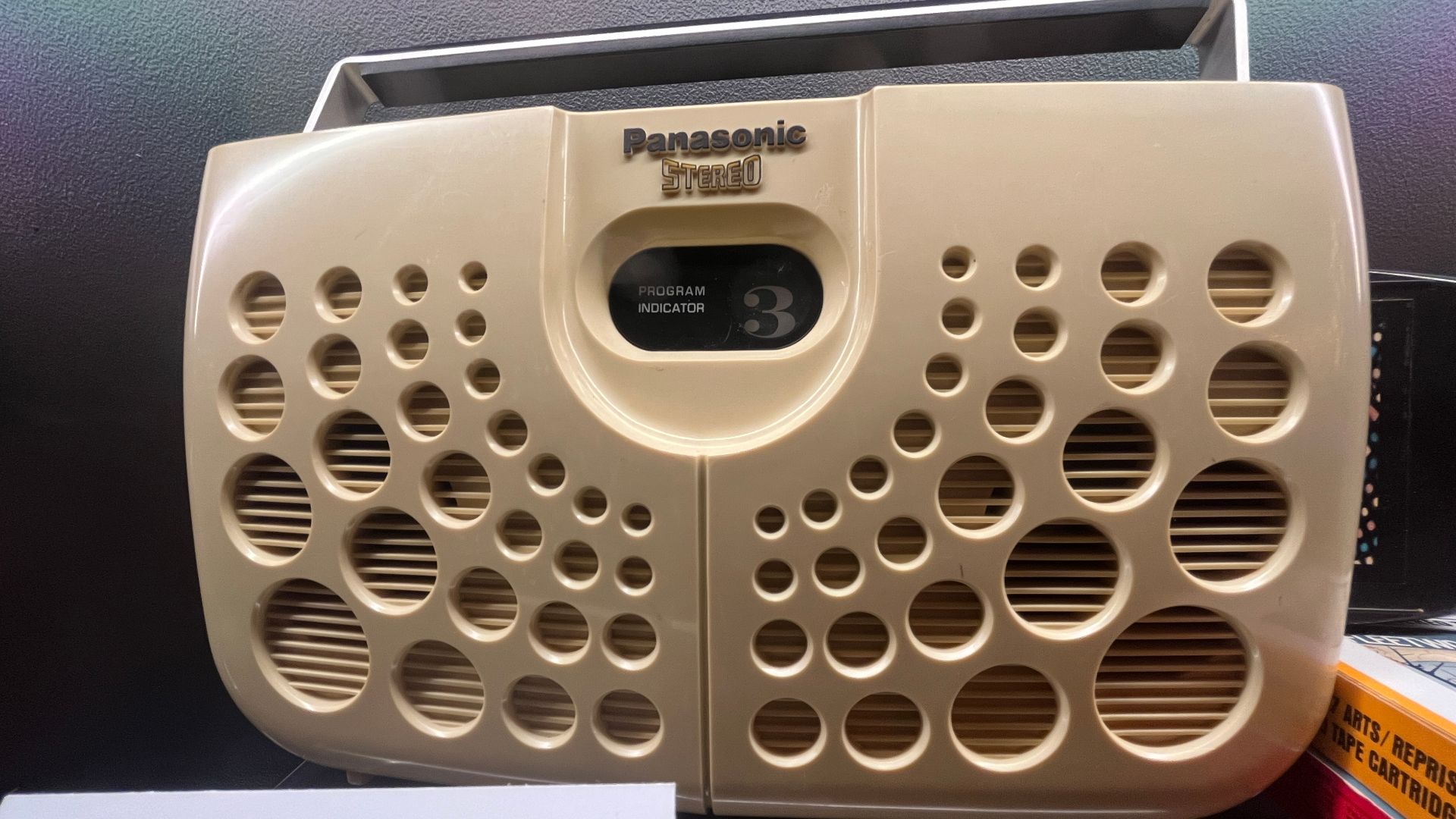
Eight-track tapes made music portable before cassettes took over. Drivers loved popping them into car players and cruising with their favorite albums. But the format was bulky, clunky, and prone to awkward song breaks. Once cassettes improved, eight-tracks disappeared fast.
 Benoit Prieur, Wikimedia Commons
CB Radio Craze
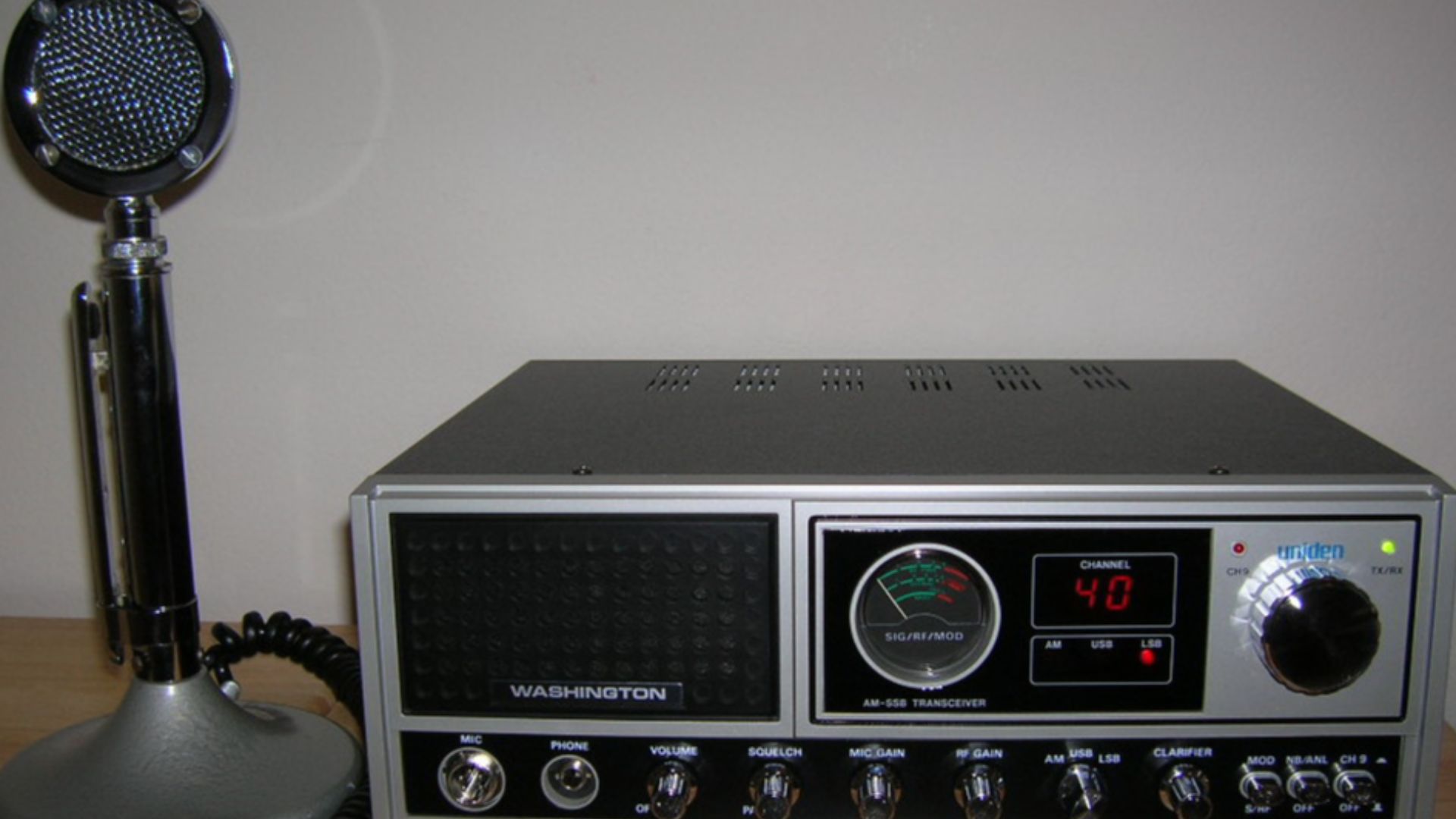
CB radios turned ordinary drivers into road warriors with handles, slang, and highway chatter. Truckers used them, but so did hobbyists swept up in the craze. Then the novelty faded, regulations changed, and better communication technology left the CB boom in the rearview mirror.
 Junglecat at English Wikipedia, Wikimedia Commons
The Fads That Left A Mark
Many trends from the 1960s and 1970s disappeared quickly because they were tied so strongly to their moment. Still, that is what makes them fascinating. They remind us that popularity can be loud, colorful, and very temporary—but nostalgia has a much longer shelf life.
 ABC Television, Wikimedia Commons
You May Also Like:
Napoleon In Moscow: The Victory That Became A Trap
The Tragic Story Of Nina Mae McKinney, "The Black Garbo"
Unhinged Facts About Mötley Crüe, The World's Most Notorious Band