Why Did Napoleon Invade Russia?
Napoleon launched the invasion of Russia largely due to tensions over the Continental System, his economic blockade aimed at weakening Britain. Tsar Alexander I had begun ignoring and undermining this system, reopening trade with Britain. This defiance threatened Napoleon’s control over Europe and pushed him toward a massive military response.
The Road To Moscow
Napoleon launched his invasion of Russia on June 24, 1812, crossing the Niemen River with the Grande Armée, a force estimated between 450,000 and 600,000 troops. This marked one of the largest military campaigns in European history and set in motion a months-long advance into Russian territory.
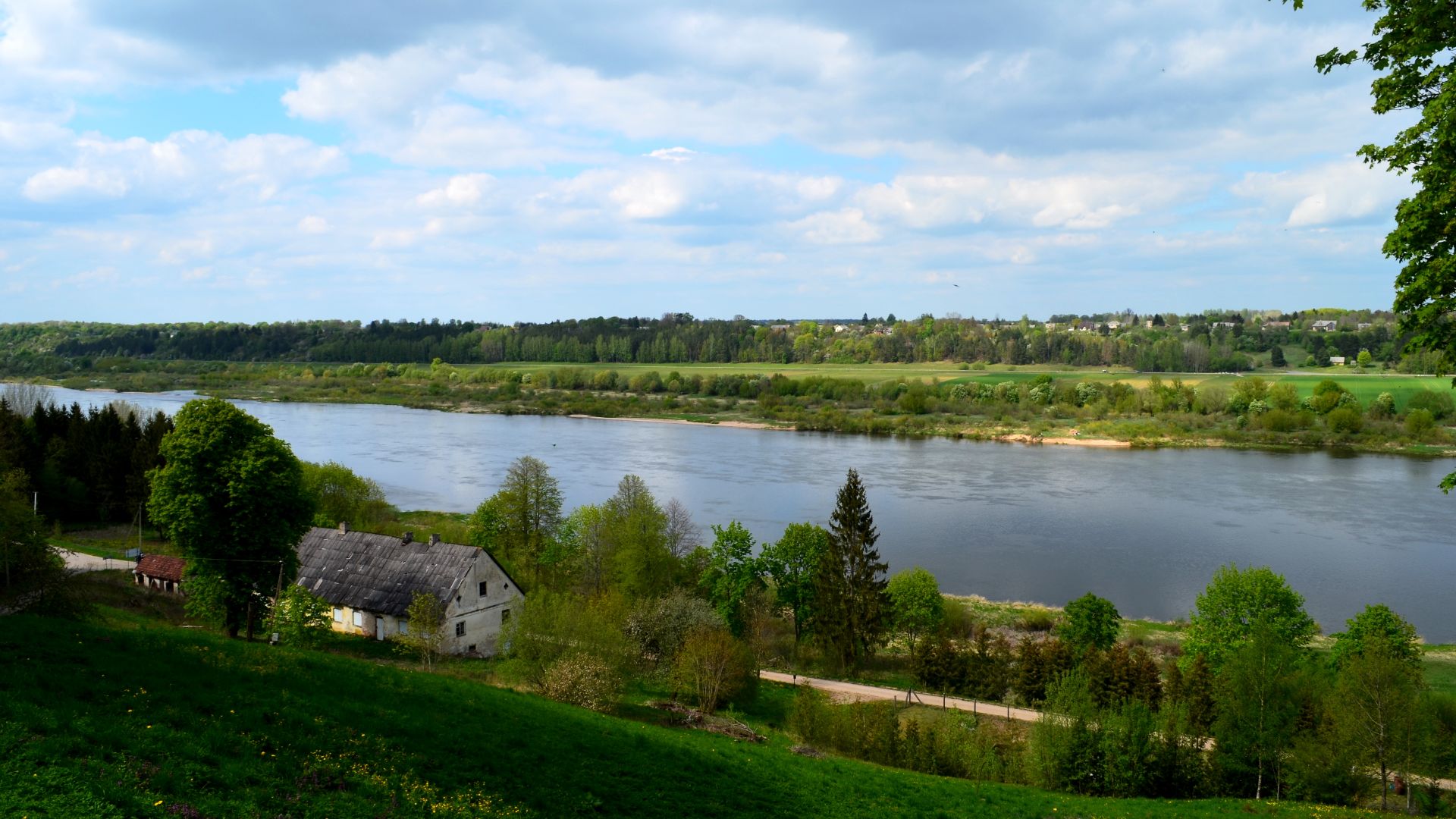
Russia Refused A Decisive Battle
Rather than confront Napoleon in a decisive early engagement, Russian commanders adopted a strategy of continuous retreat, pulling their forces deeper into the country. This approach forced the French army to march farther from its supply lines while gradually weakening due to hunger, exhaustion, and constant logistical strain.
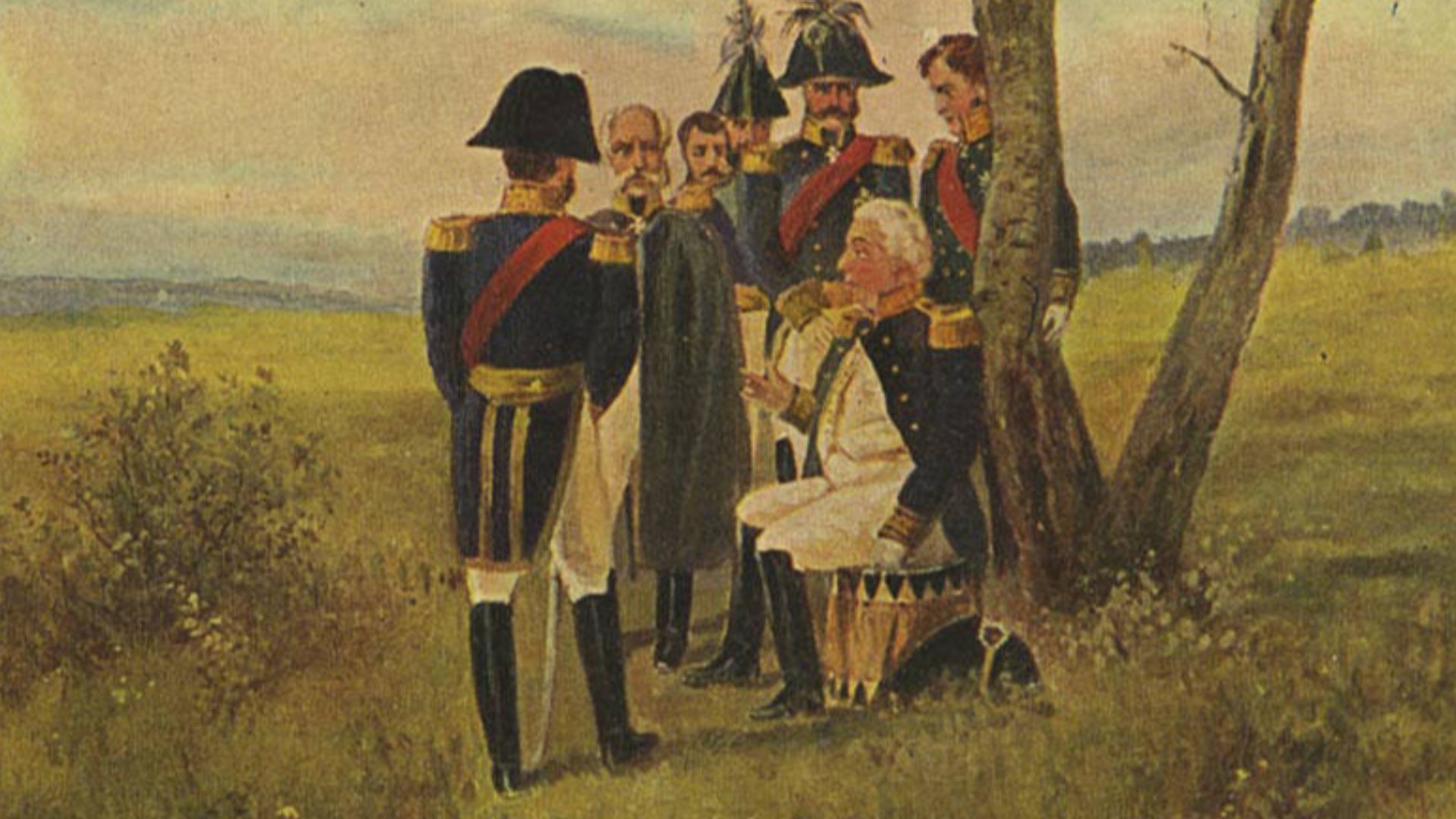 Unknown author, Wikimedia Commons
Smolensk Fell But The War Went On
Napoleon captured the important city of Smolensk in August 1812 after a hard-fought battle. However, instead of surrendering, the Russian army withdrew once again, preserving its core strength. This pattern denied Napoleon the decisive victory he needed and pushed his army further into increasingly hostile territory.
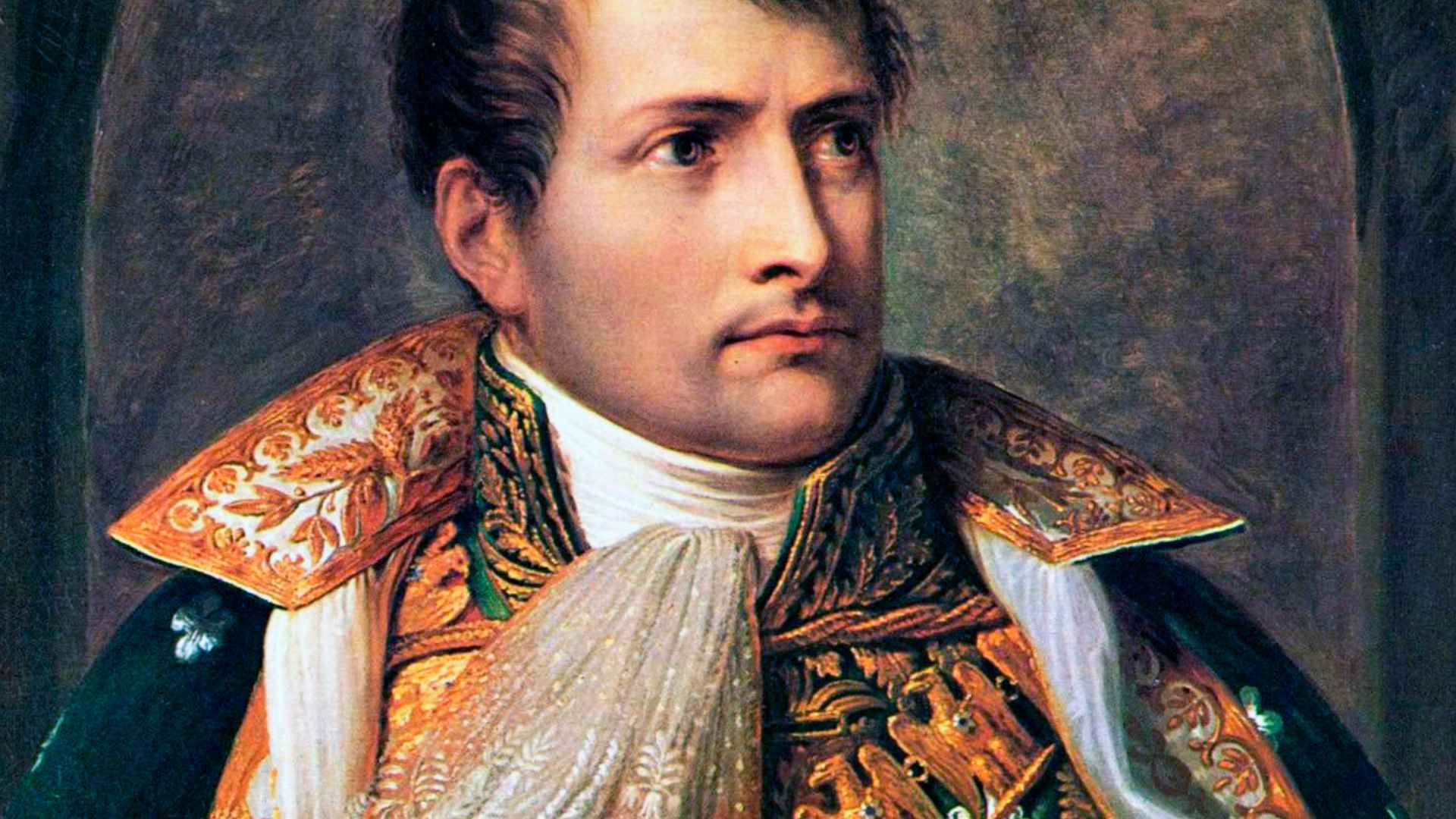 Andrea Appiani, Wikimedia Commons
Deadly Struggle At Borodino
On September 7, 1812, Napoleon confronted the Russian army at Borodino in one of the bloodiest single-day battles of the Napoleonic Wars. Although the French claimed a tactical victory and held the field, the Russian army was not destroyed and retreated in an organized manner.
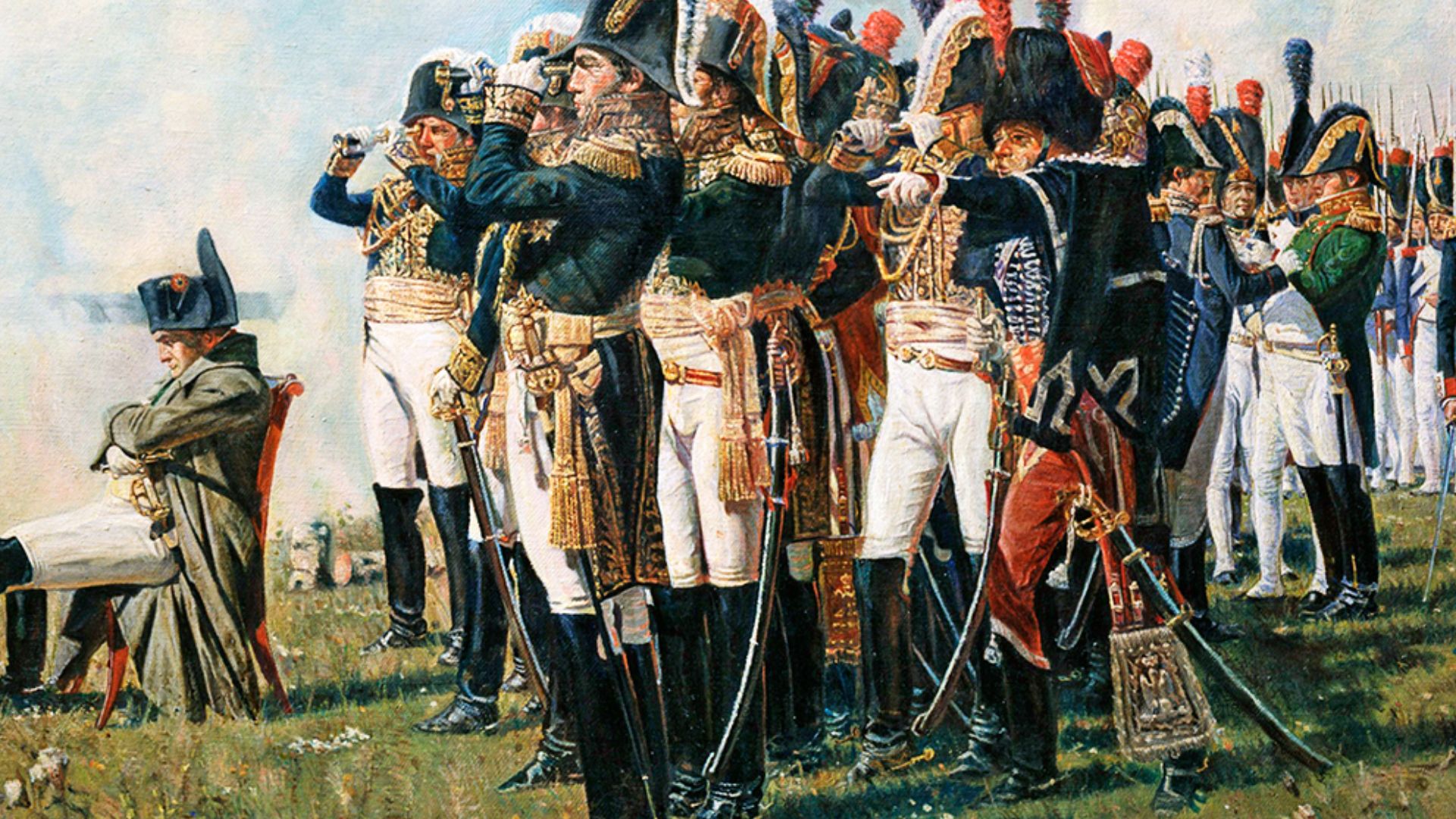 Vasily Vereshchagin, Wikimedia Commons
The Road To Moscow Open
Following the Battle of Borodino, Russian forces withdrew toward Moscow, leaving the road open for Napoleon’s advance. This decision reflected a deliberate strategy to preserve the army rather than defend the city itself, even though Moscow held deep cultural and symbolic importance.
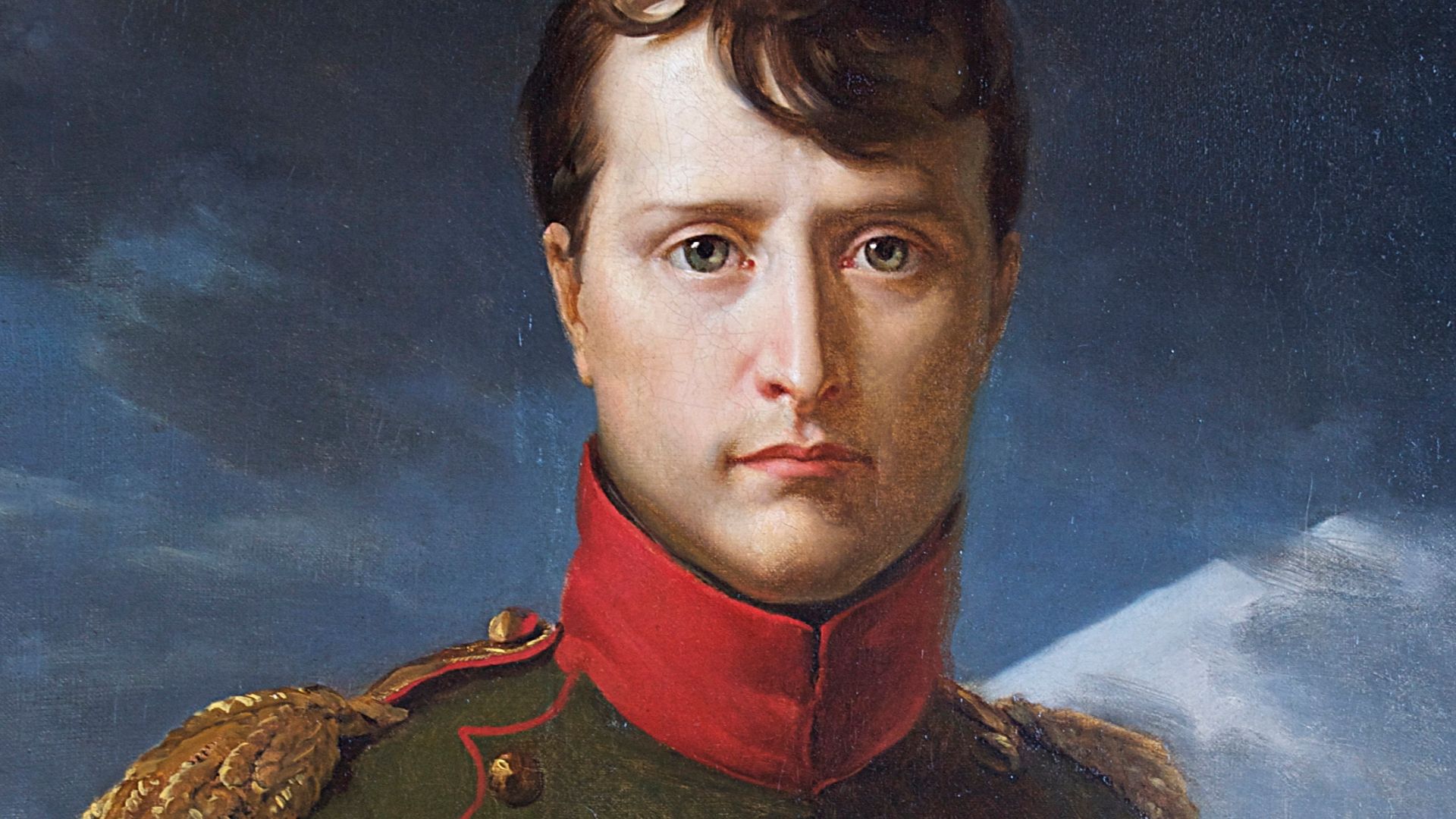 Francois Gerard, Wikimedia Commons
Moscow Was Ordered Abandoned
On September 13, Russian commander Mikhail Kutuzov made the critical decision to abandon Moscow rather than attempt to defend it. This ensured that Napoleon would occupy the city without a final battle, but it also set the stage for an unconventional and destructive response.
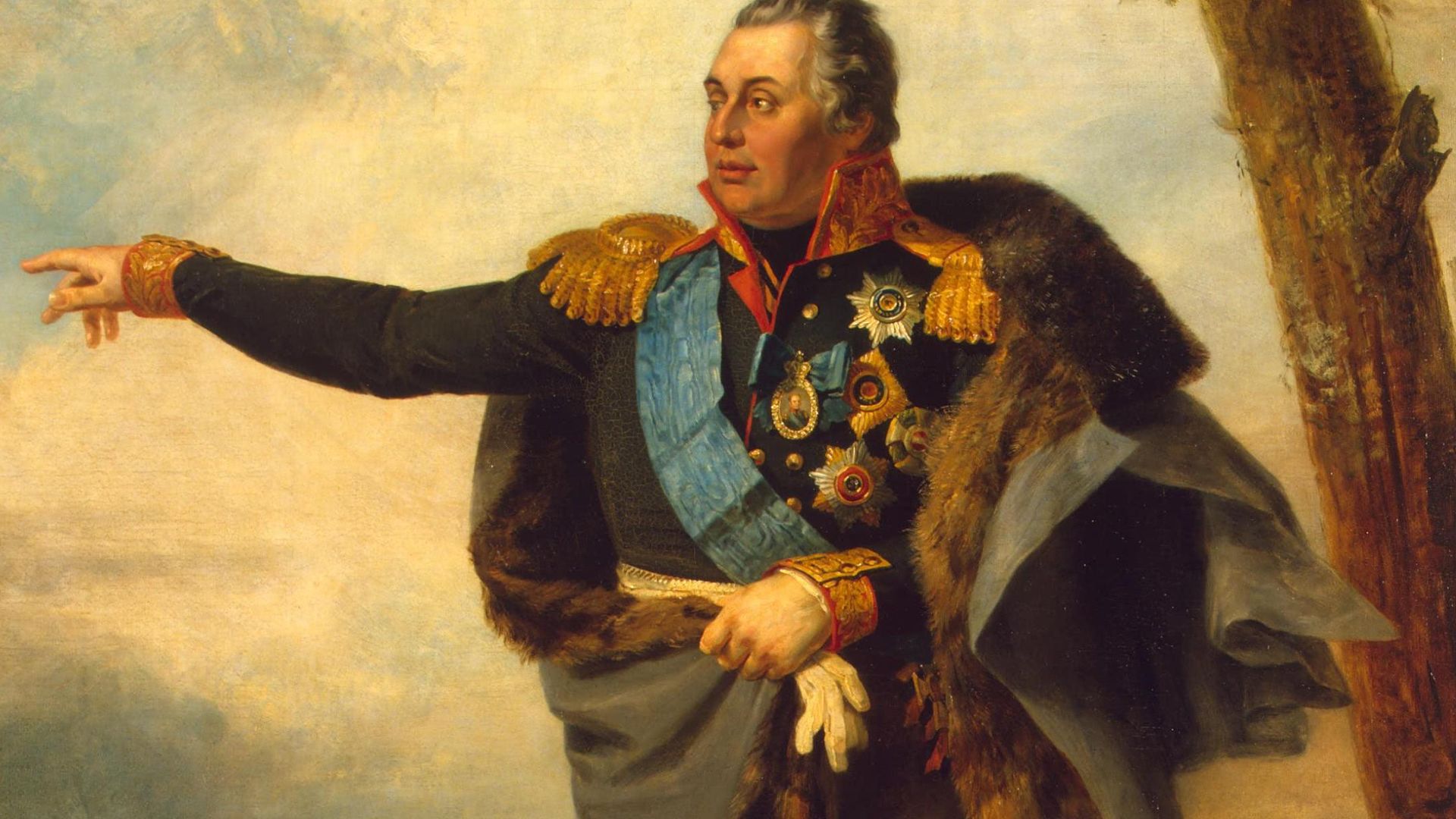 George Dawe, Wikimedia Commons
Napoleon Entered An Empty Capital
Napoleon entered Moscow on September 14, 1812, expecting to receive a formal surrender from Russian officials. Instead, he found the city largely deserted, as most of its population had fled. The absence of civilians immediately signaled that something was deeply wrong with the situation.
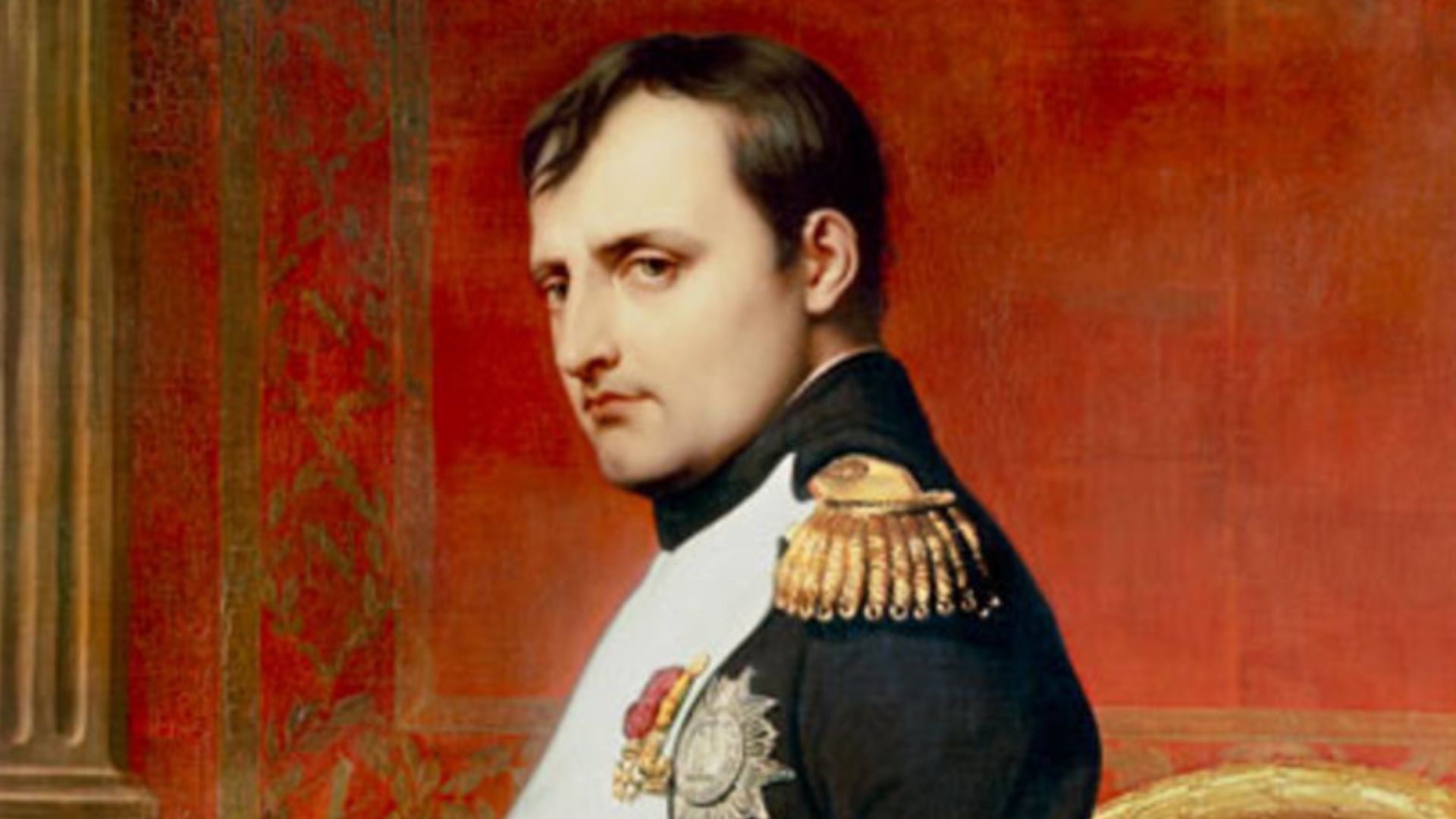 Paul Delaroche, Wikimedia Commons
No Delegation Awaited The Emperor
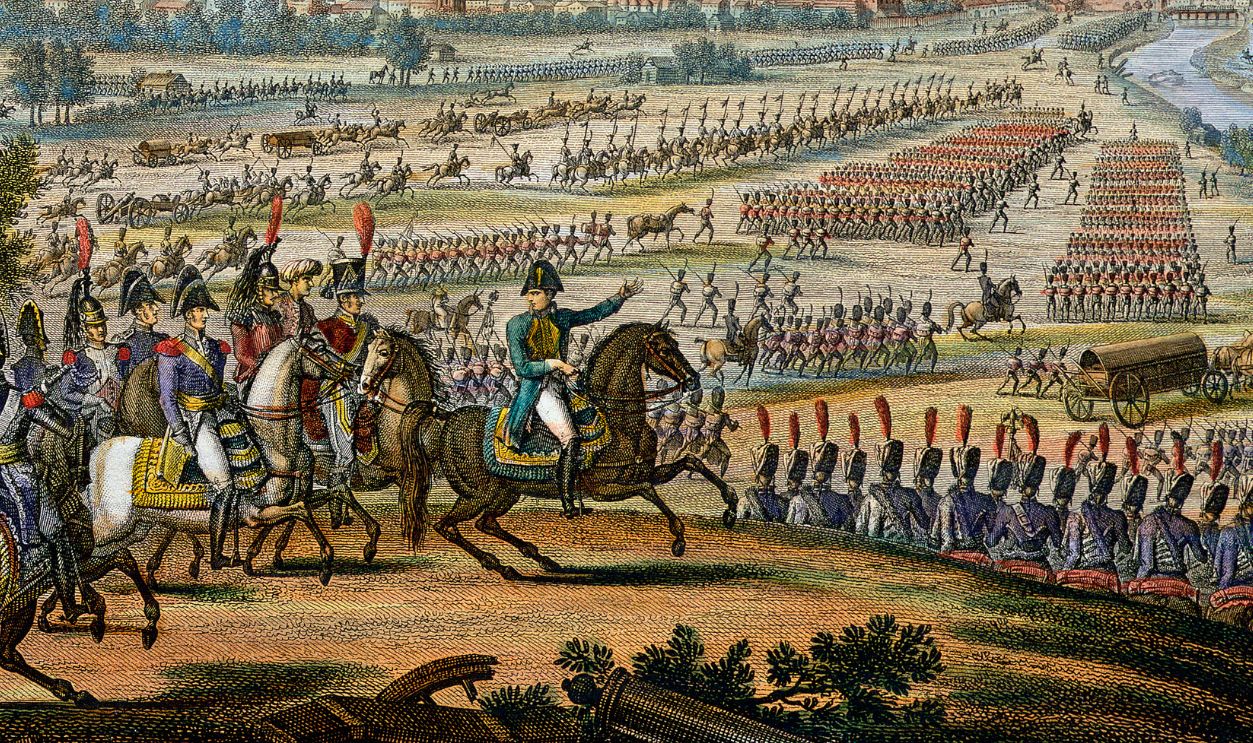
Napoleon anticipated that Moscow’s leaders would meet him to negotiate terms, as was customary after capturing a major city. But no delegation appeared, and no offers of peace were made. This lack of response indicated that Russia had no intention of negotiating.

History's most fascinating stories and darkest secrets, delivered to your inbox daily.
Fires Broke Out
On the very night Napoleon entered Moscow, fires broke out across different parts of the city. What initially appeared to be isolated incidents quickly spread, creating confusion and panic among French troops who had expected to find shelter and supplies in the capital.
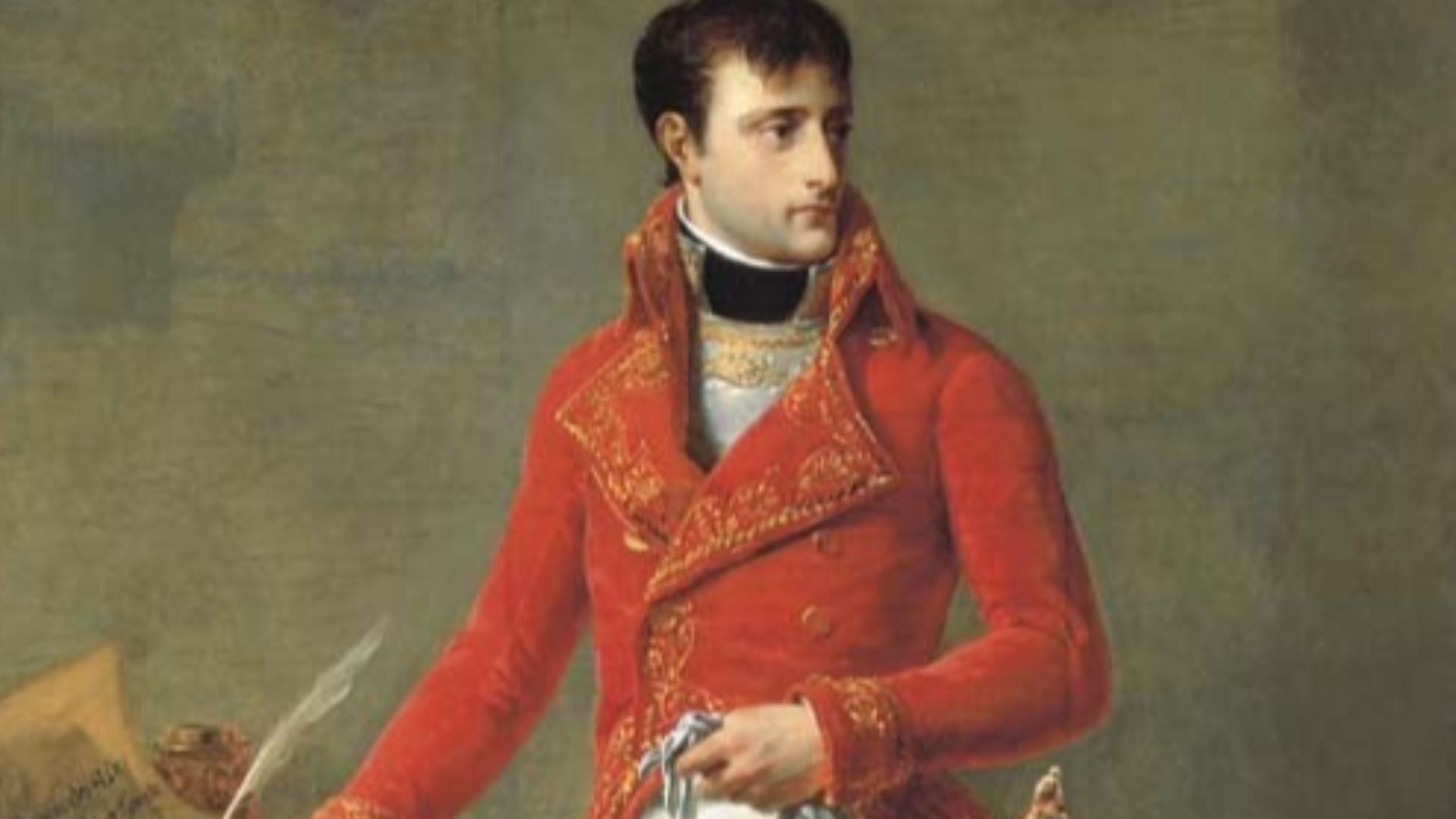 Antoine-Jean Gros, Wikimedia Commons
Fire Engulfed The City
Between September 14 and September 18, massive fires swept through Moscow, destroying large sections of the city. The flames consumed homes, warehouses, and infrastructure, turning what should have been a valuable prize into a devastated and nearly uninhabitable landscape.
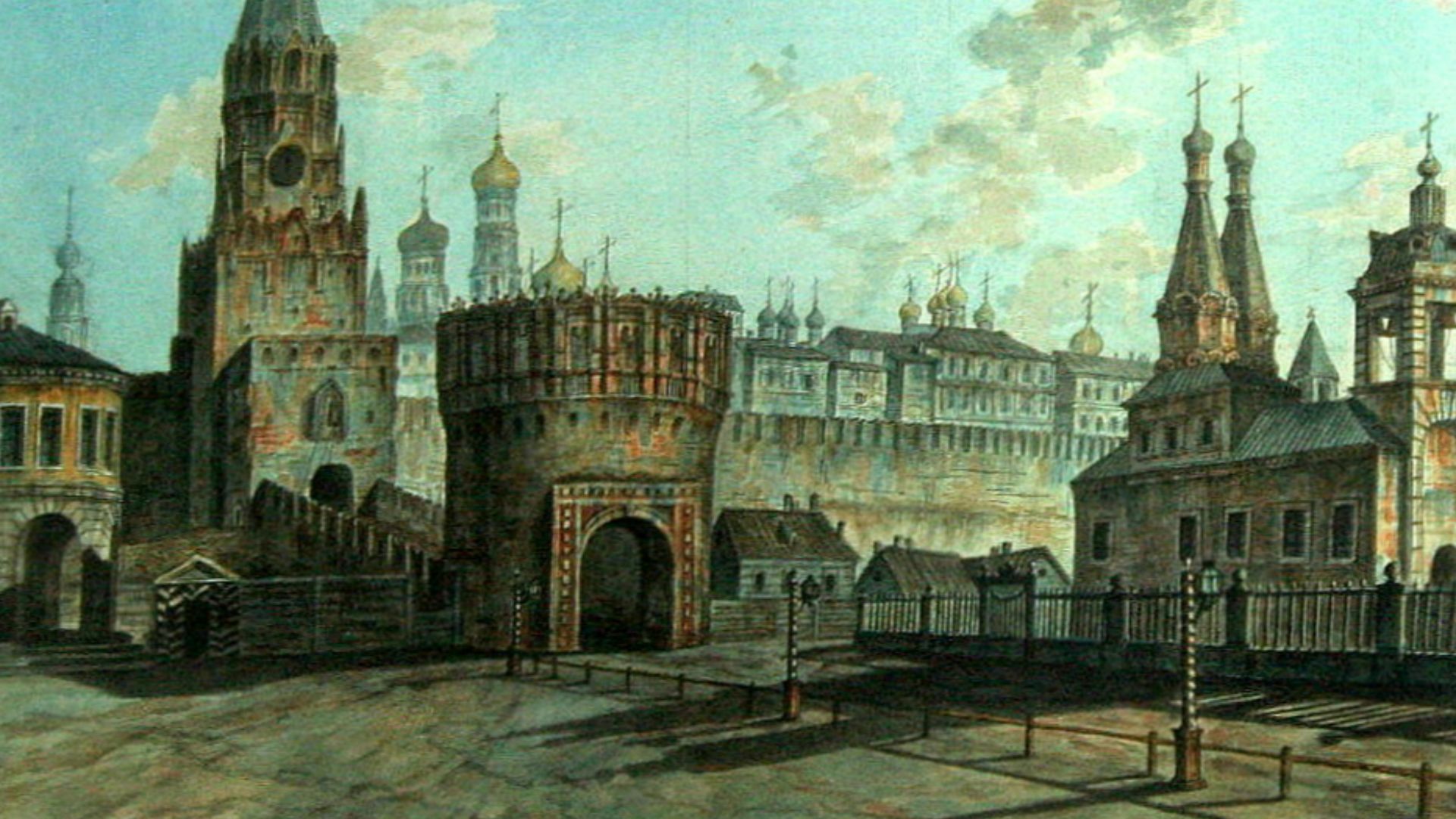 Fyodor Alekseev, Wikimedia Commons
A Scorched Earth Strategy
The destruction of Moscow is widely attributed to Russian authorities, particularly Governor Rostopchin, who reportedly ordered the city to be burned. This was part of a broader scorched earth strategy designed to deny Napoleon the resources he needed to sustain his occupation.
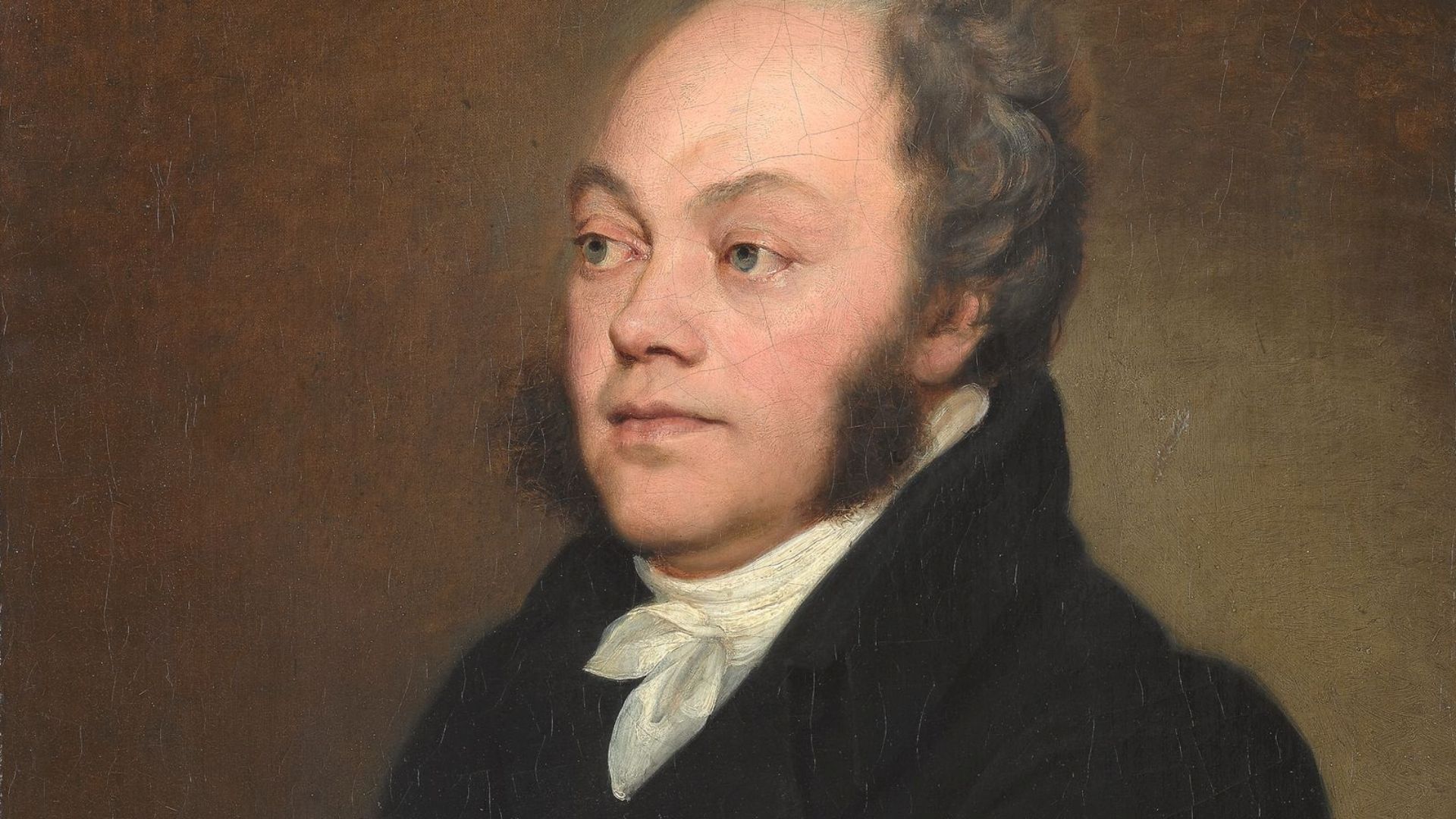 Orest Kiprensky, Wikimedia Commons
Two-Thirds Of Moscow Destroyed
By the time the fires subsided, roughly two-thirds of Moscow had been destroyed. The scale of the devastation meant that Napoleon’s army could not rely on the city for shelter, food, or supplies, severely undermining the strategic value of capturing the capital.
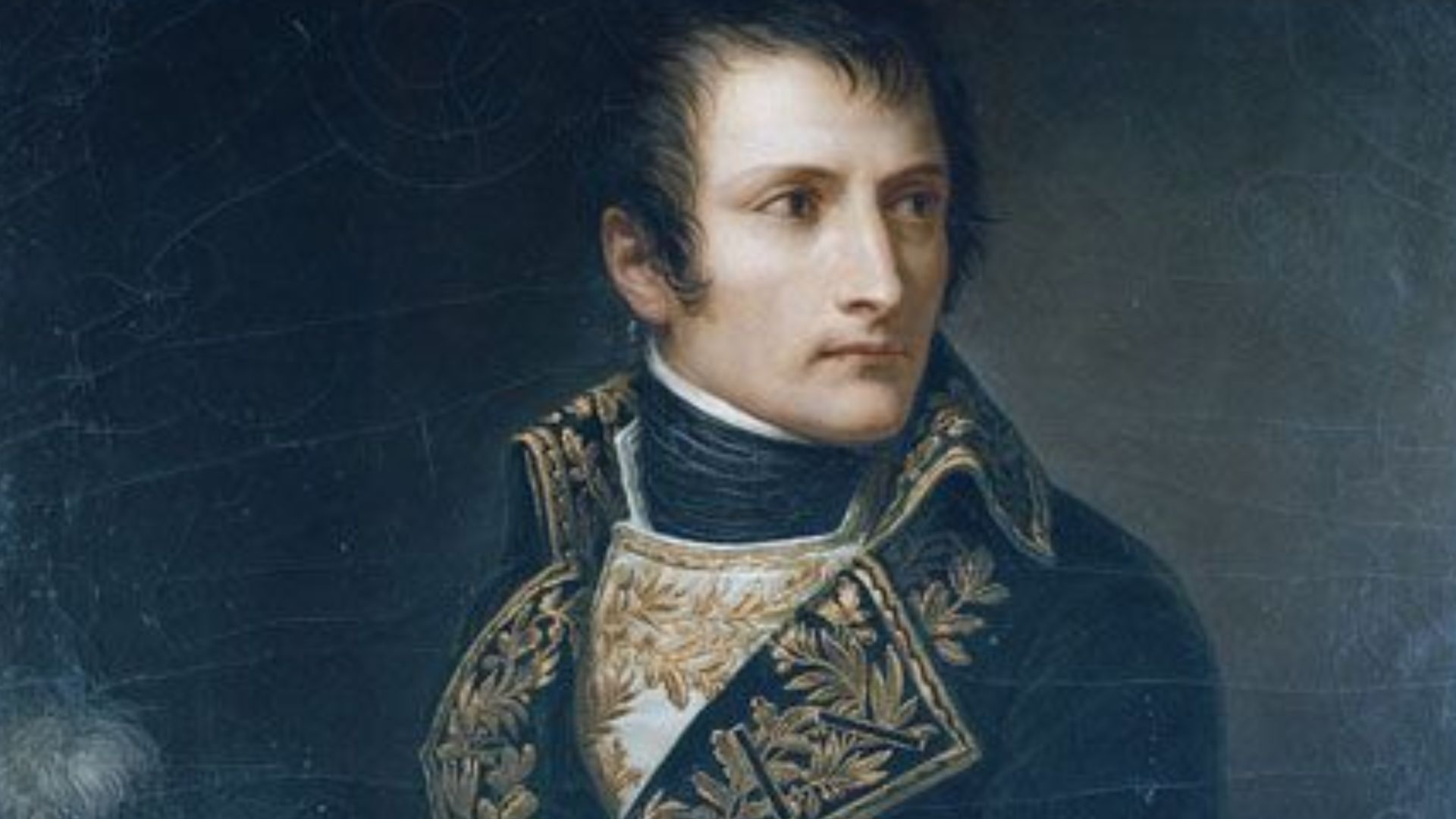 Andrea Appiani, Wikimedia Commons
The City Held Almost No Supplies
Because the Russians had evacuated and destroyed supplies before leaving, Moscow offered little food or material support for the French army. This left Napoleon’s troops increasingly dependent on dwindling resources brought from afar, which were already stretched thin.
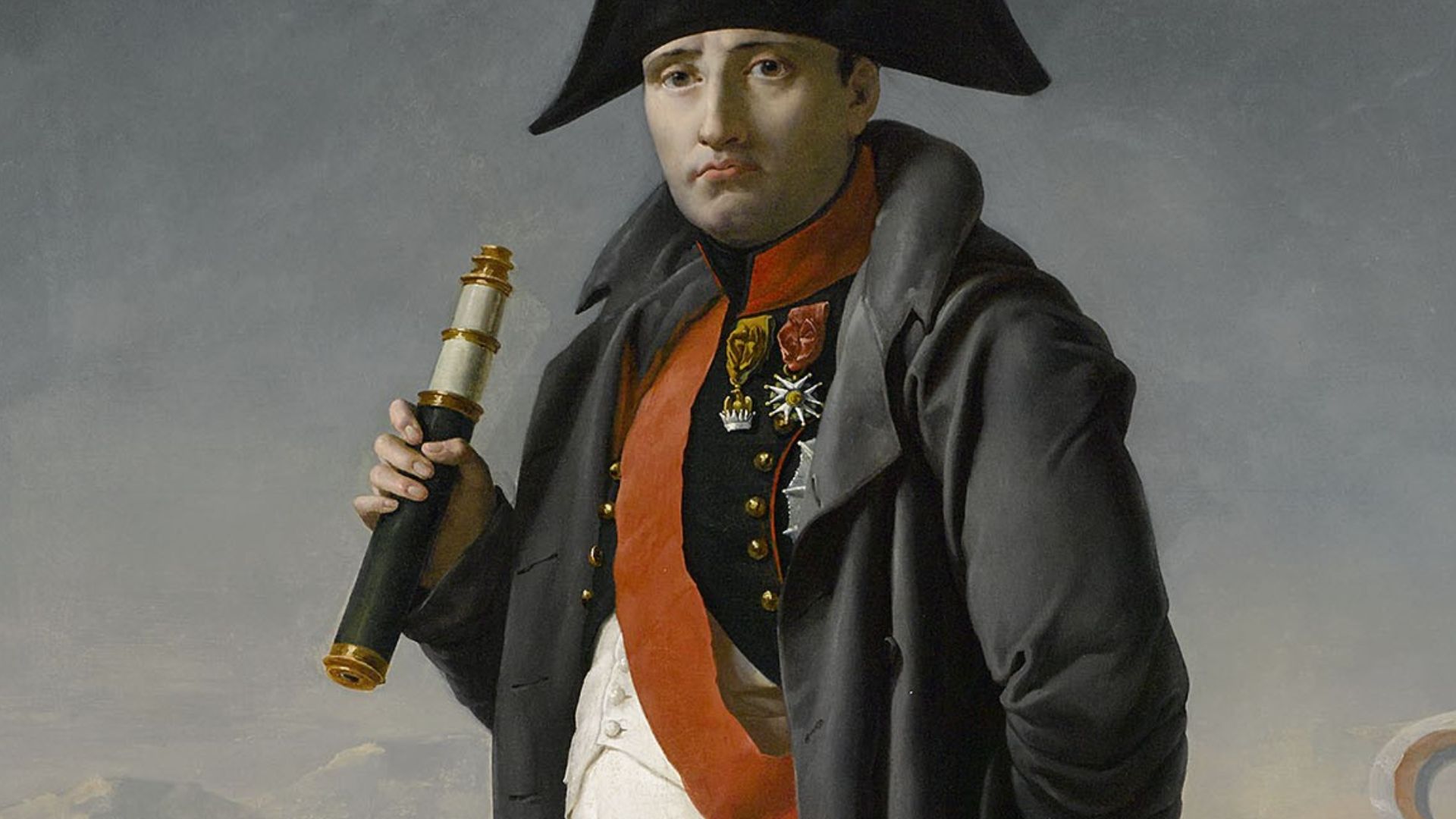 Joseph Franque, Wikimedia Commons
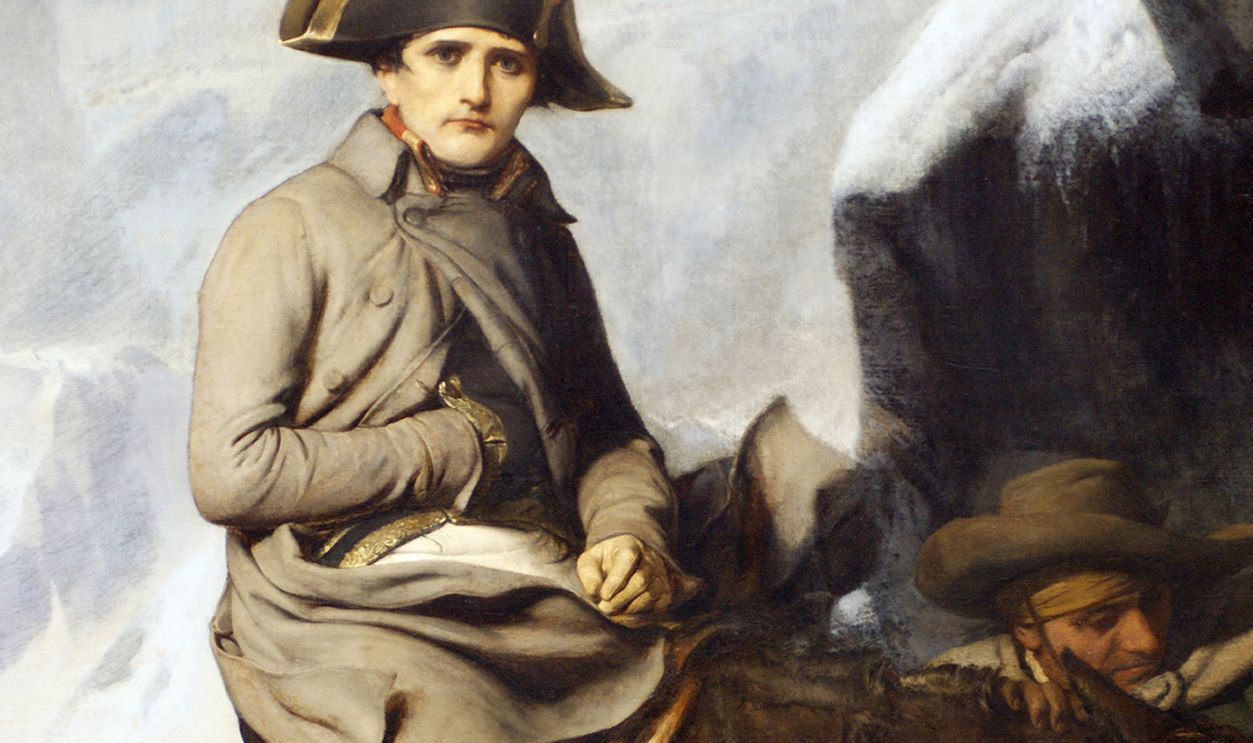
Napoleon Moved Into The Kremlin
After entering Moscow, Napoleon established his headquarters in the Kremlin, the historic fortified center of the city. From this position, he attempted to organize the occupation and maintain control, even as conditions around him deteriorated due to fire damage and lack of supplies.
Discipline Broke Down In The Ranks
With the city abandoned and supplies scarce, French soldiers began looting buildings in search of food and valuables. This breakdown in discipline made it difficult to maintain order and further weakened the army’s cohesion during a critical moment in the campaign.
Napoleon Waited For Negotiations
Napoleon remained in Moscow with the expectation that Tsar Alexander I would seek peace after losing the city. He believed that capturing such an important center would force Russia to negotiate, as had happened in previous European campaigns.
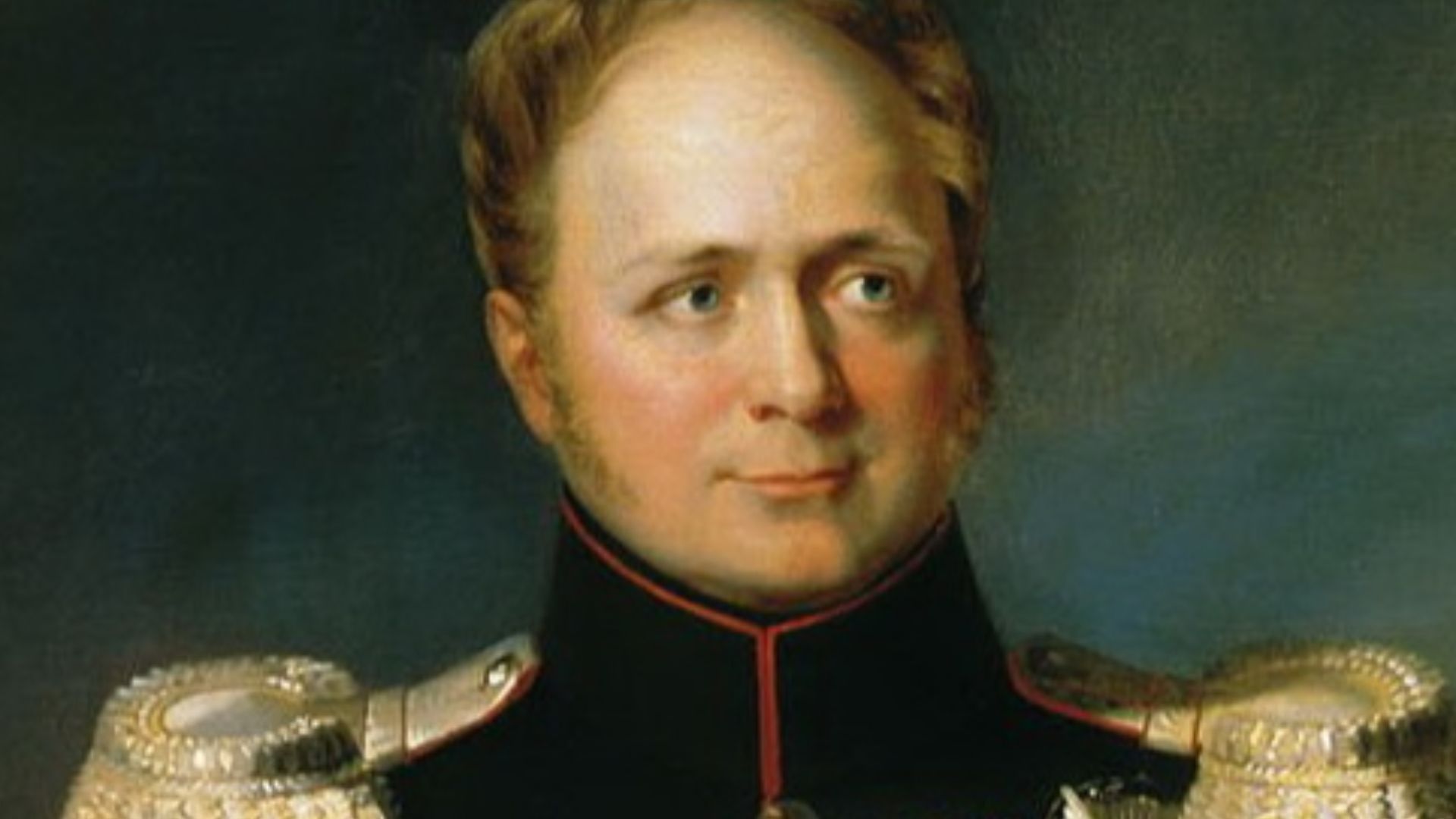 George Dawe, Wikimedia Commons
Tsar Alexander Refused To Respond
Despite Napoleon’s expectations, Tsar Alexander I refused to enter into negotiations. He remained in Saint Petersburg and ignored all attempts at communication, signaling his determination to continue the war rather than concede defeat after the loss of Moscow.
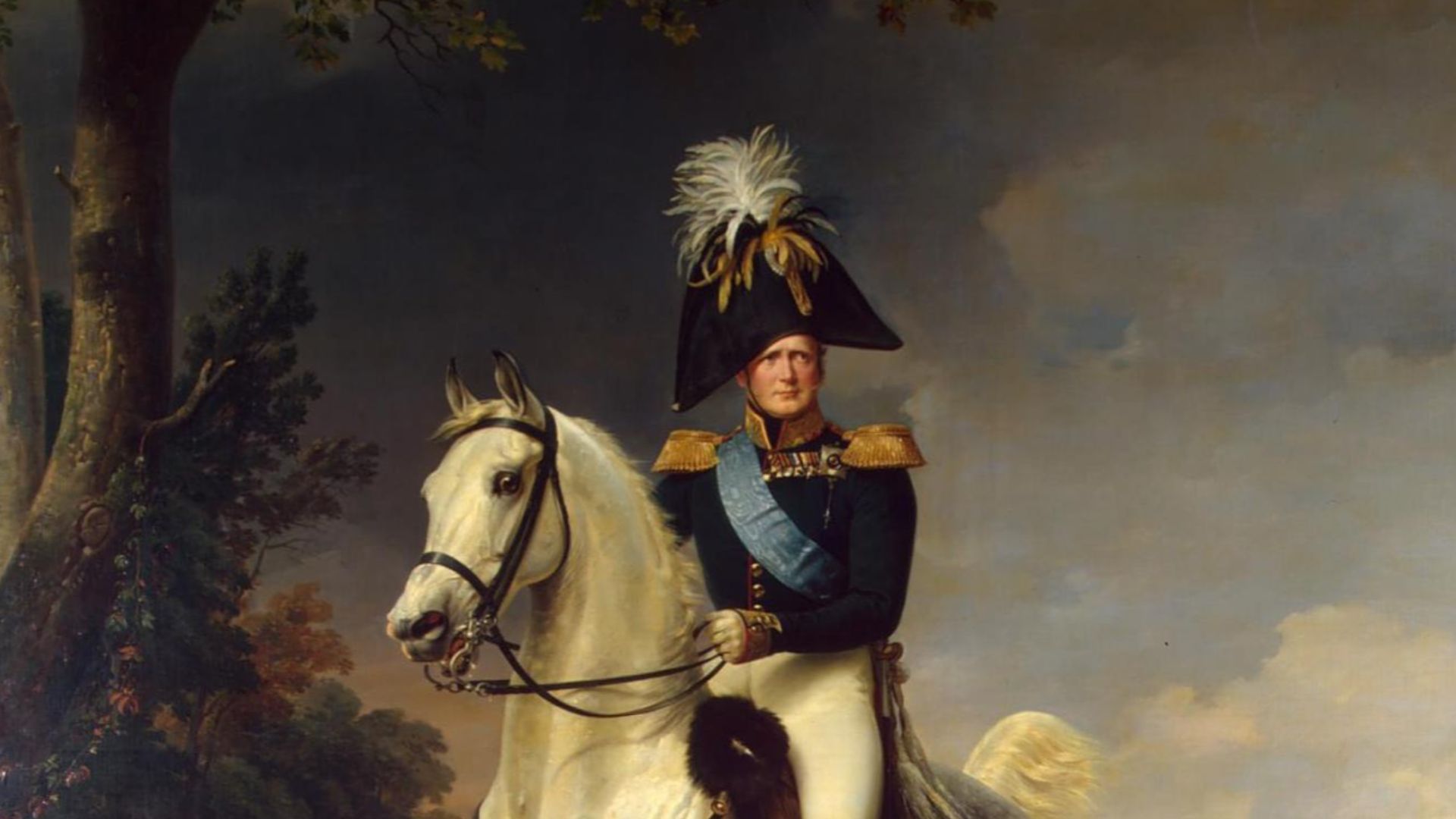 Franz Kruger, Wikimedia Commons
Weeks Passed With No Answer
Napoleon waited in Moscow for more than a month, hoping for a response that never came. As days turned into weeks, the lack of communication left the French army stranded in a ruined city without a clear plan or strategic direction.
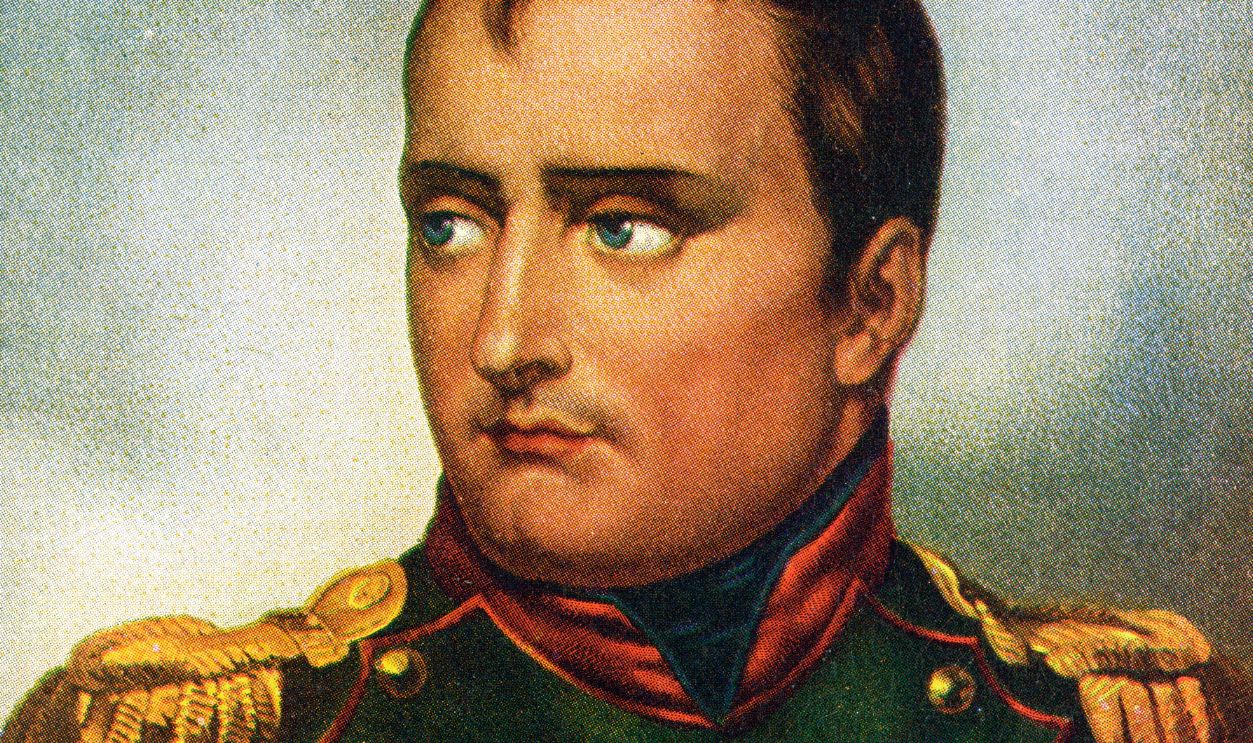
The Occupation Lasted 36 Days
The French occupation of Moscow lasted from September 14 to October 19, 1812, totaling thirty-six days. This brief period represented the furthest extent of Napoleon’s advance into Russia and marked the high point of his campaign before its rapid decline.
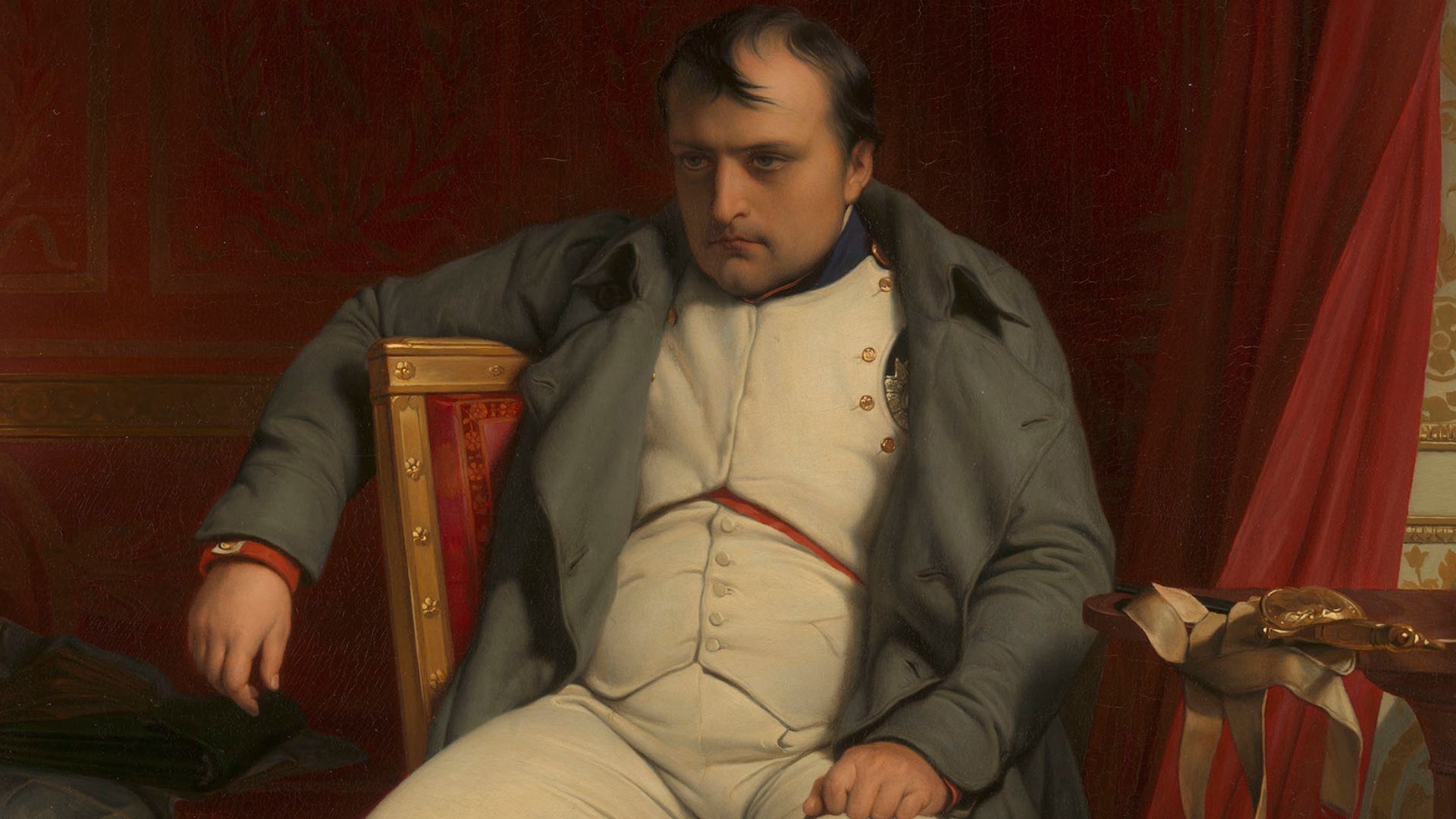 Paul Delaroche, Wikimedia Commons
The Army Faced Supply Collapse
As the occupation continued, the French army faced severe shortages of food, shelter, and essential supplies. The destruction of the city meant that Moscow could not support a prolonged stay, forcing Napoleon to reconsider his position.
Old Man Winter Was At The Door
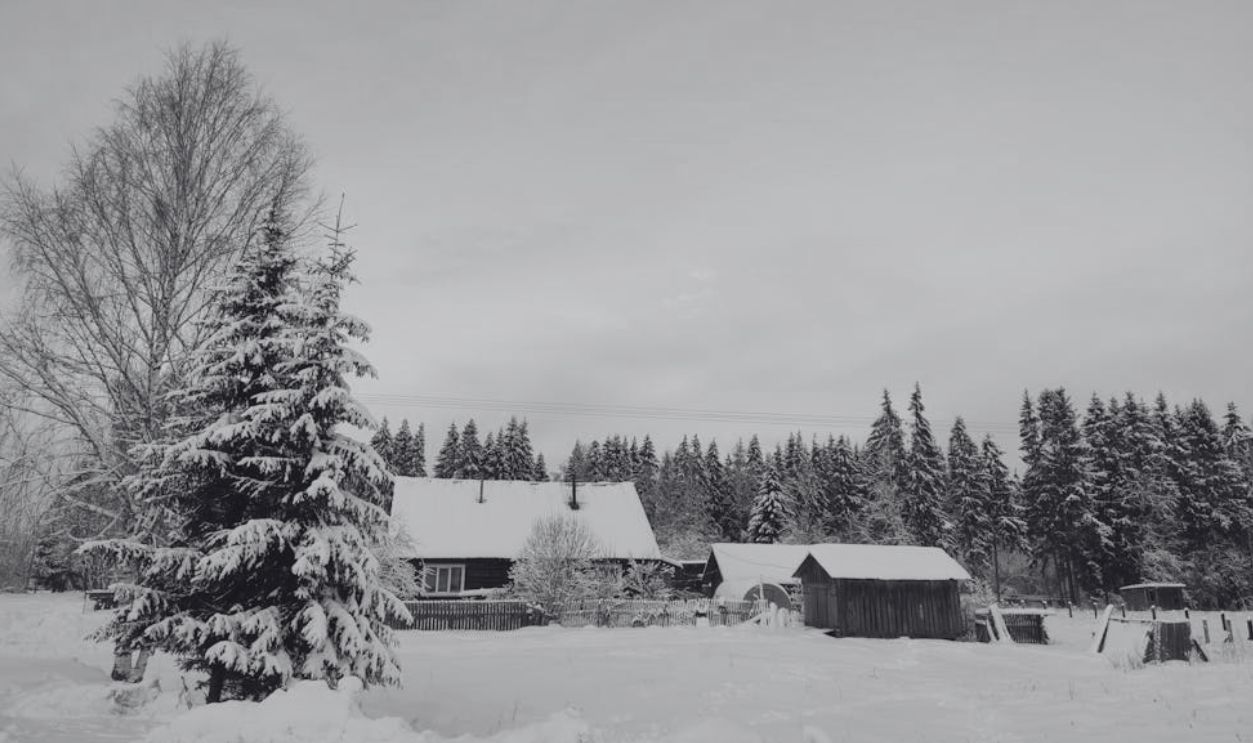
By October, temperatures began to drop, and the threat of the Russian winter became increasingly real. Napoleon understood that remaining in Moscow without adequate supplies would expose his army to catastrophic conditions in the coming months.
No Strategic Advantage Left
Despite capturing Moscow, Napoleon gained no meaningful strategic advantage. The Russian army remained intact, the government refused to negotiate, and the destruction of the city eliminated any logistical benefits that might have come from its occupation.
A Painful Decision
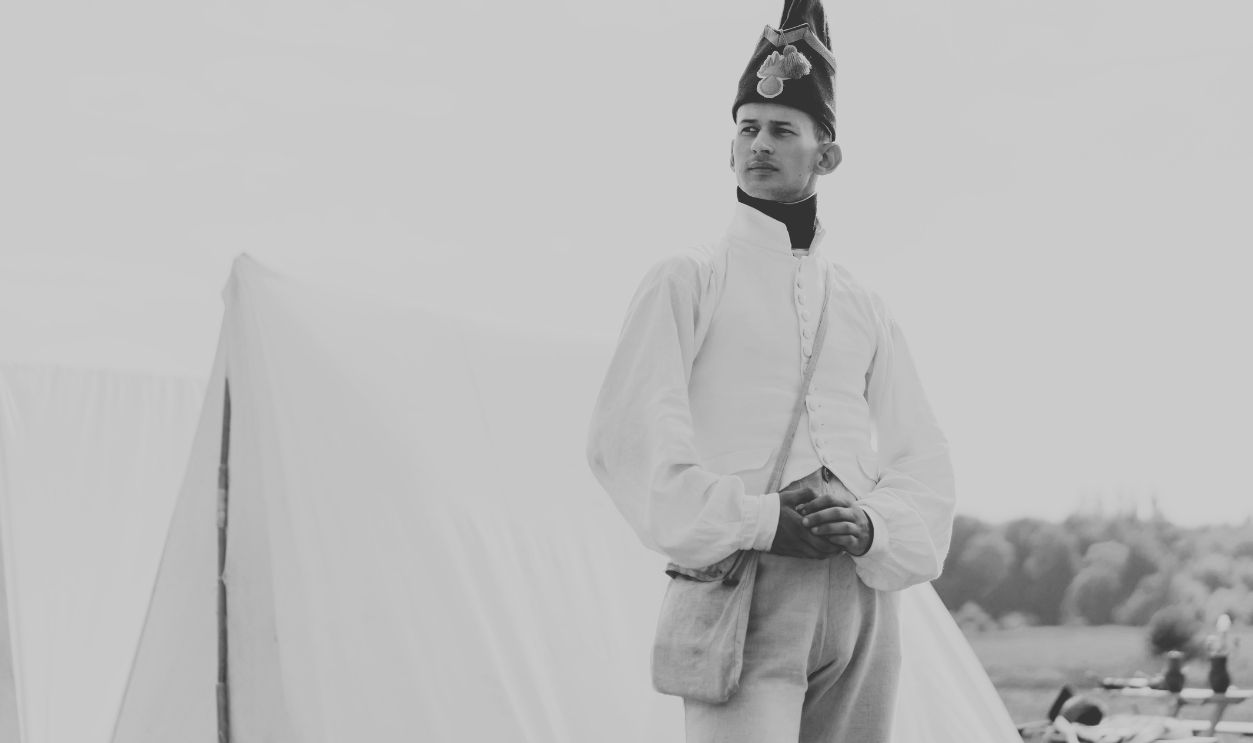
On October 19, 1812, Napoleon made the decision to abandon Moscow and begin a retreat. This marked a turning point in the campaign, as the French army shifted from advancing into Russia to attempting to survive its withdrawal.
A Retreat Begun Under Pressure
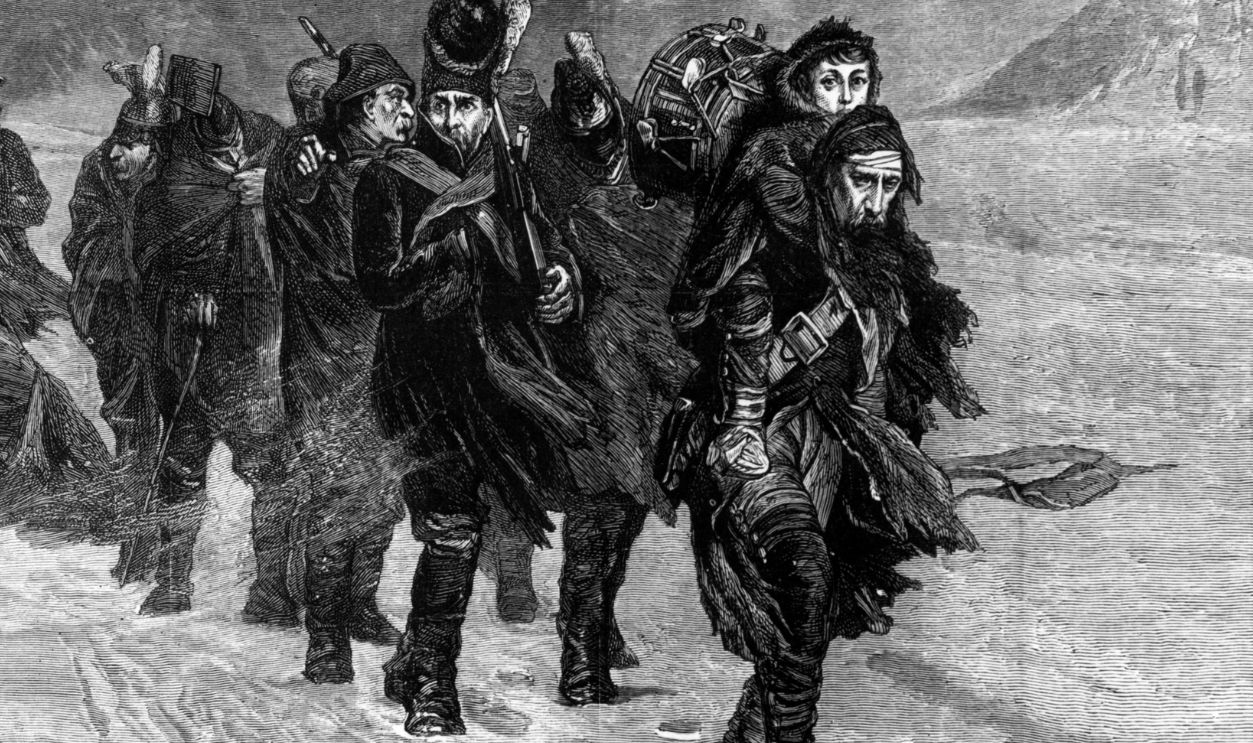
As the French army left Moscow, it immediately faced pressure from Russian forces that pursued and harassed the retreating columns. Already weakened by hunger and exhaustion, the army entered a retreat that would soon become one of history’s most catastrophic defeats.
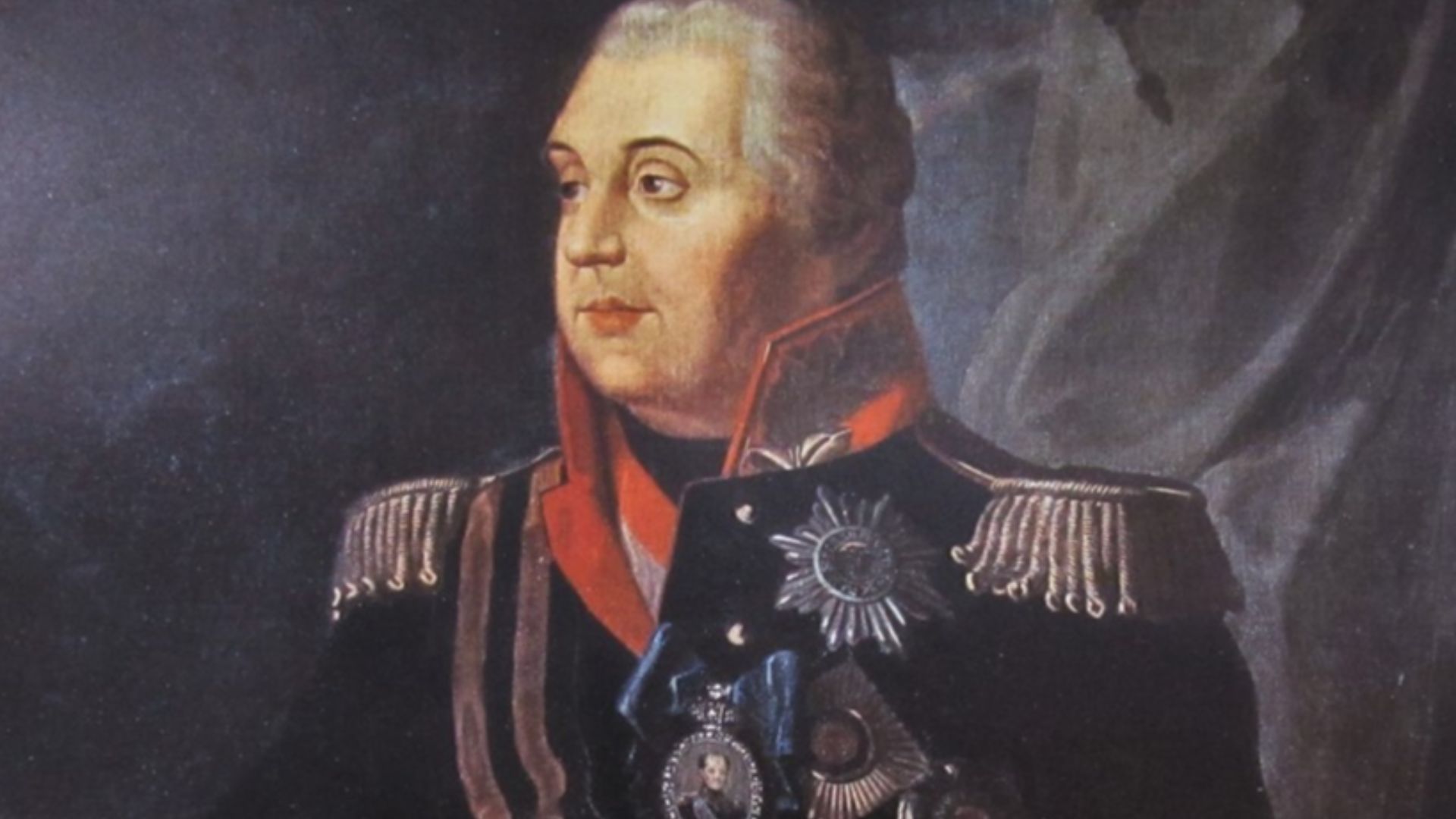 R.M. Volkov (Roman Maksimovich Volkov), Wikimedia Commons
A Hollow Victory In Moscow
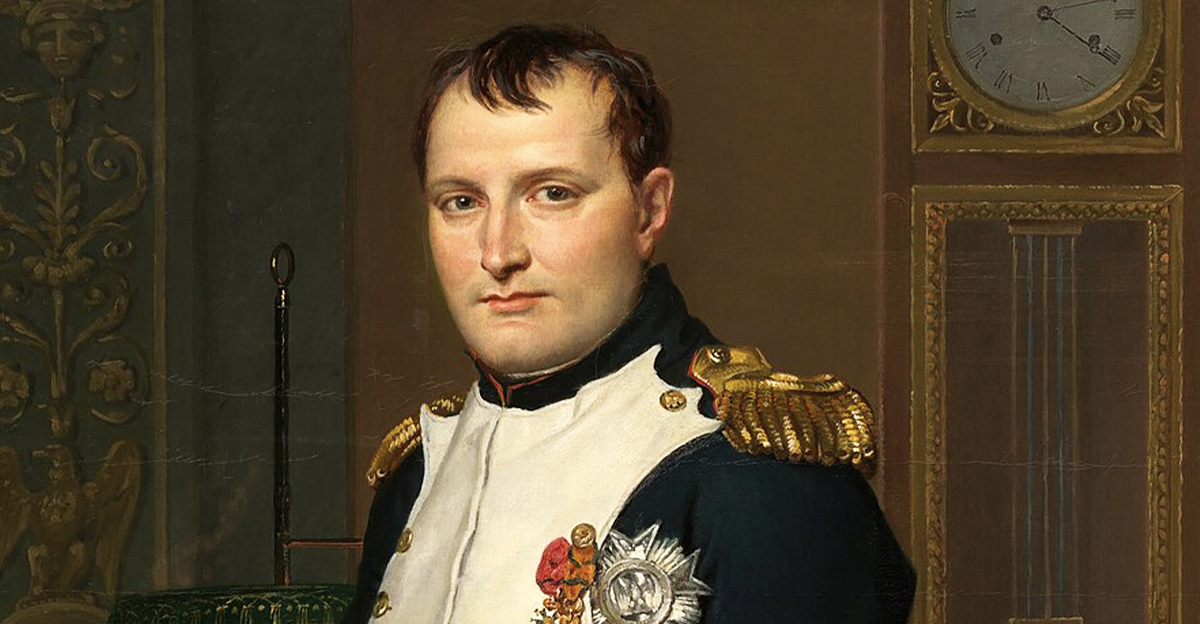
Napoleon’s capture of Moscow stands as a classic example of a hollow victory. Although he seized the enemy’s historic capital, the destruction of the city and the refusal of peace negotiations turned what should have been a triumph into the beginning of a catastrophic campaign.
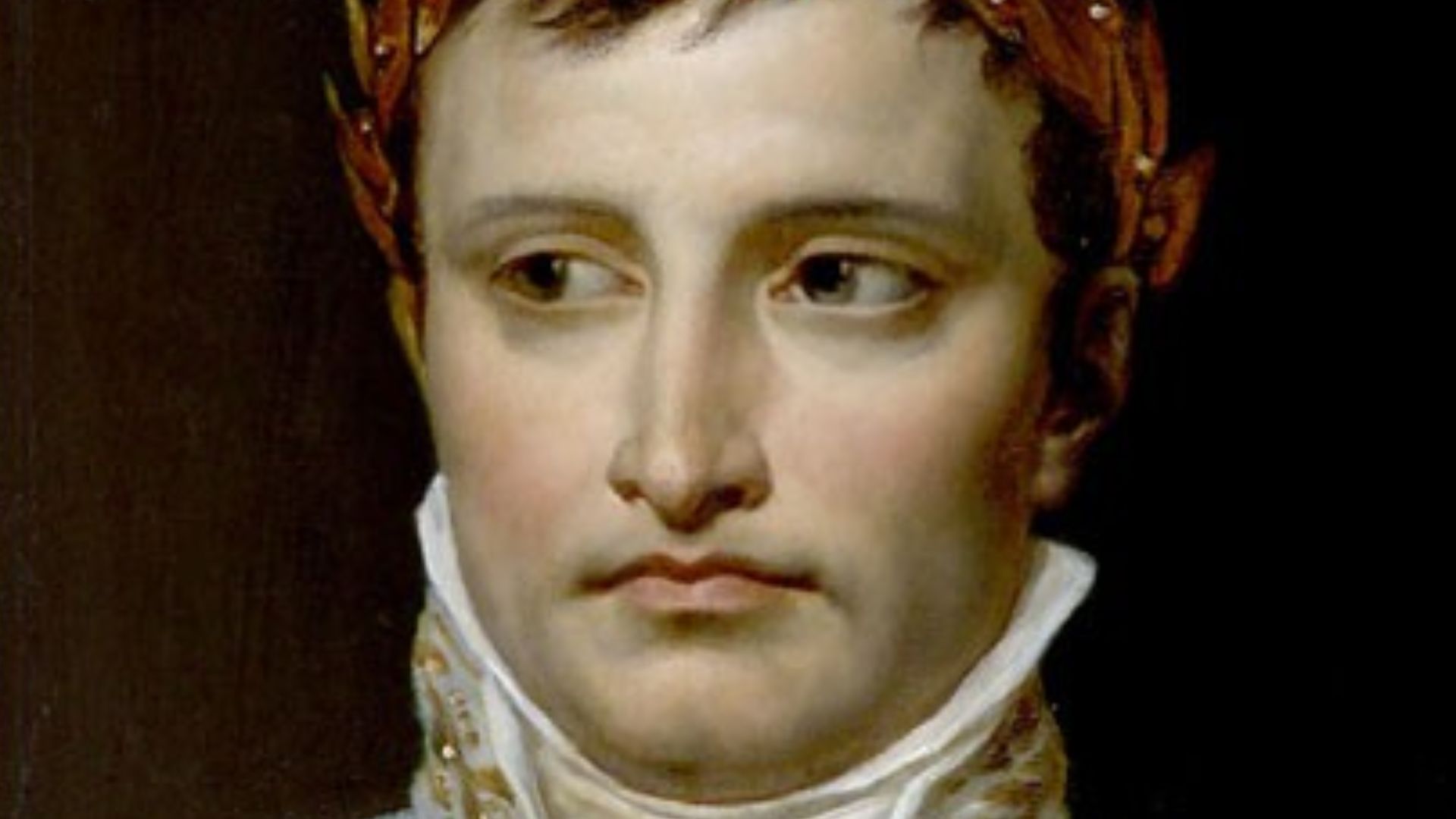 Jacques-Louis David, Wikimedia Commons
Bone-Chilling Facts About Napoleon’s Calamitous Invasion Of Russia