Before Anyone Could Teach Them
Long before children can explain what they believe, their minds are already trying to explain the world. Scientists wanted to know what happens during that mysterious period—and the deeper they looked, the harder one very simple question became to answer.
It Sounds Like A Yes-Or-No Question
Every child is eventually exposed to ideas about gods, spirits, purpose and what happens after life ends. But do those ideas begin entirely outside the child? Or is something already happening inside the developing mind that makes certain answers feel more natural than others?

Babies Cannot Explain Their Beliefs
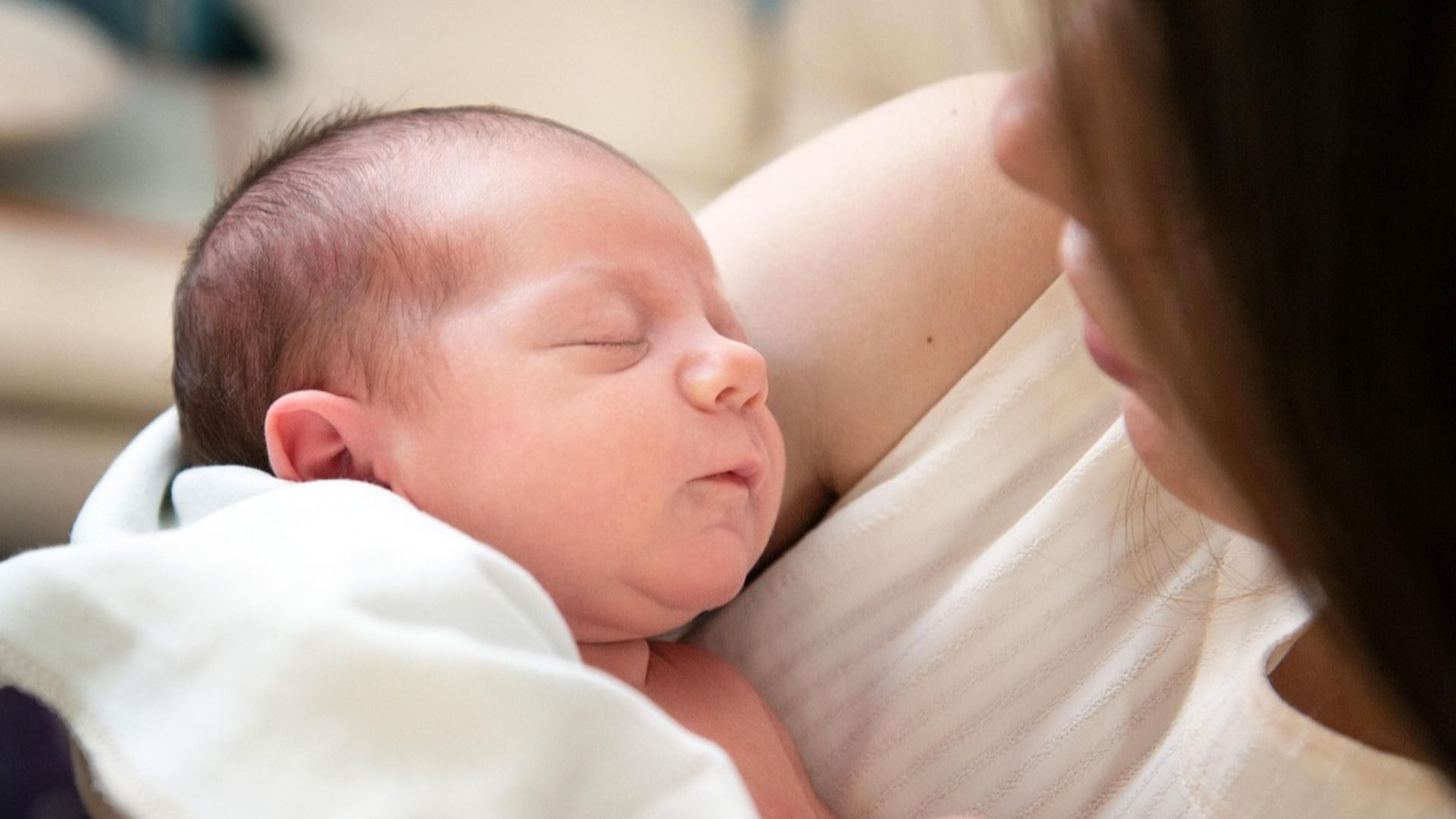
Researchers cannot simply ask a newborn whether God exists. Babies do not understand religious doctrine, and they cannot express a reasoned rejection of it. Consequently, most studies behind this debate involve preschoolers and school-age children—not babies in maternity wards contemplating the universe.
It Also Depends On “Atheist”
Under the broadest definition, an atheist is simply someone who lacks belief in any gods. A newborn certainly lacks an articulated belief in God. But if atheism means consciously believing that gods do not exist, babies cannot be atheists either. They have not reached either conclusion.
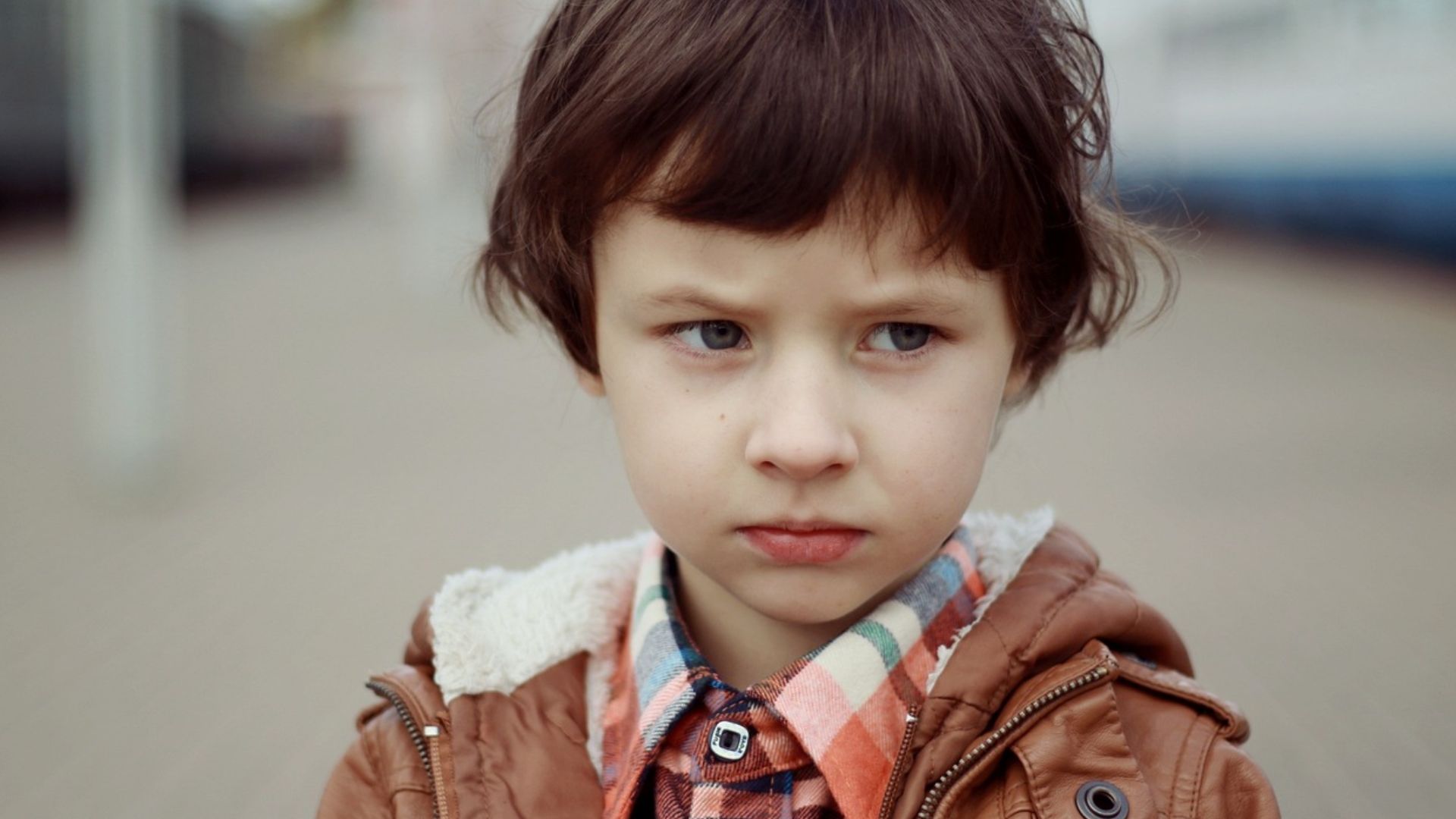
Scientists Looked For The Building Blocks
Instead of asking babies about religion directly, cognitive scientists began studying the mental tendencies that later make religious or nonreligious beliefs possible. They examined how children understand purpose, invisible minds, extraordinary powers, life after death and the difference between reality and fiction.

Oxford Took On The Question
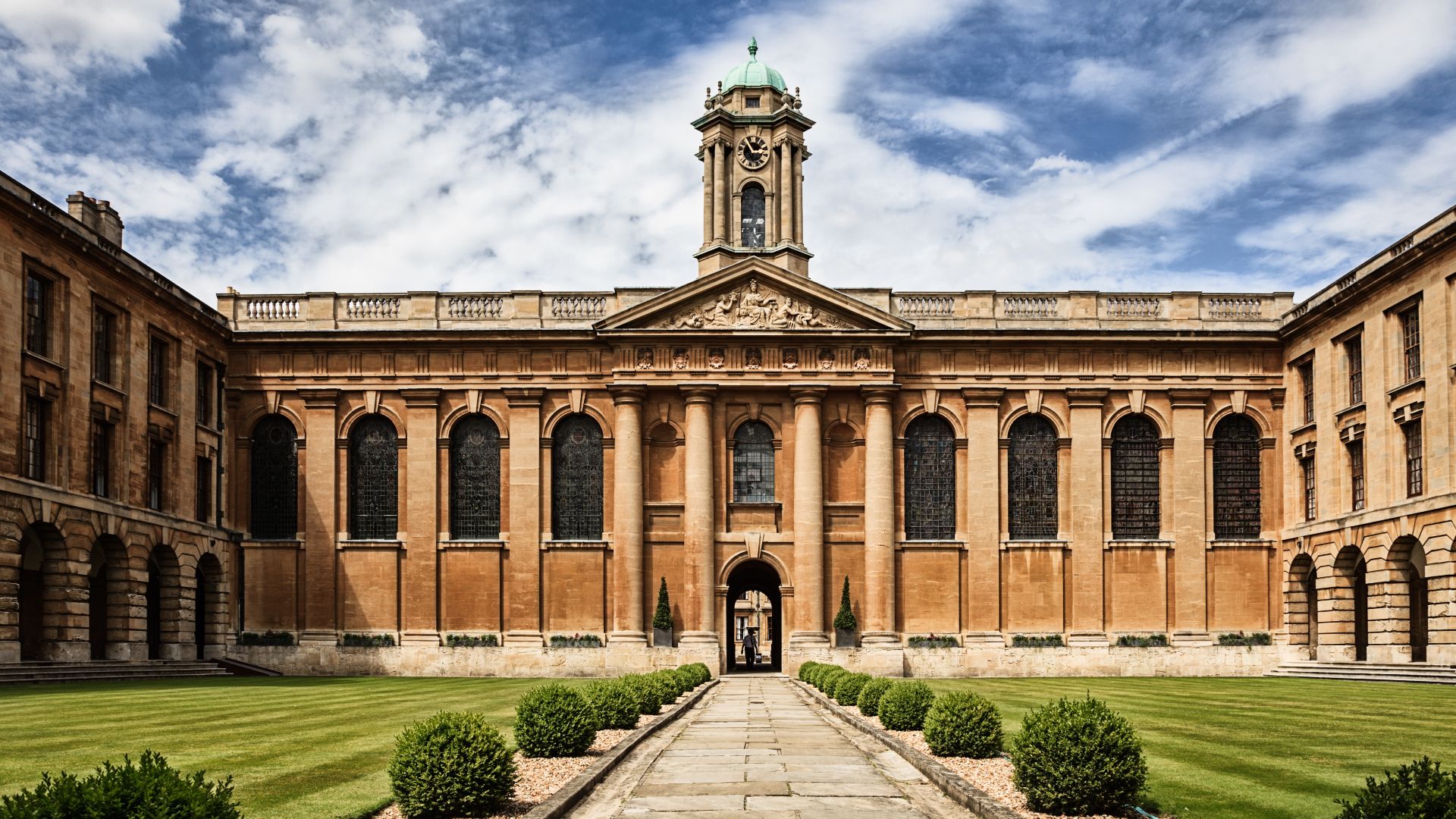
Over three years, Oxford’s £1.9 million Cognition, Religion and Theology Project brought together 57 researchers who conducted more than 40 studies across 20 countries. The project was not designed to prove or disprove God. It examined whether religious ideas were entirely taught or partly rooted in ordinary human cognition.
The Project Made A Bold Claim
Project leaders said the combined findings suggested that humans were naturally predisposed to believe in gods and an afterlife. Psychologist Justin Barrett later popularized the argument in a book with the provocative title Born Believers. Predictably, the claim attracted attention from believers, atheists and plenty of skeptical researchers.
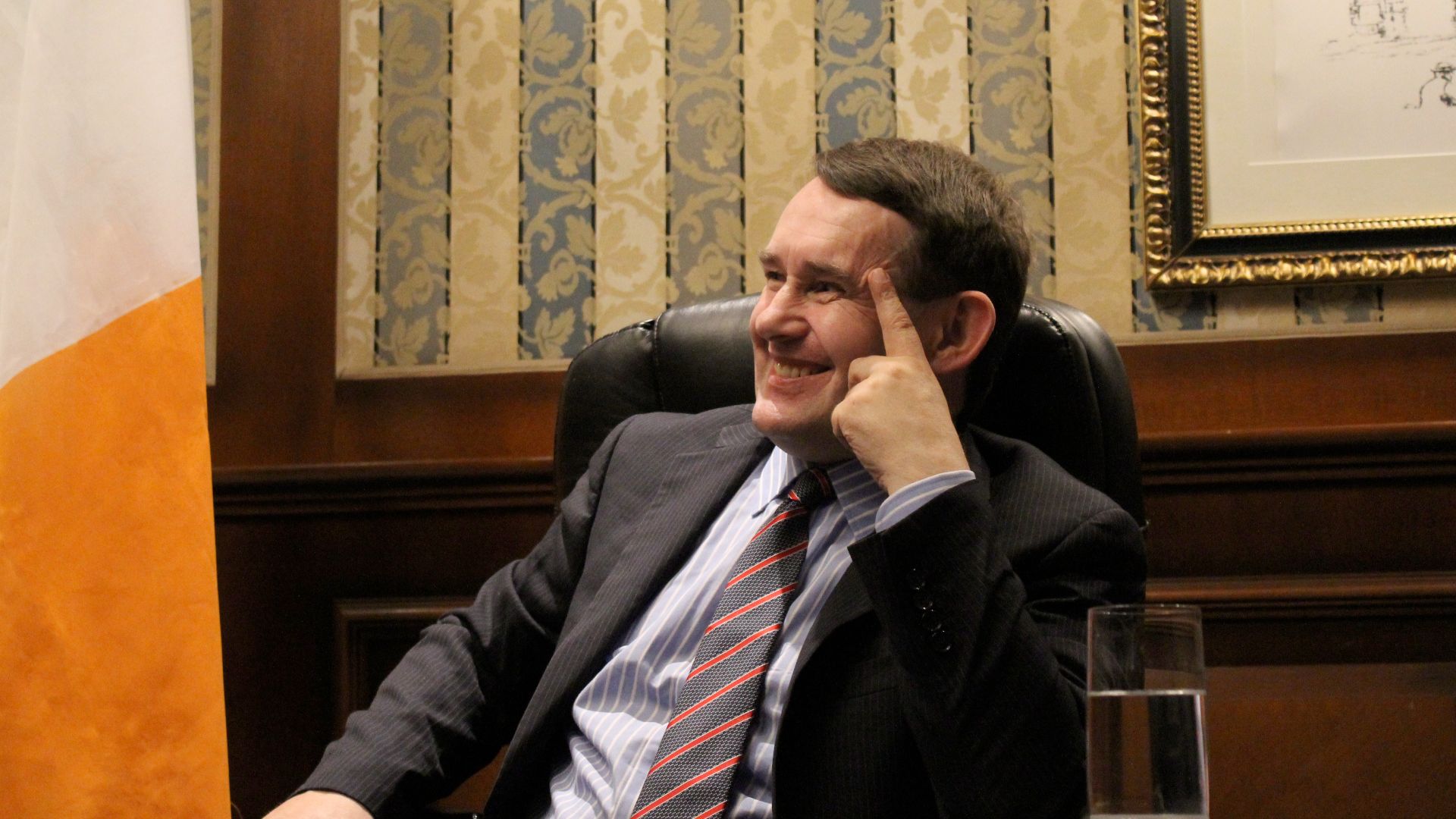 National Party from Dublin, Ireland, Wikimedia Commons
But “Predisposed” Was The Crucial Word
Barrett stressed that finding an idea easy to think does not make that idea true. A cognitive predisposition is not evidence that God exists, nor does it mean children arrive believing a particular religion. It simply means certain religious concepts may fit comfortably into the way young minds already work.
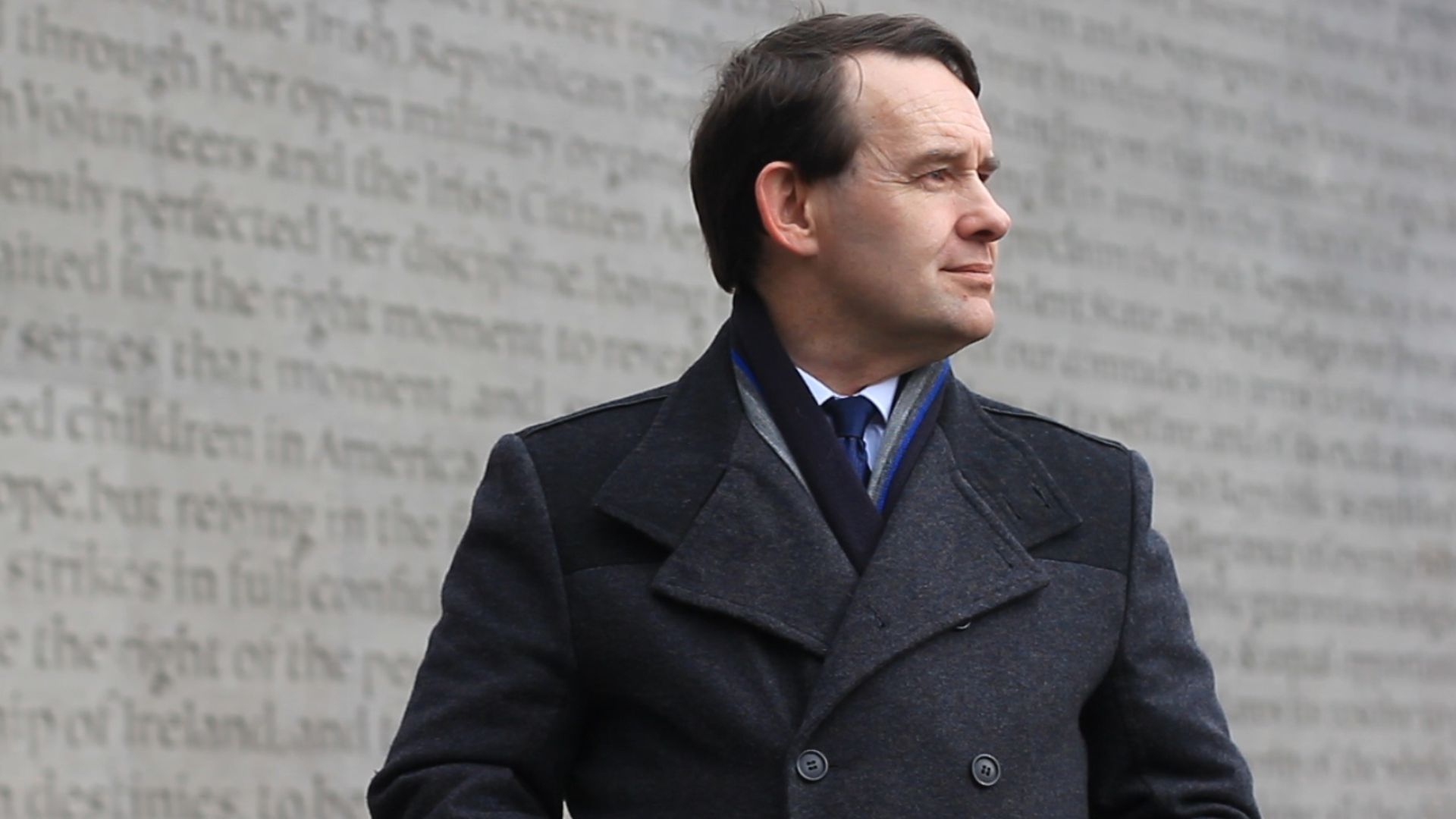 National Party from Dublin, Ireland, Wikimedia Commons
Children See Purpose Everywhere
Psychologist Deborah Kelemen found that young children frequently favor purpose-based explanations for the natural world. Adults understand that chairs are made for sitting but mountains were not necessarily made for climbing. Children are much more willing to place both kinds of objects into the same purposeful category.
Even Pointy Rocks Had A Job
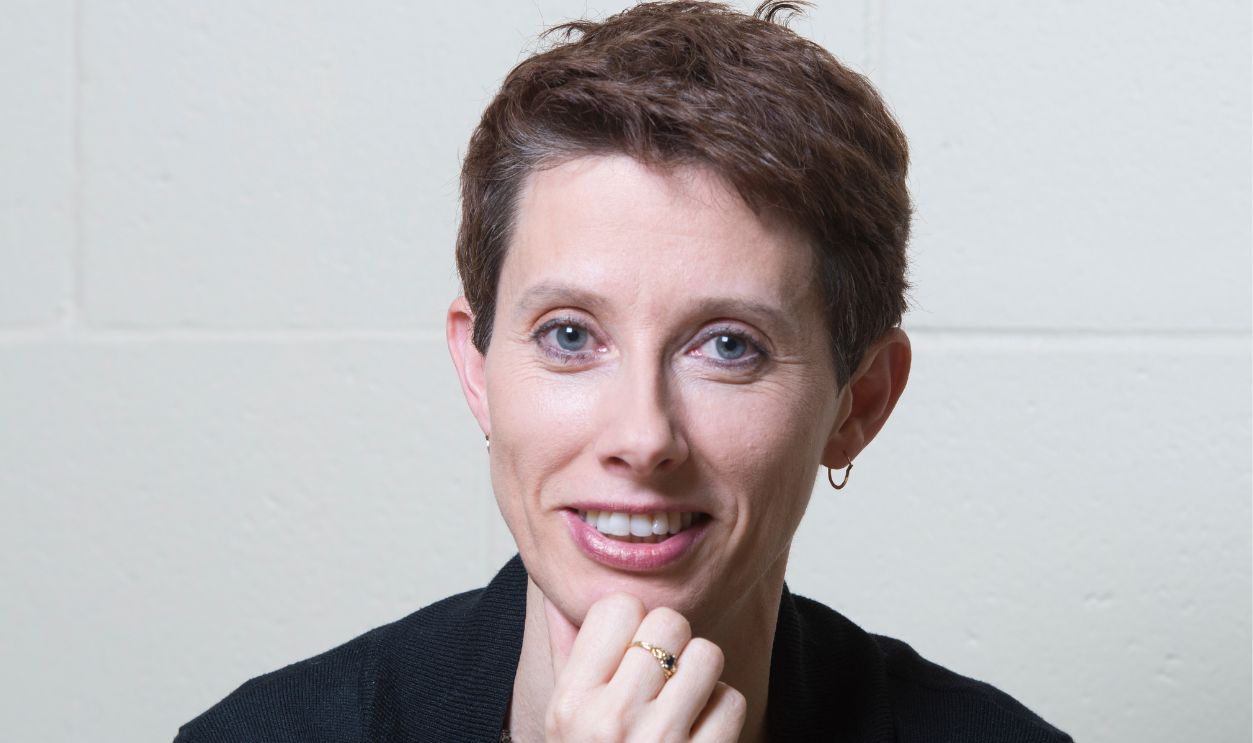
In one memorable experiment, children considered why prehistoric rocks were pointy. Many preferred an explanation suggesting the rocks were shaped that way so animals would not sit on them, rather than one involving material gradually accumulating. To those children, the rocks’ usefulness helped explain why they existed.
It Wasn’t Just American Children
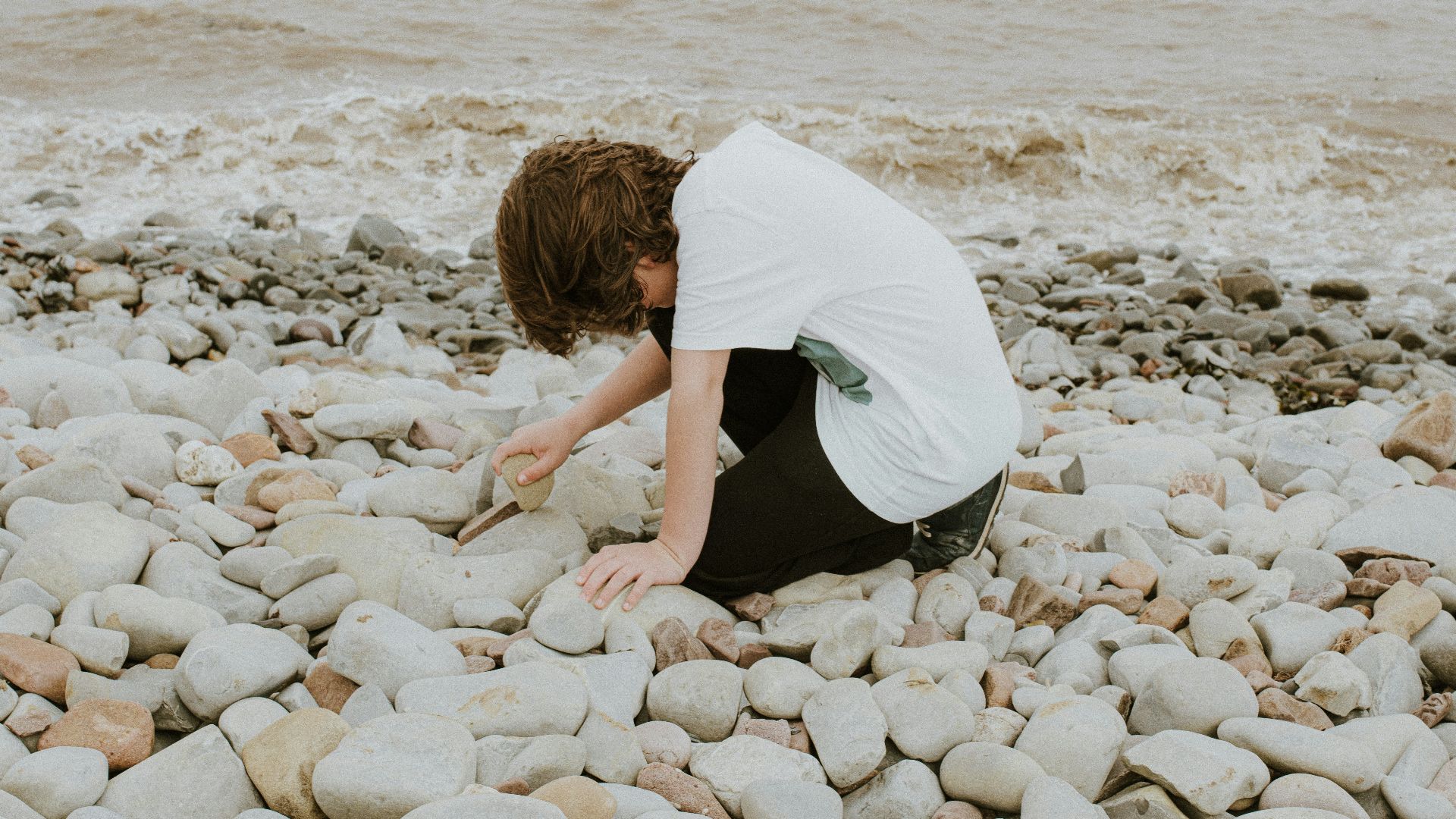
Kelemen repeated elements of the research with British children, who were growing up in a less religious national culture than their American counterparts. The British children also showed broad purpose-based reasoning. That suggested the tendency could not be dismissed as nothing more than exposure to America’s comparatively religious culture.
Adults Never Completely Escaped It
Purpose-based thinking did not disappear with age. Under time pressure, professional physical scientists accepted 29% of scientifically unwarranted purpose-based explanations, compared with 15% when they were not rushed. Even extensive scientific training could not entirely silence the instinct.

But Purpose Is Not The Same As God
A child who thinks mountains exist for climbing has not necessarily imagined a divine mountain designer. Purpose-based thinking may make design explanations easier to accept, but researchers cannot jump directly from one to the other. It is a possible cognitive foundation for religious belief—not religious belief itself.
But The Two Were Connected
In a study of 55 British children, purpose-based reasoning was correlated with intelligent-design intuitions. Children endorsed an intelligent agent for 66% of questions about animals. But the study was small and correlational, so it could not show that children possess an innate concept of God.
Humans Are Constantly Looking For Agents
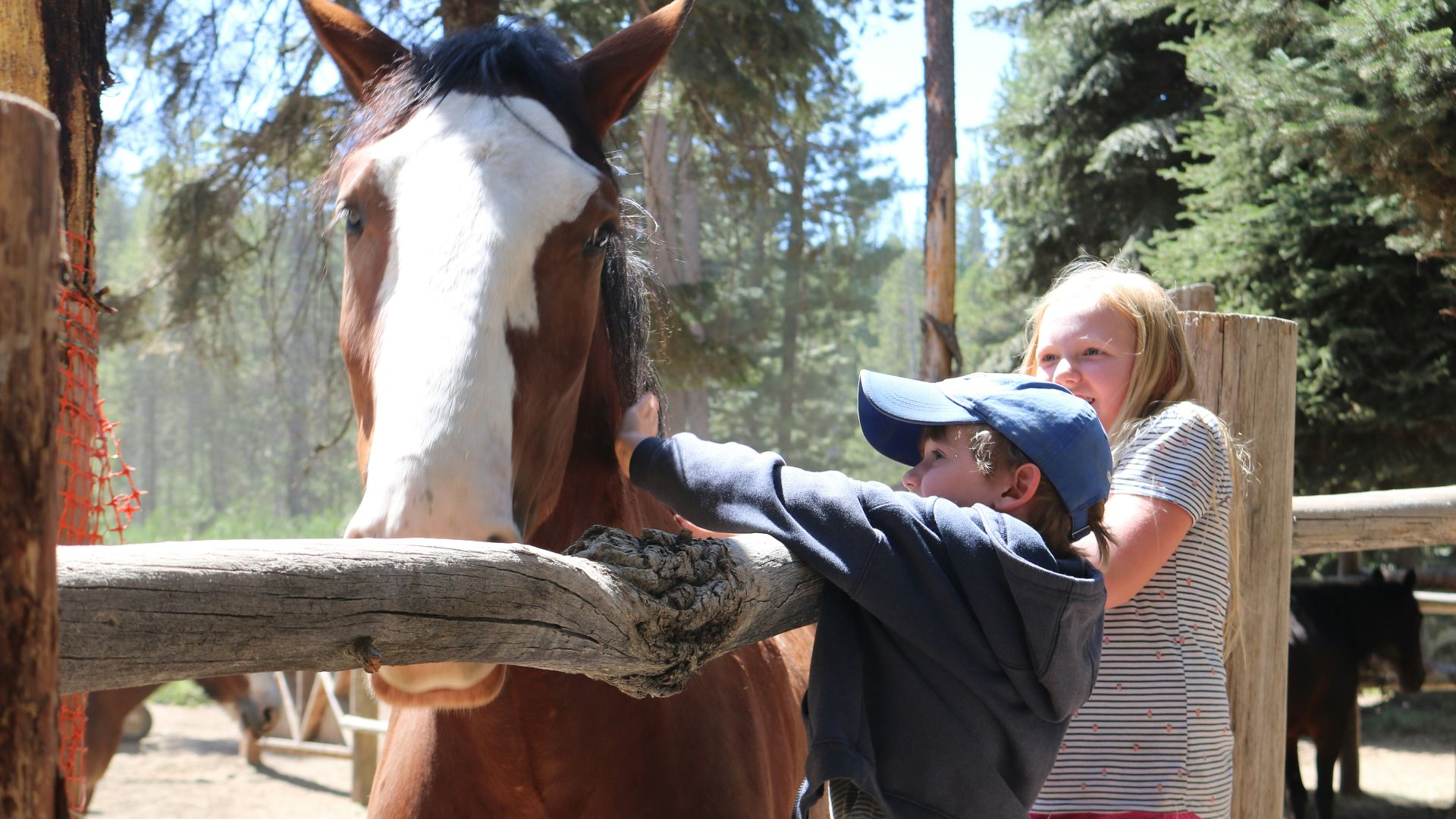
Another theory focuses on our remarkable sensitivity to agency. Human minds are built to notice living beings, follow their intentions and determine what they might do next. Some researchers argue that this system can become overactive, encouraging people to detect an unseen mind behind events that have no intentional cause.

That Theory Has Its Limits
Recognizing agency is essential for navigating a world filled with other people. However, noticing a possible agent does not automatically create gods, worship or theology. The proposed connection is plausible, but researchers continue debating how strongly agency detection actually predicts religious belief outside carefully designed experiments.
Then Came The Closed Boxes
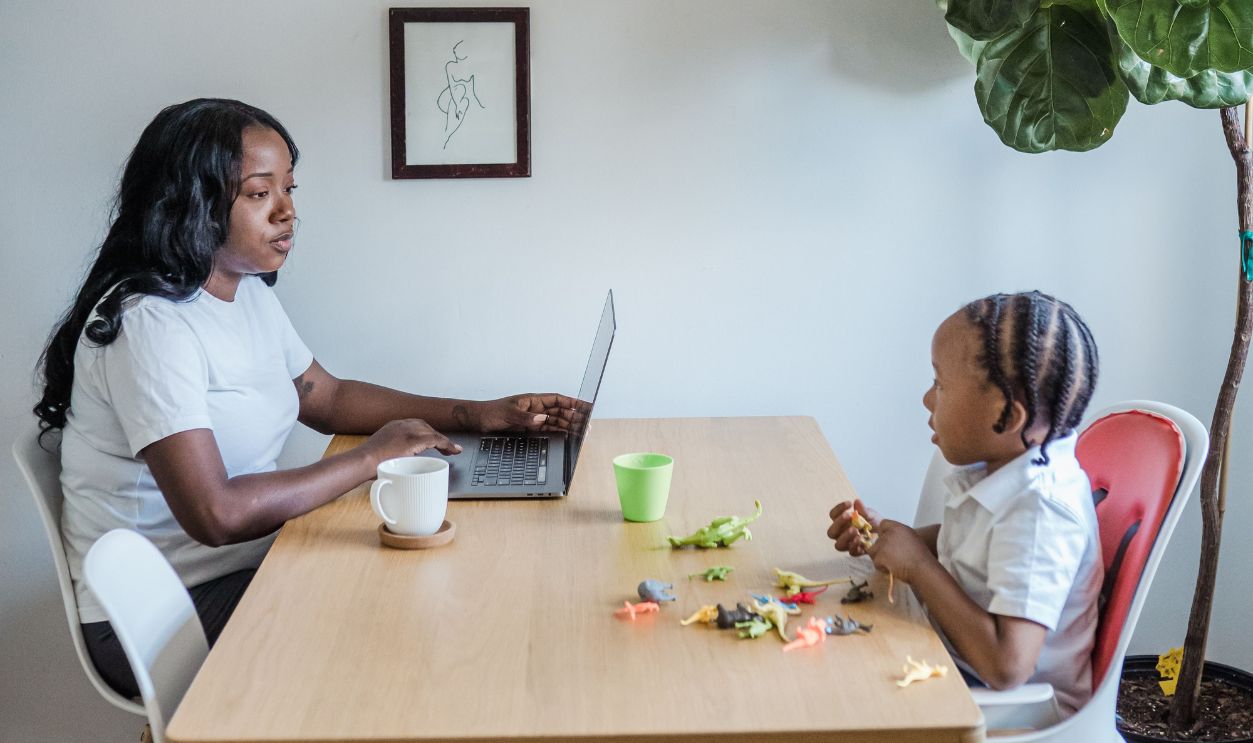
Researchers also tested what children believe different minds can know. In classic experiments, children were shown boxes whose contents could not be seen. Younger children sometimes assumed their mothers and God both knew what was inside, even though neither had been given a chance to look.
The First Interpretation Was Striking
As children grew older, they learned that their mothers could be mistaken or uninformed. Yet some continued granting God accurate knowledge. Researchers suggested children might find an all-knowing supernatural mind easier to understand than the limited human minds they encountered every day. It sounded like strong evidence for natural belief.
Another Study Complicated It
Later work found a less straightforward developmental pattern. At one stage, children attributed humanlike limitations to ordinary people, God and fictional extraordinary agents alike. Only older children consistently granted special minds knowledge that did not depend on seeing. Understanding extraordinary minds appeared to require development and information.

Omniscience Was Not There At Birth
Even children who knew that God could see inside a closed box had not necessarily grasped omniscience. Truly understanding an all-knowing being means imagining knowledge of everything, including the past, future and every unspoken thought. The studies tested a much narrower ability involving hidden objects.
The Afterlife Created Another Mystery
Researchers then asked whether children naturally separate the mind from the body. If children easily imagine thoughts and emotions continuing after physical life ends, perhaps afterlife beliefs do not need to be invented from scratch. One unusual puppet show produced evidence that initially appeared to support exactly that possibility.
Something Happened To Baby Mouse
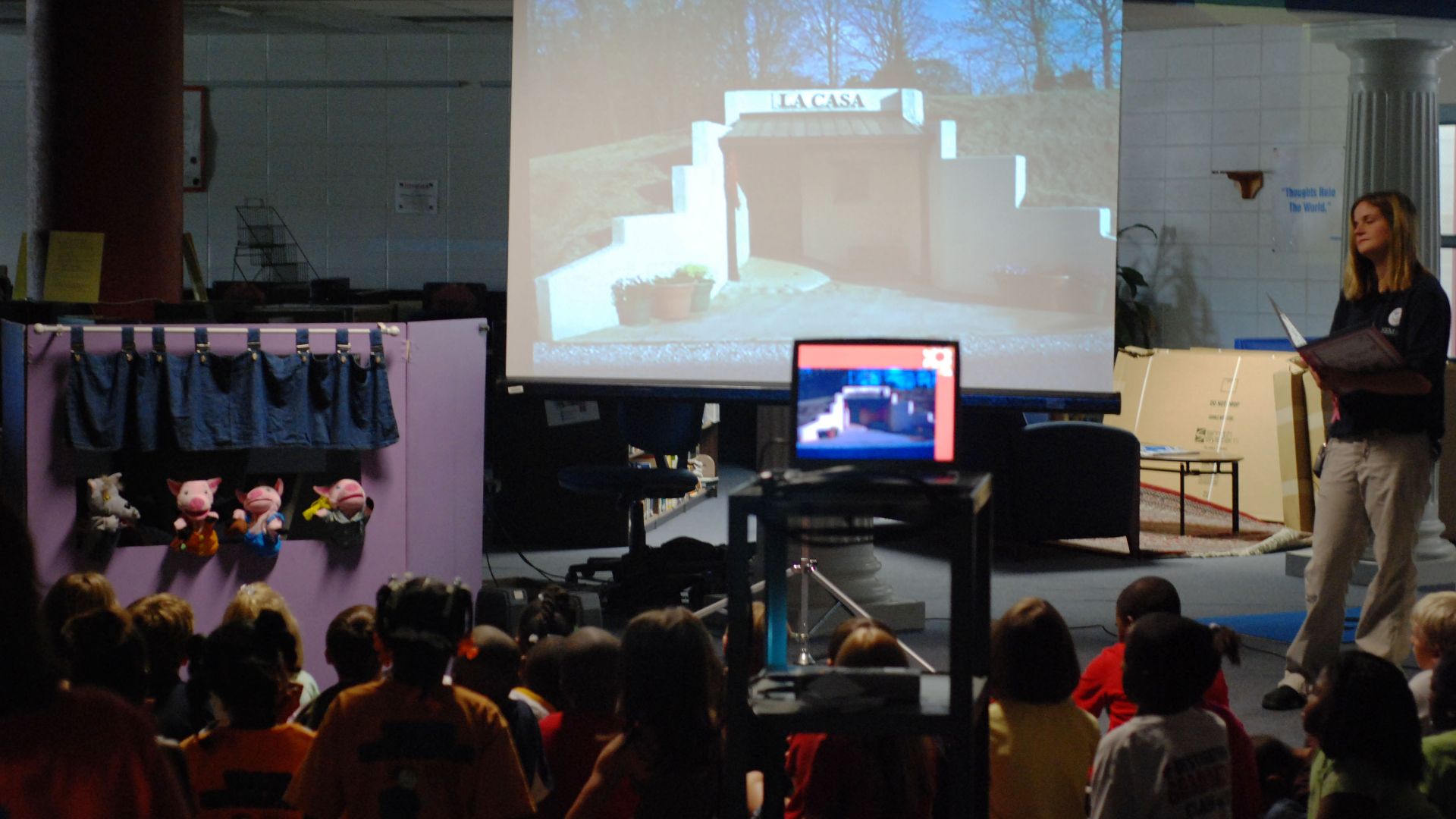
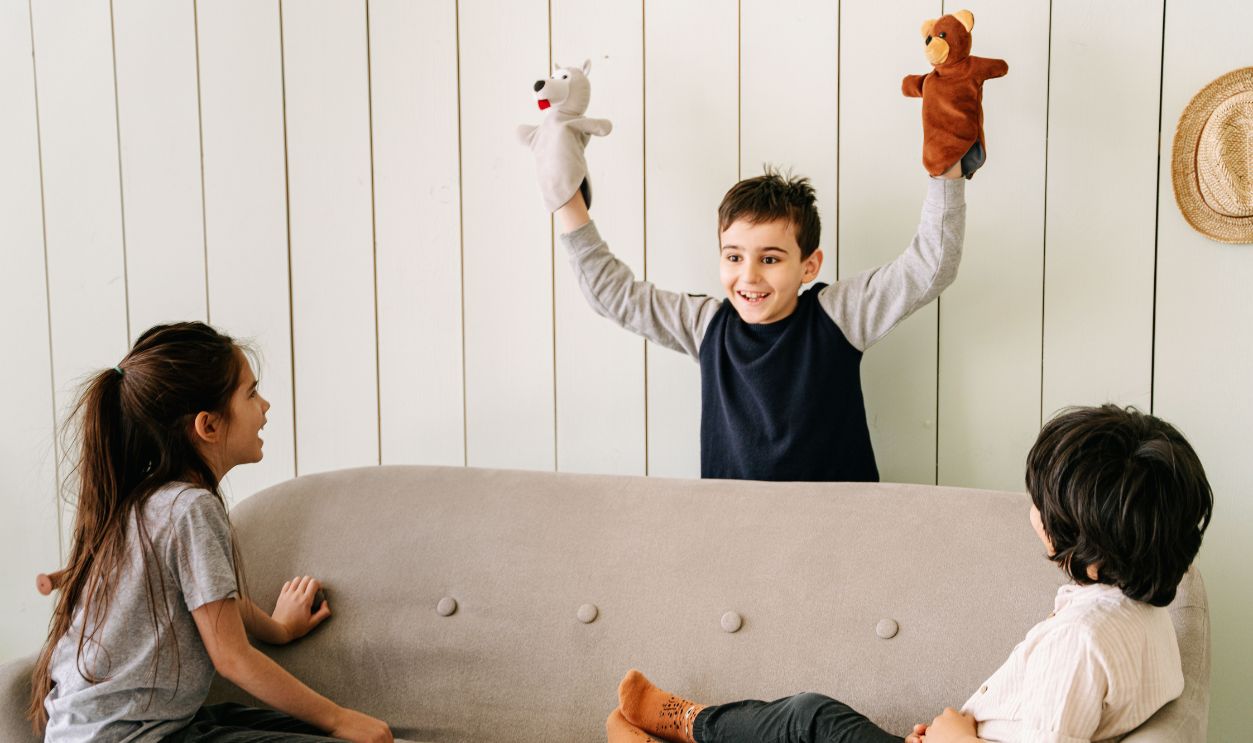
In studies involving American and Spanish children, a puppet mouse was eaten by an alligator. Researchers confirmed that the children understood the mouse was no longer alive, then asked whether it still needed food, felt hungry, loved its mother, wanted to go home or remembered its brother.
 Bryon Wolcott, Wikimedia Commons
The Body Stopped Before The Mind
Children were generally more willing to say biological functions had ended than to say thoughts, emotions and desires had disappeared. Even when they understood that the mouse no longer needed food, some still said it could feel hungry. The mind appeared harder for them to switch off than the body.
Religious School Still Made A Difference
Spanish children attending Catholic school were generally more likely to say functions continued than children attending a secular school. Both groups showed a similar pattern across different kinds of questions, but religious exposure shifted their overall responses. Intuition and instruction appeared to be working together.
 WhisperToMe, Wikimedia Commons
Madagascar Changed The Picture Again
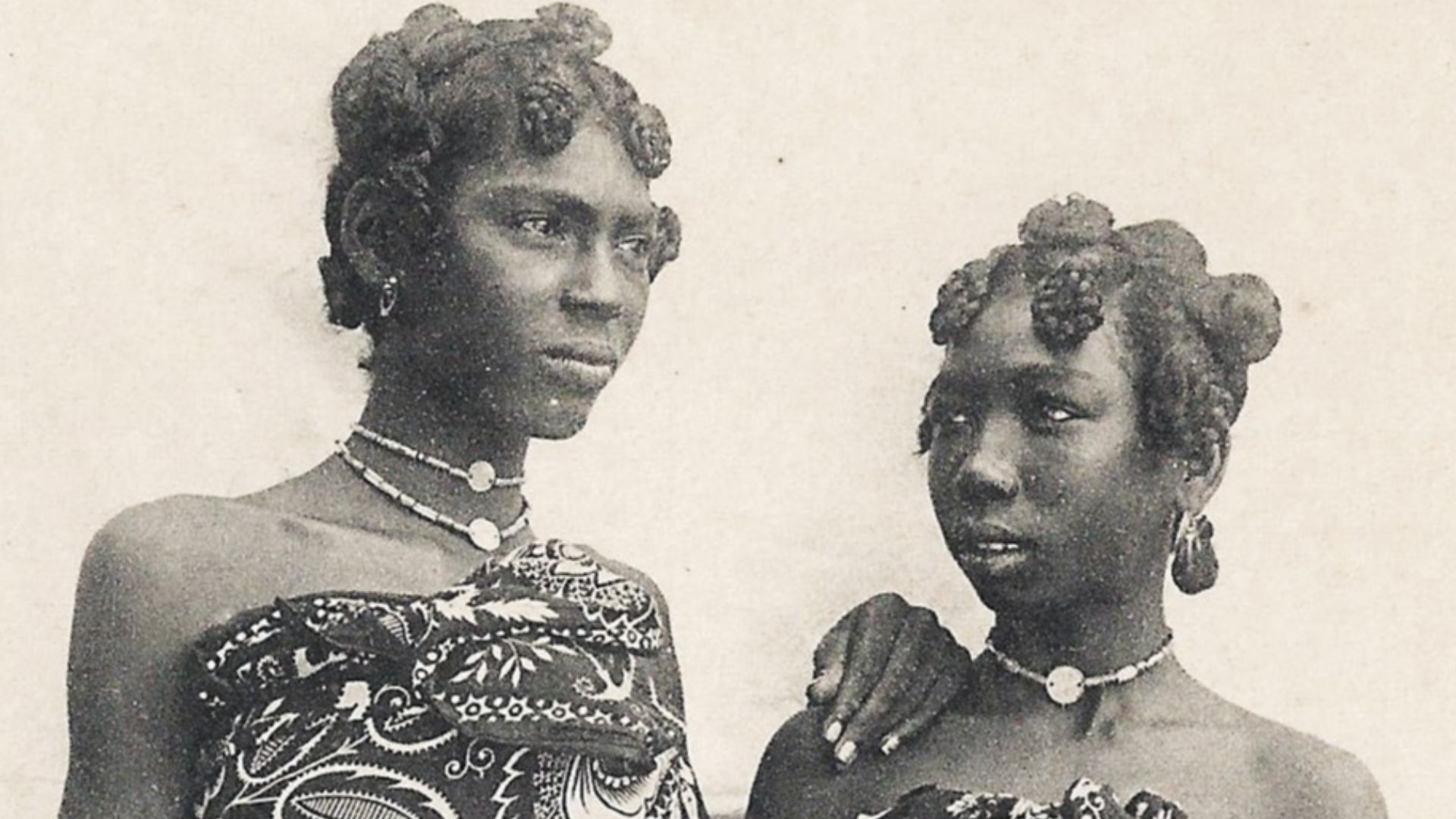
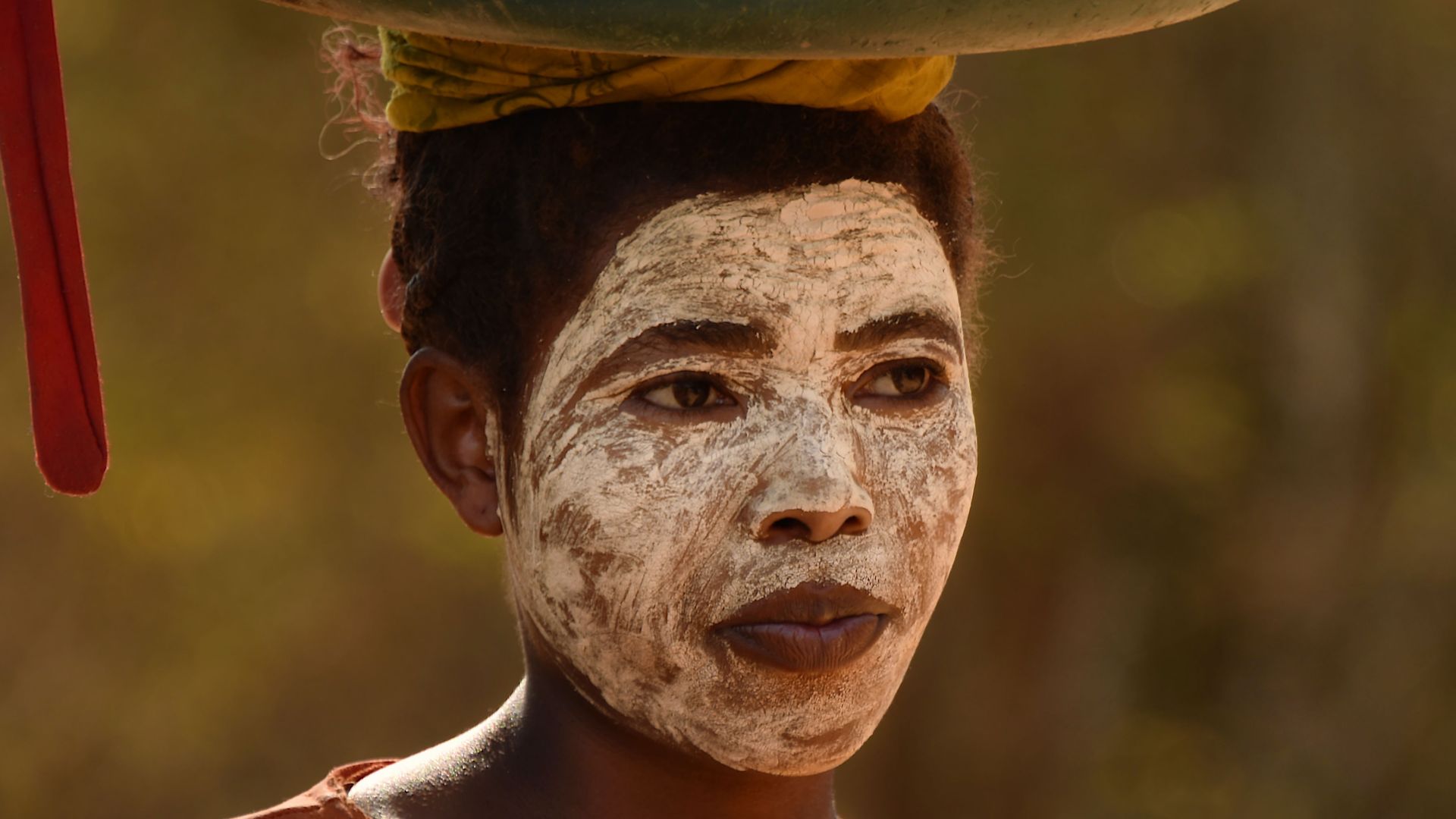
Anthropologists Rita Astuti and Paul Harris studied the Vezo of Madagascar, whose culture includes extensive beliefs and rituals involving ancestors. Yet by age seven, Vezo children generally said both bodily and mental processes stopped at death. Adults were more likely to endorse continued mental existence in contexts involving ancestral rituals.
 Unknown authorUnknown author, Wikimedia Commons
The Same People Used Two Answers
Vezo participants responded differently depending on whether a story emphasized a physical body or an ancestral tomb. Biological and spiritual understandings could coexist inside the same person, with context determining which one appeared. Religious belief had not simply replaced biological knowledge—or emerged automatically before it.
 Rod Waddington from Kergunyah, Australia, Wikimedia Commons
Secular Children Were Not Secret Believers
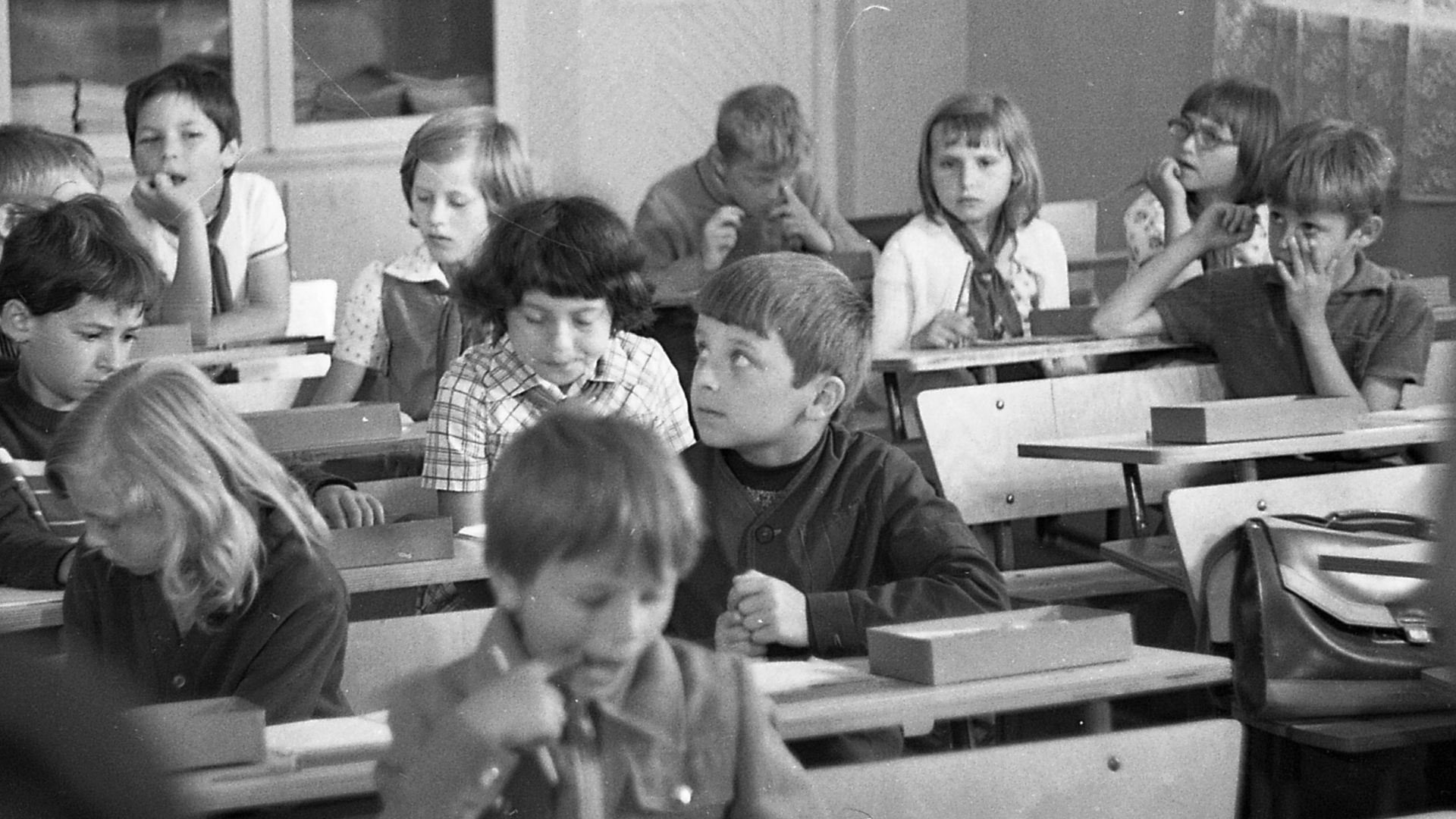
Another study presented religious, realistic and fantastical stories to children from religious and nonreligious backgrounds. Children without religious exposure generally treated characters involved in miraculous events as fictional. Their responses offered little support for the idea that children spontaneously accept supernatural beings as real.
Children Knew Religion Was Different
In another study of 107 children ages five to ten, religious beliefs occupied a middle ground. Children treated religious disagreements as less objectively settled than factual disagreements but more objective than differences in personal preference. Even young children did not simply classify every religious claim as an ordinary fact.
China Offered An Even Stronger Test
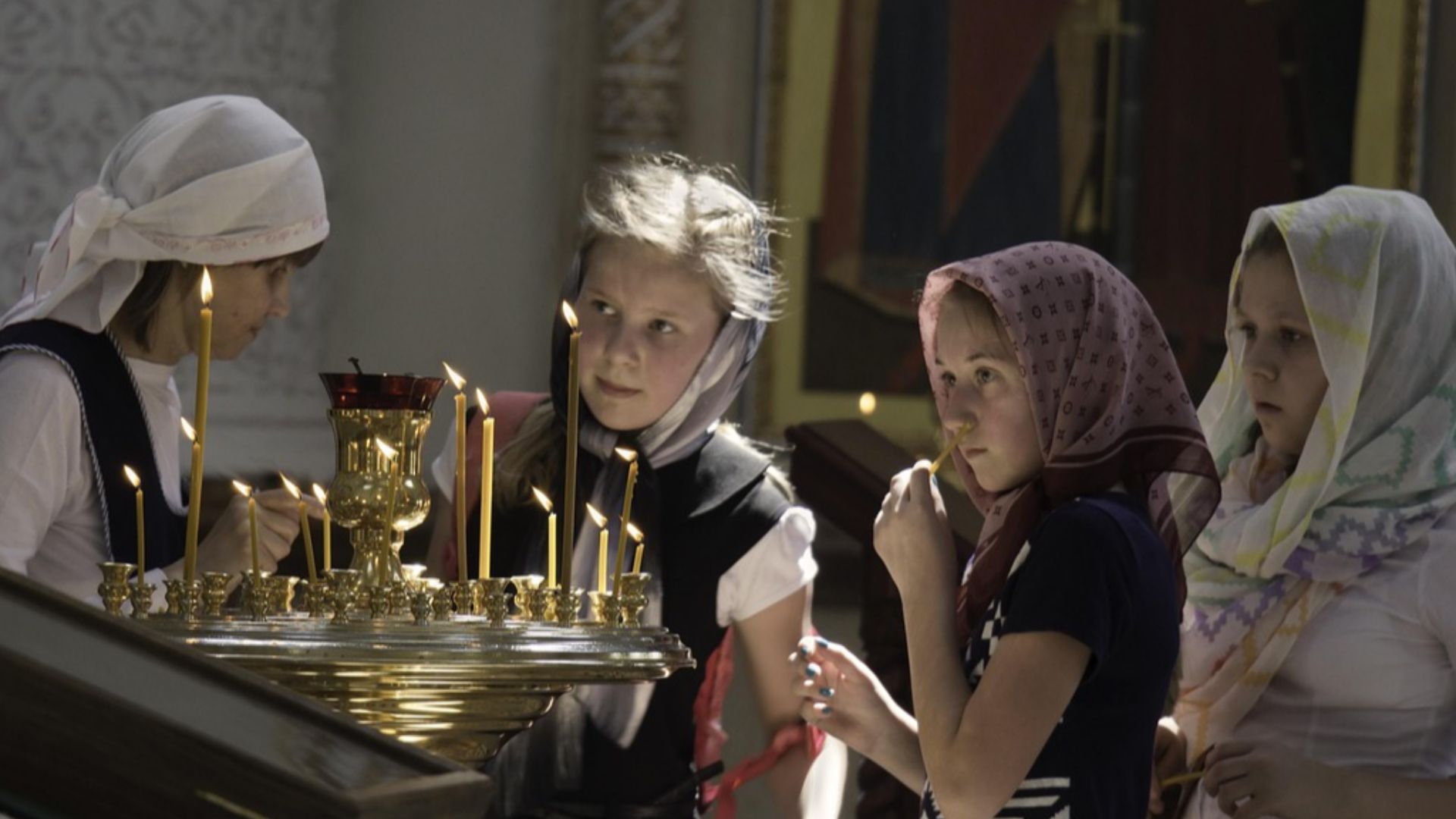
Researchers compared children from secular and Christian communities in mainland China. Both groups confidently accepted invisible scientific entities such as germs and oxygen. Their responses to God, heaven and angels were dramatically different: Christian children expressed confidence, while secular children were generally skeptical.
Children Resembled Their Communities
The Chinese children’s beliefs broadly mirrored those of the adults around them. Christian children resembled Christian adults, while secular children resembled secular adults. Early cognitive tendencies may make supernatural ideas understandable, but cultural testimony appeared central in determining whether children regarded particular supernatural entities as real.
Even The Way Parents Speak Matters
One small U.S. study of 25 parent-child pairs found that when parents expressed greater uncertainty while discussing supernatural beings, children also reported less confidence in those beings’ existence. Conversations, rituals, stories, schools and subtle signals about what adults consider real all help construct belief.

Culture Can Shift The Limits Of Reality
Children with religious exposure were more willing than secular children to classify characters in miraculous stories as real. They were also somewhat more accepting of extraordinary events in unrelated fantastical stories. The association suggested culture might shape what feels possible, although the study could not prove that religious instruction caused the difference.

The Largest Study Found No Universal Predictor
A 2025 study examined more than 200,000 adults across 22 countries. Adults who reported attending religious services weekly at age 12 were 29% more likely to believe in God than those who never attended. However, the association varied by country, and no childhood predictor produced the same result everywhere.
Afterlife Belief Showed A Similar Pattern
A companion analysis of 202,898 adults found that weekly attendance at age 12 was associated with a 39% greater probability of believing in an afterlife than never attending. The relationship appeared in 17 of 22 countries, but the retrospective data could not establish that attendance itself caused the belief.
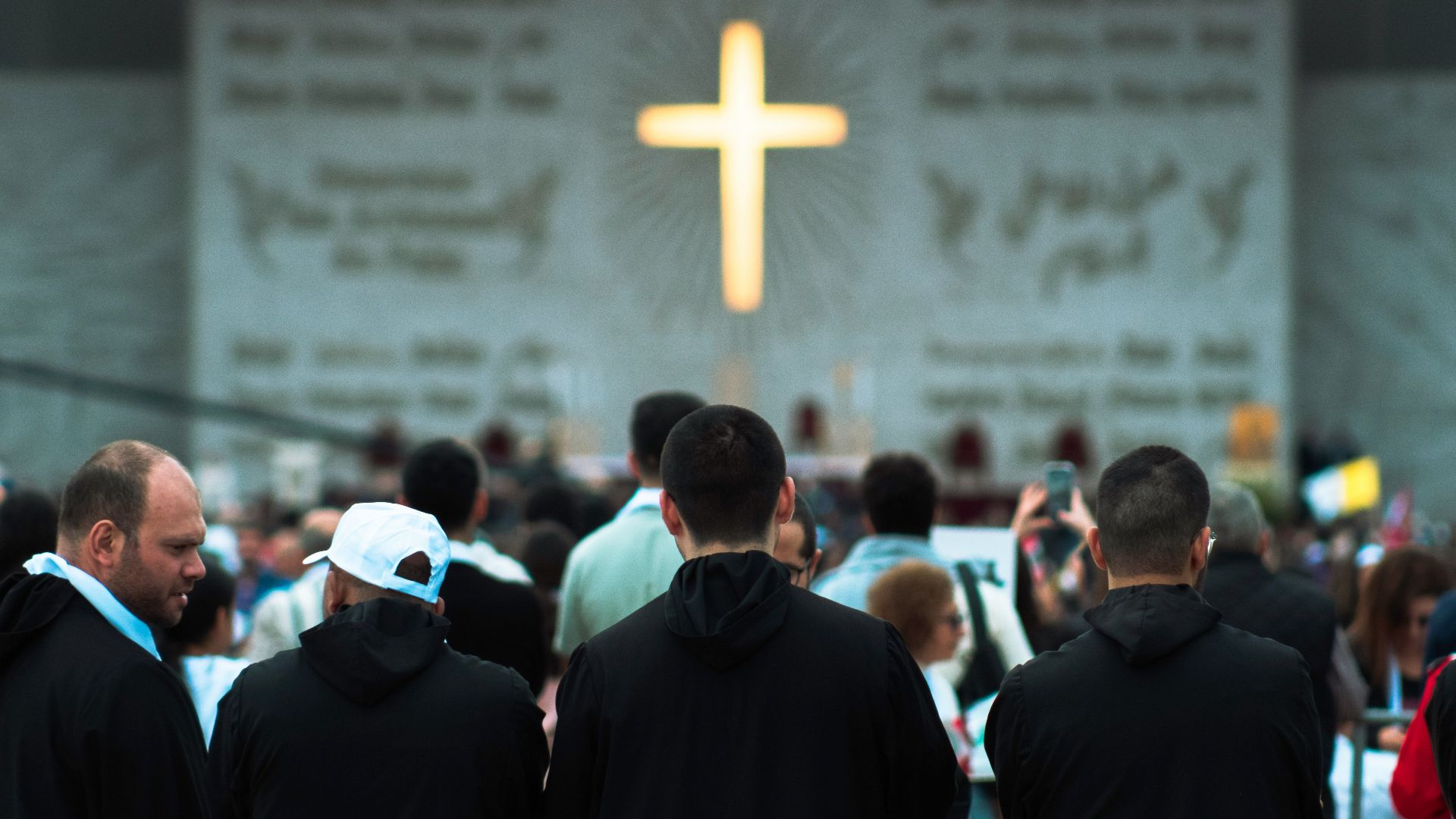
So, Are Children Born Atheists?
If atheism simply means possessing no belief in gods, newborns qualify—but only because they possess no religious concepts at all. If it means concluding that gods do not exist, they do not qualify. A newborn has neither accepted nor rejected a proposition it cannot yet understand.
The Answer Isn’t As Obvious As It Looked
Children appear to possess mental tendencies that can make purpose, invisible agents and continued minds surprisingly intuitive. But those tendencies do not arrive as a religion. Culture supplies the names, stories and certainty—or teaches children to doubt them. They are born ready to learn, not already believing the answer.
You Might Also Like:
The Oracle at Delphi was the ancient world’s most trusted source of wisdom.
The Valley of the Kings: The Mystery And Splendor Of Ancient Egypt