
20. Bamboozled
An adult panda spends 12 hours a day eating and consumes 28 pounds of bamboo on a daily basis. Unsurprisingly, a panda also poops over forty times a day. Somewhere, right now, a panda is pooping.

19. Anty Maim
Anteaters eat 35,000 ants a day. Gross.

18. Where’s the Beef?
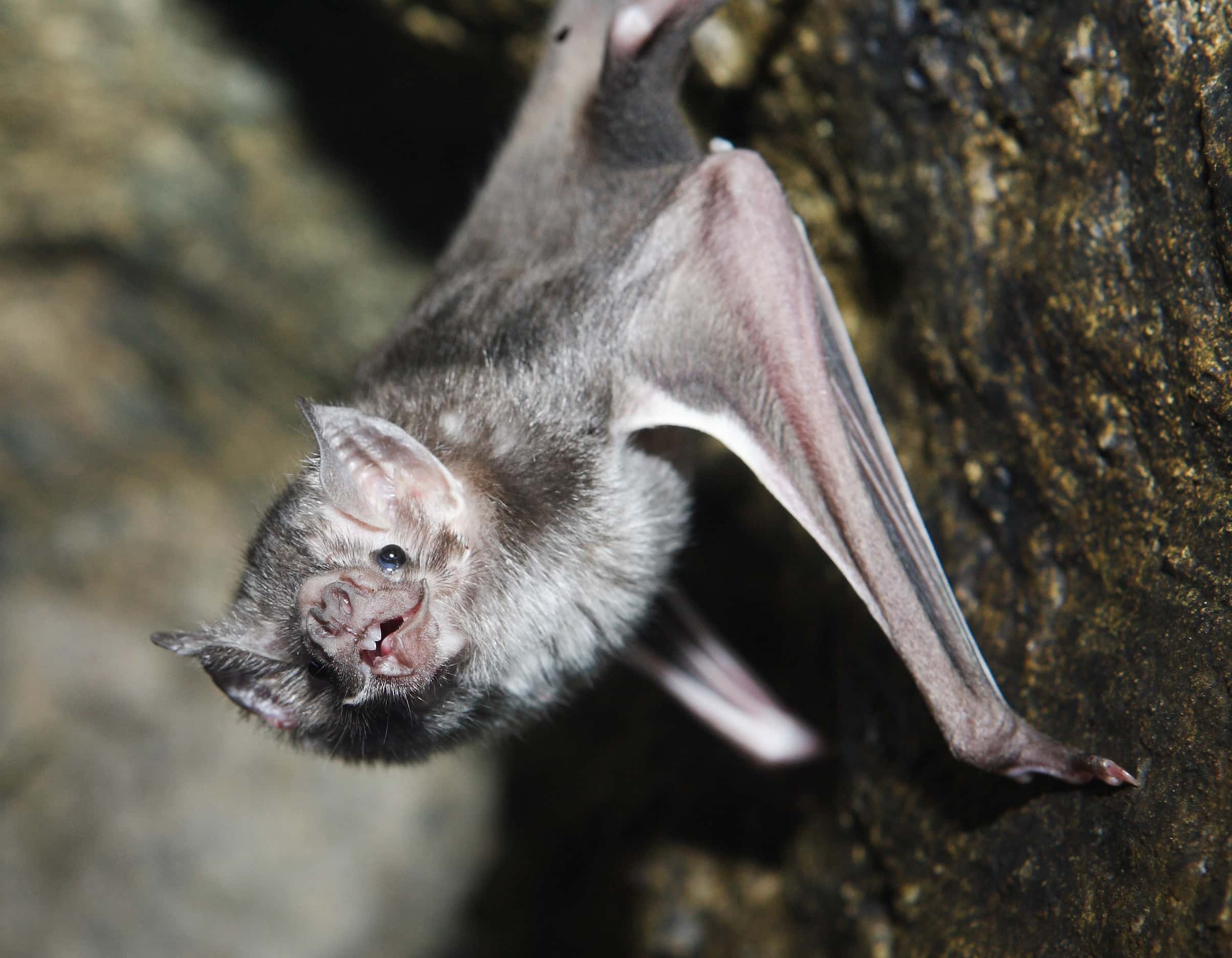
Vampire bats feed entirely on blood and a colony of 100 bats will drink 25 cows worth of blood per year.
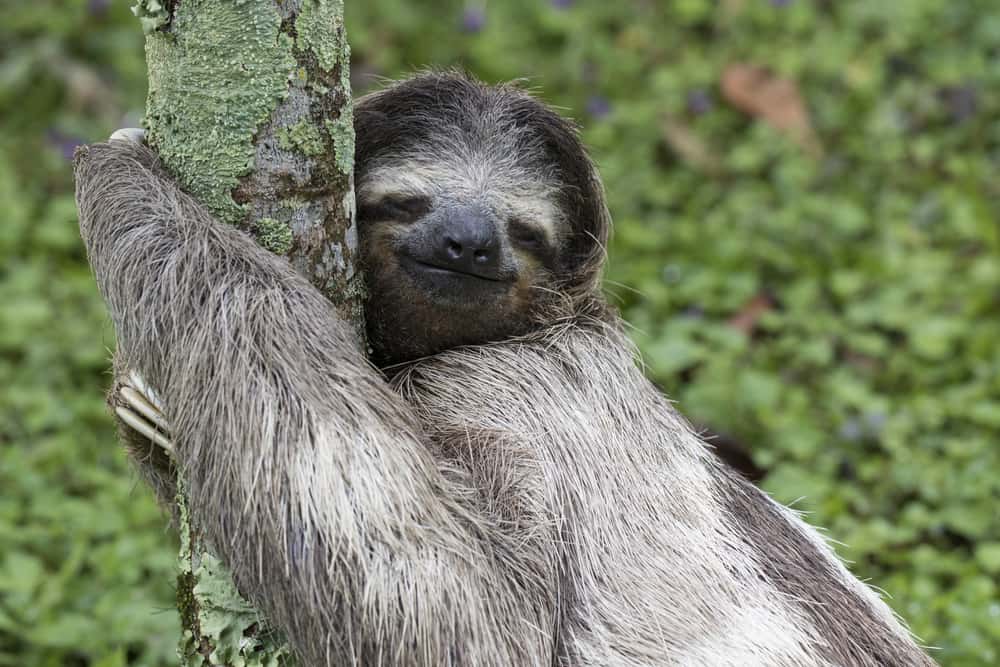
17. A Sloth Gathers All the Moss
A three-toed sloth will sleep for up to 20 hours a day and is so sedentary that algae grows on its back.
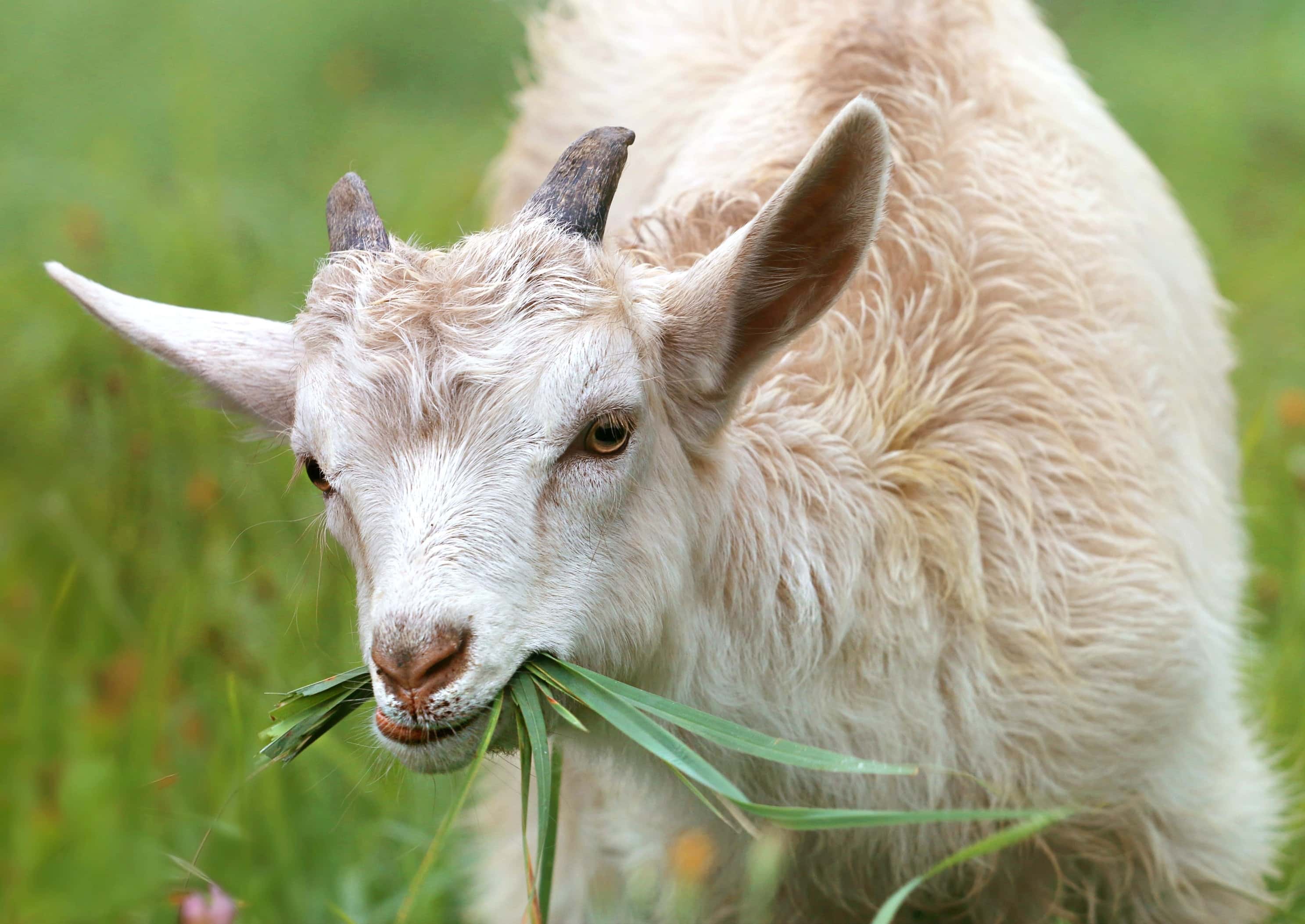
16. Awareness Level: Goat
Goats and sheep have rectangular pupils that allow them to see 360 degrees around themselves. The better to see the Scotsman coming.
15. I Believe I Can Fly
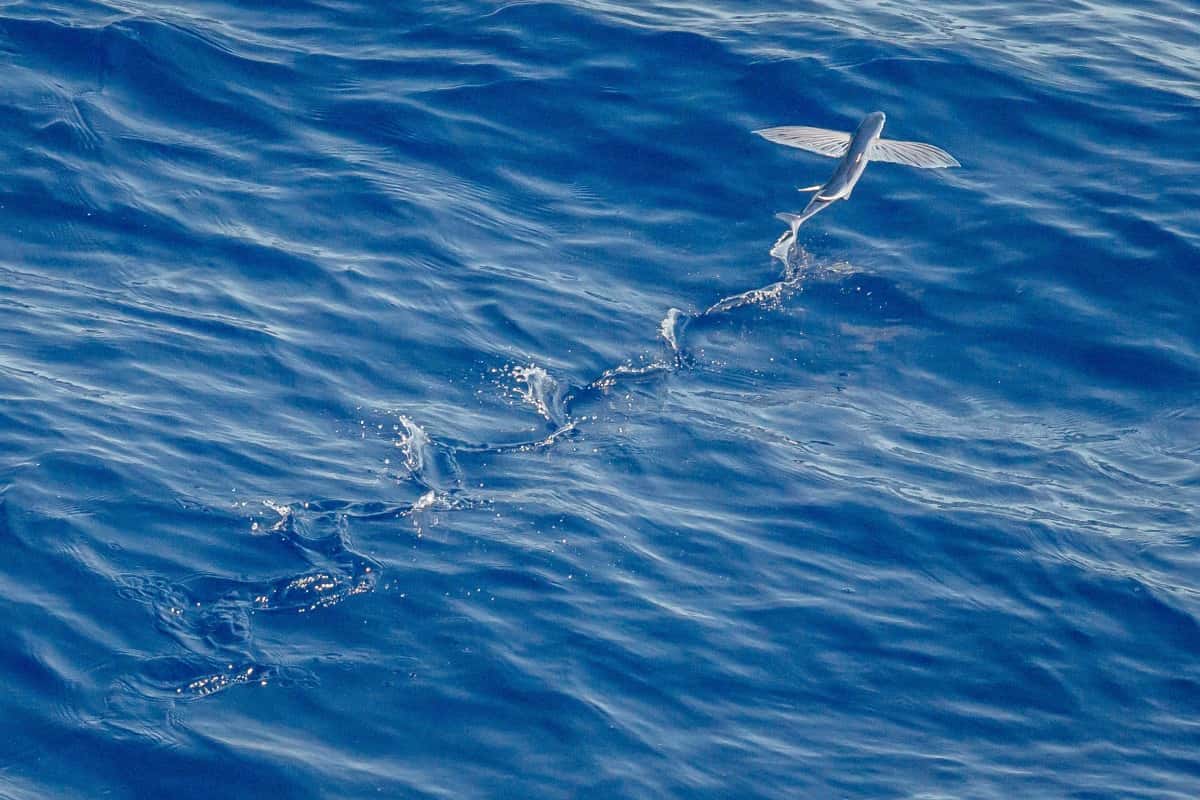
Flying fish can reach speeds up to 37 mph and, once they’ve breached the water, can glide 655 feet, which is more than twice the length of a football field.
14. Body Shop
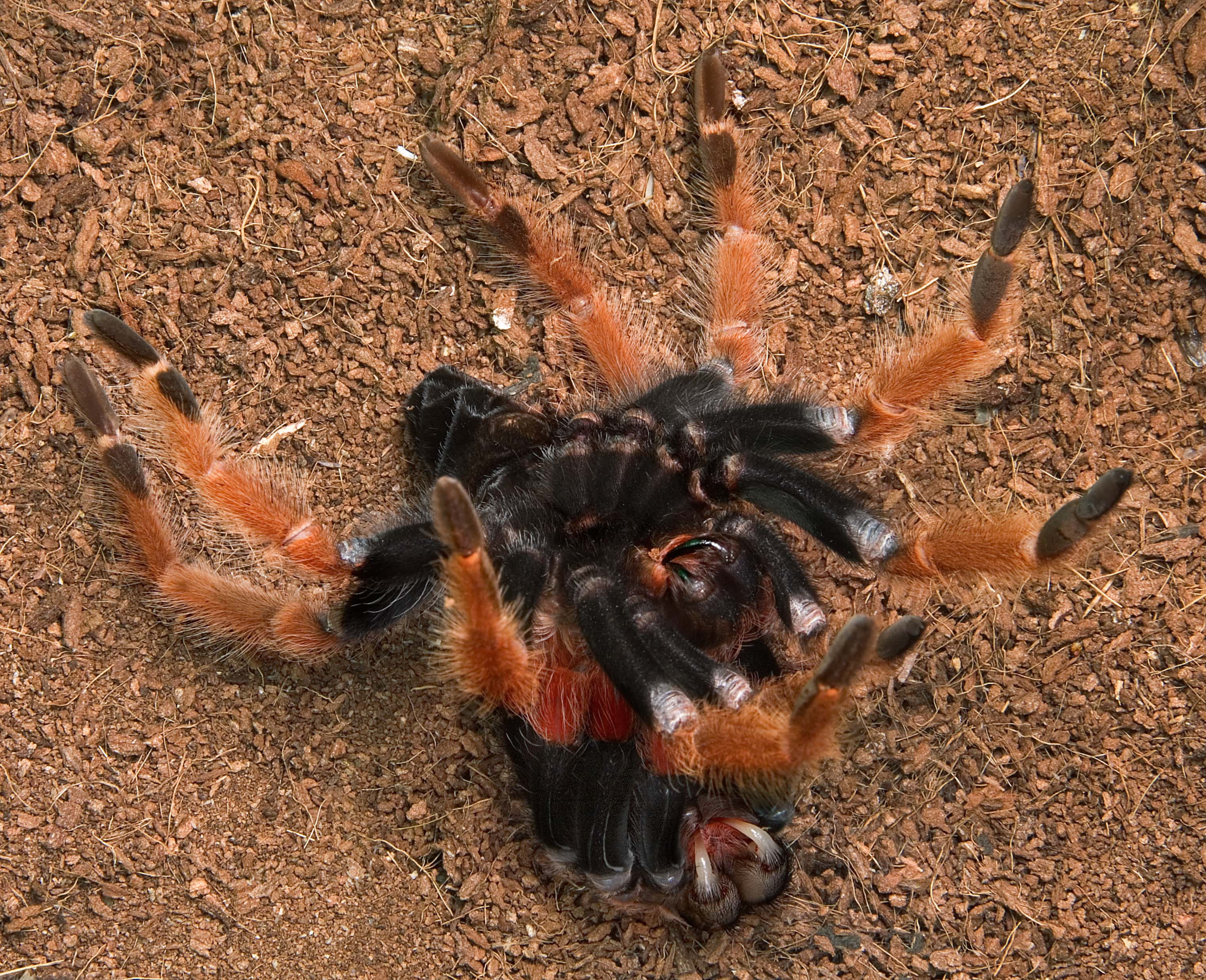
When tarantulas molt, they can also replace internal organs including stomach lining, female genitalia, and even grow new limbs. Just when you thought spiders couldn’t get scarier.
13. It’s Complicated
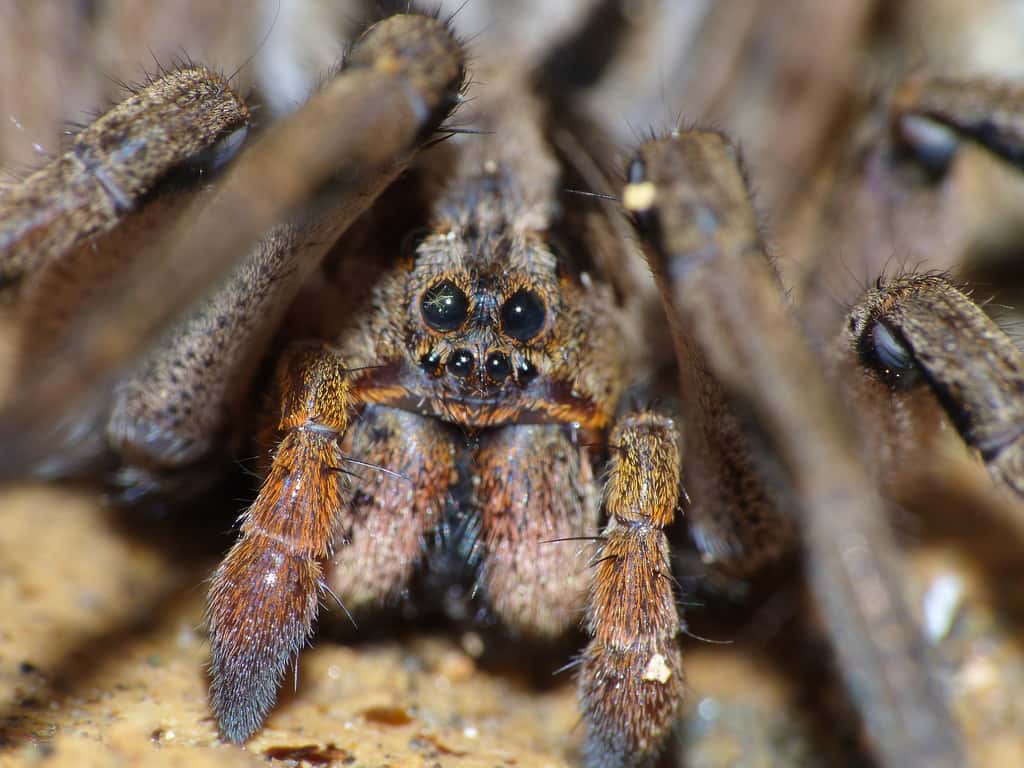
After mating, a male tarantula will run away from the female because if he sticks around, she’ll eat him. God forbid if he doesn’t at least drop a text later.
12. Butt Out!
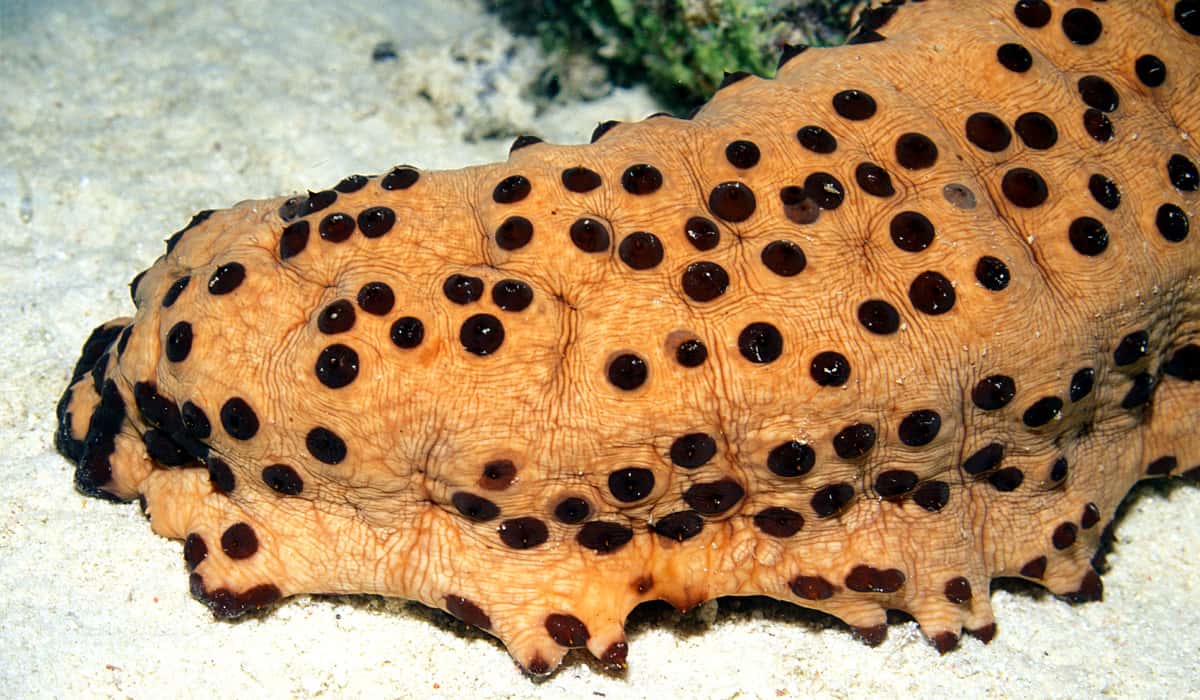
As a defense mechanism, sea cucumbers will eject their internal organs via their anus.

History's most fascinating stories and darkest secrets, delivered to your inbox daily.
11. Looking Down On Us
At 18 feet long, the king cobra is the largest venomous snake in the world and can raise itself up to 6 feet off the ground, enough to tower over most humans.

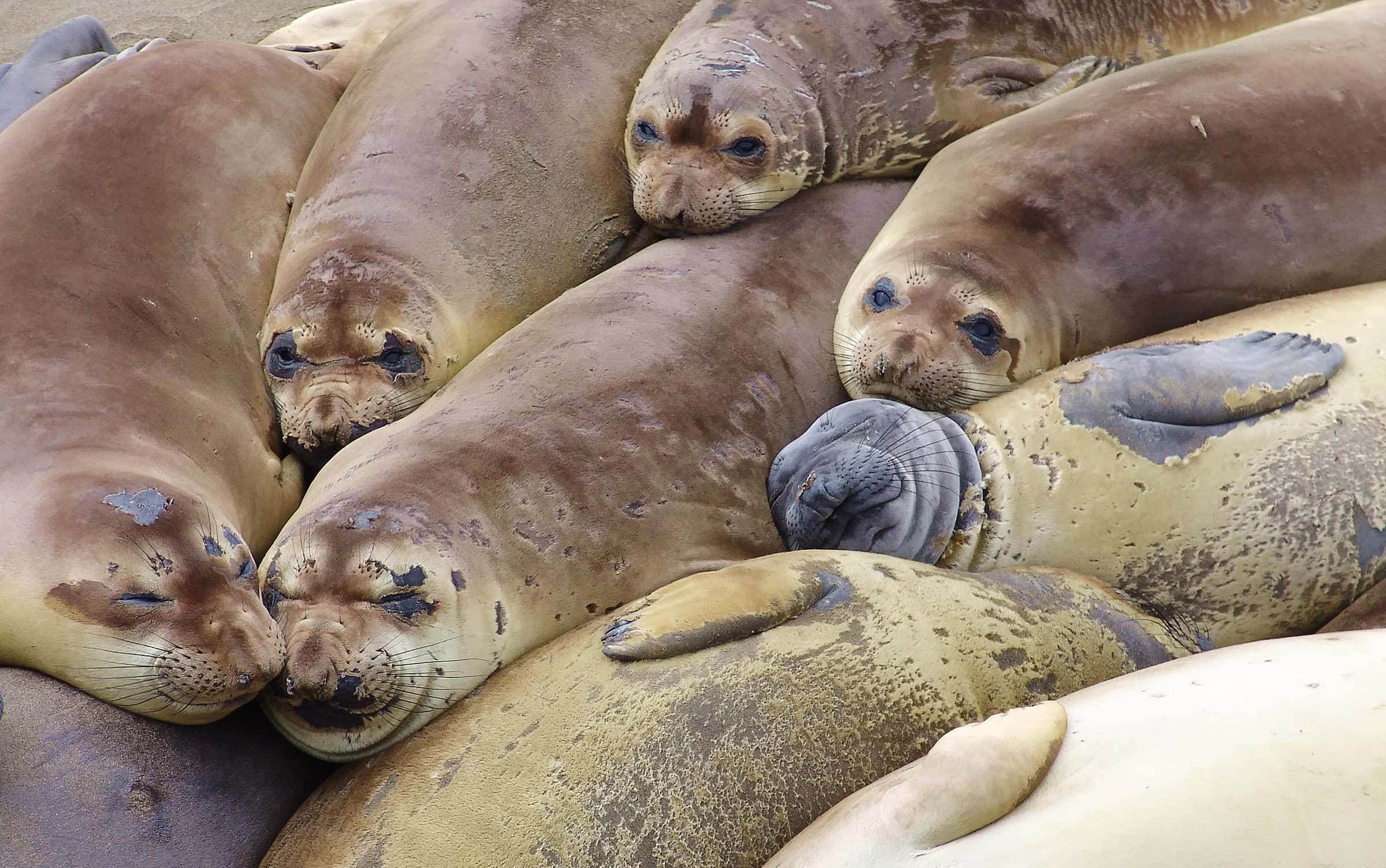
10. Seal of Approval
During breeding season, dominant male elephant seals can collect a harem of up to fifty females.
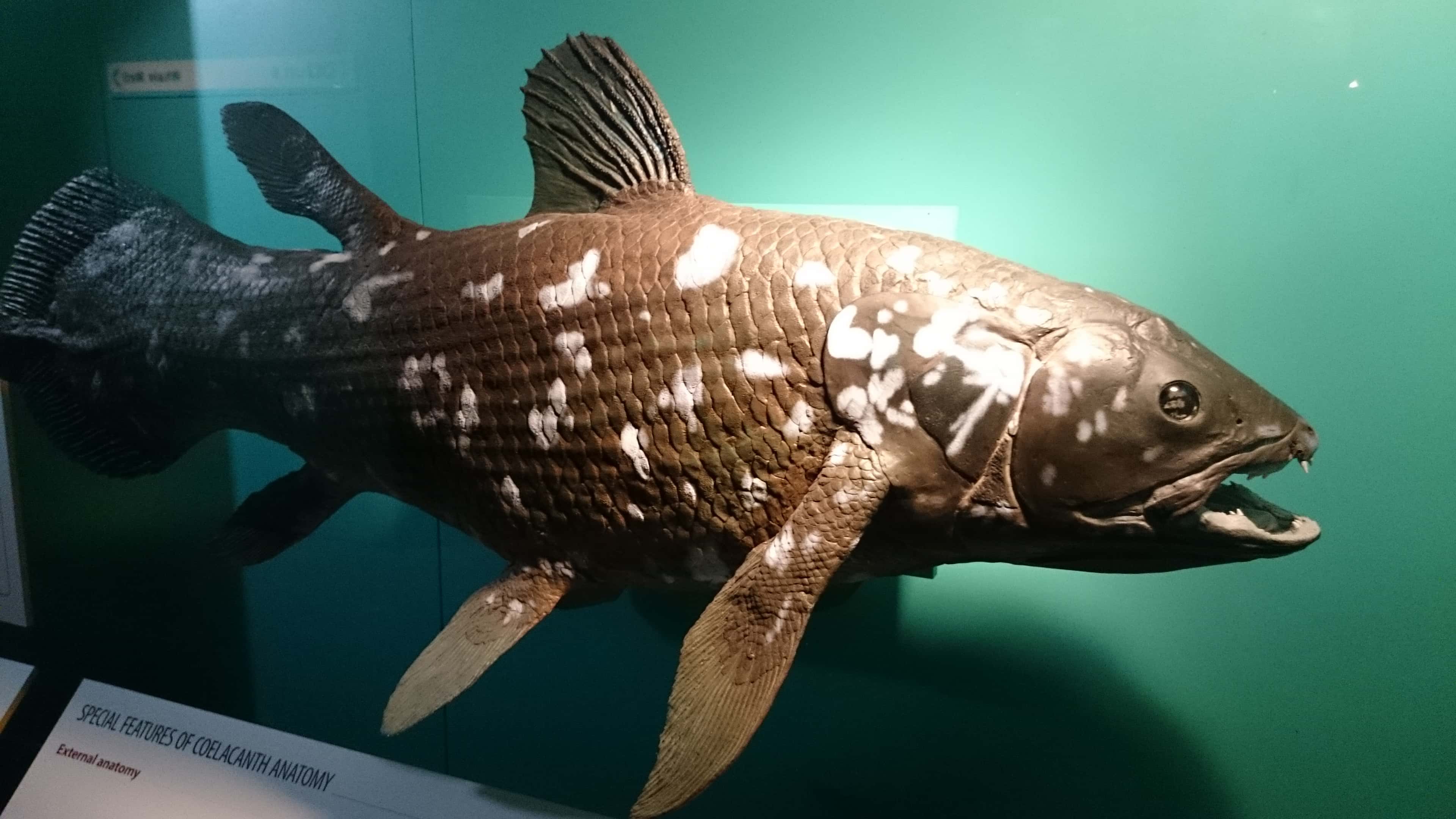
9. Never Left the Party
The coelacanth is a prehistoric fish that was thought to have gone extinct 65 million years ago but was rediscovered in 1938. It is believed that they represent an early step in the evolution of fish to four-legged animals.
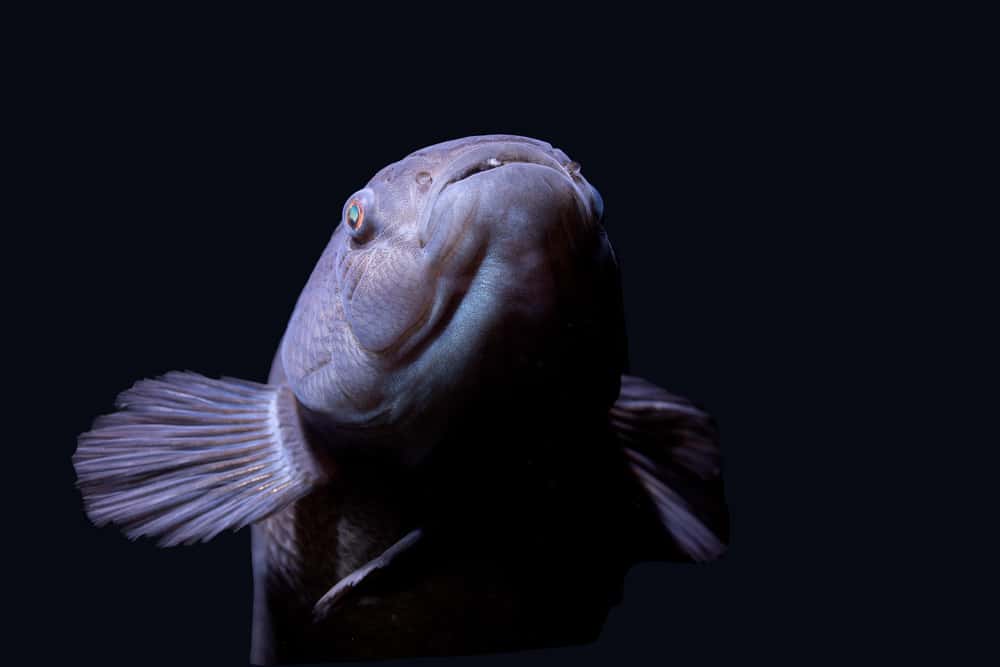
8. Fat Head
A coelacanth’s brain occupies only 1.5% of its cranial cavity. The rest is filled with fat.
7. Beware the Early Bird
A snowy owl will eat up to 1,600 lemmings a year. That’s three to five every day. Between “eaten by owl” and “jumping off a cliff” lemmings don’t seem to have a lot of great life options.

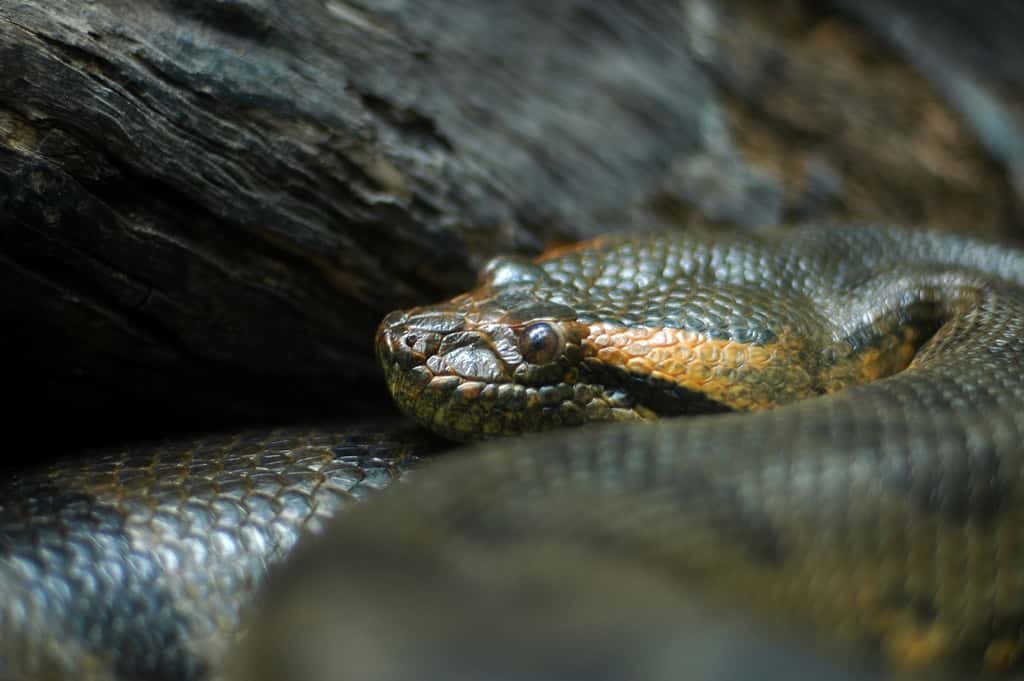
6. Ballers
When anacondas mate, competing males can gather around a female in a writhing mass called a breeding ball. The ball can last up to four weeks and during that time the female can breed with several of the males.
5. Bee Story
When a queen bee dies, the workers will create a new queen by feeding her royal jelly.
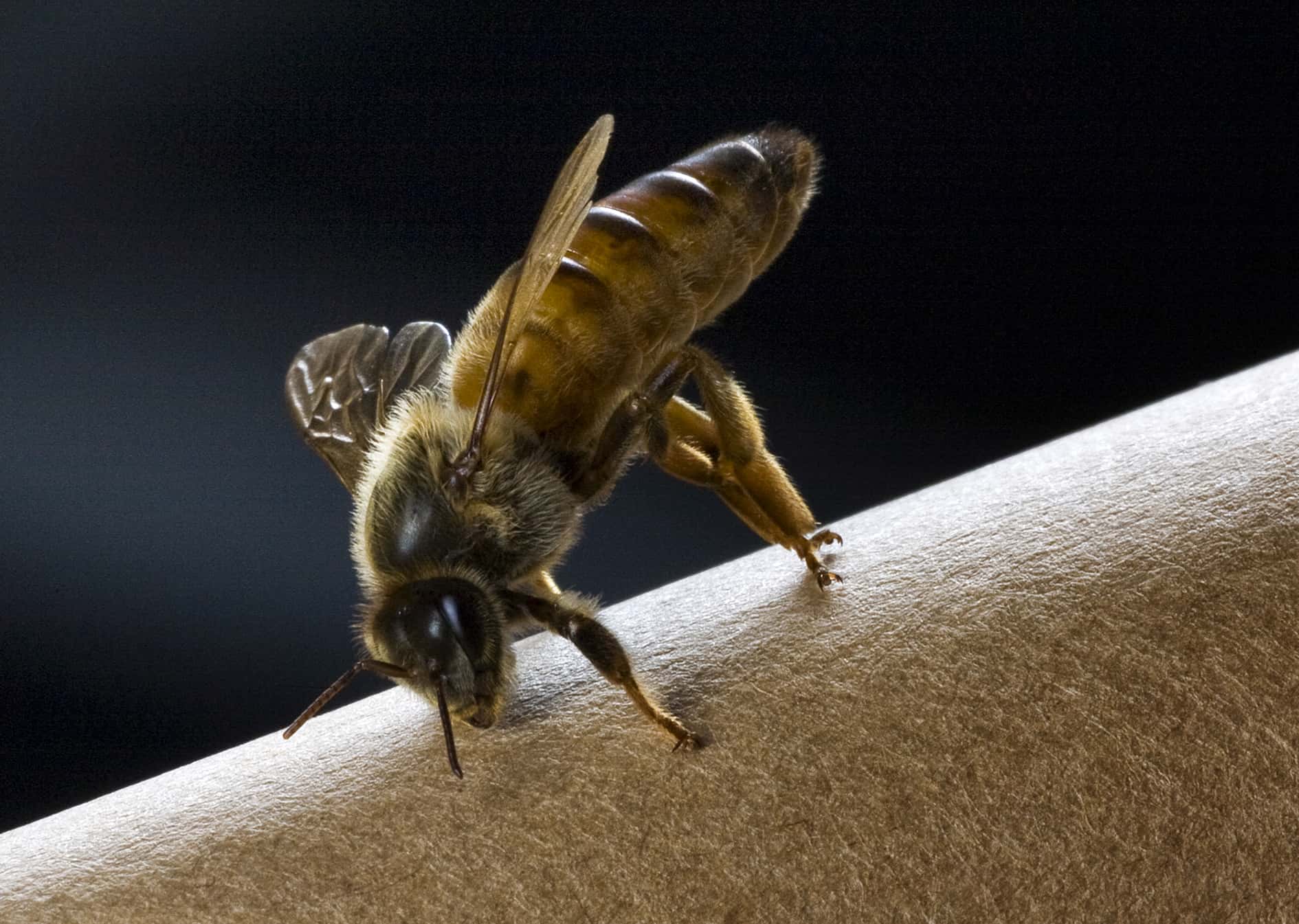
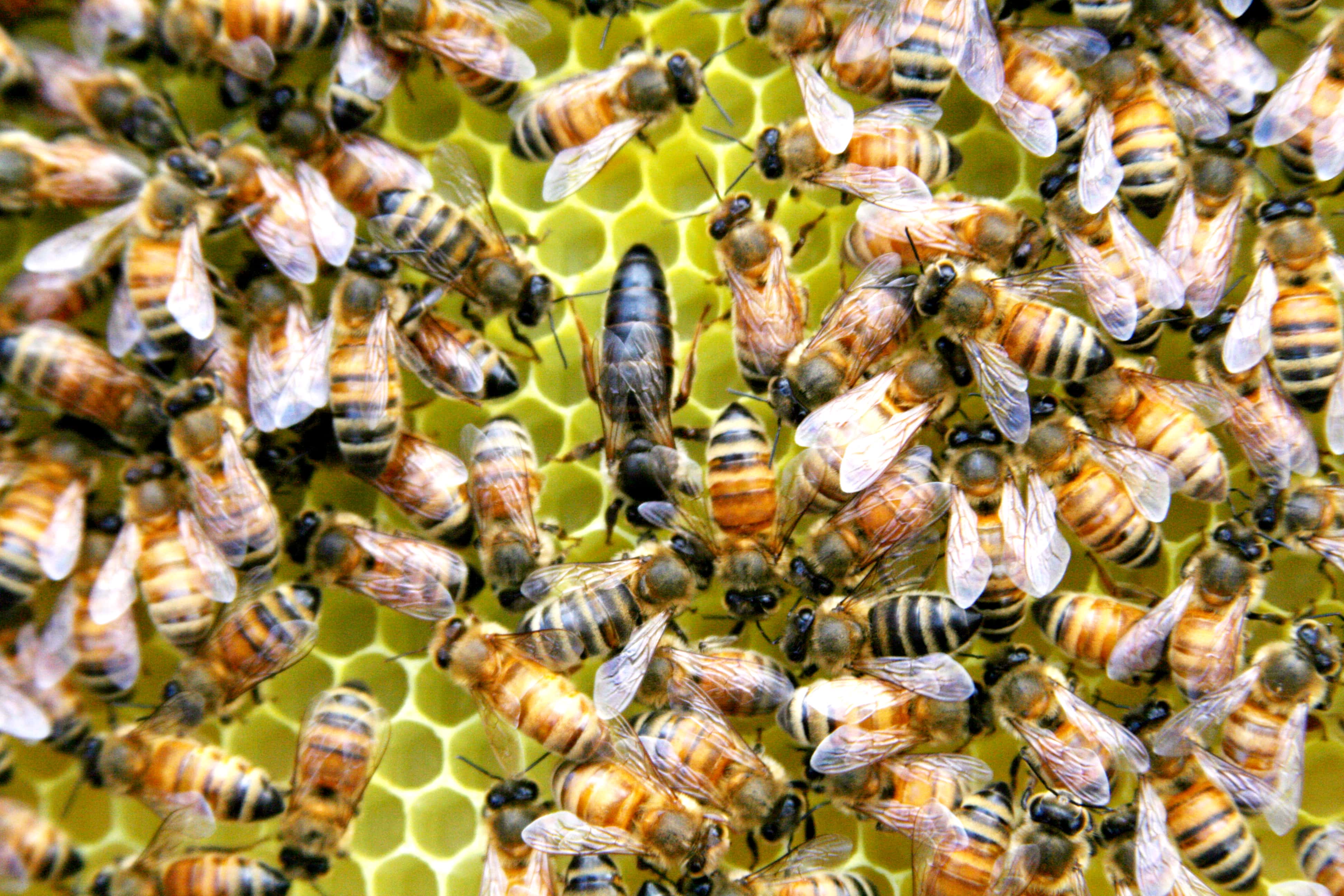
4. Better Living through Chemistry
Queen bees can regulate the activity of a hive by releasing chemicals into the air to modify the behavior of the other bees. Chemicals. Hit songs. Potato, potahto.
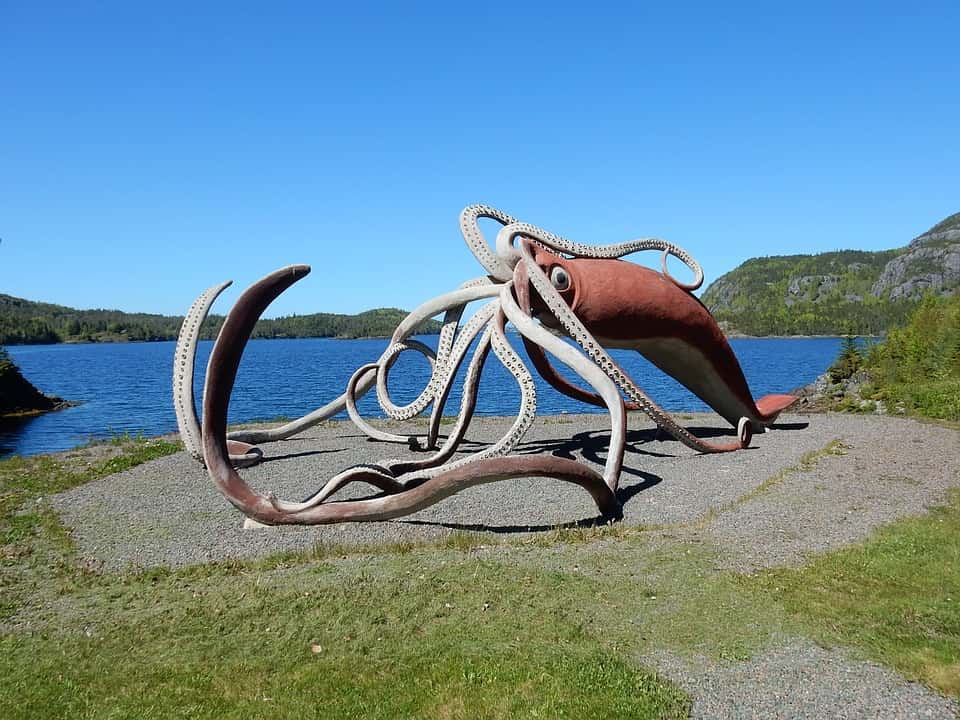
3. Calamari for Dinner
The biggest giant squid on record was 59 feet long, weighed nearly a ton, and had eyes the size of beach balls.
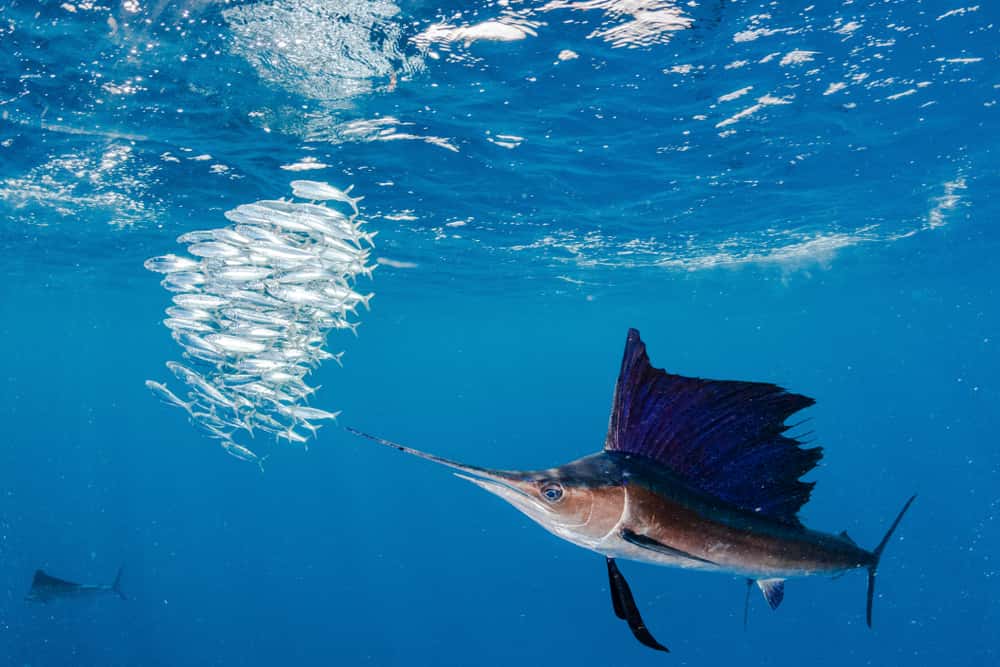
2. Sail Away
Sailfish are the fastest fish in the ocean and can leap out of the ocean at speeds up to 68 miles per hour.
 Shutterstock
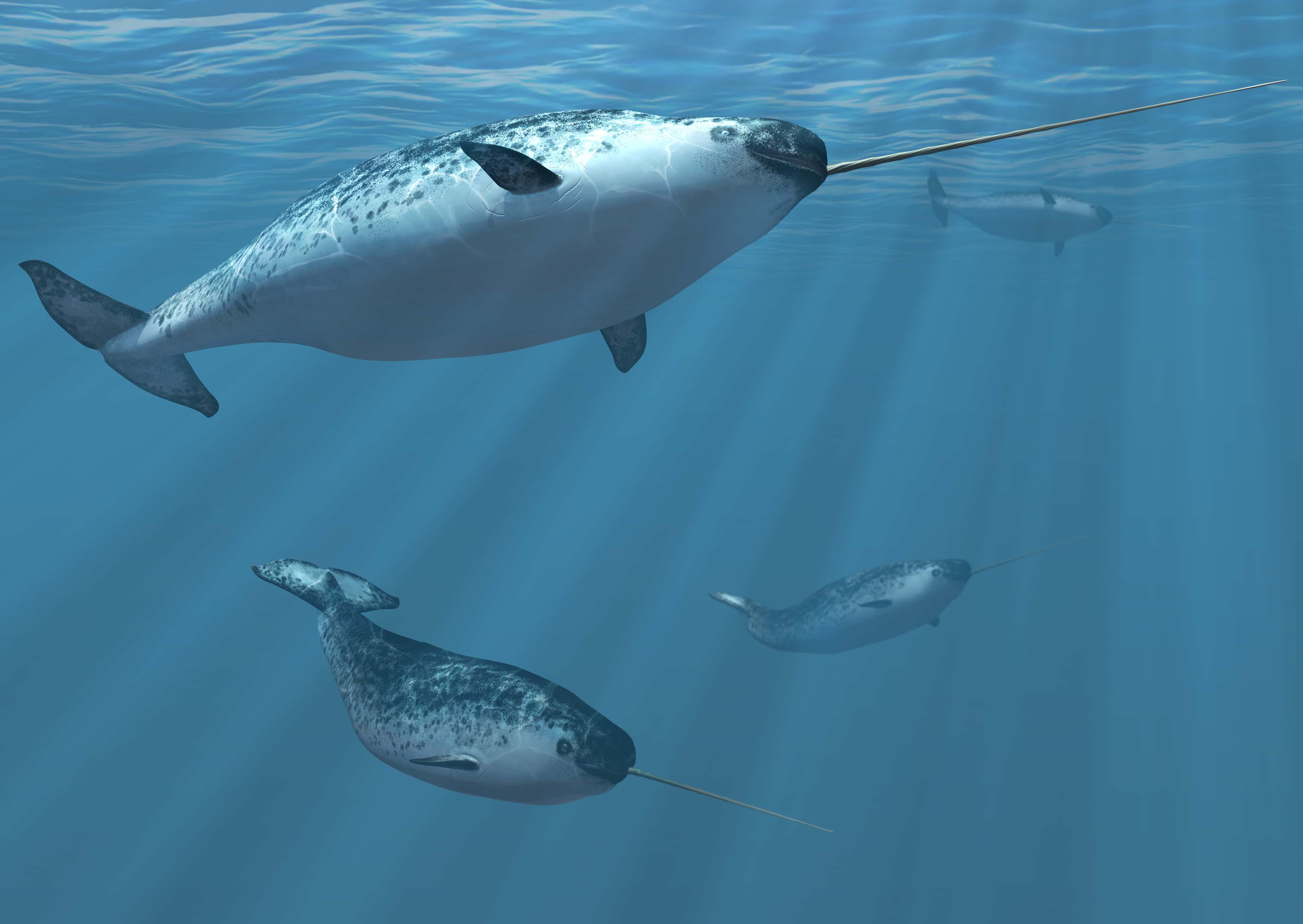
1. That’s One Horny Fish (Not a Fish)
The narwhal has two teeth, one of which can grow into a nearly nine-foot tusk in males, earning them the name the “unicorn of the sea.” Of course, had we seen them first, we would have named them tunacorns.









.jpg)


