Europe’s Bloodiest Dynasty
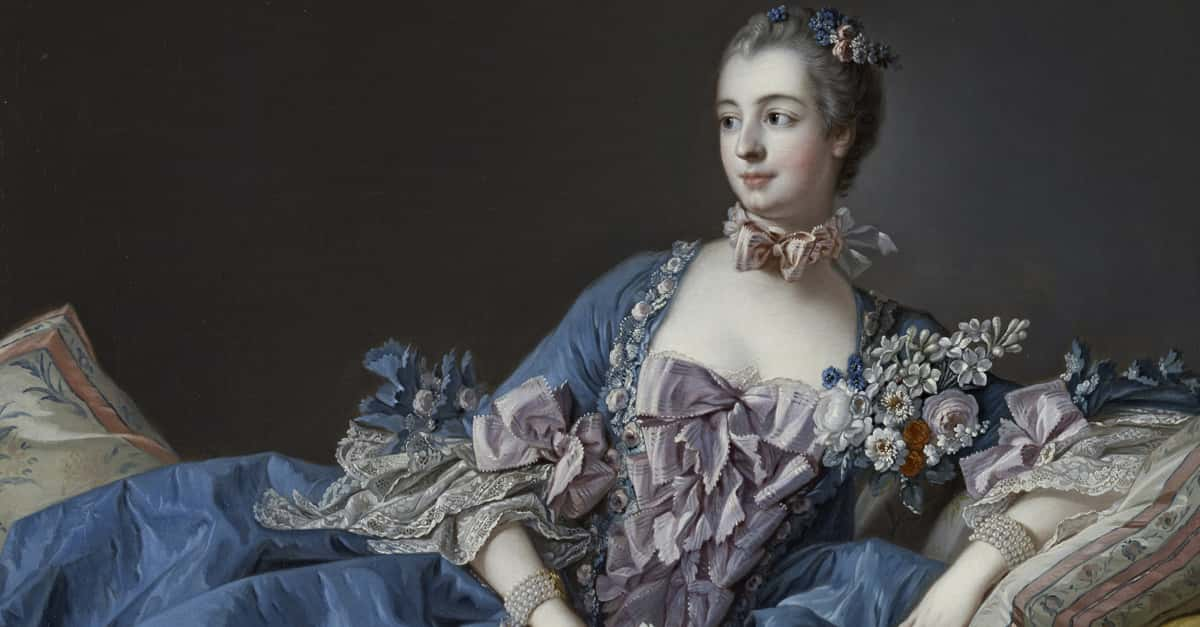
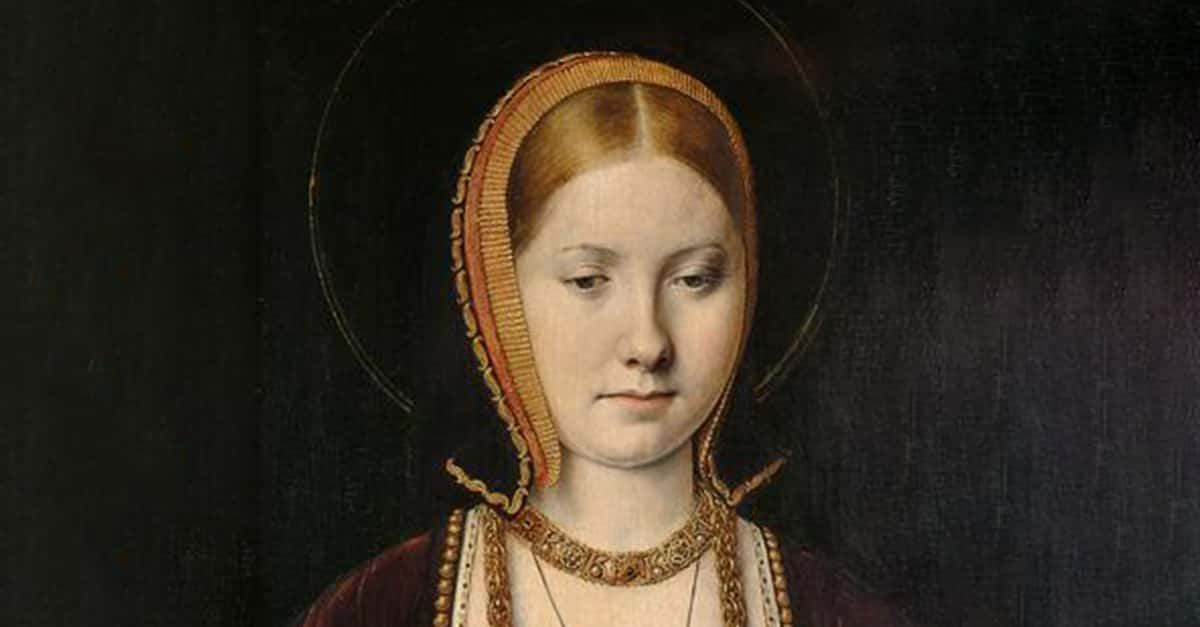
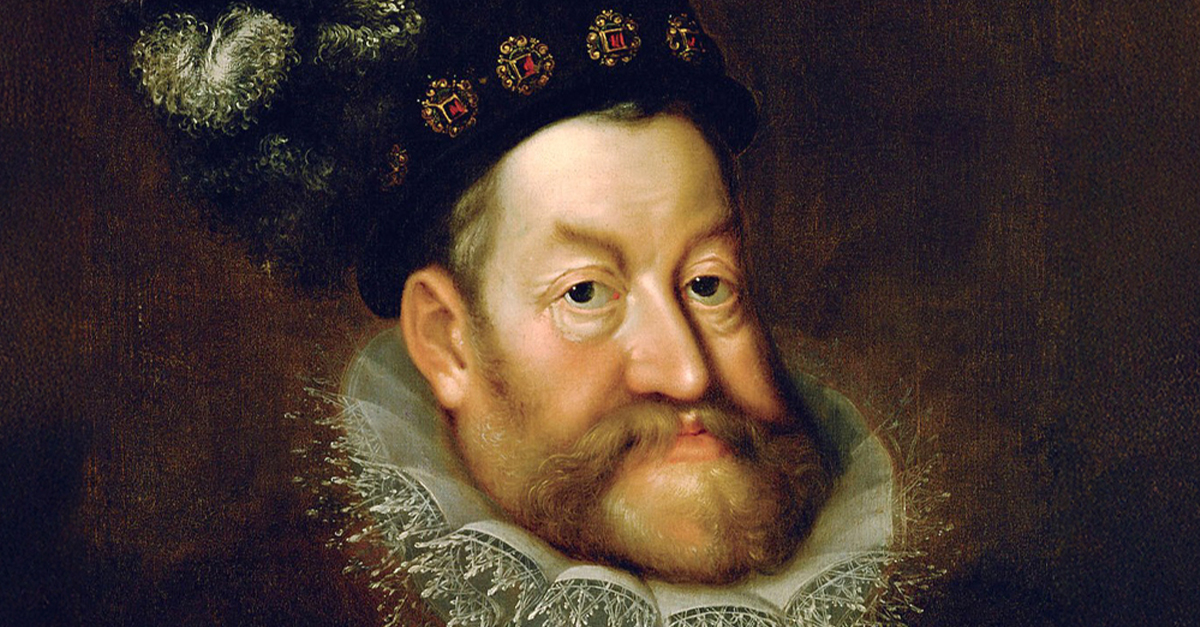
The Habsburg Empire may fly under the radar, but they are one of the most powerful dynasties in history—and you don’t get all that wealth and influence without a lot of bloodshed and tragedy along the way. And it wasn’t just their subjects who paid the price for their ambition. Though their infamous tendency towards inbreeding ultimately doomed many in their bloodline, other members of the dynasty met terrible fates along the way that had little to do with their twisted family tree.
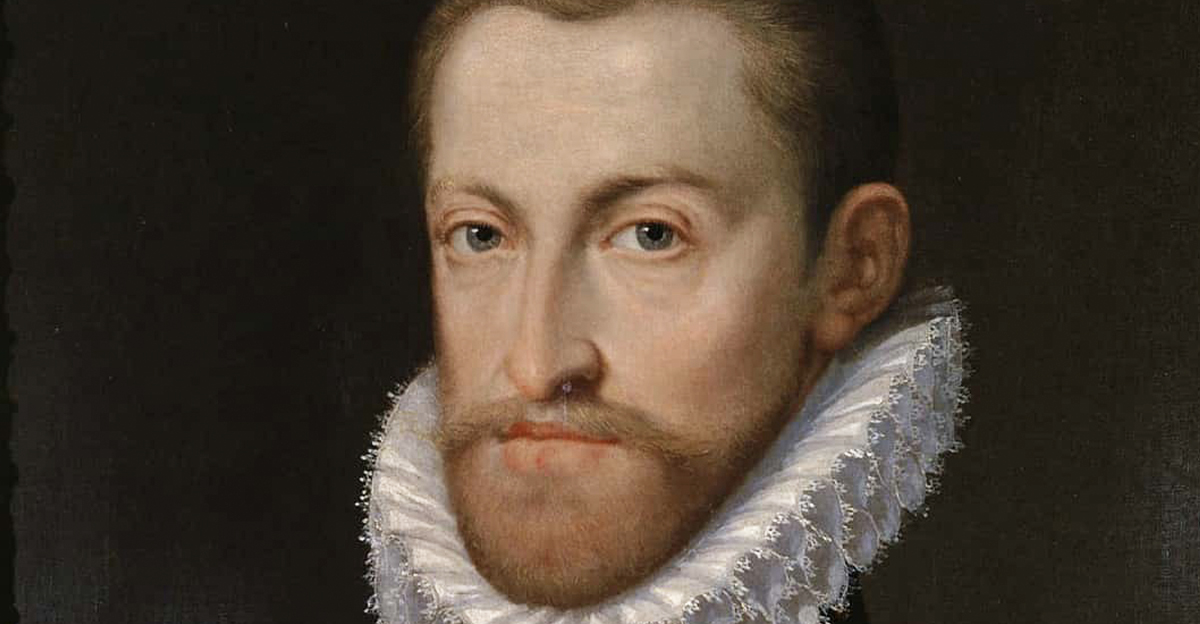 Martino Rota (1520–1583), Wikimedia Commons
1. They Go Way, Way Back
The birth of the House of Habsburg goes all the way back to Switzerland in the 13th century and Rudolf I, King of Germany. He took the Duchy of Austria during his rule, but it was really his 15th century descendant Maximilian I who turned it into the Habsburg empire. When he tied the knot with Mary of Burgundy, a powerful union was created, as her father had left her domains in France and the Holy Roman Empire.
These were the days of mercenary marriages meant more for amassing power than love—but Maximilian wouldn’t settle for just that.
 Albrecht Dürer, Wikimedia Commons
2. Maximilian And Mary Weren’t Just Creating An Empire
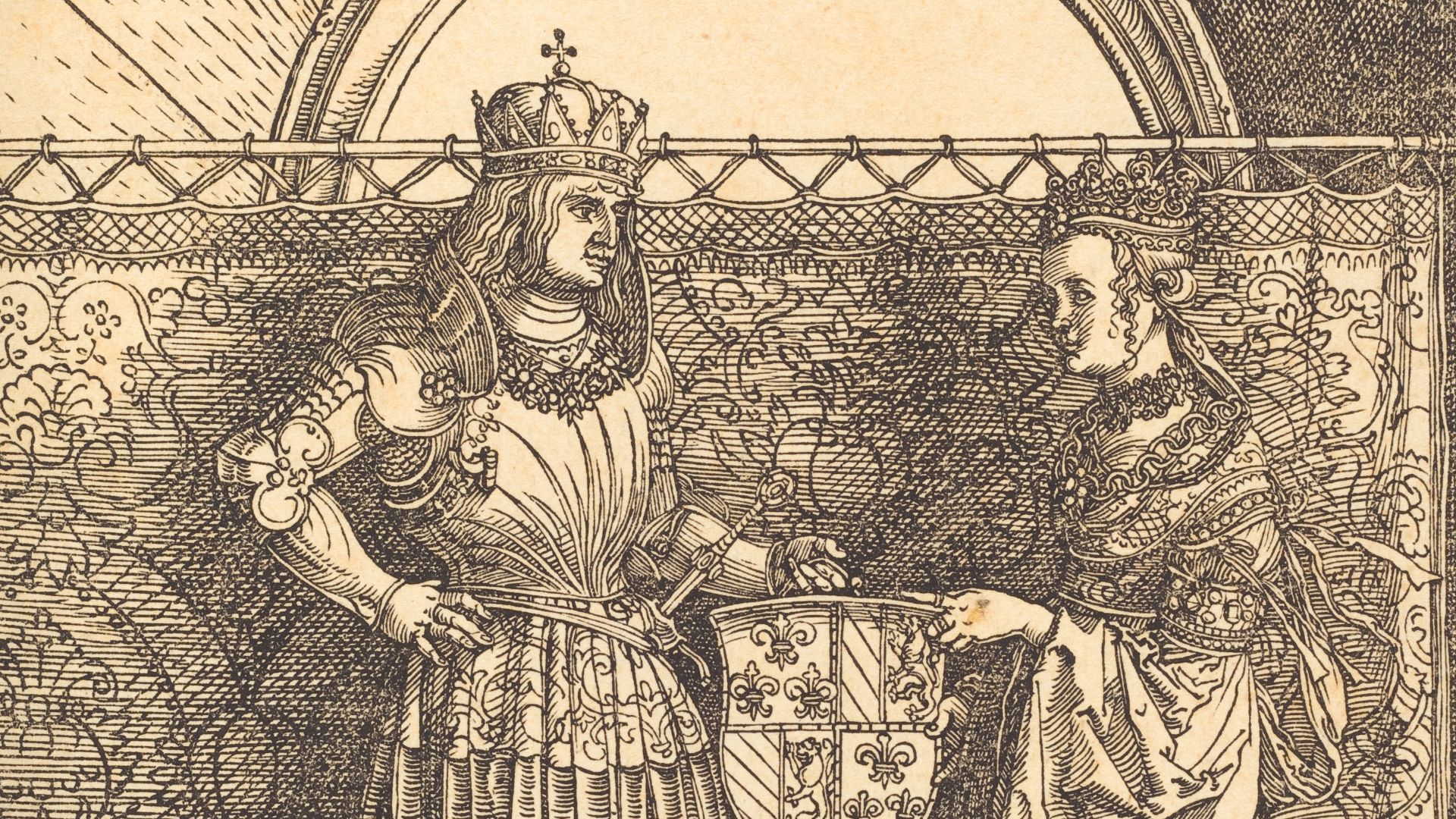
Maximilian didn’t just solidify his claim to power when he wed Mary of Burgundy—he was also marrying the love of his life. And when he lost her in a hunting accident in 1482, he never really recovered. With his final request, Maximilian was reunited with his damsel. He asked for his heart to be buried in Mary’s sarcophagus, and his loyal servants honored this last wish.
Unfortunately, Maximilian and Mary’s first daughter may have inherited the Habsburg family's bad luck.
 Albrecht Dürer, Wikimedia Commons
3. Margaret Of Austria Lost Two Husbands
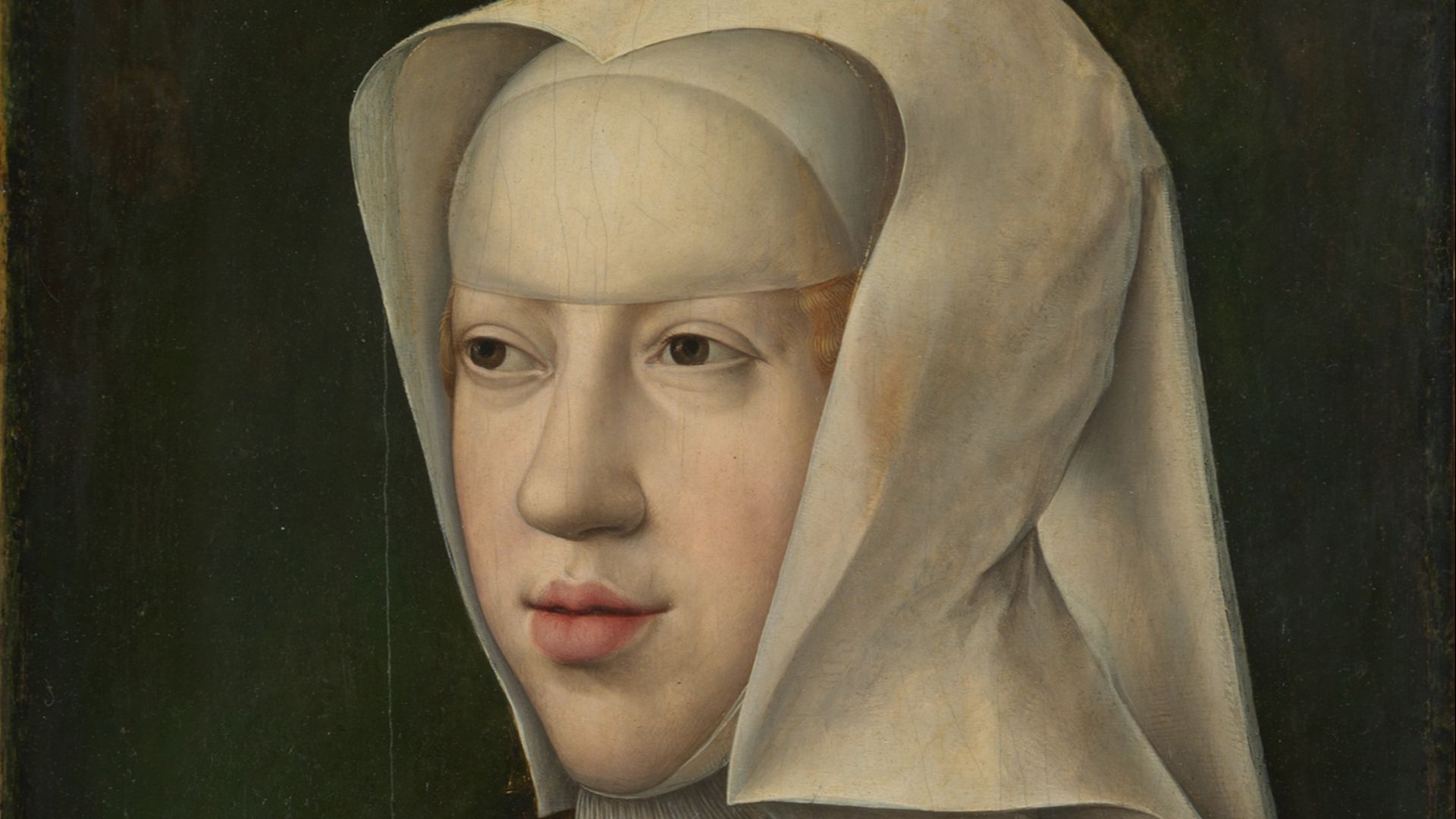
Margaret of Austria was used a pawn in her father’s game of thrones, though her marriages were just as doomed as her parents’. Her first husband died six months into their marriage. Her second lasted three years, and when he passed, she tried to follow him to the grave by jumping out of a window. She was stopped—but considering her ultimate fate, maybe that wasn’t such a blessing.
 Bernard van Orley, Wikimedia Commons
4. She Made A Fatal Mistake
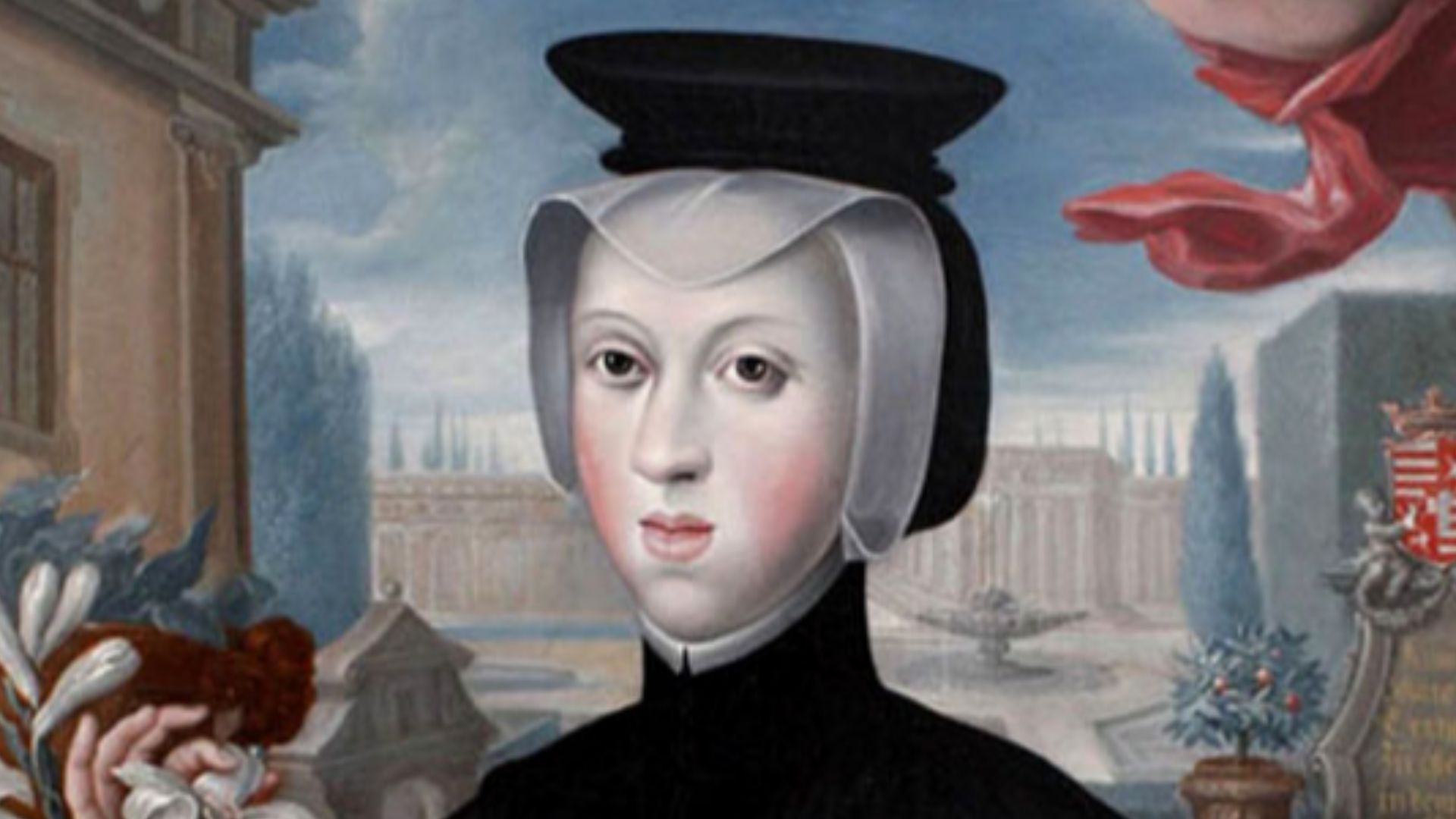
In 1530, Margaret of Austria stepped on a piece of glass. In the moment, it seemed like an inconvenient injury—but in truth, it was the beginning of a horrifying nightmare. Margaret ignored it, and unfortunately this meant that infection and then gangrene quickly took hold. She needed to have her leg amputated. Before the surgery, she had opium administered, but it turned out to be too much.
Margaret of Austria never woke up again. By this point, her nephew Charles V was in power—and though he had better luck, he had some serious problems of his own.
 Unidentified painter, Wikimedia Commons
5. Charles V Had Twisted Taste
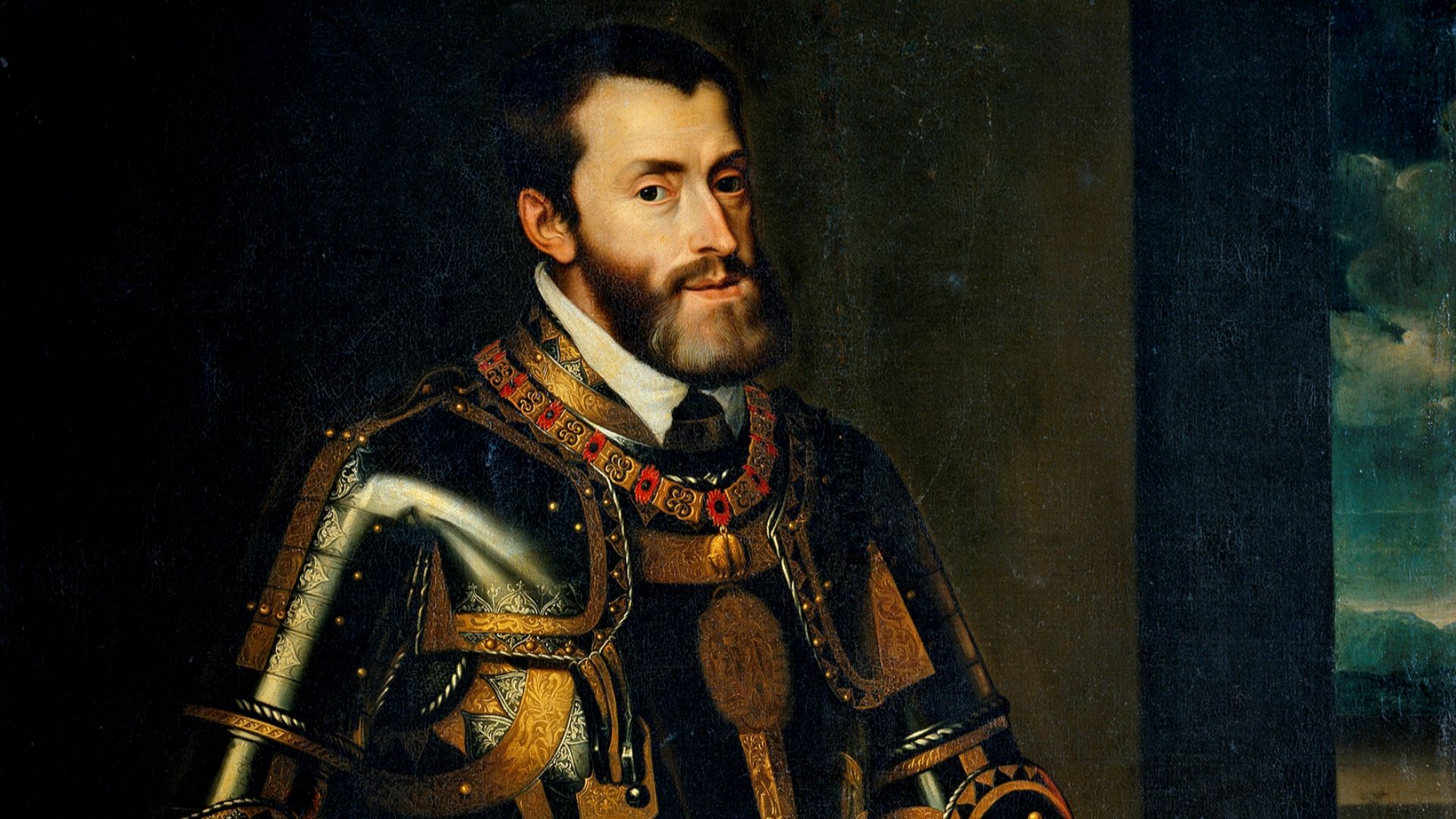
Charles V had several affairs before ultimately marrying Isabella of Portugal. By far the most controversial was with Germaine of Foix, his own step-grandmother, but that wasn’t even the most disturbing part of their relationship. Germaine ended up having a child a conspicuously long time after her husband passed on—two years, to be exact—and many believed it was Charles’s.
But if you thought that was unsavory, there was also something suspect about his marriage.
 Juan Pantoja de la Cruz / After Titian, Wikimedia Commons
6. The Moment It All Started To Go Wrong
If there was one woman who could match the wild and wily Charles V, it was the charming and razor-sharp Isabella of Portugal—but their union ultimately destroyed their legacy, all thanks to a disgusting detail. Charles and Isabella were first cousins. This was how the Habsburg Empire began to gain its reputation for consanguinity. It left their descendants with short life spans, high infant mortality rates, and high levels of defective genetics.
And Philip II was their first victim.
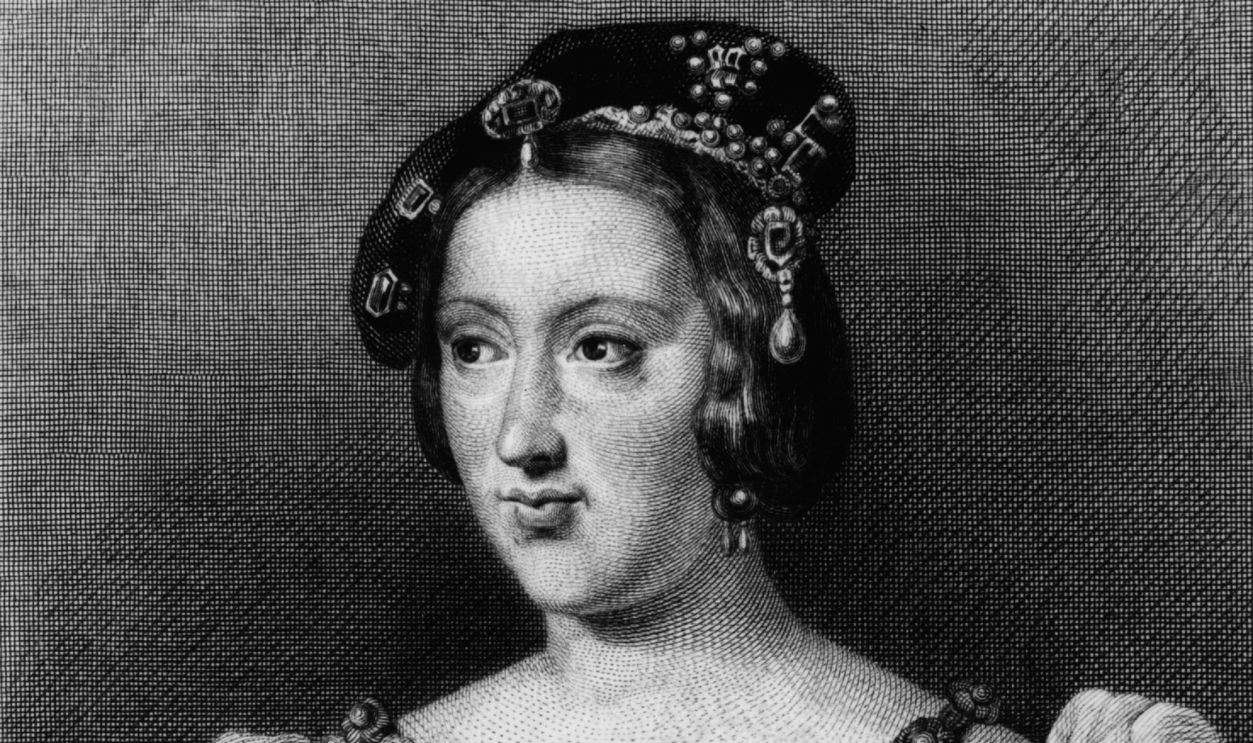
7. Charles And Isabella Made The Same Mistake Twice
Charles V raised his son Philip II with an iron fist and molded him into a cold, calculating man. And when it came time for him to marry, Charles and Isabella chose his cousin, Maria Manuela, Princess of Portugal. This was really where it all went wrong, as two consecutive consanguineous marriages in the family had a ripple effect that would go down through the generations.
But first, his own immediate family would pay the price.
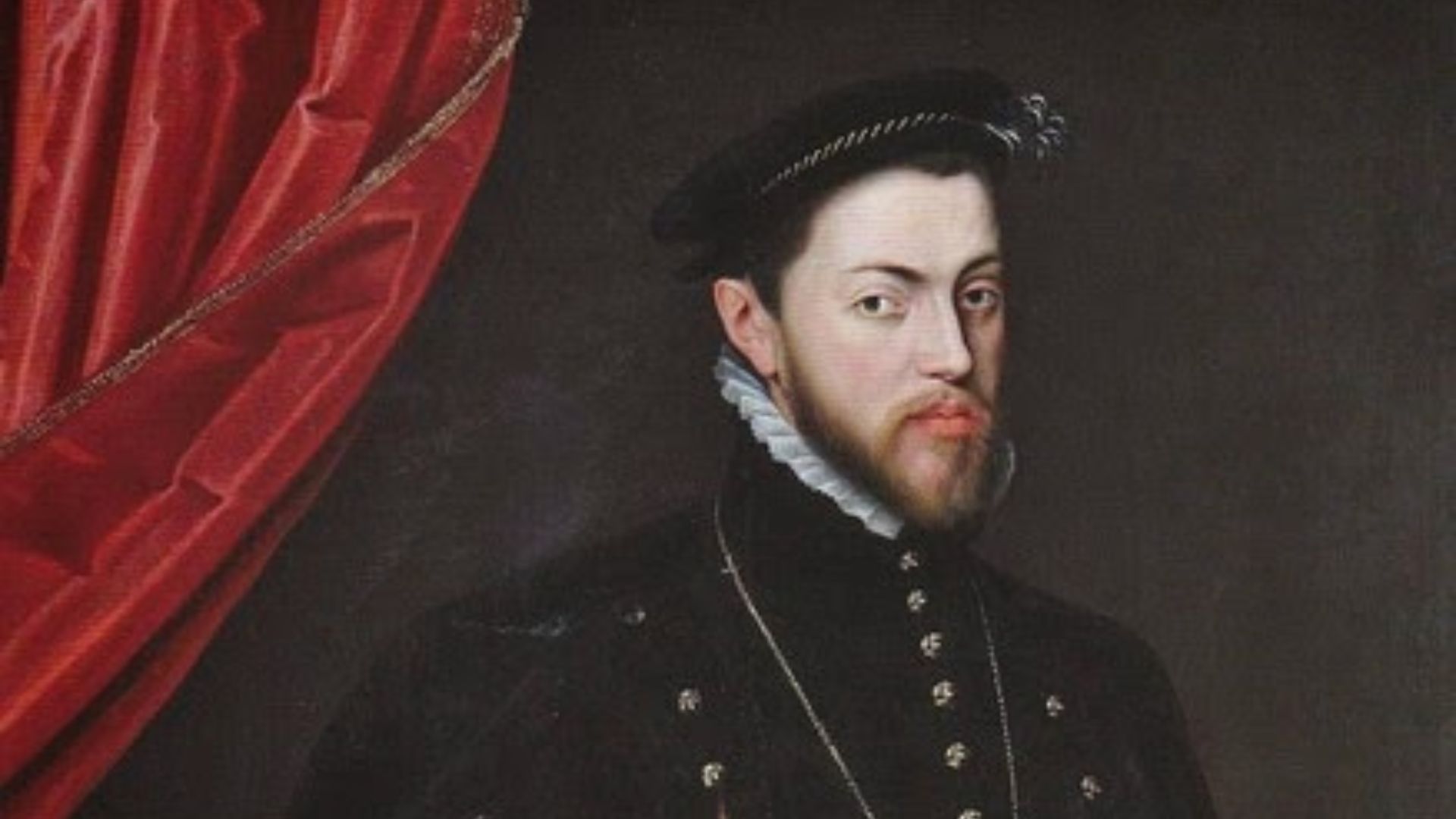 Jooris van der Straeten, Wikimedia Commons
8. Philip II Of Spain Was Dangerous
Philip II of Spain ruled over a time of immense prosperity, but his people didn’t realize he kept a disturbing secret locked away in his palace. Not only was his son Carlos hopelessly insane, he also had a murderous streak, and even tried to slay his own half-brother. After years of enduring the problem, Philip couldn’t take it anymore. First, he locked Carlos in his room, and then later boarded up the windows. Carlos drew his last breath as a prisoner—and rumors even flew that his father had had him taken out.
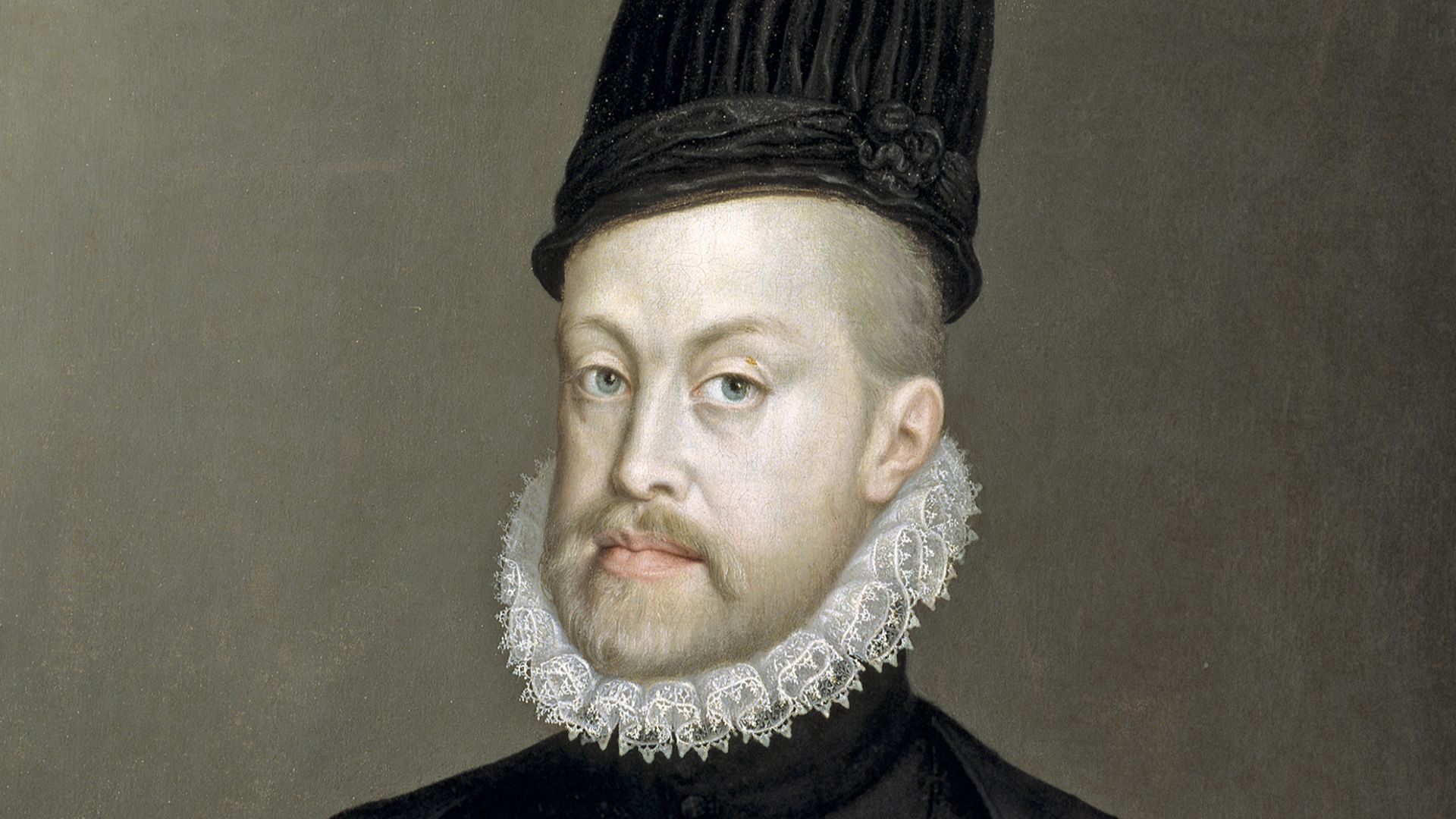 Sofonisba Anguissola, Wikimedia Commons
9. They Split Up
While Philip II ruled Spain, his brother Ferdinand I took over as Holy Roman Emperor after their father Charles V’s abdication in 1556. This was where the Habsburg line split into the Spanish and Austrian Habsburg lines—not that that would solve their myriad problems. And the next few generations of rulers that governed Austria certainly made their mark on history in interesting ways.
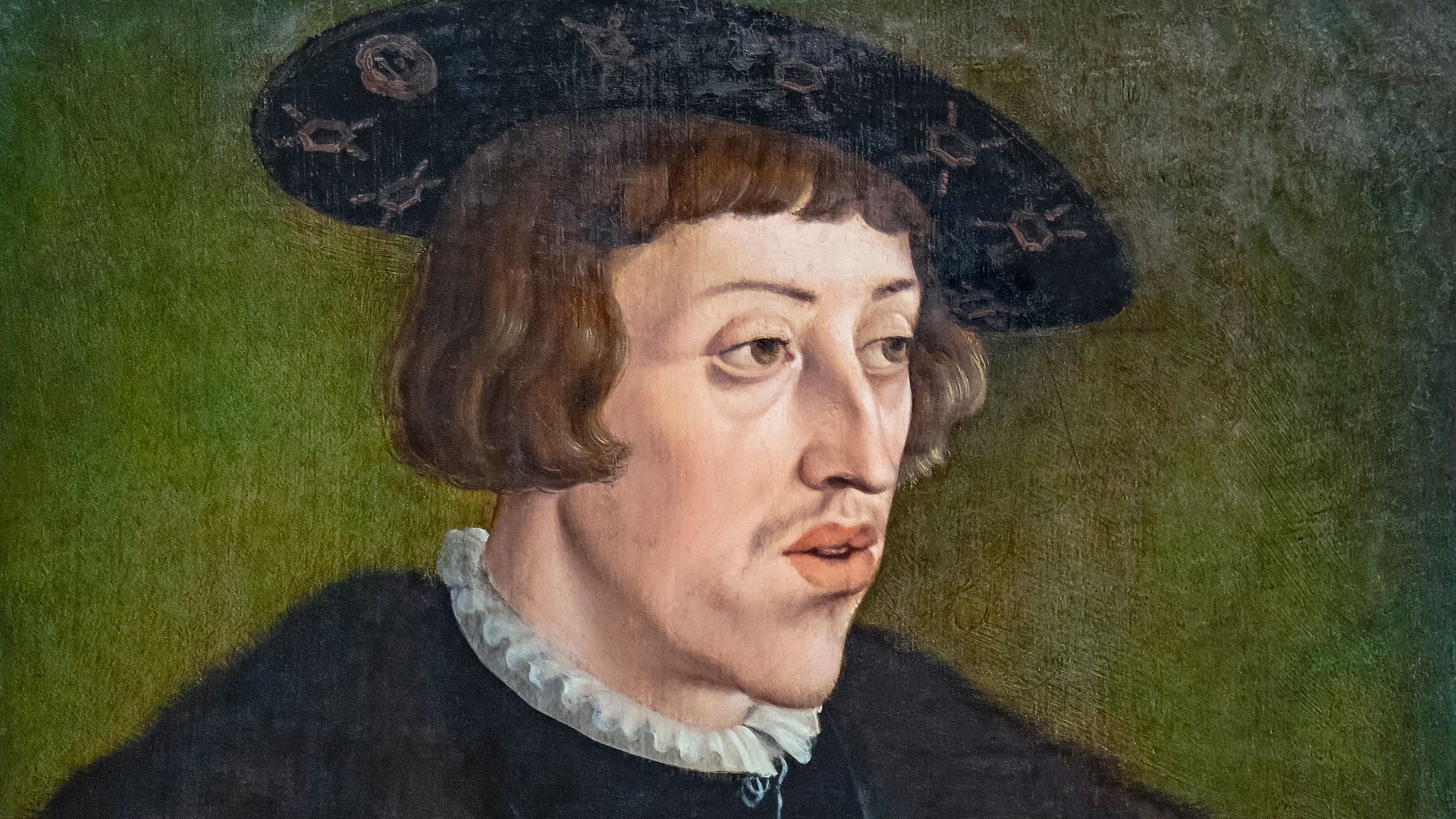 Didier Descouens, Wikimedia Commons
10. Rudolf II Suffered From His Family’s Mistakes
Ferdinand I’s grandson Rudolf II was raised in the Spanish court under Philip II, and maybe his cousin Carlos rubbed off on him. Rudolf went on to become Holy Roman Emperor between the tumultuous years of 1576 to 1612. Unfortunately, the family’s inbreeding left him susceptible to mental illness, and he reportedly suffered from episodes of melancholy, schizophrenia, and paranoia—as well as a strange obsession.
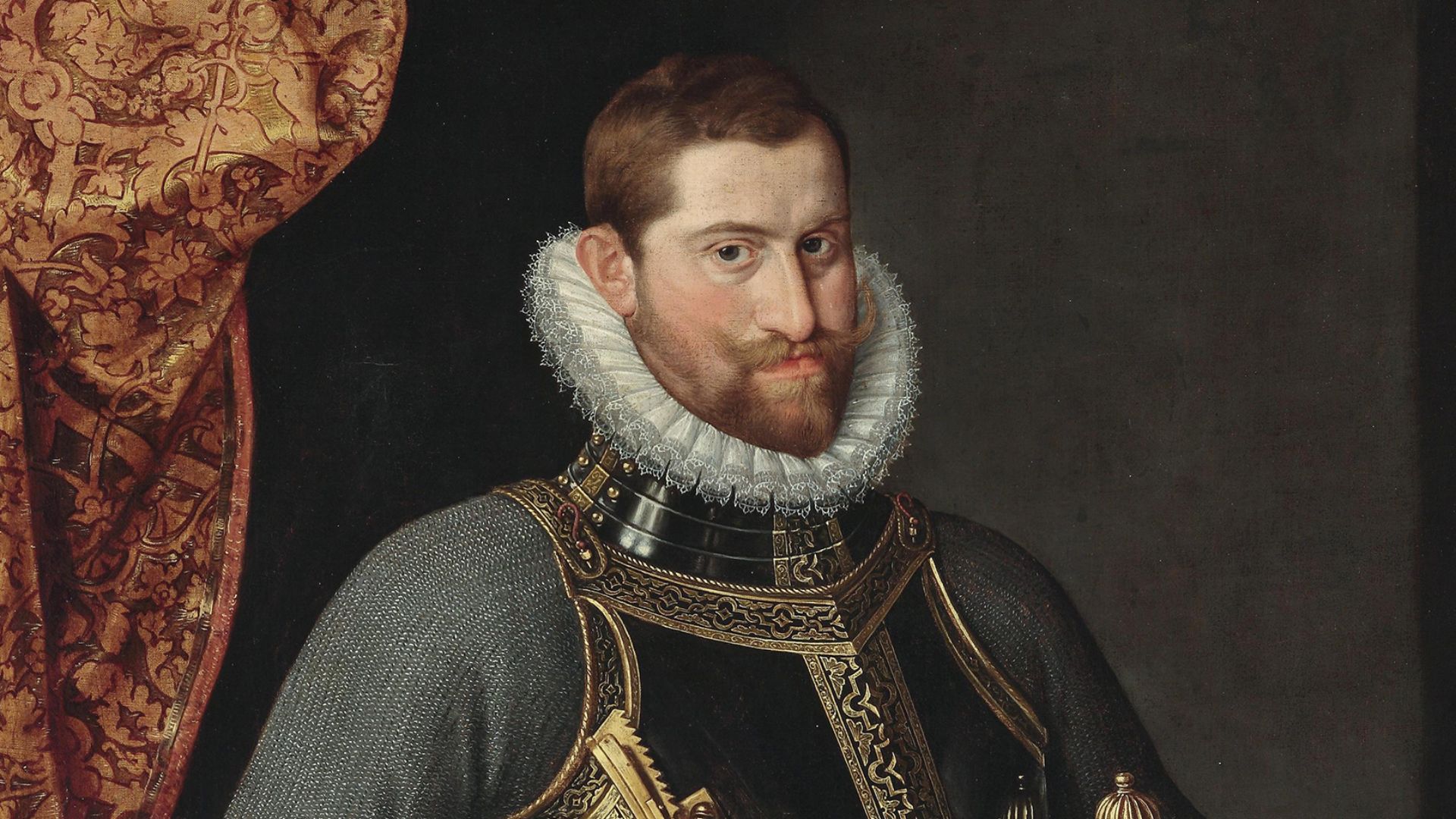 Lucas van Valckenborch, Wikimedia Commons
11. He Went Too Far
In his youth, Rudolf II not only began to exhibit a strange fascination with alchemy and the occult, he also took up with anyone who crossed his bedroom threshold, including male valets. Later, he began his cabinet of curiosities, with items including “a grain of Earth from which God made Adam” and “two nails from Noah’s ark”…or so he claimed. However, as he became more unhinged, he launched unwinnable military campaigns and oppressed his own subjects.
Ultimately, his younger brother Matthias had no choice but to lock him up, for the preservation of the Holy Roman Empire. But how did the women of the Austrian branch of the Habsburgs fare?
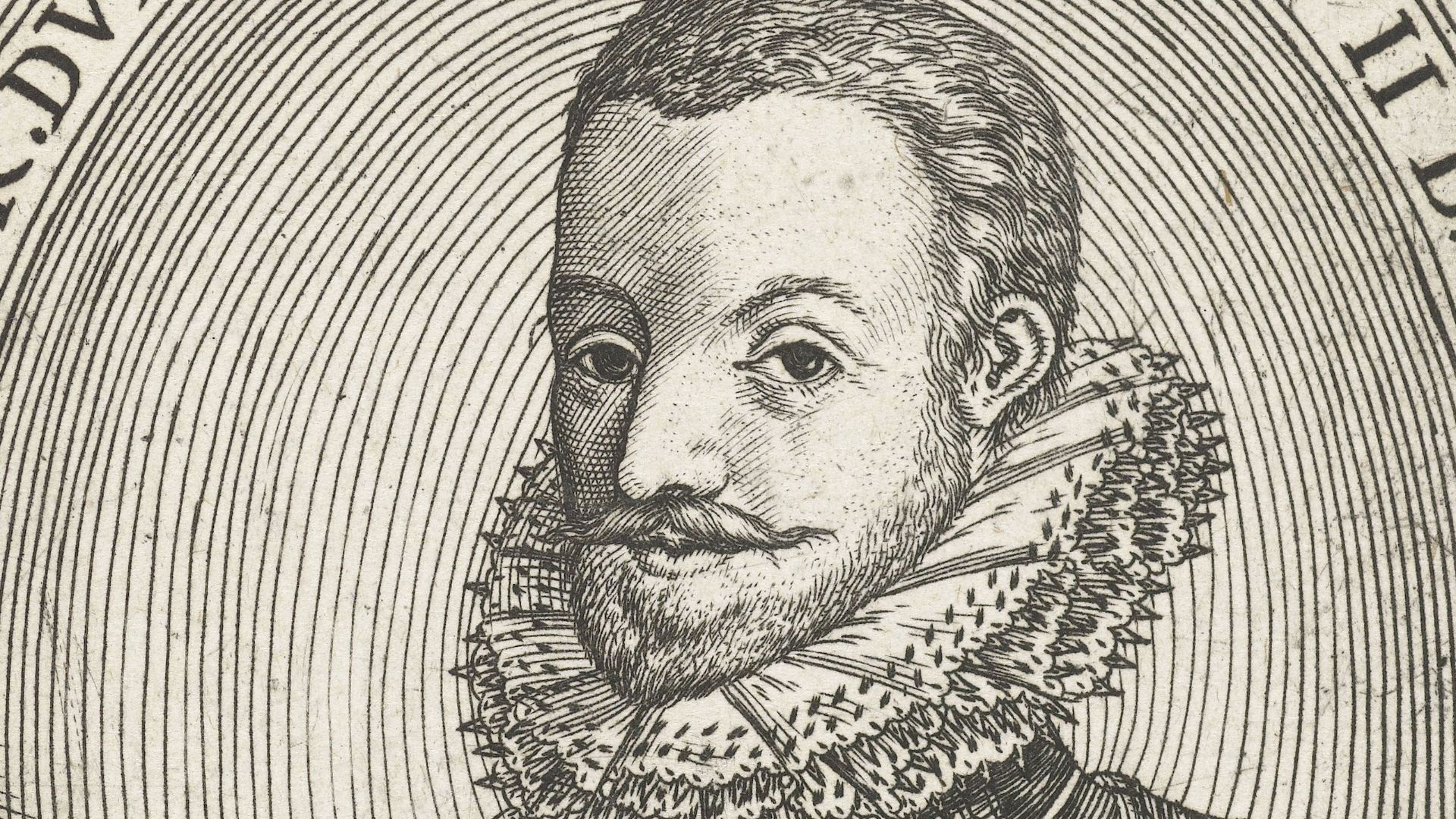 Rijksmuseum, Wikimedia Commons
12. Elisabeth Of Austria Wasn’t Like The Rest
While Rudolf II was a holy (Roman) terror, his sister Elisabeth is remembered as kind and saintly—and untouched by the madness that overtook many of her relatives. And on top of all that, she was extremely beautiful, making her a very eligible bachelorette. Ultimately, that put her in the crosshairs of the French royal family as a potential bride for King Charles IX.
There was just one problem: his mother.

13. She Had A Nightmare Mother-In-Law
Charles’s mother was none other than Catherine de Medici—yes, the one infamous for her scheming and plotting. Catherine figured she could easily control Elisabeth, and she was unfortunately right. However, Elisabeth’s time under her mother-in-law’s thumb was short, as Charles IX passed on four years into the marriage. But then, unexpectedly, she stood up for herself.
 Workshop of François Clouet, Wikimedia Commons
14. She Made A Huge Sacrifice
Elisabeth’s father wanted her to remarry within the French royal family, but she refused. Sadly, that meant she had to go home to Vienna and leave her infant daughter behind in France. She was met upon her return with an even more twisted offer—marriage to her uncle, Philip II of Spain (remember him?). Once again, she said no.
Her sister, on the other hand…

15. Anne Of Austria Fell Into The Same Curse
Stay with us—it gets even more twisted. Elisabeth’s younger sister Anna ended up being the one to marry their uncle Philip II of Spain. And Anna and Philip’s granddaughter Anne (with an E) suffered a similar fate to her great-aunt Elisabeth: getting married off to a King of France. Sadly for her, her husband did not die young. Yes, we said sadly. Here’s why.
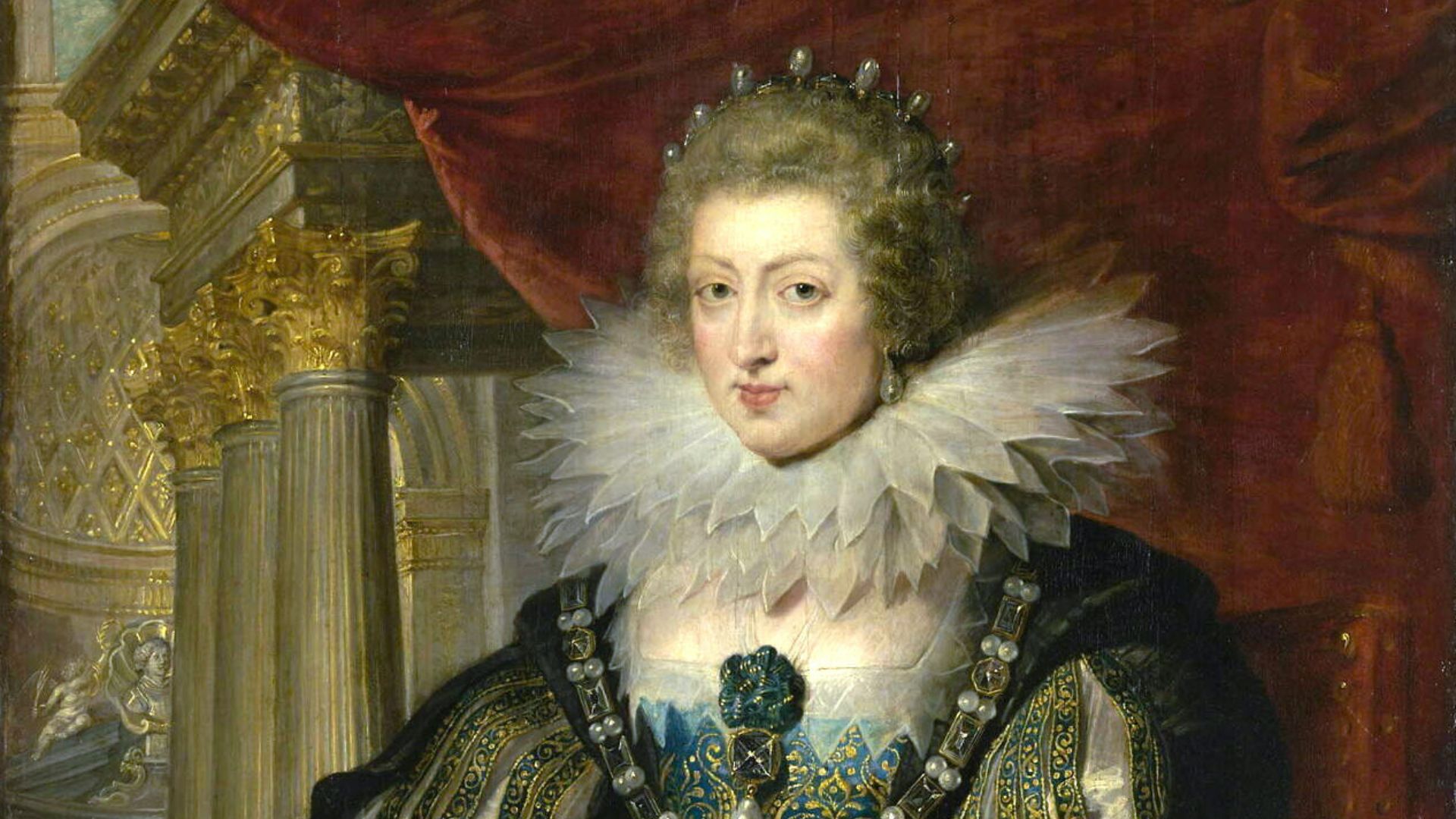 After Peter Paul Rubens, Wikimedia Commons
16. She Had The Worst Marriage
King Louis XIII despised Anne of Austria from the day they married and treated her horribly. And seeing as they were married for nearly 30 years, that meant a whole lot of misery. In 1642, he fell ill—but still had the energy to deal her a brutal betrayal from his deathbed. He tried to cut her out of their son’s life in his will, but she got the last laugh. Anne convinced the Parlement to revoke his will and install her as regent for her son.
It worked out well—Louis XIV went on to become the longest-reigning monarch in history. Not bad for her particular branch of the family. The same can’t be said for the Spanish Habsburgs.
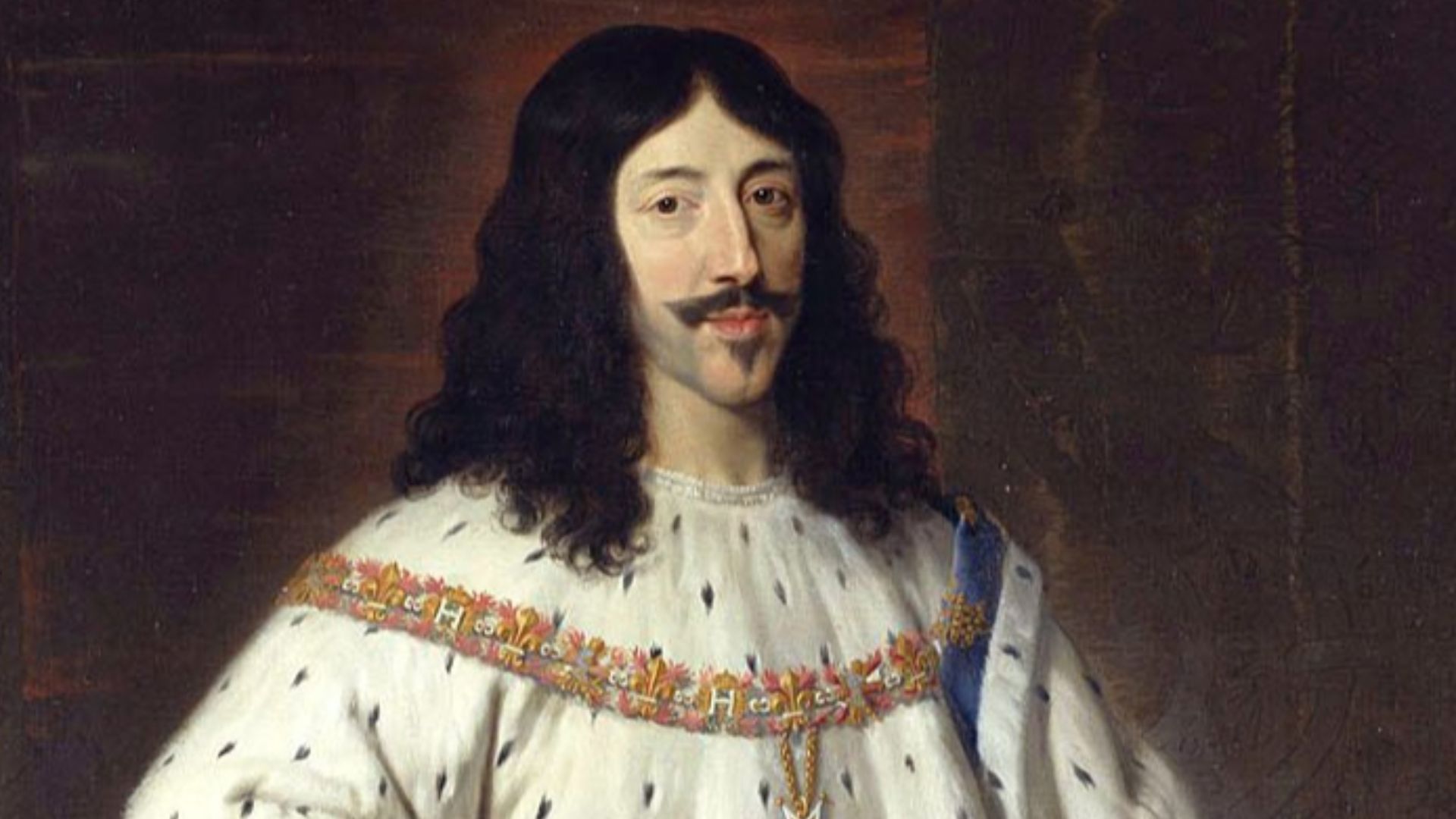 Philippe de Champaigne / Formerly attributed to Jan van Belcamp, Wikimedia Commons
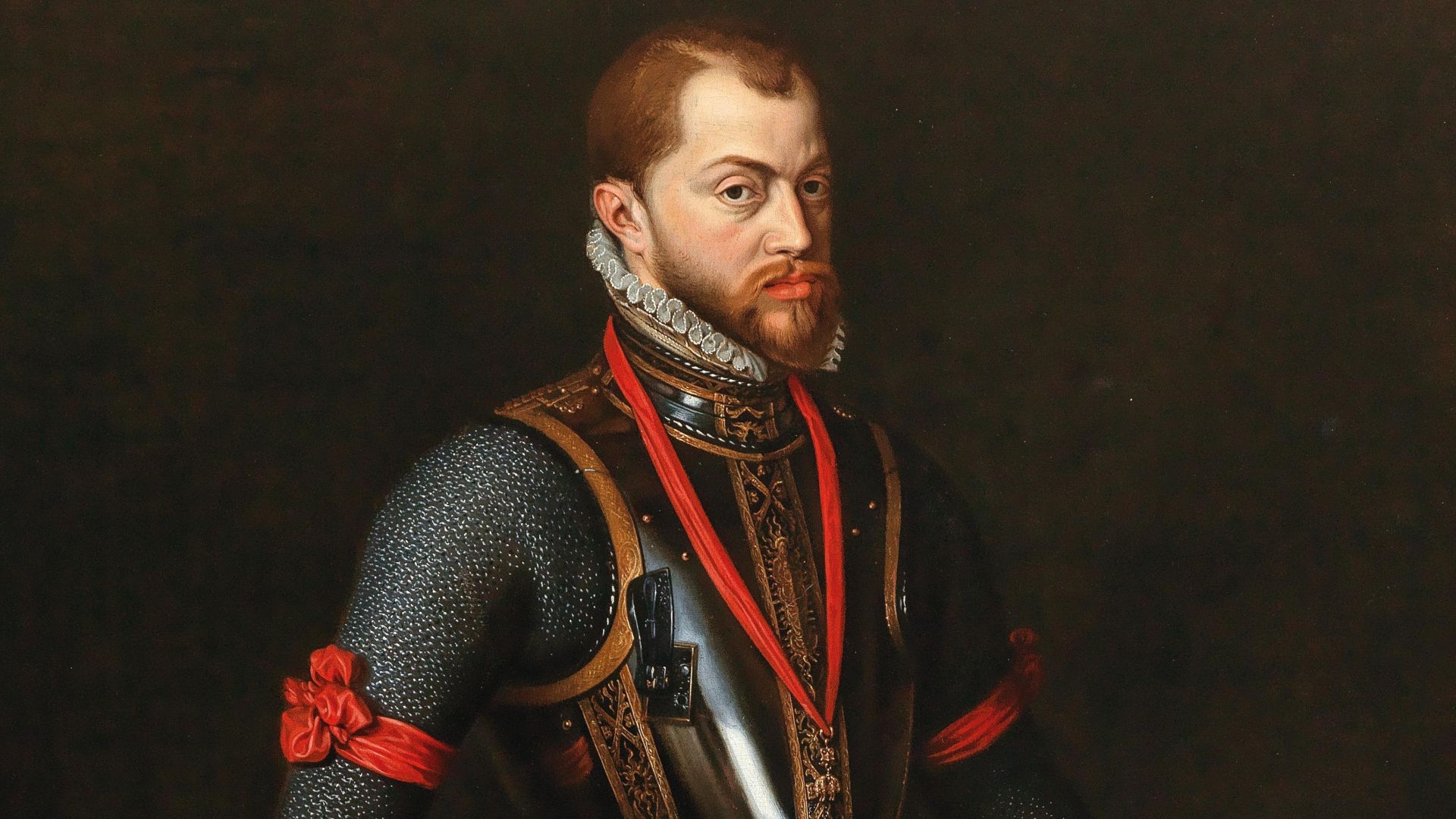
17. The Philips Kept With Family Tradition
As mentioned, Philip II of Spain’s fourth wife was his own niece (and cousin, due to that mixed-up family tree). Philip III of Spain’s wife was also a cousin. And Philip IV of Spain? Well, he had a normal, non-familial first marriage. But then she passed on, so he married his niece. Who was a 14-year-old, while he was in his 40s.
And unfortunately, it wasn’t just the men who got swept up in this cursed family tradition.
 Attributed to Salomon Noveliers, Wikimedia Commons
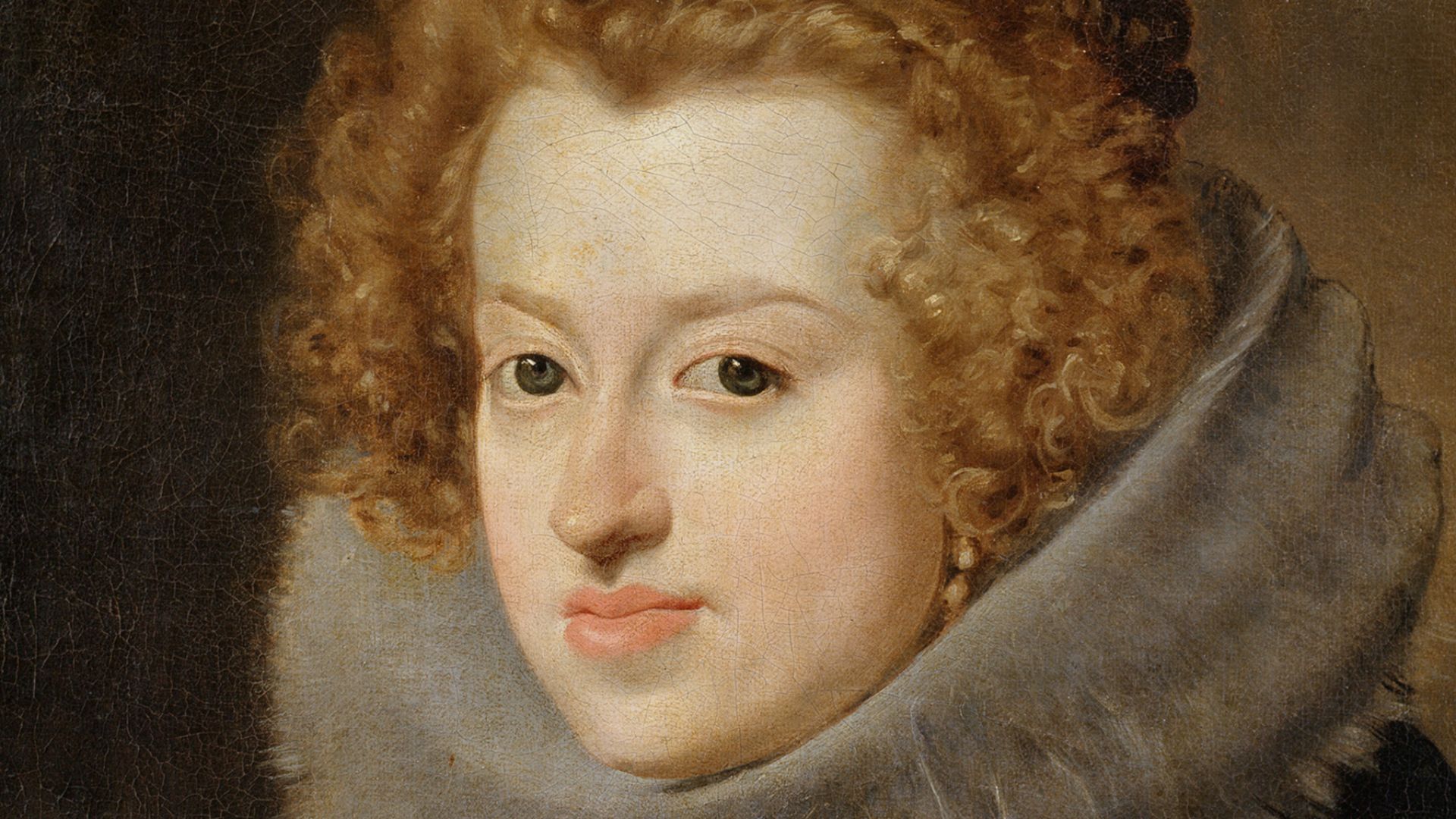
18. Maria Anna Had A Love Match
Philip IV’s sister Maria Anna, like so many before her, had her husband chosen for her by her father. And, keeping with custom, he picked her first cousin, Ferdinand III, the future Holy Roman Emperor. At least this time, her groom actually fell deeply for her. Ferdinand stayed faithful to Maria Anna for their whole marriage—but all the love in the world couldn’t save her from her dark fate.
 Diego Velázquez, Wikimedia Commons
19. She Never Met Her Youngest
In January 1646, Maria Anna discovered she was pregnant. After giving birth to five children, she likely knew what to expect—but fate had a horrifying plan in store for her. Just mere months later, she had an episode where she was feverish and bled profusely. They thought she was giving birth, but she was actually dying. After she took her last breath, doctors rushed to save the baby. Thankfully, she was still alive, and they named her Maria after her mother.
Maria Anna also had a namesake niece in France. And though that girl also made an advantageous marriage, she suffered greatly in it.
 Cornelis Galle the Younger / Anthony van Dyck, Wikimedia Commons
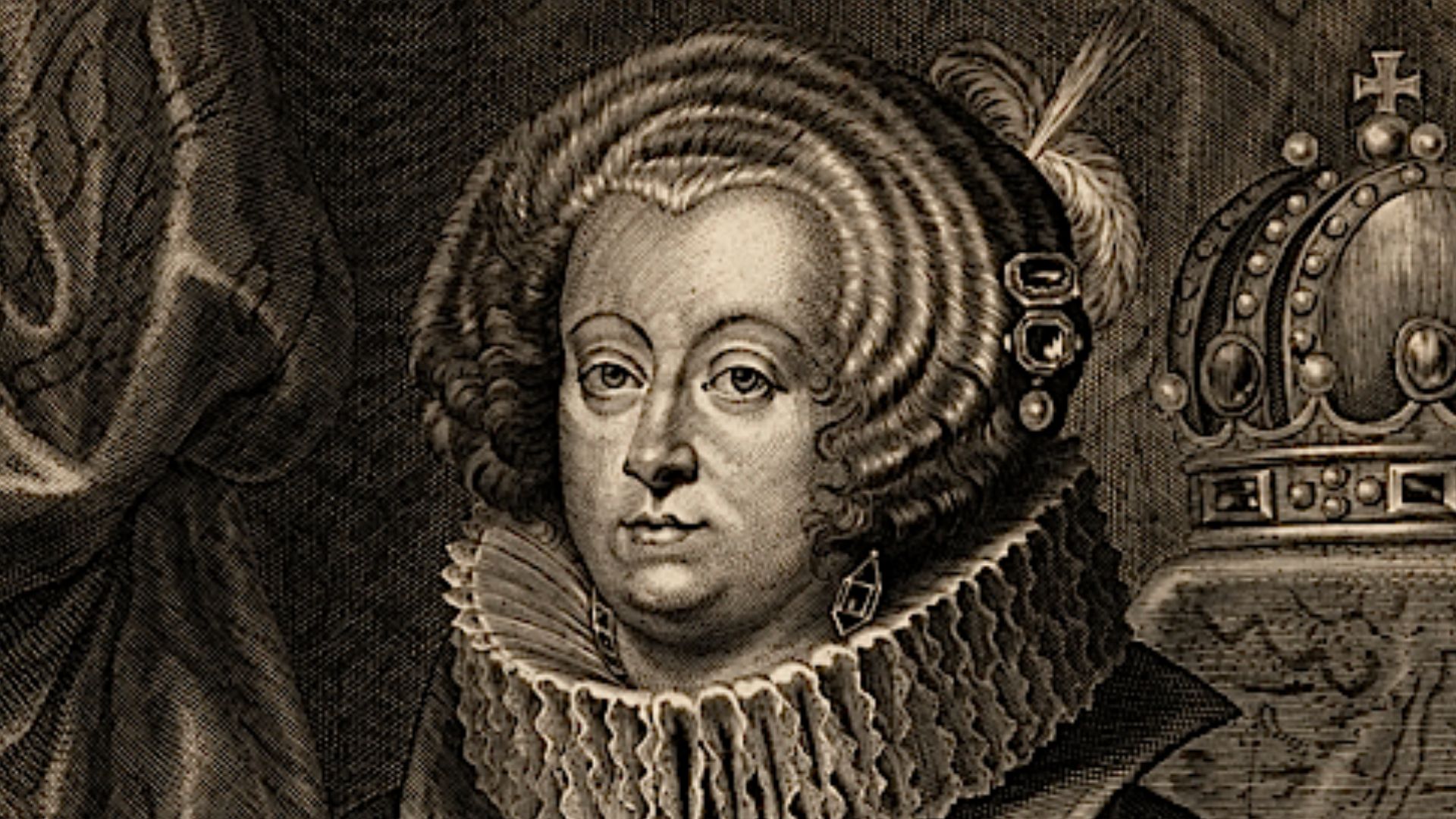
20. Maria Theresa Left The Nest
Maria Theresa of Spain might not have had parents who were related to each other—but after her mother passed on, she had to deal with her father Philip IV’s next marriage to his niece, who was only three years older than Maria Theresa. This may have pushed her out of the line of succession for the Spanish throne, but she found her way to a very different position of power.
Forget Queen of Spain. She became the Queen of France instead.
 Jean Nocret, Wikimedia Commons
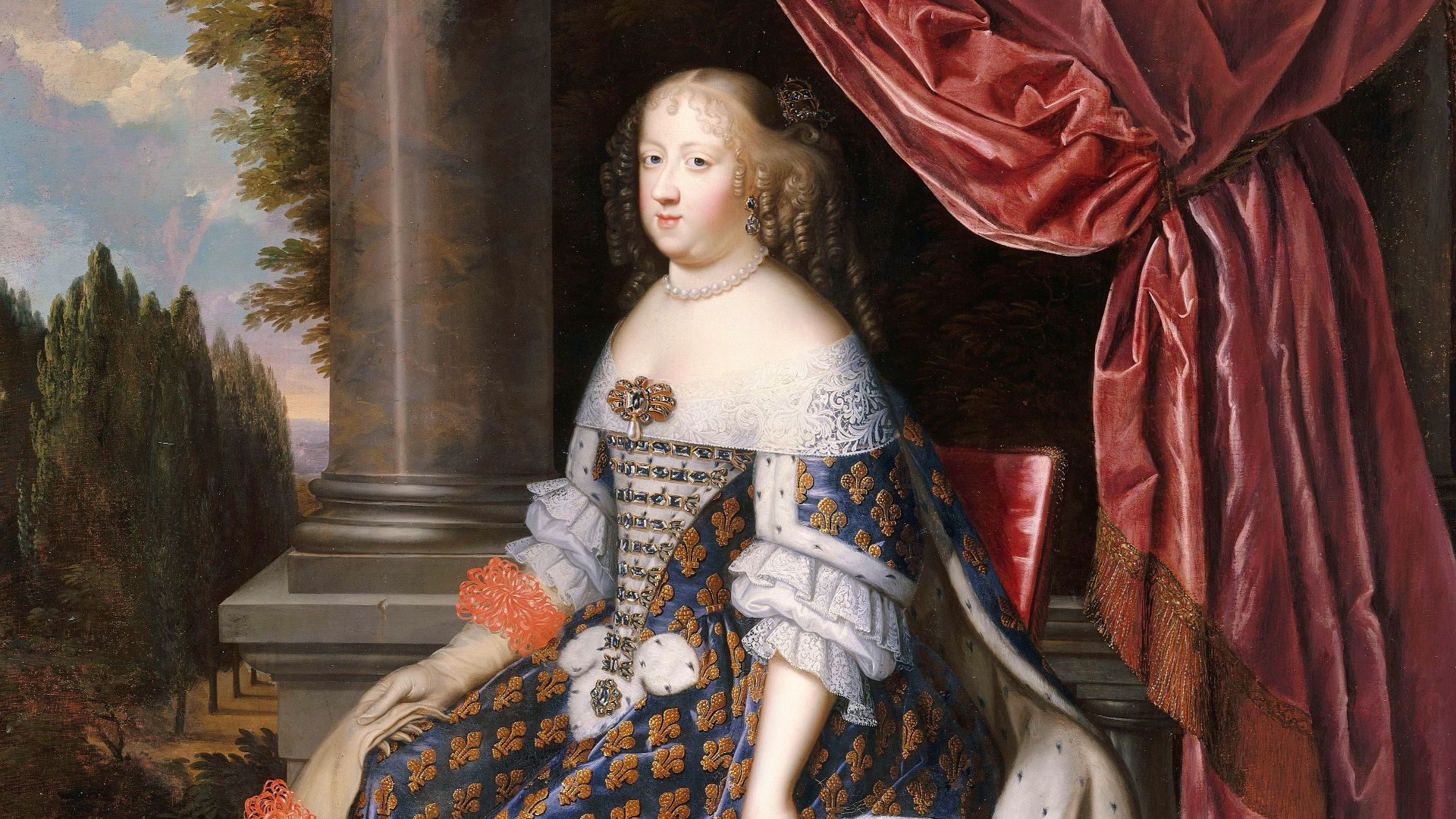
21. He Embarrassed Her
In yet another episode of cousin marriage, Maria Theresa wed Louis XIV of France, the Sun King. For the first year, he was a devoted husband. But then, the cracks began to show. A few years into the marriage, Louis held an extravagant spectacle in her honor—then used the occasion to show off his mistress, who he’d started seeing when Maria Theresa was pregnant.
And while she was getting repeatedly humiliated by her philandering husband, her half-brother Charles II of Spain took the crown she’d been denied.
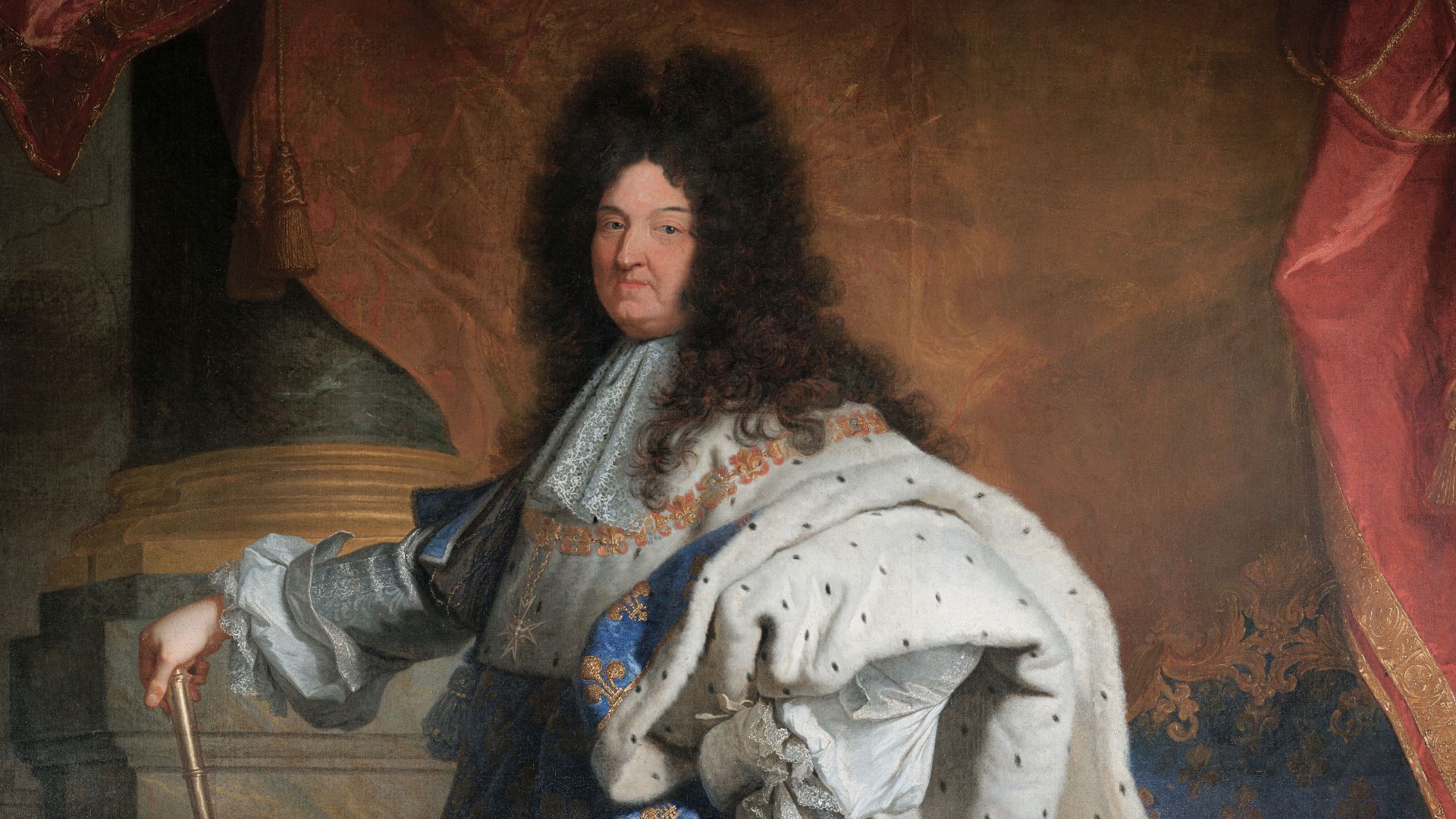 Hyacinthe Rigaud and workshop, Wikimedia Commons
22. Charles II Was An Unlikely Contender
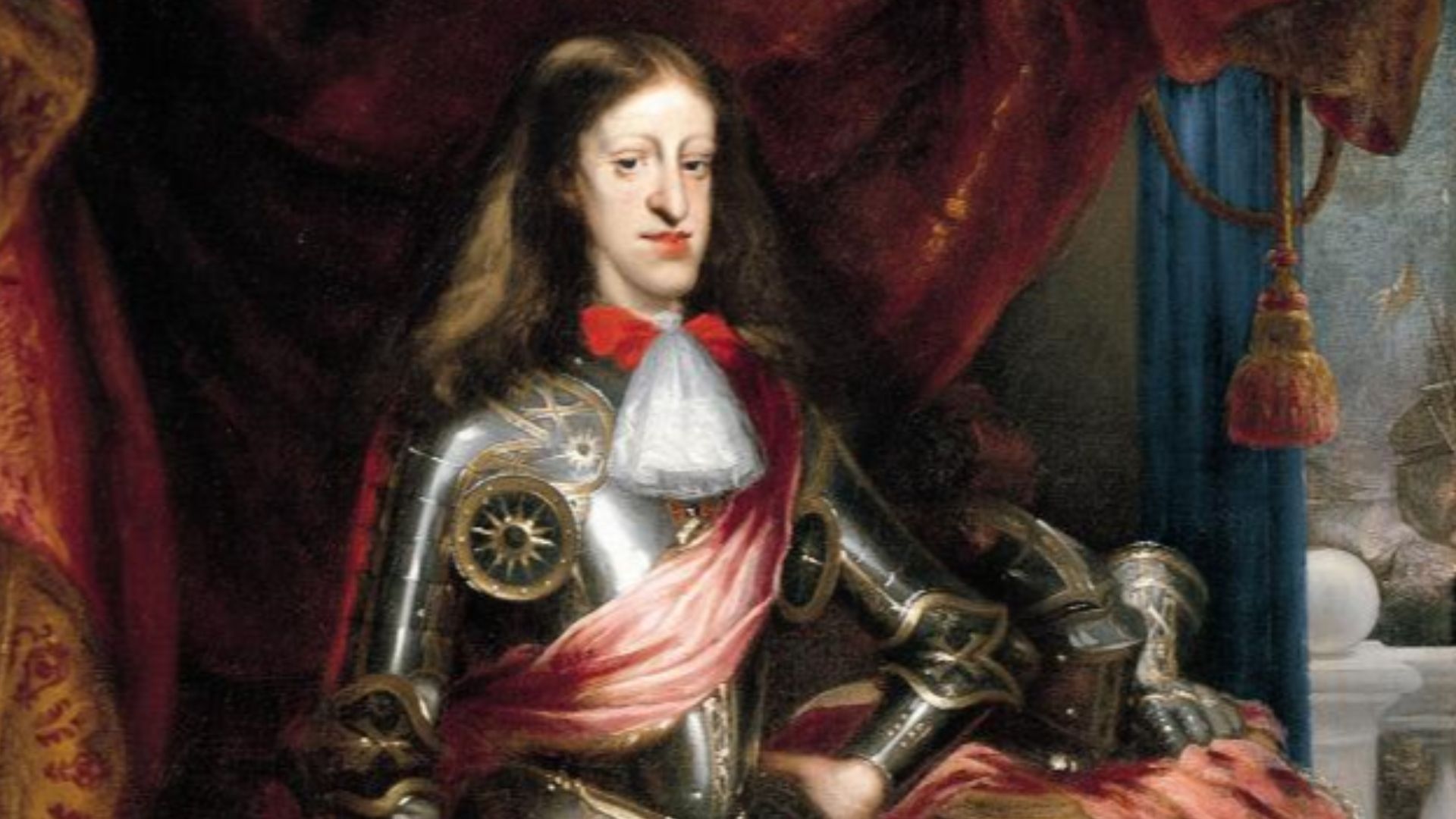
Charles II was the last great hope of the Spanish branch of the Habsburg Empire…but he wasn’t much to hope for. He was the only boy in his family, and he was sickly from the very beginning. And yes, it was because of the decades of inbreeding. As a child, he survived a succession of dangerous illnesses from measles to chickenpox, rubella, smallpox, and rickets. He also had the characteristic “Habsburg jaw,” with its huge underbite.
The odds were certainly against him.
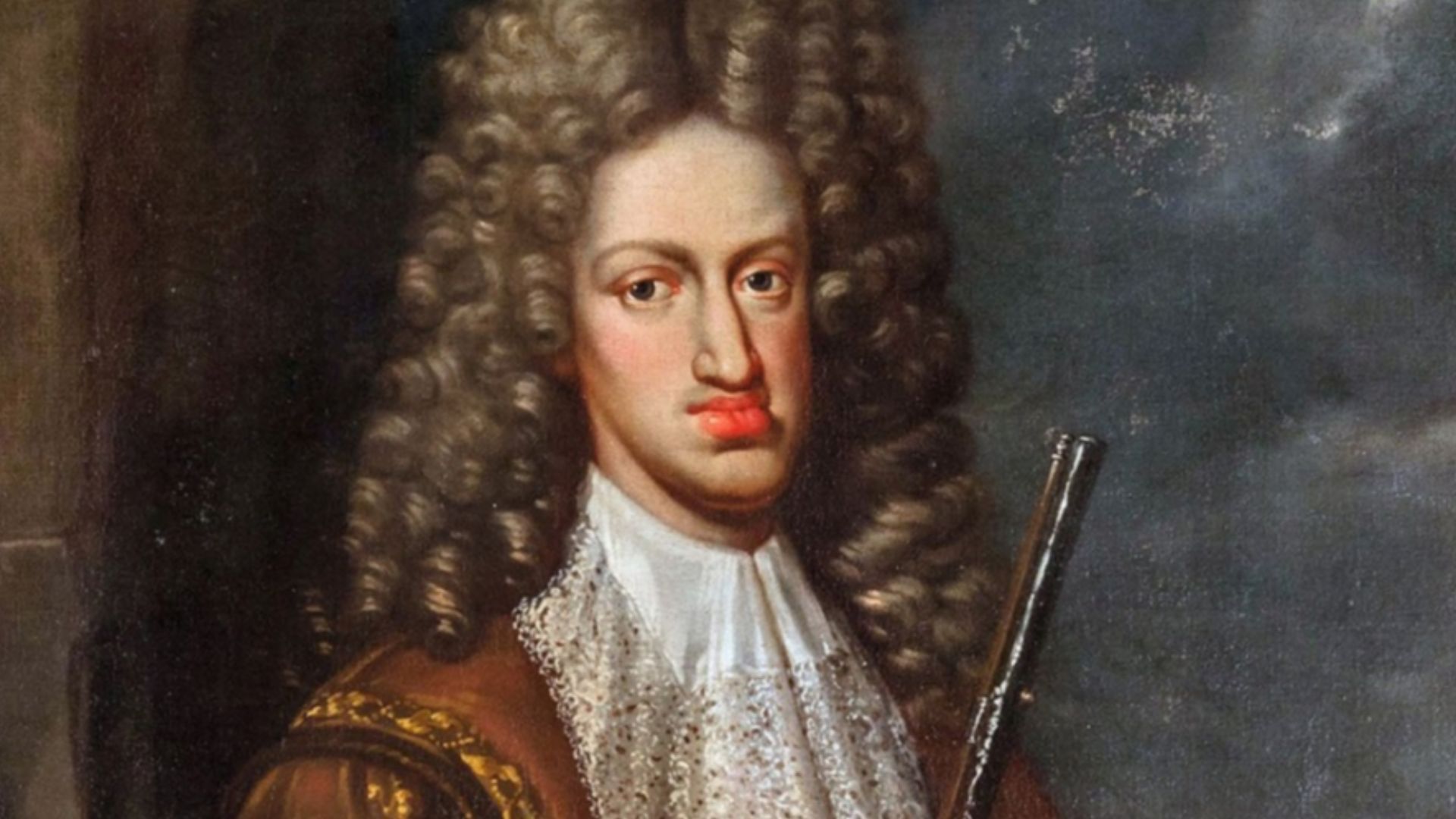 John Closterman, Wikimedia Commons
23. He Couldn’t Have An Heir
With the fate of the Spanish branch of the Habsburg family on tenterhooks, Charles II nonetheless persisted, reaching adulthood, officially becoming ruler of Spain, and marrying. Unfortunately, his wife perished before they had any children. It was seen as a quite urgent matter to get him an heir, so he remarried quickly—but still, another decade-long marriage resulted in exactly zero kids. A full-blown succession crisis arose.
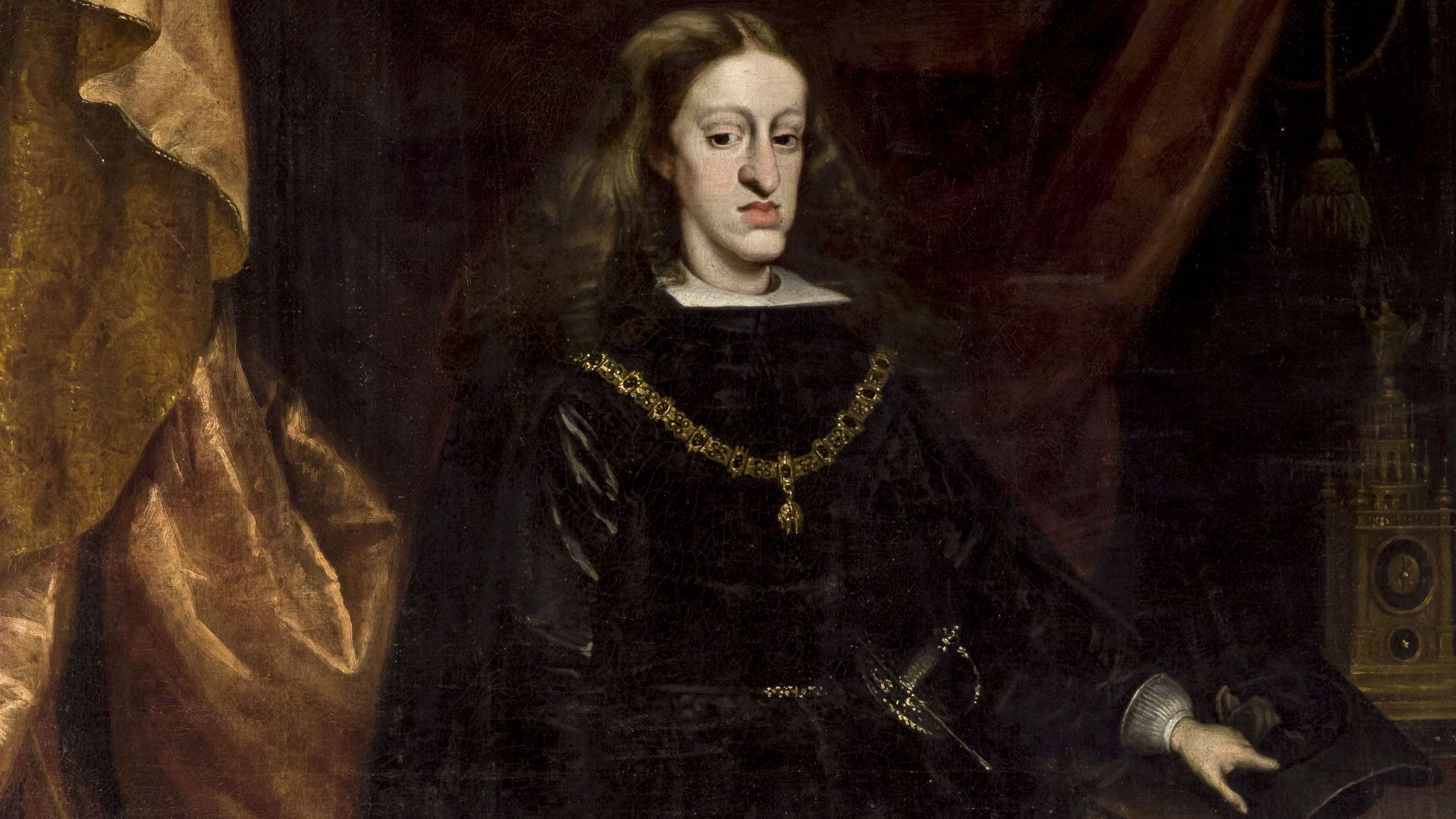 Juan Carreño de Miranda, Wikimedia Commons
24. Charles VI Had To Fight Every Day For His Crown
Charles II of Spain’s gruesome demise in 1700 (more on that later) effectively ended the Spanish Habsburg line, but despite their own problems, the Austrian side of the family kept moving along at quite a clip. Holy Roman Emperor Charles VI ascended to the throne in 1711, ruling until 1740, but from the very moment he took power, his reign was the source of serious controversy.
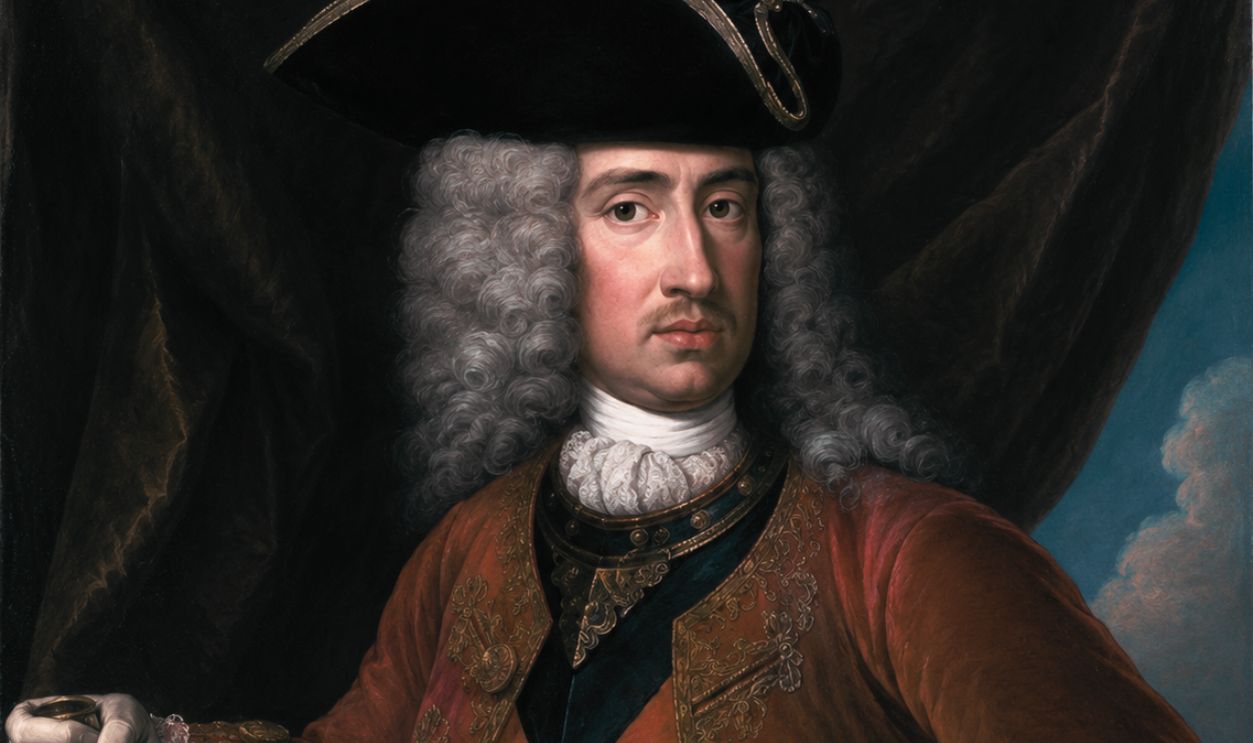 Attributed to Christian Seybold, Wikimedia Commons, Enhanced
25. His Power Was Always In Question
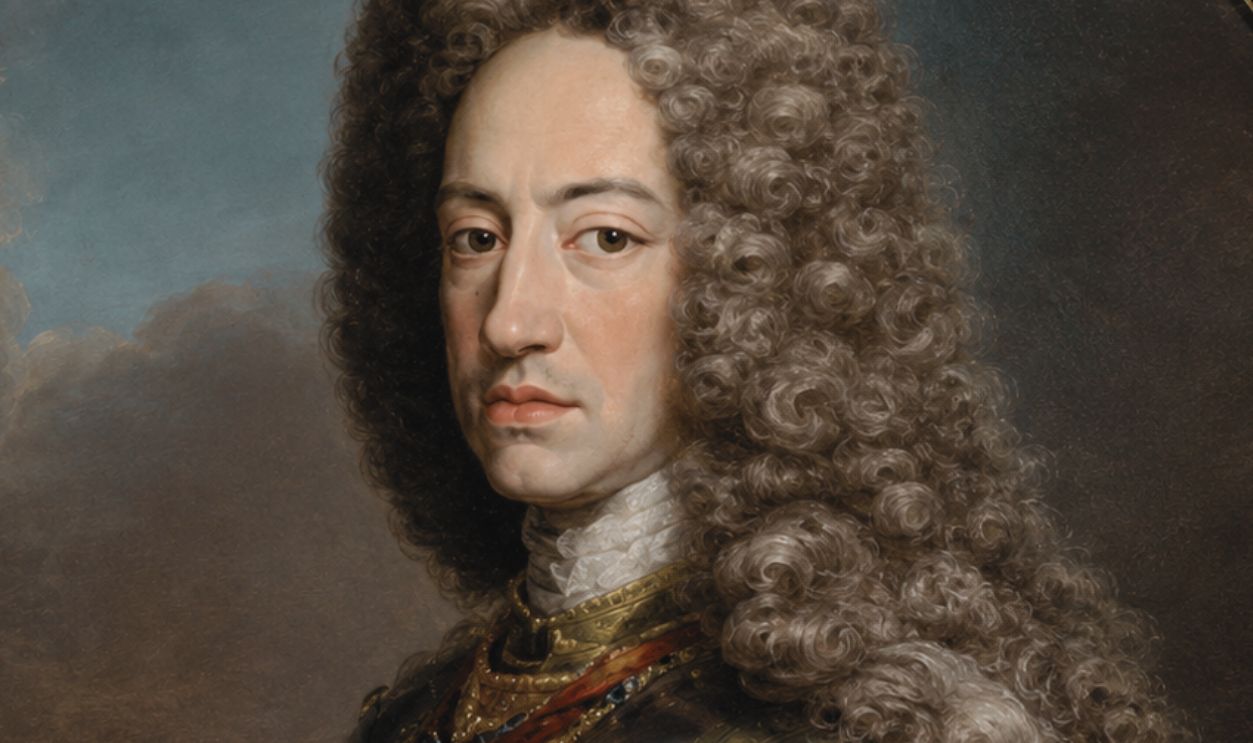
Before he took his own rightful throne, Charles VI had tried and failed to take the Spanish throne after the death of his relative, Charles II, sparking the War of the Spanish Succession. He then took the title of Holy Roman Emperor upon his brother’s passing. However, he was the only remaining male Habsburg in his line, and his only male heir had perished in infancy, leaving him with only daughters.
Instead of continuing to pop out babies, he came up with another solution: He’d change the law.
 Unidentified painter, Wikimedia Commons, Enhanced
26. He Abolished Centuries-Old Rules
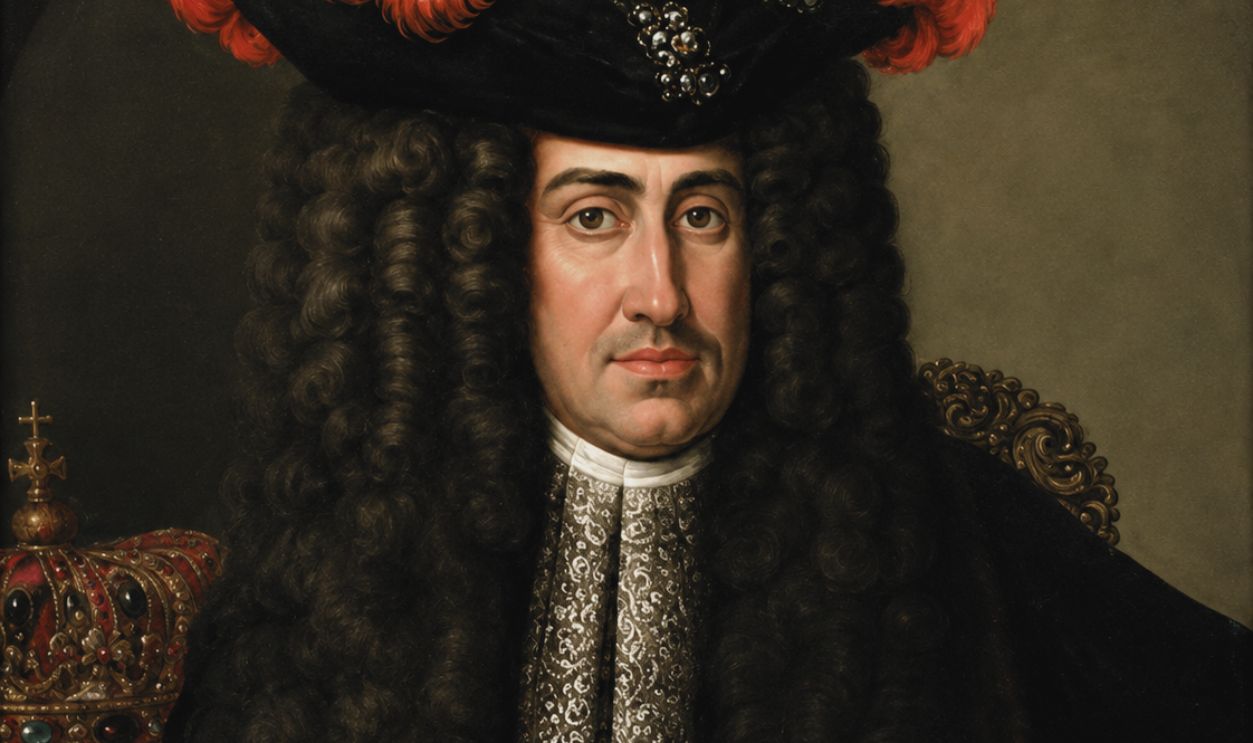
Salic law decreed that power could only be passed down through men, and without a male heir, the Holy Roman Empire would be divided. So, he came up with the Pragmatic Sanction, which would not only make the empire indivisible, but also allow him to pass it down through female descendants.
There was just one problem—when it came into effect, he wouldn’t be there to defend it.
 Auerbach, Wikimedia Commons, Enhanced
27. The Treatment Was Worse Than The Poison
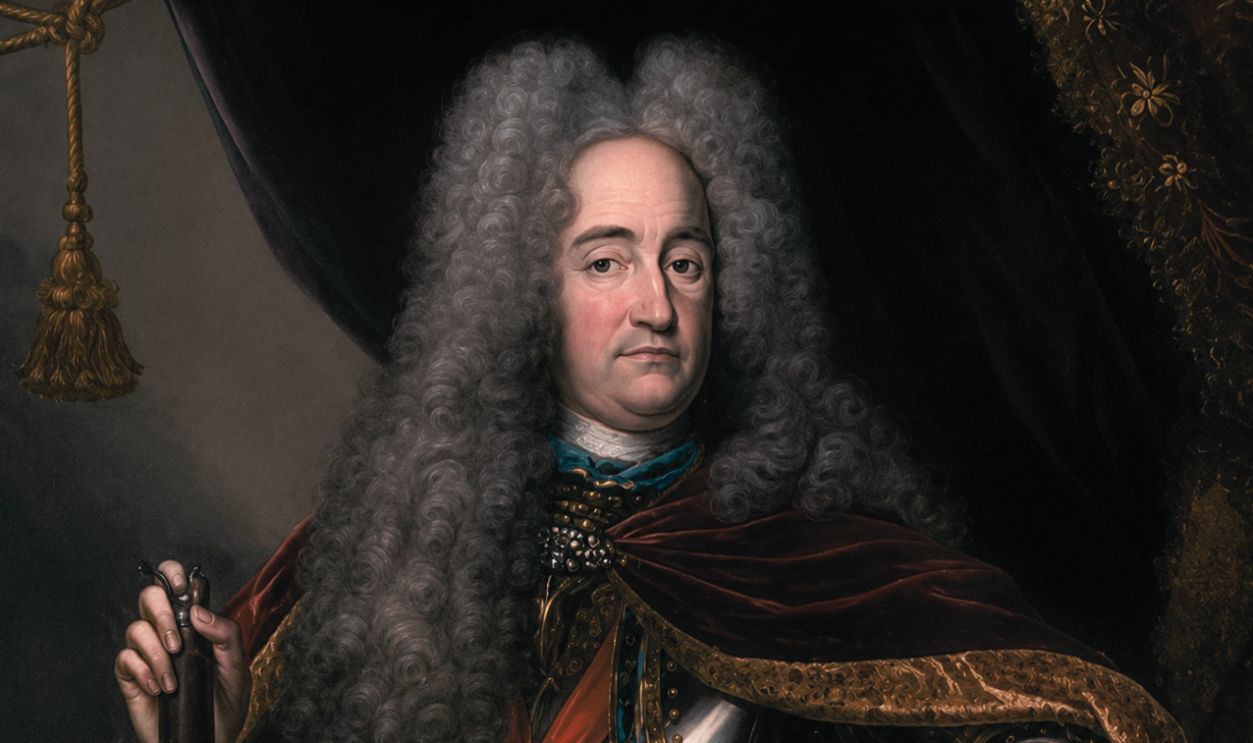
In 1740, Charles VI passed on. His demise is often attributed to a case of accidental mushroom poisoning—but some historians believe he fell victim to something far darker. His own attendants may have given him arsenic, which was often used to cure fevers and stomach issues, in an effort to treat his symptoms. He showed no signs of liver failure, which would’ve affected him if it had been the mushrooms.
Now, because of the Pragmatic Sanction, the throne would automatically pass to his daughter…or would it?
 Manner of Martin van Meytens, Wikimedia Commons, Enhanced
28. Maria Theresa Had To Fight For What Was Rightfully Hers
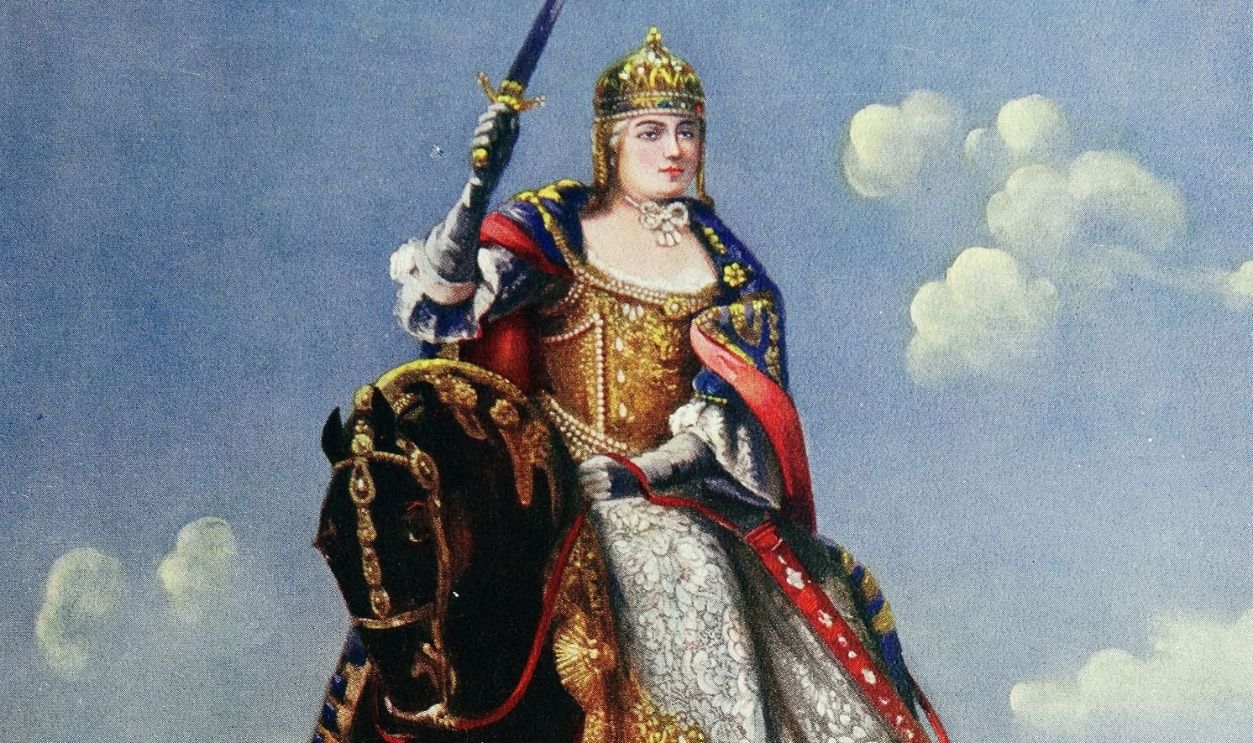
Though many European leaders had agreed to the Pragmatic Sanction, they went back on their word when it came time for Charles VI’s daughter Maria Theresa to take the throne, resulting in the War of the Austrian Succession. In the end, she held onto most of the Habsburg territory.
Maria Theresa proved her mettle in many ways during her rule, and was extremely well-regarded—but even the most capable rulers have their weak spots.
 Universal History Archive, Getty Images
29. She Had Weird Preoccupations
Maria Theresa was something of a religious zealot, and she formed a “Chastity Commission” which spied on citizens and performed raids, looking for improper behaviors like “adult” work, homosexuality, adultery, and even relations between people of different faiths. The punishments ranged from whipping to execution.
Maria Theresa was concentrating on her subjects, but maybe she should have noticed what was happening right beneath her nose.
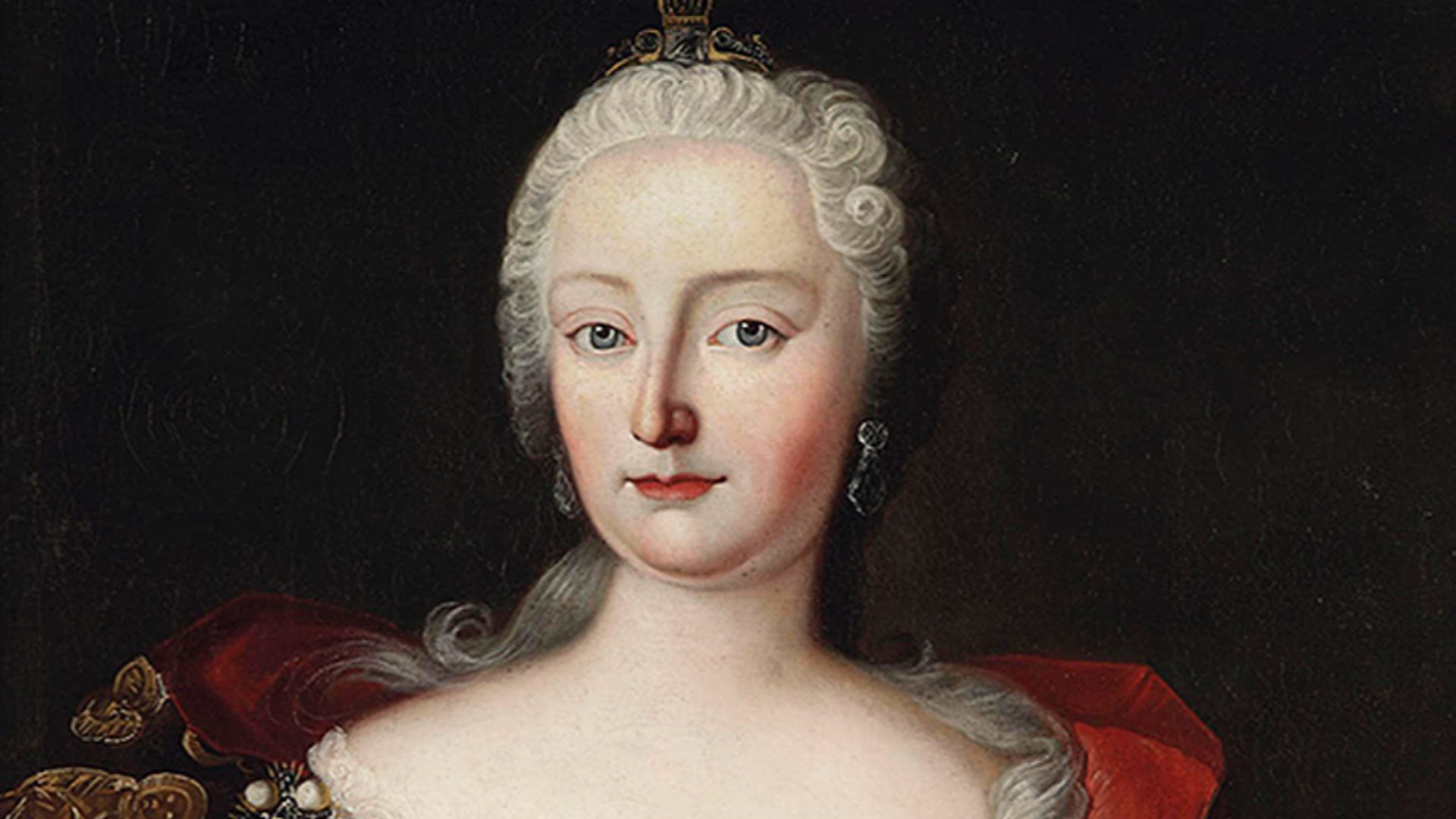 Studio of Martin van Meytens, Wikimedia Commons
30. Isabella Of Parma Was The Daughter-In-Law She Never Expected
Isabella of Parma came from the Spanish Habsburg line and married into the Austrian one—to Maria Theresa’s son and successor Joseph, specifically. Other than the whole “relatives” thing, the marriage could’ve been a fairy tale. Joseph was spellbound by his young bride and lavished her with compliments.
But Isabella of Parma didn’t exactly reciprocate.
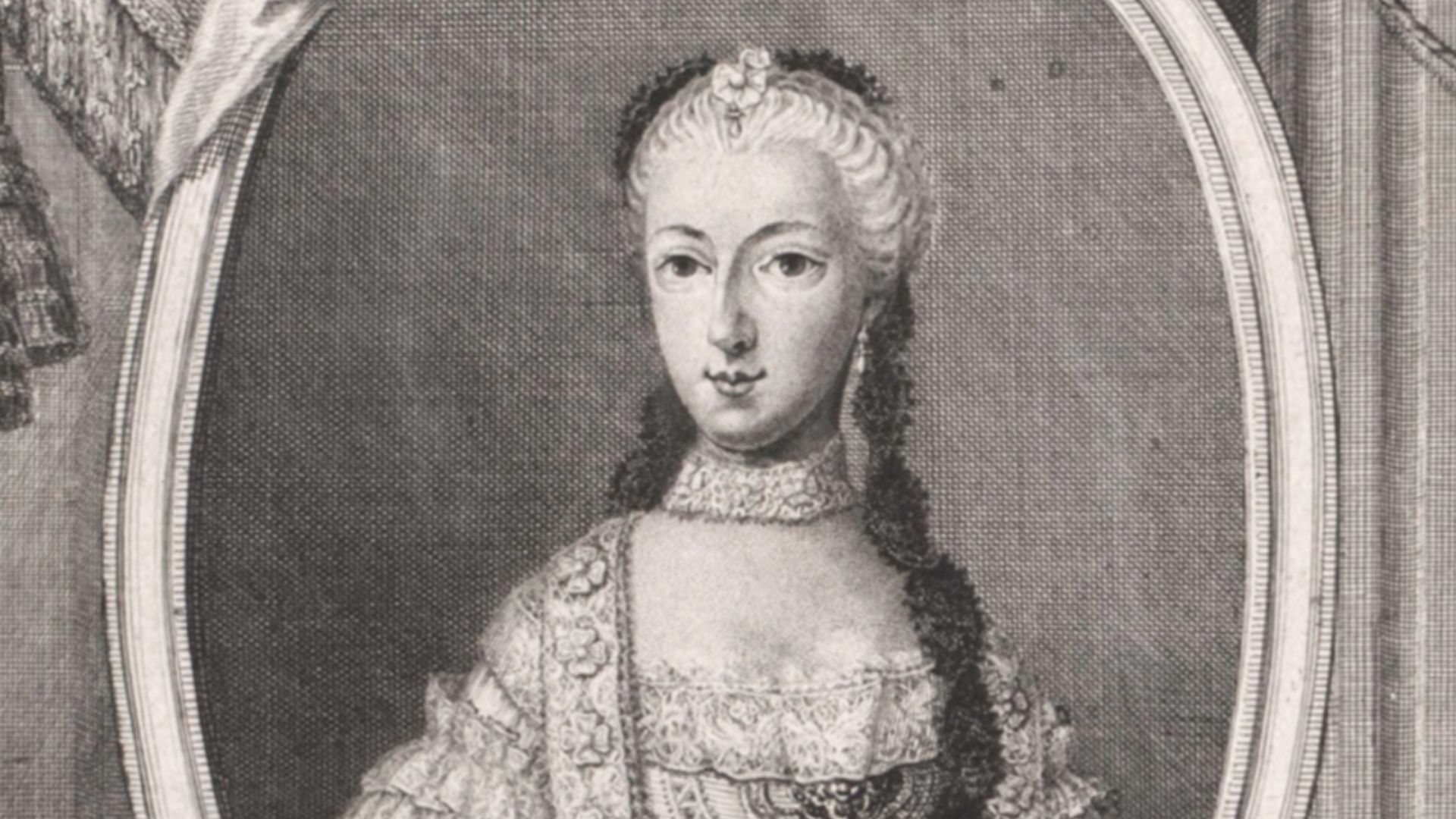 Unidentified engraver, Wikimedia Commons
31. She Couldn’t Stand Her Married Life
Isabella of Parma went from being put off by her new husband to disgust at having to perform her “wifely” duties, to a full-on phobia of pregnancy. And it might have been for good reason. One horrible childbirth experience was followed by two miscarriages. Then, when she was pregnant yet again, she contracted smallpox and her daughter perished soon after birth.
Isabella barely survived the labor, and followed her daughter to the grave soon after. But all the tragedy in Isabella’s life was nothing compared to the scandalous secret she hid behind bedroom doors.
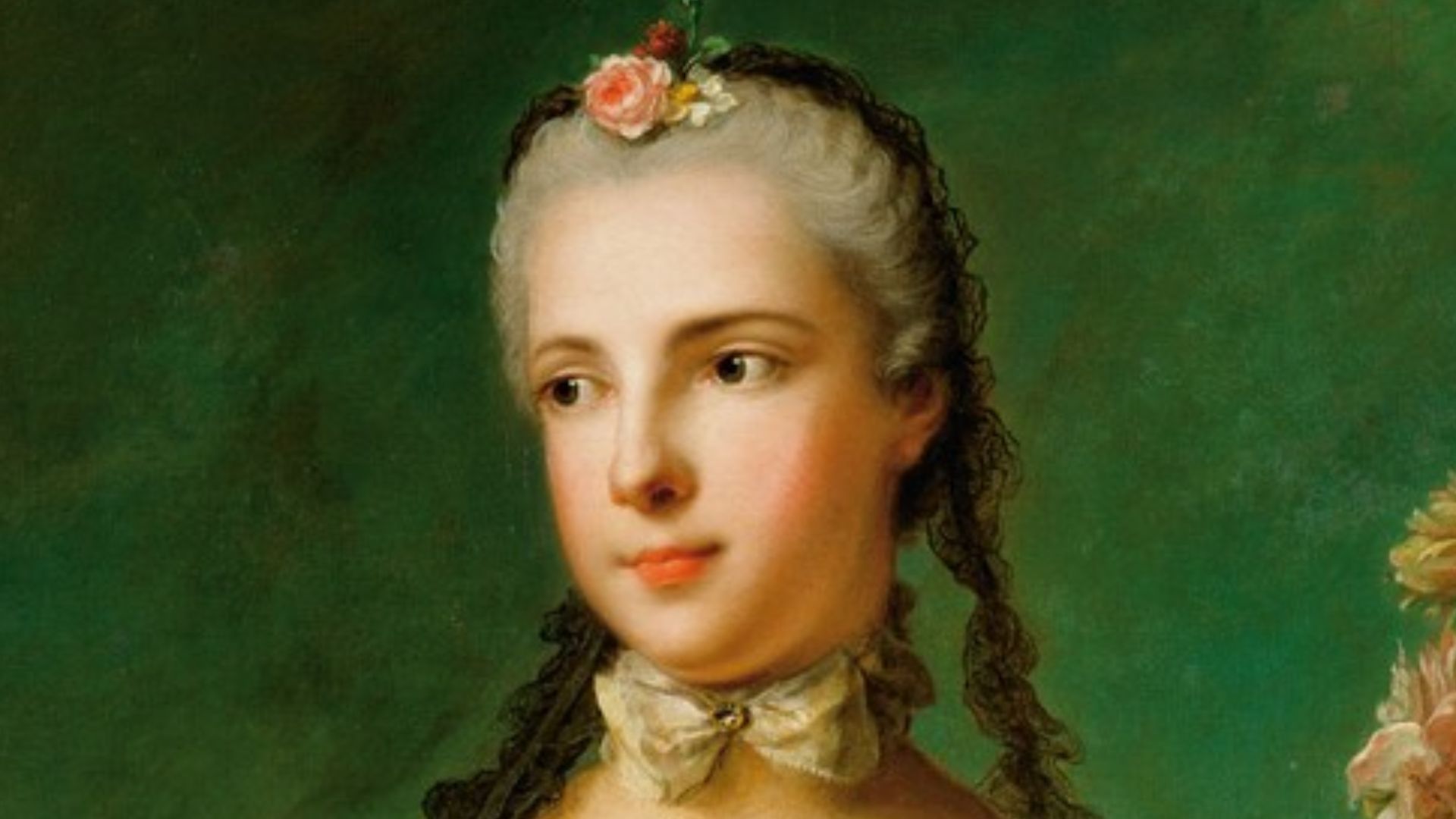 Jean-Marc Nattier, Wikimedia Commons
32. Maria Christina Took A Walk On The Wild Side
Isabella of Parma may not have liked her husband—but she quickly found a close confidante in court in the form of his younger sister and Maria Theresa’s favorite child, Maria Christina. They were inseparable and would sneak off to dark corners of the palace to…spend time together. Isabella wrote Maria Christina more than 200 letters, and they give a whole lot of insight into the relationship.
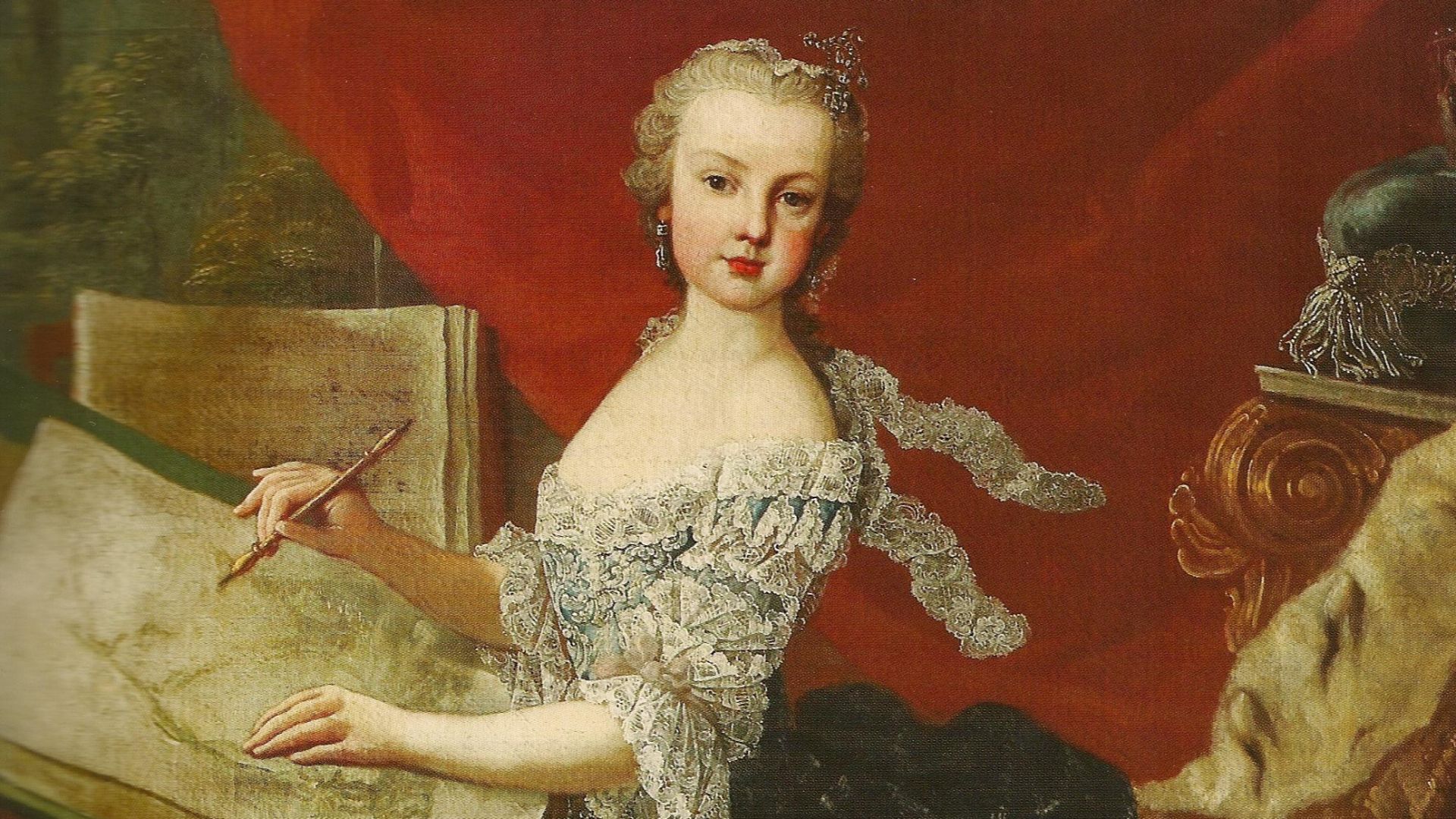 Martin van Meytens, Wikimedia Commons
33. They Were In Love
Maria Theresa, who had a whole squad to criminalize homosexuality, ended up with a daughter who carried on a passionate and secretive affair with her sister-in-law. And while Isabella’s letters were downright racy, someone in the Austrian Habsburgs made sure to make things look one-sided, and destroyed all of Maria Christina’s letters back.
Letters weren’t the only thing they gave each other.
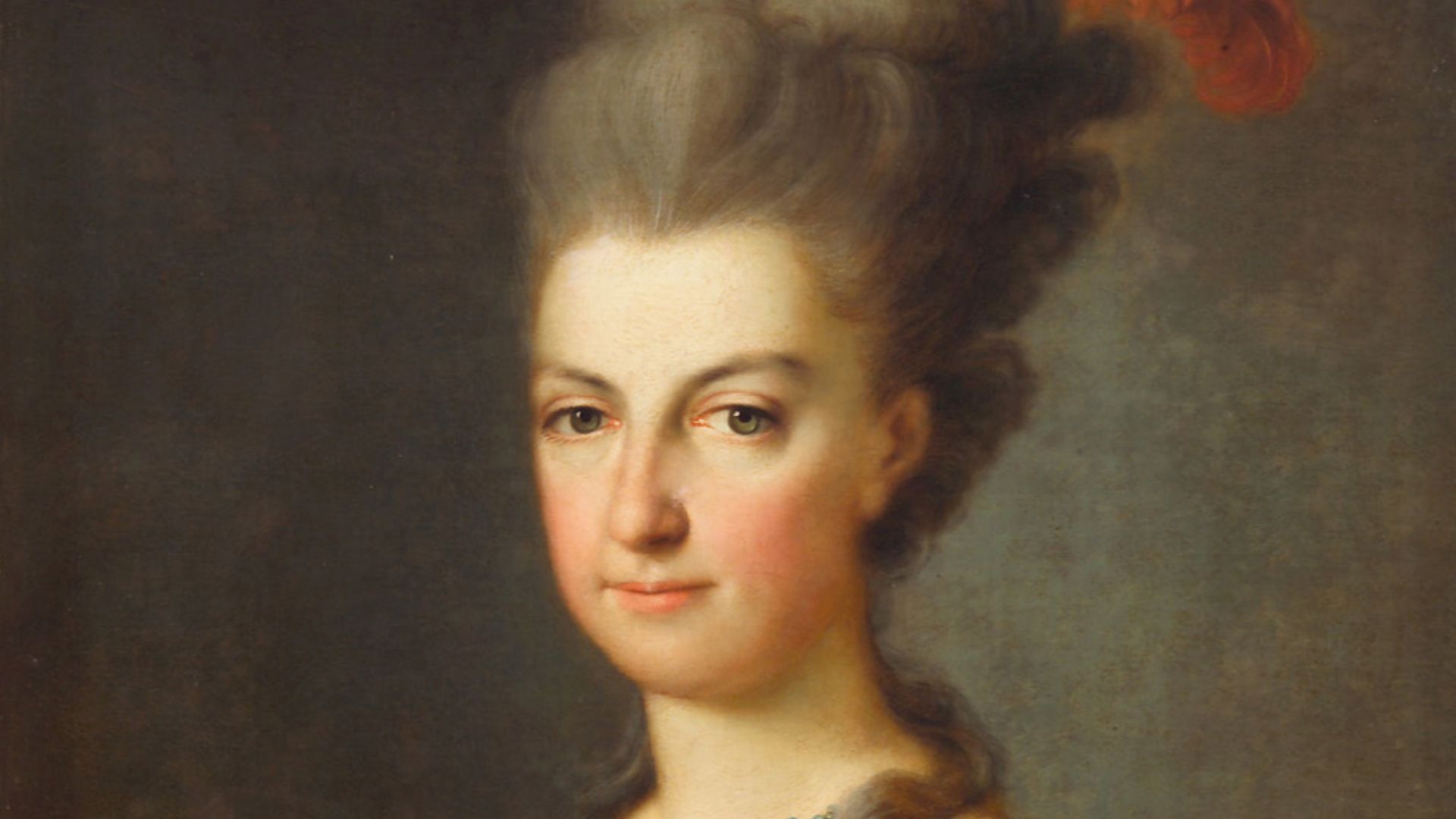
34. She Gave Her A Unique “Gift”
Even the steamiest letters were nothing compared to the disturbing “gift” that Isabella gave Maria Christina. She once gifted her lover an early prototype of a toilet—a chair with a hole in it to position over a chamber pot—and wrote that she hoped Maria Christina would think of her every time she used it. Hello, Chastity Commission?!?
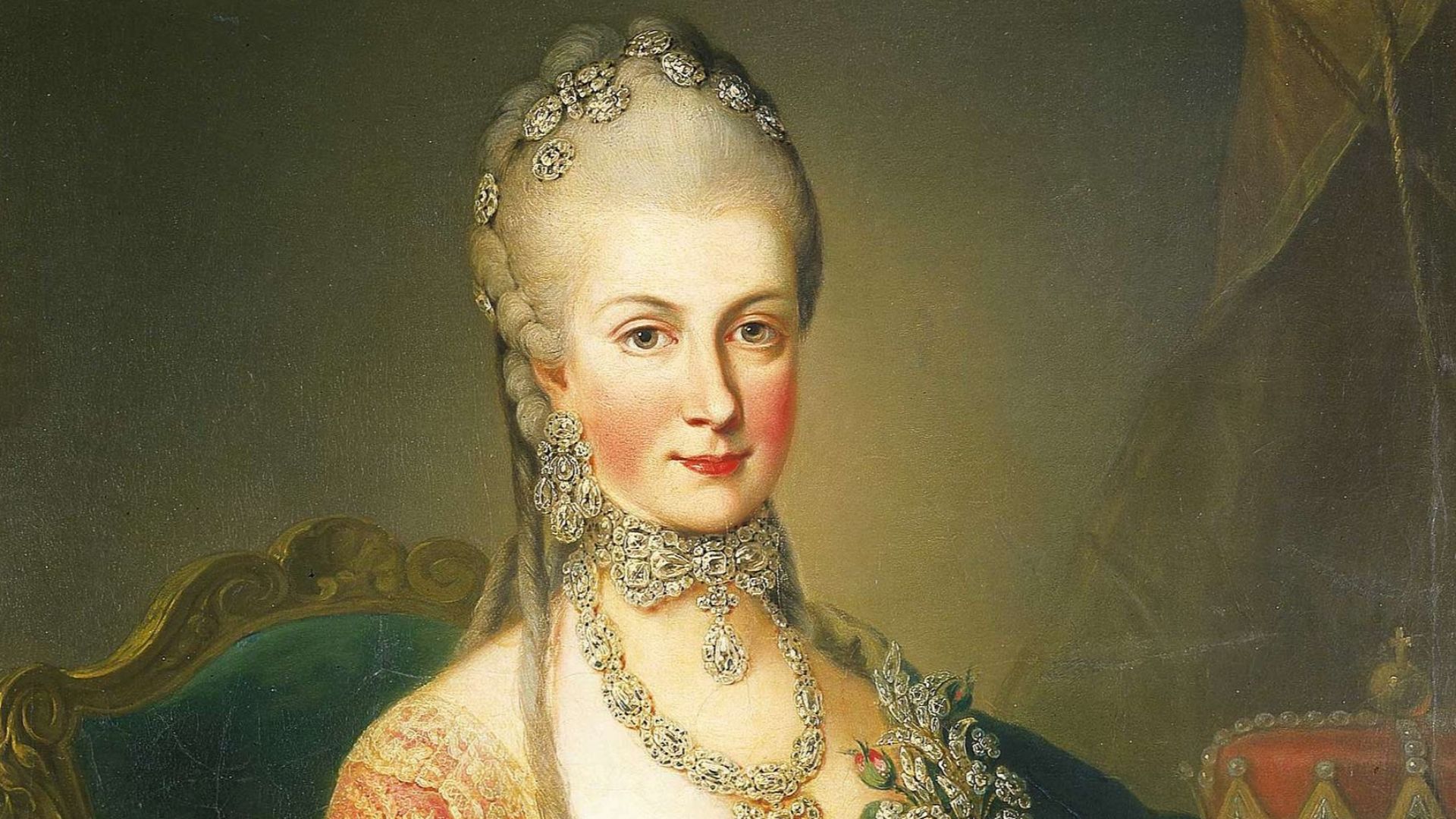 Attributed to Martin van Meytens, Wikimedia Commons
35. Maria Carolina Had Her Sister Ripped Away
While Maria Christina was running around with her sister-in-law, the youngest of Maria Theresa’s children were stirring up trouble of their own. Maria Carolina and her younger sister Maria Antonia were incredibly close. Too close, according to their mother, who separated them when they were 15 and 12, respectively.
Within months, Maria Carolina would be married off to Ferdinand IV of Naples. Two years later, Maria Antonia was married off to the French crown prince and sent away to France…where she became Marie Antoinette.
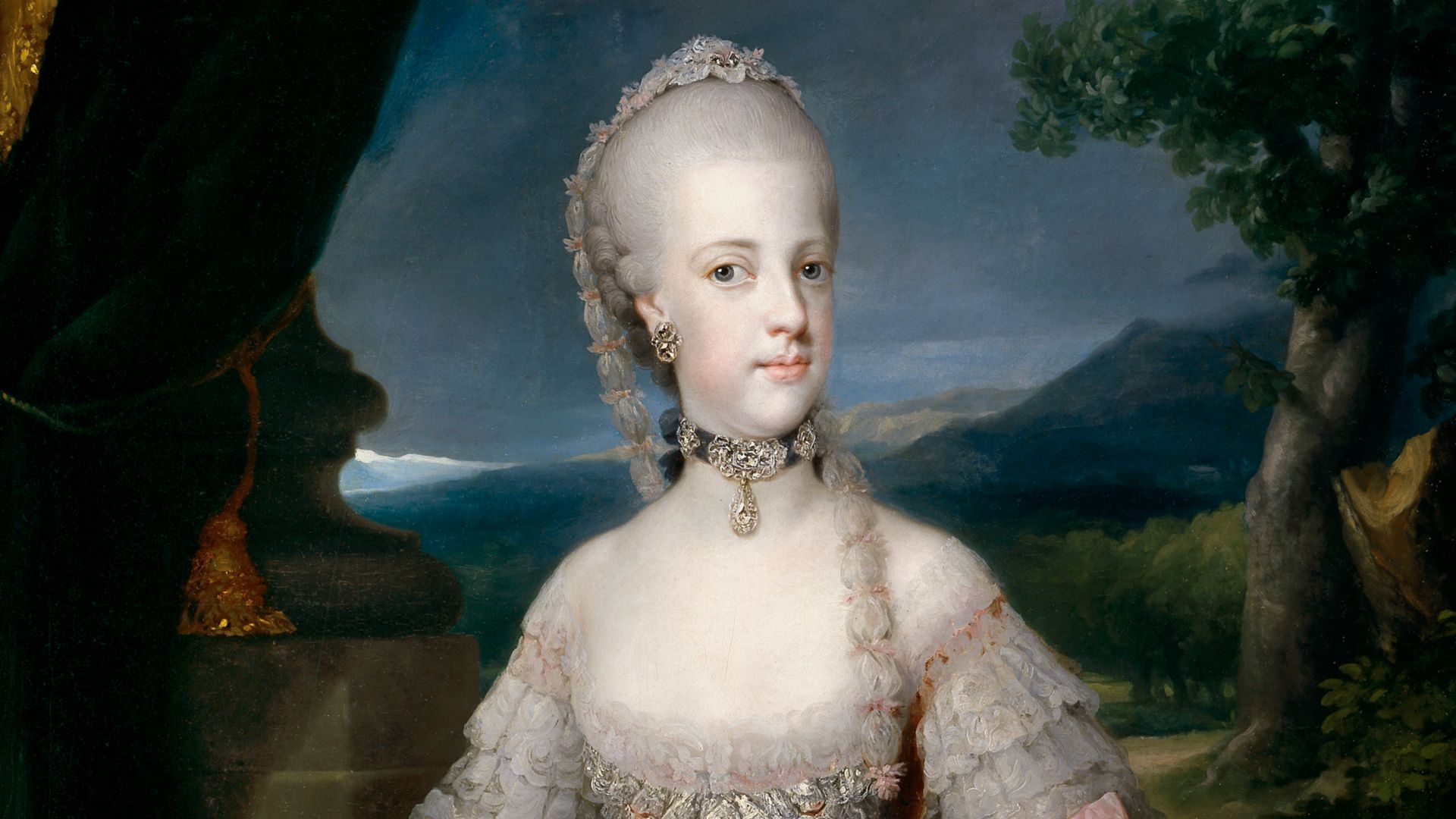 Anton Raphael Mengs, Wikimedia Commons
36. She Got Bloody Revenge
Though their life paths may have diverged, Maria Carolina never forgot her strong bond with Maria Antonia. And 13 years later, when revolutionaries beheaded Marie Antoinette, Maria Carolina not only became paranoid—she also became fixated on revenge. After Napoleon briefly invaded Naples and she took it back, she then imprisoned 1,000 republicans and executed 100 of them.
Think she got the message across?
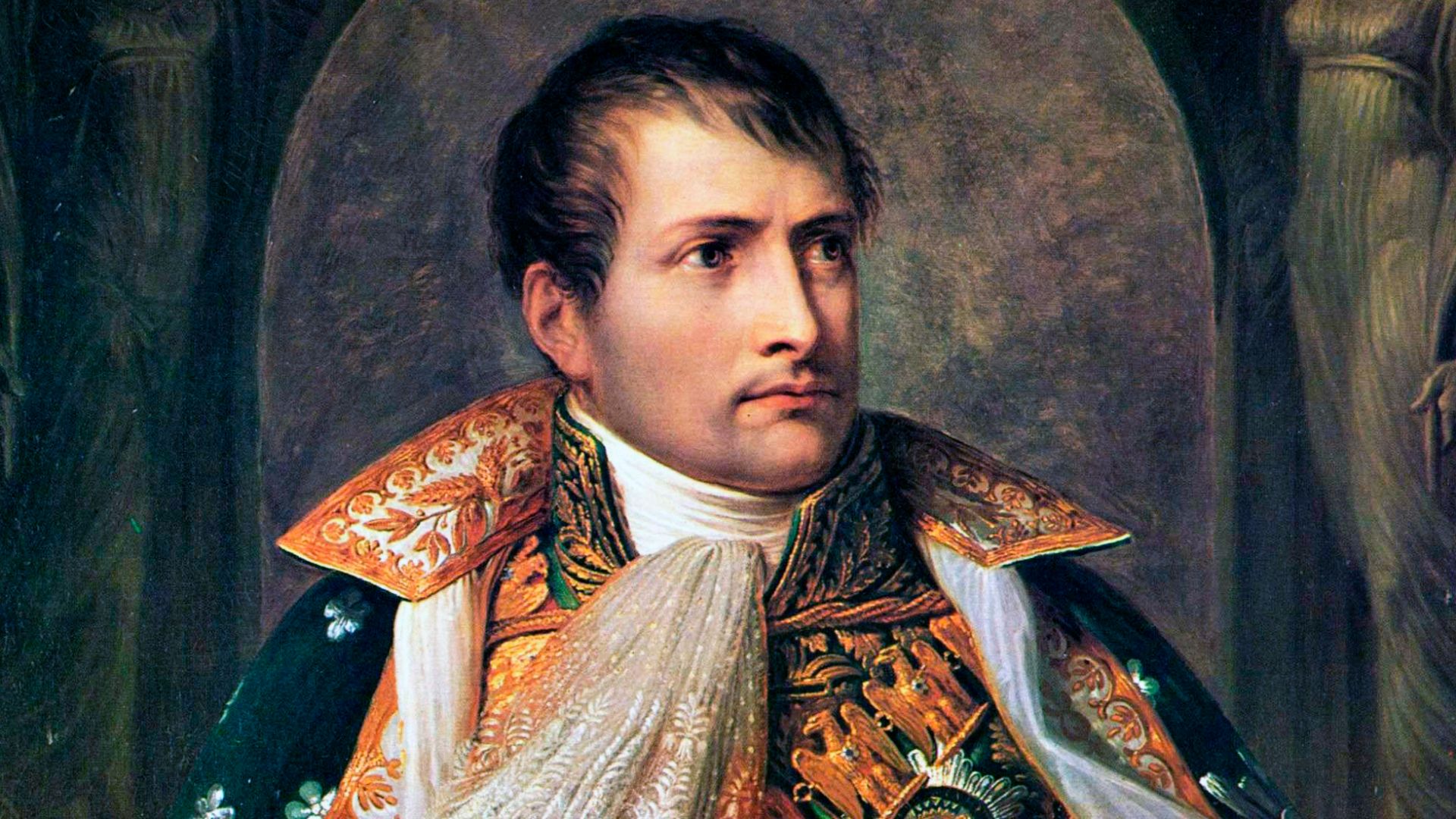 Andrea Appiani, Wikimedia Commons
37. Francis II Called It Quits On A Whole Empire
Napoleon didn’t just wreak havoc for Maria Carolina. He also caused a whole lot of trouble for the Holy Roman Emperor Francis II, grandson of Maria Theresa. After a series of losses, in order to prevent Napoleon from stealing the title, the Holy Roman Empire was dissolved with the abdication of Francis II. The Habsburgs—now the House of Habsburg-Lorraine—retained their position as Emperors of Austria and Kings of Hungary.
It was a real “If I can’t have it, no one can” moment.
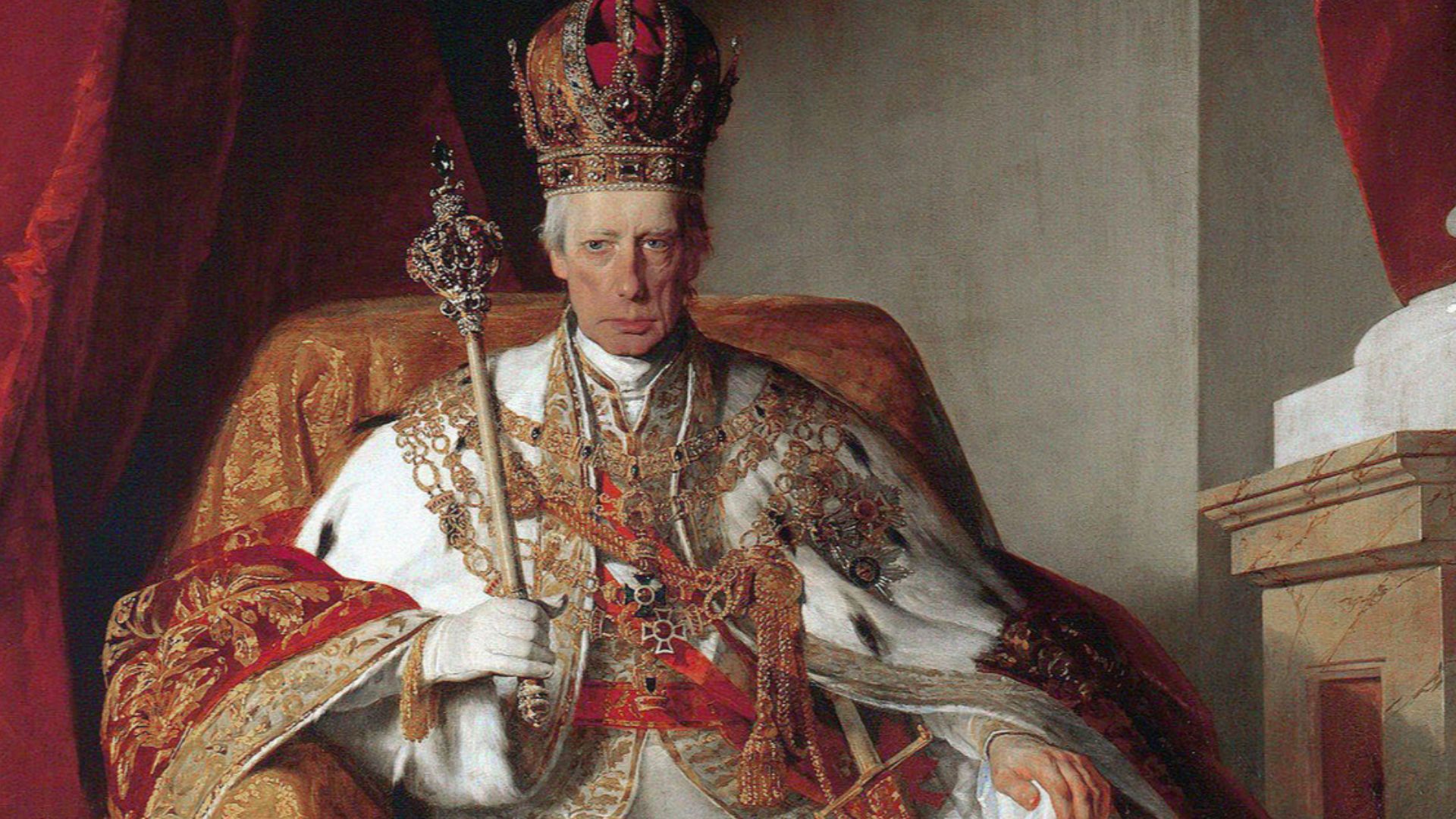 Friedrich von Amerling, Wikimedia Commons
38. Franz Joseph’s Line Upped The Ante
Francis II’s son Ferdinand I abdicated his throne due to political pressure in 1848, and his grandson Franz Joseph—Ferdinand I’s nephew—became Emperor of Austria and King of Hungary at the age of 18. He reigned for a whopping 67 years, and pretty much everyone that surrounded him, from his wife to his children, had scandalous, tragic, and wild lives that make the rest of the Habsburgs who came before them seem boring.
 Unidentified painter, Wikimedia Commons
39. Empress Elisabeth Was Seriously Twisted
When Franz Joseph first encountered his future wife and cousin (of course) Elisabeth of Bavaria, he truly met his match. Her exquisite beauty made jaws drop—but no one realized that her elegant face hid a twisted mind. Once, Franz Joseph asked her what she’d like for a gift. She replied that she wanted a fully-equipped insane asylum.
But considering who she was married to, could you blame her?
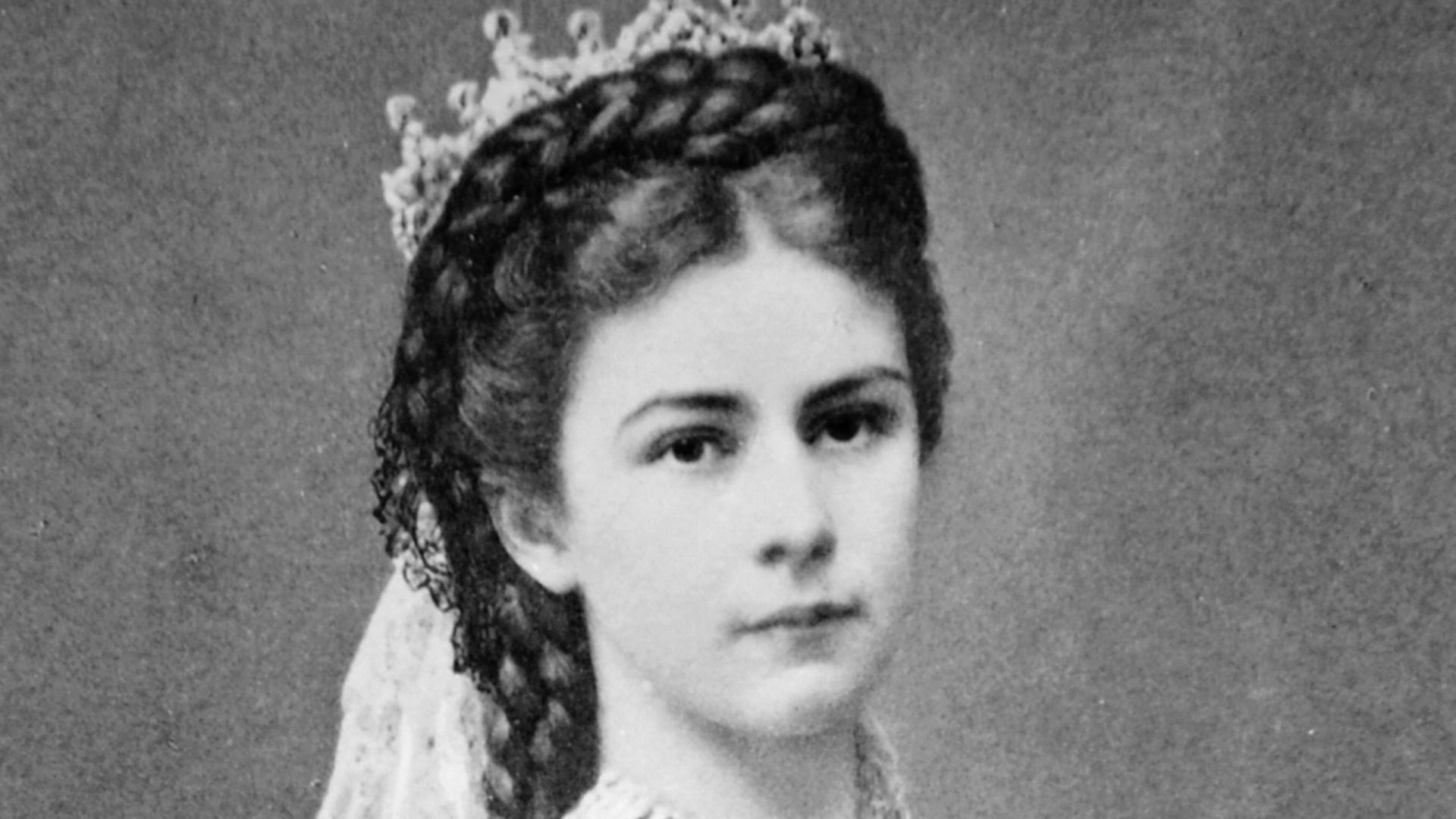 Emil Rabending, Wikimedia Commons
40. Franz Joseph Had A Wandering Eye
He may have tied the knot with the most beautiful woman in Europe, but that didn’t stop Franz Joseph from carrying on affairs throughout his marriage. And there’s one excruciating part of his life that still makes historians uncomfortable. After meeting the beautiful Anna Nahowski, he began an affair. But that wasn’t the scandalous part—not even close.
She was 14, and he was 45. And at the time, Empress Elisabeth was too preoccupied to notice her husband had fallen for a teenager.
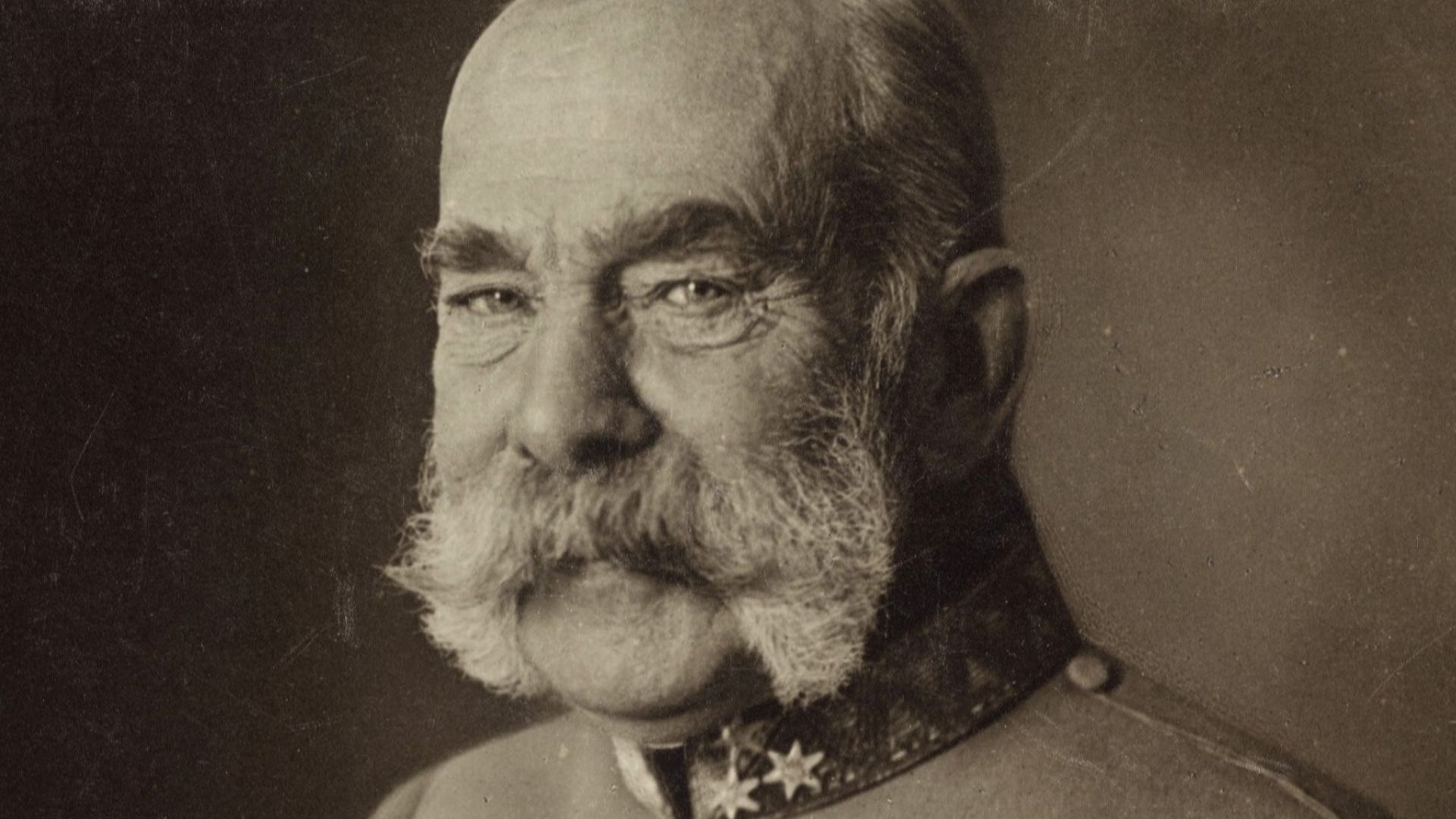 Carl Pietzner, Wikimedia Commons
41. Rudolf Was Their Problem Child
Franz Joseph and his wife differed greatly on the subject of their son Rudolf. Franz Joseph wanted to give him a military education, while Elisabeth thought he was too sensitive for life at the royal court. And though they married him off like good parents, it didn’t solve any of his problems. Like his father, Crown Prince Rudolf took a mistress—but this affair would end in utter tragedy.
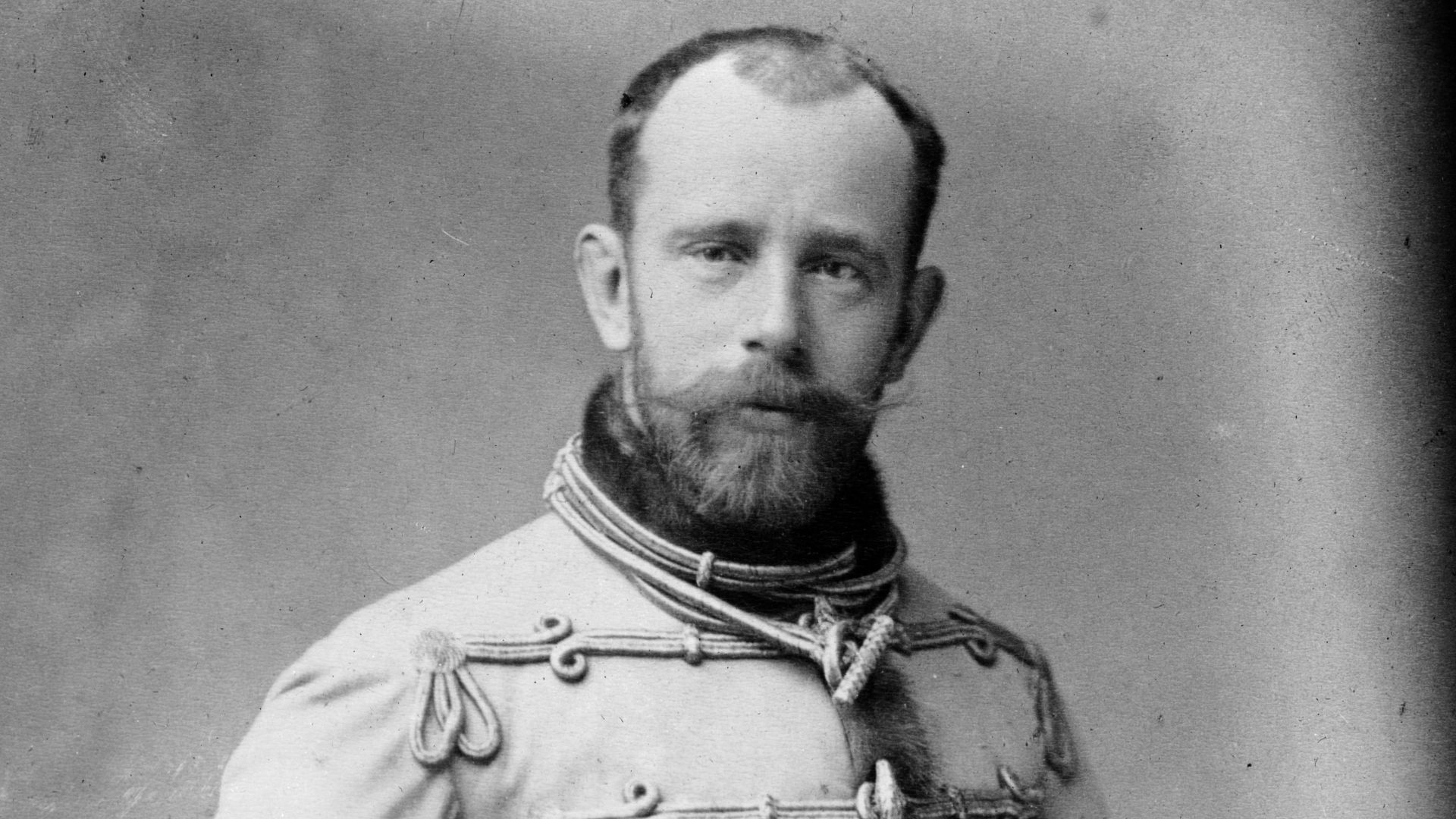 Károly Koller, Wikimedia Commons
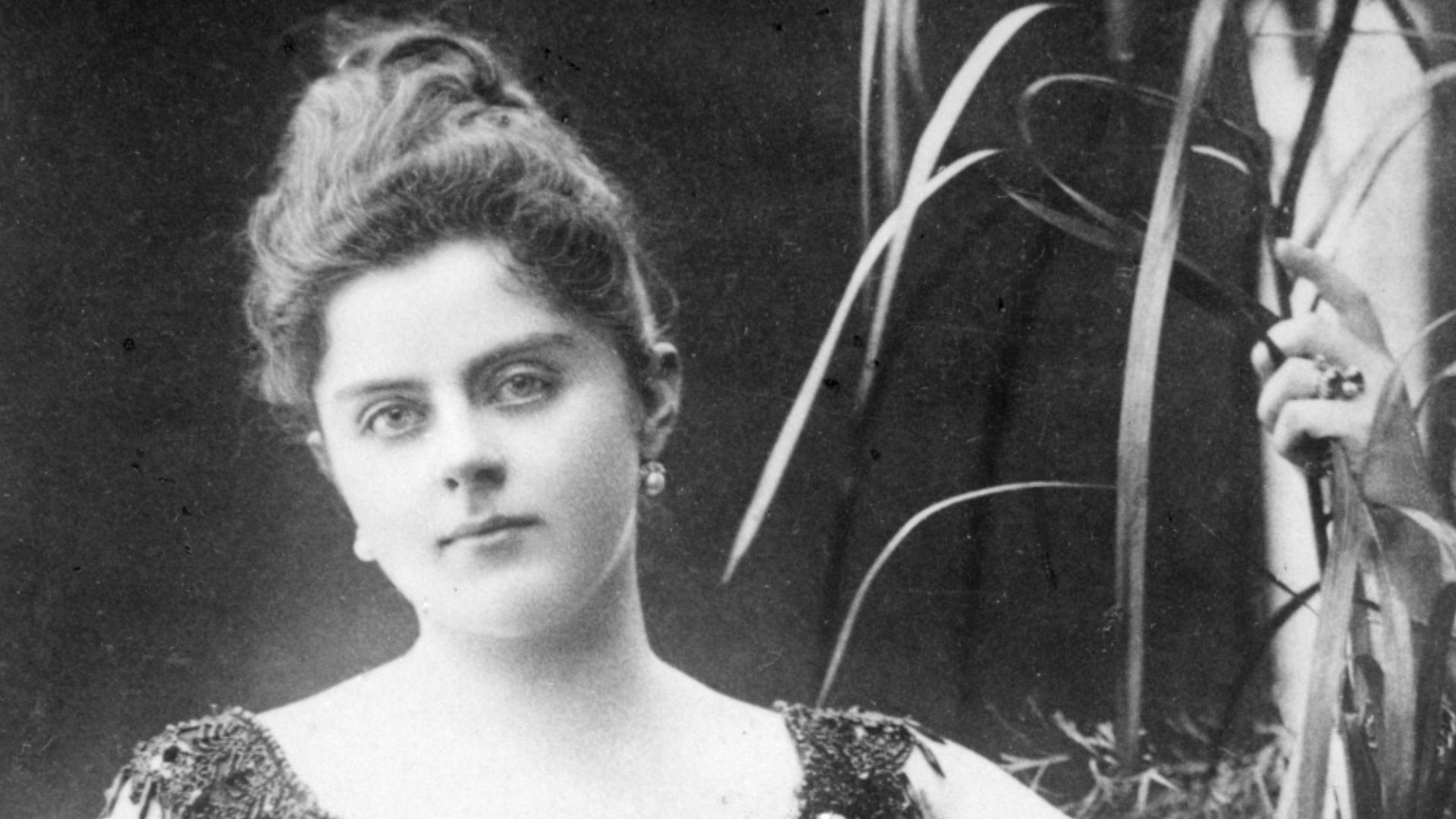
42. It Was Called The Mayerling Incident
In January of 1889, Crown Prince Rudolf met his end in an infamous “love pact” with his teenage mistress Mary Vetsera. While Rudolf’s adoring, 17-year-old lover Mary Vetsera agreed to it because she “could not resist love,” historians suggest a far more disturbing reason for Rudolf’s desperate act.
 Unknown authorUnknown author, Wikimedia Commons
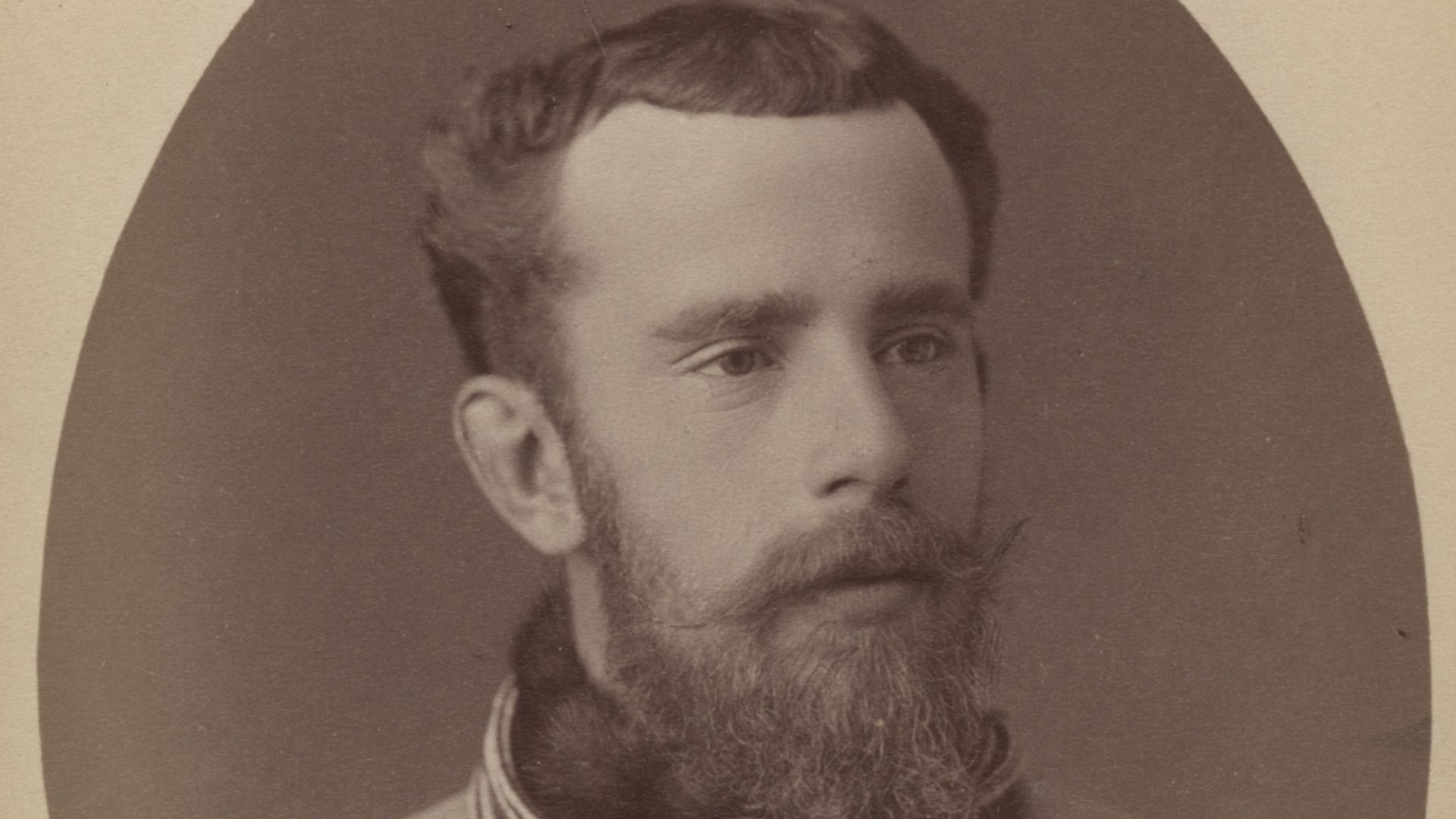
43. Rudolf Was Determined
Many believe that Rudolf was depressed long before the Mayerling Incident—and one in particular has claimed that he asked a previous mistress, Mizzi Kaspar, to agree to a death pact with him, which would make Vetsera an unwitting victim in his determined plot. Other historians have said that his mental illness was likely hereditary, and due to the infamous Habsburg inbreeding.
Whatever the cause, he passed down his flair for the dramatic.
 Atelier v. Türkf in Husarenuniform., Wikimedia Commons
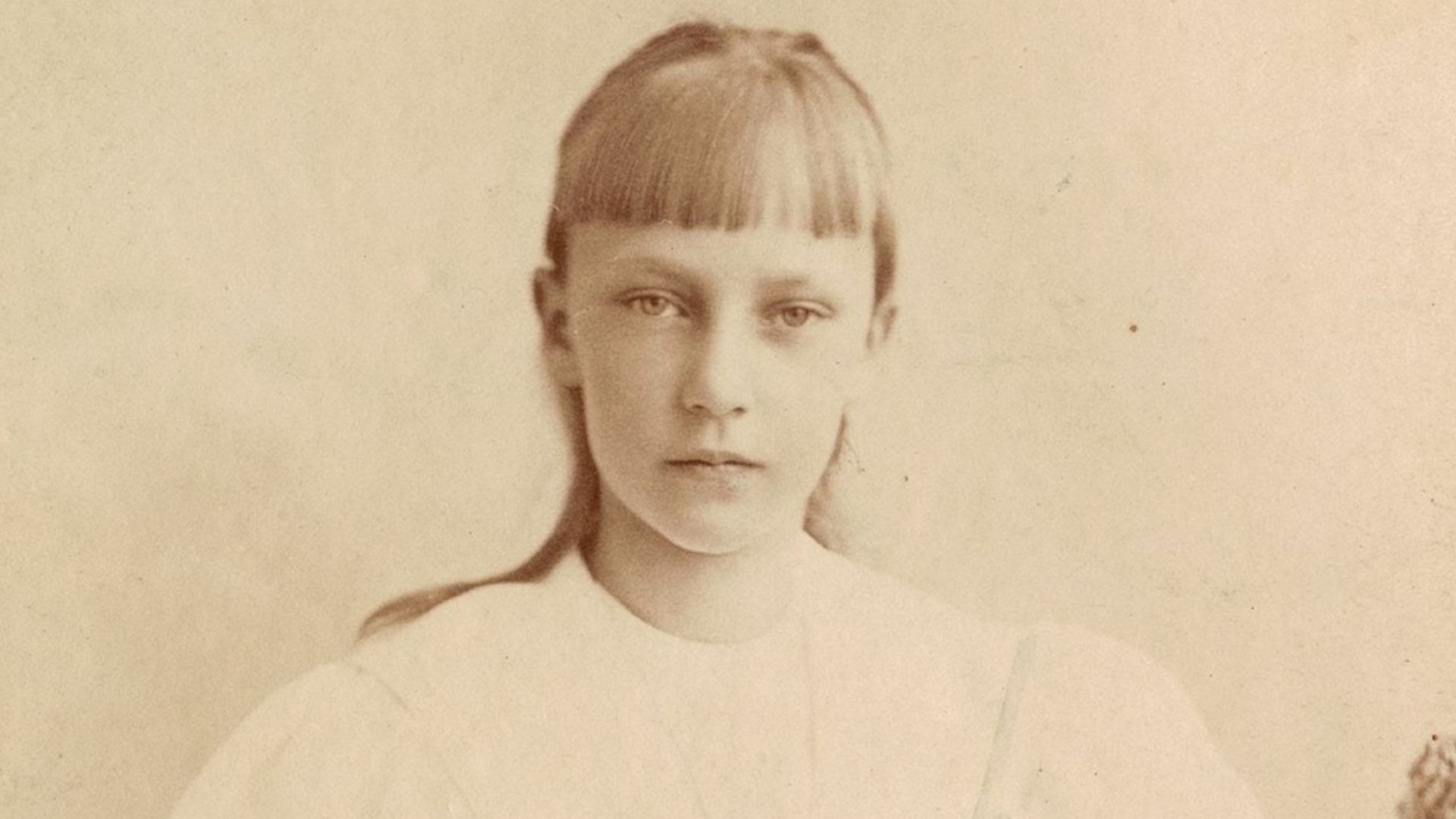
44. Elisabeth Marie Was Incredibly Damaged
As the granddaughter of Franz Joseph and daughter of Rudolf and his wife, Elisabeth Marie held the title of archduchess, only to end up buried in an unmarked grave—but her fall from grace wasn’t just bad luck. She married an Austrian Prince, and like her mother and grandmother, she had to deal with her husband’s infidelity. However, unlike her mother, she didn’t take it sitting down.
 Hofphotograph v. Türk, Wien, Wikimedia Commons
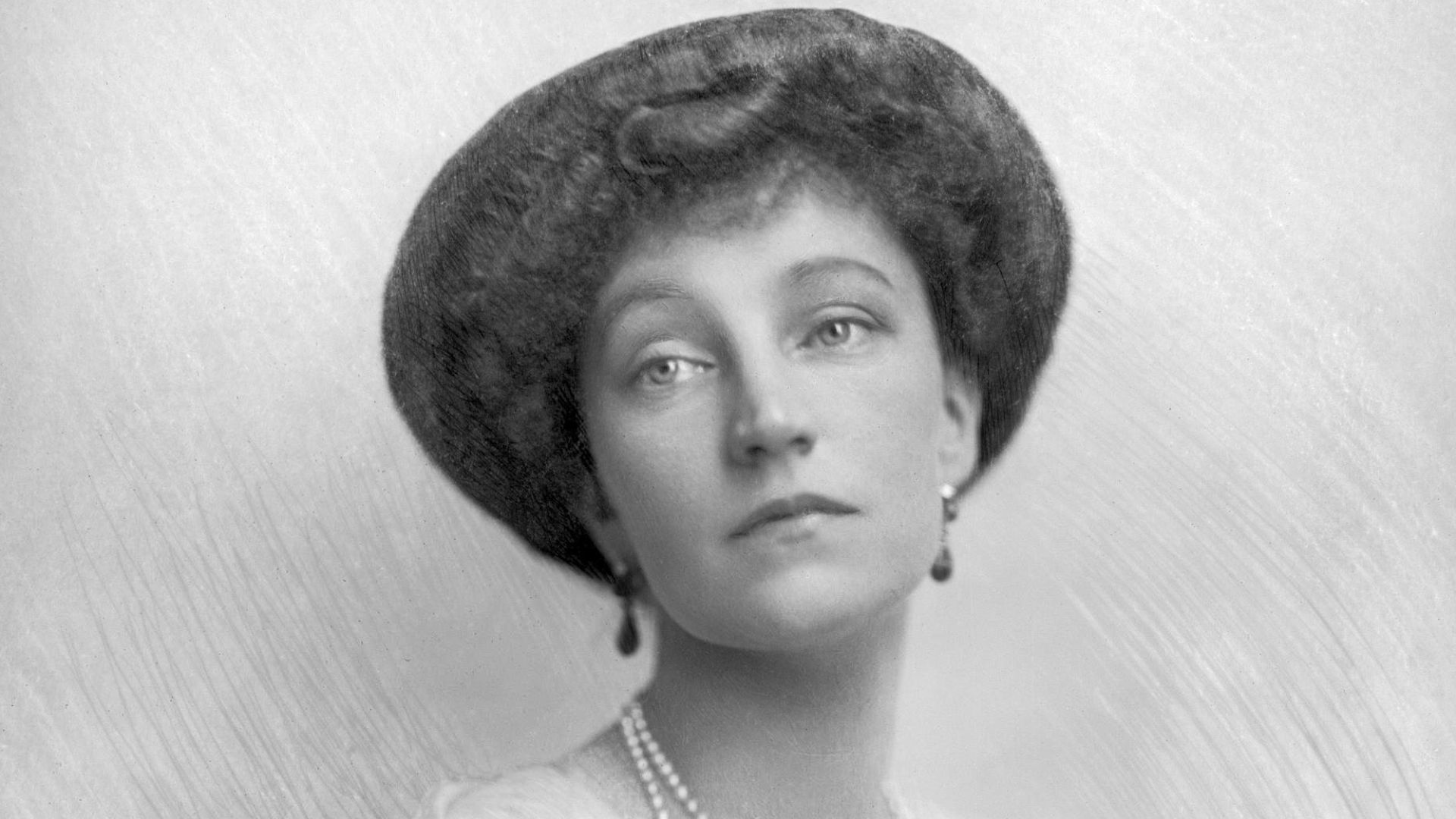
45. She Got Her Revenge
After just a year of marriage, Elisabeth Marie found out that her husband was cheating on her with an actress—and her reaction was diabolical. Insane with jealousy, she burst into his room when he was with the girl, and opened fire on her with a golden pistol. The girl succumbed to her wounds, but Elisabeth Marie never spent a day behind bars for her offense.
The Habsburgs may have had their problems, but their immense power could still solve quite a few of them.
 Hermann Clemens Kosel, Wikimedia Commons
46. Franz Joseph’s Heir Was Unsatisfactory
After Elisabeth Marie’s father Crown Prince Rudolf took his life, the Austrian throne was yet again in need of a male heir. The plan was for power to pass down through Emperor Franz Joseph’s brother’s eldest son. Unfortunately, Franz Joseph and his nephew didn’t really get along—but before the young man could take power, tragedy struck.
 Atelier Adèle, Wikimedia Commons
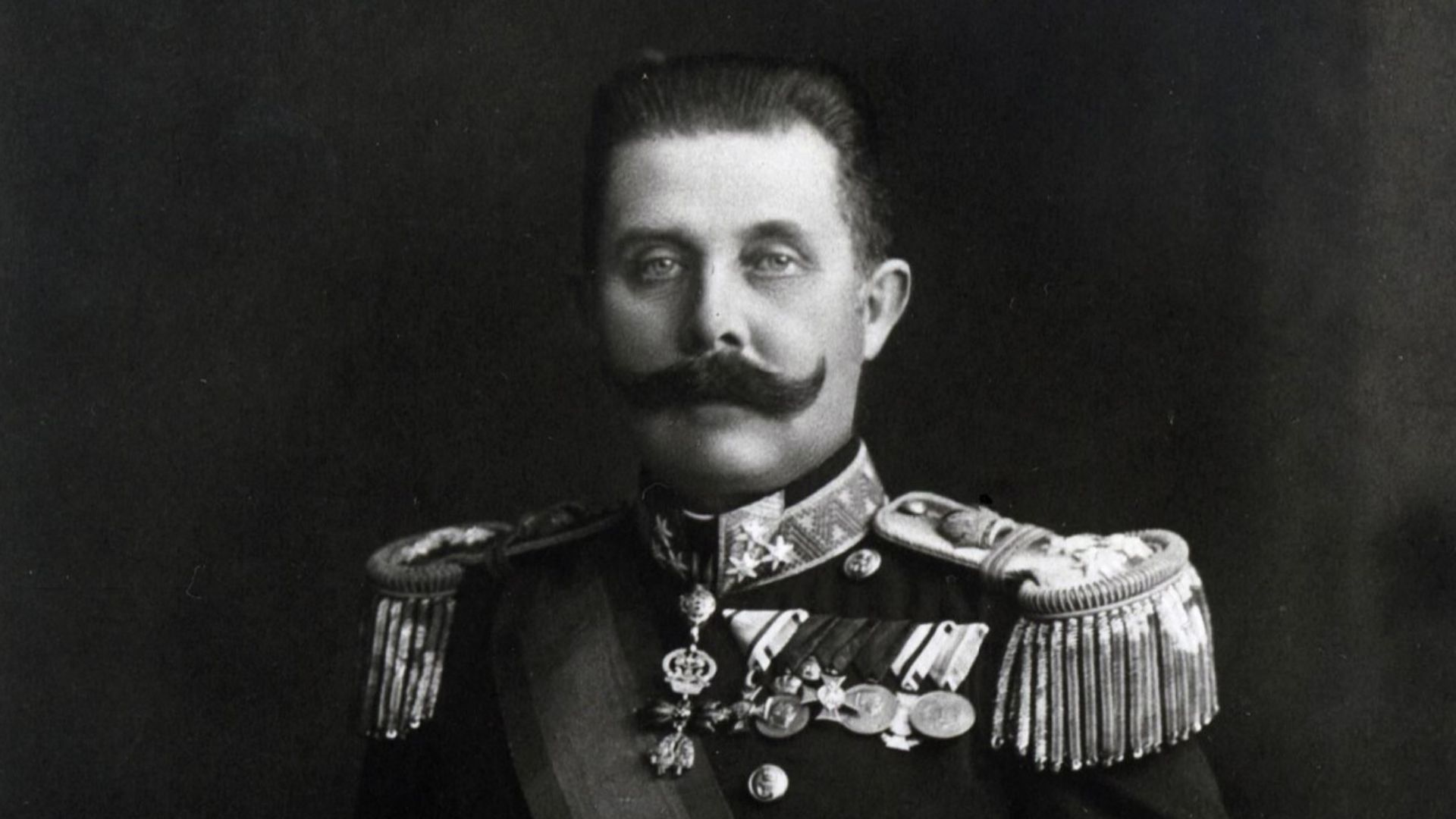
47. Franz Ferdinand Never Made It To The Throne
Franz Joseph’s nephew’s name was Franz Ferdinand, and he was assassinated in 1914, sparking WWI. This tragedy cemented the man’s place in history forever, but there’s more to him than this moment—like the disturbing collection he kept in his Bohemian castle. During the global travels of his youth, Franz Ferdinand took up trophy hunting with an unmatched fervor. Yet even by the standards of European nobility of the time, his fondness for the sport was...excessive.
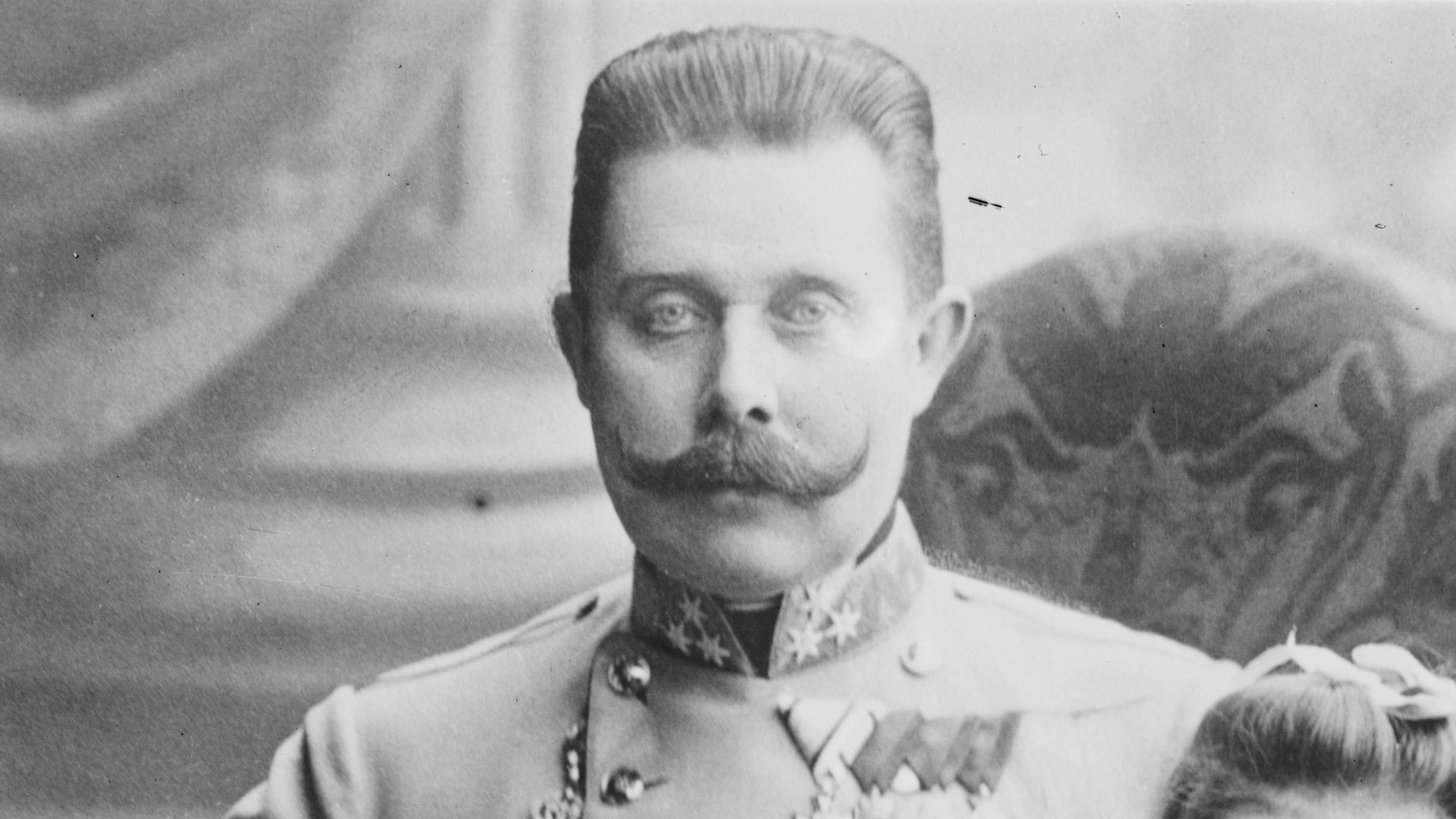 Unknown authorUnknown author, Wikimedia Commons
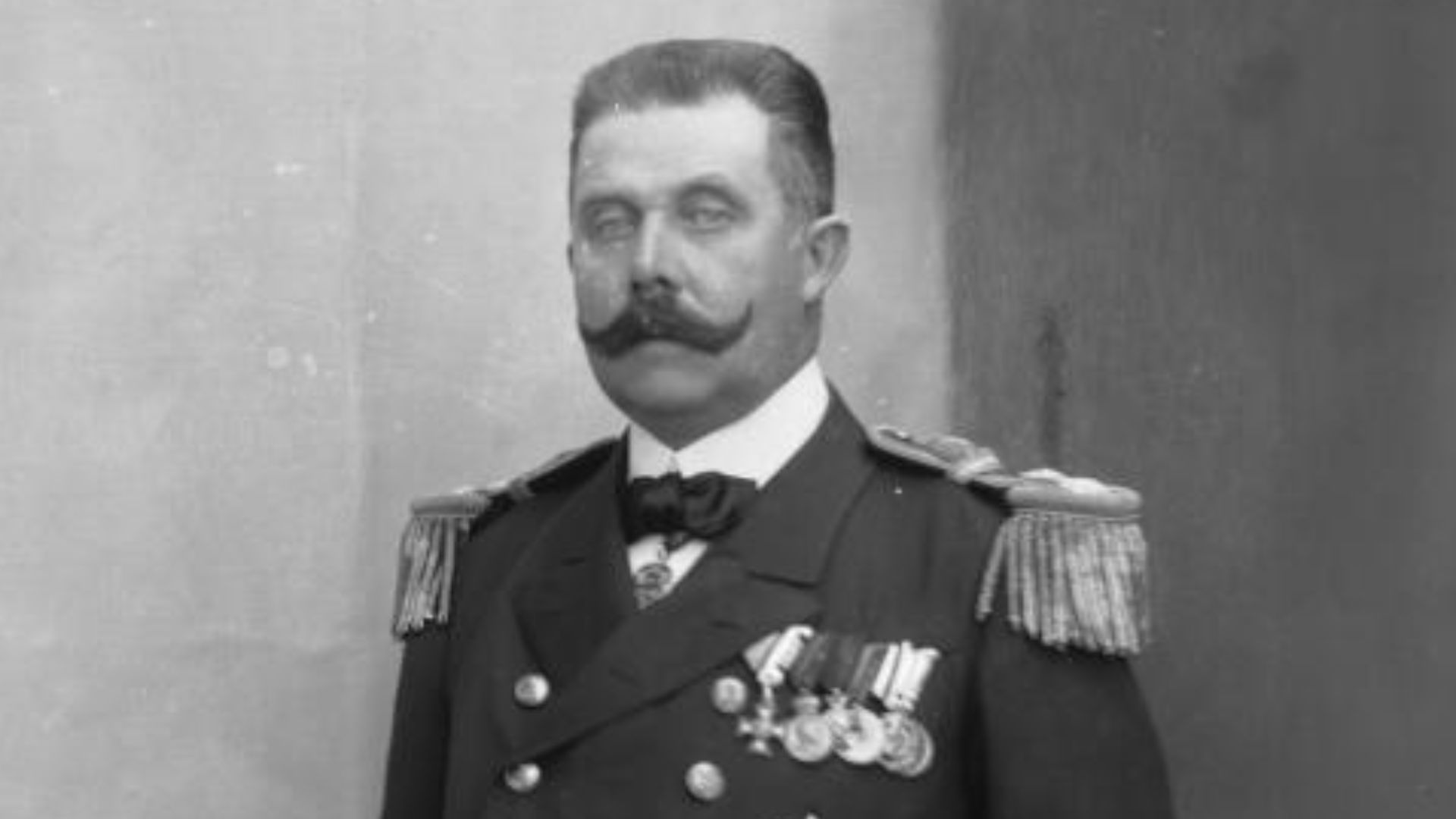
48. He Was A Prolific Killer
According to the Archduke’s own records, he recorded 272,511 confirmed game kills—and he displayed his conquests proudly. In his castle, he exhibited around 100,000 animals he had slayed. These ranged from wall-mounted deer antlers to truly ghastly pieces such as the foot of an elephant used as a wastepaper basket.
 Ferdinand Schmutzer, Wikimedia Commons
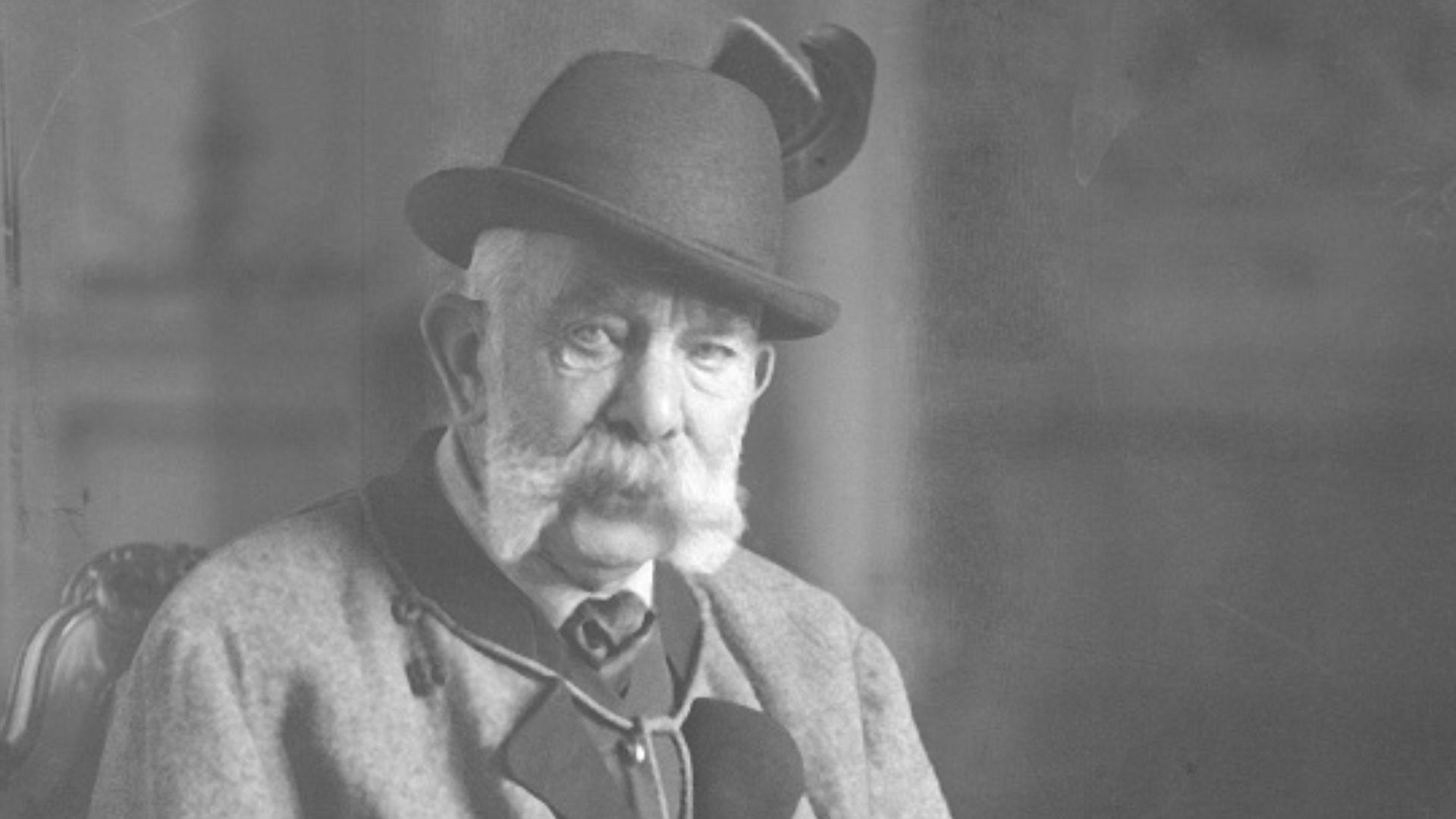
49. He Was Forced To Act
As a result the Archduke’s demise, his uncle Franz Joseph was forced into the fray, and had to turn against his one-time ally, Russia. Then, in the middle of it all, he succumbed to pneumonia, leaving the Habsburgs in a battle-torn Europe and a power vacuum.
50. Charles I Tried To Prepare For The Job
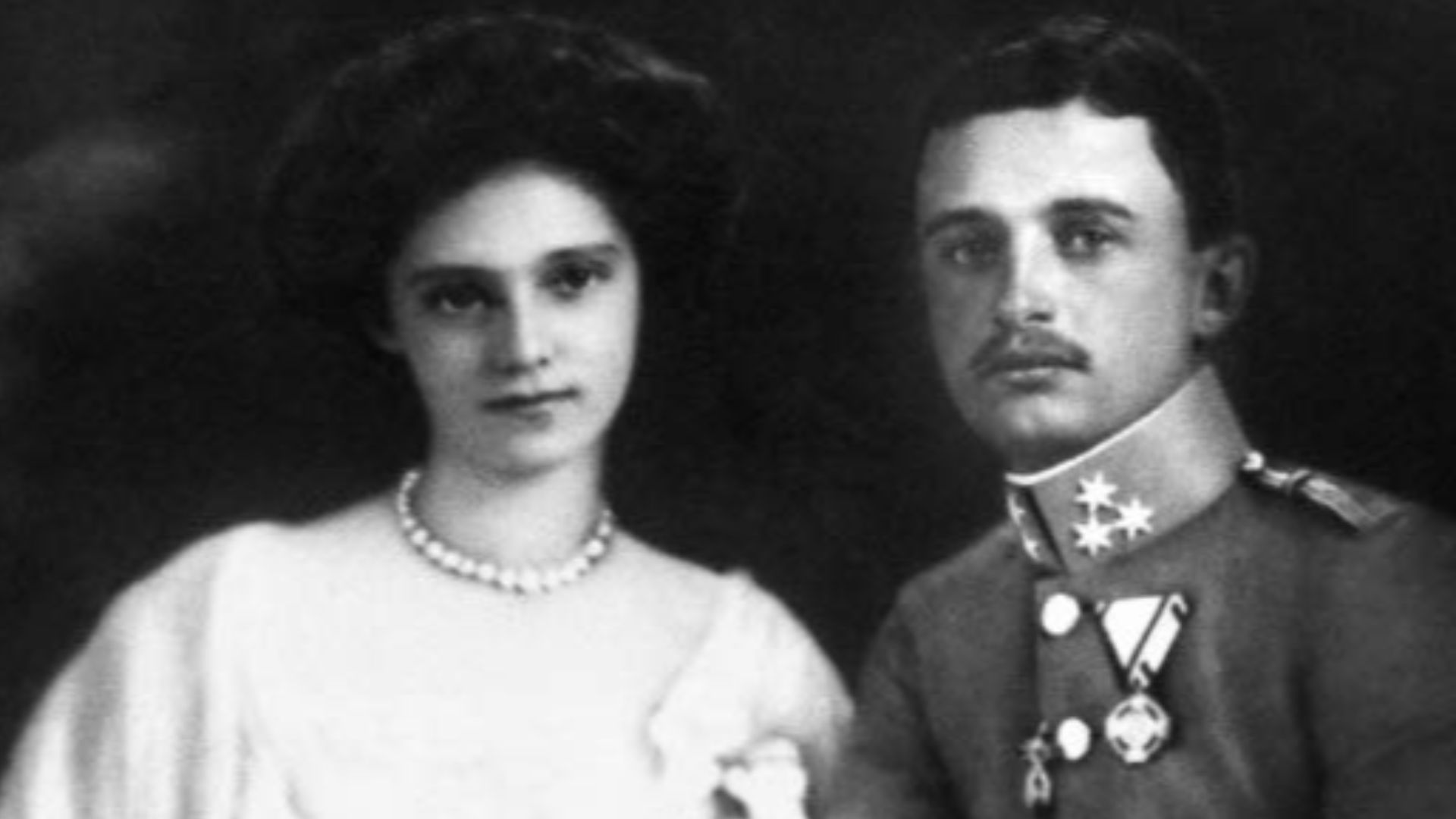
After Franz Joseph’s passing, the title of Emperor of Austria and King of Hungary stayed in the family and went down to Franz Ferdinand’s nephew Charles. As least he was prepared for it in one way: He’d married a princess, Zita of Bourbon-Parma. However, she came from a family with a history of “severe intellectual disabilities”. The Habsburgs, known for centuries of inbreeding, barely batted an eyelash.
Charles I took power as Europe faced WWI. He wanted to prove himself, but in the fog of battle, he became known for brash and ill-considered decisions.
 Unknown authorUnknown author, Wikimedia Commons
51. They Were The Last Of Their Kind
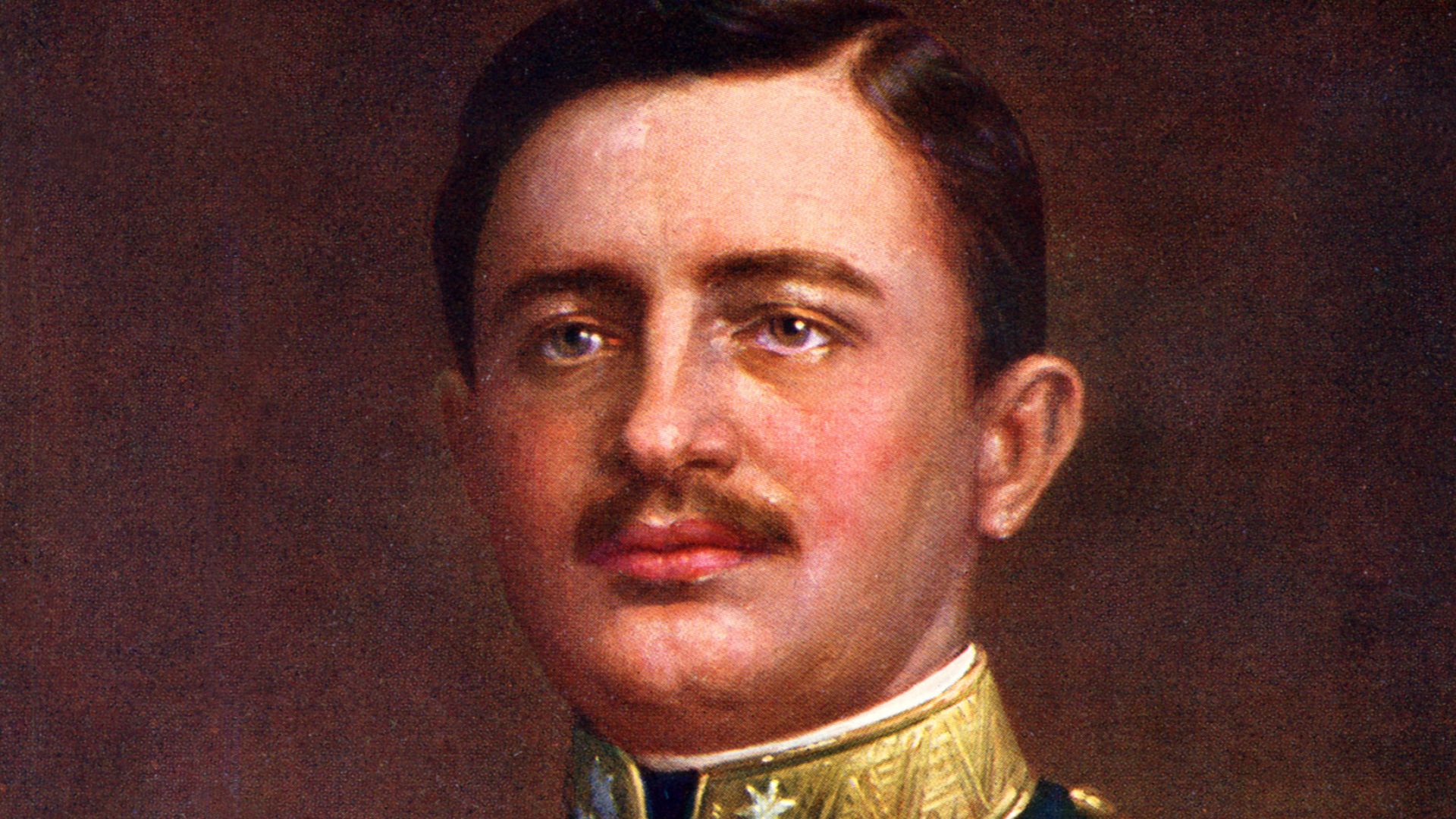
Charles’s poorly-plotted attempt to get Austria out of WWI led to talk of abdication and there were also conflicts within Austria’s borders. Charles refused to step down, which made the newly-formed government of the Republic of German-Austria angry. They came up with the Habsburg Law, whose longer name says it all: the “Law of 3 April 1919 Concerning the Expulsion and the Takeover of the Assets of the House of Habsburg-Lorraine”. Charles was out as Emperor of Austria and King of Hungary.
The Habsburg Dynasty had ruled in Europe for centuries. Charles I of Austria managed to ruin it all in under two years. That’s impressive. But his mistakes were nothing compared to the toll that intermarriage took on the family—and one ancestor in particular paid a gruesome price.
 Unidentified painter, Wikimedia Commons
52. He Was Barely Alive
Remember Charles II of Spain, the last hope of the Spanish line of Habsburgs? He was always sickly, and he may have been the Habsburg to suffer the most from his family’s tendency toward intermarriage. A few days after his passing in 1700, his attendants performed an autopsy—and what they found was absolutely blood-curdling. It was a miracle he’d lived as long as he had. His "heart was the size of a peppercorn; his lungs corroded; his intestines rotten and gangrenous”. He also only had a single testicle, and it was “black as coal”.
Guess that explains the lack of heirs.
 Juan Carreño de Miranda and workshop, Wikimedia Commons
53. They Still Live On Today
Despite the many centuries of strife, inbreeding, assassinations, abdications, and tragic deaths, the Habsburgs still live on today, through three branches. Charles I’s grandson Karl von Habsburg is a politician in Austria. Ferdinand IV’s descendant Archduke Sigismund Otto von Habsburg-Lothringen is head of the Tuscan branch of the family and works as an ambassador. And then there’s the cadet branch House of Habsburg-Este, which traces back to one of Empress Maria Theresa’s sons. Their current head, Lorenz, married into the Belgian royal family, making him Prince Lorenz of Belgium, Archduke of Austria-Este.
Between the three of them, they have 11 heirs. The moral of the story? Don’t count out a Habsburg.

You May Also Like:
Decadent Facts About The Tudors, History's Most Scandalous Dynasty
Brutal Facts About The Spencers, The Most Tragic Family In Britain
Scandalous Facts About The House Of Grimaldi, The Messiest Royal Family
Sources: 1, 2, 3, 4, 5, 6, 7, 8, 9, 10, 11, 12, 13, 14, 15, 16, 17, 18, 19, 20, 21, 22, 23, 24, 25, 26, 27