
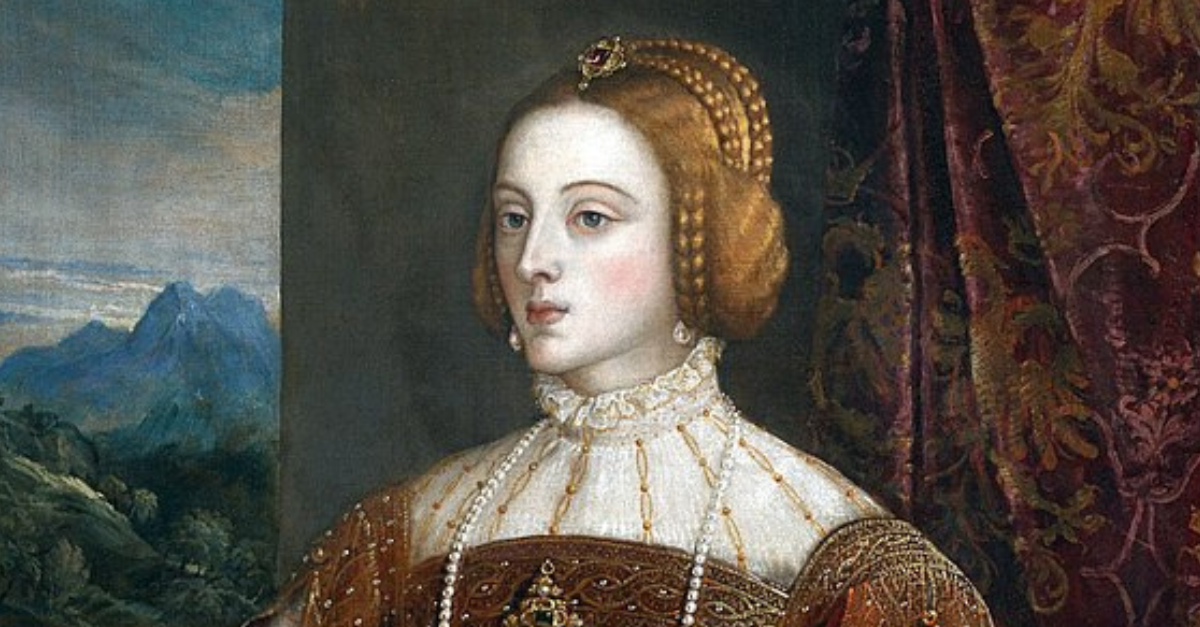
The Incomparable Holy Roman Empress
Isabella of Portugal wasn’t just a queen, she was a storm in a crown. With razor-sharp wit and ironclad charm, she bent empires to her will and left ripples that still echo through history. Few expected it, but this dazzling royal ended up shaping Spain—and the world—in ways no one saw coming.
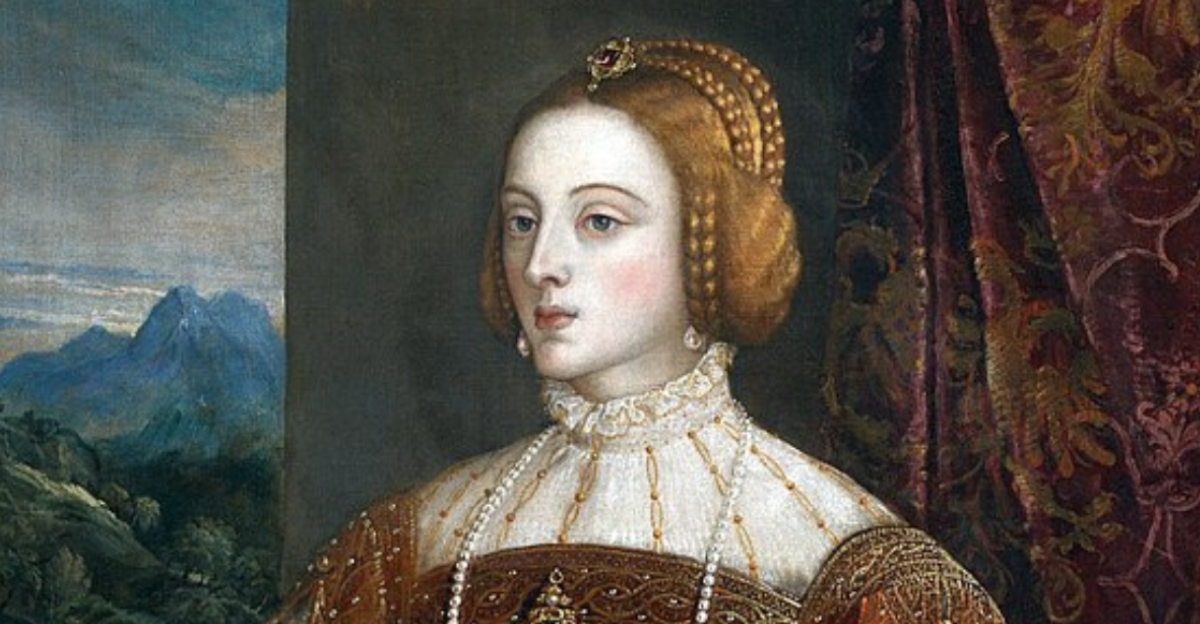
1. She Was Born To An Auspicious Family
Isabella’s birth was on October 24, 1503, in Lisbon, Portugal. Had she been the ruler of Portugal, she would have been Isabella II, as her parents named her after her grandmother, Isabella I. Her parents, King Manuel I of Portugal and Maria of Aragon, his second wife, allowed her to grow up in relative comfort in the House of Aviz.
But this comfort only extended to the fiscal realm.
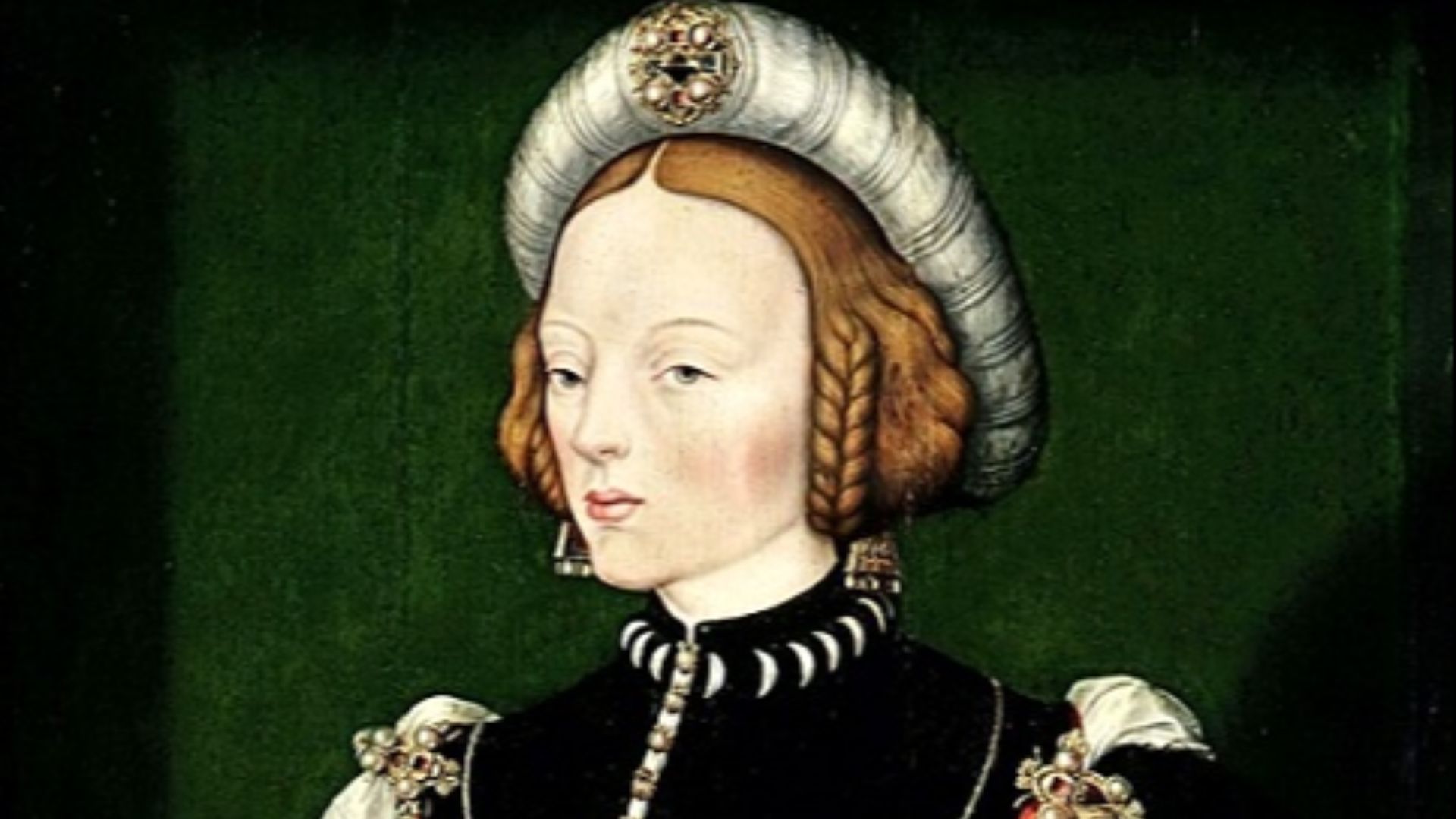 William Scrots, Wikimedia Commons
2. She Was Never Going To Be Queen
She was the second child to her older brother, later King John III of Portugal, which meant that she was the second heir to the throne. That is, until her younger brother Luis was born. At that point, he shunted her further down the succession line. She would have many more brothers who would take her place in line for the crown.
But that didn't mean her future was completely set in stone...
3. She Was Well Educated In Everything
Throughout her early years, Isabella was educated by Elvira de Mendoza, her governess. She learned many different subjects and spoke three additional languages alongside her native Portuguese. Indeed, she was very well educated thanks to her station.
In her case, though, all that really amounted to was becoming a catch for her future husband, whoever that might be. But her childhood days weren't all rosy and sweet.
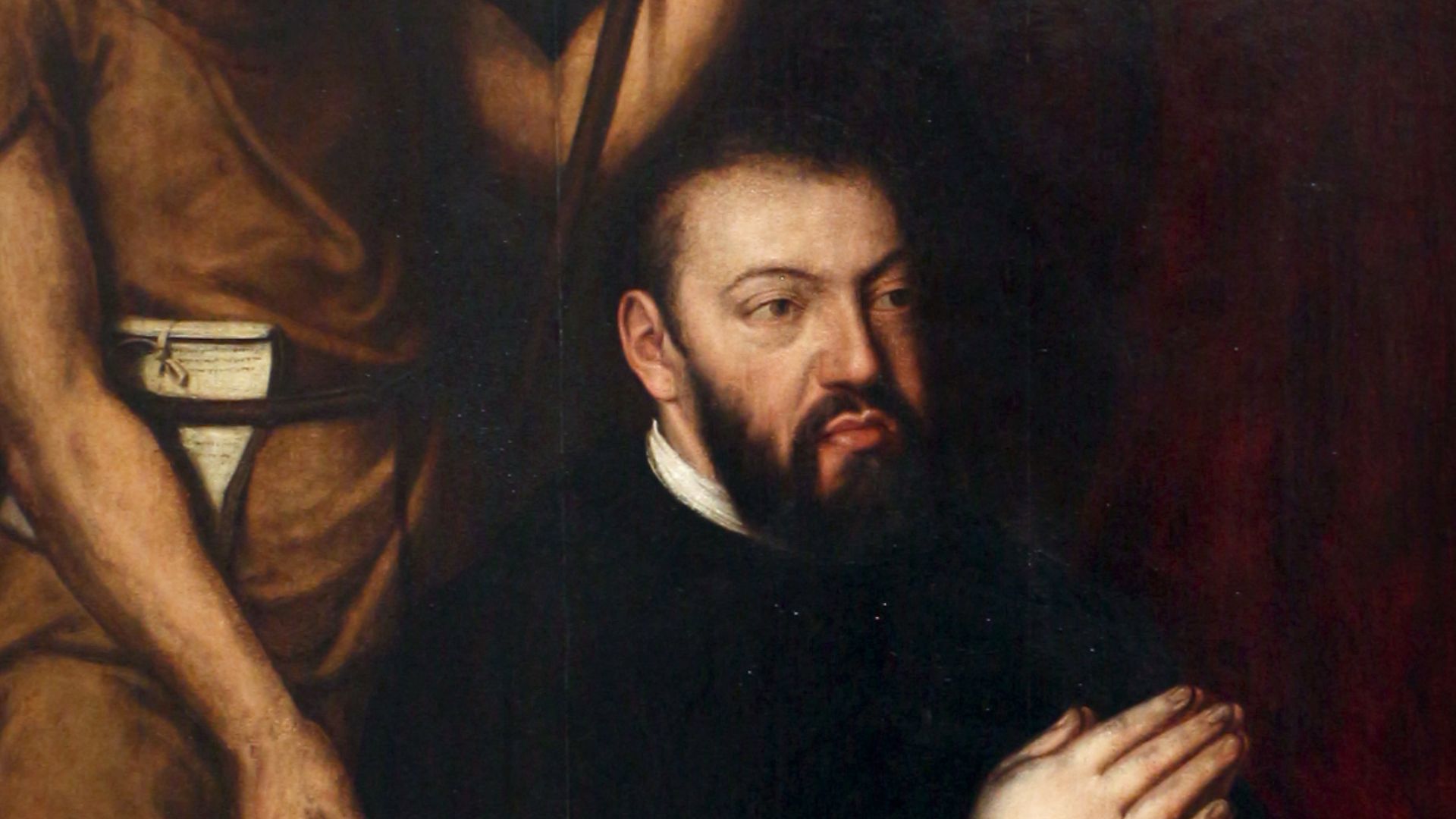
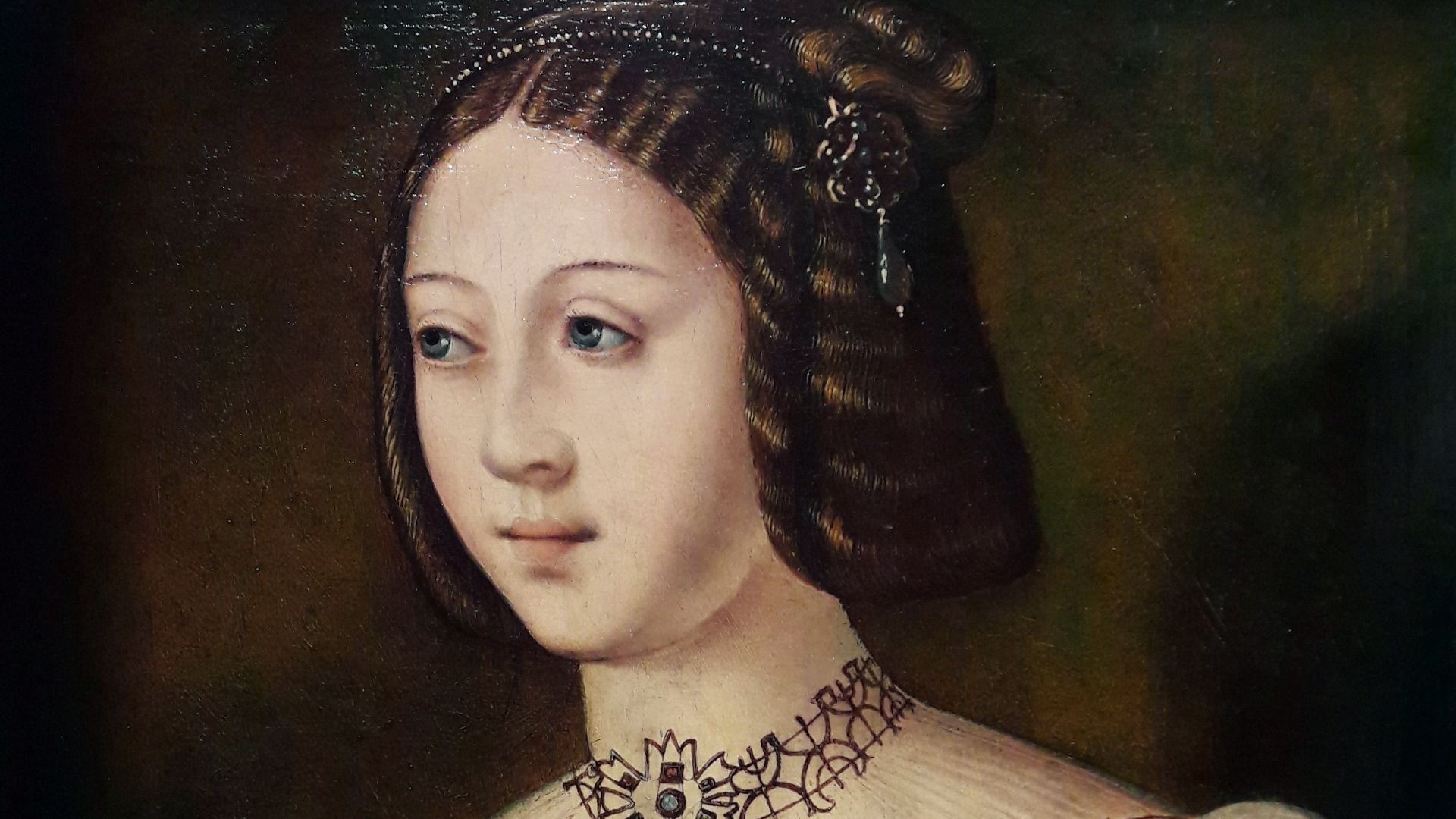 Circle of Master of the Female Half-Lengths, Wikimedia Commons
4. She Was Severely Punished
She and her siblings faced early pain. Whenever they got in trouble, her mother served harsh retribution for their errors. Their mother punished them “when they deserved it, without pardoning any of them”. However, these harsh retaliations came to an abrupt end when Isabella’s mother failed to recover from decades of giving birth and passed.
Though one of the first, this wasn’t the last tragedy Isabella faced.
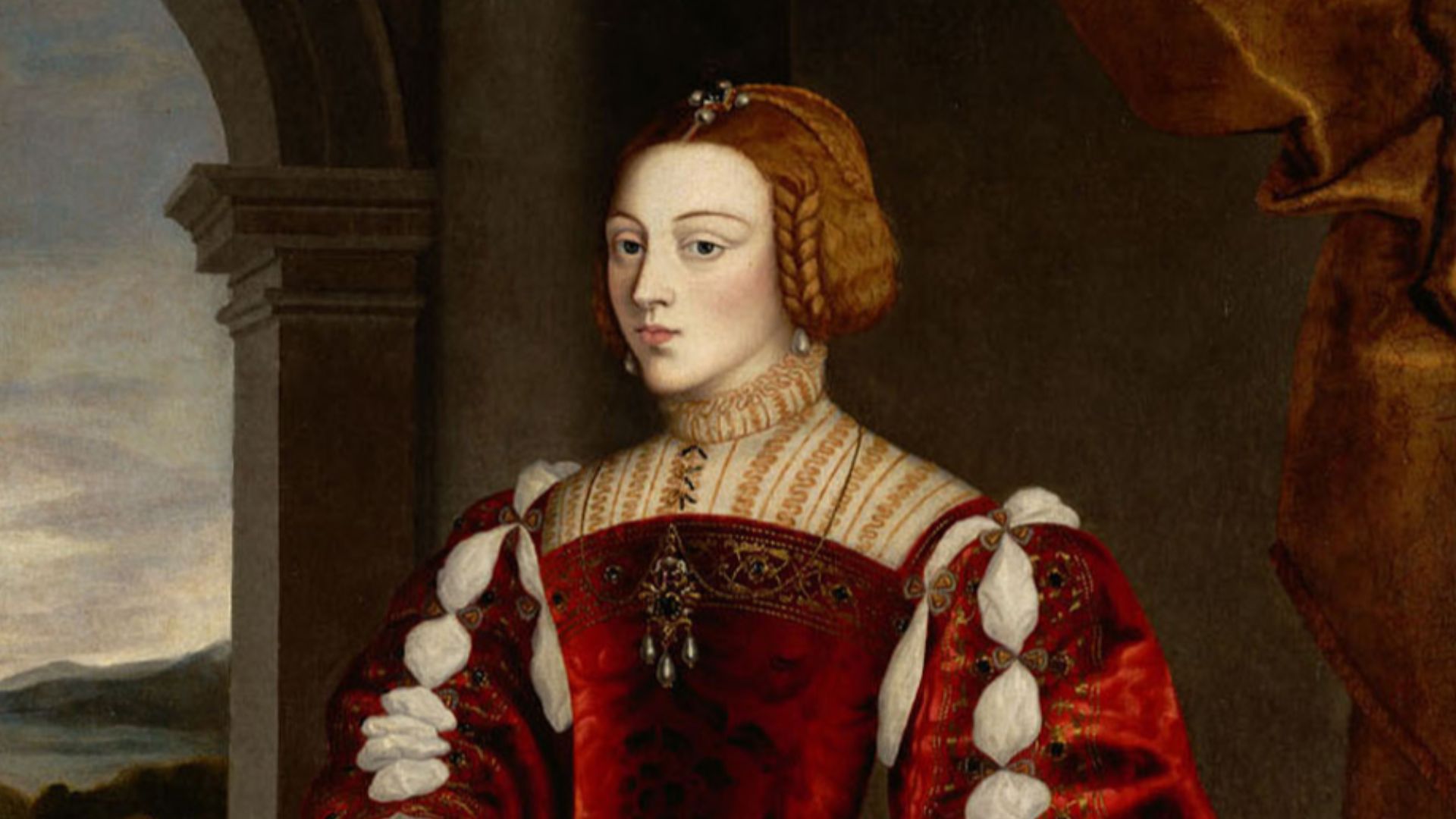 After Jakob Seisenegger, Wikimedia Commons
5. She Was An Enticing Match
Isabella’s status as the eldest daughter of the King of Portugal meant she was a very appealing woman to marry. Not only that, but she was well known for how beautiful she was. Her father set his sights on an ambitious marriage with his nephew, Charles V, King of Spain and Holy Roman Emperor.
Isabella quickly saw the potential in this union, but things didn't go as smoothly as she hoped.
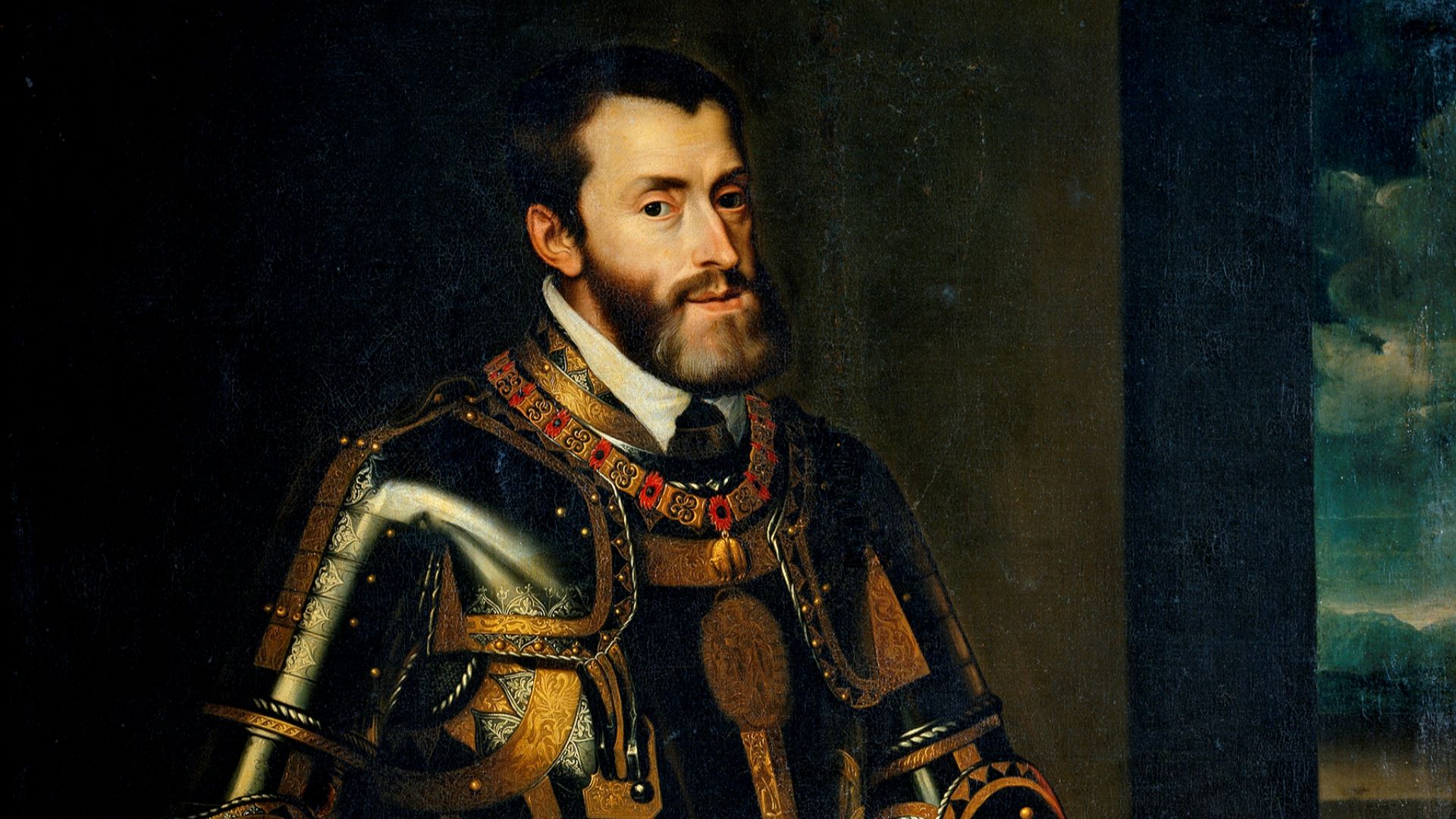 Juan Pantoja de la Cruz / After Titian, Wikimedia Commons
6. She Was Encouraged To Marry
Immediately, she knew she wanted to marry her first cousin, Charles V of Spain. They were of similar age, and their union could strengthen the bonds between Portugal and Spain. This marriage was also desired by their grandparents, who sired both their mothers.
The Habsburg line was beginning to become quite an insular crowd, if everything went as planned, that is.
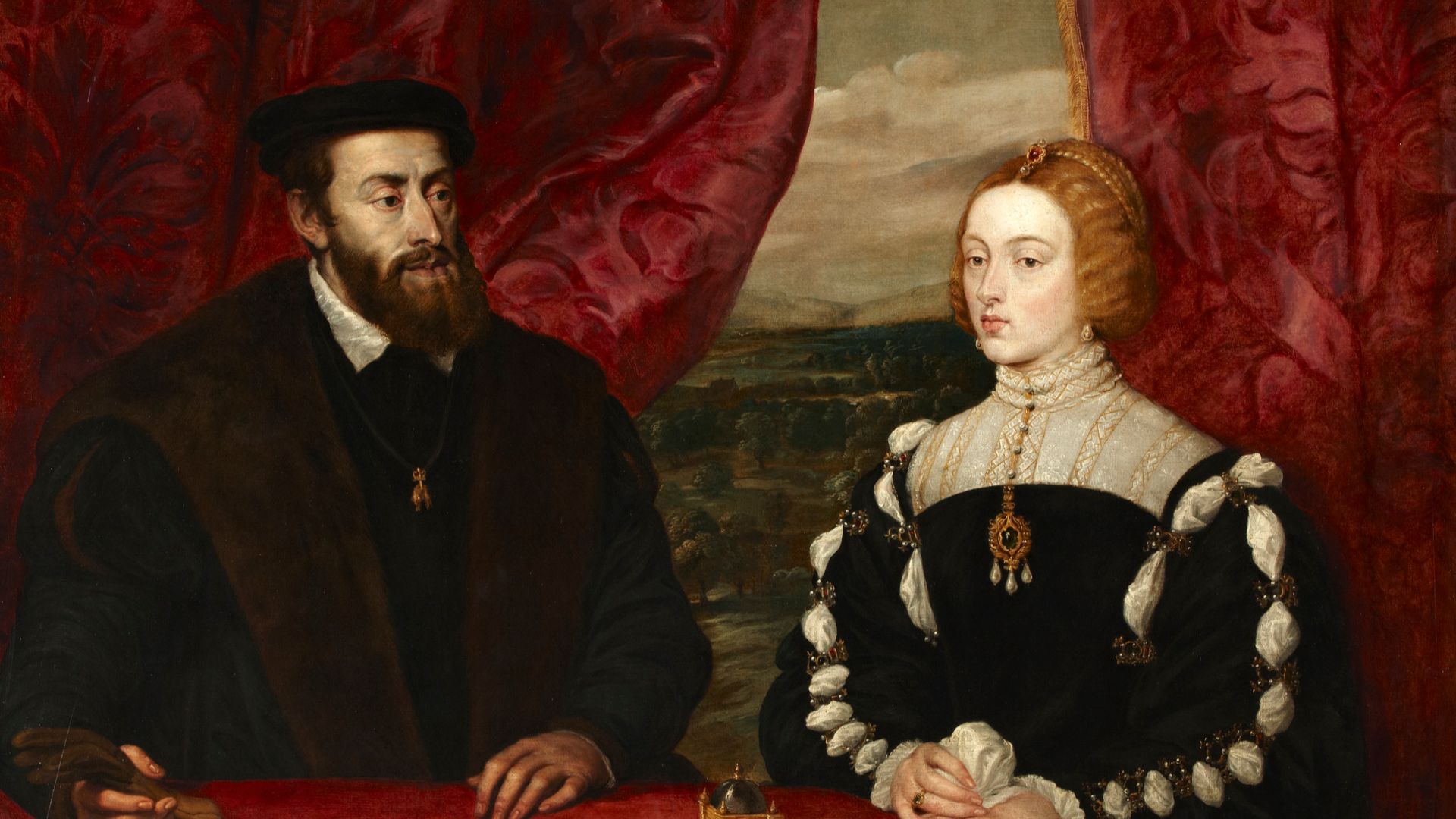 After Titian / Peter Paul Rubens, Wikimedia Commons
7. She Wasn’t His First Choice
Unfortunately, 18-year-old Charles V dragged his heels when it came to marriage. Rather than commit to an arranged marriage with Isabella in 1518, he sent his sister to marry her widowed father, Manuel I. This assuaged the situation for a while, but Isabella wasn’t going to give up on this union.
Not even when Charles V made a shocking decision that left many angry.
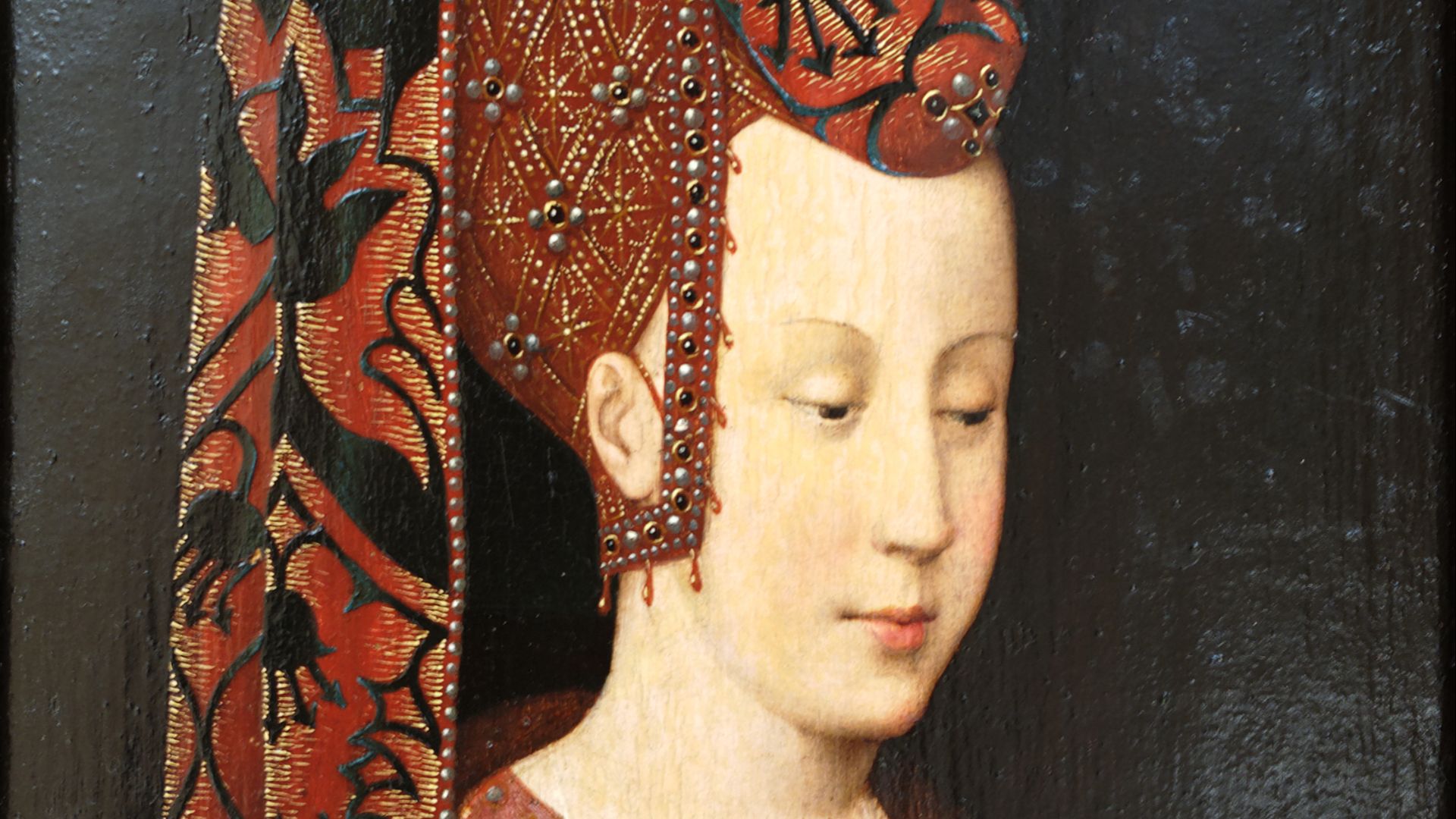 AnonymousUnknown author, Wikimedia Commons
8. She Was Firm In Her Selection
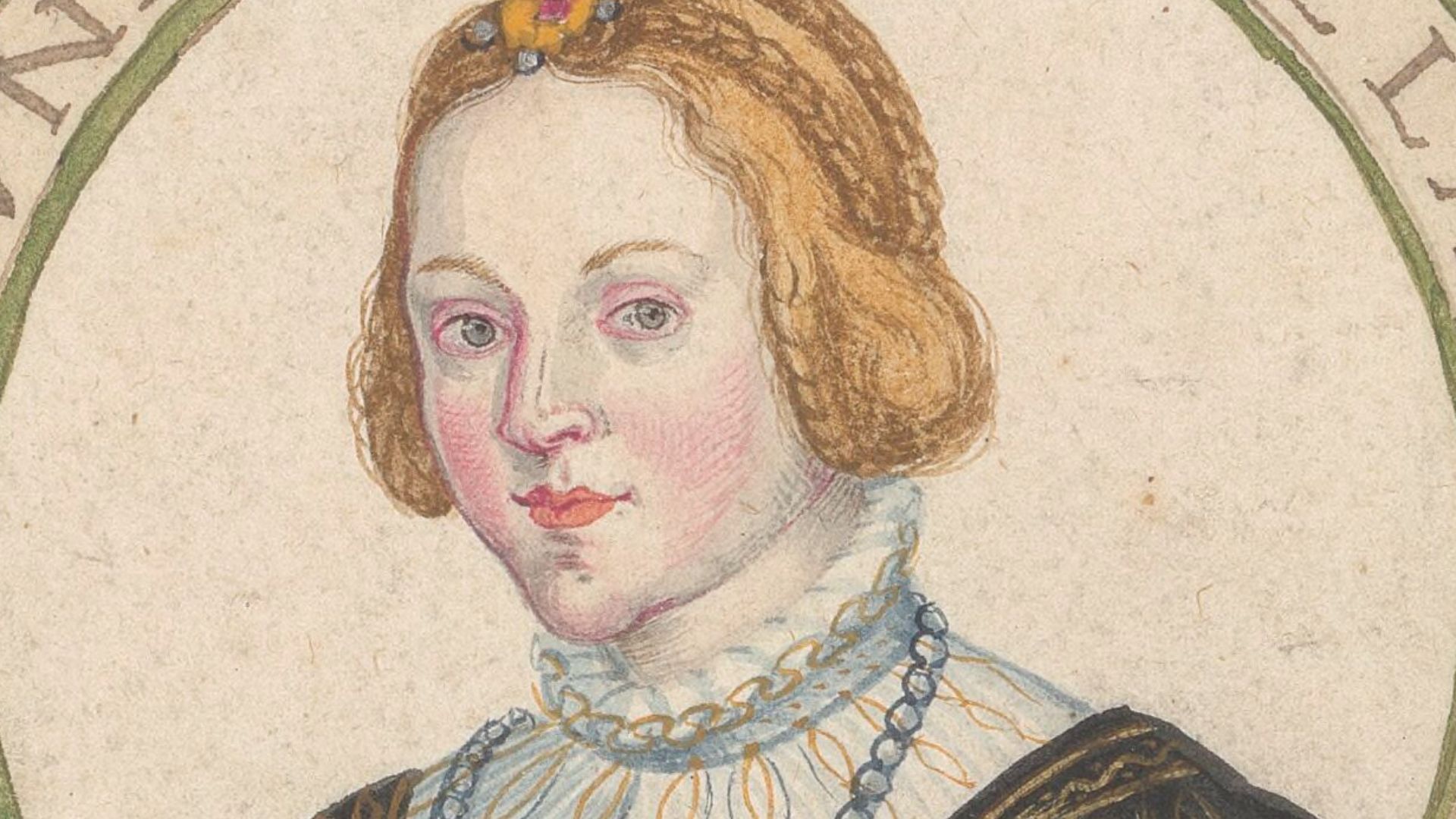
Charles V rejected Isabella’s offer in favor of a betrothal to Mary Tudor to forge an alliance with England. Mary was a young child at the time, so their actual marriage was at least a decade in the future. Many in Portugal saw this refusal as a major offense, but Isabella had another idea.
She was going to wait it out.

History's most fascinating stories and darkest secrets, delivered to your inbox daily.
9. She Was At Risk
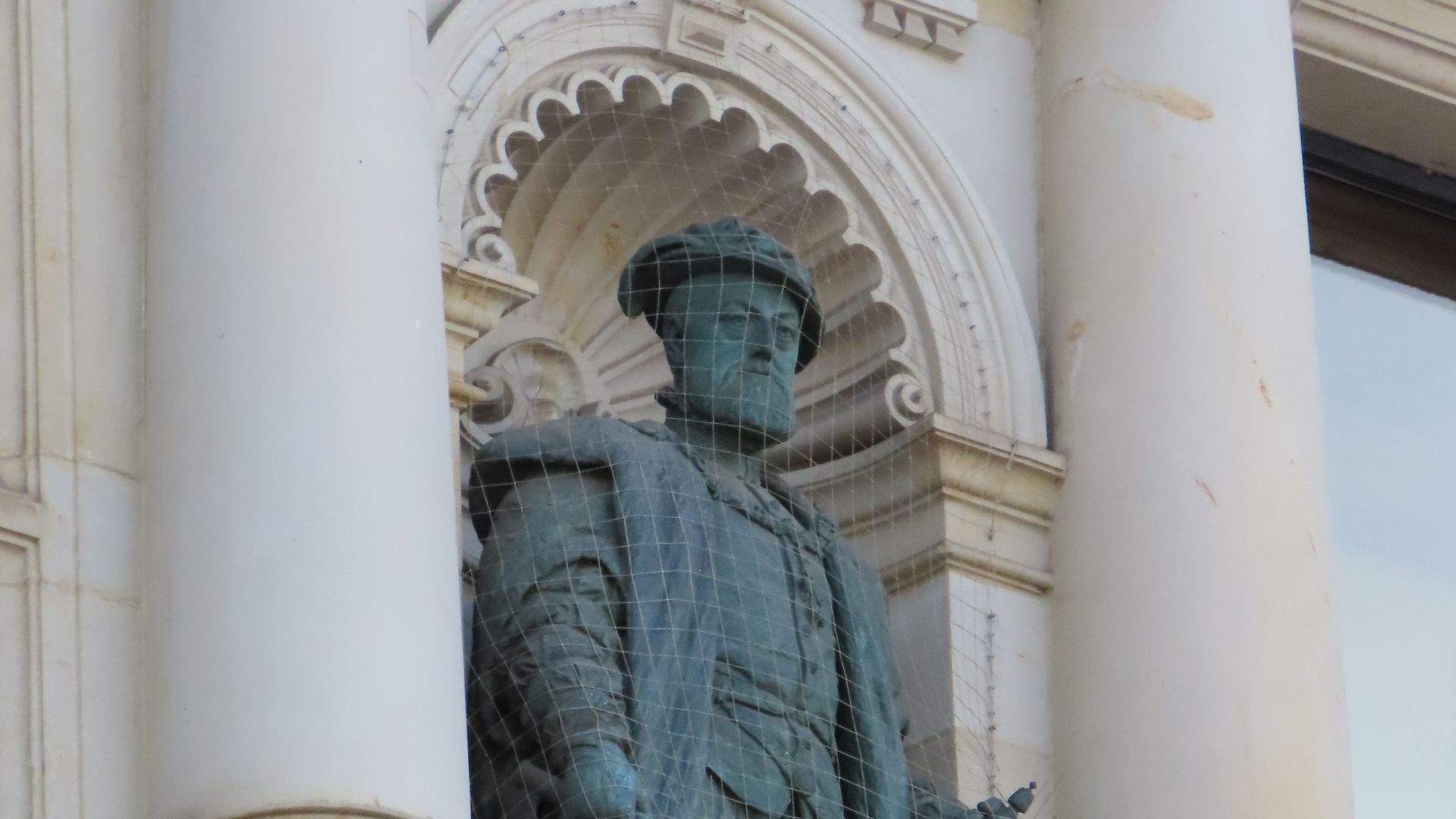
Tragedy struck while Isabella sat patiently waiting for Charles V to come around to the concept of their engagement. The Black Plague hit the Ribeira Palace in December of 1521. Isabella herself was fortunate not to contract the illness, despite being described as a little frail.
But unfortunately, everyone she loved didn't come out unscathed.
 © Ad Meskens, Wikimedia Commons
10. She Was Beset By Tragedy
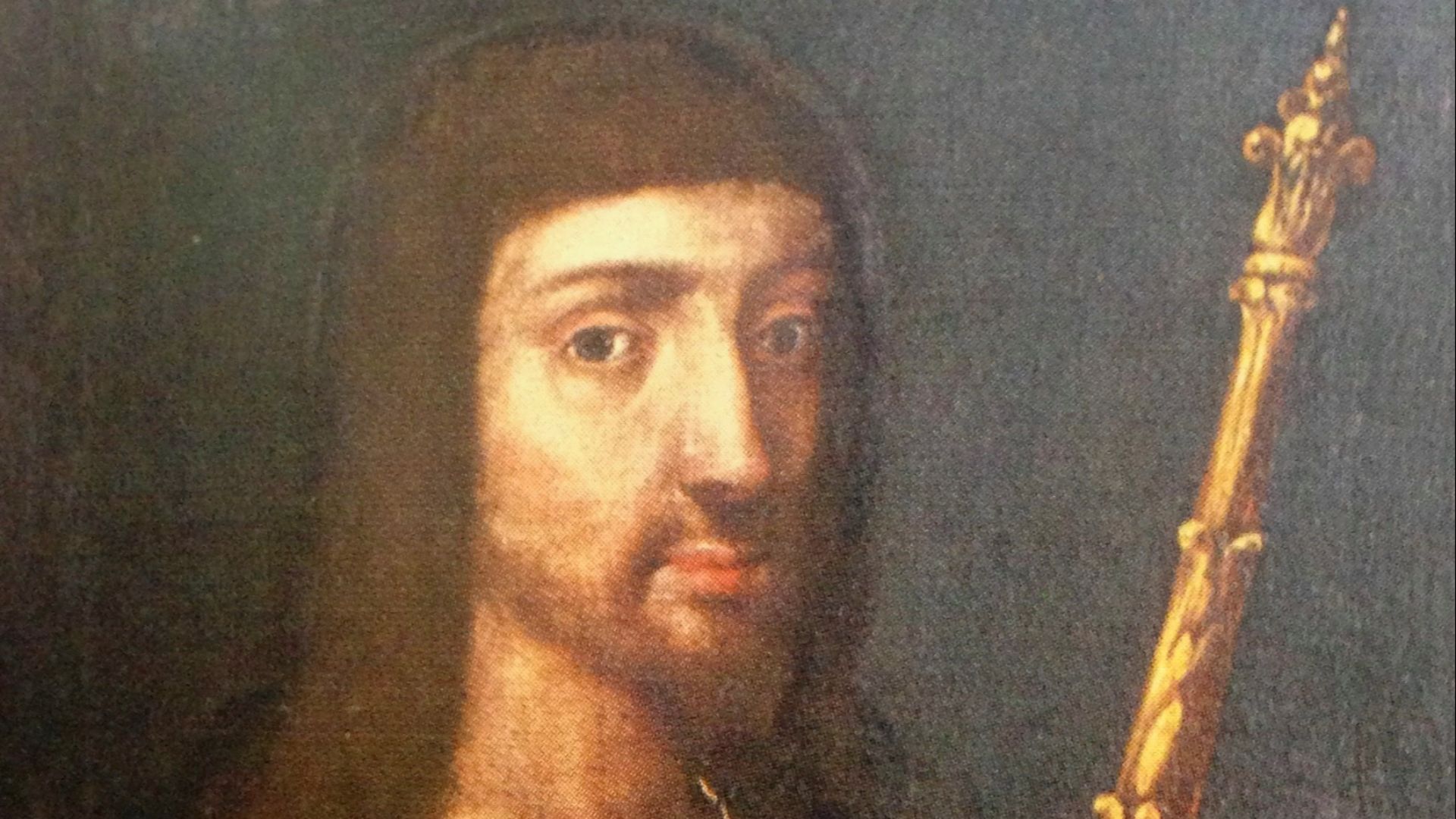
Her father wasn’t so lucky as to evade the plague. Manuel I caught a fever, which was so intense that he was incapacitated for a week. He succumbed to the sickness a couple of days after, on December 13, 1521.
This left Isabella’s marriage negotiations to her brother, newly King John III of Portugal.
 Henrique Ferreira, Wikimedia Commons
11. She Was Waiting In The Wings
A few years later, Charles V was getting impatient about his arrangements with England. Since Mary Tudor was sixteen years younger than he, there was a lot of time between the betrothal and their actual wedding. But with Isabella, who was quite the appealing alternative, Charles V could marry immediately.
With the encouragement of his advisors, he made a dramatic choice.
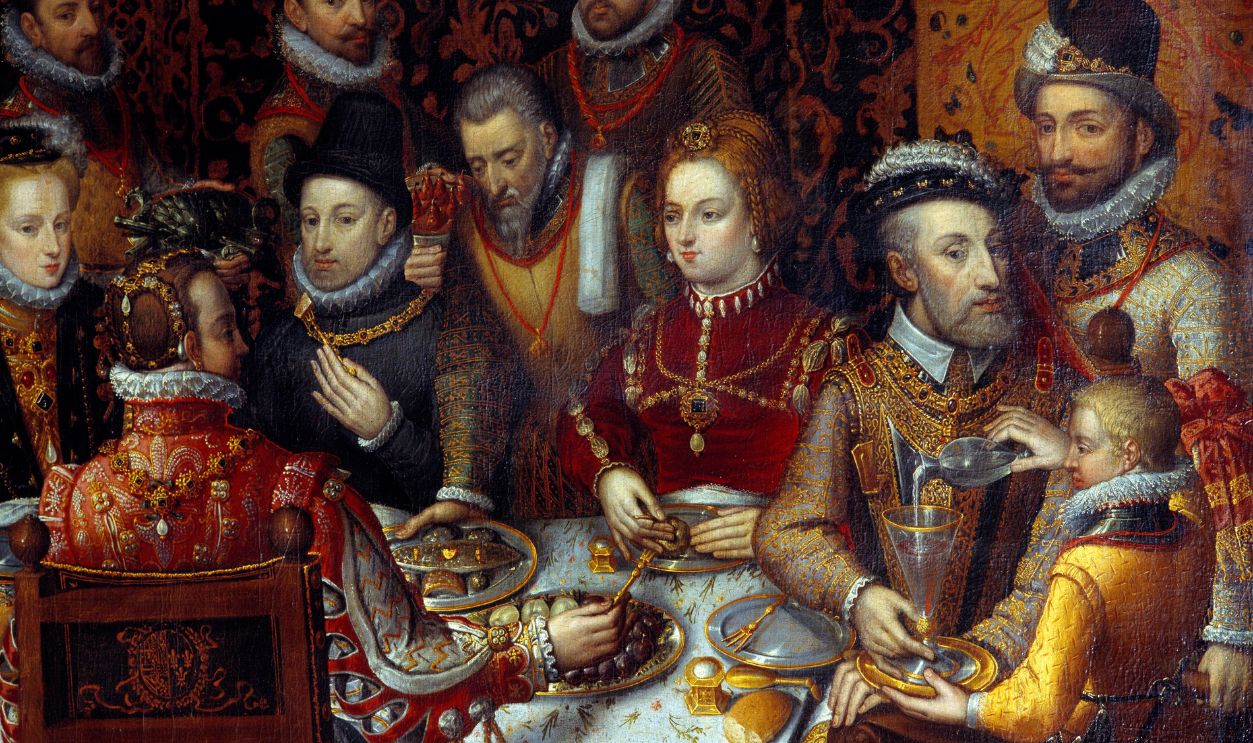 Photo Josse/Leemage, Getty Images
12. She Wasn’t Going To Let It Go
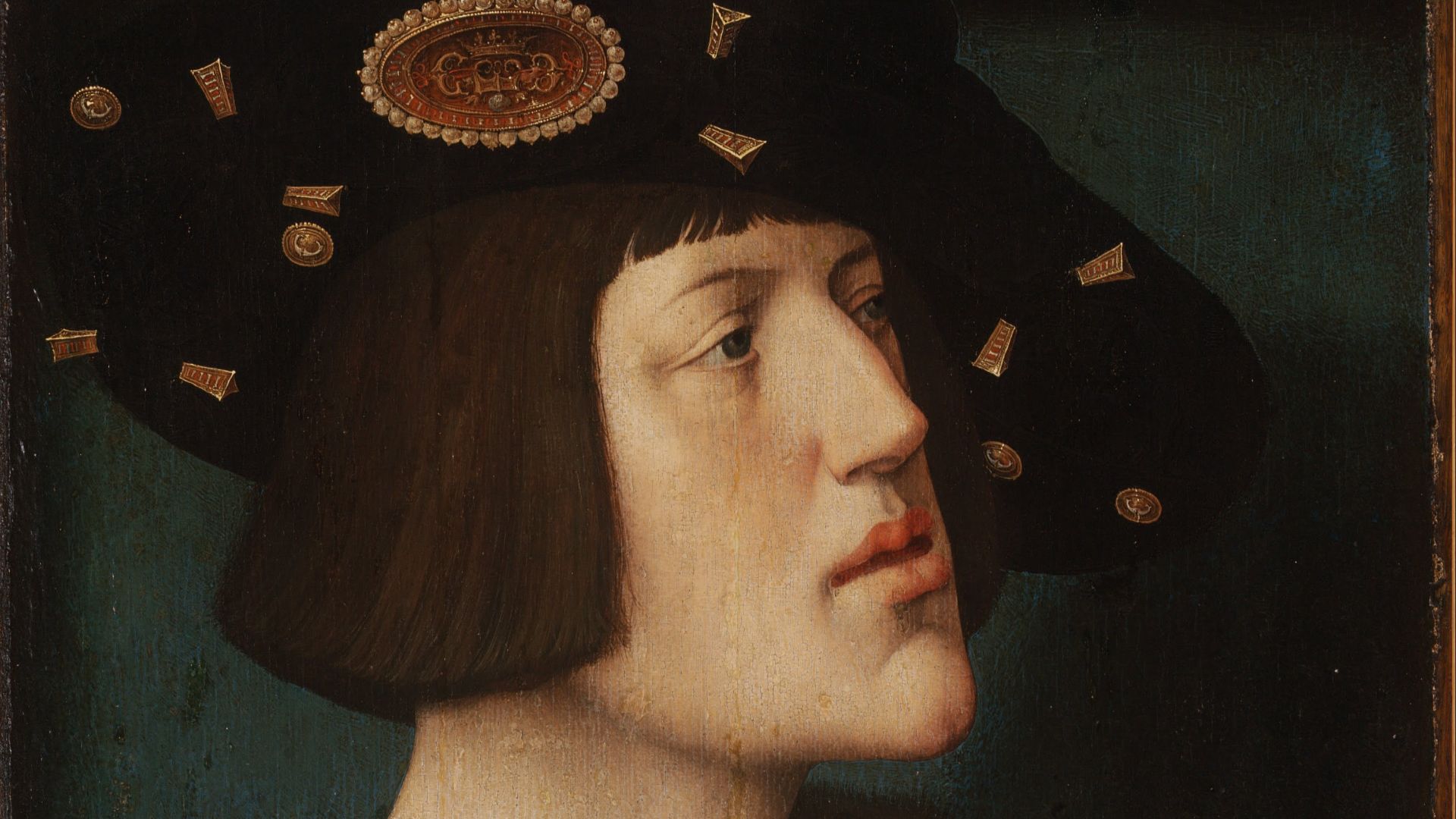
Charles V broke off the engagement and the potential alliance with Britain, and he sought another bride. By this time, he’d had five engagements with different women, including Mary Tudor. But none of them had worked out until that point, for one reason or another. Throughout it all, Isabella waited.
At one point, she even made an unexpected proclamation out of impatience.
 Bernard van Orley, Wikimedia Commons
13. She Was Forced To Consider Other Options
Isabella saw Charles V as her only potential marriage candidate. No one else could satisfy her desires except for him. She was so set on marrying him that she threatened to go to a convent if she couldn’t. As such, hearing he was reconsidering their engagement thrilled her. She knew she had a lot going for her, and finally, Charles V could see it too.
This was when Isabella’s patience benefited her most.
14. She Was More Than Just A Pretty Face
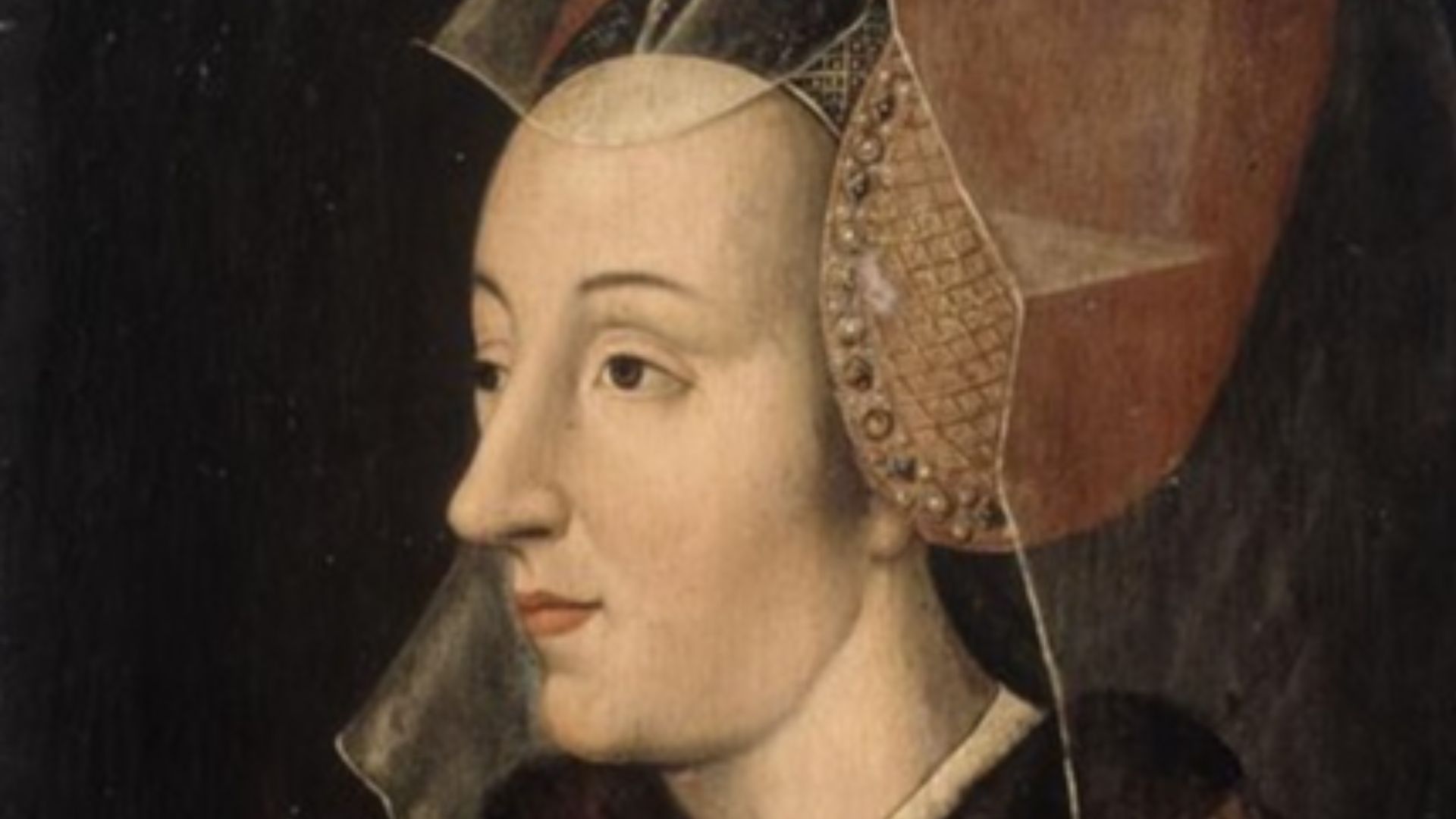
Throughout these years of his betrothal to someone else, Isabella remained steadfast that they would be the perfect couple. She was right. They were closer in age, she spoke Spanish, and she could offer a dowry of 900,000 Portuguese cruzados.
This made her not only a great social investment but an amazing fiscal one as well. Even so, a few more niggling details stood in her way, even with Charles V finally expressing interest.
15. She Was Almost Foiled By A Technicality
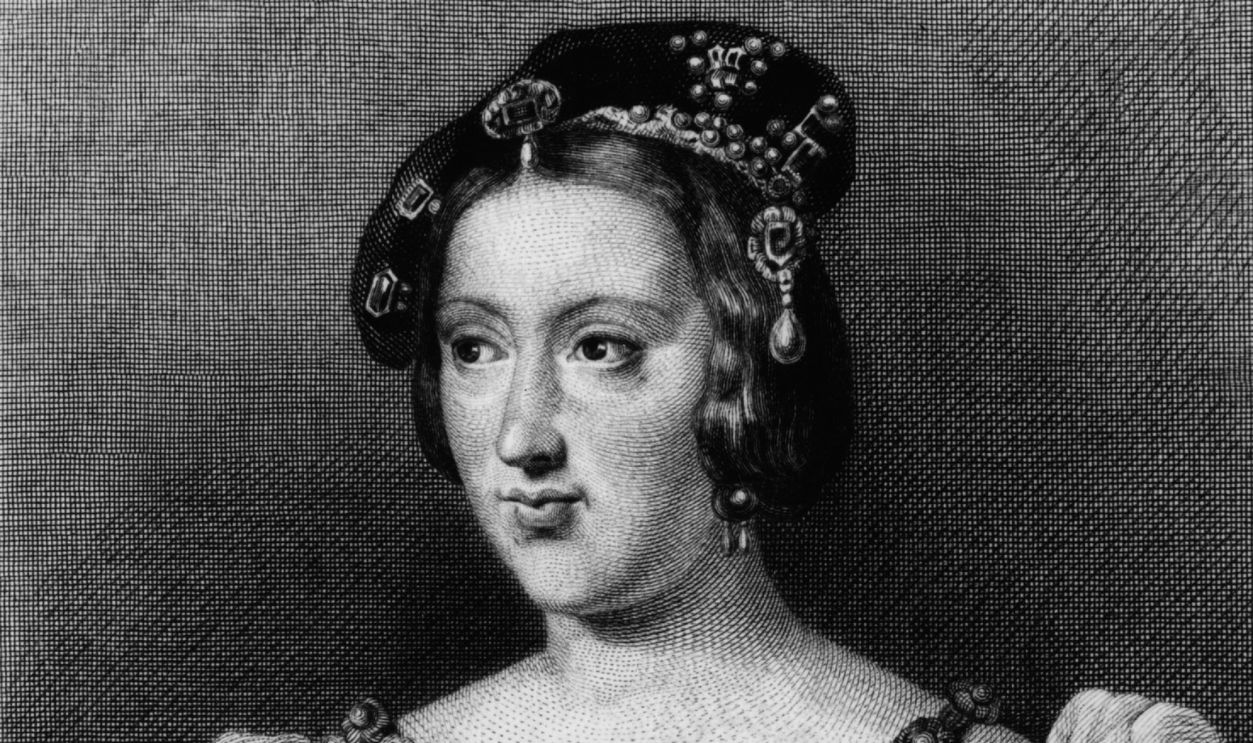
The pair ran into problems quickly. The first being that they were first cousins, and therefore, the church did not permit them to marry. At least, not initially. Charles V wasn’t going to let that rule stop him from finalizing his and Isabella’s marriage agreement.
But it meant he had to do something extreme to allow it.
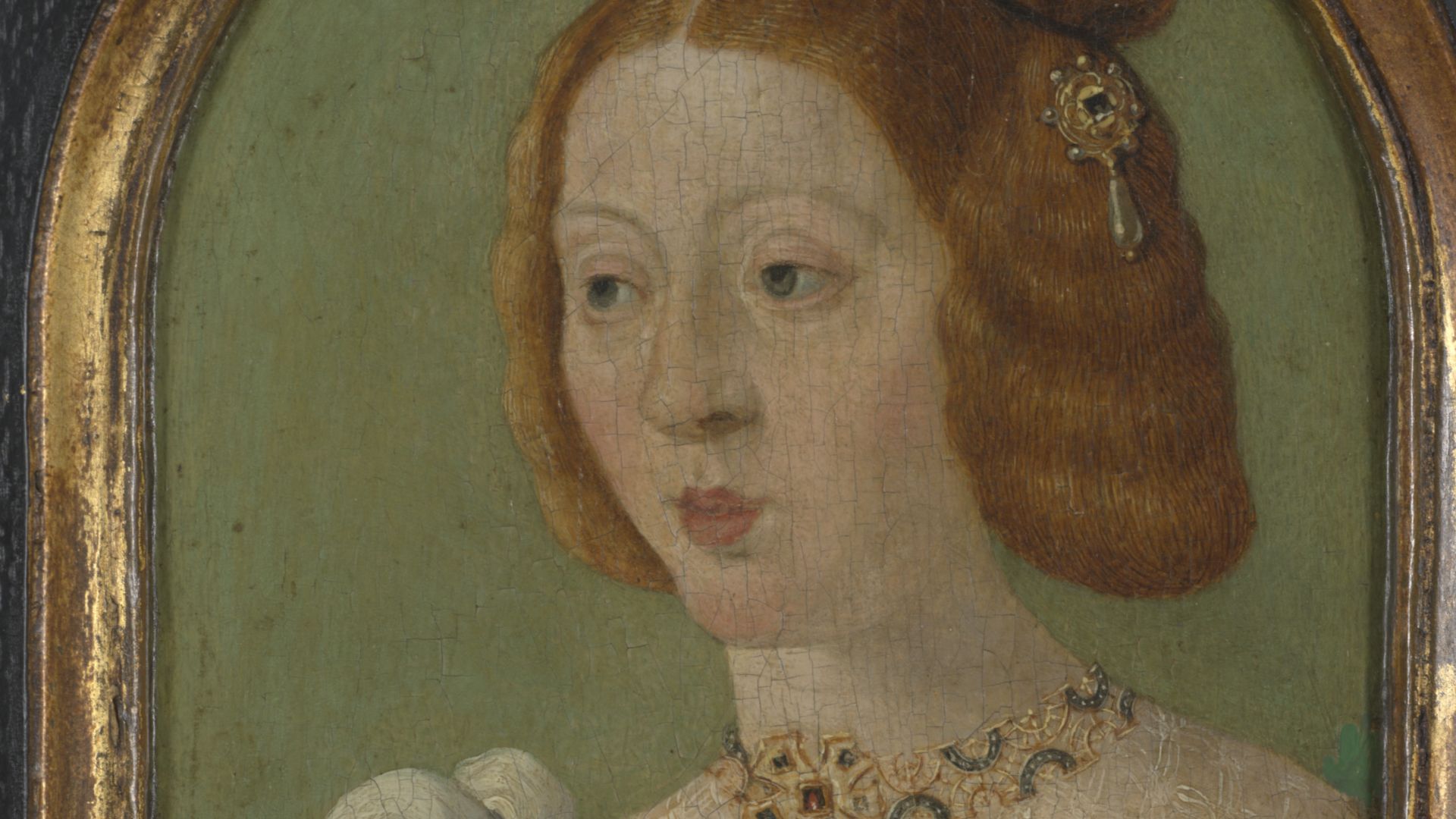 Jan Cornelisz Vermeyen, Wikimedia Commons
16. She Was Finally Supported By Her Love
Thankfully, Isabella’s potential betrothed felt as intensely about their union as she did. Charles V had to get special papal dispensation for him and Isabella to go through with their union. It wasn’t until then that they could properly set things in motion.
But once they did, surprise struck again.
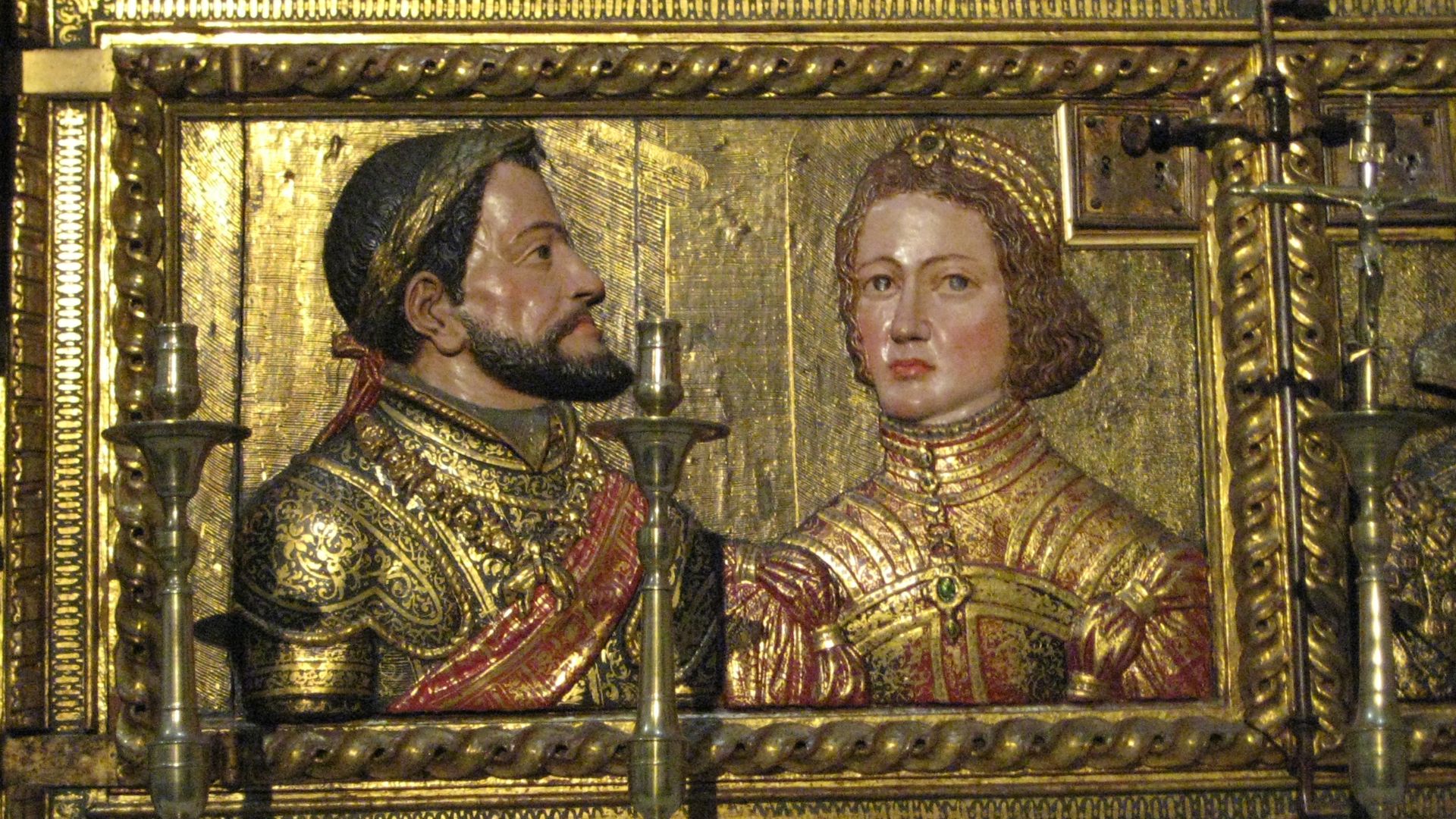 user:shakko, Wikimedia Commons
17. She Was Happy To Get Married
Initially, their union was purely political and fiscal. Isabella knew she brought unique advantages to their marriage, both due to her position in Portugal and the dowry her father offered. She was smart and beautiful, but Charles V had no idea what he was really getting into.
When they met, everything changed.
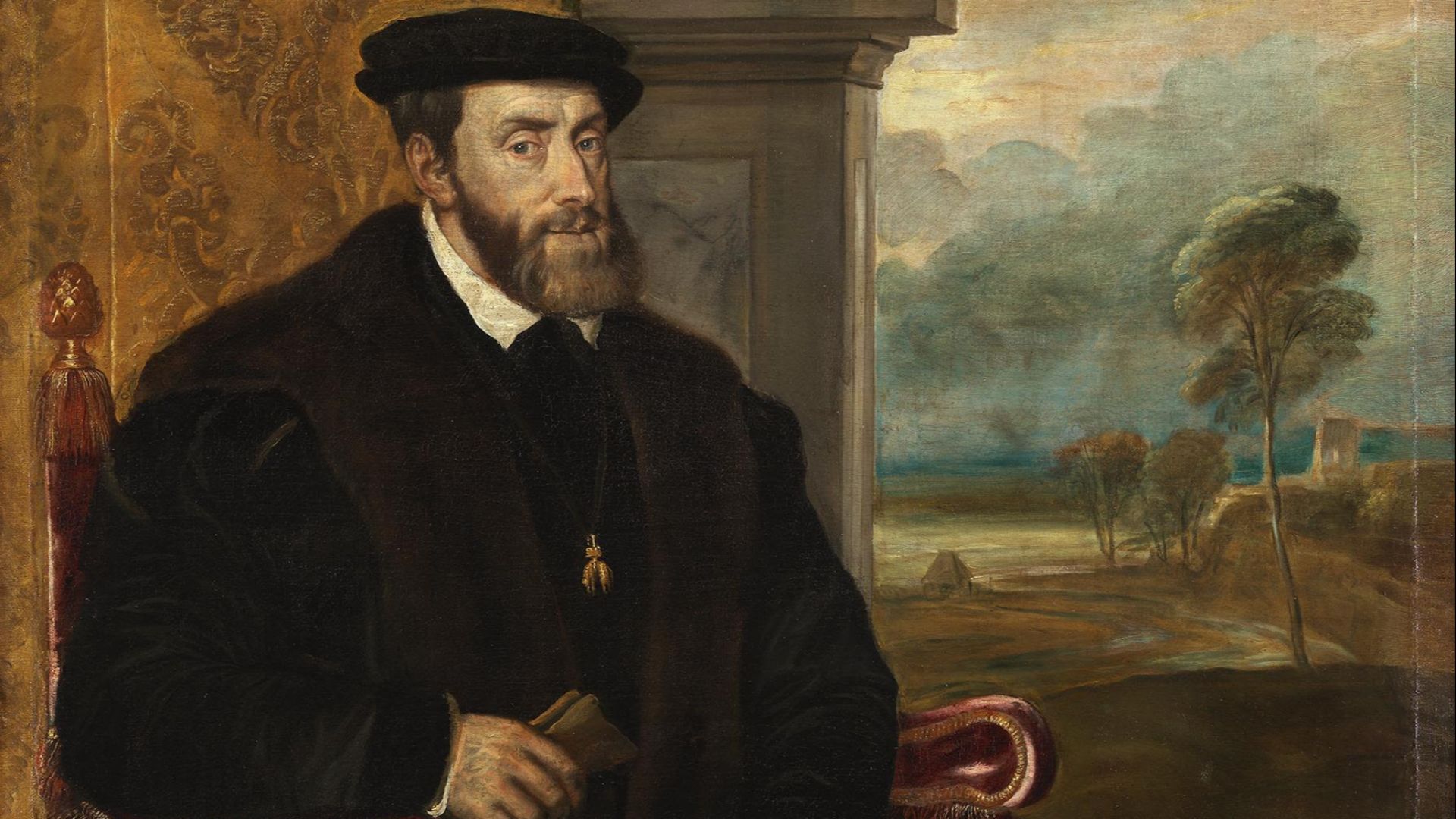 Formerly attributed to Titian / Attributed to Lambert Sustris, Wikimedia Commons
18. She Was Prepared To Move Countries
In preparation for their official marriage. Isabella traveled to Spain in January 1526. As she crossed the border between Spain and Portugal, she was met by the Duke of Calabria, the Archbishop of Toledo, and the Duke of Béjar. These men escorted her to Seville, where Charles V left her waiting for a week.
But when her betrothed fiinally arrived, Isabella inspired a change of heart in Charles V.
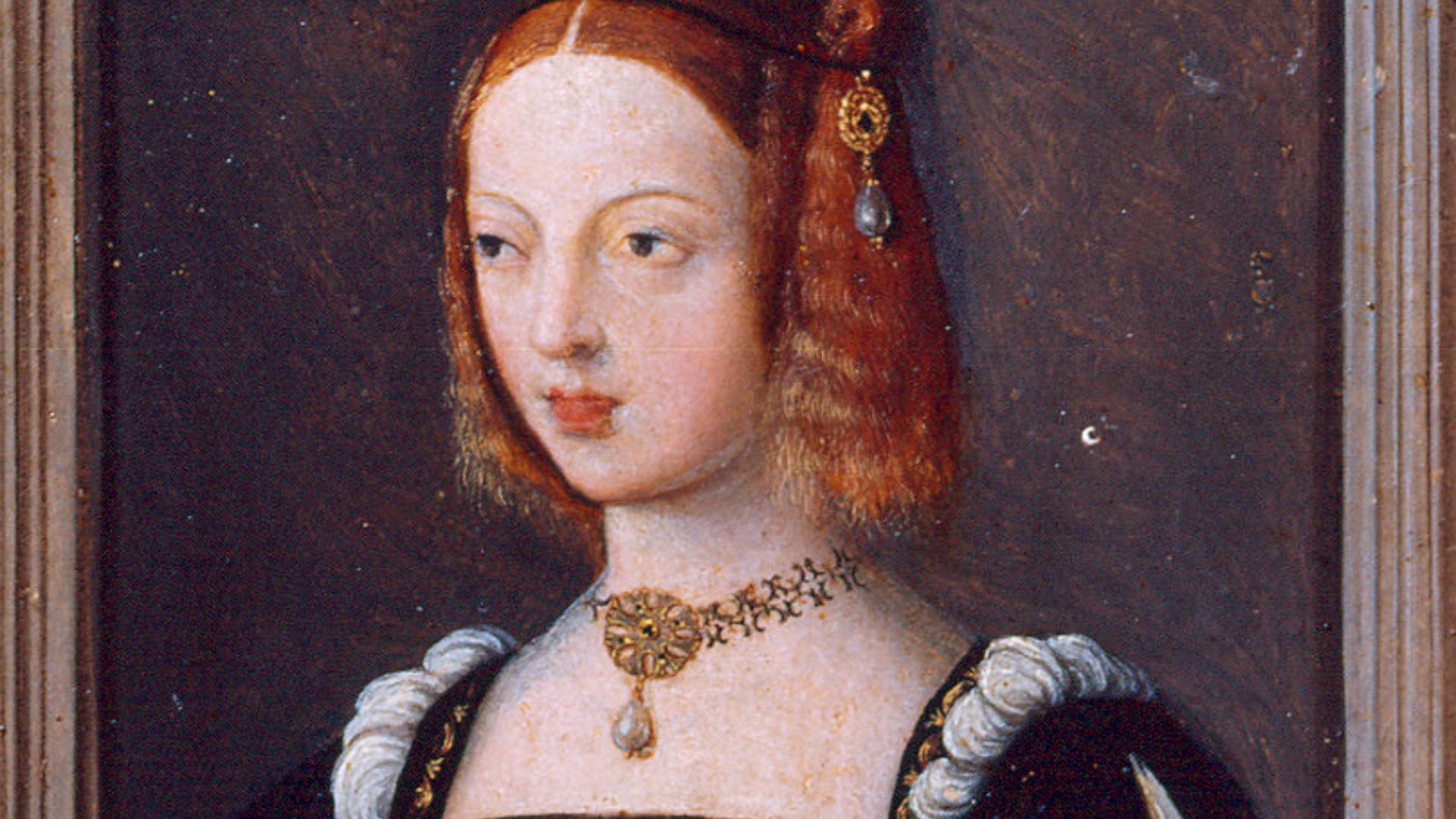 AMBITO CULTURALE: Ambito Fiammingo ALTRE ATTRIBUZIONI: De Holanda Francisco, Wikimedia Commons
19. She Was More Than He Expected
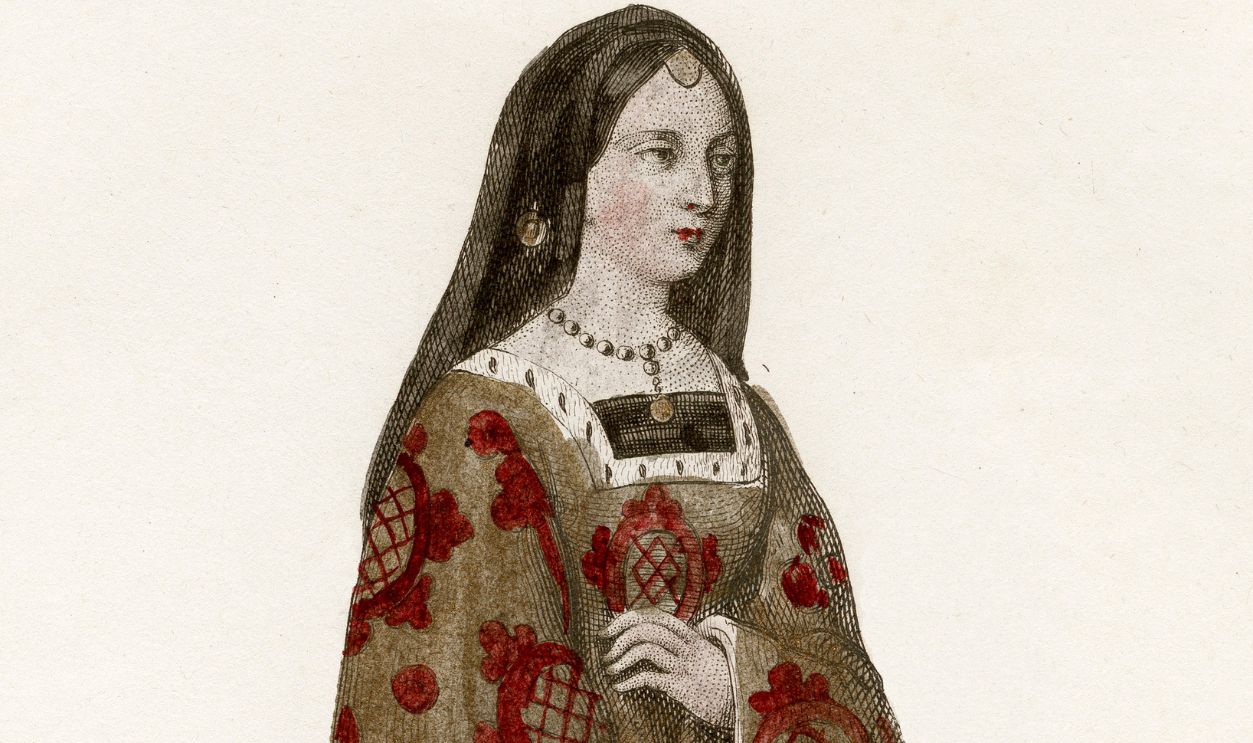
Isabella married Charles V on March 11, 1526. Her beauty immediately struck him, and as they spent more time together, Charles V was loath to leave his wife. They spent several months on their honeymoon in Granada.
He even ordered a unique gift just to delight his new wife.
20. She Was Gifted Something Unique
Charles V gifted Isabella some rare seeds that he had imported from Persia. They had never been seen before in Spain, nor grown. When the first flower bloomed, she was incredibly pleased by the result. This encouraged her husband to order more seeds, so many that the red carnation became the country’s floral emblem.
Fortunately, their first years together brought more than a vibrant new garden...
21. She Was Deep In Love
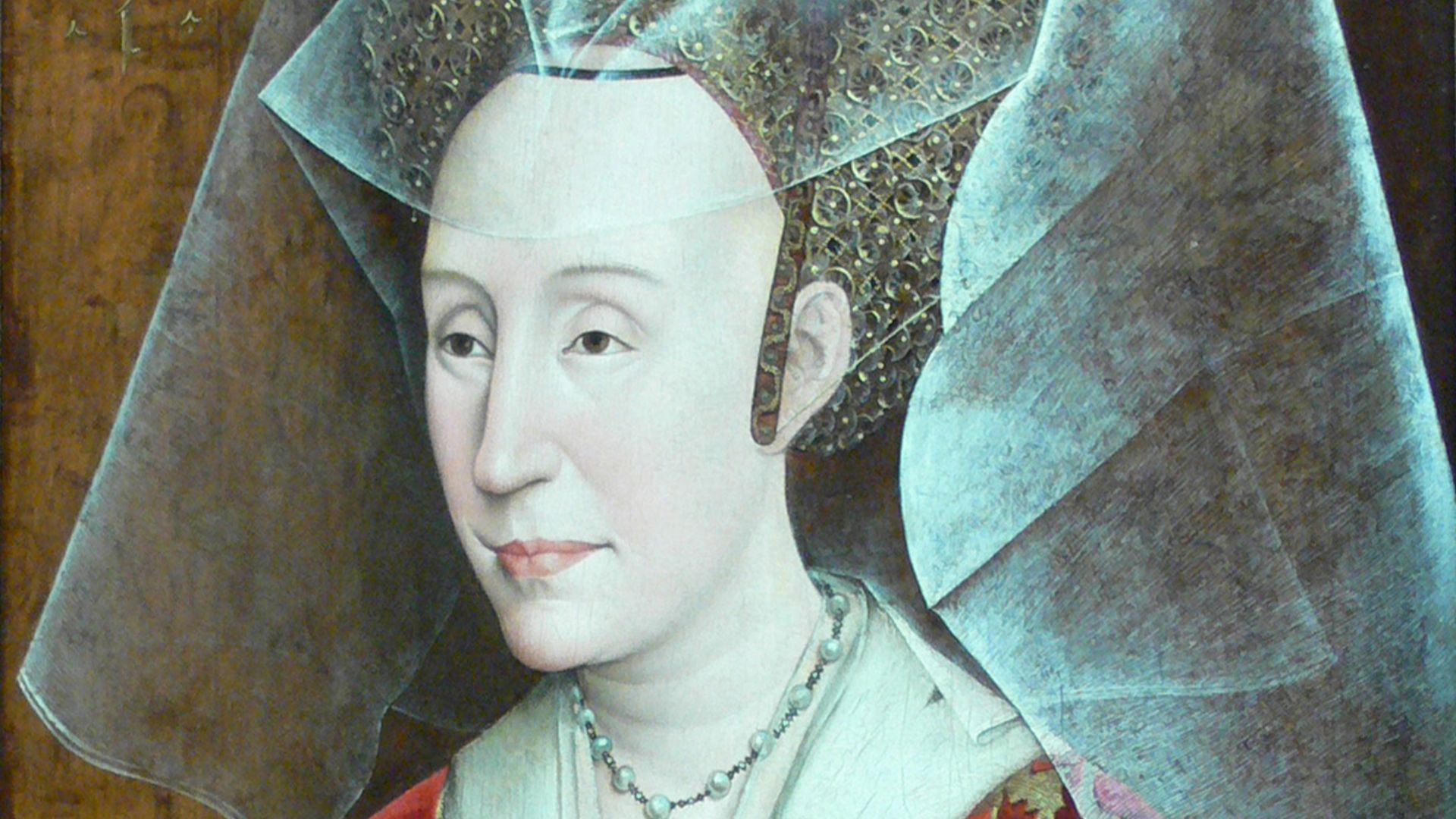
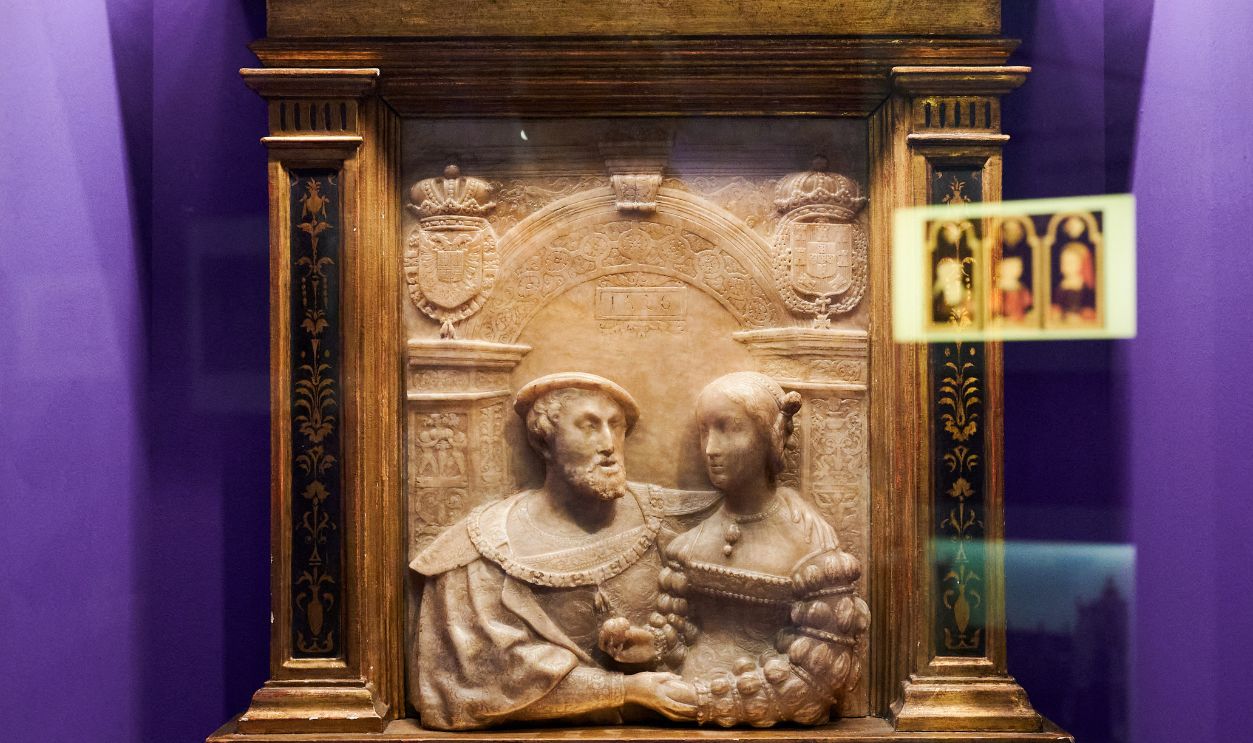
The pair was quite enamored with one another. During their extensive honeymoon, observers of the couple recorded their behavior toward each other. Their contemporaries said that “when [Charles and Isabella] are together, although there are many people around, they do not notice anyone else; they talk and laugh, and nothing else distracts them”.
But even the truest love faces its challenges.
 picture alliance, Getty Images
22. She Was Forced To Build A Life There
Isabella and her husband established their main residence in Spain. Since Charles V had brought nobles from other parts of Europe to fill his court in Spain, the Spanish nobles were adamant that they raise their children in his home country.
But their nuptial joy there was short-lived.
23. She Was Quick To Solidify Her Position
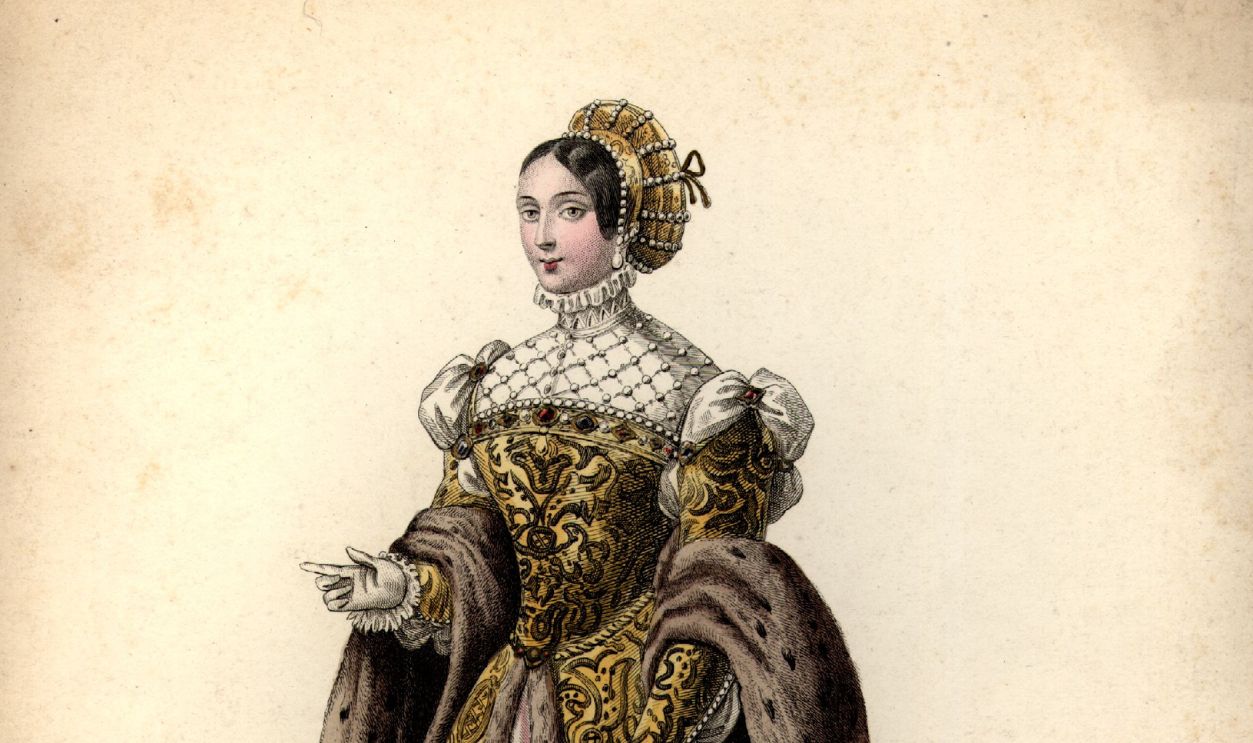
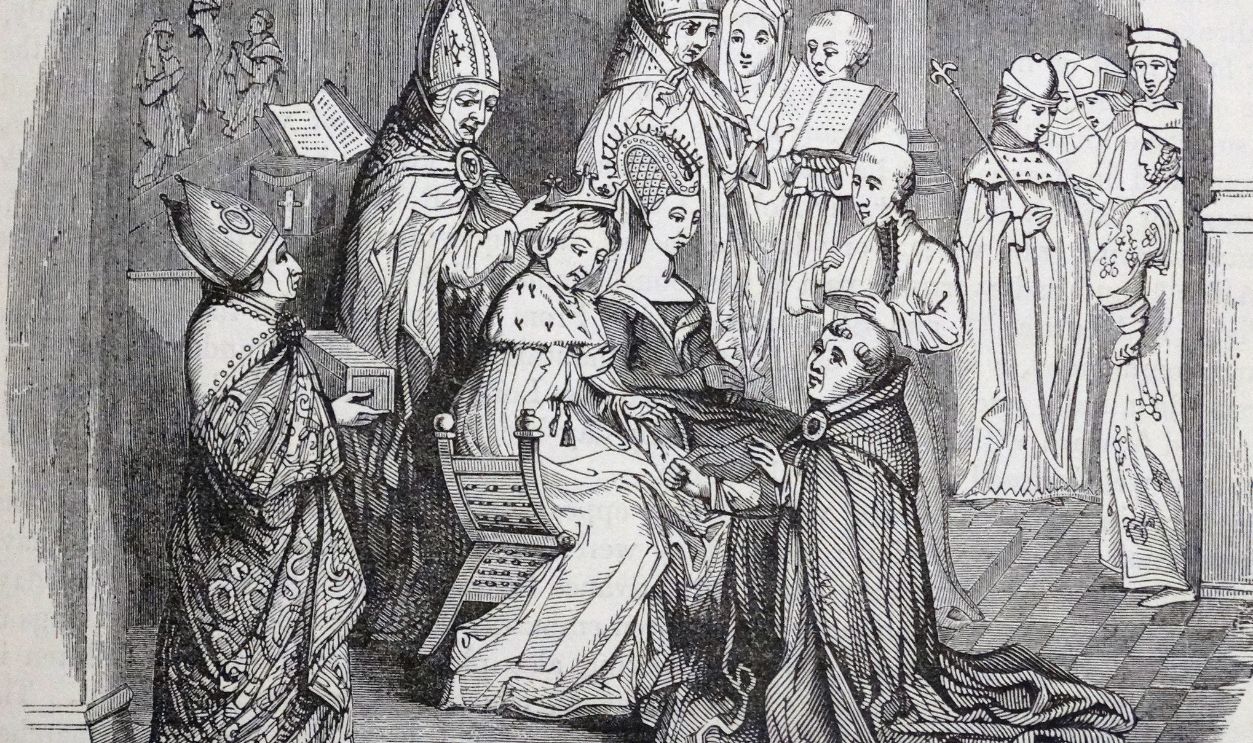
During their first couple of years of marriage, they were always near one another. This was what they wanted, and soon, Isabella was with child. She gave birth to Philip II merely a year after their union. This birth thrilled the couple, and though she was fresh out of her first pregnancy, it wasn’t long before she and Charles V conceived a second child.
While the children brought joy, the pregnancies themselves put her already frail body at risk.
24. She Was Quick To Be With Child Again
The following year, they had a second child, Maria. Isabella’s love for Charles V and his love for her were such that she was with child again within a few months of giving birth to Maria. But as the clock ticked from 1528 to 1529, everything changed.
Isabella’s heartache began.
 Jose Luis Filpo Cabana, Wikimedia Commons
25. She Was Required To Stay Behind
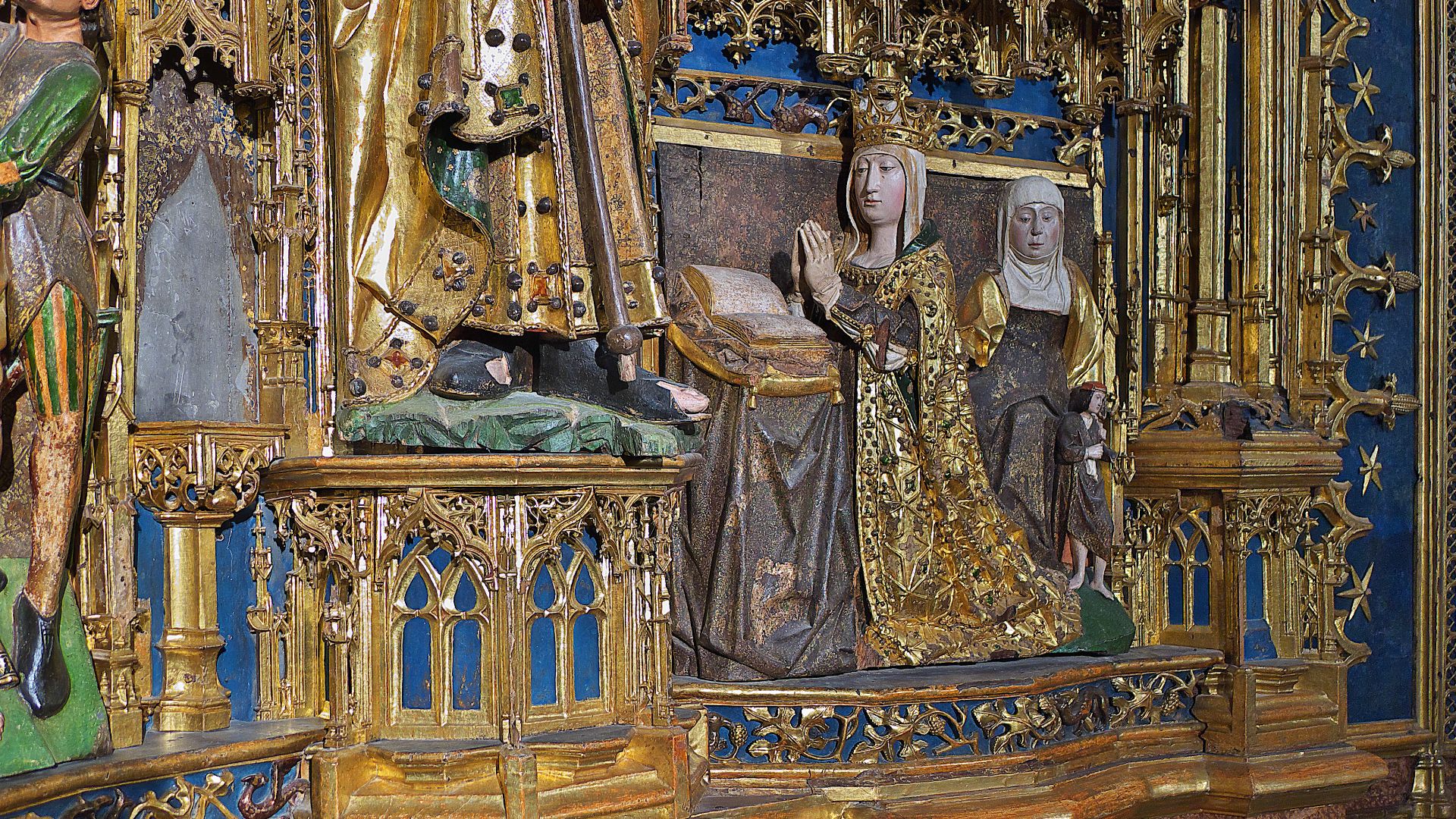
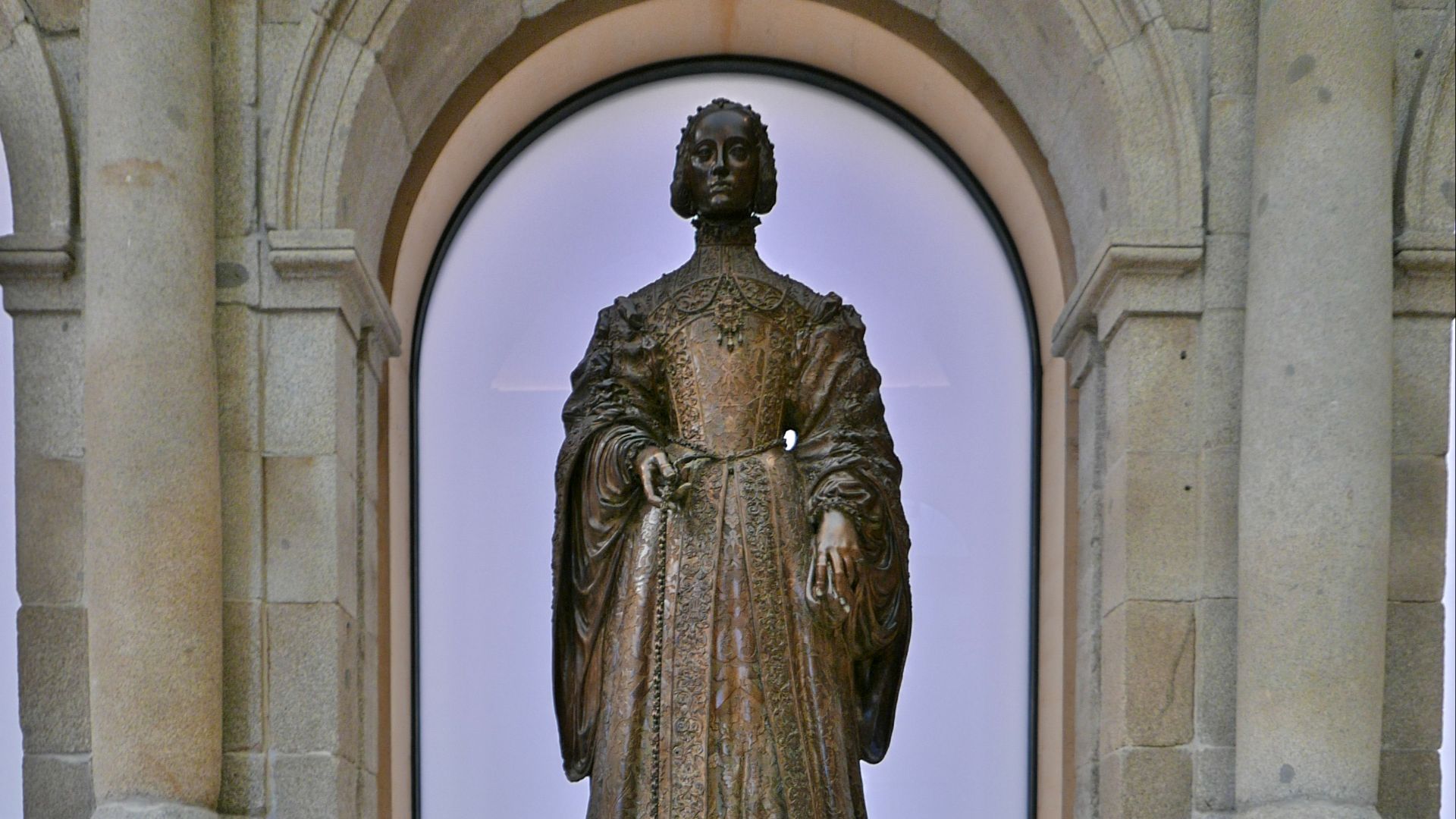
Their mutual affection was a great boon to both of them in their marriage. Unfortunately, Charles V was thrust quickly into international conflicts in 1529. He was forced to leave his wife behind with their two children while he went to handle the international issues. He appointed her regent of Spain while he was away, but the distance between them was difficult for Isabella to handle.
Especially with her health getting more and more concerning.
 Jose Luis Filpo Cabana, Wikimedia Commons
26. She Was Devastated By This Distance
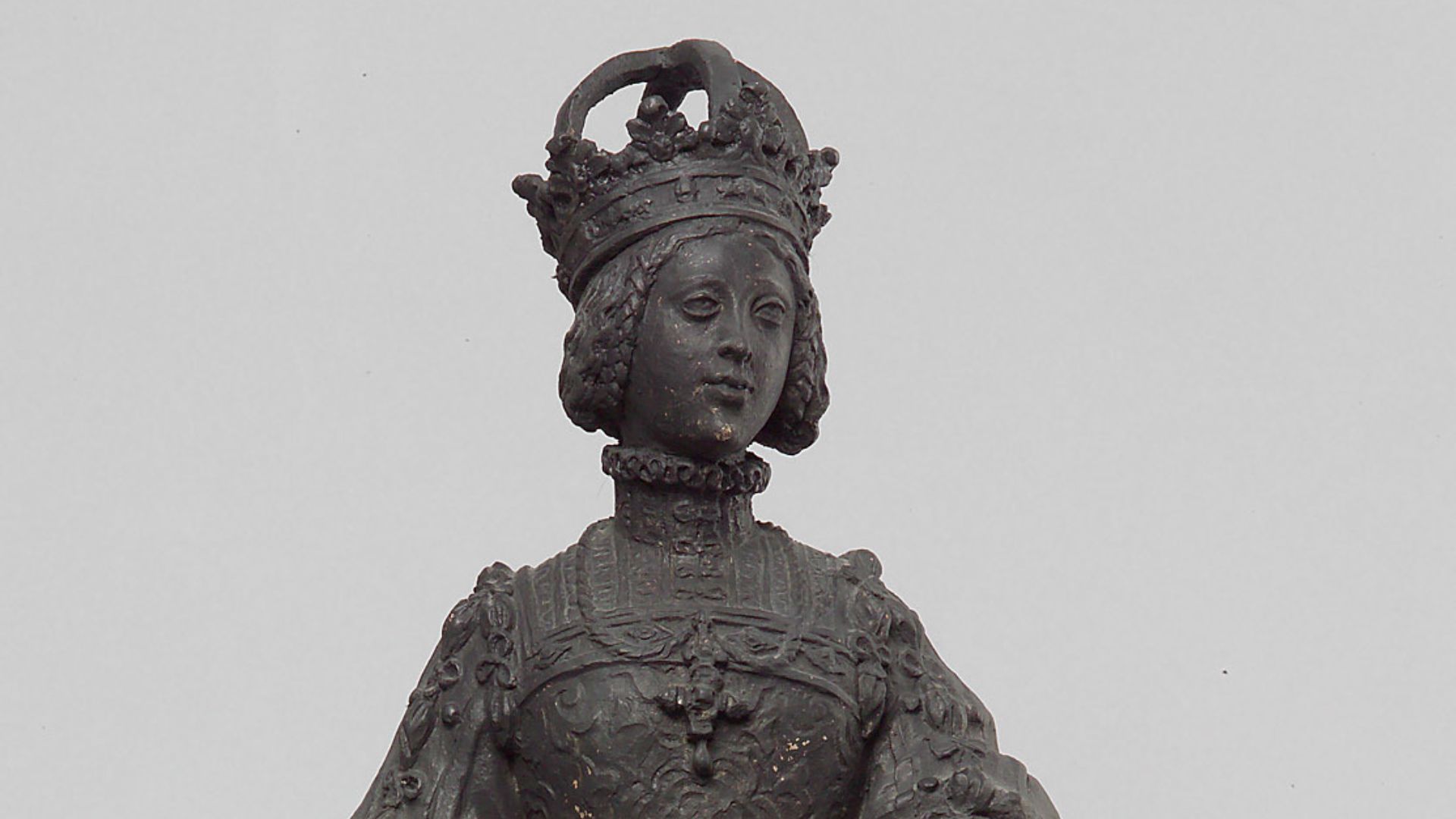
Charles V left Isabelle for two long periods. The first was from 1529-1533, and the second was from 1537-1539. After forming such an intense bond of love, this distance was difficult for Isabella. She was lonely without her husband, and seeing him for only two years before his subsequent departure wasn’t enough to sate her.
Even so, when they were together, they found ways to make the most of each other’s presence.
 Unknown authorUnknown author, Wikimedia Commons
27. She Was Able To Adapt To Her New Life
Isabella’s pregnancy progressed in his absence. She acted as Charles V’s regent in Spain, and did so with great success. Her thorough education and knowledge of court dynamics came in handy as she navigated different issues during her husband’s time away. At first, she didn’t take an active role in the goings-on.
But as she gained confidence, this changed.
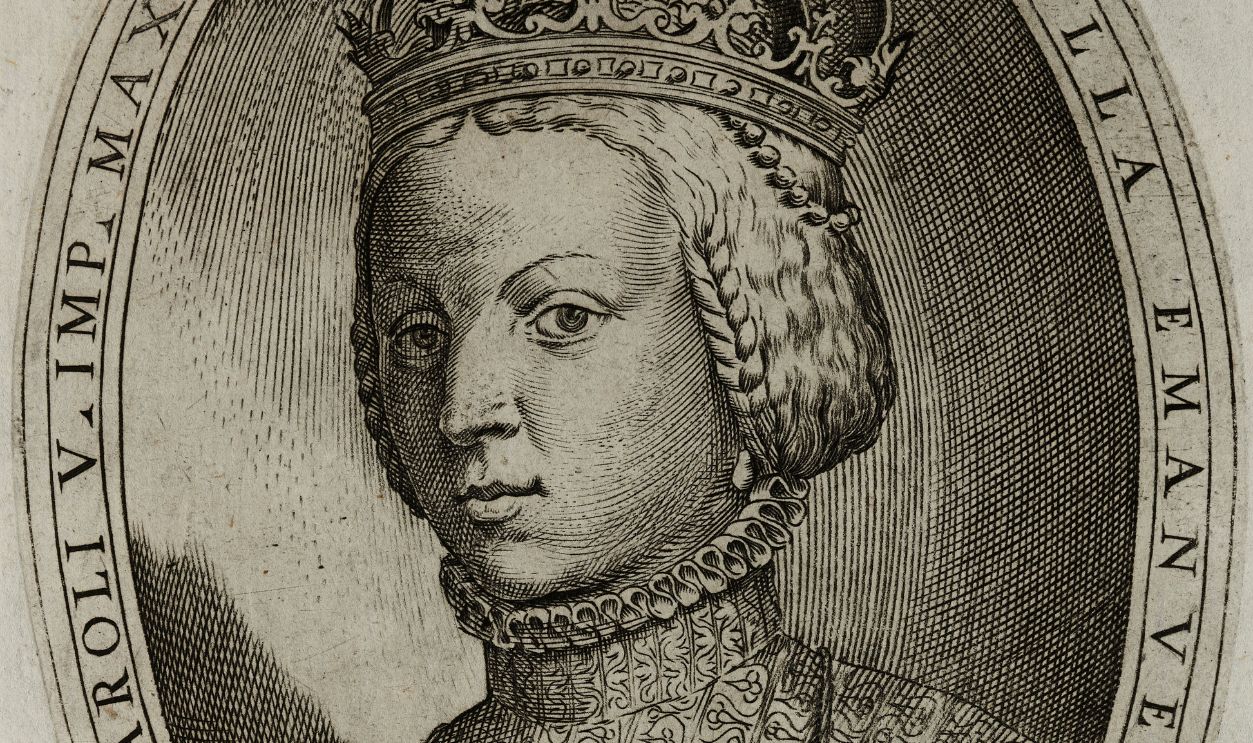
28. She Was Reliable And Committed
When their third child was born, it was another great boon to their relationship and the kingdom. Isabella consistently wrote letters to her husband, even though his responses were few and far between. In his absence, tragedy struck a mere eight months after their third child’s birth. The child didn’t survive to see their first birthday.
Little did Isabella know, it would be several more years before she had another chance to receive Charles V’s support.
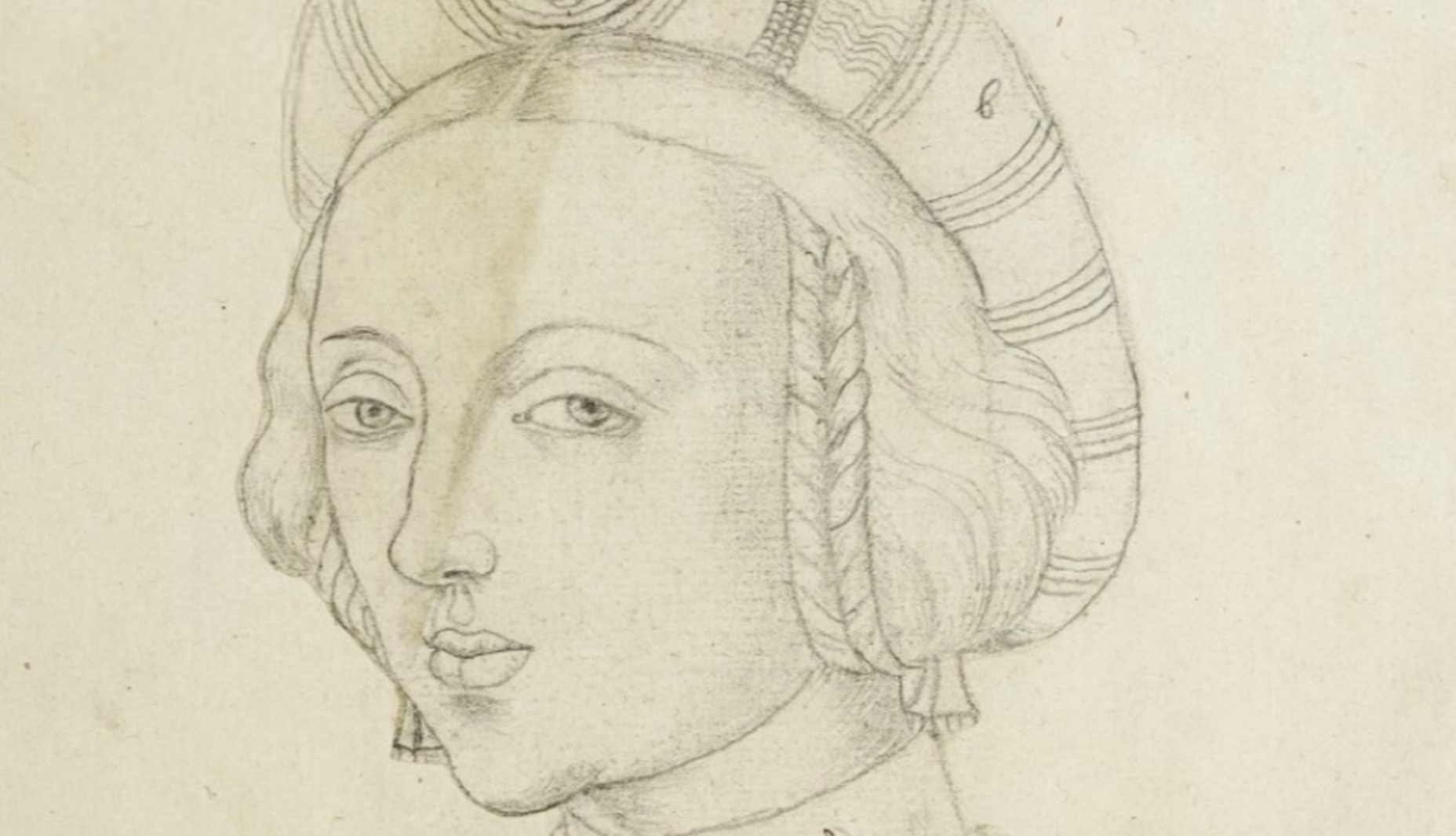 Jacques de Boucq, Wikimedia Commons
29. She Was Independent
Isabella had to be self-sustaining throughout the years of her husband’s absence. He left in 1529 to combat the advance of the Ottoman Empire, and only returned to her in late 1533. Back together, they conceived a fourth child.
But even more misfortune was waiting in the wings.
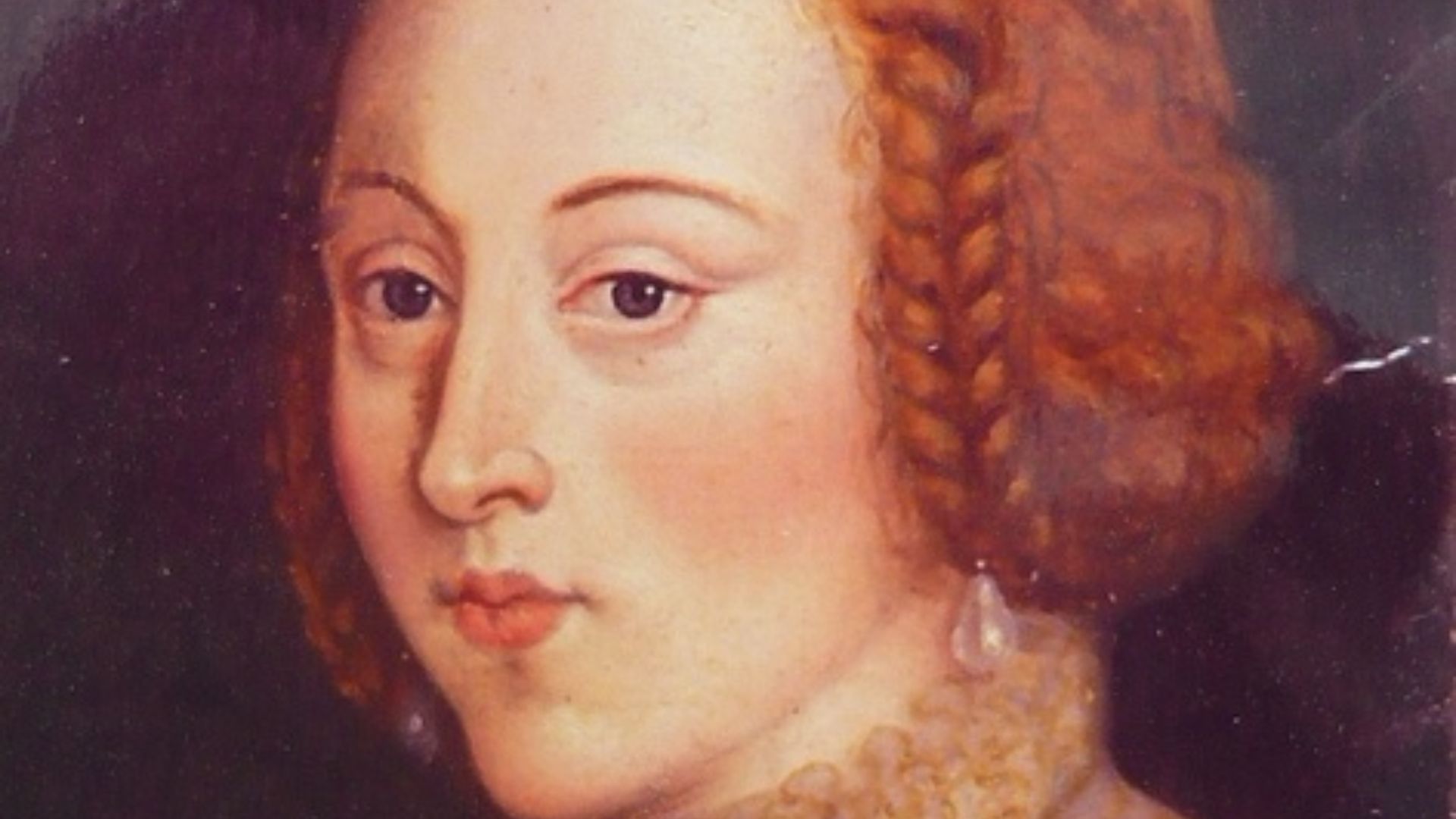 Anton Boys / After Jakob Seisenegger, Wikimedia Commons
30. She Was A Dedicated Queen, Wife, And Mother
Charles V stayed in Spain for two years, from 1533 to December 1536. While he was back at court, he likely relieved Isabella of her role as regent, which allowed her to spend time with her children and oversee their education.
Not only that, but she and Charles V were busy spending one-on-one time together, though not always joyfully.
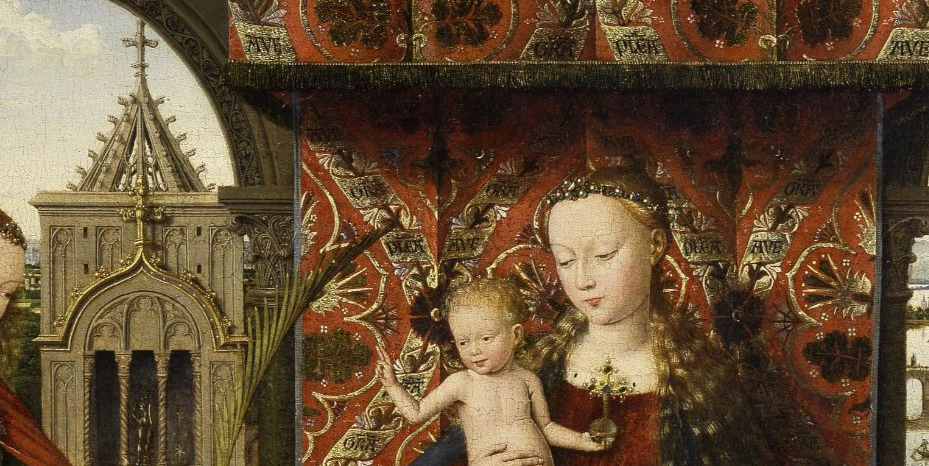 Jan van Eyck and workshop, Wikimedia Commons
31. She Was Tormented By Loss
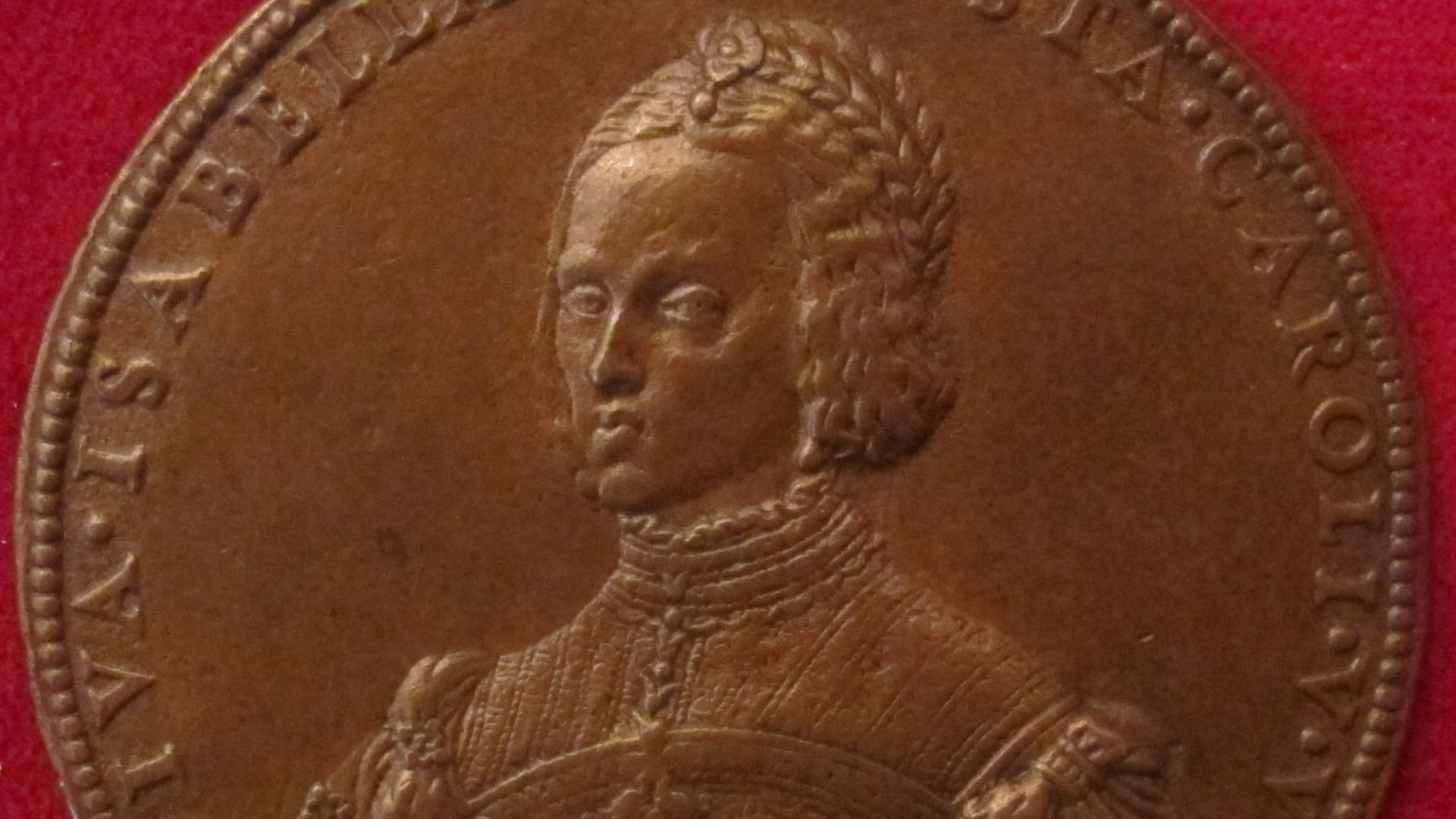
Isabella endured three full pregnancies while her husband was home. The first was a stillborn, and after only three months, she conceived again. This child was born to be Joanna, the future Princess of Portugal. She was able to bring the third pregnancy to term, but it was only half a year later that Isabella lost the child.
Even so, she couldn’t let her mourning get in the way of her duties as Queen.
 Leone Leoni, Wikimedia Commons
32. She Was Capable In Many Fields
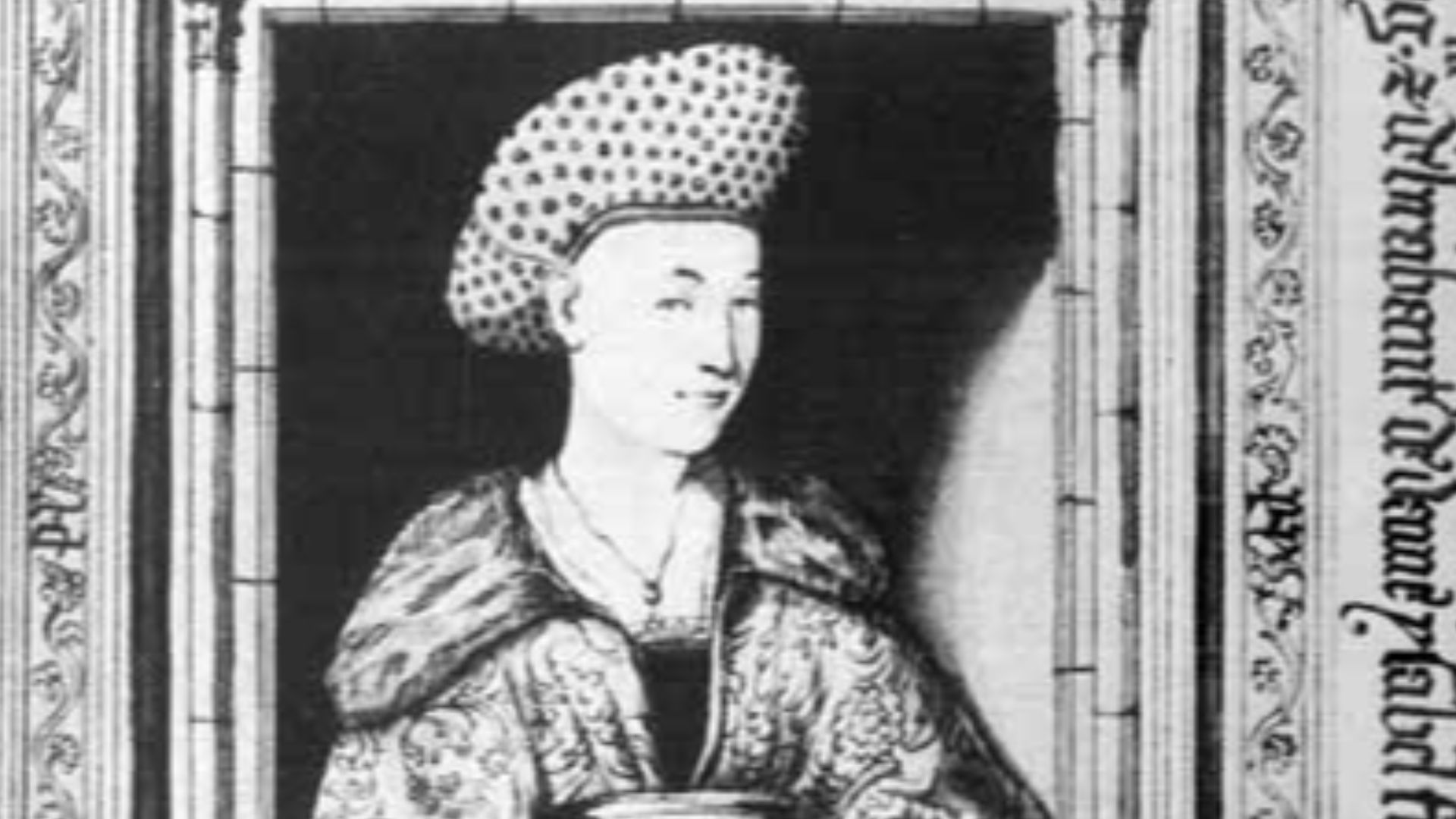
As she gained her footing in the Spanish courts, Isabella became a vocal part of governing meetings. Her knowledge of the issues faced by the kingdoms of the peninsula was extensive. She took decisive action to protect the Spanish coasts from piracy, which was running rampant.
That wasn’t all she was able to accomplish.
 Jan van Eyck, Wikimedia Commons
33. She Was A Champion For Spain
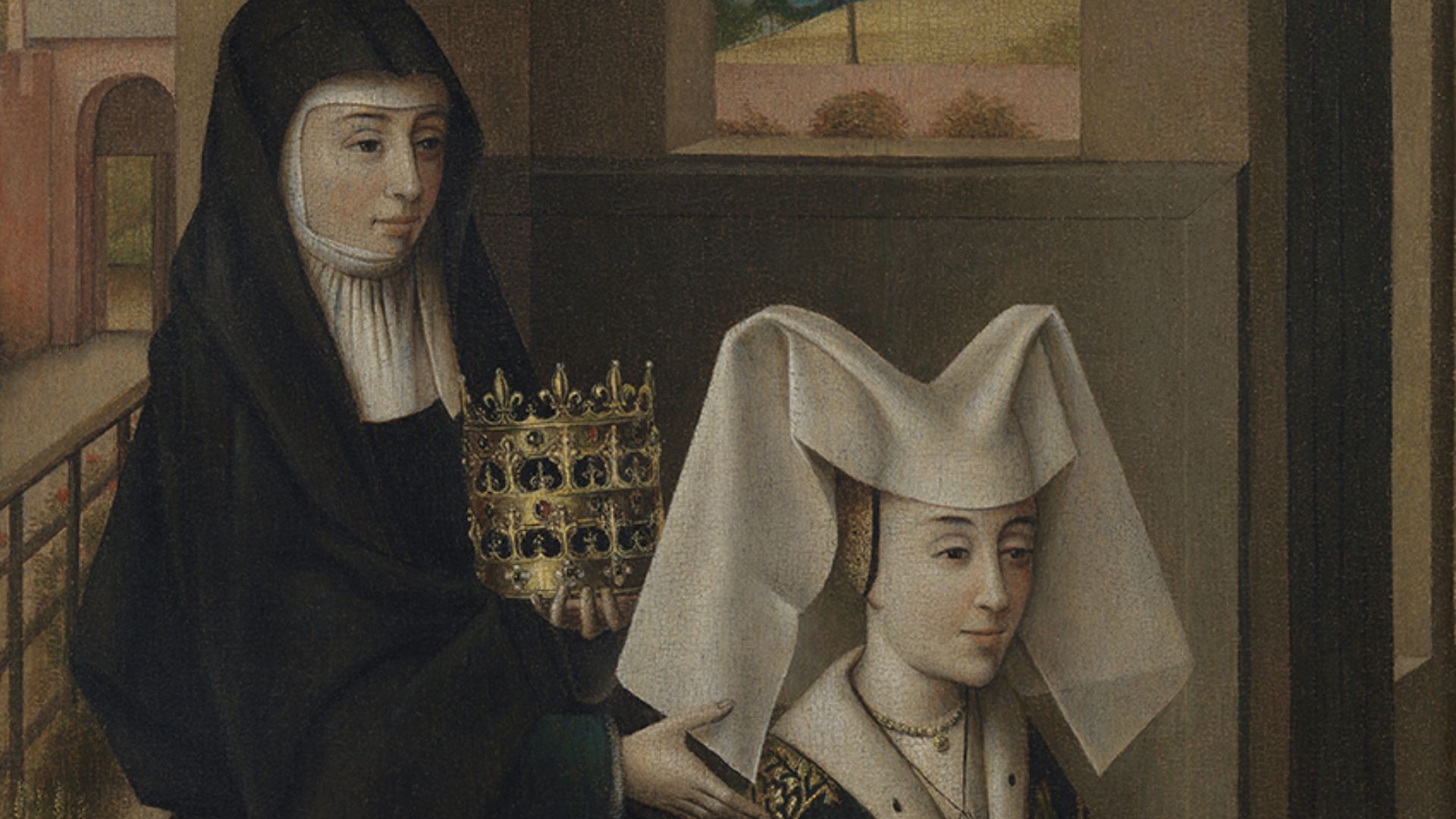
Thanks to her wisdom and intelligence, she was also able to cultivate an economy for precious metals, establishing Spain as a main source for the imperial treasury. Charles V even thought of her decisions as “very prudent and well thought out”. Fortunately, they were able to increase communications when there were vital matters of the empire involved.
But most of the time, she handled things on her own.
 Petrus Christus, Wikimedia Commons
34. She Was Her Husband’s Greatest Supporter
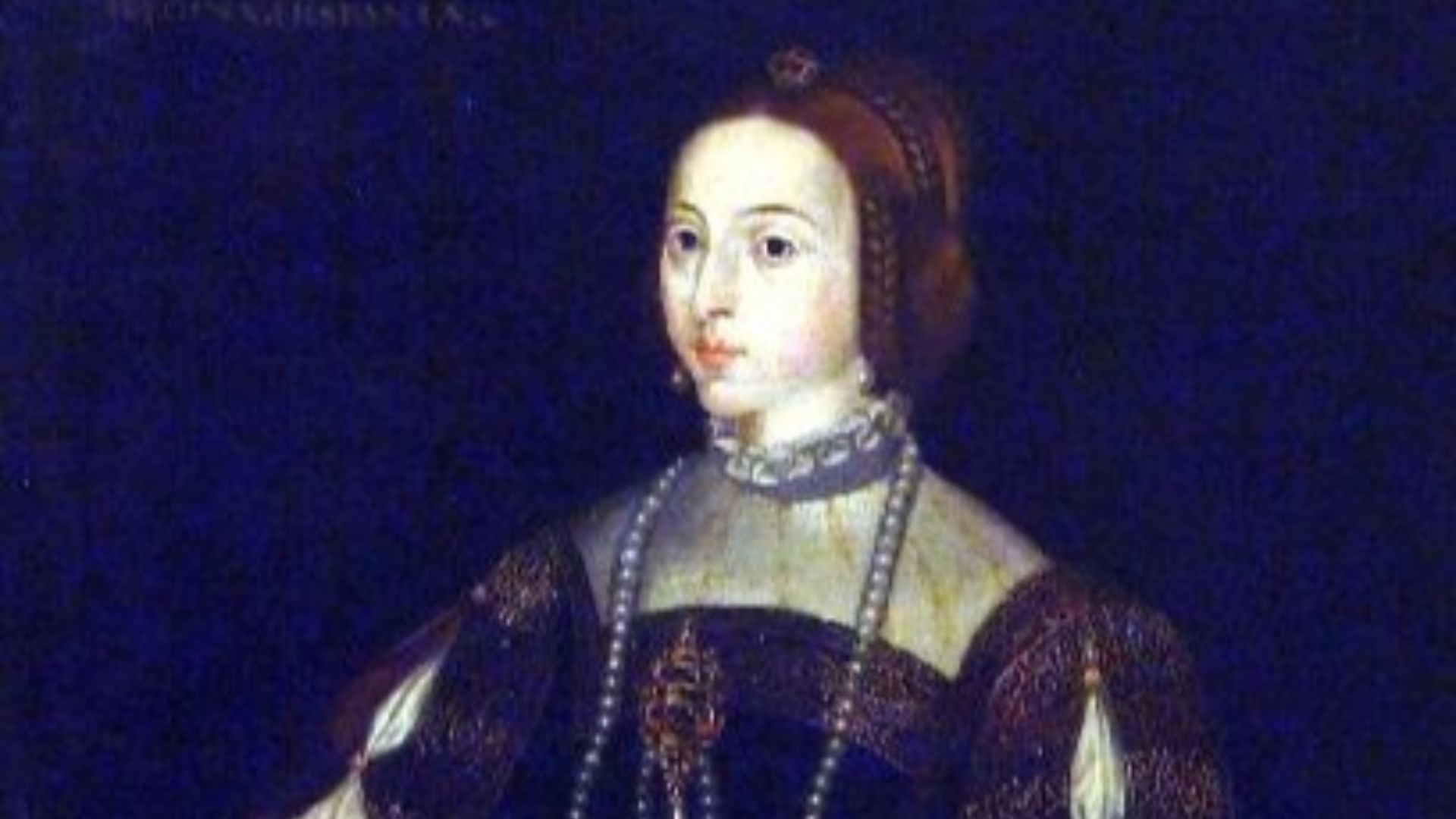
Since Charles V was constantly managing conflicts between multiple parties, including France and the Ottoman Empire, Isabella did her best to ease tensions on her end. She made efforts to arrange marriages between the French and Spanish royal families to forge alliances.
While she likely appeared just another meddling Queen, she had much method to her madness.
 Unknown artistUnknown artist, Wikimedia Commons
35. She Was Concerned For Her Children
She arranged other pairings so that she could prevent her own children from marrying French royals who were significantly older than them. Her own mother was over a decade younger than her husband. Isabella had been lucky to marry someone so close to her own age, and she wanted the same for her children.
Her political ambitions and orchestrations didn’t stop there.
 Rijksmuseum, Wikimedia Commons
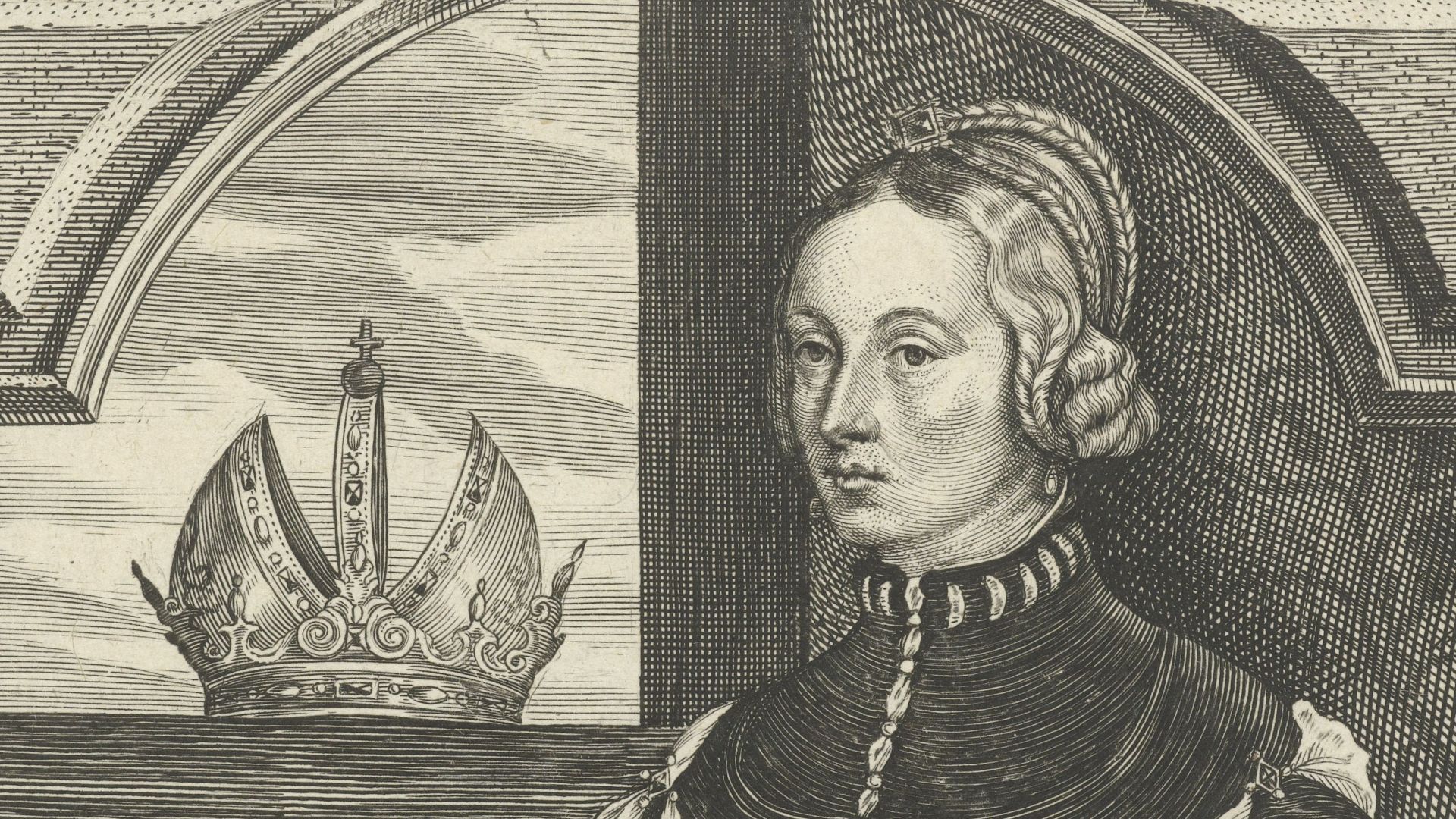
36. She Was Thoughtful About Finances
Isabella made one distinct division during her regency. She wanted to keep Spain separate from the empire’s broader military policies. This meant that the country’s finances were separate from the wider Imperial financial web, and it allowed Spain to be fairly affluent under her advice. Charles V could be nothing but proud of his wife’s accomplishments.
She even established a long-lasting effect on a particular cultural sector.
 Attributed to Jan Cornelisz Vermeyen, Wikimedia Commons
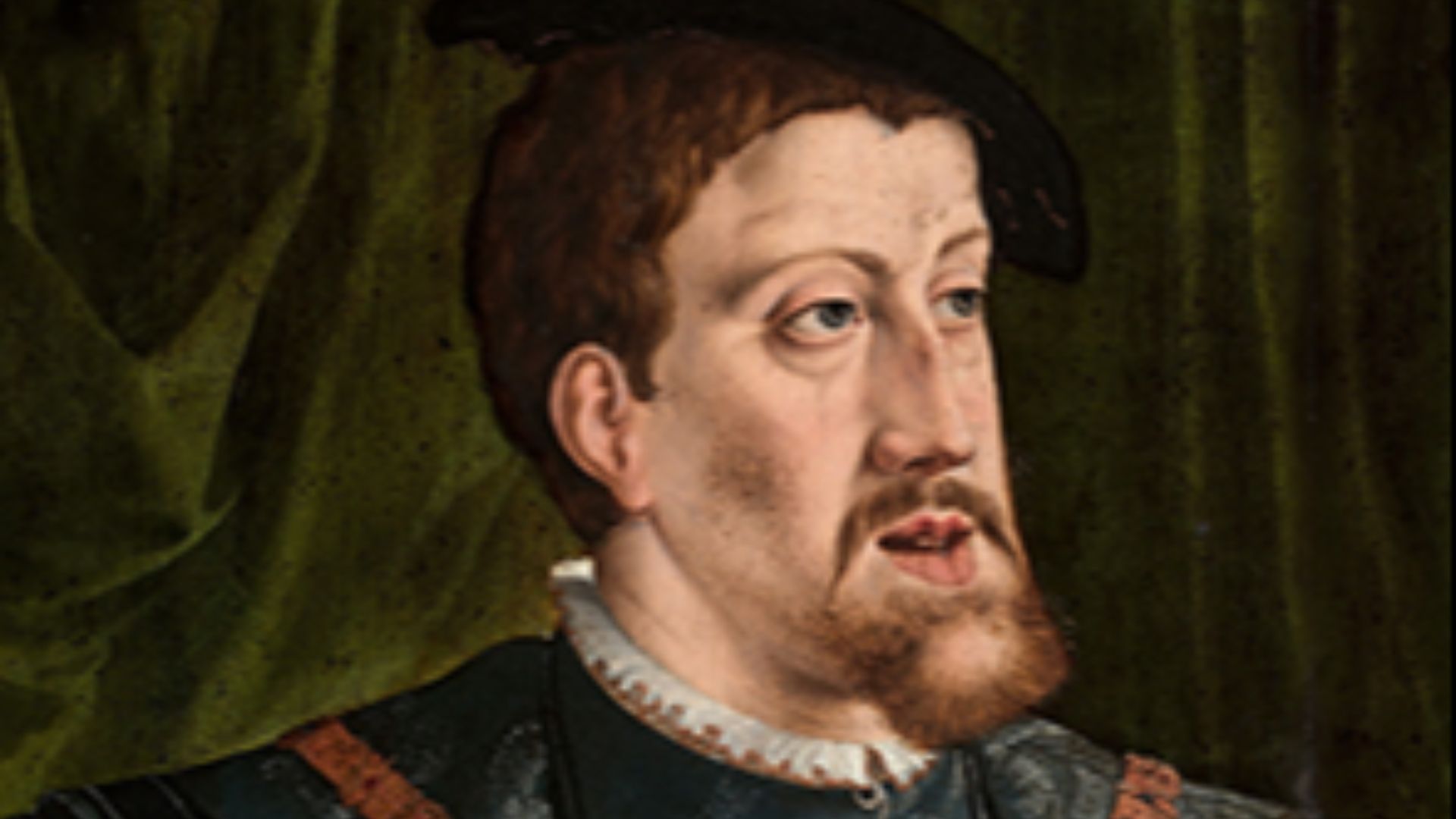
37. She Was A Contributor To The Arts
Isabella was a keen patron of culture in Spain. She supported the art scene during this era and helped the art scene along its blooming prosperity at court. She embraced the topic of Humanism, which many Renaissance artists participated in, and she curated an environment where people could study the arts and sciences.
This welcoming court brought many artists to their doors, one important artist in particular.
 National Trust, Wikimedia Commons
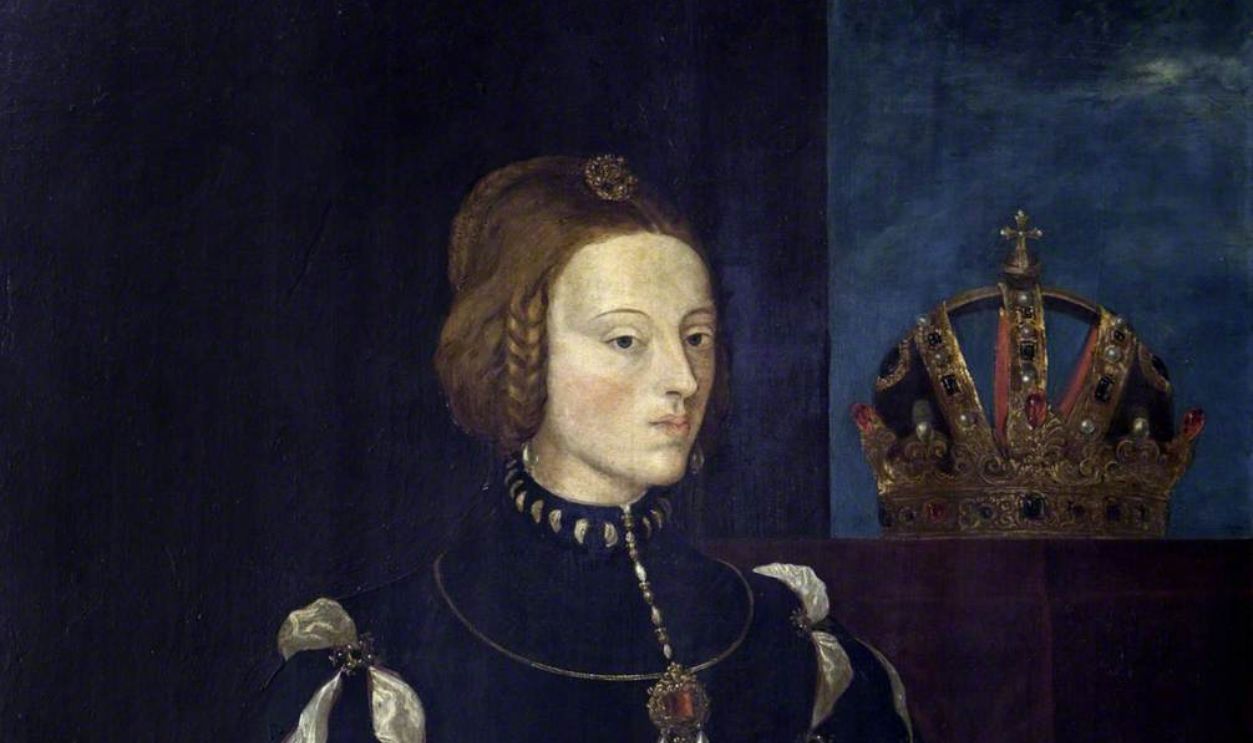
38. She Was An Enabler For Spanish Culture
This encouraging environment drew in one of Charles V’s favorite artists. Titian joined the Habsburg court as their court painter, a renowned Renaissance artist whom Charles V would later go on to commission heartfelt paintings from. The artistic and cultural scene in Spain would not have been the same without Isabella’s care and contributions.
Unfortunately, tragedy cut short her ability to maintain such an artistically rich court.
 Manner of Jan Cornelisz Vermeyen, Wikimedia Commons
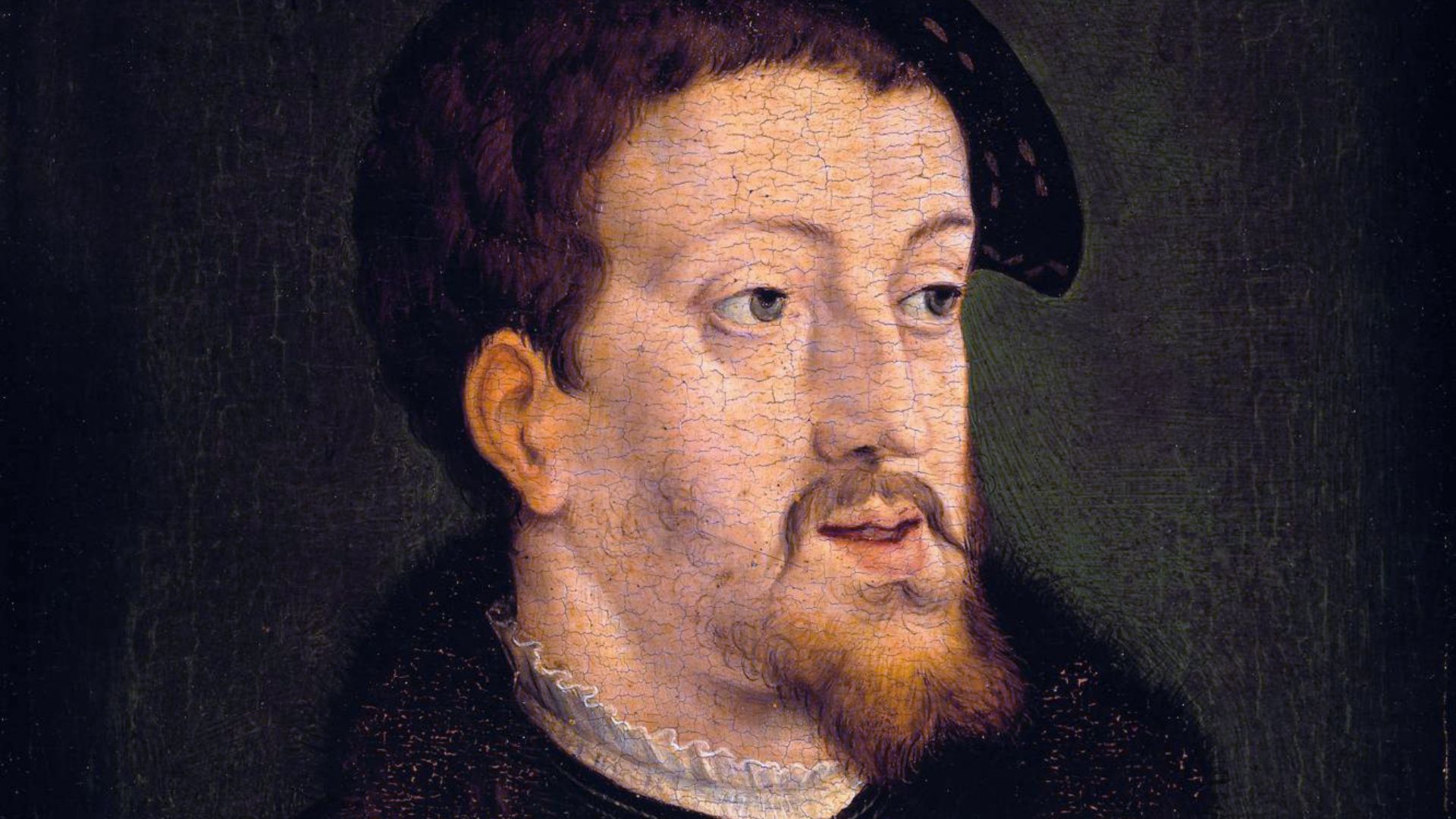
39. She Was Often On The Move
Throughout her time as Holy Roman Empress and regent of Spain, Isabella traveled a lot. In the autumn season, she would journey to several cities: Toledo, Valladolid, Seville, Barcelona, and Majorca. This provided several benefits, one being that she could avoid illnesses.
But the efforts to avoid various plagues weren’t foolproof.
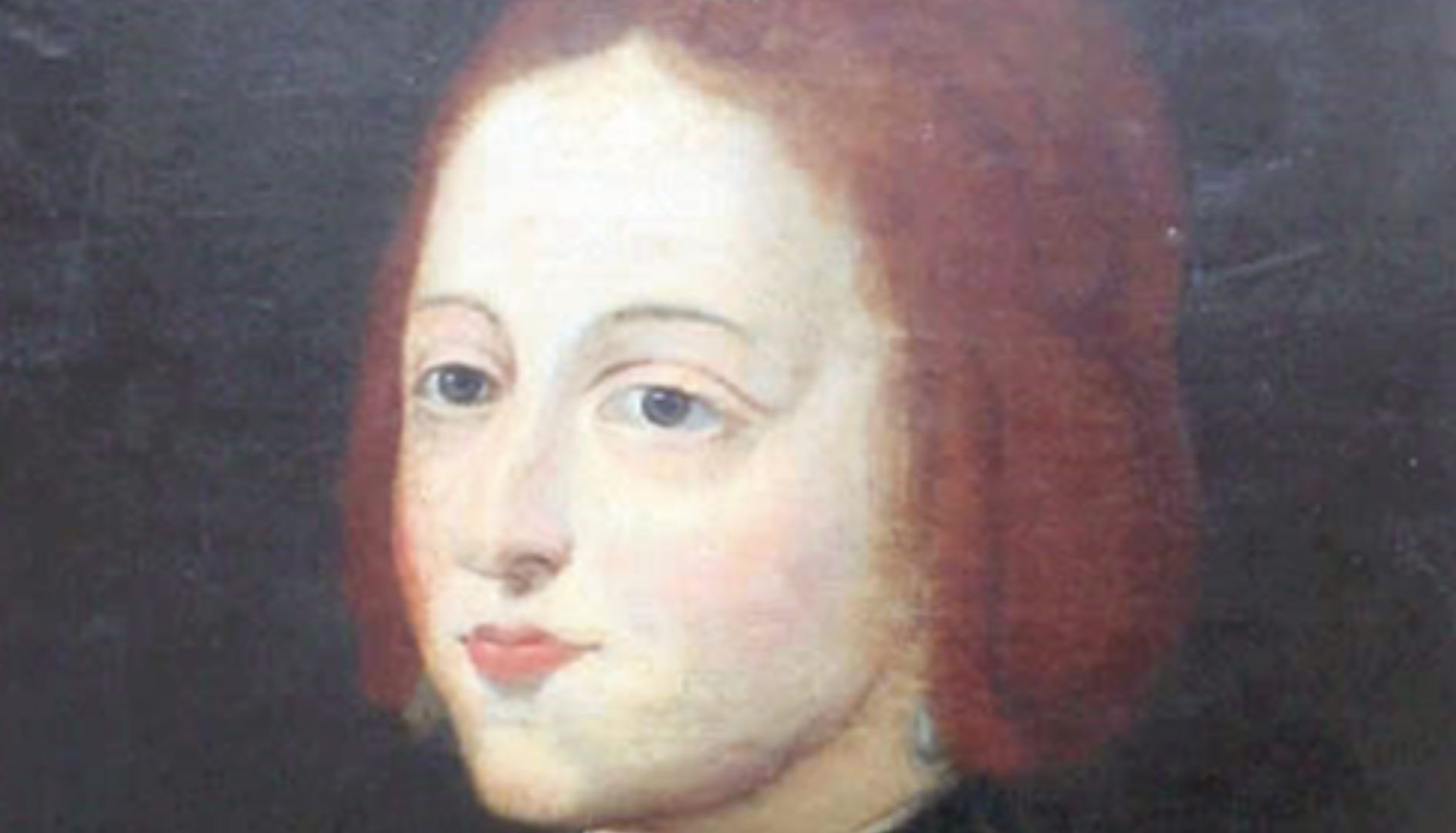 After Francois Clouet, Wikimedia Commons
40. She Was Unwell
Isabella was already primed to contract illness; her health was already considered compromised. Some speculate that at the time, she suffered from consumption—tuberculosis. This greatly reduced her quality of life, and those close to her described her as “so thin that she does not resemble a person”.
This fragility would only spell disaster with what came next.
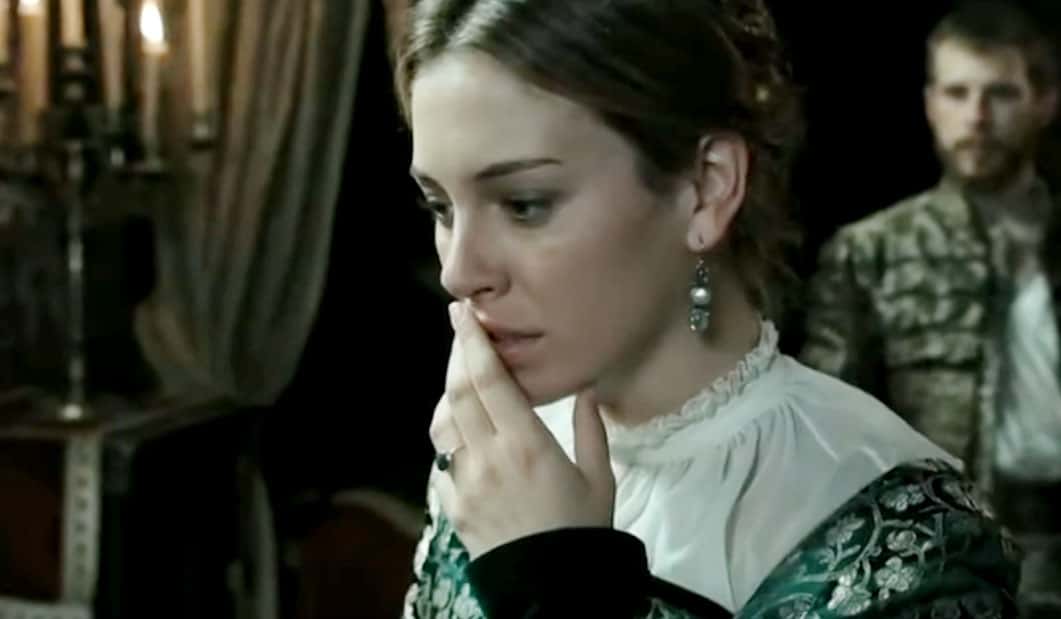 Carlos, Rey Emperador (2015–2016), Diagonal TV
41. She Was Always A Little Frail
Even from a young age, Isabella was not a robust woman. Her peers described her as thin and fragile as far back as the early days of her marriage. Each pregnancy was a risk for her, and this risk only increased as she got older and had more children.
It shouldn’t come as a surprise that her health was easily jeopardized.
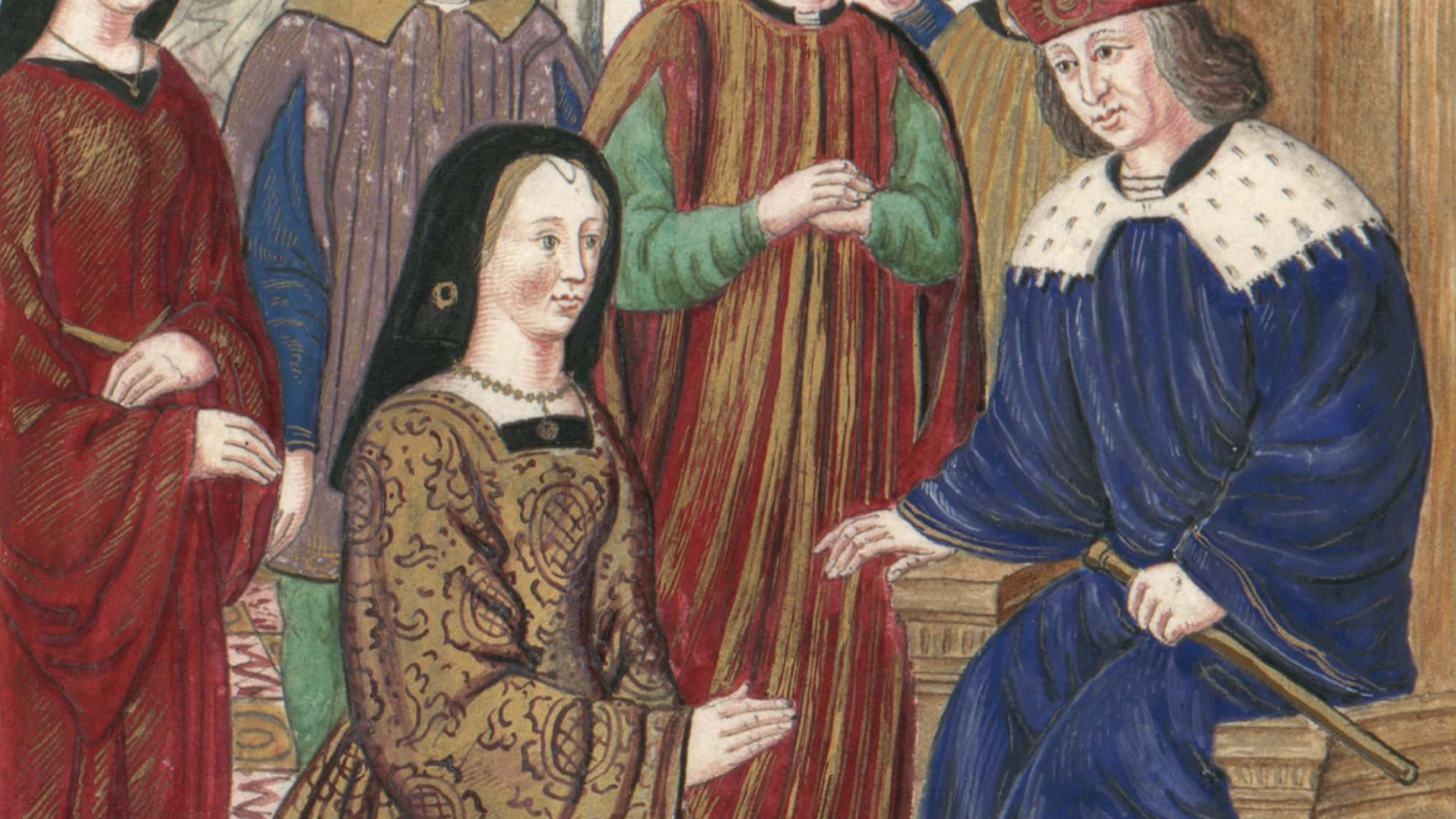 Unknown Author, Wikimedia Commons
42. She Was Jeopardized By Her Seventh Pregnancy
In 1539, she was once again with child. This would be her seventh child if she didn’t get sick in the third month of her pregnancy. The fever roiled through her and triggered devastating difficulties for her and the baby. The prenatal illness caused her to miscarry, and the child was stillborn.
Tragically, Isabella herself wasn't in the clear either.
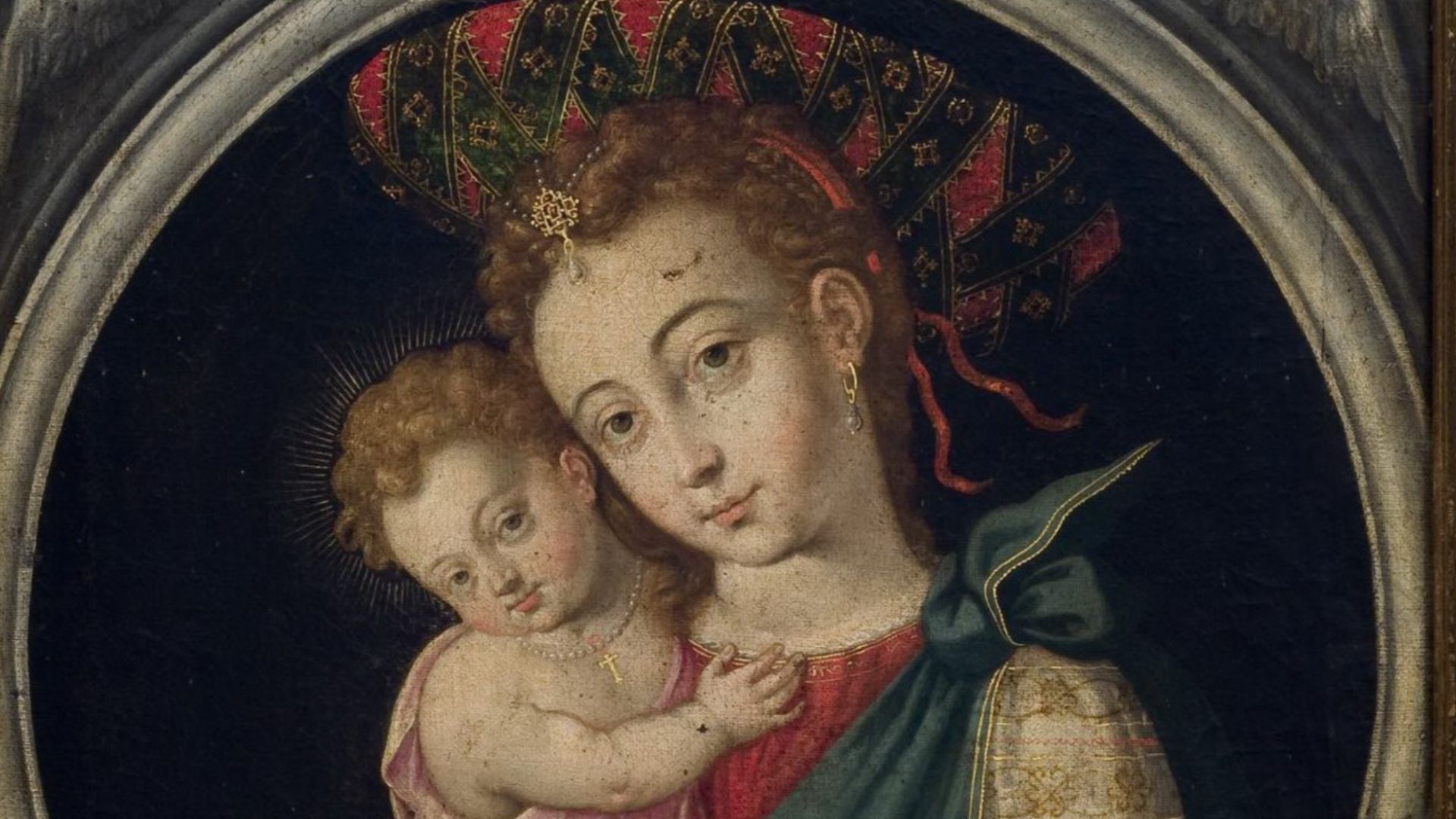
43. She Was Taken Too Soon
During her miscarriage, Isabella contracted an additional infection that caused her health to worsen rapidly. Over two weeks, her condition grew more and more concerning, until she lost the battle with her sickness on May 1, 1539. She was only 35, and her husband was devastated to hear she succumbed to the infection.
Her impact on his life was immeasurable.
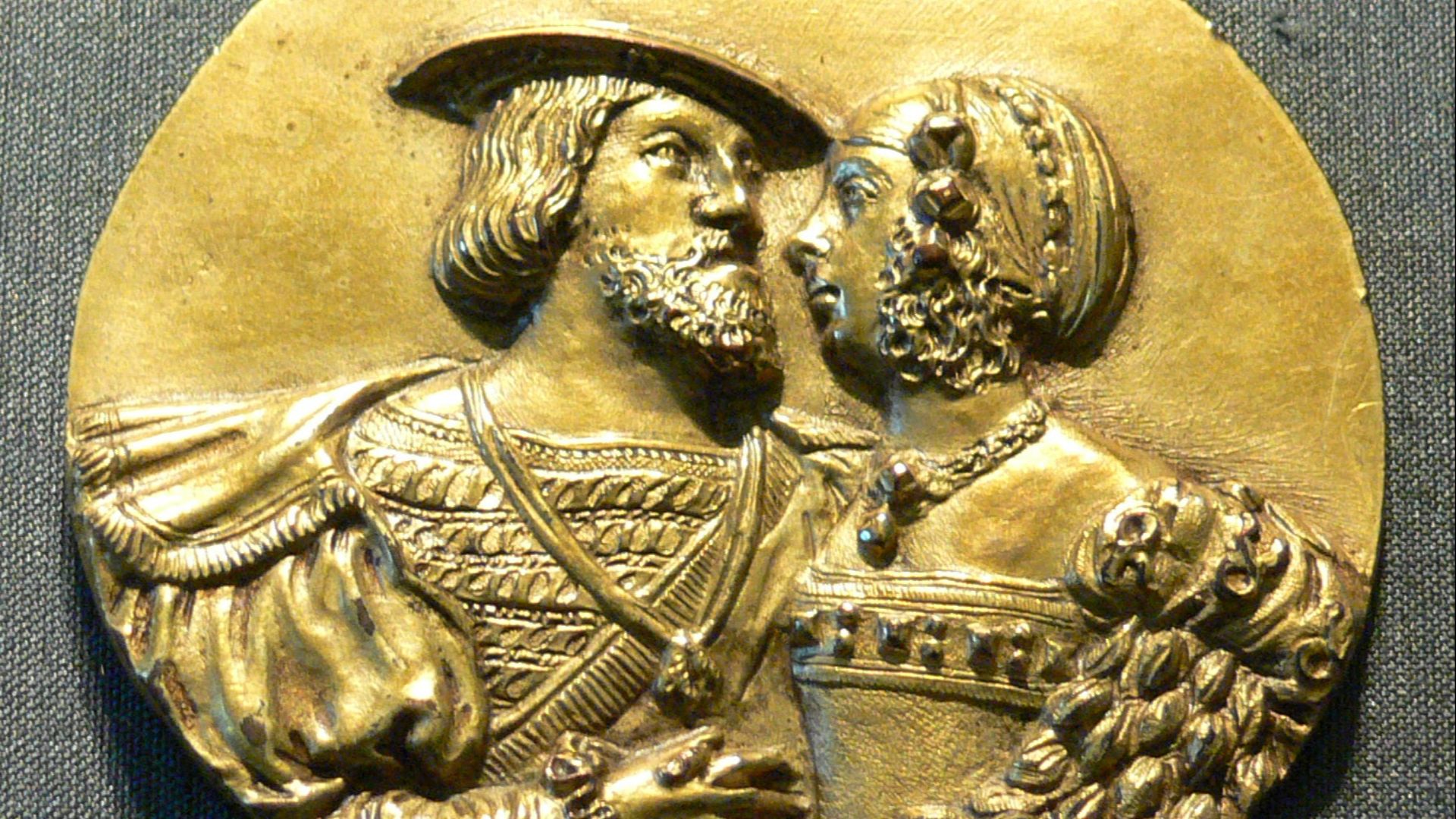 AnonymousUnknown author Photo: User:FA2010, Wikimedia Commons
44. He Mourned Her Deeply
Her departure shattered Charles V. He secluded himself at a monastery so he could grieve in private. Even then, he never got over it. Though he had several affairs with other women, he never remarried, and he dressed in mourning black for the rest of his years.
His dedication to his wife didn’t stop there.
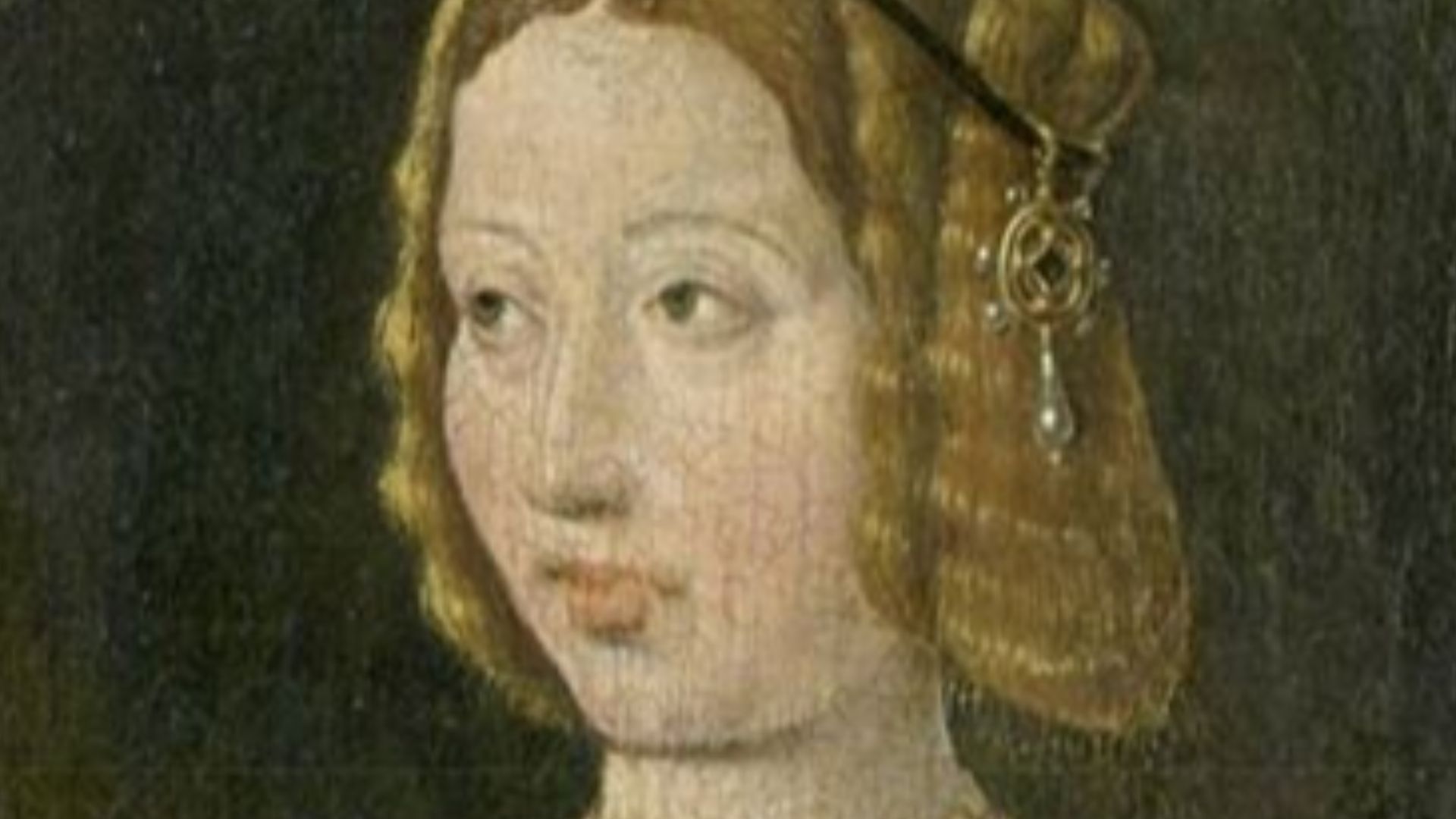 Mhmrodrigues, Wikimedia Commons
45. She Was Commemorated On Canvas
Charles V commissioned Titian to paint multiple posthumous portraits of his wife. These included two that he brought with him wherever he went, including to the Monastery of Yuste, where he retired in 1557.
The extremes of his mourning pushed him even further.
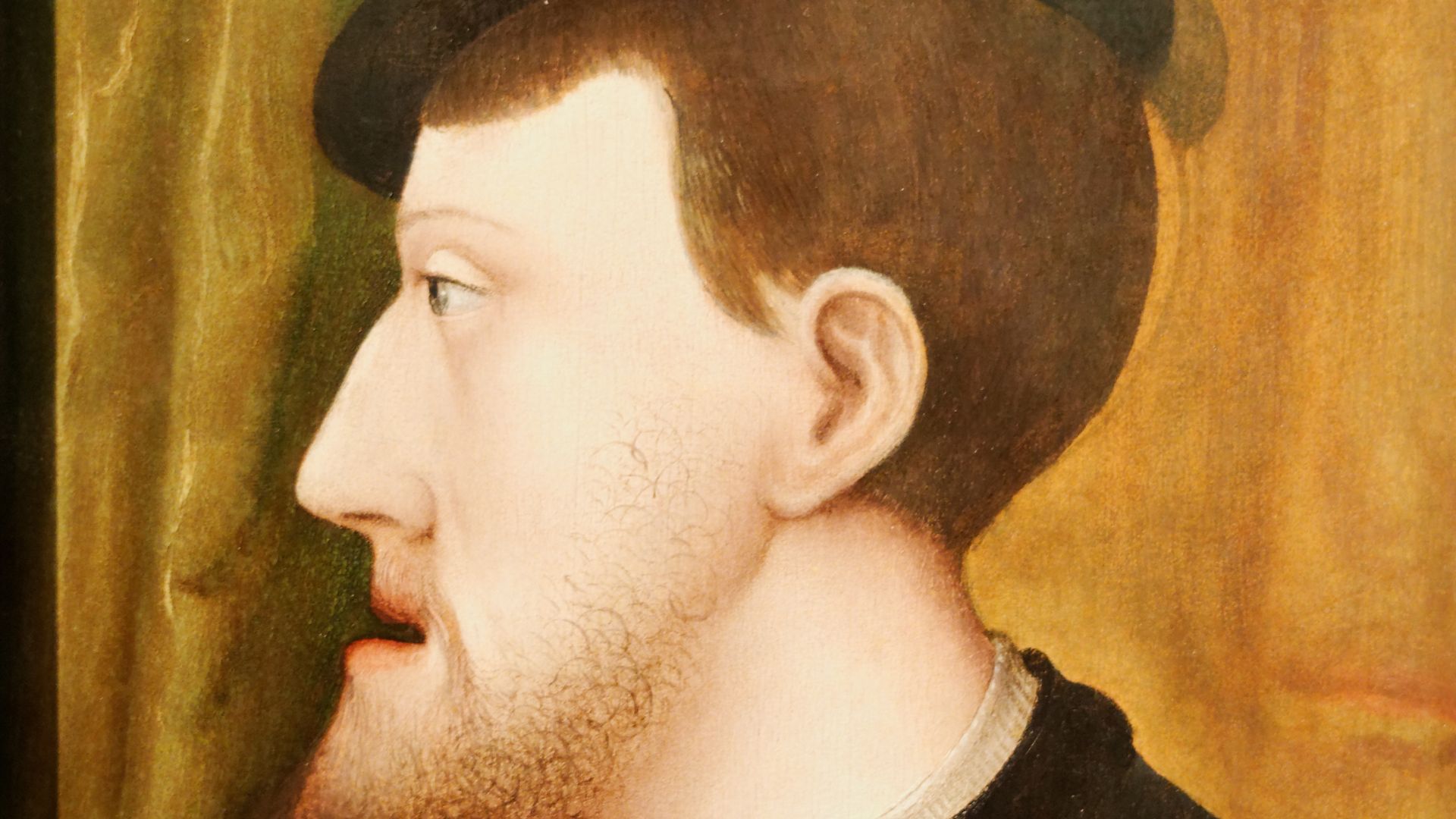 Yelkrokoyade, Wikimedia Commons
46. She Was Mourned Through Music
Charles V also commissioned a composer to write a piece of music about the Empress. He hoped it could pay tribute to her memory. The piece was intended to put sound to his profound grief and articulate his desire to reunite in the heavenly kingdom, so intense was his sadness.
As he met the end of his life, he had one final request concerning his passed lover.
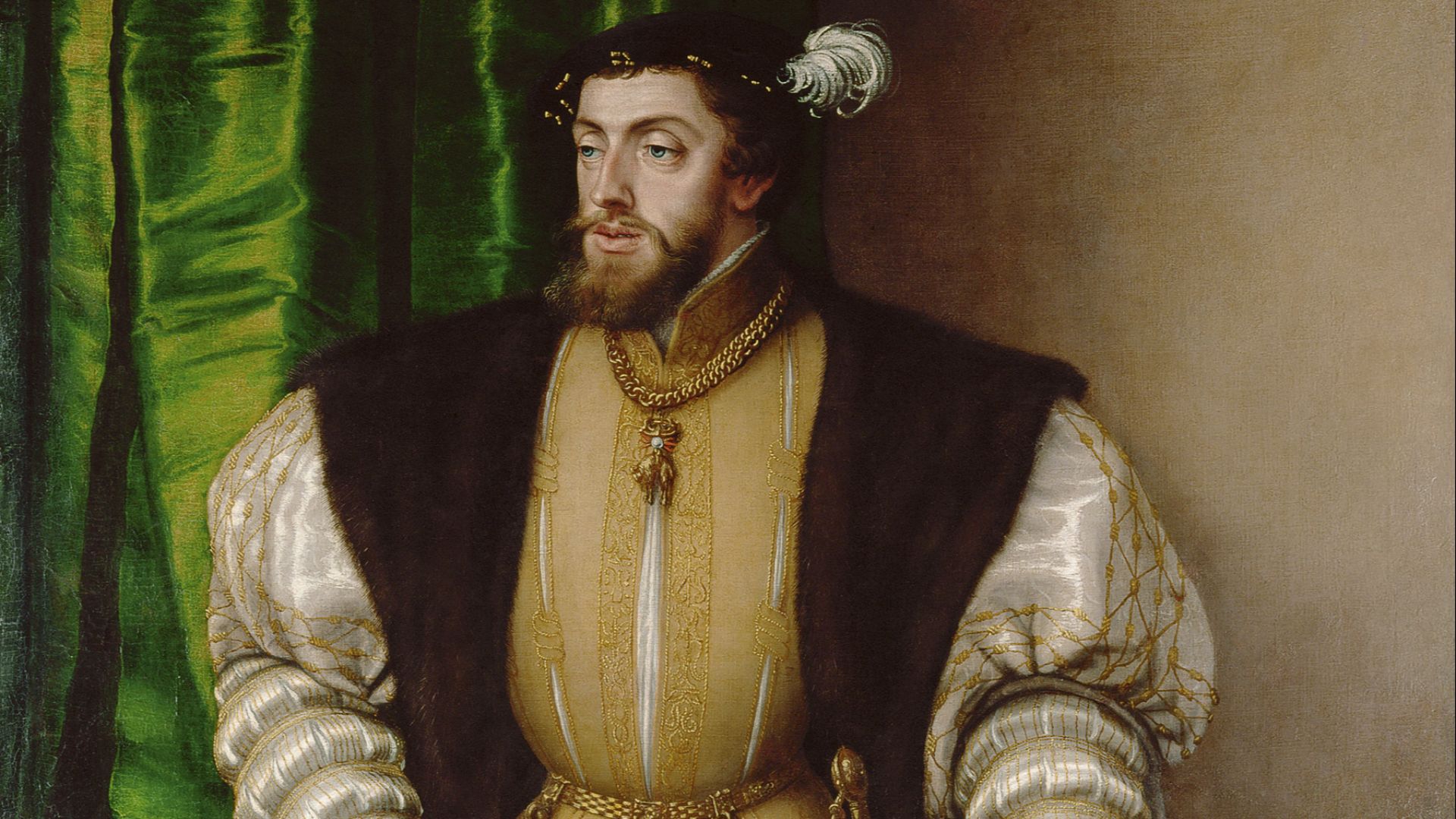 Jakob Seisenegger, Wikimedia Commons
47. She Was Loved Beyond Her Living Days
Charles V requested the construction of a royal tomb. Not only that, but he stated that he wanted his body and Isabella’s body to be reinterred at the new tomb. This was so that they could lie together, side by side, after their passing, to commemorate the love they had for one another.
But her legacy extended beyond the torment of her husband in surprising ways.
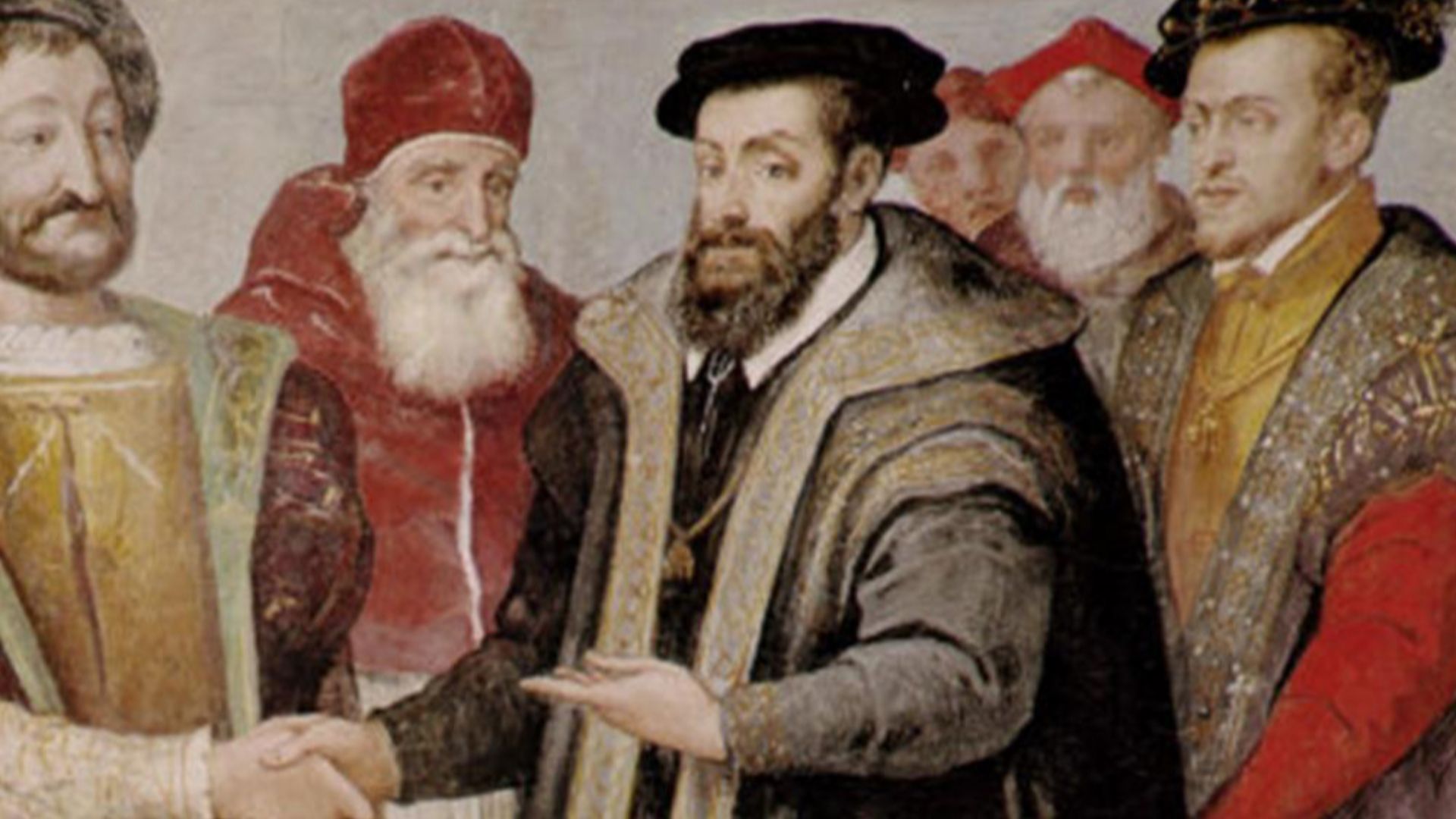 Taddeo Zuccari, Wikimedia Commons
48. She Left A Long-Lasting Legacy
Of the seven children Isabella conceived with Charles V, only three of them lived to adulthood. Her first child, Philip II of Spain, succeeded the Spanish and Portuguese throne. Her first daughter married Maximilian II and became Holy Roman Empress in her own right.
But Isabella’s marriage to Charles V would also spell the downfall of the Spanish Habsburg line.
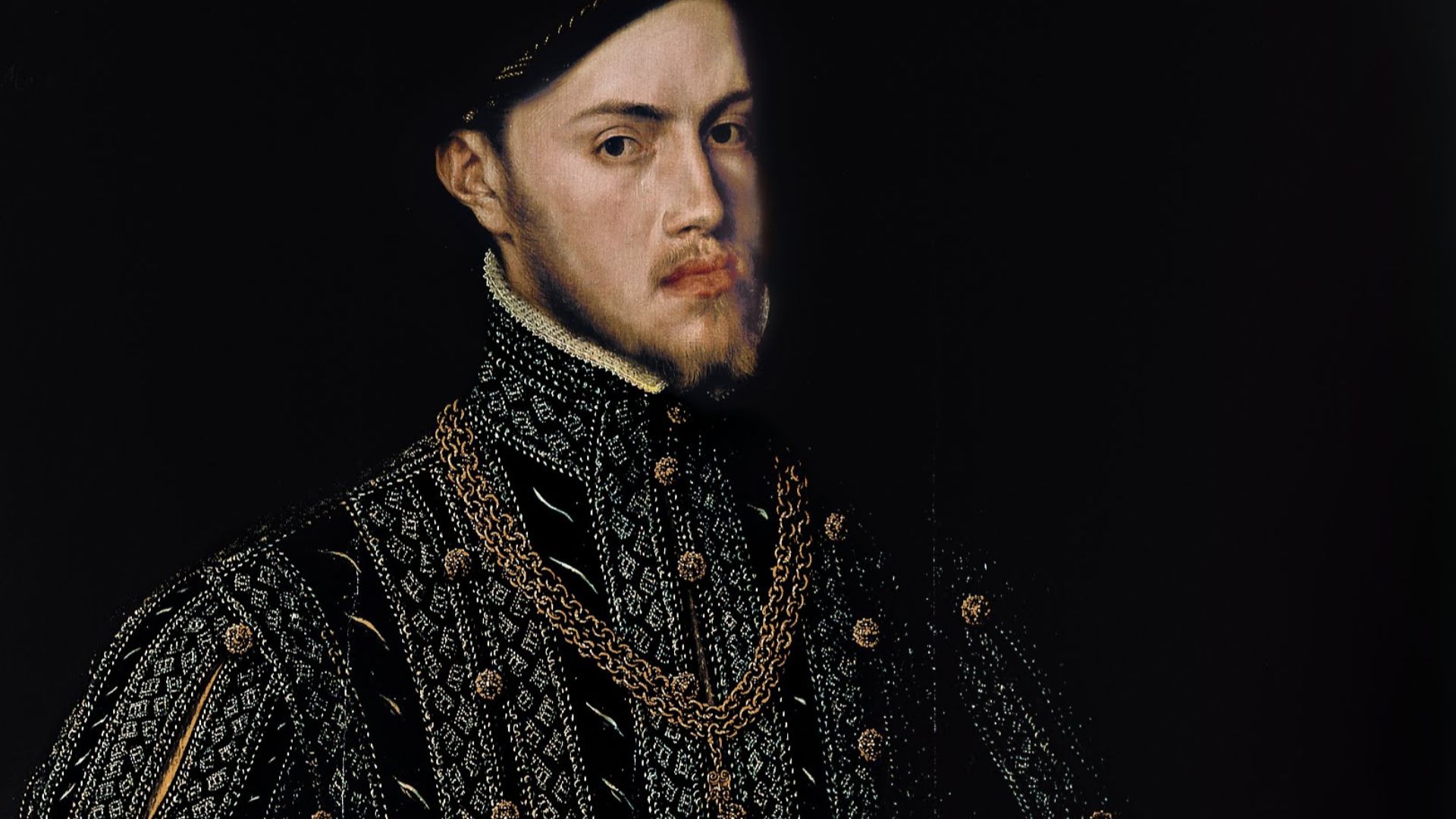 Antonis Mor, Wikimedia Commons
49. She Was A Great Keeper Of The State
One of the political divisions she worked hard to preserve was the separation between the Imperial military endeavors and Spain’s finances. It kept the country prosperous. Until, that is, her husband integrated Castile into his empire. At that point, inflation decimated the country, and after Philip II took power, the country went bankrupt.
That wasn’t all that changed after her departure.
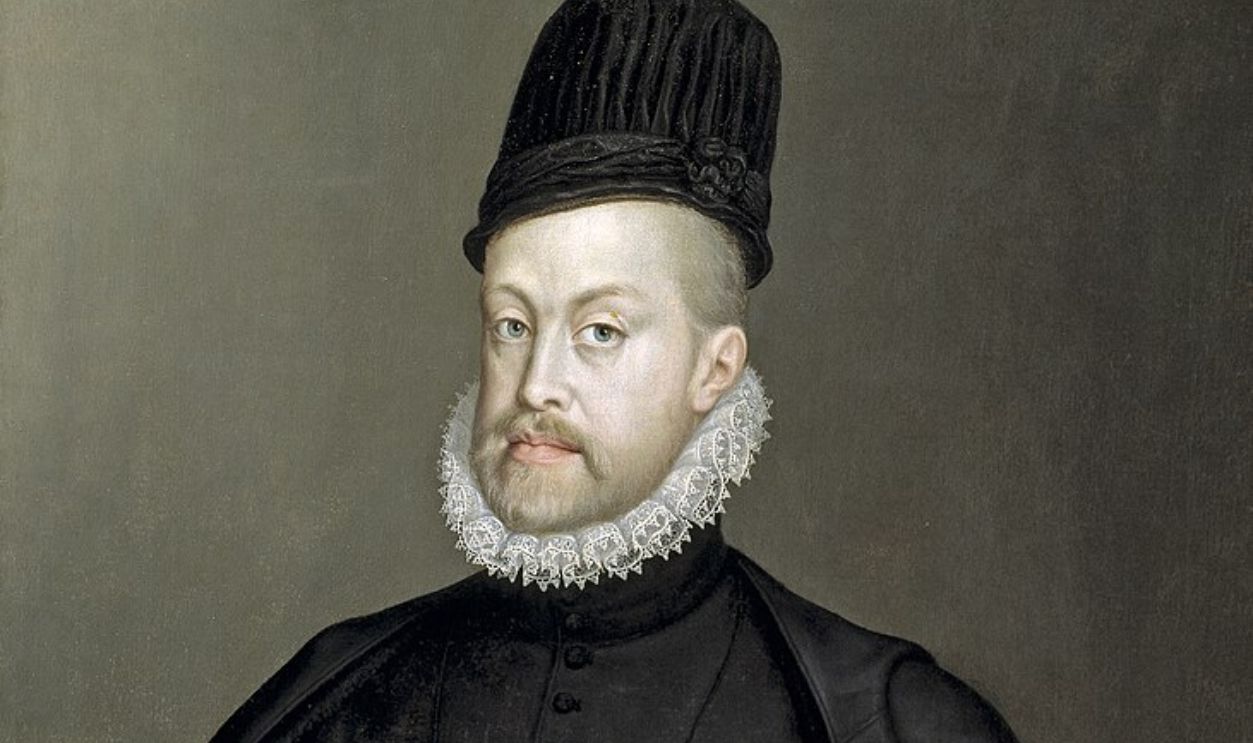 Sofonisba Anguissola, Wikimedia Commons
50. She Was A Focal Figure In The Habsburg Family Tree
She has a direct line to the last Spanish Habsburg, Charles II of Spain. It is through her son, Philip II, that the consanguinity of the royal family reached nearly intolerable levels. This left her descendants with short life spans, high infant mortality rates, and high levels of defective genetics. The family terminated with Charles II of Spain, who was infertile and unable to continue the Spanish Habsburg line.
The Austrian Habsburg line continues to this day in a diluted form, with considerably lower levels of consanguinity.
 Juan Carreno de Miranda, Wikimedia Commons
You May Also Like:
Peter III Of Russia, The Doomed Tsar
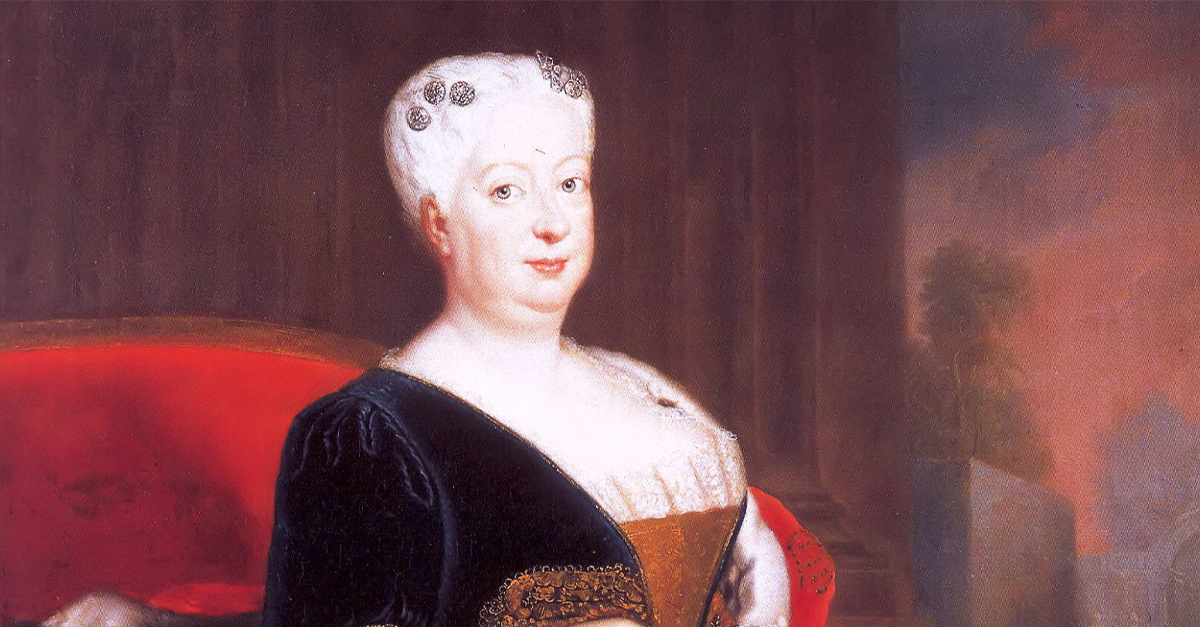








_(after)_-_Isabella_of_Spain_(1503%E2%80%931539),_Empress_-_533873_-_National_Trust.jpg)


