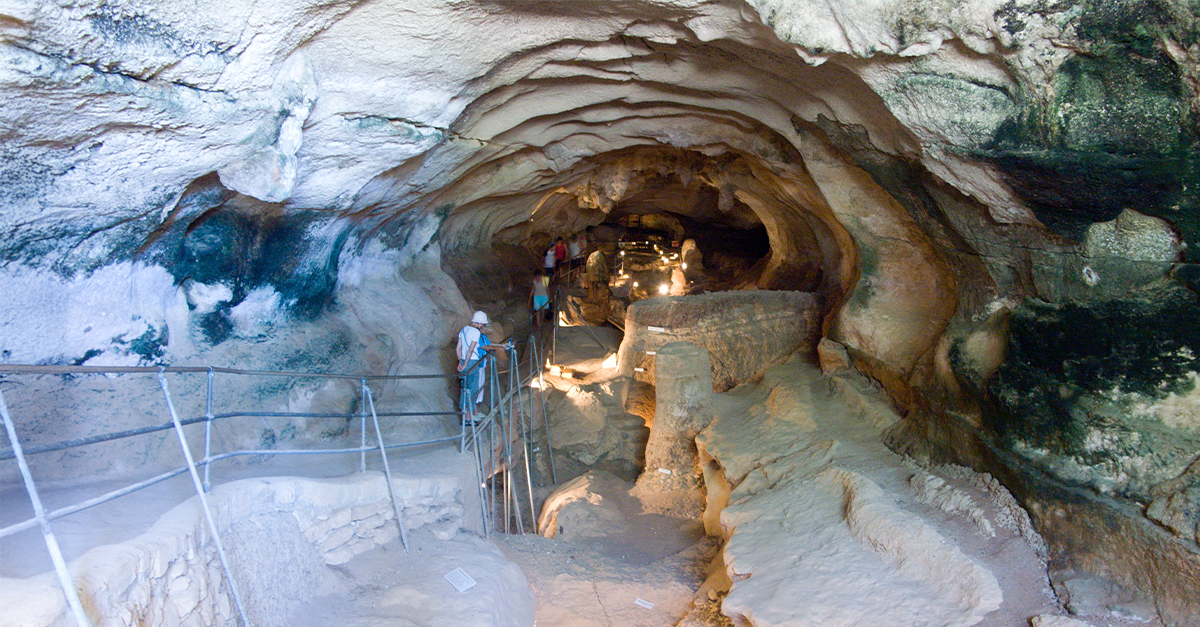
New archaeological findings show that hunter-gatherers came ashore on the Mediterranean island of Malta about 8,500 years ago, challenging the traditional history of the settlement of the central Mediterranean.
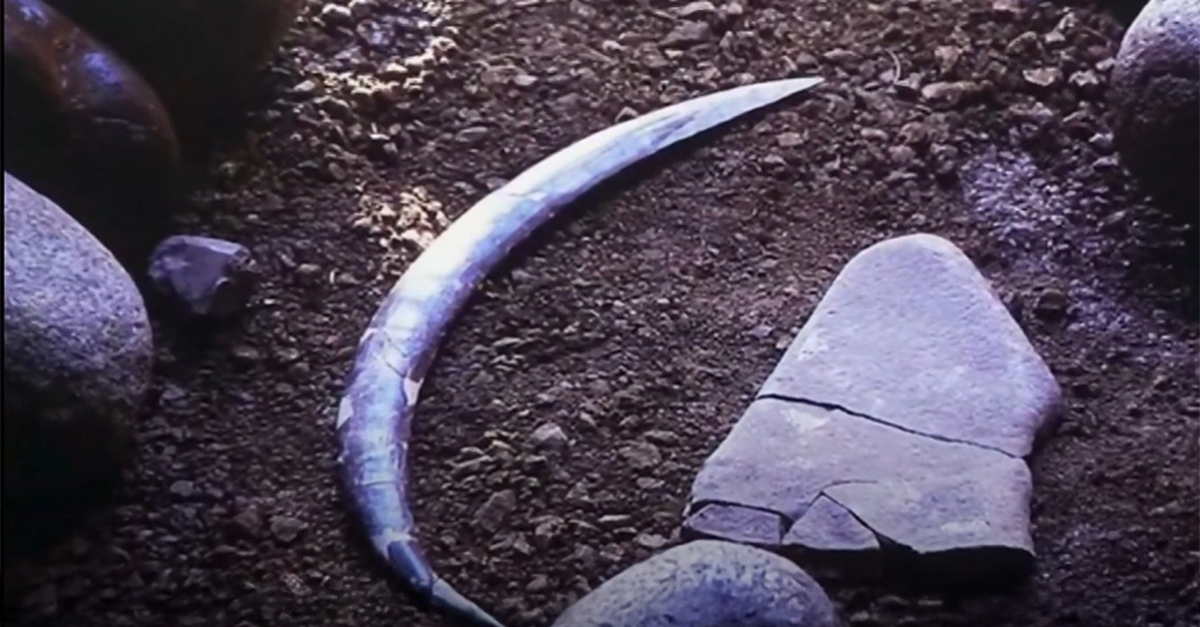
New age dating of a boomerang found in a Polish cave has archaeologists abuzz that it could be the oldest boomerang on Earth.
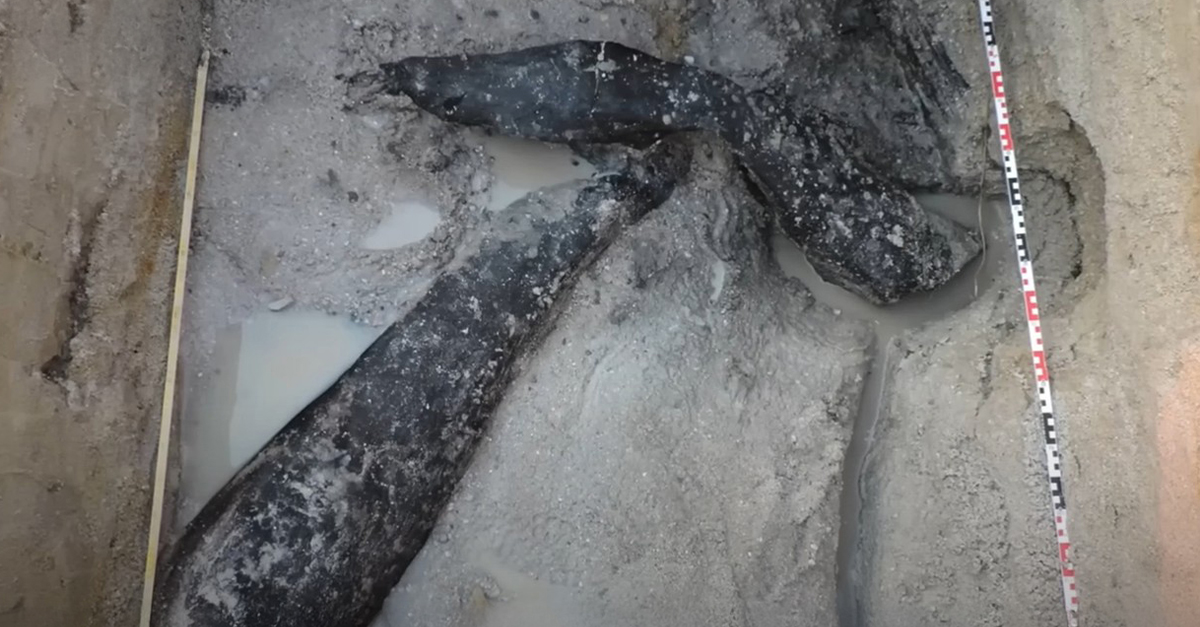
The discovery of the oldest known wooden structure at Kalambo Falls in Zambia has flung open the door into a new chapter of early hominid adaptation to the environment.
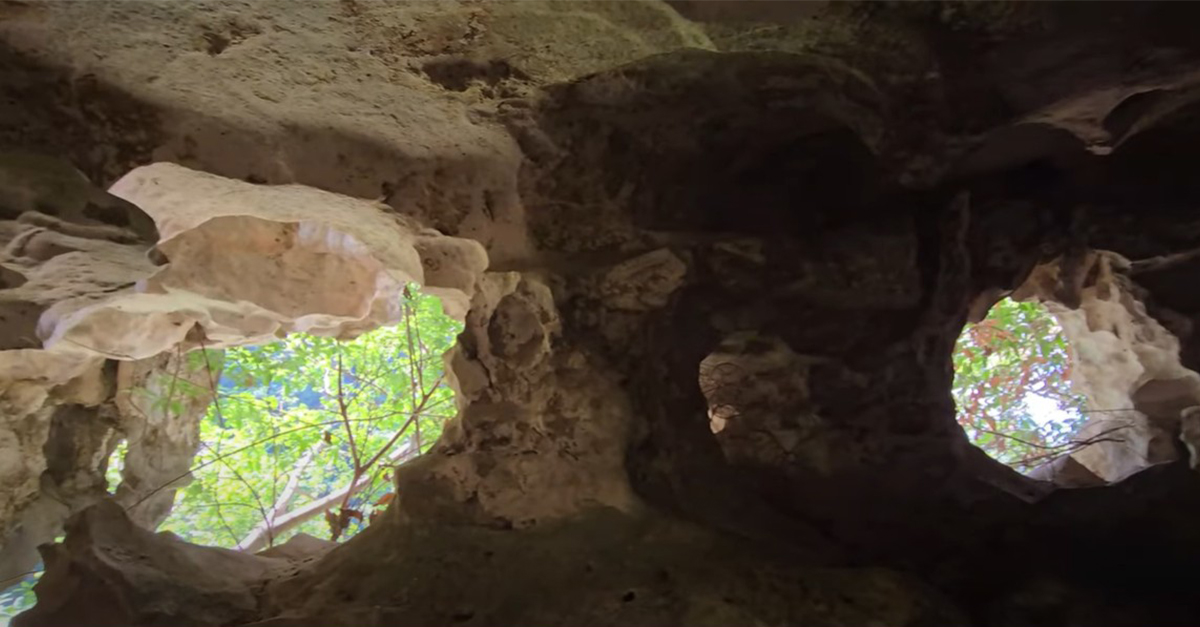
In 2024 an international team announced the discovery of cave paintings in Sulawesi from at least 51,200 years ago, predating European cave art by over 10,000 years.
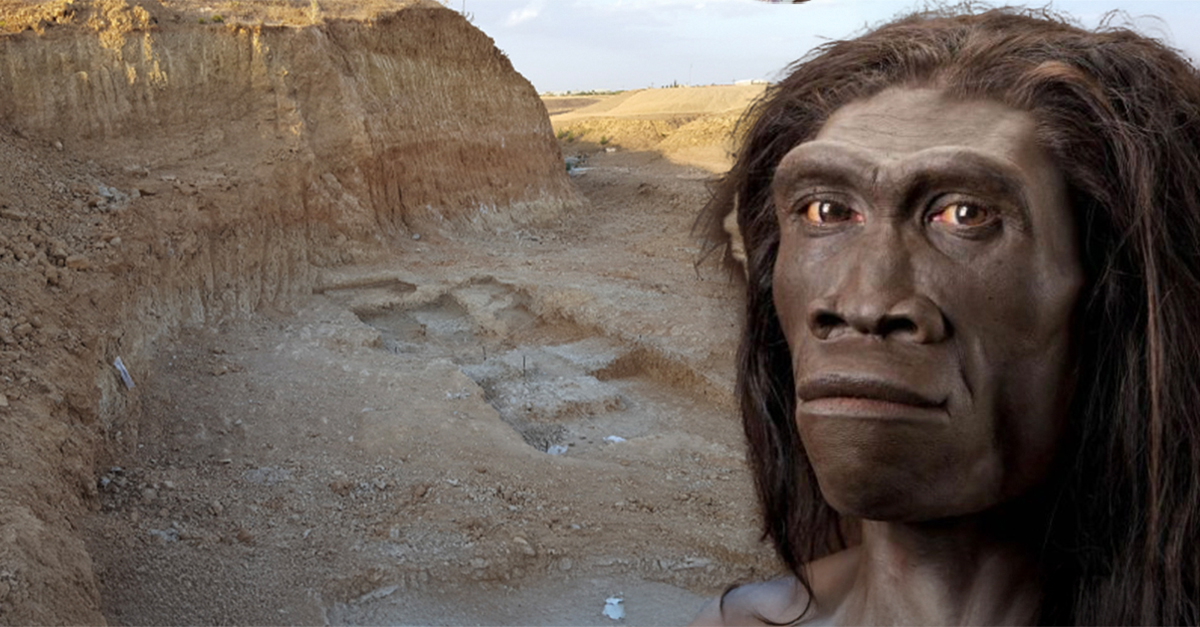
In 2018, scientists made a discovery of stone tools at Ain Boucherit, Algeria, dated to approximately 2.4 million years ago. The find challenges our previously held notions about the development of early humans.

In 2021, researchers at White Sands National Park in New Mexico uncovered fossilized human footprints estimated at 23,000 years old. That would place humans in North America thousands of years earlier than previously thought. The discovery has spurred excitement as well as doubts among archaeologists.

If you like humaverse you may also consider subscribing to these newsletters:
