Ancient DNA In Modern Lives
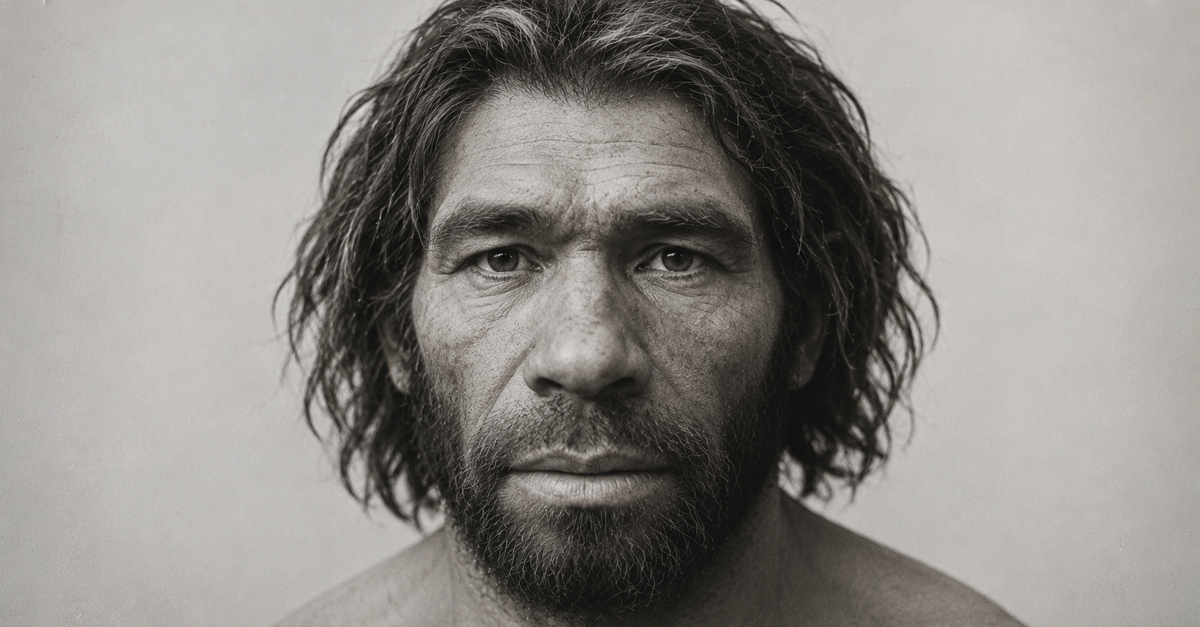
Scientists have discovered that many people still carry traces of Neanderthal DNA today, and those genes can have a real effect on their lifestyle. These inherited genes may seriously influence people's sleep patterns, mood disorders, and addiction risks. The findings reveal that humanity’s ancient relatives may still affect everyday life thousands of years after we wiped them out.
The Neanderthal Legacy
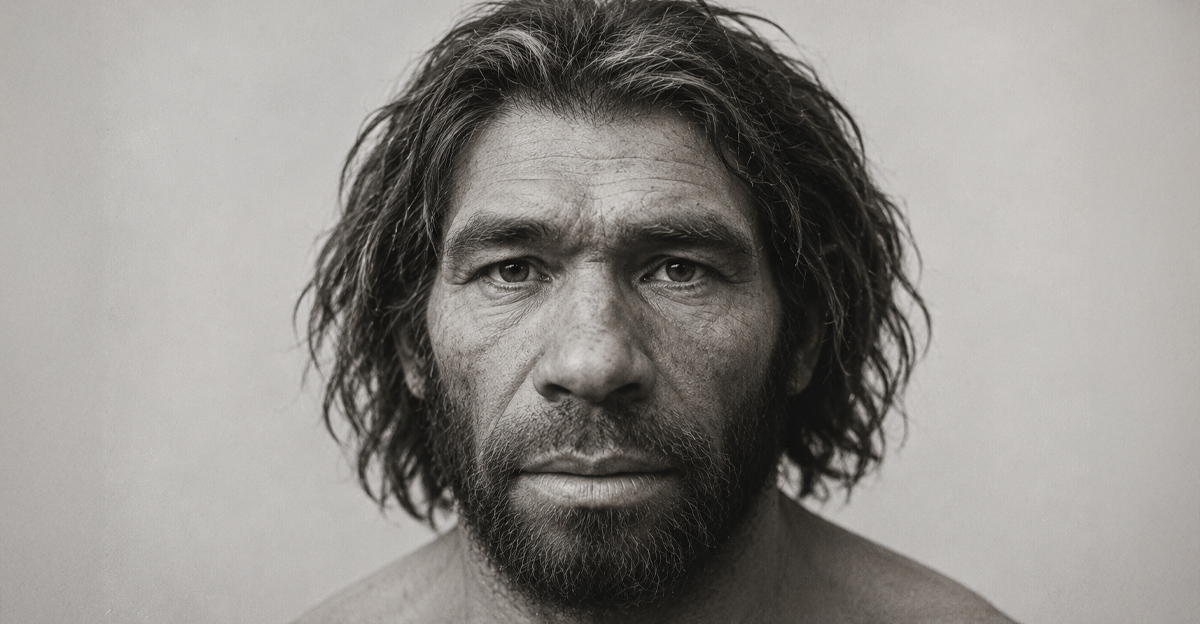
Neanderthals vanished roughly 40,000 years ago, but parts of their DNA survived through interbreeding with early humans. Most people with European or Asian ancestry carry about 1 to 2 percent Neanderthal DNA. Scientists are now studying how those ancient genes still shape modern biology.
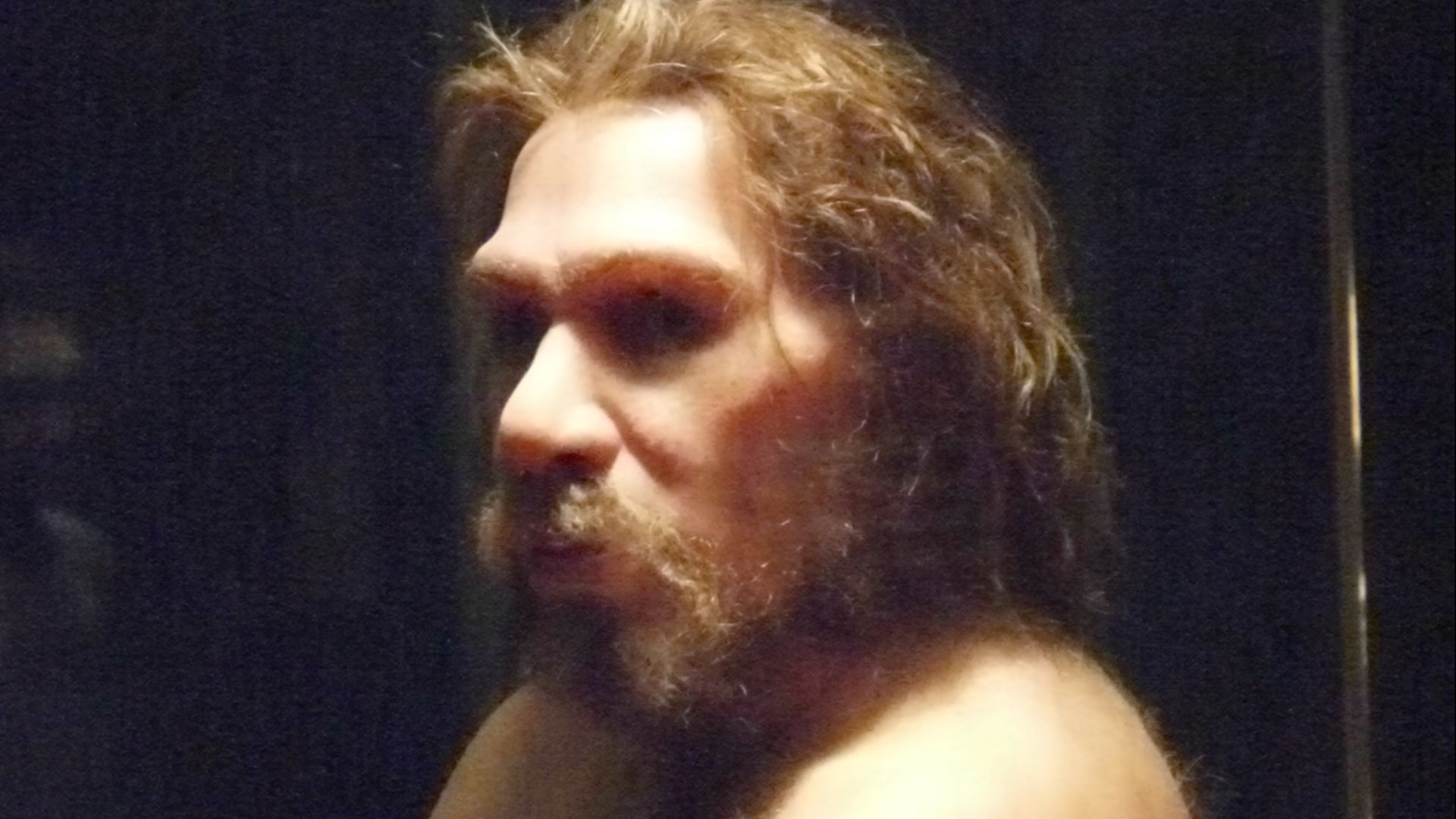 Eden, Janine and Jim from New York City, Wikimedia Commons
When Humans Crossed Paths
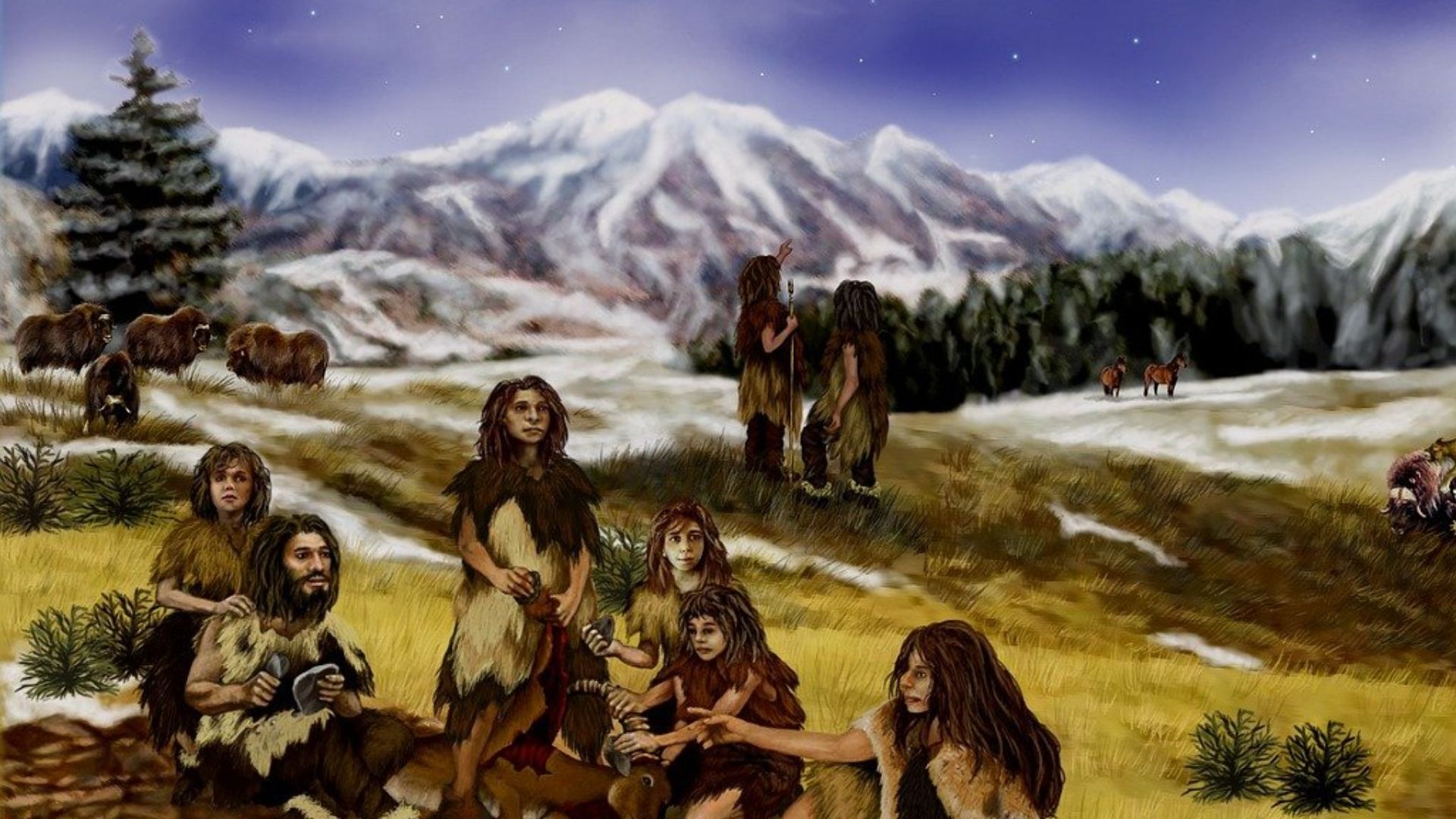
Modern humans migrated out of Africa around 60,000 years ago and encountered Neanderthals across Europe and Asia. The two groups interbred and produced children together. Those encounters permanently added Neanderthal DNA to the human genome.
Ancient Genes In Modern Bodies
Researchers can identify Neanderthal DNA by comparing modern genomes with DNA extracted from ancient fossils. Advanced genetic databases allow scientists to study hundreds of thousands of people at once. This research has uncovered surprising links between inherited DNA and modern behaviors.
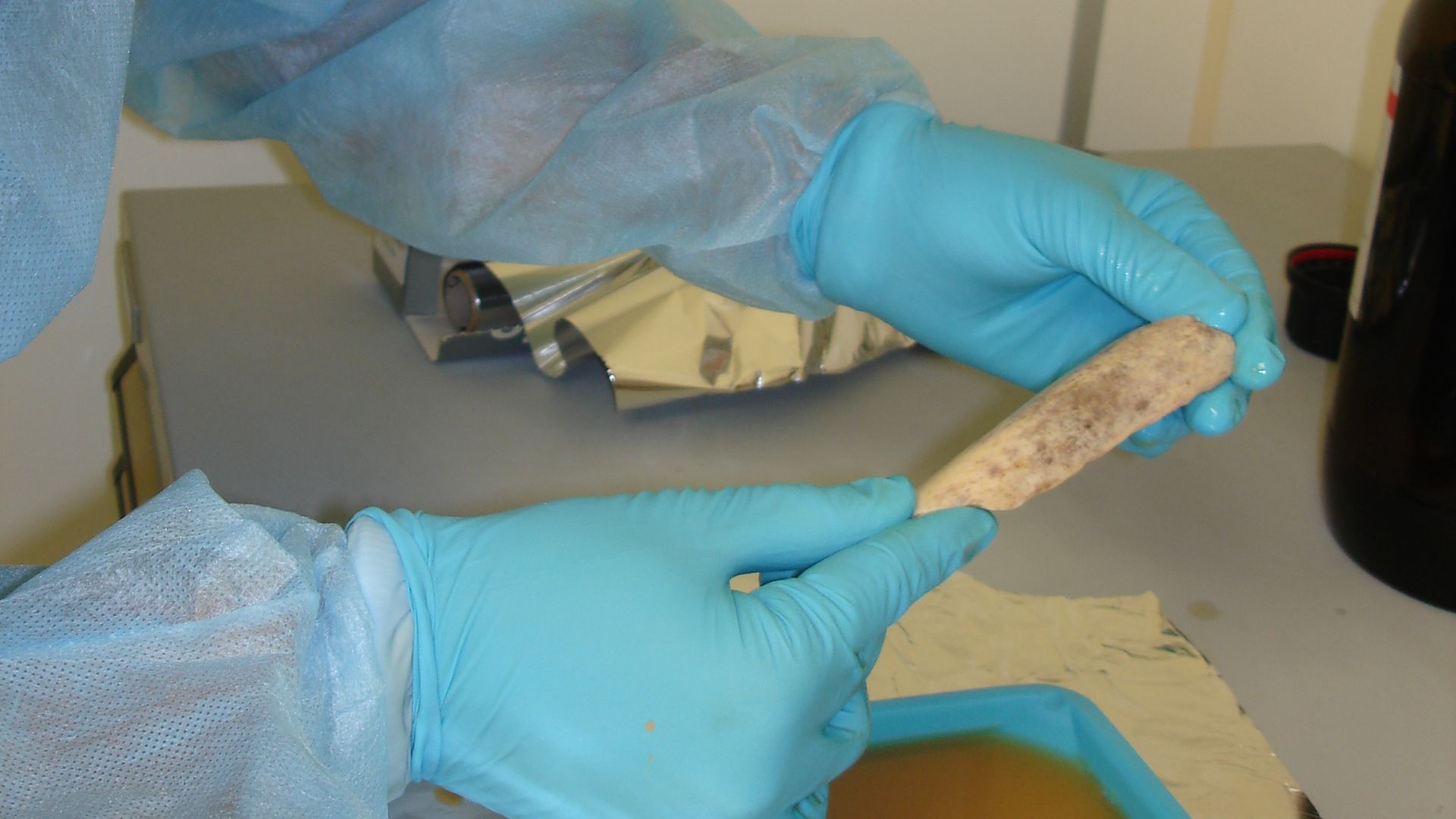 Max Planck Institute for Evolutionary Anthropology, Wikimedia Commons
Sleep Patterns From The Ice Age
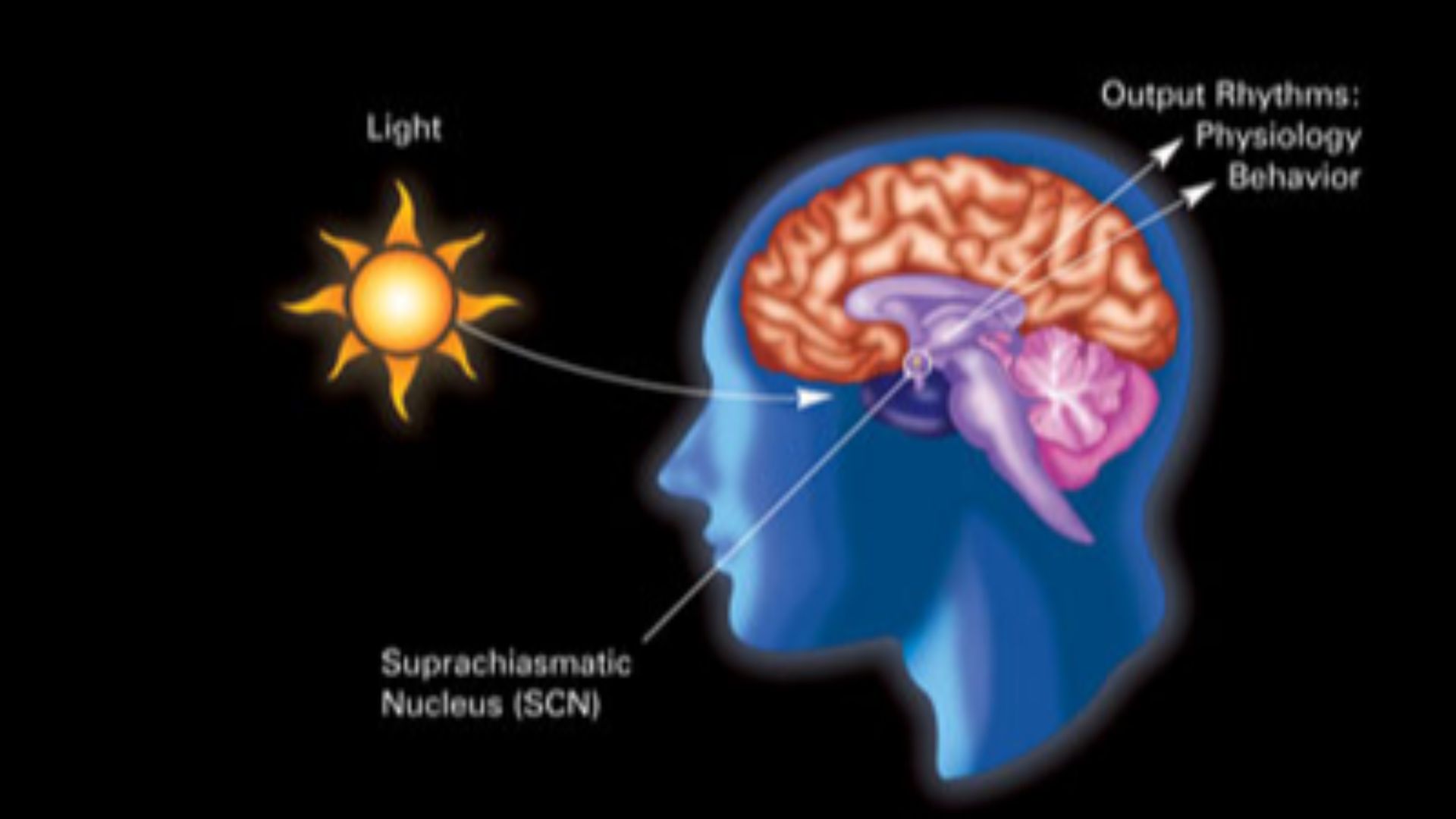
One of the strongest findings involves sleep habits. Some Neanderthal-derived genes are linked to circadian rhythms, which help regulate the body’s internal clock. Researchers believe these traits may once have helped humans adapt to long northern winters with limited sunlight.
 Fry72, Karel Frydrýšek, Wikimedia Commons
Why Circadian Rhythms Matter
Circadian rhythms affect when people naturally feel awake or tired. Variations in these rhythms can influence sleep quality, energy levels, and mental health. Scientists found that some inherited Neanderthal variants may increase the likelihood of altered sleeping patterns.
 National Institute of General Medical Sciences, Wikimedia Commons
Ancient Adaptations For Cold Climates
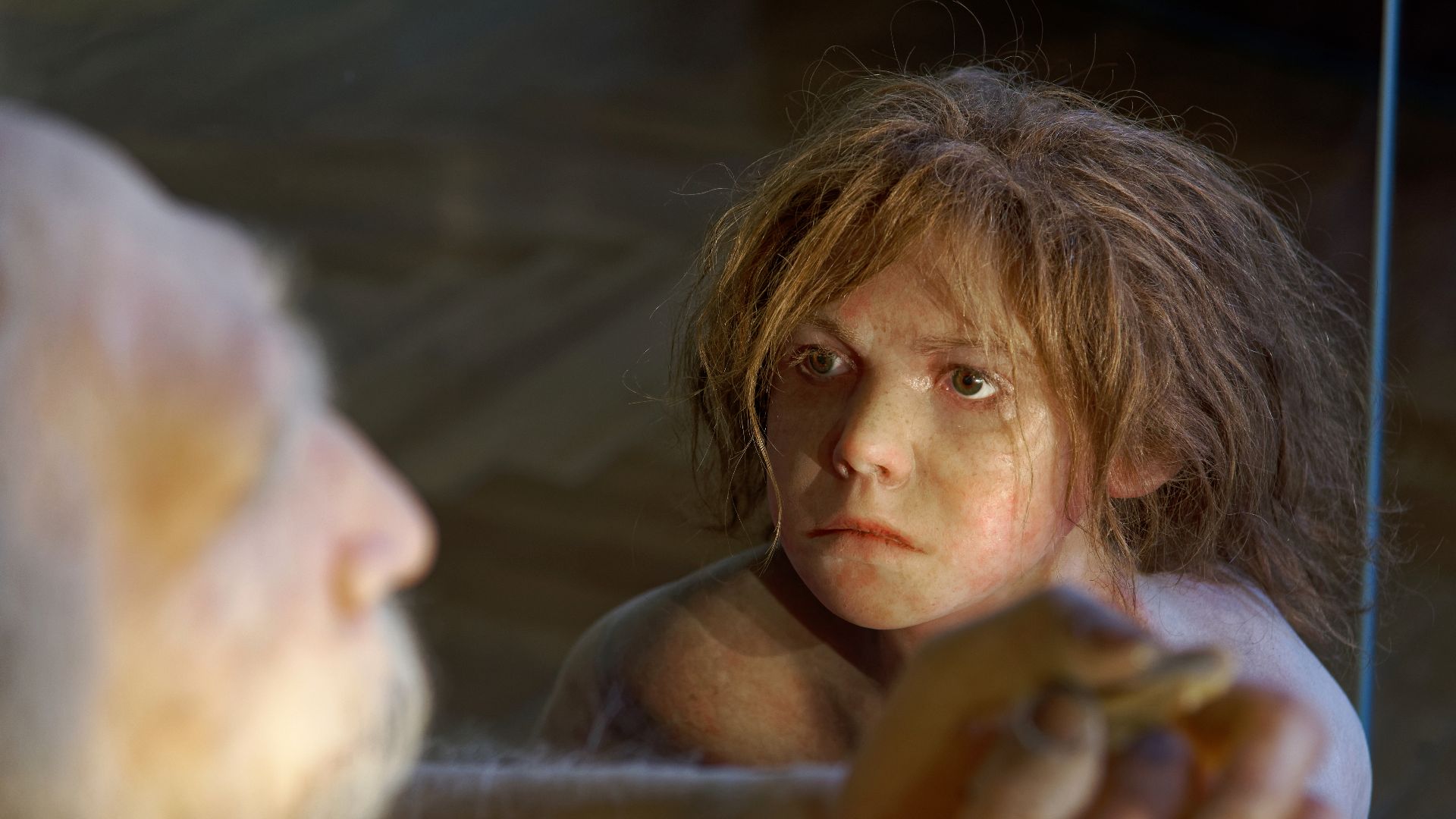
Neanderthals spent hundreds of thousands of years surviving in cold Eurasian climates. Researchers believe some of their genetic traits evolved to handle dramatic seasonal shifts in daylight. Those same inherited traits may still affect modern sleep behavior today.
 Jakub Hałun, Wikimedia Commons
Depression And Ancient DNA
Scientists have also linked some Neanderthal gene variants to depression and mood disorders. Researchers stress that these genes do not directly cause mental illness. Instead, they may slightly increase a person’s vulnerability when combined with other factors.
 Svante Pääbo, Max Planck Institute for Evolutionary Anthropology, Wikimedia Commons
Mental Health Is Complex
Depression is influenced by genetics, environment, stress, and personal experiences. Researchers warn against oversimplifying the role of ancient DNA. Neanderthal genes appear to be only one small factor in a much larger picture.


History's most fascinating stories and darkest secrets, delivered to your inbox daily.
The Smoking Connection
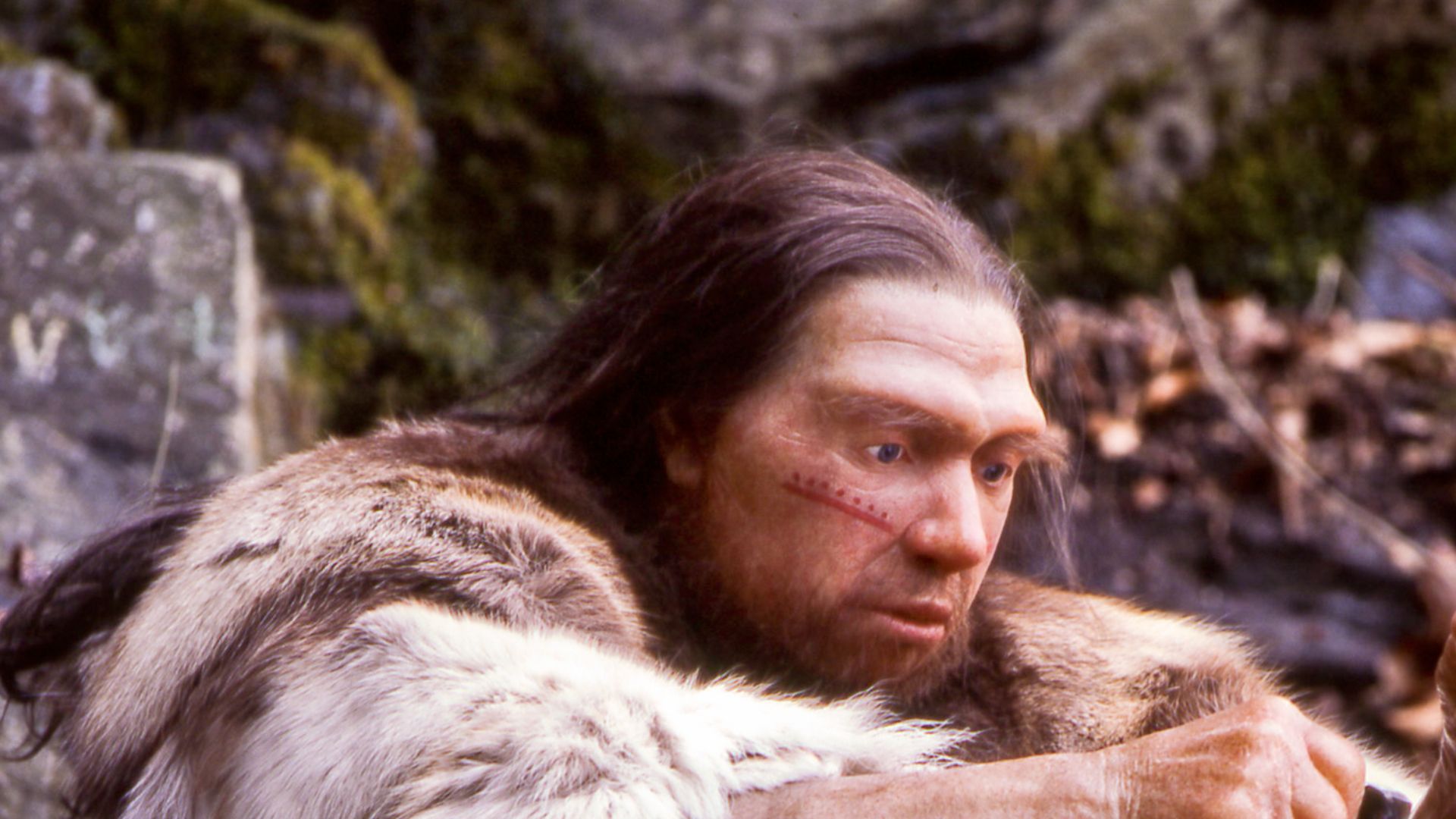
Some inherited Neanderthal gene variants have been linked to nicotine addiction. Researchers found that people carrying certain variants were more likely to smoke heavily. Scientists believe these genes may affect reward pathways in the brain.
 Neanderthal-Museum, Mettmann, Wikimedia Commons
Why Addiction Is Complicated
Addiction is never controlled by a single gene. Environmental influences, social conditions, and mental health all play major roles. However, inherited genetic traits can slightly shape how people respond to addictive substances.

Alcohol Use And Ancient Genes
Researchers have also found possible links between Neanderthal DNA and alcohol consumption patterns. Certain inherited variants may influence drinking behavior or the body’s response to alcohol. Scientists are still studying how strong these effects may actually be.

Tiny Genetic Effects
Most Neanderthal genetic influences are subtle rather than dramatic. Carrying one inherited variant does not guarantee a person will develop insomnia, depression, or addiction. Researchers say these genes act more like small biological nudges.

Survival Traits From Another Species
Not all inherited Neanderthal genes are harmful. Some may have helped early humans survive after migrating into colder environments. Ancient DNA likely provided useful adaptations for skin, immunity, and metabolism.
The Human Genome Is A Patchwork
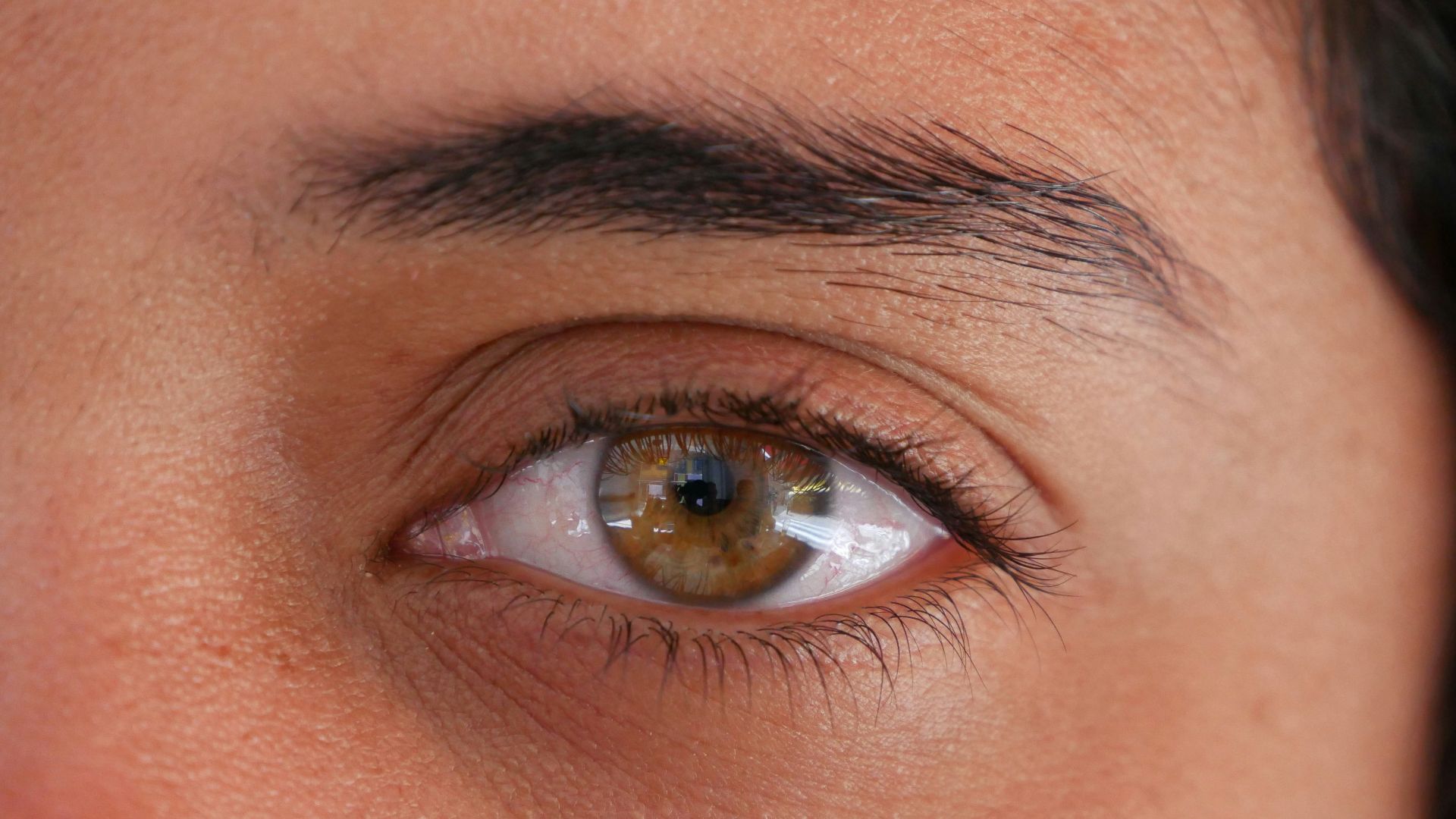
Modern humans are the result of countless generations of migration and interbreeding. The human genome contains traces of several ancient populations. Neanderthal DNA is only one piece of humanity’s complicated evolutionary story.

Scientists Compare Ancient Fossils
Researchers identify Neanderthal DNA by comparing modern human genomes with fossil DNA. This process became possible after major breakthroughs in ancient DNA extraction. The field has transformed how scientists study human evolution.
Ancient Traits In Modern Medicine
Scientists hope these discoveries could eventually improve healthcare research. Understanding inherited genetic influences may help researchers study sleep disorders, addiction, and mental health more effectively. Ancient DNA may provide clues about how modern conditions evolved.
Sleep Habits Still Differ Worldwide
People naturally vary in their sleep preferences and energy cycles. Some are early risers, while others stay awake late into the night. Researchers believe inherited genetic differences, including Neanderthal variants, may partly explain those patterns.

Ancient DNA Is Not Destiny
Researchers repeatedly emphasize that genetics is not fate. Carrying Neanderthal DNA does not automatically determine behavior or health outcomes. Lifestyle, environment, and personal experiences remain extremely important.

Why Scientists Study Neanderthals
Neanderthals are one of humanity’s closest extinct relatives. Studying their DNA helps researchers better understand human evolution and biology. Every new discovery adds detail to the story of how humans became who they are today.

The Science Keeps Growing
Ancient DNA research has expanded rapidly in recent years. Scientists continue finding new connections between inherited Neanderthal genes and modern traits. The field is still developing, and many questions remain unanswered.
A Shared Evolutionary History
The discovery of Neanderthal DNA changed how scientists view human history. Researchers once believed Neanderthals disappeared without leaving descendants. Genetic evidence proved that ancient humans and Neanderthals were far more connected than once thought.
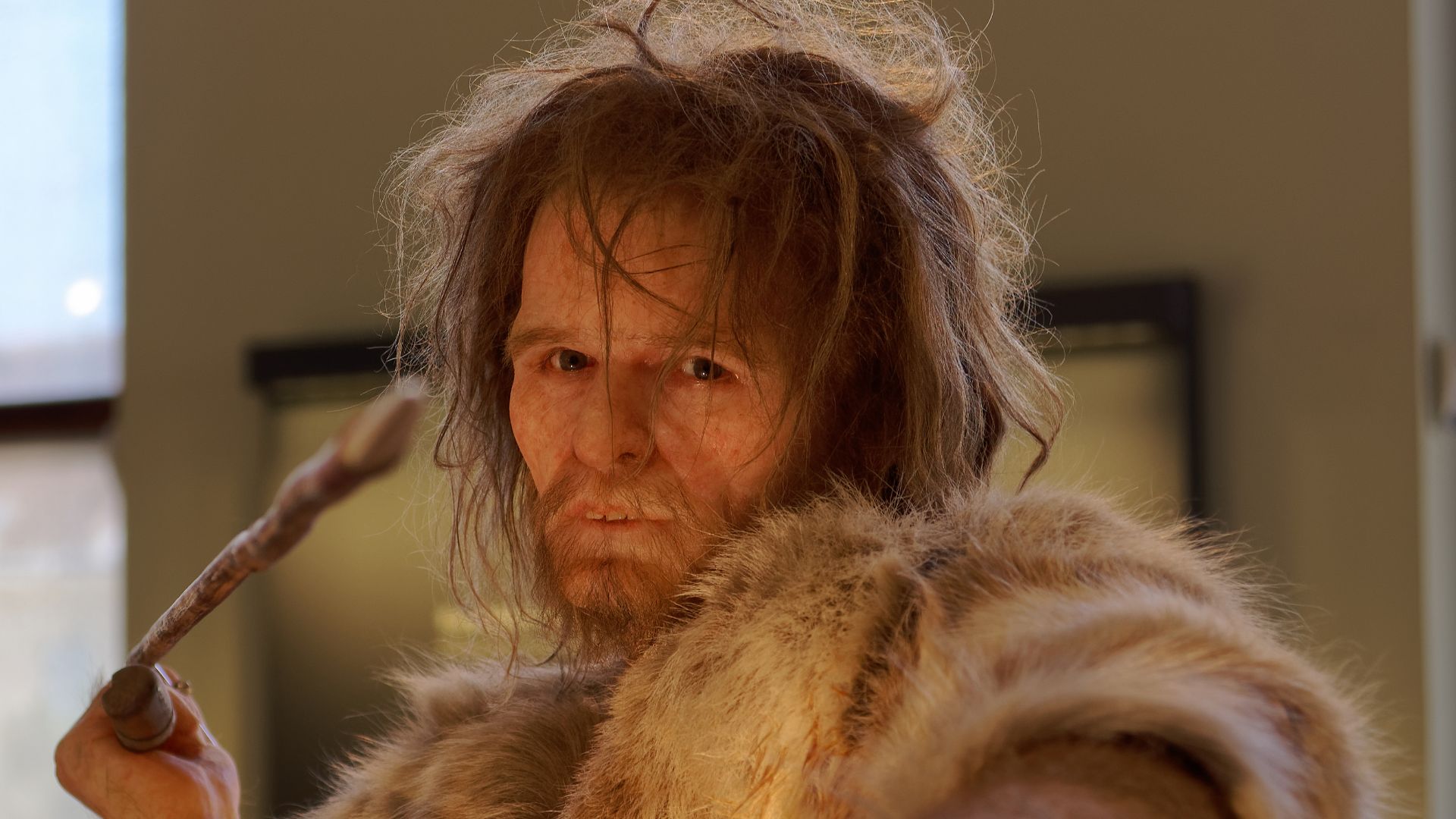 Jakub Hałun, Wikimedia Commons
The Past Still Shapes The Present
Tiny fragments of Neanderthal DNA still survive in millions of people today. Those inherited genes may influence sleep, mood, addiction risk, and other traits in subtle ways. Humanity’s ancient past continues to leave traces inside the modern human body.

Ancient Humans Never Fully Vanished
Neanderthals may be extinct, but parts of them still live on genetically. Their DNA remains woven into the genomes of modern populations around the world. Scientists say this ancient inheritance is a reminder that human evolution was never a simple story.
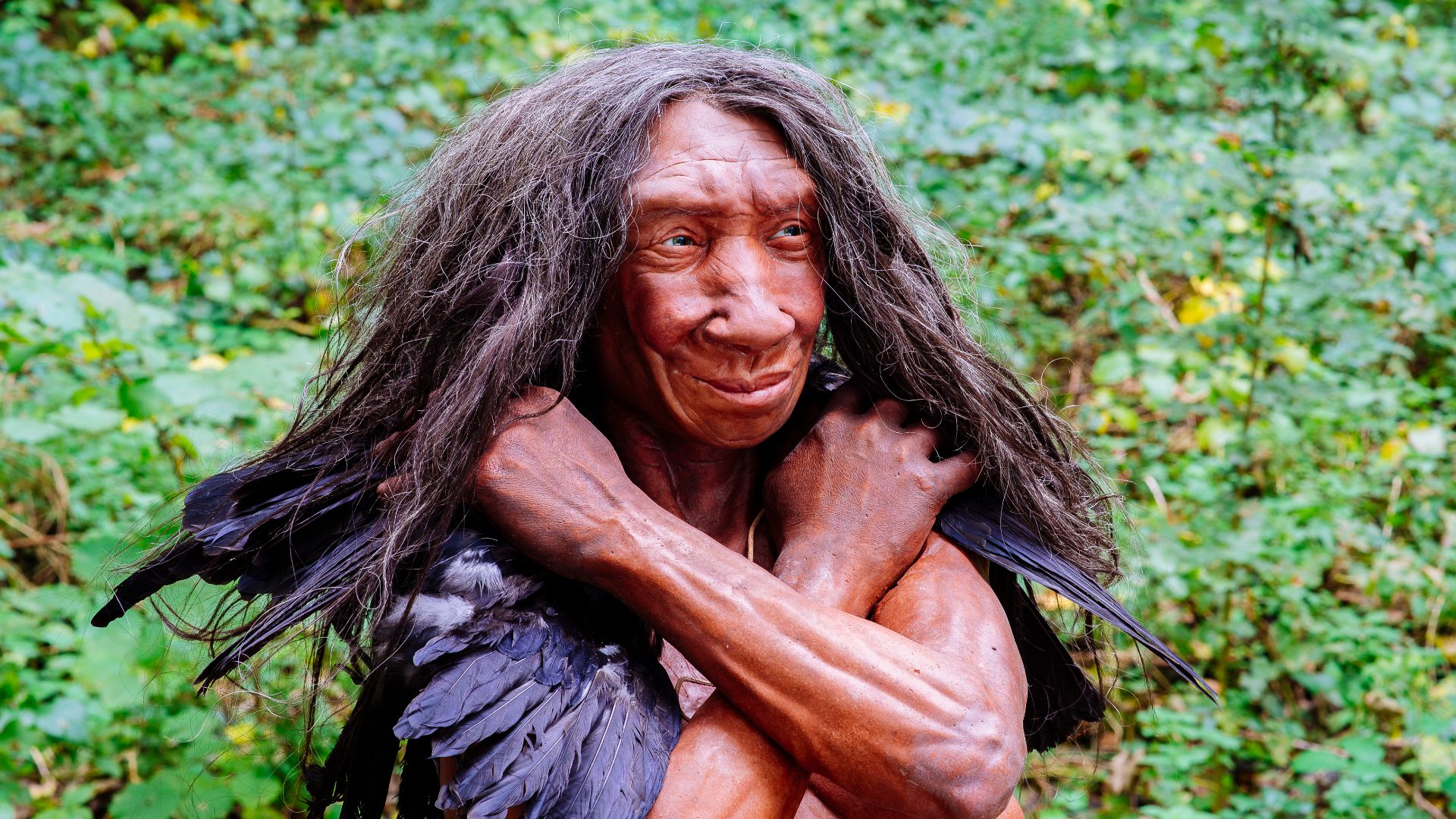 Neanderthal-Museum, Mettmann, Wikimedia Commons