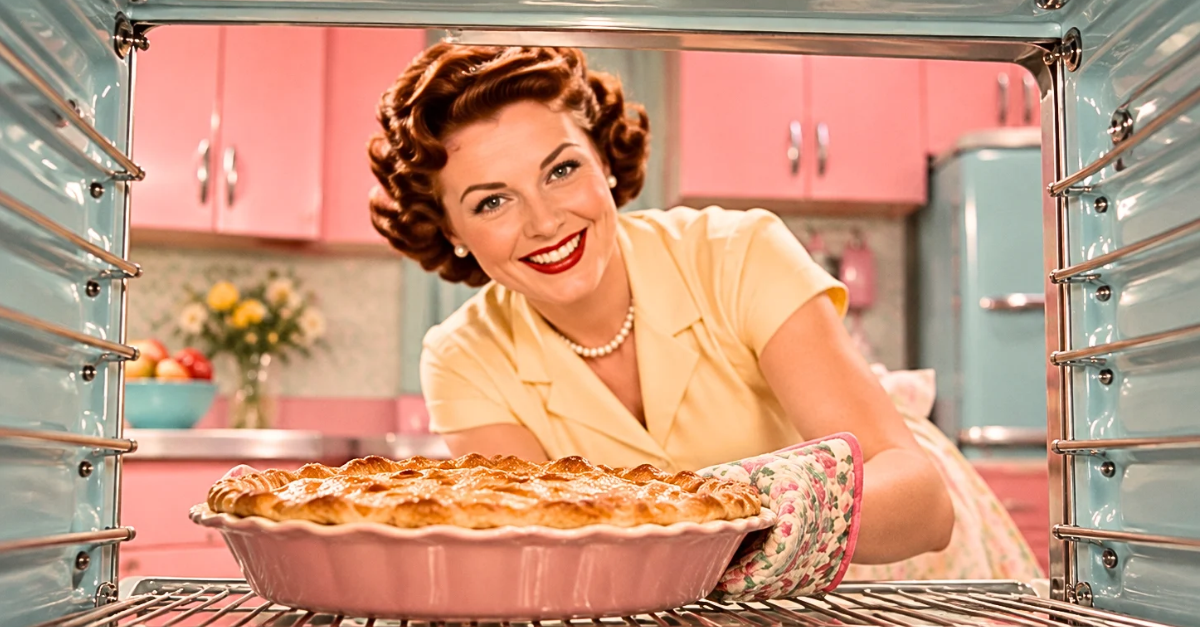
Luxury Has A Funny Way Of Becoming Normal
Today's basic convenience was often yesterday's bragging right. Across American history, technologies that once appeared only in wealthy homes gradually became so ordinary that living without them started to feel unusual.
Air Conditioning Was For The Rich
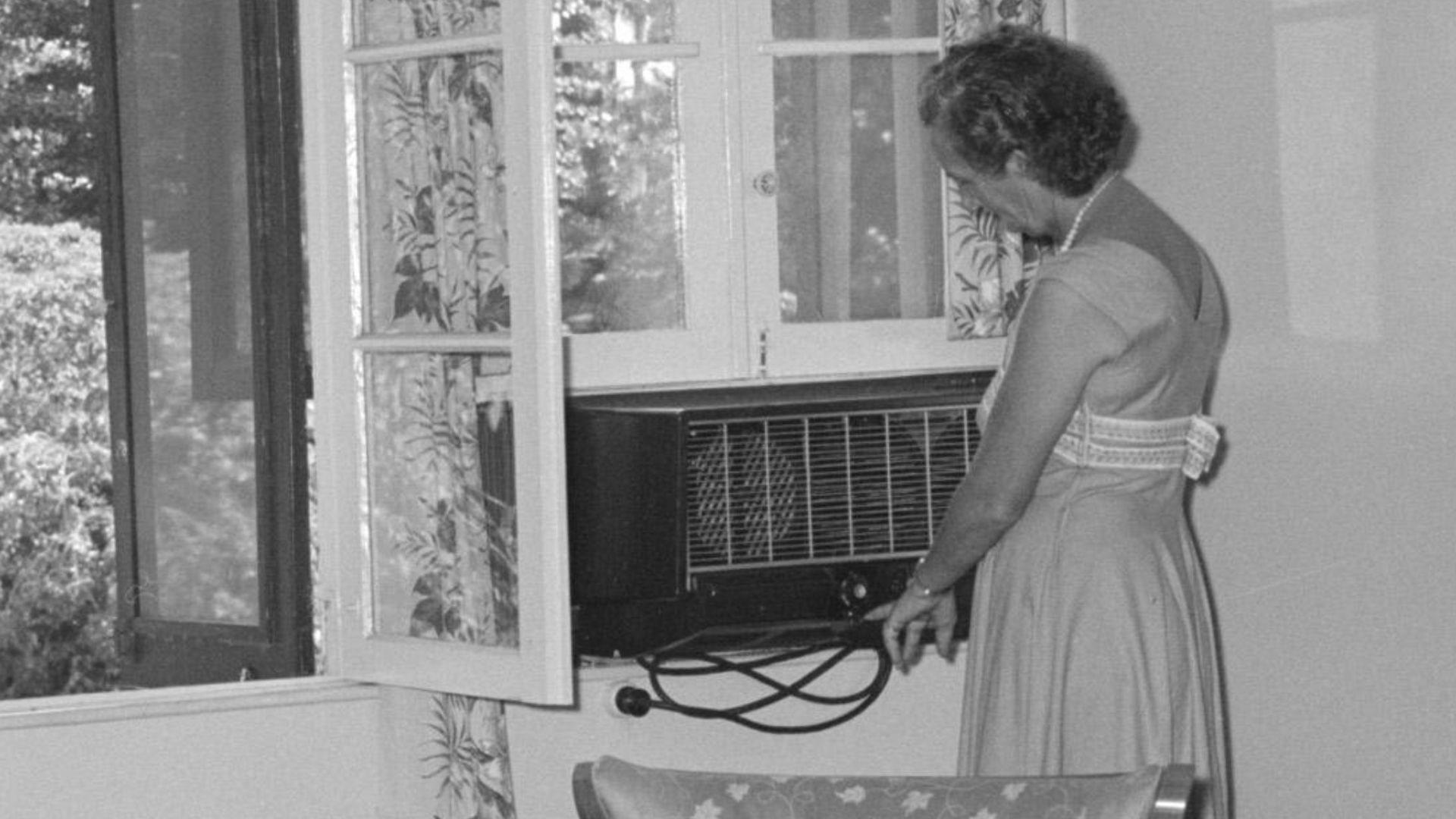
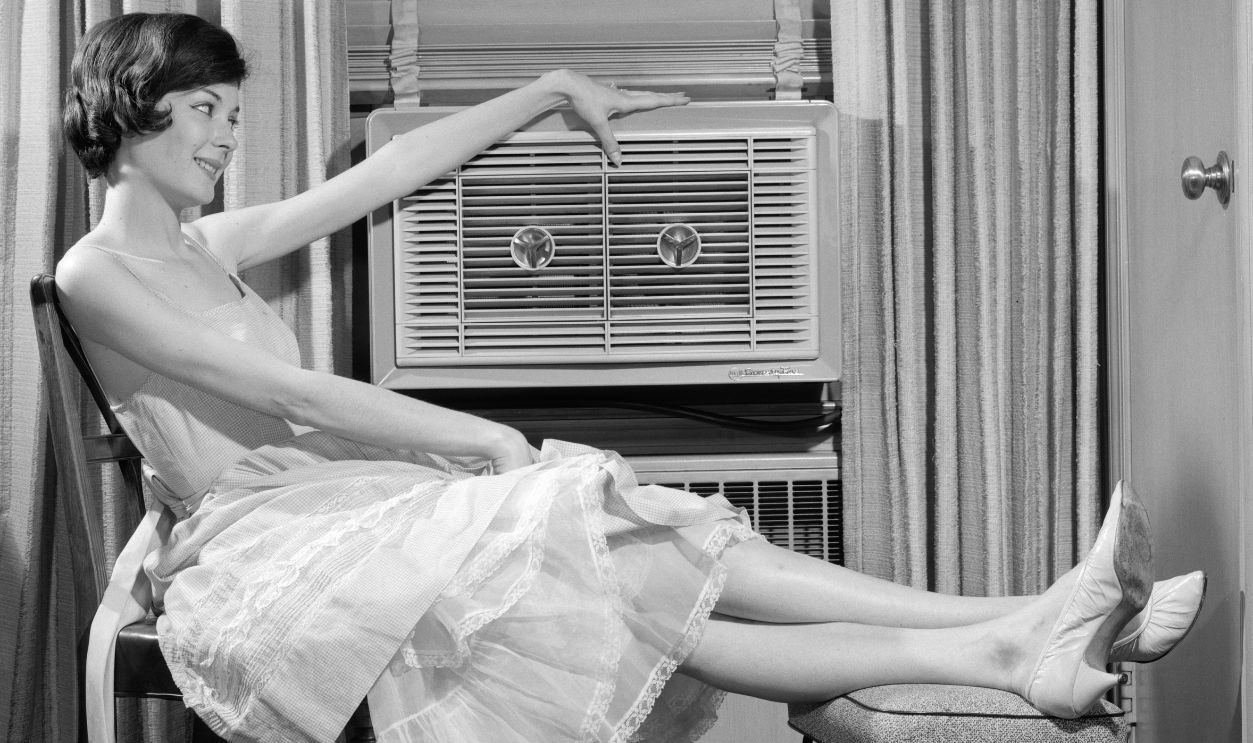
Residential air conditioning existed decades before most Americans could realistically afford it. In the late 1920s and 1930s, companies experimented with systems for private homes, but custom installation made whole-house cooling prohibitively expensive for all but wealthy buyers. For most people, an air-conditioned movie theater offered a better chance of experiencing mechanical cooling than their own bedroom.
 Willem van de Poll, Wikimedia Commons
Eventually America Cooled Down
Home air conditioning remained rare even after World War II, with fewer than 2% of American residences having it in 1955. Falling prices, cheaper electricity, mass-produced window units, new construction designed for central systems, and federal mortgage policies helped accelerate adoption. By 1980, well over half of American homes had some form of air conditioning.
Refrigerators Looked Like The Future
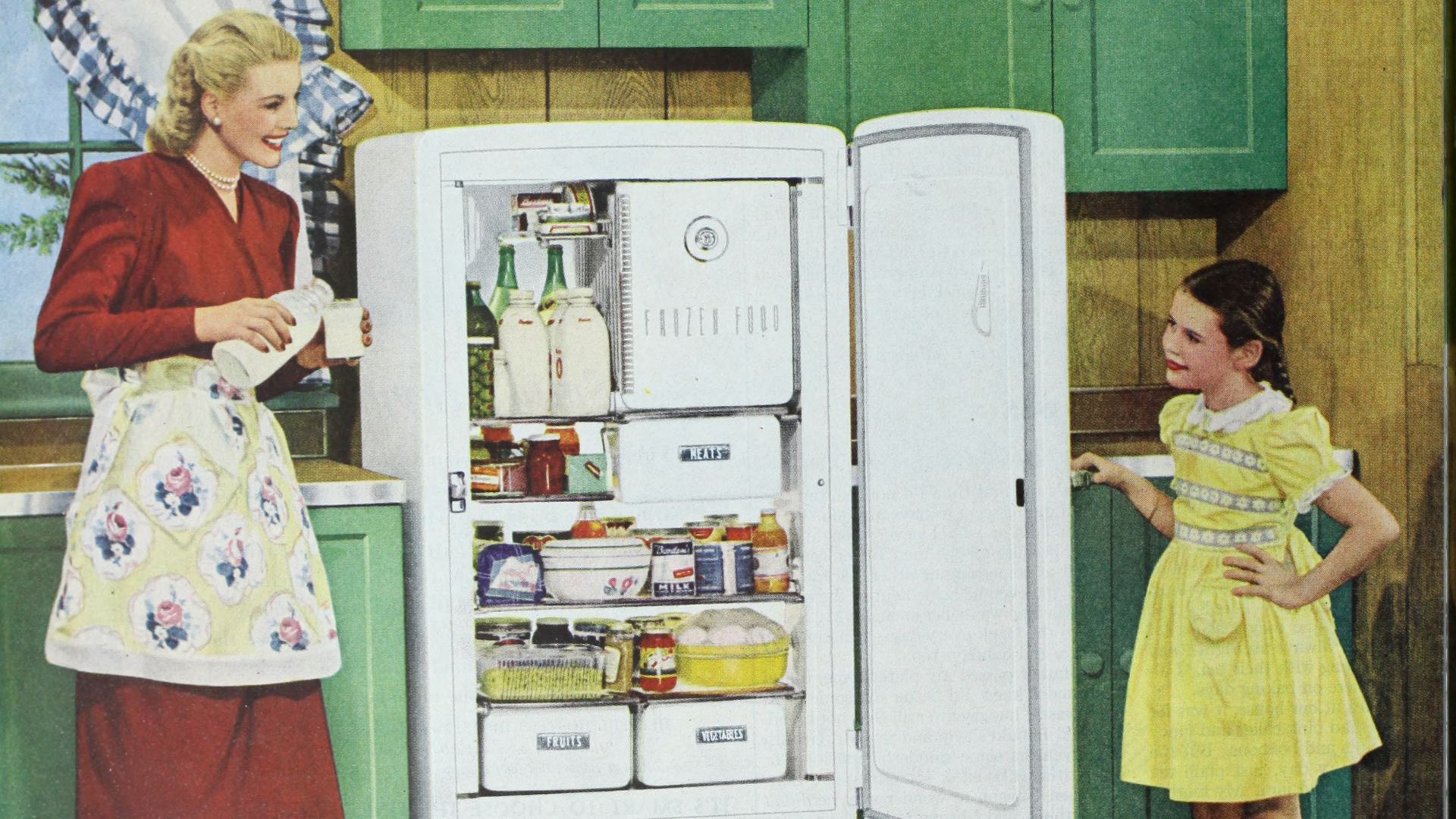
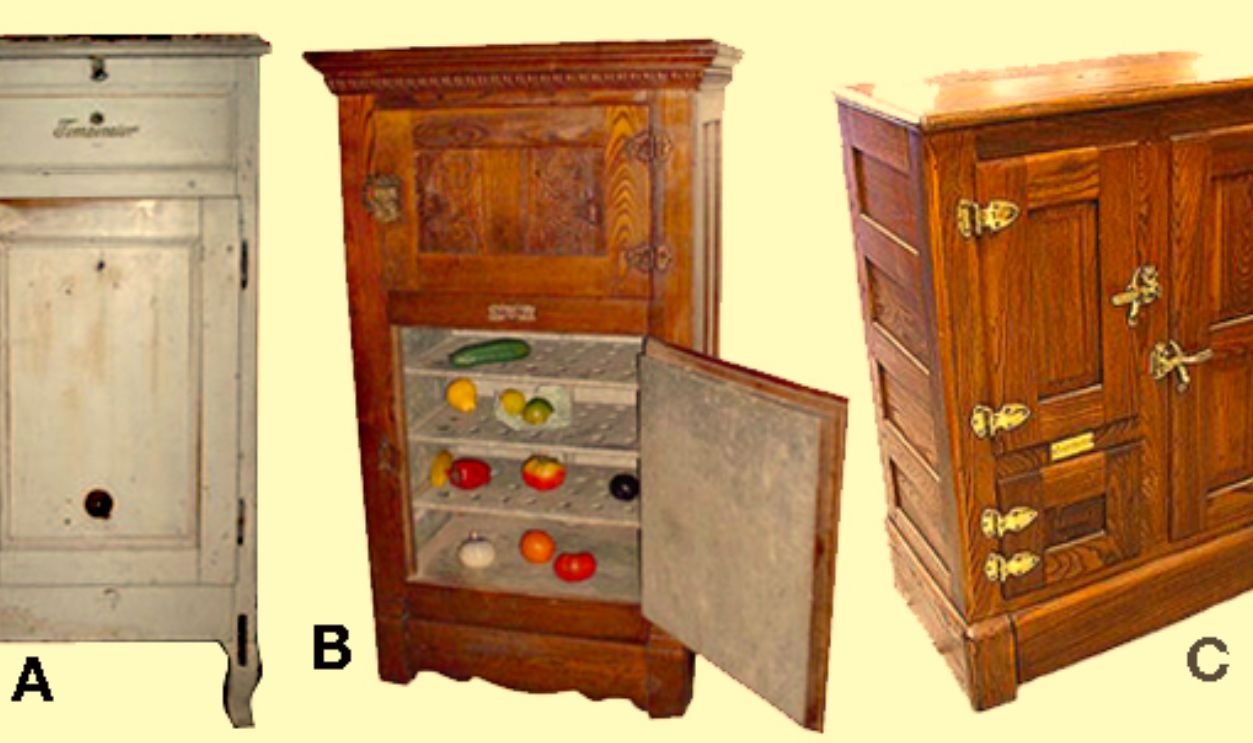
Mechanical refrigeration transformed food storage, but early household models were major purchases rather than routine kitchen equipment. Americans had long relied on iceboxes supplied with harvested or manufactured ice, so buying an electric refrigerator meant replacing an entire familiar system. The sleek new machines increasingly became symbols of a modern, technologically advanced household.
 Wyeth, N. C. (Newell Convers), 1882-1945, Wikimedia Commons
Then The Icebox Lost The Fight
Manufacturing improvements and expanding household electrification gradually brought refrigerators within reach of more families. By the middle of the 20th century, electric refrigeration was changing not only kitchens but also how food could be transported, purchased, and stored. A machine once advertised as a remarkable upgrade became one of the appliances Americans would eventually consider indispensable.
 en:User:Magi Media, CC BY-SA 3.0, Wikimedia Commons
A Telephone Was Something To Show Off
Early telephones did not instantly arrive in every American living room. Initial exchanges concentrated heavily on businesses and affluent customers who could justify the cost of maintaining a connection. Having a telephone at home advertised that a family had both the money and the reason to stay connected to an emerging communications network.
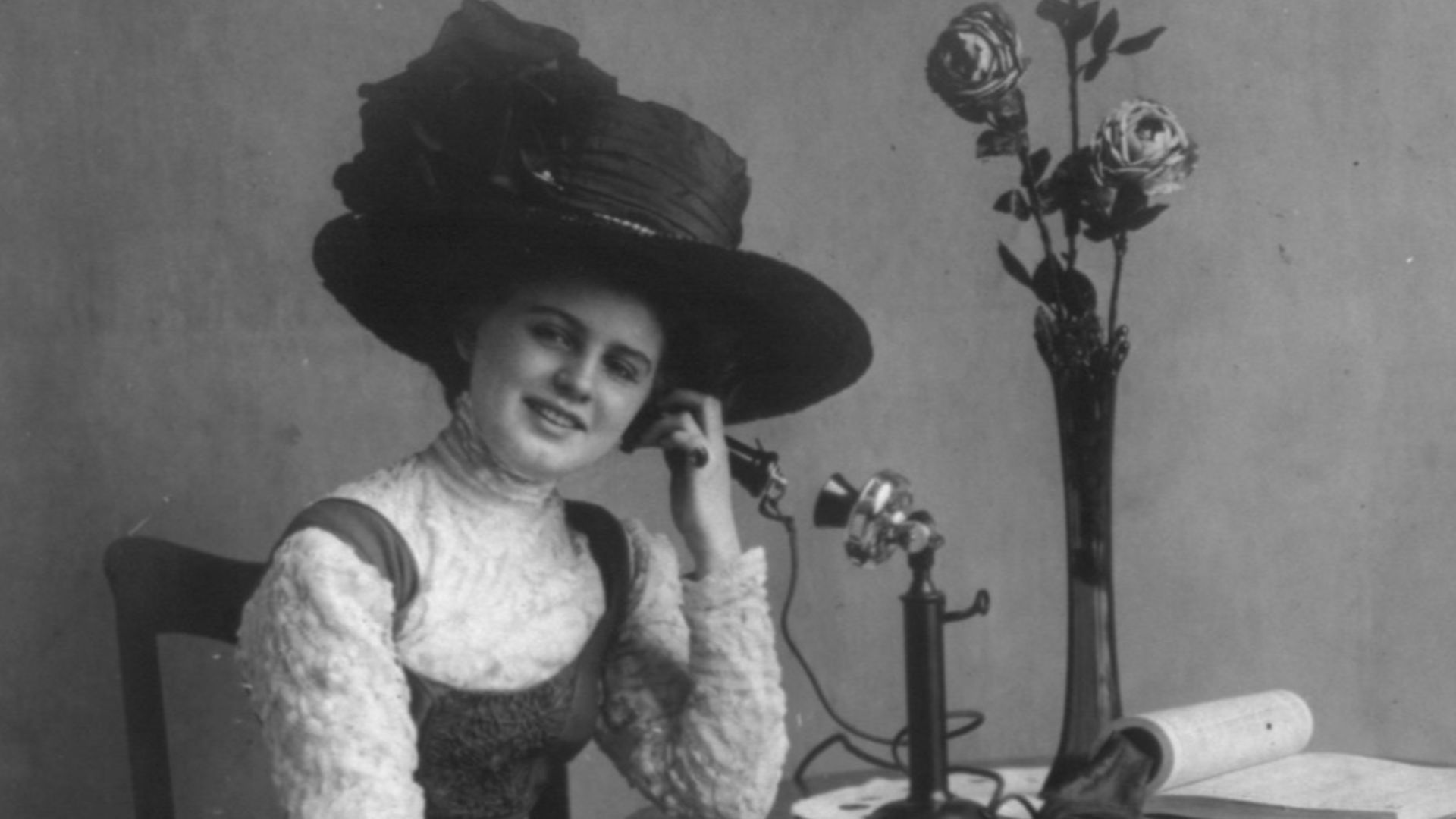 Longaker Premier Engraving Co., copyright claimant, Wikimedia Commons
The Luxury Became A Utility
Telephone service expanded rapidly as competing systems, rural cooperatives, and larger networks pushed connections into more communities. New York City alone went from roughly 56,000 telephone users in 1900 to hundreds of thousands within the following decade. Eventually the telephone stopped looking like evidence of privilege and began looking like basic household infrastructure.
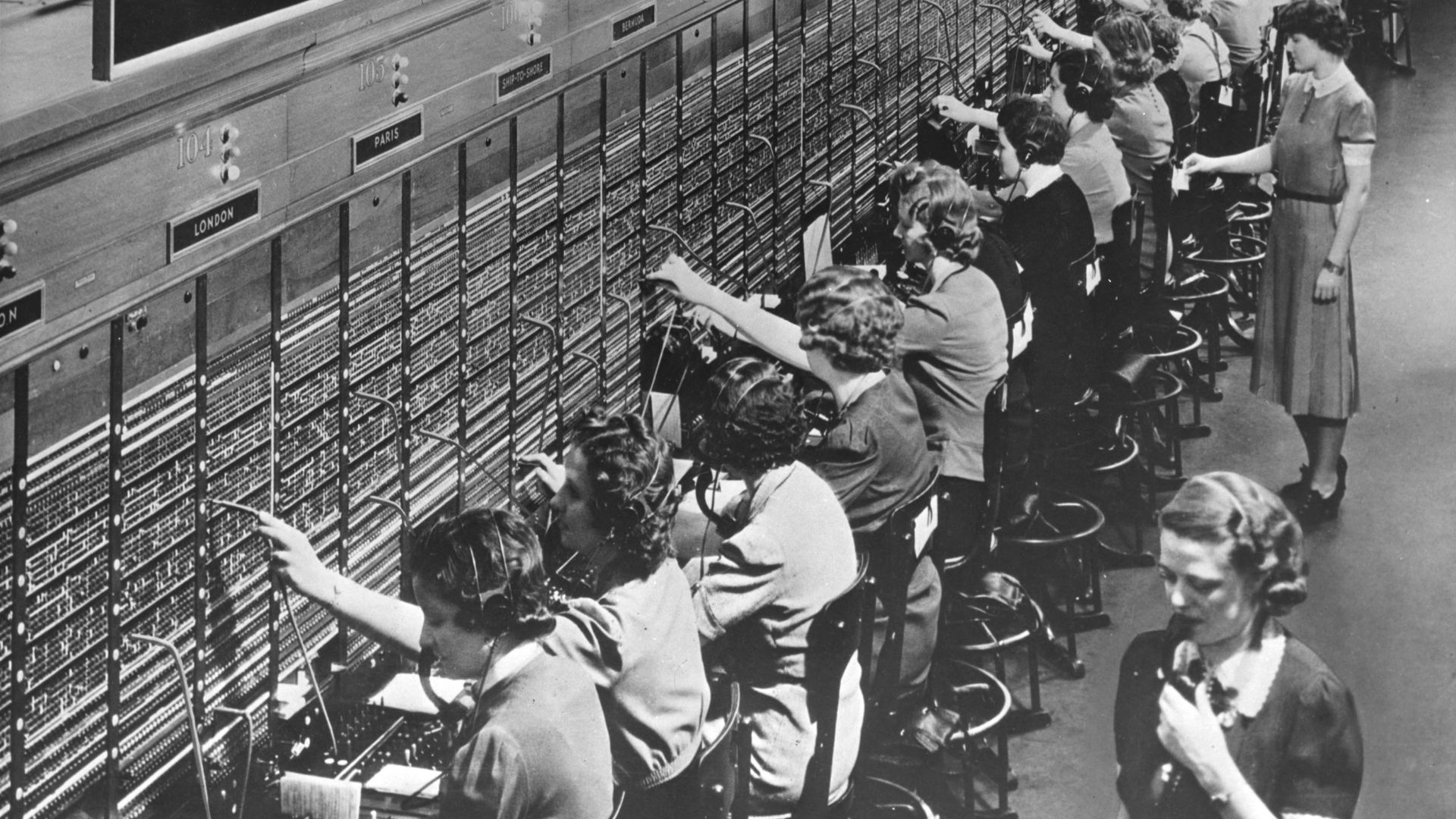 The U.S. National Archives, Wikimedia Commons
Electric Light Once Meant You Had Arrived
Thomas Edison's early commercial lighting system began serving customers in lower Manhattan in 1882. Electricity initially spread unevenly because homes needed access to generating and distribution systems as well as wiring and fixtures. Hotels, theaters, businesses, and wealthy households could showcase the novelty while many Americans continued using gas, kerosene, or other forms of lighting.

Then Flipping A Switch Became Boring
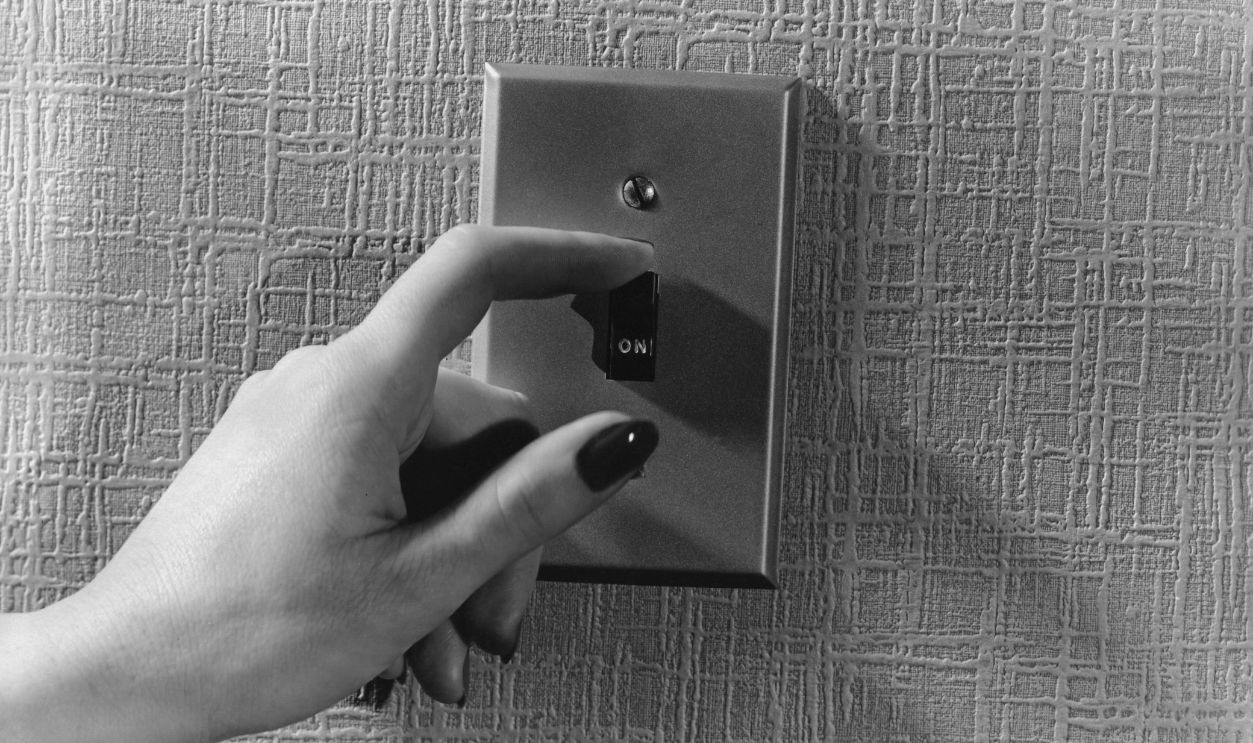
Electricity spread through American cities and eventually into smaller communities and rural areas. Once houses were wired, electric lights opened the door to an entirely new generation of household appliances. One of the most astonishing technological demonstrations of the late 19th century eventually became something people barely notice when entering a room.
Indoor Plumbing Was A Serious Upgrade
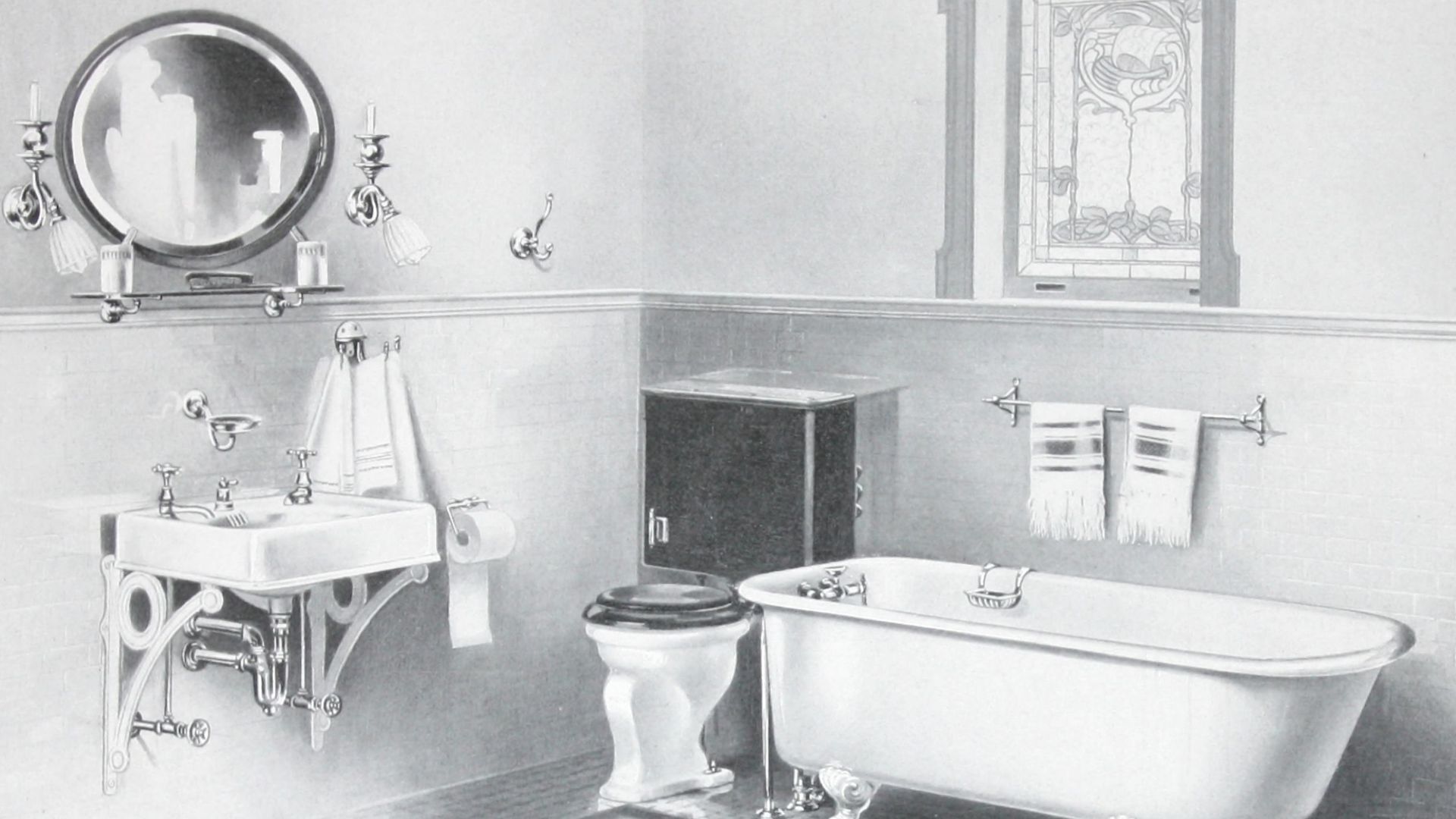
A private bathroom with piped water was not a standard feature of many 19th-century American homes. Washing could involve basins, portable tubs, wells, pumps, privies, and substantial manual labor. Purpose-built bathrooms with permanent fixtures therefore became visible evidence that a household had access to money, infrastructure, and modern construction.
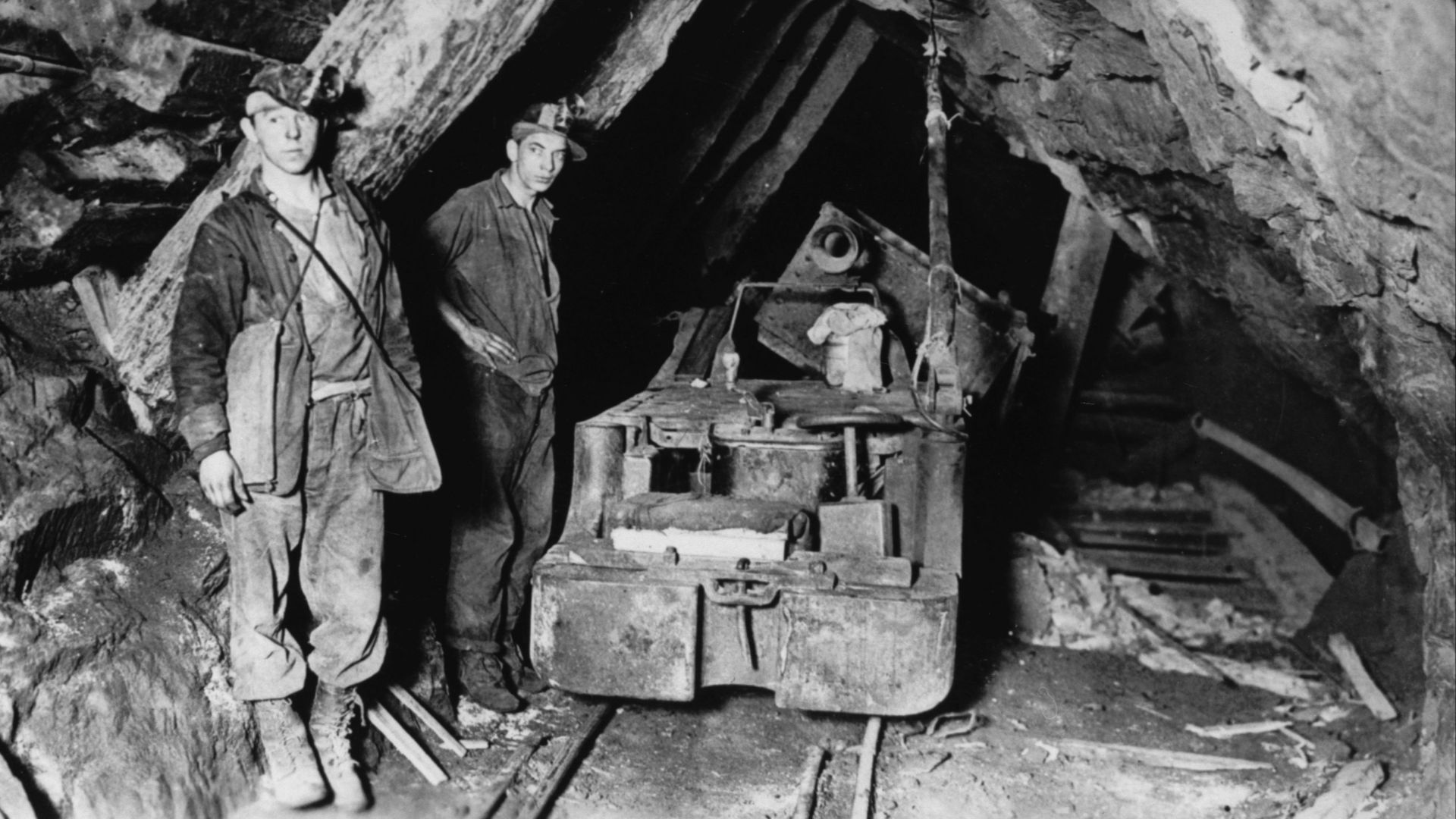 Unknown authorUnknown author, Wikimedia Commons
The Bathroom Became Expected
Municipal water and sewer systems expanded alongside improvements in building technology and public health. Plumbing gradually moved from an impressive amenity in prosperous homes to a basic expectation of residential construction. The private indoor bathroom, once a luxurious architectural feature, became so normal that its absence now makes a house seem unfinished.
 Standard Sanitary Manufacturing Company., Wikimedia Commons
Cars Were Toys For Wealthy Americans
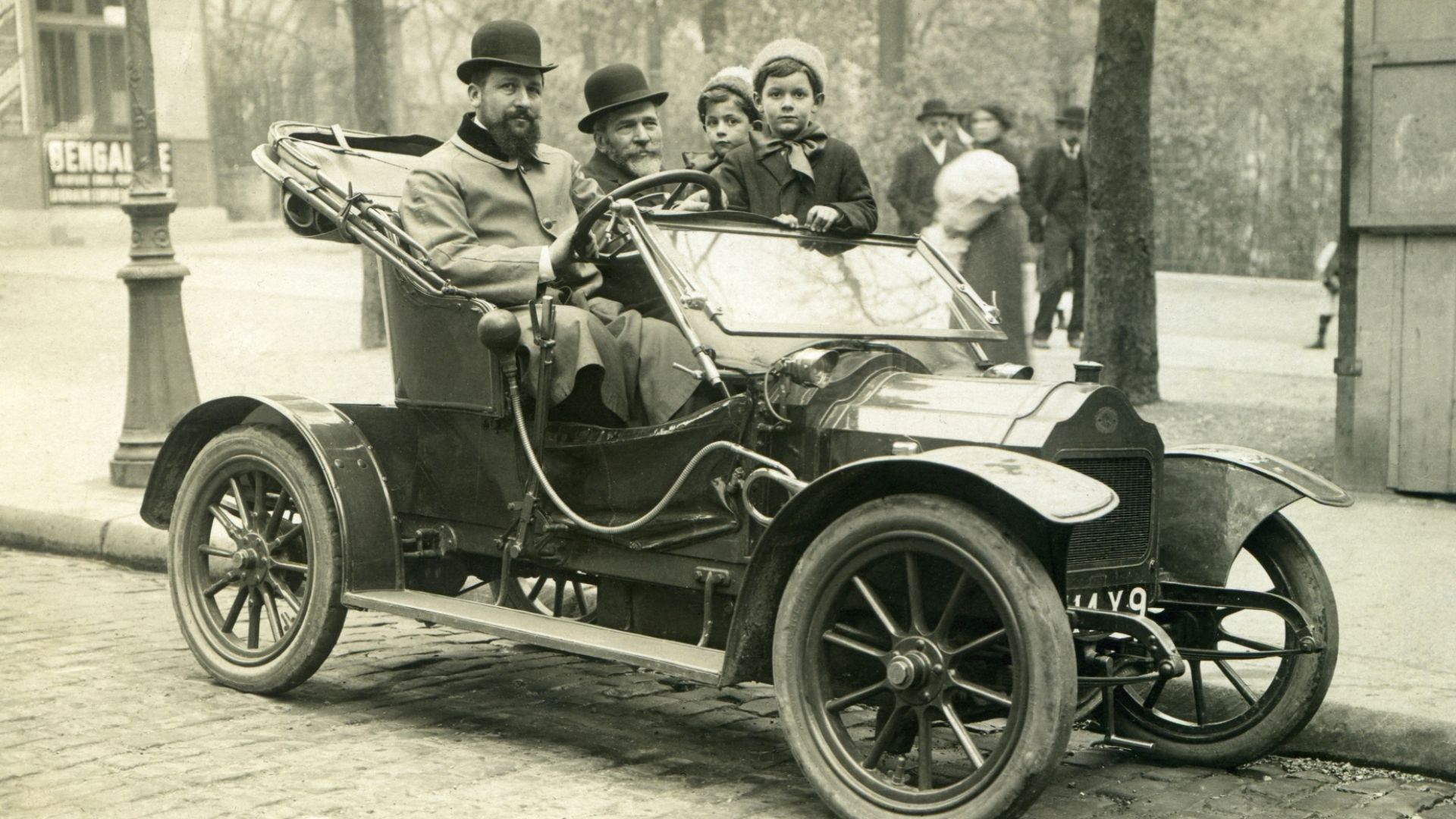
The earliest American automobiles were expensive, uncommon, and frequently temperamental machines. Ownership required enough money not only to buy the vehicle but also to deal with repairs, fuel, and poor roads. Before mass production transformed the industry, the automobile could function as a moving announcement that its owner possessed disposable income.
 Alexandre Louis, Wikimedia Commons
Ford Changed Who Could Drive
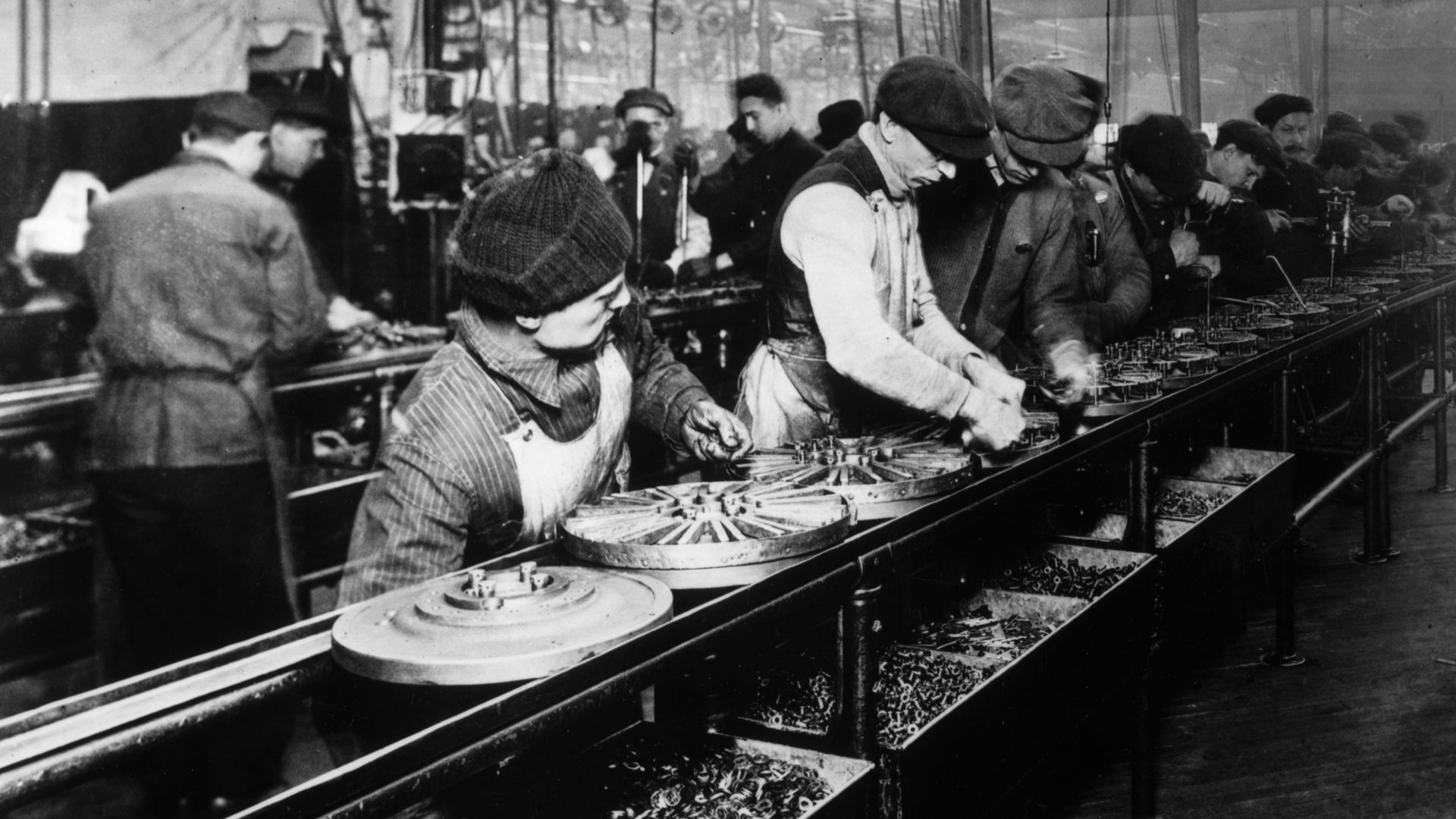
The Model T, introduced in 1908, was designed for a much broader market than many earlier cars. Ford's improving production methods and moving assembly line helped drive manufacturing costs downward as output rose dramatically. By the 1920s, automobiles had moved far beyond wealthy hobbyists and were reshaping work, shopping, dating, vacations, and the physical layout of American communities.
 Unknown authorUnknown author, Wikimedia Commons
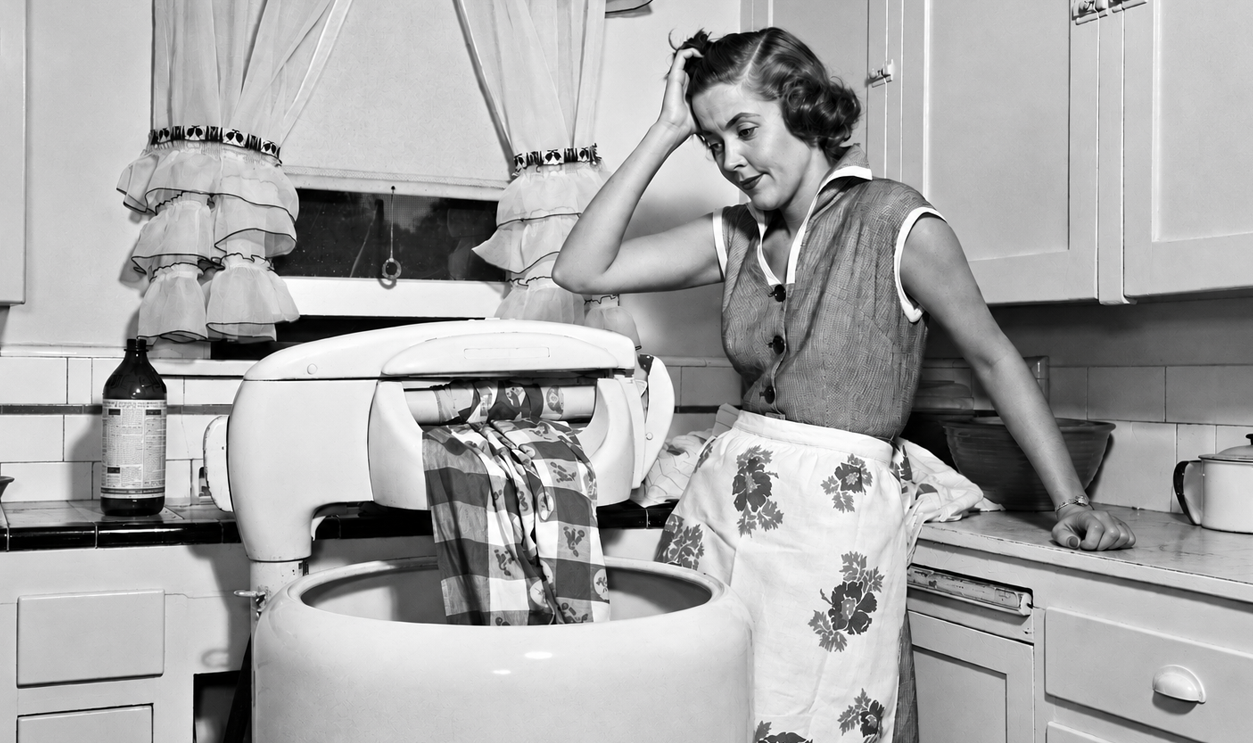
Washing Machines Were Not Cheap Shortcuts
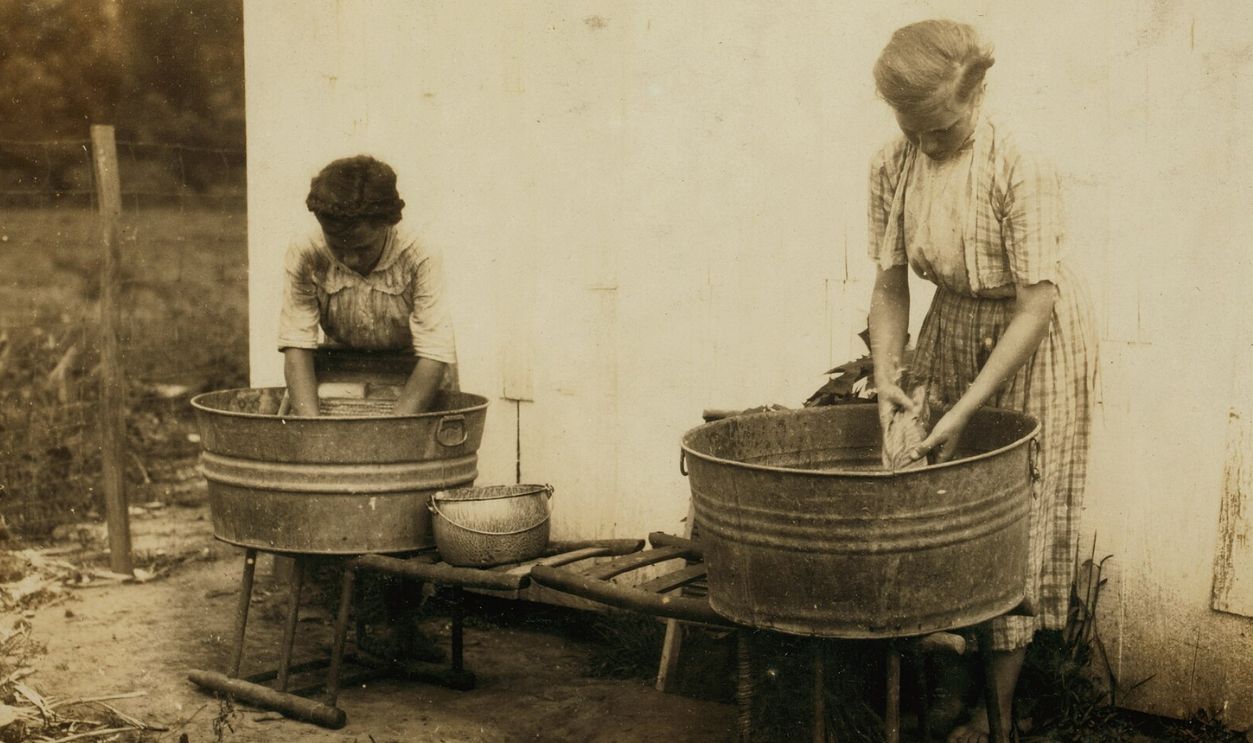
Laundry was among the hardest recurring jobs in an American household, which made mechanized washing tremendously appealing. Powered washing machines appeared before they became economically comfortable purchases for ordinary workers. In the 1910s, entry-level powered machines could still cost several weeks of a typical worker's wages.
 Hine, Lewis Wickes; National Child Labor Committee Collection, Wikimedia Commons
Installment Plans Brought Washday Into The Machine Age
Manufacturers understood that families wanted the machines even when they lacked the cash to buy them outright. Dealers increasingly promoted installment payments and compared the weekly cost with paying a laundress or sending clothing to a commercial laundry. By the middle of the century, washing machines had shifted from conspicuous labor-saving equipment into fixtures of American domestic life.
The Vacuum Cleaner Needed A Sales Pitch
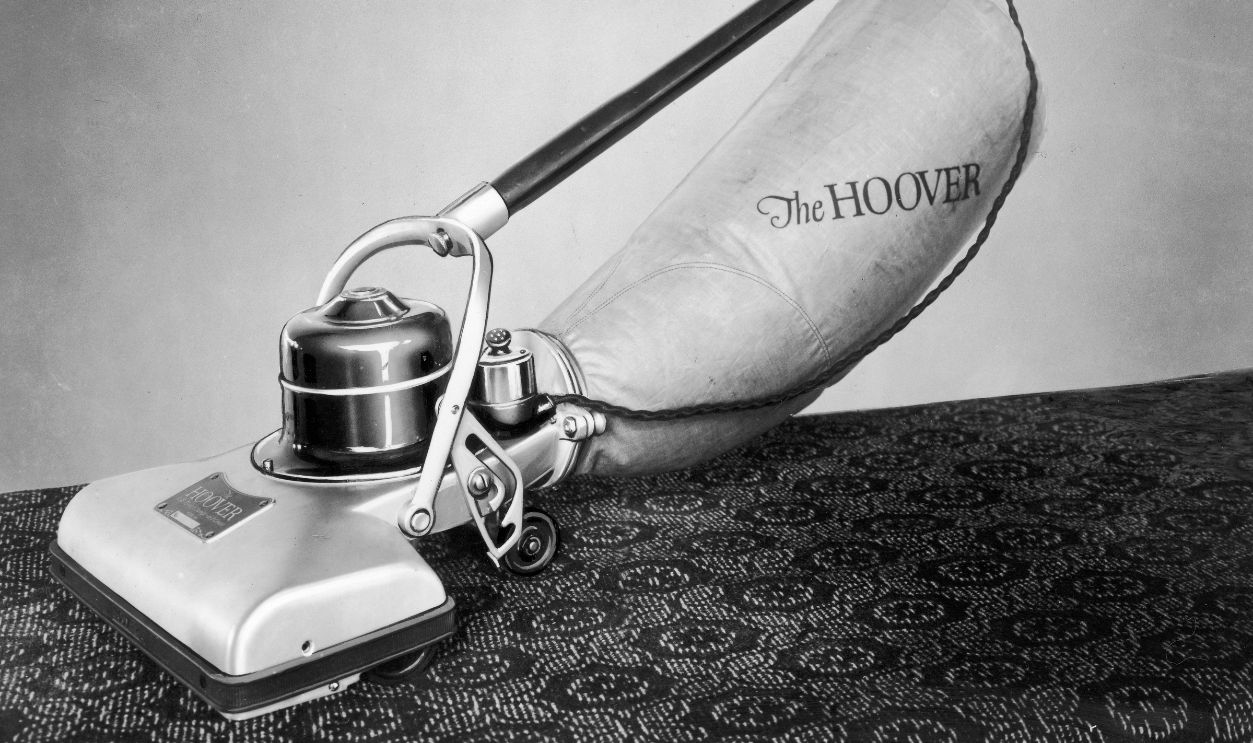
James Murray Spangler developed an electric suction sweeper in 1907 and transferred his invention to William Hoover, whose company began turning it into a successful consumer product. Early electric cleaners still had to persuade shoppers that a powered machine was worth buying when brooms and carpet sweepers already existed. Hoover's answer included live demonstrations and free trials inside prospective customers' homes.
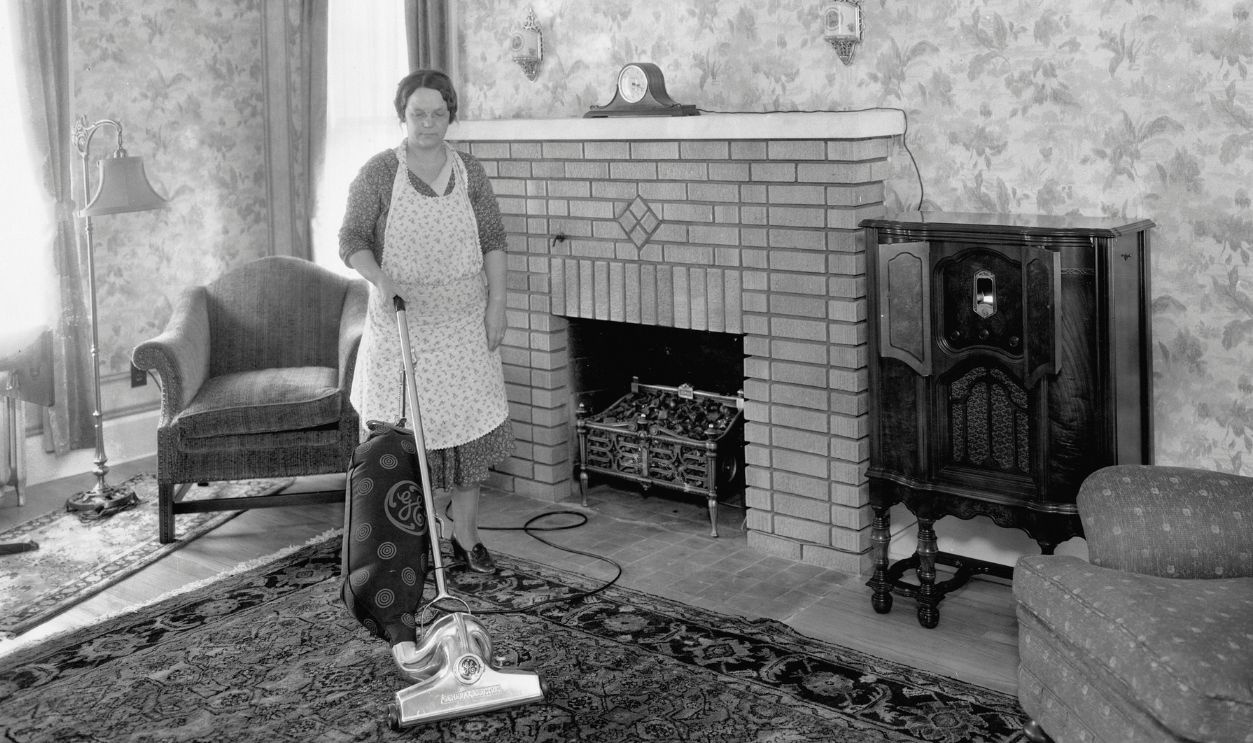 Schenectady Museum Association, Getty Images
Soon A Clean Carpet Needed Electricity
Those demonstrations helped turn an unusual electrical gadget into a desirable household appliance. Manufacturers improved portability while expanding sales networks and marketing vacuum cleaning as a modern, more hygienic approach to housekeeping. A device once impressive enough to require a salesperson's personal demonstration eventually became something people stored in a closet.
Dishwashers Started In Wealthy Kitchens
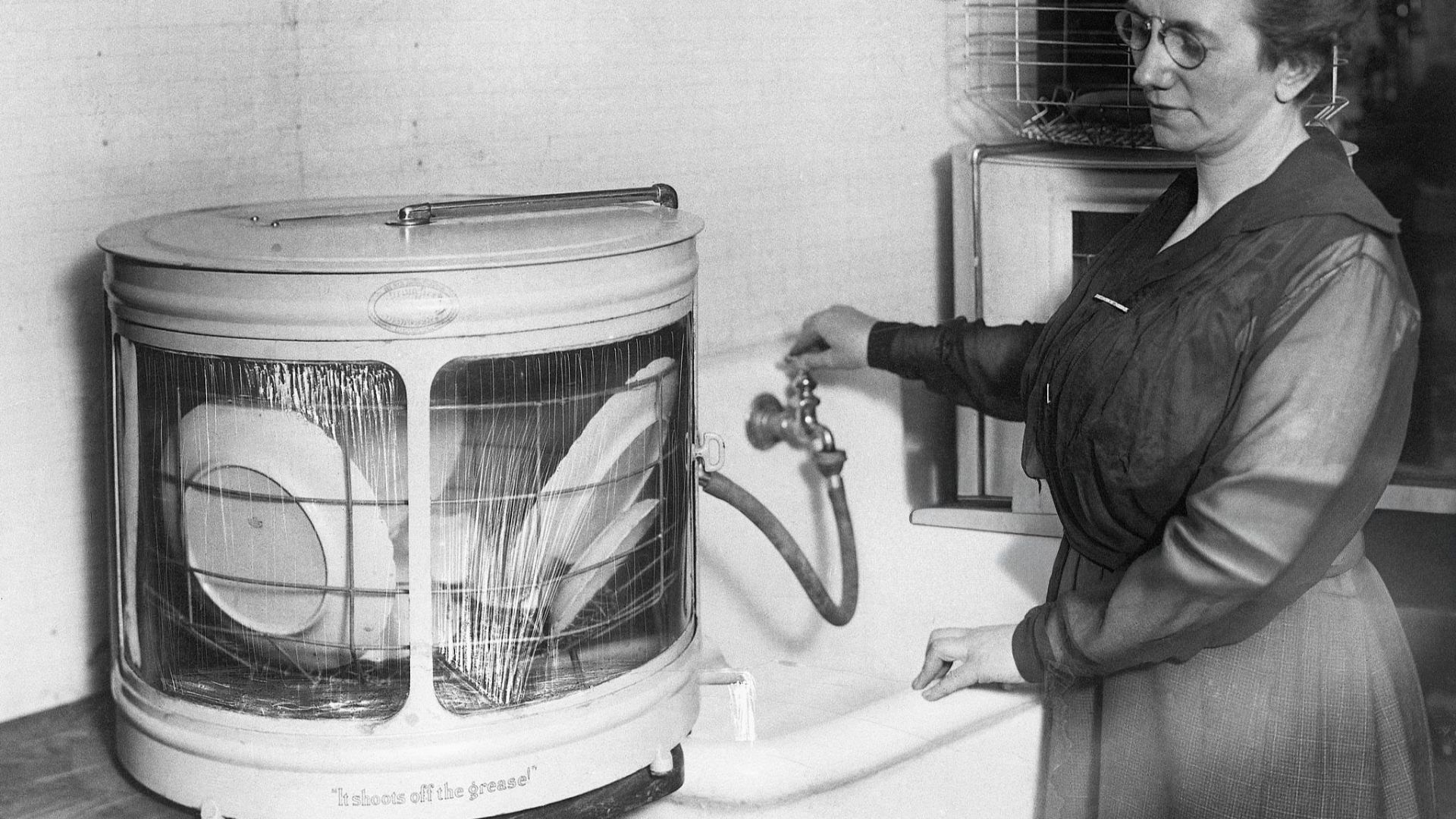
Josephine Cochrane patented her practical dishwashing machine in 1886 after developing a system that used water pressure and racks designed to protect dishes. The invention appealed particularly to hotels, restaurants, and institutions that washed enormous quantities of tableware. Domestic versions remained expensive enough that the machine was beyond the reach of most American households.
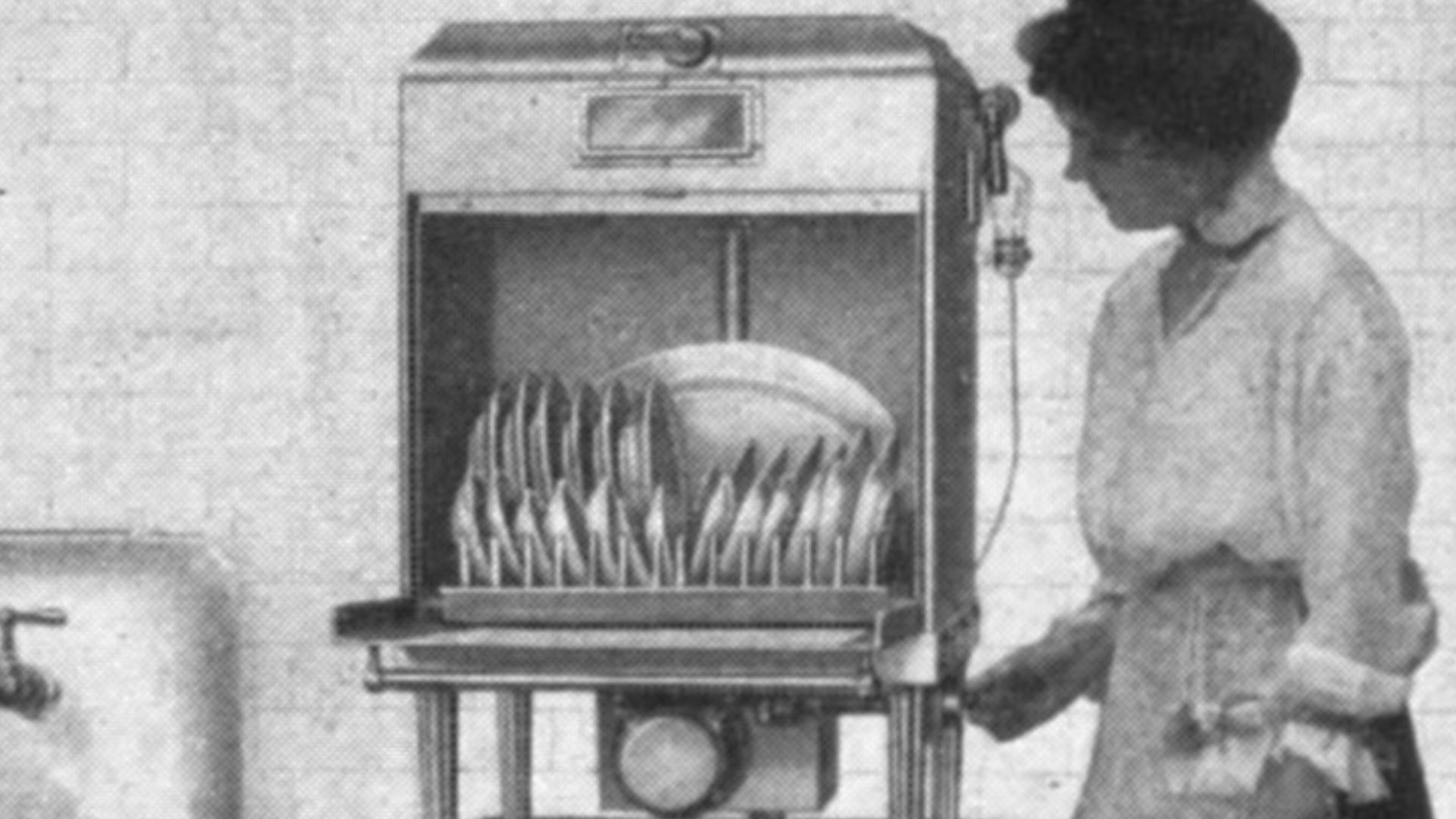 Keith's Magazine, Wikimedia Commons
A $350 Appliance Was Hard To Justify
Around the turn of the century, a household dishwasher could cost roughly $350 and required enough hot water and plumbing capacity to make installation practical. Those limitations helped keep Cochrane's machines concentrated in commercial settings. Only decades of appliance development, suburban construction, and rising incomes turned the automatic dishwasher into a familiar middle-class kitchen convenience.
 Unknown authorUnknown author, Wikimedia Commons
Radio Could Cost A Small Fortune
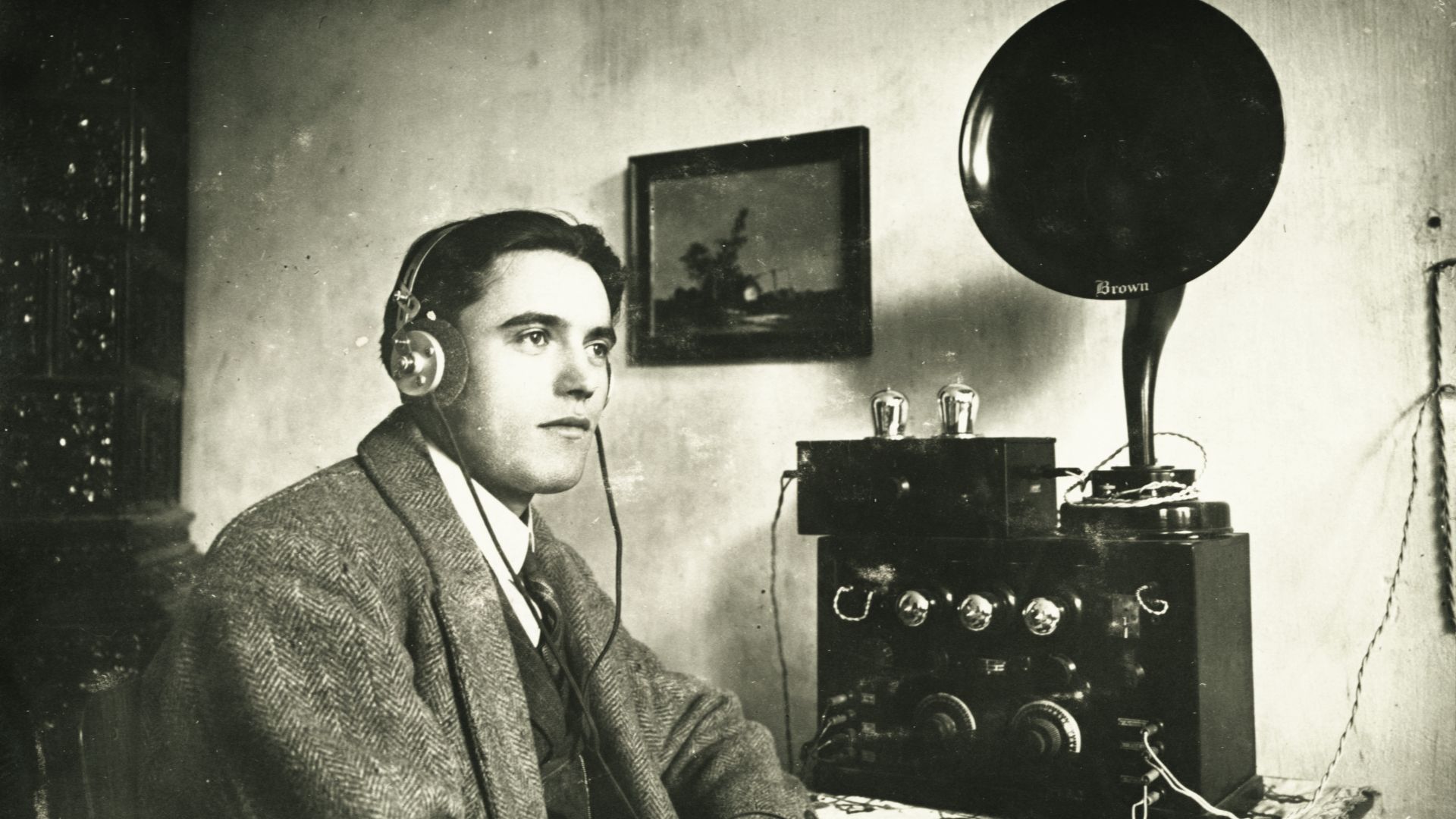
Broadcast radio exploded in popularity during the early 1920s, but serious equipment could be expensive. A simple crystal set might cost relatively little, while sophisticated multi-tube receivers could run into the hundreds of dollars. Buyers often needed batteries, headphones, speakers, and some technical patience in addition to the set itself.
Then Every Living Room Needed One
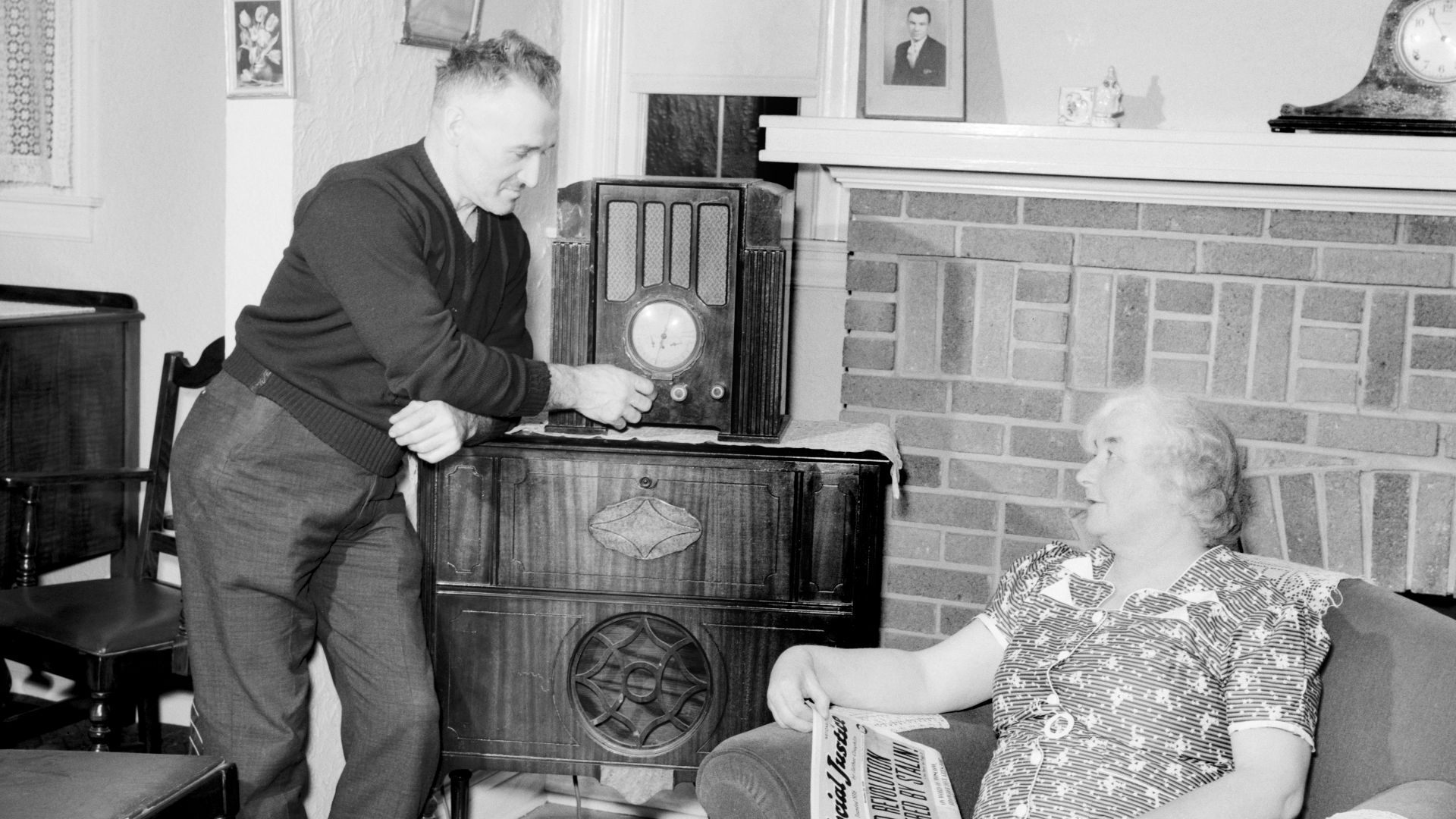
Manufacturing expanded rapidly as RCA, Westinghouse, General Electric, and competitors pursued the new consumer market. Self-contained receivers grew easier to operate, and broadcasting networks gave families increasingly compelling reasons to own one. What began as a hobbyist's gadget and expensive novelty became the dominant home-entertainment medium before television arrived.
 Arthur S. Siegel, Wikimedia Commons
Television Was The Ultimate Living-Room Flex
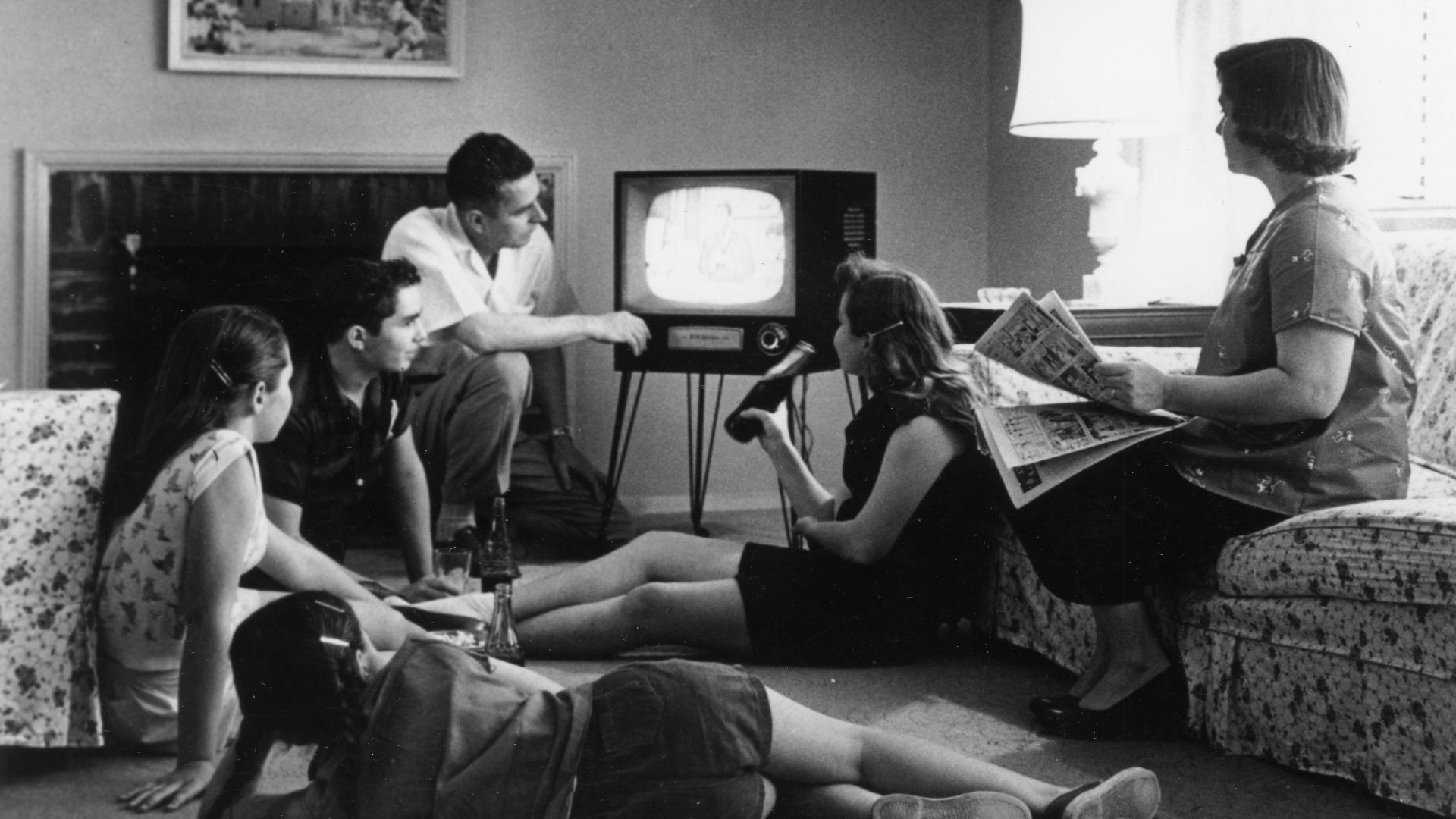
Early postwar televisions were expensive enough that ownership immediately drew attention. Sets were frequently placed prominently in living rooms where family, friends, and neighbors could gather around the screen. Buying one meant purchasing both an entertainment device and one of the clearest symbols that a household had entered the modern consumer age.
 Evert F. Baumgardner, Wikimedia Commons
Television Stopped Being A Spectacle
Prices gradually fell as production increased and broadcasting expanded across the country. During the 1950s, television ownership spread with astonishing speed and changed Americans' relationship with entertainment, politics, advertising, and news. A screen that once caused neighbors to visit simply to watch it soon became ordinary furniture.
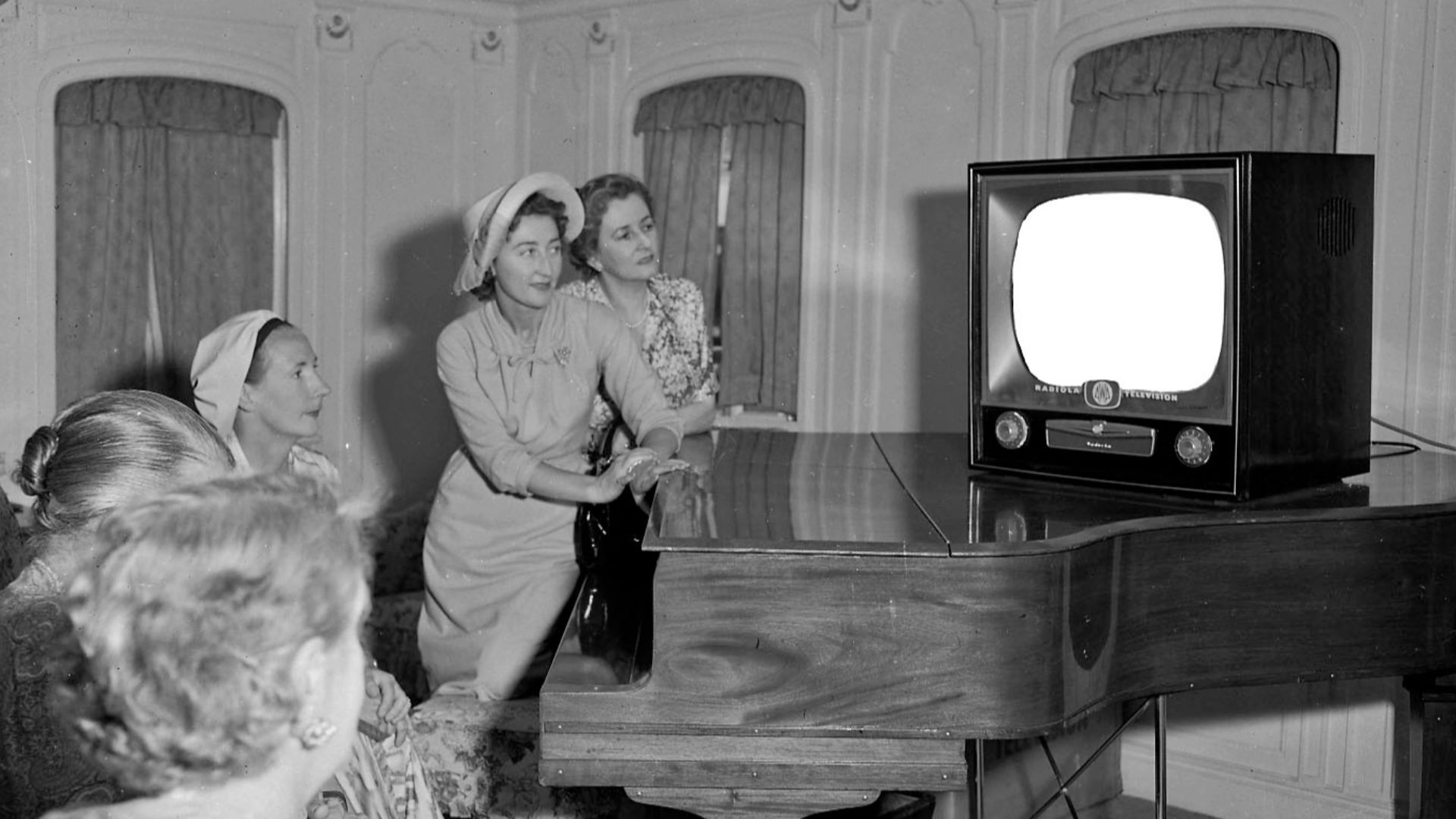 Australian National Maritime Museum on The Commons, Wikimedia Commons
Freezers Meant You Could Buy In Bulk
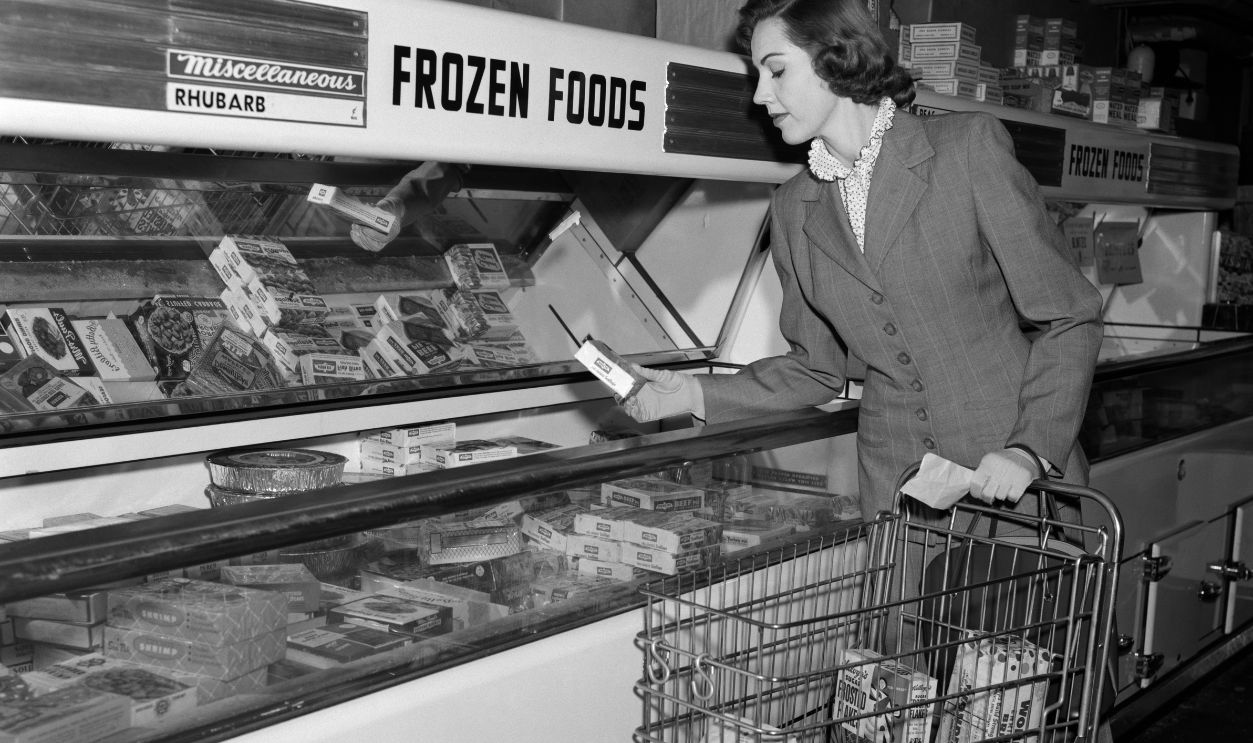
A separate home freezer offered families something refrigerators alone could not provide: the ability to store large amounts of meat, vegetables, and prepared food for long periods. Early freezers required a significant financial investment as well as electricity and enough household space to accommodate them. Ownership therefore initially appealed most strongly to families who could afford to stock the machine after buying it.
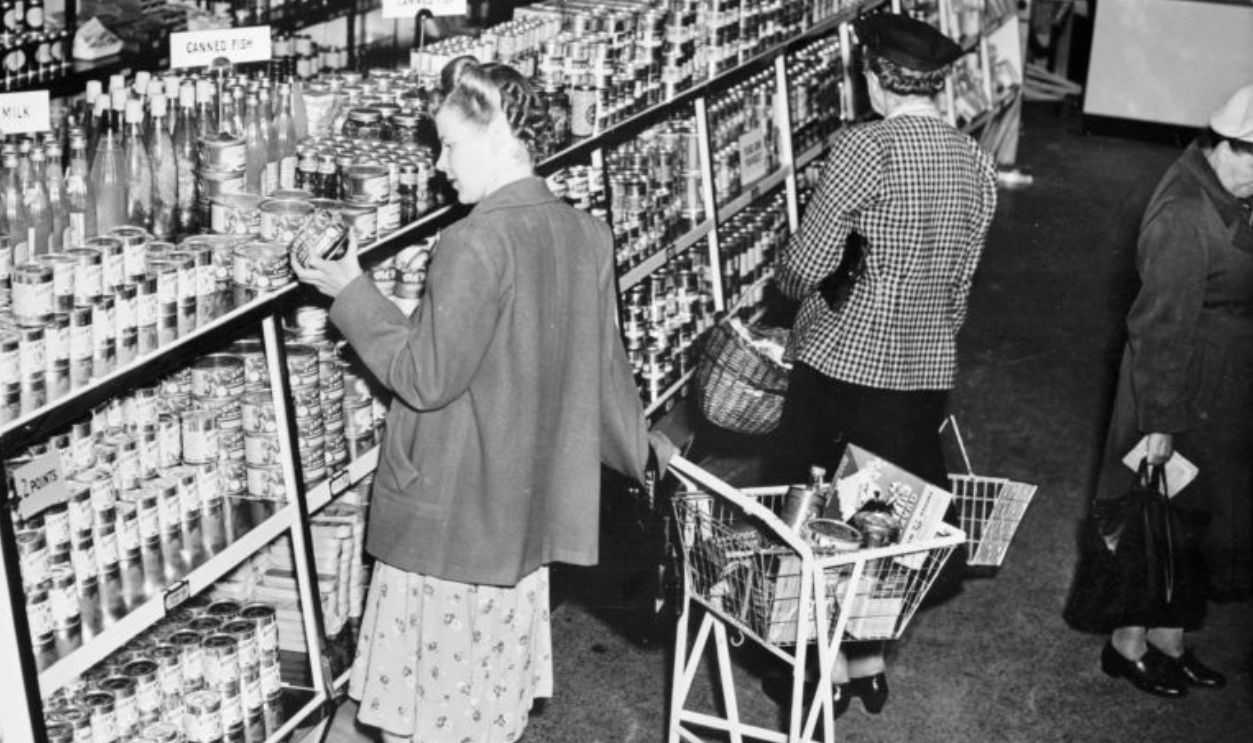
Frozen Food Changed The Calculation
Postwar prosperity and falling appliance costs helped make home freezers more common. They also complemented the expanding frozen-food industry, suburban supermarkets, and the growing American habit of buying groceries less frequently but in larger quantities. What began as substantial household equipment eventually became routine enough that many modern refrigerators include a freezer automatically.
Microwaves Were Shockingly Expensive
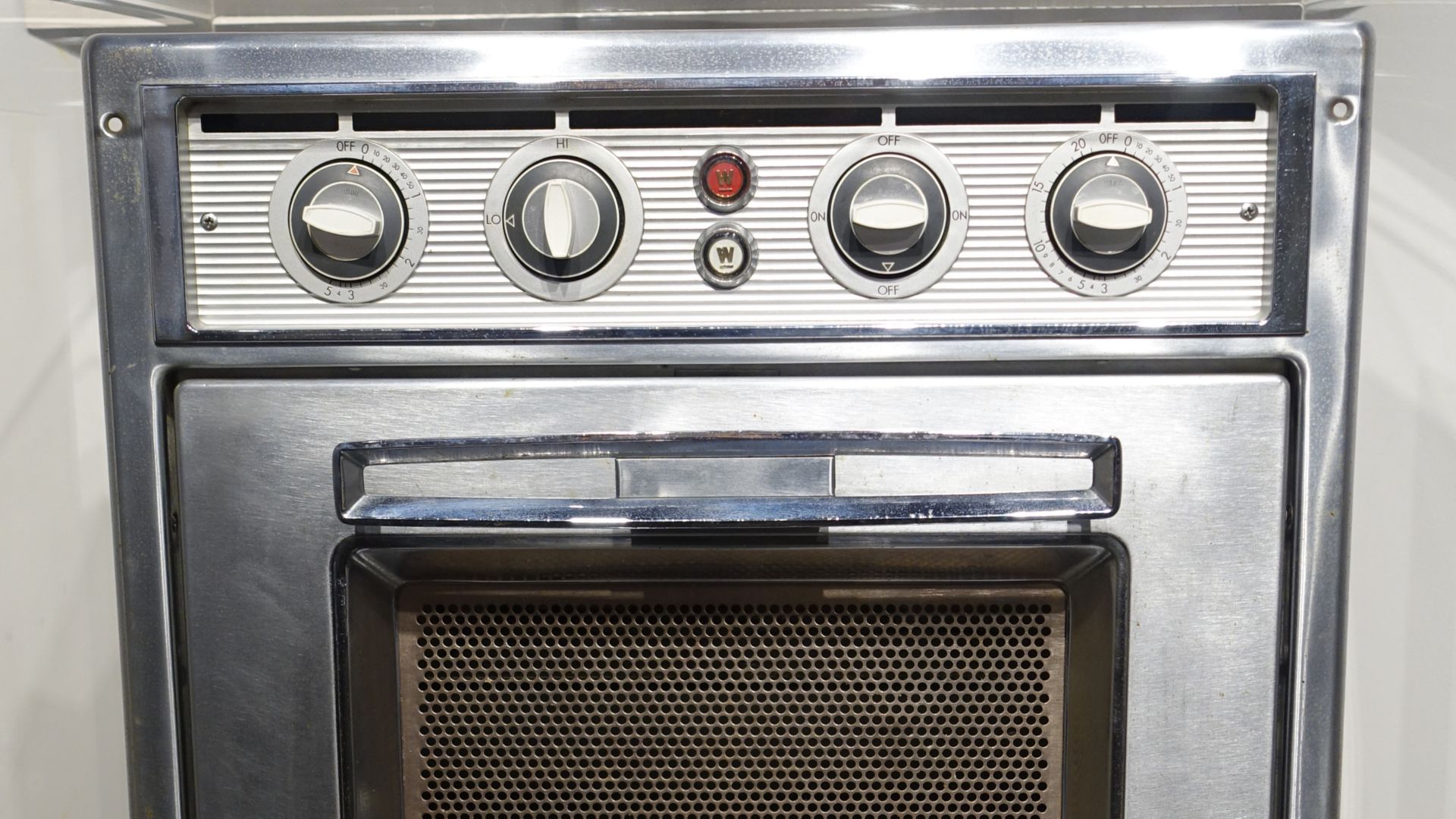
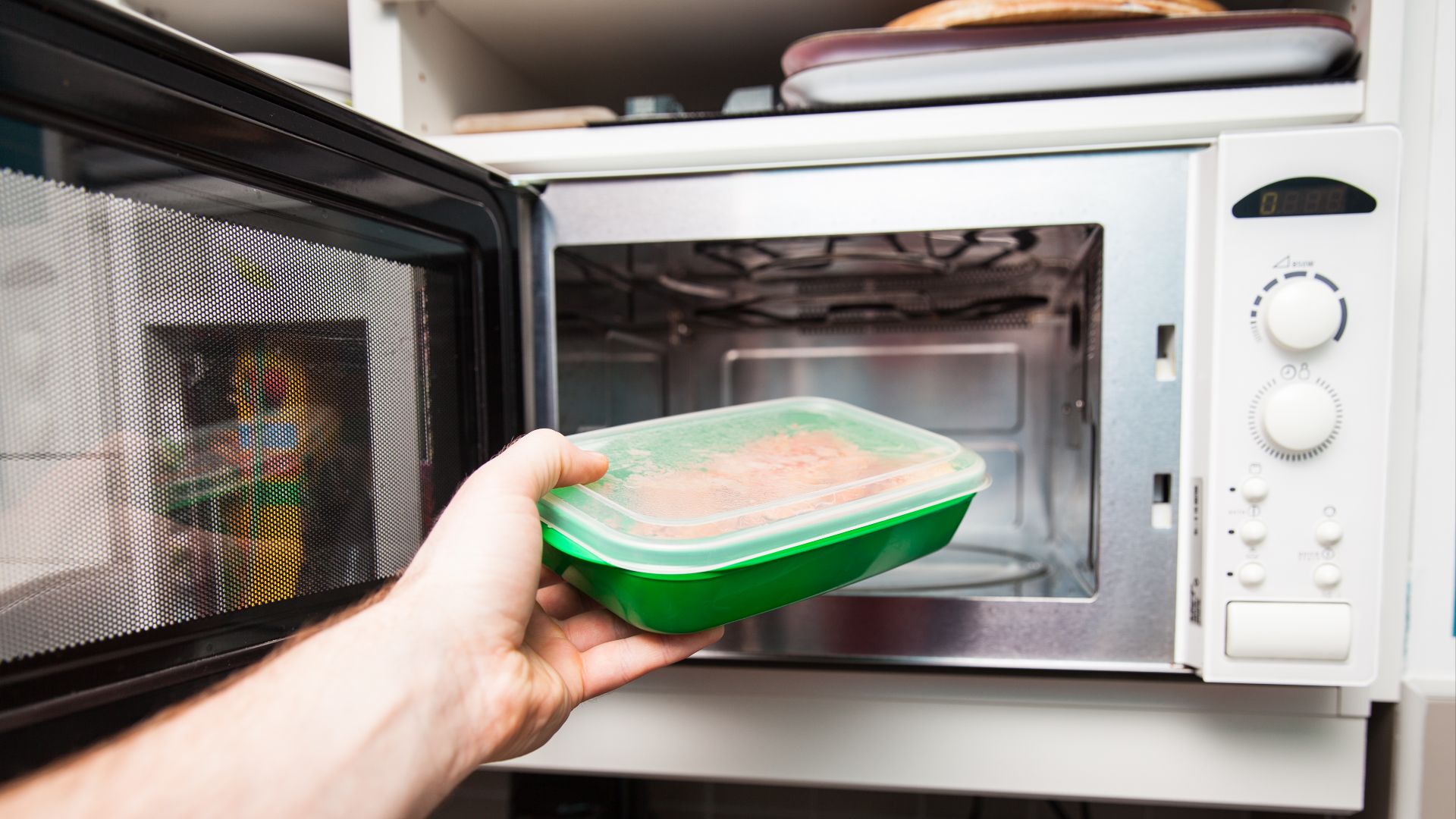
Microwave cooking emerged from technology developed around radar during World War II. Tappan marketed a household microwave oven in 1955, but its $1,295 price and special electrical requirements placed it firmly in luxury territory. Even the far more practical Amana Radarange introduced in 1967 still cost about $495.
Then Reheating Dinner Took Two Minutes
The 1967 Radarange helped create a genuine consumer market by fitting ordinary household electrical service and costing far less than earlier machines. Competition, mass production, smaller components, and improving reliability continued driving prices downward during the following decades. Eventually the futuristic oven once priced like a major luxury became a routine tool for reheating leftovers.
 Trausti Evans, Wikimedia Commons
Even Toasters Once Looked High-Tech
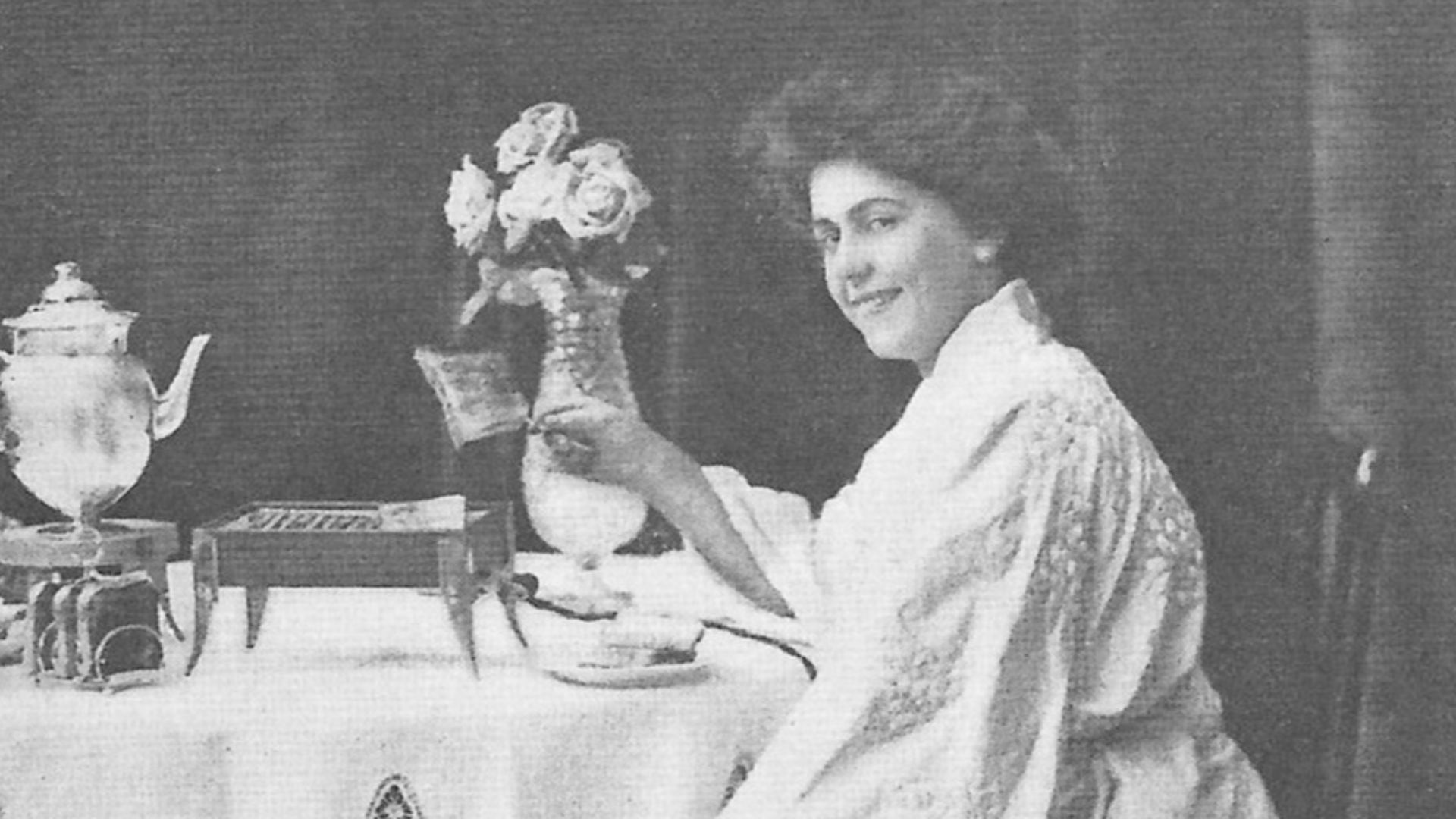
Electric heating appliances appeared as American homes became wired for electricity in the early 20th century. A toaster eliminated the need to hold bread near a stove or fire, but the earliest models were hardly essential purchases. Like electric irons, fans, and coffee makers, they signaled participation in a new world of household electrification.
 Pacific Electric, Wikimedia Commons
Countertops Slowly Filled With Machines
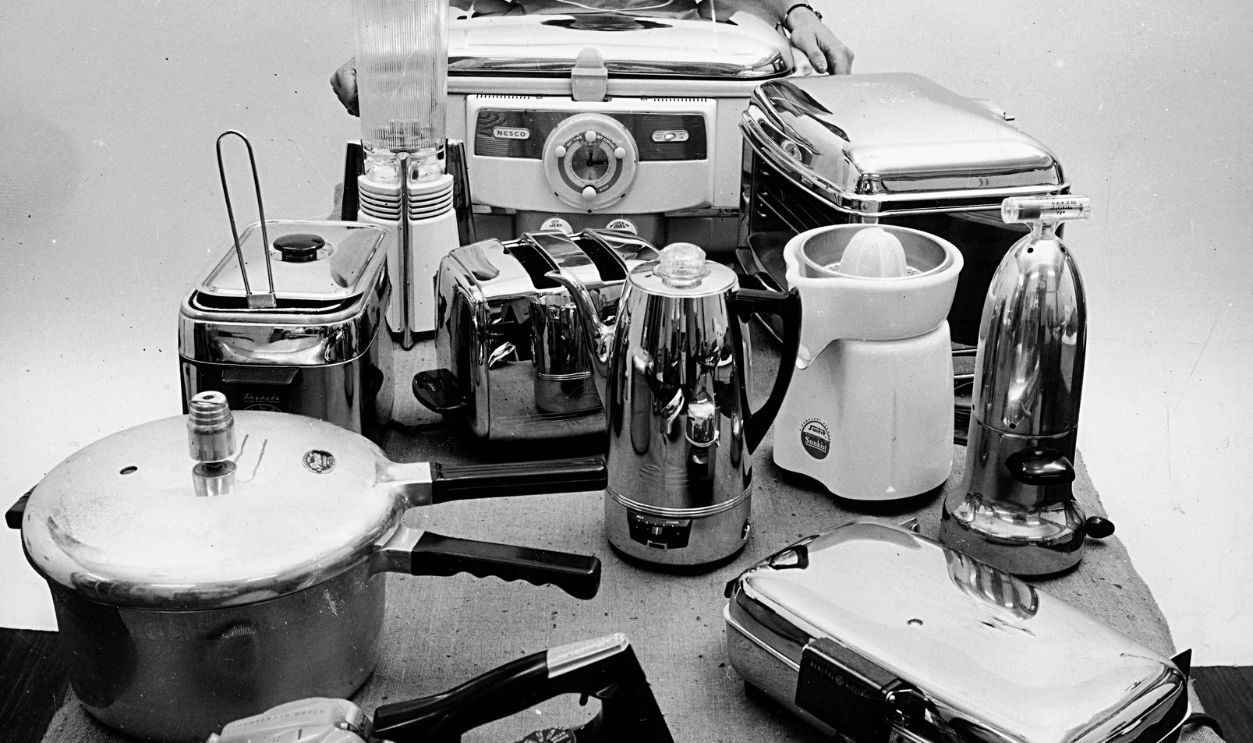
As electrical service expanded, manufacturers began selling an ever-growing collection of small appliances designed to save effort or improve comfort. Falling production costs allowed families to accumulate devices that would once have seemed extravagant individually. By the postwar era, the electrified countertop itself had become a recognizable feature of the American kitchen.
 Mondadori Portfolio, Getty Images
Comfort Used To Be The Point Of Showing Off
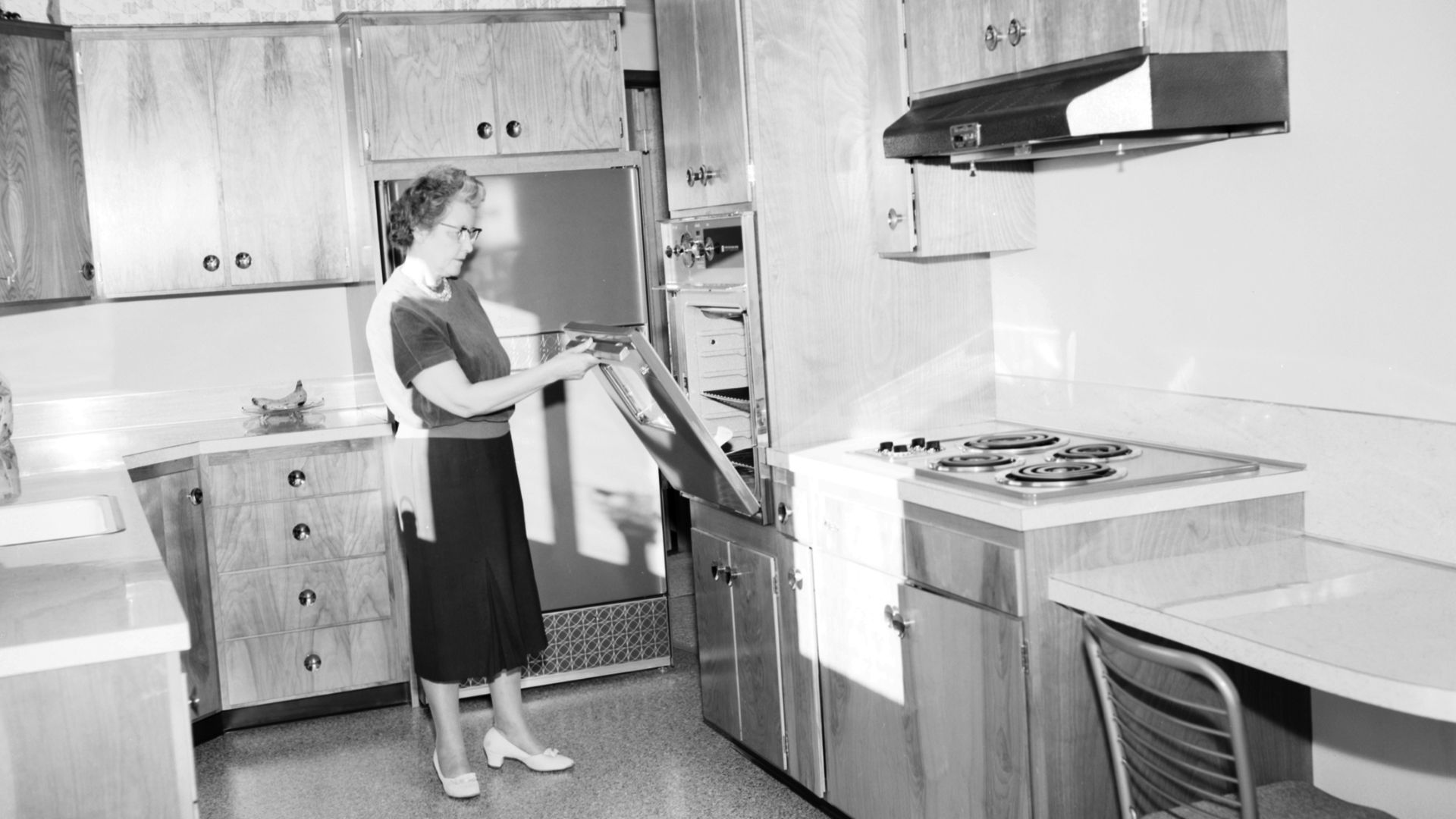
The pattern repeated because new technology usually arrived before cheap manufacturing and widespread infrastructure did. Wealthier Americans became early adopters precisely because they could absorb high prices, unreliable equipment, and installation costs that ordinary households could not. Once production scaled up, yesterday's luxury increasingly became today's minimum expectation.
 Seattle Municipal Archives from Seattle, WA, Wikimedia Commons
You May Also Like:
Little-Known Celebrity Scandals
Deranged Historical Figures That No One Has Heard Of
Accidental Inventions That Changed Our Lives Forever
Sources: 1, 2, 3, 4, 5, 6, 7, 8, 9, 10, 11, 12, 13, 14, 15, 16, 17, 18