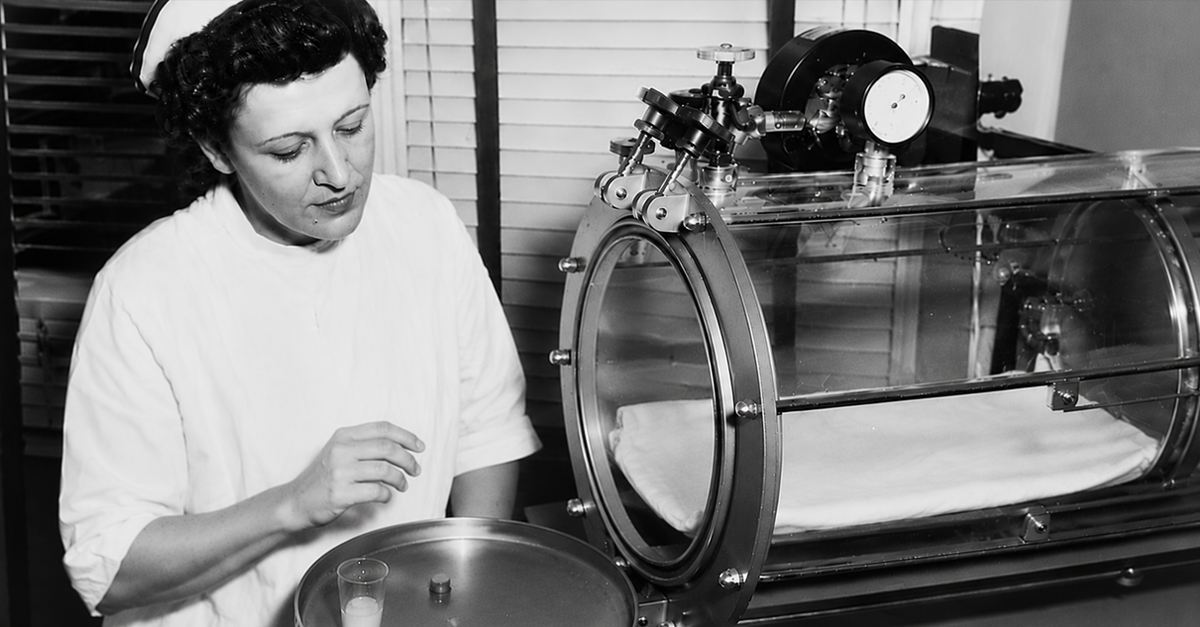
The Chilling Consequences Of So-Called "Miracle Cures"
History is full of treatments that sounded miraculous at first. Some promised painless weight loss, safer childbirth, instant energy, glowing health, or freedom from anxiety. But once doctors, regulators, and patients saw the consequences, many of these “cures” became cautionary tales.
The saddest part is that people often trusted them because experts, advertisers, or respected companies told them to.
 Unknown Author, Wikimedia Commons
Radium Tonics Promised Energy And Vitality
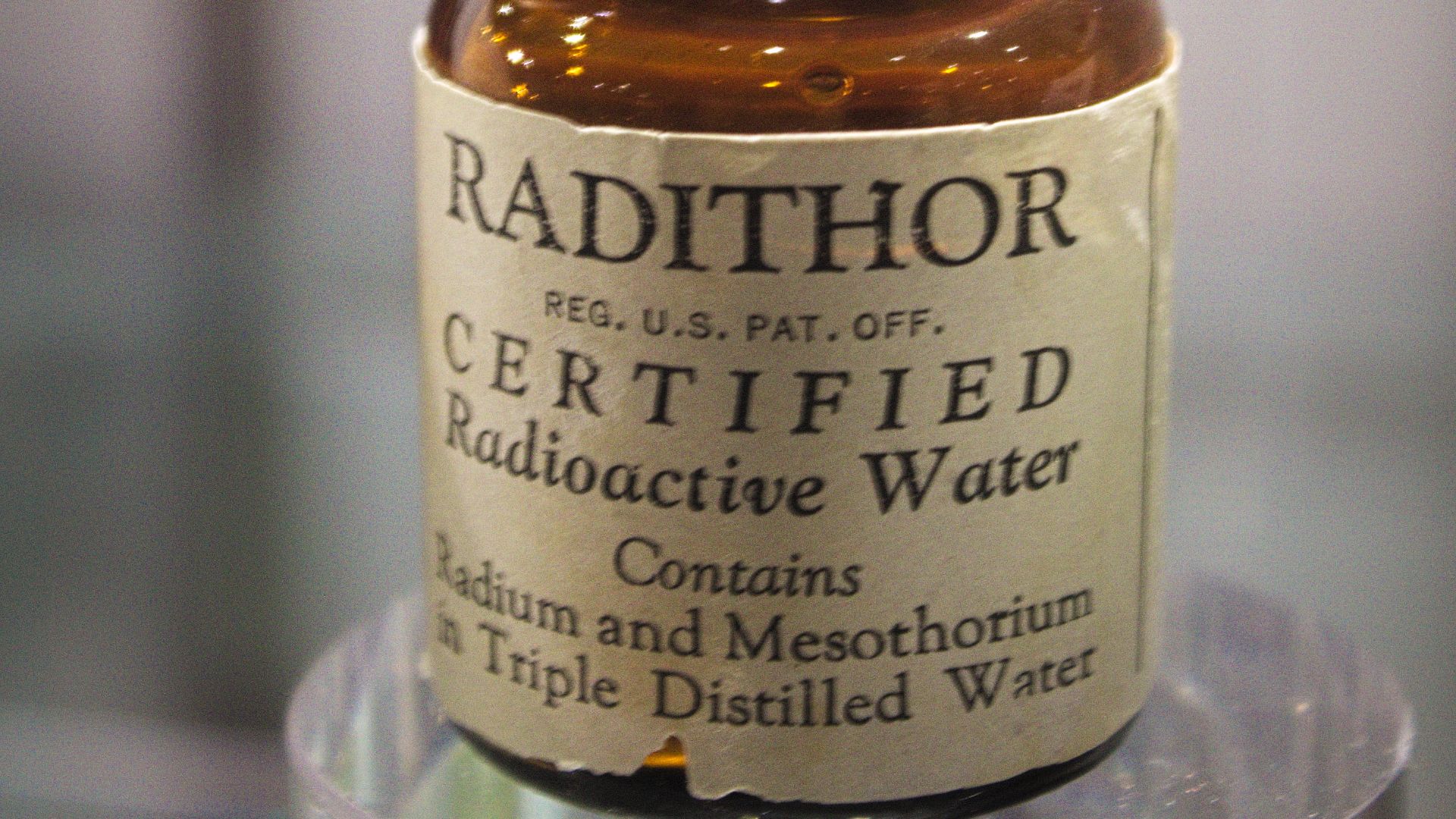
In the early 1900s, radium sounded like the future. Companies sold radioactive waters and tonics as health boosters, claiming they could improve energy and overall wellness. The best-known case was Radithor, a radium-laced drink that led to the demise of industrialist Eben Byers. His passing helped expose how dangerous radioactive “health” products really were.
 Sam LaRussa from United States of America, Wikimedia Commons
Radium Cosmetics Made Beauty Look Dangerous
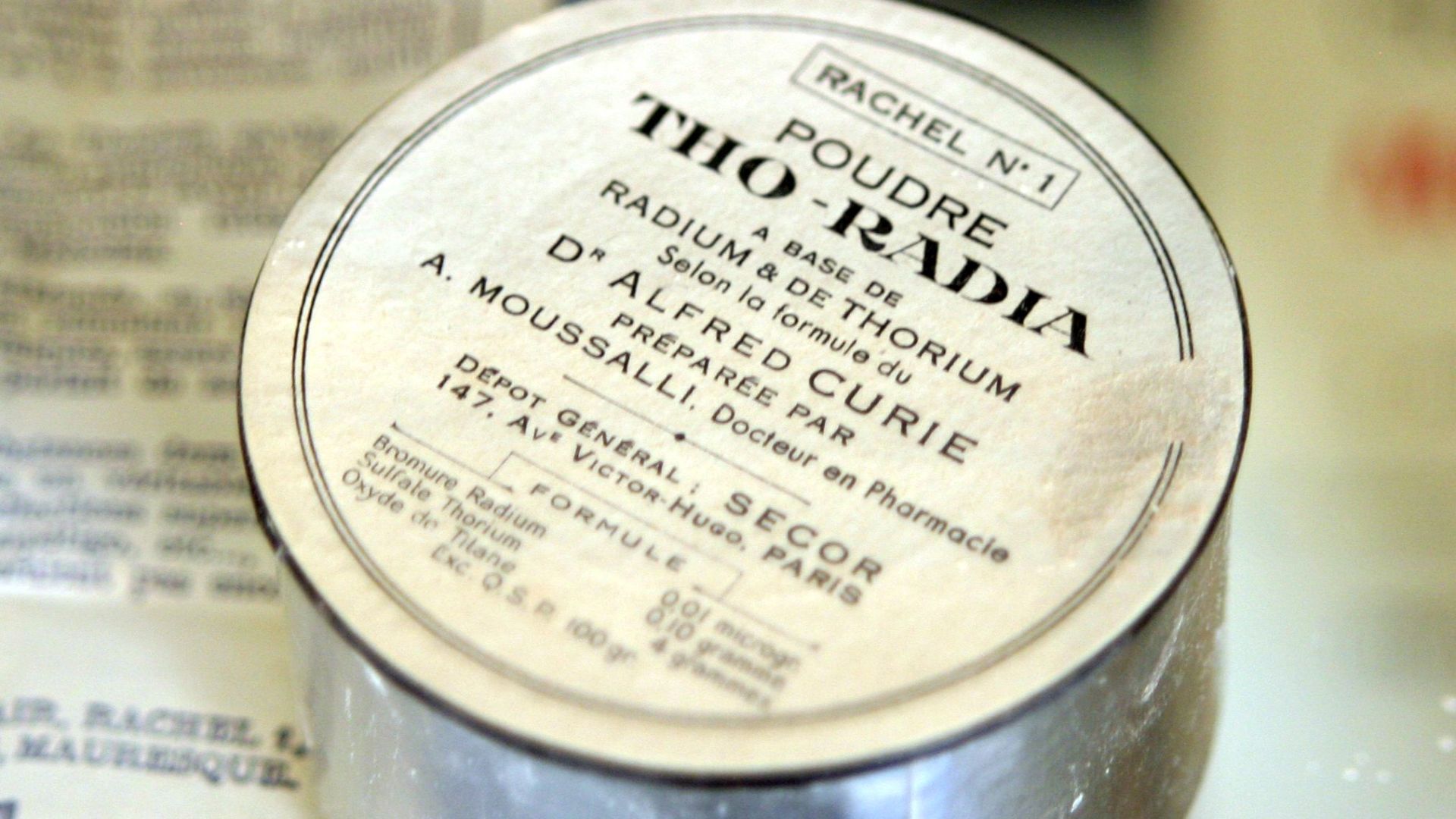
Radium did not stay in medicine cabinets. It appeared in face creams, powders, bath salts, and beauty products that promised a youthful glow. The word “radium” itself became a marketing tool. What consumers did not understand was that radiation exposure could damage tissue, raise cancer risk, and turn a fashionable product into a long-term health threat.
Thalidomide Was Marketed As A Safer Sedative
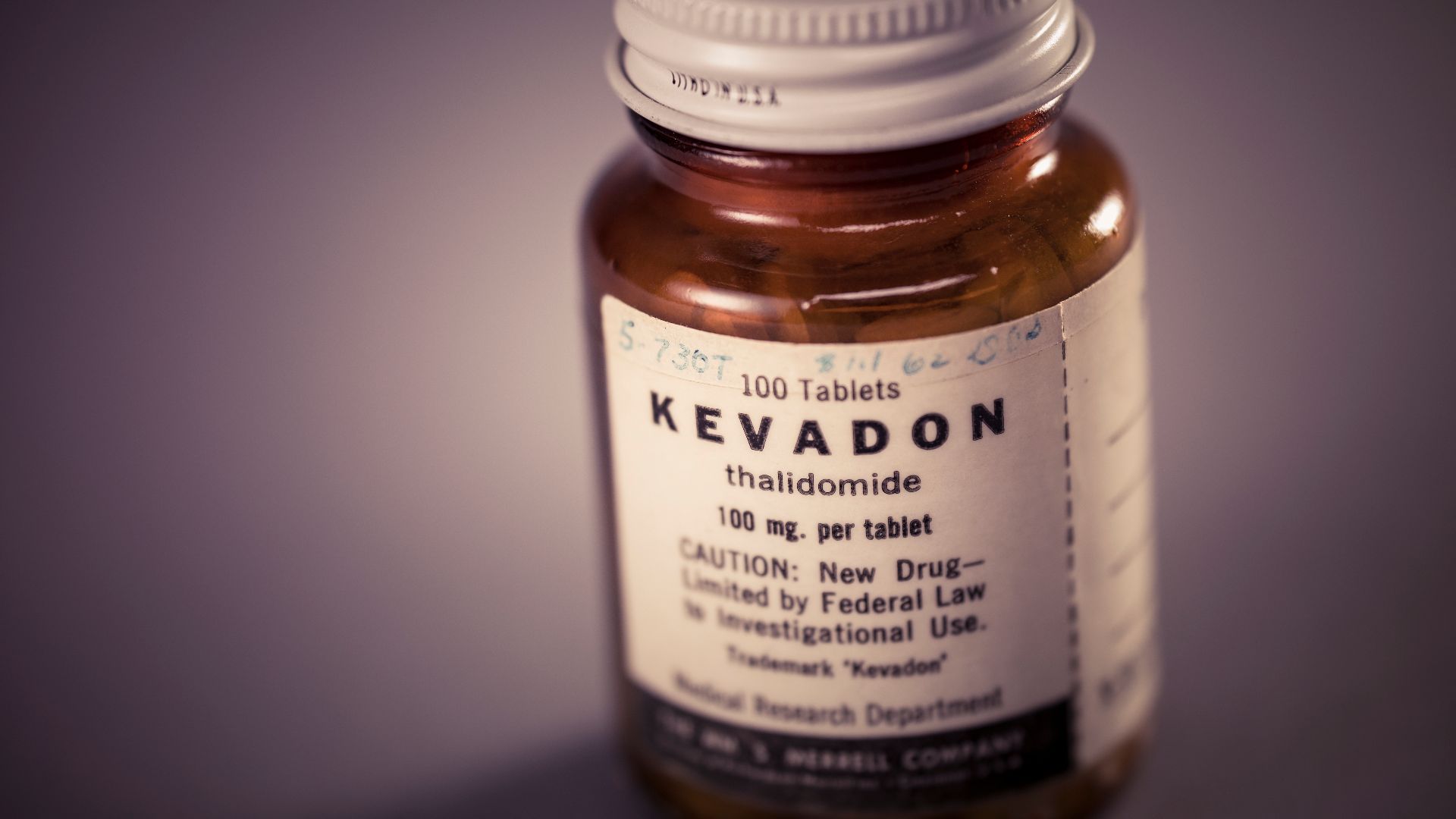
Thalidomide was sold in many countries as a sleeping pill and later used for morning sickness. It was promoted as unusually safe, which made the fallout even more devastating. Thousands of babies were born with severe birth defects after prenatal exposure. The disaster transformed drug regulation and became a lasting warning about testing medicines in pregnancy.
 The U.S. Food and Drug Administration, Wikimedia Commons
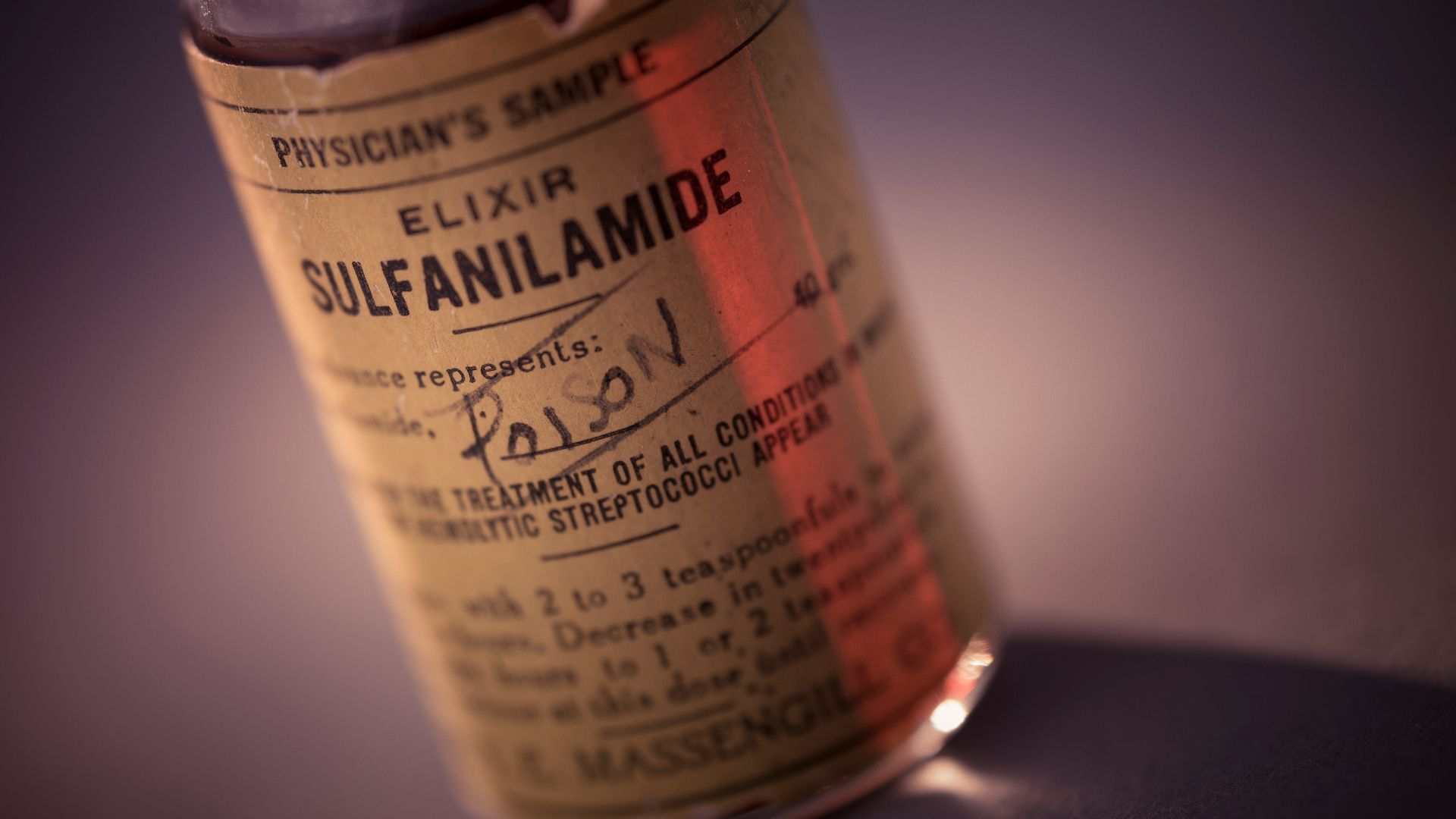
Sulfanilamide Turned A Breakthrough Medicine Deadly
Sulfanilamide itself was an important antibacterial drug, but in 1937 one company created a sweet liquid version using diethylene glycol, a toxic solvent. No safety testing was required before it went on sale. More than 100 people died, many of them children. The tragedy helped push the United States toward stronger drug safety laws in 1938.
 The U.S. Food and Drug Administration, Wikimedia Commons
Dinitrophenol Promised Effortless Weight Loss
Dinitrophenol, often called DNP, became popular in the 1930s because it could speed metabolism and cause rapid weight loss. The problem was that it also overheated the body from the inside. Users suffered cataracts, severe illness, and fatality. It was banned for human use, yet it still resurfaces illegally in dangerous diet and bodybuilding circles.
 Aleksander Sobolewski, Wikimedia Commons
Laetrile Was Sold As A Natural Cancer Answer
Laetrile, also called amygdalin or falsely promoted as “vitamin B17,” gained fame as an alternative cancer treatment. Supporters claimed it could fight tumors, but clinical evidence did not support those claims. Worse, it can break down into cyanide in the body. For desperate patients, the tragedy was not only toxicity but time lost from treatments that actually worked.

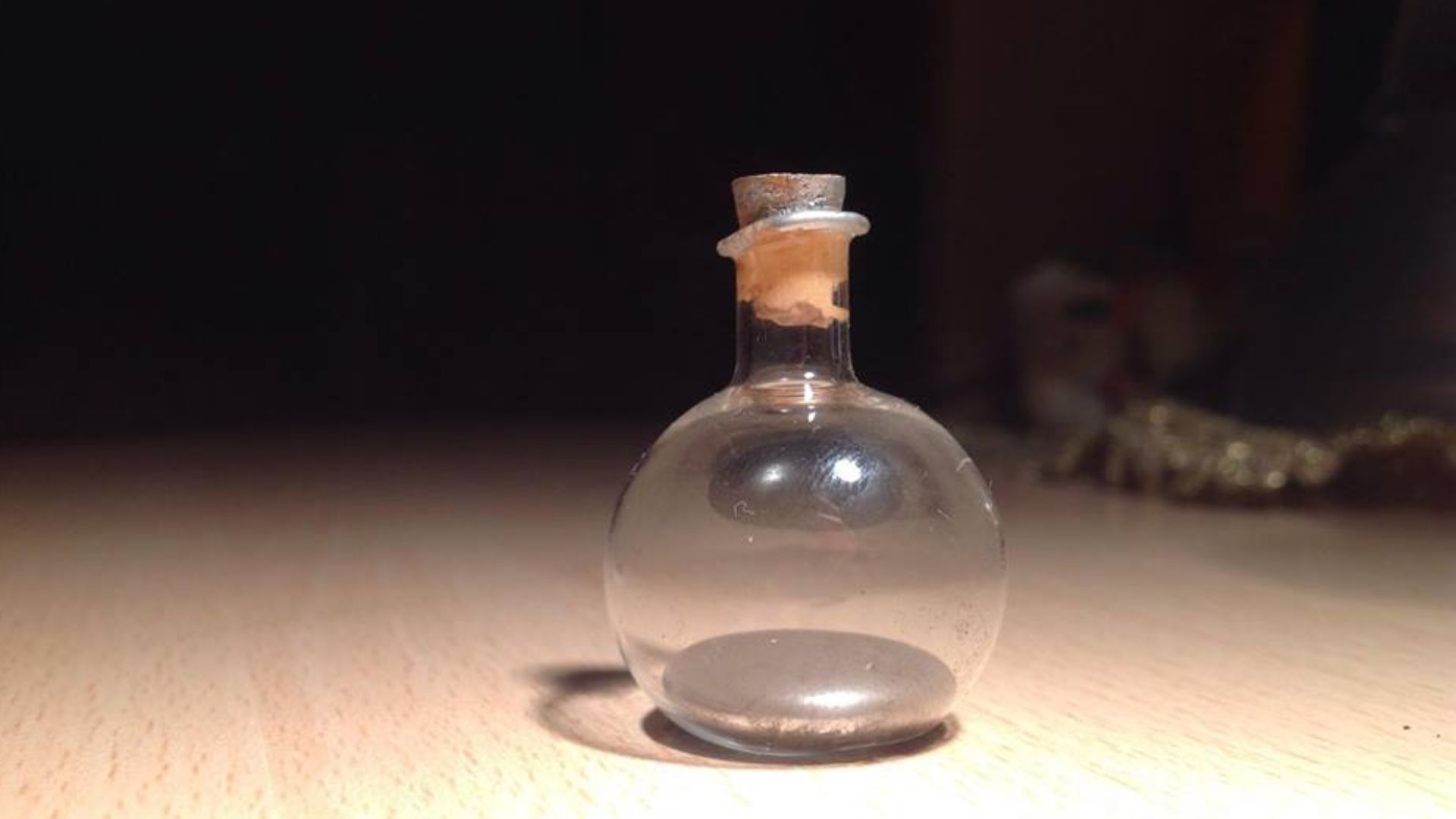
Mercury Was A Cure That Poisoned Patients
For centuries, mercury was used to treat syphilis and other illnesses. Some patients endured salivation, mouth ulcers, tooth loss, neurological symptoms, and organ damage from the so-called treatment. The phrase “a night with Venus, a lifetime with Mercury” captured the grim reality: the cure could be nearly as frightening as the disease.
 Battistini Riccardo, Wikimedia Commons
Calomel Became A Medicine Cabinet Menace
Calomel, a mercury chloride compound, was widely used as a purgative and general remedy in the 18th and 19th centuries. It was given for everything from constipation to fever. But heavy use could cause mercury poisoning, gum disease, tooth loss, and severe debility. What was meant to cleanse the body often damaged it instead.


History's most fascinating stories and darkest secrets, delivered to your inbox daily.
Arsenic Tonics Promised Strength And Clear Skin
Arsenic was once used in medical tonics, complexion treatments, and preparations such as Fowler’s solution. It was prescribed for conditions ranging from skin disease to fatigue. In small doses, it could seem effective, but chronic exposure carried terrible risks. Over time, arsenic’s reputation shifted from medicine to poison for very good reason.

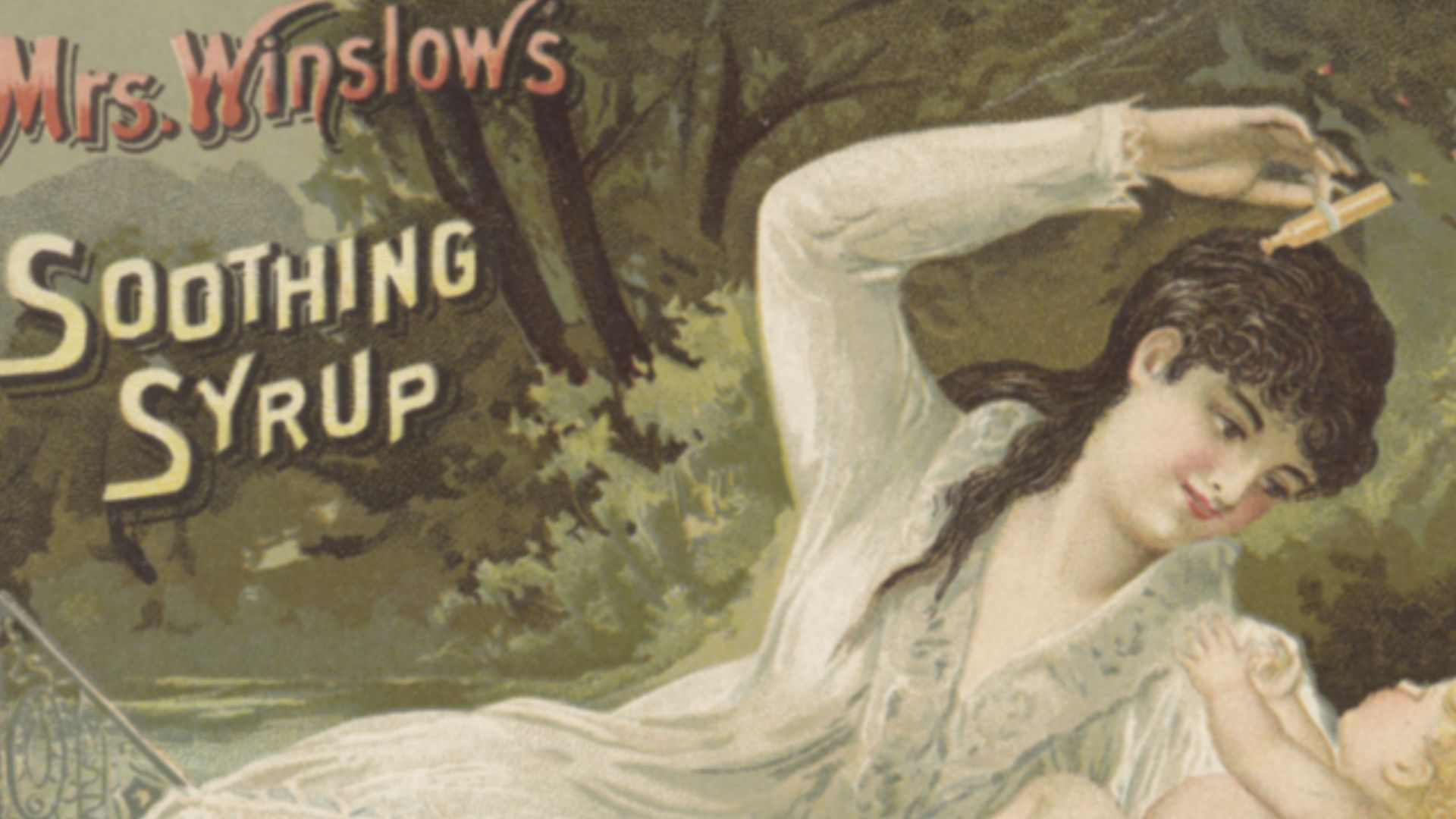
“Soothing Syrups” Quieted Babies At A Cost
In the 19th and early 20th centuries, some infant soothing syrups contained opium, morphine, alcohol, or other sedating ingredients. They promised exhausted parents calmer babies and easier nights. The danger was obvious only after children were overdosed, became dependent, or died. A convenience for caregivers could become a disaster for infants.
 Miami U. Libraries - Digital Collections, Wikimedia Commons
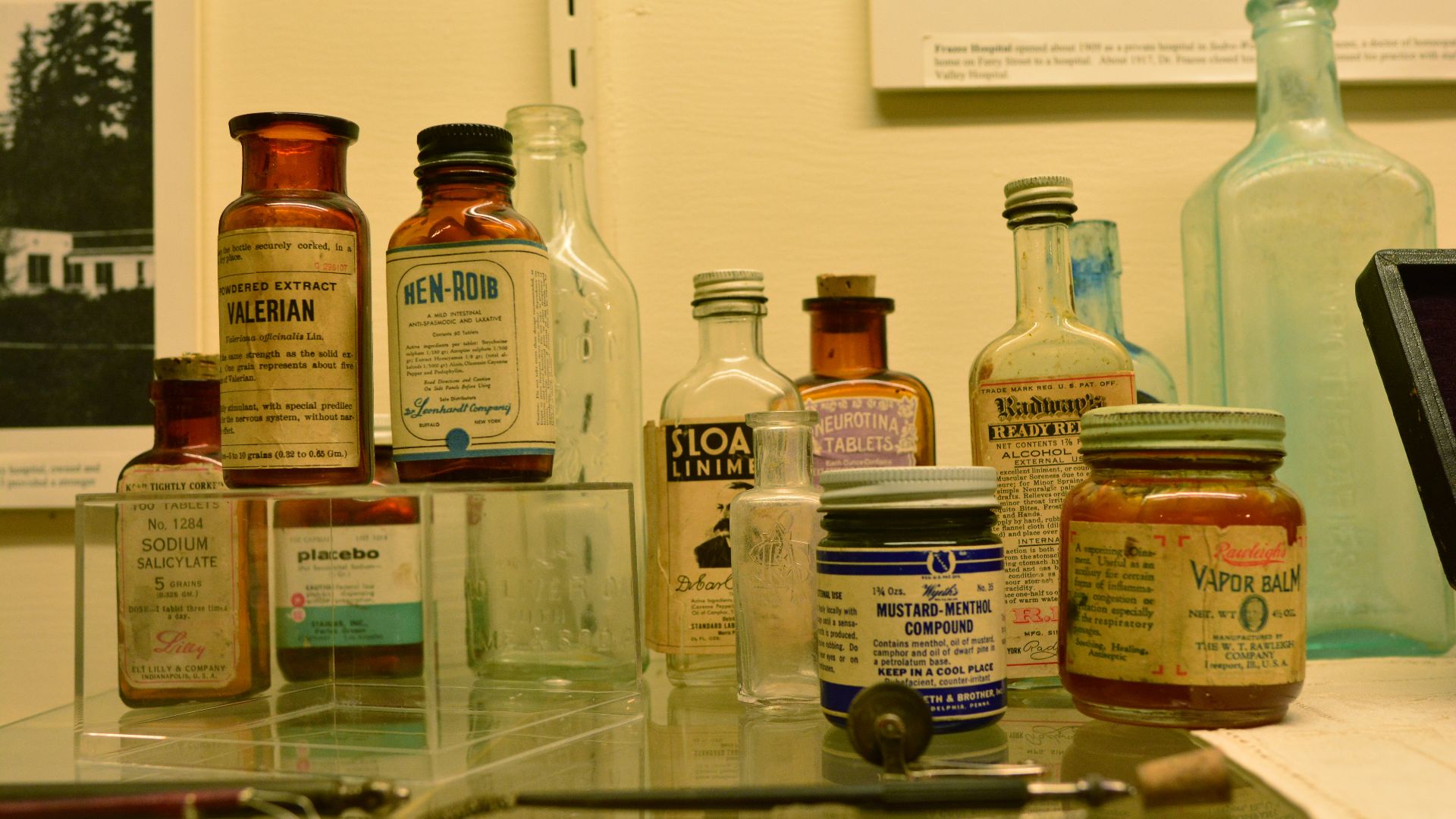
Patent Medicines Sold Hope In A Bottle
Before modern regulations, patent medicines promised to cure nearly everything. Many contained alcohol, opium, illicit substances, laxatives, or undisclosed ingredients. Their labels were often vague, emotional, and wildly exaggerated. These products did not just waste money. They delayed real care, hid dangerous ingredients, and helped create public demand for stronger consumer protection laws.
Insulin Coma Therapy Was Once Considered Innovative
In the early 20th century, insulin coma therapy was used for schizophrenia and other mental illnesses. Patients were deliberately given large doses of insulin to induce repeated comas. Some doctors believed the treatment could reset the brain. Instead, it was risky, traumatic, and sometimes fatal, and it eventually faded as safer psychiatric medications emerged.
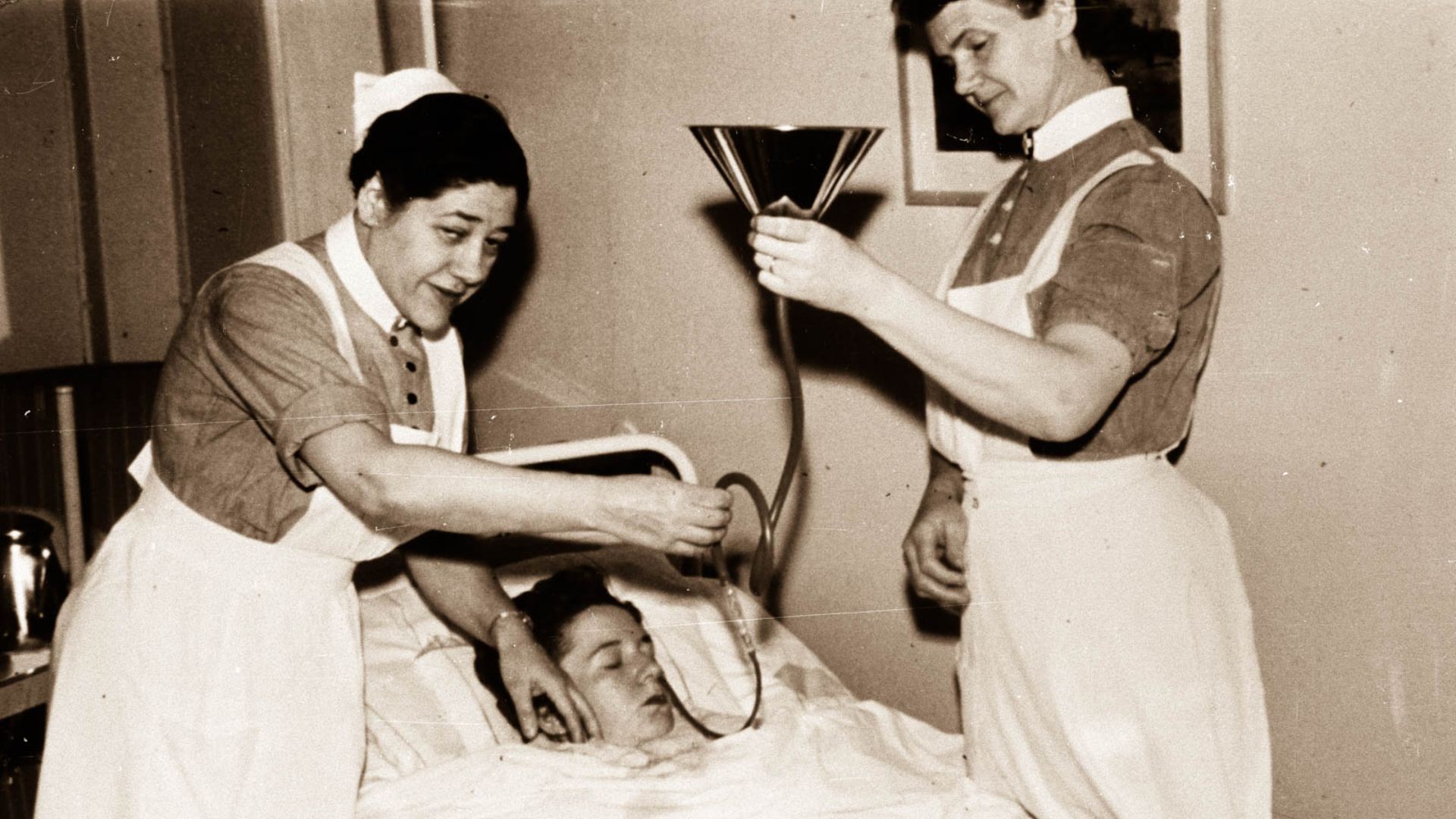 Unknown authorUnknown author, Wikimedia Commons
Lobotomy Was Praised Before Its Damage Was Clear
Lobotomy was once promoted as a breakthrough for severe mental illness, especially when few other treatments existed. It even helped earn Egas Moniz a Nobel Prize. But many patients were left with serious personality changes, cognitive damage, disability, or worse. What had been sold as merciful relief became one of medicine’s most troubling chapters.
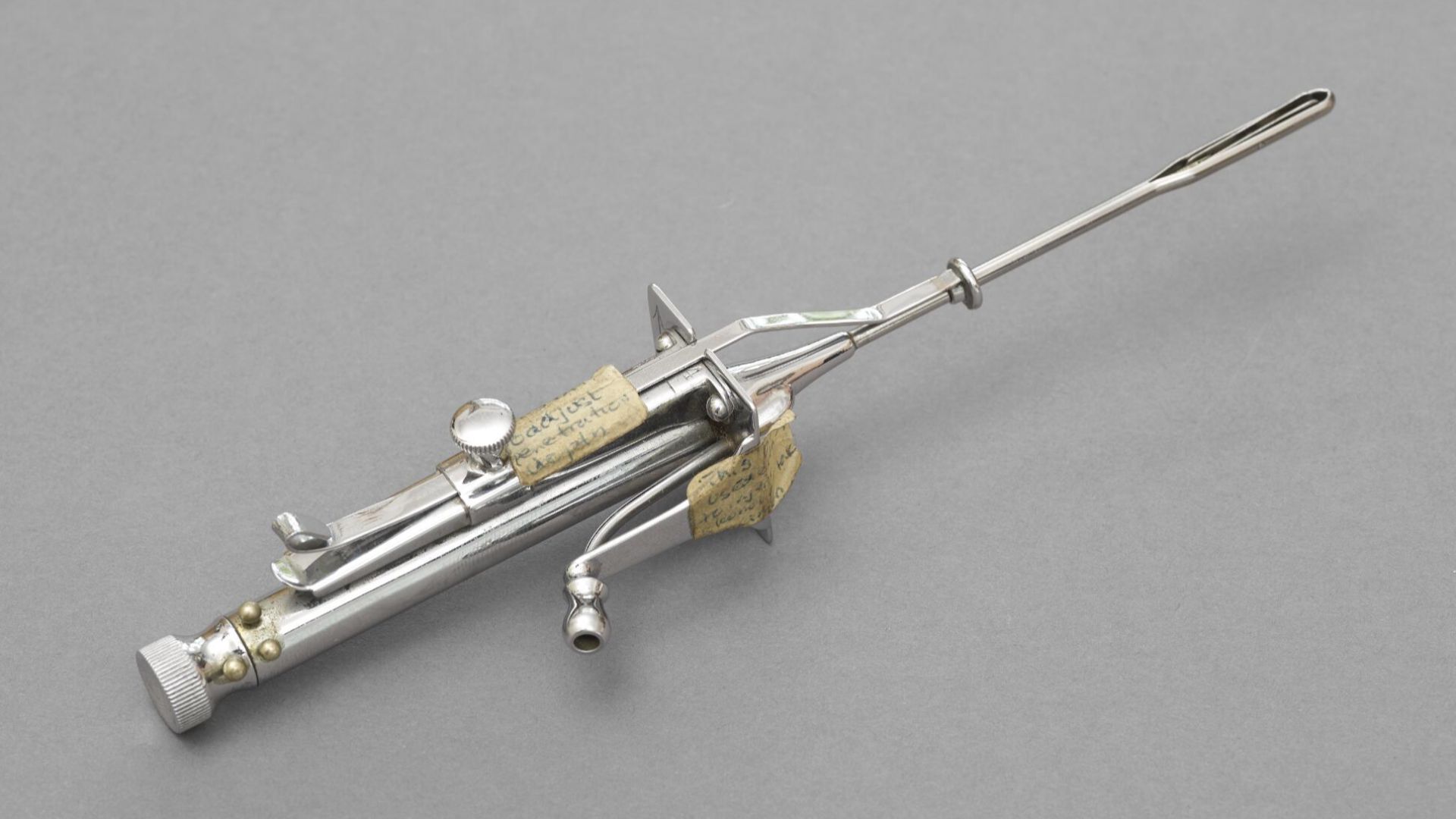 The Museum of Medicine and Health, Wikimedia Commons
Diethylstilbestrol Was Supposed To Protect Pregnancies
Diethylstilbestrol, or DES, was prescribed to pregnant women from the 1940s through the 1960s to prevent miscarriage and pregnancy complications. Later research linked prenatal exposure to rare cancers and reproductive tract problems in daughters, along with other health concerns. A drug meant to protect babies ended up harming some of them years later.
 The U.S. Food and Drug Administration, Wikimedia Commons
Fen-Phen Looked Like A Weight-Loss Breakthrough
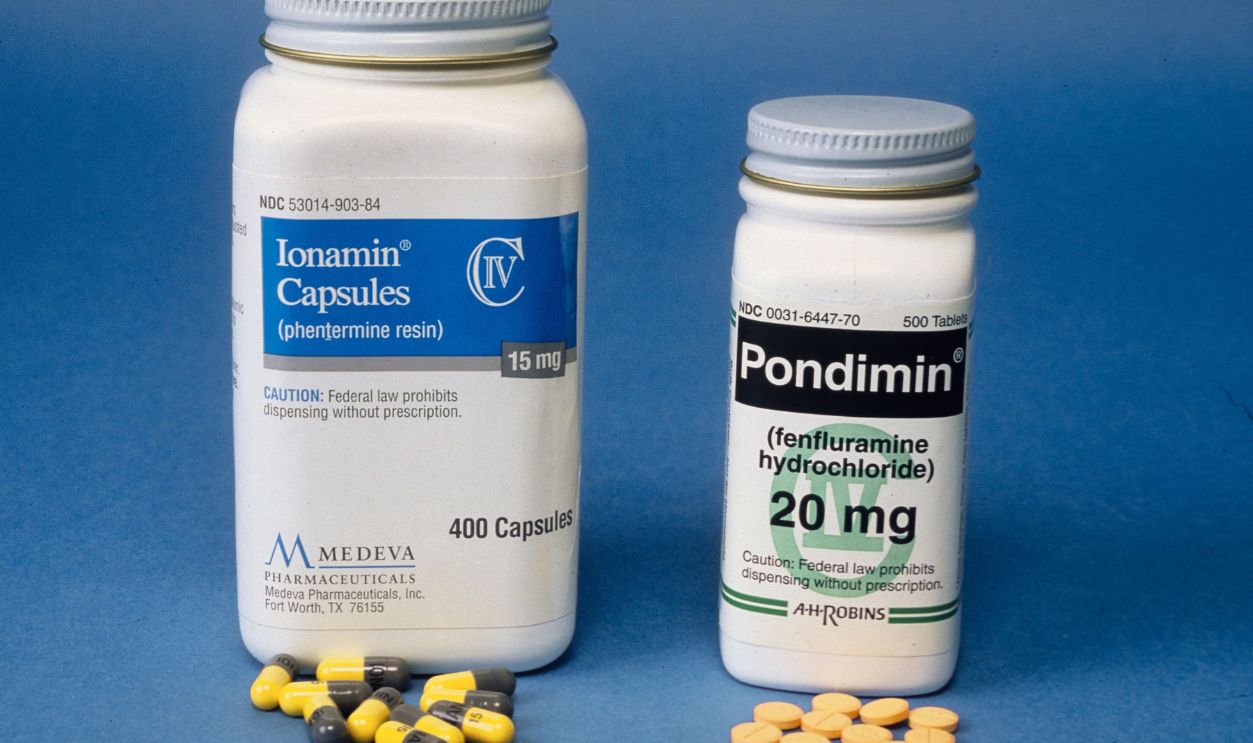
Fen-phen became wildly popular in the 1990s because it helped some people lose weight when dieting felt impossible. Then reports linked the drug combination to heart valve damage and pulmonary hypertension. The treatment was withdrawn, lawsuits followed, and the craze became a reminder that weight-loss miracles often deserve extra skepticism.
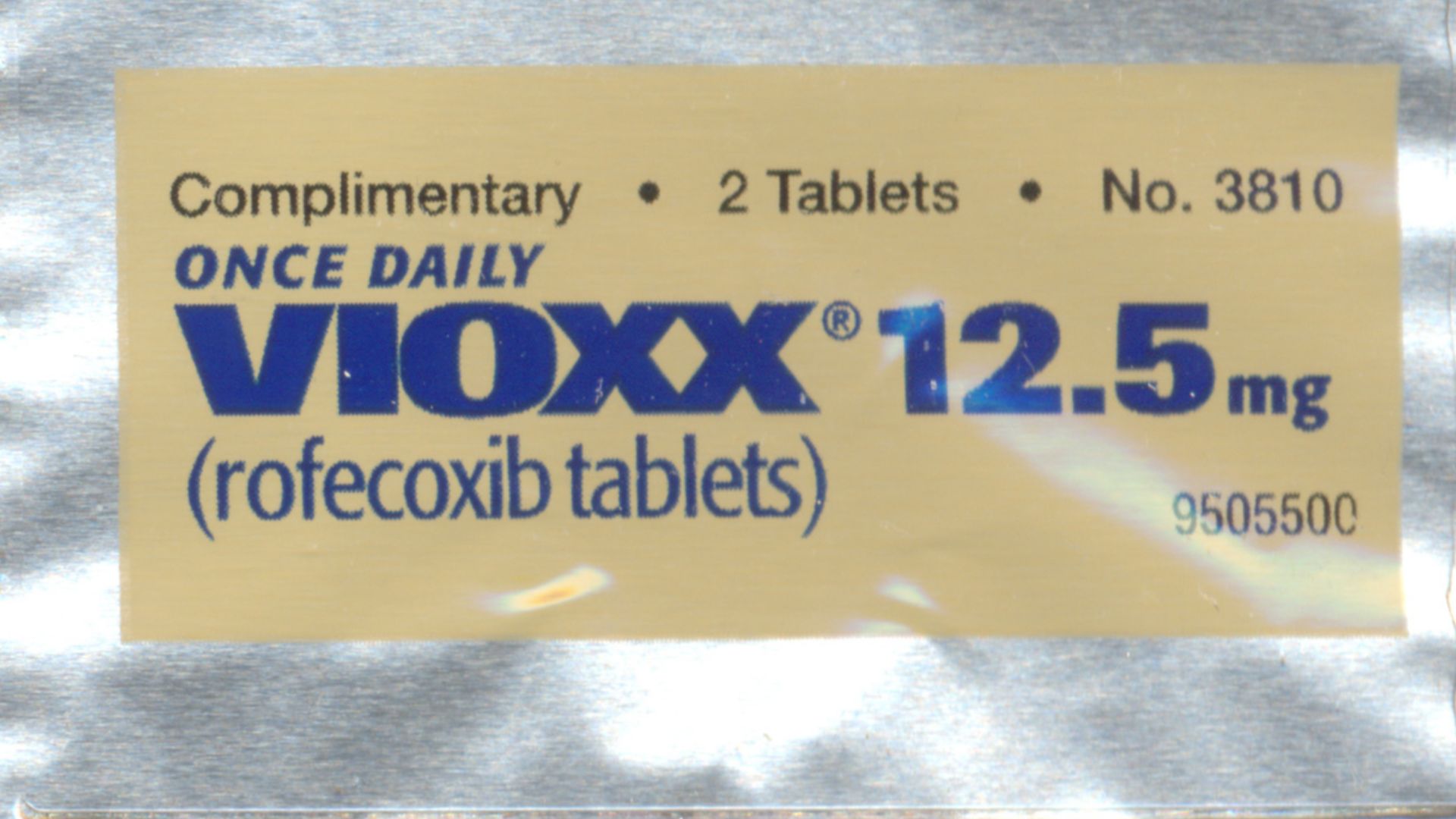
Vioxx Offered Pain Relief With Hidden Risks
Vioxx was marketed as a major advance for arthritis and pain relief because it was designed to be easier on the stomach than older anti-inflammatory drugs. It became a blockbuster medication. Then evidence tied it to increased cardiovascular risk, and it was withdrawn from the market. The disaster shook public trust in drug safety oversight.
 David Jordan, Wikimedia Commons
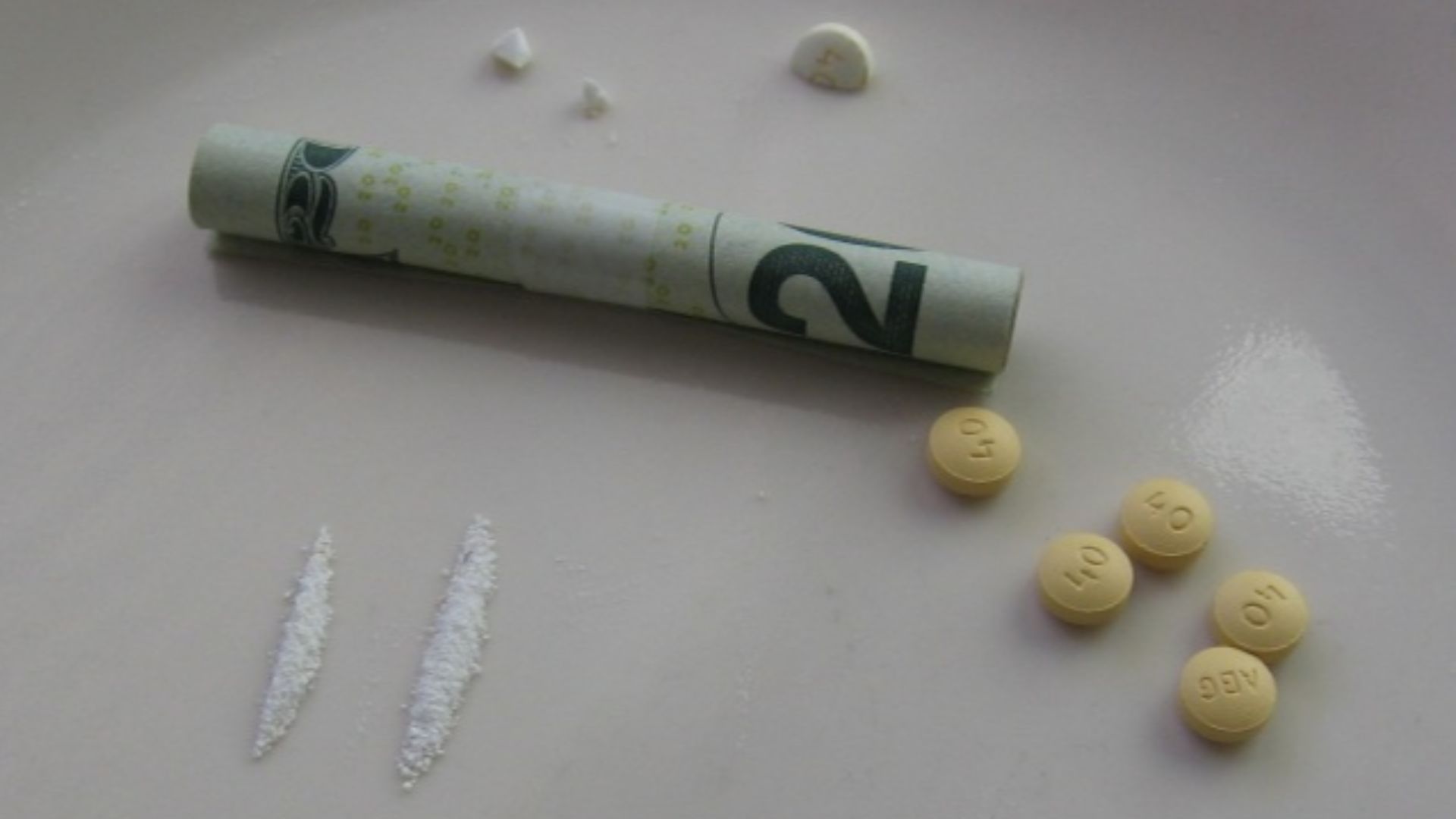
OxyContin Was Presented As A Safer Pain Solution
OxyContin was promoted as a major tool for managing pain, and many patients genuinely needed relief. But aggressive marketing and underplayed addiction risks helped fuel overprescribing. Prescription opioids became a major driver of addiction, overdose, and family devastation. A medicine meant to relieve suffering became central to one of America’s worst public health crises.
 User:51fifty, Wikimedia Commons
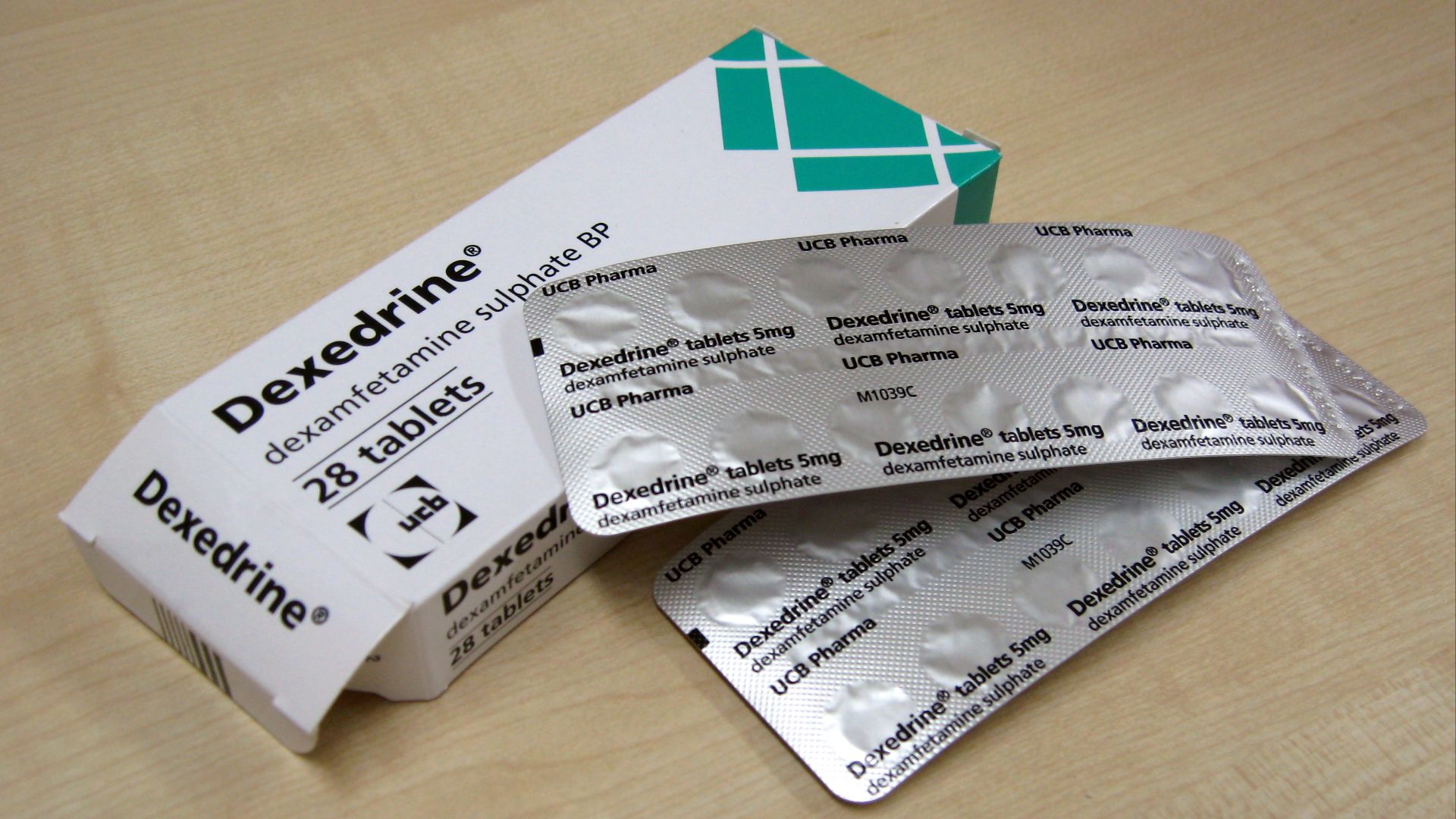
Amphetamines Were Once Marketed For Everyday Problems
Amphetamines were used for weight loss, fatigue, depression, and even routine sluggishness. For some conditions, stimulants still have legitimate medical uses. But casual prescribing created waves of dependence, misuse, and health problems. A pill advertised as energy, focus, or appetite control could become a powerful addiction risk.
 Adam from UK, Wikimedia Commons
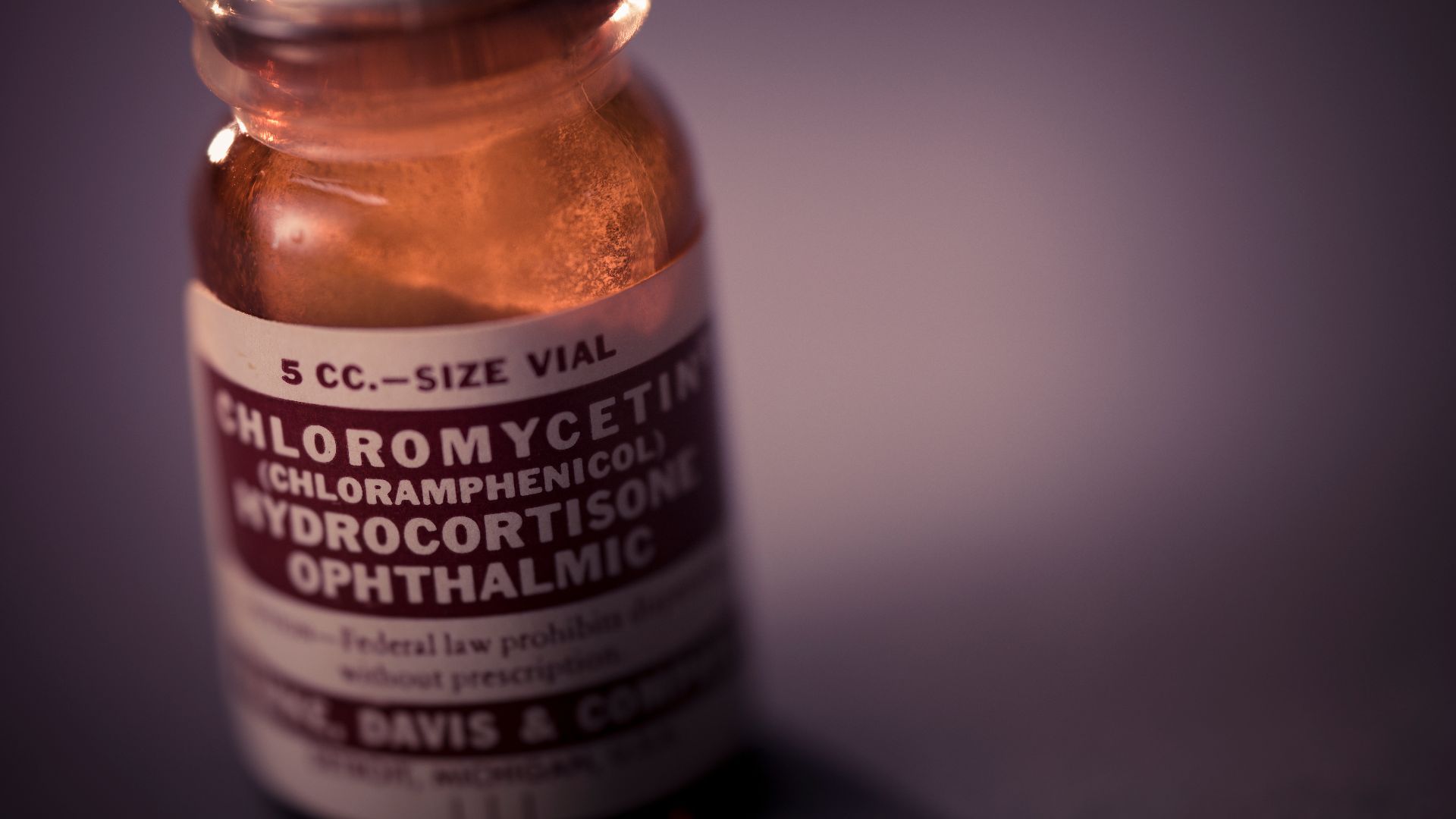
Chloramphenicol Looked Like A Wonder Antibiotic
Chloramphenicol was once hailed as a broad-spectrum antibiotic that could treat serious infections. It was effective, but rare cases of fatal aplastic anemia changed how doctors viewed it. The medicine still has limited uses in certain settings, but its history shows how even genuinely useful medicines can become dangerous when used too widely.
 The U.S. Food and Drug Administration, Wikimedia Commons
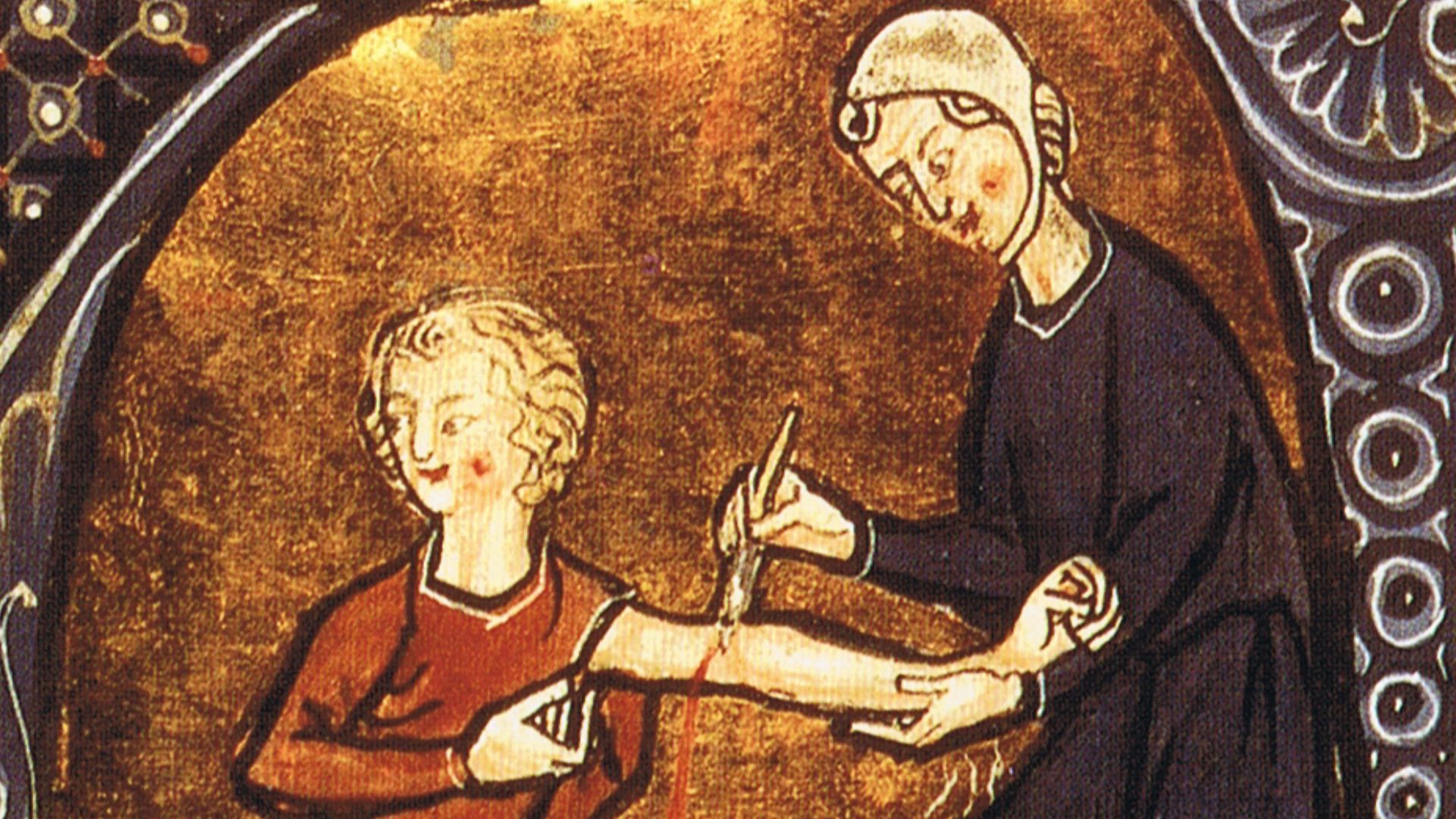
Bloodletting Survived Long After It Should Have
Bloodletting was one of history’s most persistent medical practices. Physicians used it for fevers, infections, inflammation, and countless other complaints. The logic seemed convincing before modern physiology, but it often weakened patients who needed strength to survive. Instead of balancing the body, it sometimes hastened decline.
 Peter Isotalo, Wikimedia Commons
Tobacco Was Once Sold As Healthy
It seems unbelievable now, but cigarettes were once advertised with medical language and even physician endorsements. Some ads implied cigarettes could soothe the throat, calm nerves, or aid digestion. The later evidence linking smoking to cancer, heart disease, lung disease, and premature loss of life turned those health claims into one of advertising history’s darkest ironies.
 Boston Public Library, Unsplash
The Real Disaster Was Often False Confidence
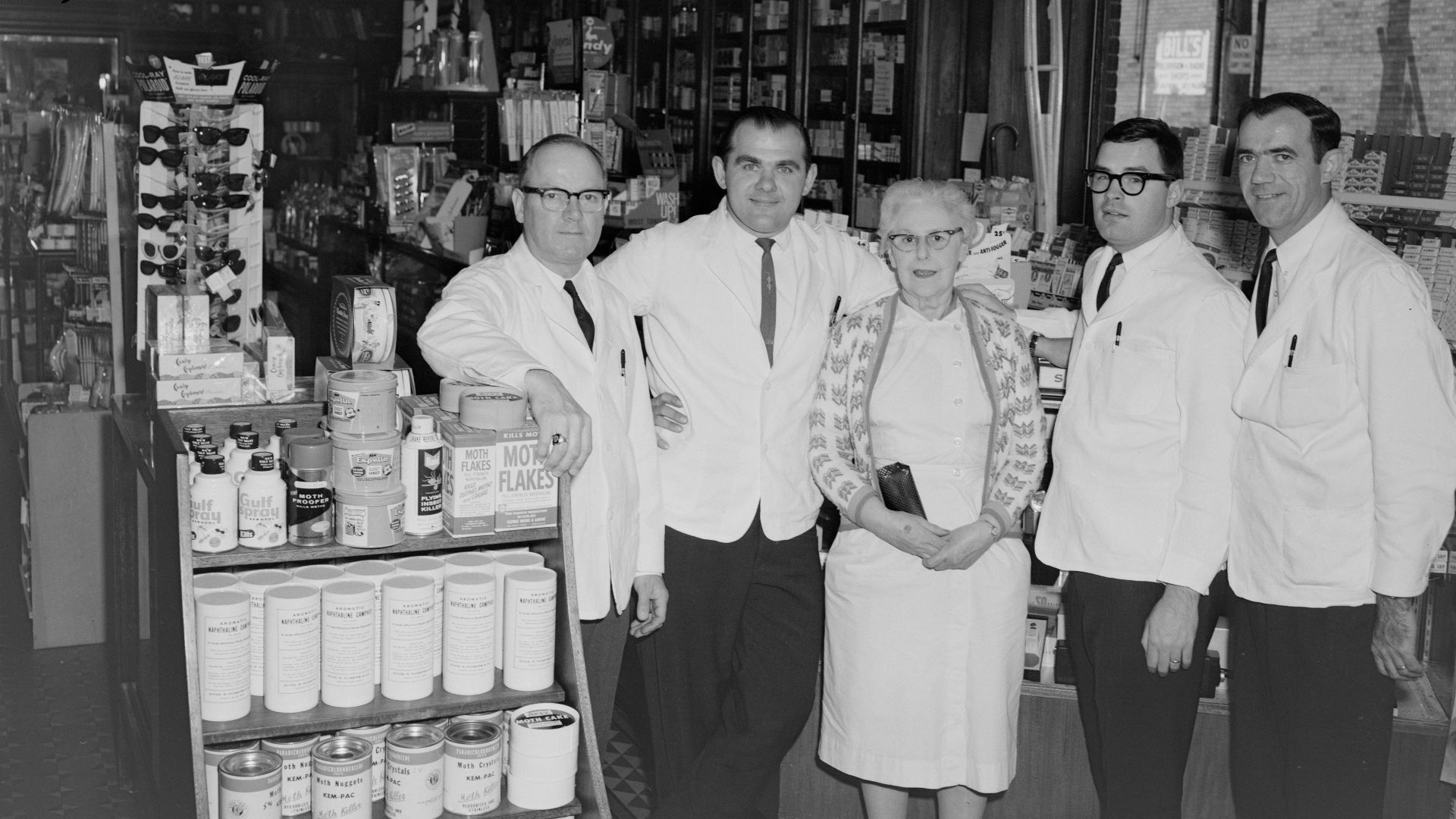
Many of these cures were not promoted by obvious villains in dark corners. They were sold in pharmacies, prescribed by doctors, praised in newspapers, or backed by respected companies. That is what makes them so frightening. Public health disasters often begin when confidence outruns evidence.
Miracle Cures Usually Reveal A Vulnerable Moment
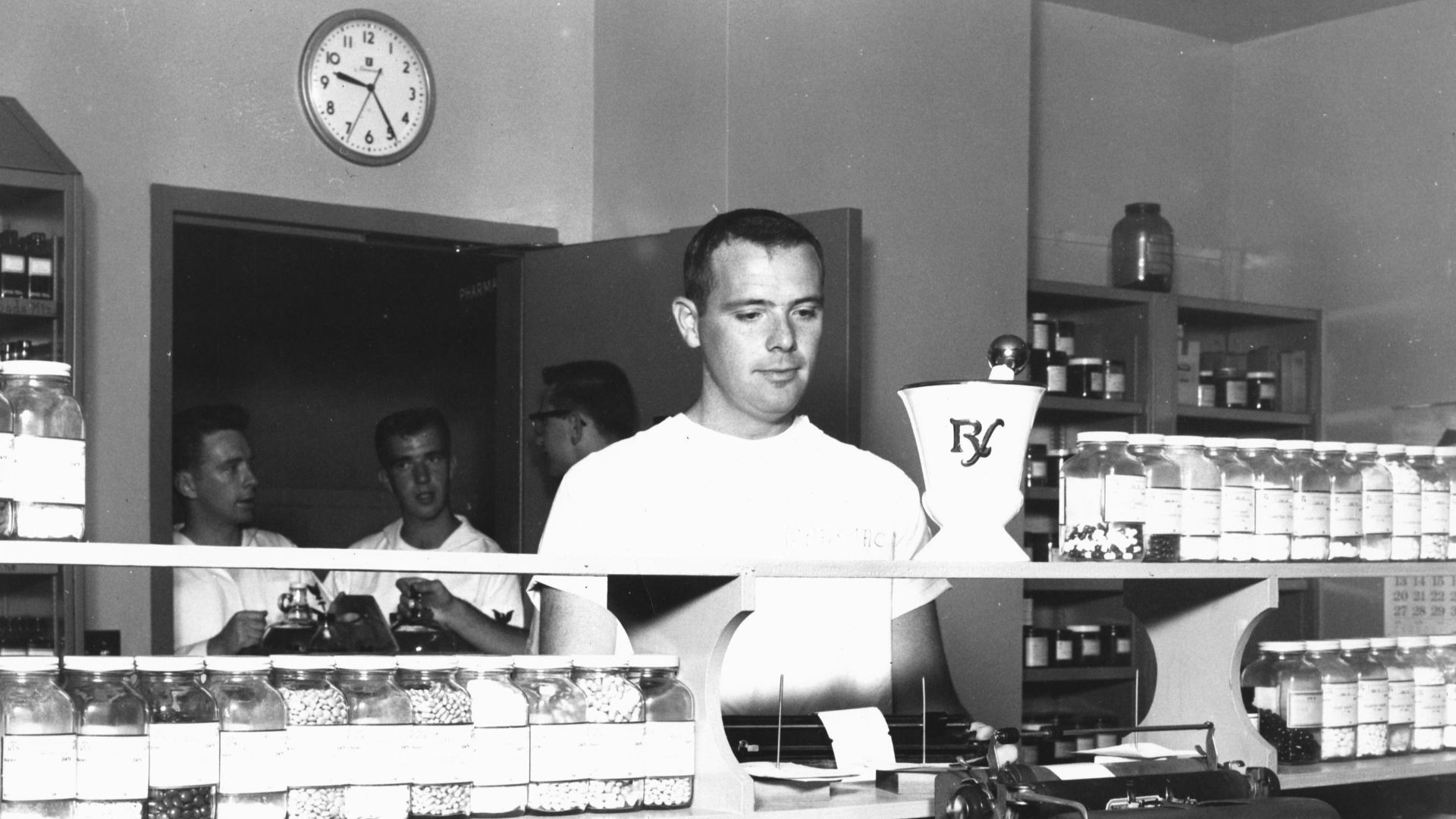
People reach for miracle cures when they are afraid, tired, sick, or desperate. That vulnerability makes bold promises powerful. Whether the promise is easy weight loss, painless childbirth, cancer recovery, calm nerves, or eternal youth, the pattern is familiar. The louder the miracle sounds, the more carefully the evidence needs to be checked.
 National Cancer Institute, Unsplash
You May Also Like:
The Coney Island Incubator Babies Were Put On Display, But The Spectacle Actually Saved Lives
How The Great Moon Hoax Of 1835 Convinced Audiences There Was Life On The Moon
Sources: 1, 2, 3, 4, 5, 6, 7, 8, 9, 10, 11, 12, 13, 14, 15, 16, 17, 18, 19