A Viking Colony And Its Mysterious End
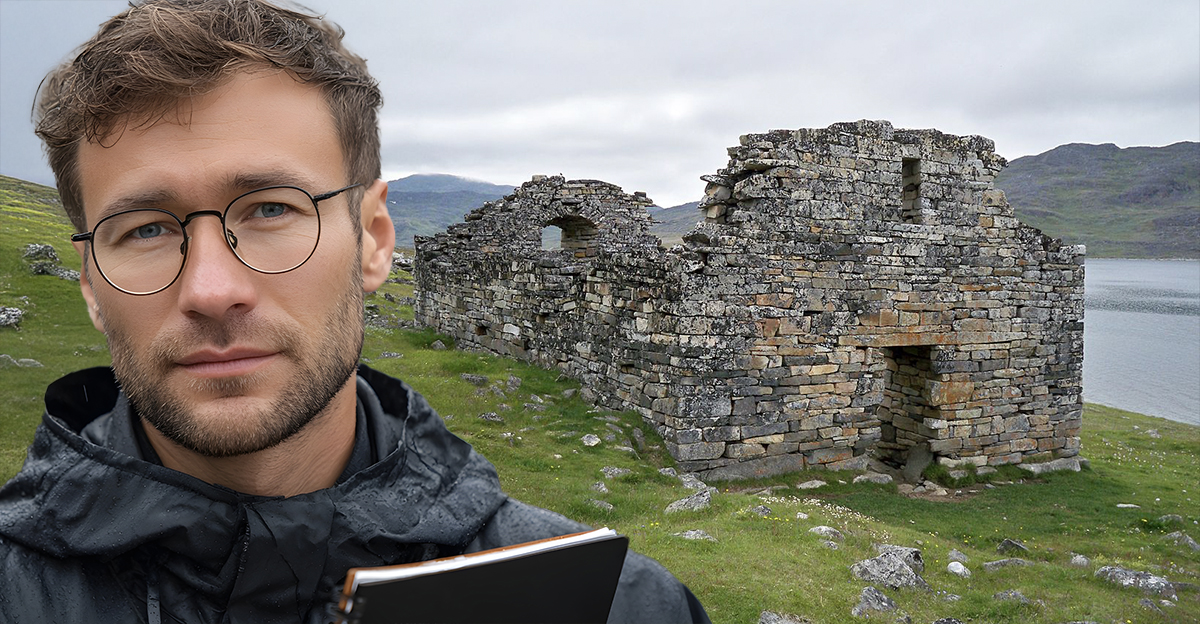
The Norse settlement in Greenland is one of the enigmas of the Middle Ages: a Viking colony that flourished for centuries in the Arctic before vanishing around the mid-15th century. Despite durable ruins and written records left over from those long-lost centuries, historians and researchers still argue about what might have led to the settlement’s collapse.
 Thares2020, AdobeStock; WikiMedia Commons
Settlement’s Founding
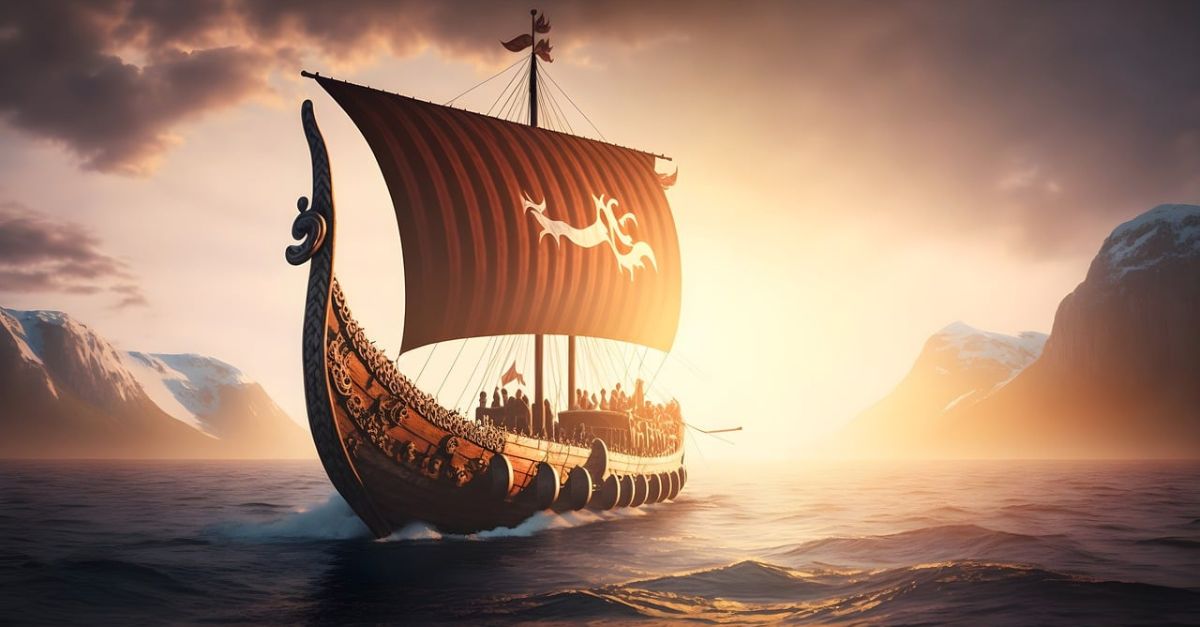
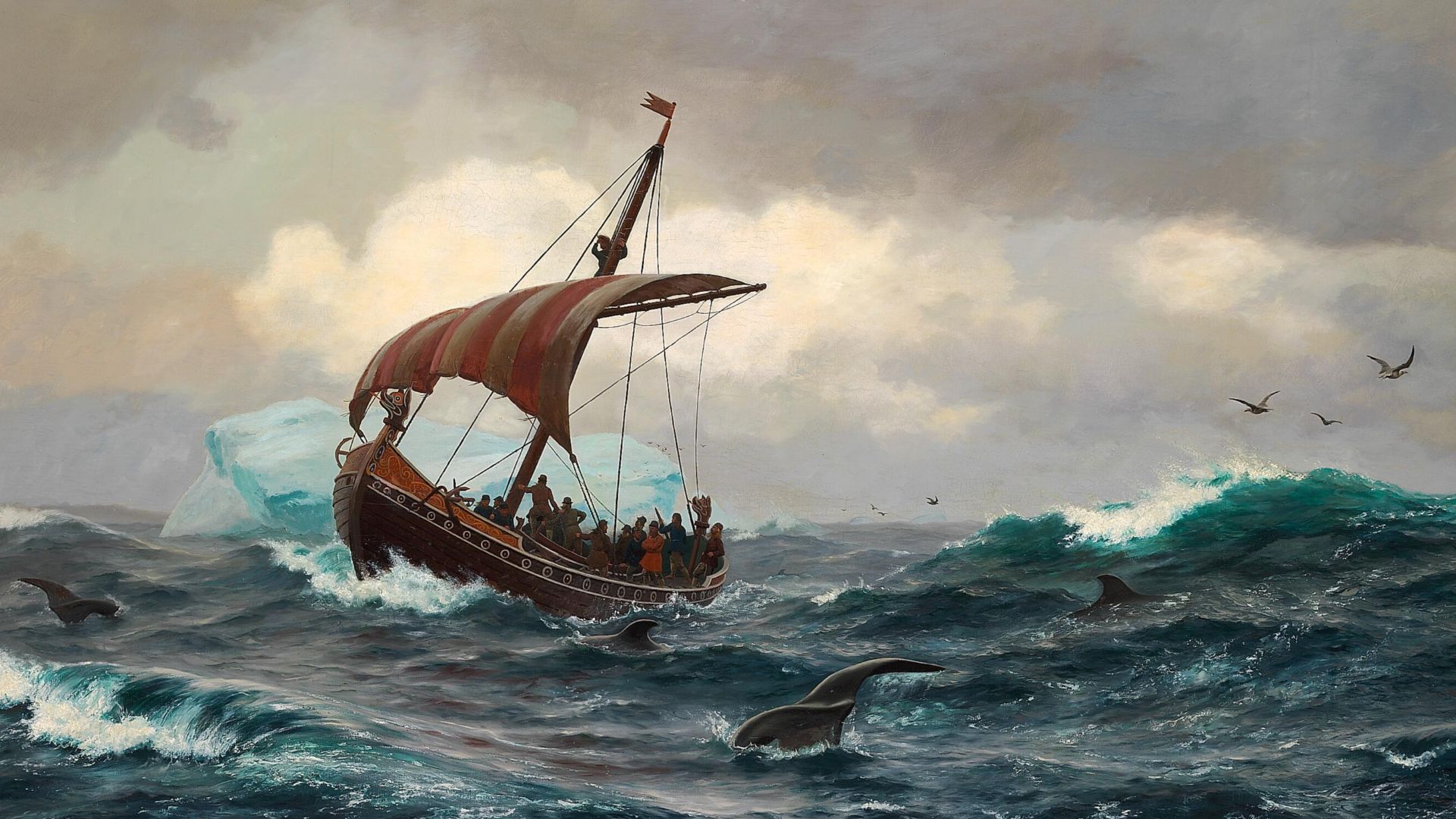
In around 985 AD, the Norse explorer Erik the Red led settlers from Iceland to Greenland, seeking out fertile fjord valleys where they could permanently establish farmsteads and outposts. This migration took place during a warmer period in history, that made limited farming and raising of livestock possible in southern Greenland’s sheltered coastlines.
 Carl Rasmussen, Wikimedia Commons
Eastern And Western Settlements
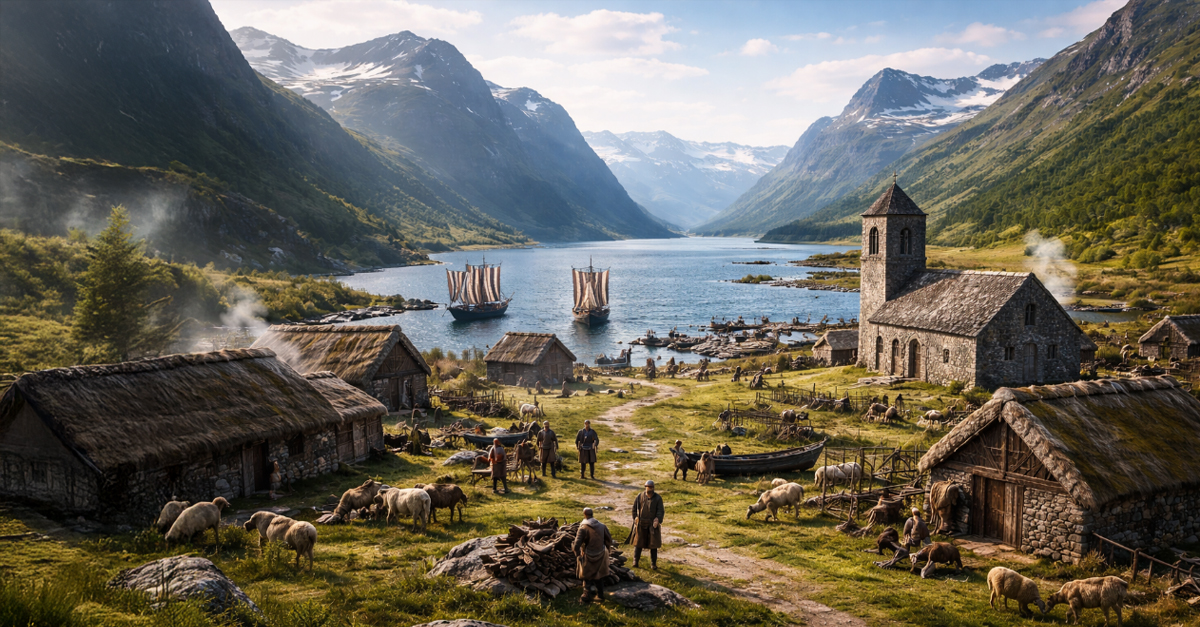
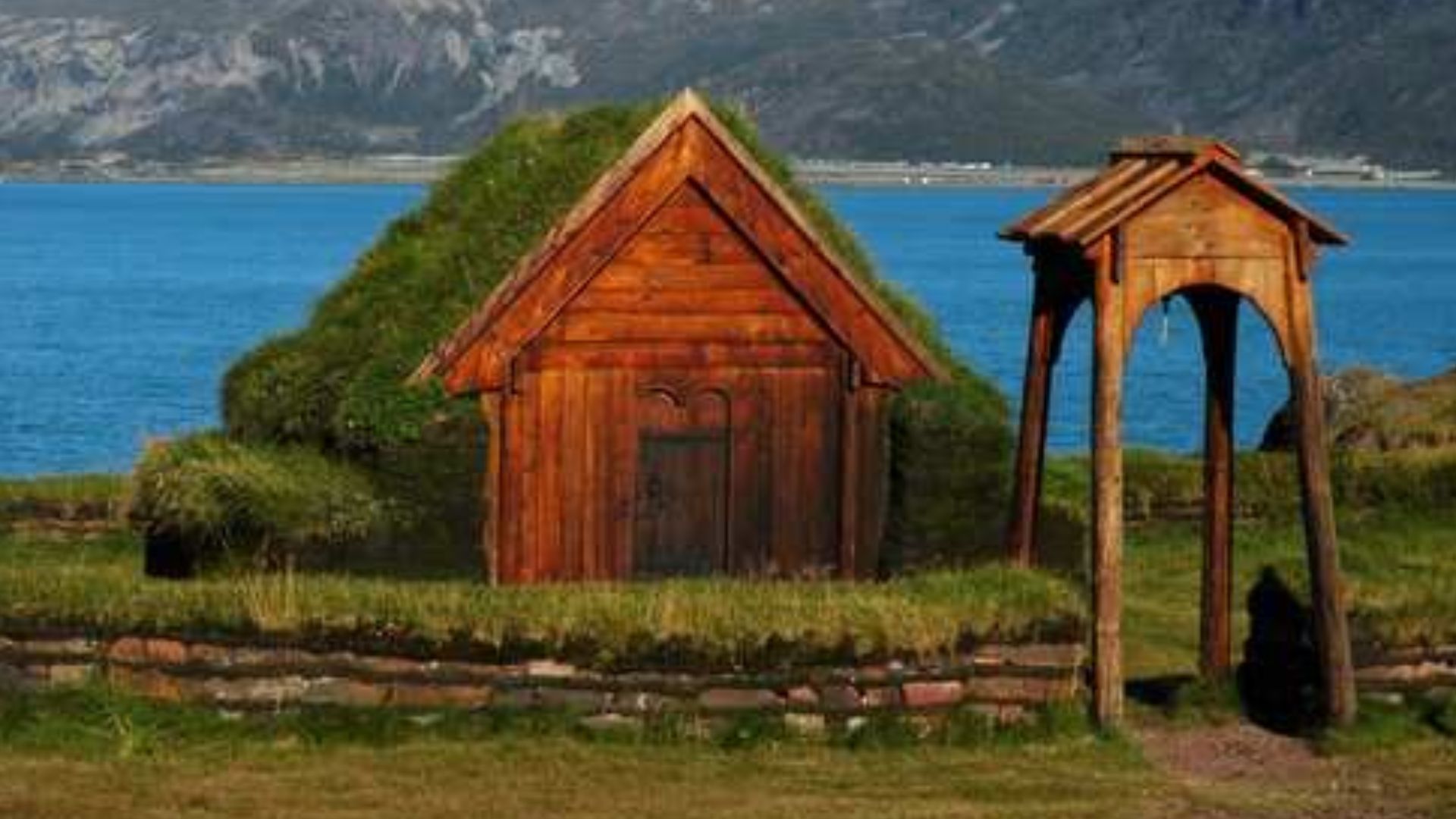
The Greenland Norse set up two principal colonies: the larger Eastern Settlement near modern Qassiarsuk and the smaller Western Settlement about 240 miles to the northwest. Both of these places evolved into organized communities with churches, farms, workshops, and longhouses, adapting Northern European lifeways to the rugged environment.
 Hamish Laird, Wikimedia Commons
Archaeological Evidence And Ruins
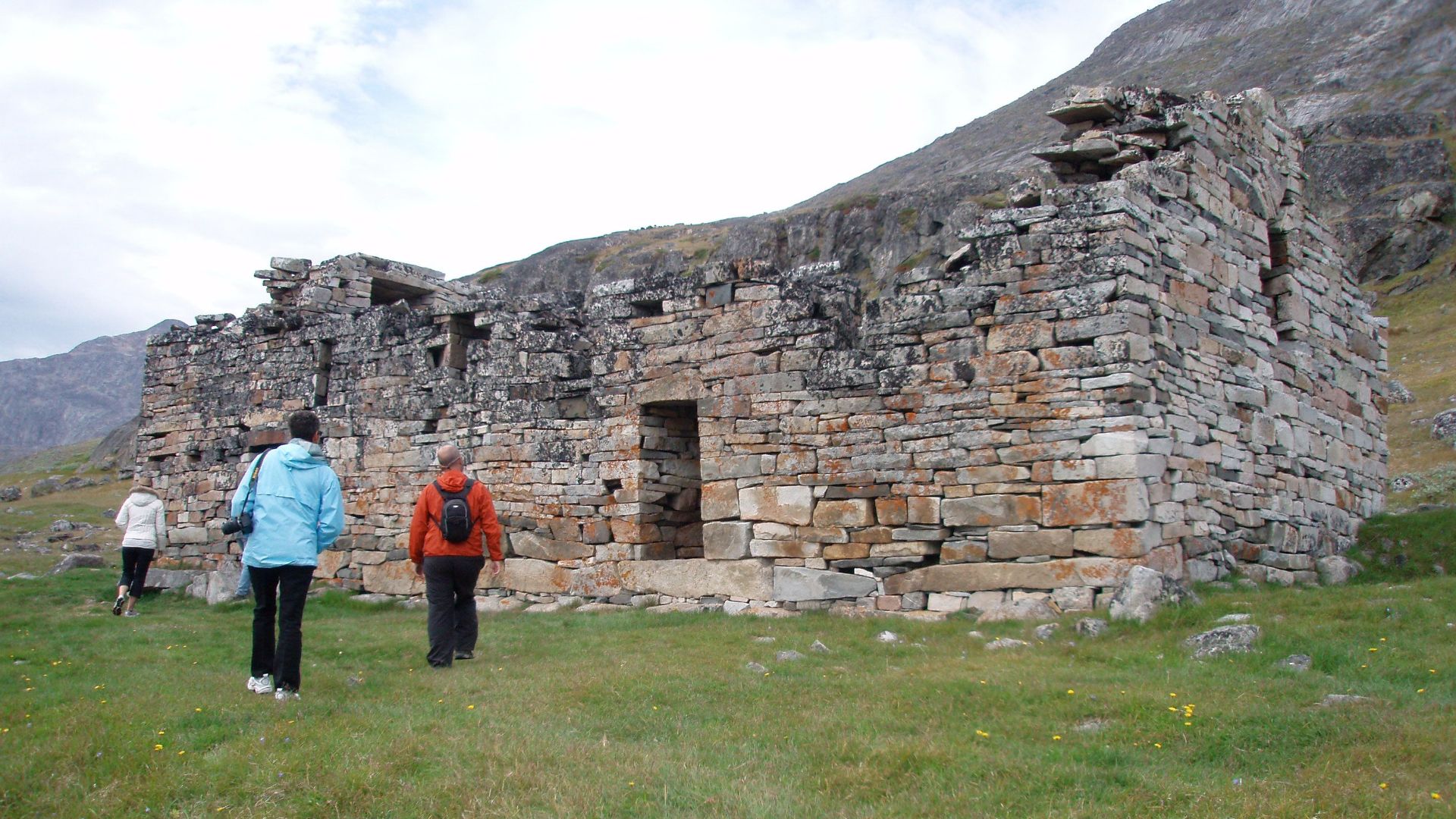
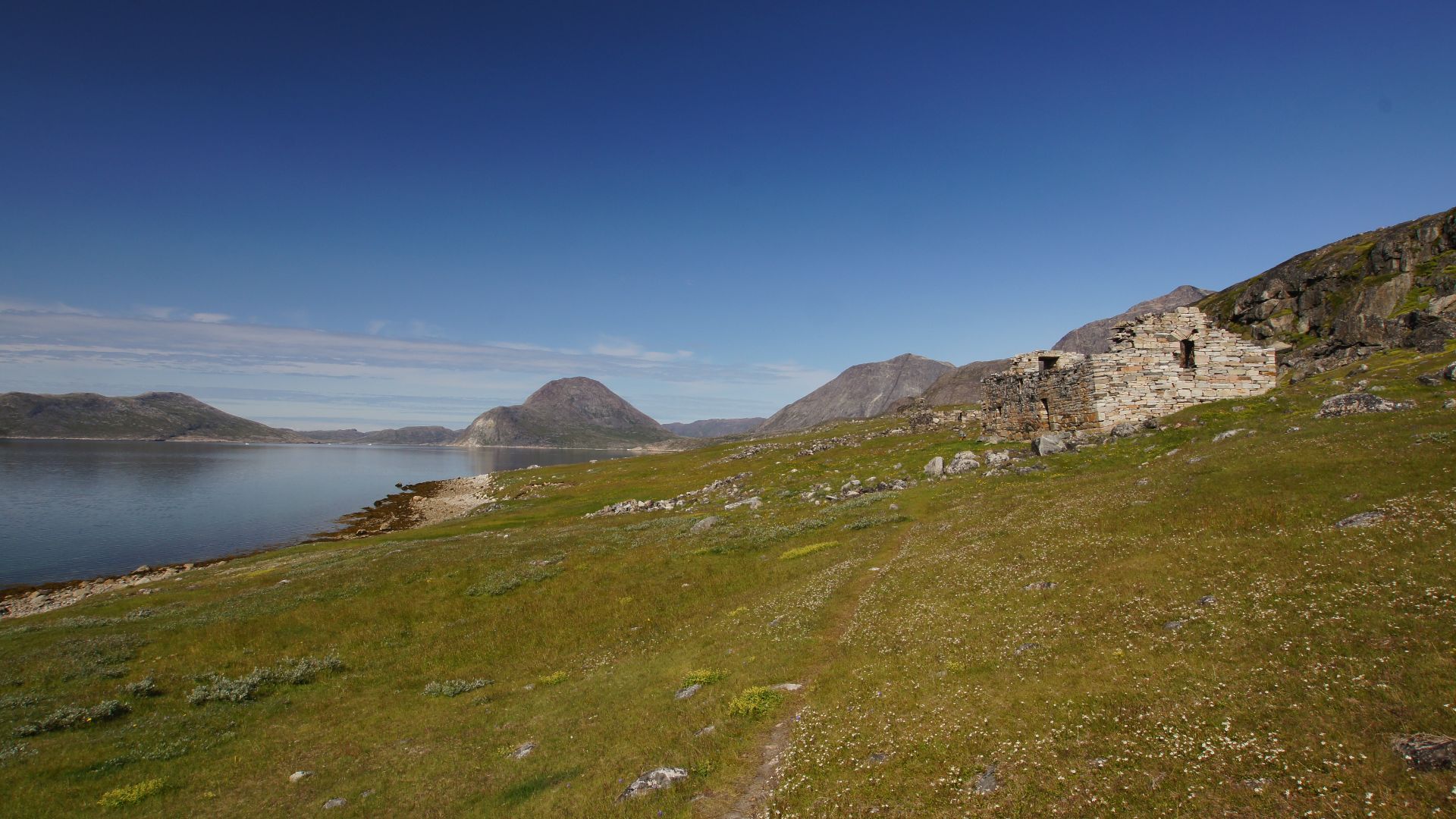
Archaeologists have dug up extensive farm sites, dwellings, graveyards, and churches, including the remarkably well-preserved Hvalsey Church near Qaqortoq, where the last recorded Norse event, a wedding, took place in 1408. These stone ruins are silent testimony to centuries of occupation.
 Visit Greenland, Wikimedia Commons

History's most fascinating stories and darkest secrets, delivered to your inbox daily.
Daily Life In The Arctic
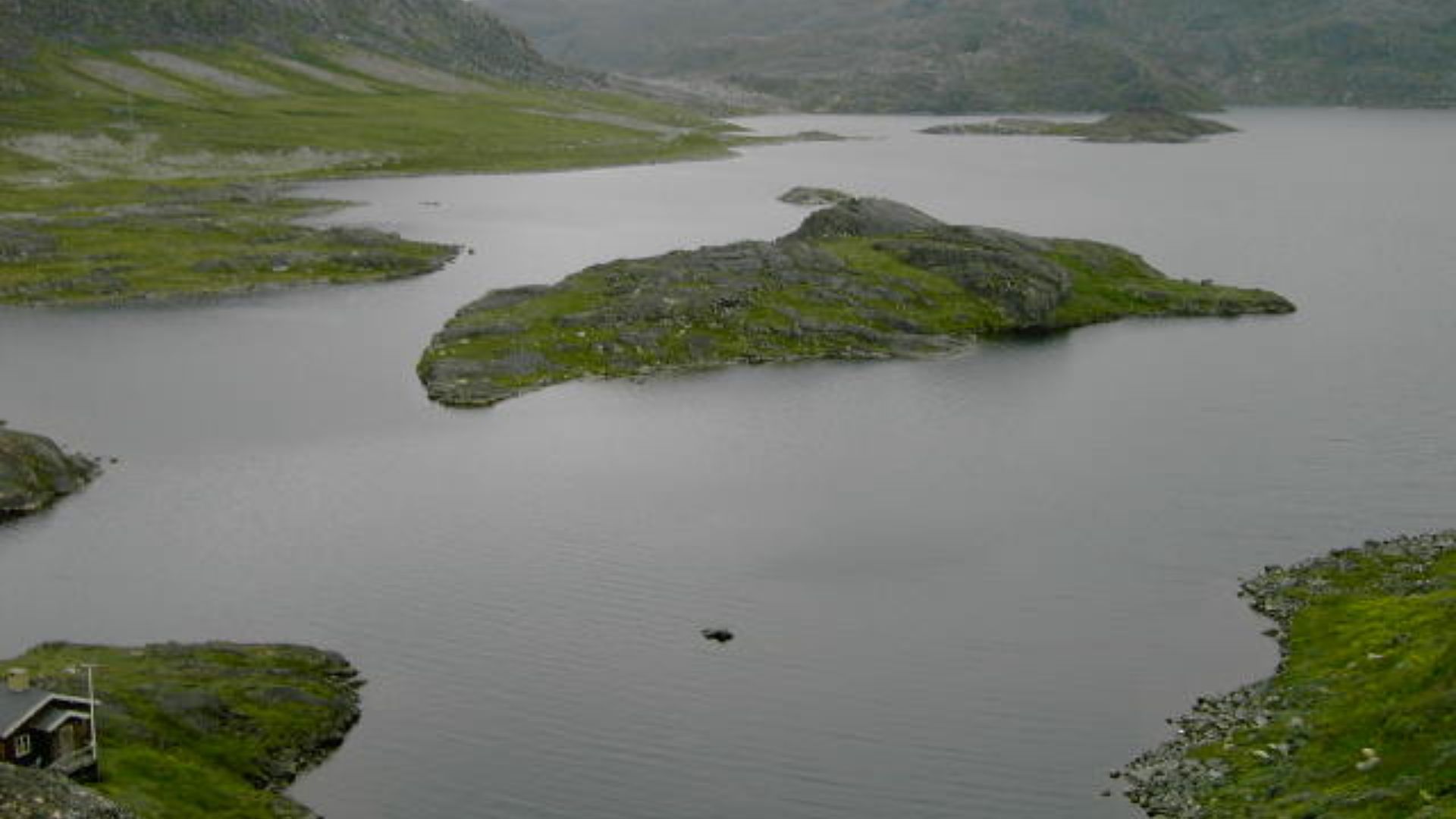
The Norse in Greenland survived through a mix of farming, hunting, and fishing. They raised goats, sheep, and cattle wherever possible, while seal, caribou, and walrus were a source of essential food and trade goods. Isotopic studies show that seals made up to 80 percent of their diet by the 14th century, showing an adaptation to the Arctic’s main resources.
 Makemake at de.wikipedia, Wikimedia Commons
Walrus Ivory Trade
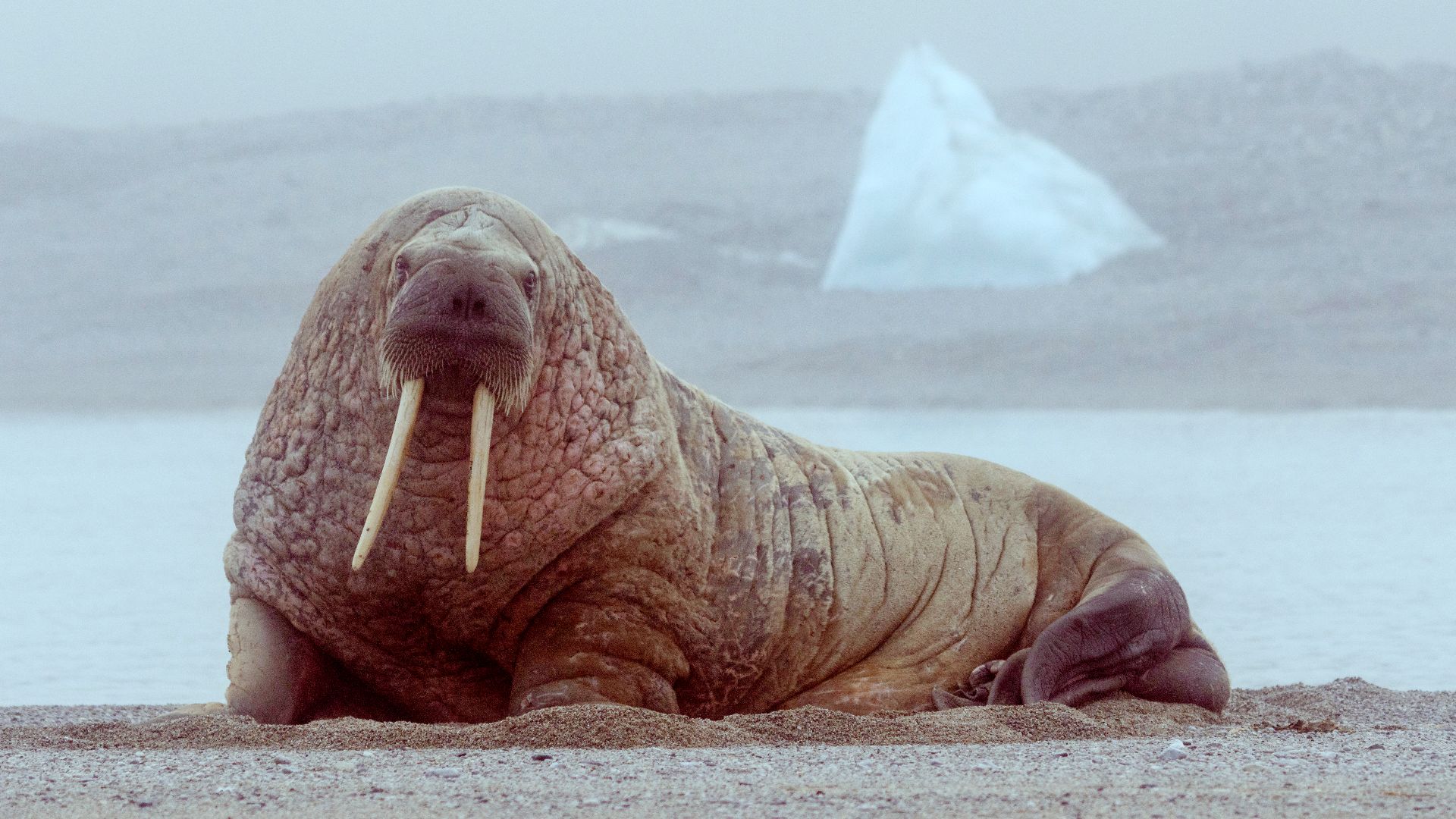
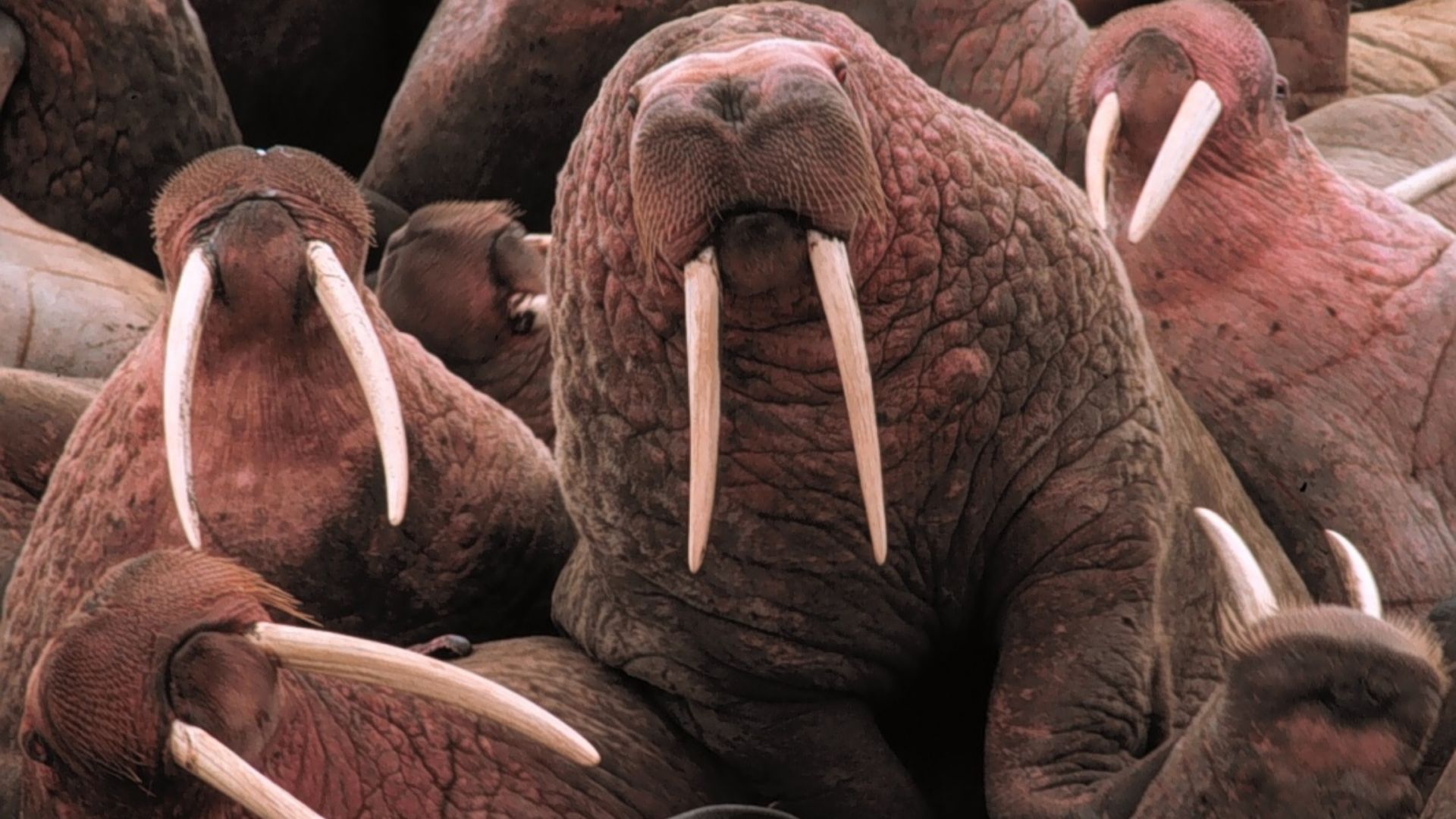
Walrus ivory was the economic linchpin of the Greenland colonies, coveted in Europe as a raw material in religious and luxury goods. Norse hunters set forth in treacherous waters to harvest the tusks, which they traded for iron, timber, and other necessities. Declining ivory demand in the 13th century undermined this economic lifeline.
Little Ice Age Begins
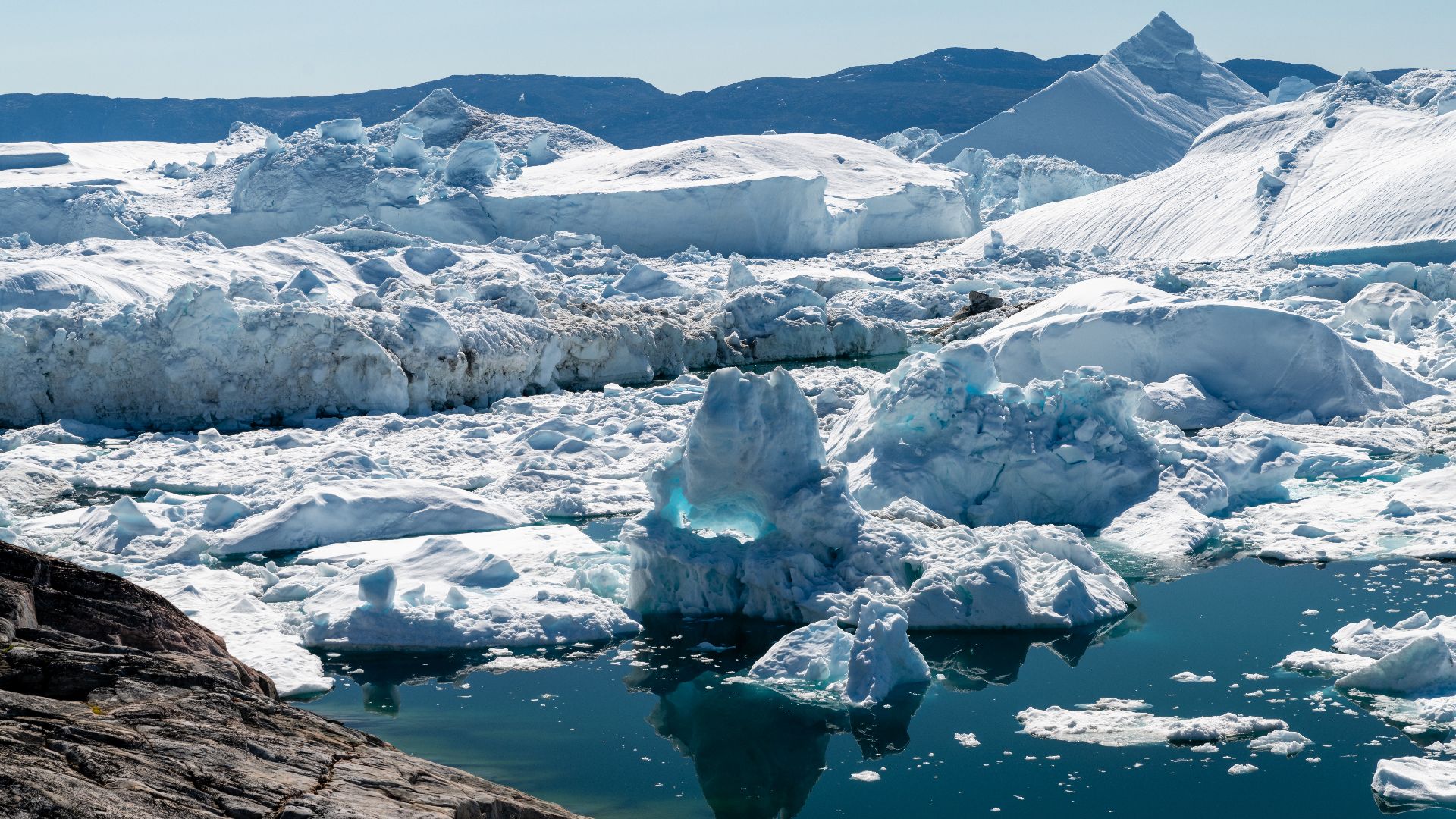
Around 1250, climate conditions began to deteriorate with the onset of the Little Ice Age, several centuries where the average temperature on Earth was colder. The colder temperatures shortened the growing season, made hay production difficult, and increased sea ice. All of this complicated travel and trade, putting stress on a community originally adapted to milder medieval conditions.
 Christoph Strassler from Oberdorf BL, Schweiz, Wikimedia Commons
Climate And Environmental Stress
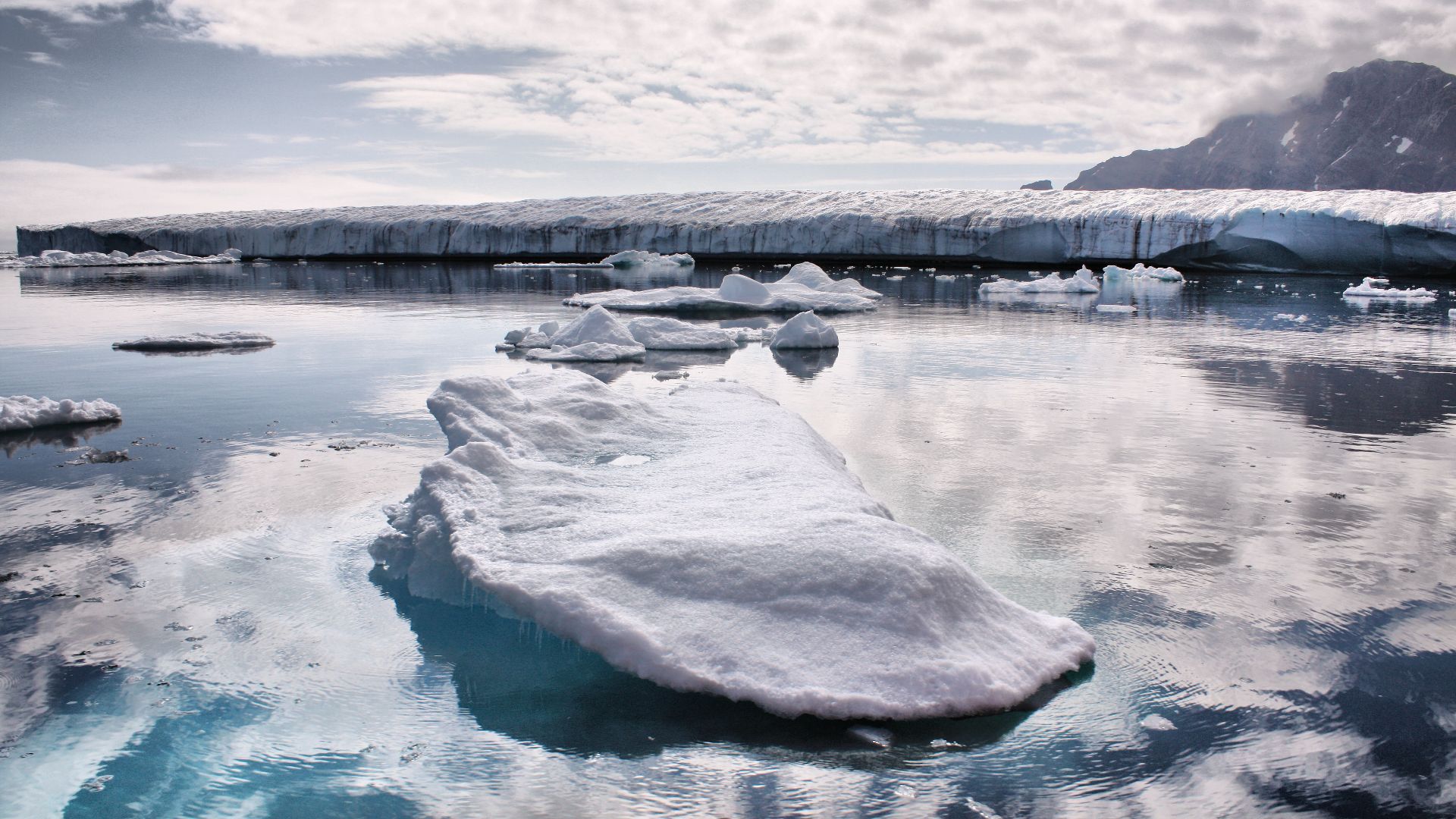
Changing climate likely brought more than cold; the evidence also suggests periods of persistent drought and unstable conditions that lowered agricultural yields and pasturage. Soil and sediment studies near former Norse farms shows subtle long-term environmental shifts that impacted the colony’s sustainability.
 Christine Zenino from Chicago, US, Wikimedia Commons
Loss Of Contact And Support
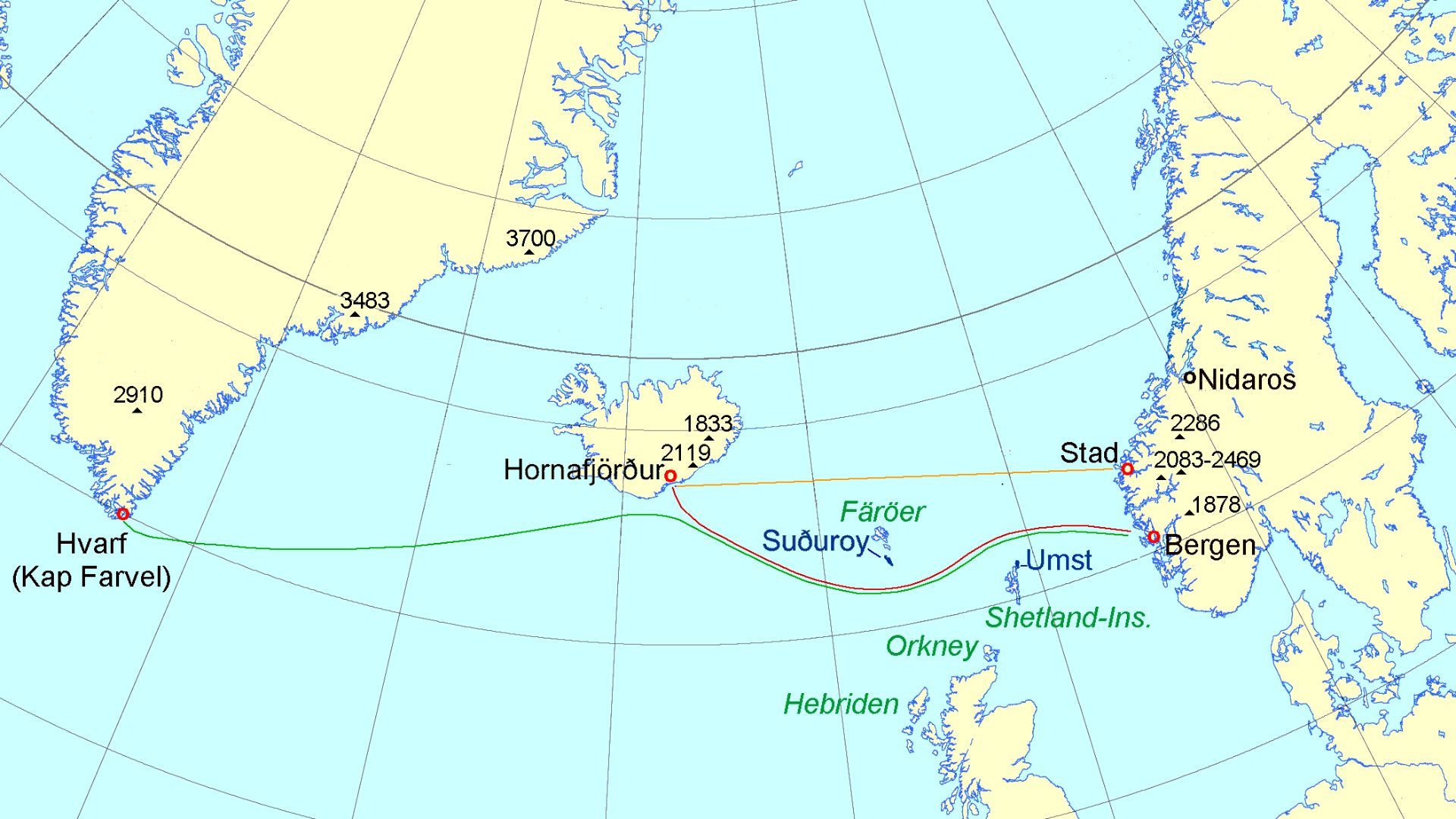
The Norse colonies depended on periodic voyages from Norway for goods and cultural connection. The Black Death in the mid-14th century devastated Europe, including Norway. This put a big dent in the number of ships going back and forth, and left Greenland more isolated and unable to obtain iron, timber, and other necessary supplies.
 Lencer + Ulamm 00:22, 12 December 2007 (UTC), Wikimedia Commons
Sea-Level Rise Contribution
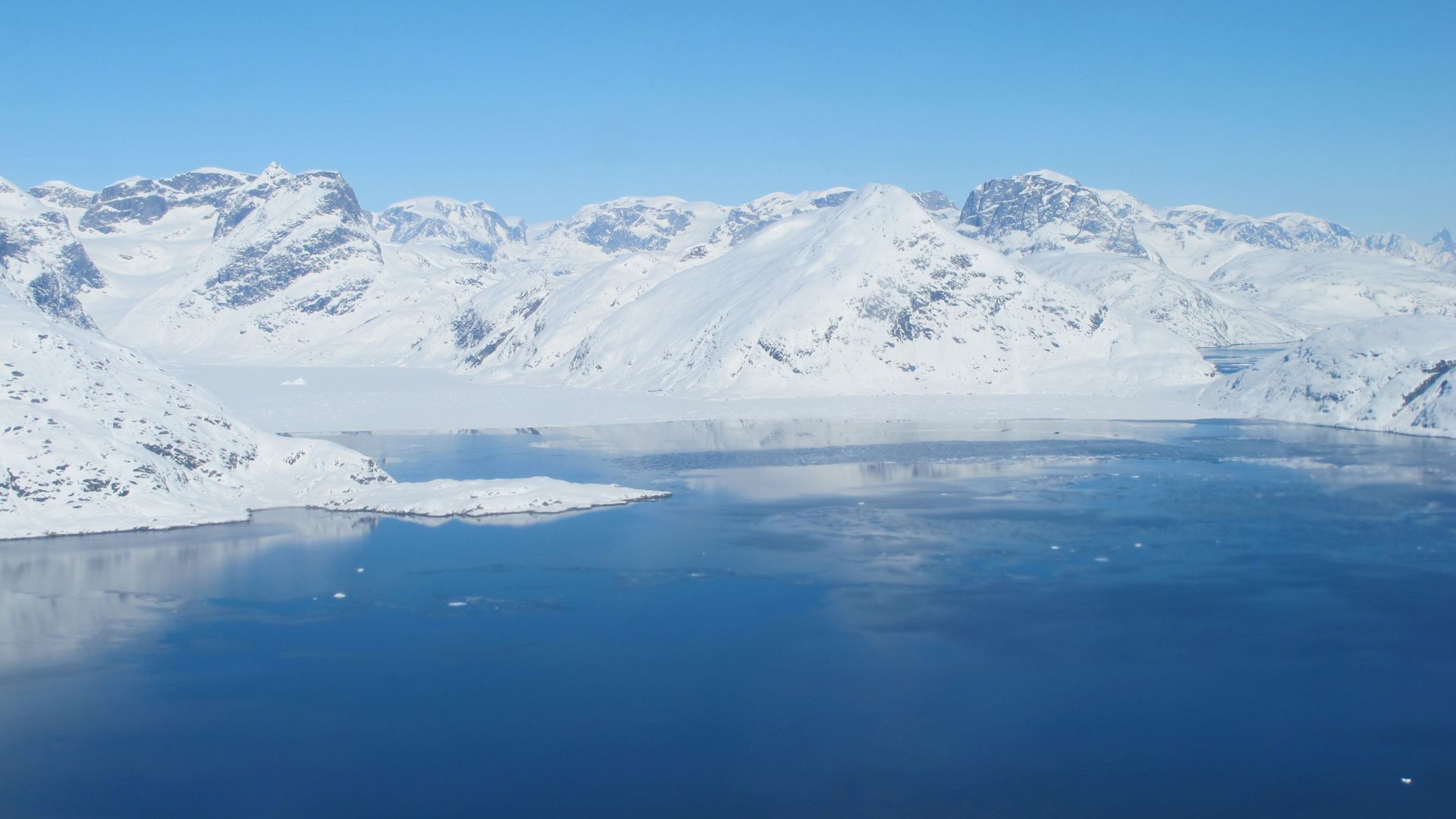
Recent research also suggests that advancing ice sheets near southern Greenland caused localized sea-level rise of up to three meters, which flooded prime farmland and forced shoreline retreat, further compounding the hardships the coastal Norse farms were already dealing with.
 NASA / Jim Yungel, Wikimedia Commons
History's most fascinating stories and darkest secrets, delivered to your inbox daily.
Pastoralism And Adaptation
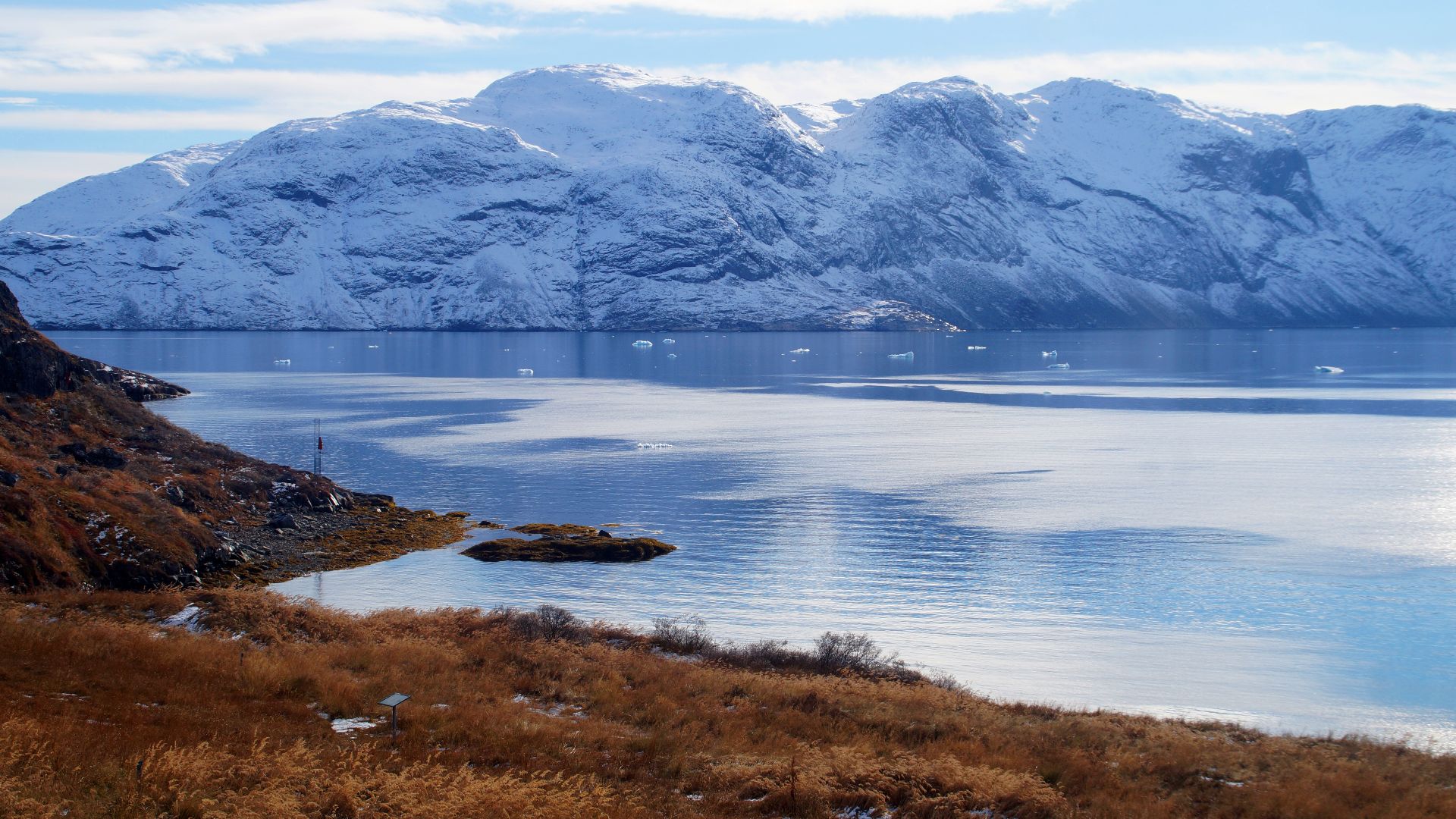
Although the Norse are often portrayed as unable to adapt, the archaeological data shows the Norse relied more and more on fisheries when farm production tailed off. This indicates a high degree of flexibility in subsistence strategies. But the pressures may have become too much.
 Melissa Cherry Villumsen, Wikimedia Commons
Contact With The Inuit
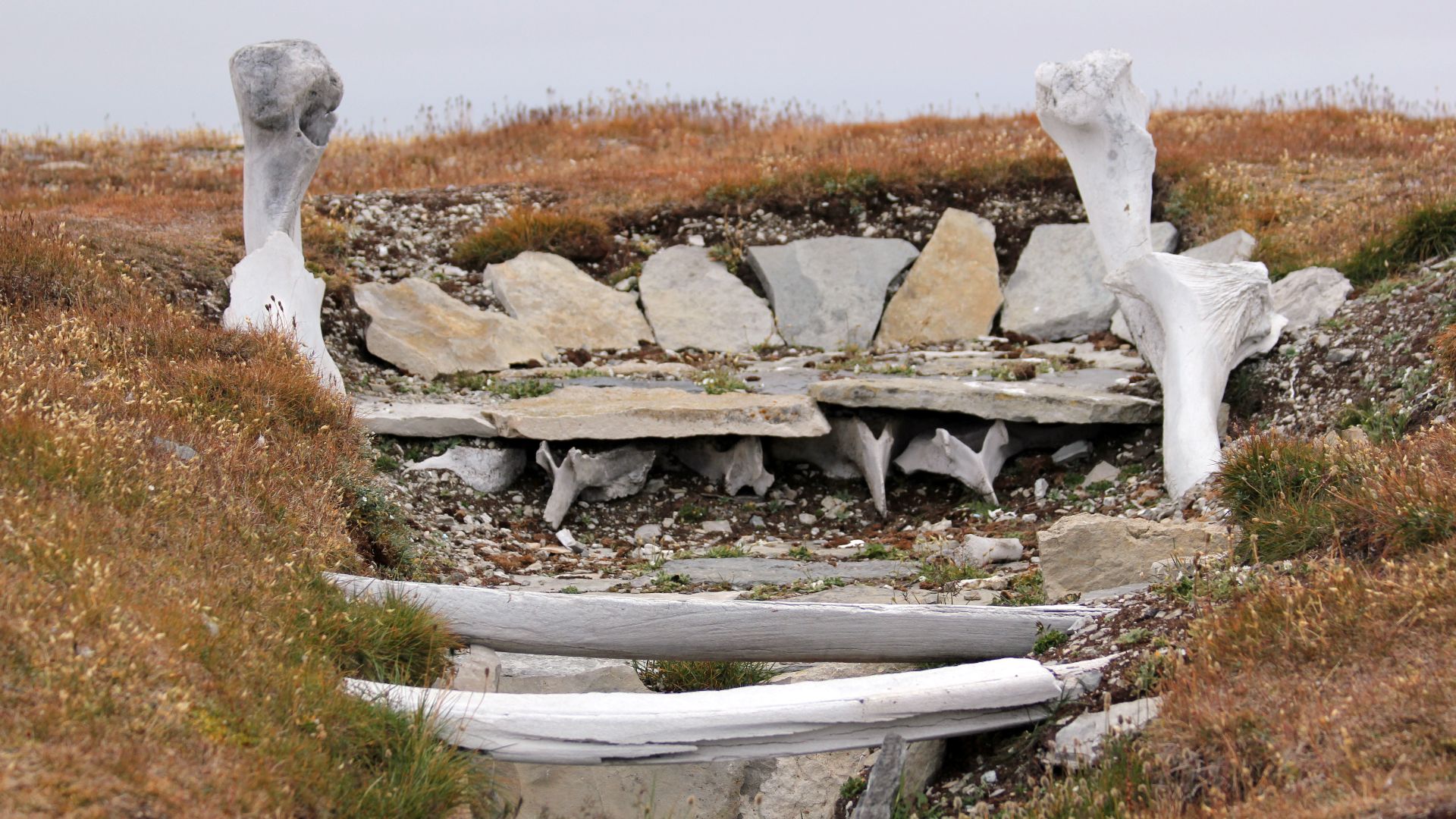
The Thule Inuit arrived in Greenland around 1200, and they shared territory with Norse settlers for centuries. While the nature of their relations is still unclear, there isn’t a whole lot of concrete evidence for large-scale violent conflict between the groups in the historical record.
Population Challenges
Population estimates for the colony have been revised downward in recent decades, with peak Norse numbers probably well under the earlier accepted figures. Most sources give a peak population figure of around 2,000. Though the exact numbers are lost to time, the population decline would have made maintaining farms and hunting expeditions increasingly difficult.
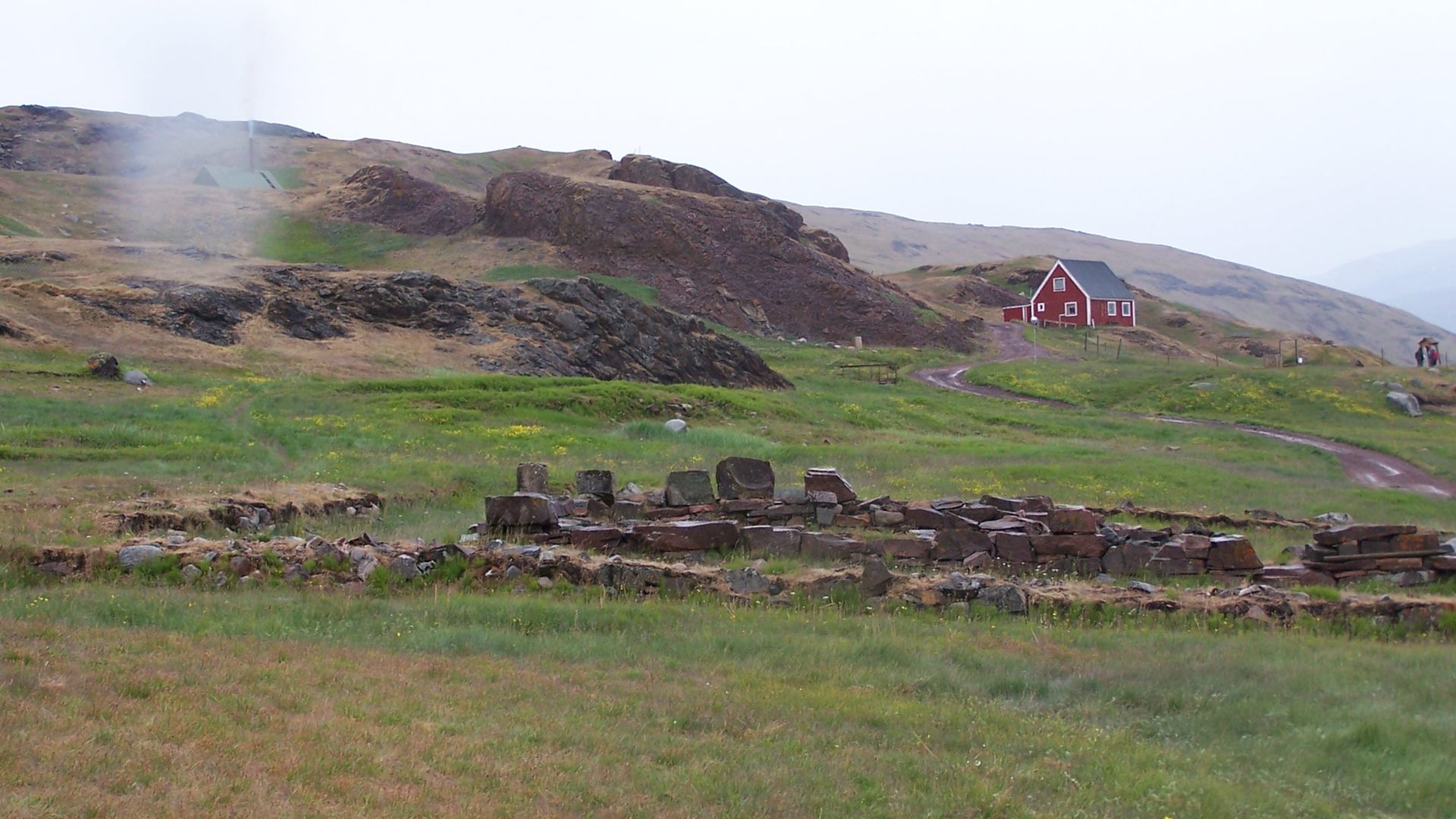 PederM at Danish Wikipedia, Wikimedia Commons
Western Settlement’s Demise
The smaller Western Settlement was abandoned sometime between 1350 and 1400, with documentary evidence from a 1350 visit finding that it was already uninhabited. Whether this was due to harsher climate or economic collapse is a debate that is still going around in circles.
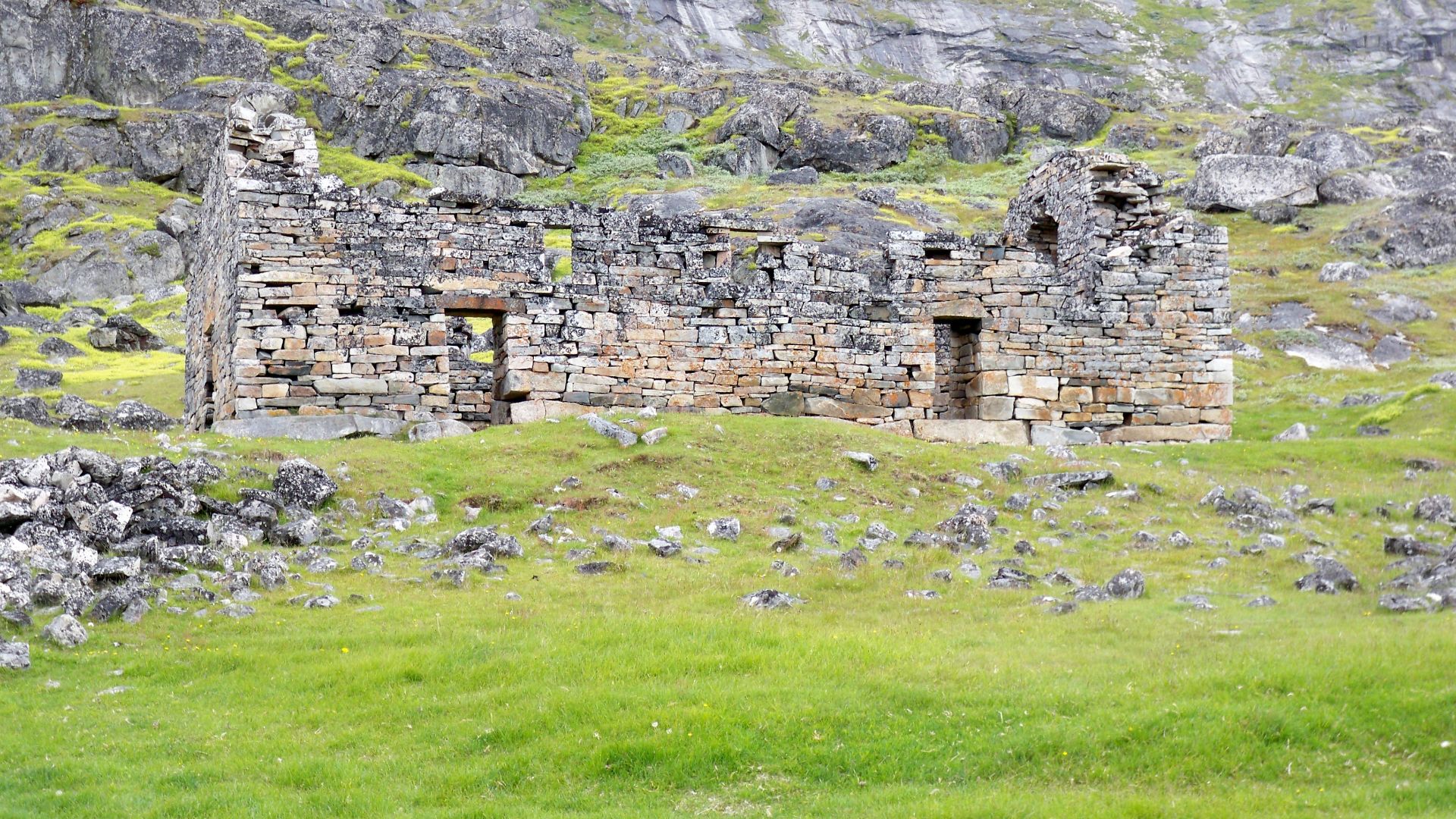 Number_57 (talk) (Uploads)., Wikimedia Commons
Eastern Settlement Clings To Life
The Eastern Settlement survived longer, as shown by records like the 1408 wedding, but this village, too, eventually succumbed to the same pressures that felled its sister community. By around 1450, archaeological and radiocarbon evidence suggests that the place was fully abandoned.
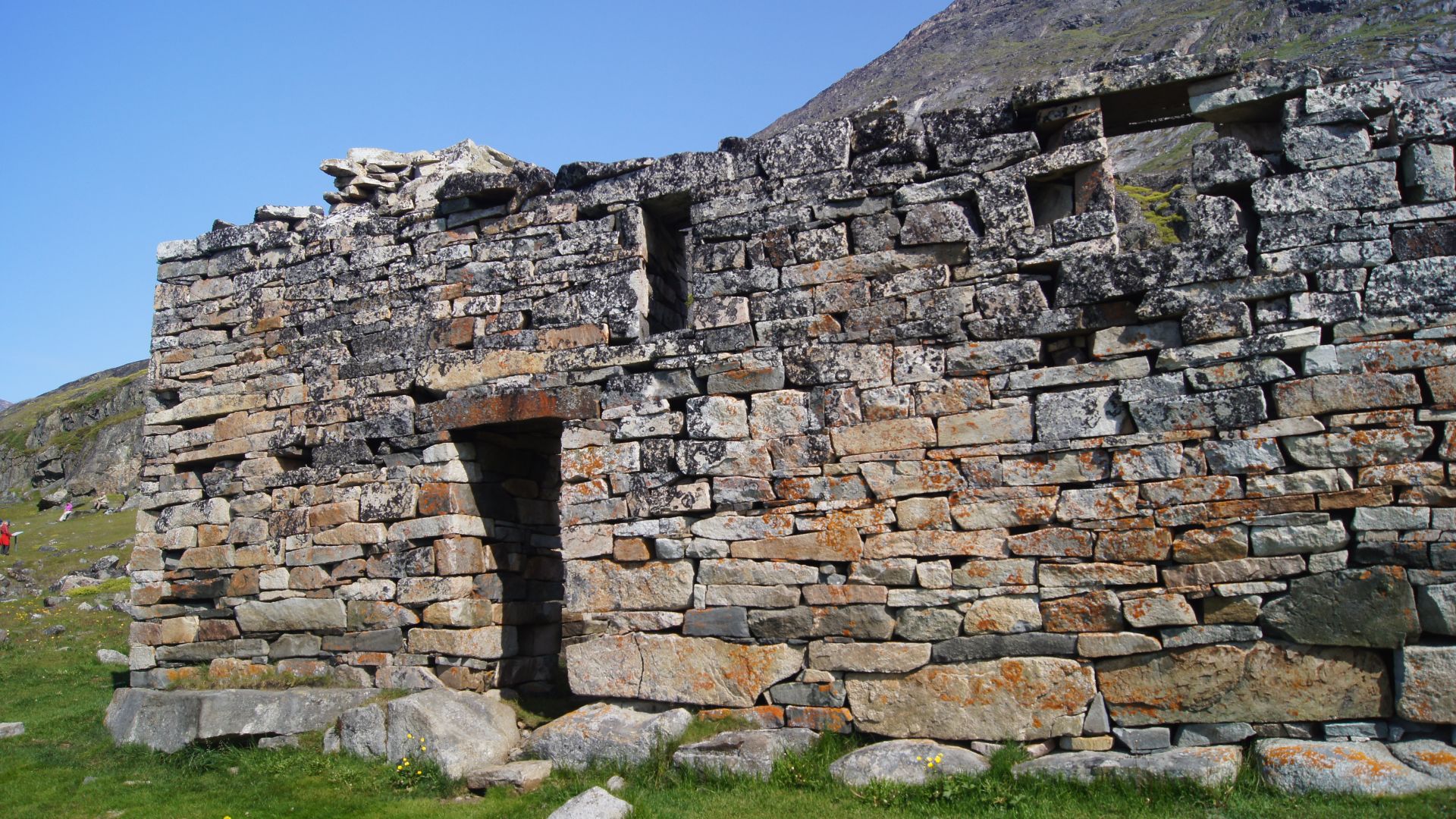
Planned Abandonment Or Catastrophe?
Fewer personal belongings in abandoned Norse homes seems to suggest that there was an orderly departure by at least some people, though scholars still argue over whether this was planned emigration to Iceland or Scandinavia, or gradual die-off due to sheer relentless hardship.
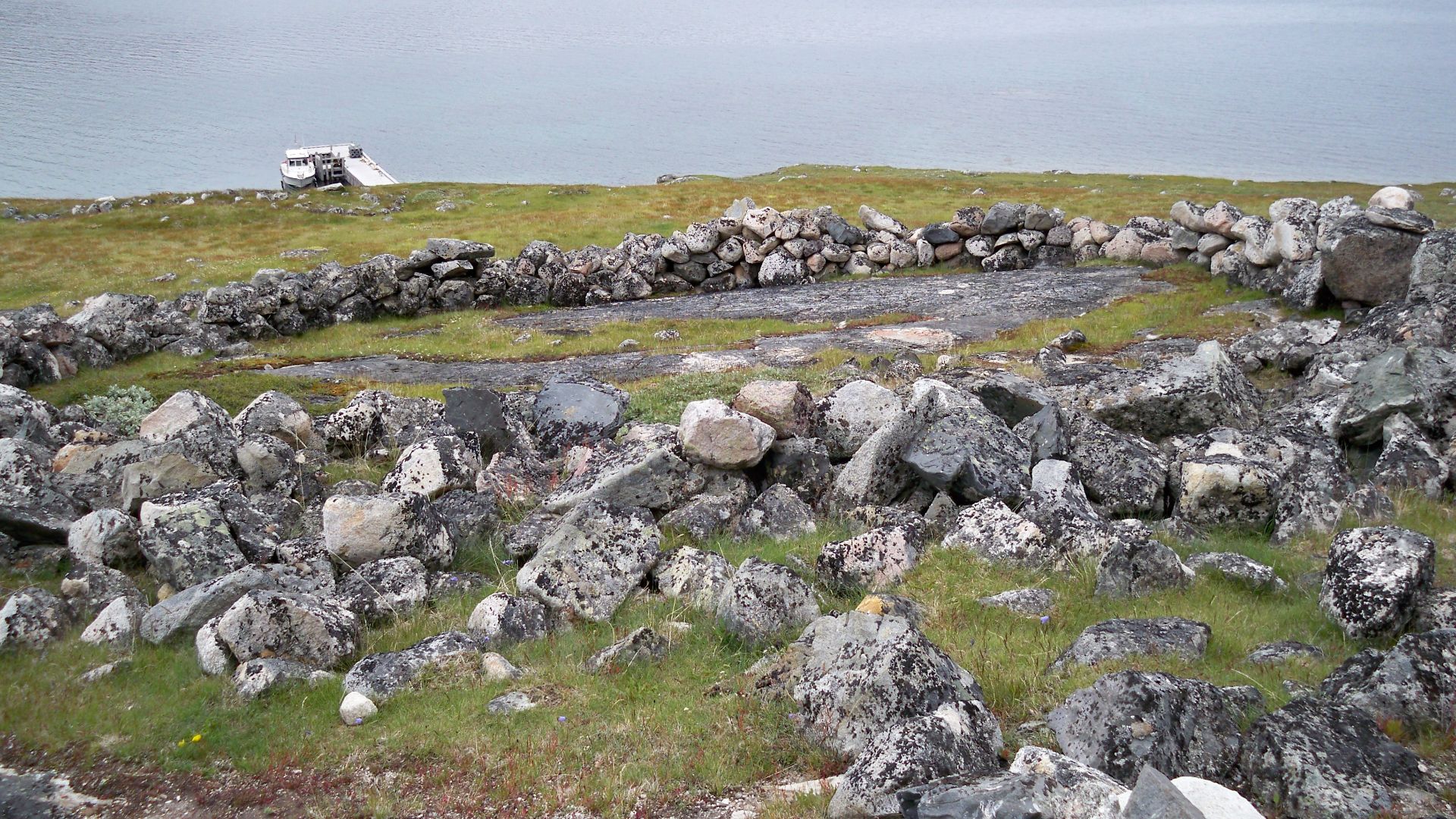 Number_57 (talk) (Uploads)., Wikimedia Commons
History's most fascinating stories and darkest secrets, delivered to your inbox daily.
Declining Export Markets
The shift in European luxury markets from walrus ivory to African elephant ivory replaced the demand for Greenland’s primary export. This economic shift, and a whole host of other logistical challenges, weakened the colony’s ties to continental markets.
 Togiak National Wildlife Refuge, Wikimedia Commons
Environmental And Cultural Theories
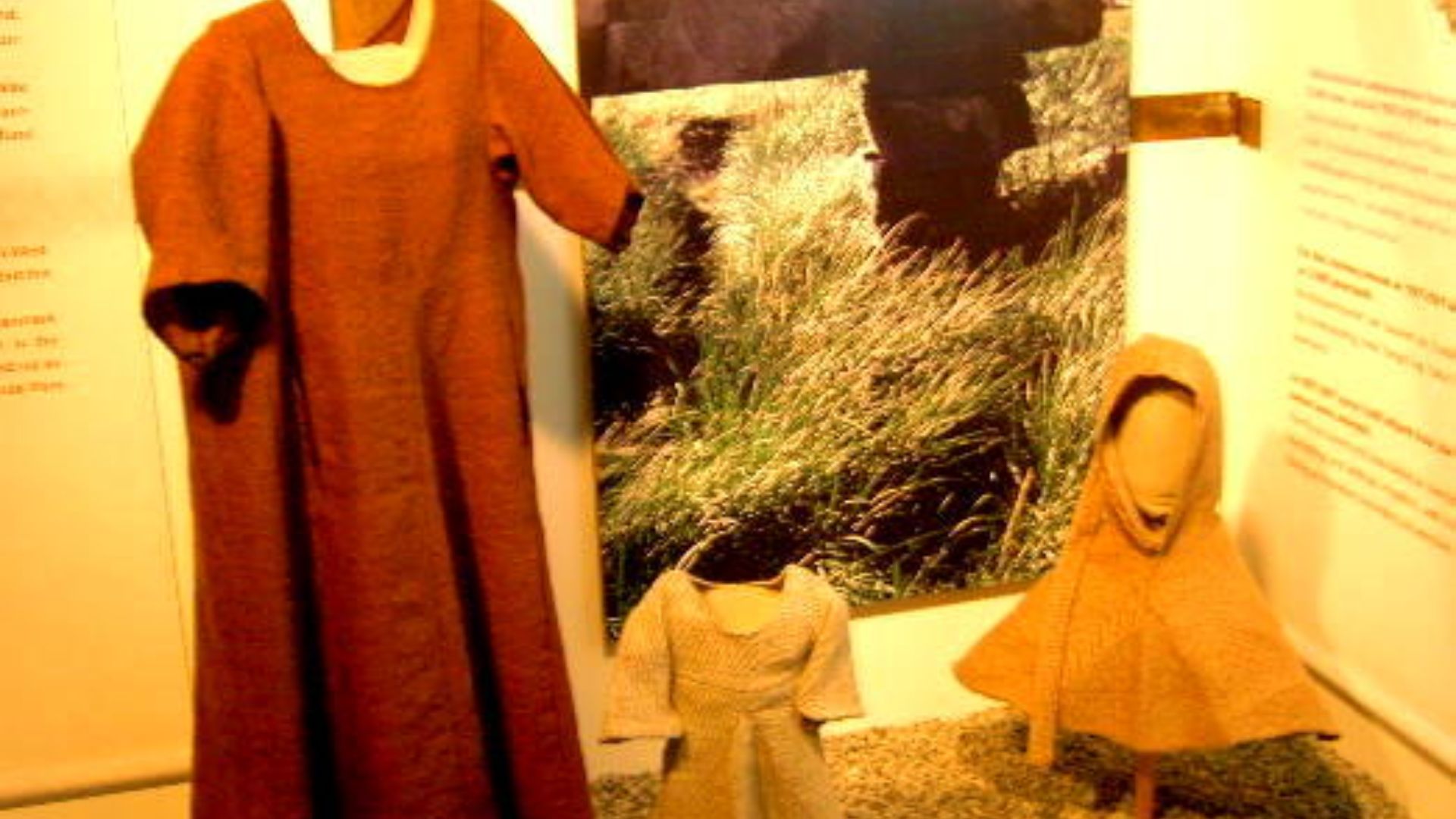
Some historians insist that the Norse people’s conservative attachment to European pastoral norms prevented them from fully adapting to Arctic life, while others argue that the decline set in from the combined weight of environmental and economic change.
 Makemake 18:50, 27. Nov. 2006 (CET), Wikimedia Commons
Sudden Or Gradual End
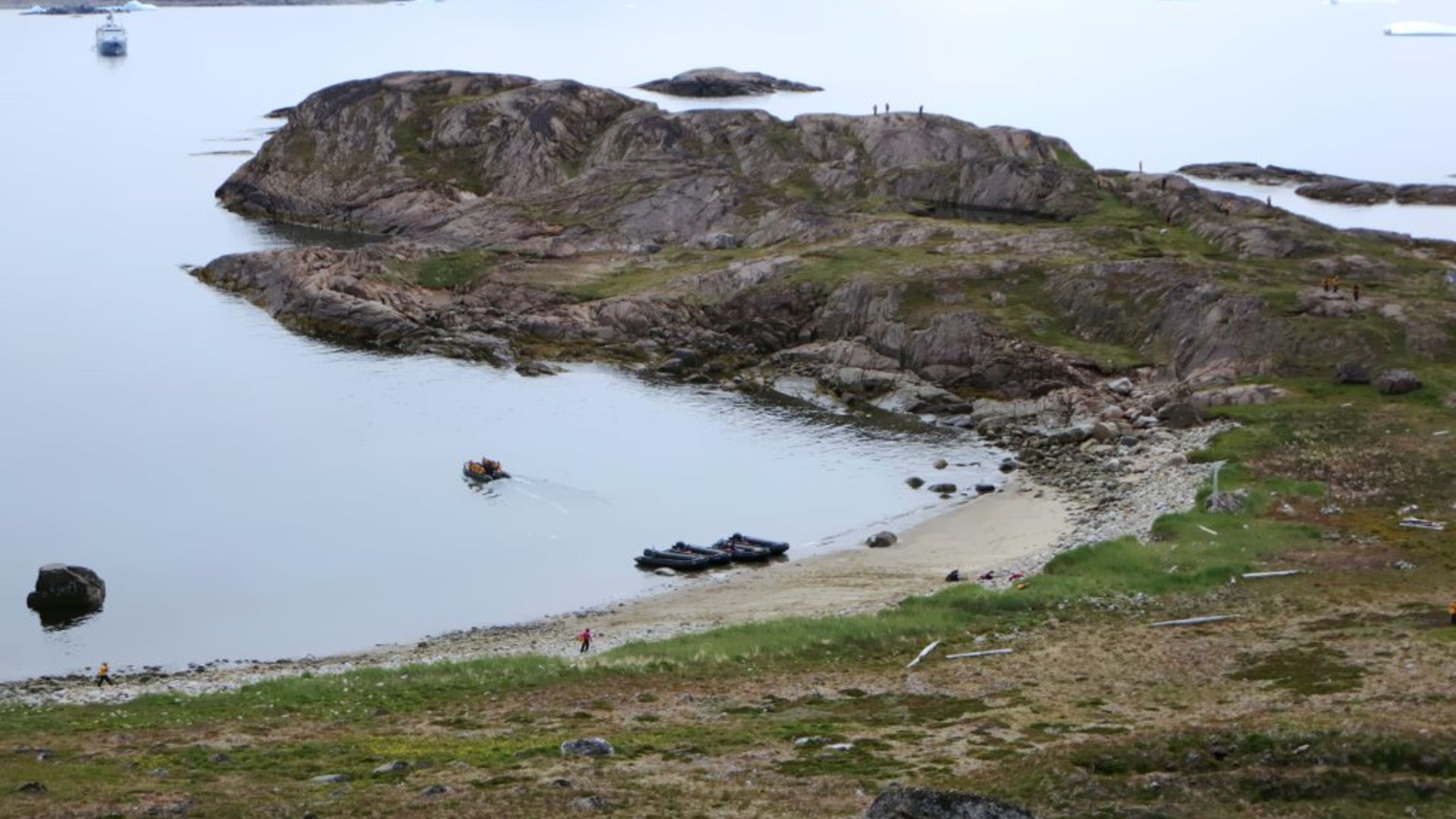
Although the timing of the final collapse is uncertain, many experts place the Norse disappearance around the mid-15th century. Later sightings of deserted farms and occasional skeletal remains hint that a few lingered on the fringe before vanishing.
 David Stanley, Wikimedia Commons
No Smoking Gun
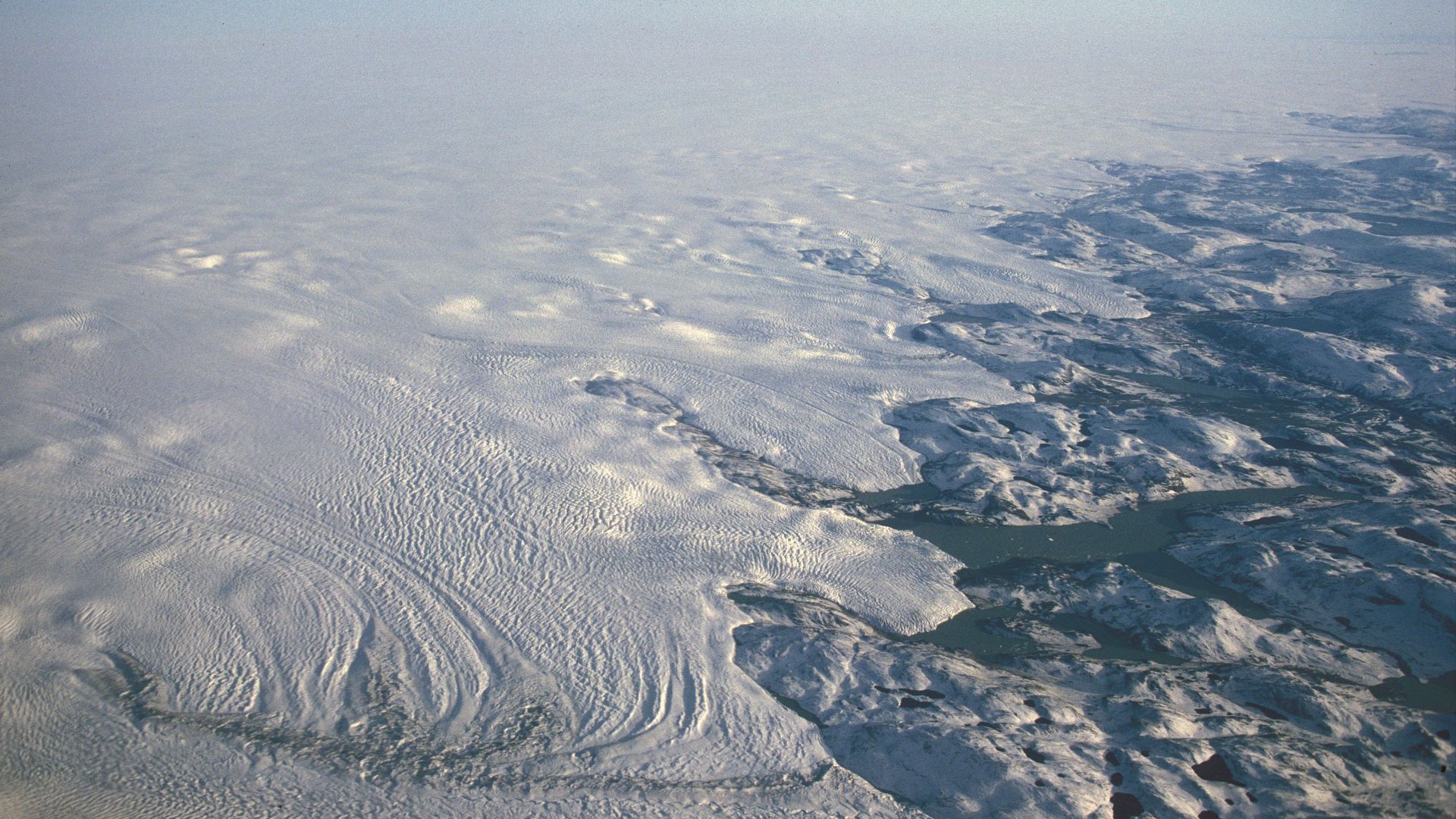
The uncertainty of modern research suggests that no single factor ended the Greenland Norse. Instead, it looks like a “perfect storm” of environmental volatility, economic isolation, climate stress, and resource depletion probably pushed the colony beyond the brink of resilience.
 Hannes Grobe 20:10, 16 December 2007 (UTC), Wikimedia Commons
Five Centuries Is A Long Time
The ruins still dot Greenland’s fjords, from old farm foundations to Hvalsey Church, enduring as the last witness to a community that adapted, experimented, and endured for nearly five centuries. Their disappearance is one of medieval history’s most haunting mysteries.
A Somber Norse Saga
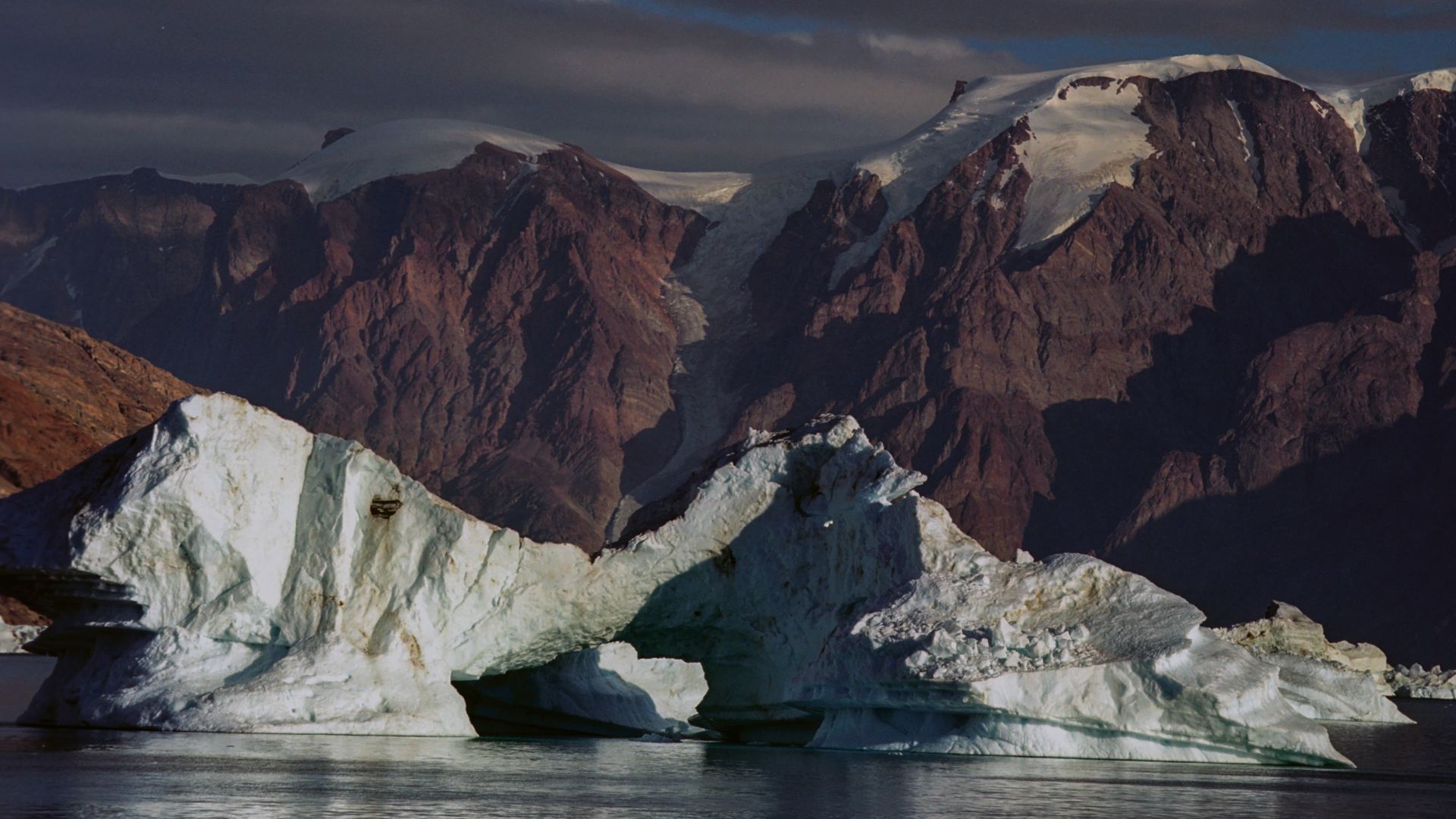
The Norse experience in Greenland illustrates how climate, economy, and culture can determine a society’s fate. Even a determined and adaptable people as tough as the Vikings can falter when they come up against the kind of prolonged adversity of survival conditions in the climate and terrain of Greenland.
 Jerzy Strzelecki, Wikimedia Commons
You May Also Like:
Brutal Facts About Vikings, The Scourge Of The North
Hardened Facts About Leif Erikson, The Viking Explorer
Legendary Viking "Myths" That Actually Turned Out To Be True