
Legends Check Out
Turns out the Vikings were right. They did, in fact, reach America five hundred years early. Some myths sound too crazy to believe, but archaeological evidence keeps proving the sagas weren't exaggerating.
Traders, Not Raiders
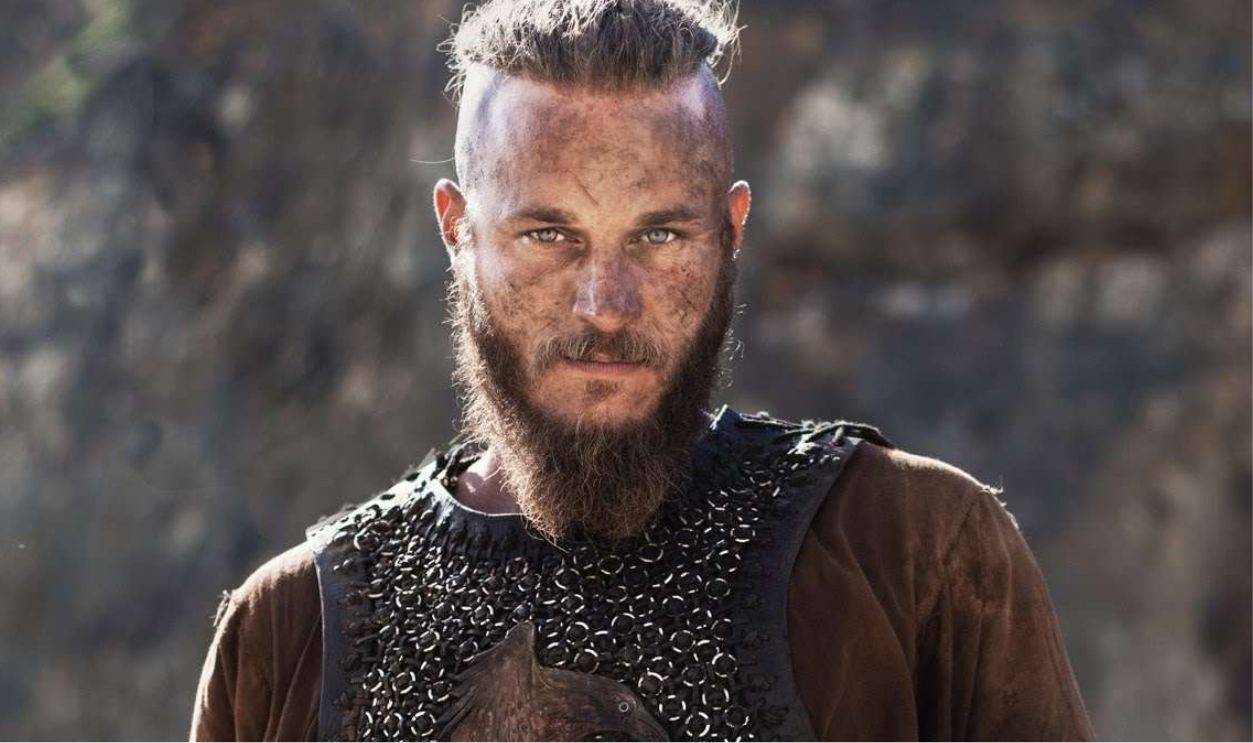
Pop culture loves showing Vikings as savage warriors pillaging villages, but here's the twist: most Vikings spent their summers trading, not raiding. Only a small percentage actually went "viking" (which was more like a seasonal job). The majority were farmers, craftsmen, and savvy businesspeople.
 JensKunstfreund, Wikimedia Commons
Advanced Legal Systems
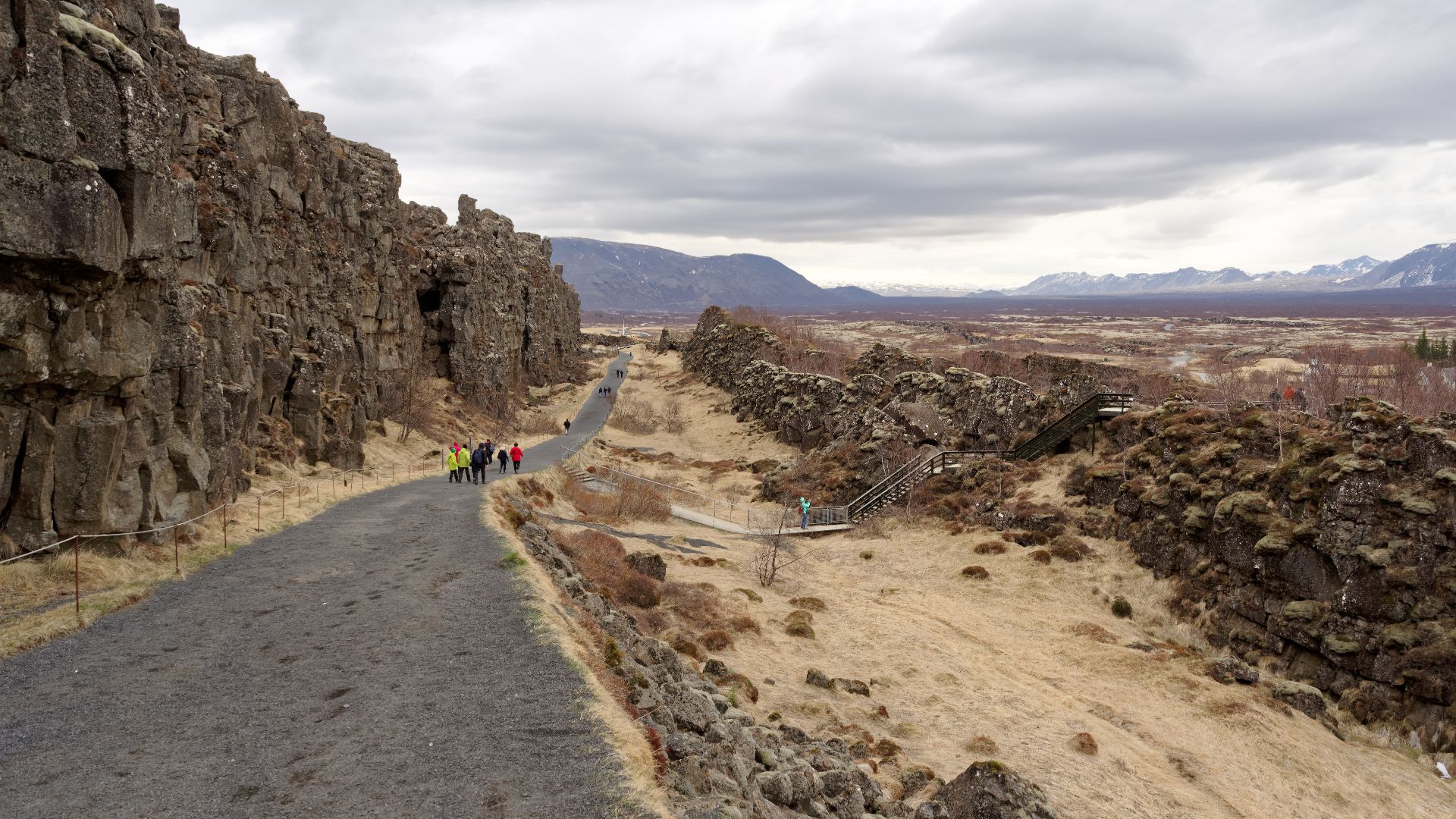
The Vikings didn't just settle disputes with axes—they had pretty complex legal codes. Iceland's Althingi, established in 930 AD, stands as one of the world's oldest functioning parliaments. Imagine: outdoor assemblies where chieftains, free men, and even some women gathered annually to resolve conflicts.
 Jakub Hałun, Wikimedia Commons
Legal Codes
Their laws were so detailed that they covered everything from property rights to personal insults. The Lawspeaker would recite entire legal codes from memory at the "Law Rock," and the phrase "with law shall the land be built" became Iceland's motto.
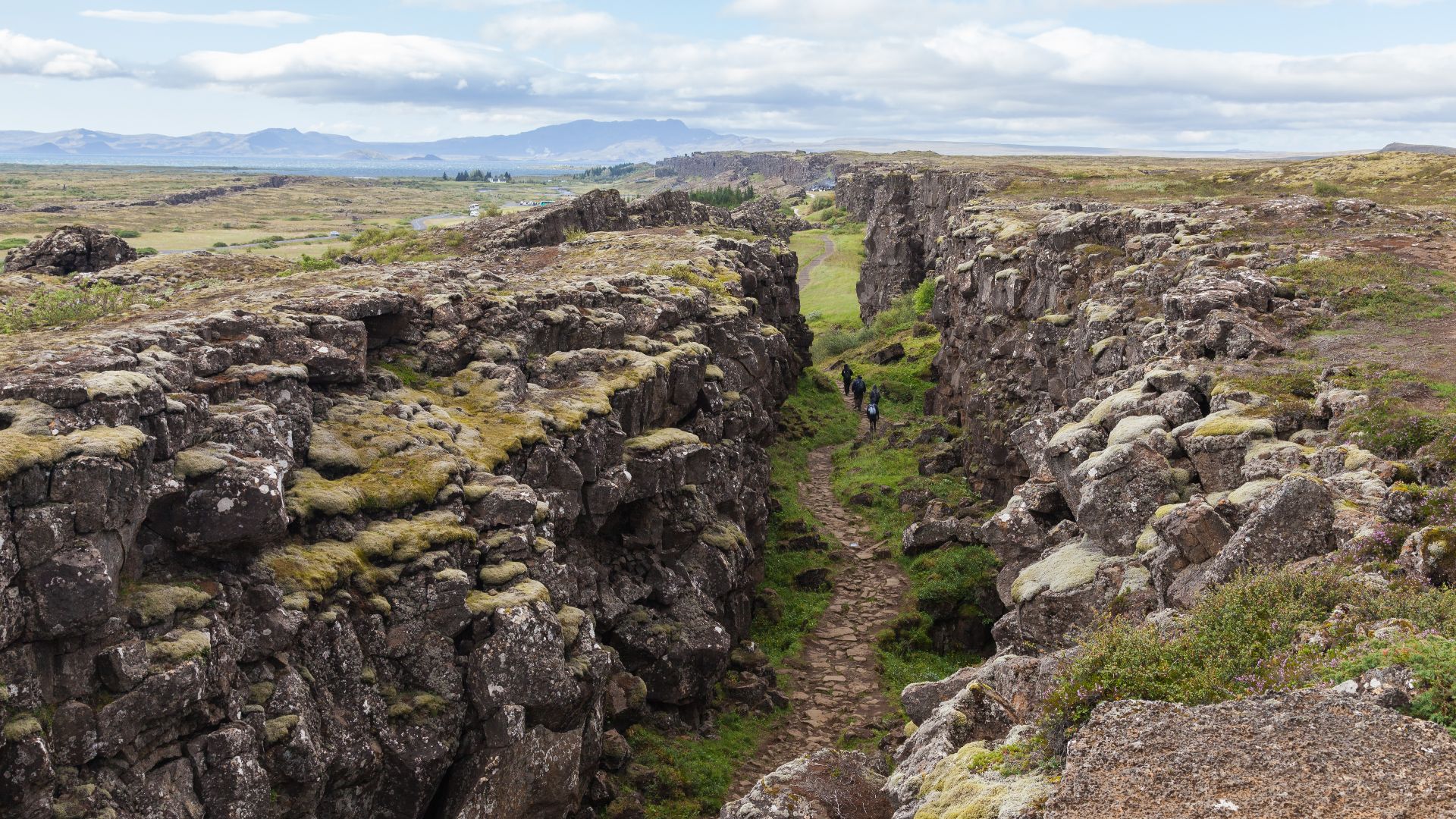 Diego Delso, Wikimedia Commons
Discovered America First
Christopher Columbus is getting way too much credit. In 1960, Norwegian archaeologists Helge and Anne Stine Ingstad found conclusive proof at L'Anse aux Meadows in Newfoundland—a genuine Viking settlement from around 1000 AD. Recent tree-ring analysis even pinpointed the exact year: 1021.
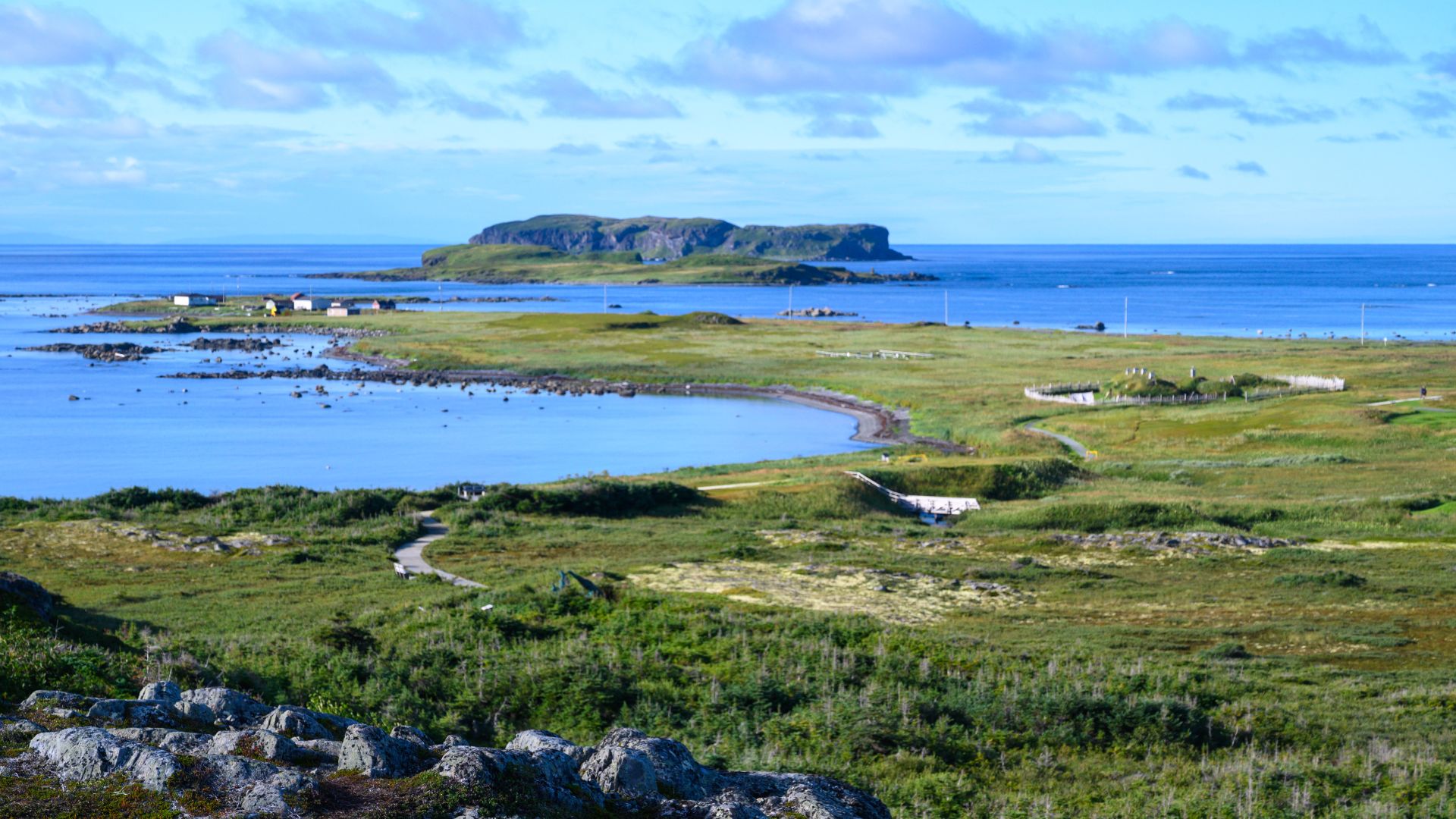 Gordon Leggett, Wikimedia Commons
Vinland
Leif Erikson led expeditions to what they called Vinland, a full 471 years before Columbus sailed. The Vikings didn't just visit once, either—timber analysis from Greenland shows hemlock and jack pine (species native only to North America) were imported for centuries, proving regular transatlantic voyages.
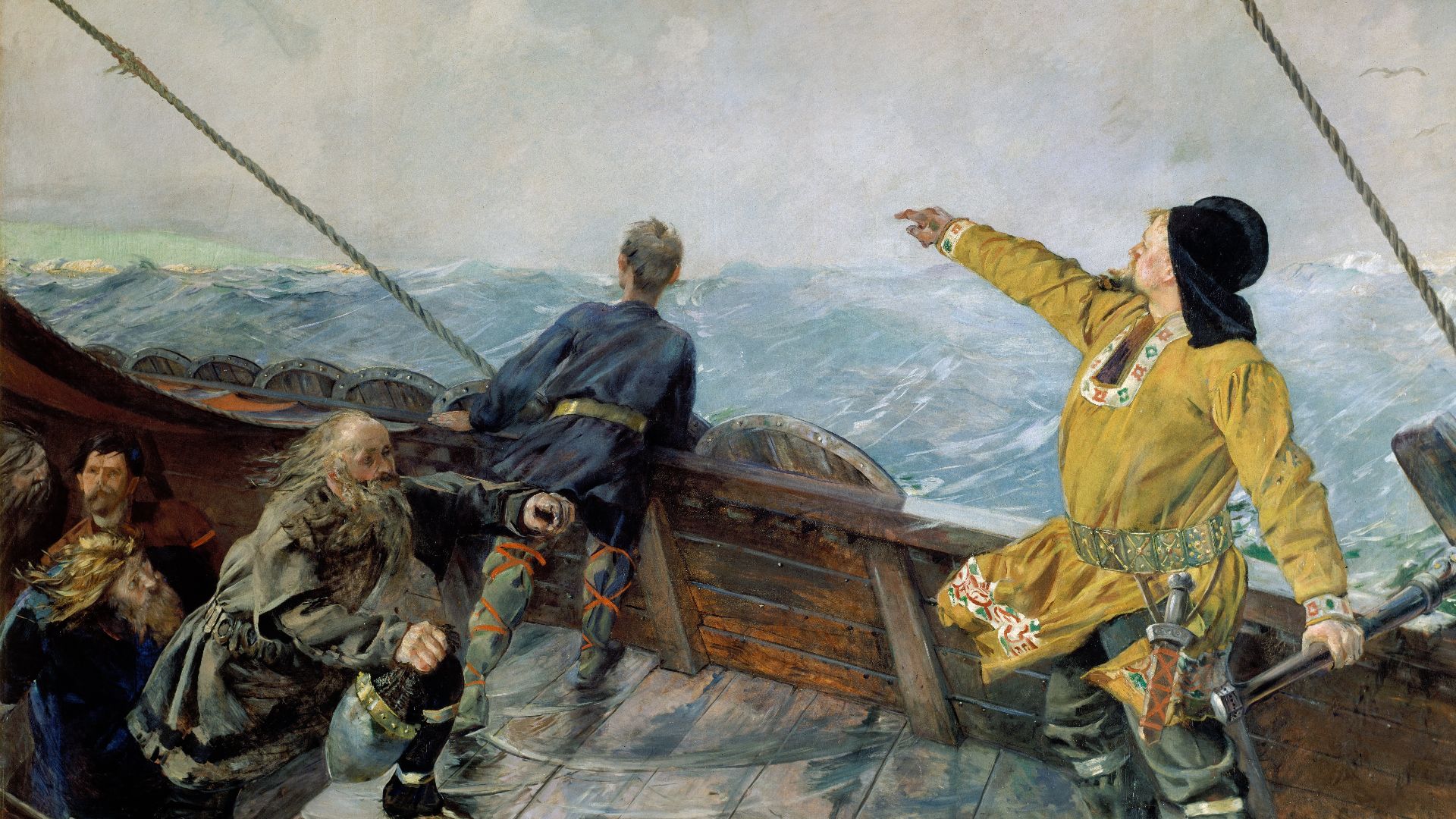 Christian Krohg, Wikimedia Commons
Bathed Every Week
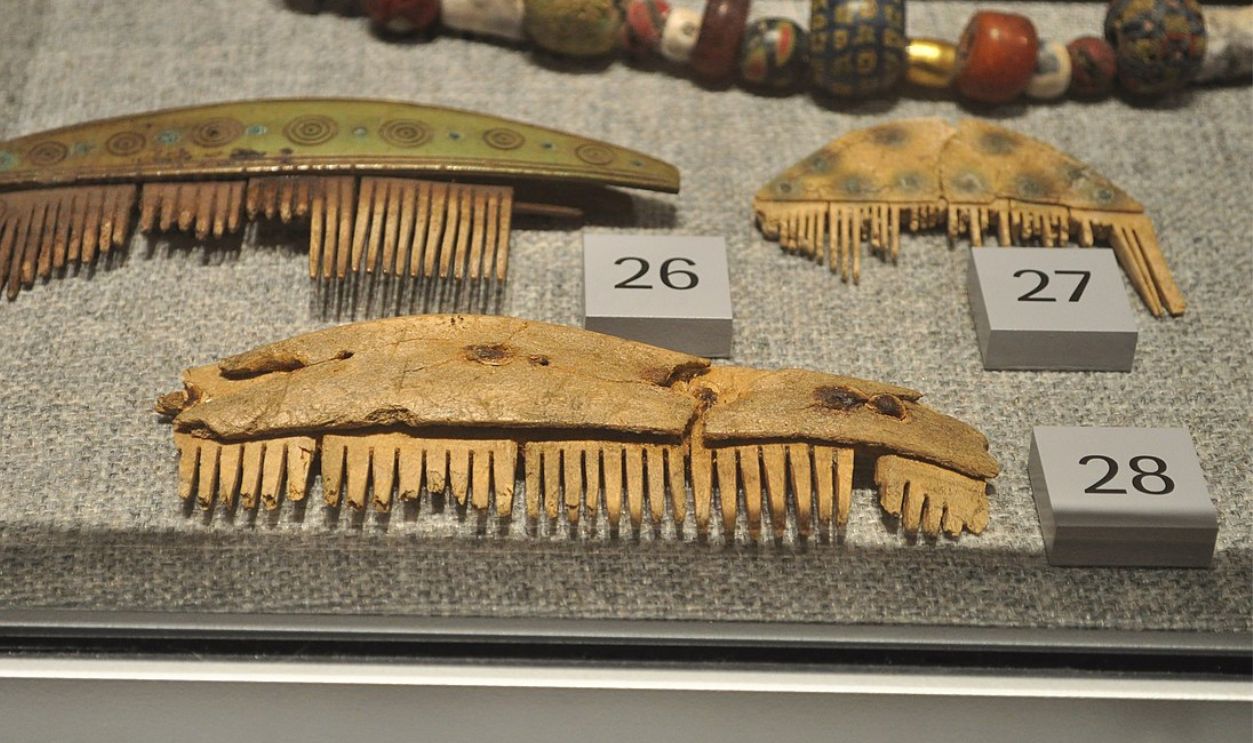
Here's something that would shock medieval Europeans: Vikings bathed at least once weekly, when their neighbors bathed maybe twice a year. Saturday was literally called "laugardagr"—washing day—in Old Norse. Archaeological sites are packed with grooming tools: combs, razors, tweezers, and soap-making equipment everywhere.
Berserkers Were Real
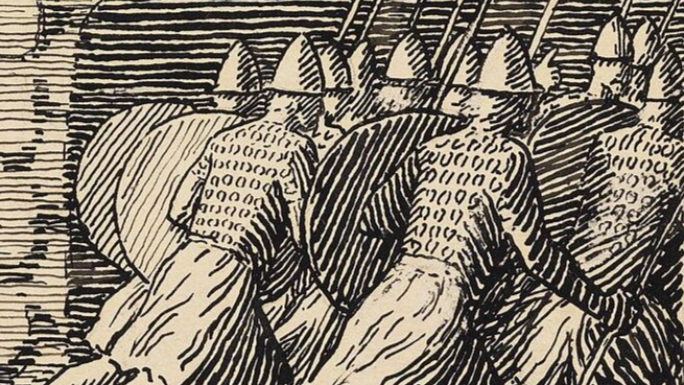
Those wild-eyed warriors who supposedly fought in uncontrollable rages? They actually existed. Historical records from as early as the first century AD describe elite Germanic warriors fighting in trance-like states. The word "berserk" comes from Old Norse, either "bear-shirt" or "bare-shirt" referring to these fearsome fighters.
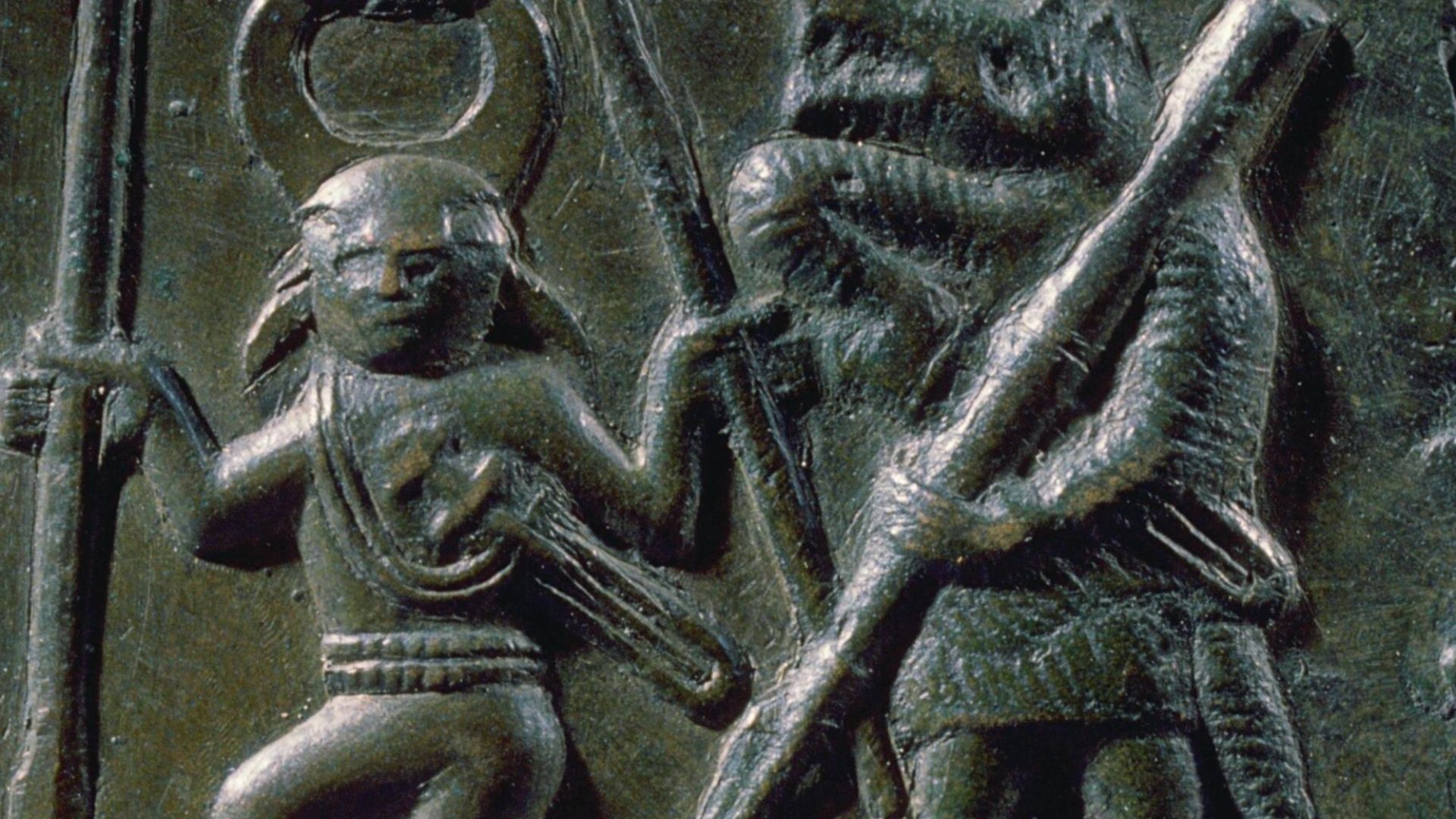
Ynglinga Saga
Snorri Sturluson's 13th-century Ynglinga saga describes them vividly: "His men rushed forwards without armour, were as mad as dogs or wolves, bit their shields, and were strong as bears”. Archaeological evidence from Torslunda plates confirms their existence.
 Erik Werenskiold, Wikimedia Commons

History's most fascinating stories and darkest secrets, delivered to your inbox daily.
Bleached Hair Blonde
Vikings were the original hairstylists of medieval Europe, and blonde was absolutely the look. They made strong lye soap from wood ash and animal fat, then left it in their hair and beards for extended periods to achieve that coveted saffron-yellow color.
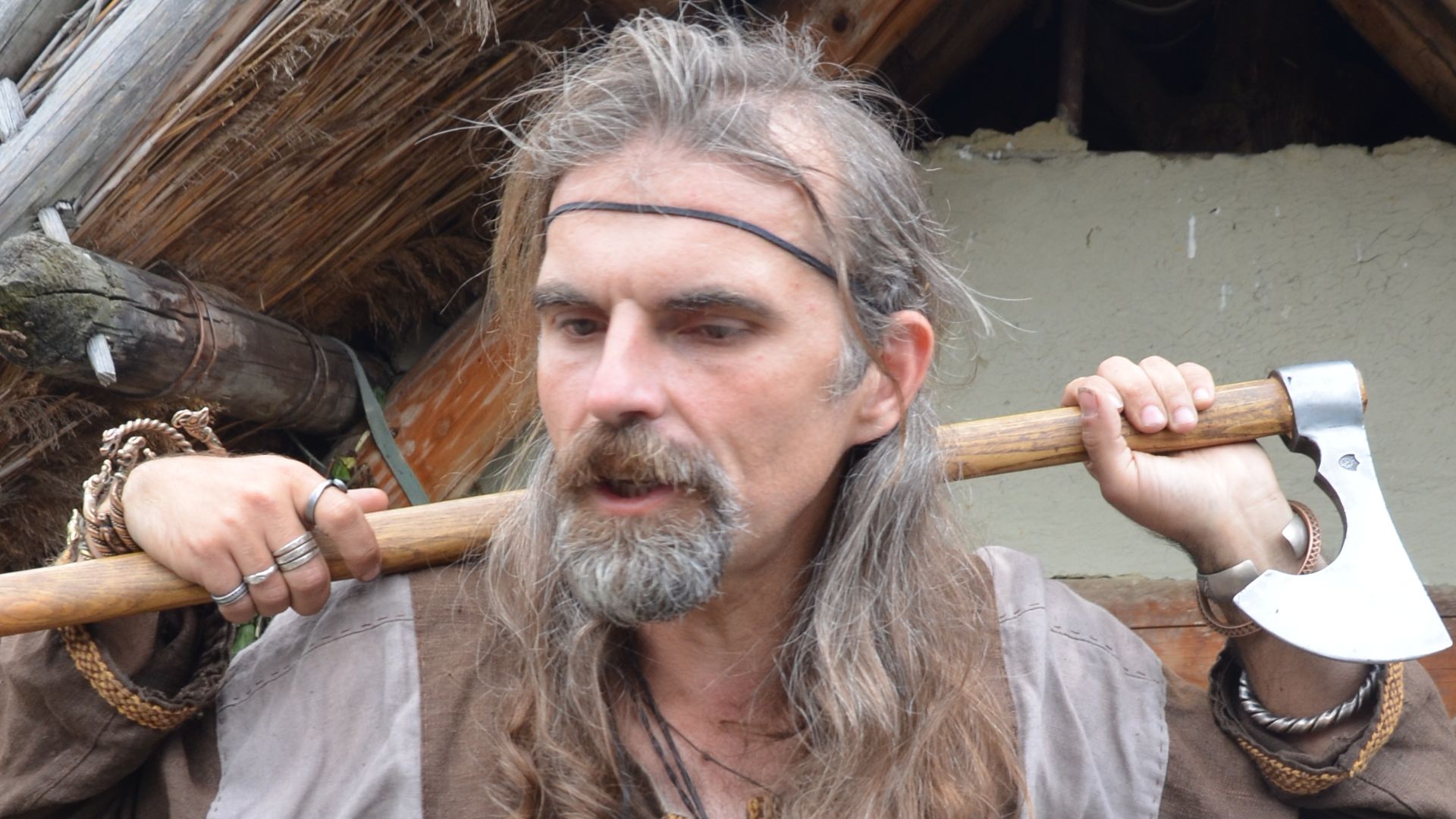
Bleached Beards
Arab traveler Ibn Fadlan, encountering Vikings along the Volga River in 921 AD, specifically noted their bleached beards. The high lye content also killed lice, making it a practical hygiene measure. Even naturally brunette and redhead Vikings jumped on this trend.
Women Owned Property
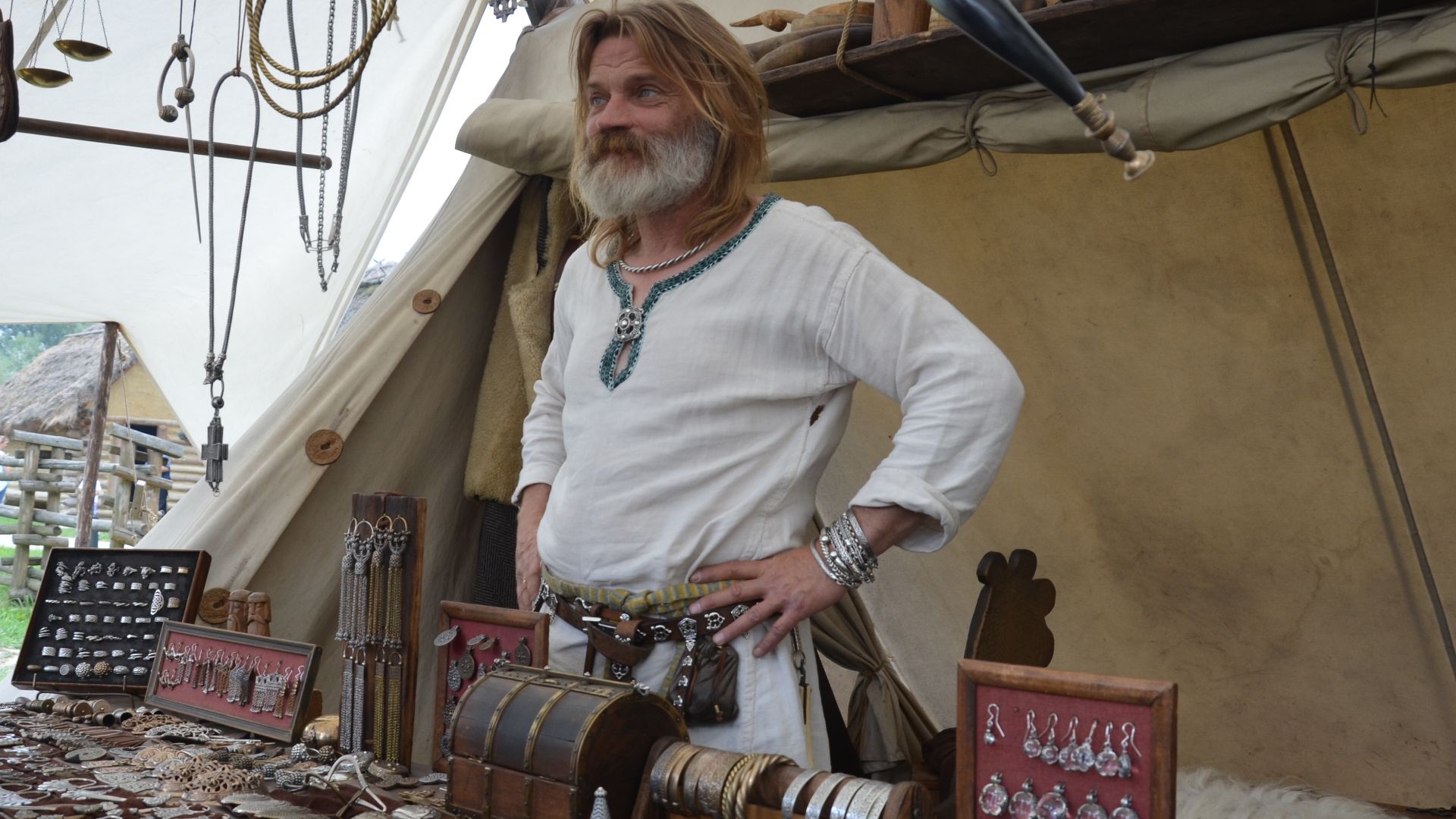
Forget everything you think you know about medieval women's rights. Viking women had freedoms that wouldn't exist in most of Europe for another thousand years. They could own land, manage farms, inherit wealth, and initiate divorce whenever they wanted.
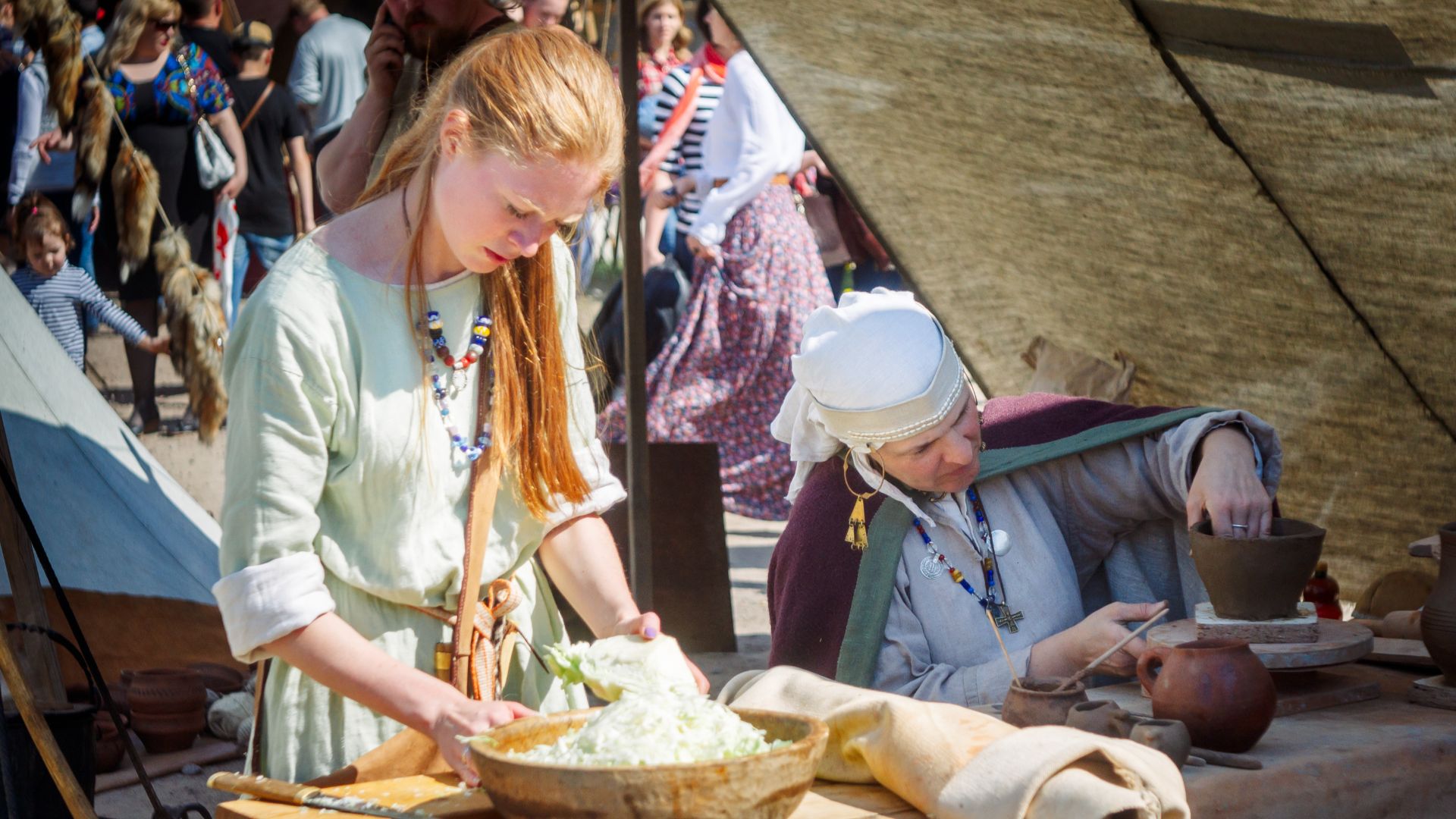 Varvara Kless-Kaminskaia, Wikimedia Commons
Reached Baghdad Markets
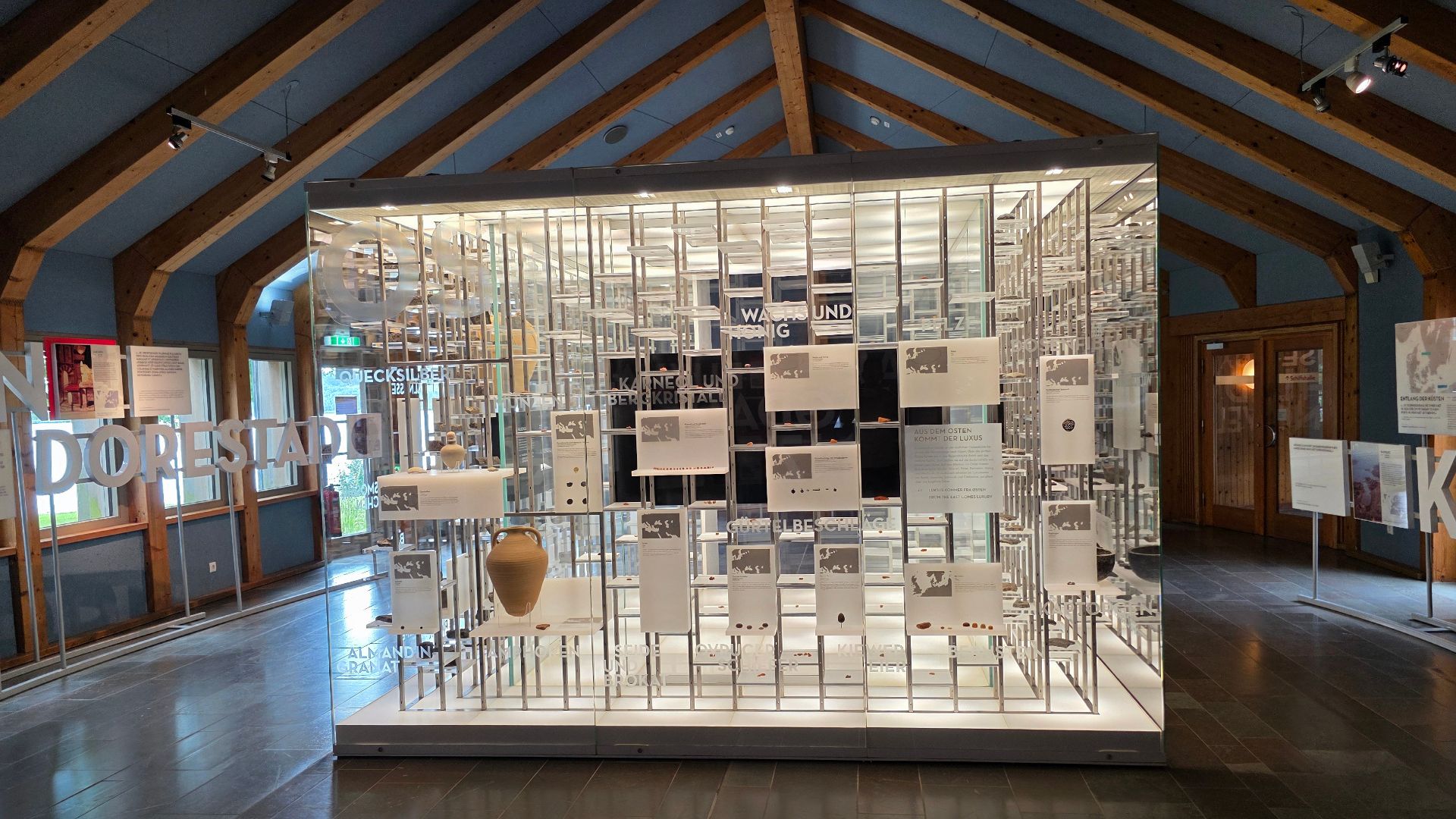
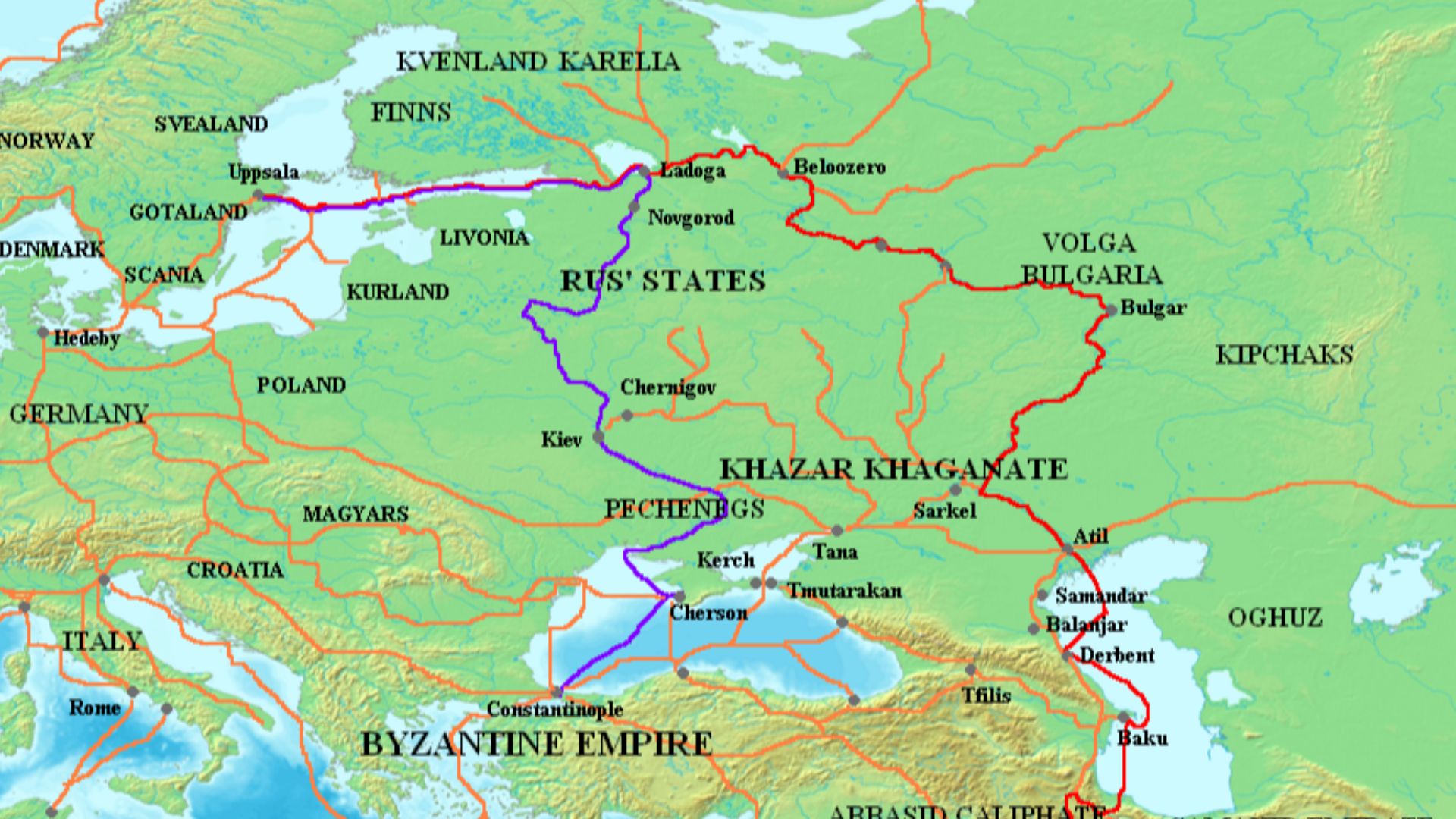
The Viking trade network was absolutely mind-blowing in scale. Swedish Vikings traveled down the Volga and Dnieper rivers, establishing trade routes that stretched all the way to Baghdad by the 9th century. They set up permanent trading posts, sold furs, amber, and slaves.
Female Warriors Existed
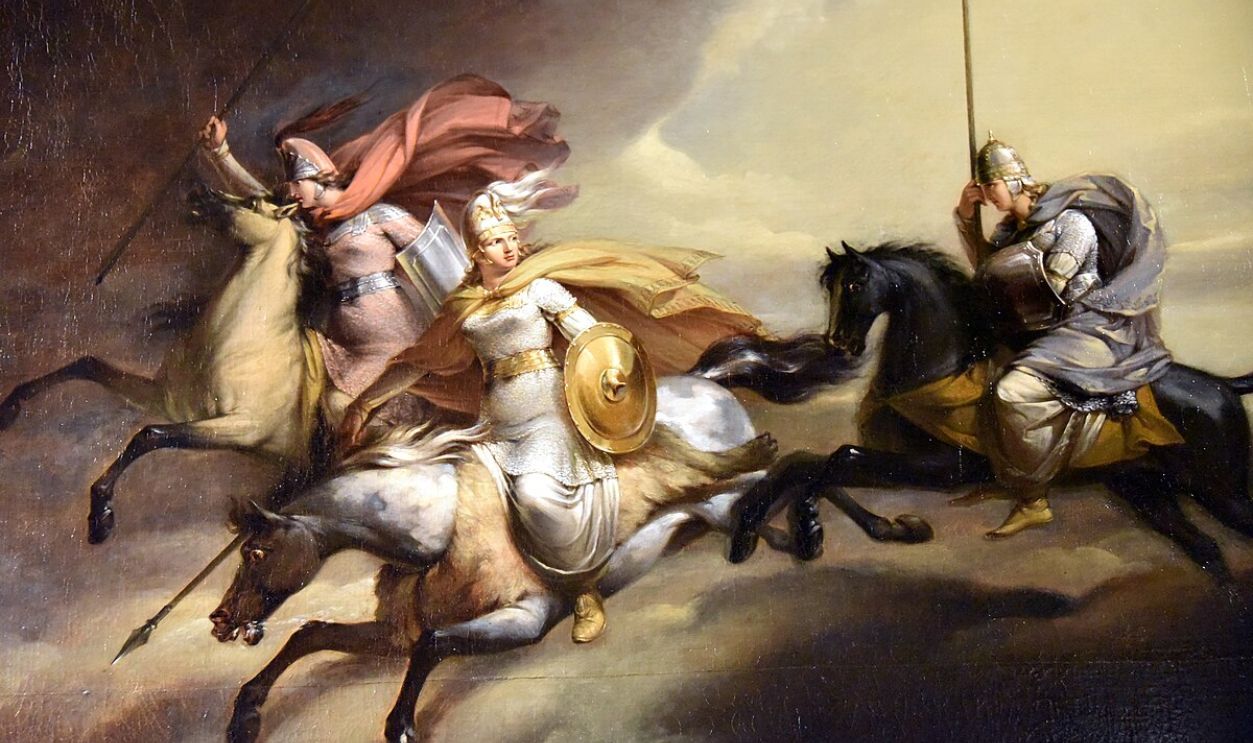
Shield-maidens were real. In 2017, DNA analysis of the famous Birka warrior grave (Bj 581) in Sweden dropped something big: the high-ranking warrior buried with swords, axes, arrows, a battle knife, two shields, horses, and a strategic gaming board was genetically female.
 Osama Shukir Muhammed Amin FRCP(Glasg), Wikimedia Commons
Navigated Using Sunstones
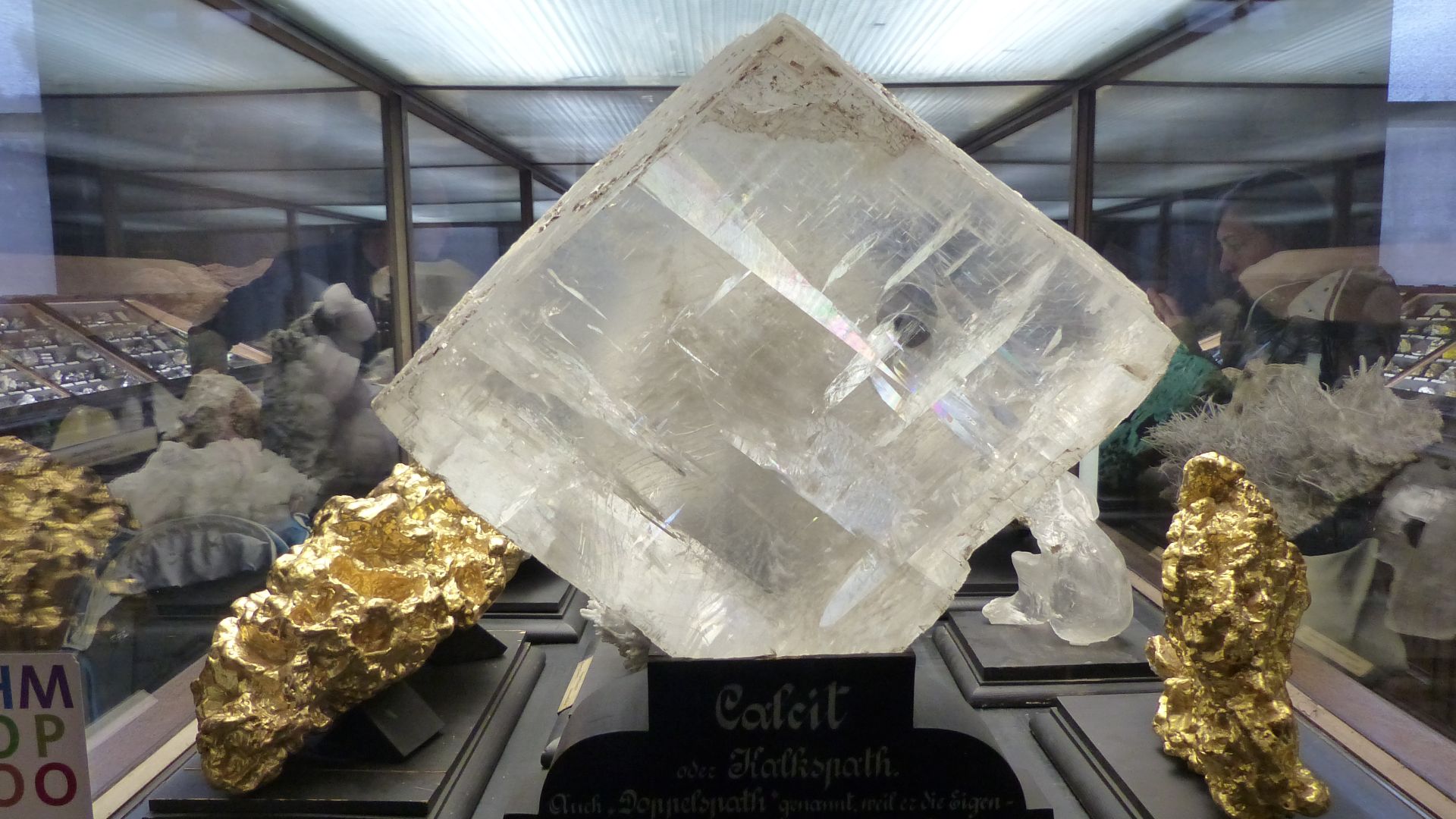
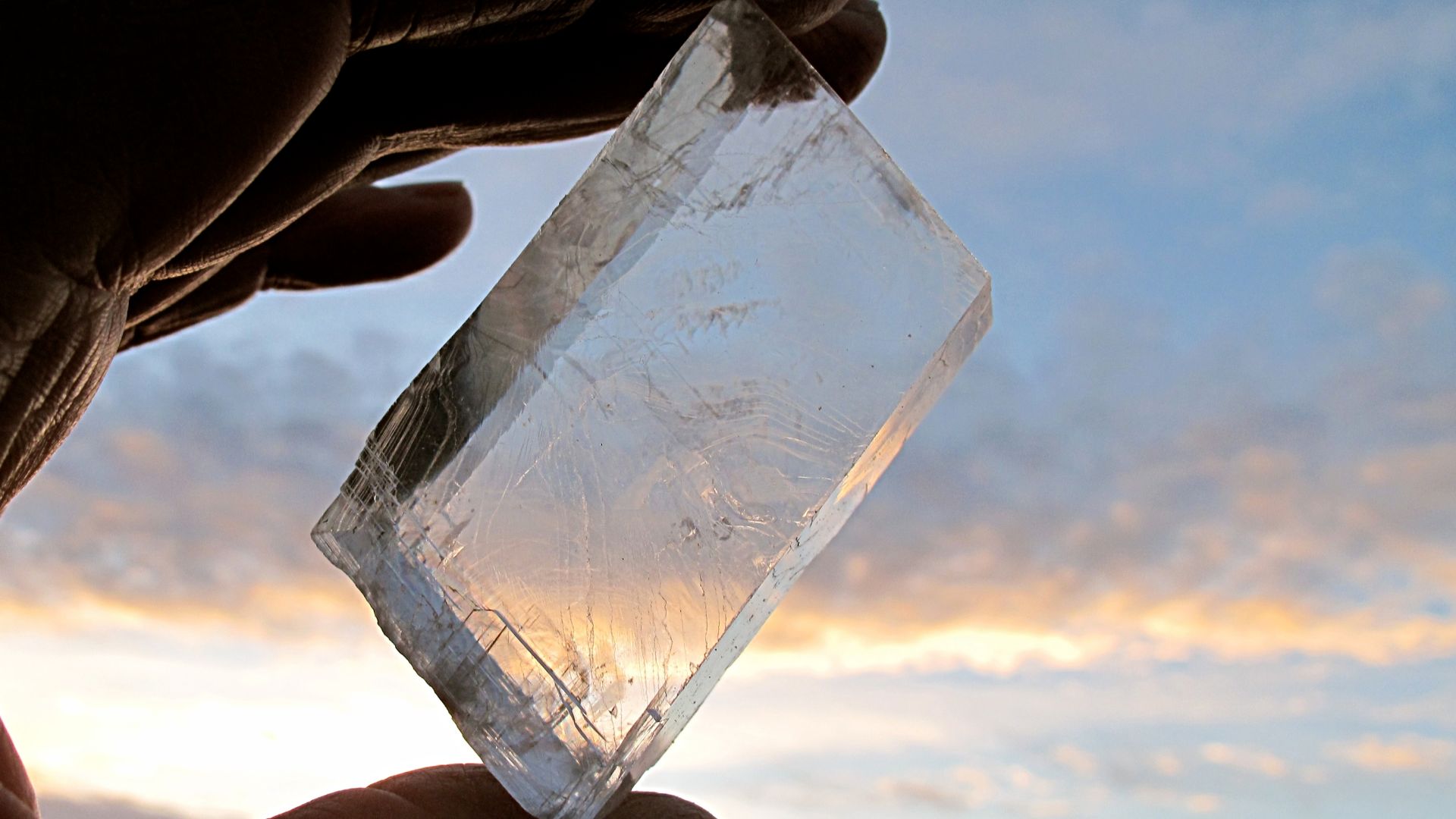
Vikings crossed the North Atlantic without compasses, maps, or GPS—and they did it with incredible precision. Their secret weapon was Sunstones, also called Iceland spar, a type of crystal that could locate the sun's position even on completely cloudy days or during fog.
 Dr. Bernd Gross, Wikimedia Commons
Sun’s Direction
By rotating the crystal and observing how it polarized light, navigators could determine the sun's direction within a few degrees. They combined this with detailed knowledge of ocean currents, bird migration patterns, whale movements, and celestial navigation using stars.
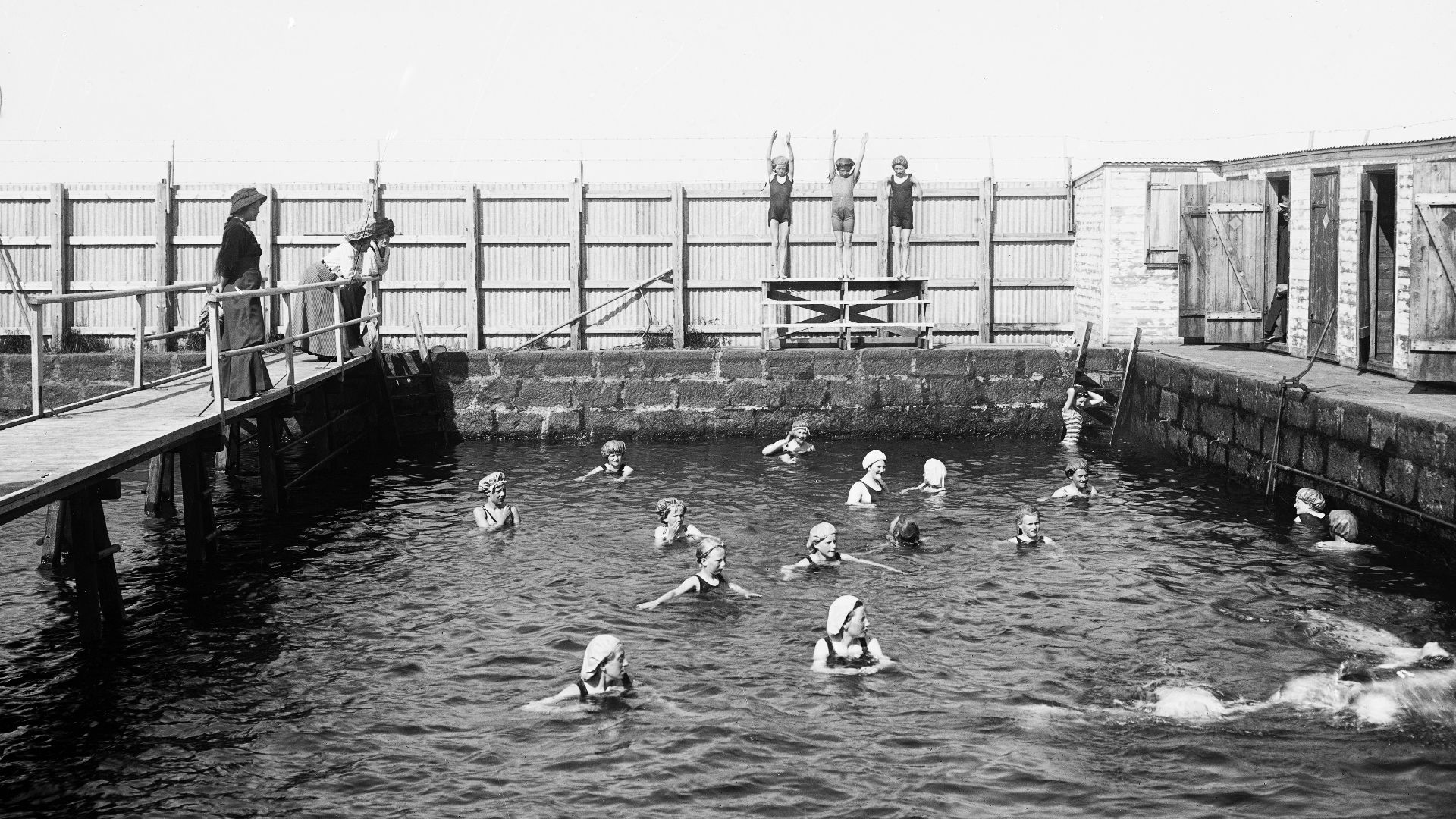
Cleansing Ritual
Entire villages would gather at nearby rivers, lakes, or hot springs for their weekly cleansing ritual, making it both a social event and a hygienic practice. The tradition was so ingrained in Viking culture that it survived their conversion to Christianity and still influences modern Scandinavian languages.
 Magnús Ólafsson, Wikimedia Commons
Imported American Timber
Recent archaeological analysis of wood from five Norse sites in Greenland identified hemlock and jack pine, tree species that don't exist anywhere in Europe but grow abundantly in North America around the Gulf of St Lawrence. The timber shows clear signs of being processed for construction.
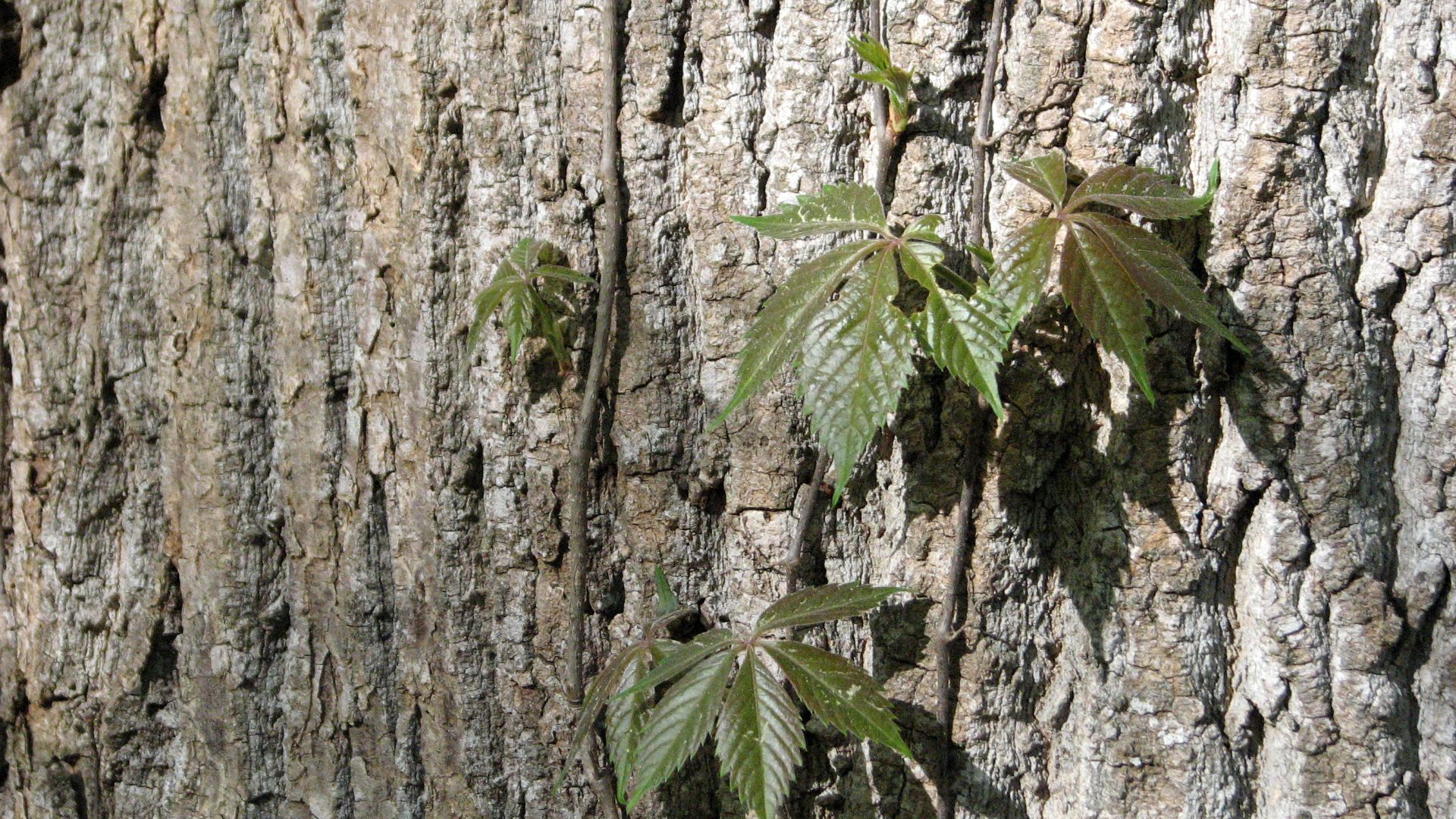 bobistraveling, Wikimedia Commons
Created Iceland's Parliament
The Althingi was a full-blown democratic institution in 930 AD, making it over 1,000 years old. Every summer, free men (and some women) traveled to Pingvellir (Assembly Plains) for two weeks of legal proceedings, dispute resolution, and political dealmaking.
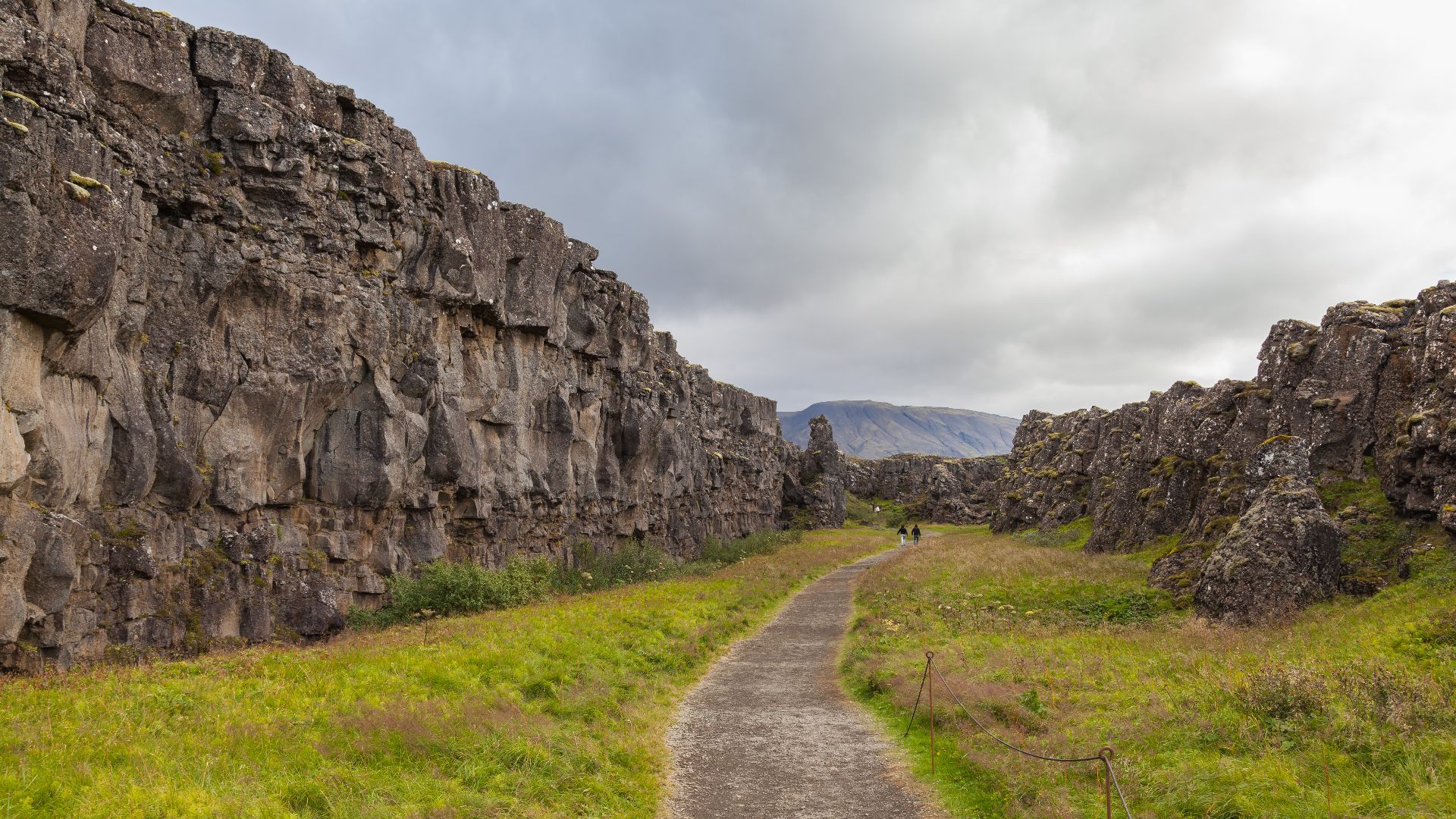 Diego Delso, Wikimedia Commons
Ethnically Very Diverse
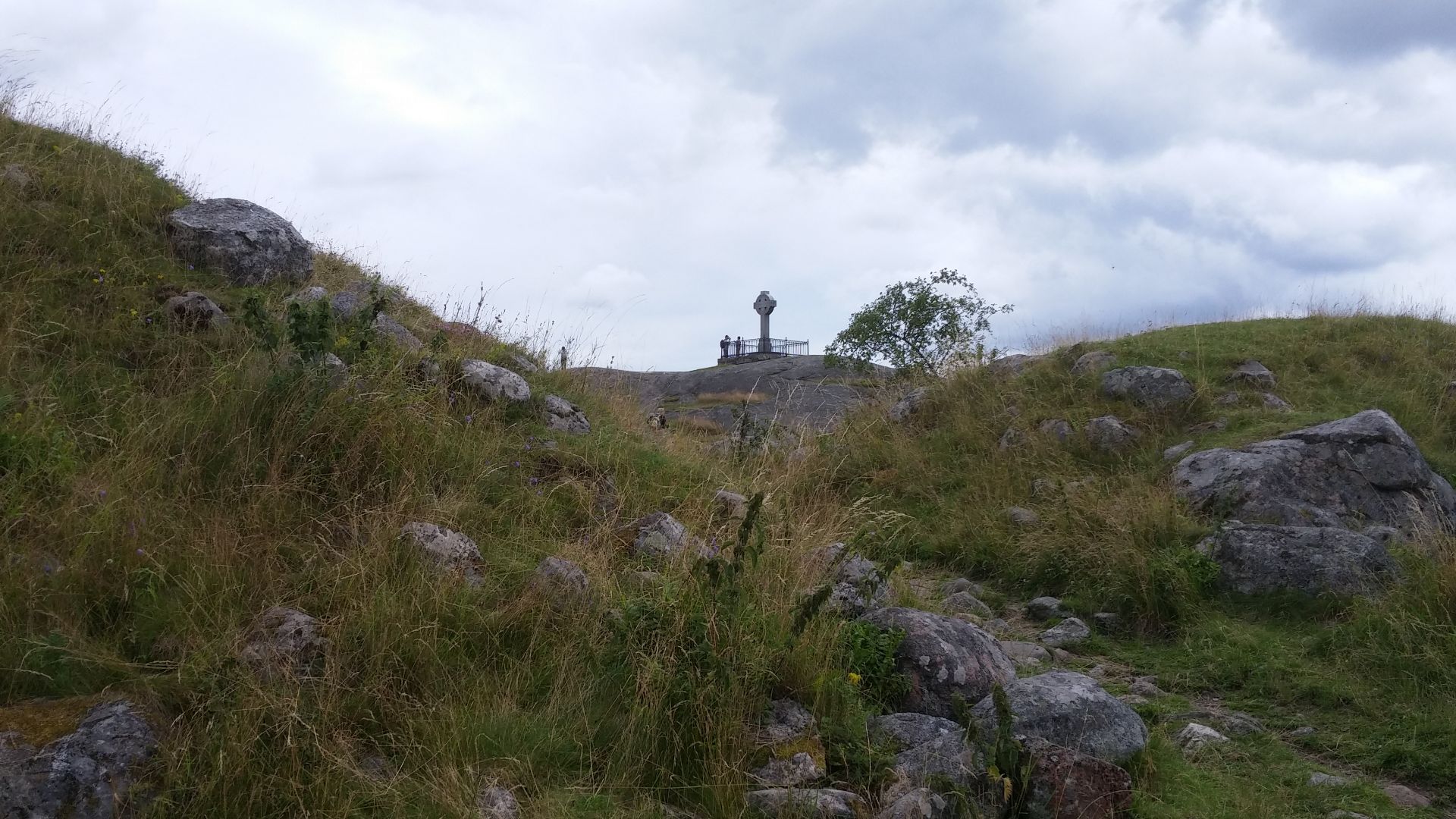
DNA analysis has completely shattered the blonde-haired, blue-eyed Viking stereotype. Genetic studies of Viking remains reveal ancestry from across Europe, the British Isles, and even beyond. The Birka trading town in Sweden shows evidence of people with Southern European, Eastern European, and Sami heritage.
 Adam.thomp07, Wikimedia Commons
Law Rock
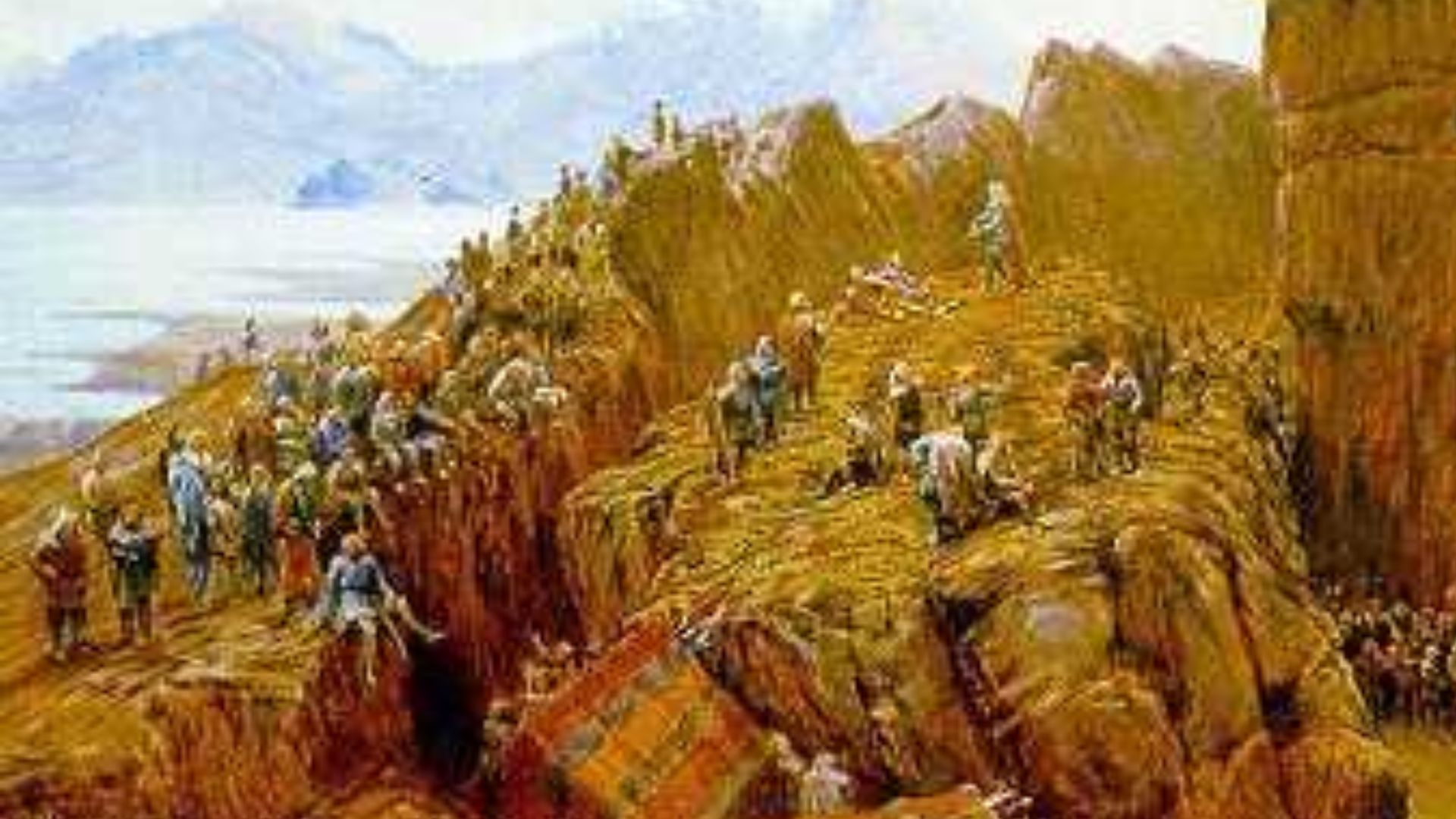
The appointed Lawspeaker stood at the Law Rock and recited one-third of Iceland's legal code from memory each year, cycling through the entire law over three years. Real verdicts were handed down, marriages arranged, alliances formed, and blood feuds settled.
 W. G. Collingwood, Wikimedia Commons
Gene Pool Diversification
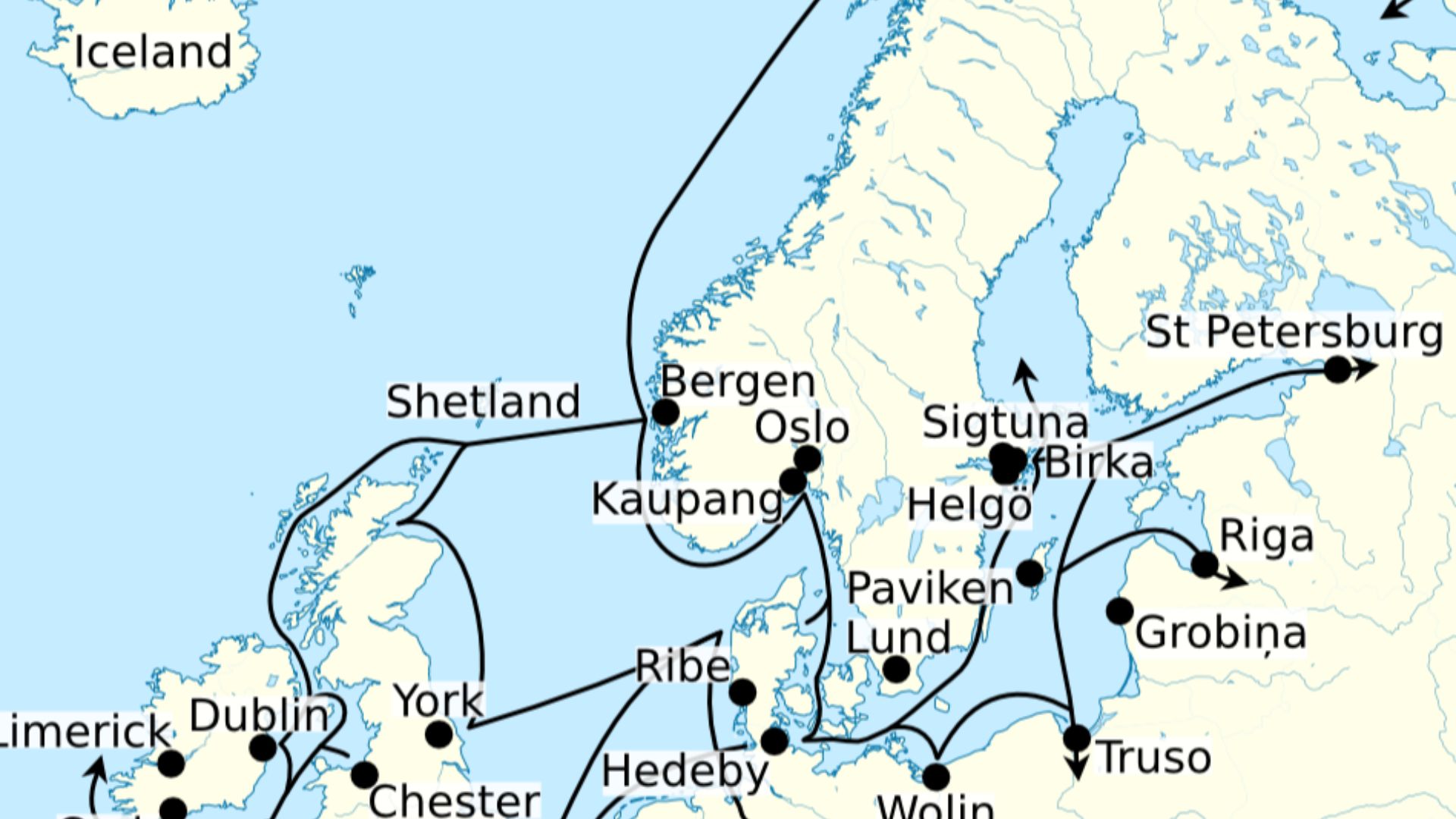
Vikings took slaves from raids across Ireland, Scotland, France, Spain, and Eastern Europe—many of whom were eventually freed or married into Viking society, diversifying the gene pool significantly. Trade routes brought merchants from the Middle East and the Byzantine Empire into Scandinavian towns.
 Brianann MacAmhlaidh, Wikimedia Commons
Stole English Wives
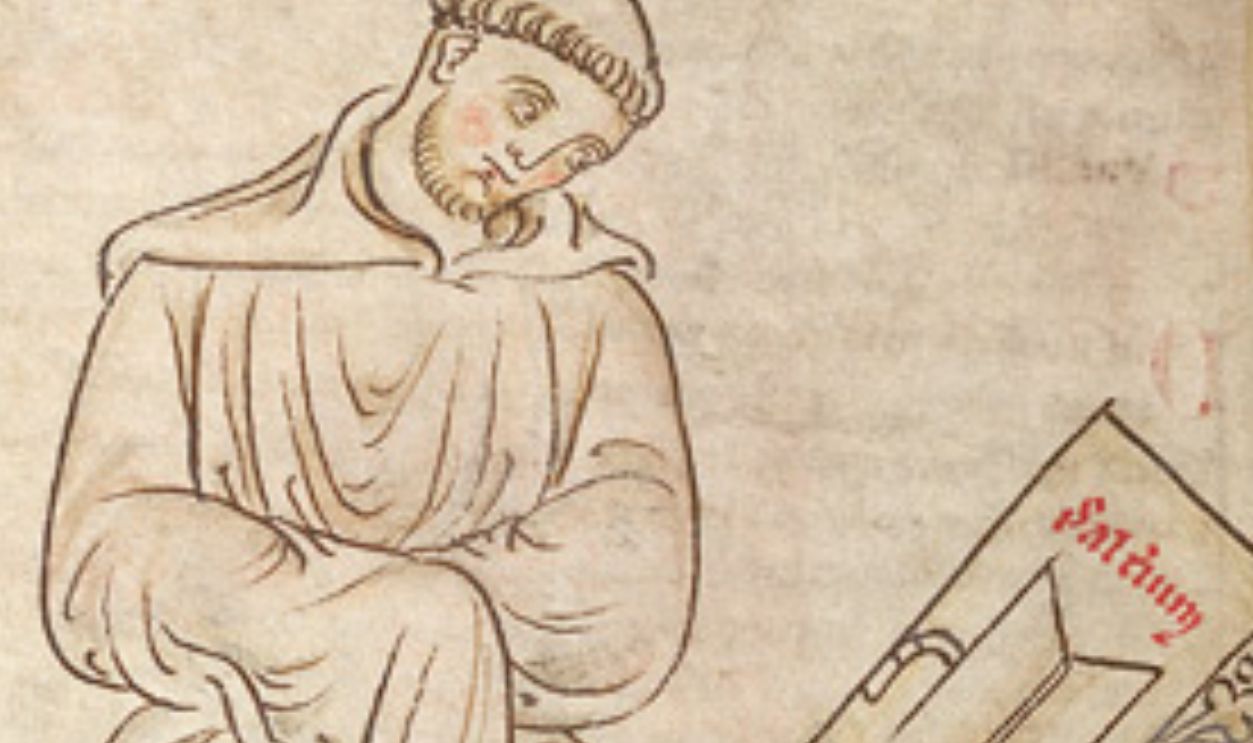
This one drove Anglo-Saxon men absolutely crazy. Medieval English chroniclers bitterly complained that Viking raiders were seducing their women through superior hygiene and grooming. John of Wallingford wrote that Danes “made themselves too acceptable to English women by their elegant manners and their care of their person”.
 Matthew Paris, Wikimedia Commons
Founded Modern Russia
The word "Russia" literally comes from the Vikings, specifically from "Rus," derived from the Old Norse word meaning "to row" or from an early Finnish term for Swedes. Swedish Vikings traveled down the Volga and Dnieper rivers in the 8th and 9th centuries, establishing trading posts across Eastern Europe.
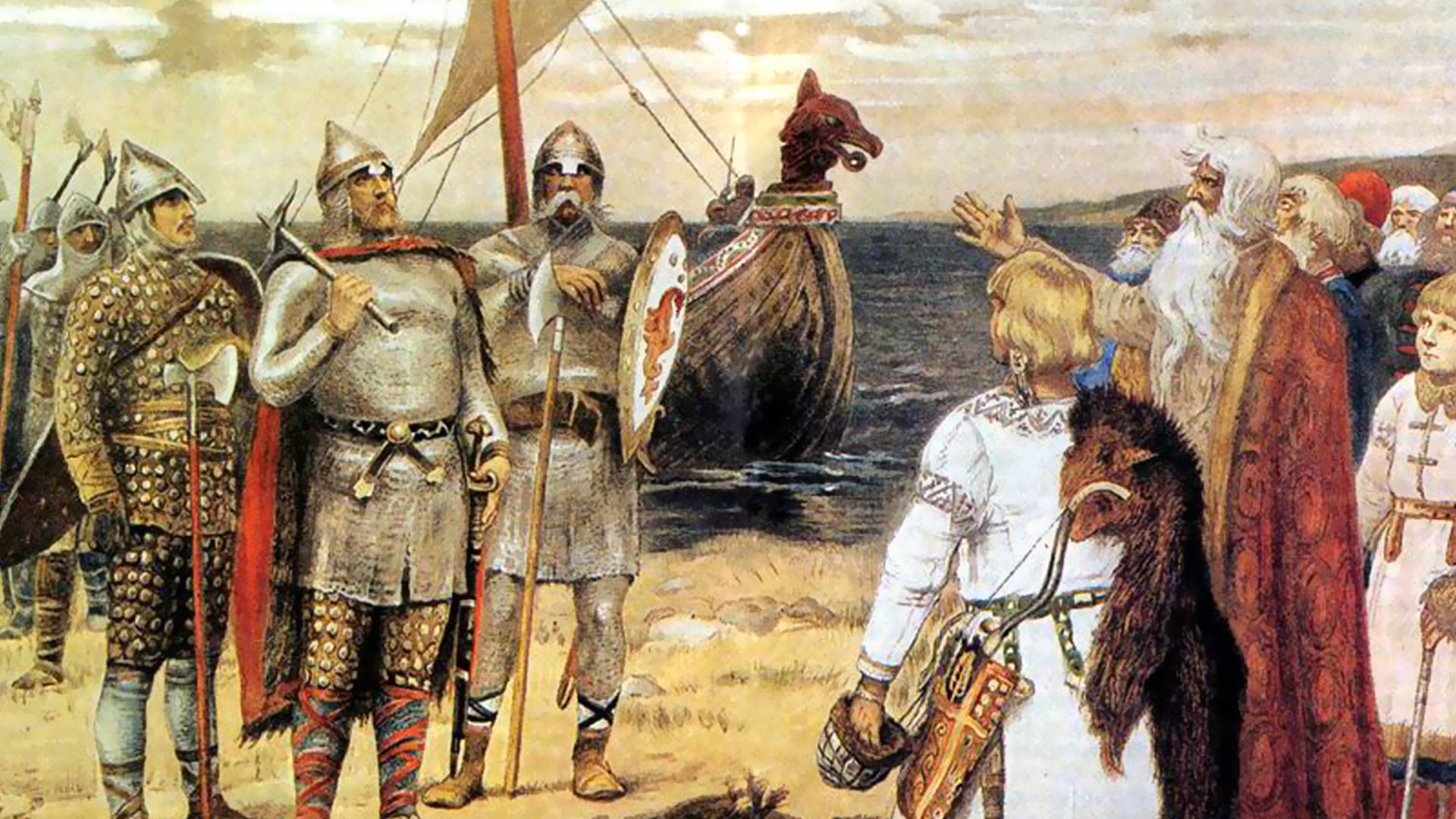 Viktor Vasnetsov, Wikimedia Commons
Excellent Dental Health
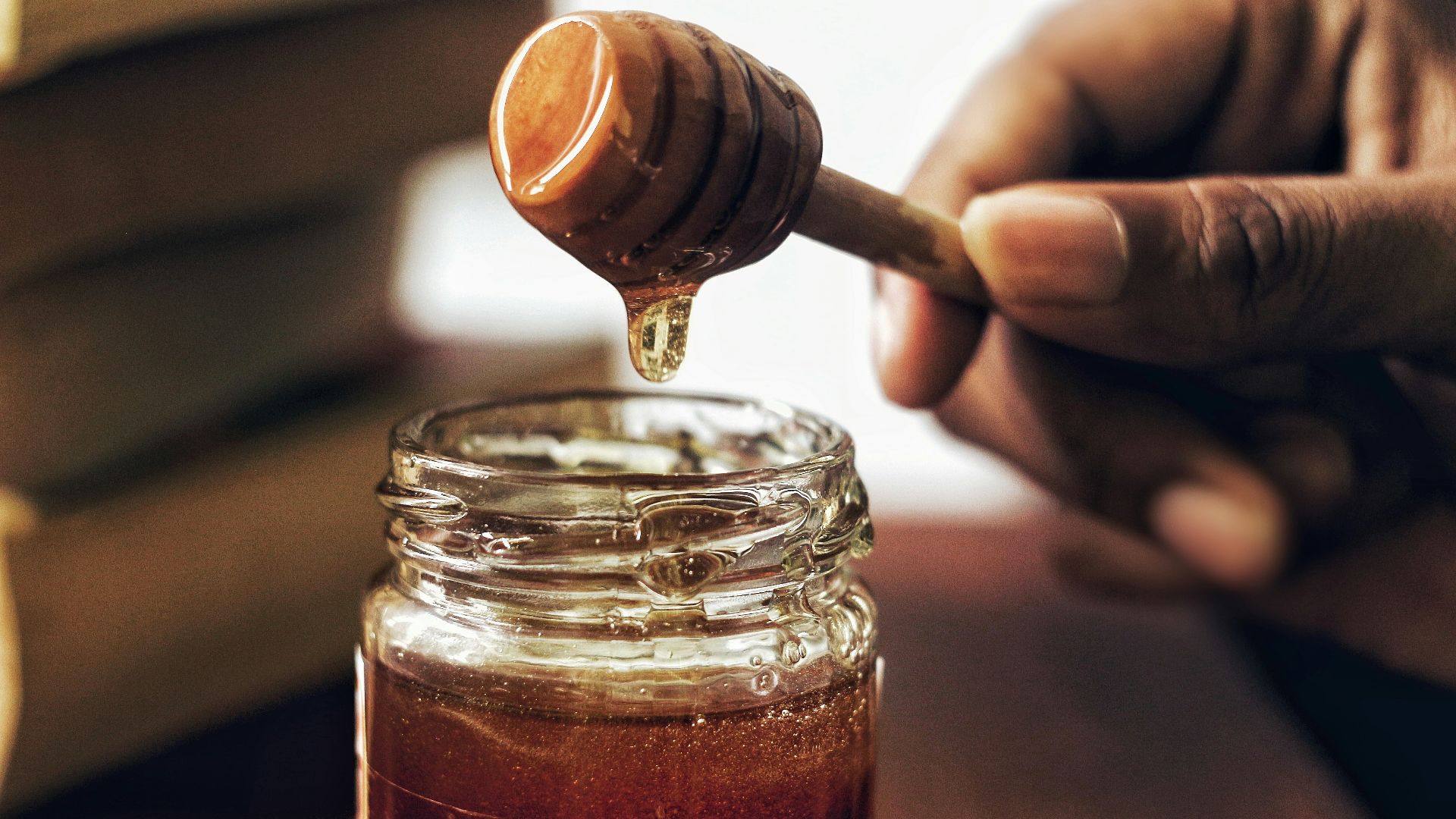
Viking skeletons reveal surprisingly healthy teeth, even by modern standards, way better than their medieval European contemporaries. Their diet was low in refined sugars, limited mainly to honey and fruits, which prevented the rampant tooth decay that plagued other cultures.











_-_BL_Cotton_MS_Julius_D_VII,_f.42v_(cropped).jpg)