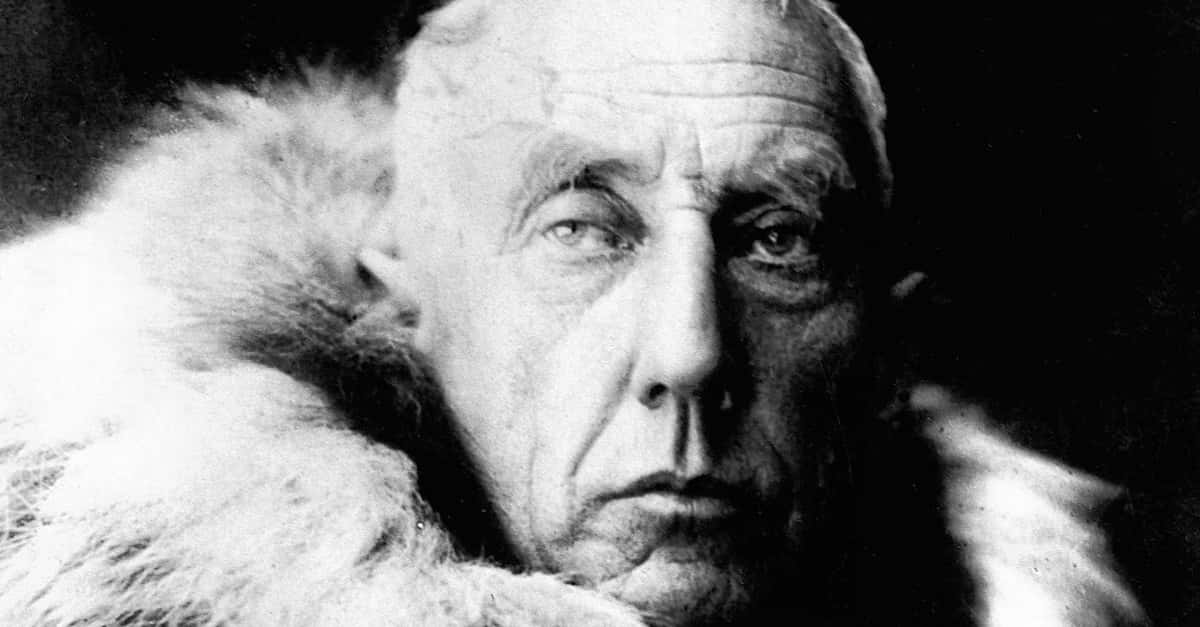
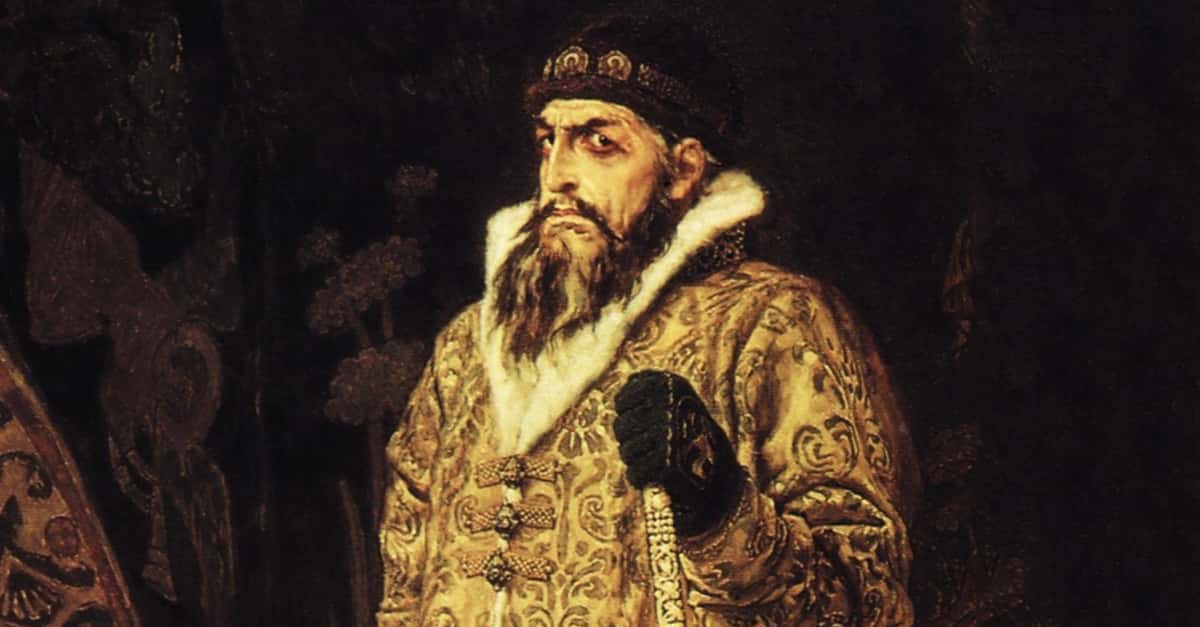
The Last Great Prize
By the early 20th century, the North Pole remained one of exploration's greatest prizes. Then two Americans, Frederick Cook and Robert Peary, separately announced that they had reached it. What followed was an extraordinary battle involving disputed evidence, newspaper warfare, personal attacks, questionable conduct, and a mystery that remains unresolved more than a century later.
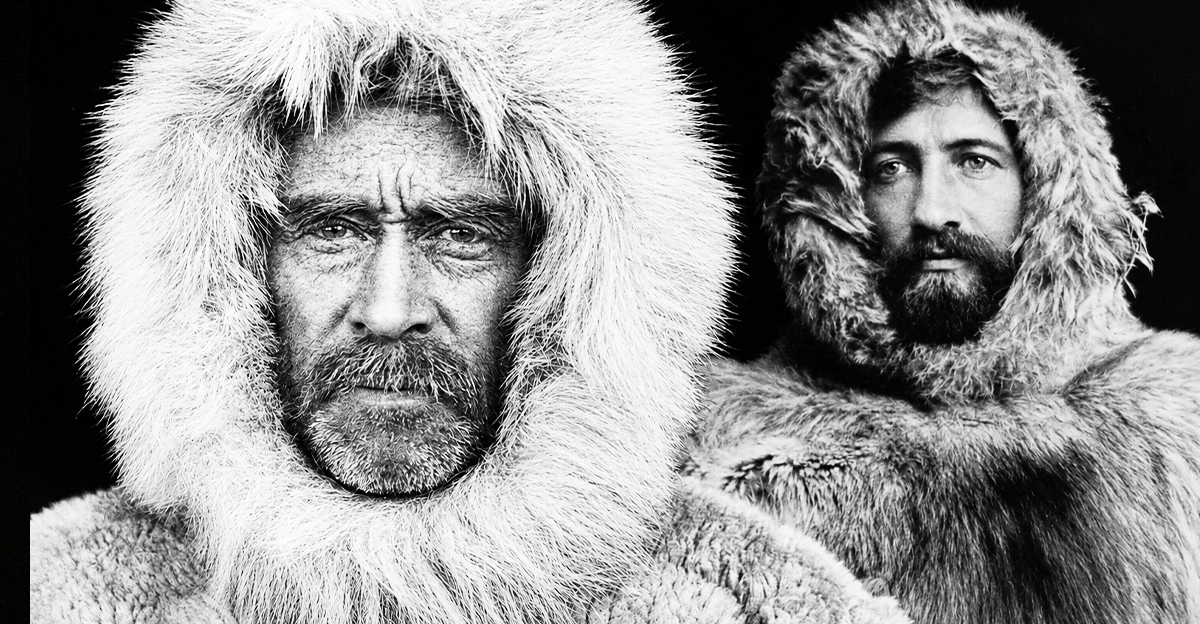 Public domain, Wikimedia Commons
An Impossible Destination
Unlike the South Pole, the North Pole doesn't sit on land. It lies amid the constantly shifting ice of the Arctic Ocean. Explorers could reach a calculated position of 90 degrees north, but there was no permanent landmark to confirm it. Even after arriving, drifting ice could immediately carry them away again.
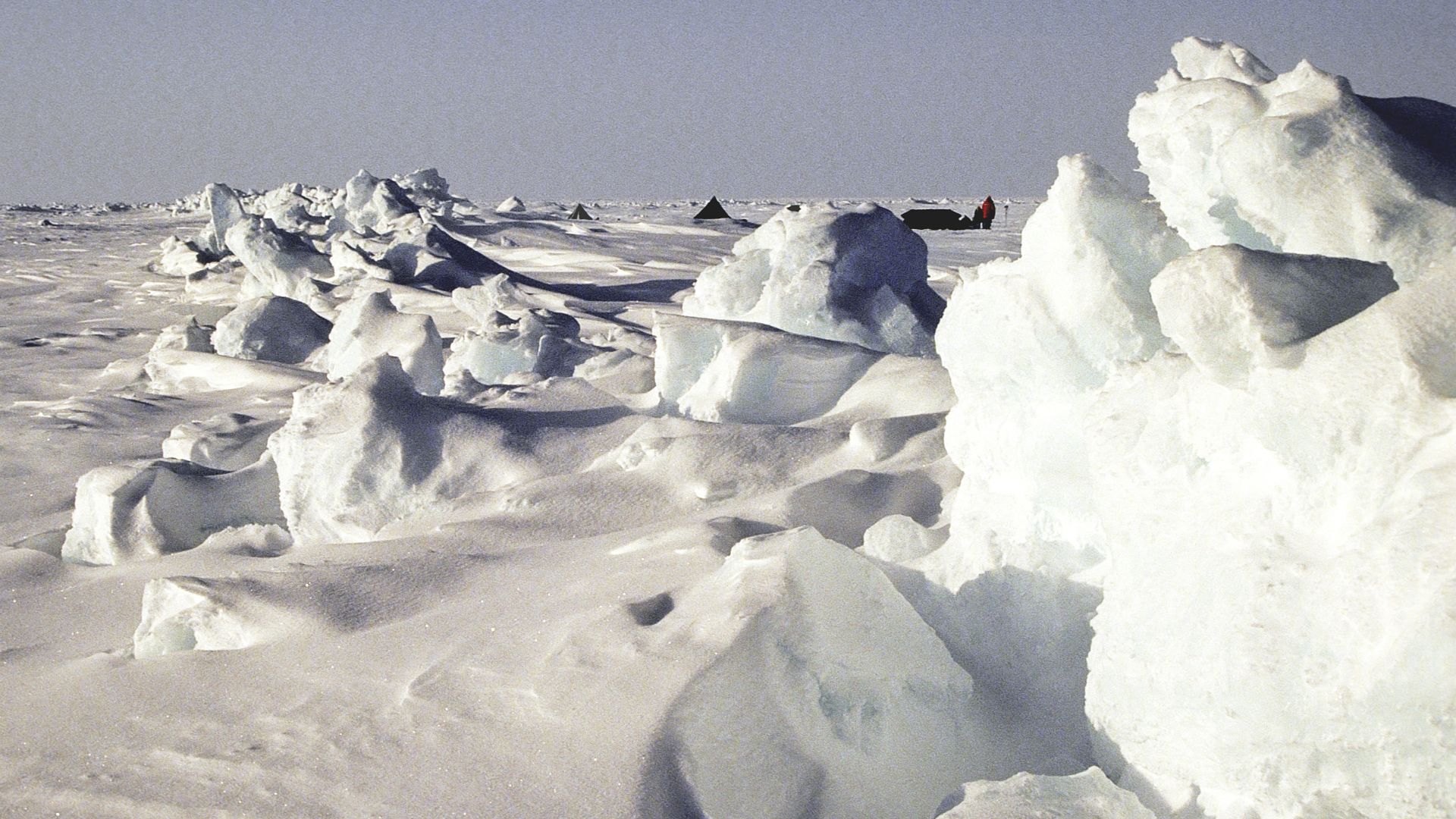 Matti&Keti Lorenz King, uni-giessen.de, Wikimedia Commons
Peary Wanted The Prize
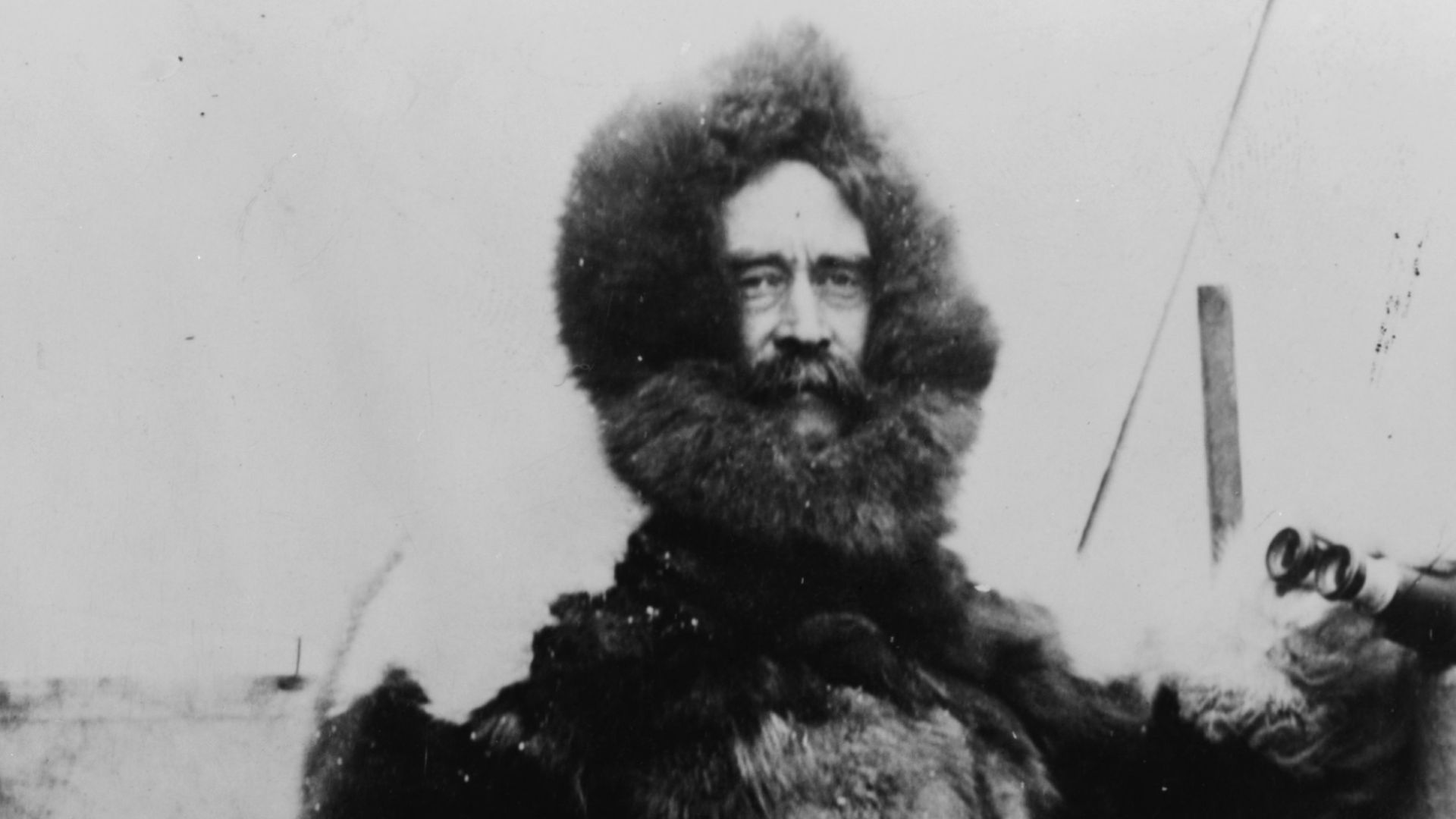
Robert Peary had spent years exploring Greenland and the Arctic before his final attempt. A U.S. Navy civil engineer, he developed an elaborate system using dogs, sledges, supply parties, and experienced Inuit travelers. After repeated failures, Peary increasingly regarded reaching the North Pole as the culmination of his life's work.
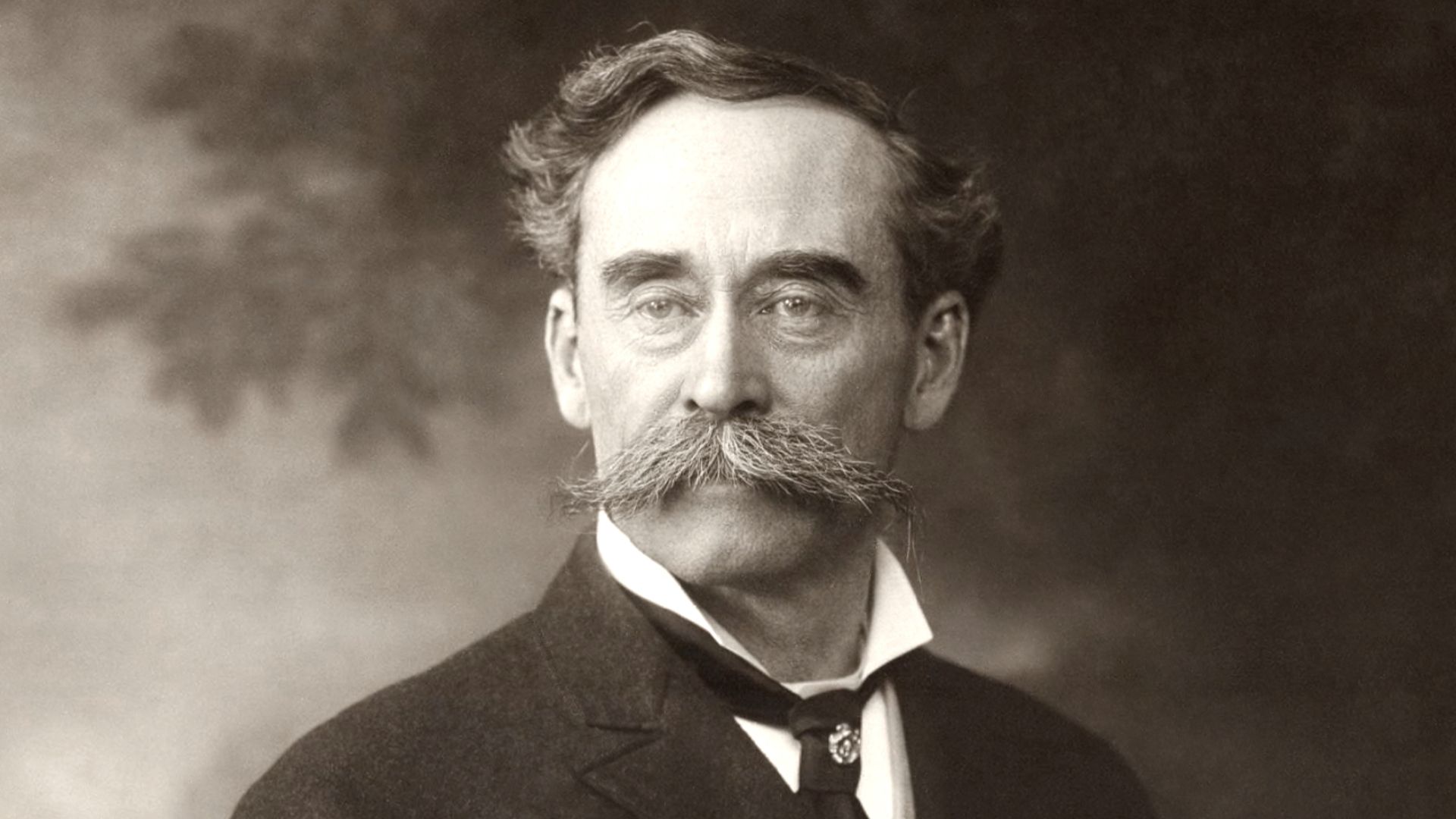
Cook Knew Peary Well
Frederick Cook was no stranger to Peary. The physician accompanied Peary's 1891 Greenland expedition and treated him after Peary broke his leg. Cook later joined a rescue mission when Peary was feared lost. The two men who would become bitter rivals therefore began their careers as colleagues rather than enemies.
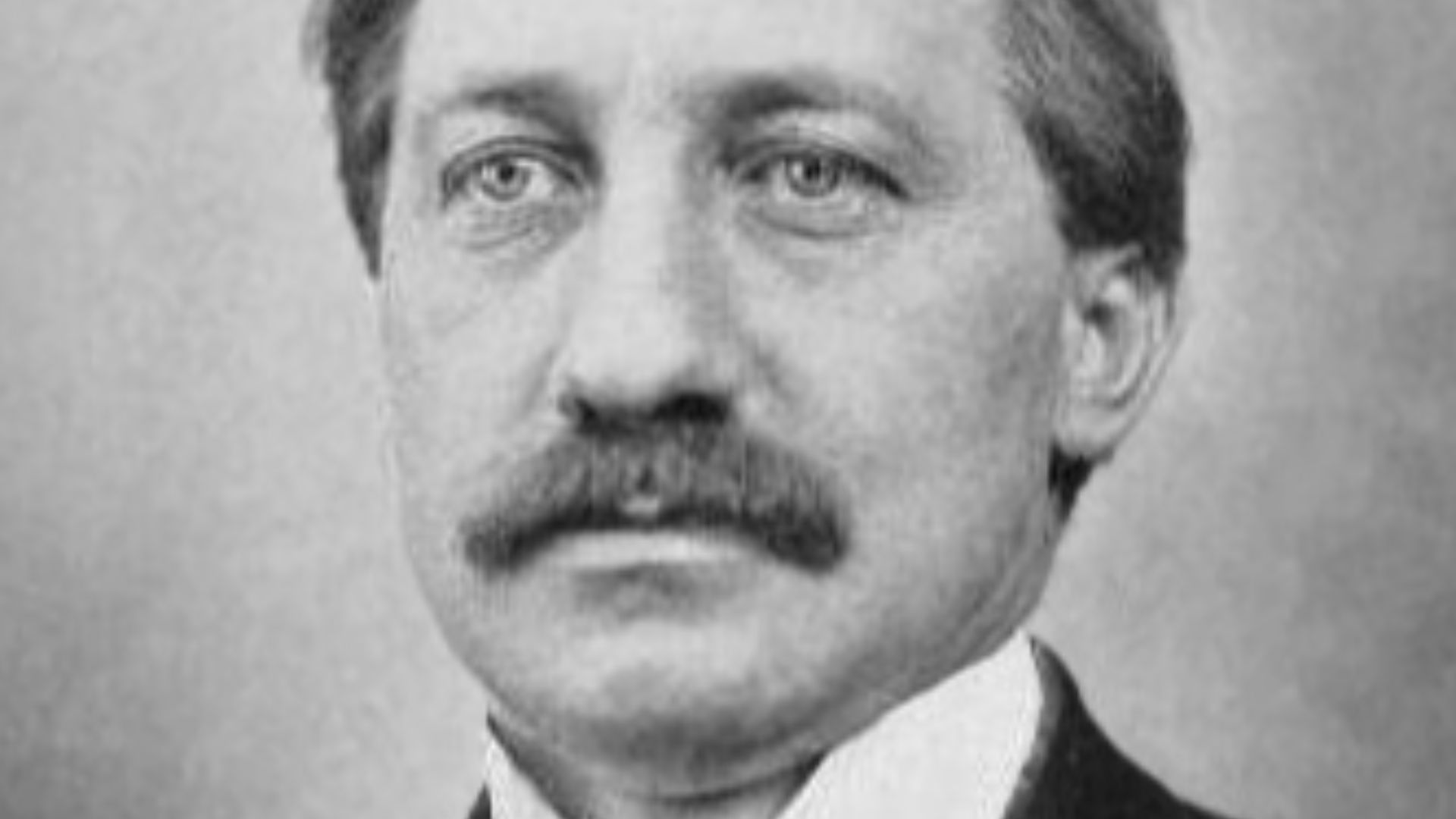 Unknown authorUnknown author, Wikimedia Commons
Cook Earned Real Respect
Cook had genuine polar accomplishments before controversy consumed his reputation. During the Belgica Antarctic expedition of 1897-1899, he helped combat illness by prescribing fresh meat and contributed ideas for freeing the icebound ship. Among his shipmates was a young Norwegian explorer named Roald Amundsen, who greatly admired him.
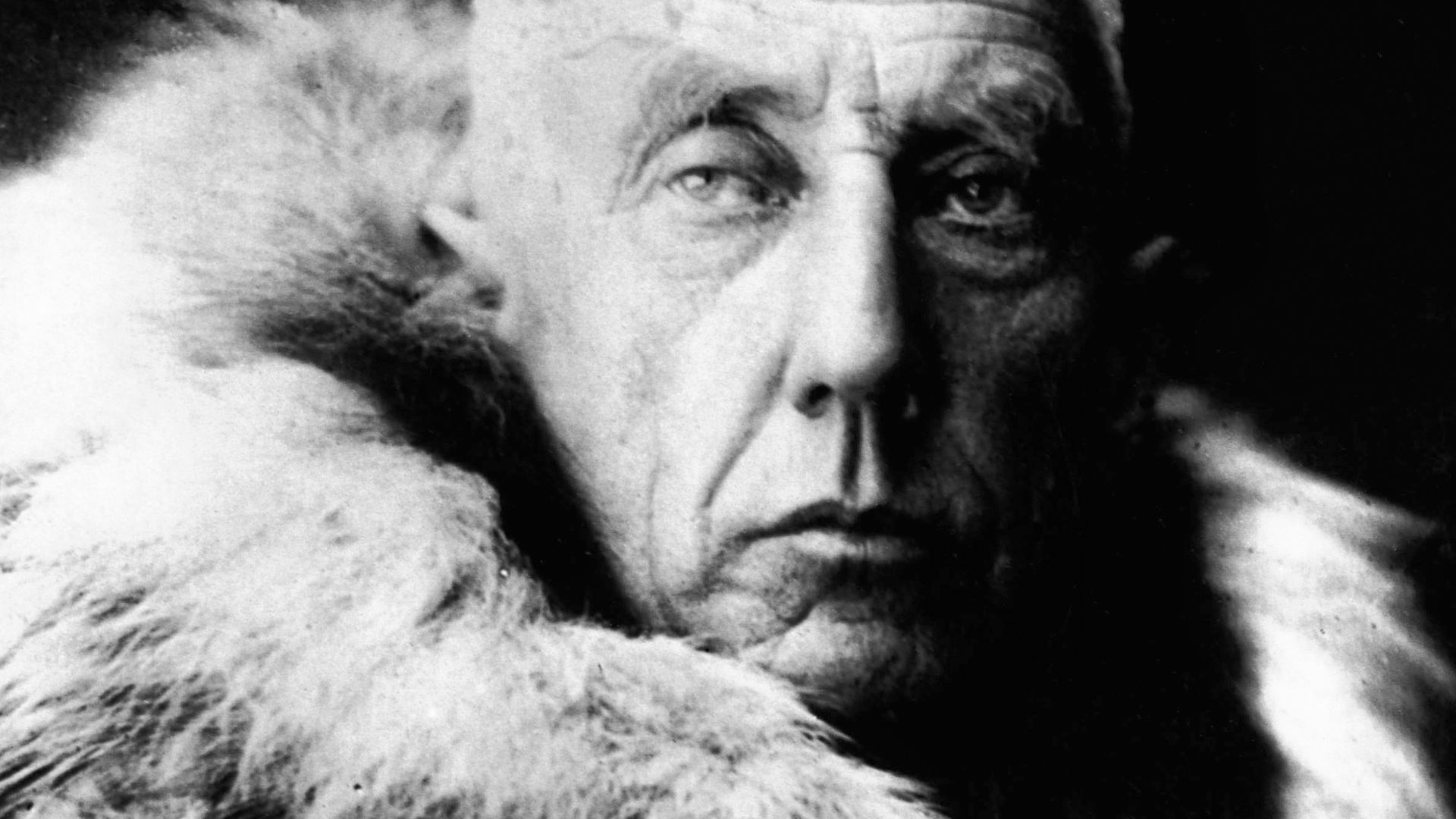 AnonymousUnknown author, Wikimedia Commons
The McKinley Problem
Cook's reputation suffered from a spectacular claim that was later shown to be false. In 1906, he announced that he had reached the summit of Alaska's Mount McKinley, (now Denali). Subsequent examination of his photographs and route convinced most mountaineering historians that he had not. Later research placed Cook's photographed "summit" many miles from the actual peak.
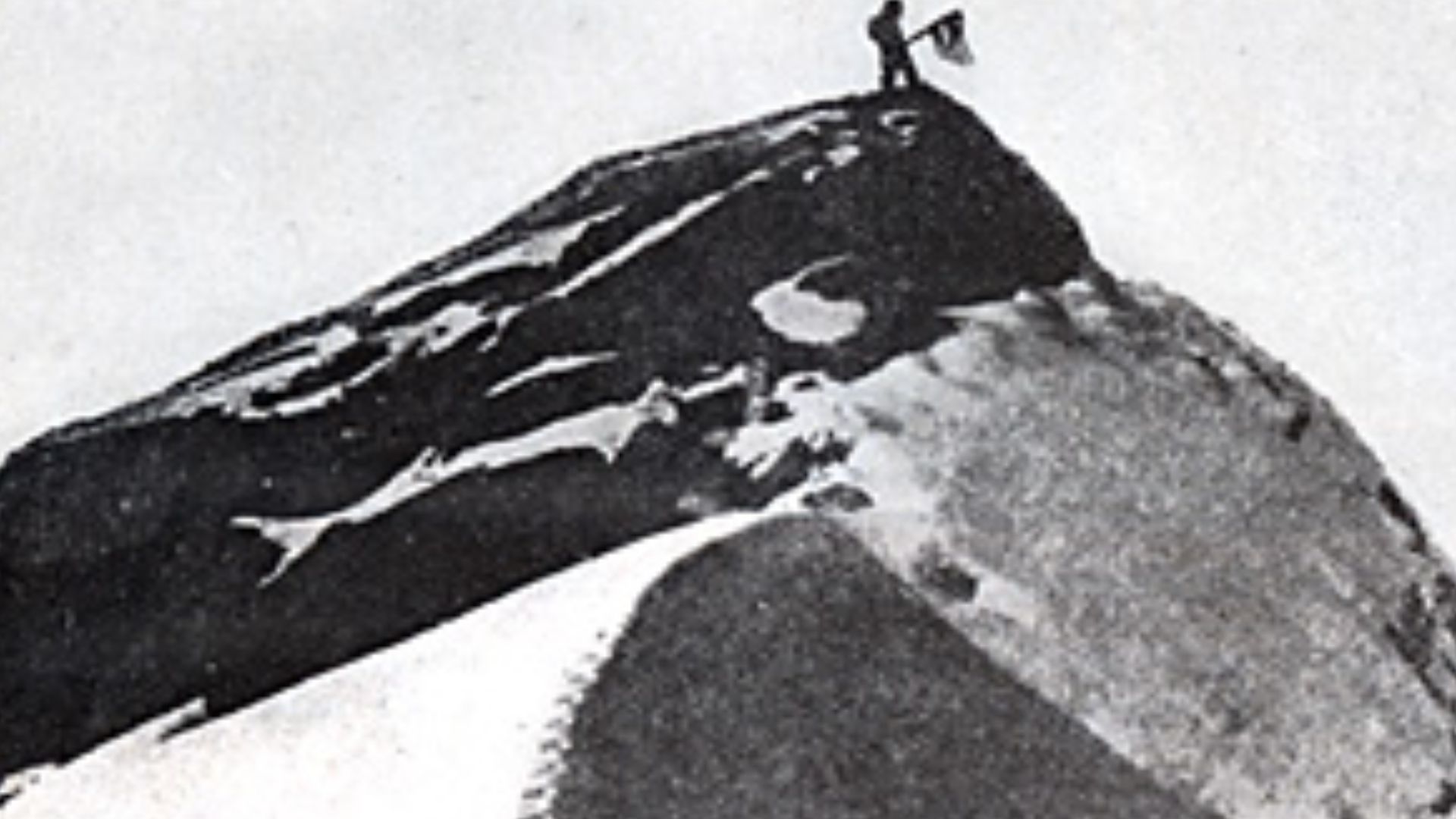 Frederick A. Cook, Wikimedia Commons
Cook Heads North
In 1907 Cook, unfazed by his McKinley setback, sailed to northern Greenland and established himself at Annoatok. In February 1908, he departed toward the pole with nine Inuit companions, 11 sledges, and 103 dogs. Support parties gradually turned back until Cook continued with two Inuit hunters, Ahwelah and Etukishook, into the largely unknown polar sea.
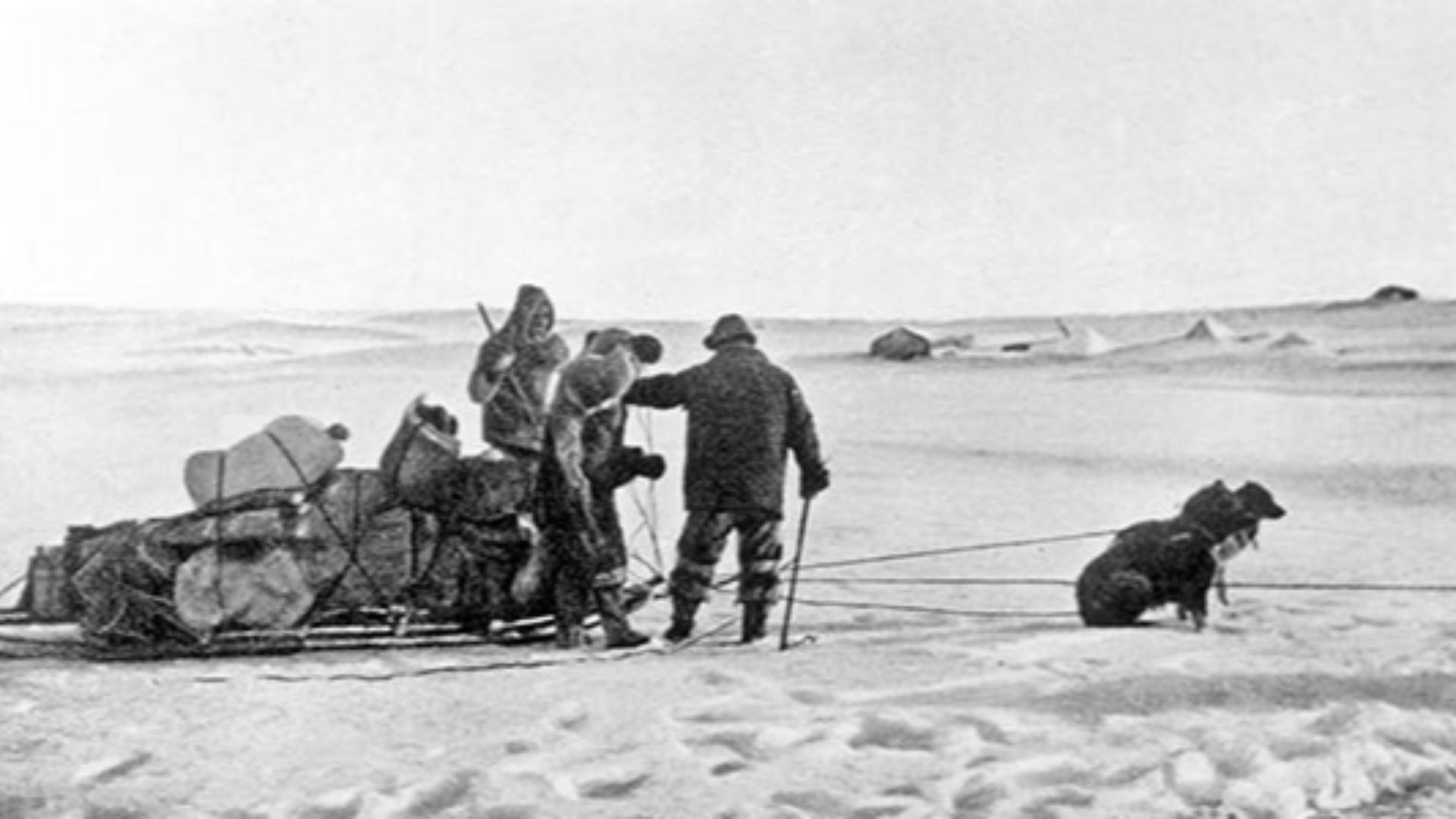 Frederick Cook, Wikimedia Commons
Cook Claims Victory
Cook maintained that on April 21, 1908, observations with his sextant placed the three men as close as practically possible to 90 degrees north. They remained in the vicinity for two days, according to Cook, before beginning the journey south. Reaching the alleged pole, however, proved easier than getting home.
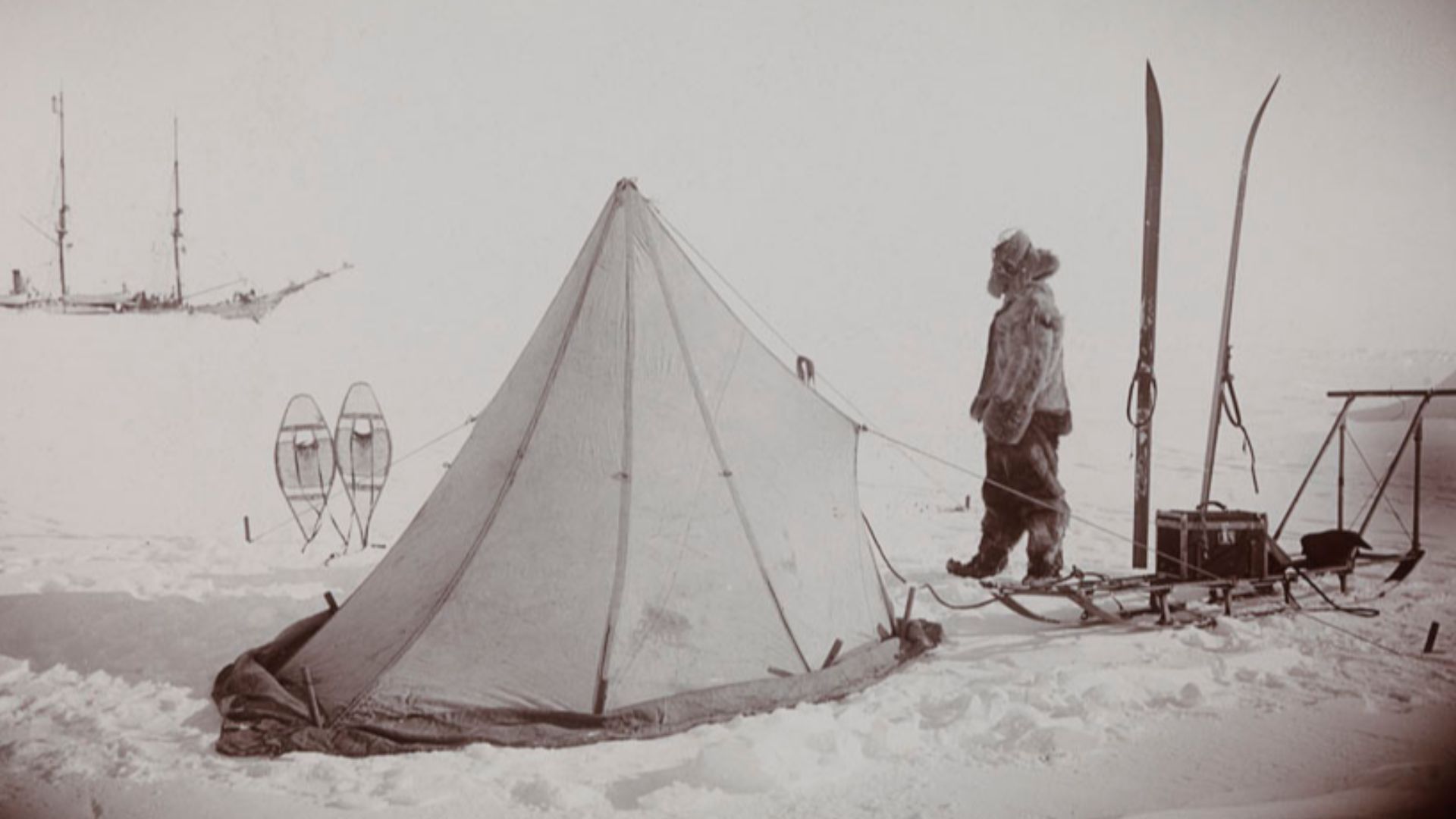 National Library of Norway, Wikimedia Commons
A Terrible Return
Moving sea ice carried Cook's party far west of its intended route. Cook, Ahwelah, and Etukishook ultimately became stranded and survived an Arctic winter before returning to Annoatok in April 1909, approximately 14 months after leaving. Cook's remarkable survival story would become almost as controversial as his claimed destination.
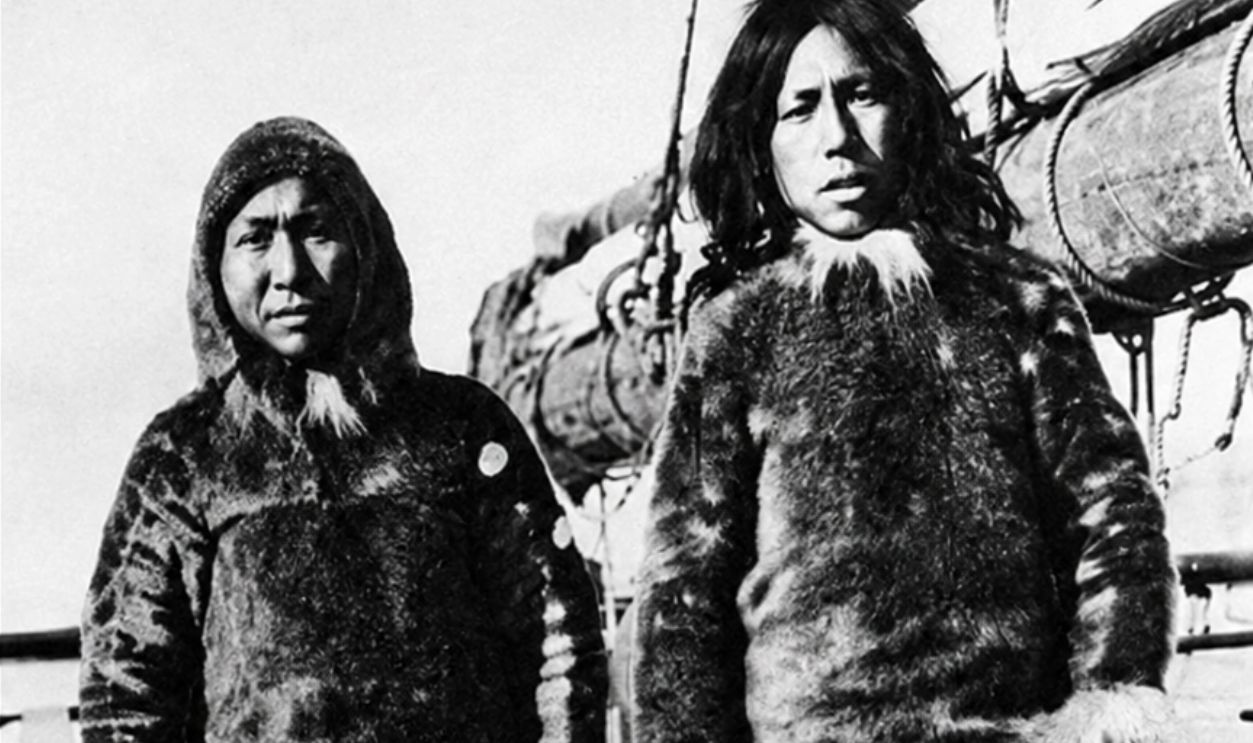 Frederick Cook, Wikimedia Commons, Modified
Peary Makes His Attempt
Meanwhile, Peary departed aboard the polar exploration ship SS Roosevelt in 1908 for another attempt. His expedition included roughly 50 men, almost as many sledges, and 246 dogs. Supporting parties established the route and then progressively turned back, allowing a smaller final group to travel quickly toward Peary's ultimate objective.
![Omschrijving: Robert Edwin Peary [1856 - 1920]. Amerikaans ontdekkingsreiziger. Foto: Na verschillende misdlukte pogingen slaagde Peary erin om met zijn expeditie van 1908 - 1909 als eerste mens de Noordpool te bereiken. Juiste datum en juiste plaats onbe](https://www.factinate.com/storage/app/media/factinate/2026/8/19/178712539426e8922dfebb1ee172f008ef10025add3d726d7d.jpg) Unknown authorUnknown author, Wikimedia Commons
Unknown authorUnknown author, Wikimedia Commons
Henson Was Indispensable
Matthew Henson, Peary's longtime African American colleague, was among the final party and arguably its most skilled sled driver. Four Inuit men, Ukkujaaq, Sigluk, Uutaaq, and Iggiannguaq, also accompanied Peary and Henson. Their essential contributions would receive far less public recognition than Peary's supposed conquest.
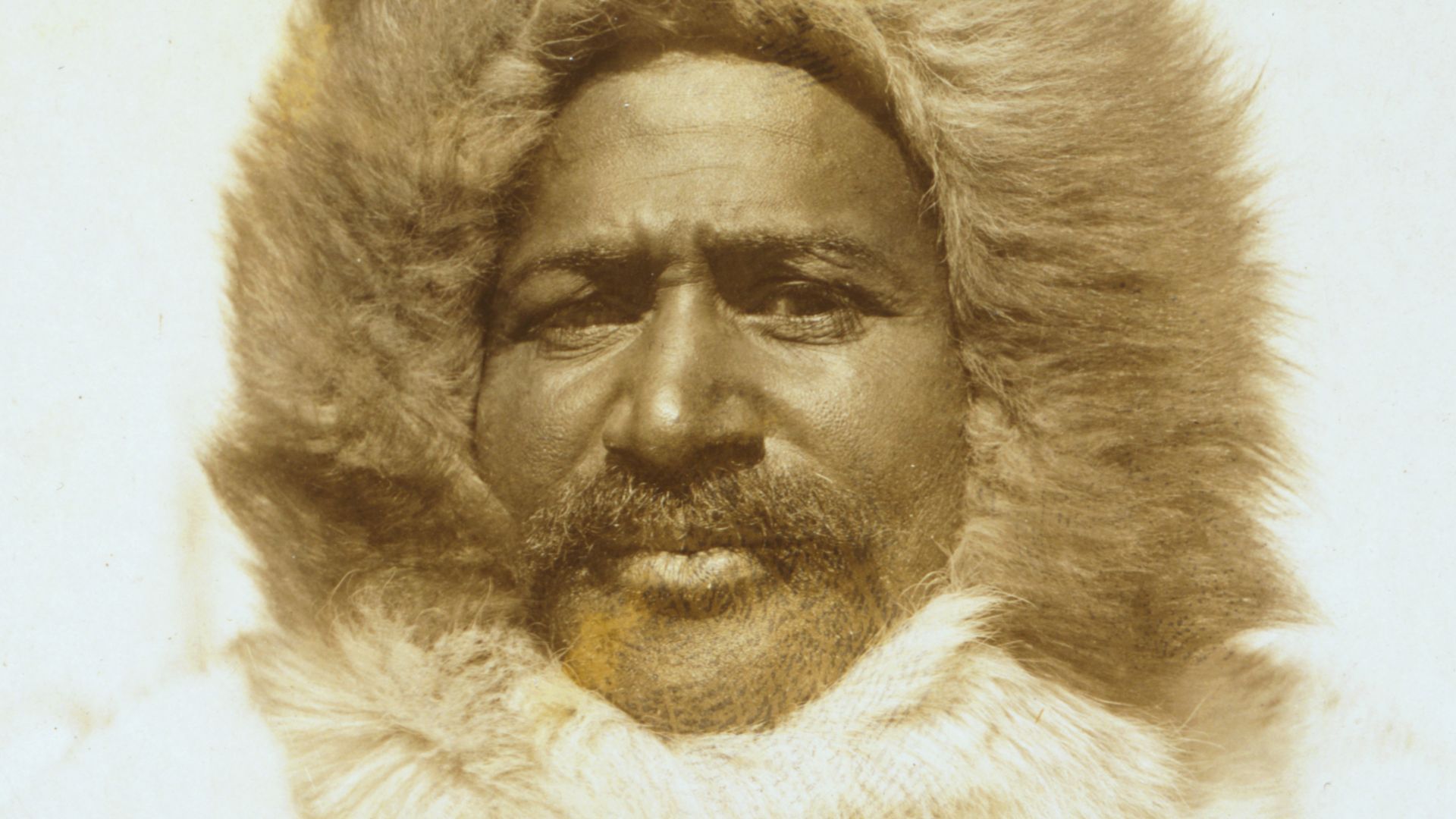 Unknown authorUnknown author, Wikimedia Commons
Peary Claims It Too
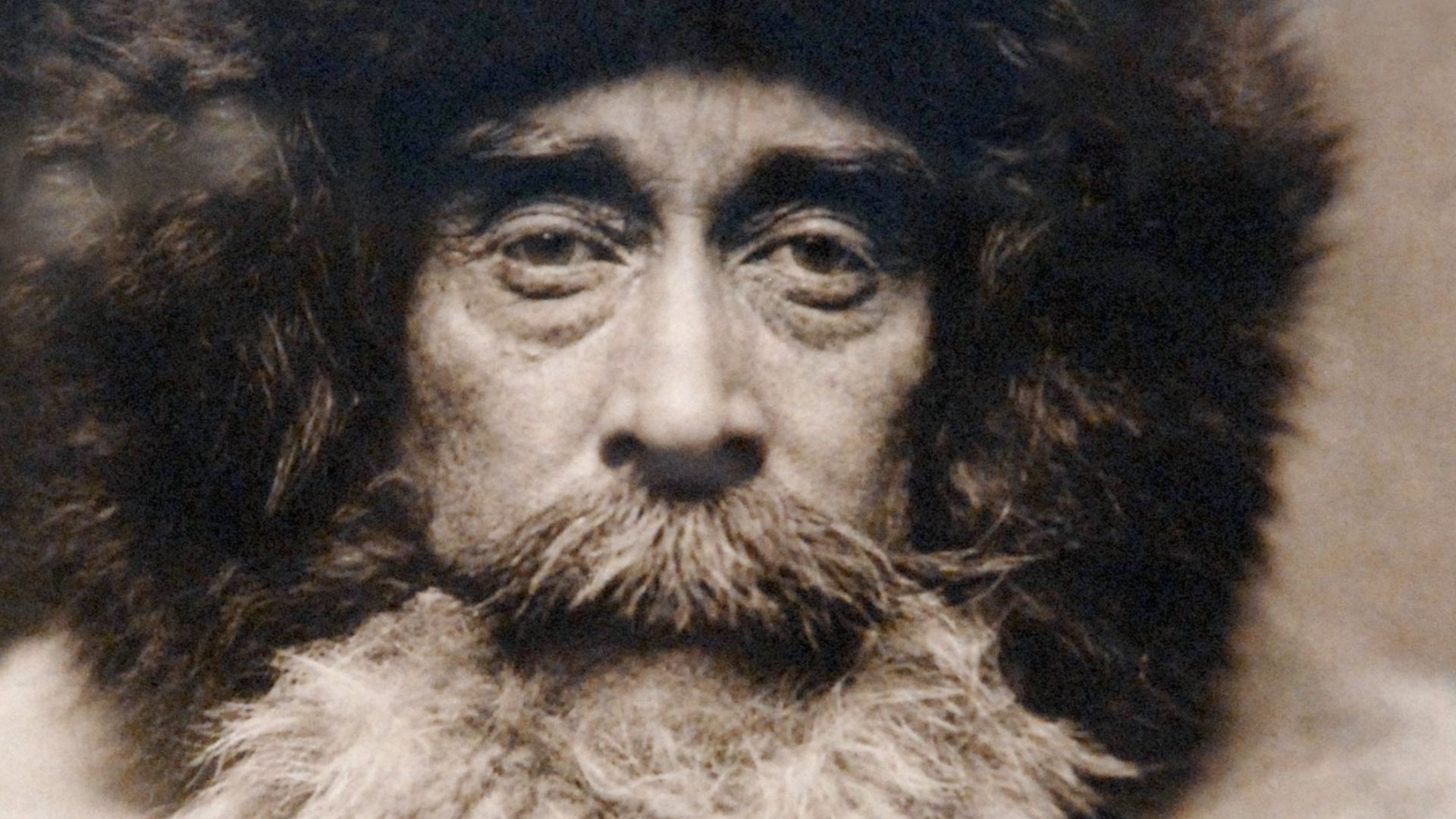
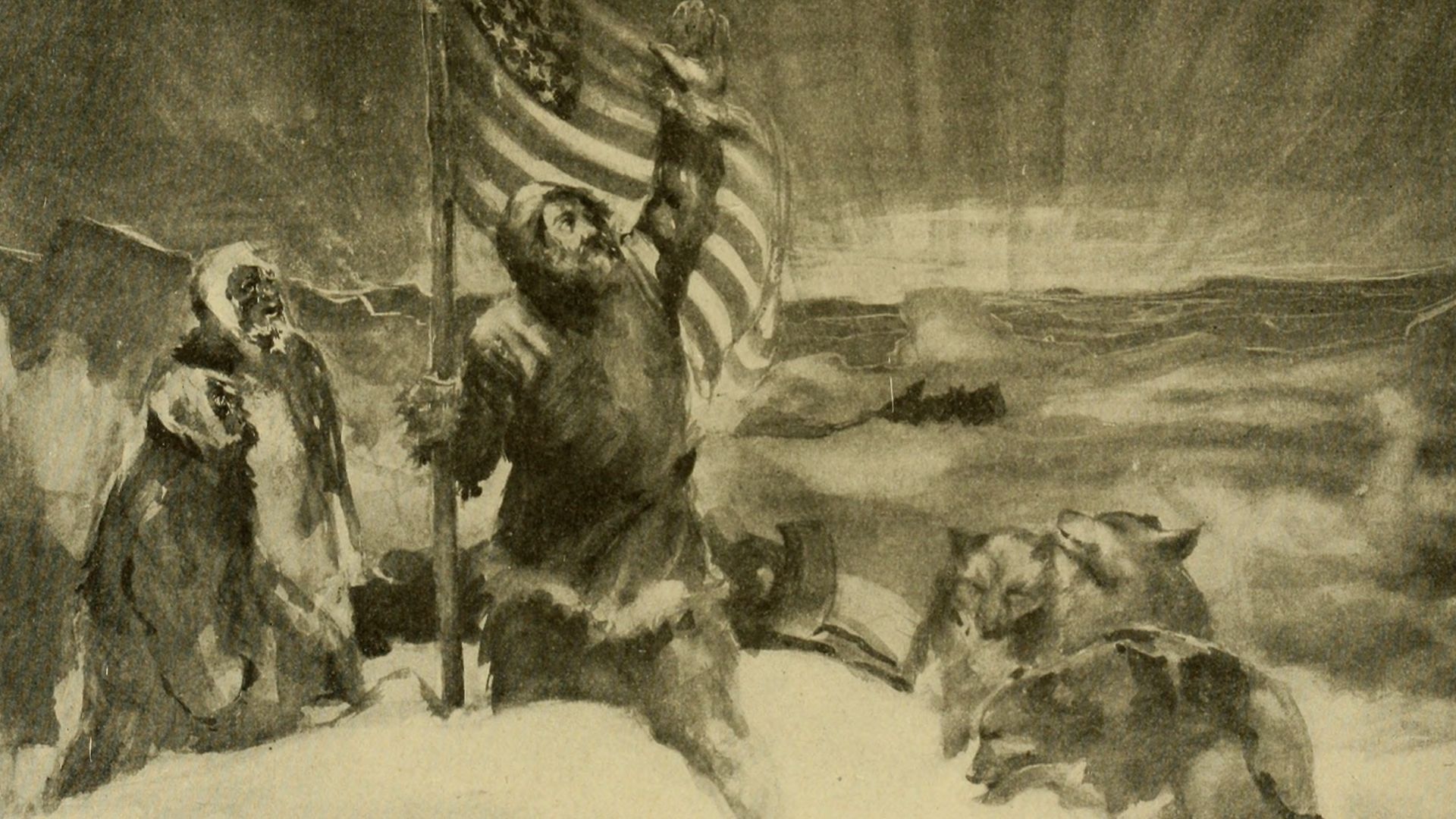
Peary claimed his party reached the North Pole on April 6, 1909. According to Henson's later recollection, even Peary acknowledged the difficulty of swearing they were exactly at the pole. Nevertheless, the expedition raised flags, took observations, and began the return journey believing its great objective had finally been achieved.
 Benjamin B. Hampton , active 1900-1920, Wikimedia Commons
Then Came The Surprise
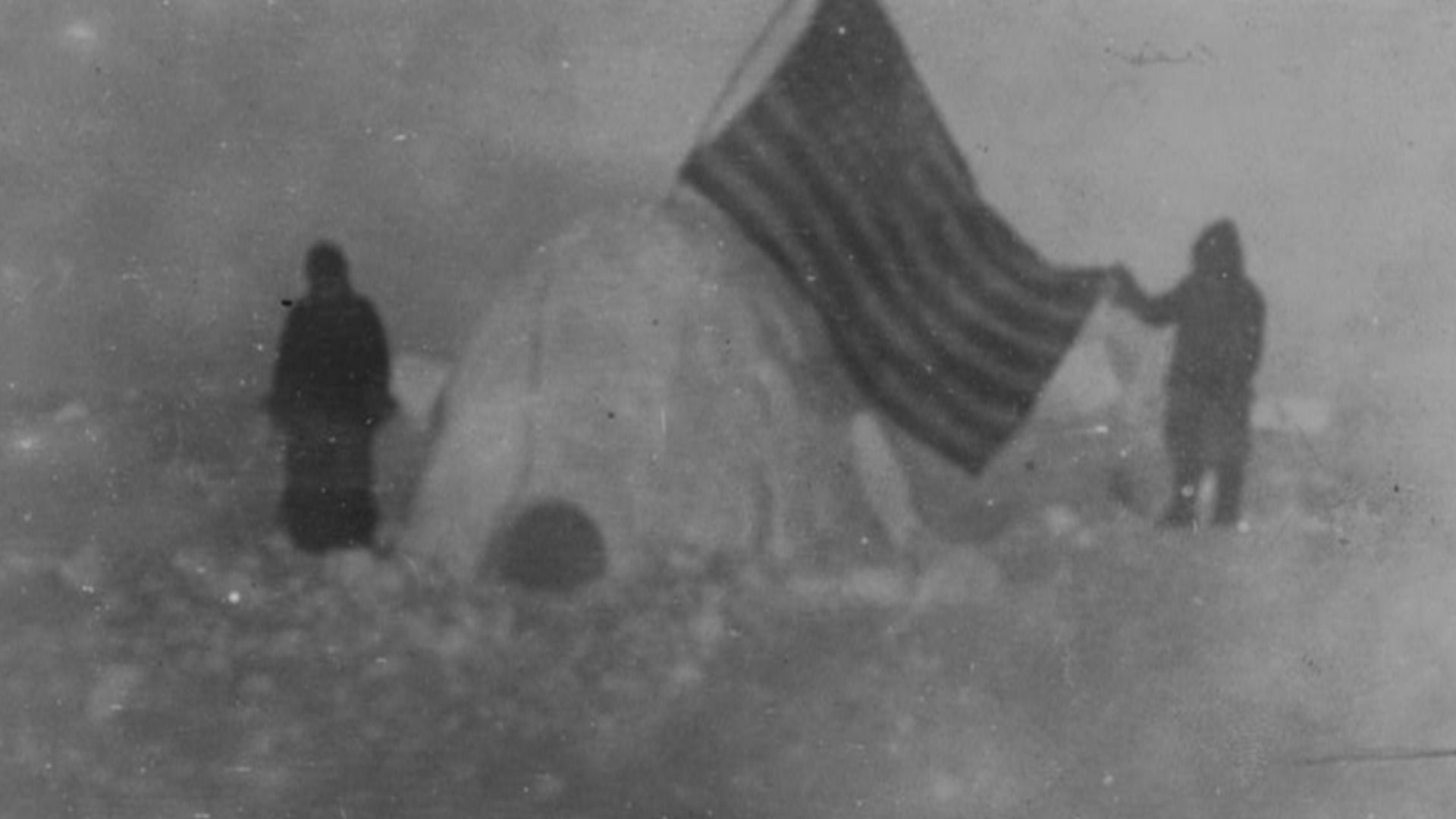
Peary did not yet know that Cook was preparing to announce an even more sensational story. Cook reached civilization first and declared that he had attained the pole on April 21, 1908, nearly a year before Peary. Suddenly Peary's anticipated triumph had become second place, assuming Cook was telling the truth.
 Frederick Cook's expedition, Wikimedia Commons
Two Explosive Headlines
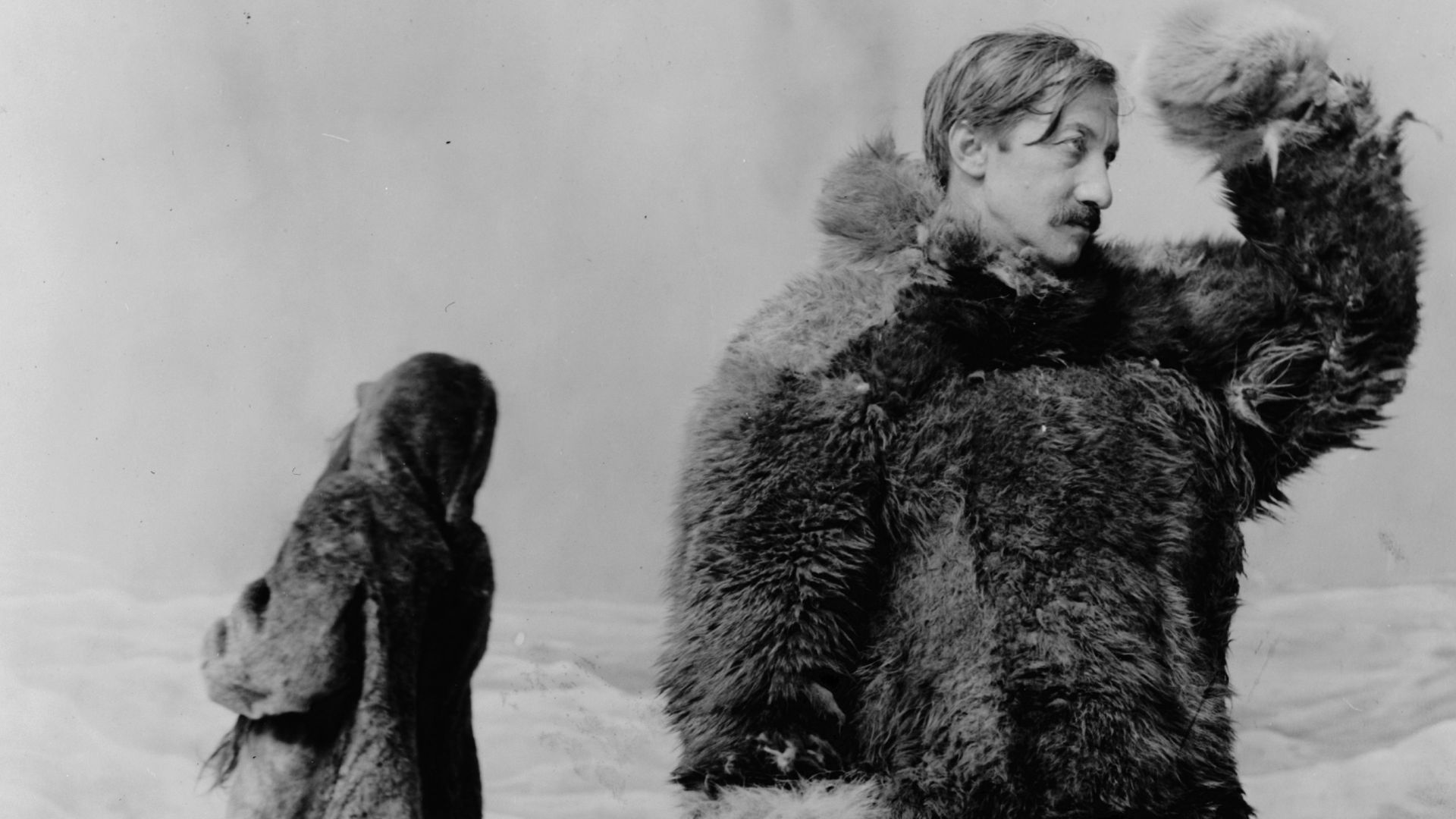
The New York Herald announced Cook's discovery in September 1909. Days later, the New York Times, which had purchased rights to Peary's story, proclaimed that Peary had discovered the North Pole. Americans were confronted with two supposedly historic achievements that could not both represent the first conquest of the pole.
 Miscellaneous Items in High Demand, PPOC, Library of Congress, Wikimedia Commons
Peary Goes On The Attack
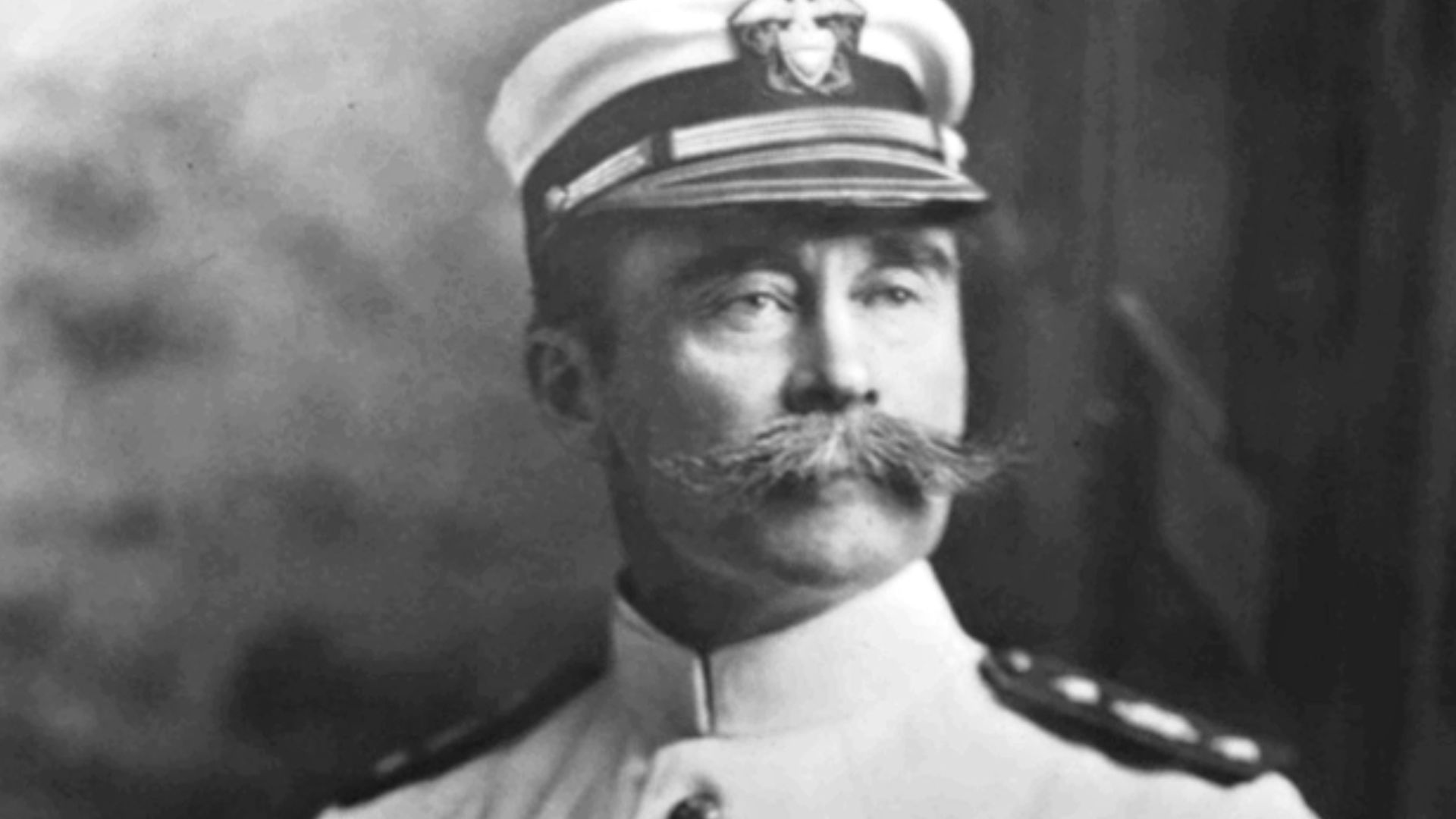
Peary reacted furiously. He told the Times not to worry about Cook and insisted he had his rival "nailed." Peary and his influential supporters began building a case against Cook, while Cook initially enjoyed enormous public enthusiasm. The argument rapidly became less a scientific disagreement than a bruising public-relations war.
 Barricade Breaker, Wikimedia Commons
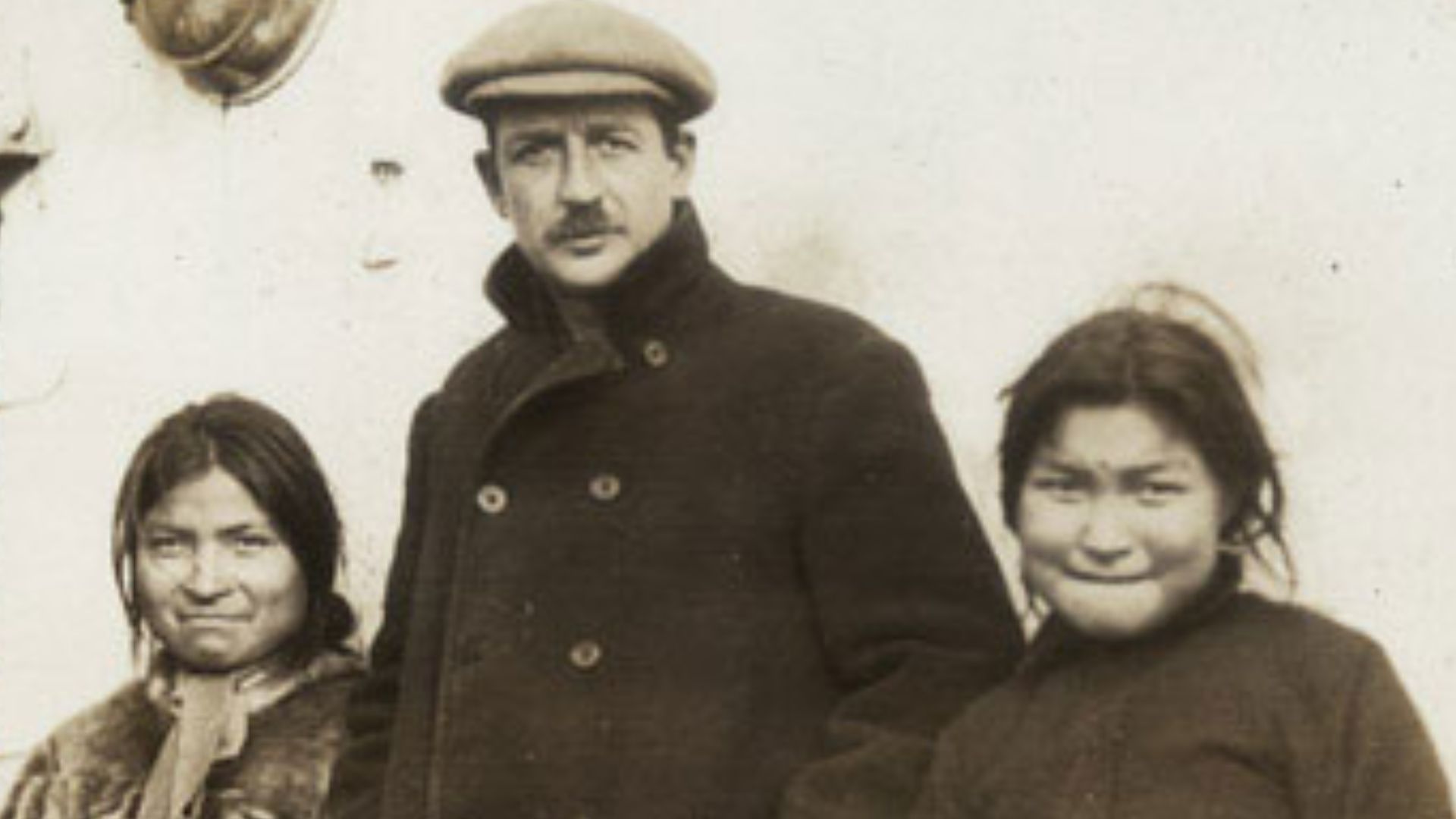
Cook Loses His Evidence
Cook claimed that crucial instruments and records had been left with American sportsman Harry Whitney in Greenland. When Whitney later boarded Peary's Roosevelt, Peary refused to allow Cook's possessions aboard. Whitney left them hidden near the Greenland coast. They were never recovered, severely damaging Cook's ability to substantiate his story.
 Unknown authorUnknown author., Wikimedia Commons
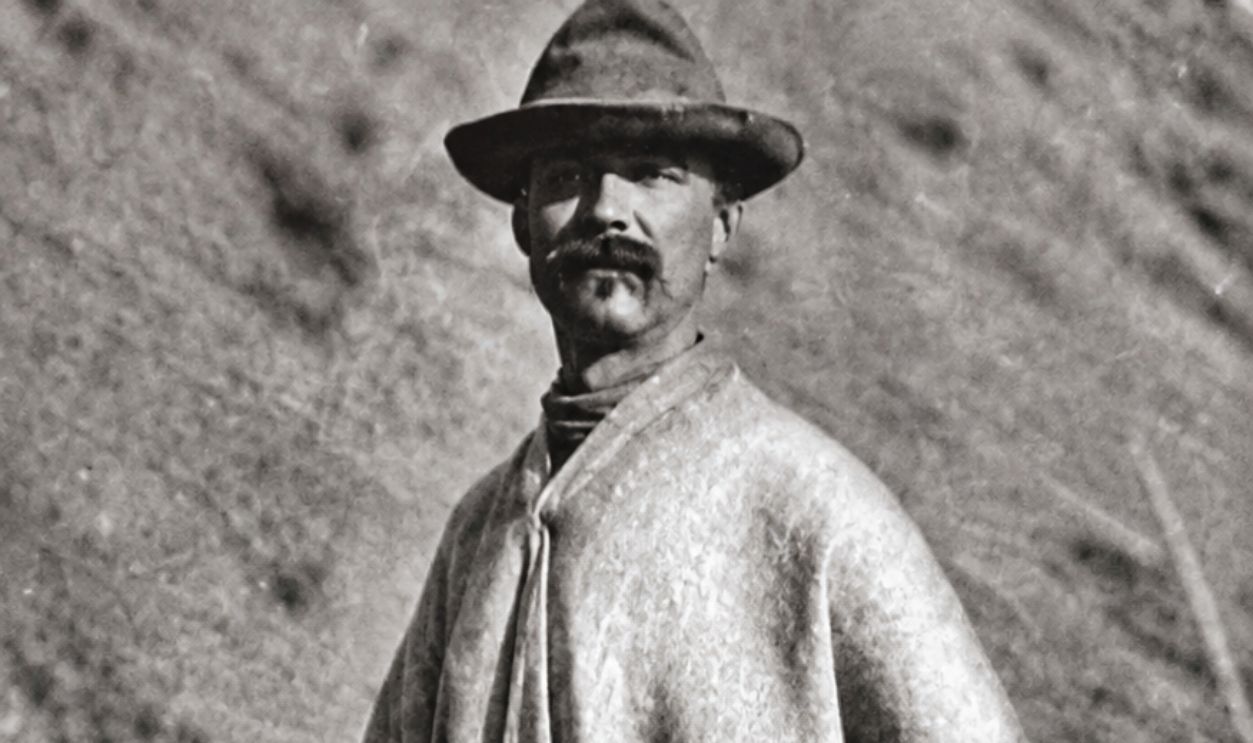
McKinley Returns To Haunt
Peary's supporters attacked Cook's earlier Mount McKinley claim. Edward Barrill, who had accompanied Cook, signed an affidavit saying they had never reached the summit. Questions were raised about financial inducements surrounding the affidavit, but later geographical analysis independently provided compelling evidence that Cook's claimed ascent was false.
 Frederick Cook, Wikimedia Commons, Modified
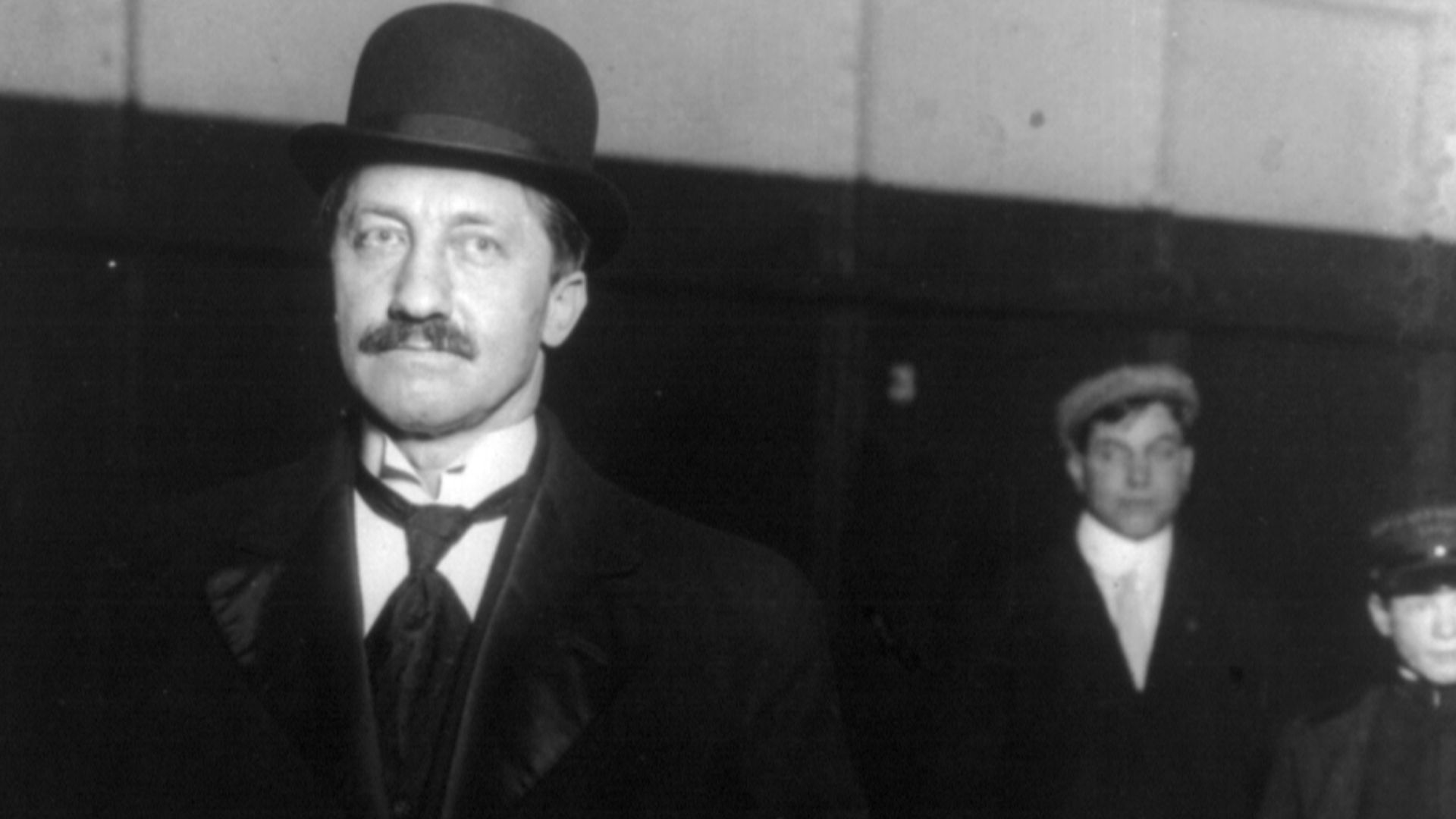
Copenhagen Rejects Proof
Cook submitted material concerning his polar expedition to experts at the University of Copenhagen. In December 1909, they concluded that the evidence did not prove he had reached the North Pole. Although "not proven" was not necessarily the same as "disproved," the distinction mattered little to a public watching Cook's credibility collapse.
 Unknown authorUnknown author, Wikimedia Commons
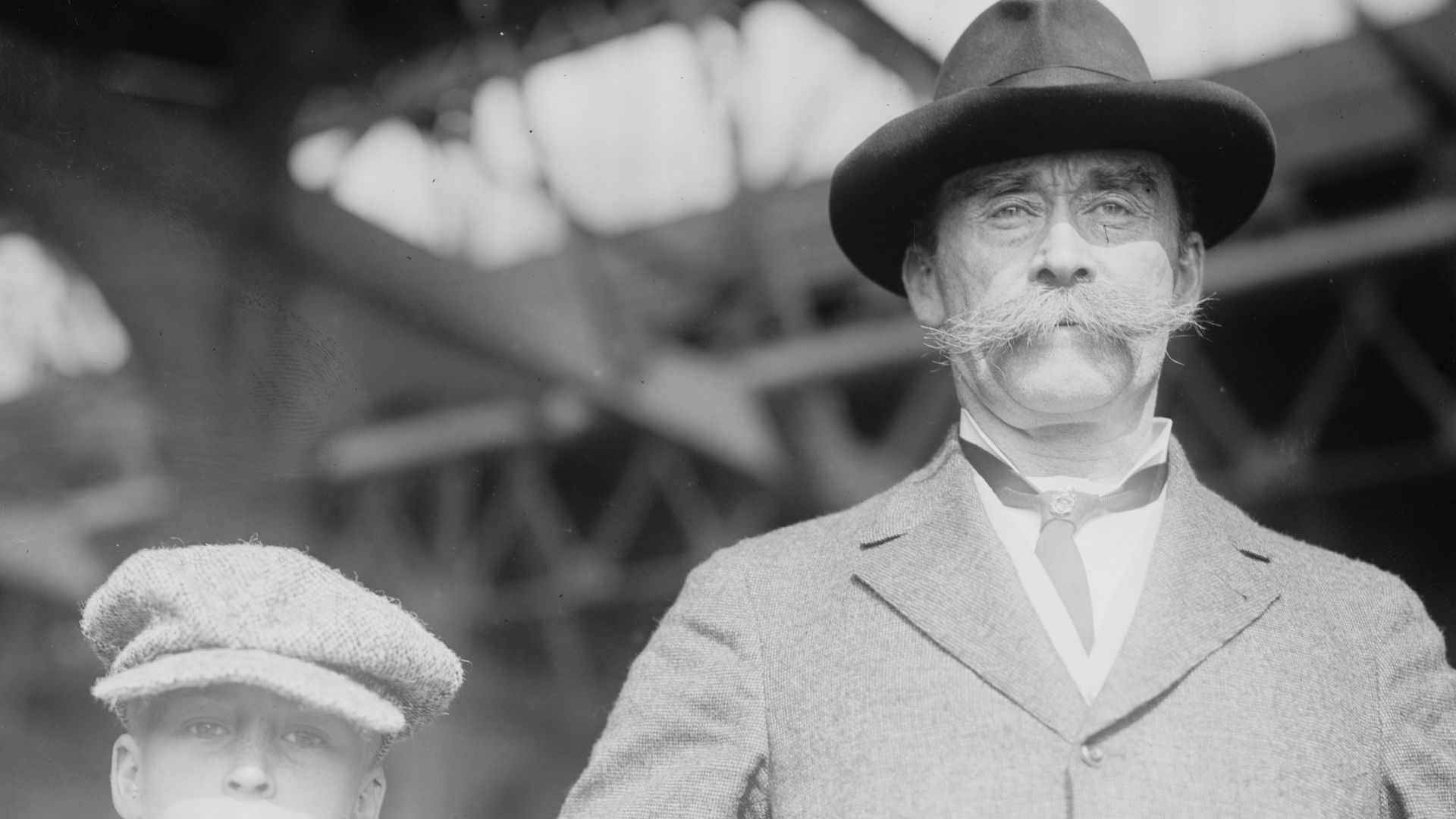
Peary Gets His Verdict
The National Geographic Society appointed a committee to examine Peary's evidence and quickly endorsed his claim. Yet the review has subsequently been criticized. Peary was closely connected to the organization, which had helped finance his expedition, and one committee member was his friend. Cook lacked anything approaching Peary's institutional support.
 Bain News Service, publisher, Wikimedia Commons
Congress Had Doubts
Peary's victory was not completely convincing even at the time. During congressional hearings in 1911, lawmakers questioned his diary and evidence. A House subcommittee approved legislation honoring him by only four votes to three. The eventual legislation recognized Peary's Arctic exploration without explicitly declaring him the discoverer of the North Pole.
 Miller, J. Martin (James Martin), b. 1859, Wikimedia Commons
Peary Became The Winner
Nevertheless, history largely awarded the pole to Peary. For generations, encyclopedias and textbooks identified him as the first person to reach it. Cook increasingly appeared as the discredited impostor whose dubious Mount McKinley story seemed to demonstrate that his North Pole claim should not be trusted either.
 Miscellaneous Items in High Demand, PPOC, Library of Congress, Wikimedia Commons
Peary's Inuit Family
The heroic portrait of Peary also concealed troubling aspects of his Arctic life. Although married, Peary had a relationship with an Inuit woman generally known as Aleqasinaq, apparently beginning when she was around 14. They had at least two children. When Peary's wife learned the truth, she was understandably devastated. Decades later, one of their sons, Kali Peary, visited his father's American grave.
 Miscellaneous Items in High Demand, PPOC, Library of Congress, Wikimedia Commons
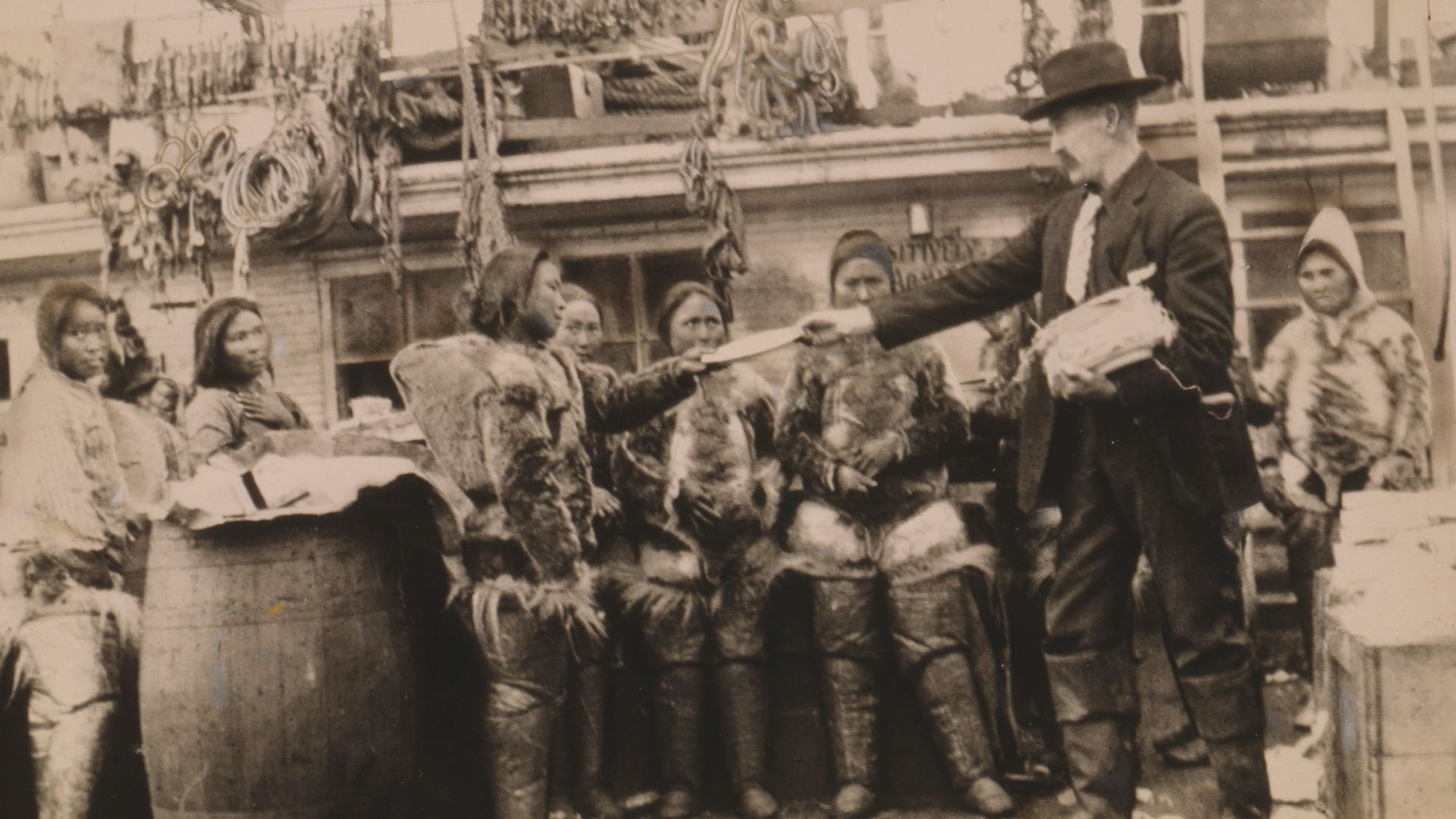
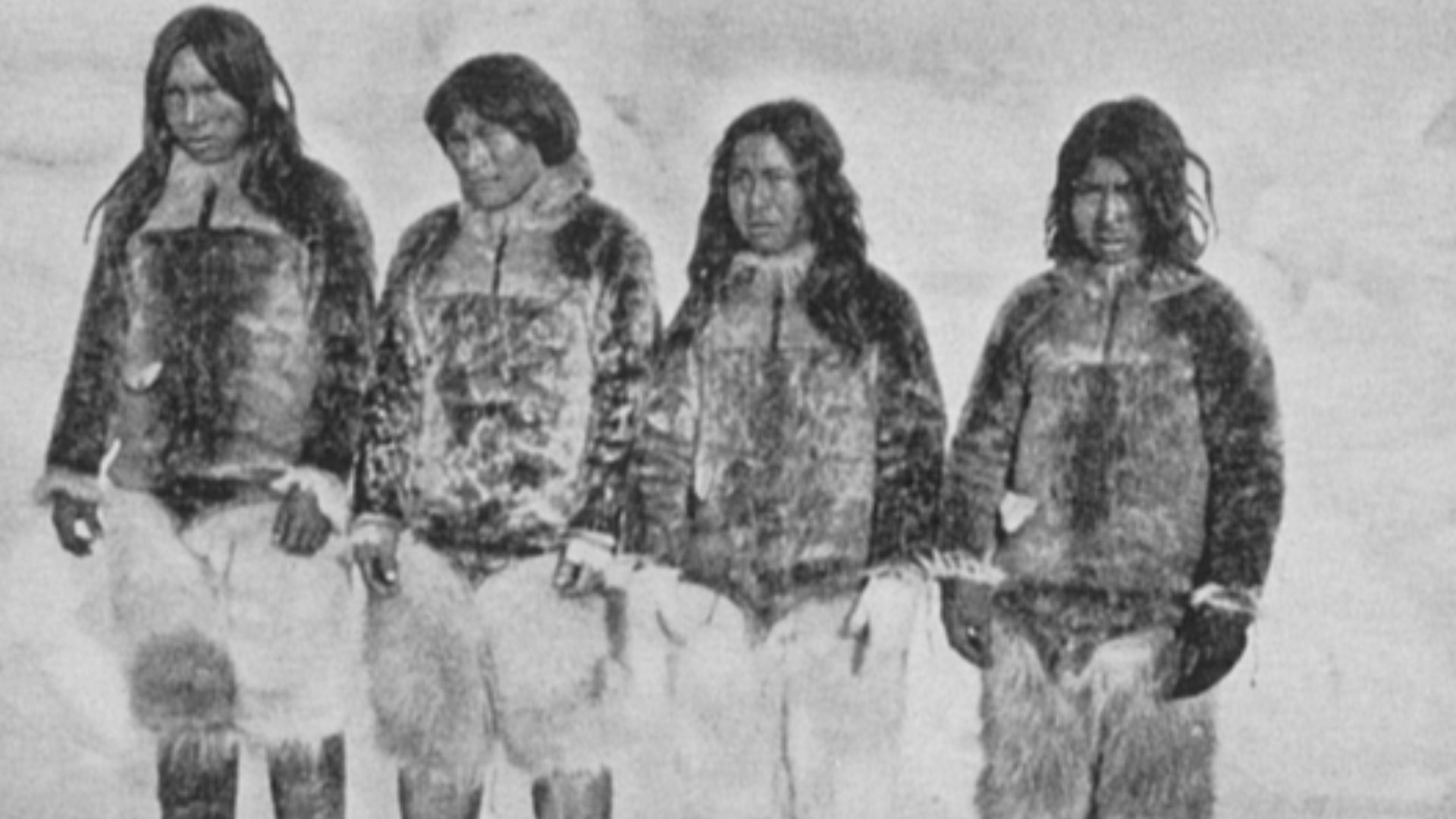
Six Inuit Go South
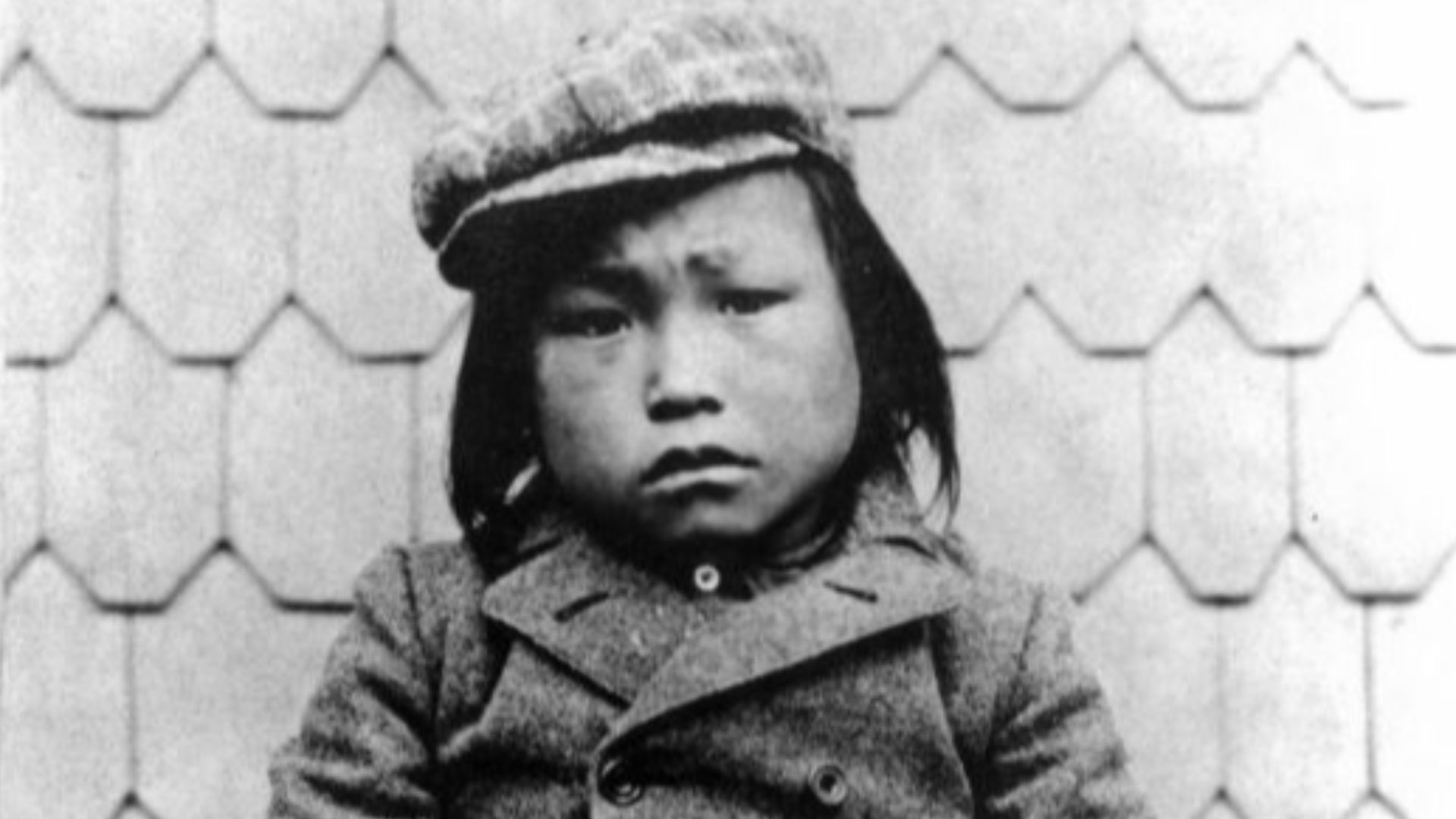
In 1897, Peary transported six Polar Inuit from Greenland to New York, including seven-year-old Minik and his father, Qisuk. They were delivered to the American Museum of Natural History, where they became subjects of anthropological interest. The Inuit had little resistance to diseases circulating in their unfamiliar new environment.
 Unknown authorUnknown author, Wikimedia Commons
Four Quickly Died
Within months, four of the six Inuit were dead. One survivor eventually returned to Greenland, leaving Minik orphaned in New York. PBS's American Experience later described how the museum housed the newcomers in its basement and how Peary did little to assume responsibility for the people he had transported thousands of miles from their home.
He Took Their Iron
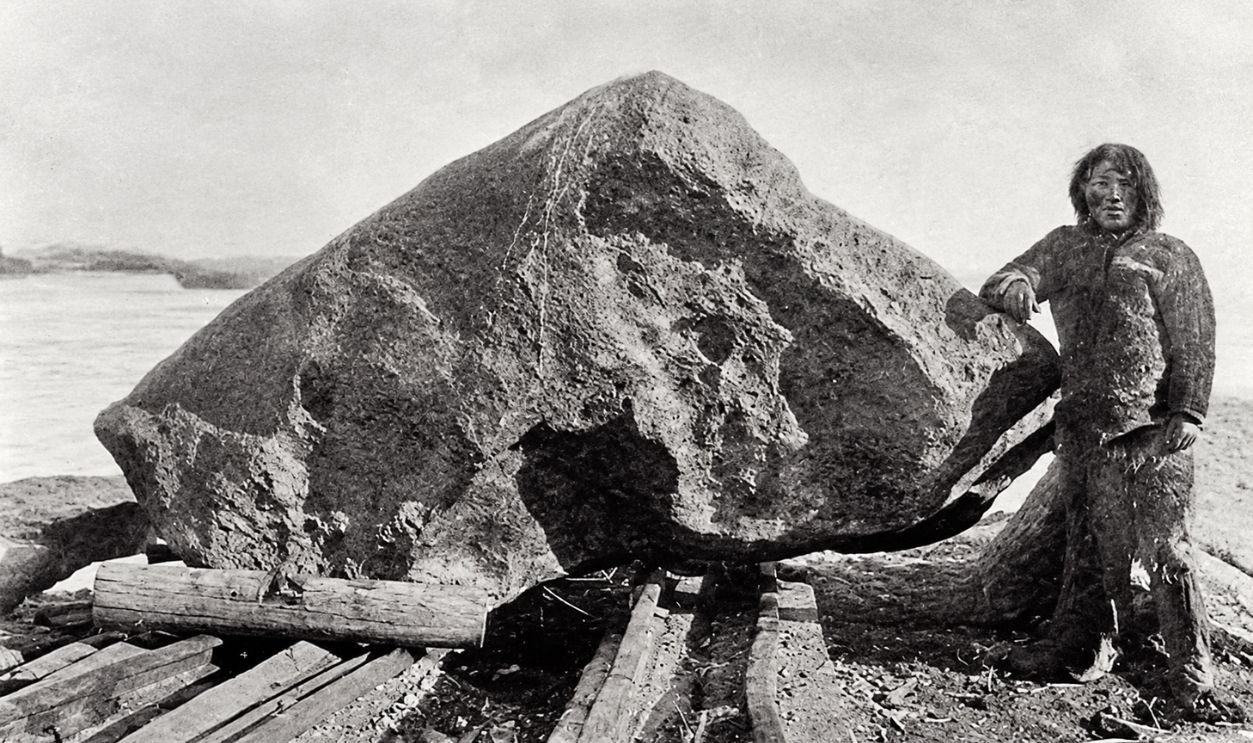
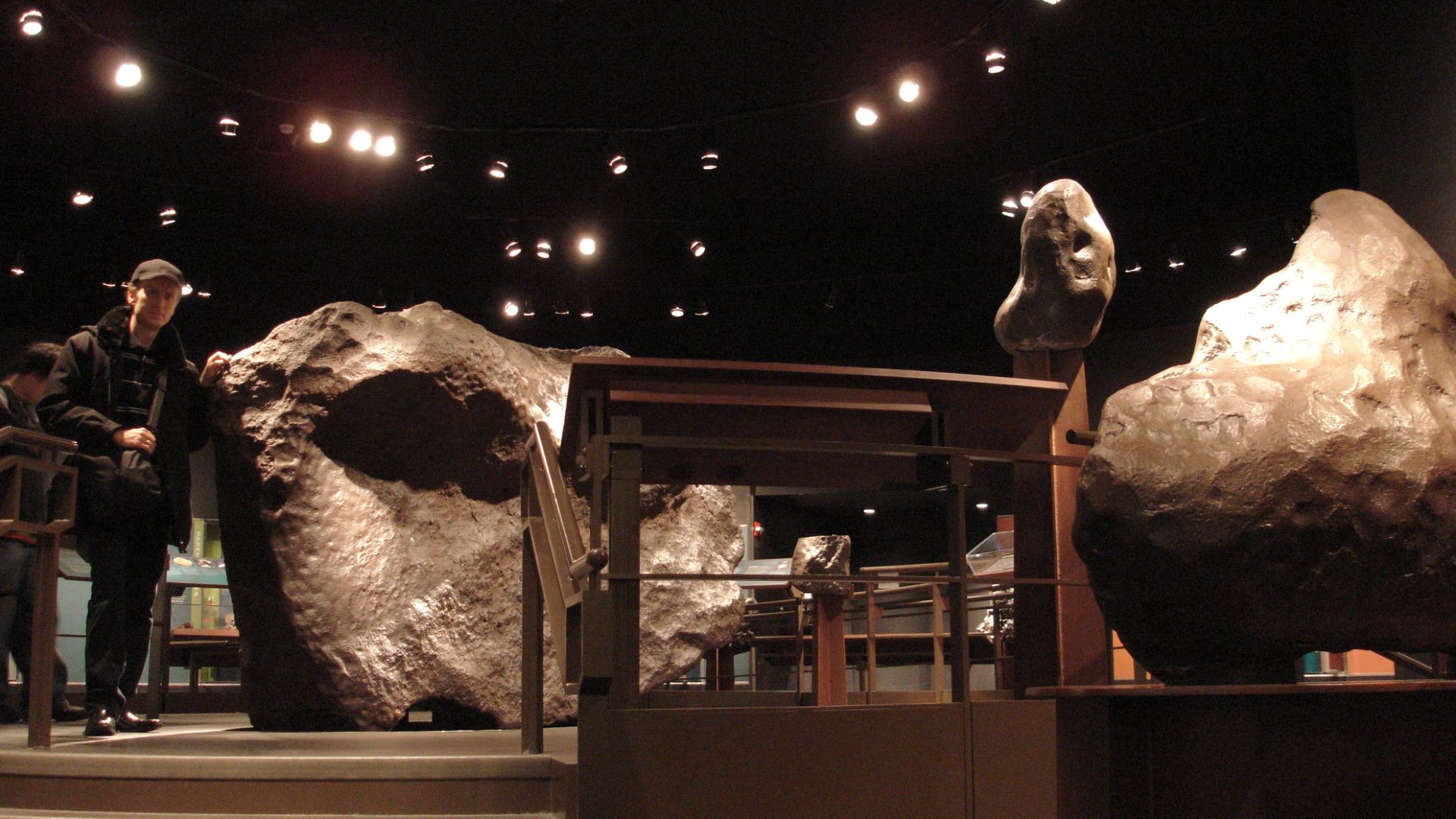
Peary also removed enormous pieces of Greenland's Cape York meteorite. For generations, Inuit communities had used its extraterrestrial iron to manufacture knives, harpoons, and other tools. With Inuit assistance, Peary transported the meteorites to America, including the approximately 34-ton Ahnighito, which remains at the American Museum of Natural History.
 Robert E. Peary, Wikimedia Commons, Modified
Peary Made Money
Peary eventually received a substantial sum connected with the meteorites' acquisition by the museum, commonly reported as $40,000, an enormous amount at the time. Whatever contemporary legal assumptions surrounded the transaction, modern observers can reasonably question an explorer profiting from removing a resource upon which local Inuit communities had historically depended.
Cook Falls Even Further
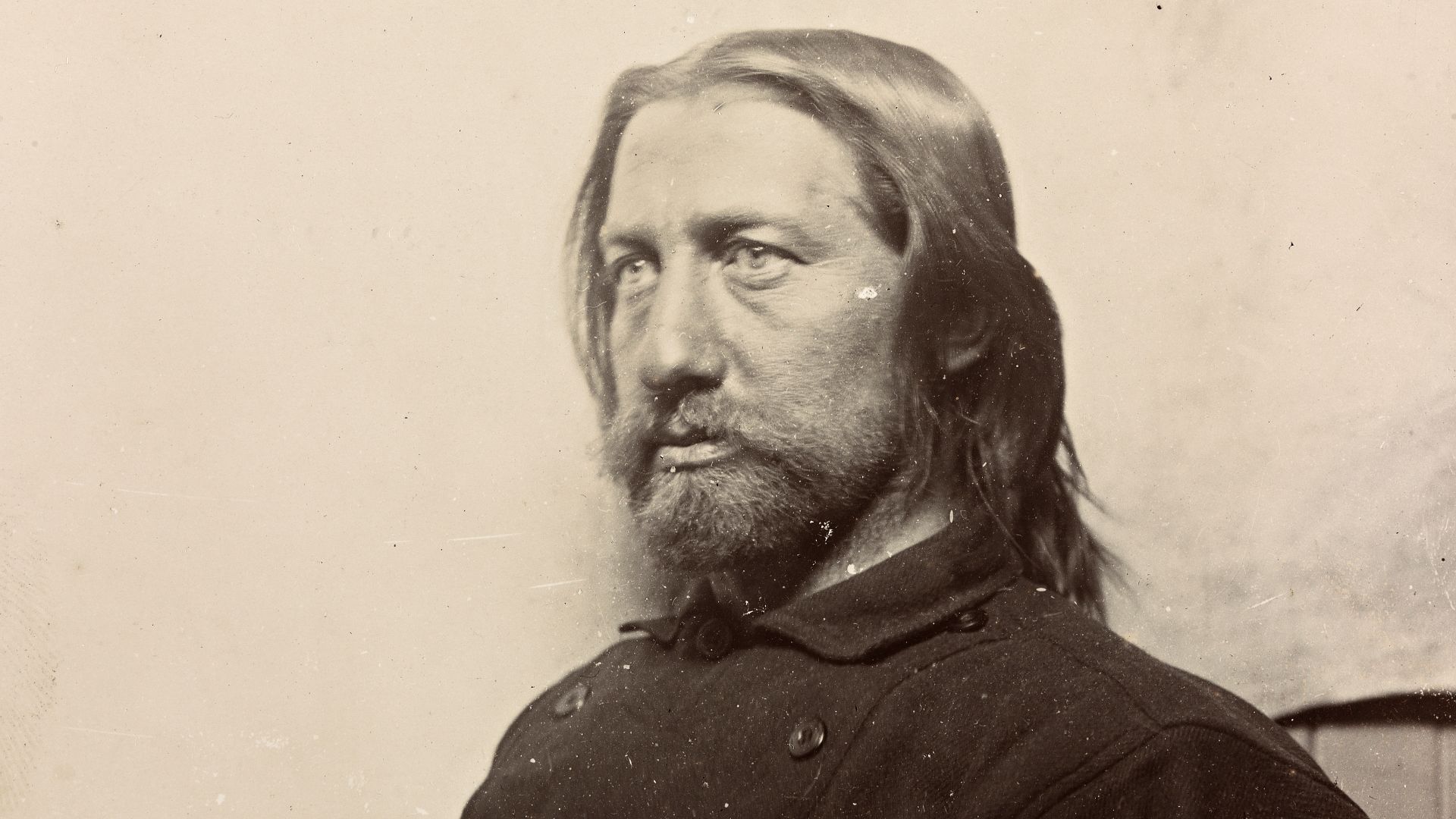
Cook's later career hardly restored confidence in him. He entered the oil business and was convicted in 1923 of mail fraud involving the sale of oil-company stock. A federal judge sentenced him to 14 years and nine months. Cook ultimately spent roughly five years at Leavenworth Federal Prison before being paroled in 1930.
 National Library of Norway, Wikimedia Commons
Amundsen Never Forgot
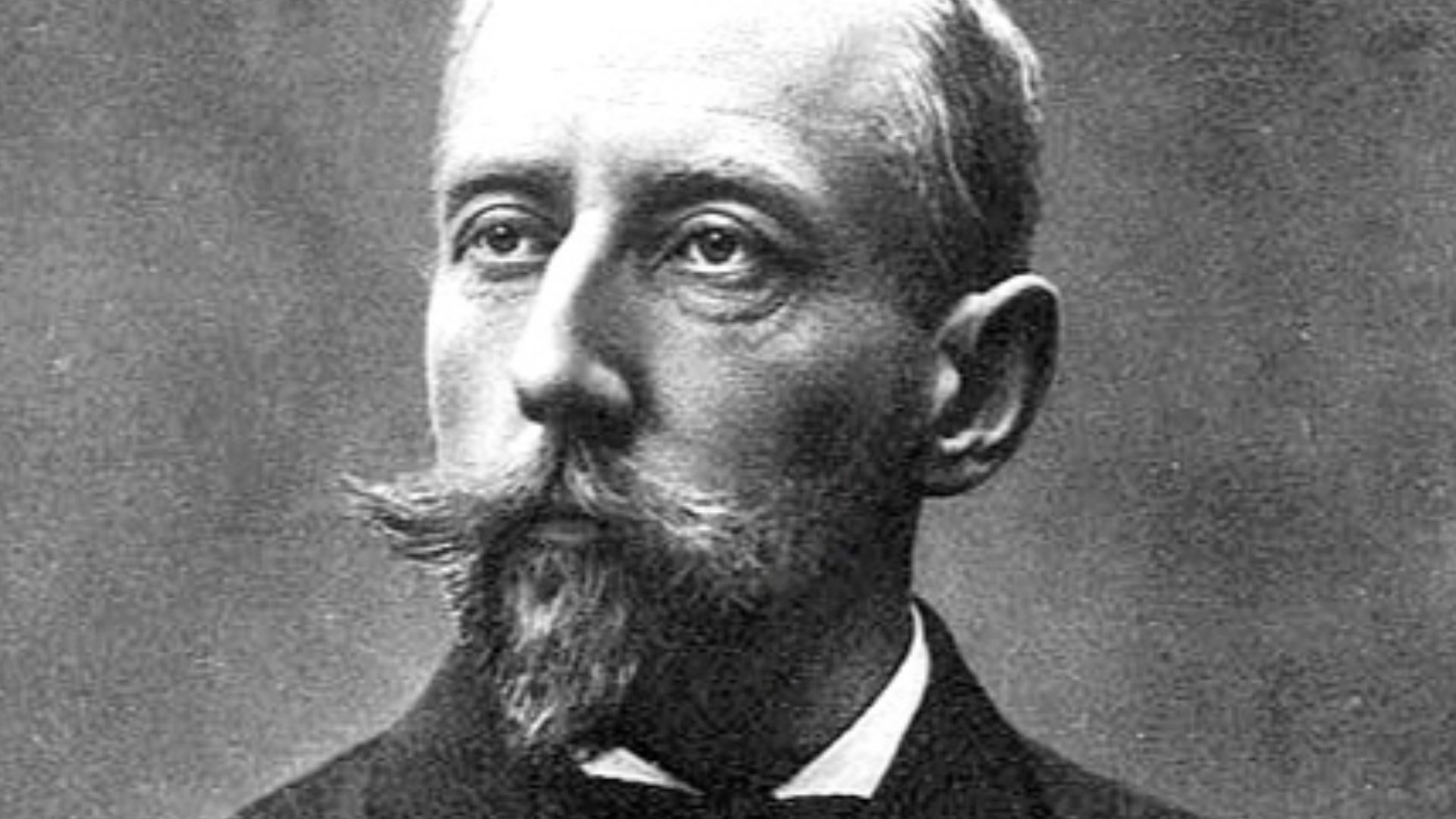
One famous explorer remained loyal. Roald Amundsen remembered Cook's resourcefulness decades before aboard the Belgica and credited him with helping save the expedition. When Cook's reputation collapsed, Amundsen continued publicly supporting his old companion. Cook's disgrace apparently mattered less to him than what he had personally witnessed decades earlier.
 Ludwik Szaciński, Wikimedia Commons
A Prison Reunion
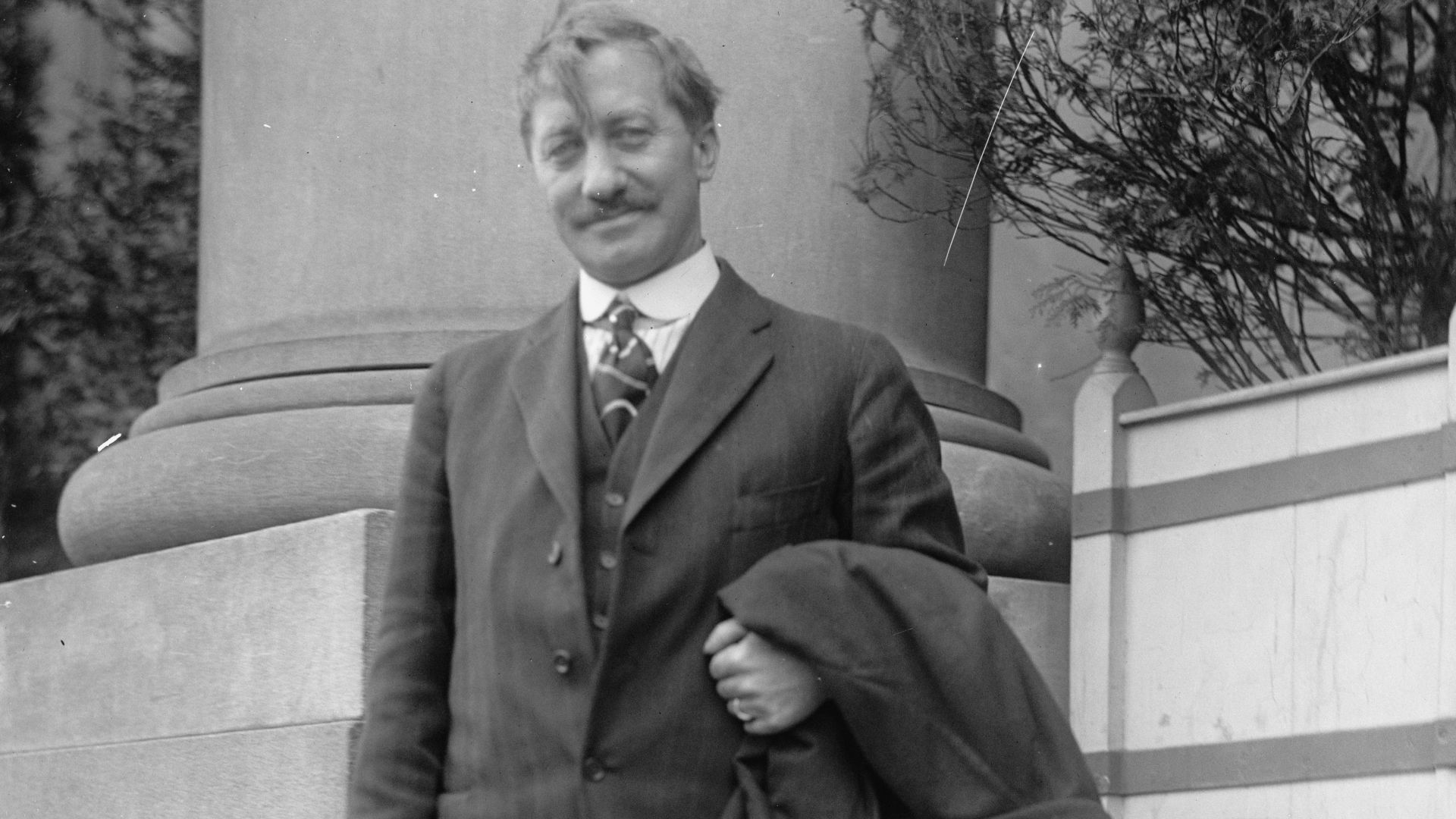
In January 1926, Amundsen visited Cook at Leavenworth. He brought his imprisoned friend one of his books, while Cook gave Amundsen a table runner he had embroidered in prison. The object survives at Amundsen's home in Norway, an extraordinary souvenir of a friendship forged during the heroic age of polar exploration.
 Harris & Ewing, photographer, Wikimedia Commons
Peary's Claim Unravels
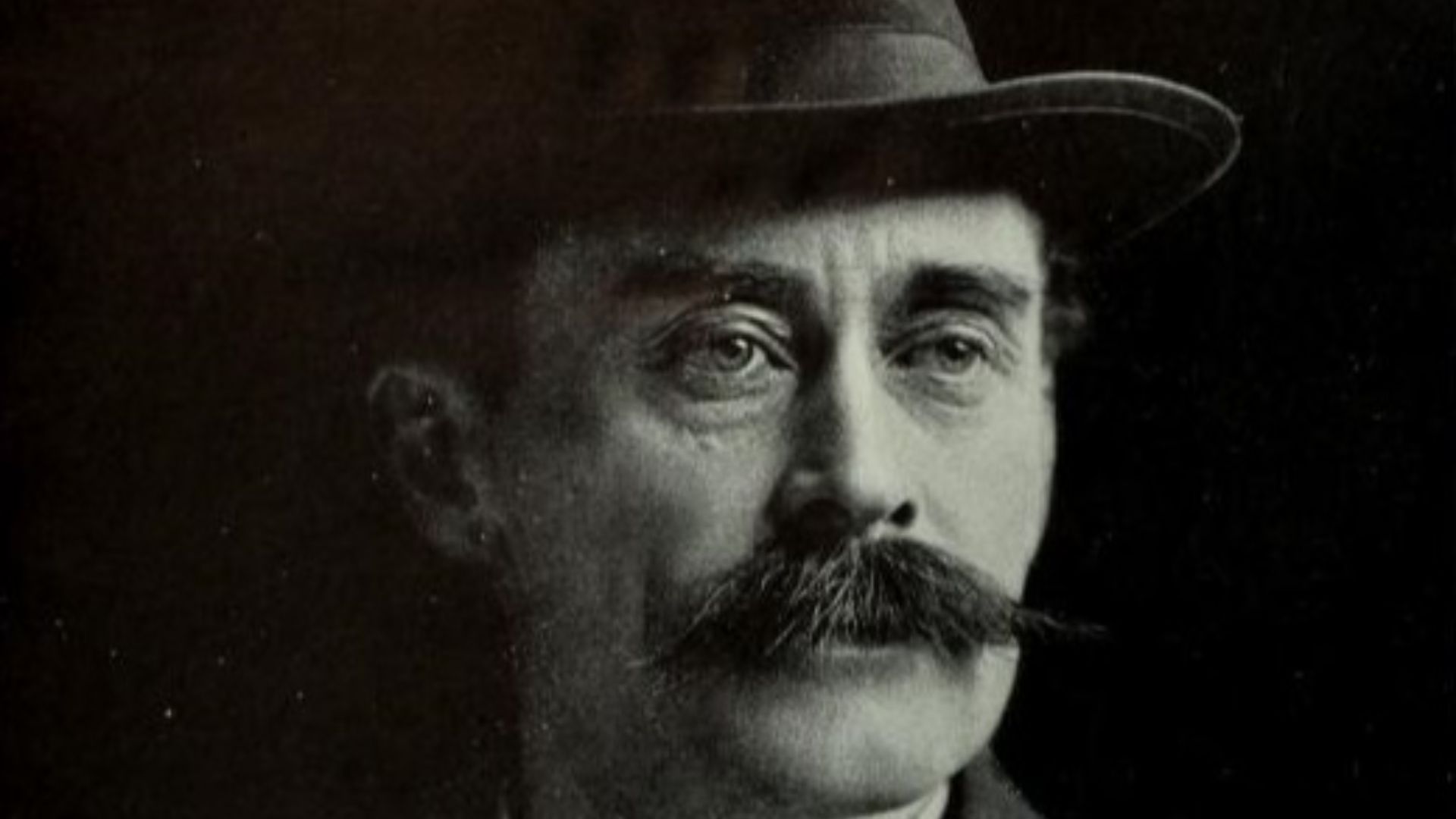
Peary's status also weakened under modern scrutiny. A 1988 examination commissioned by the National Geographic Society concluded that the available evidence did not prove he had reached the pole and suggested he may have fallen short. His extraordinary reported speed during the final stages and limitations of his navigational records remain major bones of contention.
Cook Remains A Mystery
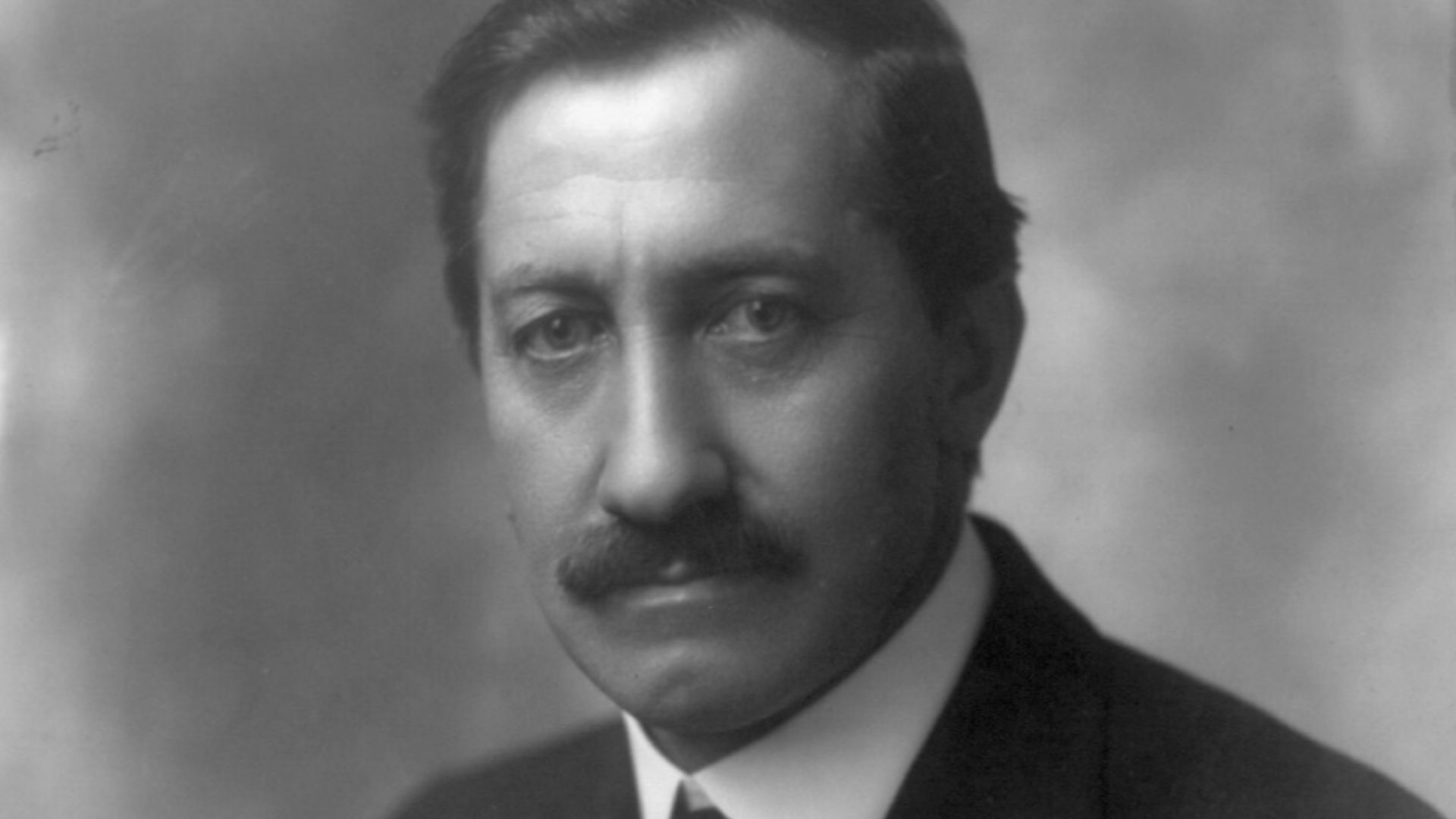
Cook's claim has never been conclusively proven either. His false Mount McKinley claim severely undermines his credibility, and his polar documentation was inadequate. Yet some of his descriptions of Arctic conditions were later confirmed by other explorers. That has kept a small but persistent argument for Cook alive more than a century later.
 Miscellaneous Items in High Demand, PPOC, Library of Congress, Wikimedia Commons
Neither Man Won
The safest modern conclusion is frustratingly anticlimactic: neither Cook nor Peary can be demonstrated conclusively to have stood at exactly 90 degrees north. Many historians and polar specialists doubt both claims. The first undisputed surface arrival came decades later, making the famous 1908-1909 contest most likely a race with no winner.
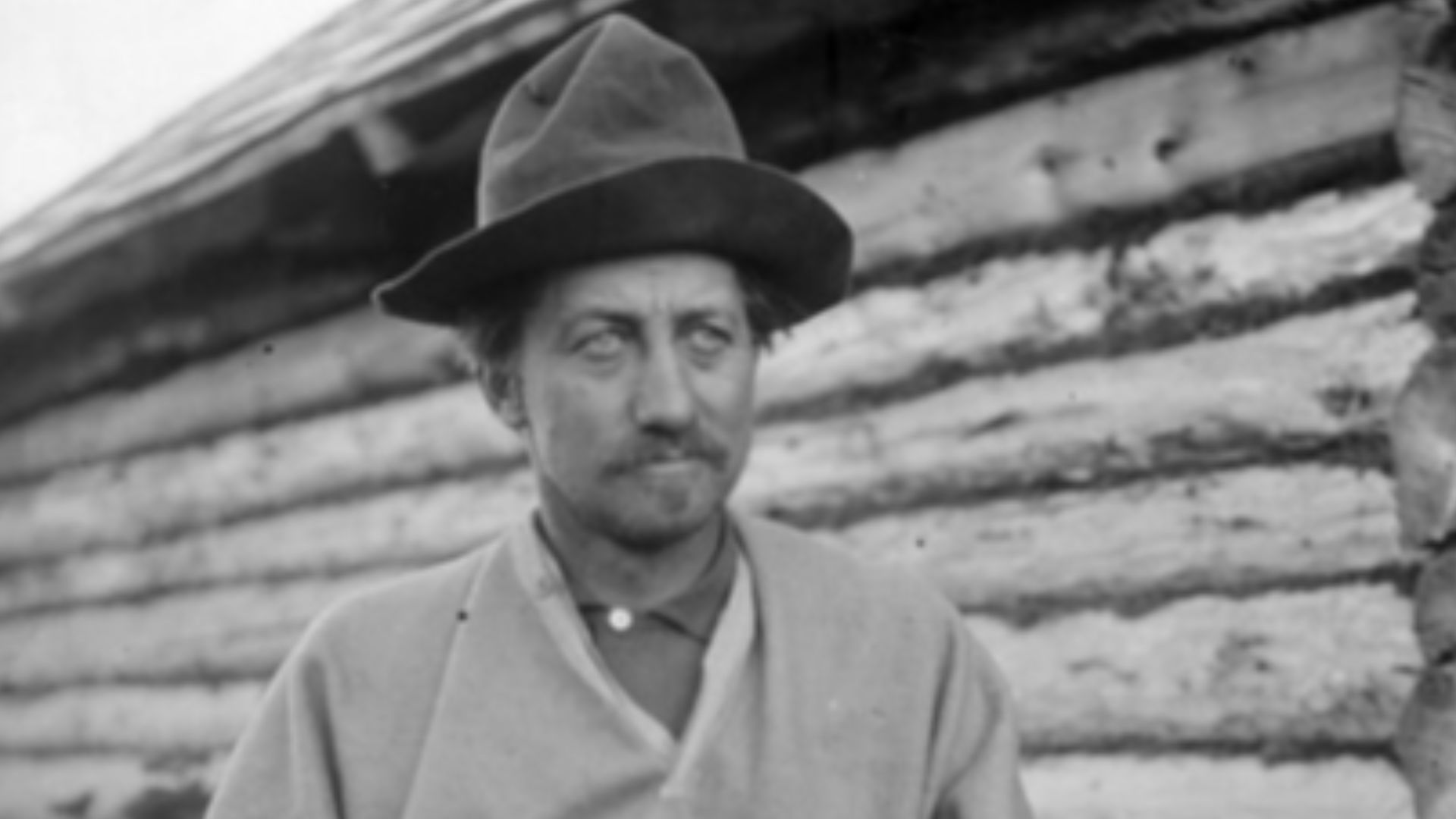 Frederick Cook, Wikimedia Commons
The Race Went South
The northern controversy helped intensify the era's obsession with polar firsts. With the North Pole supposedly conquered, attention shifted dramatically toward Antarctica. In 1911, Amundsen defeated Robert Falcon Scott to the South Pole, applying lessons about dogs, clothing, diet, and Indigenous Arctic techniques that made his expedition extraordinarily efficient.
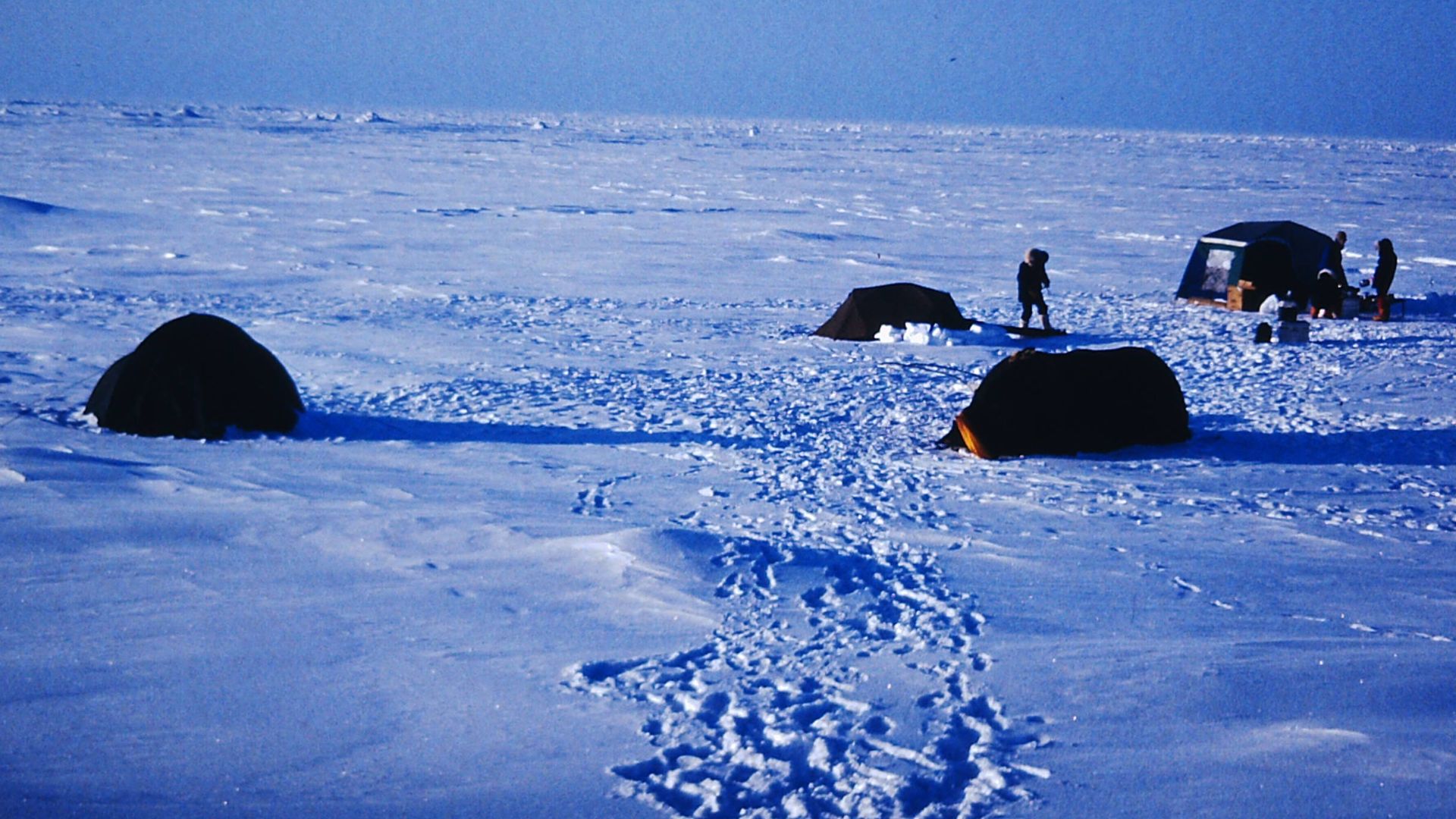 Matti&Keti, Lorenz.King@geogr.uni-giessen.de, Wikimedia Commons
Their Strange Legacy
Cook and Peary became symbols of both the courage and ugliness of heroic-age exploration. They endured conditions almost unimaginable today, yet each carried serious ethical baggage and each made claims that remain doubtful. Their bitter struggle ultimately demonstrates how desperately explorers, newspapers, institutions, and nations wanted someone to have conquered the top of the world.
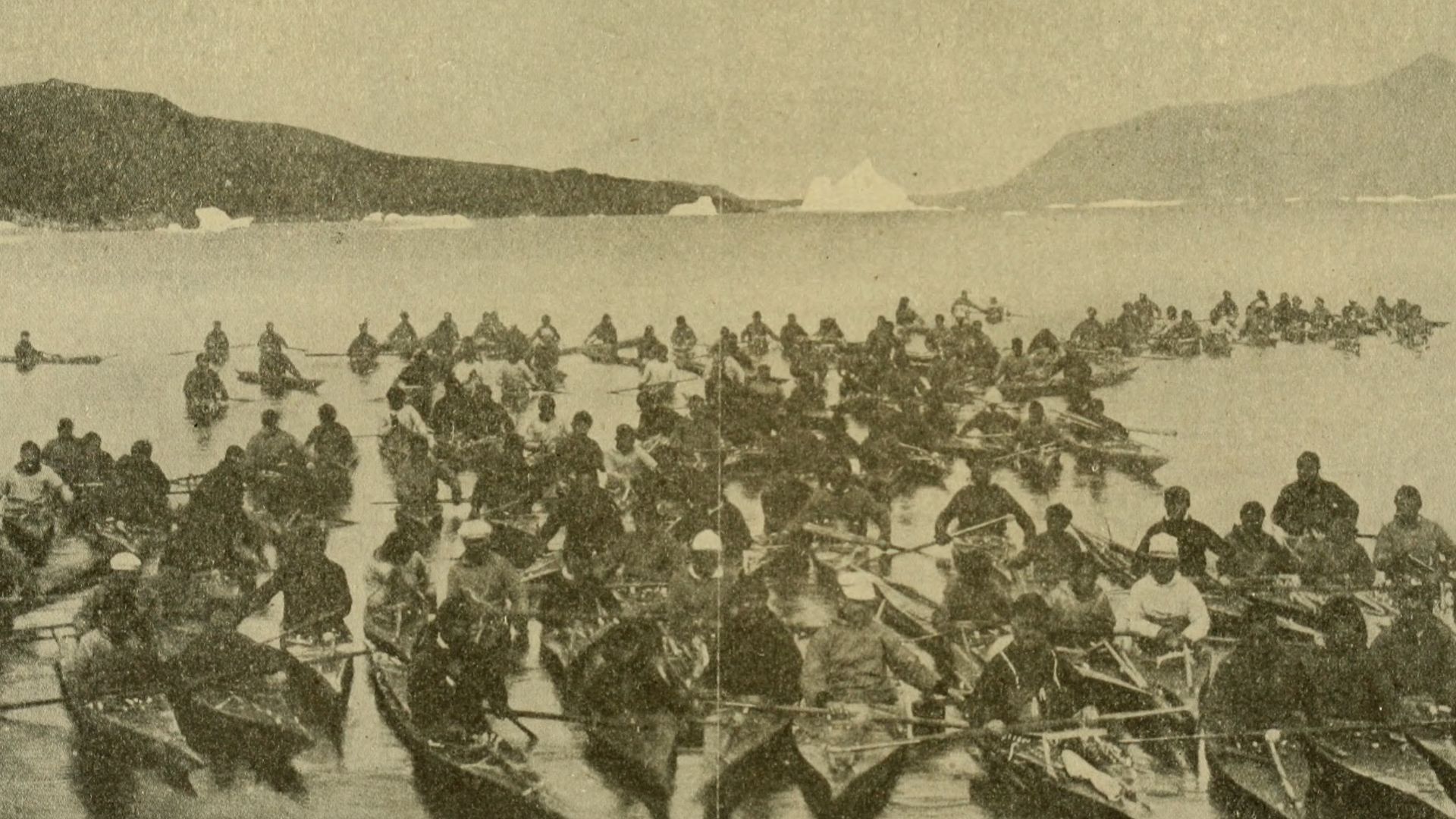 Miller, J. Martin (James Martin), b. 1859, Wikimedia Commons
You May Also Like:
39 Perilous Facts About Polar Exploration
“Great God This Is An Awful Place:” Robert Scott’s Doomed Journey To The Bottom Of The World