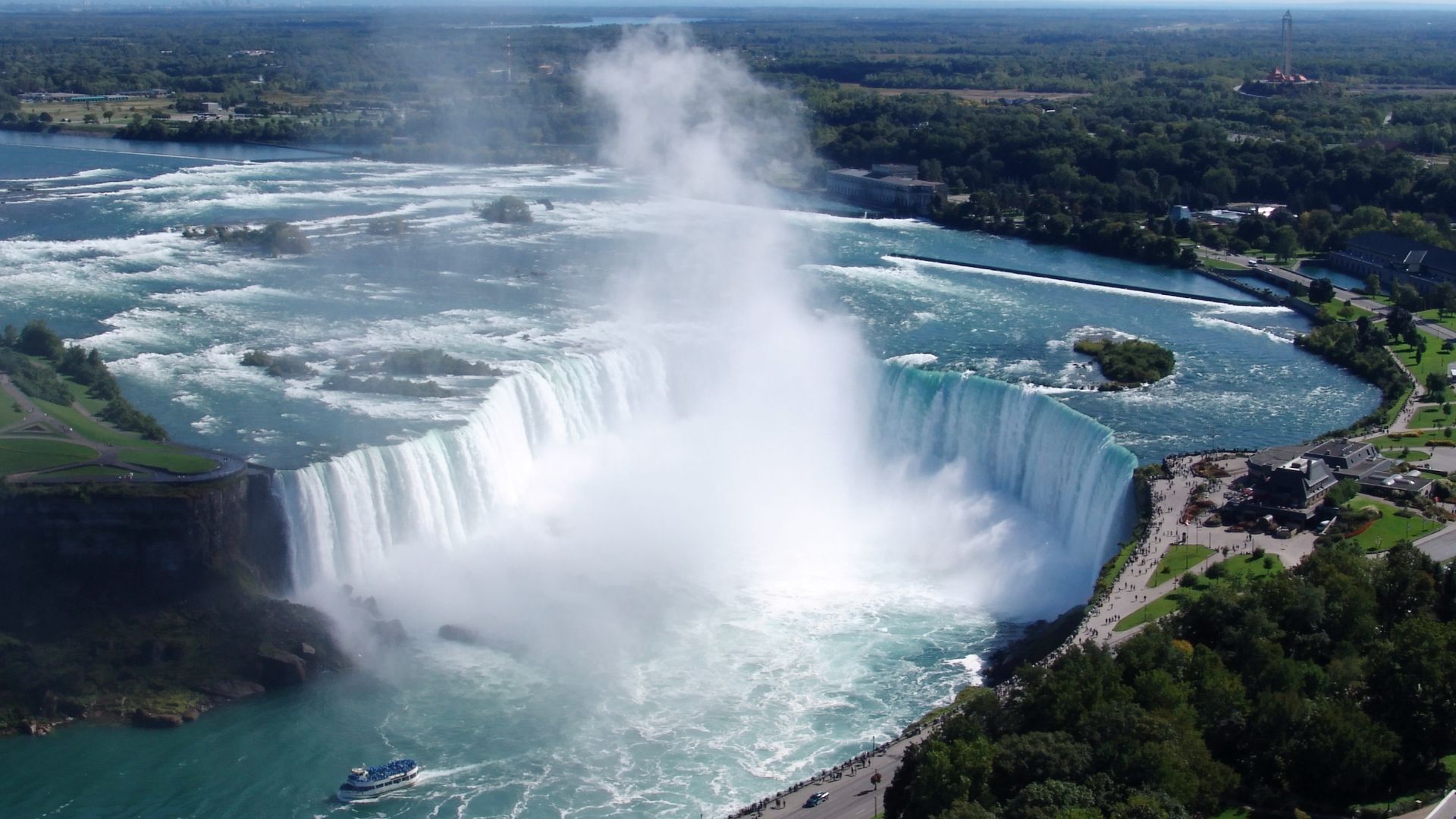
The Roar Disappeared
Late on March 29, 1848, something extraordinary happened at Niagara Falls. The thunderous roar that residents on both sides of the Niagara River had lived with every day simply faded away. By the following morning, the mighty falls had been reduced to little more than a trickle. For roughly 30 hours, one of the world's most powerful waterfalls had effectively stopped.
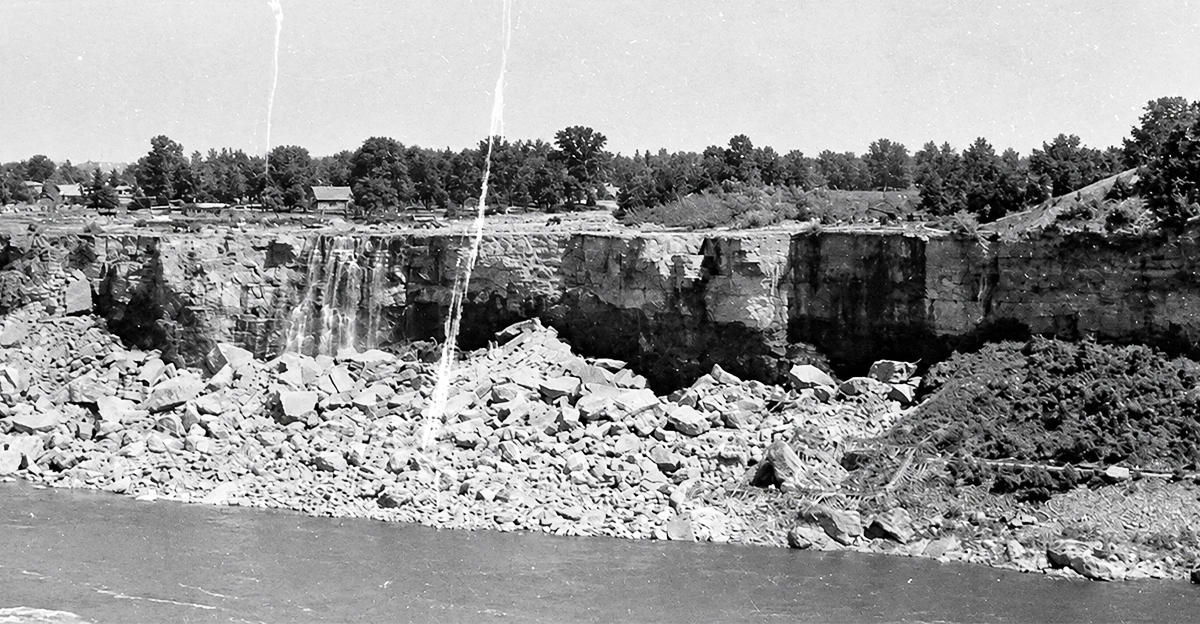 NMGiovannucci, Wikimedia Commons
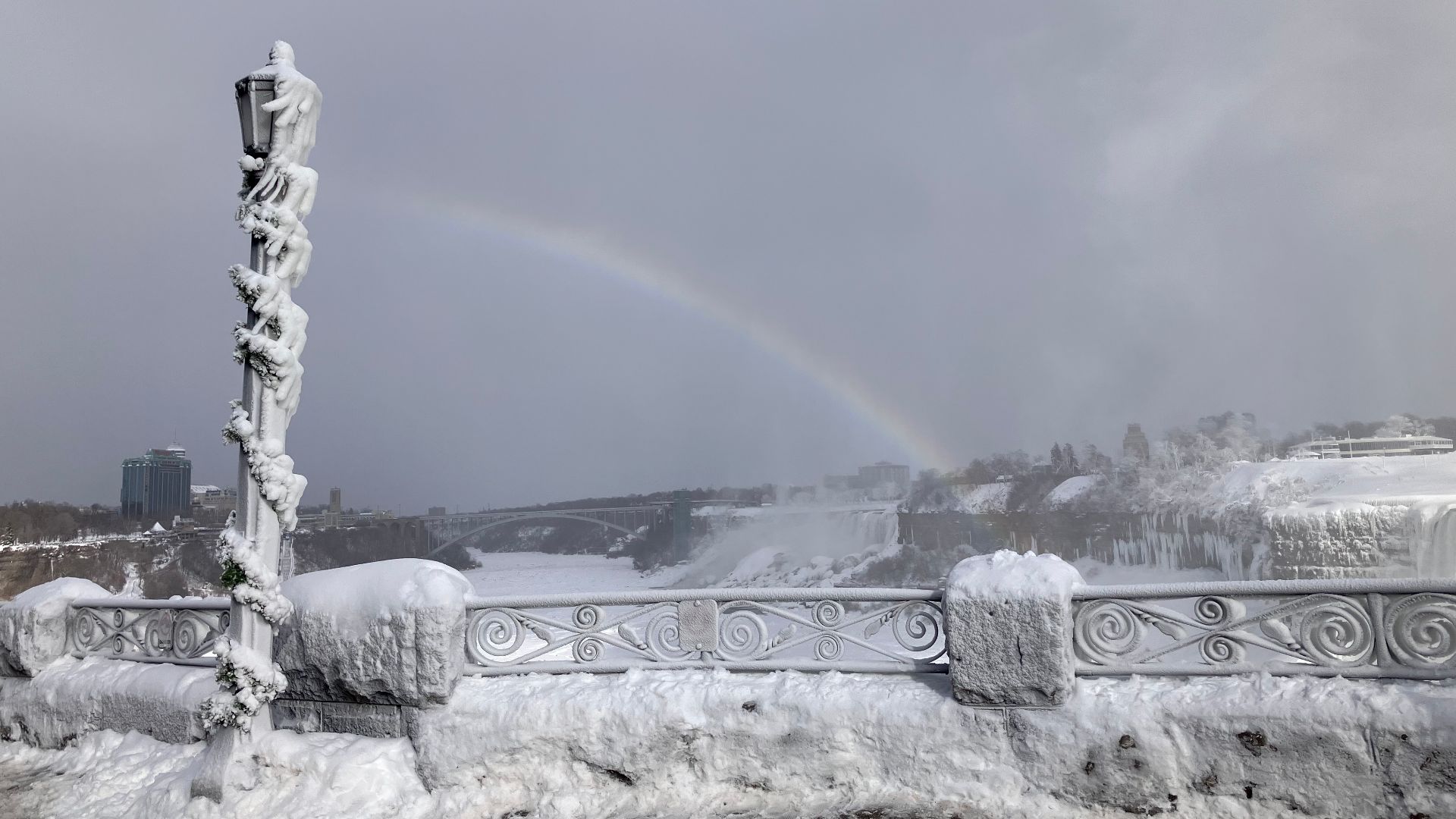
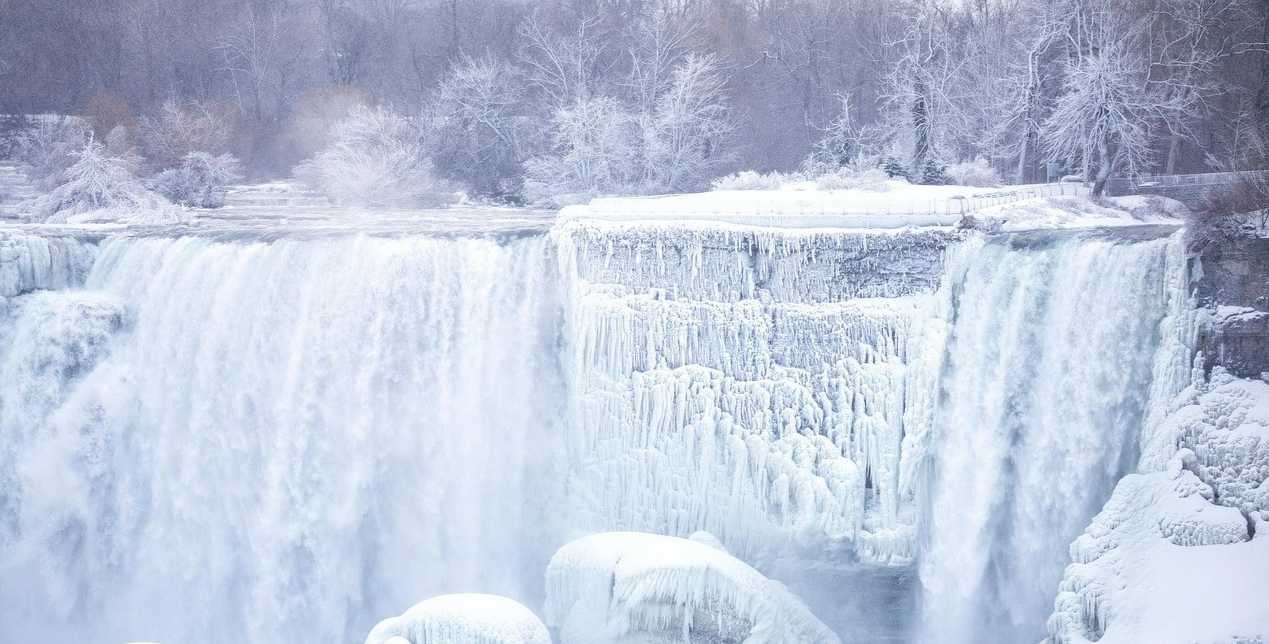
It Didn't Actually Freeze
Despite the way the story is sometimes told, Niagara Falls itself had not suddenly frozen solid. The real problem was miles upstream at Lake Erie.
The winter of 1847-48 had been exceptionally cold, leaving Lake Erie covered with thick ice. When warmer March weather began breaking that ice apart, enormous floating sheets were free to move around the lake. Then, on March 28 and 29, powerful winds pushed the loose ice toward Lake Erie's eastern end.
An Accidental Ice Dam
Normally, broken lake ice could enter the Niagara River and continue downstream. This time, the weather produced a nearly perfect combination of circumstances.
Strong west and southwest winds drove huge quantities of ice toward the narrow outlet between Buffalo, New York, and Fort Erie, in what is now Ontario. The pieces piled against one another until they created an enormous natural ice dam, effectively plugging Lake Erie's outlet into the Niagara River.
With its water supply suddenly choked off, the Niagara River rapidly fell. By shortly after midnight, the roar of the falls had virtually disappeared.
Silence Frightened Everyone
For local residents, the silence may have been even more unsettling than the sight.
People accustomed to hearing Niagara's constant roar awoke to discover that the familiar thunder was gone. Waterwheels stopped turning, forcing mills and factories that depended on the river for power to shut down. The riverbed emerged where rushing water had flowed only hours earlier.
Nobody immediately knew what had happened. News traveled slowly in 1848, and word of the ice blockage near Buffalo had not yet reached everyone downstream.
Some residents reportedly feared something apocalyptic was happening. Churches filled with people attending special services, praying as they waited to see whether Niagara, or perhaps the world as they knew it, would return to normal.
Curiosity Replaced Fear
Once the explanation began circulating, terror gave way to something much more human: curiosity.
Thousands reportedly traveled to see the spectacle. People ventured onto portions of the exposed riverbed, walking across ground normally buried beneath the Niagara River. Some crossed on foot, while others reportedly went out on horseback or in horse-drawn vehicles. Even U.S. cavalry soldiers were said to have ridden along the exposed riverbed.
The newly uncovered bottom became an archaeological treasure hunt. Residents recovered muskets, bayonets, swords and other objects believed to have been lost during fighting in the region during the War of 1812.
Someone Saw An Opportunity
Not everybody spent the strange interlude sightseeing.
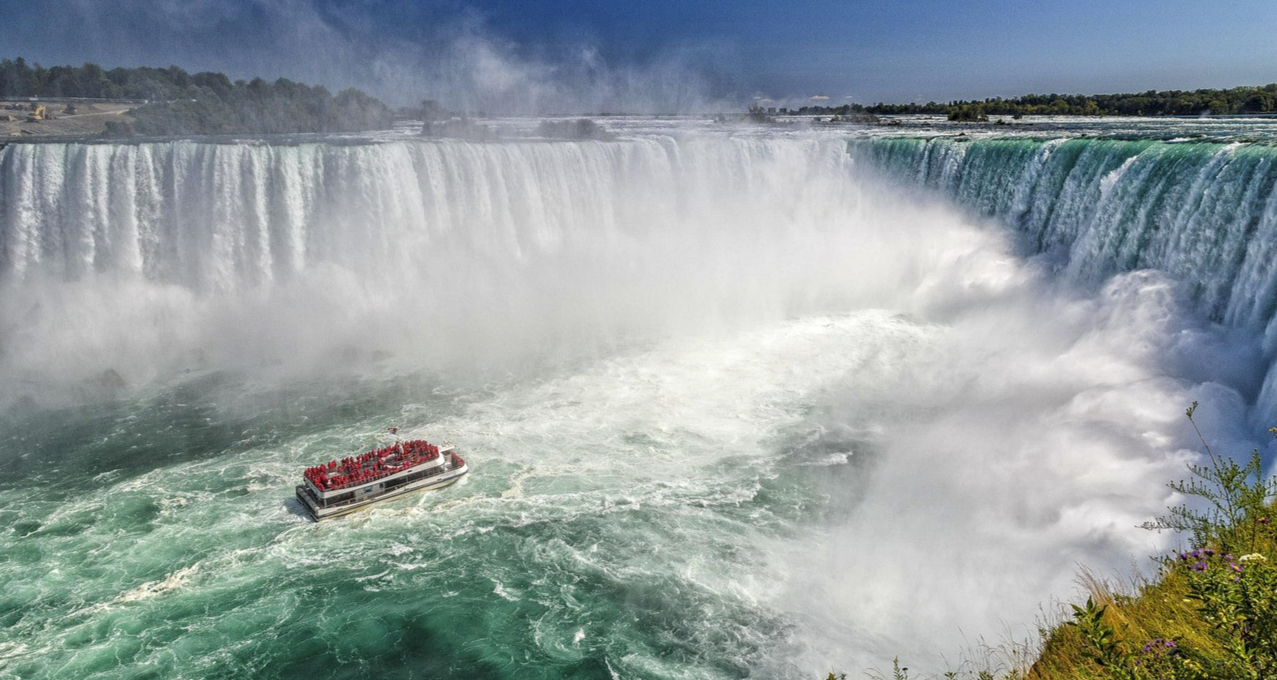
The Maid of the Mist had begun carrying passengers below Niagara Falls in 1846, but submerged rocks made navigation hazardous. With the river dramatically diminished, the boat's operators suddenly had access to obstacles they normally couldn't reach.
Workers went onto the exposed riverbed and used explosives to blast troublesome rocks away. Contemporary accounts describe the gorge echoing with blasting while Niagara itself remained eerily quiet.
Niagara Comes Roaring Back
The natural dam couldn't last. By the night of March 31, changing conditions finally broke the blockage apart.
People downstream reportedly heard a distant rumbling from upriver. The sound grew louder as the released water rushed back into the Niagara River. Soon the river refilled and the familiar thunder of Niagara Falls returned.
The episode was so extraordinary that Reverend Thomas Brock Fuller later collected signed eyewitness statements, apparently concerned that future generations might otherwise dismiss the story as folklore.
They Stopped It Again
More than 120 years later, people deliberately recreated part of the spectacle.
In June 1969, the U.S. Army Corps of Engineers constructed a temporary cofferdam between the American shore and Goat Island, diverting the American channel's water toward Horseshoe Falls. The goal was to expose the American Falls so engineers and geologists could study erosion and the enormous accumulation of fallen rock at its base.
The operation required about 27,800 tons of rock and earth. For months, visitors stared at the bizarre sight of the dry American Falls while engineers drilled rock, examined cracks and considered whether the accumulated boulders should be removed. Ultimately, experts recommended leaving the major rockfall debris largely alone. Water returned to American Falls in November 1969.
A Remarkable 30 Hours
The 1969 shutdown demonstrated that humans could temporarily tame part of Niagara with enough engineering. What happened in 1848 was a great deal stranger.
A cold winter, a spring thaw, shifting winds and an enormous mass of Lake Erie ice had accidentally accomplished what would later require thousands of tons of construction material. For about 30 extraordinary hours, people who had spent their lives listening to Niagara's endless roar discovered something far more unnerving: what Niagara sounded like when it was silent.
You May Also Like:
Facts So Unusual You've Probably Never Even Heard Of Them