Life Within Stone Walls
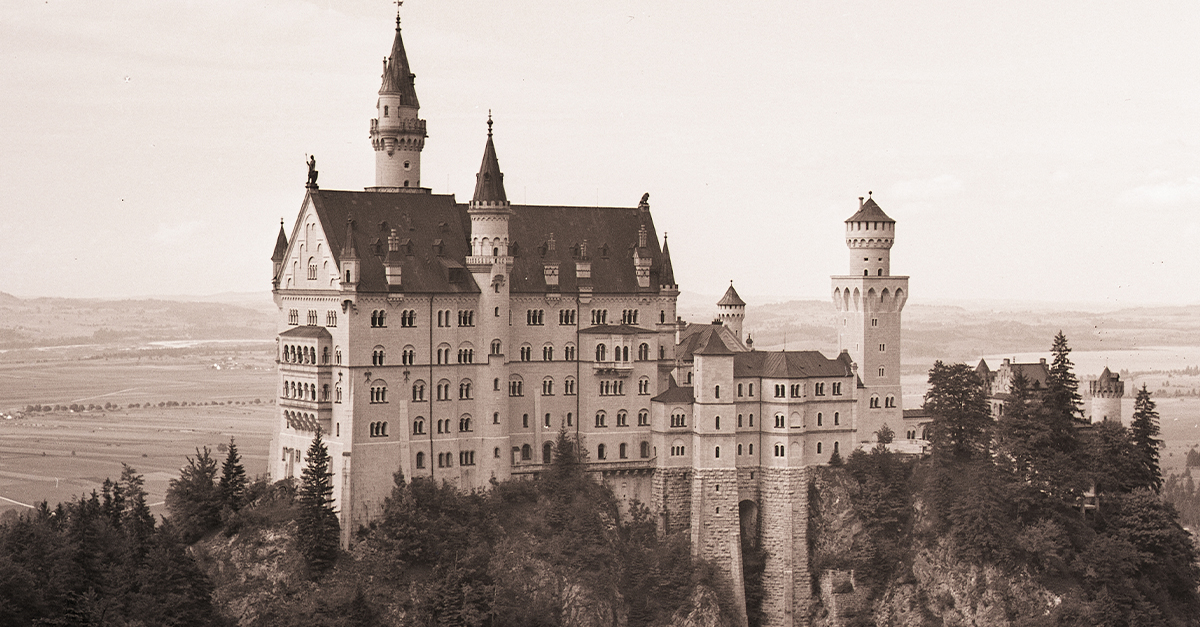
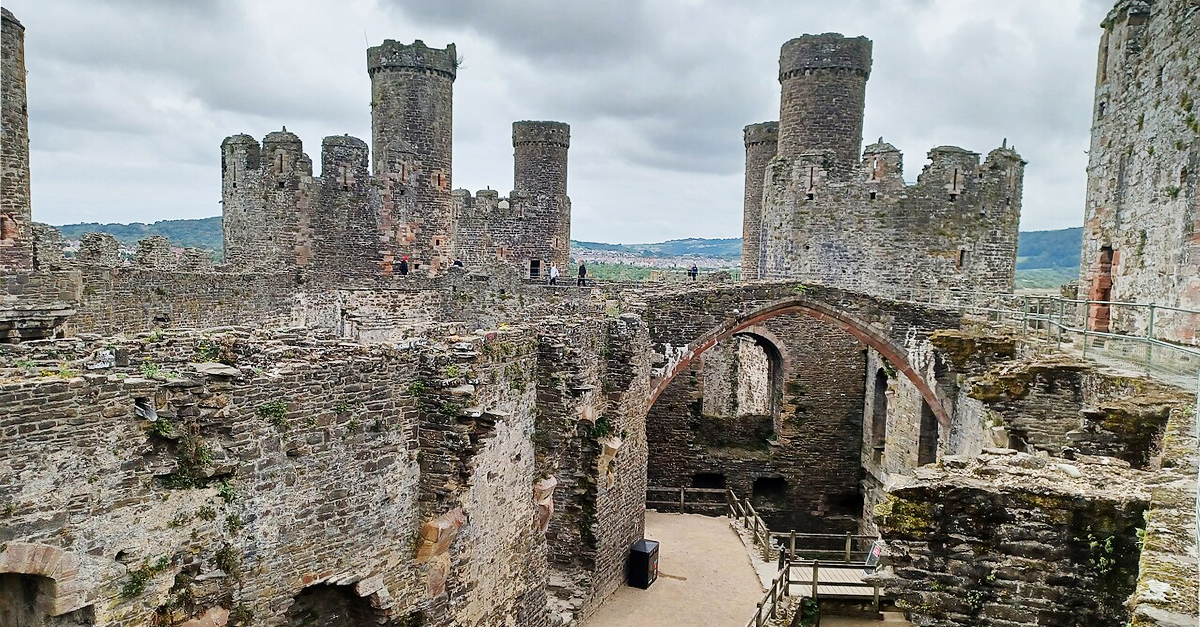
For centuries, life inside a medieval castle followed a strict daily rhythm shaped by daylight, religion, and social hierarchy. From the first flicker of candlelight before dawn to the quiet watch of heavily armed guards at night, each hour within the castle’s confines had a purpose. While castles are often imagined as places of constant drama, most days were structured around practical considerations and age-old routines.
Before Dawn Awakening
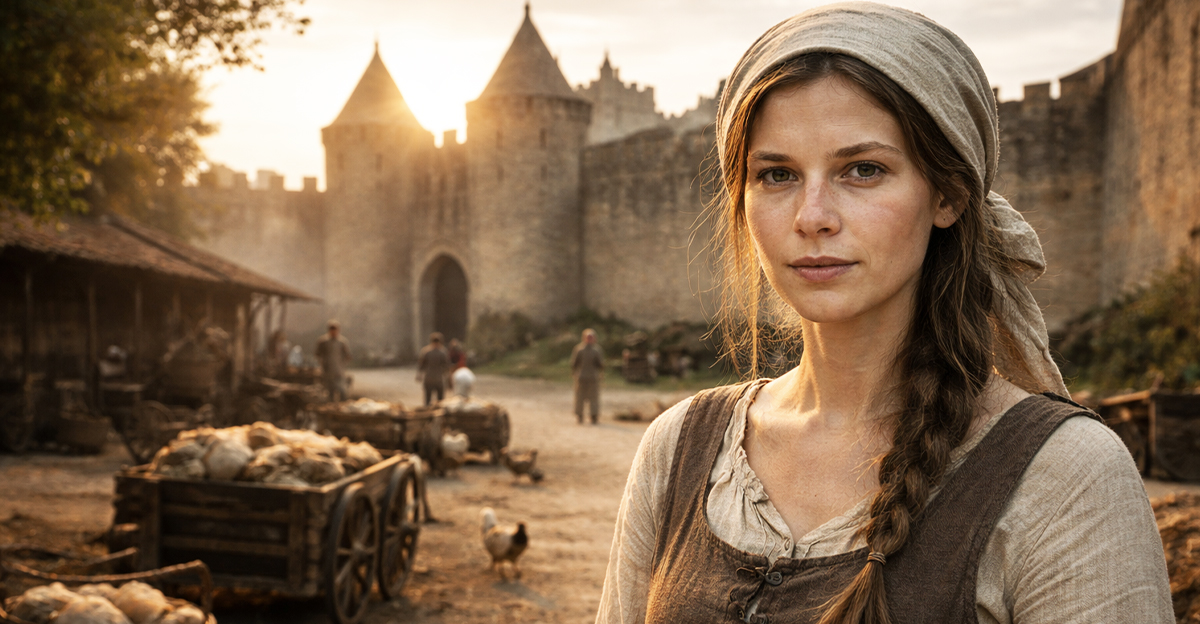
The day often started before sunrise, when the castle was still cold and dim. Residents woke under heavy wool blankets or animal furs, with very little to insulate them against the chill of stone walls. Servants were already up and around, lighting fires and preparing the household. Rising early wasn’t an option, as daylight governed nearly all activities.
 Ian Capper , Wikimedia Commons
Dressing For The Day
Getting dressed was a layered process. Linen undergarments were worn closest to the skin, with wool or finer fabrics added on top. The castle’s wealthier residents had assistance from servants, while others dressed themselves. Clothing was an essential protection against the cold, and clothing styles indicated rank within the household.
 Unknown authorUnknown author, Wikimedia Commons
Washing And Personal Care
Morning washing was brief and functional. A basin of cold water might be provided, sometimes lightly scented if resources allowed. Full bathing was a rare and infrequent luxury by modern standards. Grooming focused more on neatness and presentability than hygiene, with combing hair and adjusting garments considered preparation enough for the day ahead.
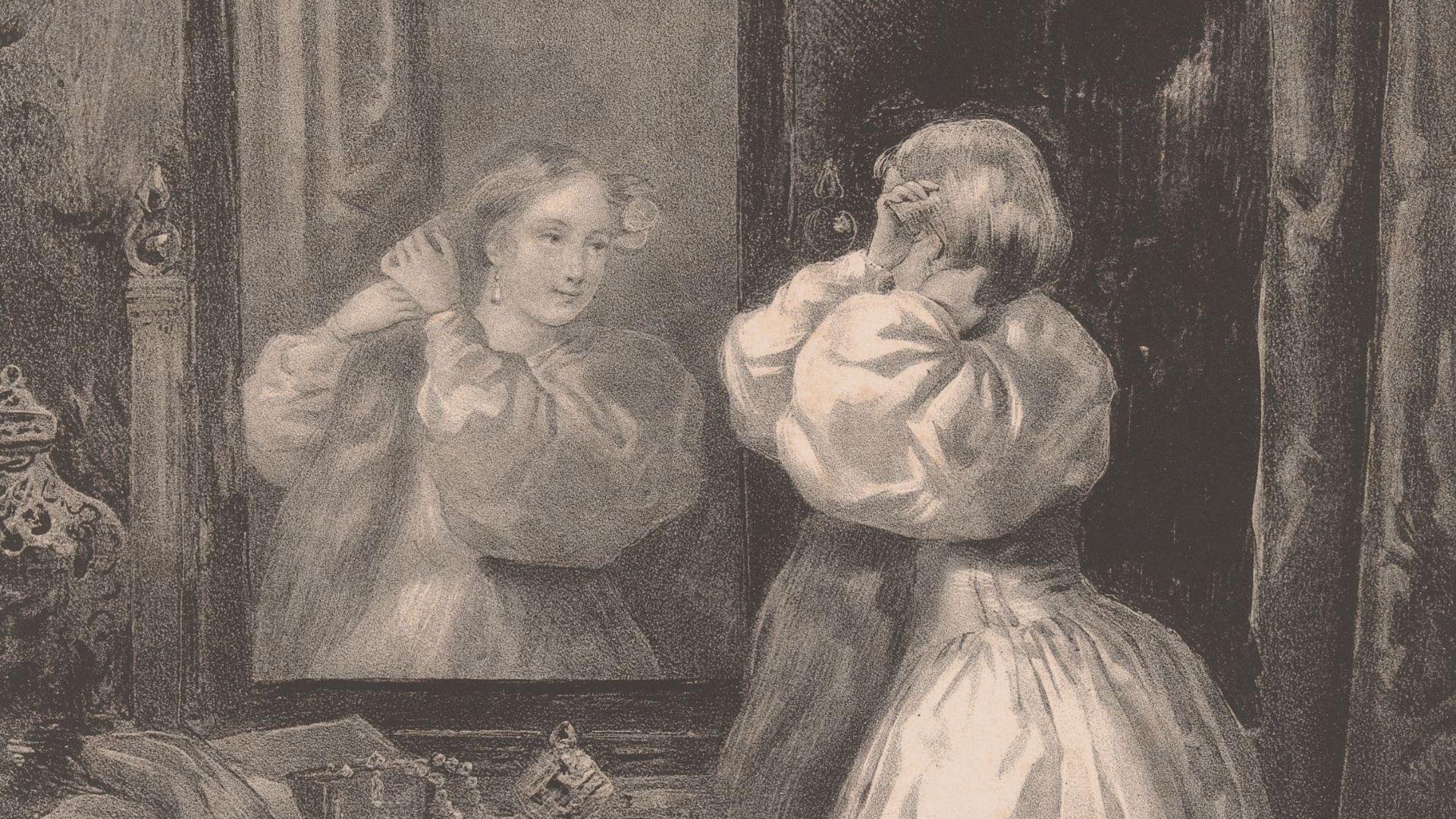 Rijksmuseum, Wikimedia Commons
Role Of Morning Prayer
Religious devotion structured the start of every day. Many castle residents attended early prayers in a chapel either within the castle grounds themselves or nearby. These rituals weren’t personal but communal obligations. The rhythm of prayer divided the day into intervals, reinforcing the central role of faith in medieval life.

Modest Morning Meal
Breakfast was simple and practical, designed to provide energy rather than culinary enjoyment. Bread was the basic foundation, but this could often be accompanied by cheese or leftover pottage (stew). A small amount of ale was commonly consumed because it was safer to drink than untreated water. Even for the wealthy, breakfast was a restrained meal compared to dining later on in the day. If you're wondering about coffee, forget it; it didn't get introduced to Europe until centuries later in the 1500s.

The Castle Comes Alive
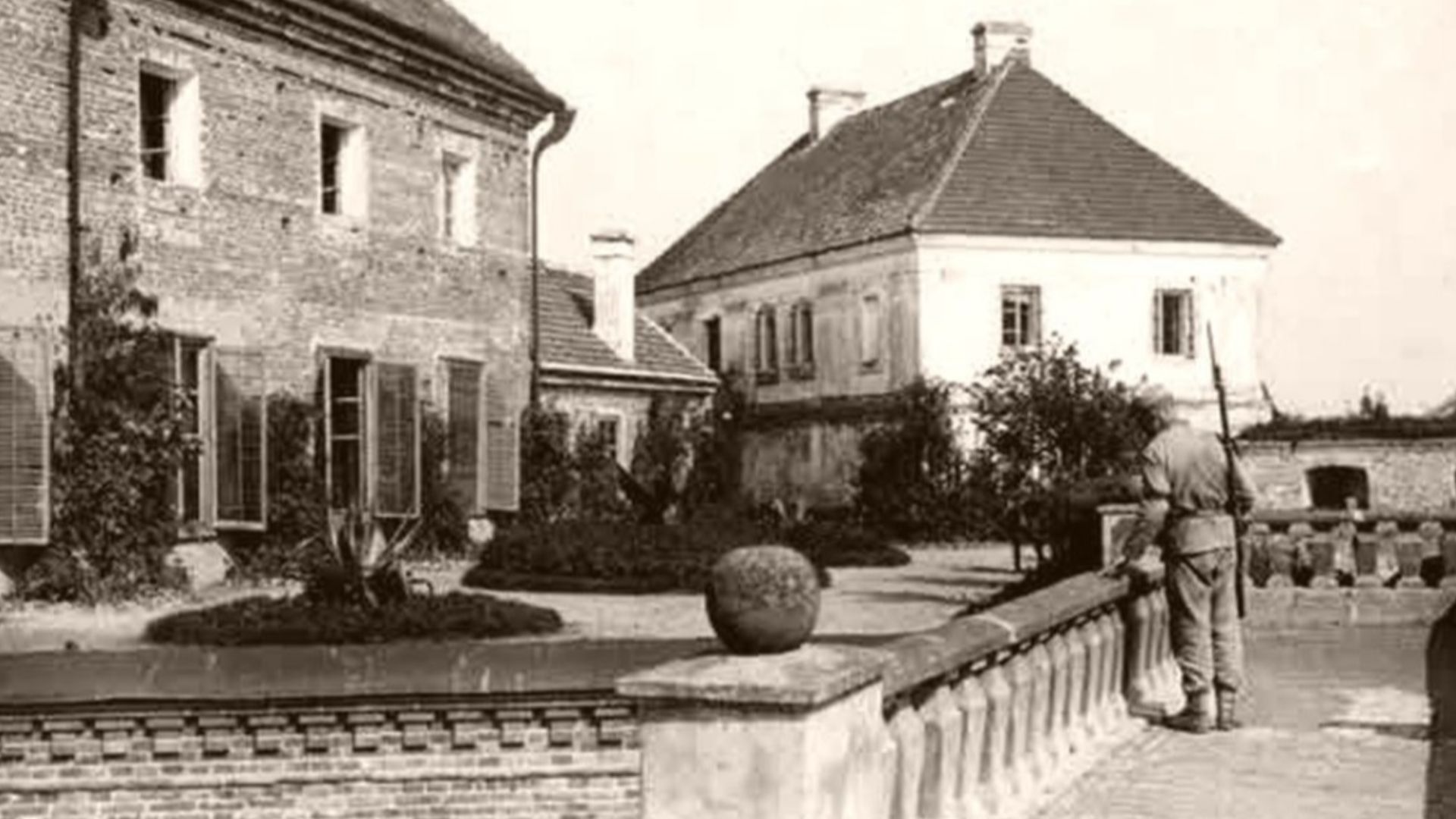
By early morning, the castle was in full activity. Fires burned in kitchens, servants carried water, and guards rotated shifts. The sound of footsteps, voices, and tools echoed through stone corridors. Every person had their role, and the smooth functioning of the castle depended on this coordinated daily effort.
 Unknown authorUnknown author, Wikimedia Commons
Administrative Responsibilities
For nobles and officials, mid-morning was devoted to managing the estate. This could include meeting with tenants, settling money or property disputes, and overseeing agricultural production. Castles functioned as centers of government and economy. Decisions made during these hours affected not only the household but also the surrounding community.
 Edmund Blair Leighton, Wikimedia Commons
Women In The Castle
Women of rank played a crucial role in maintaining the household. They supervised servants, managed food stores, and made sure that supplies were sufficient for daily needs. Many also engaged in skilled work like embroidery or manuscript reading. Their responsibilities were essential to the castle’s stability and smooth operation. Without their contribution, the whole enterprise would come apart.
 William Smedley-Aston, Wikimedia Commons

History's most fascinating stories and darkest secrets, delivered to your inbox daily.
Training And Martial Preparation
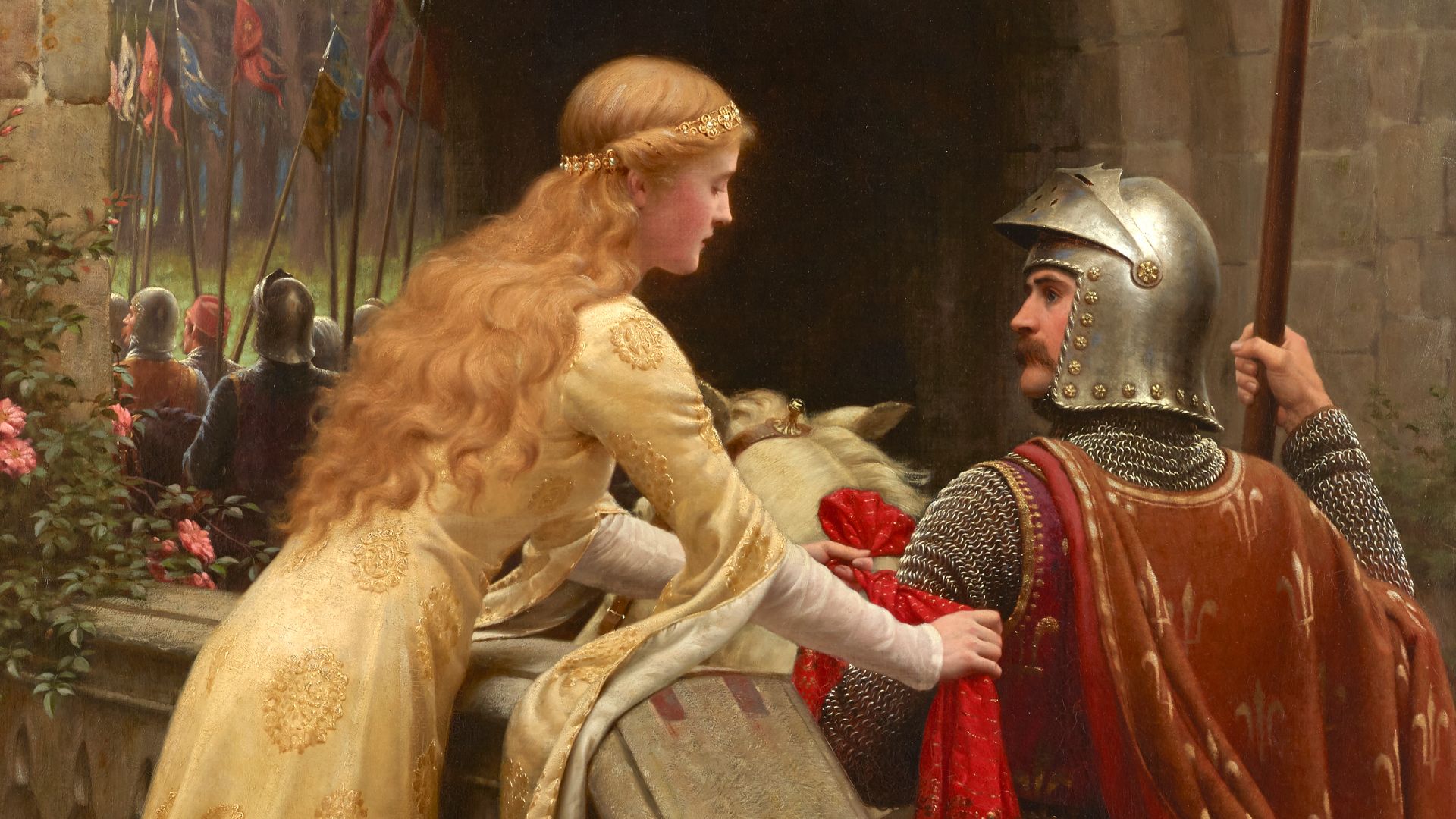
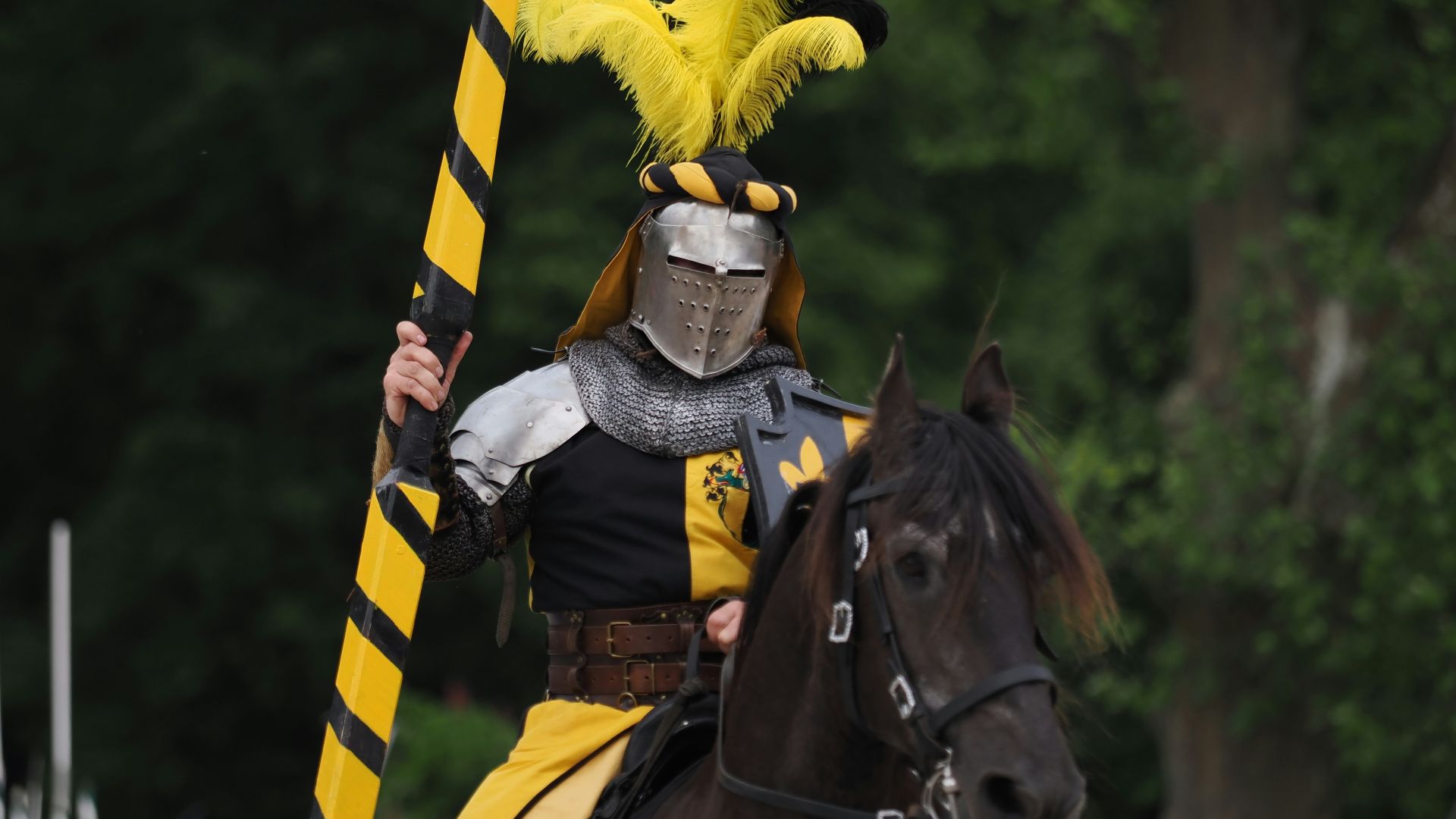
Knights and soldiers spent part of the morning training for combat. This included practicing with swords, maintaining their armor, and participating in drills. Even during times of peace, it was critical to maintain readiness. A castle’s defensives were only as strong as the discipline and preparedness of its fighting men.
Importance Of Record Keeping
Stewards and clerks handled the administrative backbone of castle life. They tracked rents, recorded transactions, and maintained inventories of goods. Written records were important for managing complex estates. Literacy was a valuable skill in short supply; those who could read and write held important positions within the castle hierarchy.

Kitchens And Food Preparation
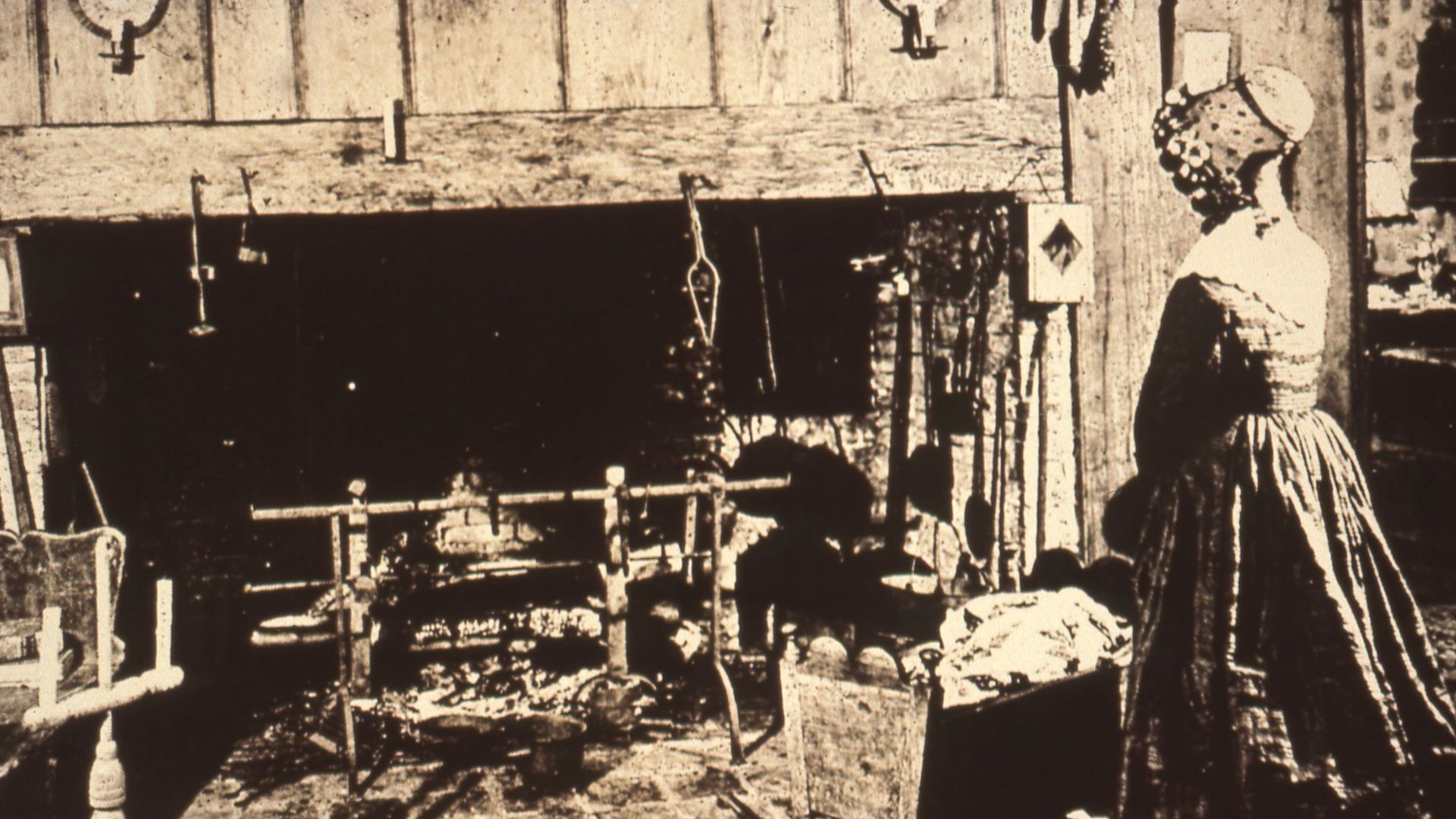
Behind the scenes, the kitchen was one of the castle’s busiest places. Large hearths burned constantly as cooks prepared meals for residents and staff. Food preparation took a lot of coordination and hard work, from baking bread to roasting meat. Feeding a castle population was a daily challenge.
 David Lucas, Wikimedia Commons
Midday Dinner As The Main Meal
The primary meal of the day took place around midday. Known as dinner, it was the most substantial and varied meal. Bread, meats, vegetables, and pottage were commonly served. Wealthier households enjoyed more variety, including game and imported spices, another mirror held up to the class status of people in the Middle Ages.
 Petar Milošević, Wikimedia Commons
Dining Etiquette And Hierarchy
Not only the food itself, but the eating of meals reinforced social structure within the castle. Seating arrangements reflected rank, with the most important individuals placed prominently. Servants attended to higher status diners, and food quality also varied by position. Dining wasn’t just about food; it was also a way to display order and authority.

Charity And Obligation
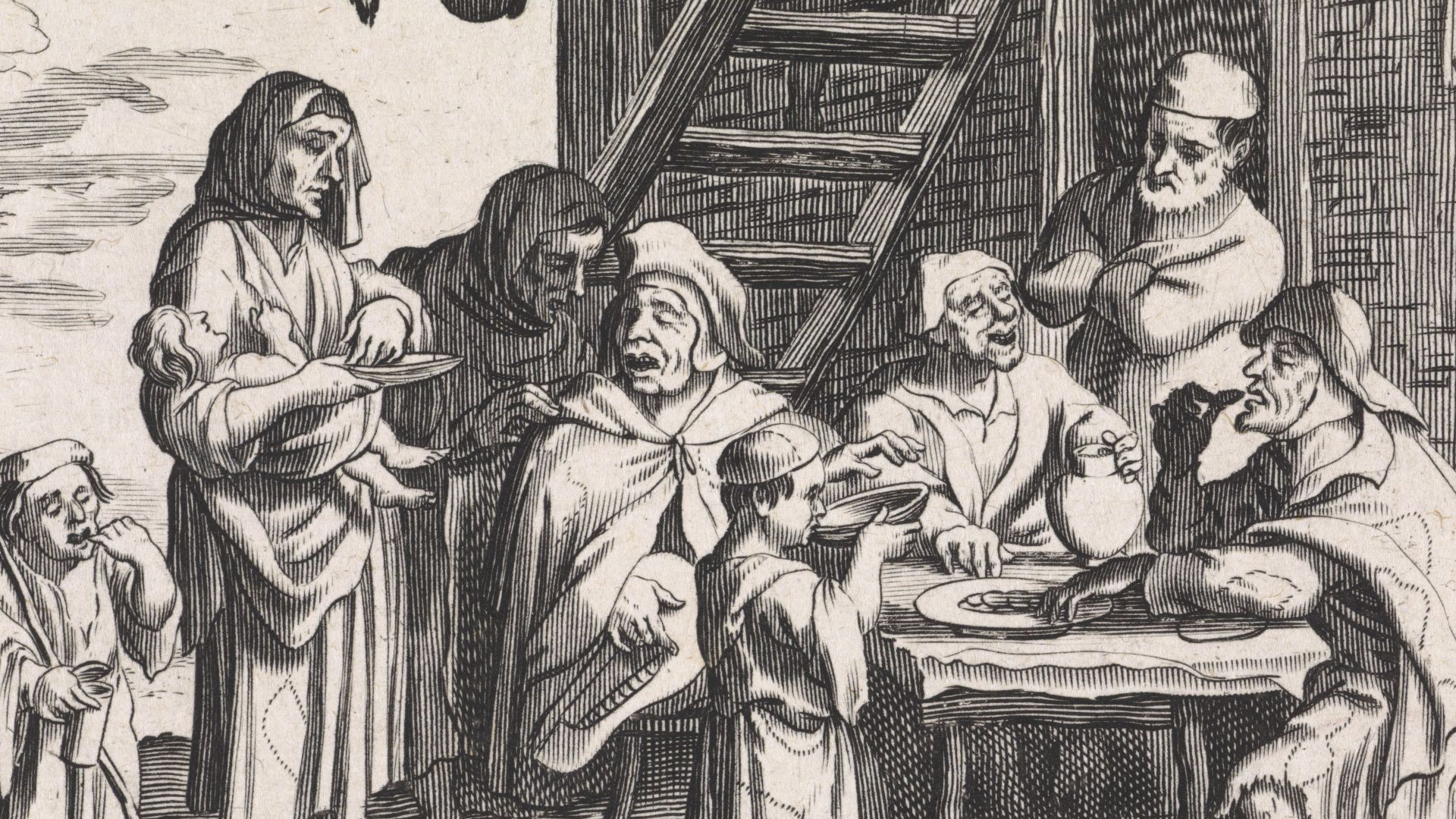
After meals, leftover food was sometimes handed out to the poor. This act of charity fulfilled an important social purpose. Providing for those in need reinforced the notion that the nobility had responsibilities to uphold. This practice also solidified relationships between the castle and the surrounding community.
 After Cornelis de Wael, Wikimedia Commons
Afternoon Duties And Travel
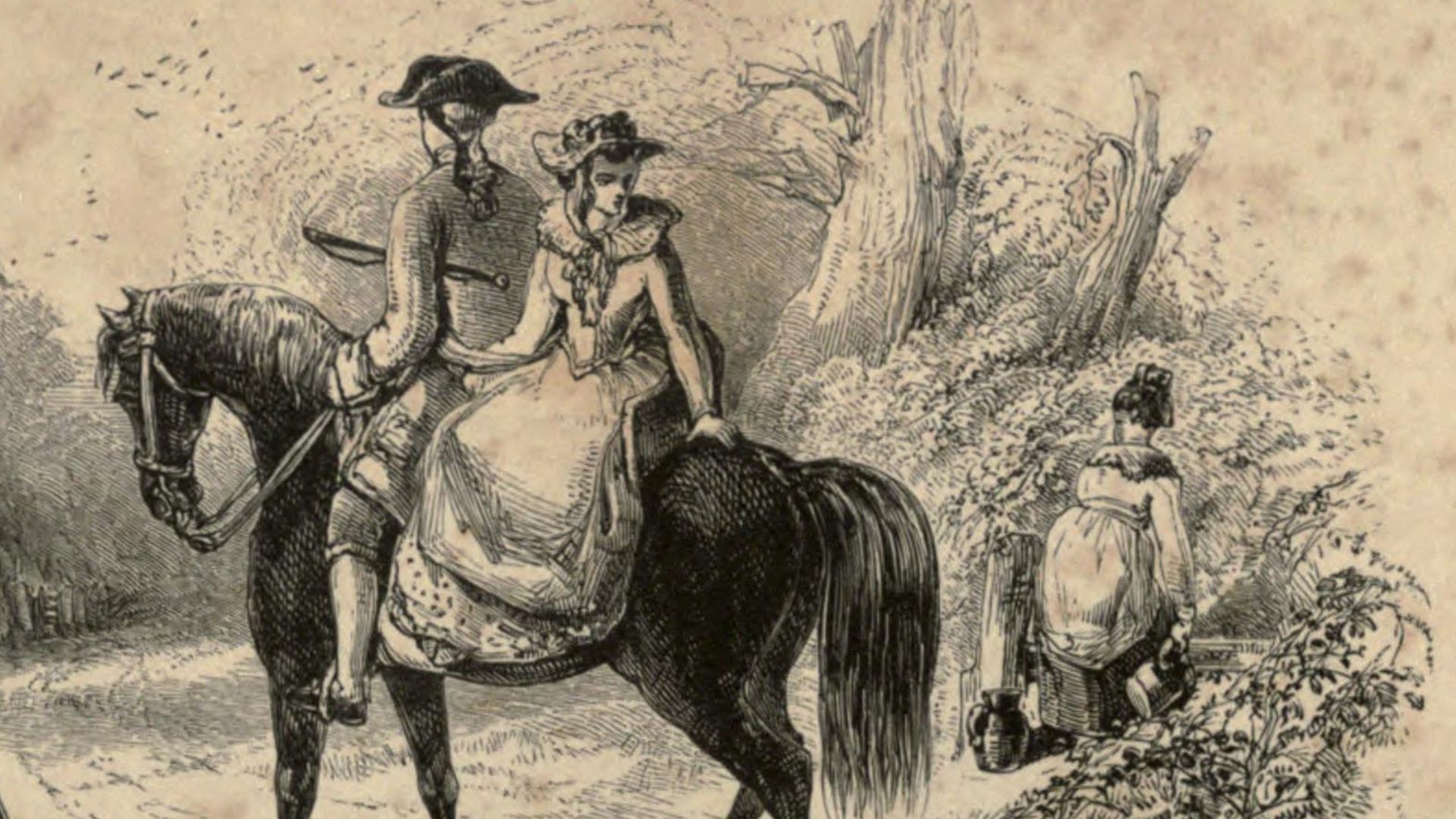
The afternoon hours were often spent continuing work or traveling short distances. Nobles might venture out to inspect lands, while others handled ongoing tasks within the castle. Movement beyond the walls required planning and protection. Those who went out into the world for even routine travel came face to face with an unpredictable world.
 Springfield, Rollo., Wikimedia Commons
Leisure And Skilled Pastimes
When time allowed, castle residents engaged in leisure activities. Reading, storytelling, and embroidery were common among the literate and skilled. While options were limited in the Middle Ages, these activities provided some entertainment and cultural enrichment. Leisure wasn’t idle time to fritter away, but often reflected people’s education, refinement, and social expectations.
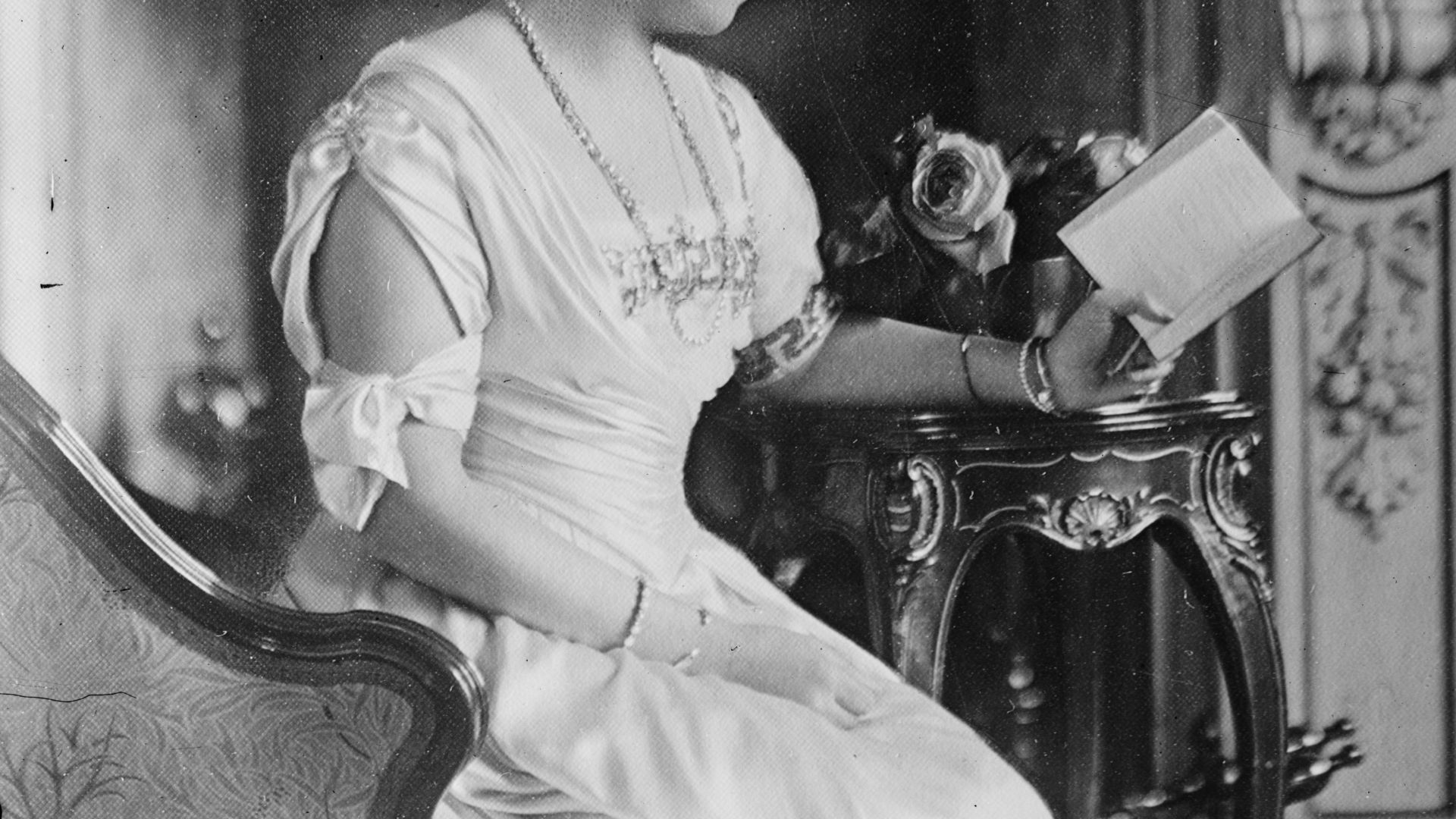 Bain News Service, publisher, Wikimedia Commons
Hunting And Falconry
For the nobility, hunting and falconry were enjoyable and important pastimes. These activities offered recreation while also demonstrating skill and status. Hunting put fresh game on the table, while falconry took a lot of training and precision. Both pursuits reinforced the connection between the nobility and the land they oversaw.
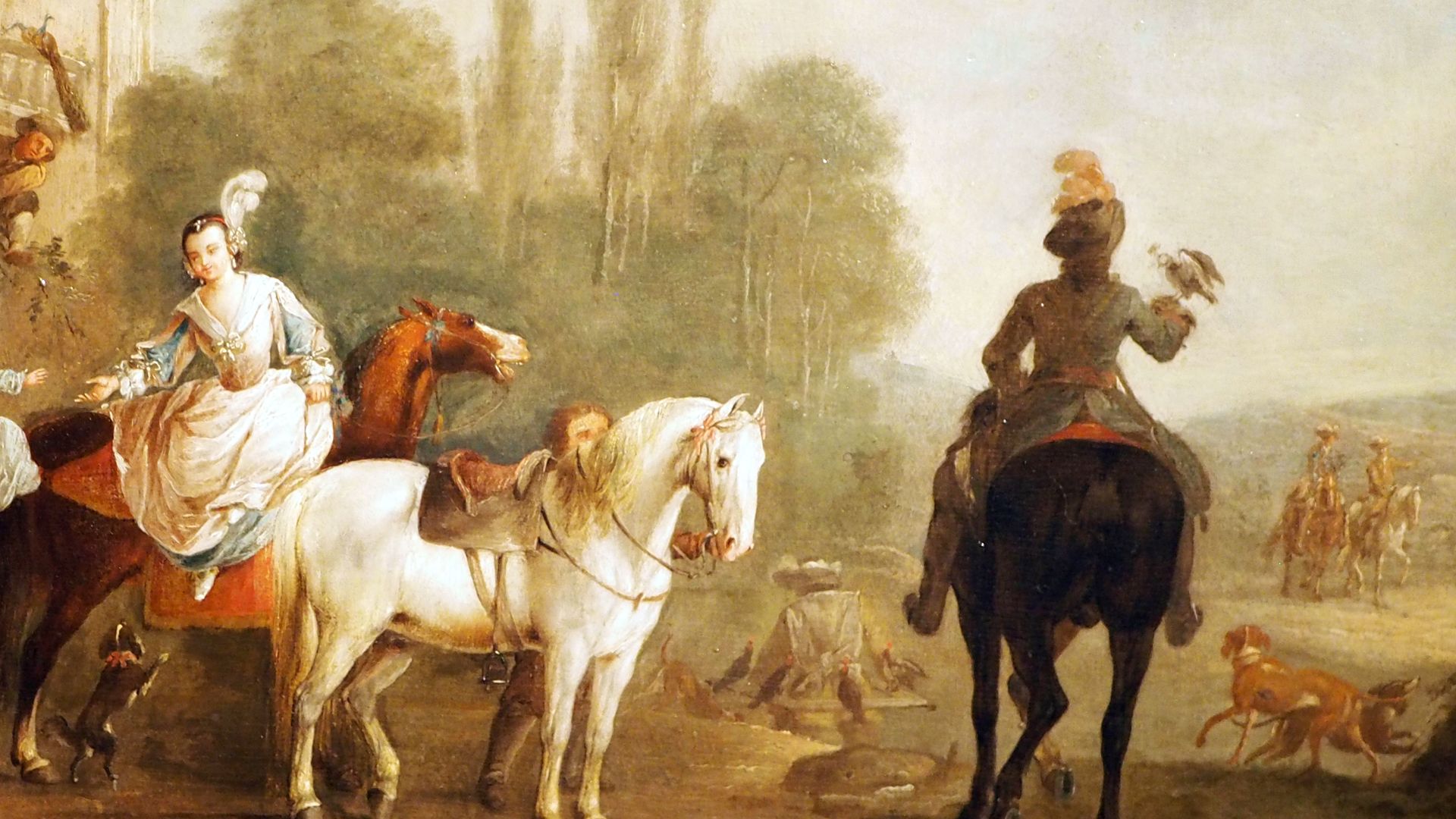 Unknown authorUnknown author, Wikimedia Commons
Craft And Production Work
Craftsmen working within or near the castle kept up a busy trade throughout the day. Blacksmiths, bakers, and brewers contributed essential goods, supporting the castle’s self-sufficiency. Skilled work was respected, and necessary to maintaining daily life within the walls.
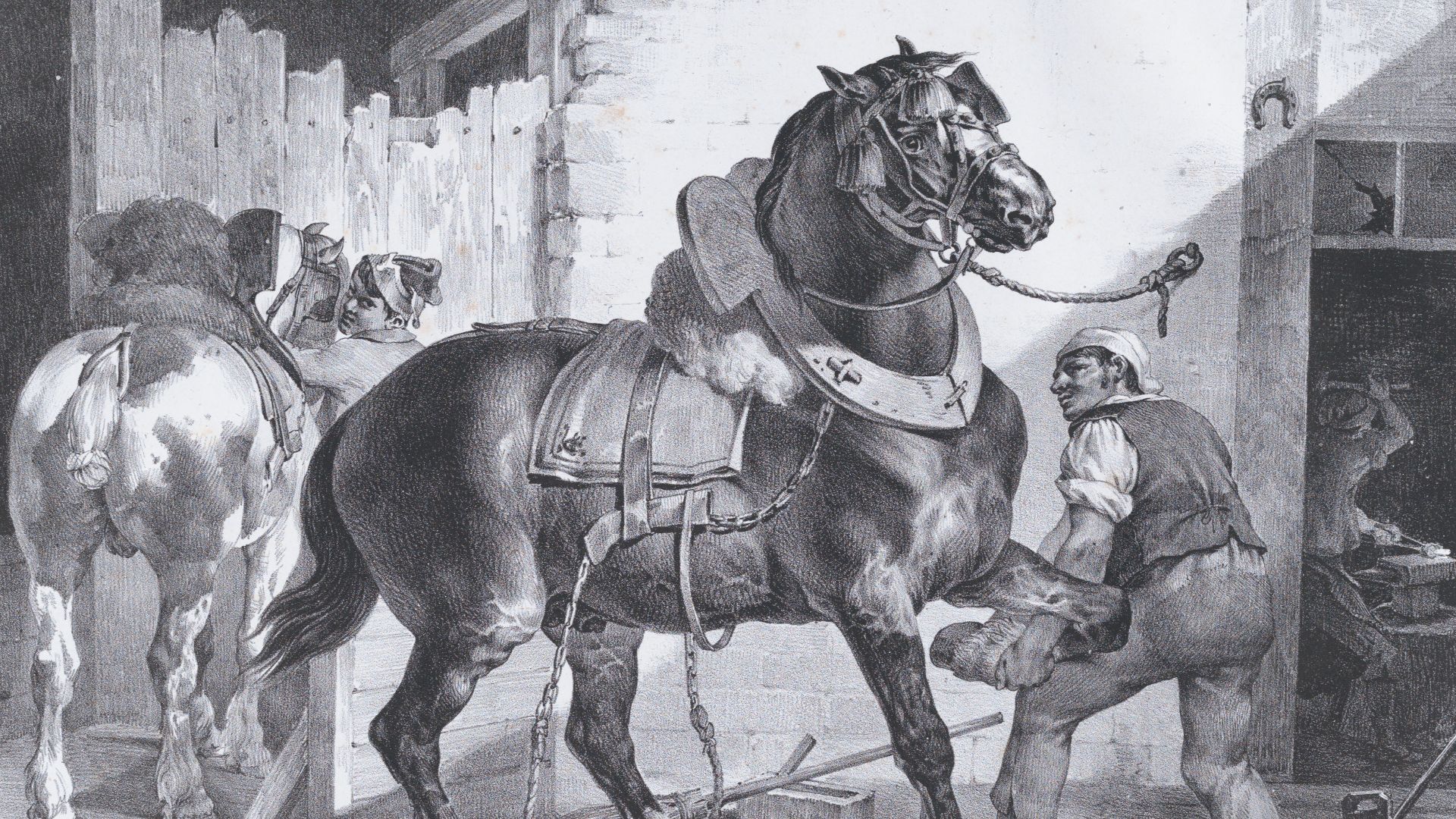 Théodore Géricault, Wikimedia Commons
Evening Prayer And Reflection
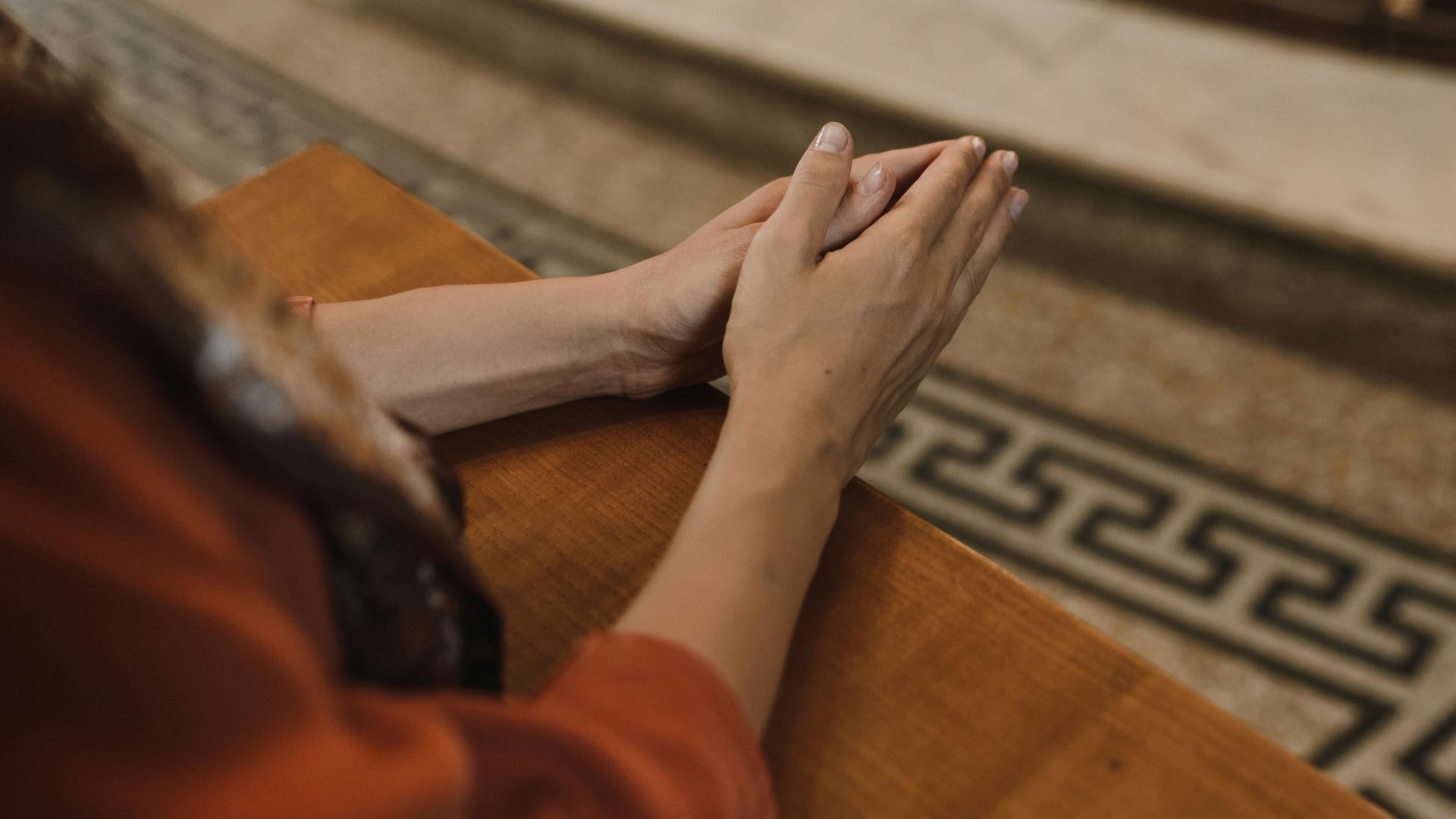
As daylight faded, residents gathered once more for evening prayers. Known as vespers, this ritual marked the transition from work to rest. Many Catholic churches keep up this tradition today. The repetition of prayer throughout the day reinforced a sense of order and continuity. Faith remained a constant presence from morning until night.
Prepare For Nightfall
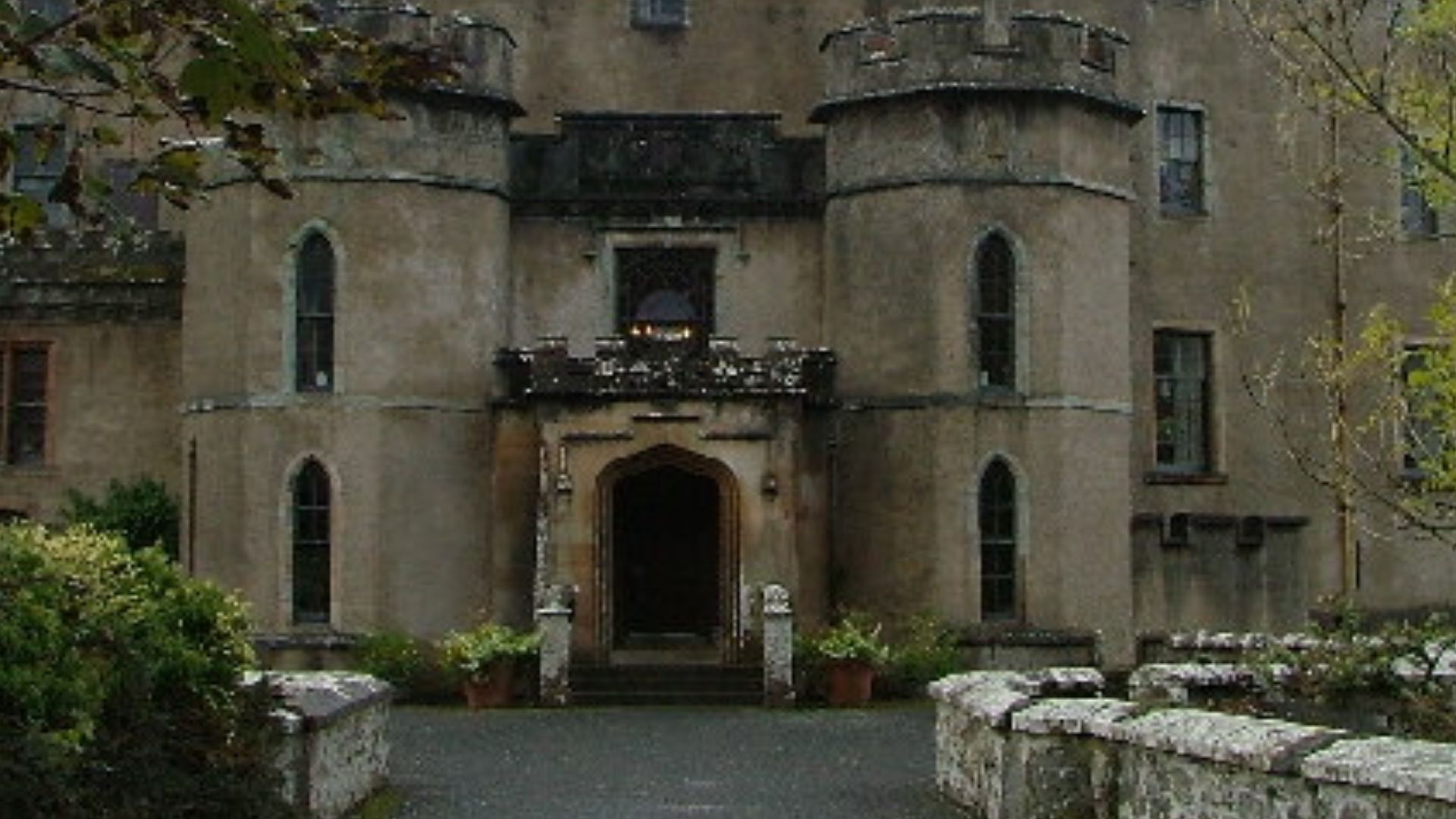
People in the castle spent the late afternoon and early evening hours preparing for darkness. Fires were banked, doors secured, and supplies organized. The castle became more enclosed as gates were shut or guarded more closely. This was all part of the practical drive for safety in a world with limited lighting and security.
 Dave Napier, Wikimedia Commons
Supper And Social Interaction
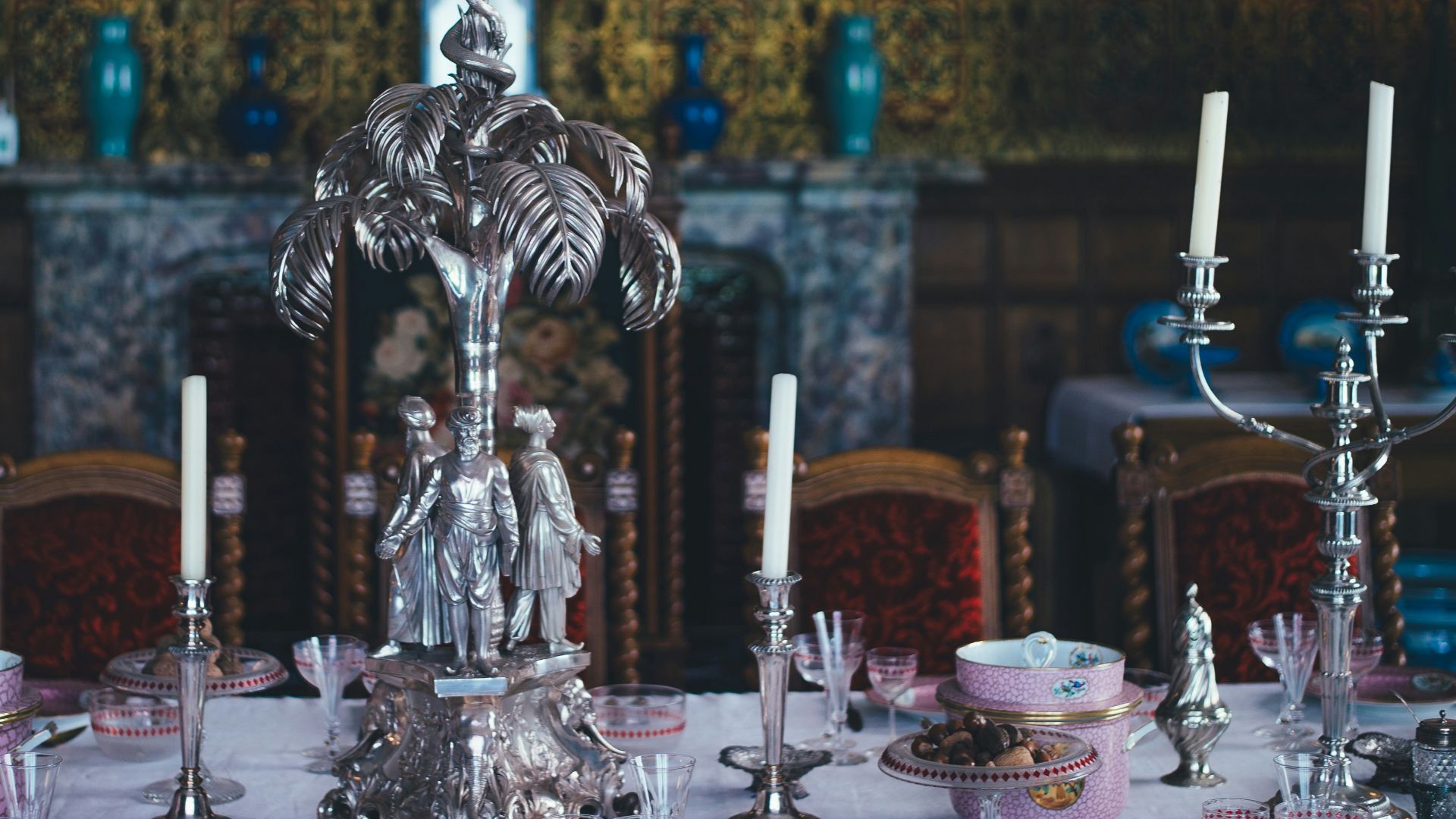
The evening meal, or supper, was lighter than midday dinner. It often included bread, leftovers, and simple dishes. It was a time of day given over for more social interaction. Residents got together to talk, share stories, and maybe enjoy some music, creating a sense of community and lifting spirits as best they could within the gloomy castle walls.
Entertainment And Culture
Music and storytelling played important roles in evening life. Minstrels or household members might perform songs or recitations. These performances preserved stories and provided some enjoyment to relieve the drudgery of people’s mundane daily schedule.
 Unknown authorUnknown author, Wikimedia Commons
Night Watch And Security
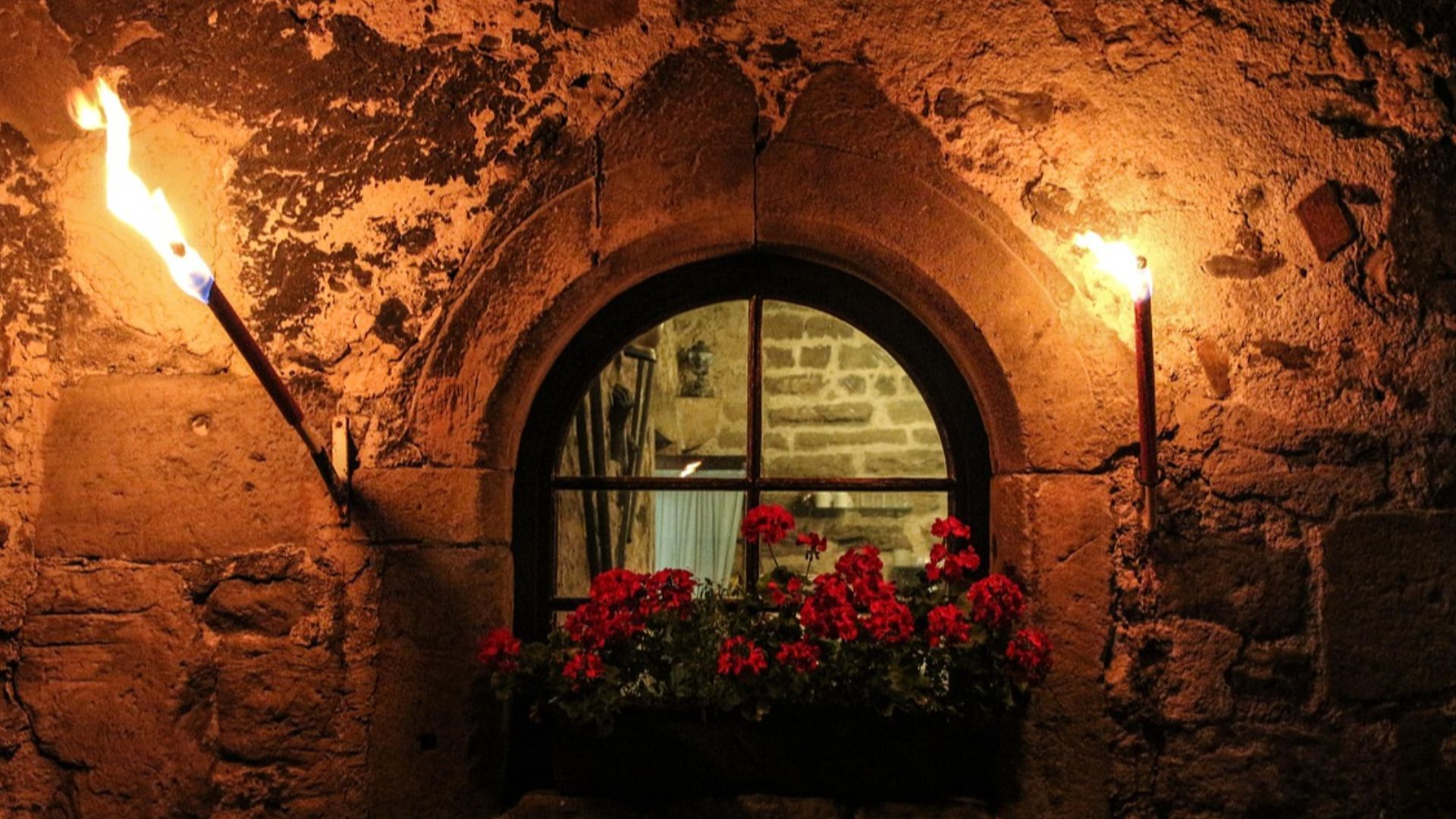
While most people got ready to go to bed, guards would start to take up their positions. Patrols along the walls maintained the safety of the castle. Torches illuminated key areas, but darkness was a constant challenge. Vigilance during the night was essential in a time when threats could materialize without warning.
Sleep And The Cycle Begins Again
Sleep often began early, due to nothing more than the absence of interior lighting. Many people experienced segmented sleep, snoozing fitfully and waking briefly before returning to rest. The castle got quiet, but never entirely still. By dawn, the whole cycle would start up again, repeating the structured rhythm that defined medieval life for eons.

You May Also Like:
Formidable Facts About Castles
People’s everyday diets in the Middle Ages were stranger—and tastier—than we ever realized.