
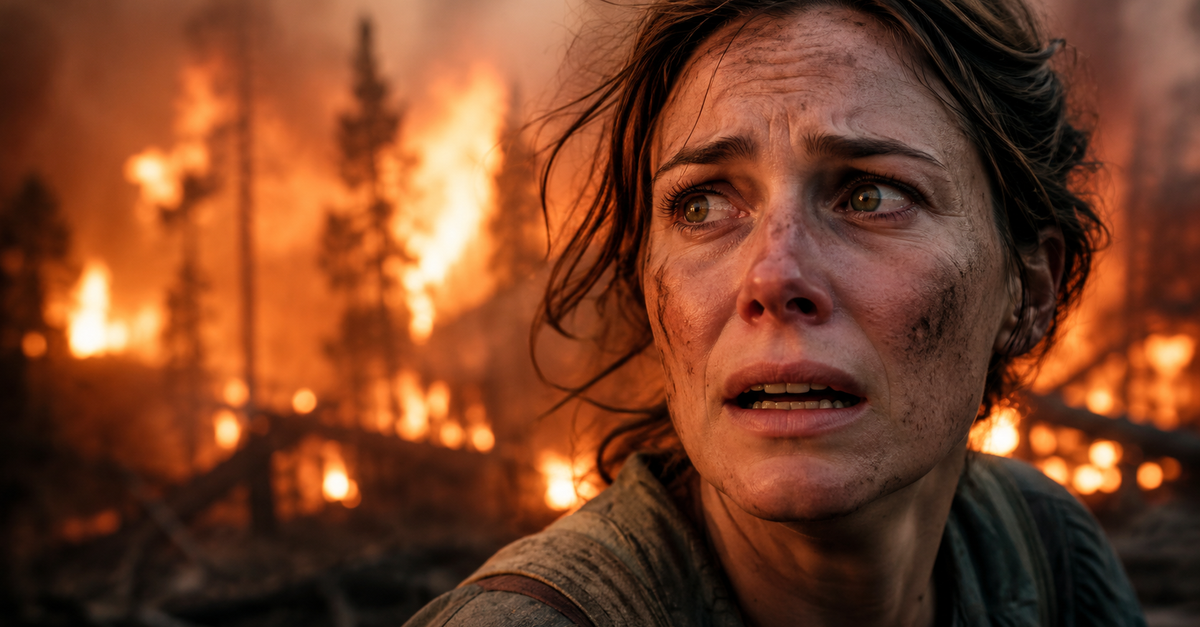
A Forgotten Disaster That Changed Minnesota Forever
When Americans think of historic wildfires, they often remember recent disasters or California's largest fires. Far fewer people recognize the Great Hinckley Fire of September 1, 1894. Yet it remains one of the deadliest wildfires in United States history and permanently changed how forests and fire protection were managed in Minnesota.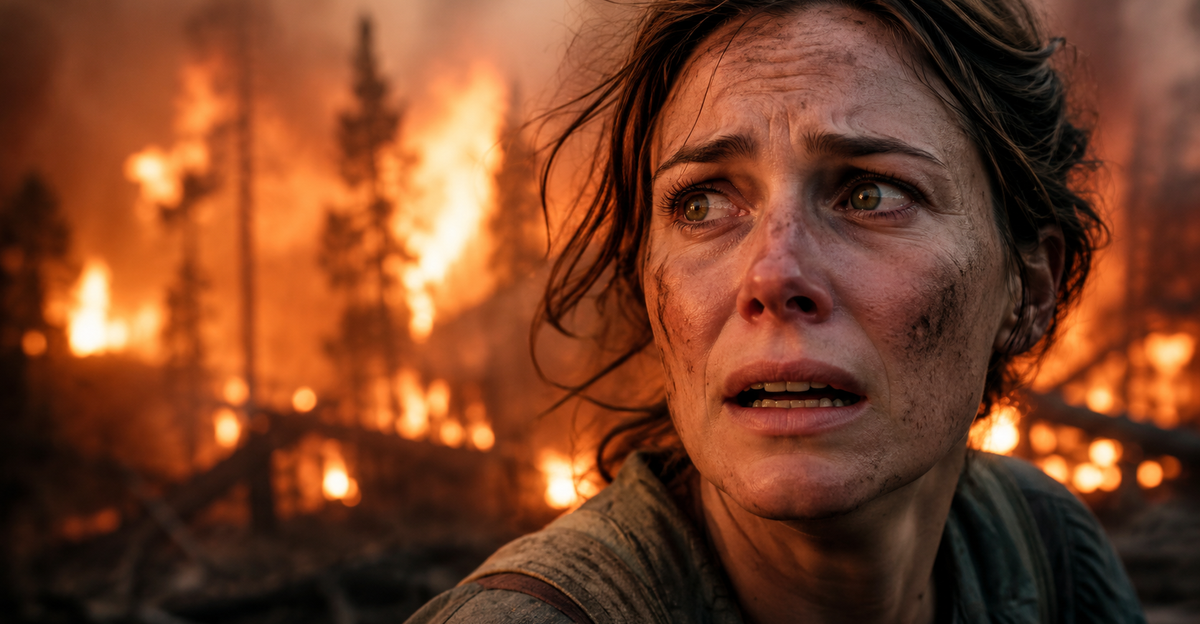 Factinate Ltd
A Booming Logging Town Before The Flames
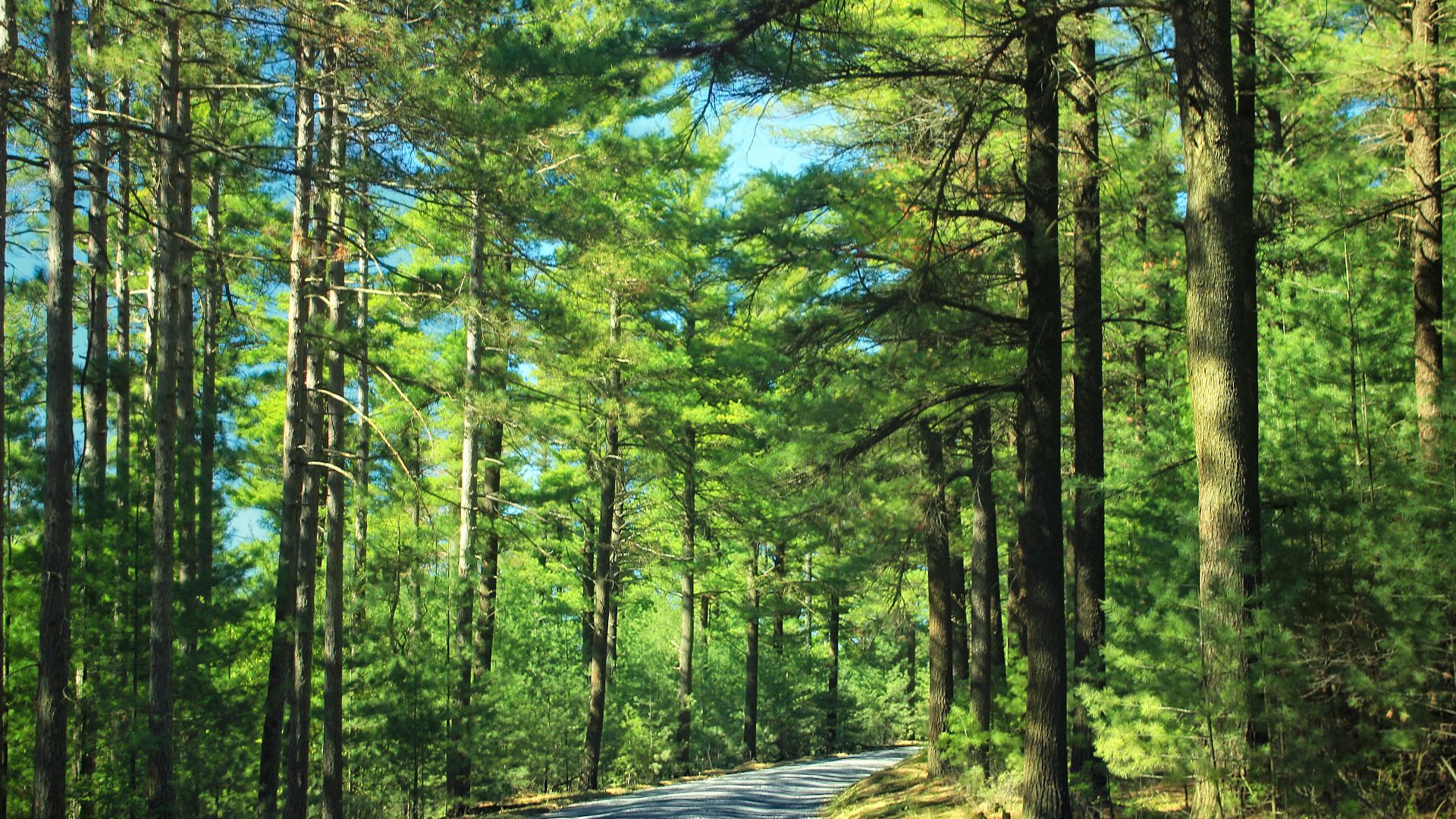
Hinckley was a thriving lumber town in eastern Minnesota during the late nineteenth century. Massive white pine forests surrounded the community, and sawmills powered the local economy. Railroads connected the town to larger markets, bringing workers, supplies, and growing prosperity.
 Nicholas A. Tonelli from Northeast Pennsylvania, USA, Wikimedia Commons
Dry Conditions Set The Stage
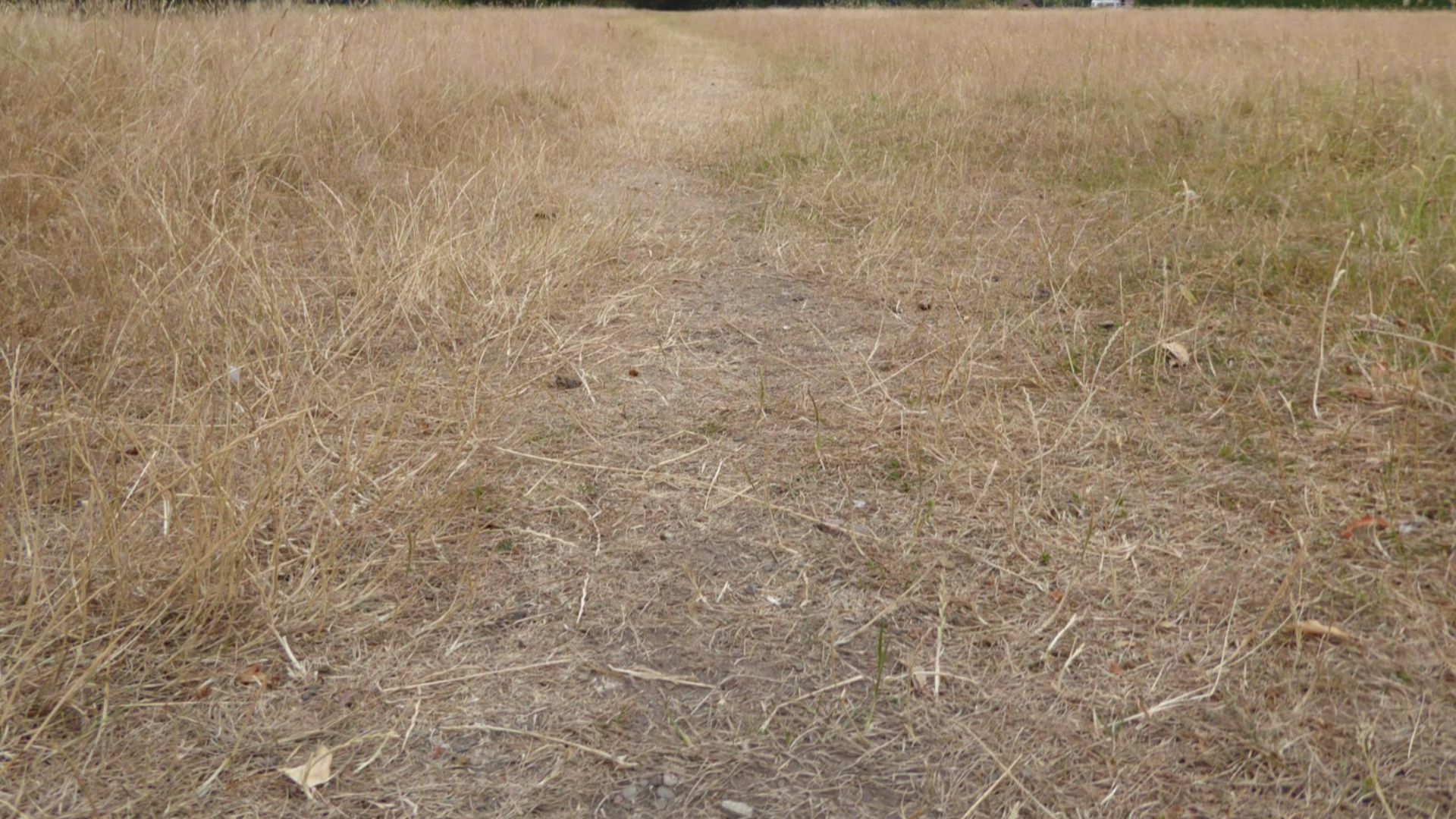
The catastrophe did not begin with a single massive blaze. Years of declining soil moisture, an unusually dry summer, and very little rainfall left forests dangerously flammable. Numerous small fires had already been burning across the region before September arrived.
 Philip Halling , Wikimedia Commons
Logging Left Behind Dangerous Fuel
Logging practices of the era made conditions even worse. Companies often left branches, stumps, and other debris covering the forest floor after harvesting valuable timber. This leftover material created enormous amounts of fuel waiting for the right weather conditions.
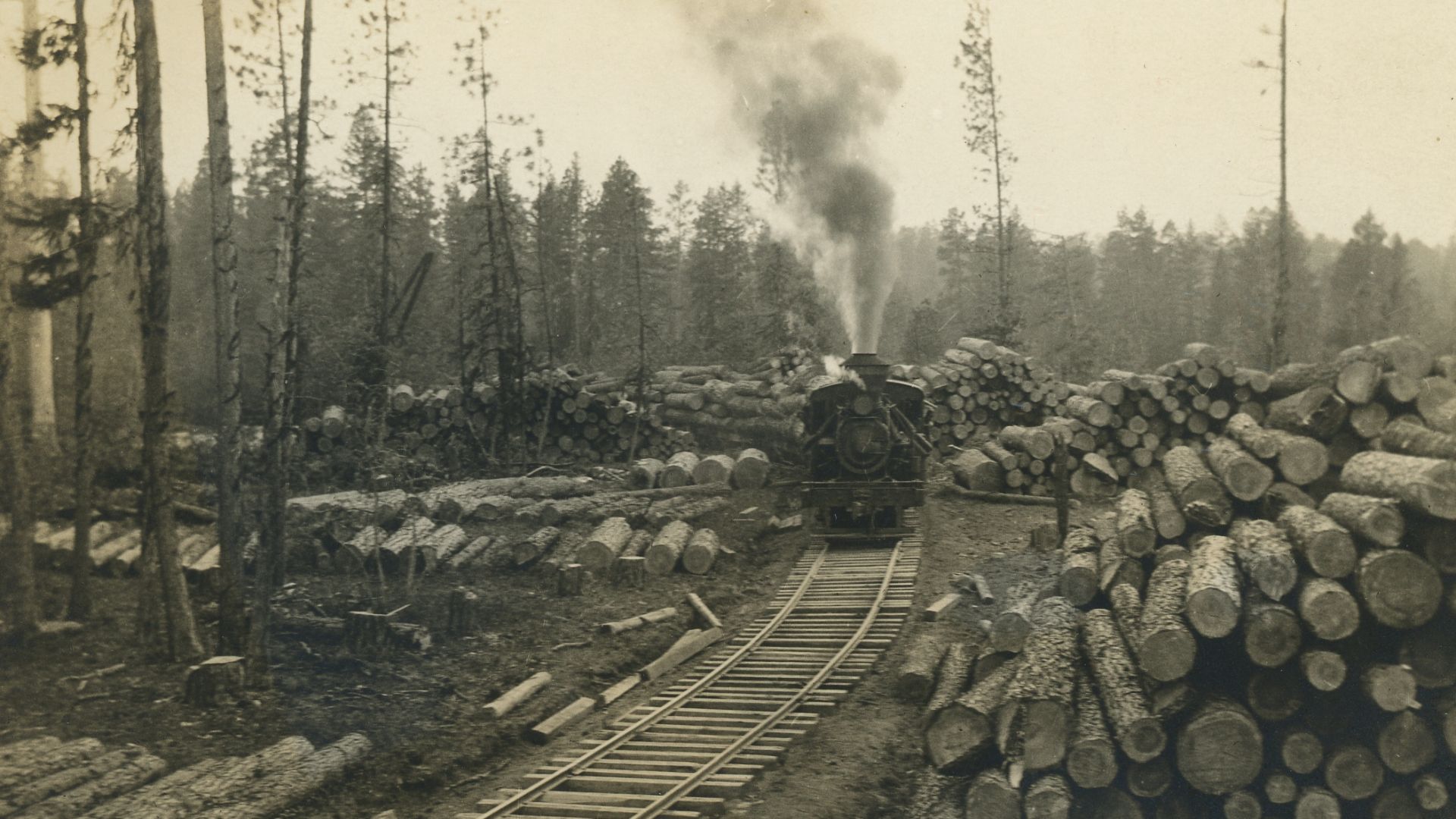 Steve Shook from Moscow, Idaho, USA, Wikimedia Commons
The Weather Suddenly Turned Deadly
On September 1, temperatures climbed into the 90s while humidity remained extremely low. Strong winds swept across the region as atmospheric conditions trapped hot air near the surface. These ingredients combined to create one of the most destructive fire environments imaginable.
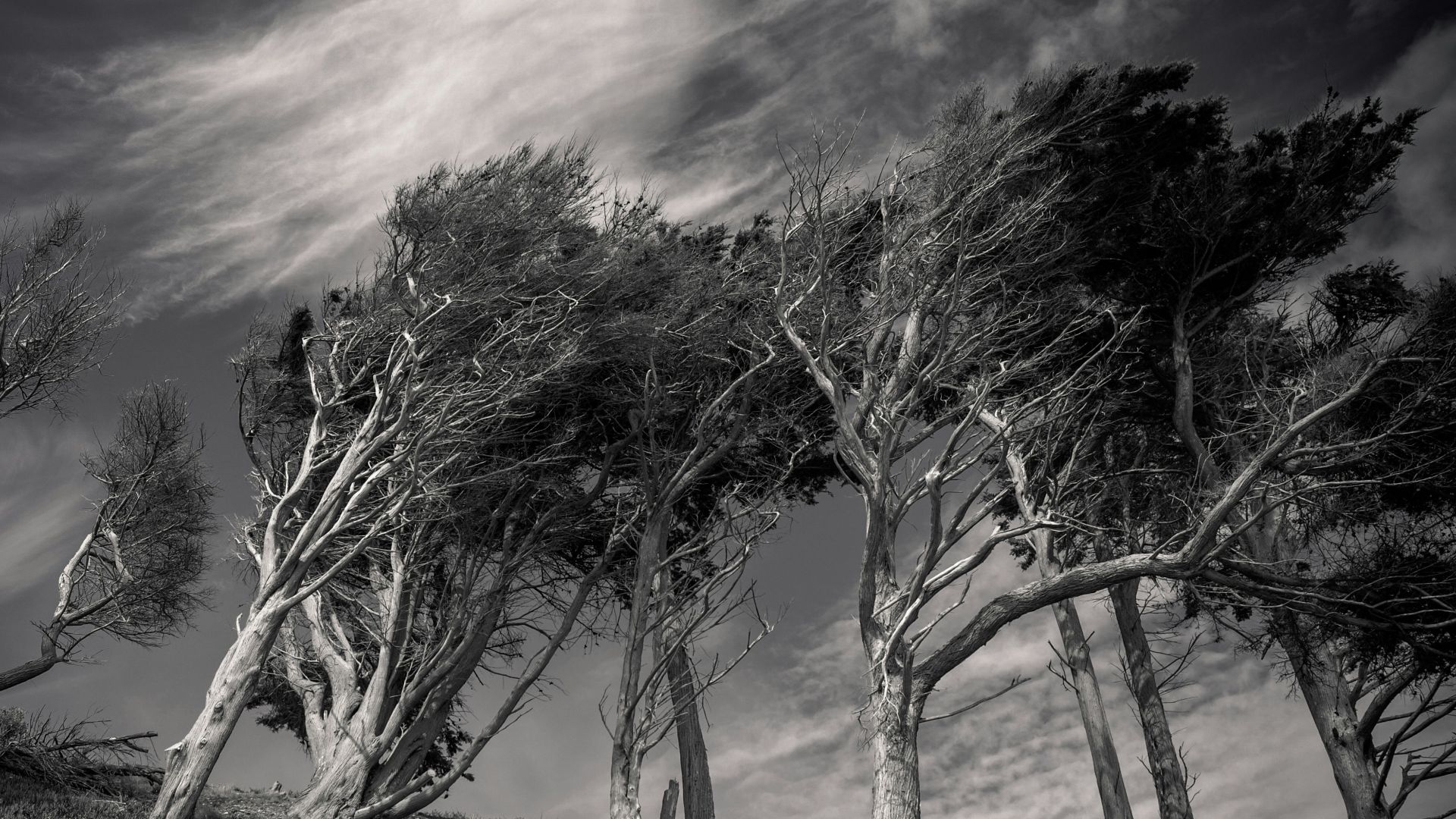
Small Fires Became One Giant Inferno
Several existing fires merged into a single firestorm during the afternoon. Instead of remaining isolated, the flames united into an enormous wall of fire that raced across the landscape. Communities had almost no warning before it arrived.
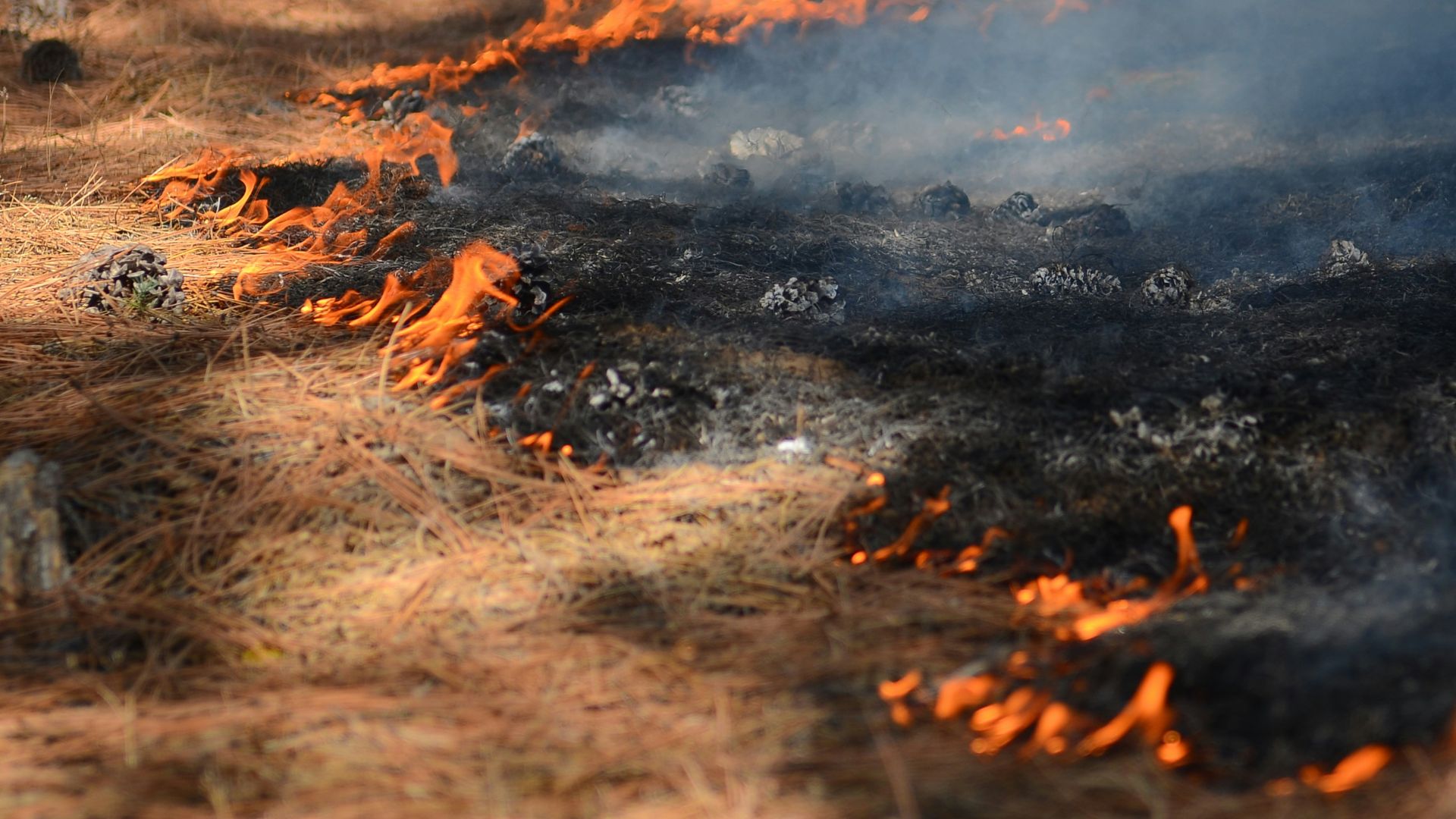
Entire Towns Vanished In Hours
Hinckley was not the only community destroyed. Mission Creek, Brook Park, Pokegama, Sandstone, and several smaller settlements also suffered devastating damage. Many towns were reduced to little more than ashes within a matter of hours.
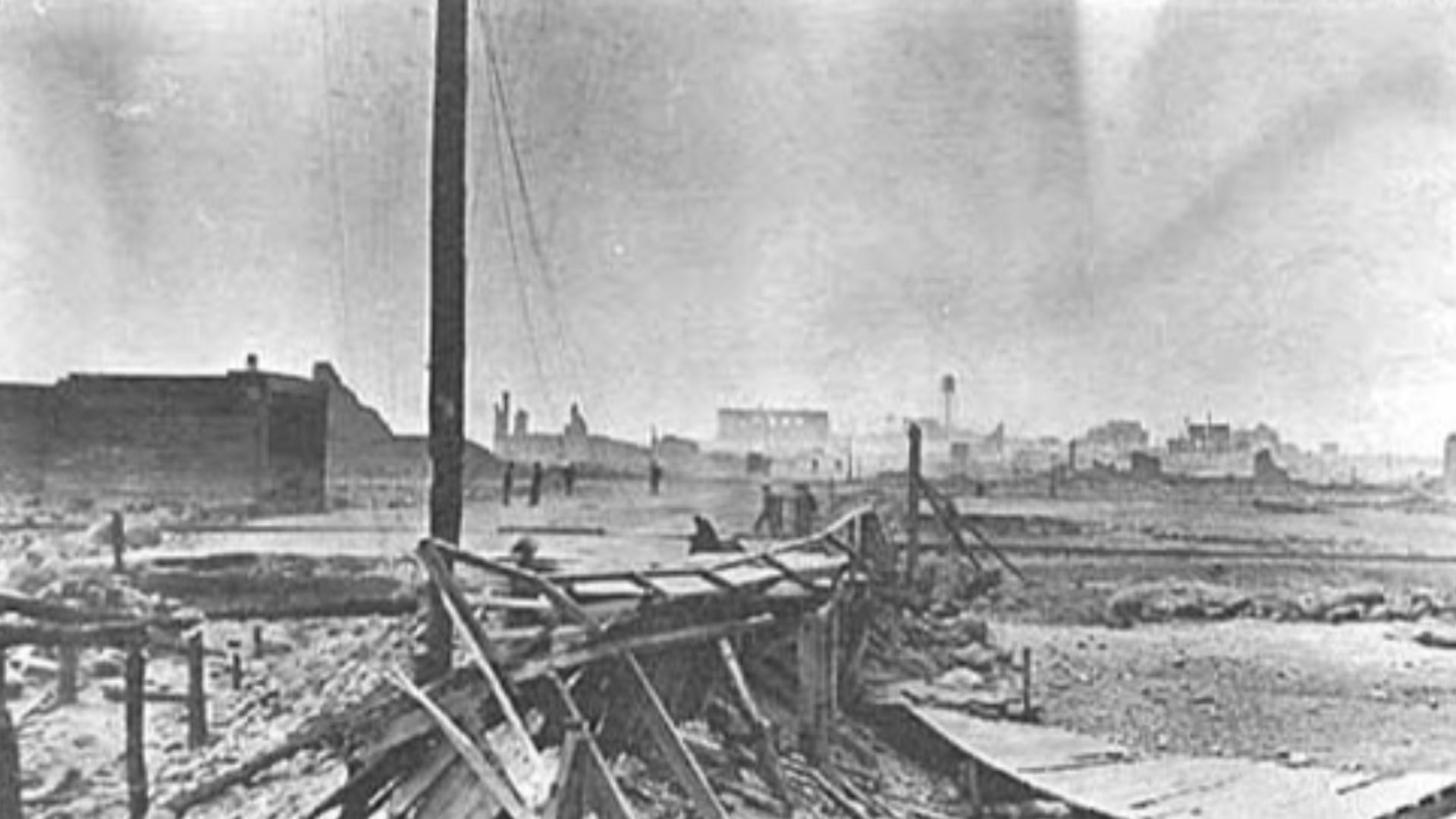 Unknown authorUnknown author, Wikimedia Commons
Fire Created Its Own Terrifying Weather
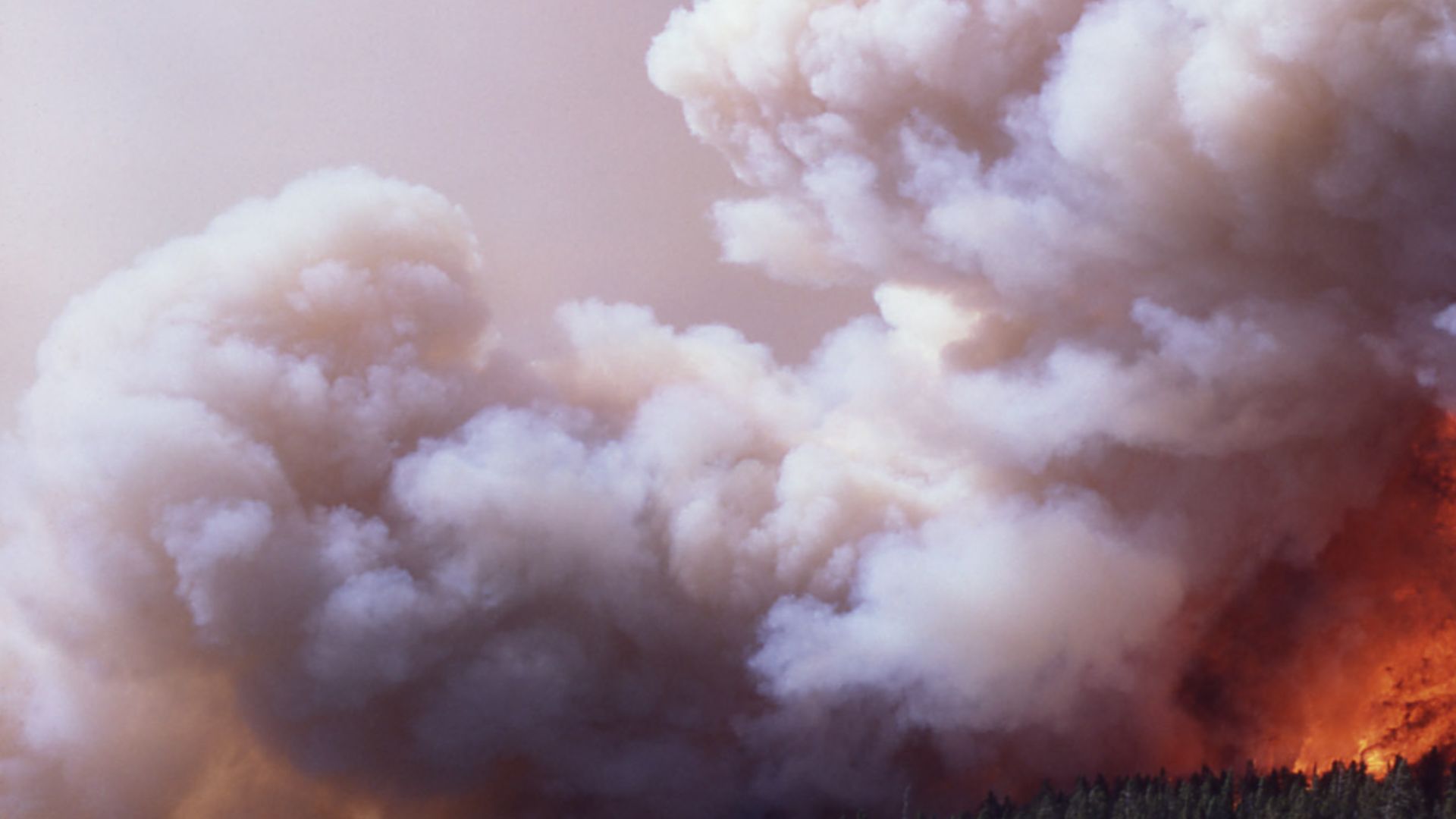
Witnesses described astonishing fire behavior that scientists now recognize as a firestorm. Powerful convection generated towering columns of heat, fire whirls, and violent winds that spread flames in unpredictable directions. The fire became powerful enough to create weather effects of its own.
Temperatures Reached Incredible Levels
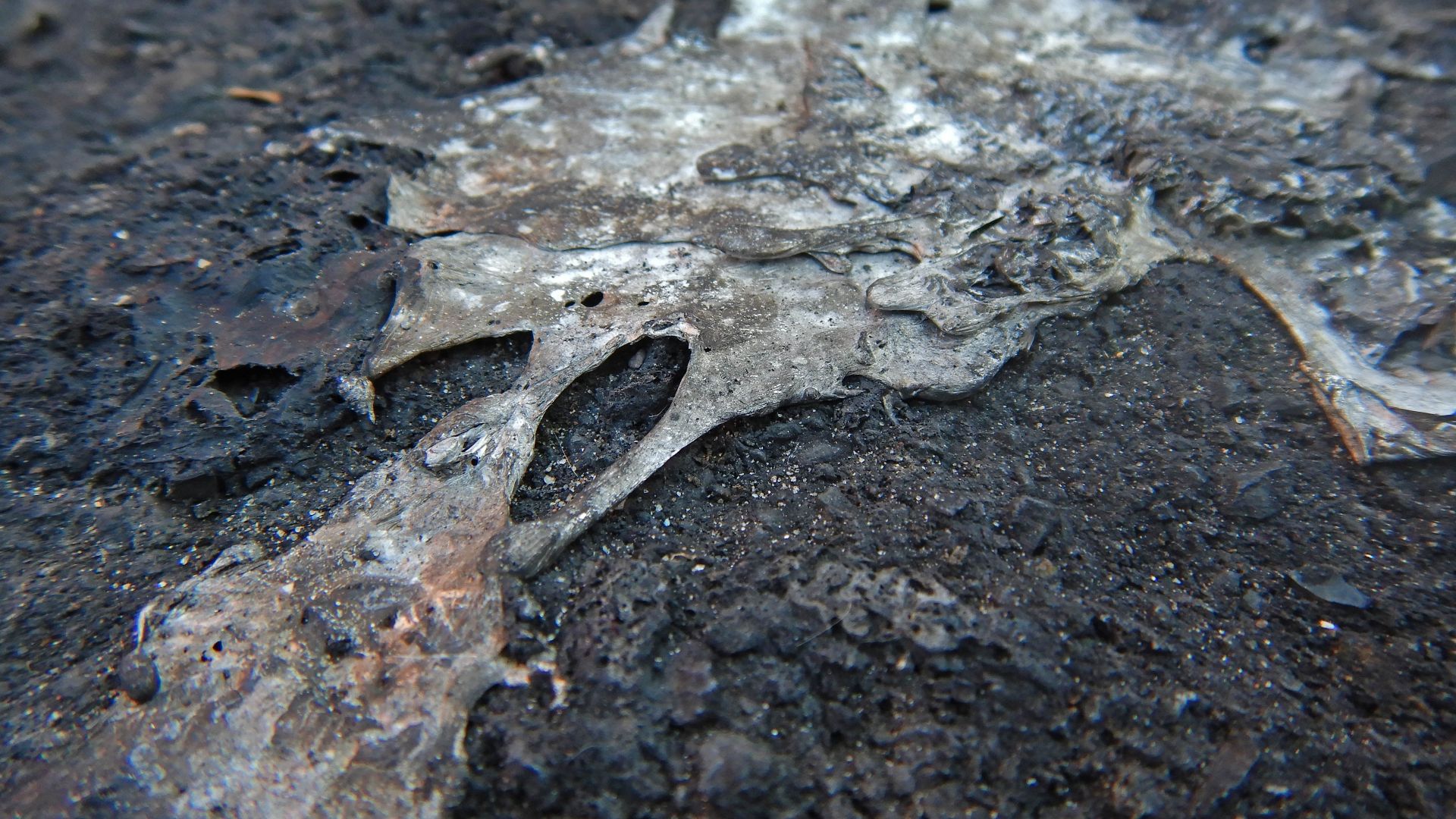
The center of the fire reached extraordinary temperatures. Historical accounts report heat intense enough to melt barrels of nails and deform railroad equipment. Trees, buildings, and nearly everything combustible disappeared with astonishing speed.

History's most fascinating stories and darkest secrets, delivered to your inbox daily.
Running Was Often Impossible
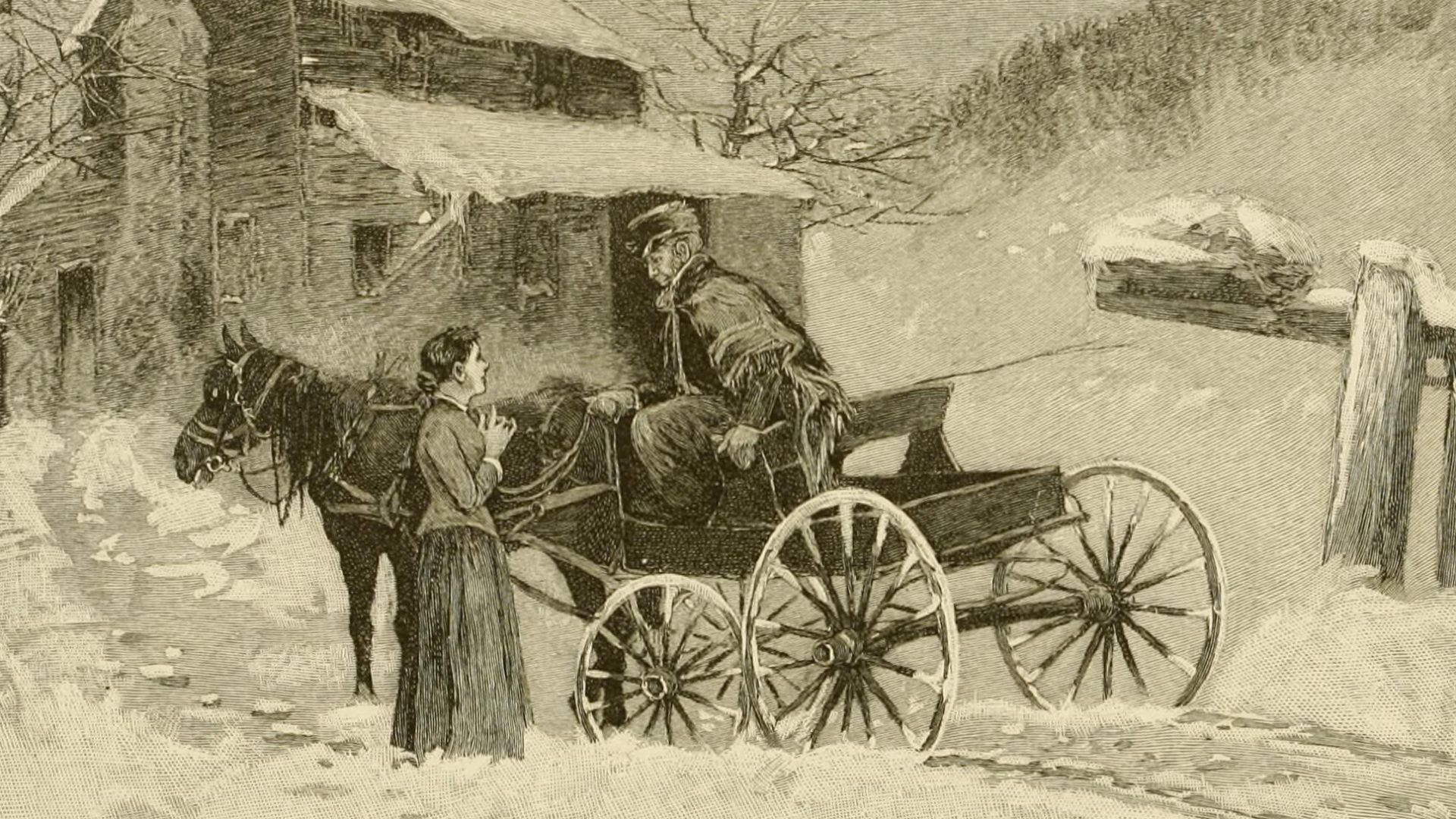
People tried to escape on foot, horseback, and wagons. Unfortunately, the fire moved so quickly that many simply could not outrun it. Flying embers ignited new fires far ahead of the main flames, cutting off escape routes.
 Internet Archive Book Images, Wikimedia Commons
Trains Became Lifelines
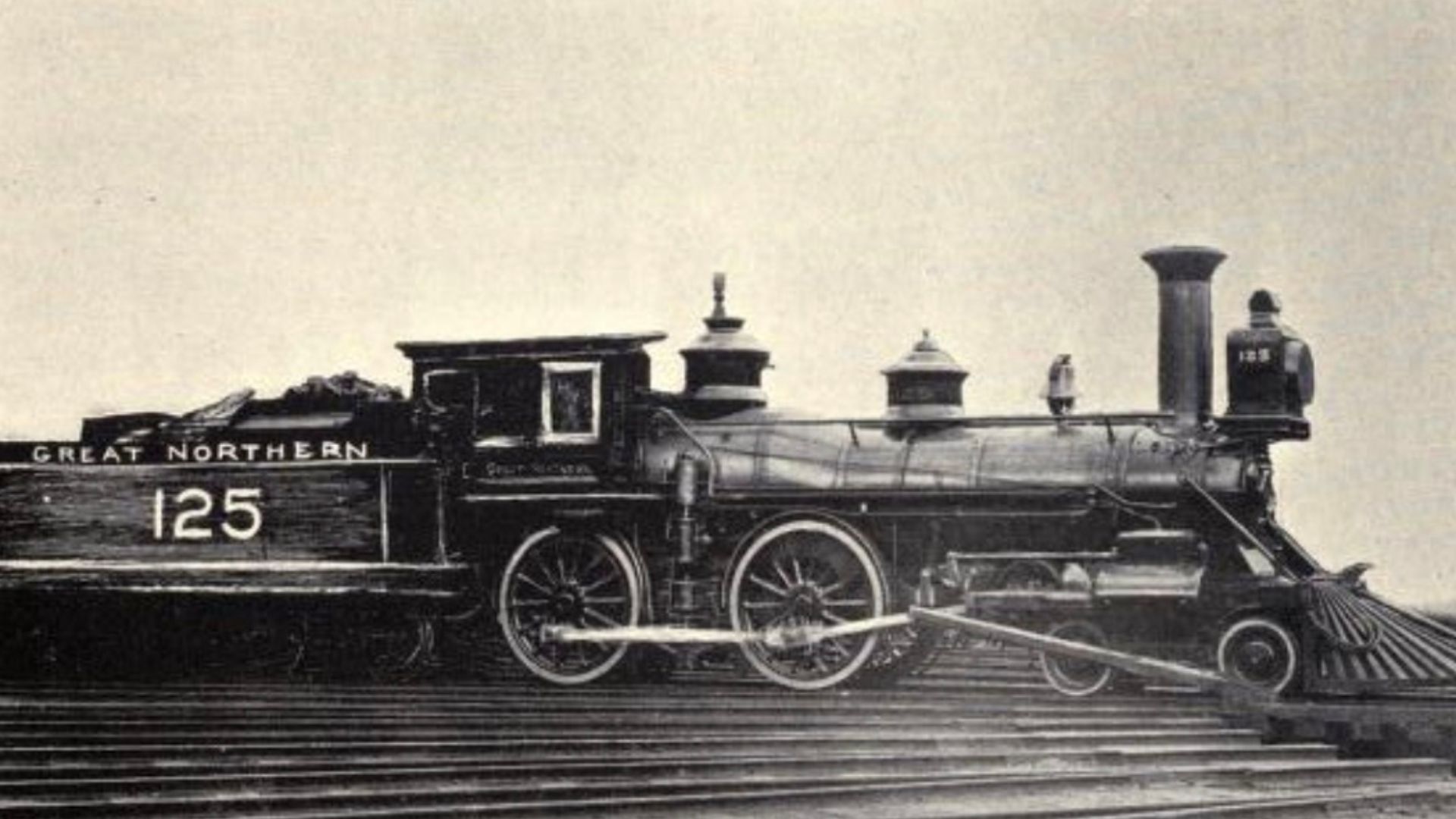
Railroads played a remarkable role during the disaster. Engineers loaded hundreds of desperate residents aboard departing trains as flames closed in around the tracks. Those decisions saved many lives despite incredible danger.
One Escape Required Crossing A Burning Bridge
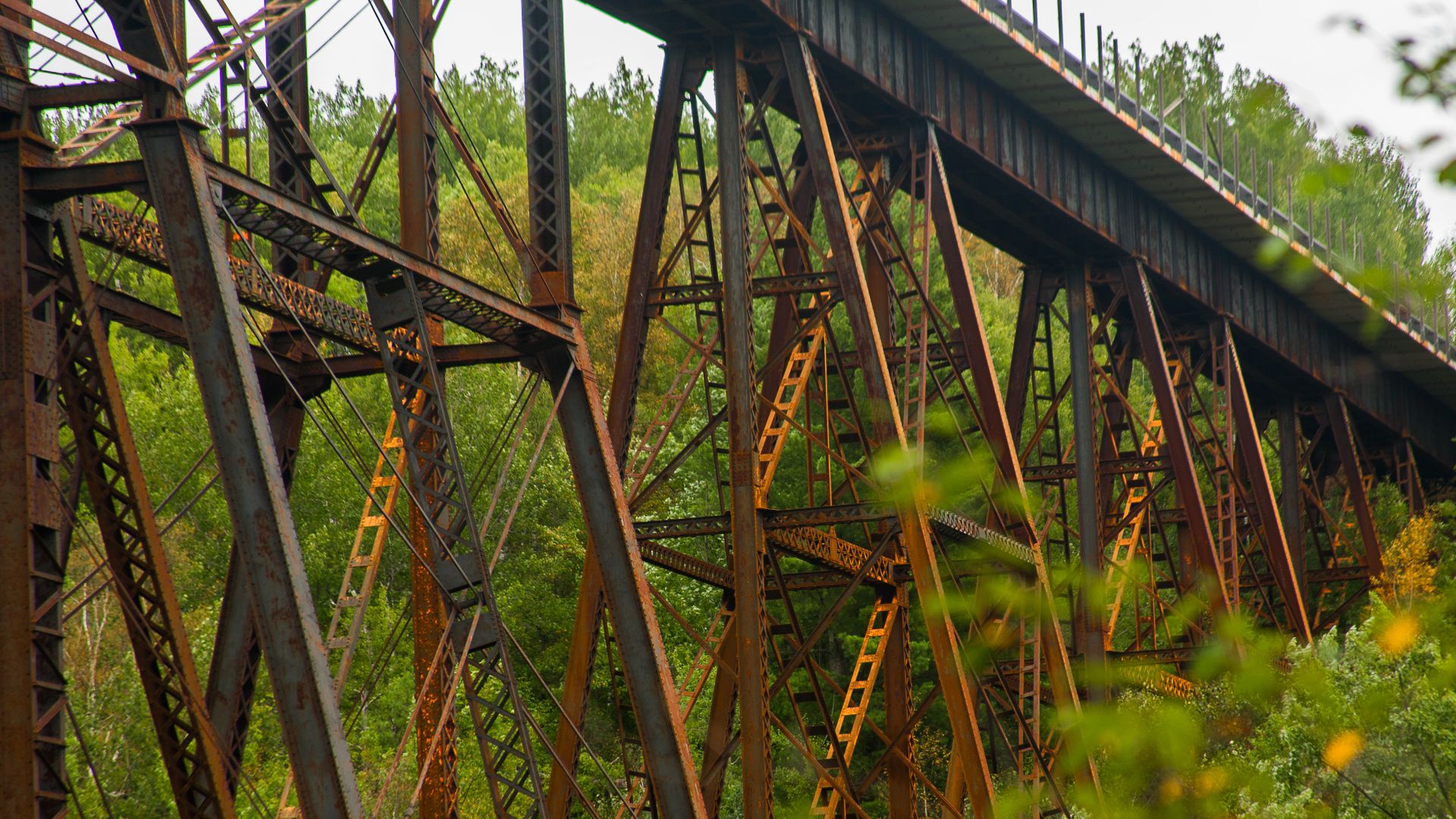
One evacuation train crossed the burning Kettle River bridge only moments before the structure collapsed behind it. Passengers narrowly escaped becoming trapped by the advancing fire. The dramatic rescue became one of the defining stories of the disaster.
 Paul VanDerWerf, Wikimedia Commons
Another Train Reached Skunk Lake
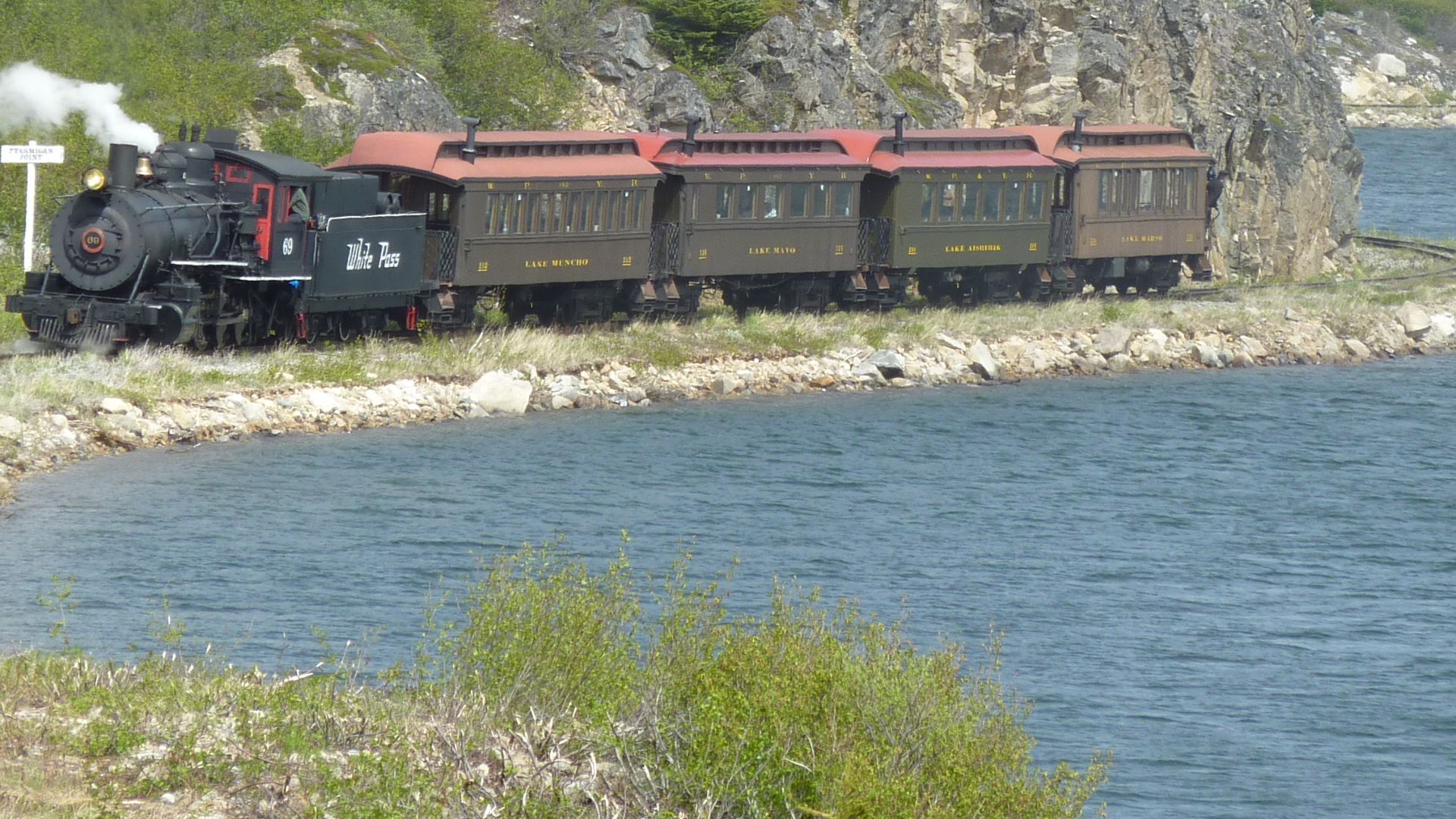
A second train also escaped Hinckley despite catching fire itself. It eventually reached Skunk Lake, where passengers fled into the shallow water to survive. The engineers involved were later honored for their extraordinary actions.
Water Became A Refuge
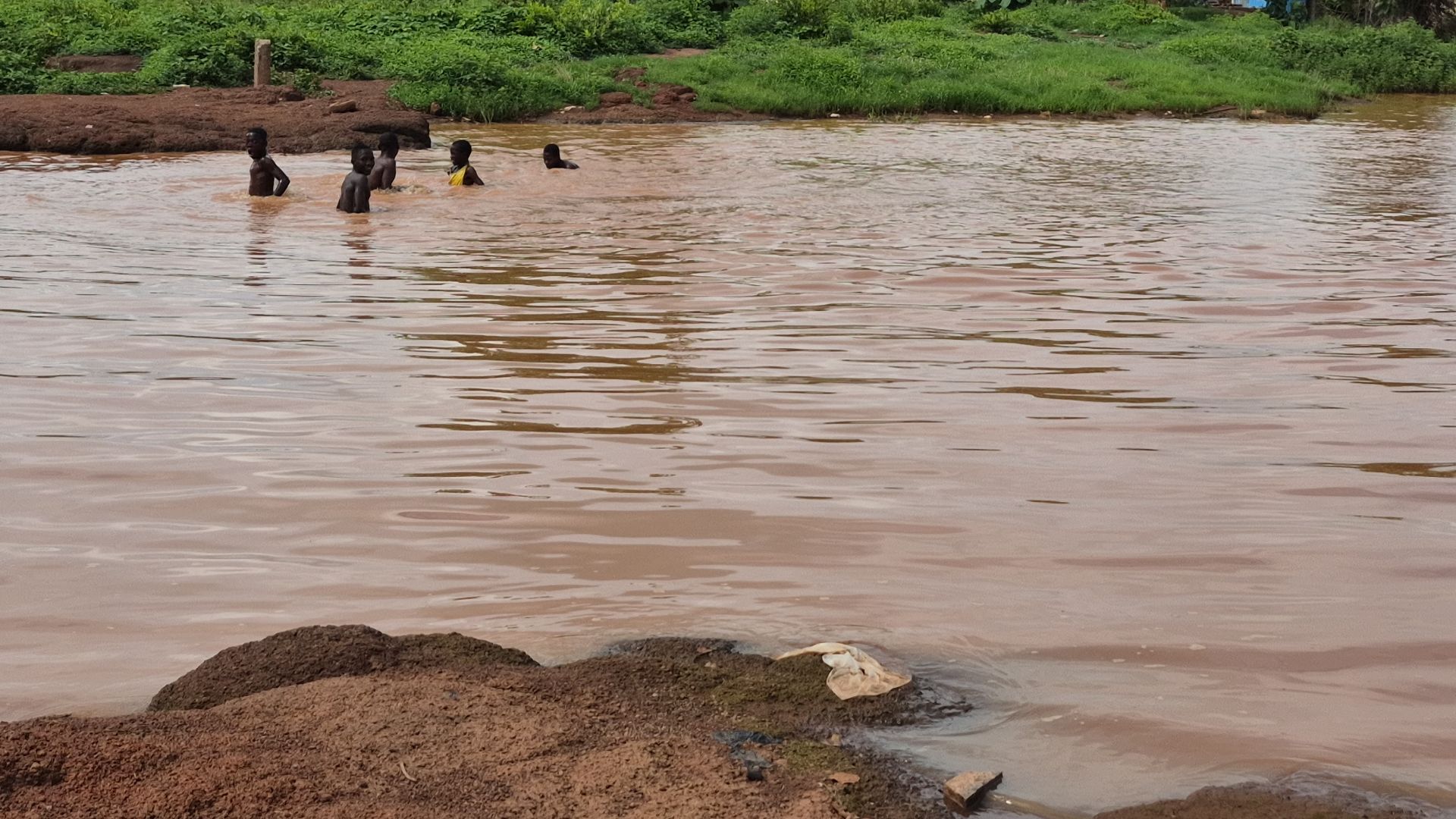
Hundreds of people survived by standing in lakes, ponds, or wetlands. At Skunk Lake, many remained in muddy water while flames repeatedly swept overhead. Others sheltered in wells or low areas, although not everyone survived those desperate attempts.
 Ibrahim Achiri, Wikimedia Commons
The Human Loss Was Staggering
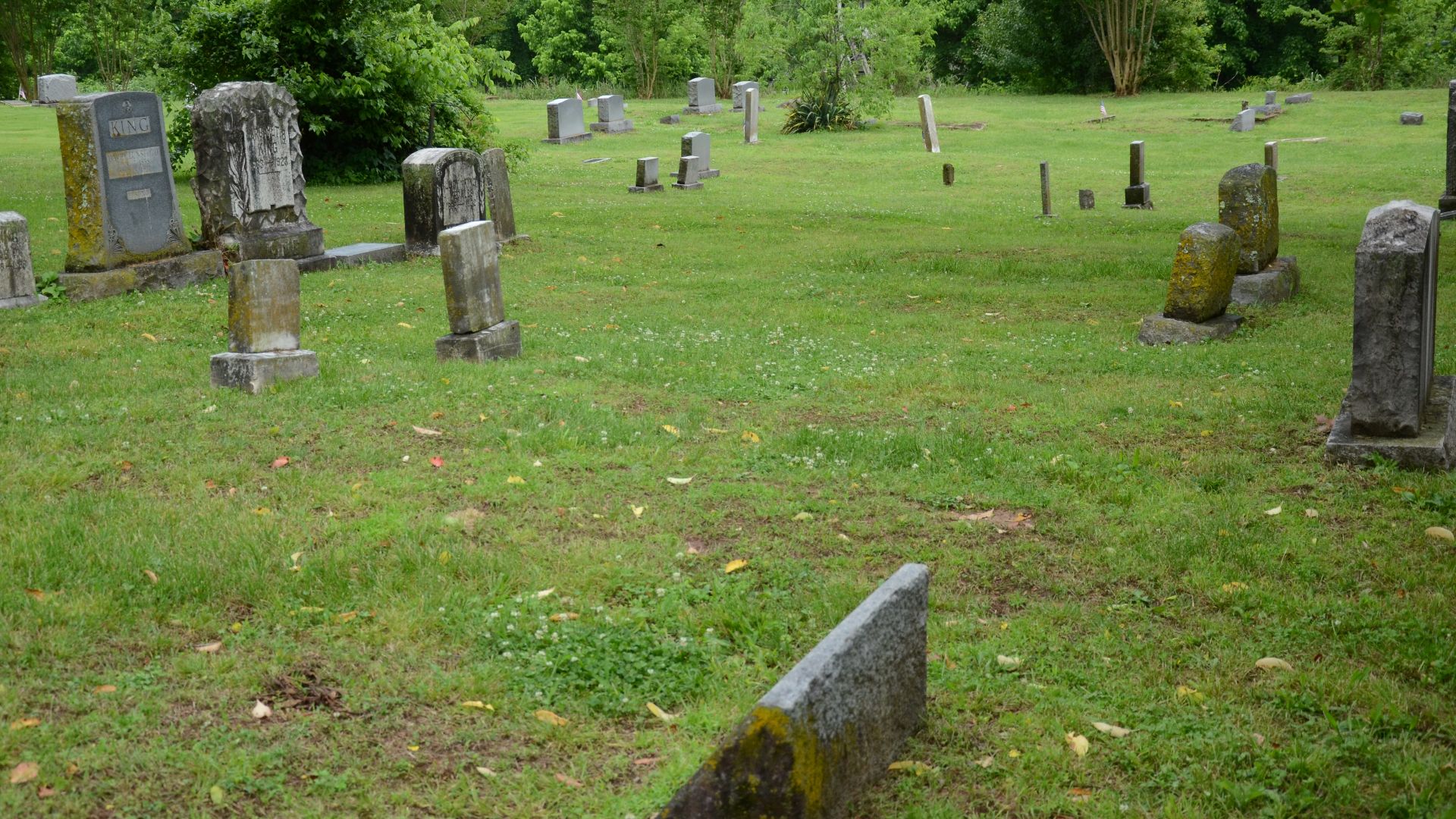
The official death toll reached 418 people. Historians widely believe the real number was higher because many victims were never identified or discovered. Hunters, loggers, and some Native residents living away from towns were especially difficult to count.
Ojibwe Communities Also Suffered
The disaster affected more than the lumber towns. At least twenty three Ojibwe people died in a hunting camp near Mille Lacs Lake during the fire. Their losses were long underrepresented in official casualty figures.
Survivors Faced Lasting Injuries
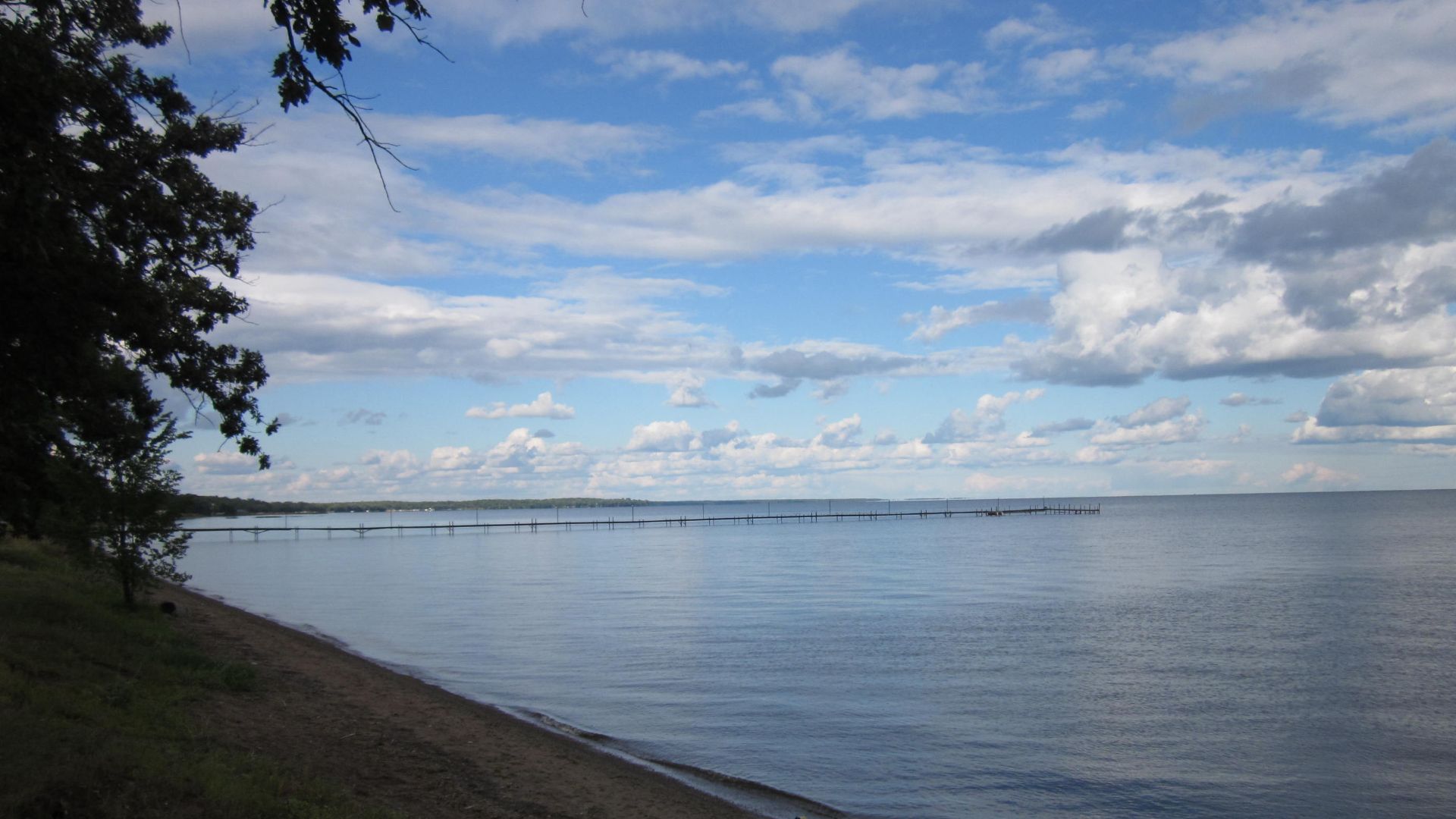
Many survivors suffered severe burns and smoke inhalation. Some temporarily lost their eyesight because of swollen eyes caused by intense heat and smoke exposure. Others later died from injuries sustained during the escape.

The Landscape Was Unrecognizable
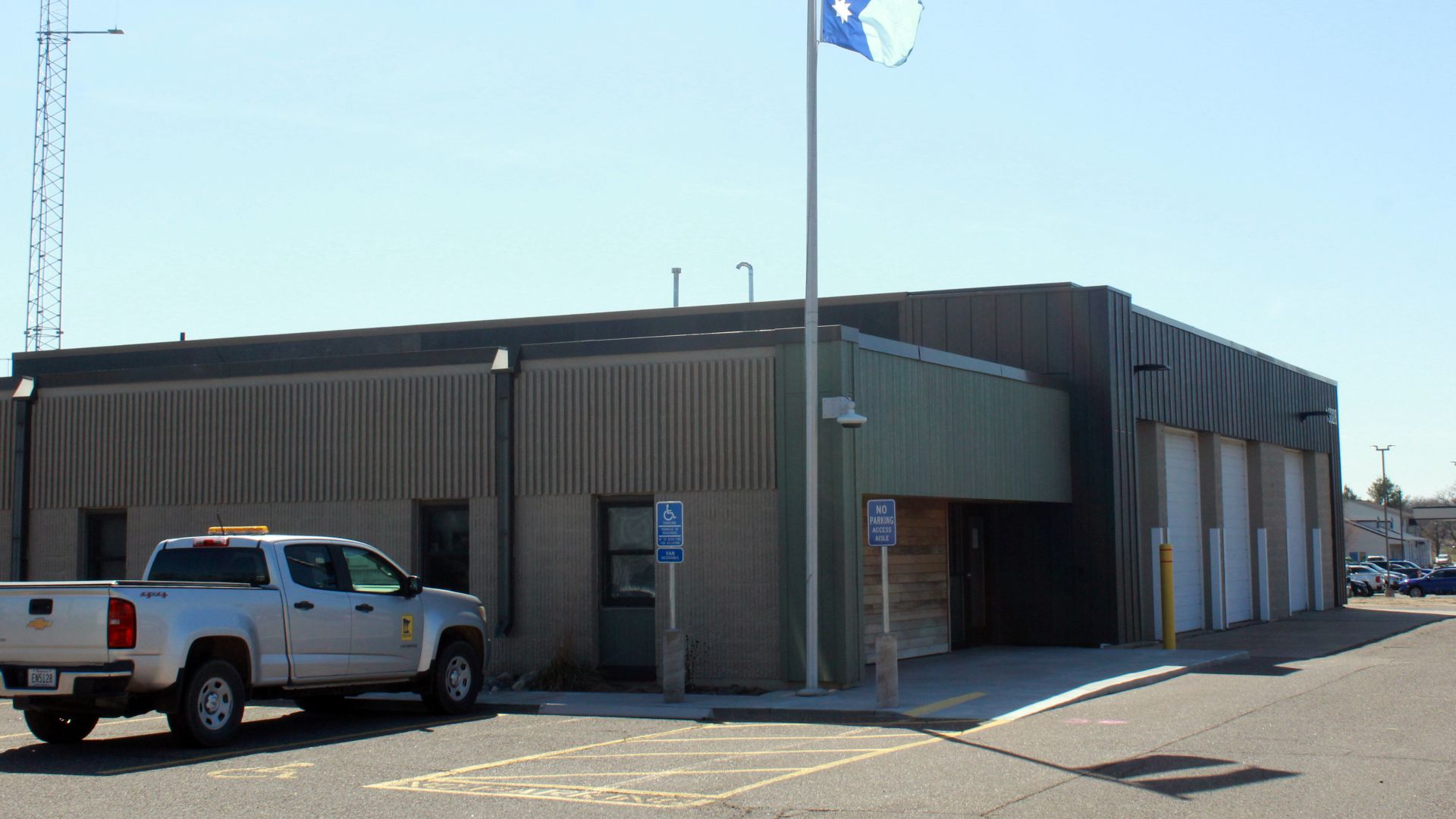
The fire burned roughly 350,000 acres according to the Minnesota Department of Natural Resources, although estimates vary among historical sources. Forests, homes, businesses, and wildlife were devastated across a vast section of eastern Minnesota. Recovery would take many years.
Relief Arrived From Across The World
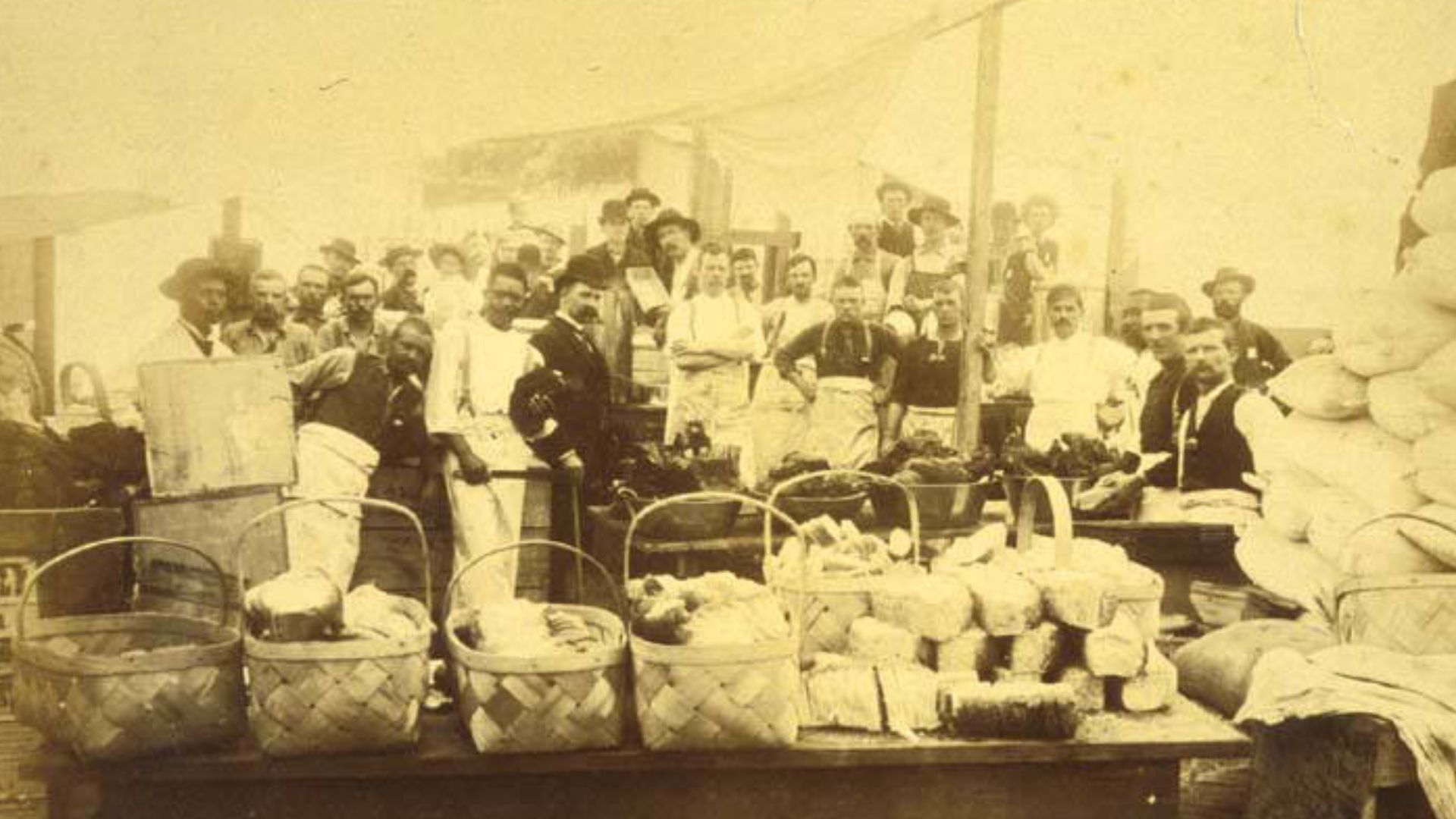
Communities across Minnesota quickly organized food, clothing, and shelter for survivors. Donations also arrived from elsewhere in the United States and overseas. The disaster inspired one of the largest relief efforts Minnesota had seen at the time.
 Boyd and Braas, Wikimedia Commons
A New Era Of Fire Protection Began
The tragedy led Minnesota to strengthen its wildfire prevention efforts. The state eventually appointed its first chief fire warden to improve fire detection, prevention, and response. The disaster permanently influenced forest management policies.
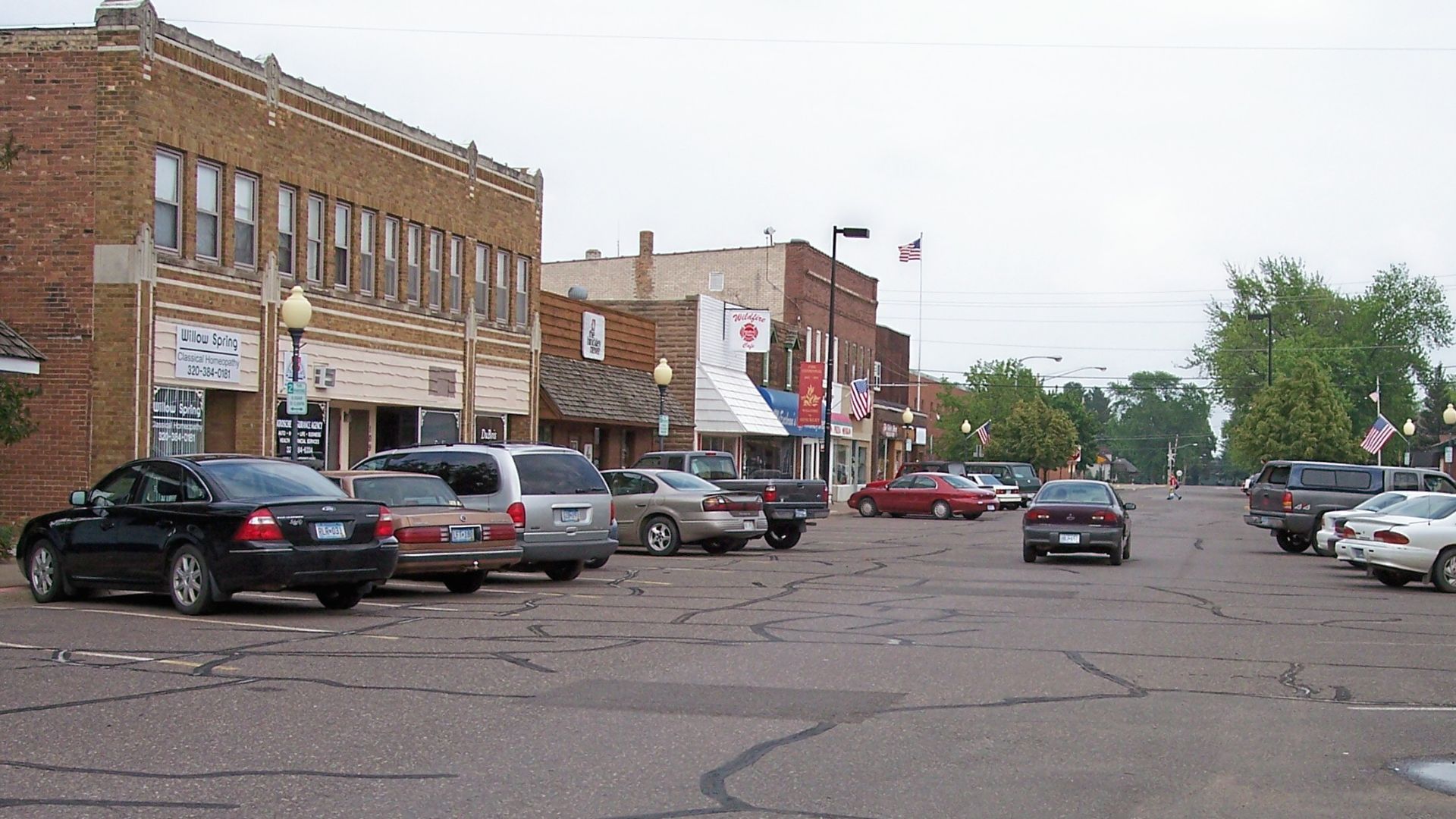
Hinckley Slowly Rebuilt
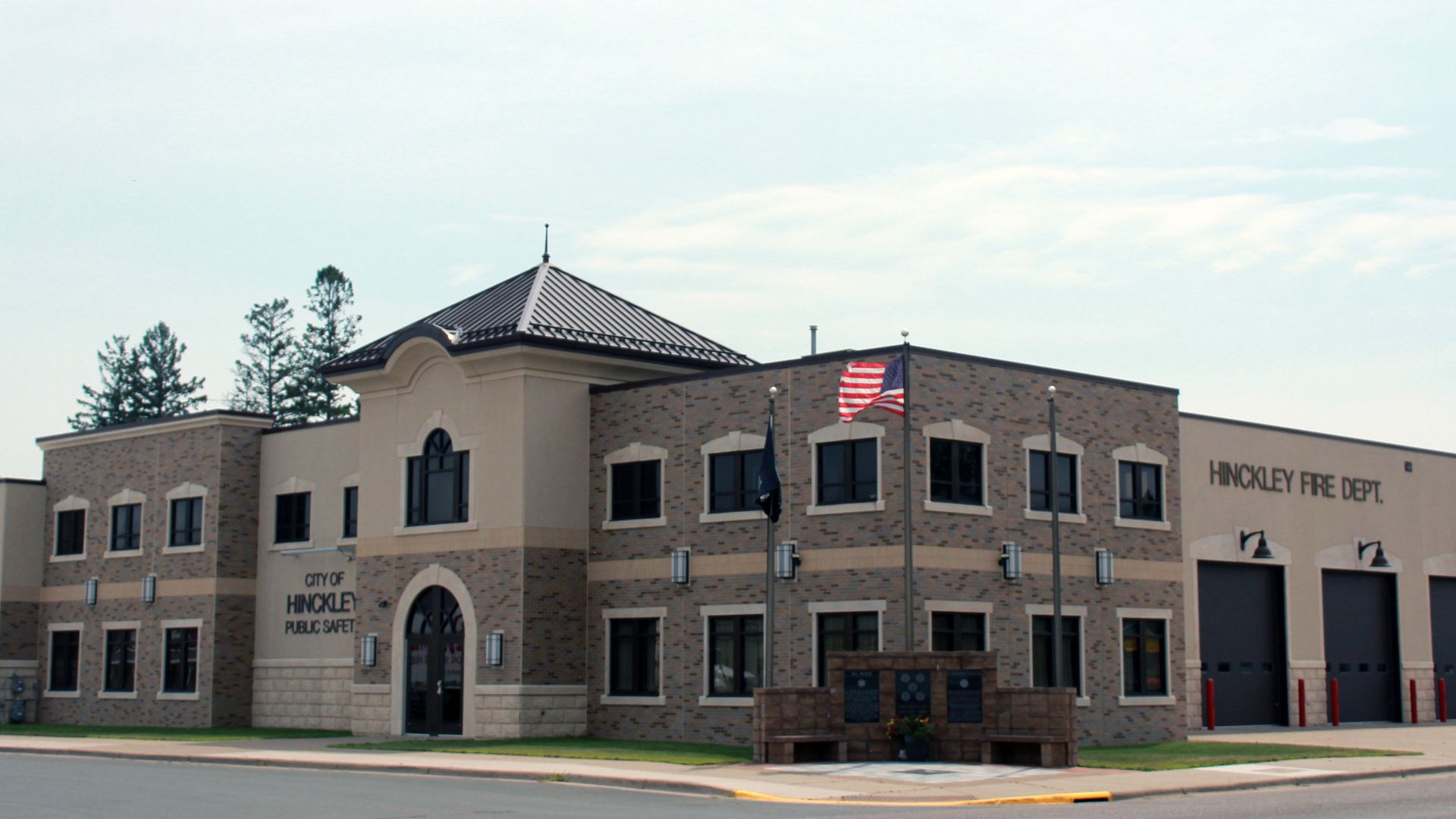
Residents returned and rebuilt portions of the town after the disaster. However, the local economy changed because much of the surrounding timber had been destroyed. Agriculture and other industries gradually replaced large scale logging.
 Tim Kiser (w:User:Malepheasant), Wikimedia Commons
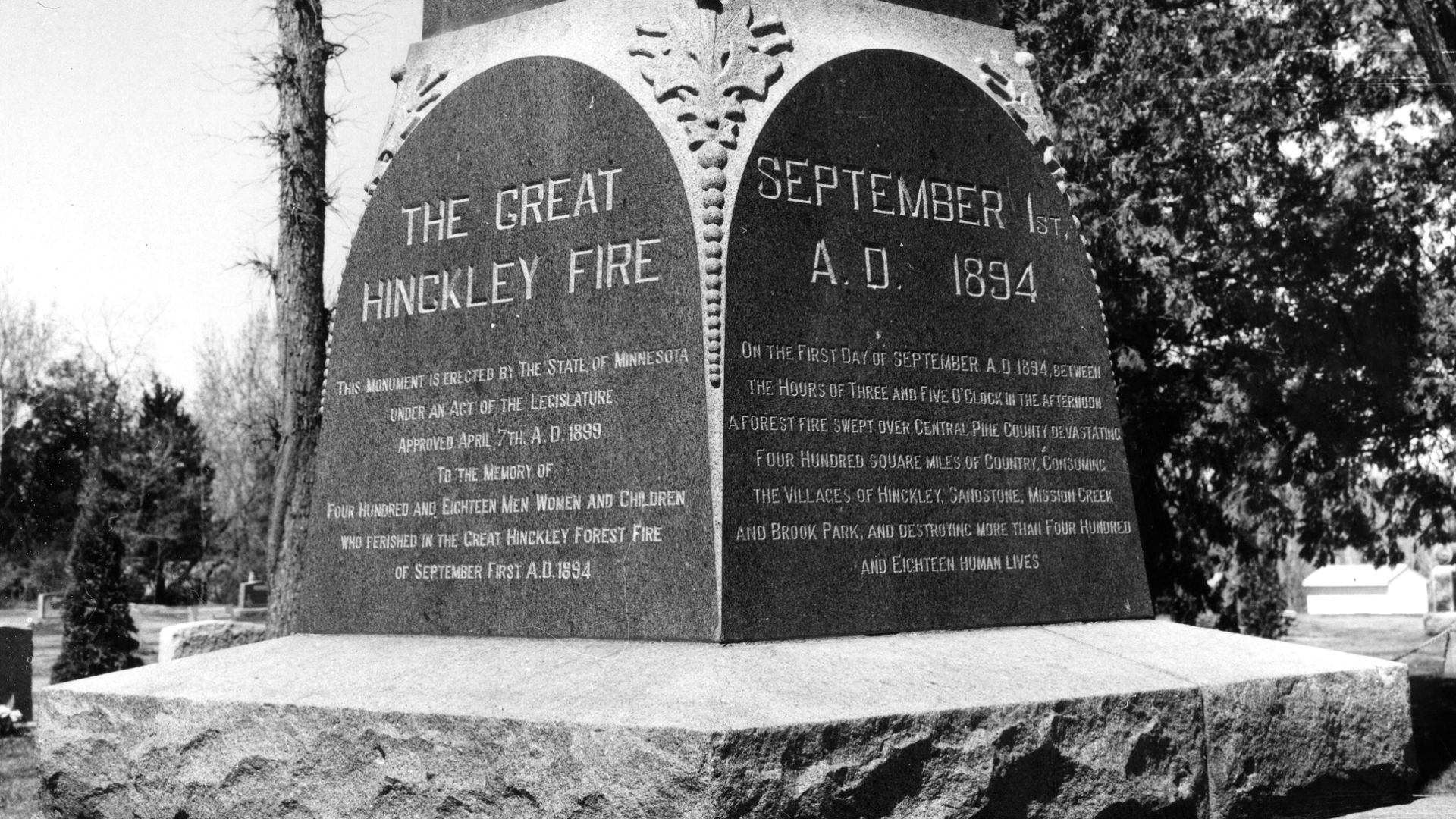
Memorials Preserve The Victims' Stories
A monument was dedicated in 1900 at the burial site of many victims. Hundreds of those buried there were never identified because of the fire's intensity. Today the memorial serves as a reminder of lives lost and communities forever changed.
 Forest Service Photography, Wikimedia Commons
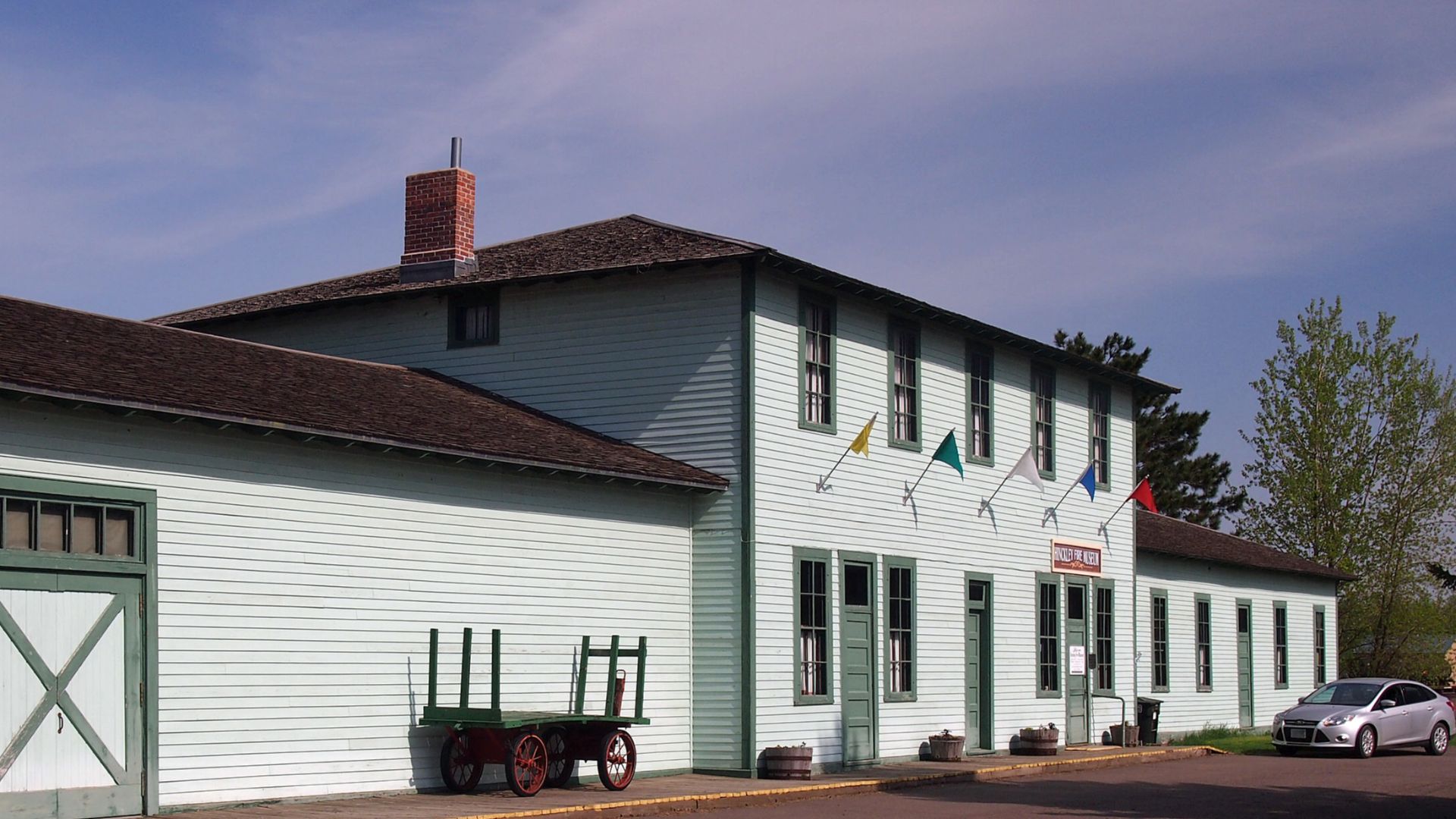
A Museum Keeps The History Alive
The Hinckley Fire Museum preserves artifacts, photographs, and survivor accounts from the disaster. Visitors can learn how the fire developed and how ordinary people responded under impossible circumstances. The museum continues to educate new generations about this overlooked tragedy.
Why The Hinckley Fire Is Often Overlooked
Despite its enormous death toll, the Great Hinckley Fire receives far less national attention than many other American disasters. Later wildfires and other historic events gradually overshadowed it in public memory. Even so, historians continue to rank it among the nation's most significant wildfire catastrophes.

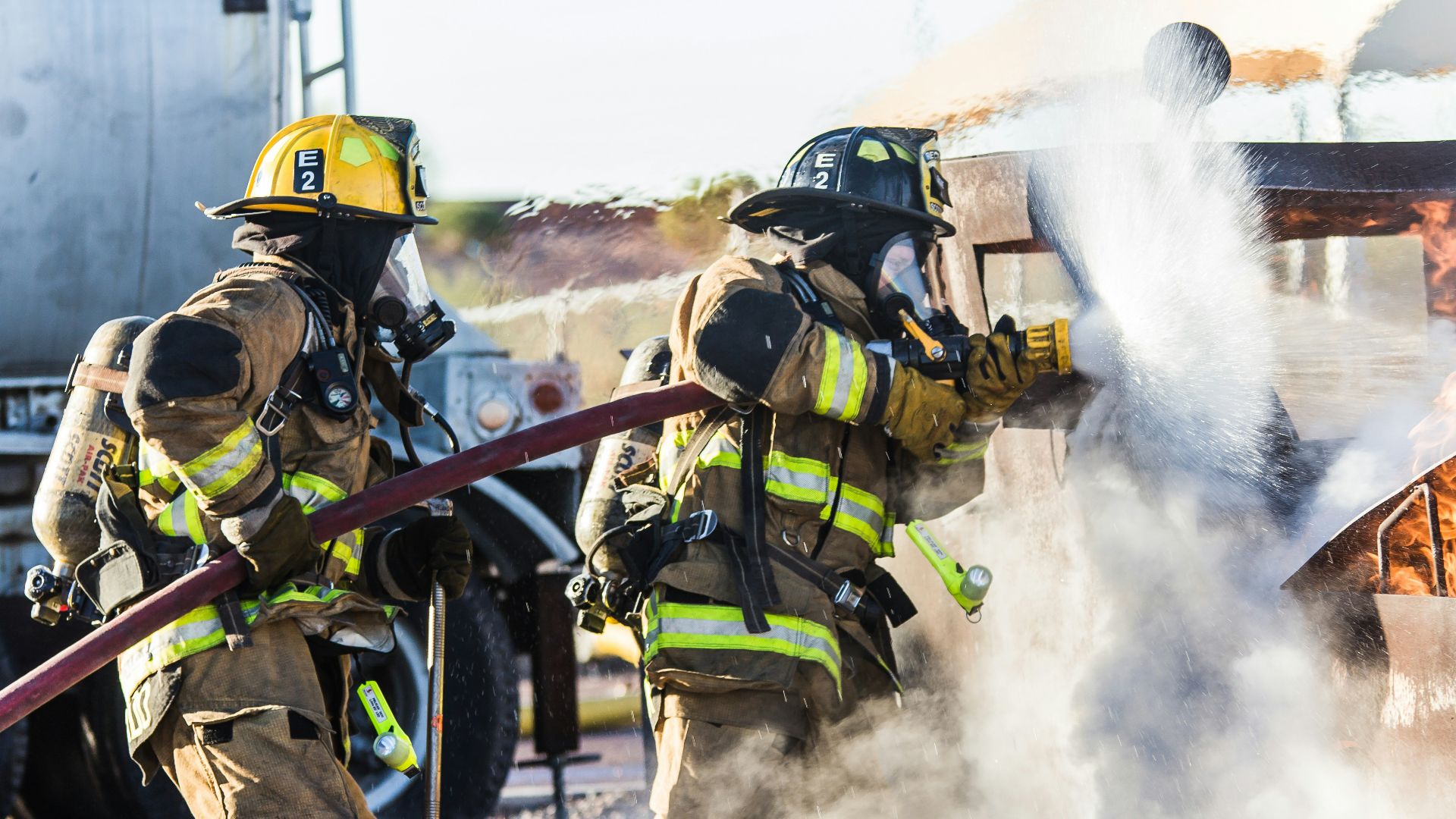
Modern Firefighters Still Learn From It
Today's wildfire experts understand far more about firestorms, weather, and forest management than people did in 1894. Even so, the Hinckley disaster remains an important case study in how drought, fuel buildup, and extreme weather can combine into a catastrophic event. Its lessons remain relevant as wildfires become more frequent in many parts of the world.
Remembering A Disaster That Should Never Be Forgotten
The Great Hinckley Fire claimed hundreds of lives in only a few terrifying hours. Its legacy helped reshape wildfire prevention and emergency response in Minnesota. Remembering the tragedy honors those who were lost while reminding us how quickly nature can overwhelm even thriving communities.
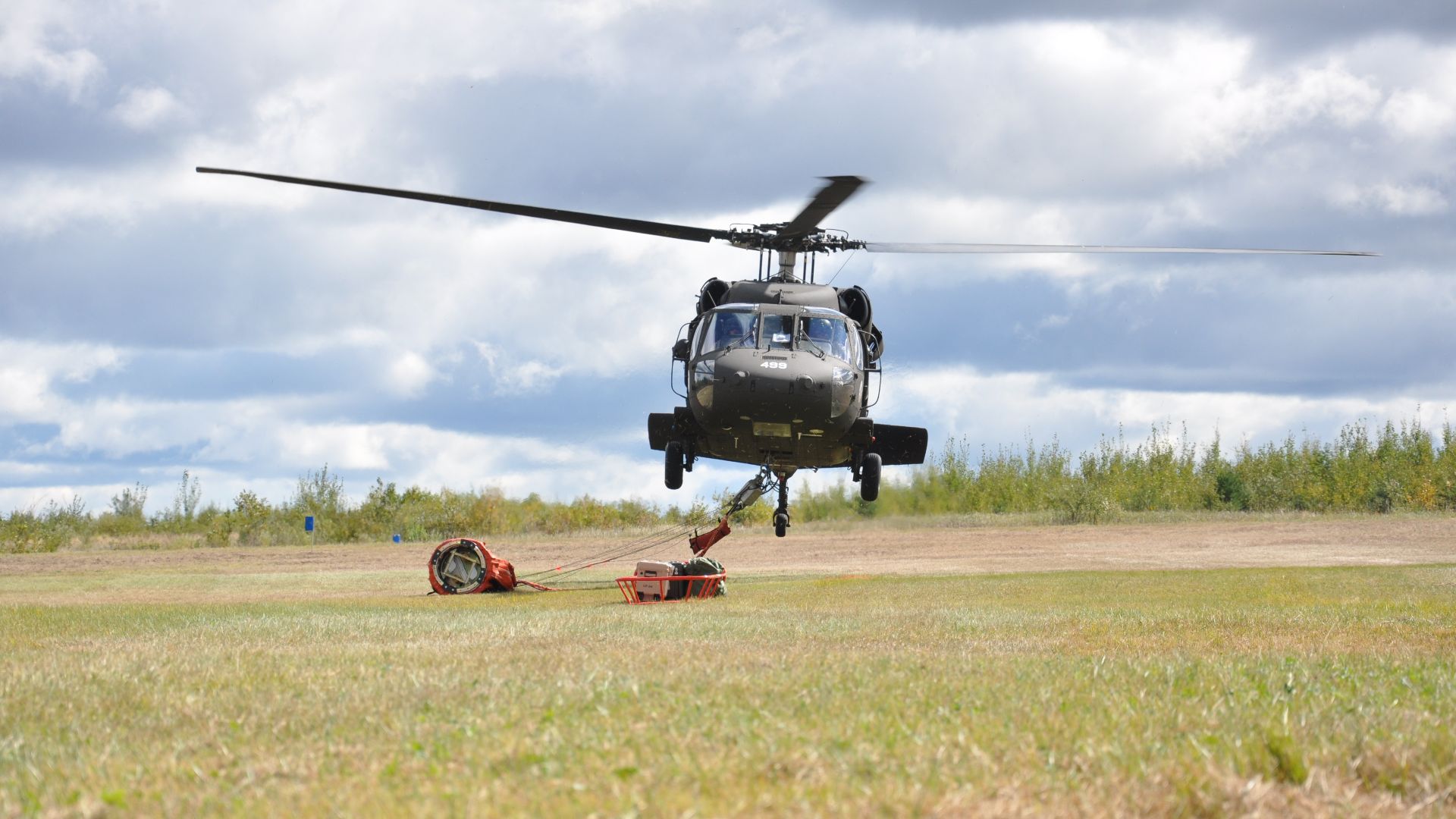 Staff Sgt. Ben Houtkooper, Wikimedia Commons
You May Also Like:
The Weirdest Rules People Once Followed At Work
The Discovery Of A Bronze Age Blade Workshop In Southern Israel
Resilient Facts About Ellen Burstyn, The Actor Who Worked With The Devil









